Unique Living Room Side Tables
Unique Living Room Side Tables
-
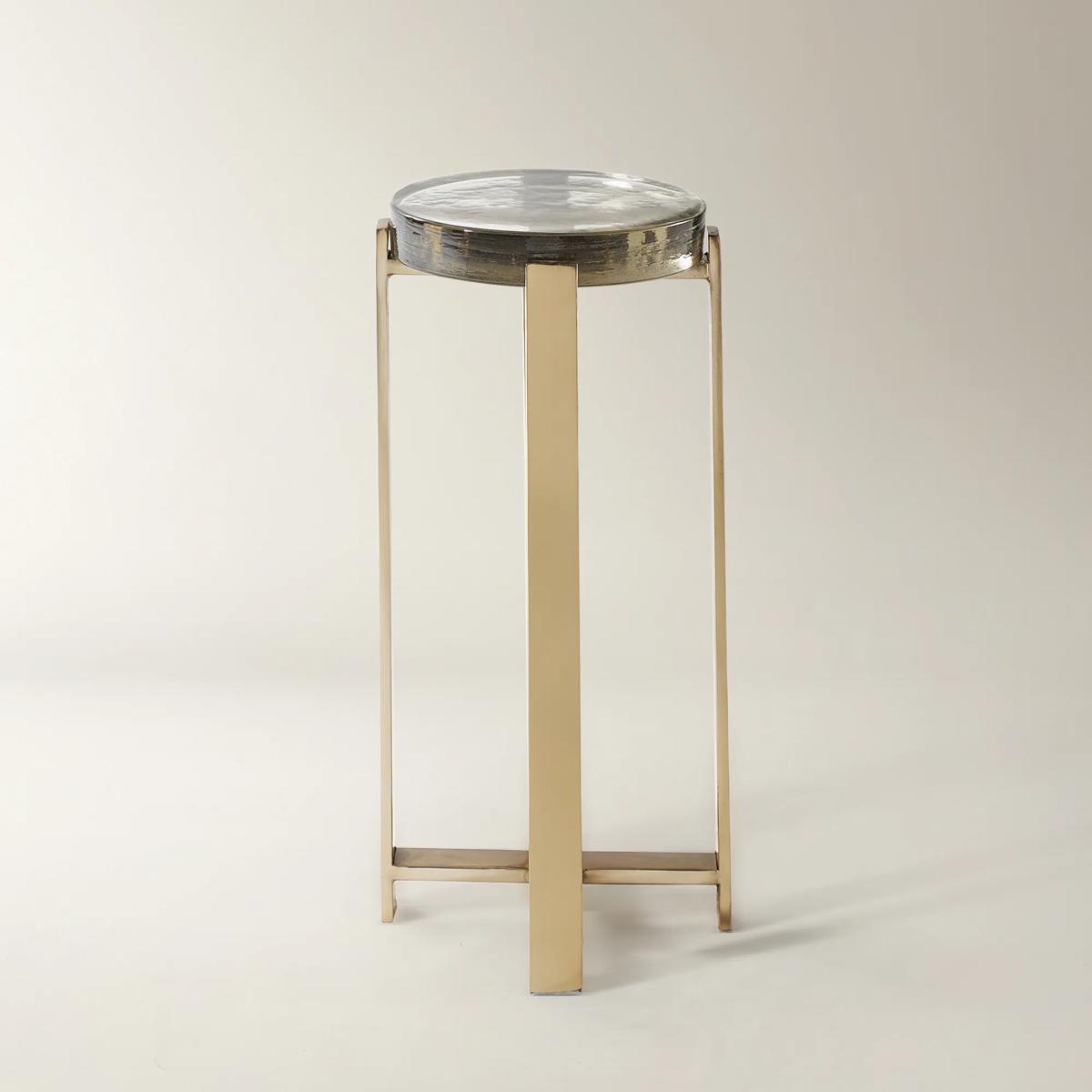
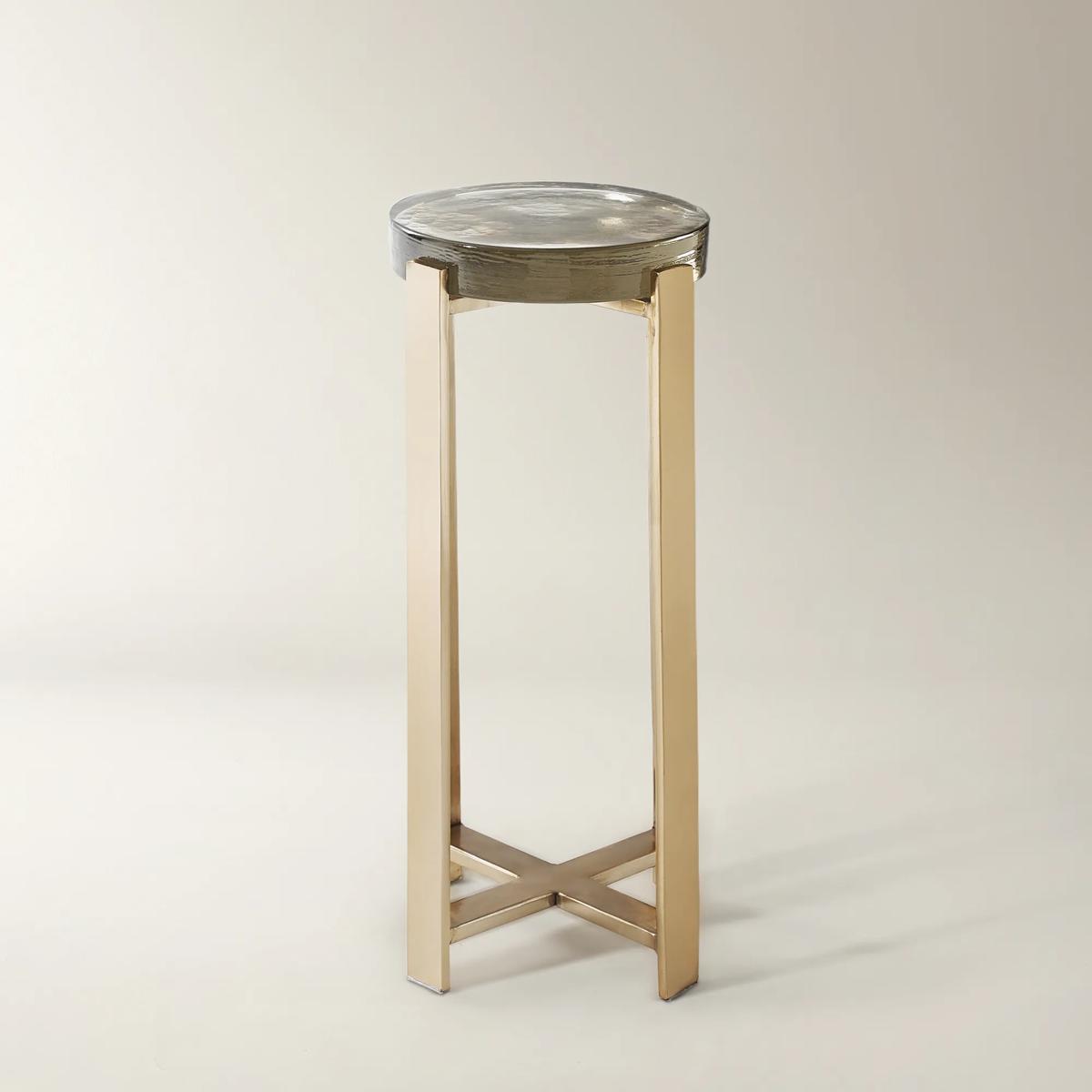 Lyra Round Brass Metal Side Table With Glass Top (10.75")$259
A sculptural side table featuring a thick cast glass top and lustrous brass-finished metal base.
Add To Cart -
 Thalia Glossy Black Side Table Set Of 2 (8"-12.5")$599
A sculptural duo of glossy black fiberglass tables with fluid lines and mirror-like lacquered finish.
Add To Cart -
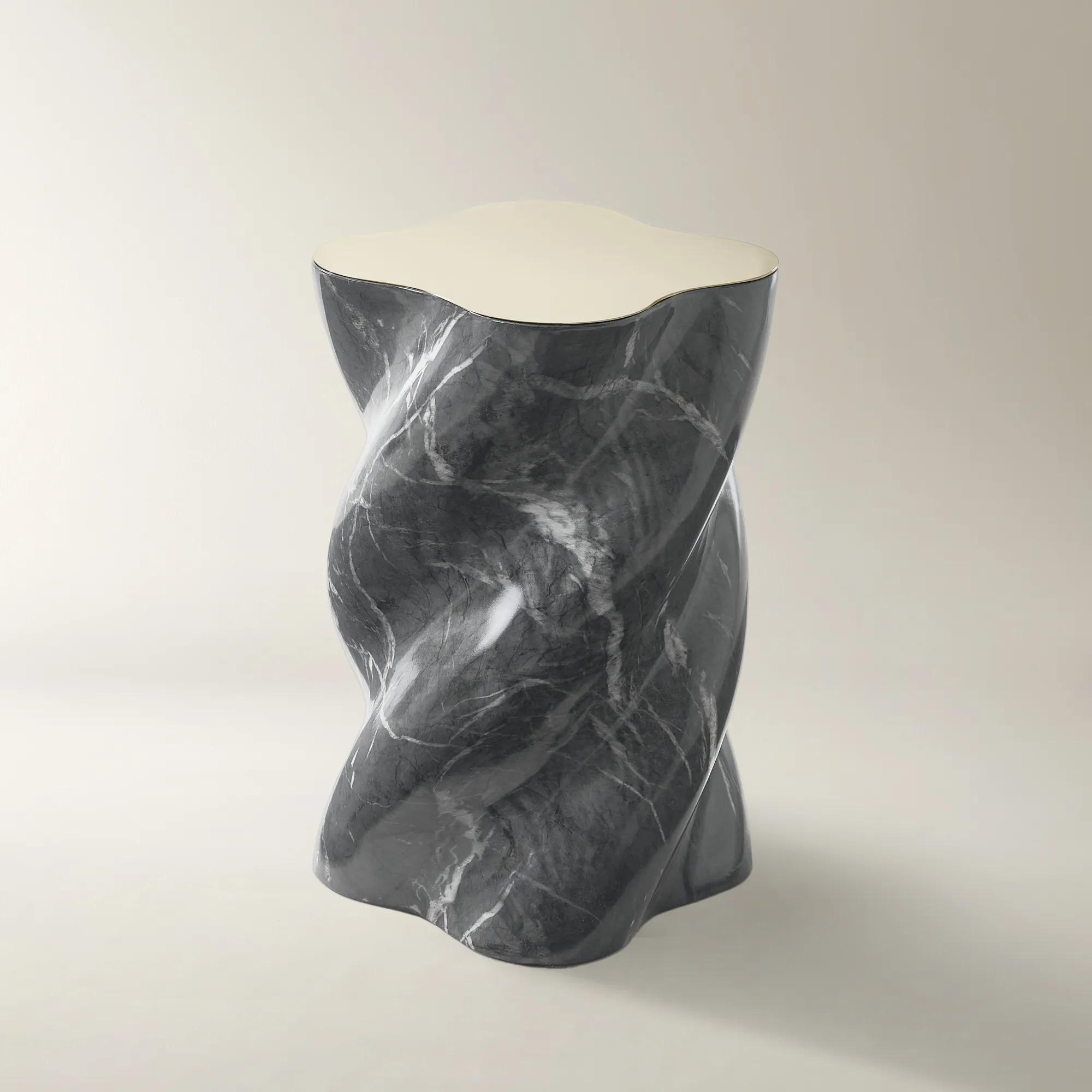 Vega Bvlgary Black Concrete Side Table With Stainless Steel Top (13.8")$459
A sculptural black side table featuring a marble-inspired fiber-concrete base and removable stainless steel top.
Add To Cart -
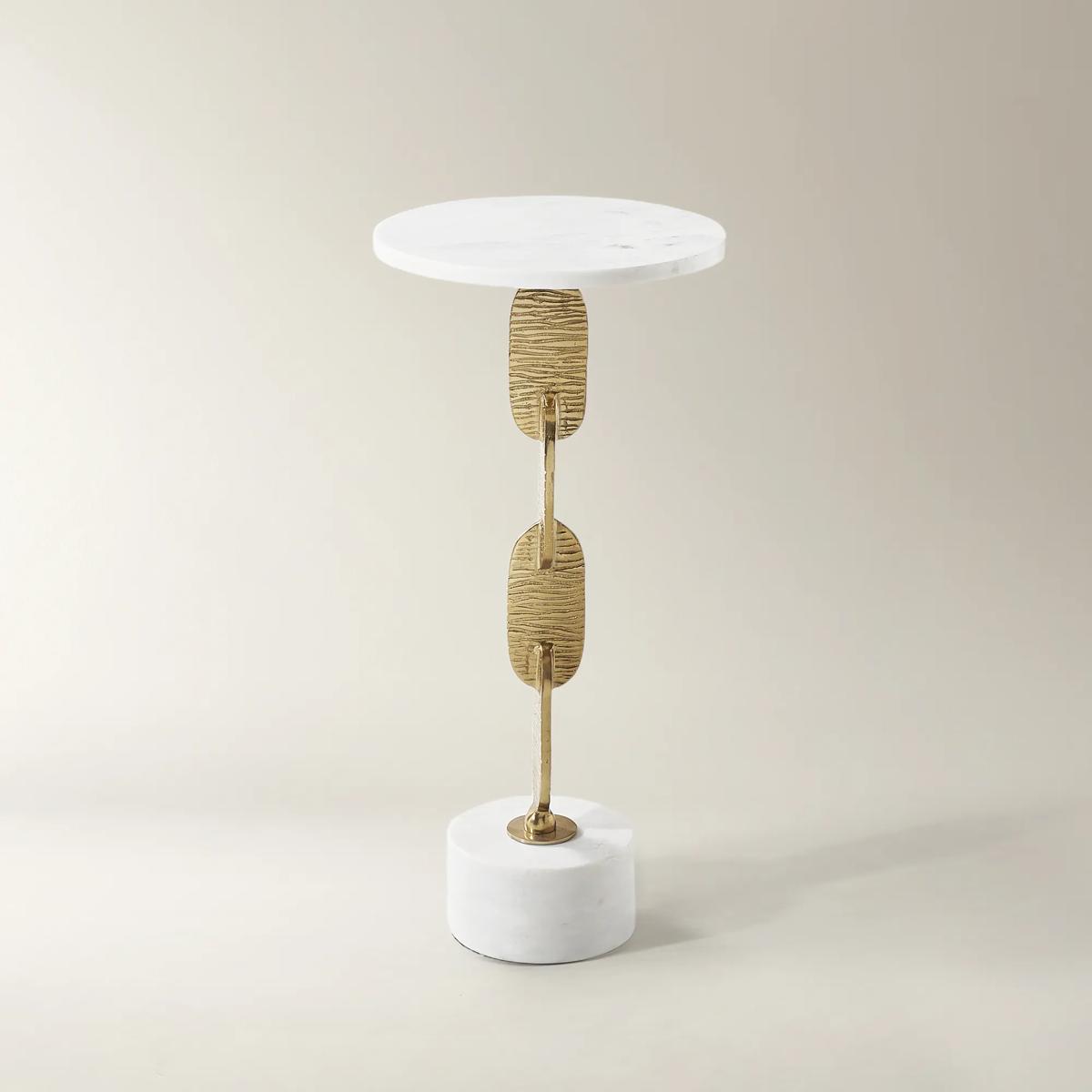
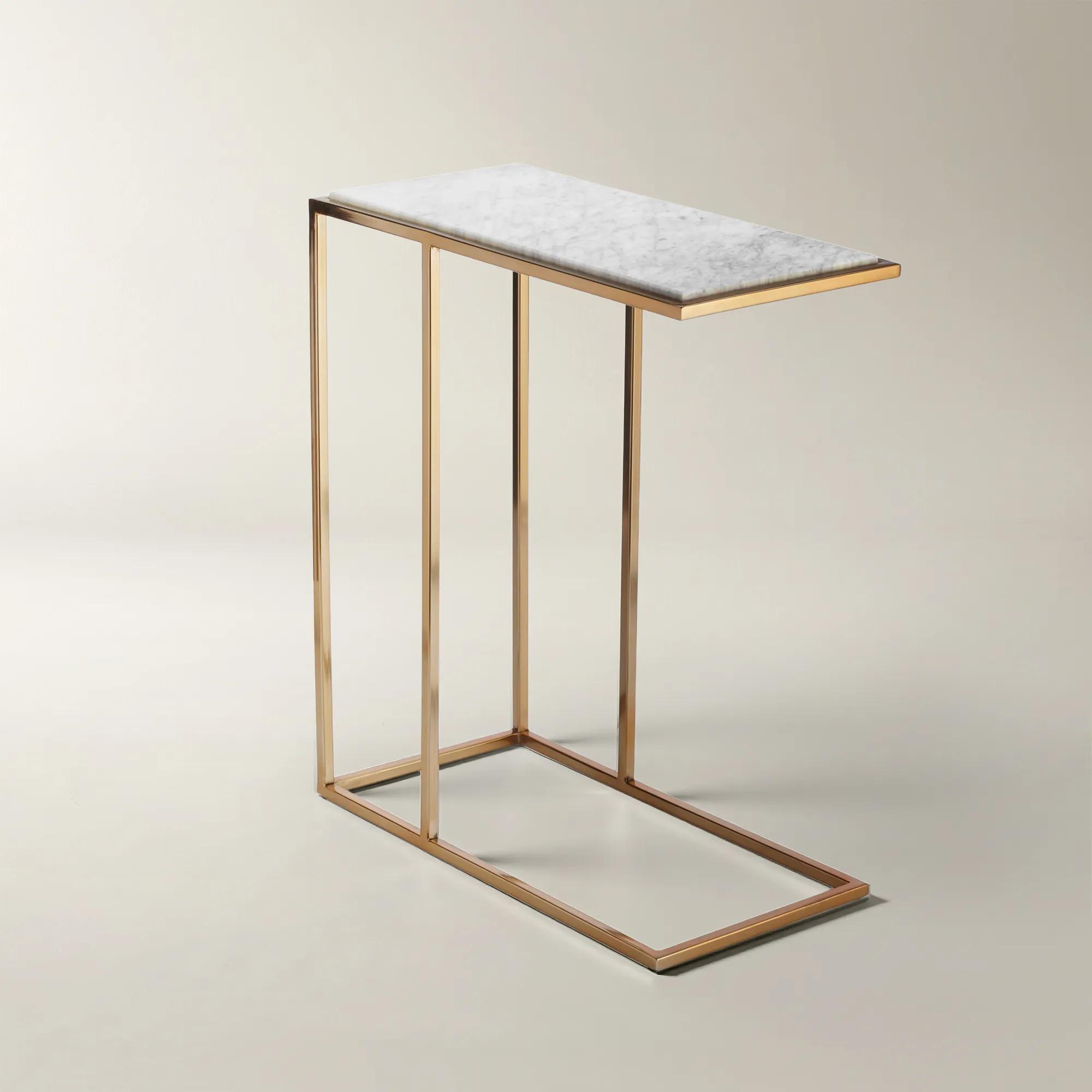
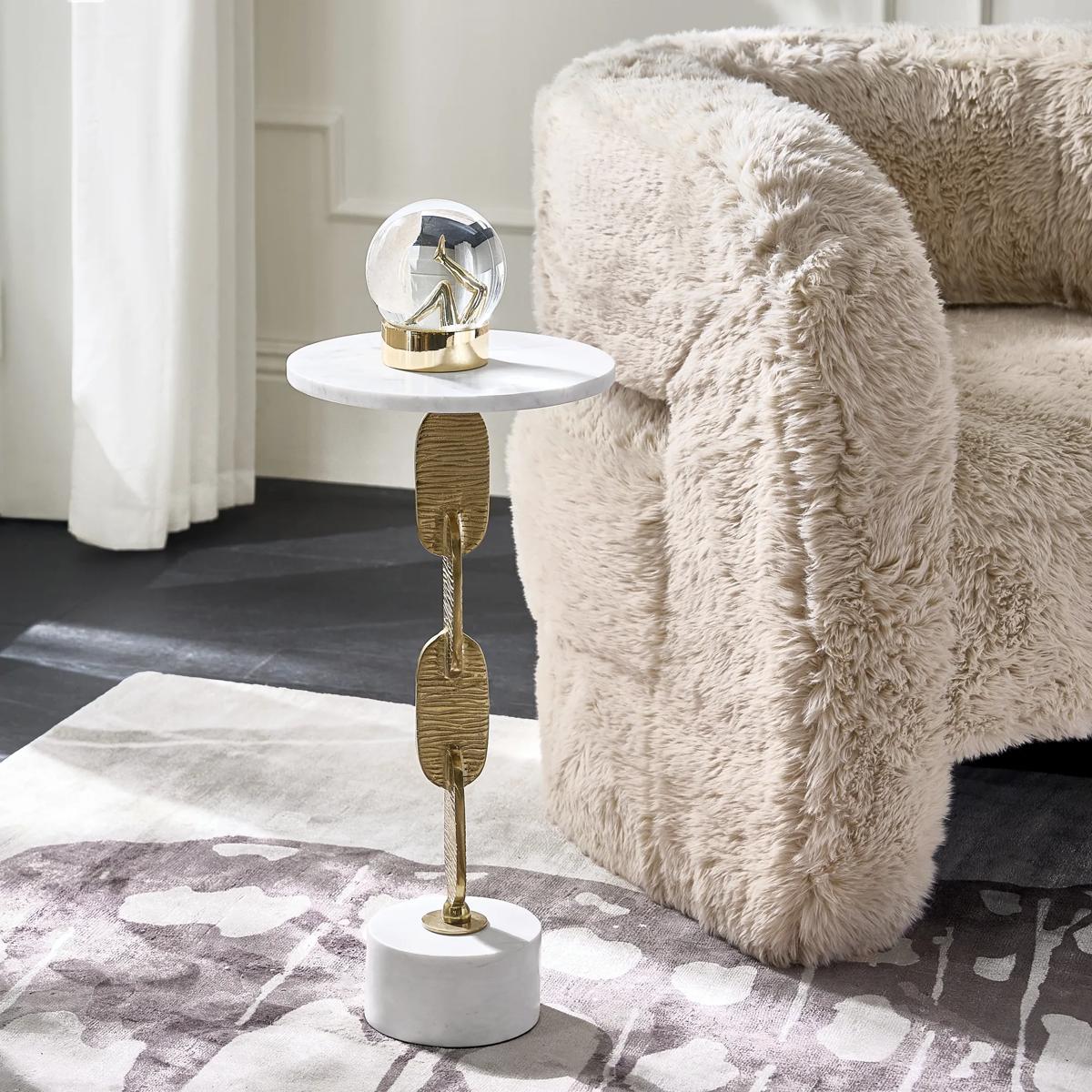 Luna Round White Marble Side Table (11.25")$199
A sculptural side table featuring a genuine white marble top and an open gold-finished metal frame.
Add To Cart -
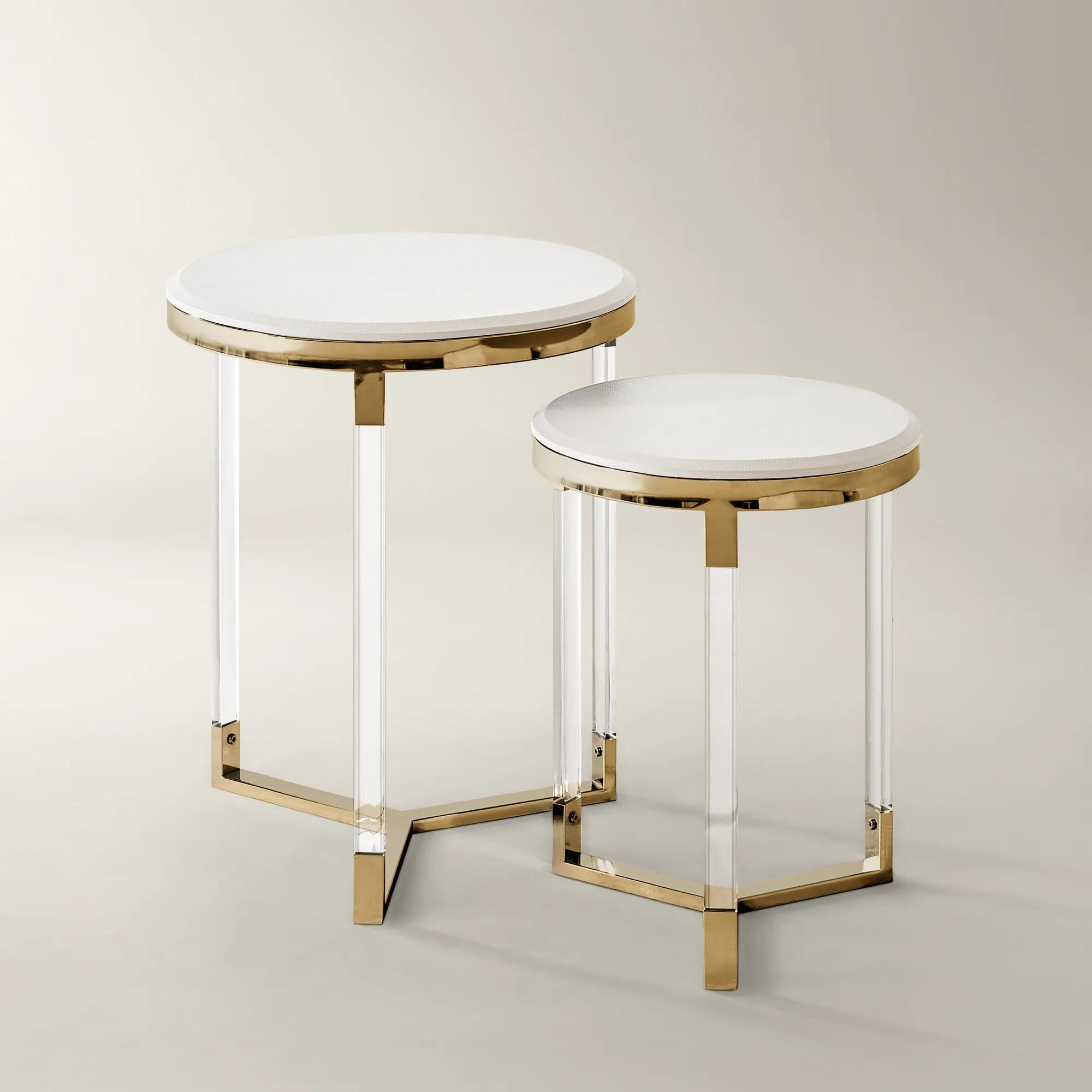
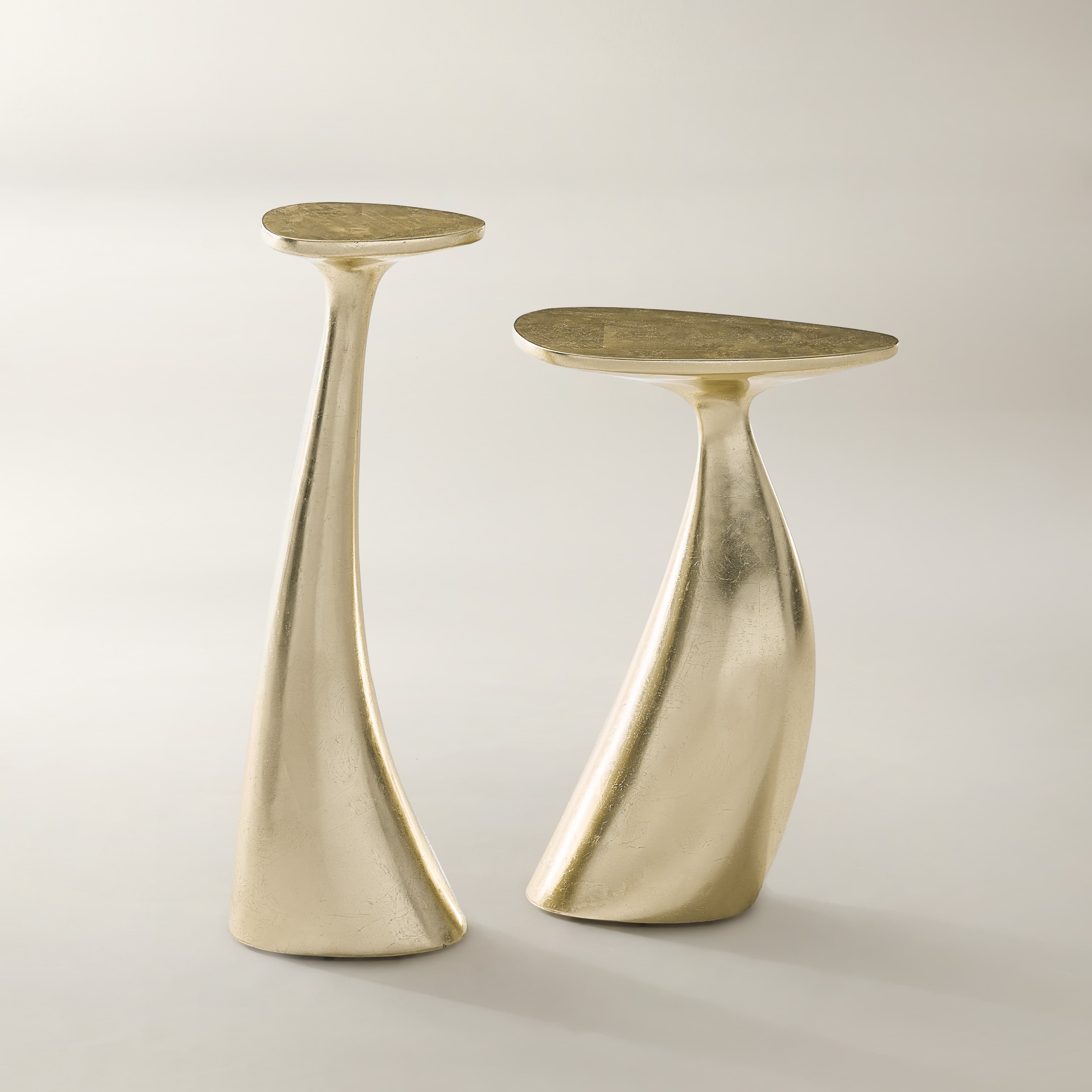 Thalia Soft Gold Side Table Set Of 2 (8"-12.5")$699
A sculptural duo of gold leaf fiberglass tables with fluid lines and a warm, luminous finish.
Add To Cart -
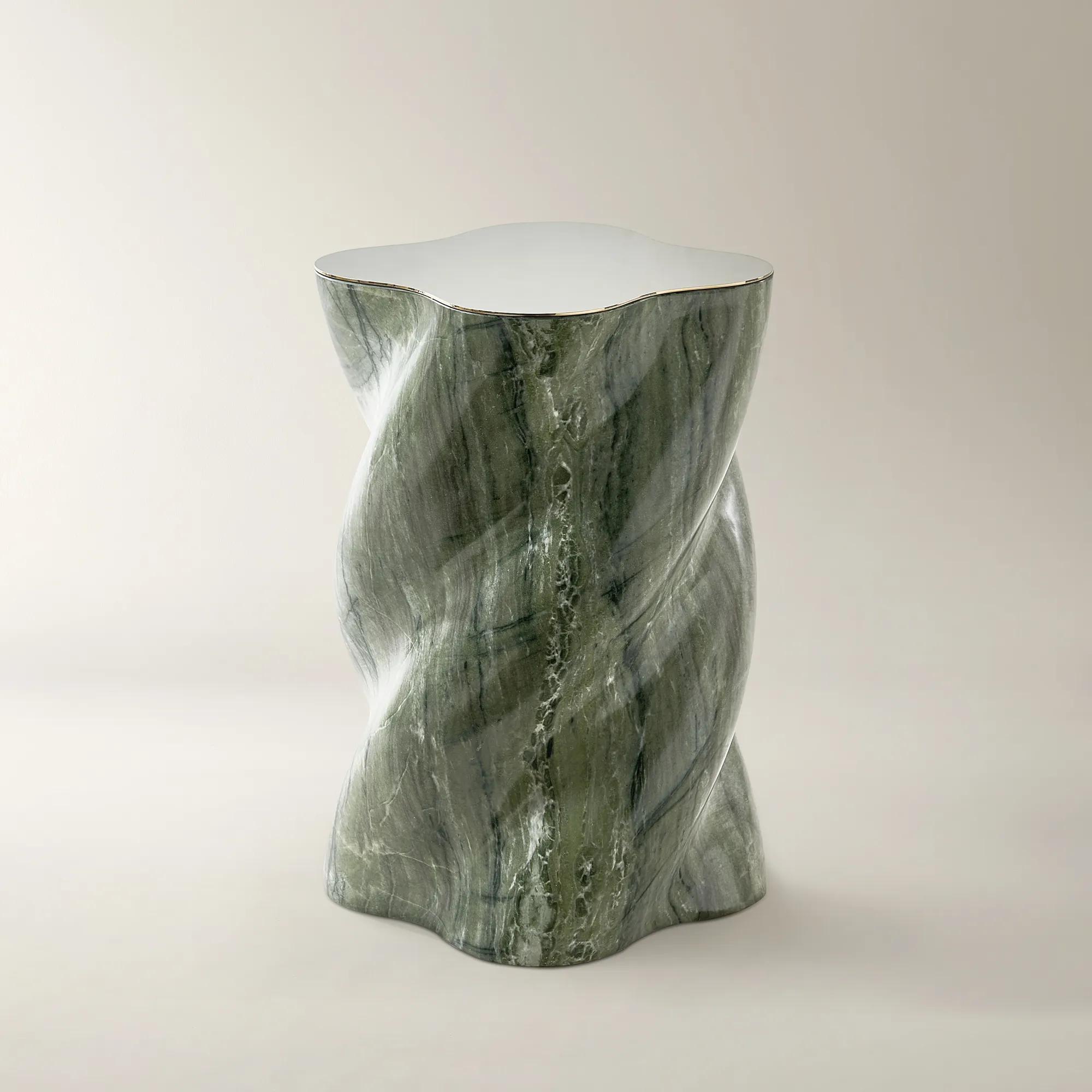 Vega Malachite Green Concrete Side Table With Stainless Steel Top (13.8")$459
A sculptural side table in malachite green with a marble-inspired fiber-concrete base and stainless steel top.
Add To Cart -
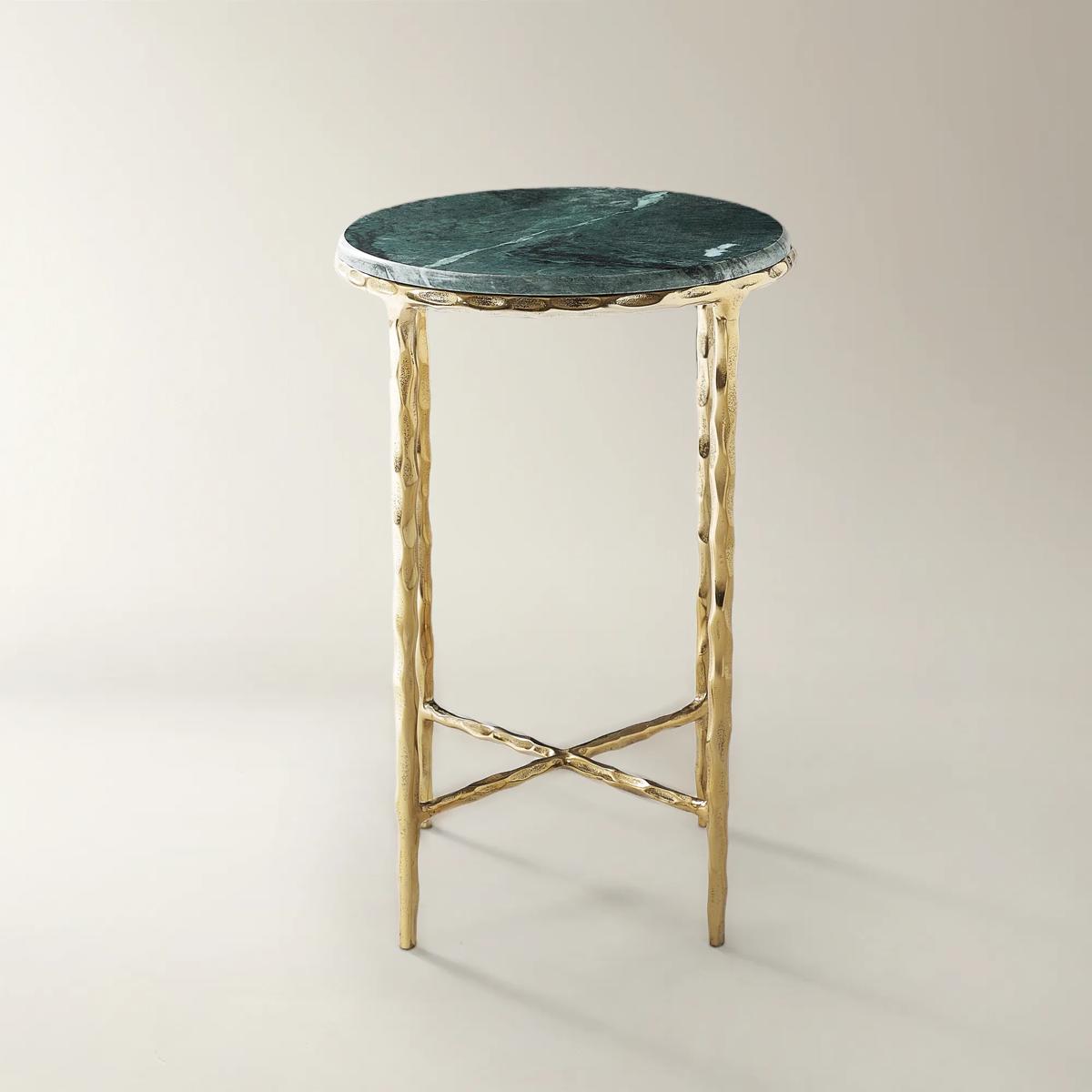
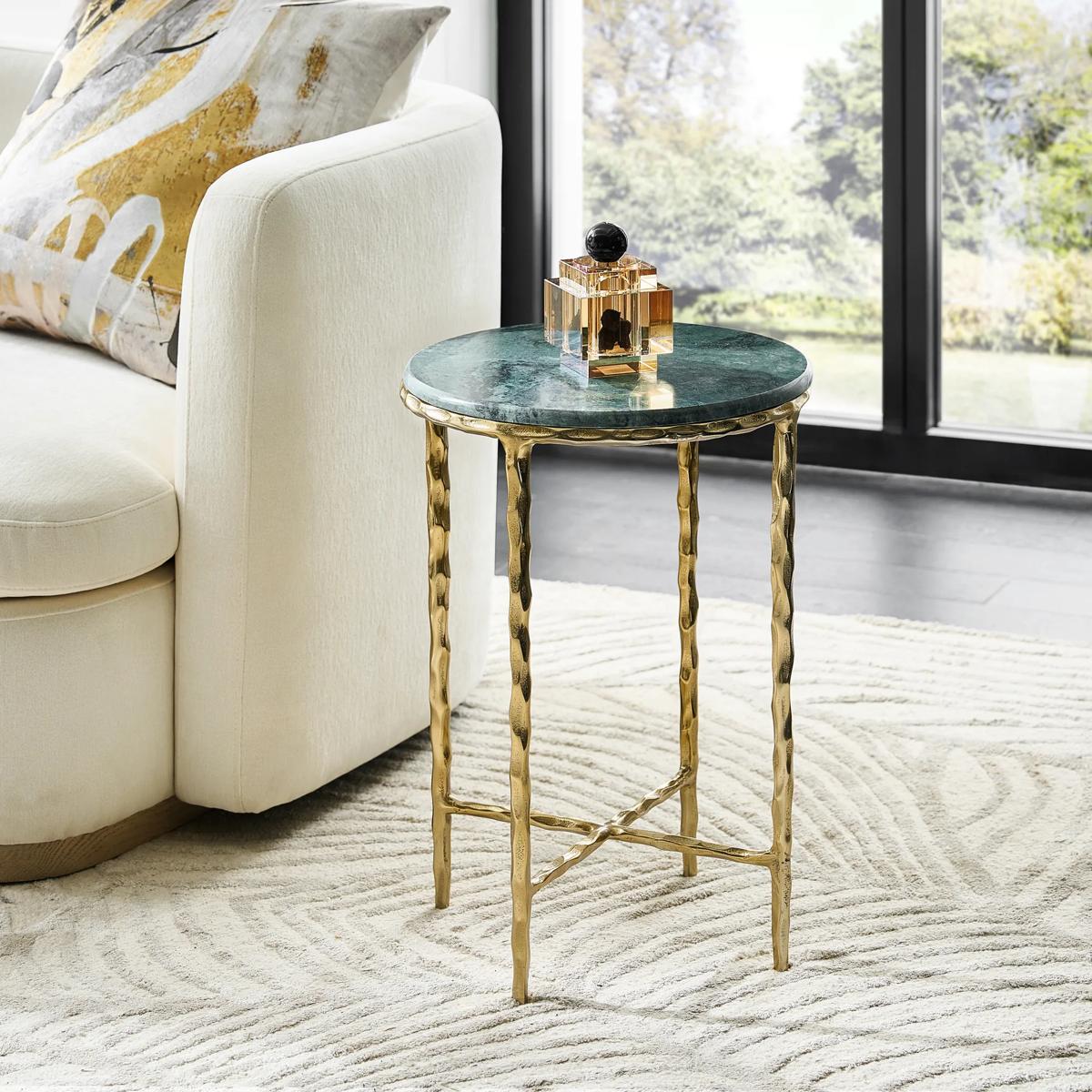 Juliet Round Green Marble Side Table (15")$269
A striking side table featuring a deep green Indian marble top and a hand-hammered metal base.
Add To Cart -
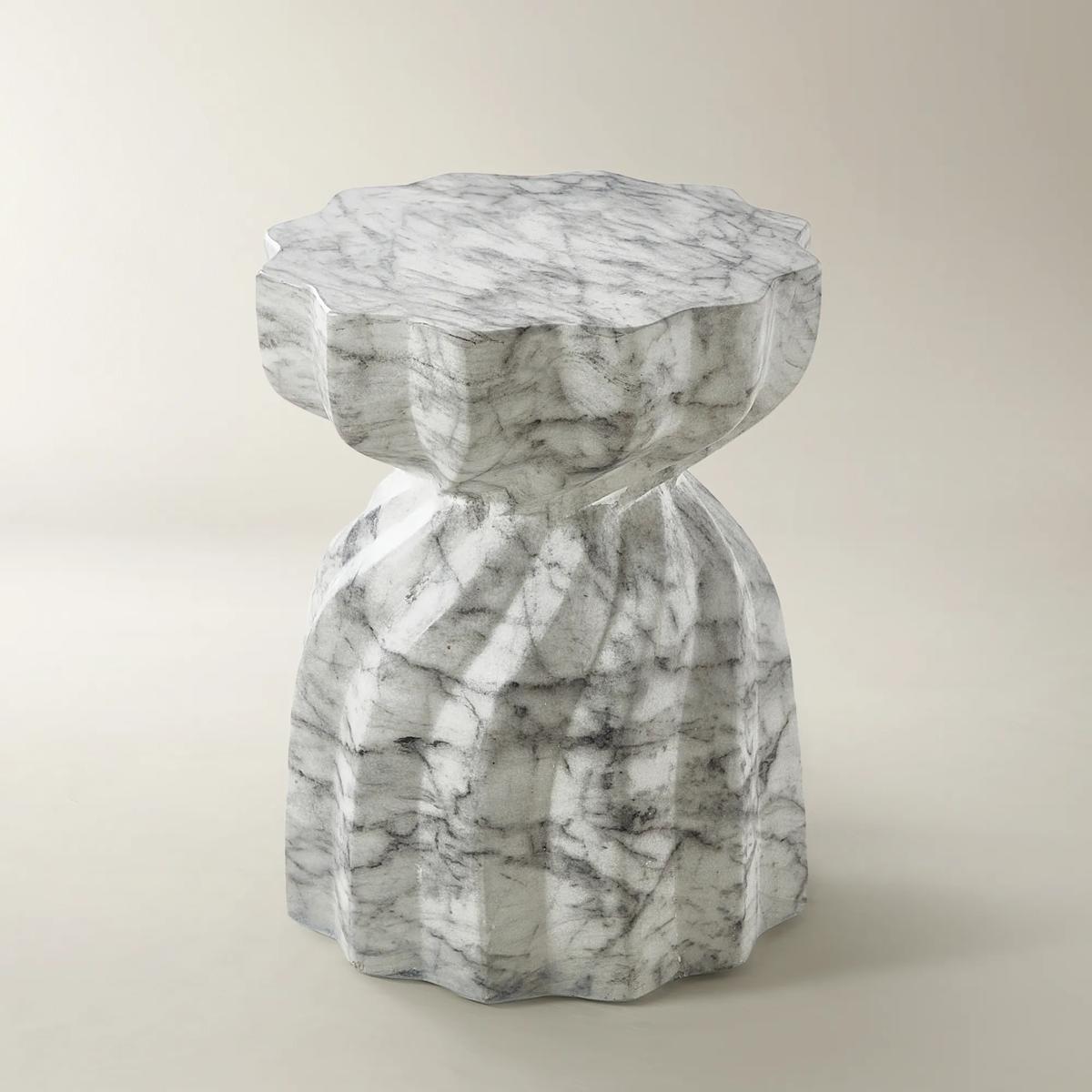
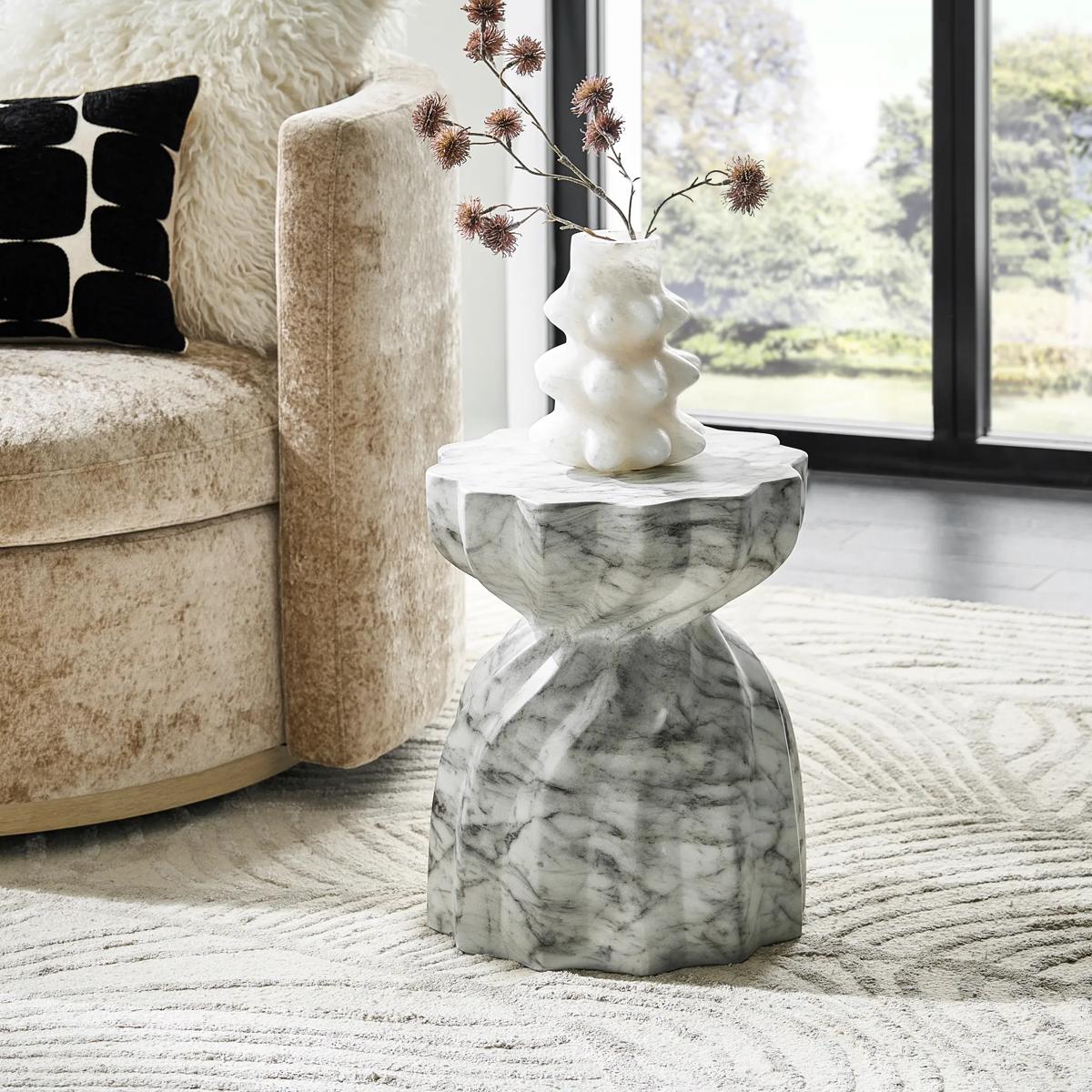 Lithia Scalloped White Concrete Side Table (15")$349
A sculptural white marble-look side table crafted from durable, lightweight fiber concrete for indoor or outdoor use.
Add To Cart -
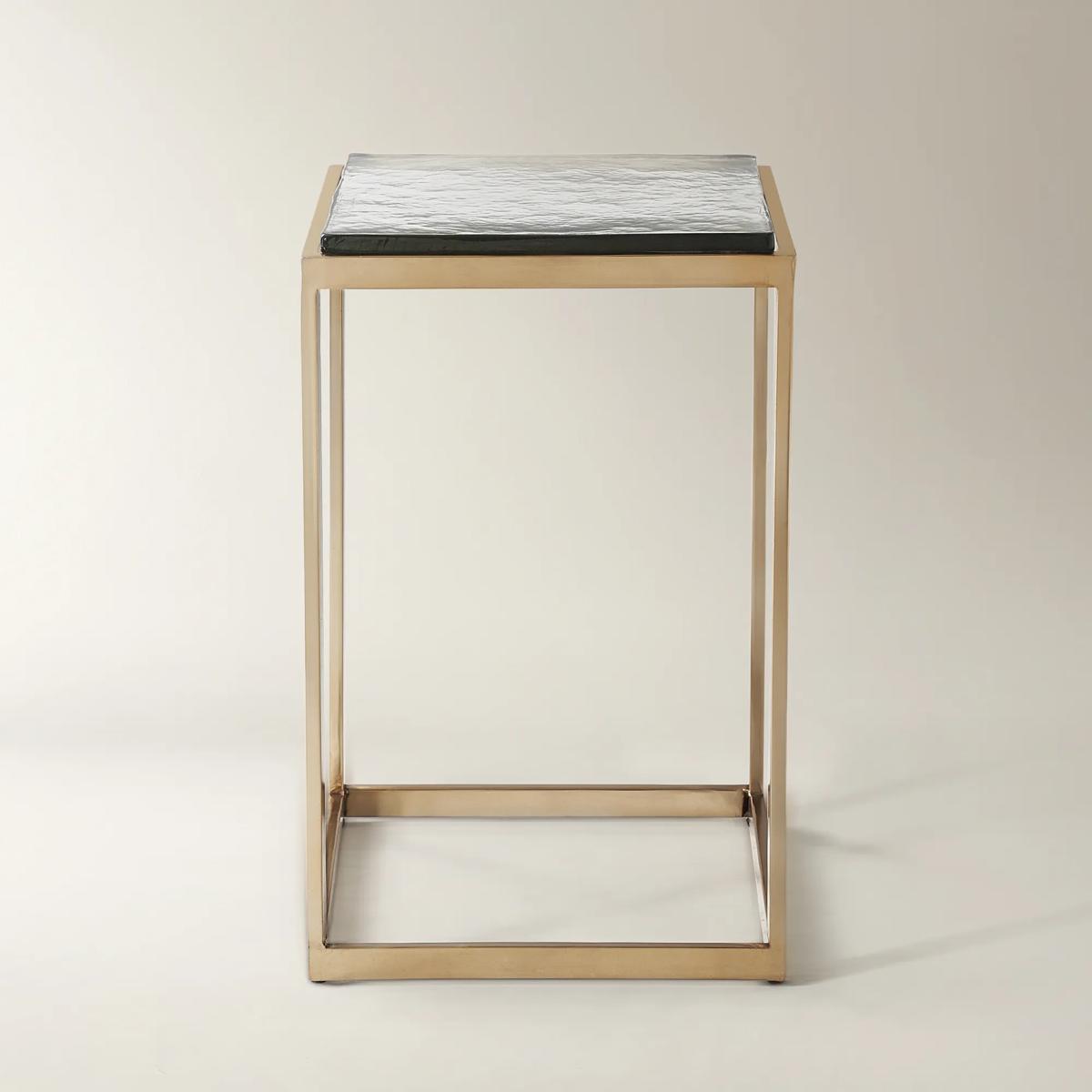
 Lyra Square Brass Metal Side Table With Glass Top (13.8")$239
A sculptural side table featuring a thick cast glass top and a lustrous brass-finished metal base.
Add To Cart -
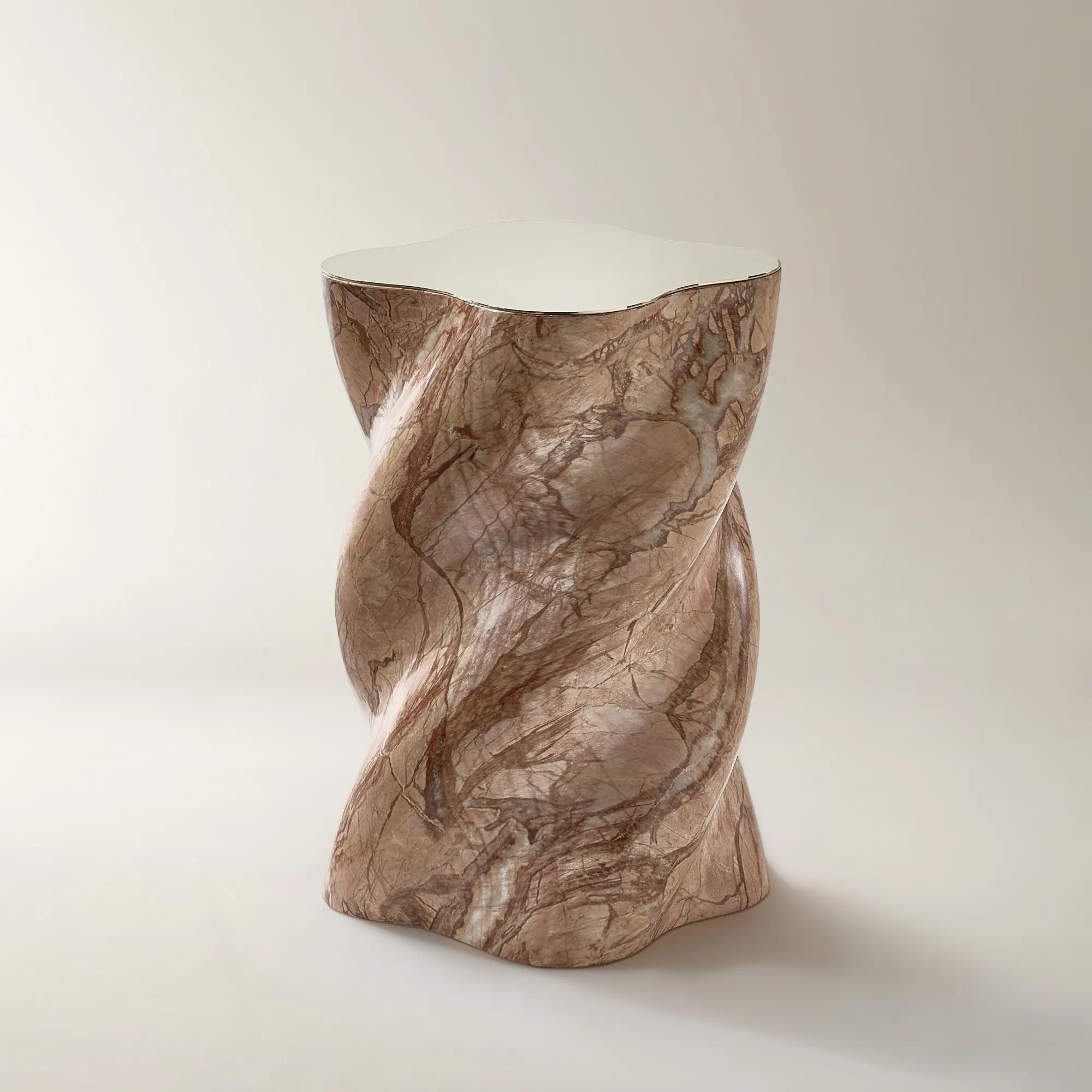
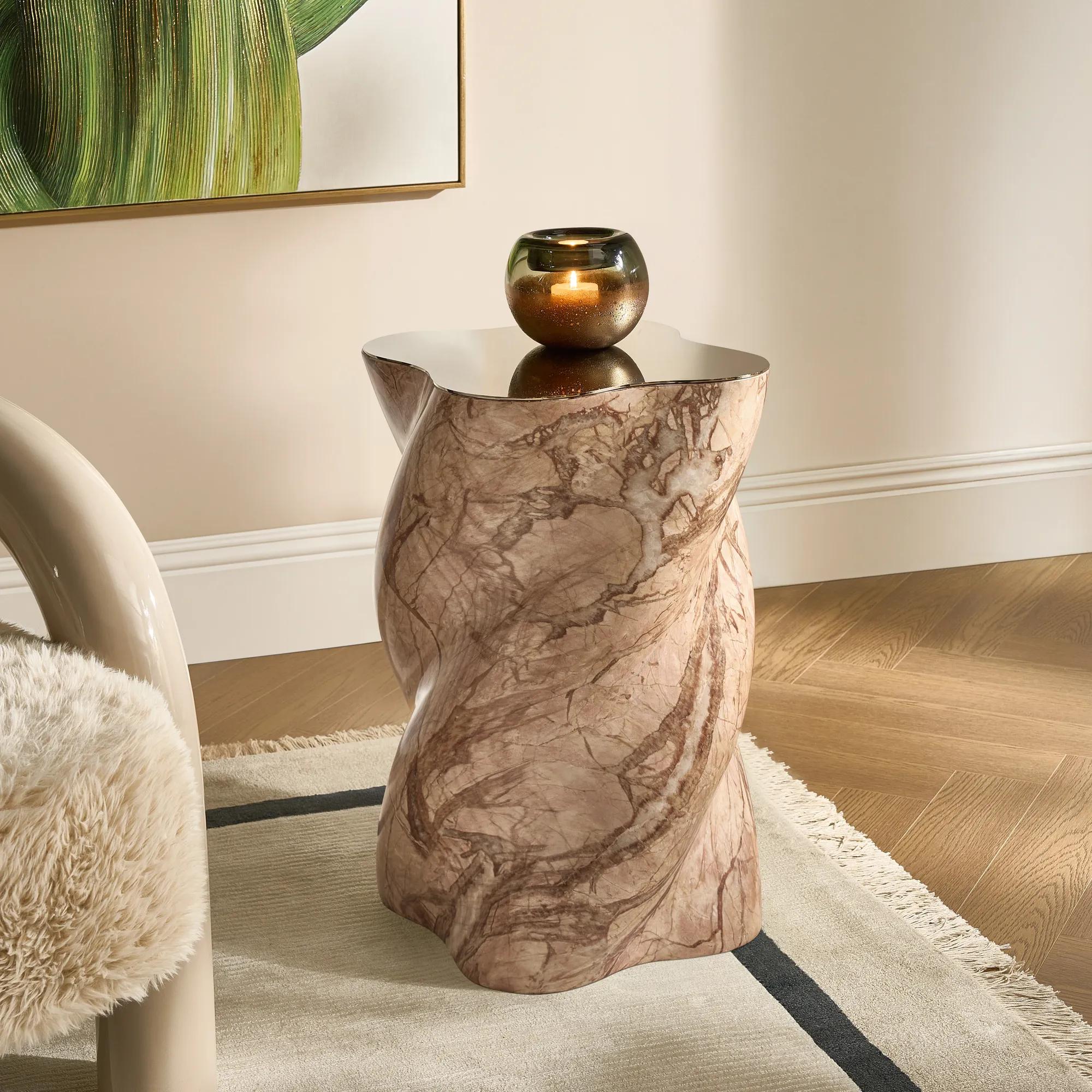 Vega Concrete Side Table With Stainless Steel Top (13.8")$459
A sculptural side table featuring a hand-cast fiber-concrete base and sunset marble-inspired stainless steel top.
Add To Cart -
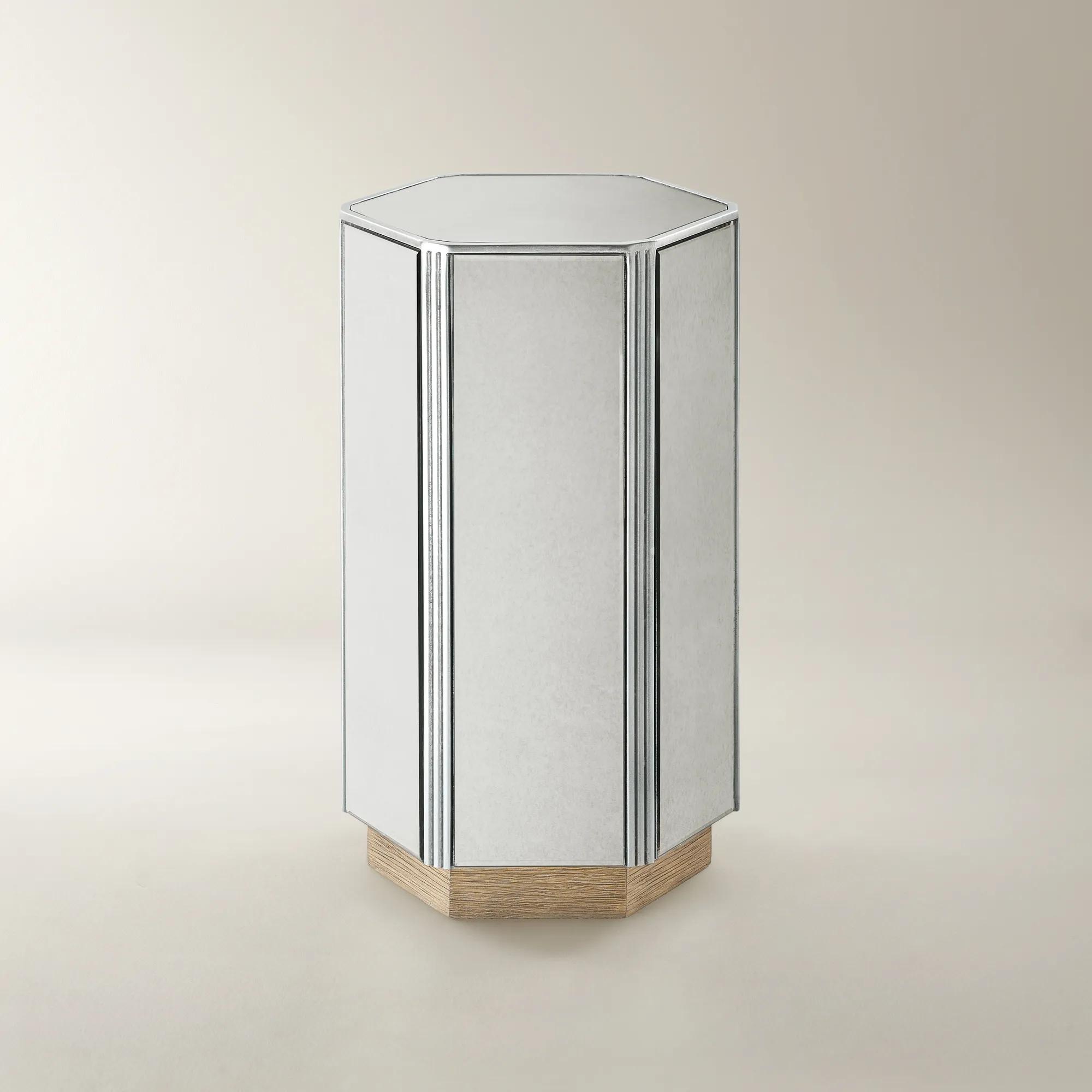 Glimmer Silver Mirrored End Table (12")$399
A chic side table featuring an antique silver mirror top and warm oak veneer base with handcrafted details.
Add To Cart -
 Strata Round Green Concrete Side Table (15")$349
A sculptural green marble-look side table crafted from lightweight, durable, and weather-resistant fiber concrete.
Add To Cart -
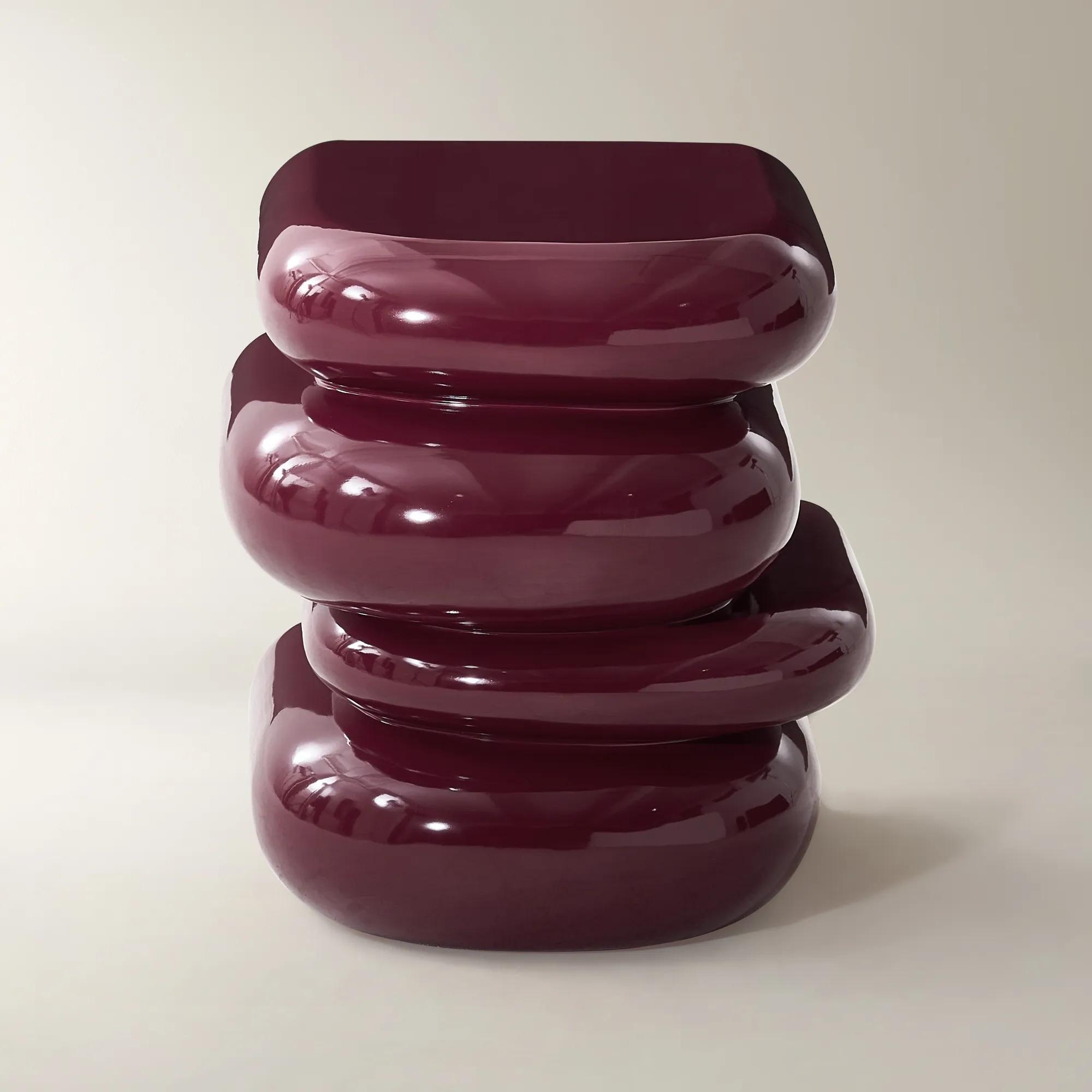 Forma Stacked Ox Blood Side Table (19.9")$499
A sculptural accent table crafted from high-gloss ox blood fiberglass with softly stacked, rounded tiers.
Add To Cart -
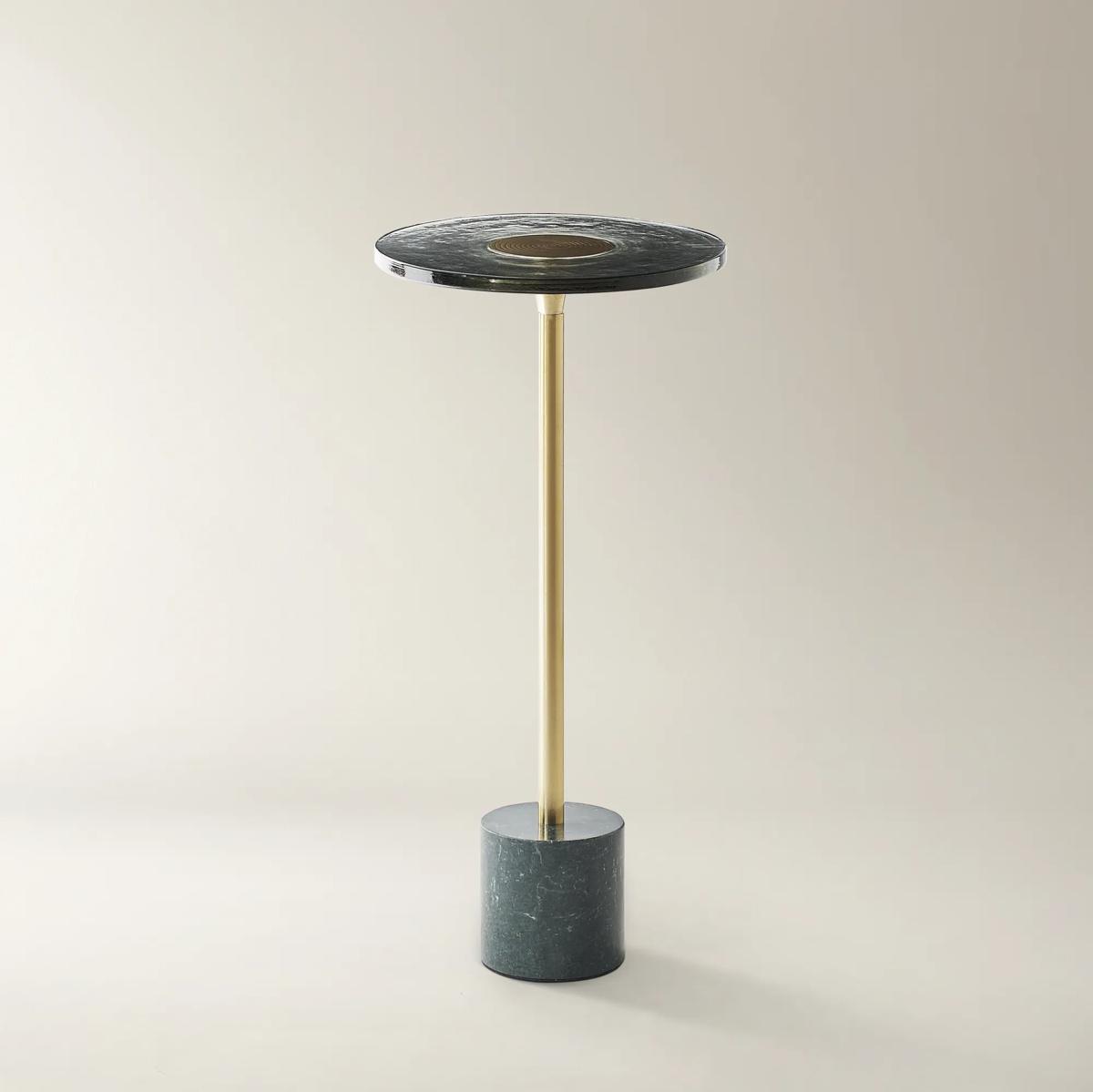
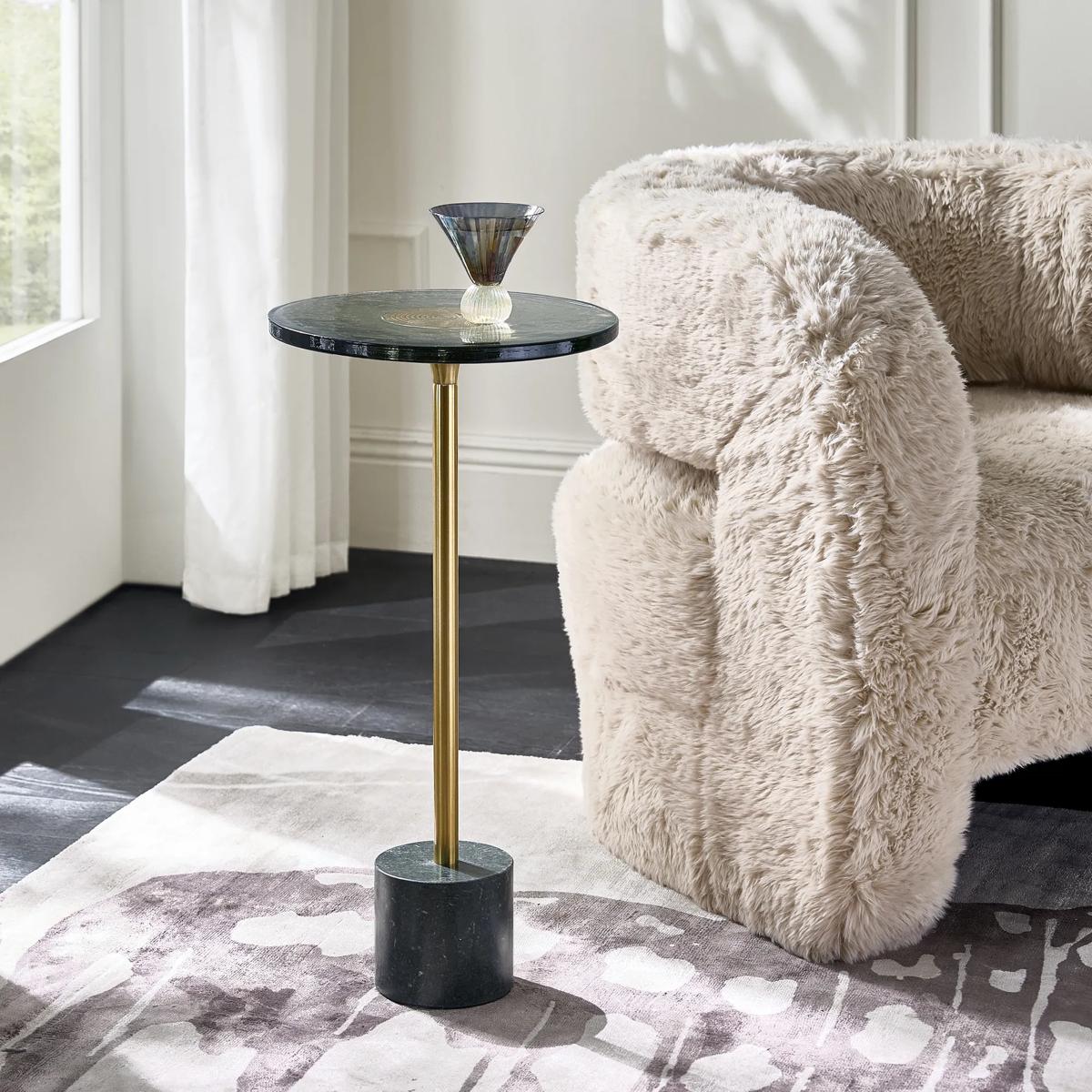 Seraphy Round Green Metal Side Table With Glass Top (13.75")$179
A modern side table featuring a green cast glass top, brass-finished post, and Indian green marble base.
Add To Cart -
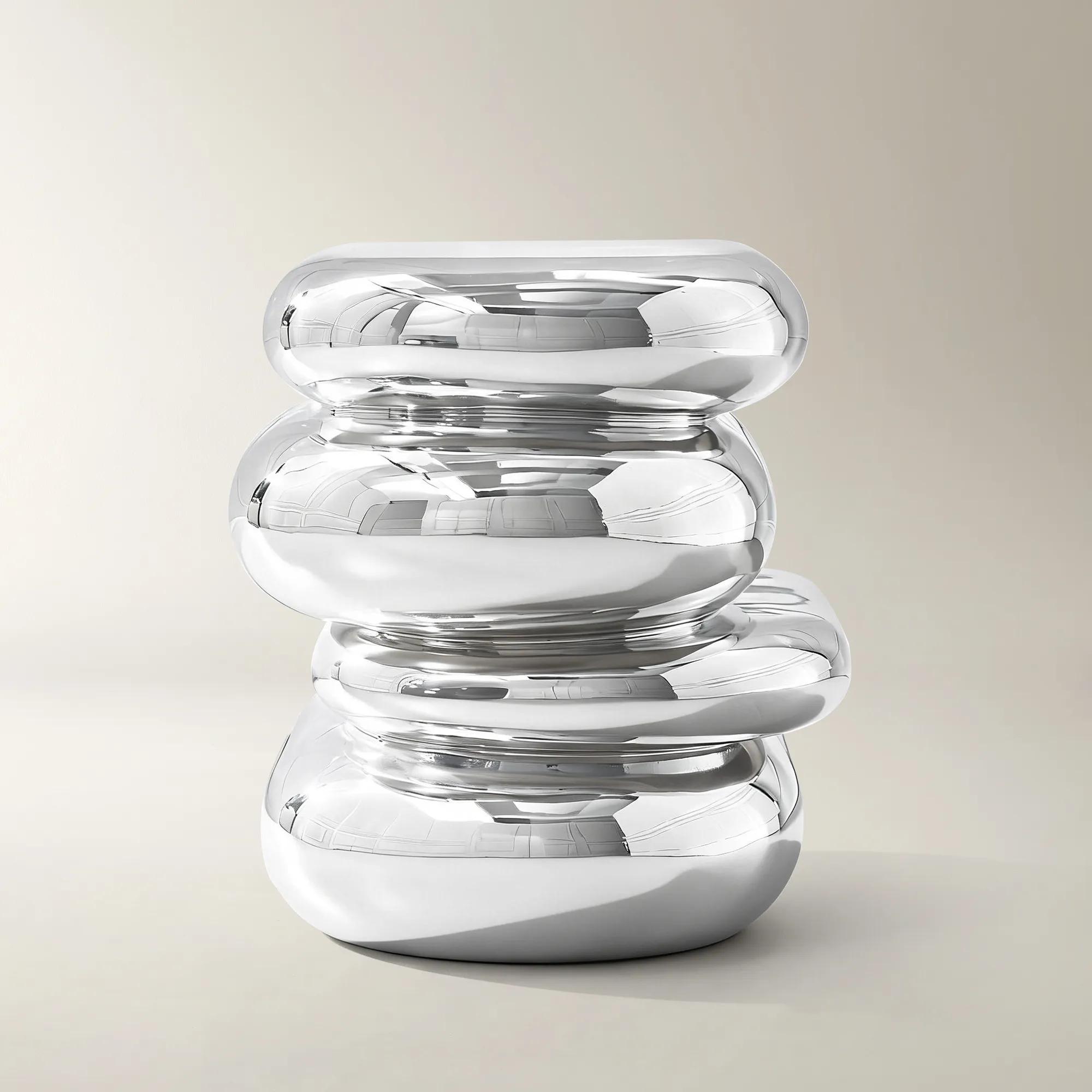 Forma Stacked Chrome Side Table (19.9")$699
A sculptural accent table crafted from seamless fiberglass with a reflective chrome finish and rounded tiers.
Add To Cart -
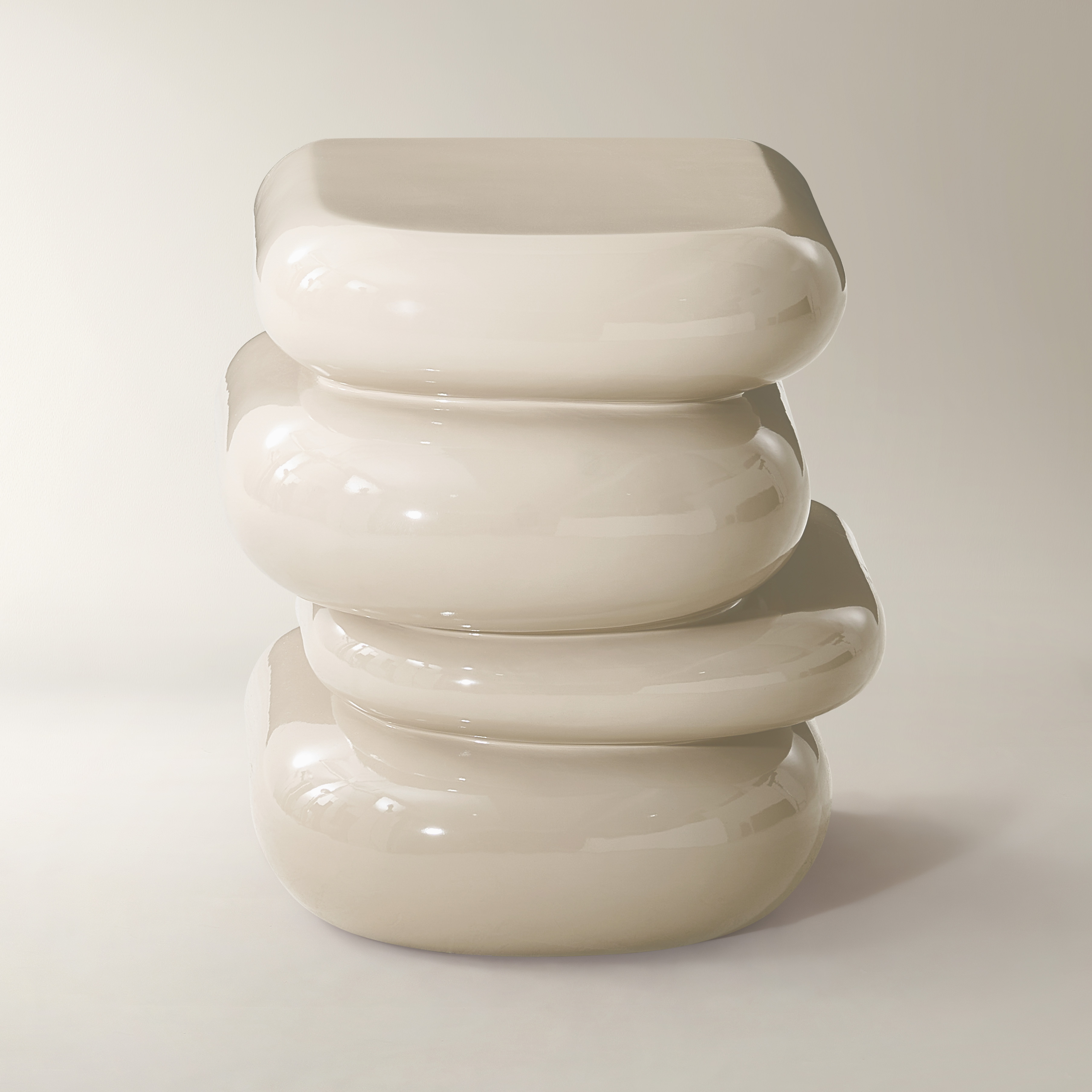
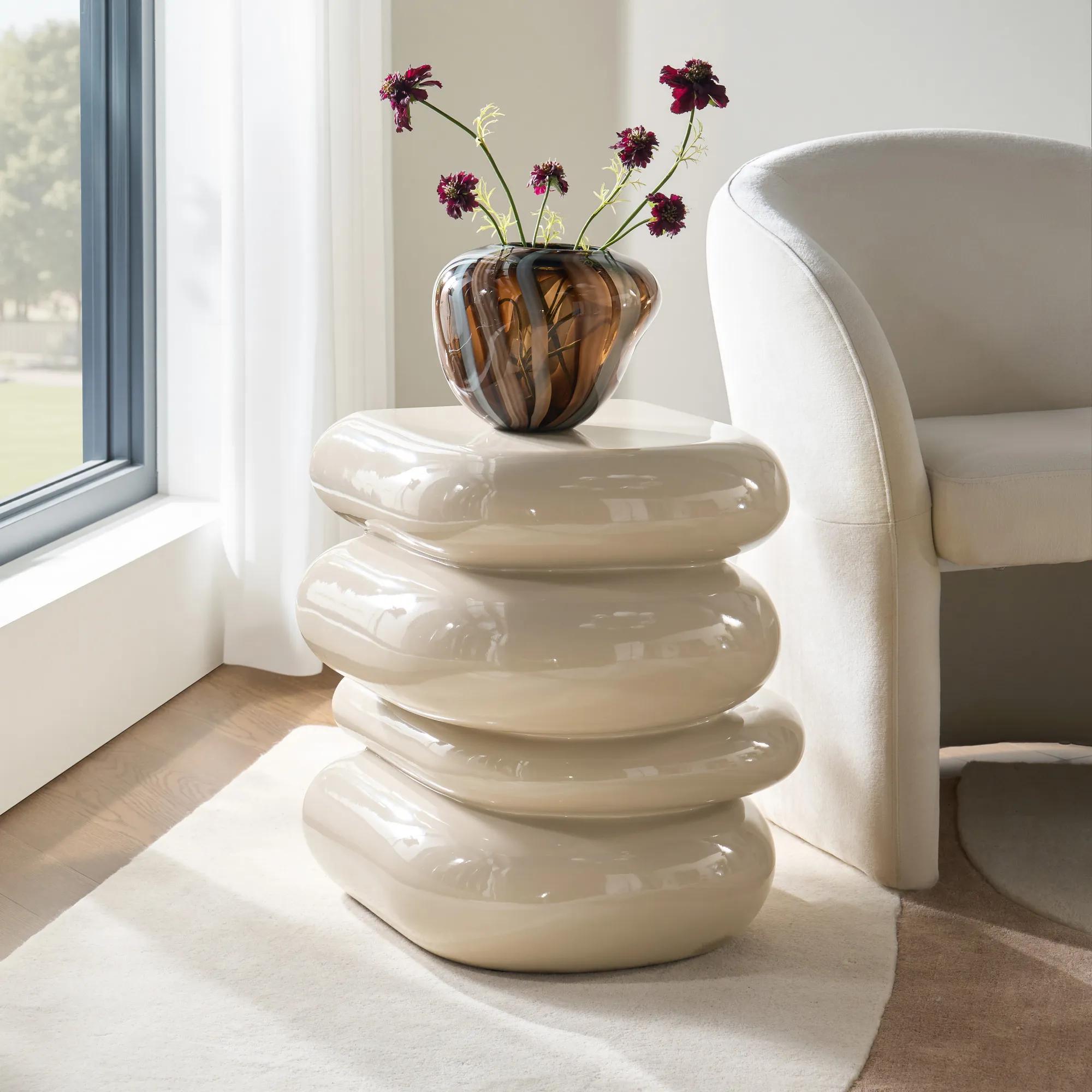 Forma Stacked Turtle Dove Side Table (19.9")$499
A sculptural accent table crafted from high-gloss turtle dove fiberglass with softly stacked, rounded tiers.
Add To Cart -

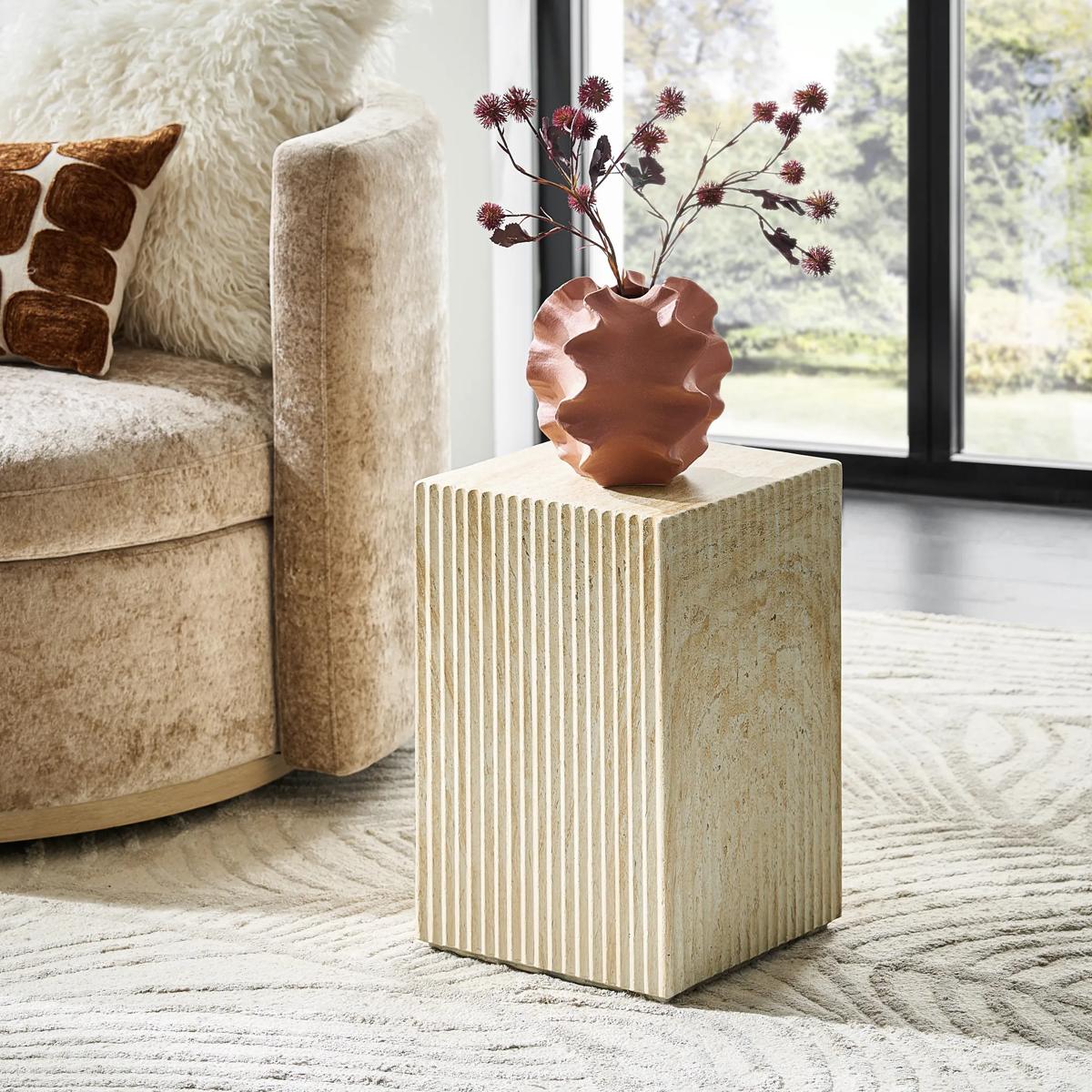 Strata Square Travertine Concrete Side Table (11.8")$299
A travertine-look fiber concrete side table with grooved panels, offering lightweight durability for indoor or outdoor use.
Add To Cart -
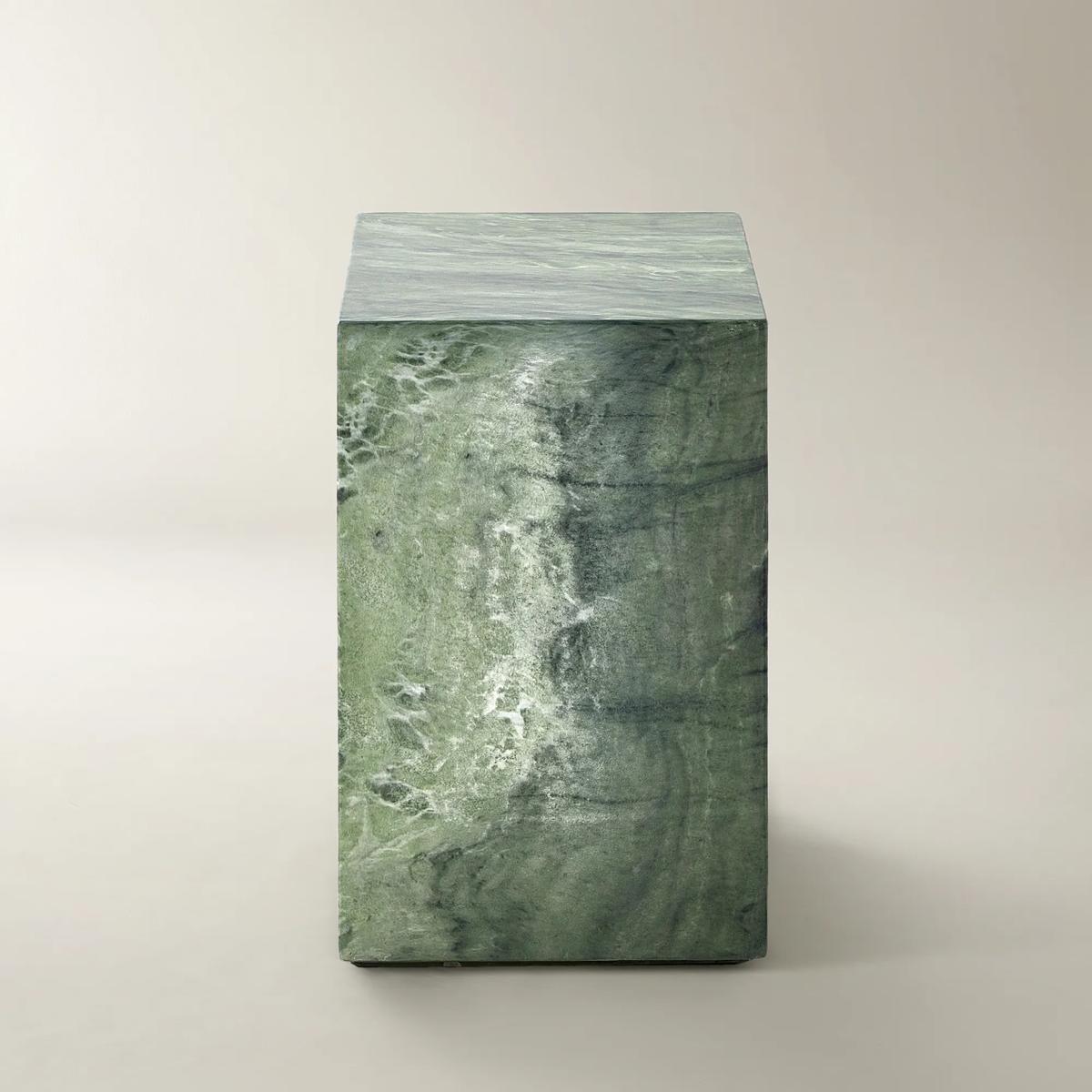
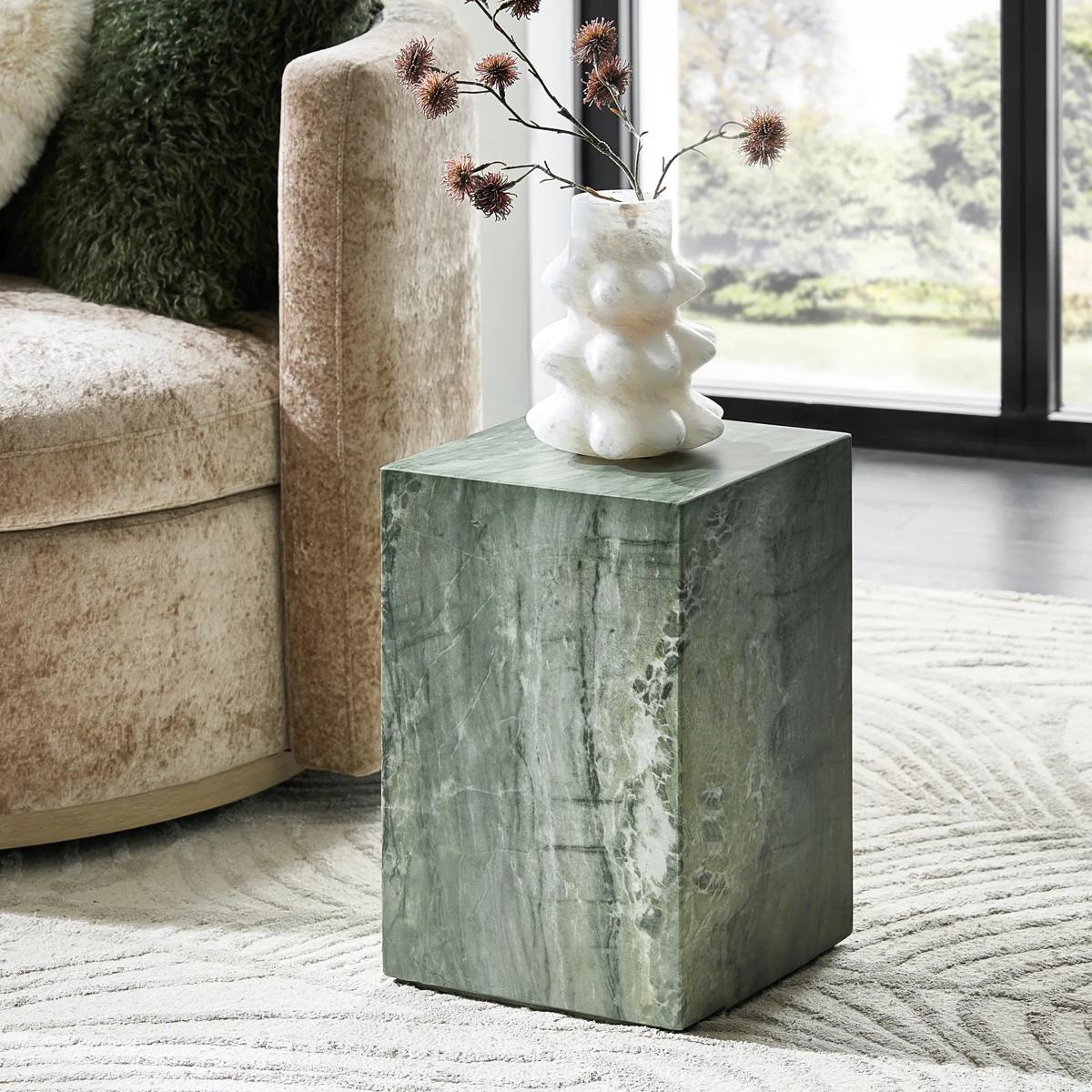 Strata Square Green Concrete Side Table (11.8")$299
A sculptural green marble-look side table crafted from lightweight, durable fiber concrete for indoor or outdoor use.
Add To Cart -
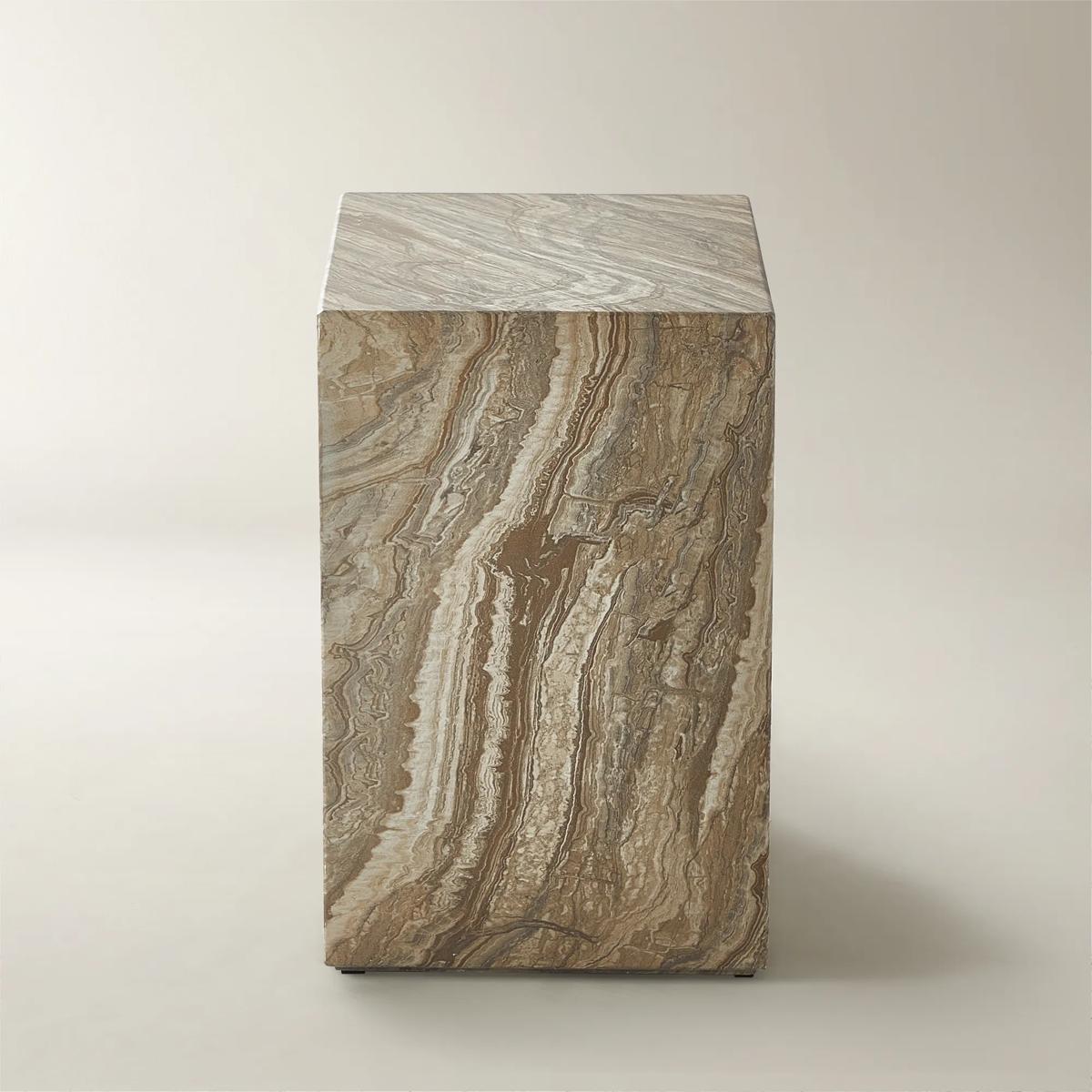
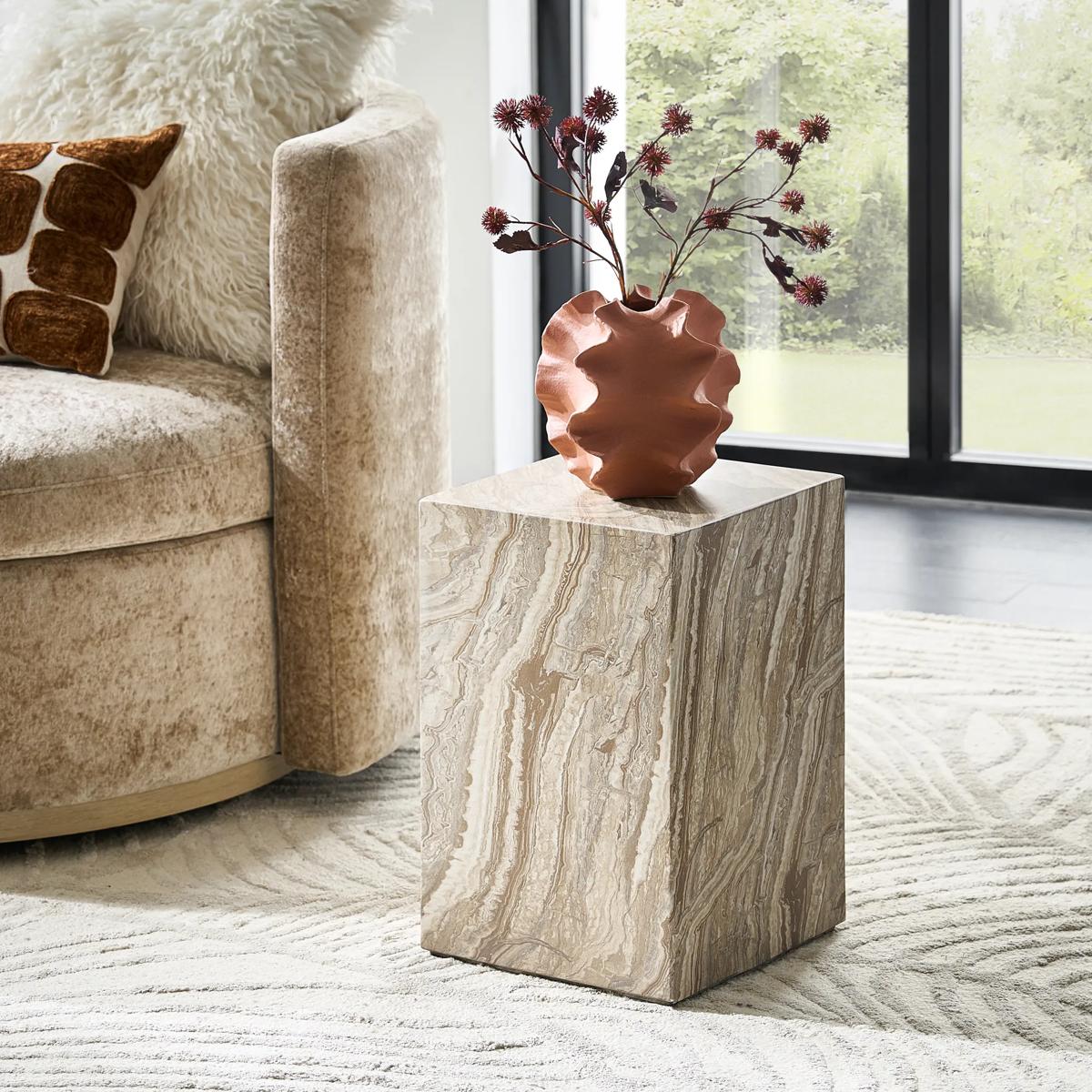 Strata Square Brown Concrete Side Table (11.8")$299
A lightweight fiber concrete side table featuring realistic brown marble veining and sealed for indoor or outdoor use.
Add To Cart -
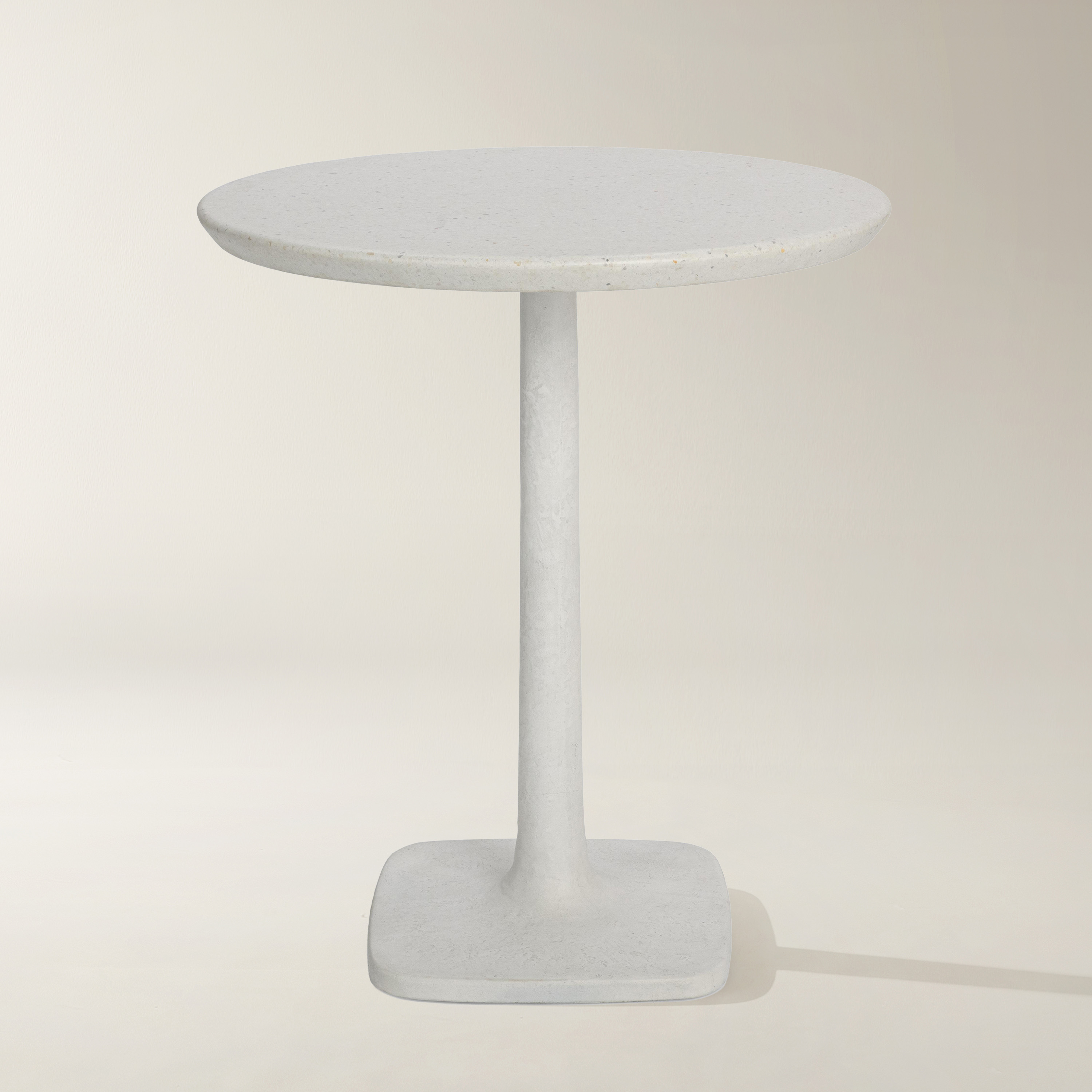
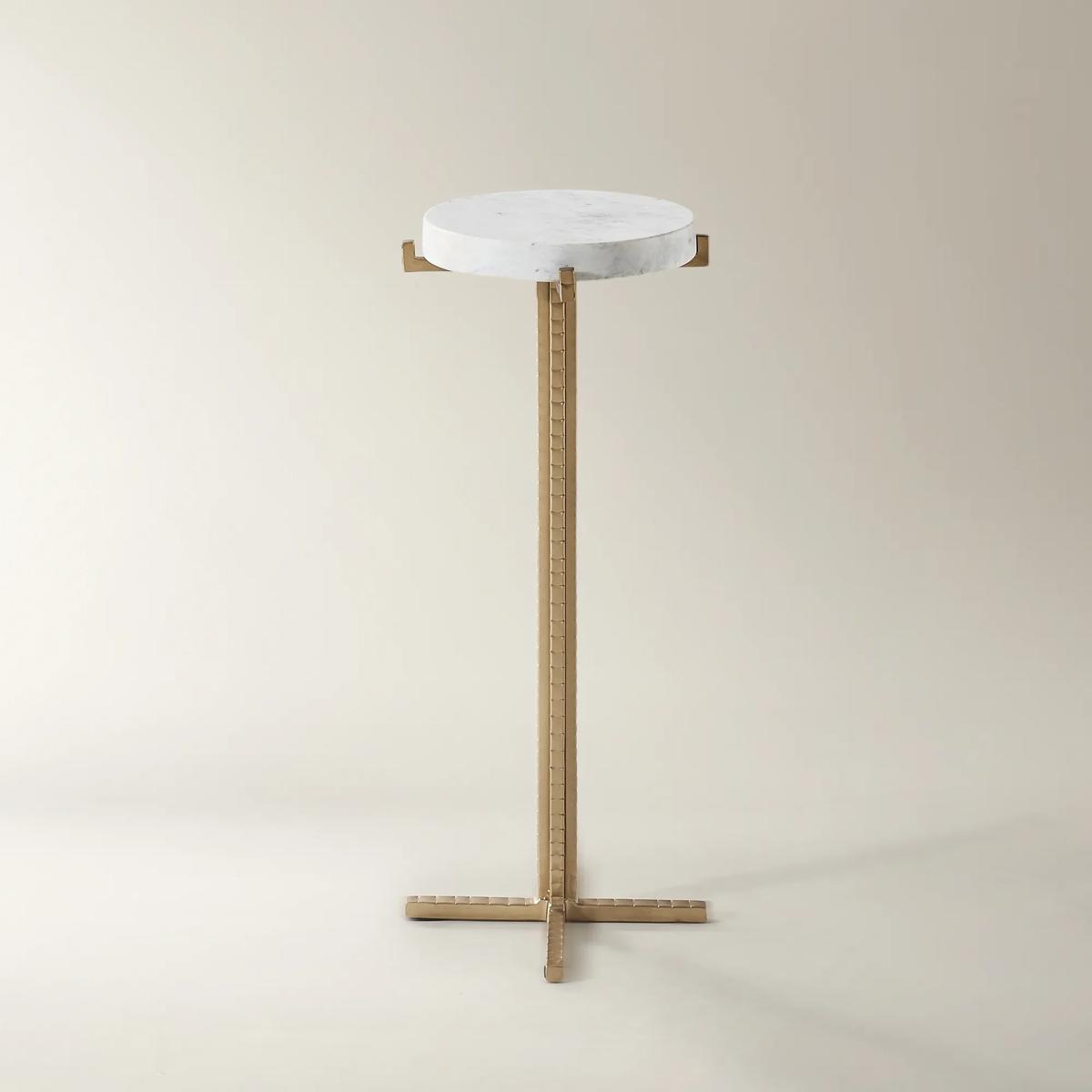 Anya Round White Marble Side Table (10")$199
A sculptural side table featuring a genuine white marble top and gold-finished metal pedestal base.
Add To Cart -
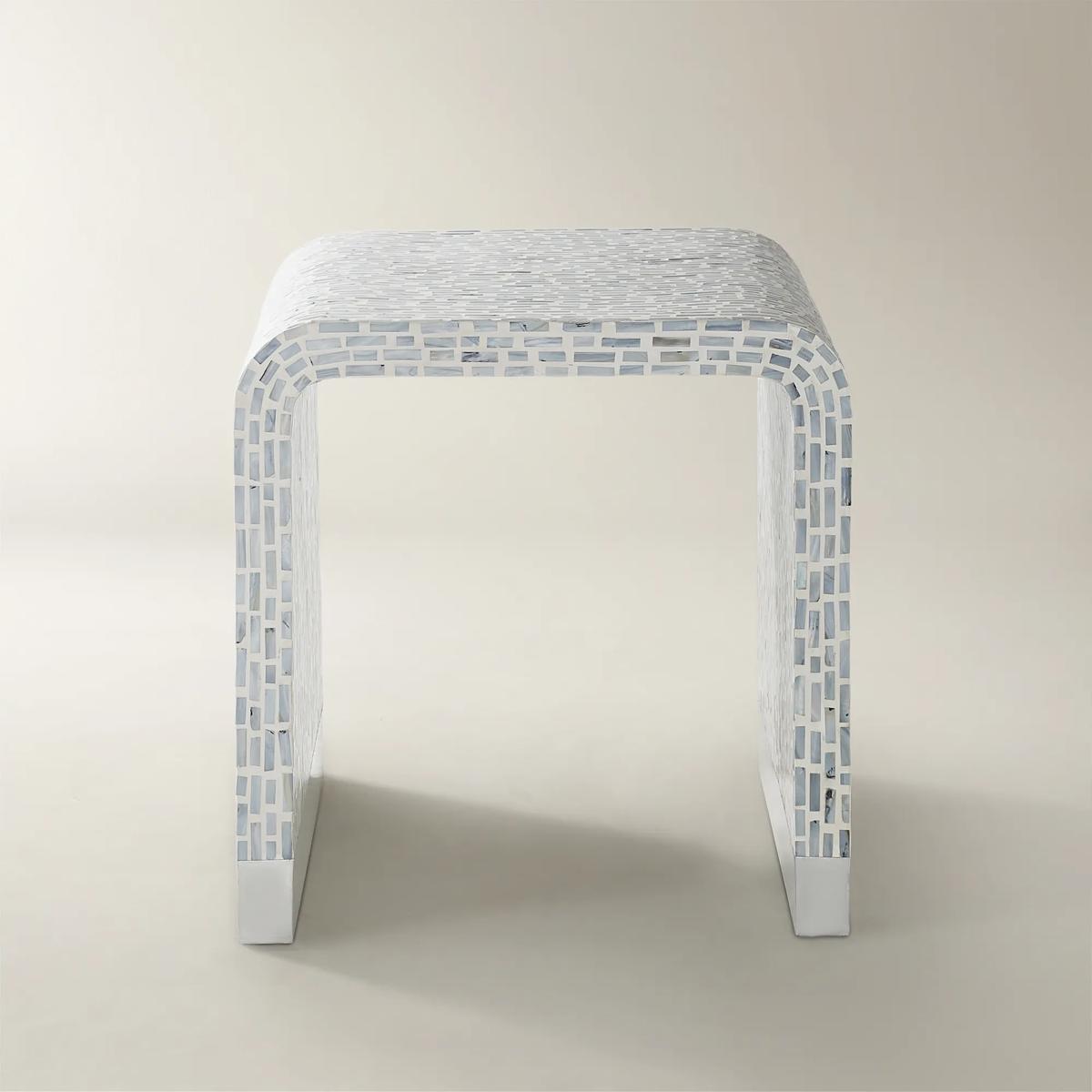
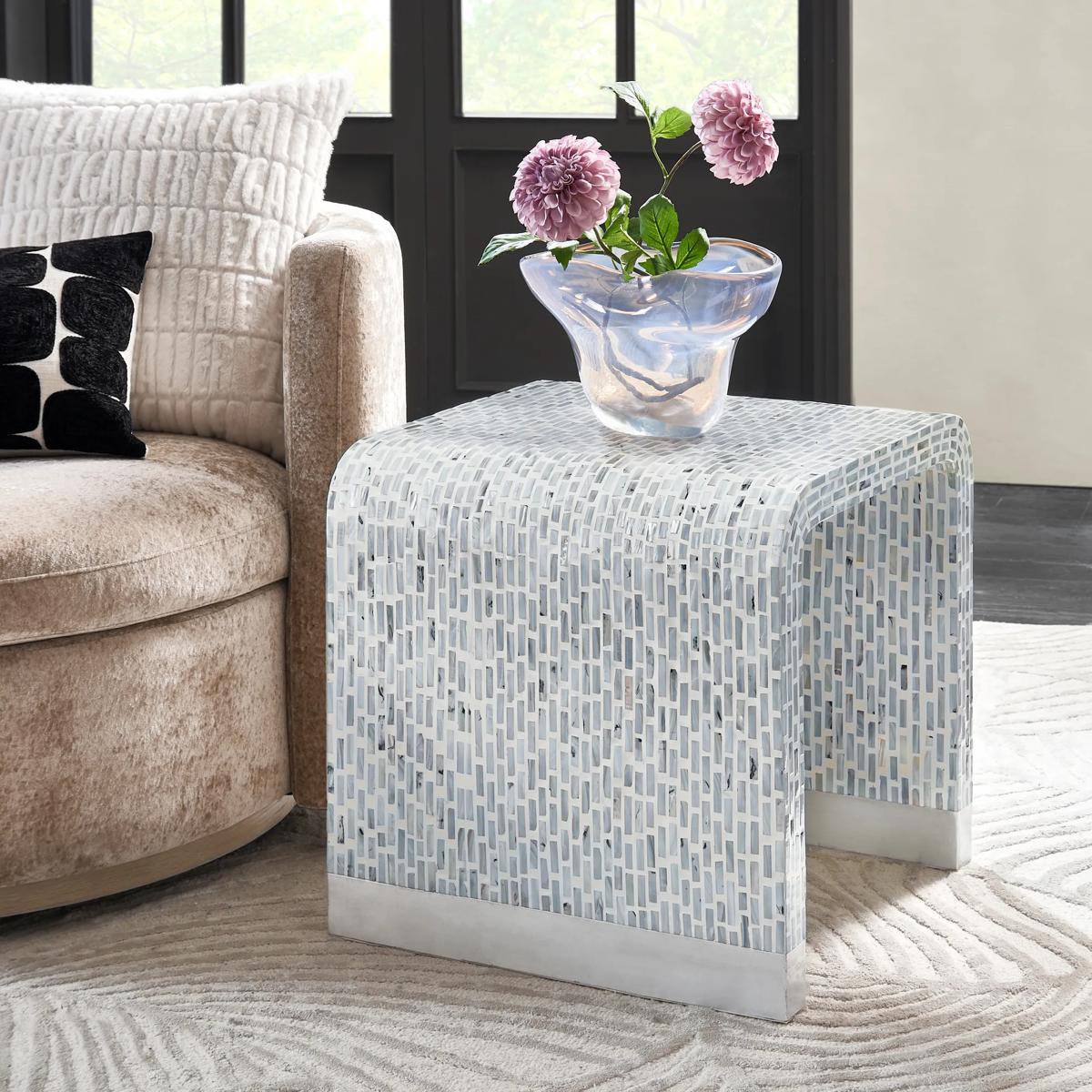 Iridia Blue Side Table (21.6")$399
A handcrafted end table featuring iridescent blue mother-of-pearl inlay and a silver leaf base.
Add To Cart -
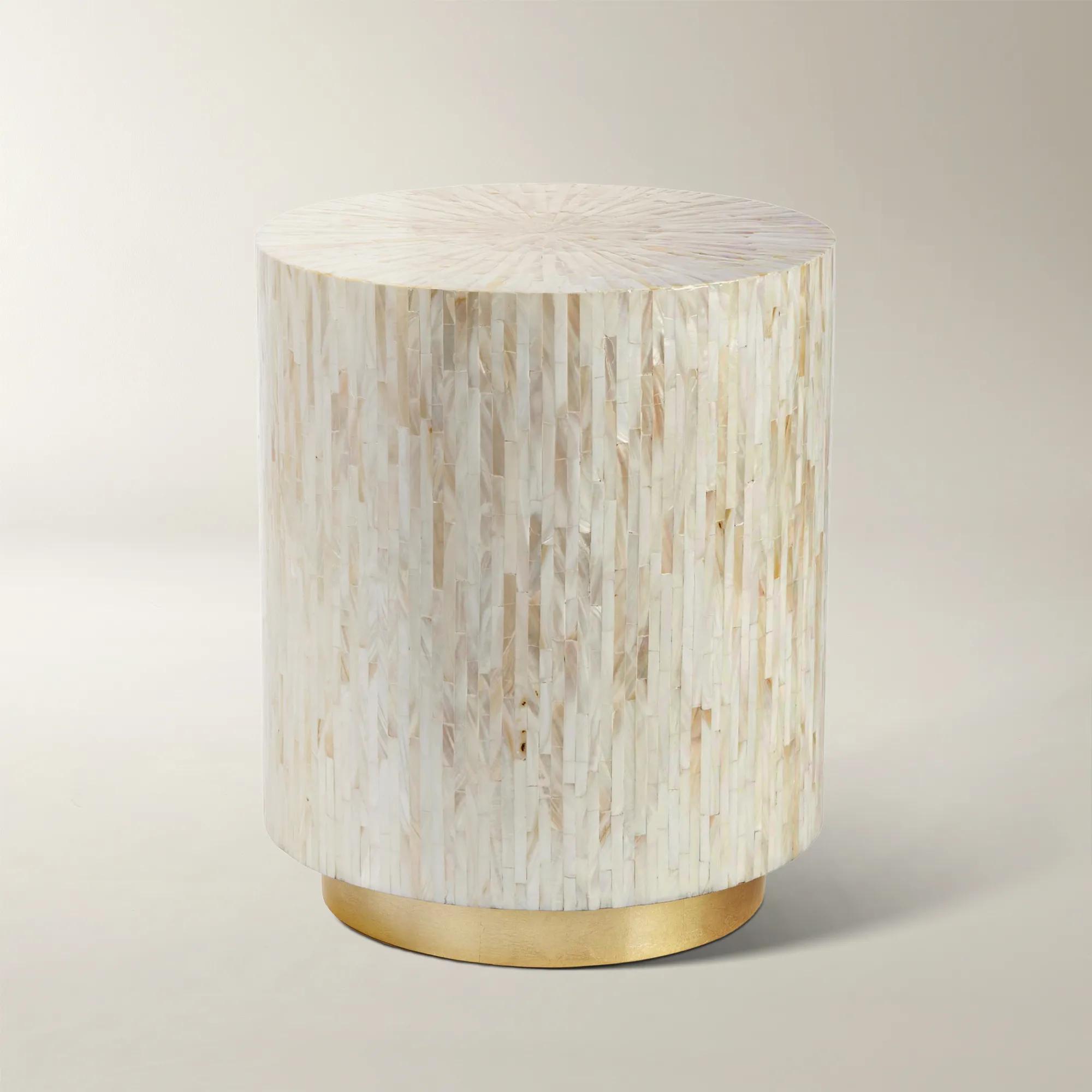 Alexandria Round Mosaic Platinum End Table (13.75")$299
A glamorous accent table featuring hand-applied mother-of-pearl mosaic and a gold leaf-accented base.
Add To Cart -
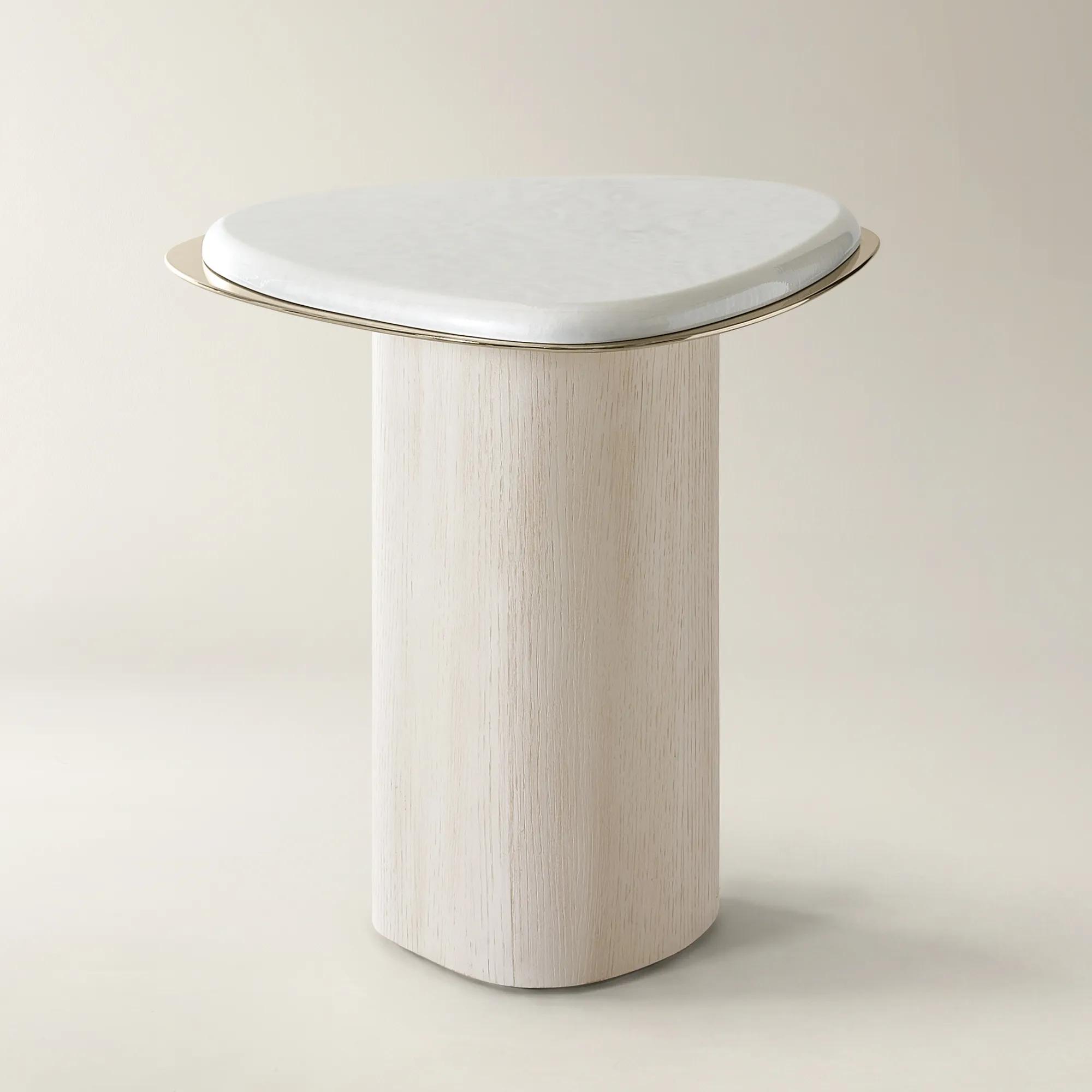
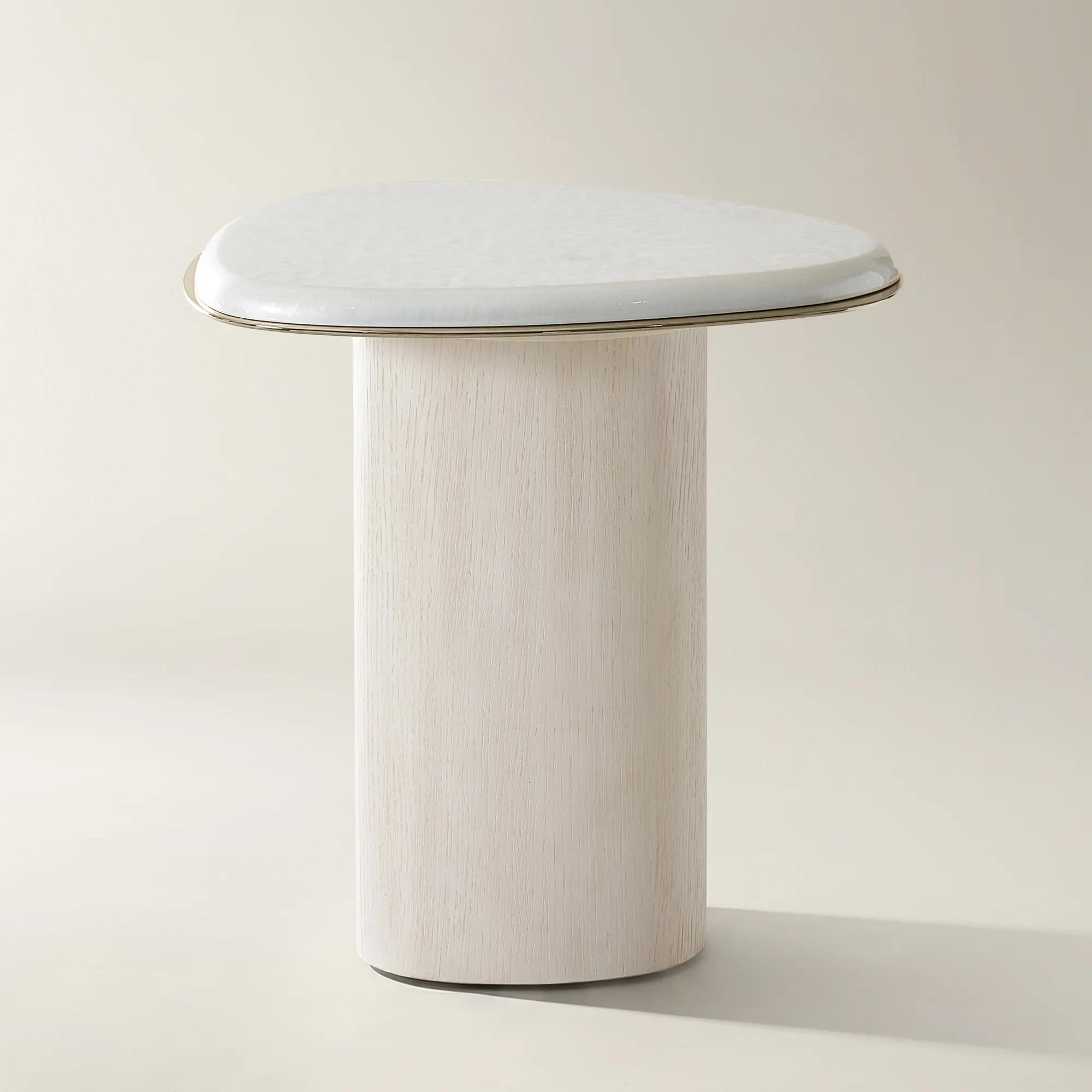 Lumina Bleached Oak End Table With Pearl Lacquered Top (18")$499
A sculptural end table featuring a pearl lacquered top, bleached oak base, and champagne gold trim.
Add To Cart -
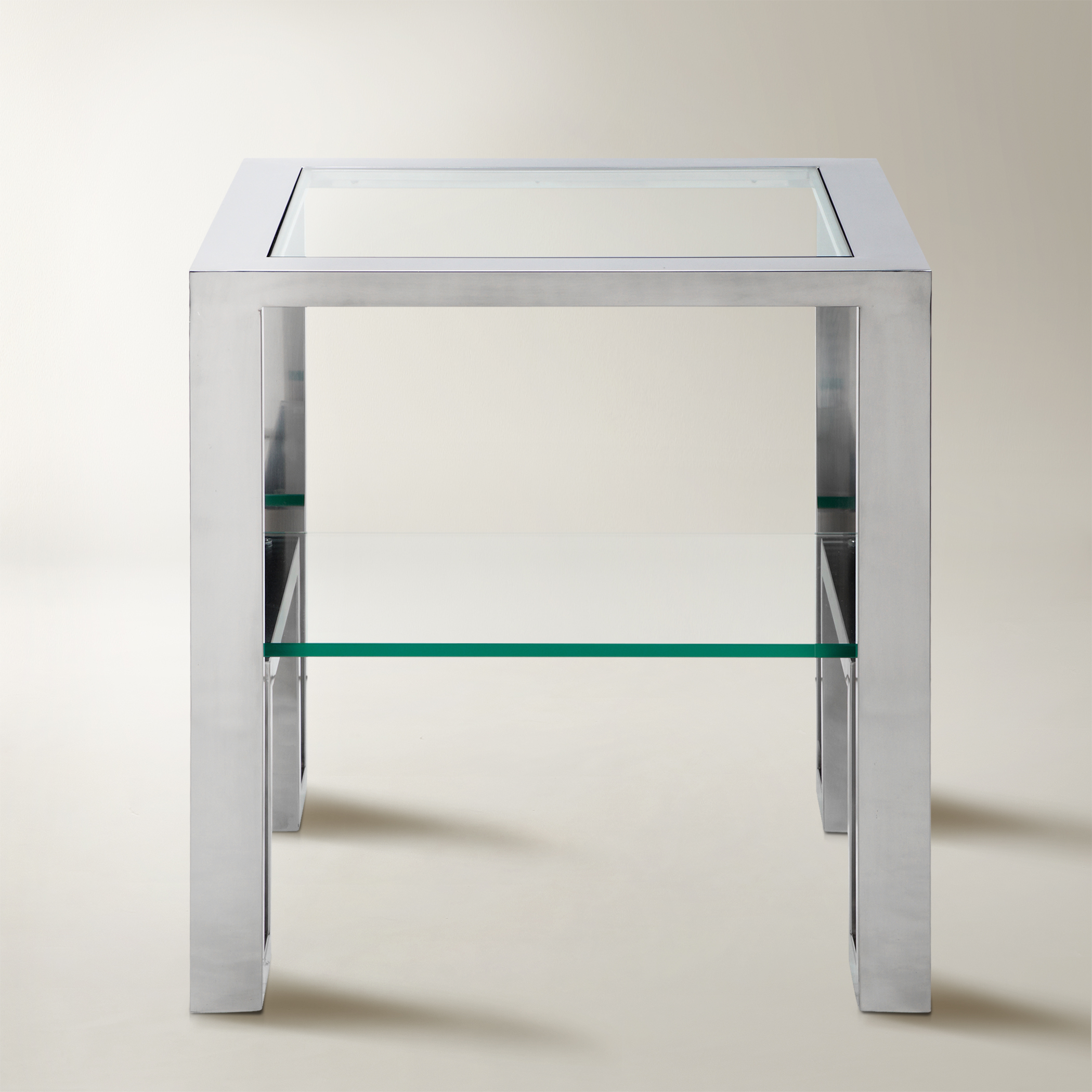
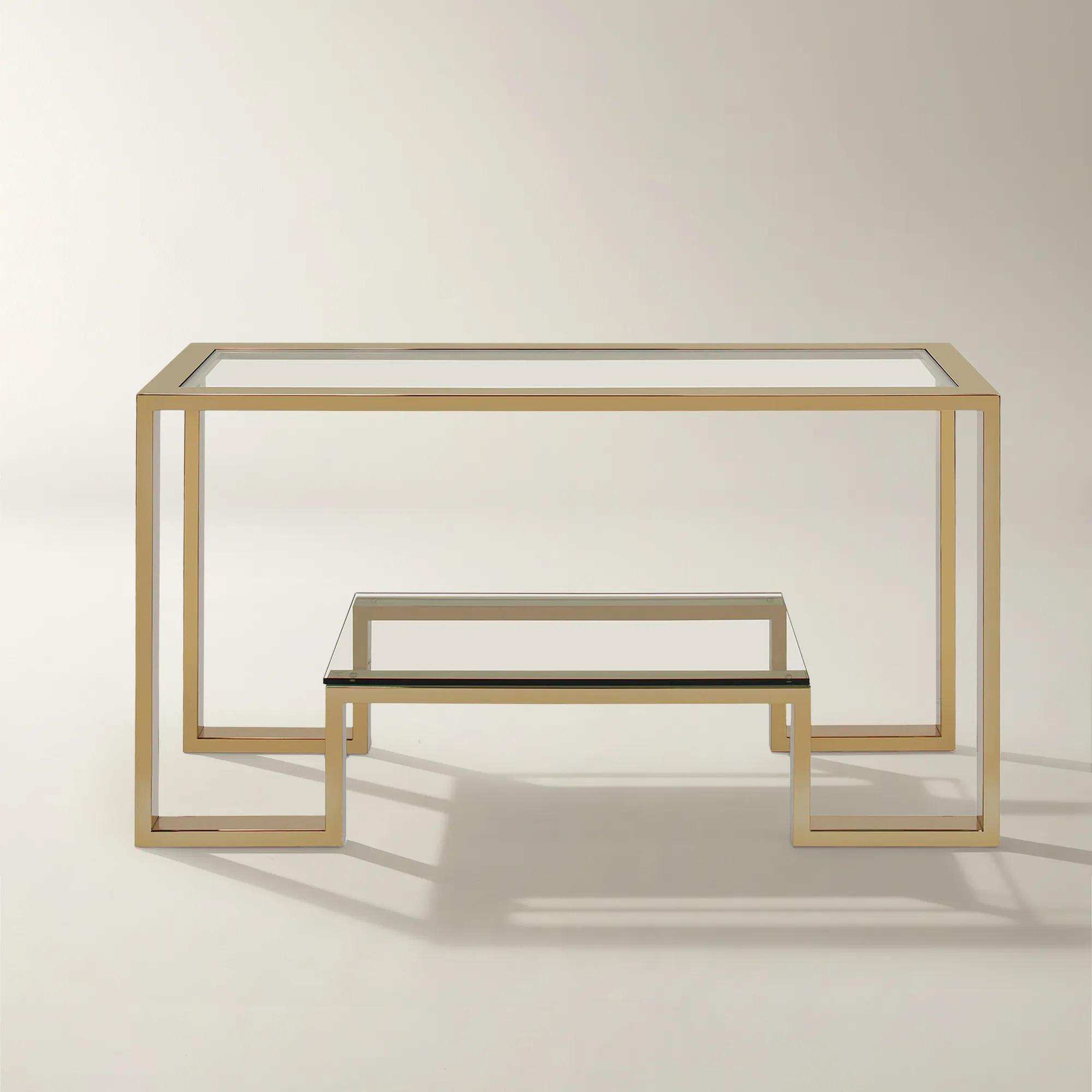
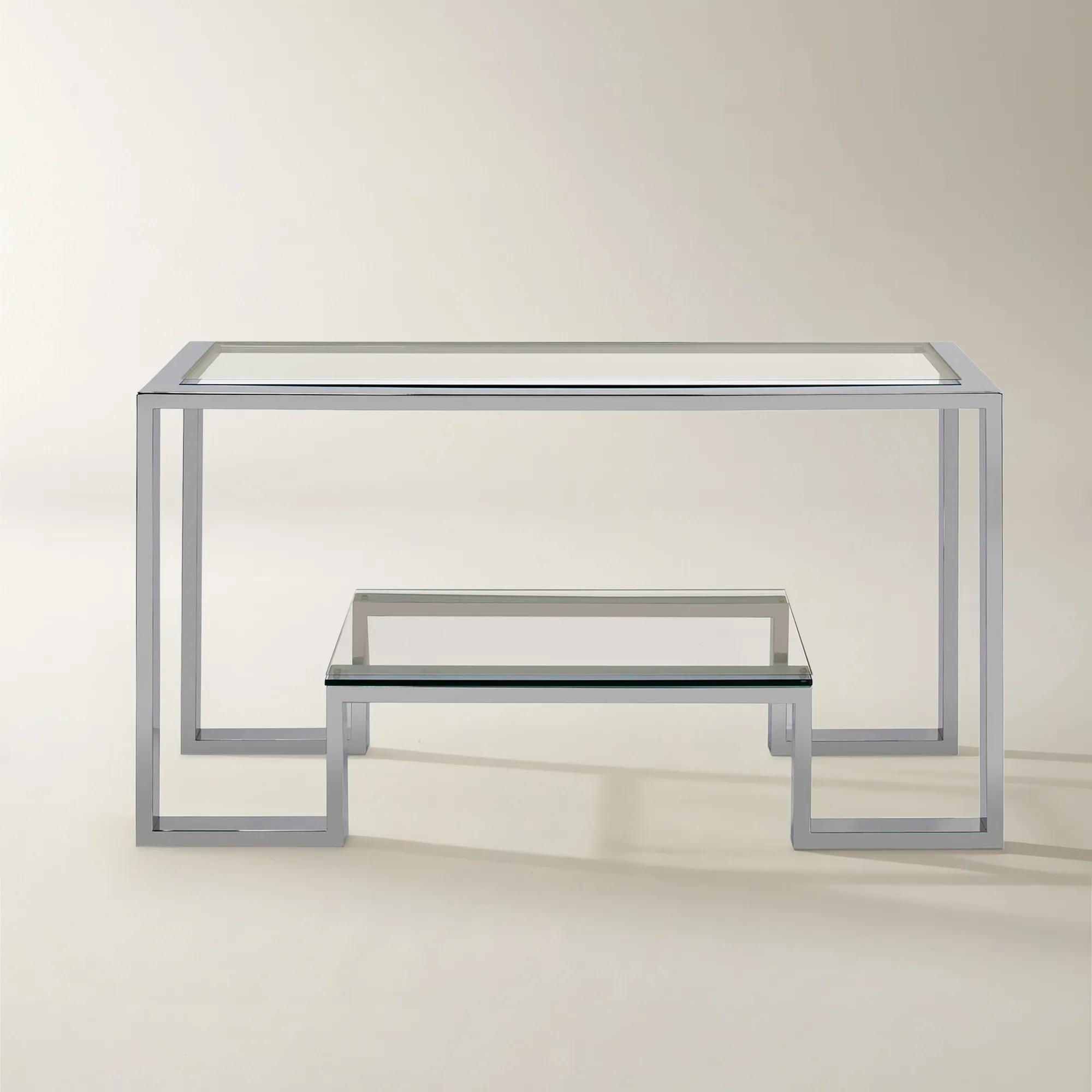
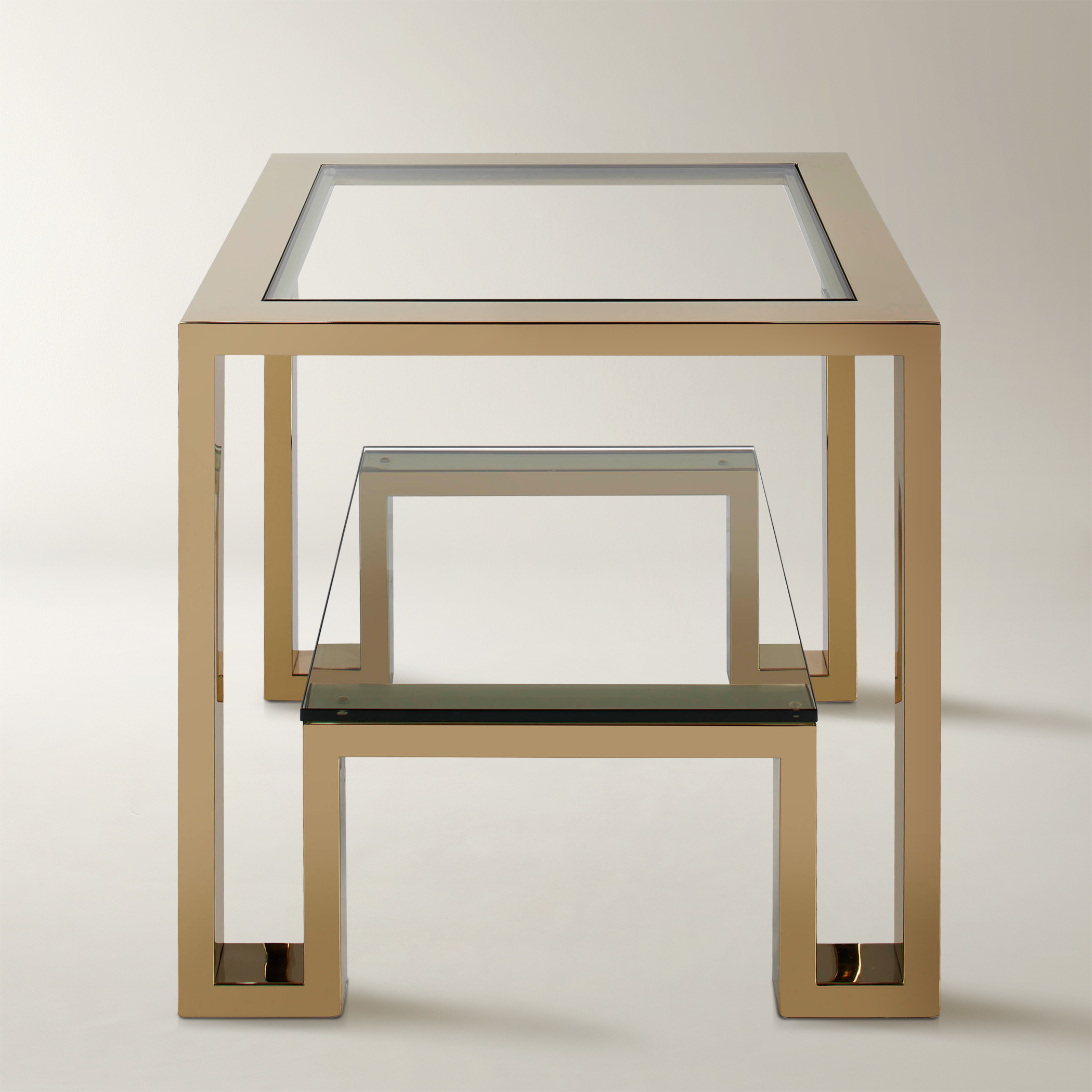
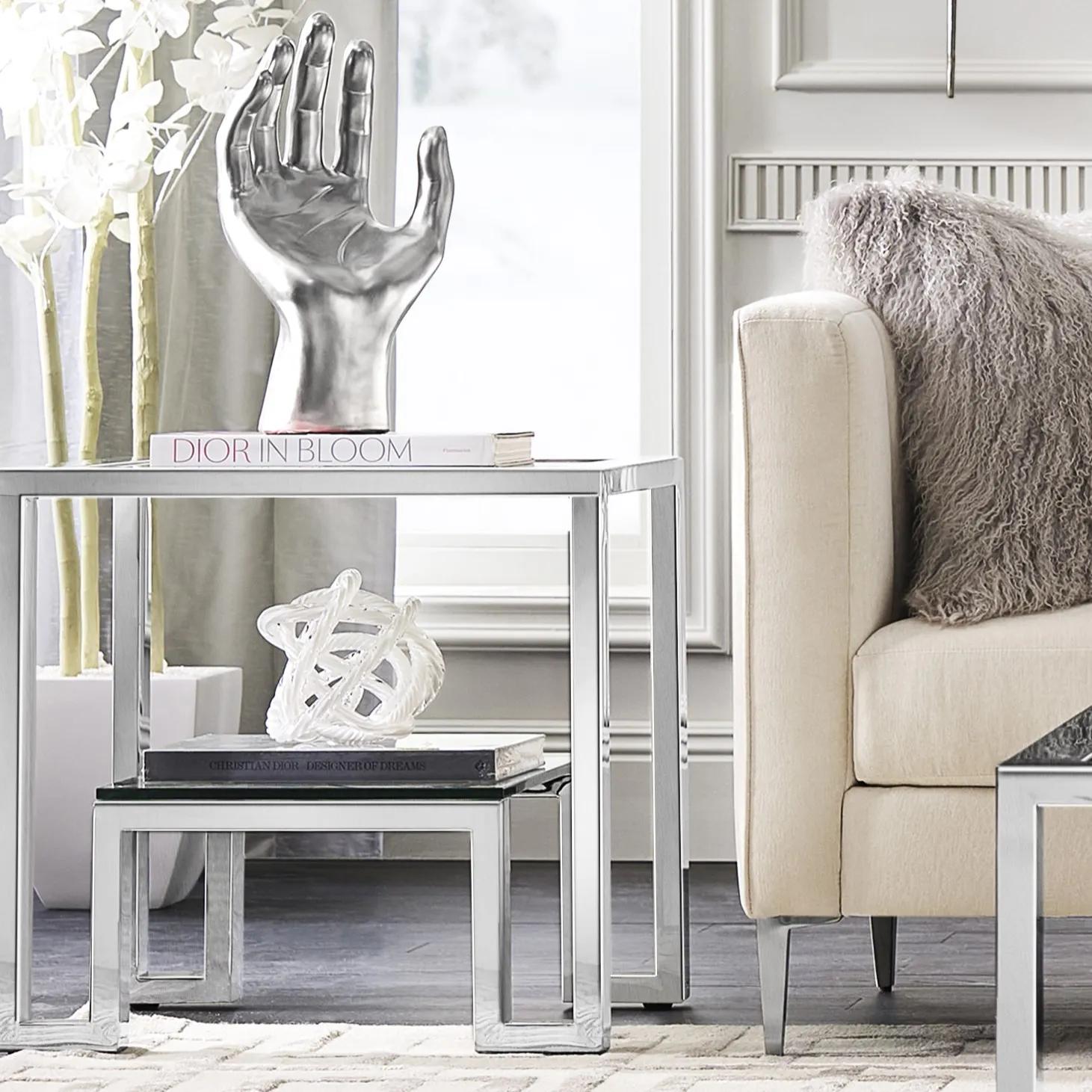 Duplicity Square Silver Stainless Steel End Table With Glass Top (24")$749
A modern end table featuring a stainless steel frame, tempered glass top, and floating bottom shelf.
Add To Cart

Unique Living Room Side Tables
Unique Living Room Side Tables are the secret ingredient for spaces that crave a touch of curated drama and unexpected artistry. Each piece is more than just a surface; it’s a conversation starter, a sculptural accent, and an invitation to express your most daring design dreams. Whether you’re drawn to gleaming metallics, intriguing silhouettes, or bold textures, these side tables transform the ordinary into the extraordinary. Elevate your living room with statement pieces that capture the eye and spark imagination—because every corner deserves its own moment of brilliance.
Unique living room side tables bring sculptural character to the space beside a sofa or accent chair while keeping a drink, reading lamp, or favorite book comfortably within reach. Often called end tables or accent tables, they distinguish themselves through unexpected proportions, expressive materials, and details that deserve a closer look. A twisted pedestal introduces movement beside a tailored sofa; a fluted cylinder adds architectural rhythm; an asymmetrical top breaks up the straight lines of a sectional. These shapes give even a small corner a deliberate point of view, turning an otherwise overlooked surface into part of the room’s composition. The most compelling designs balance that artistic presence with a usable tabletop and a stable foundation. A dramatic base should still leave enough room for the objects that belong beside your seat, whether that means a shaded lamp and a coaster or a single glass vase. Material contrasts add another layer of expression. Warm wood against polished metal creates a dialogue between organic texture and gleaming precision, while stone paired with an open metal frame can feel substantial without appearing visually dense. Mirrored surfaces catch surrounding colors and light, bringing a jewel-like accent to upholstered seating. Clear glass or acrylic keeps sightlines open, allowing a richly patterned rug or an elaborate chair frame to remain visible. Opaque, pedestal-style tables offer a different effect: they anchor a seating arrangement with a concentrated block of color, texture, or sculptural form. Neither approach requires every table in the room to match. Repeating one finish, a curve, or a tonal accent can connect distinct silhouettes without sacrificing individuality. In a room with plush upholstery and layered artwork, a clean geometric table can provide a crisp counterpoint. Beside a restrained sofa, a ribbed base, irregular stone edge, or luminous finish can supply the detail that makes the arrangement feel personal. The distinction comes from contrast with intention, rather than ornament added simply for its own sake.
Materials influence not only the appearance of a living room side table but also its weight, care requirements, and suitability for daily use. Marble offers natural veining that varies from piece to piece, making its surface an expressive element even when the silhouette is simple. Travertine brings tonal variation and a porous texture, although filled, honed, and polished finishes can look and behave differently. Natural stone is substantial, but it is not immune to damage: acidic beverages can etch certain surfaces, and spills may stain depending on the stone and its finish. Coasters, prompt blotting, and a stone-appropriate cleaner help preserve its character; sealing should follow the manufacturer’s recommendations rather than a universal schedule. Wood contributes warmth through grain, color, and texture. Solid wood and wood veneer have different construction considerations, and either can be beautifully suited to an accent table when its finish and intended use align with the room. Protect wood surfaces from standing moisture, hot vessels, and prolonged direct sunlight, and use the recommended cleaning method rather than assuming a furniture polish suits every finish. Metal introduces slender lines, sculptural frameworks, or a polished gleam, but a brass-colored surface may be a coating rather than solid brass. Gentle cleaning is especially important for plated, painted, and lacquered finishes, which abrasive products can scratch or dull. Glass offers clarity and an easy-to-see surface, though fingerprints and smudges may be more apparent; edges, thickness, and whether the glass is tempered are details worth checking in the product specifications. Acrylic can deliver a similarly transparent effect, but it scratches more readily than glass and requires compatible cleaners. Concrete and composite materials can create boldly modeled forms, yet their weight, porosity, and maintenance needs vary by construction and finish. Resin can support fluid silhouettes and saturated color, with care requirements that likewise depend on the formulation. Durability is therefore more nuanced than choosing the hardest-looking material. Stable construction, secure connections, an appropriate weight capacity, and a finish suited to frequent handling matter just as much. In a household with active children or pets, consider exposed corners, breakable surfaces, and the possibility of tipping alongside the table’s visual appeal.
Proportion gives an unusual side table its place in the room. A tabletop close to the height of the adjacent sofa or chair arm generally makes setting down a glass feel natural; a noticeably lower surface can suit low lounge seating, while a taller one deserves a closer check for comfortable reach. Measure the space beside the seating and consider the table’s full footprint, not just its top. A splayed base or projecting sculptural detail may occupy more floor space than expected. Allow clearance for walking, opening nearby doors, and using a recliner, and account for any drawers or cabinet doors that need room to extend. A round table can soften a tightly arranged seating area, while a rectangular surface may use the space beside a sofa more efficiently. Nesting designs offer flexible surfaces for entertaining when their dimensions and construction suit the setting; an open shelf can hold reading material without crowding the top. For someone who reads beside a floor-to-ceiling bookcase, a modest surface for a cup and glasses may be enough. For a seat used throughout the day, room for a lamp, remote controls, and a drink may be more valuable than an elaborate silhouette with very little usable space. If a table will support a lamp, consider both the lamp base and shade so the composition remains balanced and does not interfere with seating. Keep cords out of walking paths, and confirm that heavier decorative objects fall within the table’s stated capacity. Styling can remain selective even when the room embraces drama: one sculptural vessel against a richly figured stone top often allows both forms to register more clearly than a crowded collection. When several tables share the room, Unique Living Room Table Sets offer another way to explore coordinated shapes and finishes across the seating arrangement. An expressive side table can also make a thoughtful housewarming or wedding gift when the recipient’s measurements, material preferences, and furnishings are known. Whether chosen for a compact apartment or a generous living area, its lasting appeal rests on a distinctive presence that works beautifully with everyday life.
FAQs
Unique living room side tables are crafted from a captivating array of materials, each chosen to make a bold visual statement. Expect to find gleaming metals such as brass or stainless steel, richly grained woods like walnut or acacia, artisan-blown glass, and even unexpected finishes such as marble, mirrored surfaces, or hand-applied lacquer. These materials are often combined in innovative ways, resulting in tables that are as much about artistry as they are about function.
Styling a unique side table offers an opportunity to express your personality and elevate your space. Consider pairing your table with dramatic lighting—a sculptural lamp or a cluster of candles—to create ambiance. Layer in decorative objects such as art books, vases filled with fresh blooms, or metallic trays for a curated look. The key is to balance utility with artistry, ensuring the table both serves your daily needs and stands out as a conversation piece.
Absolutely—a distinctive side table makes a stunning gift for housewarmings, weddings, anniversaries, or milestone birthdays. It’s a thoughtful gesture for anyone who cherishes design and self-expression, offering both practical use and a lasting reminder of a special moment. Choose a table that reflects the recipient’s style, whether they gravitate toward modern glamour or timeless elegance.
Mixing and matching side tables is a sophisticated way to add depth and drama to your living room. By combining contrasting materials, heights, or silhouettes, you create visual interest and a sense of curated eclecticism. The secret lies in maintaining a unifying thread—such as a complementary color palette or shared design motif—so the overall effect feels intentional and harmonious.
Unique side tables are the unsung heroes of a welcoming living room. They offer practical surfaces for drinks, books, or decorative accents, while also serving as artistic focal points that invite curiosity and conversation. Their presence helps define seating areas, making guests feel at ease and encouraging gathering. When thoughtfully chosen, these tables infuse your space with personality and warmth, setting the tone for memorable moments.