Modern Living Room Side Tables
Modern Living Room Side Tables
-
 Thalia Glossy Black Side Table Set Of 2 (8"-12.5")$599
A sculptural duo of glossy black fiberglass tables with fluid lines and mirror-like lacquered finish.
Add To Cart -
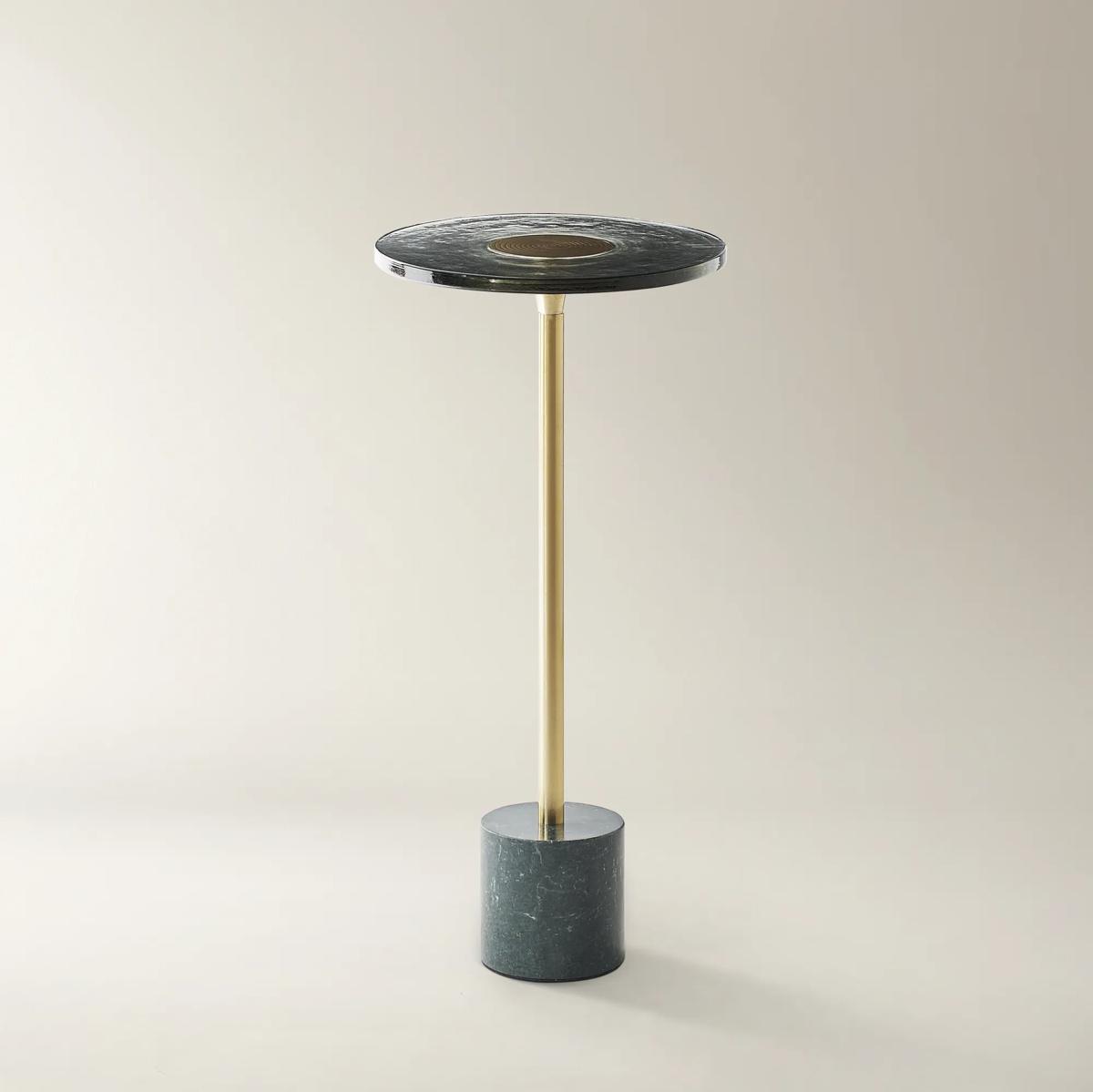
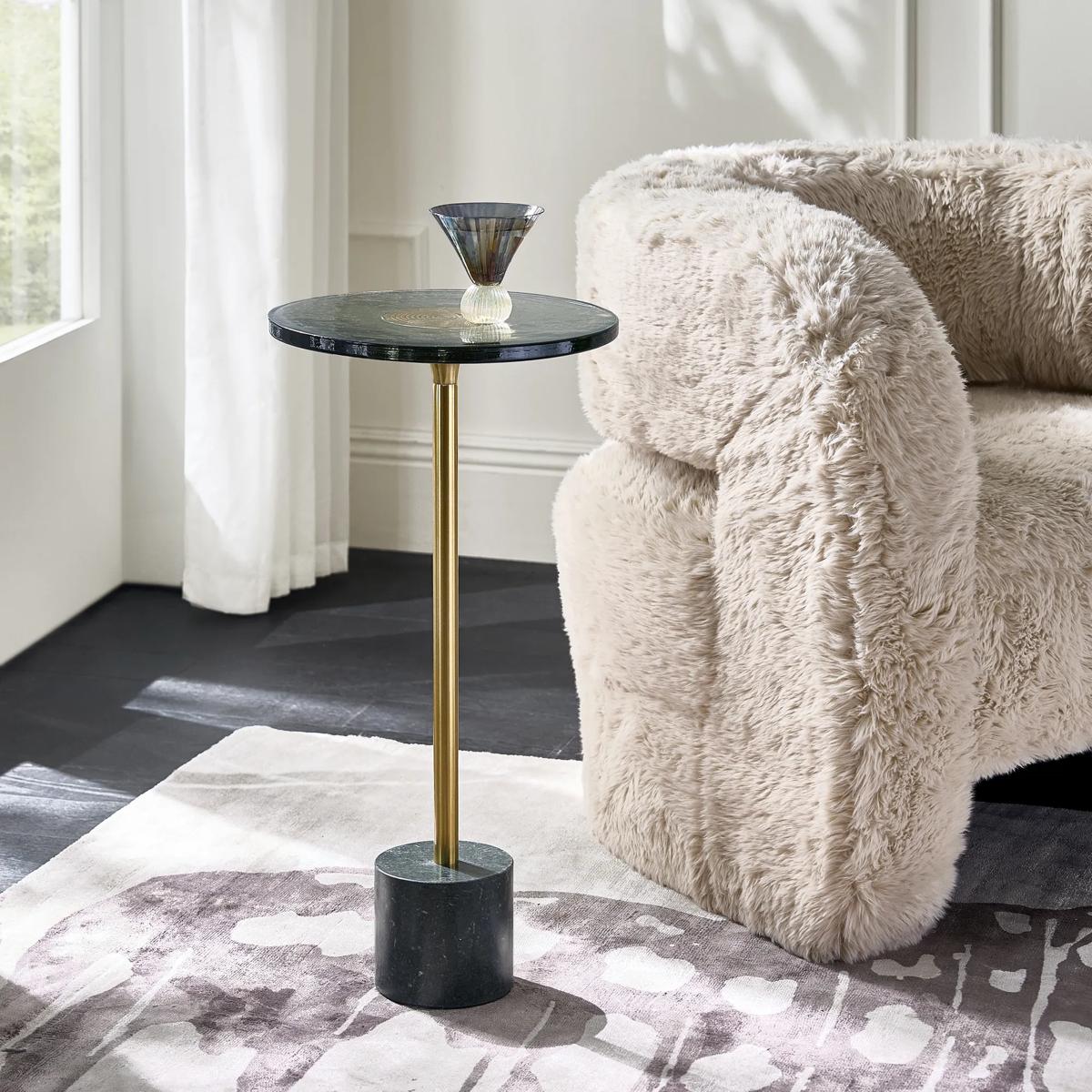 Seraphy Round Green Metal Side Table With Glass Top (13.75")$179
A modern side table featuring a green cast glass top, brass-finished post, and Indian green marble base.
Add To Cart -
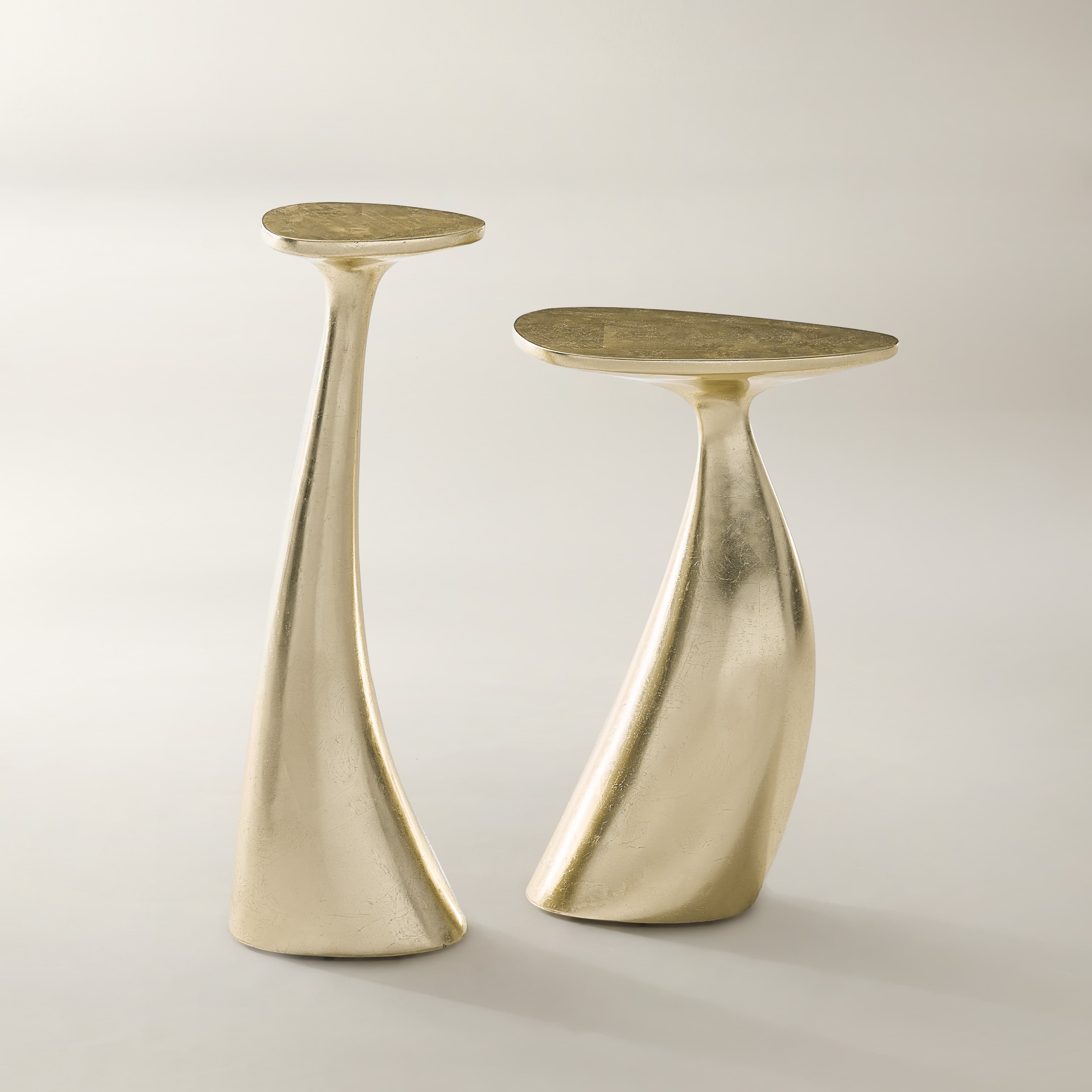 Thalia Soft Gold Side Table Set Of 2 (8"-12.5")$699
A sculptural duo of gold leaf fiberglass tables with fluid lines and a warm, luminous finish.
Add To Cart -
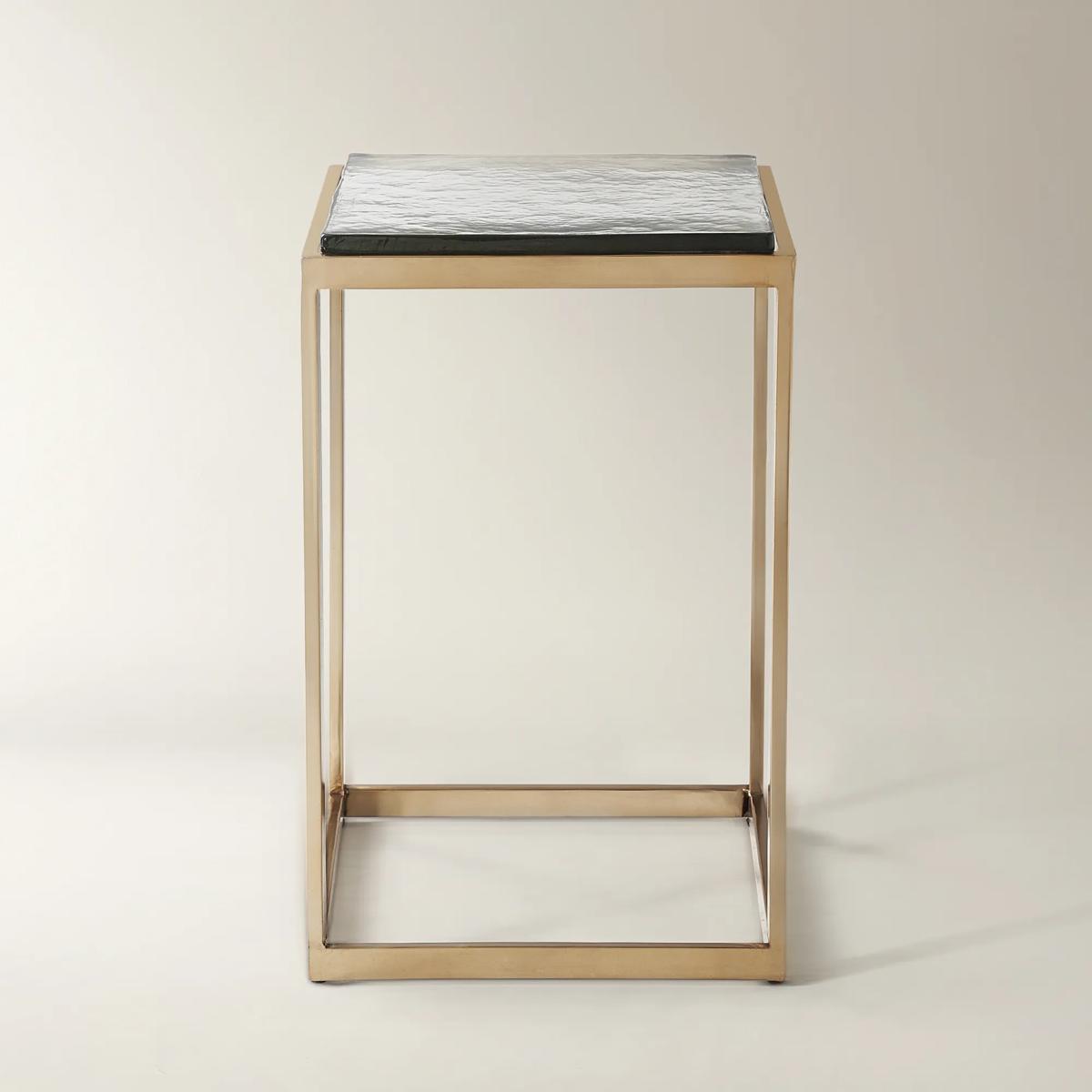
 Lyra Square Brass Metal Side Table With Glass Top (13.8")$239
A sculptural side table featuring a thick cast glass top and a lustrous brass-finished metal base.
Add To Cart -
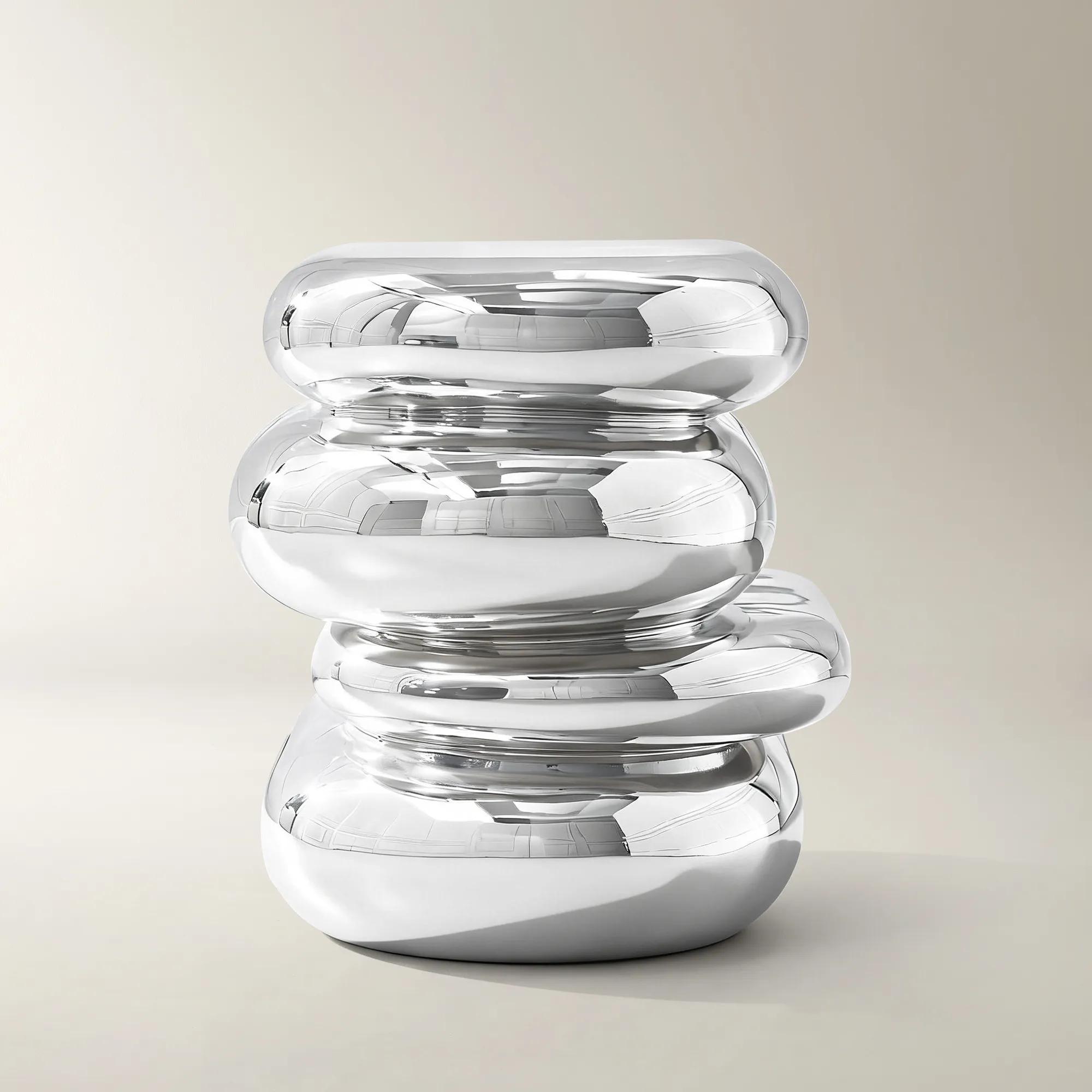 Forma Stacked Chrome Side Table (19.9")$699
A sculptural accent table crafted from seamless fiberglass with a reflective chrome finish and rounded tiers.
Add To Cart -
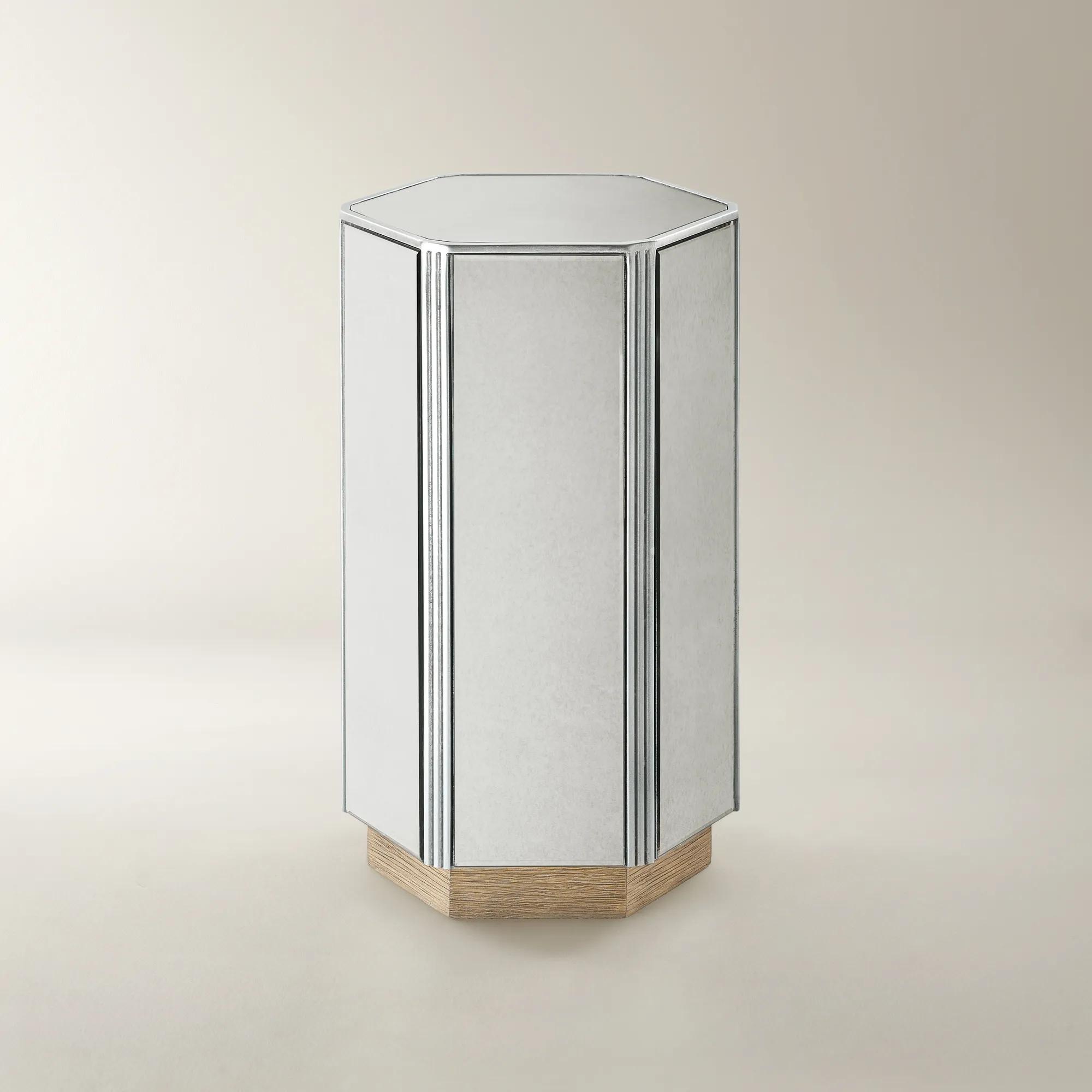 Glimmer Silver Mirrored End Table (12")$399
A chic side table featuring an antique silver mirror top and warm oak veneer base with handcrafted details.
Add To Cart -
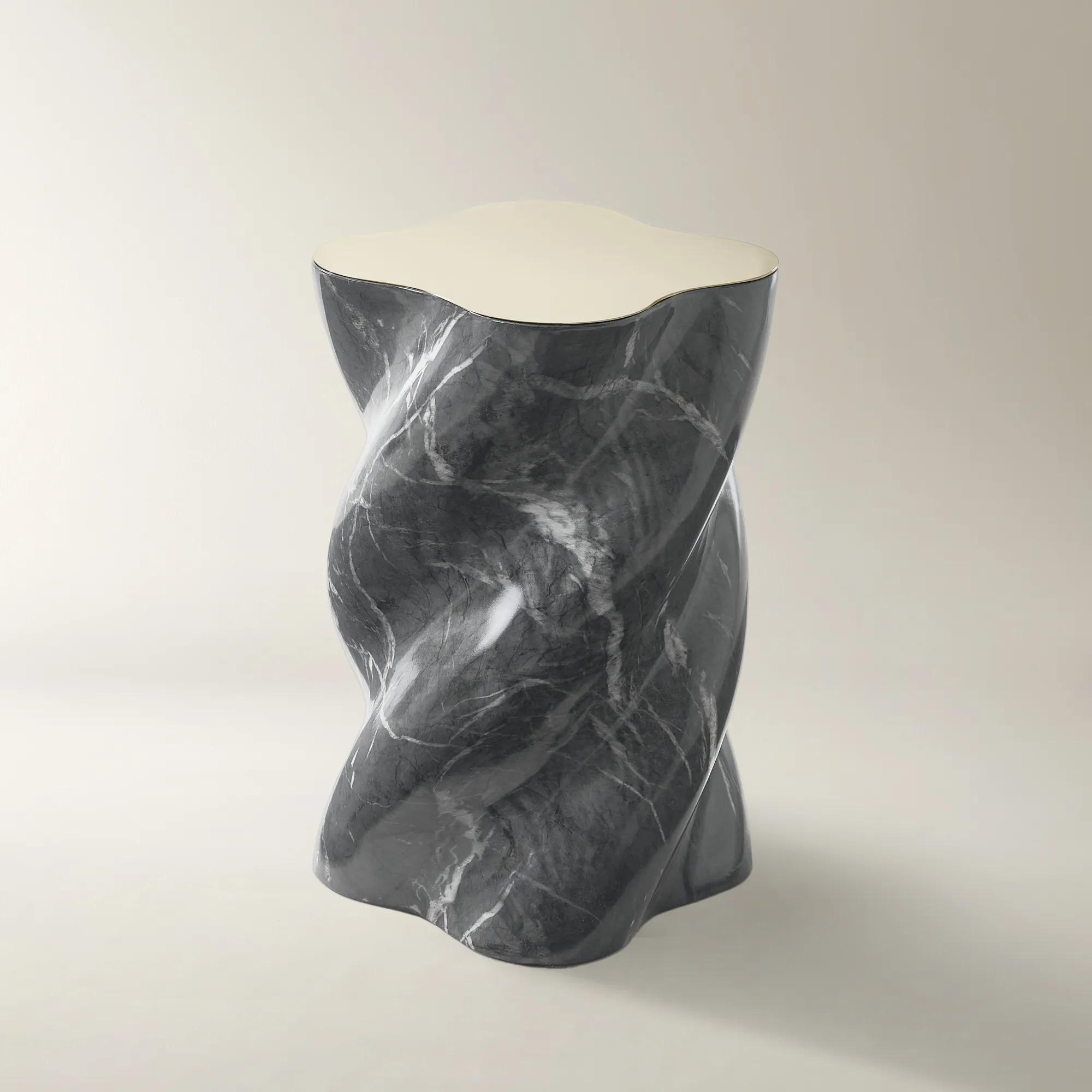 Vega Bvlgary Black Concrete Indoor/Outdoor Side Table With Stainless Steel Top (13.8")$459
A black concrete side table with a sculptural pedestal, removable stainless-steel top, and marble-inspired finish.
Add To Cart -
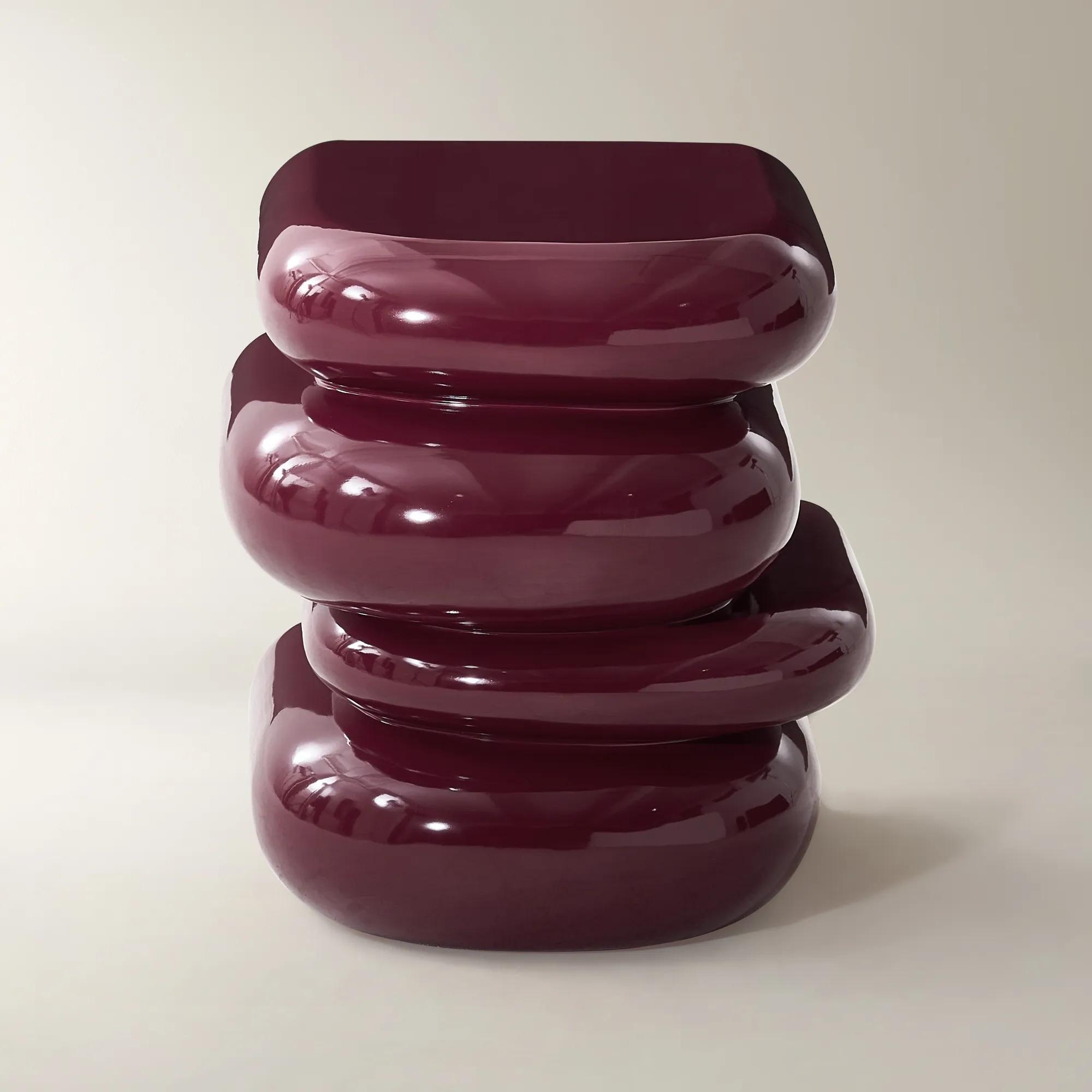 Forma Stacked Ox Blood Side Table (19.9")$499
A sculptural accent table crafted from high-gloss ox blood fiberglass with softly stacked, rounded tiers.
Add To Cart -
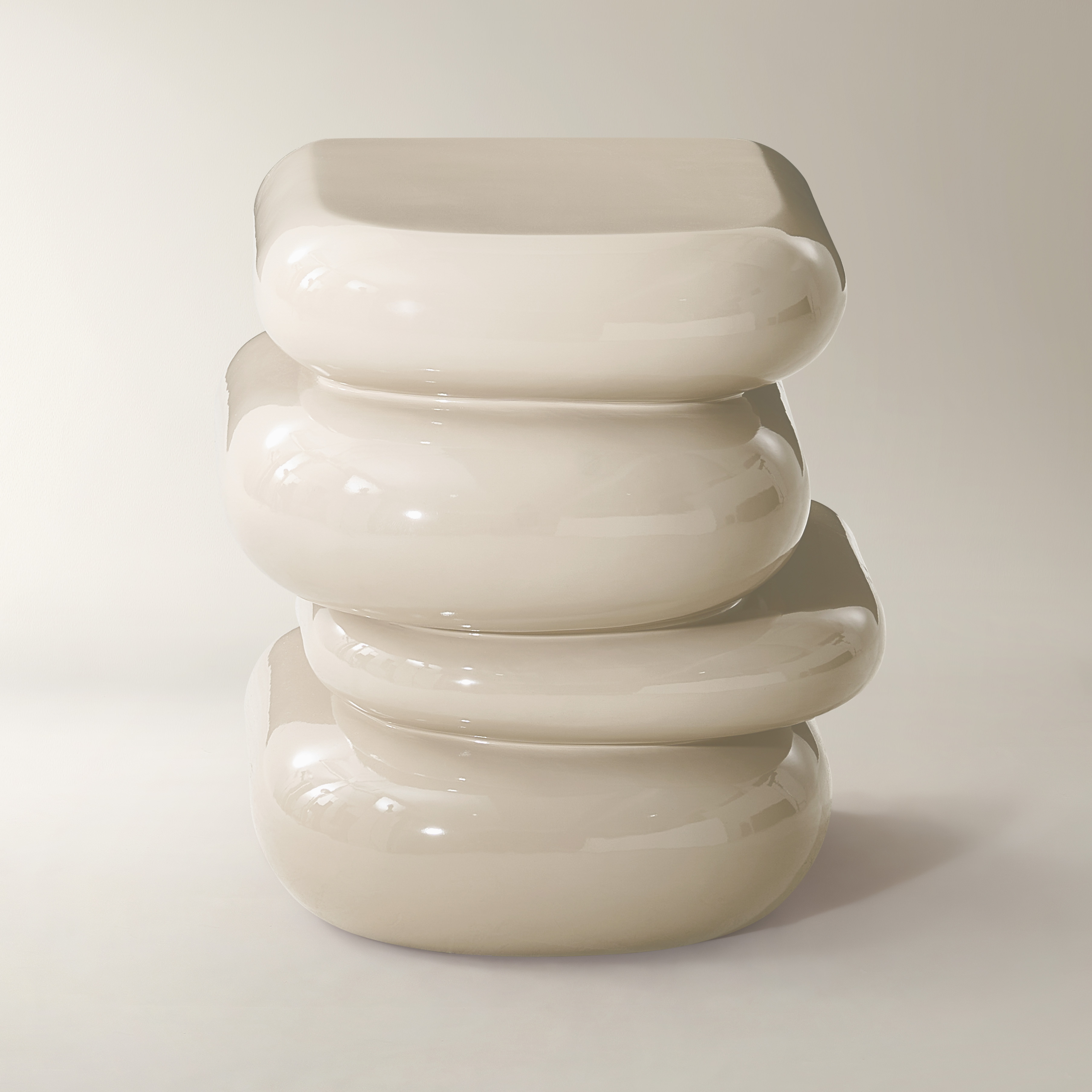
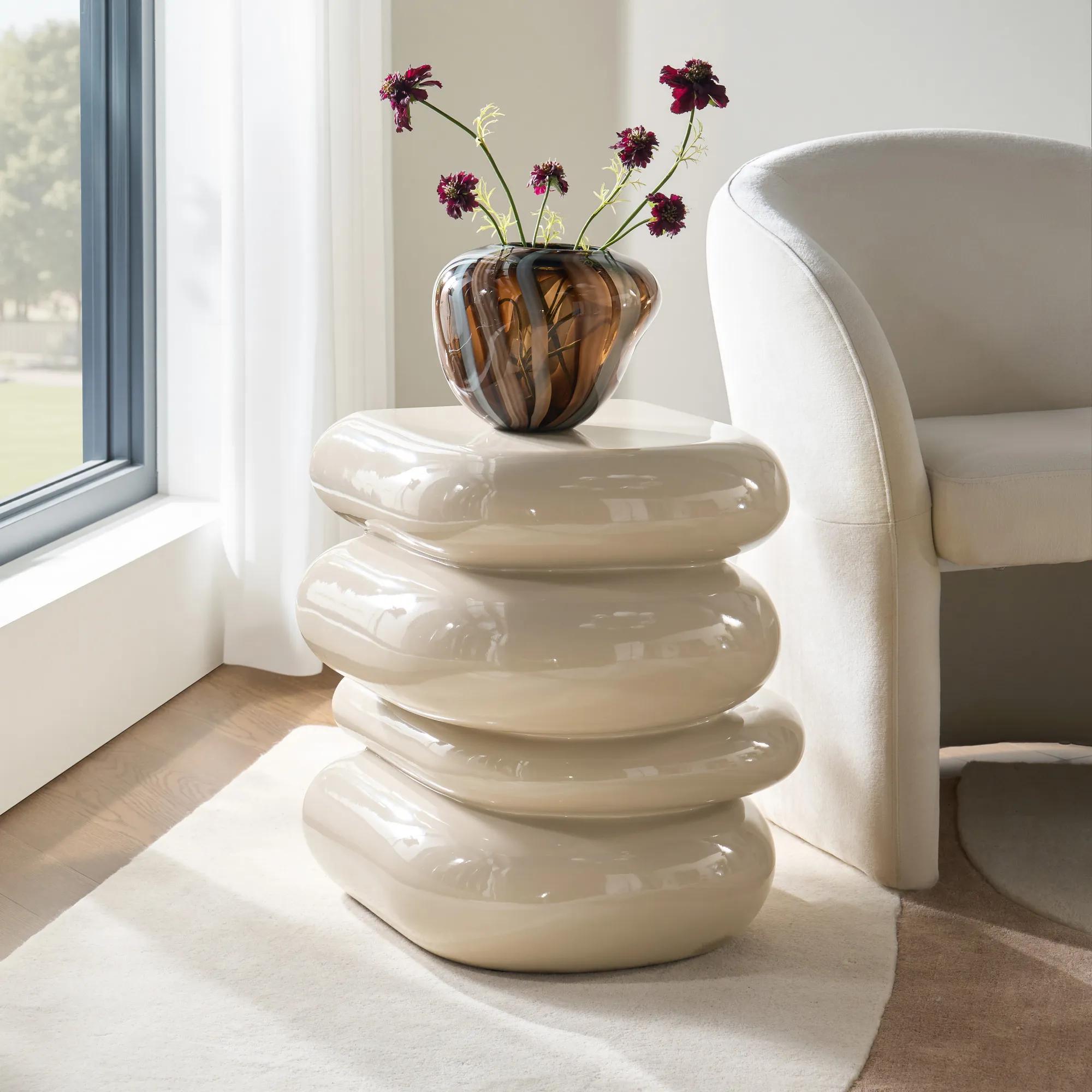 Forma Stacked Turtle Dove Side Table (19.9")$499
A sculptural accent table crafted from high-gloss turtle dove fiberglass with softly stacked, rounded tiers.
Add To Cart -
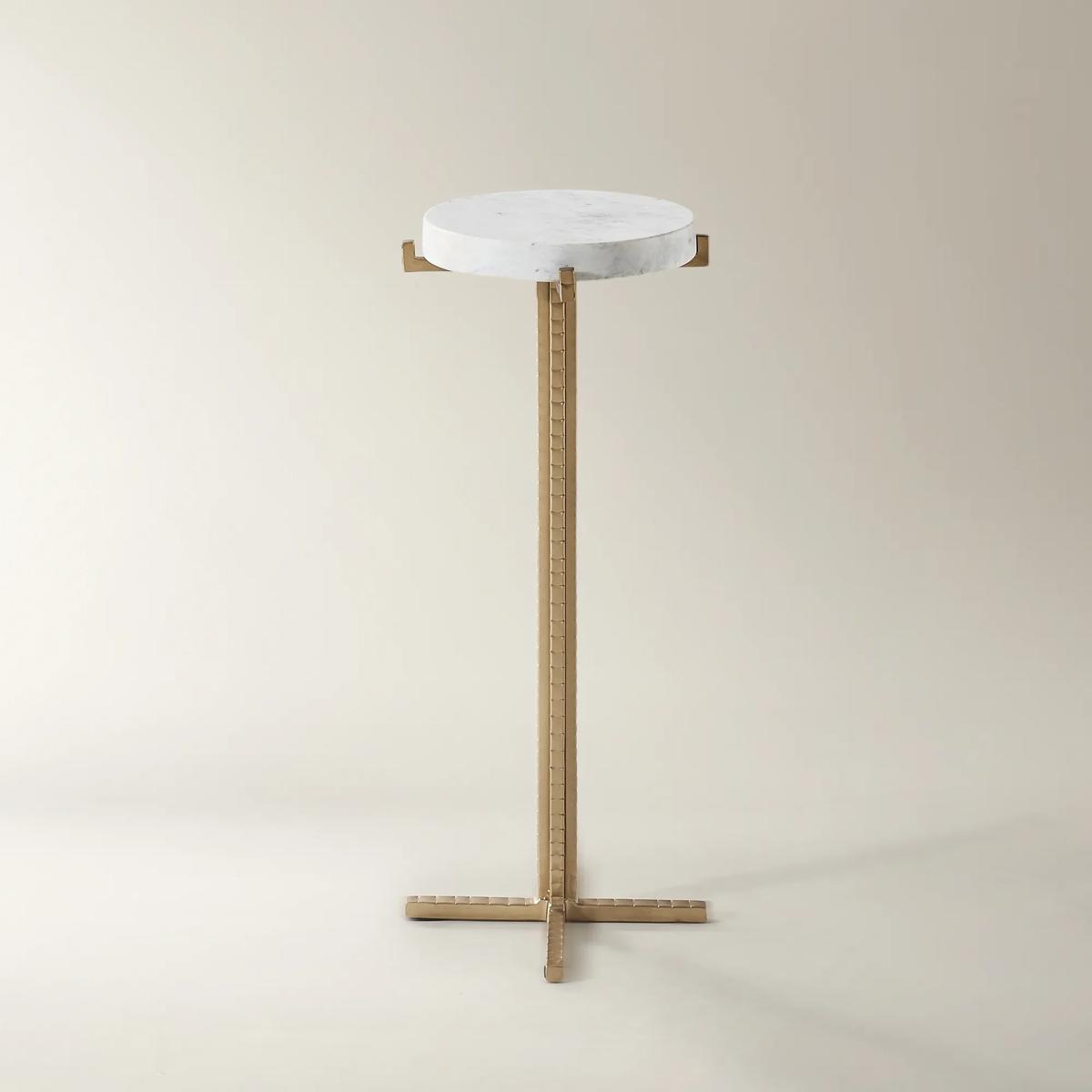 Anya Round White Marble Side Table (10")$199
A sculptural side table featuring a genuine white marble top and gold-finished metal pedestal base.
Add To Cart -
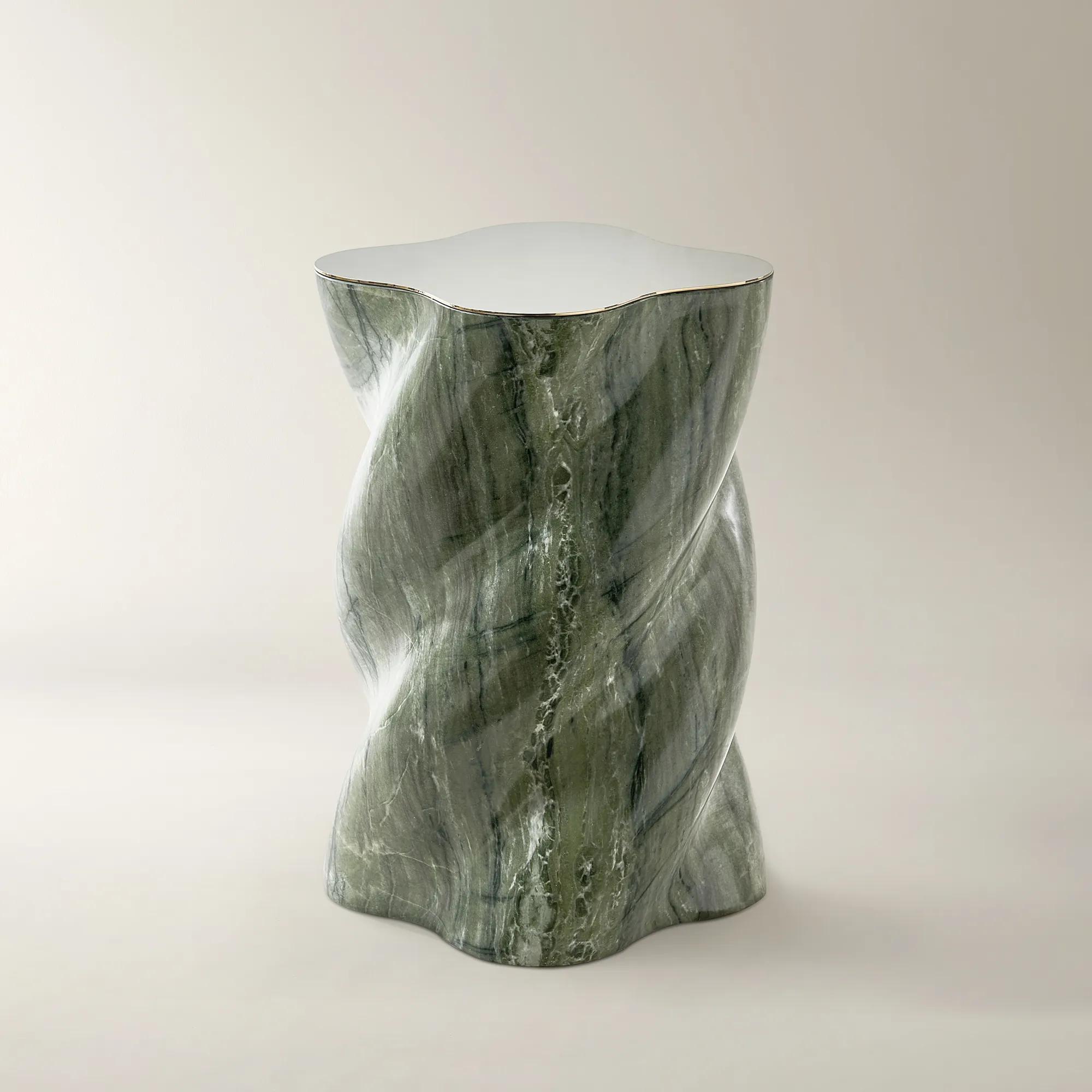 Vega Malachite Green Concrete Indoor/Outdoor Side Table With Stainless Steel Top (13.8")$459
A green concrete side table with a sculptural pedestal, marble-inspired finish, and removable stainless-steel top.
Add To Cart -
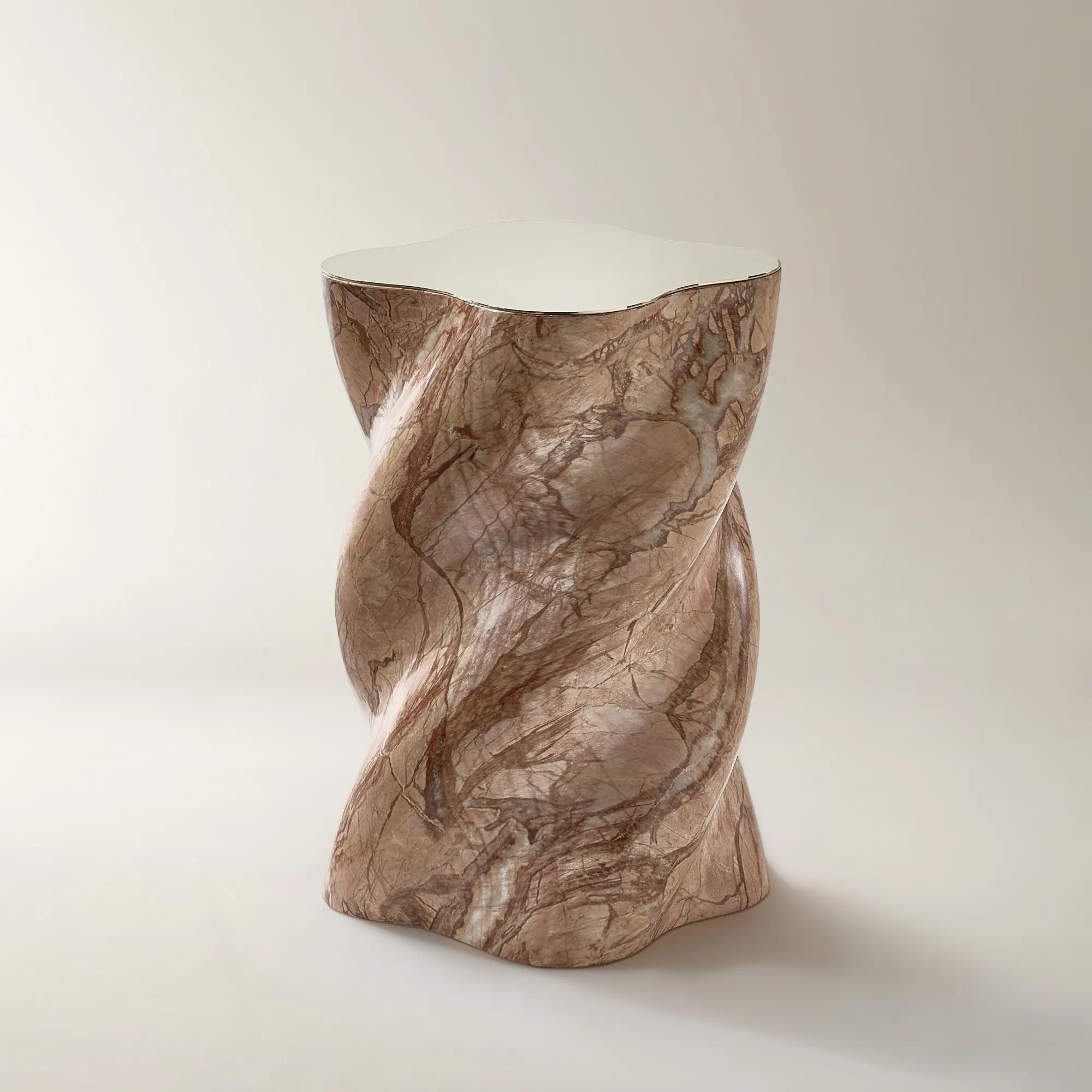
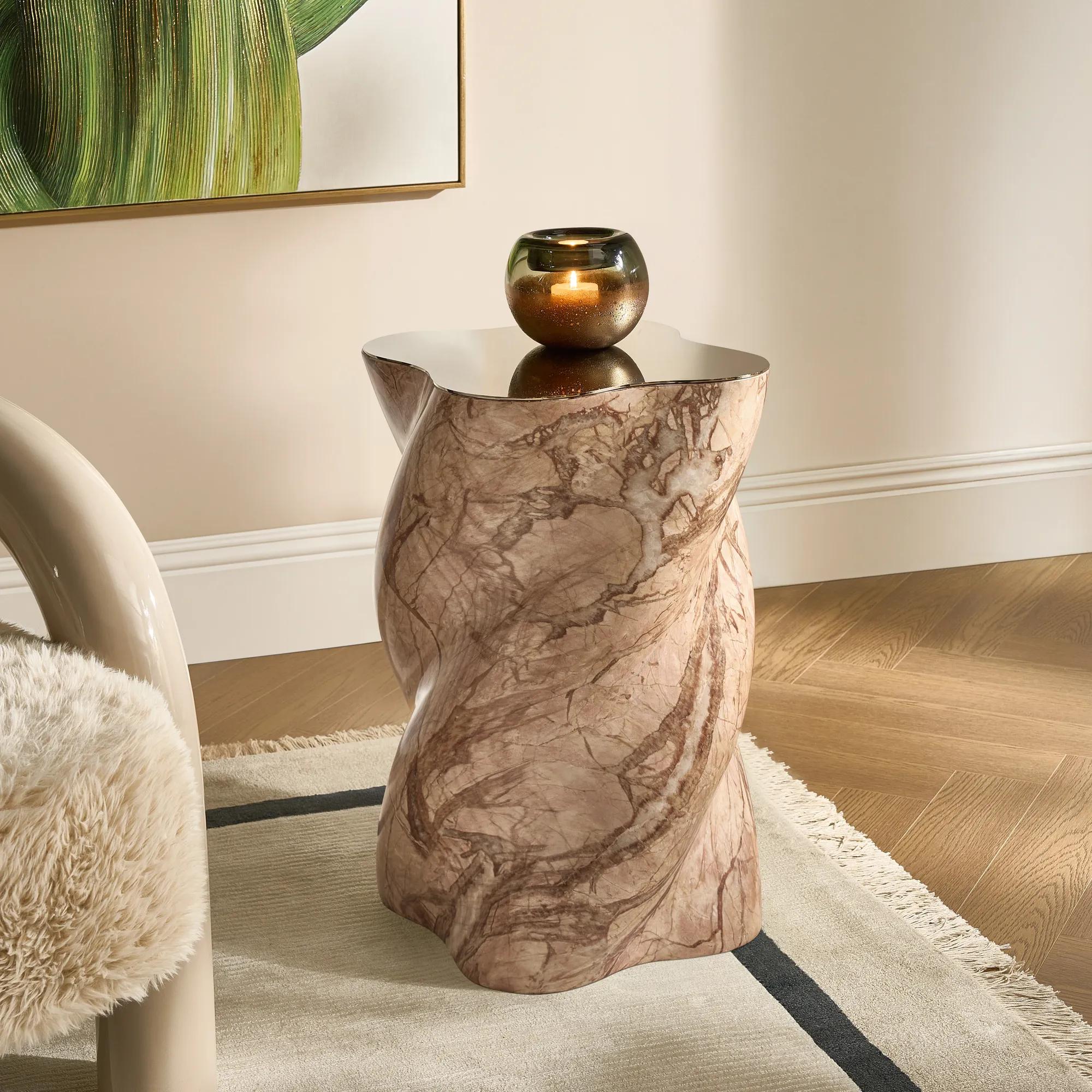 Vega Concrete Indoor/Outdoor Side Table With Stainless Steel Top (13.8")$459
A black, orange, or green concrete side table with removable stainless-steel top and marble-inspired veining.
Add To Cart -
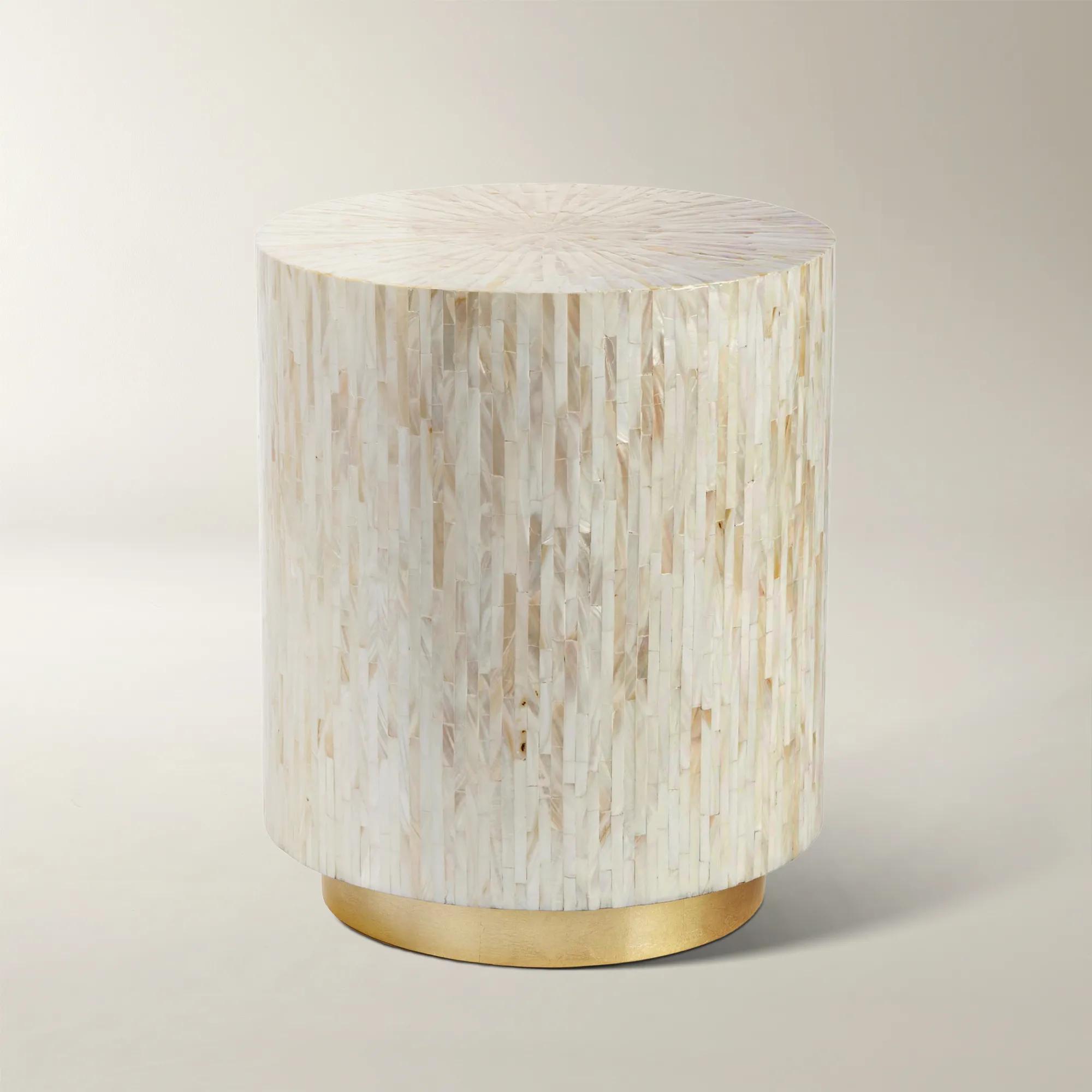 Alexandria Round Mosaic Platinum End Table (13.75")$299
A glamorous accent table featuring hand-applied mother-of-pearl mosaic and a gold leaf-accented base.
Add To Cart -
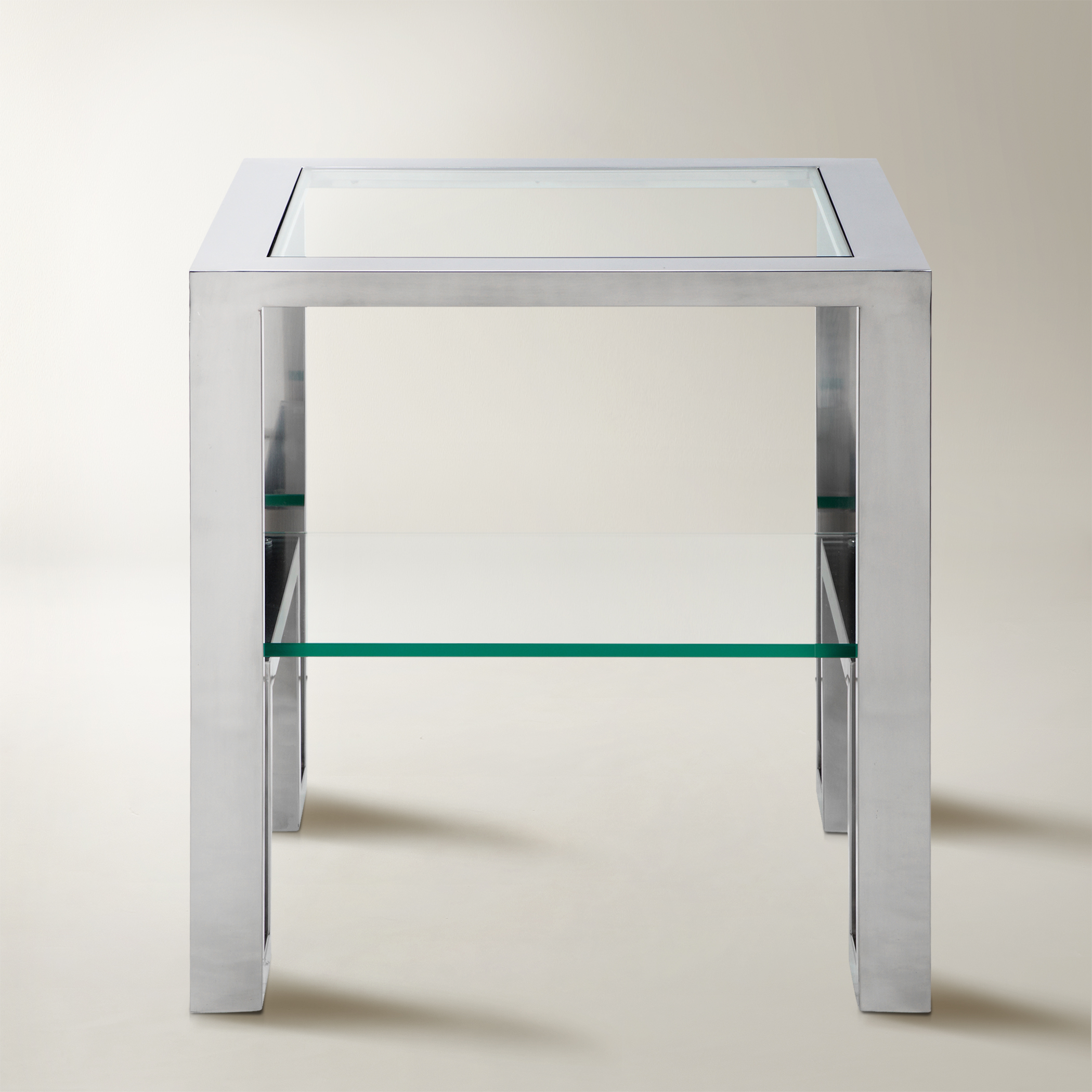
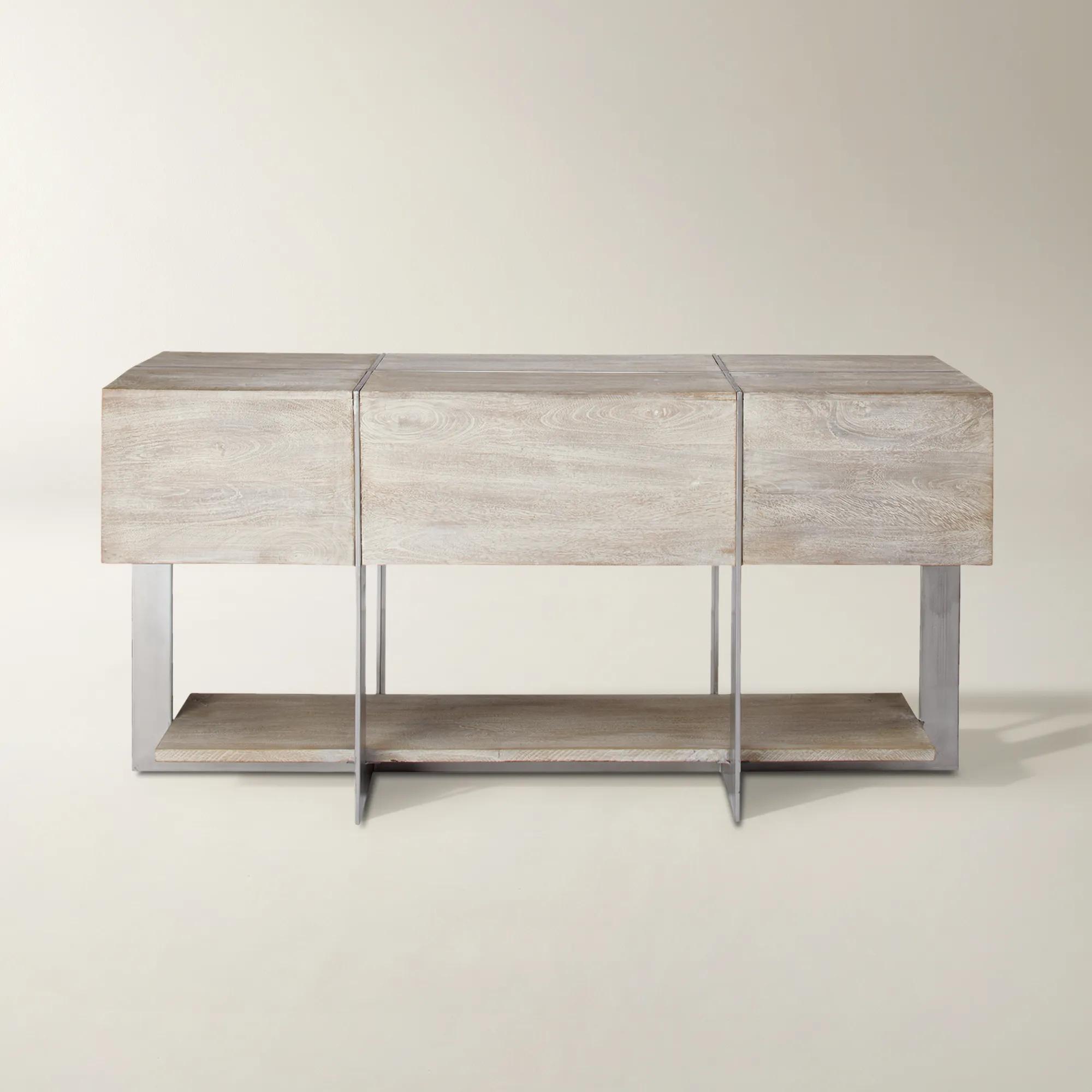
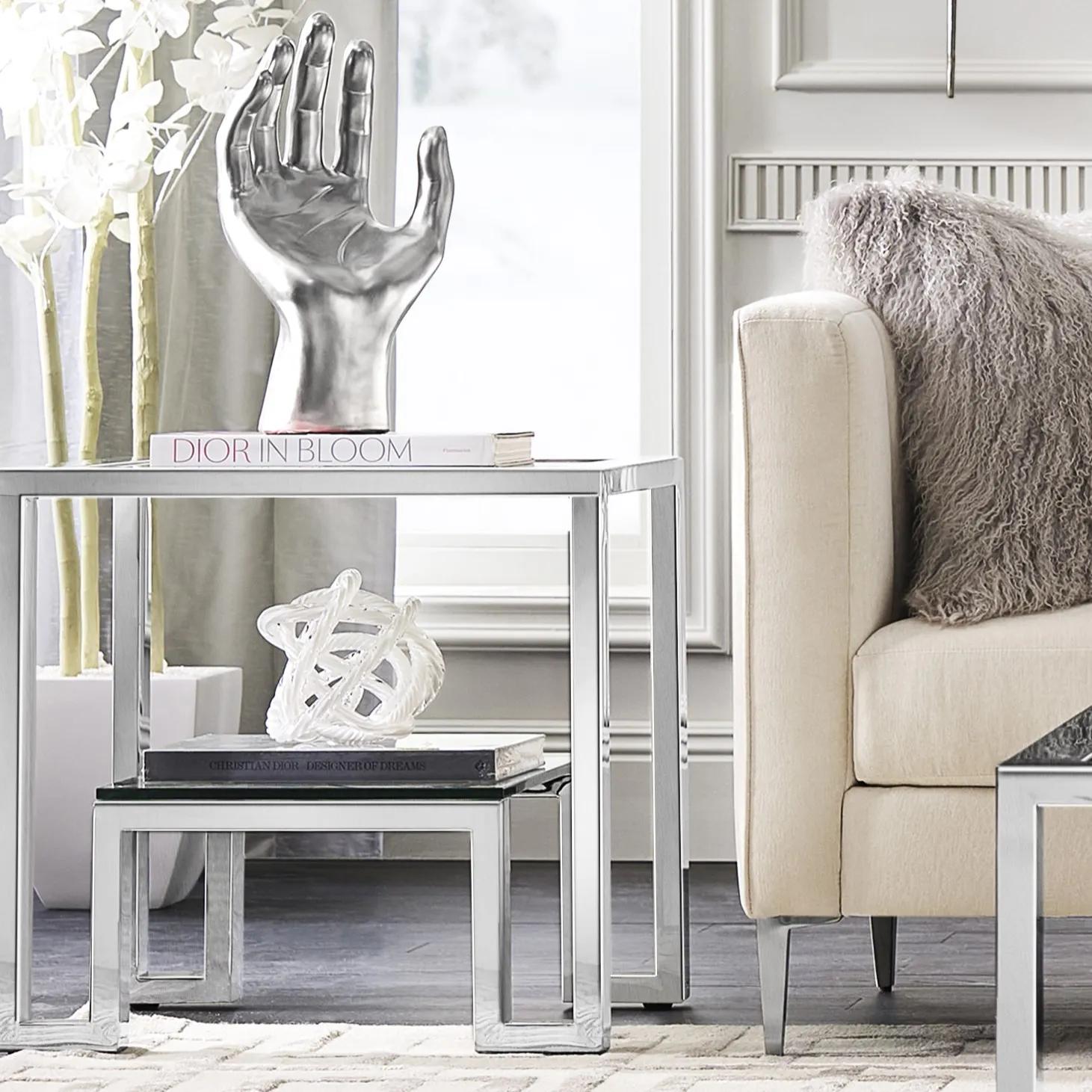 Duplicity Square Silver Stainless Steel End Table With Glass Top (24")$749
A modern end table featuring a stainless steel frame, tempered glass top, and floating bottom shelf.
Add To Cart -
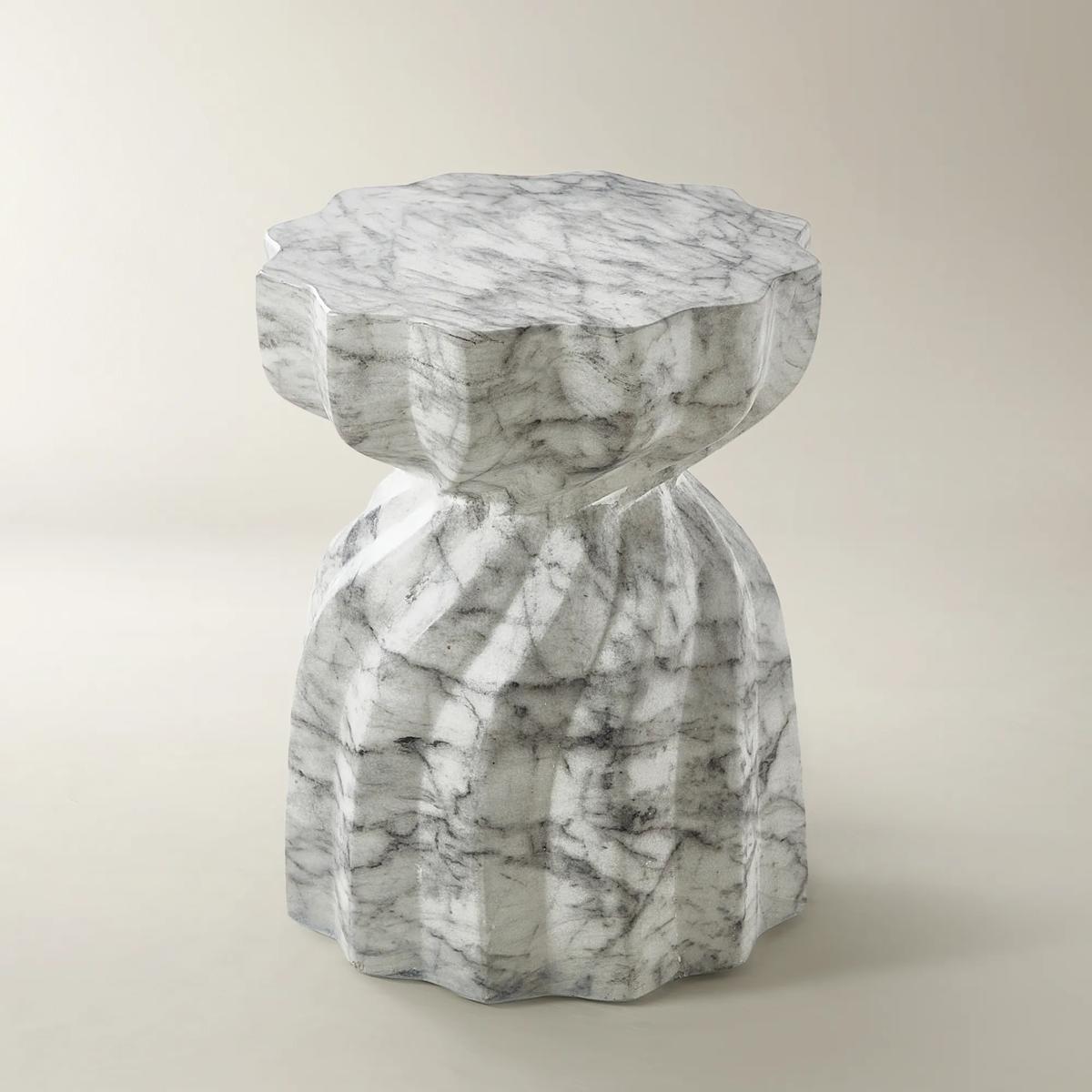
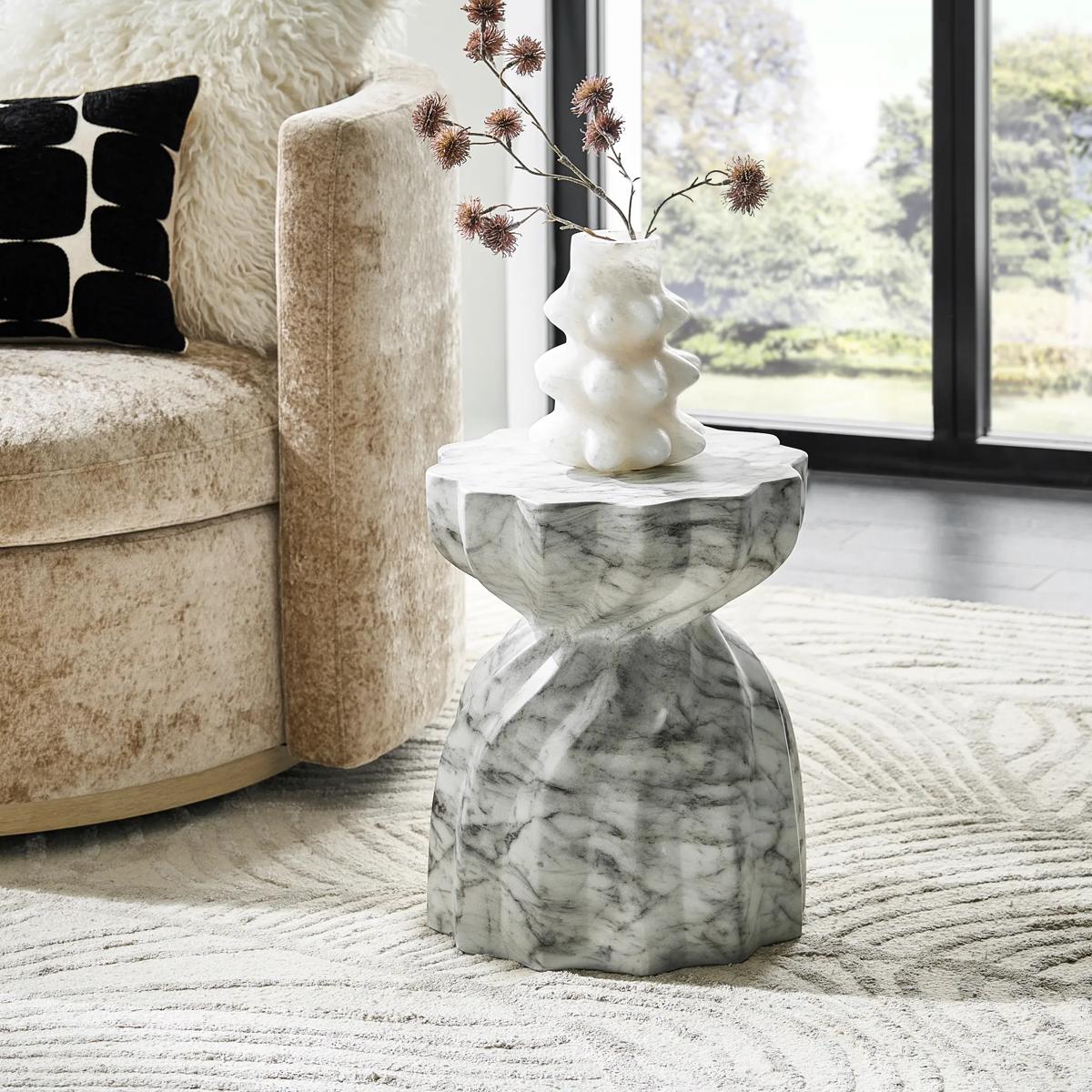 Lithia Scalloped White Concrete Indoor/Outdoor Side Table (15")$349
A white concrete side table with a scalloped silhouette and marble-look finish for indoor-outdoor living.
Add To Cart -
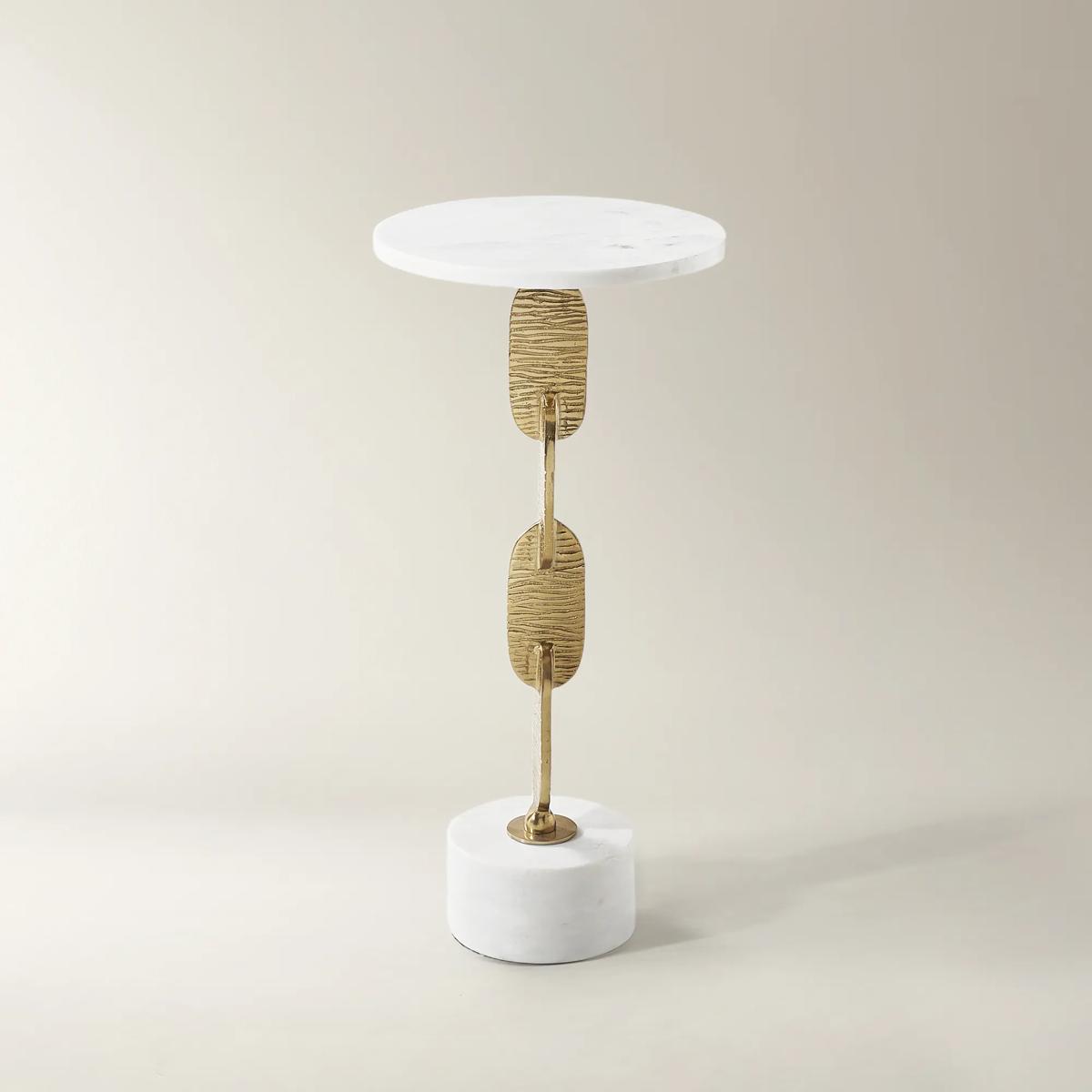
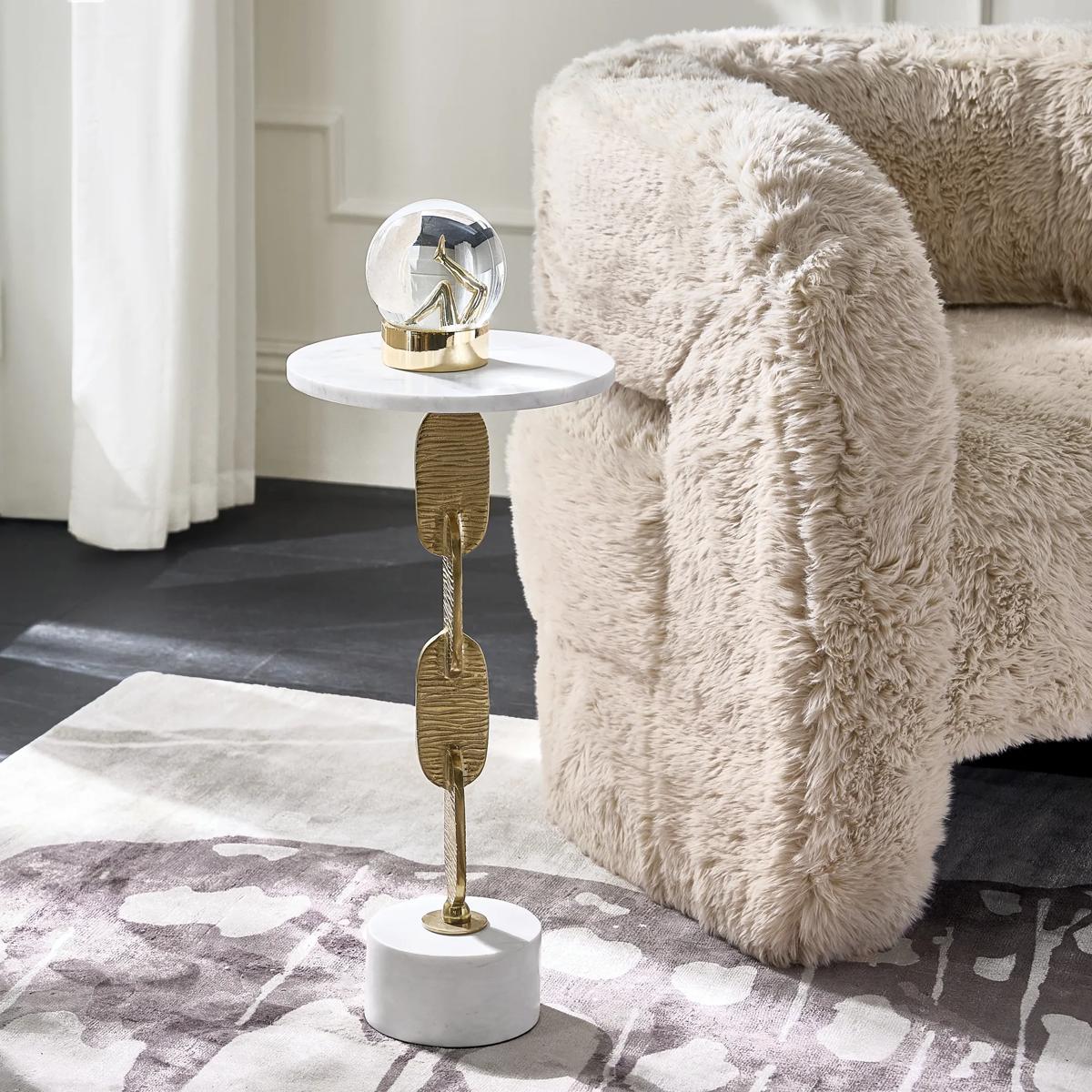 Luna Round White Marble Side Table (11.25")$199
A sculptural side table featuring a genuine white marble top and an open gold-finished metal frame.
Add To Cart -
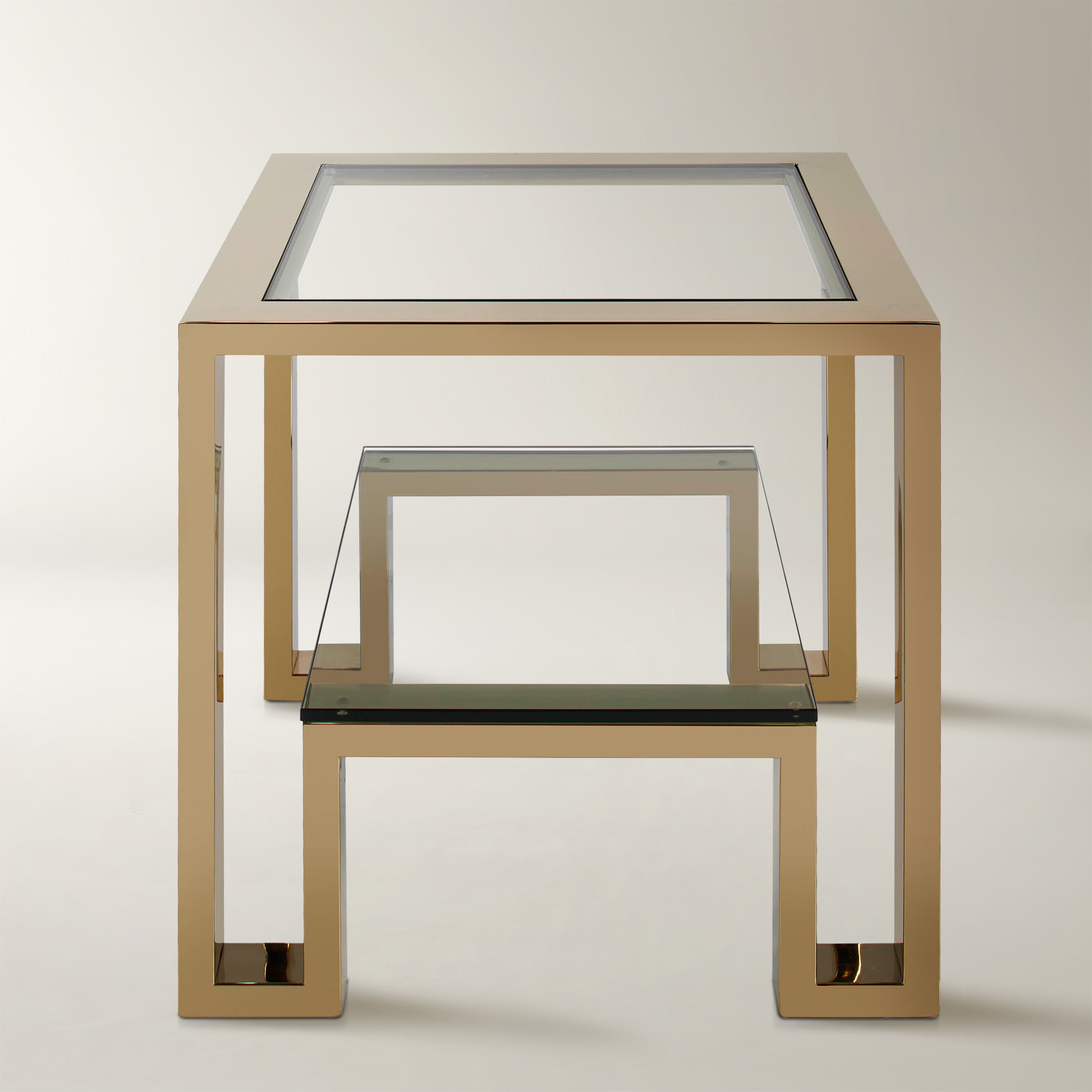 Duplicity Square Gold Stainless Steel End Table With Glass Top (24")$749
A modern end table crafted from stainless steel and tempered glass with a floating bottom shelf.
Add To Cart -
 Strata Round Green Concrete Indoor/Outdoor Side Table (15")$349
A green concrete side table with rounded geometry and a marble-look finish for indoor-outdoor use.
Add To Cart -
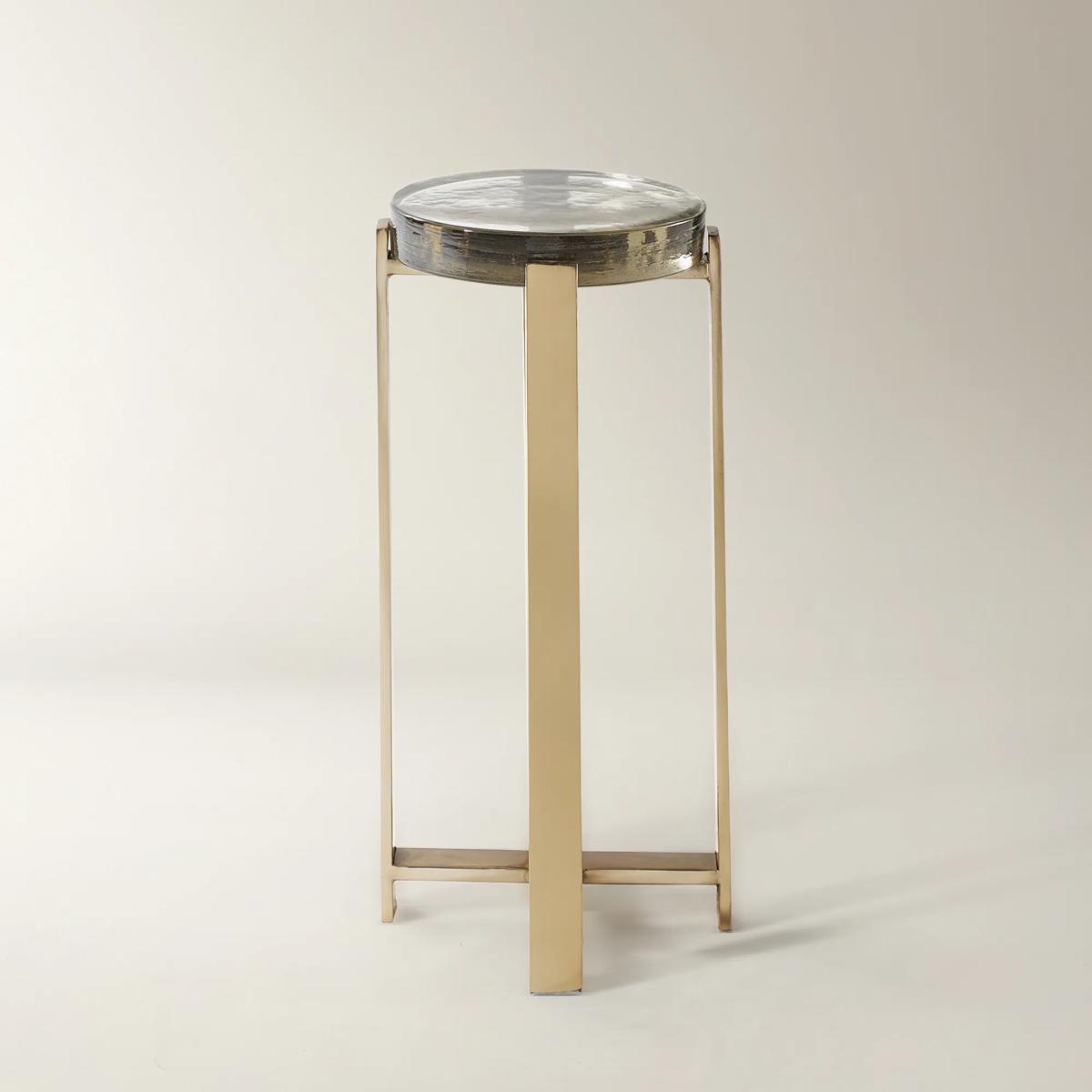
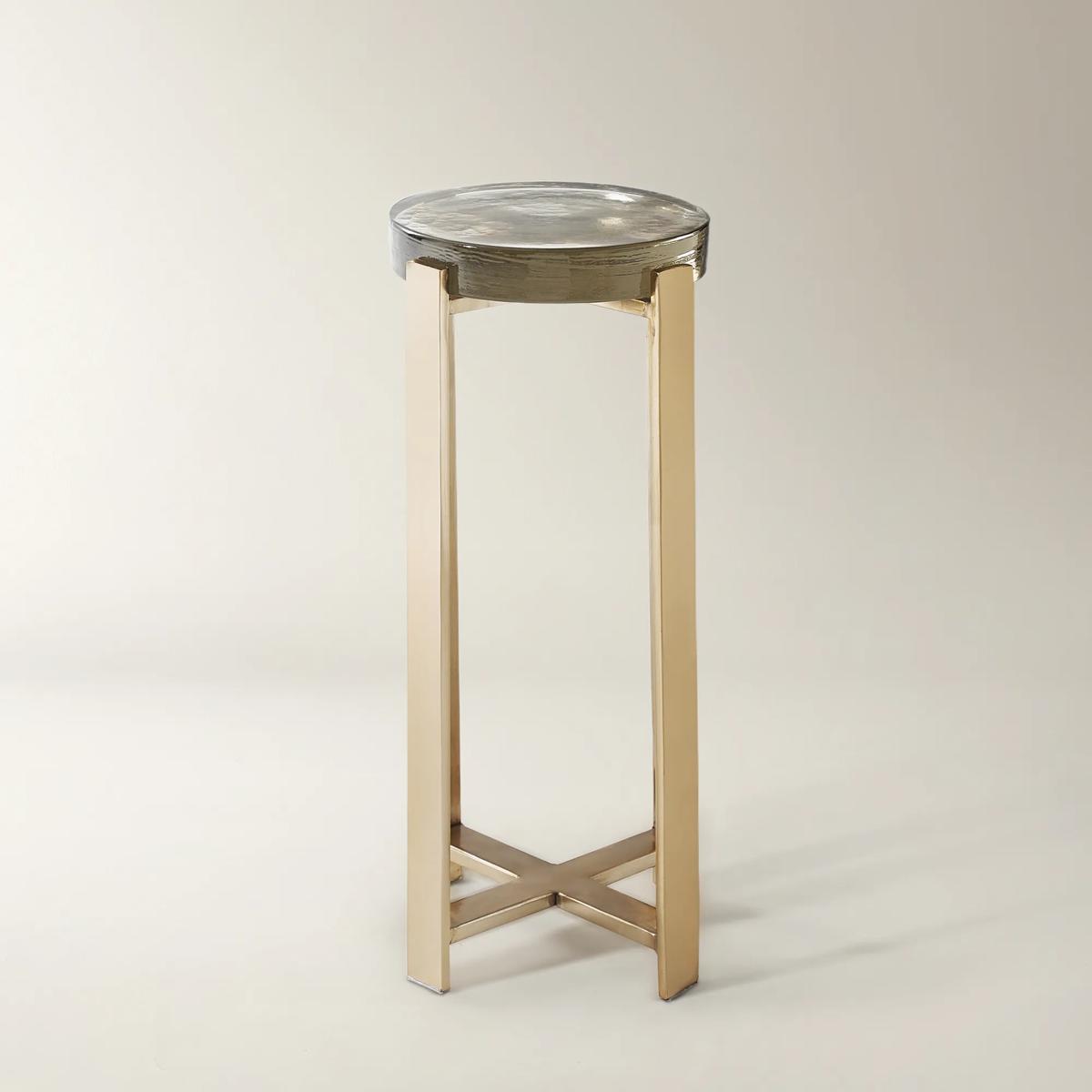 Lyra Round Brass Metal Side Table With Glass Top (10.75")$259
A sculptural side table featuring a thick cast glass top and lustrous brass-finished metal base.
Add To Cart -
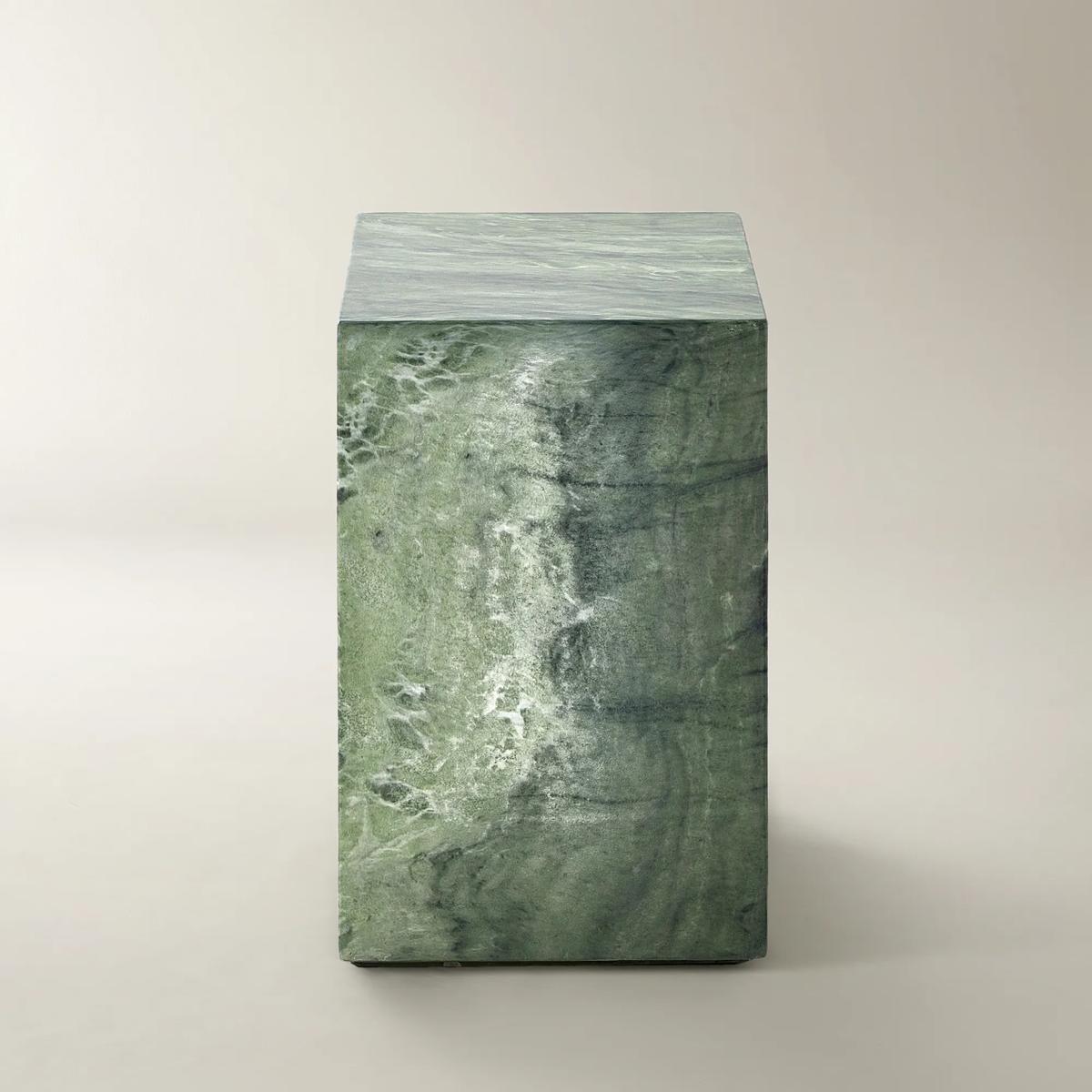
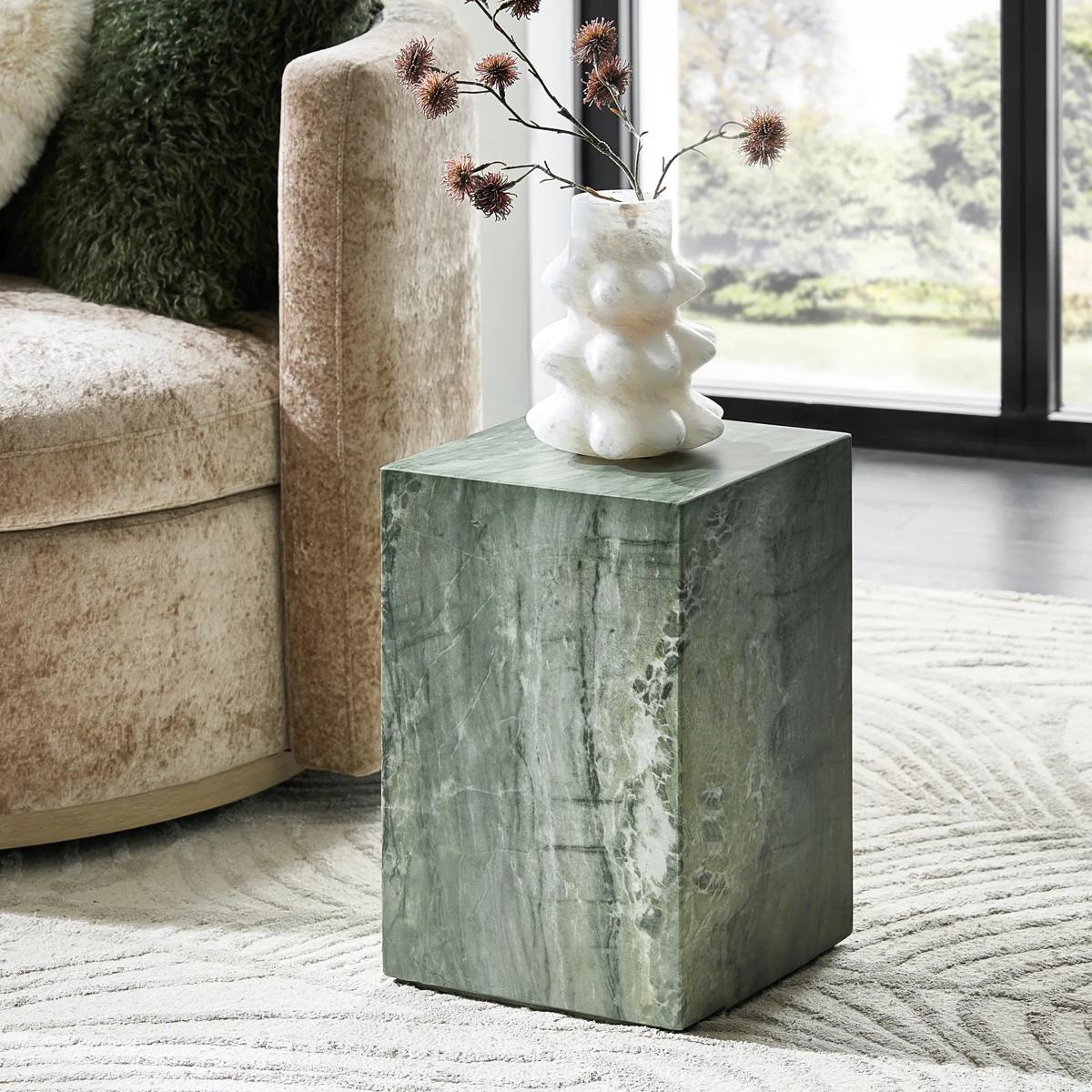 Strata Square Green Concrete Indoor/Outdoor Side Table (11.8")$299
A green concrete side table with marble-look veining and a sculptural cuboid form for indoor use.
Add To Cart -

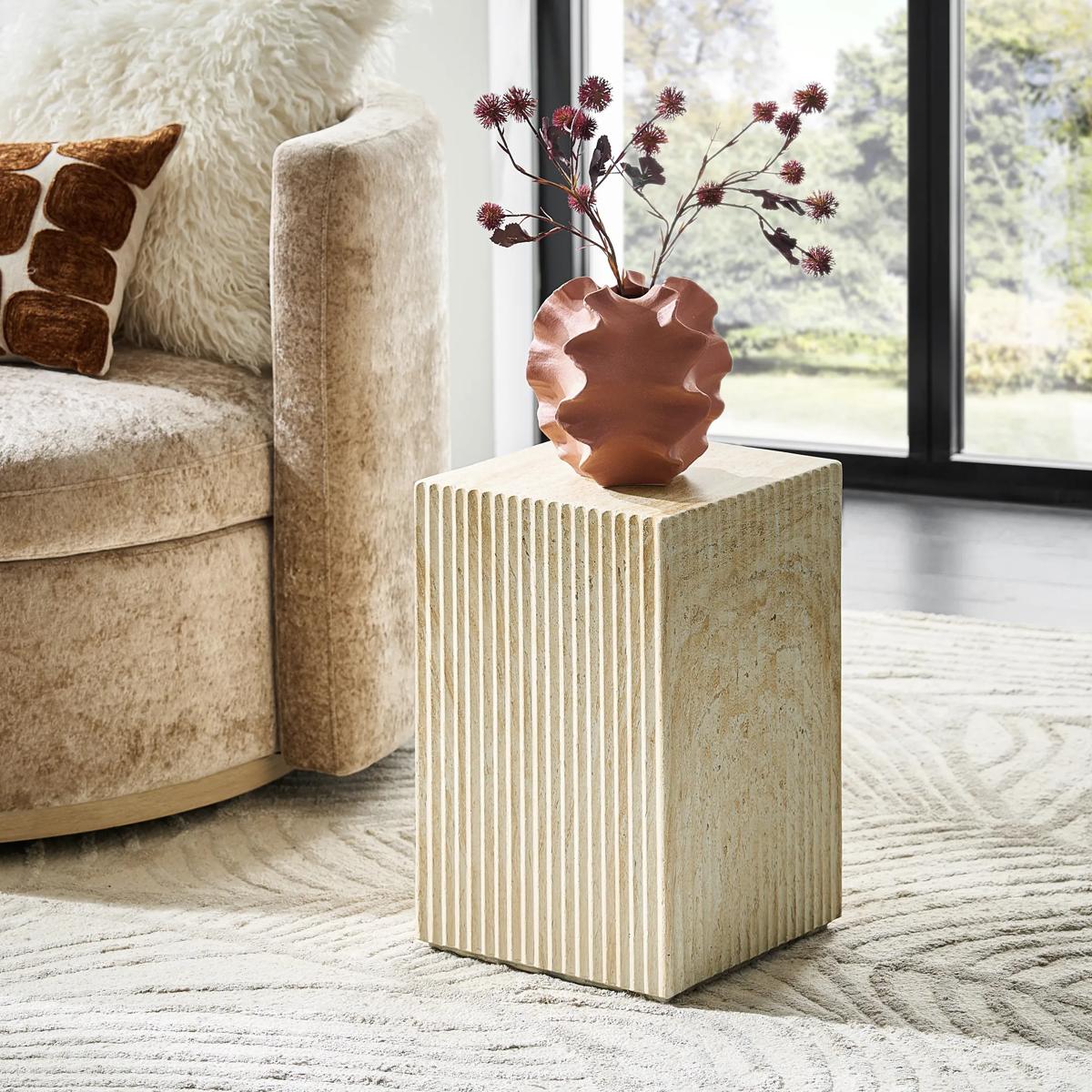 Strata Square Travertine Concrete Indoor/Outdoor Side Table (11.8")$299
A natural travertine-look concrete side table with sculptural cuboid geometry for indoor or covered outdoor spaces.
Add To Cart -
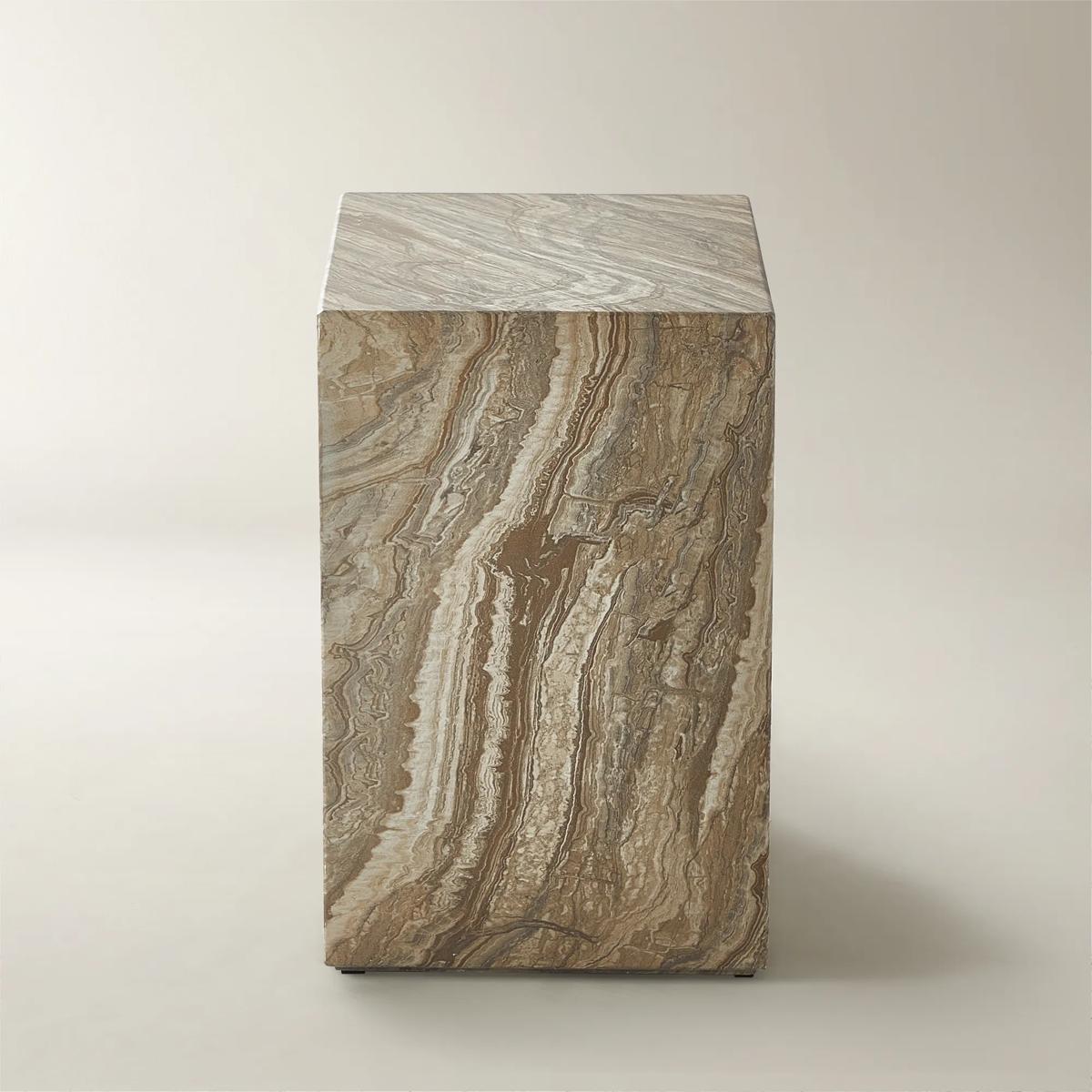
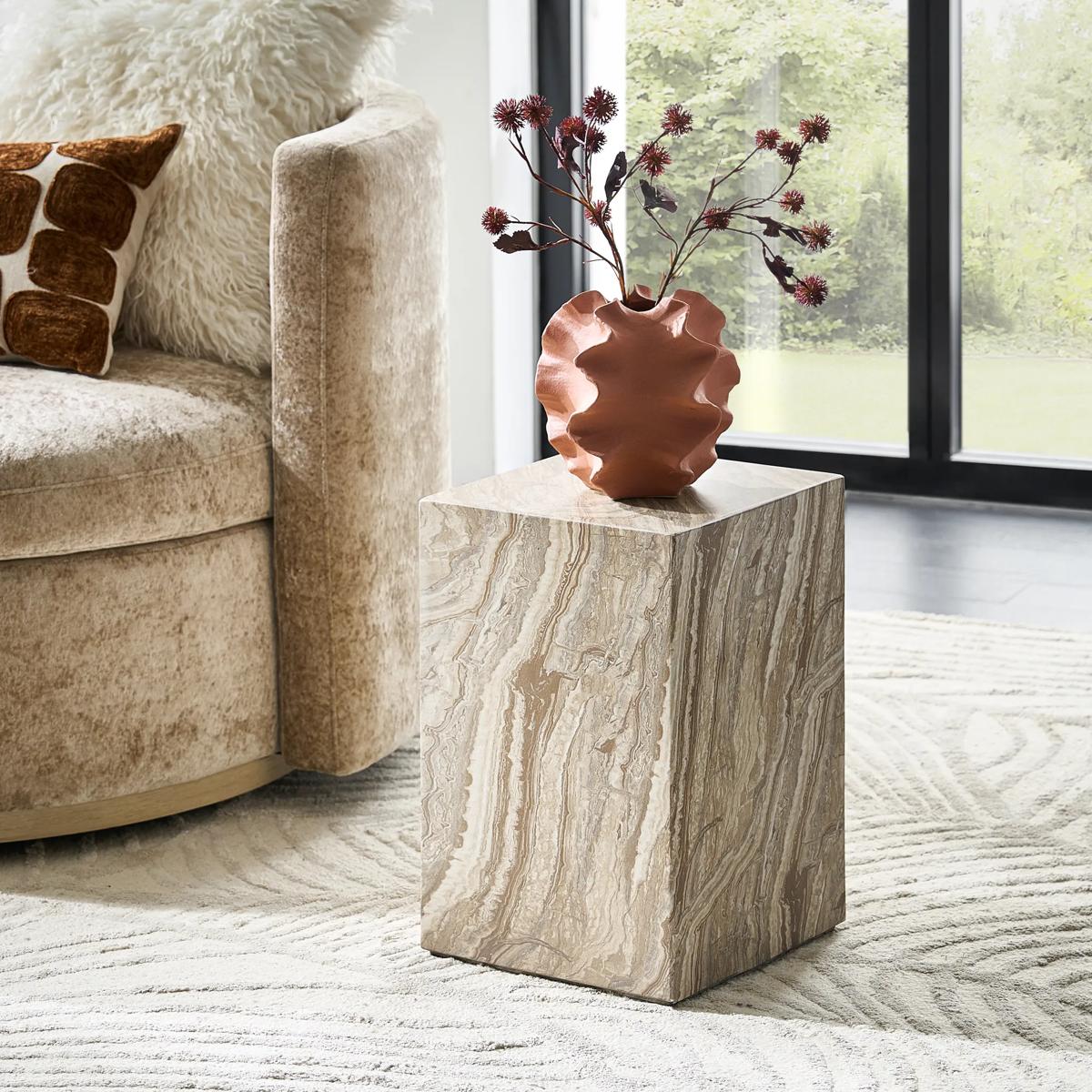 Strata Square Brown Concrete Indoor/Outdoor Side Table (11.8")$299
A brown concrete side table with a sculptural cuboid profile and marble-look finish, indoors or outdoors.
Add To Cart -
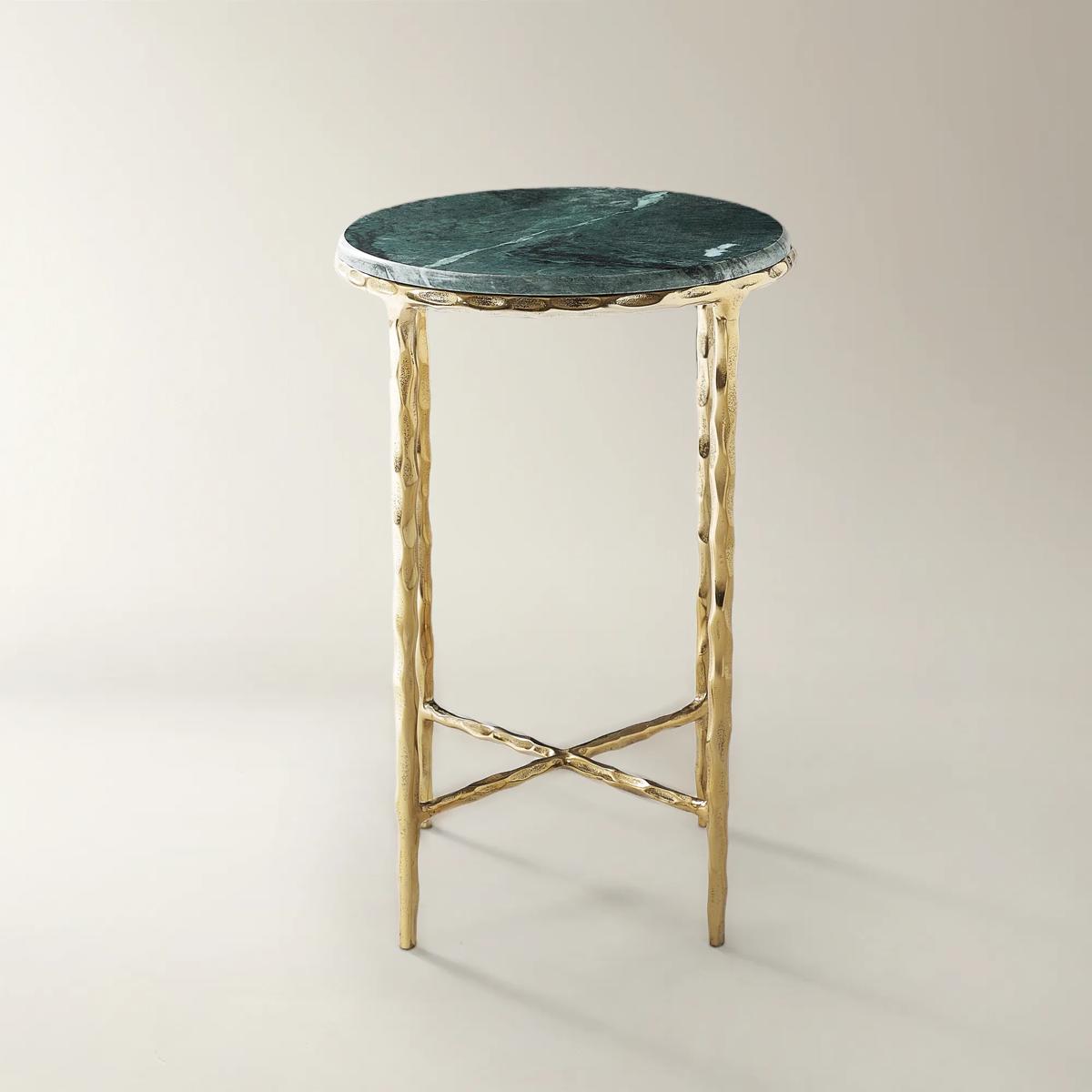
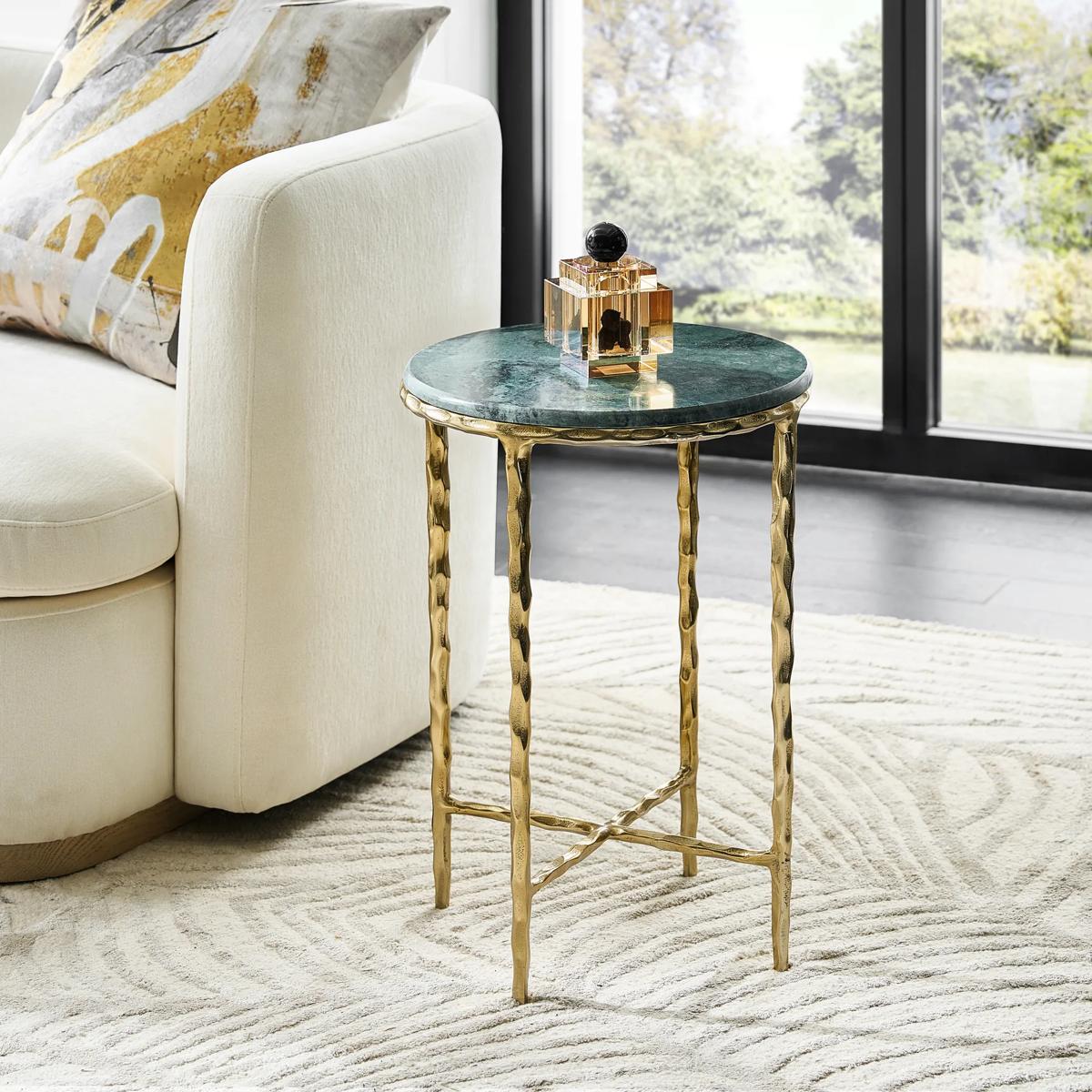 Juliet Round Green Marble Side Table (15")$269
A striking side table featuring a deep green Indian marble top and a hand-hammered metal base.
Add To Cart -
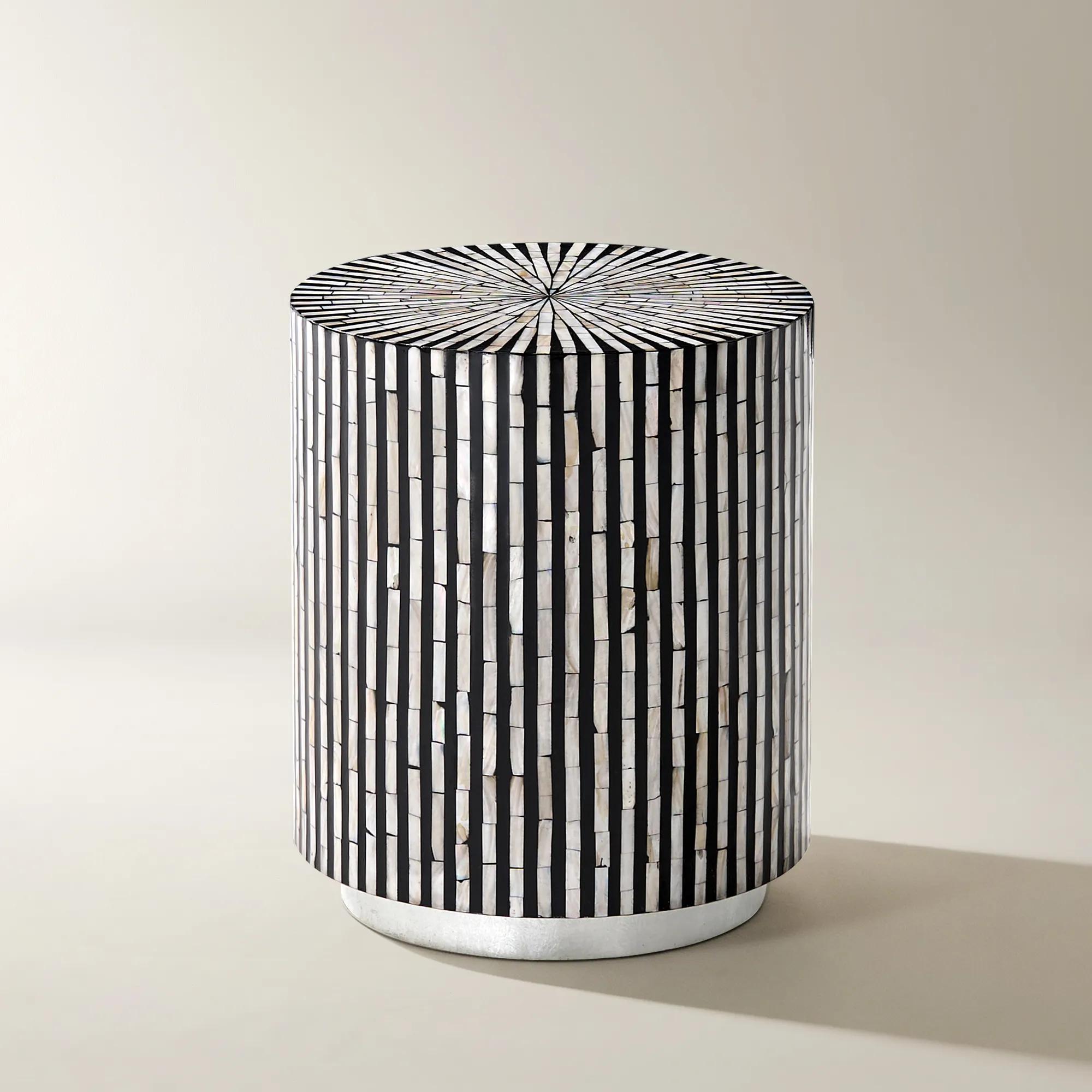
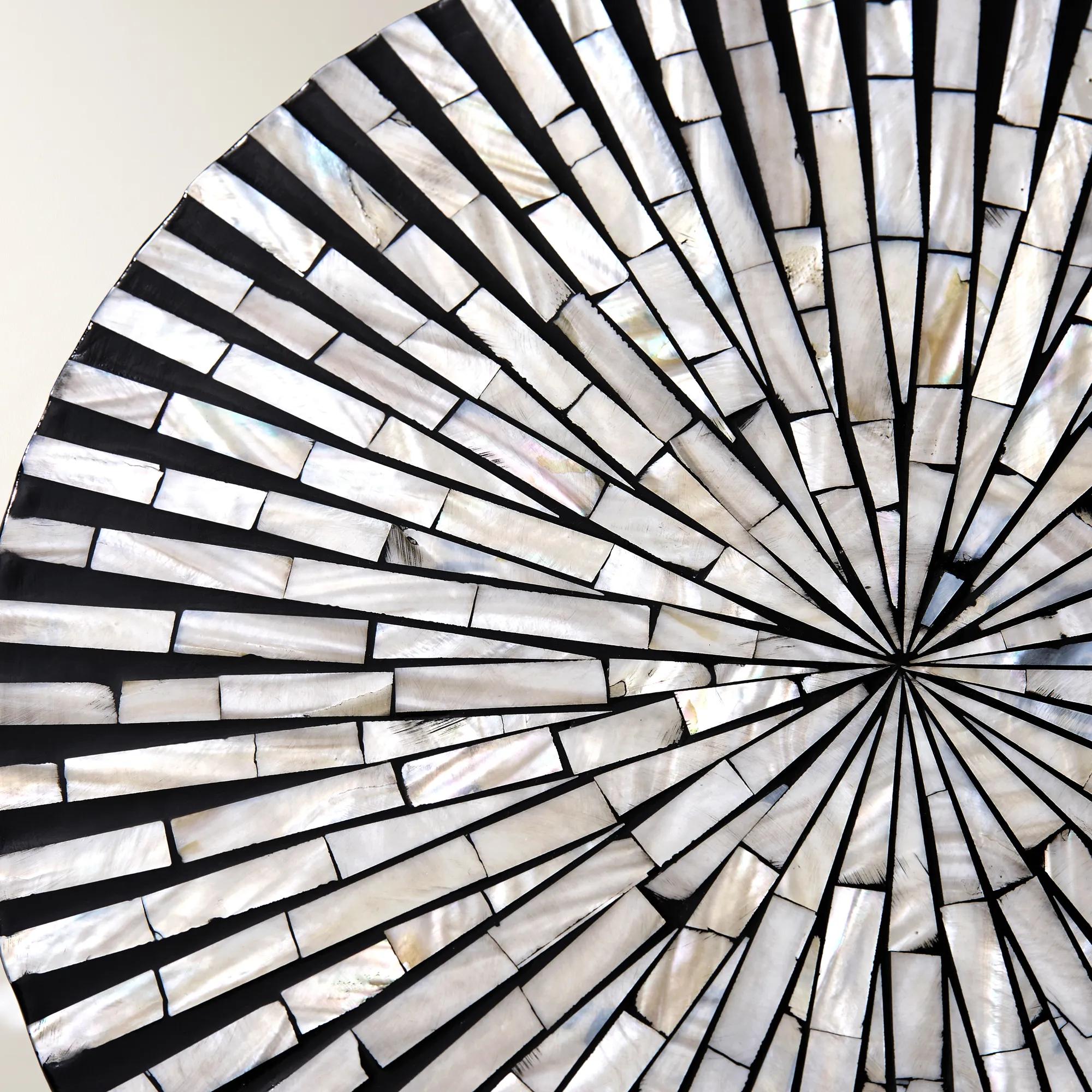 Marina Round Mosaic Black End Table (13.75")$299
A sculptural black end table featuring hand-applied mother-of-pearl mosaic and a silver leaf–accented base.
Add To Cart

Modern Living Room Side Tables
Modern living room side tables are the unsung heroes of sophisticated design—small in footprint, grand in impact. Each piece is an invitation to elevate your space, catching the eye with sculptural silhouettes and gleaming finishes that transform the ordinary into the extraordinary. Whether poised beside a velvet sofa or anchoring a dramatic vignette, these tables are more than mere accents; they are statements of artistry and intent. Let your living room become a showcase for bold expression, where every detail—down to the last polished edge—reflects your passion for modern luxury.
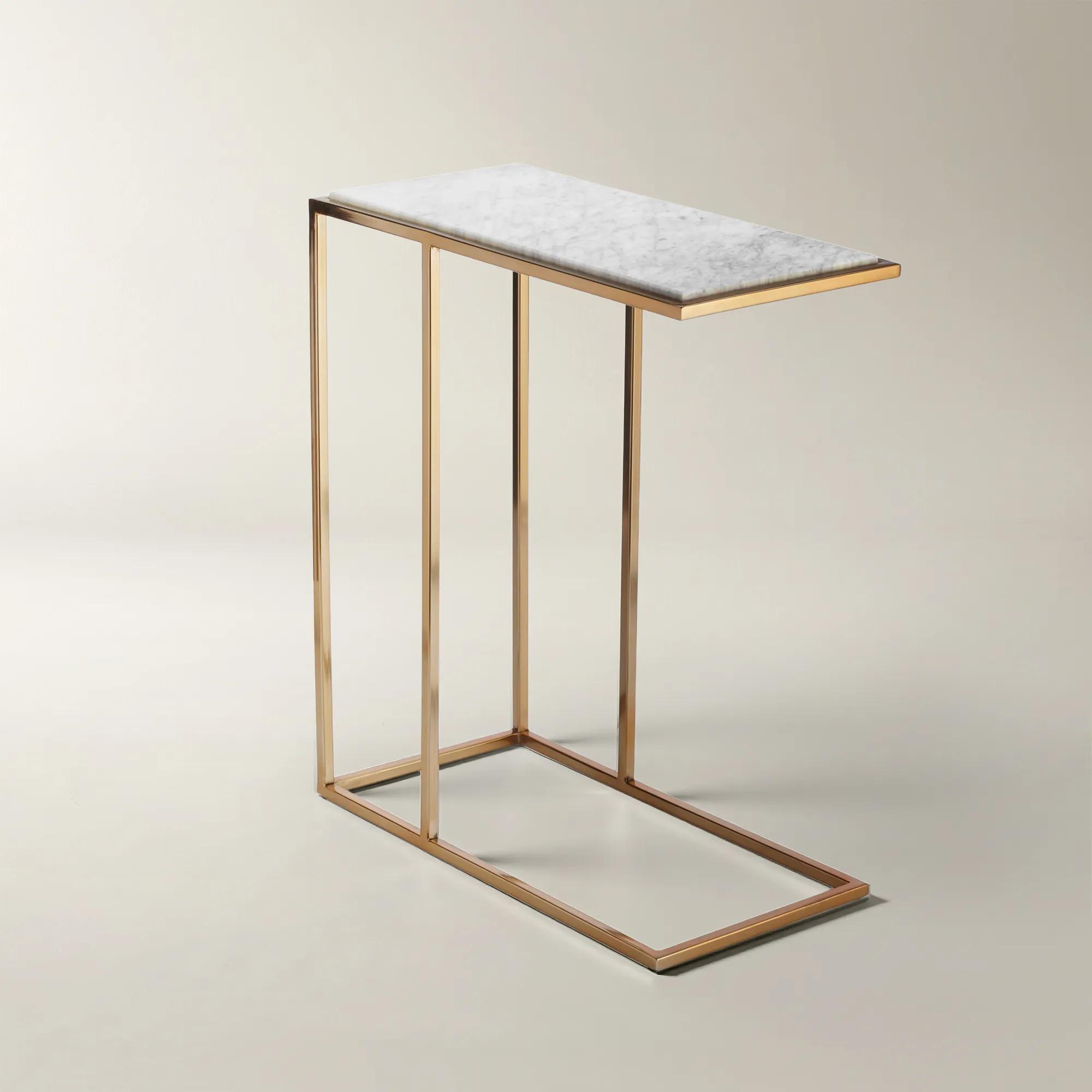
Modern living room side tables combine clean lines, expressive shapes, and materials such as wood, metal, glass, and stone to bring function and sculptural presence to a seating area. Positioned beside a sofa or accent chair, they provide a surface for lighting, drinks, books, and decorative objects without the larger footprint of a coffee table. Their proportions may be compact, but their influence on a room is substantial: a gleaming frame sharpens the silhouette of a sumptuous sofa, while a rounded pedestal introduces softness beside tailored upholstery. Modern design leaves room for both restraint and drama, from slender geometric bases to substantial forms that read almost like sculpture. Round side tables create a fluid relationship with curved seating and can soften an arrangement dominated by rectangular furniture. Square and rectangular tables establish crisp alignment beside sofa arms, while an oval surface offers an elongated profile with gentler edges. C-shaped tables bring a surface closer to the seat when their bases can slide beneath the furniture; nesting tables offer separate surfaces that can be gathered into a compact arrangement between uses. These distinctions matter in everyday settings, whether the living room hosts intimate conversation, an evening of reading, or a gathering that calls for a place to set down a glass. Fit begins with the relationship between the tabletop and the seat beside it. A surface close to the height of the sofa or chair arm generally feels more comfortable to reach than one that sits dramatically above or below it. The table’s width and depth should also leave room for movement, especially near doorways, reclining furniture, and the route between seating and adjoining rooms. A narrow profile can make a generous sofa arrangement feel less crowded, while a broader tabletop gives a substantial chair an equally confident companion. Side tables need not match every neighboring piece to feel intentional. A shared finish, repeated curve, or complementary proportion can connect contrasting forms, giving the room a collected character rather than a rigidly coordinated appearance.
Materials establish both the visual mood and the daily care of modern side tables. Wood brings grain, depth, and a sense of warmth to interiors filled with polished surfaces; its character can range from a smooth, uniform finish to more visible natural variation. Metal offers a different kind of definition, with slender supports, architectural angles, and finishes that catch or diffuse light. A polished surface creates a brilliant accent beside velvet or richly textured upholstery, while a brushed finish introduces a quieter sheen. Glass can keep the visual composition open, allowing a patterned rug or distinctive base to remain part of the scene. Mirrored surfaces add reflection and amplify nearby decorative details, especially when the surrounding arrangement leaves them room to shine. Marble and other natural stones introduce veining and variation that give a tabletop individual character, although their weight, porosity, and care requirements differ. Appearance alone does not determine durability: construction, joint quality, finish, material thickness, and the stability of the base all contribute to how a table performs. A broad, balanced base is particularly useful where a table will regularly hold a lamp or frequently handled objects. In an active household, rounded edges may soften contact at busy corners, while a securely assembled frame helps a piece feel composed through repeated use. Care should follow the requirements of the actual material and finish rather than a single routine for every surface. Coasters and protective pads help limit moisture rings, scratches, and marks from decorative objects. Spills deserve prompt attention, especially on wood and porous stone, and acidic liquids can etch some stone surfaces even when they are sealed. Glass and mirrored finishes benefit from gentle cleaning with suitable products and soft cloths; abrasive tools can leave lasting scratches. Finished metal should be dried after cleaning, and harsh chemicals should be avoided unless specifically approved for the finish. Thoughtful placement also matters, since prolonged direct sunlight can alter some wood finishes and nearby heat sources may affect sensitive materials.
The most compelling living room side tables make everyday rituals feel considered without sacrificing usable space. A generous surface can hold a lamp, a drink, and a small stack of books with enough separation for each to remain easy to reach. A smaller table may be more successful with one expressive object and space left open for daily use. For readers, a table beside an armchair creates a place for glasses and a book; for frequent hosts, a pair distributed across the seating area keeps refreshments within reach without drawing everyone toward a central surface. A lower shelf or drawer can accommodate remotes and other small essentials, while an open base preserves sightlines and allows a richly patterned rug to remain visible. Nesting designs suit rooms that need flexible surfaces, provided the individual tables are stable and their heights work comfortably with the seating. With C-shaped designs, clearance beneath the sofa and the reach of the tabletop determine whether the shape serves its intended purpose. Lighting deserves the same attention to proportion. Pairing a side table with Modern Living Room Table Lamps creates an opportunity to balance silhouette, illumination, and surface space: the lamp base should sit securely on the tabletop, and its shade should not crowd the seat or intrude into a walkway. Access to an outlet and a cord route away from foot traffic help preserve the elegance of the arrangement. Decorative styling can then build on that foundation, perhaps with a low bowl against a tall lamp or a sculptural vessel beside a neatly stacked pair of art books. Differences in height create dimension, but an accessible area of tabletop keeps the composition welcoming rather than precious. For a housewarming or wedding gift, a side table can be a lasting gesture when its scale, finish, and care needs suit the recipient’s home. Ultimately, these accent pieces bring personality into close view, giving the living room its polished edges, intimate conveniences, and moments of unexpected artistry.
FAQs
Modern living room side tables act as both functional accents and artistic statements, bringing balance, texture, and a sense of curated luxury to your seating area. Their varied materials—ranging from gleaming metals to sculptural woods—allow you to layer in visual interest, highlight cherished décor, and create intimate moments within your living room. By thoughtfully selecting and styling these tables, you can elevate the ambiance and reflect your personal sense of artistry.
To style artistic side tables, consider pairing them with bold accessories such as a sculptural lamp, a stack of art books, or a textured vase filled with seasonal florals. Mixing objects of varying heights creates visual intrigue, while a mirrored tray or metallic bowl can add a touch of glamour. Don’t be afraid to let your side table become a mini-gallery—display a favorite collectible or a unique piece of art to make the table a true conversation starter.
A modern side table makes a thoughtful and memorable gift for design enthusiasts, new homeowners, newlyweds, or anyone embarking on a home refresh. Its blend of style and utility ensures it will be cherished for years, serving as a daily reminder of your thoughtfulness. Choose a piece that reflects the recipient’s personality—whether that’s a contemporary luxury side table for someone who loves drama, or an affordable side table for cozy living rooms suited to those who value comfort and charm.
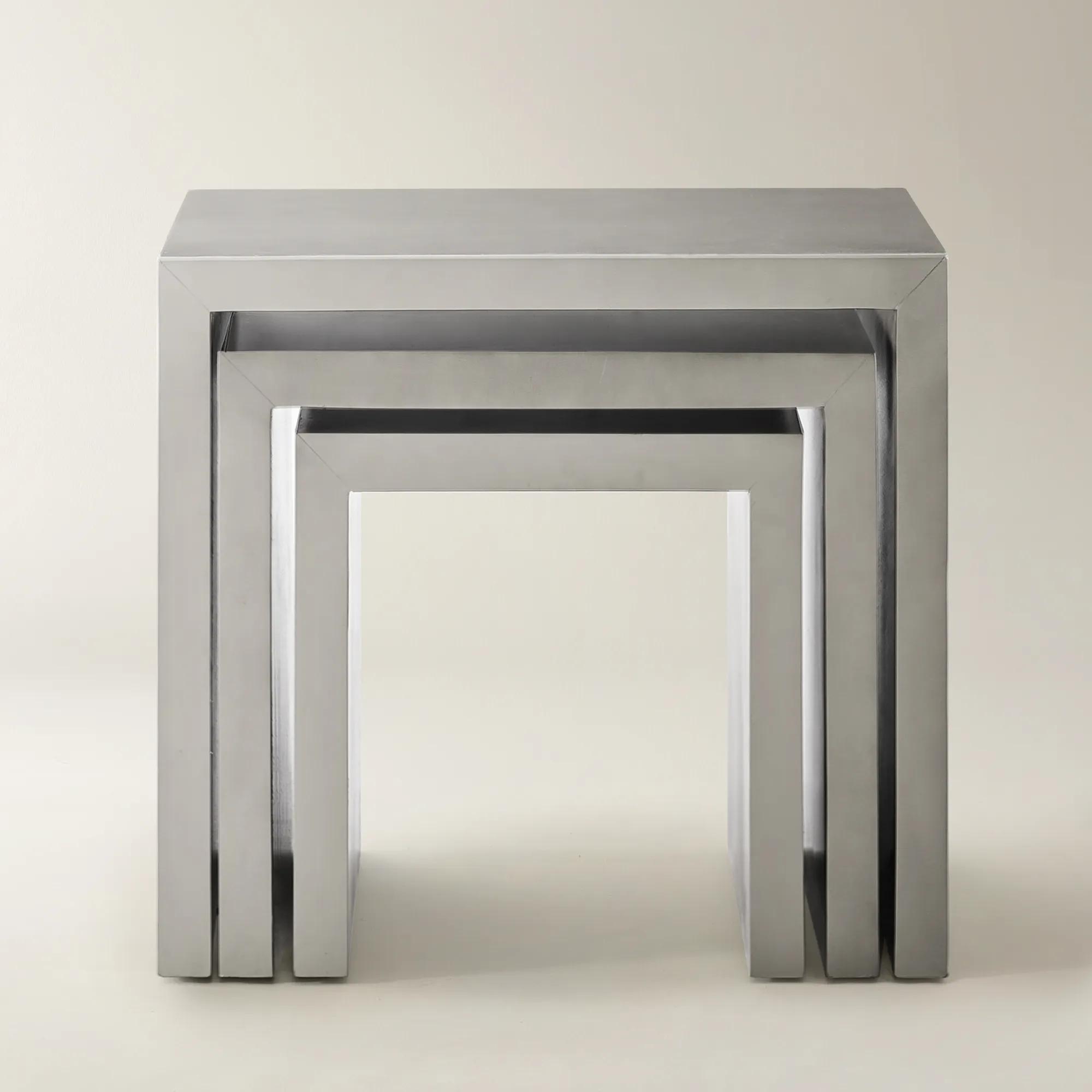
Absolutely—nesting tables, such as astair nesting tables, are a brilliant solution for compact spaces. Their versatile design allows you to expand your surface area when entertaining and tuck them away when not in use, preserving an open, airy feel. They offer flexibility for dynamic living rooms, adapting effortlessly to your needs without sacrificing style.
Begin by considering the materials and finishes already present in your living room. Select a side table that echoes or thoughtfully contrasts these elements—perhaps a marble-topped piece to add sophistication, or a wood table to introduce warmth. Pay attention to shape as well; a round table can soften a room filled with angular furniture, while a geometric or mirrored design can heighten a modern, glamorous aesthetic. Ultimately, the right side table should feel like a natural extension of your space, enhancing its mood and story.