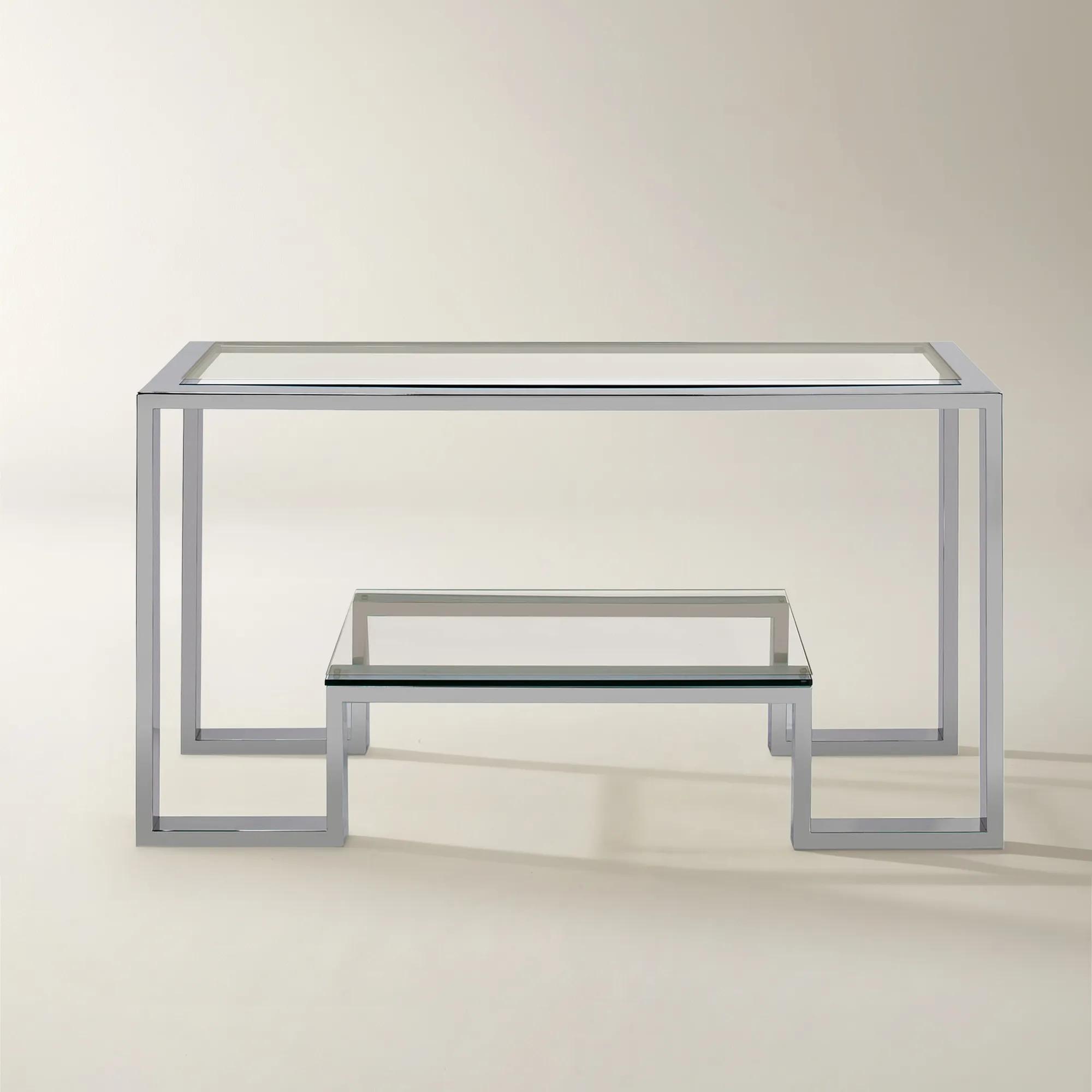
Modern Rectangular Side Tables
Modern Rectangular Side Tables
-
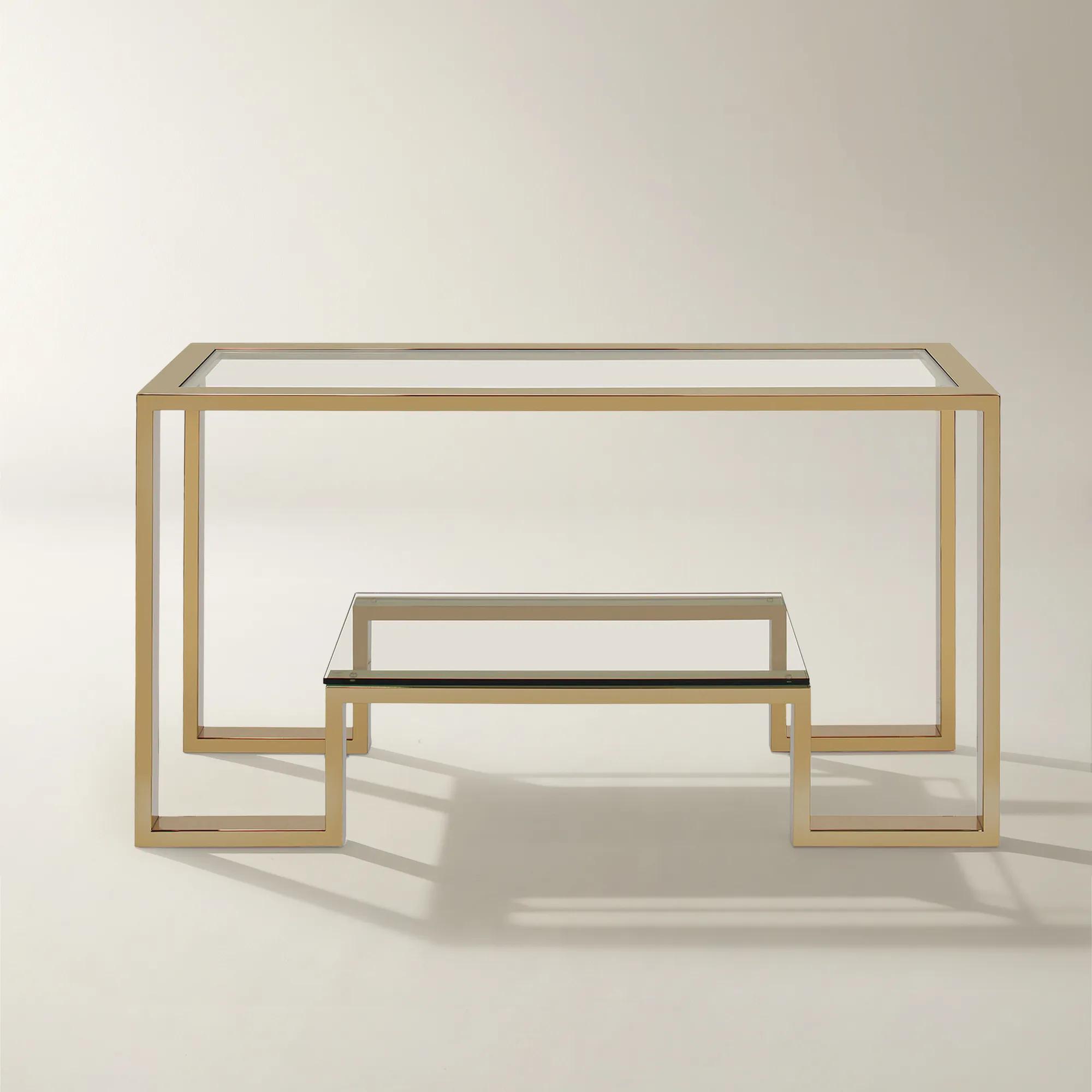
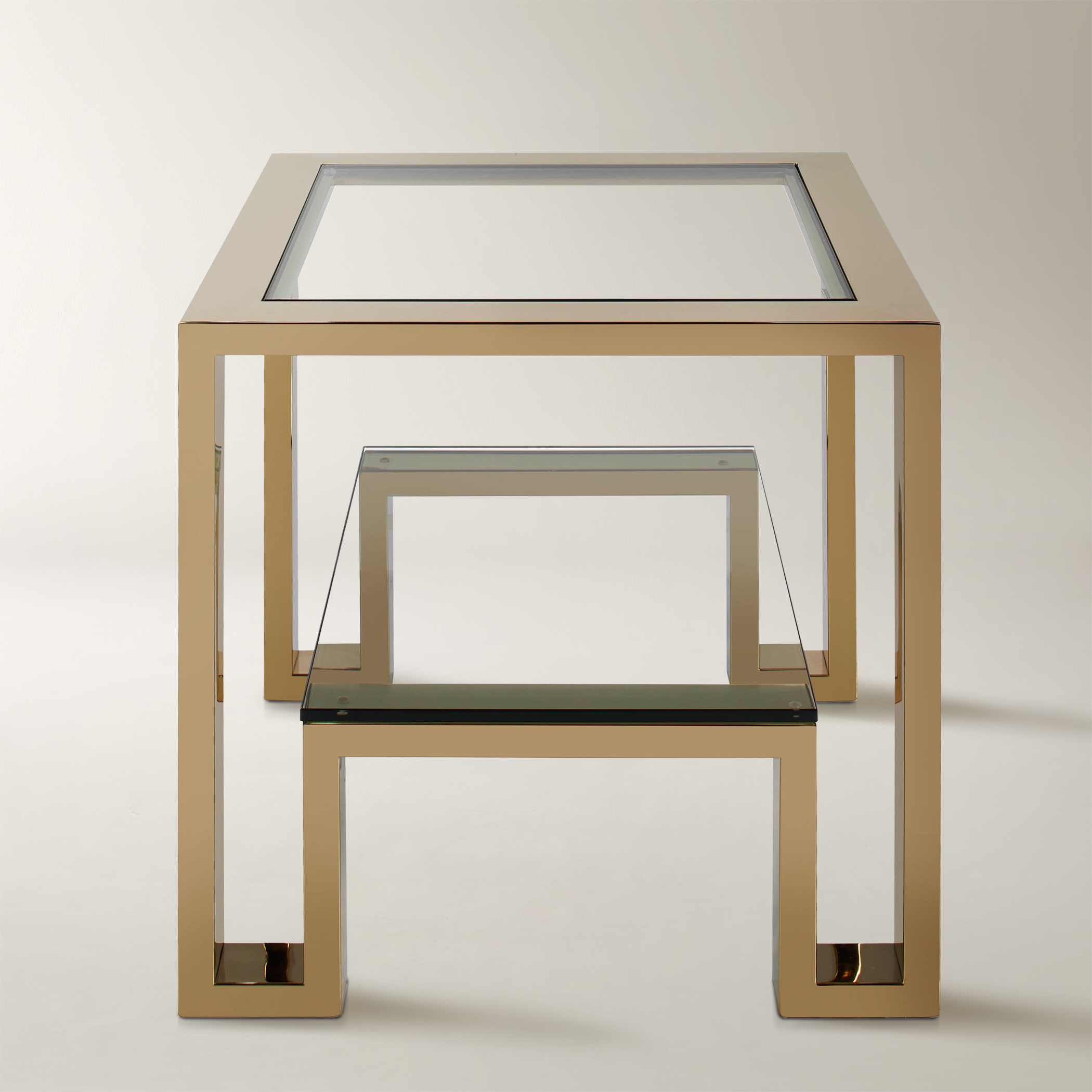 Duplicity Square Gold Stainless Steel End Table With Glass Top (24")$749
A modern end table crafted from stainless steel and tempered glass with a floating bottom shelf.
Add To Cart -
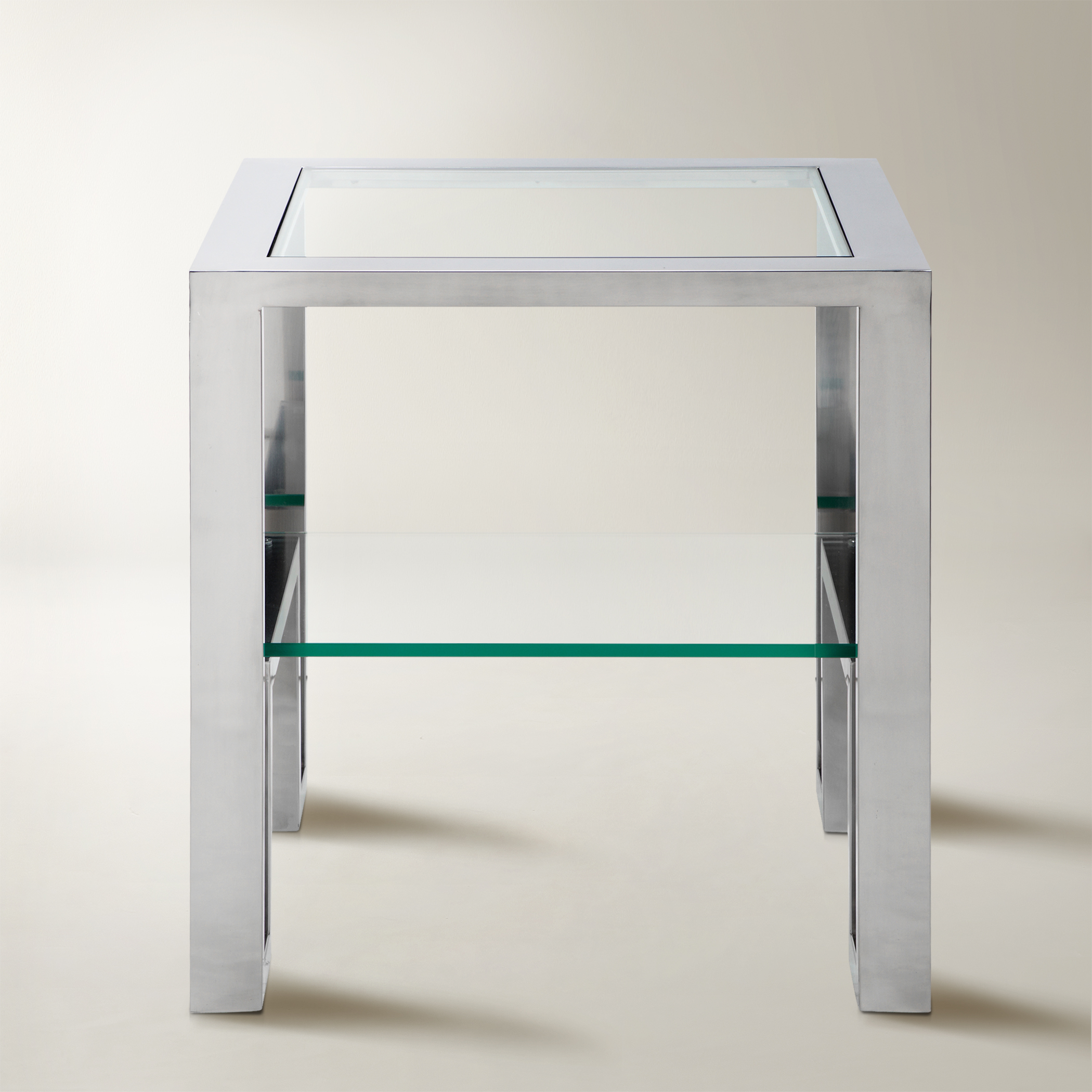
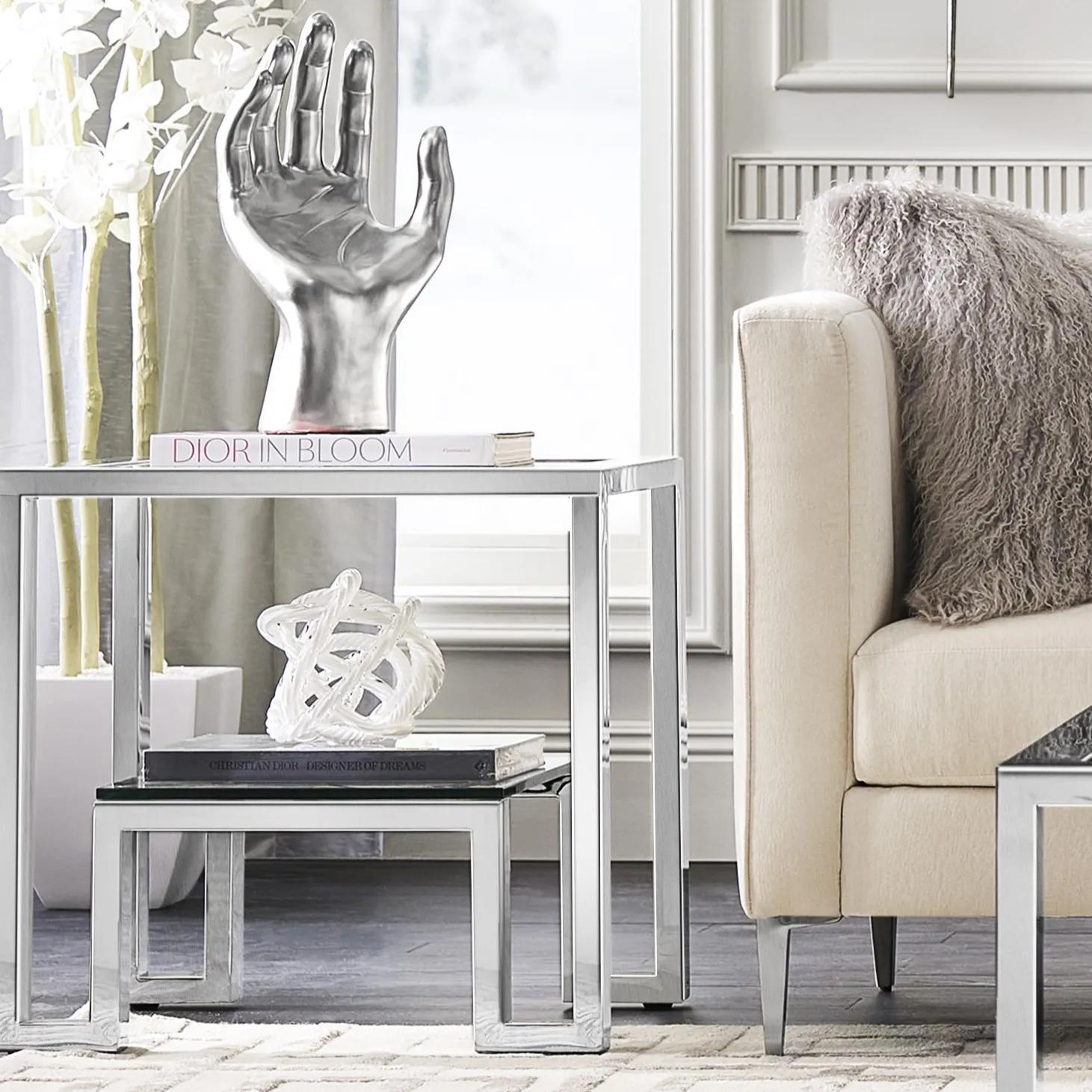 Duplicity Square Silver Stainless Steel End Table With Glass Top (24")$749
A modern end table featuring a stainless steel frame, tempered glass top, and floating bottom shelf.
Add To Cart -
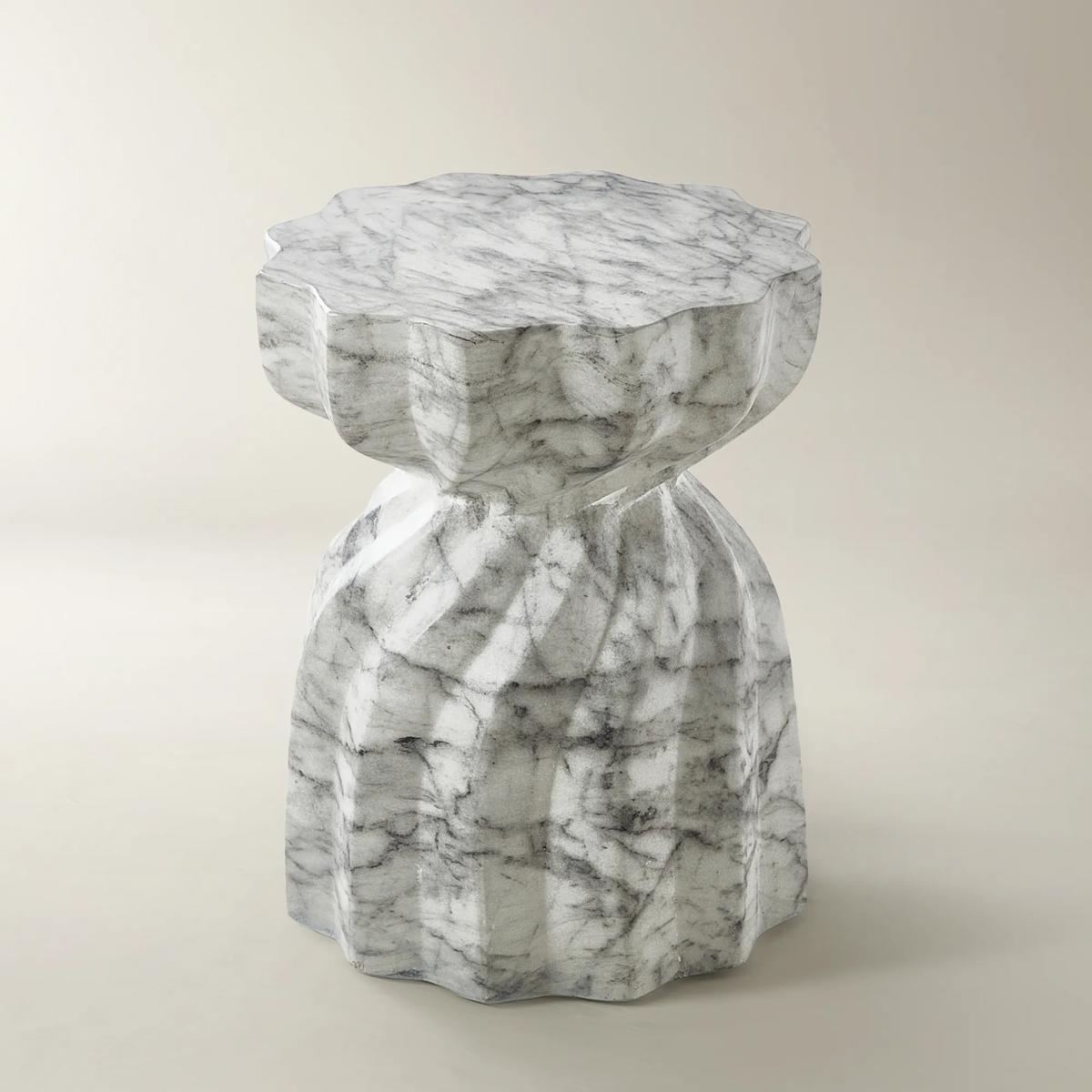
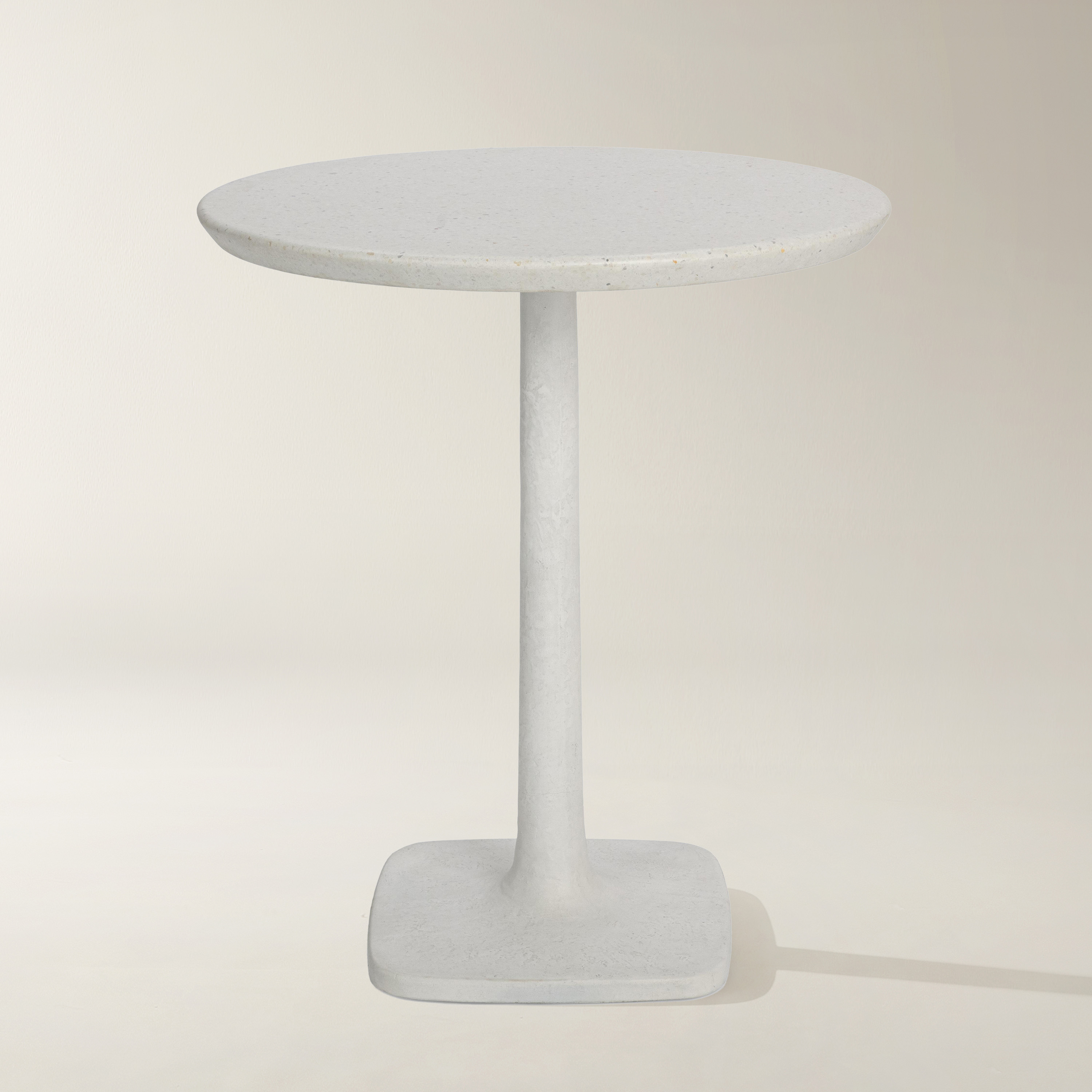
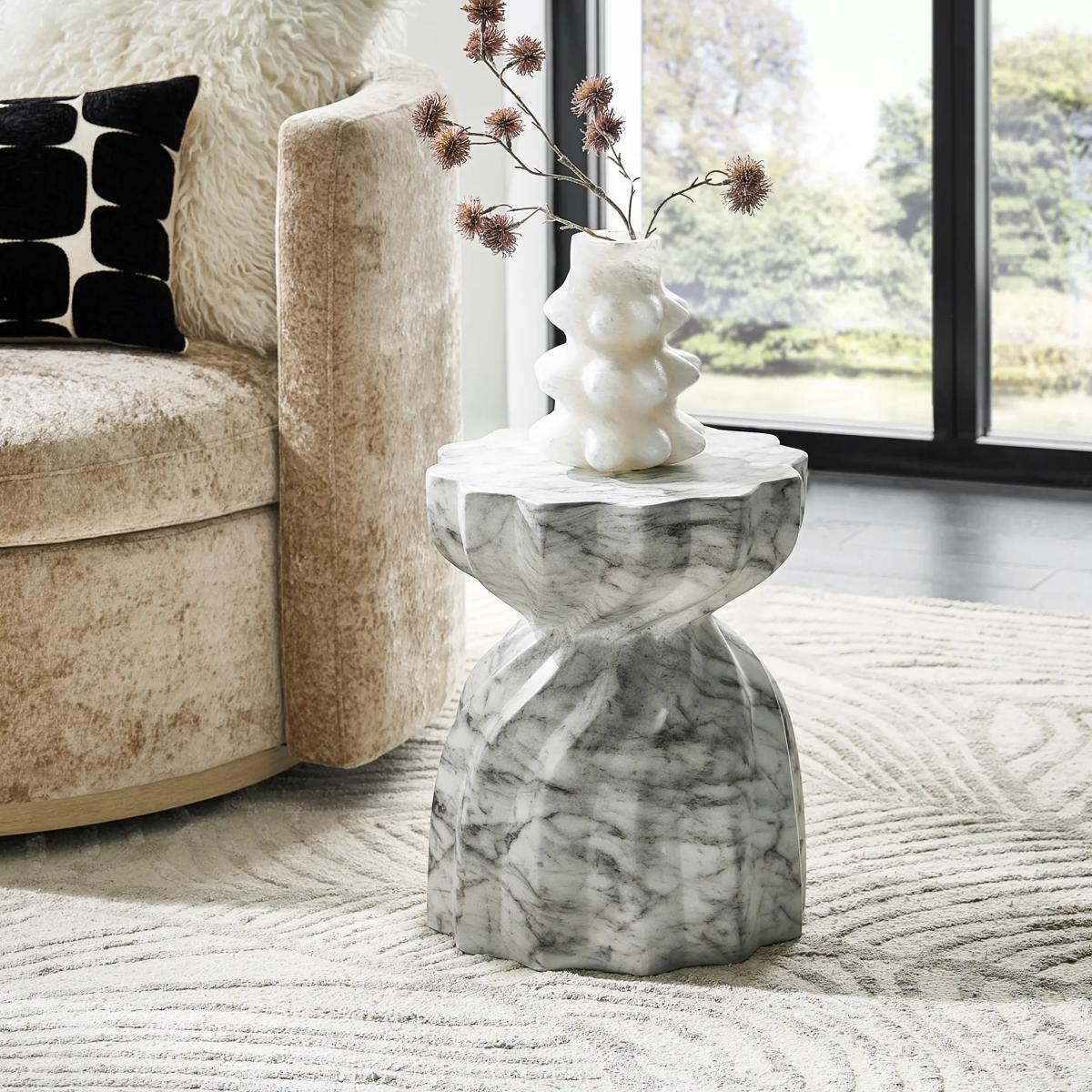 Lithia Scalloped White Concrete Side Table (15")$299
A sculptural white marble-look side table crafted from durable, lightweight fiber concrete for indoor or outdoor use.
Add To Cart -
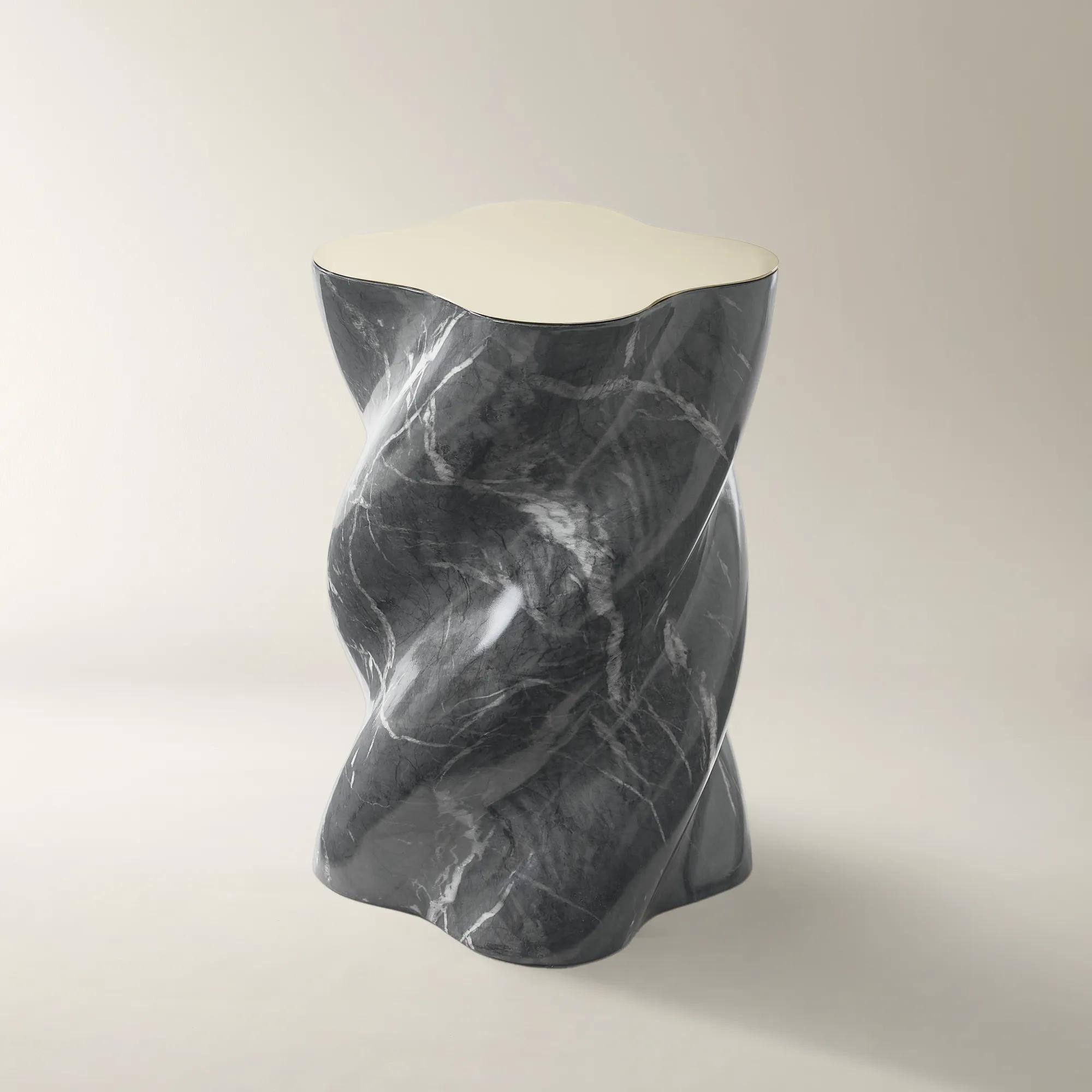 Vega Bvlgary Black Concrete Side Table With Stainless Steel Top (13.8")$459
A sculptural black side table featuring a marble-inspired fiber-concrete base and removable stainless steel top.
Add To Cart -
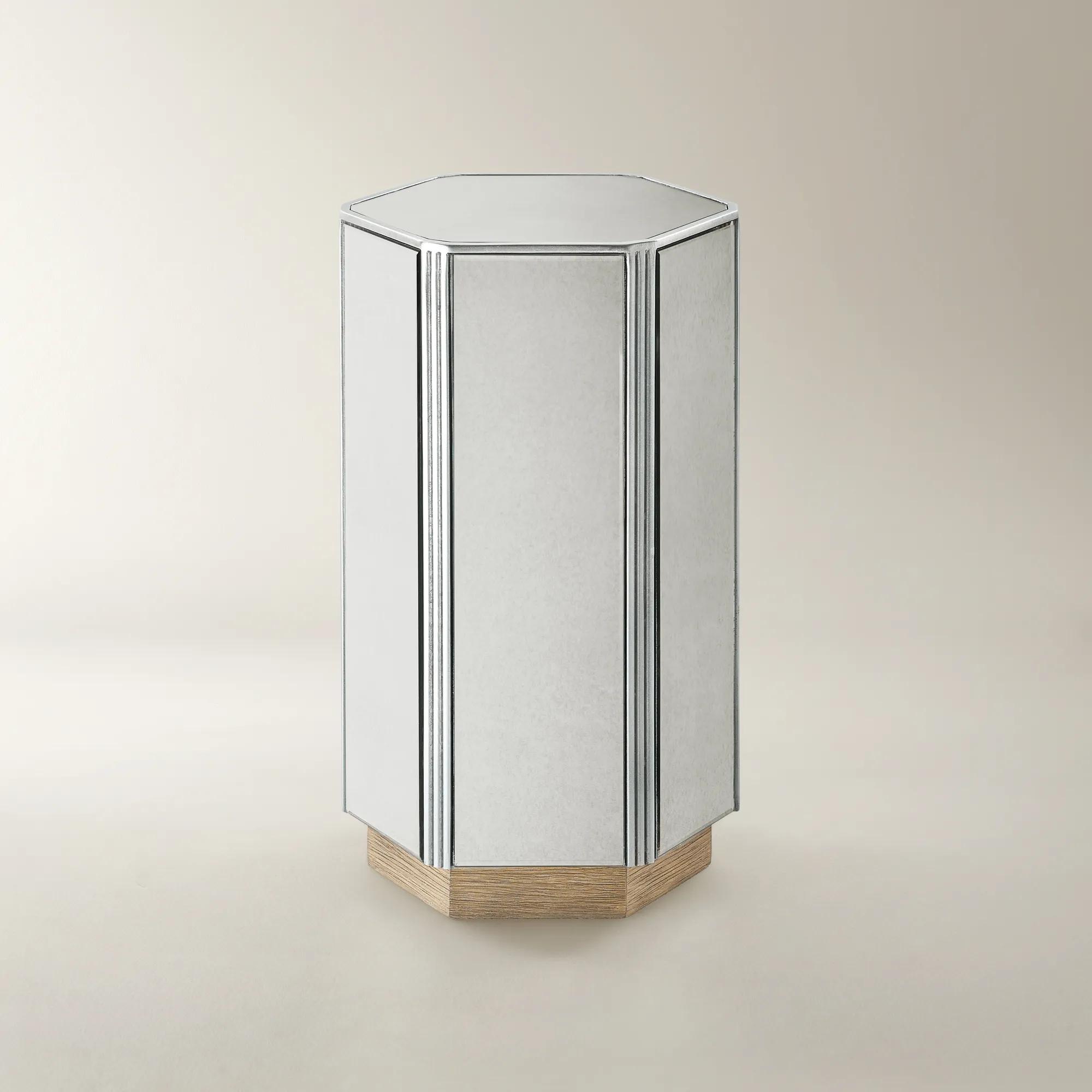 Glimmer Silver Mirrored End Table (12")$399
A chic side table featuring an antique silver mirror top and warm oak veneer base with handcrafted details.
Add To Cart -
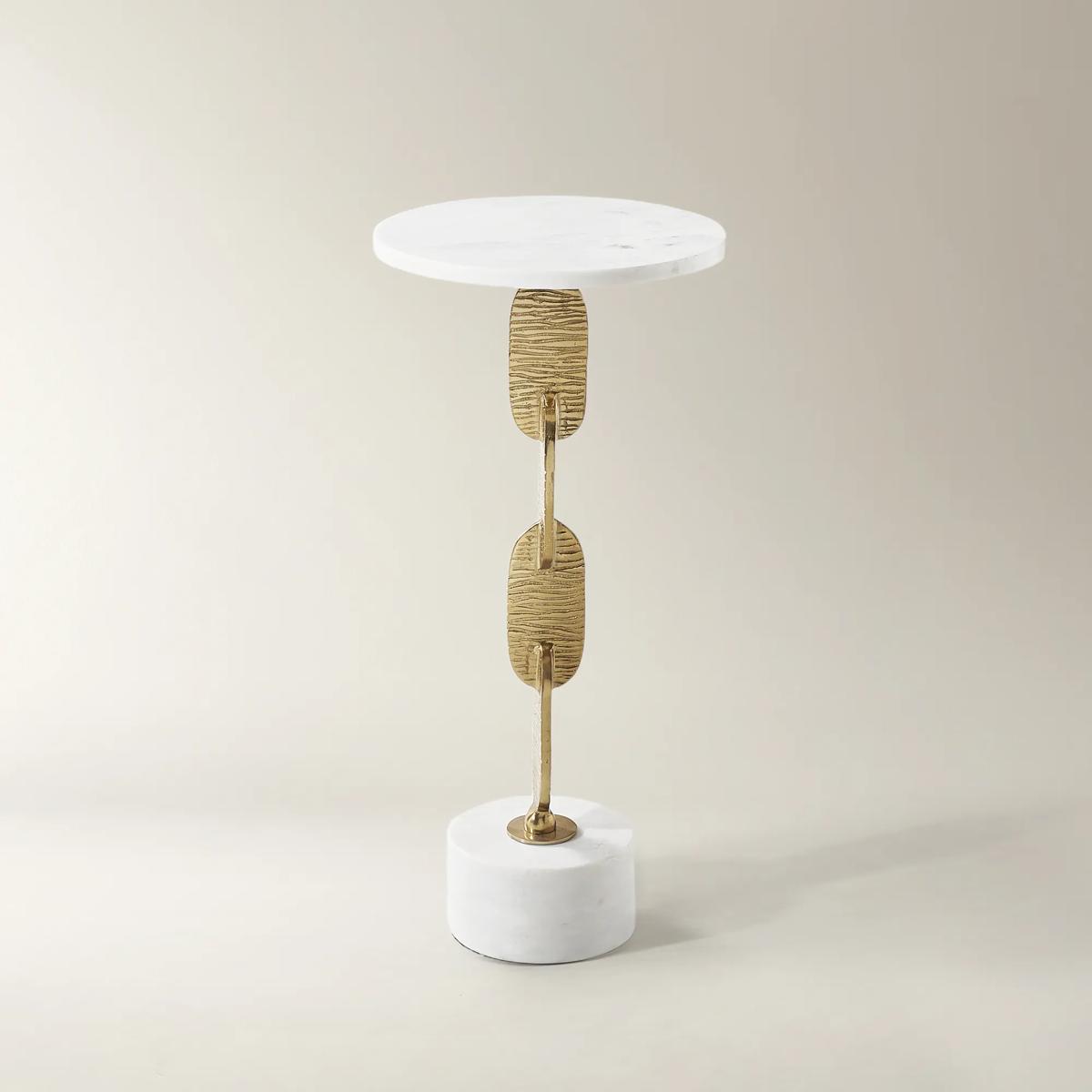
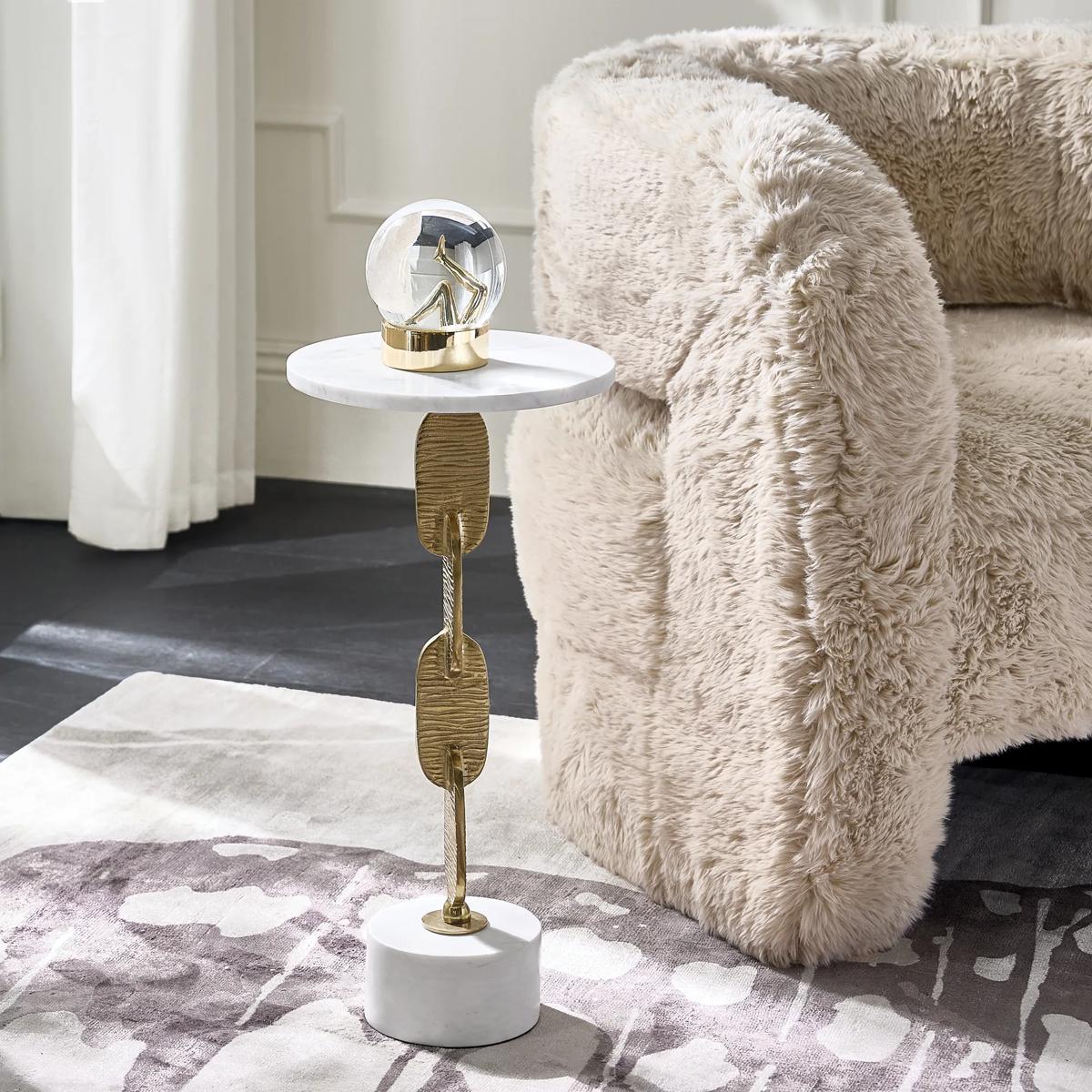 Luna Round White Marble Side Table (11.25")$199
A sculptural side table featuring a genuine white marble top and an open gold-finished metal frame.
Add To Cart -
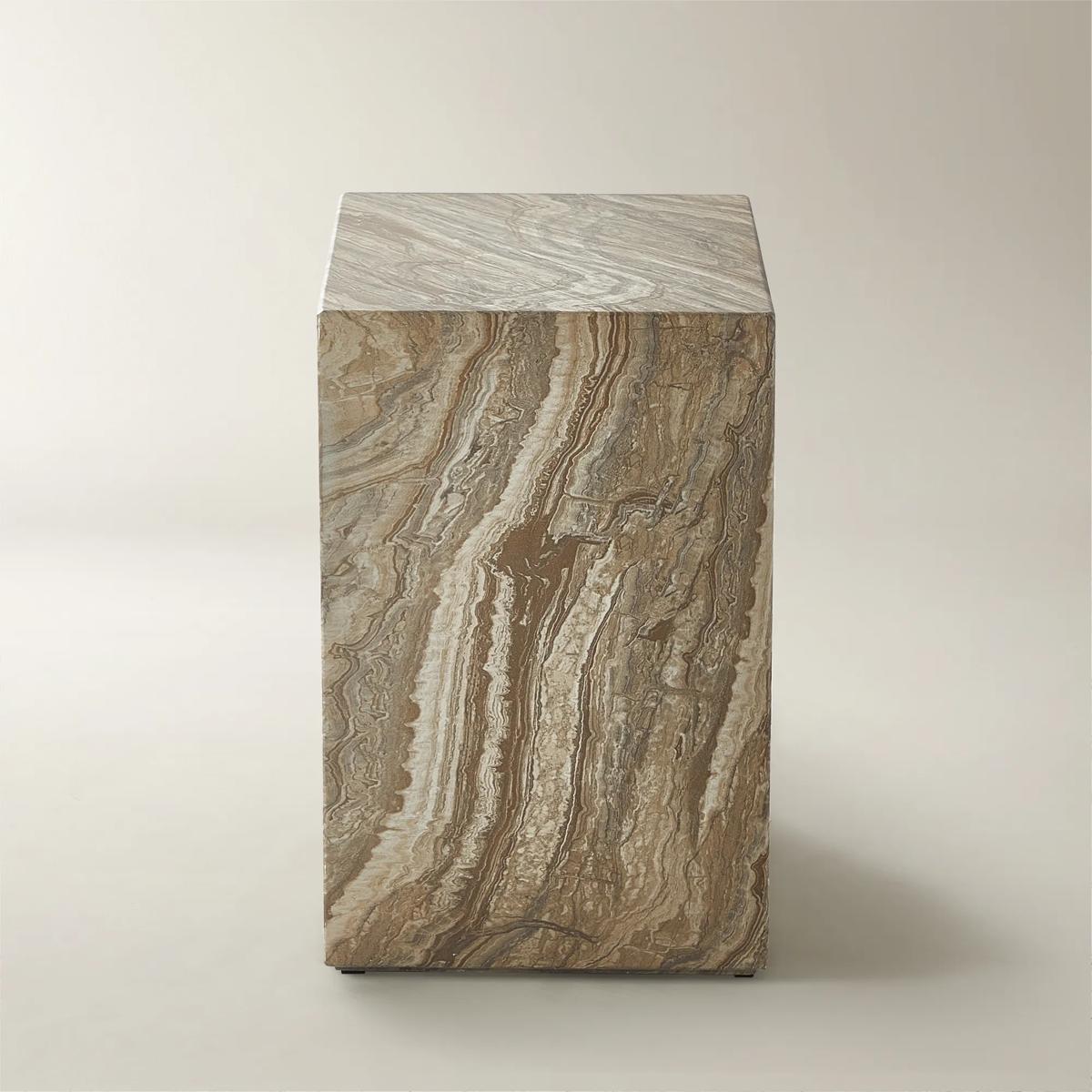
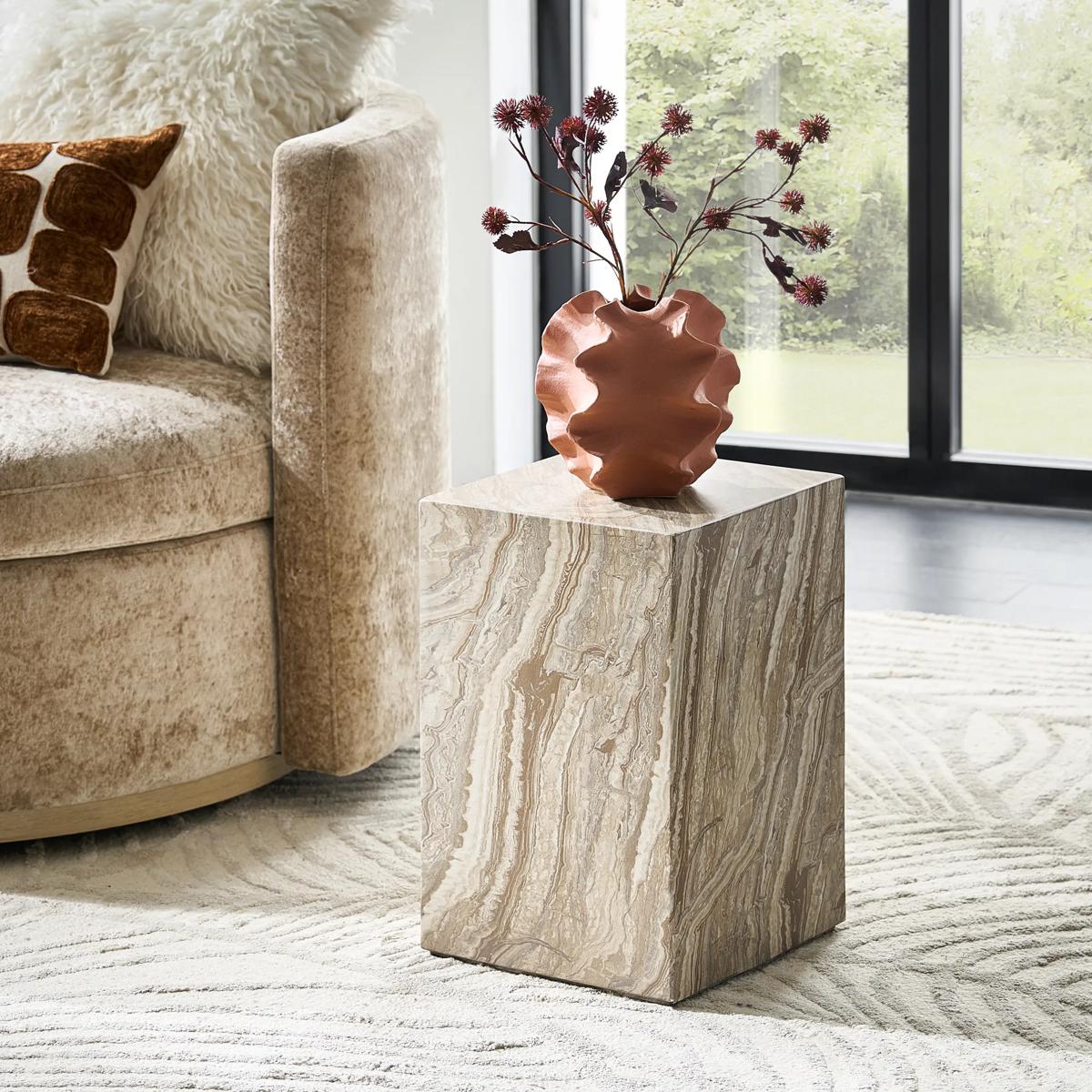 Strata Square Brown Concrete Side Table (11.8")$259
A lightweight fiber concrete side table featuring realistic brown marble veining and sealed for indoor or outdoor use.
Add To Cart -
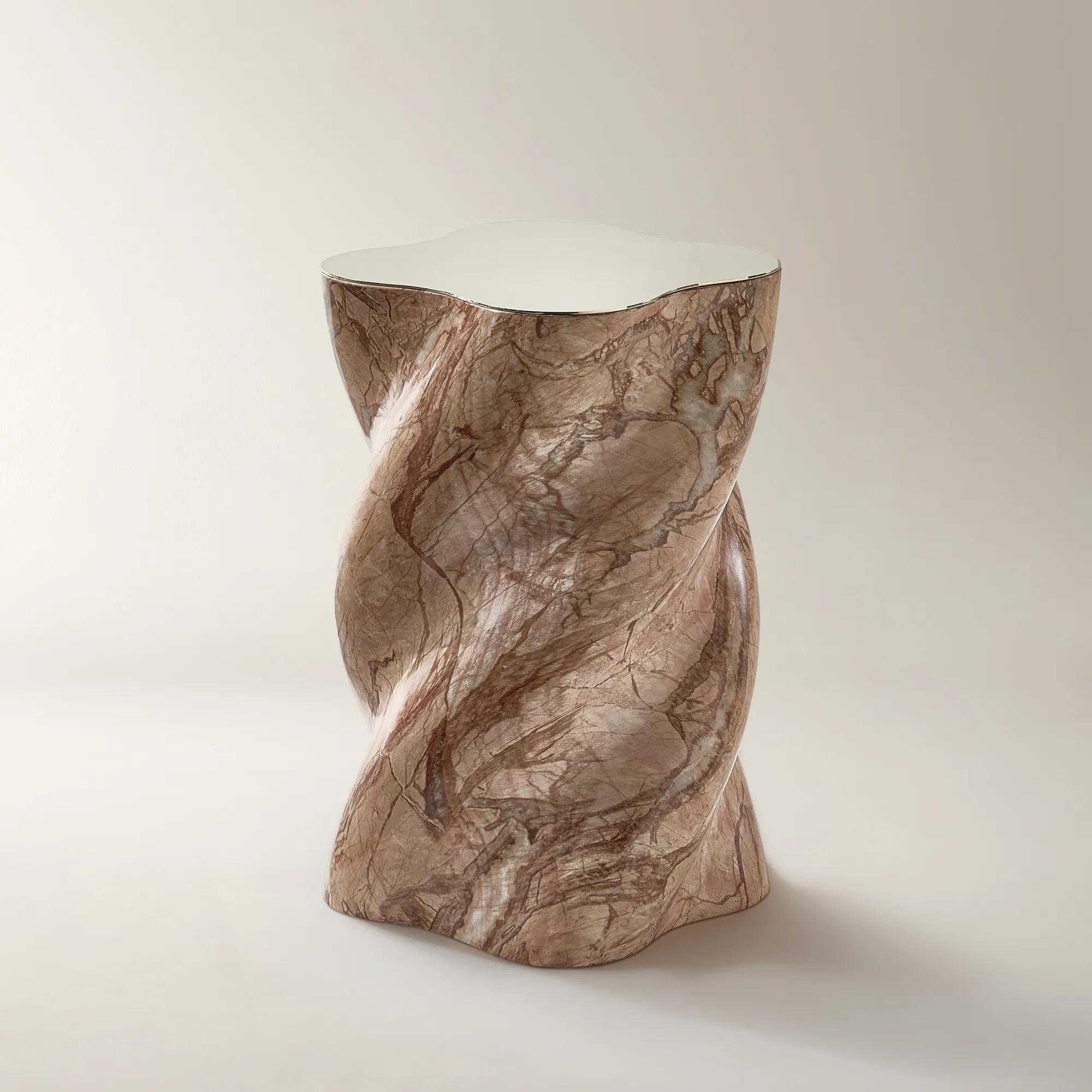
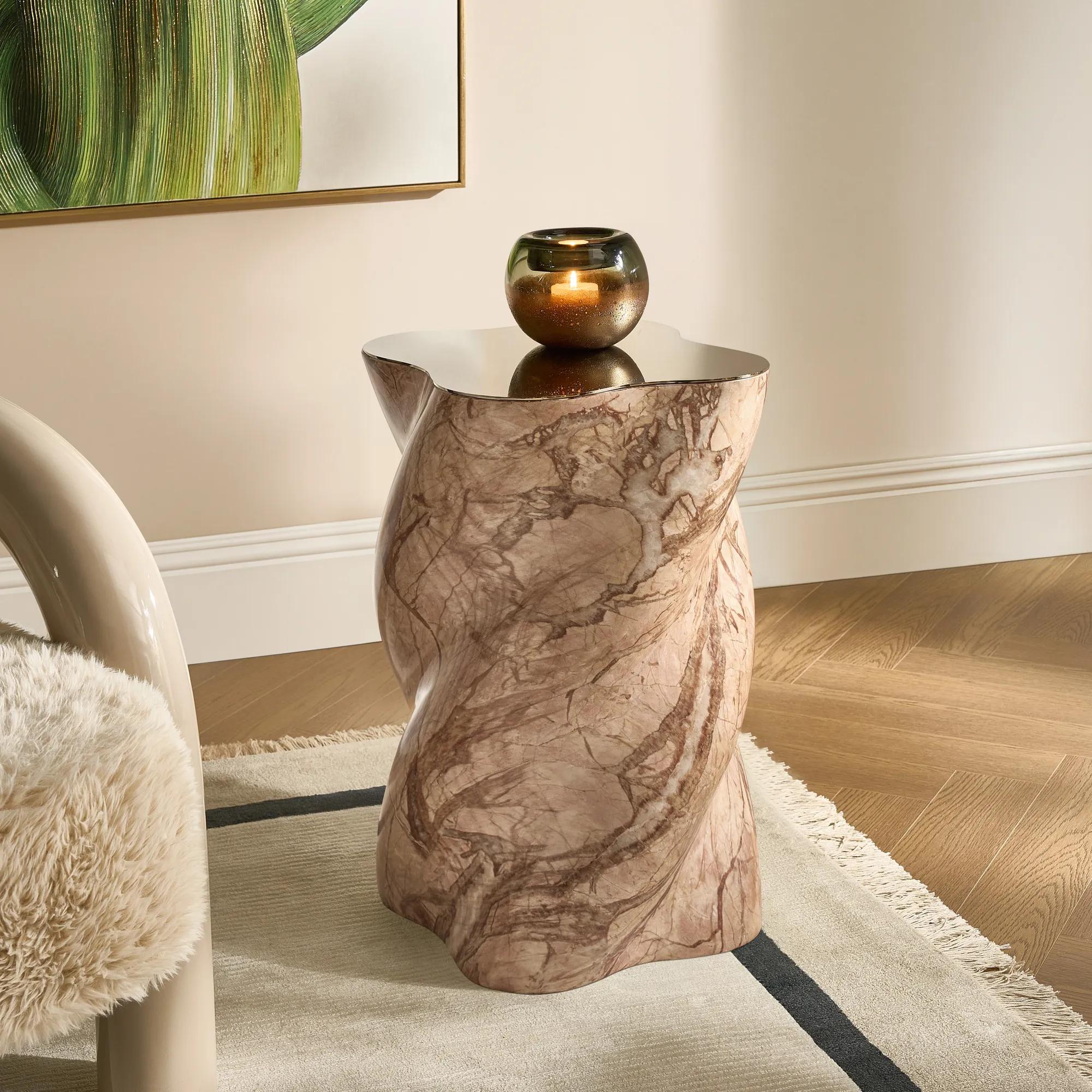 Vega Concrete Side Table With Stainless Steel Top (13.8")$459
A sculptural side table featuring a hand-cast fiber-concrete base and sunset marble-inspired stainless steel top.
Add To Cart -
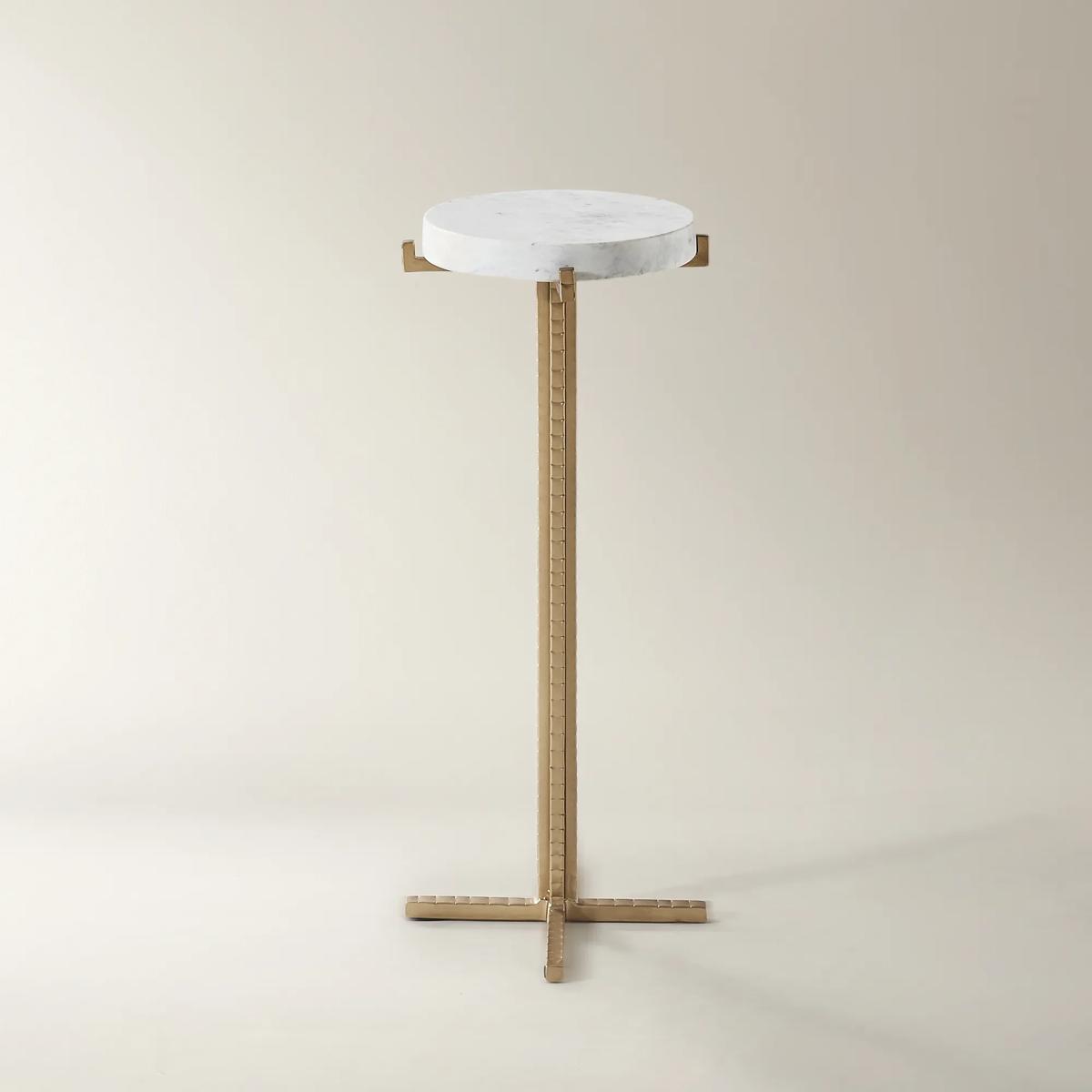 Anya Round White Marble Side Table (10")$199
A sculptural side table featuring a genuine white marble top and gold-finished metal pedestal base.
Add To Cart -
.jpeg?w=1200&h=1200)
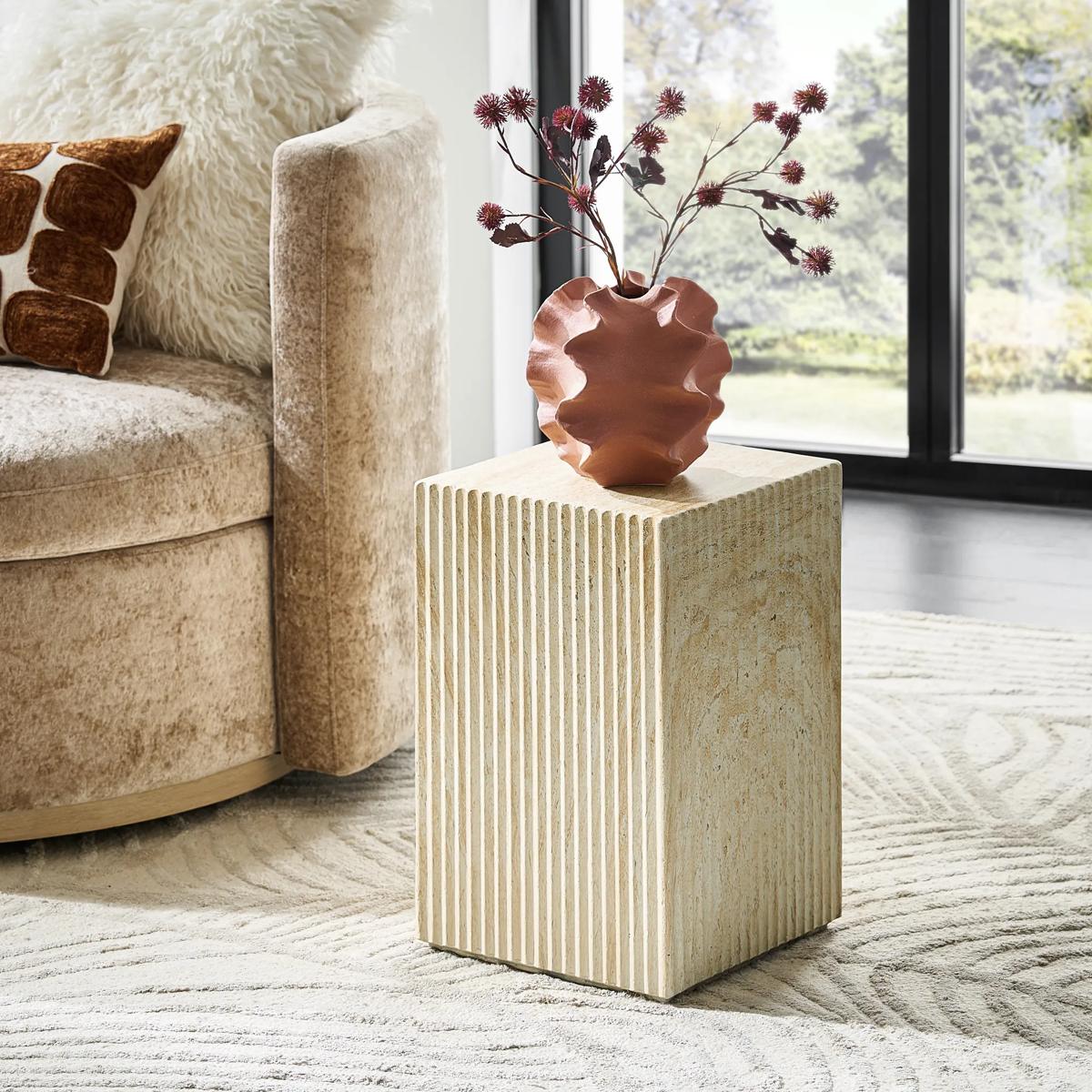 Strata Square Travertine Concrete Side Table (11.8")$259
A travertine-look fiber concrete side table with grooved panels, offering lightweight durability for indoor or outdoor use.
Add To Cart -
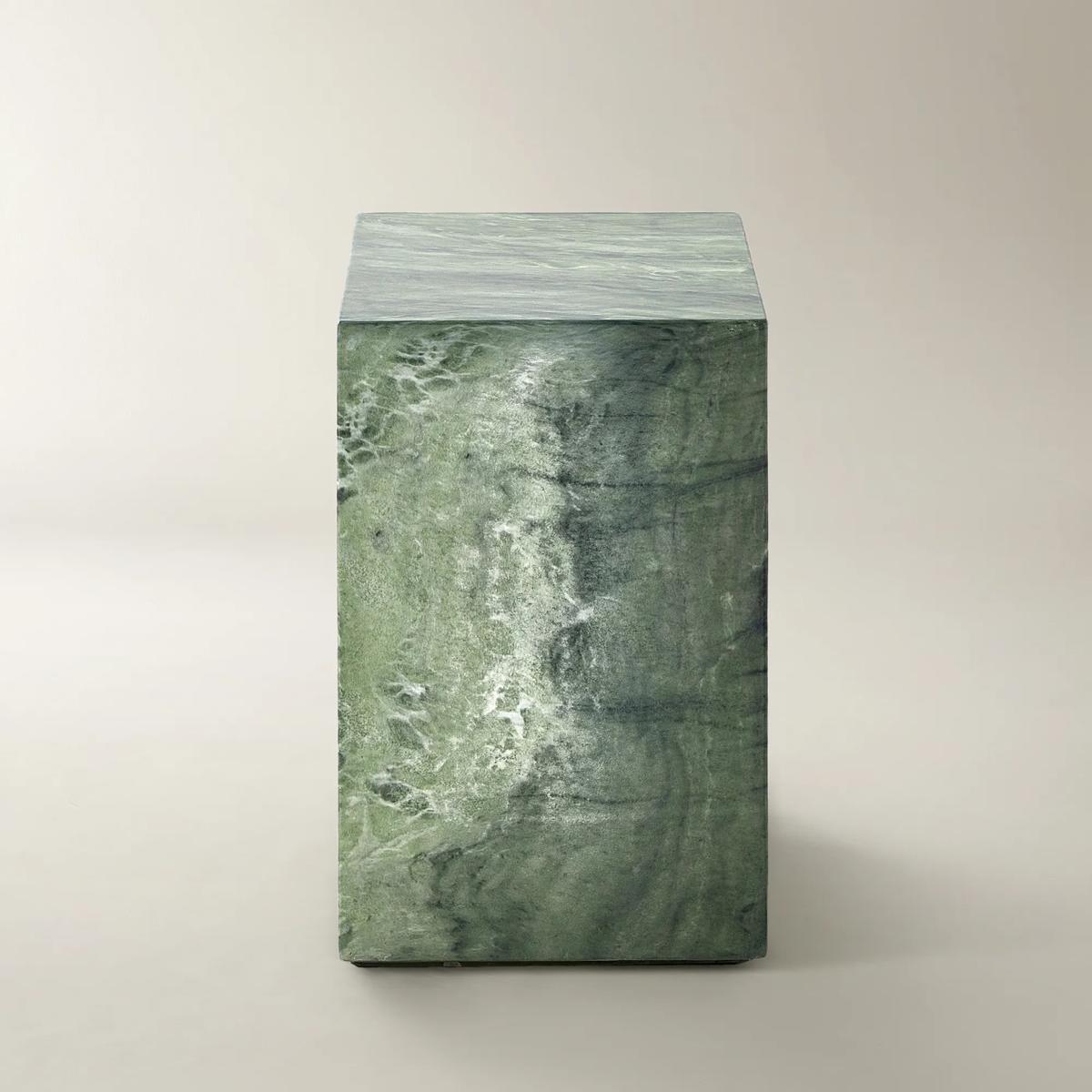
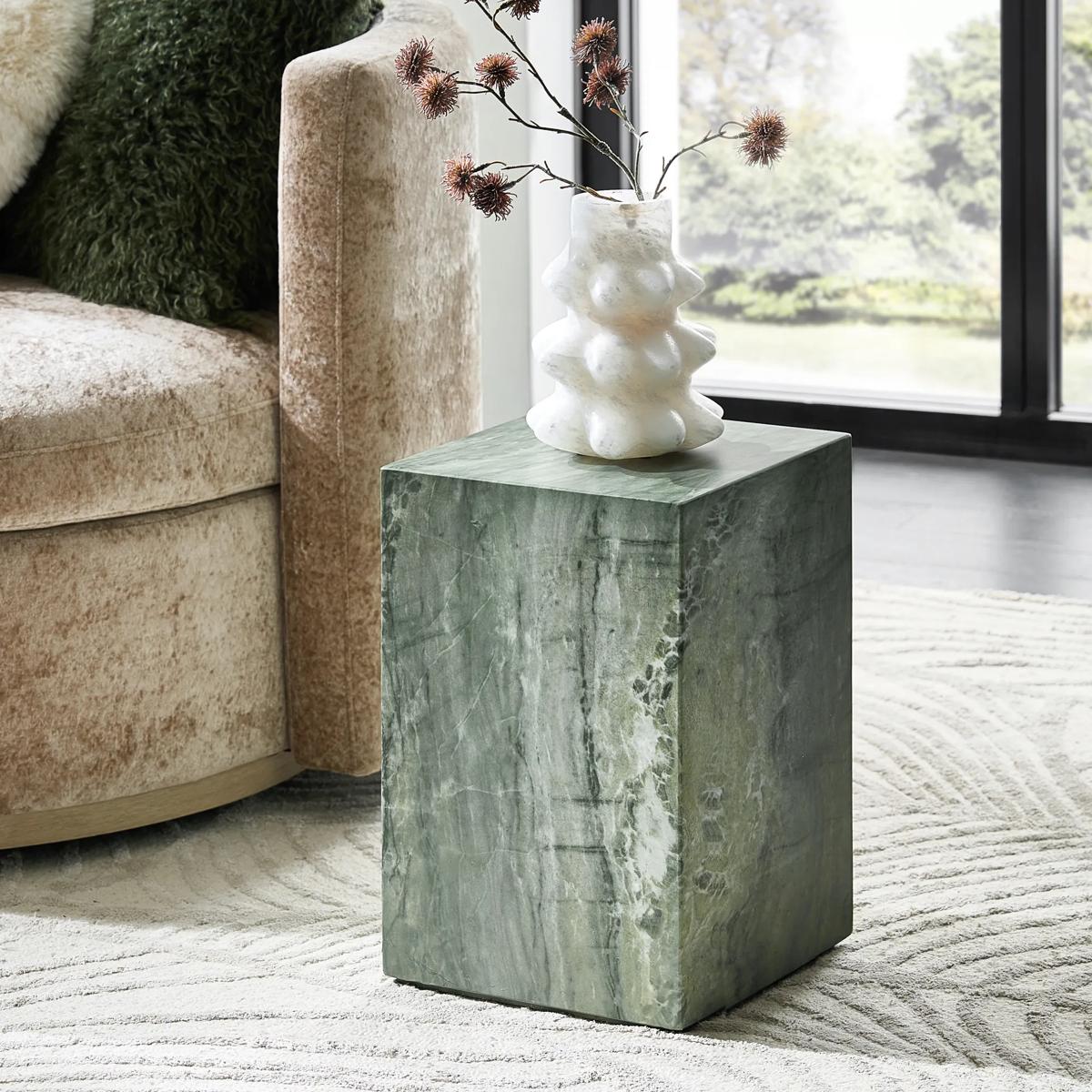 Strata Square Green Concrete Side Table (11.8")$259
A sculptural green marble-look side table crafted from lightweight, durable fiber concrete for indoor or outdoor use.
Add To Cart -
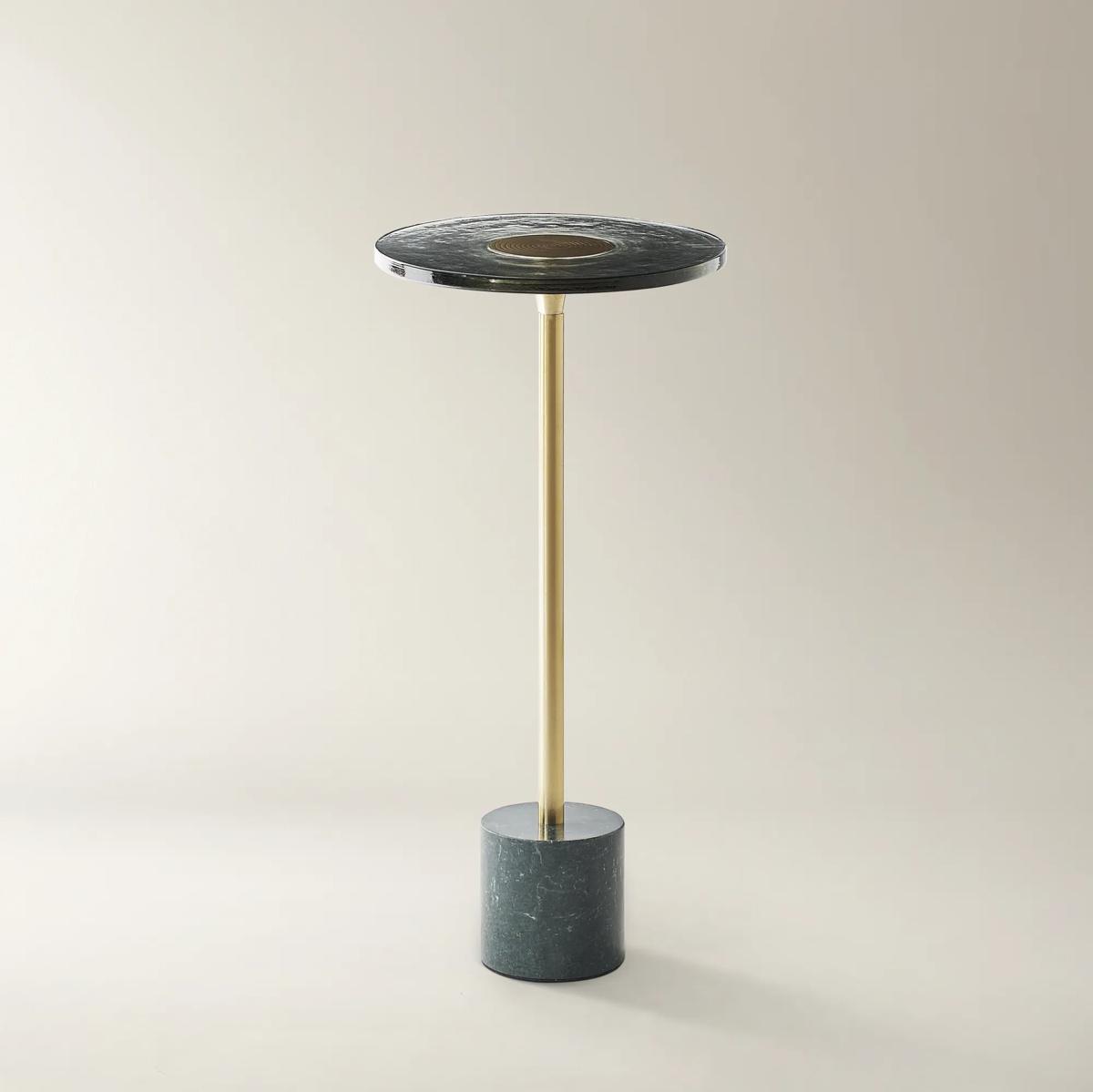
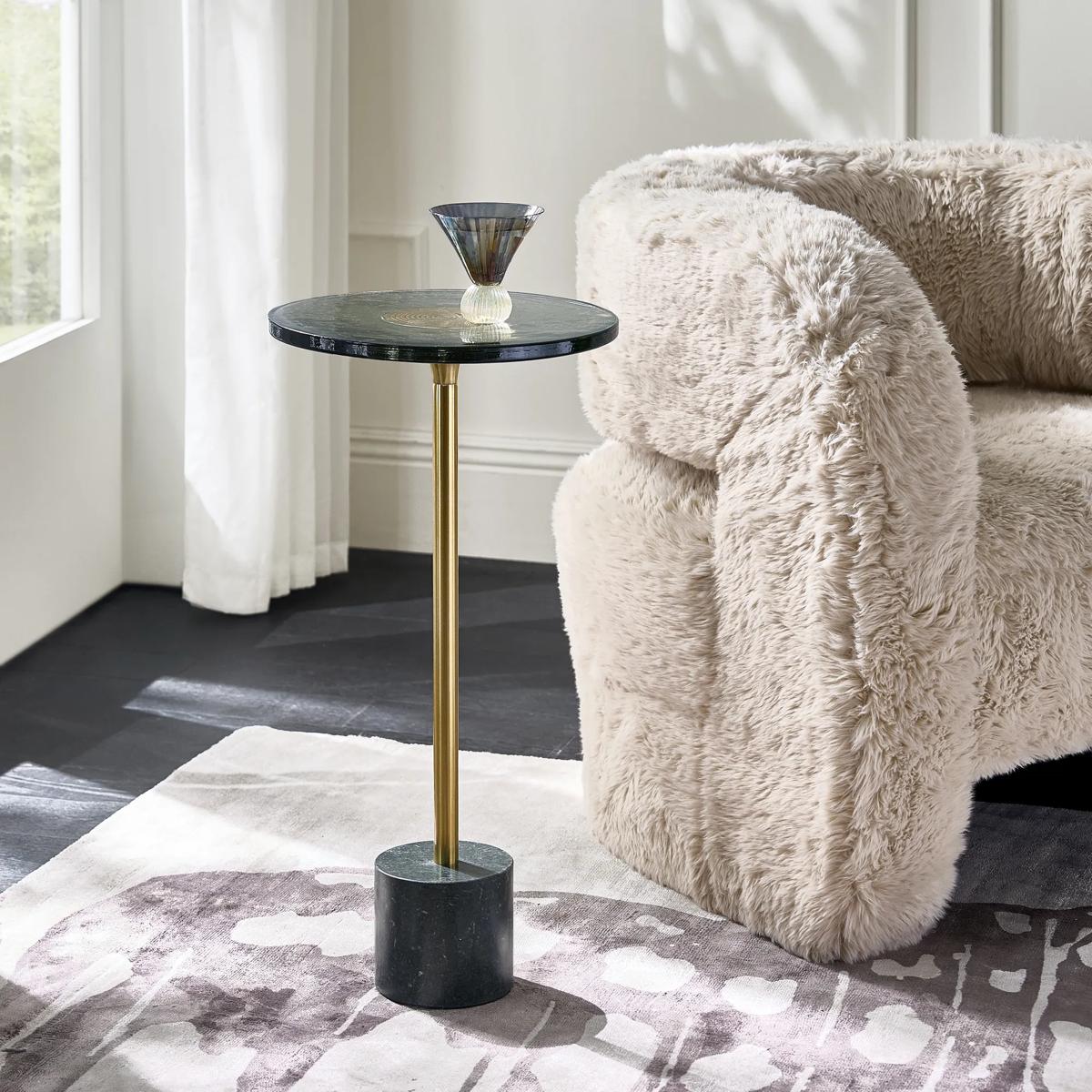 Seraphy Round Green Metal Side Table With Glass Top (13.75")$179
A modern side table featuring a green cast glass top, brass-finished post, and Indian green marble base.
Add To Cart -
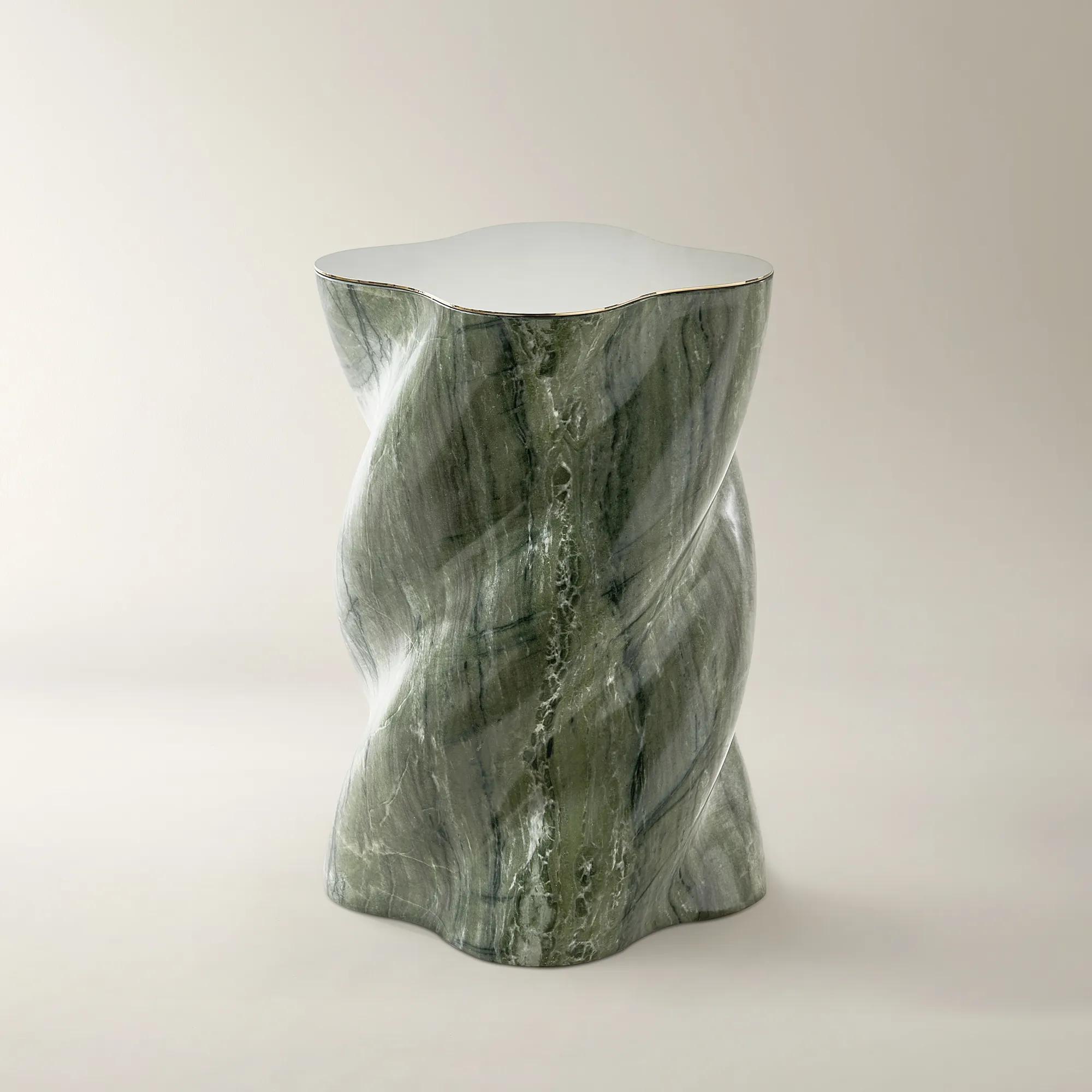 Vega Malachite Green Concrete Side Table With Stainless Steel Top (13.8")$459
A sculptural side table in malachite green with a marble-inspired fiber-concrete base and stainless steel top.
Add To Cart -
-compressed.jpg?w=1200&h=1200) Thalia Glossy Black Side Table Set Of 2 (8"-12.5")$499
Thalia Glossy Black Side Table Set Of 2 (8"-12.5")$499A sculptural duo of glossy black fiberglass tables with fluid lines and mirror-like lacquered finish.
Add To Cart -
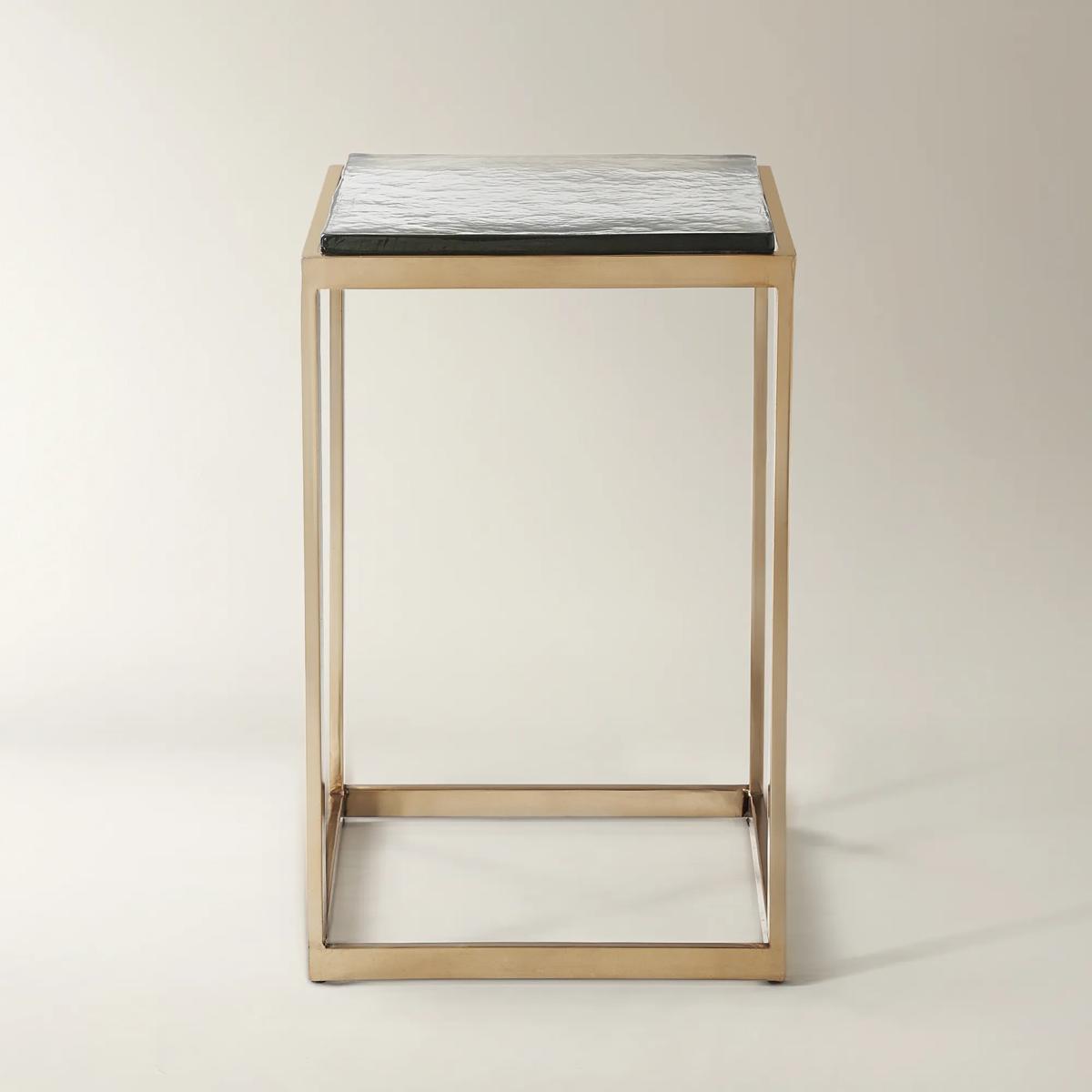
.jpg?w=1200&h=1200) Lyra Square Brass Metal Side Table With Glass Top (13.8")$239
Lyra Square Brass Metal Side Table With Glass Top (13.8")$239A sculptural side table featuring a thick cast glass top and a lustrous brass-finished metal base.
Add To Cart -
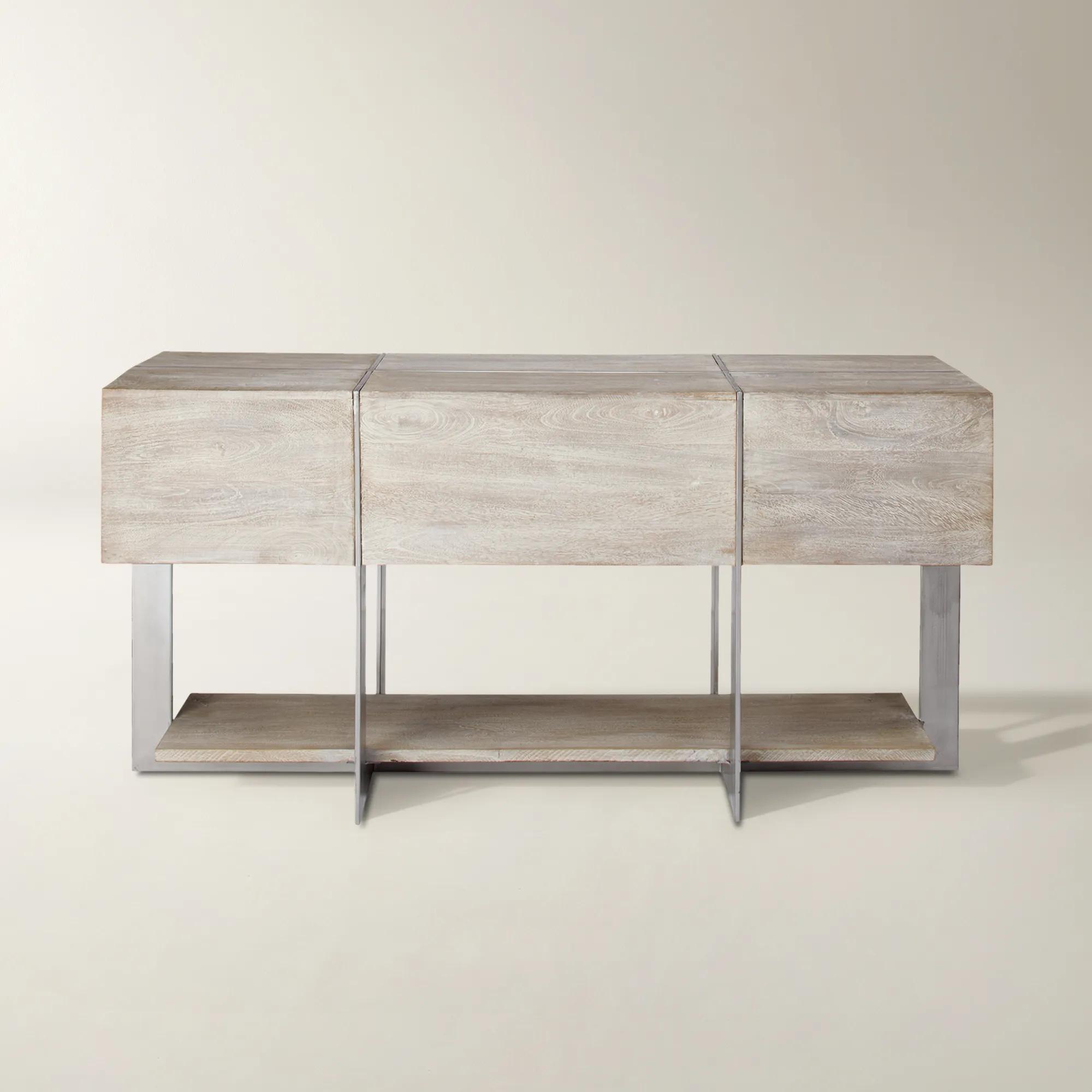
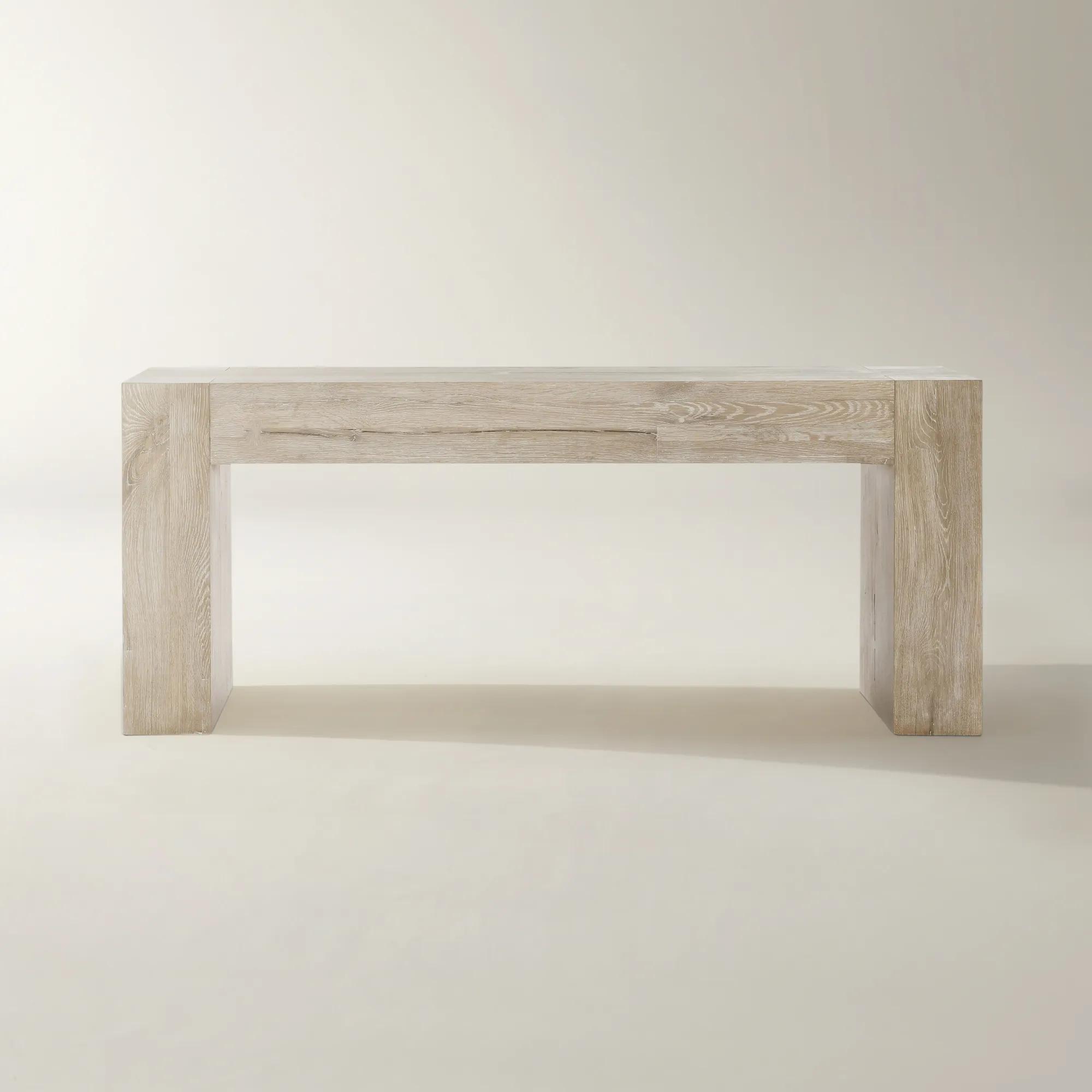
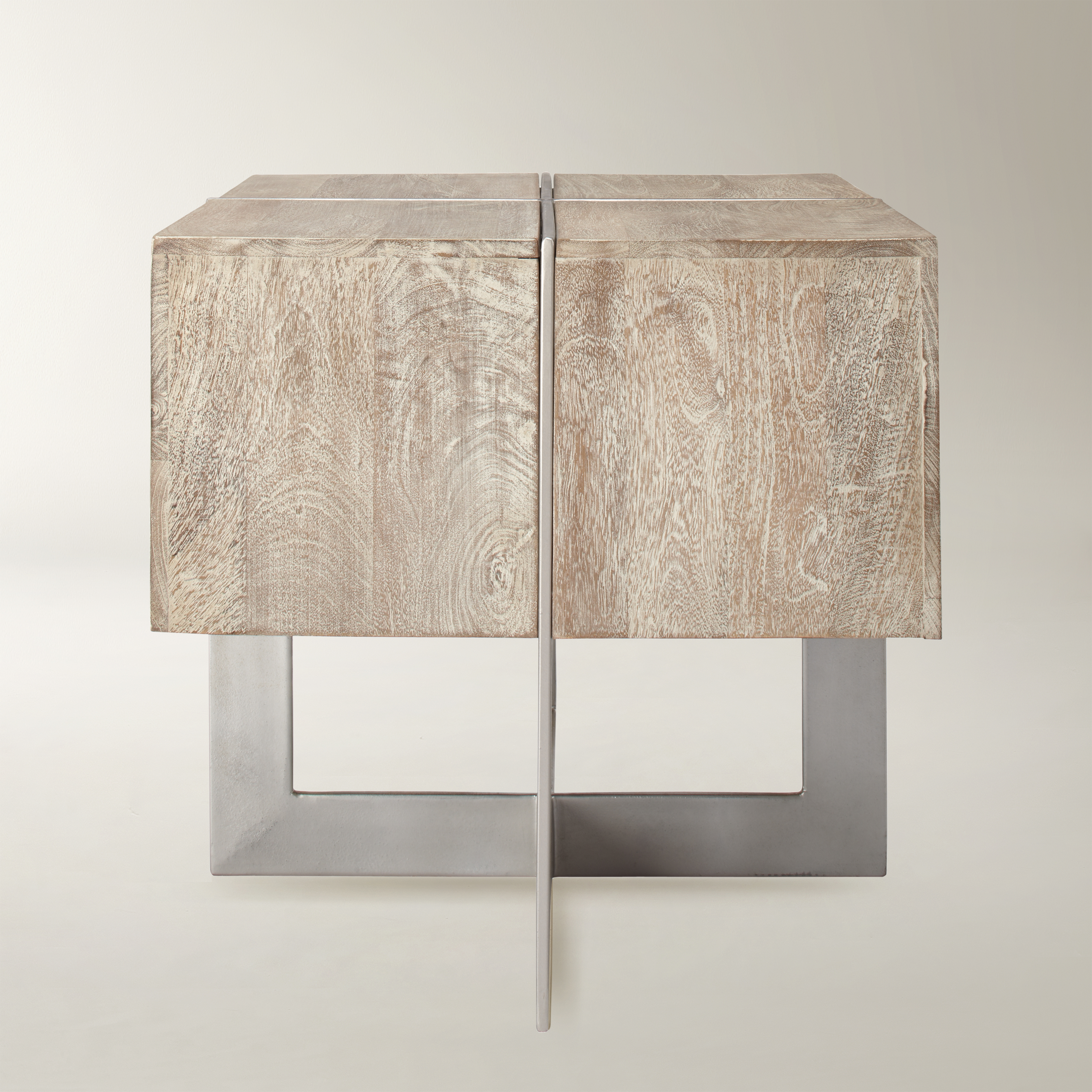
.jpg?w=1200&h=1200) Clifton Rectangular Natural Mango Wood Console Table (60")$1399
Clifton Rectangular Natural Mango Wood Console Table (60")$1399A handcrafted mango wood console table with a whitewashed finish and antiqued silver iron legs.
Add To Cart -
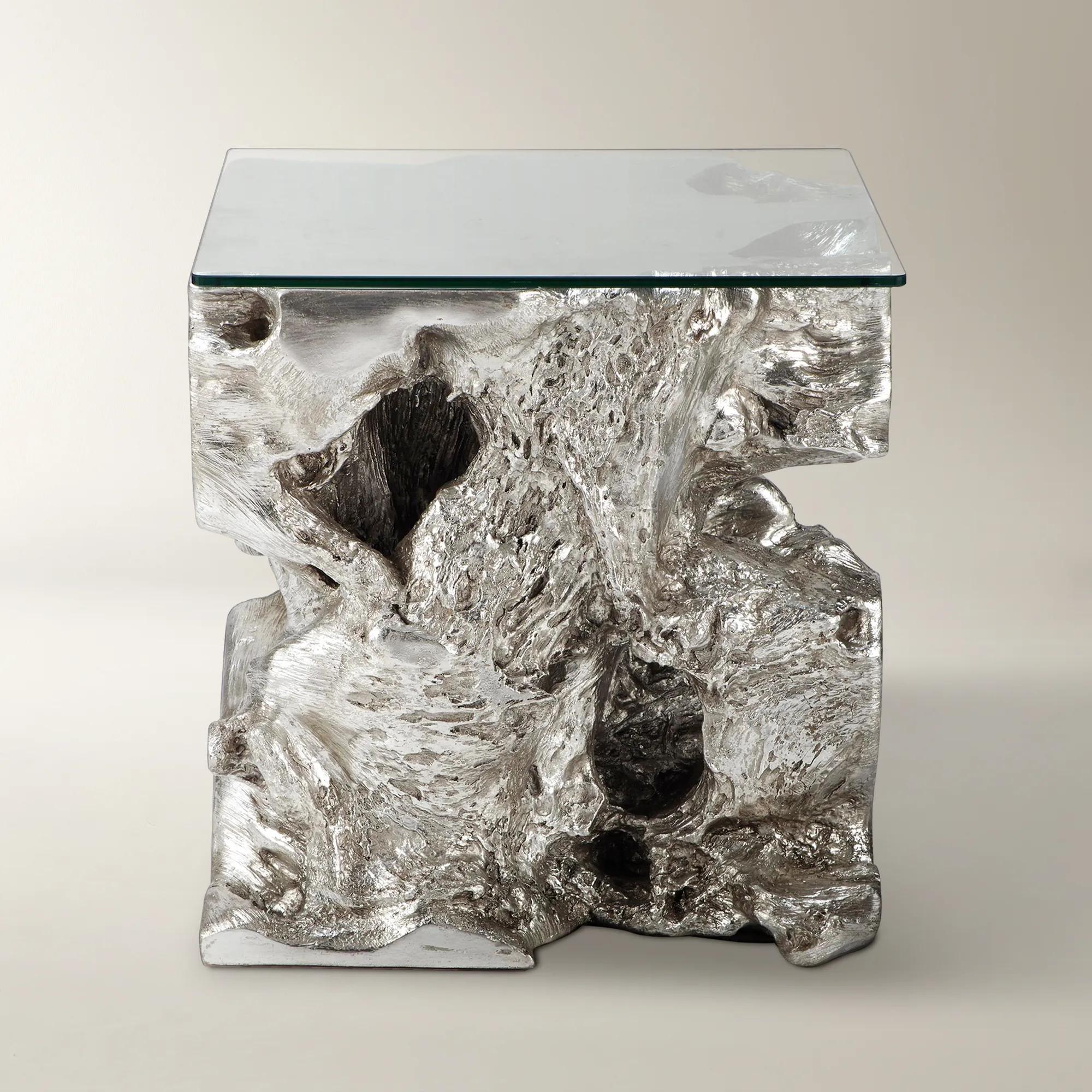 Sequoia Silver Resin End Table With Glass Top (22")$999
A sculptural end table featuring a silver leaf resin base and tempered glass top for modern elegance.
Add To Cart -
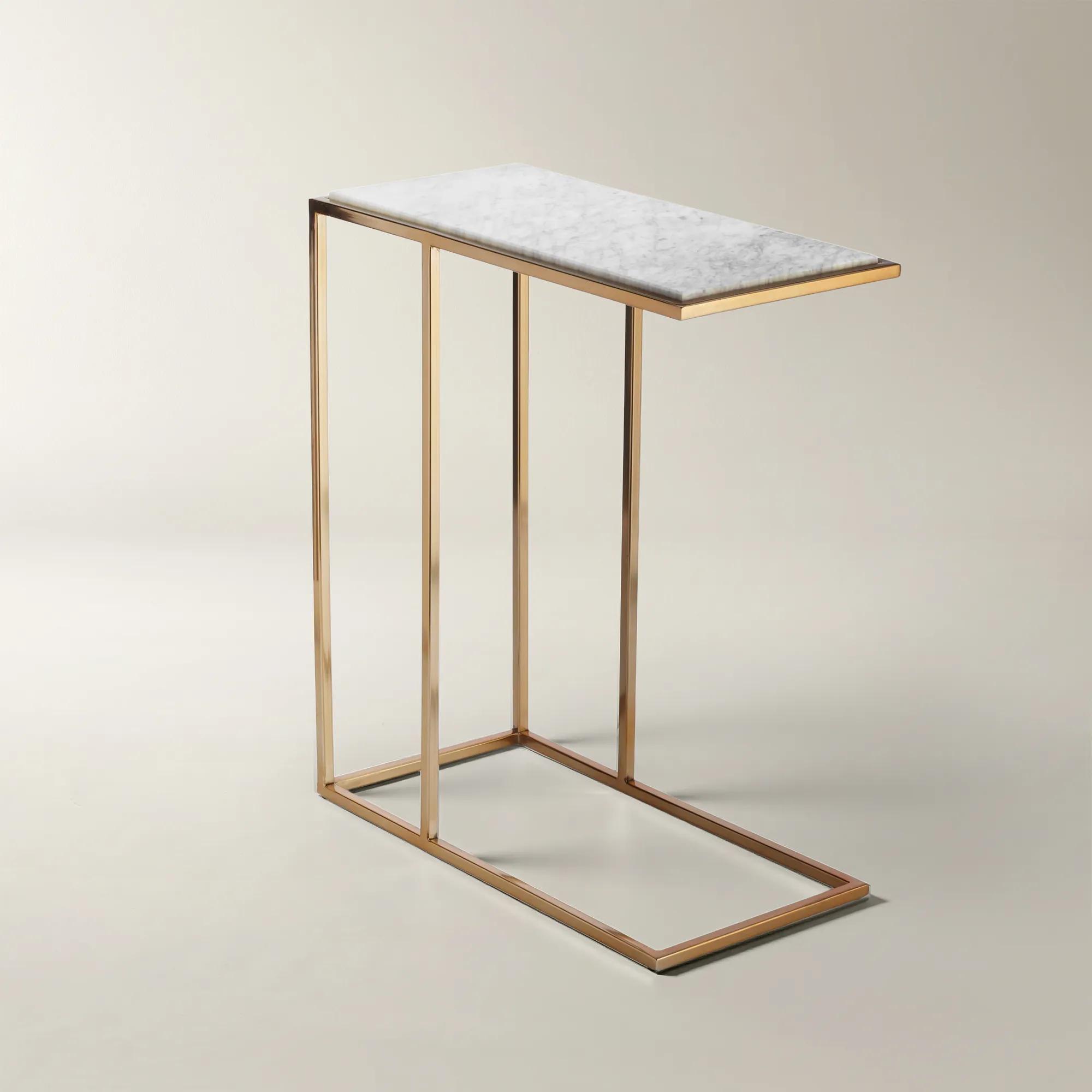
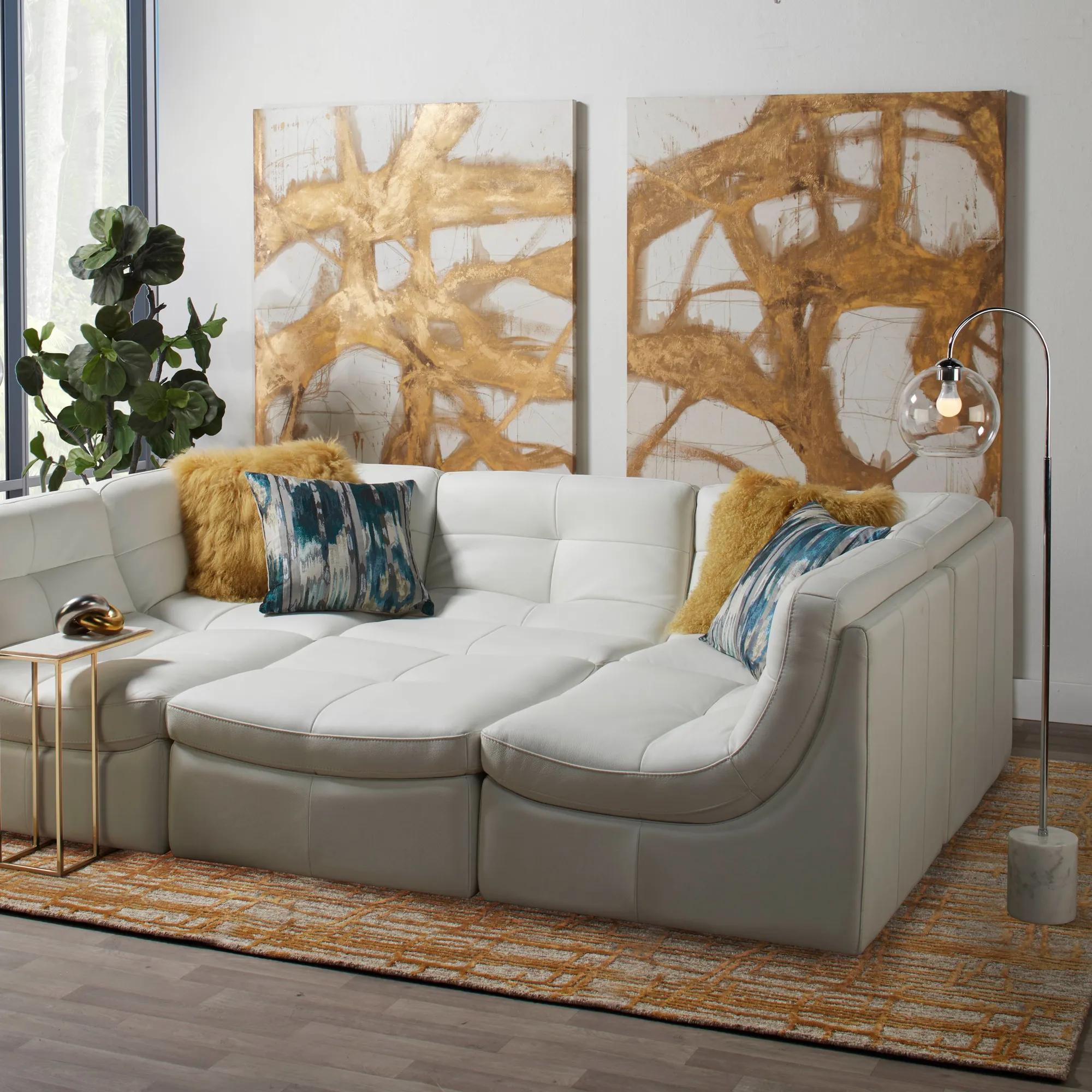 Lawton Rectangular Gold Stainless steel Accent Table With Marble Top (19.75")$259
A space-saving table featuring a white marble top and gold-finished stainless steel base.
Add To Cart -
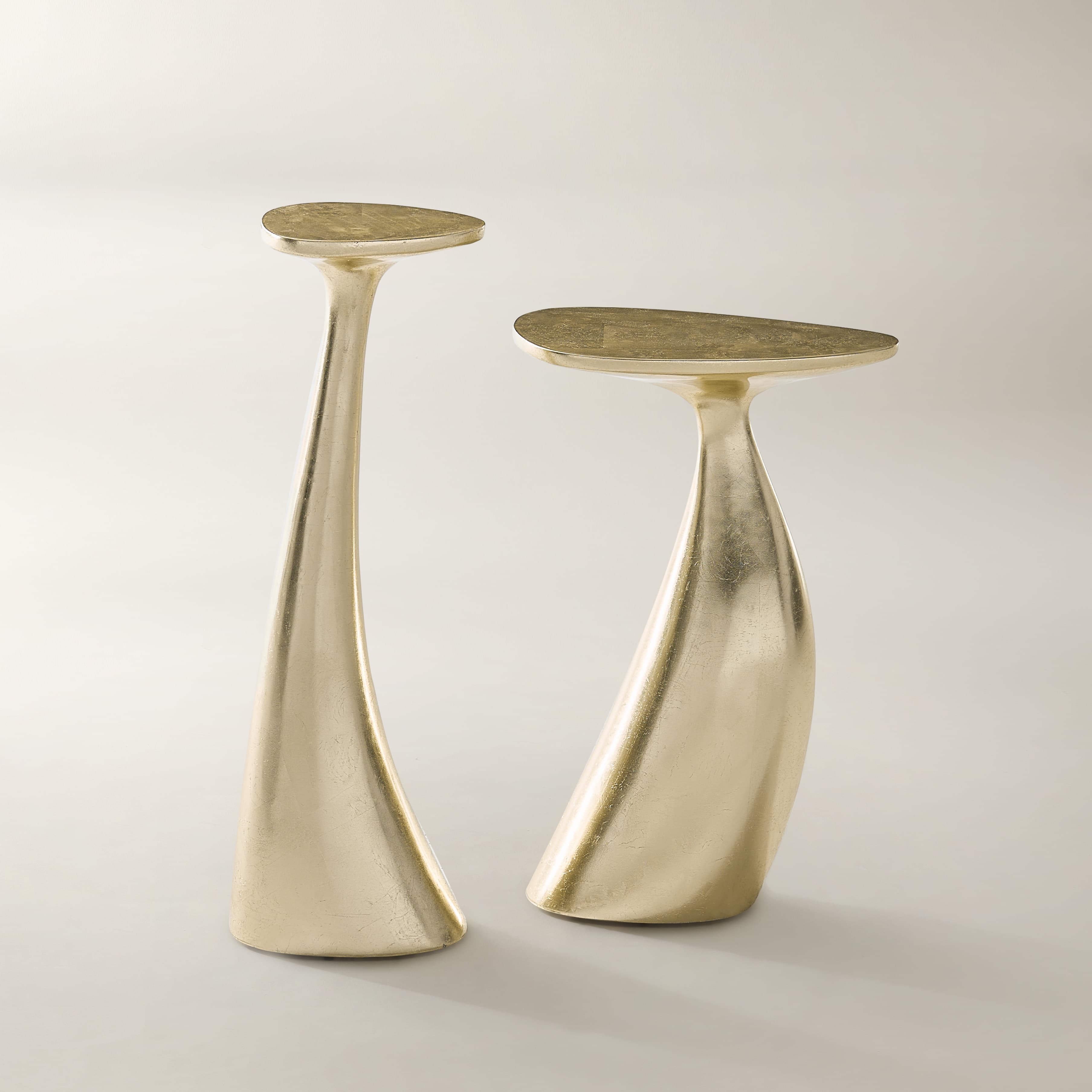 Thalia Soft Gold Side Table Set Of 2 (8"-12.5")$659
A sculptural duo of gold leaf fiberglass tables with fluid lines and a warm, luminous finish.
Add To Cart -
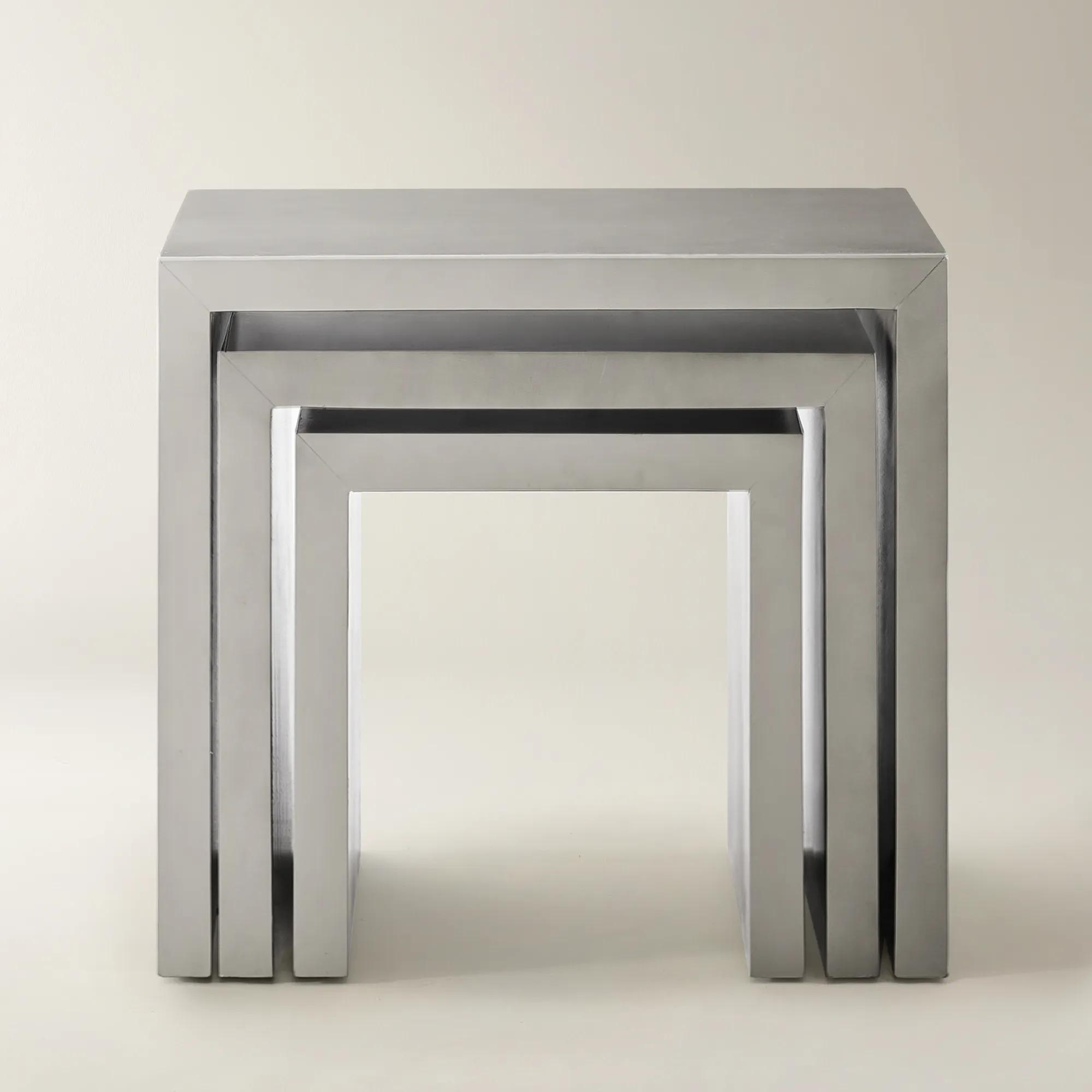
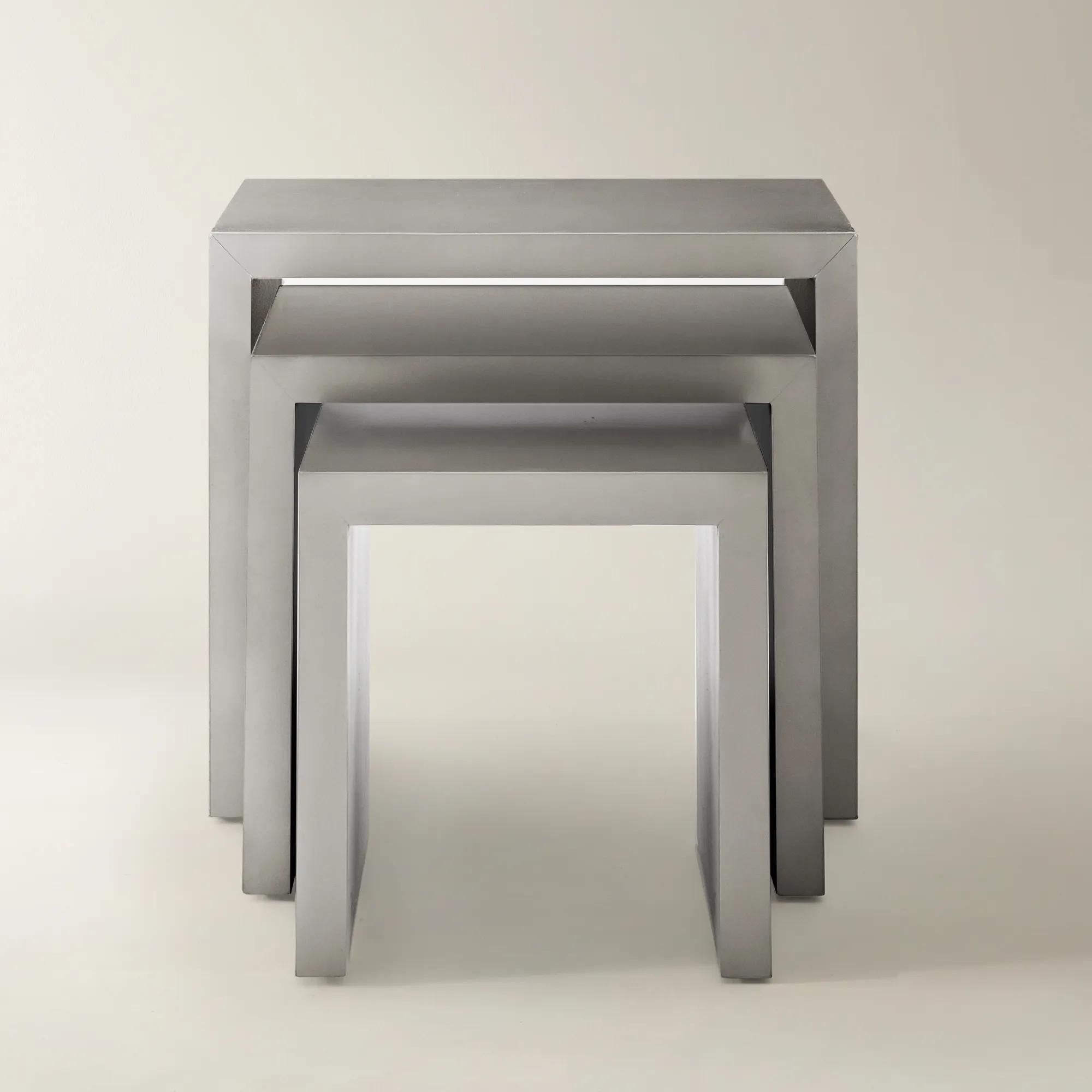 Astair Silver Nesting Accent Table Set Of 3 (16.25"-25.5")$299
A trio of engineered wood nesting tables with a sleek silver metallic finish and minimalist block silhouette.
Add To Cart -
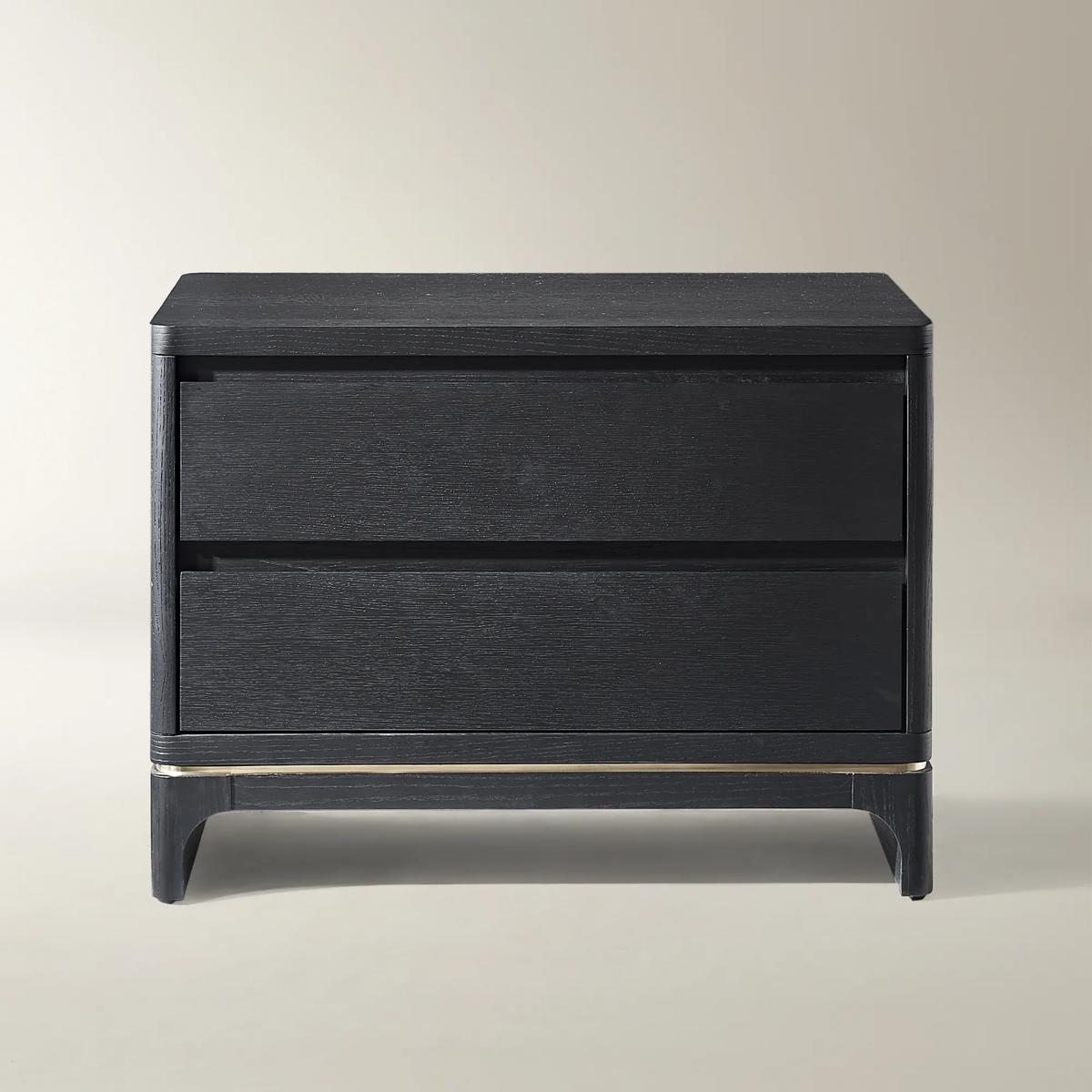
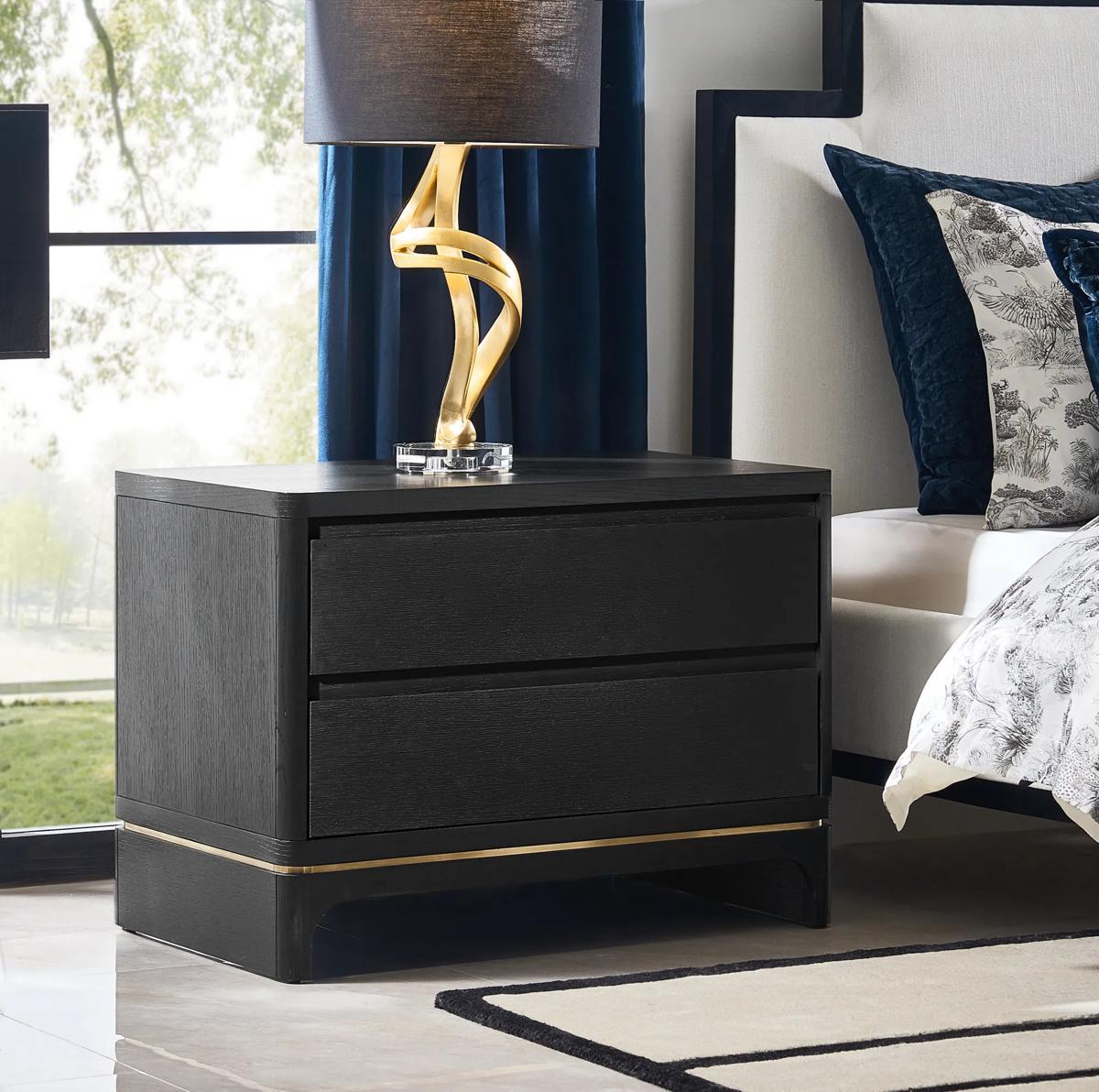 Vanta Black Oak 2-Drawer Nightstand (32")$899
A matte black oak nightstand accented with gold stainless steel trim and soft-close, felt-lined drawers.
Add To Cart -
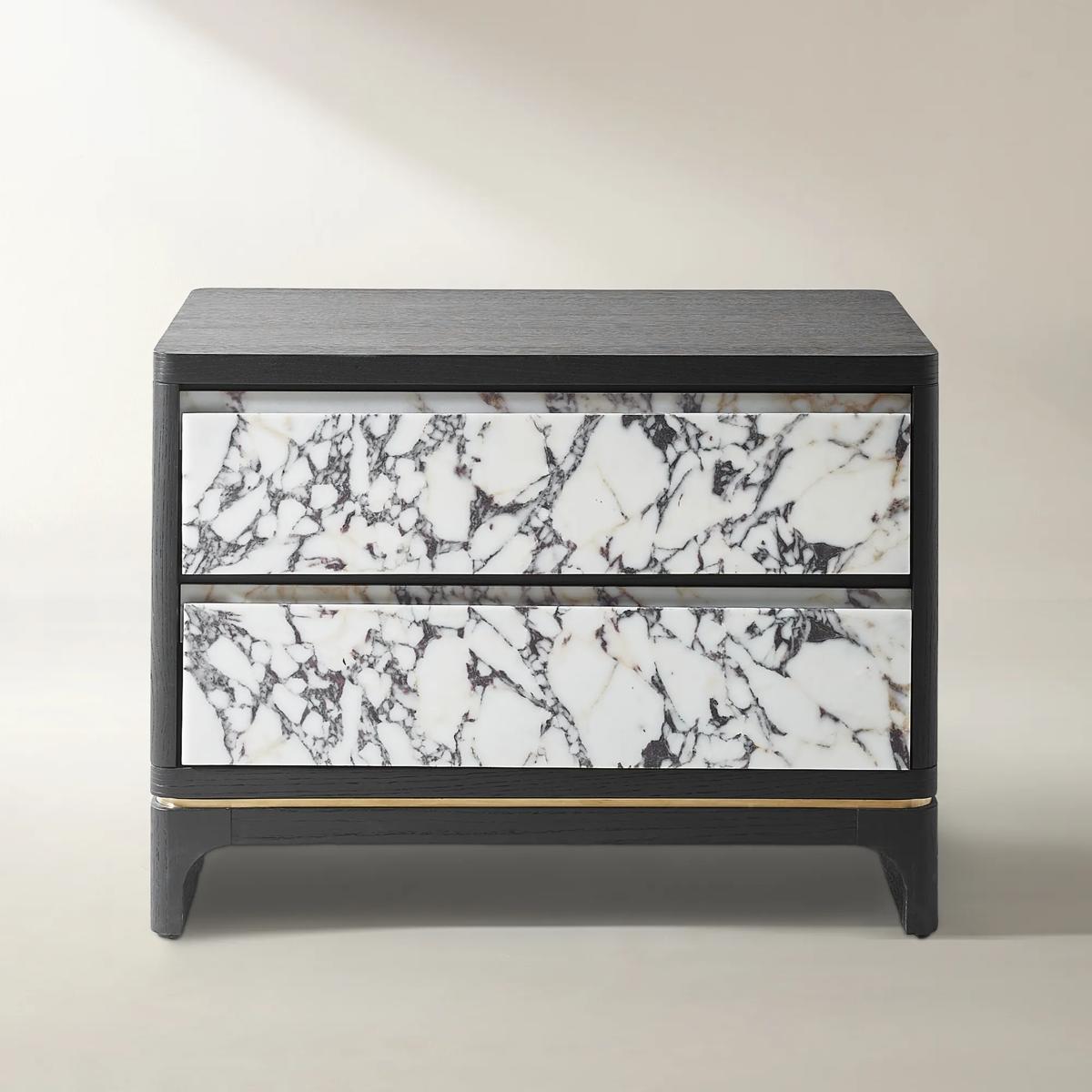 Vanta Black Oak And Calacatta Marble 2-Drawer Nightstand (32")$1099
A striking nightstand featuring genuine Calacatta Viola marble fronts and matte black oak veneer for bold elegance.
Add To Cart -
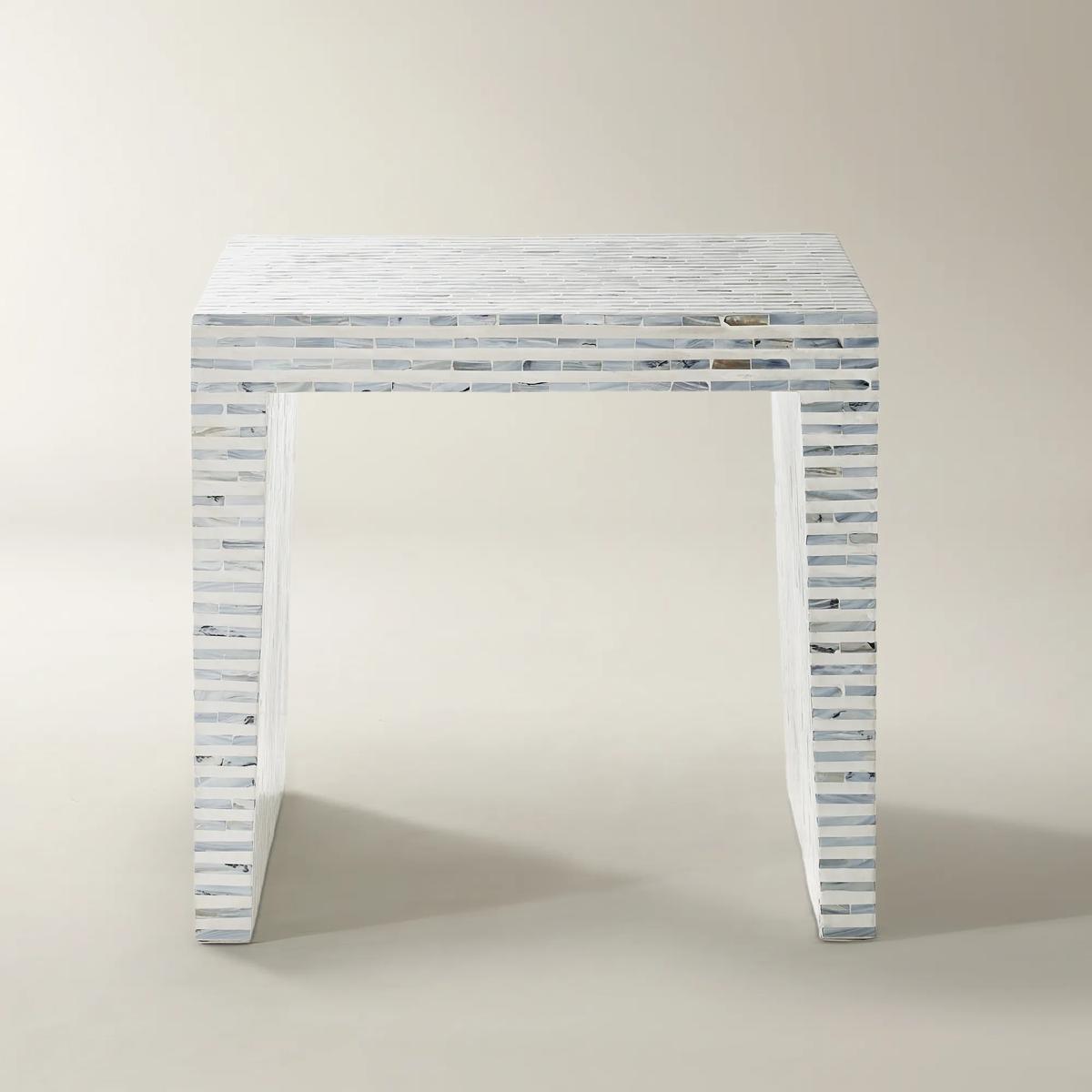
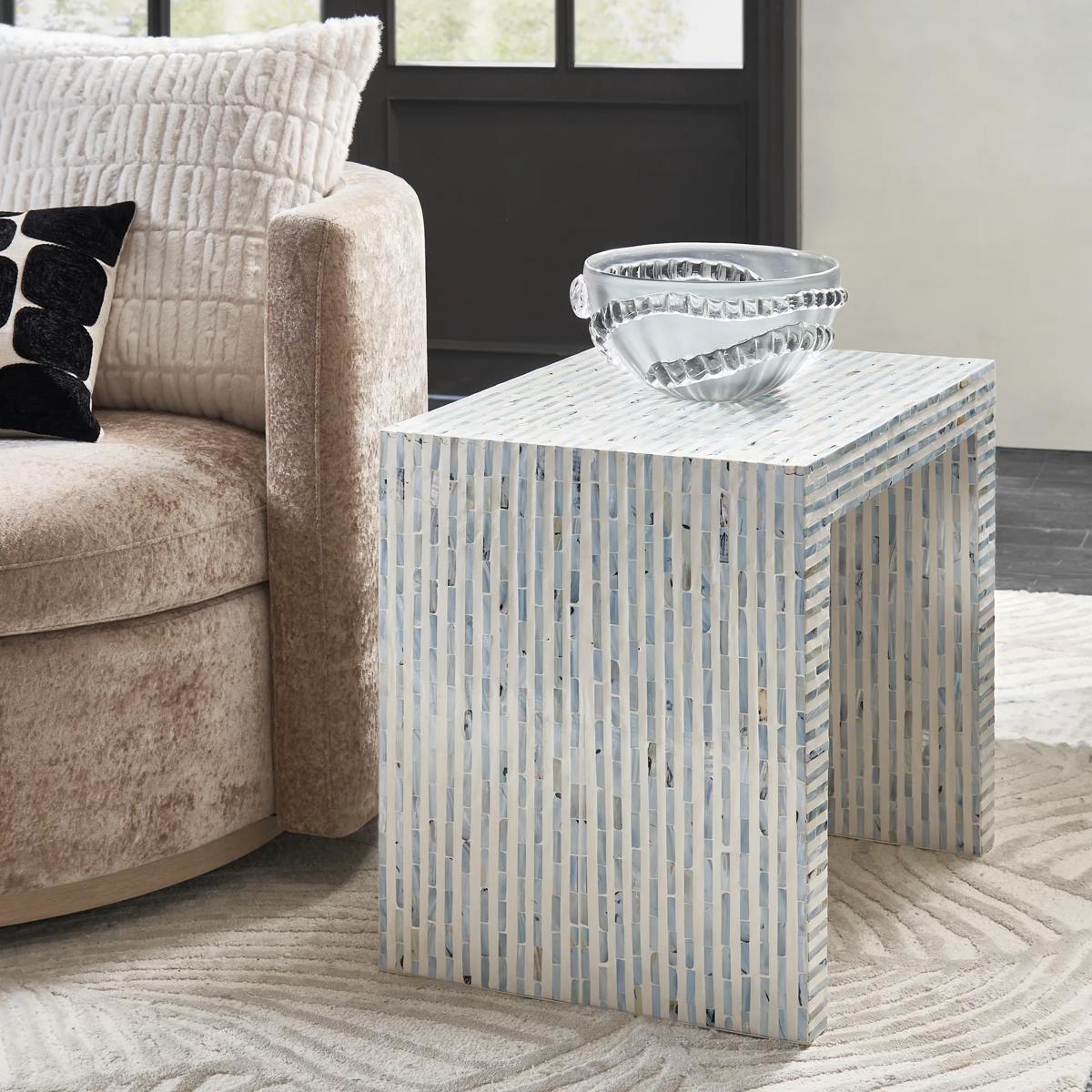 Stella Blue End Table(24")$399
A handcrafted end table featuring genuine blue mother-of-pearl inlay for a unique, iridescent accent.
Add To Cart -
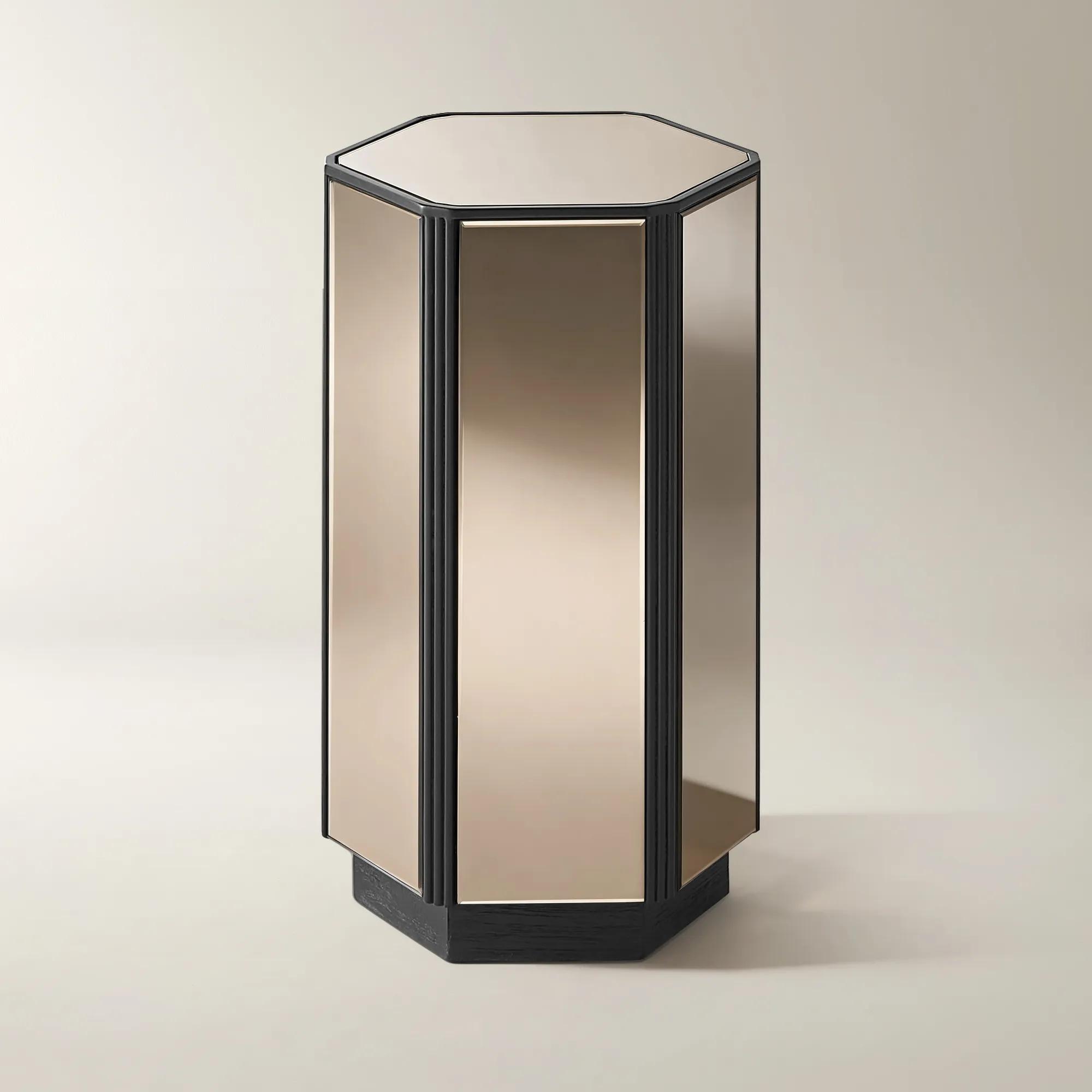 Glimmer Bronze Mirrored End Table (12")$399
A sculptural end table featuring bronze mirror panels and a black oak base for modern elegance.
Add To Cart

Modern Rectangular Side Tables
Modern Rectangular Side Tables are the secret to a room that dazzles with intention and artistry. Each piece is a study in architectural poise, inviting you to reimagine your living space as a gallery of bold contrasts and refined silhouettes. Whether poised beside a sumptuous sofa or anchoring a dramatic vignette, these tables promise to elevate every corner with their crisp lines and modern allure. Let your home become a showcase of sophistication, where every detail reflects your passion for expressive design and unapologetic glamour.
Modern rectangular side tables are accent tables with elongated, four-sided tops that bring a defined surface and an architectural silhouette to the space beside a sofa, armchair, or bed. Their straight edges echo the lines of upholstered seating, while their proportions can make elegant use of a narrow gap that a round table would occupy differently. The effect ranges from quietly tailored to unabashedly glamorous: an open metal frame keeps the composition airy, a substantial wood base adds visual weight, and a reflective surface introduces a flash of light beside sumptuous upholstery. Modern design is not limited to spare rooms or restrained palettes. A rectangular end table can hold its own against a deeply tufted sofa, balance the sweep of a curved chair, or lend structure to a layered arrangement of patterned textiles and expressive artwork. Its appeal lies in that tension between a precise outline and a richly personal setting. Along the side of a sofa, the longer dimension creates room for a lamp toward the back and a drink within comfortable reach toward the front. Beside a reading chair, it offers a place for glasses and an open book without requiring the footprint of a larger occasional table. A pair can frame seating with a deliberate sense of symmetry, while a single distinctive table can create an artful interruption in a coordinated room. For a broader view of silhouettes that complement these arrangements, explore Modern Living Room Side Tables. Rectangular shapes are especially compelling when the room calls for a clearly defined edge: alongside a sectional, between two chairs with sufficient clearance, or next to a guest bed where a full-size nightstand would feel imposing. The best match gives everyday objects a considered place while contributing something unmistakable to the room, whether that is the warmth of grain, the gleam of metal, or the sculptural presence of a bold base.
Materials shape both the atmosphere and the everyday character of a modern rectangular side table. Wood brings warmth and variation, with grain that can soften the crispness of a geometric form. Solid wood and wood veneer have different constructions, but either can offer a beautifully finished surface; durability depends on the underlying structure, finish, and quality of assembly rather than the material name alone. Veneer allows a thin layer of wood to create a decorative surface over a supporting core, so protection at edges and seams matters. Glass introduces transparency, allowing a patterned rug or distinctive base to remain visible through the top. Clear glass feels visually light, while tinted glass can add depth and a more intimate mood. Where specified, tempered glass provides greater strength than ordinary glass, though edges still deserve protection from impact. Metal frames can trace a fine, luminous outline or establish a more substantial architectural presence, with polished, brushed, and painted finishes producing distinctly different effects. Natural stone brings individual veining and tonal variation, making the surface feel expressive even when the silhouette is restrained. Marble and other calcareous stones are sensitive to acidic spills, and stone care requirements vary by material and finish. Mirrored surfaces offer another kind of drama, reflecting nearby color and light rather than adding transparency. For any material, daily care should follow the maker’s instructions. A soft cloth, prompt attention to spills, and coasters beneath drinks help preserve the finish; abrasive cleaners and harsh chemicals can damage delicate surfaces. Felt pads beneath decorative objects help limit scratches when a vase or sculptural accent is repositioned. Wood benefits from protection against prolonged moisture and direct heat, while glass and mirror reward gentle cleaning that avoids excess liquid around joints. A securely attached top, stable base, sound hardware, and an appropriate stated weight capacity matter as much as the visible finish. A table intended to hold a substantial lamp needs a different level of support than one used for a small dish and a paperback, and an accent table should never be treated as seating or a step.
Fit gives a beautiful table its everyday ease. Beside upholstered seating, a tabletop close to the height of the sofa or chair arm generally makes setting down a cup feel natural; a markedly lower or higher surface can require an awkward reach. Armless seating calls for attention to the seated user’s reach rather than an arm-height comparison. Measure the intended space with the table’s full width and depth in mind, not simply the dimensions of the top if the base extends beyond it. A rectangular footprint can be turned to suit the arrangement, but the longer side should not project into a busy walkway or obstruct a reclining mechanism. Leave enough clearance for people to pass comfortably and for any drawers or cabinet doors to open without striking nearby furniture. In a compact living room, an open base can reveal more of the floor and keep the arrangement from feeling crowded. A shelf provides a second level for books or a shallow basket, while enclosed storage keeps remotes, charging accessories, and other small essentials out of the main composition. At the bedside, check the tabletop against the mattress height and allow room for a lamp, water glass, and whatever belongs within reach at night. Lamp scale deserves particular attention on a narrow top: the base should sit securely with space around it, and the shade should not intrude on seating or circulation. A cord routed discreetly toward an outlet preserves the table’s clean outline without creating a tripping hazard. Households with children or active pets may prefer softened corners and a stable design, especially in frequently used areas. Styling can remain expressive without consuming the entire surface. A tall ceramic form paired with a low dish creates contrast; a short stack of art books beneath a small object adds dimension. Preserve an open landing place for a drink or phone so that the arrangement feels welcoming rather than untouchable. Whether furnishing a first apartment, refining a formal sitting room, or creating a generous guest retreat, a well-proportioned rectangular side table makes a compact contribution with lasting visual presence.
FAQs
Modern rectangular side tables are remarkably versatile, effortlessly enhancing a range of interior styles. They shine in contemporary, mid-century, and even transitional spaces, offering a clean-lined silhouette that complements both bold and understated décor. Pair them with plush seating for a touch of glam, or mix with organic textures and metallic finishes to create an artful, layered look.
A black rectangular end table serves as a striking foundation for high-impact styling. Top it with gleaming metallic accents, sculptural vases, or a stack of art books to create visual intrigue. Add a pop of color with fresh florals or a jewel-toned lamp for contrast, allowing the deep hue to anchor your vignette and draw the eye.
Absolutely. The streamlined profile of rectangular accent tables allows them to tuck neatly alongside sofas, beds, or entryways, maximizing surface area without overwhelming the room. Their elongated shape helps define zones and provides a practical yet stylish solution for compact living areas.
Modern rectangular side tables are celebrated for their diversity in materials. Popular choices include polished metals for a hint of glamour, richly grained woods for warmth, and mirrored or glass tops for a sense of lightness and sophistication. Each material brings its own character, allowing you to tailor your selection to your personal aesthetic.
Yes, many modern rectangular side tables transition beautifully into the bedroom as chic nightstands. Their clean lines and ample surface space provide a stylish perch for bedside lamps, books, and evening essentials, effortlessly blending form and function for a polished, cohesive look.