Your cart contains items =
the z gallerie
the z gallerie
RUG BUYING GUIDE
Choosing the right rug affects proportion, durability, and long-term design impact. This guide covers rug size, materials, construction methods, and care recommendations to help you select the best rug for your living room, dining room, or bedroom.
Because the most finished rooms always begin with what’s underfoot.
A well-chosen rug does more than fill space—it defines proportion, introduces texture, and sets the tone for the entire room.
MEASURING GUIDE
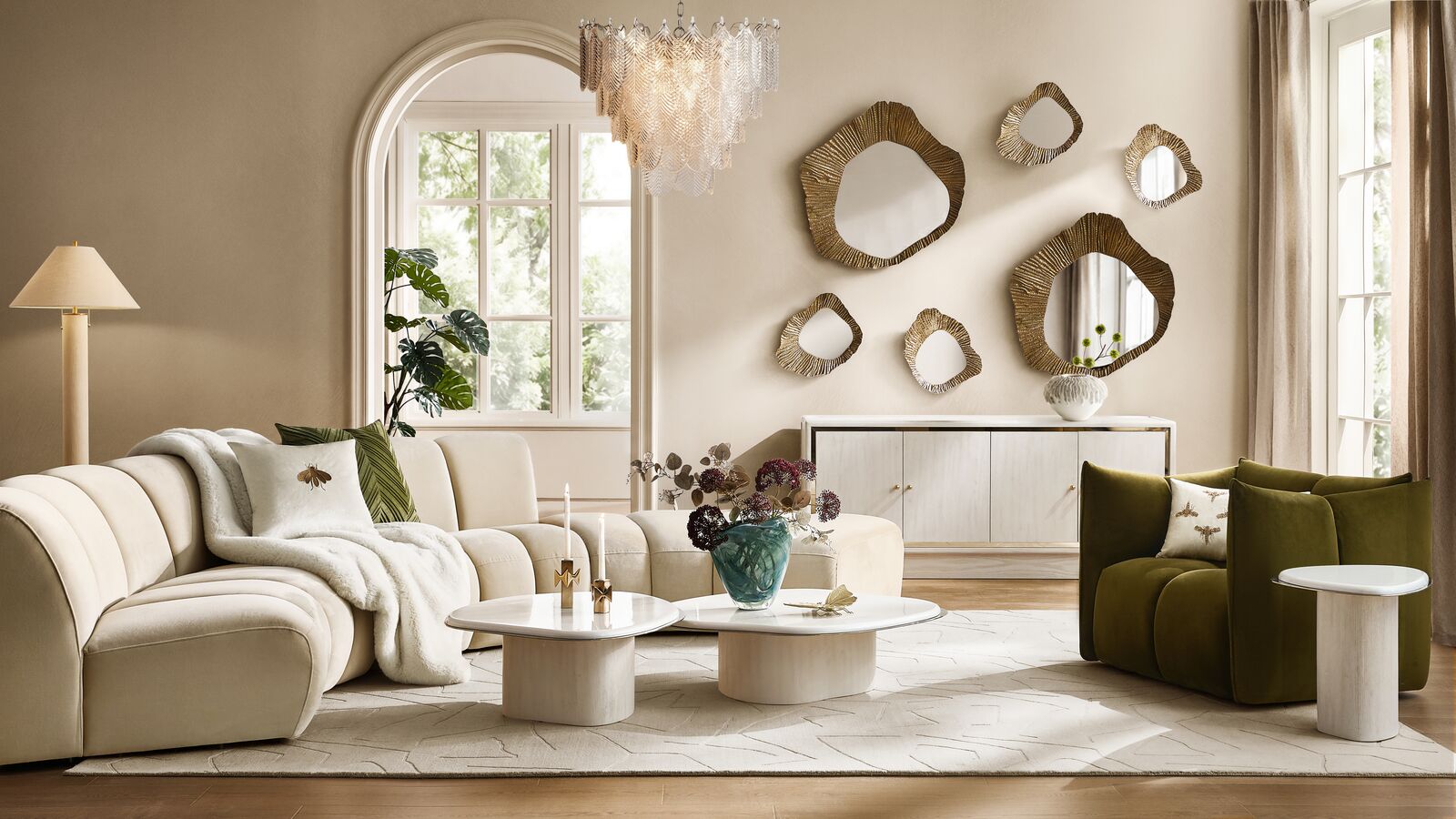
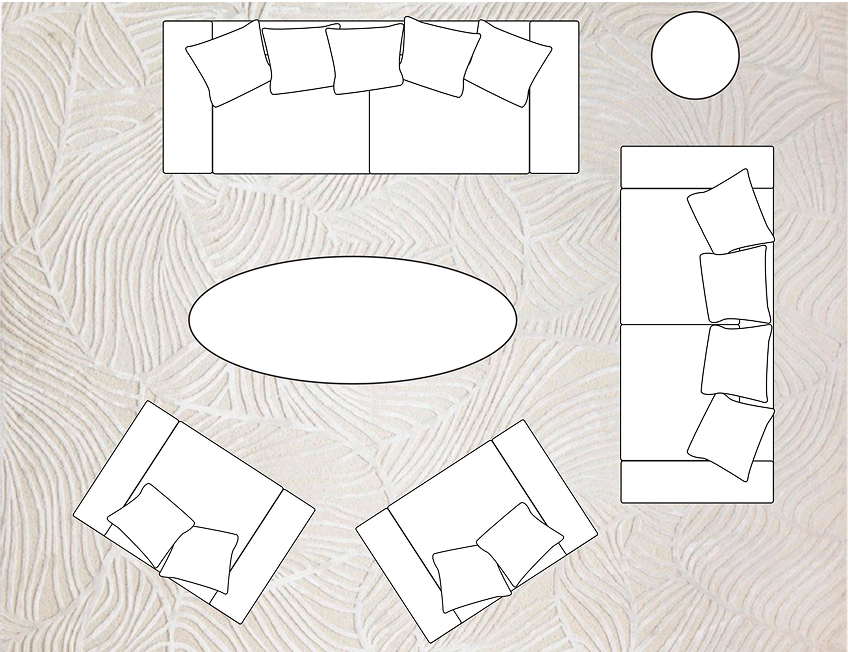
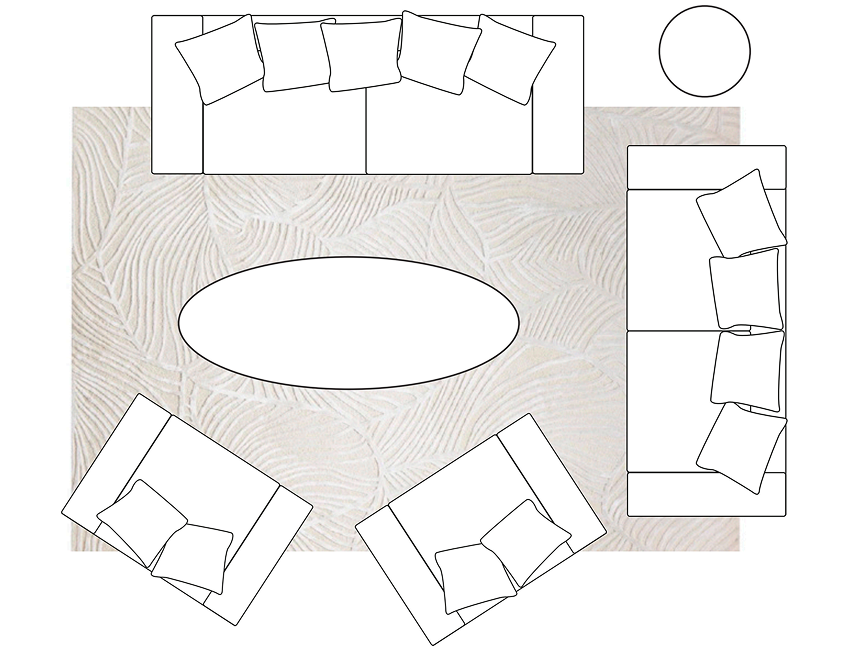
For larger rooms with furniture in the center, your rug should be big enough to fit all pieces on top without feeling cramped.
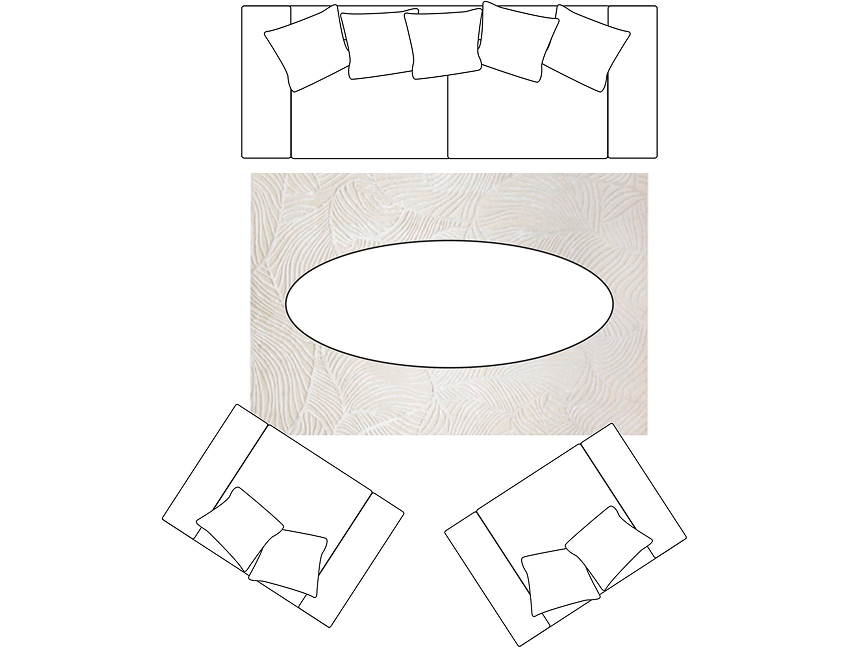
When furniture is against the wall, aim to have the front two legs of all the furniture on the rug.
Smaller rugs can be used just under the coffee table or to define specific seating areas.
MEASURING GUIDE
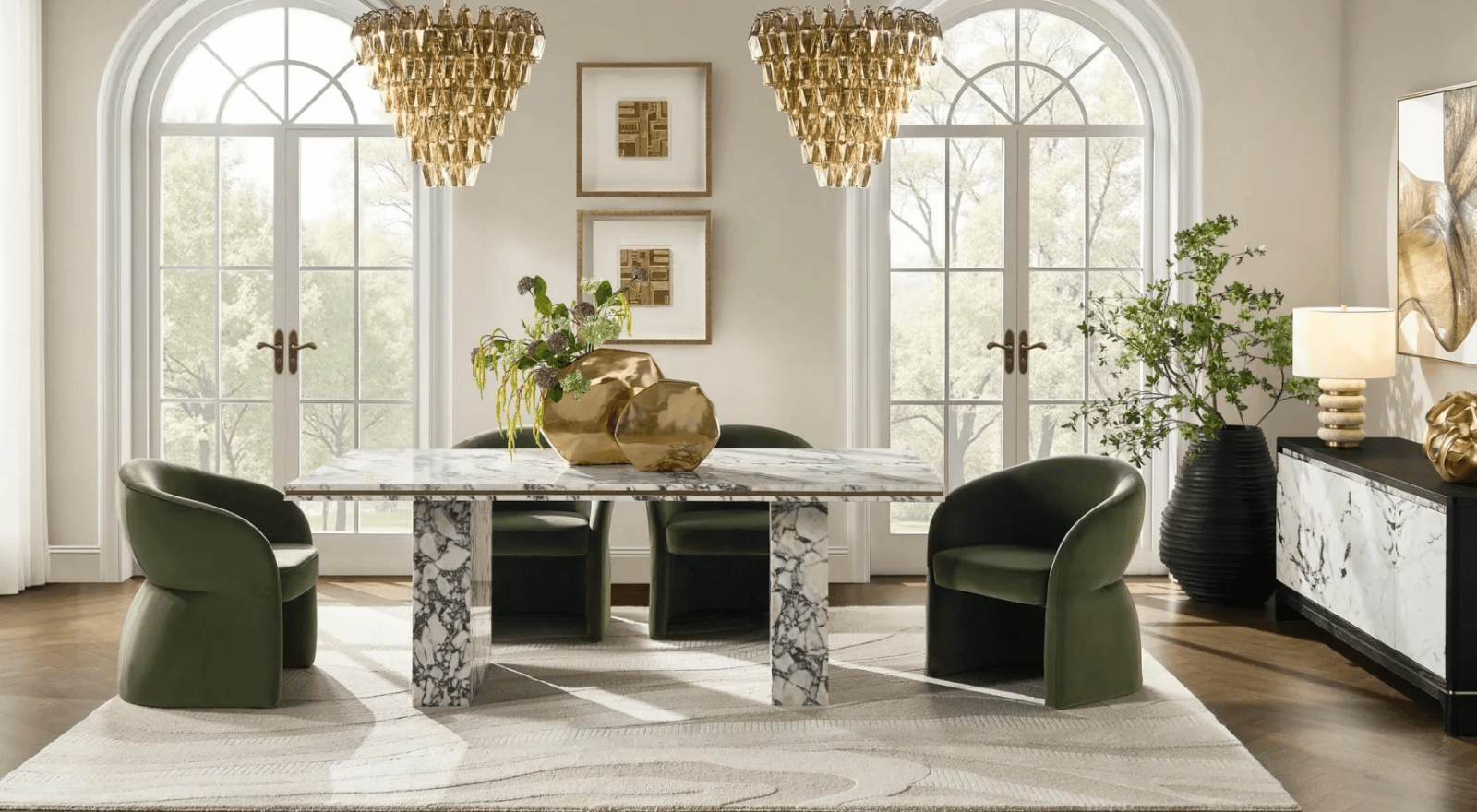
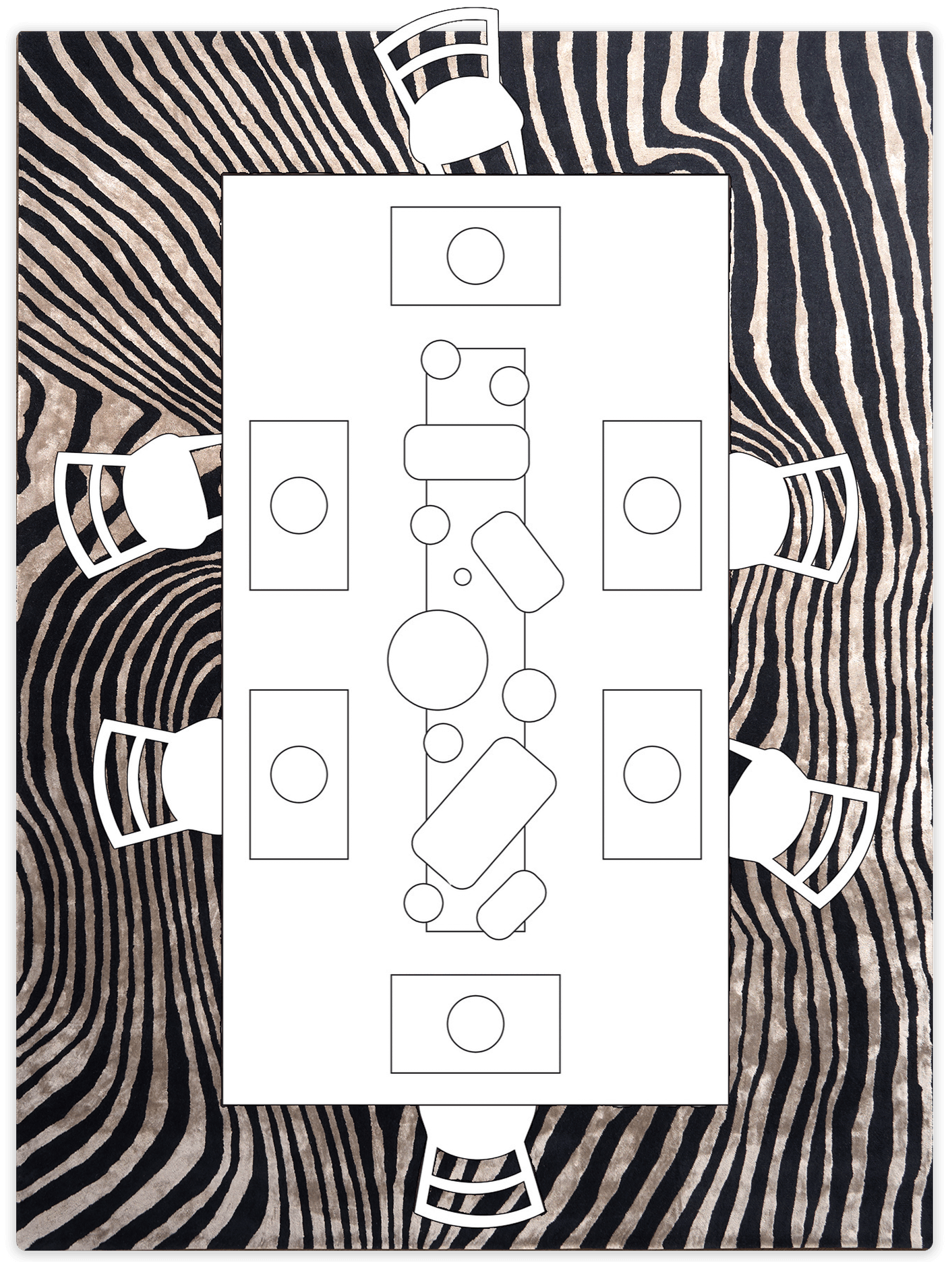
Choose a rug that extends at least 2' on each side of your table, so there's room to pull out chairs. Most tables need a rug that's at least 8' wide.
MEASURING GUIDE
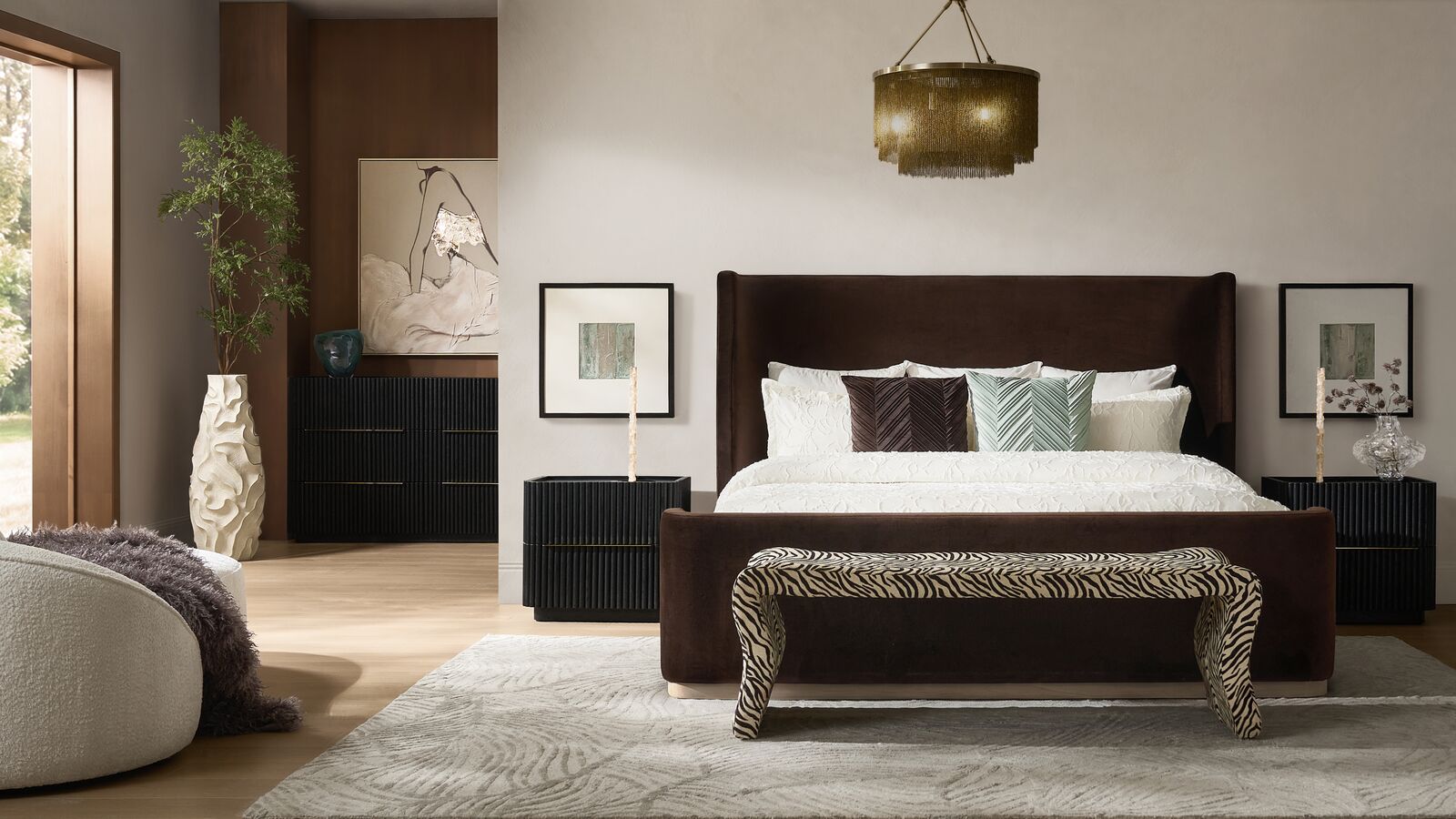
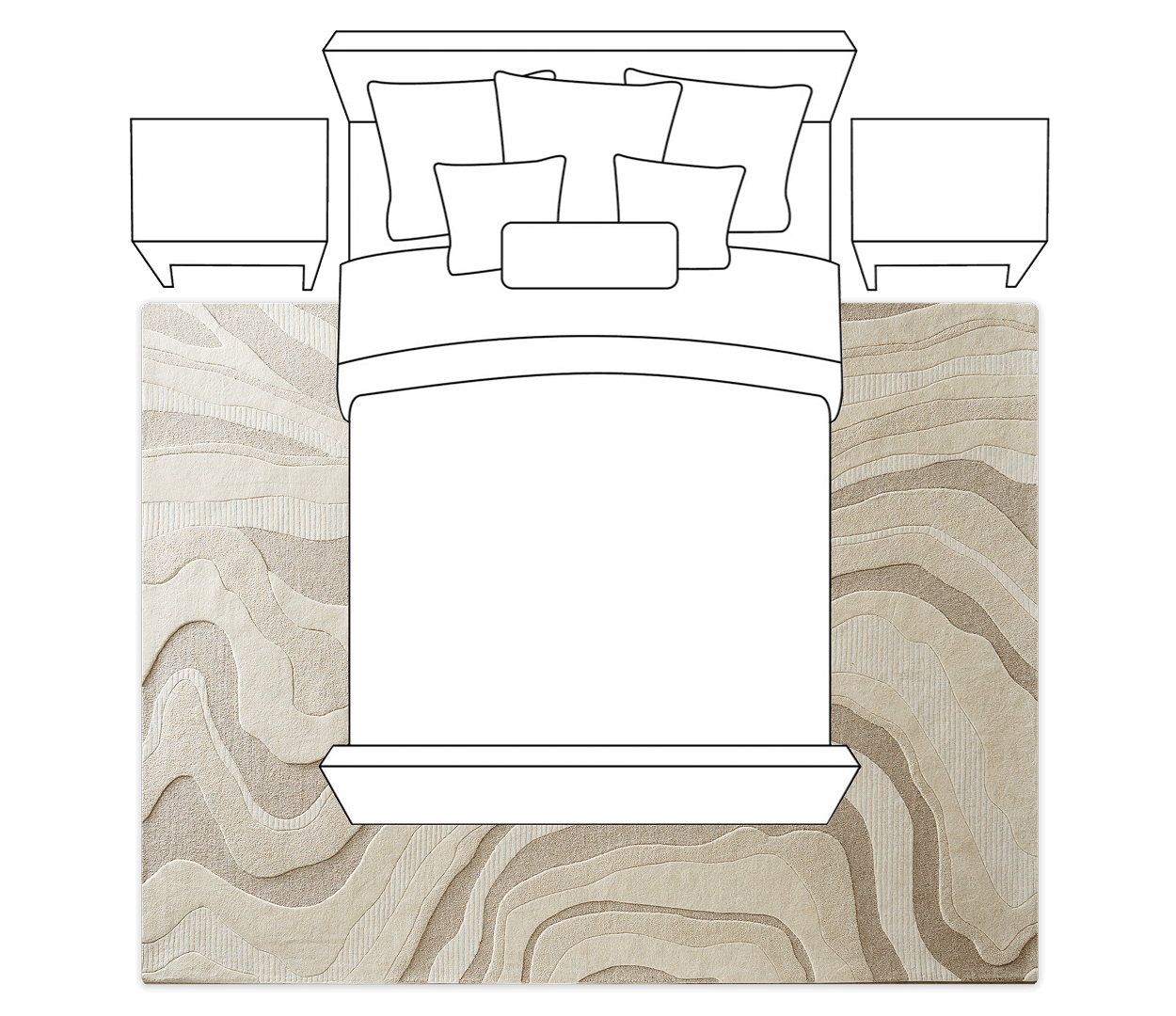
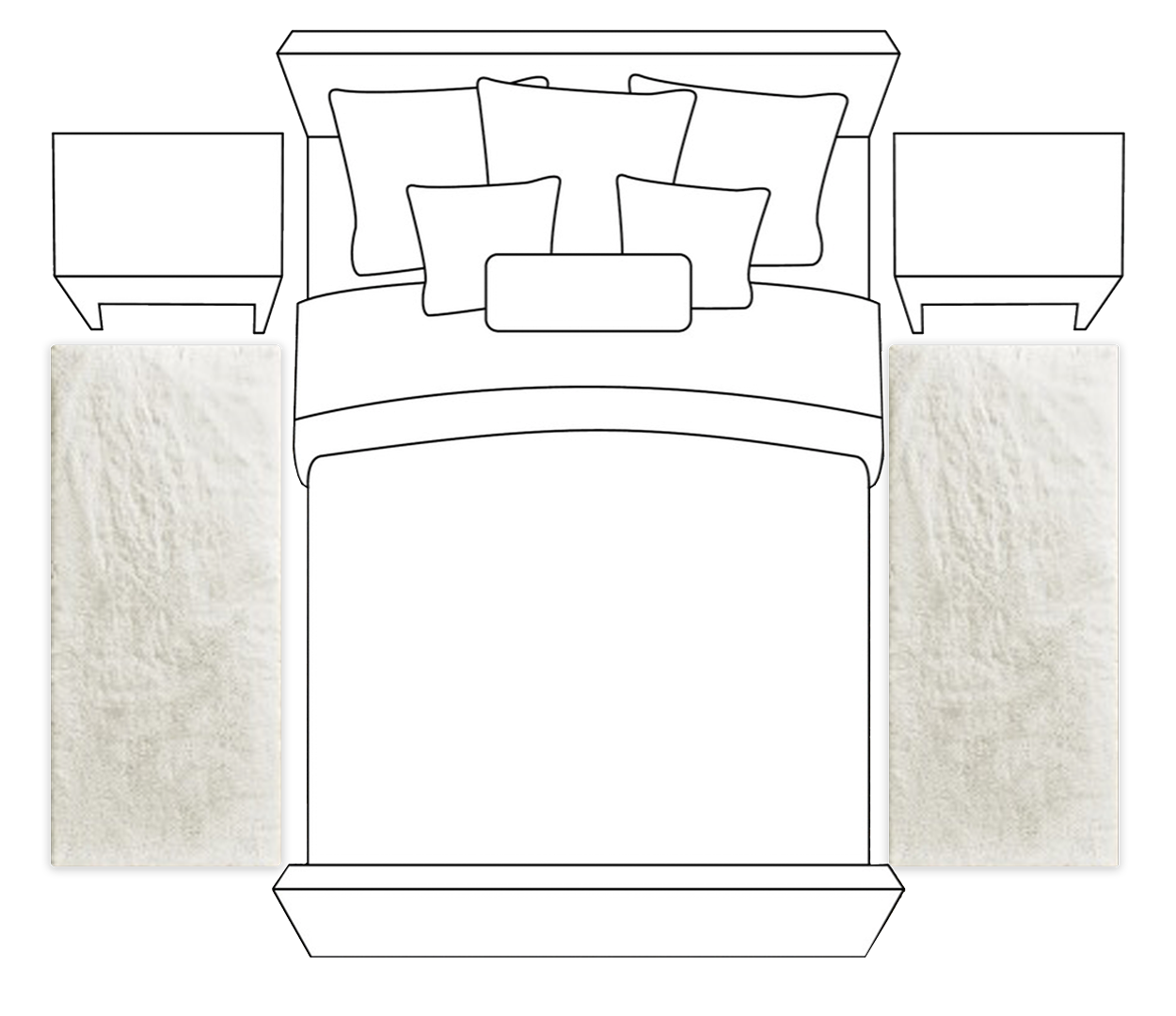
An area rug in your bedroom should extend about 36" or so covering all sides of the bed.
Runners are a great alternative to use on either side or along the foot of the bed for extra coziness.
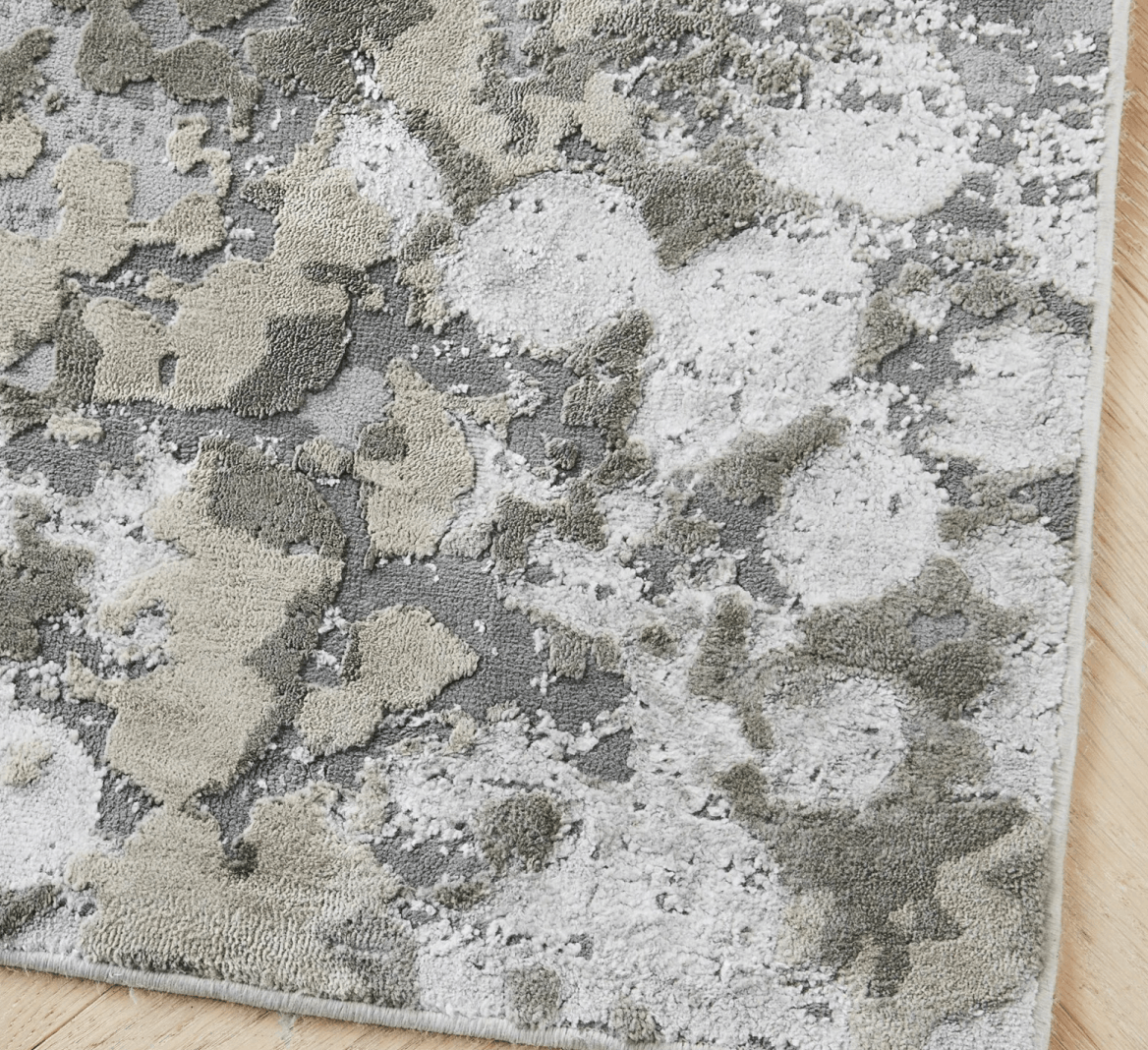
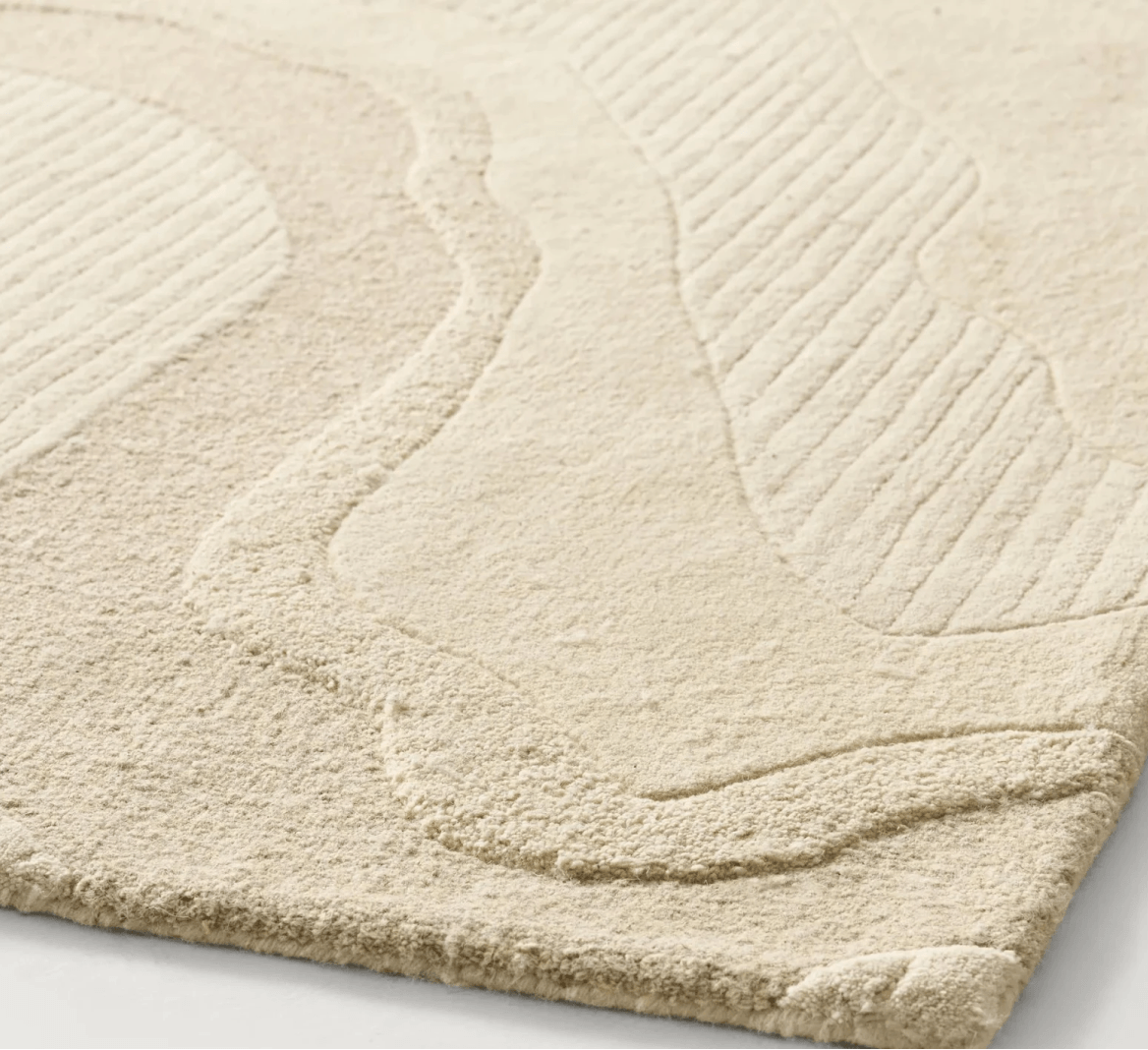
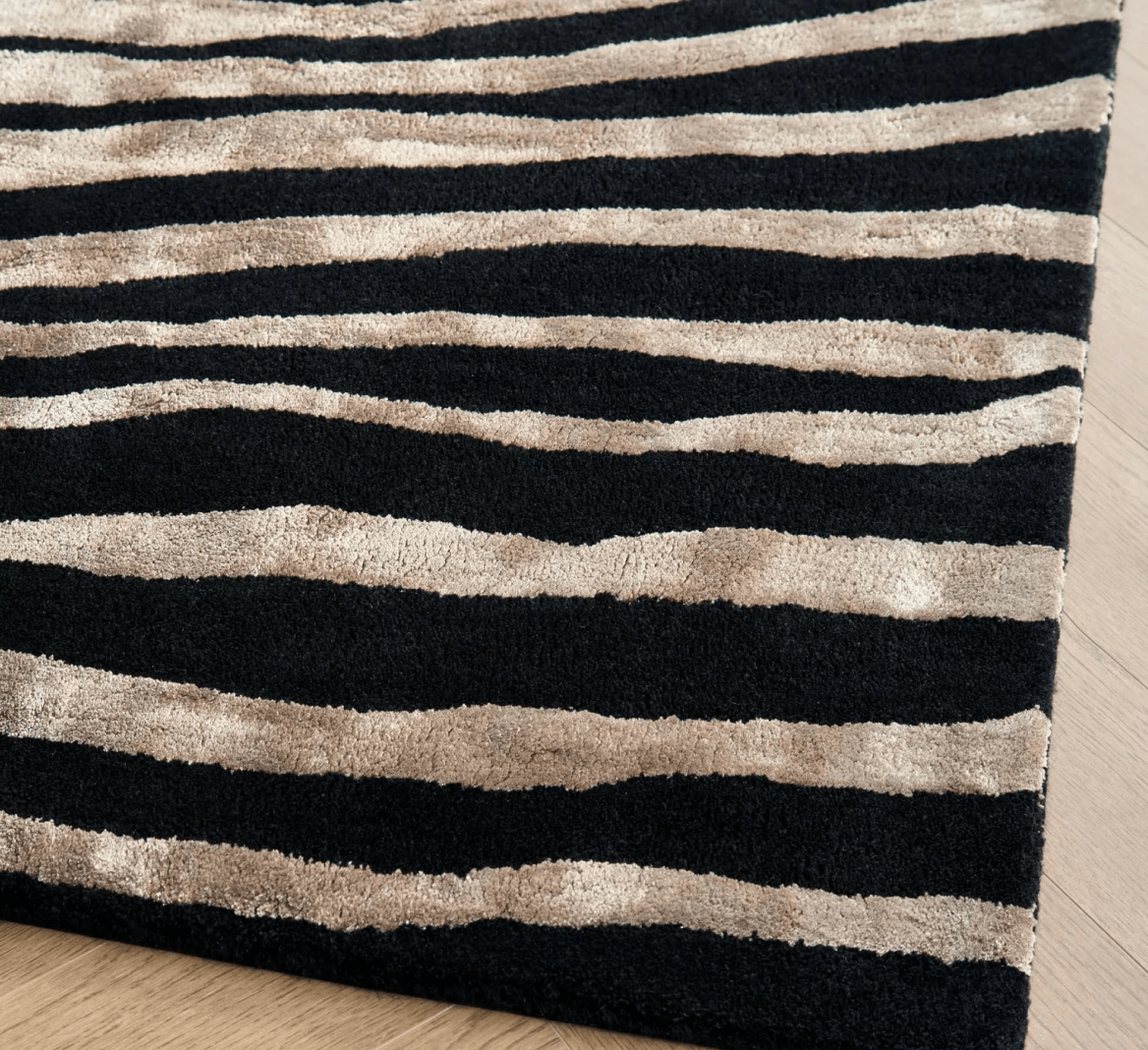
The best rug material for you depends on how you live.
- 1 -
Vacuum regularly.
- 2 -
Clean up spills immediately.
- 3 -
Professionally clean every couple of years.
- 4 -
Use a rug pad.
- 5 -
Rotate your rug based on foot traffic.
Start with 9' x 12' to anchor the seating zone and make the space feel intentional.
Choose a rug that extends at least 2' beyond the table so chairs remain on the rug when pulled out.
An 8' x 10' is a strong starting point for a finished, balanced bedroom.
If you want added comfort and less slipping, yes—a rug pad adds cushion and helps prevent sliding.
Vacuum regularly and clean up spills immediately—two habits that keep a rug looking new.
Luxury rugs typically feature higher-quality materials such as premium wool, silk blends, or hand-finished construction methods. They offer deeper texture, more refined detailing, and longer lifespan compared to mass-produced synthetic rugs. The difference is often visible in dimension, pile density, and overall design integrity.
Wool rugs are generally more durable and naturally stain-resistant, while synthetic rugs offer easier maintenance and affordability.
A well-made wool rug can last 10–20 years or more with proper care. Wool fibers are naturally resilient and retain their shape and texture over time. Regular vacuuming and occasional professional cleaning significantly extend the lifespan.