Modern Luxury End Tables
Modern Luxury End Tables
-
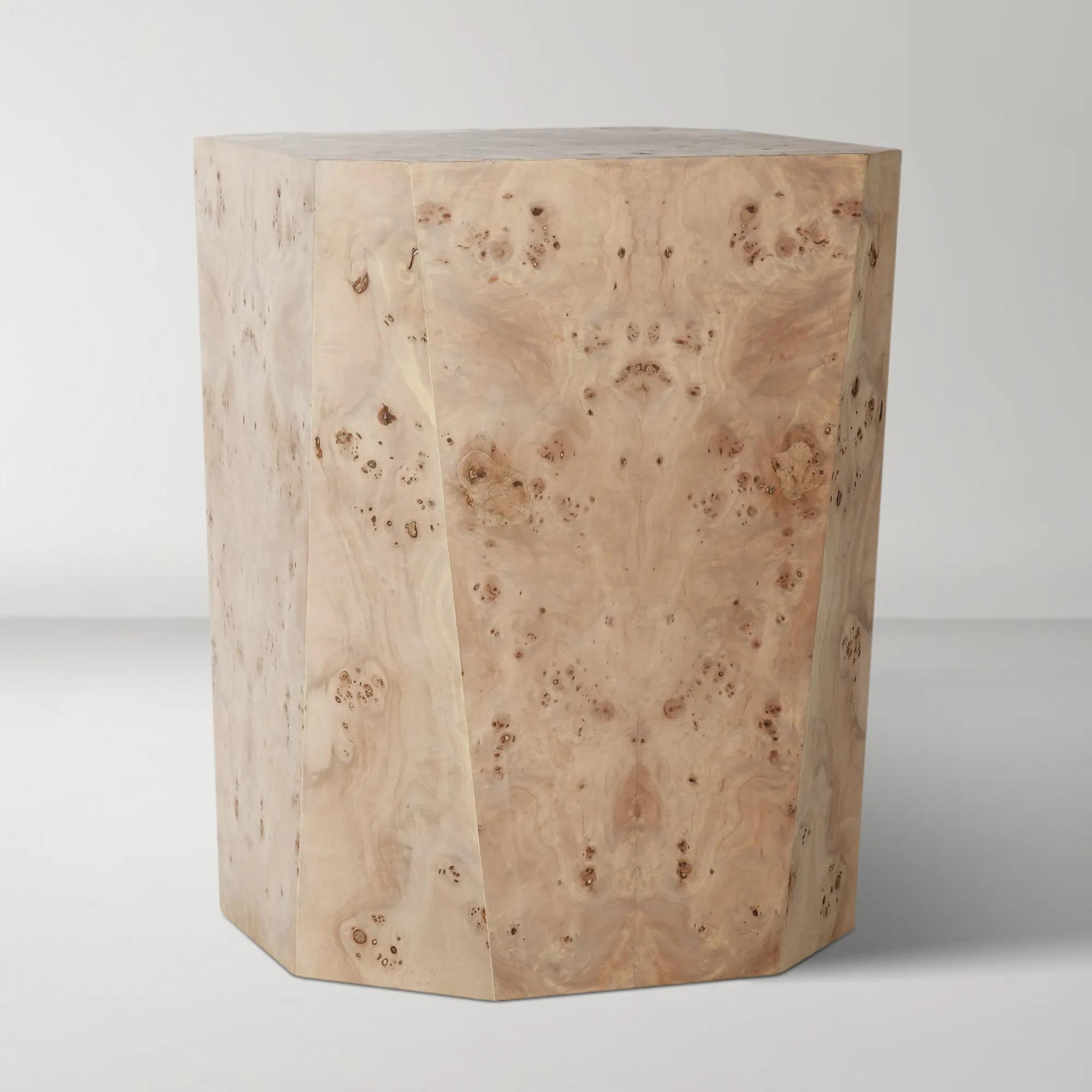
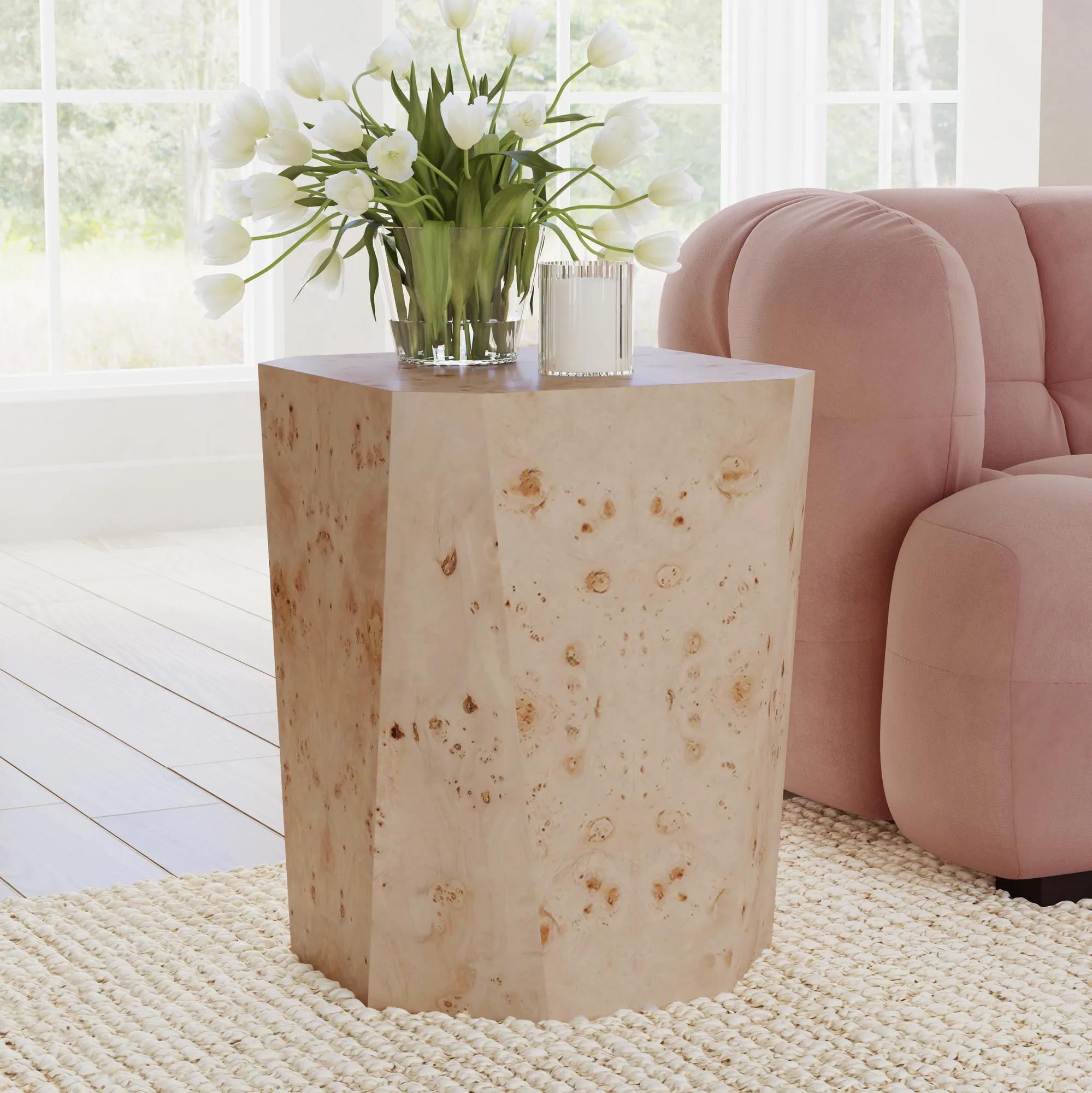 Avena Square Natural Burl Wood End Table (17.75")$699
A striking end table featuring natural burl wood veneer with unique swirling grain and warm, organic tones.
Add To Cart -
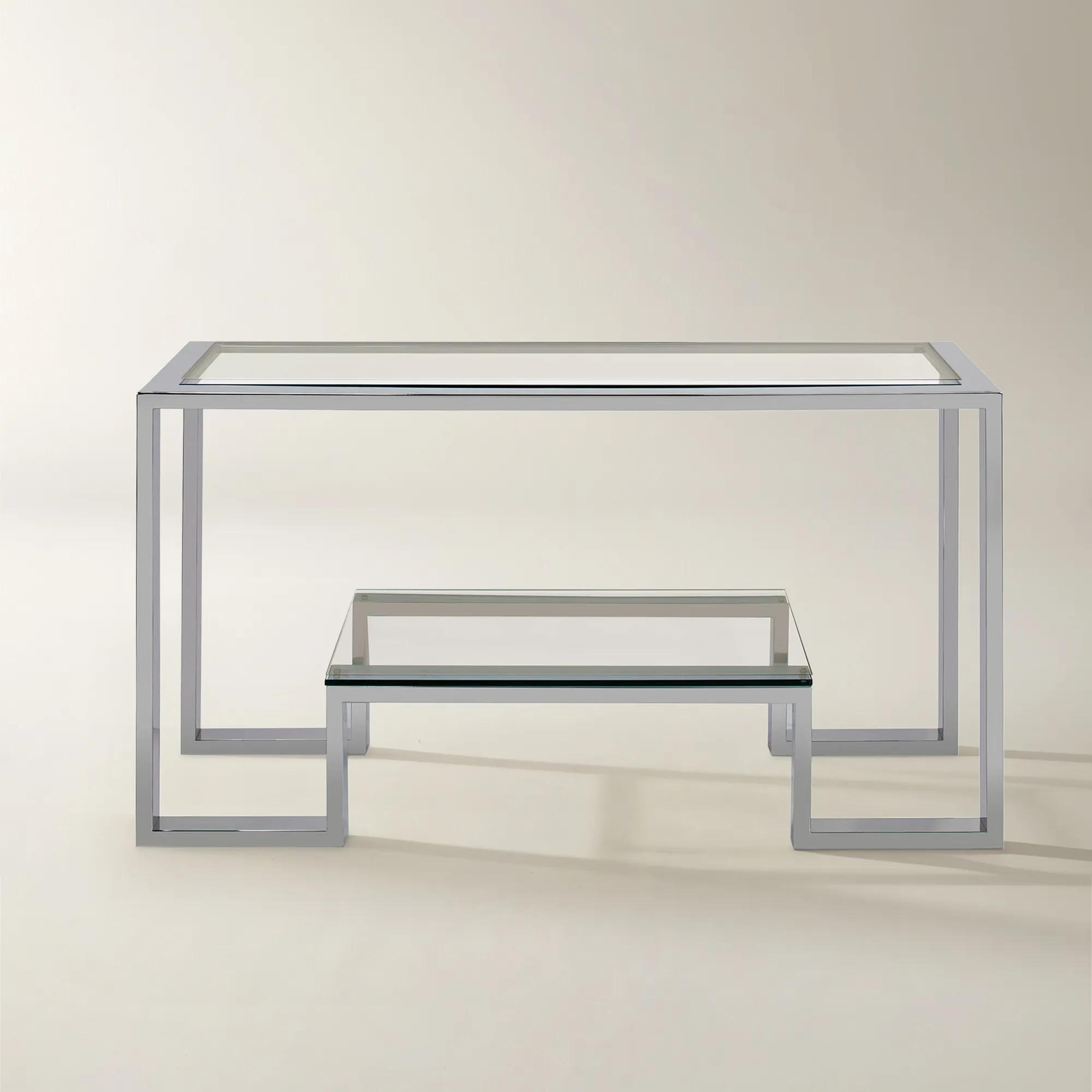
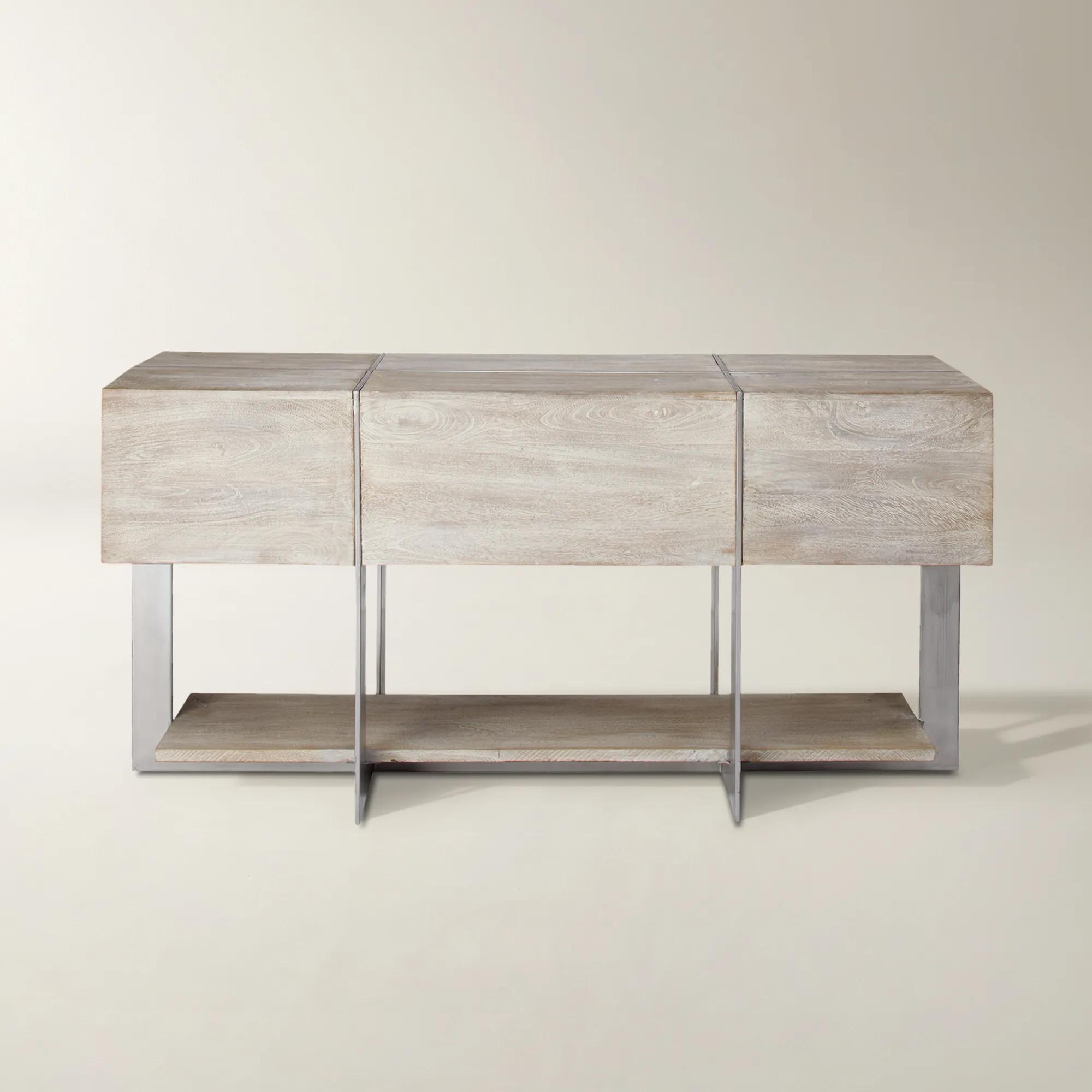
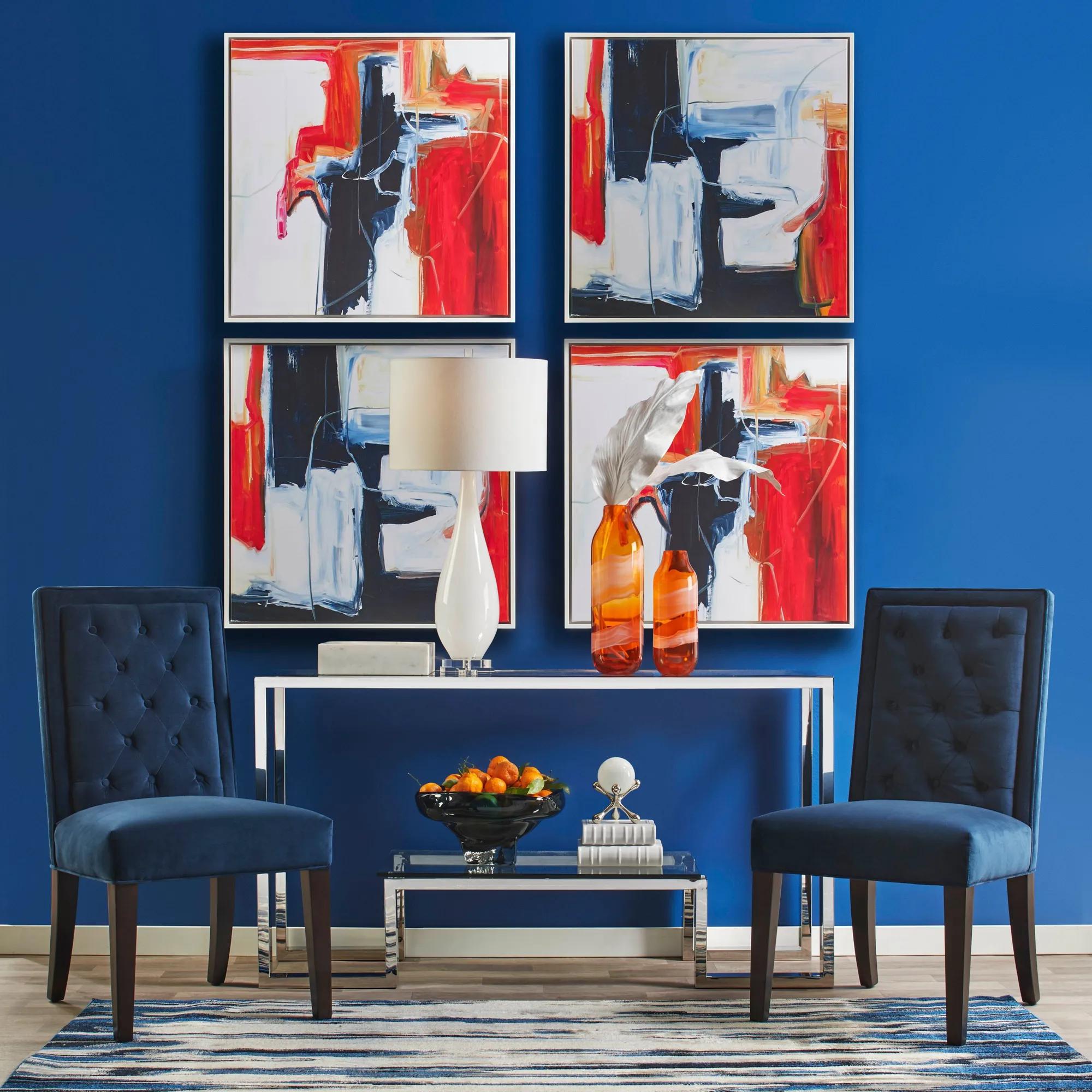 Duplicity Rectangular Silver Stainless Steel Console Table With Glass Top (59")$1399
A modern console table crafted from stainless steel and tempered glass with a floating bottom shelf.
Add To Cart -
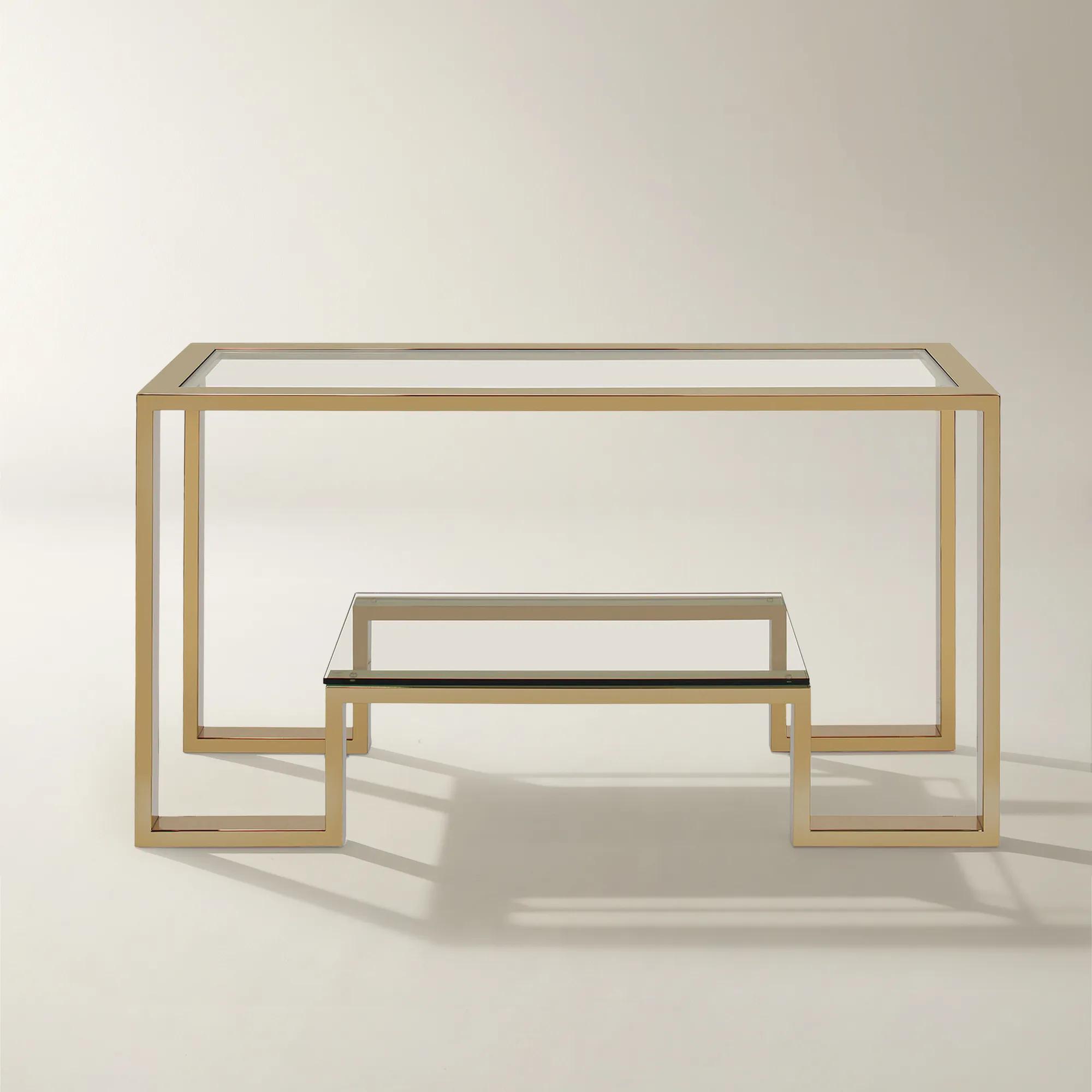
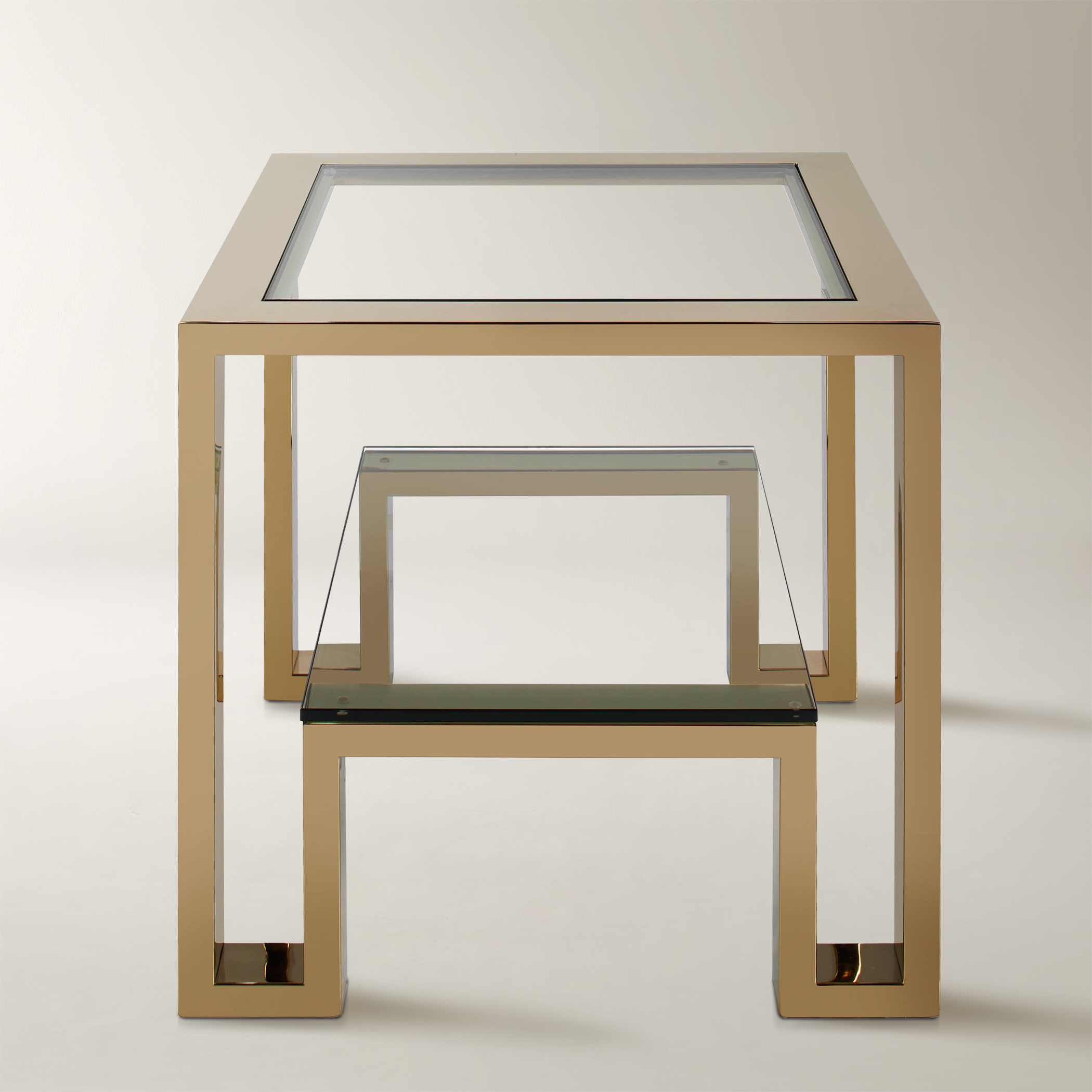 Duplicity Square Gold Stainless Steel End Table With Glass Top (24")$749
A modern end table crafted from stainless steel and tempered glass with a floating bottom shelf.
Add To Cart -
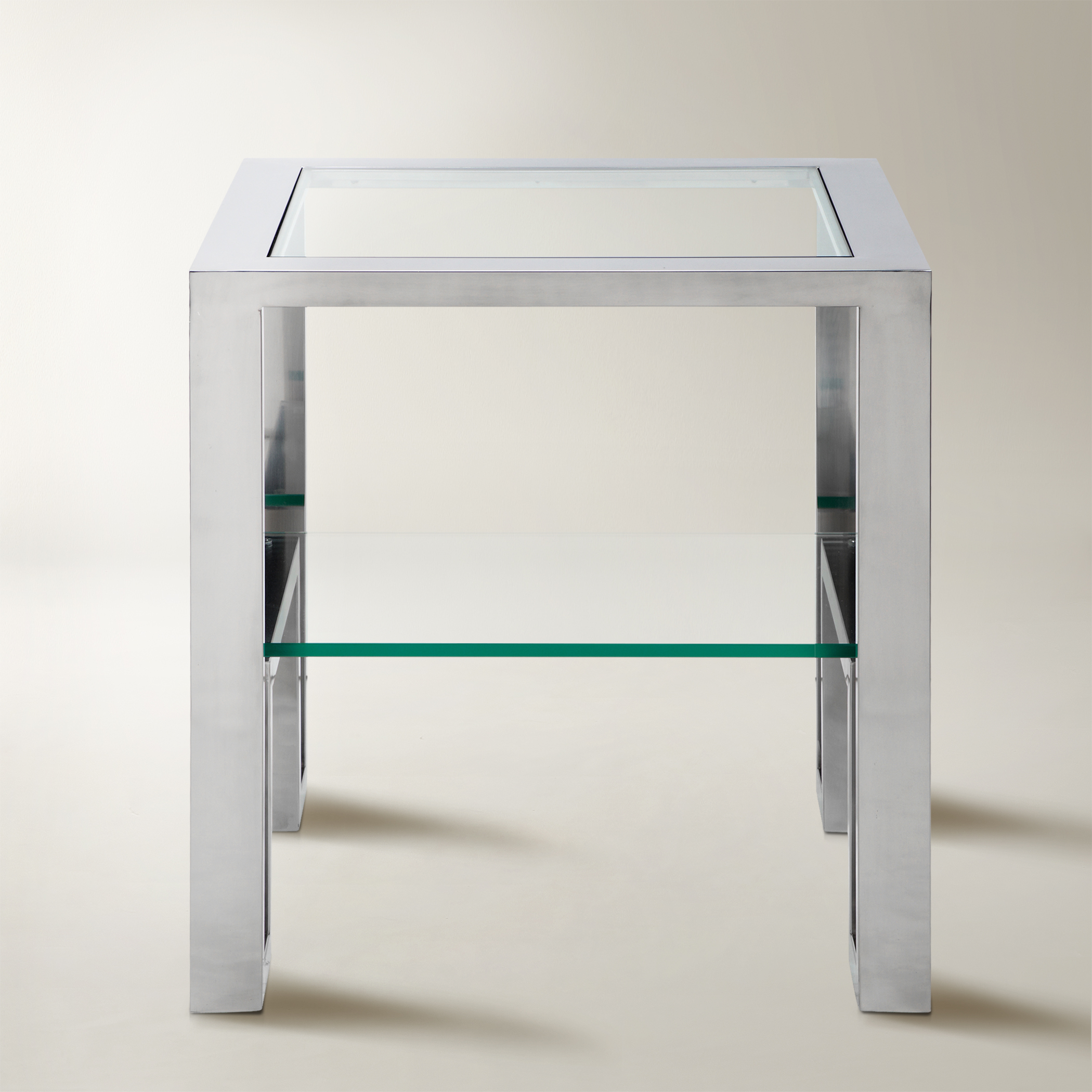
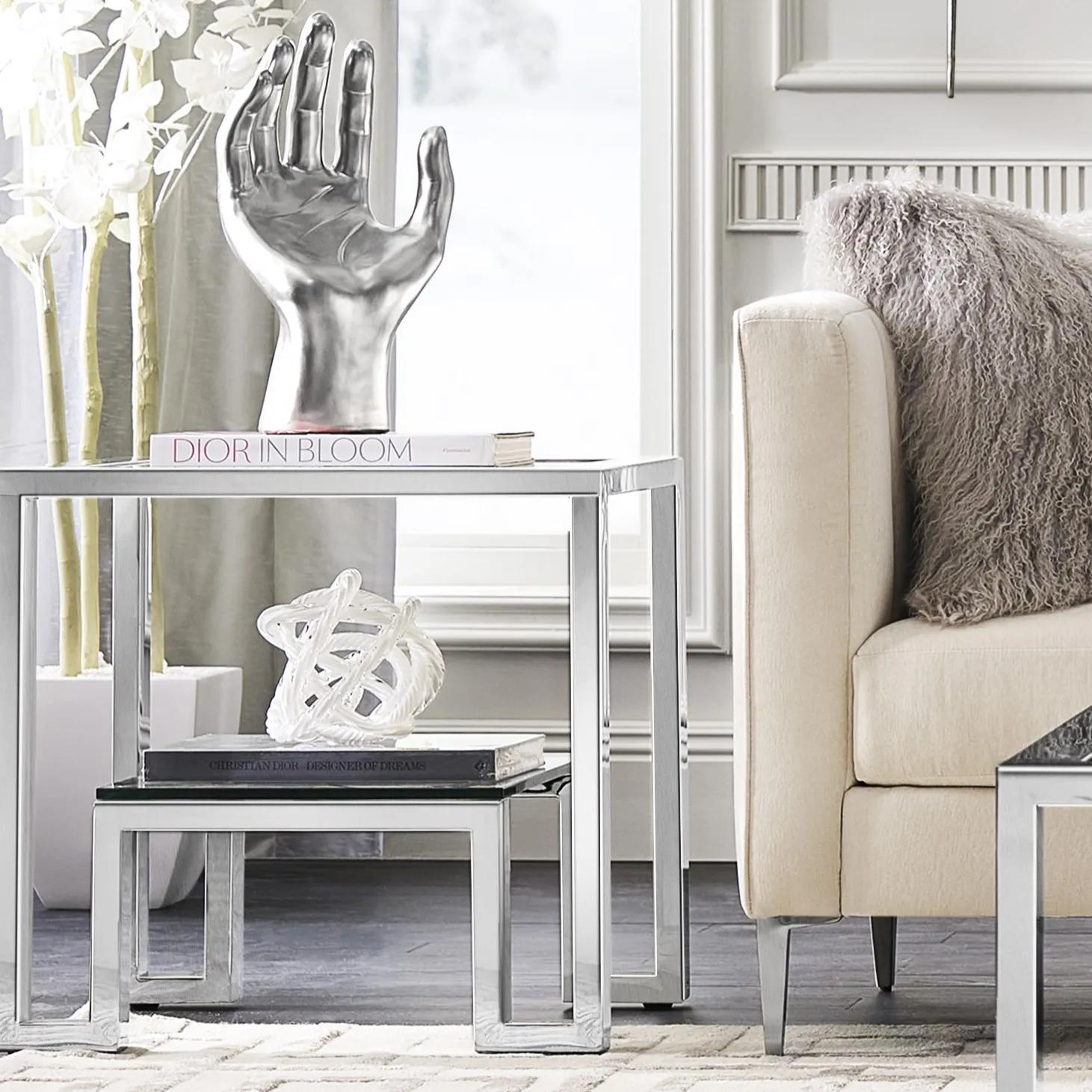 Duplicity Square Silver Stainless Steel End Table With Glass Top (24")$749
A modern end table featuring a stainless steel frame, tempered glass top, and floating bottom shelf.
Add To Cart -
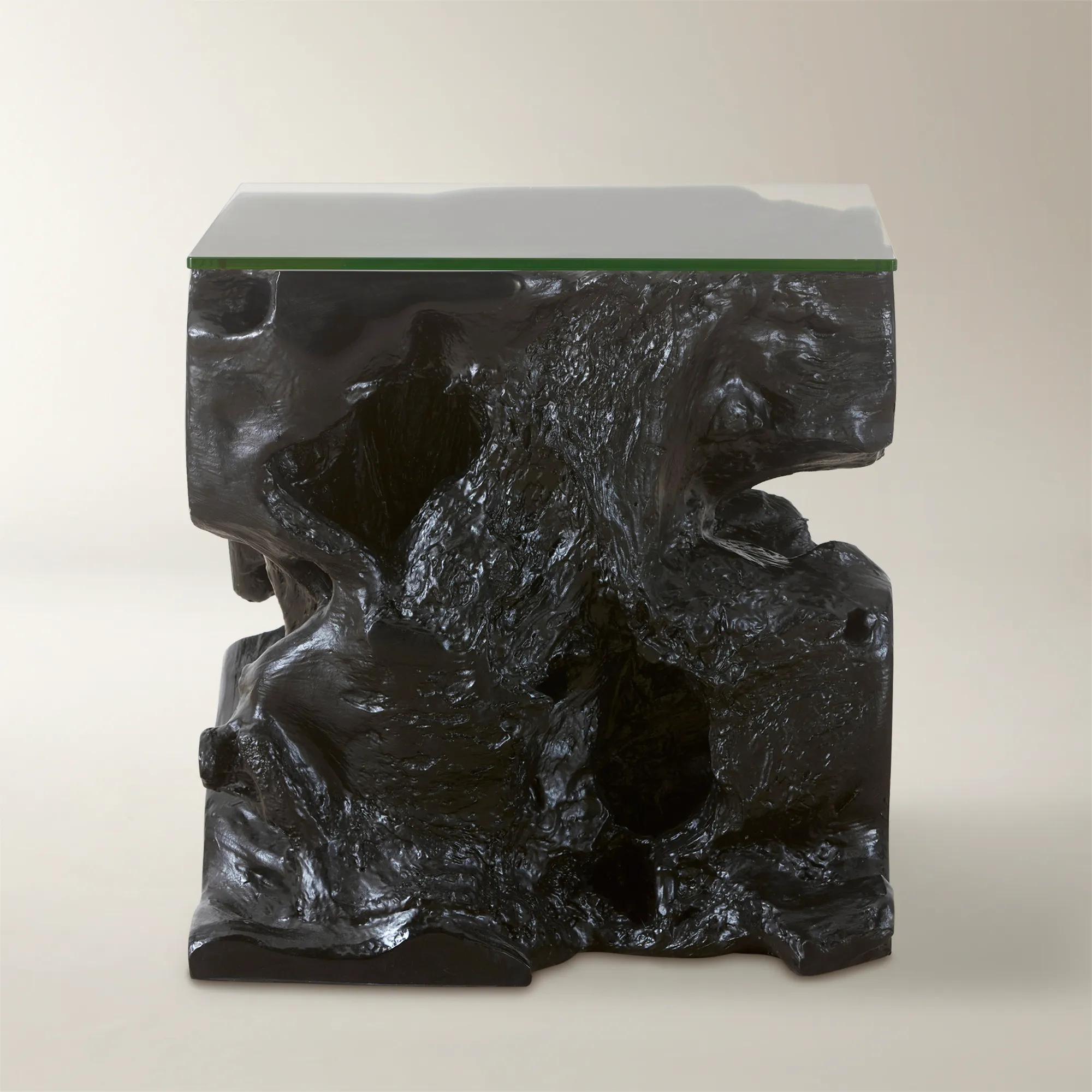 Sequoia Black Resin End Table With Glass Top (22")$999
A sculptural black resin and stone end table inspired by Acacia roots, suitable for indoor or outdoor use.
Add To Cart -
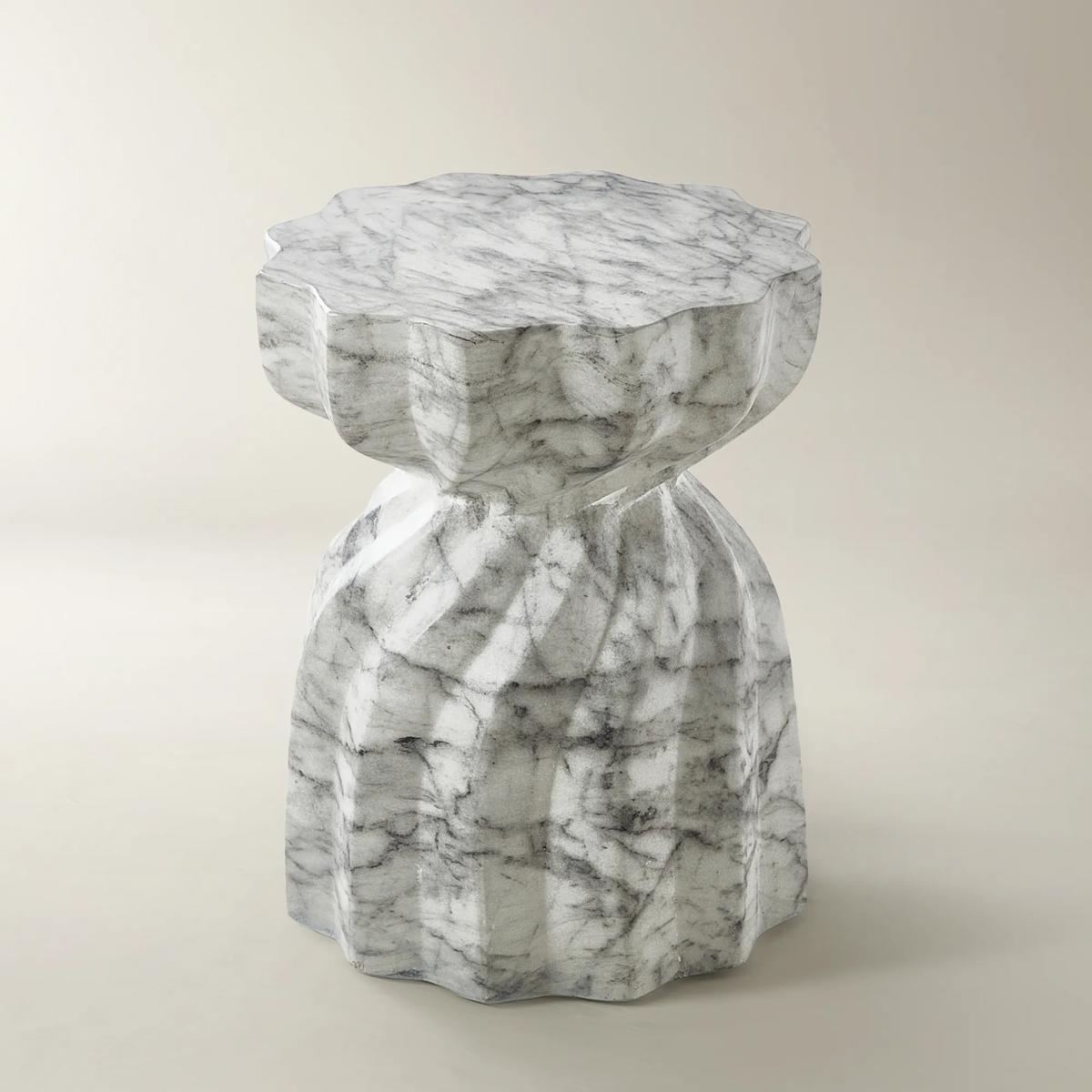
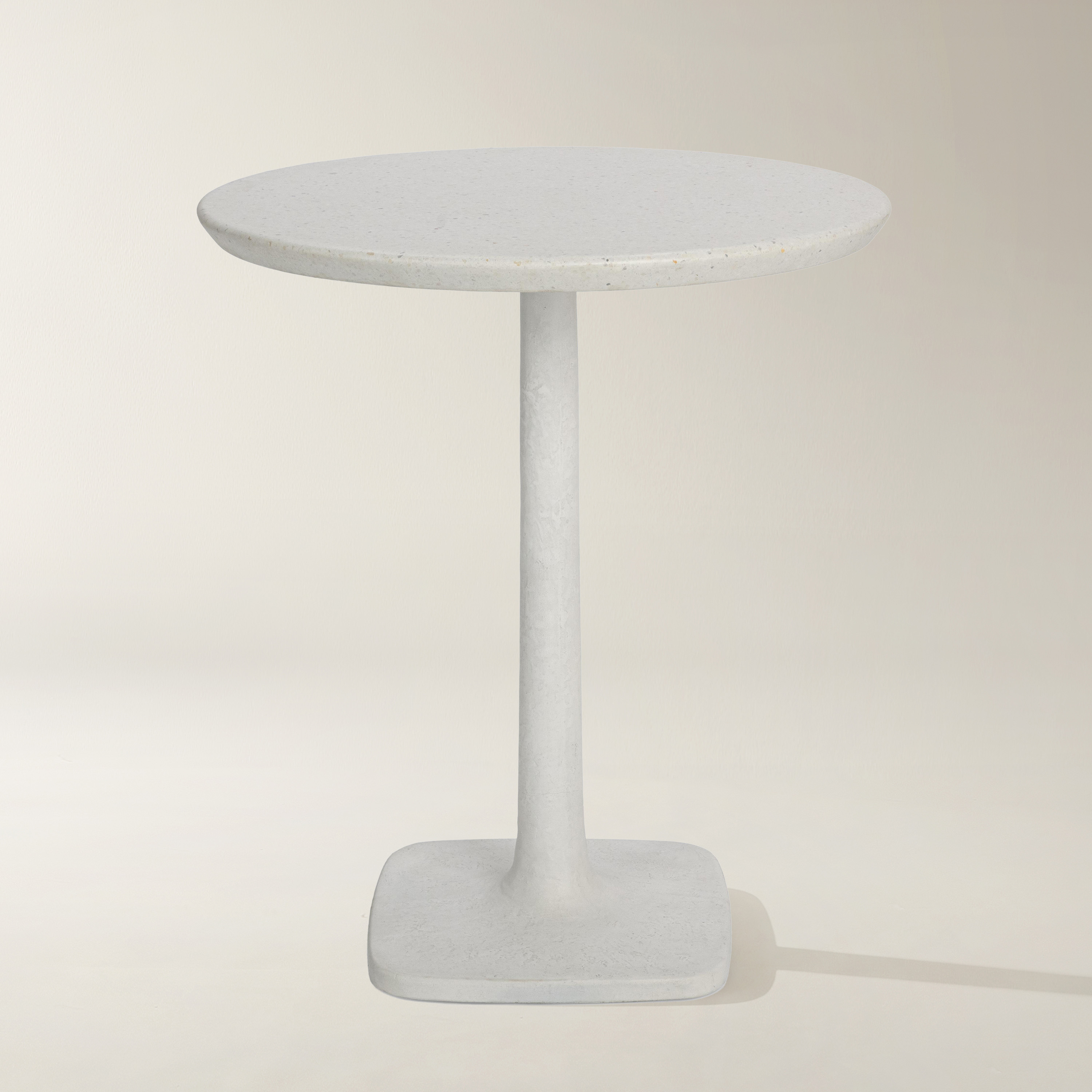
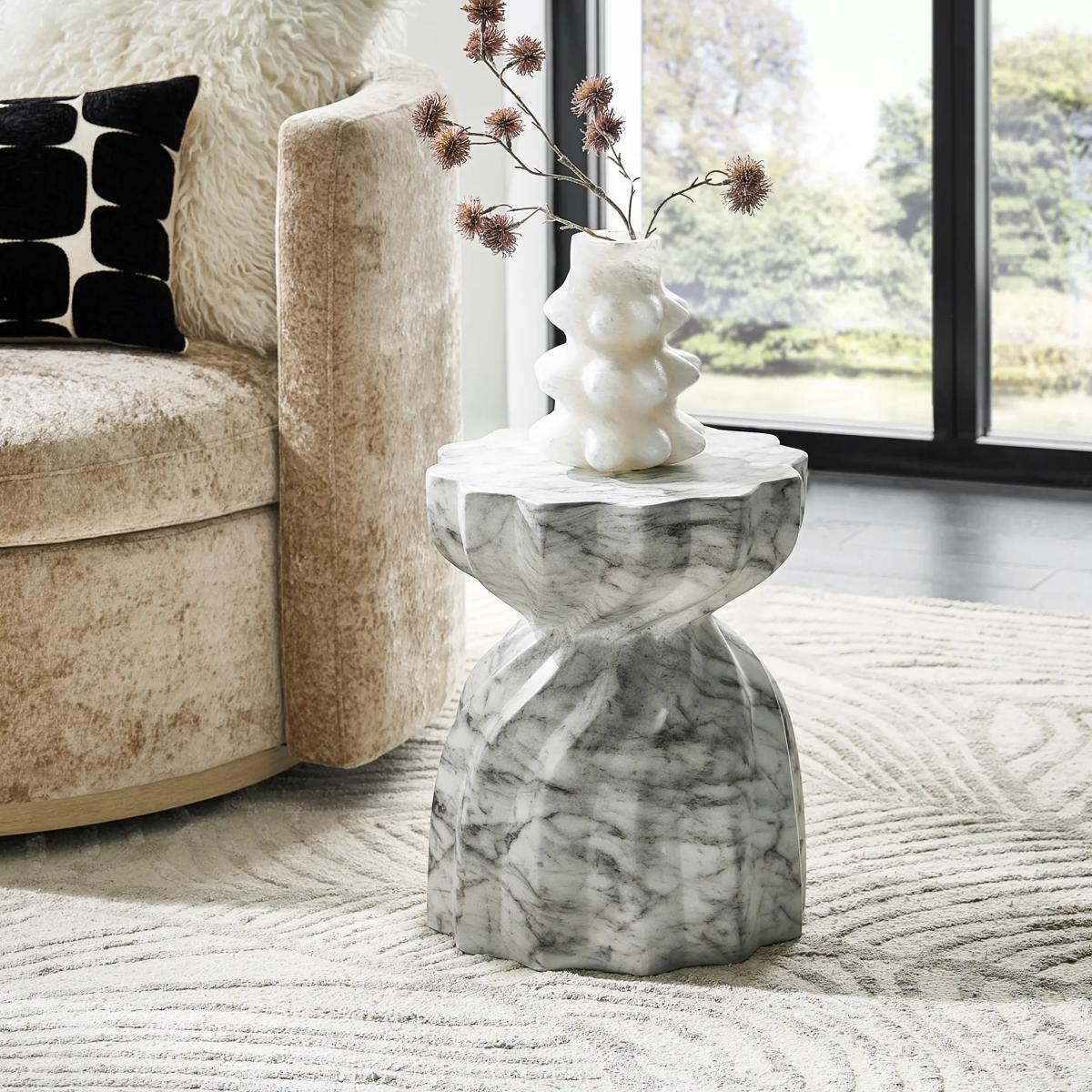 Lithia Scalloped White Concrete Side Table (15")$299
A sculptural white marble-look side table crafted from durable, lightweight fiber concrete for indoor or outdoor use.
Add To Cart -
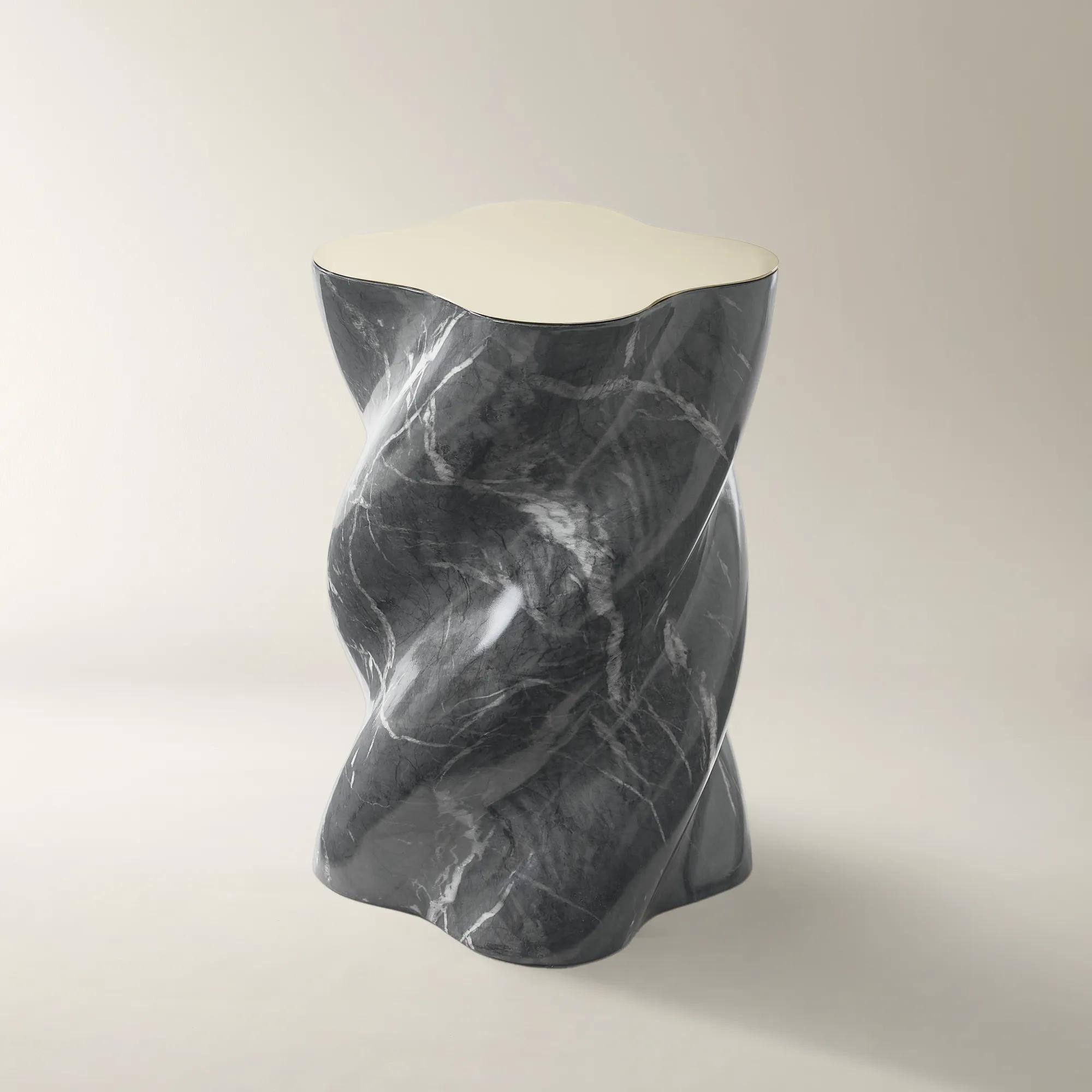 Vega Bvlgary Black Concrete Side Table With Stainless Steel Top (13.8")$459
A sculptural black side table featuring a marble-inspired fiber-concrete base and removable stainless steel top.
Add To Cart -
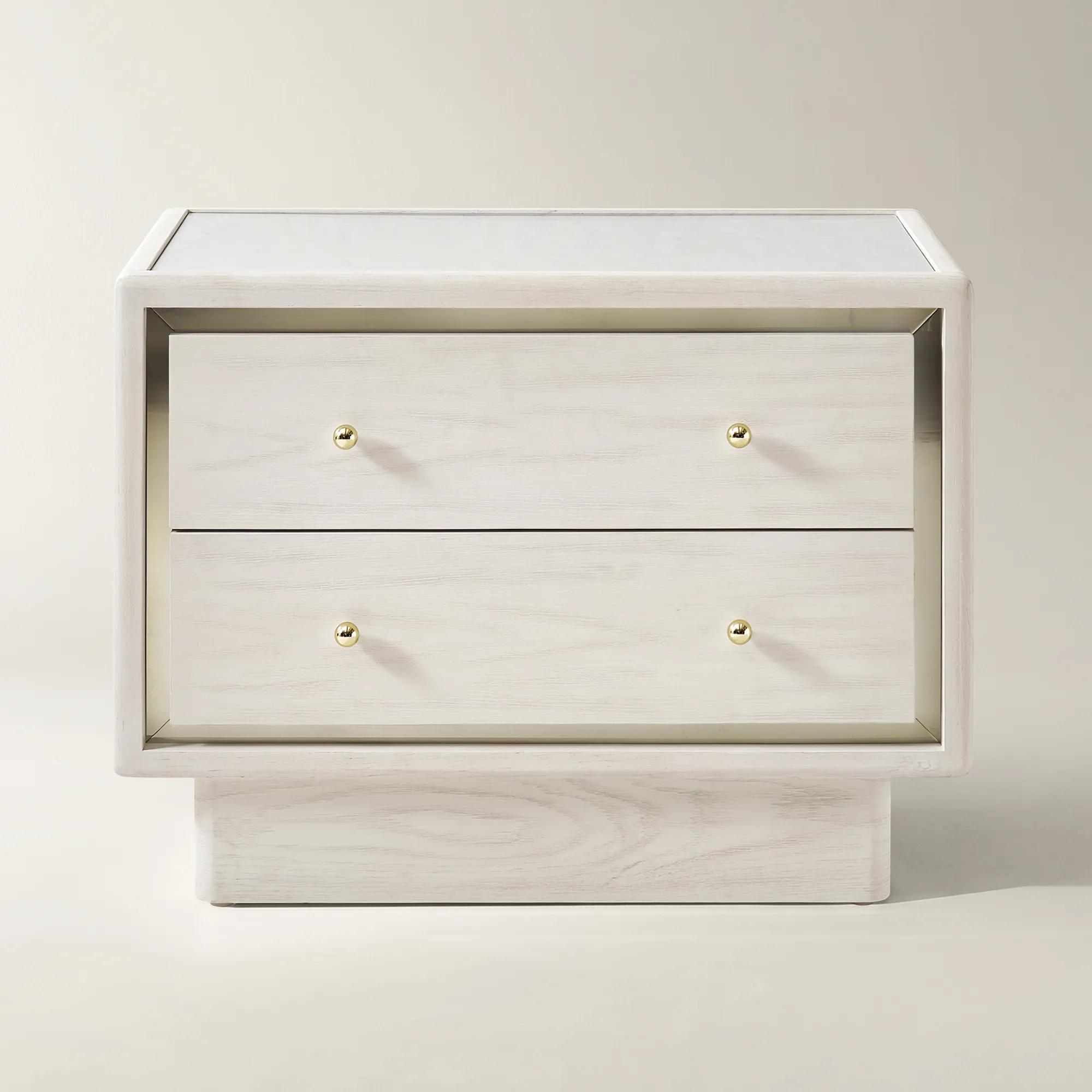
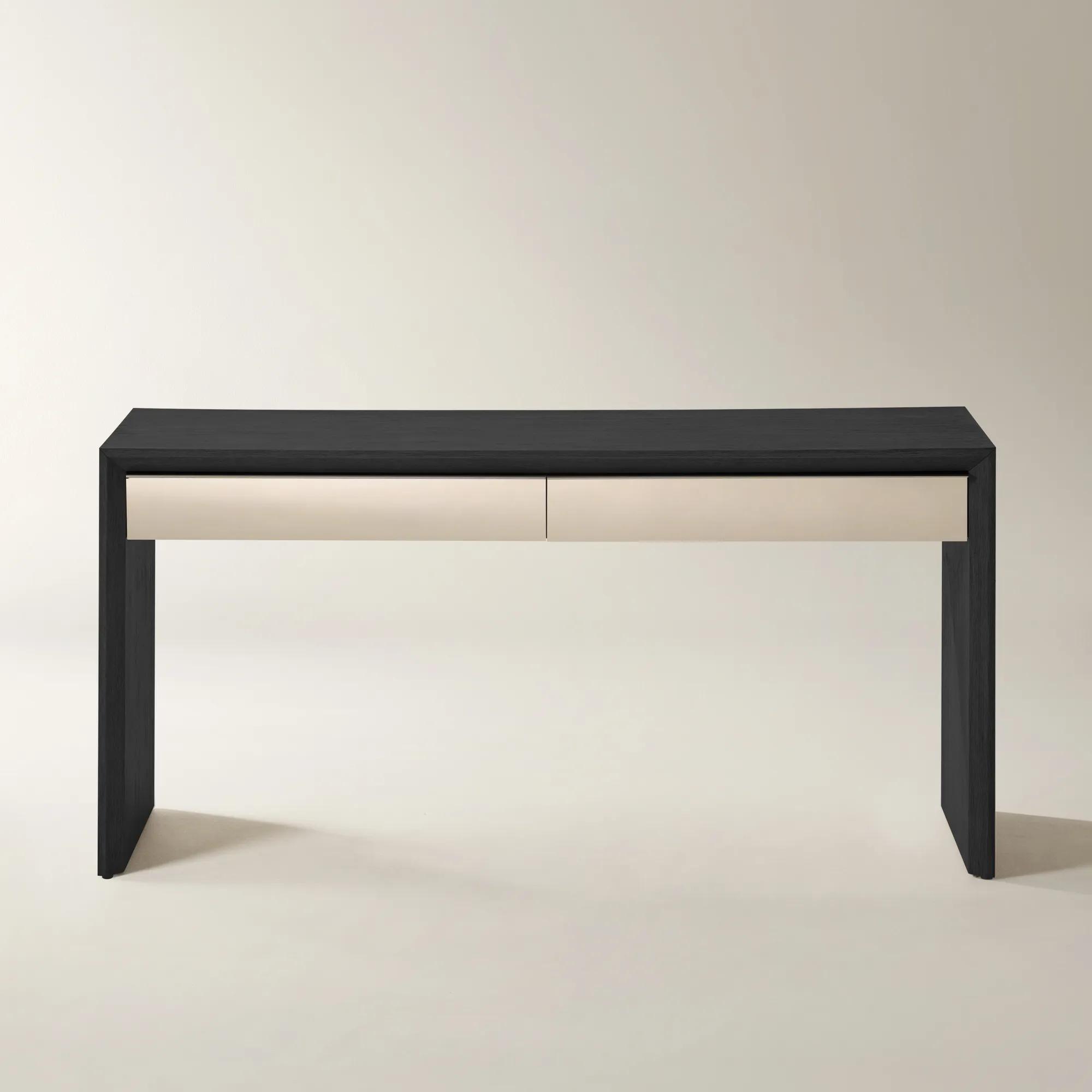
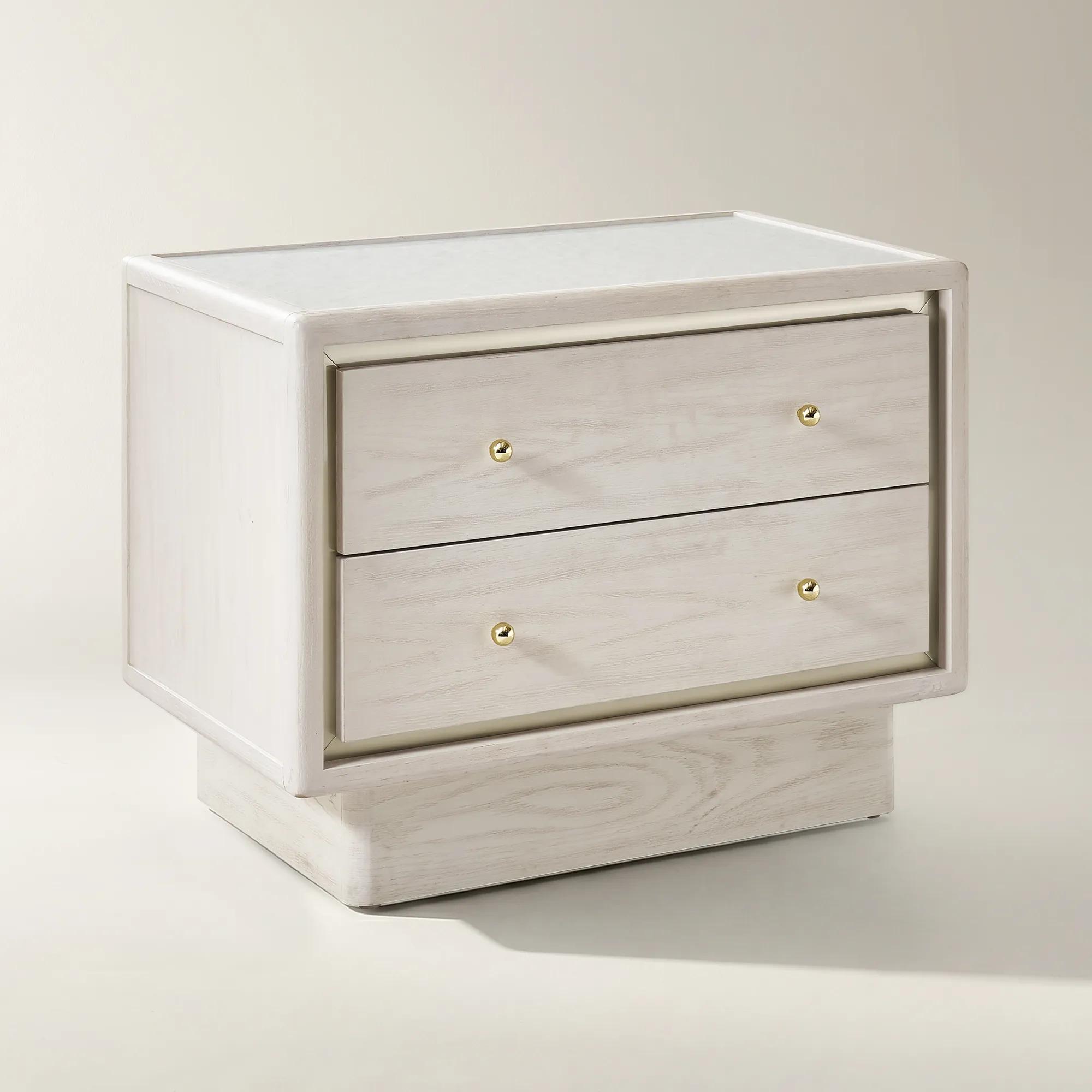 Lumina Bleached Oak 2-Drawer Nightstand With Pearl Lacquered Top (32")$999
A bleached oak nightstand featuring a pearl lacquered top, champagne gold trim, and soft-close drawers.
Add To Cart -
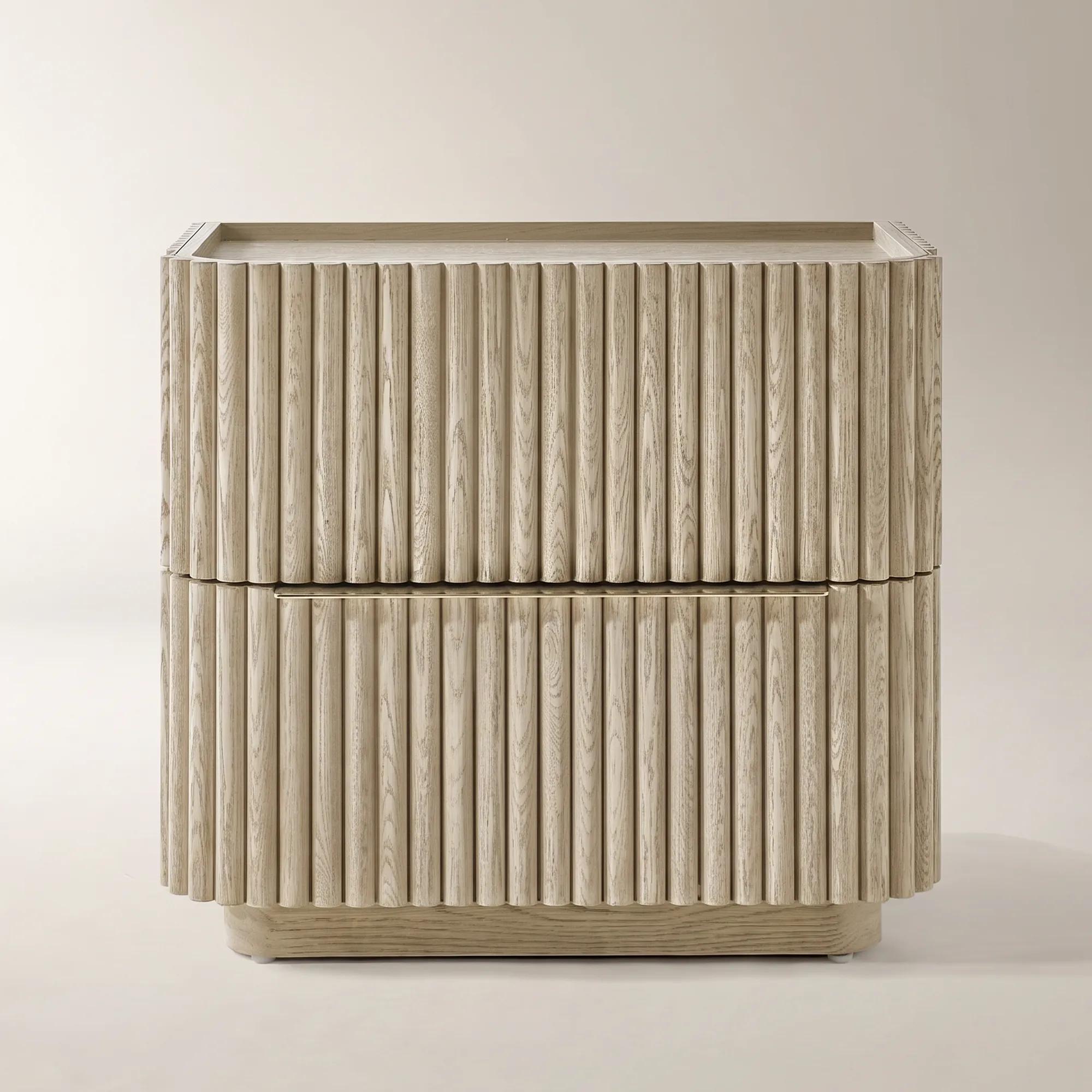
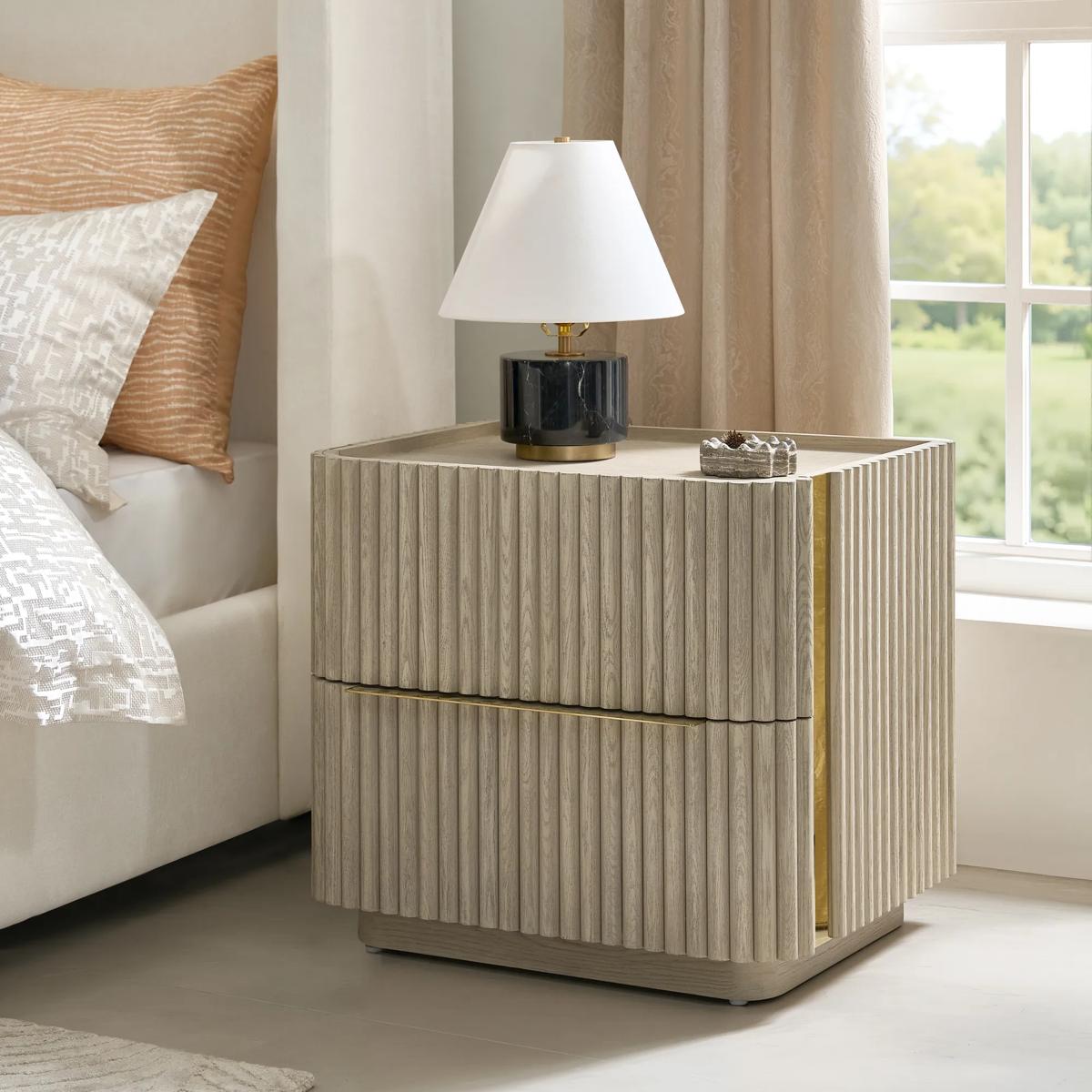 Stria Reeded White Oak 2-Drawer Nightstand (26")$899
A sculptural oak nightstand with reeded wood details, gold-plated trim, and soft-close felt-lined drawers.
Add To Cart -
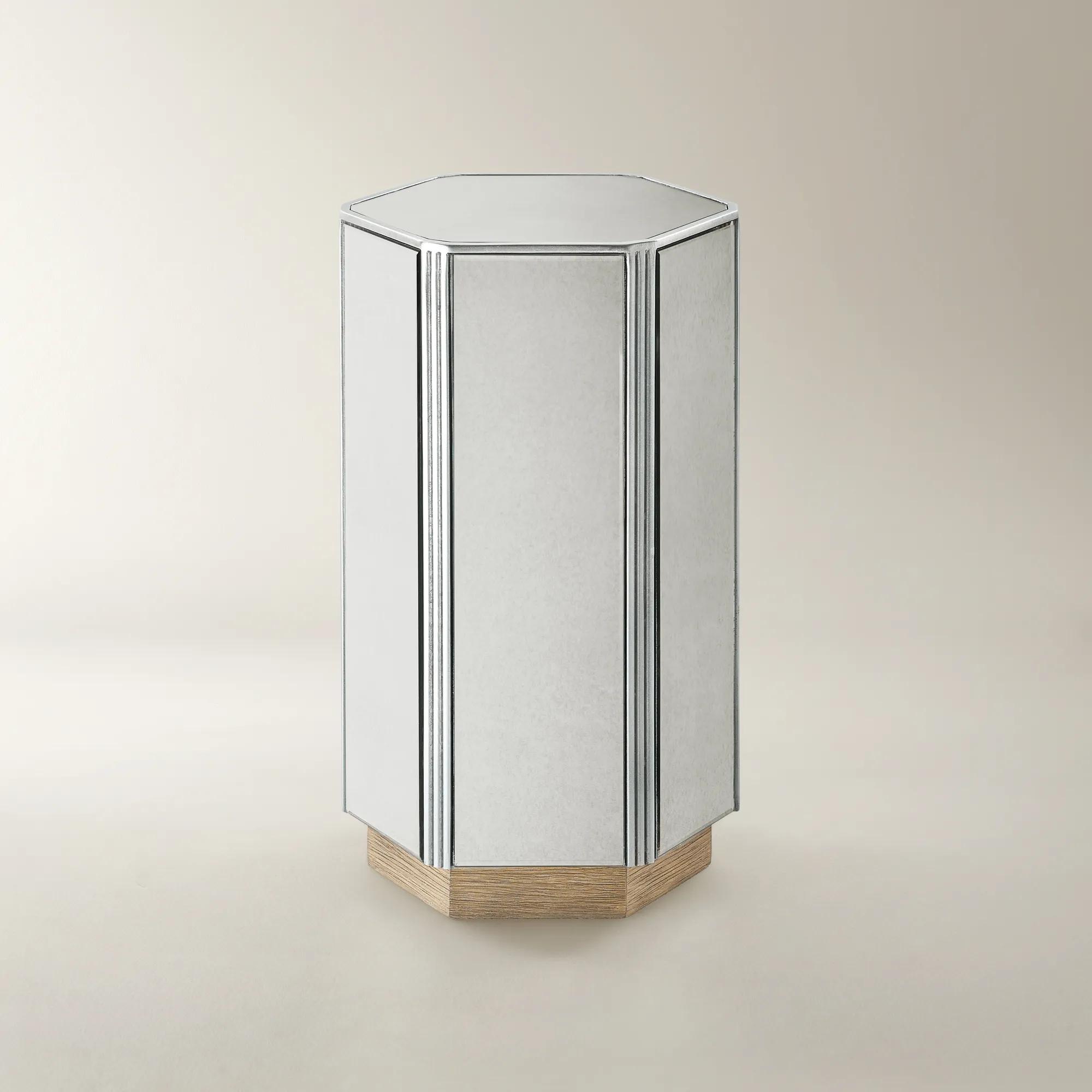 Glimmer Silver Mirrored End Table (12")$399
A chic side table featuring an antique silver mirror top and warm oak veneer base with handcrafted details.
Add To Cart -
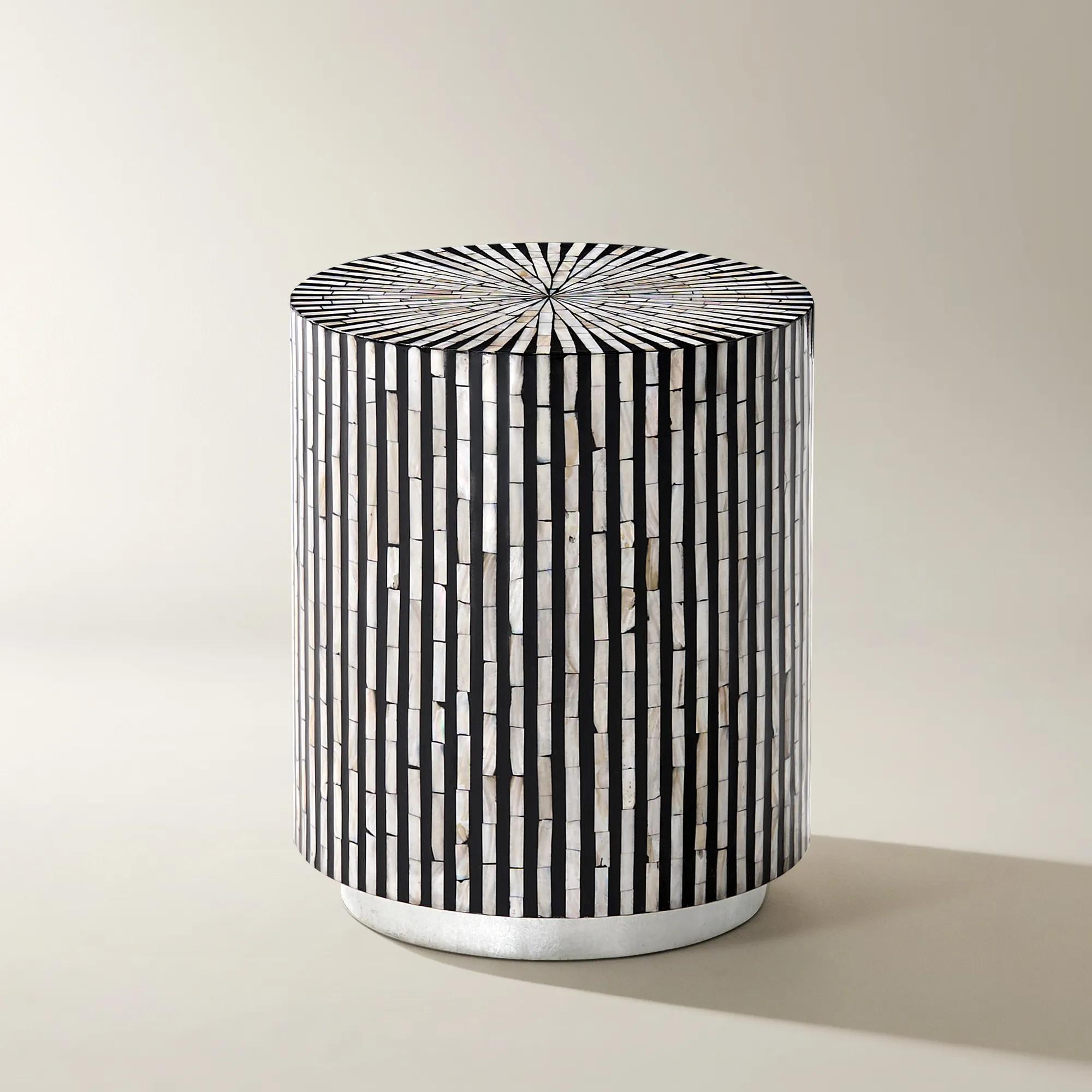
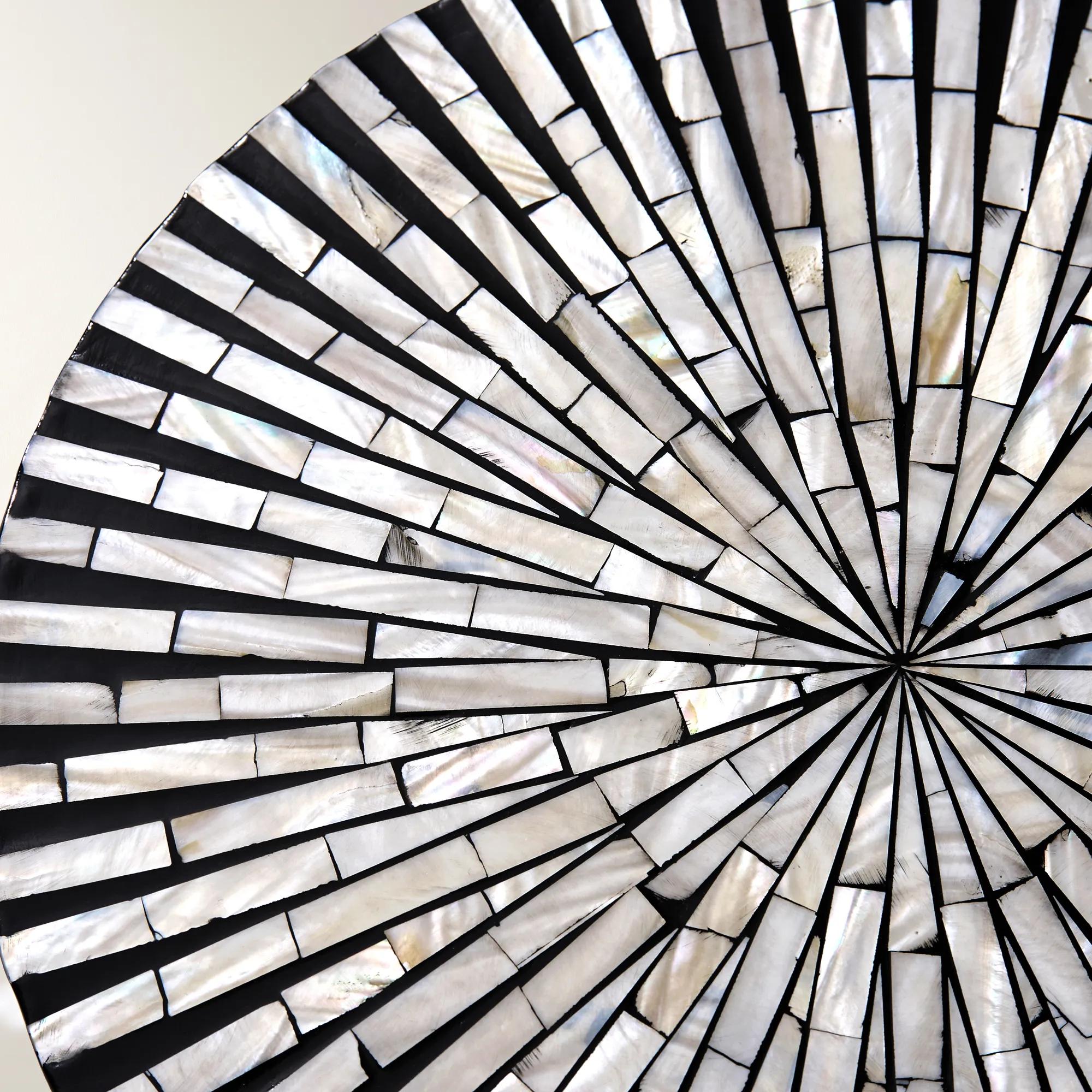 Marina Round Mosaic Black End Table (13.75")$299
A sculptural black end table featuring hand-applied mother-of-pearl mosaic and a silver leaf–accented base.
Add To Cart -
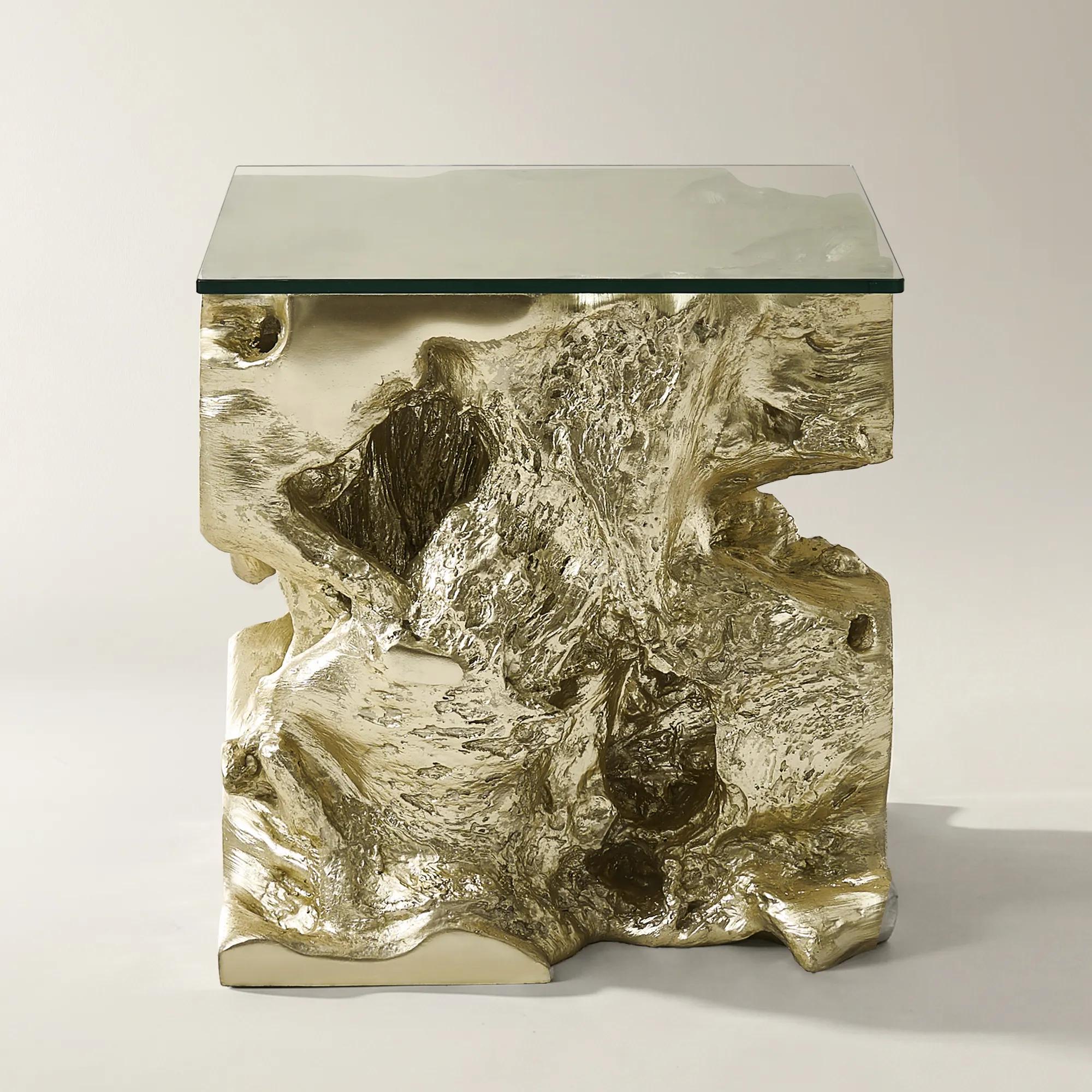 Sequoia Champagne Gold Resin End Table With Glass Top (22")$999
A sculptural resin end table with a champagne gold leaf finish and a clear tempered glass top.
Add To Cart -
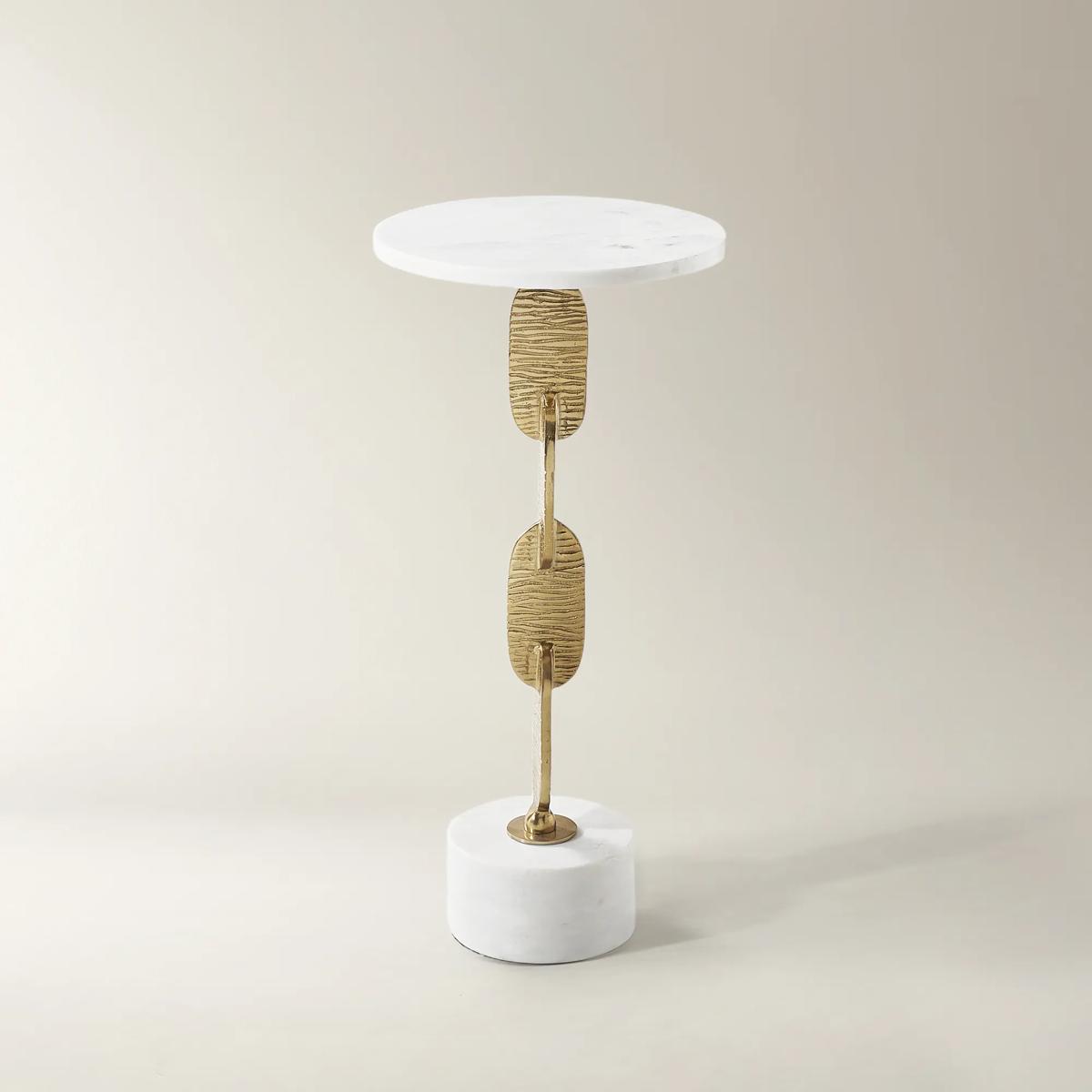
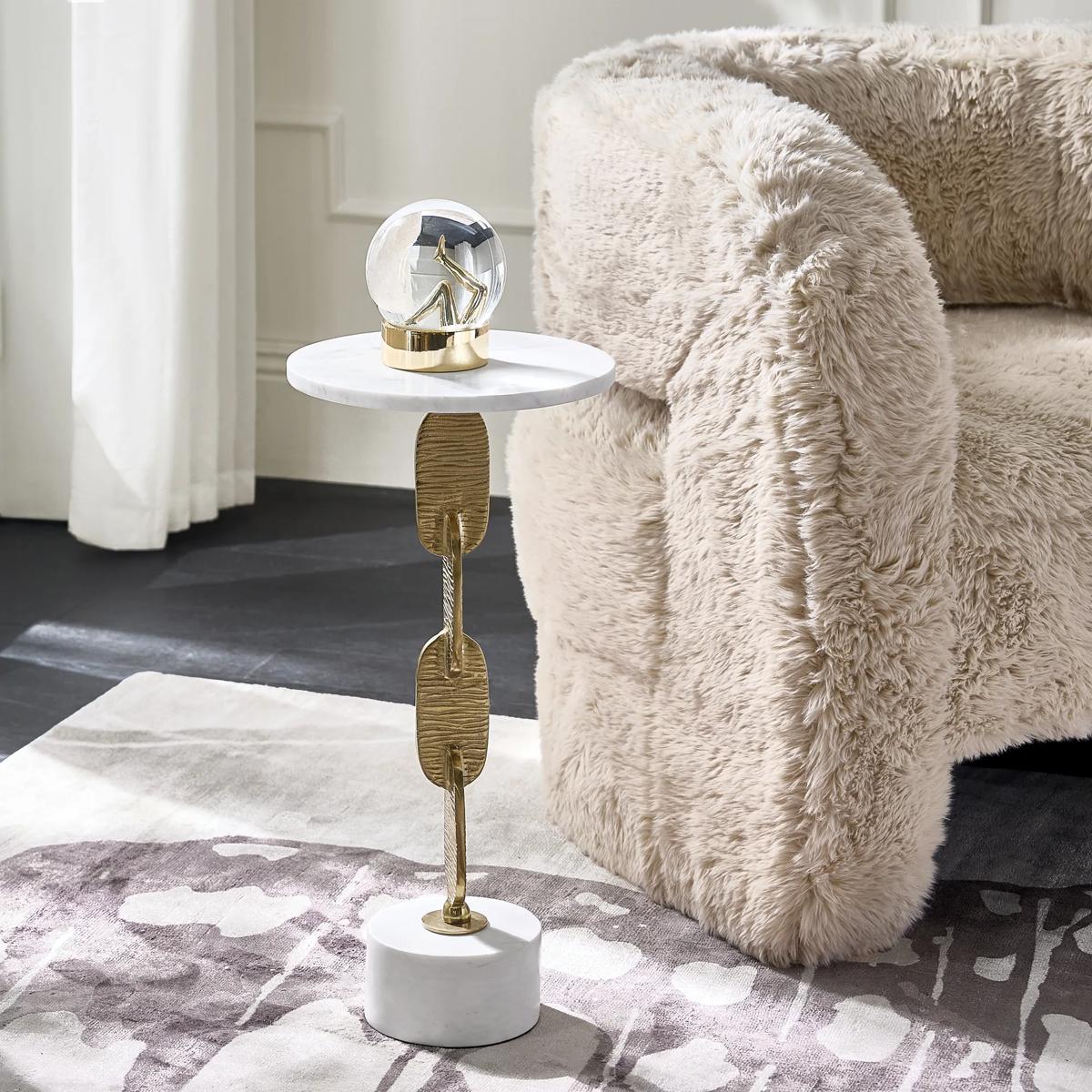 Luna Round White Marble Side Table (11.25")$199
A sculptural side table featuring a genuine white marble top and an open gold-finished metal frame.
Add To Cart -
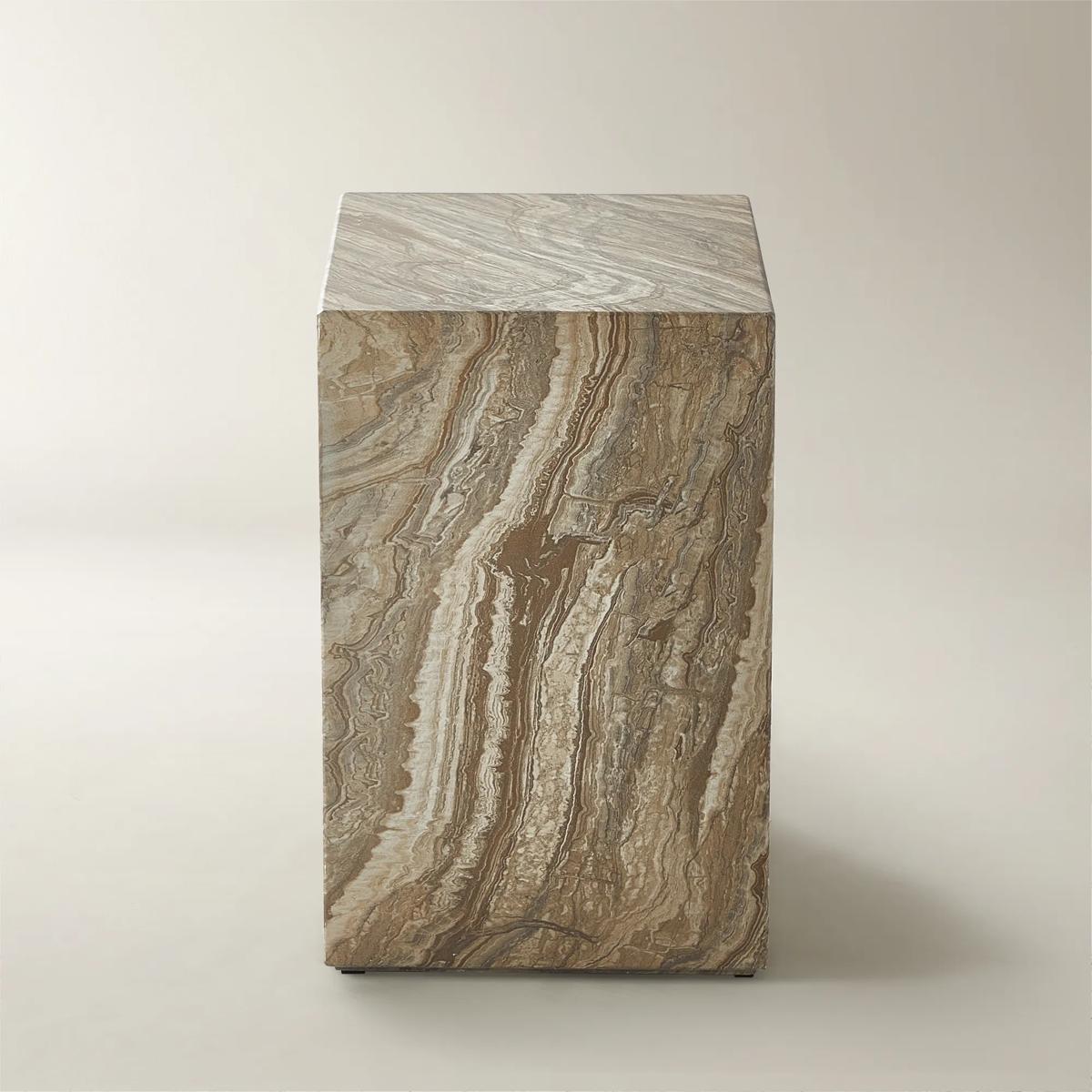
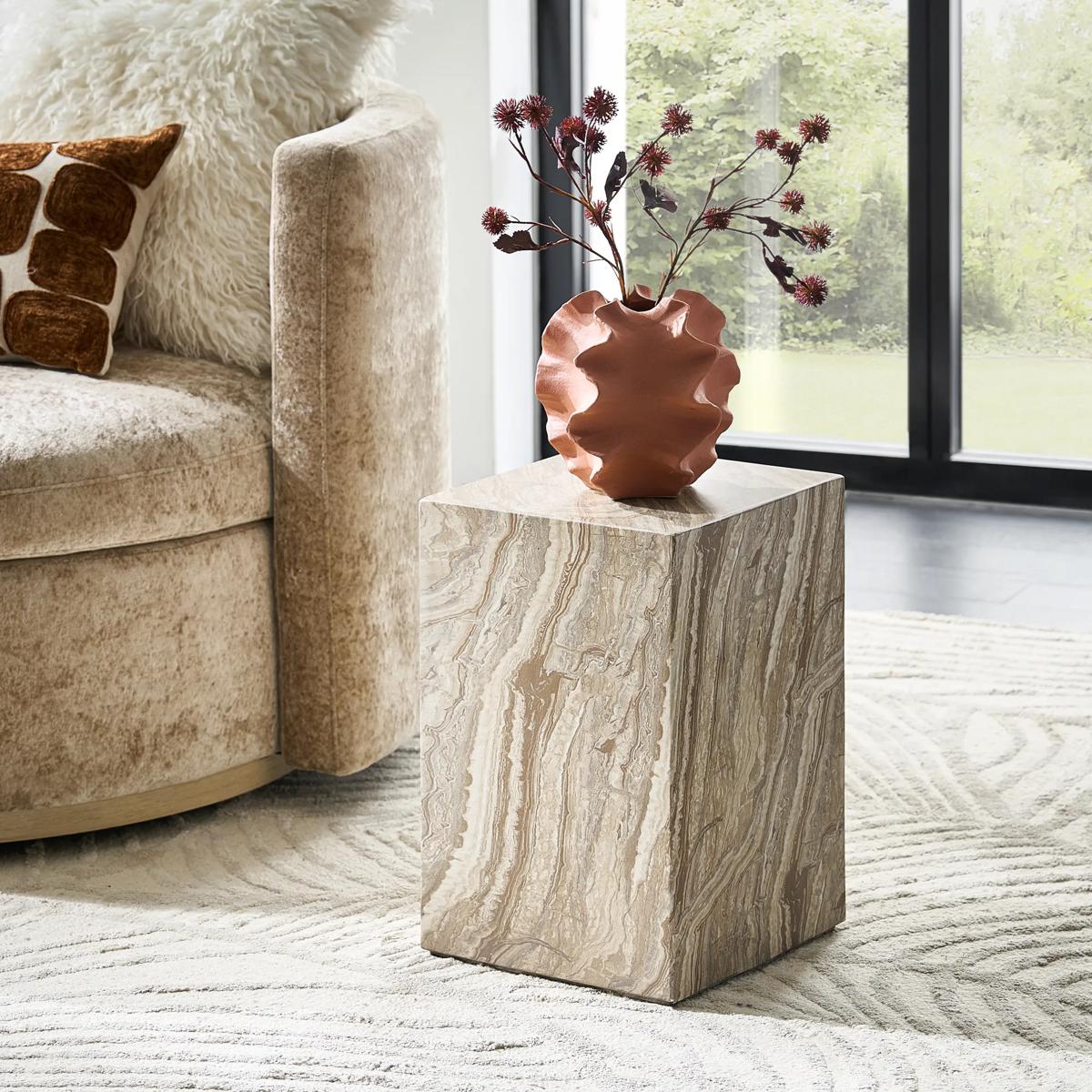 Strata Square Brown Concrete Side Table (11.8")$259
A lightweight fiber concrete side table featuring realistic brown marble veining and sealed for indoor or outdoor use.
Add To Cart -
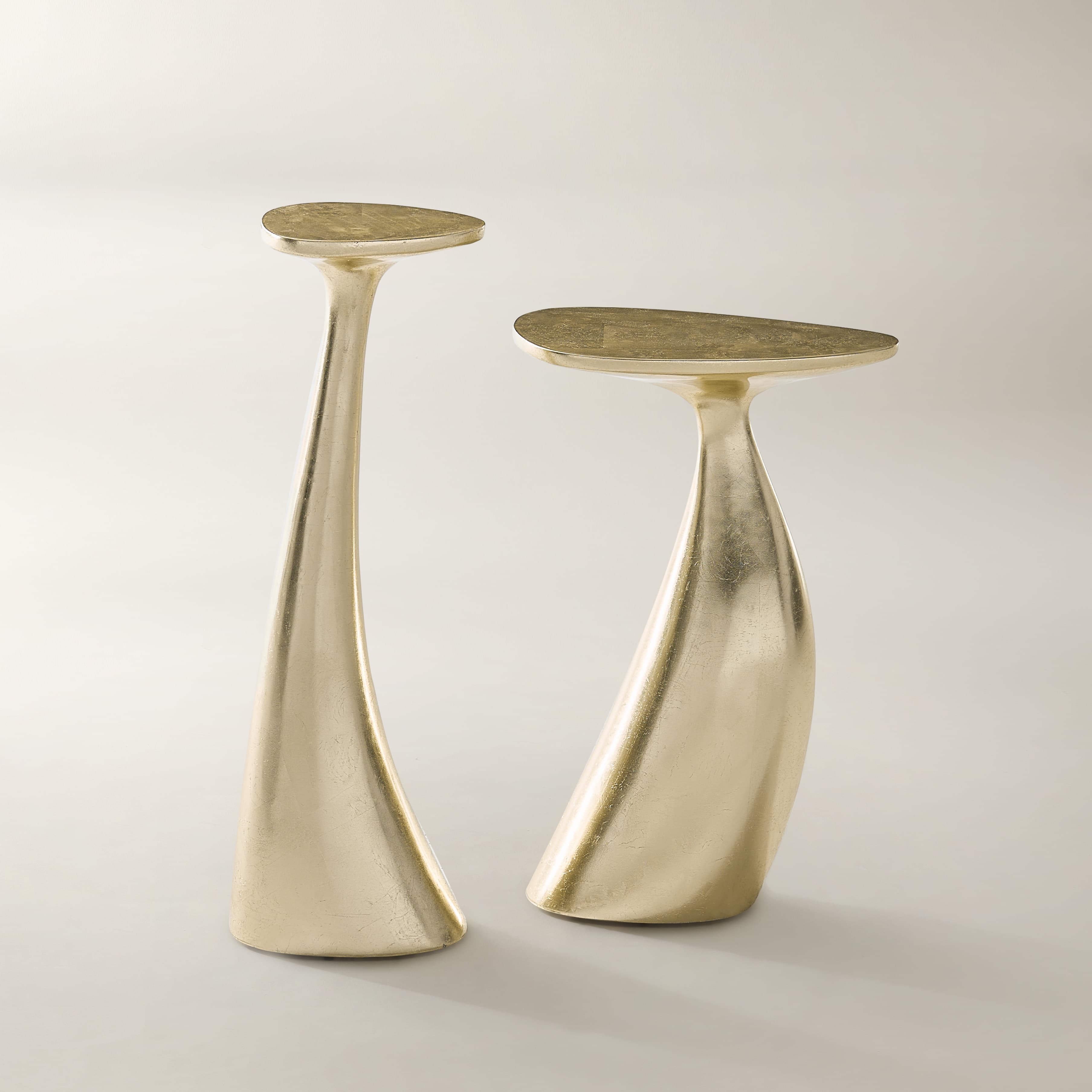 Thalia Soft Gold Side Table Set Of 2 (8"-12.5")$659
A sculptural duo of gold leaf fiberglass tables with fluid lines and a warm, luminous finish.
Add To Cart -
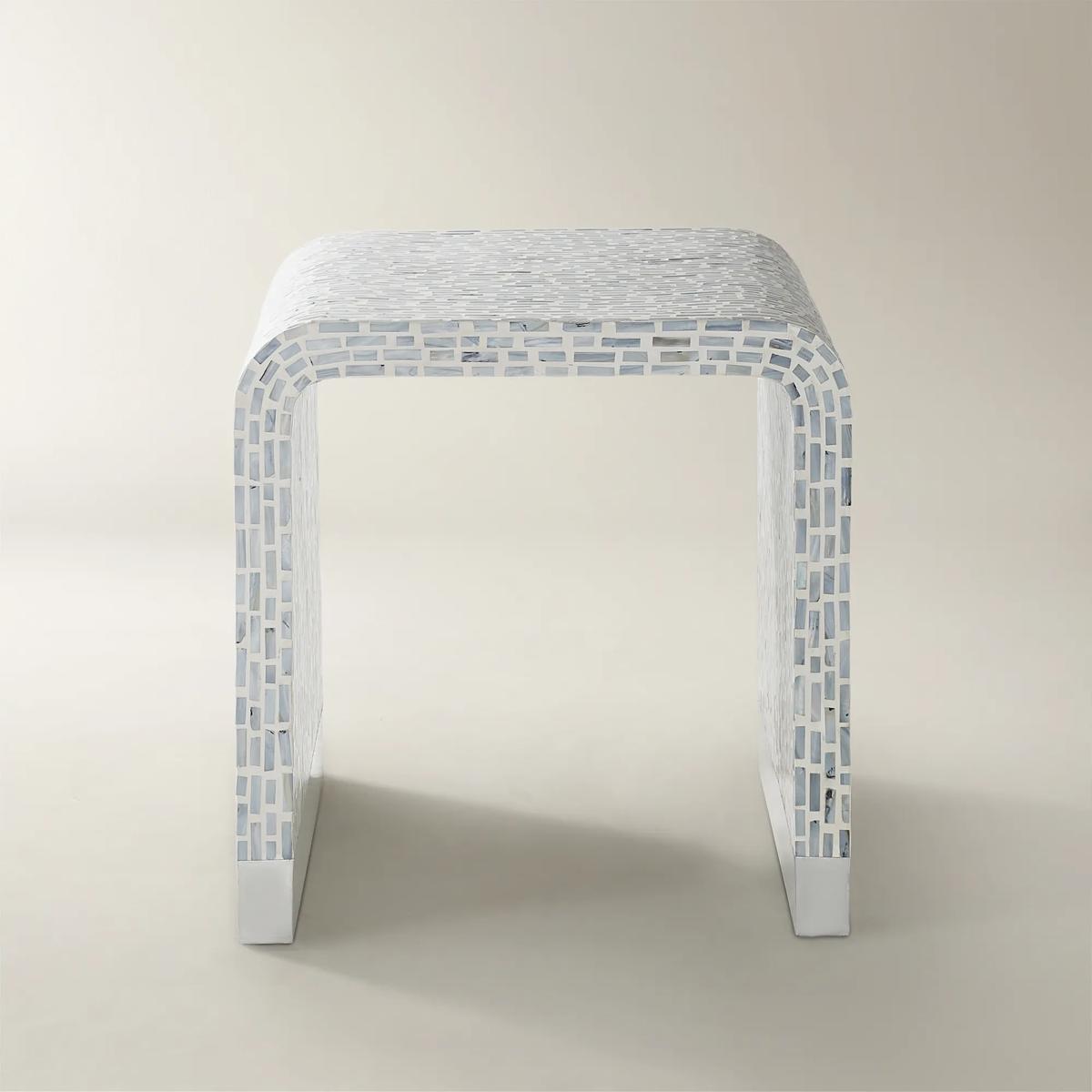
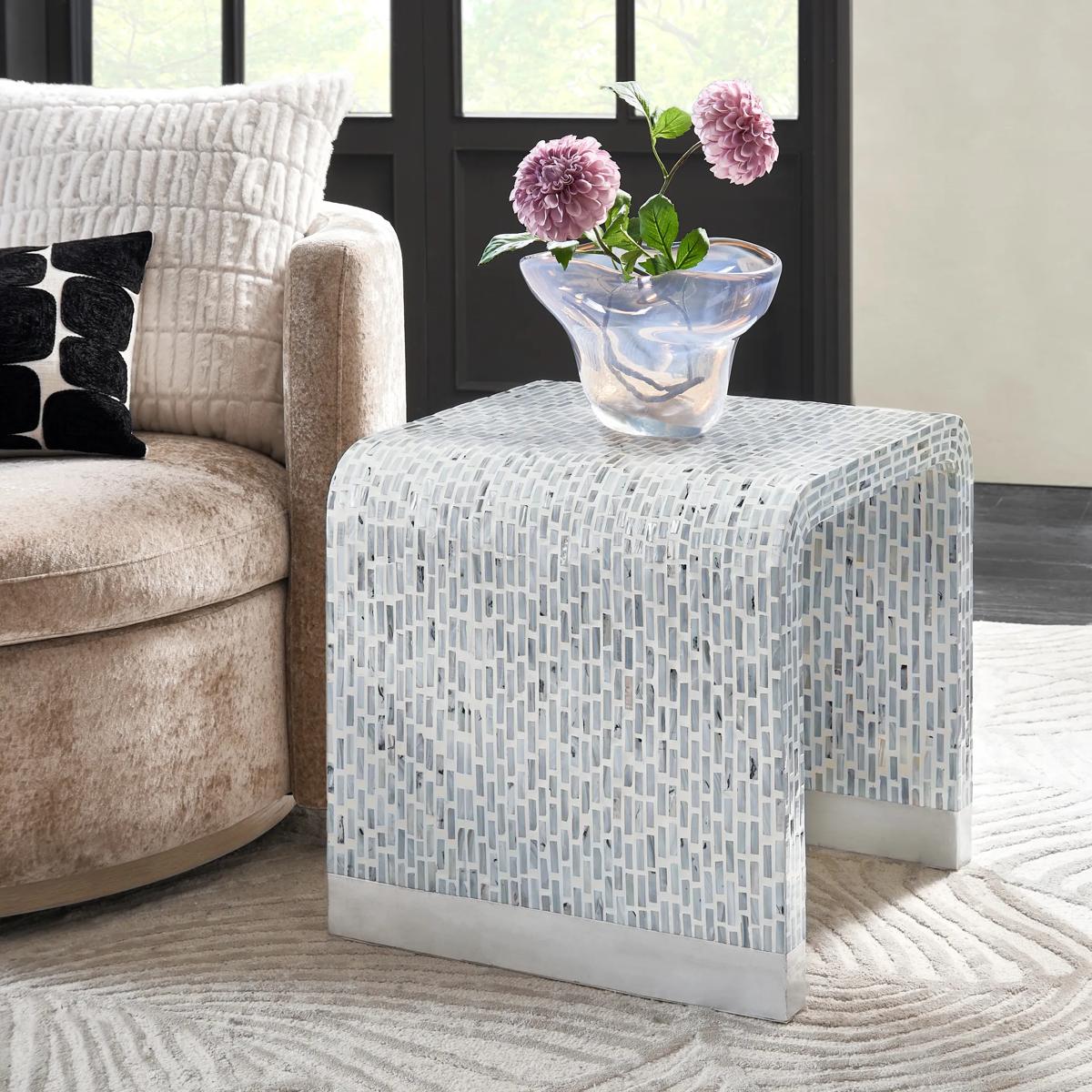 Iridia Blue Side Table (21.6")$399
A handcrafted end table featuring iridescent blue mother-of-pearl inlay and a silver leaf base.
Add To Cart -
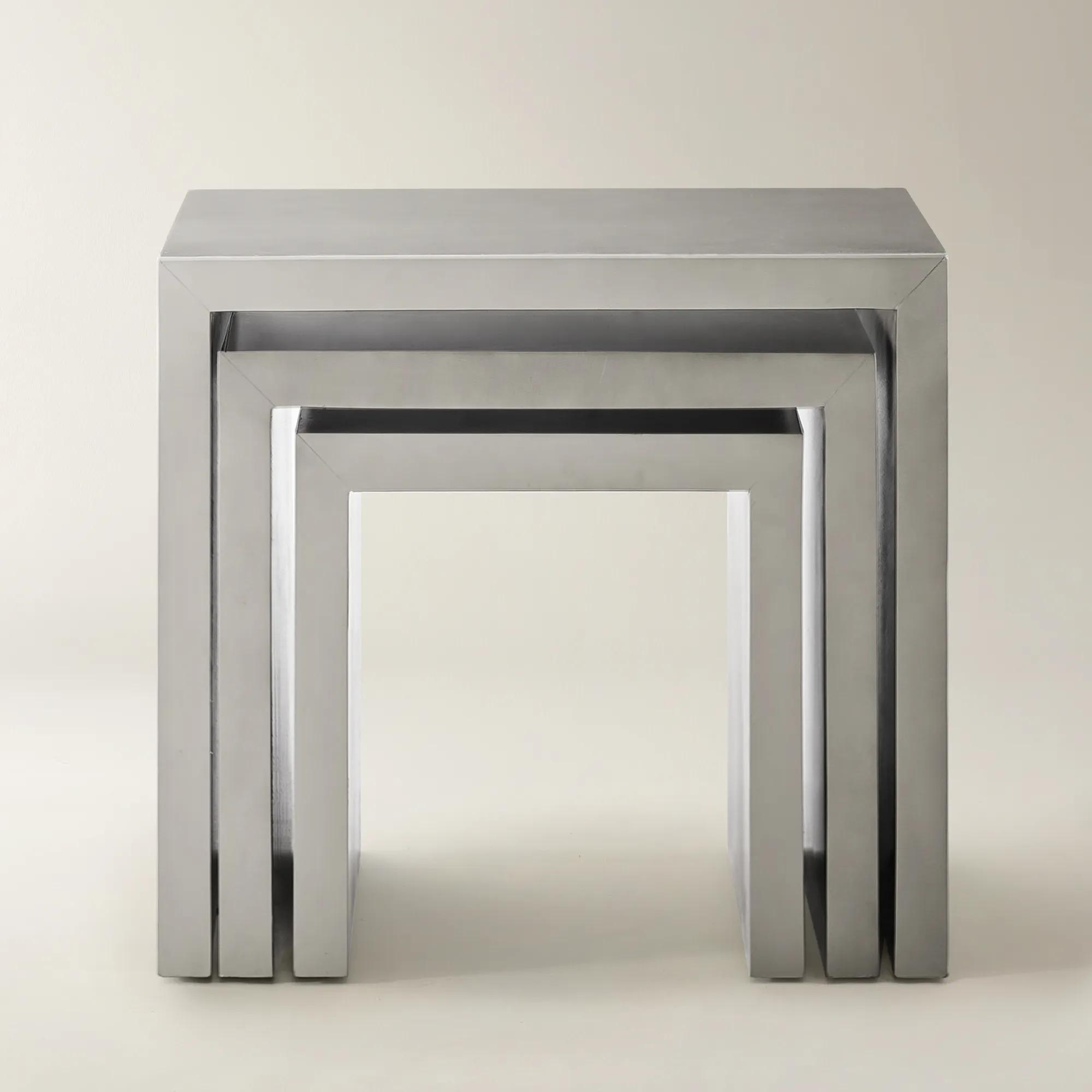
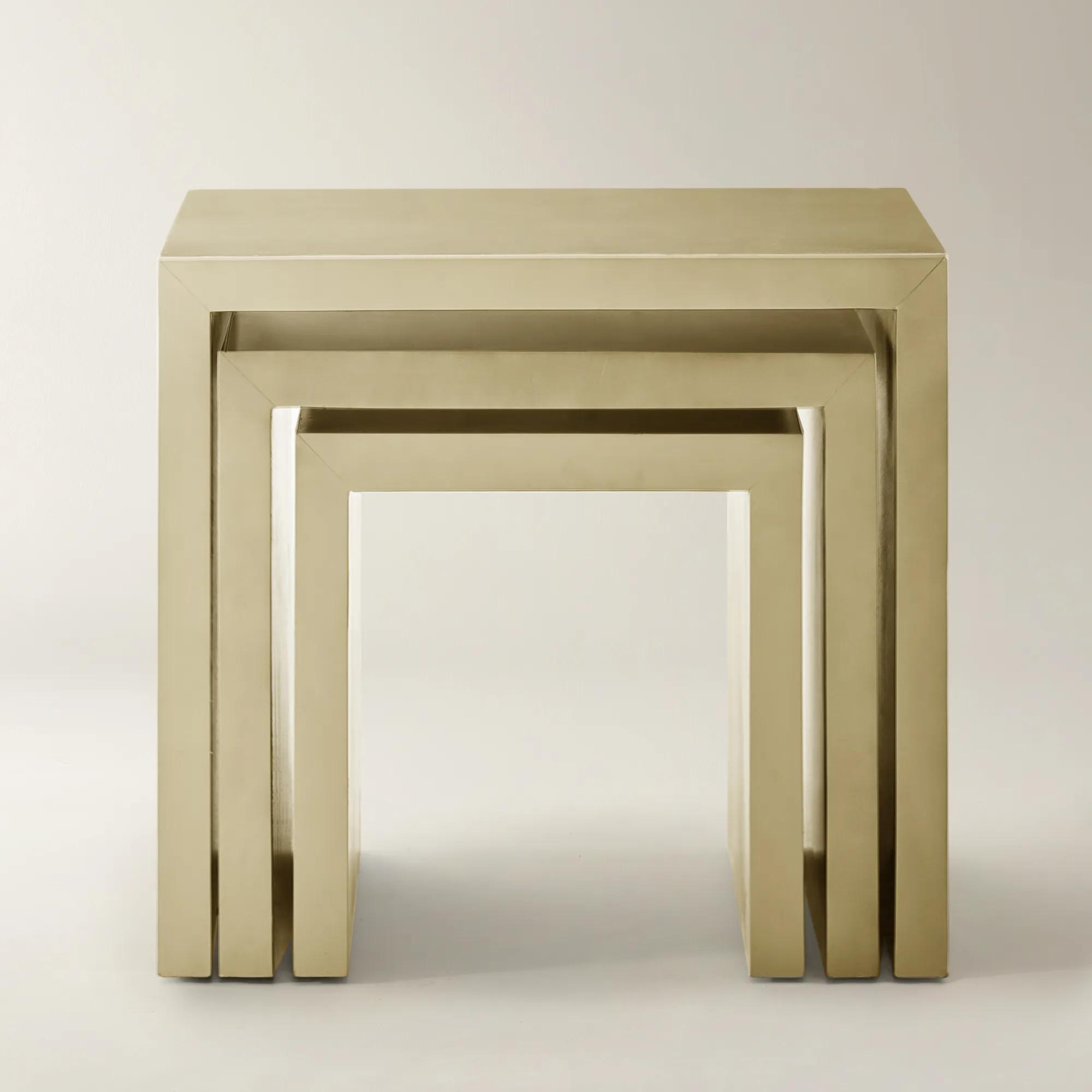
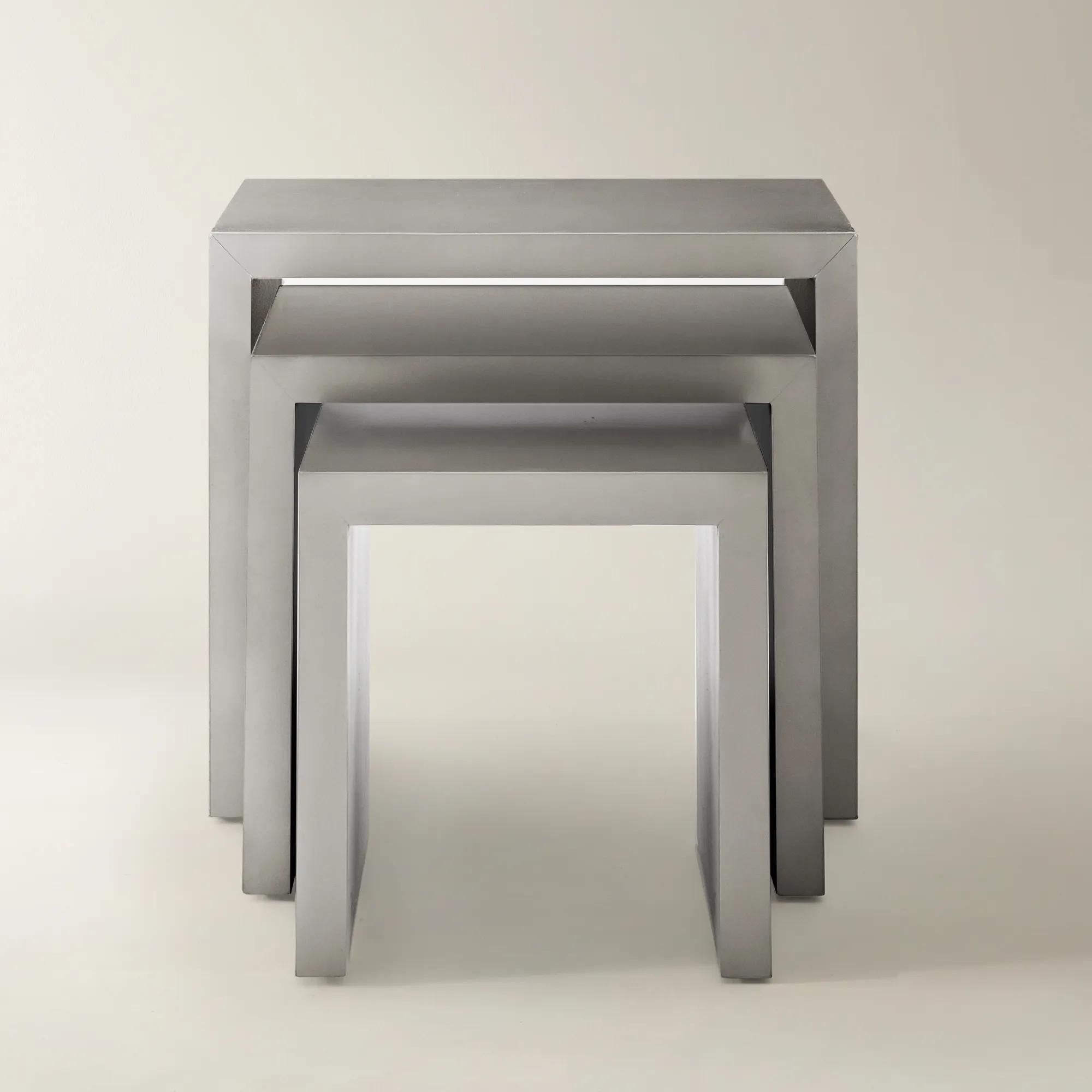 Astair Silver Nesting Accent Table Set Of 3 (16.25"-25.5")$299
A trio of engineered wood nesting tables with a sleek silver metallic finish and minimalist block silhouette.
Add To Cart -
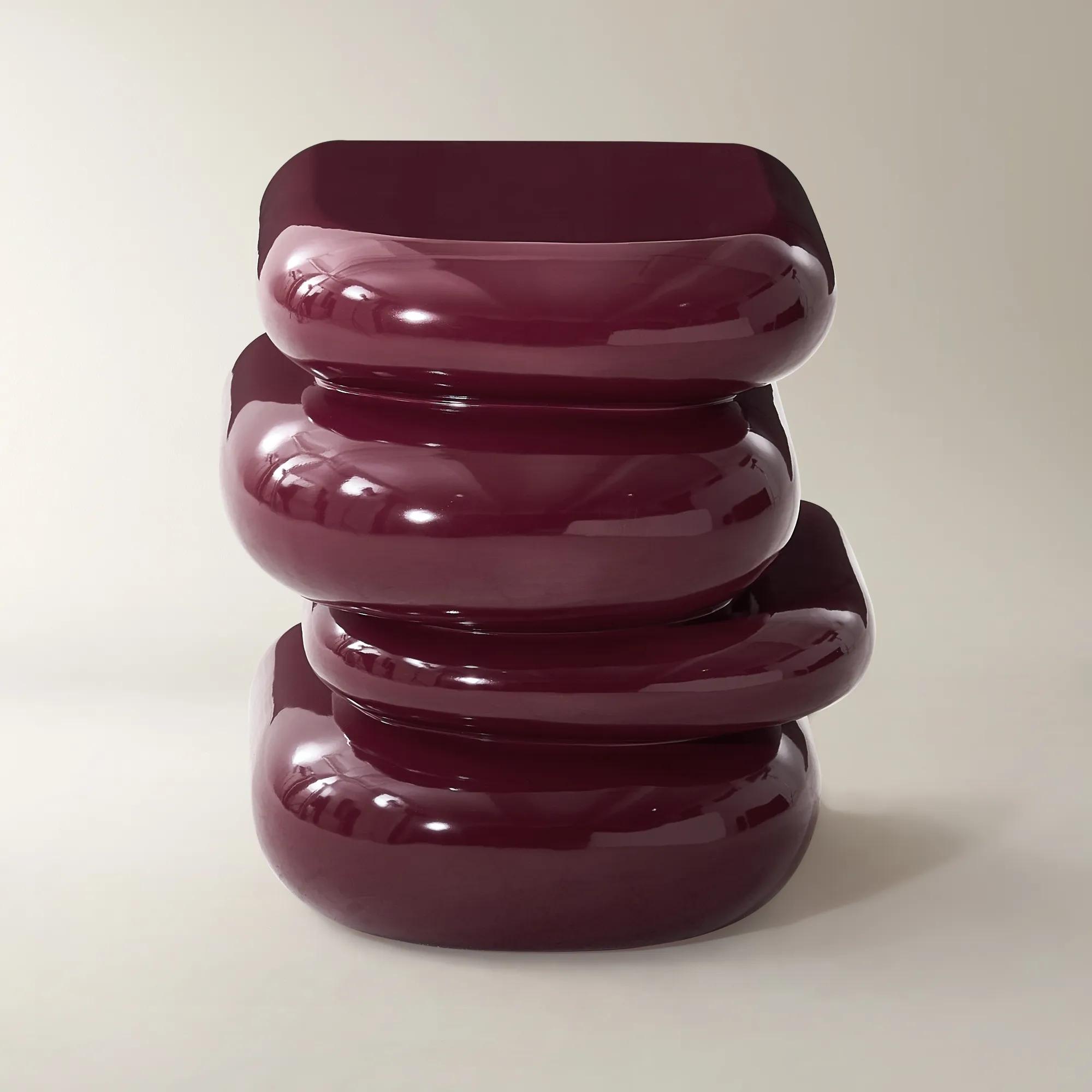 Forma Stacked Ox Blood Side Table (19.9")$459
A sculptural accent table crafted from high-gloss ox blood fiberglass with softly stacked, rounded tiers.
Add To Cart -
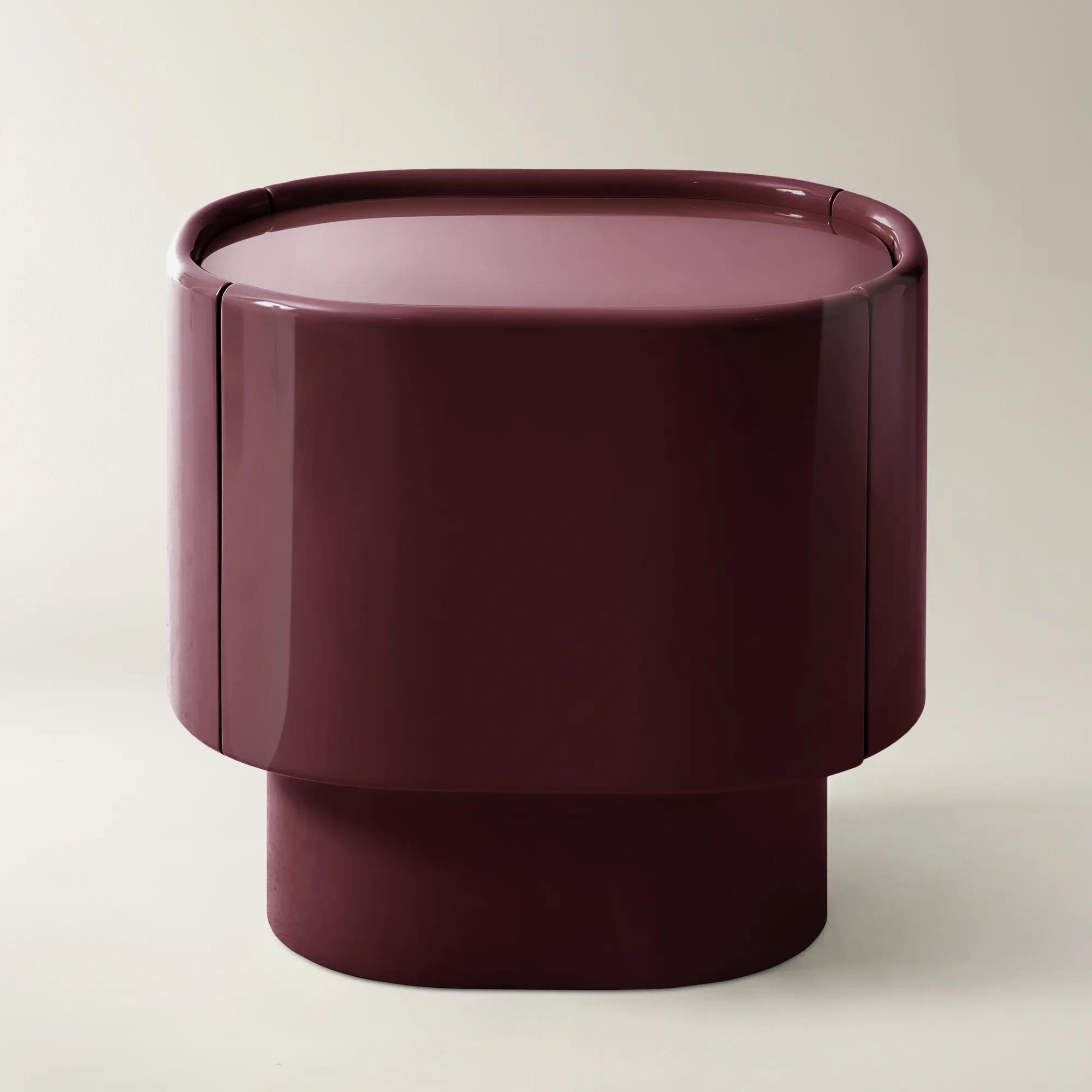 Velar Lacquered Ox Blood 1-Drawer Nightstand With Glass Top (24")$649
A sculptural ox blood nightstand featuring a high-gloss lacquer finish and a sleek glass top.
Add To Cart -
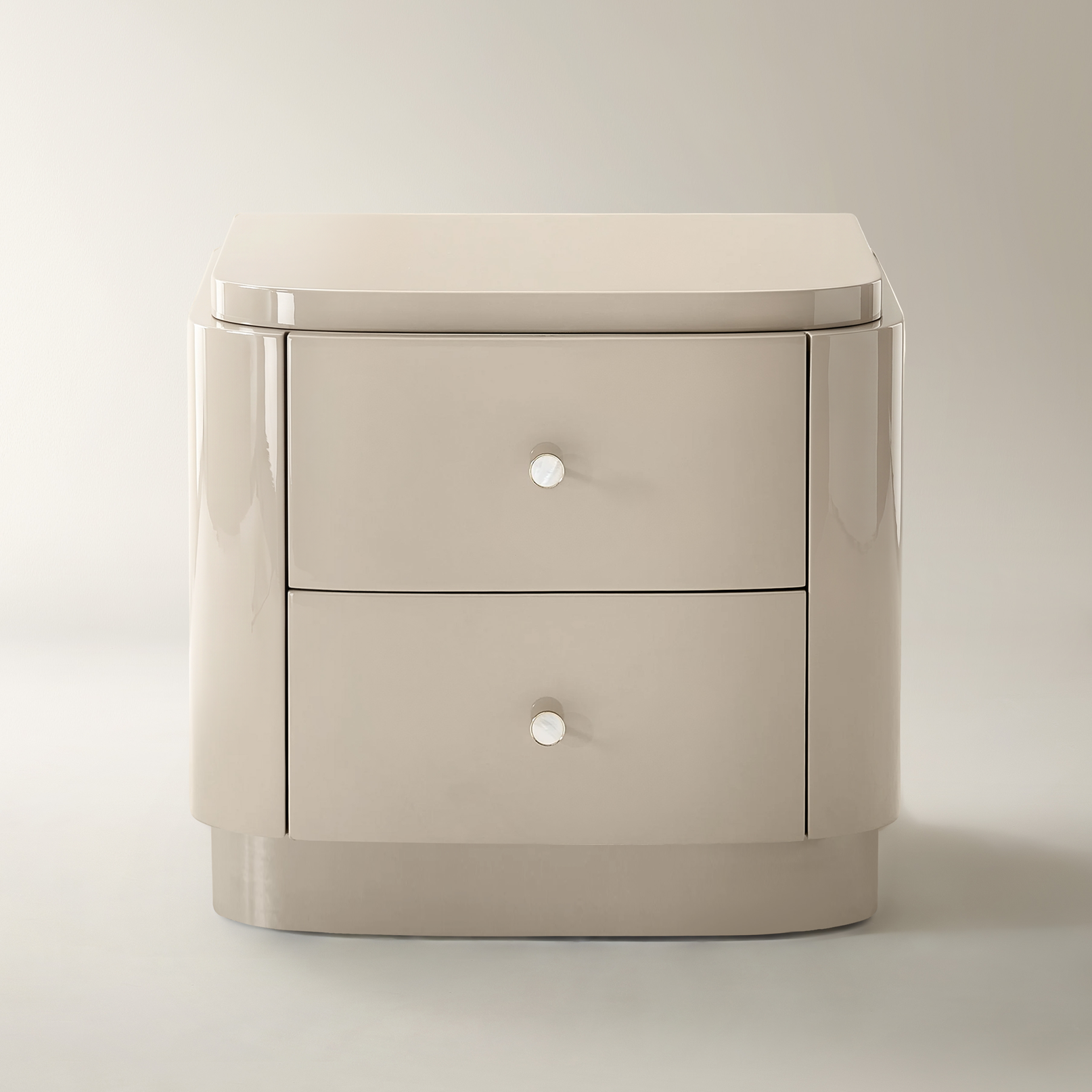
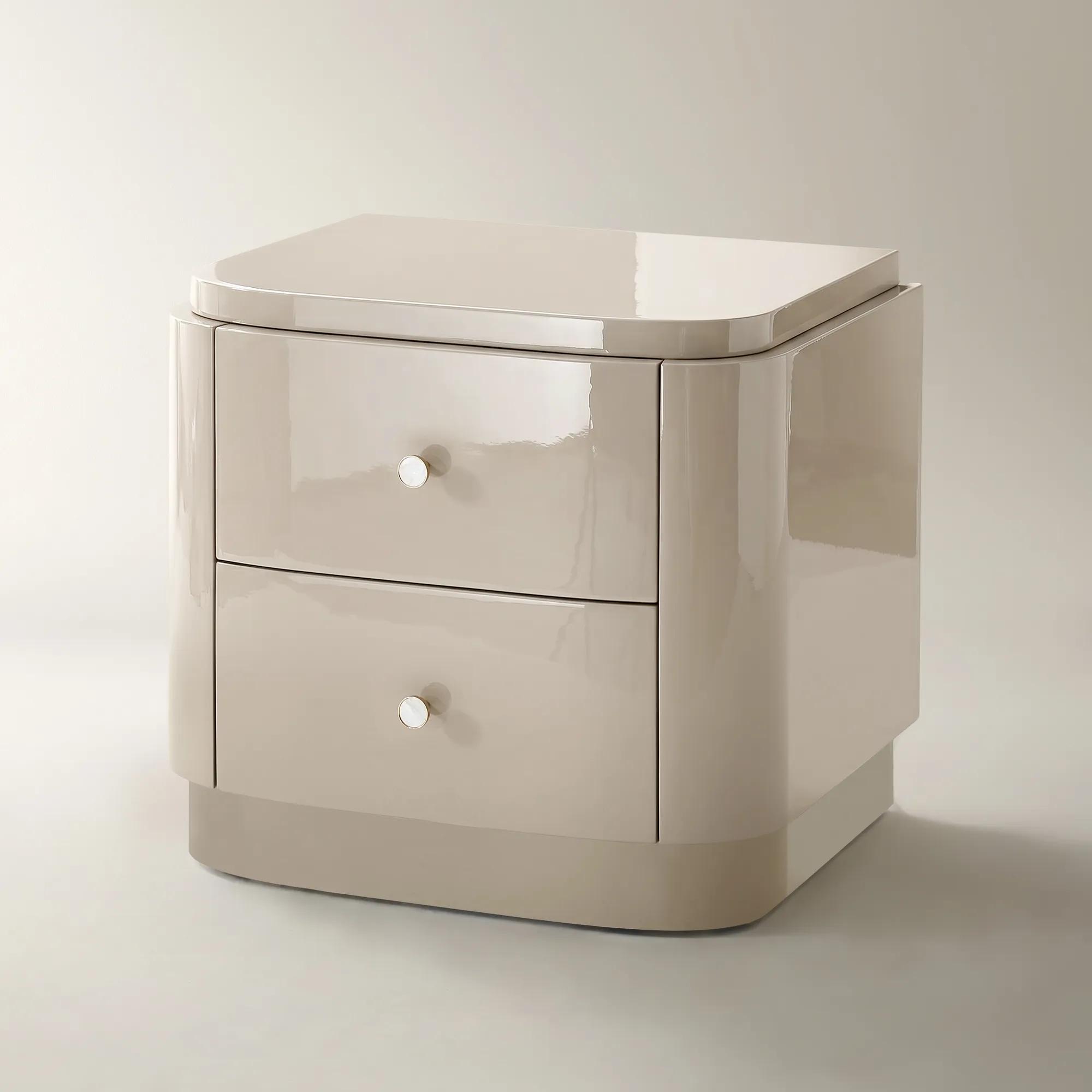 Nia Lacquered Turtle Dove 2-Drawer Nightstand (26")$599
A softly sculpted nightstand in turtle dove lacquer with pearlescent handles and two soft-close drawers.
Add To Cart -
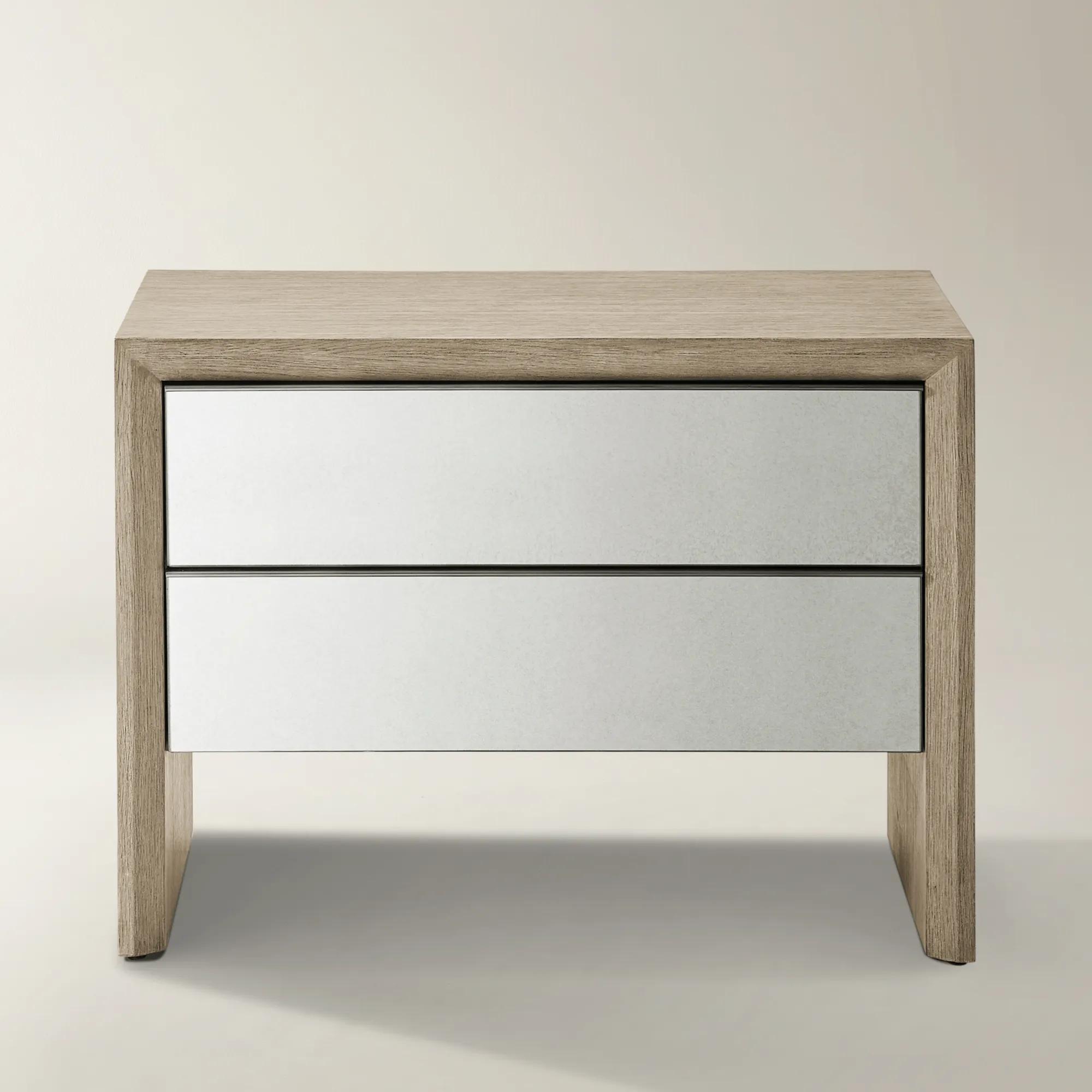
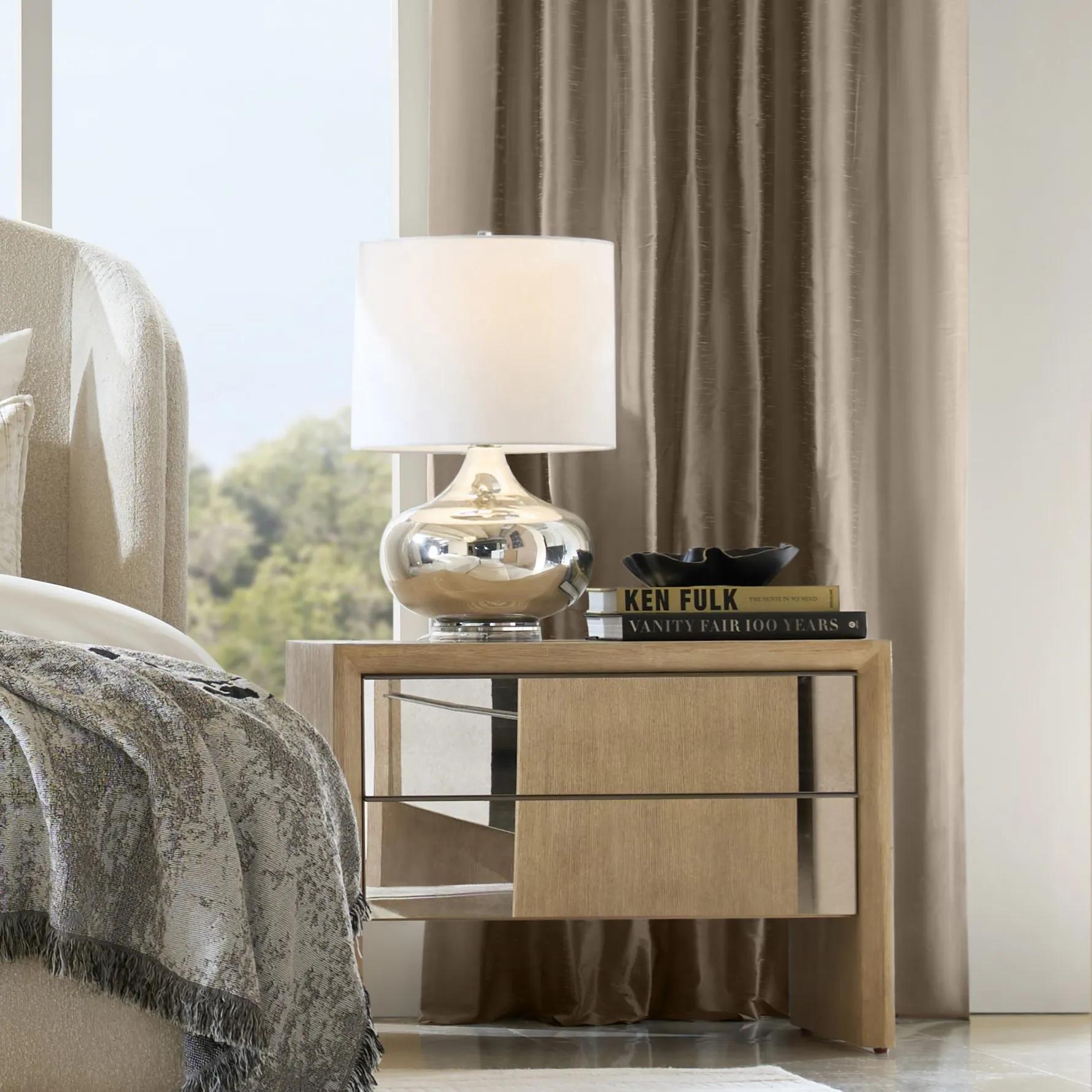 Glimmer Mirrored Seadrift Oak 2-Drawer Nightstand (32")$799
A glamorous nightstand featuring sea drift oak veneer, antique mirrored drawers, and soft-close storage.
Add To Cart -
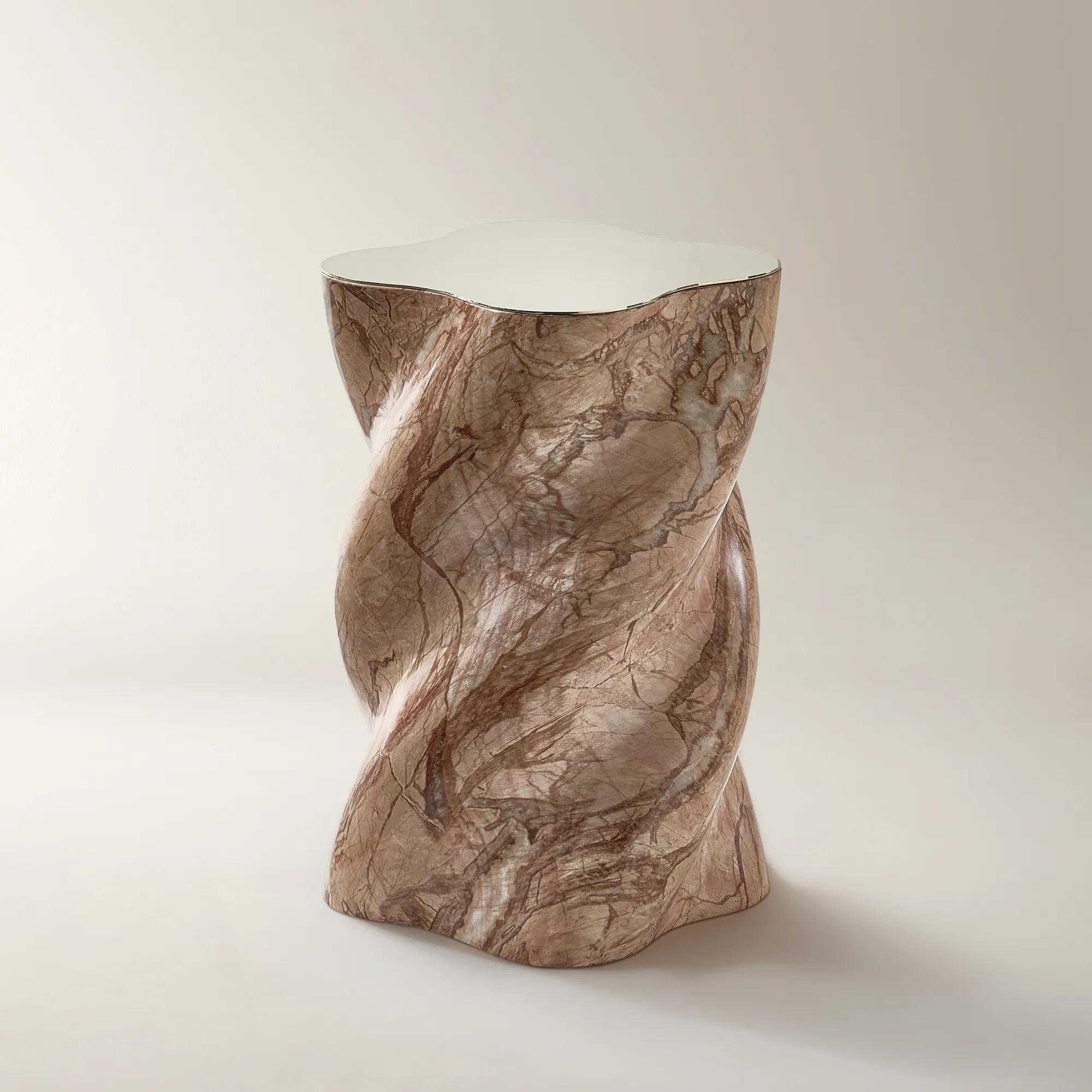
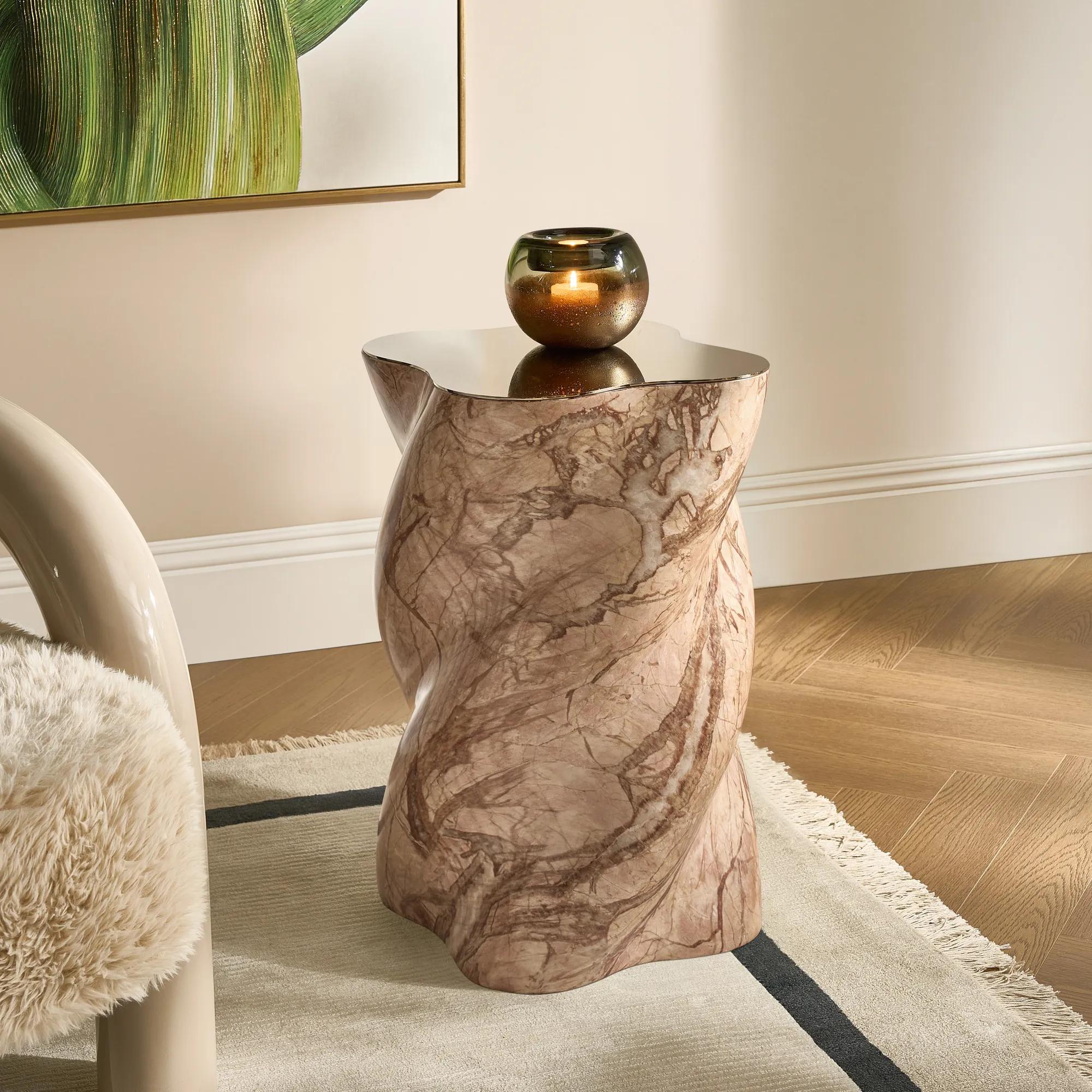 Vega Concrete Side Table With Stainless Steel Top (13.8")$459
A sculptural side table featuring a hand-cast fiber-concrete base and sunset marble-inspired stainless steel top.
Add To Cart -
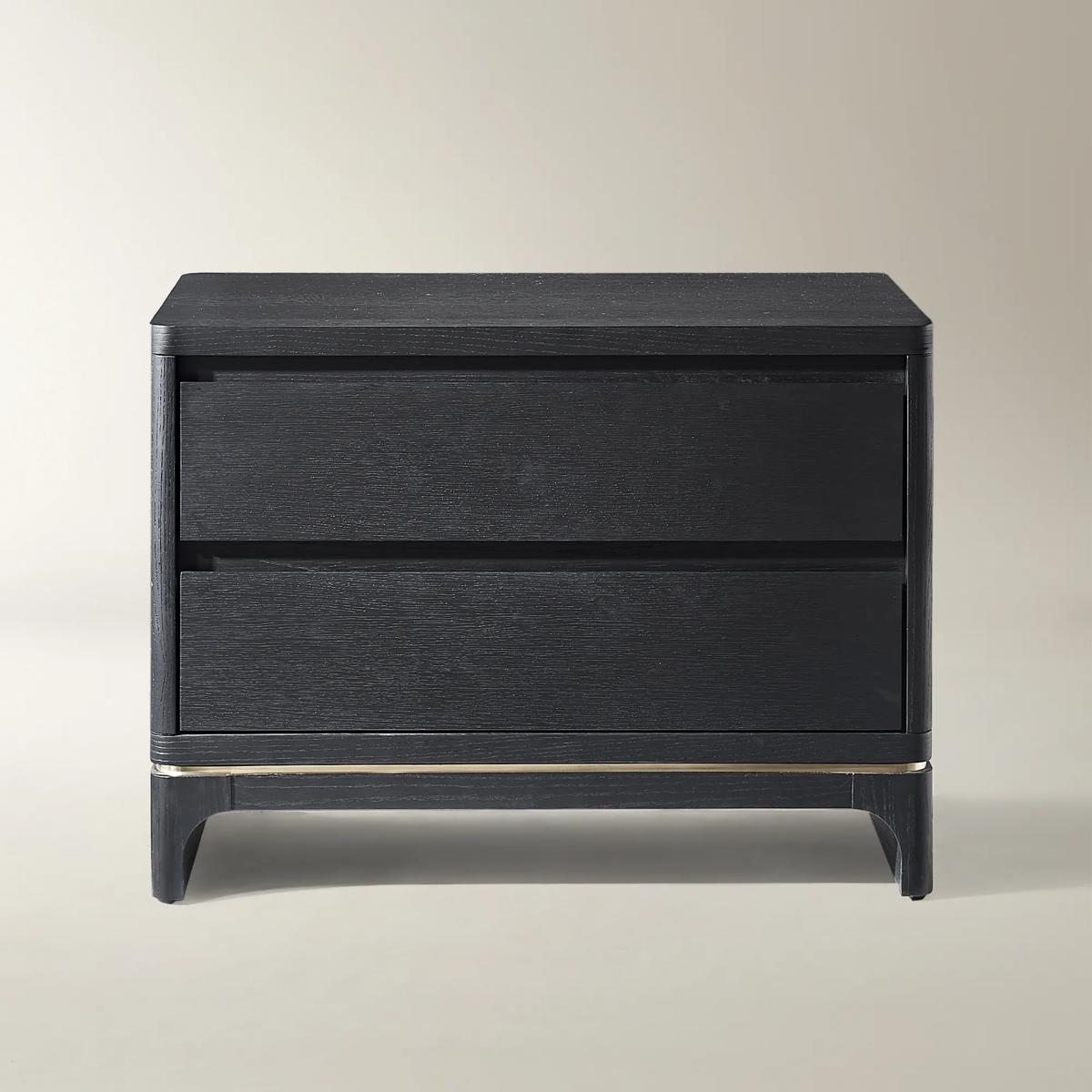
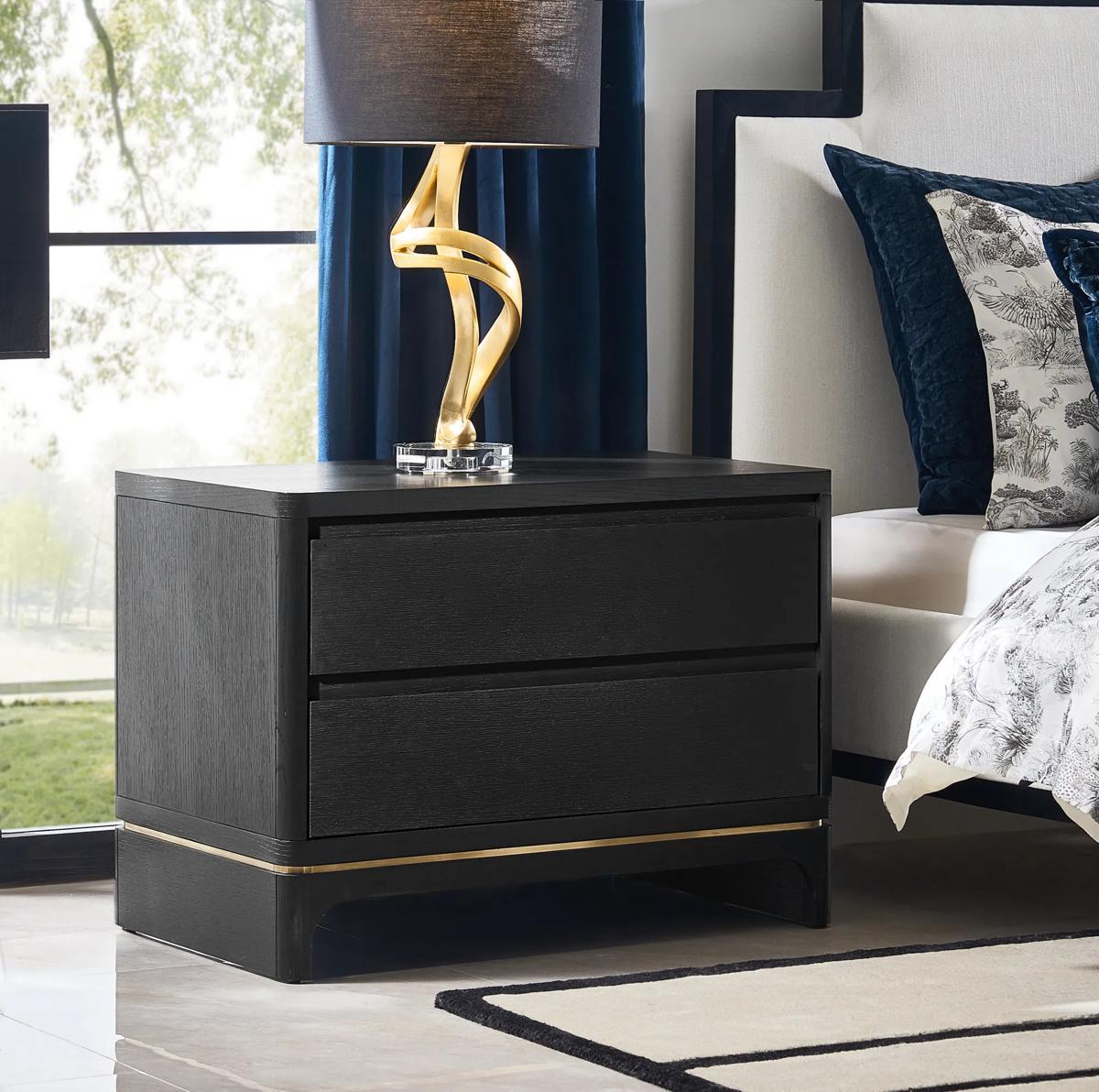 Vanta Black Oak 2-Drawer Nightstand (32")$899
A matte black oak nightstand accented with gold stainless steel trim and soft-close, felt-lined drawers.
Add To Cart -
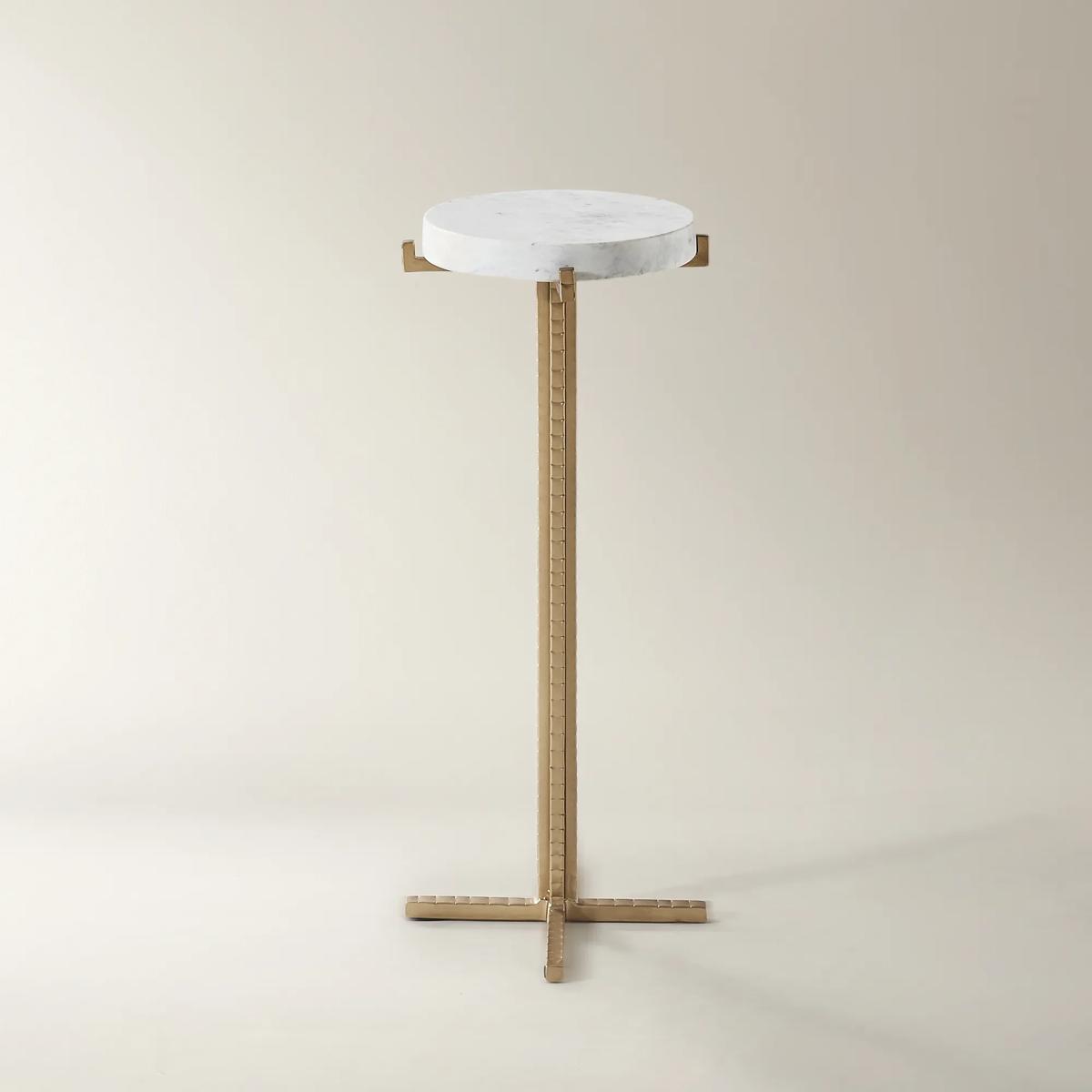 Anya Round White Marble Side Table (10")$199
A sculptural side table featuring a genuine white marble top and gold-finished metal pedestal base.
Add To Cart

Modern Luxury End Tables
Modern luxury end tables are more than mere accents—they are the punctuation marks of a well-curated room, elevating every vignette with their sculptural silhouettes and artful presence. Each piece promises to infuse your space with a sense of drama and refinement, transforming the ordinary into the extraordinary. Whether gleaming in metallic finishes or exuding quiet opulence through rich textures, these end tables invite you to layer your living spaces with intrigue, sophistication, and bold personality. Embrace the allure of modern luxury end tables and let your home become a canvas for unapologetic glamour.
Modern luxury end tables pair practical proportions with expressive design, bringing sculptural silhouettes, richly patterned surfaces, and luminous finishes to the space beside a sofa or chair. Their distinction lies in the relationship between material and form: a slender metal frame can make a substantial stone top appear to float, while a rounded wood pedestal gives a compact table the presence of a small sculpture. Marble, travertine, burl wood, tempered glass, acrylic, and polished metal each contribute a different kind of drama. Veined stone introduces movement and individuality; figured wood adds depth and warmth; glass and clear acrylic preserve sightlines around generously upholstered seating. Gold-toned finishes cast a warm accent against ivory upholstery, while chrome and polished stainless steel lend a crisp reflection to charcoal, navy, or jewel-toned rooms. Brushed or darkened metal creates a quieter contrast when the surrounding furnishings already carry plenty of shine. Luxury is not dependent on a single finish, however. Thoughtful proportions, neatly finished edges, balanced construction, and the way a table relates to the furniture around it matter just as much as its visual impact. A modern end table might anchor a reading corner with a lamp and a favorite book, frame a velvet sofa with a gleaming surface, or give guests an elegant place to set a glass during an evening gathering. Its smaller scale invites a more adventurous material or shape than a room might comfortably accommodate in a larger piece. An asymmetrical base can introduce movement into an otherwise tailored arrangement, and a boldly grained top can enliven a restrained palette without adding another color. For interiors that favor a layered composition, modern luxury living room tables offer a broader design context for connecting end tables with coffee tables and other accent surfaces. The goal is a room with visual rhythm, where recurring tones or shapes establish continuity and contrasting textures keep the composition personal.
Fit determines whether an end table feels beautifully integrated or visually crowded. A tabletop close to the height of the neighboring sofa or chair arm generally makes a drink, book, or remote comfortable to reach; a markedly higher or lower surface can interrupt that ease. With low, deep seating, a lower table often maintains the horizontal lines of the furniture, while a taller, upright armchair may call for a surface with more height. Width and depth deserve equal attention. A narrow space beside a sofa may suit a compact round table or a slender rectangular silhouette, but the top still needs enough usable area for its intended purpose. A lamp with a broad base requires more room than a small vase, especially when a coaster and reading glasses also need a place. In a reading corner, consider the table and lamp together so the shade sits at a comfortable height and light falls where it is needed. Near a doorway or a well-traveled route, rounded edges can soften the arrangement, although adequate clearance remains essential regardless of shape. Open bases and transparent tops can keep a smaller living room from feeling densely furnished, while solid pedestals bring welcome visual weight beside an expansive sectional. Nesting forms provide additional surfaces for entertaining where their dimensions allow, and designs with shelves or drawers can keep everyday objects from competing with a carefully composed tabletop. A lower shelf accommodates books or a decorative box; a drawer conceals charging cords and small essentials. Matching tables create a poised frame around a sofa, particularly when paired with lamps of similar scale. Different tables can feel equally intentional when they share a finish, an undertone, or a curved detail. In a room with a commanding coffee table, an end table with a simpler outline lets the central piece retain its presence. Beside understated seating, a more sculptural design can become the focal point without overwhelming the room.
Materials and construction shape how modern luxury end tables live beyond their first impression. Natural stone offers distinctive veining, tonal variation, and, with travertine, characteristic pores that may be filled or left visible depending on the finish. Marble and travertine are sensitive to acidic spills, so coasters, prompt blotting, and stone-appropriate care help protect their surfaces; sealing requirements depend on the particular material and treatment. Solid wood and wood veneers bring authentic grain to contemporary forms, but both benefit from protection against standing moisture, excessive heat, and prolonged direct sunlight. Veneer is not simply a visual substitute for solid wood: it allows richly figured grain to be composed across a surface, with durability depending on the substrate, construction, and finish. Tempered glass offers greater impact resistance than ordinary glass, yet its edges still require care, and the surface can scratch. Acrylic creates a similarly airy effect with a different maintenance routine; a soft cloth and an acrylic-safe cleaner help preserve clarity without the damage that abrasive products or unsuitable solvents can cause. Mirrored tops and polished metal reward gentle cleaning, while textured finishes may need careful dusting to keep their detail defined. Manufacturer care instructions should take precedence, especially for plated, leafed, lacquered, or faux-shagreen surfaces. Beyond the top, a stable base, secure connections, and suitable floor protectors support everyday use. A visually delicate table should still feel steady under its intended load, and an accent surface should never be treated as a seat or step. For households with children or pets, stability, edge profiles, and placement deserve particular consideration. For frequent hosts, a surface spacious enough for drinks may matter more than elaborate tabletop styling. For a dedicated reader, a lamp, a book, and an uncluttered reach can be the most luxurious arrangement of all. As a housewarming or wedding gift, an end table is an especially personal gesture when the recipient’s measurements and taste are known. Chosen with that same attention for any home, it brings artistry into daily rituals, giving even a quiet evening beside the sofa a beautifully considered setting.
FAQs
Modern luxury end tables often showcase a stunning array of materials, including polished marble, gleaming metals like gold, silver, or chrome, high-gloss lacquers, rich woods, and tempered glass. These materials are chosen for their durability, tactile appeal, and their ability to create an atmosphere of sophistication and artistry in any space.
A modern luxury end table acts as both a functional accent and a visual focal point. Its sculptural silhouette and refined finish can complement existing furnishings, introduce new textures, or provide a dramatic contrast. Placed beside a sofa or armchair, it elevates the room’s ambiance, offering a platform for curated displays and reflecting your unique sense of style.
Absolutely. A contemporary luxury side table makes a thoughtful and memorable gift for housewarmings, weddings, anniversaries, or milestone celebrations. Its blend of artistry and practicality ensures it will be cherished and used daily, making it a standout choice for anyone with an appreciation for high-end design.
Styling a modern luxury end table is an opportunity to express your personality. Layer with a statement lamp, a stack of artful books, or a sculptural vase filled with seasonal blooms. For added drama, mix metallic accents or pair with bold decorative objects to create a vignette that tells a story and draws the eye.
When selecting a designer end table, consider the materials, colors, and silhouettes already present in your space. Look for pieces that either harmonize with your palette or introduce a touch of contrast for added interest. Whether your style is classic, eclectic, or ultra-modern, a thoughtfully chosen end table can seamlessly tie together your décor and elevate the entire room.
.jpeg?w=3000&h=3000)