Modern Luxury Coffee Tables
Modern Luxury Coffee Tables
-
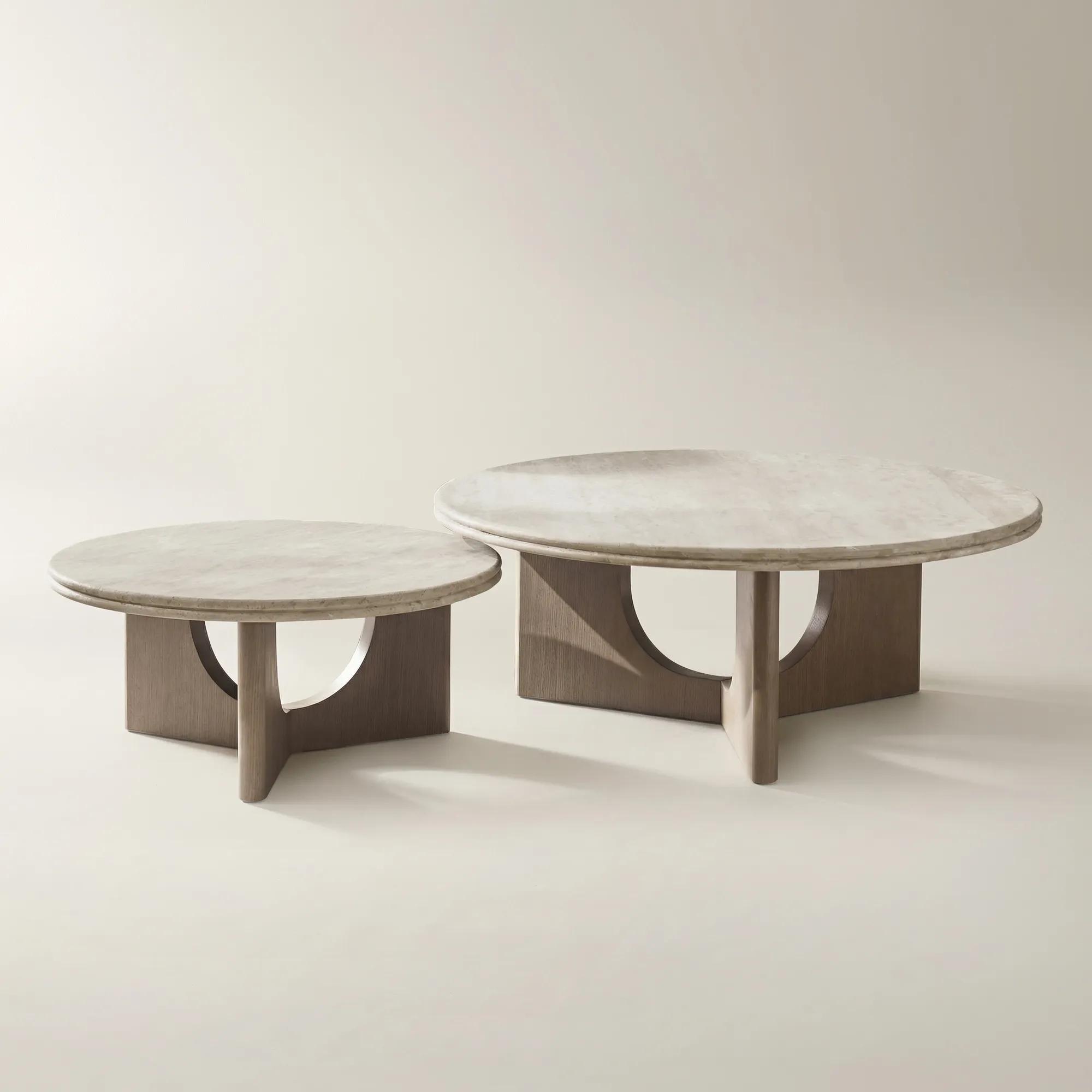
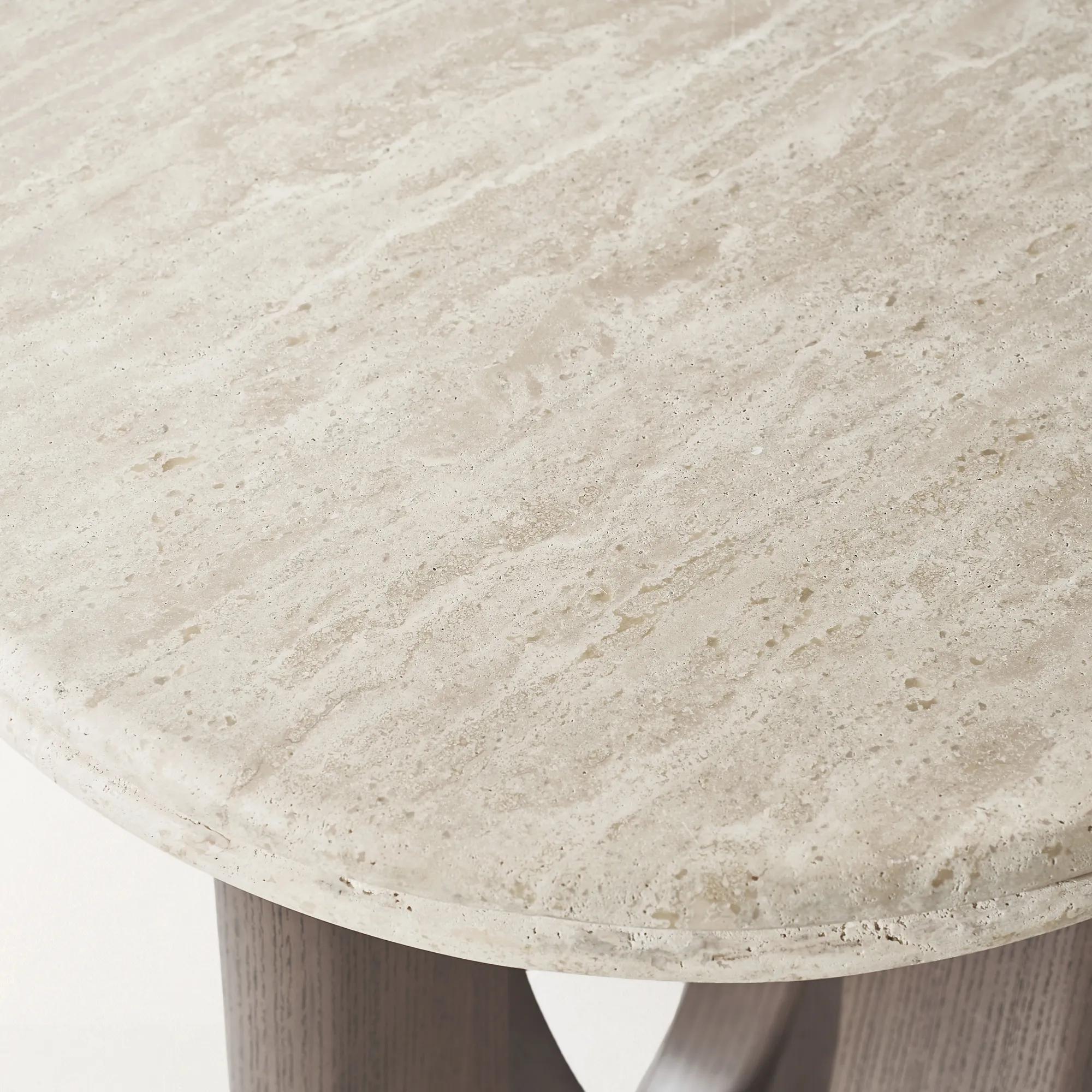 Bond Round Travertine and Wood Coffee Table Set of 2 (29.25"-41")$2098
A natural-finish nesting coffee table set offering versatile, space-saving layering for modern living rooms.
Add To Cart -
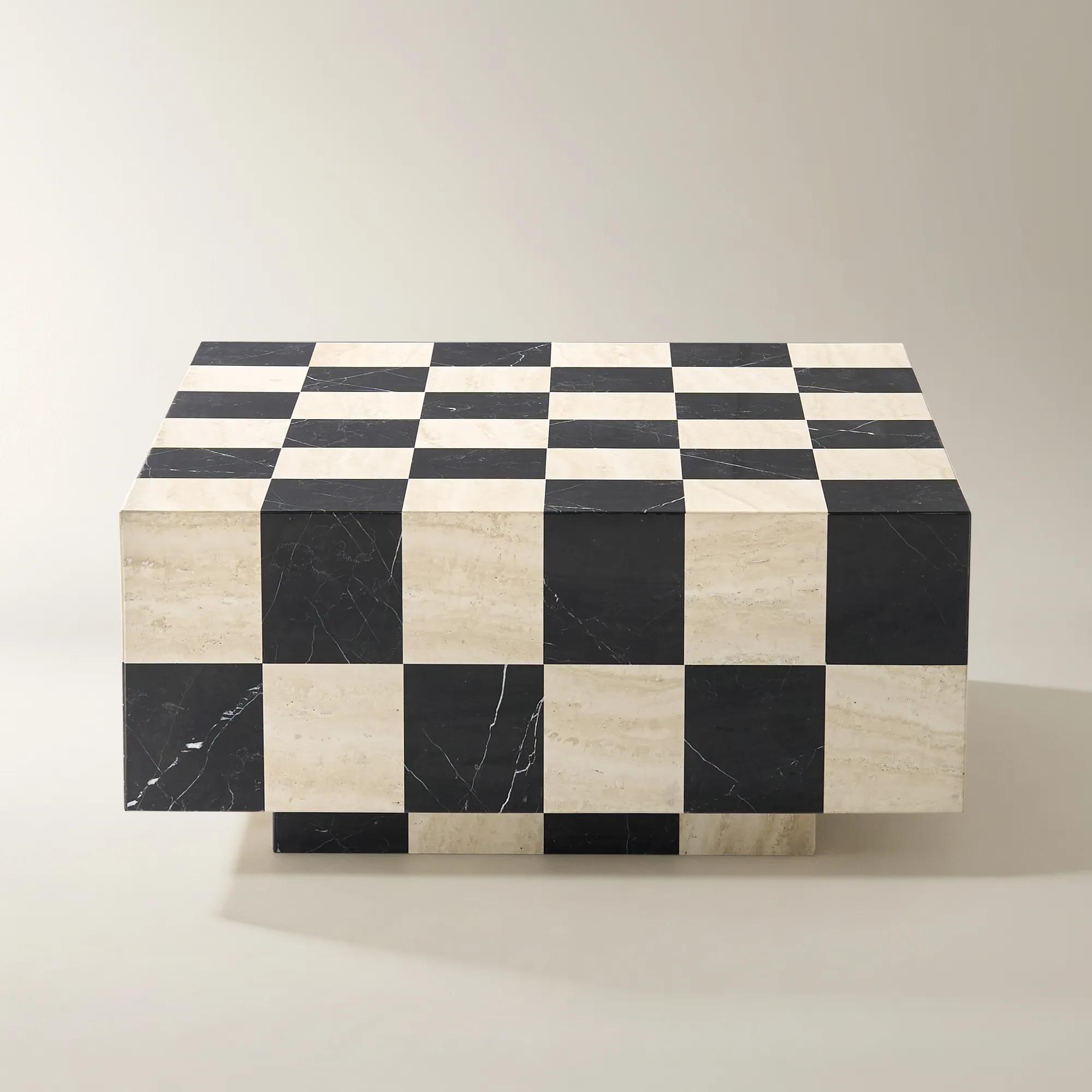
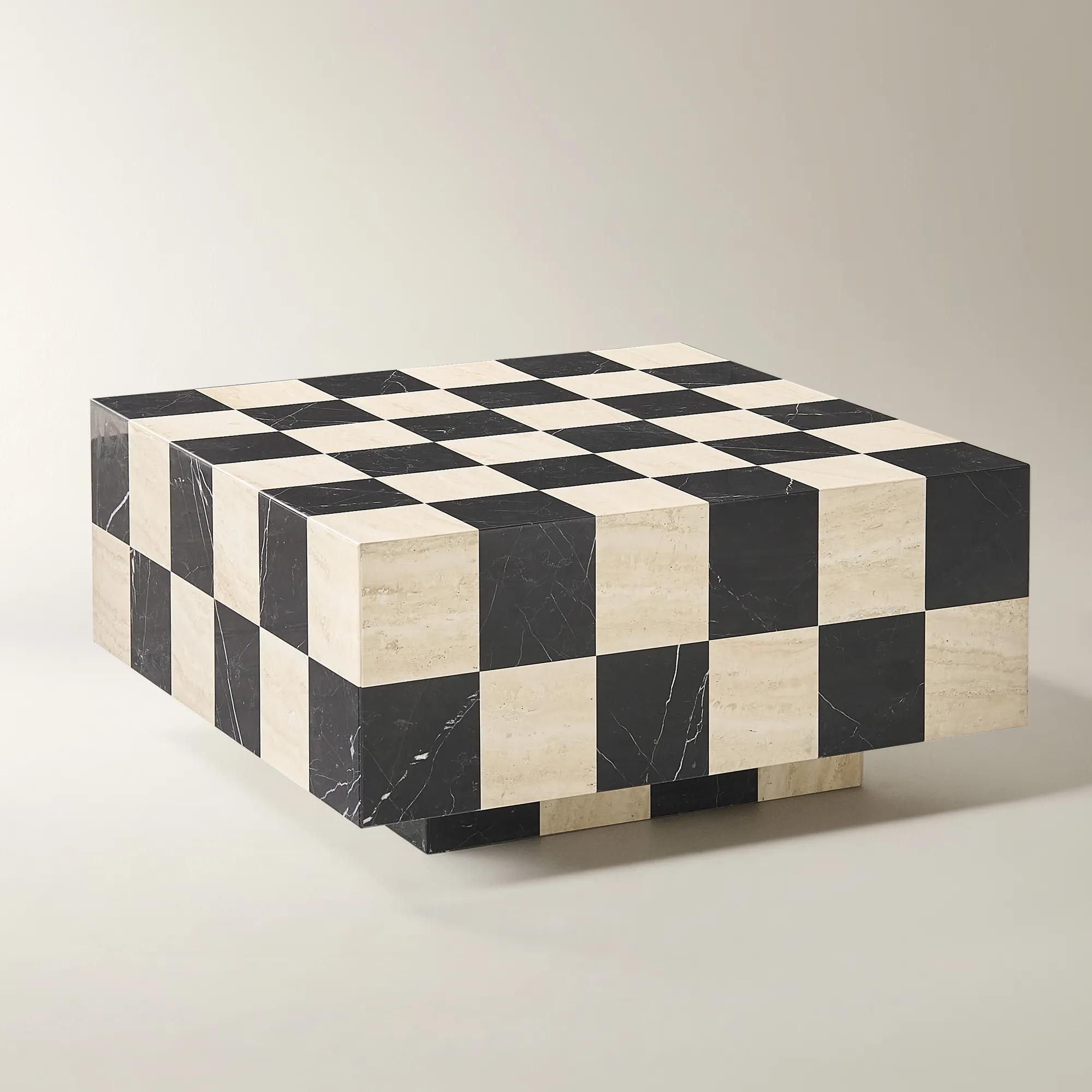 Chessa Square Chequered Marble Coffee Table (31.9")$1699
A striking coffee table featuring a dimensional black marble and travertine checkerboard mosaic with polished finish.
Add To Cart -
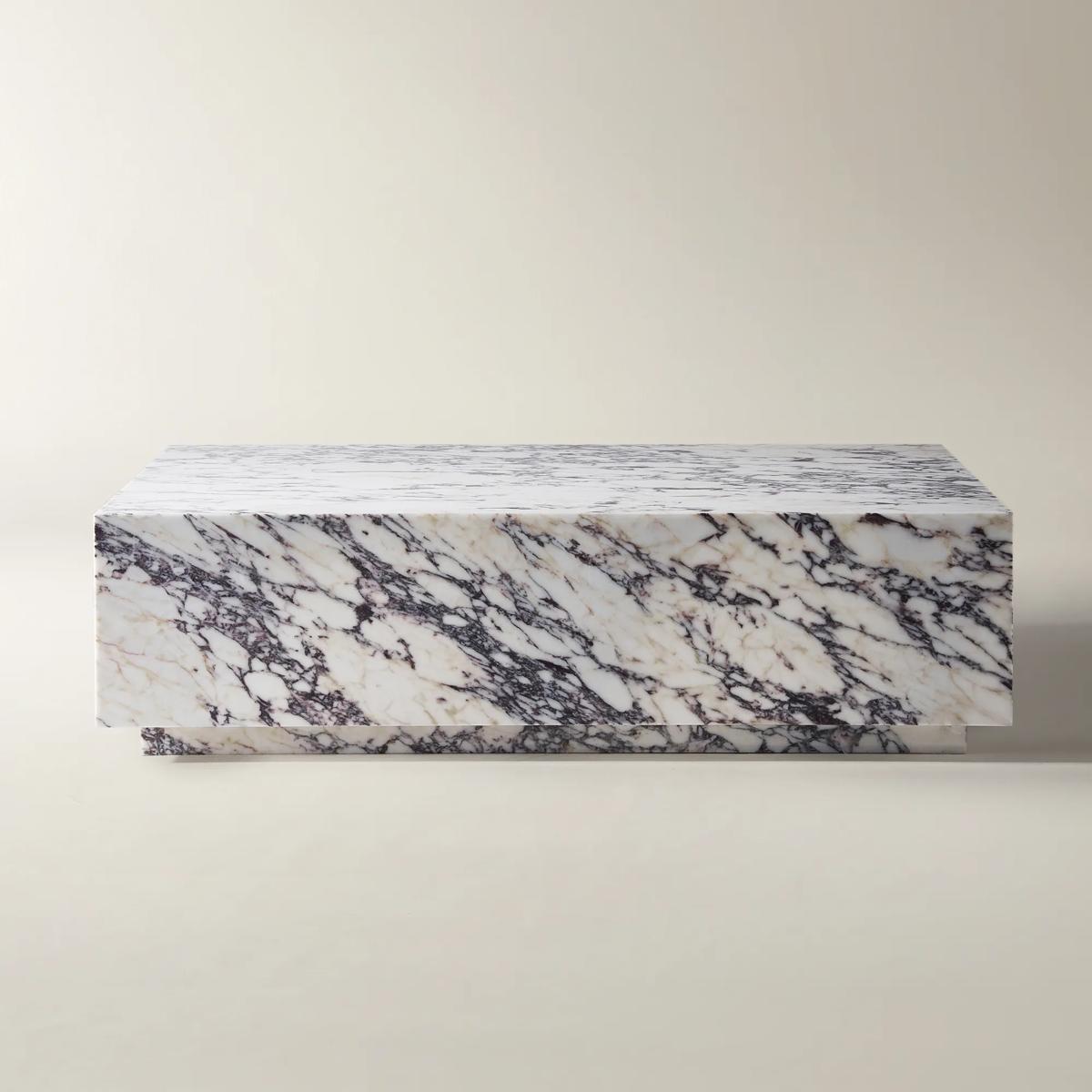
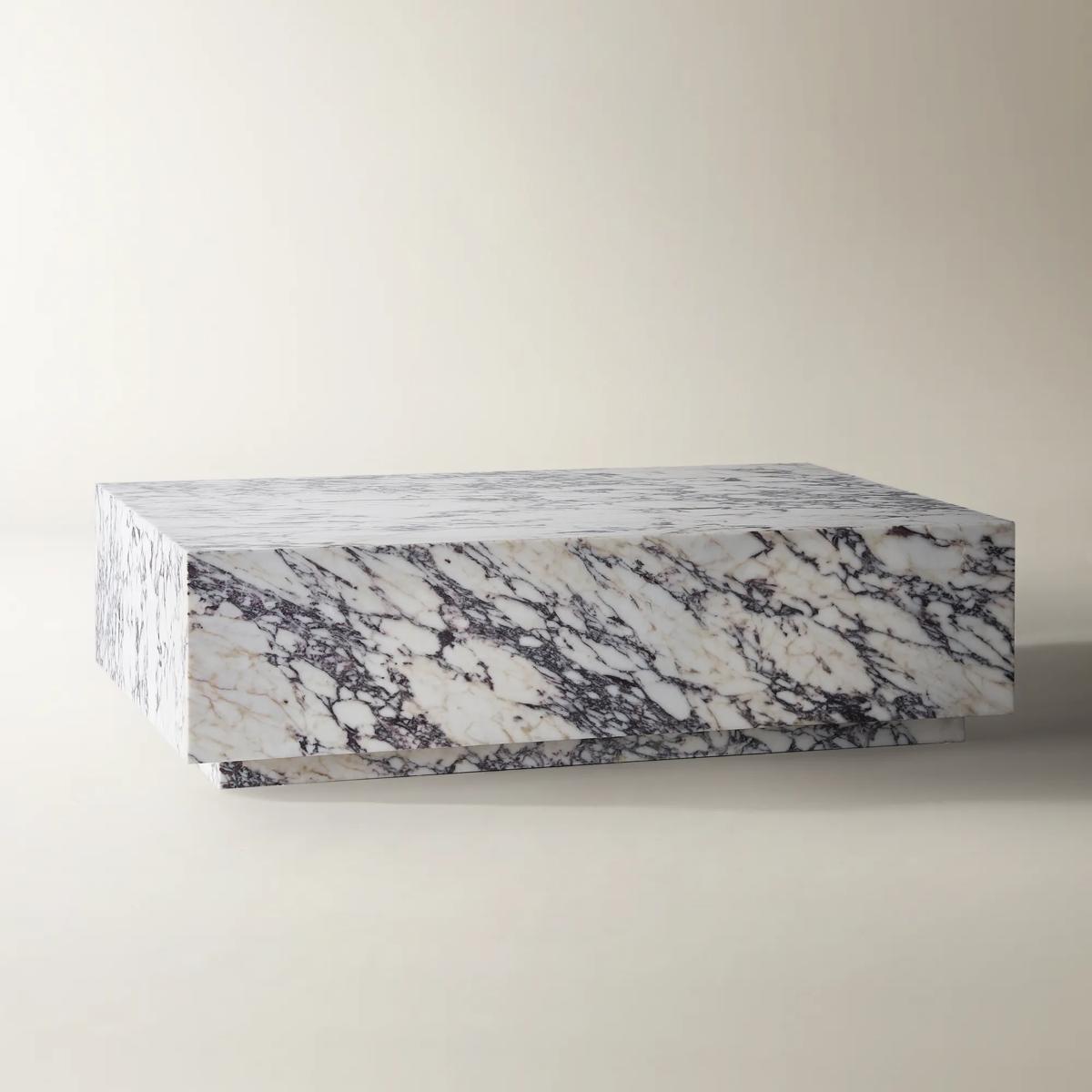 Vanta Rectangular Viola Calacatta Marble Coffee Table (54")$3699
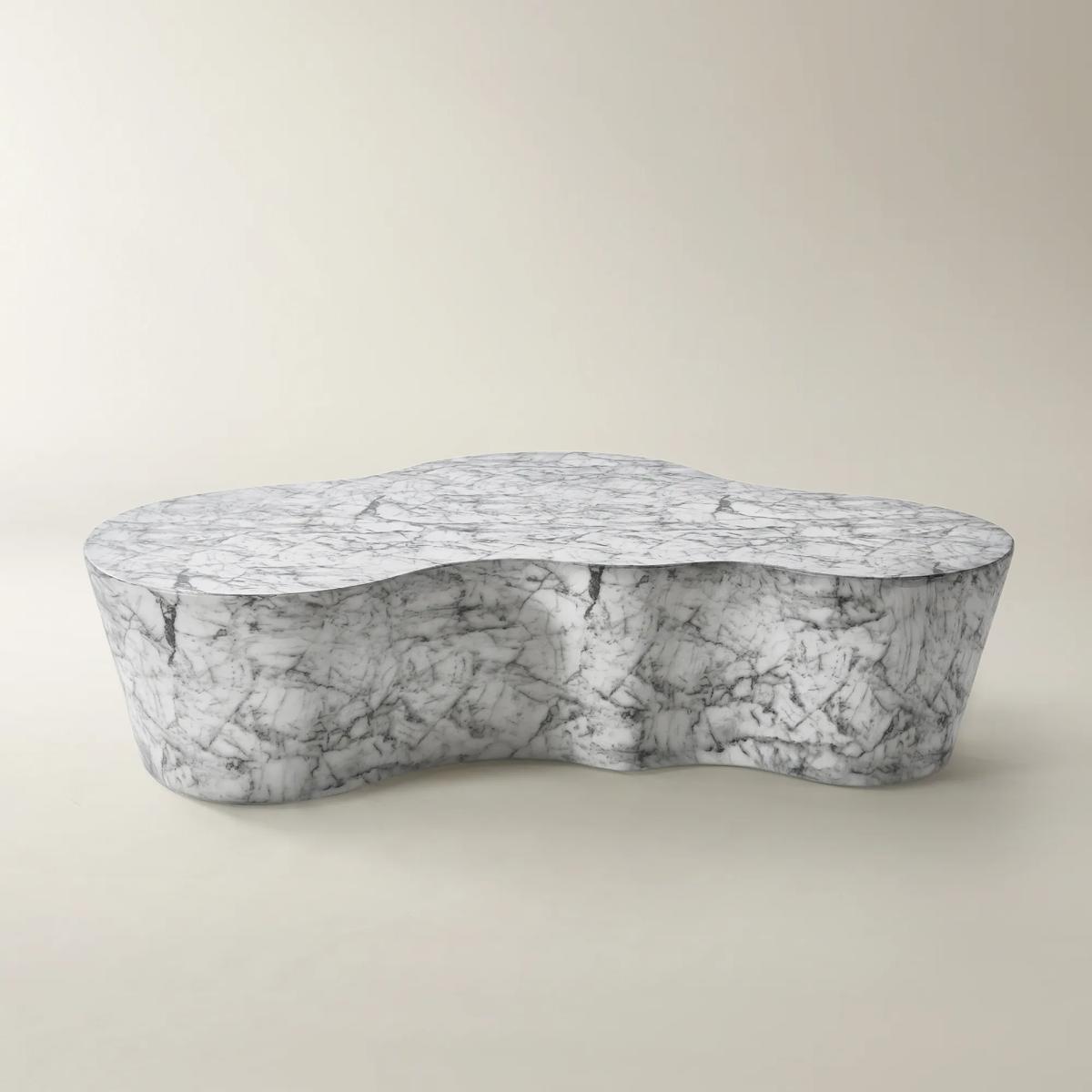
A sculptural coffee table in Calacatta Viola marble, featuring an aluminum core and recessed plinth base.
Add To Cart -
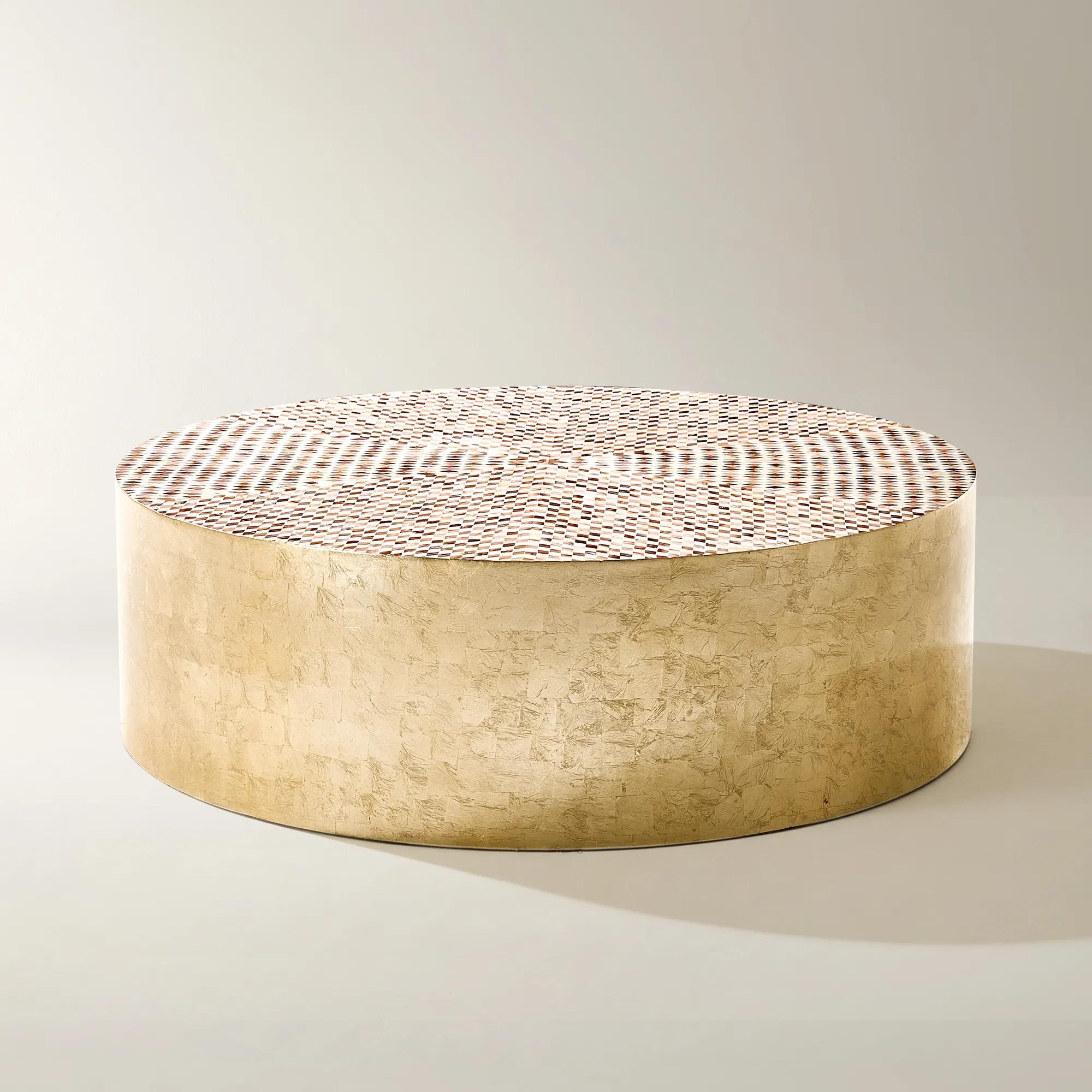
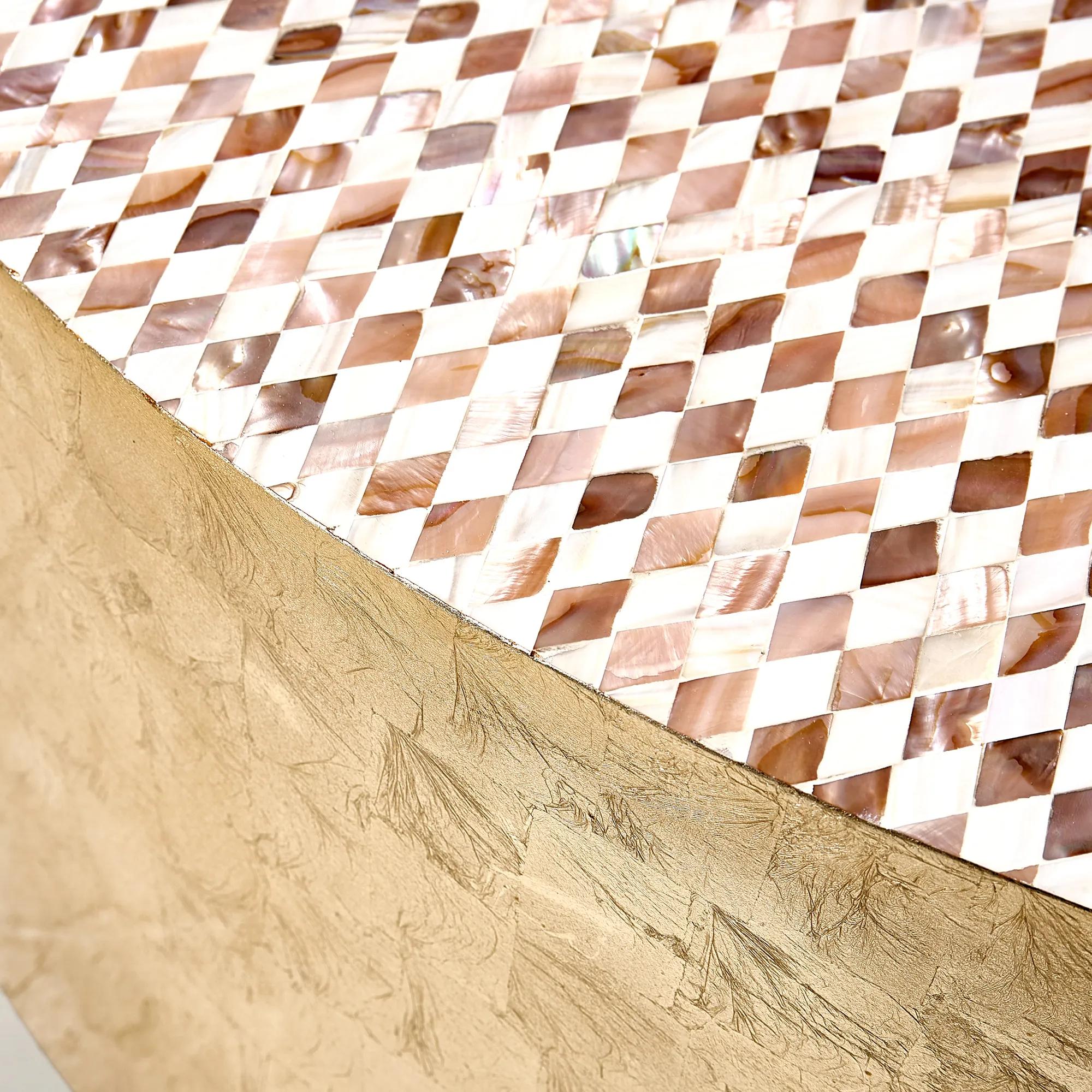 Lucien Round Diamond Coffee Table (47.24")$1299
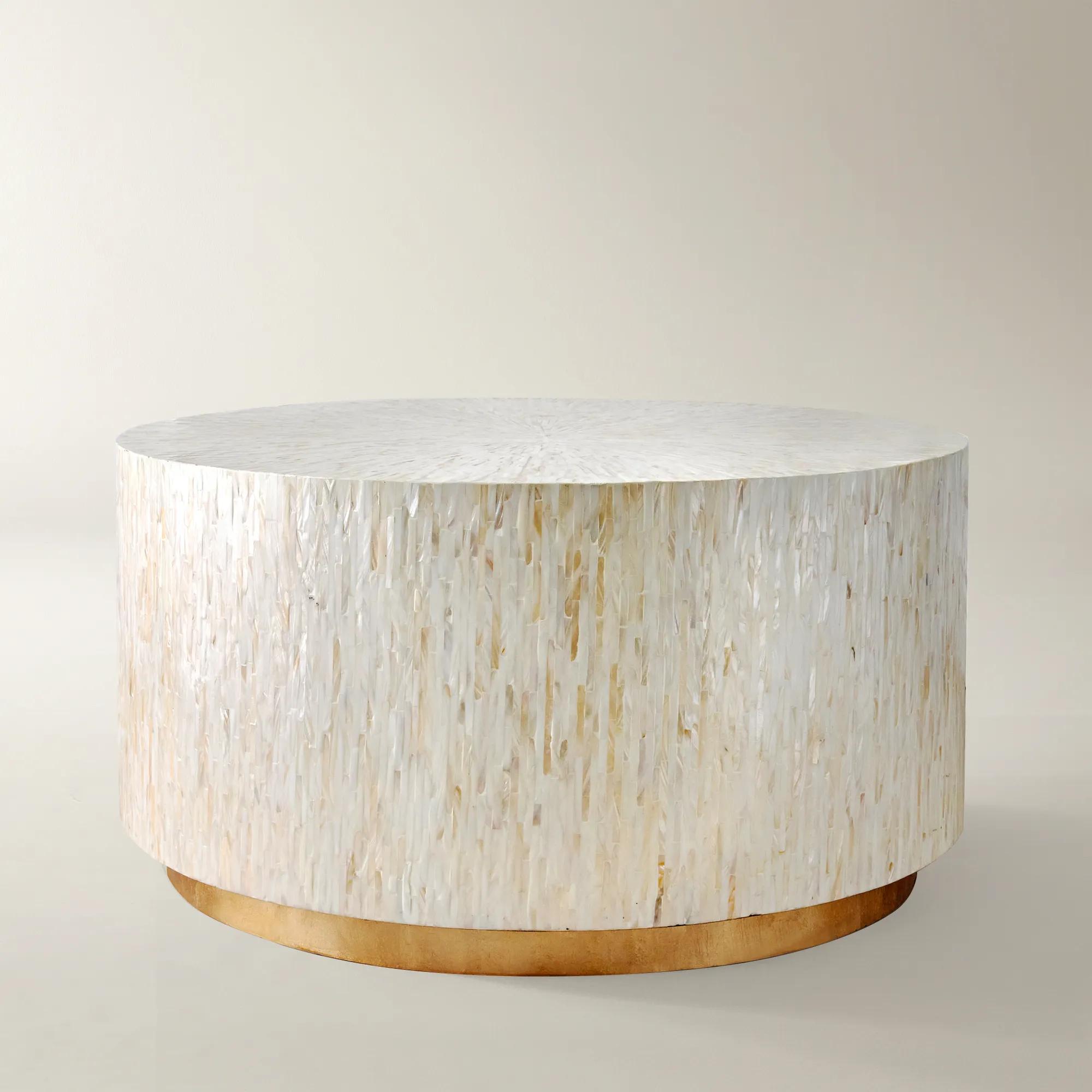
A sculptural round coffee table featuring a hand-laid mother-of-pearl diamond mosaic and gold leaf sides.
Add To Cart -
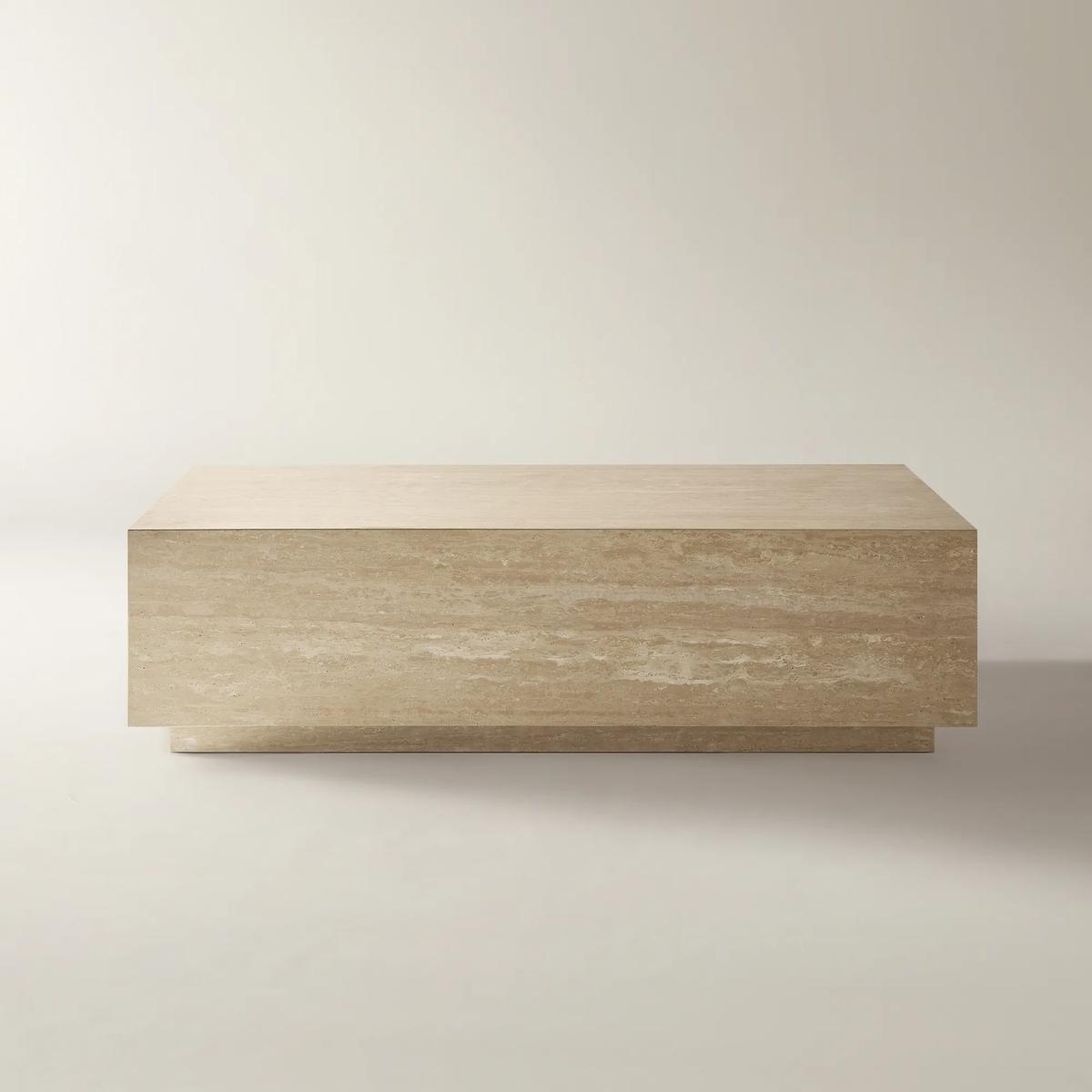
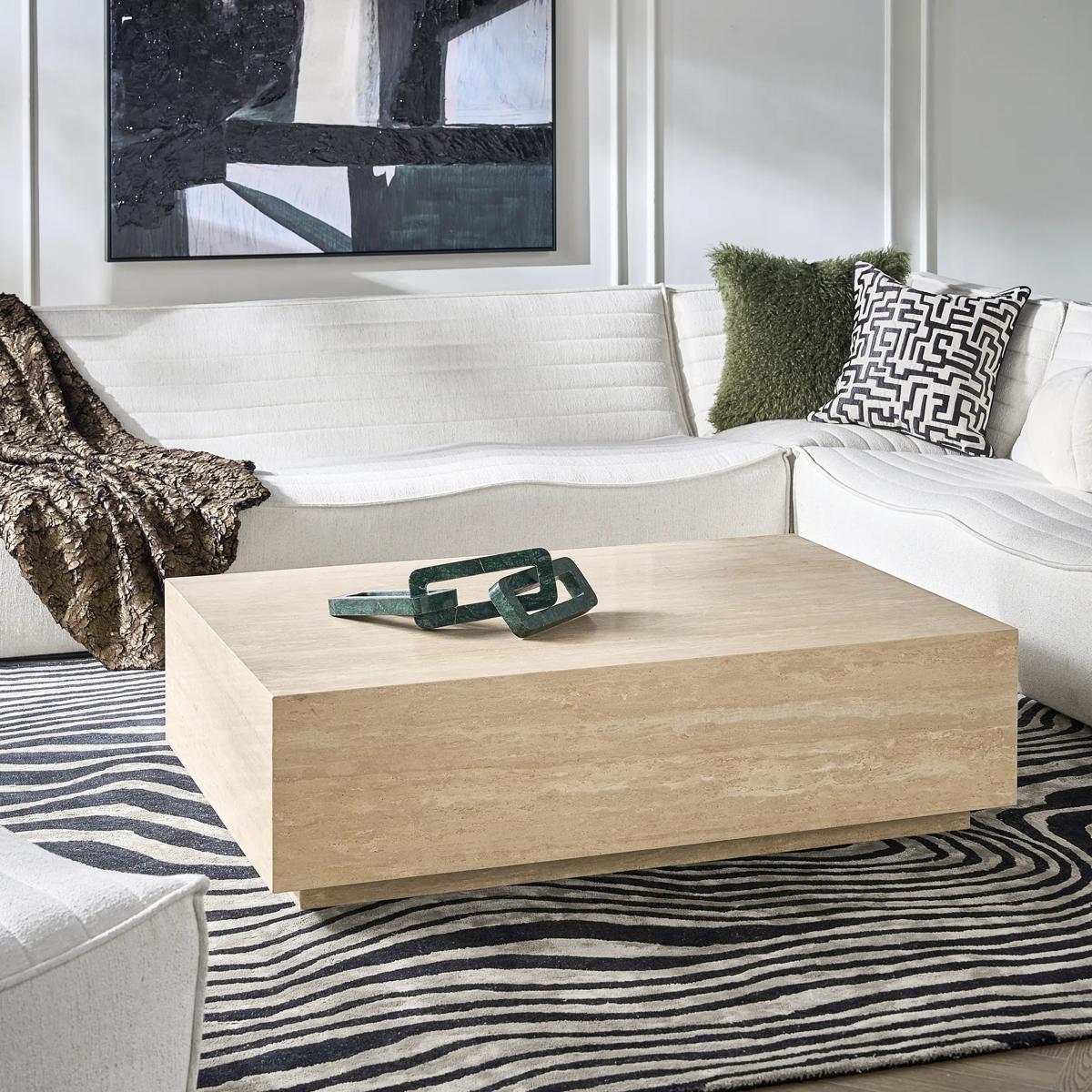 Vanta Rectangular Travertine Coffee Table (54")$2599
A sculptural travertine coffee table with an aluminum honeycomb core and recessed plinth base.
Add To Cart -

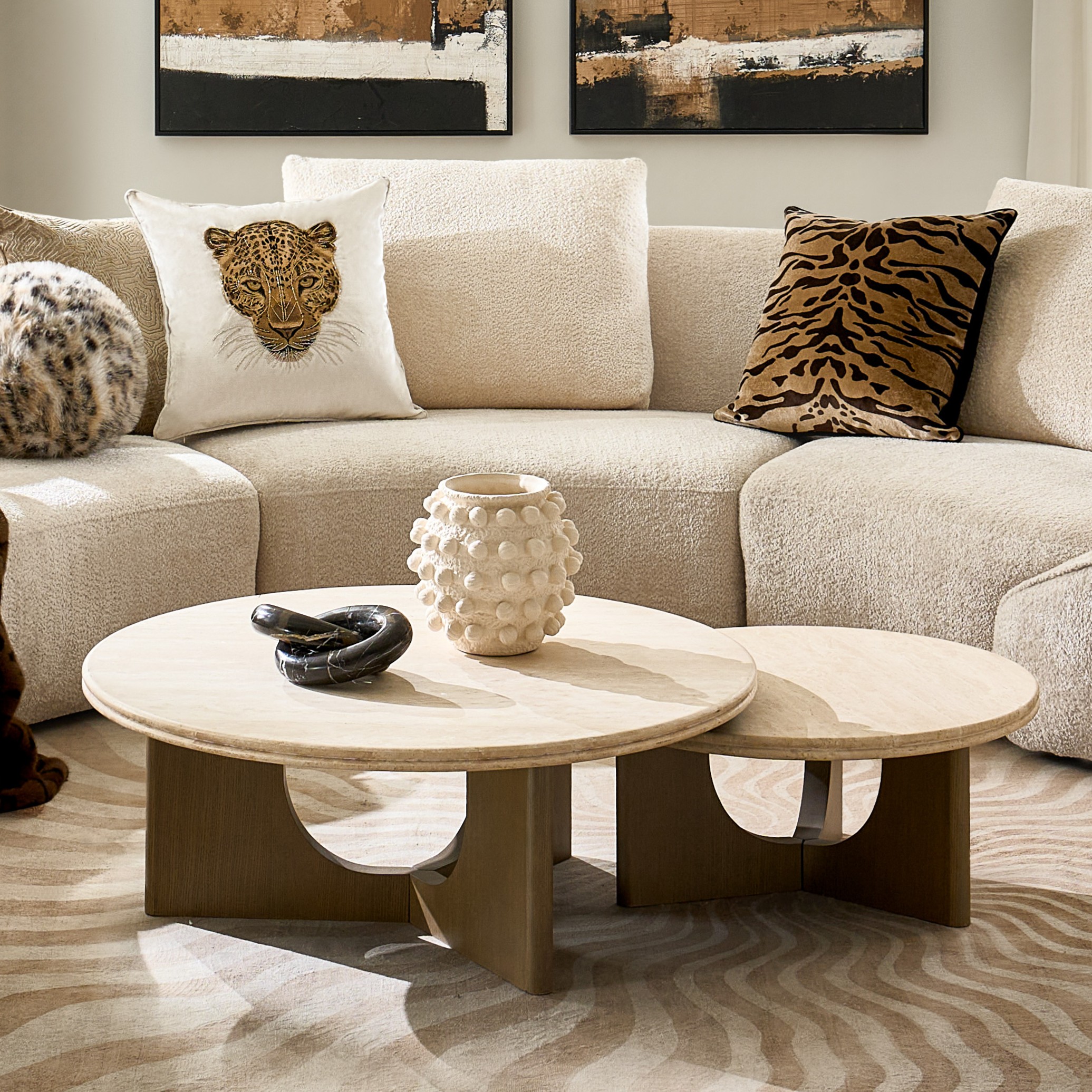 Bond Round Travertine and Wood Coffee Table (29.25")$699
A genuine travertine stone coffee table with warm ivory-gold tones atop a solid natural ash base.
Add To Cart -
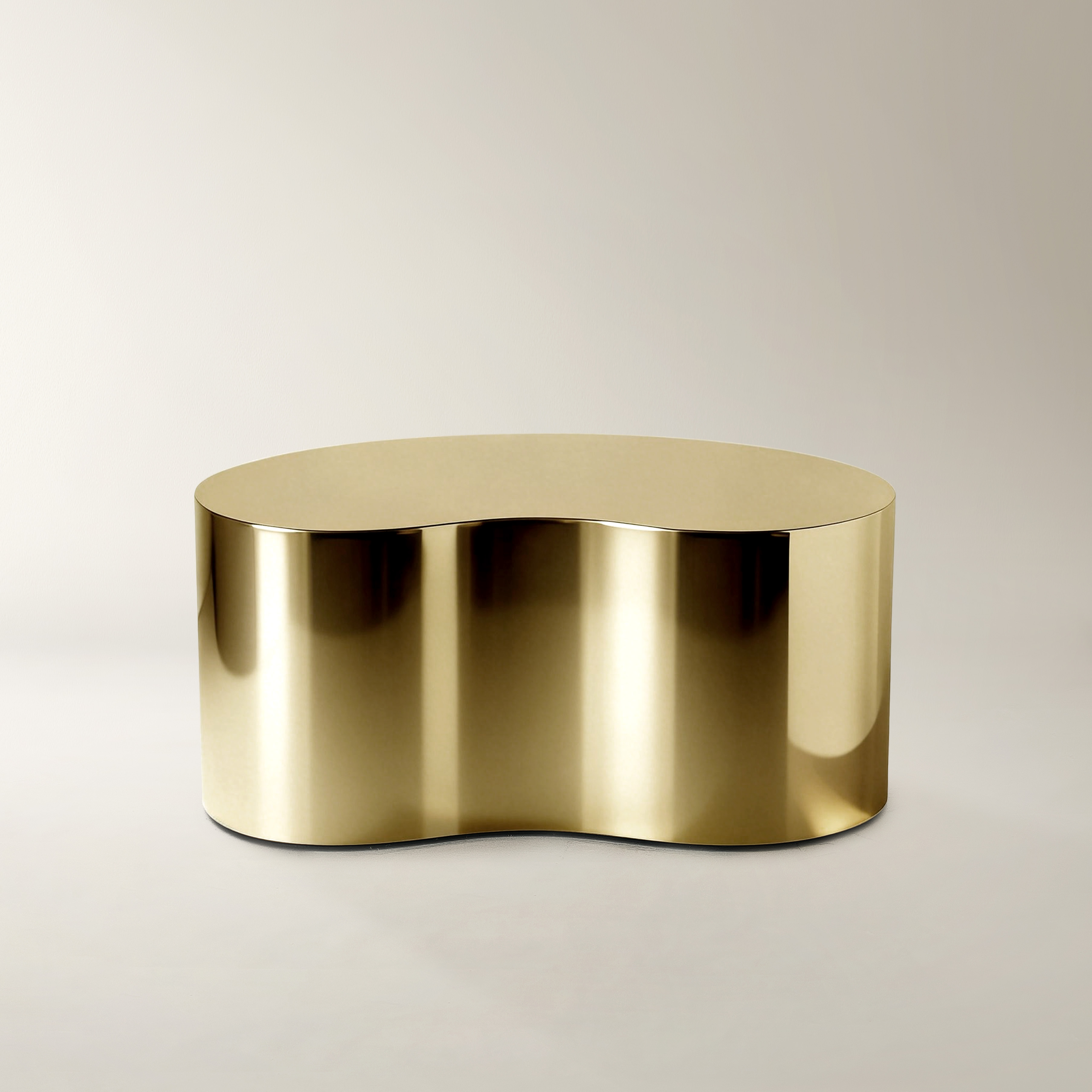
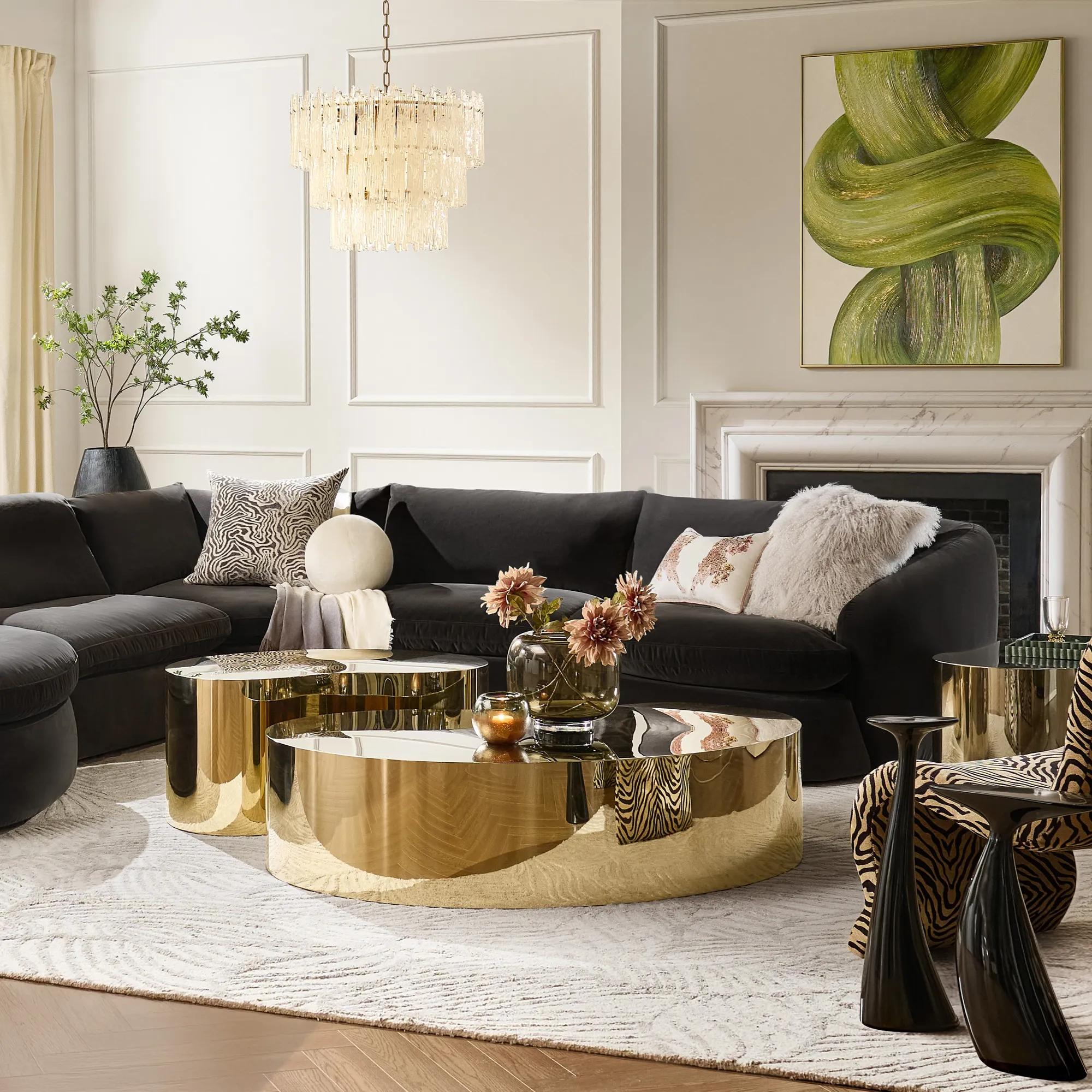 Aurea Soft Gold Coffee Table (37.5")$999
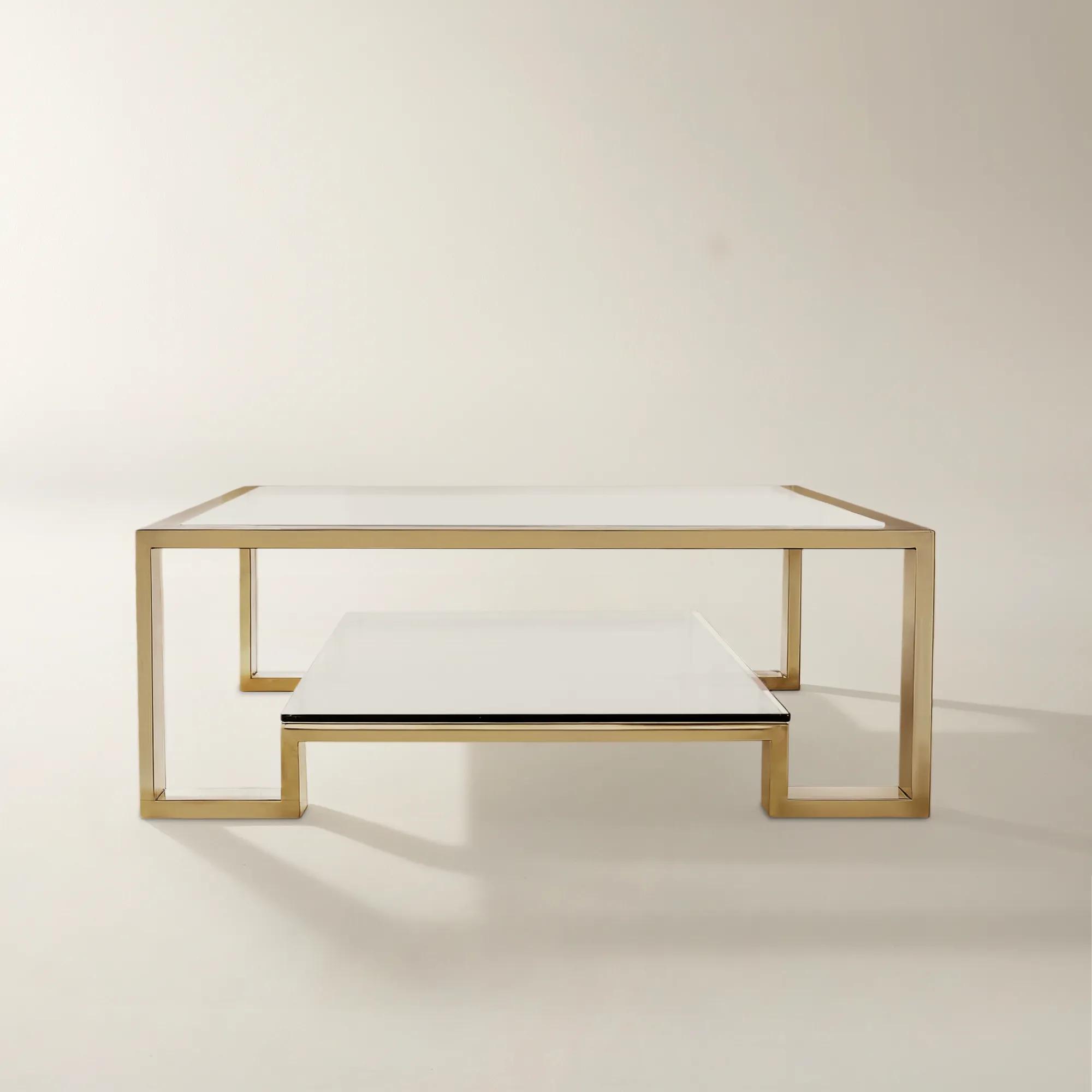
A sculptural coffee table crafted from premium stainless steel with a high-gloss soft gold mirror finish.
Add To Cart -
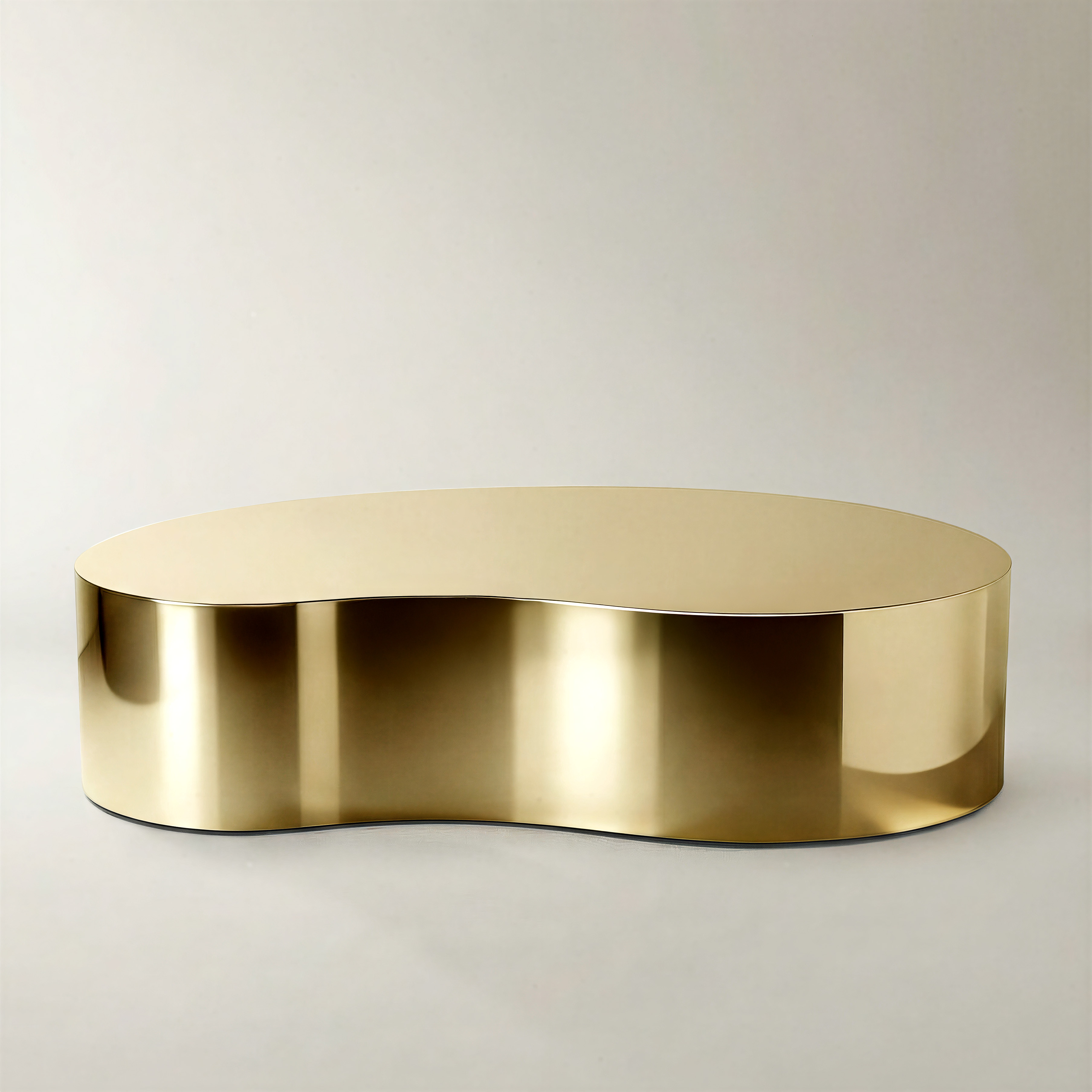 Aurea Soft Gold Coffee Table (57")$1399
A sculptural coffee table crafted from stainless steel with a high-gloss soft gold finish and rounded edges.
Add To Cart -
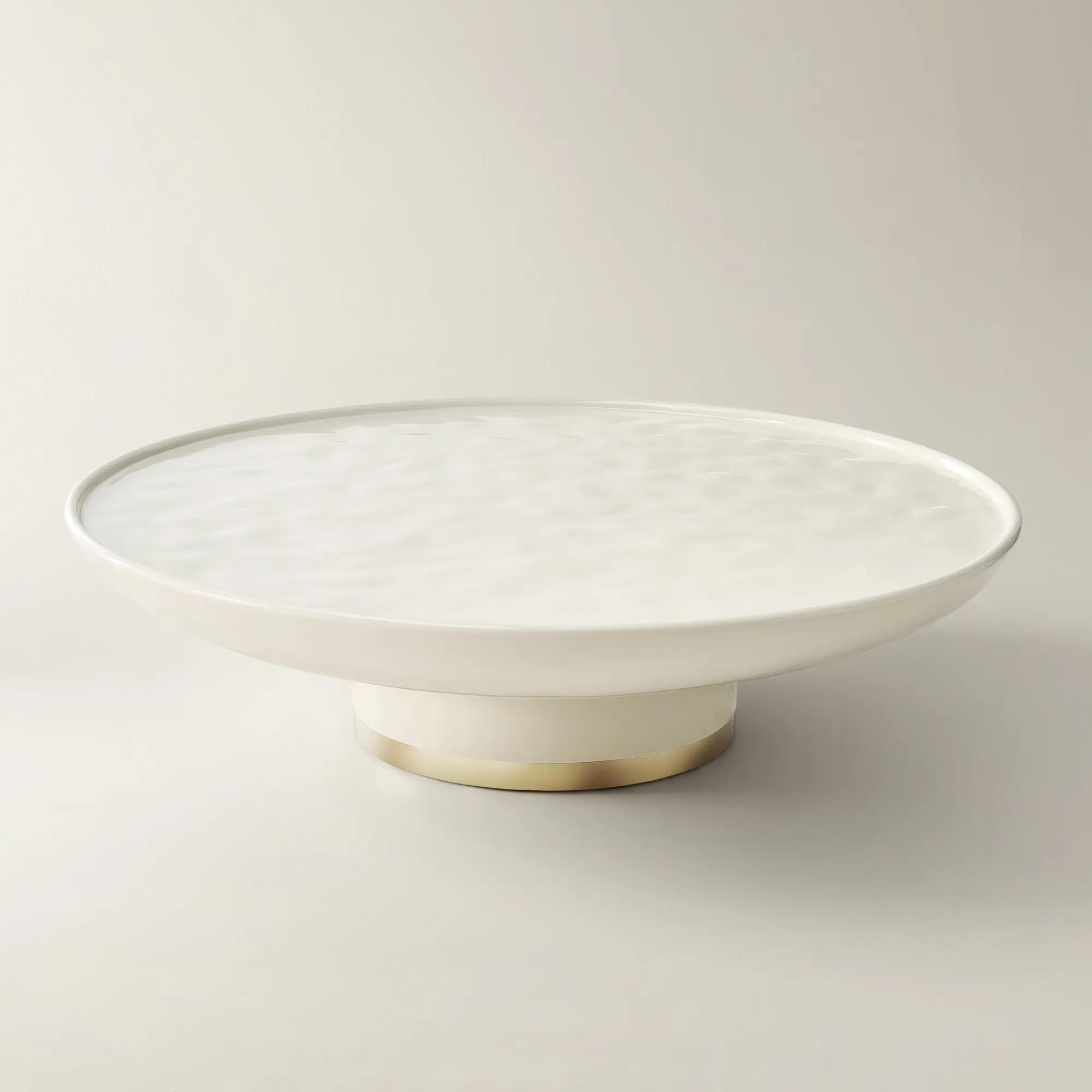
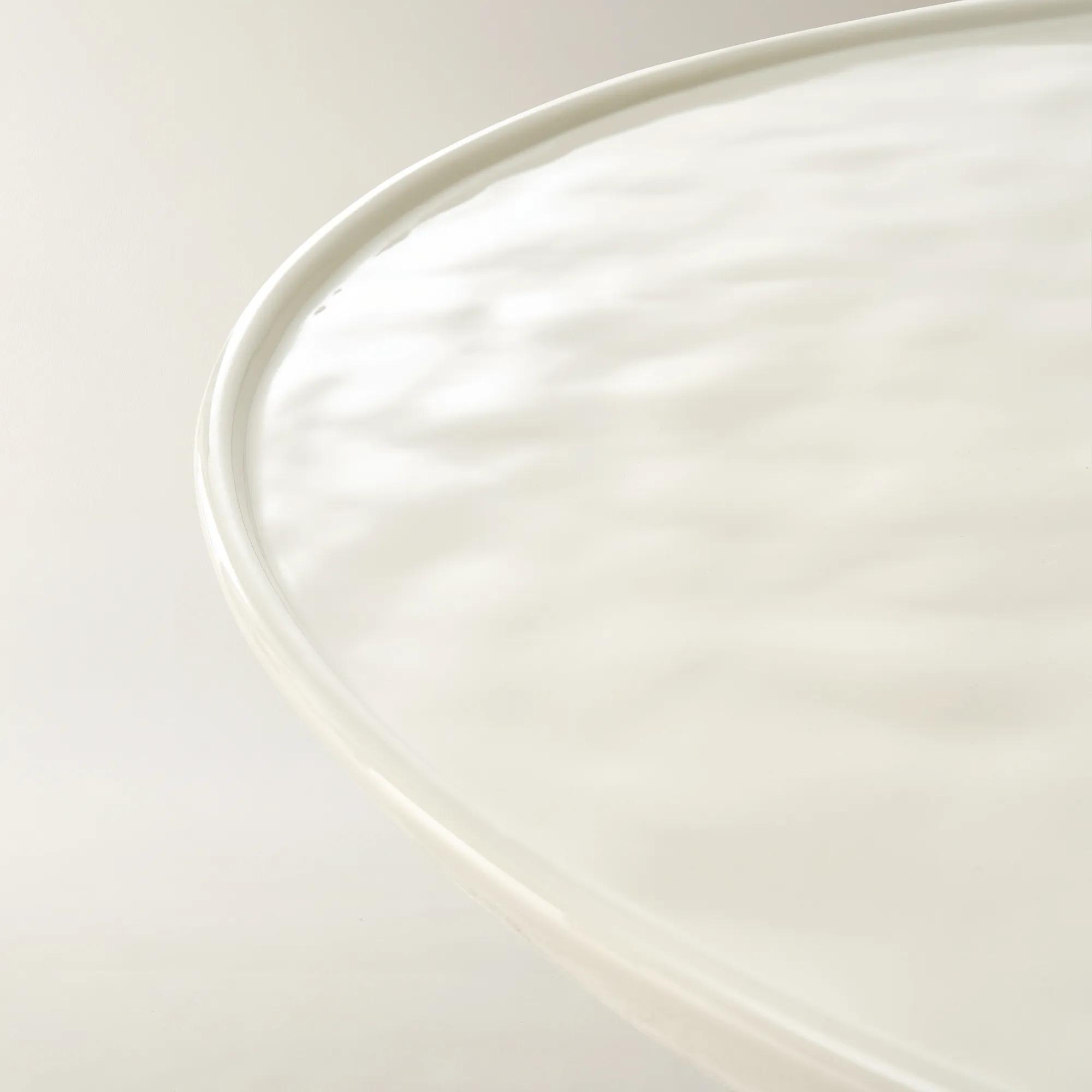 Celia Lacquered Cloud Resin Indoor/Outdoor Coffee Table (54")$1399
A sculptural one-piece resin coffee table with a high-gloss warm finish and gold stainless steel base.
Add To Cart -
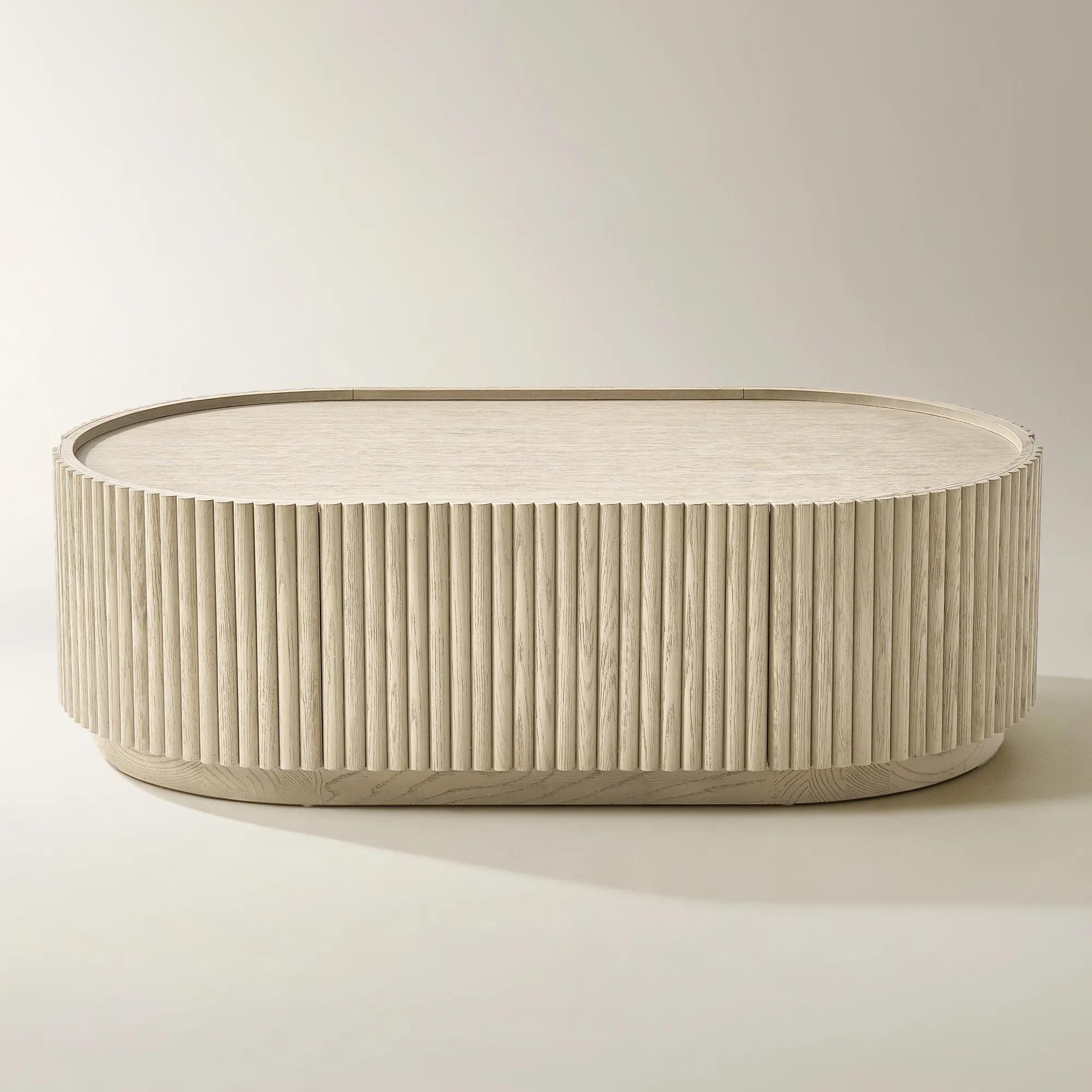
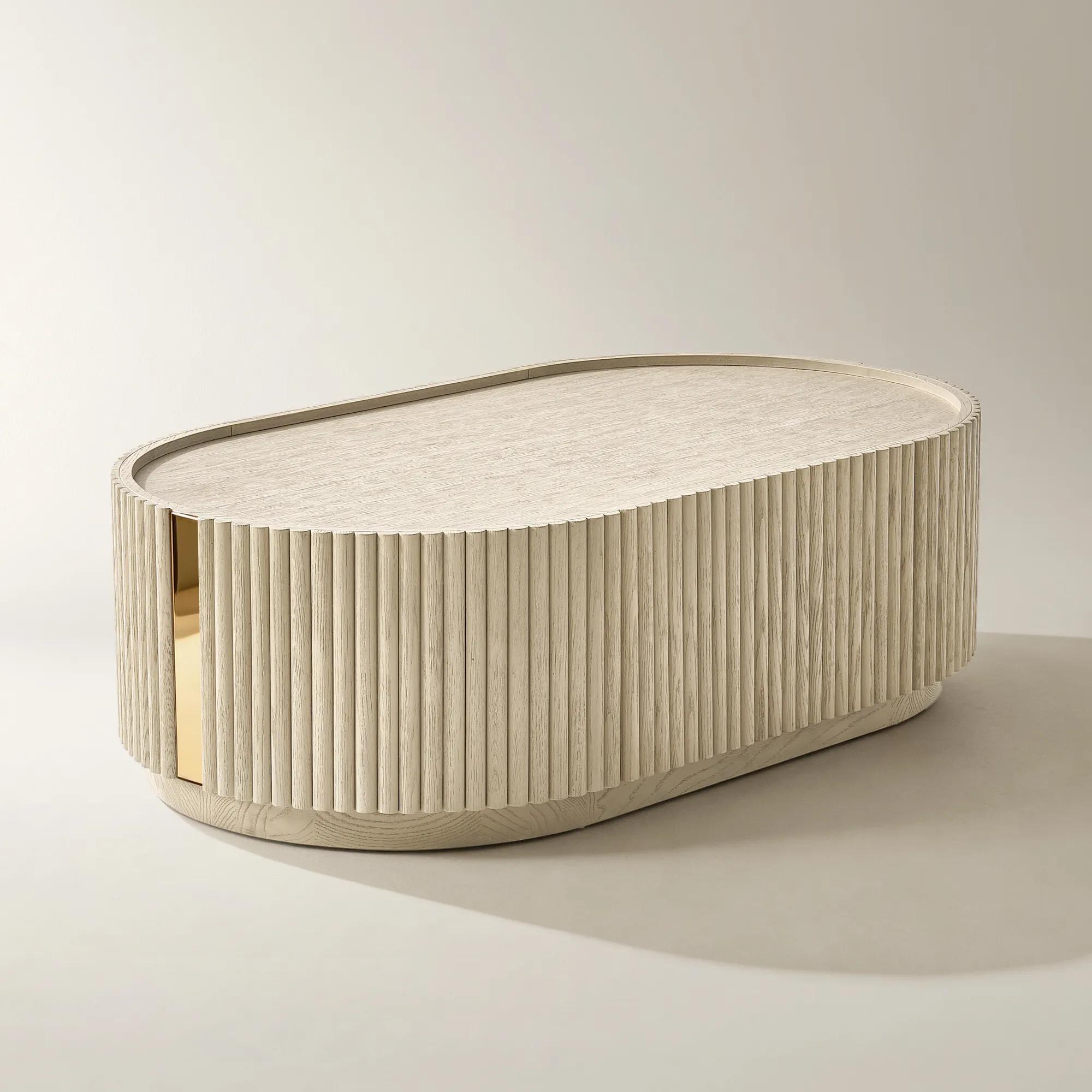 Stria Oval Reeded White Oak Coffee Table with Drawer (52")$1399
A reeded white oak coffee table with soft gold accents, recessed tabletop, and concealed soft-close drawer.
Add To Cart -
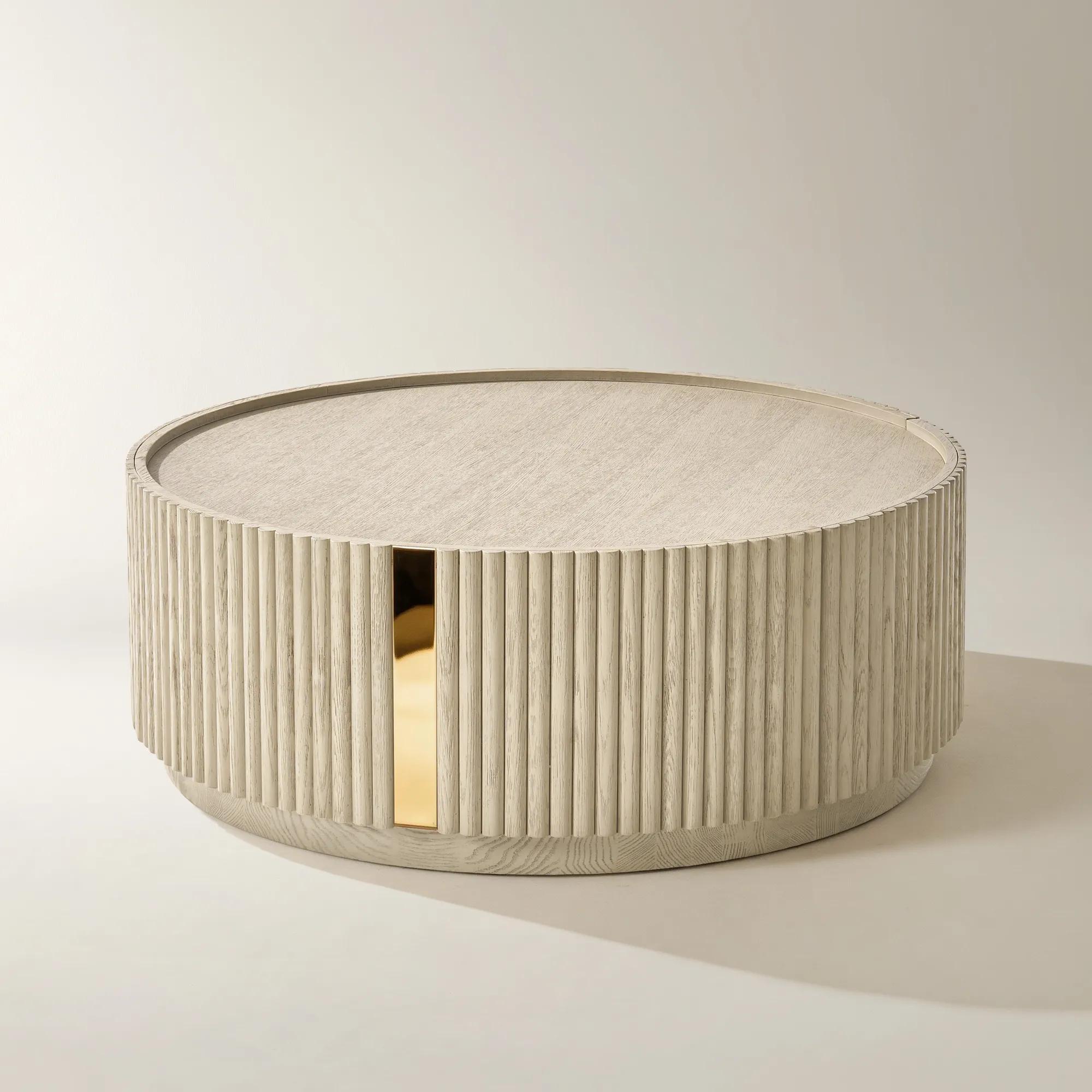 Stria Round Reeded White Oak Coffee Table with Drawer (42.3")$1499
A round coffee table featuring reeded white oak, soft gold metal trim, and a concealed soft-close drawer.
Add To Cart -
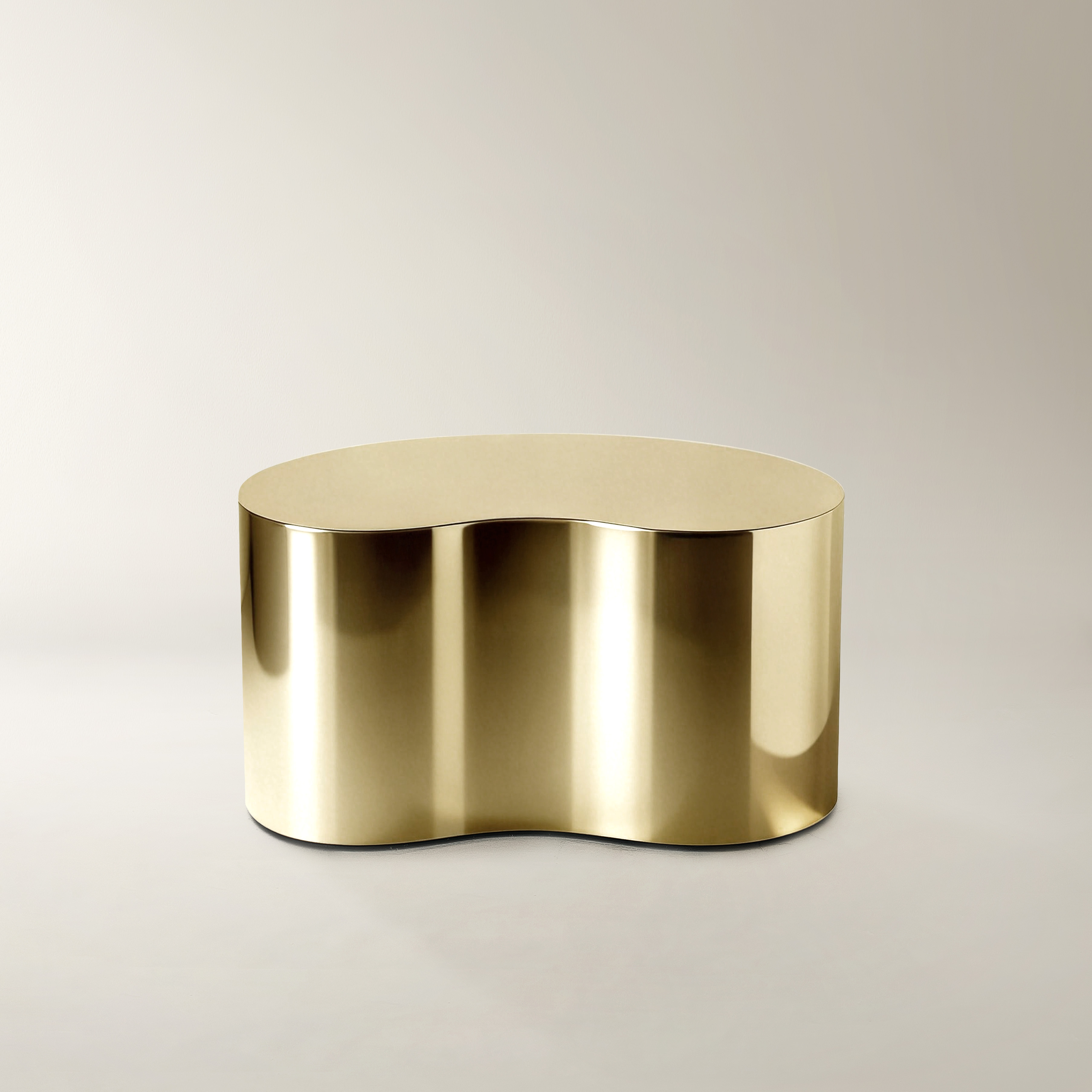 Aurea Soft Gold Coffee Table (32")$799
A sculptural coffee table crafted from premium stainless steel with a high-gloss, soft gold mirror finish.
Add To Cart -
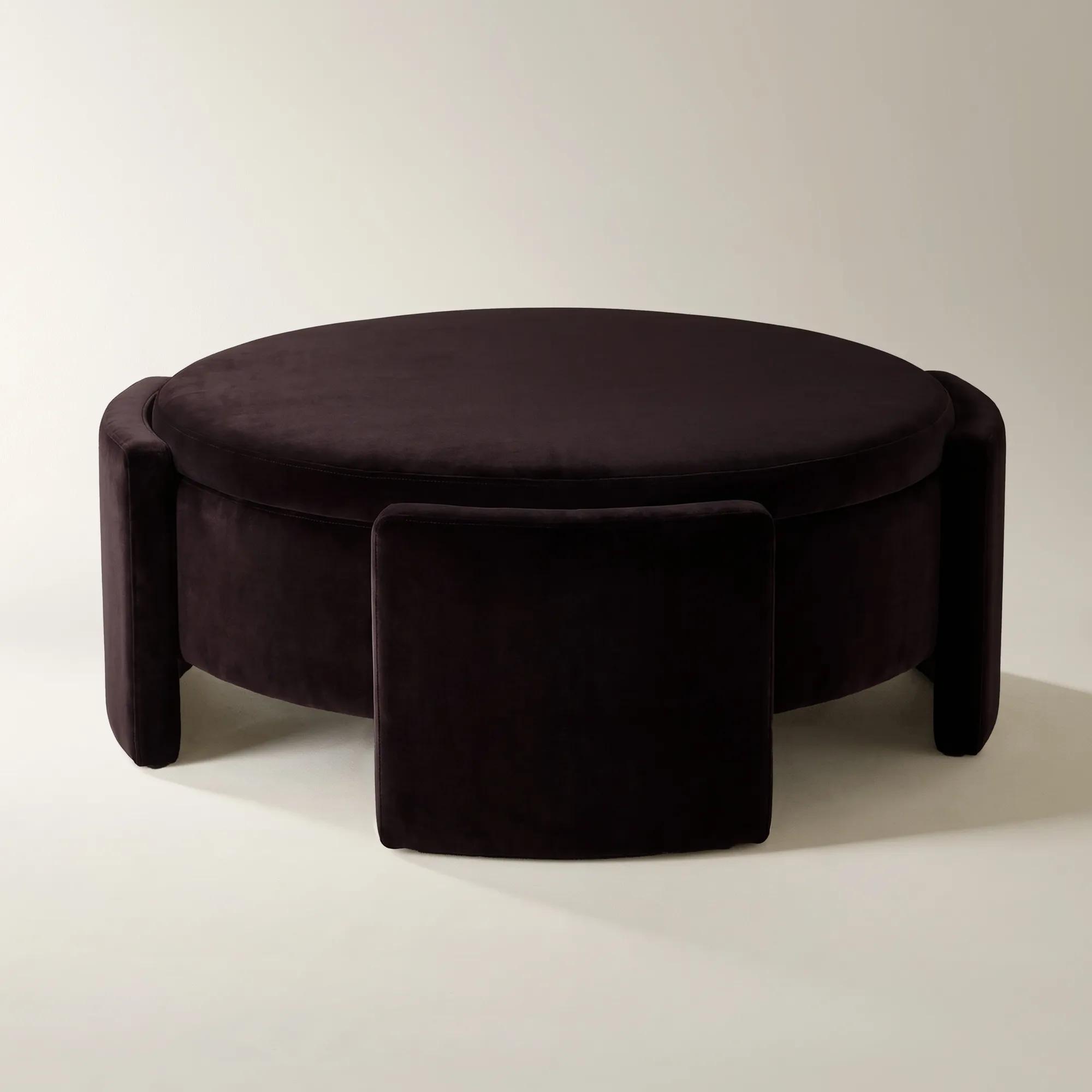
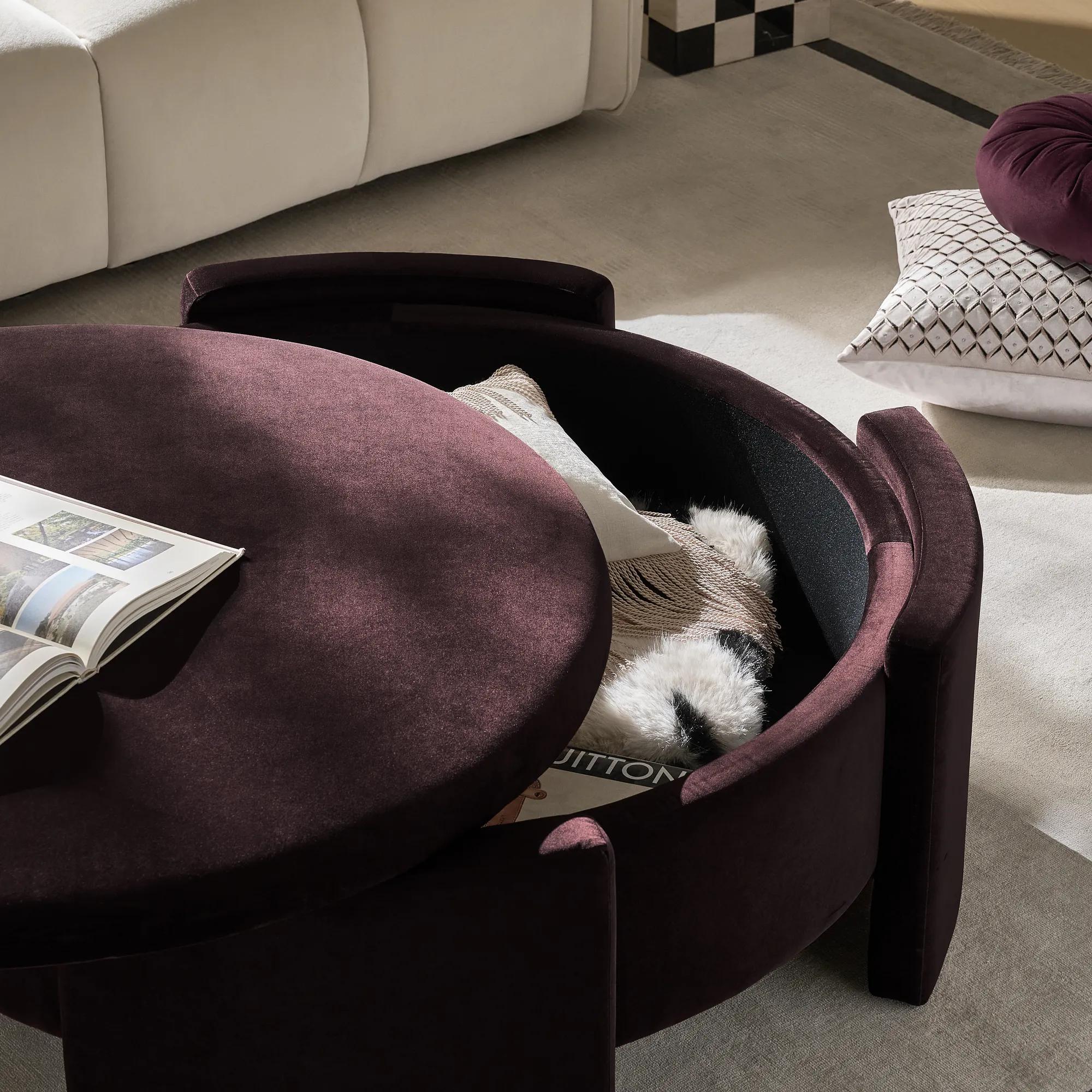 Jora Round Fig Velvet Storage Coffee Table With Reversible Tabletop (47.7")$799
A round fig velvet coffee table featuring a reversible wood tabletop and hidden interior storage.
Add To Cart -
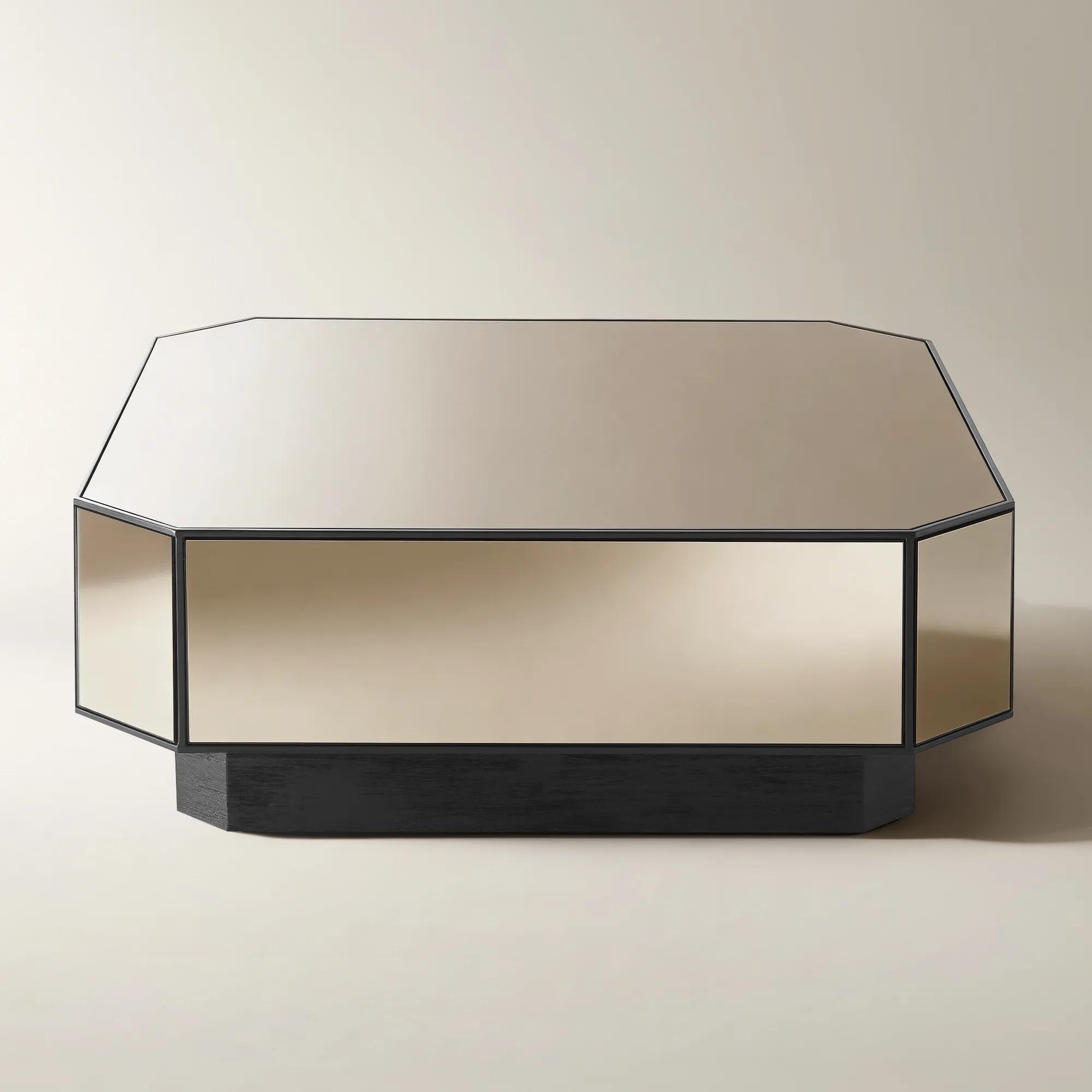 Glimmer Bronze Mirrored Coffee Table (44")$1699
A sculptural coffee table featuring bronze mirror panels and a black oak base for modern sophistication.
Add To Cart -
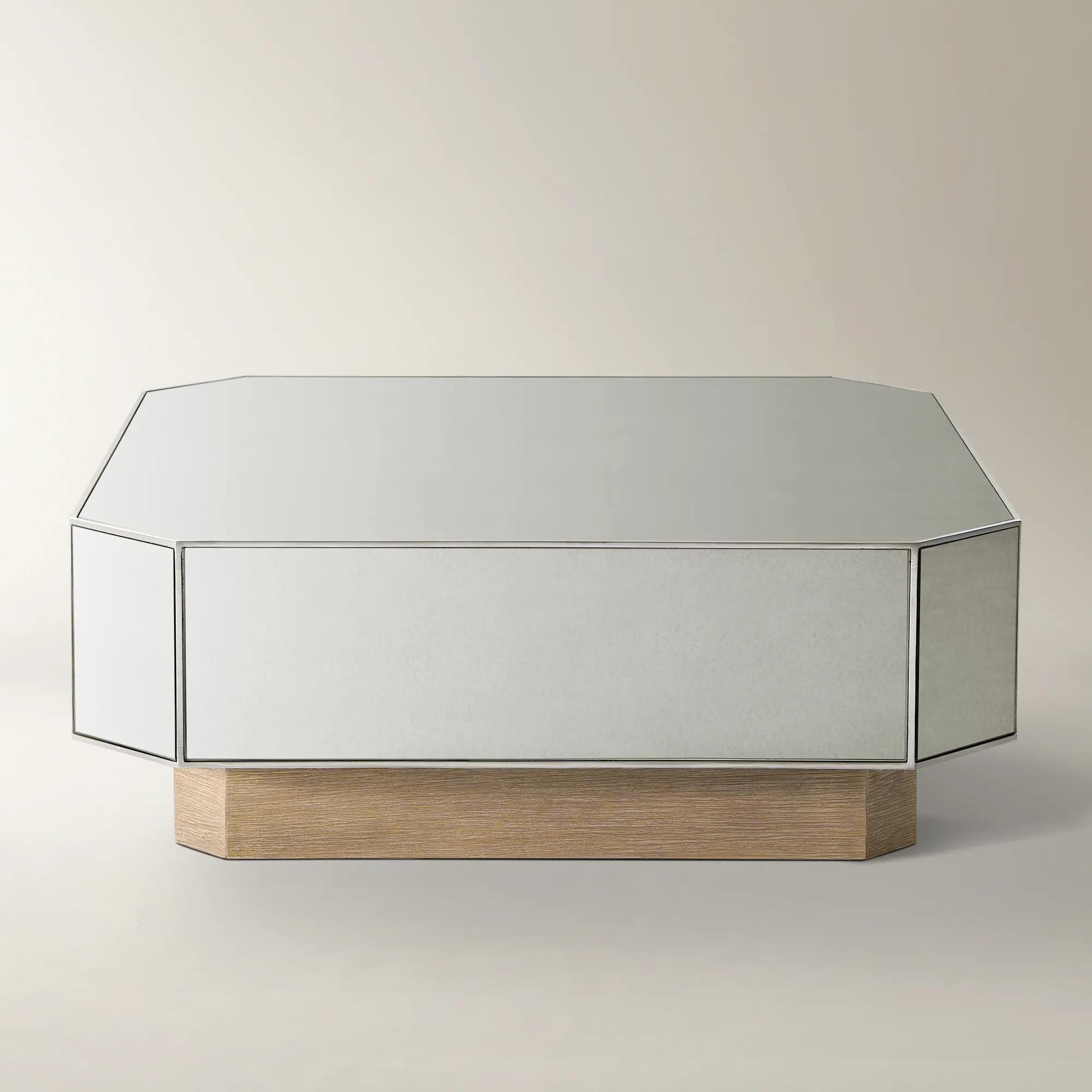 Glimmer Silver Mirrored Coffee Table (44")$1699
A luminous coffee table featuring an antique silver mirror top and warm oak veneer base with handcrafted details.
Add To Cart -
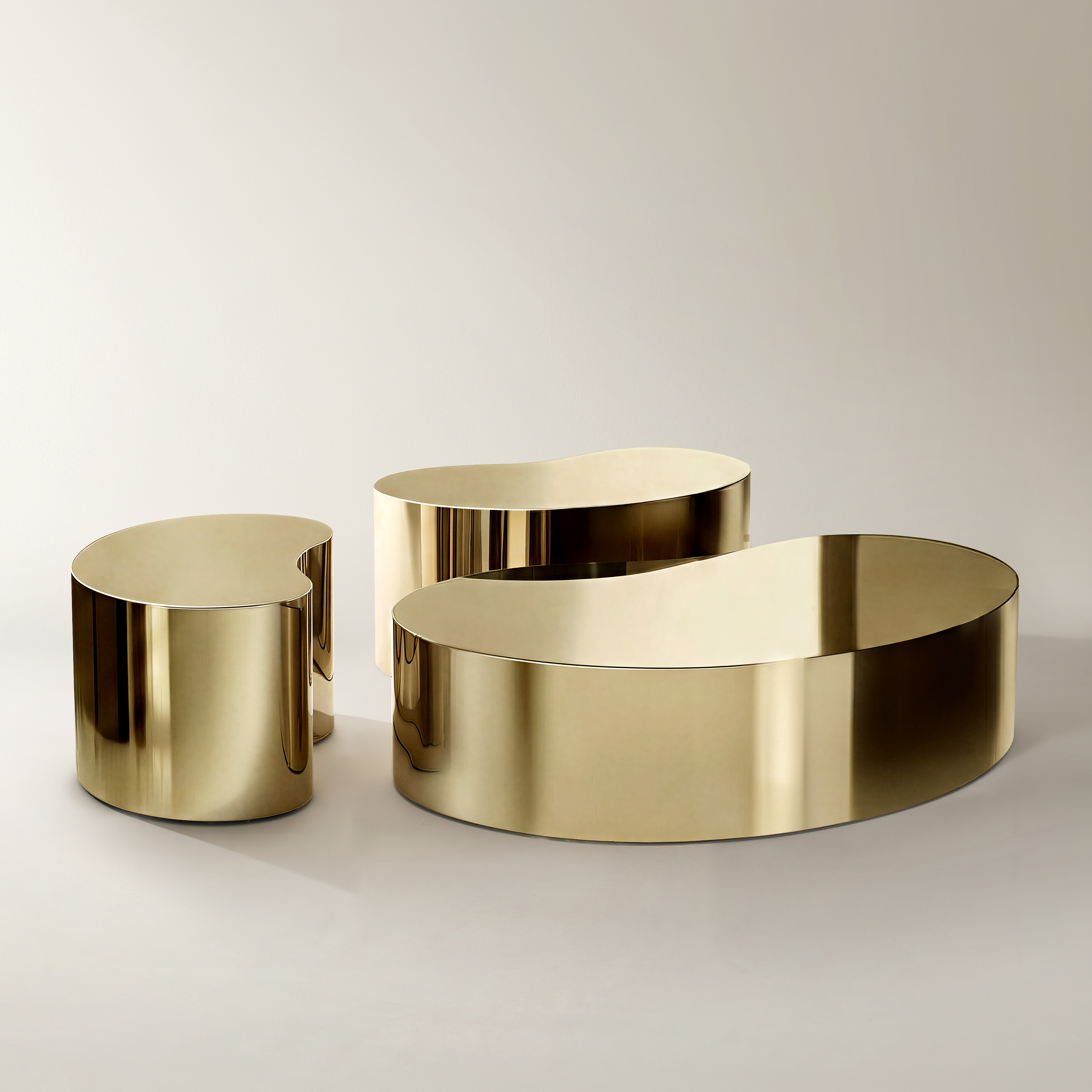 Aurea Soft Gold Coffee Table Set of 3 (32"-57")$3197
A sculptural coffee table crafted from premium stainless steel with a high-gloss, soft gold mirror finish.
Add To Cart -
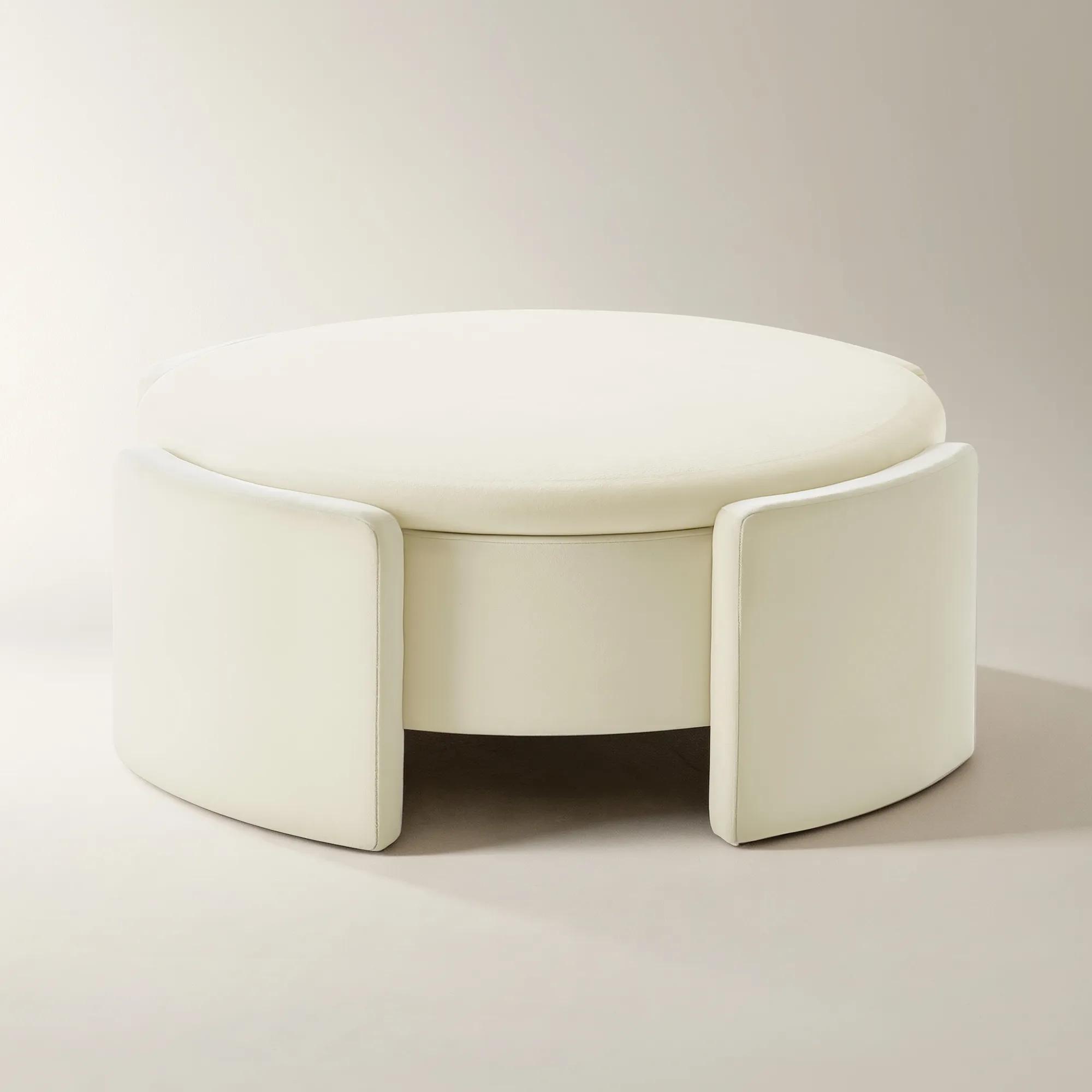
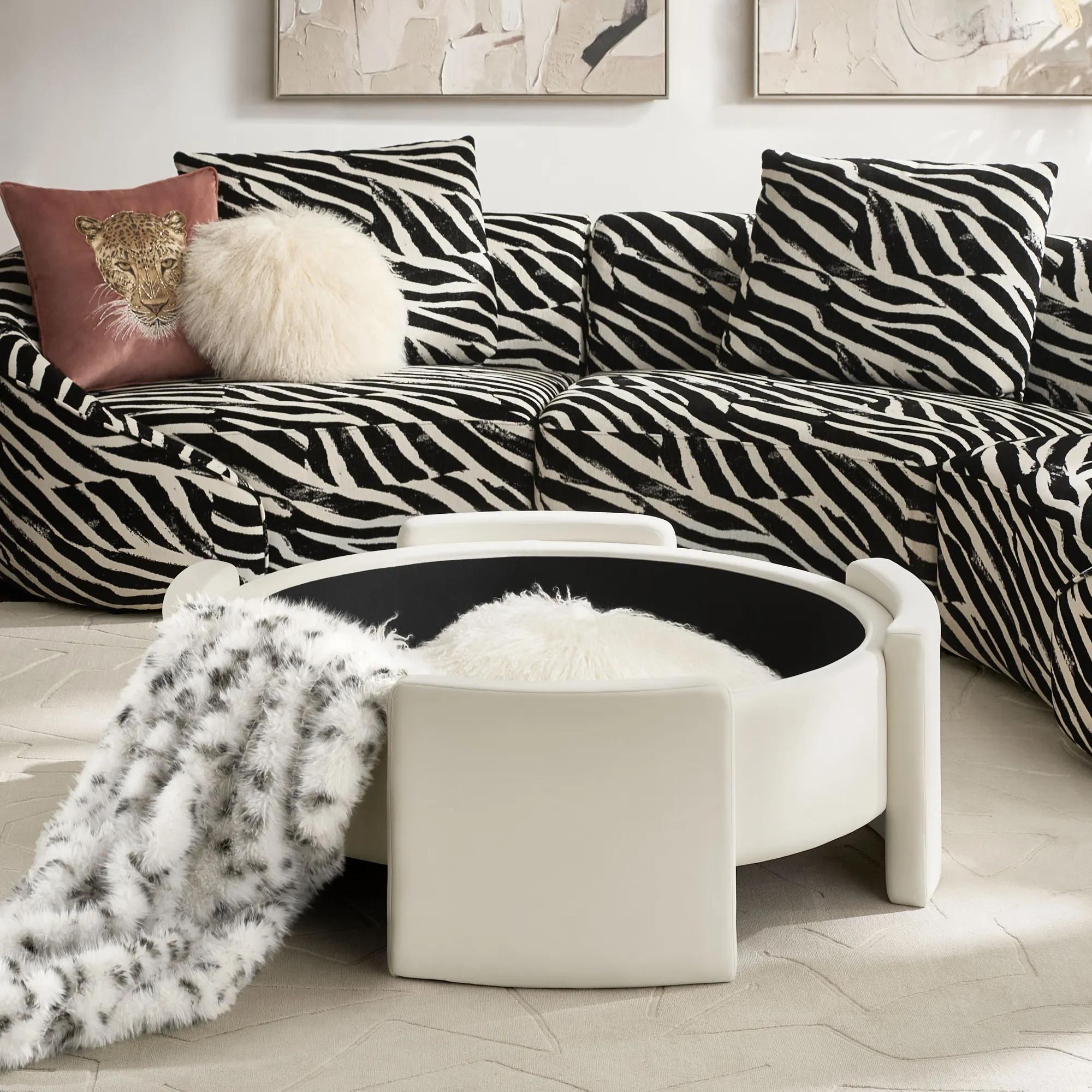 Jora Round Cloud Velvet Storage Coffee Table With Reversible Tabletop (47.7")$799
A round coffee table featuring plush velvet upholstery, reversible wood tabletop, and hidden interior storage.
Add To Cart -
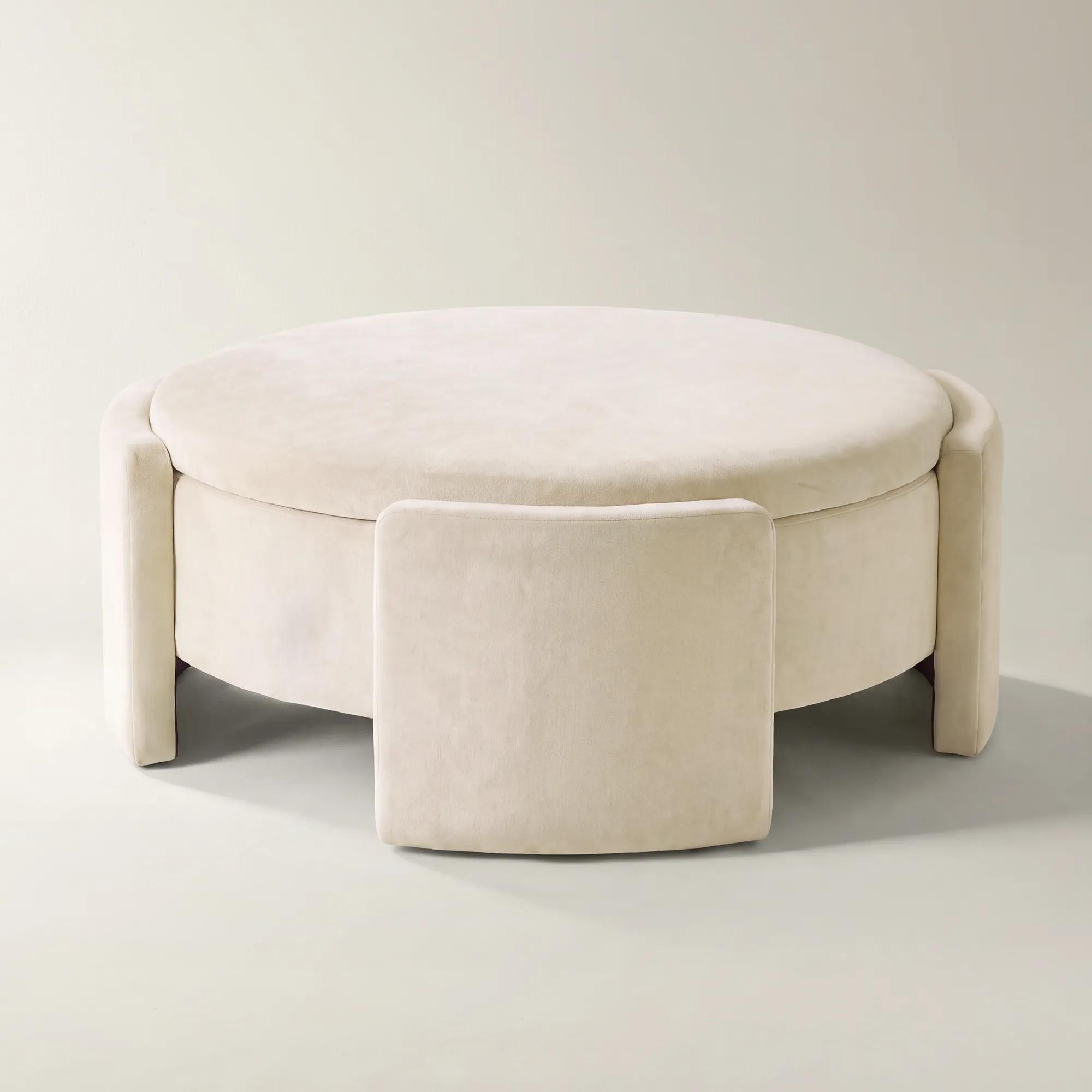
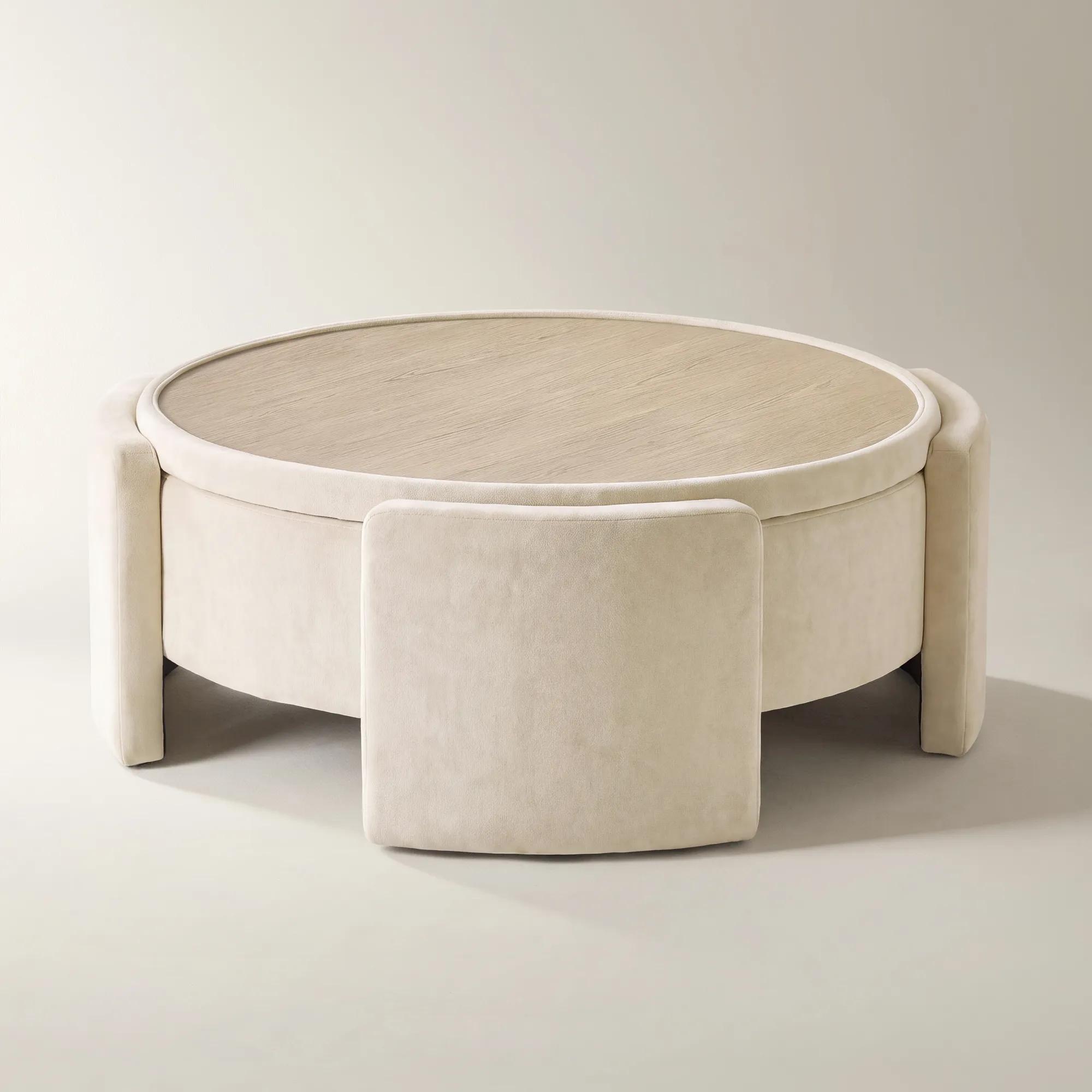 Jora Round Oatmeal Velvet Storage Coffee Table With Reversible Tabletop (47.7")$799
A round oatmeal velvet coffee table with hidden storage and a reversible velvet and wood tabletop.
Add To Cart -
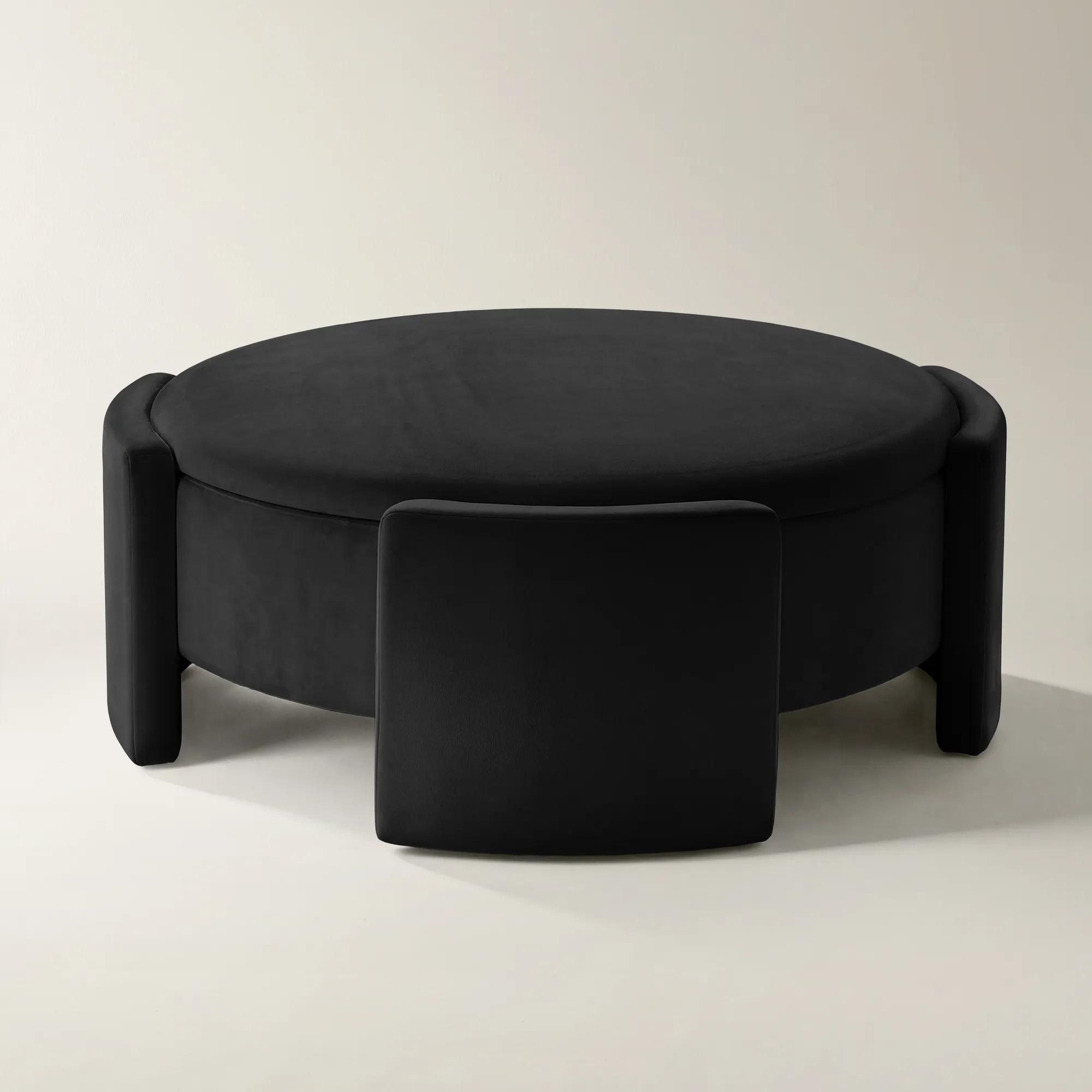
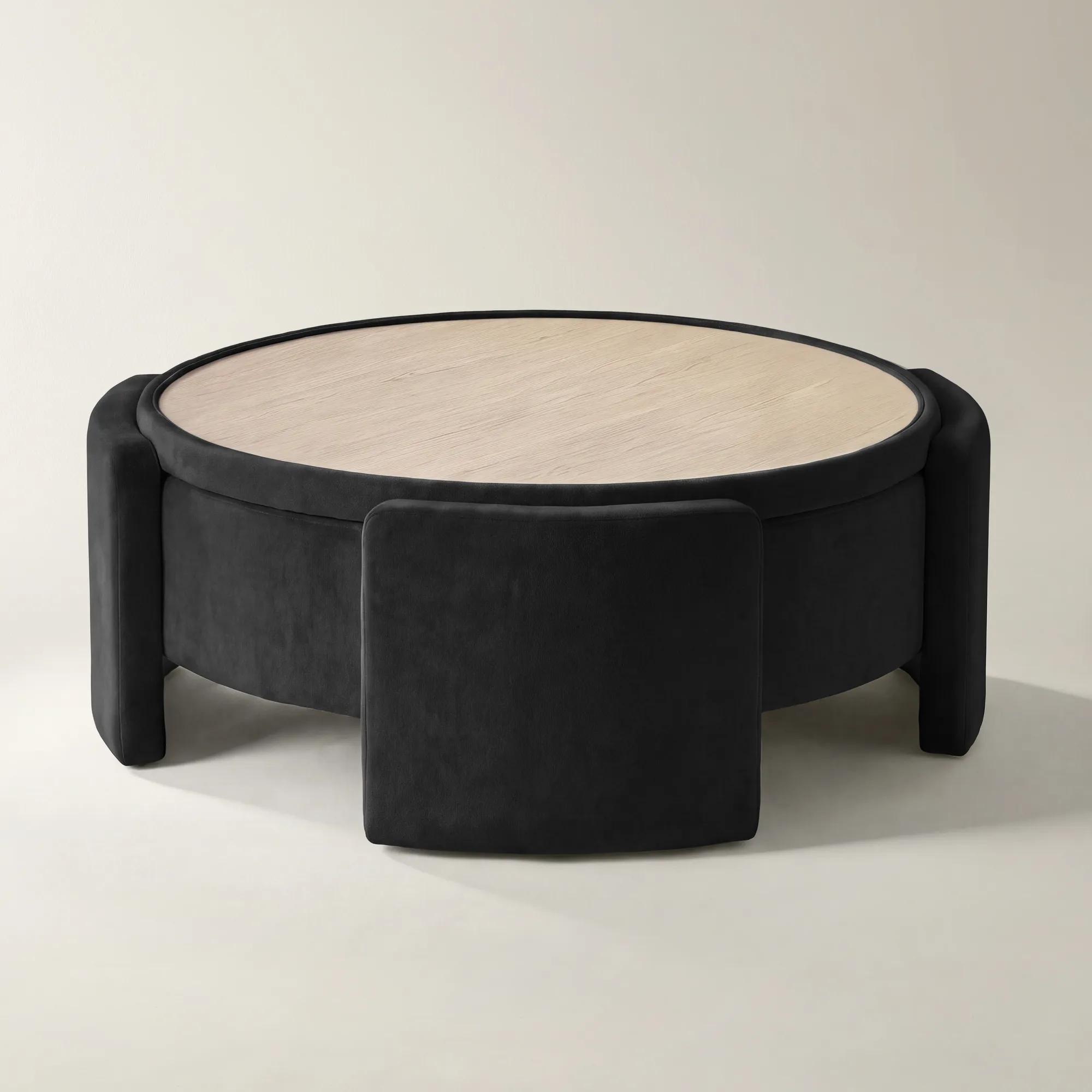 Jora Round Charcoal Velvet Storage Coffee Table With Reversible Tabletop (47.7")$799
A charcoal velvet coffee table with reversible wood veneer tabletop offers hidden storage and sculptural style.
Add To Cart -
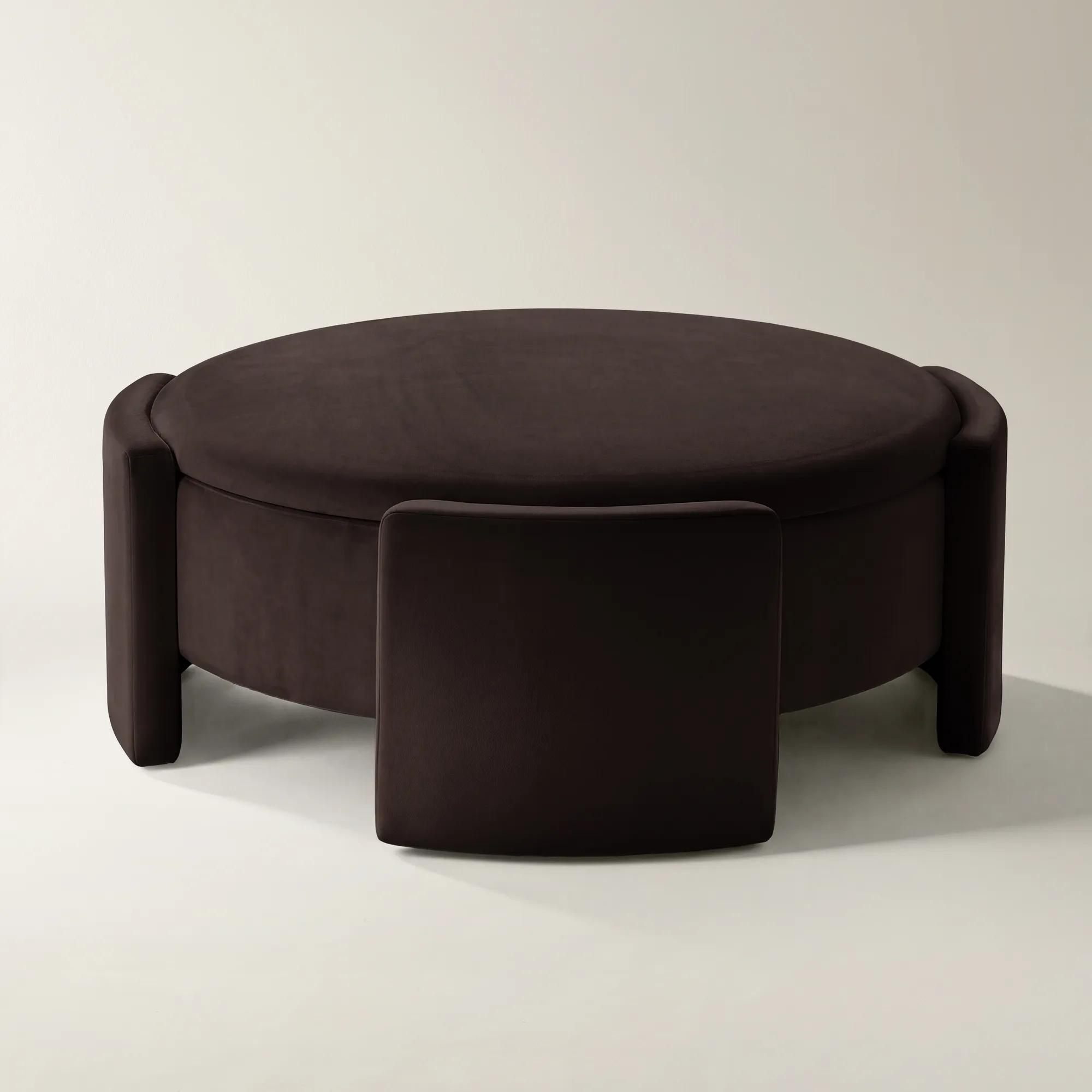
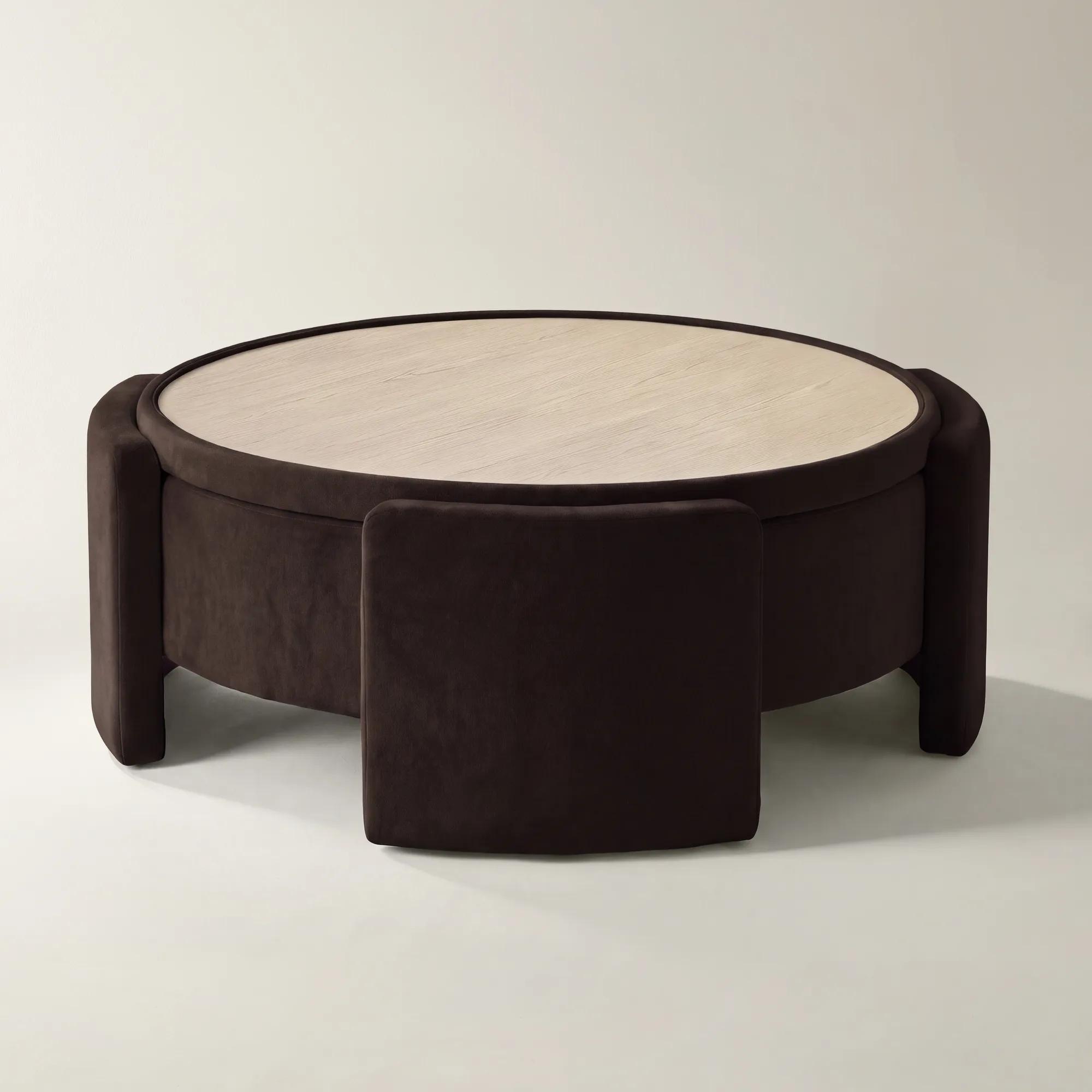 Jora Round Dark Chocolate Velvet Storage Coffee Table With Reversible Tabletop (47.7")$799
A dark chocolate velvet coffee table with hidden storage and a reversible velvet-and-rubberwood tabletop.
Add To Cart -
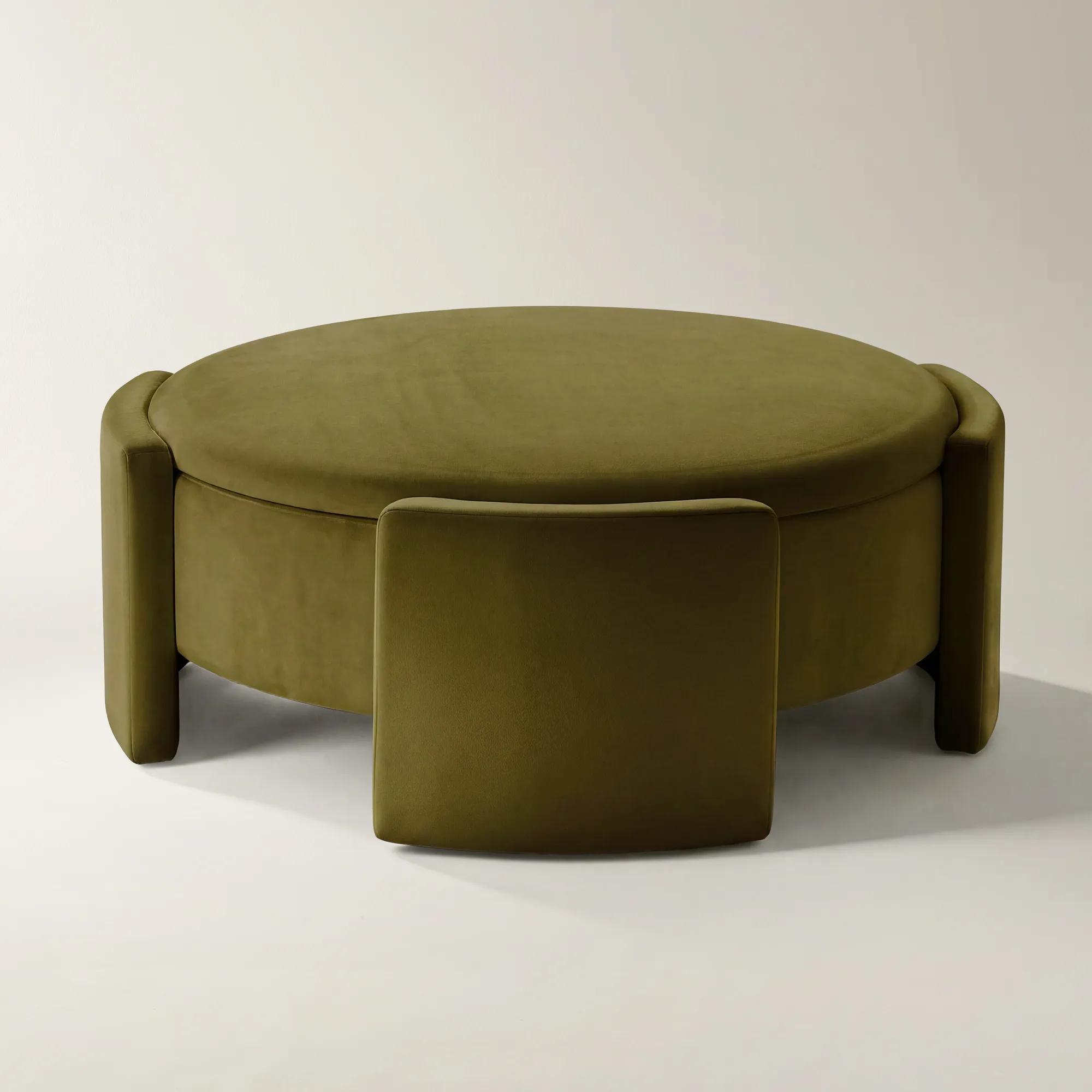
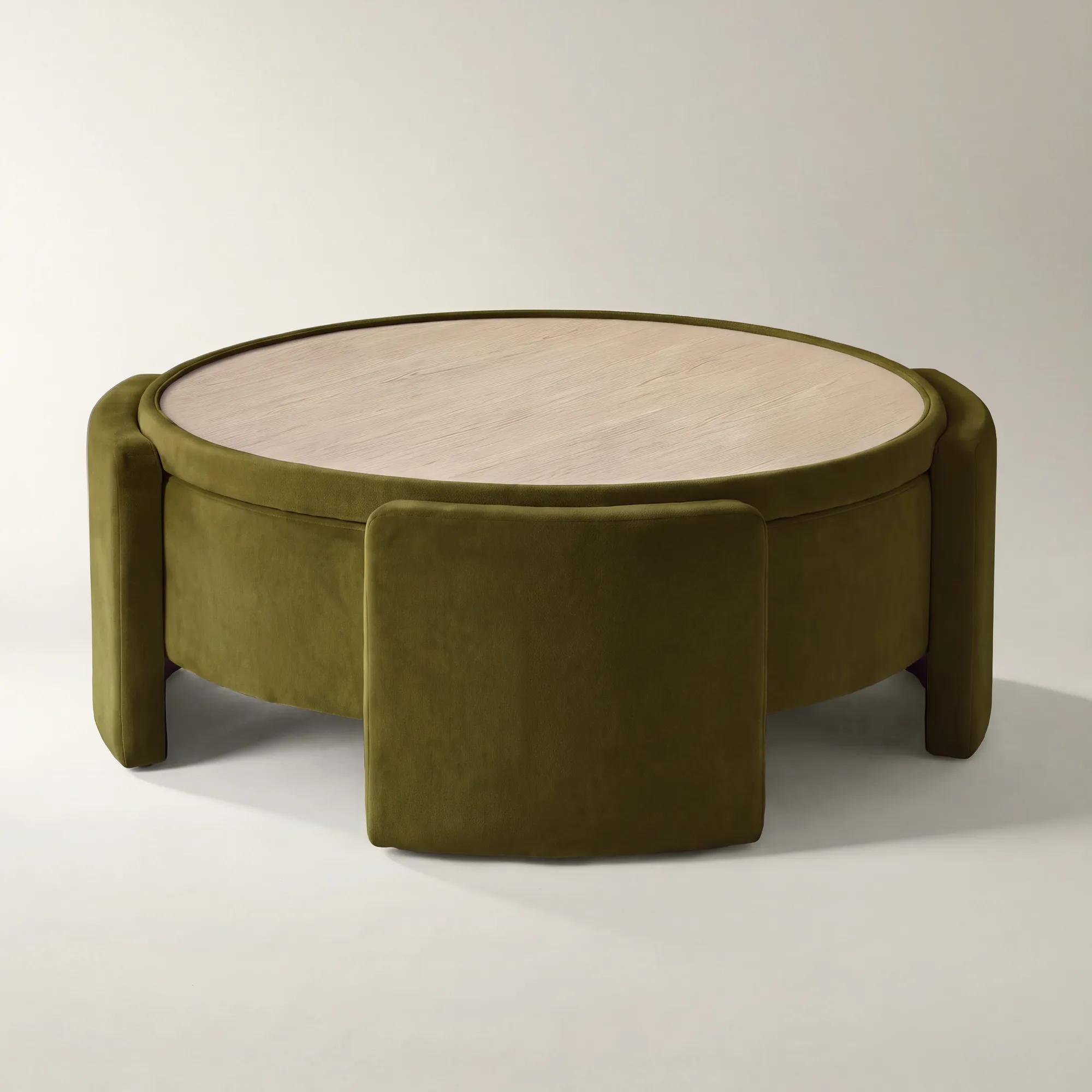 Jora Round Deep Olive Velvet Storage Coffee Table With Reversible Tabletop (47.7")$799
A deep olive velvet coffee table with a reversible tabletop and hidden storage.
Add To Cart -
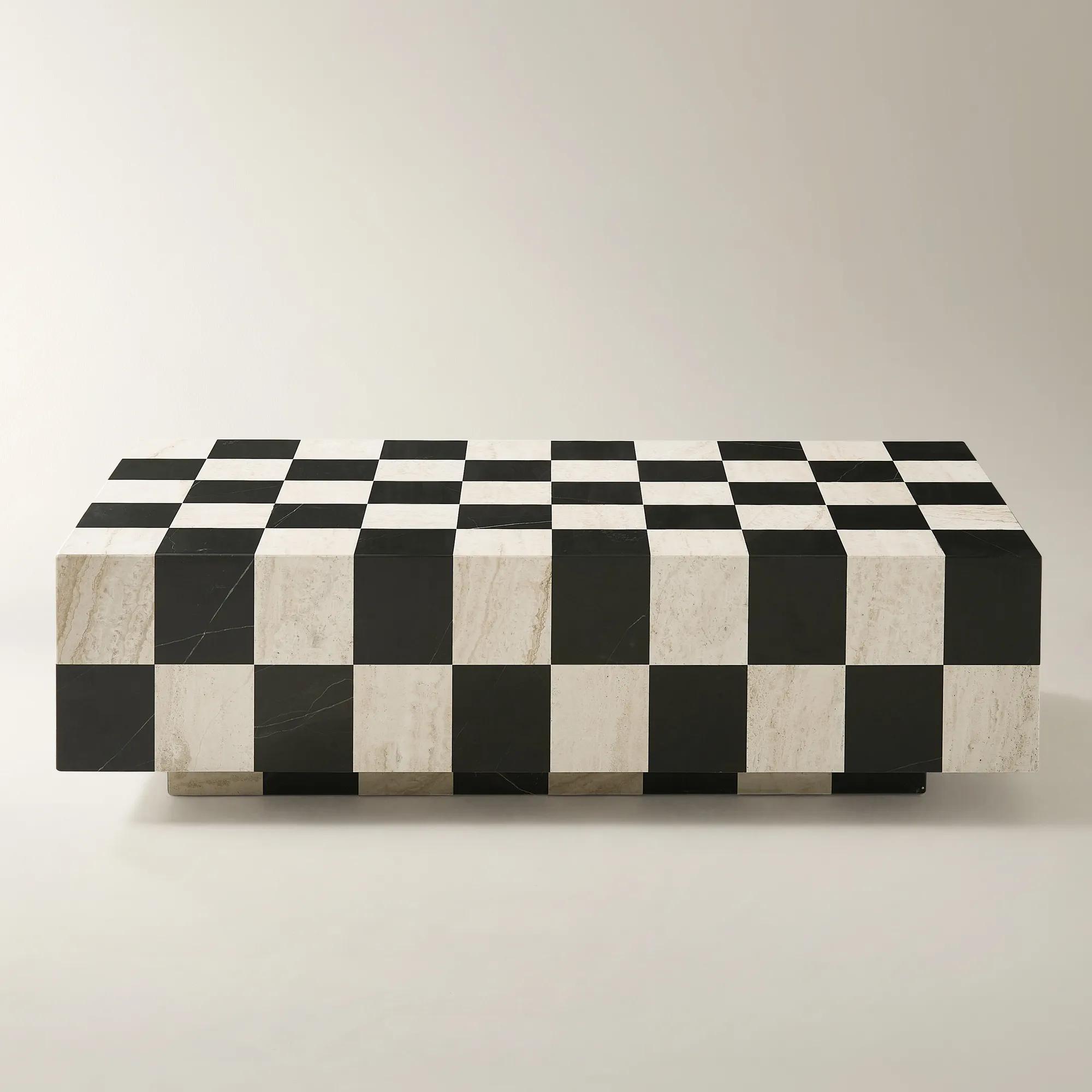 Chessa Rectangular Chequered Marble Coffee Table (53.1")$2399
A sculptural coffee table featuring polished black marble and travertine checkerboard mosaic with a monolithic silhouette.
Add To Cart -
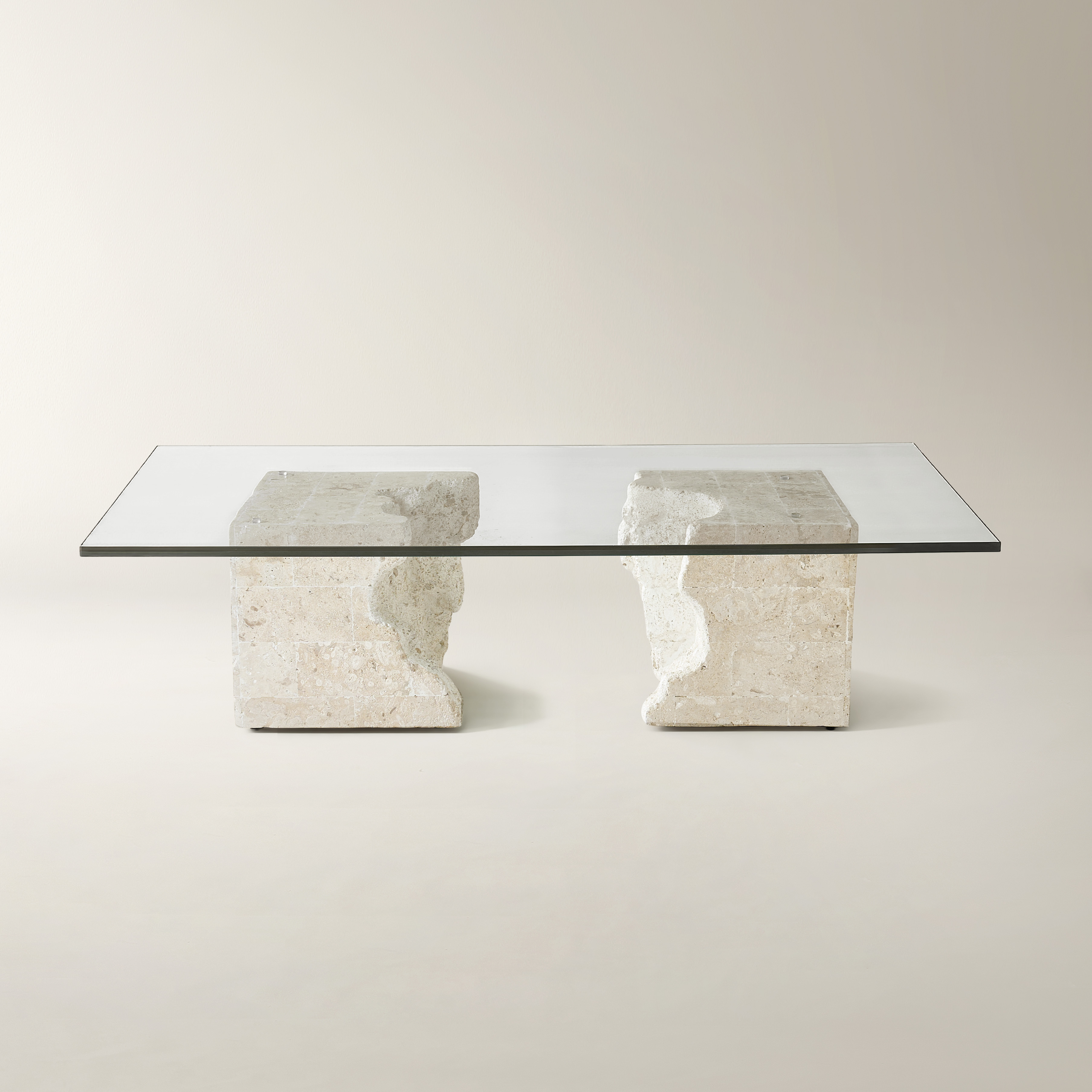 Cairo Rectangular Mactan Stone Coffee Table With Glass Top (63")$1899
A contemporary coffee table featuring a clear tempered glass top floating above hand-carved Mactan stone bases.
Add To Cart -
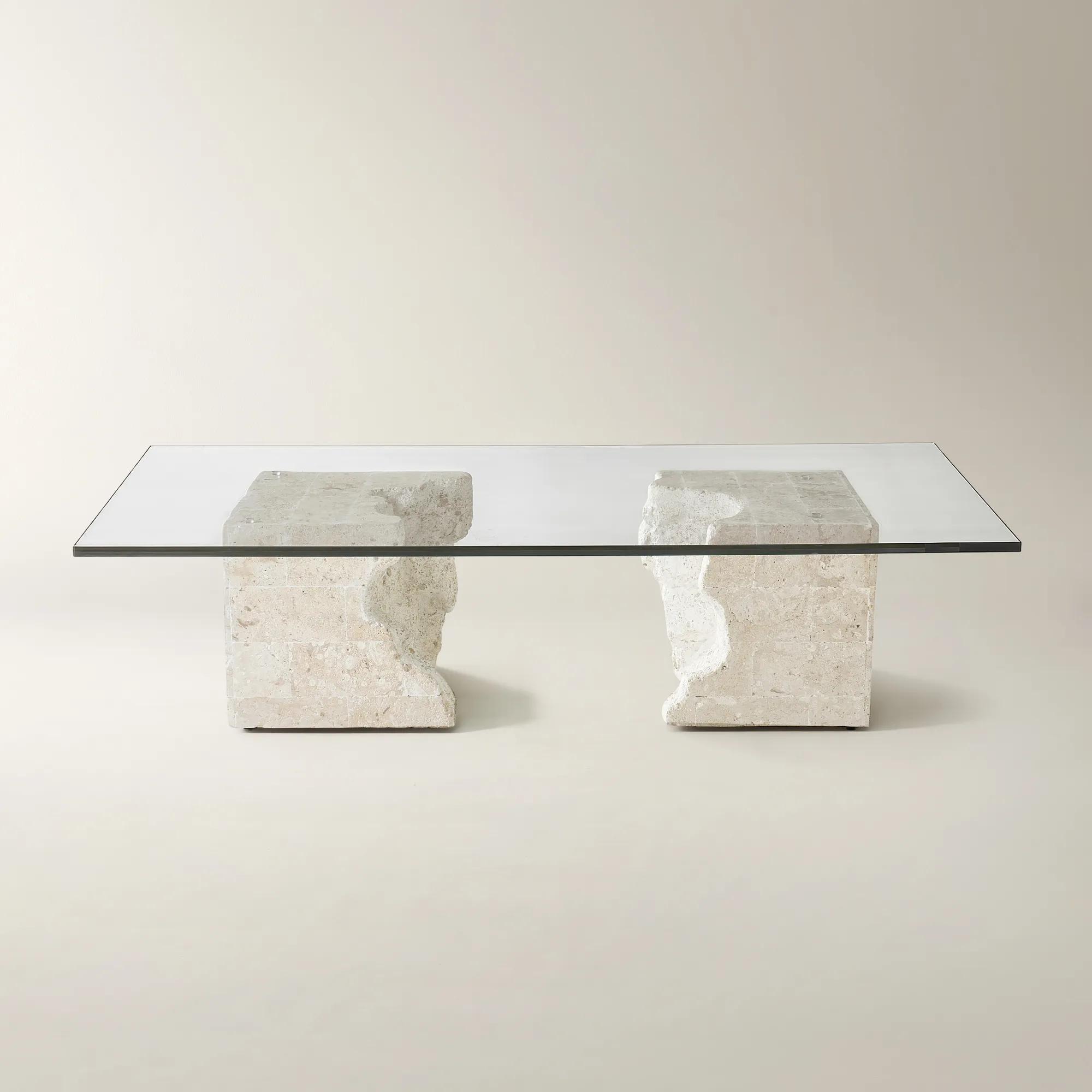 Cairo Rectangular Mactan Stone Coffee Table With Glass Top (70.87")$1999
A contemporary coffee table featuring a clear tempered glass top floating above hand-carved Mactan stone bases.
Add To Cart

Modern Luxury Coffee Tables
Find modern luxury coffee tables to anchor your living room with a distinctive focal point. Explore contemporary silhouettes with your sofa’s height, seating layout, and available floor space in mind. Look for proportions that complement your furniture, leave comfortable room to move, and keep everyday essentials within reach.
Modern luxury coffee tables combine sculptural forms, refined materials, and thoughtful craftsmanship to anchor a contemporary living room. Their presence extends beyond the surface: a sweeping curve can soften an angular sofa, a mirror-finish base can amplify the light, and richly veined stone can introduce the visual depth of an abstract painting. These are furnishings for spaces where everyday rituals deserve an exceptional setting, from morning espresso beside an art book to an evening gathering arranged around a beautifully composed centerpiece. Materials establish much of that character. Marble and other natural stones bring distinctive movement, with variations in veining and color that make each surface visually individual. Clear glass reveals the architecture beneath it, allowing an expressive base or richly textured rug to remain part of the composition. Smoked glass introduces a more atmospheric effect, while polished metal lends precision and a luminous edge. Wood offers another kind of richness, balancing sleek upholstery and reflective accents with grain, depth, and tactile warmth. A well-crafted wood veneer can showcase striking grain patterns over a stable core; solid wood has its own character and may respond more noticeably to changes in indoor humidity. The distinction is less about a single definition of luxury than the relationship between material, construction, finish, and daily use. A stone top on a substantial pedestal creates a different impression from a slender glass surface poised above an open metal frame. Both can feel commanding when the proportions are considered. Beautiful detailing also lives in quieter places: a carefully finished edge, balanced joints, an even coating, or a base that feels steady beneath the top. For an entertainer, the appeal may be a generous surface that makes a gathering feel effortless. For a design enthusiast, it may be an unexpected silhouette that turns the center of the room into an artistic focal point. The strongest choices bring those ambitions together, giving the room a distinctive identity without sacrificing the pleasure of actually living in it.
Scale gives that visual drama its confidence. A modern luxury coffee table should relate to the seating around it, with enough presence to hold the arrangement together and enough breathing room to keep movement comfortable. As a general starting point, a table approximately two-thirds the length of a sofa often creates a balanced composition, while a surface near the height of the seat cushions keeps drinks and books comfortably within reach. Leaving roughly 14 to 18 inches between the table and seating usually supports easy access, although deeper seats, reclining furniture, and individual mobility needs may call for a different arrangement. Main walking routes need more generous clearance than the space used to reach for a cup. Shape changes the experience just as much as size. A rectangular coffee table echoes the long line of a sofa and offers room to separate a serving tray from a decorative arrangement. A round or oval silhouette softens a room with strong architectural lines and removes projecting corners from the path around the seating. A square form can give a broad sectional arrangement a persuasive center, provided the surrounding seats can reach it comfortably. Nesting designs offer flexibility where entertaining and quiet evenings share the same footprint, while a lower shelf or concealed compartment can keep remotes and everyday accessories from interrupting the composition. For compact rooms, an open base or transparent top can preserve sightlines; a pedestal or solid-volume design creates a more grounded, monumental effect. Neither approach depends on the room being large. The balance between footprint and visual weight matters more. A smaller table with a striking profile can be more expressive than an oversized piece that crowds the sofa. Explore New Modern Coffee Tables for another perspective on contemporary silhouettes and the possibilities they bring to a seating arrangement. Whether furnishing a first apartment, reimagining a formal sitting room, or completing a shared family lounge, the right proportions make bold design feel naturally at home.
Lasting beauty depends on choosing a surface that suits the room’s habits and caring for its particular finish. In a living room where coffee, cocktails, and conversation regularly converge, coasters and a serving tray protect the tabletop while giving the arrangement a polished sense of intention. Natural marble is porous and can stain; acidic liquids can also etch its surface, even when it has been sealed. Prompt attention to spills and adherence to the manufacturer’s care and sealing recommendations help preserve its character. Glass brings clarity and lightness but readily reveals fingerprints, so regular cleaning with a suitable product and a soft cloth keeps the effect crisp. Tempered glass, where specified, offers greater impact resistance than standard glass, though edges still deserve careful handling. Wood and veneer benefit from protection against standing moisture, excessive heat, and abrasive objects. Metal finishes vary, making finish-specific care more appropriate than assuming a household polish will suit every surface. Across materials, lifting decorative objects rather than dragging them helps reduce scratches, and felt pads beneath substantial accessories add discreet protection. Durability also involves the construction beneath the finish: secure connections, a stable base, and appropriate use matter as much as a glamorous first impression. Coffee tables are generally intended for drinks, books, and decorative objects, not for sitting or standing unless expressly designed for that purpose. Styling can honor that practical role without diminishing the drama. A low vessel with generous curves, an oversized book, and a luminous accent create contrast while leaving a comfortable landing place for a glass. Keeping taller arrangements away from the main line of conversation allows guests to see one another easily. In a room already rich with pattern, a quieter tabletop can make the materials feel even more sumptuous; against restrained upholstery, a bolder composition can become the defining gesture. A luxury coffee table earns its place through this balance of artistry and ease, giving daily life a beautifully considered center.
FAQs
A modern luxury coffee table pairs a distinctive silhouette with refined detailing and an expressive finish. Clean lines keep the look contemporary, while sculptural forms or luminous accents introduce drama. More than a place to gather, it becomes a focal point that gives the living room its artistic point of view.
Create a considered composition with art books, a sculptural object, and a vase of expressive stems. Vary the forms and textures, then leave portions of the surface exposed so the table’s design remains part of the display. A restrained color palette lets each distinctive detail command attention.
Round and oval coffee tables introduce fluidity, offering a graceful counterpoint to angular seating. Square and rectangular silhouettes create a more architectural mood, while freeform designs bring an artful, unexpected presence. Choose a shape that either echoes your room’s dominant lines or creates deliberate contrast.
Let the relationship between silhouettes set the mood. A curved coffee table can soften a tailored sofa, while an angular design adds definition beside plush, rounded upholstery. Echo a color or finish elsewhere in the room to make the pairing feel intentional without matching every detail.
Mixing finishes can give a modern luxury living room depth and individuality. Contrast a gleaming coffee table with more subdued surrounding pieces, or pair a softly textured table with luminous accents. Repeat an undertone or decorative detail across the room to connect the contrasts into a cohesive composition.