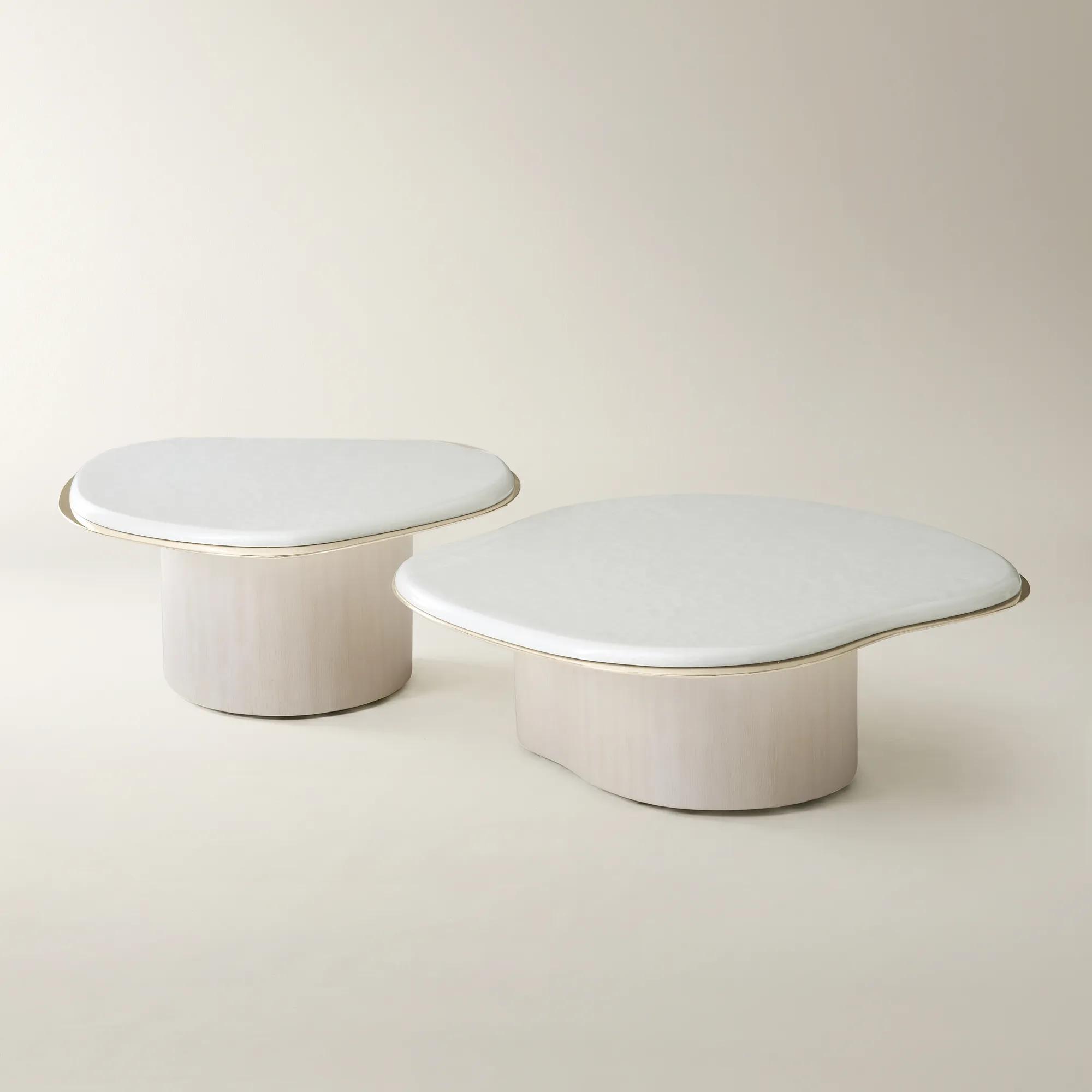
Luxury Coffee Tables For Modern Homes
Luxury Coffee Tables For Modern Homes
-
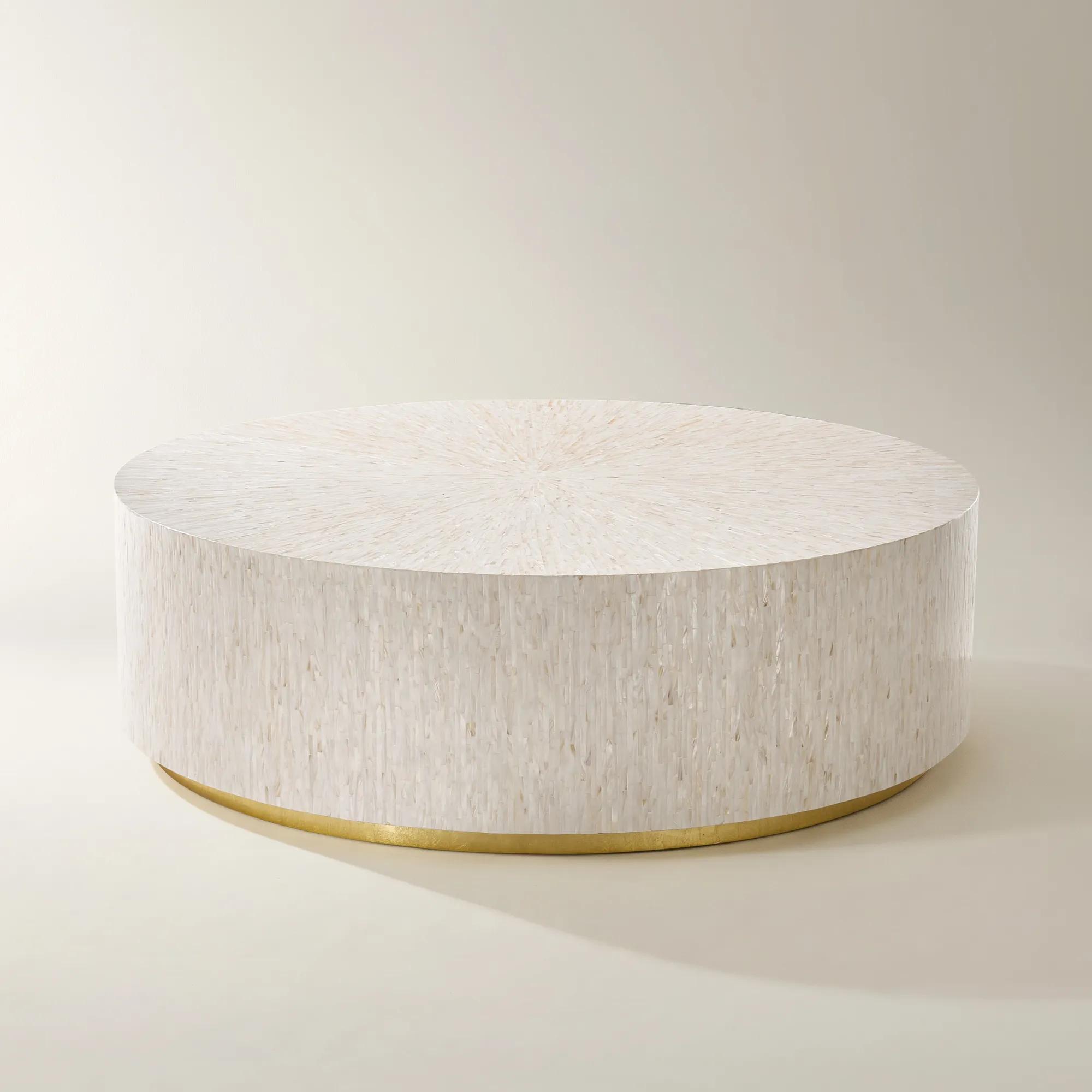 Alexandria Round Mosaic Platinum Coffee Table (52")$1399
A luminous mother-of-pearl mosaic coffee table with a sculptural round form and gold leaf–accented base.
Add To Cart -
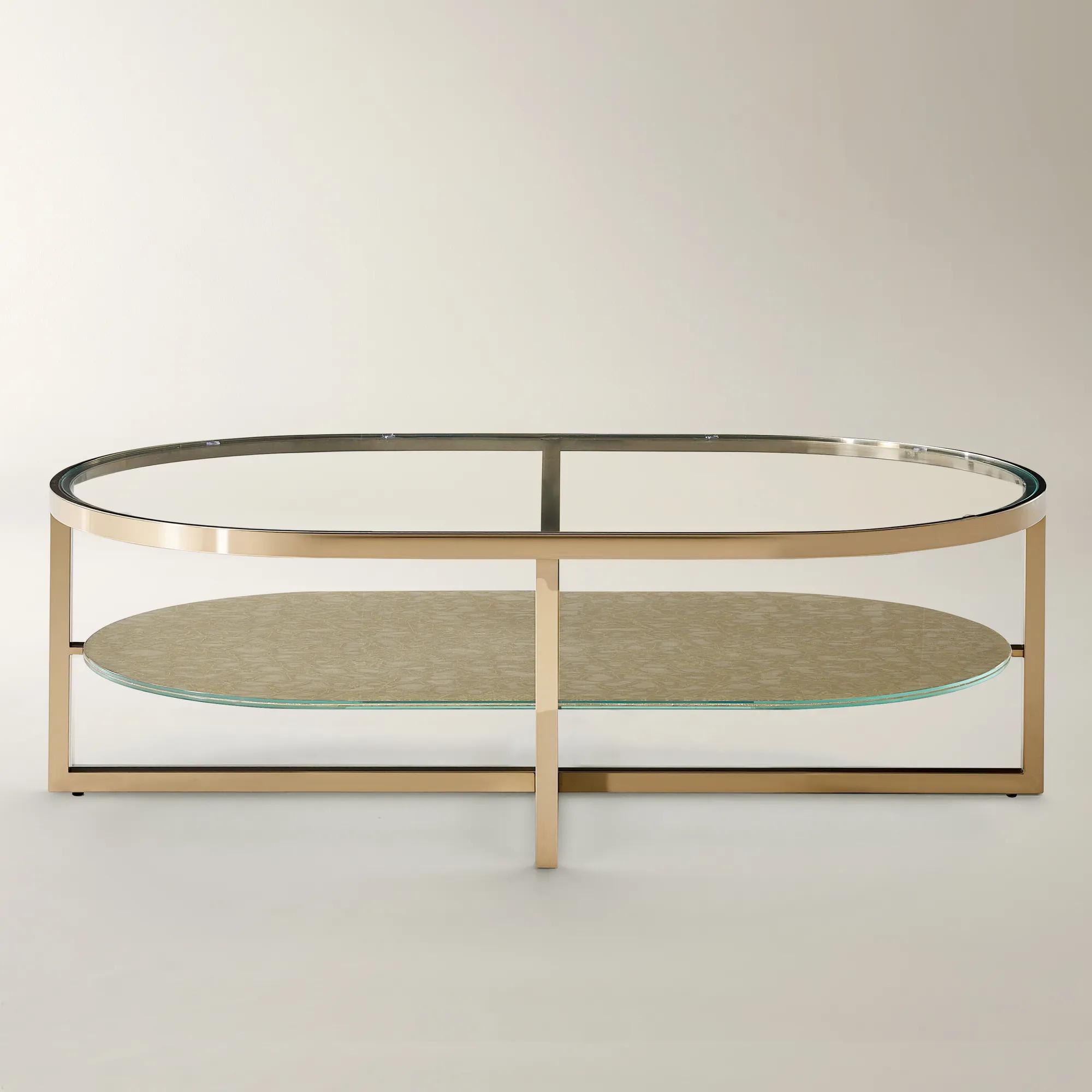
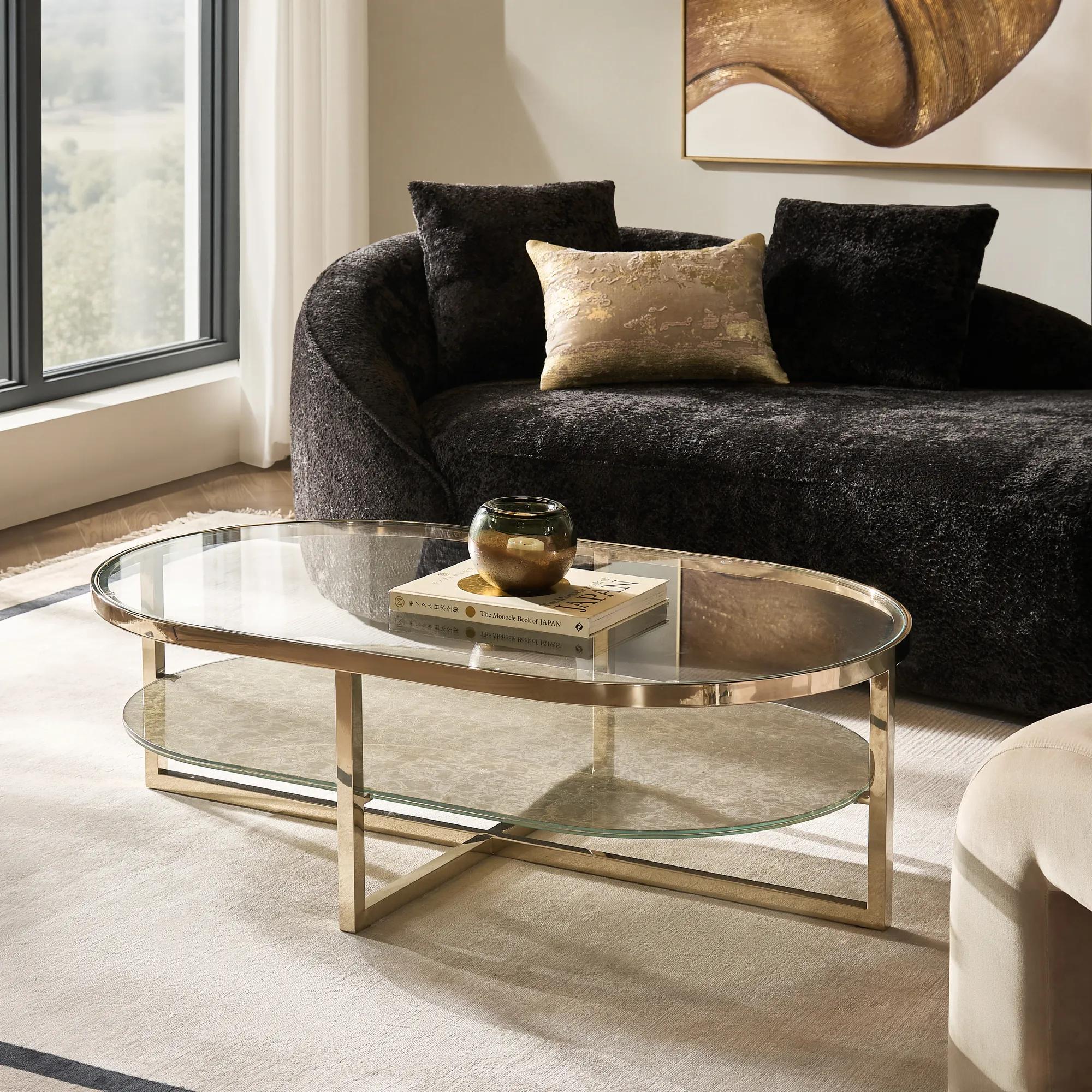 Duality Oval Fabric-Laminated Glass Coffee Table (47")$999
A modern oval coffee table featuring a tempered glass top, fabric-laminated shelf, and soft gold stainless steel frame.
Add To Cart -
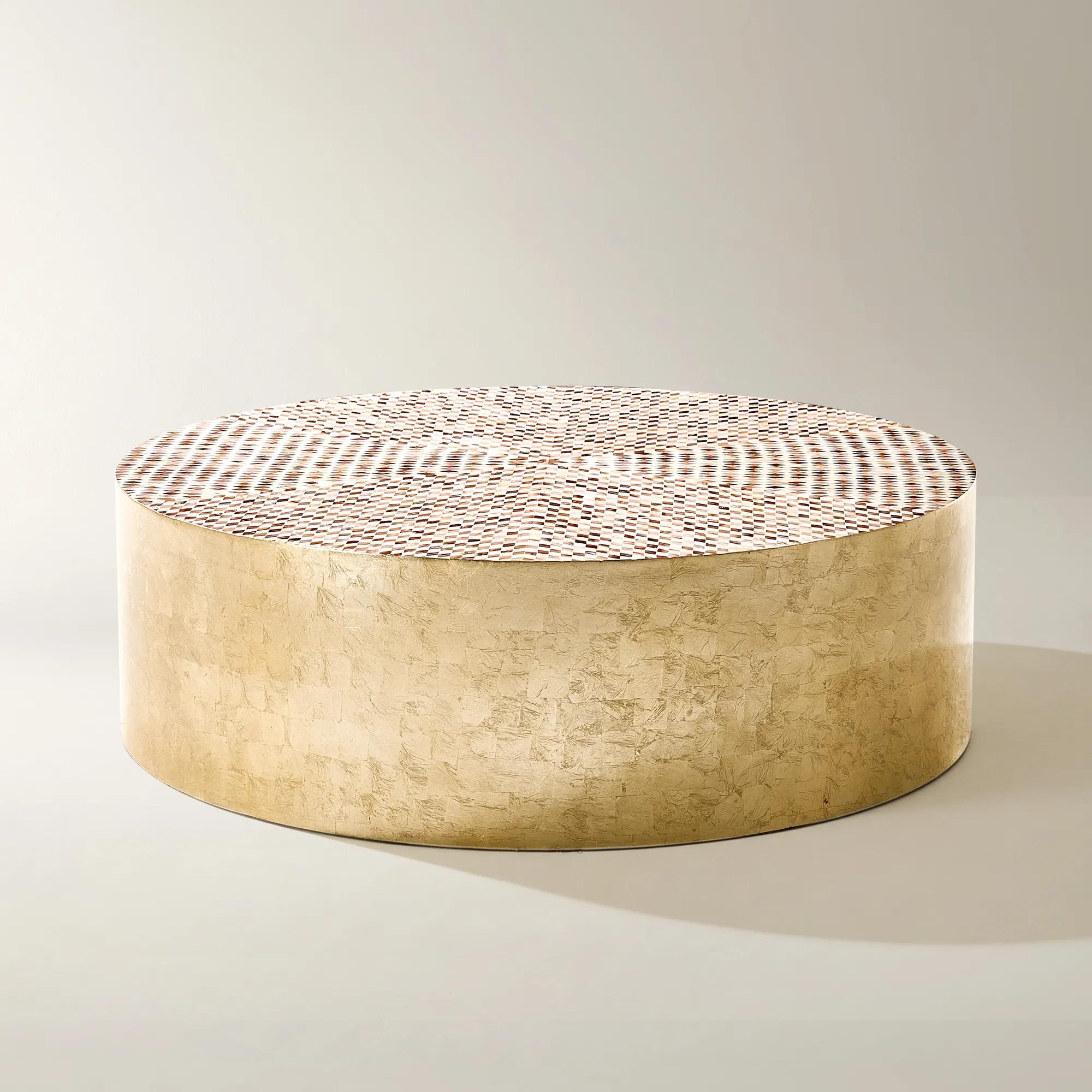
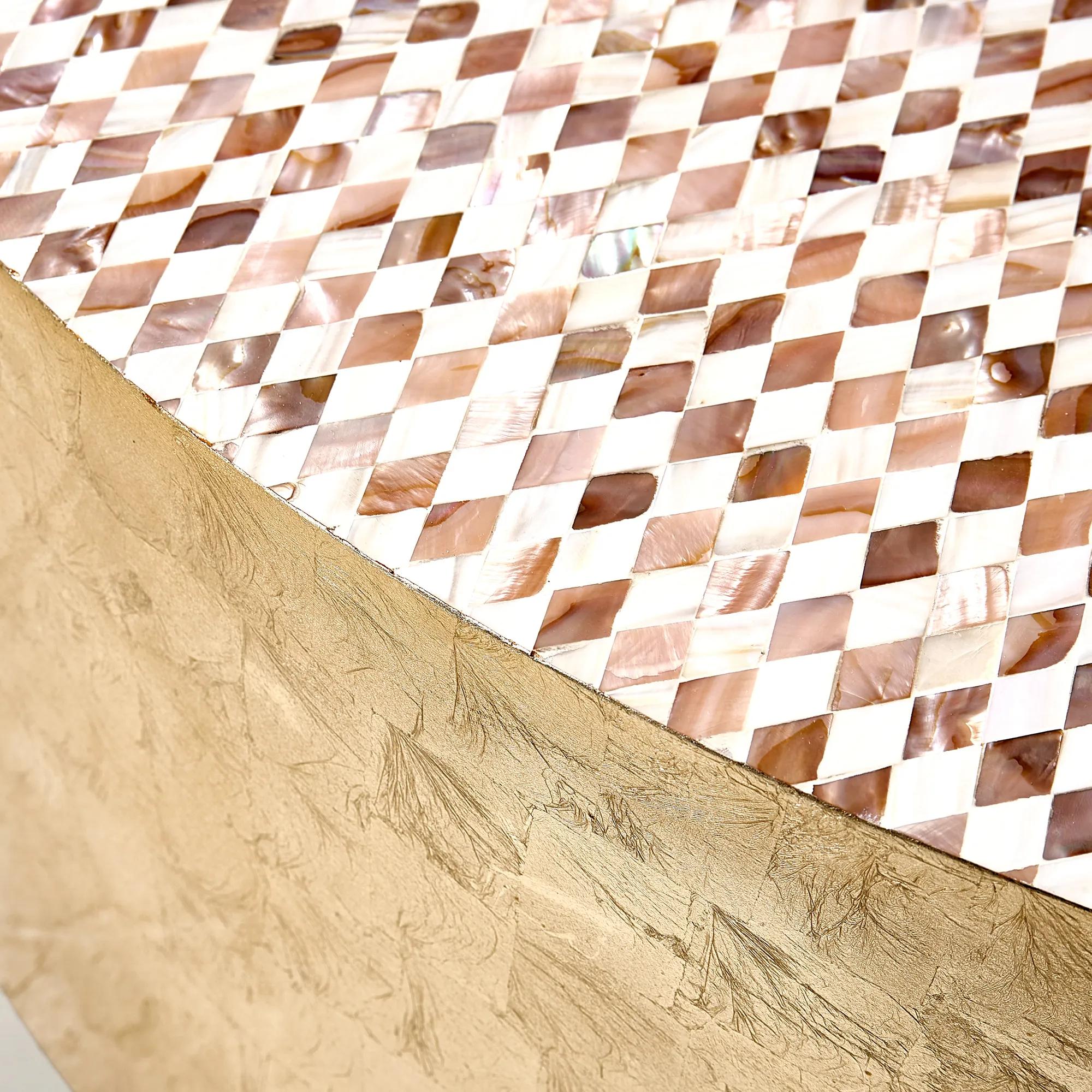 Lucien Round Diamond Coffee Table (47.24")$1299
A sculptural round coffee table featuring a hand-laid mother-of-pearl diamond mosaic and gold leaf sides.
Add To Cart -
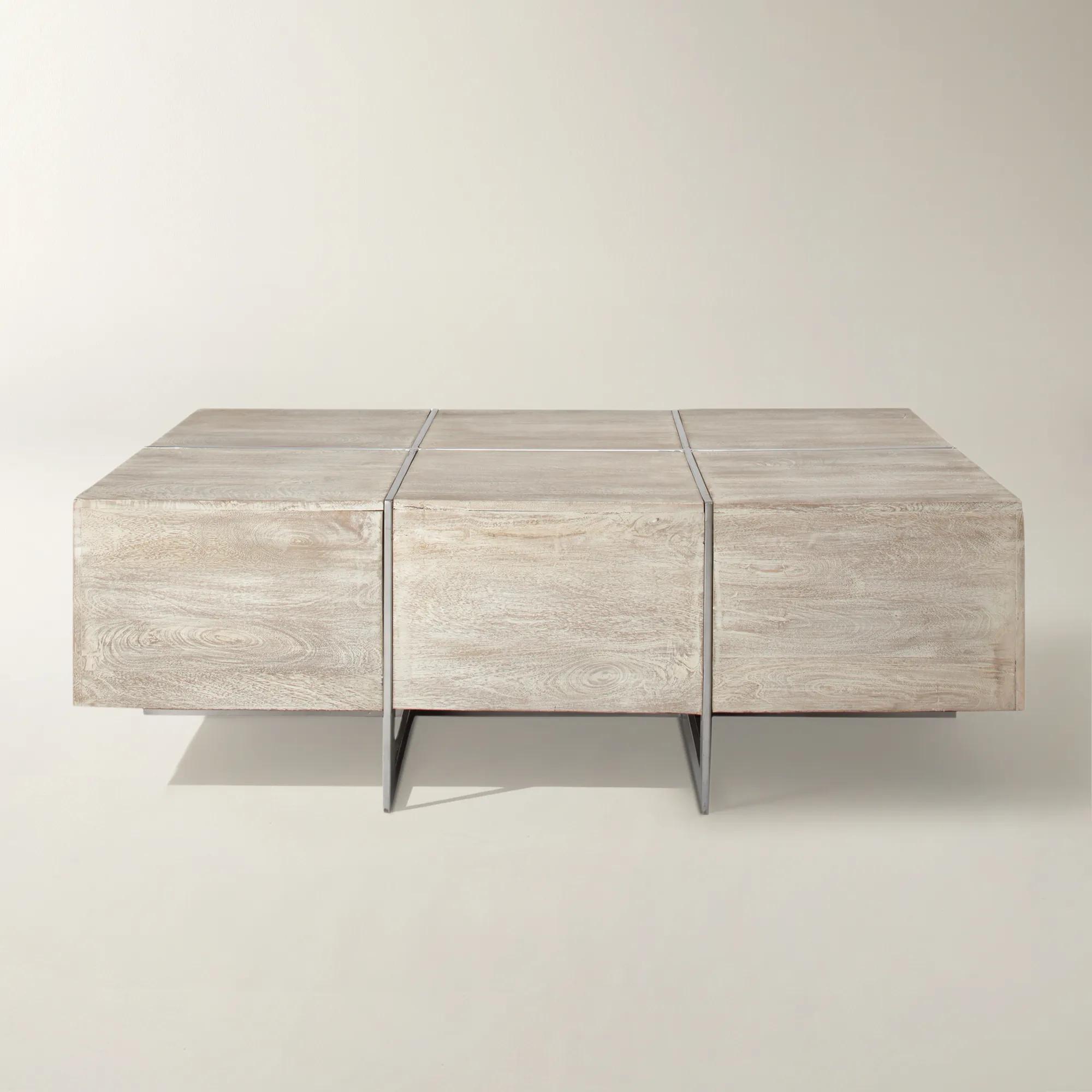
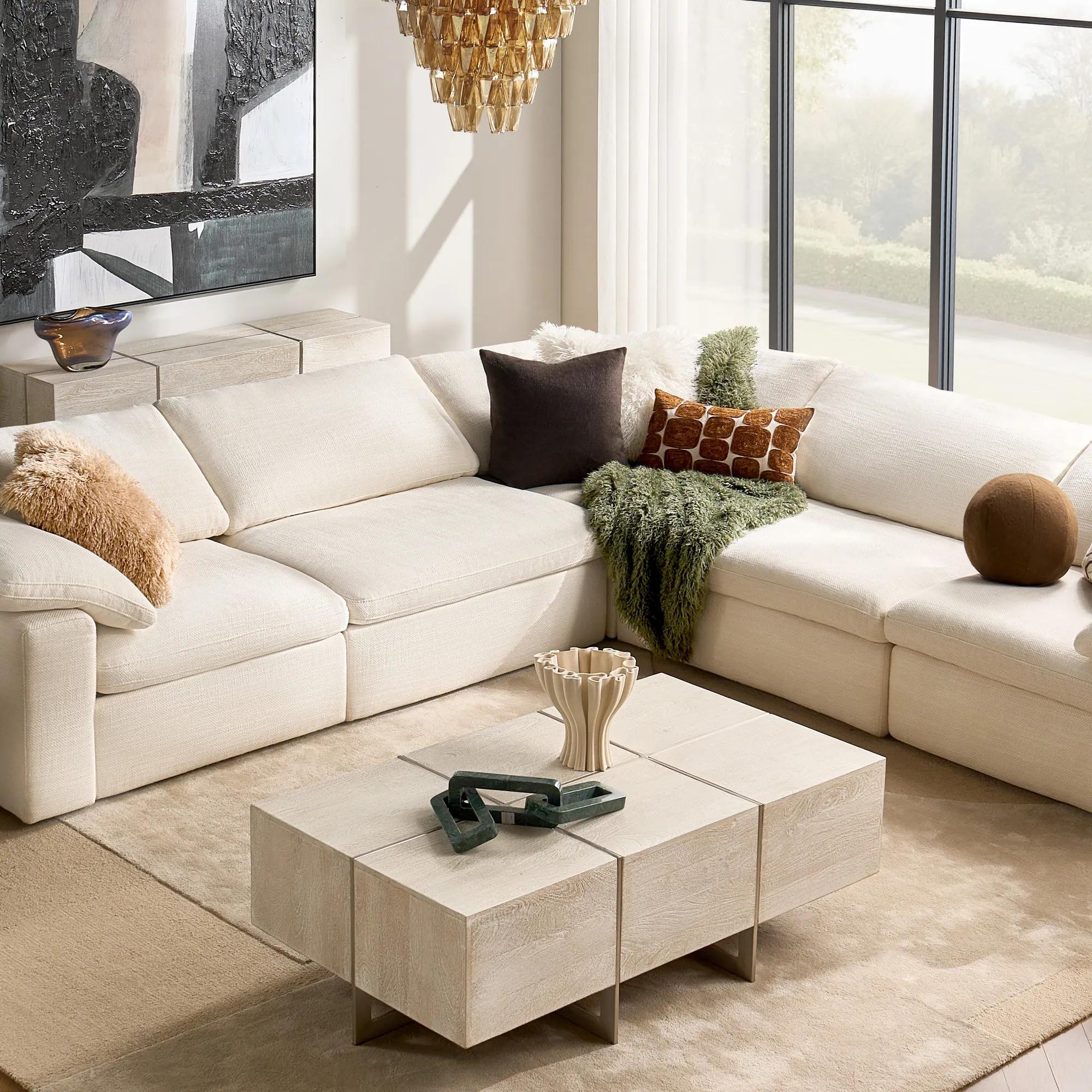 Clifton Rectangular Natural Mango Wood Coffee Table (54")$1299
A handcrafted mango wood table with a whitewashed finish and antiqued silver iron legs for organic appeal.
Add To Cart -
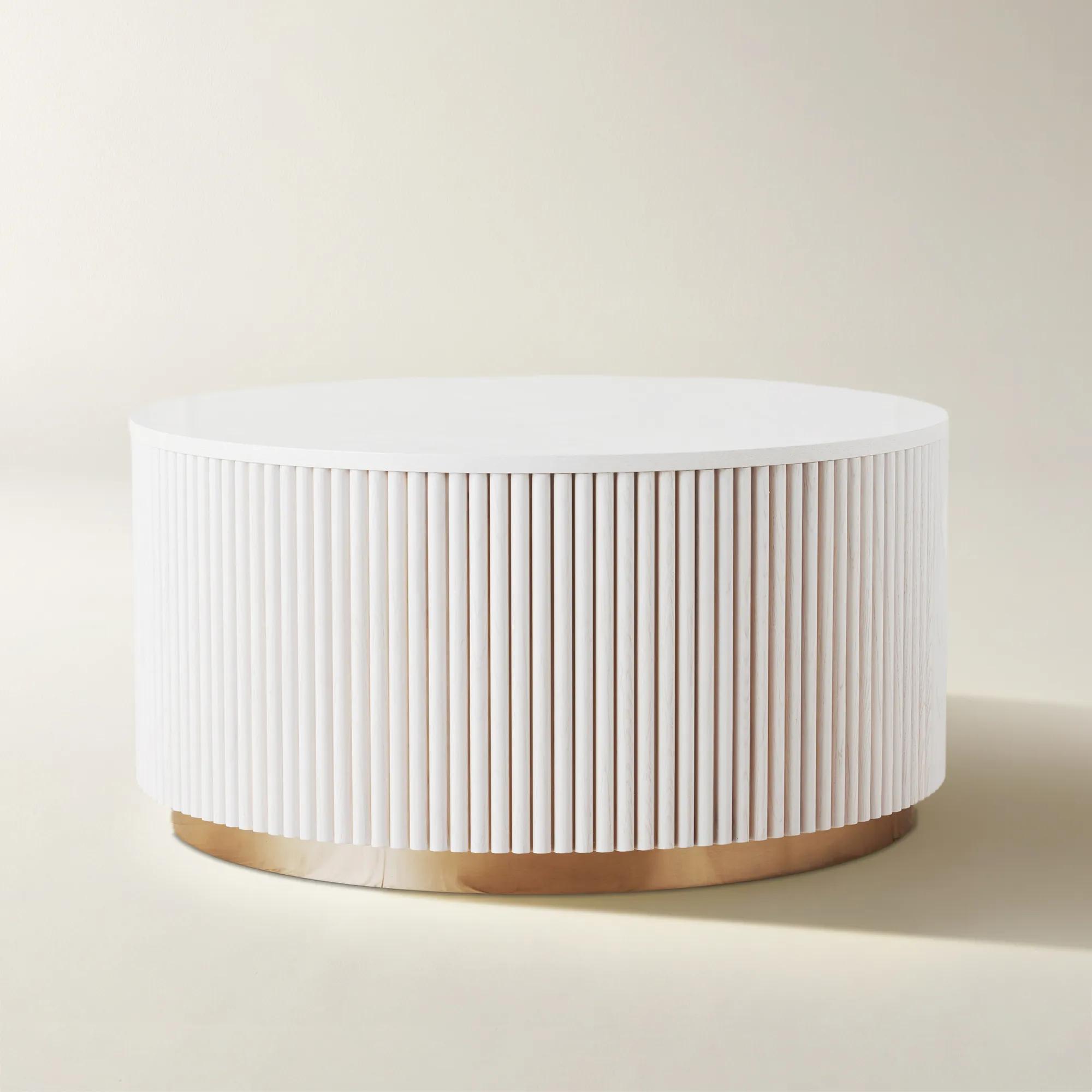
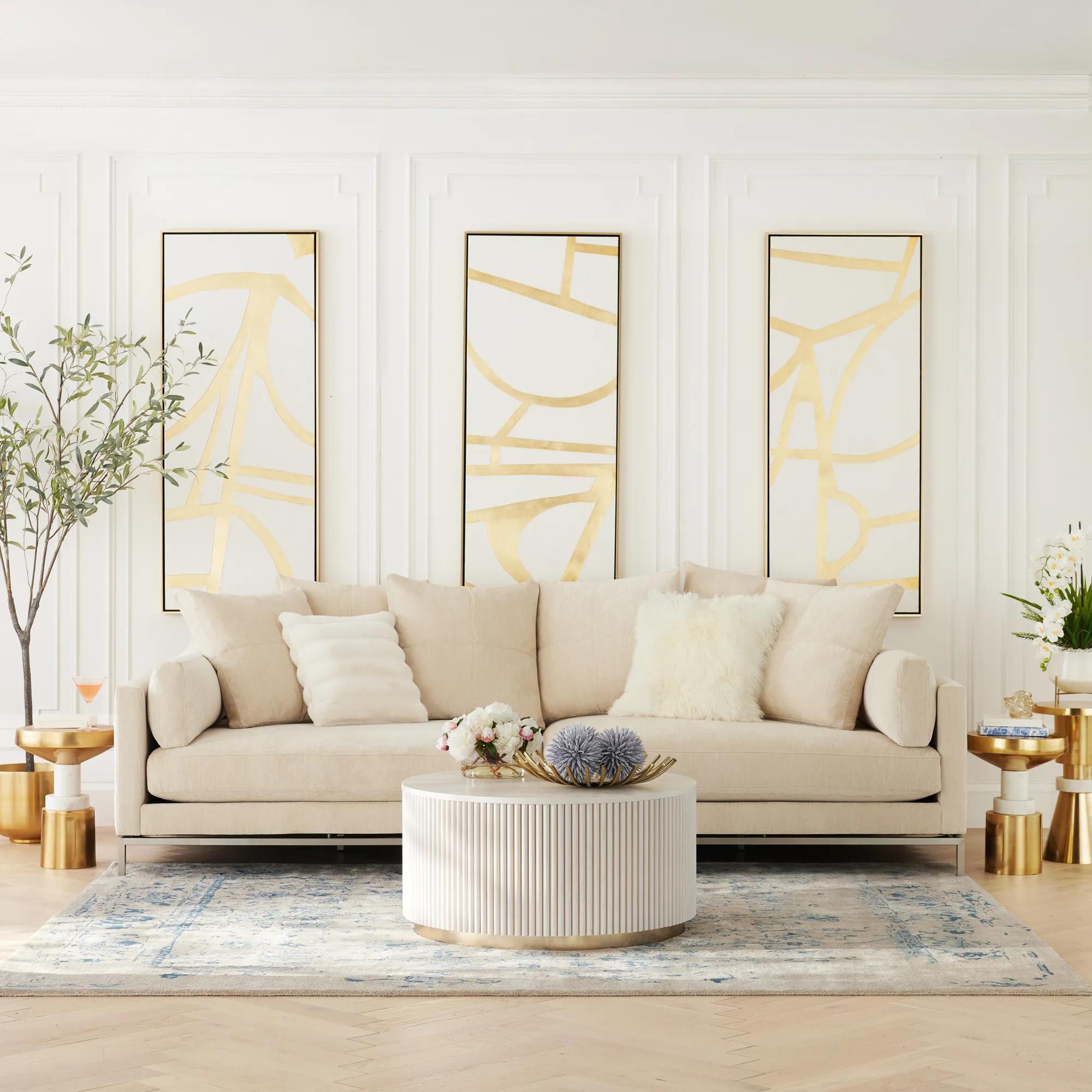 Natalia Round Reeded Whitewashed Ash Wood Coffee Table (36")$1299
A striking coffee table featuring reeded ash wood sides, a smooth top, and a whitewashed finish.
Add To Cart -
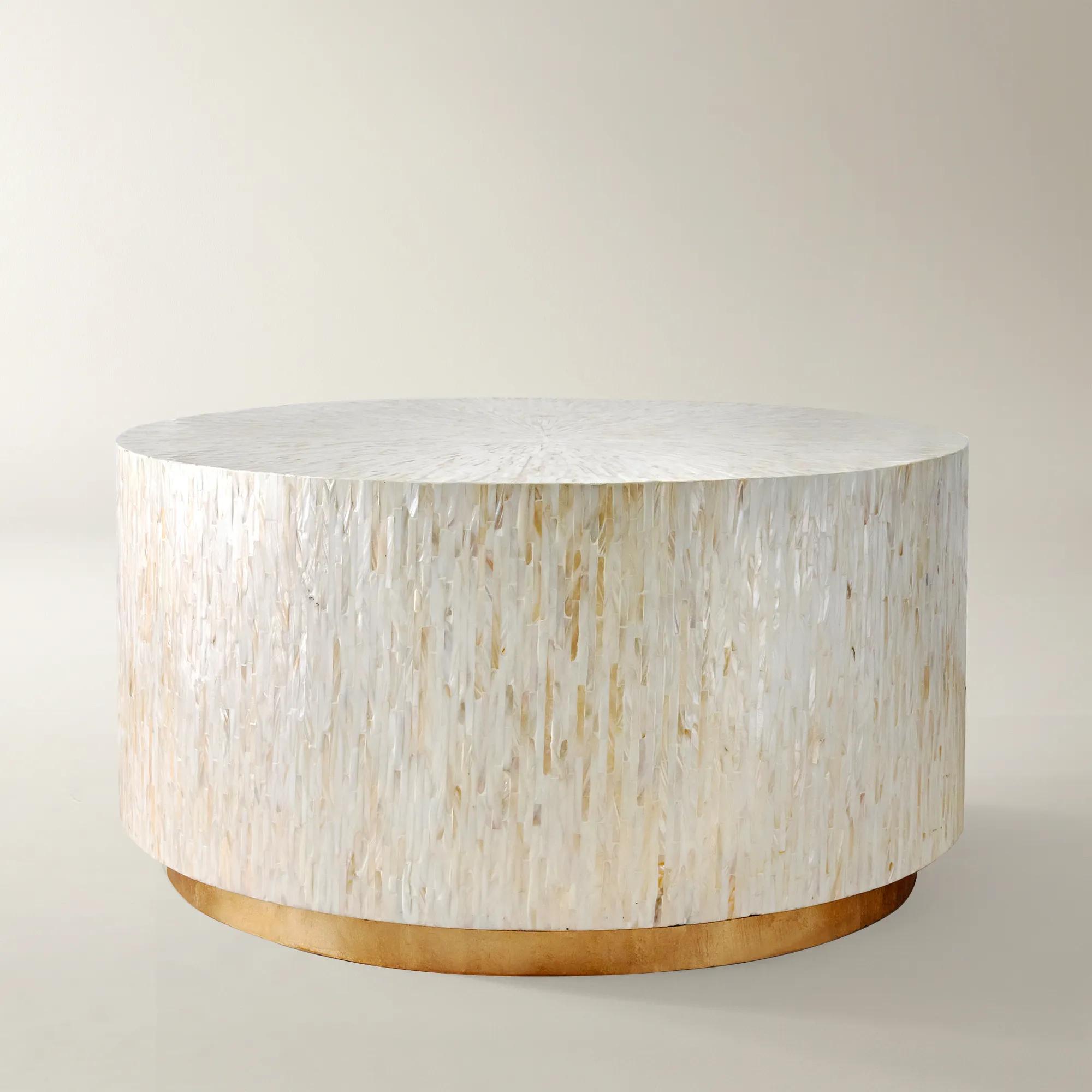
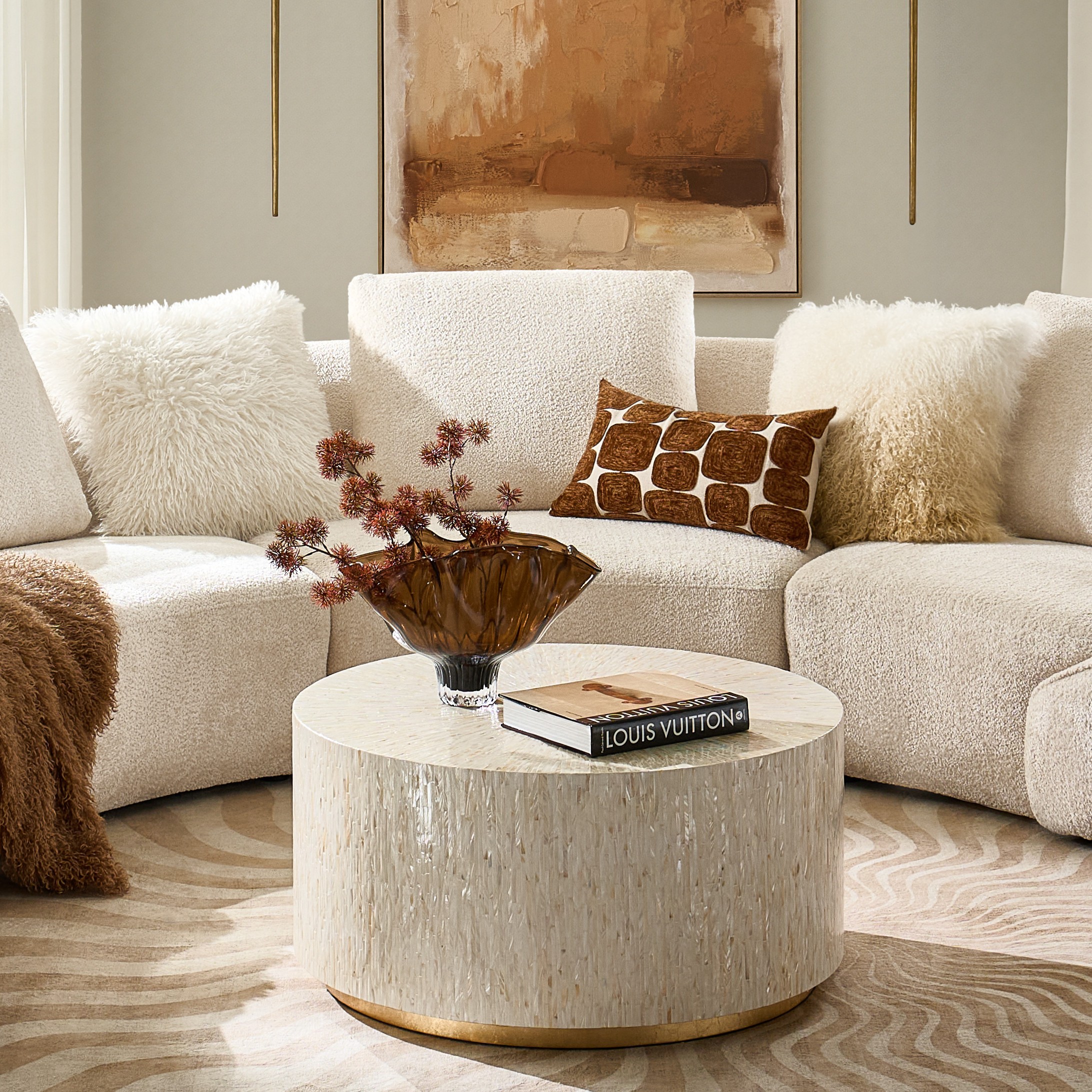 Alexandria Round Mosaic Platinum Coffee Table (36")$799
A luminous ivory coffee table featuring hand-applied mother-of-pearl mosaic and a gold leaf-accented base.
Add To Cart -
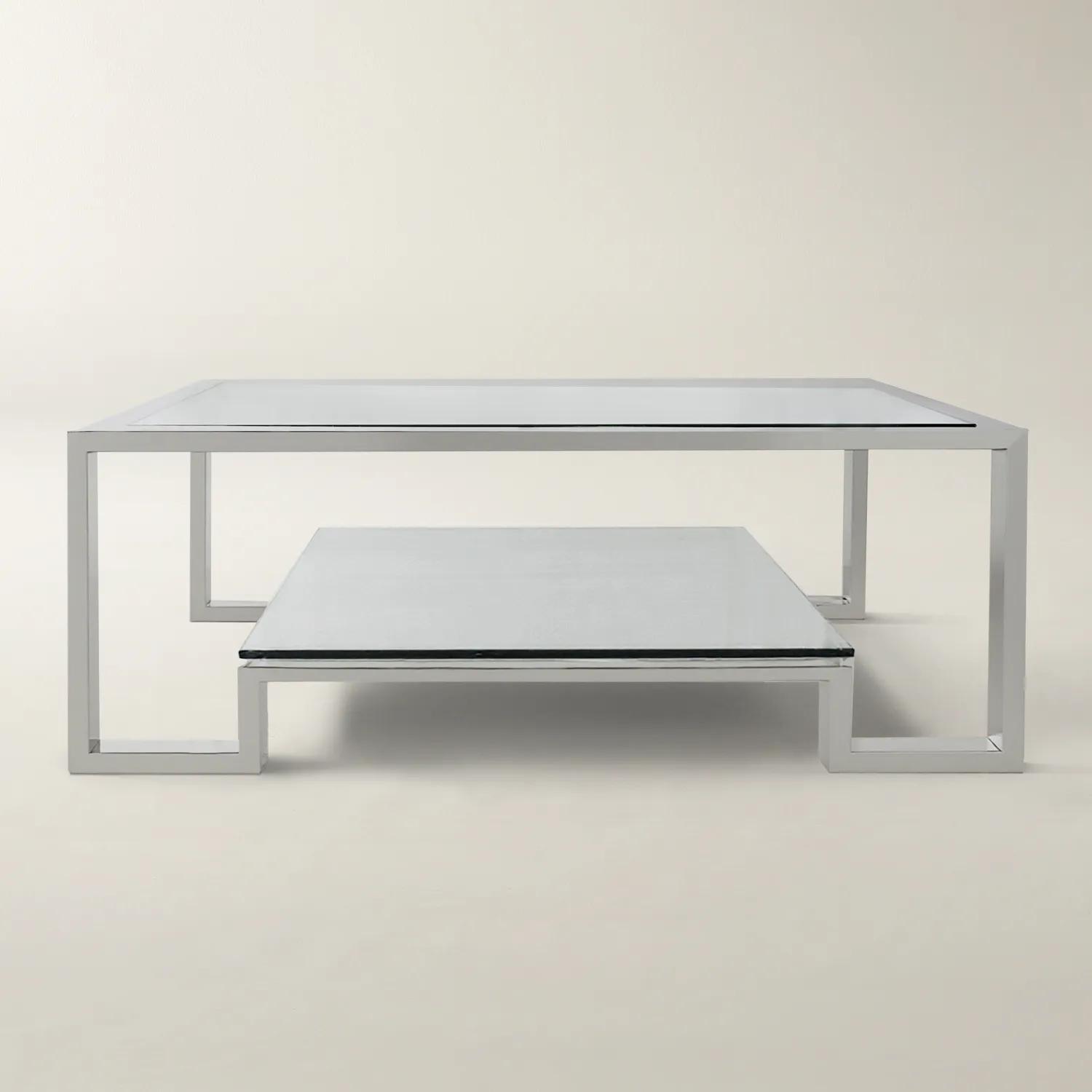
 Duplicity Rectangular Silver Stainless Steel Coffee Table With Glass Top (50")$1399
A modern coffee table featuring a stainless steel frame, tempered glass top, and floating bottom shelf.
Add To Cart -
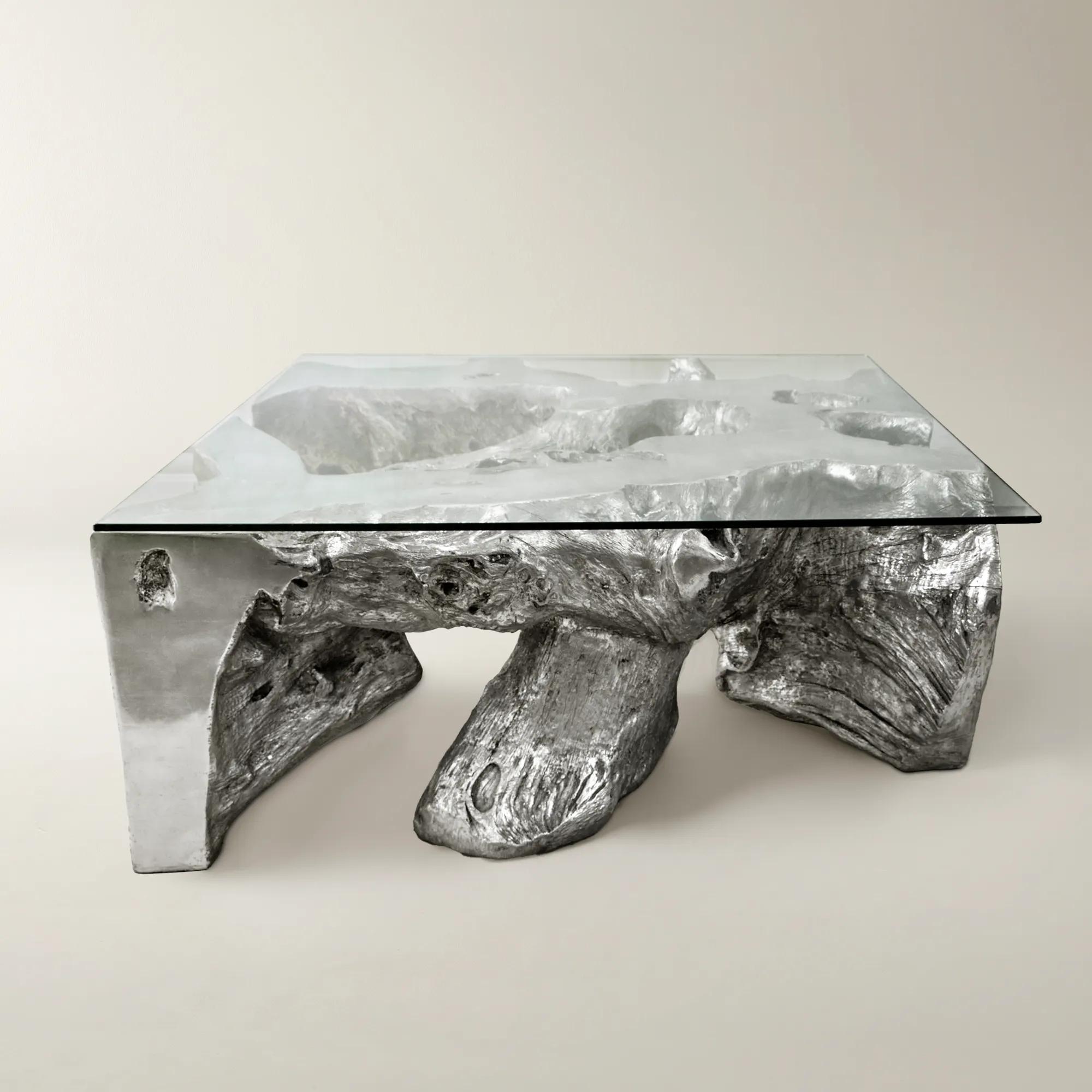 Sequoia Silver Resin Coffee Table With Glass Top (44")$2299
A sculptural coffee table featuring a hand-applied silver leaf resin base and a tempered glass top.
Add To Cart -
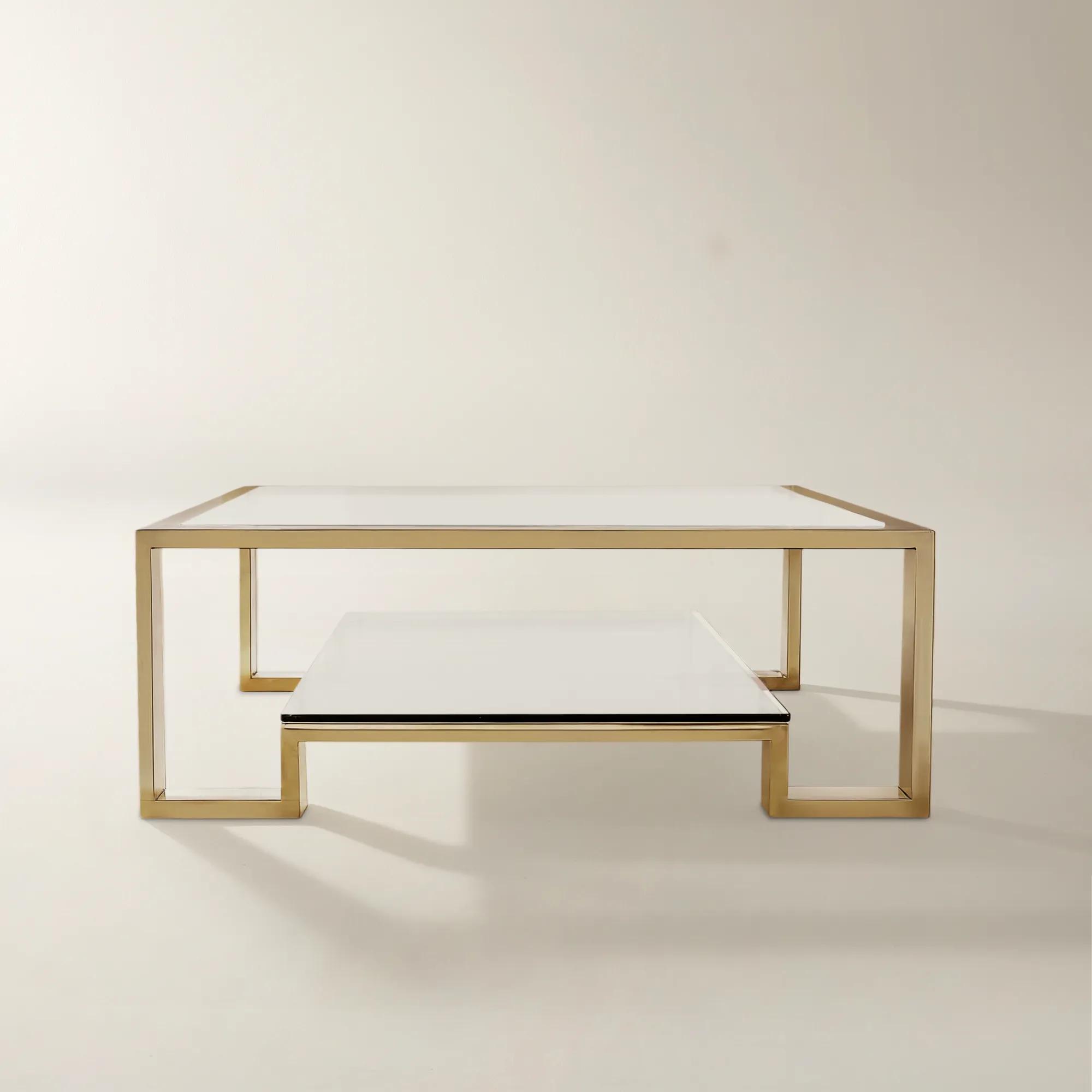 Duplicity Rectangular Gold Stainless Steel Coffee Table With Glass Top (50")$1399
A modern coffee table featuring a stainless steel frame, tempered glass top, and floating storage shelf.
Add To Cart -
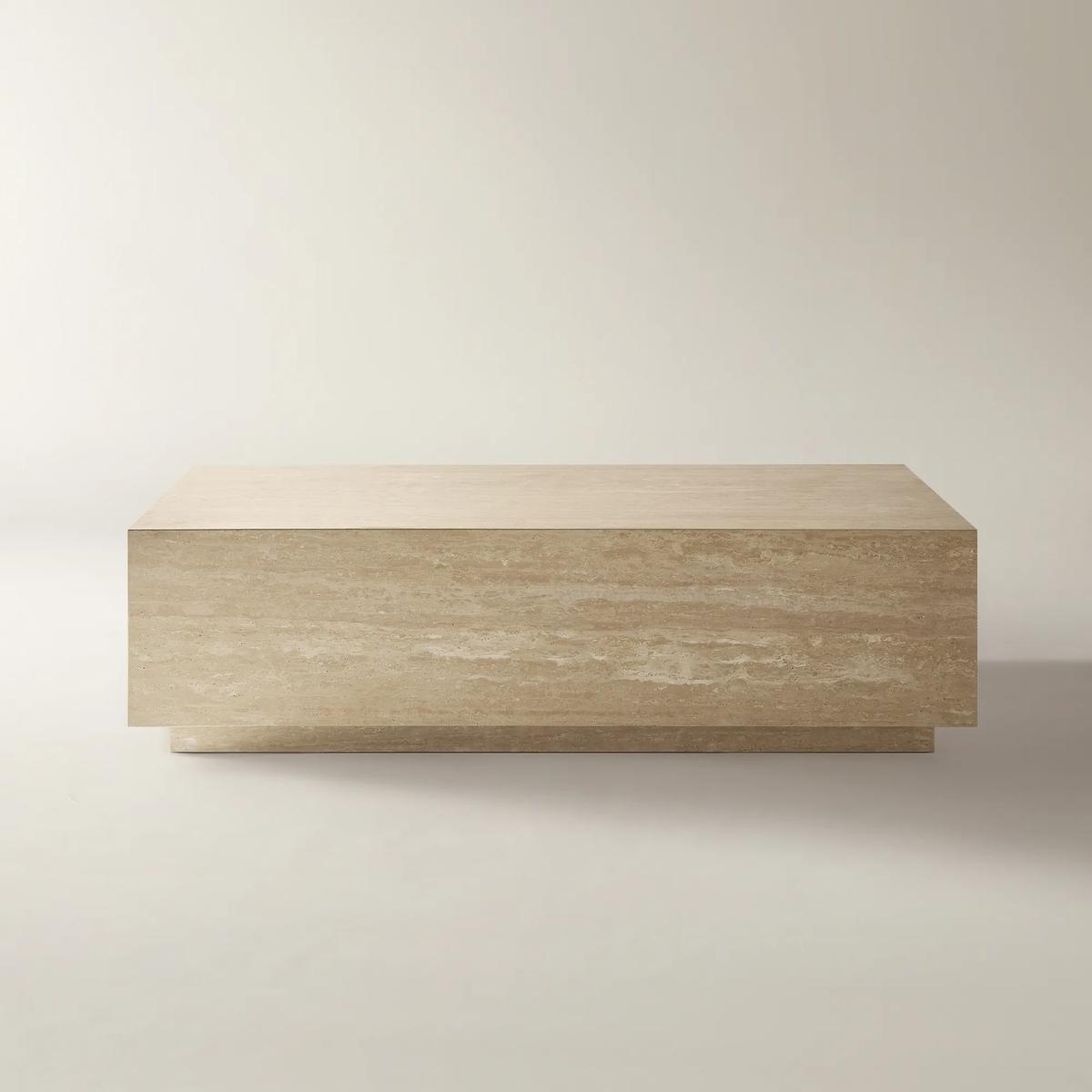
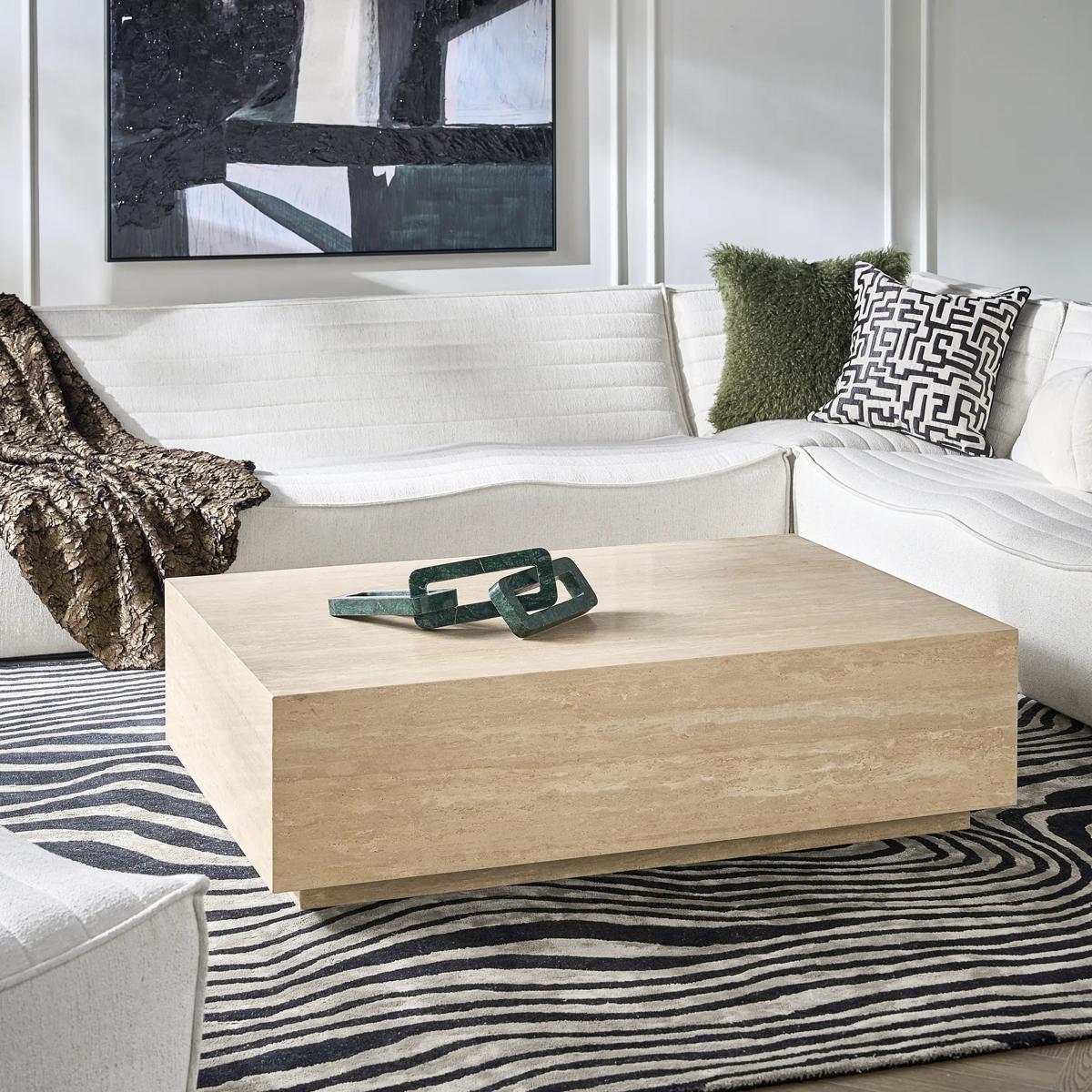 Vanta Rectangular Travertine Coffee Table (54")$2599
A sculptural travertine coffee table with an aluminum honeycomb core and recessed plinth base.
Add To Cart -
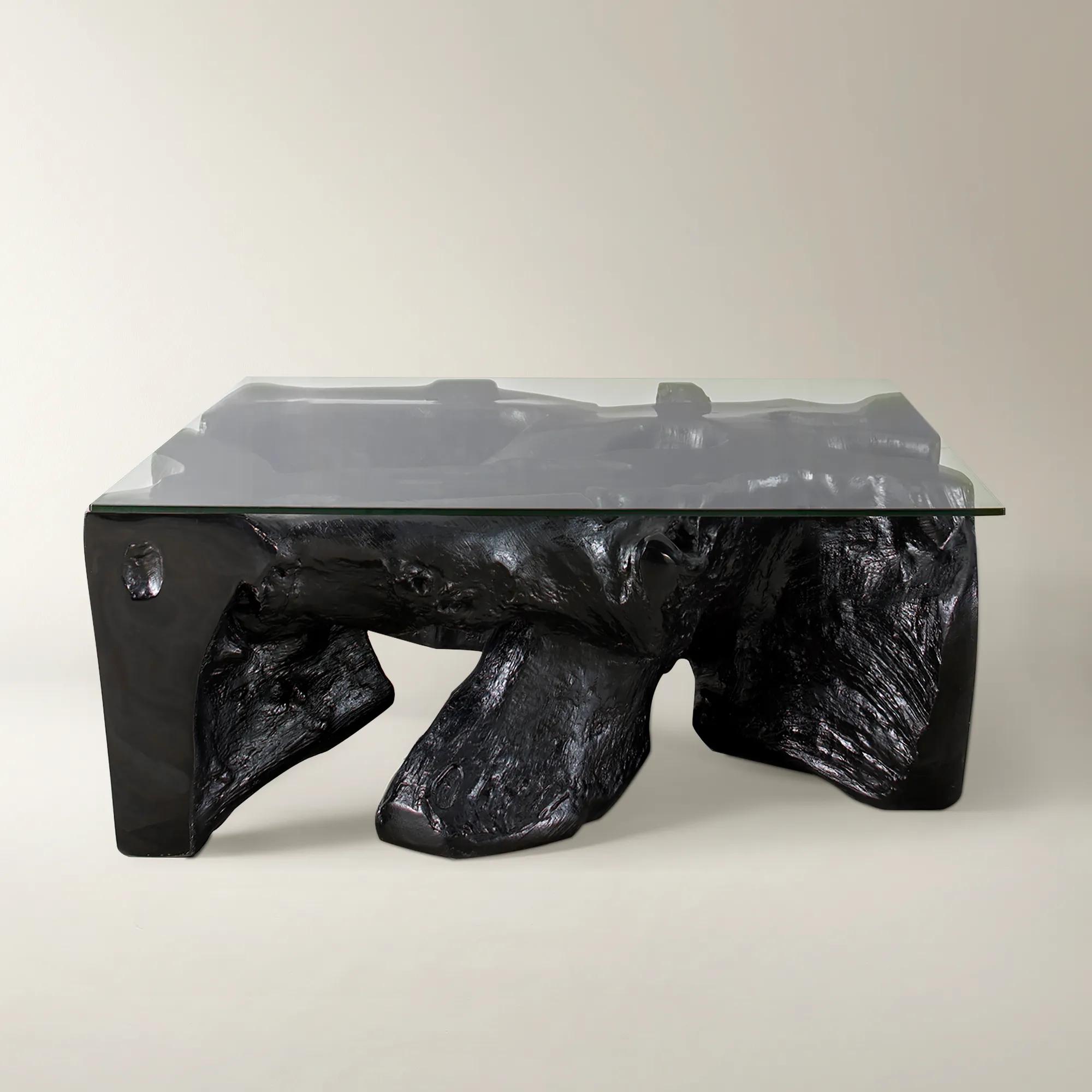
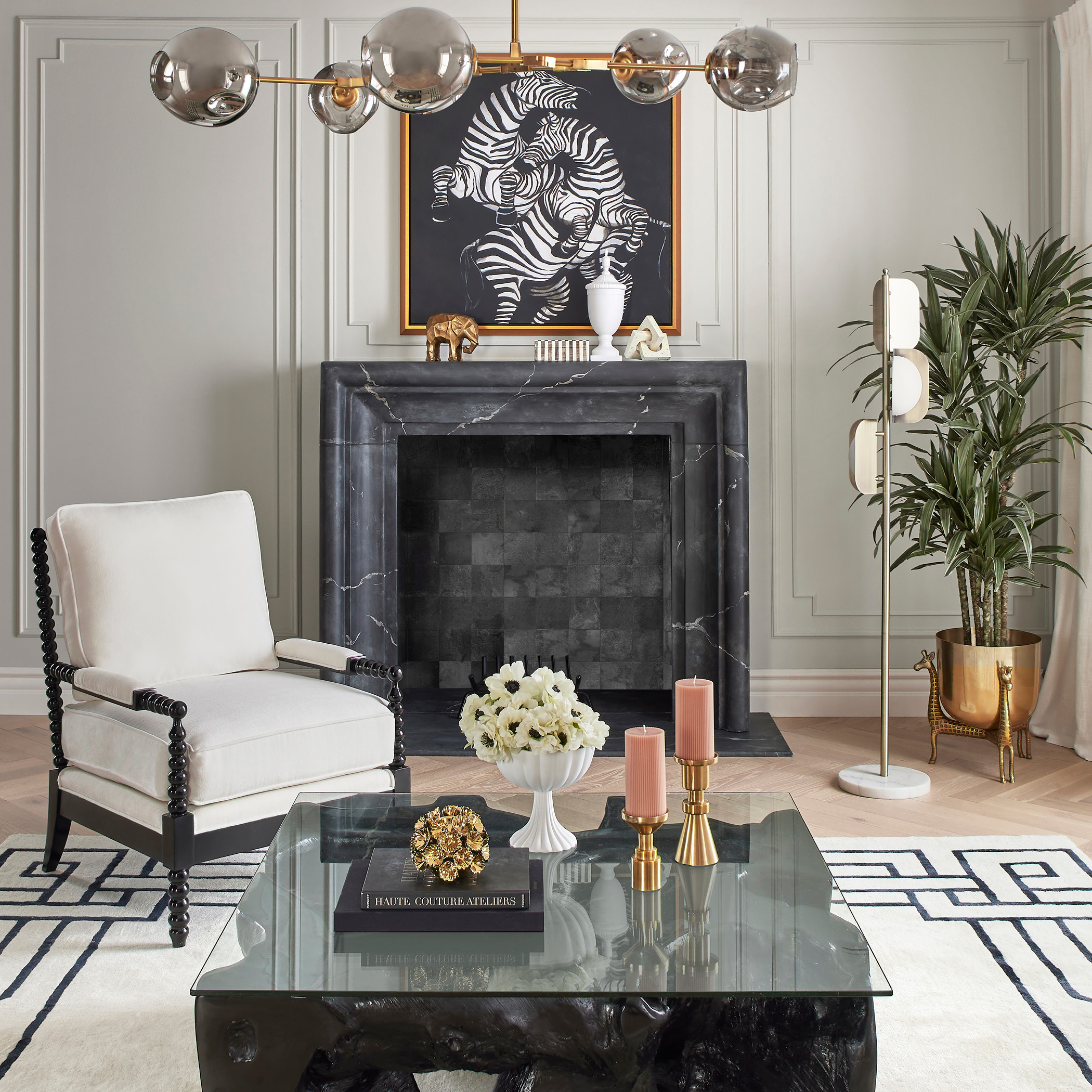 Sequoia Black Resin Coffee Table With Glass Top (44")$2299
A sculptural black coffee table crafted from resin and polished stone fragments for indoor or outdoor use.
Add To Cart -
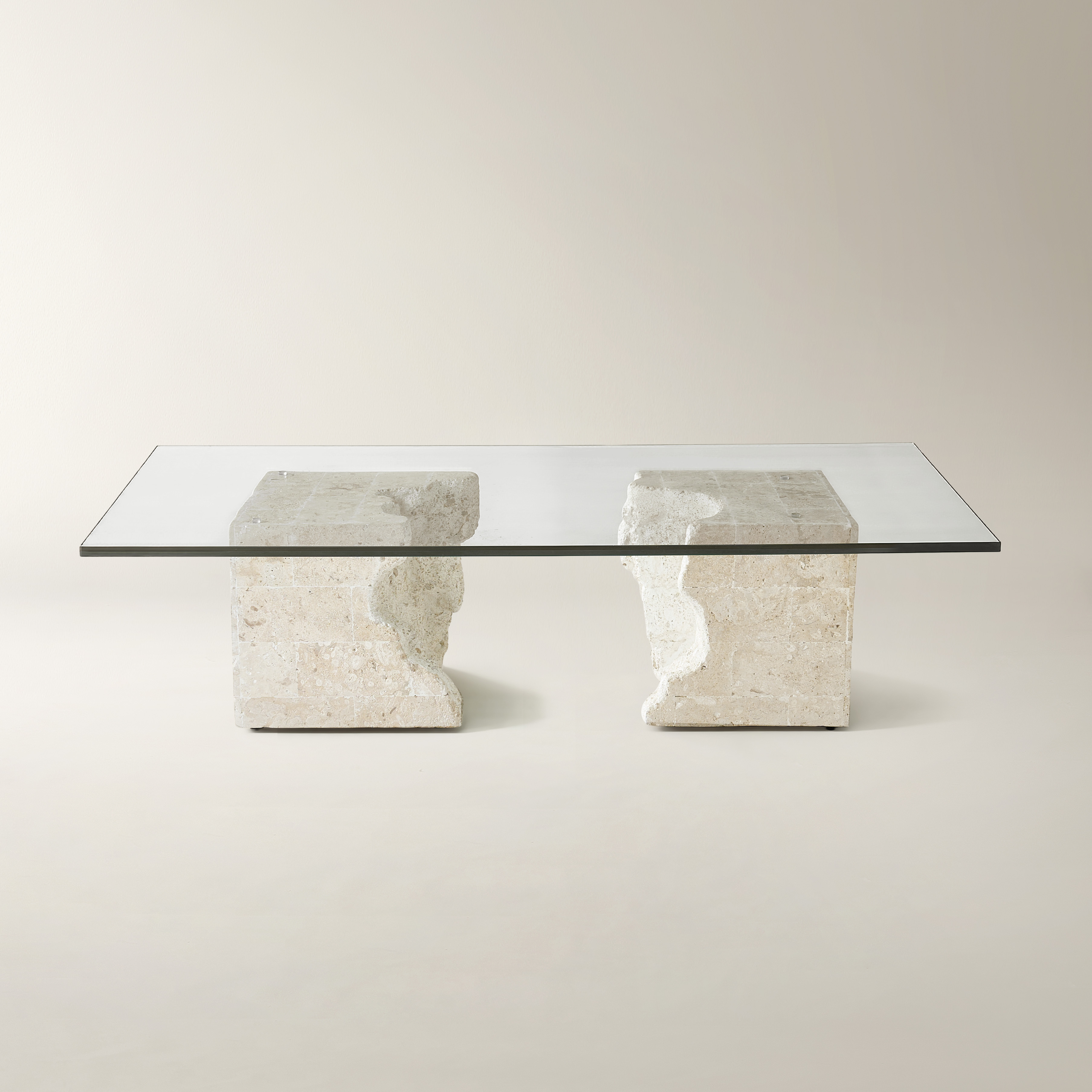 Cairo Rectangular Mactan Stone Coffee Table With Glass Top (63")$1899
A contemporary coffee table featuring a clear tempered glass top floating above hand-carved Mactan stone bases.
Add To Cart -
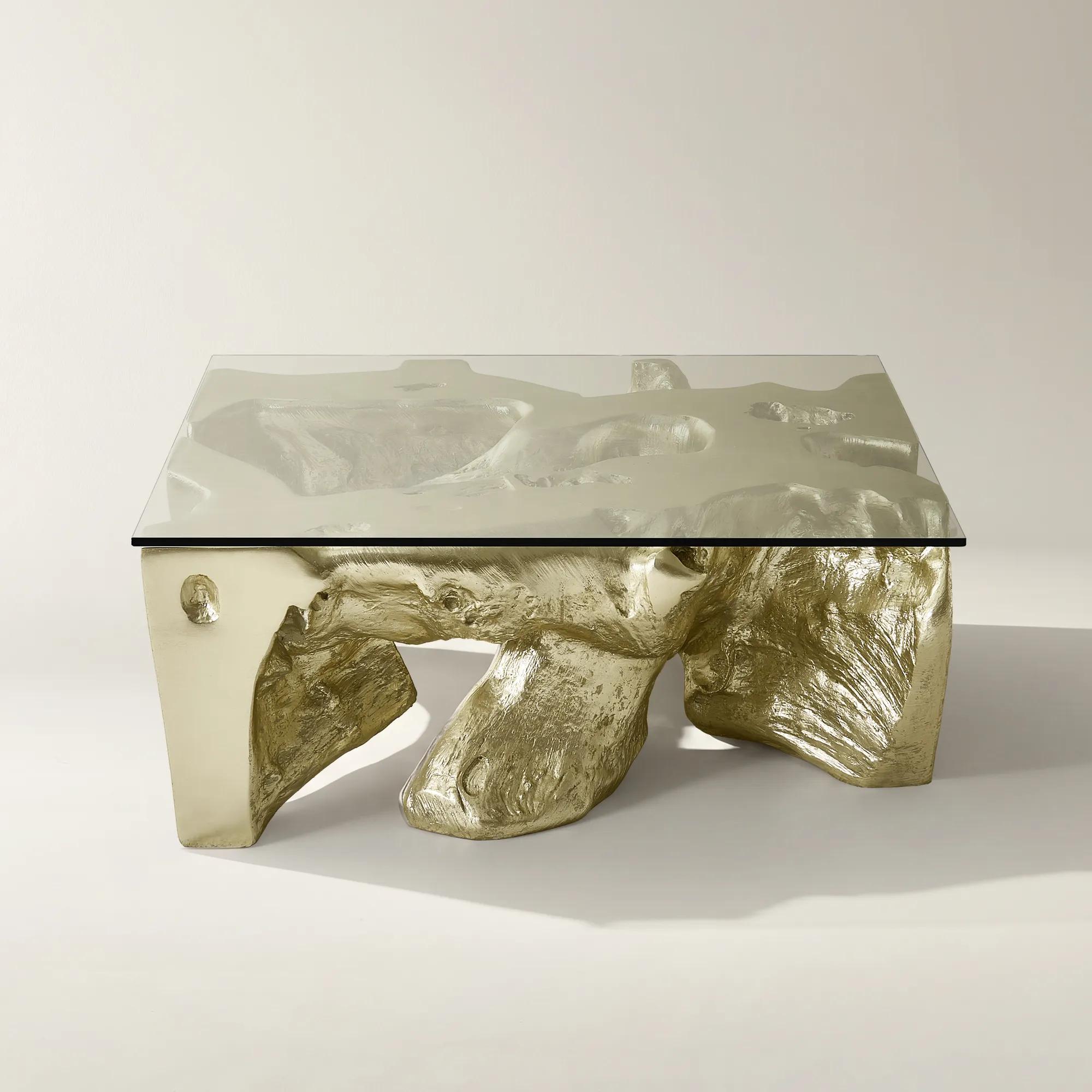 Sequoia Champagne Gold Resin Coffee Table With Glass Top (44")$2299
A sculptural resin coffee table with a champagne gold leaf finish and a clear tempered glass top.
Add To Cart -
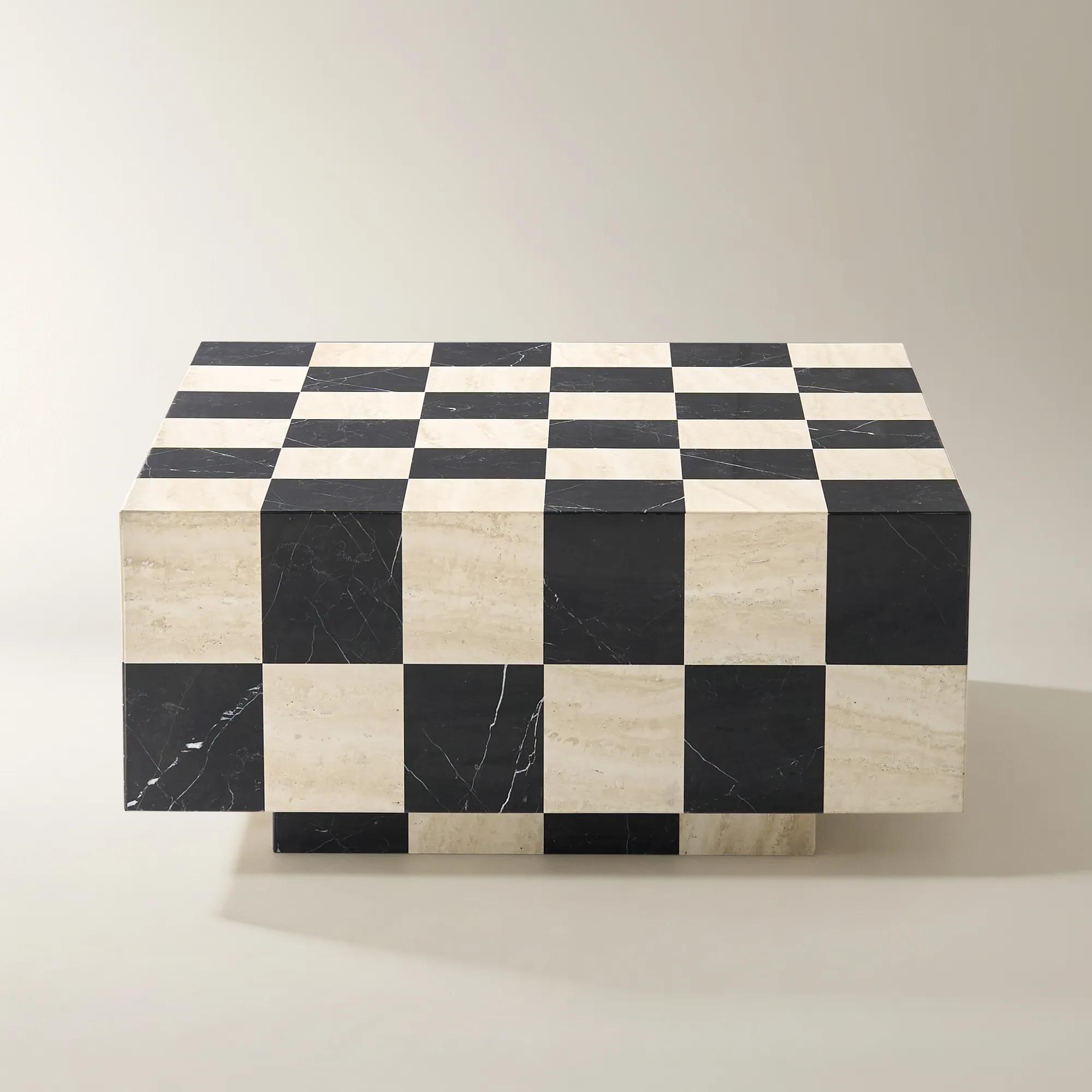
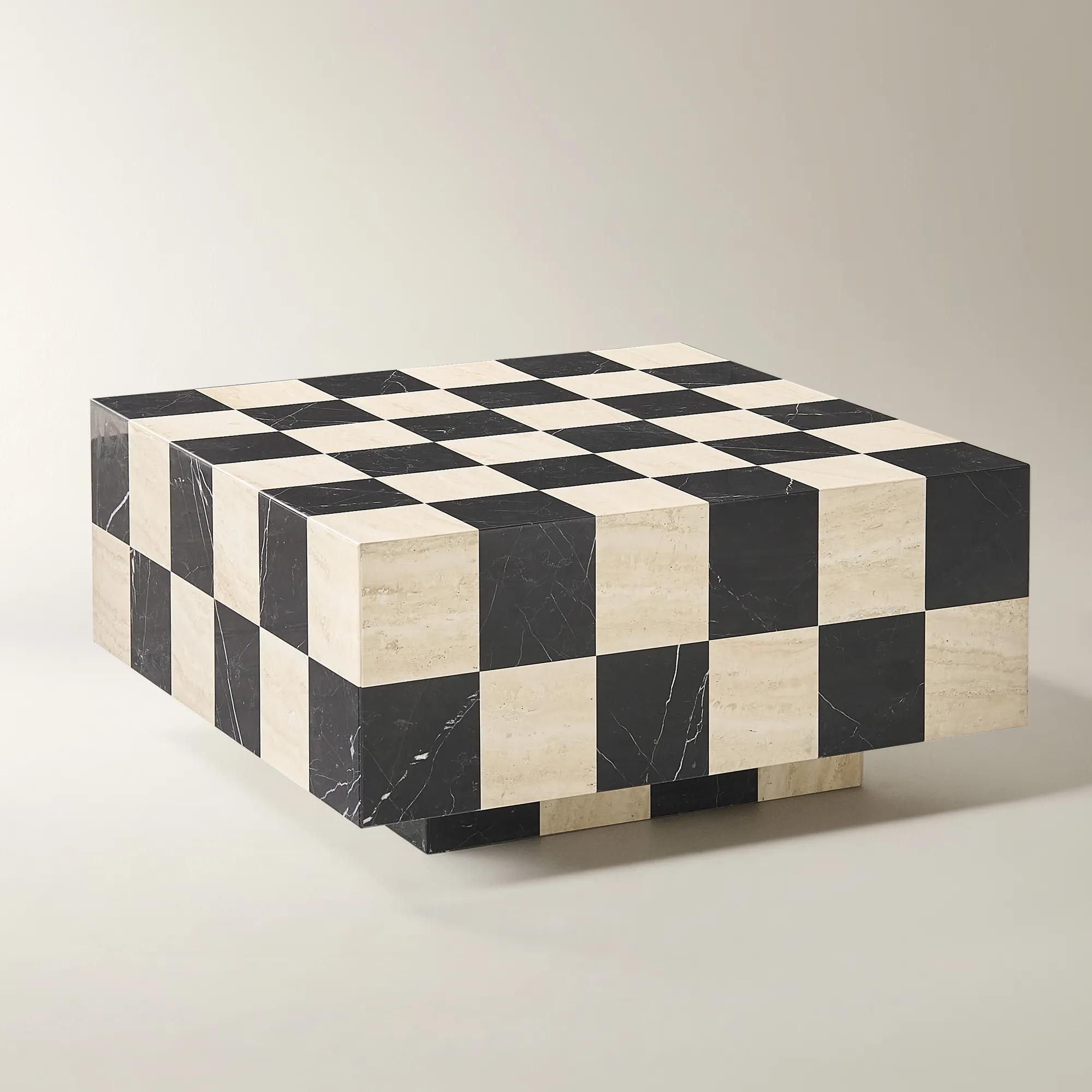 Chessa Square Chequered Marble Coffee Table (31.9")$1699
A striking coffee table featuring a dimensional black marble and travertine checkerboard mosaic with polished finish.
Add To Cart -
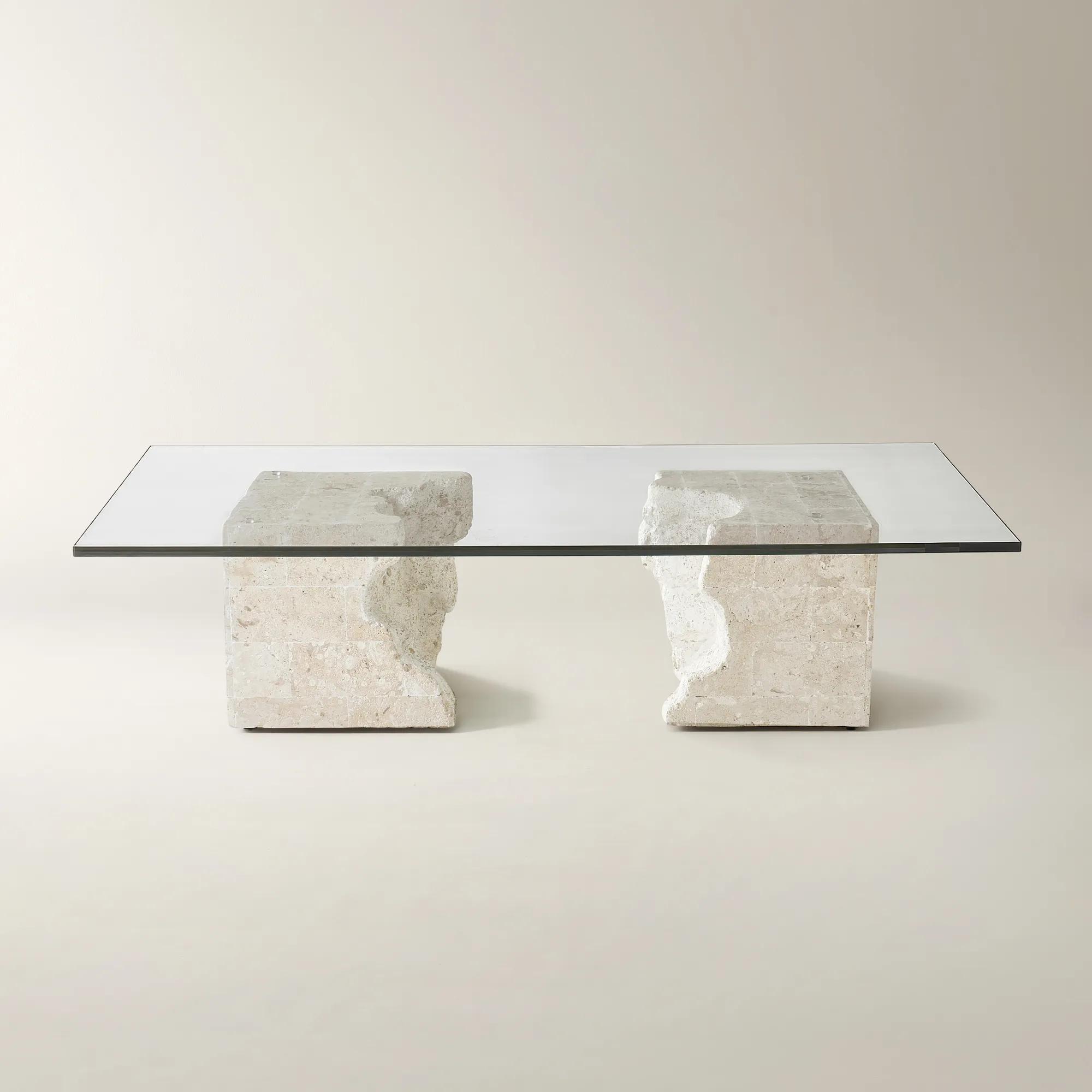 Cairo Rectangular Mactan Stone Coffee Table With Glass Top (70.87")$1999
A contemporary coffee table featuring a clear tempered glass top floating above hand-carved Mactan stone bases.
Add To Cart -
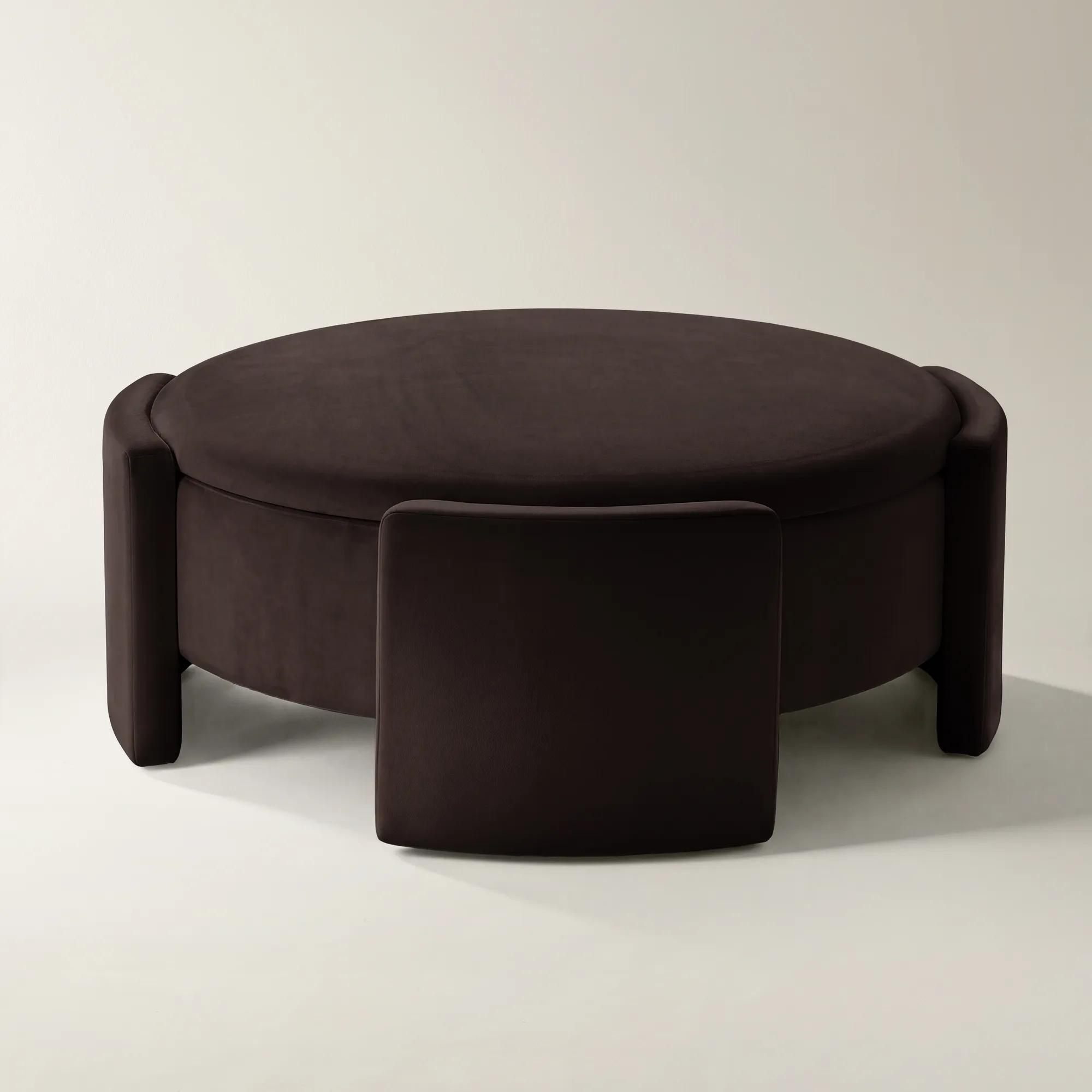
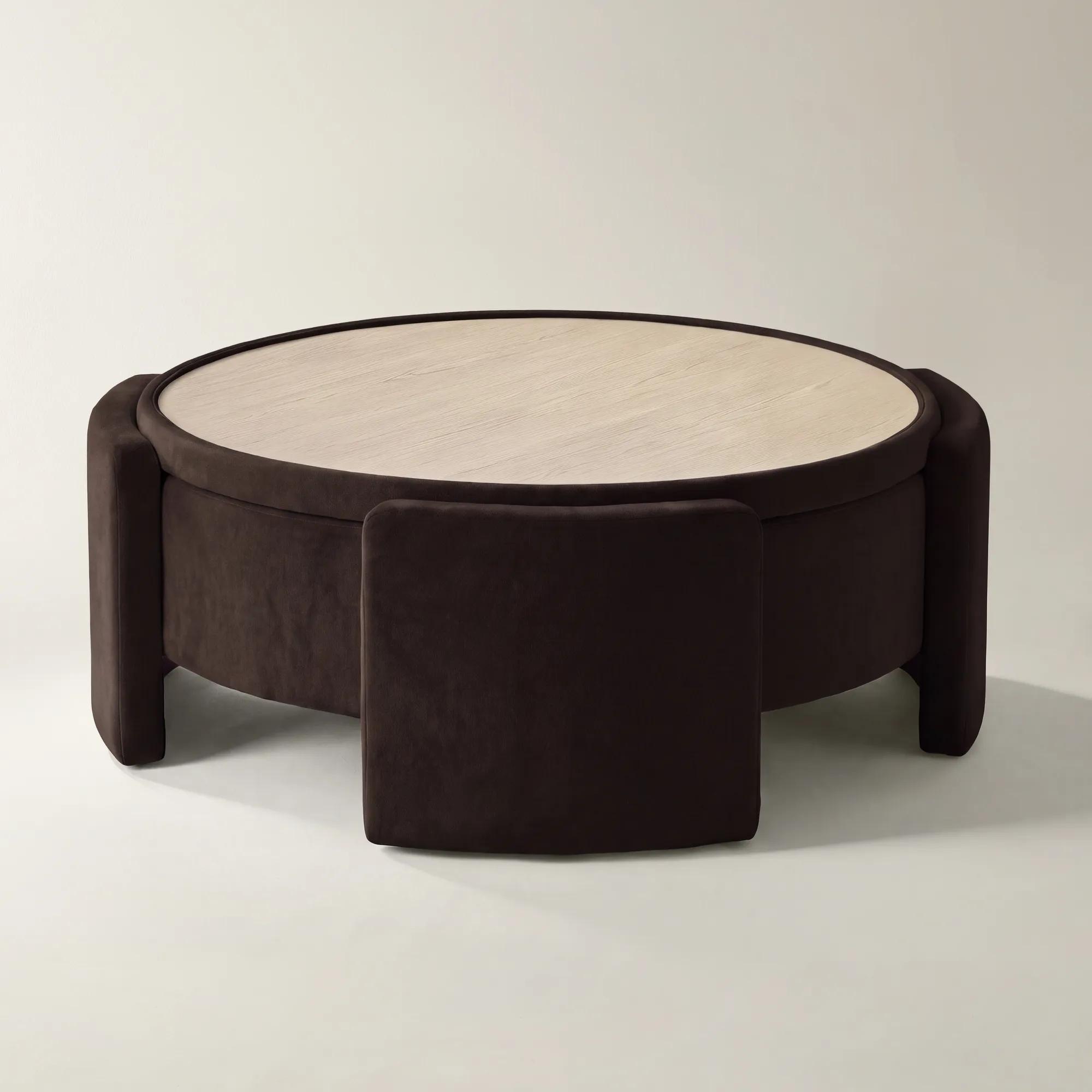 Jora Round Dark Chocolate Velvet Storage Coffee Table With Reversible Tabletop (47.7")$799
A dark chocolate velvet coffee table with hidden storage and a reversible velvet-and-rubberwood tabletop.
Add To Cart -
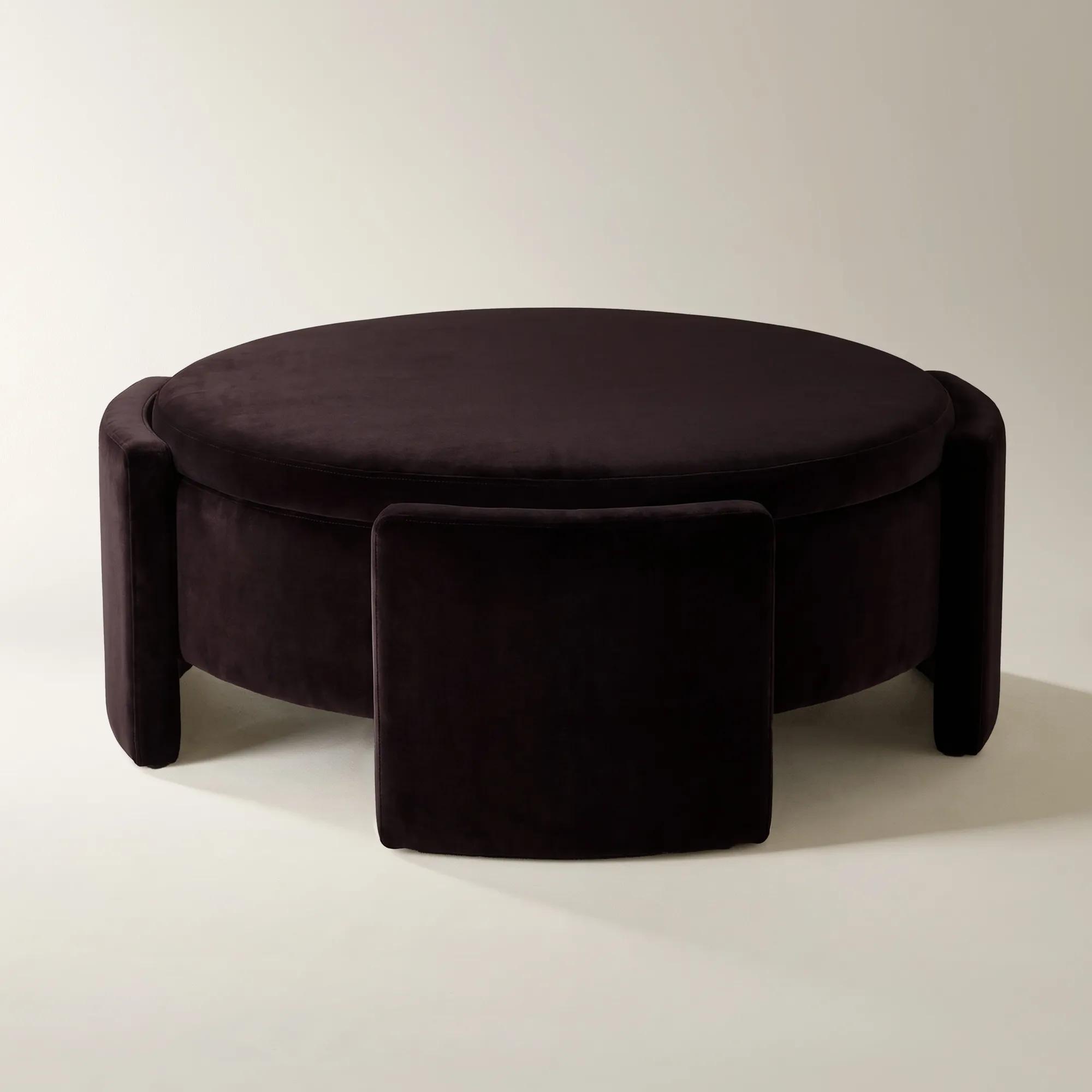
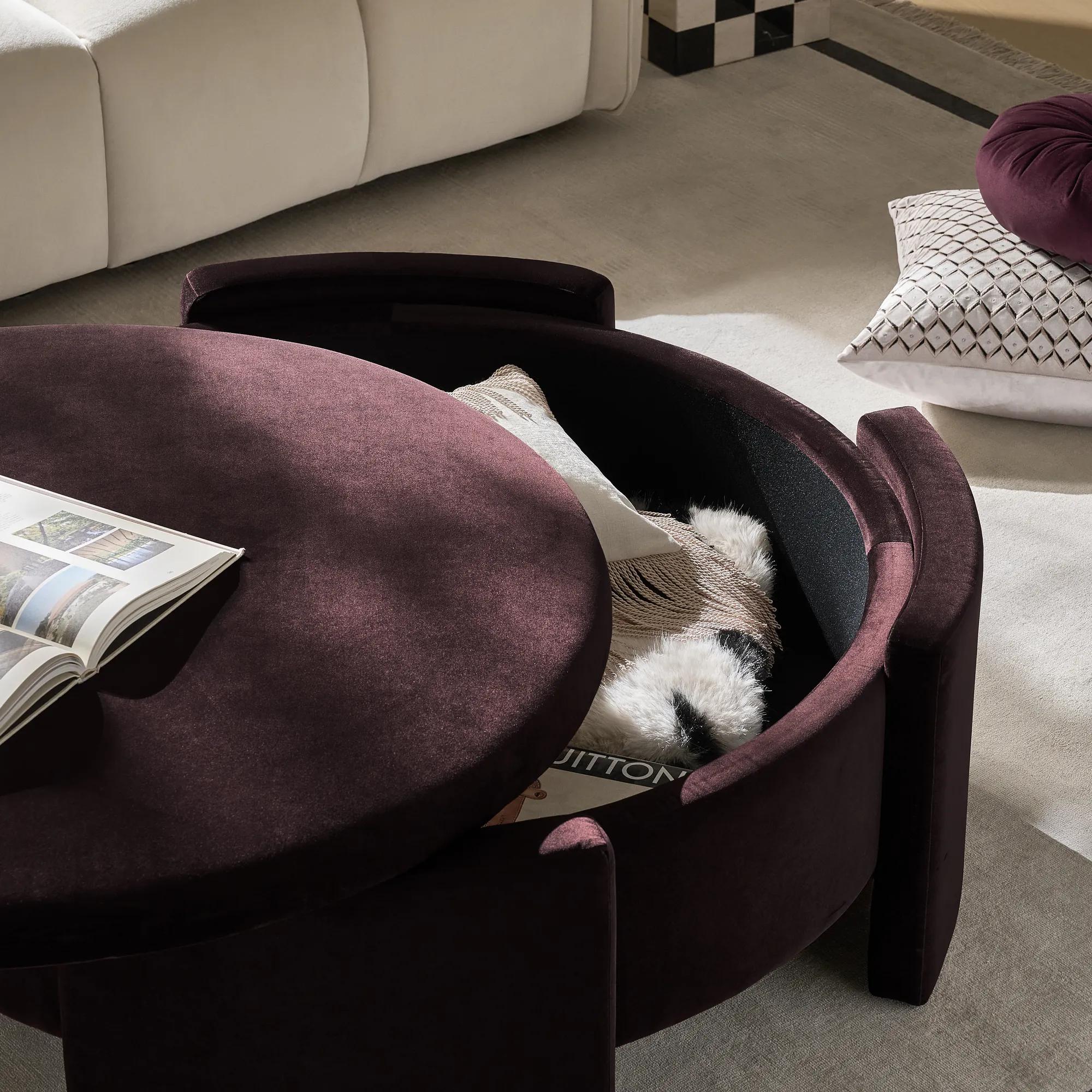 Jora Round Fig Velvet Storage Coffee Table With Reversible Tabletop (47.7")$799
A round fig velvet coffee table featuring a reversible wood tabletop and hidden interior storage.
Add To Cart -
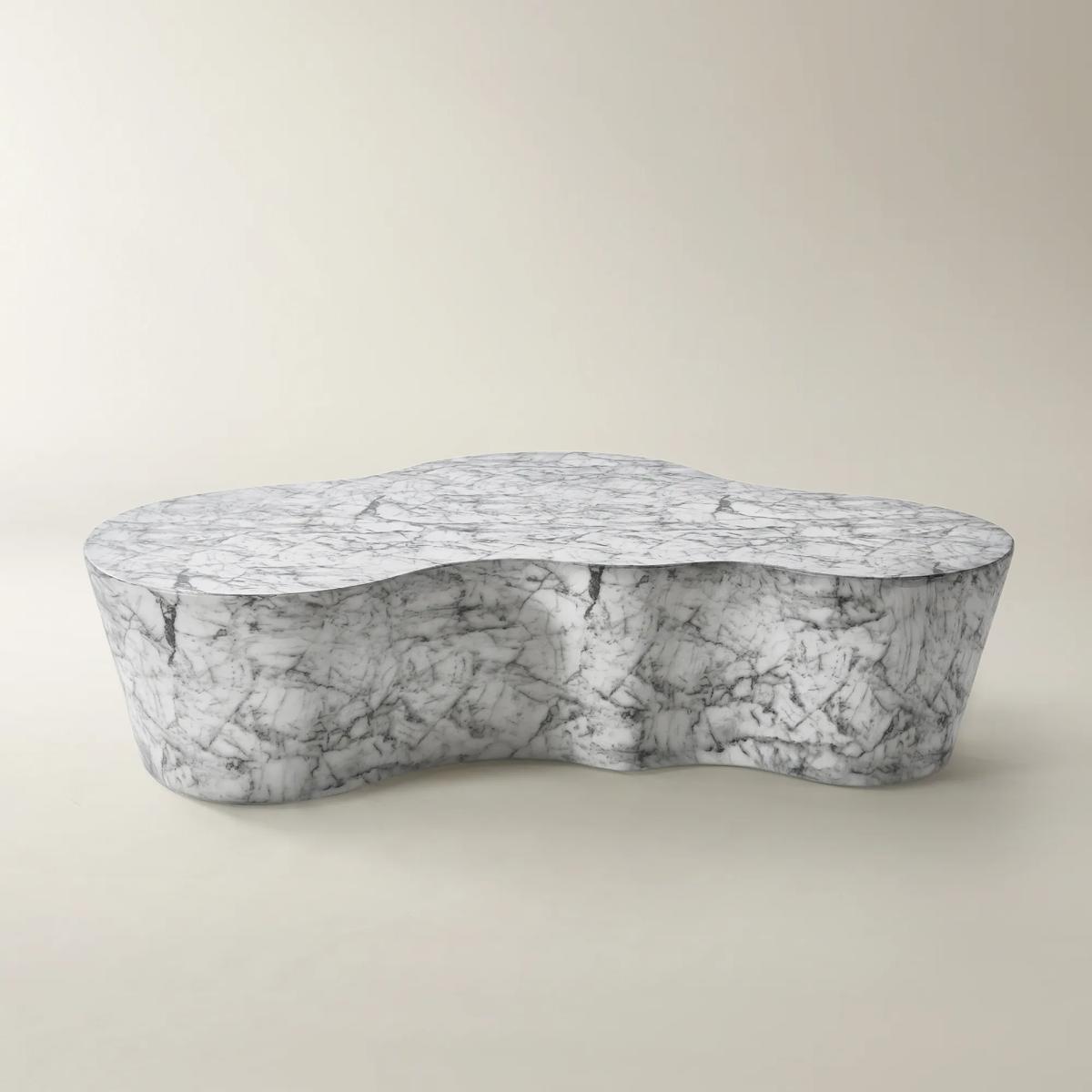
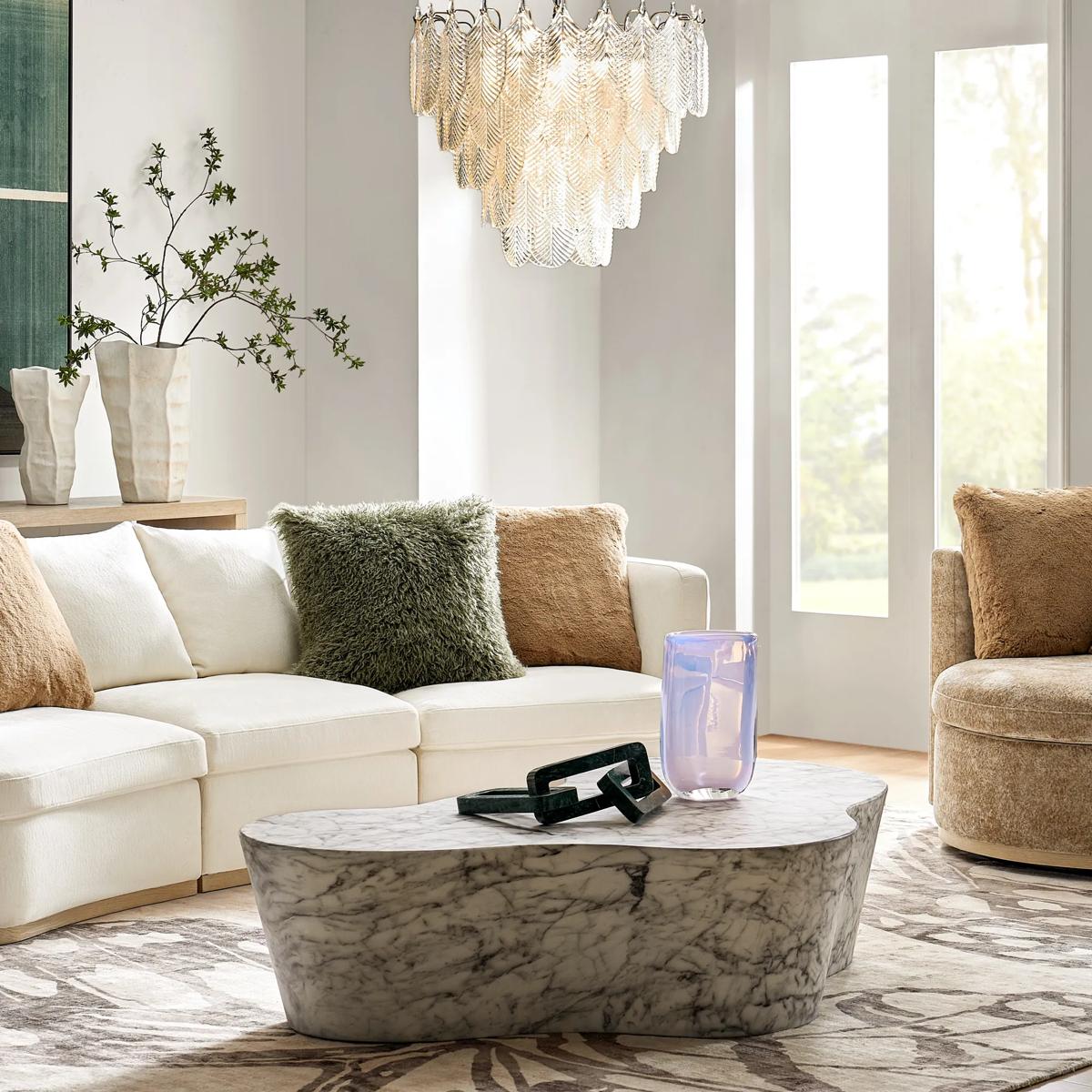 Petra White Concrete Indoor/Outdoor Coffee Table (59.4")$1099
A sculptural white concrete coffee table with cloud-like contours and marble-look veining, suitable indoors or outdoors.
Add To Cart -
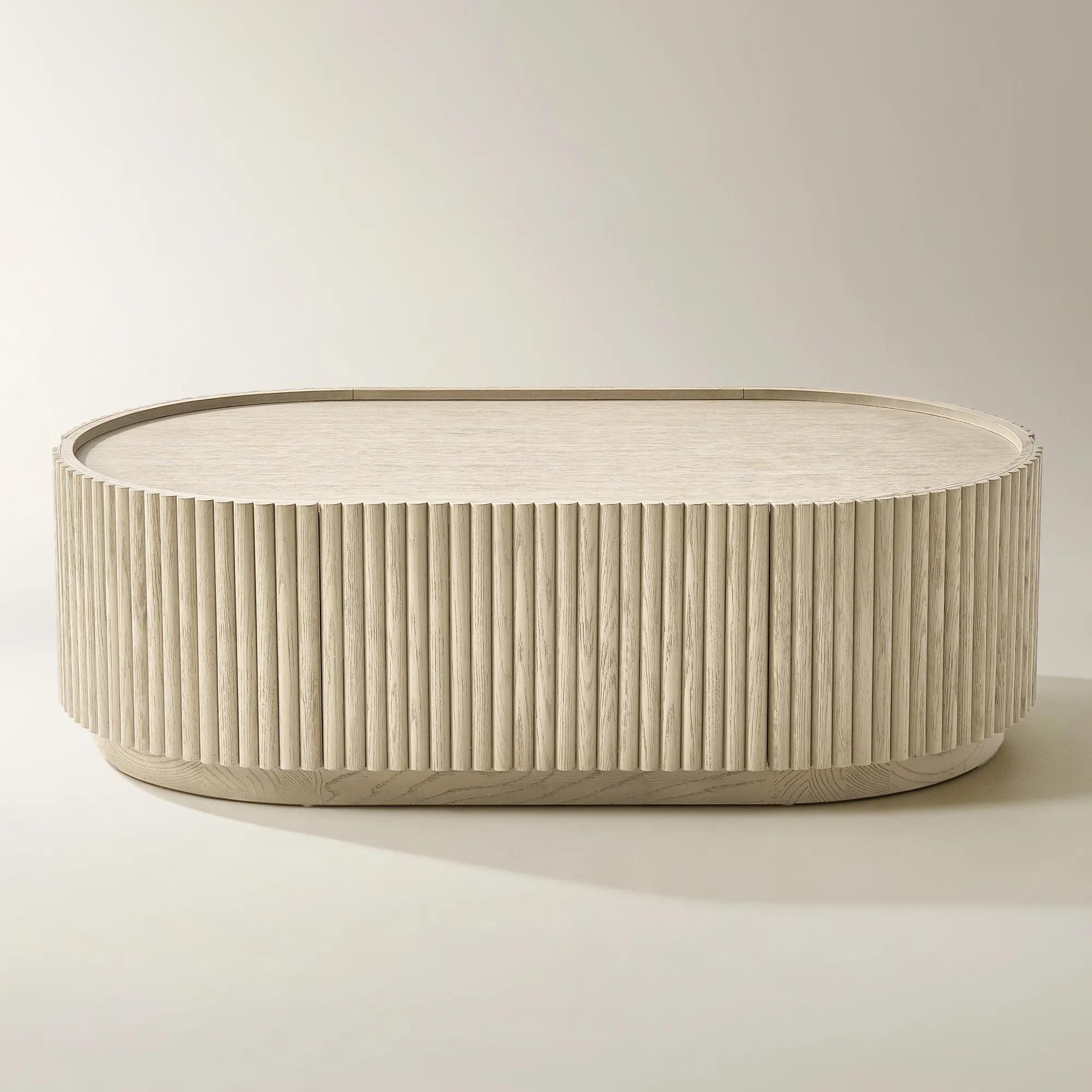
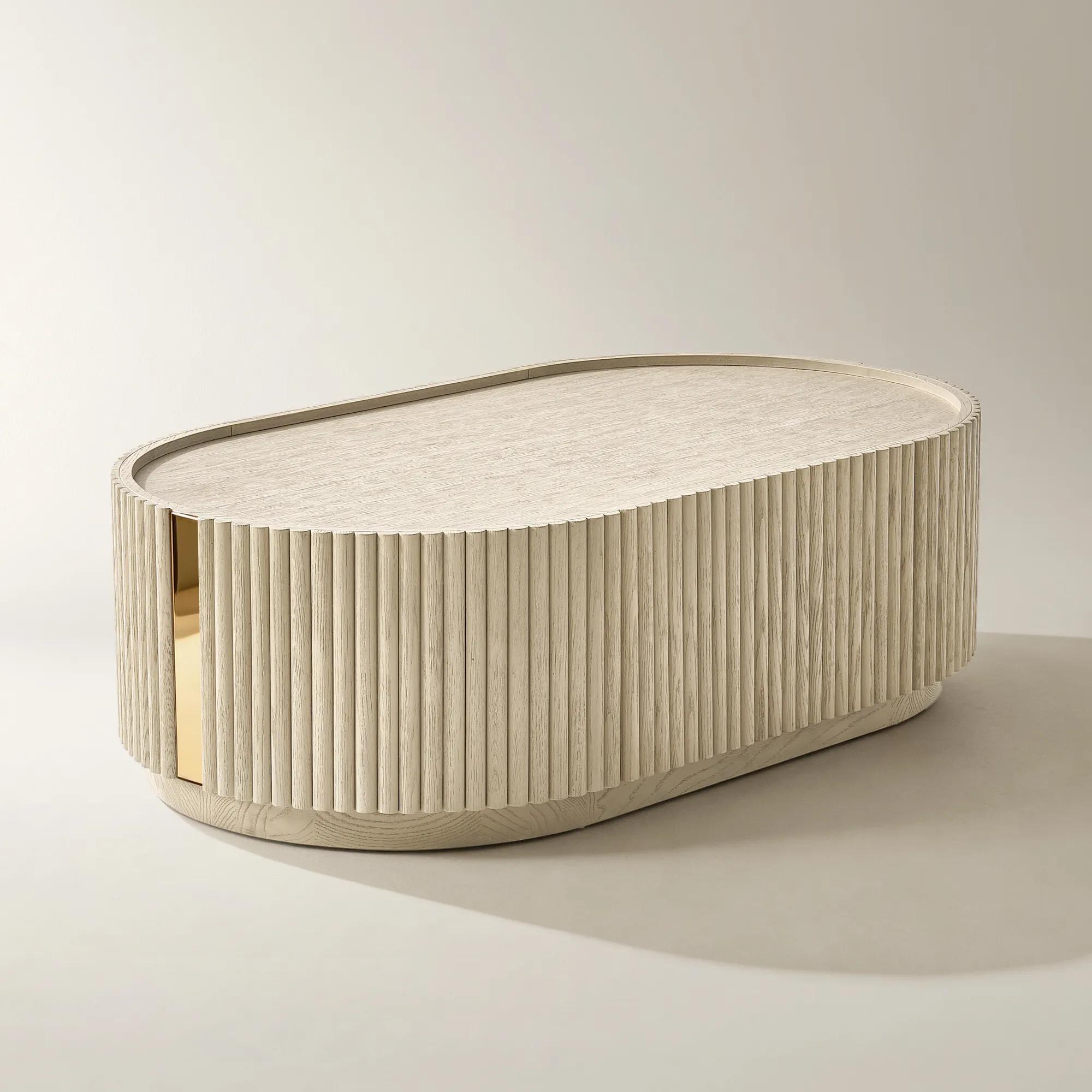 Stria Oval Reeded White Oak Coffee Table with Drawer (52")$1399
A reeded white oak coffee table with soft gold accents, recessed tabletop, and concealed soft-close drawer.
Add To Cart -
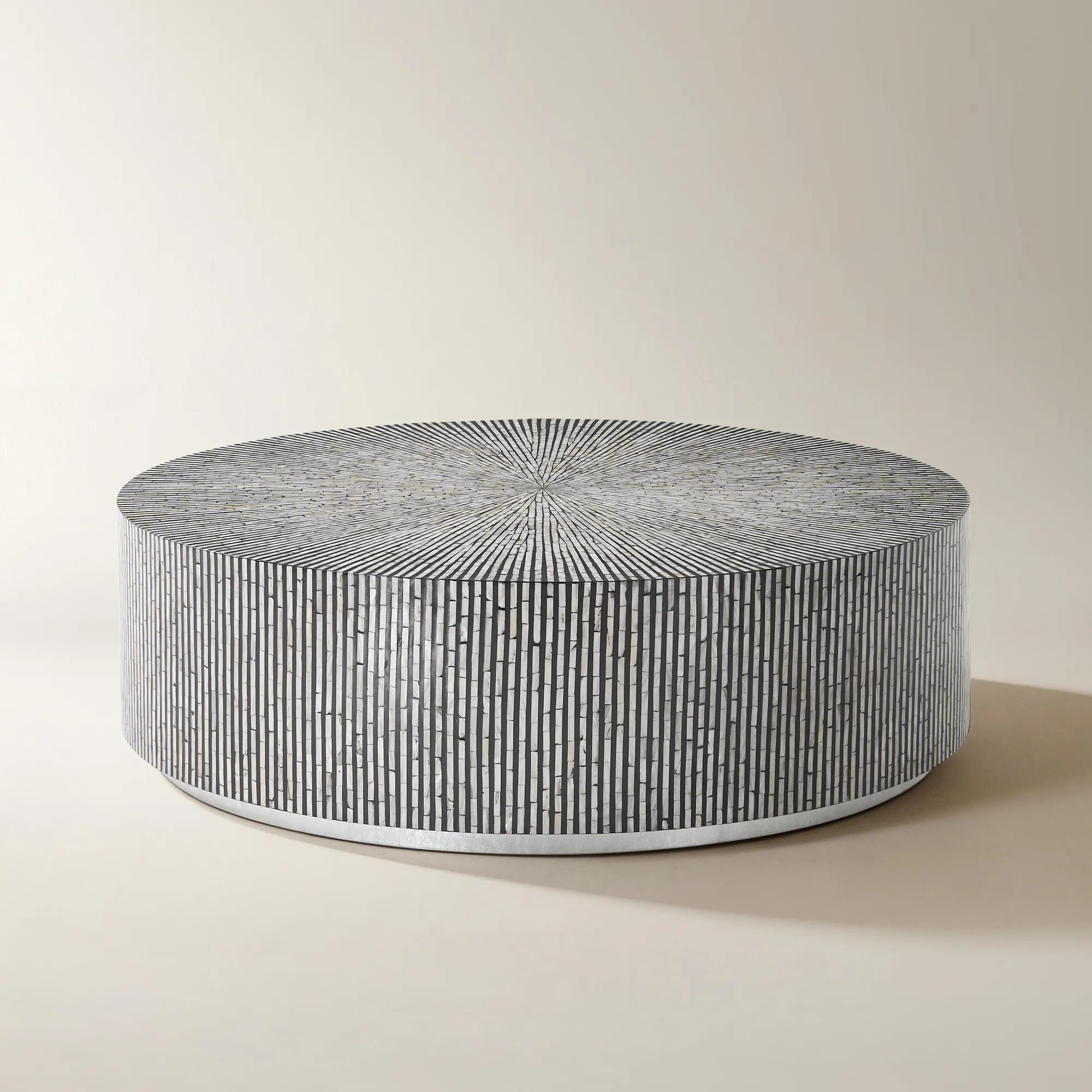
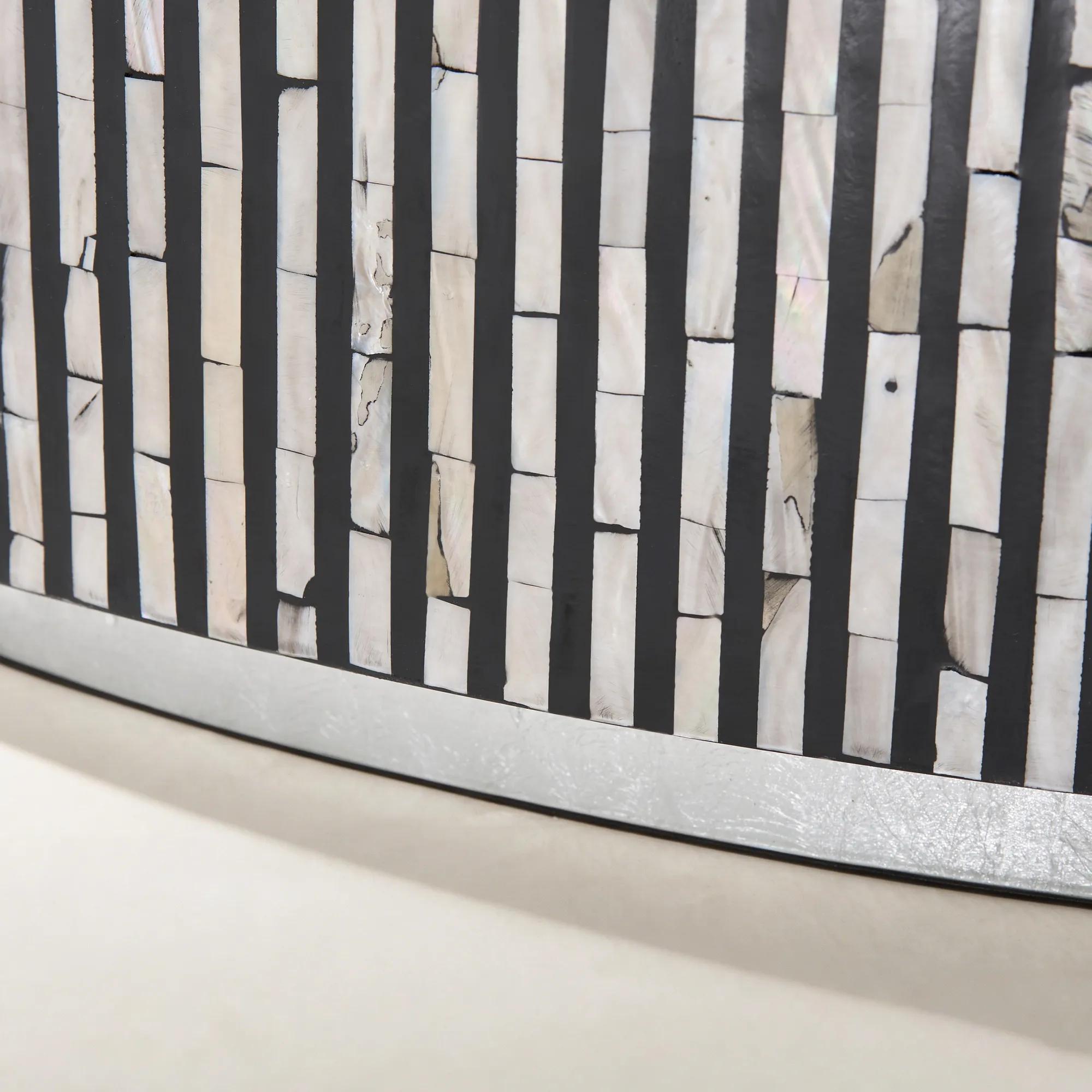 Marina Round Mosaic Black Coffee Table (52")$1399
A sculptural black coffee table featuring hand-applied mother-of-pearl mosaic and a silver leaf base.
Add To Cart -
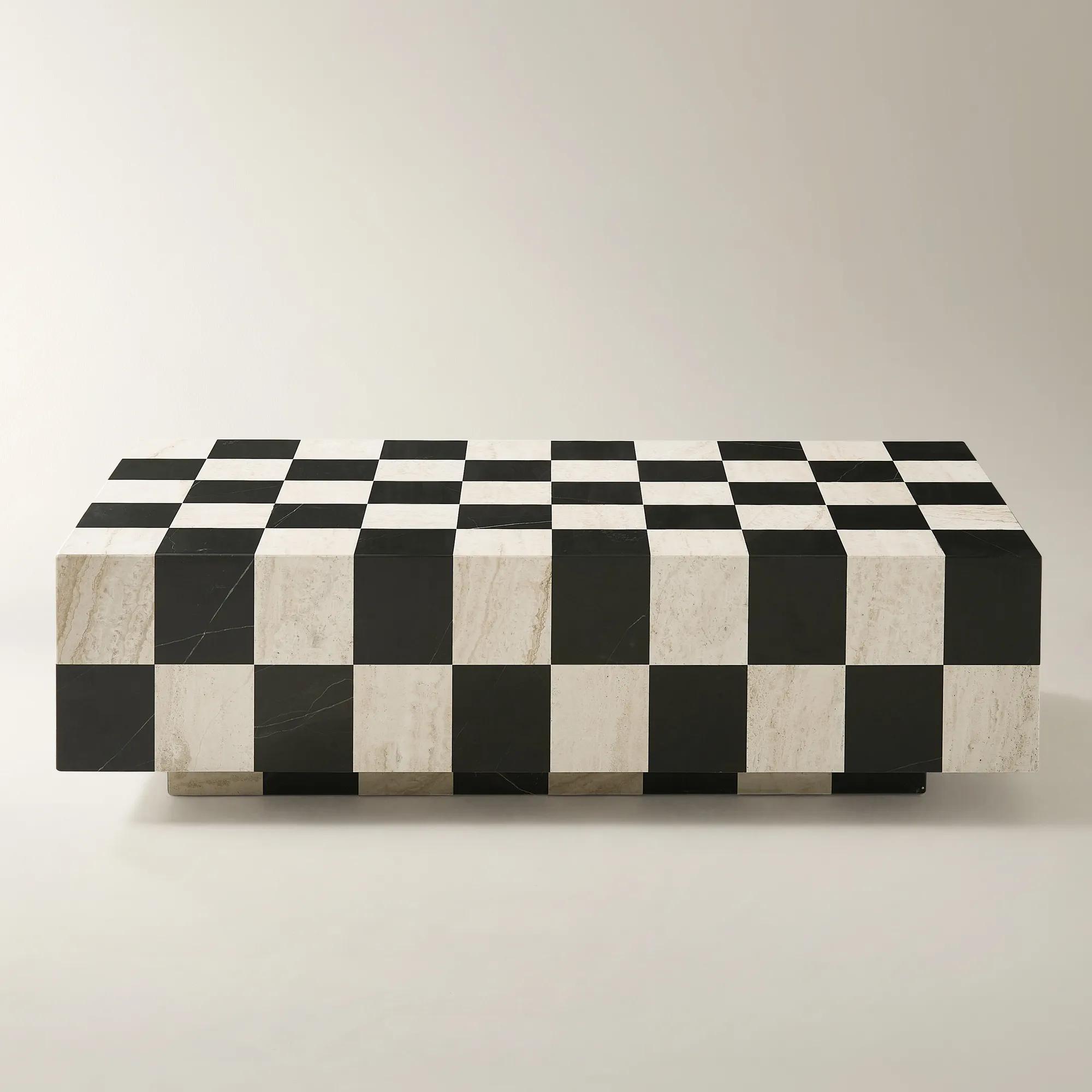 Chessa Rectangular Chequered Marble Coffee Table (53.1")$2399
A sculptural coffee table featuring polished black marble and travertine checkerboard mosaic with a monolithic silhouette.
Add To Cart -
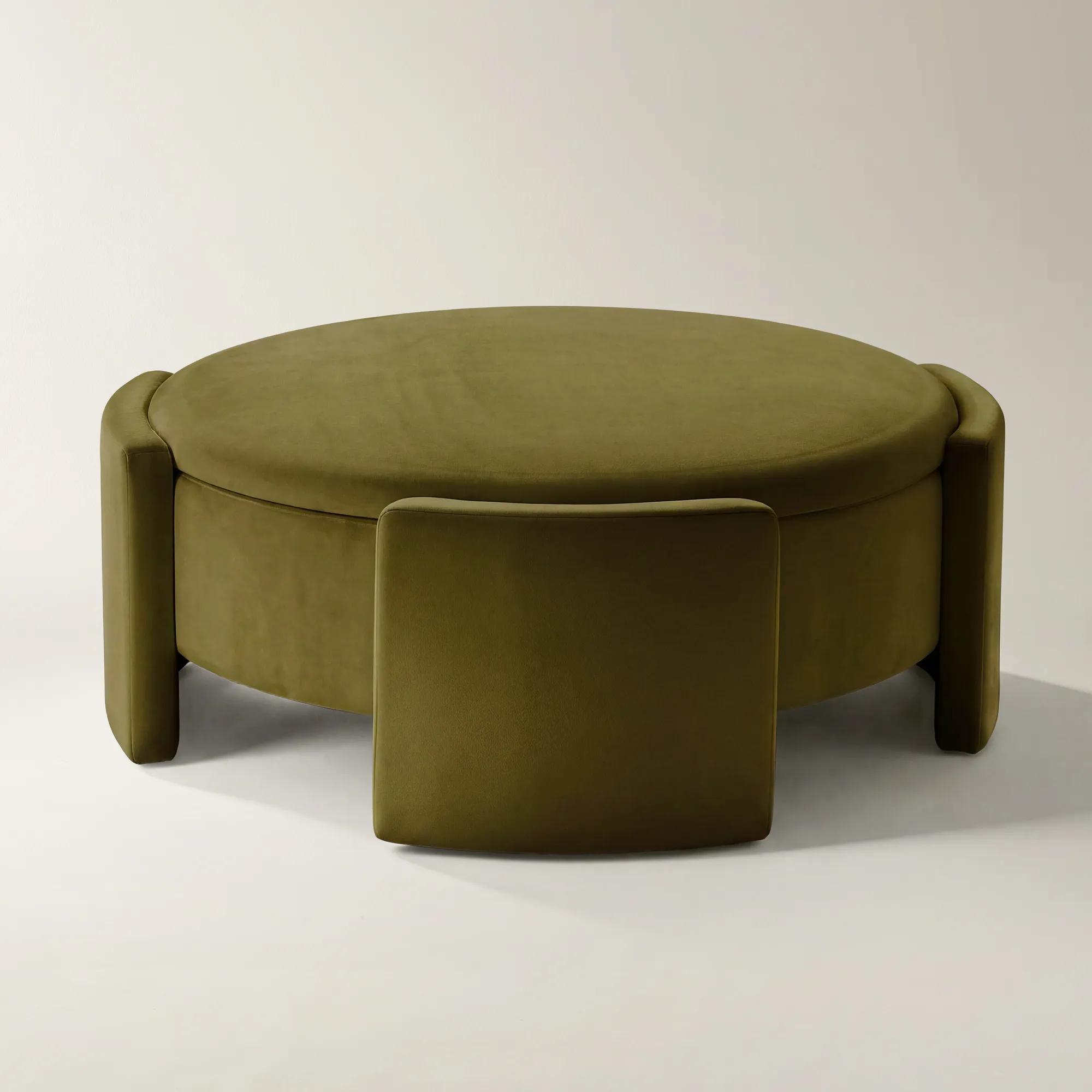
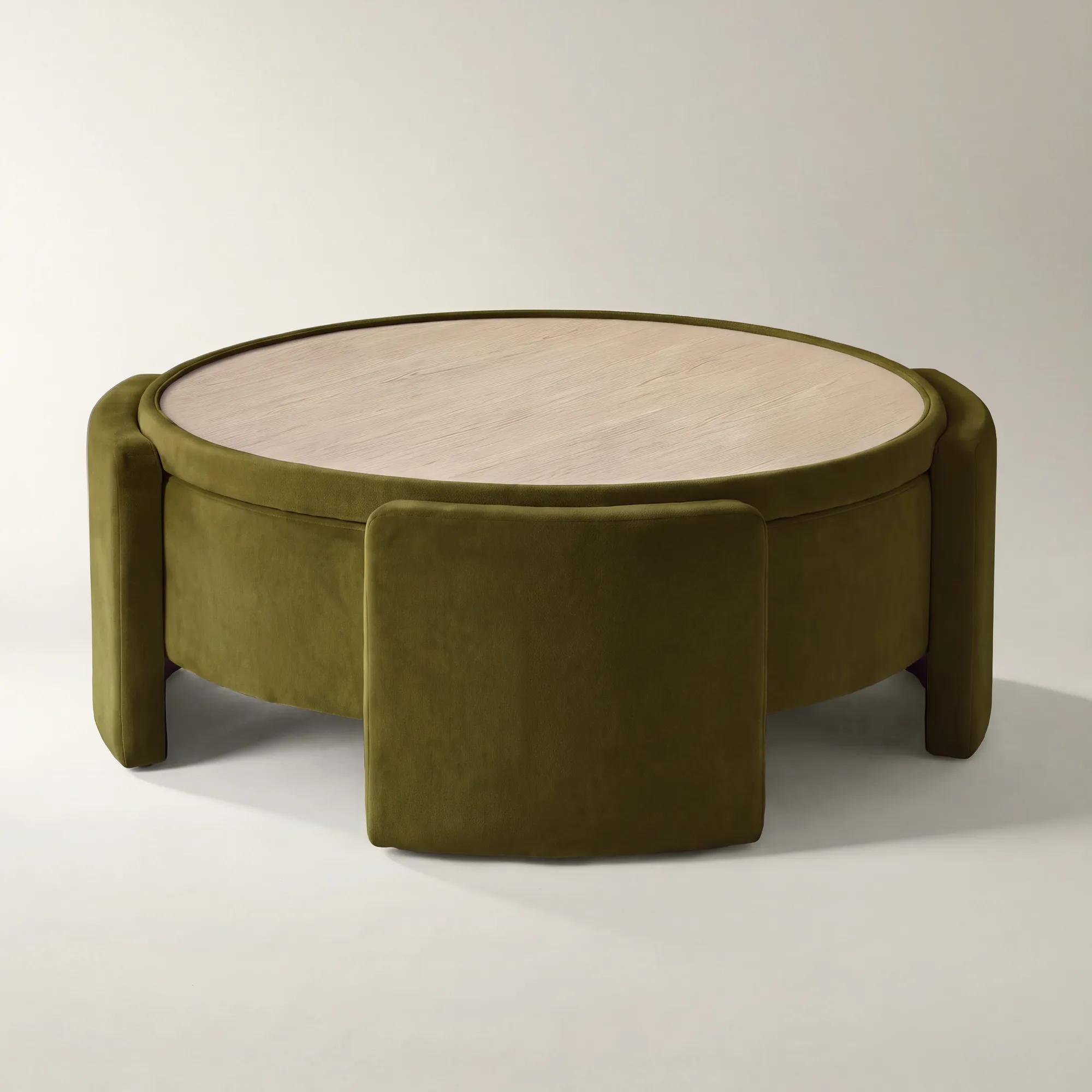 Jora Round Deep Olive Velvet Storage Coffee Table With Reversible Tabletop (47.7")$799
A deep olive velvet coffee table with a reversible tabletop and hidden storage.
Add To Cart -
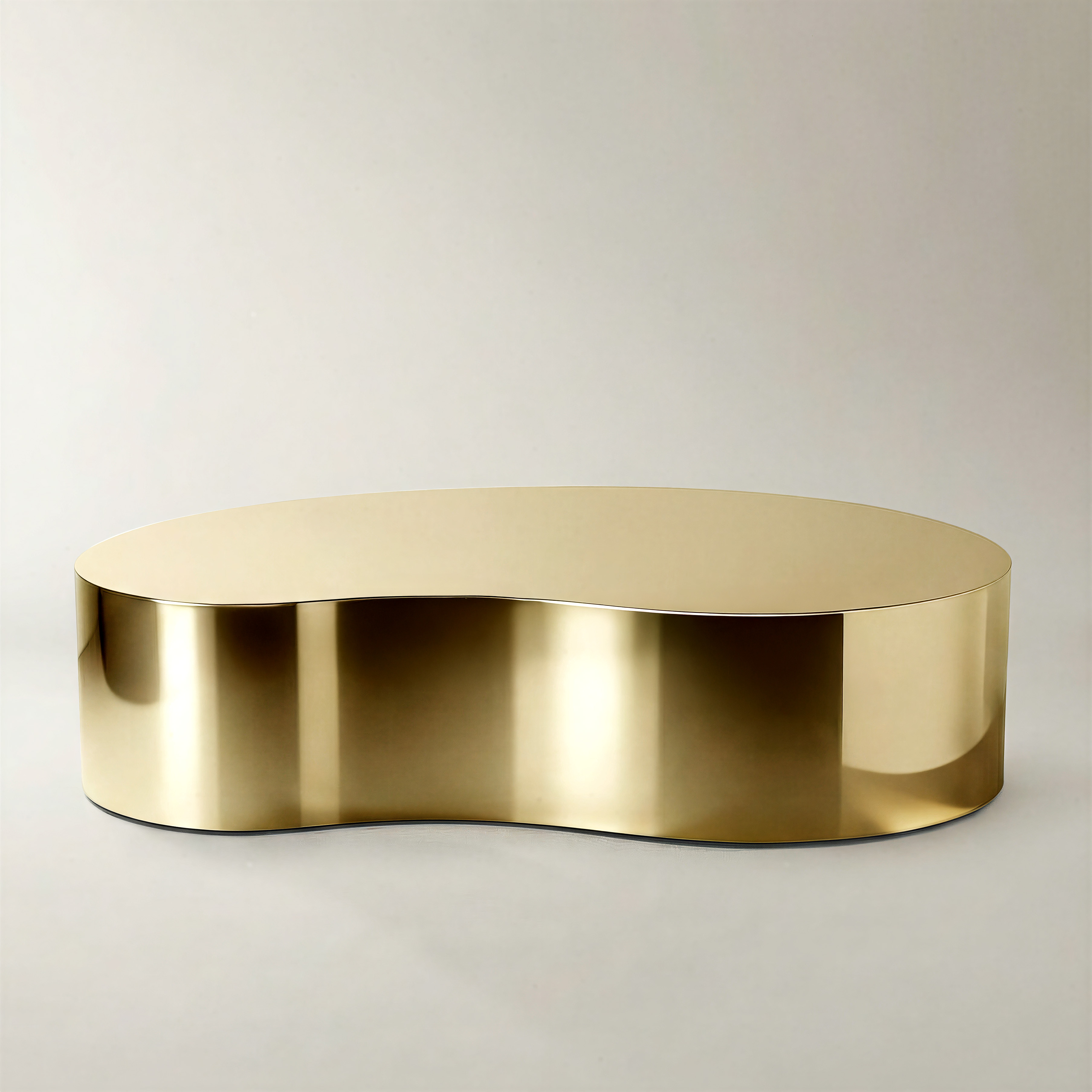
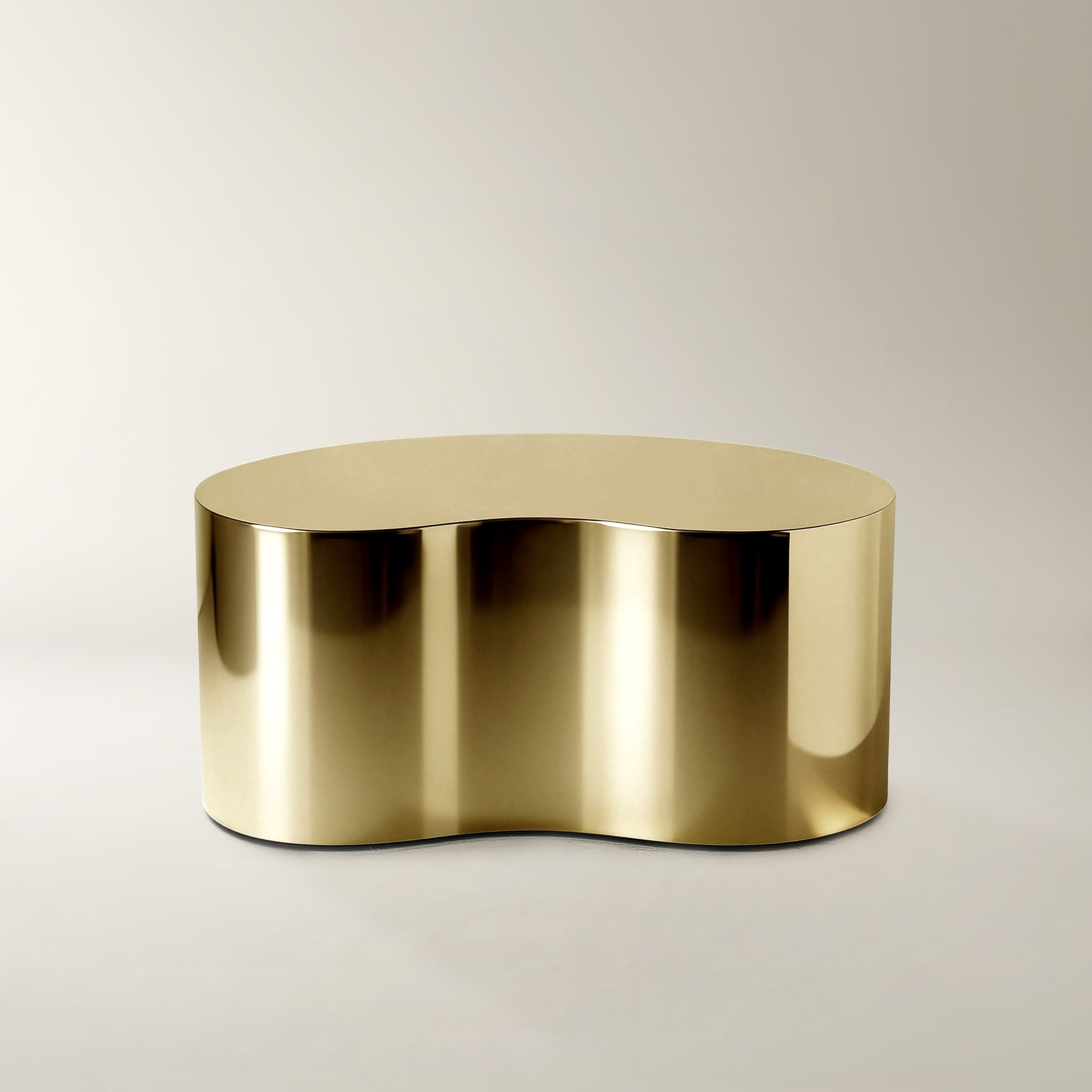
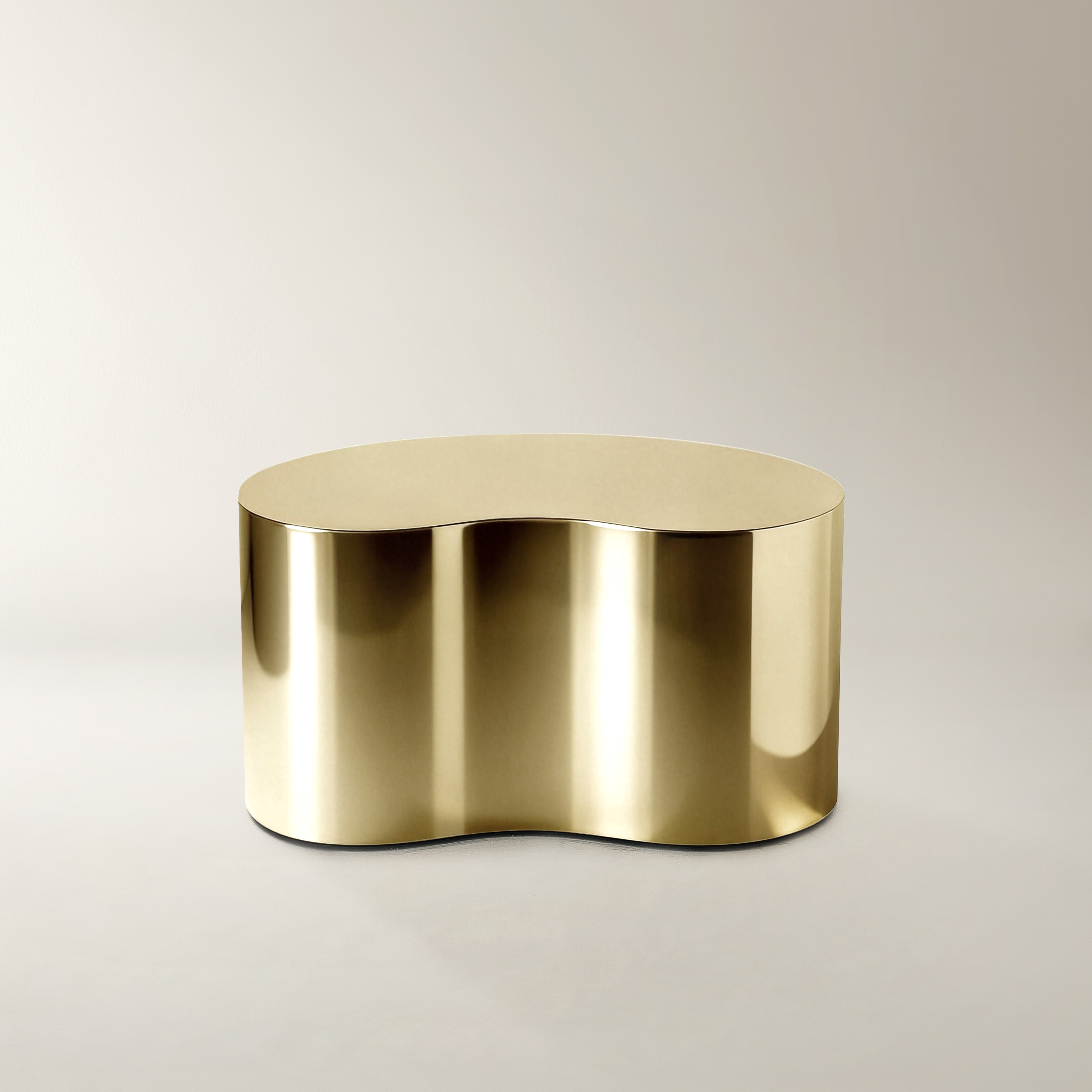
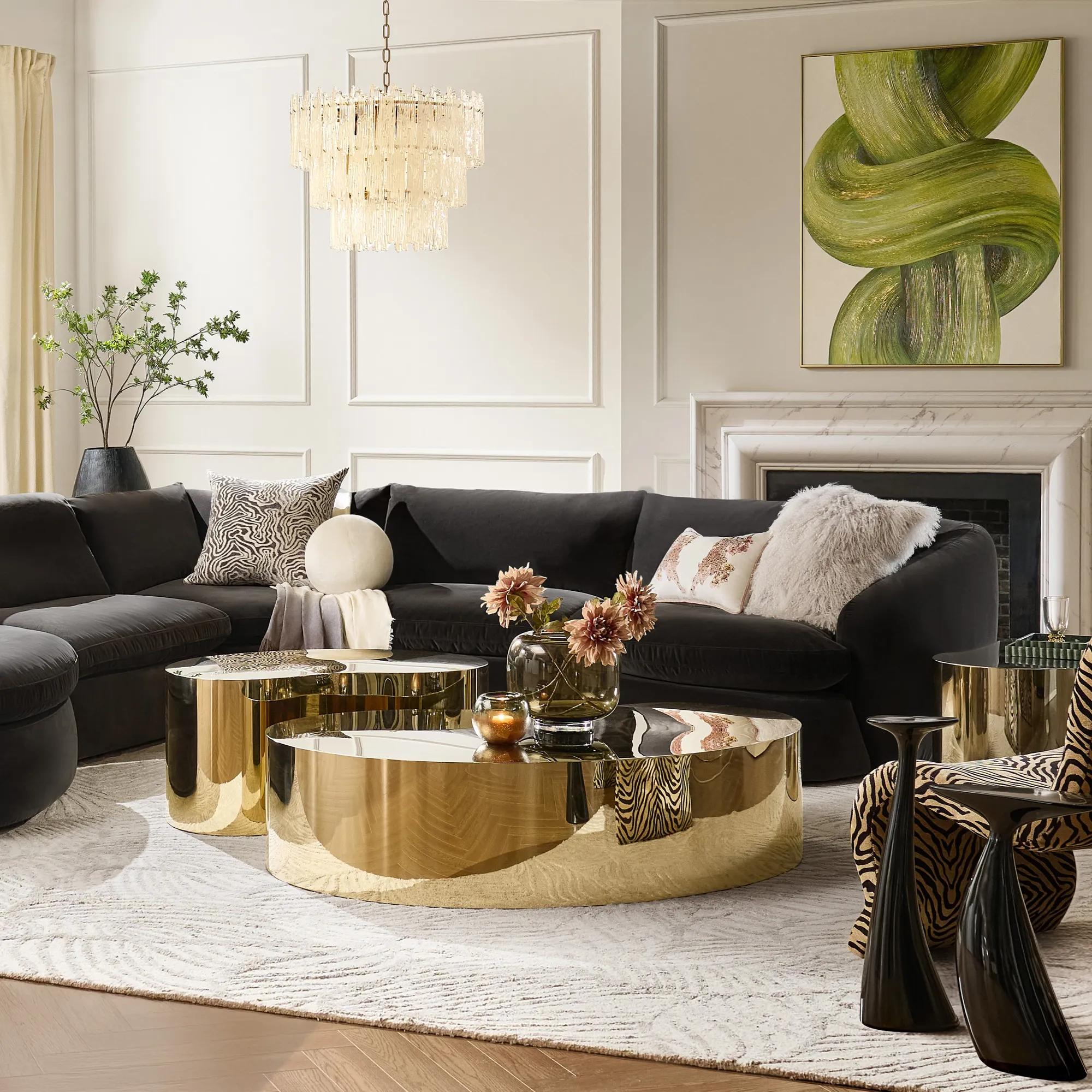 Aurea Soft Gold Coffee Table (57")$1399
A sculptural coffee table crafted from stainless steel with a high-gloss soft gold finish and rounded edges.
Add To Cart -
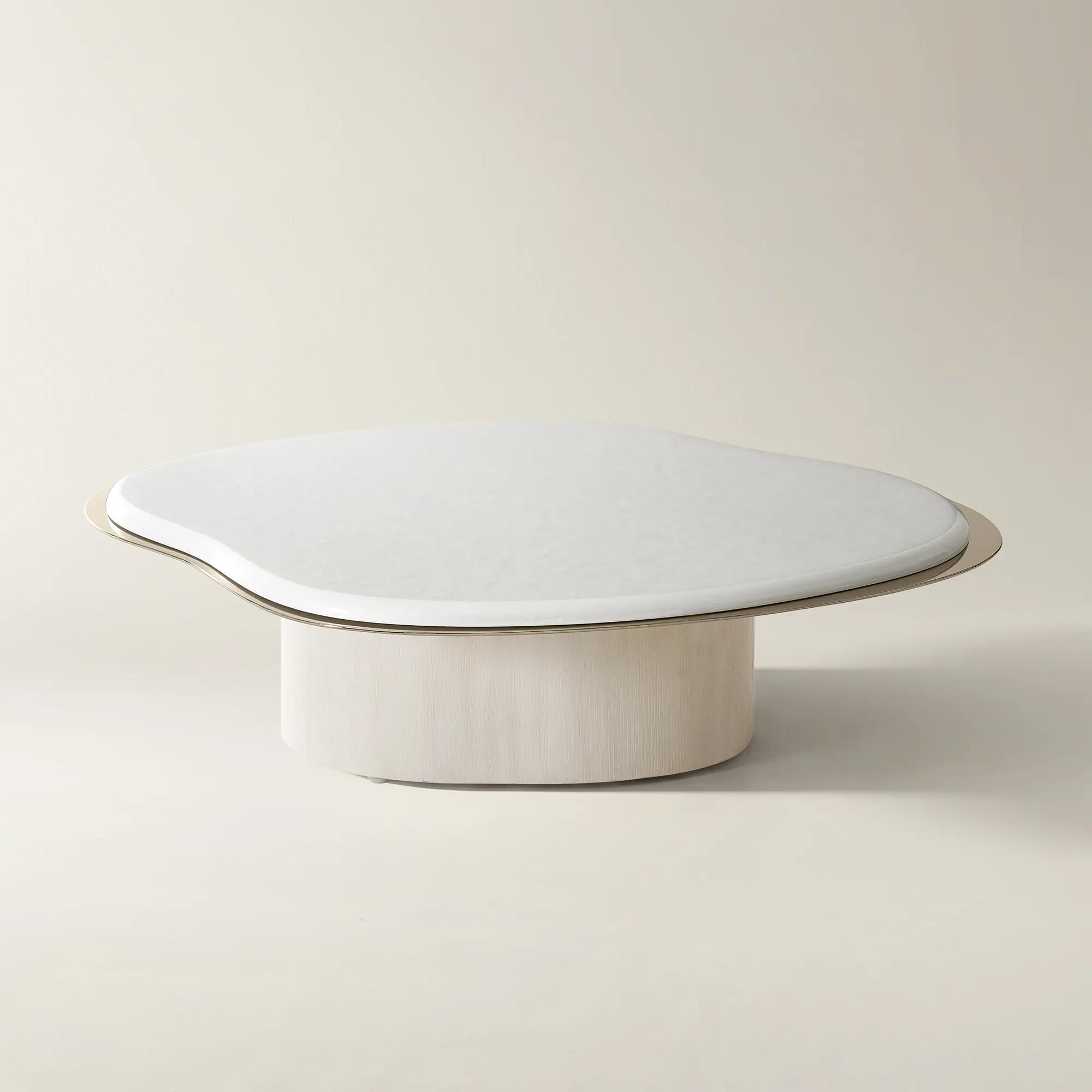
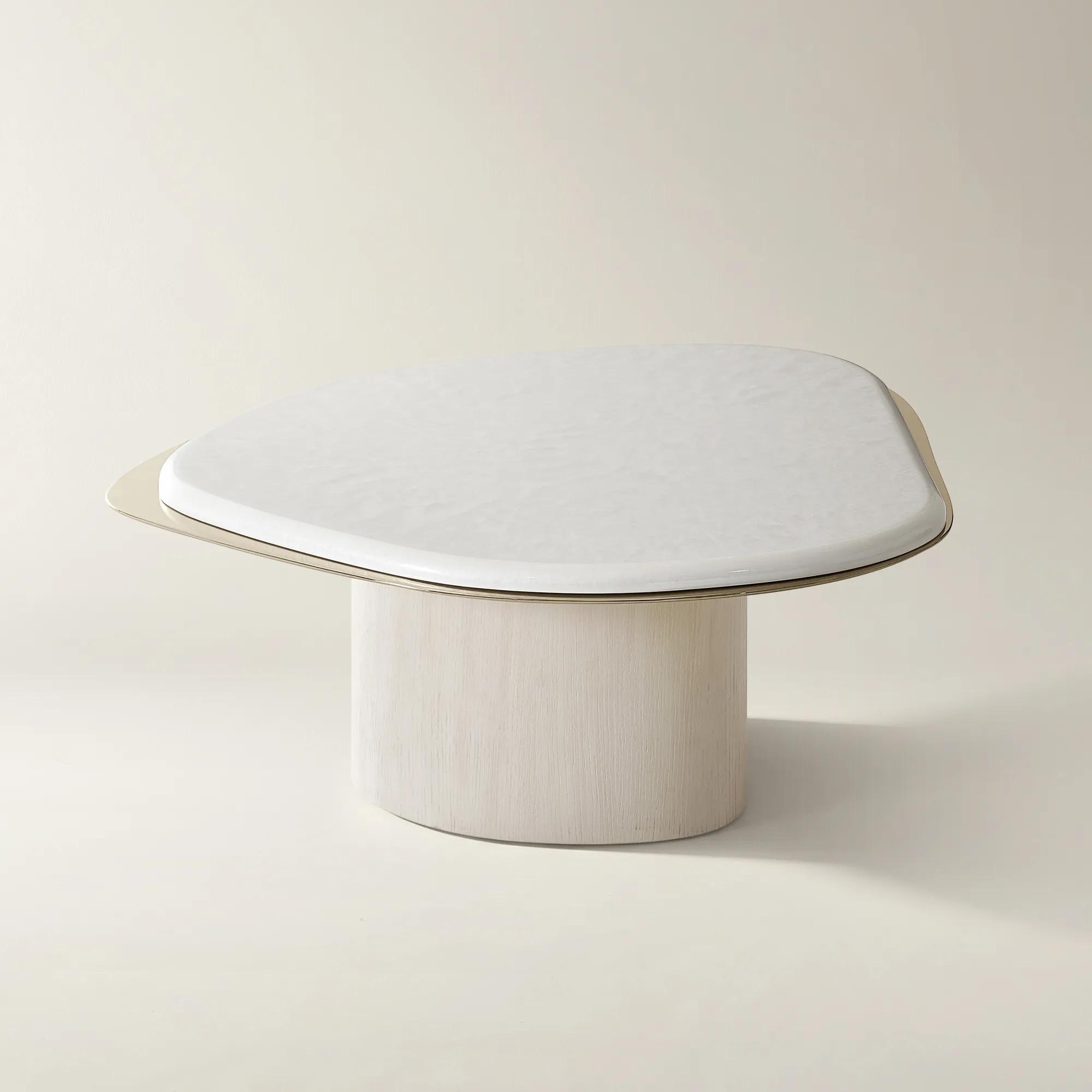
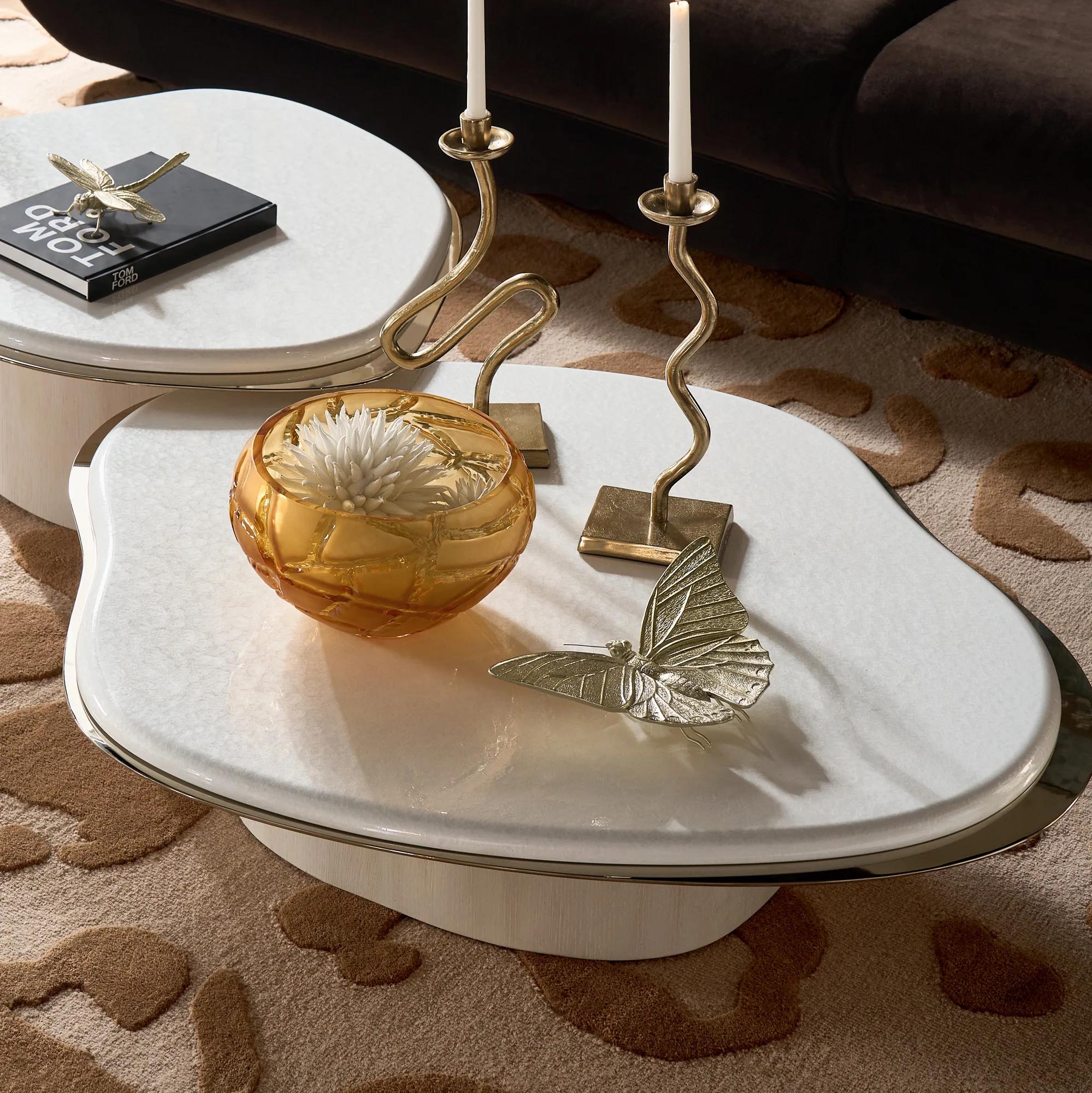 Lumina Bleached Oak Coffee Table With Pearl Lacquered Top (41")$1199
A sculptural coffee table featuring a pearl lacquered top, bleached oak base, and champagne gold trim.
Add To Cart

Luxury Coffee Tables For Modern Homes
Explore luxury coffee tables for modern homes, with statement-making designs that bring a distinctive focal point to your living room. Compare silhouettes, dimensions, and surface space to find a modern cocktail table that complements your sofa’s scale, leaves comfortable clearance around seating, and provides room for everyday essentials alongside a curated display.
Luxury coffee tables for modern homes combine architectural form, expressive materials, and everyday function, creating a focal point that gives the living room its sense of balance. Their presence comes from more than ornament: a distinctive silhouette, a beautifully finished surface, or the contrast between a substantial top and an airy base can make the entire seating arrangement feel intentional. In a room framed by clean-lined upholstery, a sculptural coffee table introduces movement and personality without competing with the architecture. A polished stone surface brings depth through natural veining, while glass allows a richly textured rug or an intricate base to remain part of the composition. Marble has a particularly individual character, with variations in tone and pattern that make each slab visually distinct; other natural stones have their own textures, porosity, and maintenance requirements. Wood brings warmth and grain to interiors dominated by metal, glass, or pale upholstery, and a carefully finished veneer can deliver a consistent decorative surface over an engineered core. Solid wood and veneered construction offer different characteristics, so the quality of the underlying structure and finish matters as much as the material name. Metal introduces another layer of expression, from the restrained glow of a brushed finish to the brilliance of a polished surface. Mirrored details reflect surrounding color and light, giving a table a decorative presence that changes with its setting. These materials need not appear alone. A stone top above a slender metal frame can feel grounded yet open, while dark wood paired with reflective accents creates a more dramatic contrast. The most compelling modern coffee tables establish a clear relationship with the rest of the room: repeating a metallic note from the lighting, drawing out a color in the artwork, or offering a deliberate counterpoint to a deeply upholstered sofa. Luxury feels personal when the table contributes something distinct rather than simply matching every surrounding piece.
Scale determines how confidently that presence translates into daily life. A coffee table should feel connected to the seating, with enough surface for the way the room is used and enough space around it for comfortable movement. A common starting point is a table approximately one-half to two-thirds the length of the sofa, with a tabletop near seat height or slightly lower. These proportions are flexible rather than absolute, especially with deep sectionals, unusually low seating, or multiple sofas. Around 16 to 18 inches between the table and the seating often provides a comfortable balance of reach and legroom; main circulation routes may require substantially more clearance. The visual weight of the design matters alongside its measurements. A broad transparent top can feel lighter than a smaller table with a solid enclosed base, while a low stone form can anchor an expansive room without interrupting sightlines. For generous seating arrangements, luxury coffee tables for spacious living rooms can establish a stronger relationship between widely spaced sofas and chairs. Rectangular silhouettes echo the length of a sofa and provide an extended surface for serving and display. Square forms can sit comfortably within a sectional arrangement, while round and oval tables soften a composition of angular furniture and offer curved edges along the walking path. In a smaller living room, an open base or softly rounded profile can preserve a sense of breathing room. Nesting forms allow surfaces to overlap or spread apart, although their usefulness depends on the available floor space and the stability of each piece. Intended use gives these proportions purpose. A living room centered on conversation may call for generous space for drinks and a shared serving tray, while a quieter sitting area may need only a book, a small arrangement, and an uninterrupted view of the table itself. Homes with young children also benefit from attention to edge profiles, secure construction, and materials suited to frequent contact.
Lasting appeal depends on how a coffee table lives with its surroundings, not just how it looks when first placed. Durability reflects the combination of material, construction, finish, and use; a substantial appearance alone does not establish resistance to scratches, stains, or movement. Stable joinery, appropriate support beneath the top, and a well-executed finish all contribute to everyday performance. Glass offers visual clarity, but fingerprints and dust can be conspicuous, particularly in direct light, and edges deserve protection from hard impacts. Where glass is specified as tempered, it has different breakage characteristics from ordinary glass, but it is not impervious to damage. Natural stone rewards thoughtful care: marble and some other stones can etch when exposed to acidic liquids, and sealing does not make every surface stainproof. Coasters beneath beverages, trivets beneath warm serving pieces, and prompt attention to spills help preserve the finish without compromising the pleasure of using the table. Wood surfaces benefit from protection against standing moisture, excessive heat, and prolonged direct sunlight, while metal and mirrored finishes generally call for soft cloths and nonabrasive care suited to the manufacturer’s instructions. Moving decorative objects rather than dragging them helps limit surface marks, especially beneath ceramics with rough undersides. These habits leave room for a table to be lived with, whether it holds espresso during an unhurried conversation, art books within reach of a favorite chair, or small plates when guests gather. Styling can remain expressive without consuming every usable inch. A low sculptural vessel, a stack of generously sized books, and a tray that gathers smaller objects create distinct heights and textures while leaving an open landing place for a glass. On a strongly veined or intricately detailed top, fewer objects allow the material to remain visible; on a quieter surface, a bold decorative accent can carry more of the composition. The result is a living room centerpiece with both presence and purpose, bringing artistry into the routines that make a home feel unmistakably personal.
FAQs
A luxury coffee table brings expressive design, distinctive materials, and refined detailing to the heart of a living room. Sculptural bases, richly veined stone, gleaming metal, and beautifully finished wood turn an everyday furnishing into an artistic focal point. In modern homes, clean silhouettes let those extraordinary details command attention.
Marble offers dramatic veining, glass creates an airy impression, and polished metal introduces a luminous accent. Rich wood brings warmth and depth, while acrylic lends a crisp, gallery-inspired quality. Mixed-material coffee tables create visual intrigue through contrast—think a stone top paired with a sculptural metal base.
Let contrast guide the composition. A sleek glass or metallic coffee table creates a striking counterpoint to sumptuous velvet upholstery, while richly grained wood adds warmth beside a tailored neutral sofa. For curved seating, an angular table introduces definition; alongside a linear sofa, a rounded or sculptural design adds a graceful change of rhythm.
Build an intentional vignette with art books, a sculptural object, and a vase of expressive stems. A decorative tray can unite the arrangement while introducing another layer of texture or shine. Leave portions of the tabletop uncovered so its material remains part of the composition, especially when showcasing dramatic stone or a reflective finish.
Yes—mixing metallic finishes can give a modern living room a richly layered character. Choose one dominant finish, then introduce a contrasting accent through the coffee table, lighting, or decorative objects. Warm brass tones bring richness beside cool chrome, while repeating each finish elsewhere helps the room feel deliberately composed rather than perfectly matched.