Luxury Coffee Tables For Spacious Living Rooms
Luxury Coffee Tables For Spacious Living Rooms
-
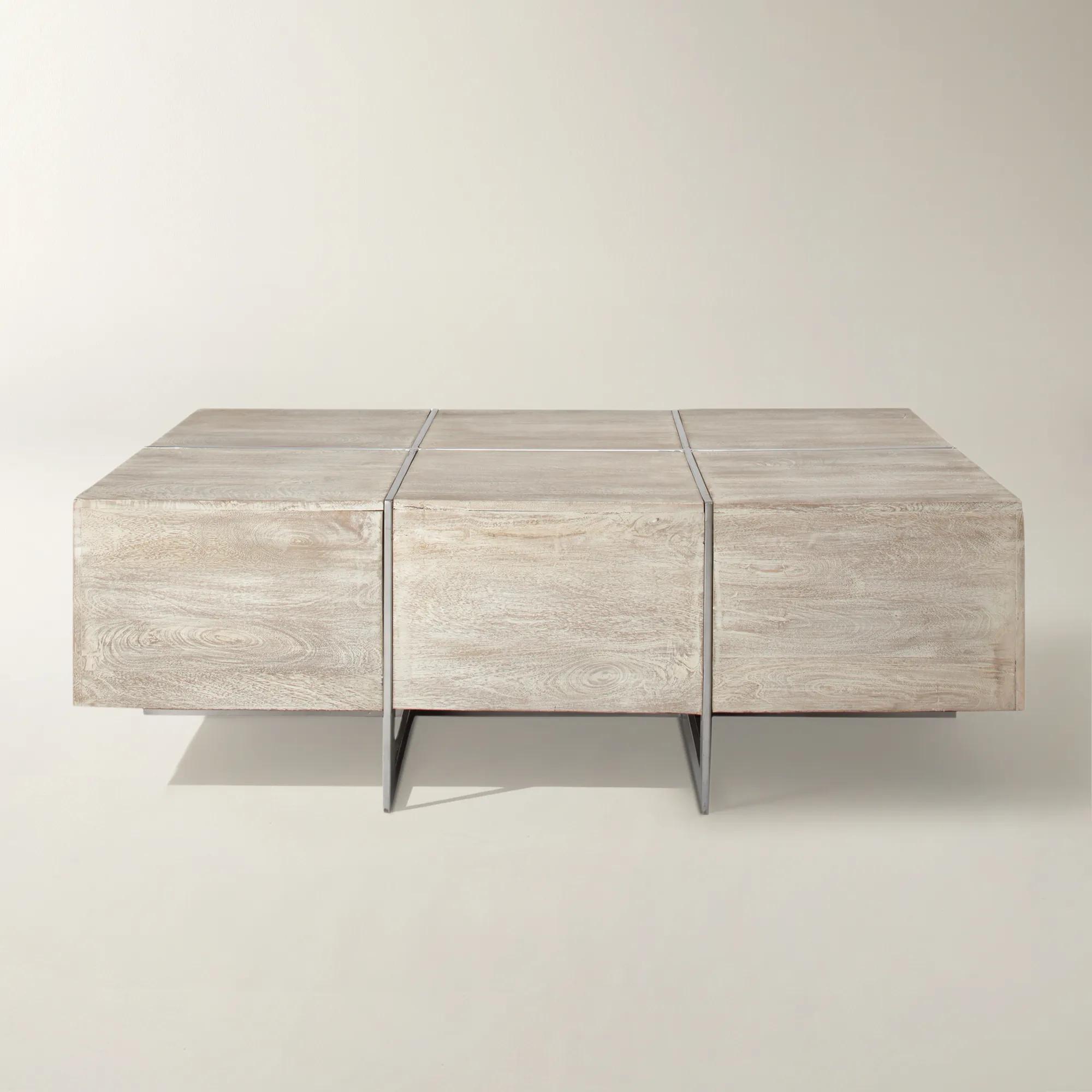
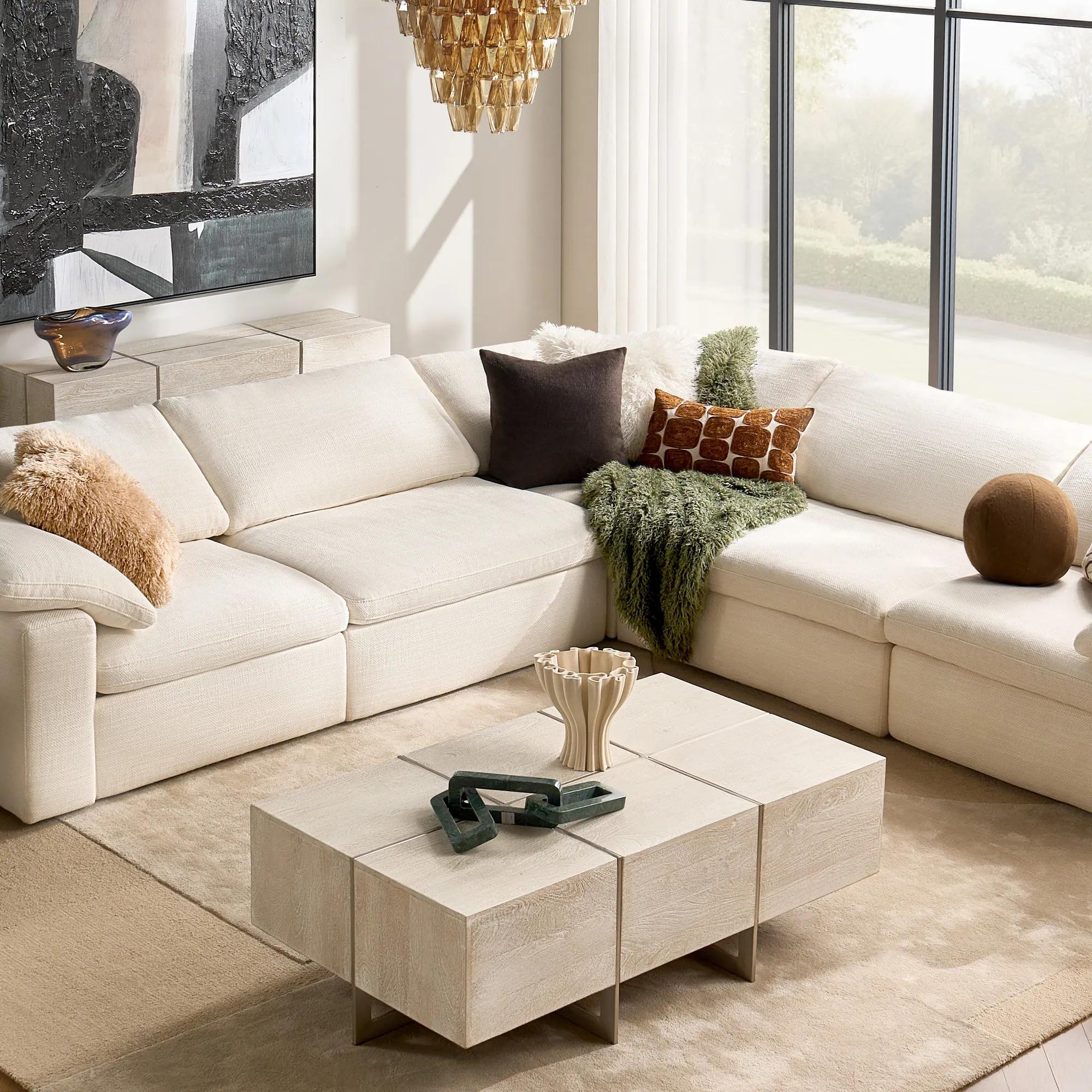 Clifton Rectangular Natural Mango Wood Coffee Table (54")$1299
A handcrafted mango wood table with a whitewashed finish and antiqued silver iron legs for organic appeal.
Add To Cart -
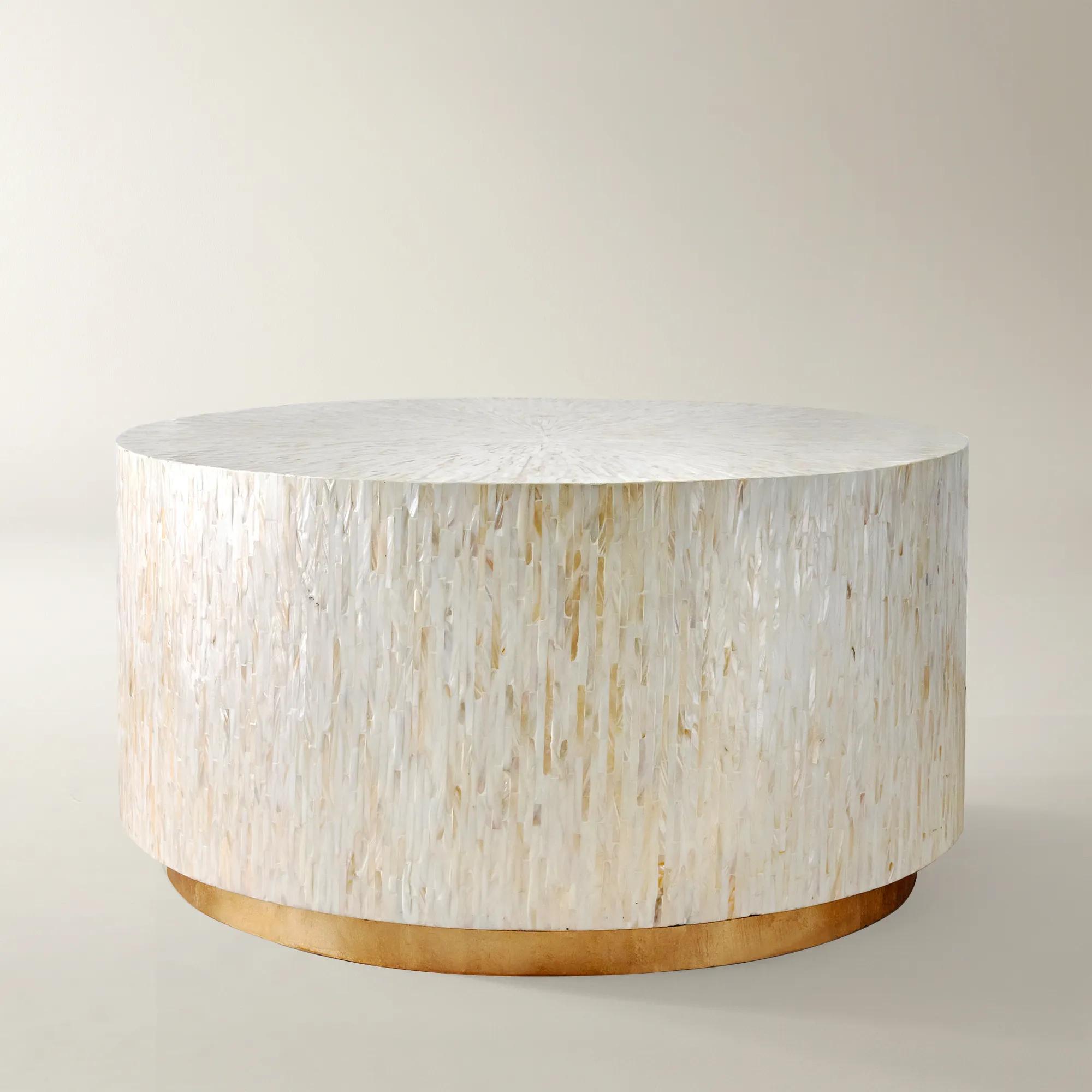
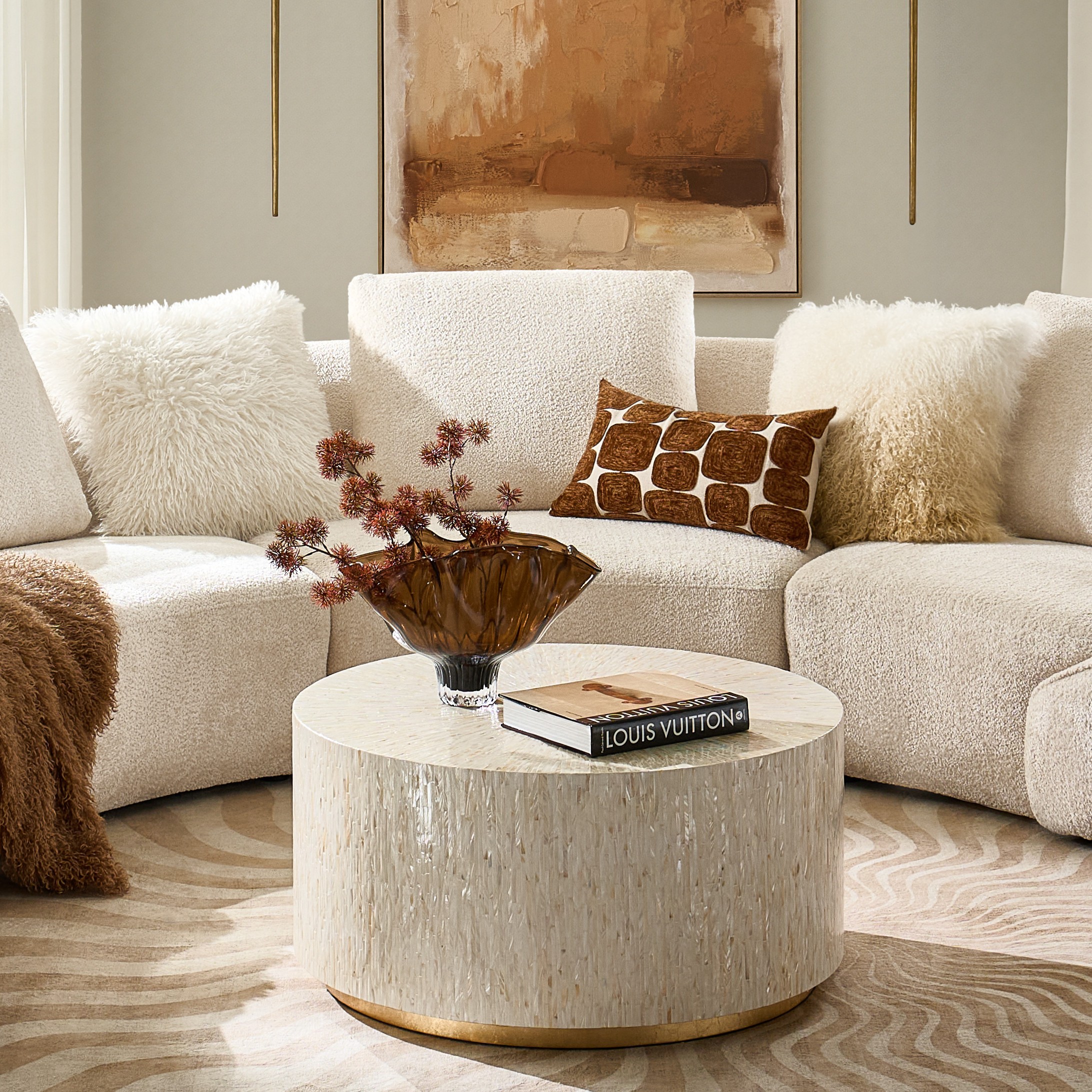 Alexandria Round Mosaic Platinum Coffee Table (36")$799
A luminous ivory coffee table featuring hand-applied mother-of-pearl mosaic and a gold leaf-accented base.
Add To Cart -
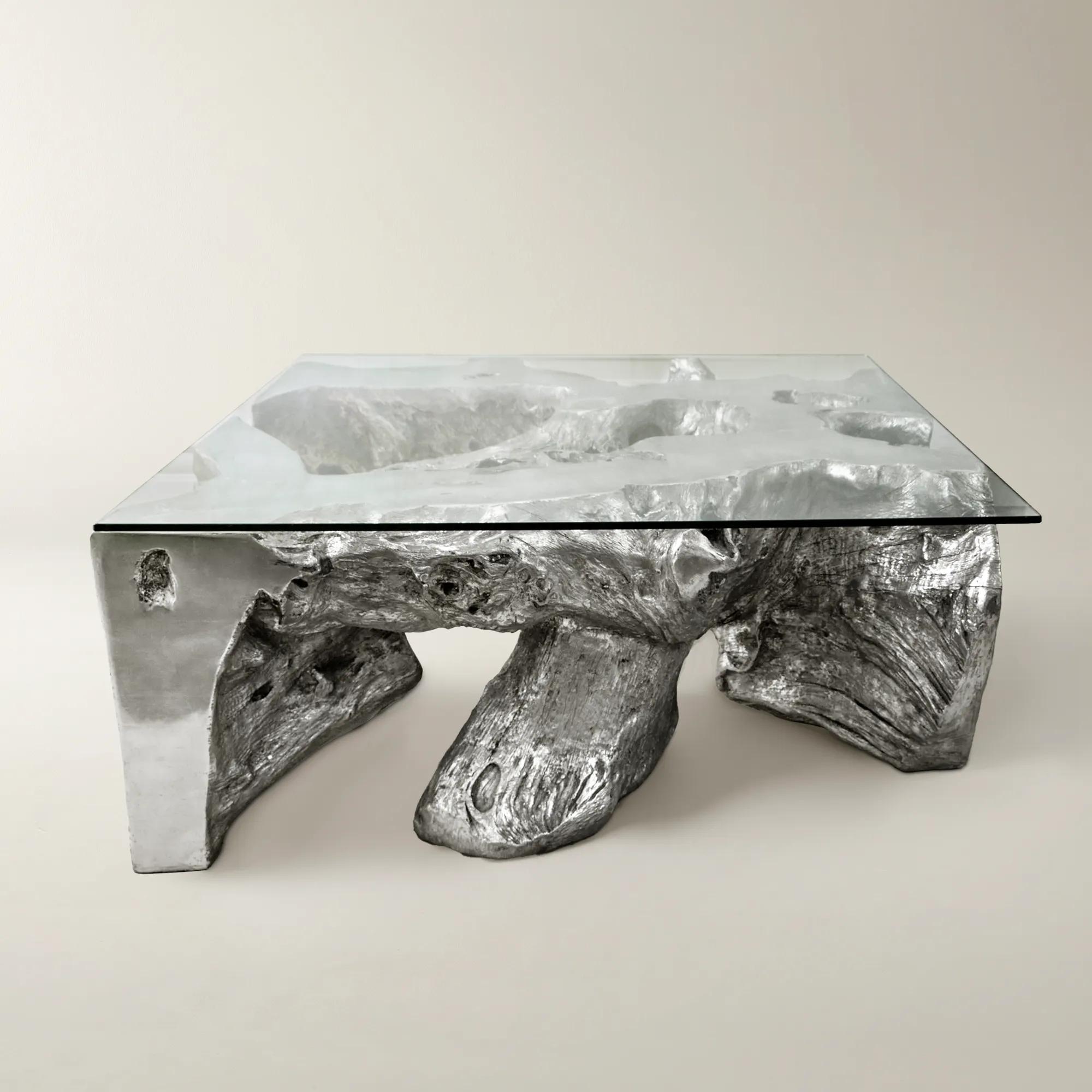 Sequoia Silver Resin Coffee Table With Glass Top (44")$2299
A sculptural coffee table featuring a hand-applied silver leaf resin base and a tempered glass top.
Add To Cart -
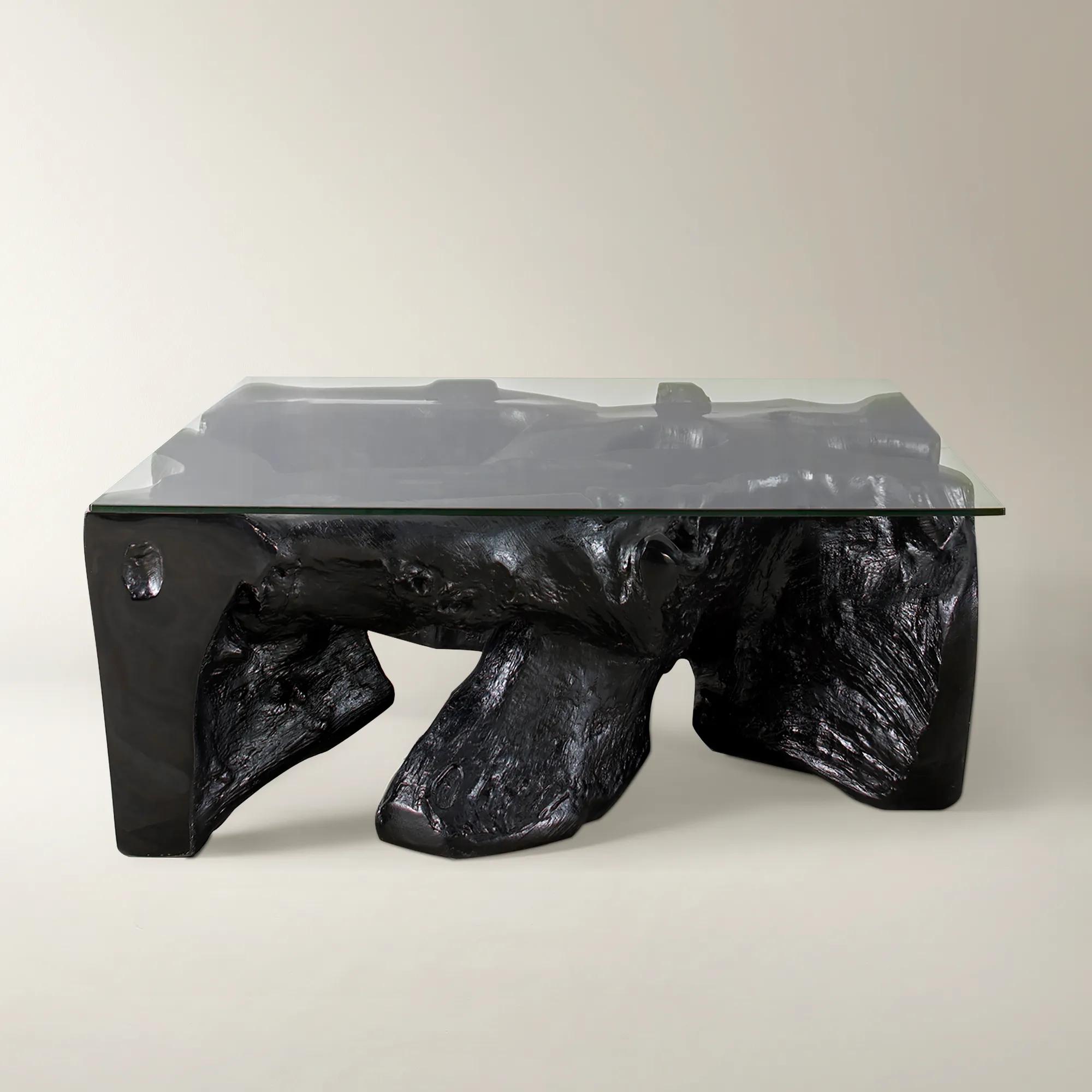
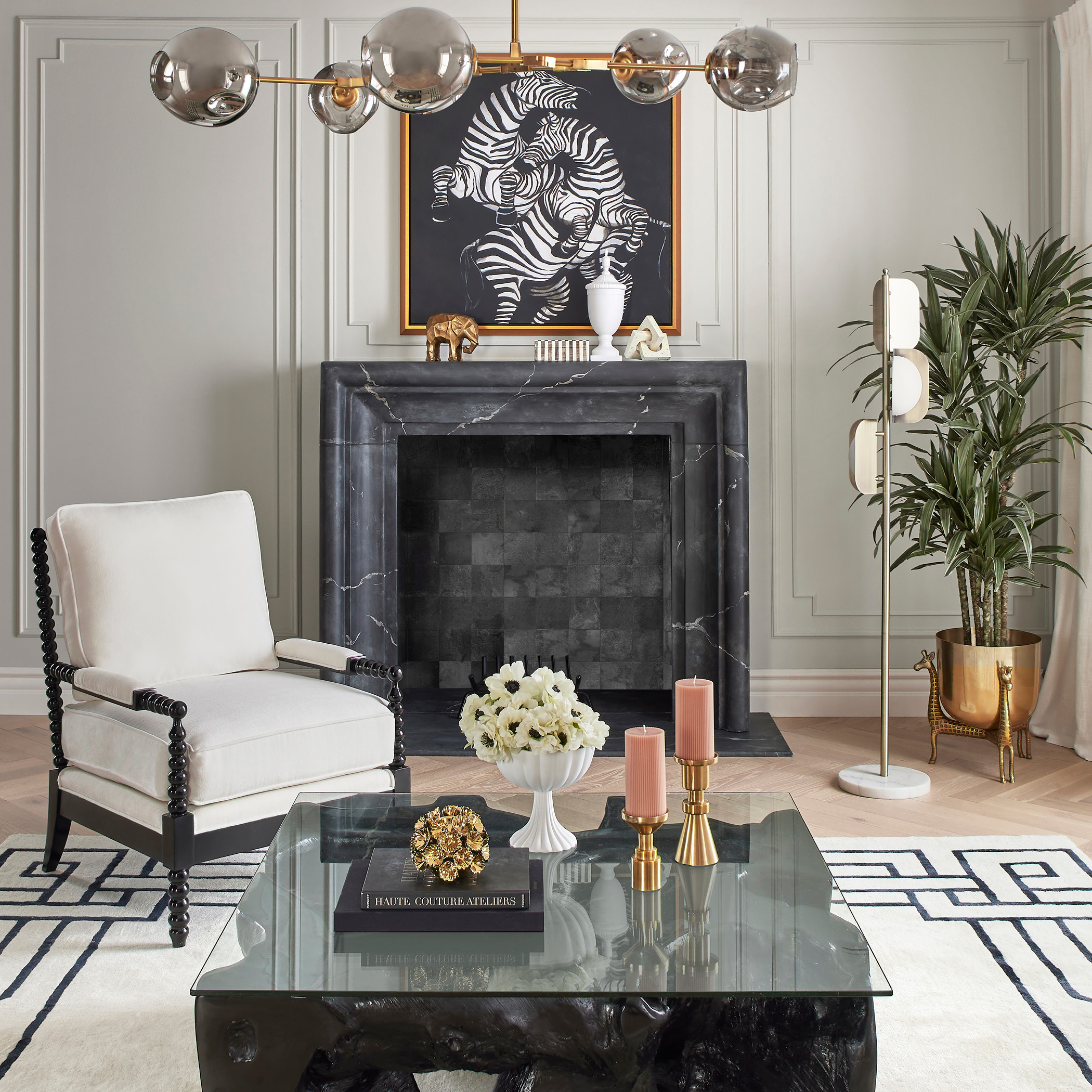 Sequoia Black Resin Coffee Table With Glass Top (44")$2299
A sculptural black coffee table crafted from resin and polished stone fragments for indoor or outdoor use.
Add To Cart -
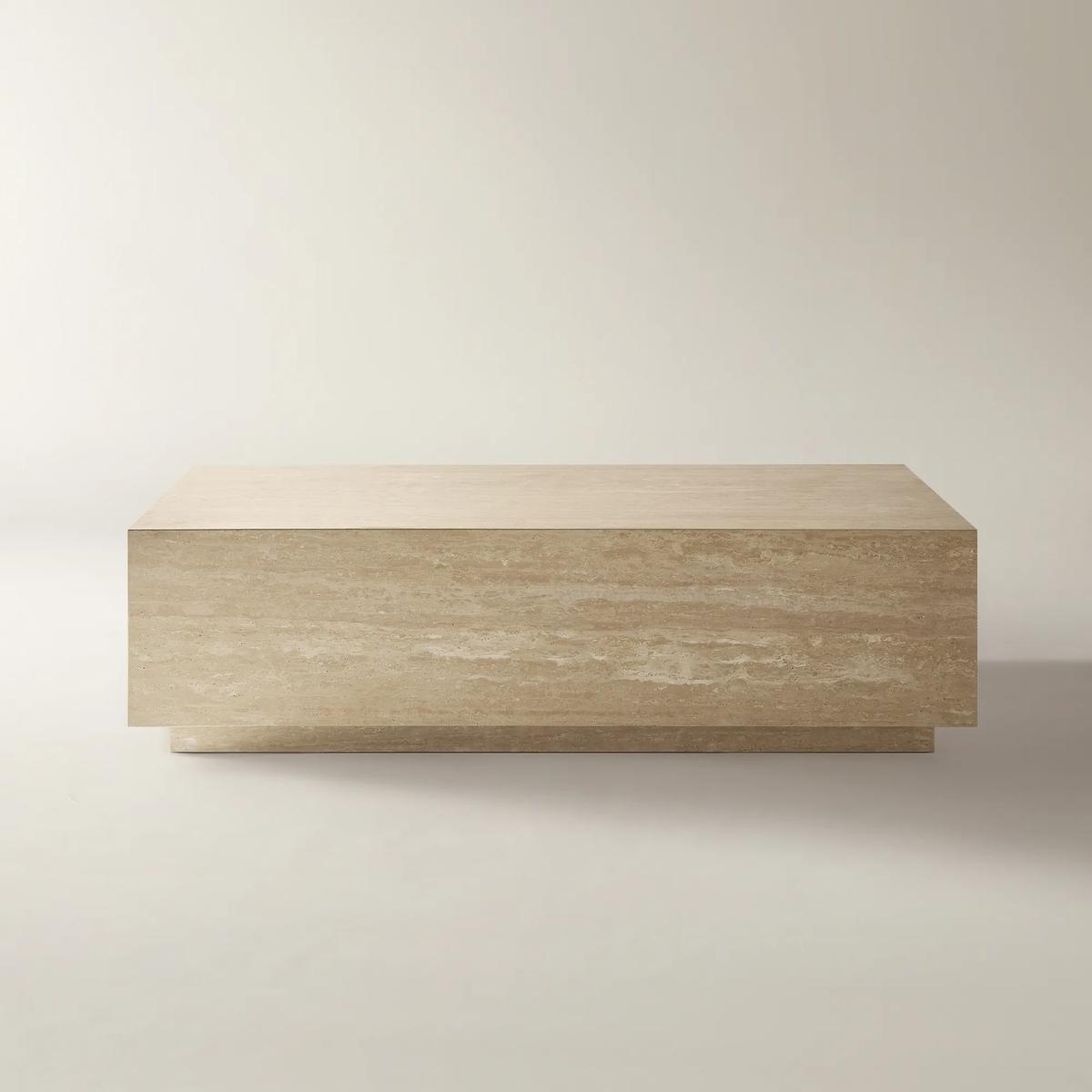
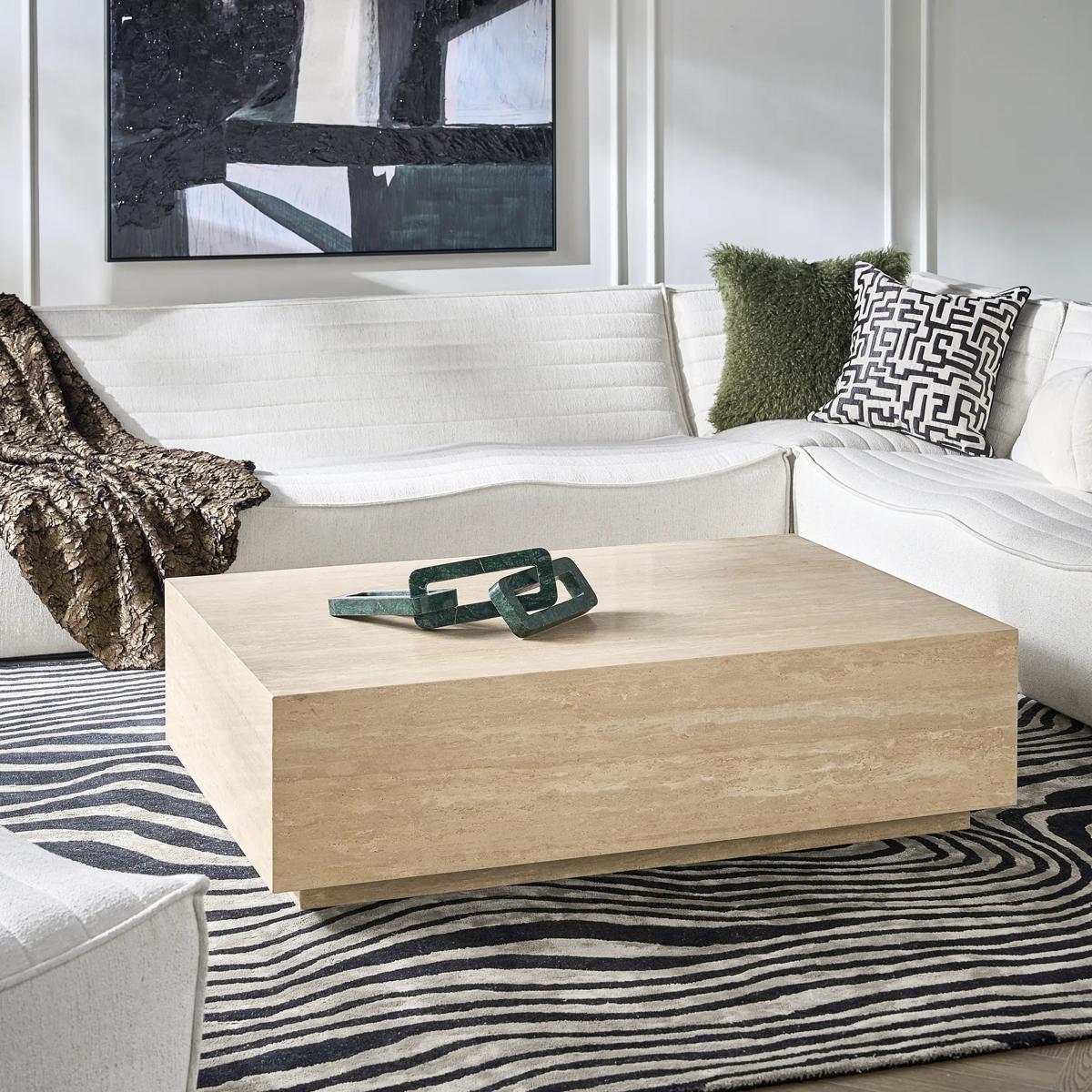 Vanta Rectangular Travertine Coffee Table (54")$2599
A sculptural travertine coffee table with an aluminum honeycomb core and recessed plinth base.
Add To Cart -
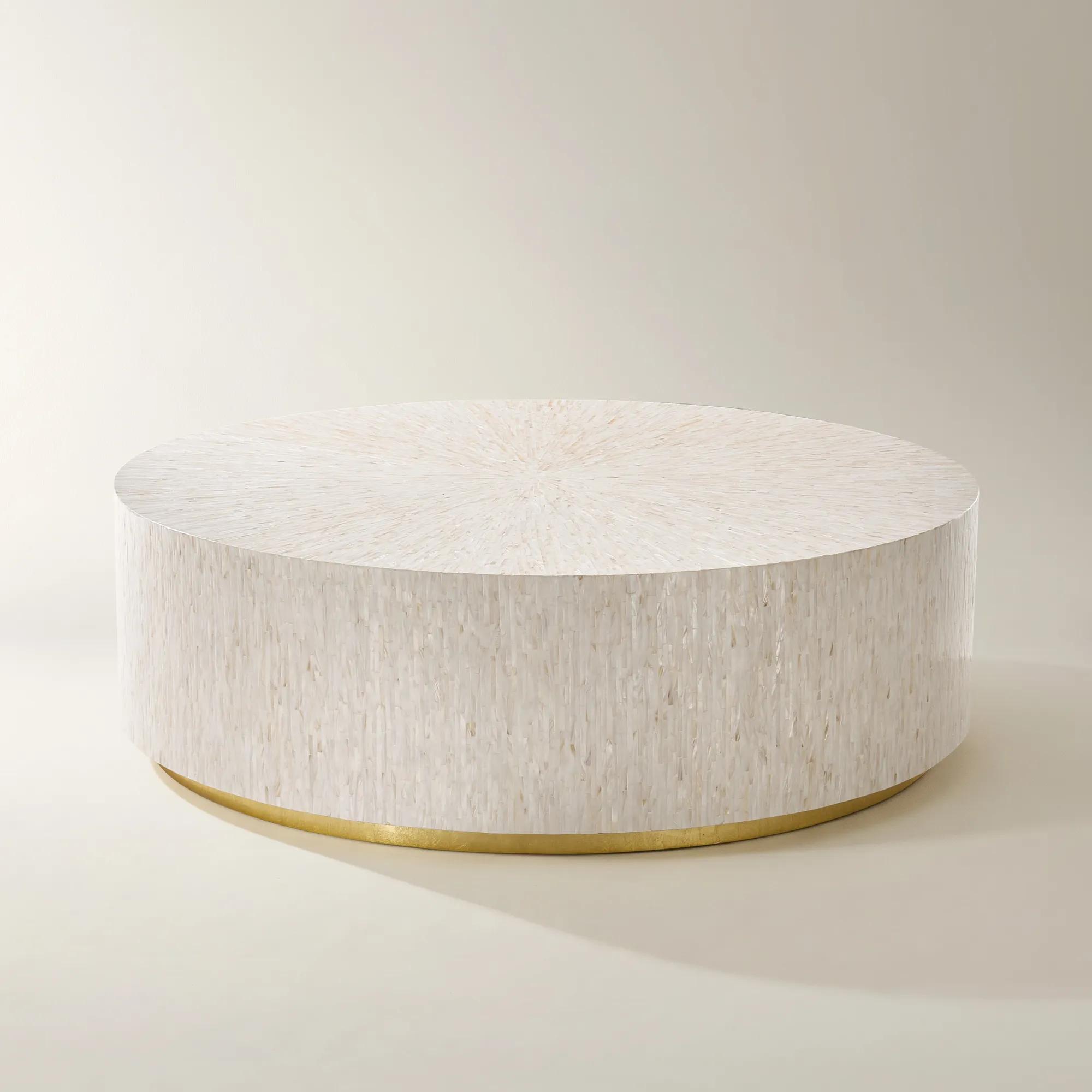 Alexandria Round Mosaic Platinum Coffee Table (52")$1399
A luminous mother-of-pearl mosaic coffee table with a sculptural round form and gold leaf–accented base.
Add To Cart -
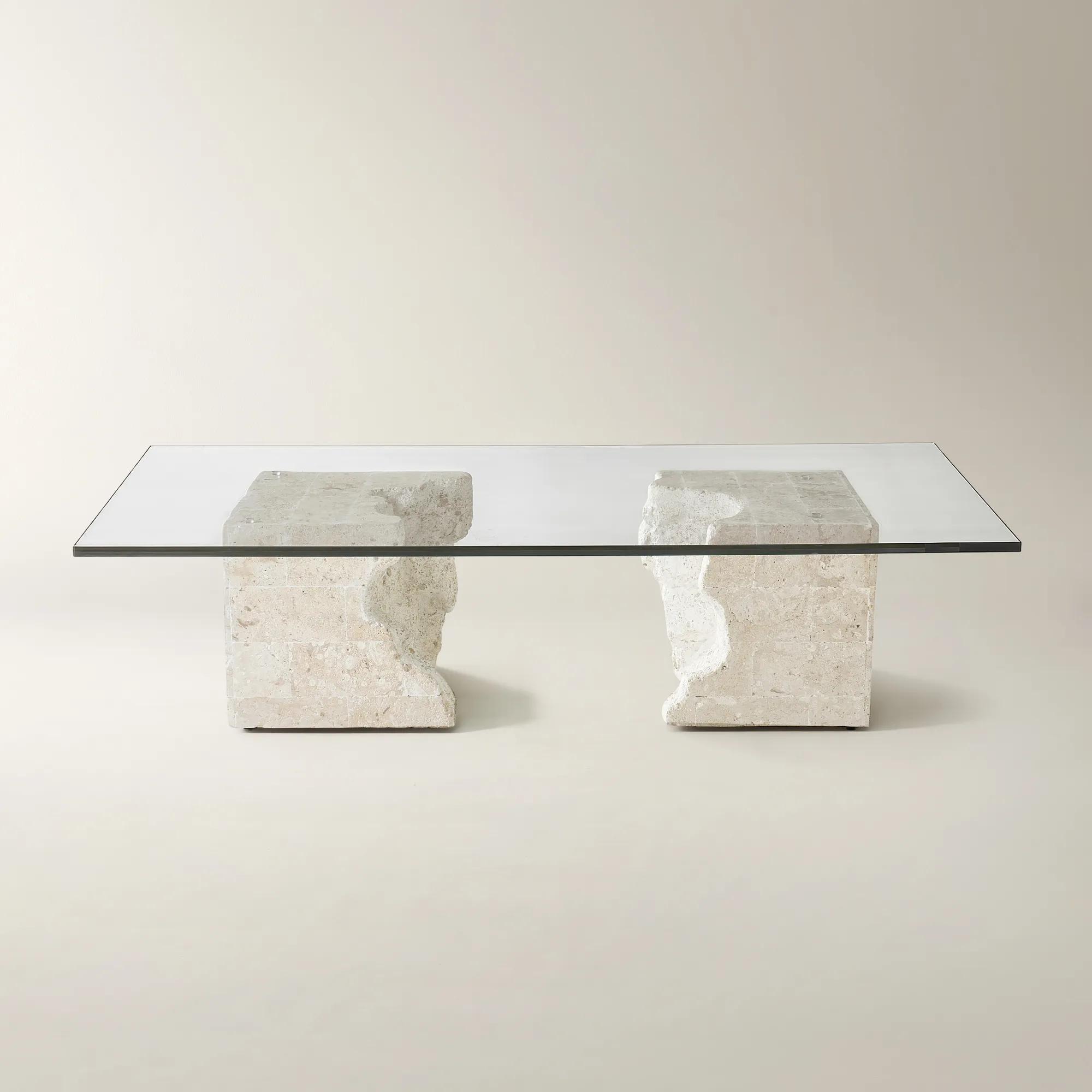 Cairo Rectangular Mactan Stone Coffee Table With Glass Top (70.87")$1999
A contemporary coffee table featuring a clear tempered glass top floating above hand-carved Mactan stone bases.
Add To Cart -
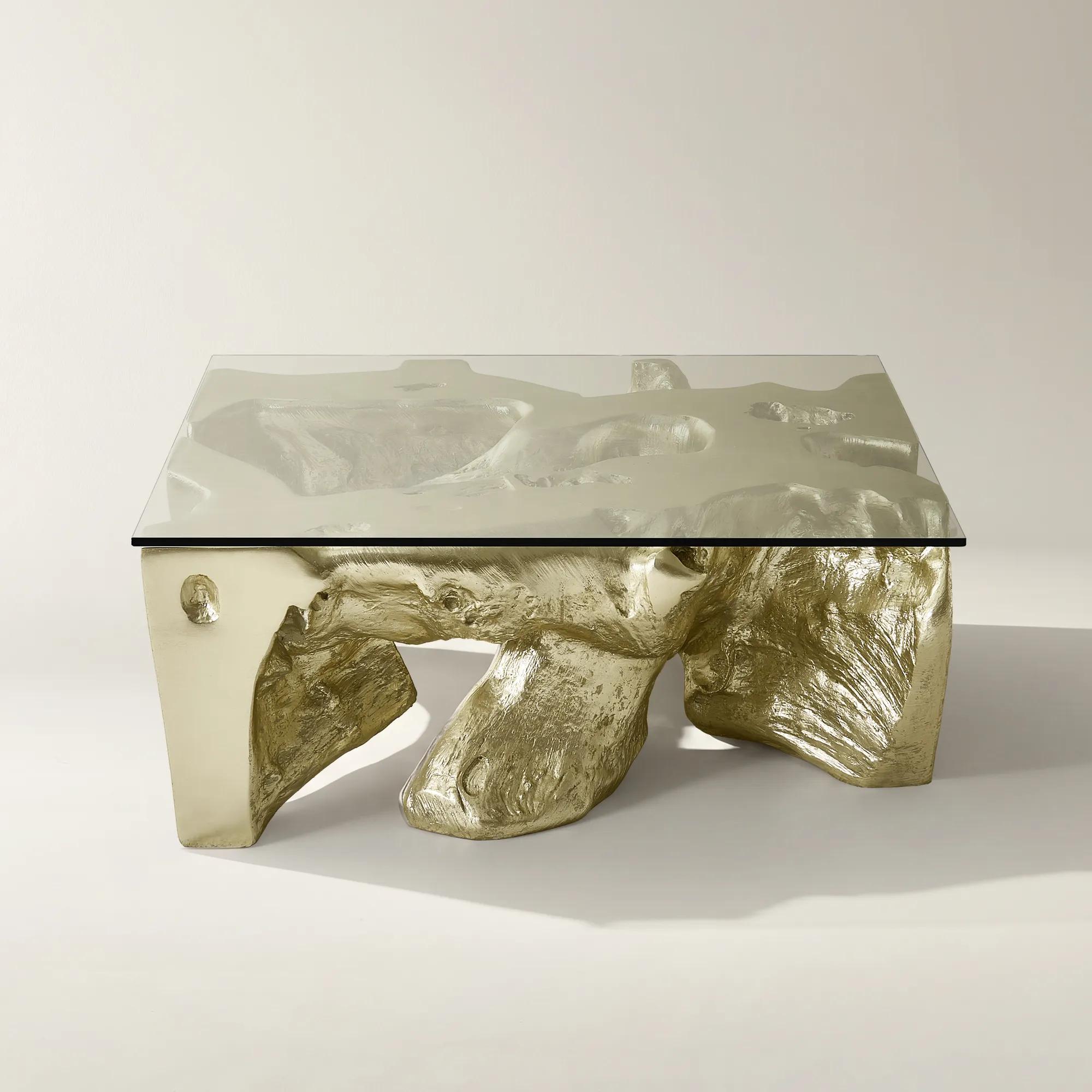 Sequoia Champagne Gold Resin Coffee Table With Glass Top (44")$2299
A sculptural resin coffee table with a champagne gold leaf finish and a clear tempered glass top.
Add To Cart -
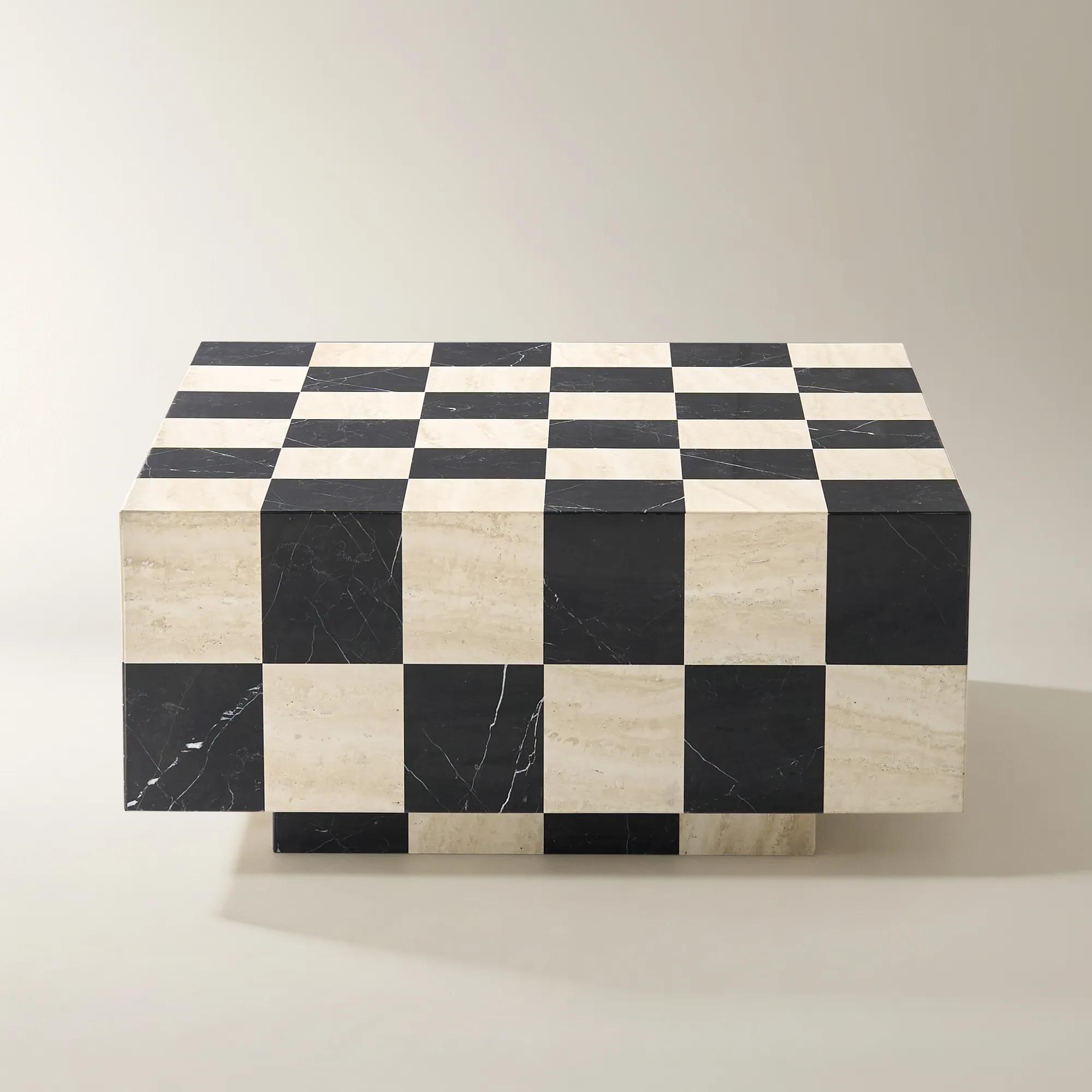
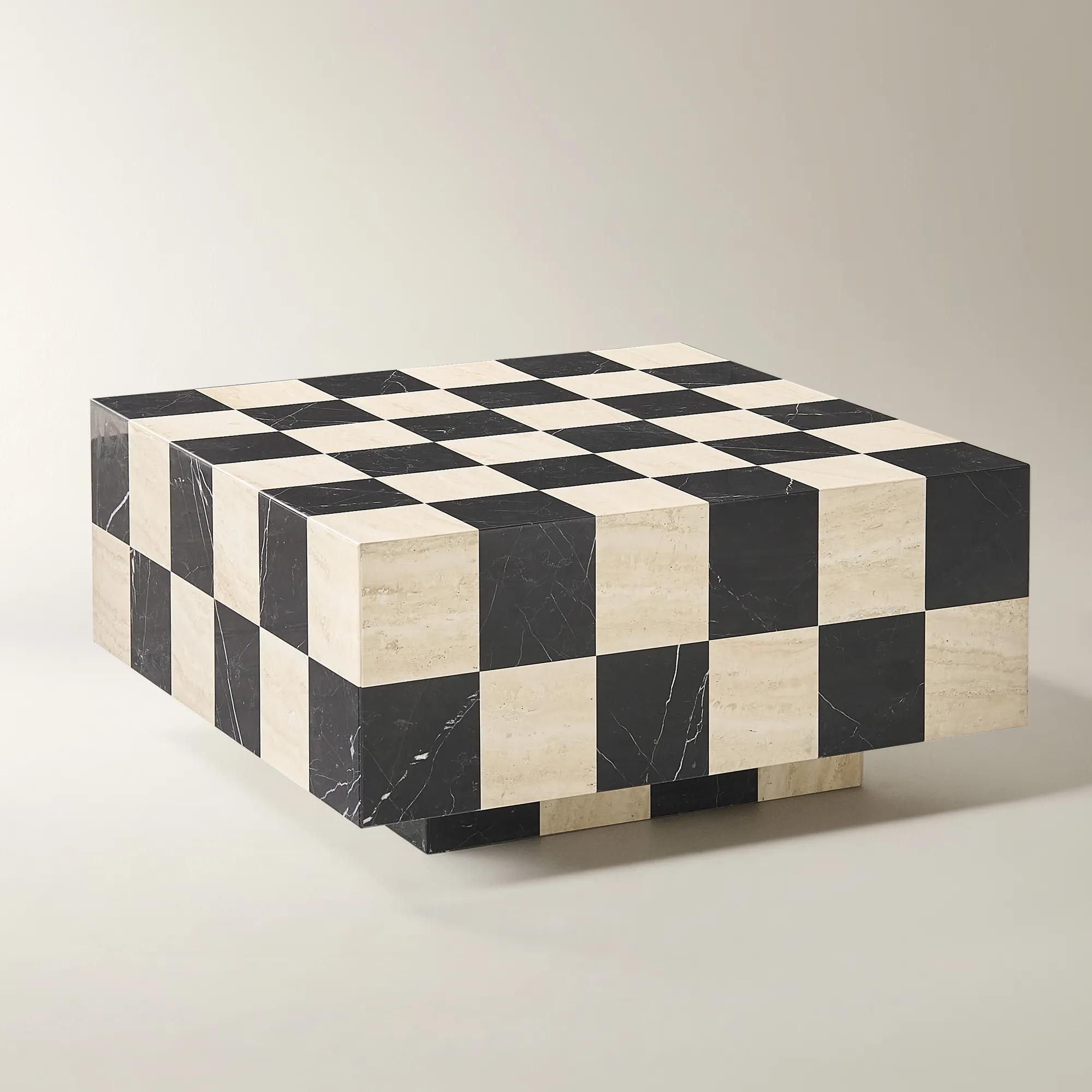 Chessa Square Chequered Marble Coffee Table (31.9")$1699
A striking coffee table featuring a dimensional black marble and travertine checkerboard mosaic with polished finish.
Add To Cart -
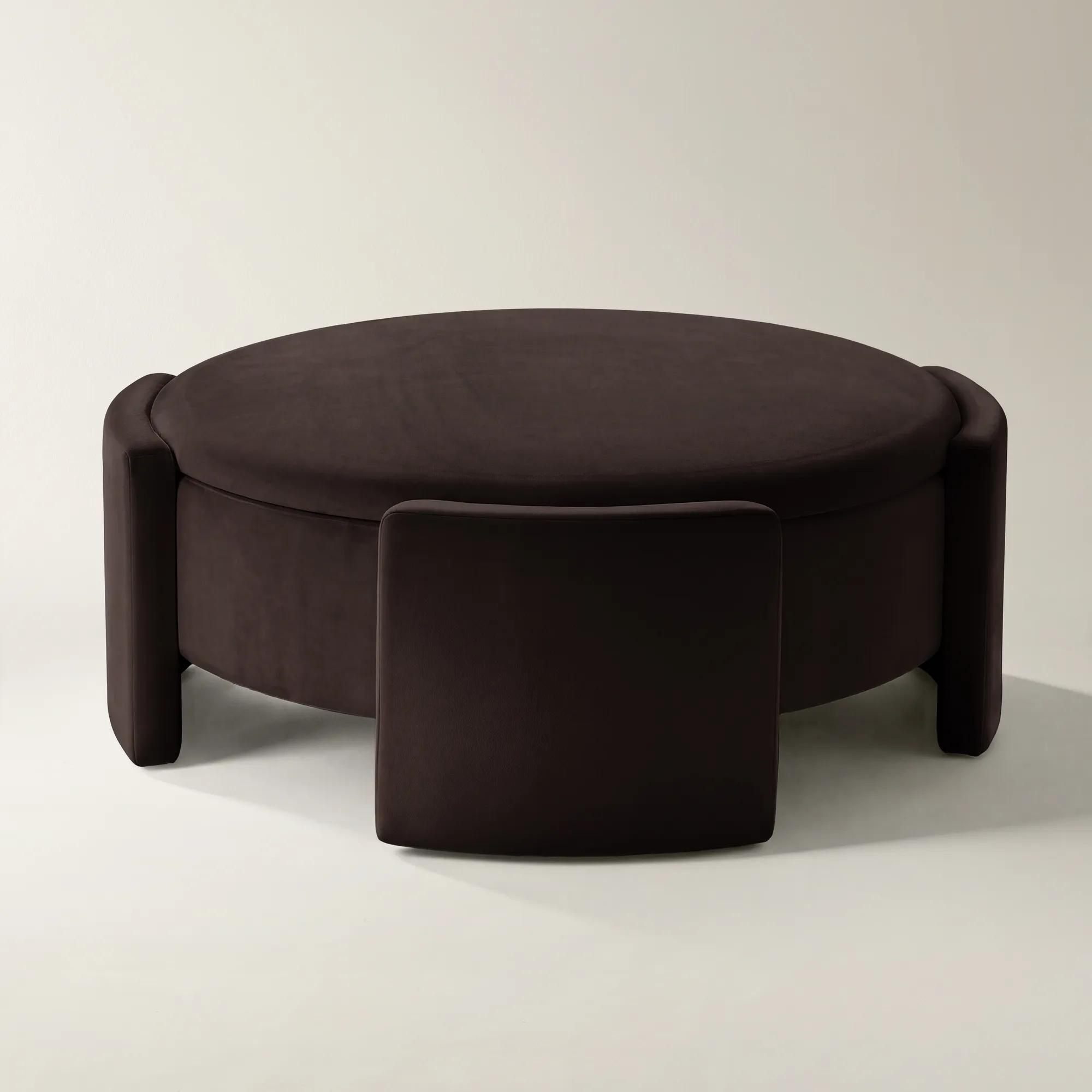
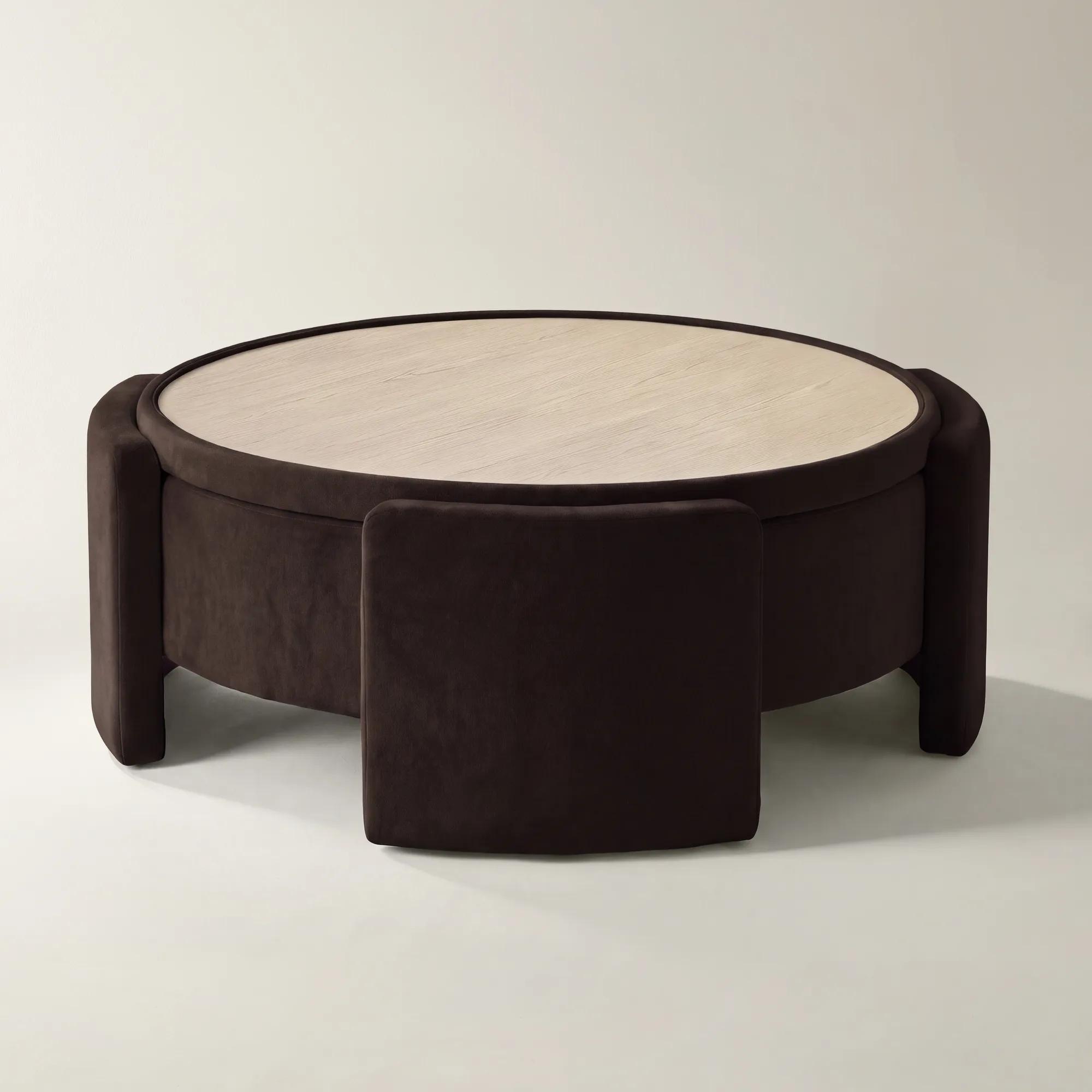 Jora Round Dark Chocolate Velvet Storage Coffee Table With Reversible Tabletop (47.7")$799
A dark chocolate velvet coffee table with hidden storage and a reversible velvet-and-rubberwood tabletop.
Add To Cart -

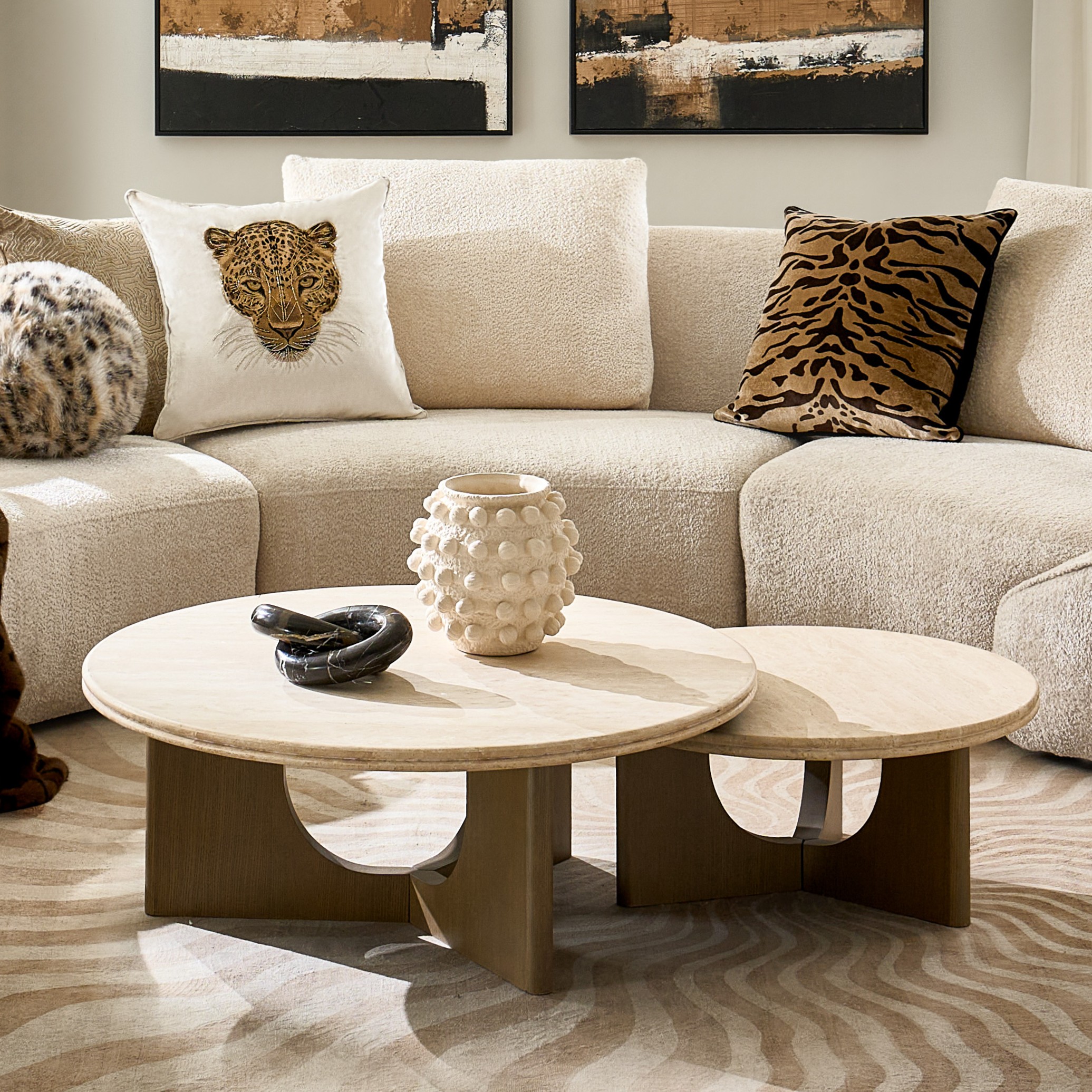 Bond Round Travertine and Wood Coffee Table (29.25")$699
A genuine travertine stone coffee table with warm ivory-gold tones atop a solid natural ash base.
Add To Cart -
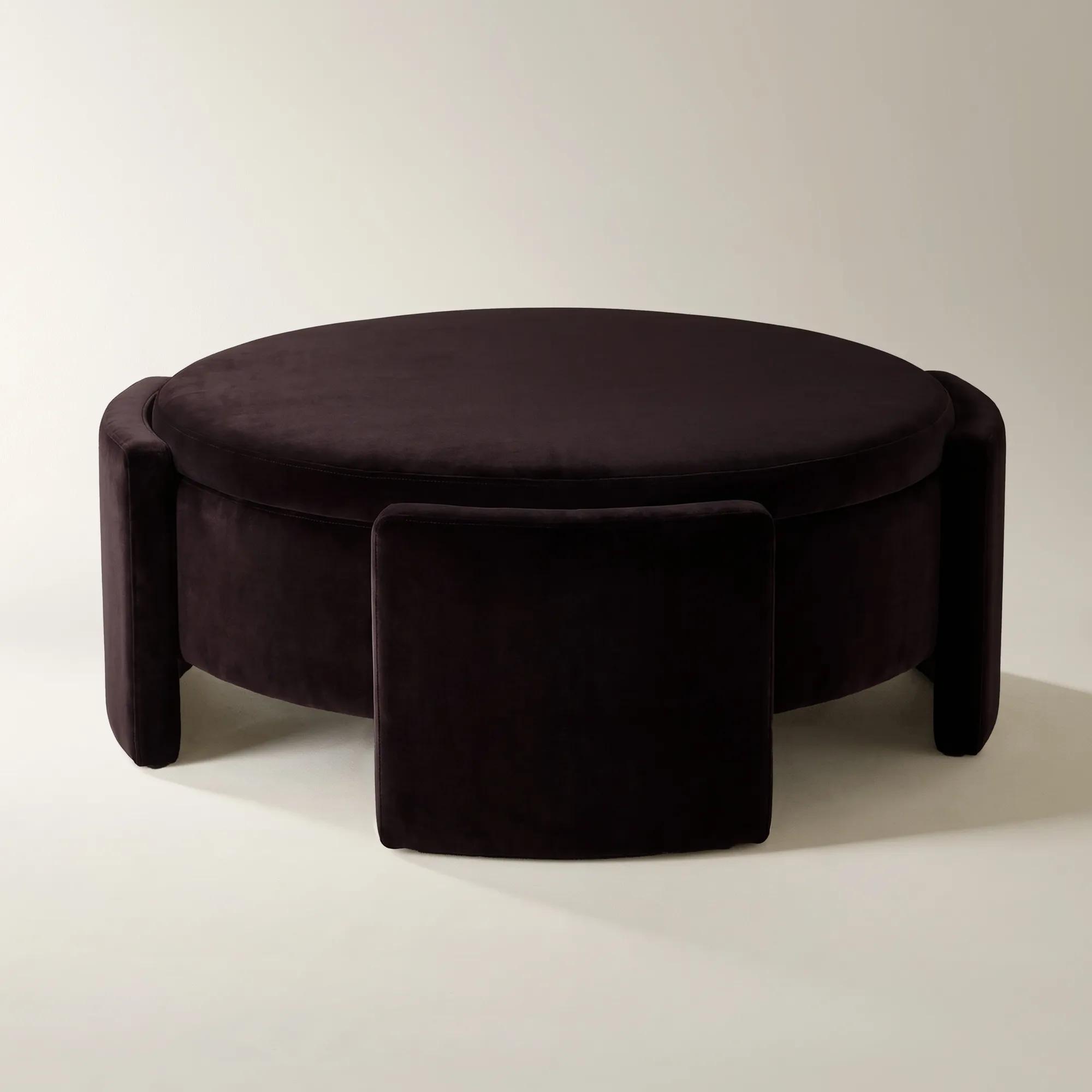
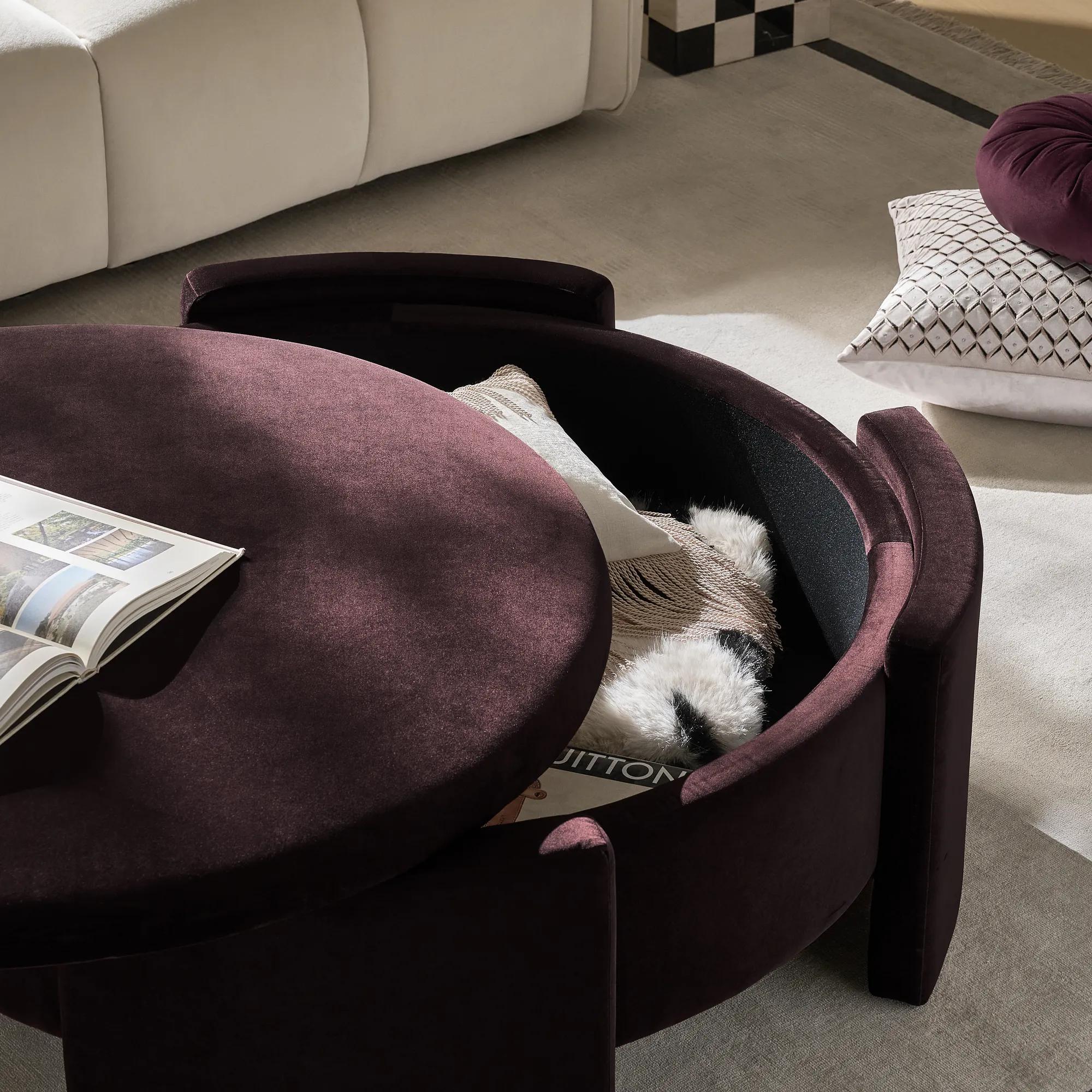 Jora Round Fig Velvet Storage Coffee Table With Reversible Tabletop (47.7")$799
A round fig velvet coffee table featuring a reversible wood tabletop and hidden interior storage.
Add To Cart -
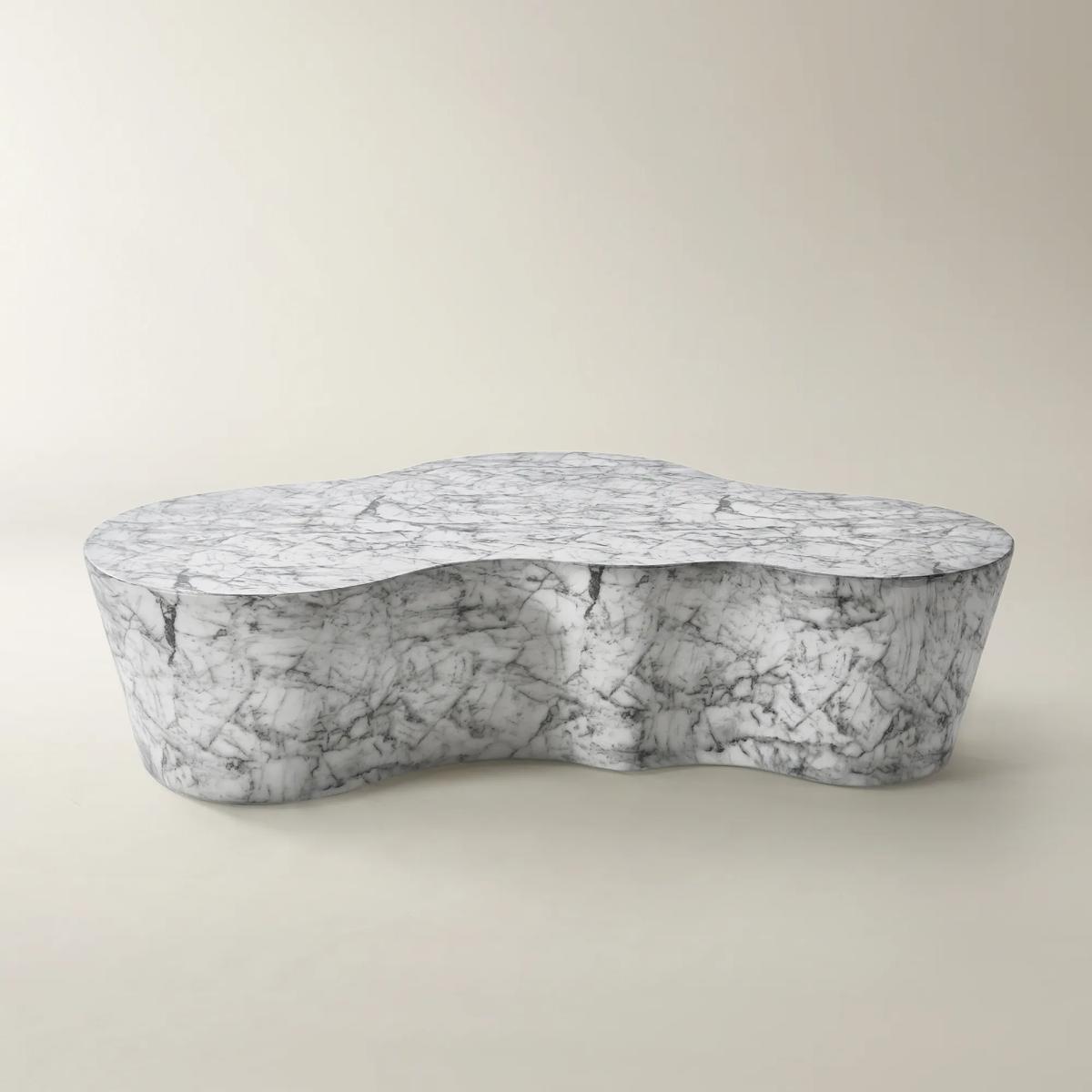
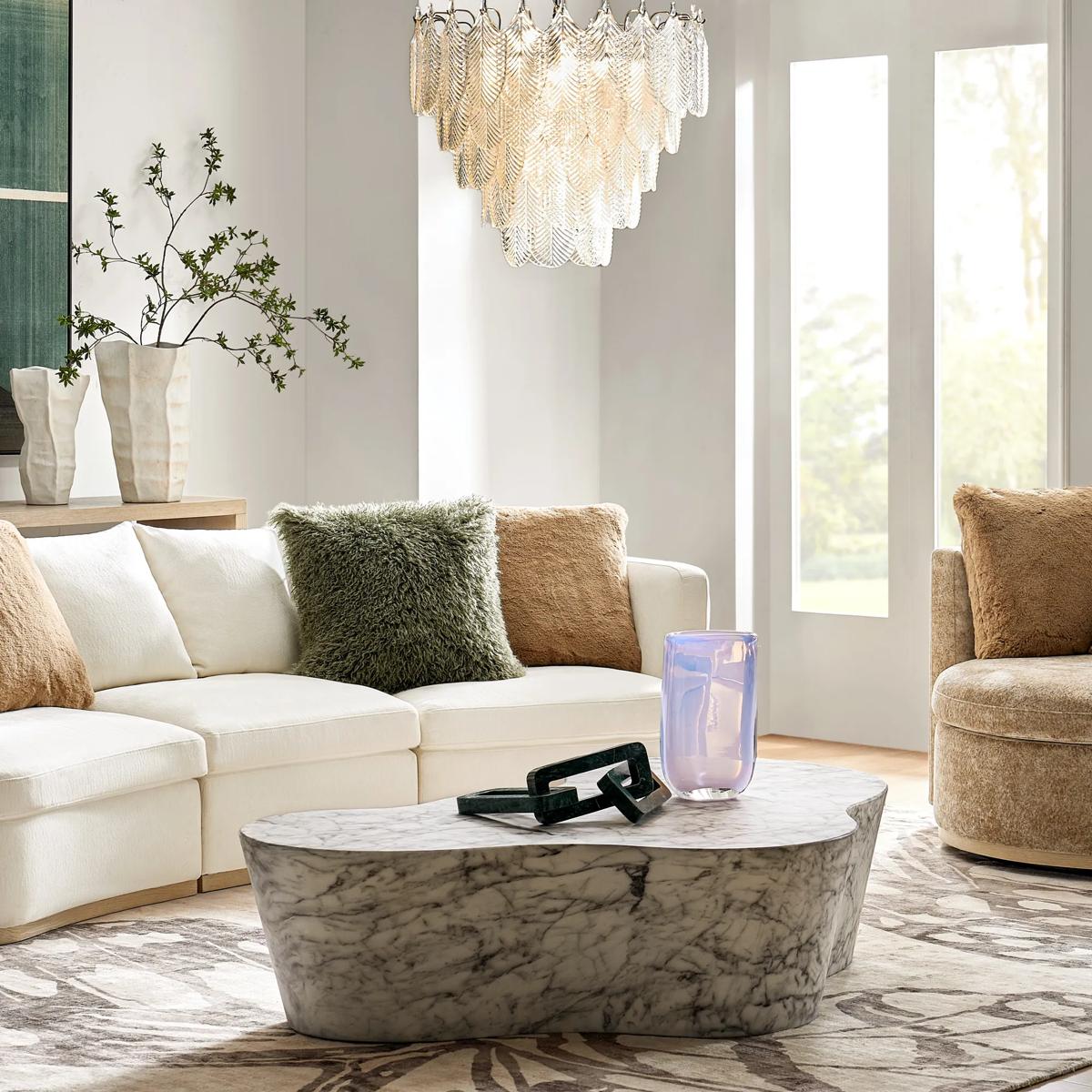 Petra White Concrete Indoor/Outdoor Coffee Table (59.4")$1099
A sculptural white concrete coffee table with cloud-like contours and marble-look veining, suitable indoors or outdoors.
Add To Cart -
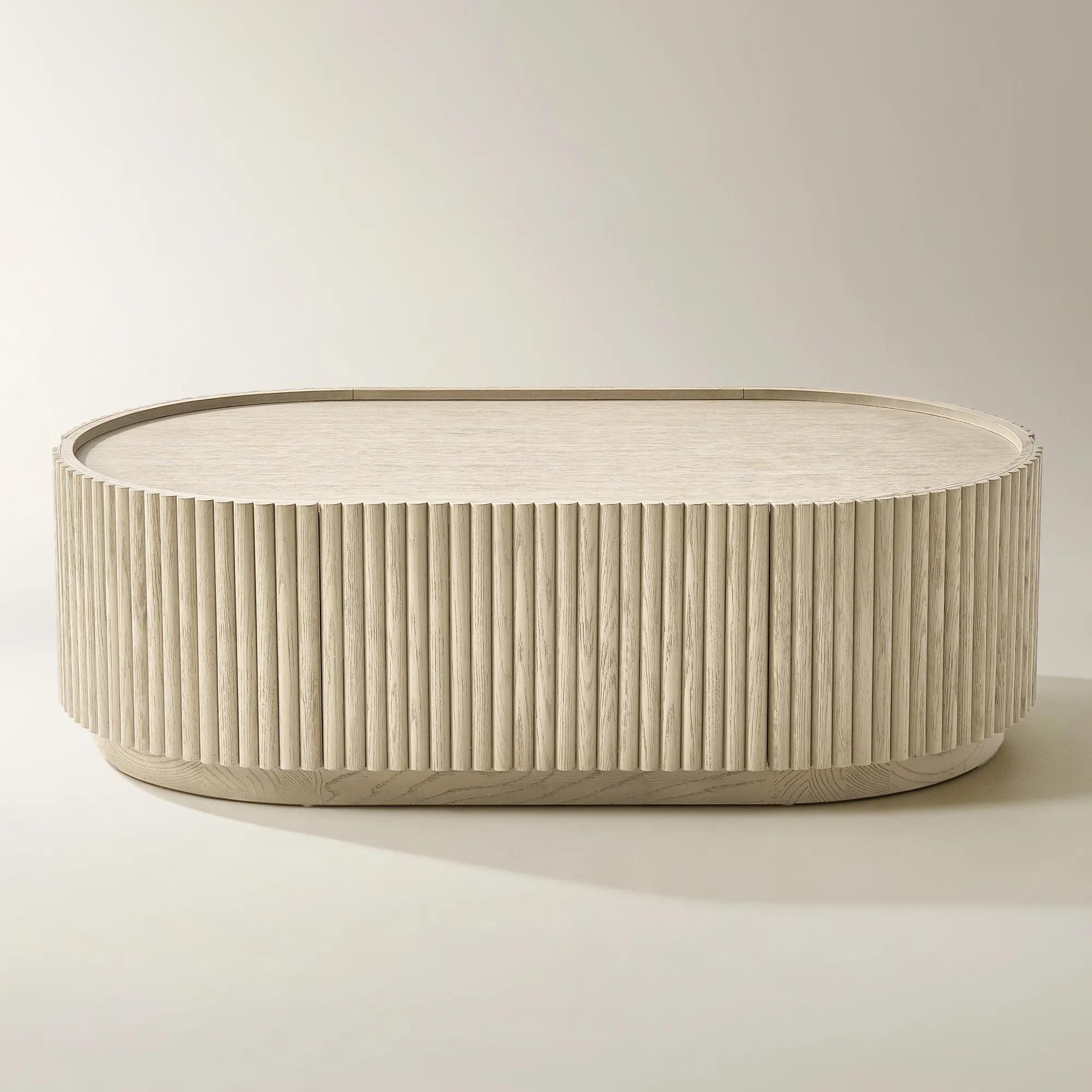
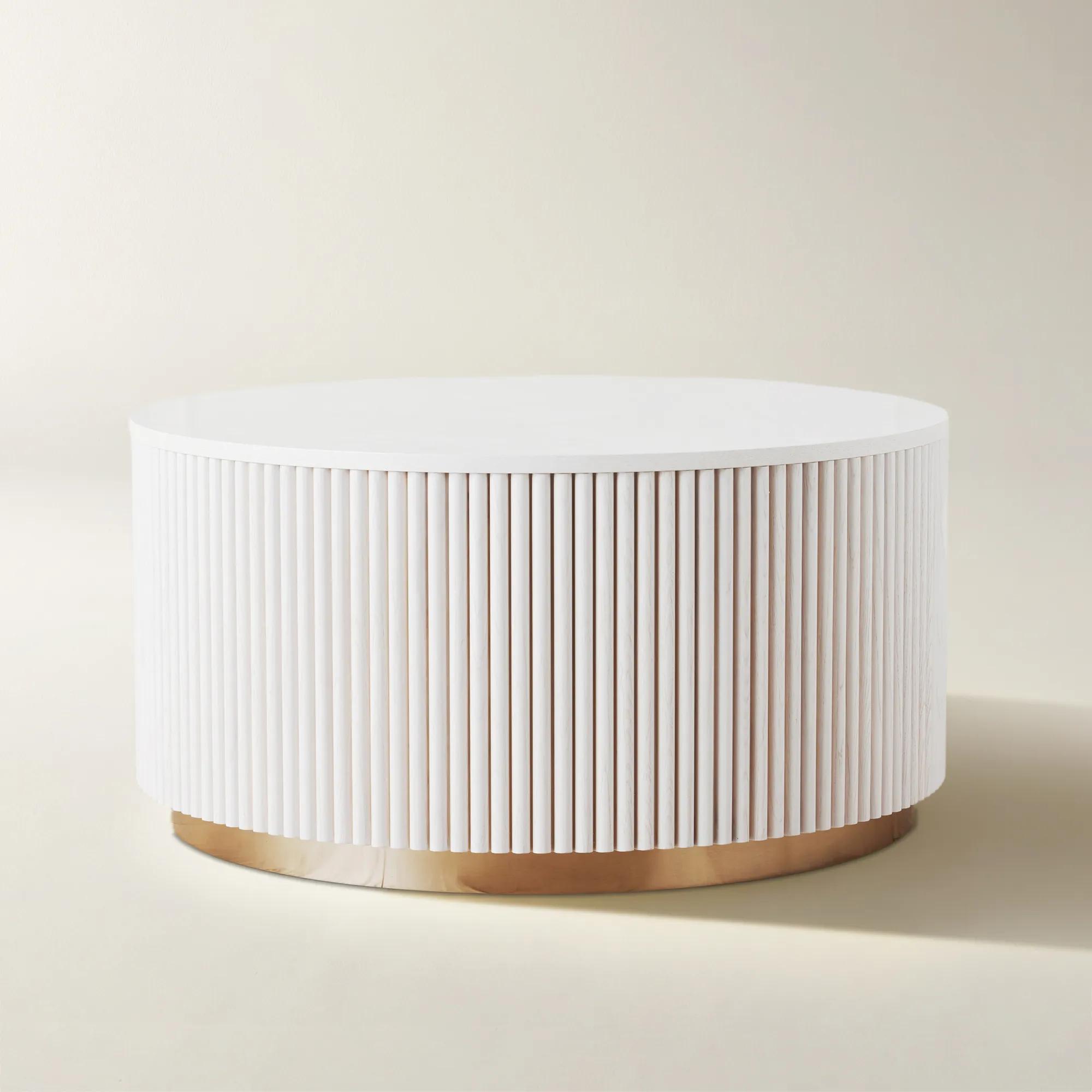
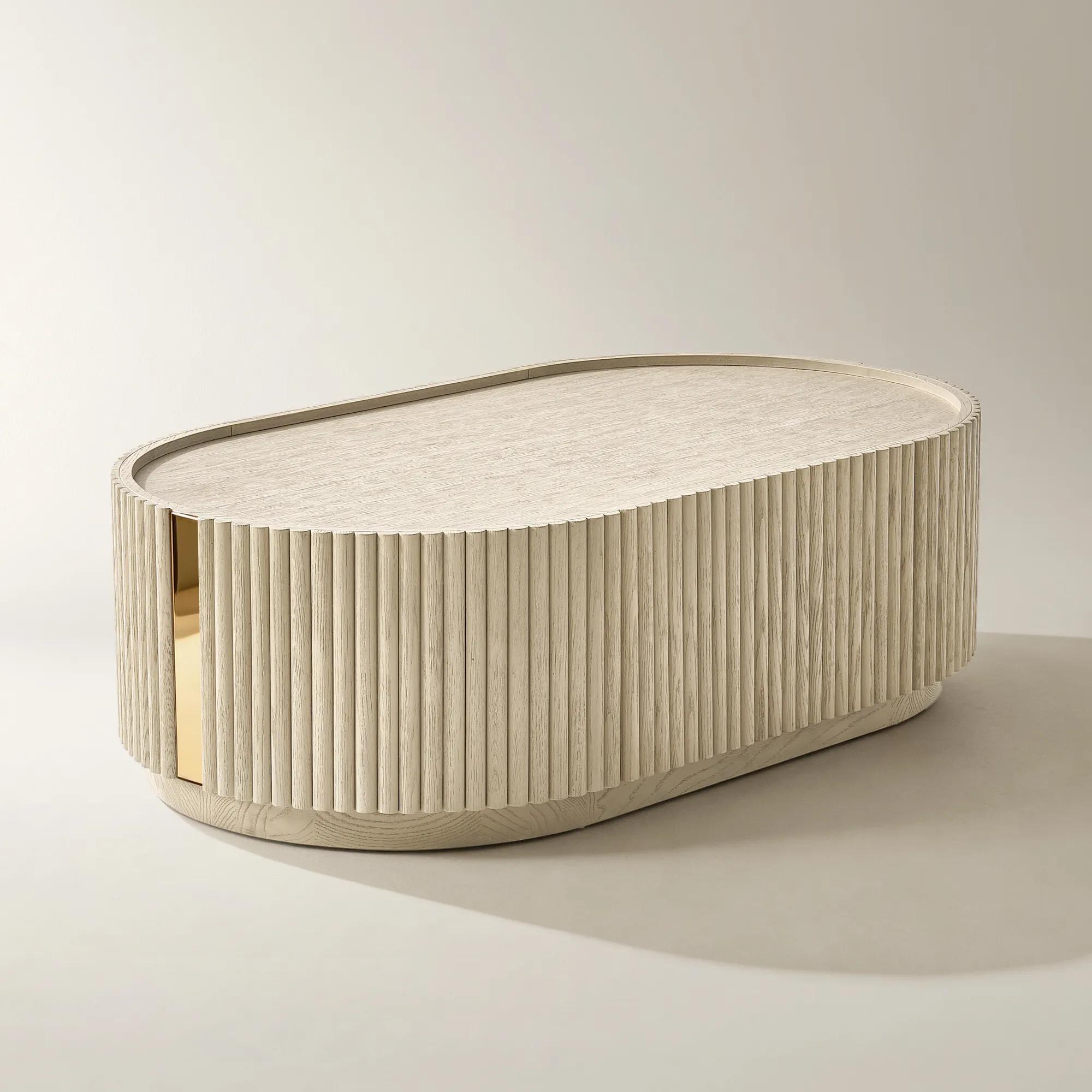 Stria Oval Reeded White Oak Coffee Table with Drawer (52")$1399
A reeded white oak coffee table with soft gold accents, recessed tabletop, and concealed soft-close drawer.
Add To Cart -
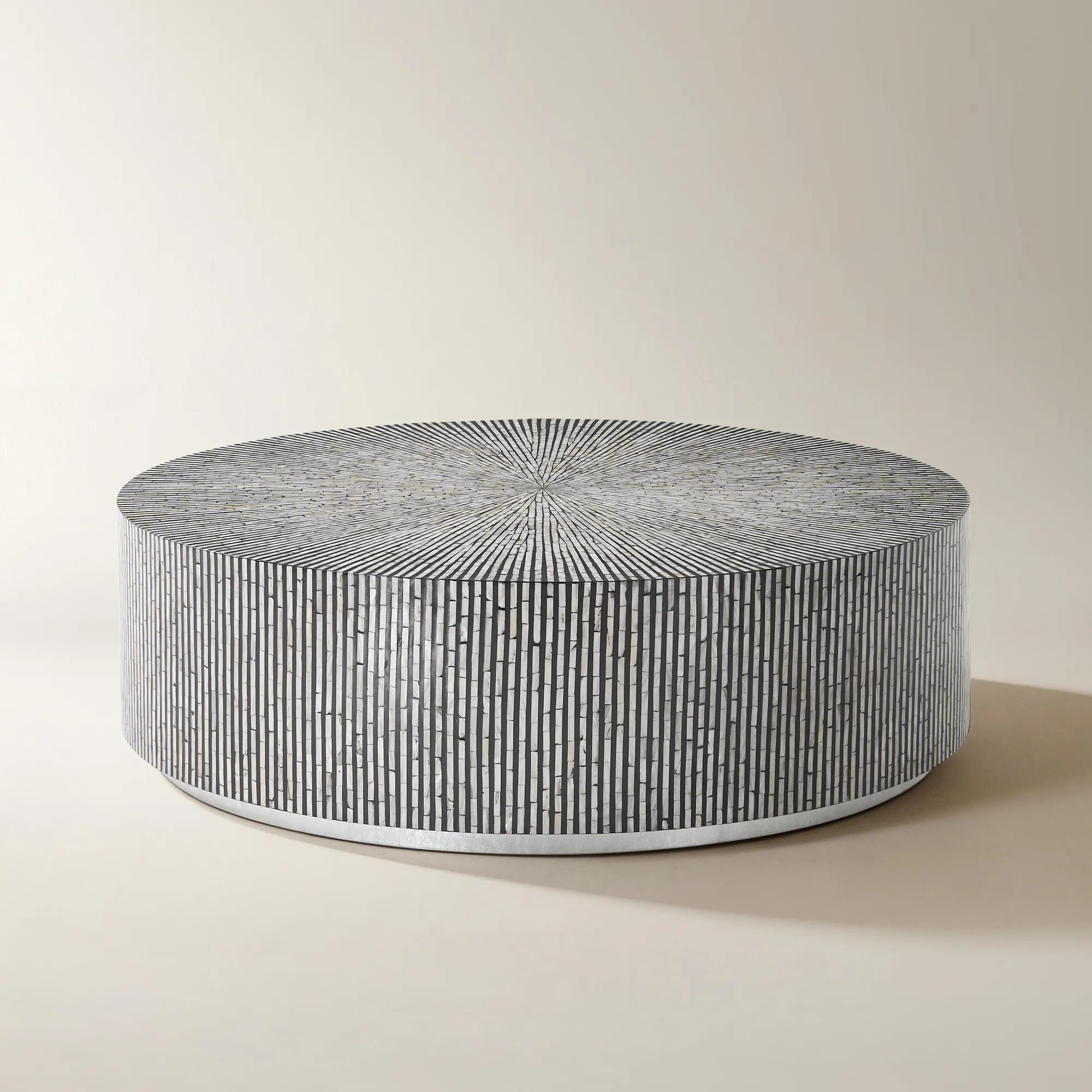
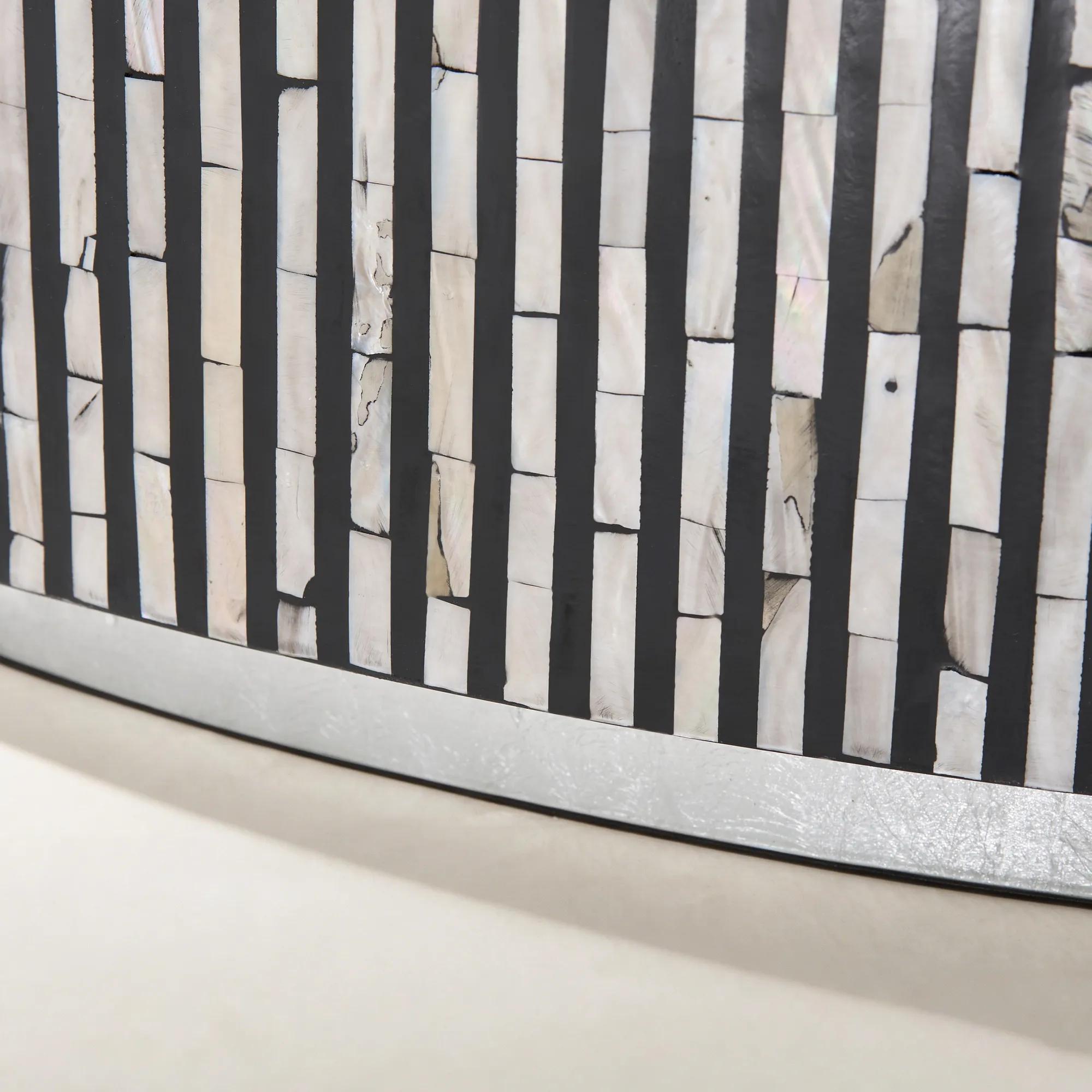 Marina Round Mosaic Black Coffee Table (52")$1399
A sculptural black coffee table featuring hand-applied mother-of-pearl mosaic and a silver leaf base.
Add To Cart -
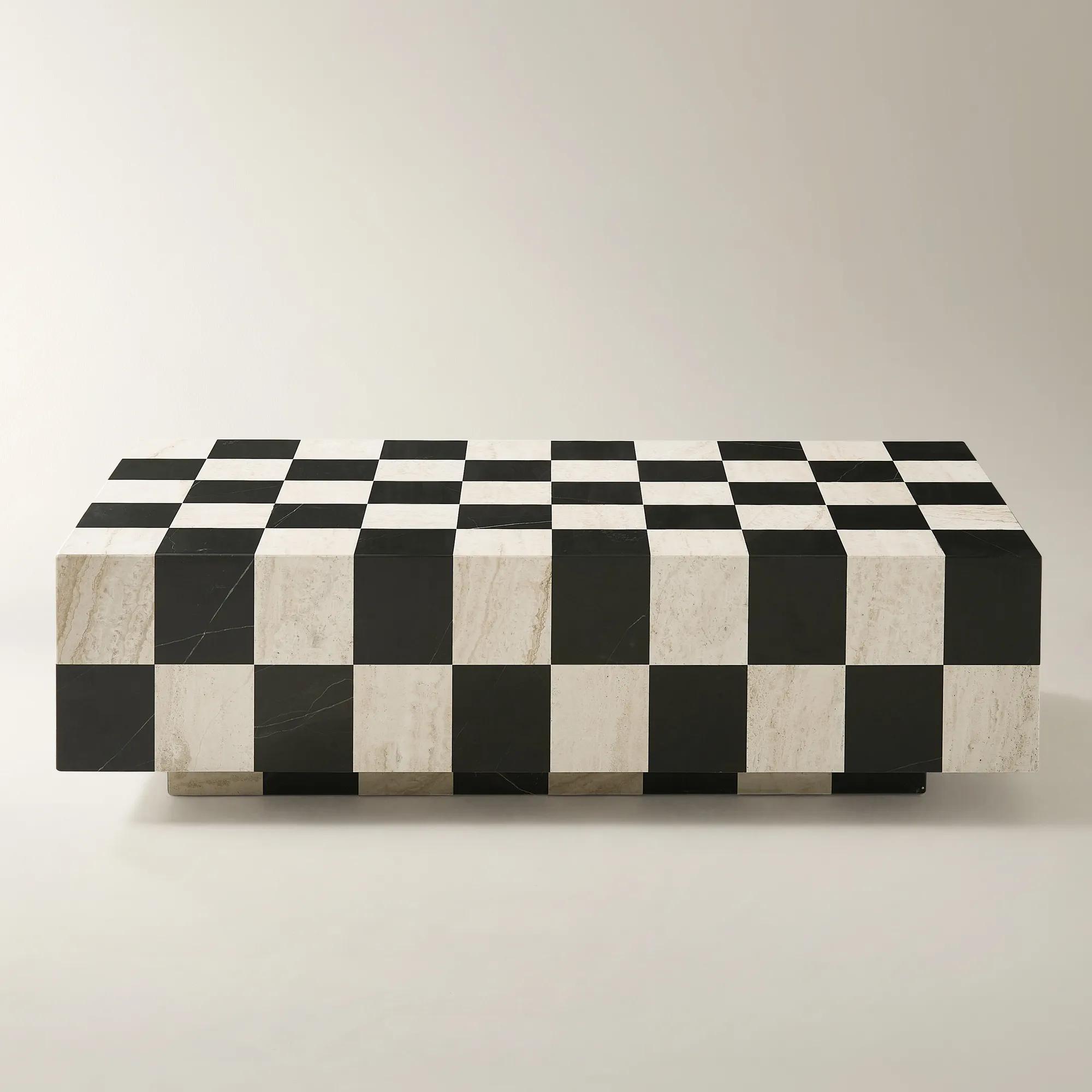 Chessa Rectangular Chequered Marble Coffee Table (53.1")$2399
A sculptural coffee table featuring polished black marble and travertine checkerboard mosaic with a monolithic silhouette.
Add To Cart -
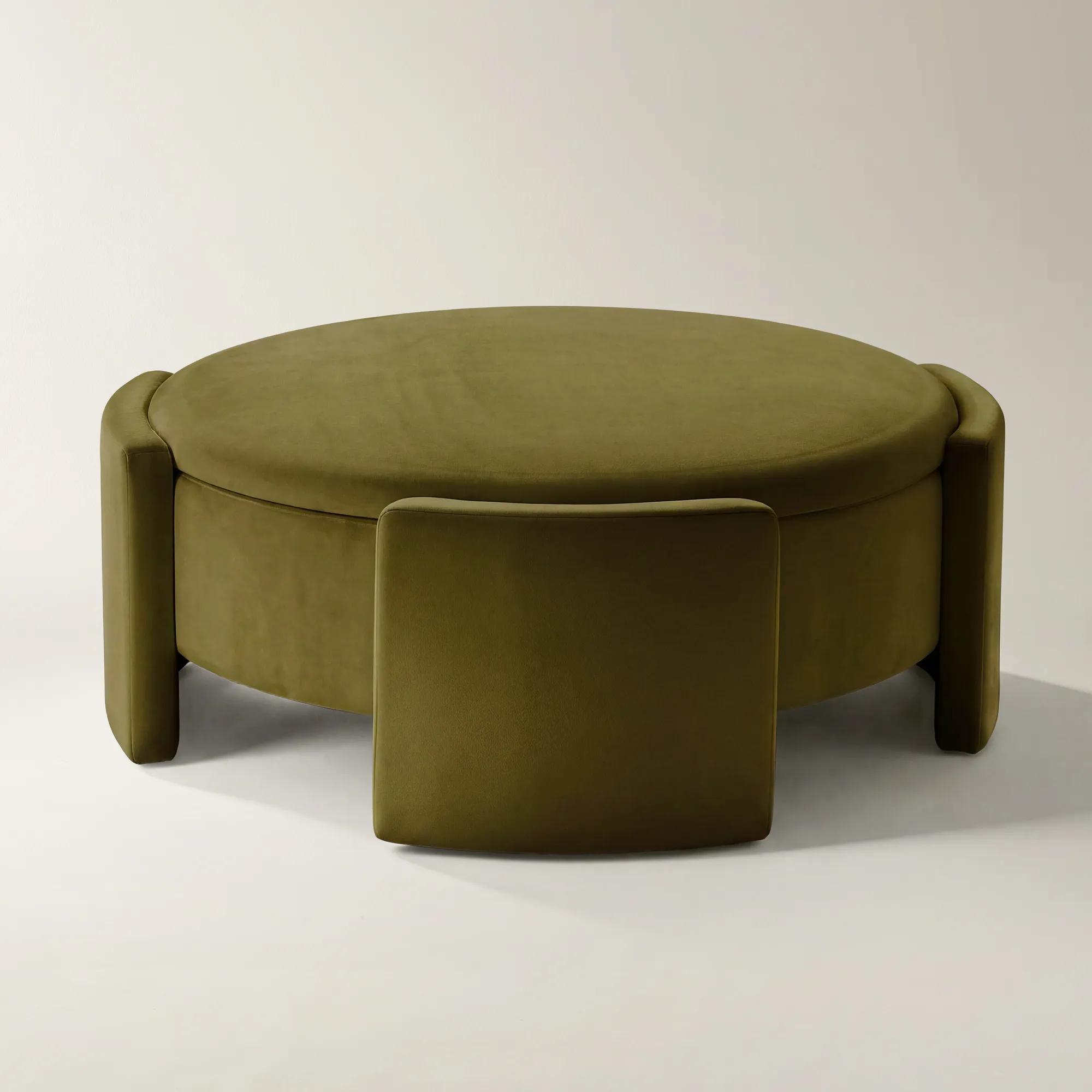
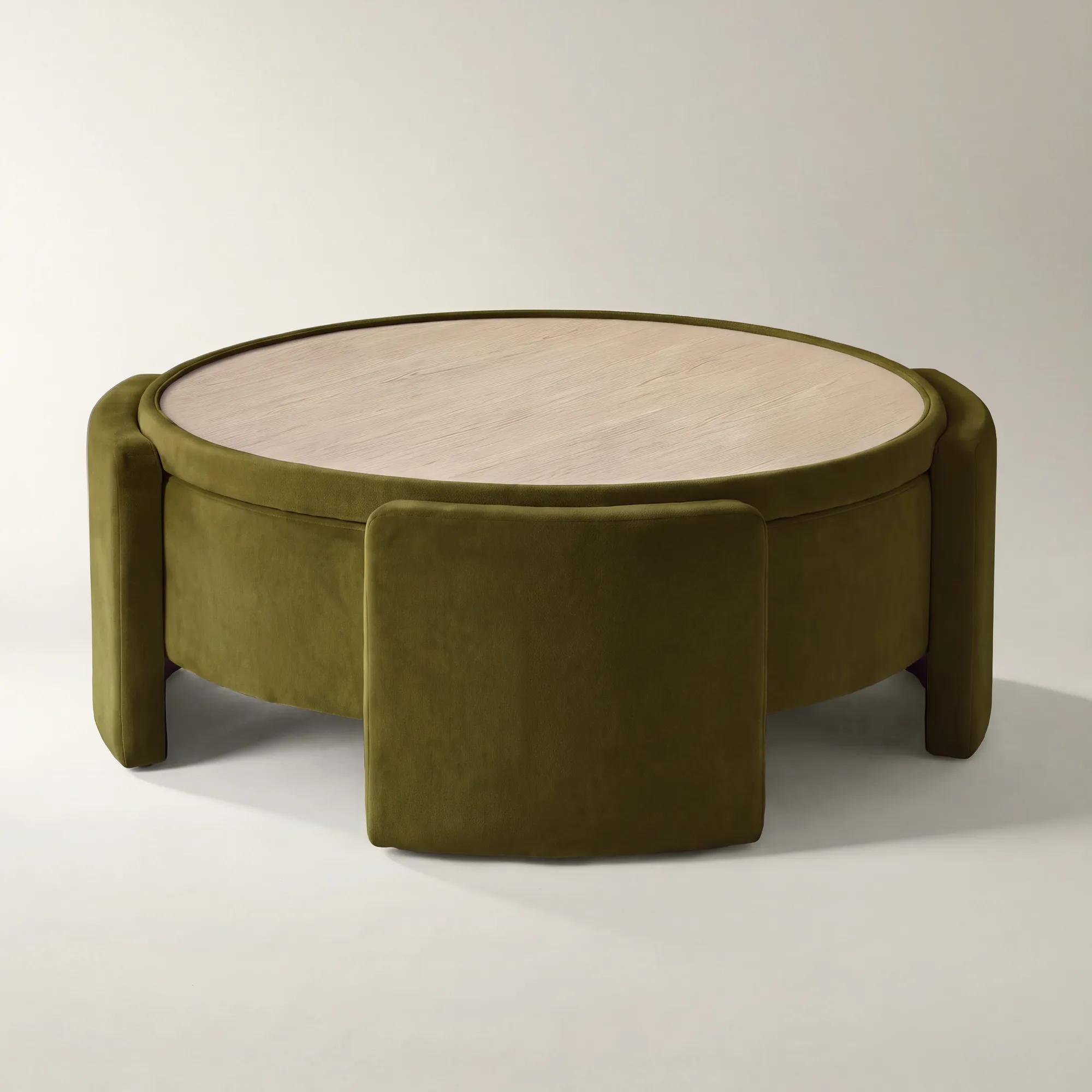 Jora Round Deep Olive Velvet Storage Coffee Table With Reversible Tabletop (47.7")$799
A deep olive velvet coffee table with a reversible tabletop and hidden storage.
Add To Cart -
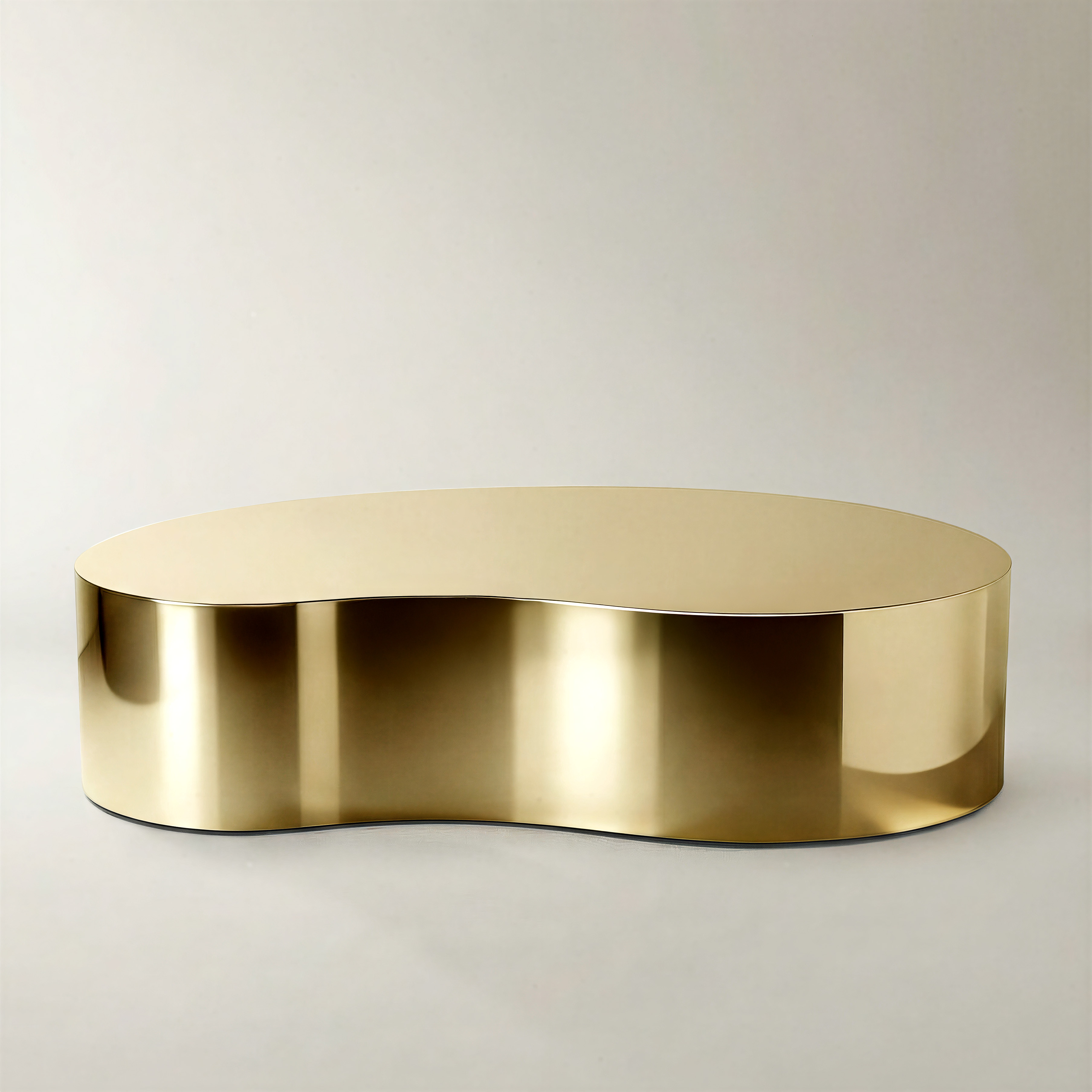
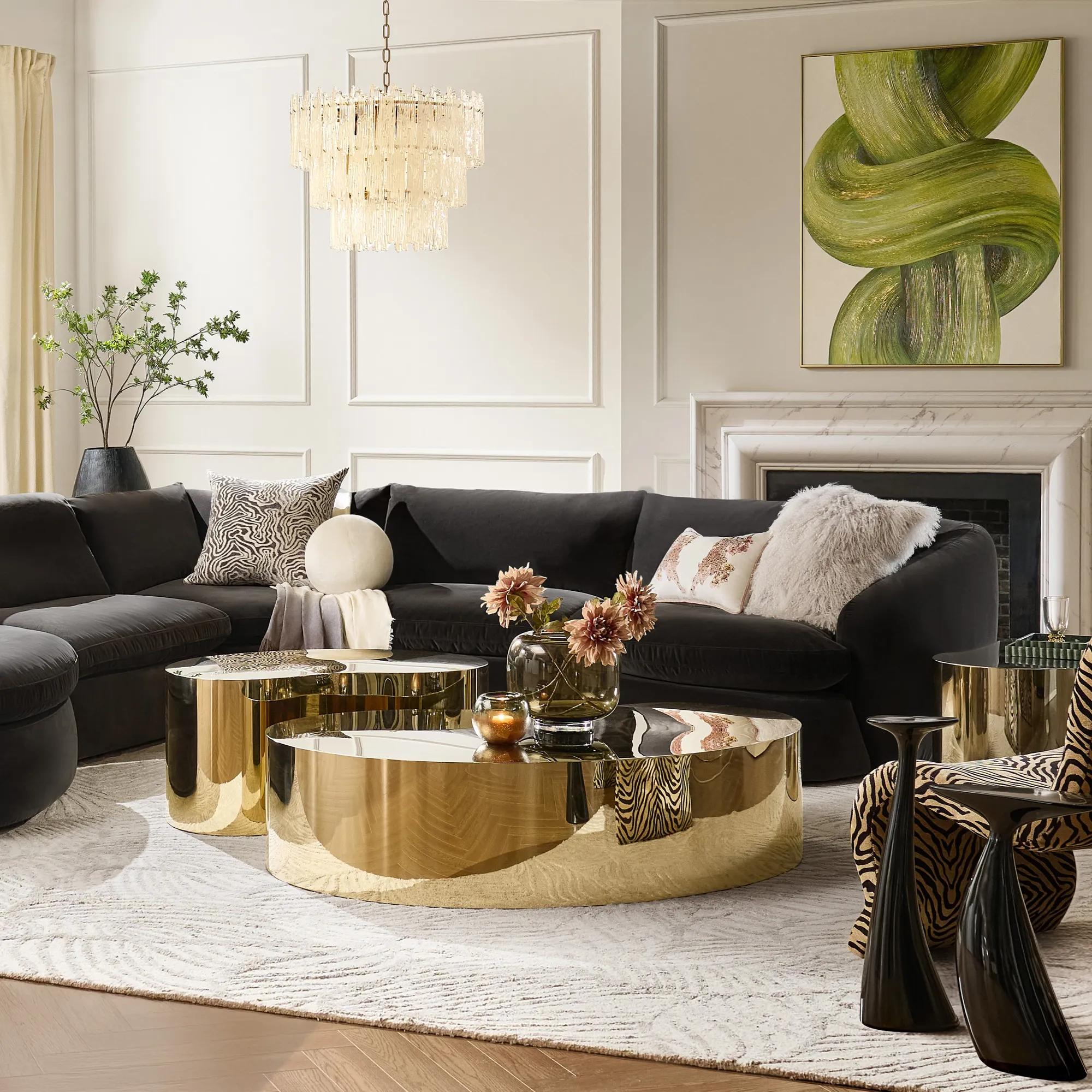 Aurea Soft Gold Coffee Table (57")$1399
A sculptural coffee table crafted from stainless steel with a high-gloss soft gold finish and rounded edges.
Add To Cart -
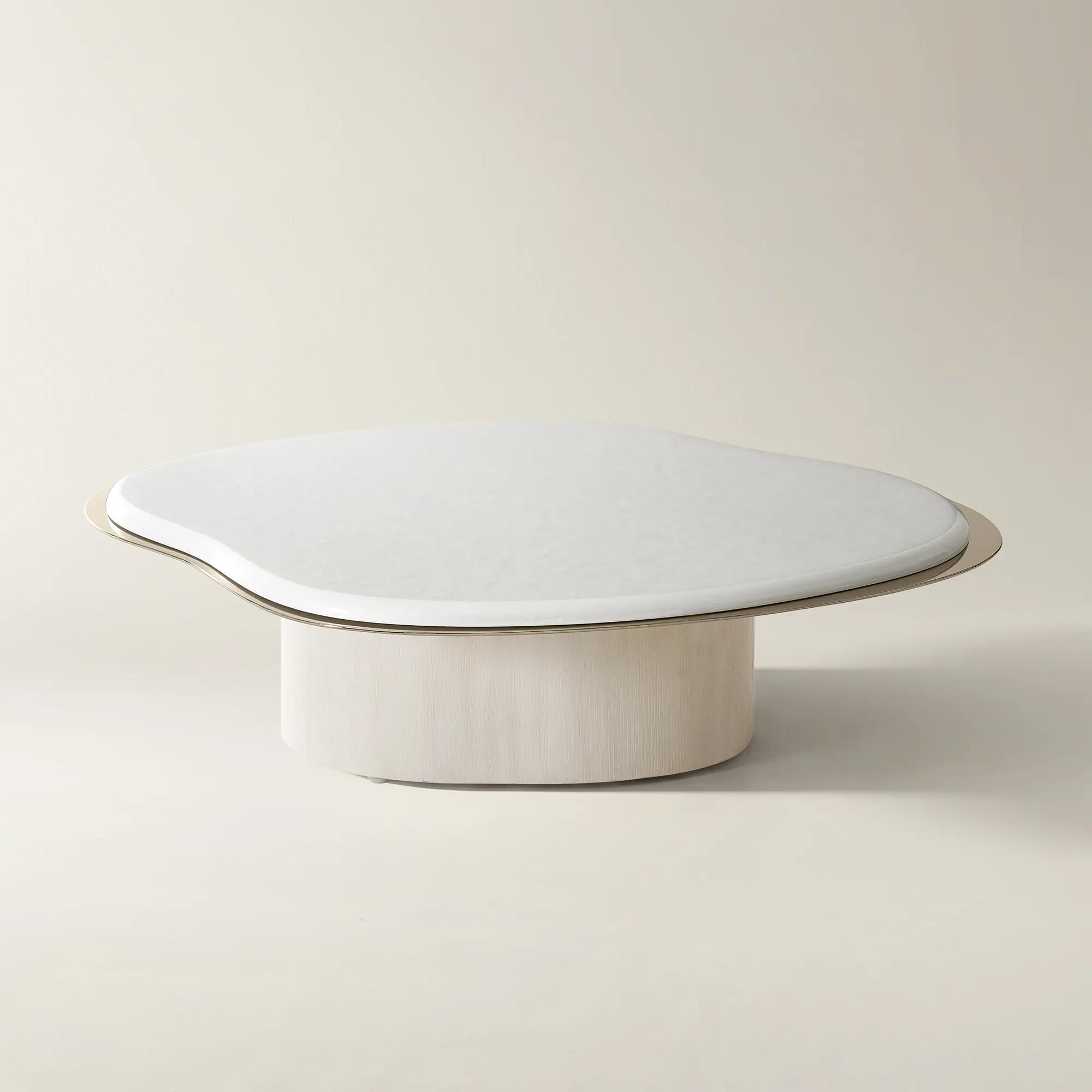
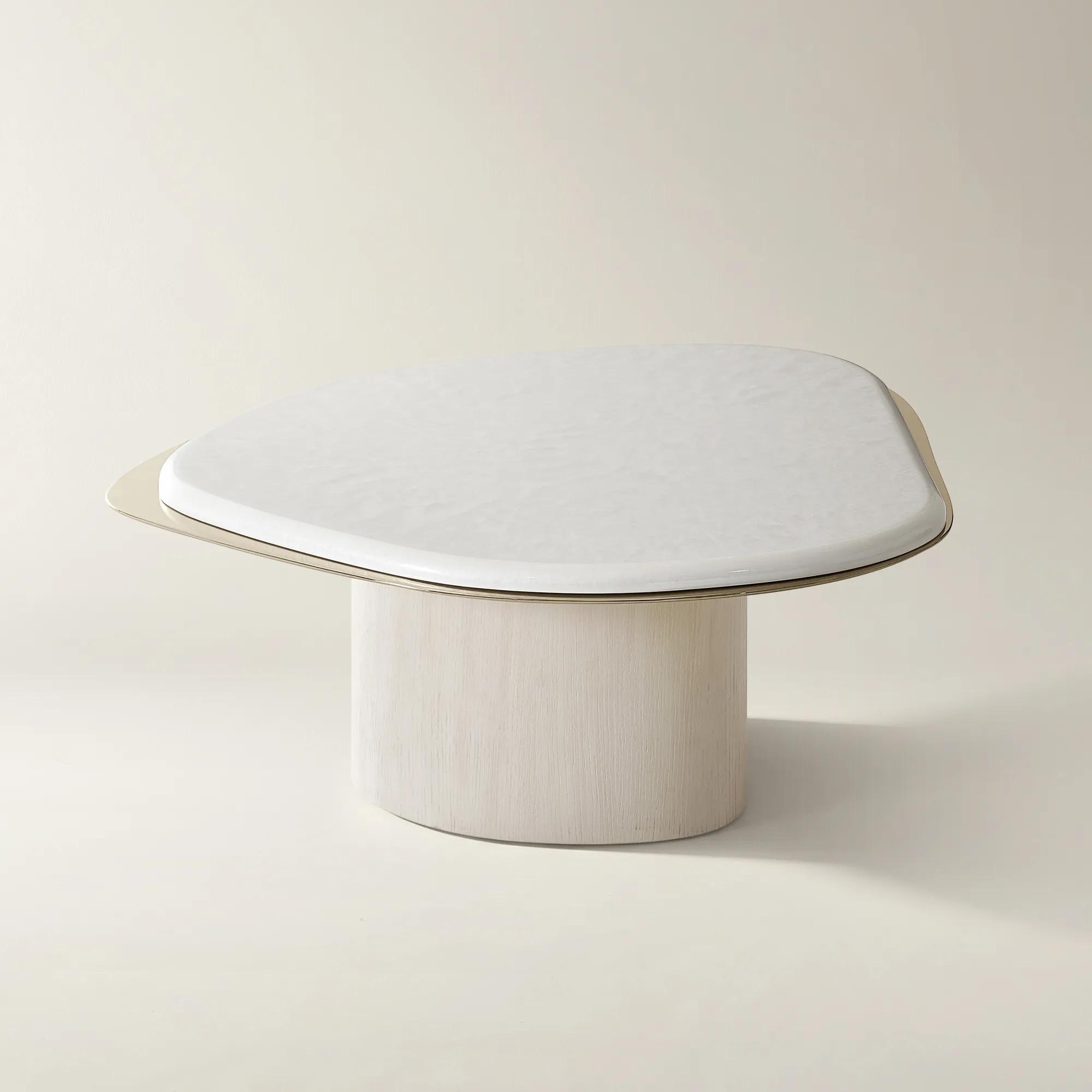
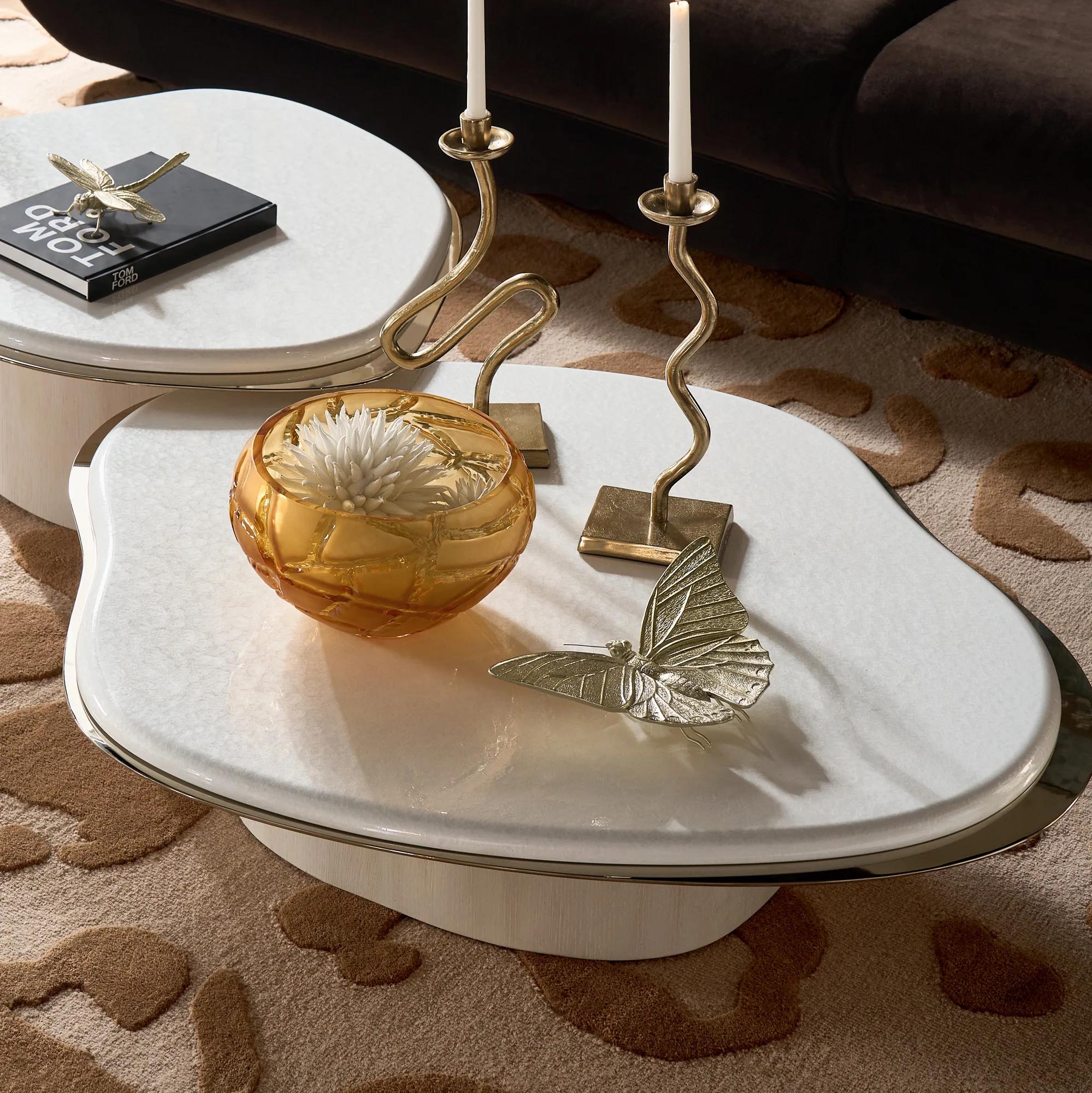 Lumina Bleached Oak Coffee Table With Pearl Lacquered Top (41")$1199
A sculptural coffee table featuring a pearl lacquered top, bleached oak base, and champagne gold trim.
Add To Cart -
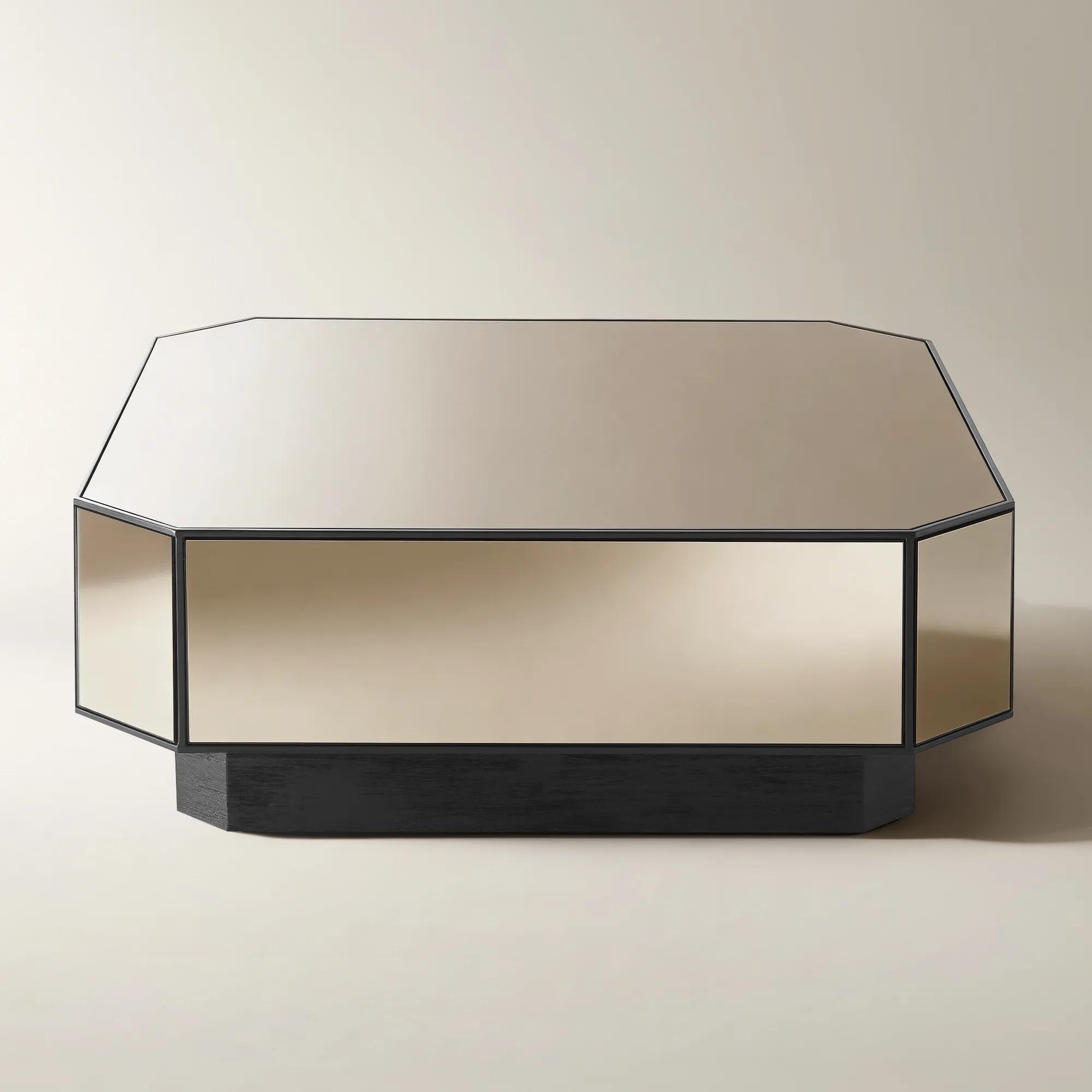 Glimmer Bronze Mirrored Coffee Table (44")$1699
A sculptural coffee table featuring bronze mirror panels and a black oak base for modern sophistication.
Add To Cart -
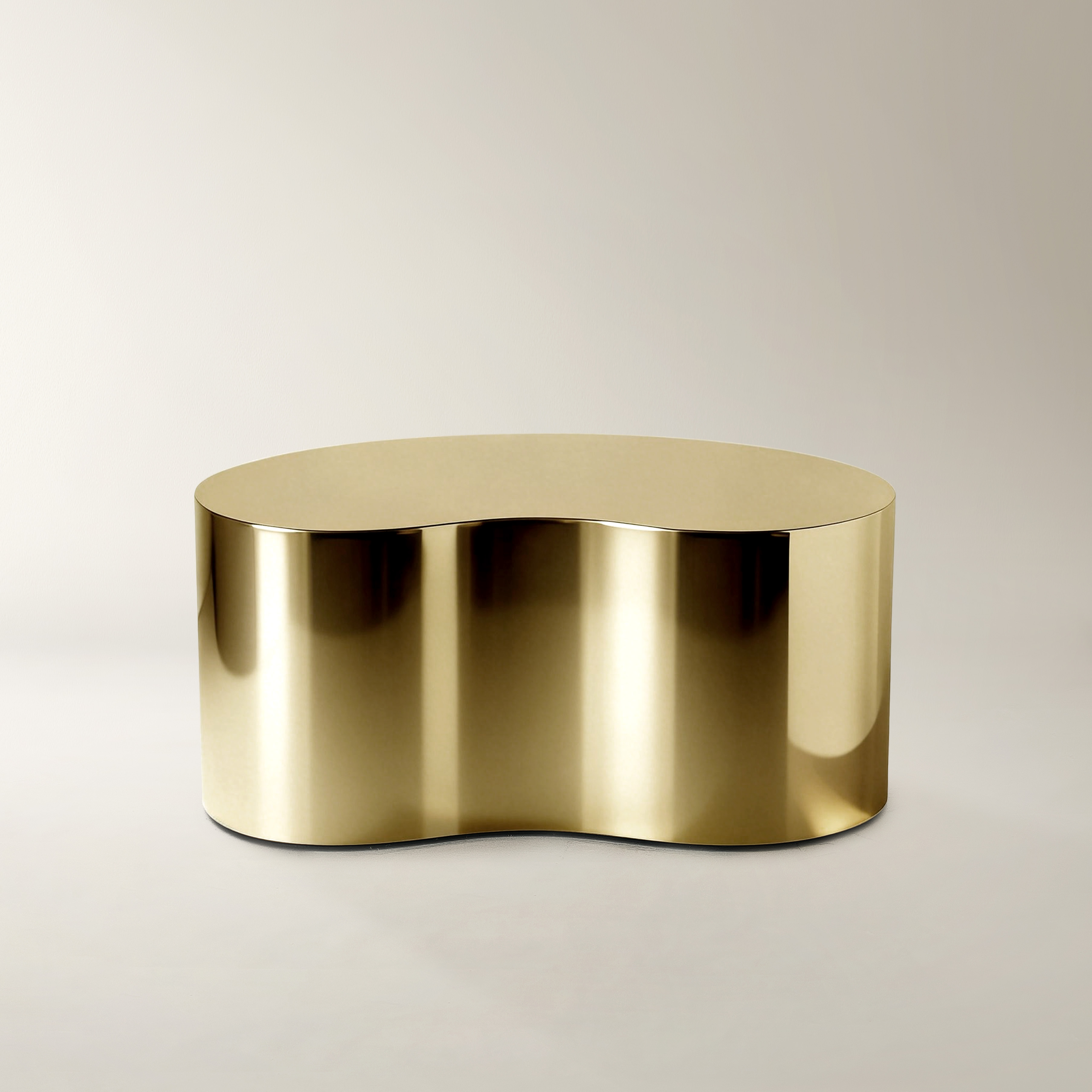 Aurea Soft Gold Coffee Table (37.5")$999
A sculptural coffee table crafted from premium stainless steel with a high-gloss soft gold mirror finish.
Add To Cart -
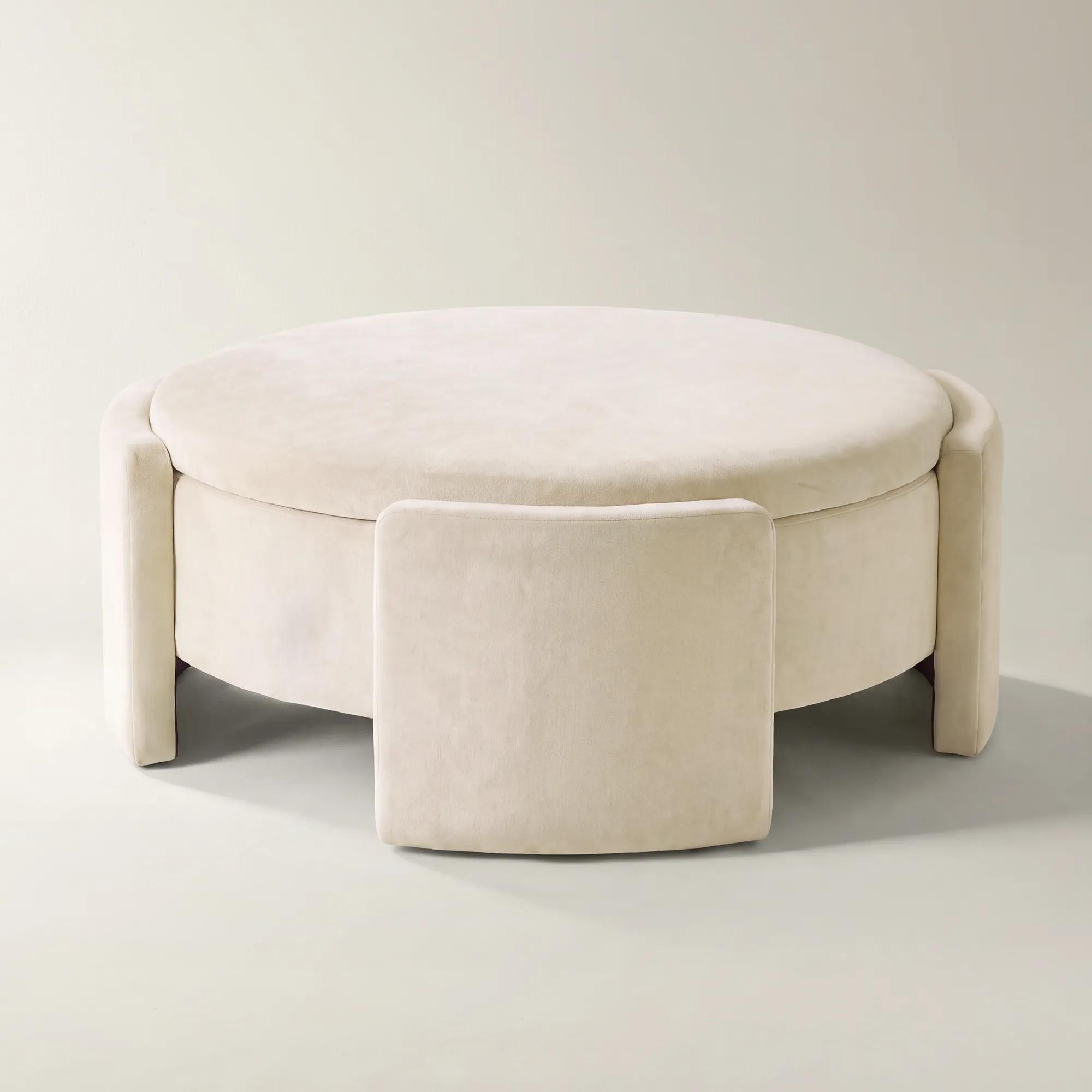
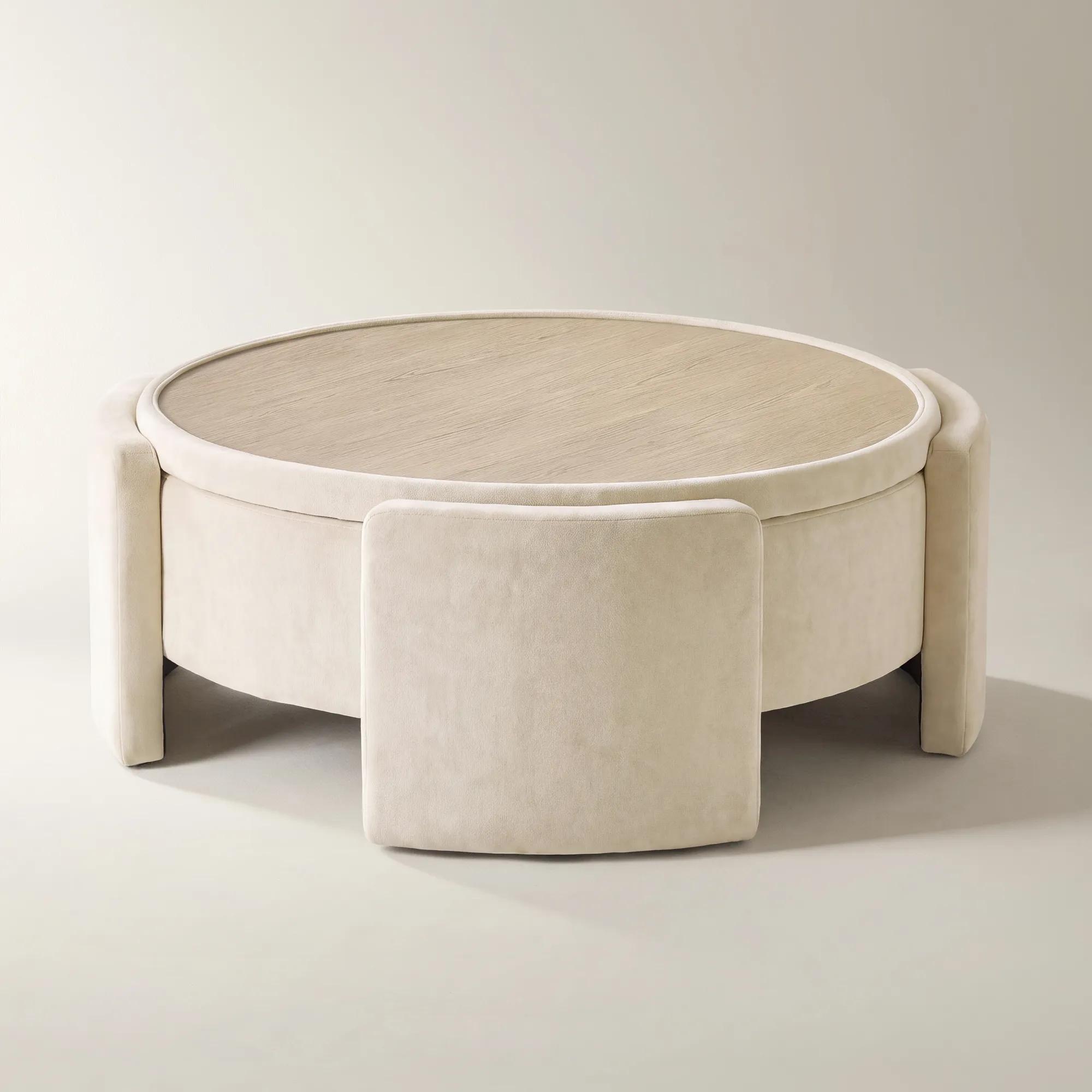 Jora Round Oatmeal Velvet Storage Coffee Table With Reversible Tabletop (47.7")$799
A round oatmeal velvet coffee table with hidden storage and a reversible velvet and wood tabletop.
Add To Cart -
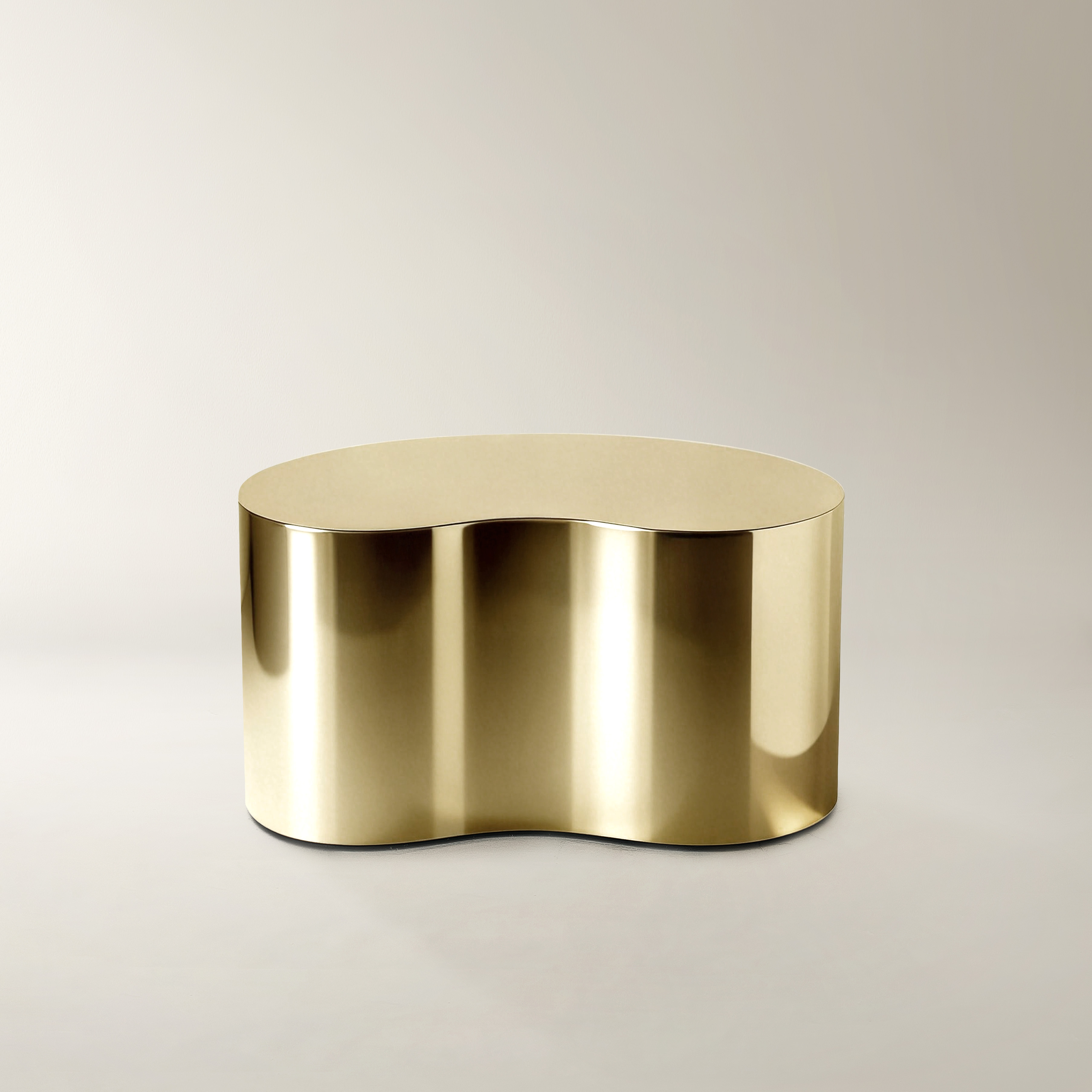 Aurea Soft Gold Coffee Table (32")$799
A sculptural coffee table crafted from premium stainless steel with a high-gloss, soft gold mirror finish.
Add To Cart -
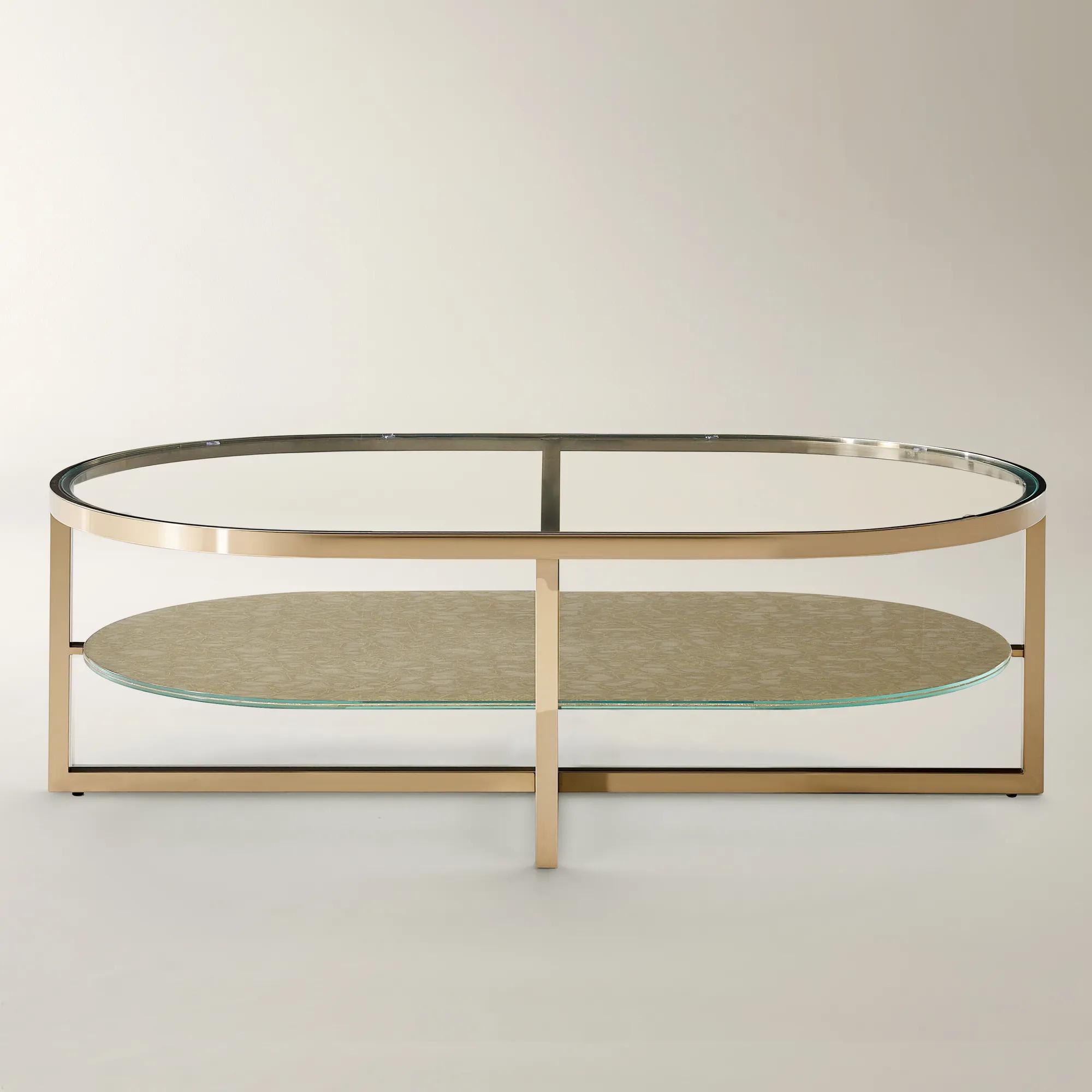
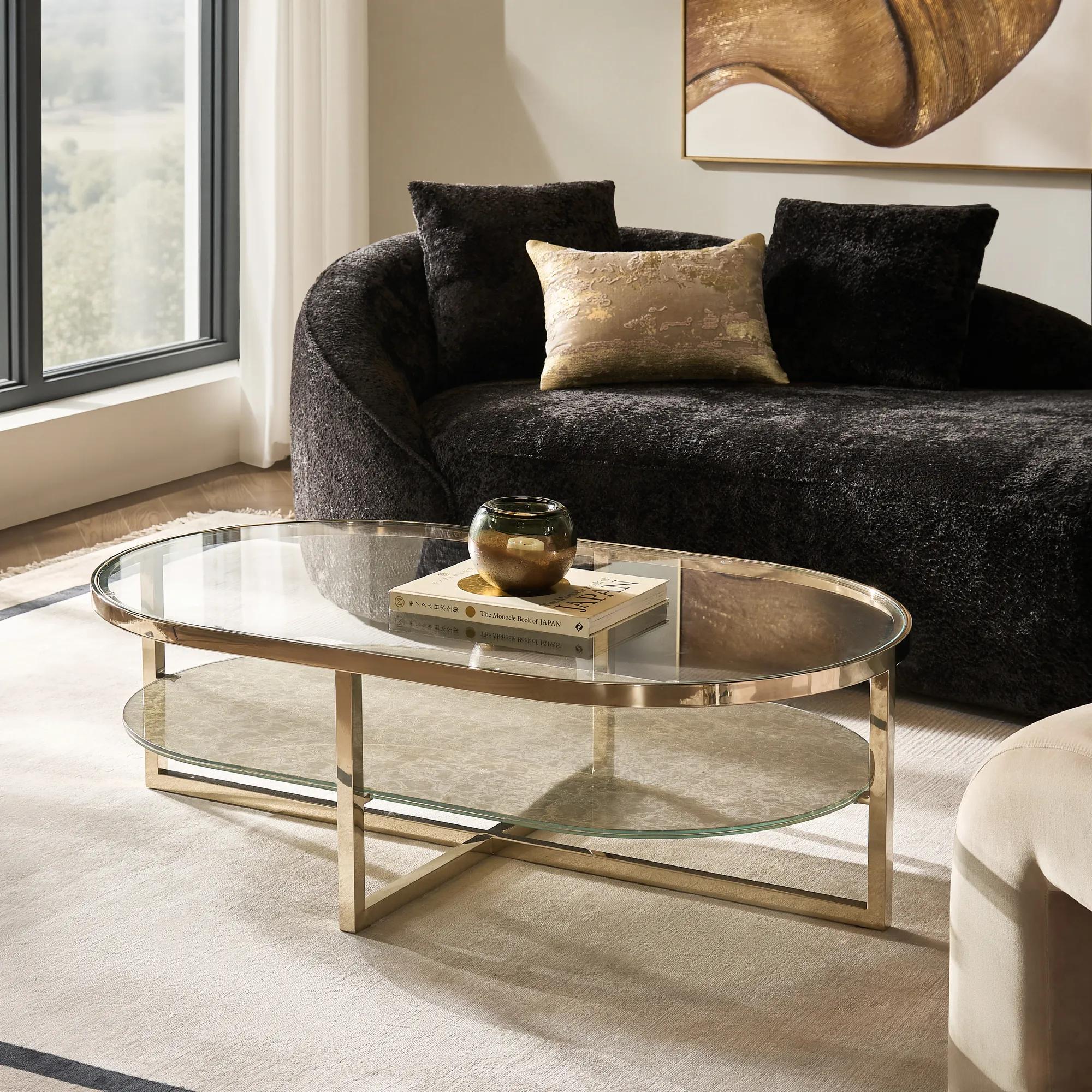 Duality Oval Fabric-Laminated Glass Coffee Table (47")$999
A modern oval coffee table featuring a tempered glass top, fabric-laminated shelf, and soft gold stainless steel frame.
Add To Cart

Luxury Coffee Tables For Spacious Living Rooms
Explore luxury coffee tables for spacious living rooms, with statement-making designs that give expansive seating areas a distinctive focal point. Consider each table’s dimensions and silhouette alongside your sofa and accent chairs to choose a centerpiece that balances visual drama, useful surface space, and comfortable room to move.
Luxury coffee tables for spacious living rooms serve as architectural centerpieces, bringing generous scale, distinctive materials, and sculptural presence to expansive seating arrangements. Their role extends beyond filling an open floor plan: a well-proportioned table gives sofas and accent chairs a shared focal point, places refreshments within reach, and creates a surface for personal expression. In a room with high ceilings or broad sightlines, a substantial silhouette can hold its own against deep upholstery and oversized artwork without competing for attention. A long rectangular table brings definition to a wide sofa, while a broad square design can complement the inward-facing seats of a sectional. Round and oval forms introduce softer lines, particularly where several seating areas meet or guests frequently move through the room. The most successful proportions respond to the furniture around the table rather than the square footage alone. For a conventional sofa arrangement, a table approximately two-thirds the sofa’s length offers a useful starting point, although sectional layouts and paired sofas often call for a different balance. Leaving roughly 14 to 18 inches between the table and surrounding seating generally allows comfortable reach and legroom; primary walkways need additional clearance. A tabletop near seat height, or slightly lower, typically feels comfortable for setting down a cup without interrupting conversation. Reclining seats, projecting chaise cushions, and swivel chairs deserve room to move, too. Even in a generous living room, an oversized table should not turn the seating area into an obstacle course. Its footprint should feel deliberate against the rug, with enough exposed texture around it to frame the composition. A low, broad profile can make a tall room feel more intimate, while an open base preserves longer views across the floor. The result is scale with intention: furniture that gives an expansive room a center without sacrificing its sense of ease.
Materials establish much of that presence, shaping both the atmosphere of the room and the way the table performs. Marble brings expressive veining and a polished sense of permanence; travertine offers a more textural character, with natural markings that lend depth to restrained color palettes. Stone surfaces vary from piece to piece, making their movement and tonal shifts part of the visual appeal rather than an exact repeat of a pattern. Their substantial weight also makes delivery access, placement, and floor protection important considerations. Wood offers another kind of richness, from pronounced grain that warms a monochromatic setting to smoother finishes that let an unusual silhouette take the lead. Solid wood and wood veneer constructions can both contribute to refined furniture; the quality of the substrate, joinery, finish, and overall construction matters more than a material label alone. Glass takes a lighter visual approach, allowing a richly patterned rug or sculptural base to remain visible through the surface. Clear glass can keep a large tabletop from appearing visually dense, while smoked or tinted glass introduces a more atmospheric effect. Tempered glass provides different breakage characteristics from standard glass, but any glass surface still needs appropriate handling and protection from impact. Metal brings definition through slender frames, broad plinths, and gleaming accents, with brushed finishes offering a quieter reflection than highly polished surfaces. In mixed-material designs, the contrast can be especially compelling: richly grained wood beside luminous metal, or stone resting above an airy frame. For interiors centered on clean geometry and expressive finishes, Luxury Coffee Tables For Modern Homes explores a closely related aesthetic. Within a spacious room, the distinction often comes down to visual weight. A solid pedestal can ground pale upholstery, while a transparent top can balance a deep-toned sectional. Repeating one finish from the room’s lighting or decorative accents creates continuity without requiring every surface to match. The table becomes part of a considered composition, not an isolated statement.
Everyday use gives these dramatic forms their purpose. For hosts who gather friends around a generous sectional, a broad tabletop offers space for drinks and small plates while keeping conversation relaxed and face-to-face. In a room shared by avid readers, a few art books can sit beside an open area reserved for a cup or reading glasses. Households that enjoy board games benefit from an uninterrupted surface and seating that allows everyone to reach comfortably. A table chosen primarily for display may favor a striking sculptural base, while one used throughout the day needs accessible edges and a finish suited to frequent contact. Rounded corners can soften circulation near busy seating areas, though shape alone does not make furniture child-safe; stability, construction, and the household’s needs remain essential. Lower shelves or enclosed compartments, where incorporated into a design, can keep remotes and other small necessities from overtaking the surface. Styling feels more convincing when it leaves room for life: a low vessel, a stack of books, and a tray can create depth without occupying every inch. Care should be equally considered. Coasters and protective pads help guard against moisture rings, heat, and scratches, while spills deserve prompt attention, especially on porous stone or finished wood. Marble and other calcium-based stones can etch when exposed to acidic liquids, so protective treatments do not replace careful use. Stone cleaners should be suitable for the particular material, and any sealing requirements should follow the manufacturer’s recommendations. Wood generally benefits from a soft cloth and minimal moisture; prolonged direct sunlight can alter some finishes. Glass requires a compatible cleaner and gentle handling around edges, while plated and polished metals are best protected from abrasive products. Manufacturer-specific instructions take precedence over general cleaning advice. With thoughtful proportions, construction suited to its intended use, and attentive care, a luxury coffee table can bring lasting visual authority to a spacious living room while remaining an inviting part of daily life.
FAQs
Marble, sculptural metal, glass, and richly grained wood each bring a distinct expression of luxury. Natural stone introduces veining with artistic character, while polished metal and glass lend luminous contrast. For a more dramatic composition, look for mixed-material coffee tables that pair substantial textures with gleaming finishes.
Round and oval coffee tables introduce fluid lines that soften angular seating arrangements. Rectangular silhouettes create a tailored focal point, while sculptural or freeform designs bring a gallery-inspired sensibility. Let the shape echo—or deliberately contrast with—the room’s architecture and furniture.
Build the pairing around contrast, texture, and a shared design detail. A velvet sofa feels especially sumptuous beside a glass-and-metal coffee table, while streamlined upholstery offers a striking backdrop for richly veined stone. Repeat an accent finish or color elsewhere in the room to make the combination feel intentional.
Compose the surface with a few expressive pieces: an art book, a sculptural object, and a decorative bowl or vase. Vary their forms and textures, then leave portions of the tabletop visible so its finish remains part of the composition. A tray can frame the arrangement with a polished, deliberate edge.
Choose a coffee table that carries a material, finish, or motif from neighboring spaces into the seating area. A warm metallic base might echo dining room lighting, while a stone surface can reference nearby architectural details. These visual connections give an expansive interior a cohesive story without making every piece match.