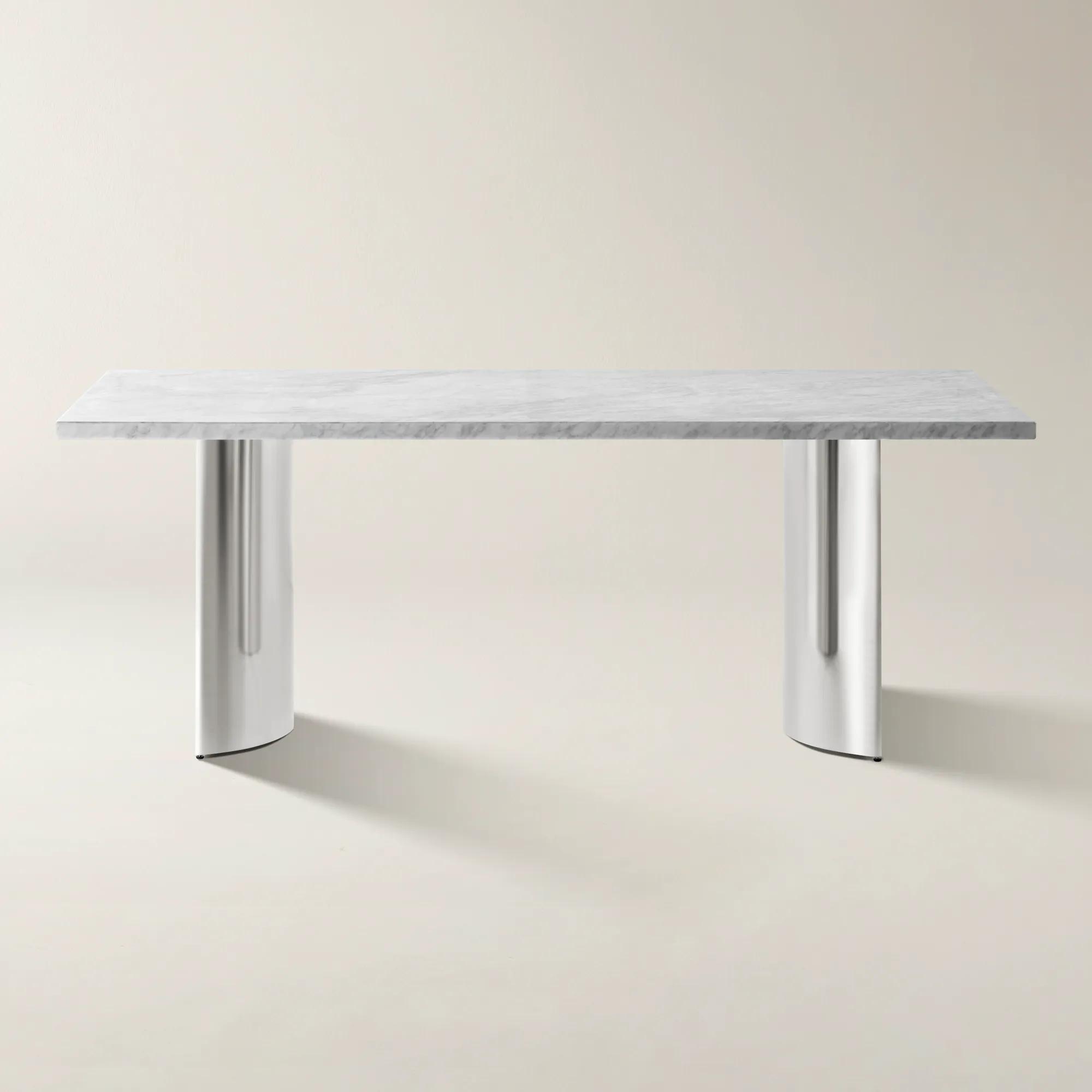
Glass Dining Tables For Contemporary Apartments
Glass Dining Tables For Contemporary Apartments
-
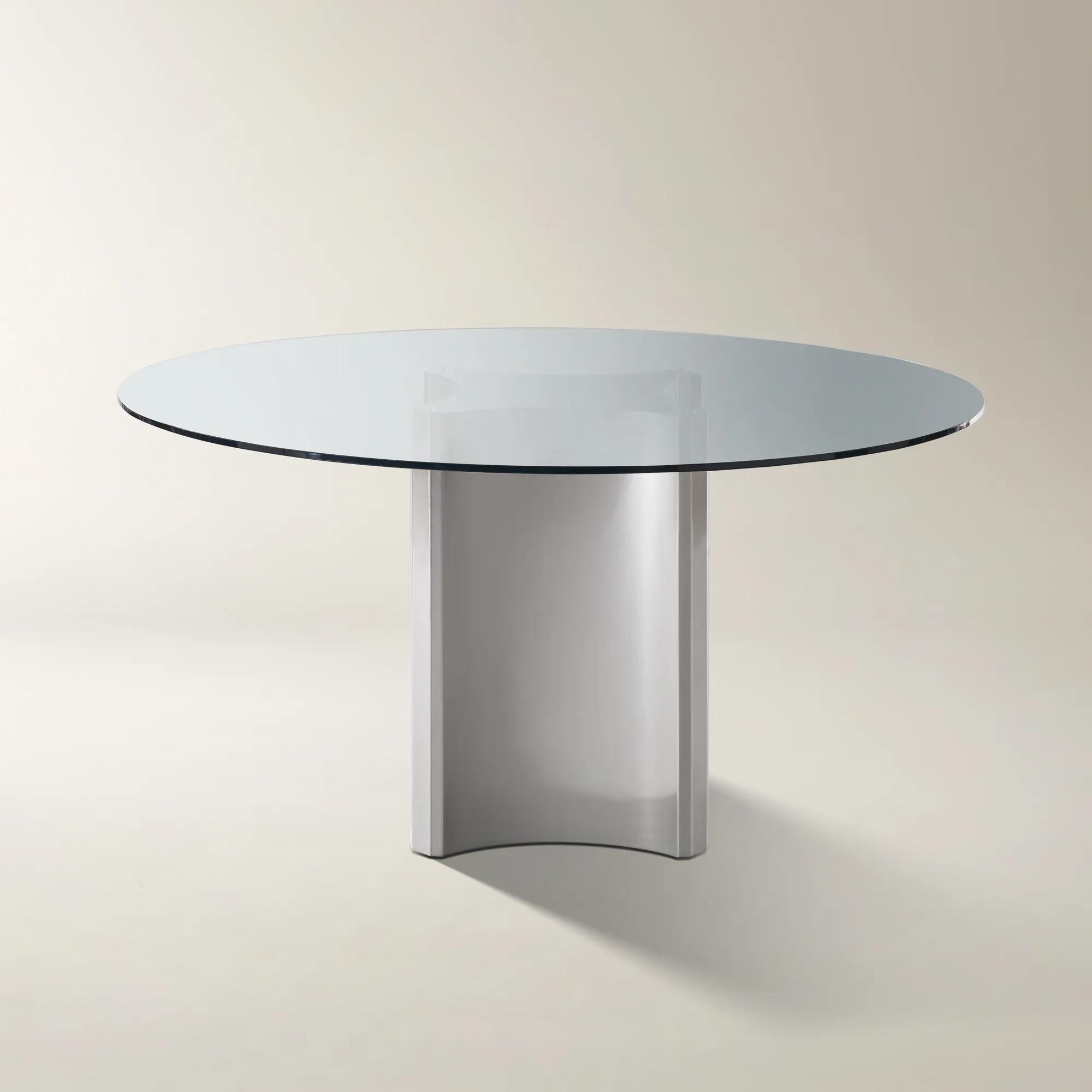 Ventane Round Clear Glass and Stainless steel Dining Table (58")$1499
A modern dining table featuring a clear tempered glass top and polished stainless steel base with anti-fingerprint finish.
Add To Cart -
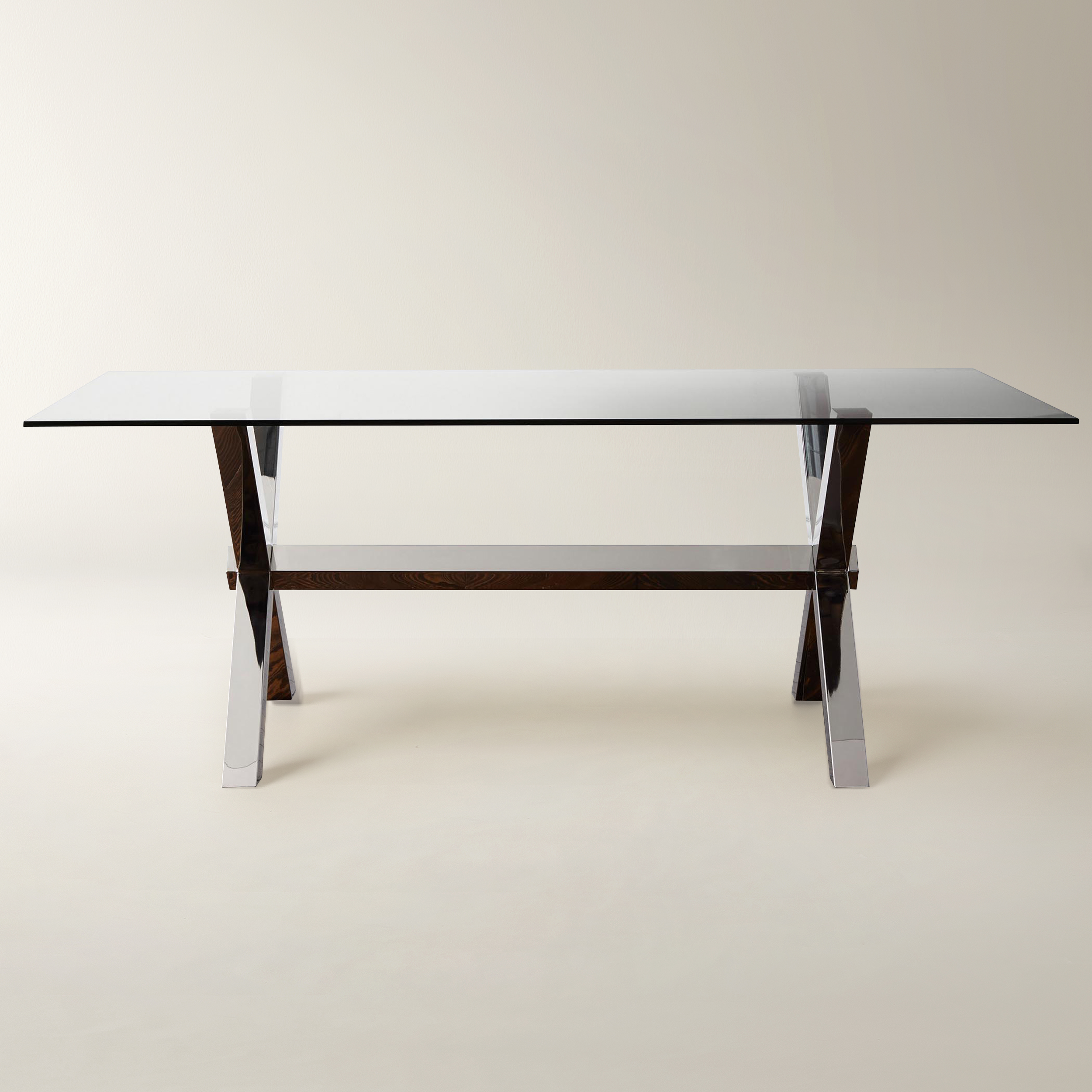
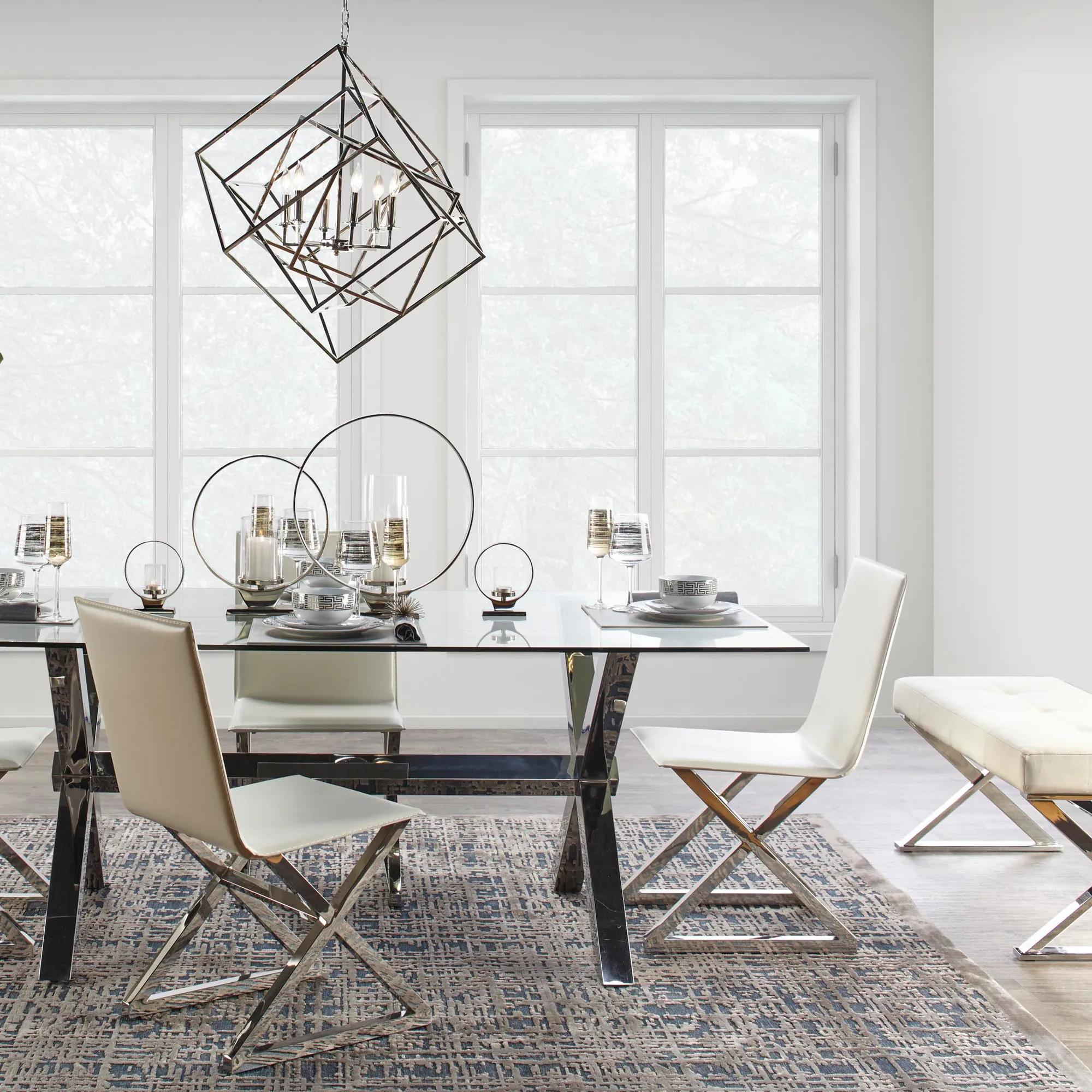 Axis Rectangular Silver Dining Table With Glass Top (78")$1199
A contemporary dining table featuring a polished stainless steel base and durable tempered glass top.
Add To Cart -
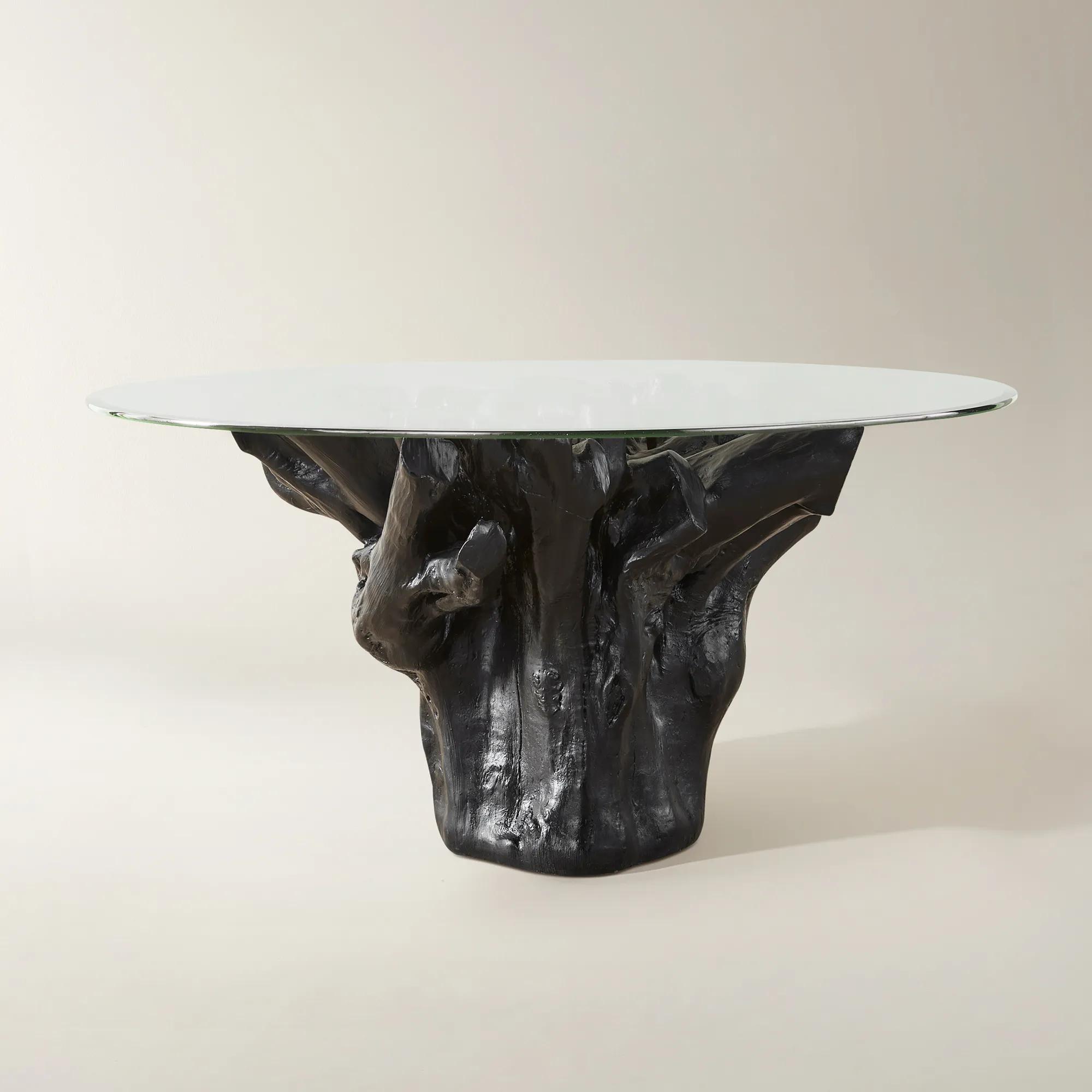 Sequoia Black Resin Dining Table With Glass Top (60")$2299
A sculptural black resin base with real stone fragments supports a round tempered glass top for organic elegance.
Add To Cart -
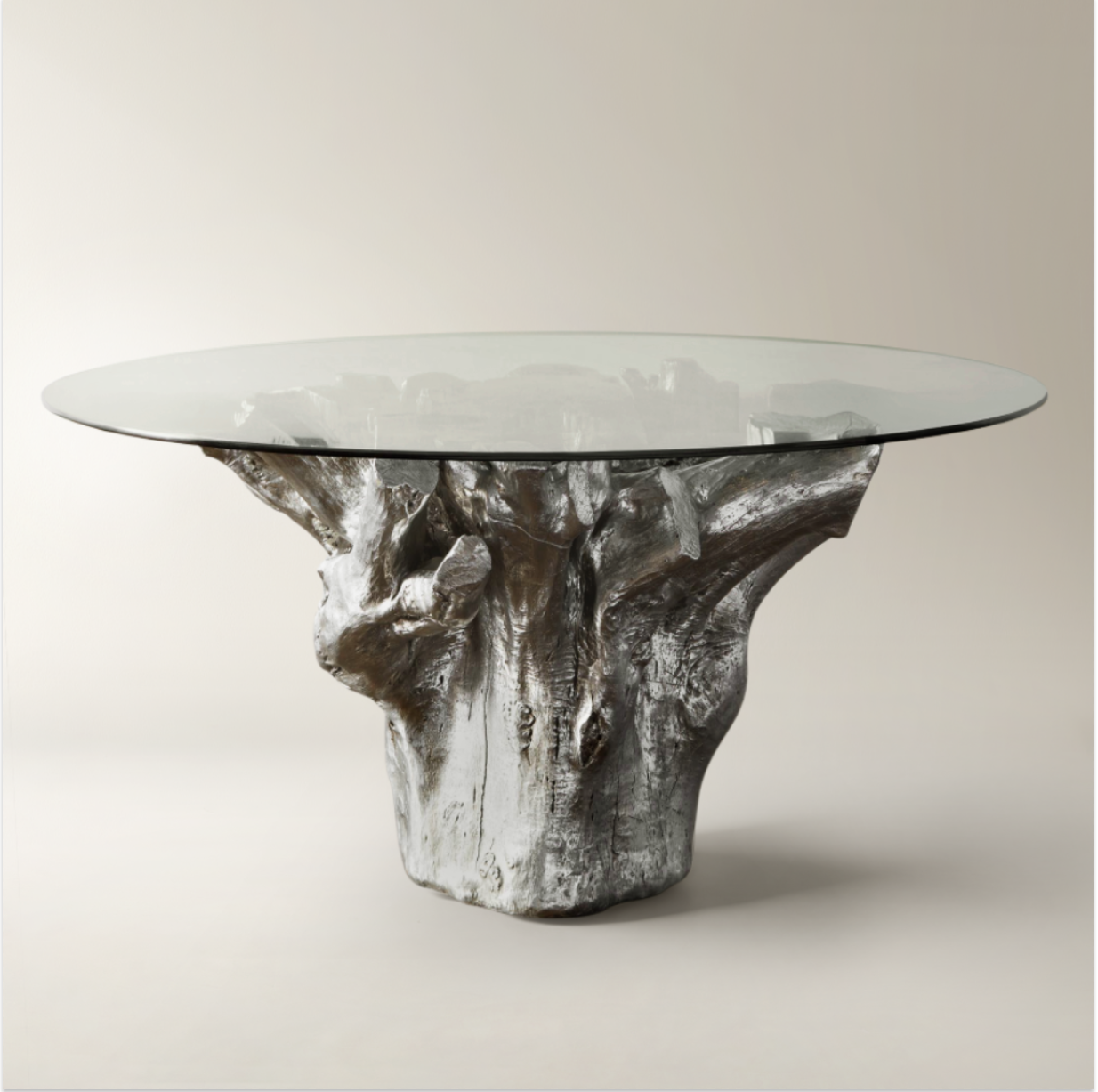 Sequoia Silver Resin Dining Table With Glass Top (60")$2199
A sculptural resin base with hand-applied silver leaf supports a round tempered glass top for modern elegance.
Add To Cart -
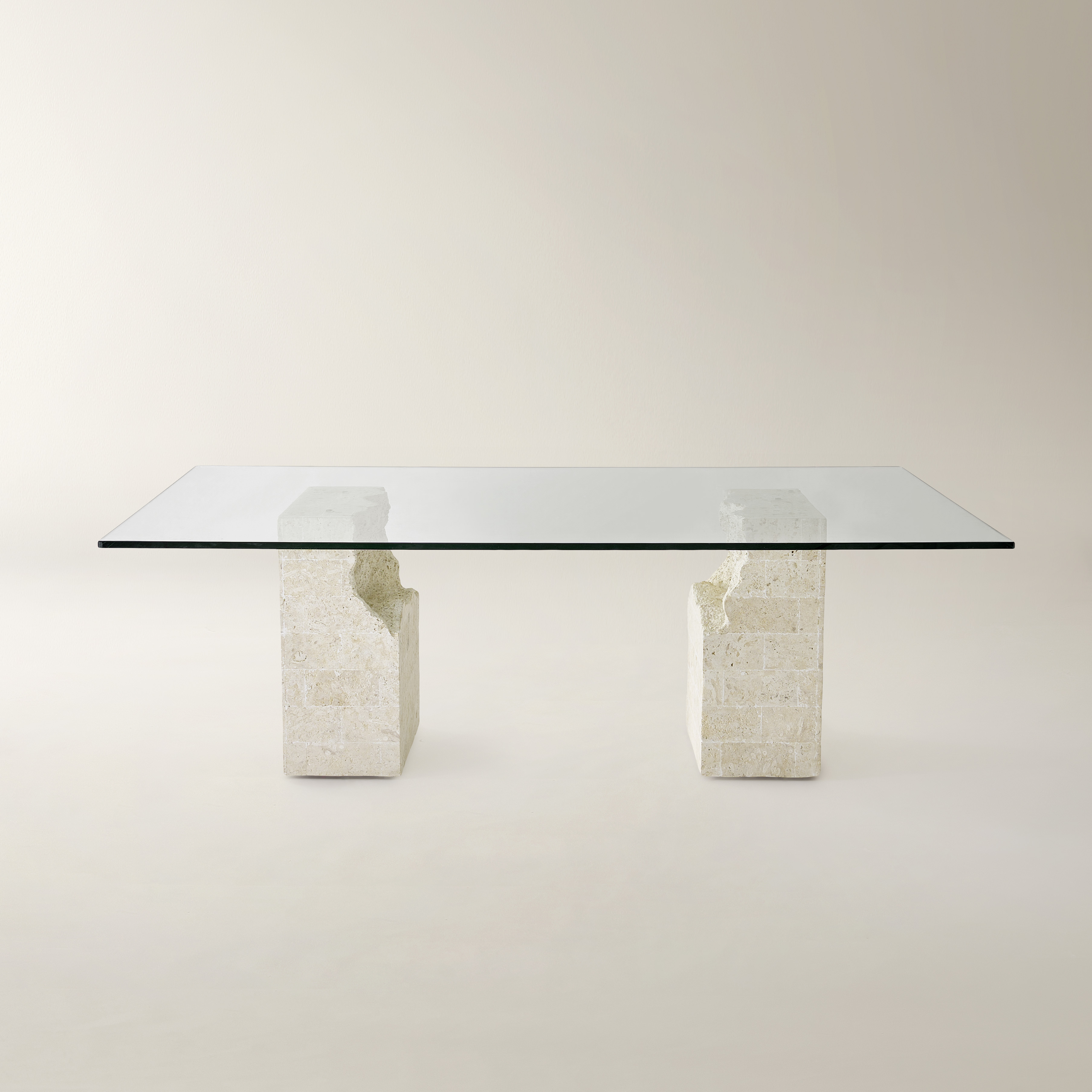 Cairo Rectangular Mactan Stone Dining Table With Glass Top (86.6")$2399
A contemporary dining table featuring a clear tempered glass top over hand-carved Mactan stone bases.
Add To Cart -
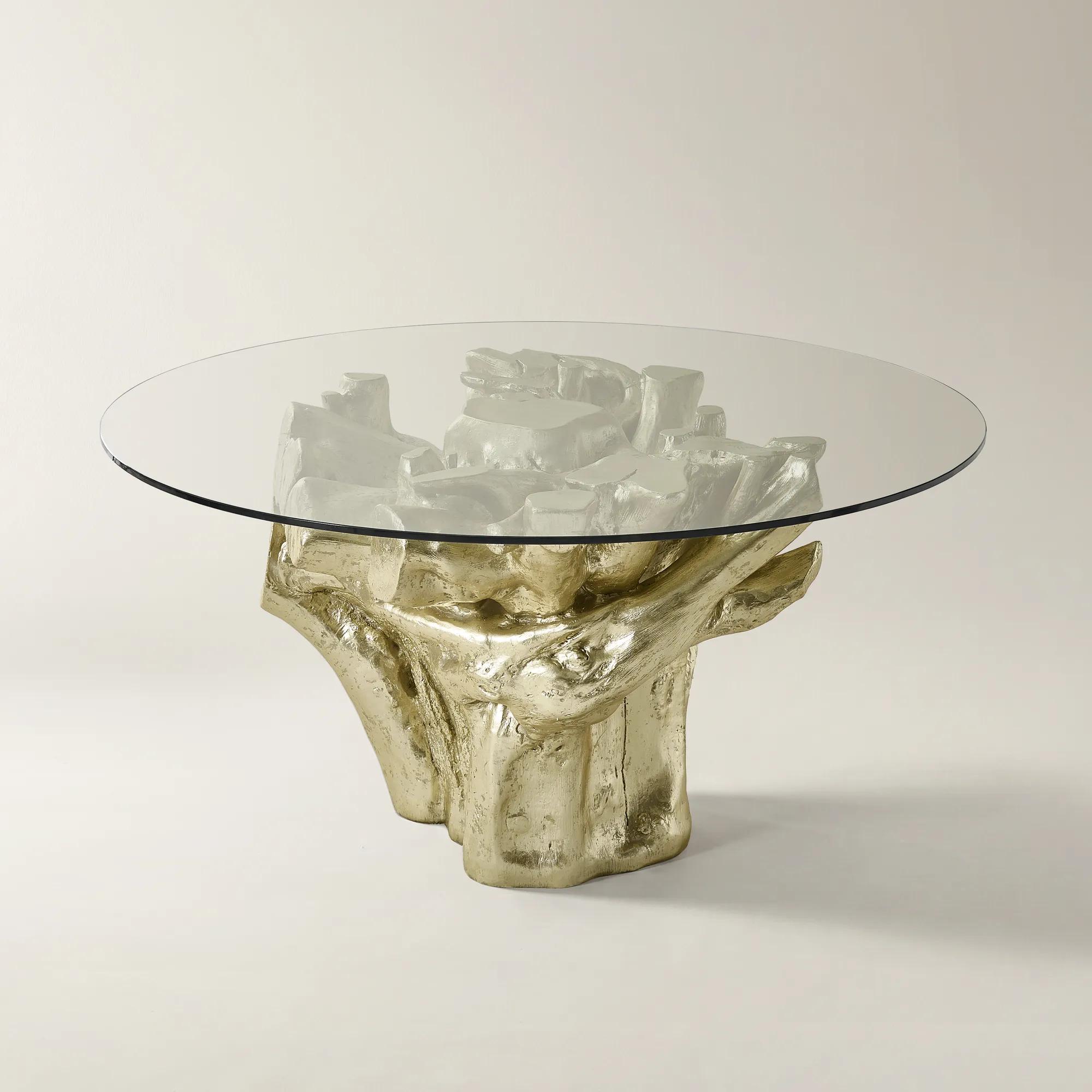 Sequoia Champagne Gold Resin Dining Table With Glass Top (60")$2199
A sculptural resin dining table with a champagne gold leaf base and a clear tempered glass top.
Add To Cart -
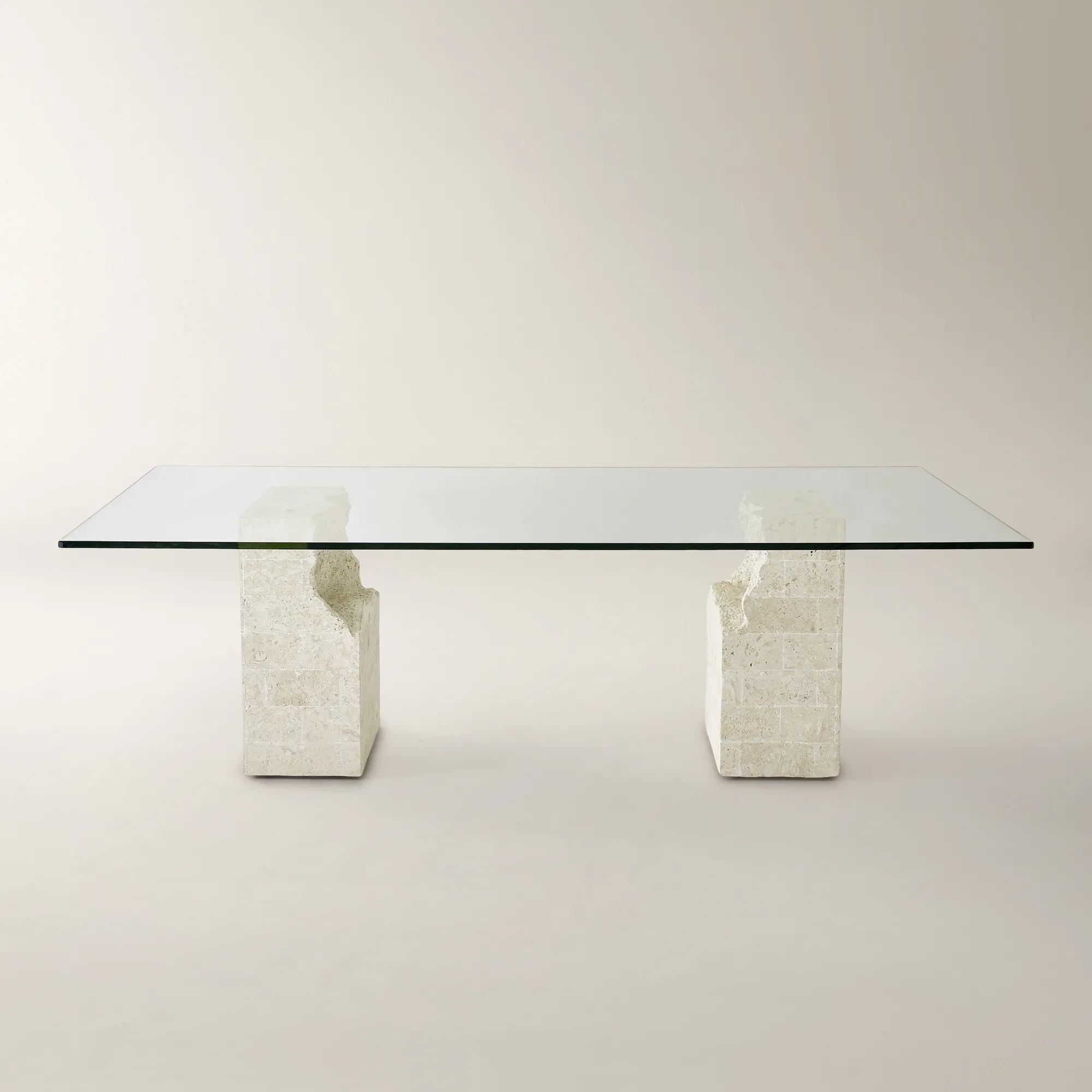 Cairo Rectangular Mactan Stone Dining Table With Glass Top (96")$2599
A contemporary dining table featuring a clear tempered glass top over hand-carved Mactan stone bases.
Add To Cart -
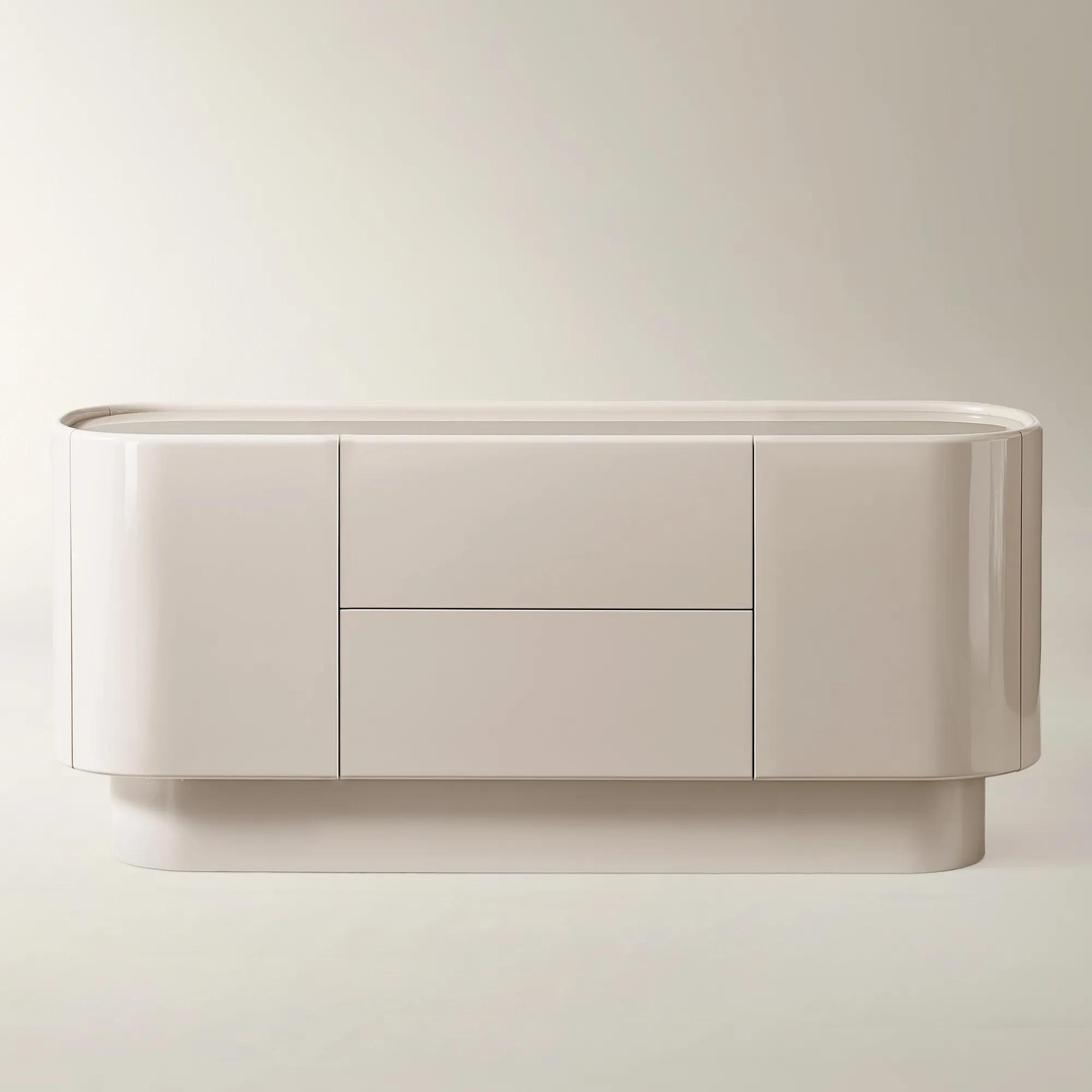
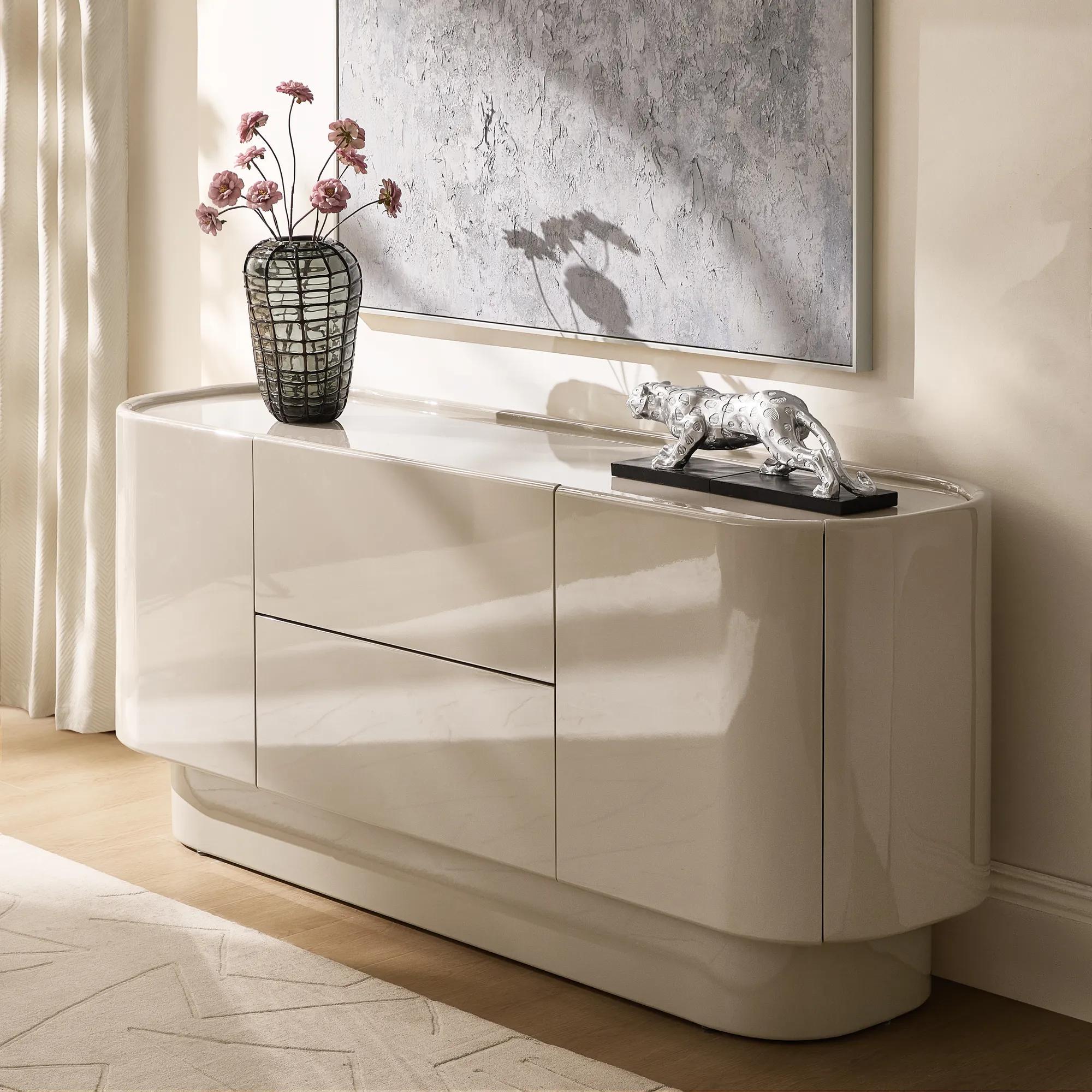 Velar Lacquered Turtle Dove Buffet With Glass Top (70")$2099
A sleek turtle dove buffet featuring high-gloss lacquer, tempered glass, and illuminated mirrored interior storage.
Add To Cart -
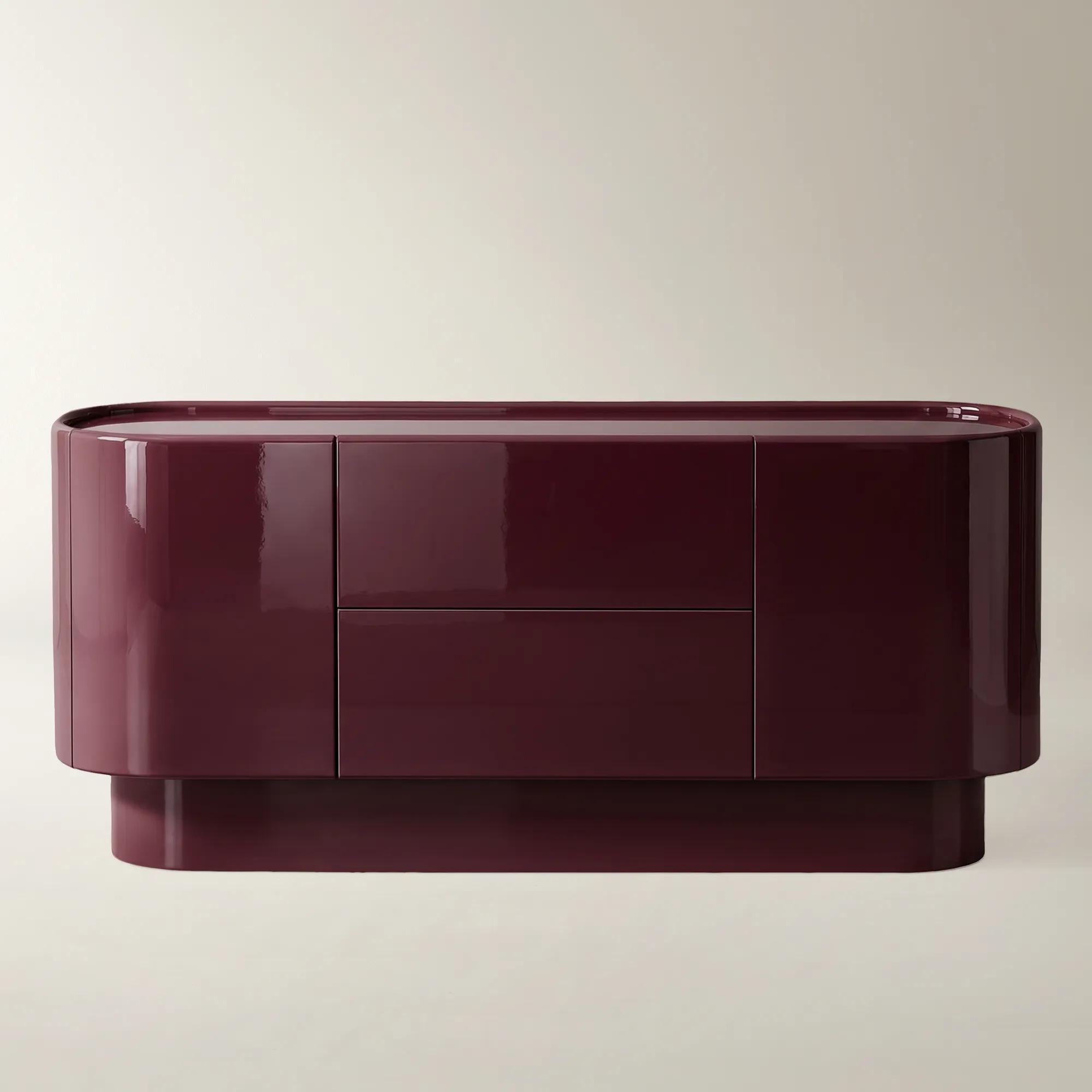 Velar Lacquered Ox Blood Buffet With Glass Top (70")$2099
A sculptural ox blood buffet featuring high-gloss lacquer, back-painted glass top, and illuminated mirrored storage.
Add To Cart

Glass Dining Tables For Contemporary Apartments
Glass dining tables for contemporary apartments are the very definition of modern artistry—sleek surfaces that capture the light and amplify every glimmer, transforming mealtime into a moment of pure spectacle. In spaces where style reigns supreme and boundaries dissolve between living, dining, and dreaming, these tables become sculptural centerpieces. Each piece invites conversation, reflects your boldest design impulses, and sets the stage for gatherings that linger long after dessert. With glass dining tables for contemporary apartments, elegance is never an afterthought—it’s the main event, shimmering at the heart of your home’s most memorable moments.
Glass dining tables for contemporary apartments bring architectural presence to a room without the visual weight of a solid tabletop. Clear glass allows light to pass through and keeps the floor, rug, and seating visible, helping a compact dining area feel more open rather than making the furniture disappear. That distinction is part of the appeal: a transparent surface gives a sculptural base room to command attention, whether its silhouette is gracefully curved, sharply geometric, or grounded in richly grained wood. In a studio apartment, a glass dining table can define a place for dinner while preserving the view toward a window or living area. In a larger apartment, it can hold its own beneath a dramatic pendant without competing with artwork or an expressive wall treatment. Clear glass offers the greatest transparency, while smoked or tinted glass introduces a moodier effect with less visual openness. The materials below the surface shape the atmosphere just as decisively. Polished metal catches highlights and lends a gleaming, jewelry-like accent; brushed finishes create a softer shimmer; wood adds warmth and visible texture. A dark metal base draws a graphic line through the room, especially against pale flooring or an ivory rug. Because the support structure remains visible, its proportions and craftsmanship become central to the composition rather than secondary details. This makes glass particularly compelling for apartment dwellers who want their furniture to feel artistic as well as useful. The same table might frame a quiet breakfast, an evening of conversation, or a carefully composed dinner for friends, with each setting revealing a different side of its design. For connected dining and living areas, glass dining tables for open spaces extend that emphasis on uninterrupted sightlines. Across these settings, the strongest effect comes from balancing transparency with a base that gives the room a distinctive point of view.
Proportion determines how comfortably that statement lives in an apartment. A glass top may look airy, but its physical footprint still needs to accommodate chairs, movement, and the routes between adjoining rooms. Round glass dining tables approximately 36 to 48 inches in diameter often suit compact dining nooks, although comfortable seating depends on chair width, table diameter, and the position of the base. A smaller round table can create an intimate setting for two, while a larger diameter may accommodate four without crowding place settings. Rounded contours also remove projecting corners from the tabletop, an appealing feature beside a frequently used walkway, though adequate clearance remains essential. Rectangular glass dining tables can align elegantly with a long wall or narrow dining zone, making their shape especially useful in apartments with linear layouts. Compact rectangular tops around 48 inches long may seat four, but generous chairs or substantial legs can reduce usable space. Oval silhouettes offer another possibility, combining an elongated dining surface with curved ends that soften the room’s geometry. As a planning reference, approximately 36 inches between the table edge and a wall or nearby furniture allows room to move chairs; closer to 42 to 48 inches is preferable where people need to pass behind seated diners. Those measurements matter more than the impression of spaciousness created by glass. Chair arms also need to clear the underside, including any frame beneath the top, and pedestal bases should leave comfortable space for feet. In an apartment where dining overlaps with occasional laptop work, table height, supportive seating, and usable surface depth deserve equal attention. Upholstered chairs introduce a sumptuous counterpoint to glass, while slender wood frames bring warmth without obscuring the base. Velvet offers rich color and a soft sheen; textured woven upholstery gives the setting a more tactile rhythm. A rug can establish the dining area within an open floor plan, provided it extends far enough beyond the table for chairs to remain on it when pulled out. Together, these proportions create a dining arrangement that feels composed rather than compressed.
Daily use brings the material details into focus. Tempered glass is generally stronger than ordinary annealed glass and is designed to break into small fragments rather than large, sharp shards, but it is not unbreakable or scratchproof. Product specifications should identify the glass type, thickness, weight capacity, and care requirements; thickness alone does not establish safety or durability. Edge quality matters as well: smooth, well-finished edges provide a refined touch, while chips or damage warrant prompt attention and professional advice before further use. A secure connection between the top and its supports, along with a stable, well-balanced base, is particularly important in a table intended for everyday meals. Households with young children may prefer rounded contours and should consider stability, placement, and how visibly the transparent edge reads within the room. Glass is nonporous and readily wiped clean, yet fingerprints, crumbs, and streaks can be conspicuous, especially in direct light. A soft microfiber cloth and a manufacturer-approved cleaner help preserve clarity without abrasive scrubbing. Cleaner is best applied to the cloth rather than sprayed indiscriminately around joints or onto adjoining wood and metal finishes. Both sides of a transparent top may need attention to maintain its luminous appearance. Coasters, placemats, and suitable trivets help protect the surface from dragging dishes, spills, and direct contact with hot cookware; ceramic serving pieces with rough undersides deserve particular care. Glass tops can also be substantial in weight, so apartment delivery planning should account for elevator dimensions, stair turns, doorways, and any assembly requirements. Once in place, a restrained tabletop arrangement lets the design remain visible: a low vessel of flowers, folded linen napkins, or a sculptural centerpiece can create drama without covering the surface. For entertaining, soft textiles temper the sound of plates and cutlery against glass while introducing another layer of texture. The result is a dining space with genuine versatility, equally suited to an intimate meal and a richly styled gathering, where transparency, craftsmanship, and expressive seating give everyday rituals a distinctly elevated setting.
FAQs
Contemporary glass dining tables are remarkably versatile and can be paired with a wide range of seating styles. For a look that leans into modern glamor, consider velvet-upholstered chairs with metallic or lacquered legs. Sleek, sculptural chairs in acrylic or molded plastic create a minimalist, airy effect, while bold, high-back chairs in rich colors add a dramatic focal point. Mixing materials—such as combining leather and chrome—can also elevate the visual interest and create a curated, gallery-inspired dining space.
To keep your glass dining table gleaming, regularly wipe the surface with a soft, lint-free cloth and a gentle glass cleaner. Avoid abrasive pads or harsh chemicals, as these can dull the finish or scratch the glass. For daily upkeep, a quick dusting and immediate attention to spills will preserve its clarity and luster. Consider decorative placemats or coasters to protect the surface from scratches while adding a touch of personal style.
Absolutely. The transparent nature of dining glass visually expands a room, making it an ideal choice for smaller spaces. A glass dining table allows light to flow freely, creating an open, airy atmosphere and preventing the dining area from feeling crowded. Opt for round or oval shapes to maximize flow and enhance the sense of spaciousness in your apartment.
A contemporary glass dining table becomes a dazzling canvas for holiday décor. Embrace the season with metallic chargers, crystal candleholders, and lush greenery or florals that reflect beautifully off the glass surface. Layer in rich textiles like velvet runners or jewel-toned napkins for added warmth and drama. The reflective quality of glass amplifies the sparkle of ornaments and twinkling lights, creating an unforgettable festive ambiance.
A glass dining table is a thoughtful and luxurious gift for those who adore modern design and expressive interiors. It’s ideal for newlyweds setting up their first home, style-savvy city dwellers, or anyone celebrating a milestone move. Gifting a contemporary glass dining table is not just about furniture—it’s about offering a centerpiece for new memories, celebrations, and everyday artistry.
.jpeg?w=3614&h=3614)