Glass And Metal Living Room Tables
Glass And Metal Living Room Tables
-
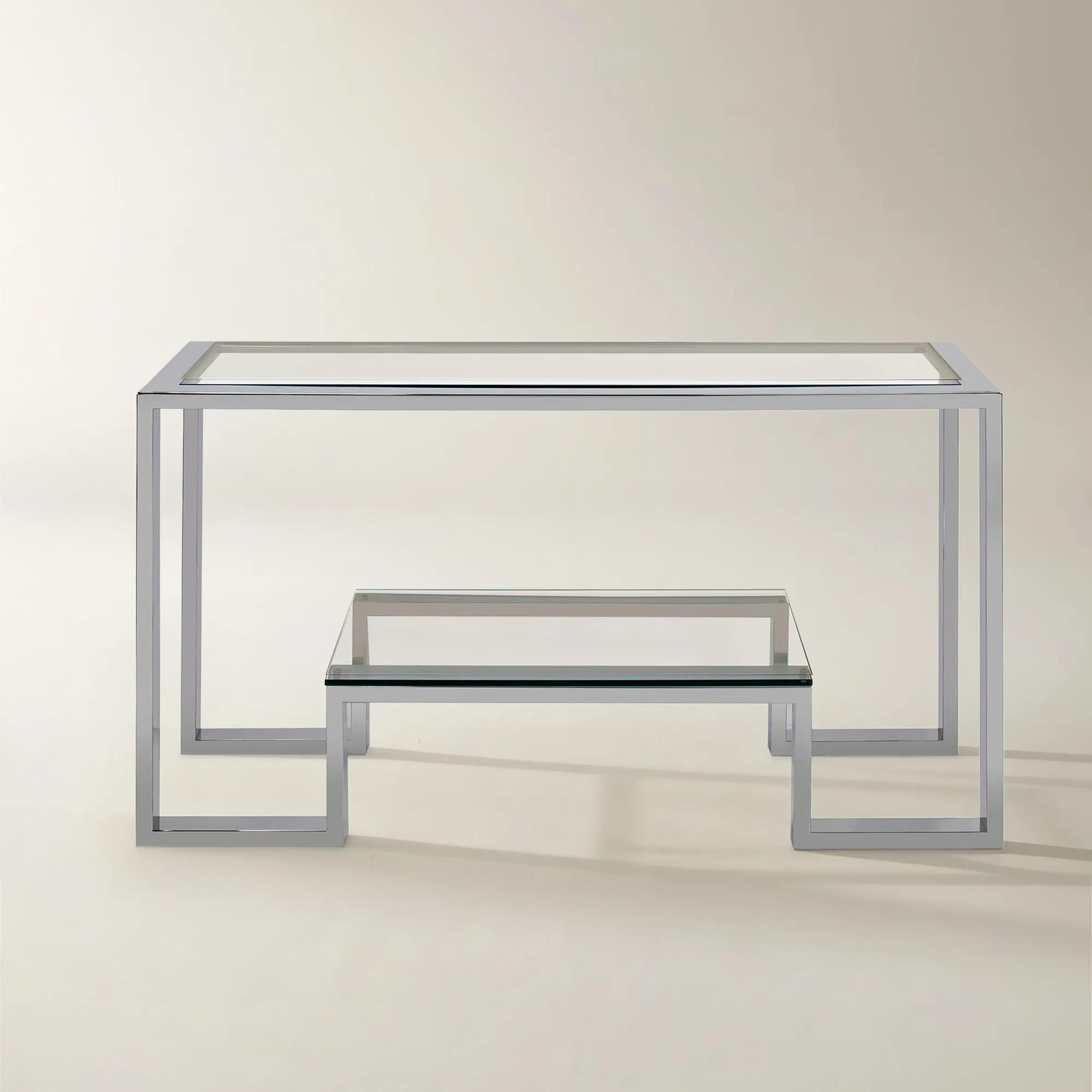
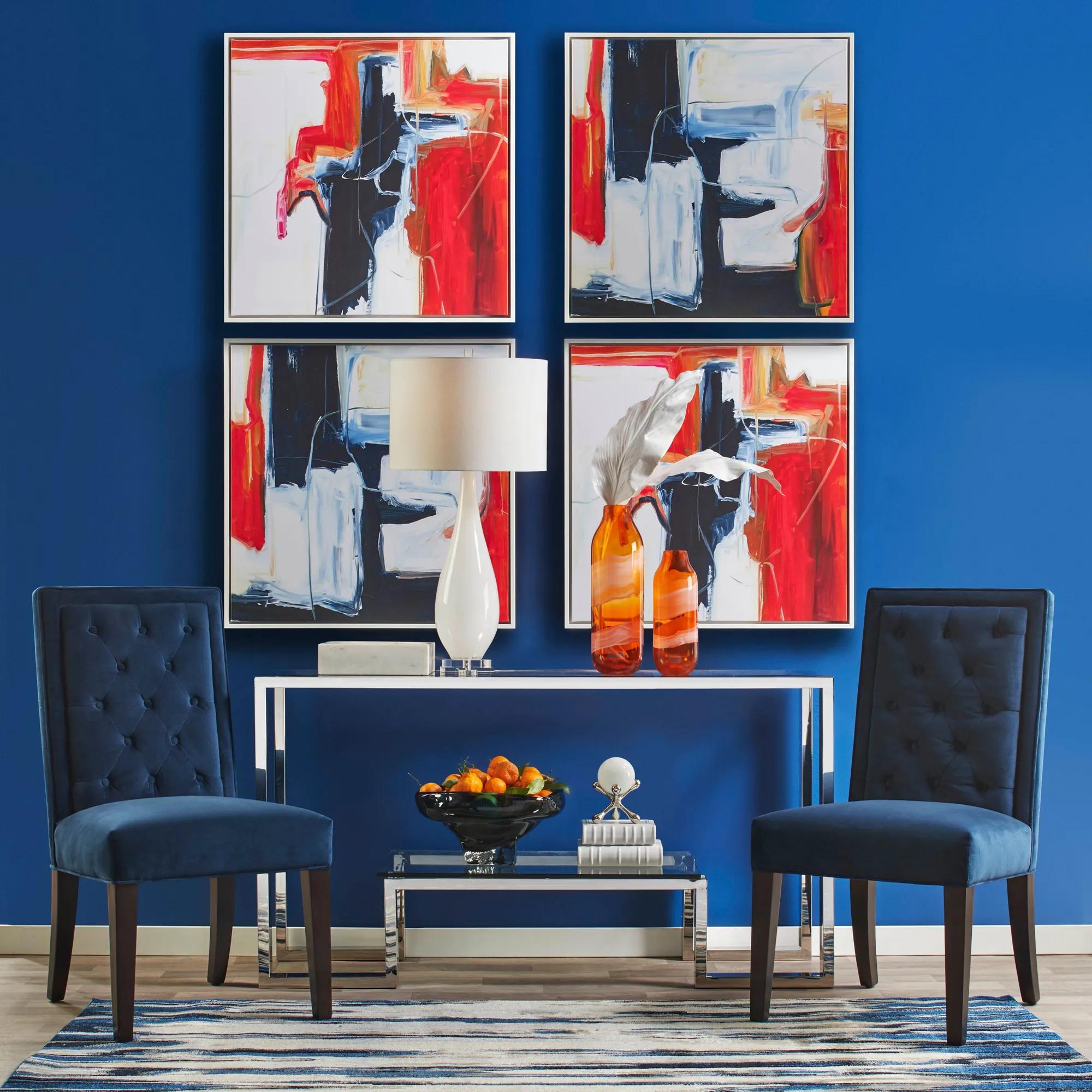 Duplicity Rectangular Silver Stainless Steel Console Table With Glass Top (59")$1399
A modern console table crafted from stainless steel and tempered glass with a floating bottom shelf.
Add To Cart -
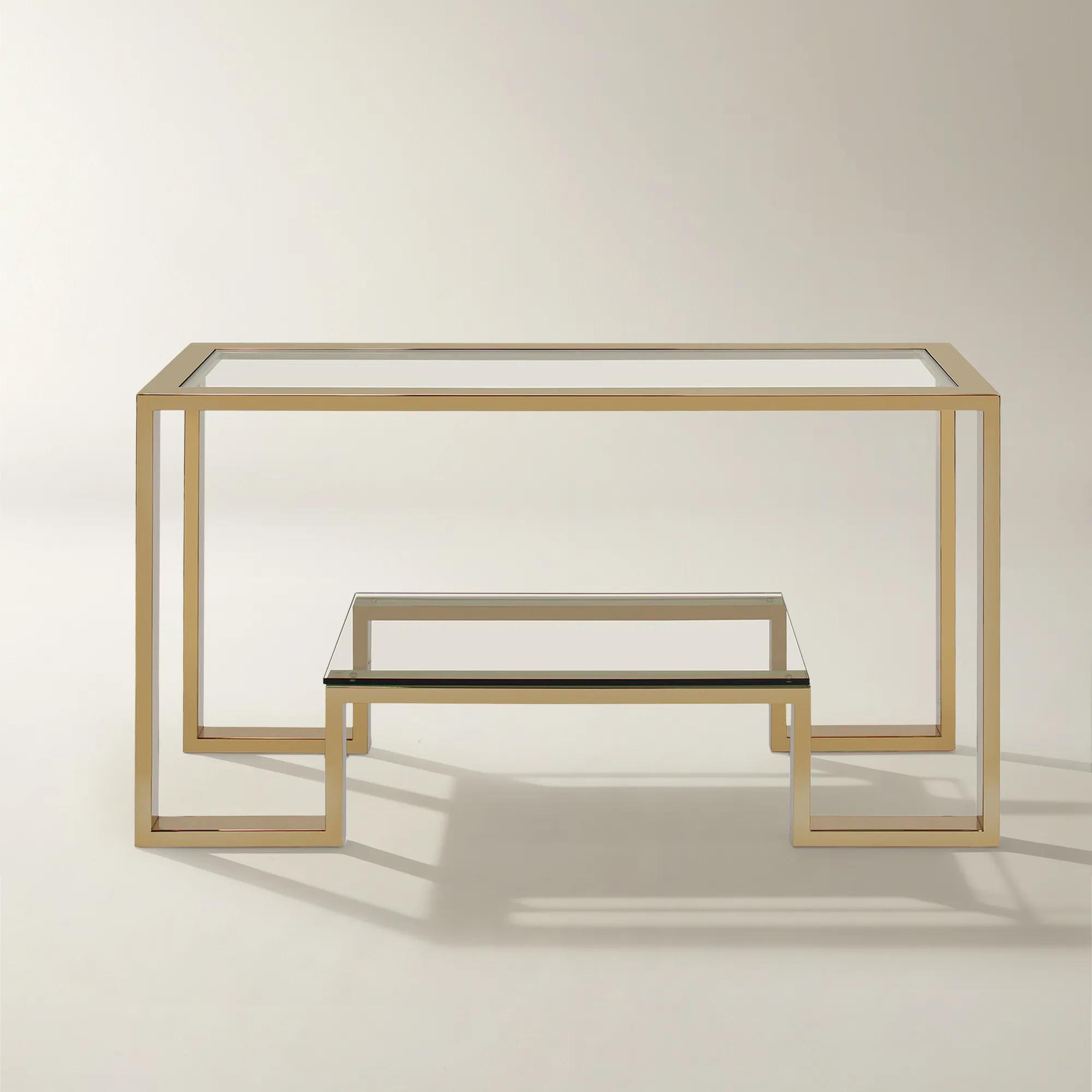
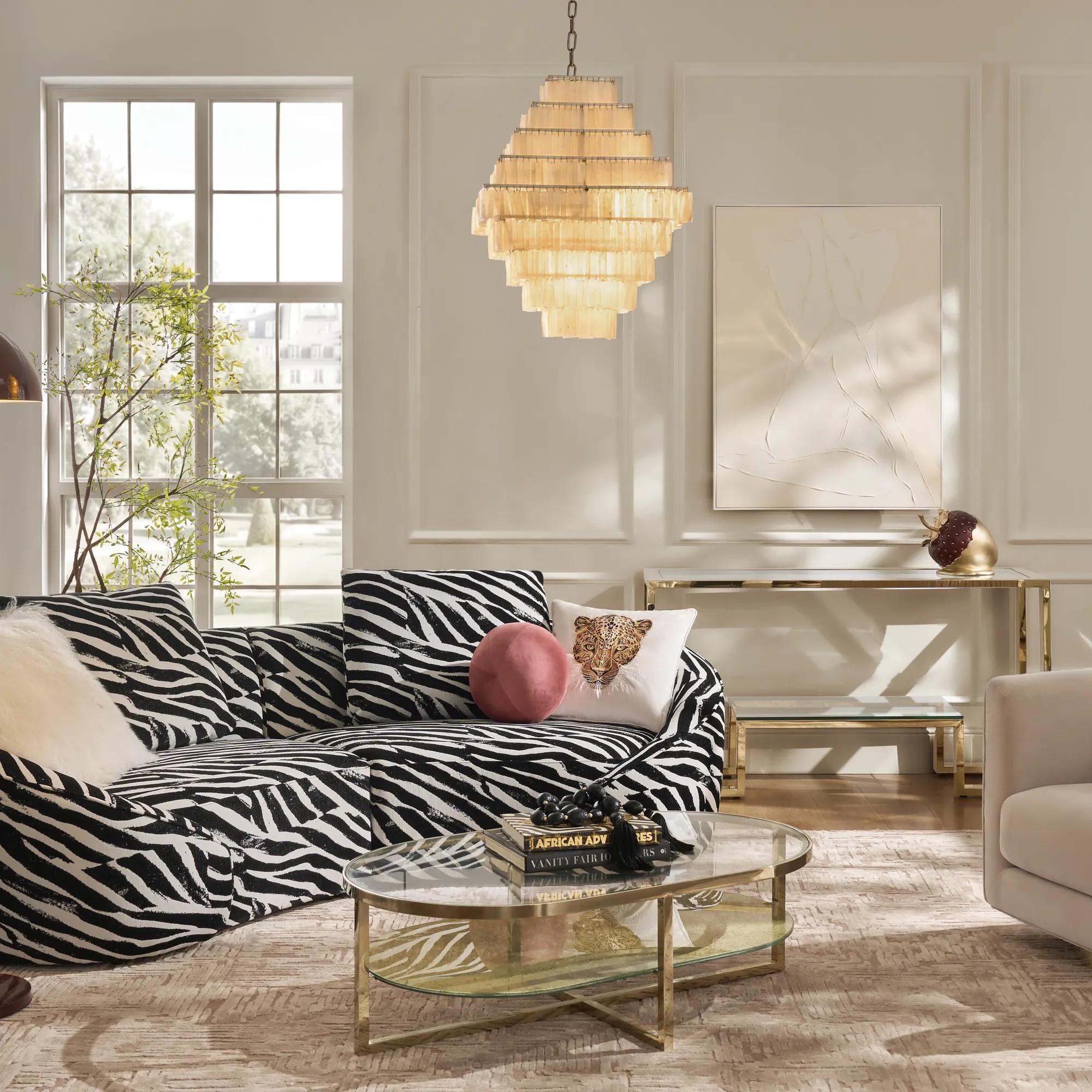 Duplicity Rectangular Gold Stainless Steel Console Table With Glass Top (59")$1399
A modern console table crafted from stainless steel and tempered glass with a floating bottom shelf.
Add To Cart -
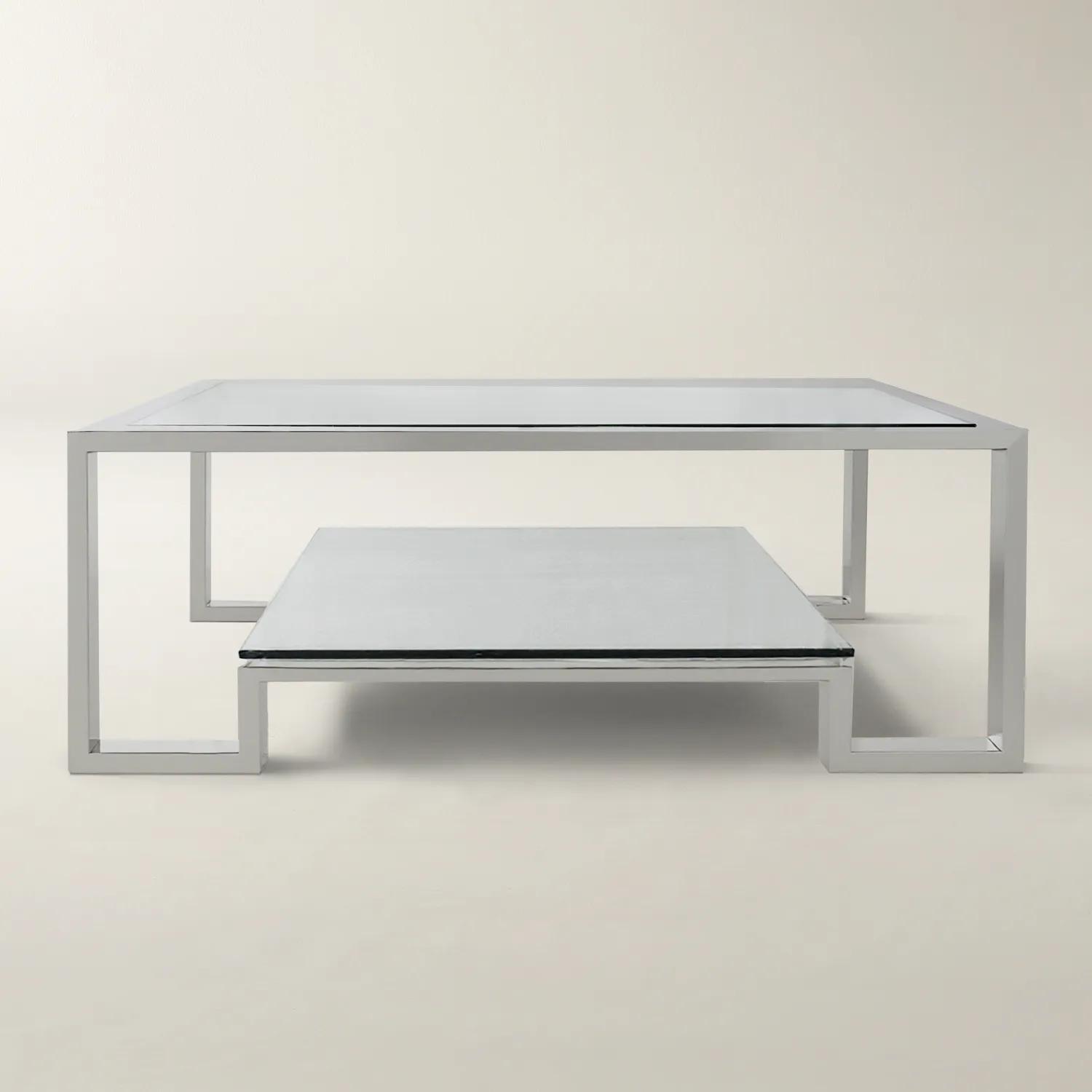
 Duplicity Rectangular Silver Stainless Steel Coffee Table With Glass Top (50")$1399
A modern coffee table featuring a stainless steel frame, tempered glass top, and floating bottom shelf.
Add To Cart -
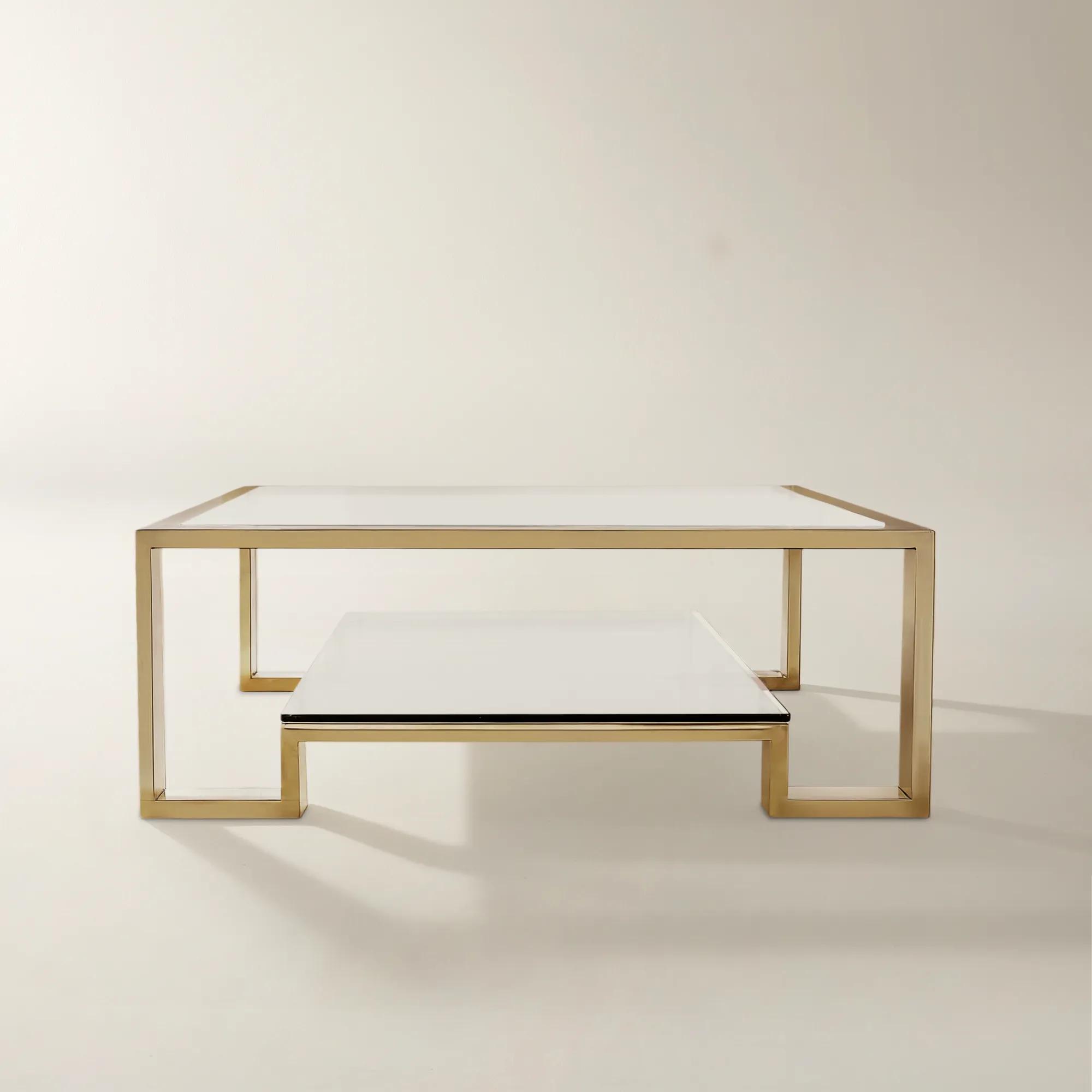 Duplicity Rectangular Gold Stainless Steel Coffee Table With Glass Top (50")$1399
A modern coffee table featuring a stainless steel frame, tempered glass top, and floating storage shelf.
Add To Cart -
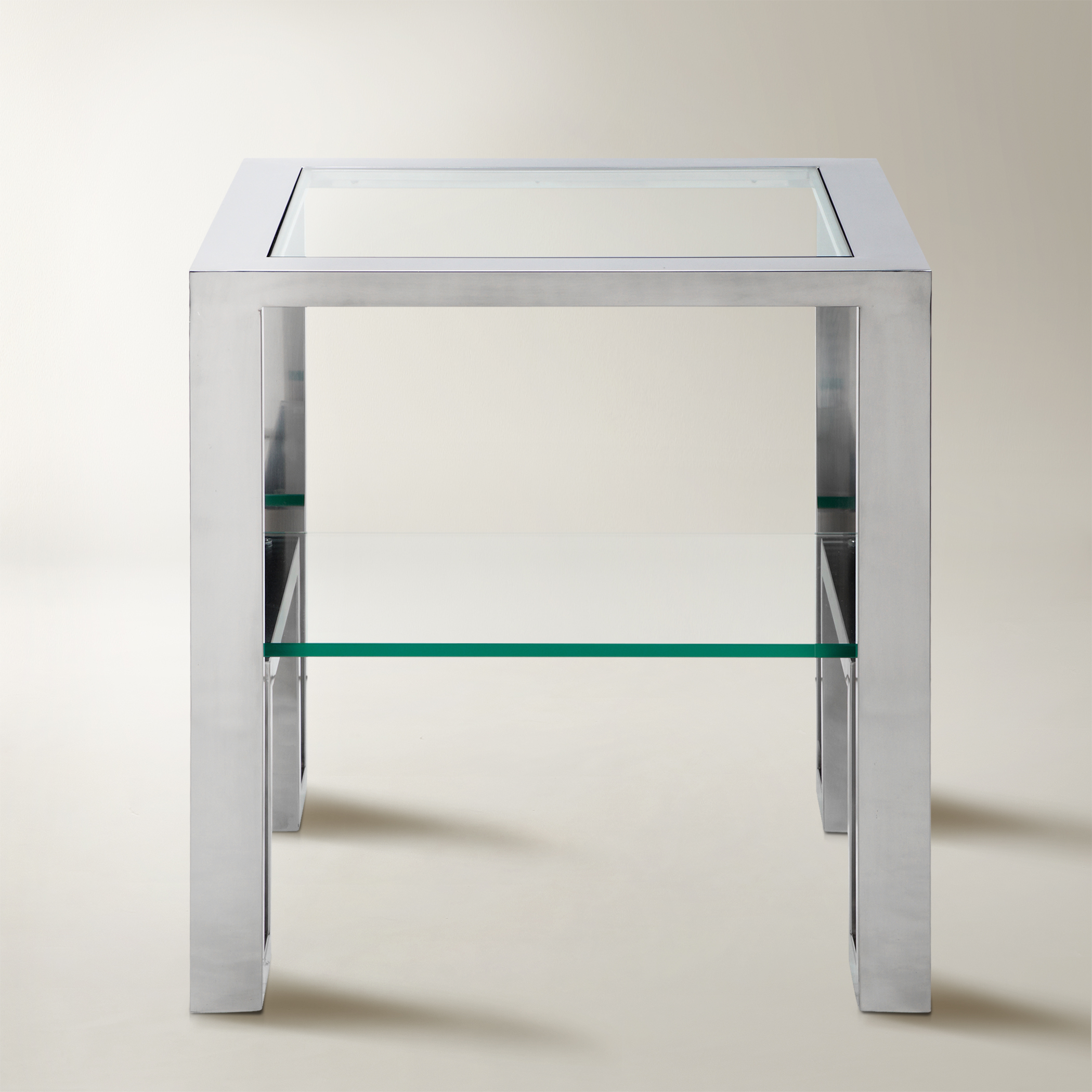
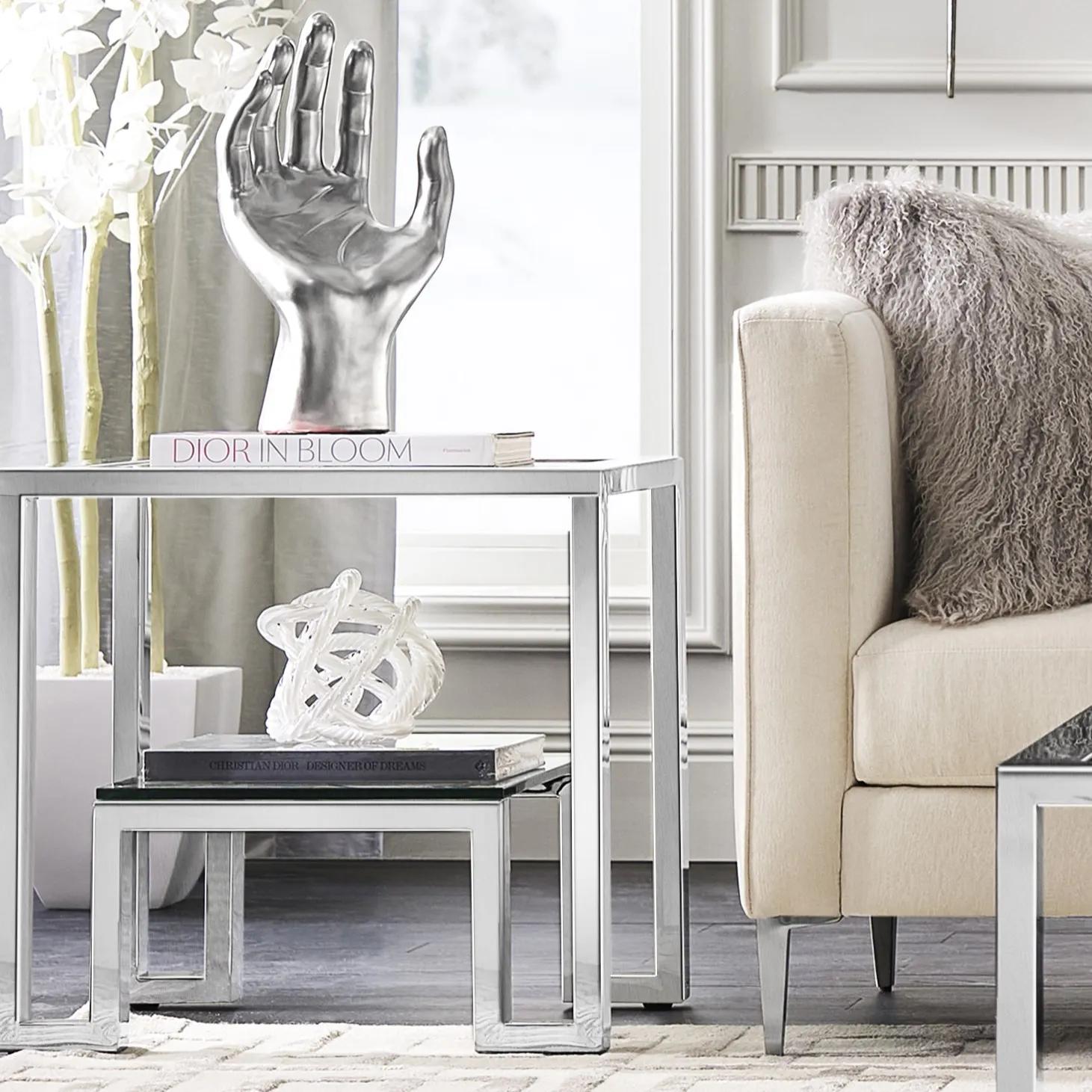 Duplicity Square Silver Stainless Steel End Table With Glass Top (24")$749
A modern end table featuring a stainless steel frame, tempered glass top, and floating bottom shelf.
Add To Cart -
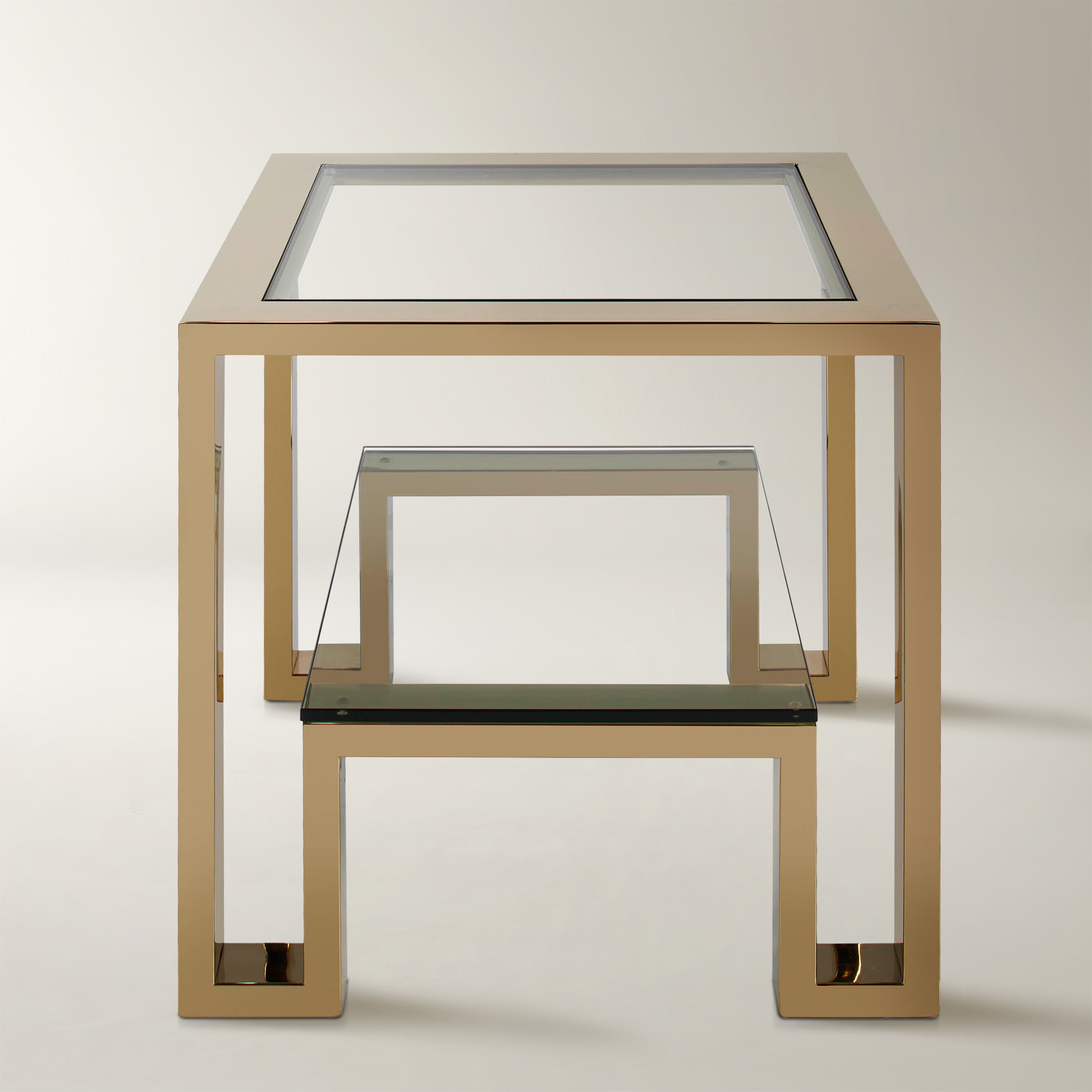 Duplicity Square Gold Stainless Steel End Table With Glass Top (24")$749
A modern end table crafted from stainless steel and tempered glass with a floating bottom shelf.
Add To Cart -
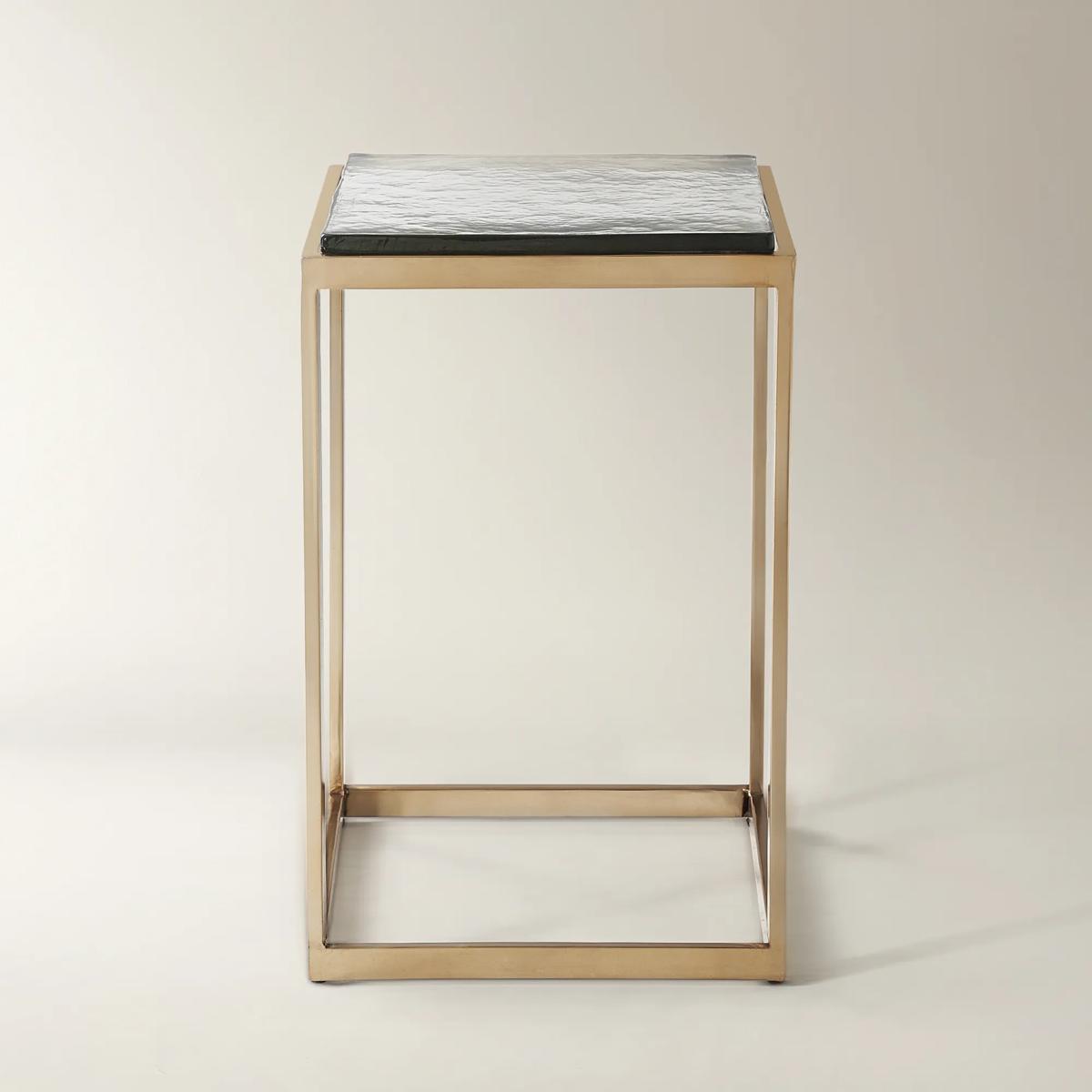
 Lyra Square Brass Metal Side Table With Glass Top (13.8")$239
A sculptural side table featuring a thick cast glass top and a lustrous brass-finished metal base.
Add To Cart -
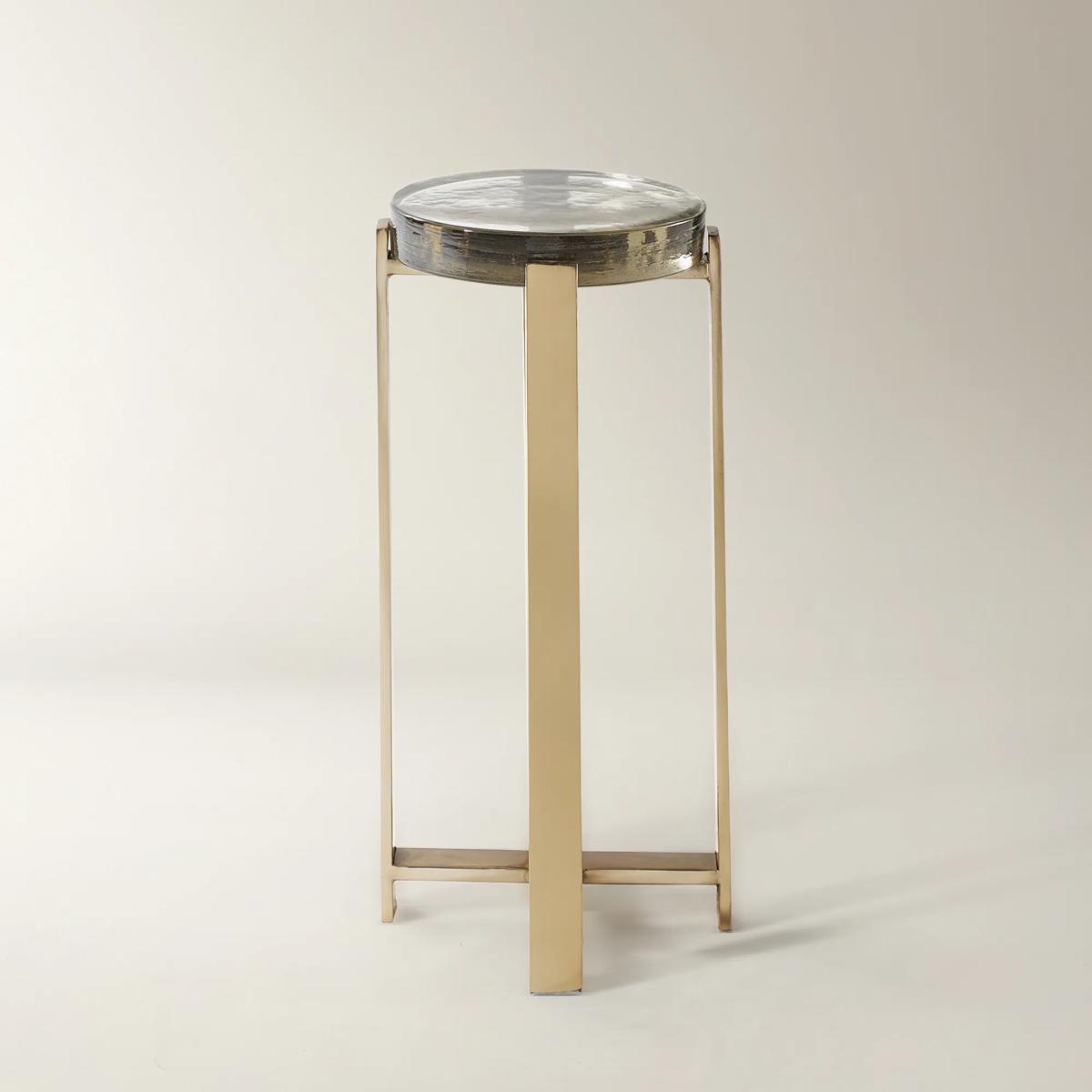
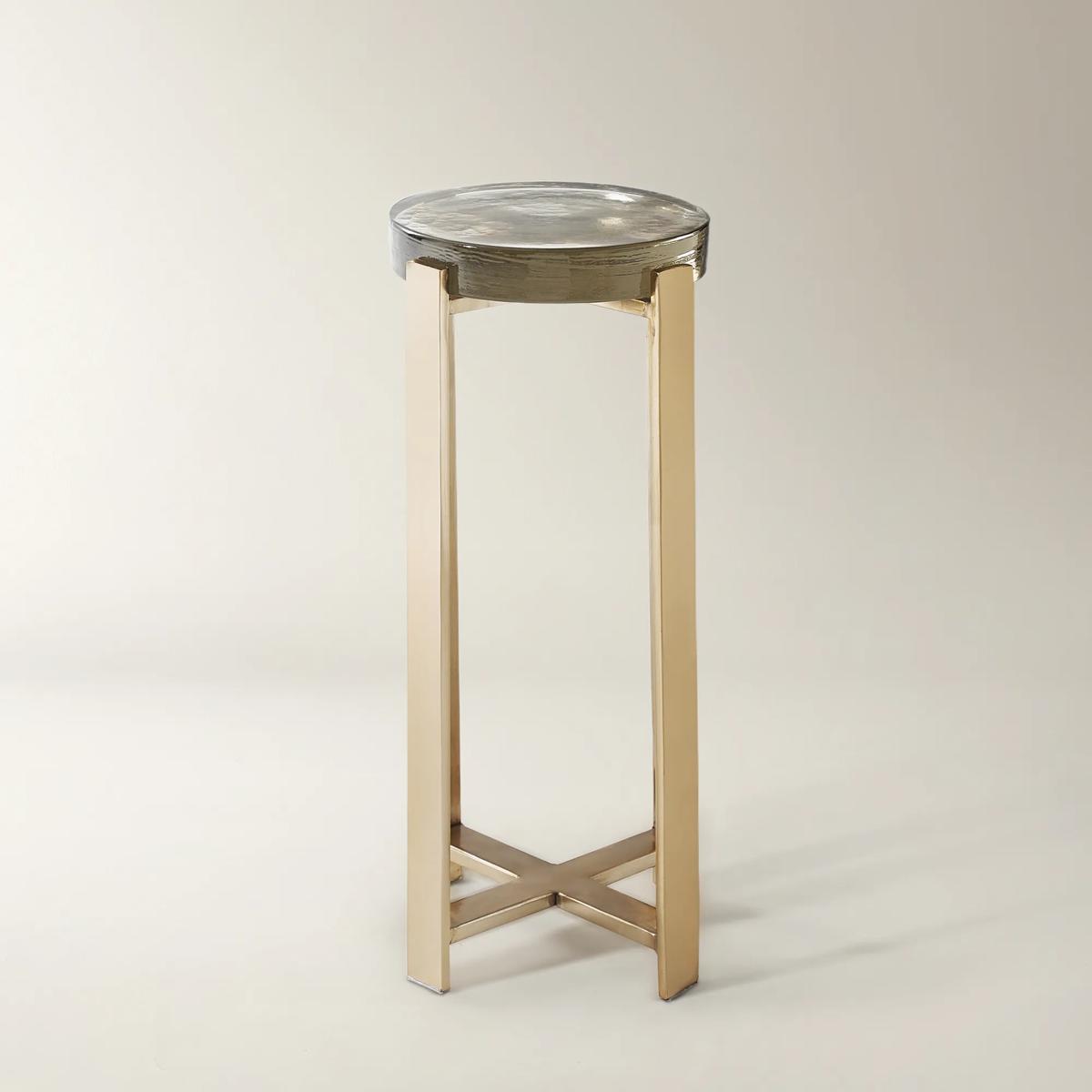 Lyra Round Brass Metal Side Table With Glass Top (10.75")$259
A sculptural side table featuring a thick cast glass top and lustrous brass-finished metal base.
Add To Cart -
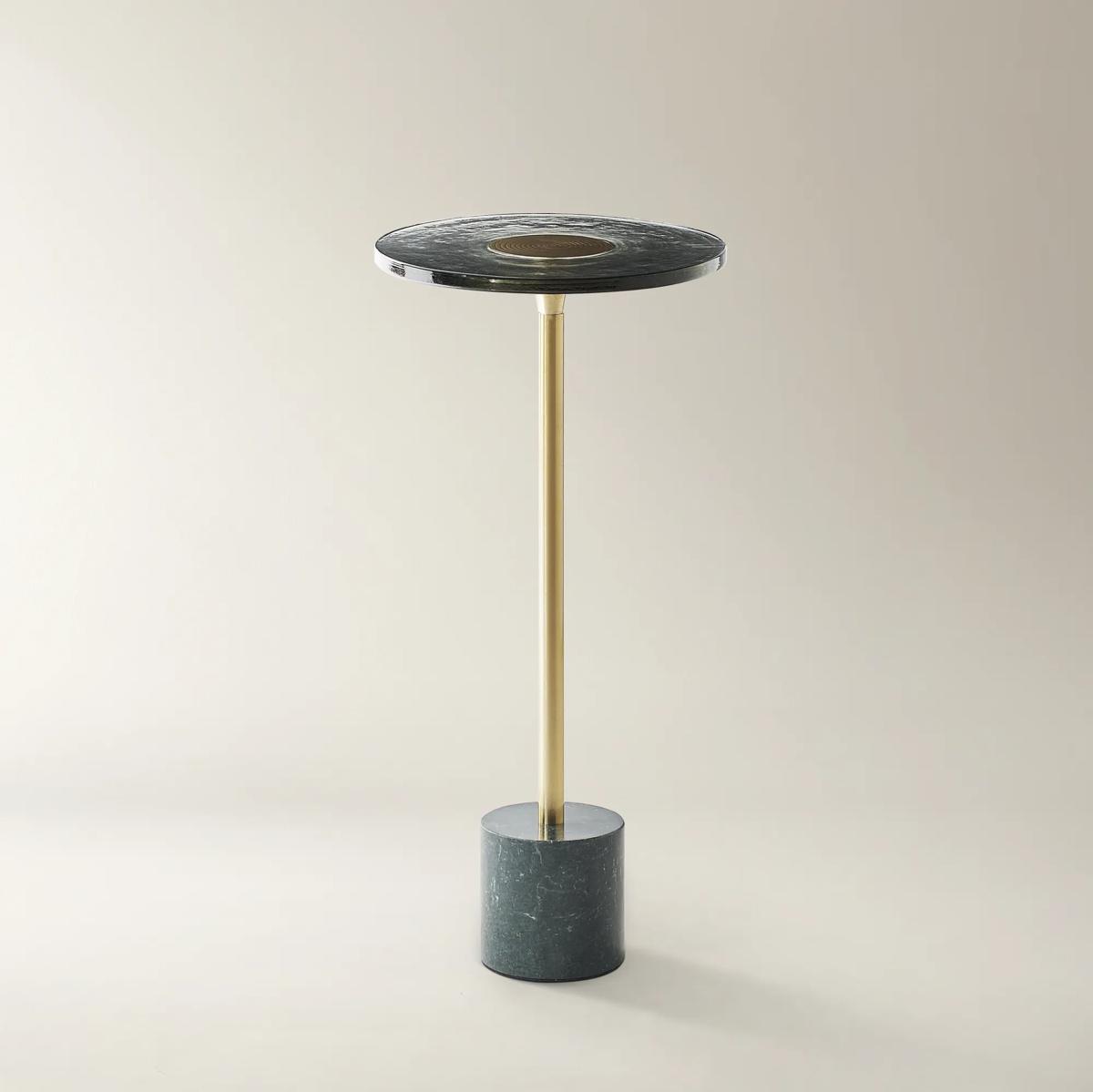
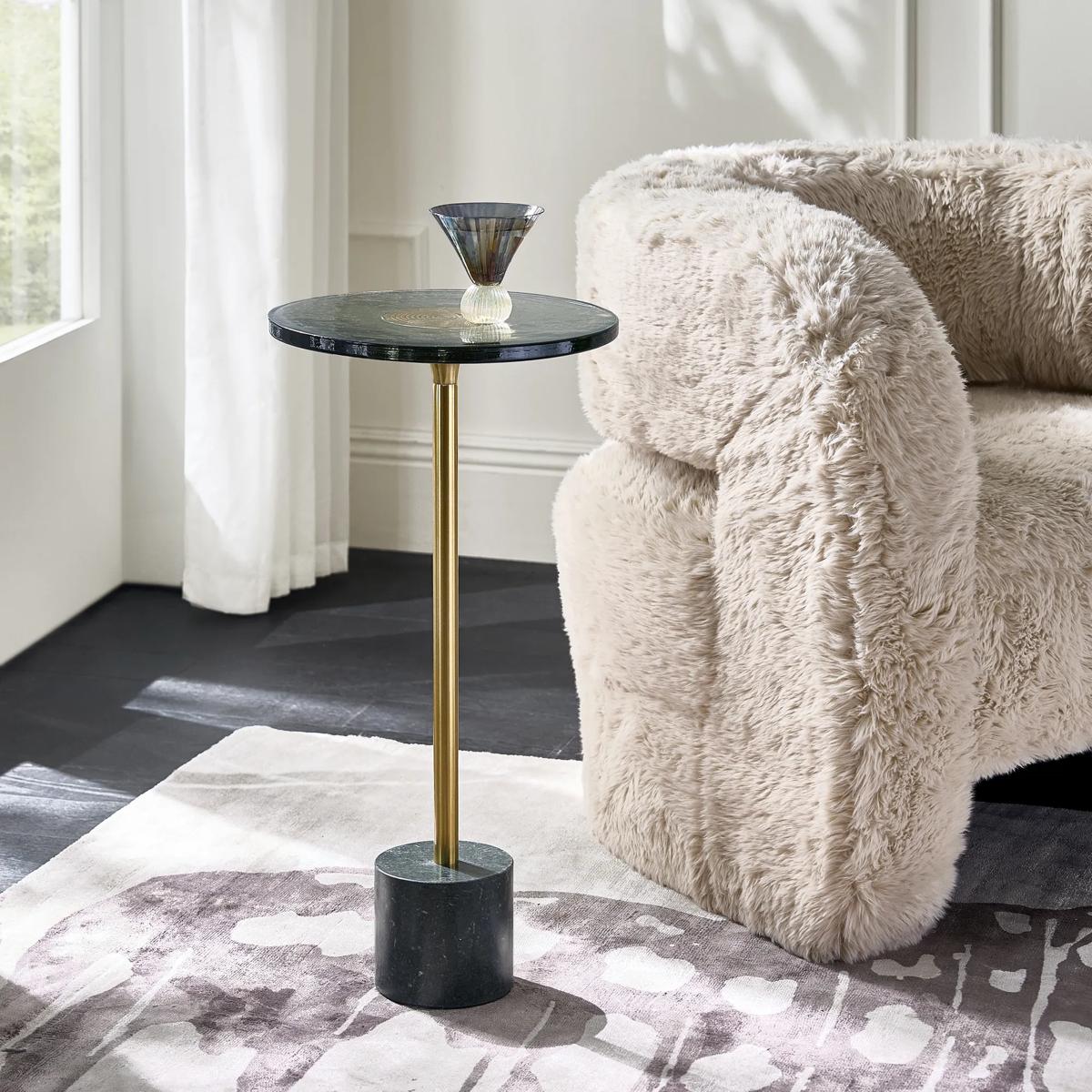 Seraphy Round Green Metal Side Table With Glass Top (13.75")$179
A modern side table featuring a green cast glass top, brass-finished post, and Indian green marble base.
Add To Cart -
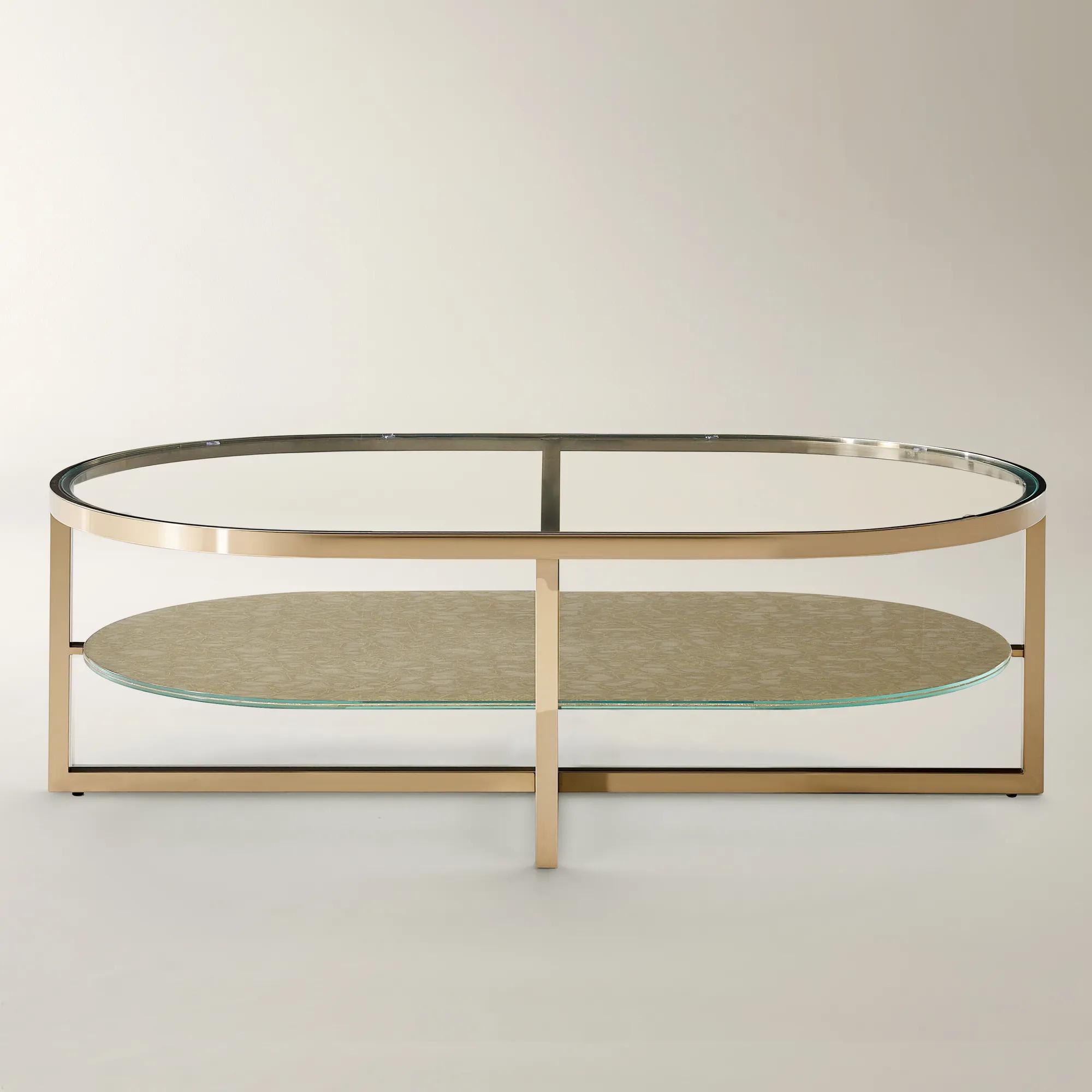
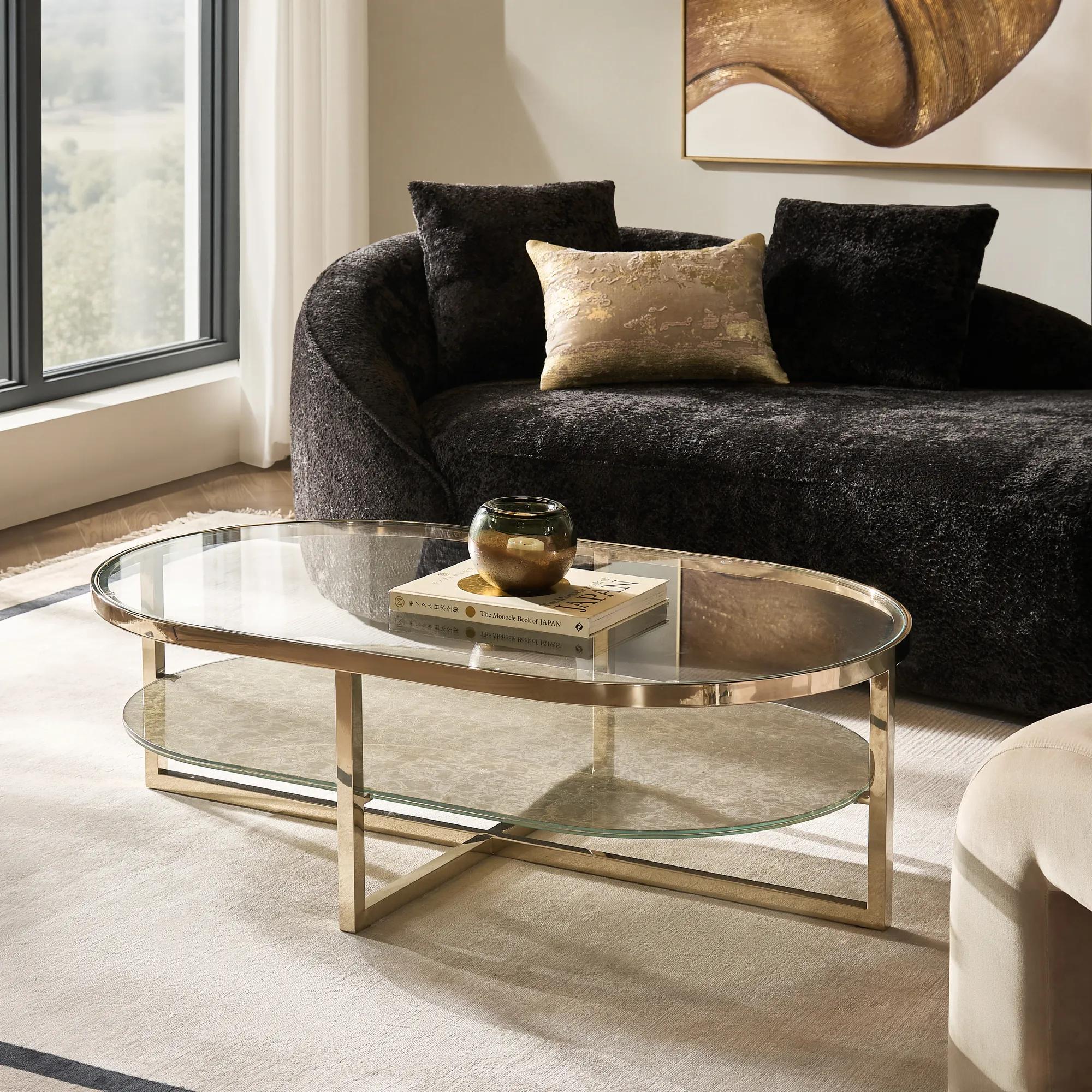 Duality Oval Fabric-Laminated Glass Coffee Table (47")$999
A modern oval coffee table featuring a tempered glass top, fabric-laminated shelf, and soft gold stainless steel frame.
Add To Cart -
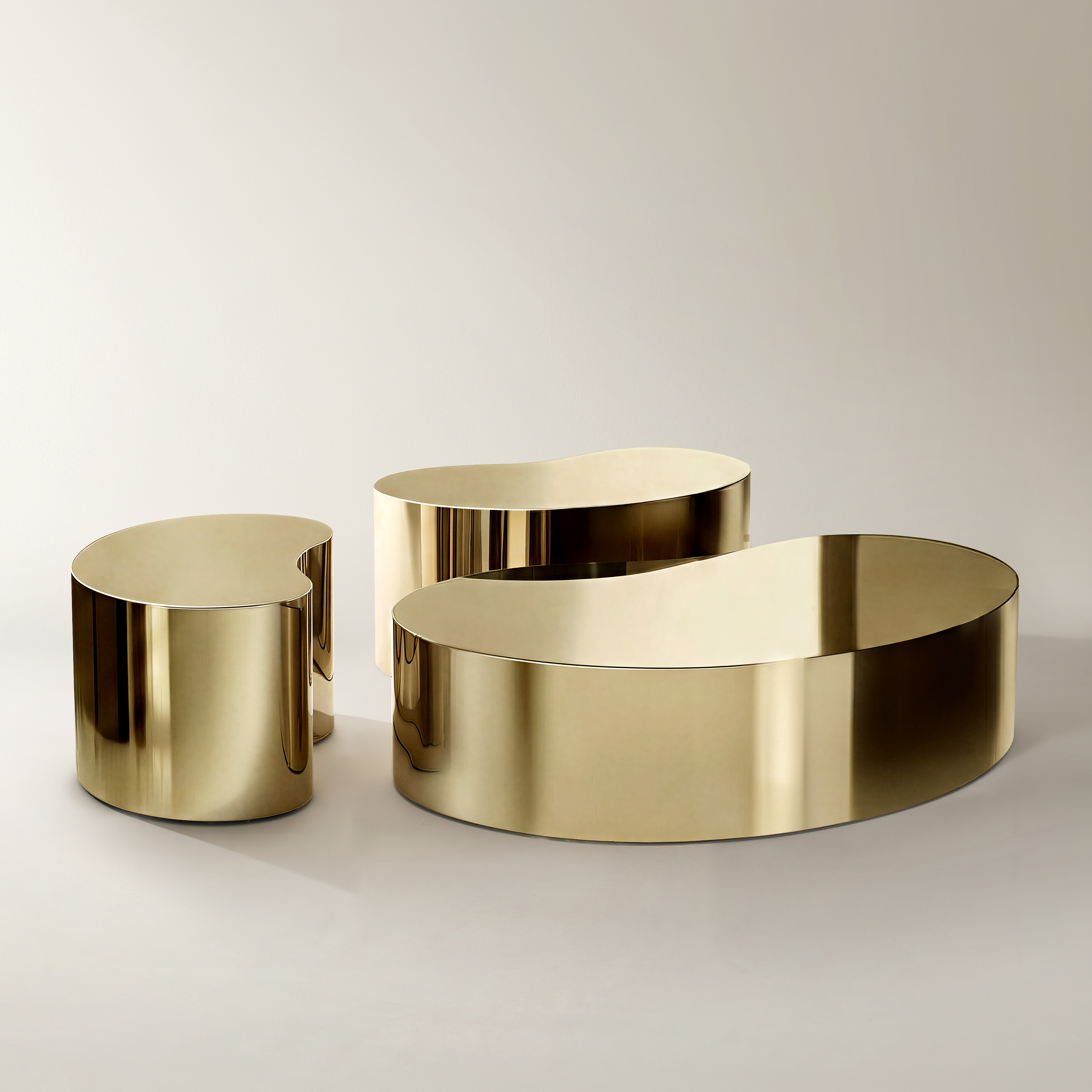 Aurea Soft Gold Coffee Table Set of 3 (32"-57")$3197
A sculptural coffee table crafted from premium stainless steel with a high-gloss, soft gold mirror finish.
Add To Cart -
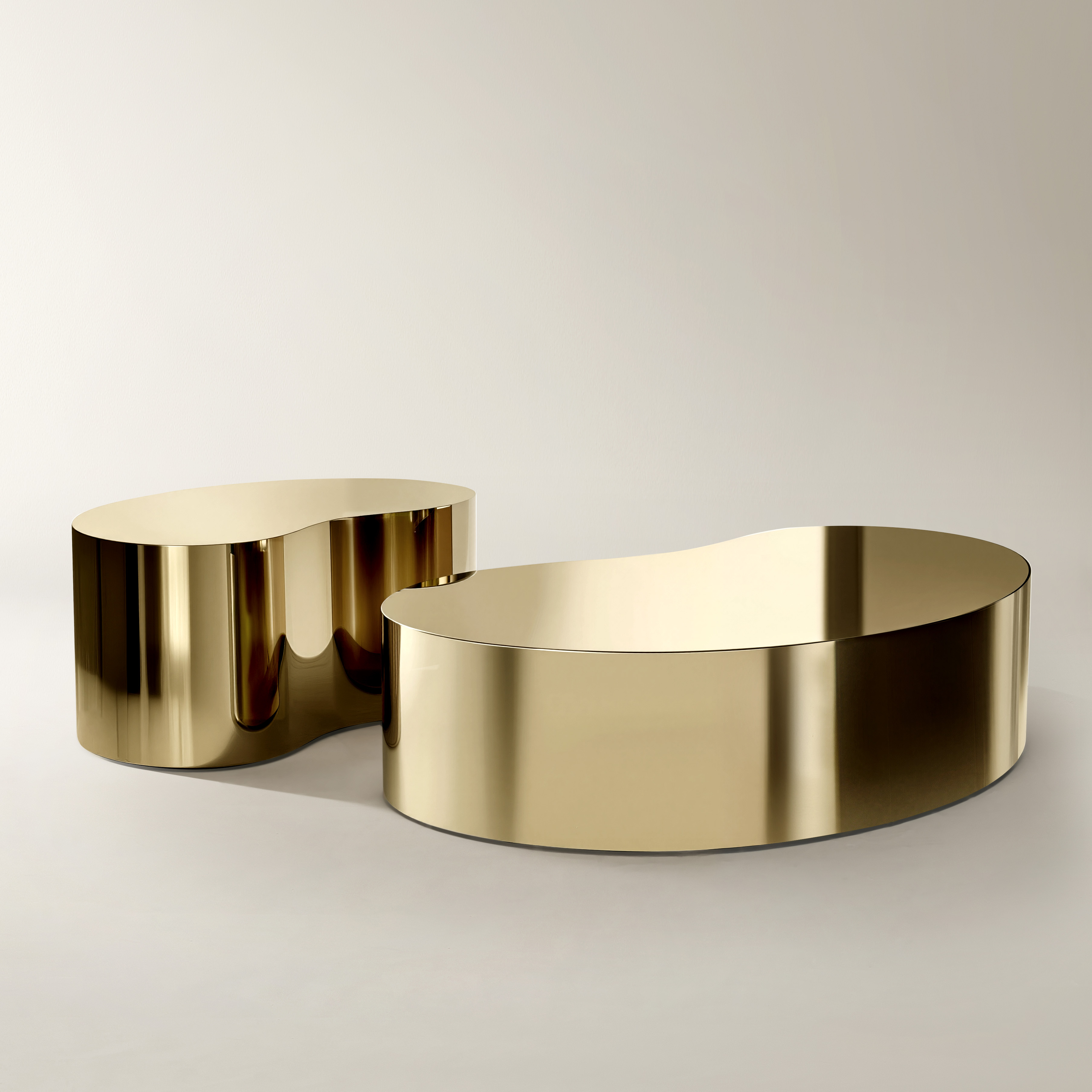 Aurea Soft Gold Coffee Table Set of 2 (37.5"-57")$2398
A sculptural coffee table crafted from premium stainless steel with a radiant, high-gloss soft gold finish.
Add To Cart -
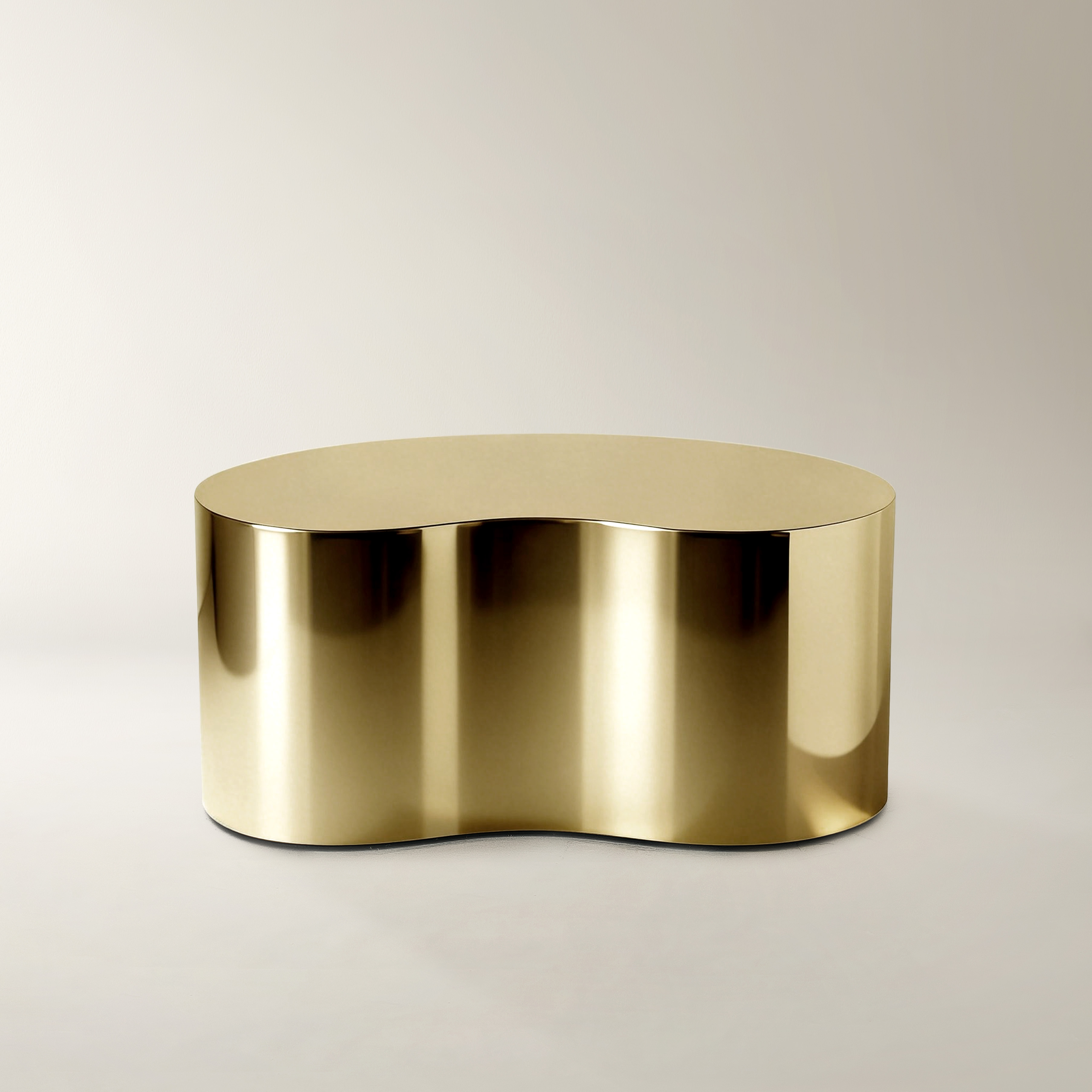
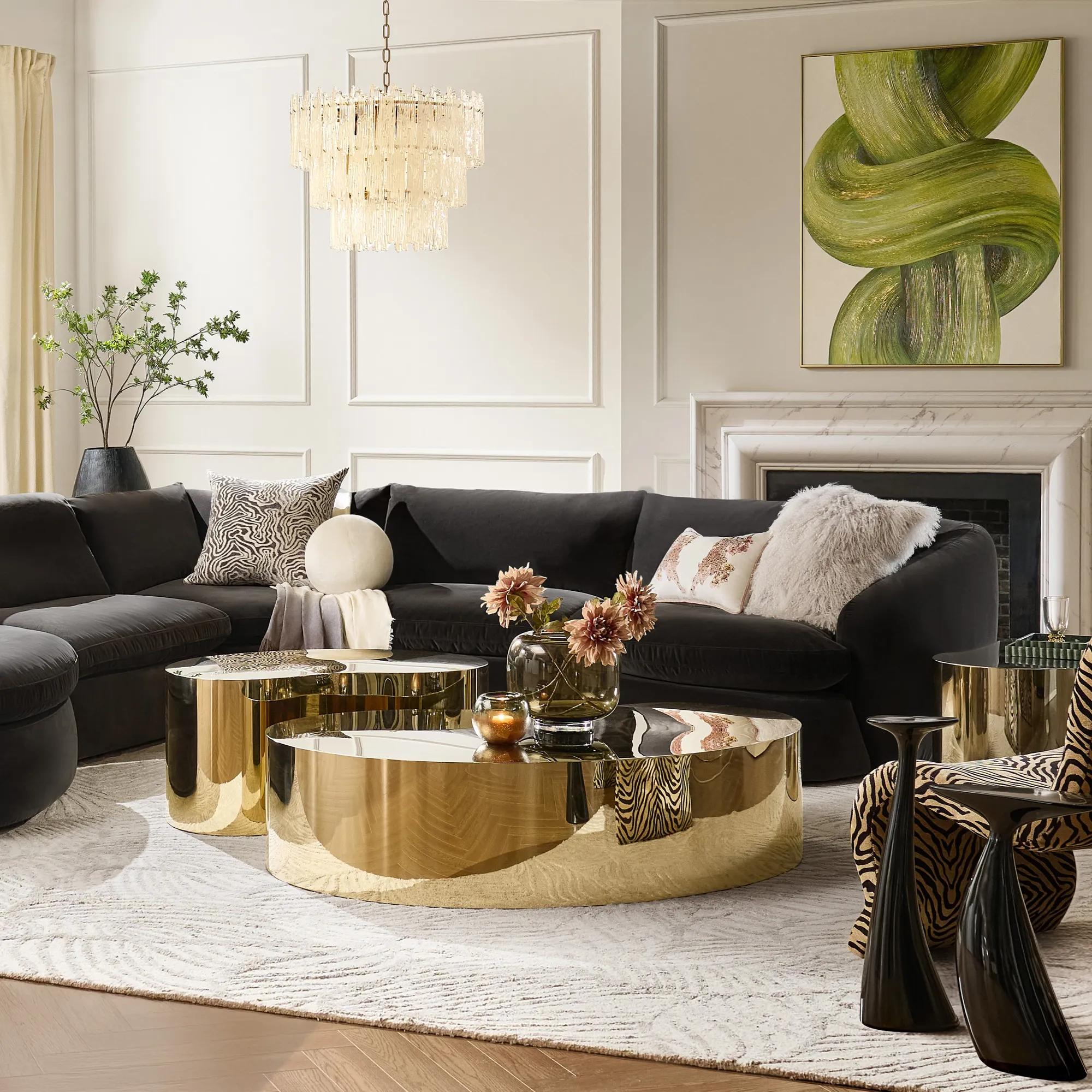 Aurea Soft Gold Coffee Table (37.5")$999
A sculptural coffee table crafted from premium stainless steel with a high-gloss soft gold mirror finish.
Add To Cart -
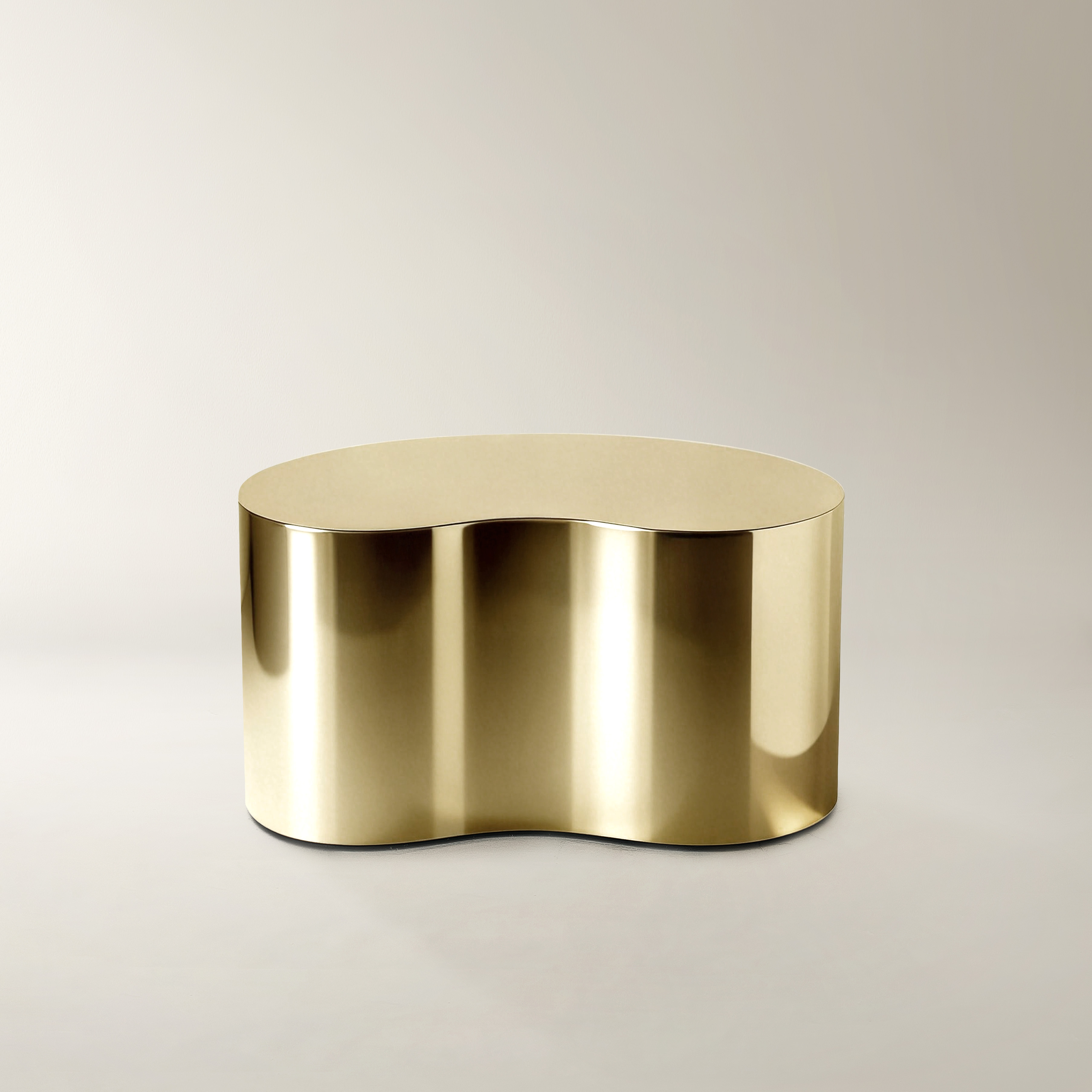 Aurea Soft Gold Coffee Table (32")$799
A sculptural coffee table crafted from premium stainless steel with a high-gloss, soft gold mirror finish.
Add To Cart -
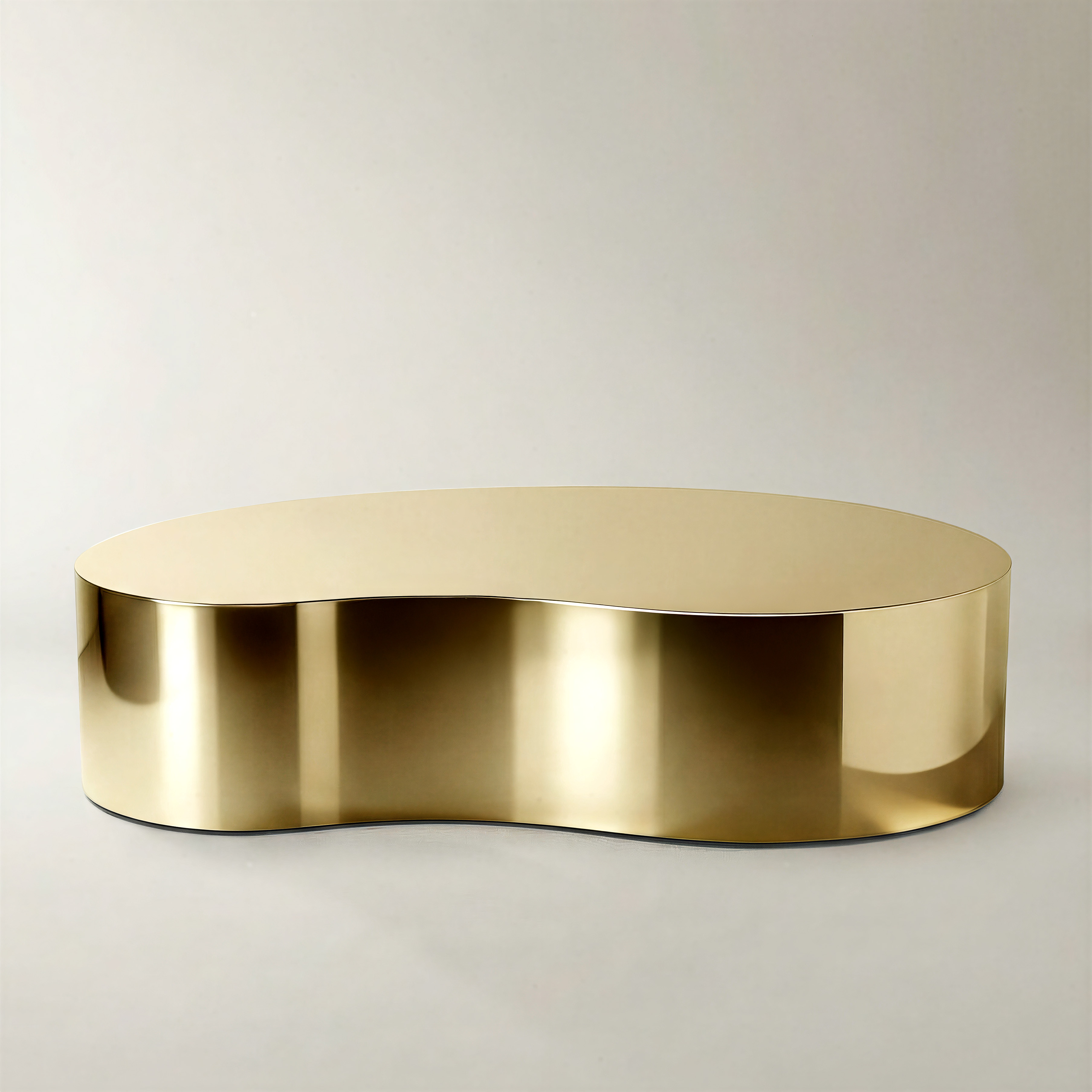 Aurea Soft Gold Coffee Table (57")$1399
A sculptural coffee table crafted from stainless steel with a high-gloss soft gold finish and rounded edges.
Add To Cart -
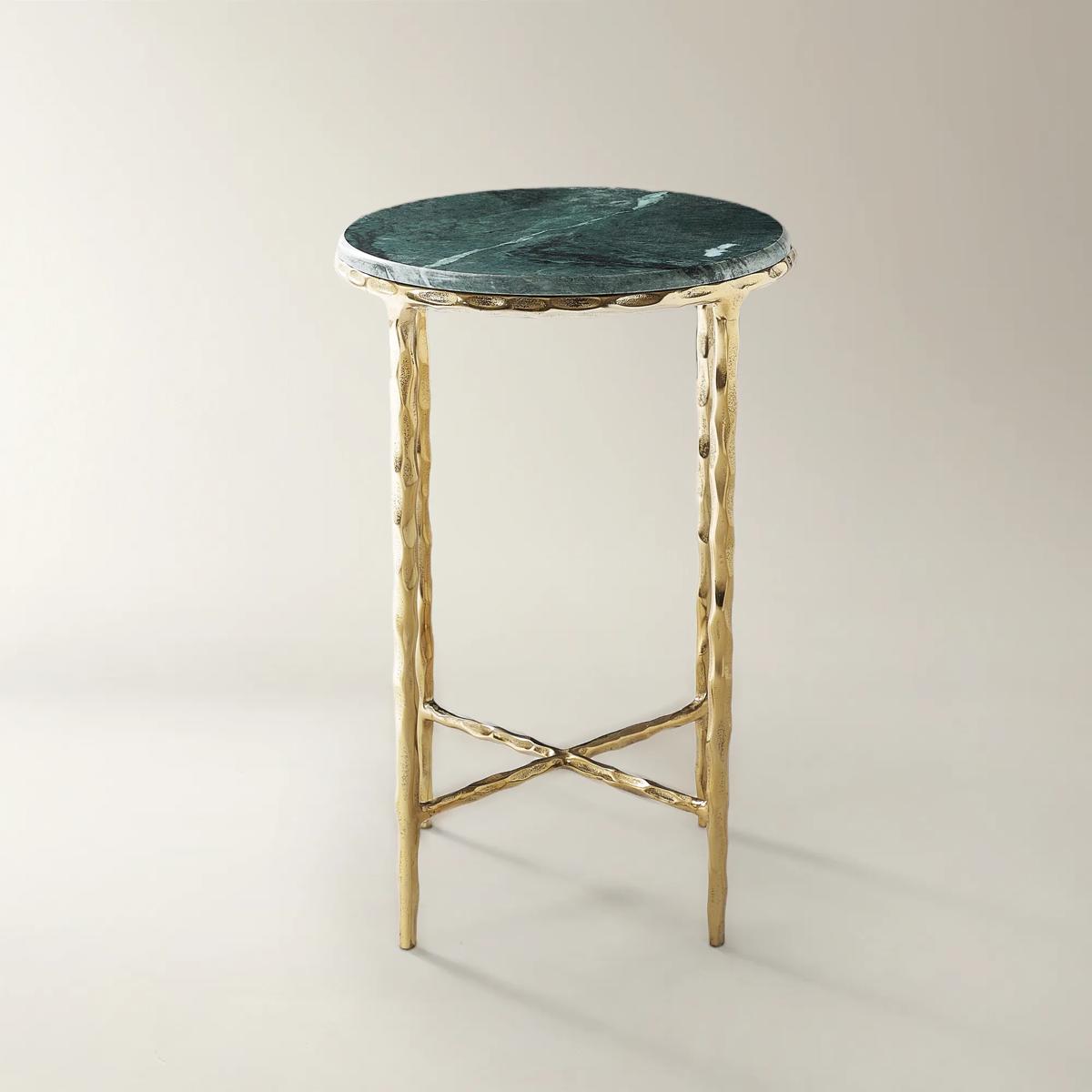
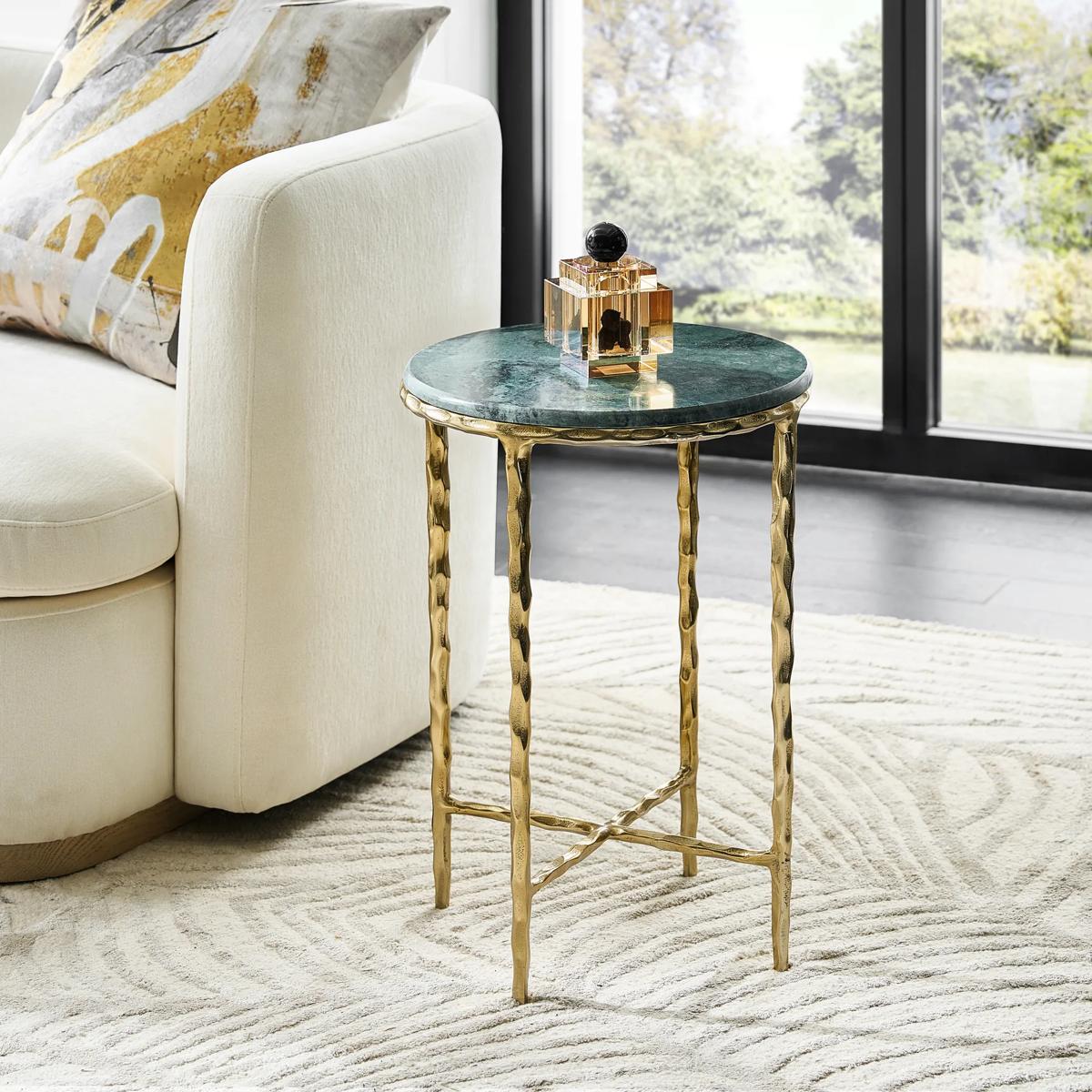 Juliet Round Green Marble Side Table (15")$269
A striking side table featuring a deep green Indian marble top and a hand-hammered metal base.
Add To Cart -
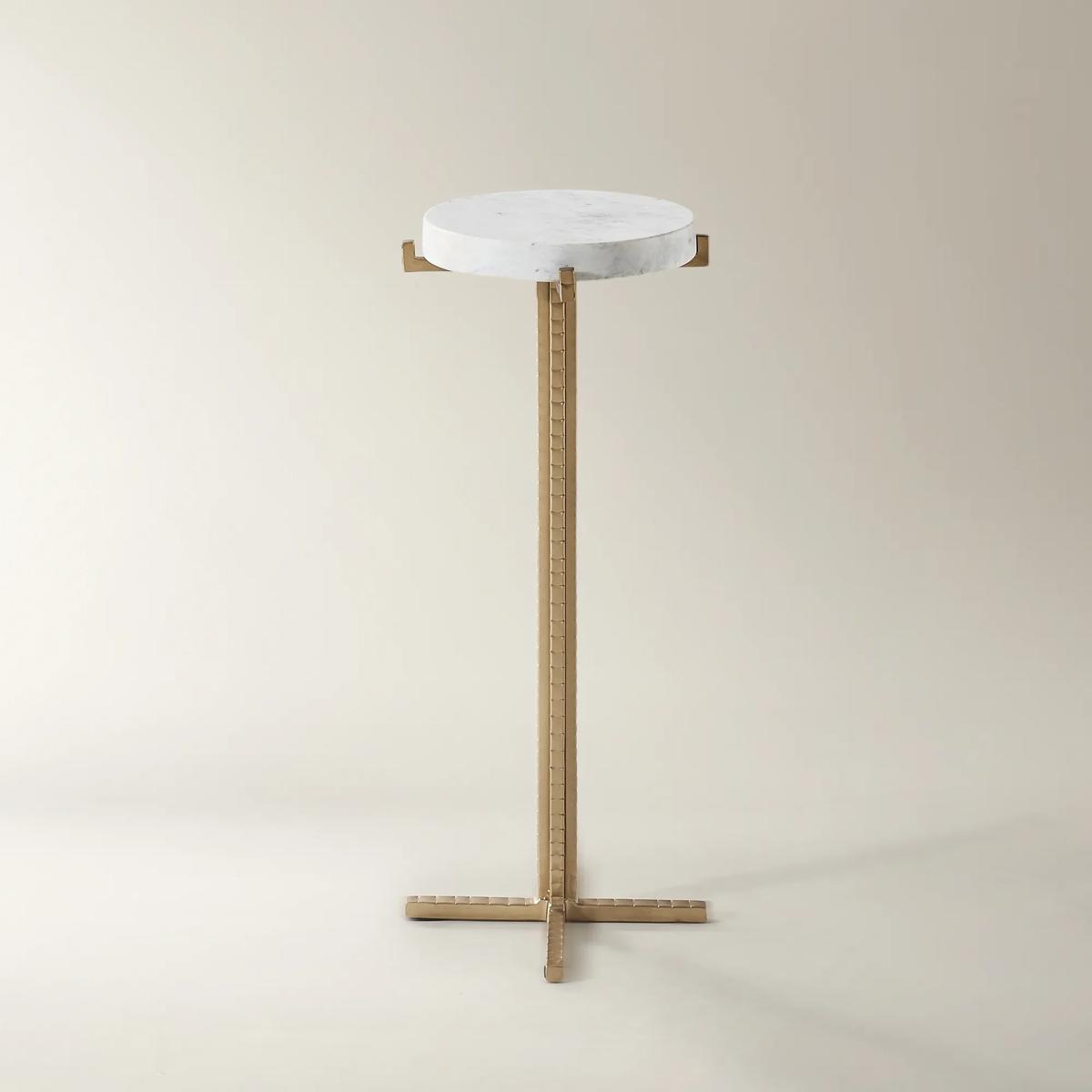 Anya Round White Marble Side Table (10")$199
A sculptural side table featuring a genuine white marble top and gold-finished metal pedestal base.
Add To Cart -
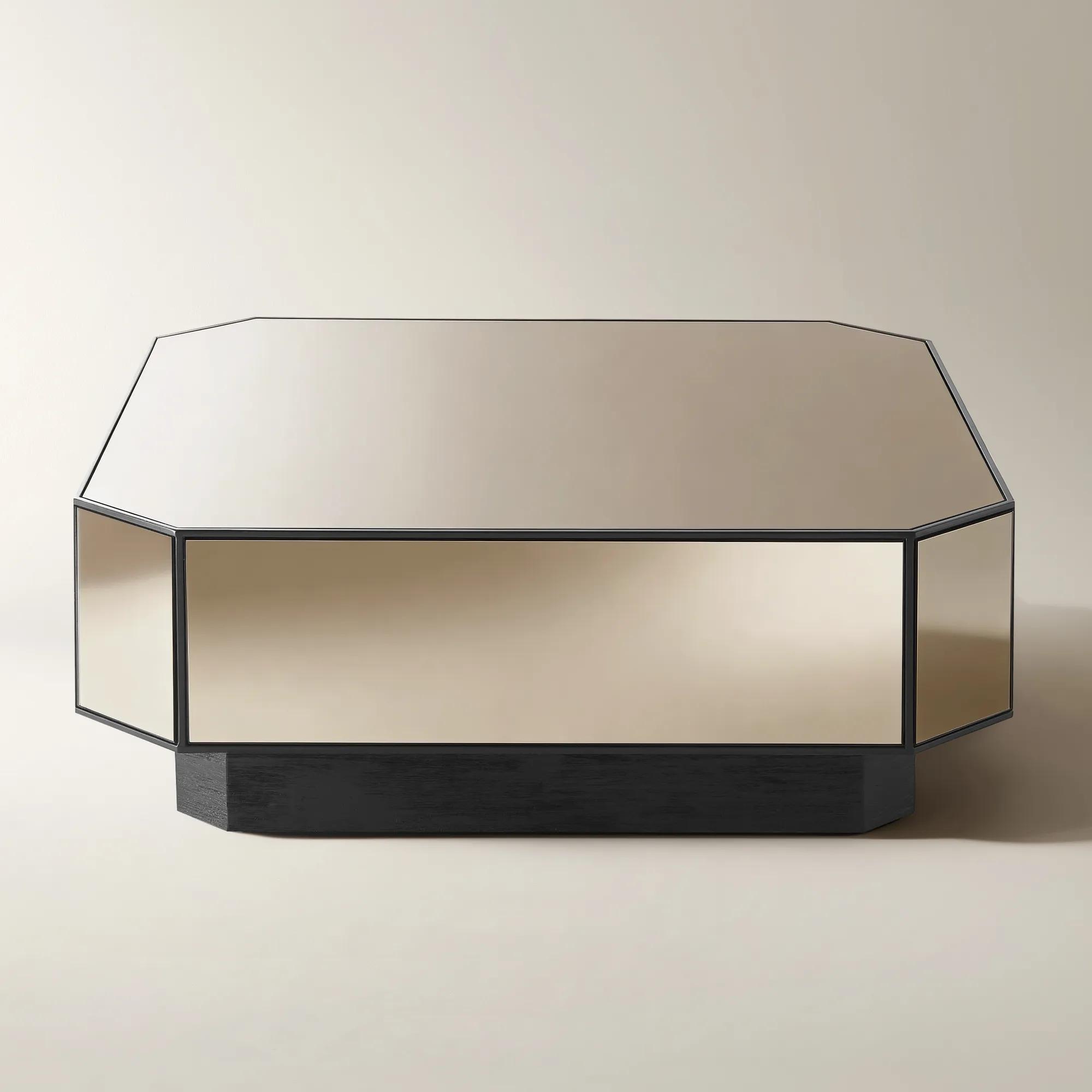
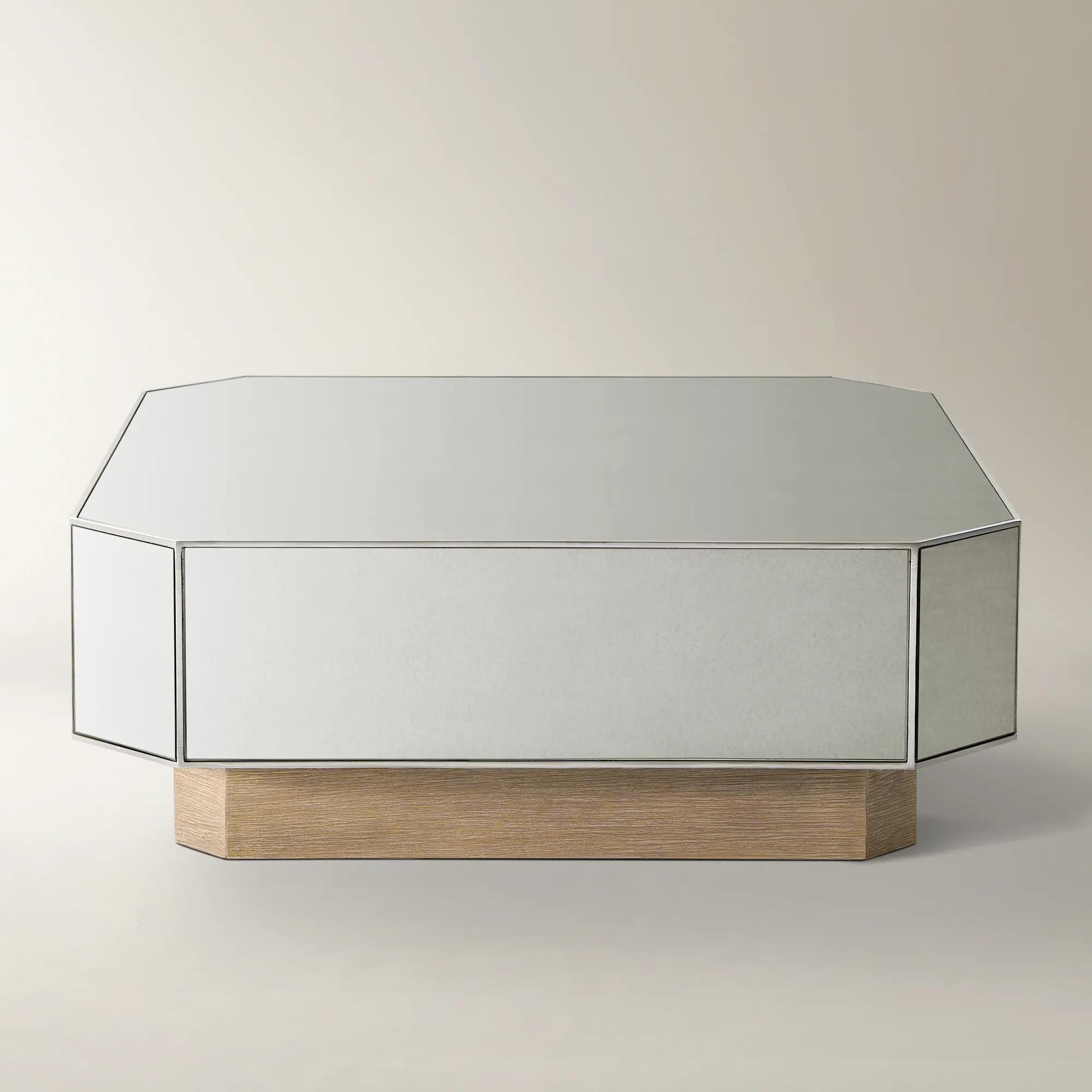 Glimmer Silver Mirrored Coffee Table (44")$1699
A luminous coffee table featuring an antique silver mirror top and warm oak veneer base with handcrafted details.
Add To Cart

Glass And Metal Living Room Tables
Glass and Metal Living Room Tables invite a symphony of light and reflection into your home, transforming the ordinary into the extraordinary. Each piece is a study in contrast: sleek glass surfaces shimmer atop sculptural metal frames, creating an atmosphere where modern artistry meets timeless allure. Designed to capture attention and spark conversation, these tables become more than functional accents—they are luminous centerpieces that elevate every gathering and infuse your living space with bold sophistication. Let your décor shine with the captivating interplay of transparency and metallic brilliance, and discover how Glass and Metal Living Room Tables redefine luxury for the contemporary home.
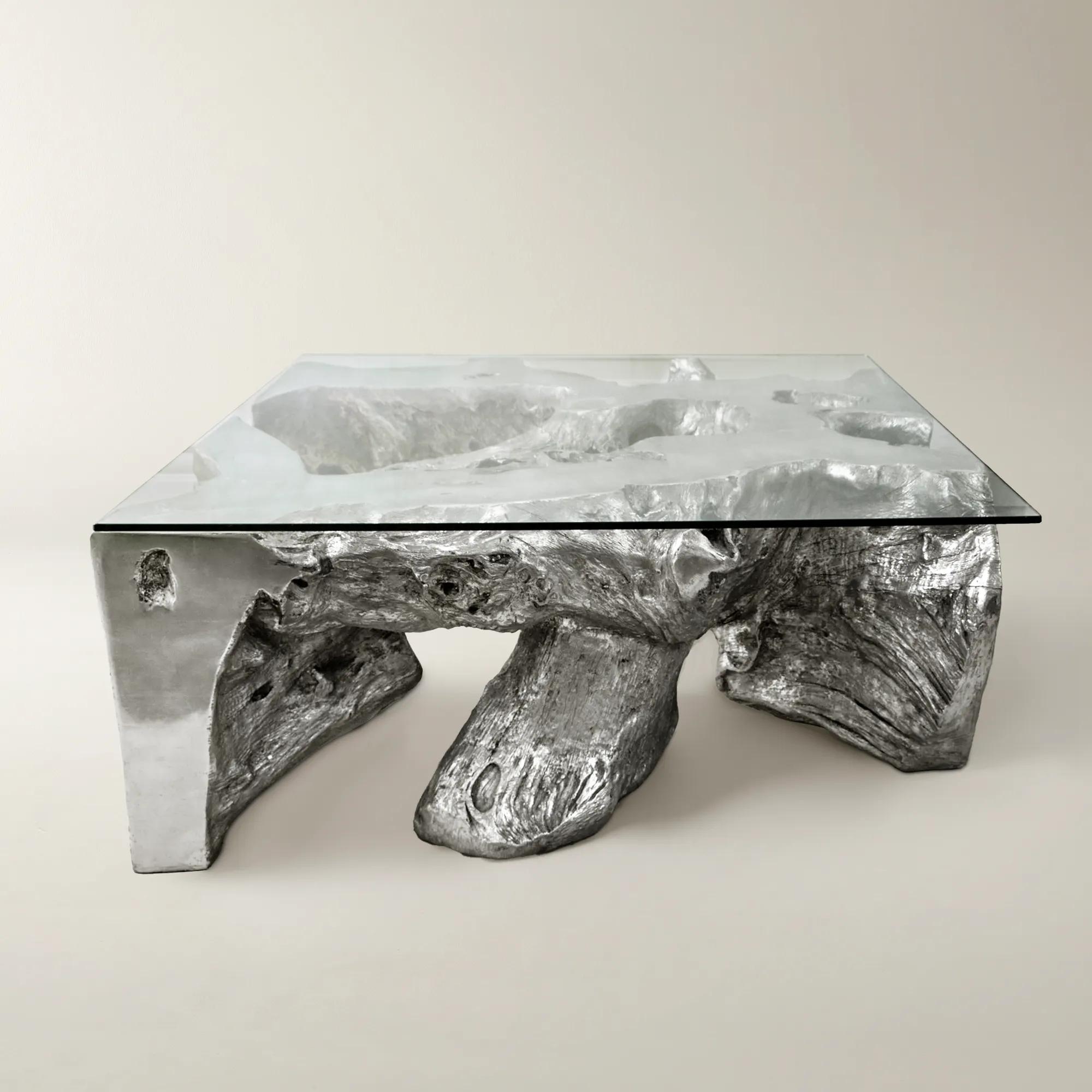
Glass and metal living room tables pair the lightness of glass with the definition of a metal frame, creating furniture that feels open yet distinctly architectural. The category includes coffee tables, end tables, console tables, and nesting tables, each serving a different role within a seating arrangement. A glass coffee table establishes a central surface for conversation and entertaining, while a metal-framed end table brings a lamp, a drink, or a favorite book within reach. Console tables add a longer, shallower surface behind a sofa or along a wall, and nesting designs offer separate tables that can be drawn together or moved apart as needed. Across these forms, the interplay of transparency and structure gives the room its character. Clear glass allows the colors and patterns of a rug to remain visible beneath the tabletop, making a richly layered space feel less visually crowded. Smoked glass introduces depth and a more atmospheric quality, while fluted or textured glass adds pattern that changes with the angle of the light. Metal finishes shape the mood just as strongly. Brass-toned and gold-toned frames bring warmth beside cream upholstery, jewel-toned velvet, and dark wood. Chrome and polished silver-toned finishes create crisp reflections, particularly when paired with sculptural lighting or mirrored accents. Black and gunmetal frames lend definition to pale furnishings and give a glass surface a striking outline. A finish name describes appearance, however, and does not necessarily identify the underlying metal; solid metal, plated surfaces, and coated frames can have different care requirements. The construction matters as much as the color. Slender legs reveal more of the floor, crossbars introduce graphic detail, and pedestal or geometric bases make the table itself a focal point. A lower shelf adds another layer for books or decorative objects, though its contents remain part of the view. These distinctions allow glass and metal tables to complement both a room filled with expressive art and a more restrained setting where one dramatic silhouette carries the composition.
Scale determines how comfortably that silhouette belongs in the room. A glass top may reduce visual weight, but its physical footprint still needs to suit the seating and the paths around it. Coffee tables often feel balanced at approximately one-half to two-thirds the length of the sofa, with the tabletop close to the height of the seat cushions or slightly lower. Leaving about 16 to 18 inches between the table and the seating usually provides room for legs while keeping the surface accessible; main walkways may need considerably more clearance. These measurements are starting points rather than substitutes for checking the actual layout, especially around reclining furniture, chaise sections, and doors that swing into the room. A rectangular glass and metal coffee table echoes a long sofa and offers generous space for a tray, an art book, and refreshments without placing everything in one cluster. A round table softens a seating arrangement with strong angles, while an oval shape brings that same curved outline to a longer footprint. Square tables can suit larger conversational groupings or some sectional layouts, provided every seat remains comfortably accessible. In a compact living room, an open metal base and clear top allow the rug to remain visible, but a smaller diameter or narrower depth is what preserves usable circulation. Nesting tables offer flexibility for someone who entertains, reads beside a chair, or occasionally needs an extra surface near a guest. End tables work best when their height relates closely to the sofa or chair arm; a table that sits far above or below it can make reaching awkward. For rooms centered on glass top living room tables, the metal finish can connect the furniture to a chandelier, curtain hardware, or picture frames without requiring every element to match. Repeating one finish in a few deliberate places creates continuity, while mixing warm and cool metals can give a collected interior depth.
Daily use brings another set of details into focus: glass type, frame stability, surface protection, and maintenance. Tempered glass undergoes a heat-treatment process that makes it stronger than comparable ordinary glass and changes how it breaks, but it is not scratchproof or unbreakable. Product specifications should identify whether the top is tempered, how it attaches to the base, and any weight limits. A secure fit between the glass and its supports helps prevent unwanted movement, while a well-assembled metal frame should stand steadily without rocking. Table edges deserve attention in busy households, particularly where children play or pets move through a narrow seating area. Curved outlines eliminate sharp corners, but they do not remove the need for thoughtful placement. Glass tops are best used for everyday tabletop activities within the stated limits, not as seating or a step. Coasters protect against moisture and residue, and appropriate pads beneath decorative objects help keep rough ceramic bases or metal accessories from scratching the surface. A tray can gather drinks into one composed arrangement while leaving part of the glass exposed to catch the light. Hot serving pieces need suitable protection rather than direct contact with the tabletop. For cleaning, a soft microfiber cloth and a cleaner approved for the particular glass surface help remove fingerprints without introducing abrasion. Applying cleaner to the cloth rather than spraying broadly across the table limits contact with metal finishes, joints, and decorative coatings. The frame may require a different method: plated, lacquered, and powder-coated surfaces should be cleaned according to their care instructions, and metal polish is not appropriate for every finish. Promptly drying moisture helps preserve the appearance of the base. For design-minded recipients, a compact accent or nesting table can make a thoughtful housewarming gift when the room dimensions and preferred finishes are known. Whether holding a reading lamp beside a velvet chair or anchoring a gathering around the sofa, glass and metal living room tables bring practical surfaces into the room without concealing the textures, colors, and artistry beneath them.
FAQs
Glass and metal living room tables are remarkably versatile, harmonizing with a range of design aesthetics. Their clean lines and reflective surfaces complement modern and contemporary interiors, while metallic finishes—such as gold, silver, or matte black—offer a touch of drama suited to glam, Art Deco, or eclectic spaces. For those who favor transitional or even classic looks, glass and metal tables can serve as a striking counterpoint, adding lightness and a sense of curated sophistication to richly layered rooms.
Styling a glass and metal coffee table is an opportunity to create a captivating focal point. Layer decorative trays, sculptural vases, or stacks of art books to introduce personality and texture. The transparency of glass allows you to showcase beautiful rugs or flooring beneath, while the metallic frame can be echoed with accents like candleholders or picture frames. For a harmonious look, balance bold statement pieces with negative space, allowing the table’s materials to shine.
Glass and metal tables are a sophisticated choice for many households, and their durability makes them appealing for both entertaining and everyday living. For families with pets or children, consider tables with tempered glass tops and rounded edges for added peace of mind. These materials are easy to wipe clean, making them practical for spaces where life’s little messes are part of the story.
Glass and metal tables are timeless and transformative, making them a memorable gift for housewarmings, weddings, or milestone celebrations. Their elegant presence elevates any living room, and their versatility ensures they become cherished centerpieces in new homes or refreshed spaces. Gifting a table in these materials is a gesture of lasting style—one that invites the recipient to create beautiful moments for years to come.
During the winter months, glass and metal tables capture and amplify available light, lending a luminous, airy quality to the living room. The reflective surfaces bounce the glow from lamps and candles, creating a warm, inviting environment even on the darkest days. Their elegant forms add a sense of celebration and artistry, making the living room feel like a sanctuary of comfort and sophistication all season long.