Resin And Glass Coffee Tables
Resin And Glass Coffee Tables
-
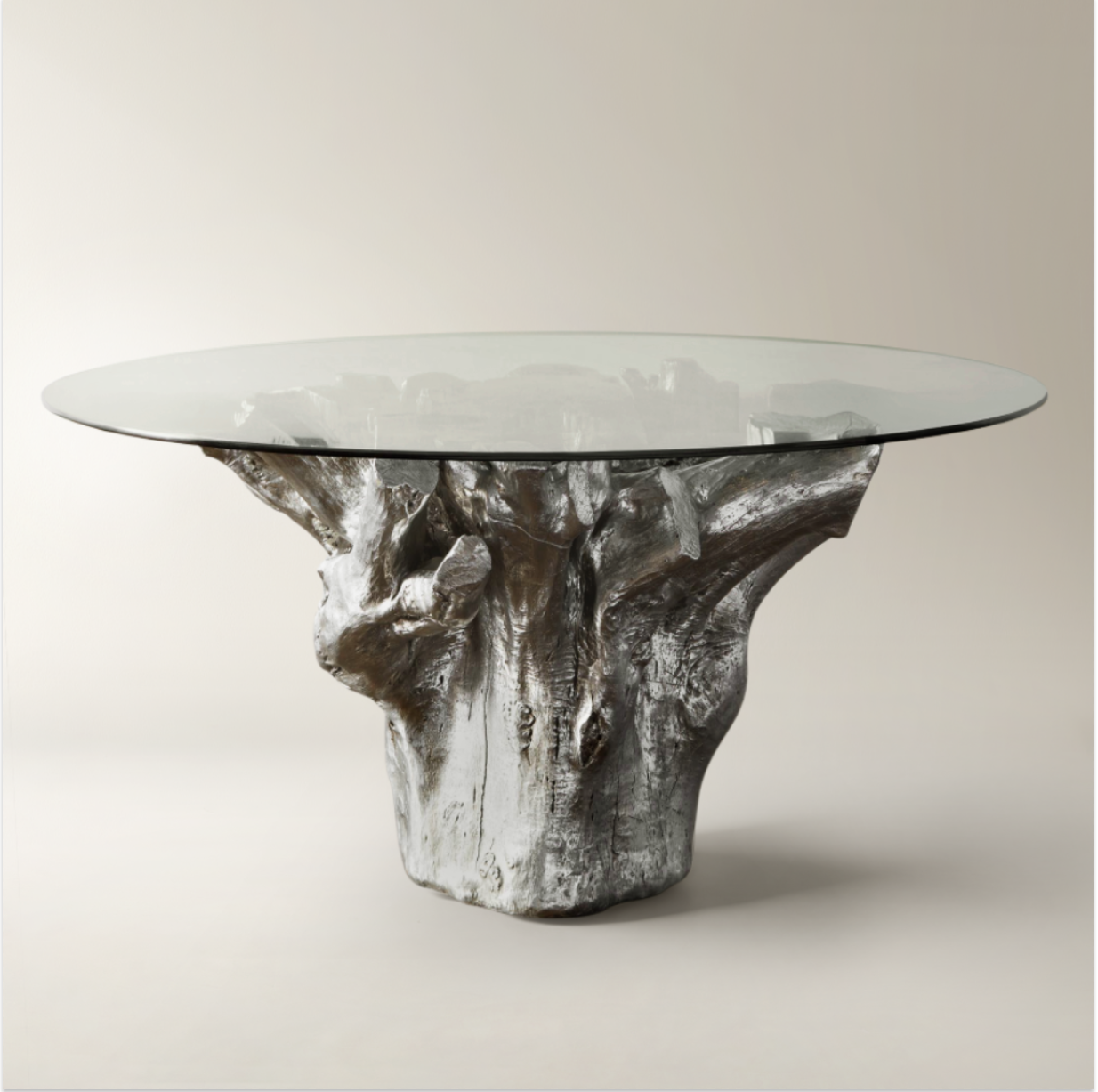 Sequoia Silver Resin Dining Table With Glass Top (60")$2199
A sculptural resin base with hand-applied silver leaf supports a round tempered glass top for modern elegance.
Add To Cart -
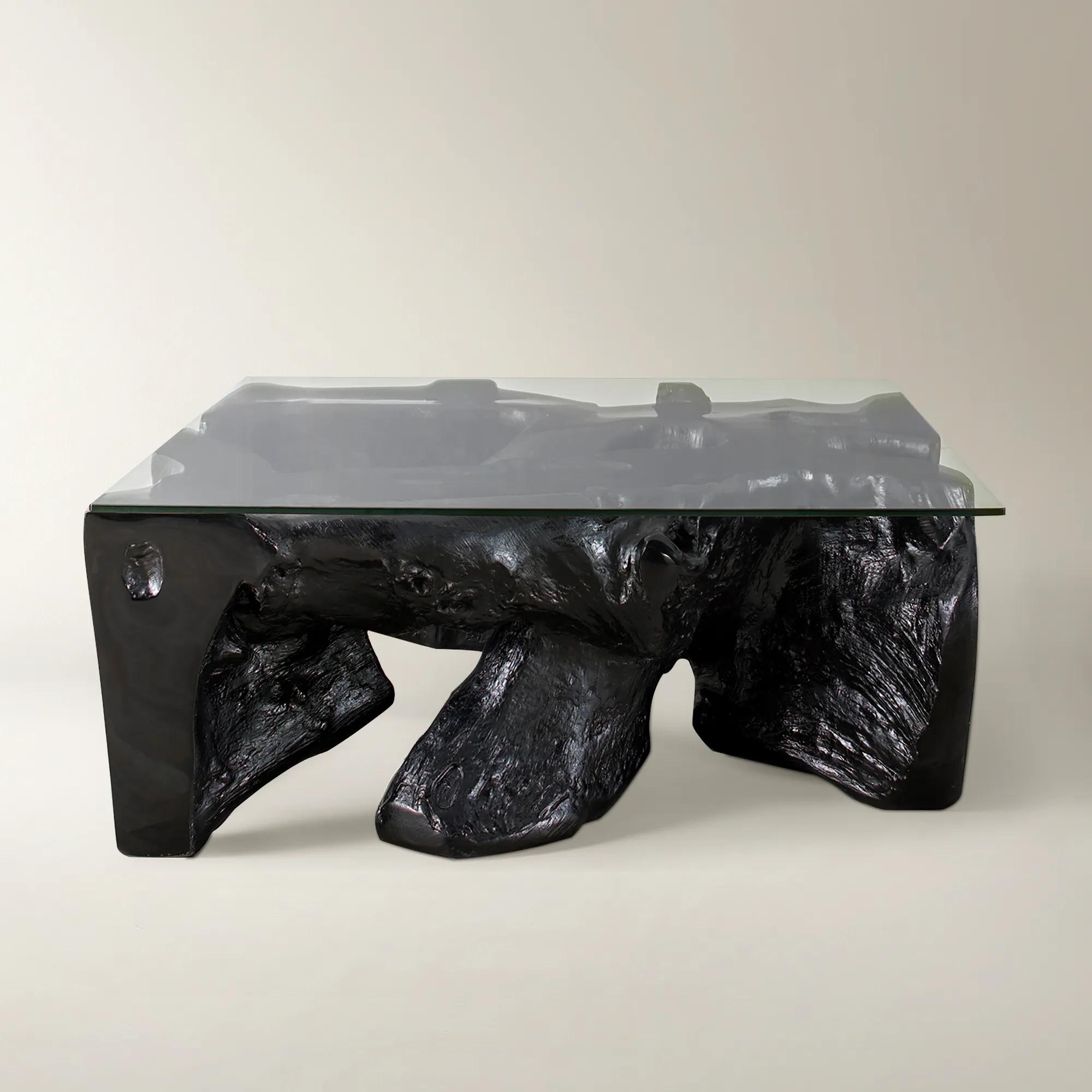
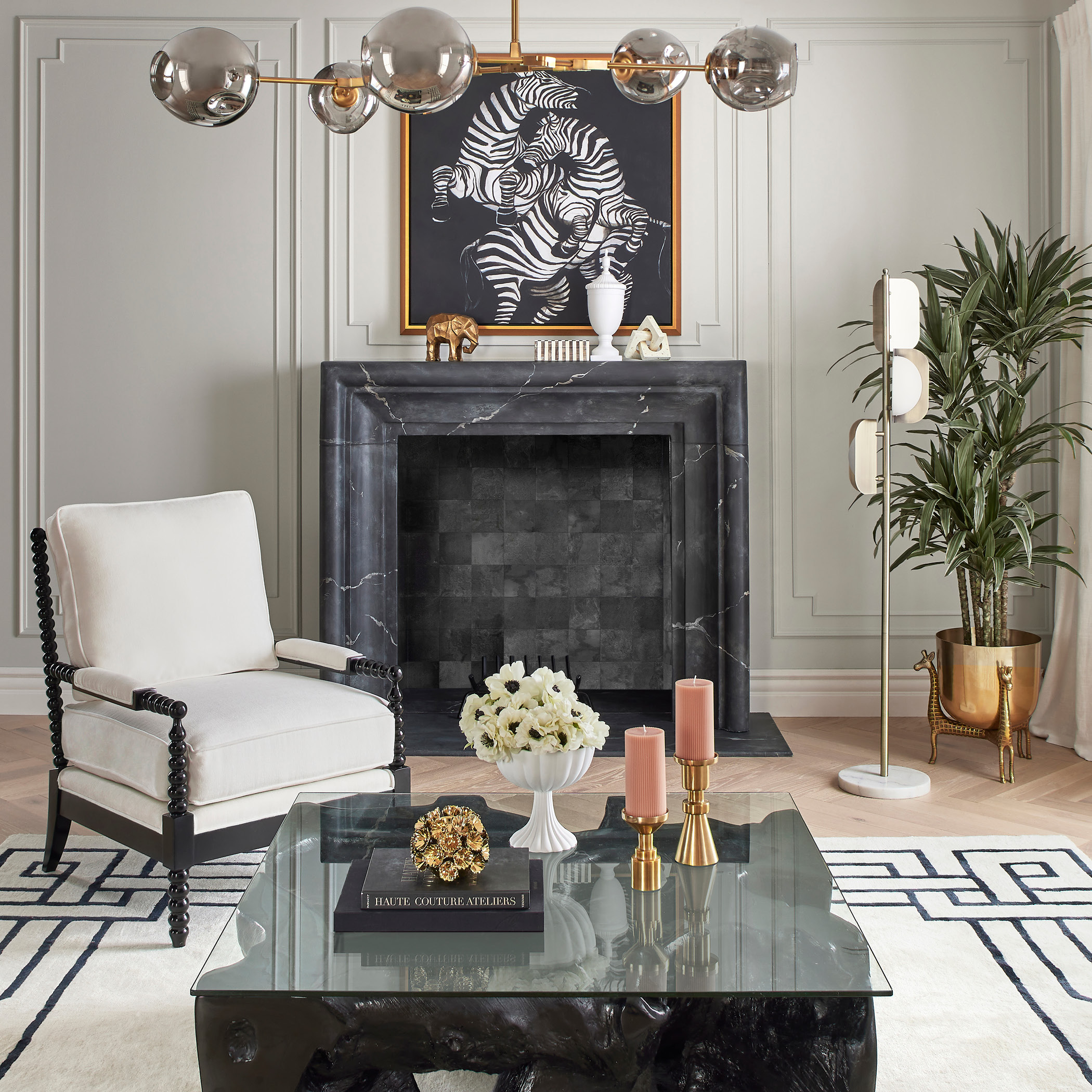 Sequoia Black Resin Coffee Table With Glass Top (44")$2299
A sculptural black coffee table crafted from resin and polished stone fragments for indoor or outdoor use.
Add To Cart -
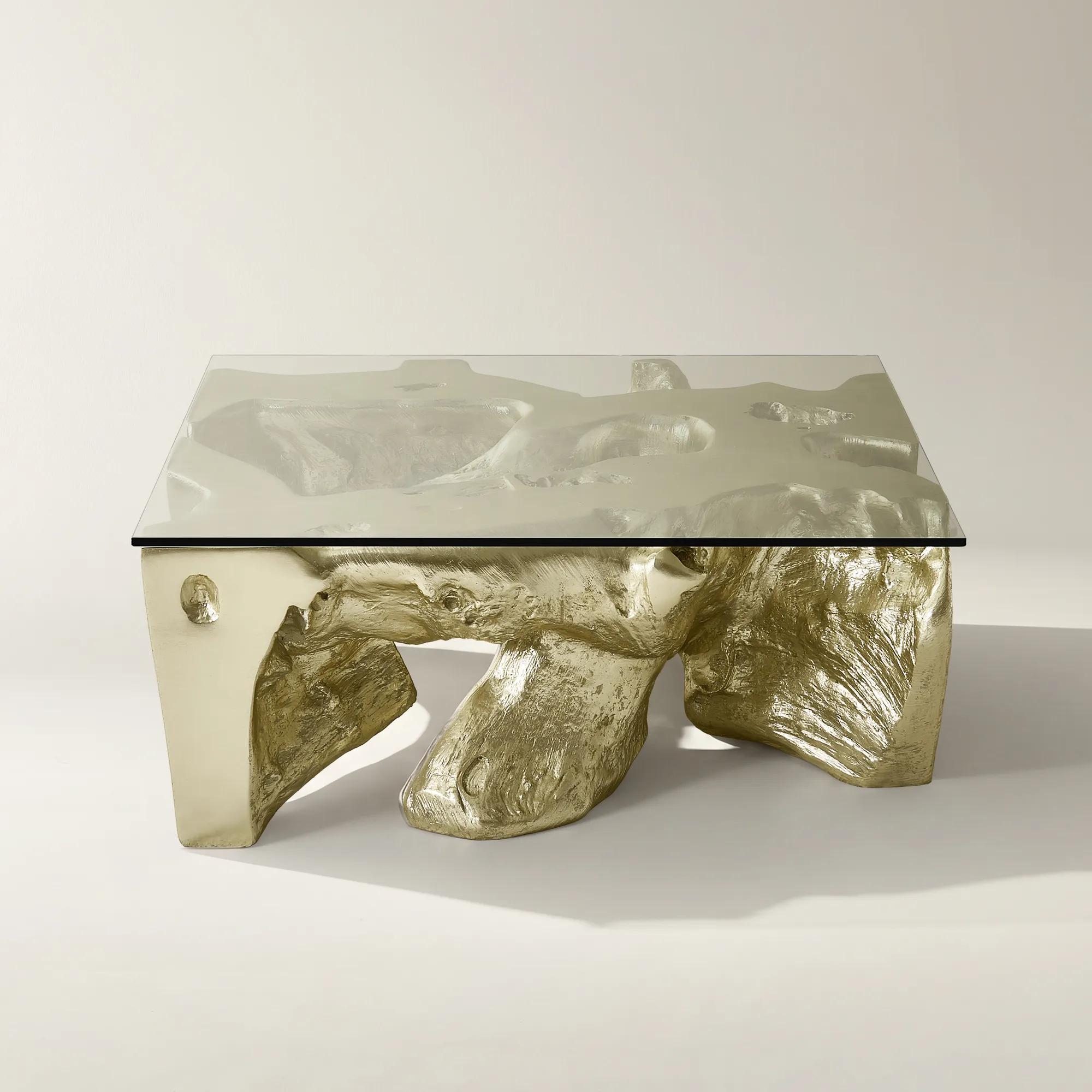 Sequoia Champagne Gold Resin Coffee Table With Glass Top (44")$2299
A sculptural resin coffee table with a champagne gold leaf finish and a clear tempered glass top.
Add To Cart -
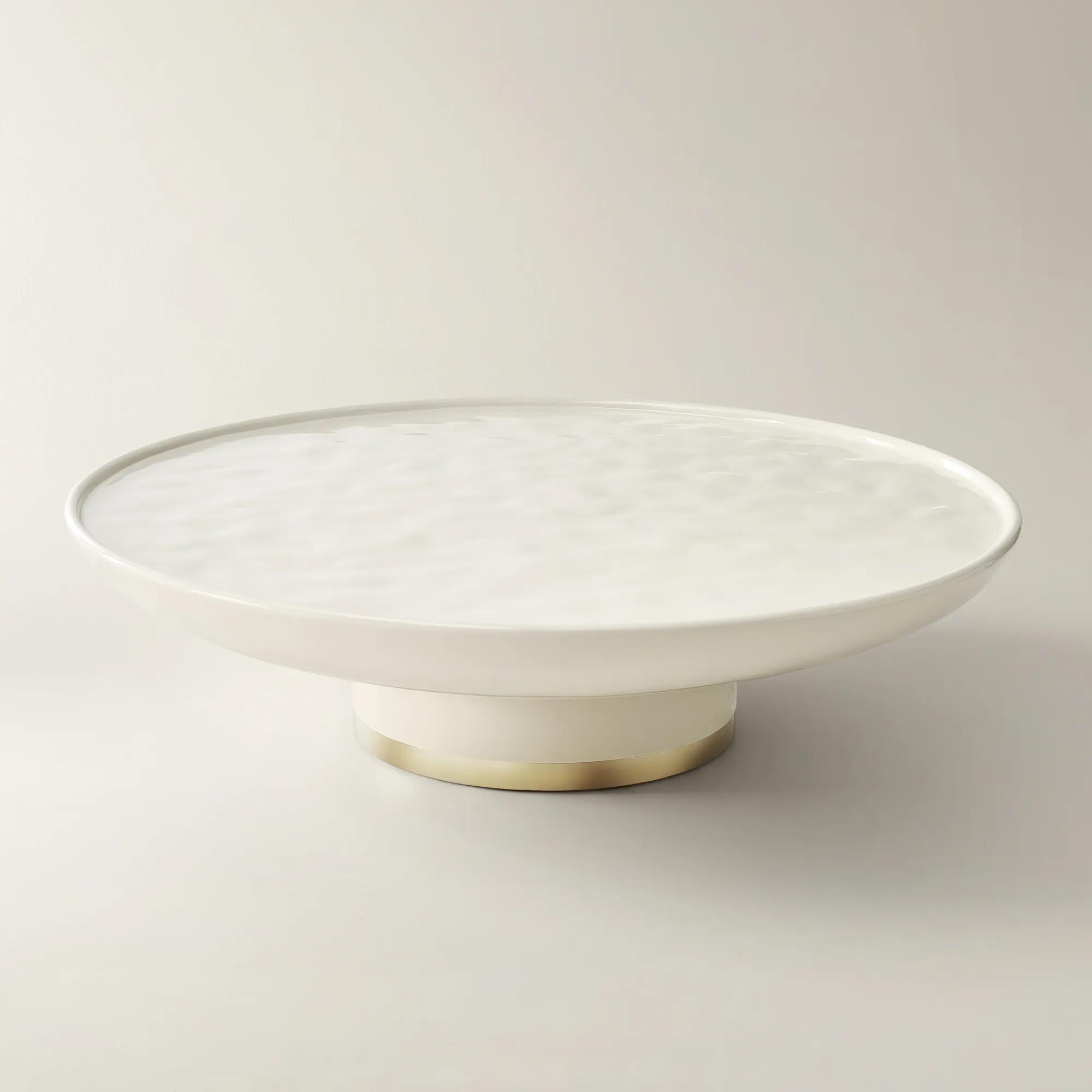
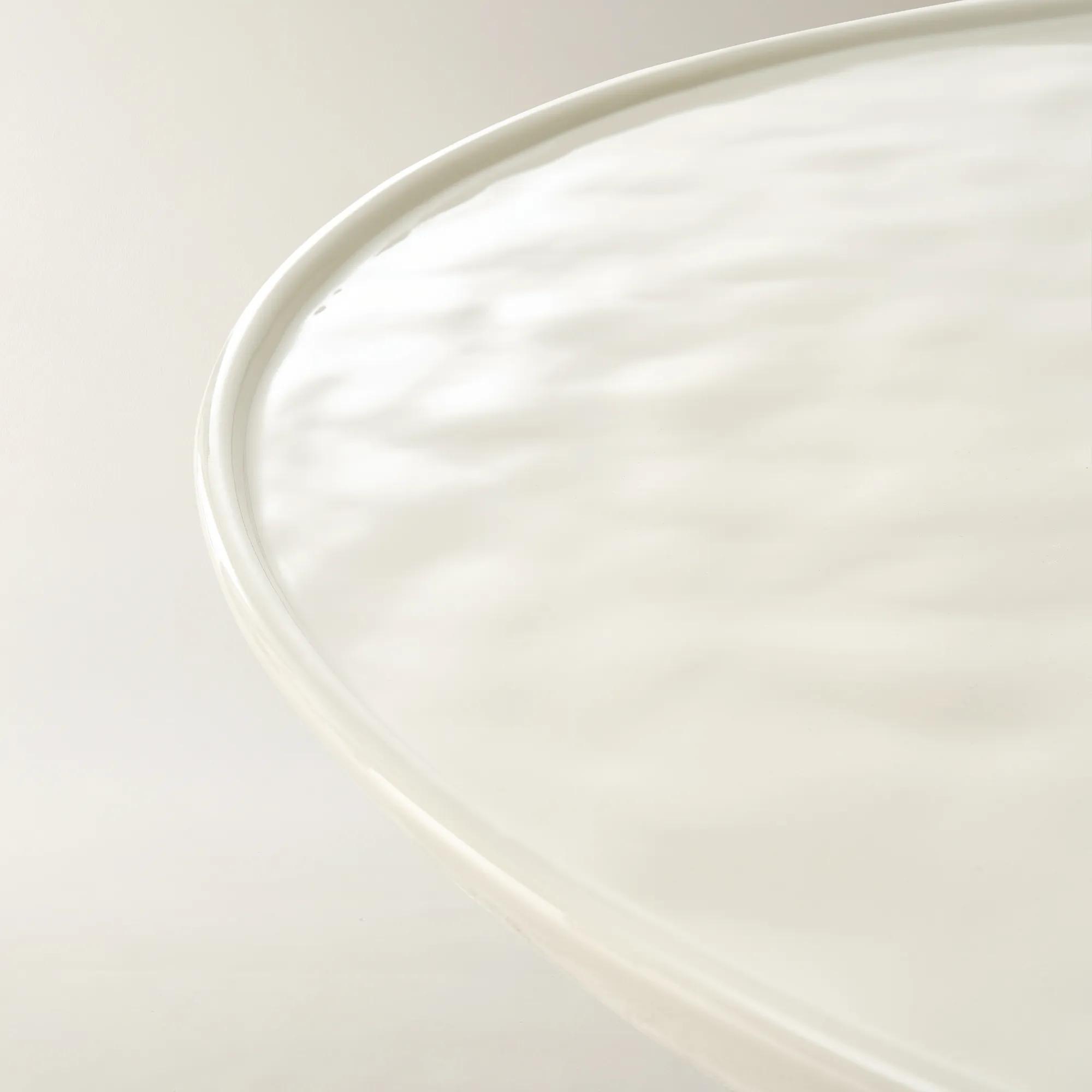 Celia Lacquered Cloud Resin Indoor/Outdoor Coffee Table (54")$1399
A sculptural one-piece resin coffee table with a high-gloss warm finish and gold stainless steel base.
Add To Cart -
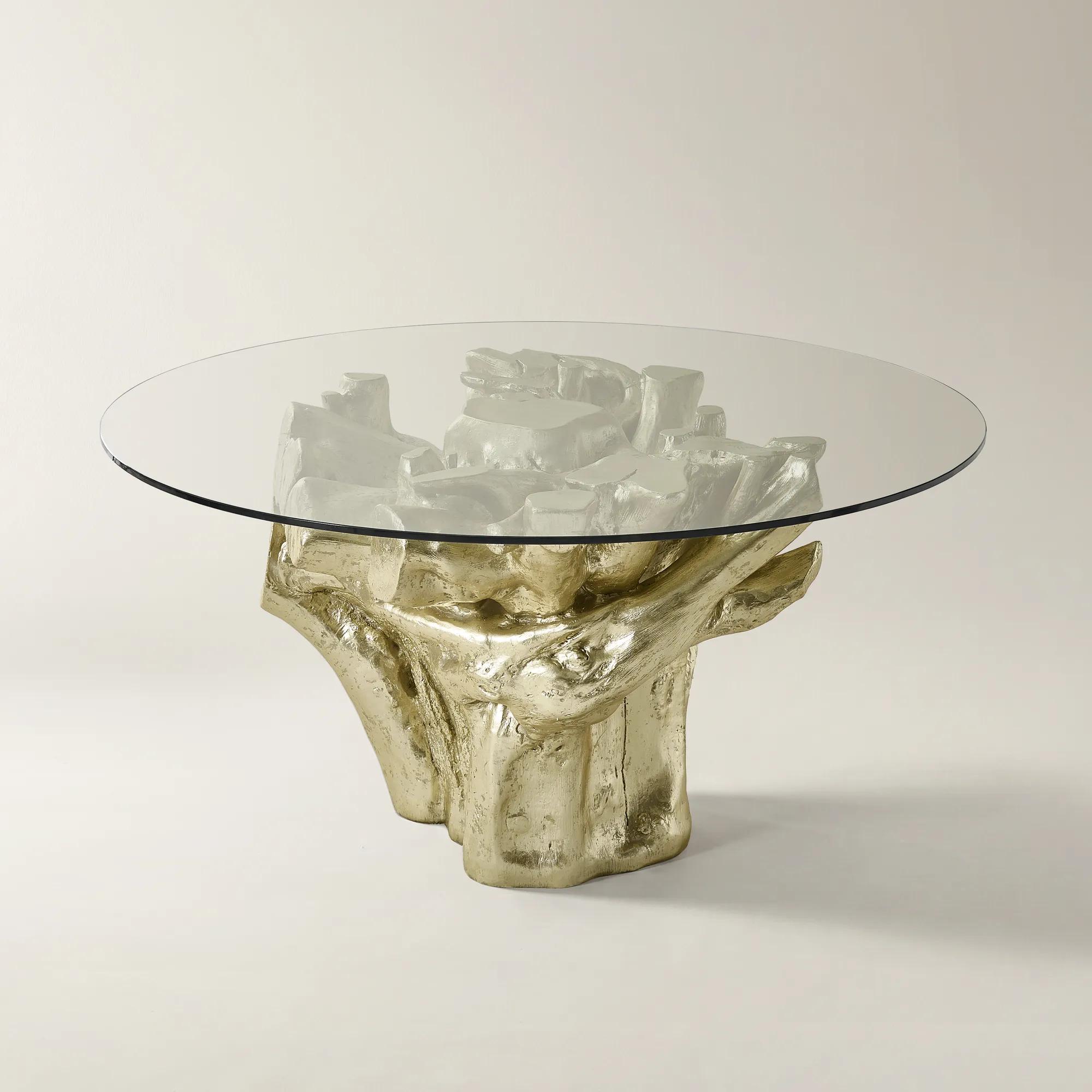 Sequoia Champagne Gold Resin Dining Table With Glass Top (60")$2199
A sculptural resin dining table with a champagne gold leaf base and a clear tempered glass top.
Add To Cart -
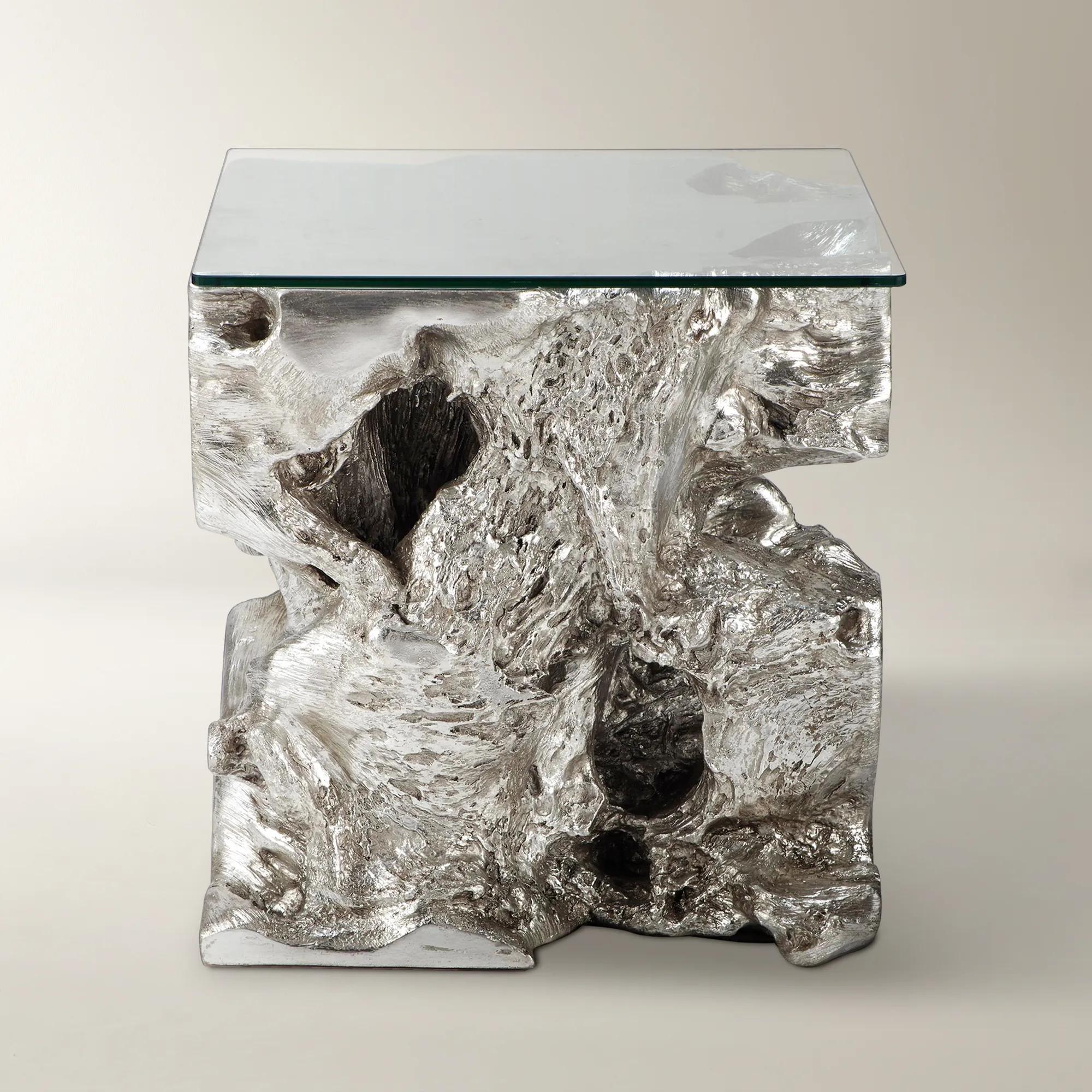 Sequoia Silver Resin End Table With Glass Top (22")$999
A sculptural end table featuring a silver leaf resin base and tempered glass top for modern elegance.
Add To Cart -
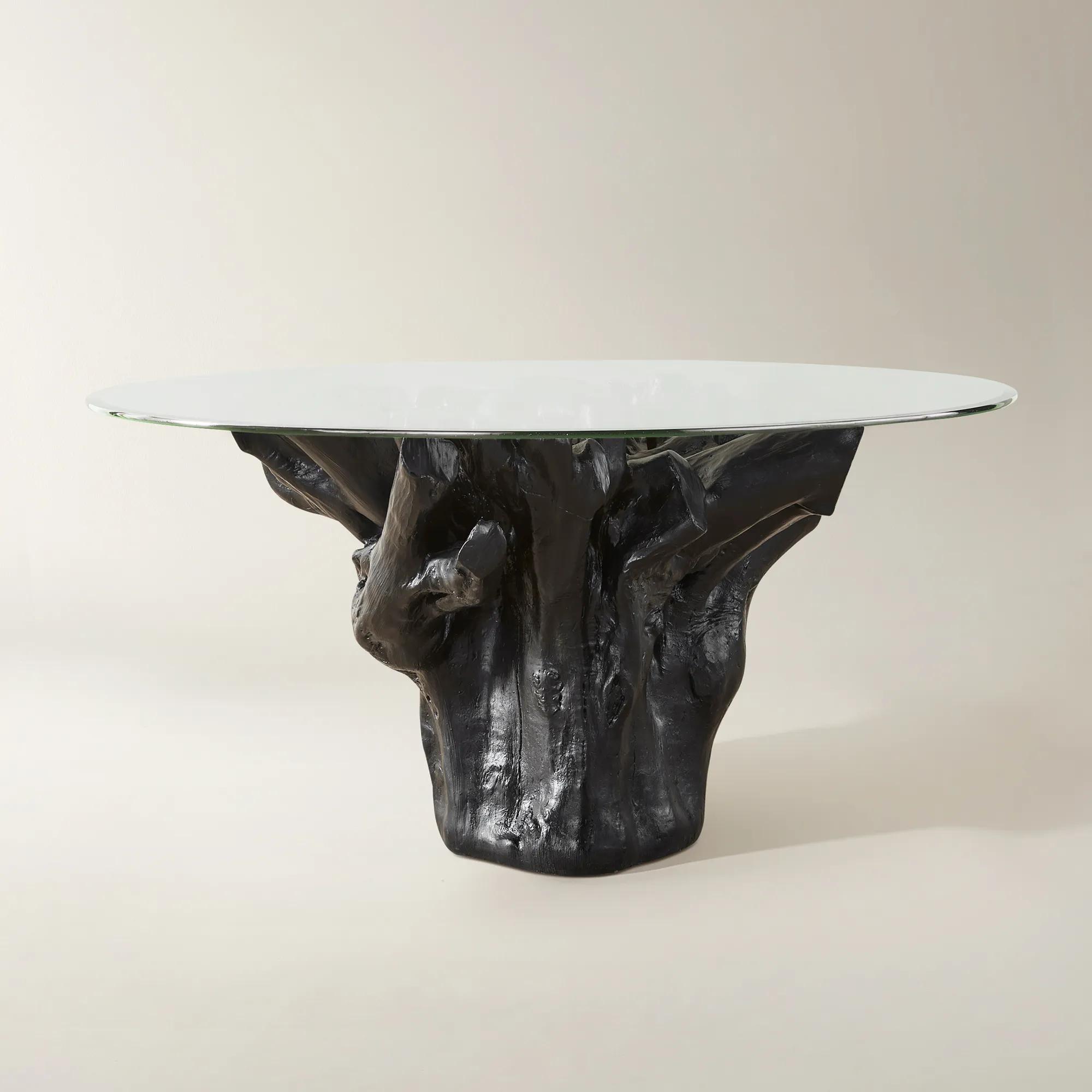 Sequoia Black Resin Dining Table With Glass Top (60")$2299
A sculptural black resin base with real stone fragments supports a round tempered glass top for organic elegance.
Add To Cart -
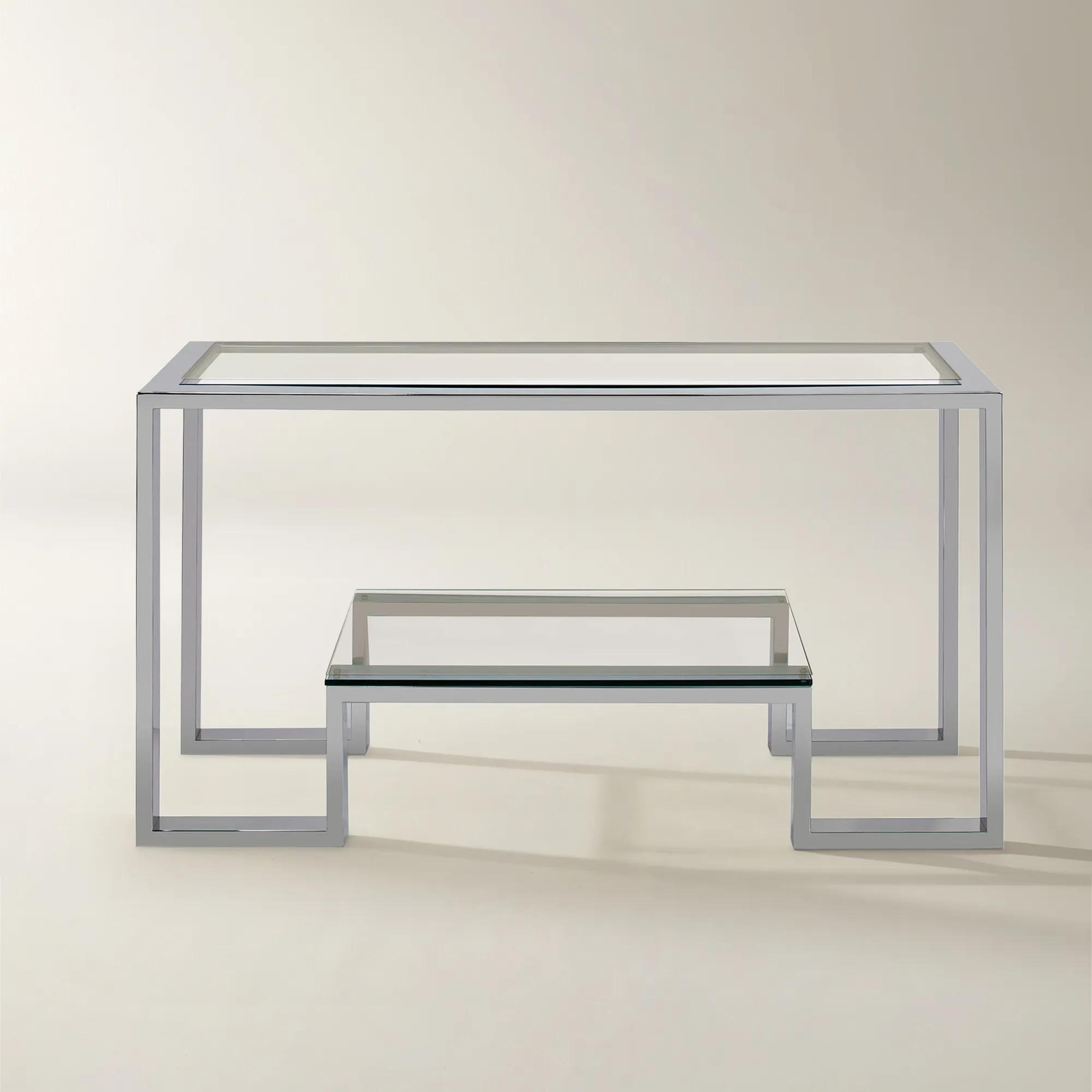
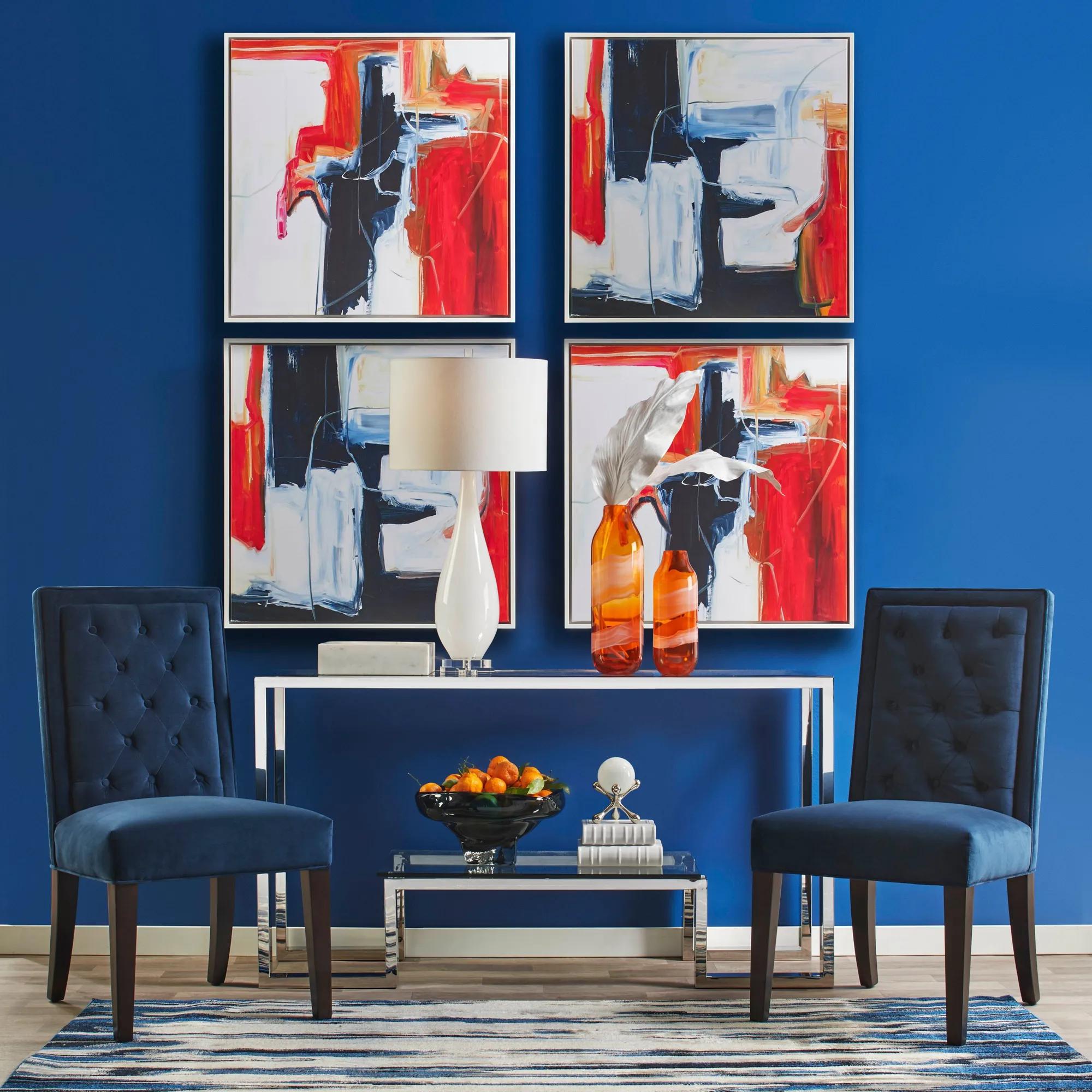 Duplicity Rectangular Silver Stainless Steel Console Table With Glass Top (59")$1399
A modern console table crafted from stainless steel and tempered glass with a floating bottom shelf.
Add To Cart -
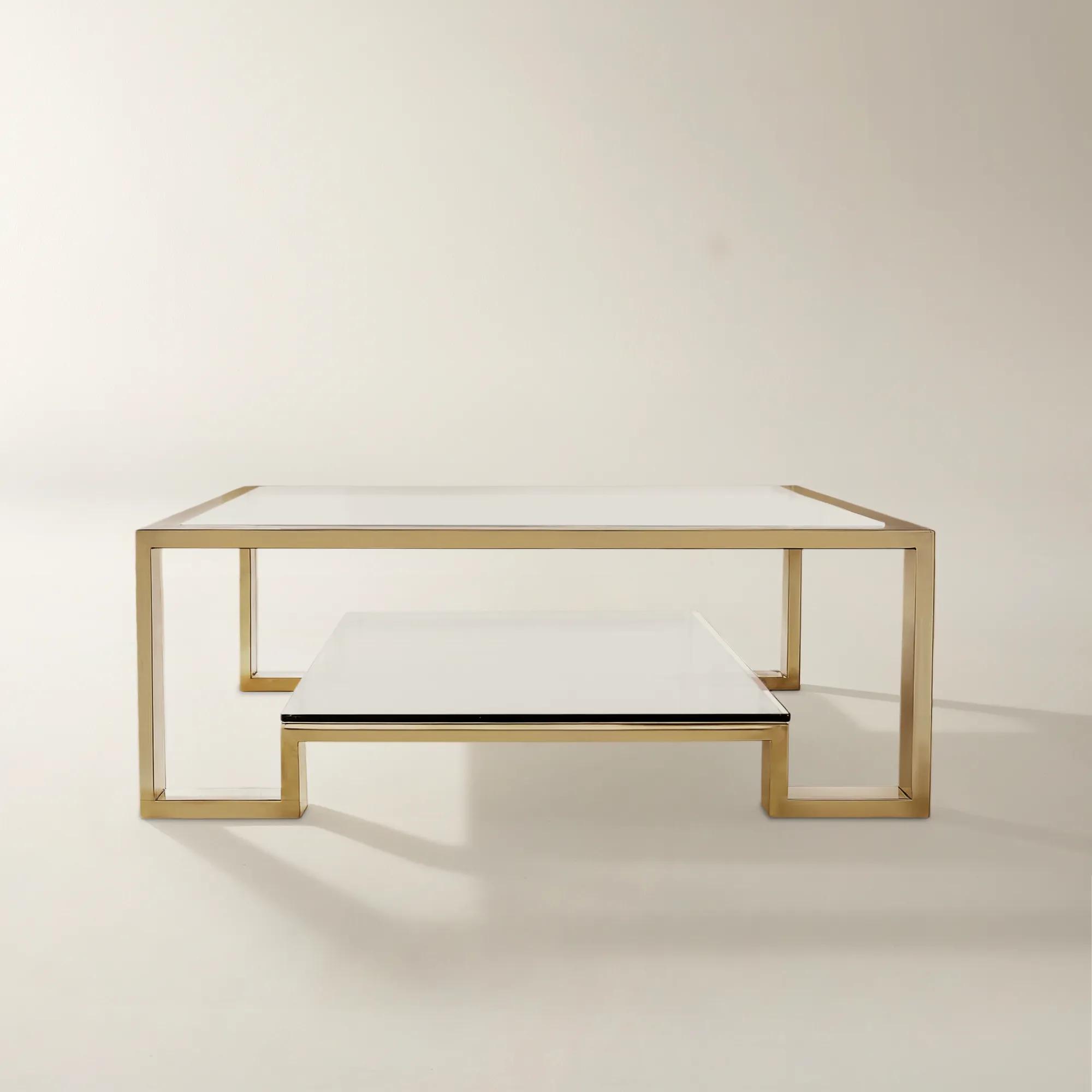 Duplicity Rectangular Gold Stainless Steel Coffee Table With Glass Top (50")$1399
A modern coffee table featuring a stainless steel frame, tempered glass top, and floating storage shelf.
Add To Cart -
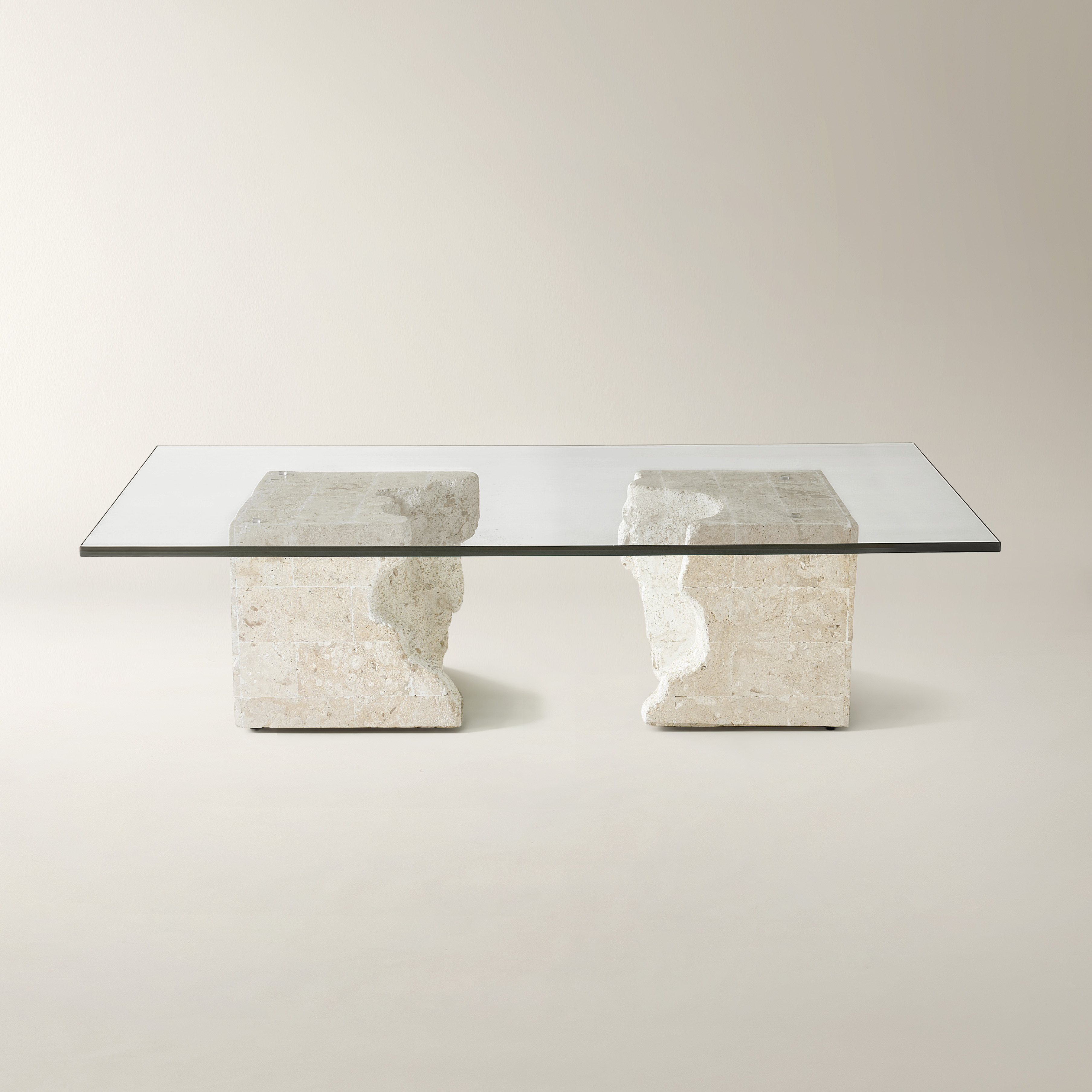 Cairo Rectangular Mactan Stone Coffee Table With Glass Top (63")$1899
A contemporary coffee table featuring a clear tempered glass top floating above hand-carved Mactan stone bases.
Add To Cart -
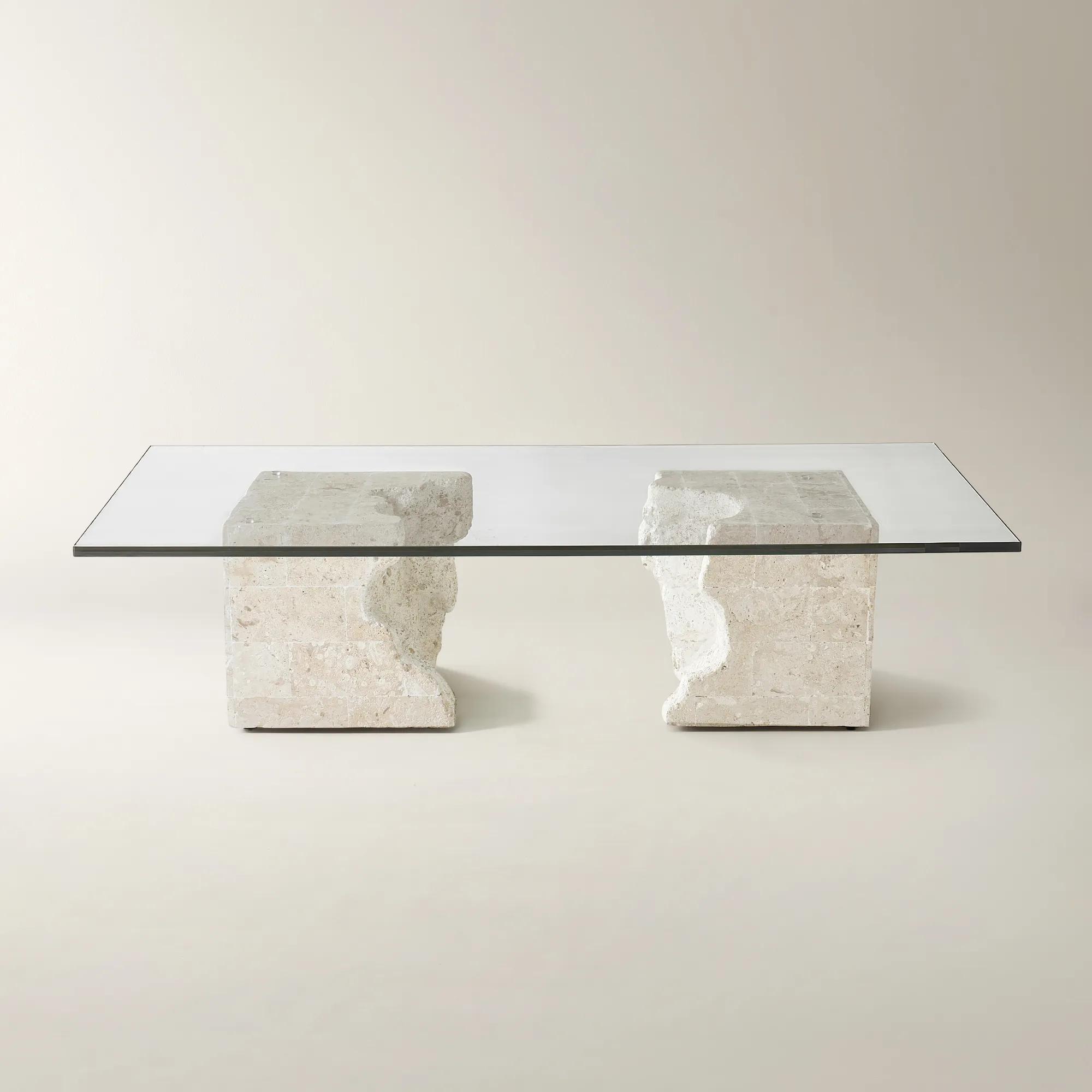 Cairo Rectangular Mactan Stone Coffee Table With Glass Top (70.87")$1999
A contemporary coffee table featuring a clear tempered glass top floating above hand-carved Mactan stone bases.
Add To Cart -
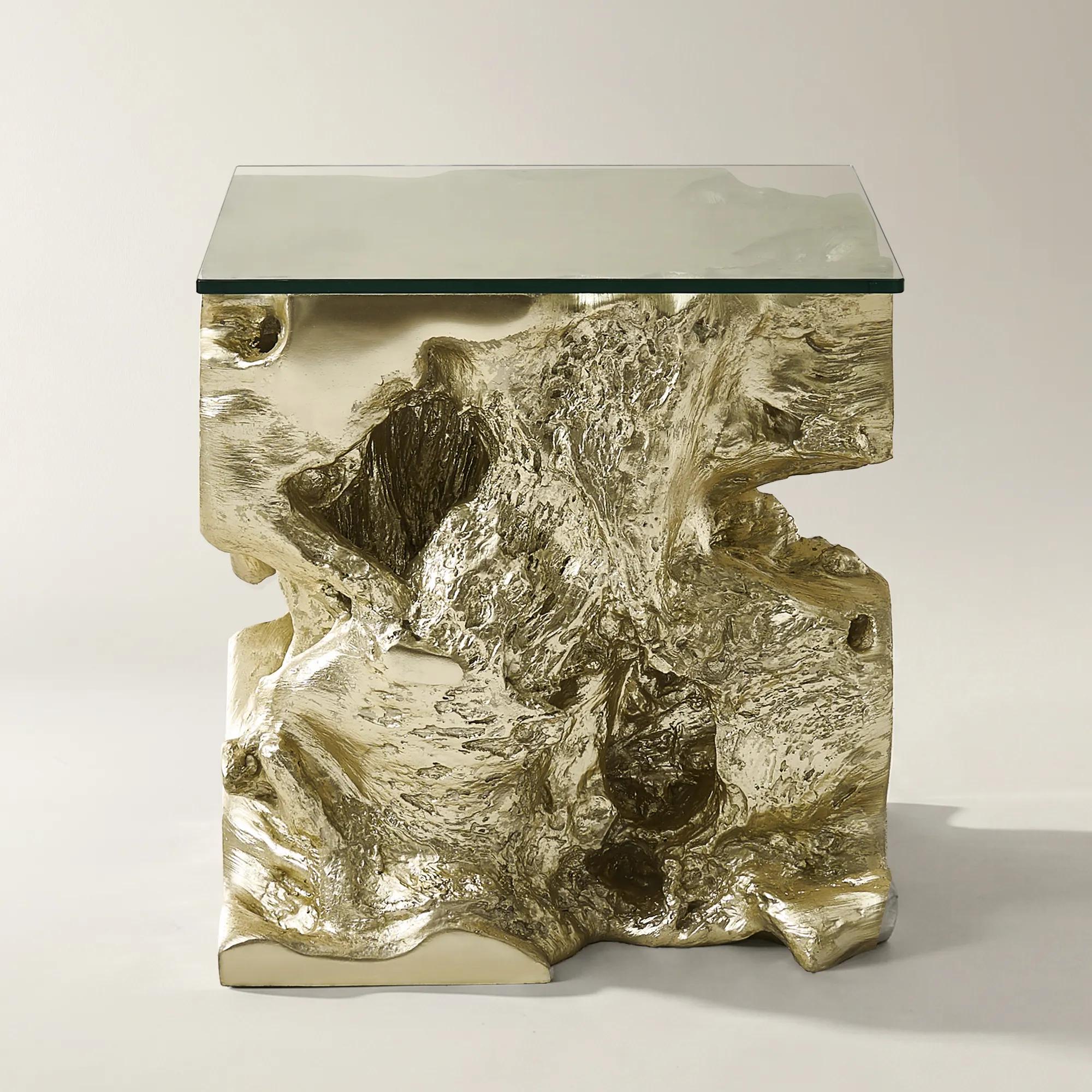 Sequoia Champagne Gold Resin End Table With Glass Top (22")$999
A sculptural resin end table with a champagne gold leaf finish and a clear tempered glass top.
Add To Cart -
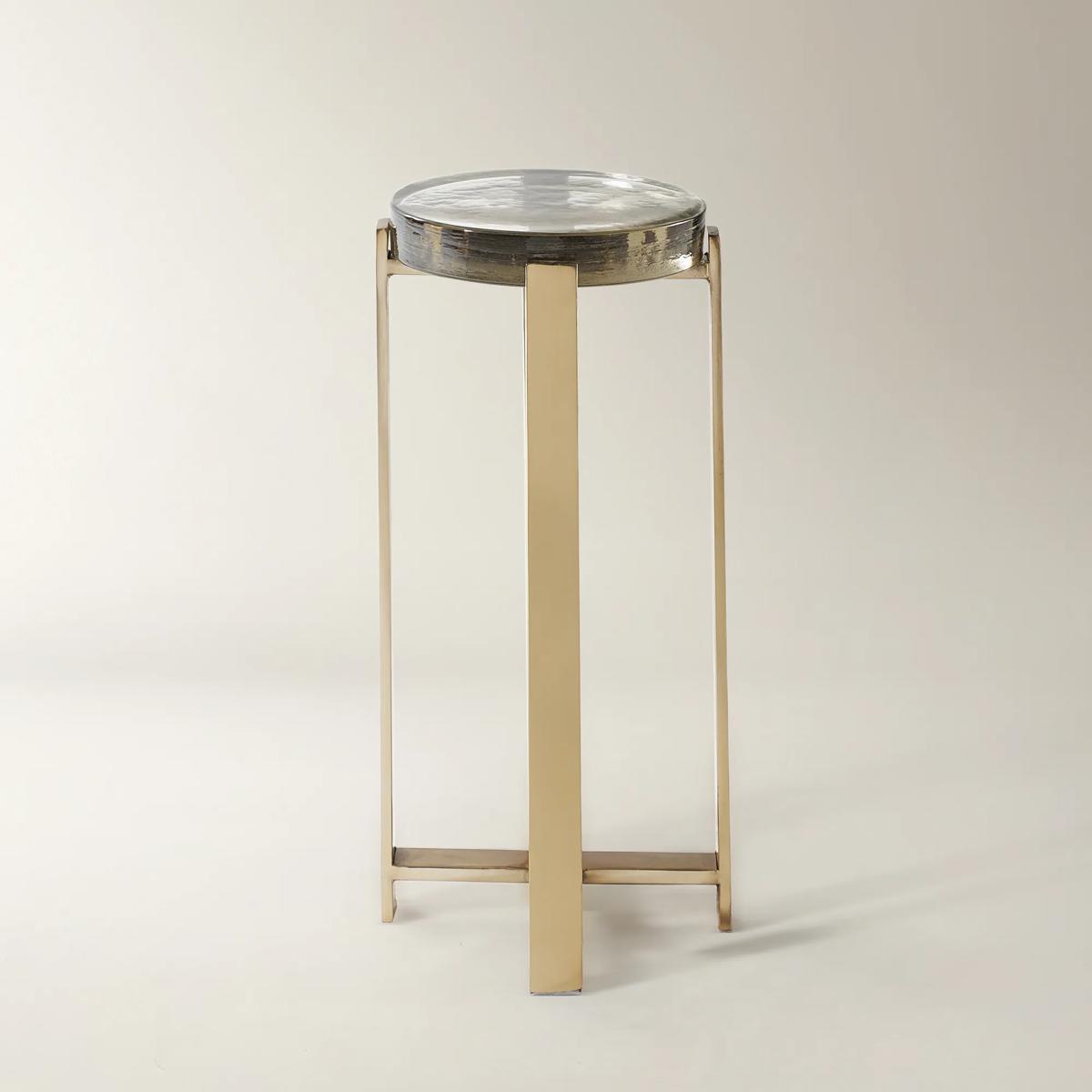
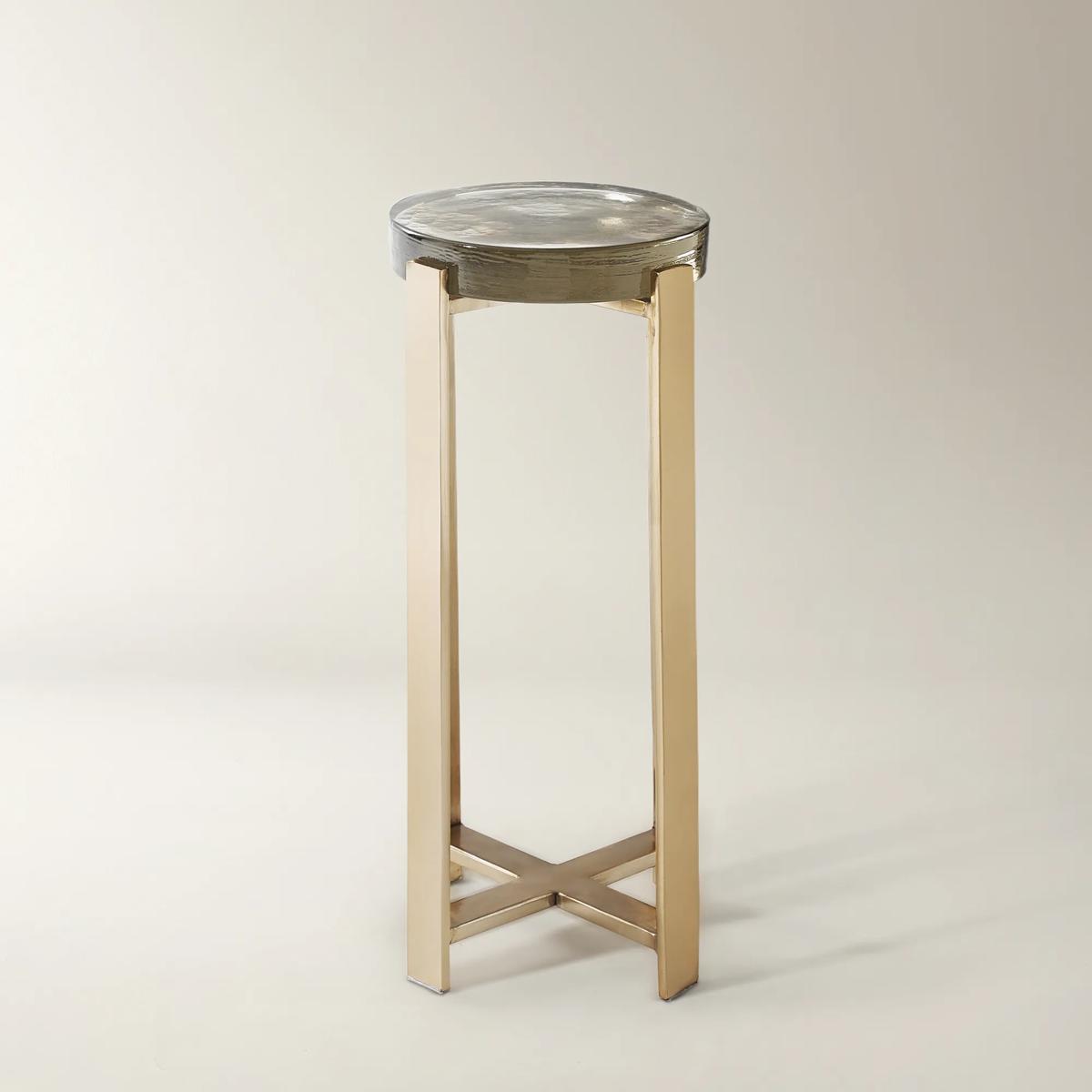 Lyra Round Brass Metal Side Table With Glass Top (10.75")$259
A sculptural side table featuring a thick cast glass top and lustrous brass-finished metal base.
Add To Cart -
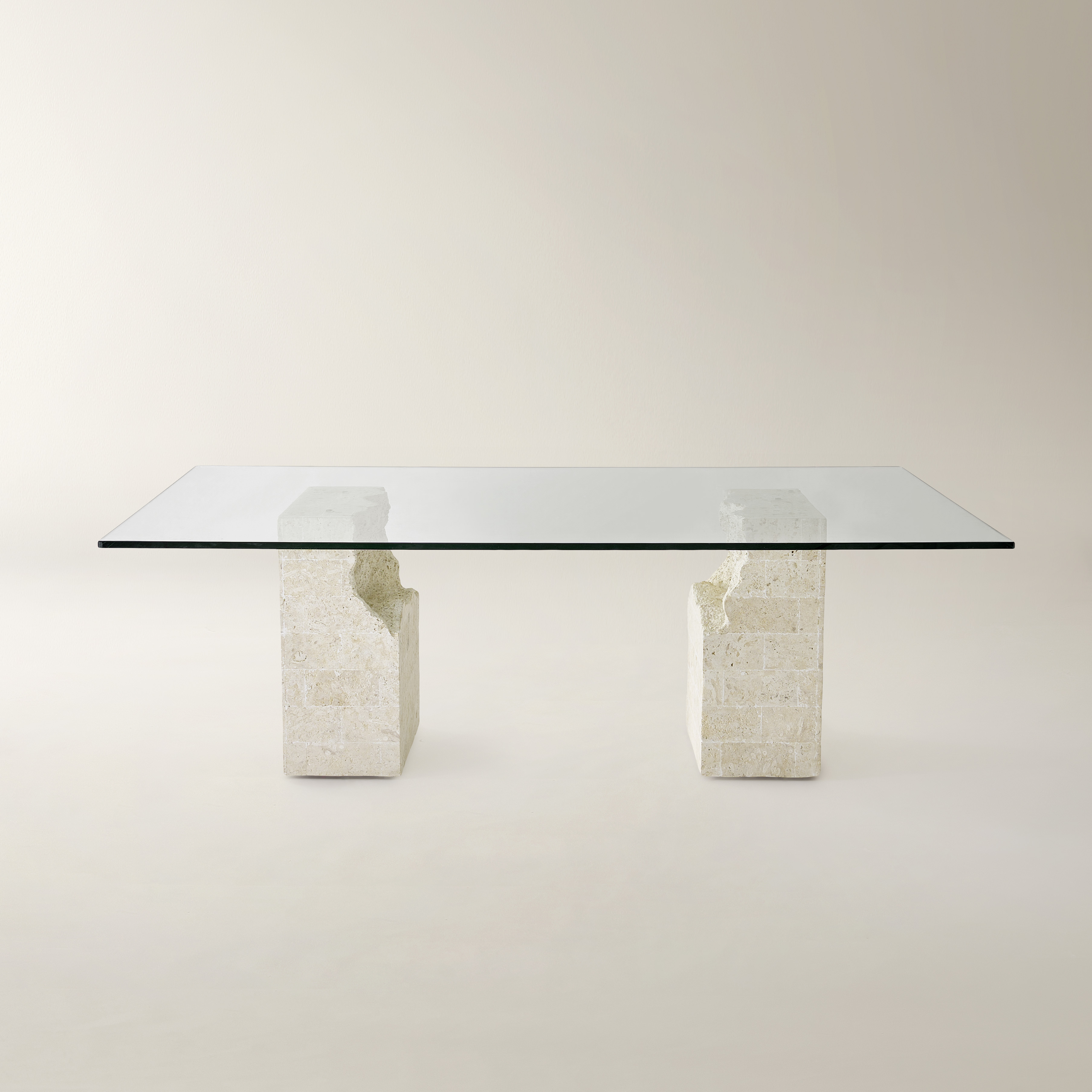 Cairo Rectangular Mactan Stone Dining Table With Glass Top (86.6")$2399
A contemporary dining table featuring a clear tempered glass top over hand-carved Mactan stone bases.
Add To Cart -
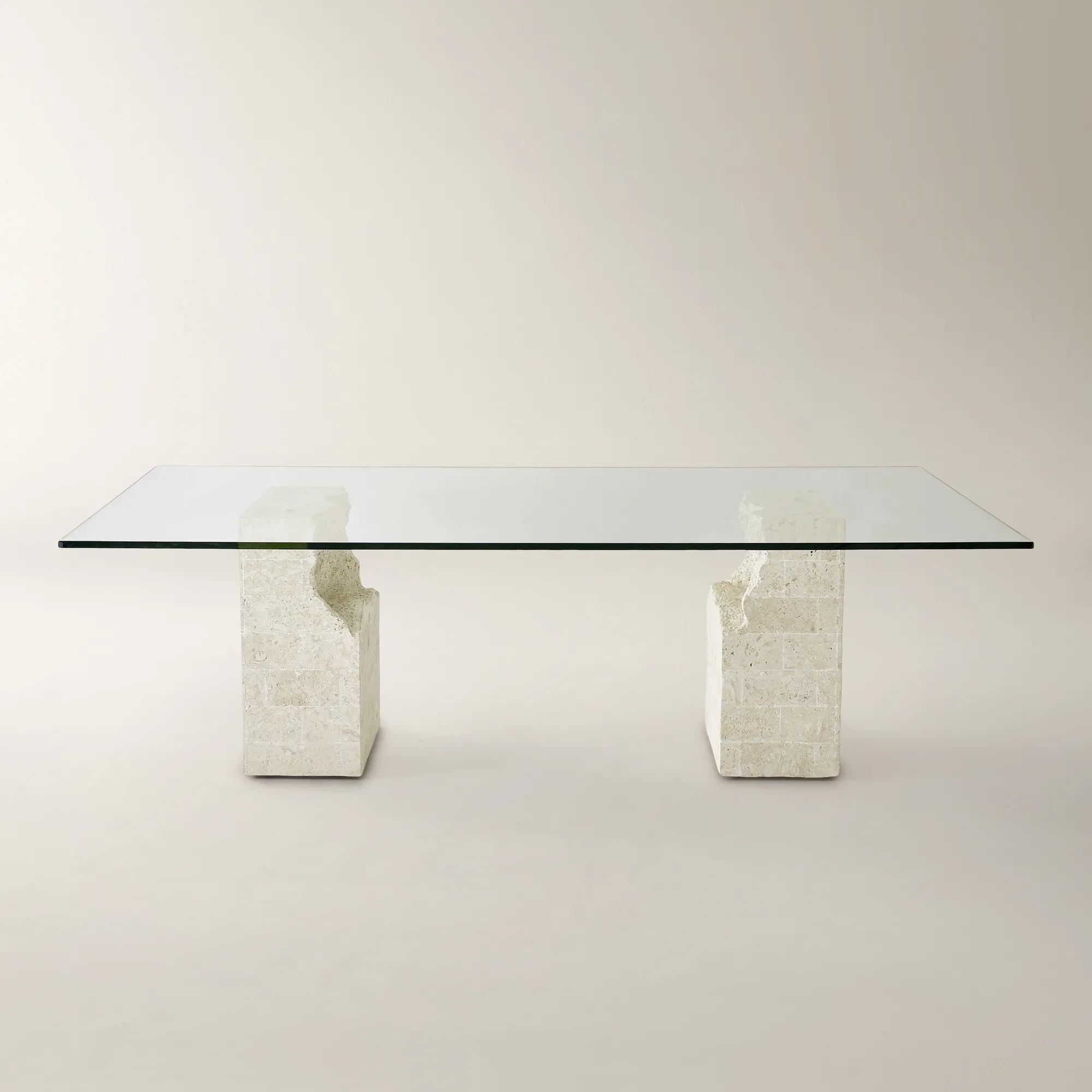 Cairo Rectangular Mactan Stone Dining Table With Glass Top (96")$2599
A contemporary dining table featuring a clear tempered glass top over hand-carved Mactan stone bases.
Add To Cart -
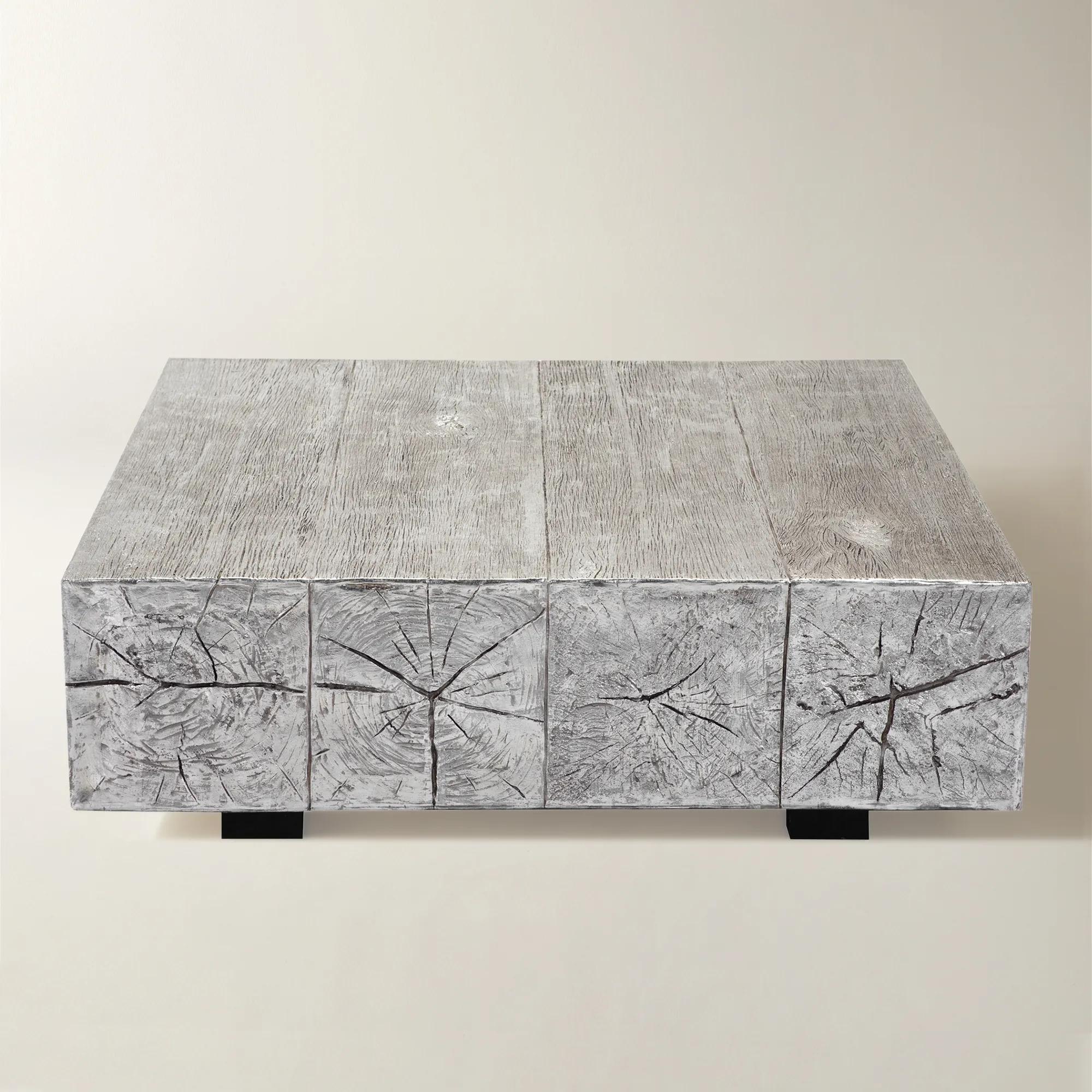
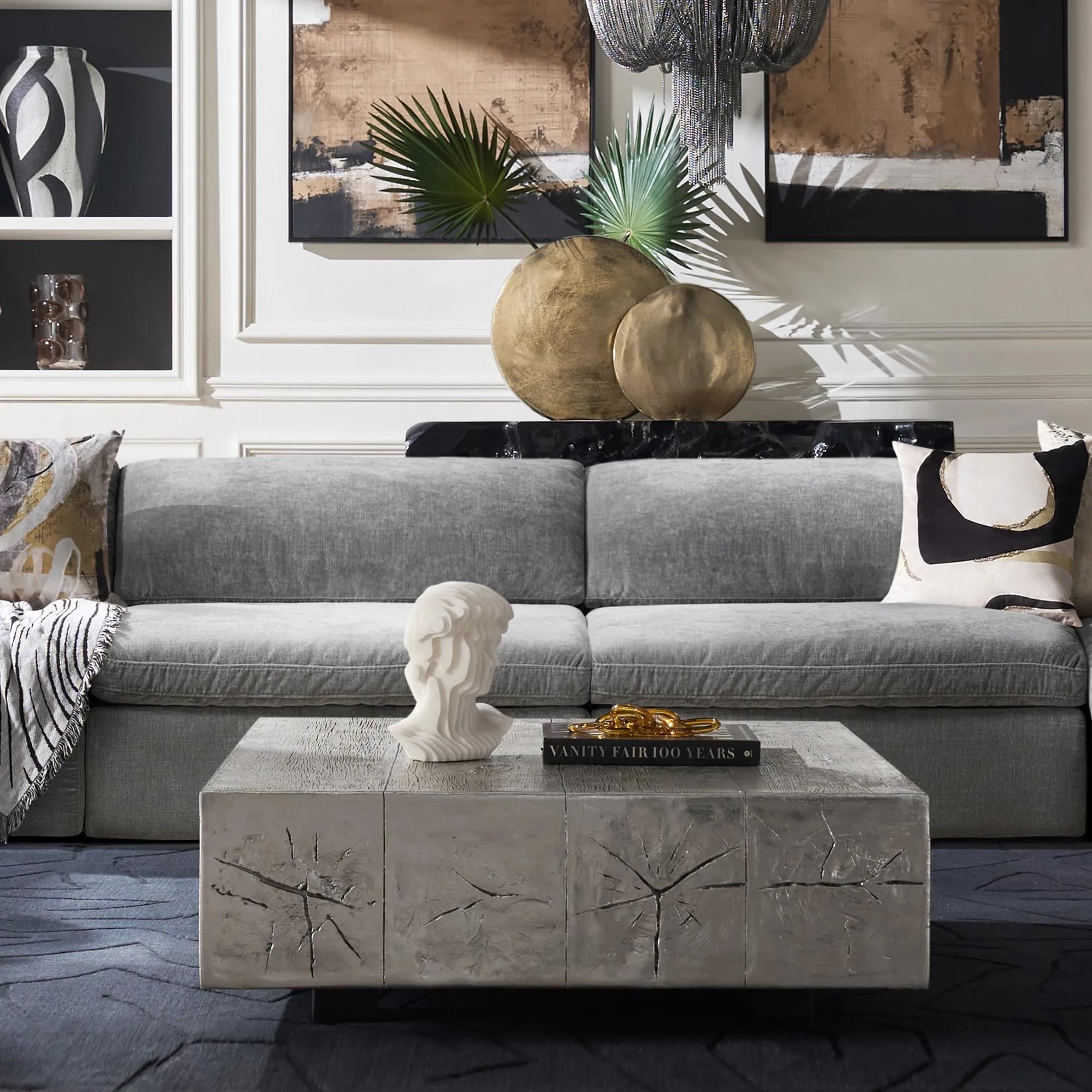 Timber Square Silver Resin Coffee Table (44")$1299
A hand-painted silver resin coffee table featuring authentic silver leaf and an antiqued, hand-rubbed oil finish.
Add To Cart -
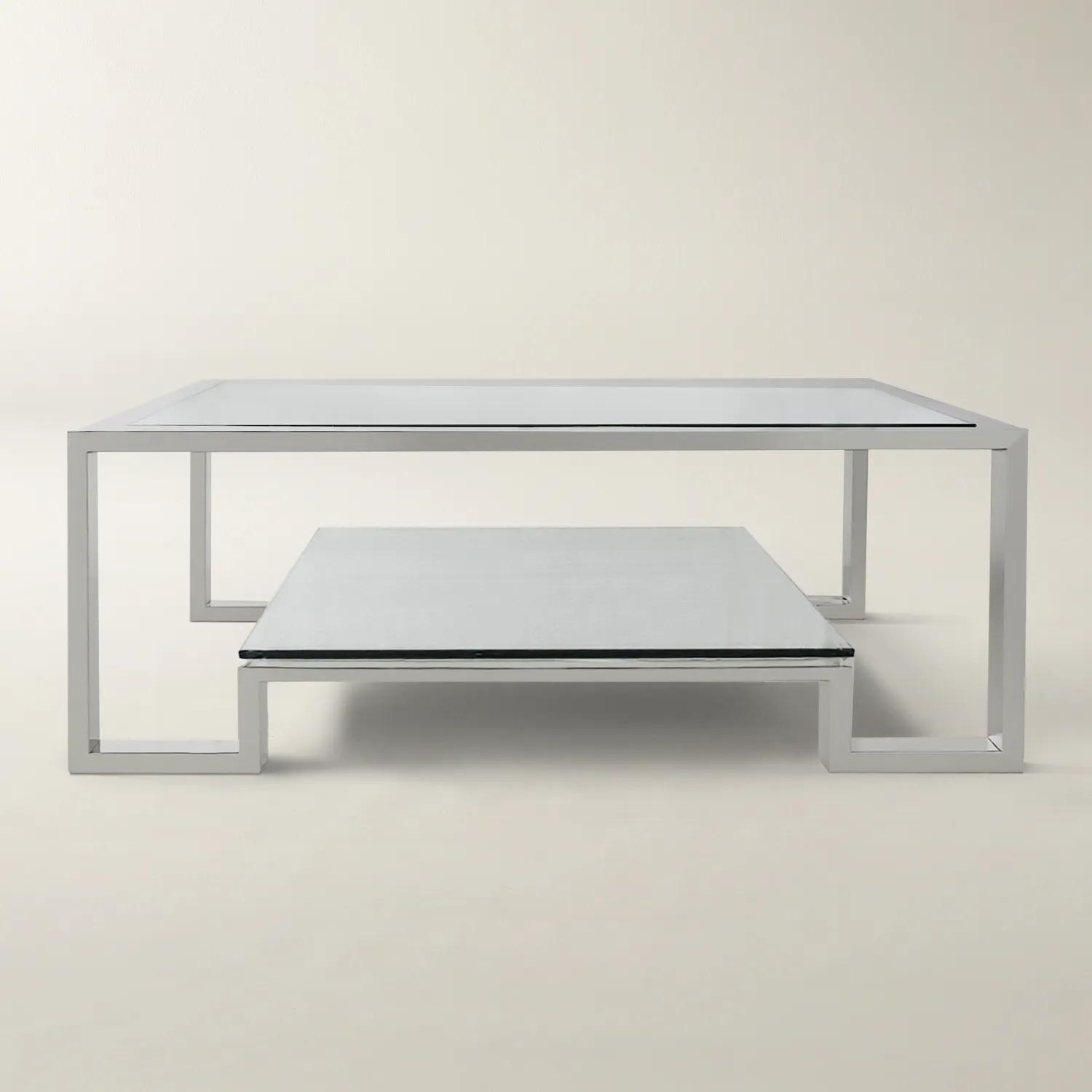
 Duplicity Rectangular Silver Stainless Steel Coffee Table With Glass Top (50")$1399
A modern coffee table featuring a stainless steel frame, tempered glass top, and floating bottom shelf.
Add To Cart

Resin And Glass Coffee Tables
Resin and glass coffee tables are the ultimate statement-makers—sculptural masterpieces that transform living spaces into galleries of modern artistry. Each table is a study in contrast: luminous glass meets the bold intrigue of resin, creating a captivating interplay of light, texture, and form. Whether your style leans toward avant-garde glamour or refined sophistication, these tables invite you to curate a living room that dazzles with personality and polish. Elevate your everyday rituals—morning coffee, evening conversations, or stolen moments of repose—with a centerpiece that reflects your passion for dramatic design and unapologetic self-expression.
Resin and glass coffee tables bring sculptural presence and luminous clarity to the center of a living room. Typically, these designs pair a molded or cast resin base with a glass tabletop, allowing the foundation’s contours, texture, and color to remain visible from above. Other interpretations incorporate resin accents or combine glass with resin-and-wood elements, so the material description matters as much as the silhouette. Resin is a broad category rather than a single finish: formulations, pigments, casting techniques, and surface treatments influence how each design looks, feels, and performs. A base may suggest carved stone, rippling water, or an abstract sculpture, while its transparent top creates a crisp contrast to the expressive form beneath it. Mineral-inspired textures lend depth to a polished room; translucent or tinted resin introduces color with a jewel-like effect. Opaque finishes can feel equally dramatic, particularly when their curves catch the light against a richly textured rug. Glass gives these substantial-looking forms visual breathing room, preserving sightlines across a seating arrangement without asking the centerpiece to disappear. That balance appeals to anyone drawn to statement furniture but reluctant to overwhelm a room with a solid, blocklike table. Against a sumptuous upholstered sofa, a sculptural resin base introduces an artful counterpoint; beside tailored seating, it can loosen the composition with movement and asymmetry. Clear glass emphasizes the base and the pattern of the rug below, while smoked or tinted glass, where used, adds a more atmospheric layer. Because glass and resin can each vary in transparency and sheen, their relationship to surrounding finishes deserves attention. A glossy base beneath a gleaming top creates a different mood from a textured, matte foundation framed by clear glass. The strongest combinations feel intentional rather than perfectly matched: curved upholstery beside an angular tabletop, warm wood near a pale mineral-inspired base, or a restrained color palette interrupted by one richly saturated form. The result is a functional surface with the visual authority of an object chosen for its artistry.
Scale and placement determine whether that artistry feels comfortable in daily life. A resin and glass coffee table should relate to the seating around it, not simply fill the open floor. As a starting point, a table approximately two-thirds the length of a sofa often creates a balanced proportion, although sectionals, curved sofas, and multiple seating pieces may call for a different arrangement. A tabletop close to seat-cushion height, or slightly lower, generally keeps drinks and books within easy reach. Allowing roughly 14 to 18 inches between the table and the sofa gives seated guests room for their legs while keeping the surface accessible; main walking routes need more generous clearance. Measure the base as well as the top, especially when an expressive silhouette flares outward or a glass edge extends beyond its support. An oval or round coffee table can soften a room dominated by straight lines and ease movement around closely arranged seating, while a rectangular form often complements a long sofa. A square design can anchor a generous conversational grouping, provided there is enough space to move comfortably on every side. Transparent glass may make a table appear lighter, but it does not reduce its physical footprint or make its edges less important. Households with young children or energetic pets may prefer rounded profiles, stable construction, and clearly defined circulation paths; rounded edges alone do not make a glass table childproof. For entertaining, surface area should accommodate a tray and several glasses without requiring decorative objects to be relocated constantly. For quieter evenings, a low bowl, a stack of art books, and one sculptural accent may be enough to give the composition depth while leaving space for everyday use. Those extending the arrangement with complementary occasional tables can explore Glass and Metal Living Room Tables, carrying the transparency of glass through the room while introducing a distinct structural finish.
Durability depends on the complete construction, including the resin formulation, the glass specification, the stability of the base, and the way the components connect. Tempered glass, when specified, is stronger than comparable ordinary glass and is designed to break into smaller pieces rather than long, sharp shards, but it is not unbreakable or immune to scratching. Edges remain vulnerable to impact, making thoughtful placement especially important near busy pathways. Resin can capture intricate detail and substantial sculptural shapes, but it should not automatically be treated like the stone or metal it resembles. Some bases are solid castings; others use resin composites or different internal structures, which can affect weight and handling. Check the stated dimensions, construction, assembly requirements, and weight capacity rather than judging strength by appearance. These coffee tables are intended to support everyday living-room objects within their specified limits, not to serve as extra seating or a step. Care should be equally considered. Follow the manufacturer’s directions for both materials, since a cleaner suitable for glass may be unsuitable for the resin finish beneath it. Routine dusting with a clean, soft microfiber cloth helps maintain clarity and keeps textured surfaces from looking dull. Where permitted, a lightly dampened cloth and mild soap can address marks; remove residue and dry afterward to limit streaks. Apply an approved cleaner to the cloth rather than spraying it across mixed materials, joints, or decorative finishes. Avoid abrasive pads, scouring powders, and unapproved solvents. Lift trays, ceramics, and other accessories instead of dragging them, and use suitable protective pads beneath rough bases. Coasters help protect against moisture and surface marks, while hot dishes and heated objects need appropriate protection; heat can damage resin finishes and create stress in glass. Prolonged direct sunlight may also discolor some resins, even when their initial finish appears exceptionally clear. For indoor designs, placement away from harsh sun and concentrated heat helps preserve their character. With considered proportions and attentive care, a resin and glass coffee table can hold both the practical rituals of a living room and its most expressive design gesture.
FAQs
Resin and glass coffee tables captivate with their striking blend of materials, offering a harmonious balance of artistry and function. The translucence of glass paired with the sculptural beauty of resin creates a luminous focal point that instantly elevates any living space. These tables bring a sense of drama and sophistication, making them ideal for those who view their home as a canvas for self-expression.
To accentuate the unique qualities of a resin and glass coffee table, layer it with curated accessories such as art books, sculptural vases, or metallic trays. Play with contrasting textures—think velvet throws or silk cushions nearby—to amplify the table’s reflective surfaces. Seasonal touches, like winter florals or candles, can further highlight the table’s artistry and create a warm, inviting atmosphere.
Absolutely. Resin and glass coffee tables are designed for those who embrace bold design statements. Their dramatic forms and luminous finishes complement glamorous, eclectic, and contemporary interiors alike. Whether your décor leans toward Hollywood Regency or modern maximalism, these tables serve as the perfect stage for your unique style.
Beyond anchoring your seating area, resin and glass coffee tables can be used to display curated collections, showcase cherished art pieces, or serve as a striking base for floral arrangements. They also make memorable platforms for hosting afternoon tea, game nights, or seasonal gatherings—transforming everyday rituals into moments of artistry.
Design enthusiasts, newlyweds, or anyone embarking on a new chapter in their home will appreciate the gift of a resin and glass coffee table. Its distinctive aesthetic and luxurious presence make it a memorable present—one that promises to become a cherished centerpiece and a conversation starter for years to come.
.jpeg?w=2999&h=3000)