Mirrors For Elegant Dining Rooms
Mirrors For Elegant Dining Rooms
-
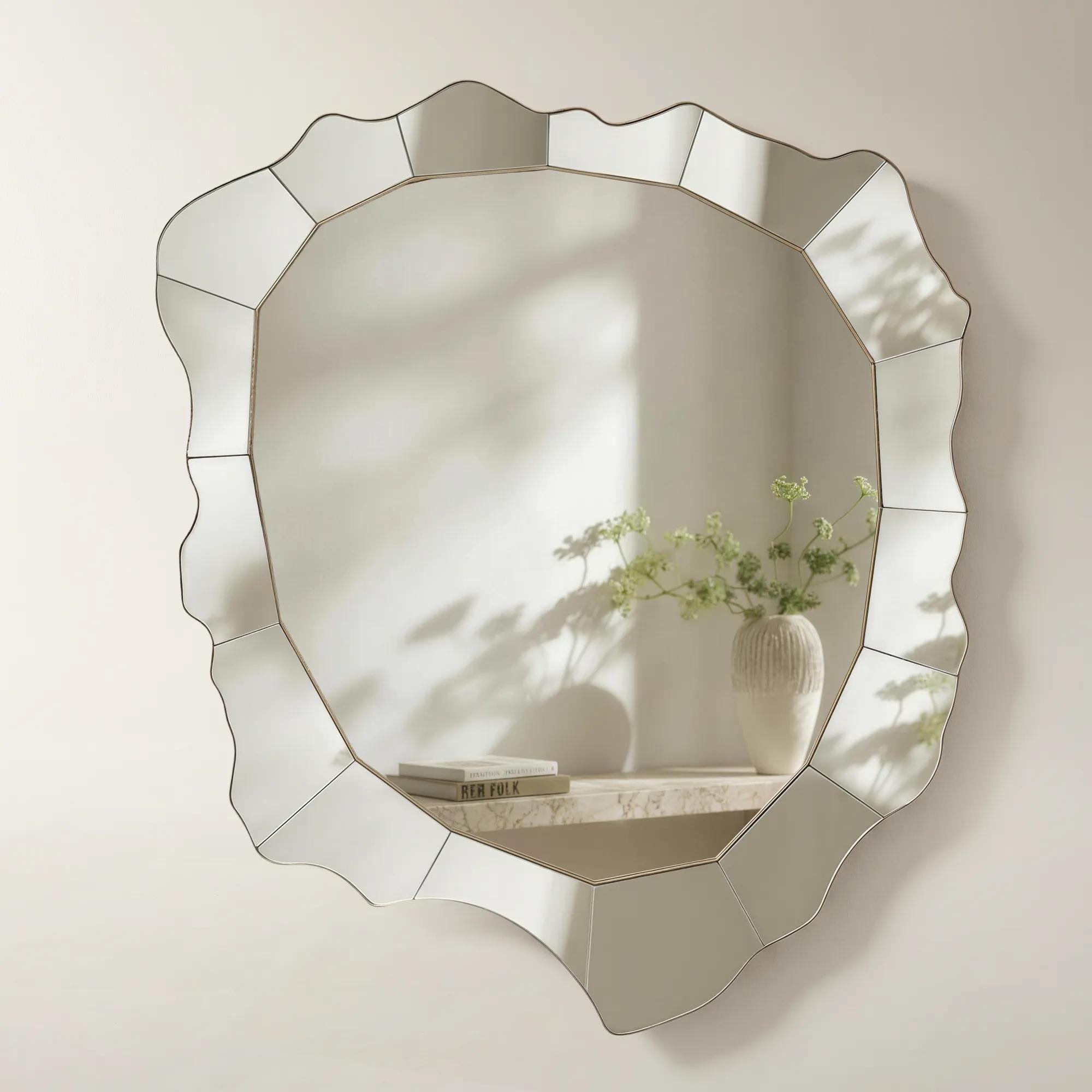 Gala Gold Trim Organic Shaped Wall Mirror 45" x 54"$999
An organic faceted mirror with soft gold iron trim adds sculptural movement and refined glamour to any room.
Add To Cart -
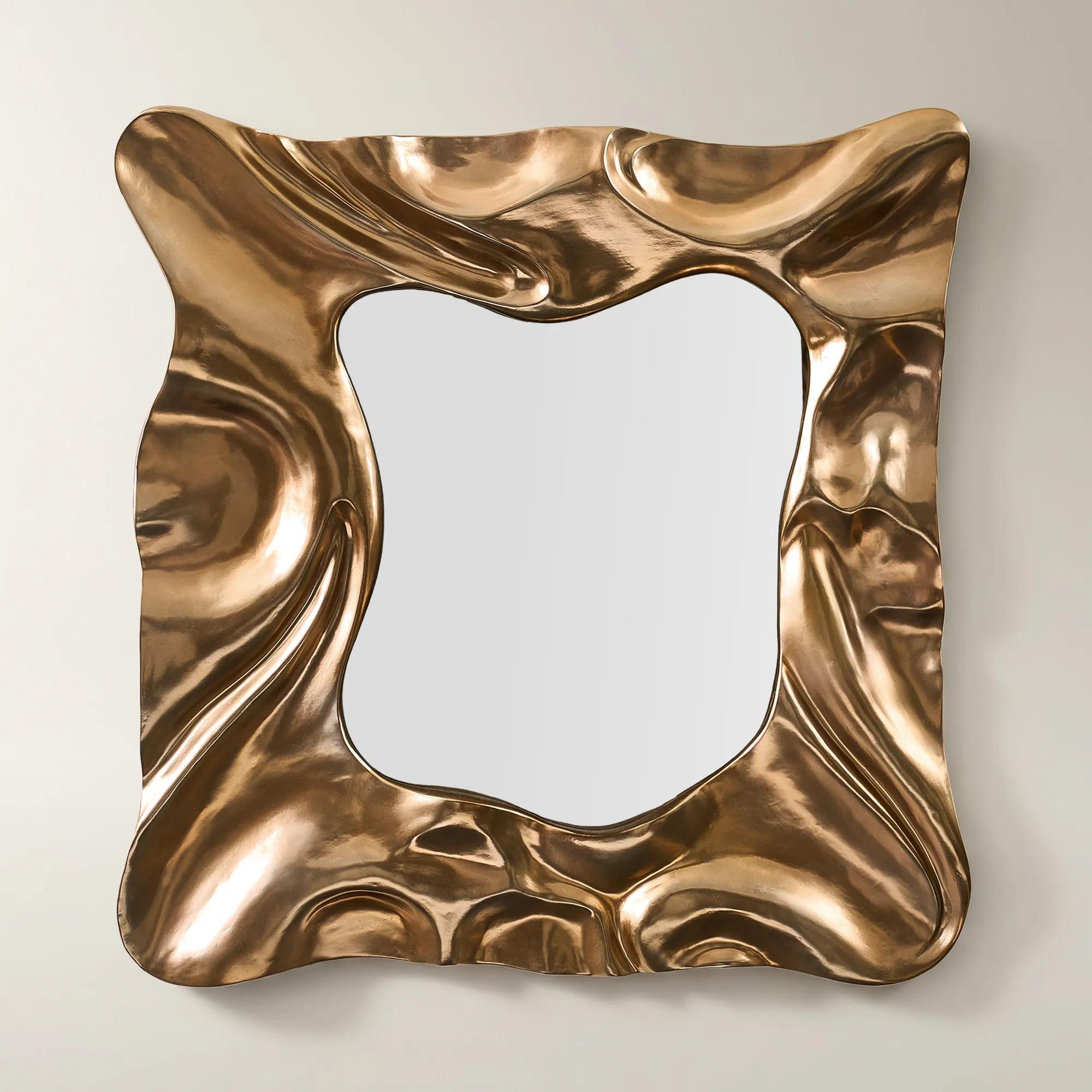 Surface Bronze Resin Organic Shaped Wall Mirror 40" x 40"$699
A sculptural bronze resin frame and organic silhouette create a striking, artful focal point for any room.
Add To Cart -
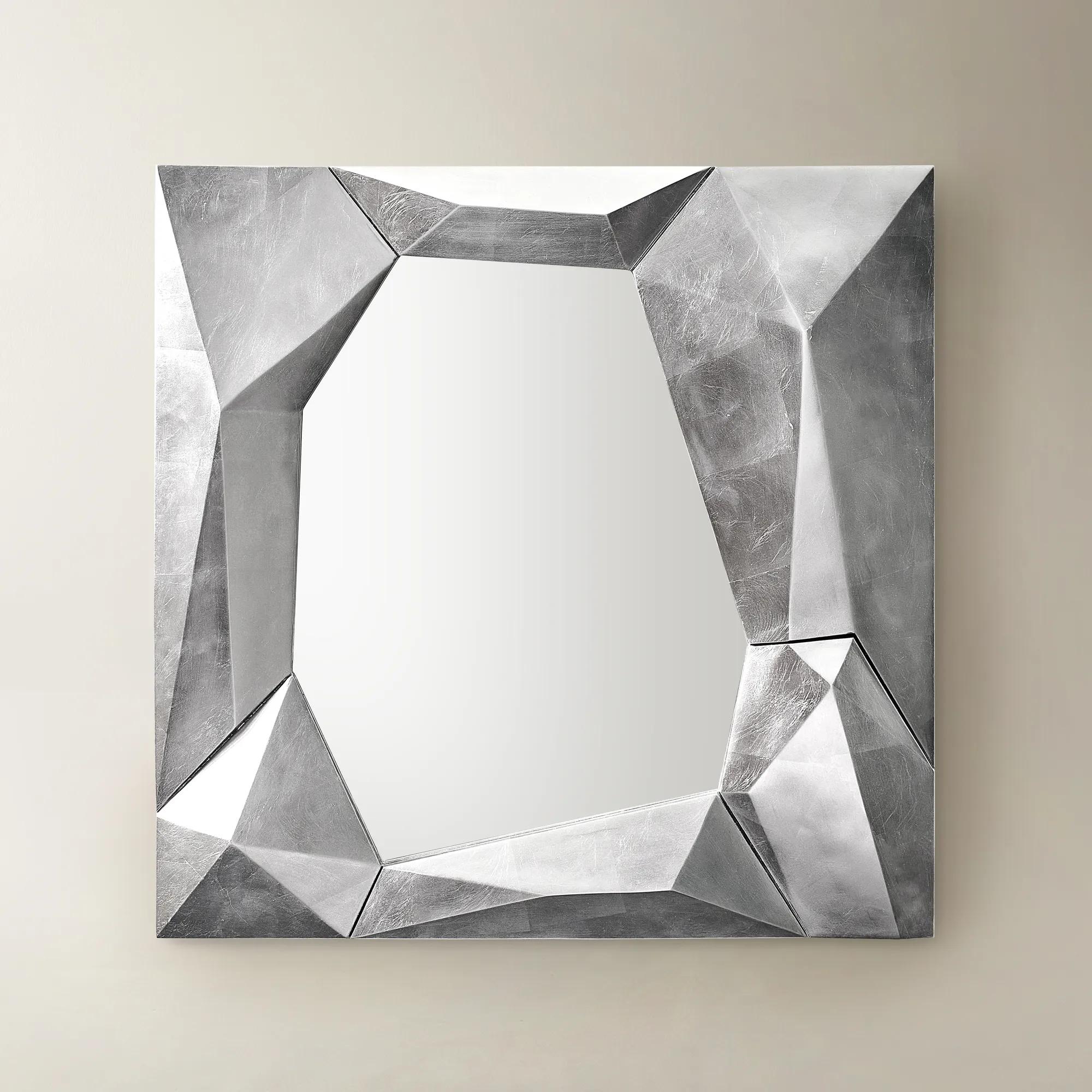 Aeris Satin Silver Faceted Resin Square Wall Mirror 35" x 35"$499
A satin silver fiberglass resin frame and faceted silhouette create a modern, sculptural wall mirror.
Add To Cart -
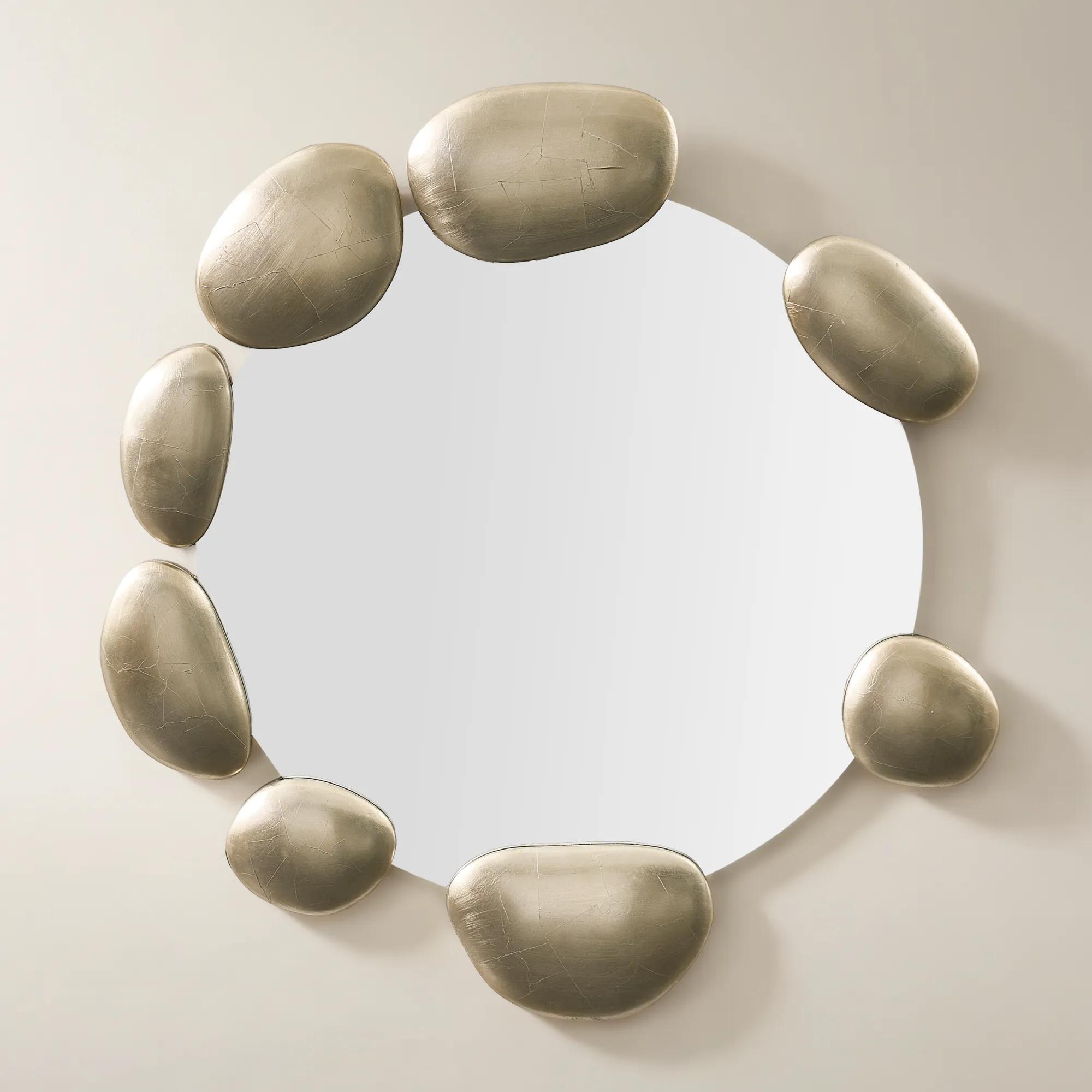 Pebbled Champagne Leaf Resin Round Wall Mirror 40"$599
A round wall mirror featuring a sculptural resin frame with champagne leafing and playful pebbled accents.
Add To Cart -
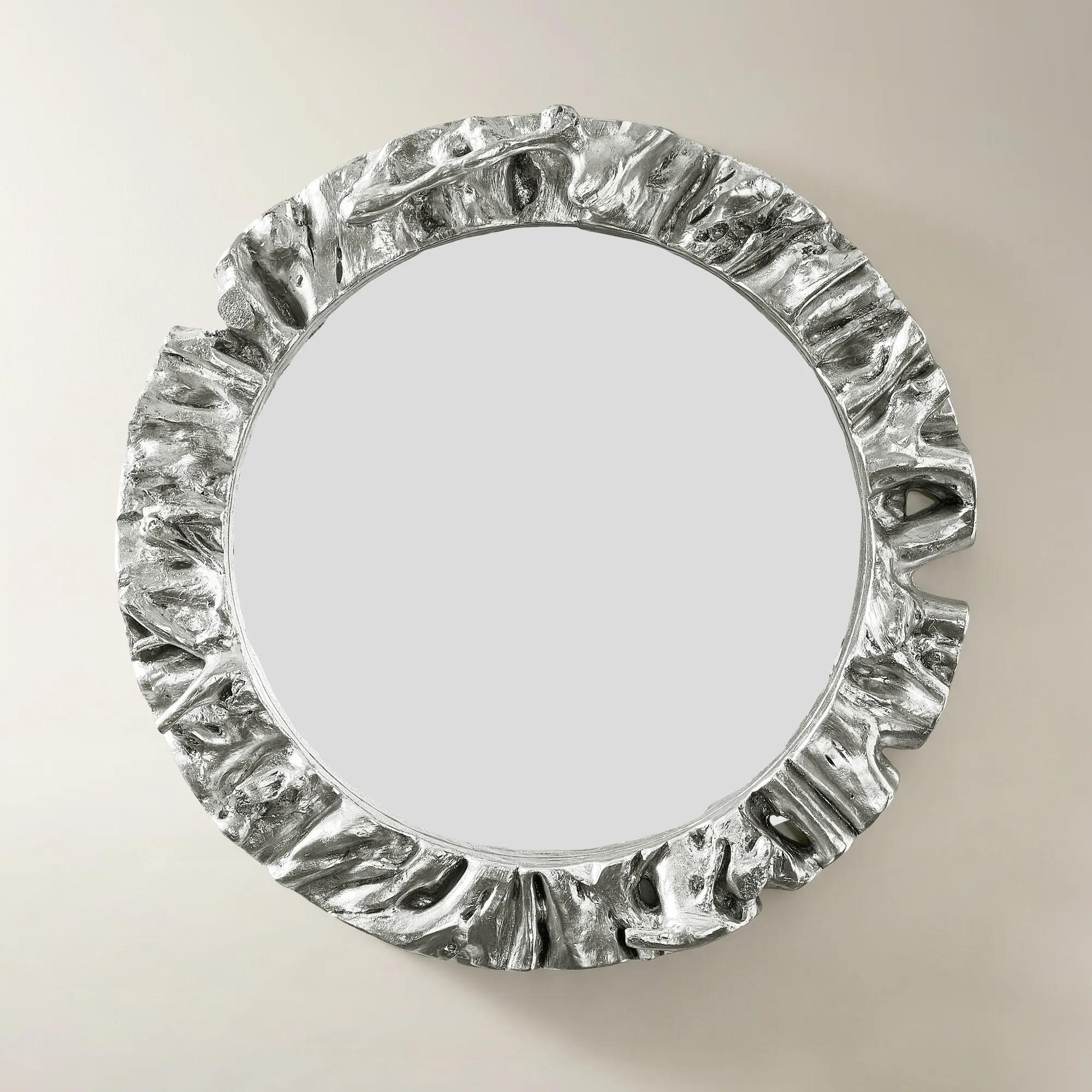
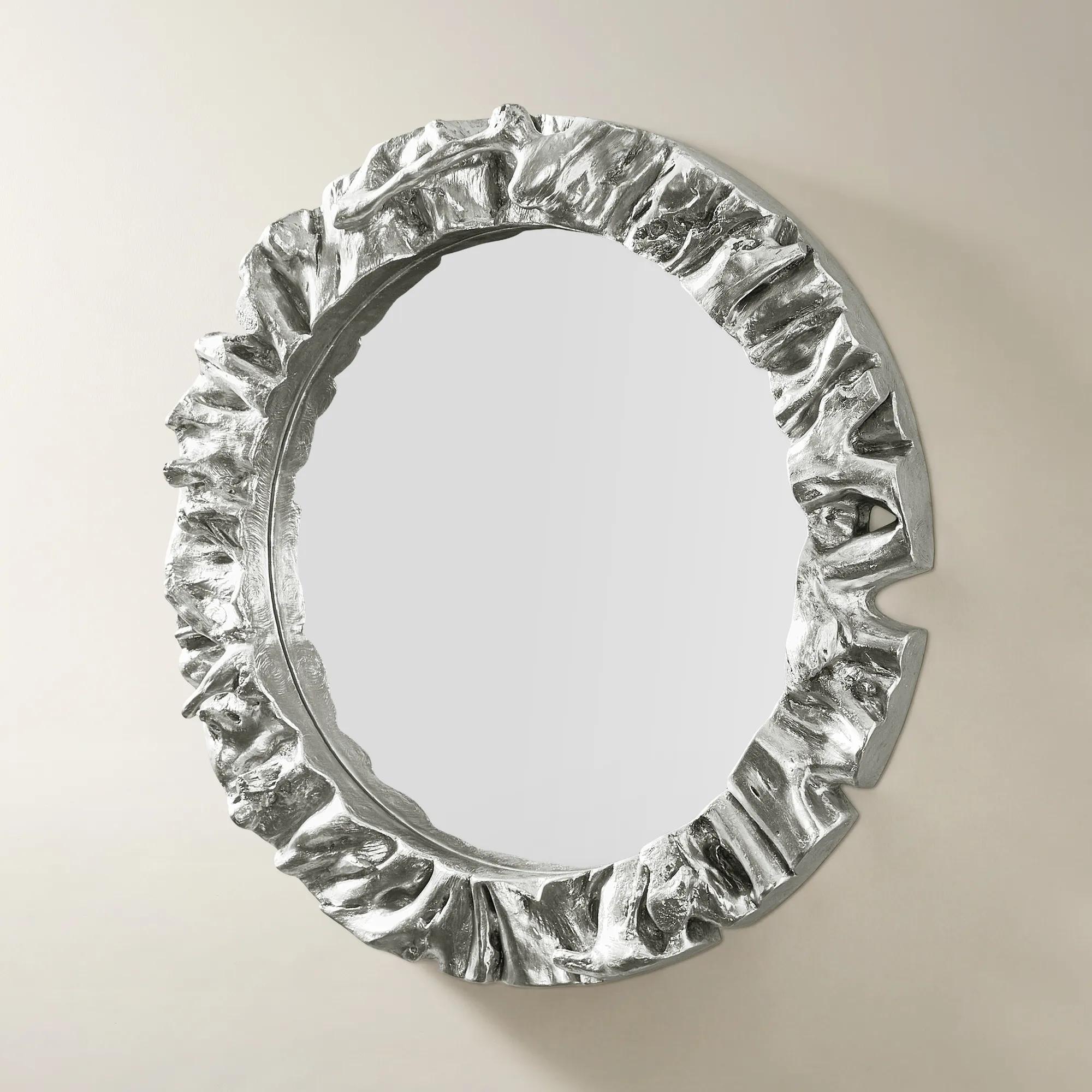 Sequoia Silver Resin Round Wall Mirror 48.25"$1199
A sculptural silver fiberglass resin frame mirror that adds modern polish and reflective brightness to any room.
Add To Cart -
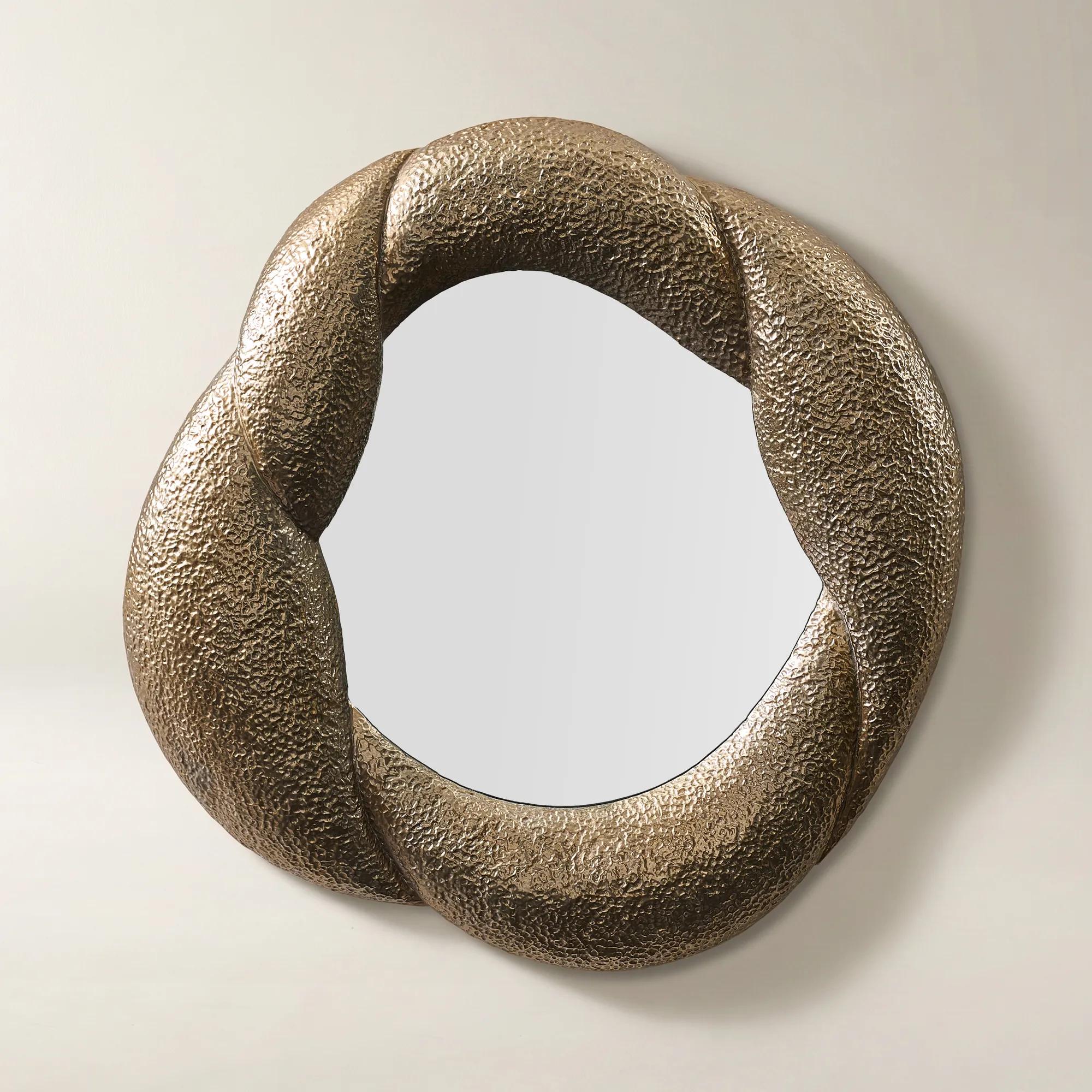 Bronze Age Hammered Texture Resin Organic Round Wall Mirror 34"$599
A round wall mirror featuring a chunky resin frame with hammered bronze texture for sculptural, modern appeal.
Add To Cart -
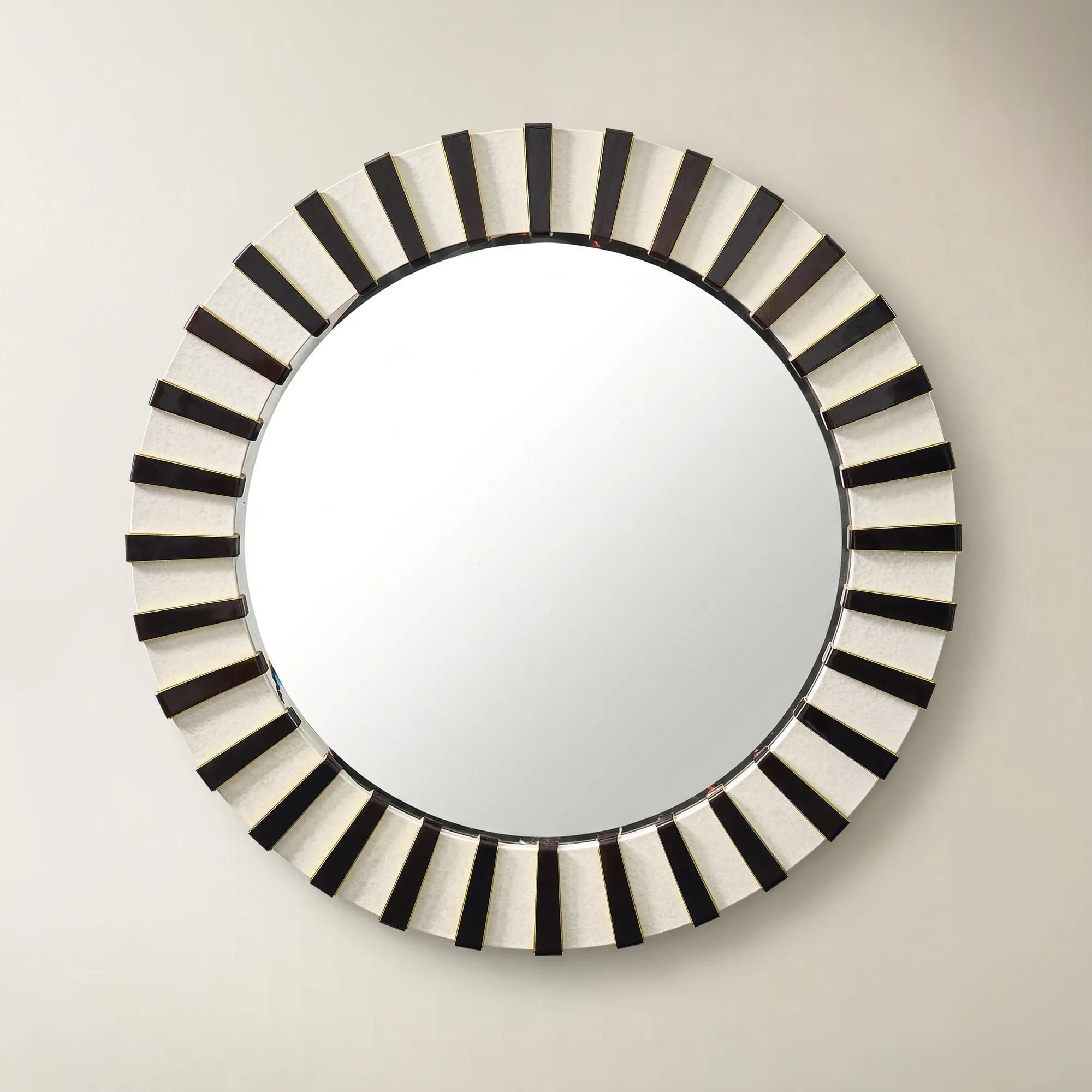 Regatta Opaline Pearl Black Gold Dimensional Round Wall Mirror 45"$849
A luminous wall mirror featuring an opaline pearl lacquered wood frame with black, gold, and raised resin accents.
Add To Cart -
 Ever Translucent Amber Resin Round Wall Mirror 40"$699
A sculptural amber resin mirror with gold accents and playful bauble-inspired forms for modern glamour.
Add To Cart -
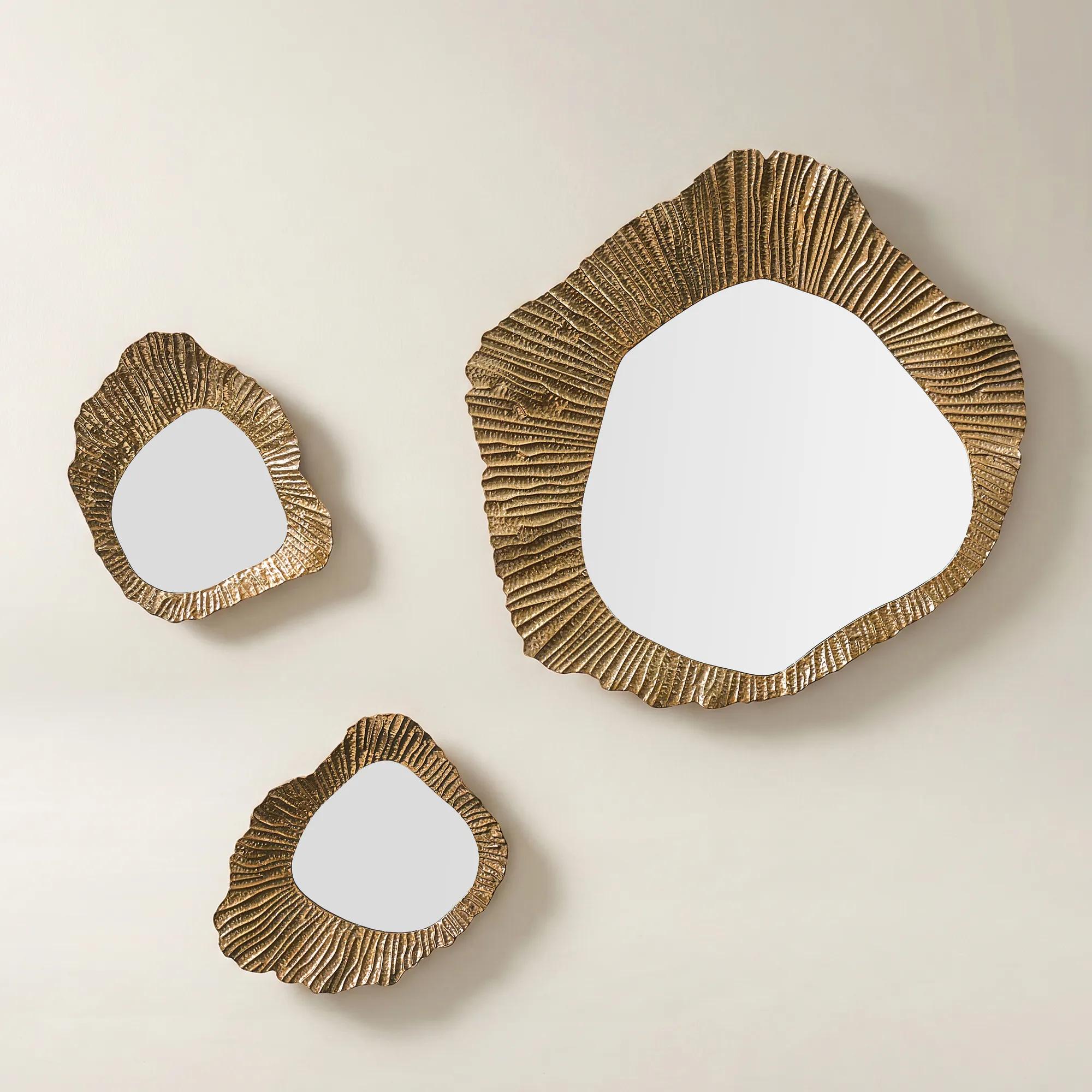 Cara Antique Gold Hand-Forged Iron Organic Shaped Wall Mirror Cluster Trio$1099
A set of three hand-forged iron mirrors in antiqued gold, featuring an organic, sculptural cluster design.
Add To Cart -
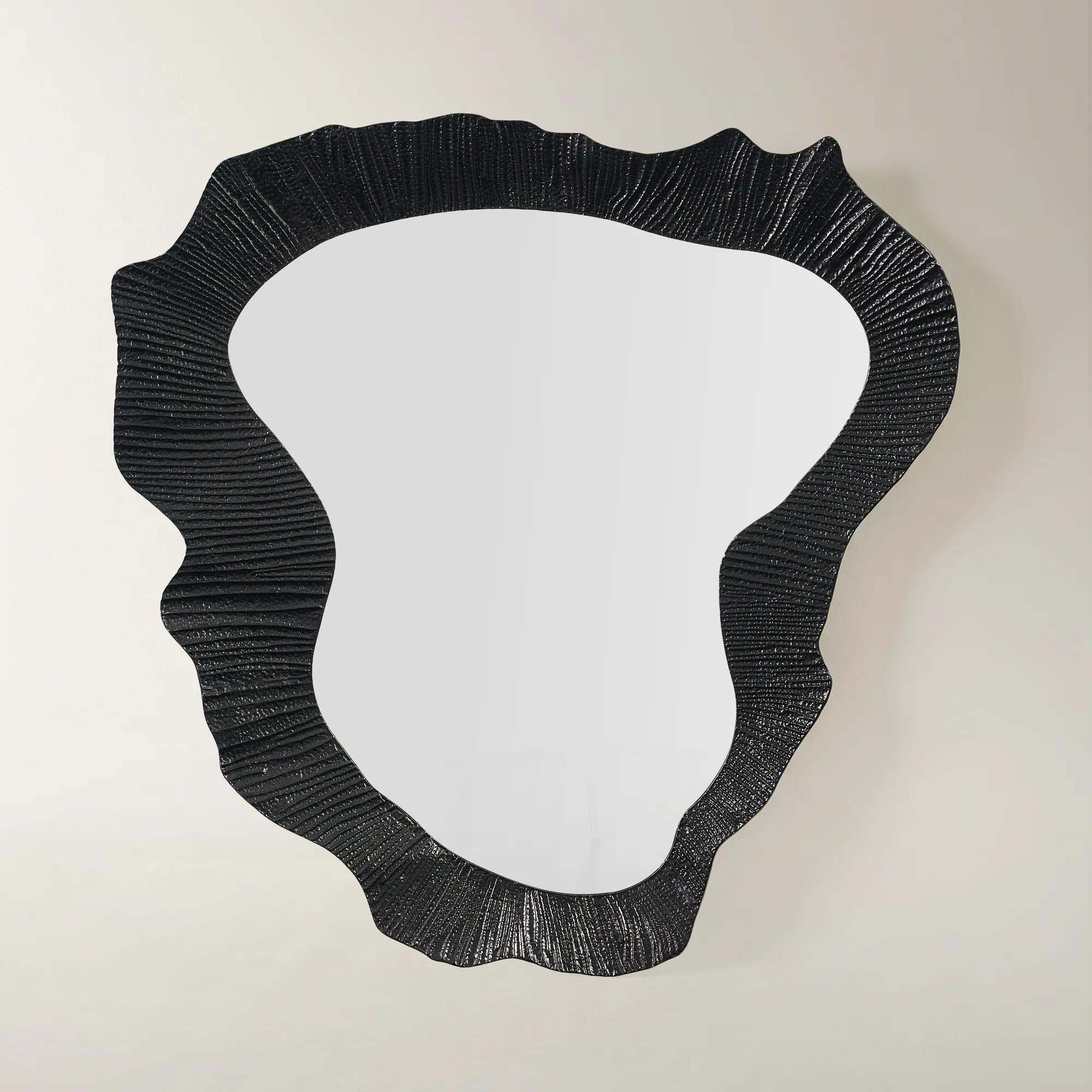 Cara Black Hand-Forged Iron Organic Shaped Wall Mirror 52.5" x 53"$1199
A hand-forged black iron frame and organic silhouette create a bold, sculptural statement for any room.
Add To Cart -
 Cara Antique Gold Hand-Forged Iron Organic Shaped Wall Mirror 52.5" x 53"$1199
A sculptural wall mirror featuring a hand-hammered iron frame with radiant gold and organic edges.
Add To Cart -

 Cade Gold Hand-Hammered Iron Round Wall Mirror 46.25"$699
A round wall mirror featuring a hand-hammered iron frame with a warm gold finish for elegant appeal.
Add To Cart -
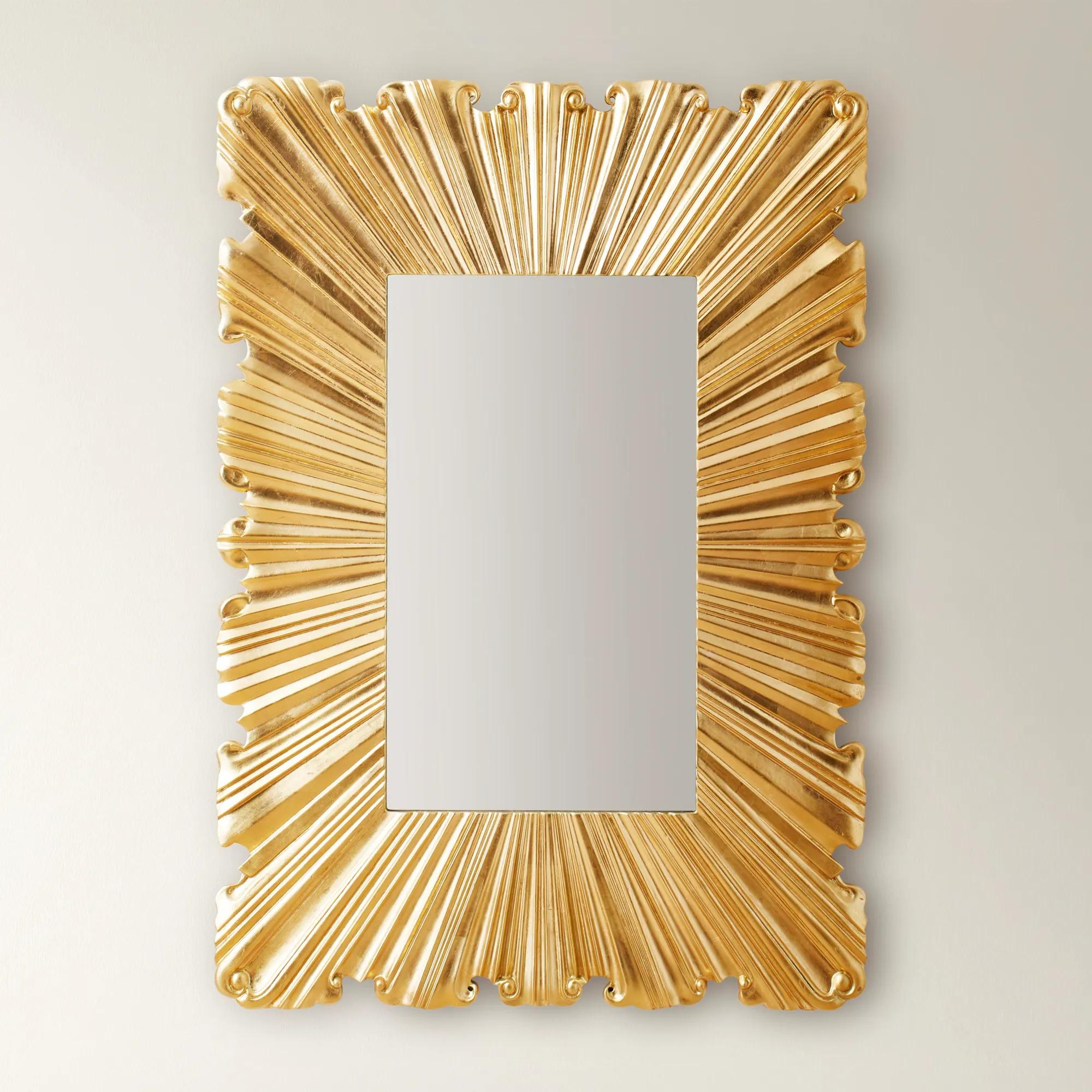 Metropolitan Gold Leaf Resin Rectangular Wall Mirror 27.5" x 39.5"$459
A sculptural wall mirror featuring a gold-finished polyurethane frame for a modern, elegant accent.
Add To Cart -

 Titan II Framed Printed Wall Mirror 40" x 60"$1529
A striking modern mirror designed to elevate contemporary spaces with artistic flair.
Add To Cart -
 Celine White And Gold Resin Round Wall Mirror 46.5" x 38.5"$699
A curvaceous wall mirror featuring a white and gold frame for a touch of modern glamour.
Add To Cart -
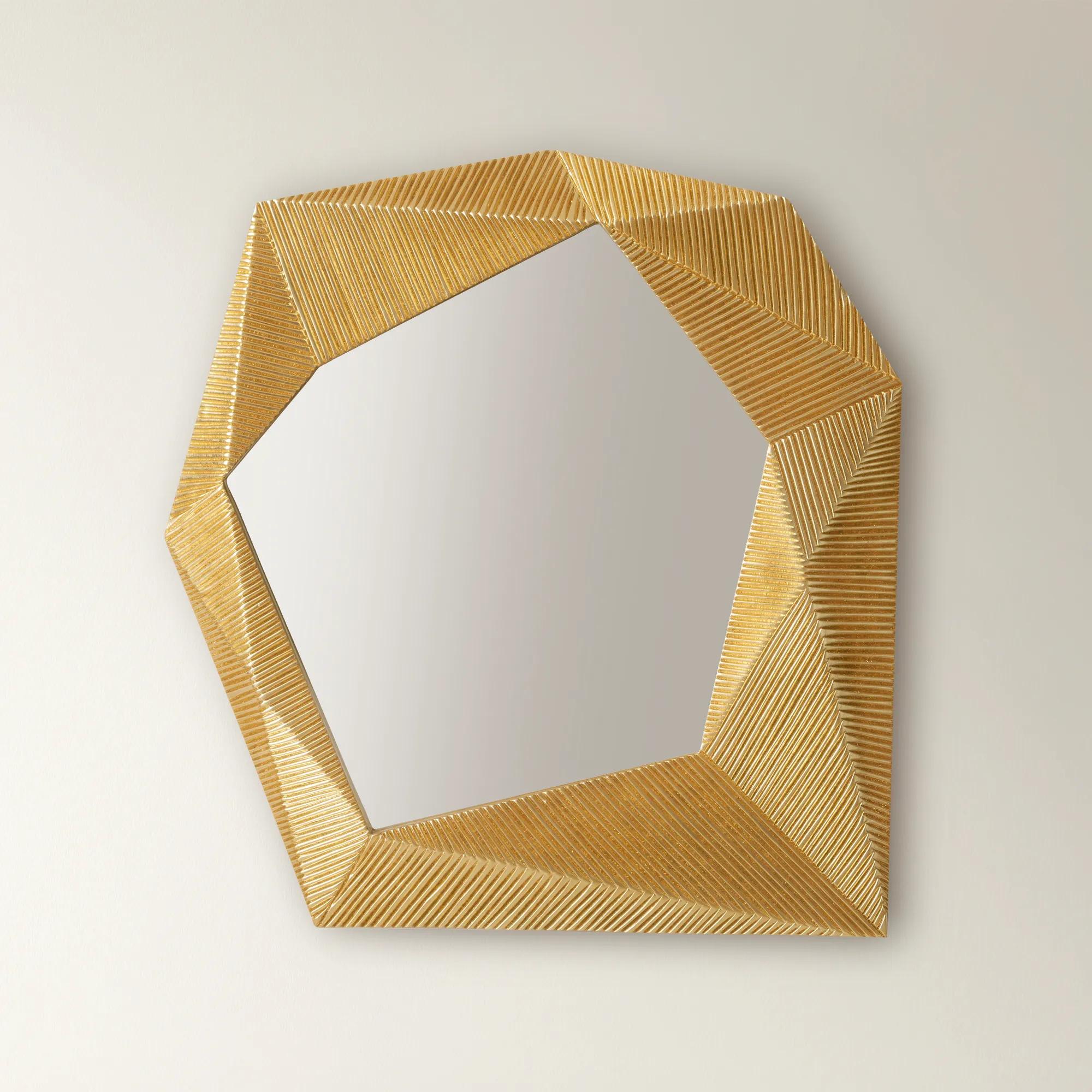
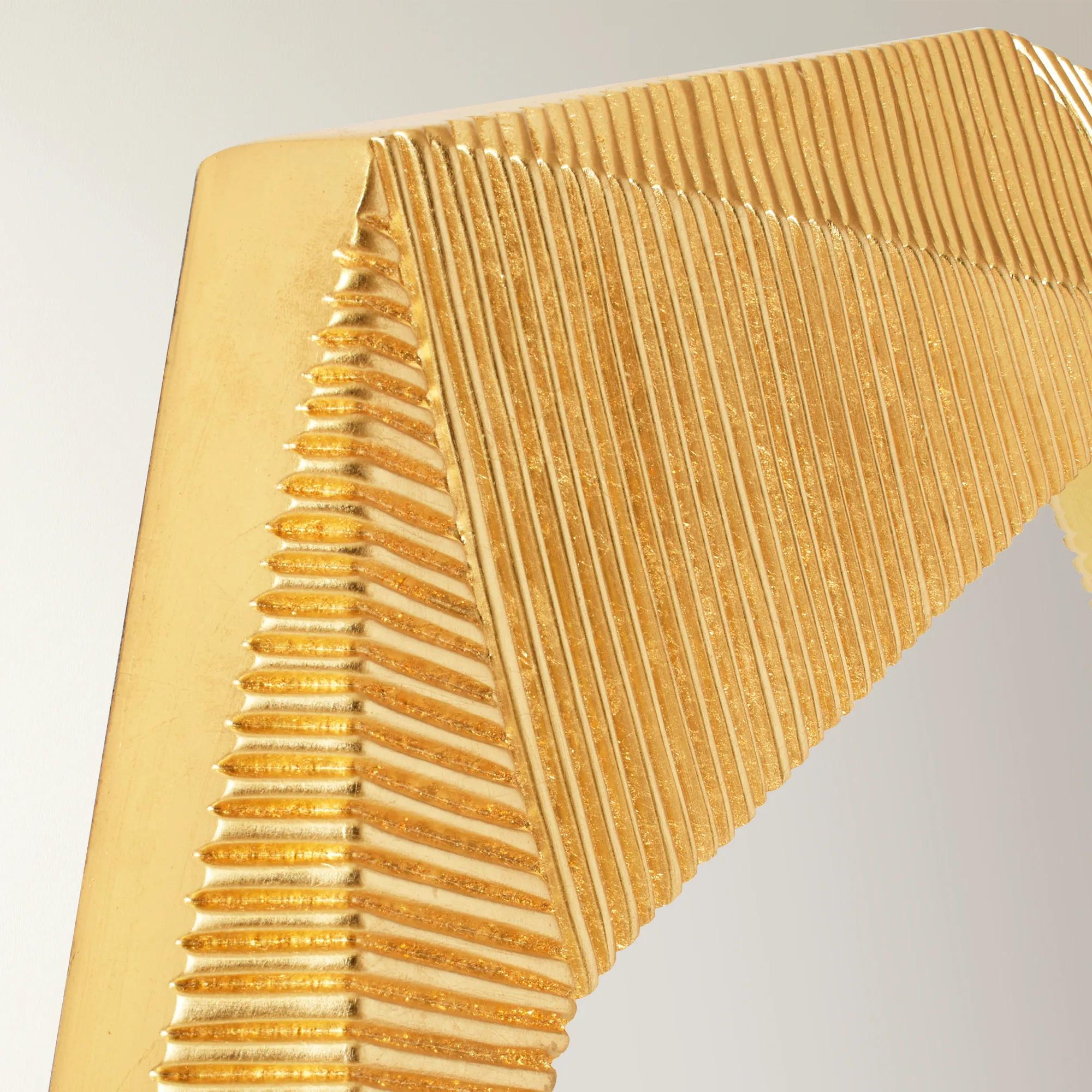 Nikki Chu Gold Steel Faceted Wall Mirror 31.5" x 35.5"$349
A modern mirror featuring a textured, faceted steel frame in a striking metallic gold finish.
Add To Cart -

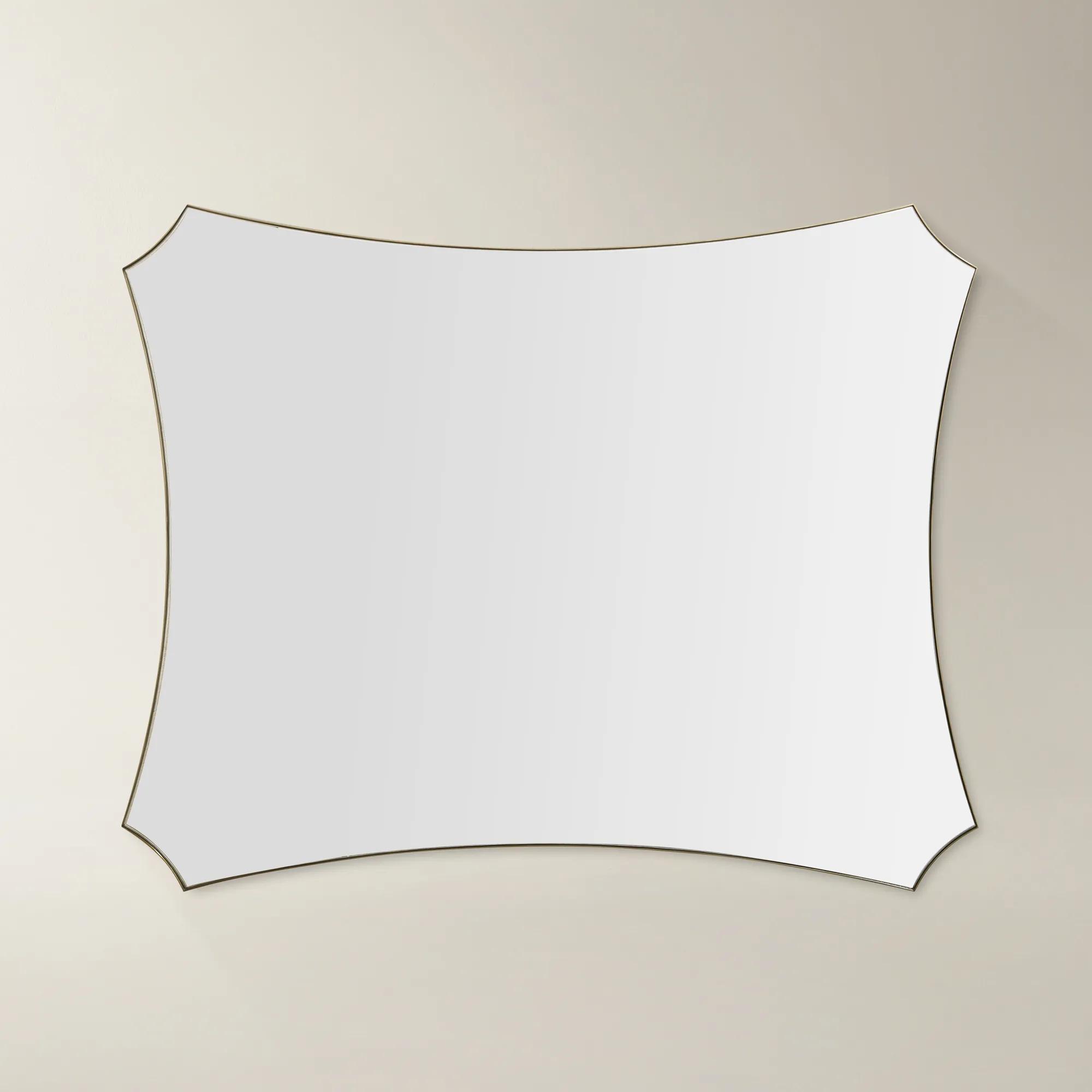 Ava Gold Stainless Steel Wall Mirror 40" x 50"$499
A contemporary wall mirror adding reflective style and sophistication to modern interiors.
Add To Cart -

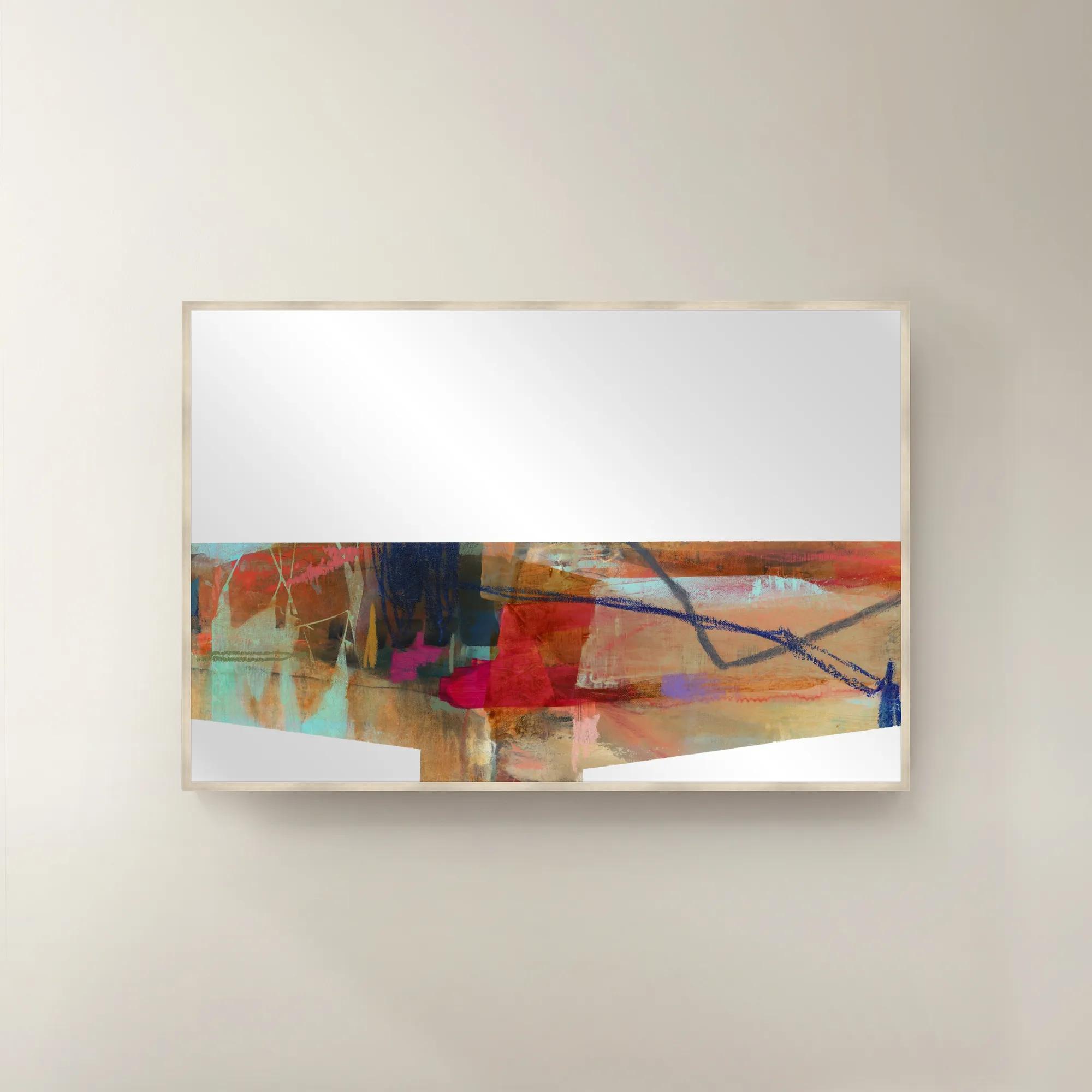
 In a New Light II Framed Printed Wall Mirror 60" x 40"$1499
A contemporary framed printed wall mirror adding artistic dimension and reflective style to modern interiors.
Add To Cart -
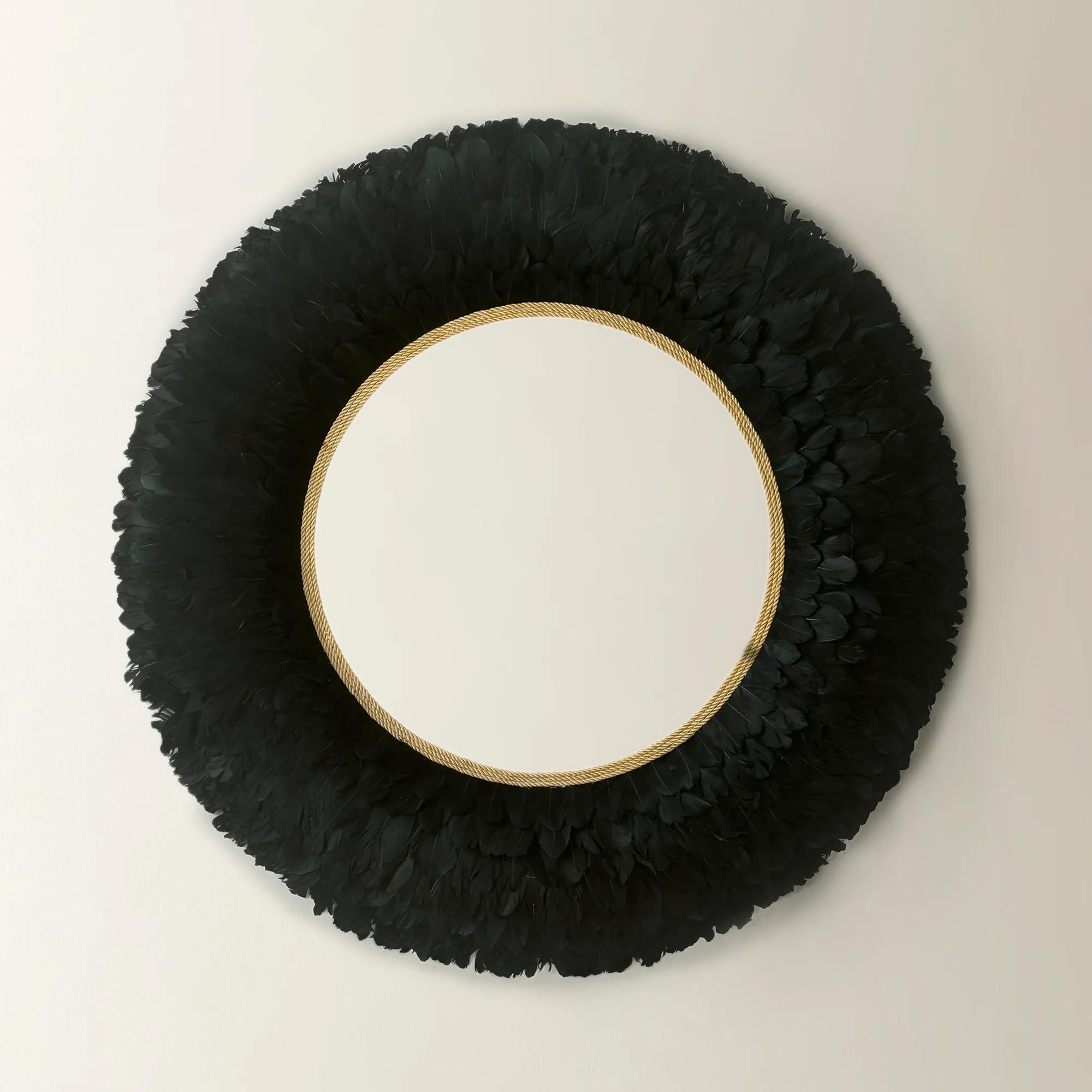
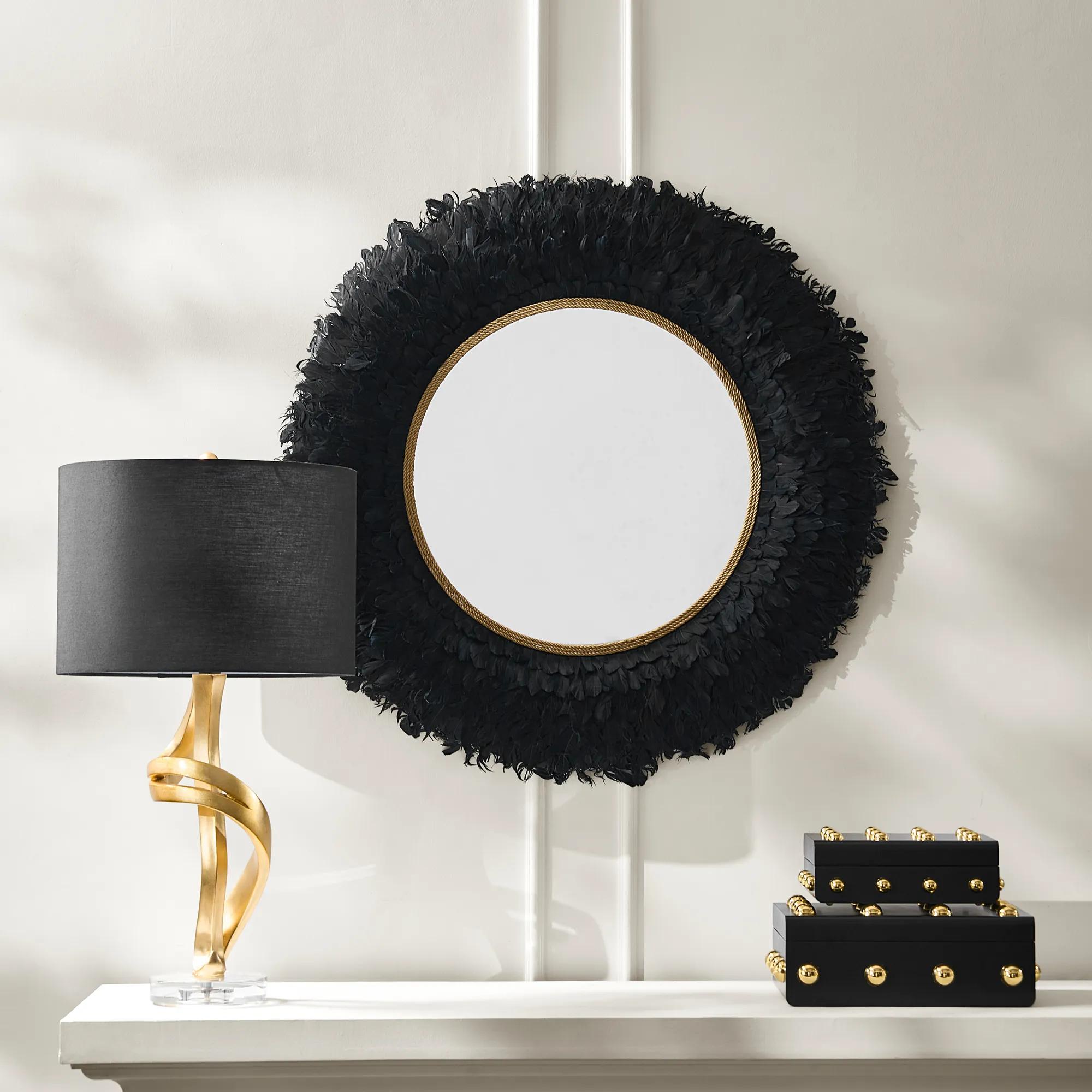 Nikki Chu Midnight Black Feather Round Wall Mirror 35.5"$499
A dramatic black feather-framed mirror accented with a gleaming gold inner border for striking wall texture.
Add To Cart -
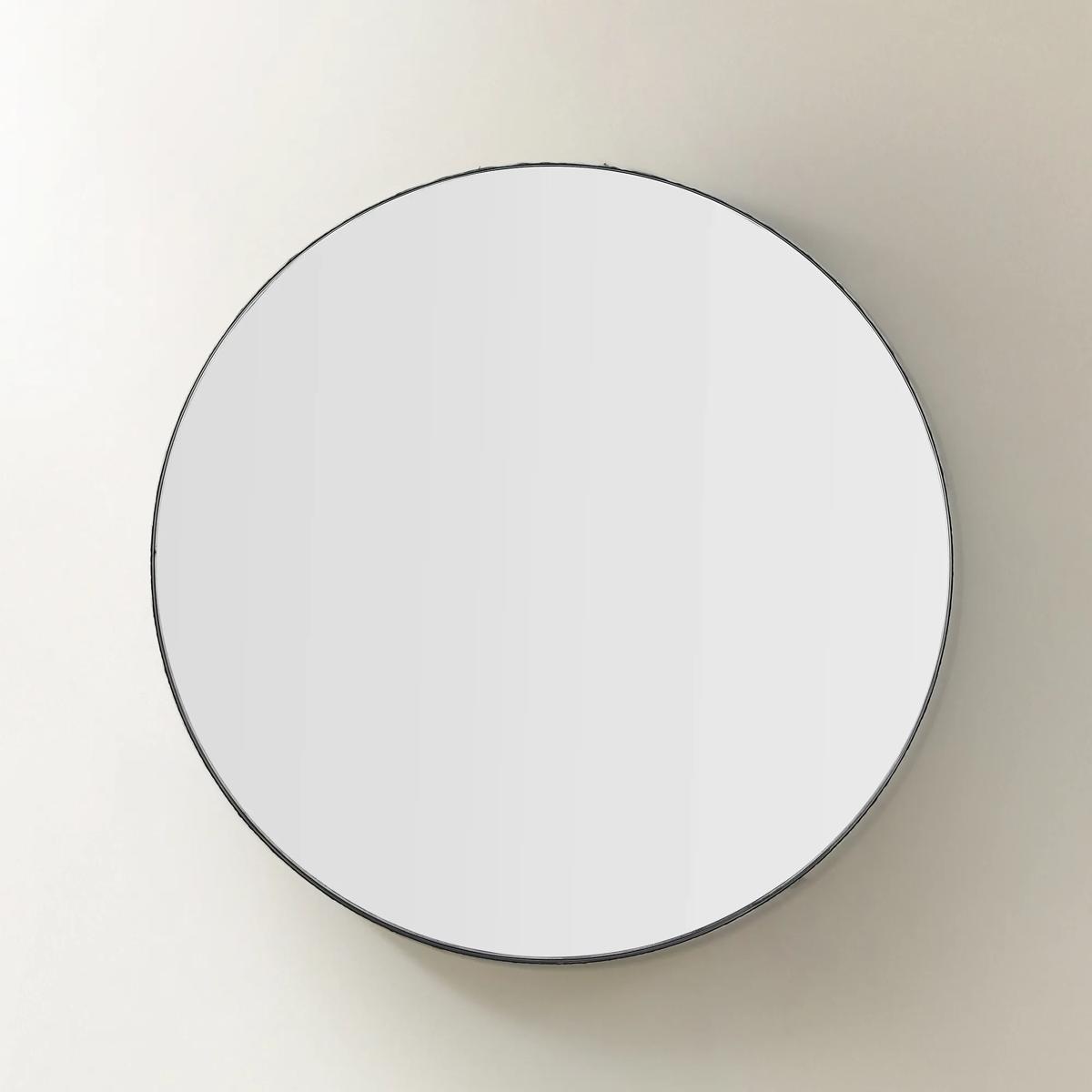
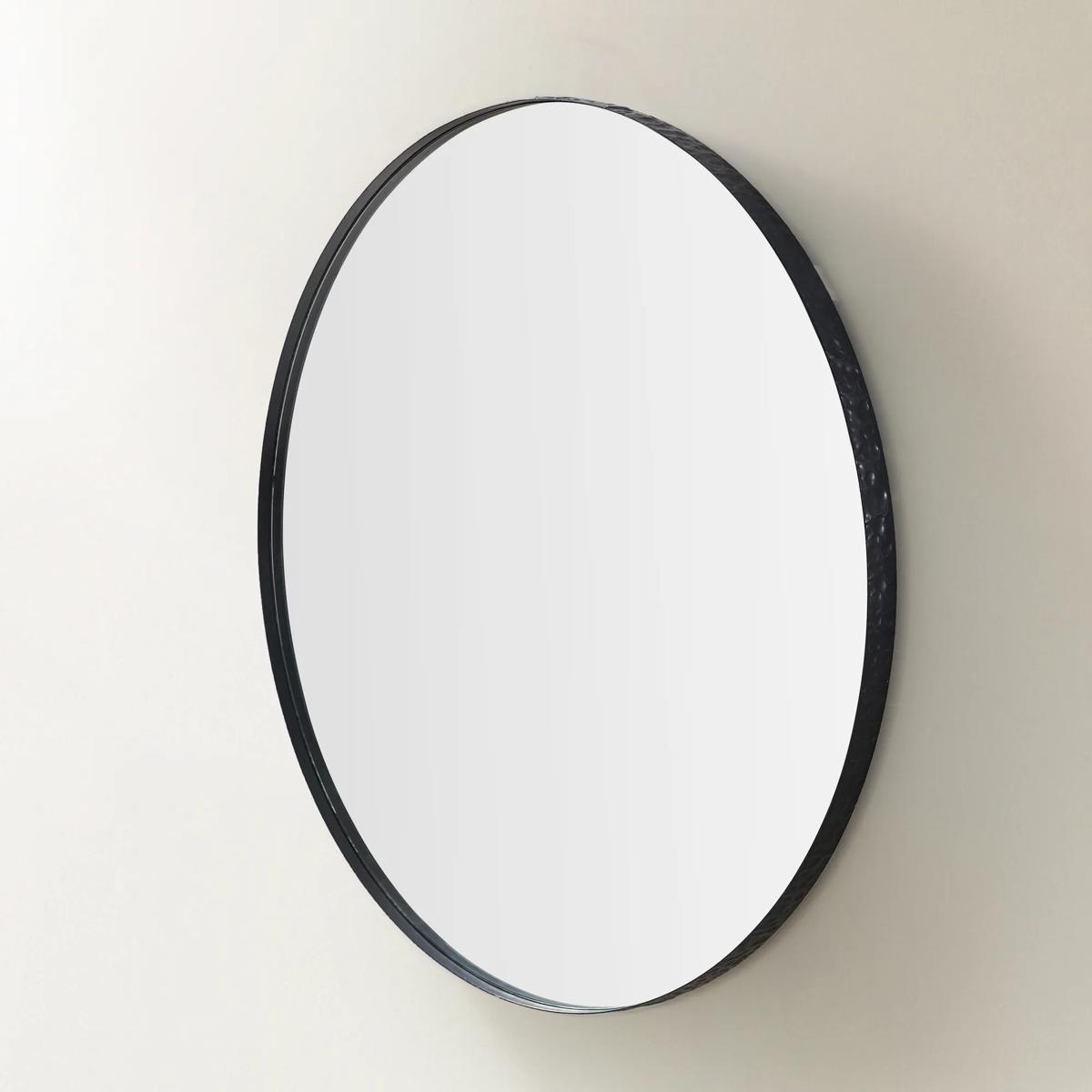 Cade Wall Mirror - Black$699
A round wall mirror featuring a hand-hammered black iron frame for a sleek, modern accent.
Add To Cart -
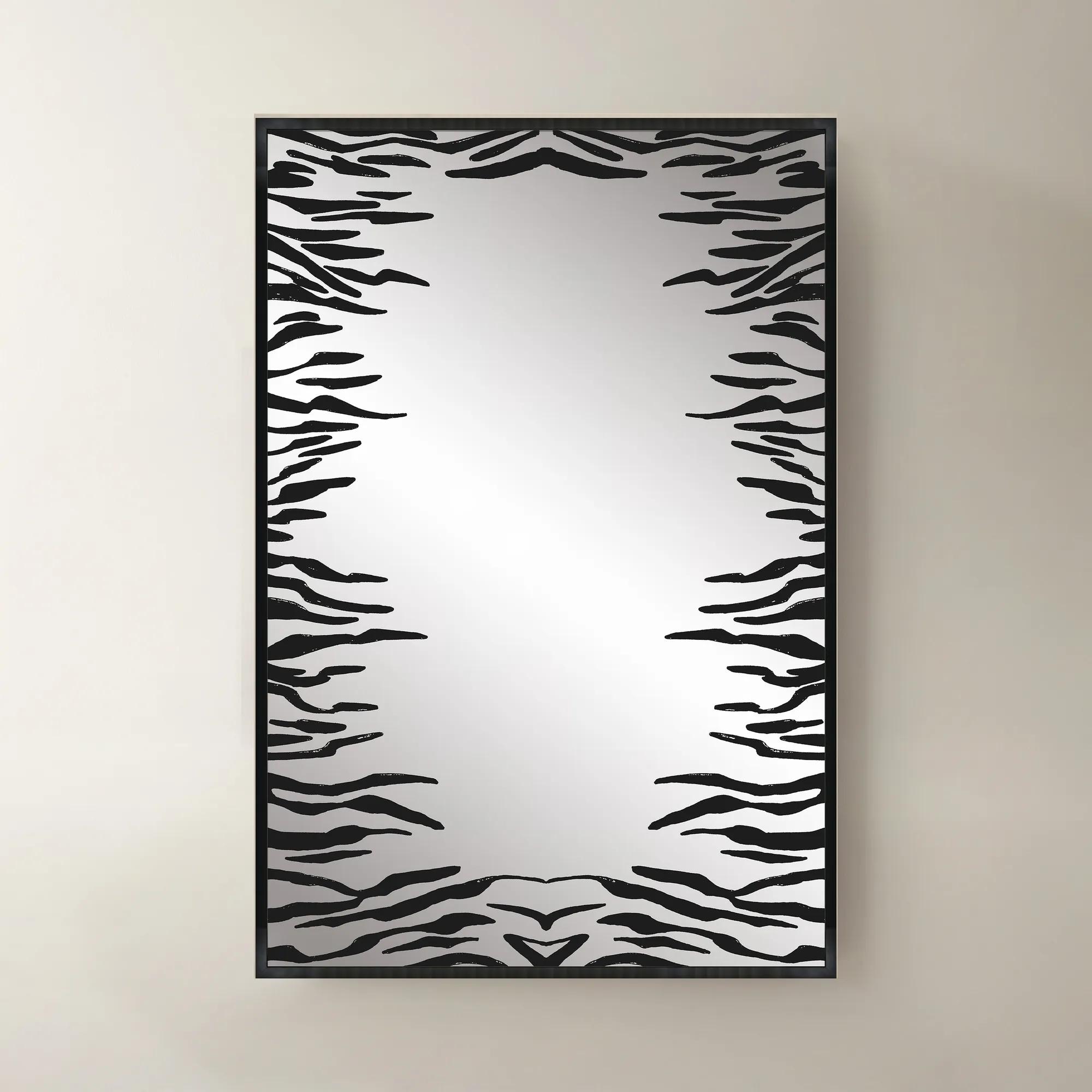
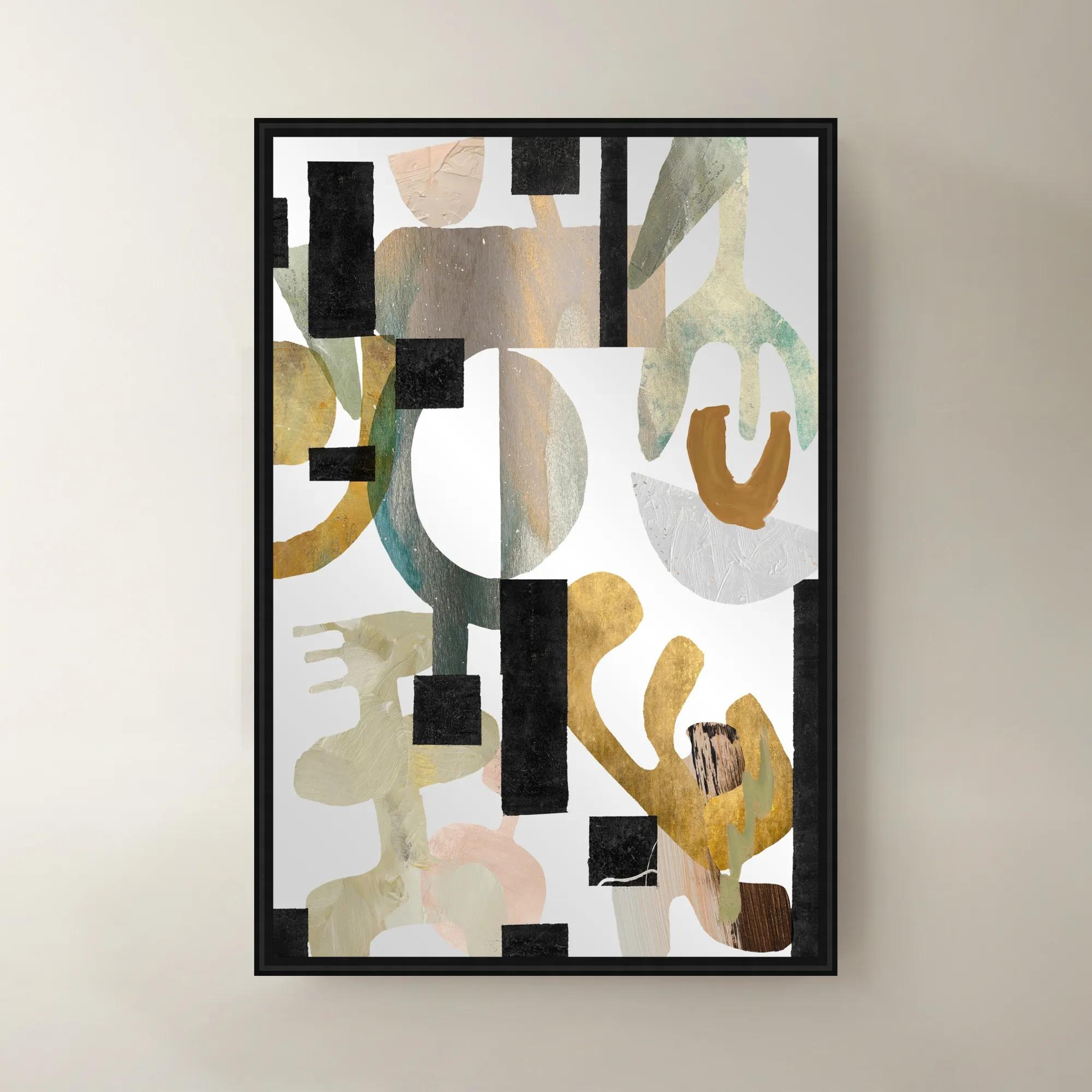
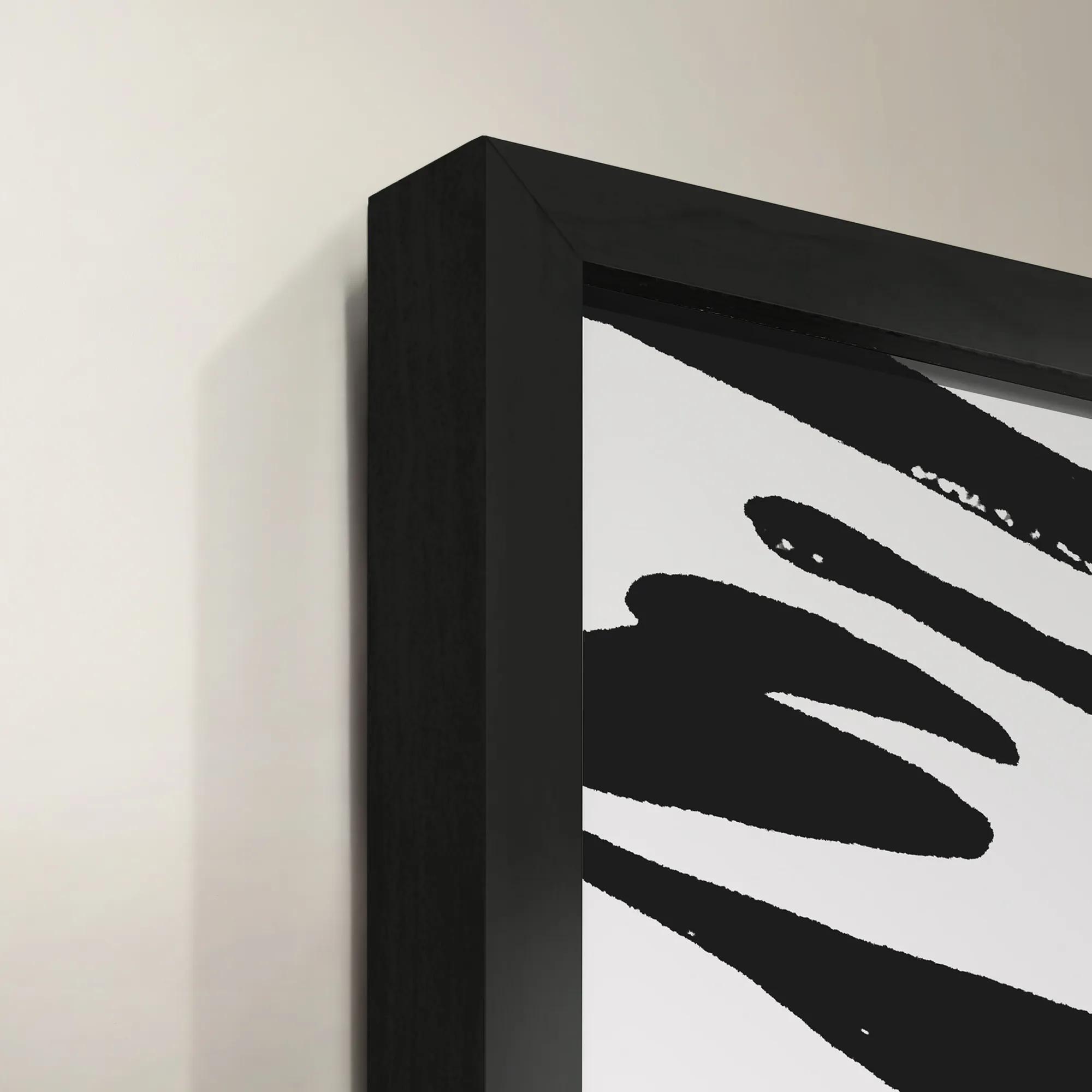 Savanna Veil Framed Printed Wall Mirror 40" x 60"$1499
A black framed printed wall mirror offering artistic dimension and modern sophistication.
Add To Cart -
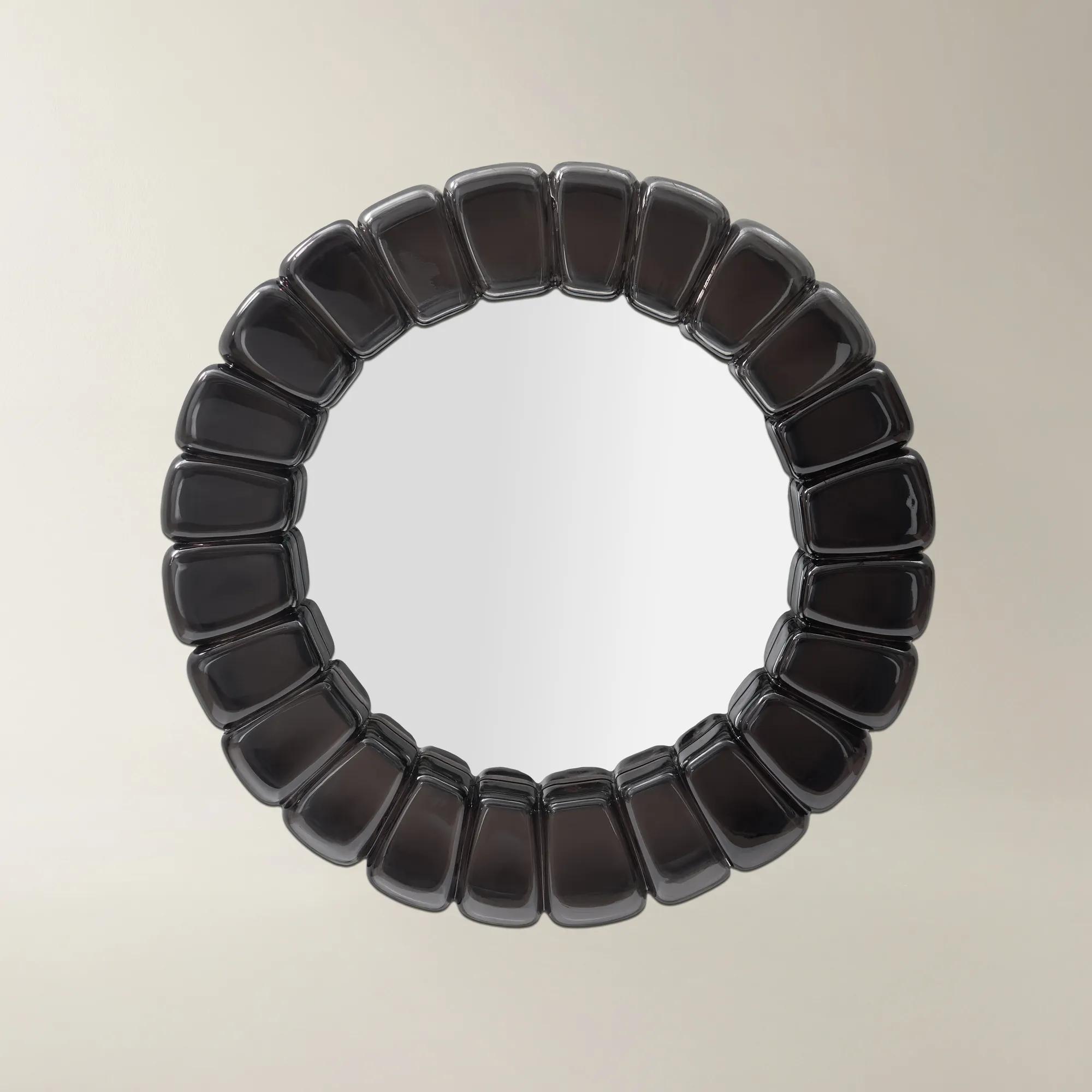
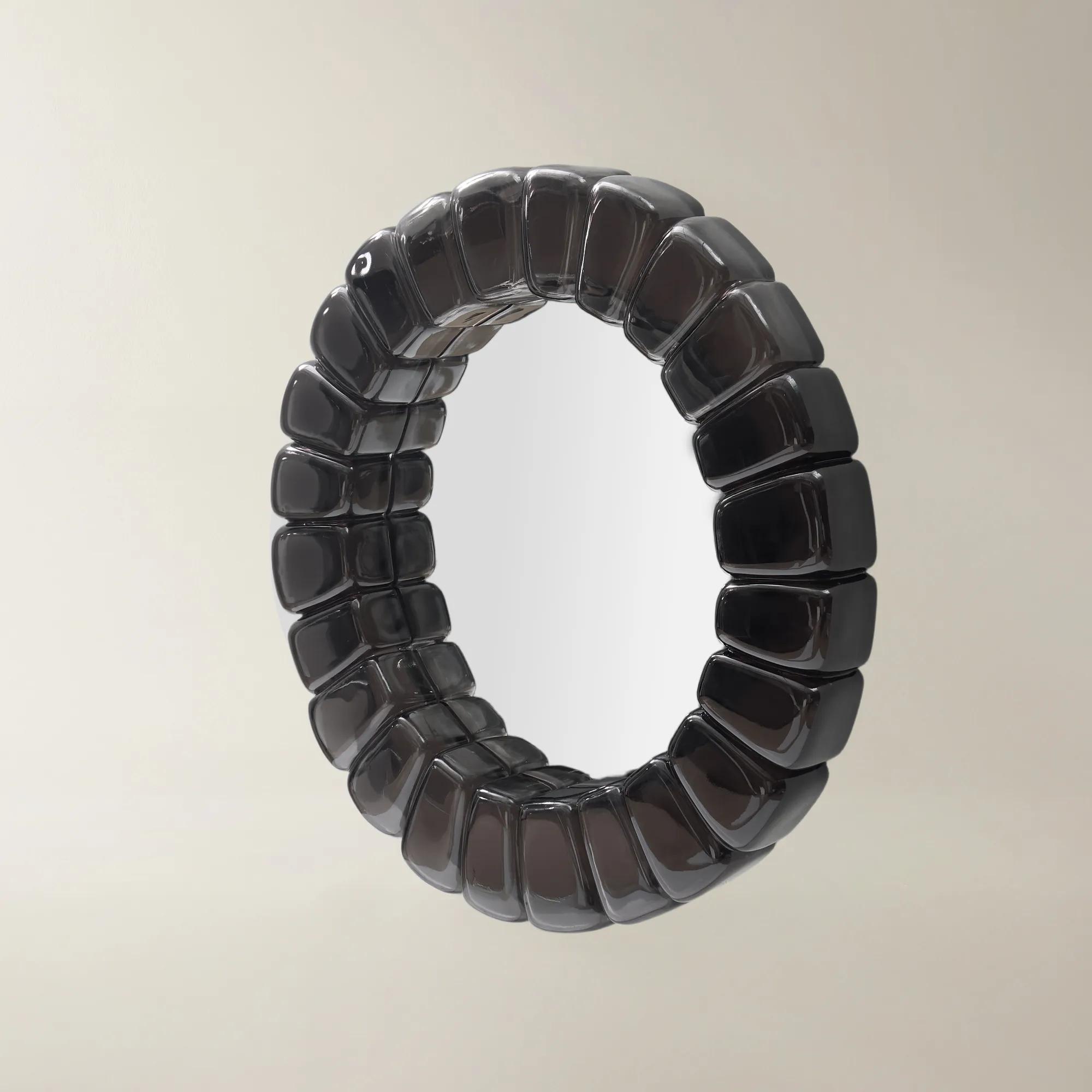 Lumino Graphite Resin Round Wall Mirror 38.5"$899
A round wall mirror with a sculptural translucent charcoal resin frame, graphite finish, and vertical display.
Add To Cart -
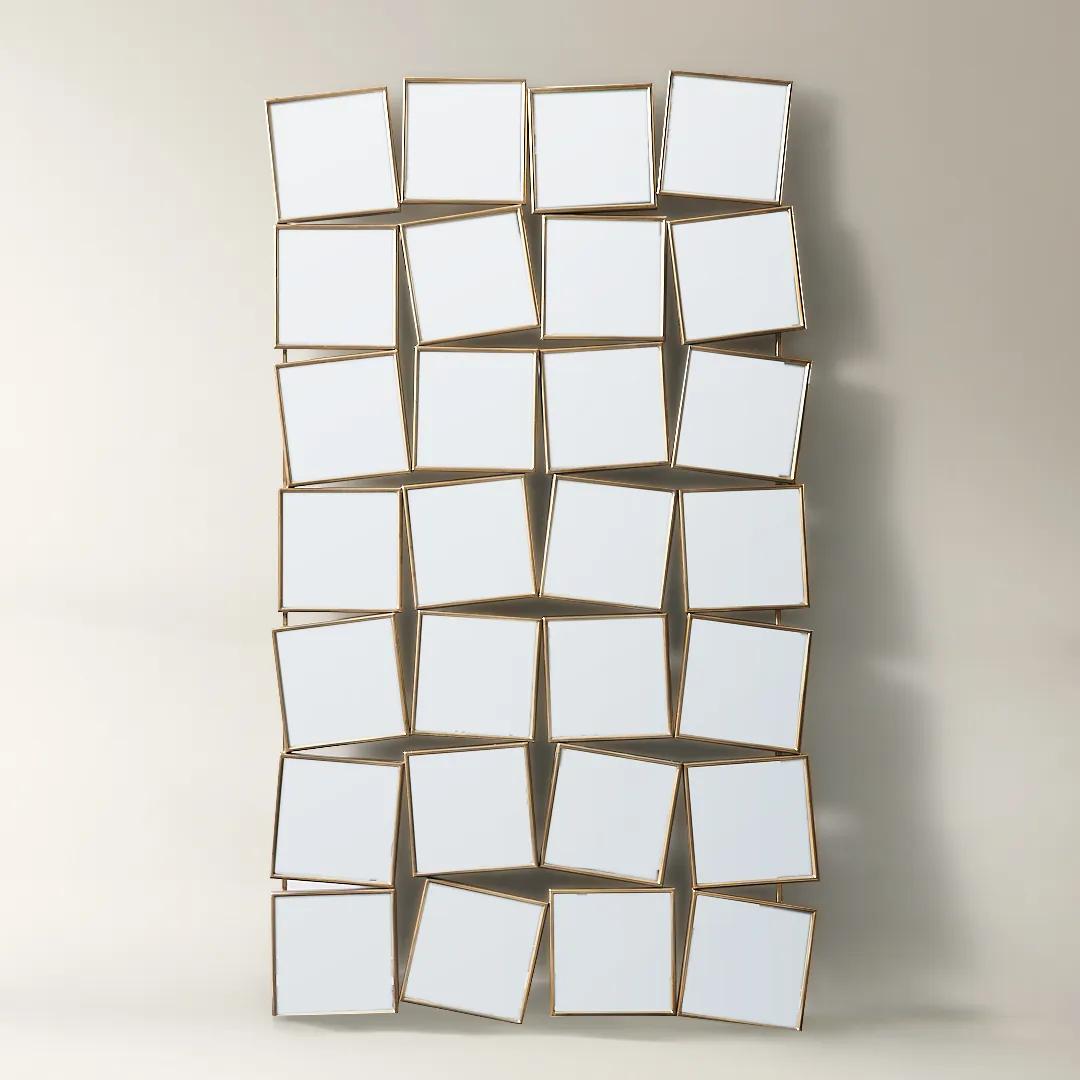
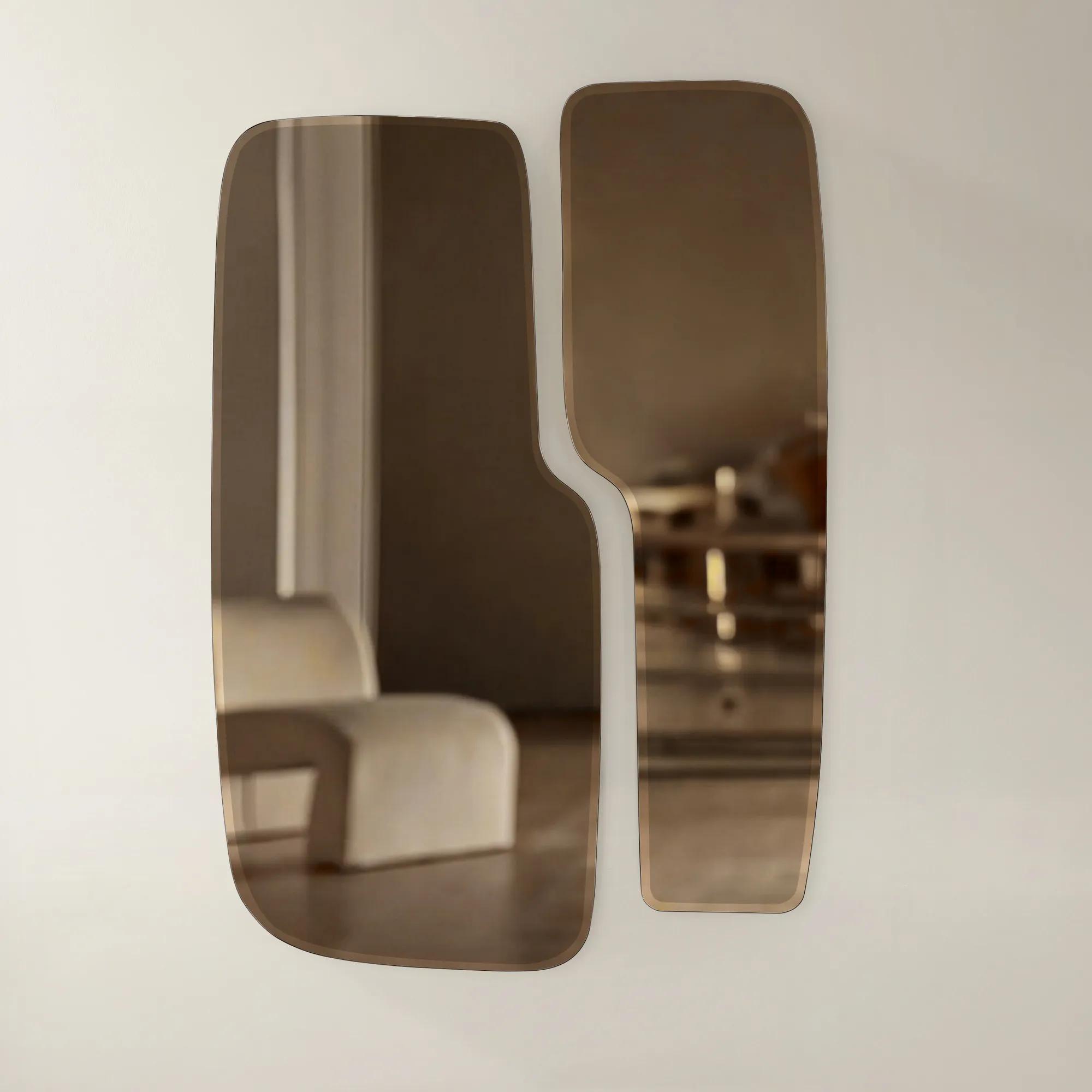 Puzzle 2-Piece Bronze Organic Shaped Wall Mirror 30" x 45"$499
A two-piece bronze wall mirror set featuring organic shapes for an artful, sculptural accent.
Add To Cart -
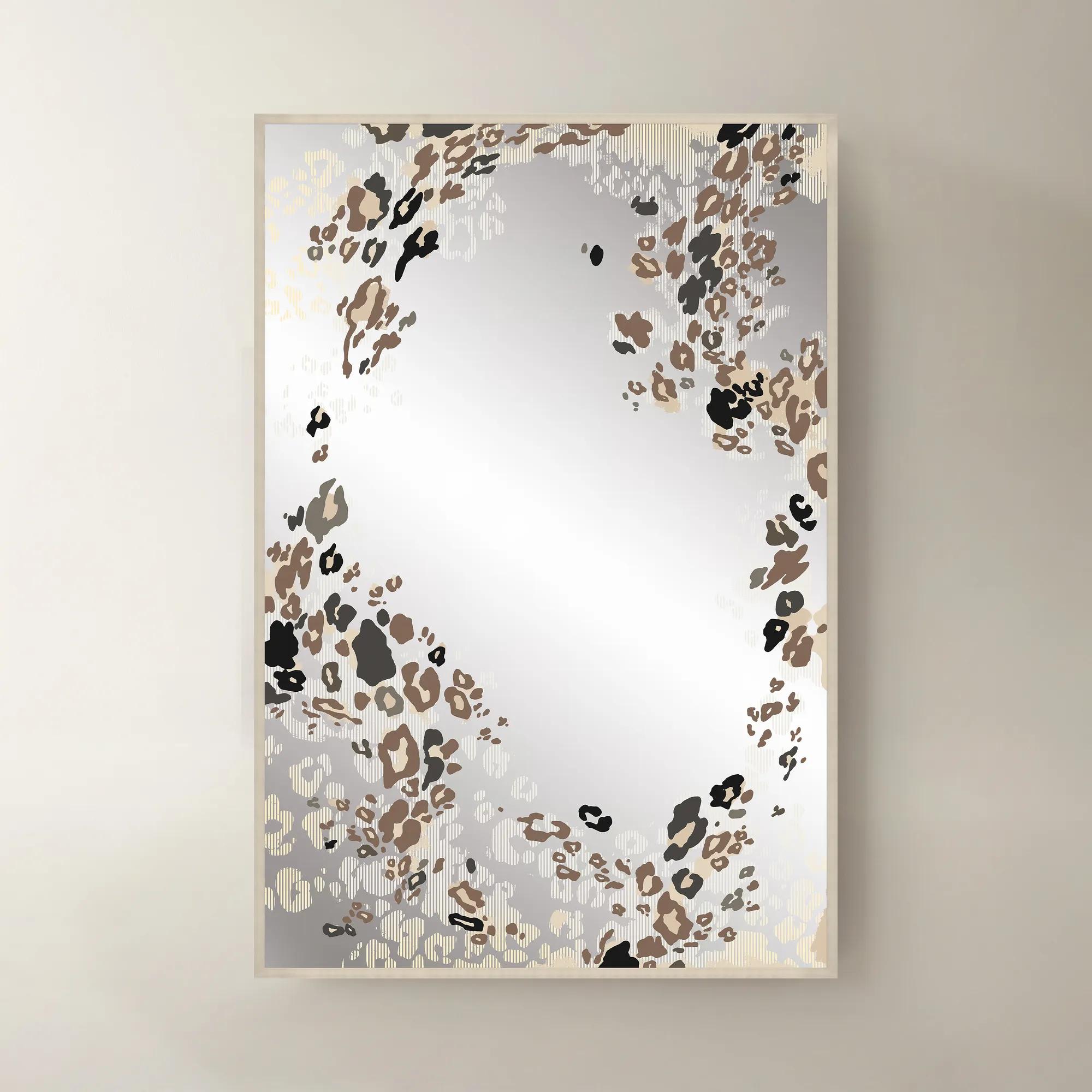
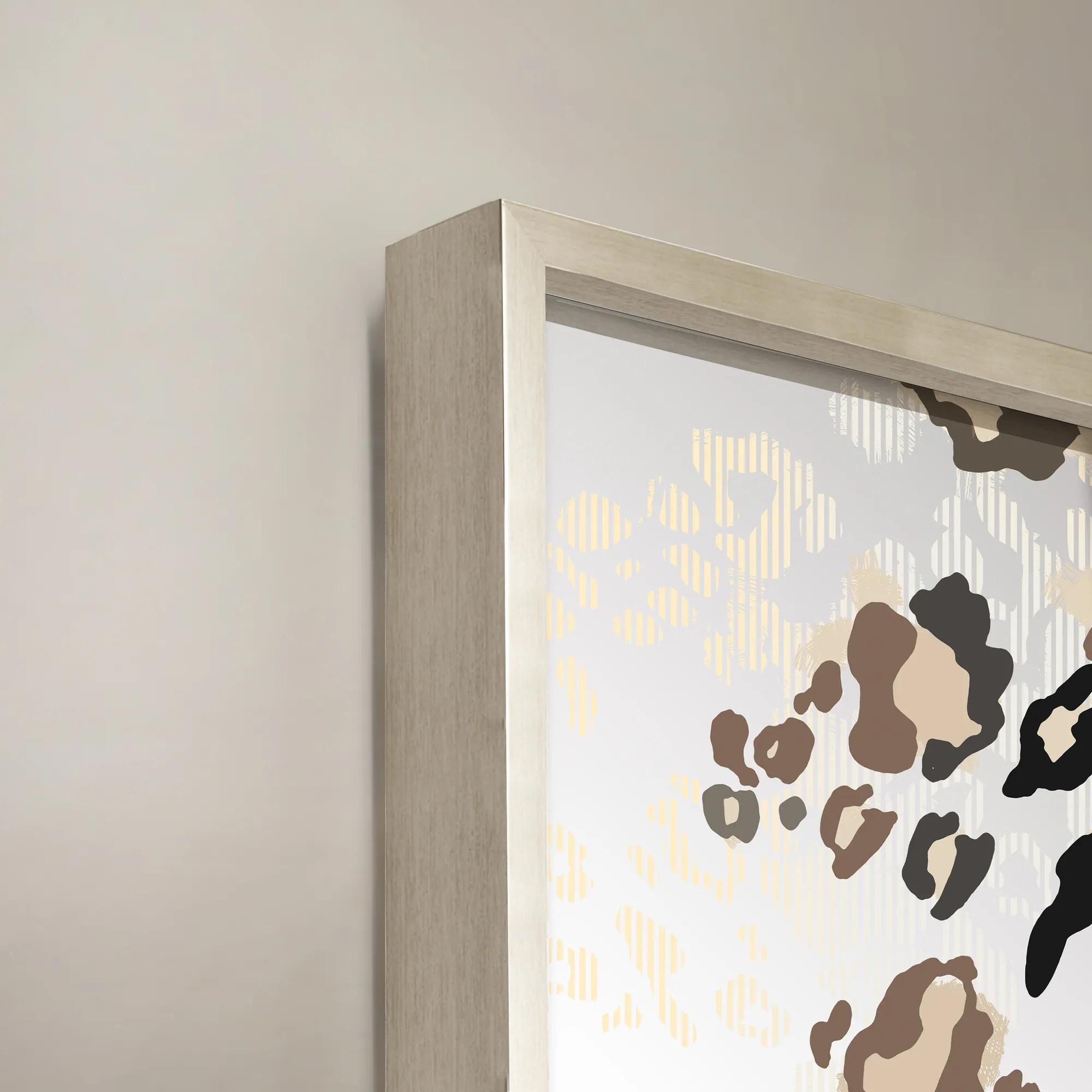 Leopard Luxe Framed Printed Wall Mirror 40" x 60"$1499
A printed mirror featuring Art Deco-inspired leopard artwork, set in a wood silver frame with brown and black tones.
Add To Cart

Mirrors For Elegant Dining Rooms
Mirrors for elegant dining rooms are more than mere reflections—they are portals to grandeur, orchestrating light, depth, and drama with every glance. Imagine your dining space transformed: candlelight multiplied, crystal stemware sparkling twice as bright, every dinner party bathed in a luminous ambiance that lingers long after dessert. With artful silhouettes and gleaming finishes, these mirrors become the centerpiece of conversation, amplifying your boldest moments and elevating every gathering into a celebration of taste. Indulge in the allure of reflective artistry—because a truly elegant dining room deserves nothing less than brilliance.
Mirrors for elegant dining rooms bring more than reflected light to the table: they give the room a second perspective, drawing attention to a chandelier’s sculptural silhouette, the curve of an upholstered chair, or the gleam of glassware arranged for dinner. A well-proportioned dining room mirror can become the focal point above a buffet or lend depth to a compact dining area without adding another piece of furniture to the floor. Its character begins with the frame. Gold-toned metal introduces warmth beside dark wood and richly colored upholstery, while silver-toned finishes create a luminous counterpoint to lacquer, glass, and polished stone. Black frames offer graphic definition, particularly against pale walls, and carved wood brings dimensional detail to more traditional settings. An ornate frame can give a restrained room a sense of occasion; a streamlined frame allows an expressive wallpaper or richly veined tabletop to remain prominent. Shape changes the composition just as decisively. A rectangular mirror echoes the length of a dining table or sideboard, an oval softens an arrangement of angular furniture, and an arched mirror draws the eye upward with an architectural sweep. Round mirrors introduce a generous curve above a linear buffet, while sculptural silhouettes suit rooms where the wall deserves the presence of an artwork. Beveled edges add another layer of interest, catching light along the perimeter rather than relying on elaborate ornament. Mirrored frames create a more expansive reflective surface, while antiqued glass contributes a softly mottled effect that feels atmospheric rather than sharply defined. Clear mirror glass is generally the stronger choice when a crisp reflection is part of the appeal. These distinctions allow decorative wall mirrors to complement very different expressions of elegance, from a tailored dining nook with velvet seating to a formal room composed around a dramatic table and an oversized pendant.
Scale gives that beauty its sense of belonging. Above a buffet or sideboard, a mirror approximately two-thirds to three-quarters the furniture’s width often creates a balanced composition, though a narrow wall, substantial frame, or unusually tall ceiling may call for a different proportion. The measurement that matters is the mirror’s full exterior size, including its frame, not simply the reflective opening. A broad, horizontal design can visually anchor a long serving surface, while a tall mirror gives a slender stretch of wall a more commanding presence. Several inches of breathing room between the furniture and the bottom of the frame help the two pieces feel connected without crowding serving platters, lamps, or decorative objects. Placement also determines what becomes part of the room’s reflected scenery. Across from a window, a mirror can redirect available daylight and suggest greater depth; opposite a chandelier, it can repeat the fixture’s sparkle and make the lighting feel more enveloping. The most compelling reflection might be a piece of art or a beautifully arranged cabinet rather than the brightest part of the room. A mirror cannot create light, and a position that reflects exposed bulbs directly toward seated guests may produce uncomfortable glare. Viewing height deserves the same attention as wall space. A center point around 60 inches from the floor is a useful starting reference for a standalone wall mirror, but dining rooms need a composition that works from both a seated position and the doorway. Above furniture, the relationship to the buffet and ceiling often matters more than a fixed eye-level rule. In an open dining area, a mirror can establish a distinct destination without interrupting sight lines. In a smaller room, it offers visual breadth without competing with chair clearance. Large and heavily framed mirrors also require mounting hardware suited to their weight and the wall construction, with professional installation appropriate when the size, surface, or attachment requirements make secure placement more complex.
Materials and construction influence how confidently a dining room mirror holds its place over time. Metal frames can deliver slender profiles or substantial sculptural borders, while wood frames support everything from crisp geometry to deep carving. Resin and composite frames can accommodate intricate decorative forms; their weight and care requirements vary by construction. A polished finish emphasizes every contour, whereas a brushed or textured surface gives the frame a quieter luster. The backing, frame assembly, and specified hanging hardware deserve consideration alongside the visible design, especially for a substantial mirror positioned above a frequently used serving area. In a room where drinks are poured and dishes circulate, a secure wall-mounted design keeps the reflective surface separate from the activity below. Lasting beauty also depends on gentle care. A soft, lint-free cloth helps remove dust without dulling the surface; when glass cleaner is needed, applying it to the cloth rather than spraying the mirror directly helps keep moisture from collecting around the edges or reaching the backing. Abrasive pads and harsh chemicals can damage glass treatments or decorative finishes, so the manufacturer’s instructions should govern cleaning, particularly for antiqued surfaces, metallic leaf, and embellished frames. Those practical details preserve the drama that makes a mirror so rewarding in a dining space: the glow behind a pair of lamps, the repeated rhythm of chairs, or the unexpected glimpse of artwork from another angle. For homes with adjoining gathering spaces, Mirrors For Living Room Walls offers a related perspective on carrying reflective accents beyond the dining area without repeating the same silhouette everywhere. A shared finish or recurring curve can create continuity while allowing each room its own expression. Whether the setting hosts intimate dinners, generous celebrations, or everyday meals served with intention, an elegant dining room mirror makes the surrounding details feel more considered—and the room itself more alive.
FAQs
A mirror in the dining room acts as both a visual centerpiece and a source of luminous ambiance. By reflecting natural light and the glow from chandeliers or candles, a well-placed mirror amplifies brightness, creates the illusion of a larger space, and brings a sense of drama and sophistication to every gathering.
For a luxurious dining room, ornate gold or antiqued frames evoke classic glamour, while large arched or window-style mirrors deliver architectural drama. Contemporary mirrors with sleek geometric lines or mirrored frames offer modern elegance, making the space feel curated and expressive.
The most impactful placement is typically above a buffet, sideboard, or console, centered at eye level. Positioning the mirror to reflect a statement chandelier, artwork, or the dining table itself enhances the room’s focal points and creates a sense of abundance and harmony.
Absolutely. A beautifully designed dining mirror is a sophisticated gift for housewarmings, weddings, or milestone celebrations. It’s a statement piece that elevates any dining space and becomes a cherished part of the recipient’s home and entertaining rituals.
Mirrors pair exquisitely with a variety of textures and finishes—mirrored furniture, metallic accents, rich textiles, and bold centerpieces. Together, they create a layered, gallery-inspired look that turns the dining room into a true work of art, perfect for both everyday elegance and special occasions.