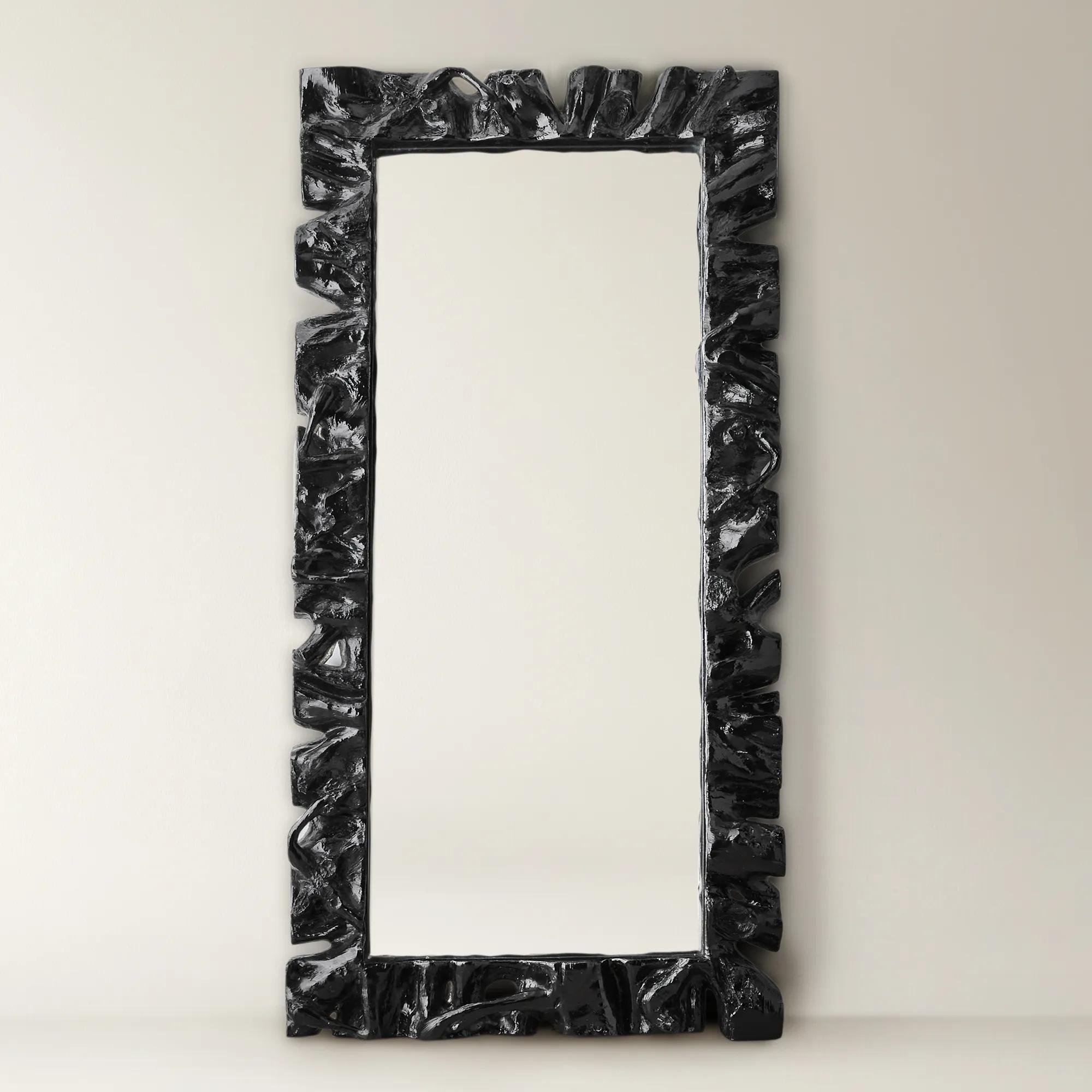
Mirrors For Living Room Walls
Mirrors For Living Room Walls
-
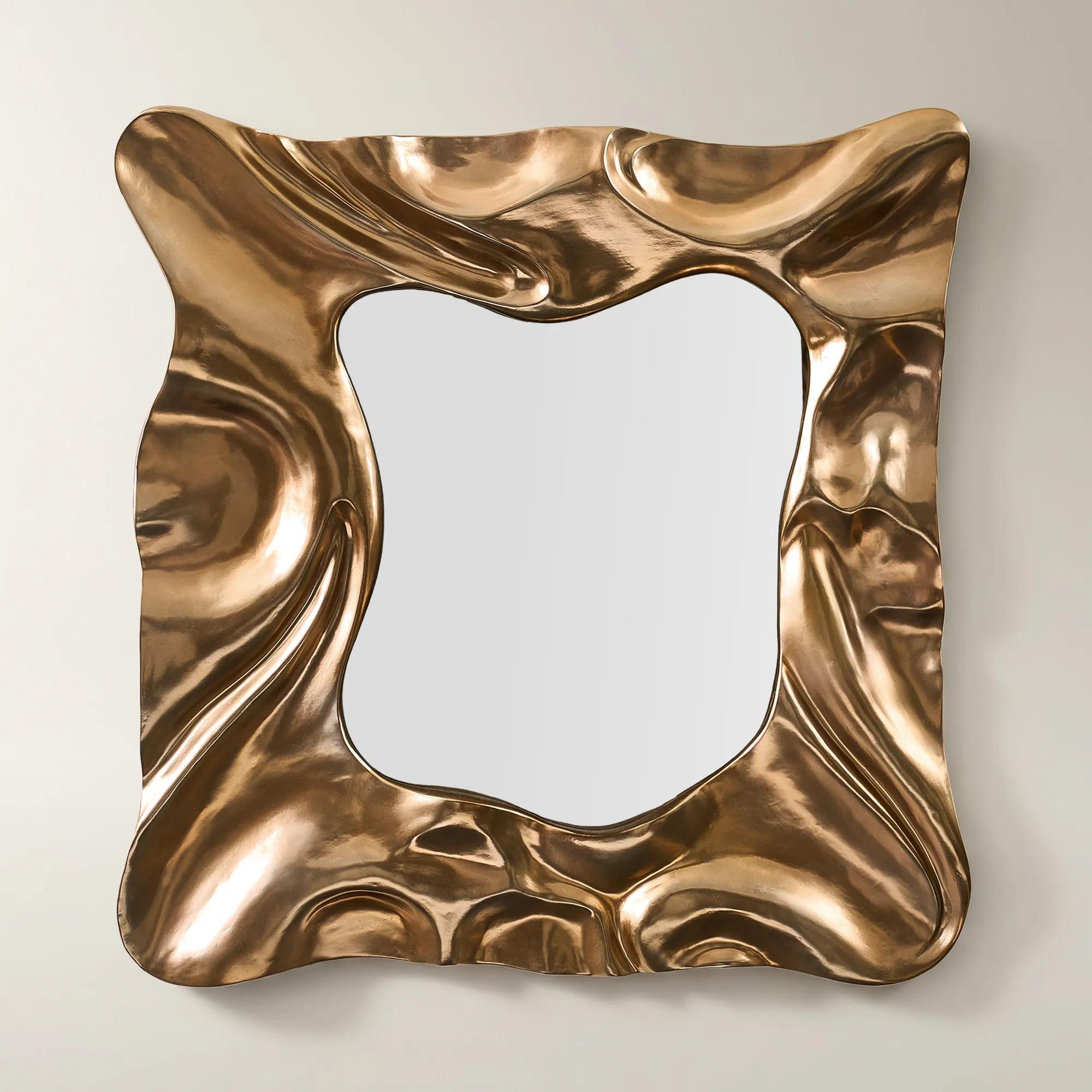 Surface Bronze Resin Organic Shaped Wall Mirror 40" x 40"$699
A sculptural bronze resin frame and organic silhouette create a striking, artful focal point for any room.
Add To Cart -
 Ever Translucent Amber Resin Round Wall Mirror 40"$699
A sculptural amber resin mirror with gold accents and playful bauble-inspired forms for modern glamour.
Add To Cart -
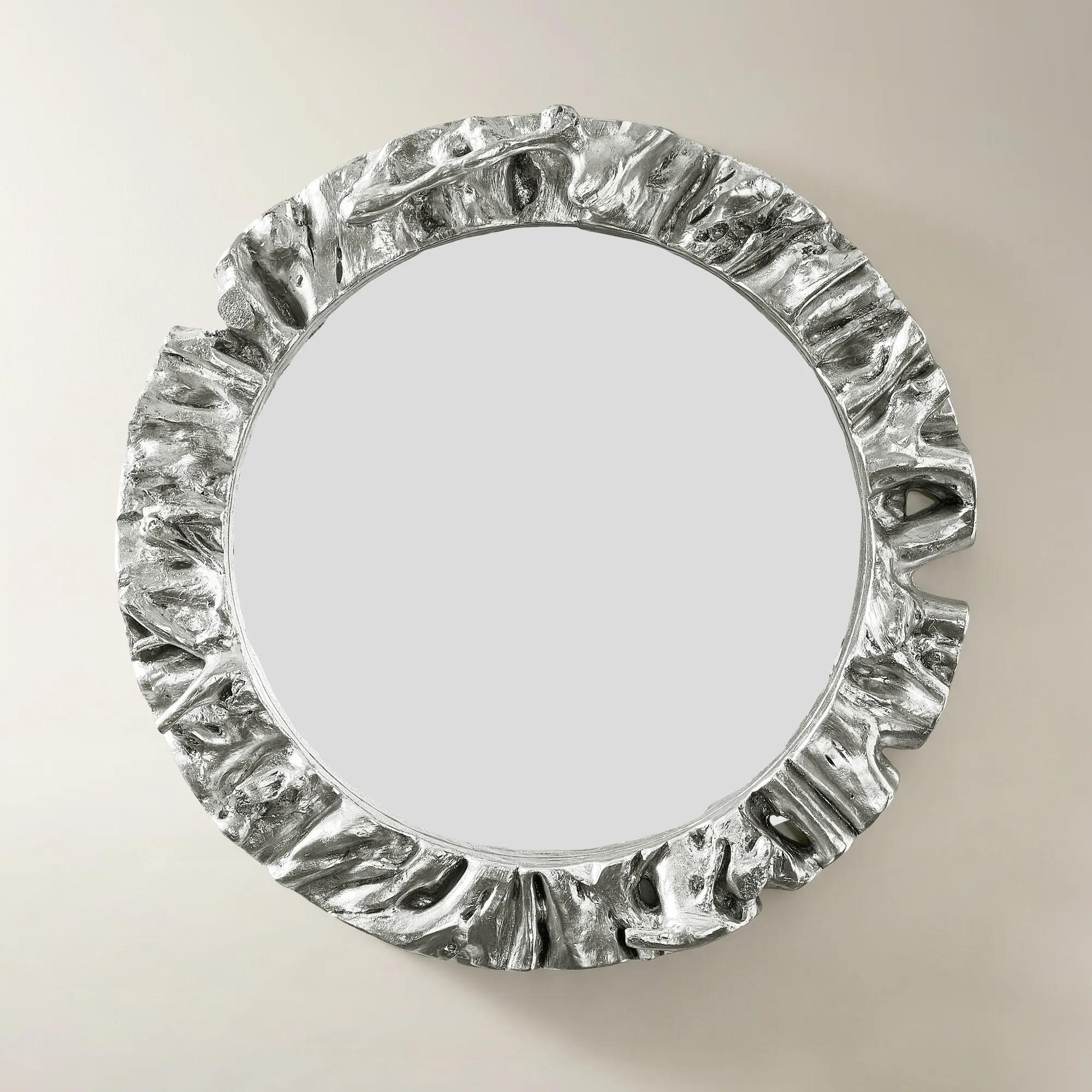
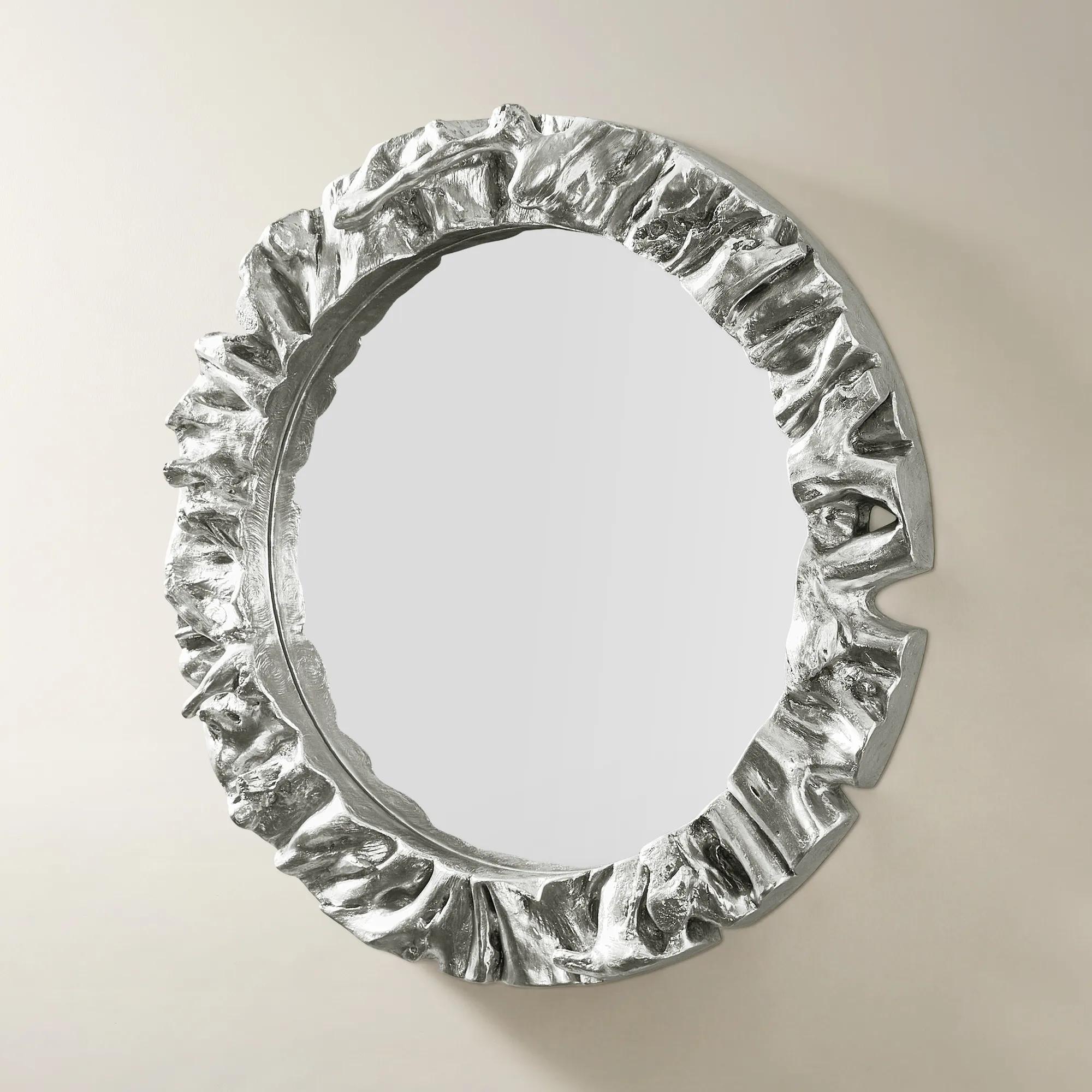 Sequoia Silver Resin Round Wall Mirror 48.25"$1199
A sculptural silver fiberglass resin frame mirror that adds modern polish and reflective brightness to any room.
Add To Cart -
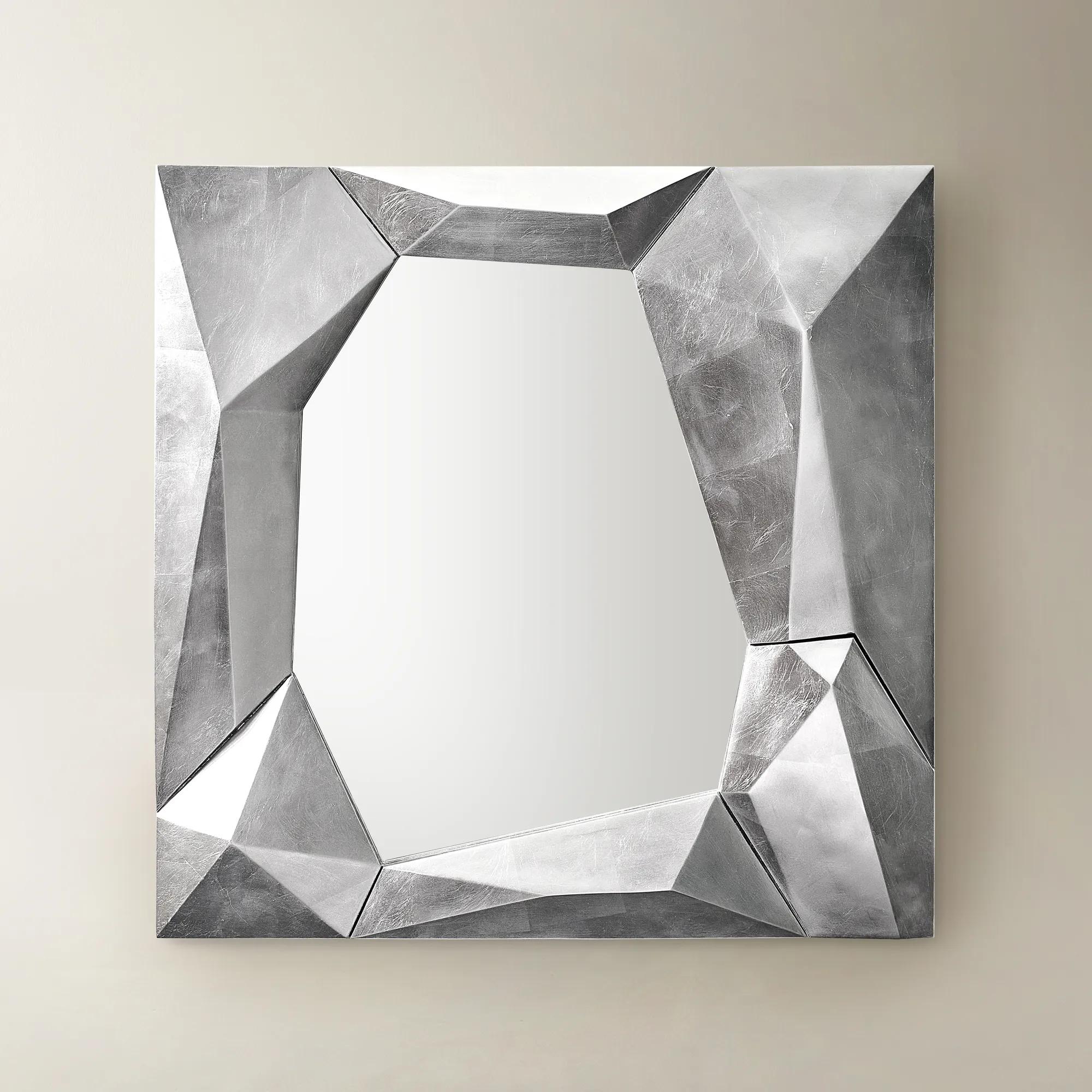 Aeris Satin Silver Faceted Resin Square Wall Mirror 35" x 35"$499
A satin silver fiberglass resin frame and faceted silhouette create a modern, sculptural wall mirror.
Add To Cart -
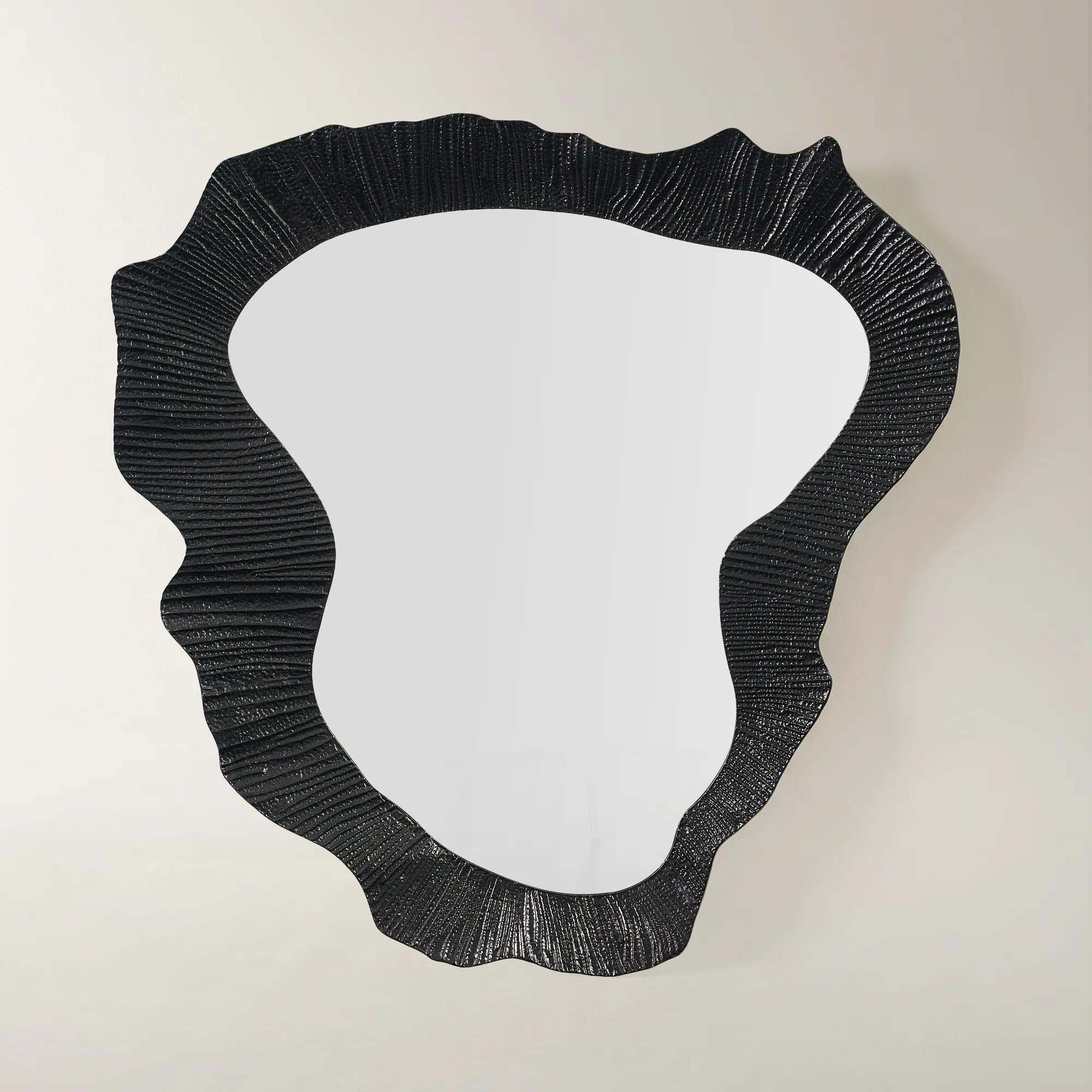 Cara Black Hand-Forged Iron Organic Shaped Wall Mirror 52.5" x 53"$1199
A hand-forged black iron frame and organic silhouette create a bold, sculptural statement for any room.
Add To Cart -
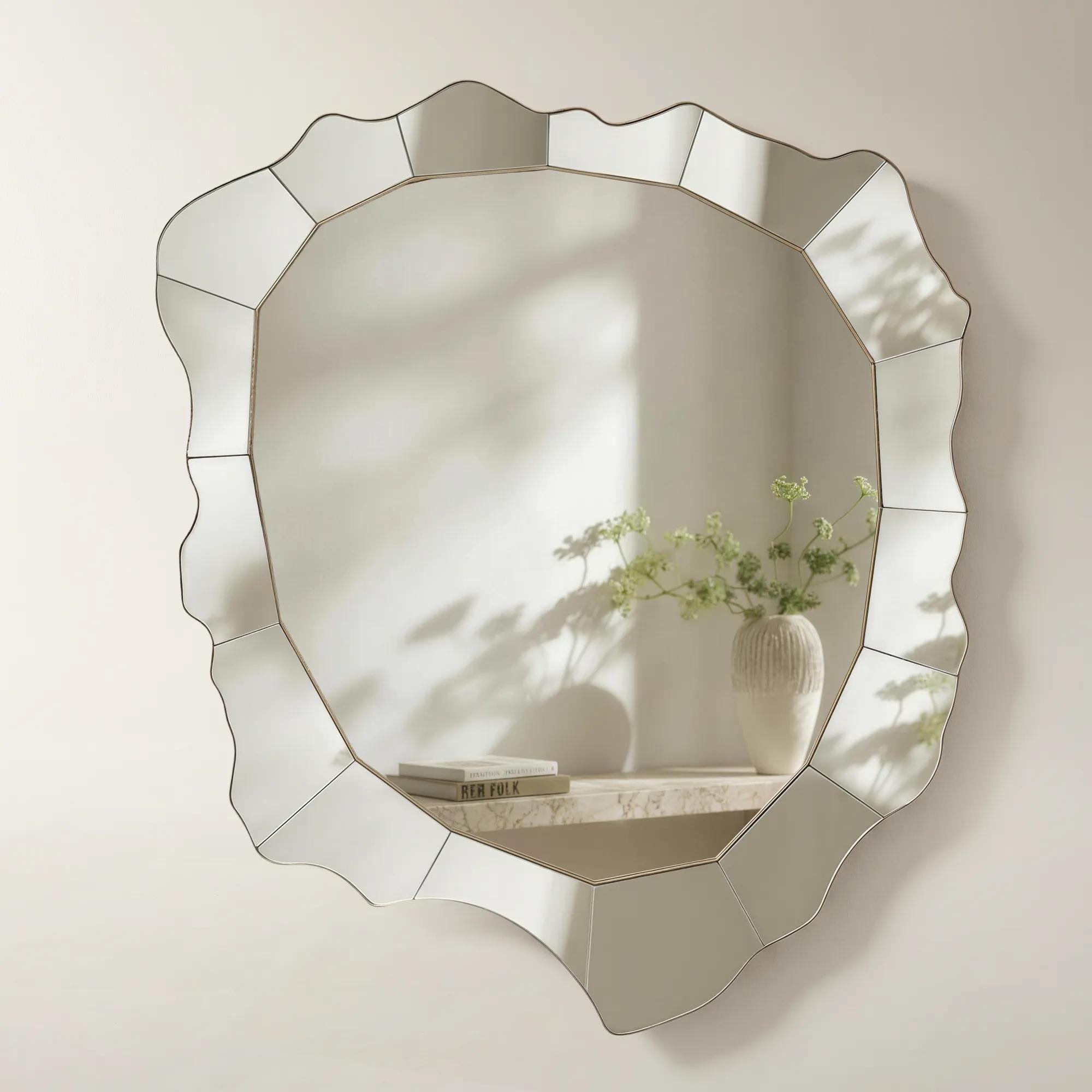 Gala Gold Trim Organic Shaped Wall Mirror 45" x 54"$999
An organic faceted mirror with soft gold iron trim adds sculptural movement and refined glamour to any room.
Add To Cart -
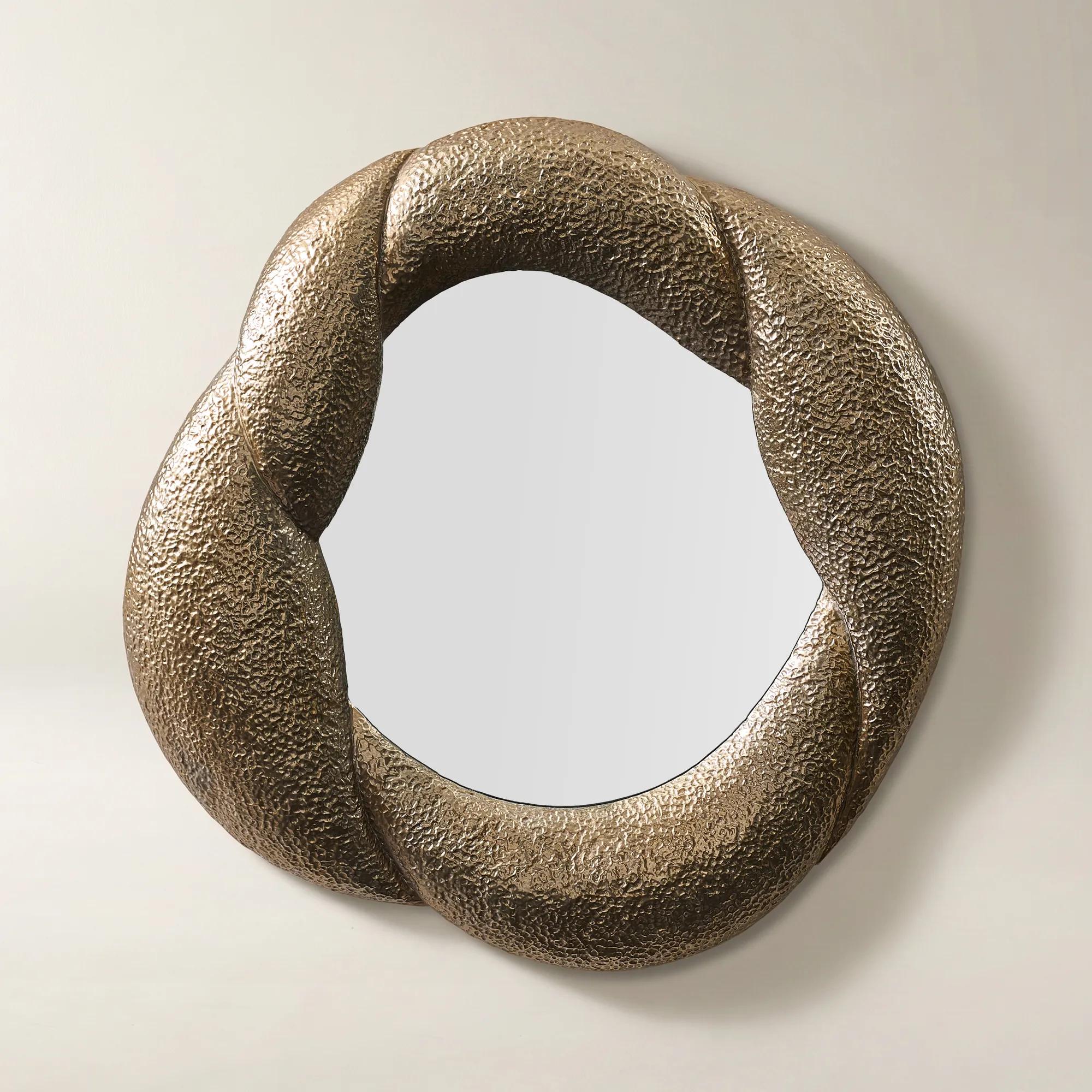 Bronze Age Hammered Texture Resin Organic Round Wall Mirror 34"$599
A round wall mirror featuring a chunky resin frame with hammered bronze texture for sculptural, modern appeal.
Add To Cart -
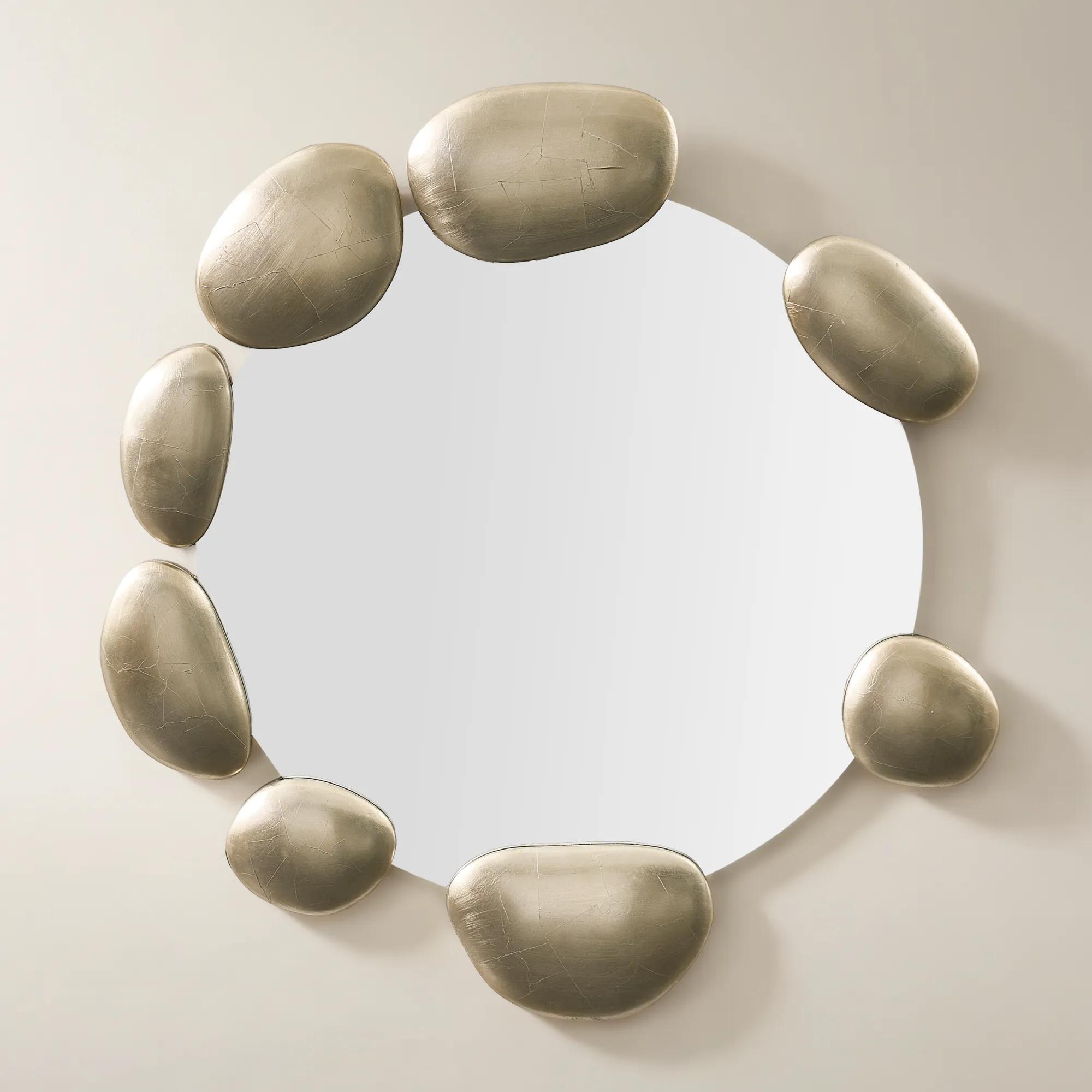 Pebbled Champagne Leaf Resin Round Wall Mirror 40"$599
A round wall mirror featuring a sculptural resin frame with champagne leafing and playful pebbled accents.
Add To Cart -
 Cara Antique Gold Hand-Forged Iron Organic Shaped Wall Mirror 52.5" x 53"$1199
A sculptural wall mirror featuring a hand-hammered iron frame with radiant gold and organic edges.
Add To Cart -
 Celine White And Gold Resin Round Wall Mirror 46.5" x 38.5"$699
A curvaceous wall mirror featuring a white and gold frame for a touch of modern glamour.
Add To Cart -

 Cade Gold Hand-Hammered Iron Round Wall Mirror 46.25"$699
A round wall mirror featuring a hand-hammered iron frame with a warm gold finish for elegant appeal.
Add To Cart -
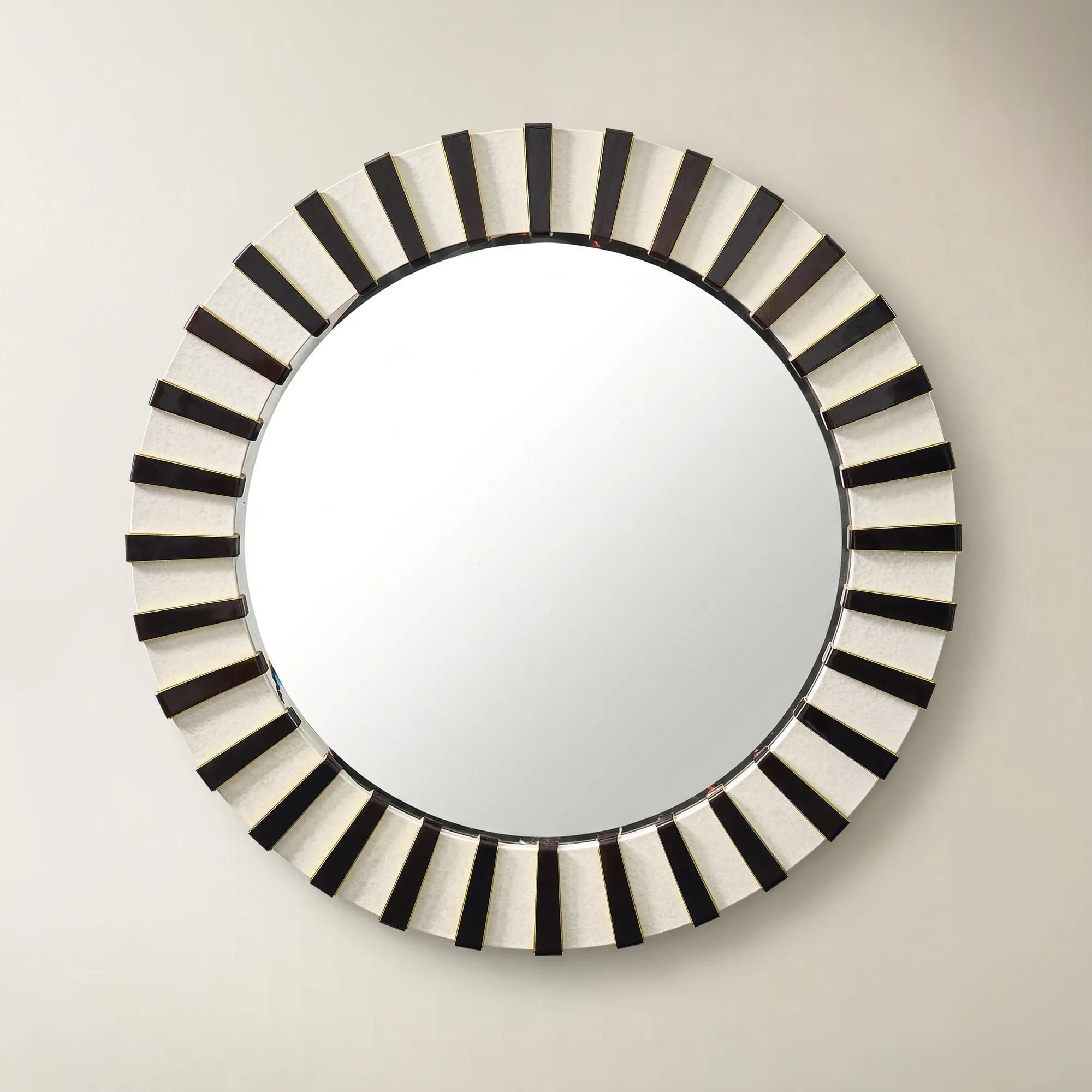 Regatta Opaline Pearl Black Gold Dimensional Round Wall Mirror 45"$849
A luminous wall mirror featuring an opaline pearl lacquered wood frame with black, gold, and raised resin accents.
Add To Cart -
 Oceano White Resin Round Wall Mirror 42.7" x 40.2"$699
A white wall mirror featuring an organic shape and sandy texture for a serene, coastal-inspired accent.
Add To Cart -
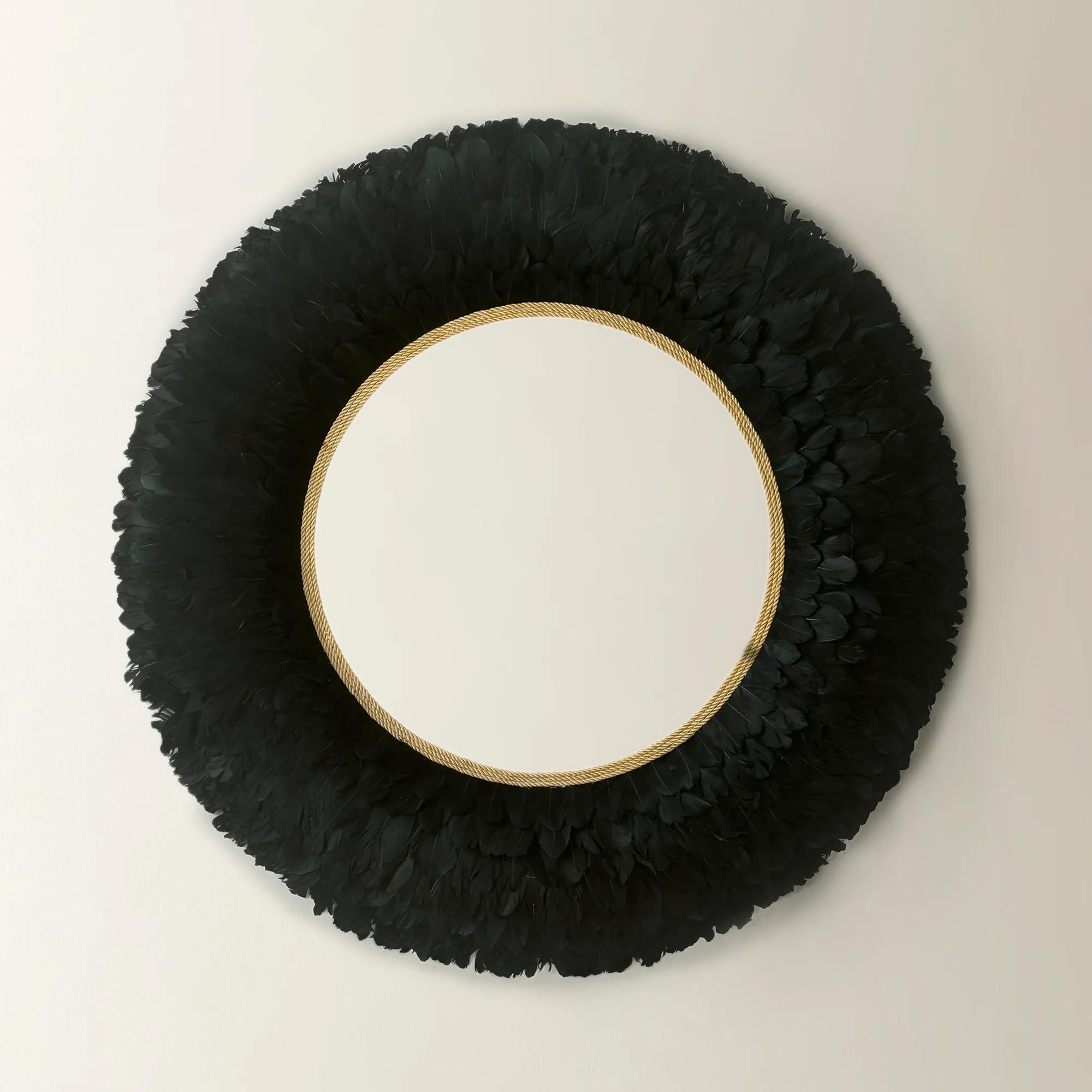
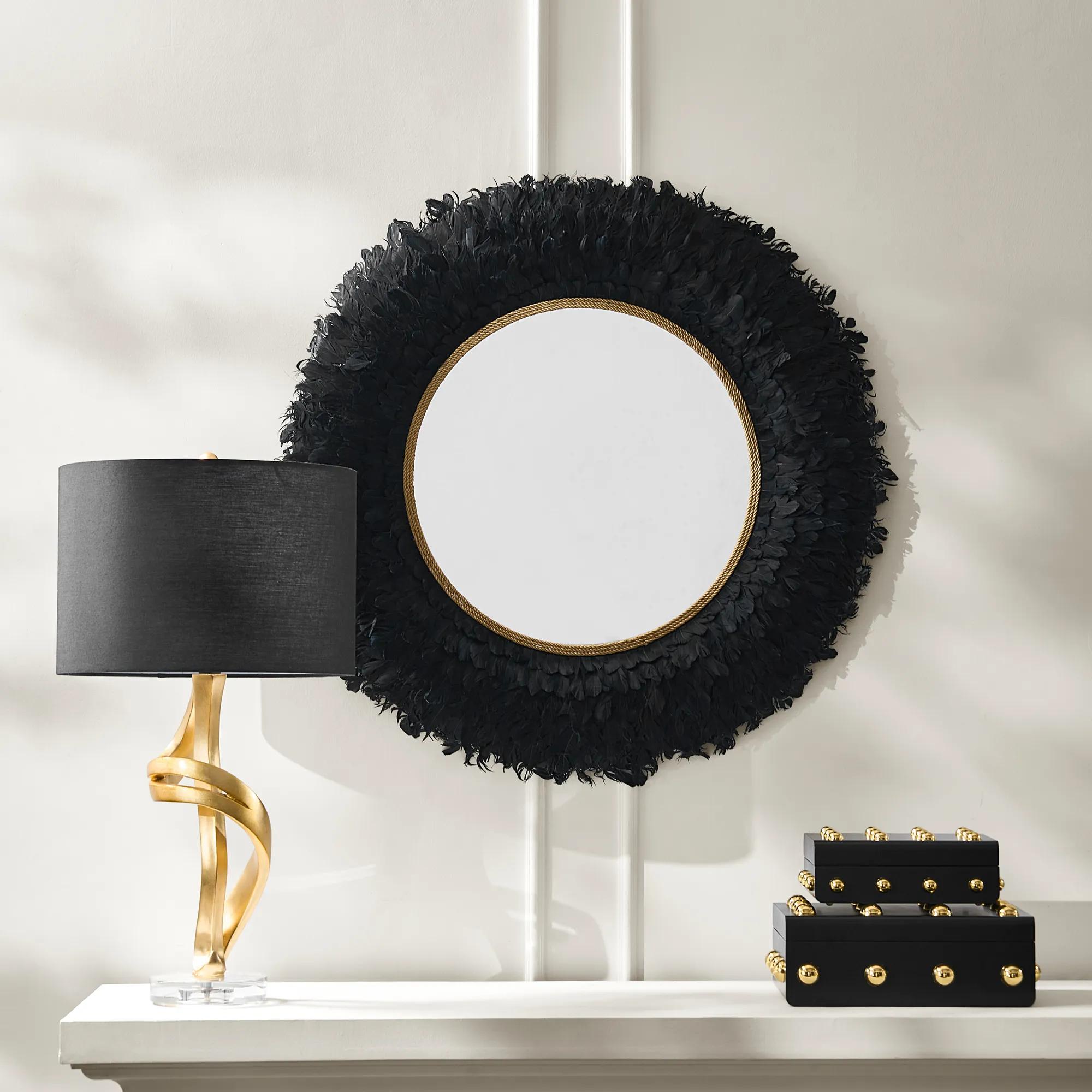 Nikki Chu Midnight Black Feather Round Wall Mirror 35.5"$499
A dramatic black feather-framed mirror accented with a gleaming gold inner border for striking wall texture.
Add To Cart -
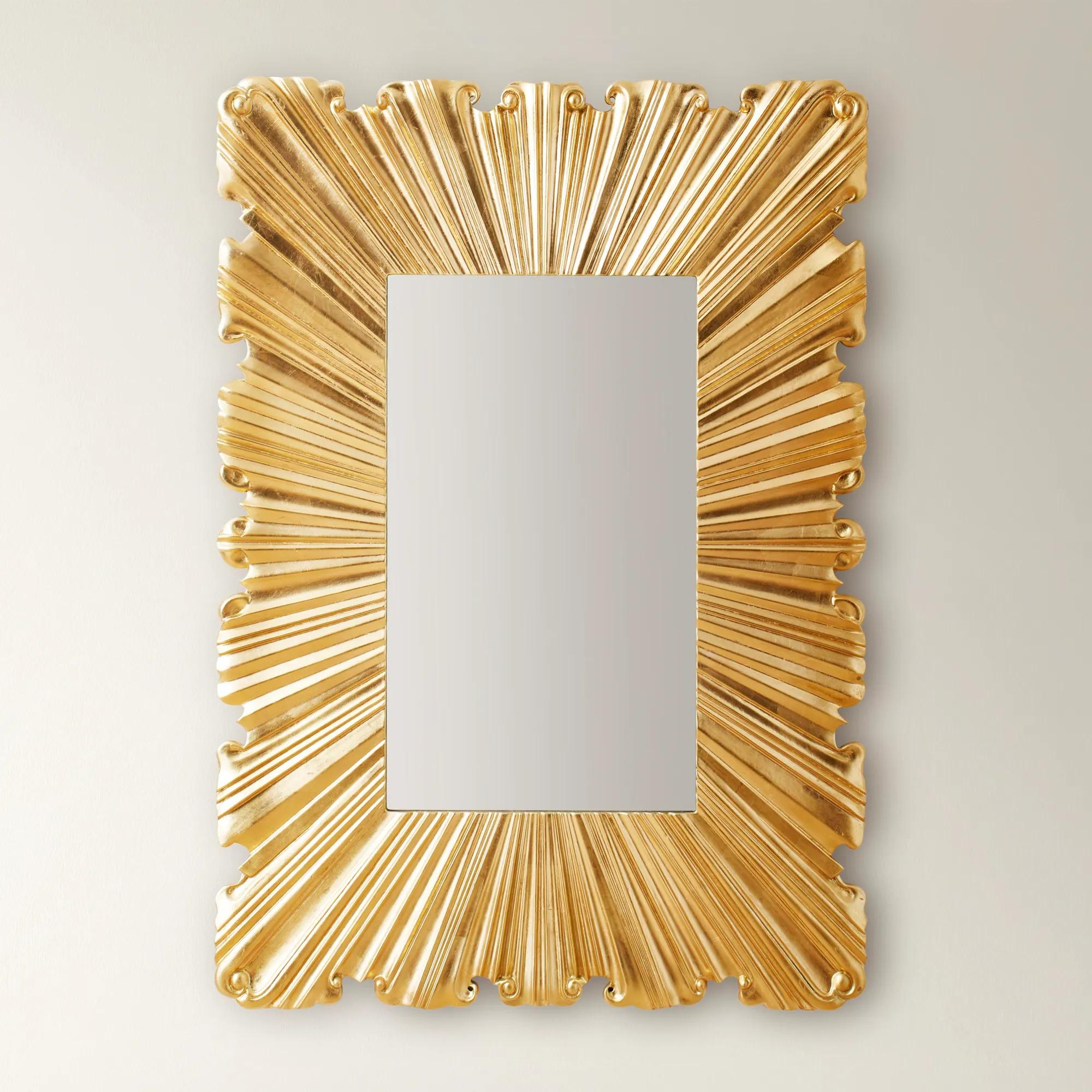 Metropolitan Gold Leaf Resin Rectangular Wall Mirror 27.5" x 39.5"$459
A sculptural wall mirror featuring a gold-finished polyurethane frame for a modern, elegant accent.
Add To Cart -
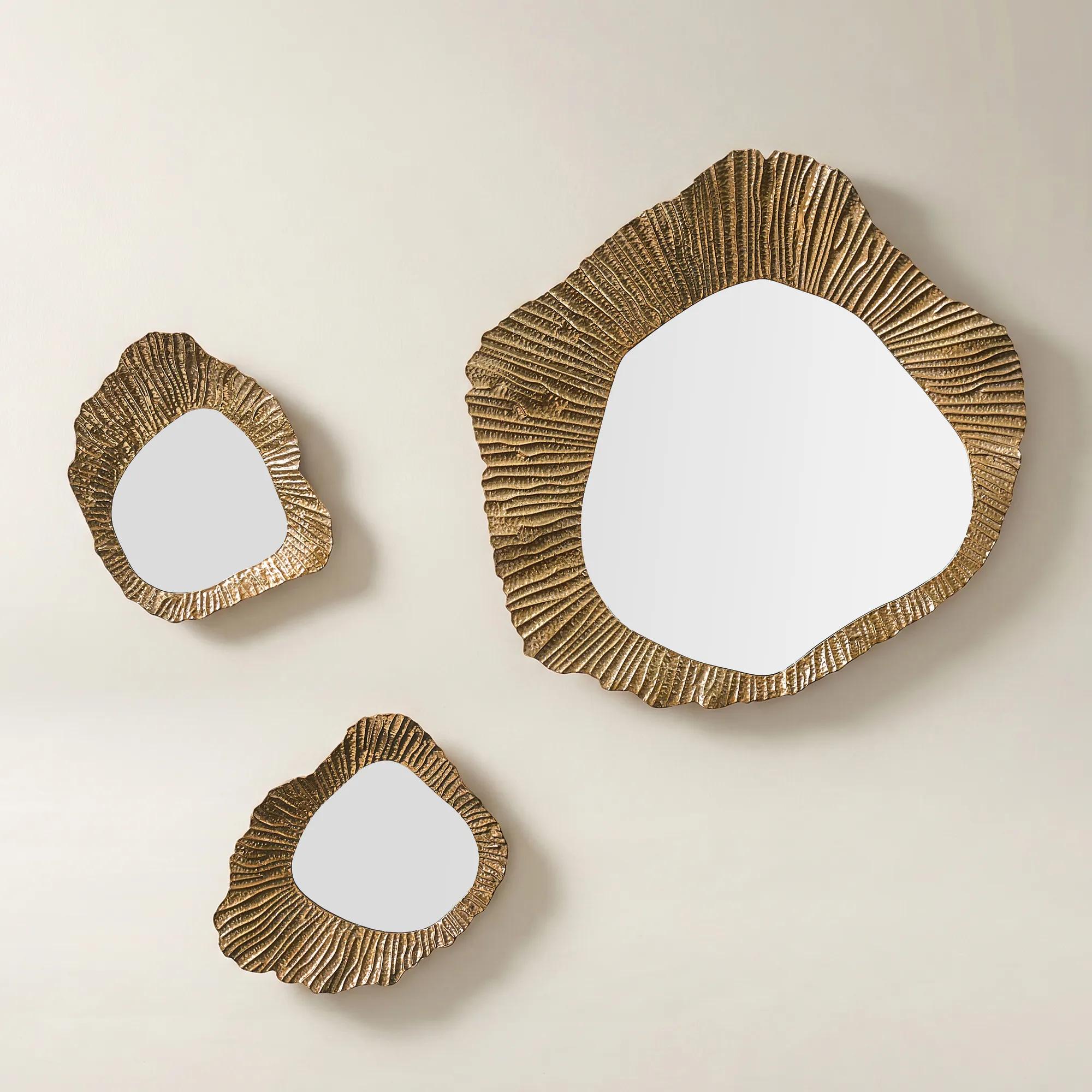 Cara Antique Gold Hand-Forged Iron Organic Shaped Wall Mirror Cluster Trio$1099
A set of three hand-forged iron mirrors in antiqued gold, featuring an organic, sculptural cluster design.
Add To Cart -

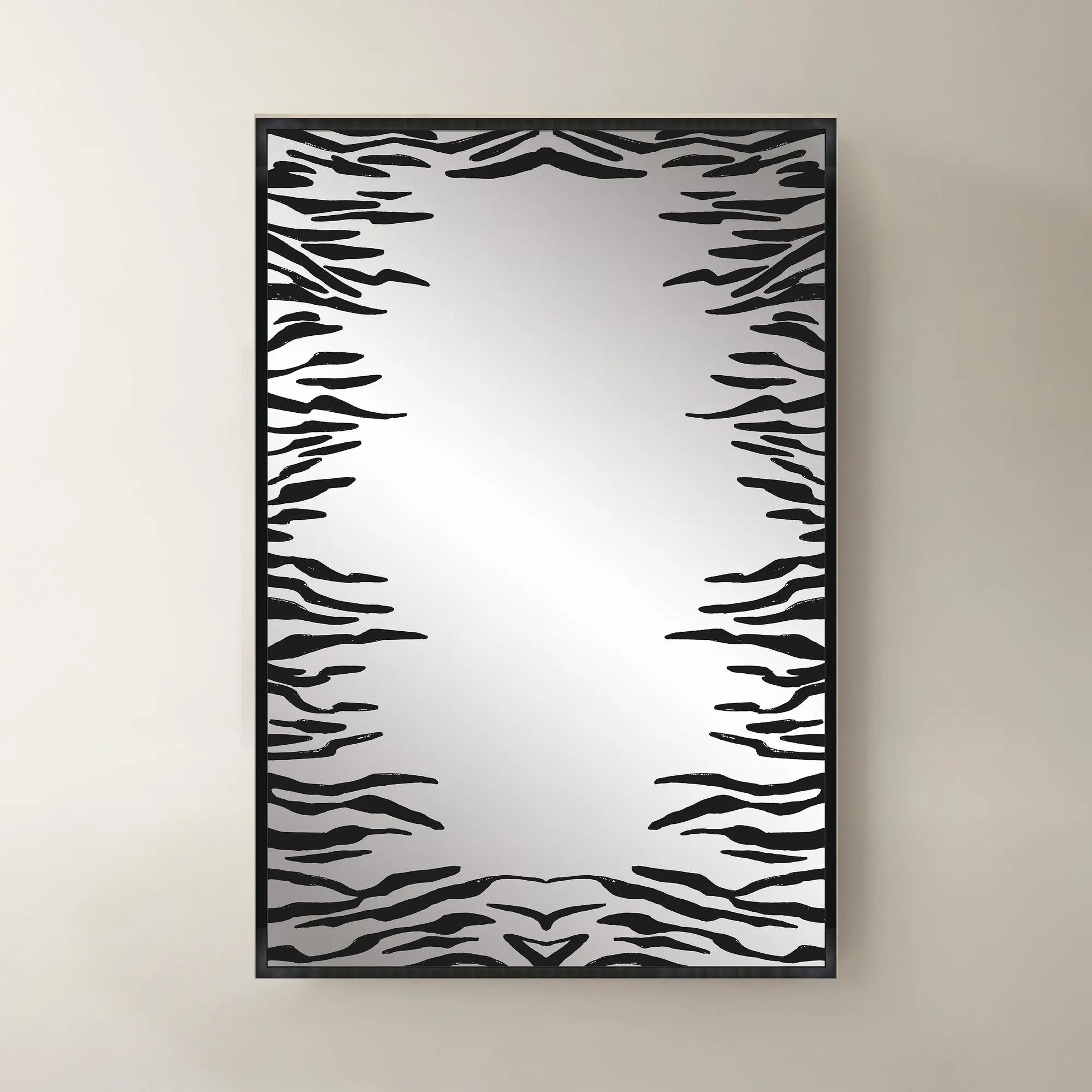
 Titan II Framed Printed Wall Mirror 40" x 60"$1529
A striking modern mirror designed to elevate contemporary spaces with artistic flair.
Add To Cart -
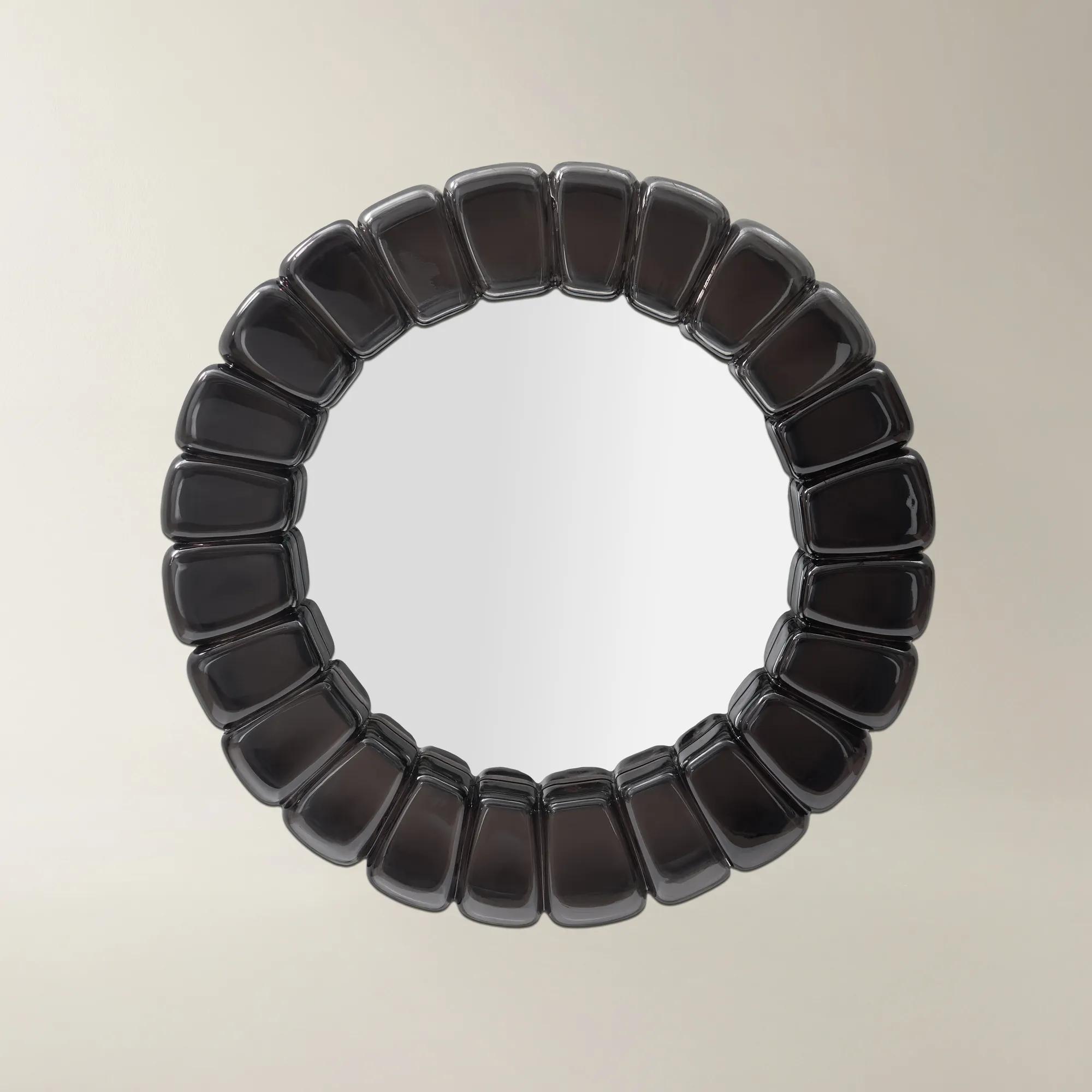
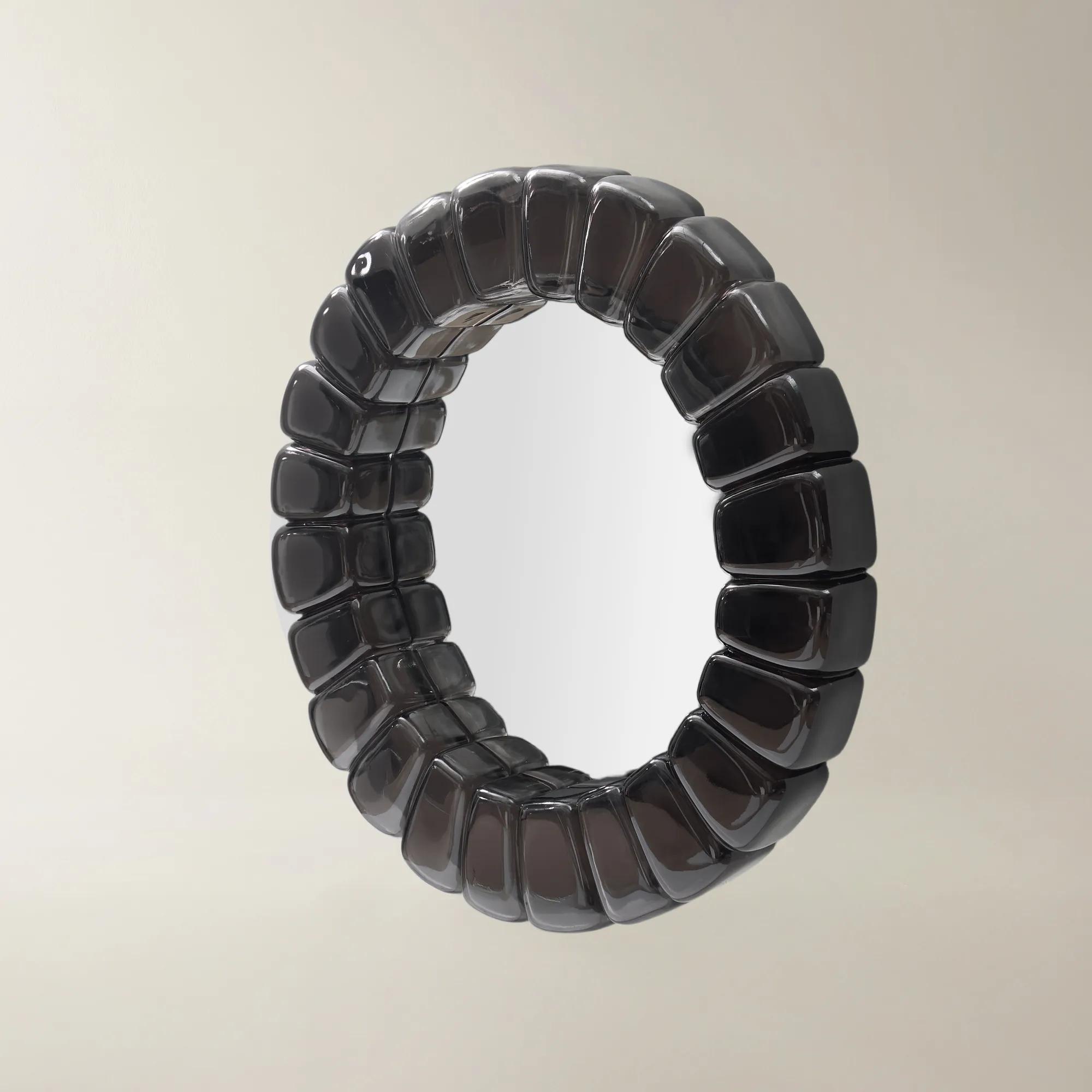 Lumino Graphite Resin Round Wall Mirror 38.5"$899
A round wall mirror with a sculptural translucent charcoal resin frame, graphite finish, and vertical display.
Add To Cart -
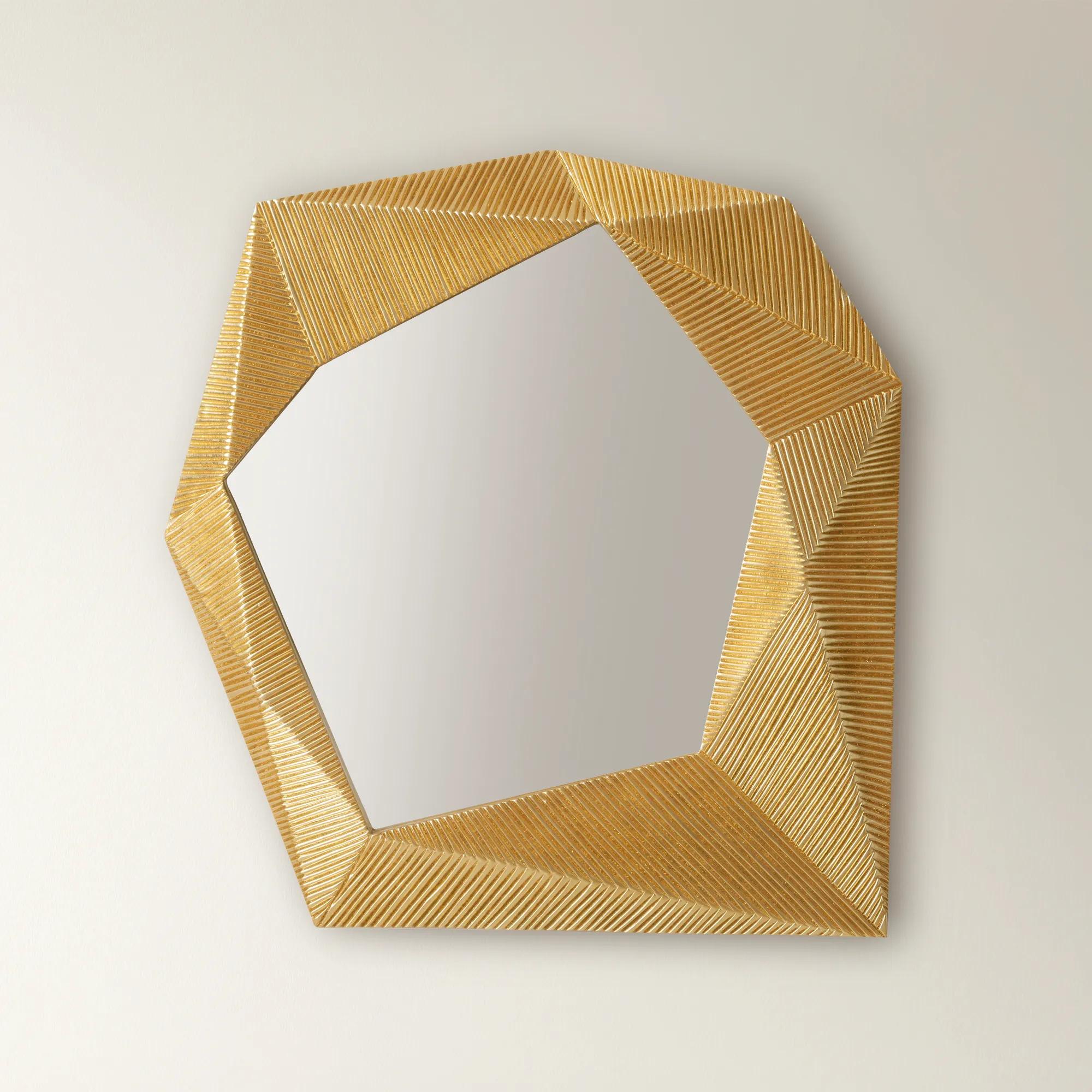
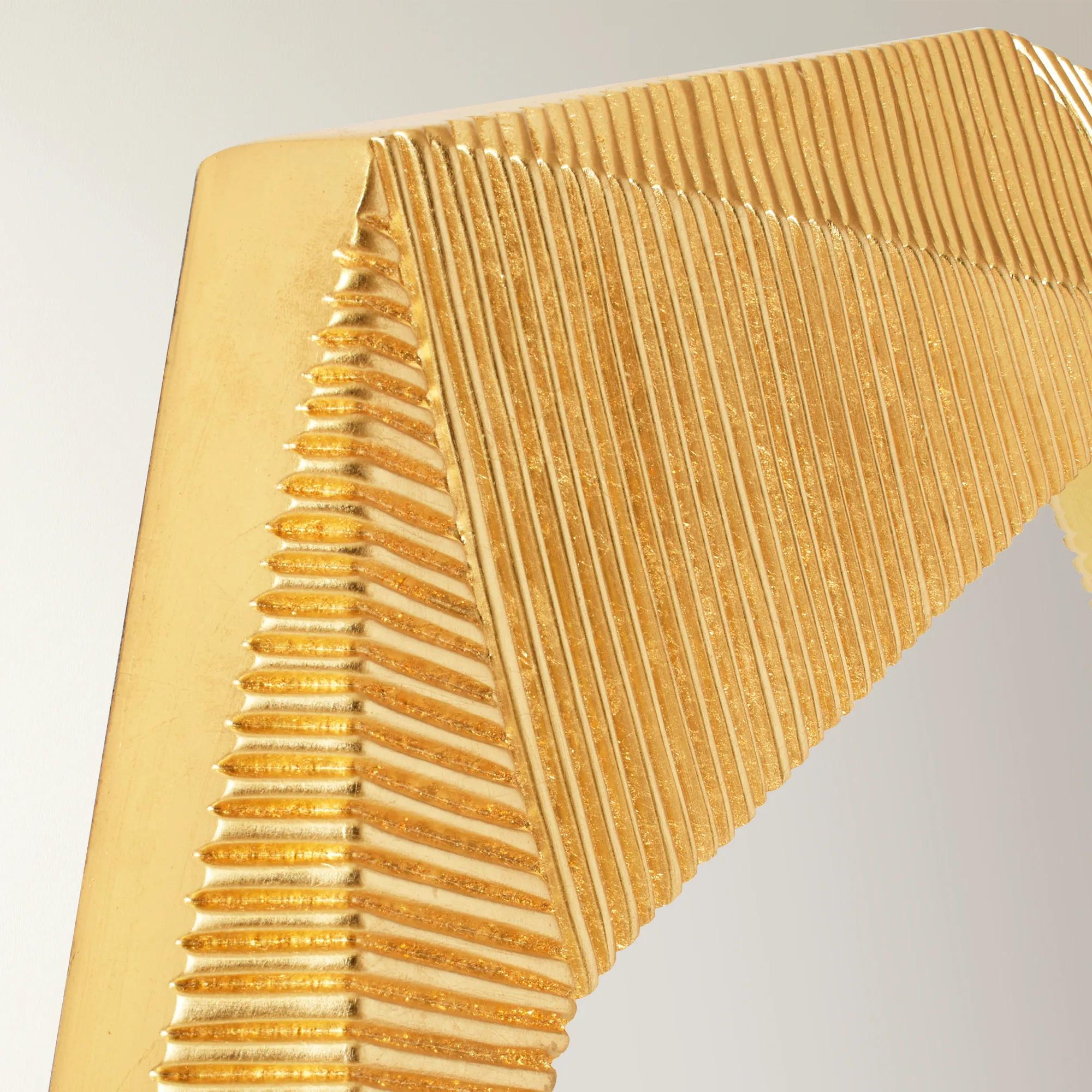 Nikki Chu Gold Steel Faceted Wall Mirror 31.5" x 35.5"$349
A modern mirror featuring a textured, faceted steel frame in a striking metallic gold finish.
Add To Cart -
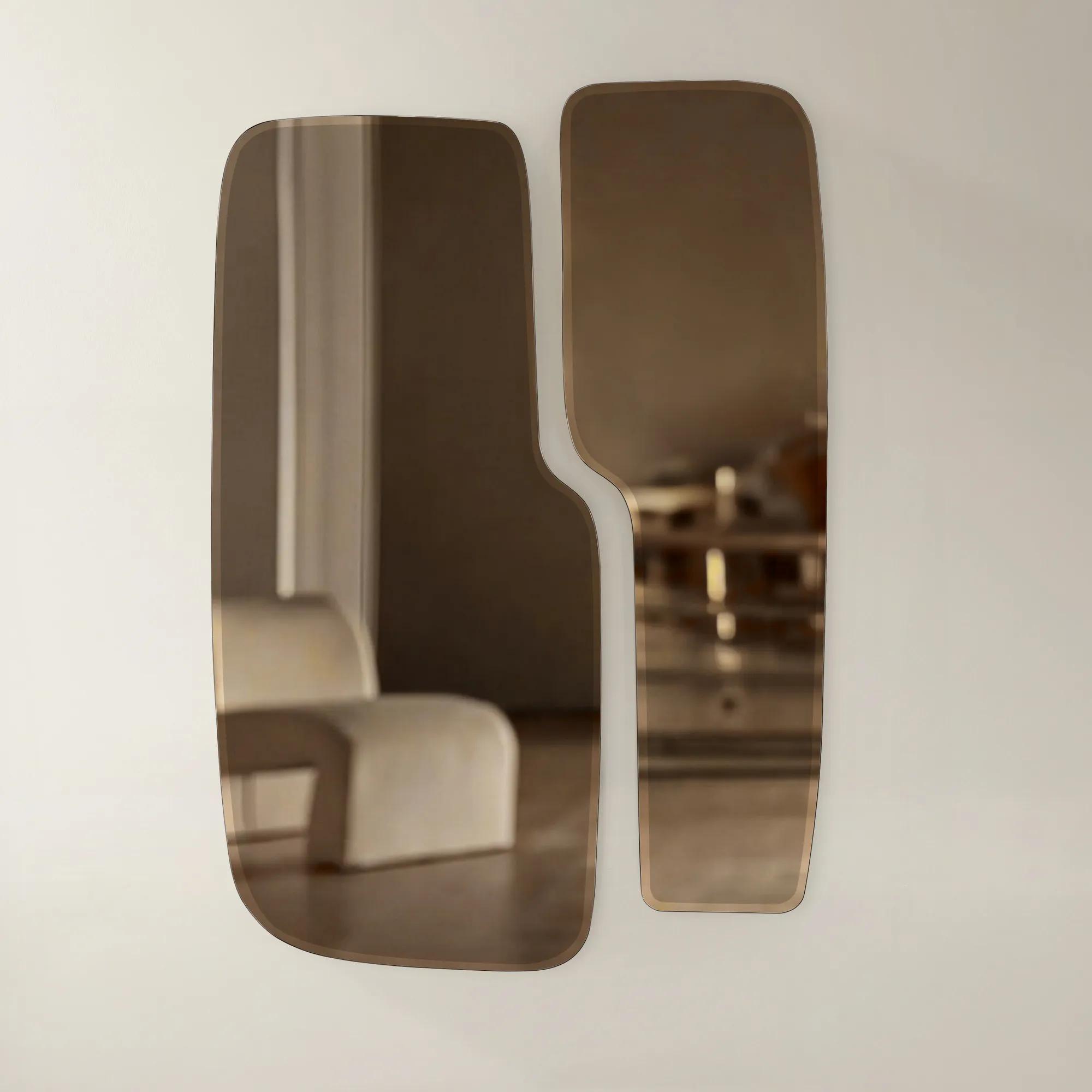 Puzzle 2-Piece Bronze Organic Shaped Wall Mirror 30" x 45"$499
A two-piece bronze wall mirror set featuring organic shapes for an artful, sculptural accent.
Add To Cart -

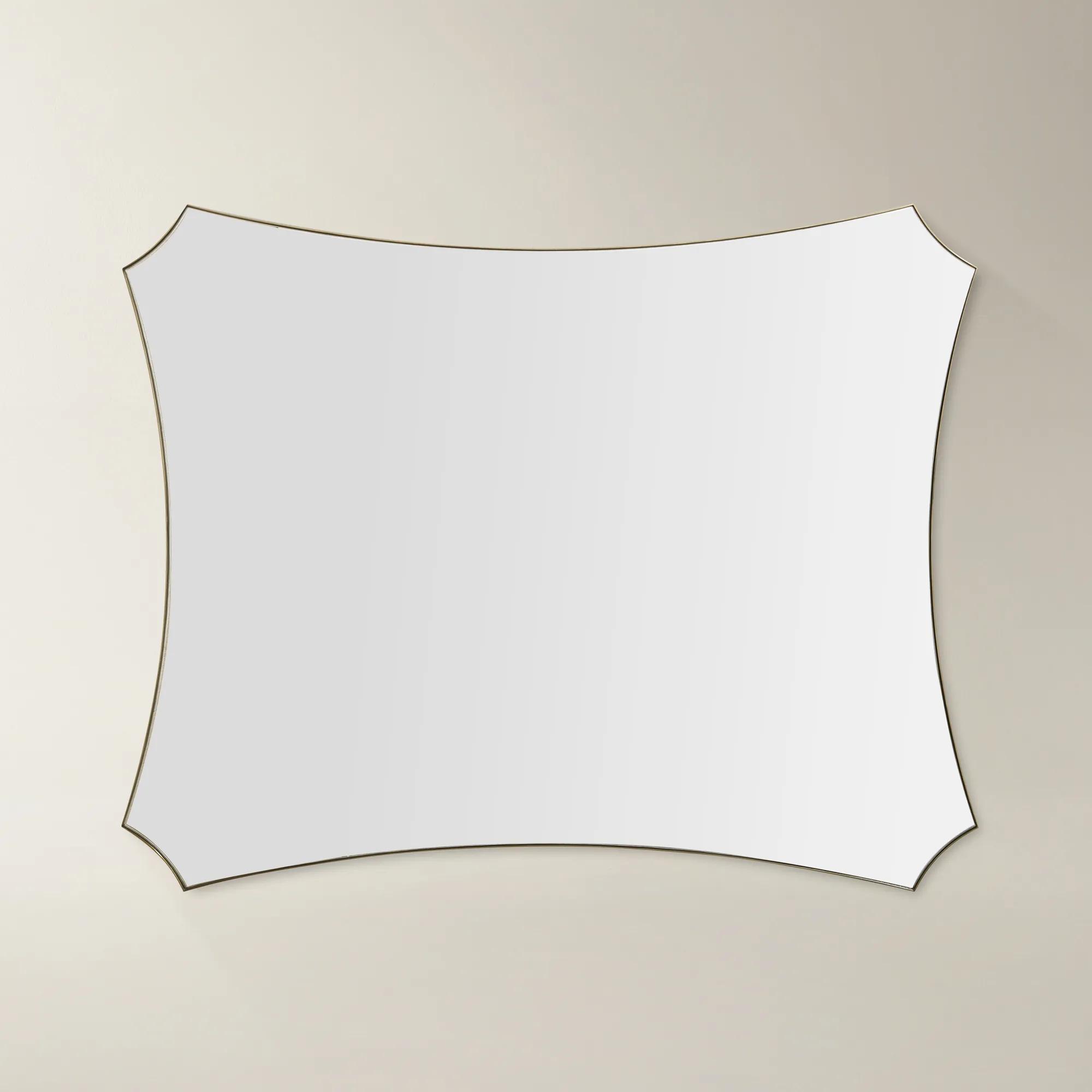 Ava Gold Stainless Steel Wall Mirror 40" x 50"$499
A contemporary wall mirror adding reflective style and sophistication to modern interiors.
Add To Cart -

 In a New Light II Framed Printed Wall Mirror 60" x 40"$1499
A contemporary framed printed wall mirror adding artistic dimension and reflective style to modern interiors.
Add To Cart -
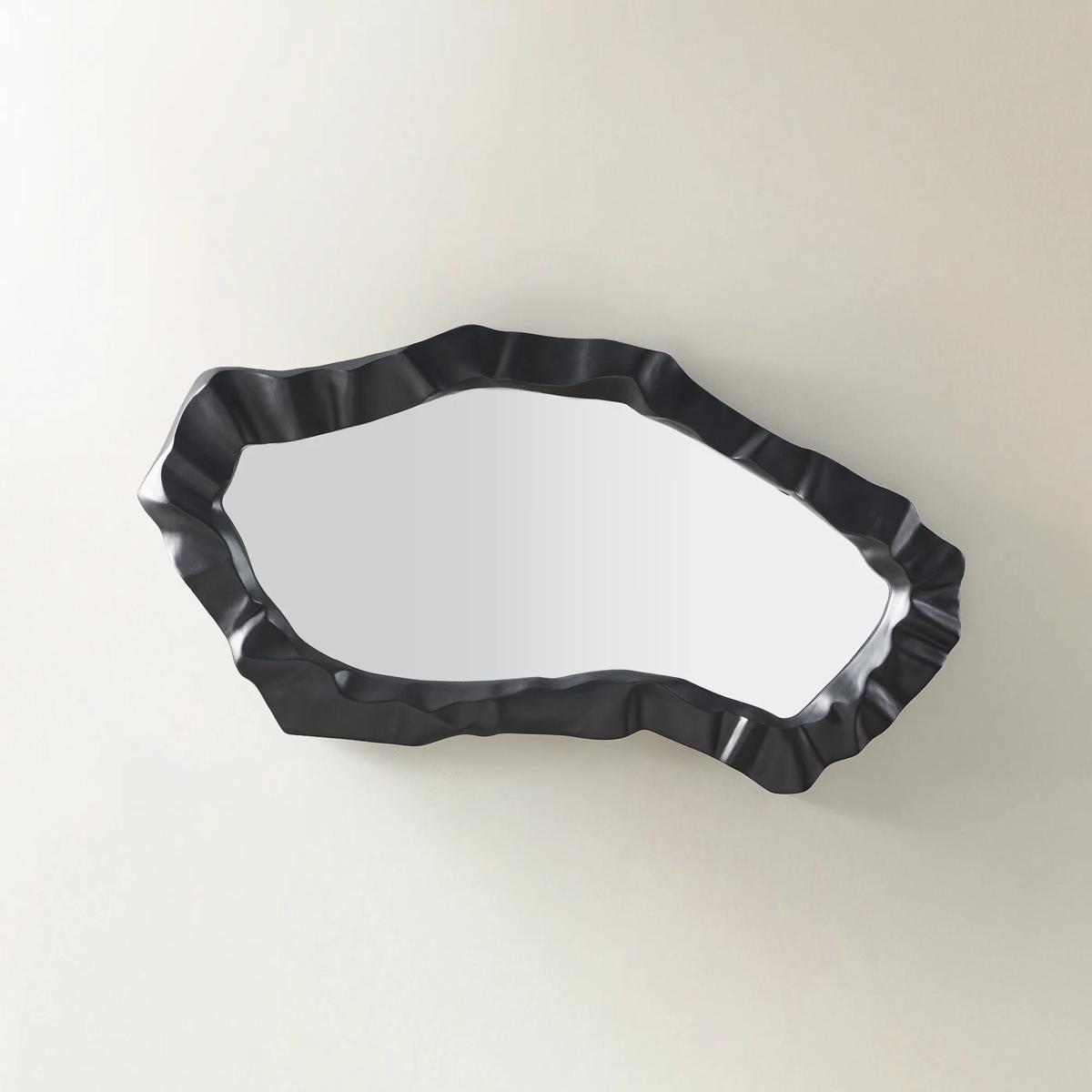
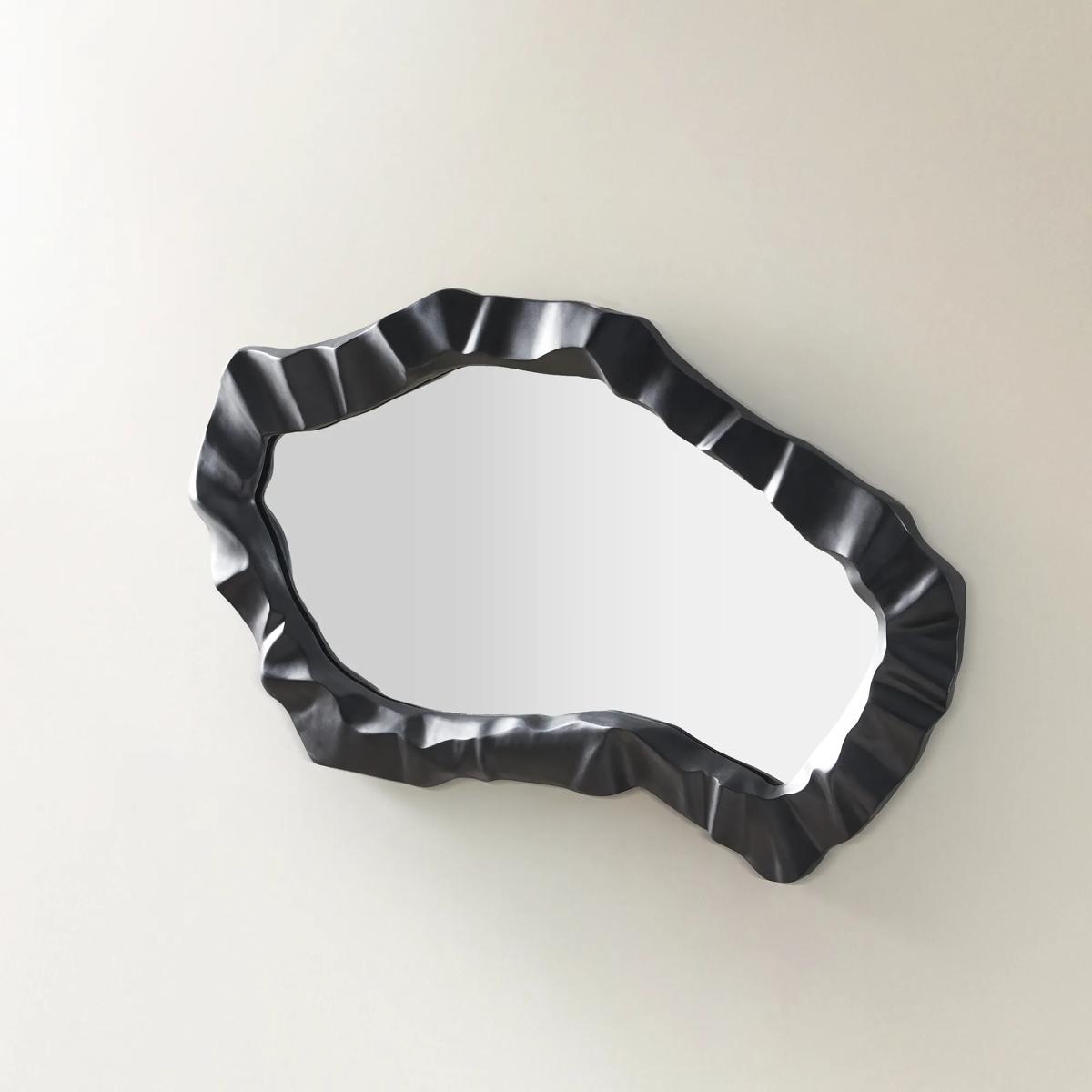 Islay Black Resin Organic Shaped Wall Mirror 44.75" x 23.75"$599
A sculptural black resin mirror featuring bold, asymmetrical curves and versatile vertical or horizontal hanging.
Add To Cart -
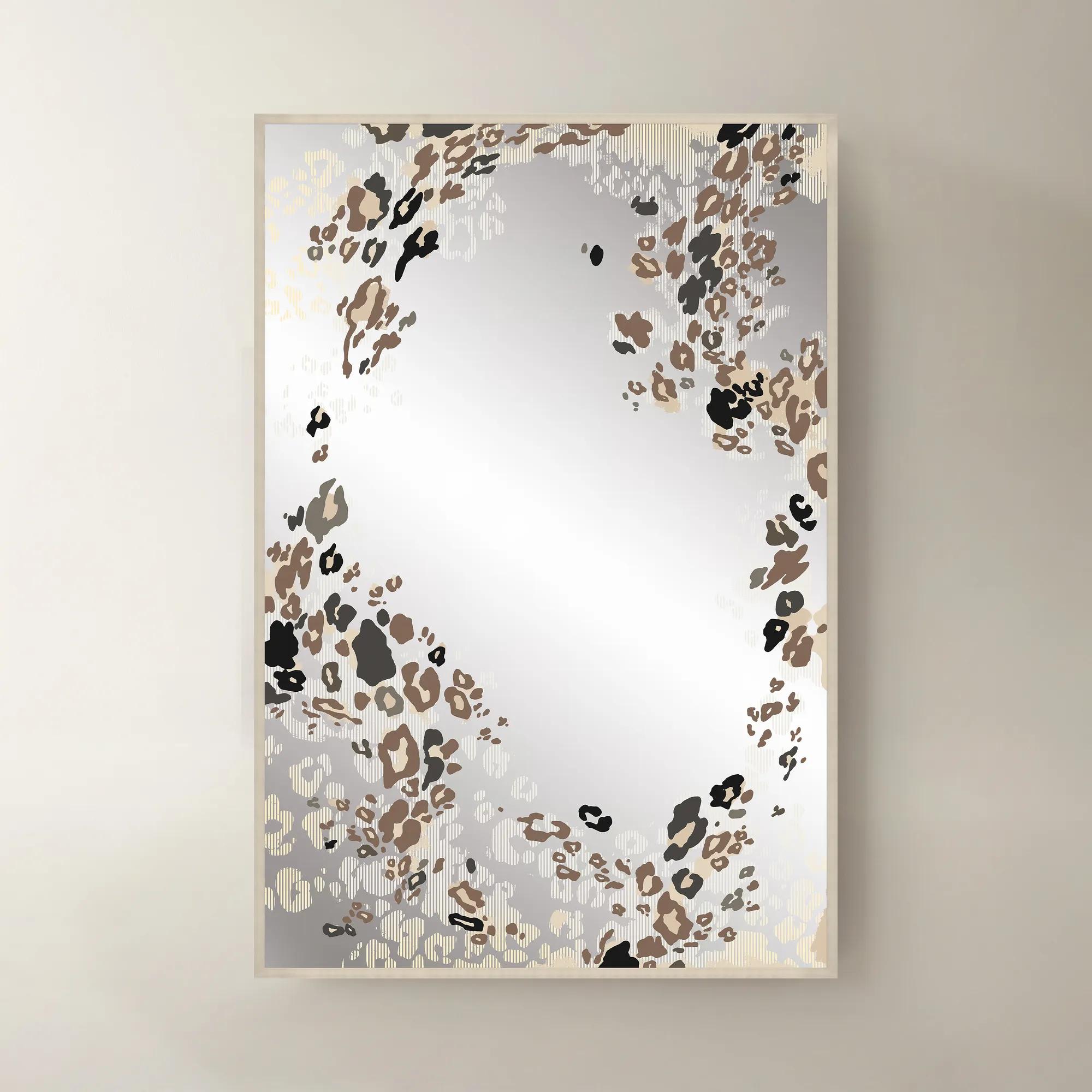
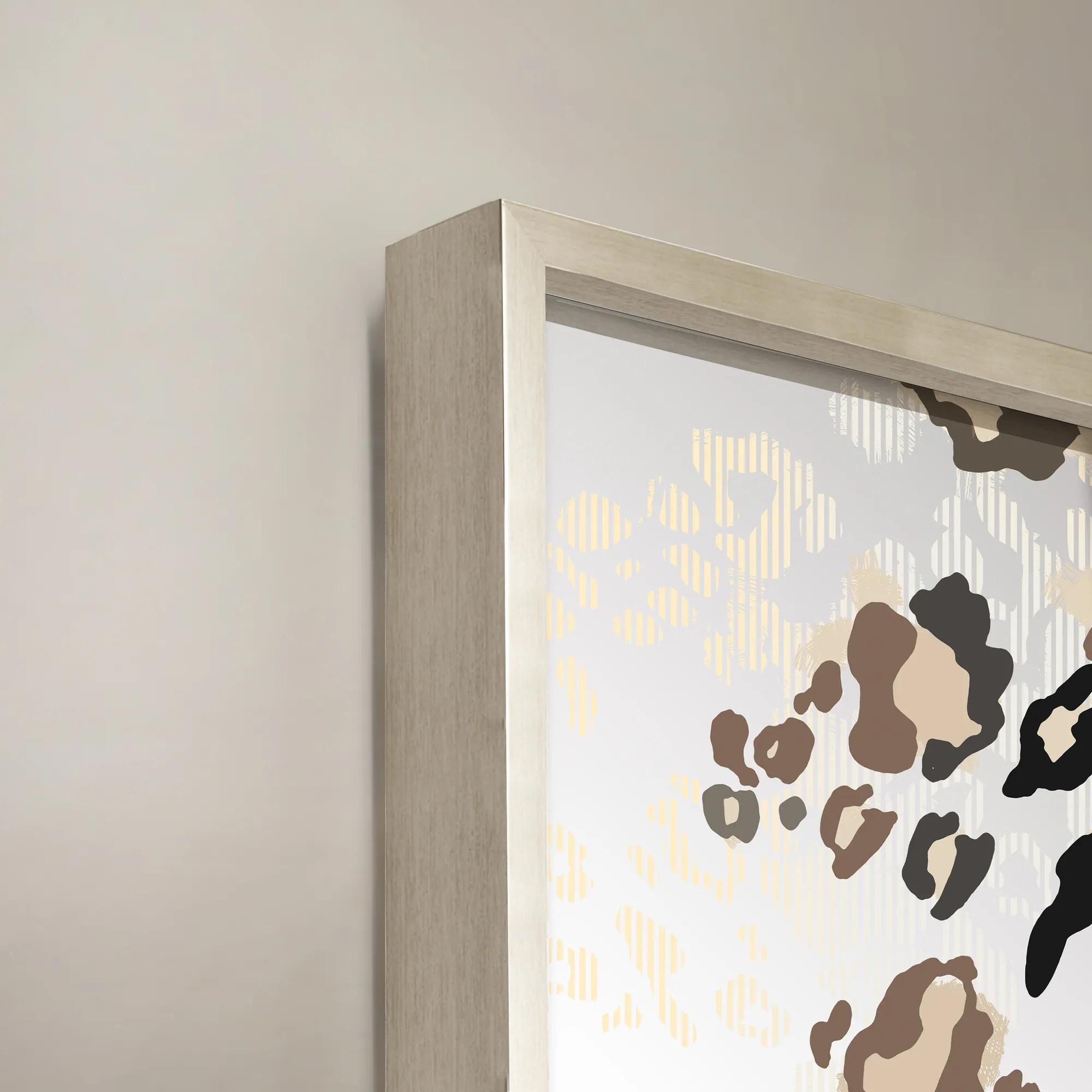 Leopard Luxe Framed Printed Wall Mirror 40" x 60"$1499
A printed mirror featuring Art Deco-inspired leopard artwork, set in a wood silver frame with brown and black tones.
Add To Cart

Mirrors For Living Room Walls
Mirrors for living room walls are more than mere reflections—they are transformative works of art, capturing and amplifying every nuance of light, color, and movement within your space. Whether you crave dramatic scale or a touch of subtle shimmer, each mirror becomes a statement piece, elevating the everyday into the extraordinary. Curate a living room that dazzles with dimension and sophistication, where every glance reveals new depths of style and personality. Let your walls come alive with mirrors that echo your boldest vision—because in a Z Gallerie home, reflection is just the beginning of the story.
Mirrors for living room walls reflect light, introduce visual depth, and create a focal point above a sofa, fireplace, or console. Their presence changes more than the wall: a luminous reflection can give a compact seating area a more expansive feel, while a dramatic frame brings definition to an open room. The most compelling designs balance what surrounds the glass with what appears inside it. A mirror positioned opposite or adjacent to a window can carry daylight farther into the room, while one facing artwork, sculptural lighting, or a beautifully arranged bookcase repeats those details from another perspective. The result depends on the view; a reflection of trailing cords or a crowded passageway will feel very different from one that captures a chandelier and richly textured upholstery. Shape establishes its own mood. Round wall mirrors soften the strong horizontal lines of a sofa or media console, creating a graceful counterpoint to tailored furniture. An arched silhouette introduces architectural character, particularly in a room with simple walls and restrained molding. Rectangular mirrors offer a more structured composition, with horizontal proportions that complement long seating arrangements and vertical proportions that emphasize height. For a more expressive interior, irregular outlines and geometric frames bring an artistic tension that feels closer to sculpture than a purely functional accessory. A single oversized mirror can give an otherwise quiet wall a commanding presence, while a considered grouping of smaller mirrors creates rhythm through repeated shapes and deliberate spacing. In a living room layered with velvet, polished metal, and dimensional textiles, a mirror adds another surface for light to move across. In a space with fewer decorative elements, its outline and frame become more prominent. Whether the mood is poised and tailored or richly theatrical, the strongest choice feels connected to the room’s architecture, furnishings, and personal point of view.
Scale determines how naturally a living room wall mirror belongs within that composition. Above a sofa or console, a mirror measuring roughly two-thirds the width of the furniture can be a useful starting point, rather than a fixed rule. A narrower design may feel intentional when balanced by substantial lamps or artwork, while a broader silhouette needs enough surrounding wall space to show its outline clearly. Measuring the frame’s full outer dimensions matters, since a wide decorative border can make the reflective surface considerably smaller than the overall piece. Wall height, nearby doorways, sconces, and molding also influence the fit. On an open wall, a center near eye level—often around 60 inches from the floor—provides an initial reference, but placement above furniture should relate to the furniture rather than follow that measurement automatically. Leaving approximately 6 to 8 inches between a console top and the bottom of a mirror often creates a cohesive arrangement, with adjustments for tall accessories and the frame’s shape. Above a sofa, comfortable head clearance deserves equal consideration. A fireplace setting calls for attention to mantel proportions, heat exposure, and the clearances specified for both the fireplace and the mirror. The reflection should also work from the places people actually sit. A mirror that captures a luminous pendant from the doorway might reflect an exposed bulb directly into someone’s eyes from an armchair. Checking the angle in daylight and with lamps illuminated helps reveal those differences. Installation is part of the fit, especially with large wall mirrors whose glass and frames can be substantial. The mirror’s weight, designated hanging points, wall construction, and properly rated hardware all matter; drywall alone should never be assumed sufficient support. Heavy or oversized designs may warrant professional installation. A mirror intended for leaning is not automatically suitable for wall mounting, and any installation should follow the manufacturer’s directions. Secure placement allows an expressive silhouette to command attention without compromising everyday comfort.
Materials and finishes give decorative wall mirrors much of their personality, while construction influences how they hold up over time. Metal frames can create a slender, architectural outline or a more substantial sculptural border. Gold-toned finishes lend warmth beside ivory upholstery and dark wood, while silver-toned finishes establish a cooler dialogue with glass, chrome, and saturated jewel tones. Black frames draw a crisp boundary around the reflection and can connect visually with window trim or other dark accents. Wood brings grain and tonal variation, offering a textured contrast to the smooth glass. Molded resin allows for elaborate contours and dimensional ornament, though weight, finish quality, and care requirements vary by construction. Beveled edges introduce an additional play of light, while mirrored borders give the entire piece a more luminous presence. Antiqued glass offers a deliberately mottled reflection with decorative character; clear glass is generally better suited when a sharper reflection is the priority. Durability depends on more than frame material alone. Secure joints, sound backing, appropriate mounting hardware, and an intact finish all contribute to lasting use. Living rooms with frequent activity benefit from placement away from swinging doors and areas where the frame might be bumped. Routine care should protect both the reflective surface and its surrounding detail. A soft, lint-free cloth removes dust without scratching; when permitted by the care instructions, glass cleaner applied sparingly to the cloth rather than sprayed directly onto the mirror helps keep liquid from collecting at the edges or reaching the backing. Abrasive tools and harsh cleaners can damage delicate finishes, and carved or textured frames may need gentle dusting with a soft brush. In an open-plan home, coordinating mirrors for dining room walls through a shared finish or related silhouette can create continuity without making the spaces identical. The living room mirror can remain the bolder gesture: a sweeping curve above tailored seating, a gleaming frame beside expressive art, or an expansive reflection that gives a favorite gathering space another dimension.
FAQs
Mirrors have the power to transform your living room by amplifying natural light, creating the illusion of more space, and adding a touch of elegance or drama. Whether you choose a statement piece or a subtle accent, mirrors can set the mood—making your space feel brighter, more open, and visually captivating.
Contemporary living rooms are beautifully complemented by mirrors with clean lines, geometric shapes, and sleek finishes. Frameless designs or those with metal, lacquered, or minimalist frames add a modern edge, while bold silhouettes and unique shapes can serve as striking focal points.
Absolutely. A large, decorative mirror—especially one with an ornate or distinctive frame—can anchor your living room and draw the eye, much like a piece of art. Placing a mirror above a mantel, console, or sofa creates a dramatic centerpiece that elevates the entire space.
Mirrors make thoughtful and memorable gifts for housewarmings, weddings, anniversaries, or milestone celebrations. Their versatility and timeless appeal ensure they suit a variety of tastes and interiors, offering both beauty and function to the recipient’s home.
Mirrors pair beautifully with artwork, lighting, and sculptural décor. Use them to reflect a favorite painting, amplify the glow of a chandelier, or balance bold textures and colors. Thoughtful placement and style coordination help create a cohesive, gallery-inspired living room aesthetic.