Mirrors For Large Wall Spaces
Mirrors For Large Wall Spaces
-
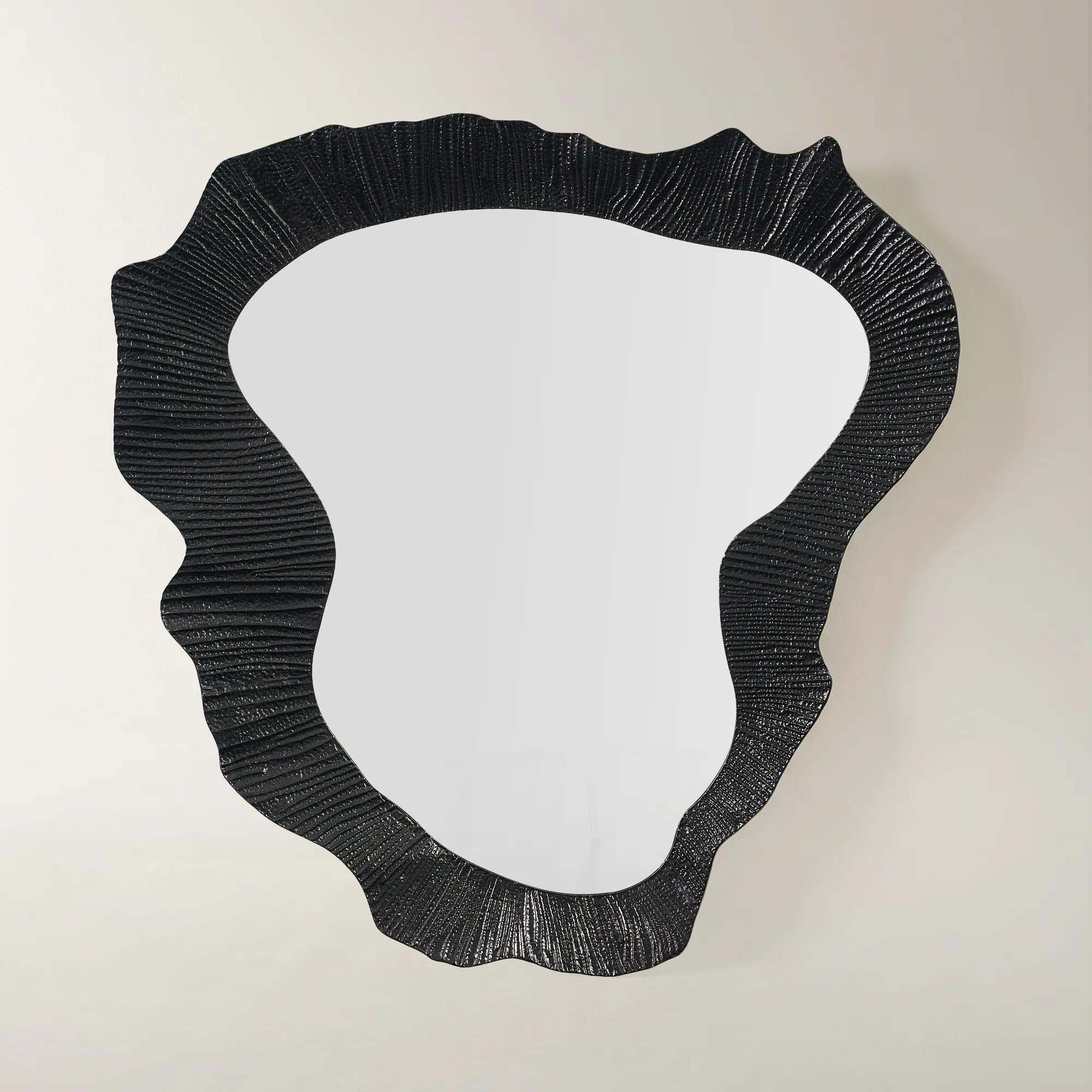 Cara Black Hand-Forged Iron Organic Shaped Wall Mirror 52.5" x 53"$1199
A hand-forged black iron frame and organic silhouette create a bold, sculptural statement for any room.
Add To Cart -
 Cara Antique Gold Hand-Forged Iron Organic Shaped Wall Mirror 52.5" x 53"$1199
A sculptural wall mirror featuring a hand-hammered iron frame with radiant gold and organic edges.
Add To Cart -
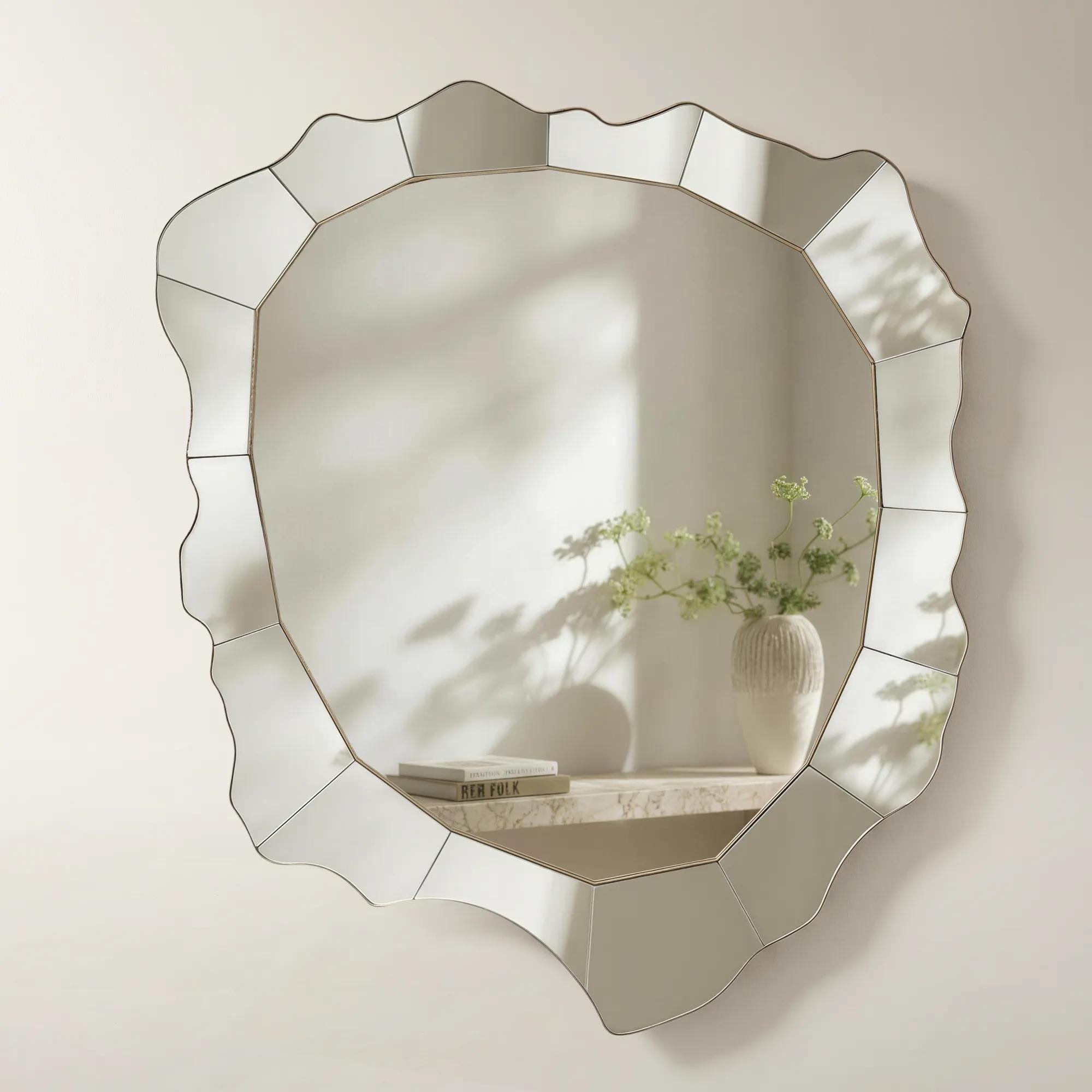 Gala Gold Trim Organic Shaped Wall Mirror 45" x 54"$999
An organic faceted mirror with soft gold iron trim adds sculptural movement and refined glamour to any room.
Add To Cart -

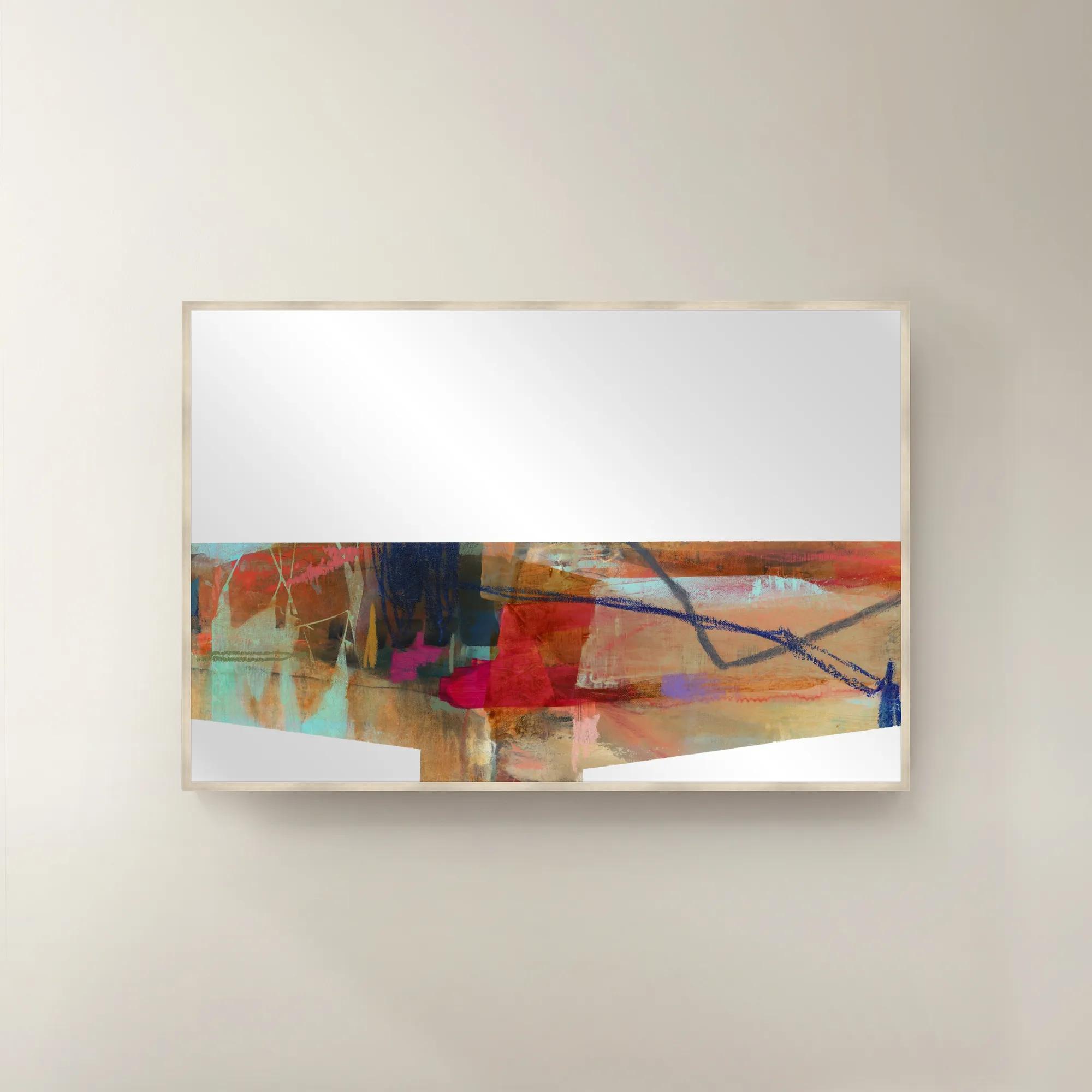
 In a New Light II Framed Printed Wall Mirror 60" x 40"$1499
A contemporary framed printed wall mirror adding artistic dimension and reflective style to modern interiors.
Add To Cart -

 Titan II Framed Printed Wall Mirror 40" x 60"$1529
A striking modern mirror designed to elevate contemporary spaces with artistic flair.
Add To Cart -
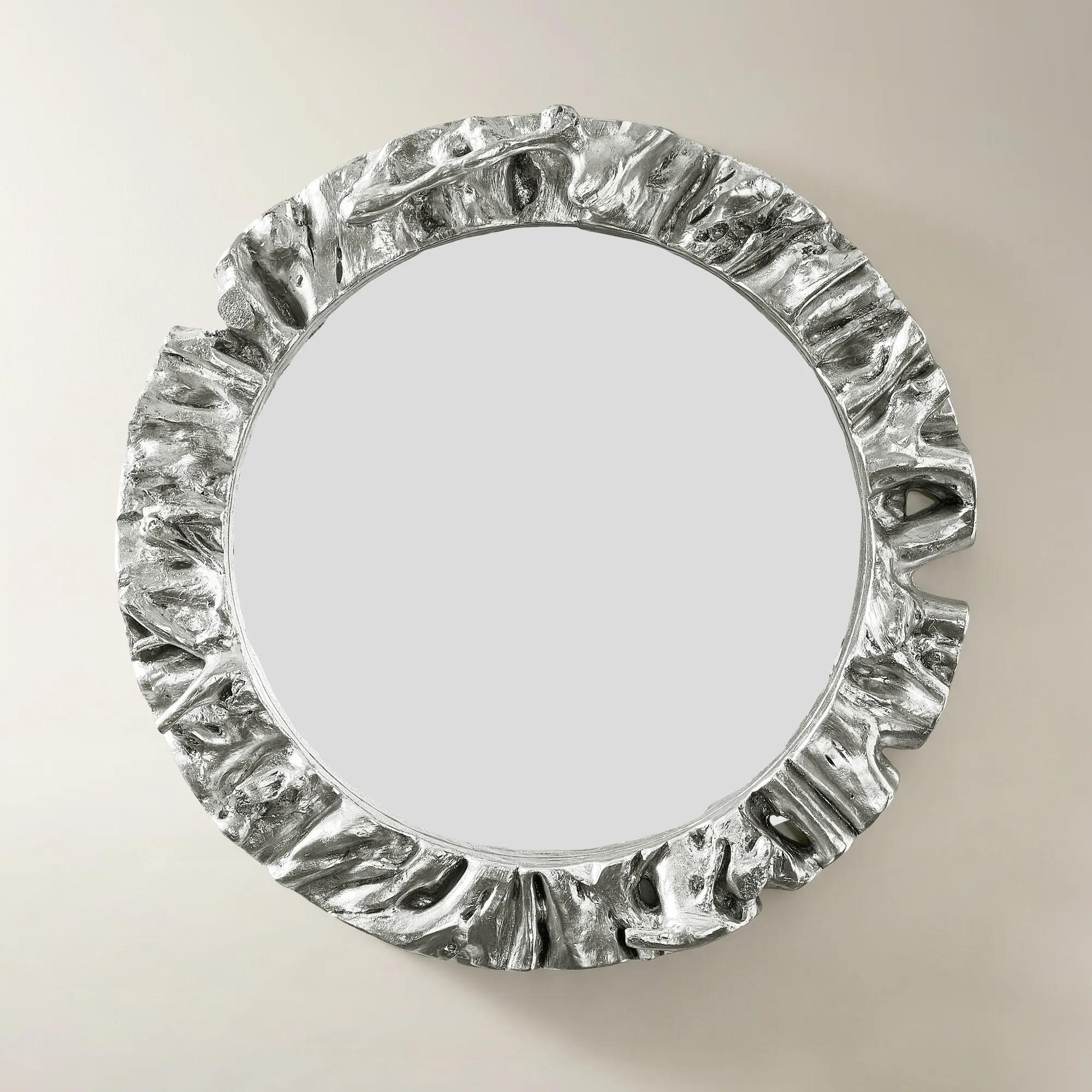
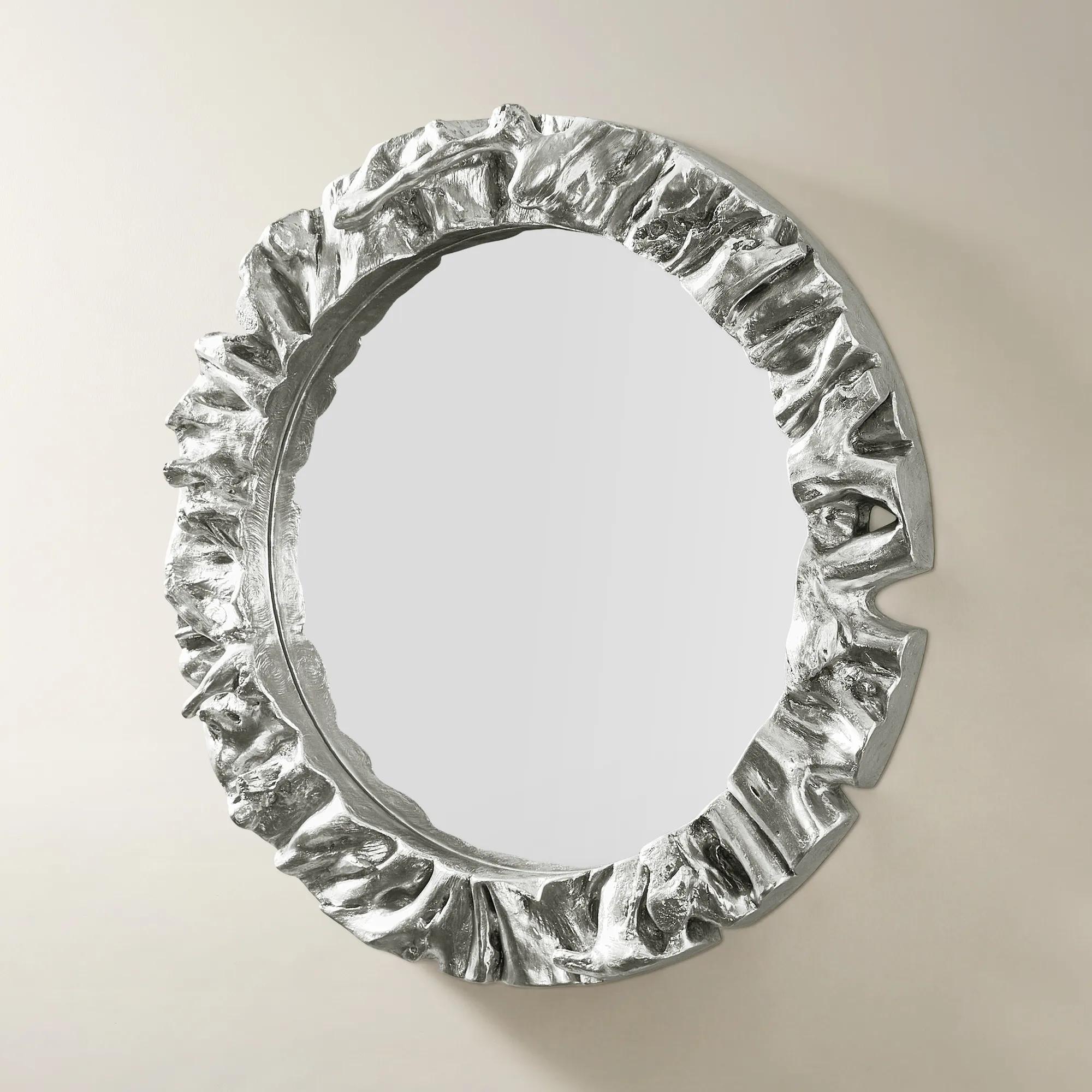 Sequoia Silver Resin Round Wall Mirror 48.25"$1199
A sculptural silver fiberglass resin frame mirror that adds modern polish and reflective brightness to any room.
Add To Cart -

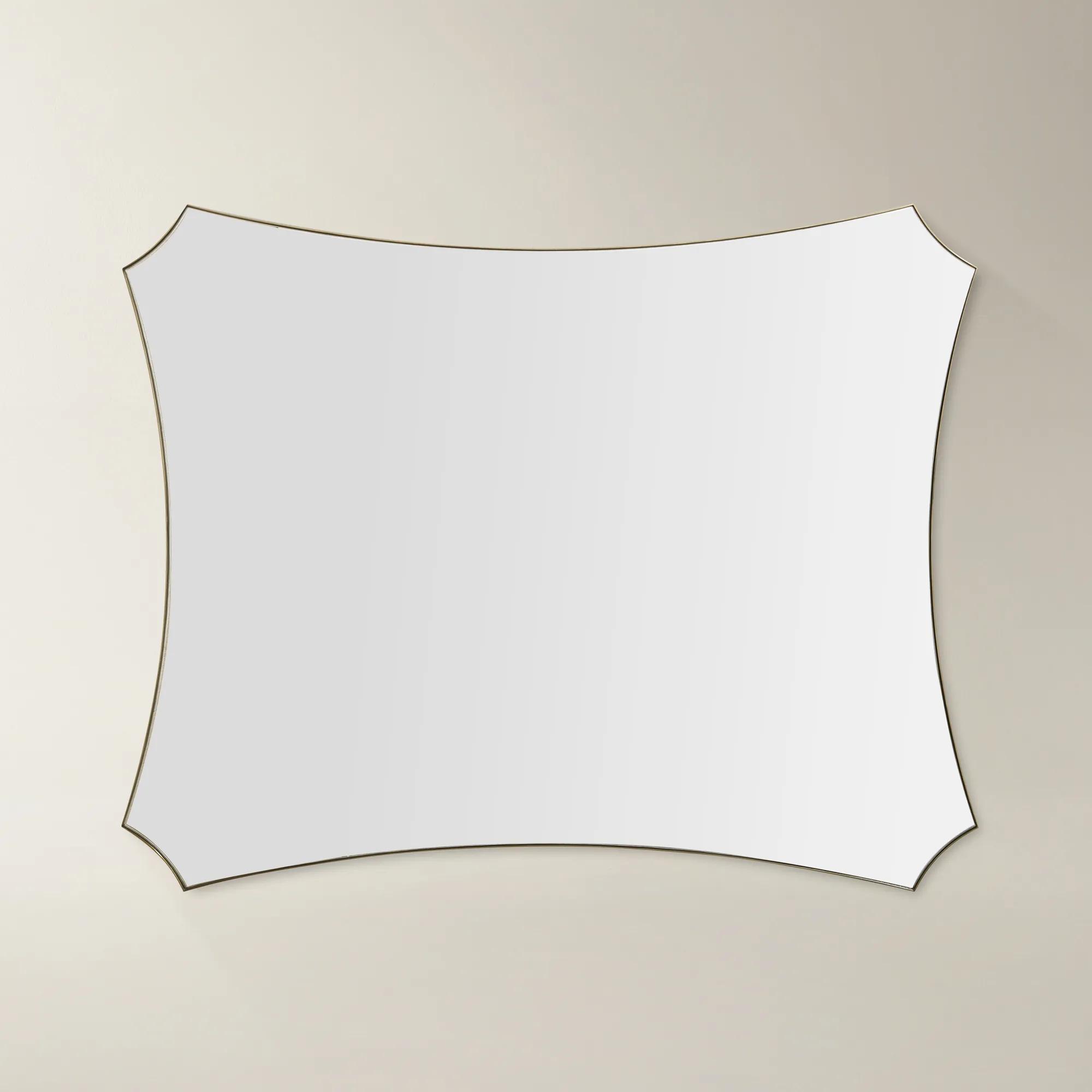 Ava Gold Stainless Steel Wall Mirror 40" x 50"$499
A contemporary wall mirror adding reflective style and sophistication to modern interiors.
Add To Cart -
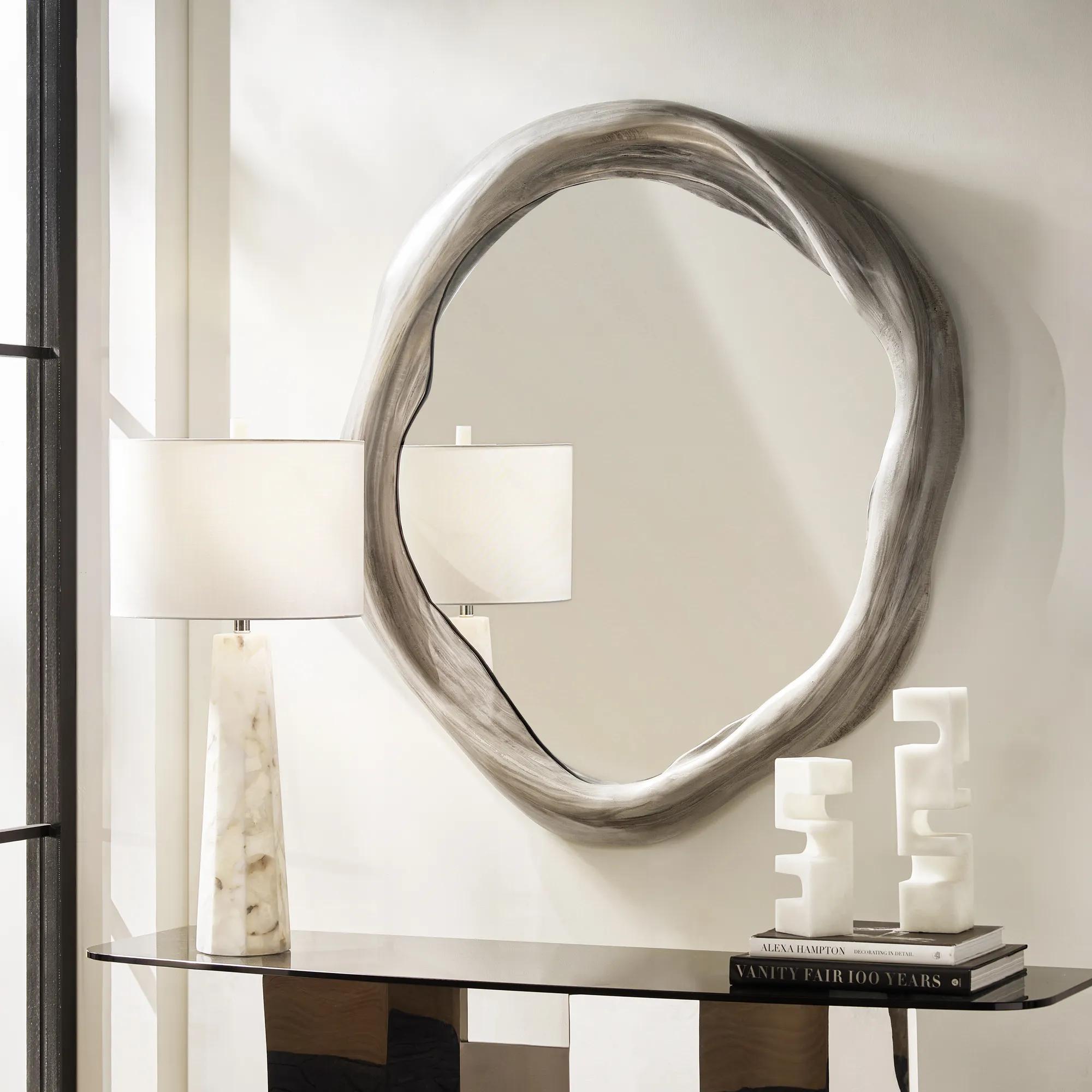
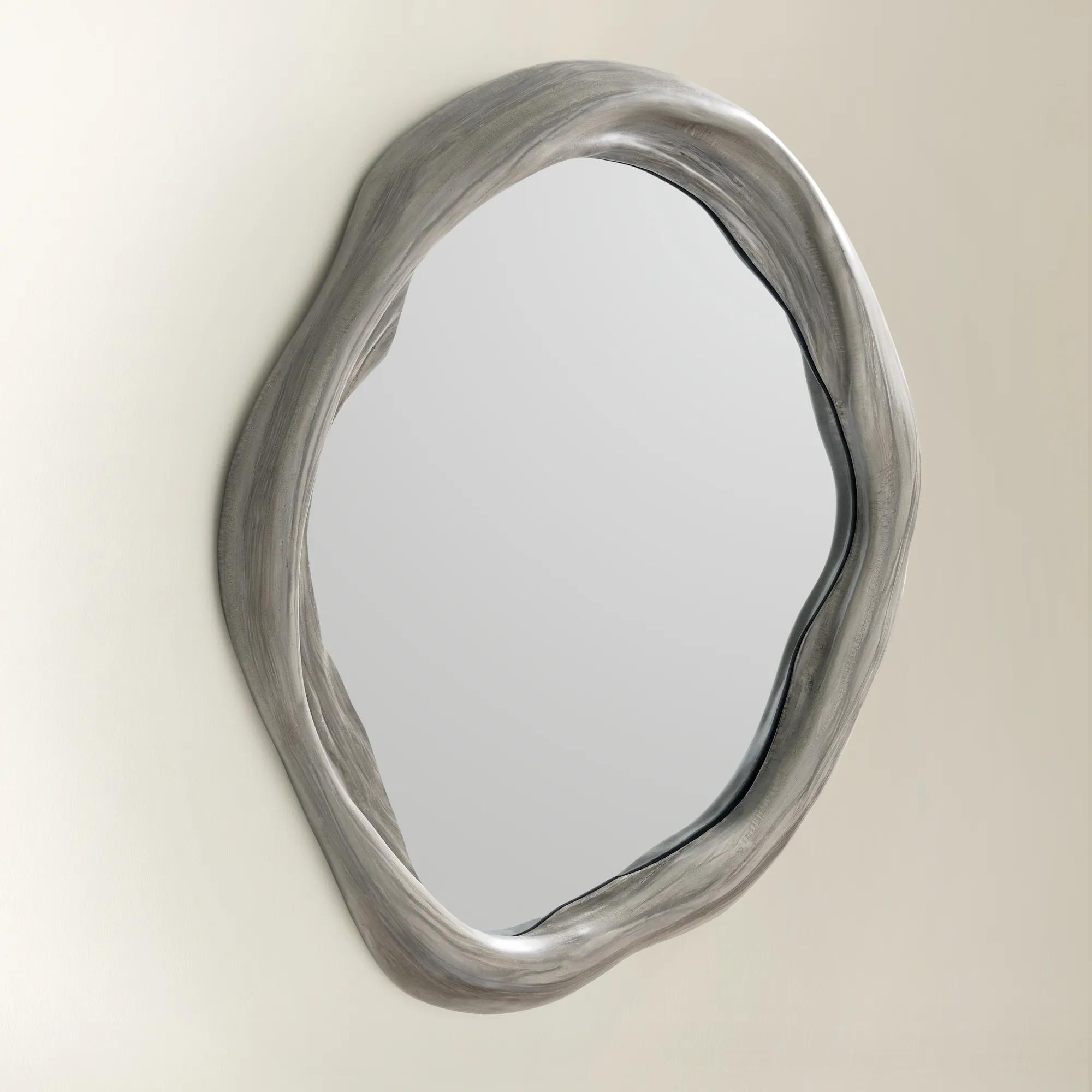 Dunes Wall Mirror$899
An organically shaped wall mirror with an artfully irregular gray frame, perfect for modern or minimalist spaces.
Add To Cart -
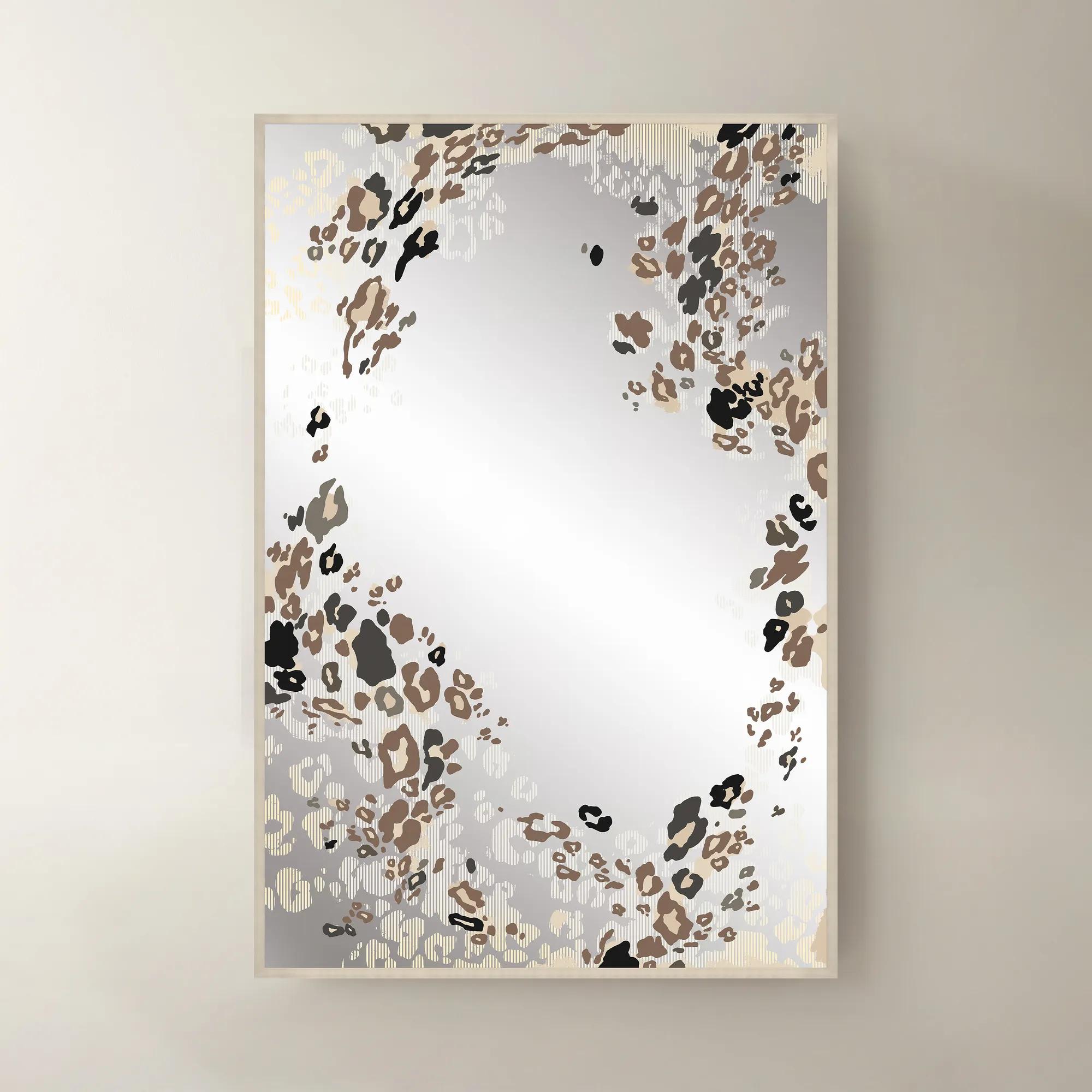
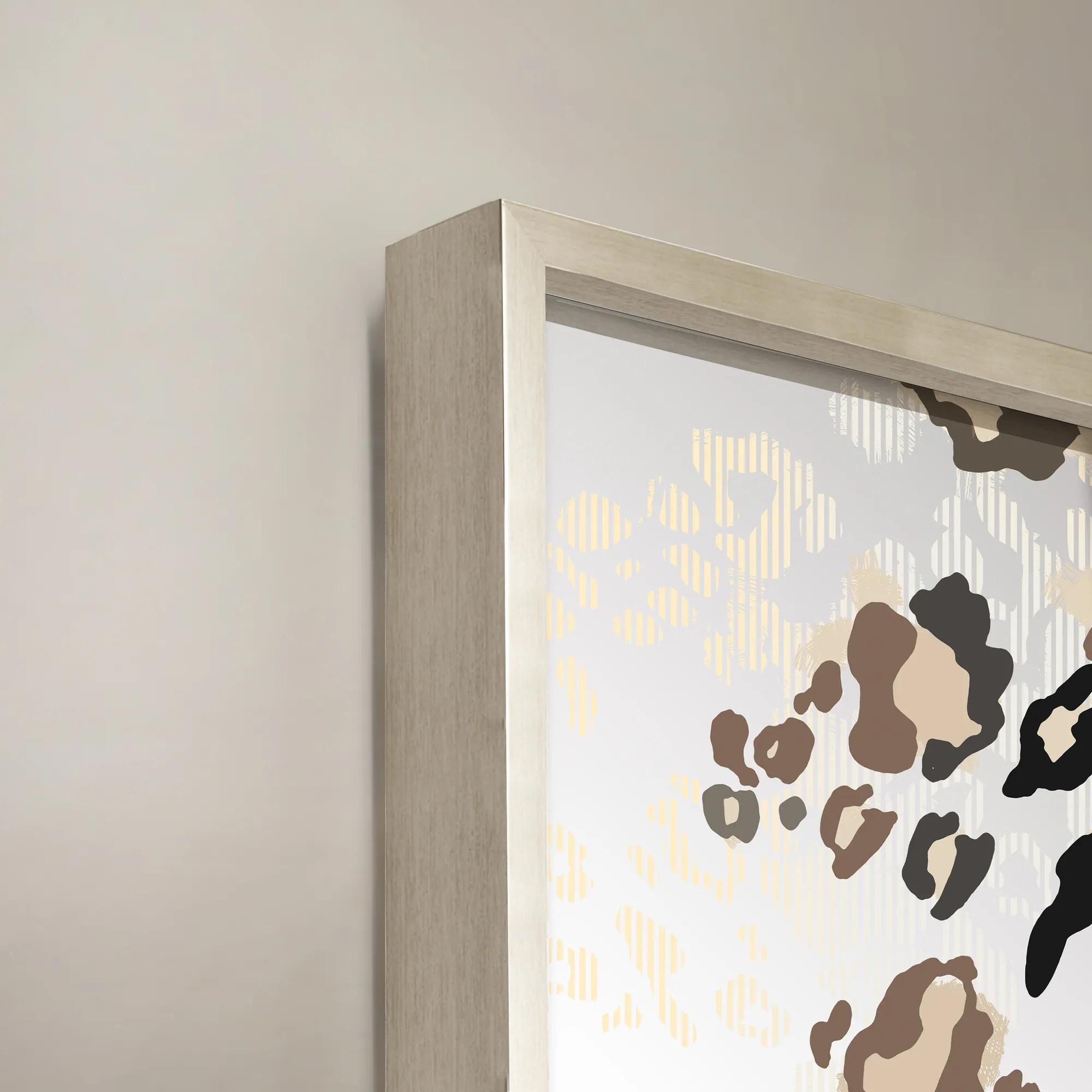 Leopard Luxe Framed Printed Wall Mirror 40" x 60"$1499
A printed mirror featuring Art Deco-inspired leopard artwork, set in a wood silver frame with brown and black tones.
Add To Cart -
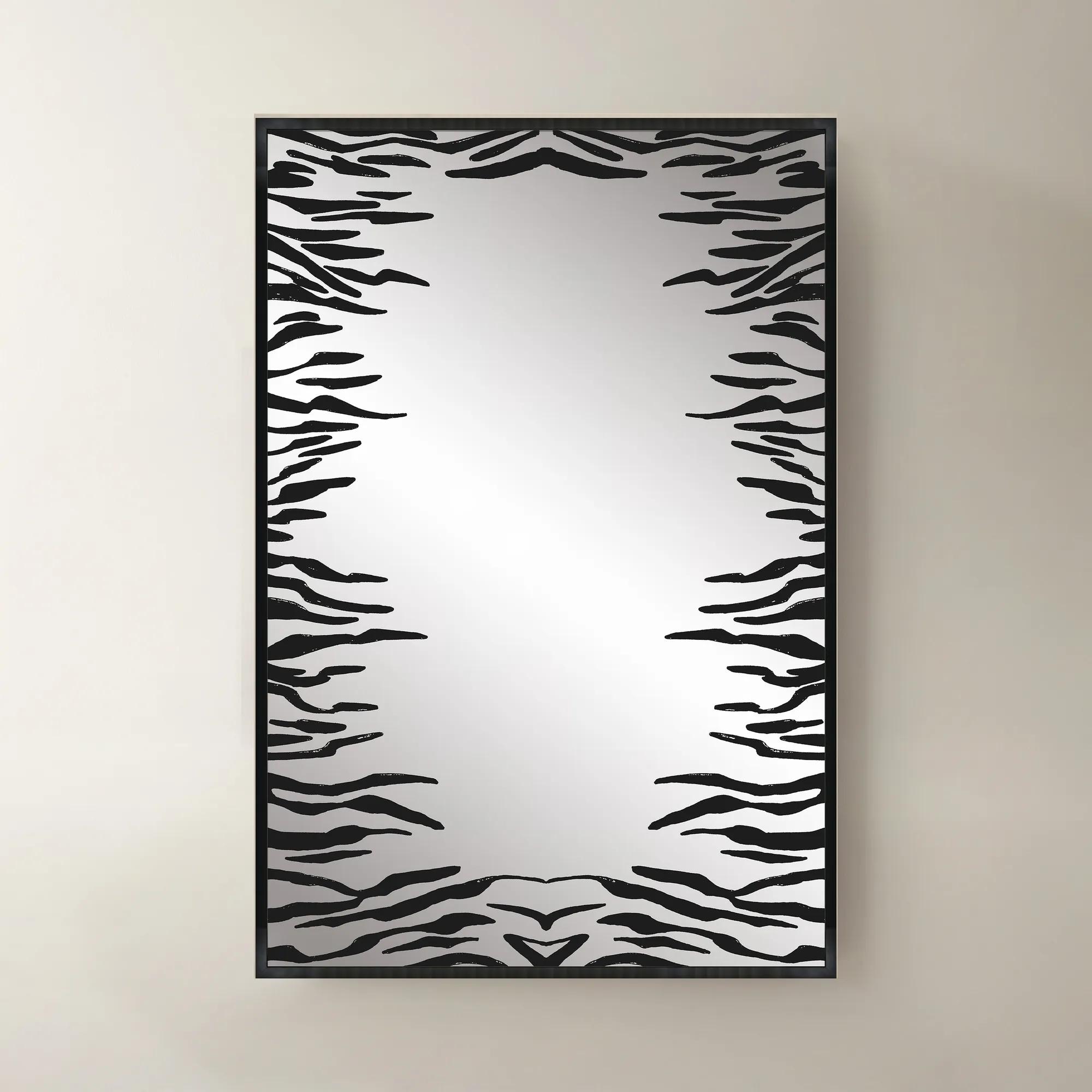
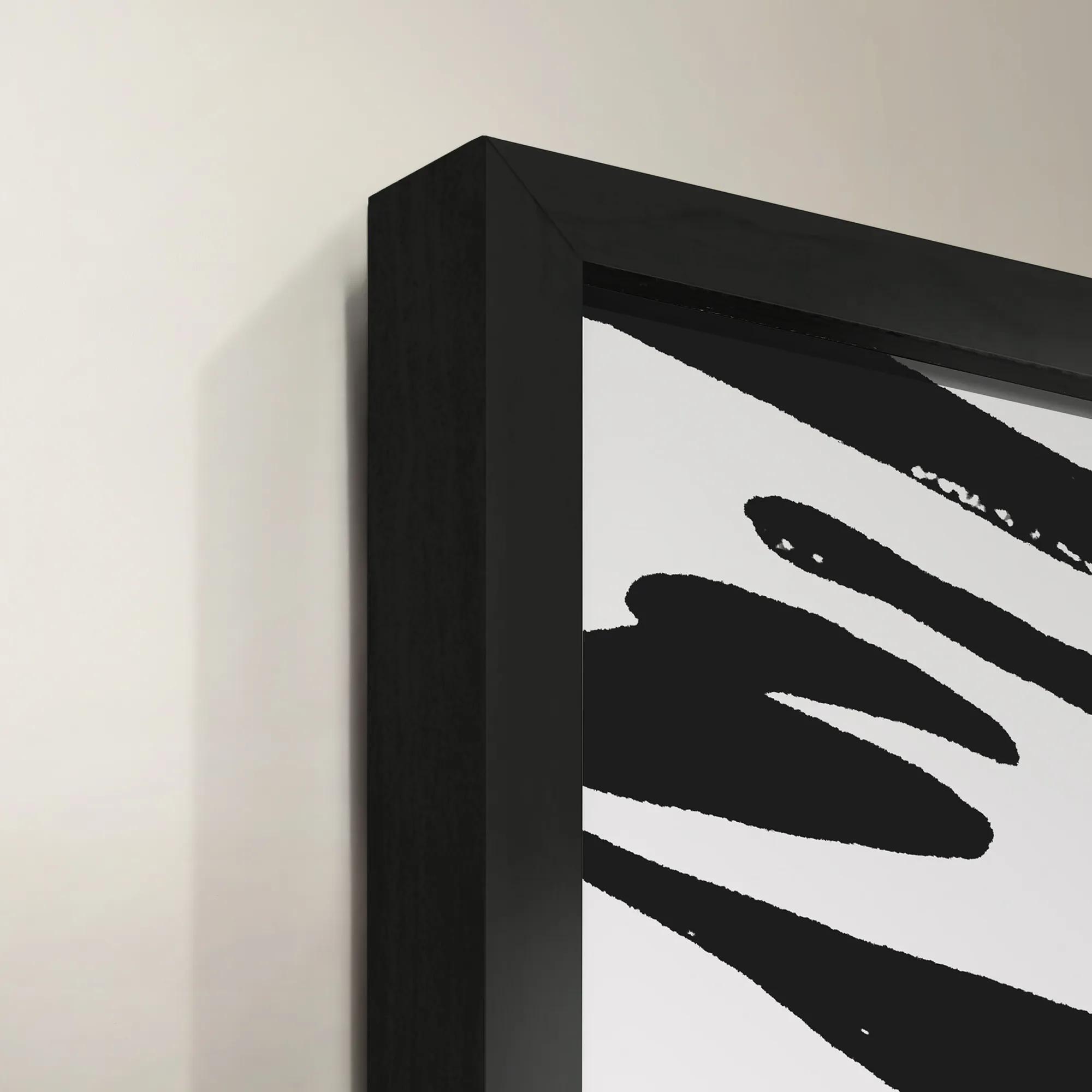 Savanna Veil Framed Printed Wall Mirror 40" x 60"$1499
A black framed printed wall mirror offering artistic dimension and modern sophistication.
Add To Cart -
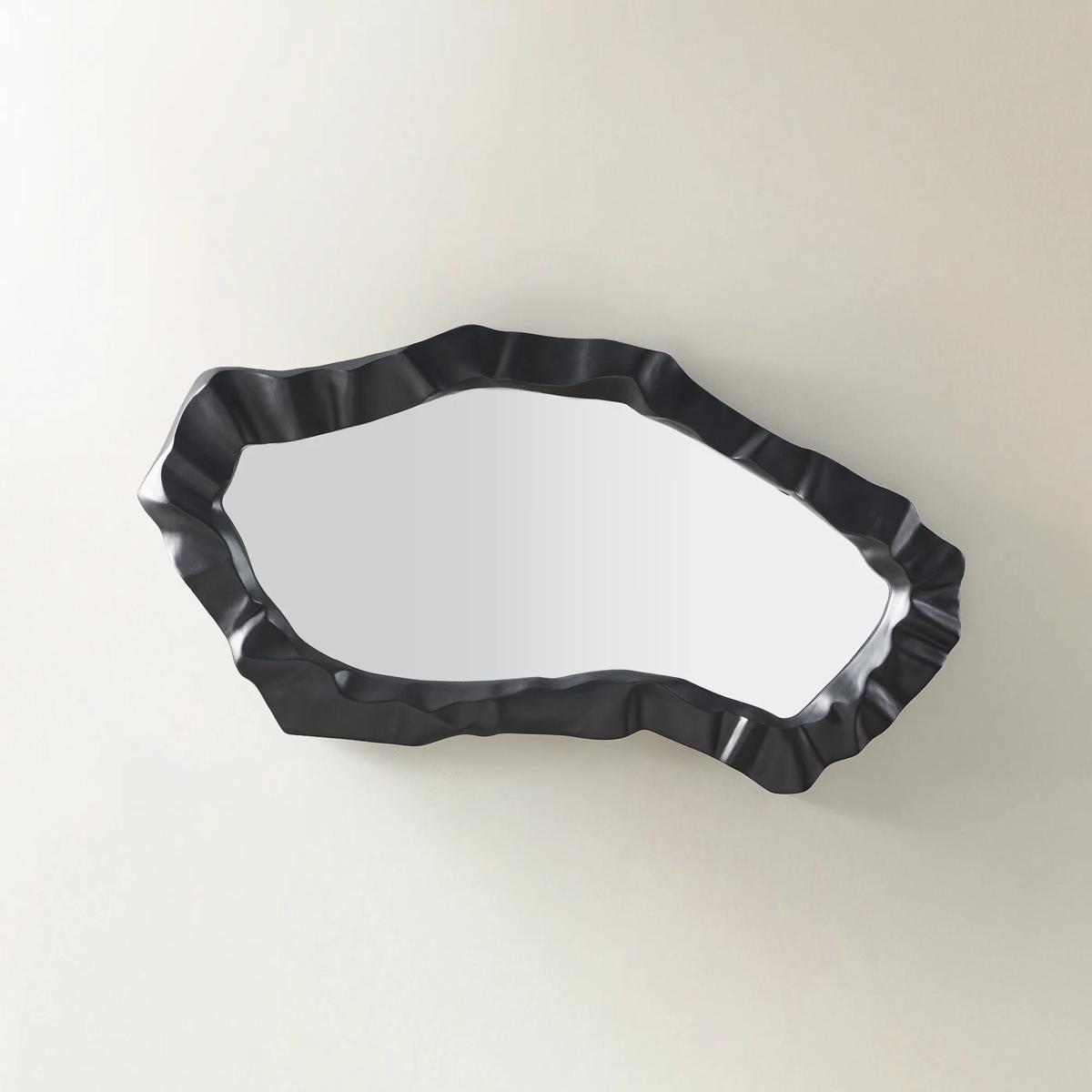
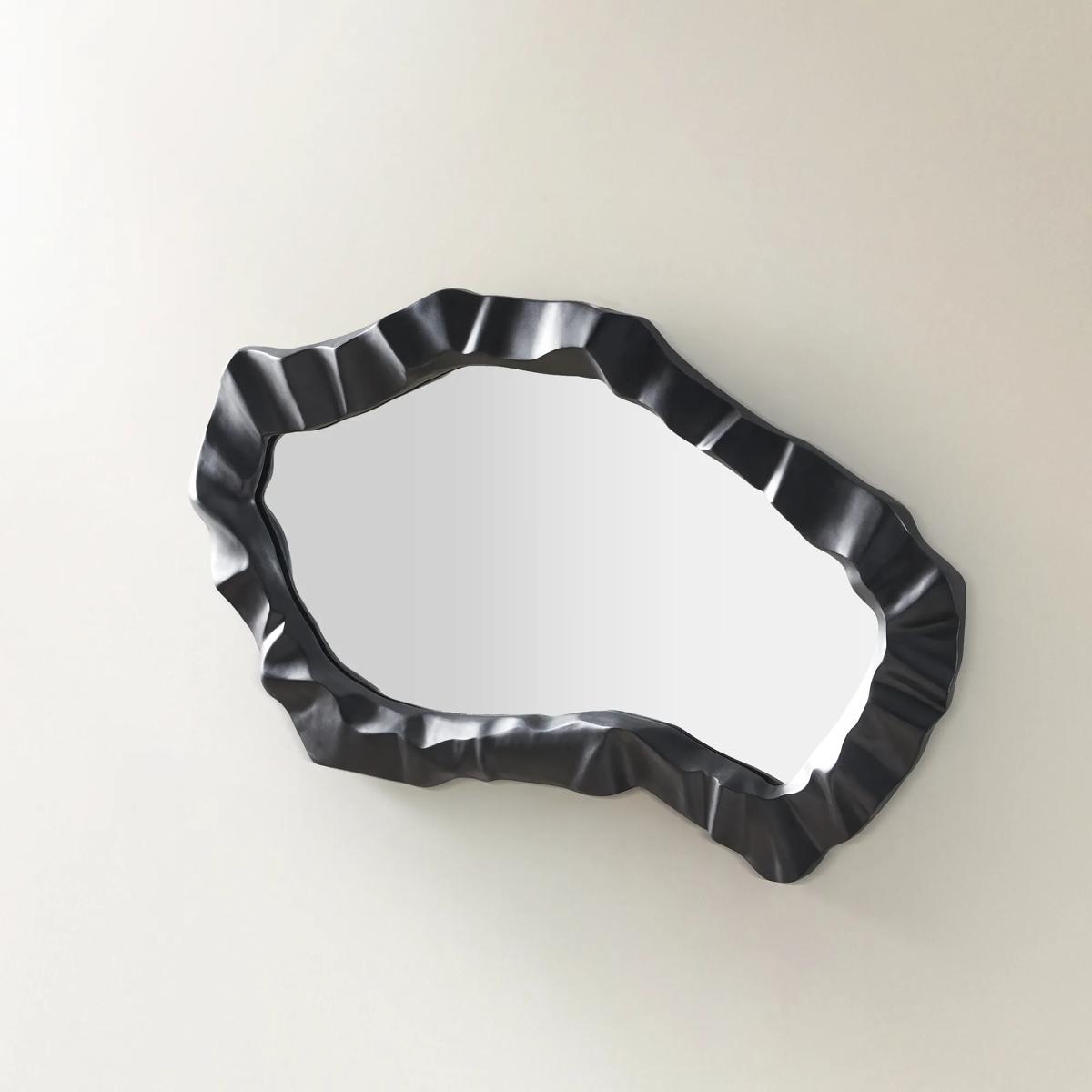 Islay Black Resin Organic Shaped Wall Mirror 44.75" x 23.75"$599
A sculptural black resin mirror featuring bold, asymmetrical curves and versatile vertical or horizontal hanging.
Add To Cart -
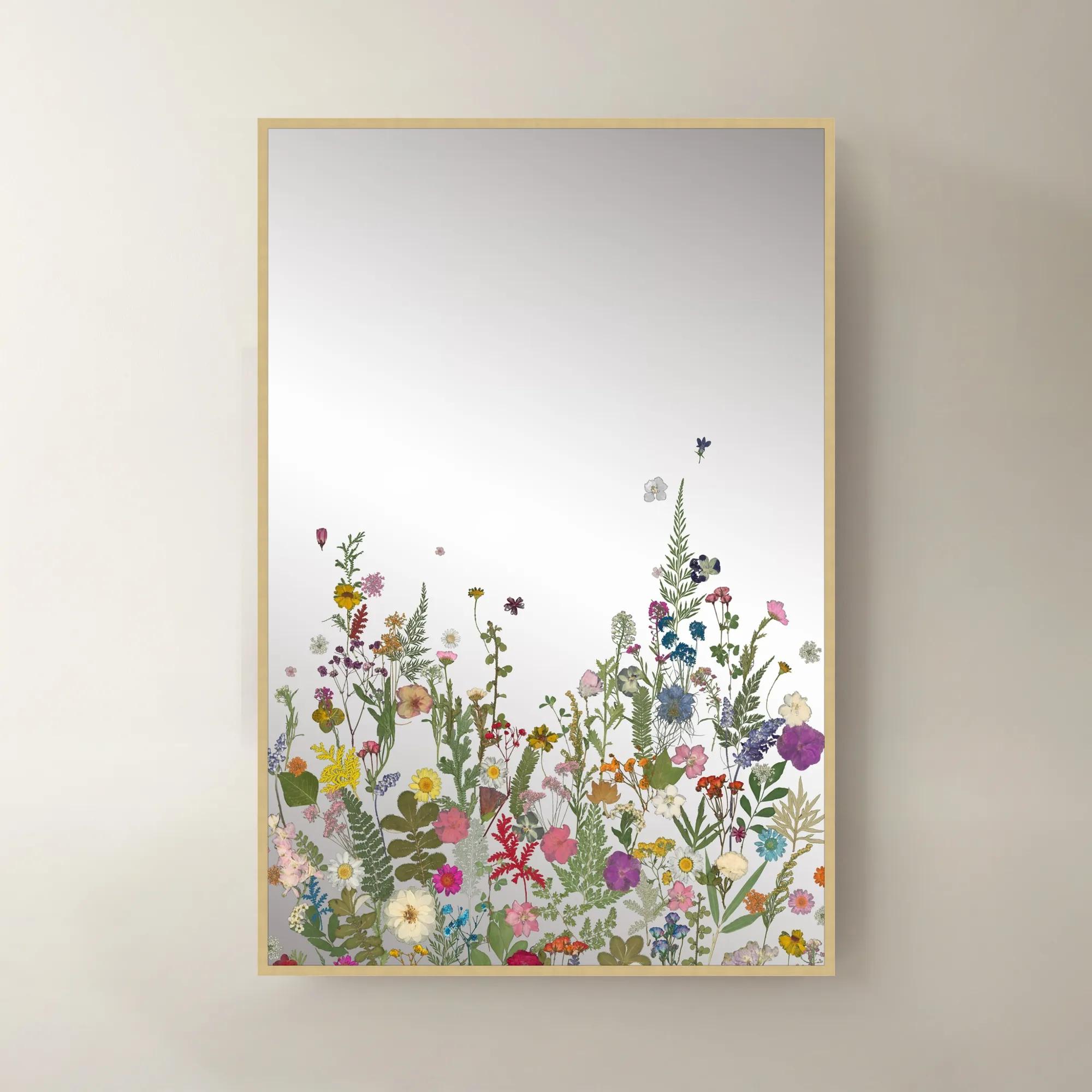
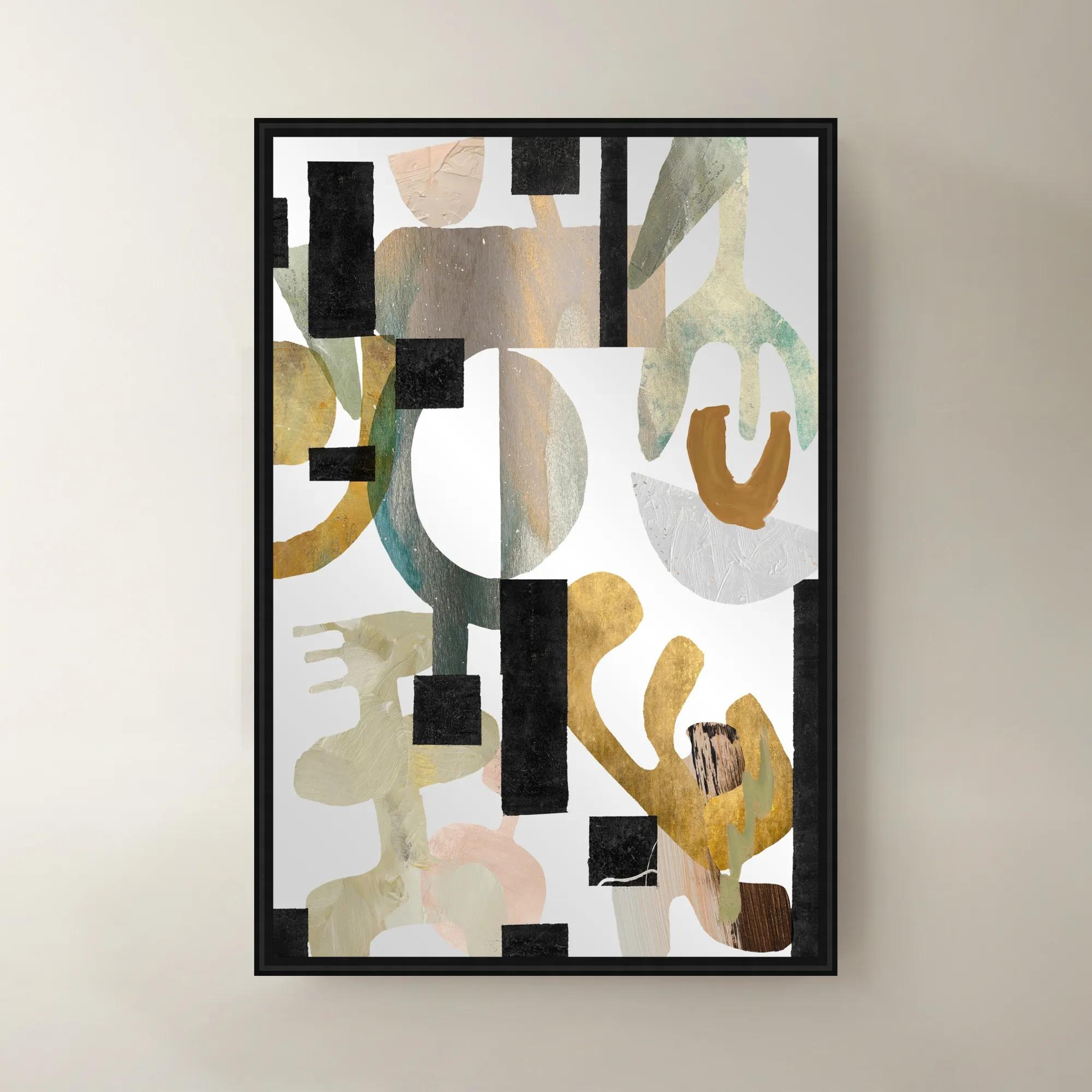
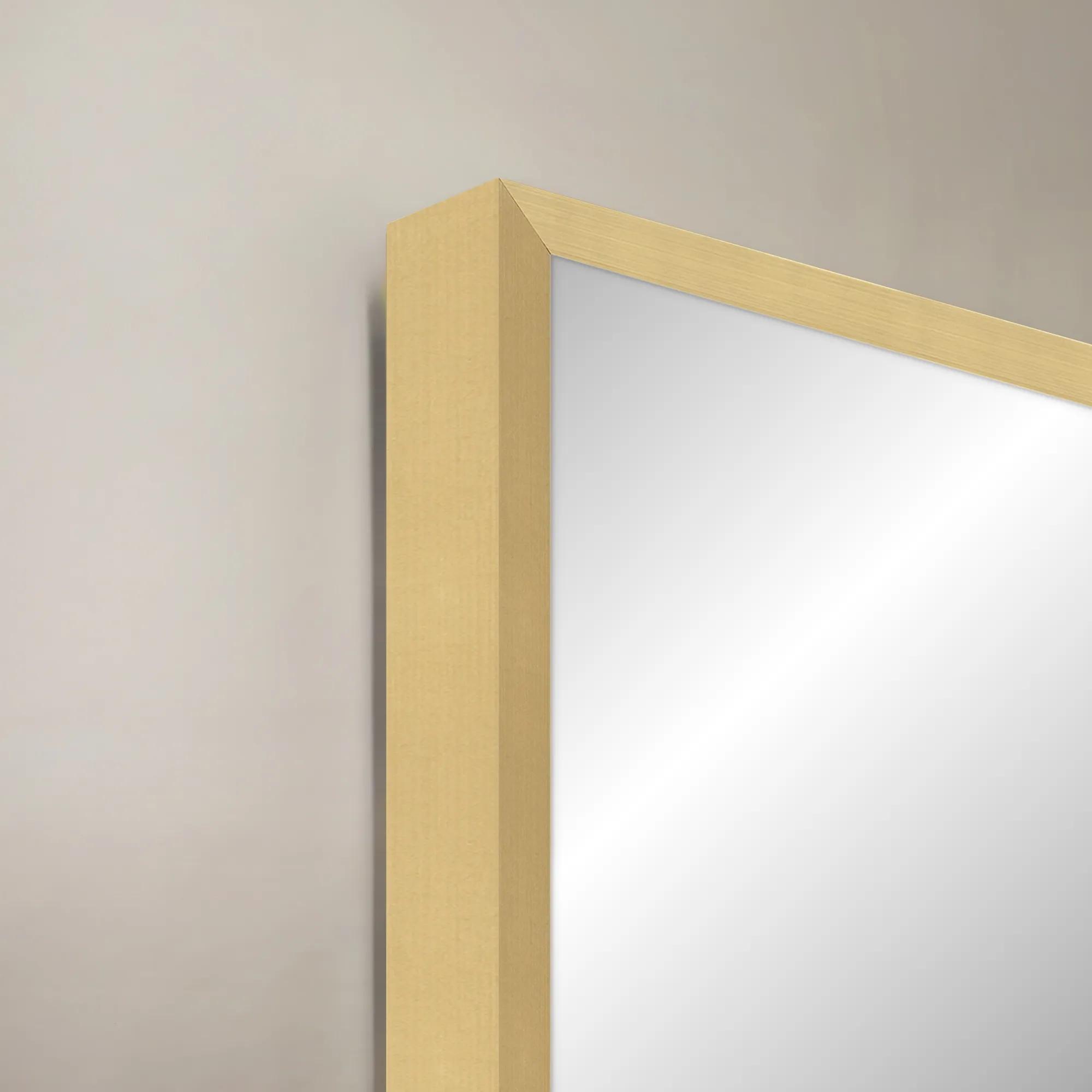 Night Scent III Framed Printed Wall Mirror 40" x 60"$1499
A framed printed wall mirror offering artistic dimension and contemporary style.
Add To Cart -
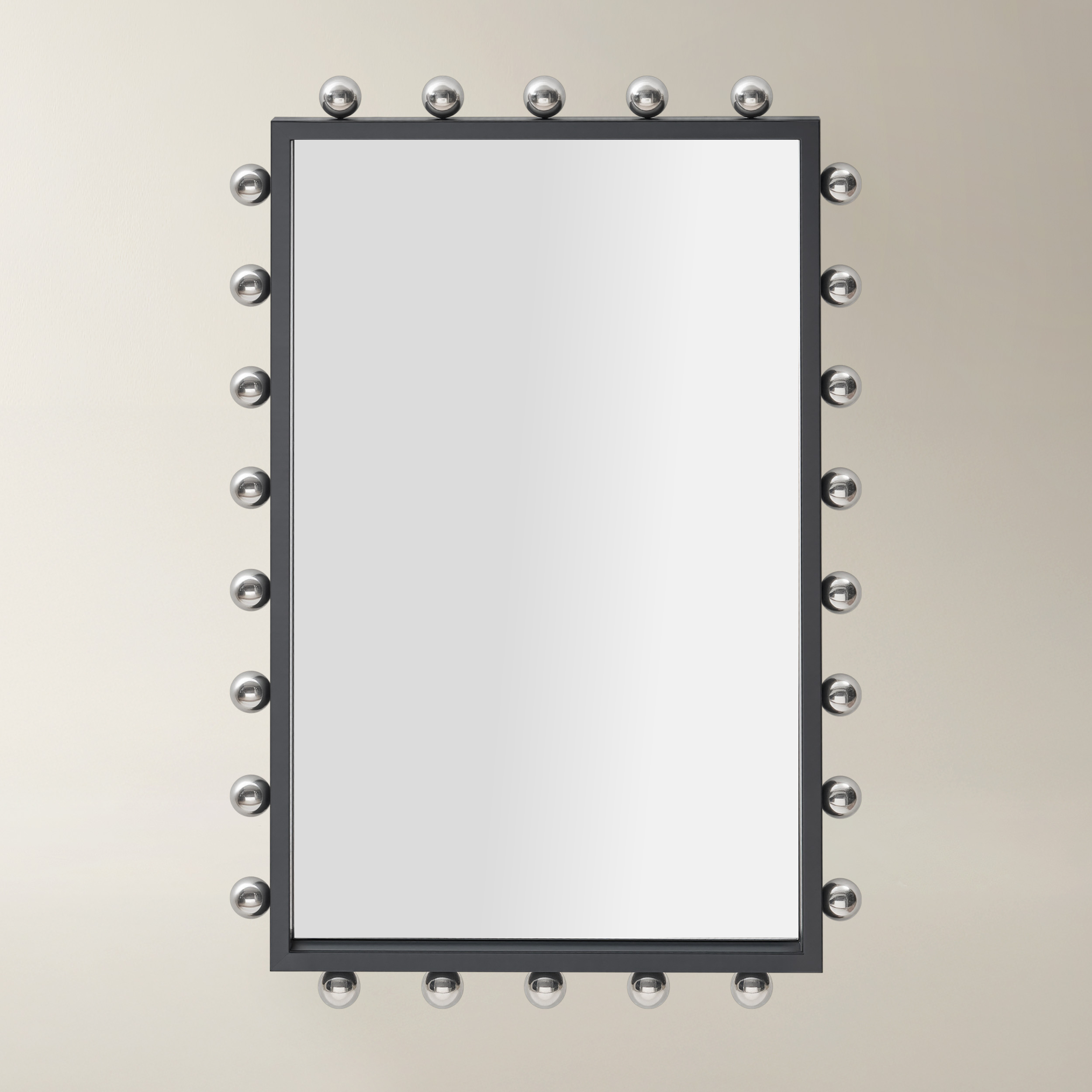
 Duran Black And Silver Stainless Steel Spheres Wall Mirror 20" x 44"$399
A sculptural wall mirror featuring a black and silver steel frame adorned with polished spheres.
Add To Cart -
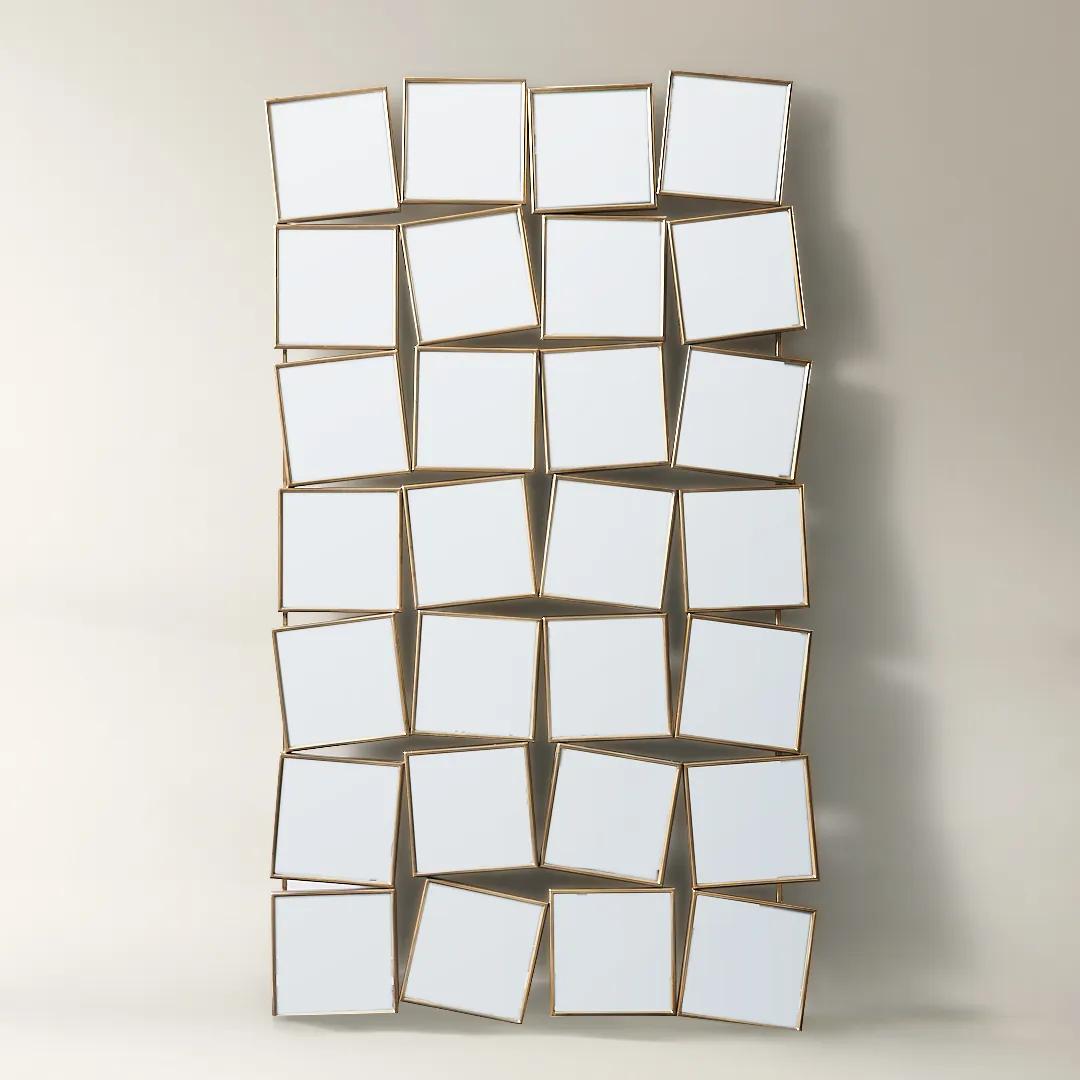
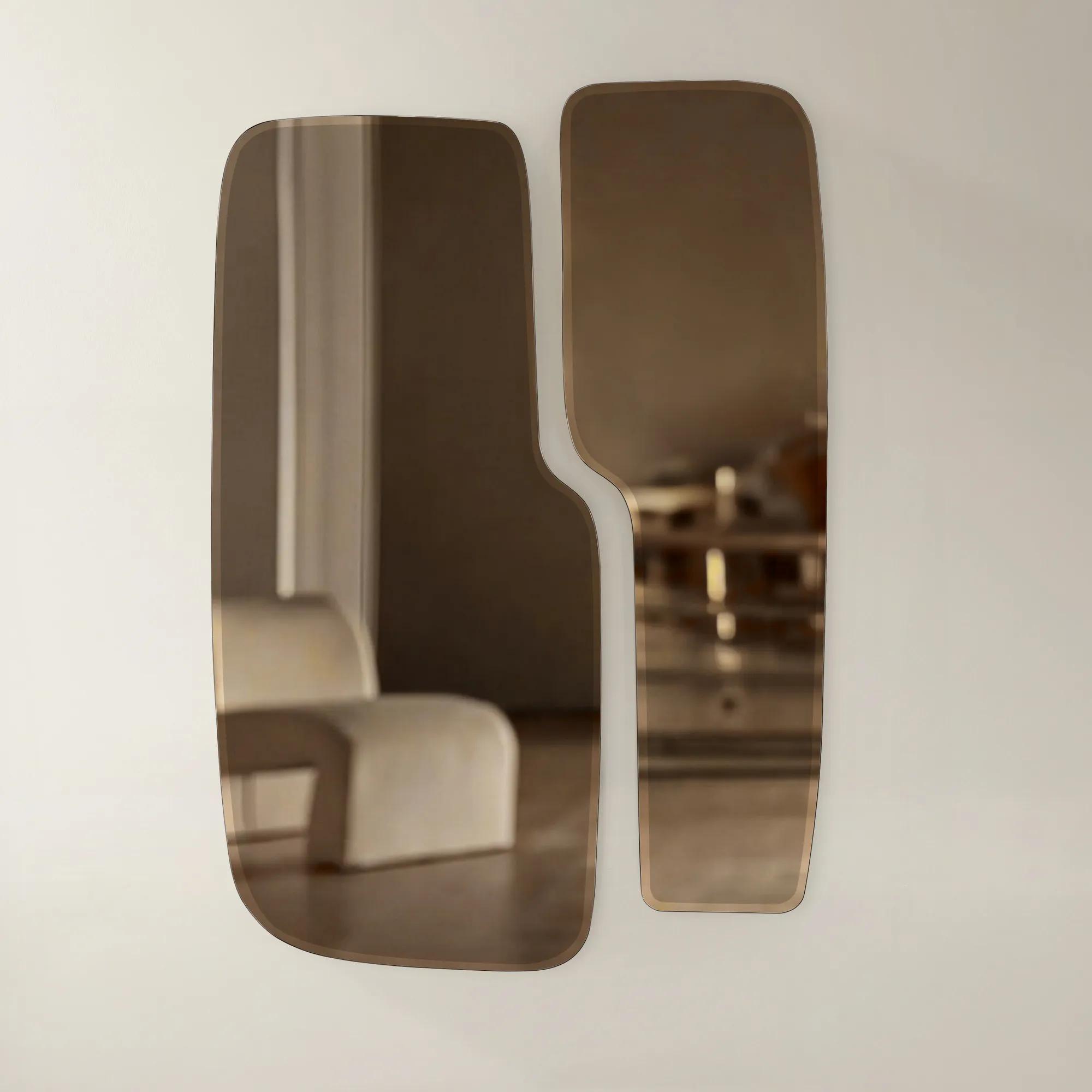 Puzzle 2-Piece Bronze Organic Shaped Wall Mirror 30" x 45"$499
A two-piece bronze wall mirror set featuring organic shapes for an artful, sculptural accent.
Add To Cart -
 Oceano White Resin Round Wall Mirror 42.7" x 40.2"$699
A white wall mirror featuring an organic shape and sandy texture for a serene, coastal-inspired accent.
Add To Cart -
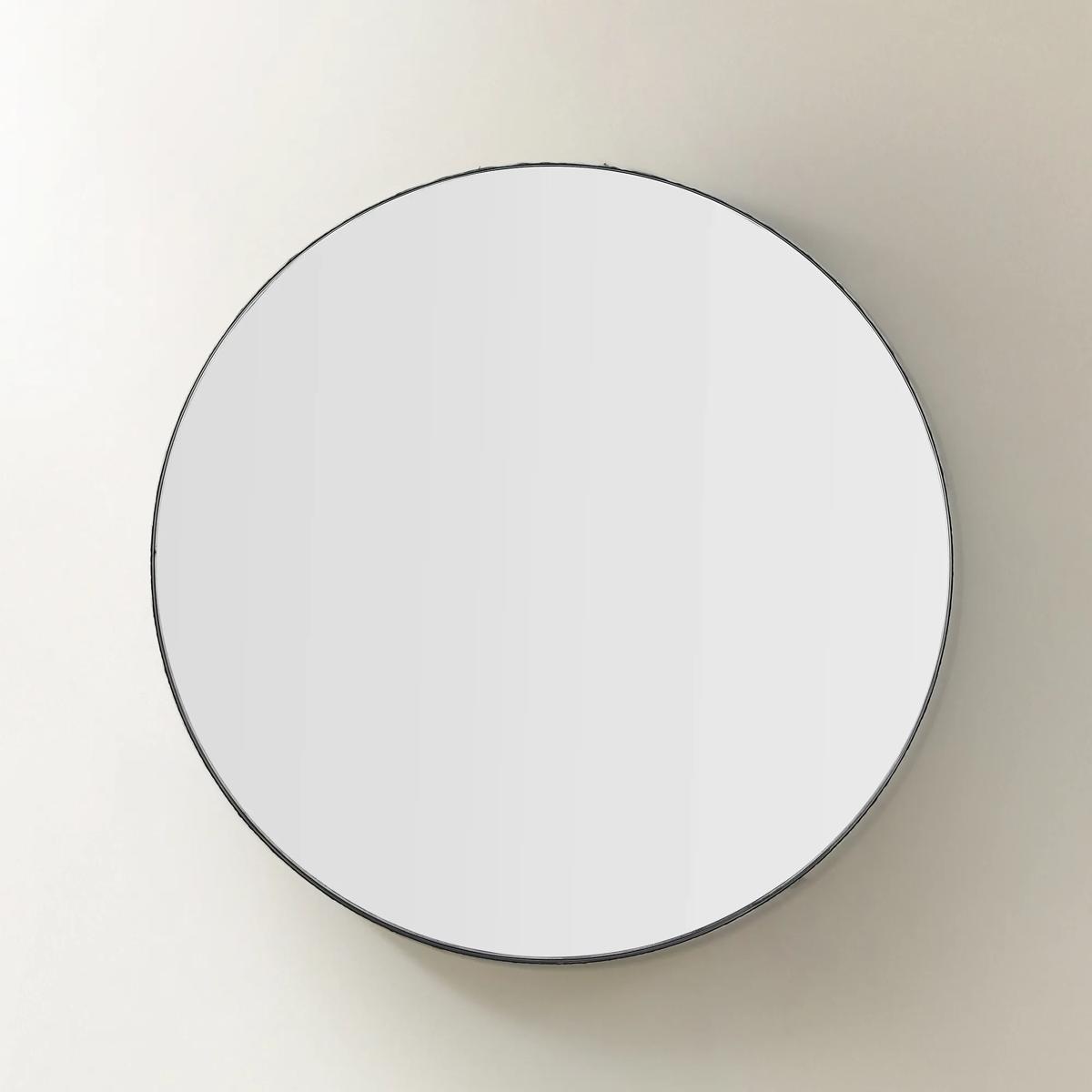
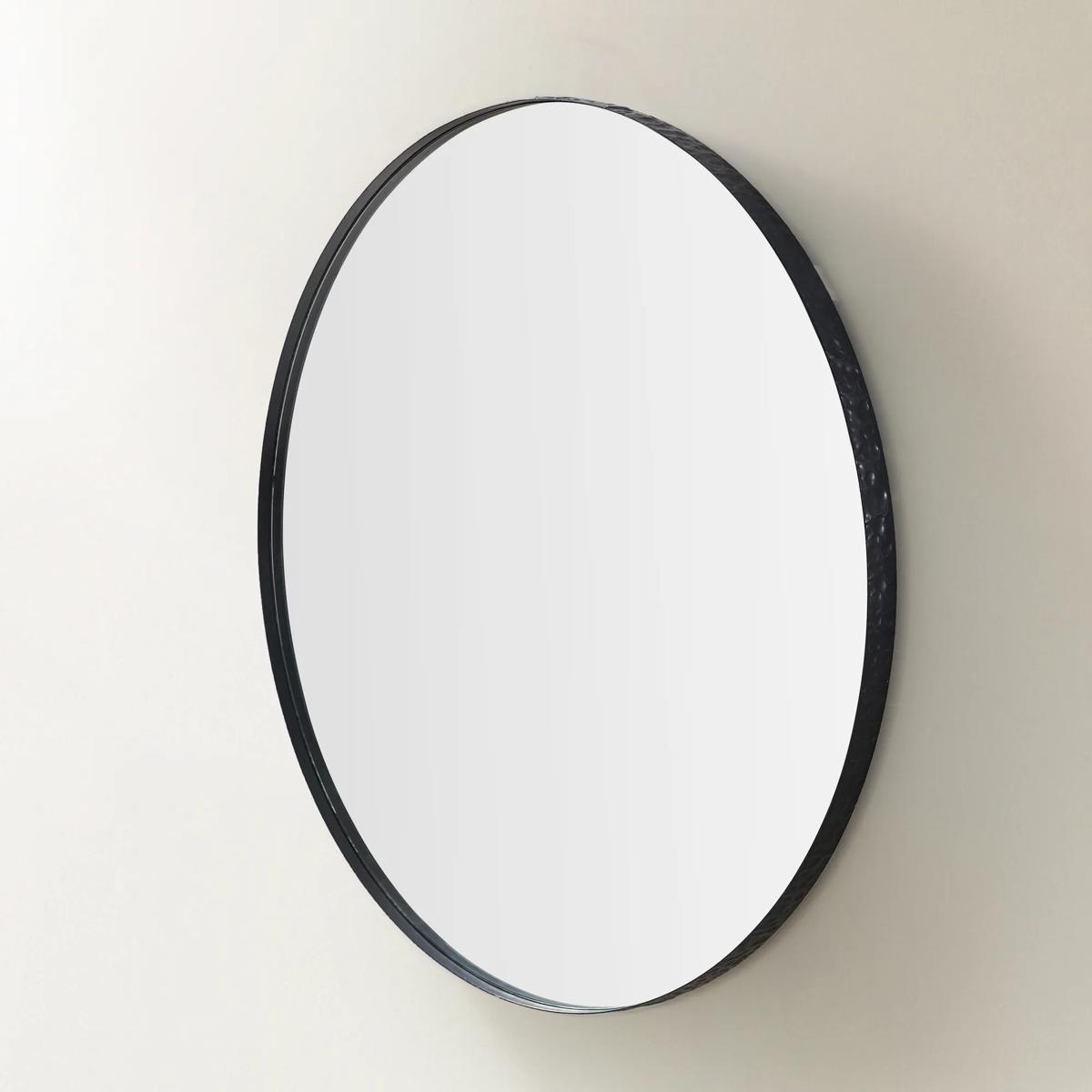 Cade Wall Mirror - Black$699
A round wall mirror featuring a hand-hammered black iron frame for a sleek, modern accent.
Add To Cart -

 Cade Gold Hand-Hammered Iron Round Wall Mirror 46.25"$699
A round wall mirror featuring a hand-hammered iron frame with a warm gold finish for elegant appeal.
Add To Cart -
 Celine White And Gold Resin Round Wall Mirror 46.5" x 38.5"$699
A curvaceous wall mirror featuring a white and gold frame for a touch of modern glamour.
Add To Cart -
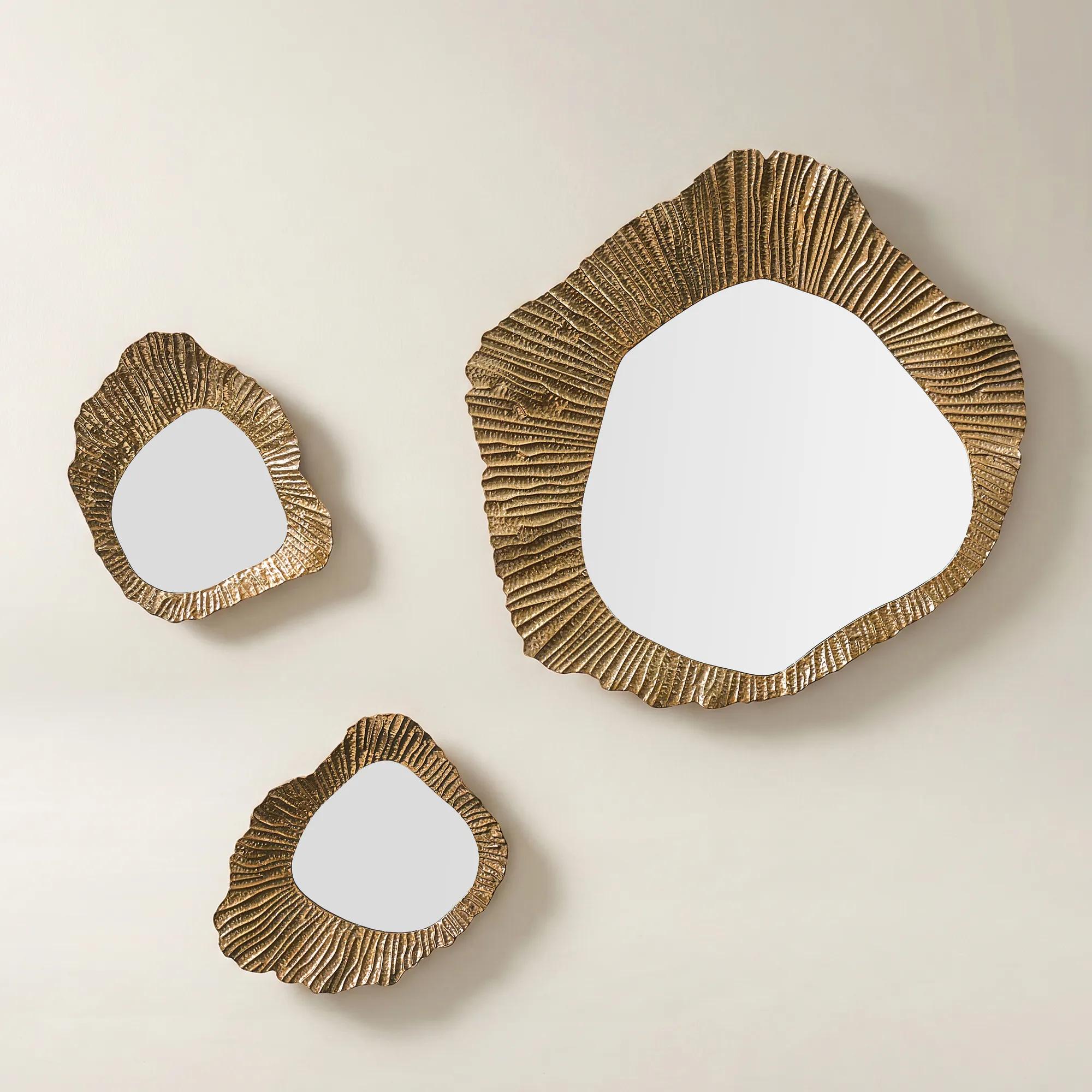 Cara Antique Gold Hand-Forged Iron Organic Shaped Wall Mirror Cluster Trio$1099
A set of three hand-forged iron mirrors in antiqued gold, featuring an organic, sculptural cluster design.
Add To Cart -
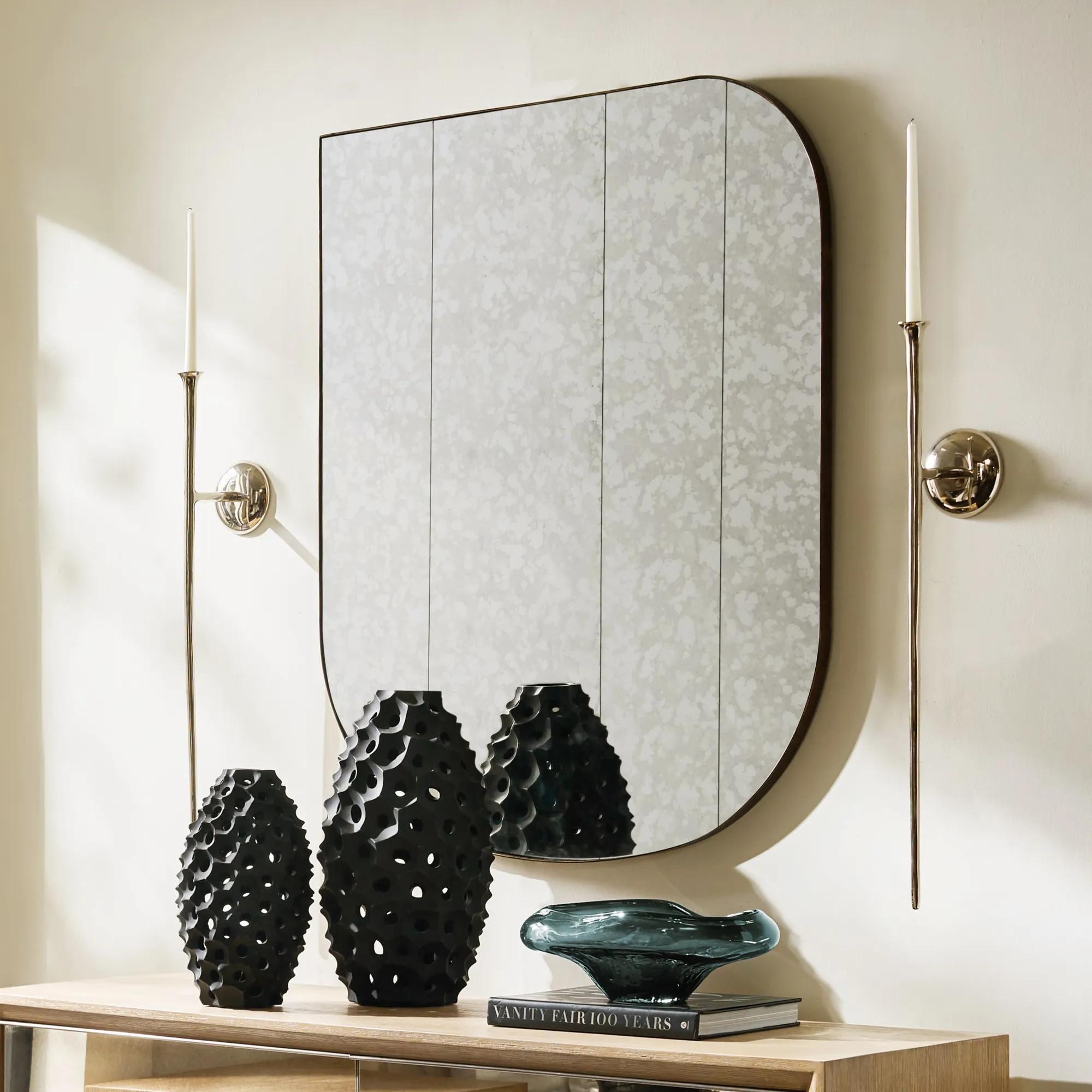
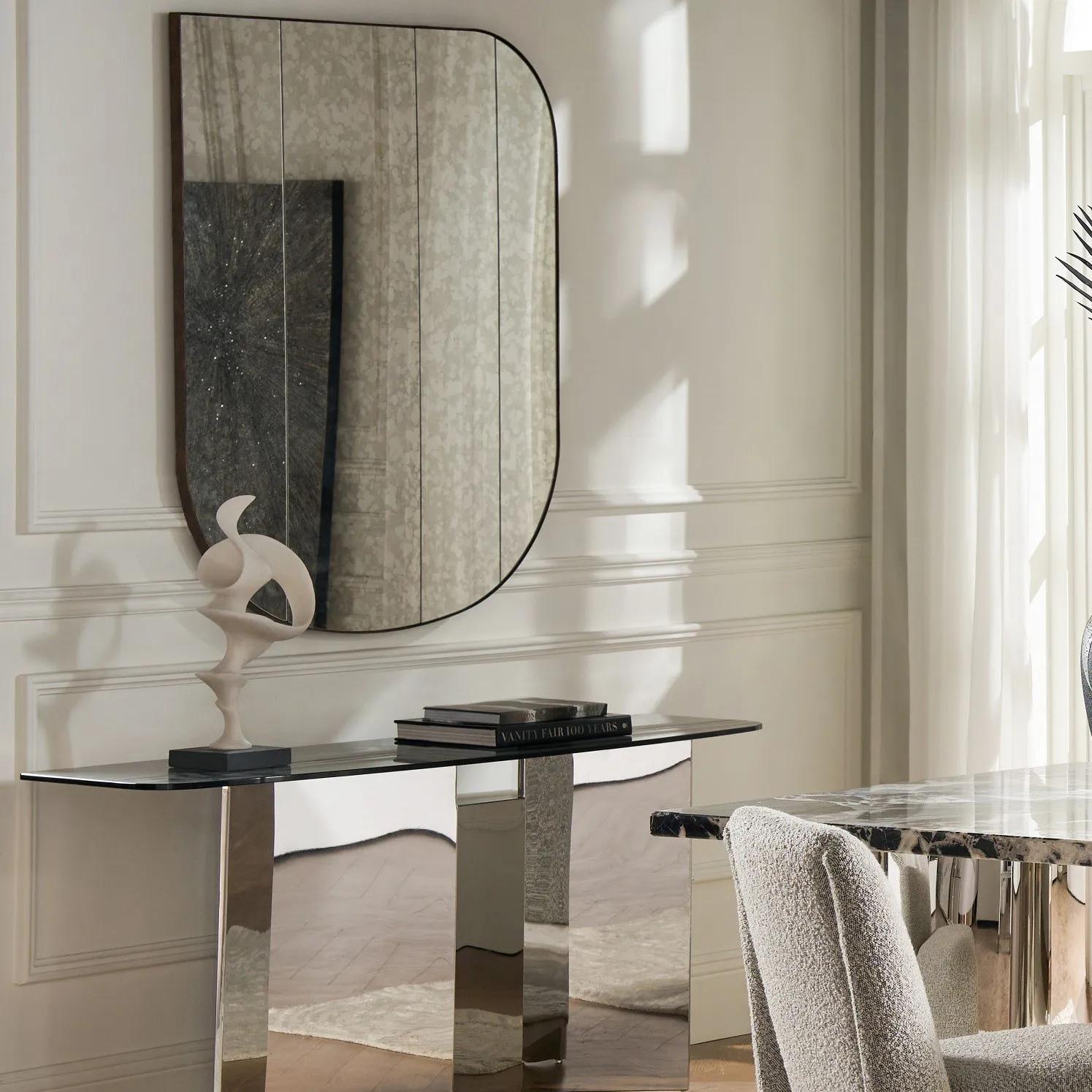 Angolo Wall Mirror$799
An antique-inspired wall mirror featuring a softly irregular shape and shimmering patina on iron and MDF.
Add To Cart -
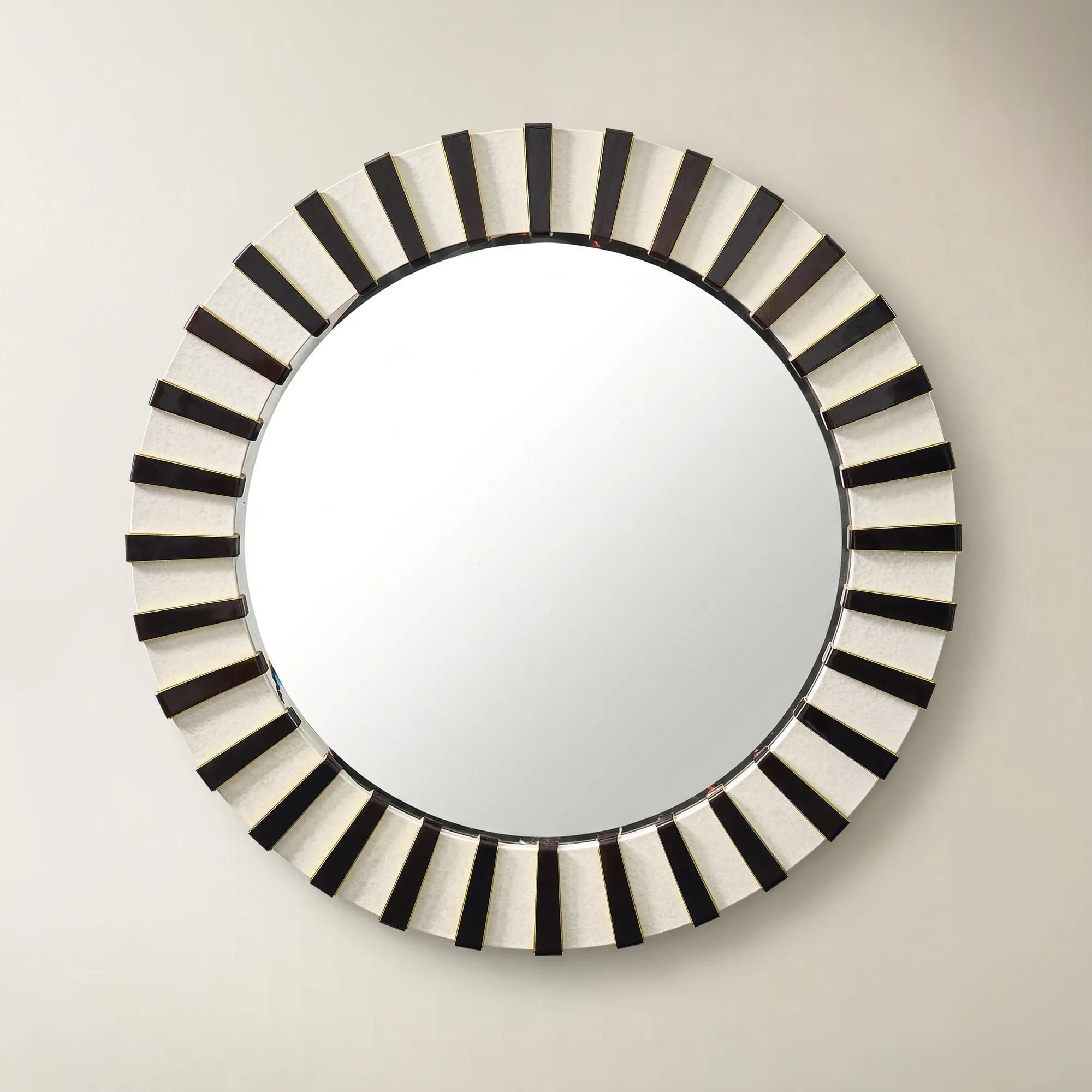 Regatta Opaline Pearl Black Gold Dimensional Round Wall Mirror 45"$849
A luminous wall mirror featuring an opaline pearl lacquered wood frame with black, gold, and raised resin accents.
Add To Cart -
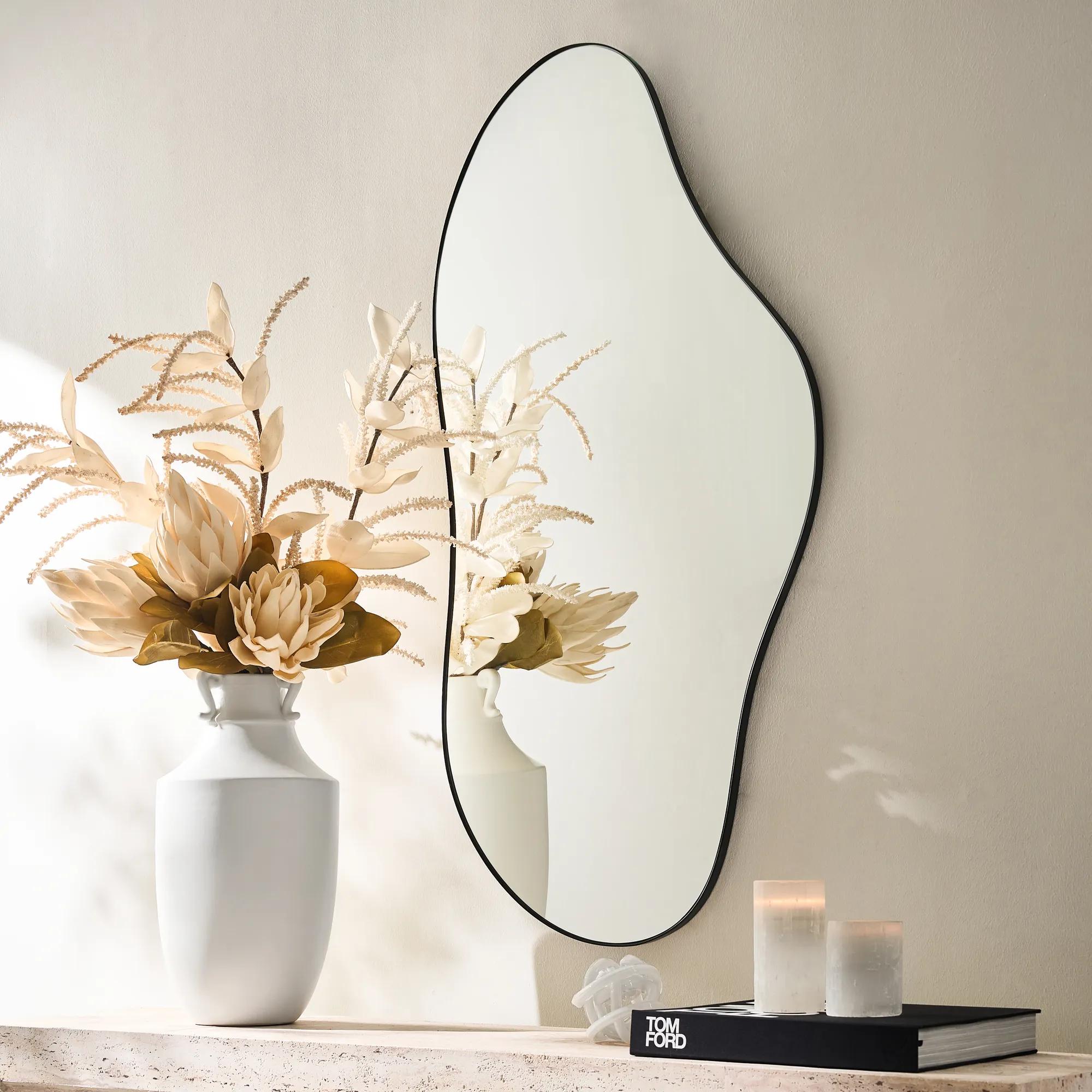
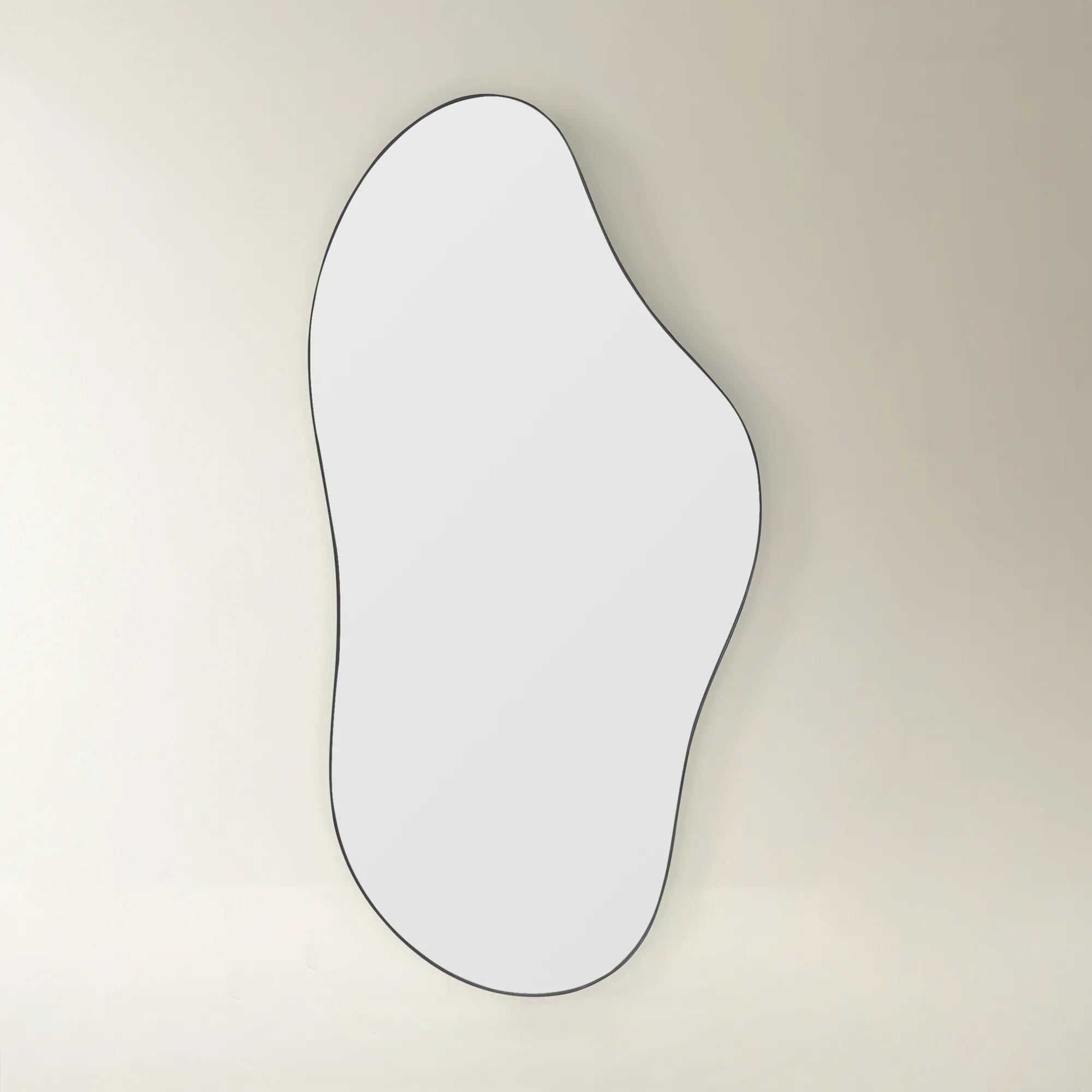 Puddle Wall Mirror$299
A freeform glass mirror with a black frame that adds playful sophistication to modern interiors.
Add To Cart -
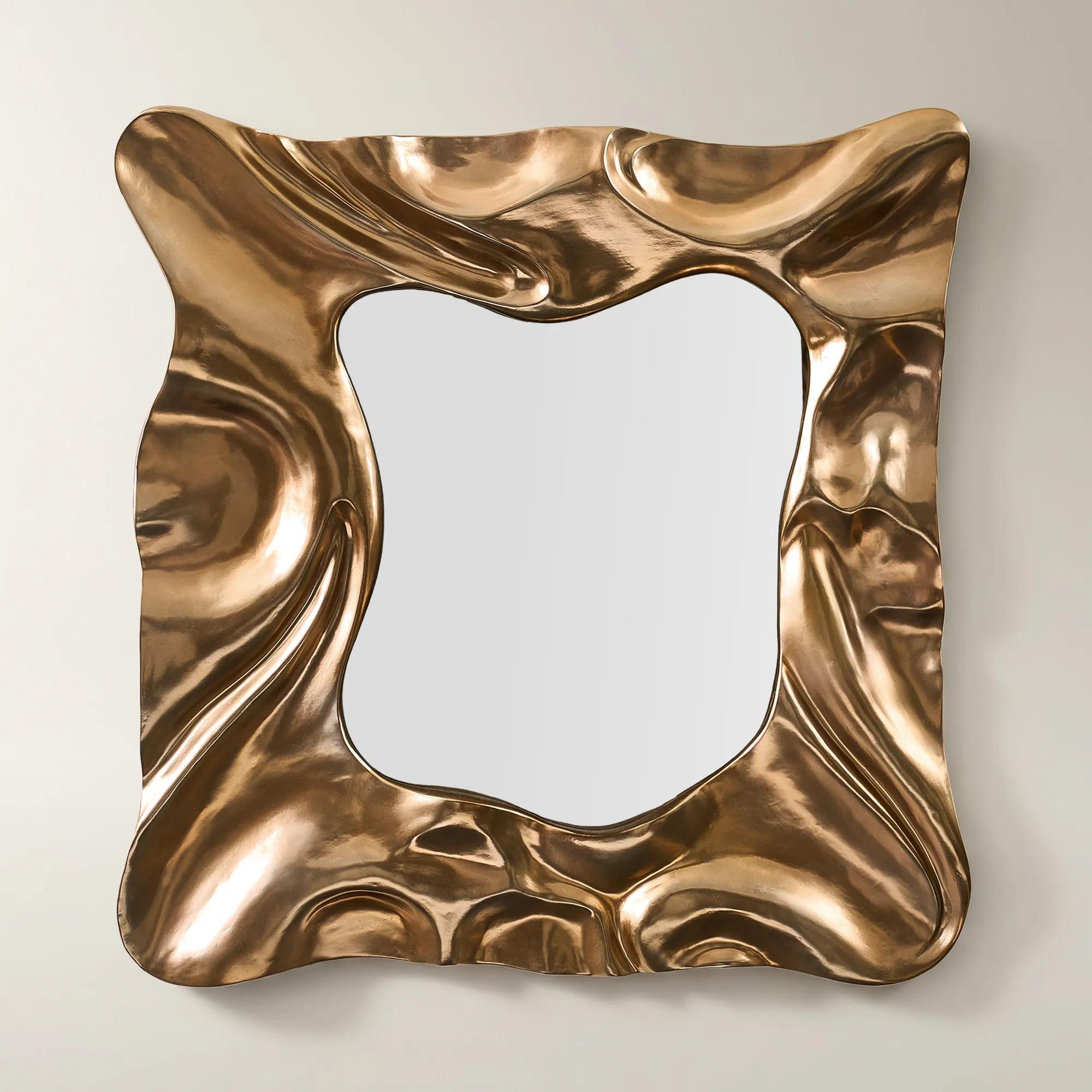 Surface Bronze Resin Organic Shaped Wall Mirror 40" x 40"$699
A sculptural bronze resin frame and organic silhouette create a striking, artful focal point for any room.
Add To Cart -
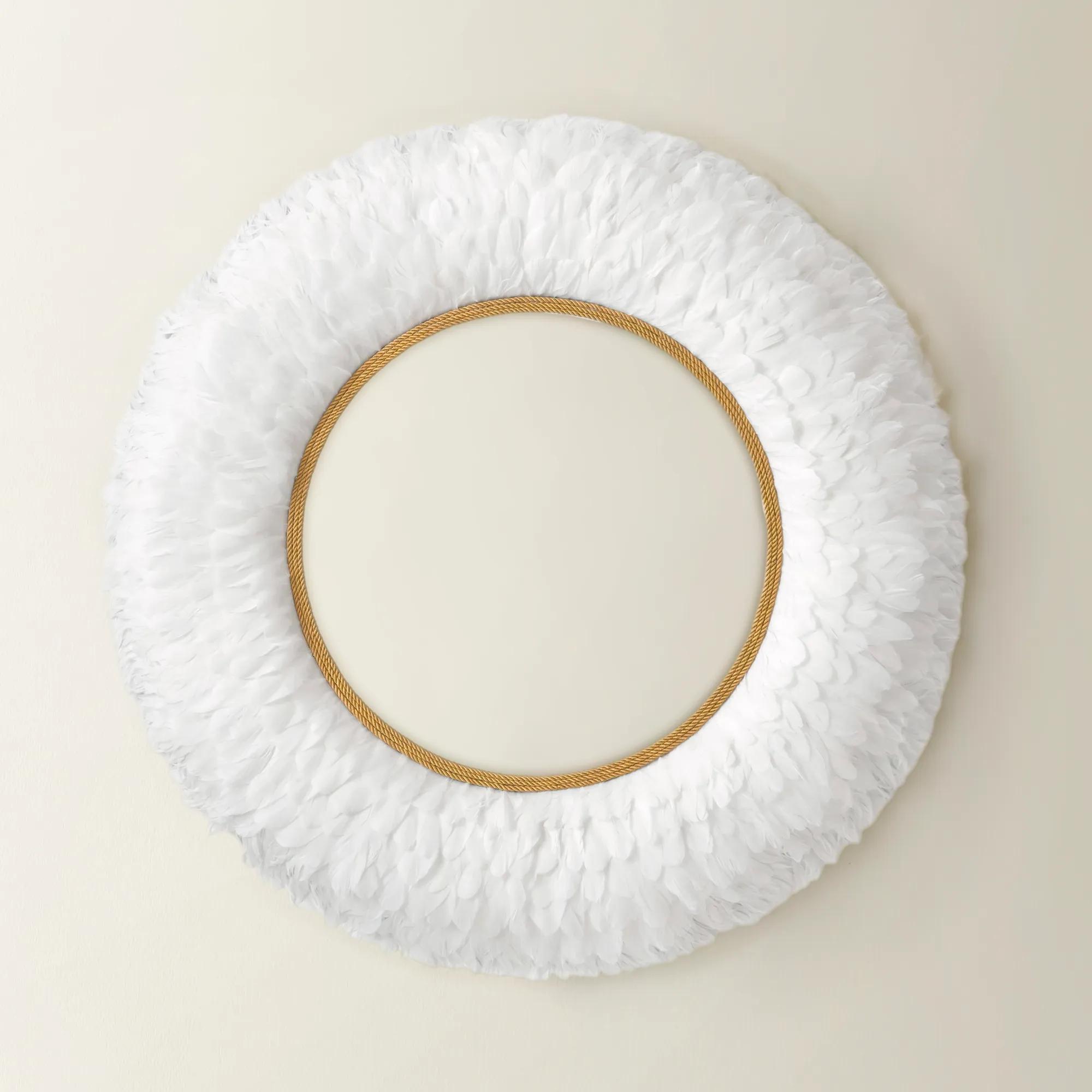
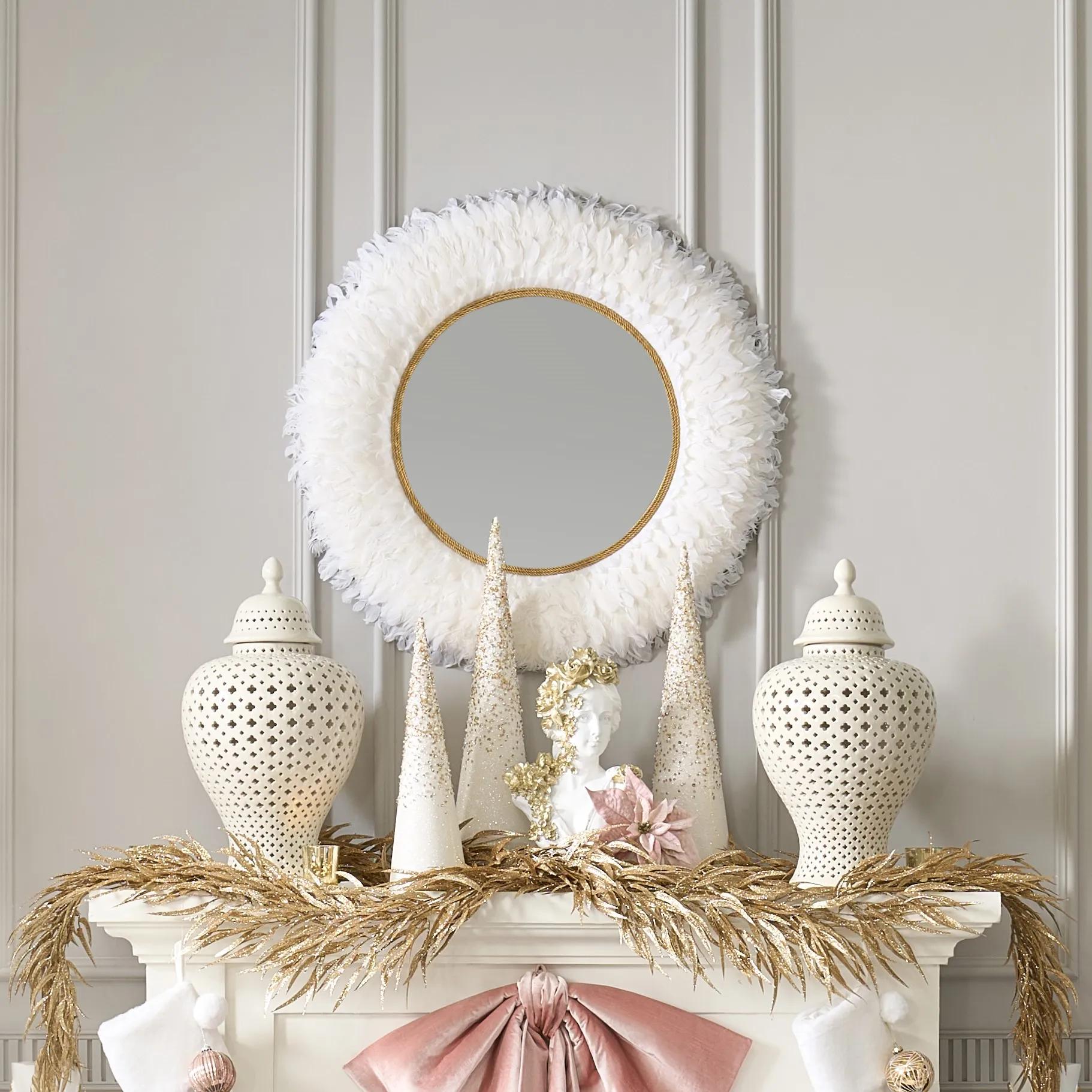 Nikki Chu - Daybreak Feather Mirror$499
A dramatic white feather-framed mirror accented with a gleaming gold inner border for added texture.
Add To Cart

Mirrors For Large Wall Spaces
Mirrors for large wall spaces are more than mere reflections—they are statements of grandeur, capturing light and amplifying drama in every corner they grace. Imagine a sweeping expanse transformed by the artistry of a well-placed mirror: rooms feel instantly more luminous, ceilings soar, and every detail is cast in a new, radiant perspective. Whether you seek to create an illusion of endless space or craft a striking focal point, these mirrors invite you to paint your home with light, depth, and unapologetic glamour. Let your walls become the backdrop for brilliance—where every glance reveals another layer of your unique style.
Mirrors for large wall spaces bring architectural presence to expanses that can otherwise feel unfinished. More than a reflective surface, an oversized mirror becomes part of a room’s composition: a luminous backdrop above a console, a sculptural centerpiece over a sofa, or a full-length accent that gives a dressing area the polish of a private salon. Their generous proportions suit open living rooms, broad entryways, dining rooms, and bedrooms where smaller accents can disappear against the wall. Scale is the defining consideration. Above furniture, a mirror measuring roughly two-thirds to three-quarters of the furniture’s width offers a useful starting proportion, leaving enough visible wall to frame the arrangement without making the piece below feel overwhelmed. That relationship is more helpful than trying to cover a fixed percentage of an entire wall, especially in rooms with doors, windows, or asymmetrical layouts. A tall rectangular mirror draws attention upward and complements lofty ceilings, while a wide horizontal silhouette creates a composed line above a sideboard or substantial sofa. Round mirrors soften the angles of cabinetry and tailored upholstery; arched profiles introduce a graceful architectural curve without requiring a structural change. For an especially expansive surface, a coordinated grouping can create a rhythmic, gallery-like effect, although multiple panes and frames produce a more decorative reflection than one uninterrupted sheet of glass. The surrounding negative space matters just as much as the mirror itself. A little breathing room around the frame allows its silhouette to register clearly, while nearby sconces or lamps can extend the arrangement across a broader wall. The result feels intentional rather than crowded. Placement also determines what the mirror contributes: a reflection of drapery, art, or an elegant seating arrangement adds depth and visual richness, while a reflection of storage clutter repeats the distraction. Positioned thoughtfully near a window, a large wall mirror can redistribute existing daylight and make the room feel more open without changing its actual dimensions.
The frame gives that expansive reflection its personality. Metallic finishes introduce a gleaming outline that can echo cabinet hardware, lighting, or the base of a cocktail table without requiring every finish in the room to match. Gold-toned frames bring warmth and ornament; silver-toned finishes create a cooler, luminous impression. A slender dark metal frame offers a crisp contour against pale walls, allowing the reflection to carry much of the drama. Carved wood adds depth through relief and shadow, while a painted wood frame can connect a substantial mirror to architectural trim or nearby furnishings. Mirrored borders and beveled edges catch light along the perimeter, creating a jewel-like effect that feels particularly expressive beside velvet, lacquer, or polished stone. Frameless styles have a different kind of presence, emphasizing an uninterrupted reflective plane rather than a decorative surround. Materials affect more than appearance: wood and engineered-wood frames need protection from excessive moisture, metal finishes can be vulnerable to scratches or unsuitable cleaners, and glass edges require careful handling during installation and maintenance. Frame thickness, backing construction, and overall dimensions all influence how a mirror sits against the wall, so its full measurements matter more than the reflective area alone. In a dining room, a broad mirror above a buffet can reflect the glow of a chandelier and give the tablescape a second visual life. In an entryway, a tall design above a console creates a generous place for a final glance while establishing a confident first impression. For seating areas, mirrors for living room walls can connect a sofa, lighting, and surrounding art into a cohesive composition. The most compelling combinations share a visual thread, whether that is a curved silhouette, a repeated metallic accent, or a deliberate contrast between an ornate frame and clean-lined furniture. Matching every detail is unnecessary; a clear relationship between shapes, finishes, and scale gives the room its sense of purpose.
A statement mirror should feel as considered in everyday use as it does at first glance. In a bedroom or dressing space, a full-length format provides a practical head-to-toe view, provided its placement and viewing distance allow the entire reflection to be seen. Above a mantel or console, decorative impact may take priority over a standing-height reflection, but the surrounding architecture and reflected view still deserve attention. Light is equally important. A mirror beside or opposite a window can brighten the visual impression of a room, though its angle should avoid sending uncomfortable glare toward seating or a screen. In spaces without generous daylight, reflecting a shaded lamp or illuminated wall can add depth without creating new light. Installation is a structural consideration, particularly with oversized glass and substantial frames. The wall construction, mirror weight, and manufacturer’s mounting instructions determine the appropriate hardware and attachment method; existing picture hooks should never be assumed sufficient. Professional installation can be worthwhile for heavy pieces, difficult locations, or unfamiliar wall materials. A mirror intended for hanging should not be treated as a freestanding floor mirror unless the manufacturer permits that use, and leaning designs need the specified restraint or anchoring system. These details are especially important in homes with children or pets. With suitable placement and routine care, a large decorative mirror can remain a lasting part of the room rather than a fragile flourish. A soft, lint-free cloth helps lift dust without abrading the surface, and a compatible cleaner applied to the cloth rather than sprayed onto the mirror reduces the chance of liquid collecting at the edges or reaching the backing. Abrasive pads and harsh chemicals can damage glass treatments or frame finishes. Bathrooms and other moisture-prone locations call for mirrors specifically intended for those conditions. For a housewarming or wedding gift, an oversized mirror makes a generous design gesture when the recipient’s wall dimensions, style, and installation needs are known. Its appeal is both expressive and enduring: a beautifully framed view that changes with the life of the room.
FAQs
A large mirror acts as a visual amplifier, infusing your room with light and creating a sense of openness. Placed thoughtfully, it can reflect natural sunlight, double the impact of statement lighting, and add a layer of depth that transforms even the most familiar spaces into something extraordinary. Beyond function, a grand mirror becomes an artful focal point, elevating the mood and drama of your decor.
Consider layering your mirror with bold accessories, such as dramatic sconces, lush greenery, or luxe console tables. Flank it with art for an eclectic gallery effect, or let it stand alone as a sculptural statement. You can also play with placement—leaning a mirror against a wall creates a relaxed, editorial vibe, while mounting it above a mantel or in a dining area sets a tone of refined glamour.
A large wall mirror is a thoughtful and memorable gift for anyone who delights in expressive interiors—new homeowners, newlyweds, or friends celebrating a milestone. It’s a gesture that conveys both beauty and intention, offering the recipient a daily reminder of their own creativity and style.
Mirrors are more than decorative accents—they are storytellers. They capture and magnify the artistry of a space, reflecting colors, textures, and light in unexpected ways. A well-placed mirror can anchor a bold vignette, balance architectural features, and create a sense of cohesion that ties the entire room together.
For interiors that celebrate individuality and drama, consider frames that make a statement—think gilded finishes, sculptural shapes, or high-gloss lacquers. Ornate designs evoke old-world glamour, while sleek metallics or mirrored frames lend a modern edge. Choose a frame that complements your existing decor while adding a layer of unexpected artistry.