Mirrors For Wall Art Arrangements
Mirrors For Wall Art Arrangements
-
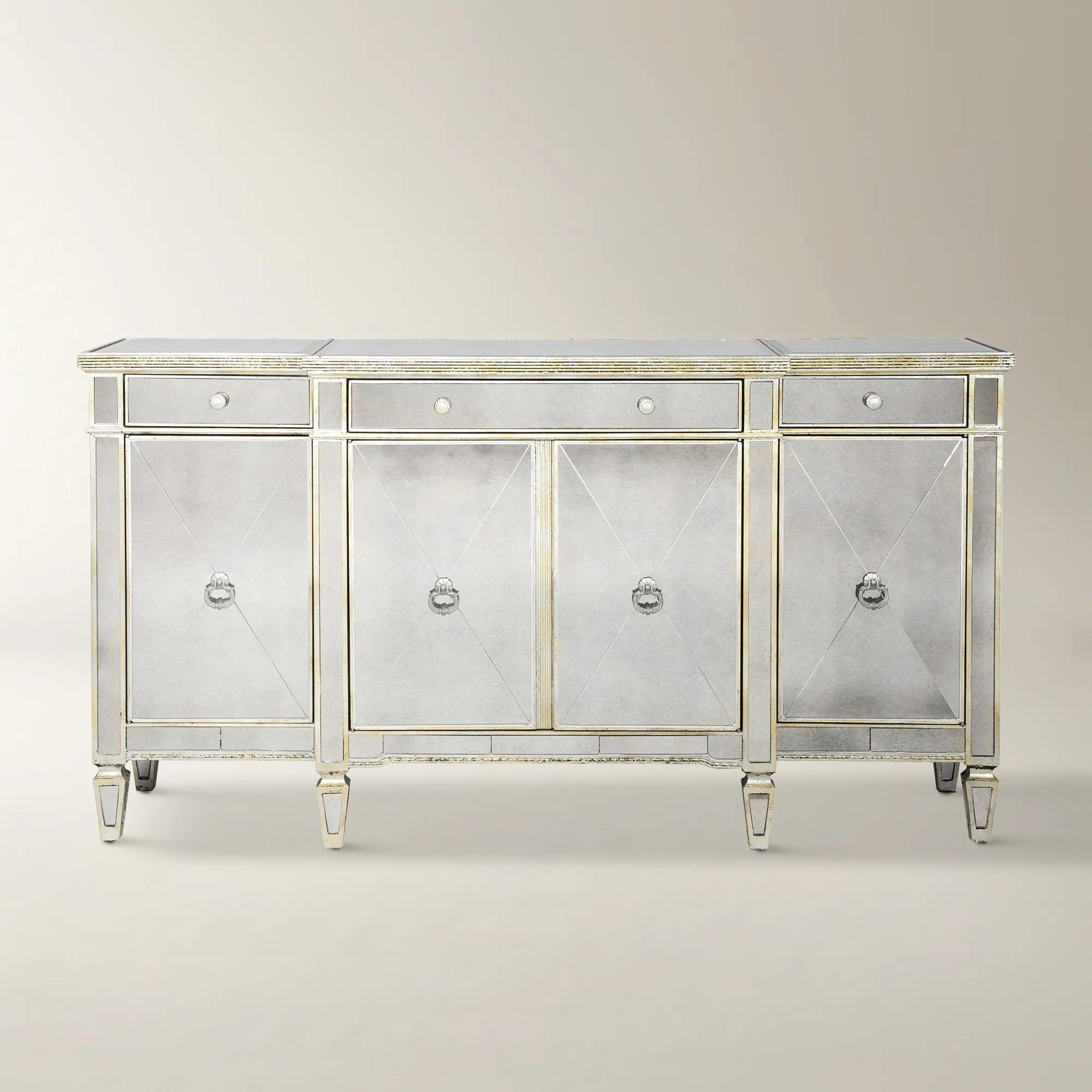
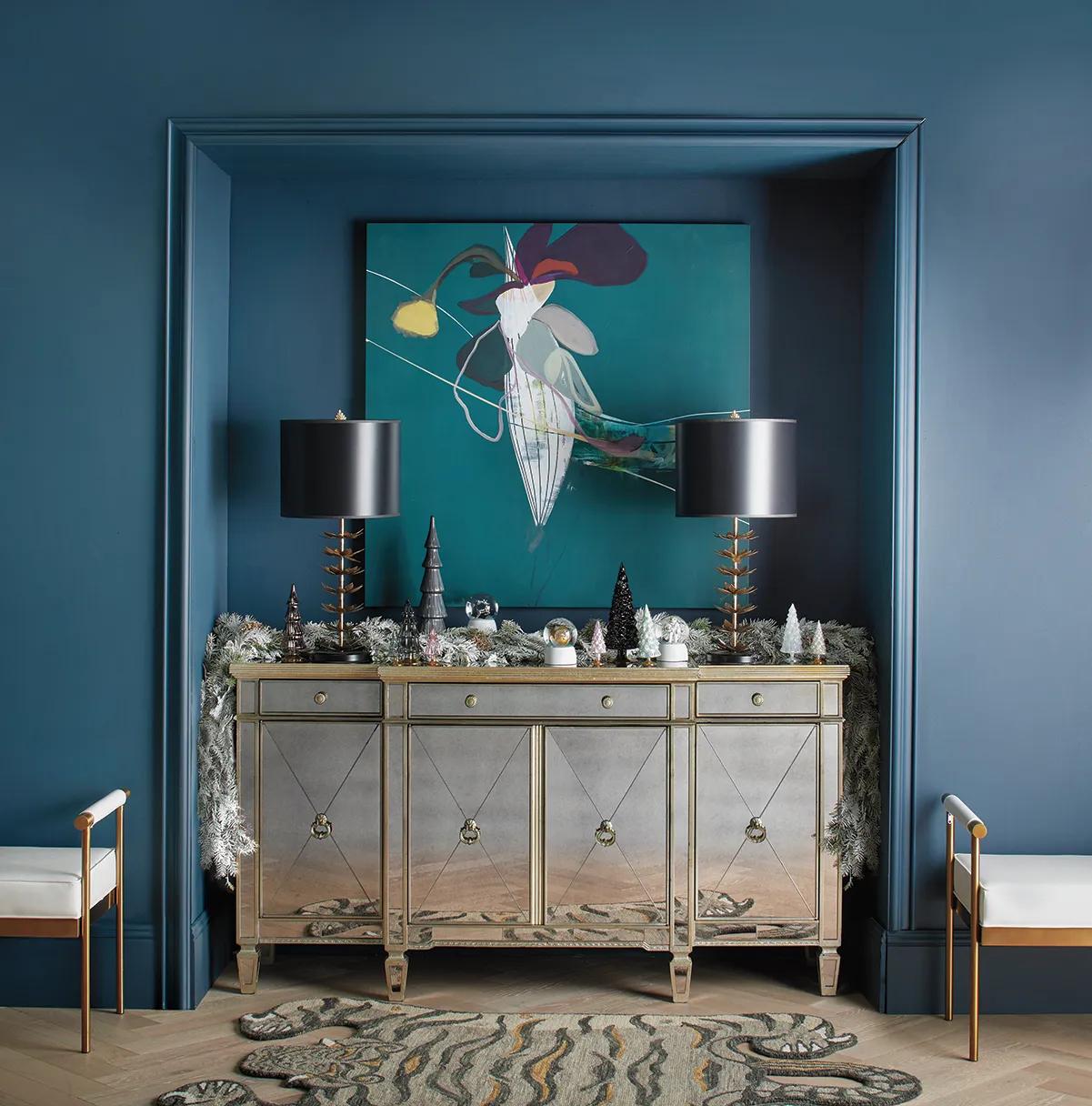 Borghese Mirrored Silver 3-Drawer Buffet (70")$2199
A sophisticated mirrored buffet featuring antique beveled glass, champagne gilt wood trim, and hand-applied silver leaf.
Add To Cart -
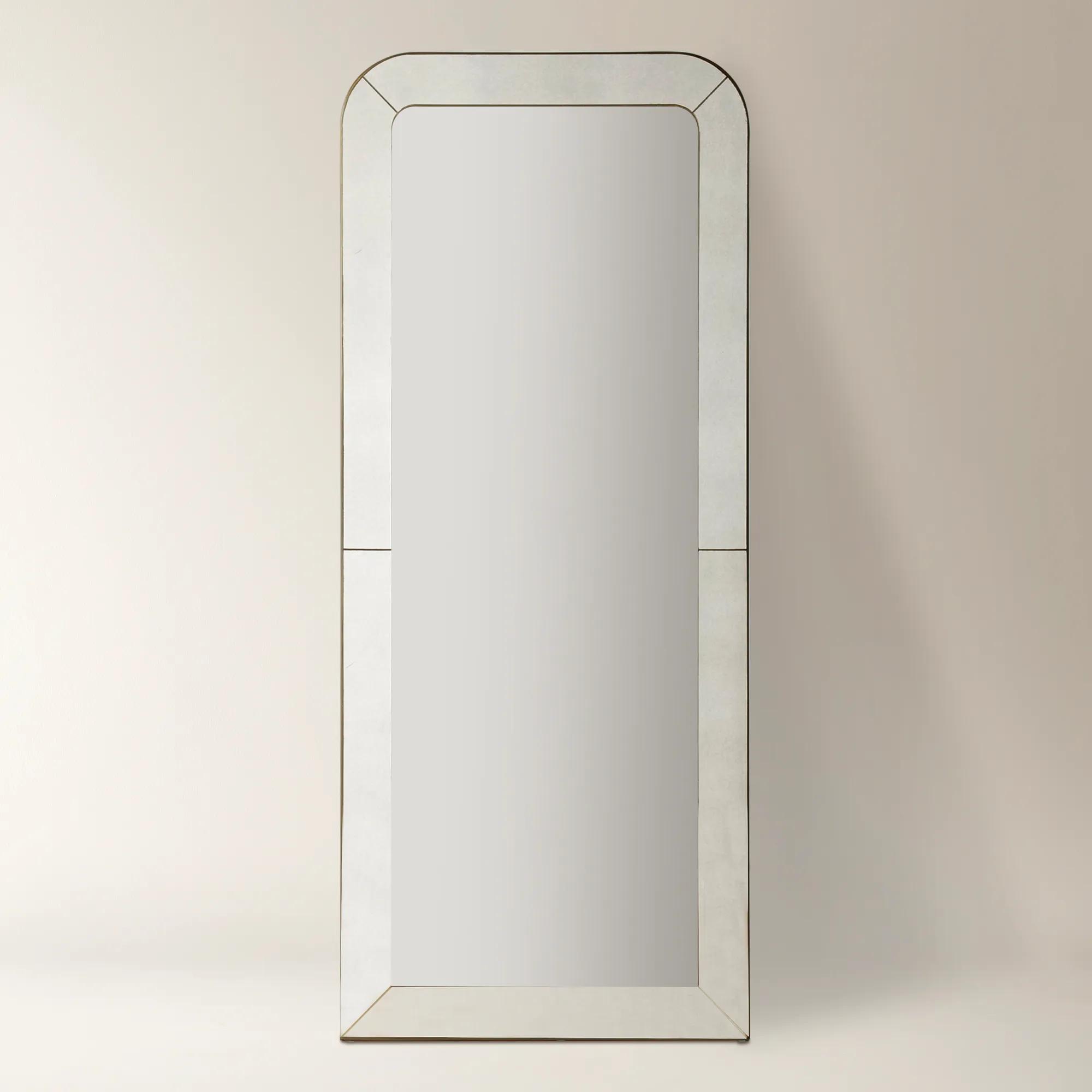
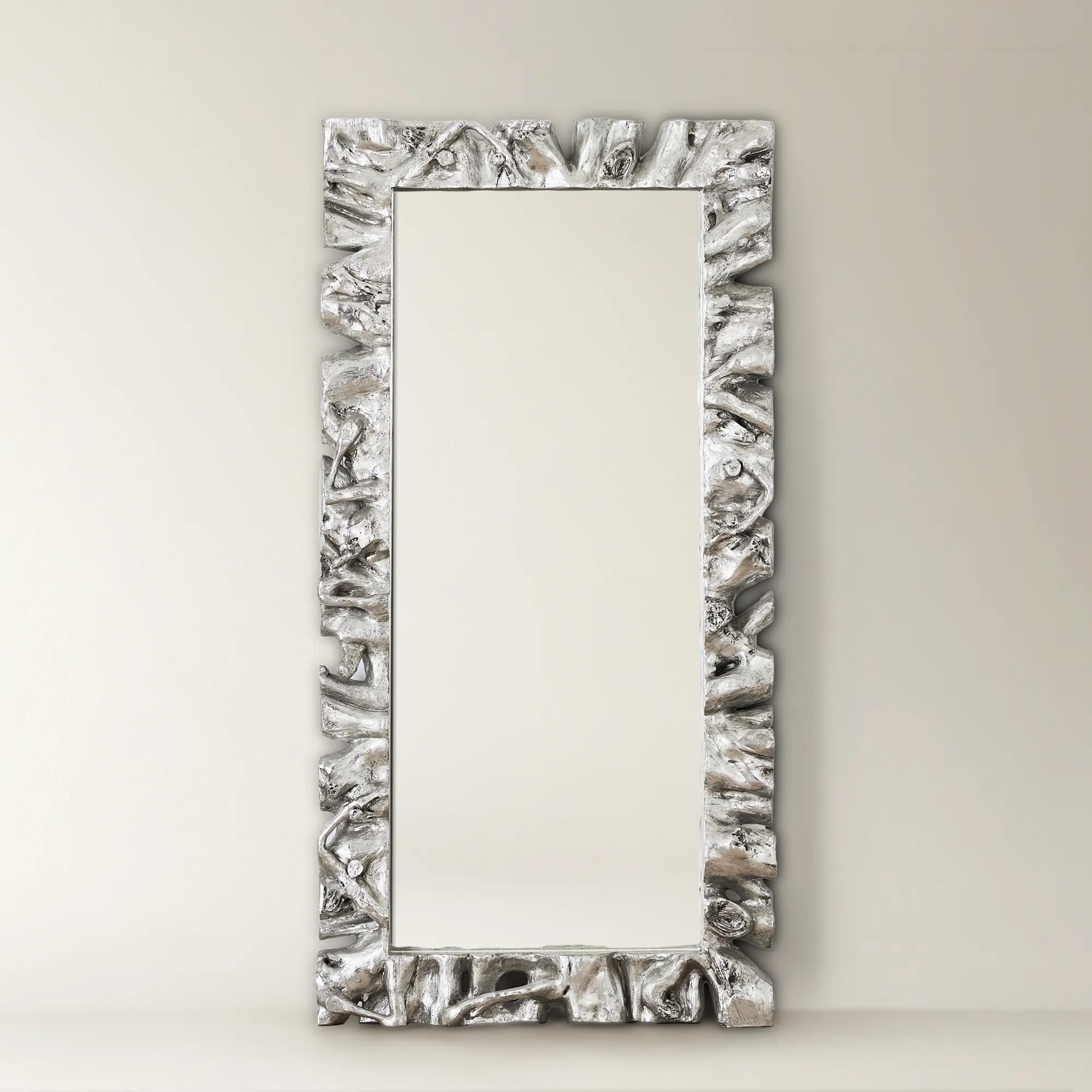 Sequoia Silver Resin Rectangular Floor Mirror 39'' x 78''$1399
A sculptural leaner mirror featuring acacia root-inspired fiber resin and a shimmering metallic leaf finish.
Add To Cart -
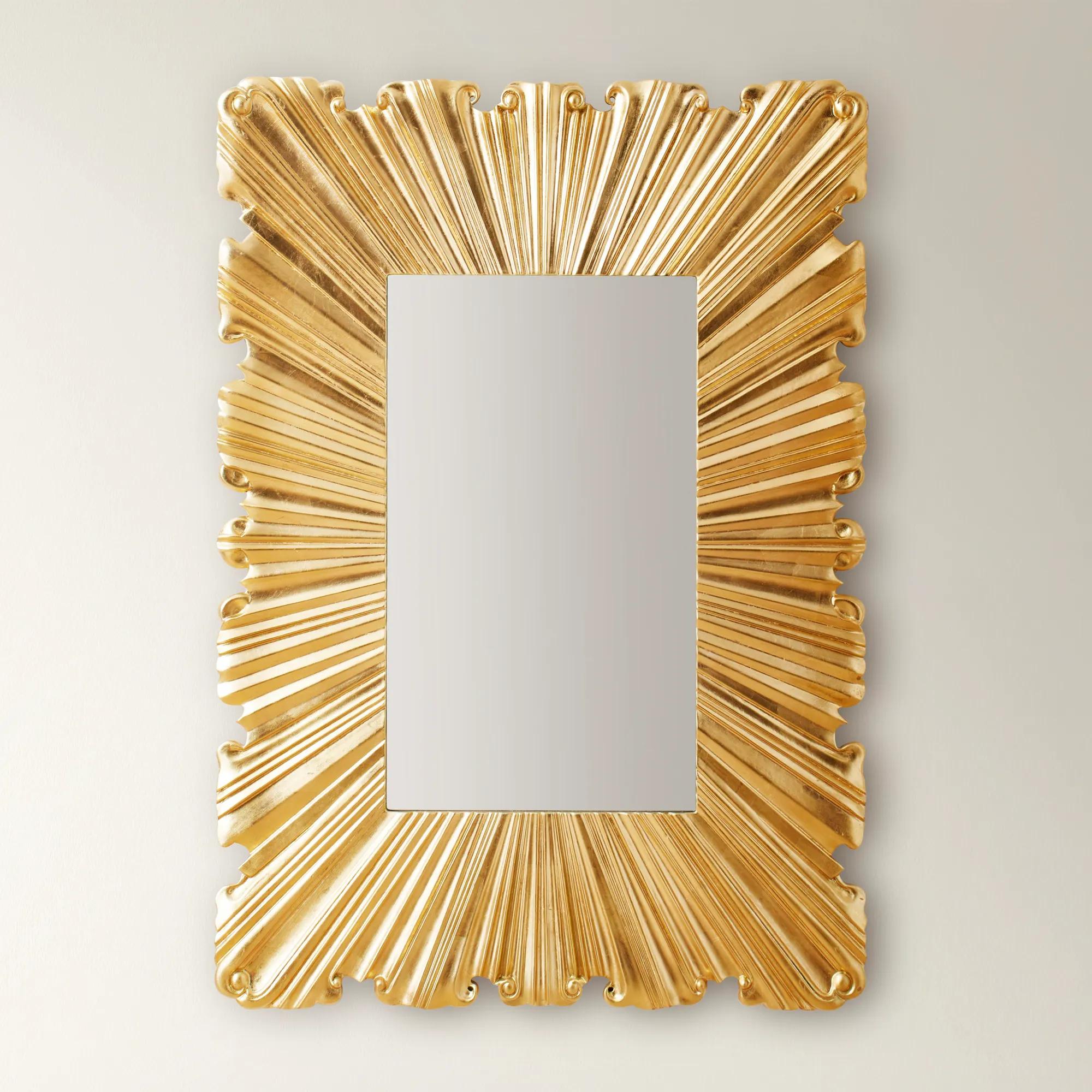 Metropolitan Gold Leaf Resin Rectangular Wall Mirror 27.5" x 39.5"$459
A sculptural wall mirror featuring a gold-finished polyurethane frame for a modern, elegant accent.
Add To Cart -
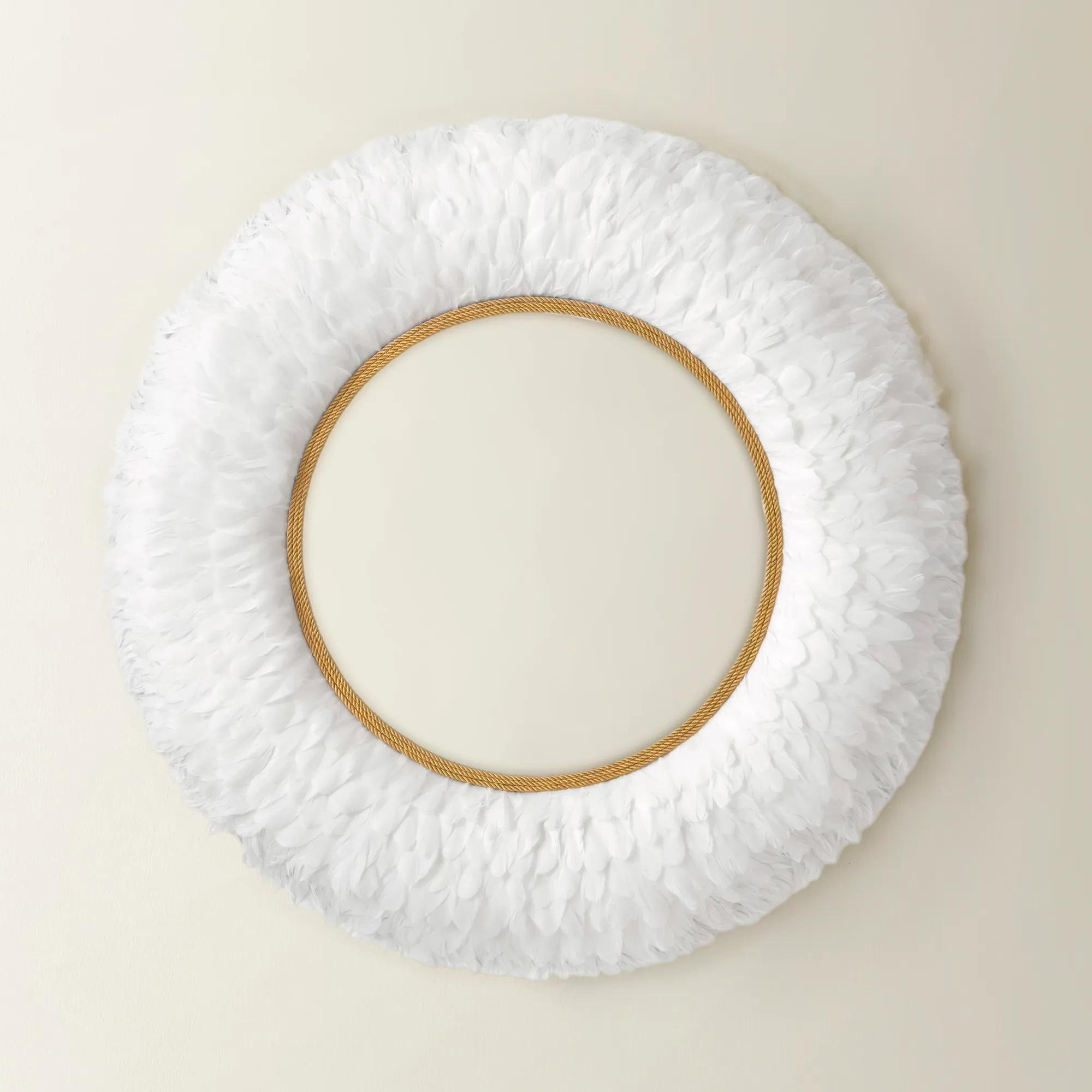
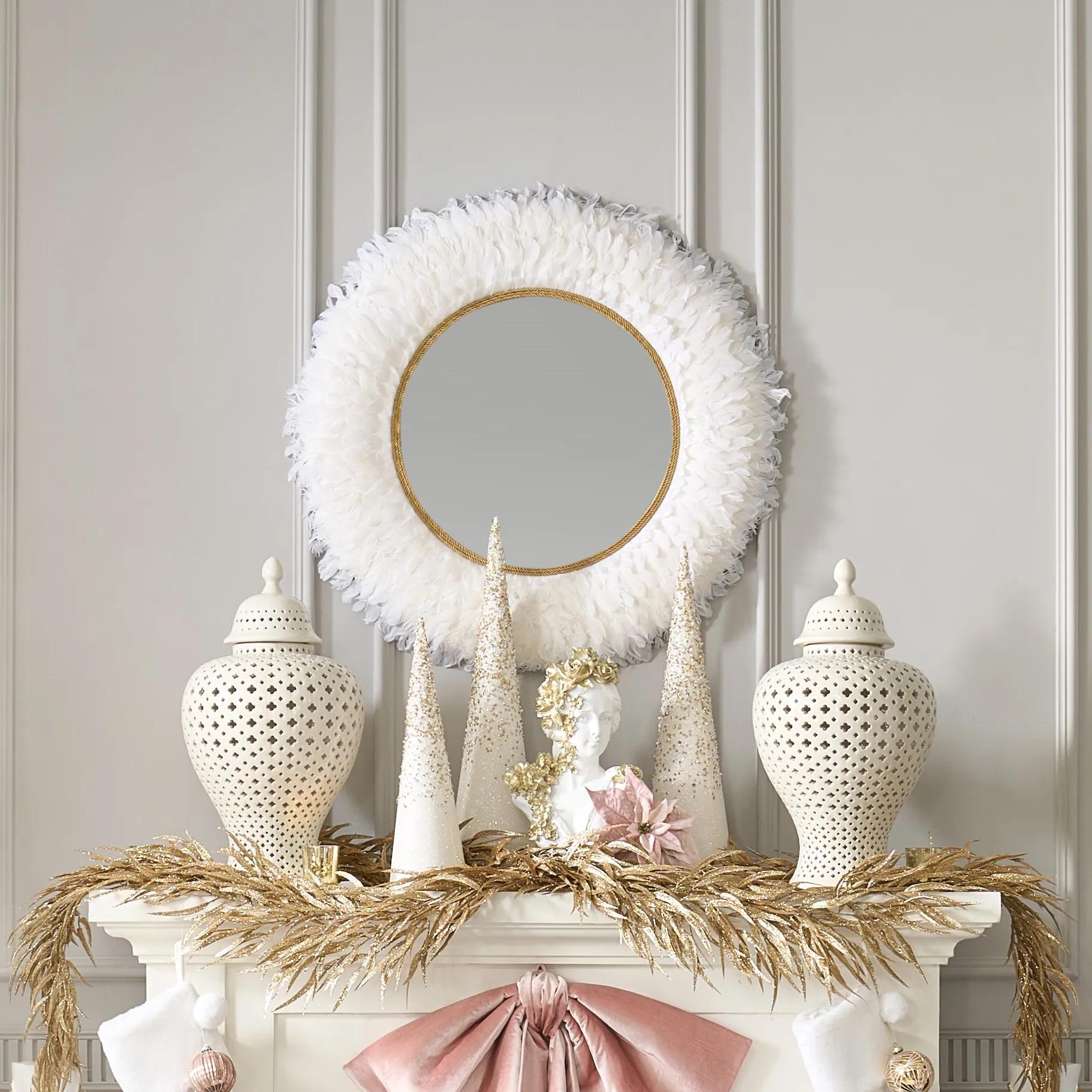 Nikki Chu - Daybreak Feather Mirror$499
A dramatic white feather-framed mirror accented with a gleaming gold inner border for added texture.
Add To Cart -
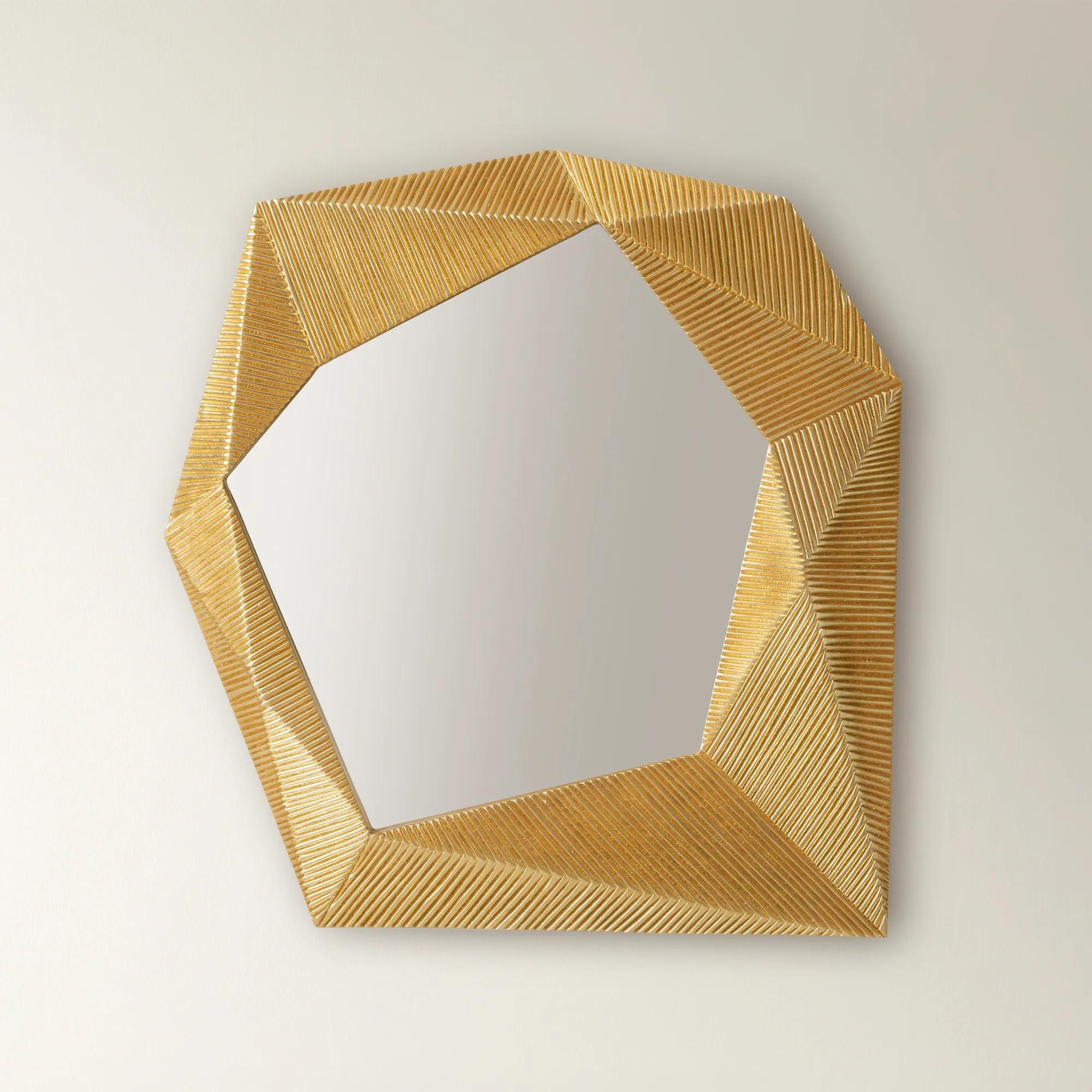
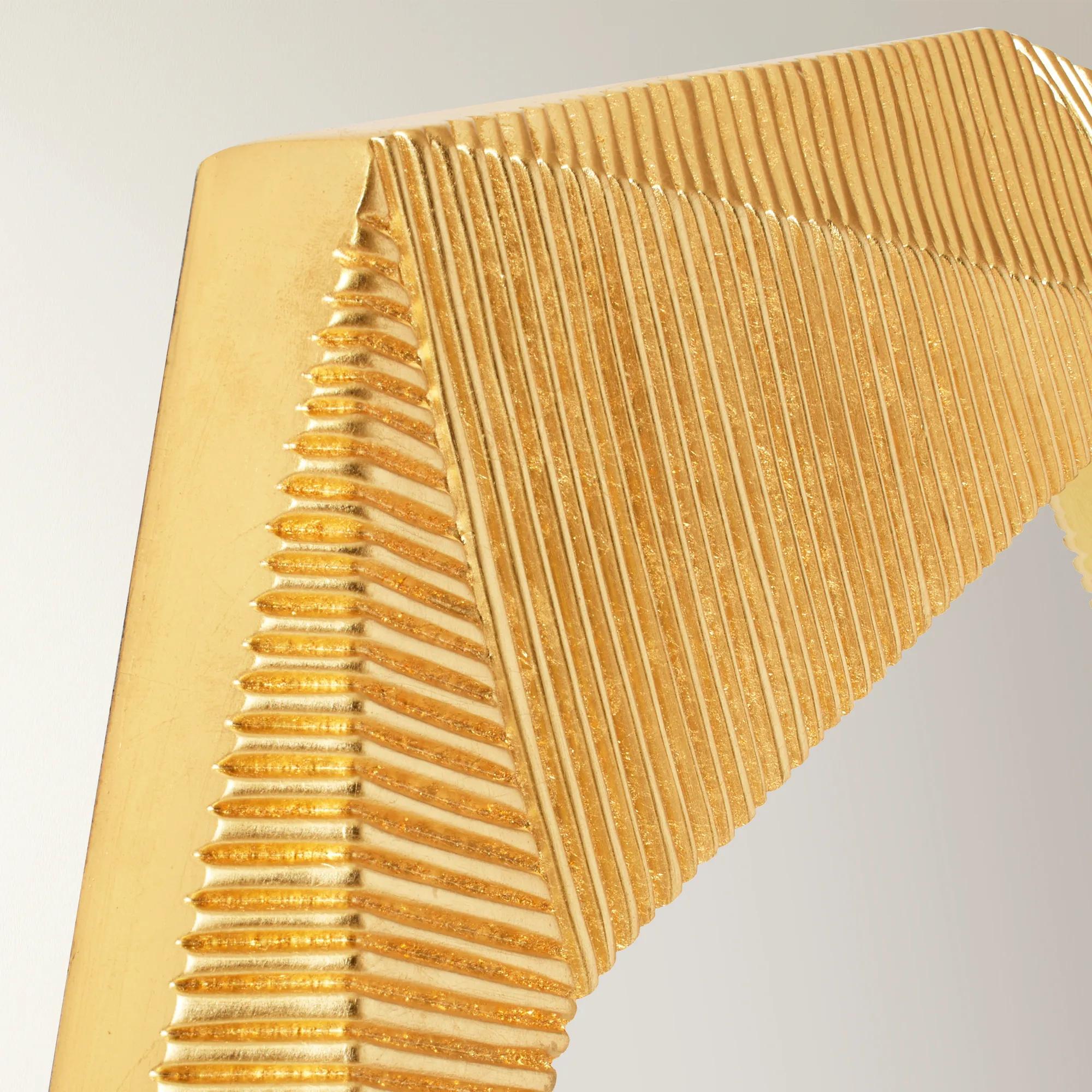 Nikki Chu Gold Steel Faceted Wall Mirror 31.5" x 35.5"$349
A modern mirror featuring a textured, faceted steel frame in a striking metallic gold finish.
Add To Cart -
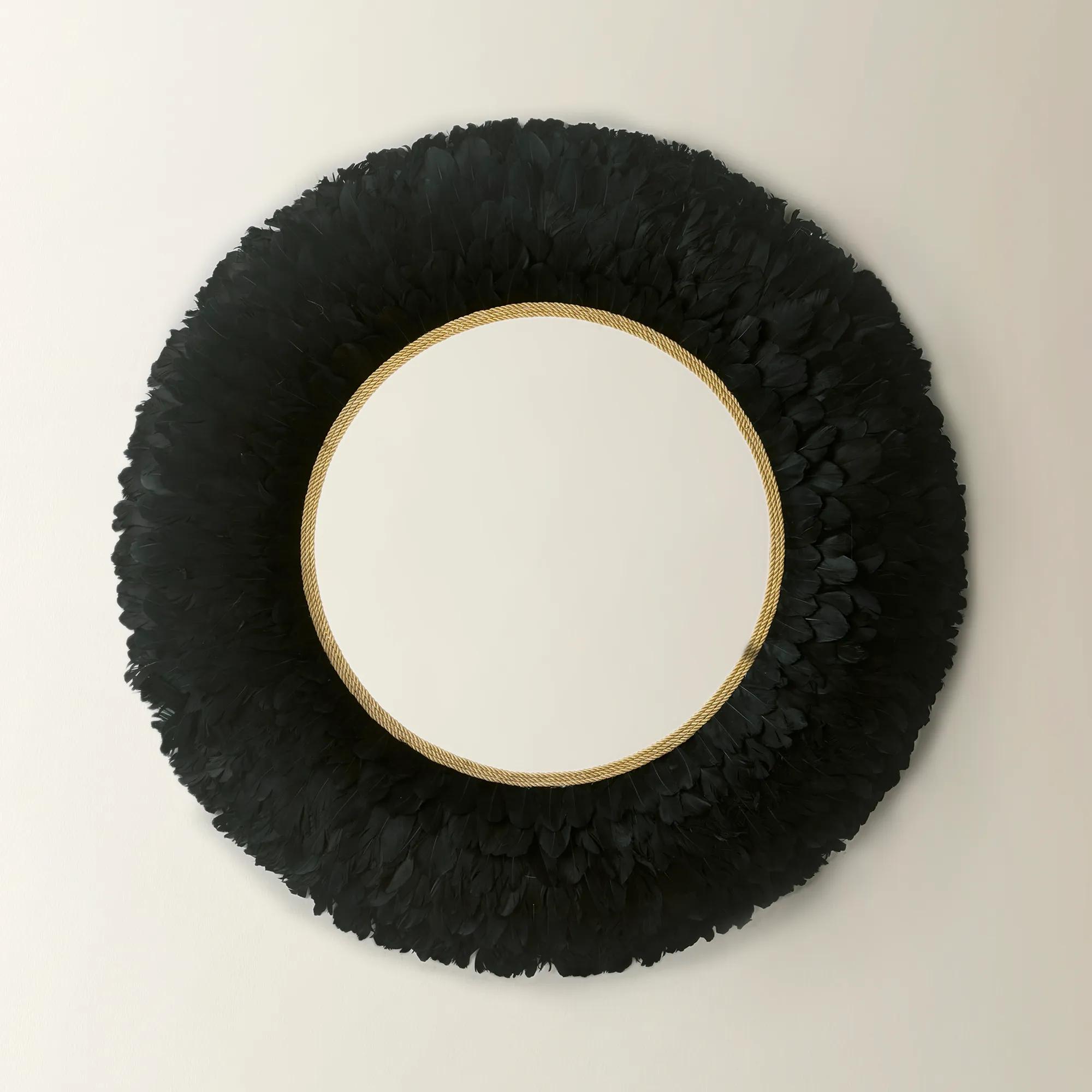
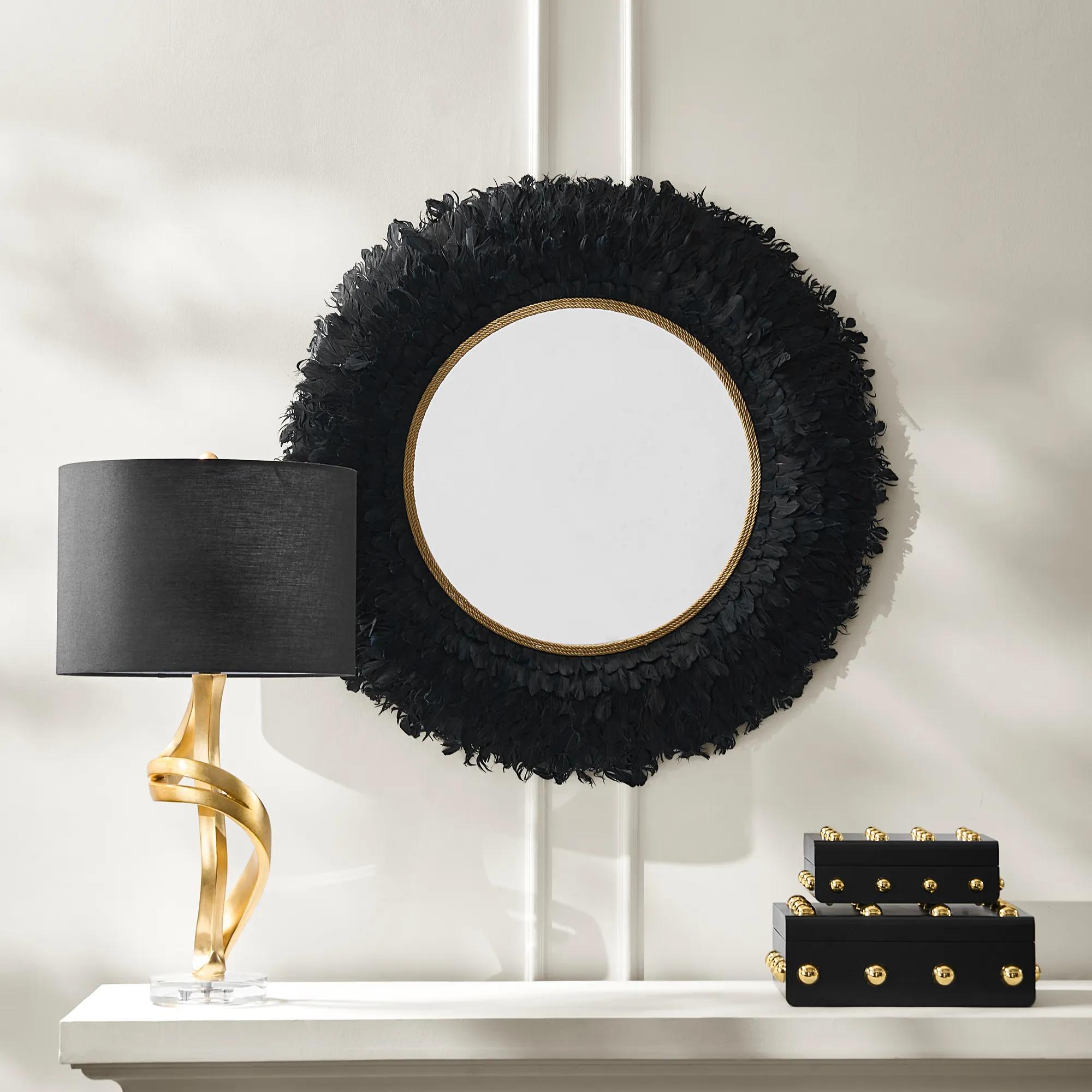 Nikki Chu Midnight Black Feather Round Wall Mirror 35.5"$499
A dramatic black feather-framed mirror accented with a gleaming gold inner border for striking wall texture.
Add To Cart -
.jpeg?w=1200&h=1200)
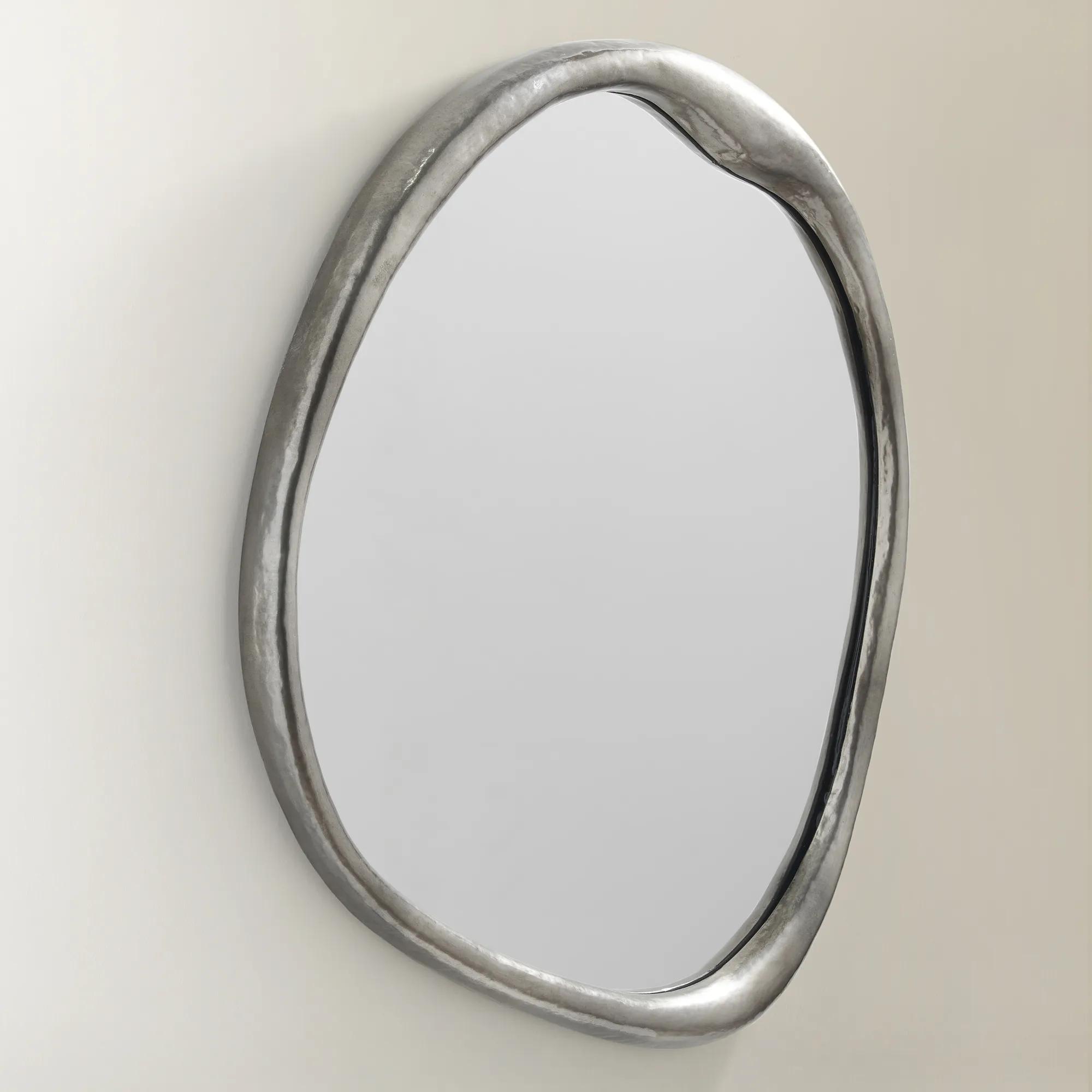 Organa Wall Mirror$599
An irregular silver iron-framed mirror that brings modern organic style and reflective depth to any room.
Add To Cart -
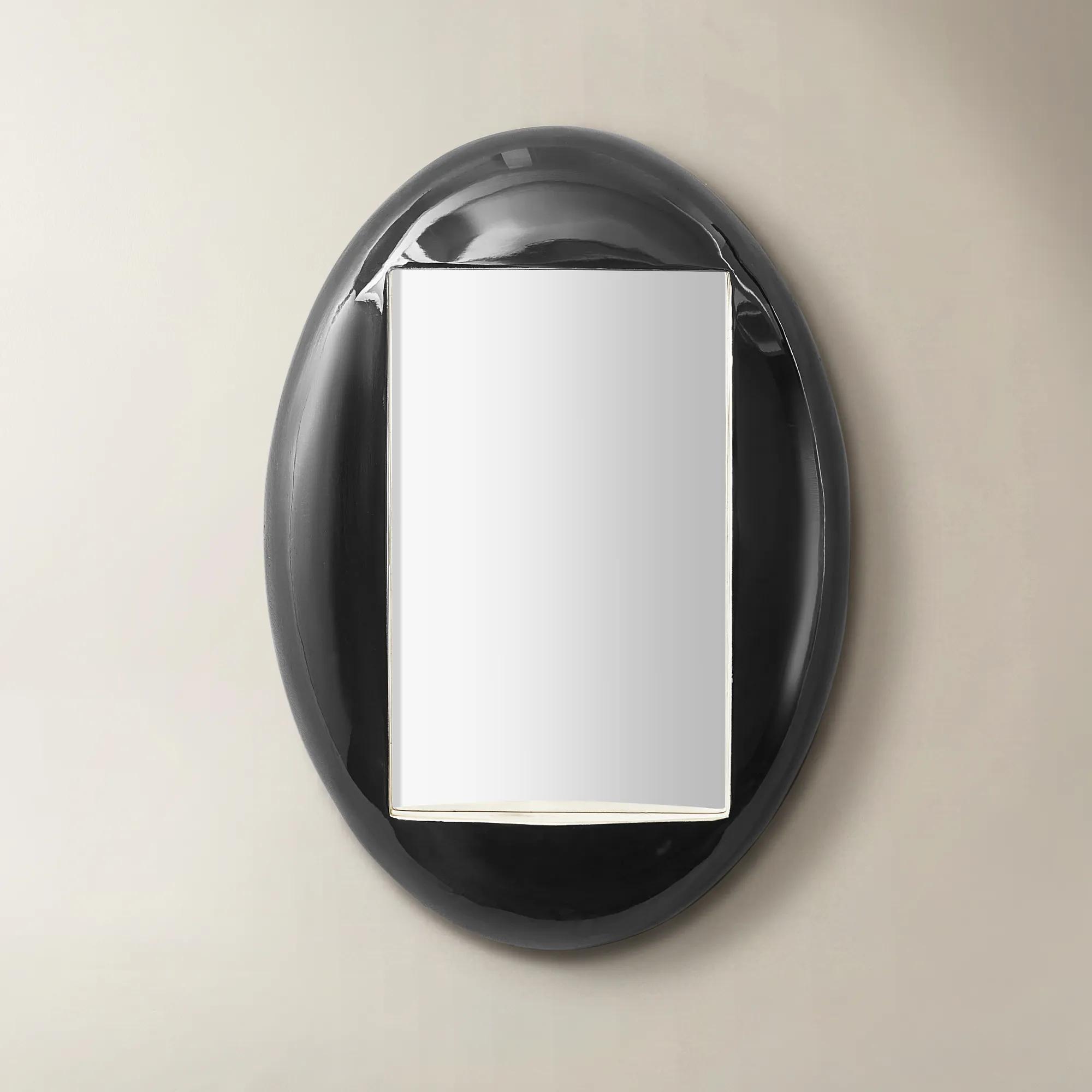 Tuxedo Black And Champagne High Gloss Resin Geometric Wall Mirror 28" x 20"$299
A geometric wall mirror with a black and champagne resin frame for bold, modern sophistication.
Add To Cart -
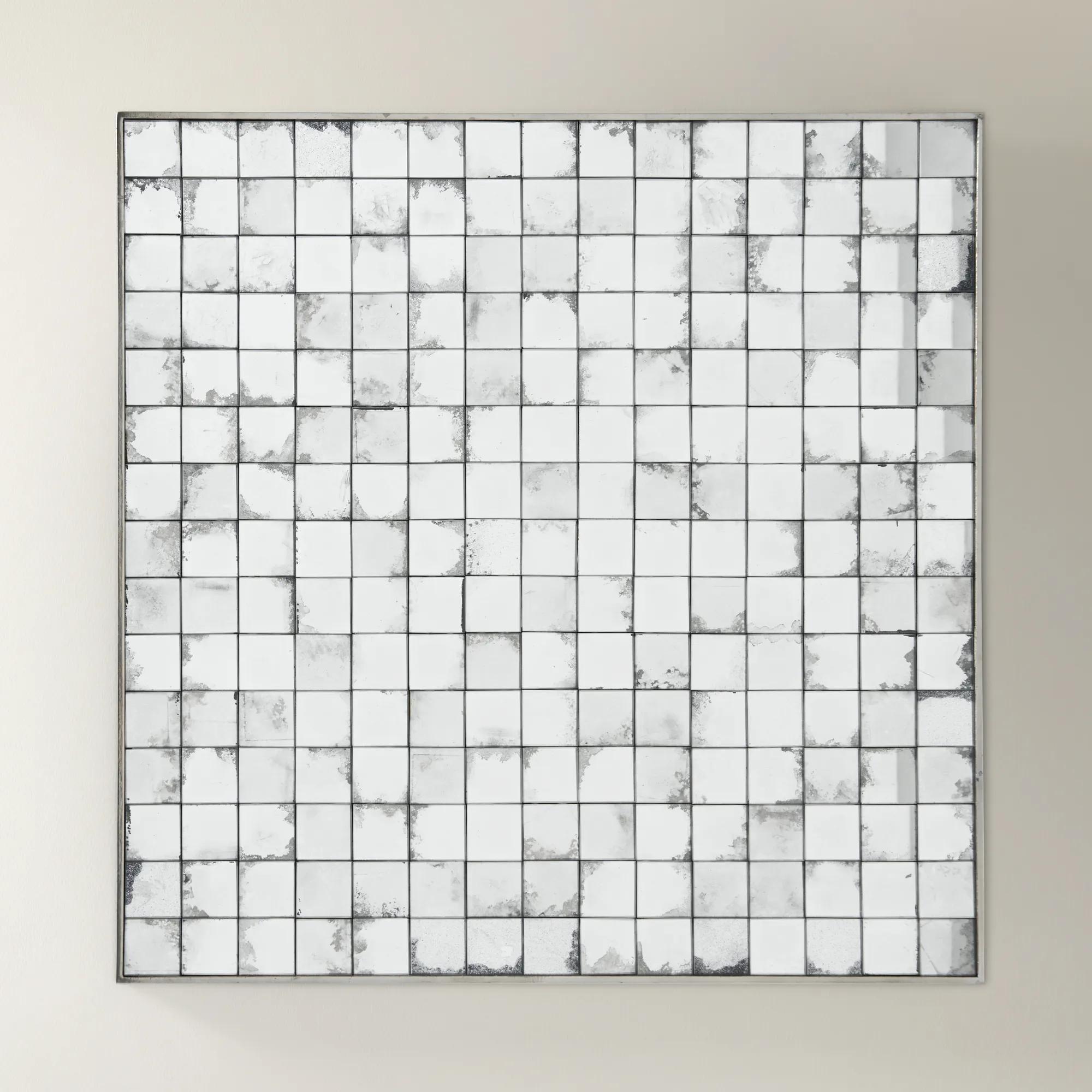
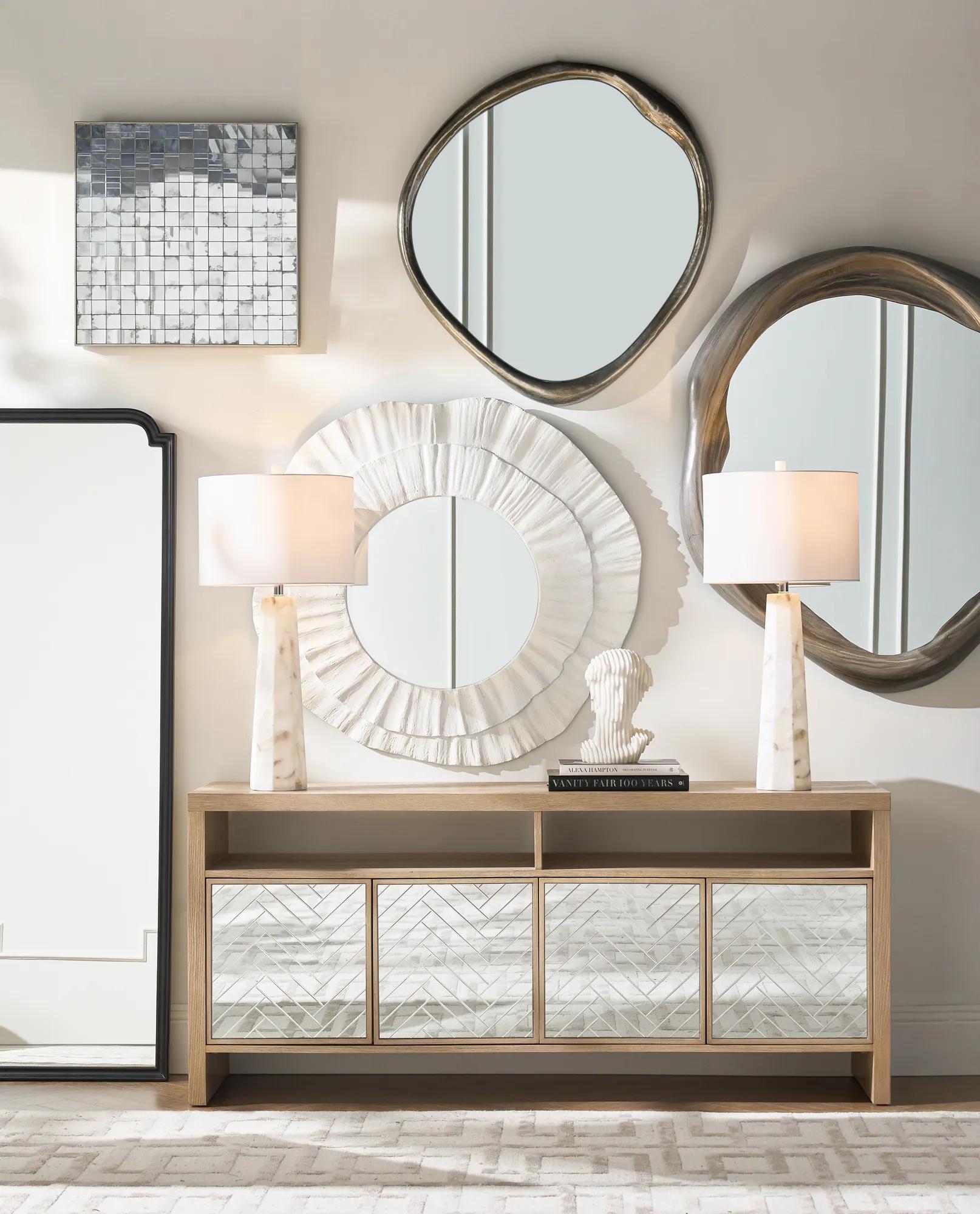 Futuro Wall Mirror$499
An antiqued silver mirror featuring aged glass tiles for a striking blend of vintage and modern style.
Add To Cart -
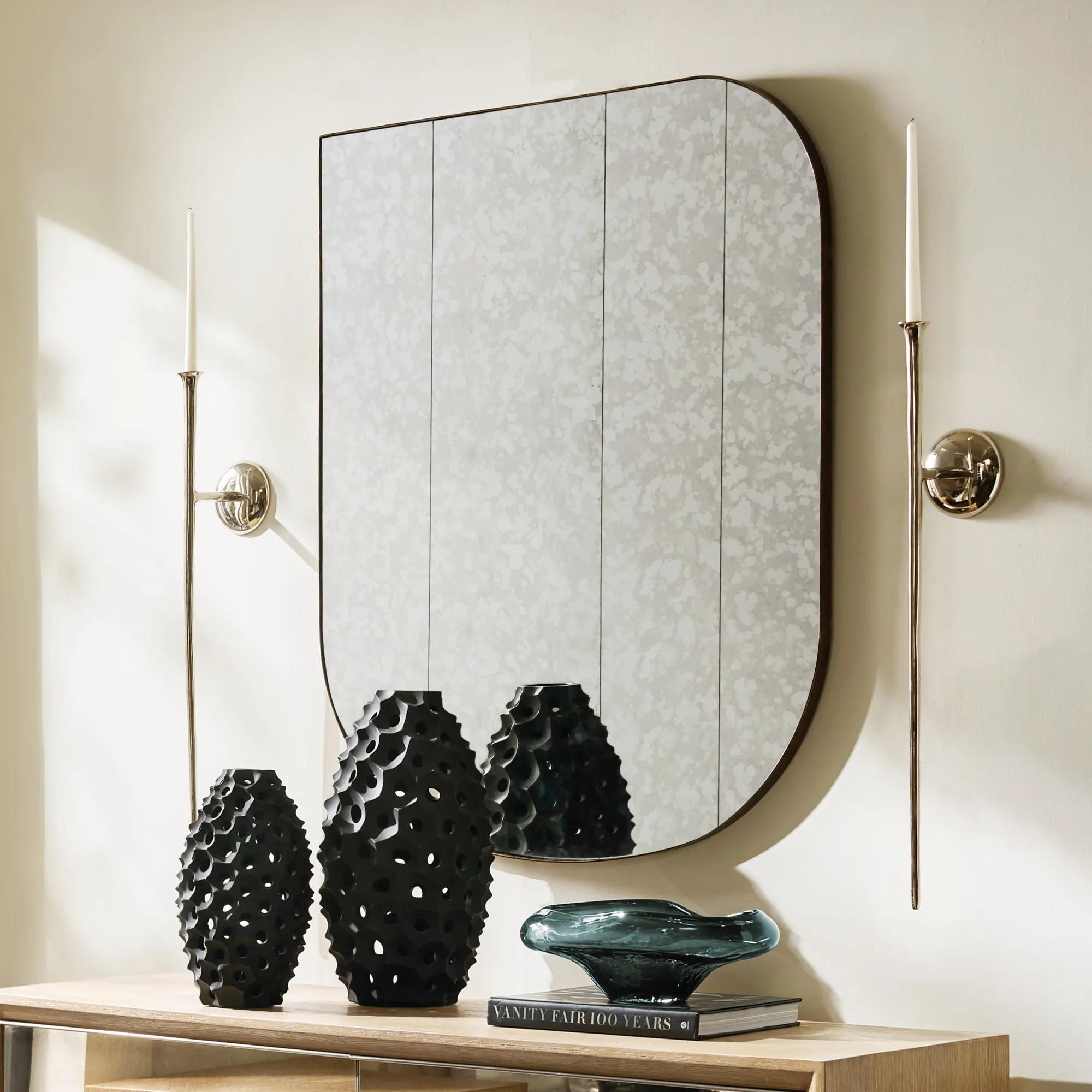
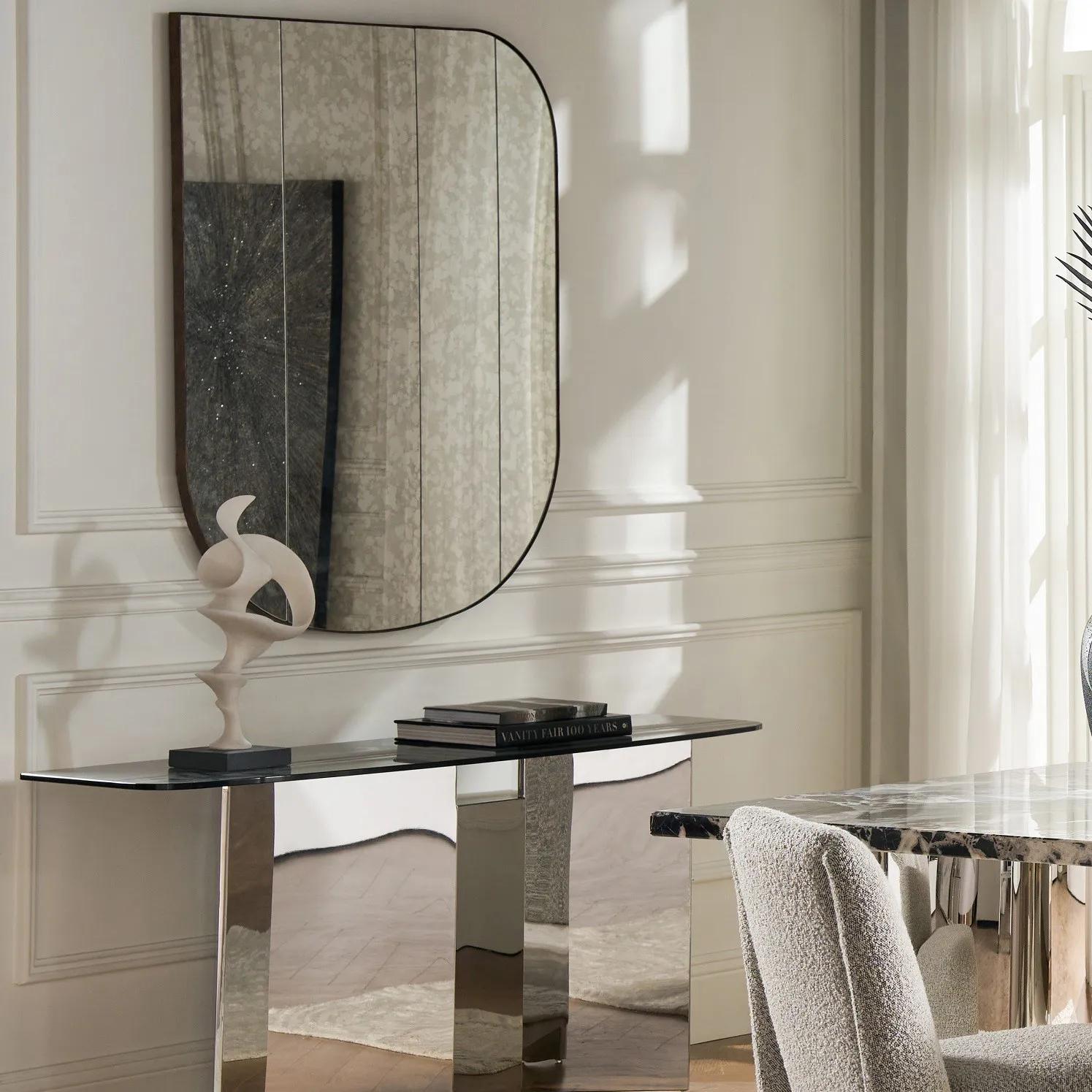 Angolo Wall Mirror$799
An antique-inspired wall mirror featuring a softly irregular shape and shimmering patina on iron and MDF.
Add To Cart -
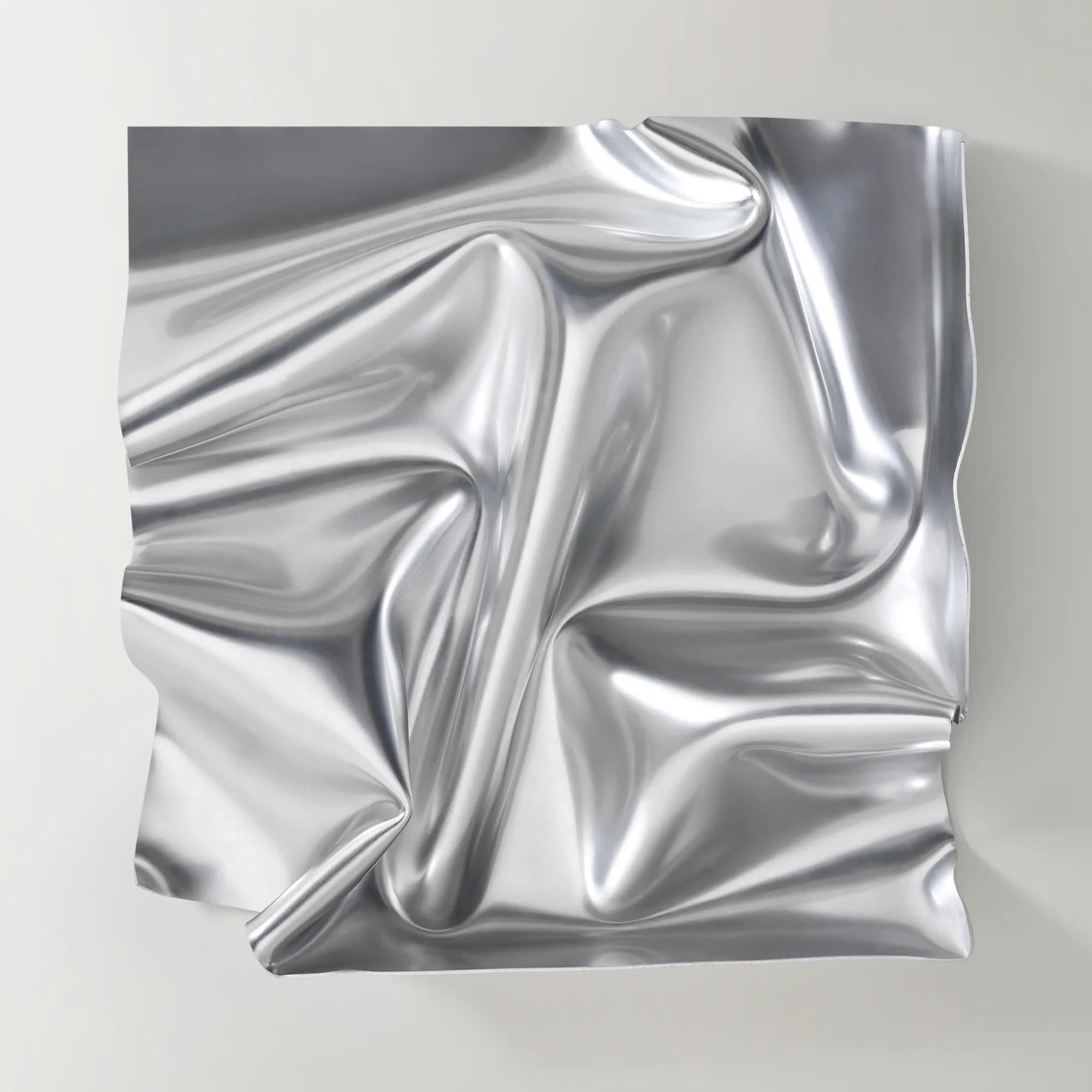
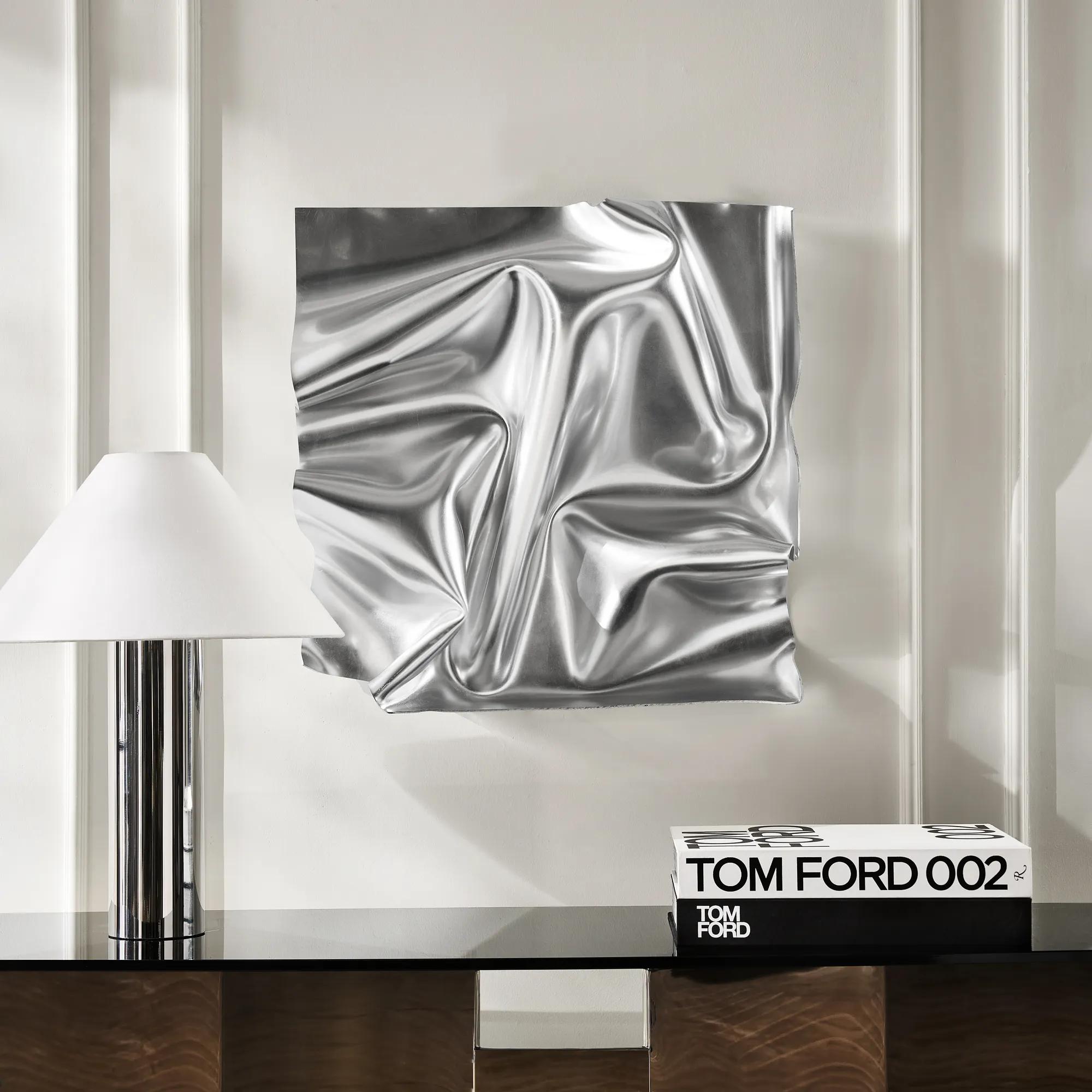 Surface Sculpted Silver Leaf Acrylic Wall Decor 23.6" x 23.6"$189
A striking acrylic wall piece featuring fluid, reflective silver shapes for dramatic, modern visual impact.
Add To Cart -
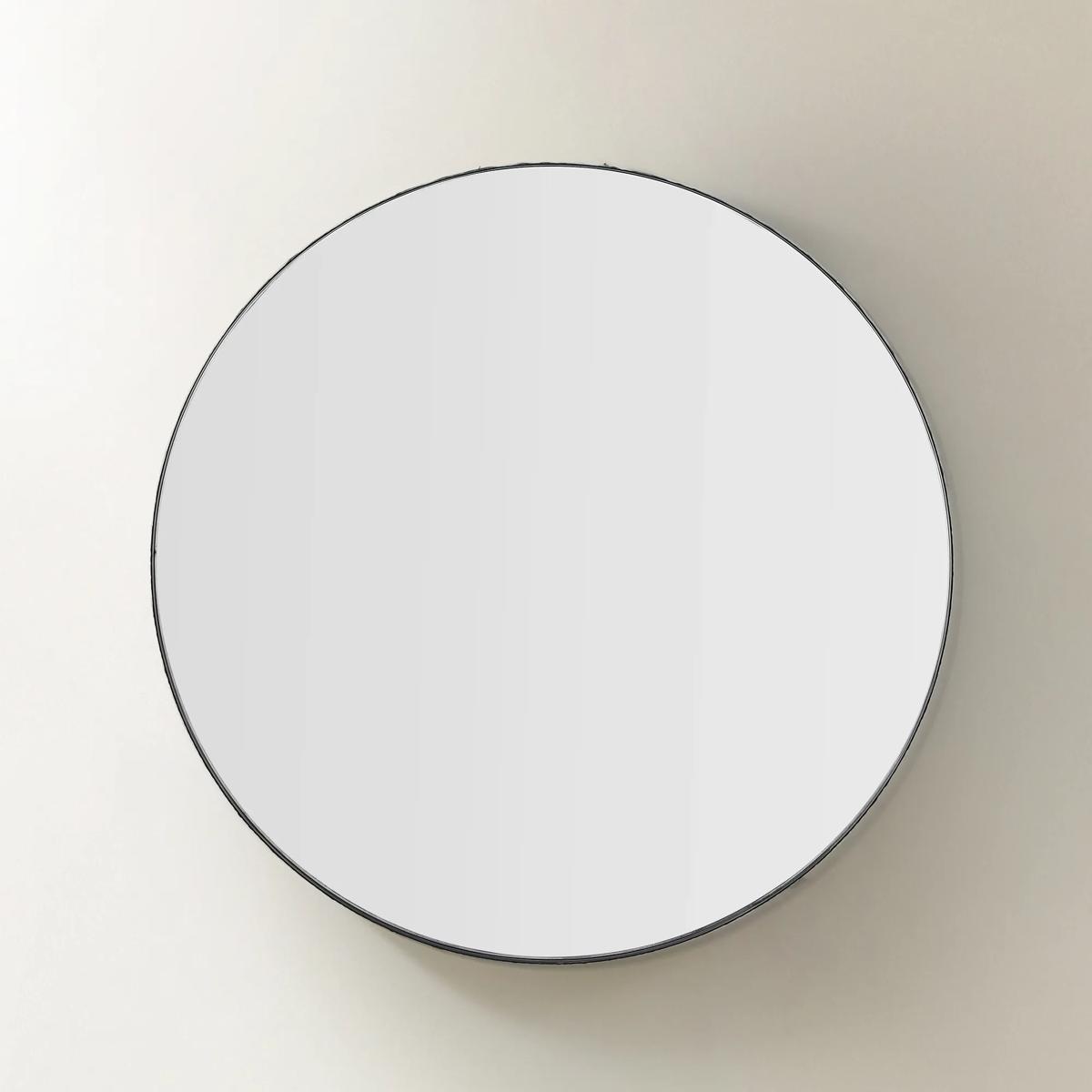
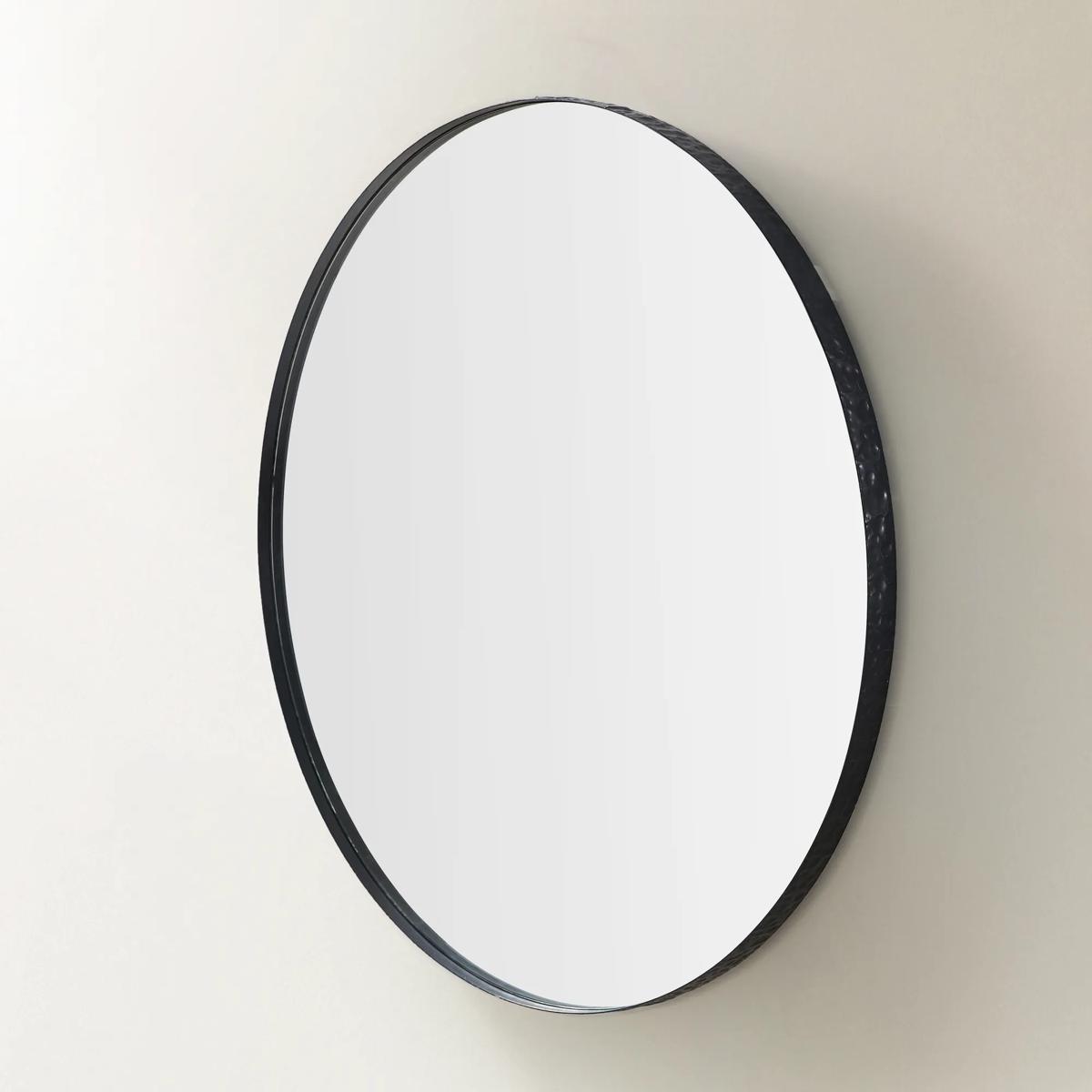 Cade Wall Mirror - Black$699
A round wall mirror featuring a hand-hammered black iron frame for a sleek, modern accent.
Add To Cart -
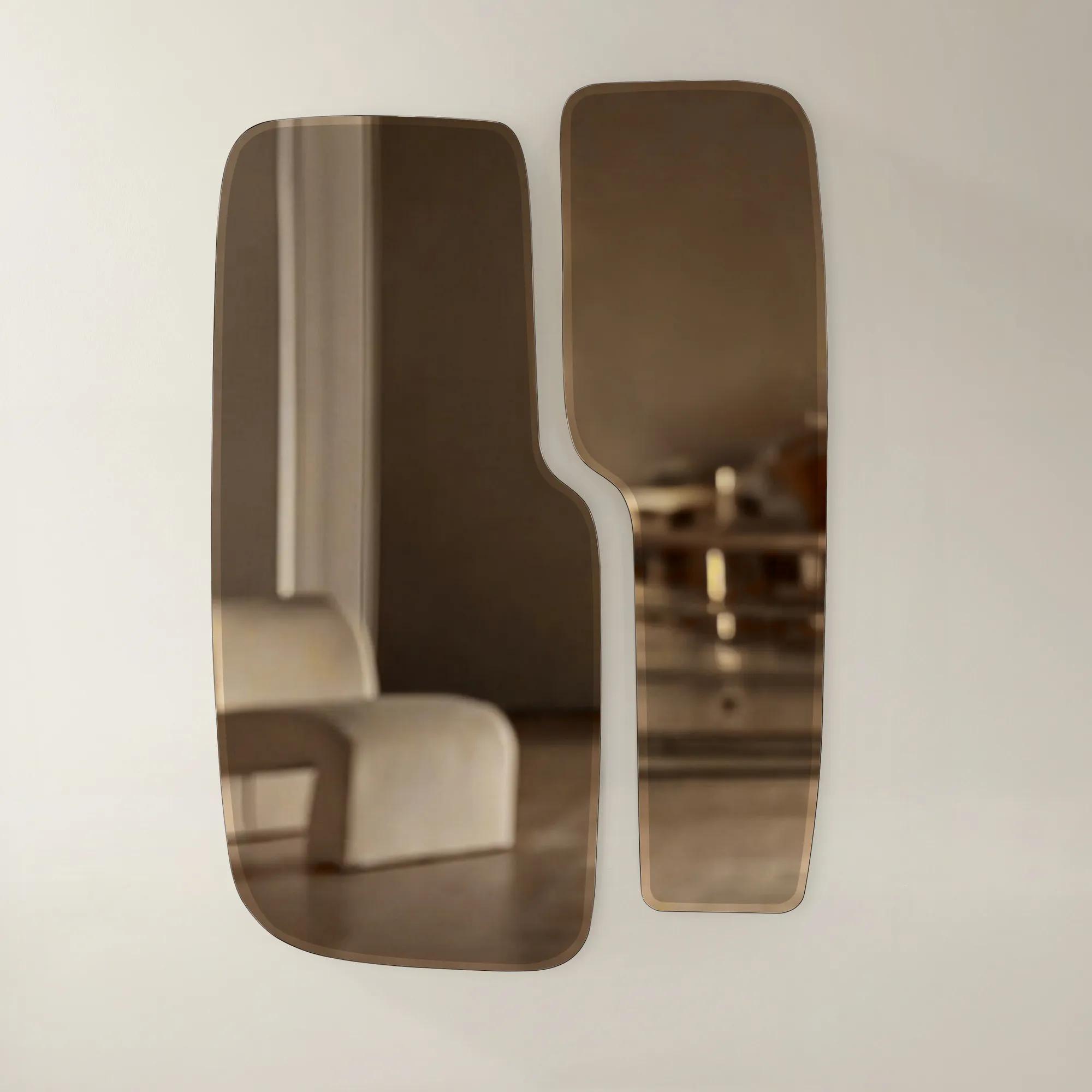 Puzzle 2-Piece Bronze Organic Shaped Wall Mirror 30" x 45"$499
A two-piece bronze wall mirror set featuring organic shapes for an artful, sculptural accent.
Add To Cart -
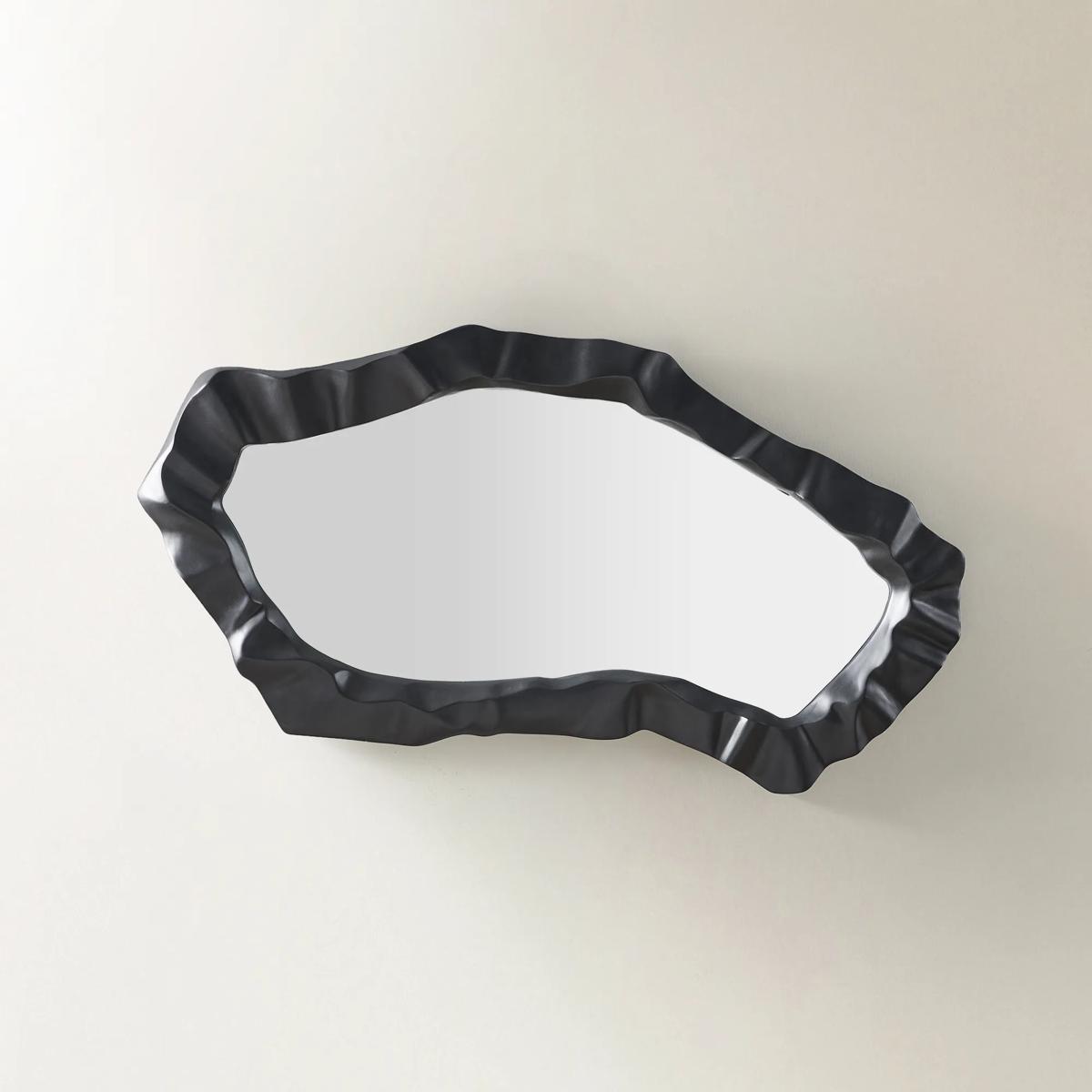
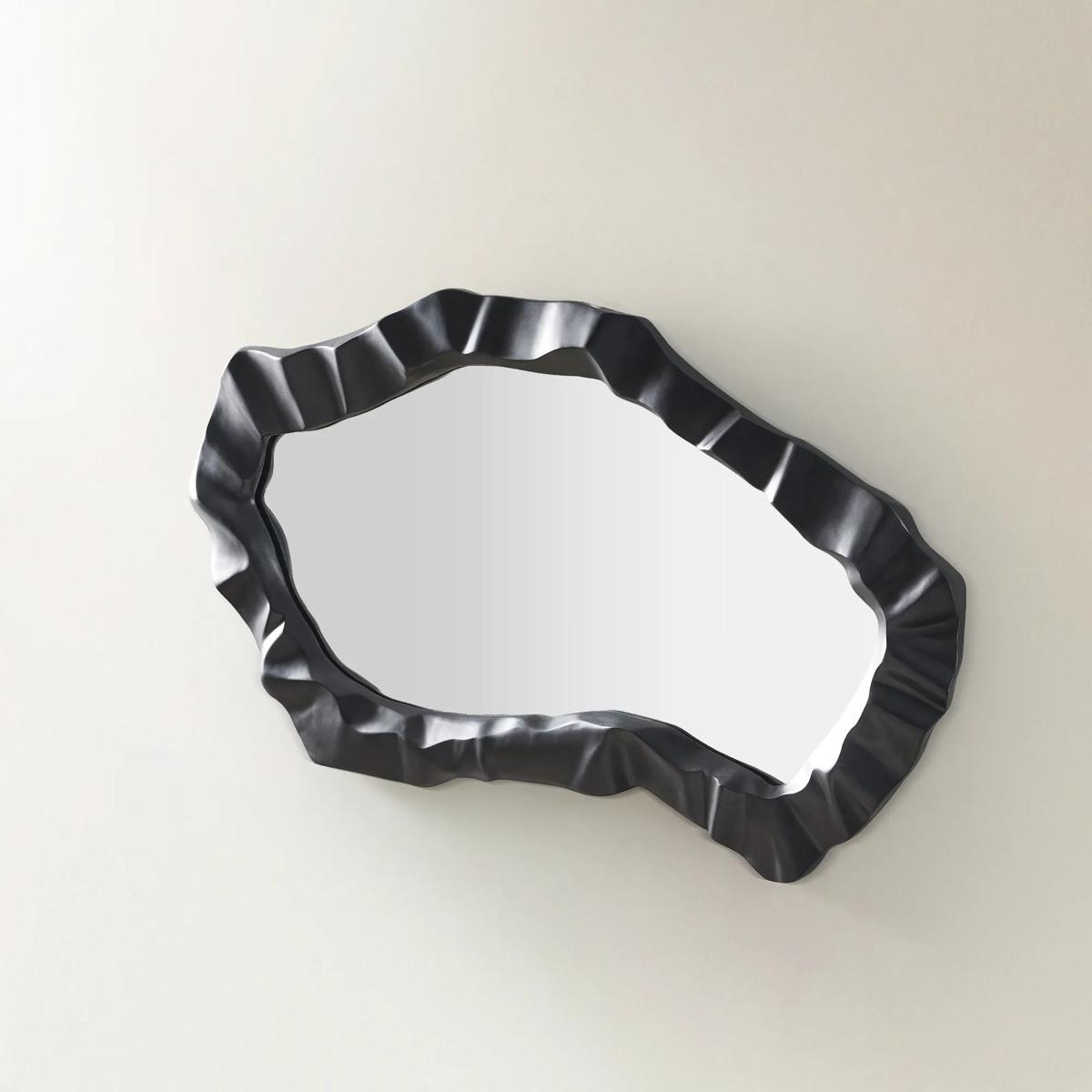 Islay Black Resin Organic Shaped Wall Mirror 44.75" x 23.75"$599
A sculptural black resin mirror featuring bold, asymmetrical curves and versatile vertical or horizontal hanging.
Add To Cart -
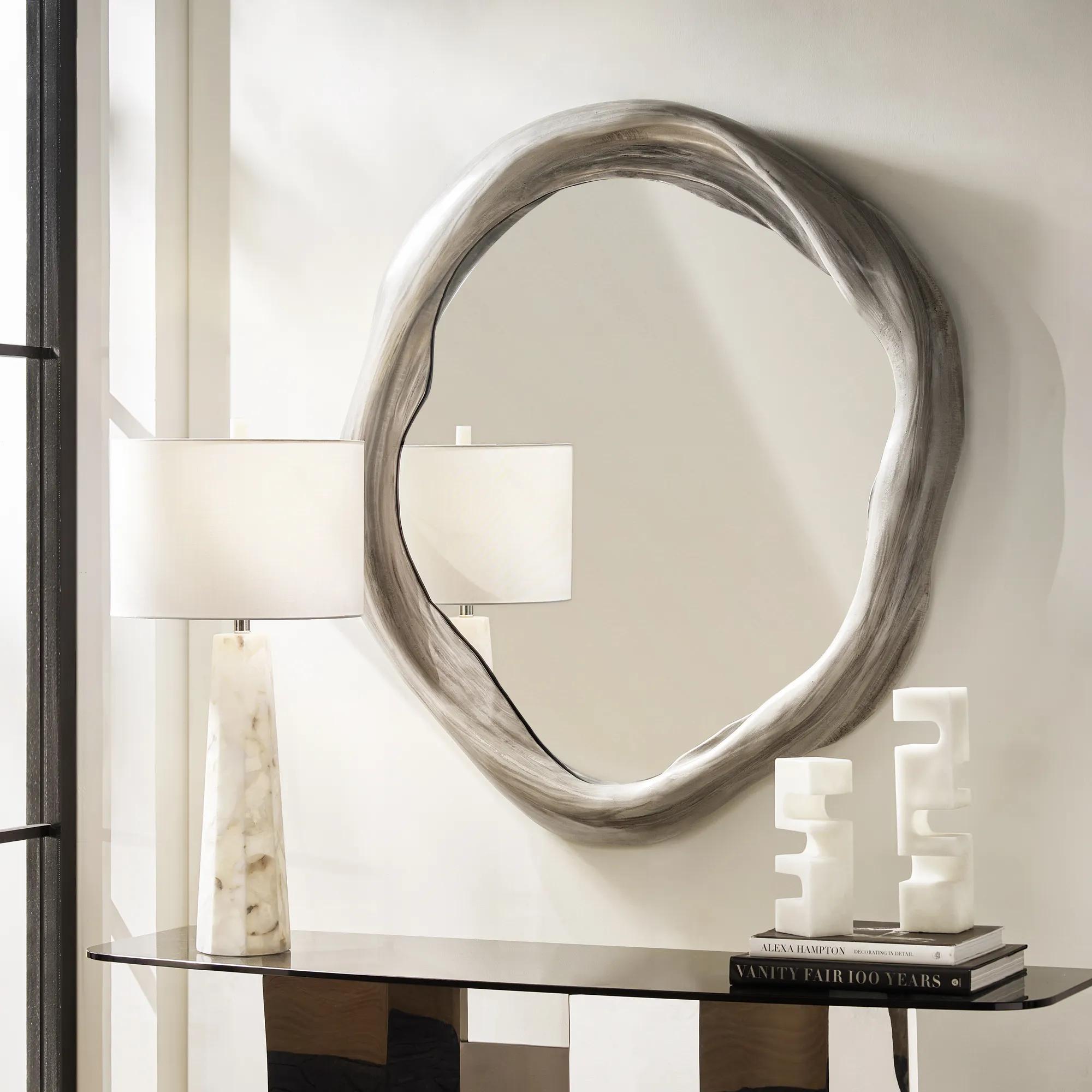
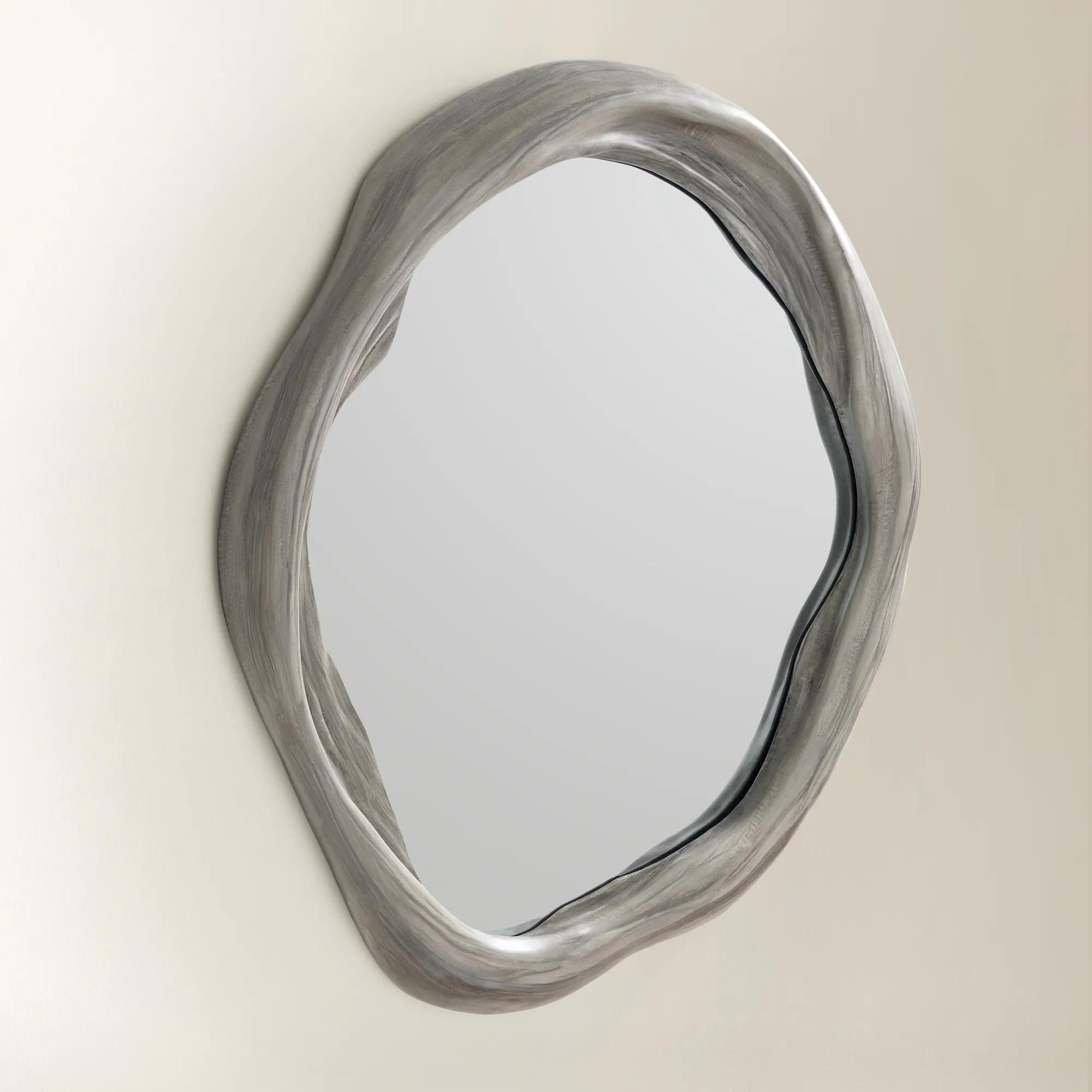 Dunes Wall Mirror$899
An organically shaped wall mirror with an artfully irregular gray frame, perfect for modern or minimalist spaces.
Add To Cart -
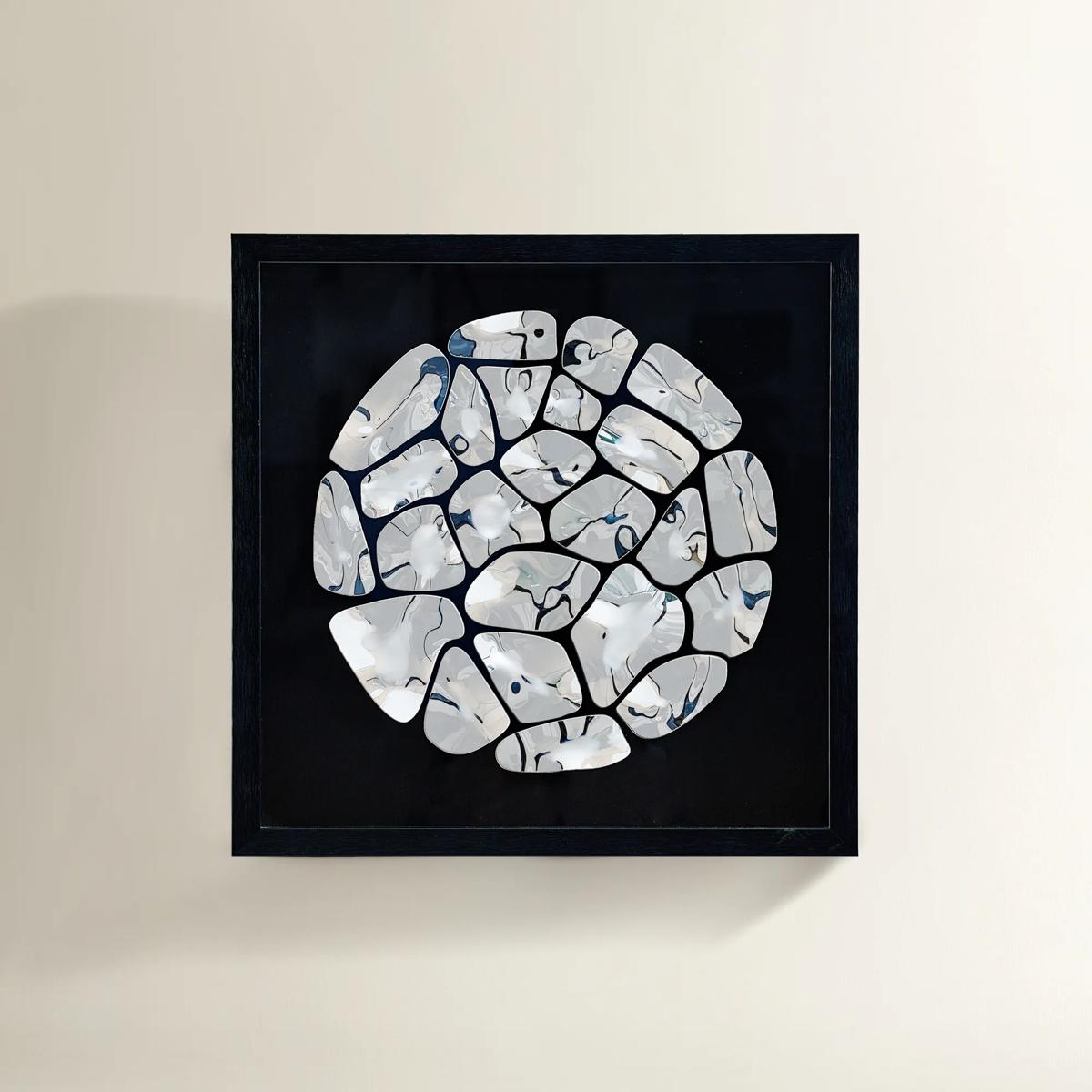
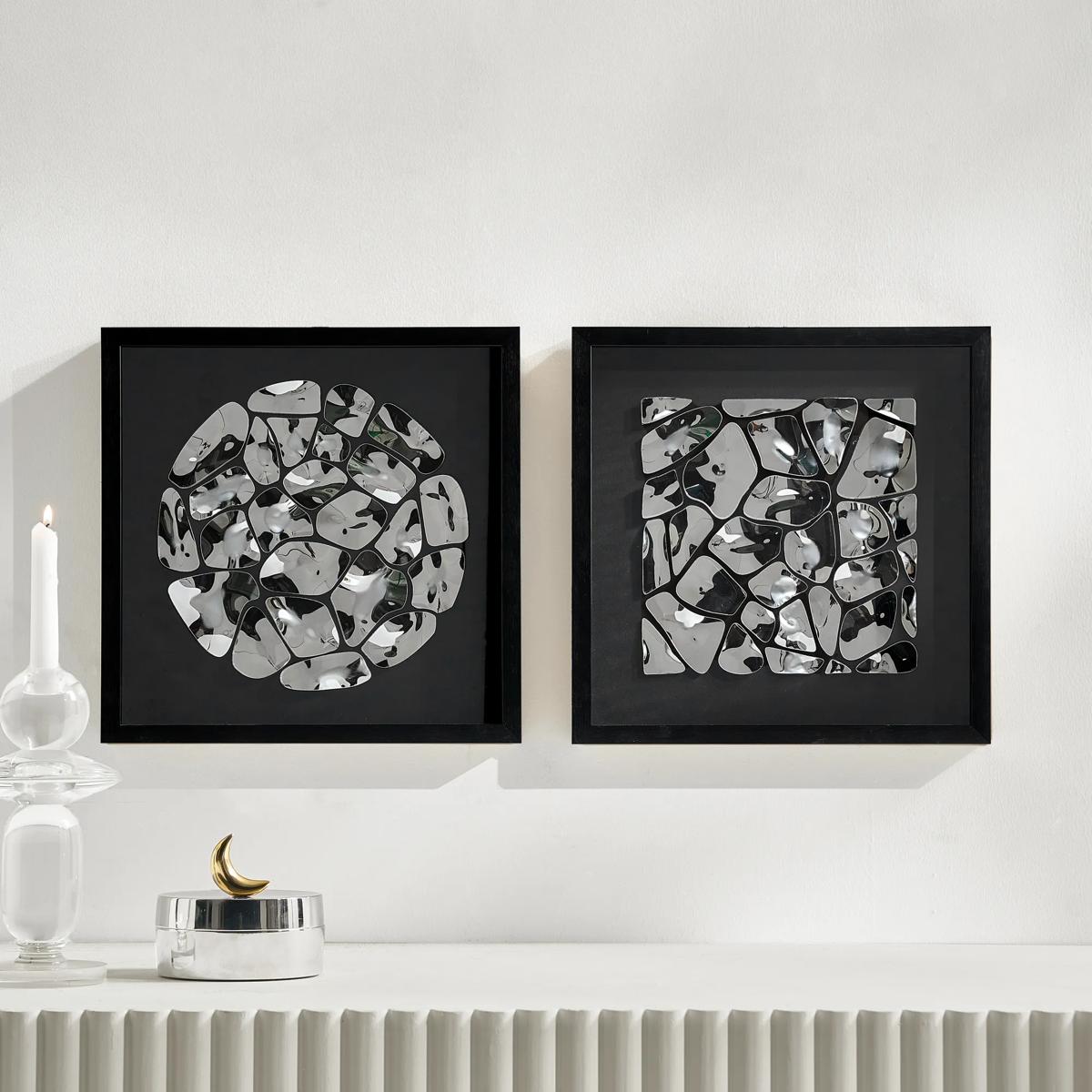 Reflect Silver And Black Shadowbox Art II$189
A dimensional metal wall art piece featuring polished silver and black forms in a sleek black frame.
Add To Cart -
-compressed.jpg?w=1200&h=1200) Etched in Silver$229
Etched in Silver$229An abstract hand-carved aluminum wall art featuring shimmering silver tones in a modern black alloy frame.
Add To Cart -
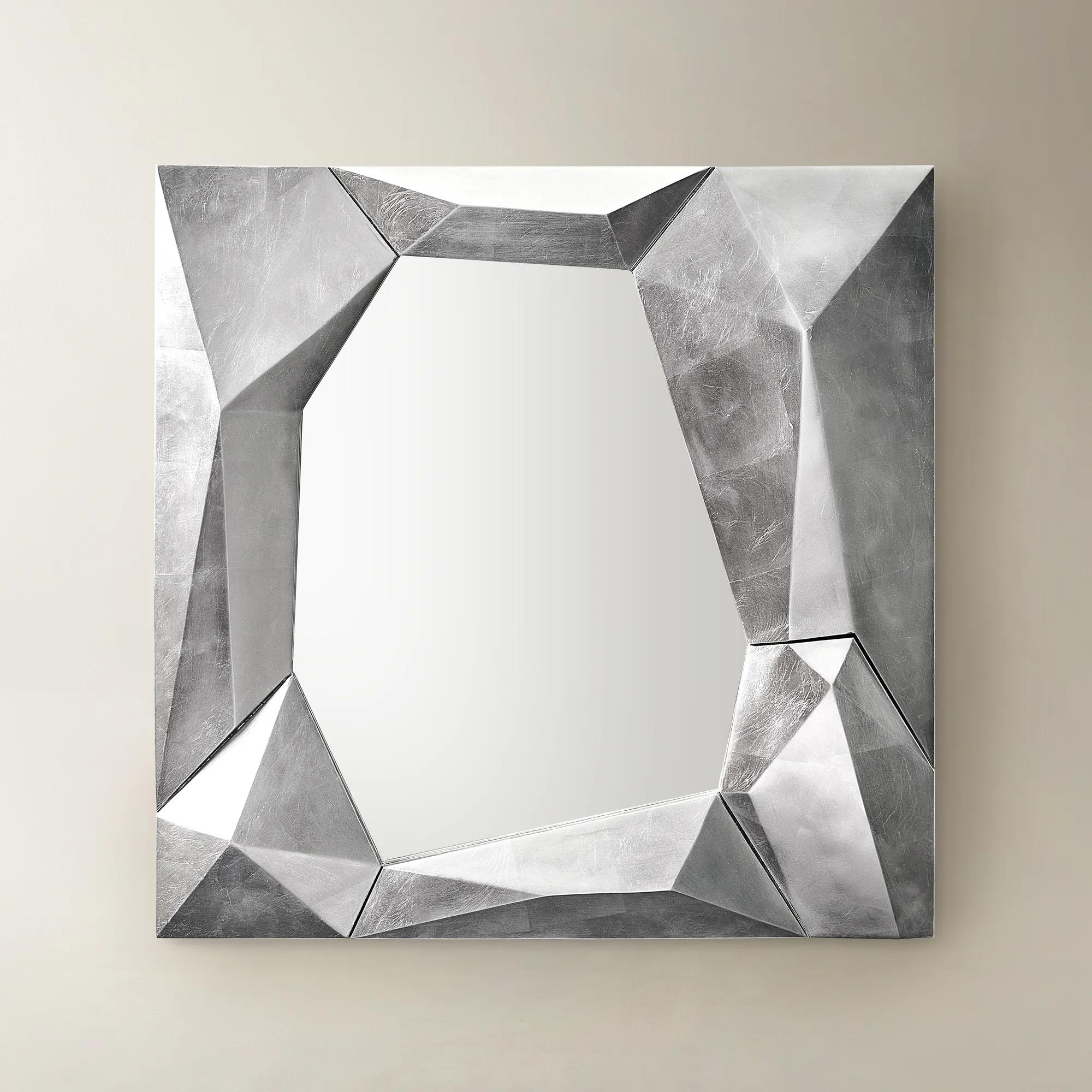 Aeris Satin Silver Faceted Resin Square Wall Mirror 35" x 35"$499
A satin silver fiberglass resin frame and faceted silhouette create a modern, sculptural wall mirror.
Add To Cart -
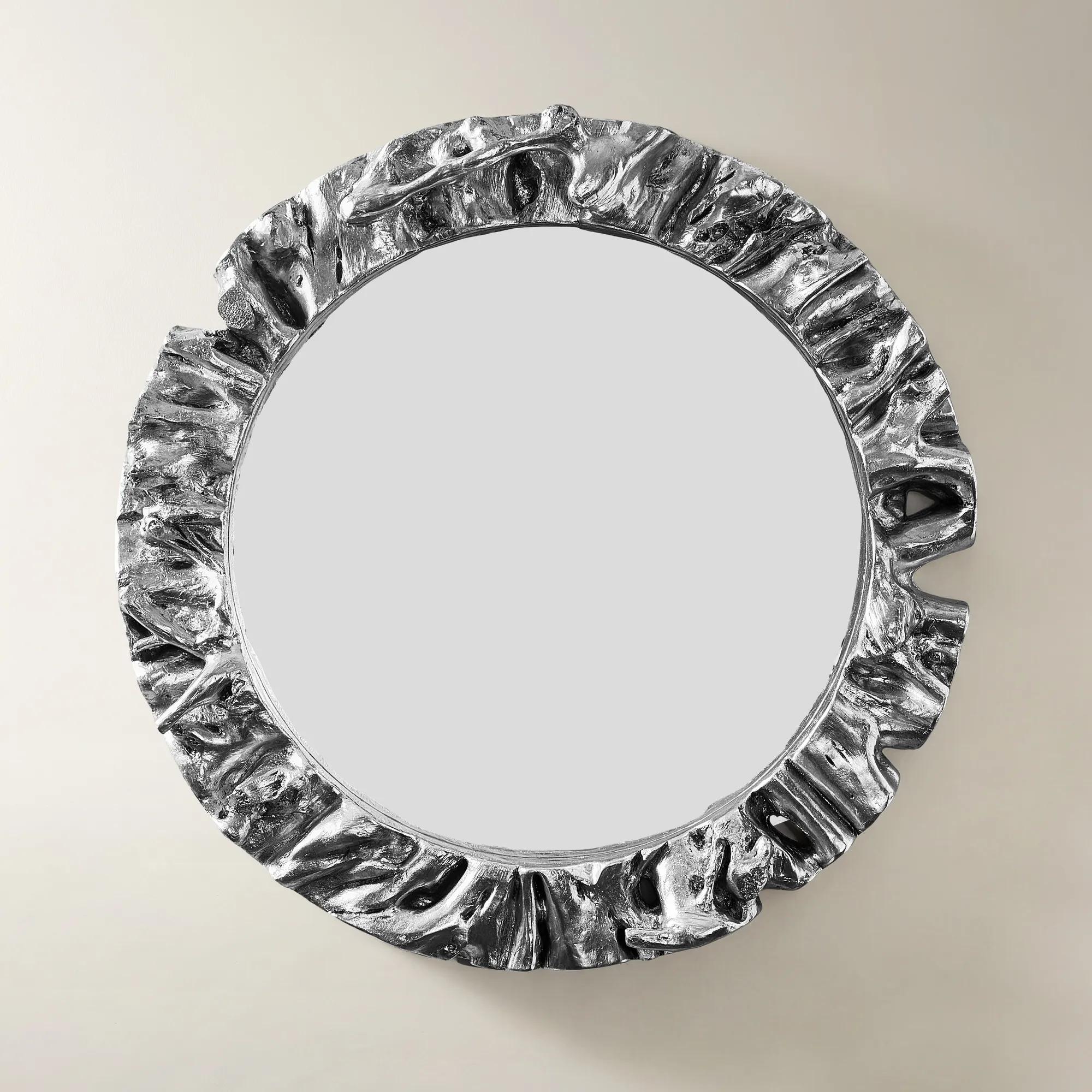
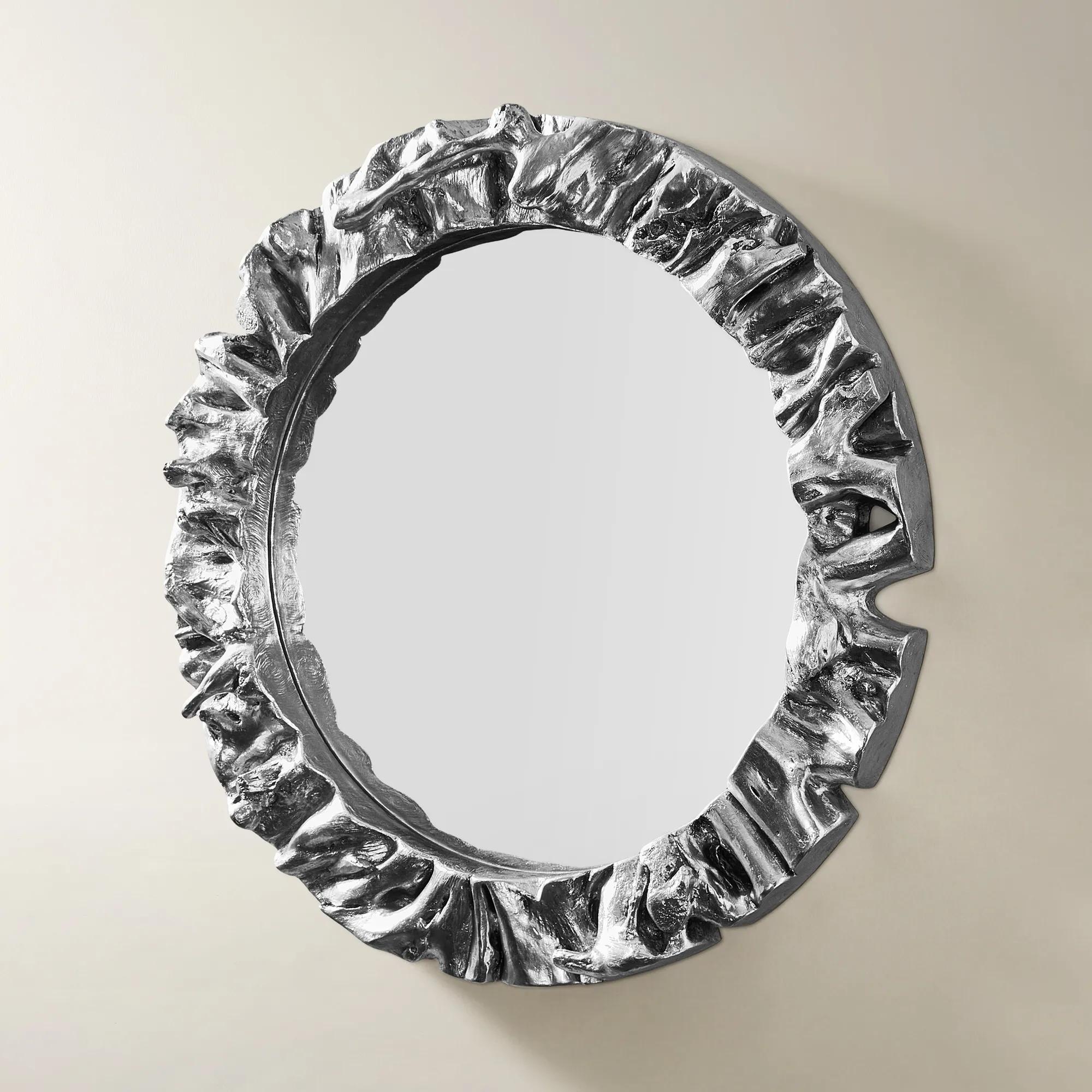 Sequoia Silver Resin Round Wall Mirror 48.25"$1199
A sculptural silver fiberglass resin frame mirror that adds modern polish and reflective brightness to any room.
Add To Cart -
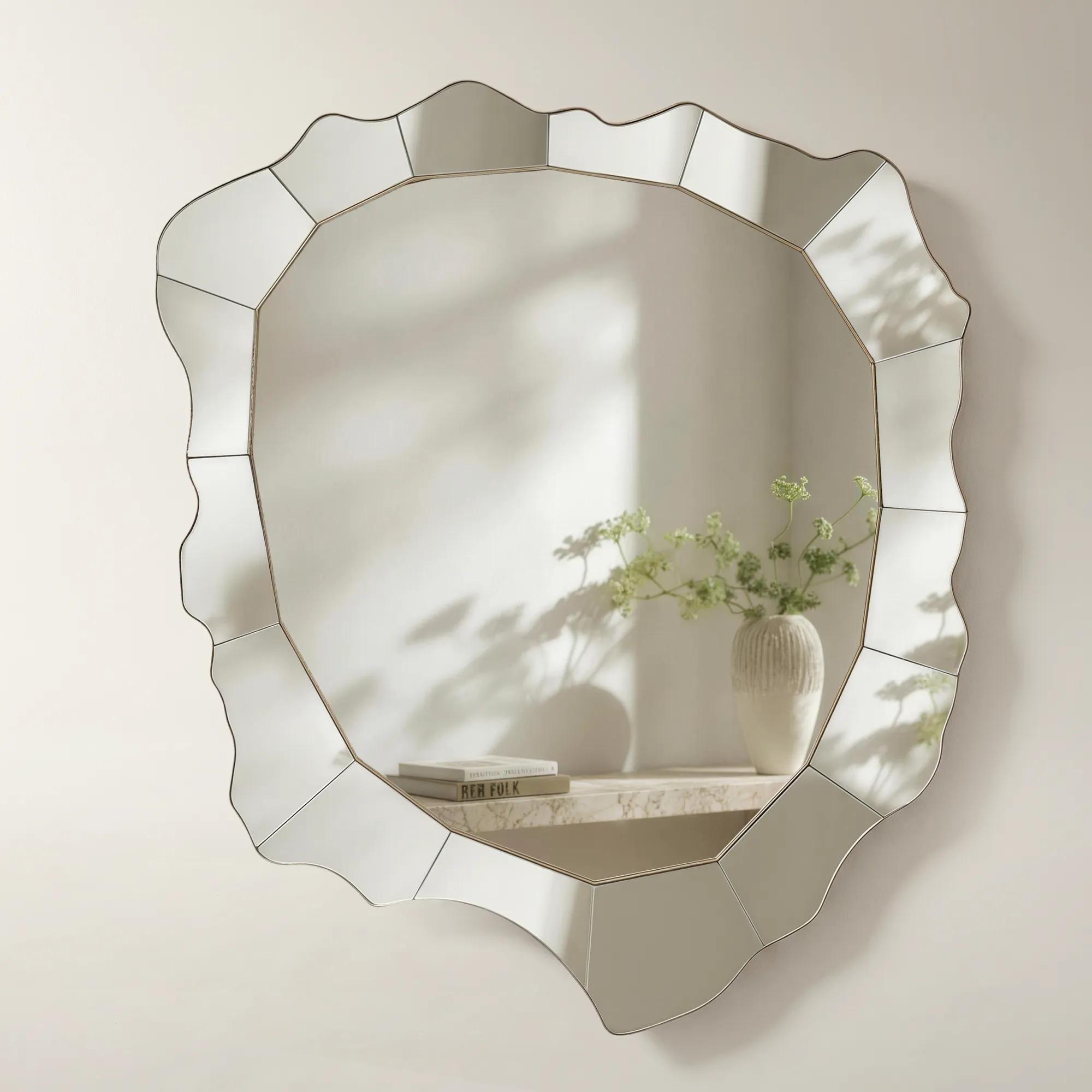 Gala Gold Trim Organic Shaped Wall Mirror 45" x 54"$999
An organic faceted mirror with soft gold iron trim adds sculptural movement and refined glamour to any room.
Add To Cart

Mirrors For Wall Art Arrangements
Mirrors for wall art arrangements invite you to reimagine your walls as luminous galleries, where reflection becomes the ultimate flourish. Each piece transforms light and perspective, layering intrigue and depth onto your curated collection of art. With every glance, mirrors amplify drama and dimension—turning blank spaces into captivating compositions that shimmer with personality. Elevate your décor with sculptural silhouettes and radiant finishes that make every arrangement a masterpiece in motion.
Mirrors created for wall art arrangements bring the drama of a gallery installation together with the practical beauty of reflection. Rather than treating a mirror as a purely functional piece, consider it part of the room’s visual composition—an opportunity to introduce sculptural form, gleaming metal, carved detail, or a graceful interruption of light. A thoughtfully assembled arrangement can energize a quiet hallway, give a dining room a more layered presence, or transform the wall above a sofa into a captivating focal point. Large statement mirrors often work beautifully as the centerpiece, establishing a clear visual anchor before smaller mirrors and complementary artwork extend the composition outward. For a more tailored expression, a collection of matching square or rectangular mirrors can be arranged in a precise grid, creating the polished rhythm of modern art. A varied cluster of round, oval, geometric, or sunburst-inspired silhouettes offers a more collected mood, especially when each piece shares a unifying detail such as a metallic finish, a restrained color palette, or a similar frame profile. These arrangements are made for homes where the walls deserve as much attention as the furnishings: expressive apartments, richly layered bedrooms, entertaining spaces with a sense of occasion, and entryways designed to make a memorable first impression. They also make a thoughtful gift for a new homeowner, a design enthusiast, or anyone refining a space with personal character. Unlike a fleeting decorative accent, a mirror arrangement can evolve with the room, reflecting changing artwork, lighting, and furniture while continuing to lend depth and brilliance.
Scale and placement shape the entire effect. Begin by considering the wall’s proportions and the furniture or architectural feature beneath it. Over a console, mantel, or sofa, the arrangement should feel connected to what it frames rather than suspended without context; a broad central mirror can establish presence, while smaller surrounding pieces create a sense of movement and discovery. In a hallway or along a long wall, an asymmetrical or gently ascending arrangement can guide the eye through the space, while a horizontal grouping of similarly sized mirrors brings order to an expansive stretch. For rooms with generous proportions, explore Mirrors For Large Wall Spaces to create a display with the scale required to hold its own. As a general starting point, keep pieces approximately 3 to 6 inches apart so the arrangement reads as a unified composition rather than a collection of unrelated objects. Tighter spacing creates a refined, gallery-like impression; slightly more air between pieces can make a layered arrangement feel lighter and more relaxed. Hang the display at a comfortable eye level, taking into account the height of nearby furniture and the natural path through the room. Before reaching for a hammer, cut paper templates in the approximate shapes of the mirrors and tape them to the wall with painter’s tape. This simple step makes it easier to test the overall silhouette, adjust spacing, and confirm that the arrangement feels balanced from across the room. It is particularly useful when combining pieces of different sizes or when working with a wall that has sconces, switches, molding, or other architectural details. A mirror’s scale should feel intentional: an oversized piece can bring grandeur to a high ceiling, while a petite mirror may be most effective when repeated as part of a thoughtful cluster.
Reflection adds another layer of design intelligence. Positioning an arrangement opposite or adjacent to a window can bounce daylight farther into the room, giving pale walls a luminous lift and allowing metallic frames or beveled edges to catch the glow as the day changes. During the cooler months, when interiors naturally become more intimate, a reflective grouping can amplify the warmth of lamps, candles, and layered textiles without making the room feel visually heavy. Avoid placing mirrors where they reflect clutter, a blank wall, or an overly busy sightline; the most compelling reflections reveal something beautiful, whether that is a leafy view, a dramatic light fixture, a richly dressed table, or the glow of an adjoining room. Balance visual weight across the arrangement as carefully as you would balance furniture. An ornate or substantial frame may serve as the commanding note on one side, while simpler forms, smoother surfaces, or smaller dimensions provide breathing room on the other. Mixing materials—glass with metal, wood, carved accents, or softly antiqued finishes—introduces tactile depth and prevents a multi-mirror display from appearing overly uniform. At the same time, a shared finish or repeating shape can give an eclectic arrangement a deliberate throughline. Think of the final composition as a personal portrait of the room: polished but not predictable, layered without feeling crowded, and full of reflections that change with the light. With the right combination of shape, scale, finish, and placement, mirrors for wall art arrangements turn an ordinary wall into a luminous canvas for expressive living.
FAQs
Mirrors are more than reflective surfaces—they are transformative accents that amplify light, create depth, and infuse your gallery wall with a sense of drama. Whether layered among bold canvases or standing alone as sculptural statements, mirrors add a luminous dimension that draws the eye and magnifies the overall impact of your curated space.
For a wall arrangement that exudes opulence, consider mirrors with gilded, faceted, or uniquely shaped frames. Art Deco-inspired silhouettes, sunburst motifs, and mirror-on-mirror designs all bring a sense of luxury and intrigue, allowing your wall to shimmer with personality and panache.
Balance is key. Use mirrors as luminous anchors within your arrangement, interspersed among bold prints, textured canvases, or sculptural pieces. Let each mirror reflect not just light, but the artistry around it—creating a harmonious interplay that feels curated yet spontaneous.
Absolutely. A statement mirror—whether oversized, ornately framed, or uniquely shaped—becomes the focal point of your wall. It commands attention, sets the tone, and invites conversation, all while enhancing the overall composition of your artful display.
Mirrors infuse your arrangement with a sense of wonder, airiness, and grandeur. Depending on their placement and style, they can evoke everything from Hollywood glamor to modern sophistication, transforming your wall into a canvas that dazzles with light, movement, and expressive energy.
.jpeg?w=4217&h=4217)