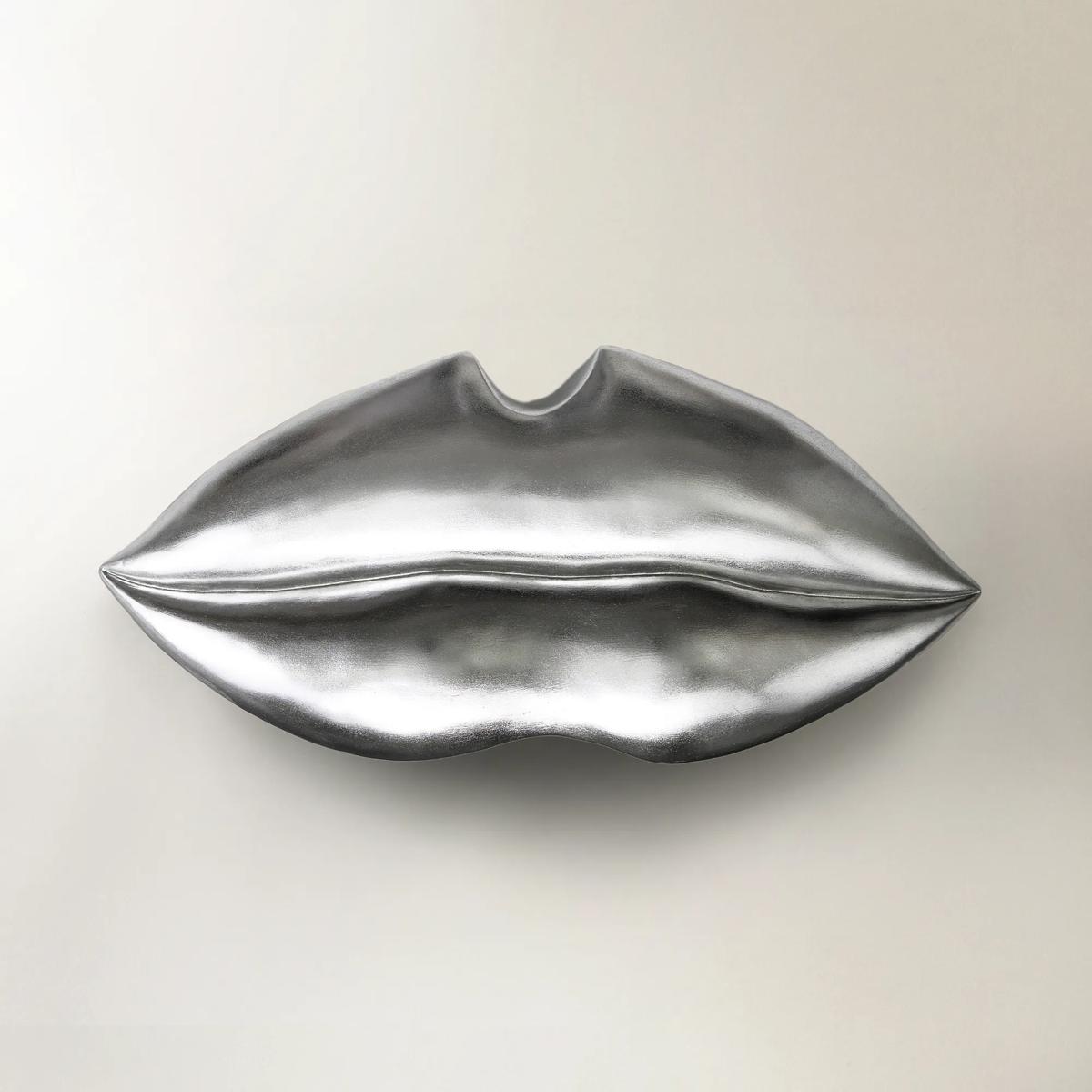
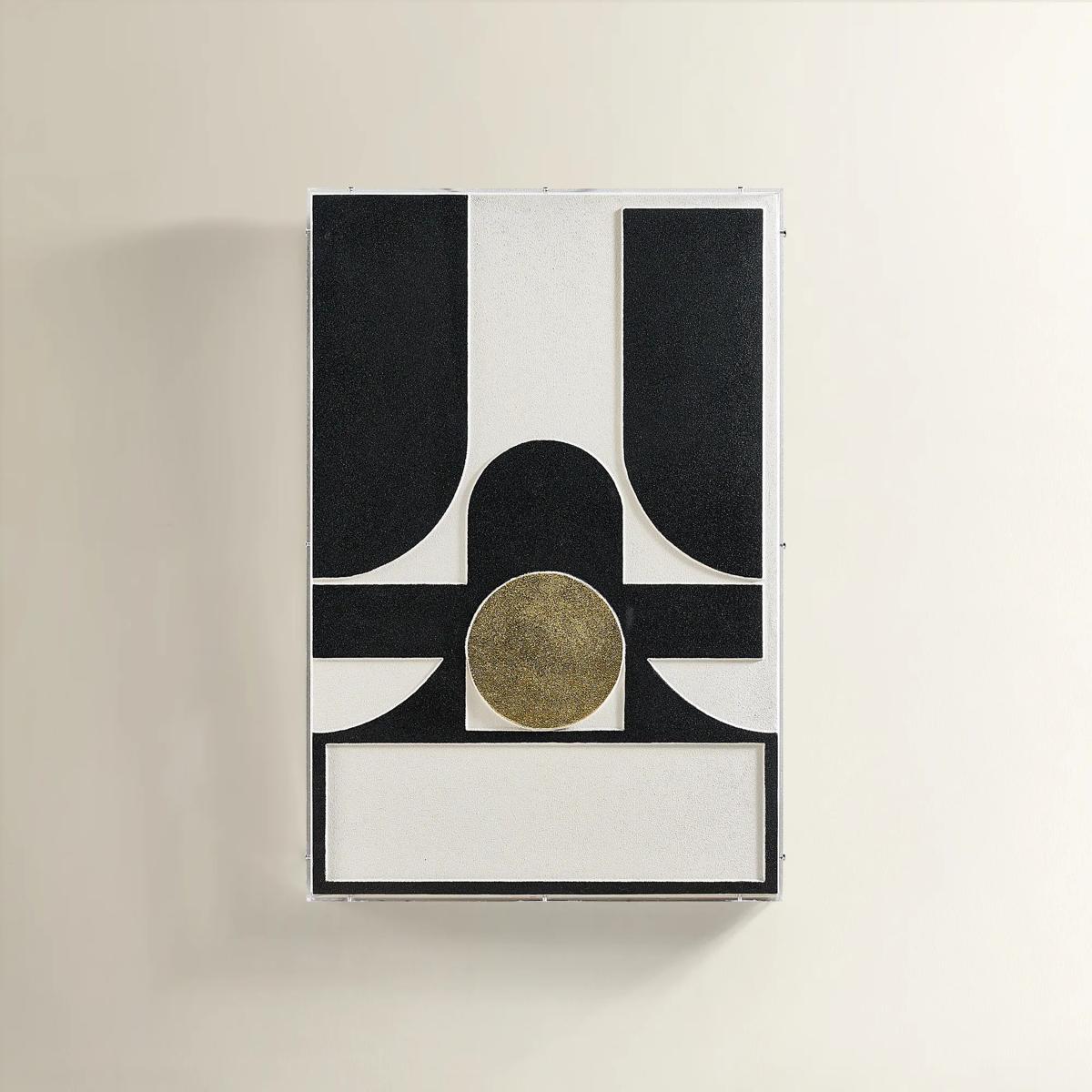
Silver Mirrored Wall Art
Silver Mirrored Wall Art
-

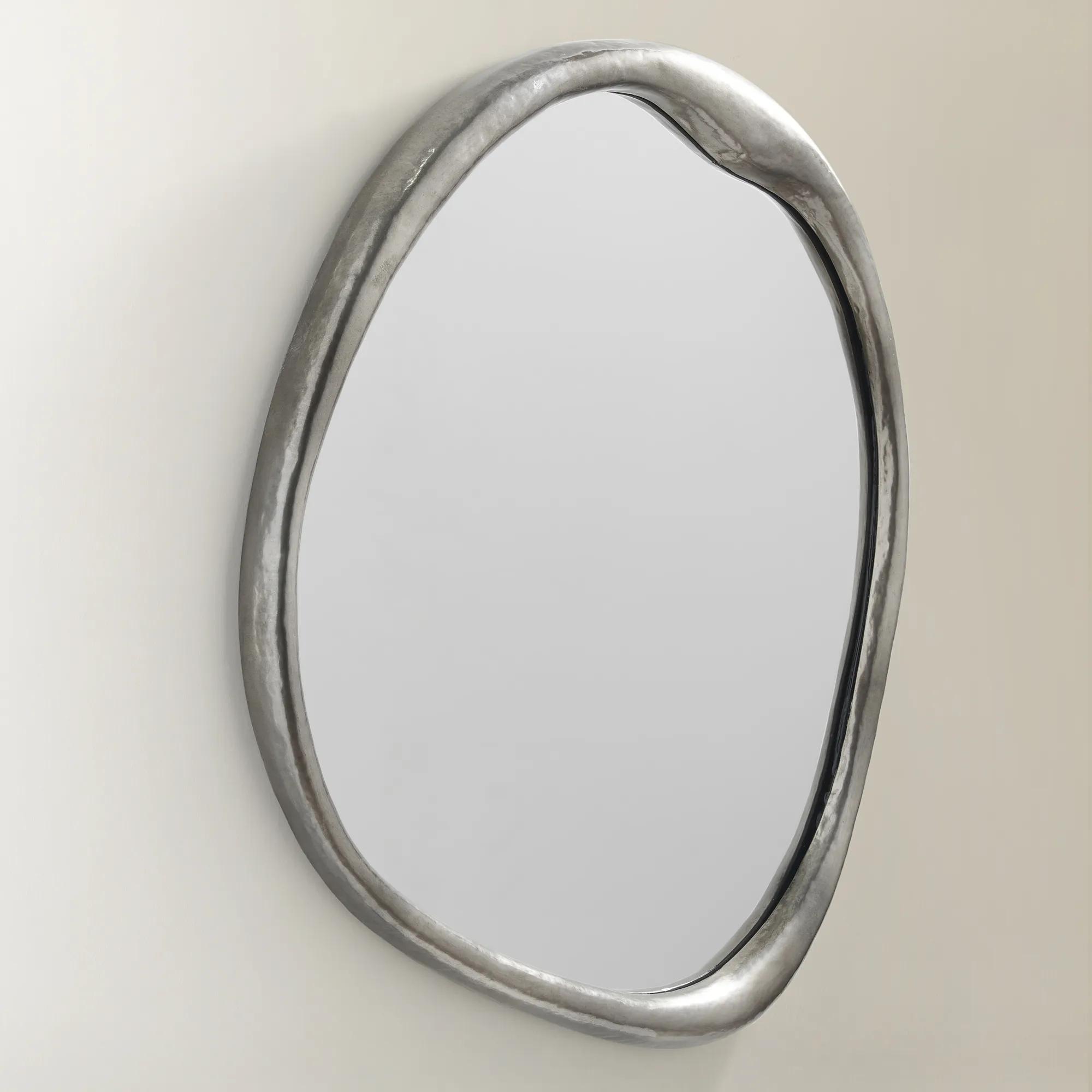 Organa Wall Mirror$599
An irregular silver iron-framed mirror that brings modern organic style and reflective depth to any room.
Add To Cart -
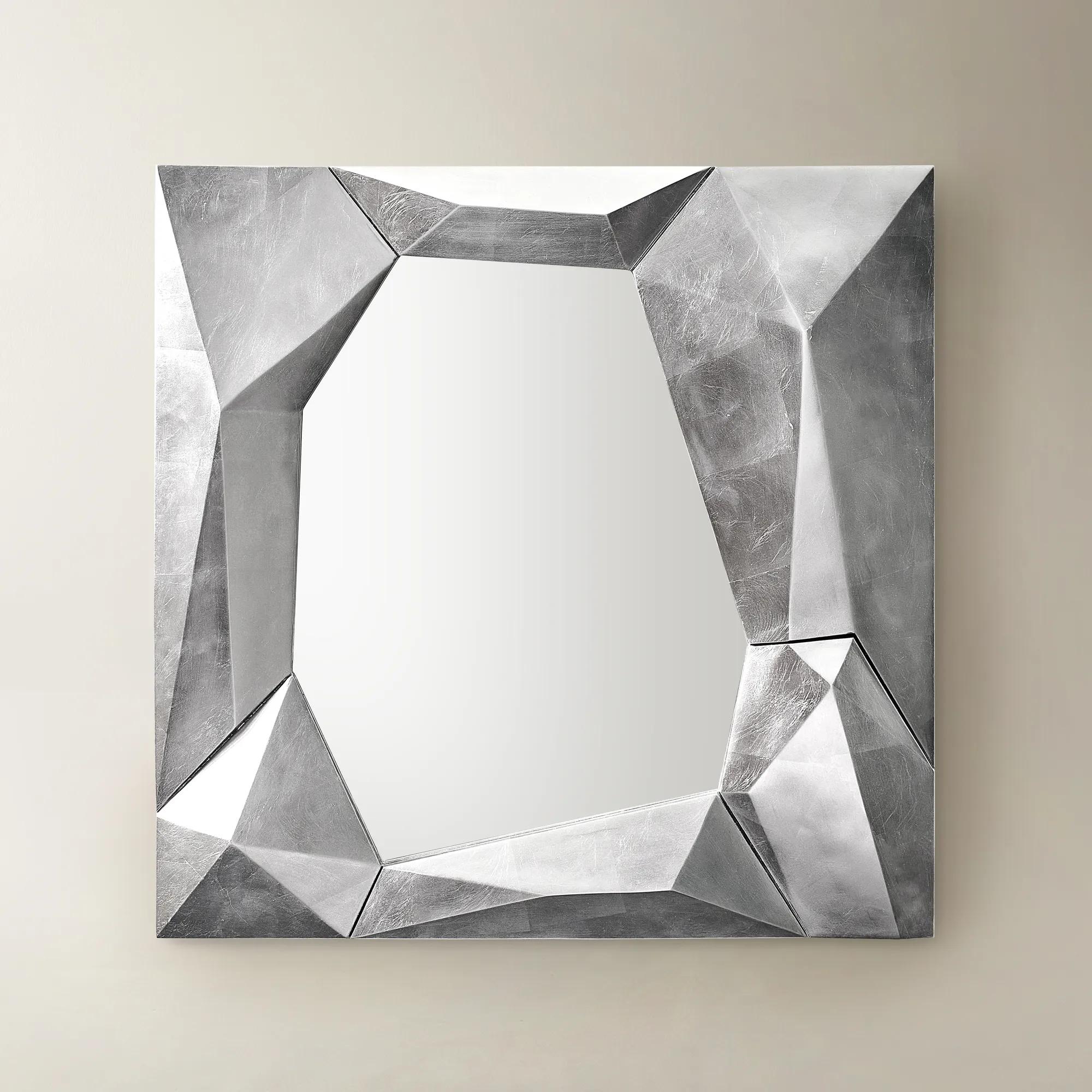 Aeris Satin Silver Faceted Resin Square Wall Mirror 35" x 35"$499
A satin silver fiberglass resin frame and faceted silhouette create a modern, sculptural wall mirror.
Add To Cart -
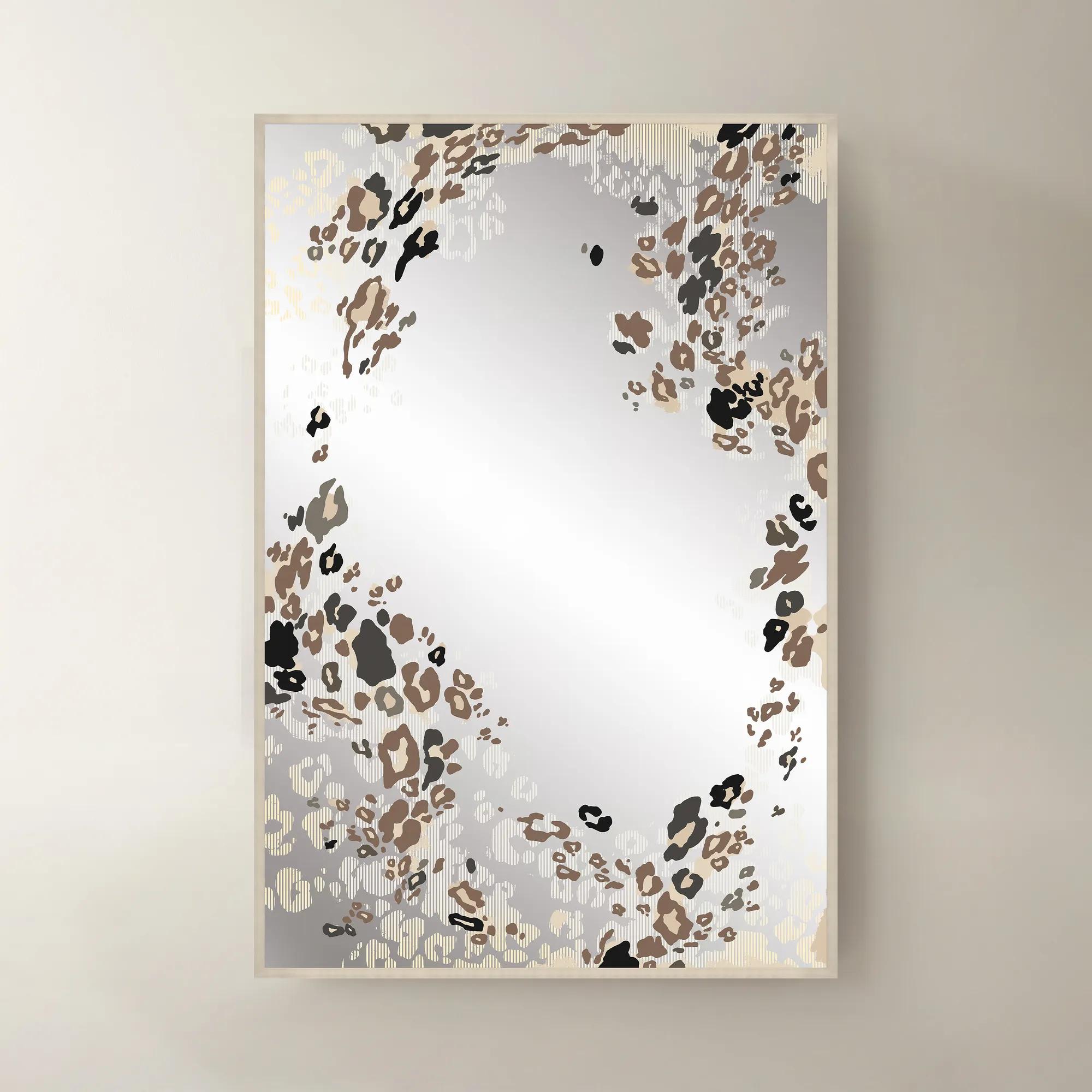
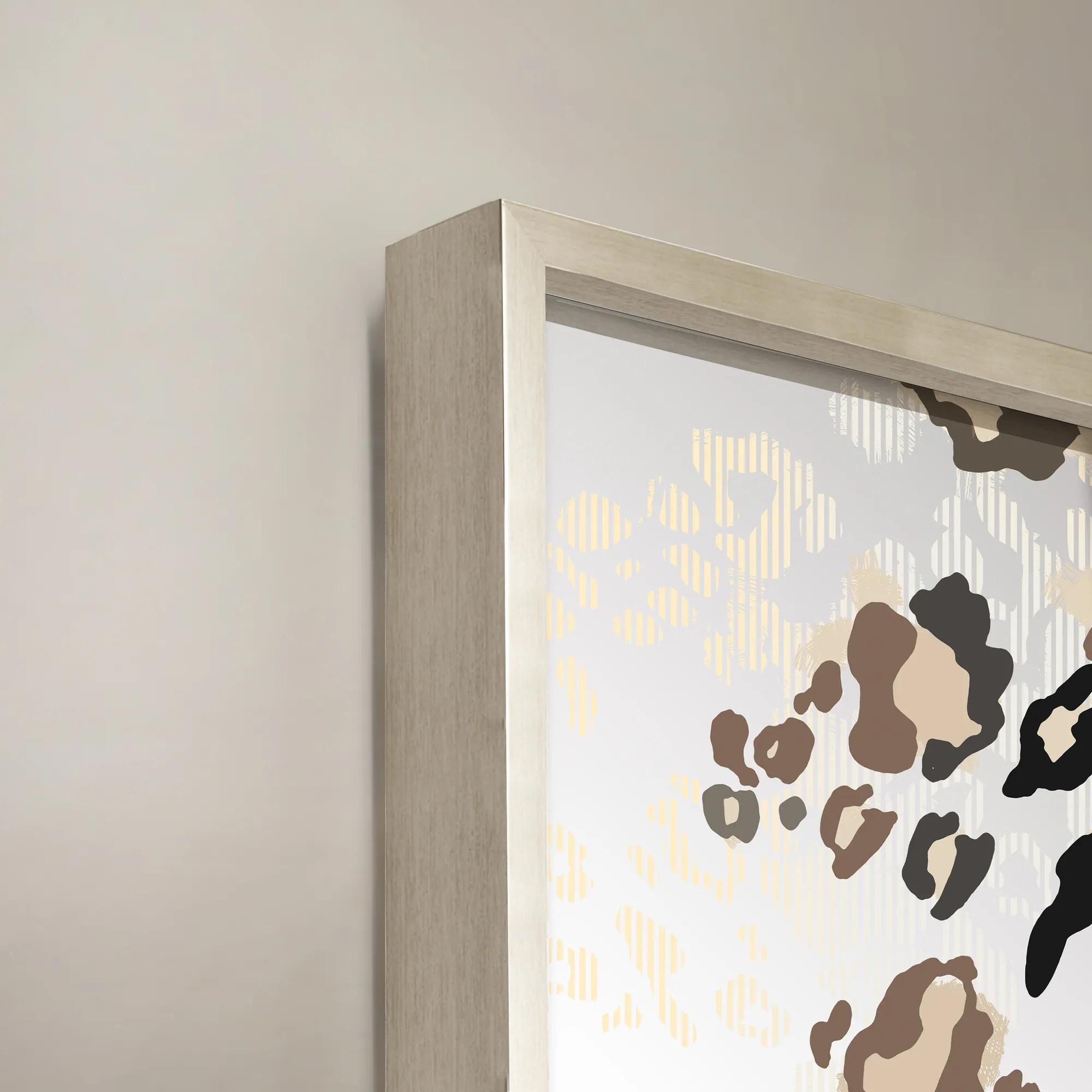 Leopard Luxe Framed Printed Wall Mirror 40" x 60"$1499
A printed mirror featuring Art Deco-inspired leopard artwork, set in a wood silver frame with brown and black tones.
Add To Cart -
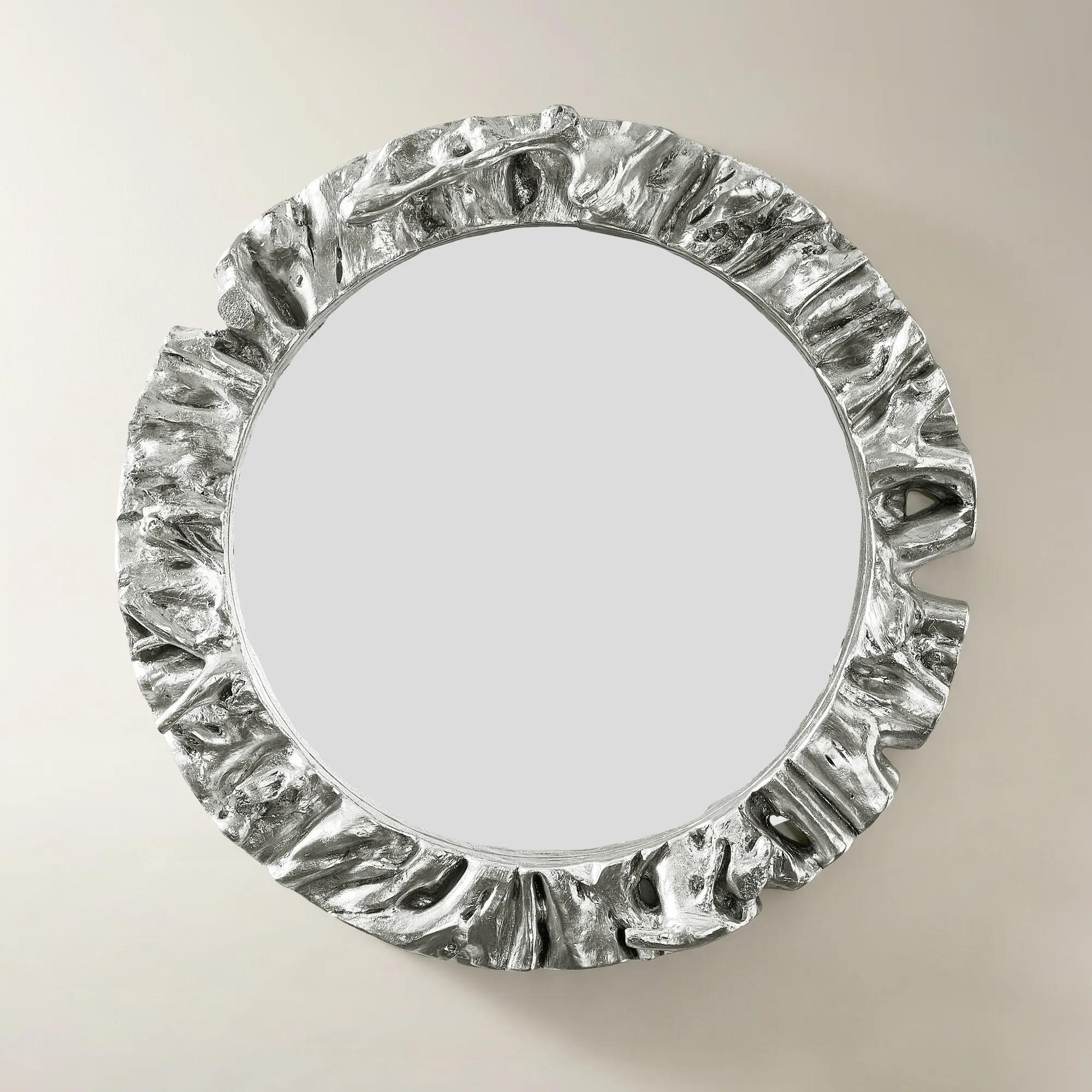
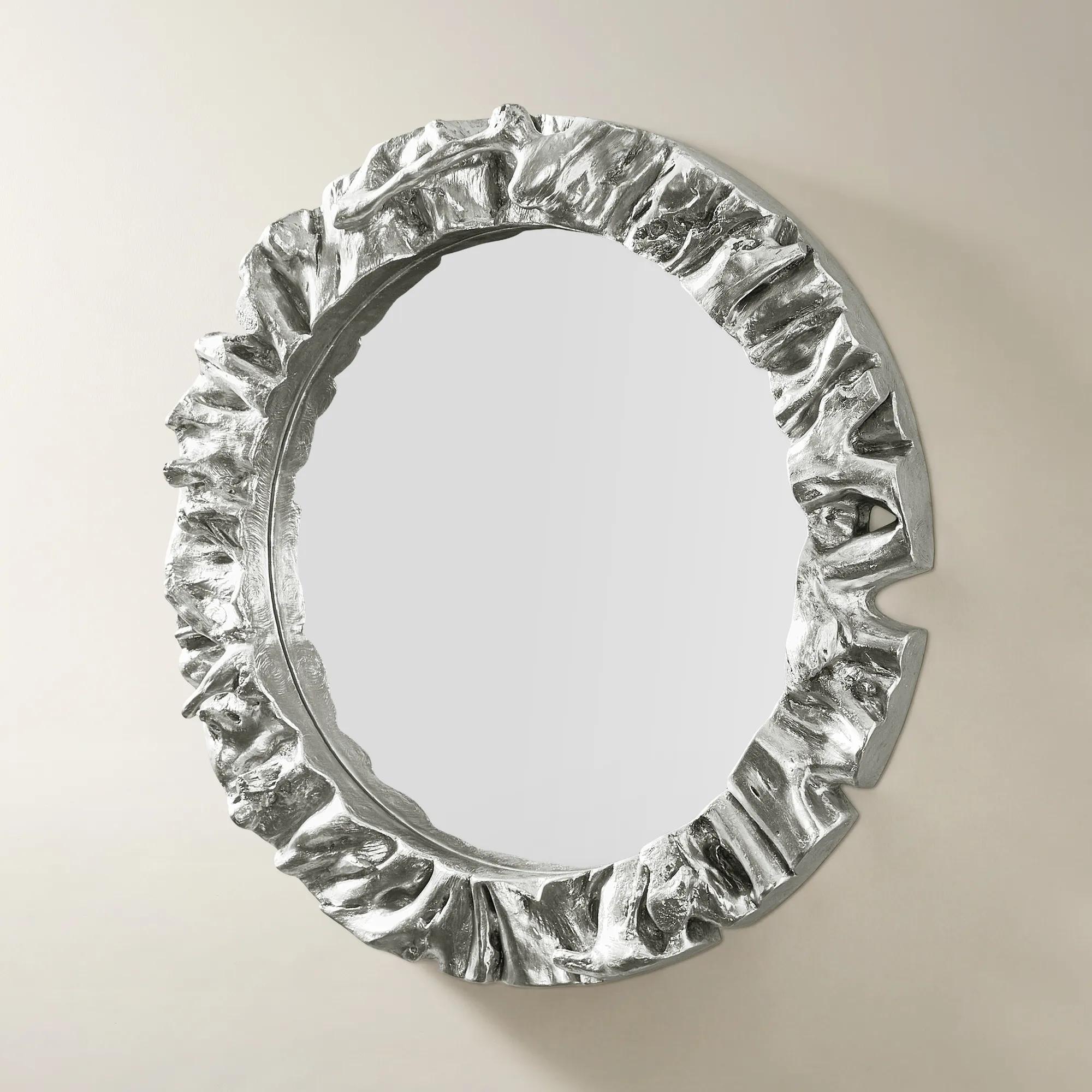 Sequoia Silver Resin Round Wall Mirror 48.25"$1199
A sculptural silver fiberglass resin frame mirror that adds modern polish and reflective brightness to any room.
Add To Cart -
 Duran Black And Silver Stainless Steel Spheres Wall Mirror 20" x 44"$399
A sculptural wall mirror featuring a black and silver steel frame adorned with polished spheres.
Add To Cart -
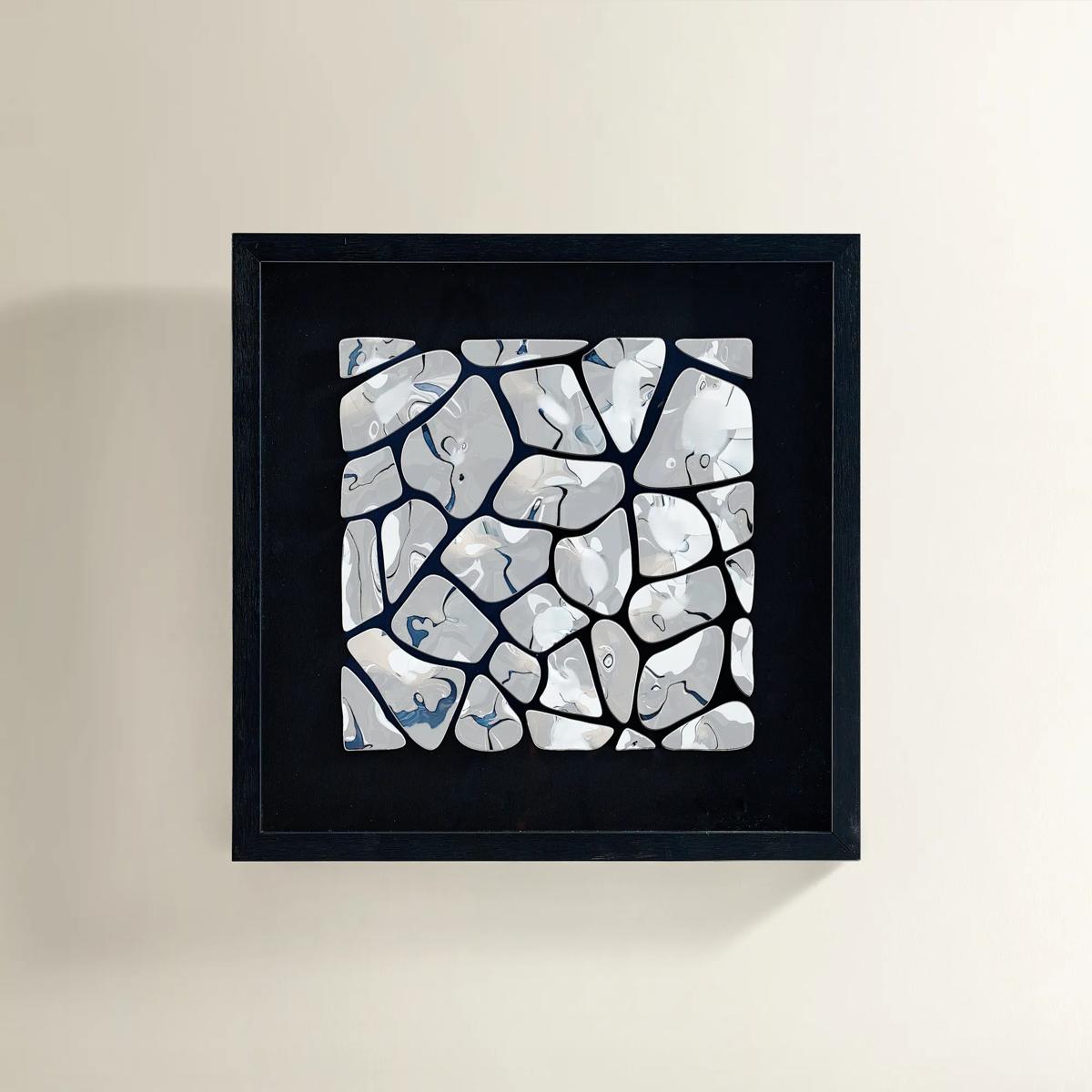 Reflect Silver And Black Shadowbox Art I$189
A dimensional metal wall art piece featuring polished silver and black forms in a sleek black frame.
Add To Cart -
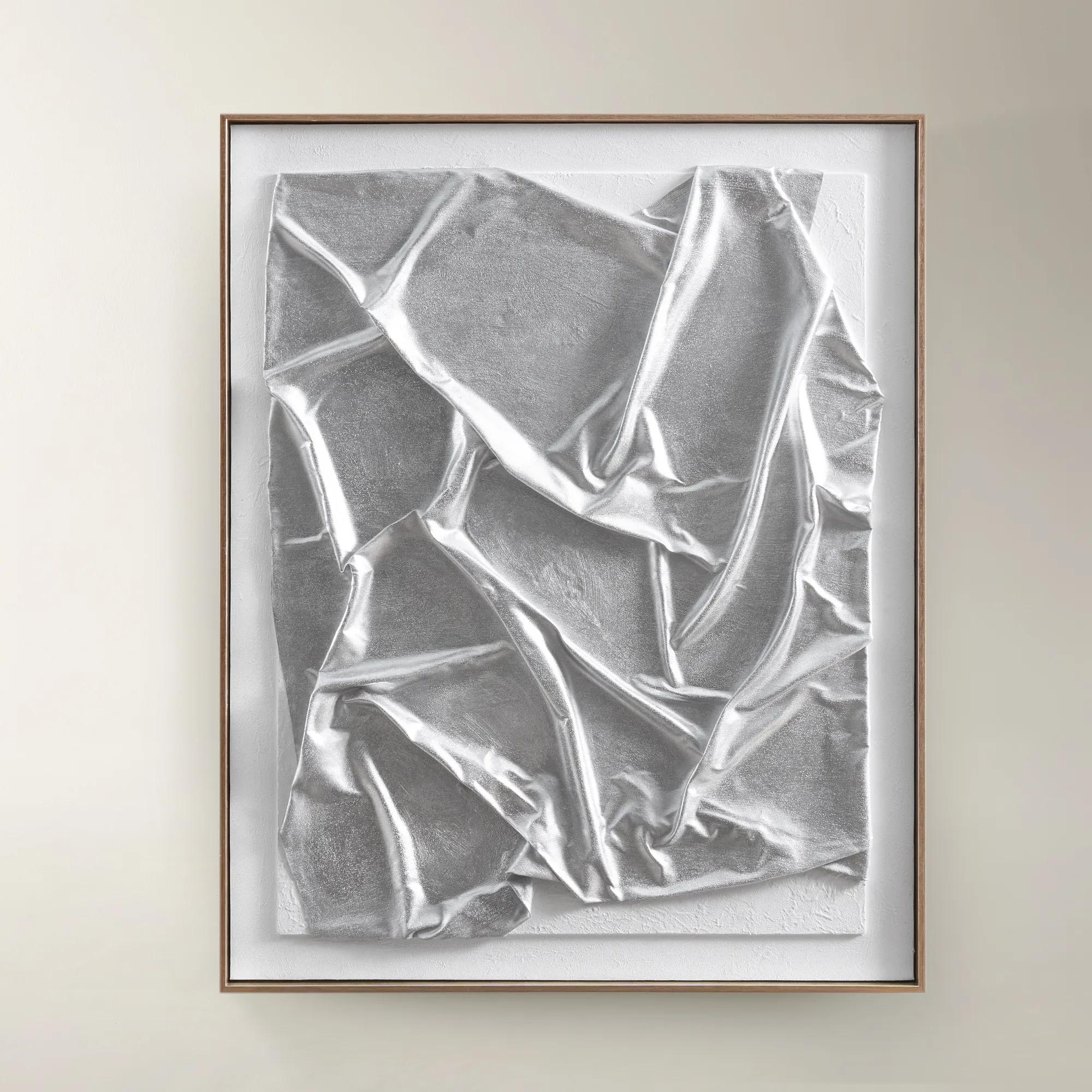
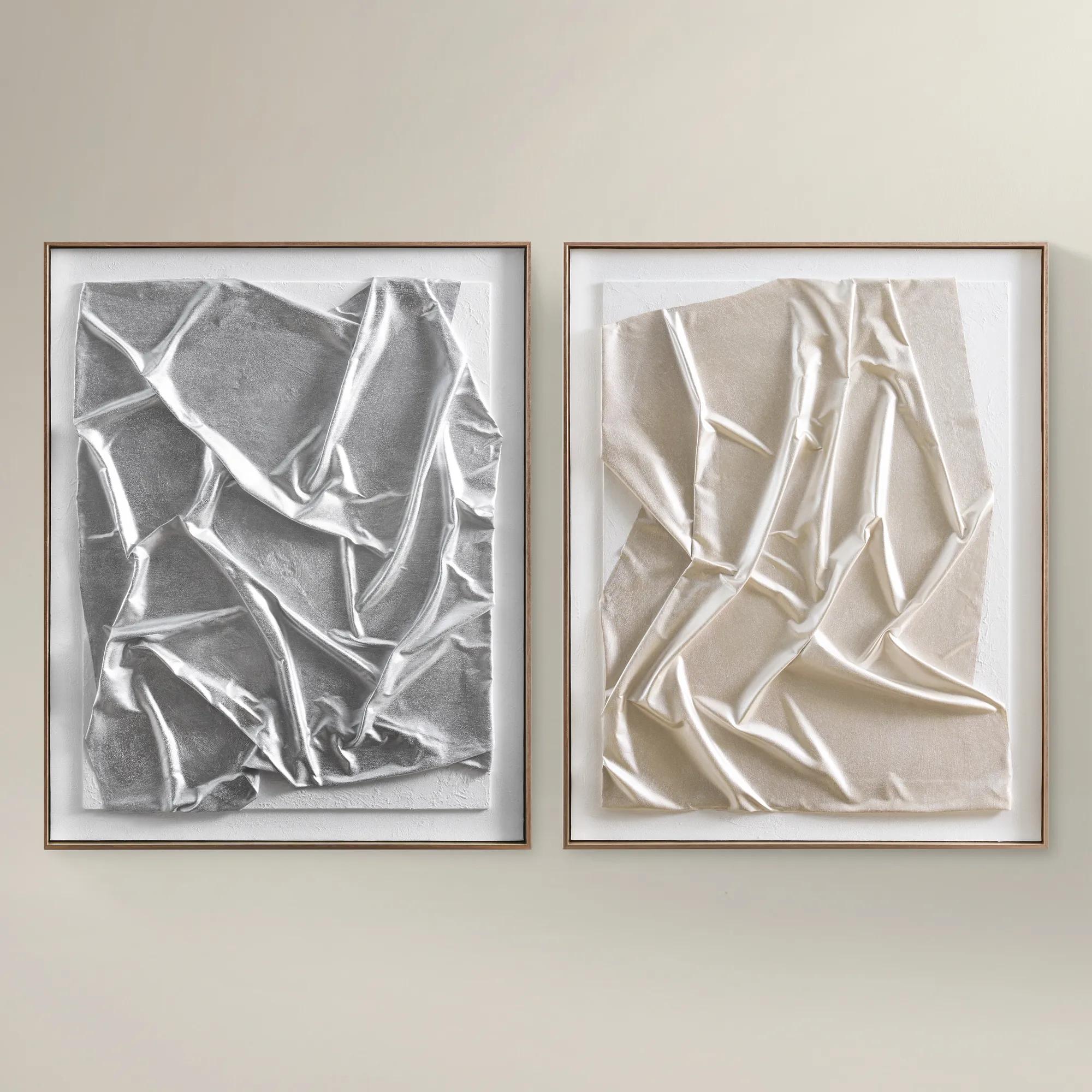 In the Mood Framed Painted Wall Art 31.5" x 39.5"$199
A hand-painted abstract canvas in shimmering silver tones, set in a warm champagne floater frame.
Add To Cart -
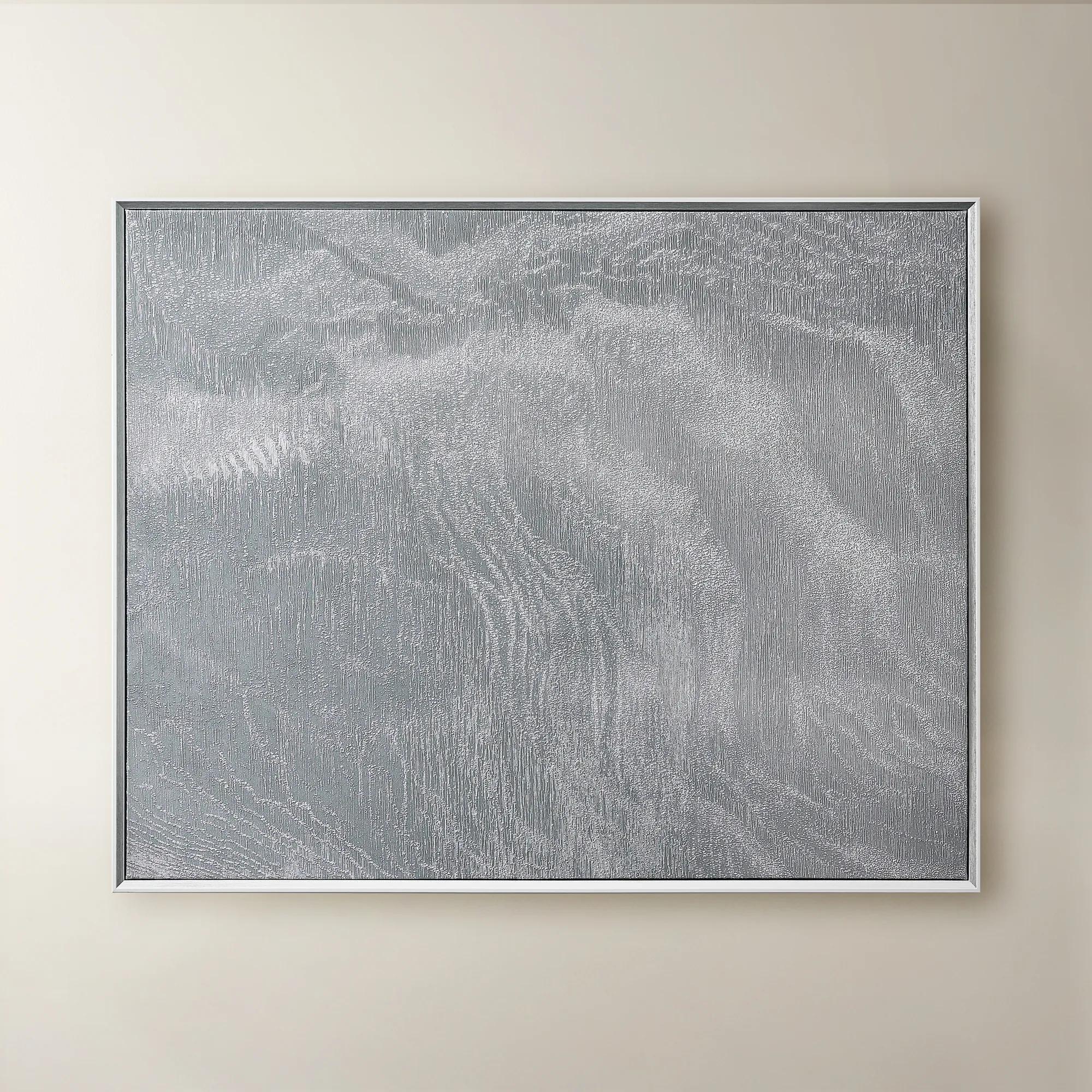 Slow Blue Morning Framed Silver Foil Wall Art 48" x 60"$599
A serene powder blue abstract canvas with silver foil accents, framed in silver and white for modern elegance.
Add To Cart -
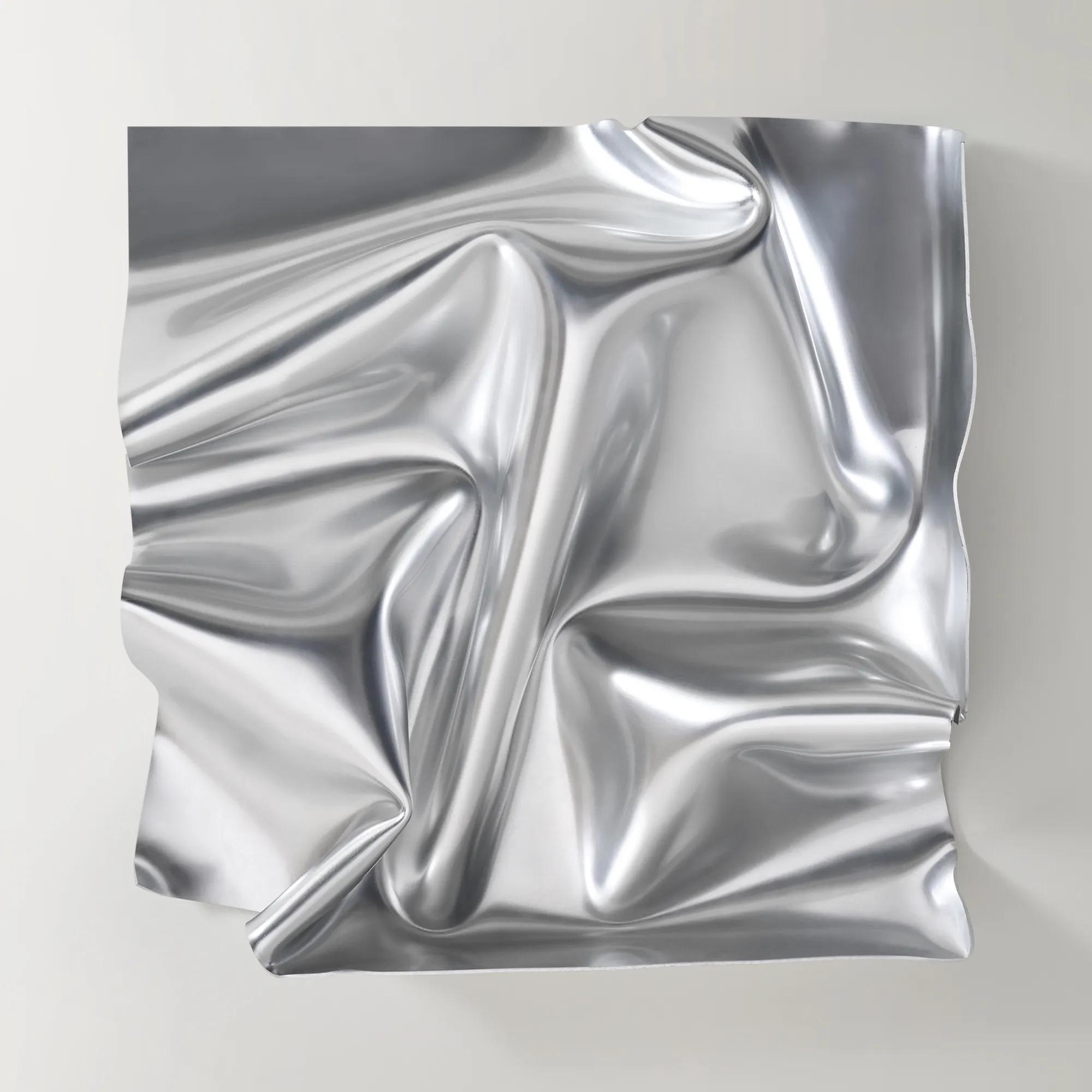
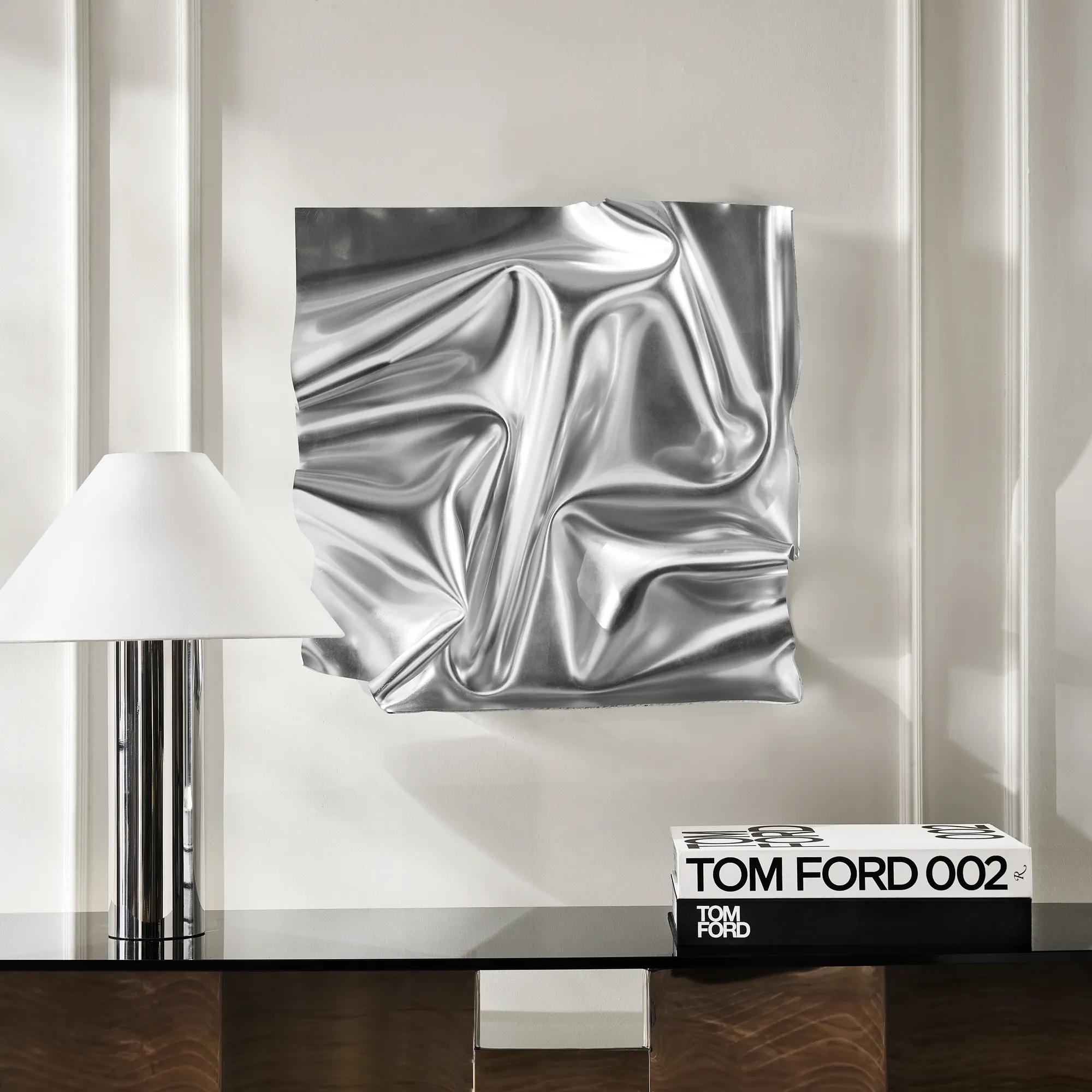 Surface Sculpted Silver Leaf Acrylic Wall Decor 23.6" x 23.6"$189
A striking acrylic wall piece featuring fluid, reflective silver shapes for dramatic, modern visual impact.
Add To Cart -
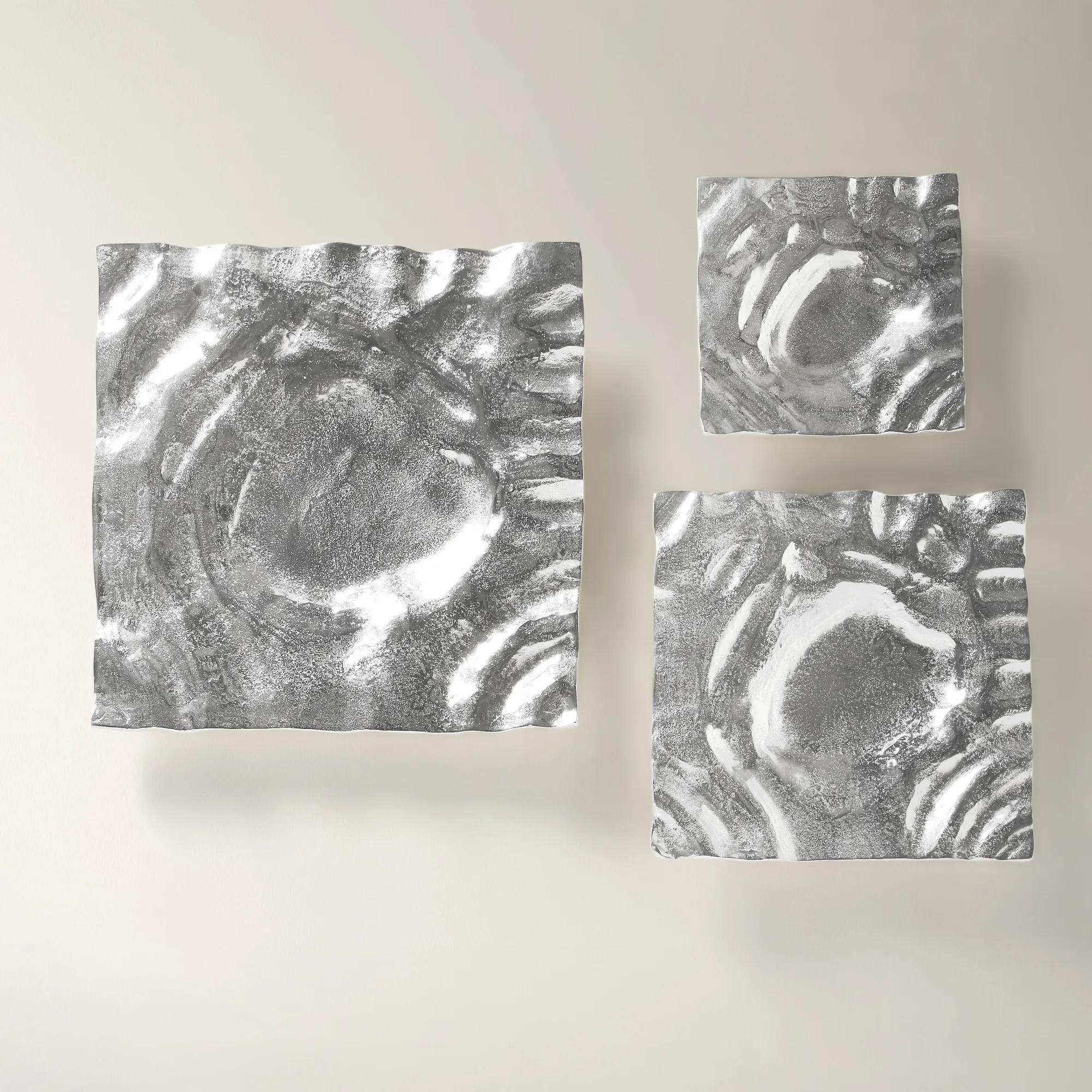
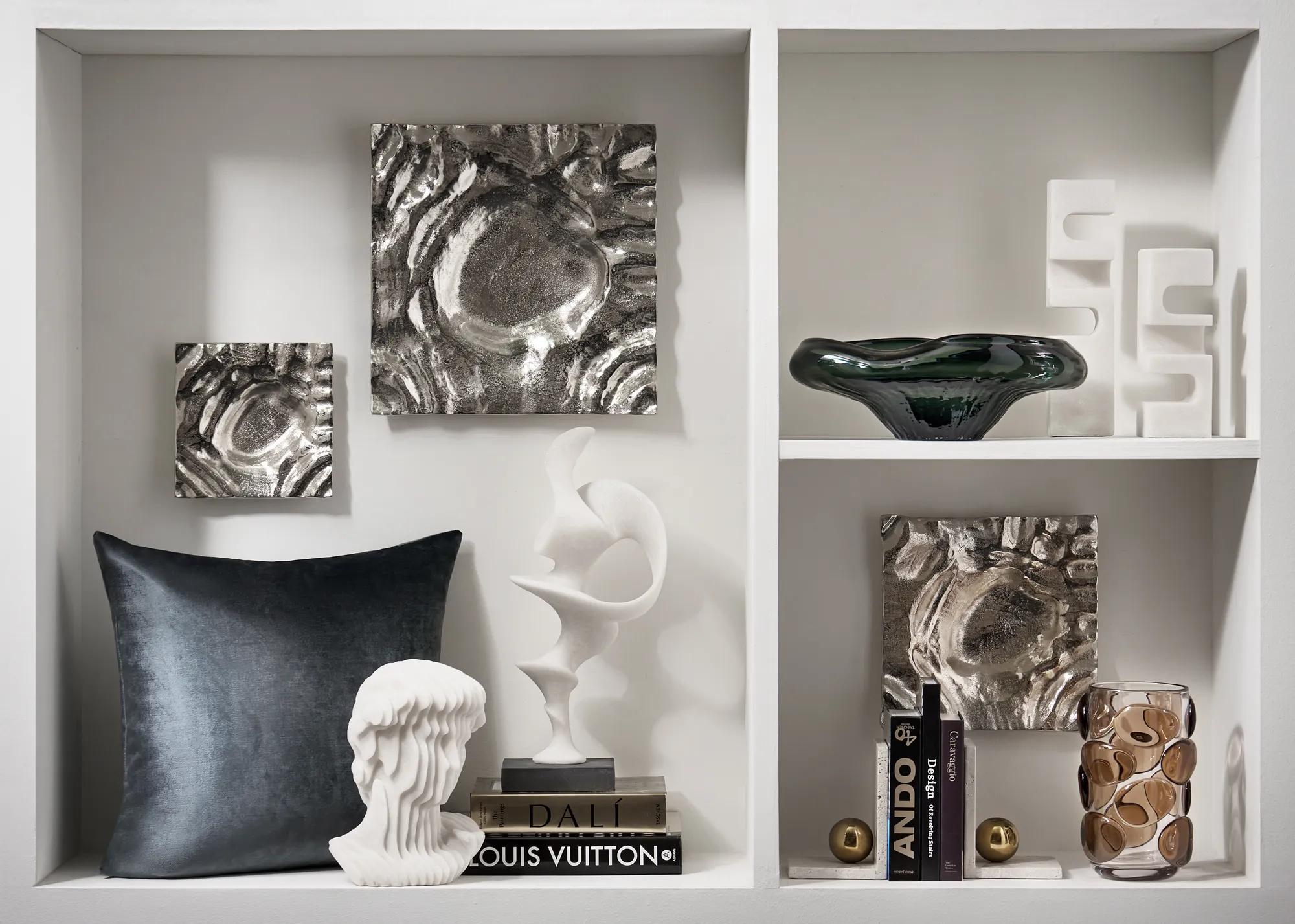 Cascade Wall Art - Set of 3$119
A set of three silver aluminum wall art pieces featuring textured surfaces that reflect and play with light.
Add To Cart -
 Etched in Silver$229
An abstract hand-carved aluminum wall art featuring shimmering silver tones in a modern black alloy frame.
Add To Cart -
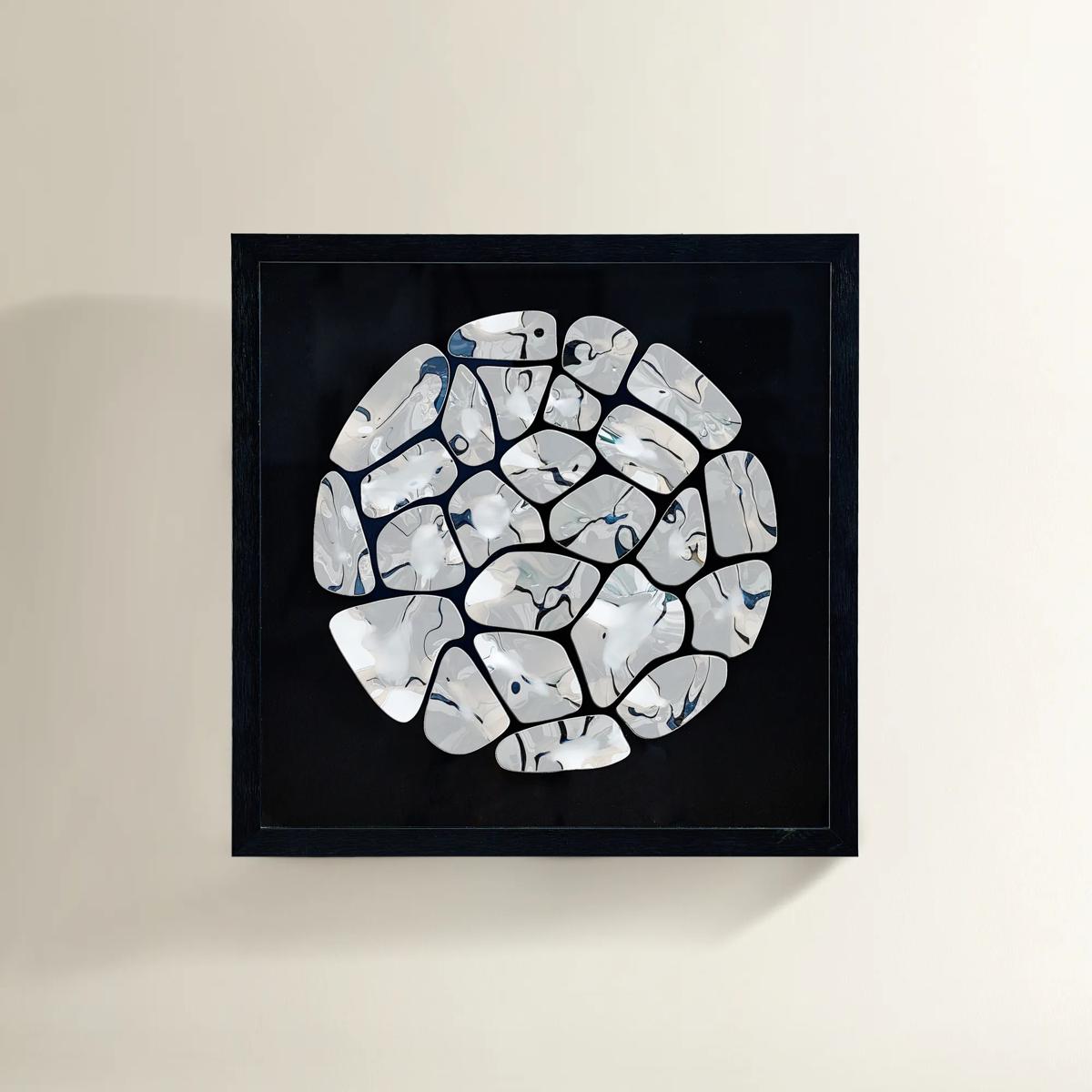
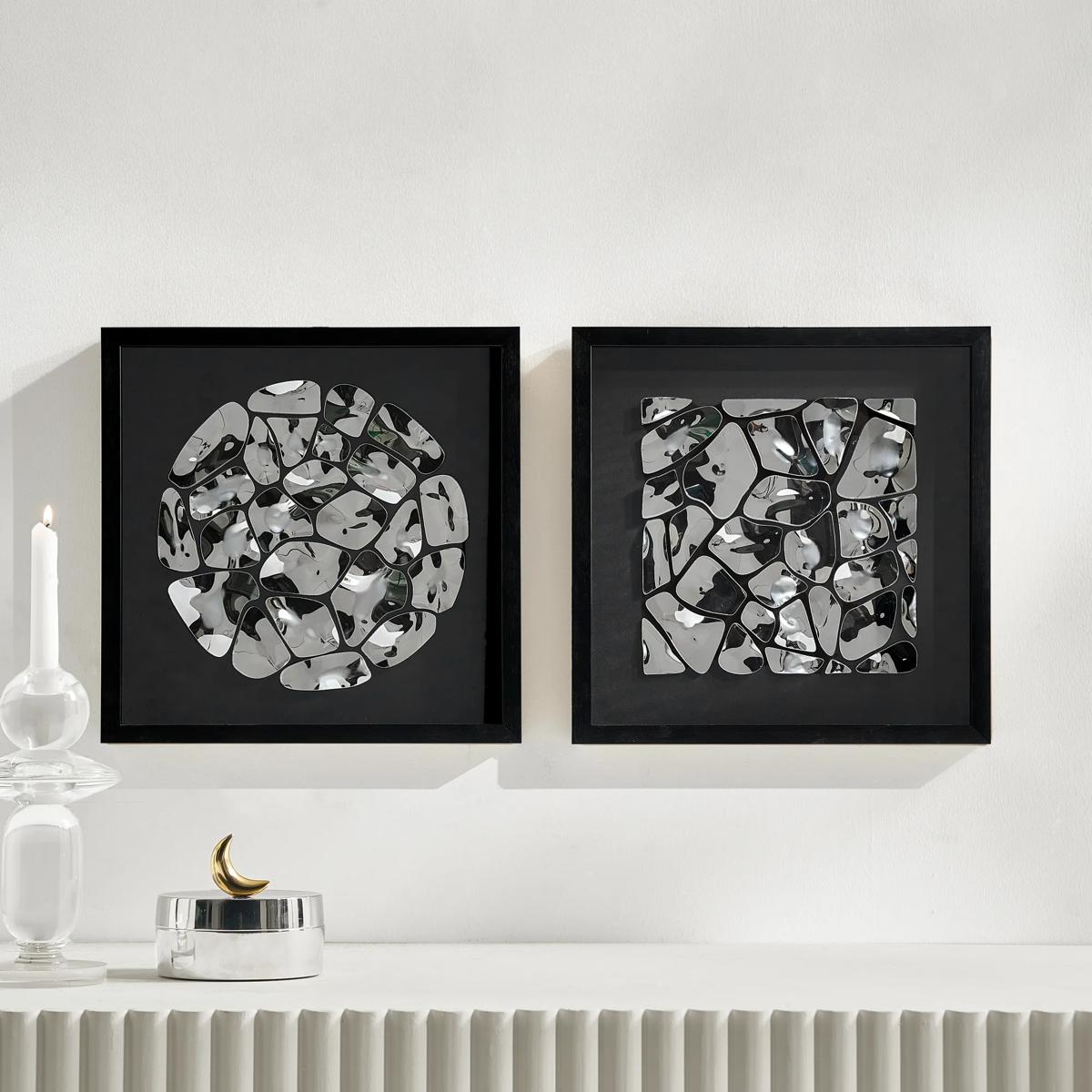 Reflect Silver And Black Shadowbox Art II$189
A dimensional metal wall art piece featuring polished silver and black forms in a sleek black frame.
Add To Cart -
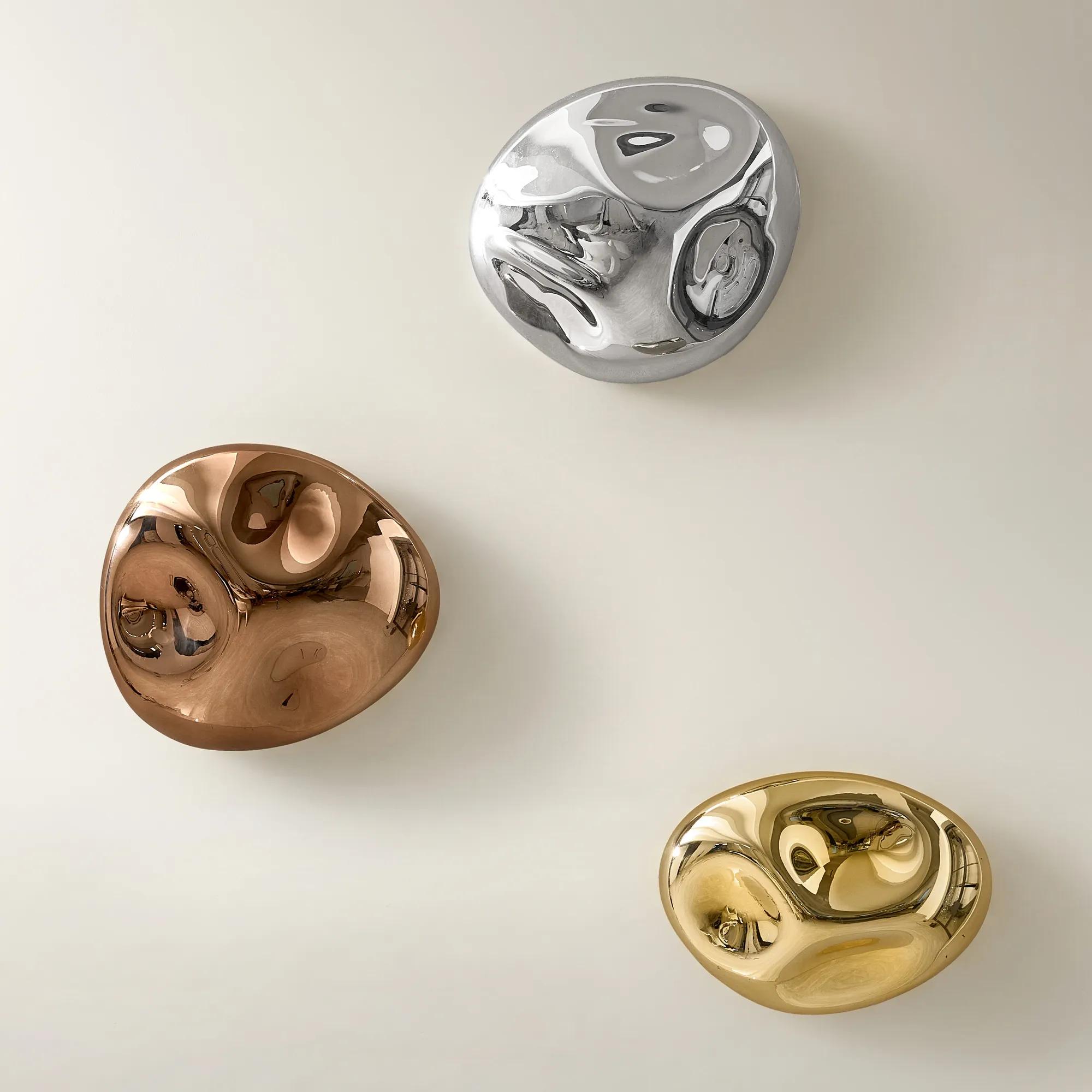
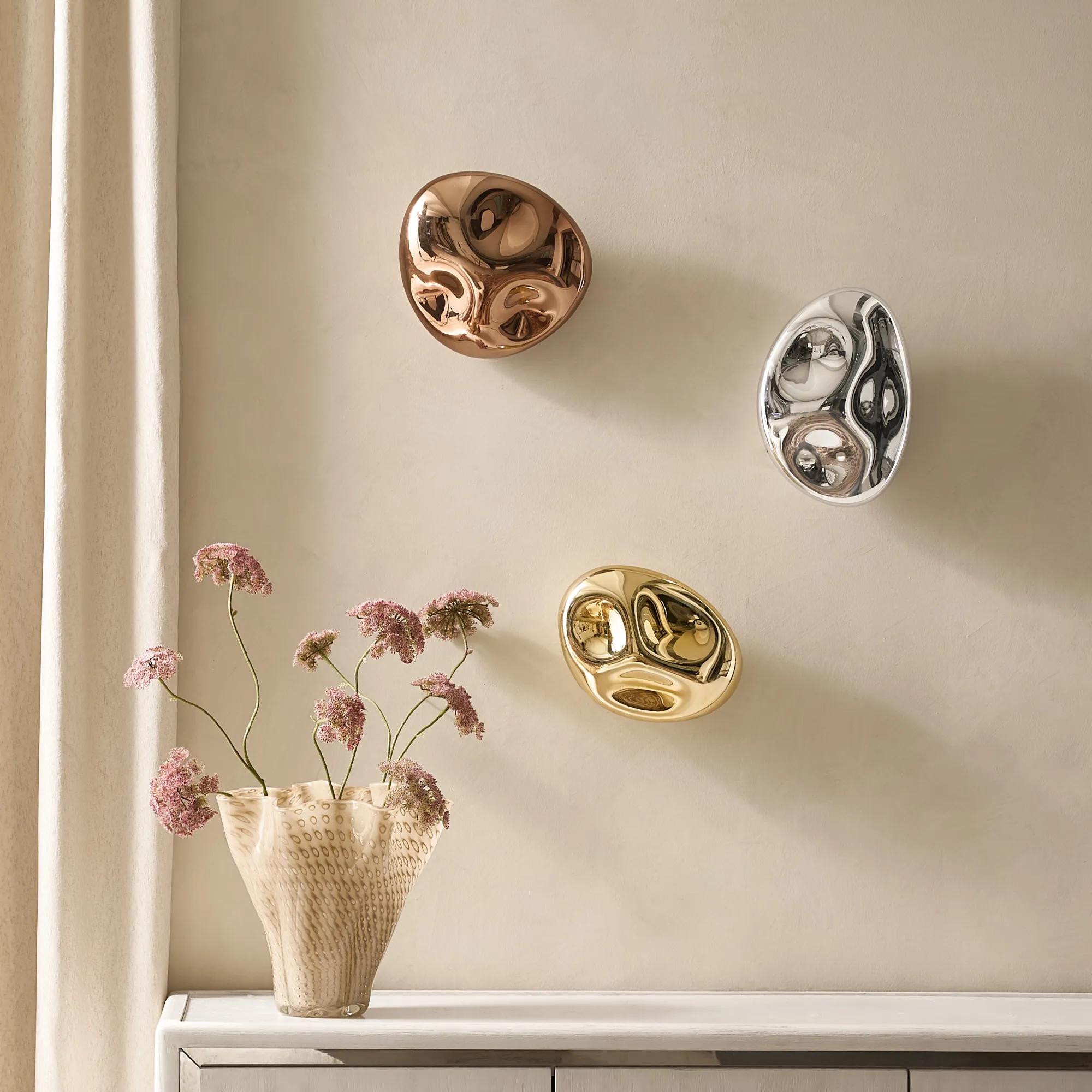 Nebula Electroplated Metallic Glass Wall Decor Set of 3$279
A set of three electroplated glass wall sculptures in polished silver, soft gold, and bronze tones.
Add To Cart -

 Titan II Framed Printed Wall Mirror 40" x 60"$1529
A striking modern mirror designed to elevate contemporary spaces with artistic flair.
Add To Cart

Silver Mirrored Wall Art
Explore silver mirrored wall art for a reflective focal point that brings light and drama to your walls. Silver tones and mirrored surfaces lend this wall decor its luminous character, whether styled above a console or as part of an expressive gallery wall. Consider scale and placement to give the artwork room to shine without overwhelming the surrounding decor.
Silver mirrored wall art gives a room a distinctly luminous presence, turning an expanse of wall into a composition of light, reflection, and sculptural detail. Its appeal lies in the interplay between the artwork and its surroundings: a glimpse of velvet upholstery, the silhouette of a chandelier, or the glow of a nearby lamp becomes part of the visual experience. Unlike a conventional mirror chosen primarily for a clear reflection, mirrored artwork often uses facets, layered shapes, textured borders, or abstract arrangements to create movement. The result can feel architectural and precise or fluid and expressive, depending on the composition. Silver tones lend that expression a cool, polished character, pairing beautifully with crisp white, charcoal, deep blue, and richly saturated jewel tones. Against a dark wall, reflective surfaces create striking contrast; against pale plaster or a softly textured wallcovering, they introduce depth without relying on bold color. Materials influence the effect as much as the design itself. Mirrored glass can provide crisp reflections and substantial visual presence, while mirrored acrylic may offer a lighter alternative with different handling and care requirements. Metal accents, wood frames, and engineered backing materials can contribute structure, dimension, and support. A silver appearance may come from a metallic finish rather than solid silver, so the material description matters when considering both the look and its upkeep. Polished surfaces deliver a sharp gleam, while brushed, distressed, or antiqued treatments can soften the reflection and introduce a more layered character. These distinctions allow silver mirrored wall art to suit more than one decorating mood. It can punctuate a tailored living room with a dramatic focal point, bring a luminous accent to a romantic bedroom, or lend an entryway the deliberate finish of a well-composed interior. The strongest effect comes from treating reflection as a design element in its own right, with enough contrast, texture, and breathing room to let the artwork’s details register.
The relationship between the artwork, the wall, and the furniture beneath it determines how confidently the composition holds a space. A broad arrangement above a sofa or sideboard can give a generous wall definition, while a narrower vertical form may complement a slender console or the space between architectural features. Overall dimensions tell only part of the story: frame depth, projecting details, and the spacing between separate components can change how much visual room a design requires. In a dining room, silver mirrored wall art can echo the gleam of glassware and metallic accents without repeating every finish exactly. In an entryway, it can reflect a carefully placed lamp or a view into an adjoining room, adding depth to the arrival experience. A bedroom composition may feel more serene when its reflected view includes soft drapery, upholstered furniture, or a restrained arrangement of accessories rather than a busy doorway. Reflection makes placement especially important because the wall opposite the artwork becomes part of the composition. A luminous piece facing an uncluttered vignette has a different character from the same piece facing open shelving crowded with everyday objects. Nearby lighting also changes the effect: gentle, indirect illumination can reveal beveled edges and layered surfaces, while a strong beam aimed directly at the mirror may produce distracting glare. Silver does not need to match every other metal in the room; alongside brass or bronze, it can create a nuanced balance when the surrounding colors and textures feel intentional. For interiors that favor defined angles and repeated shapes, Silver Geometric Wall Decor offers a related expression of metallic artistry. Mirrored surfaces can also sit comfortably beside paintings, photography, and dimensional accents, provided the arrangement gives each medium room to speak. Weight and mounting requirements deserve the same attention as proportion. Glass, substantial frames, and layered construction can require secure anchoring suited to the wall material. Checking the specified hardware, installation instructions, and clearance around nearby doors or walkways helps preserve both the artwork’s presence and its practical fit.
Lasting beauty depends on construction, placement, and care working together. A stable backing, neatly finished edges, and secure frame connections are useful details to consider, particularly for larger compositions or artwork made from multiple reflective sections. Mirrored glass can retain its clarity with appropriate care, but edges remain vulnerable to chips, and both glass and decorative finishes can be damaged by rough handling. Acrylic generally weighs less than comparable glass, though it may scratch more readily and can require its own cleaning products. These differences make the stated care instructions essential rather than interchangeable. For routine dusting, a clean, soft, lint-free cloth helps lift surface dust without dragging grit across a glossy finish. When a cleaner is permitted, applying it to the cloth rather than spraying directly onto the artwork helps keep excess liquid away from seams, frames, and backing materials. Abrasive pads, harsh chemicals, and vigorous rubbing can compromise reflective coatings or metallic detailing. Artwork intended for indoor living spaces should not be assumed suitable for bathrooms, covered patios, or other locations exposed to moisture; the intended use and material guidance should determine placement. In busy households, a secure position beyond frequent contact helps protect delicate edges while allowing the composition to remain a visible part of daily life. Above a console, enough clearance for a tall vase or lamp prevents an elegant arrangement from becoming crowded or vulnerable to accidental knocks. Silver mirrored wall art can also make a thoughtful housewarming or wedding gift for someone who enjoys expressive interiors, particularly when the scale, wall space, and preferred finishes are already known. Its appeal is less about filling an empty wall than giving that wall a distinctive identity. Whether surrounded by sumptuous textiles, restrained architectural lines, or an artful mix of collected objects, a considered mirrored composition brings light into the room’s visual language. Every reflected detail becomes part of the setting, creating an interior that feels layered, personal, and confidently composed.
FAQs
Silver mirrored wall art puts artistic composition at the forefront, pairing reflective surfaces with silver-toned details for a decorative statement. While a traditional mirror often centers on a continuous reflection, mirrored art may use abstract arrangements, geometric patterns, or sculptural repetition to make light part of the design.
Silver mirrored wall art brings a polished edge to modern glam, Art Deco-inspired, and contemporary interiors. Pair it with sumptuous upholstery for a richly layered mood, or place it alongside clean-lined furniture to let its reflective detailing take center stage. The contrast between gleaming accents and quieter finishes gives the room an expressive rhythm.
Ink blue, emerald, and aubergine create a dramatic backdrop for silver mirrored wall art, emphasizing its cool-toned gleam. Ivory, charcoal, and soft gray offer a more tonal composition with an editorial feel. For a warmer contrast, introduce blush or caramel through upholstery and decorative accents.
Yes—silver mirrored wall art can anchor a layered mix of metallic accents. Choose one dominant finish, then introduce touches of brass, gold tone, or bronze for contrast. Repeat those accents thoughtfully throughout the room so the composition feels intentional, with silver lending a crisp counterpoint to warmer metallic notes.
Treat silver mirrored wall art as the reflective focal point, then surround it with artwork that shares a color, shape, or visual theme. Monochrome photography creates a tailored mood, while expressive abstract prints bring an artful contrast. Vary the surface finishes and leave visual breathing room between pieces so each detail has its own moment.