Textured Silver Wall Arts
Textured Silver Wall Arts
-
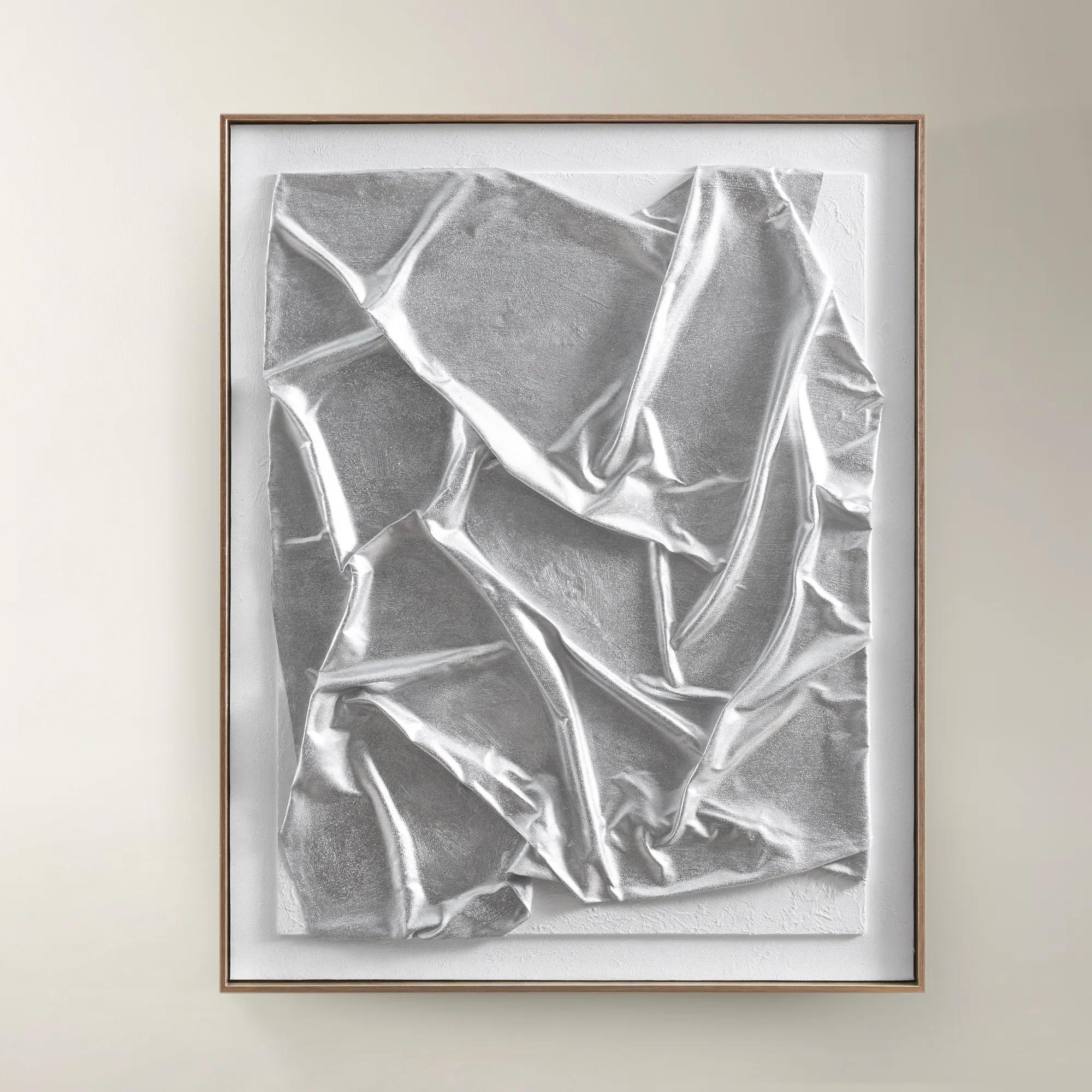 In the Mood Framed Painted Wall Art 31.5" x 39.5"$199
A hand-painted abstract canvas in shimmering silver tones, set in a warm champagne floater frame.
Add To Cart -
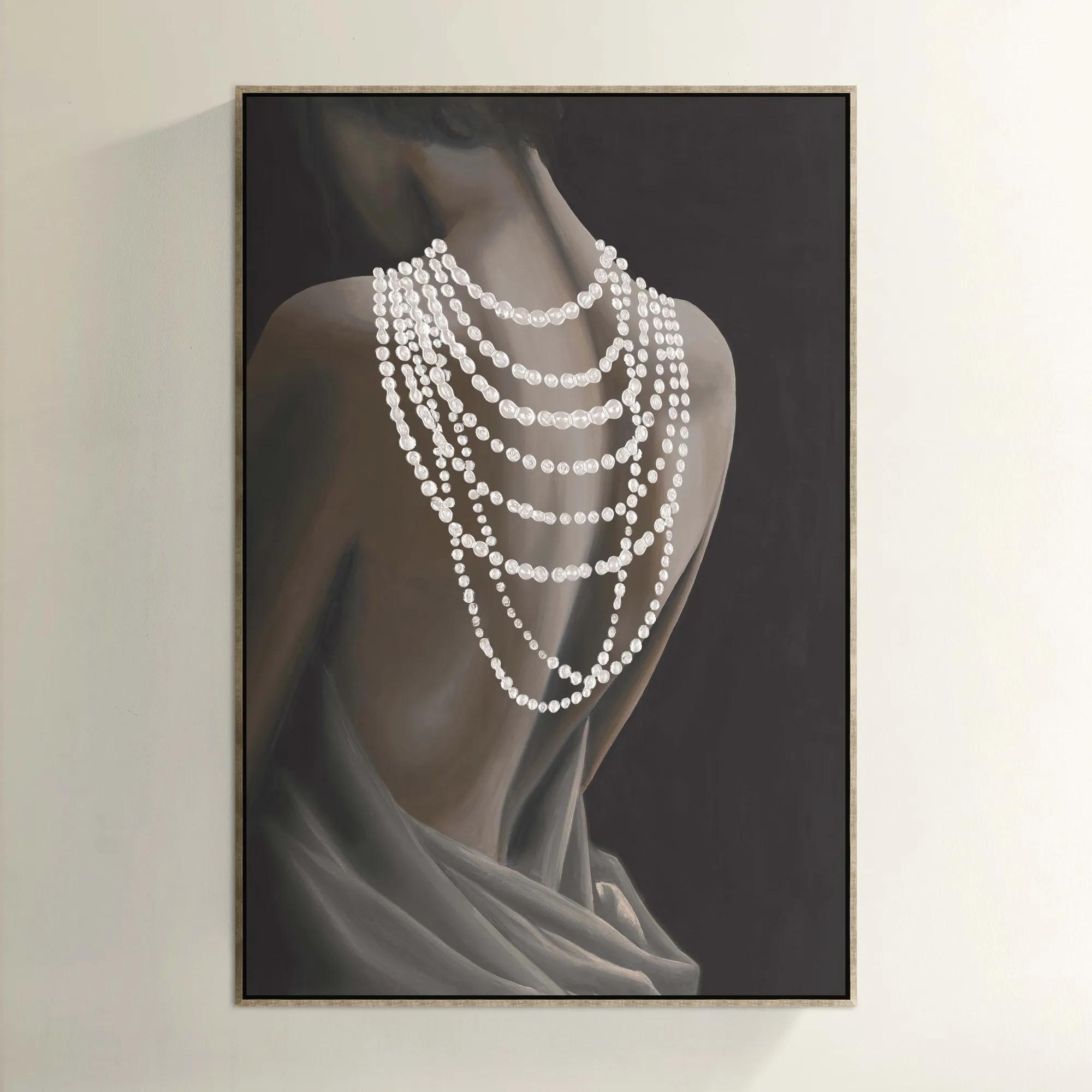 Luminescent Pearls Framed Wall Art 40" x 60"$1119
A hand-embellished canvas artwork featuring textured brush gel, set in a sleek silver floater frame.
Add To Cart -
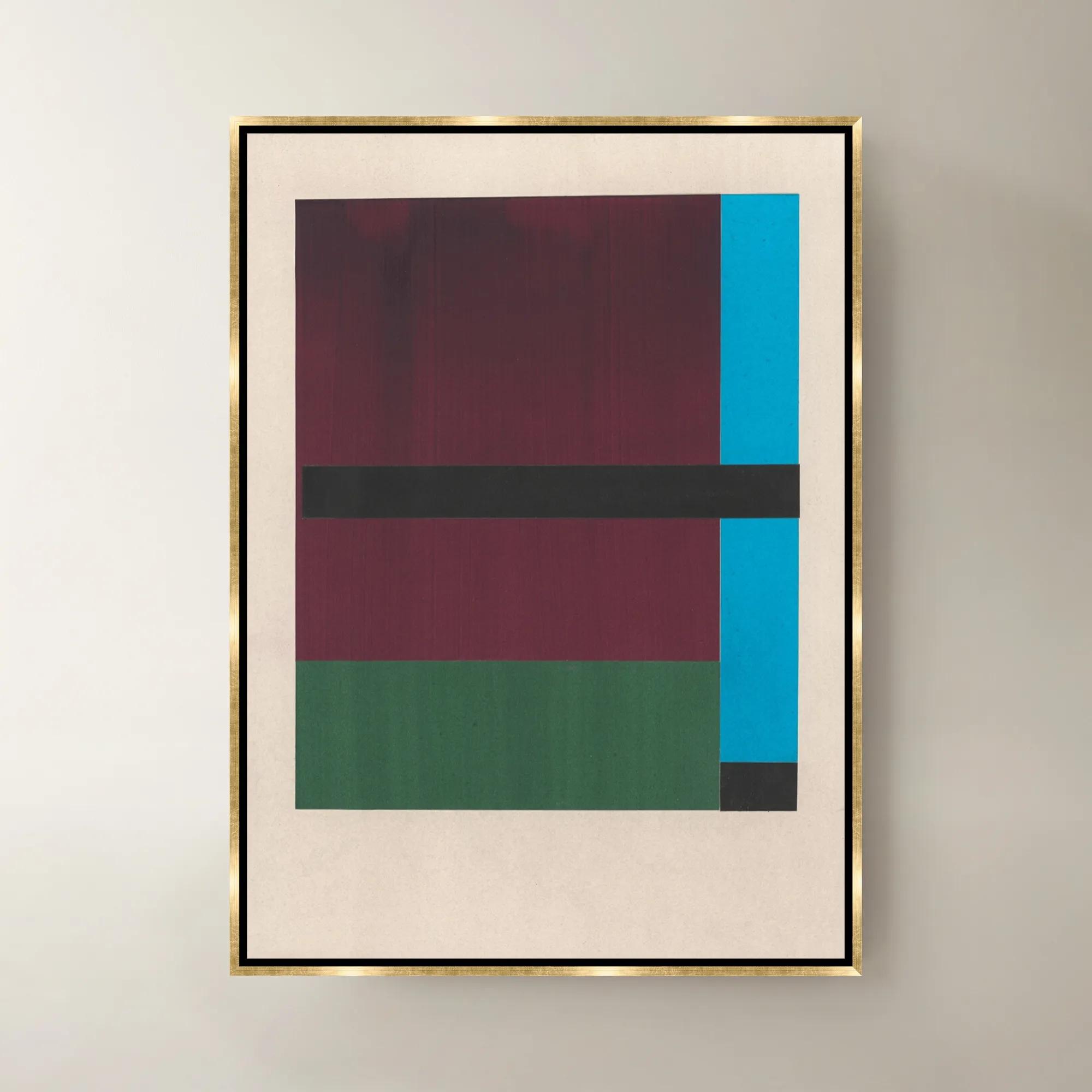
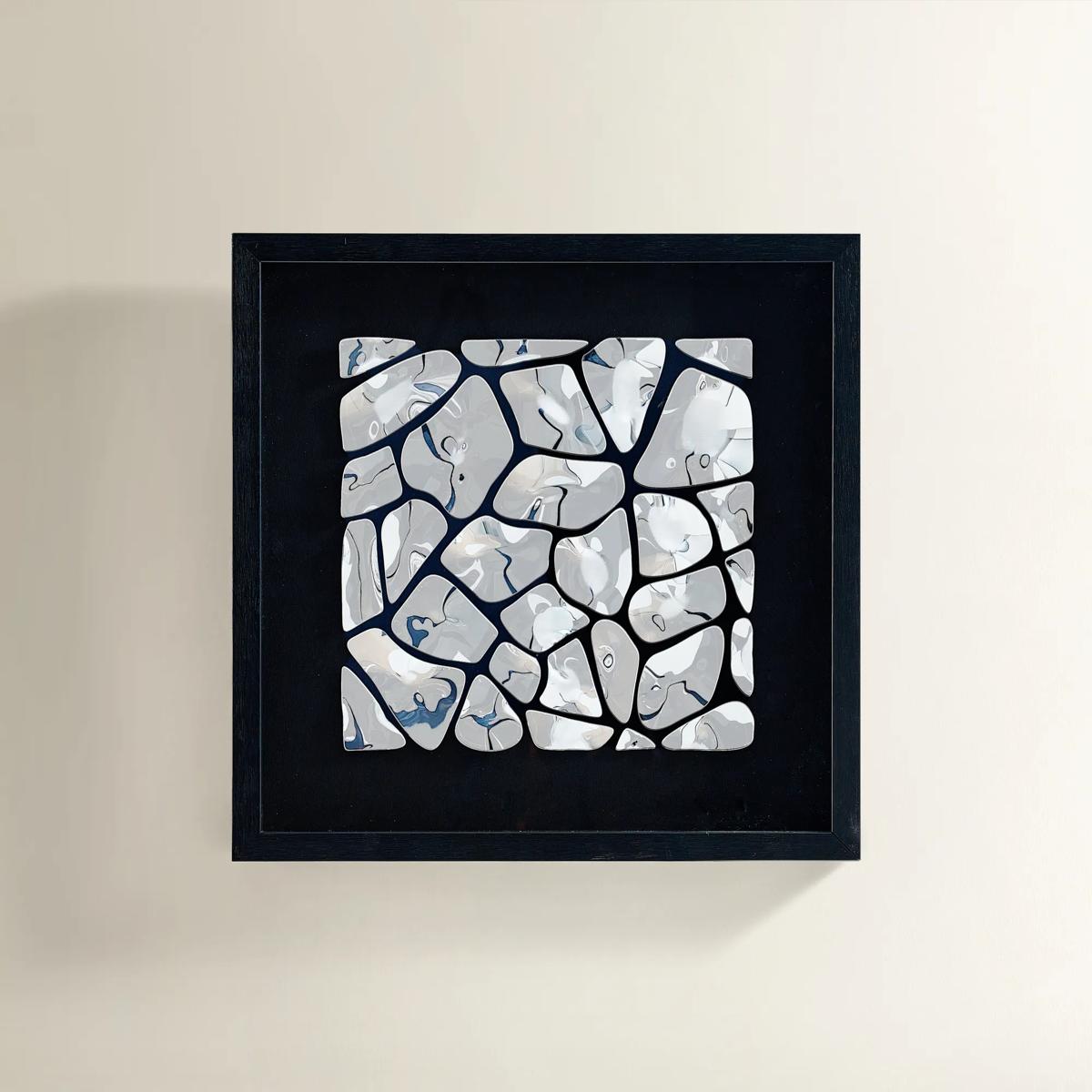 Reflect Silver And Black Shadowbox Art I$189
A dimensional metal wall art piece featuring polished silver and black forms in a sleek black frame.
Add To Cart -
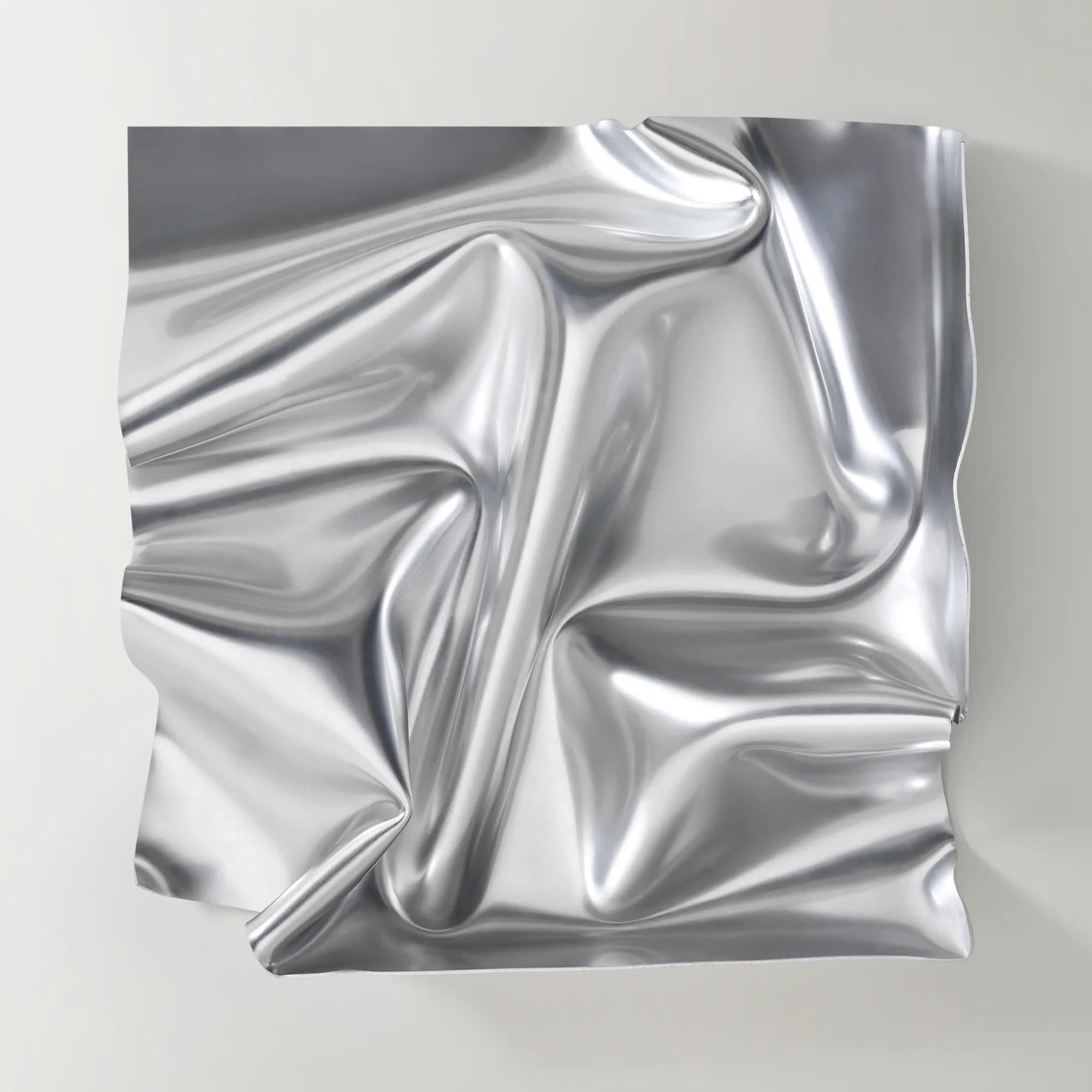
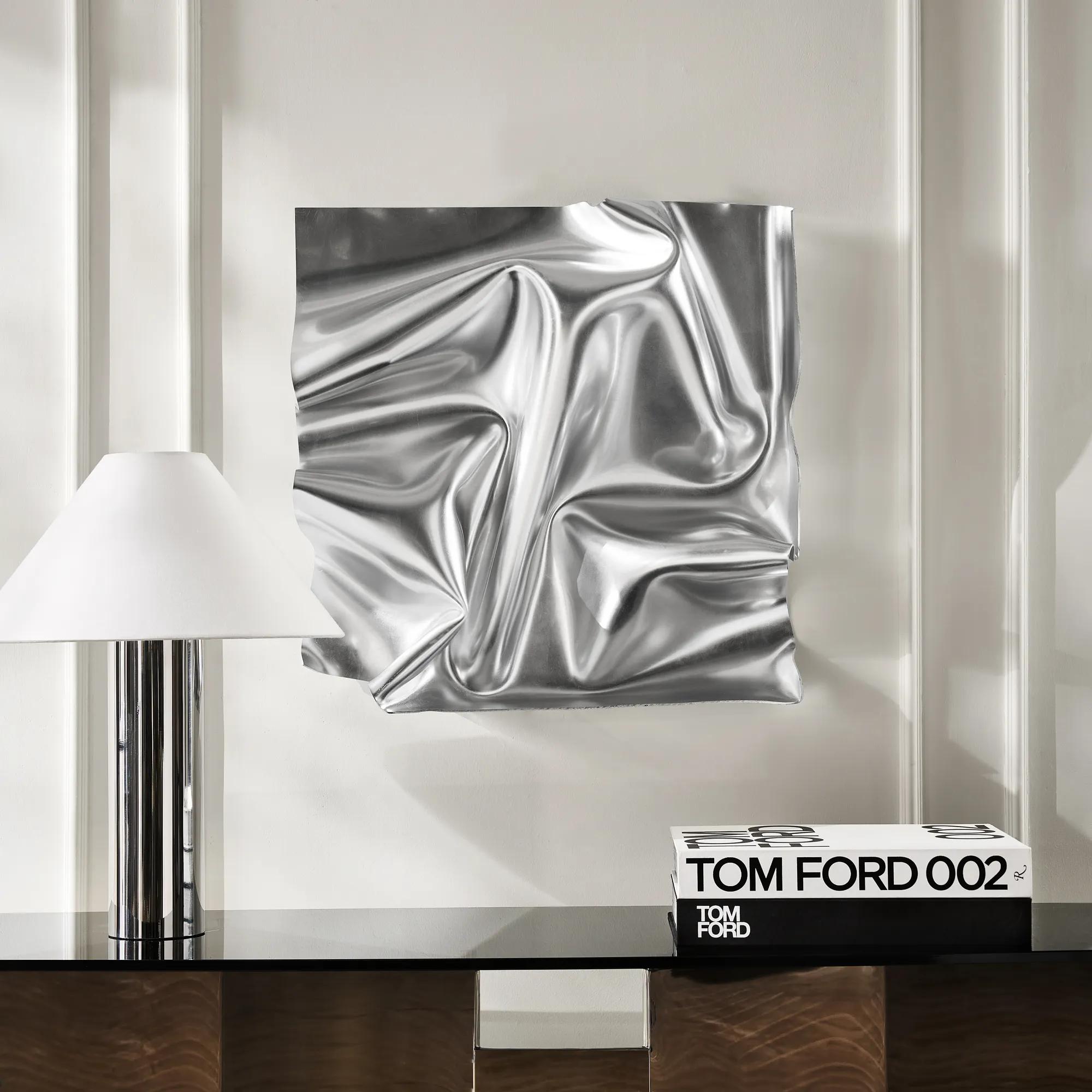 Surface Sculpted Silver Leaf Acrylic Wall Decor 23.6" x 23.6"$189
A striking acrylic wall piece featuring fluid, reflective silver shapes for dramatic, modern visual impact.
Add To Cart -
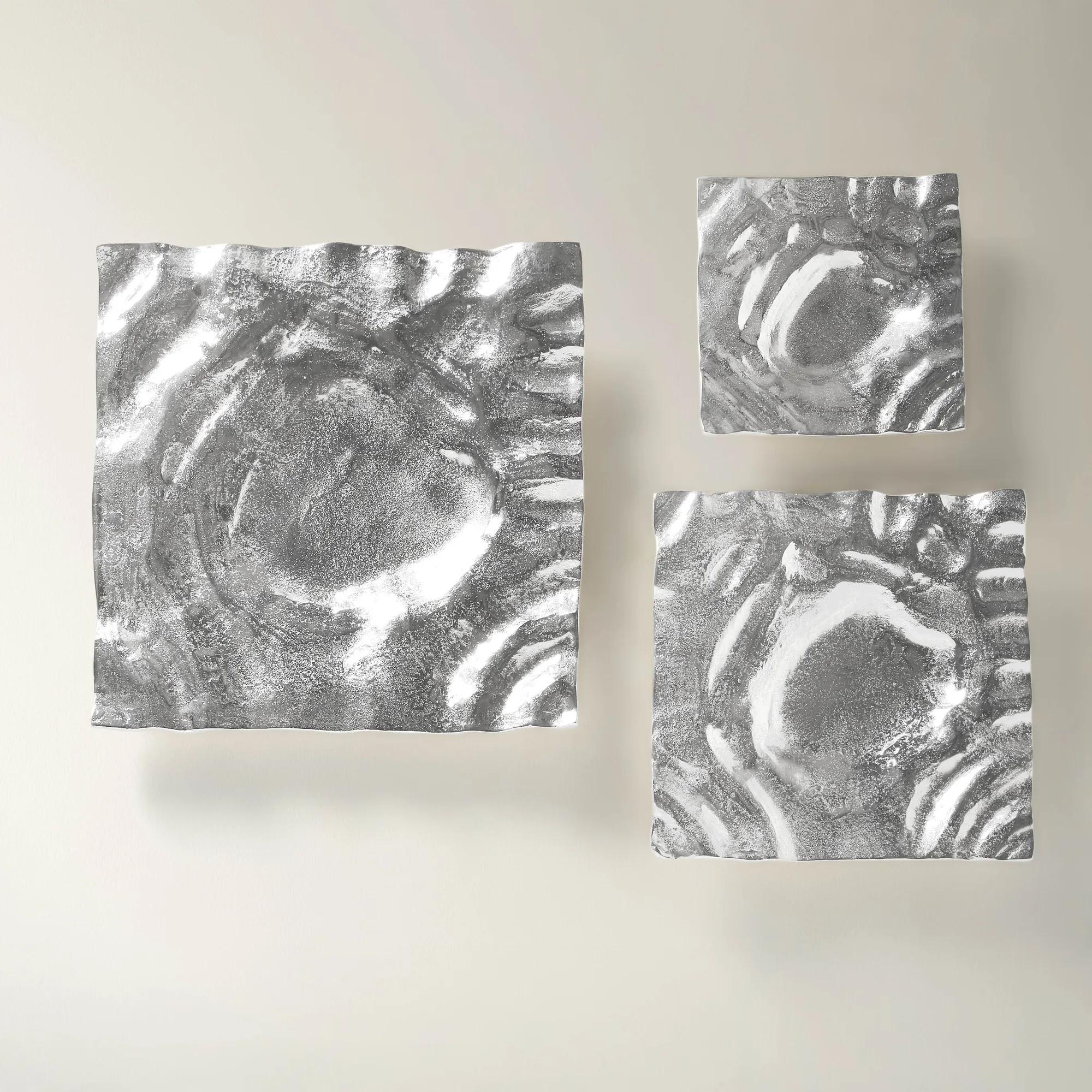
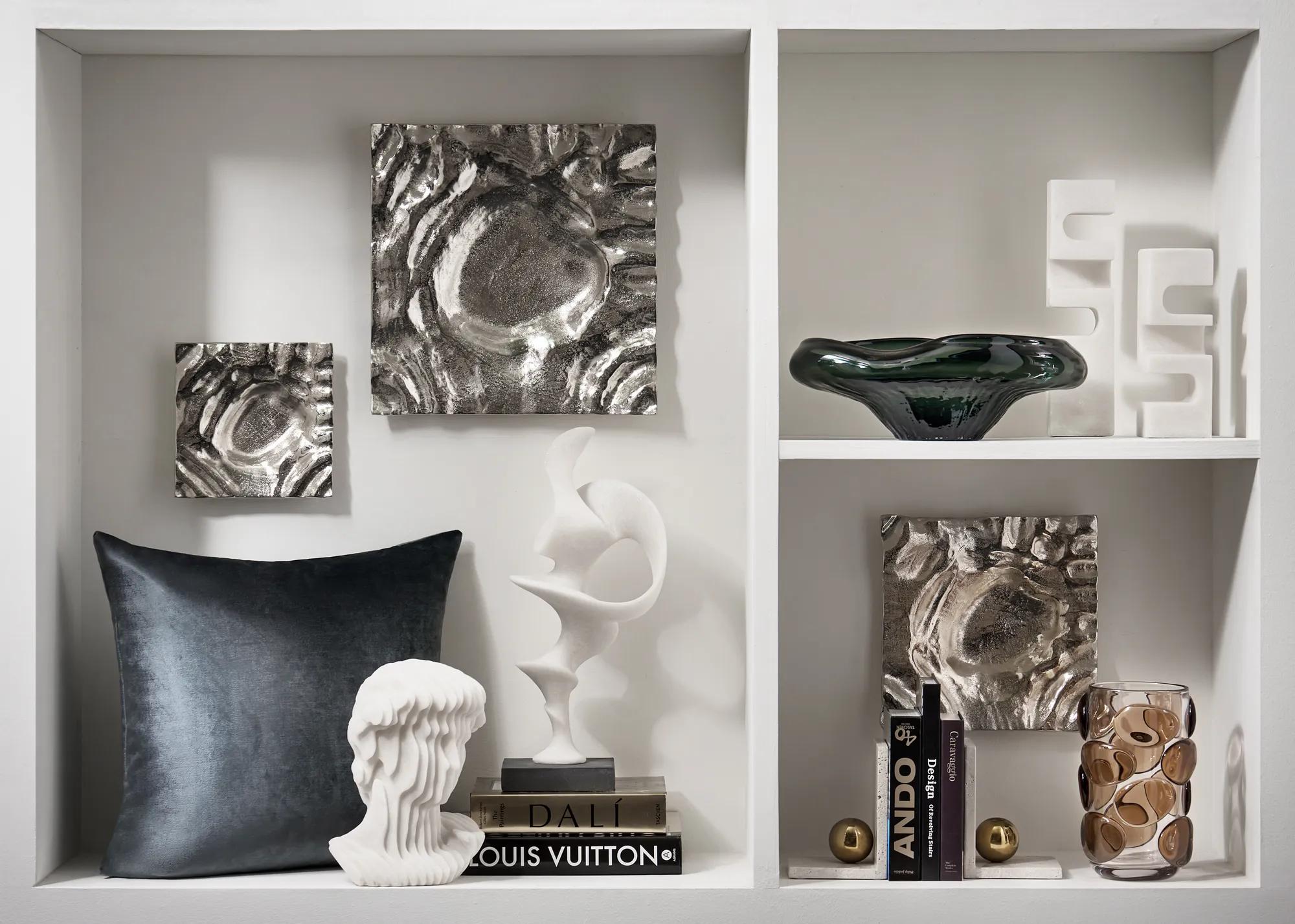 Cascade Wall Art - Set of 3$119
A set of three silver aluminum wall art pieces featuring textured surfaces that reflect and play with light.
Add To Cart -
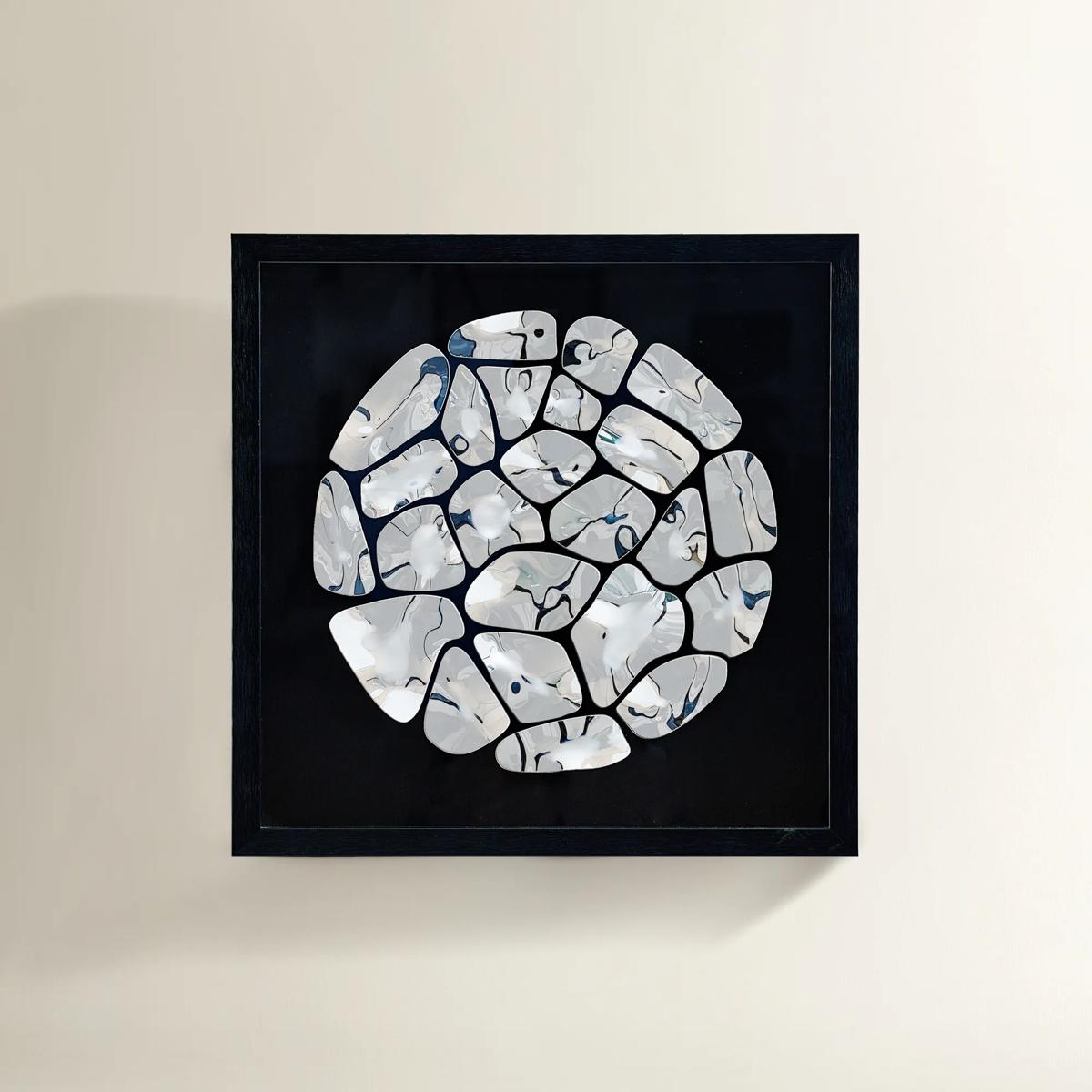
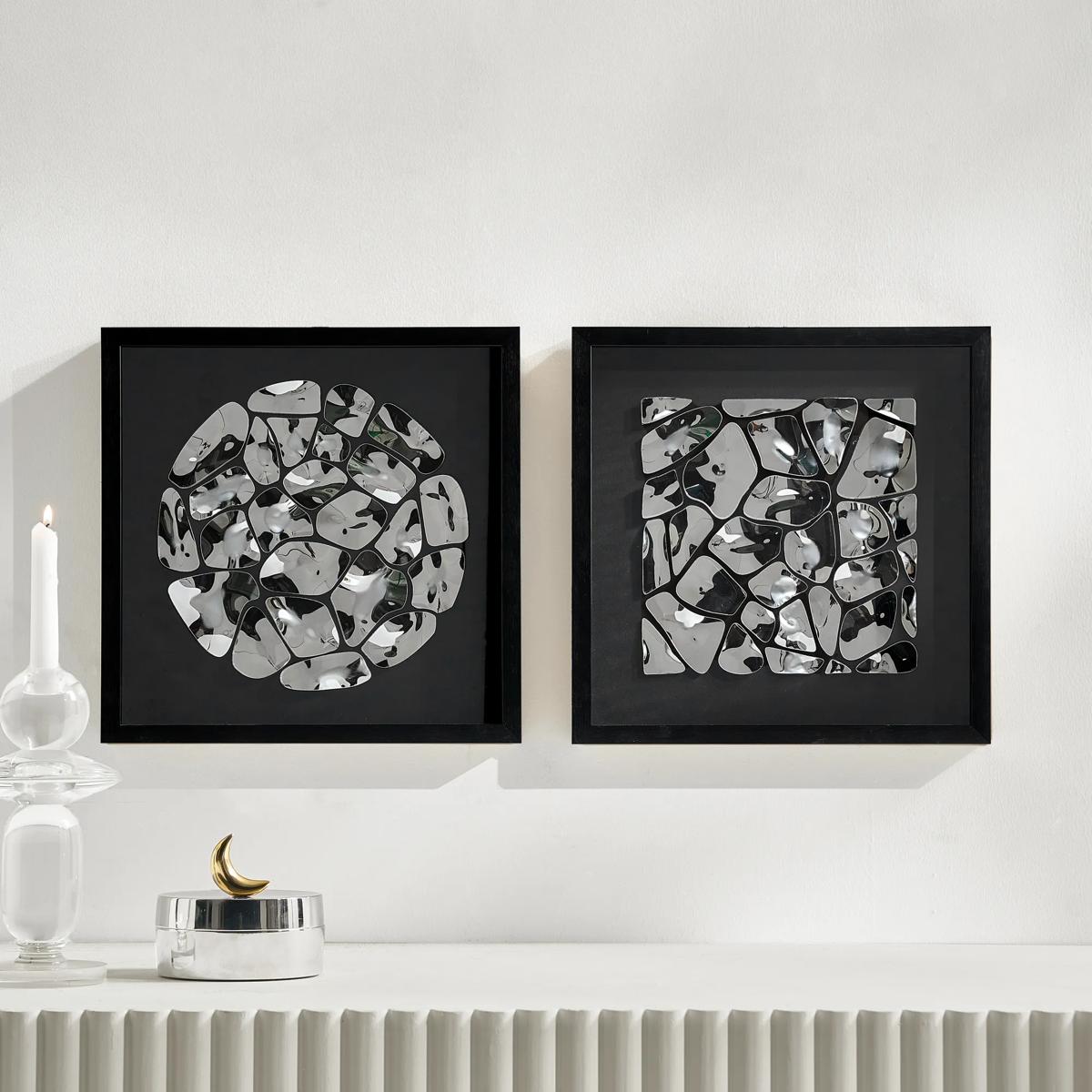 Reflect Silver And Black Shadowbox Art II$189
A dimensional metal wall art piece featuring polished silver and black forms in a sleek black frame.
Add To Cart -
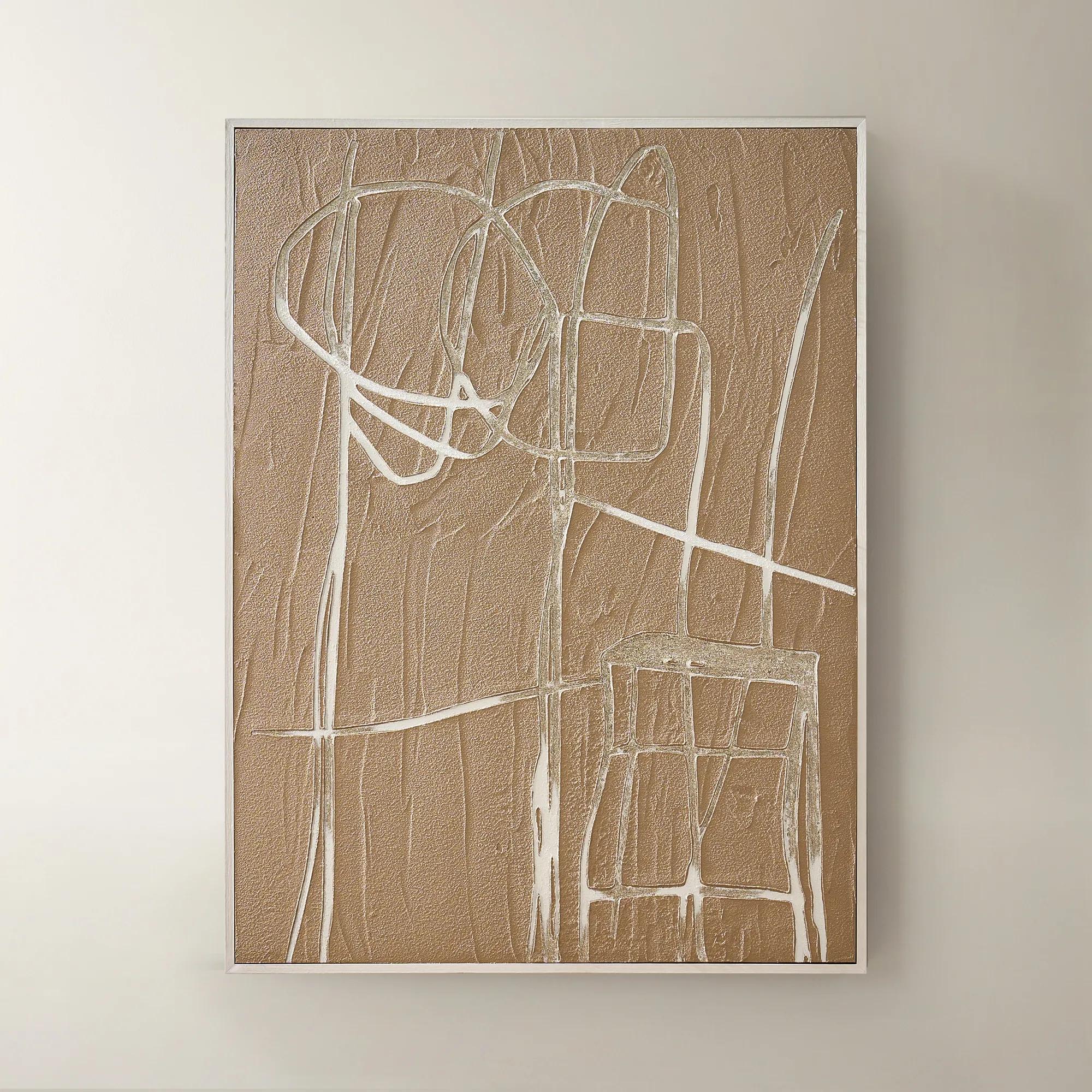
-compressed.jpg?w=1200&h=1200) Etched in Silver$229
Etched in Silver$229An abstract hand-carved aluminum wall art featuring shimmering silver tones in a modern black alloy frame.
Add To Cart -
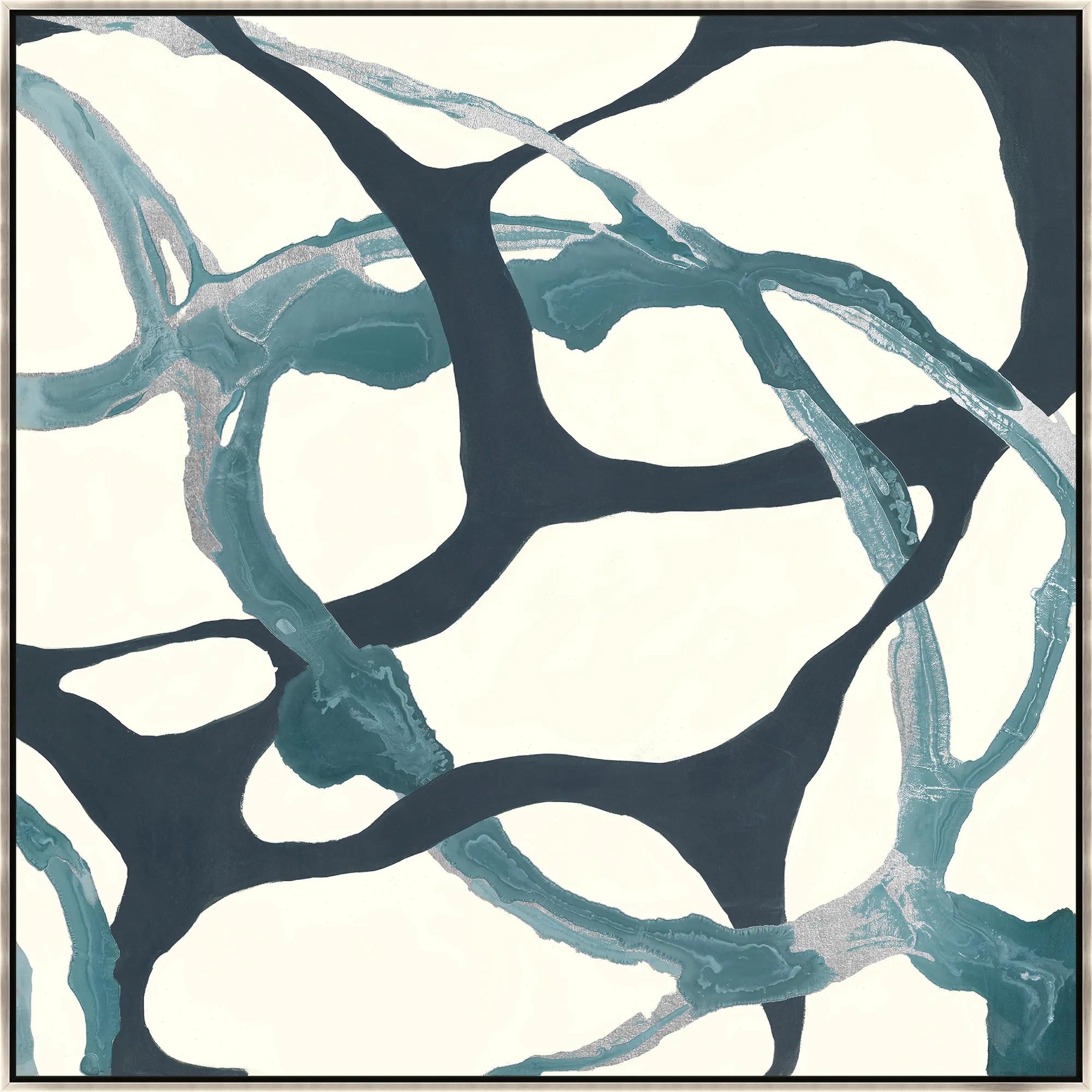
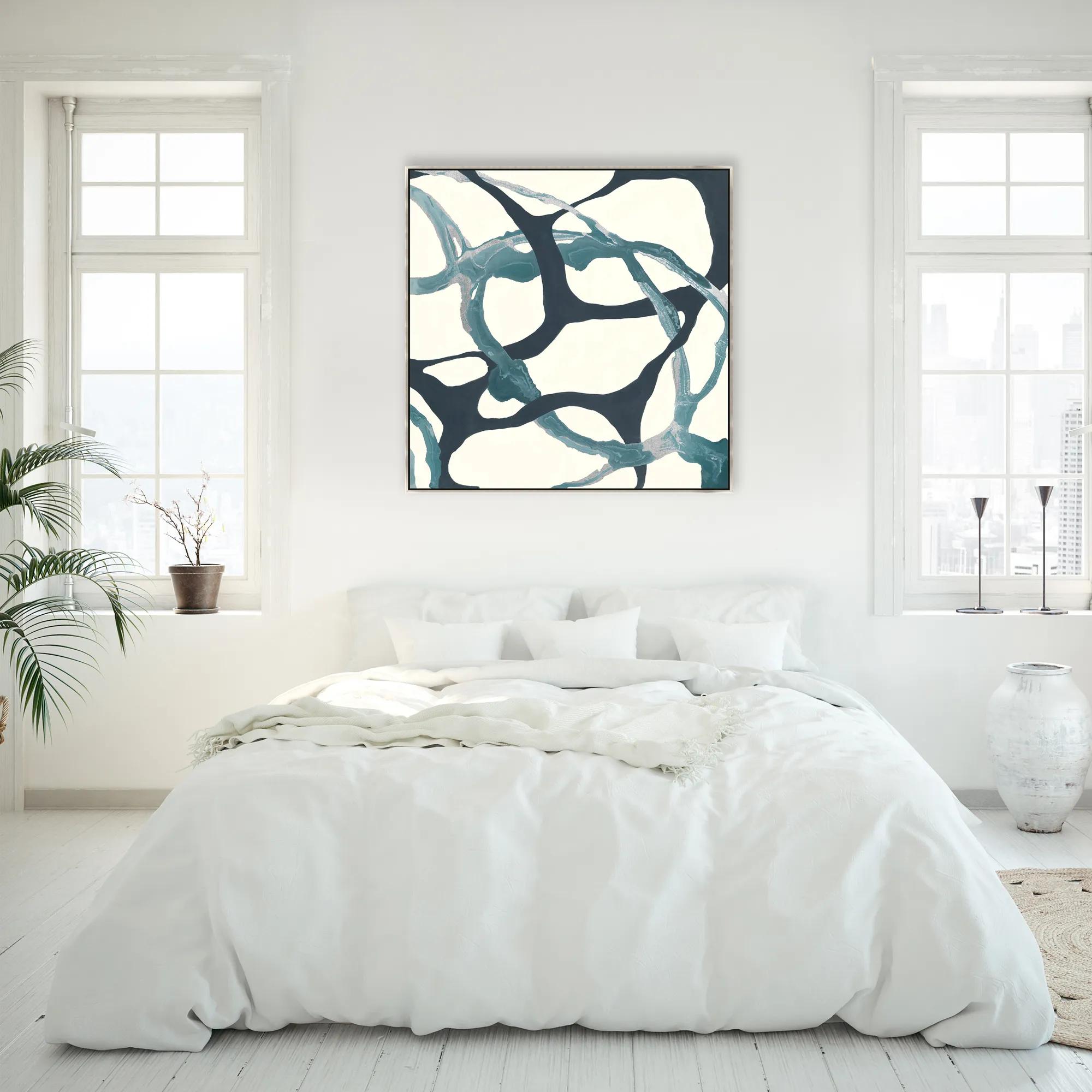 Alignments II Framed Wall Art 40" x 40"$899
A gallery-wrapped canvas featuring gilded silver accents and hand-applied brush gel in a silver floater frame.
Add To Cart -
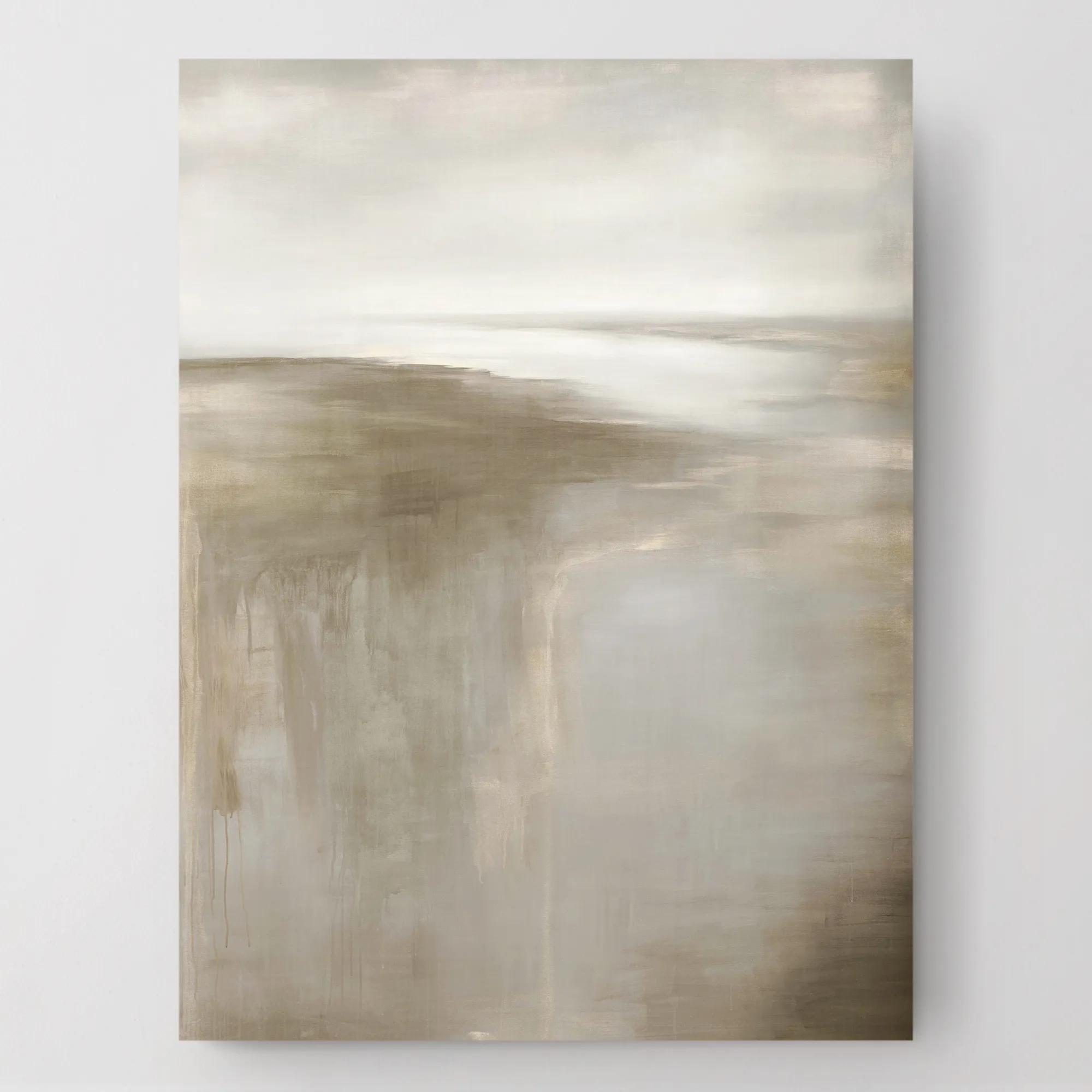
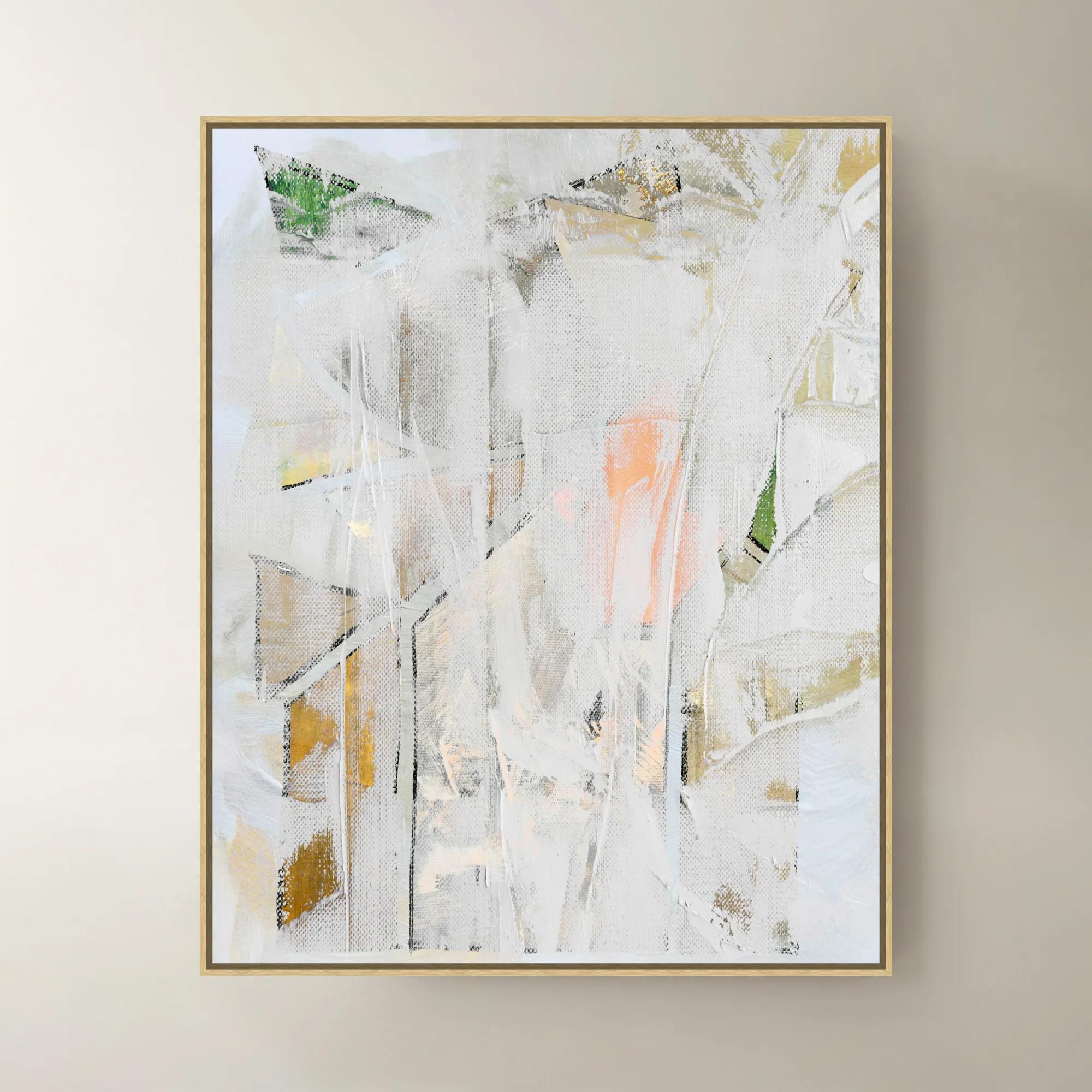
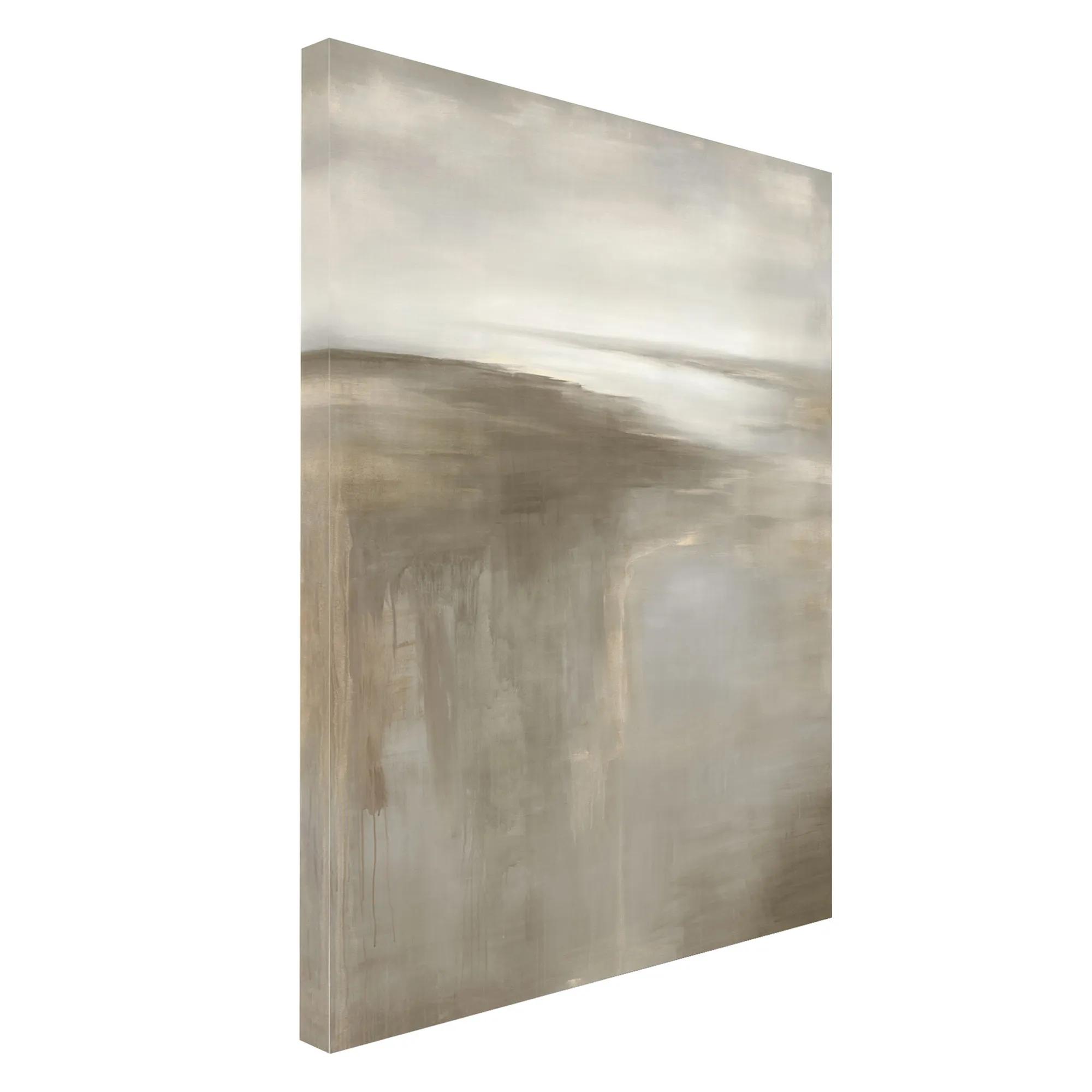 Silver Morning Wall Art 30" x 40"$449
A gallery-wrapped silver canvas artwork featuring a hand-applied image brush gel finish.
Add To Cart -
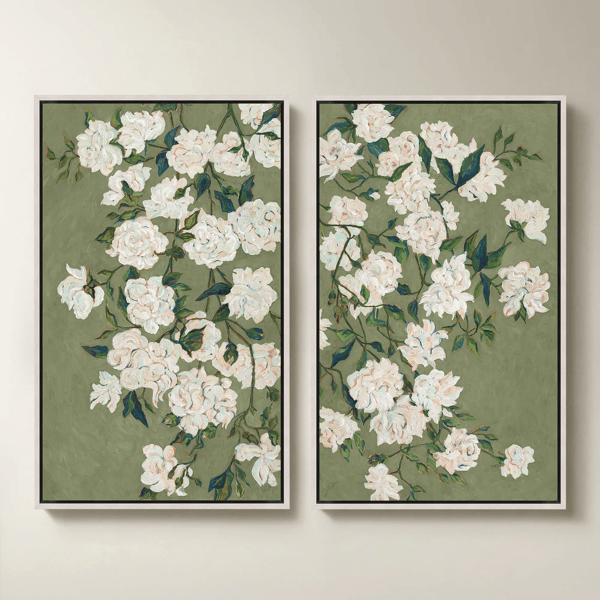
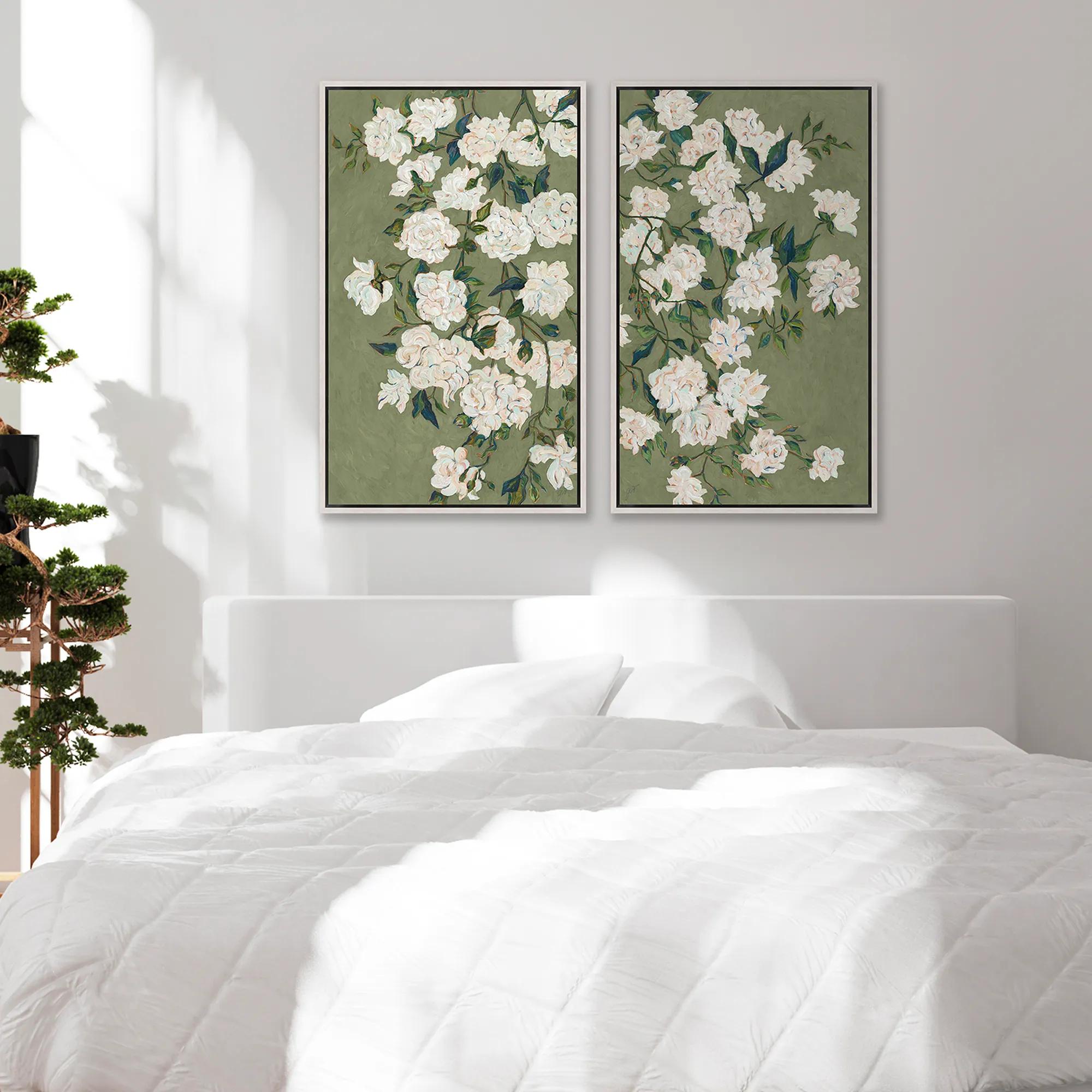 Verdi Vincent Framed Wall Art 21.5" x 41.5" Set of 2$949
A set of two gallery-wrapped fiber texture canvases in white floater frames for modern wall decor.
Add To Cart -
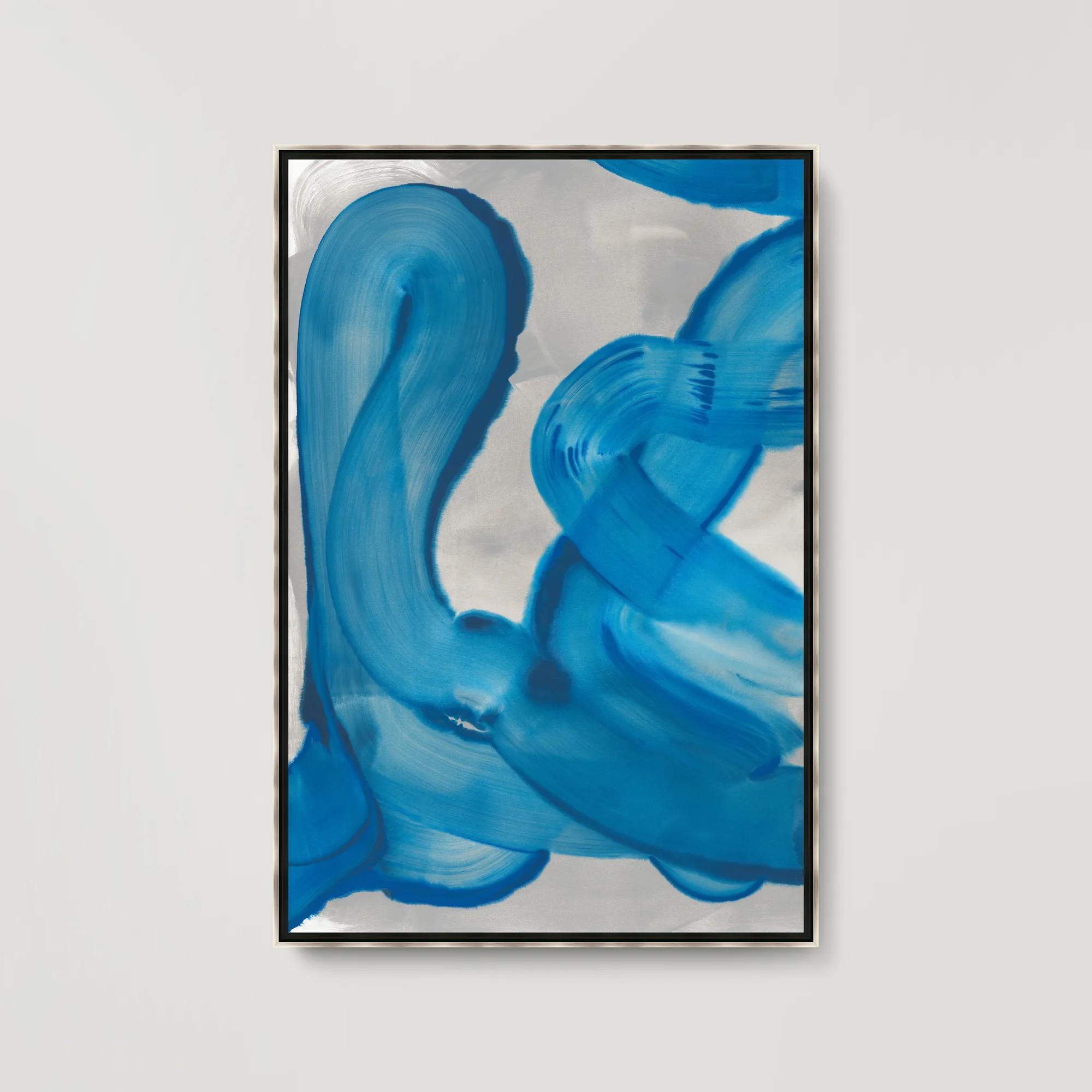 Royal Waves I Framed Wall Art 31.5" x 46.5"$699
A gallery-wrapped abstract canvas featuring hand-applied brush gel and set in a sleek silver floater frame.
Add To Cart -
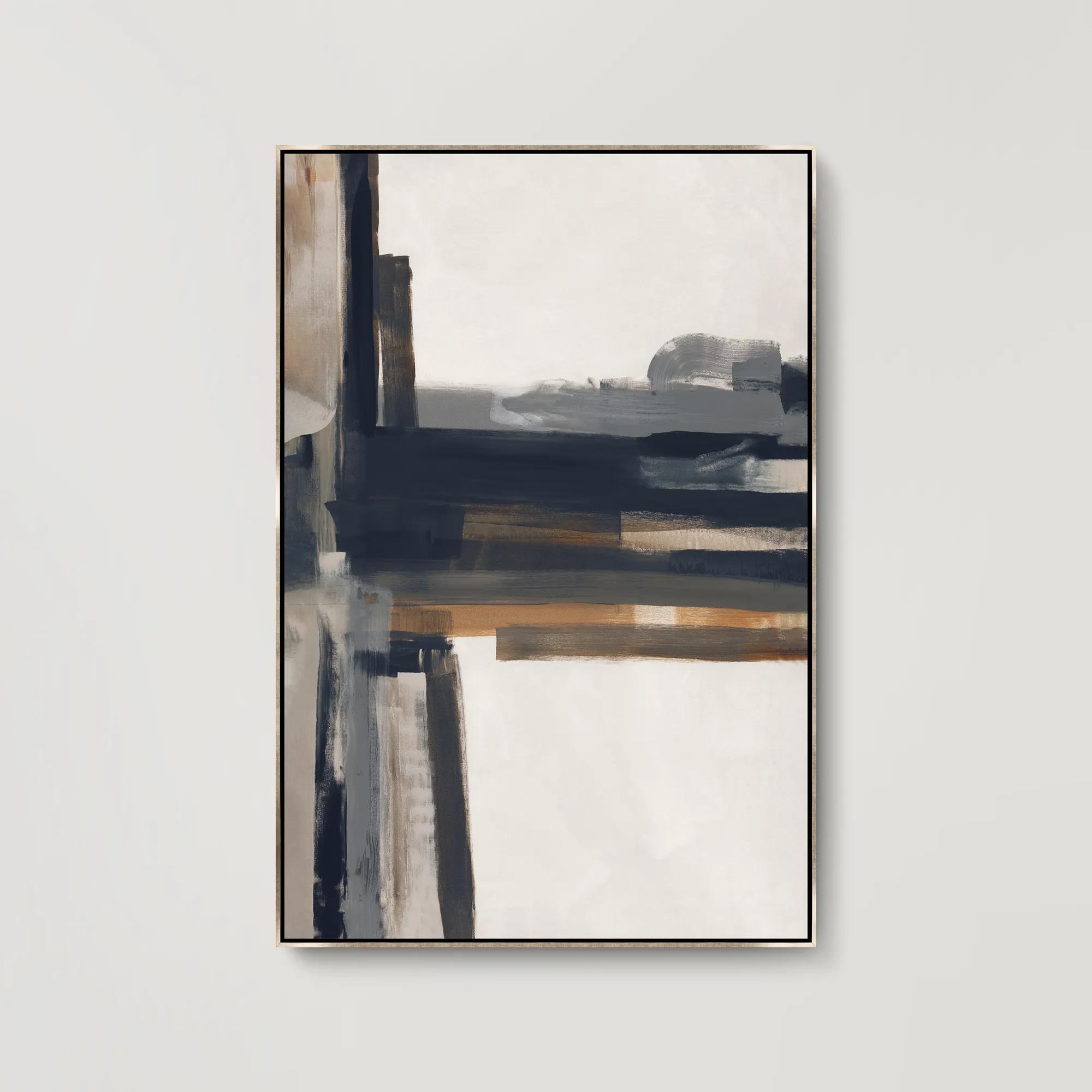
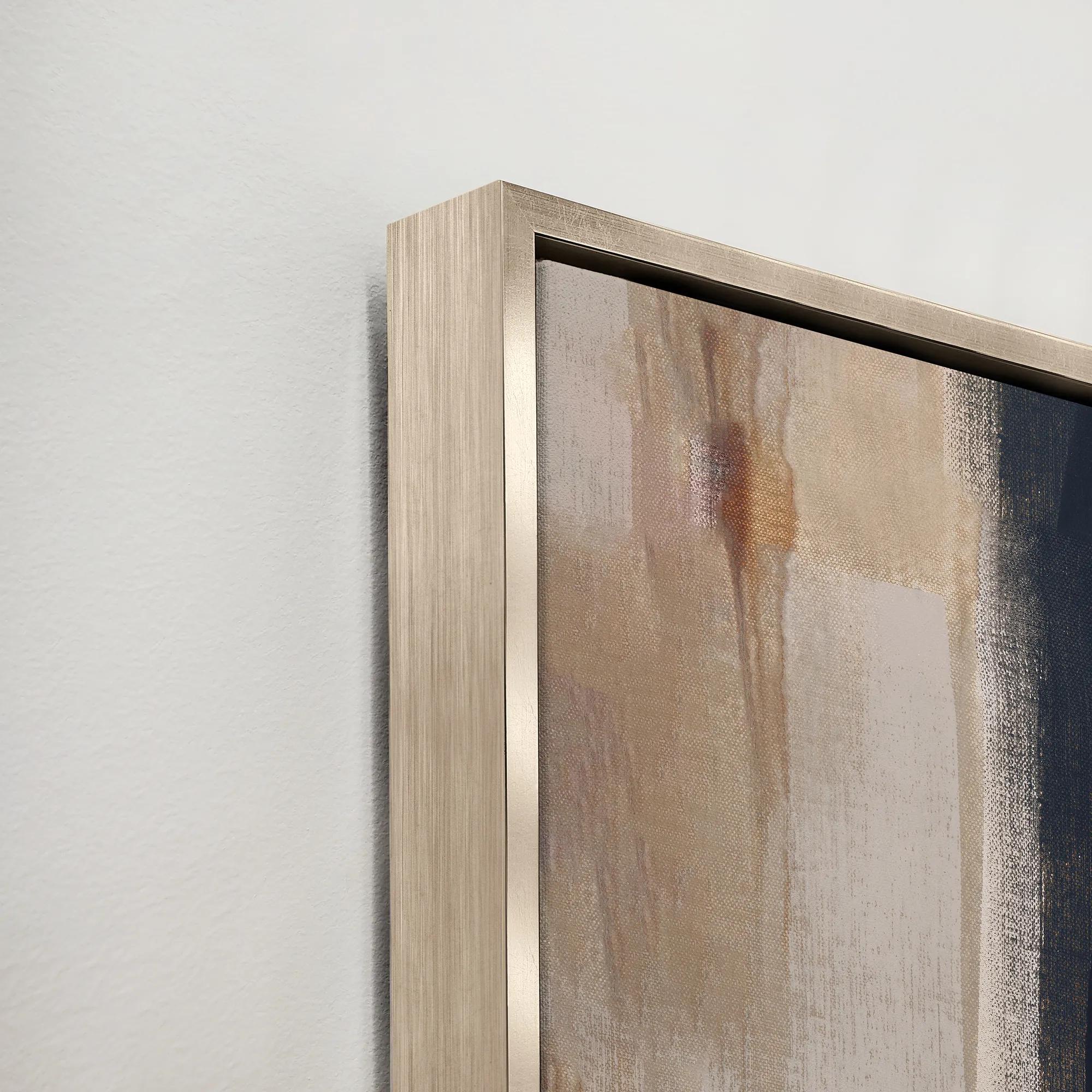 Imposing Construct I Framed Wall Art 41.5" x 61.5"$949
A gallery-wrapped abstract canvas featuring hand-applied brush gel and set in a sleek silver floater frame.
Add To Cart -
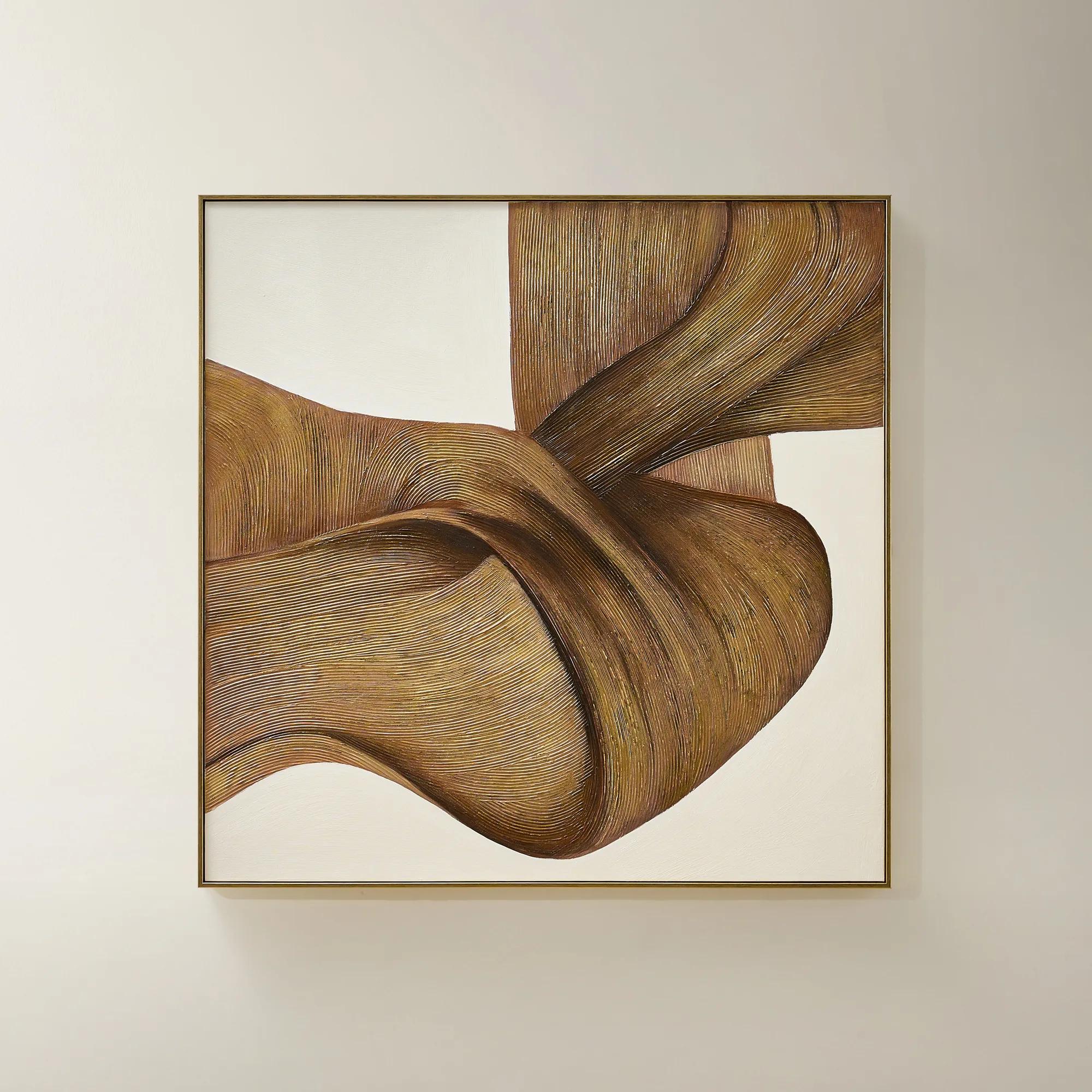
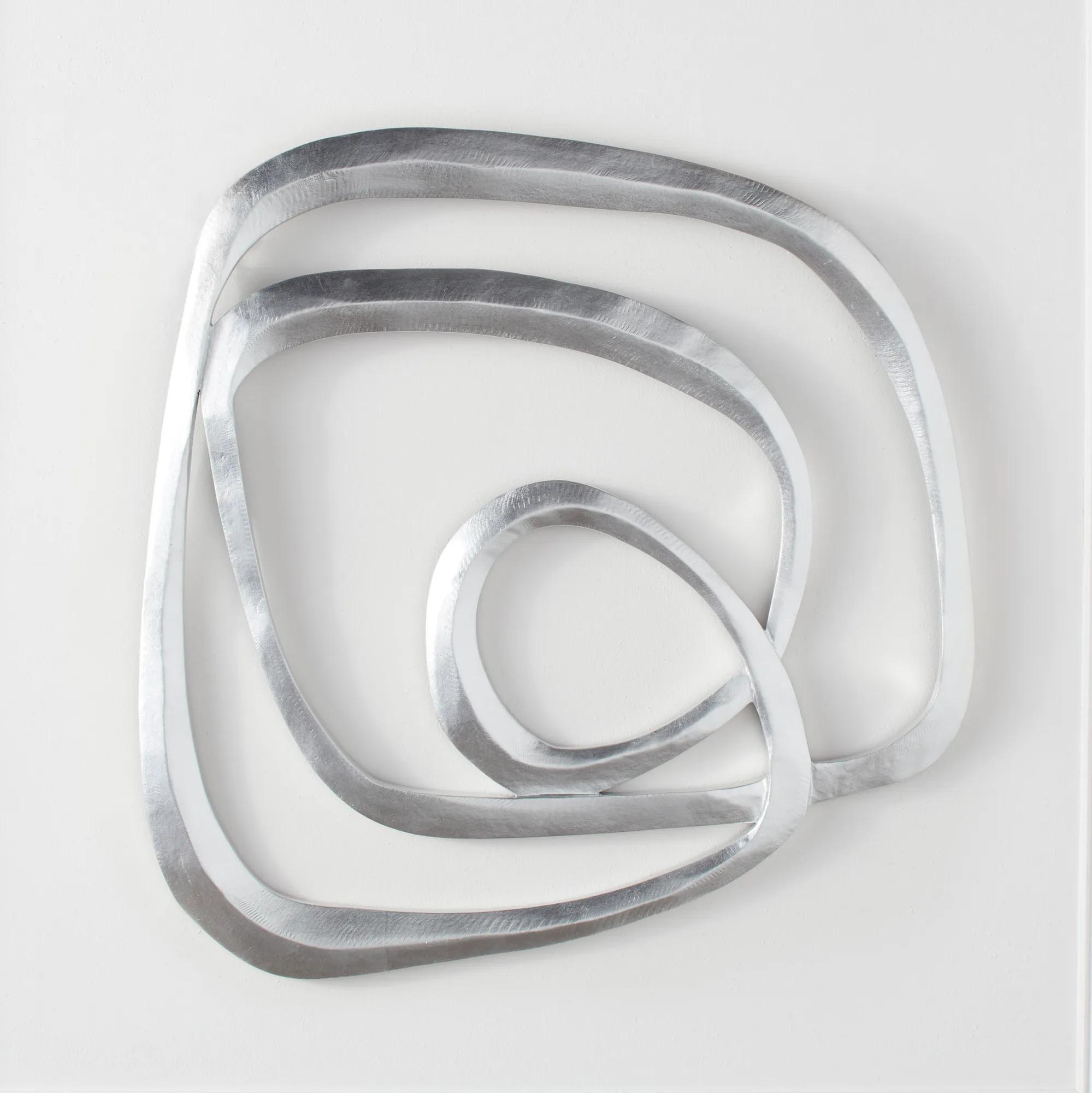 Infinity Silver Leaf Wood Wall Decor I 31.5" x 31.5"$299
A swirling wooden wall sculpture featuring a striking metallic silver finish for modern visual impact.
Add To Cart -
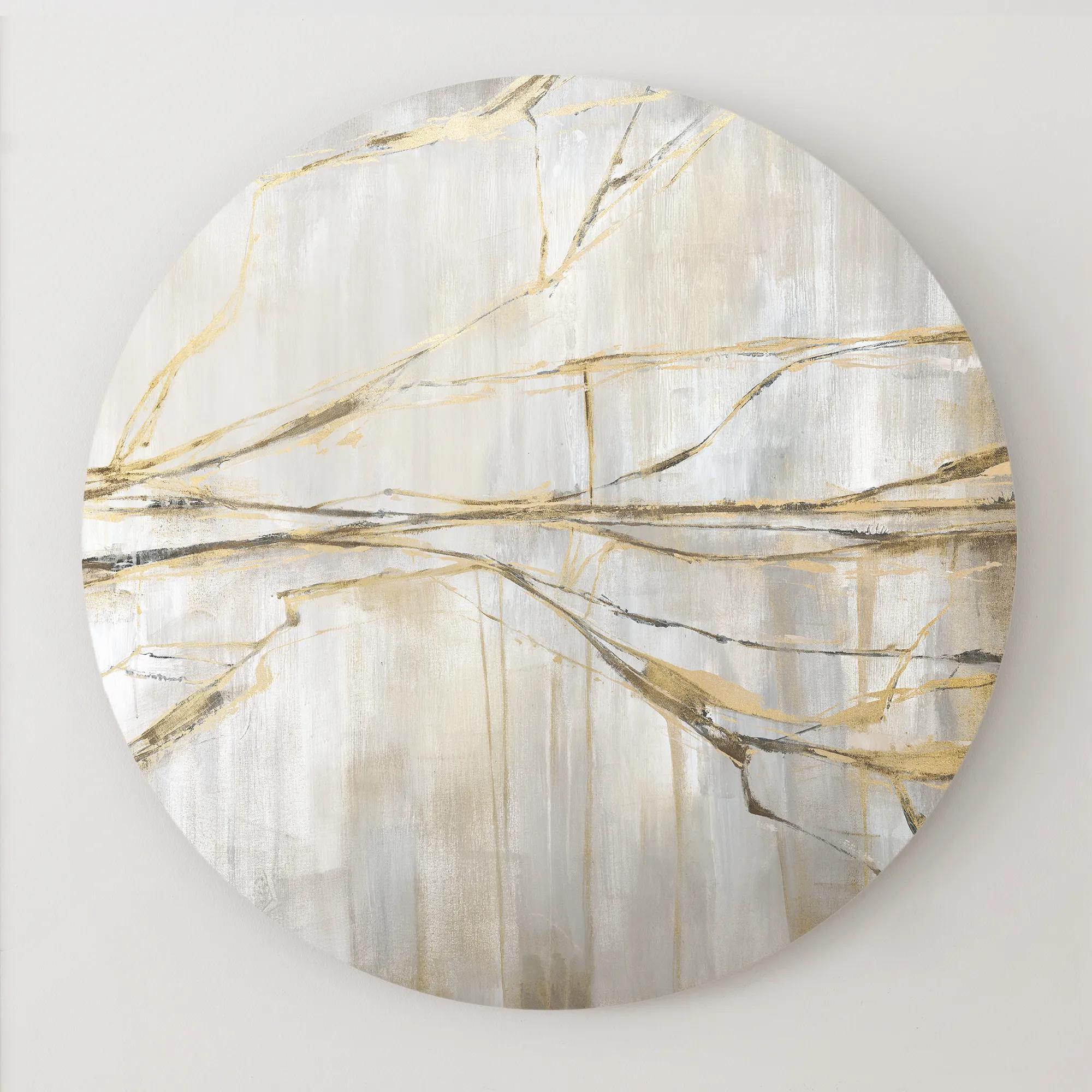
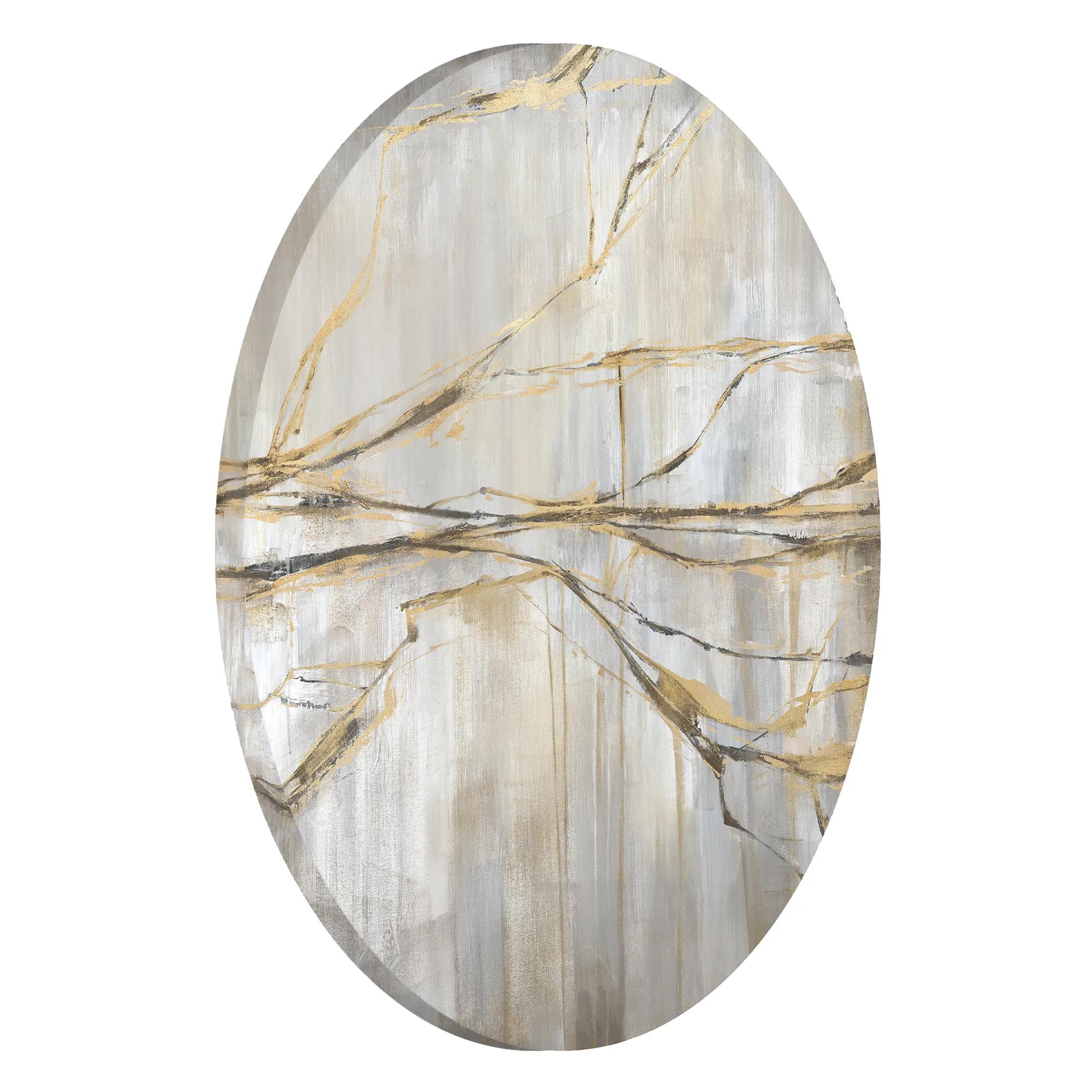 Lightening Crashes Round Wall Art 30"$899
A hand-textured circular linen canvas featuring a gallery-wrapped design for versatile wall display.
Add To Cart -
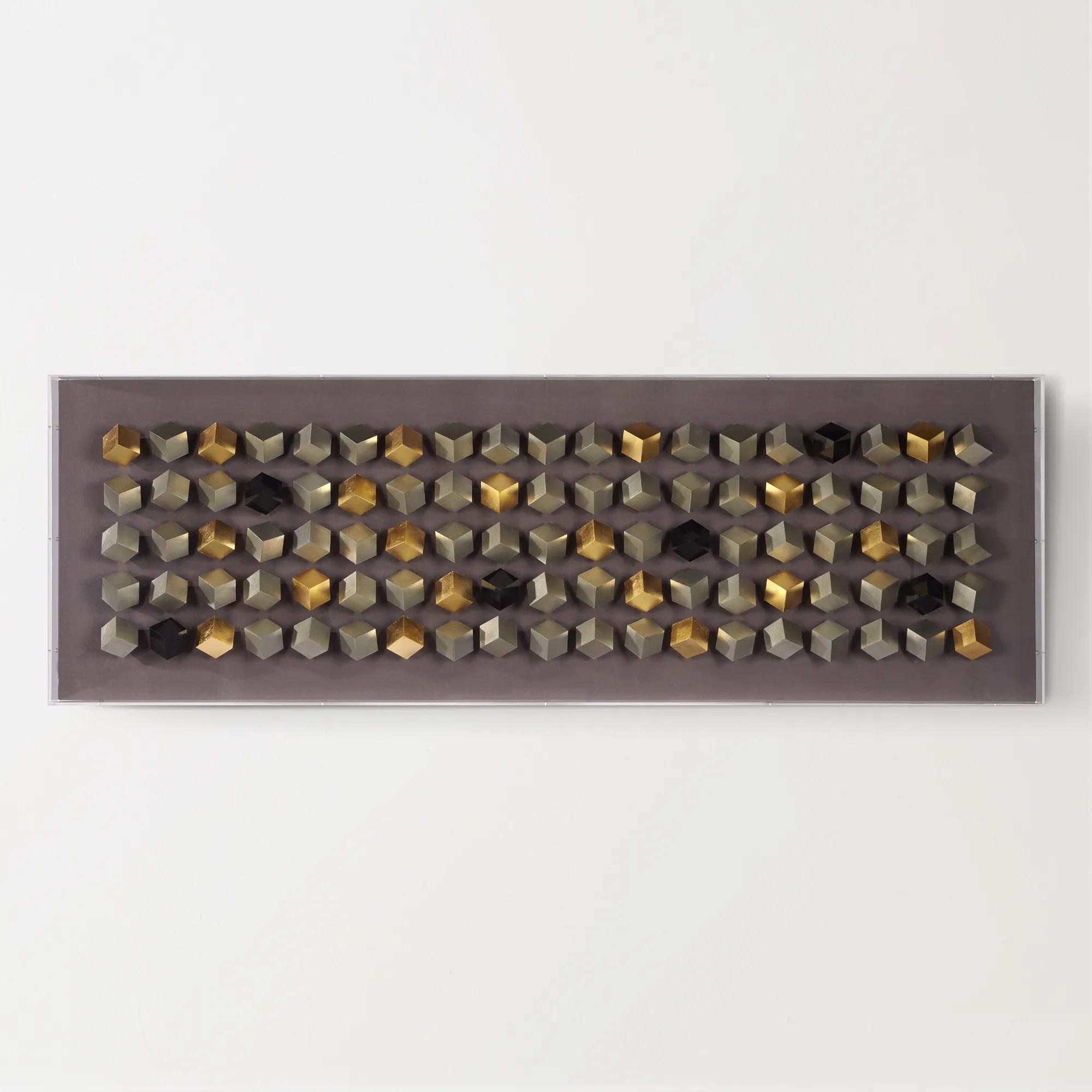
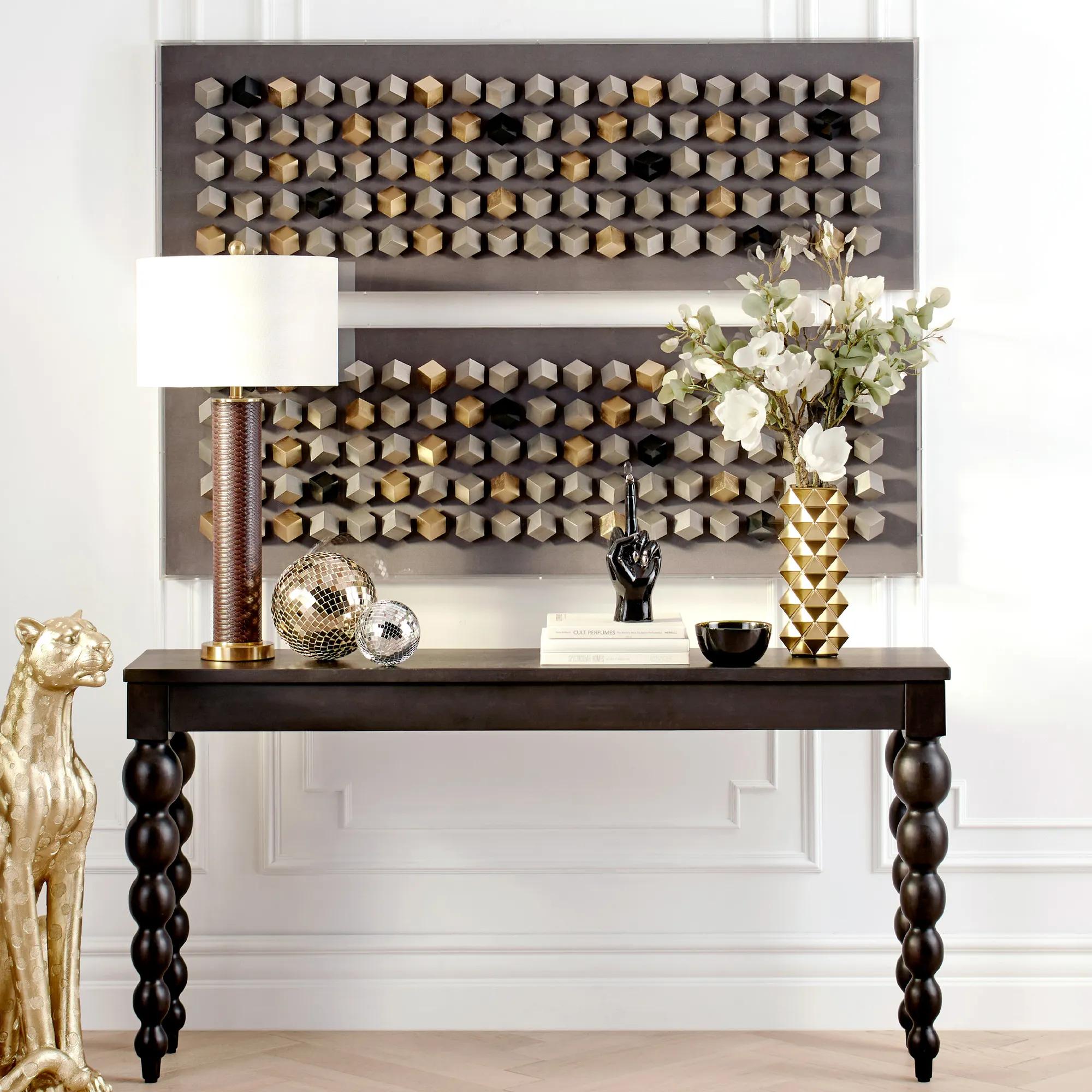 Cubic Array Dimensional Wall Decor in Acrylic 59" x 19.75"$599
A striking shadowbox wall art featuring a cubic, dimensional design with a tri-tone metallic finish.
Add To Cart -
 Gilded Wings Feather Shadowbox 30" x 40"$399
A striking display of hand-painted feathers on black linen, elegantly framed in a gold shadowbox.
Add To Cart -
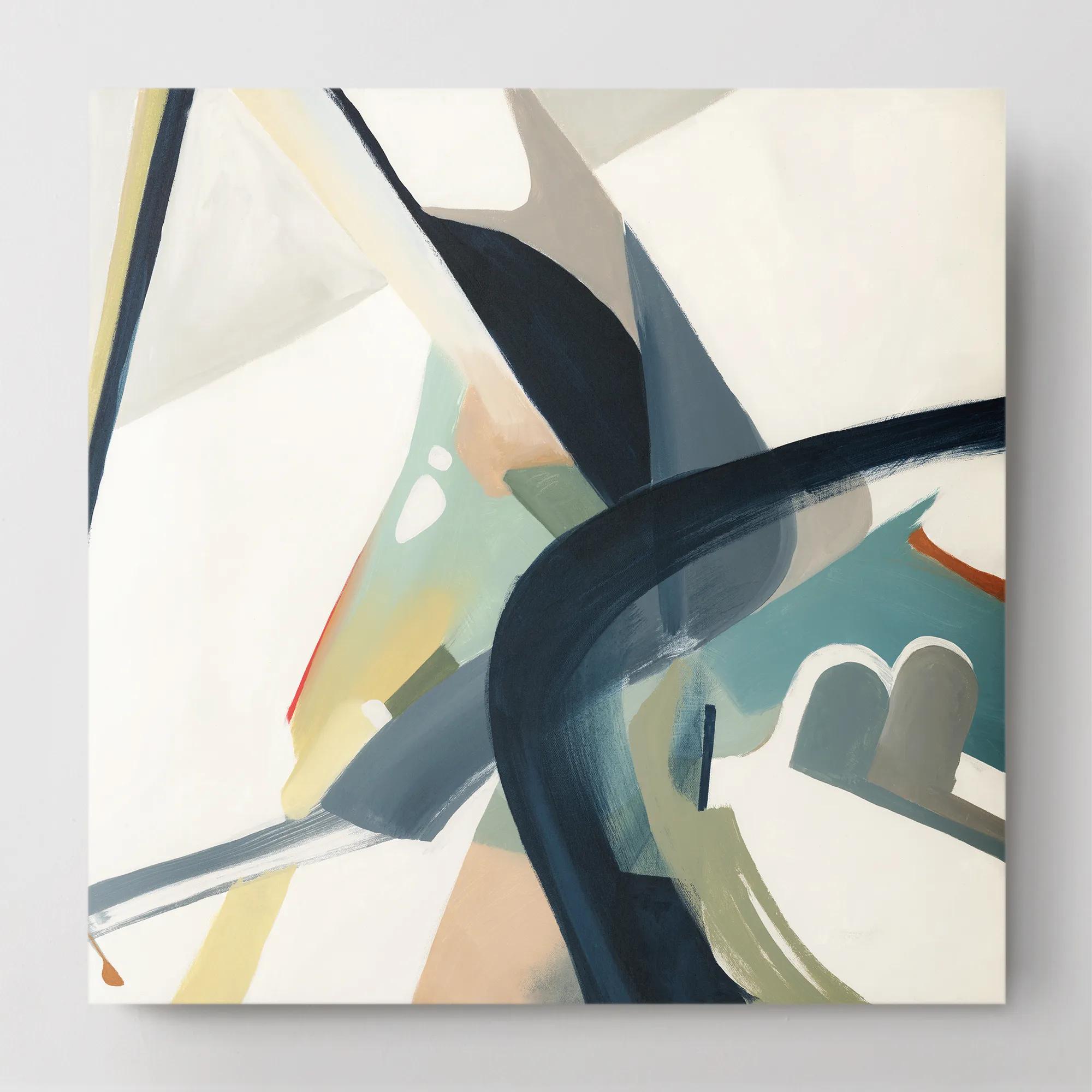 Impermanence 2$499
A gallery-wrapped canvas artwork featuring a hand-applied image brush gel finish for a textured look.
Add To Cart -
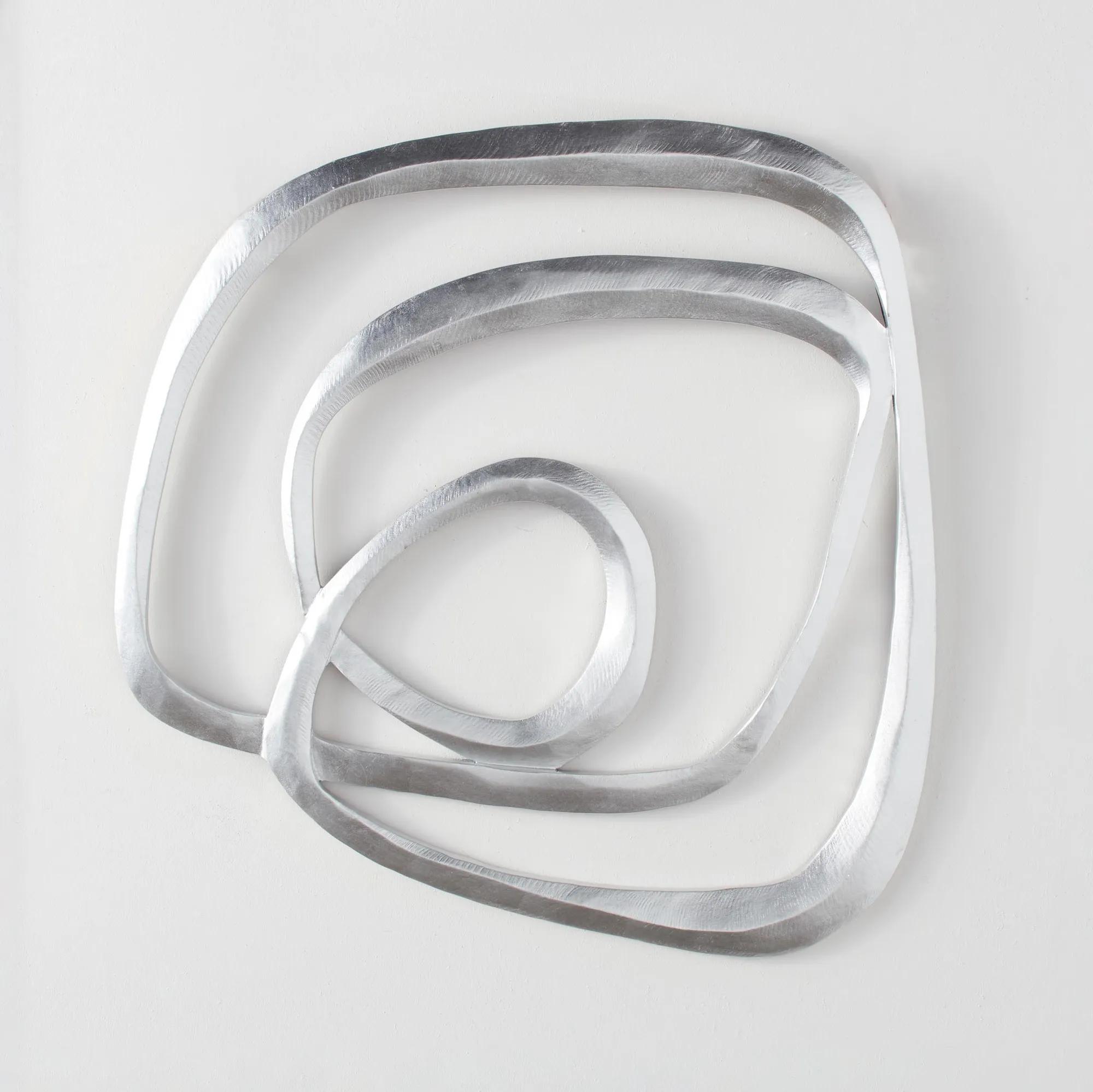 Infinity Silver Leaf Wood Wall Decor II 31.5" x 31.5"$299
A swirling wooden wall sculpture featuring a striking metallic silver finish for modern visual impact.
Add To Cart -
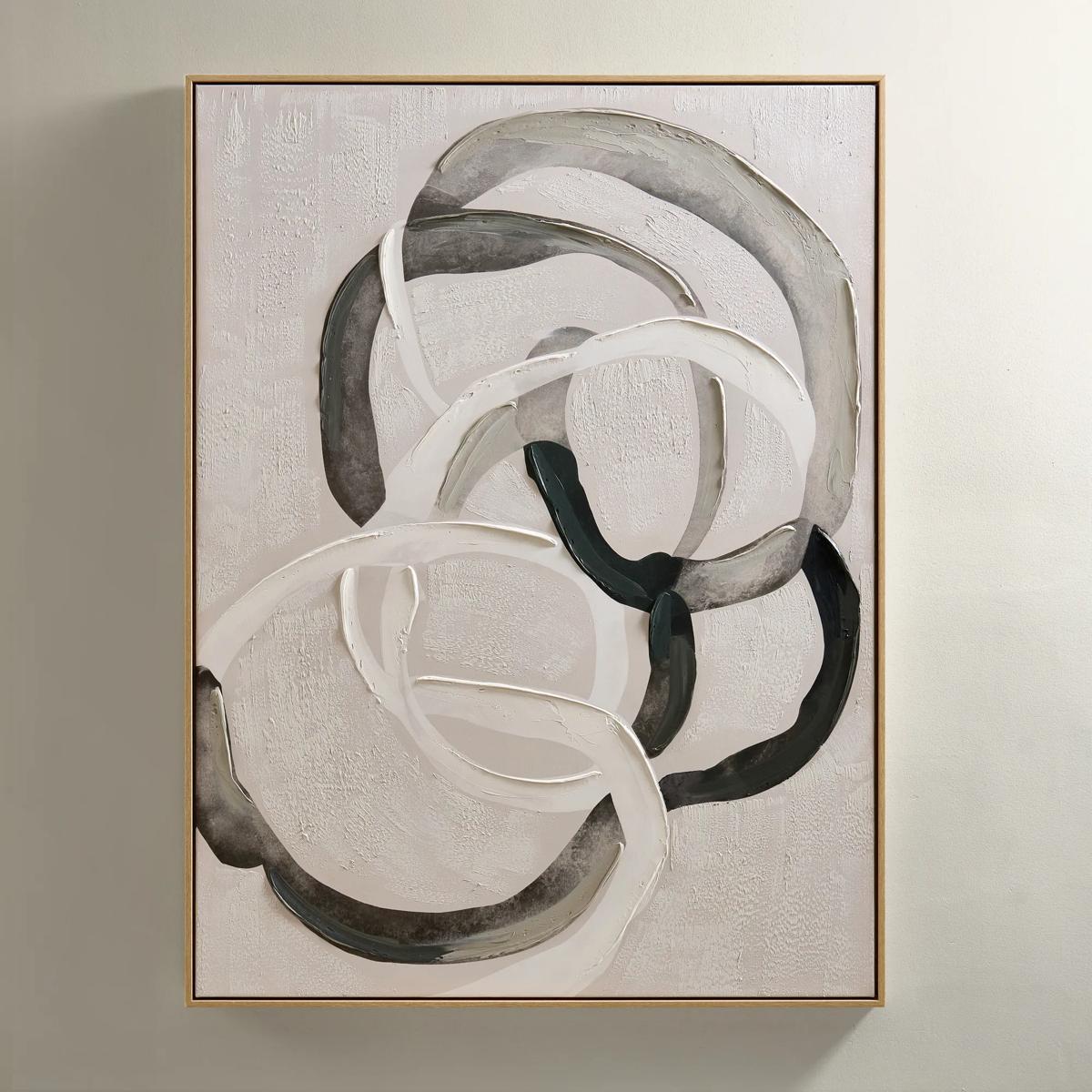
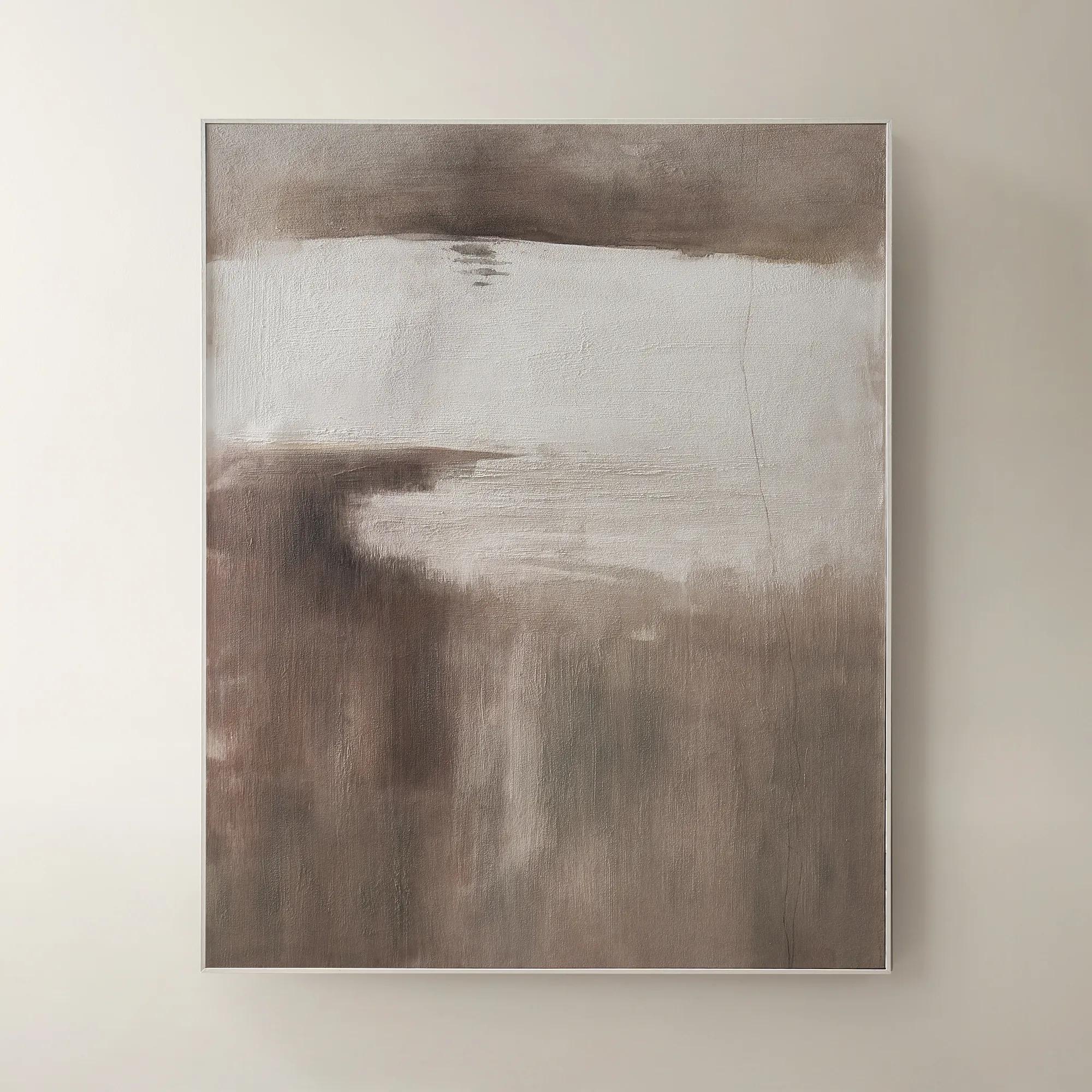
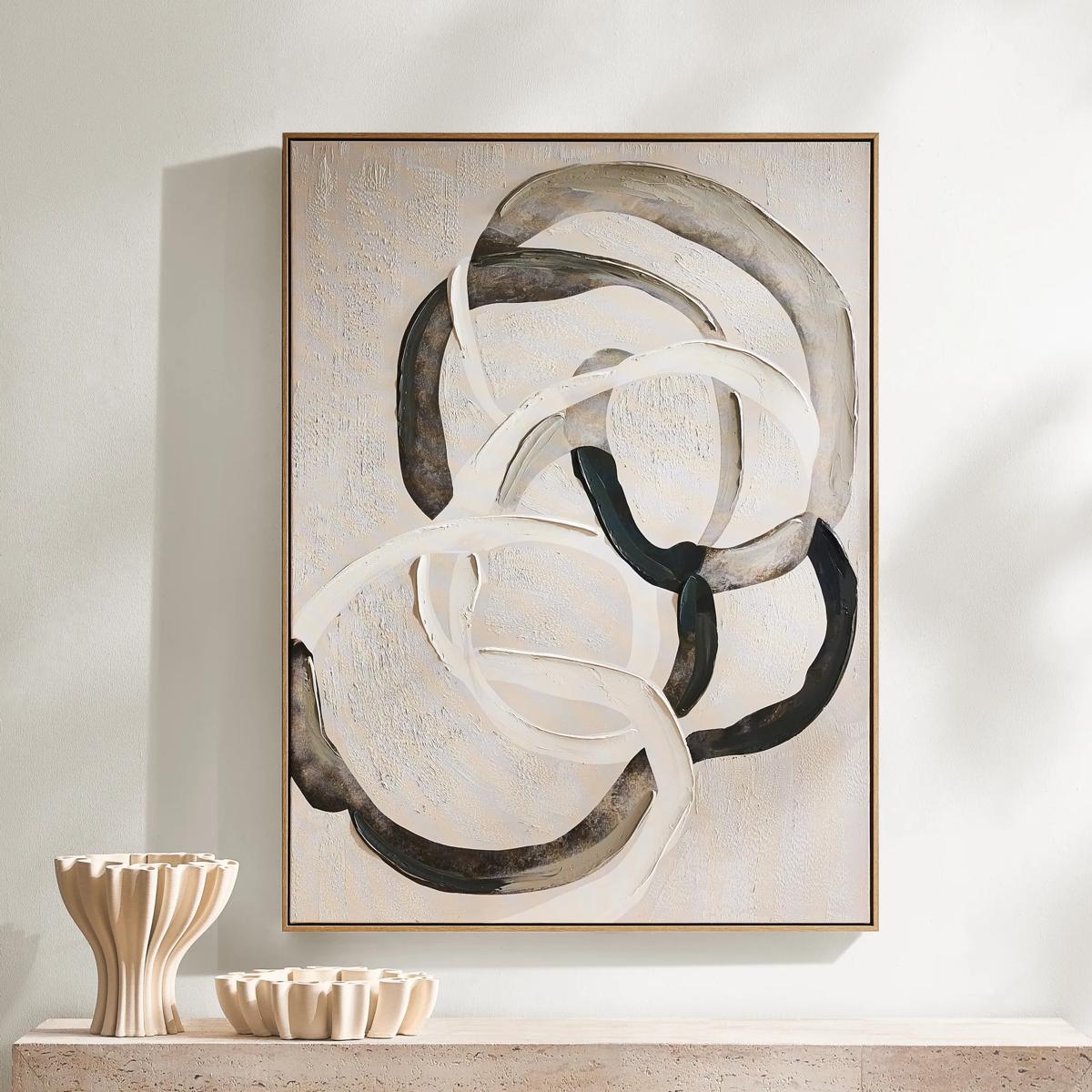 Round About Framed Painted Wall Art 35.25" x 47.25"$349
An abstract hand-painted canvas with tonal whites, charcoals, and taupes in a light wood floater frame.
Add To Cart -
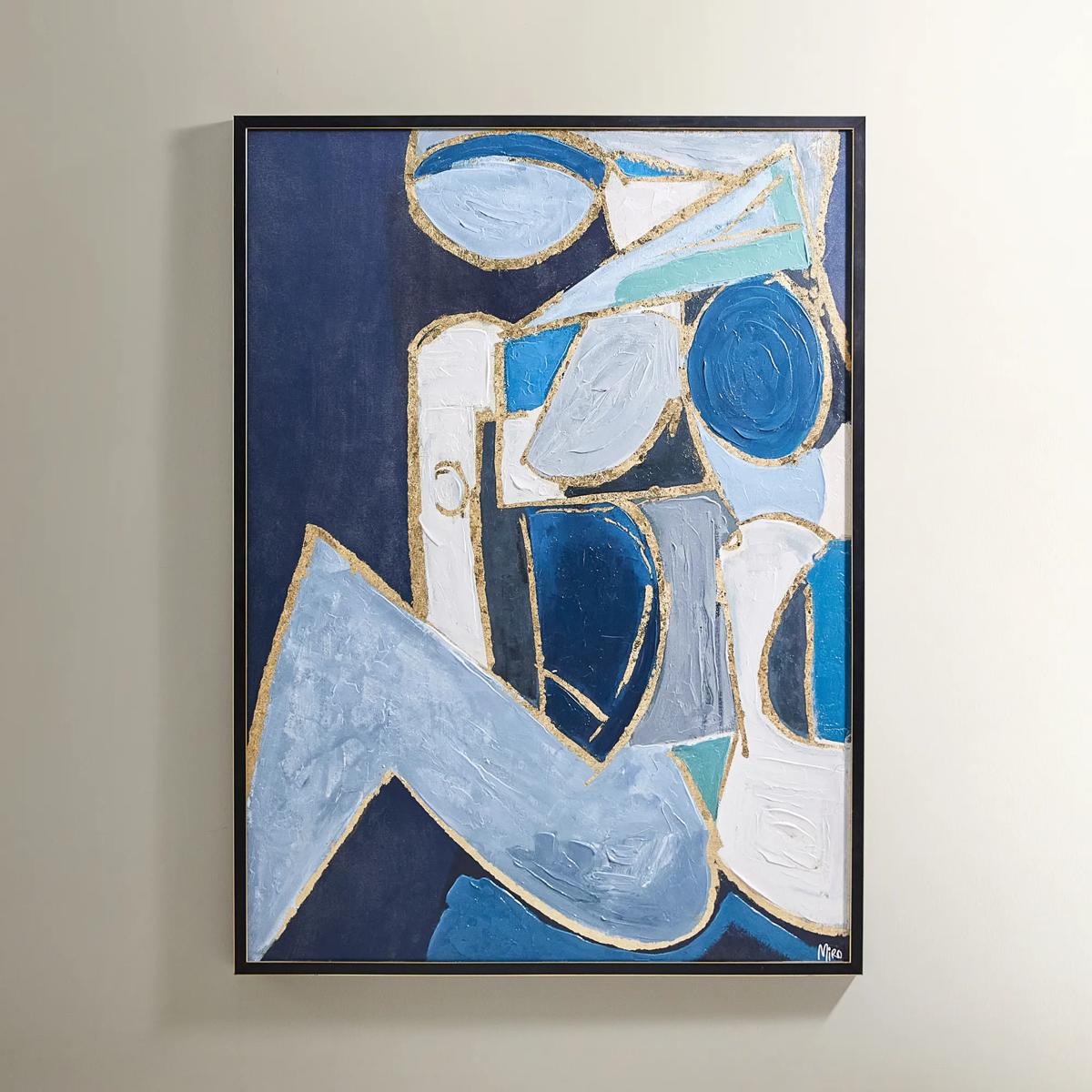
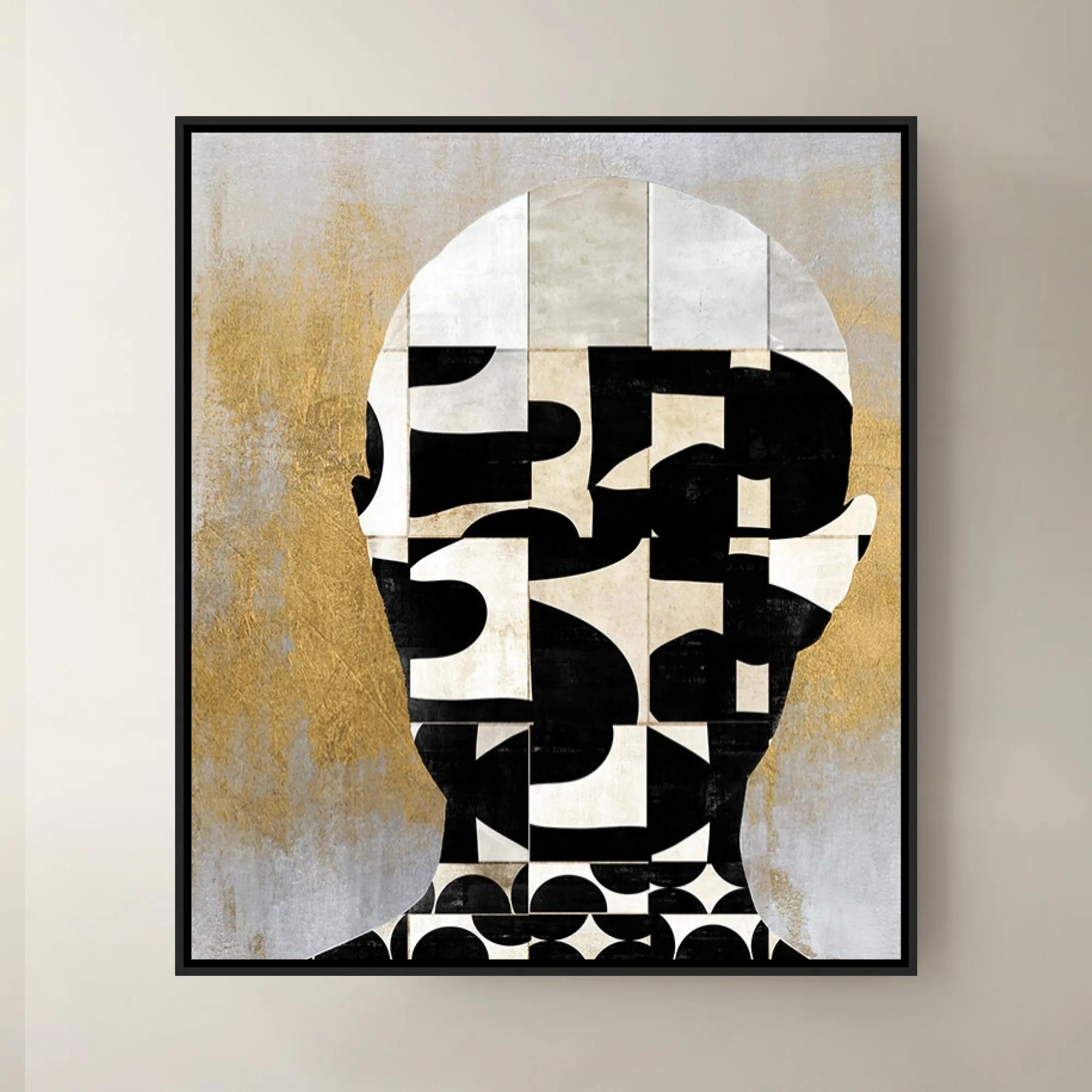
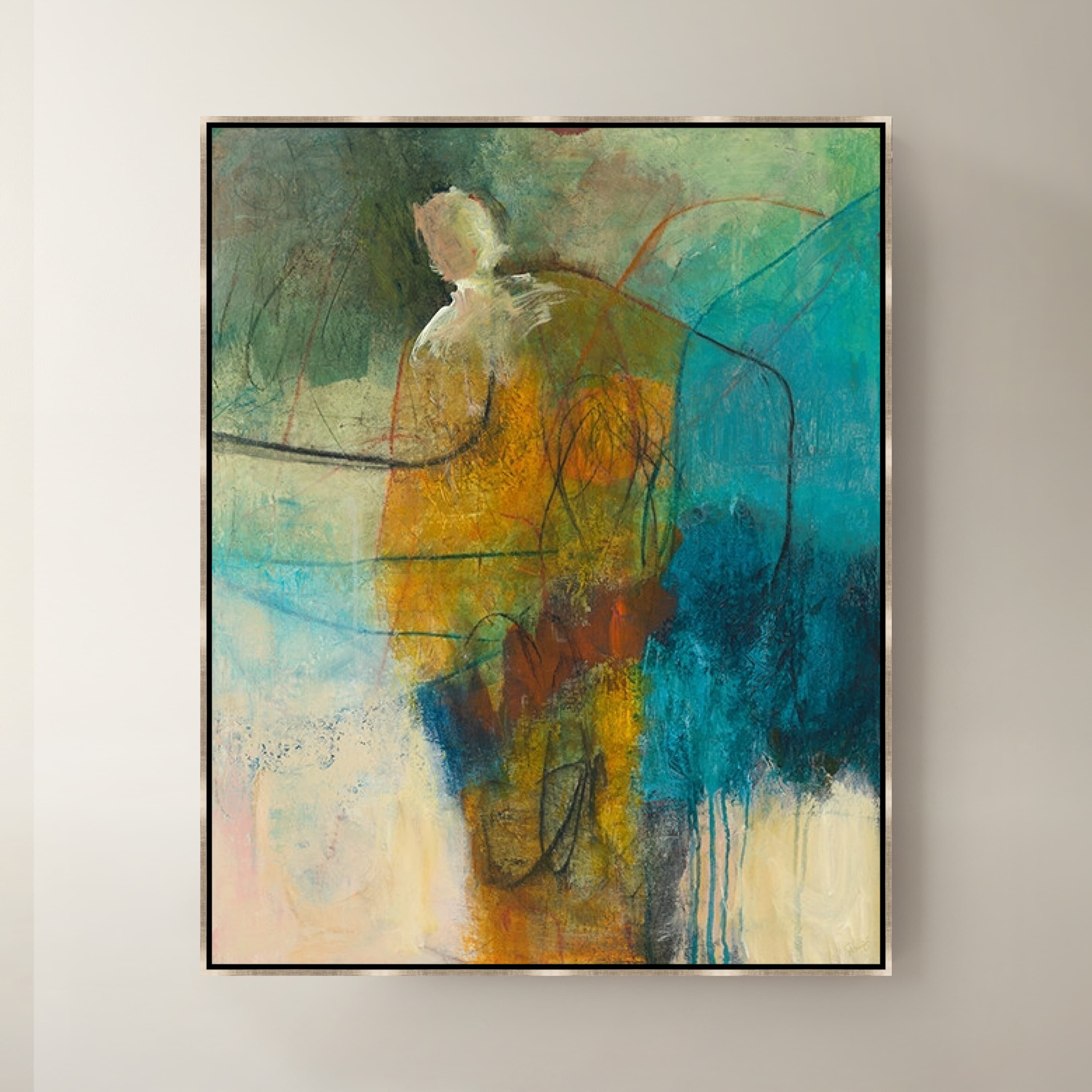
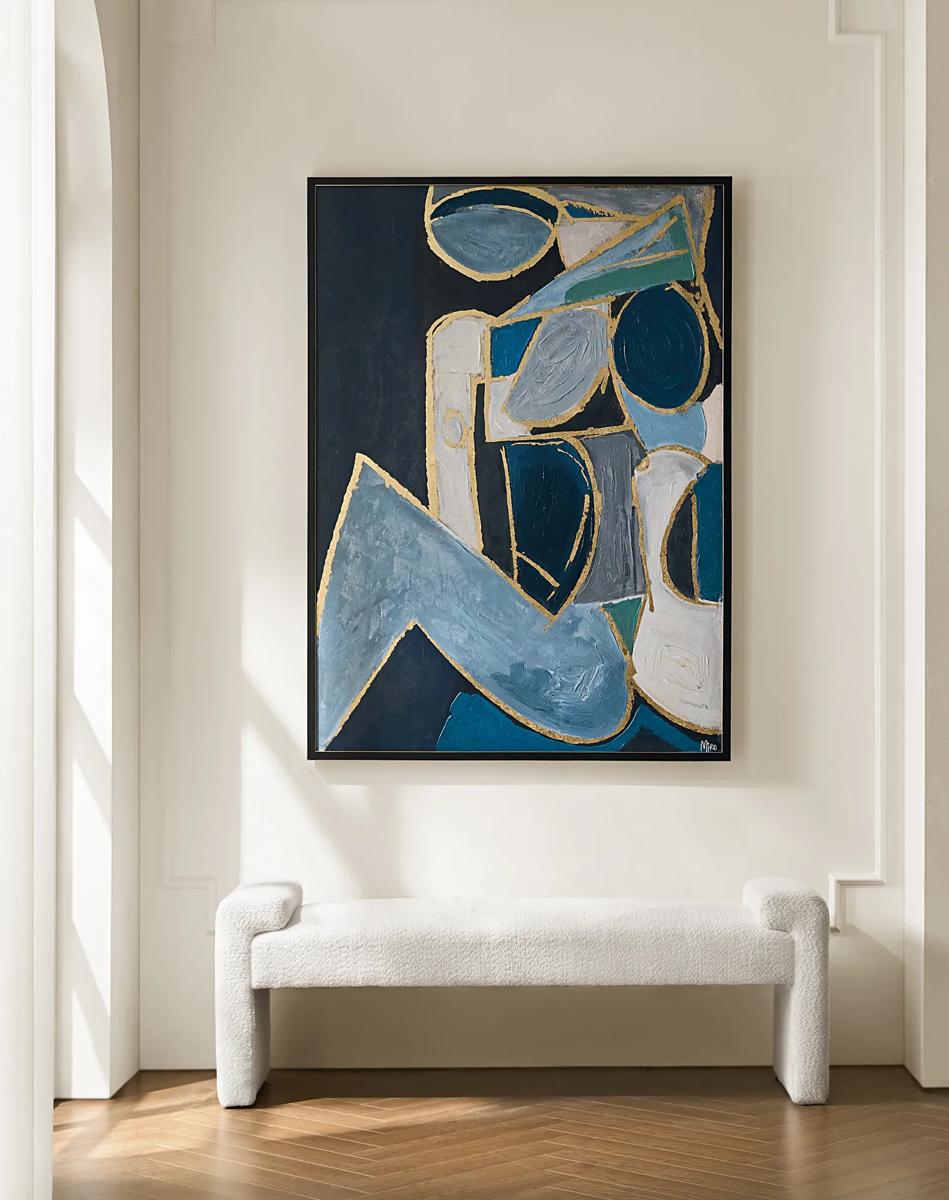 Figure in Cubism Painting$599
A hand-embellished canvas artwork featuring blue, gold, and white hues with elegant silver foil accents.
Add To Cart -
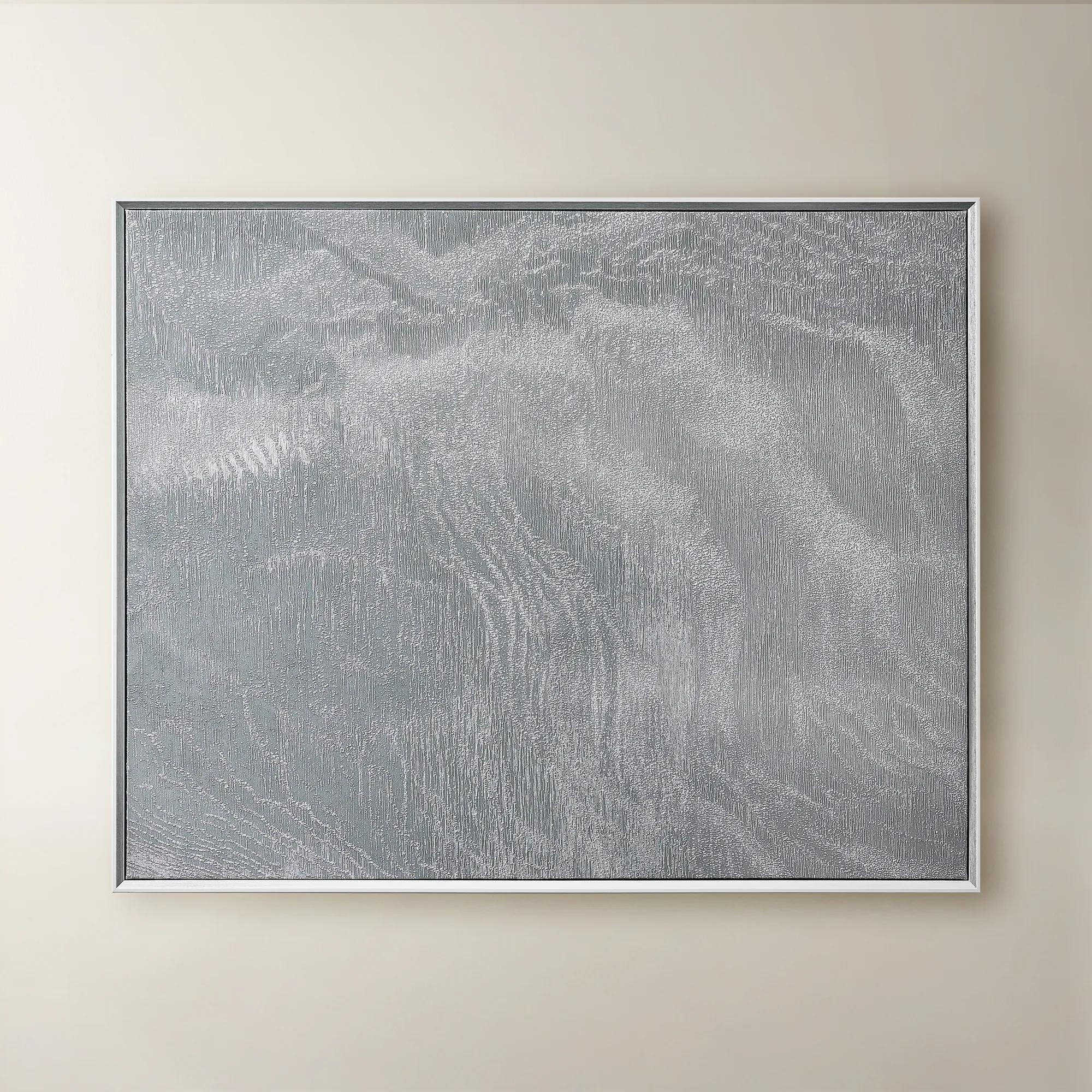 Slow Blue Morning Framed Silver Foil Wall Art 48" x 60"$599
A serene powder blue abstract canvas with silver foil accents, framed in silver and white for modern elegance.
Add To Cart -
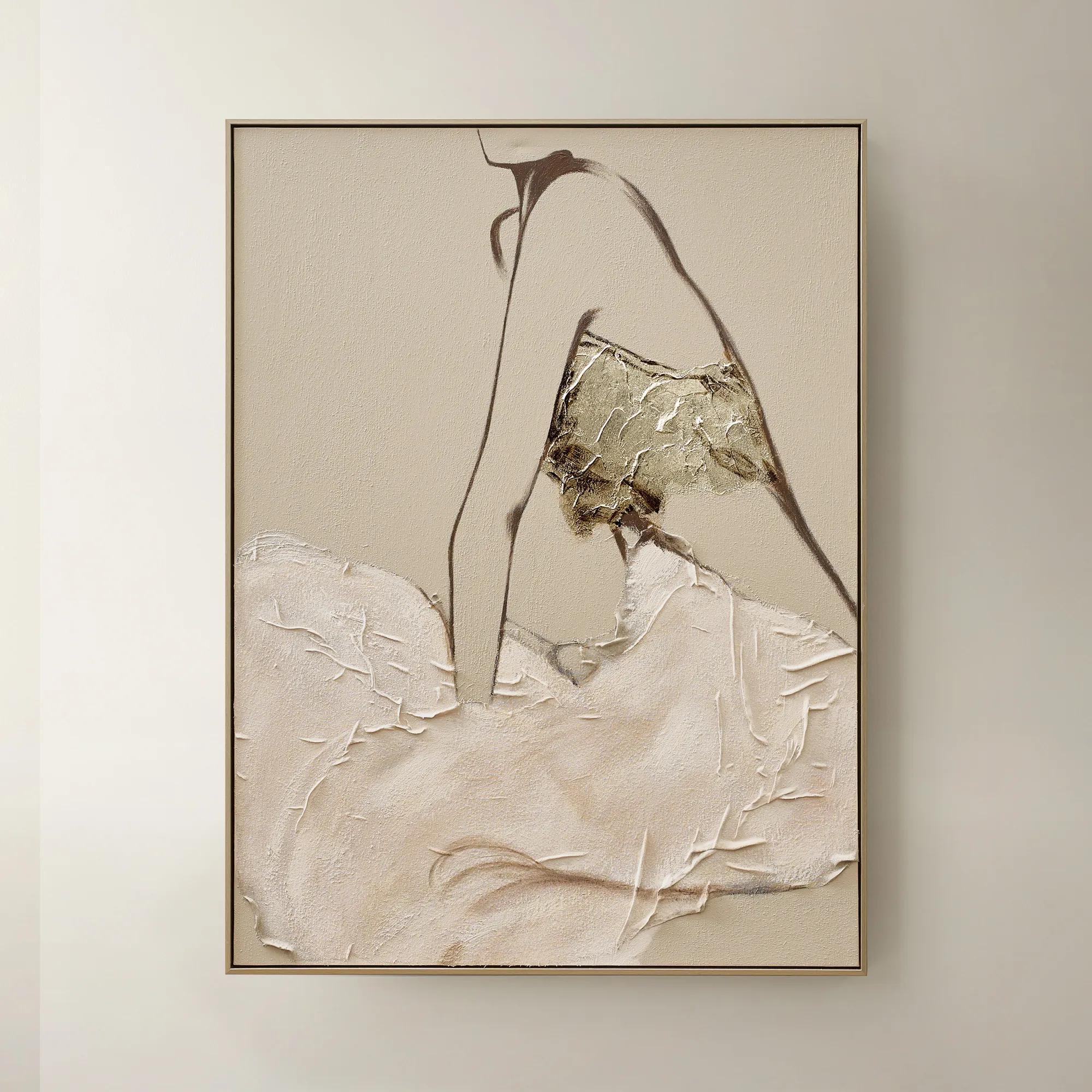 Quiet Pose Framed Painted Wall Art 36" x 48"$499
A hand-painted canvas in taupe and champagne tones features textural details and shimmering champagne leafing.
Add To Cart -
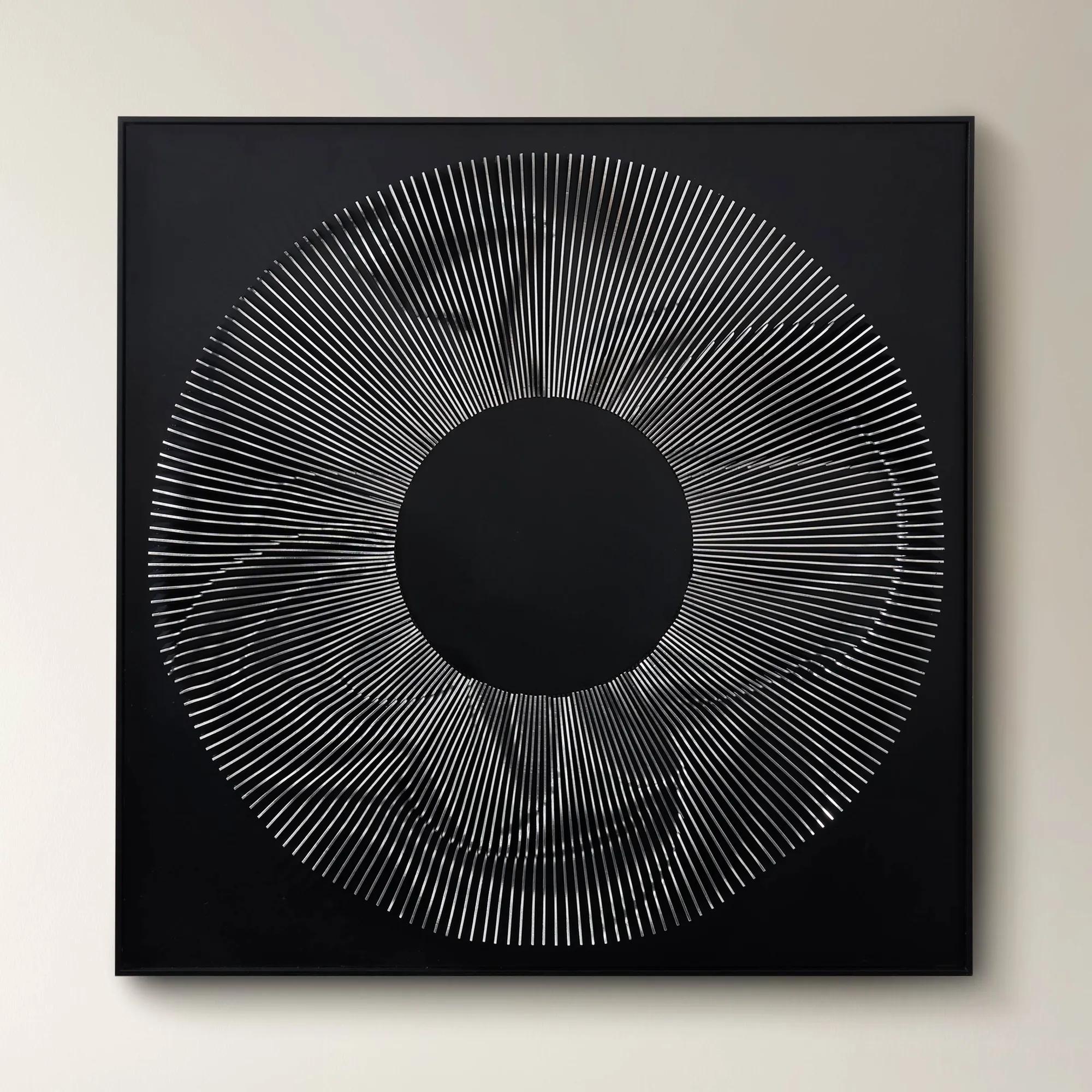 Efflorescence Wood Carving$799
A three-dimensional pine wood panel features a flowing carved motif in a striking silver finish.
Add To Cart -
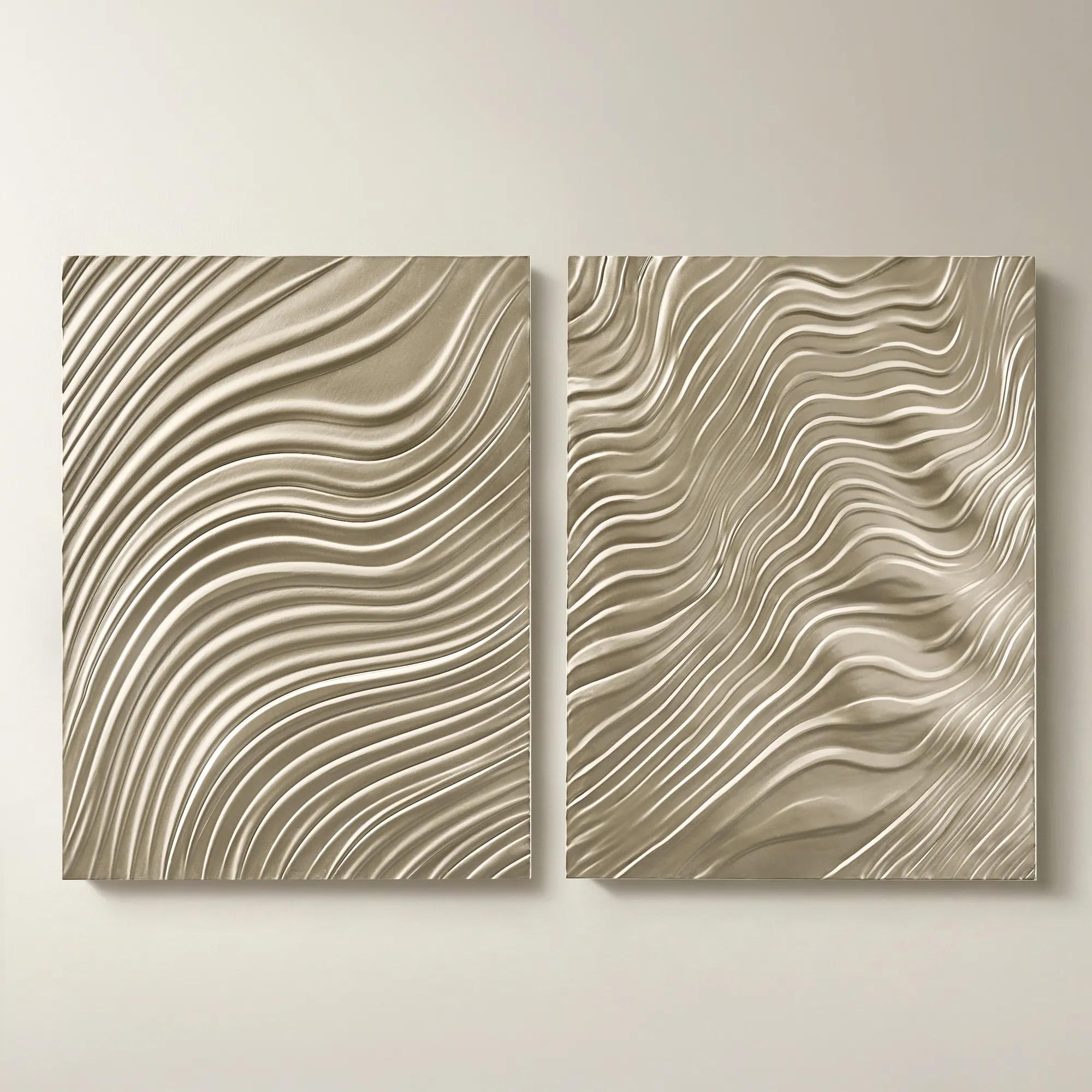
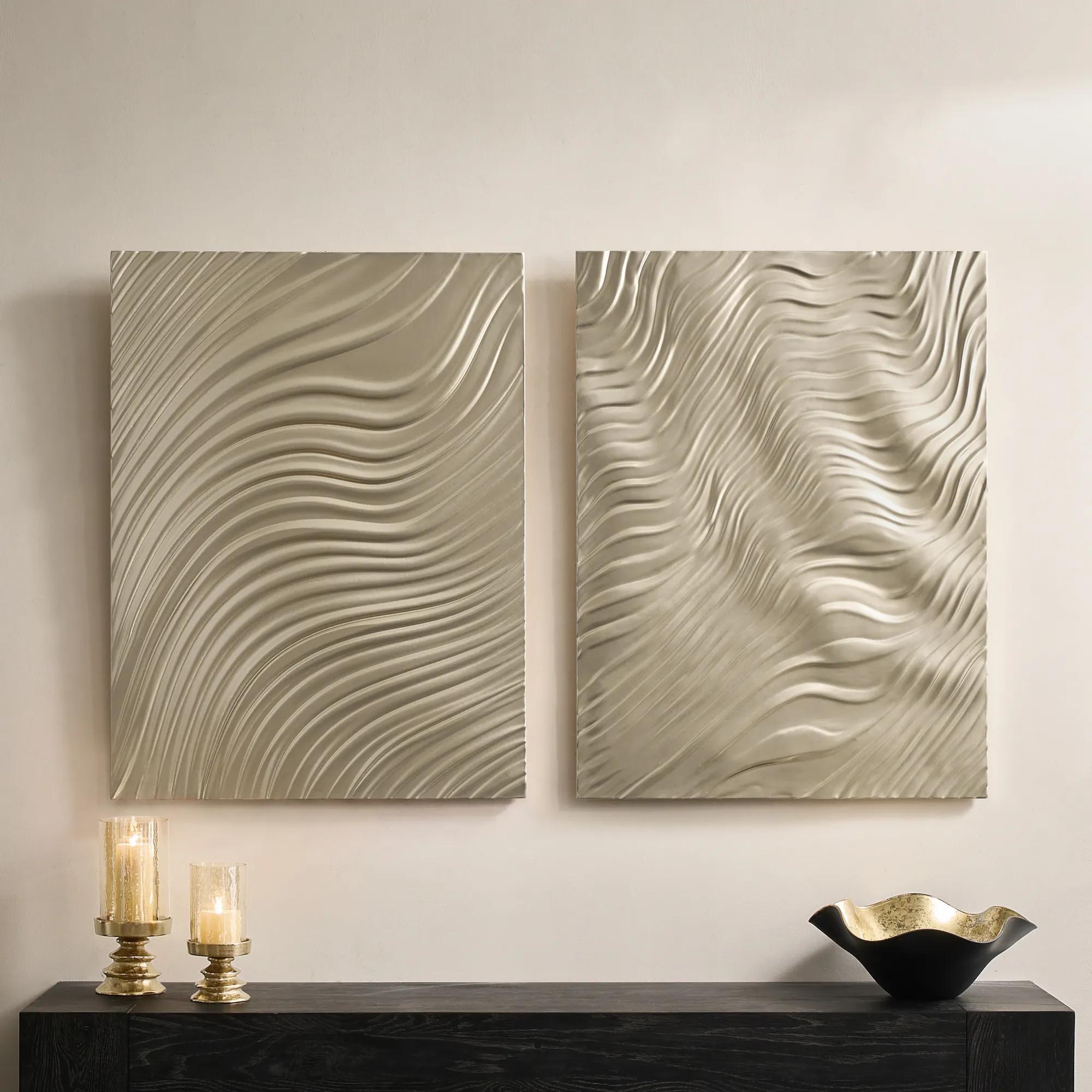 Mirage Champagne Carved Wood Wall Panels 30" x 40" Set of 2$799
A set of two intricately carved wood composite panels in a champagne finish with flowing 3D patterns.
Add To Cart

Textured Silver Wall Arts
Textured silver wall arts ignite a sense of modern opulence, transforming blank walls into shimmering statements of artistry. Each piece radiates with sculptural intrigue, capturing light and shadow in a dance of metallic allure. Perfect for those who crave drama and depth, these works invite touch and admiration—elevating any room with their gleaming surfaces and dimensional detail. Let your space reflect your boldest self; textured silver wall arts are the ultimate expression of glamour, sophistication, and unapologetic style.
Textured silver wall art brings metallic luminosity and dimensional detail to a room, giving an otherwise quiet wall a distinctly expressive presence. Unlike a smooth print, a textured composition uses raised surfaces, layered finishes, or sculptural forms to create depth that changes with the light. Ridges may gleam while recessed areas settle into soft shadow, revealing an intricate surface rather than a single, uniform sheen. Depending on the artwork, that effect can come from modeling paste applied to canvas, metallic leaf layered over a prepared surface, embossed metal, or molded relief finished in silver tones. Silver describes the appearance of the finish, not necessarily the underlying material, so construction details matter when considering weight, placement, and care. Brushed and antiqued effects offer a more subdued luster, while polished accents create sharper flashes of reflection. Compositions that combine matte passages with luminous highlights can feel especially rich, allowing the eye to move between quiet texture and brilliant detail. Abstract silver wall art often draws its character from sweeping gestures, fractured geometry, rippling patterns, or surfaces reminiscent of weathered stone. These details introduce movement without requiring a busy color palette, making the category compelling for rooms where upholstery, lighting, and decorative objects already have strong personalities. Above a sumptuous sofa, textured silver artwork lends definition to the seating area; behind a dining table, it creates an atmospheric backdrop that responds beautifully to evening illumination. In a bedroom, a softly burnished finish can bring dimension without the visual intensity of a highly reflective surface. The appeal extends beyond contemporary interiors: silver texture can sharpen a traditional room, enrich a monochromatic setting, or provide a luminous contrast to organic wood and woven textiles. For anyone drawn to expressive interiors, these artworks offer a balance of restraint in color and extravagance in surface. Their drama comes from the way material, relief, and light interact, inviting a closer look even when the composition makes its first impression from across the room.
Scale and placement determine whether textured silver wall decor reads as an intimate accent or an architectural focal point. A generous wall above a long sofa usually calls for enough visual breadth to connect the artwork to the furniture beneath it, rather than leaving a small composition adrift. As a starting point, an arrangement spanning roughly two-thirds to three-quarters of the furniture’s width often feels balanced, although ceiling height, nearby windows, and the artwork’s shape can change that relationship. Measuring the available wall and outlining the proposed dimensions with paper helps reveal the proportions before installation. Depth deserves attention, too: a pronounced relief may be magnificent above a console but less suited to a narrow passage where people regularly brush against the wall. For expansive rooms and broad, uninterrupted surfaces, Large Silver Abstract Wall Arts offer a related direction for creating a commanding composition with metallic tone and expressive form. A single substantial work establishes a clear focal point, while a coordinated grouping can carry movement across a wider wall. Leave deliberate space between separate elements so their edges and shadows remain legible. Silver’s relationship with surrounding color is equally important. Against charcoal, ink blue, or deep green, it appears crisp and luminous; beside ivory, pale gray, or warm taupe, it creates a more tonal effect. Velvet upholstery emphasizes its sheen through contrast, while marble and glass echo its polished character. Warm woods keep a silver-led room from feeling austere, and considered touches of brass can create a layered mix of metals without requiring every finish to match. Lighting completes the composition. Angled illumination can reveal raised detail, whereas a strong light aimed directly at a glossy section may create distracting glare. Consider the view from the sofa or dining chair, not only from a standing position. An entryway may benefit from a striking reflective accent, while a home office may call for a softer finish positioned away from screen reflections. The most convincing placement allows the artwork’s texture to be visible without overwhelming the room’s other details.
Materials and construction influence how textured silver wall art lives in a space over time. Canvas-based work may offer layered, painterly relief, while metal compositions can introduce crisp edges, folded planes, or open areas that cast shadows onto the wall. Molded materials can support intricate dimensional patterns, and framed designs may add another line of definition around the textured surface. None of these constructions guarantees a particular weight or level of durability; dimensions, substrate, frame, and applied finishes all contribute. Review the stated weight, hanging orientation, and mounting requirements, and use hardware appropriate to both the artwork and the wall. Heavier or projecting designs may warrant professional installation, particularly above furniture or in frequently used spaces. For most decorative interior artwork, a dry location away from splashes, sustained humidity, direct heat, and prolonged sunlight is a sensible choice unless the care information specifies otherwise. A silver-colored finish does not make a piece suitable for outdoor exposure or a steamy bathroom. Raised details and applied metallic layers also benefit from gentle handling: lift by the supporting frame or structure as directed, rather than gripping decorative projections. Routine care should follow the maker’s instructions, with light dusting using a soft, dry cloth or brush only where appropriate. Avoid assuming that metal polish, glass cleaner, or a damp cloth is safe simply because the surface looks metallic; these treatments can alter coatings or disturb delicate leaf and layered media. In households with children or pets, secure mounting and placement beyond easy reach help protect both the artwork and the people moving around it. As a gift, textured silver art can suit a housewarming, wedding, or milestone celebration when the recipient’s taste and wall dimensions are well understood. It is particularly appealing for someone who appreciates sculptural accessories, a restrained palette, or interiors with a sense of occasion. Through the cooler months, when rooms are often enjoyed under lamplight, its varied surface can bring added richness to evening gatherings. Beyond any season, textured silver wall art gives a room something lasting to notice: a changing play of shadow, a gleaming contour, and a surface with depth worth lingering over.
FAQs
Textured silver wall art introduces a captivating interplay of light and dimension, instantly elevating the mood of any room. The reflective qualities of the silver colour catch both natural and artificial light, creating dynamic shadows and highlights that add depth and sophistication. Whether showcased in a modern living room or a classic dining area, these pieces bring a sense of drama and opulence, transforming your walls into a canvas of expressive artistry.
Silver abstract wall art is remarkably versatile, complementing a wide range of interior styles. It shines in contemporary and modern spaces, where its clean lines and metallic sheen echo architectural details. However, it also offers an unexpected twist in more traditional or eclectic rooms, where it can serve as a bold, modern contrast to classic furnishings or layered patterns. Its ability to reflect surrounding colors and textures makes it a harmonious addition to nearly any décor.
Absolutely. Textured silver wall art makes a memorable and meaningful gift, especially for housewarmings, anniversaries, weddings, or milestone celebrations. Its timeless elegance and artistic flair resonate with recipients who appreciate expressive design and unique home accents. Gifting such a piece shows thoughtfulness and a keen eye for style, offering the recipient a lasting work of art to enjoy for years to come.
A silver accent wall can be achieved by arranging multiple pieces of silver wall art together, creating a cohesive and striking focal point. Choose artworks with varying textures and finishes for a layered effect, or opt for a single large piece to anchor the space. Pairing silver wall art with complementary accessories—such as mirrored frames, metallic lighting, or plush textiles—can further enhance the luxurious ambiance of your accent wall.
For a gallery-inspired look, mix textured silver wall art with other metallic finishes or abstract pieces in a curated arrangement. Consider placing art in unexpected locations, such as above a staircase or in a cozy reading nook, to create moments of surprise and delight. Play with lighting to highlight the textures and reflective qualities, and experiment with contrasting backgrounds—deep charcoals, crisp whites, or jewel tones—to make the silver truly stand out.
.jpg?w=3000&h=3000)