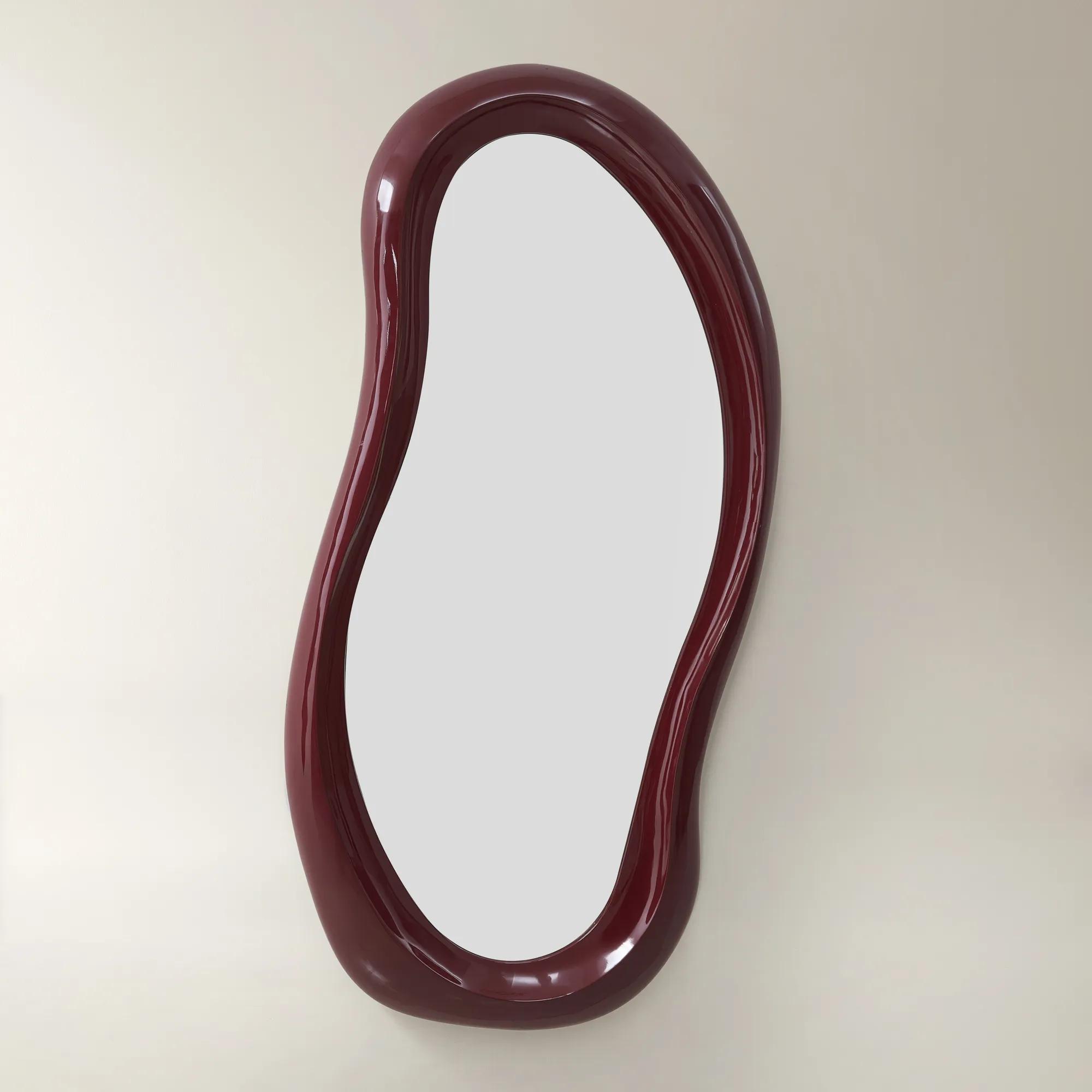
Mirrors For New Home Decoration
Mirrors For New Home Decoration
-
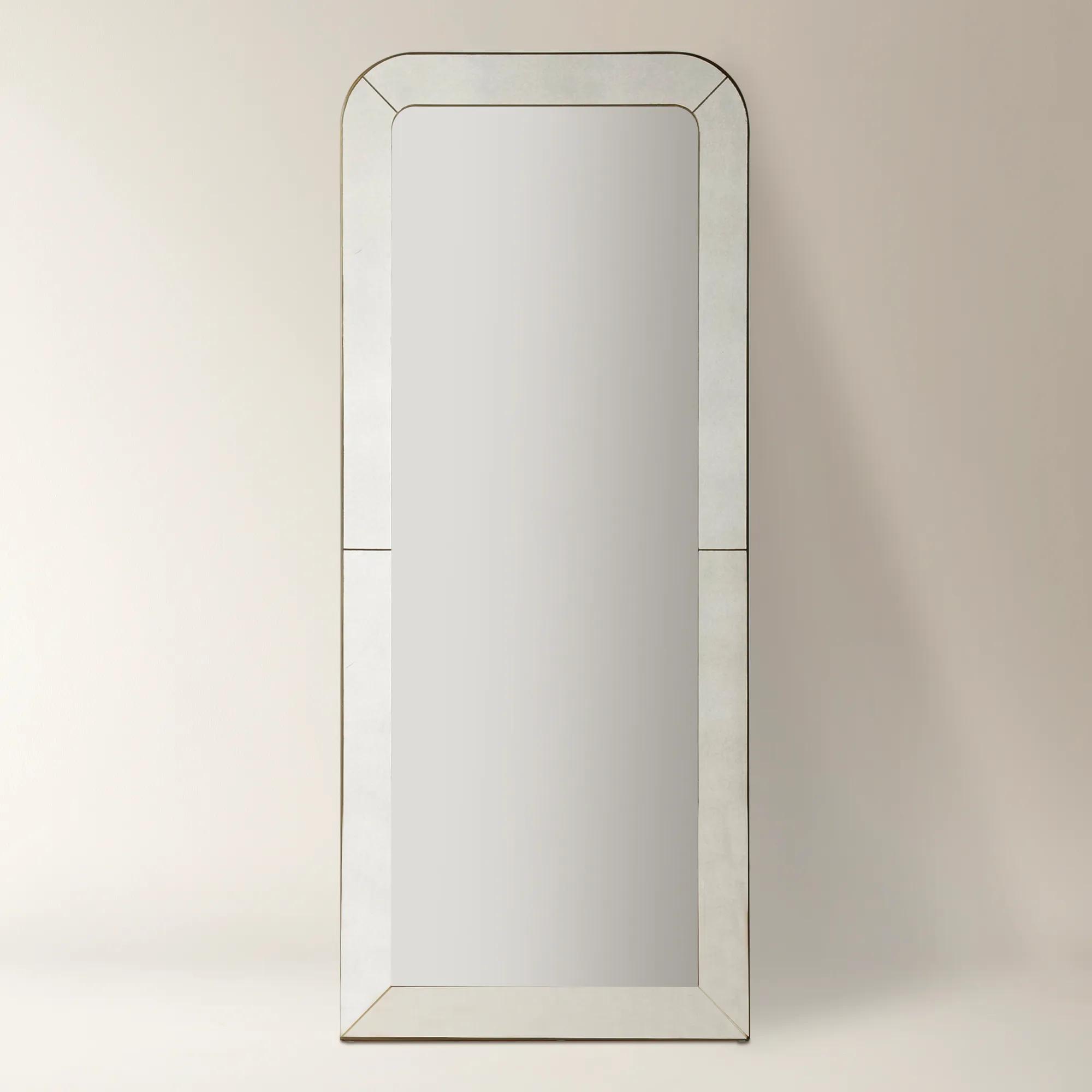
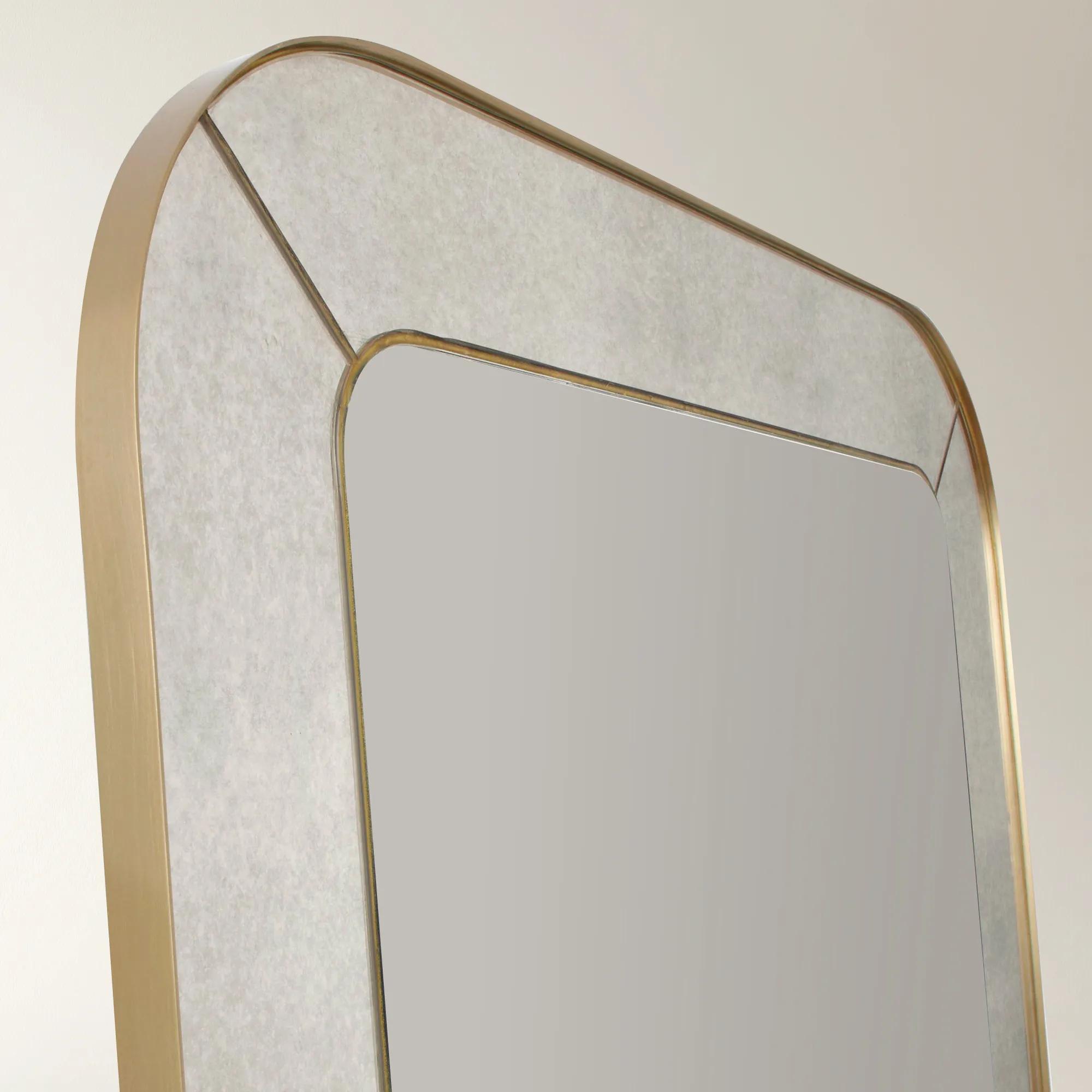 Parker Stainless Steel Floor Mirror 32" x 76"$799
An arched floor mirror with a gold stainless steel frame adds drama and sophistication to any room.
Add To Cart -
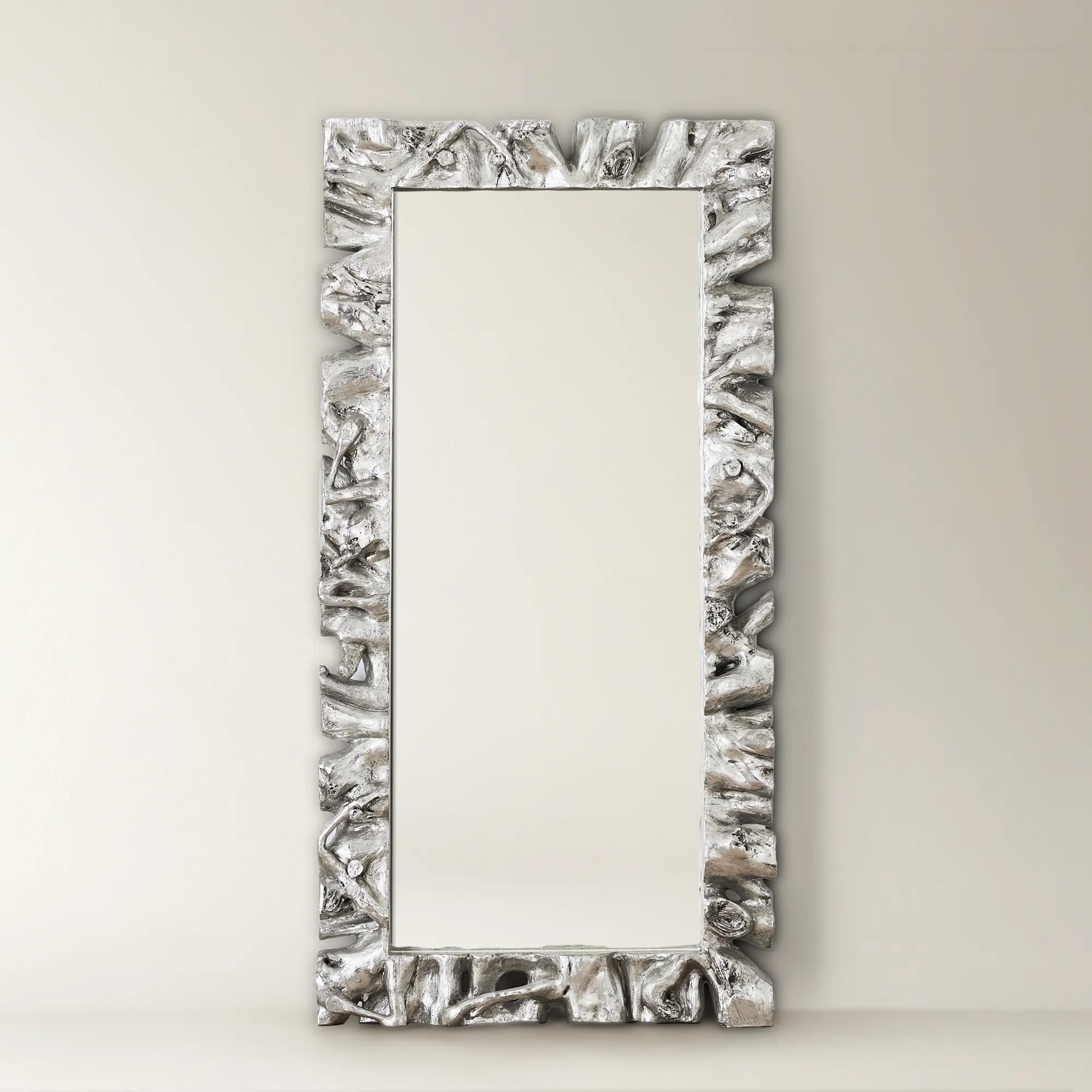 Sequoia Silver Resin Rectangular Floor Mirror 39'' x 78''$1399
A sculptural leaner mirror featuring acacia root-inspired fiber resin and a shimmering metallic leaf finish.
Add To Cart -
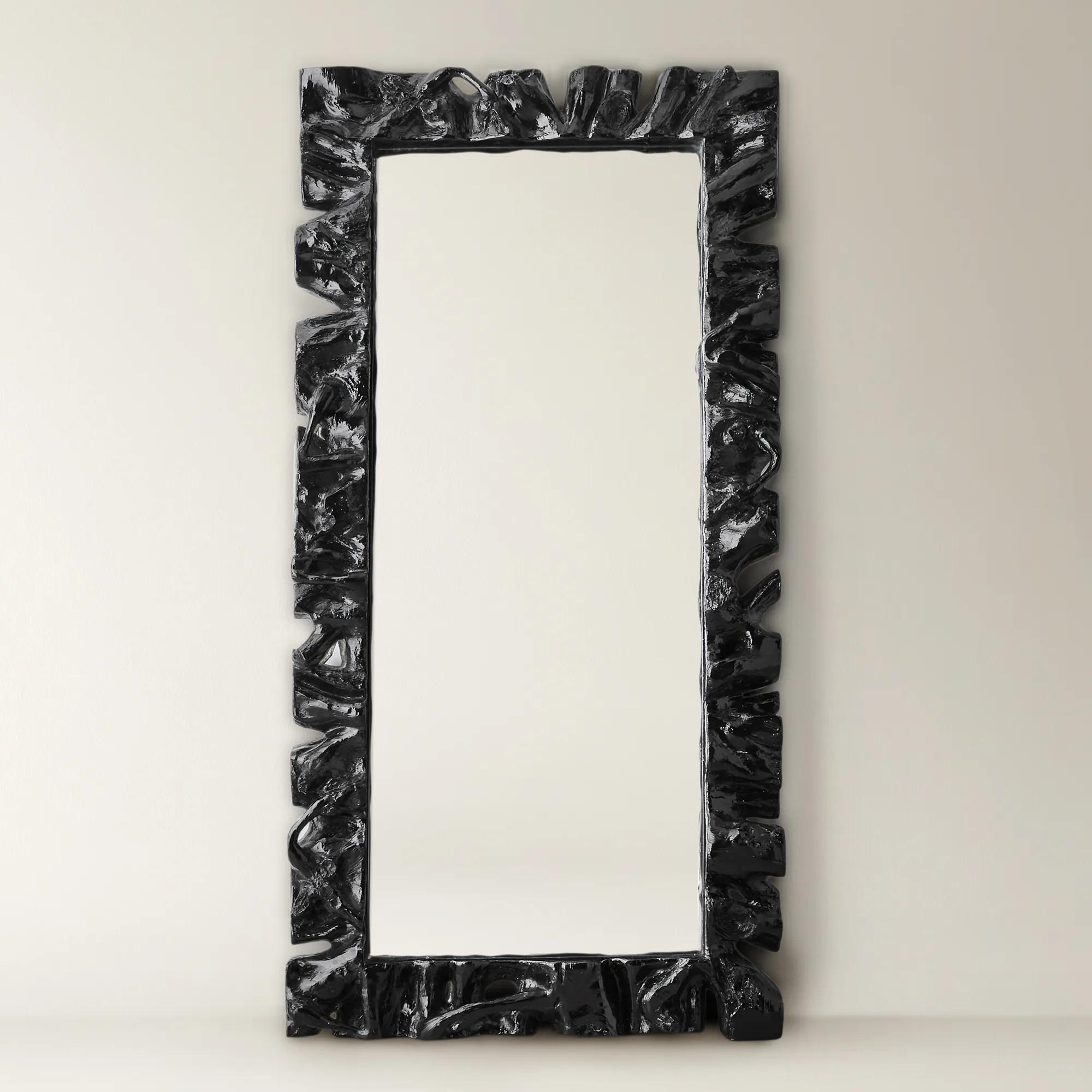
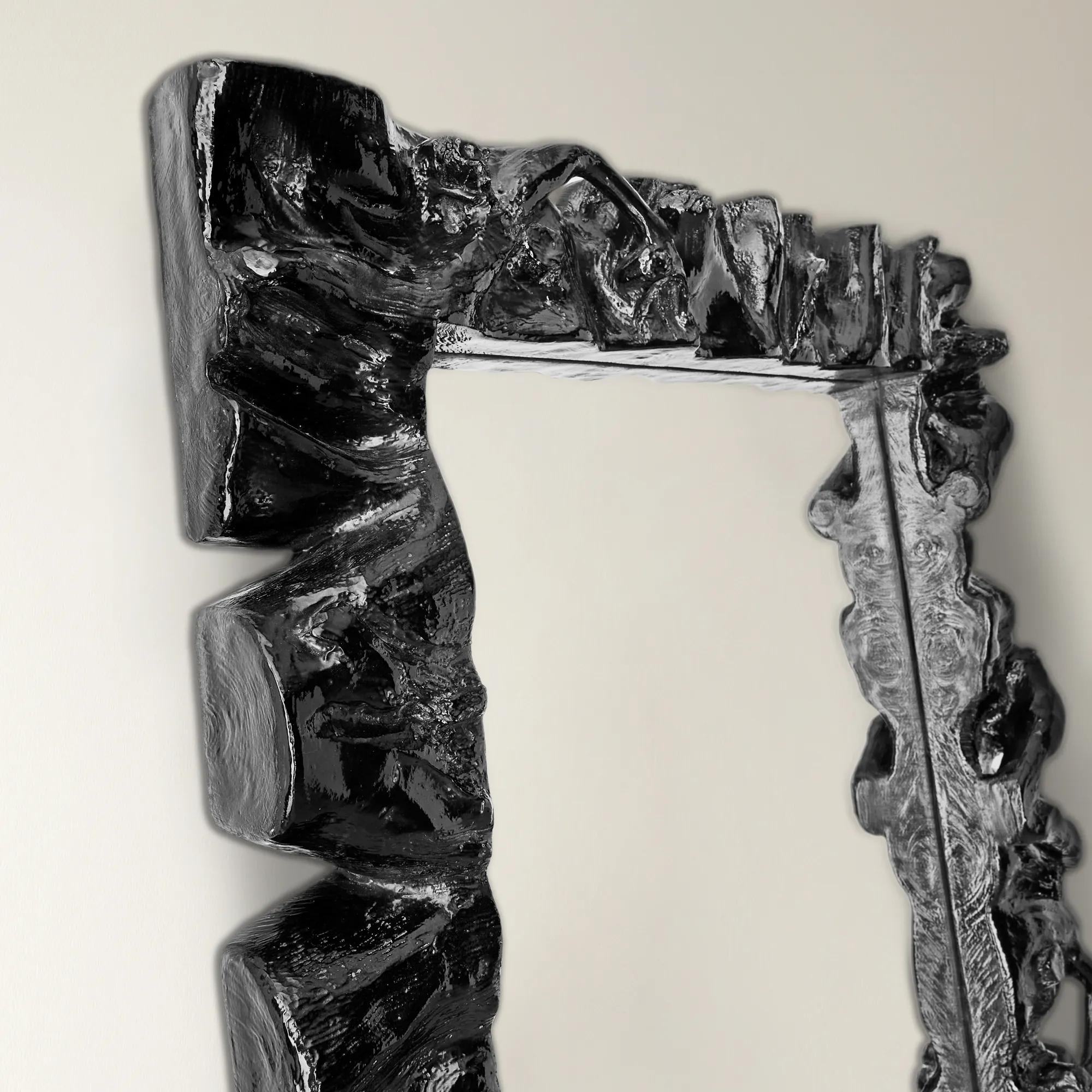 Sequoia Black Resin Rectangular Floor Mirror 39'' x 78''$1399
A sculptural floor mirror featuring acacia root-inspired fiber resin in a sleek black gel finish.
Add To Cart -
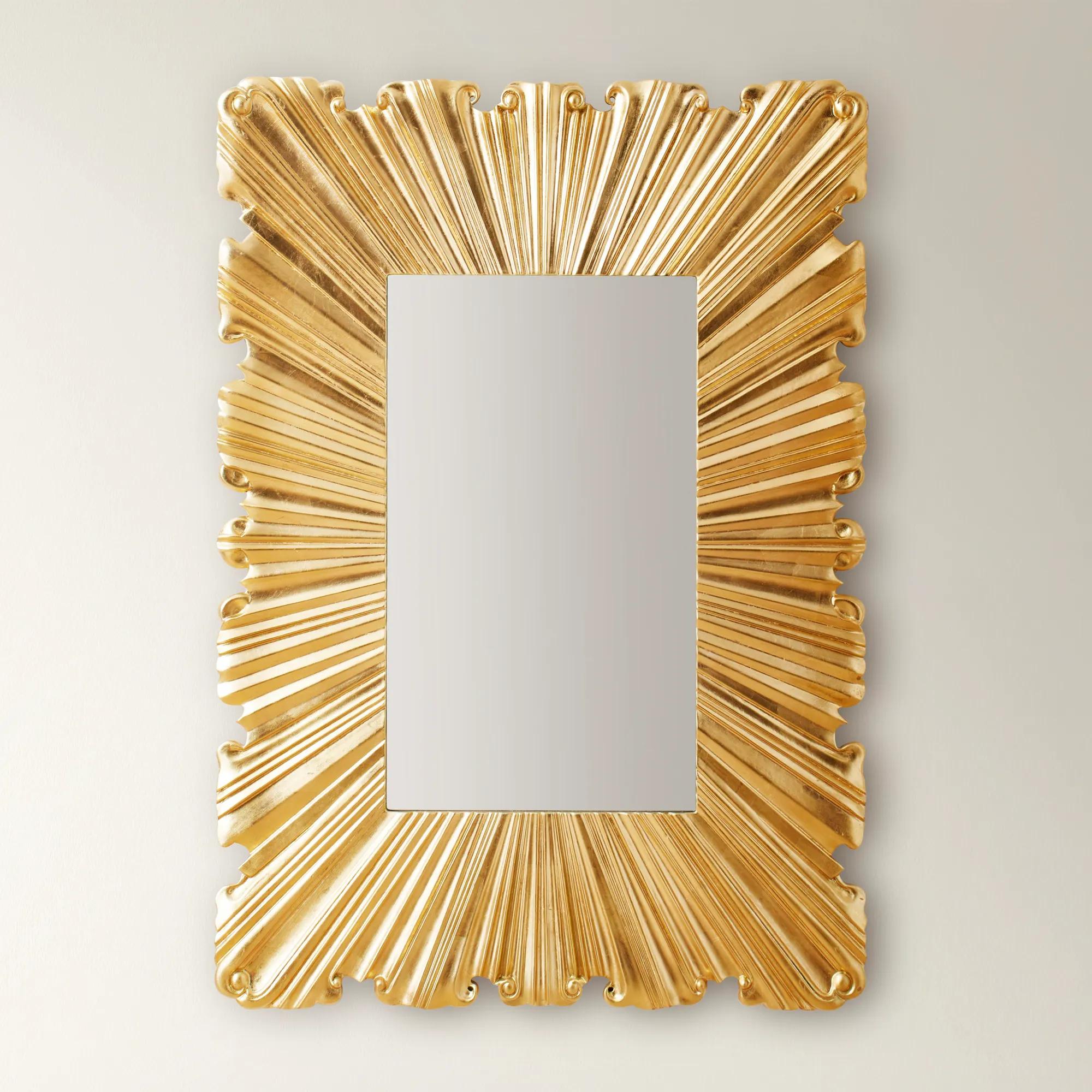 Metropolitan Gold Leaf Resin Rectangular Wall Mirror 27.5" x 39.5"$459
A sculptural wall mirror featuring a gold-finished polyurethane frame for a modern, elegant accent.
Add To Cart -
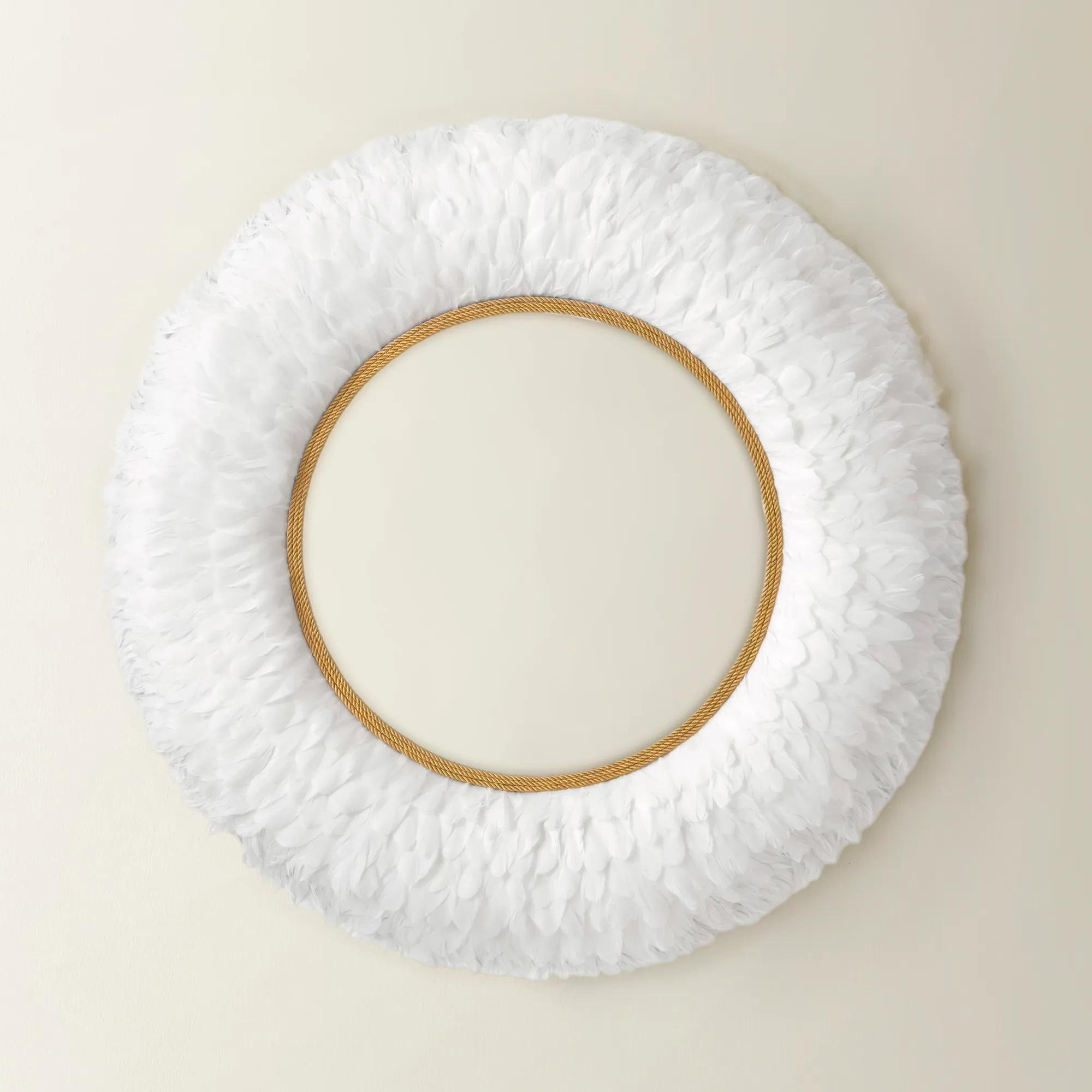
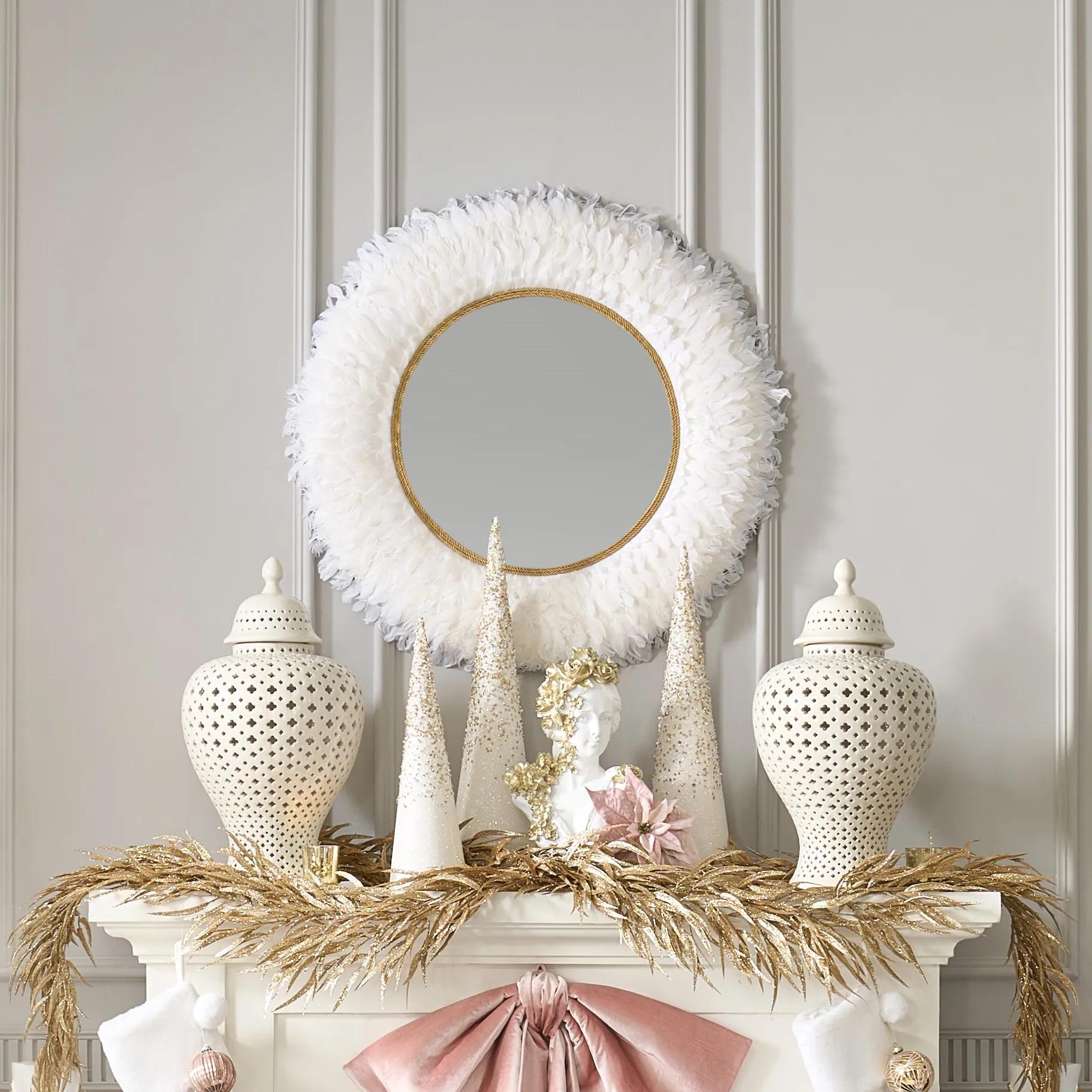 Nikki Chu - Daybreak Feather Mirror$499
A dramatic white feather-framed mirror accented with a gleaming gold inner border for added texture.
Add To Cart -
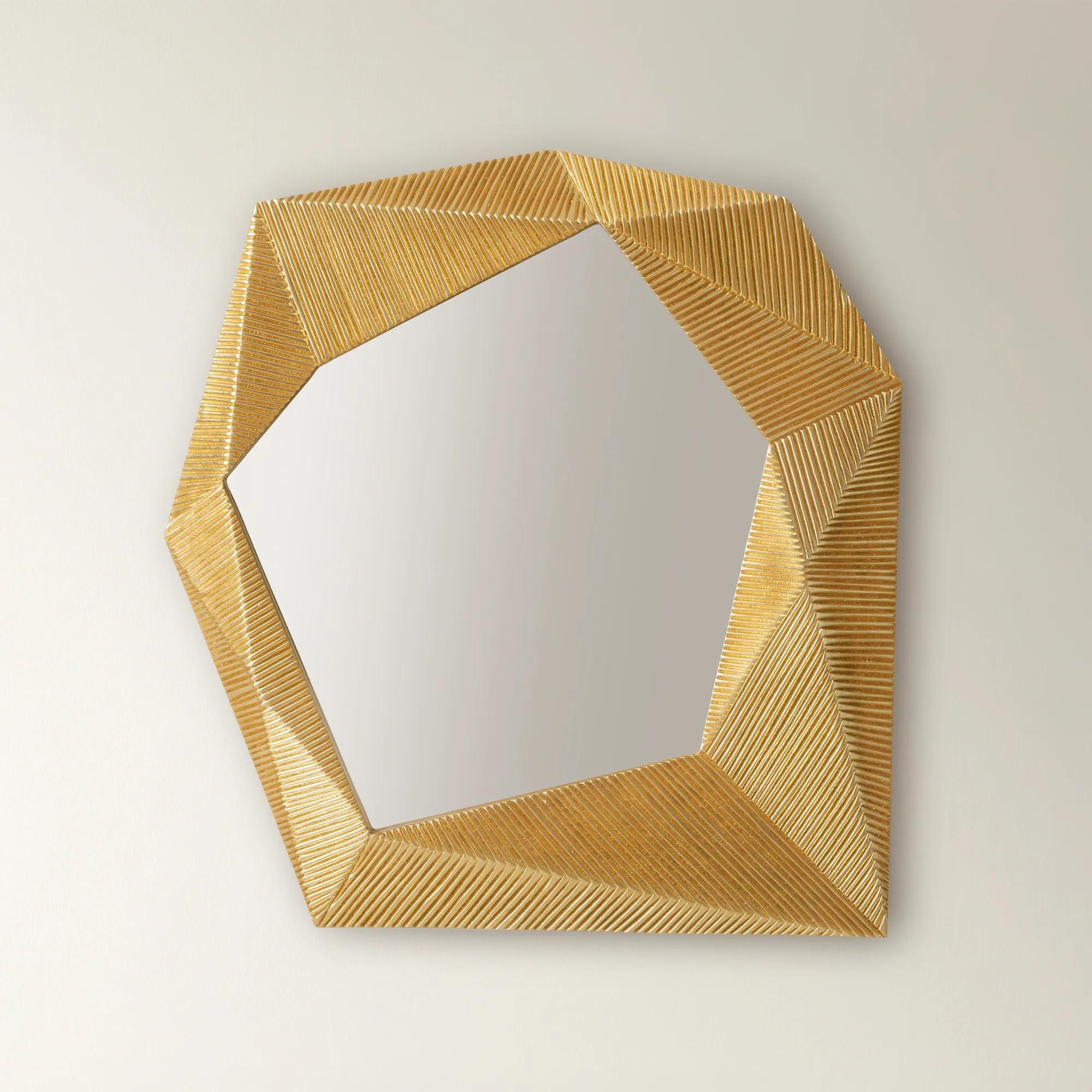
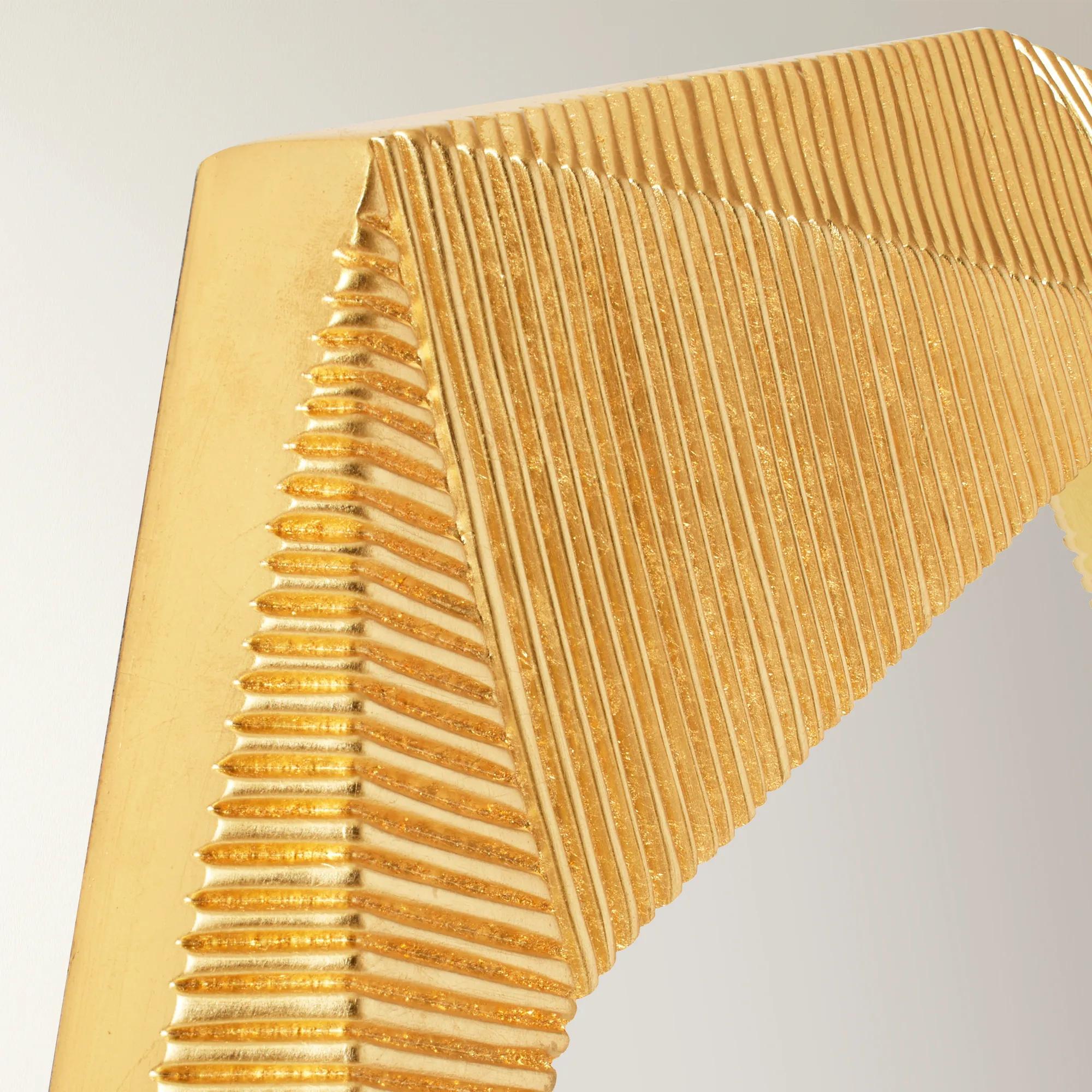 Nikki Chu Gold Steel Faceted Wall Mirror 31.5" x 35.5"$349
A modern mirror featuring a textured, faceted steel frame in a striking metallic gold finish.
Add To Cart -
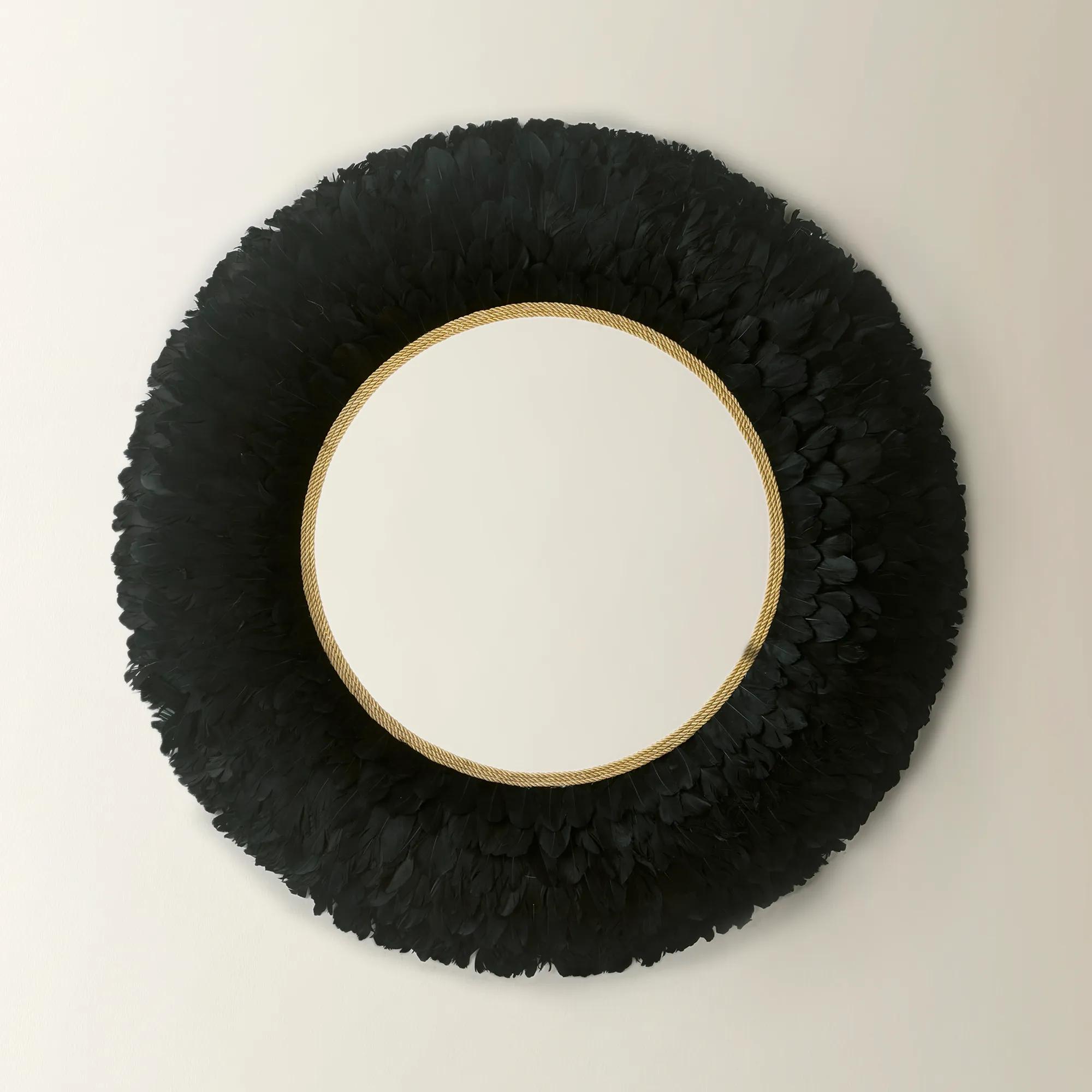
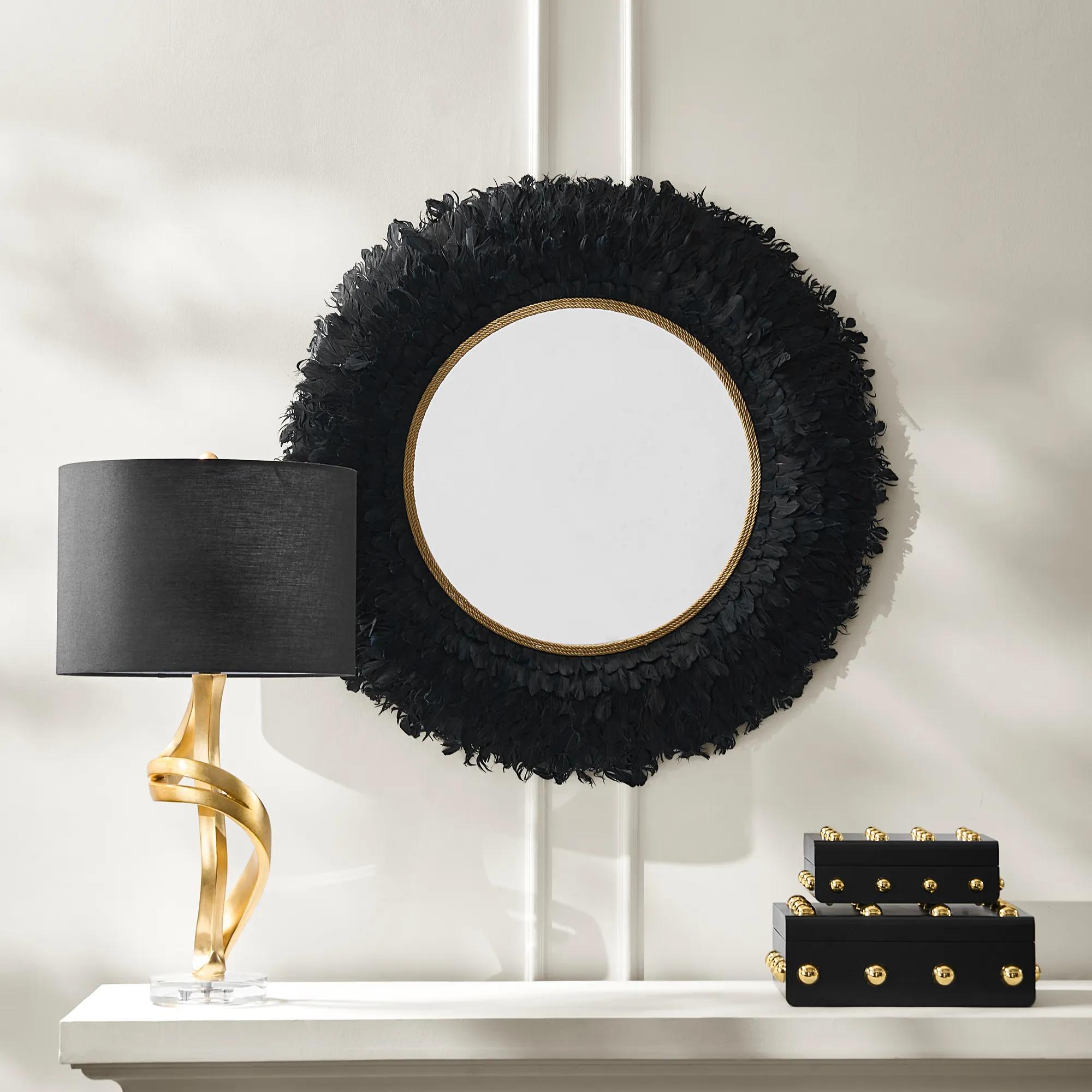 Nikki Chu Midnight Black Feather Round Wall Mirror 35.5"$499
A dramatic black feather-framed mirror accented with a gleaming gold inner border for striking wall texture.
Add To Cart -
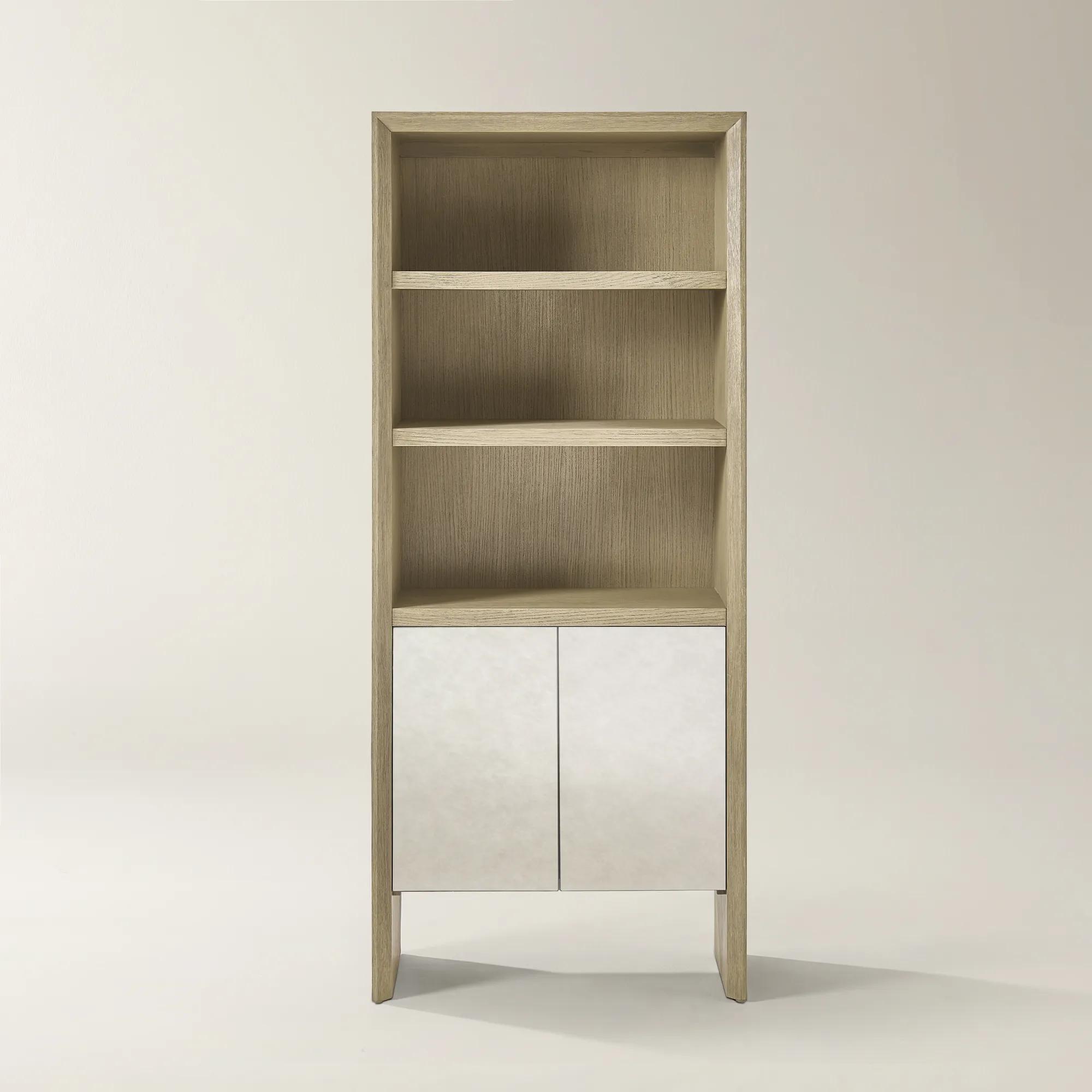
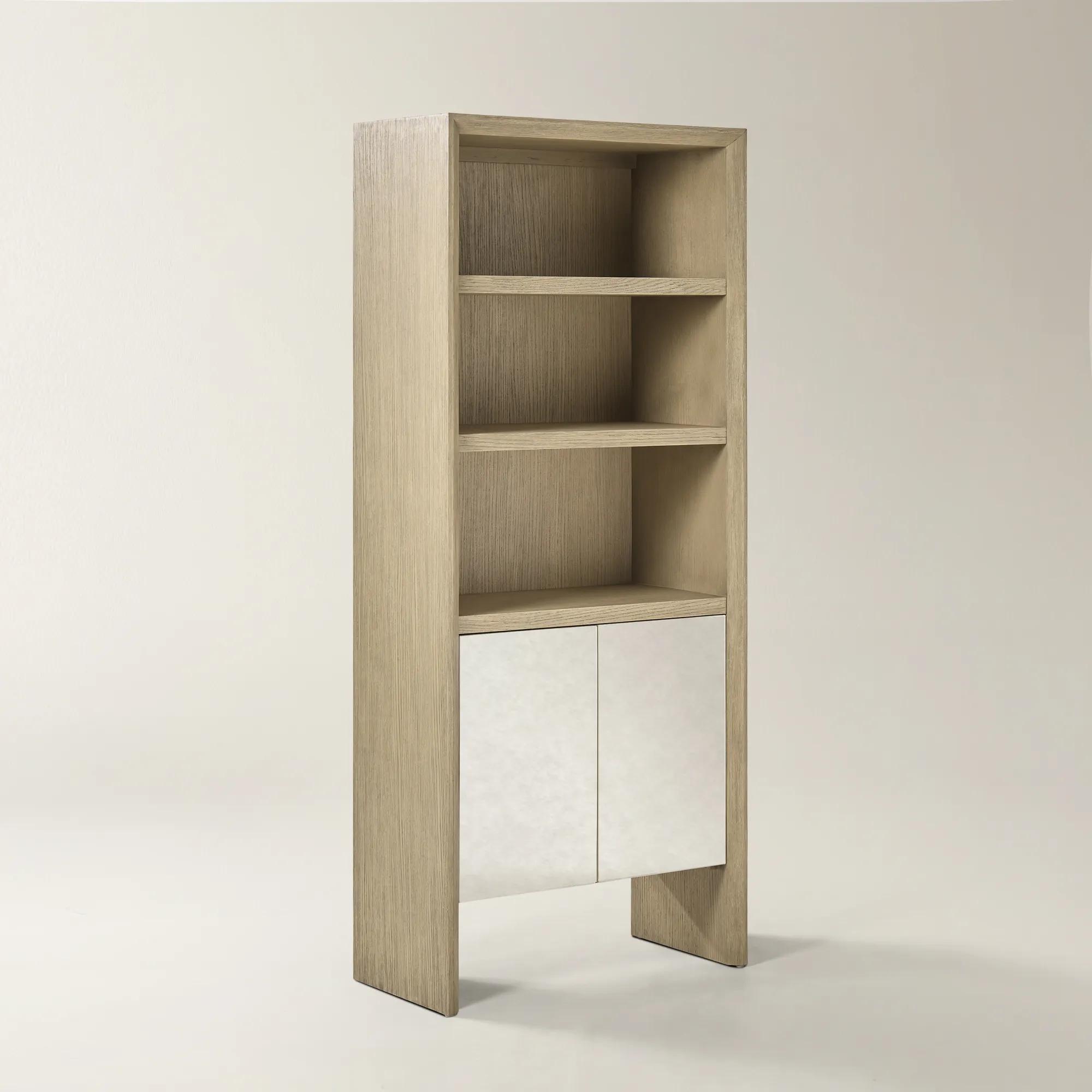 Glimmer Mirrored Sea Drift Oak Bookcase (80")$1999
A two-tone oak bookcase featuring antique mirrored doors, open shelving, and soft-close concealed storage.
Add To Cart -
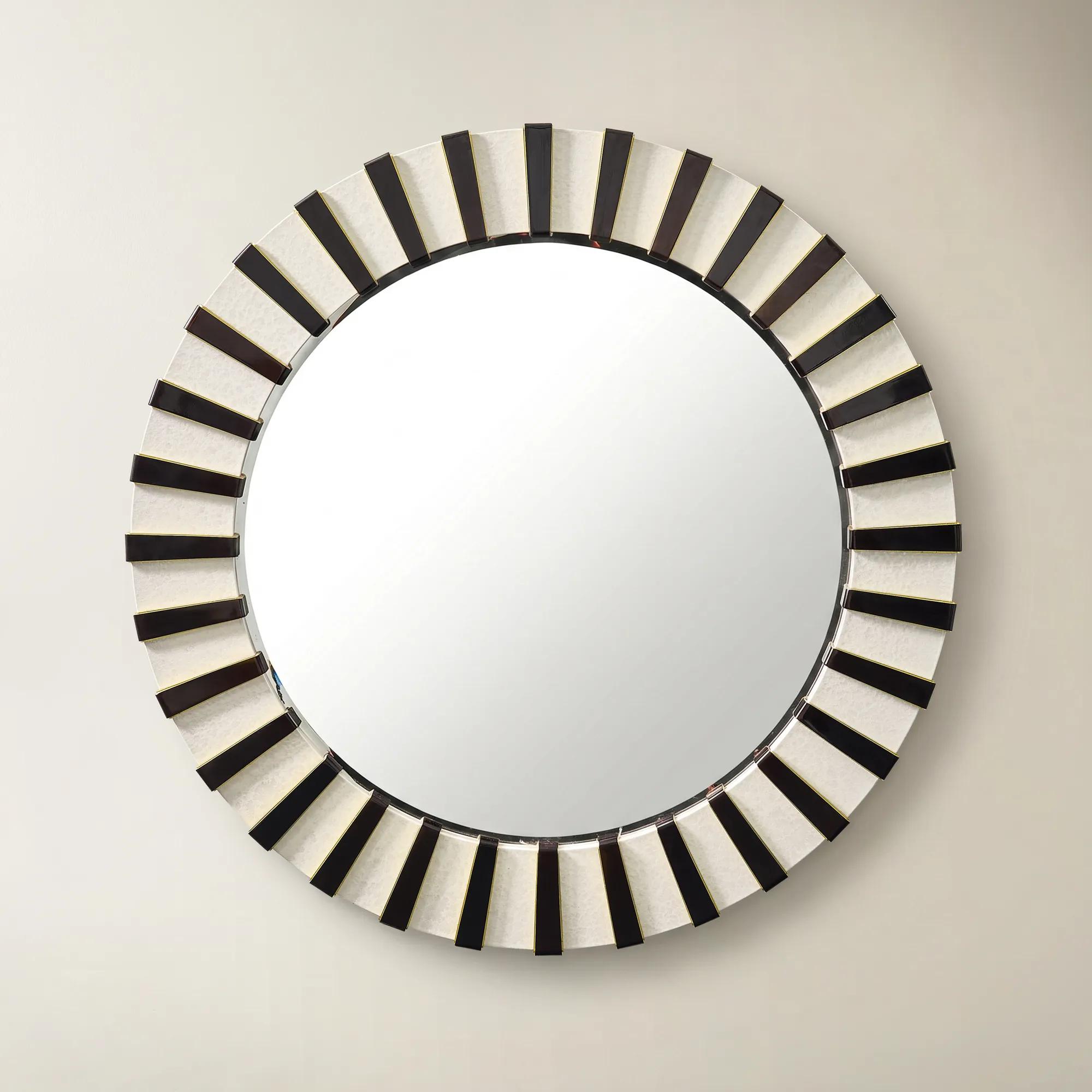 Regatta Opaline Pearl Black Gold Dimensional Round Wall Mirror 45"$849
A luminous wall mirror featuring an opaline pearl lacquered wood frame with black, gold, and raised resin accents.
Add To Cart -
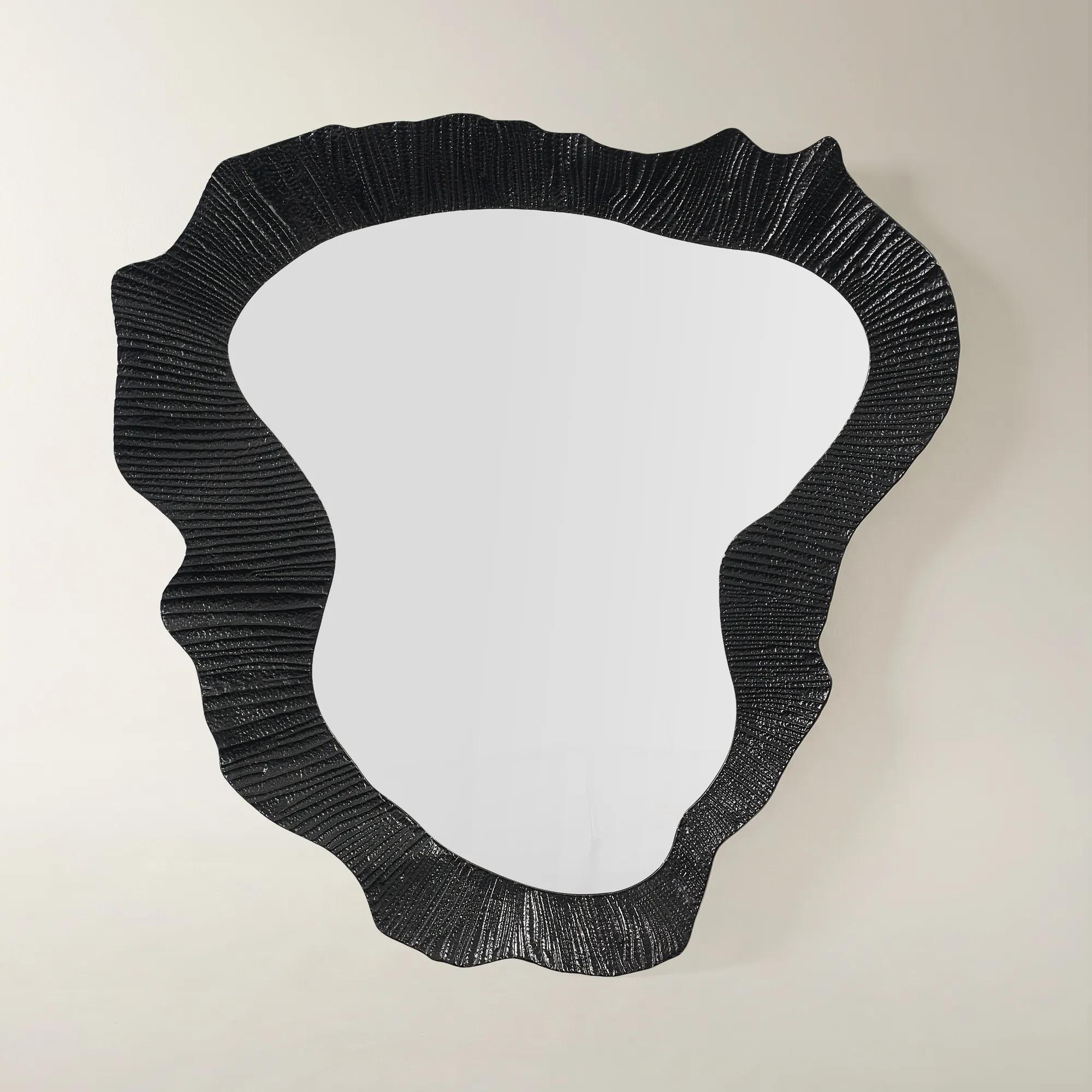 Cara Black Hand-Forged Iron Organic Shaped Wall Mirror 52.5" x 53"$1199
A hand-forged black iron frame and organic silhouette create a bold, sculptural statement for any room.
Add To Cart -
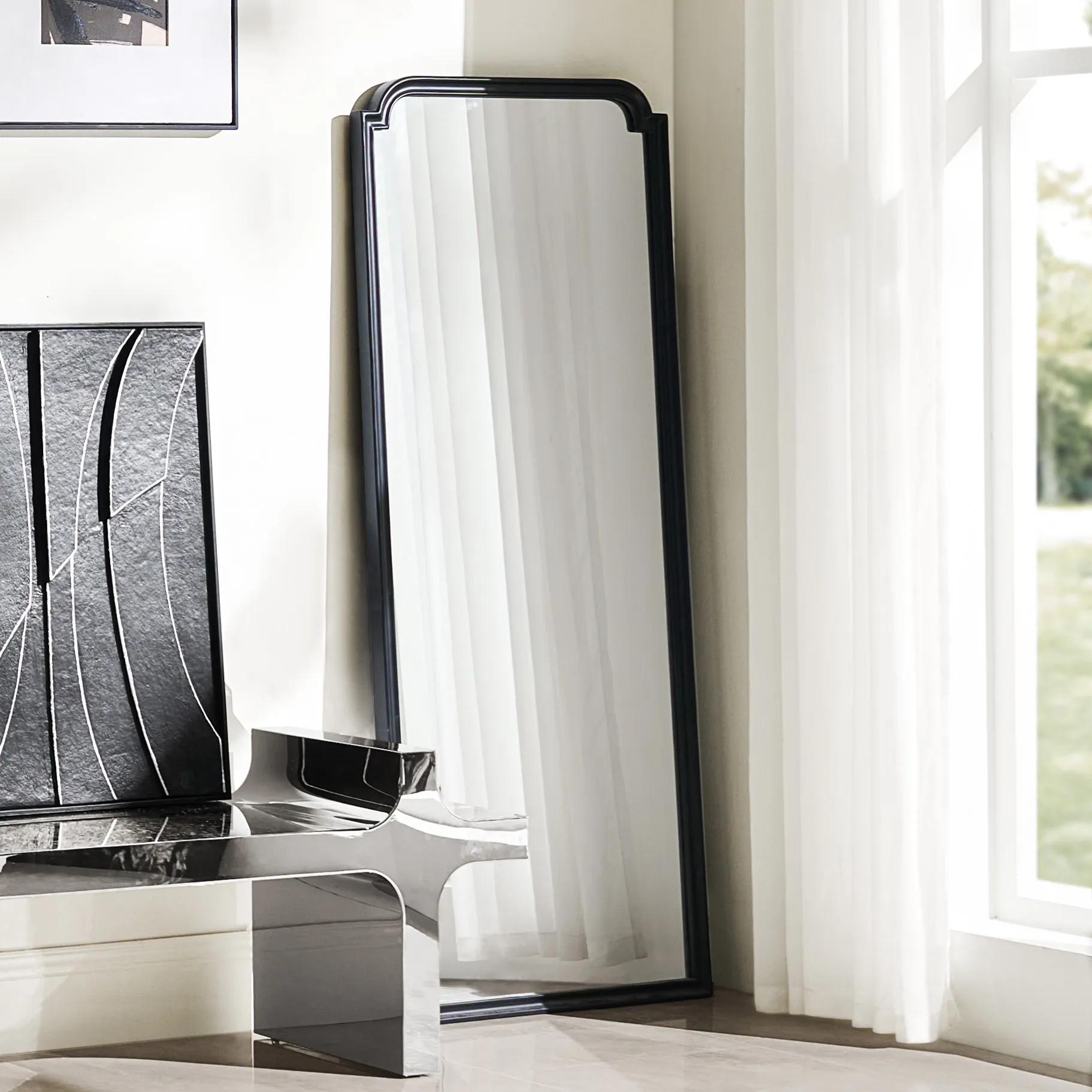
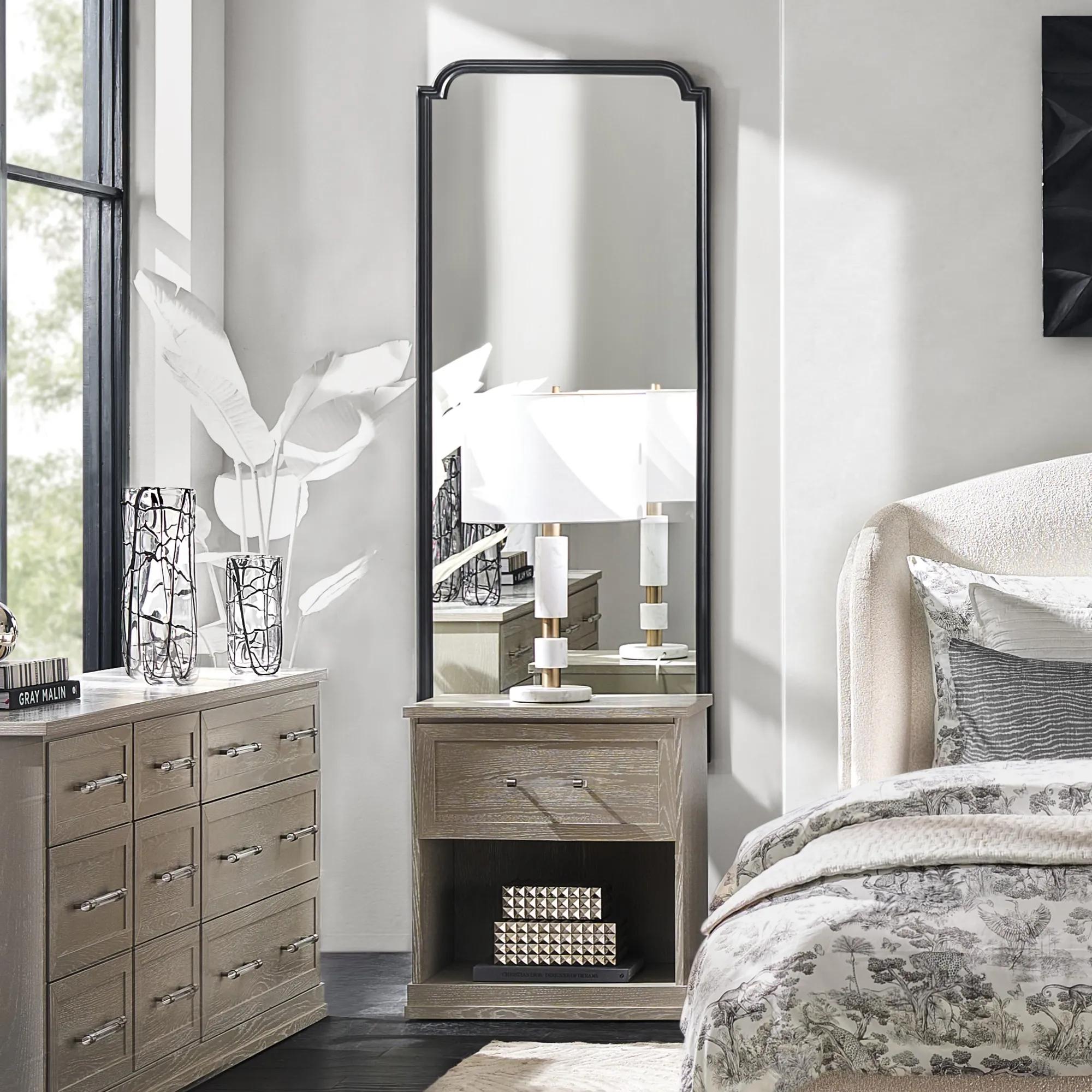 Clyde Floor Mirror$799
A sleek black-framed floor mirror crafted from glass and MDF for a sophisticated, modern touch.
Add To Cart -
.jpeg?w=1200&h=1200)
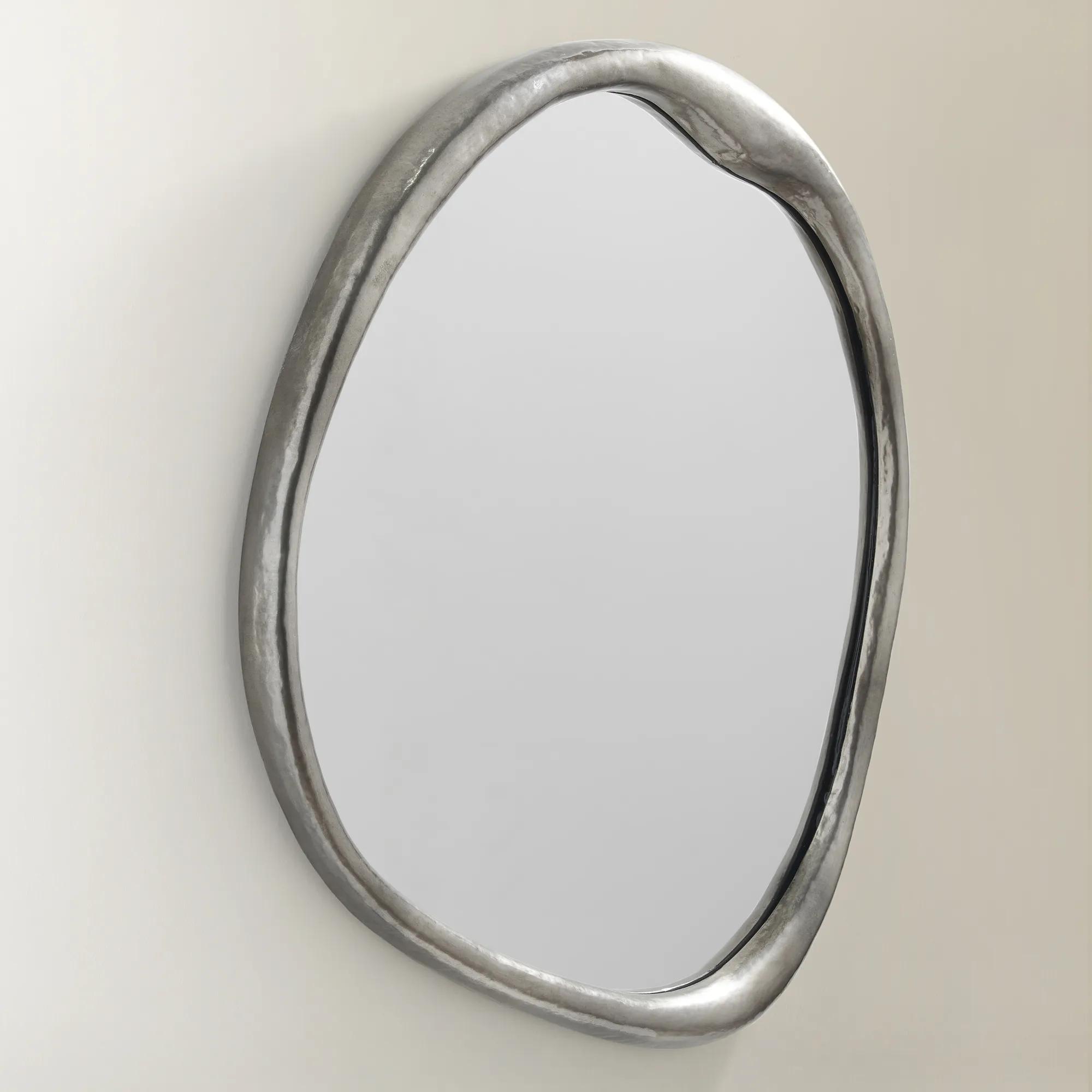 Organa Wall Mirror$599
An irregular silver iron-framed mirror that brings modern organic style and reflective depth to any room.
Add To Cart -
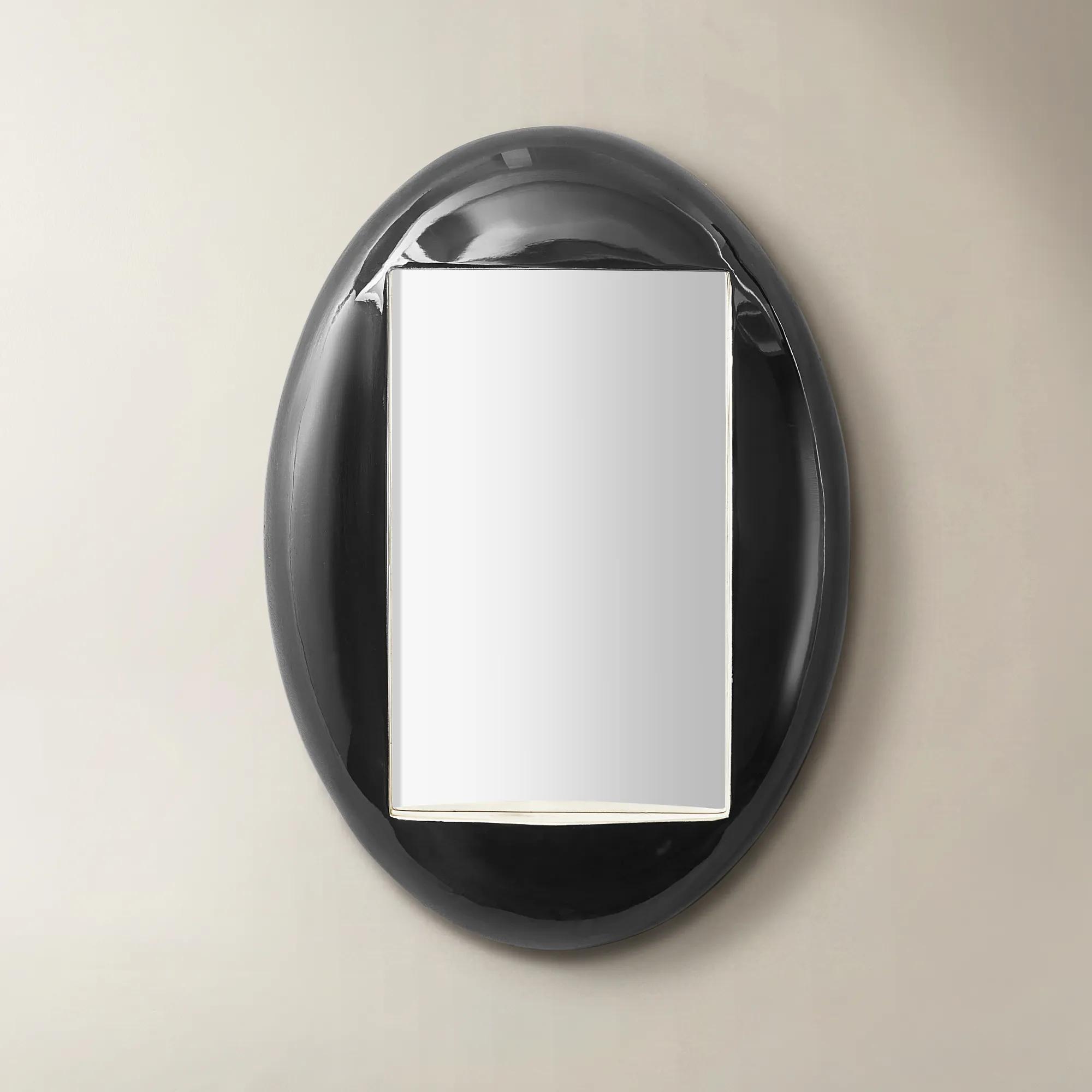 Tuxedo Black And Champagne High Gloss Resin Geometric Wall Mirror 28" x 20"$299
A geometric wall mirror with a black and champagne resin frame for bold, modern sophistication.
Add To Cart -
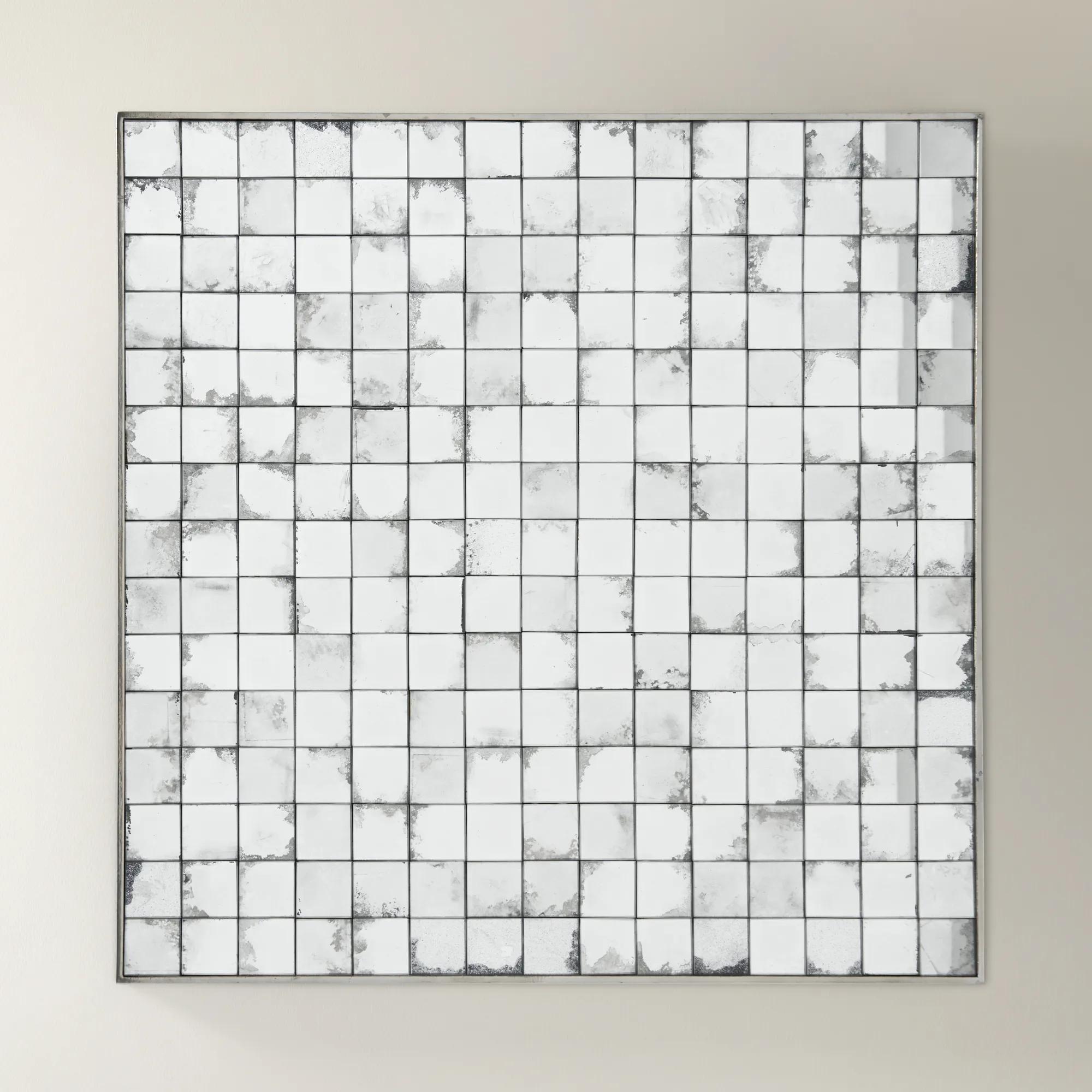
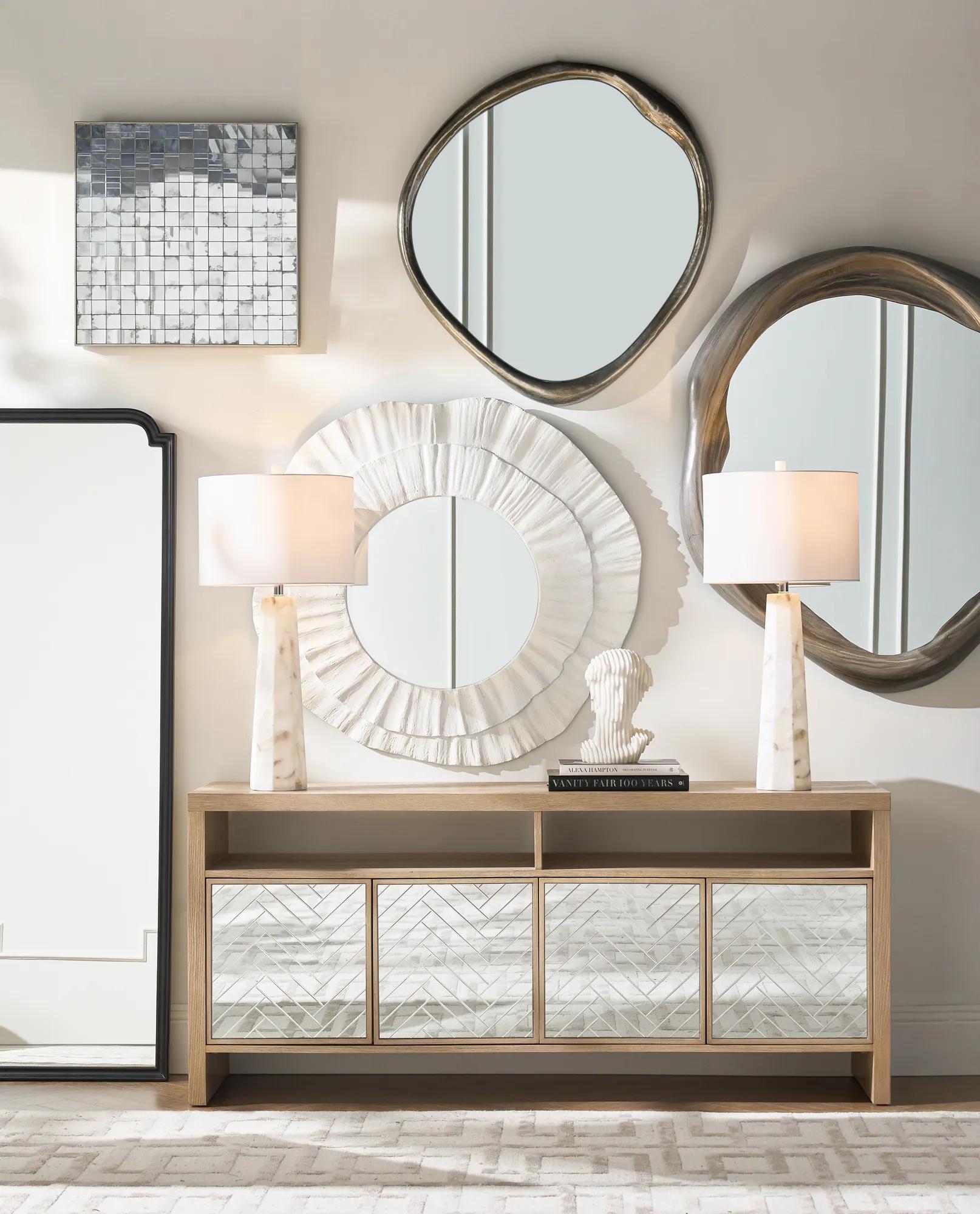 Futuro Wall Mirror$499
An antiqued silver mirror featuring aged glass tiles for a striking blend of vintage and modern style.
Add To Cart -
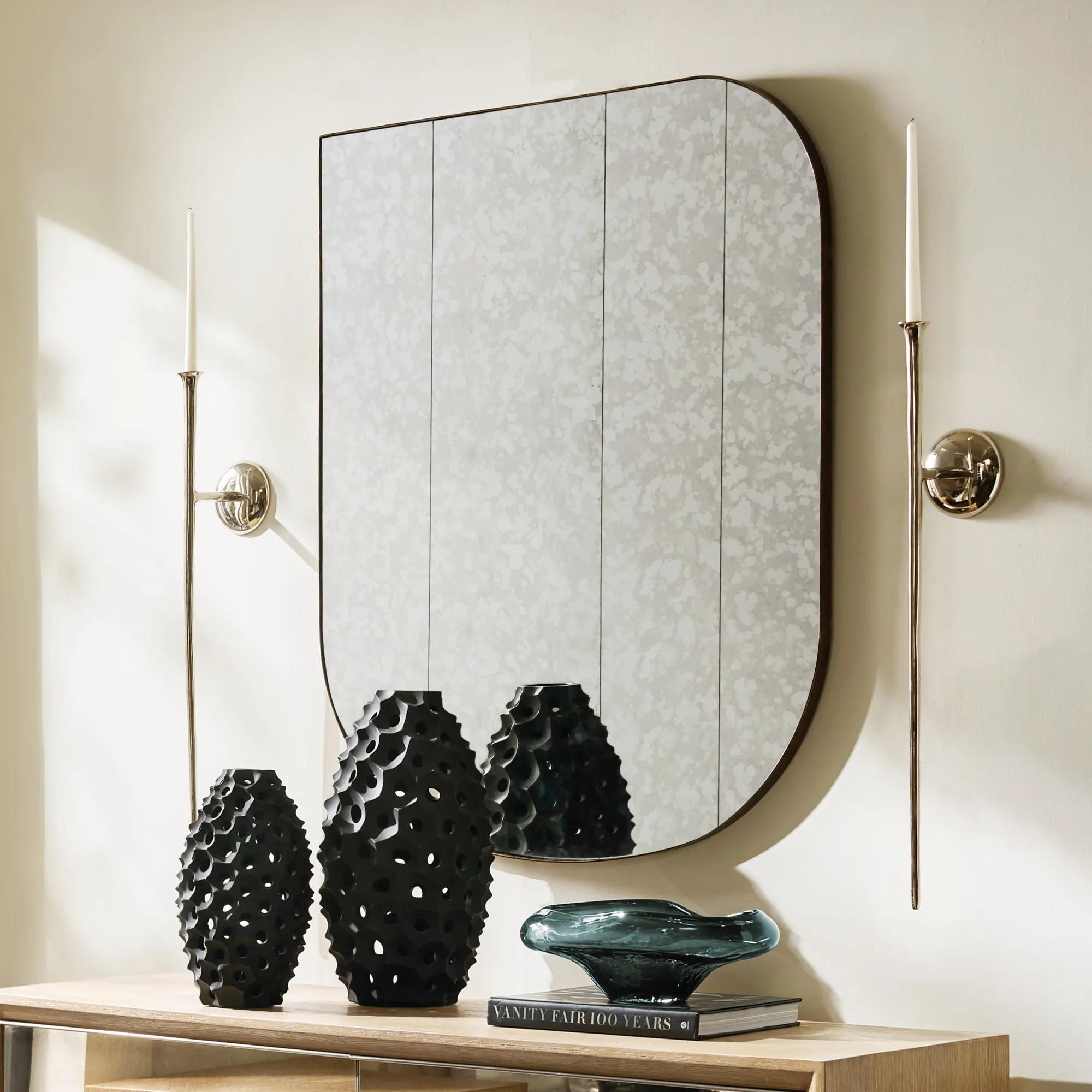
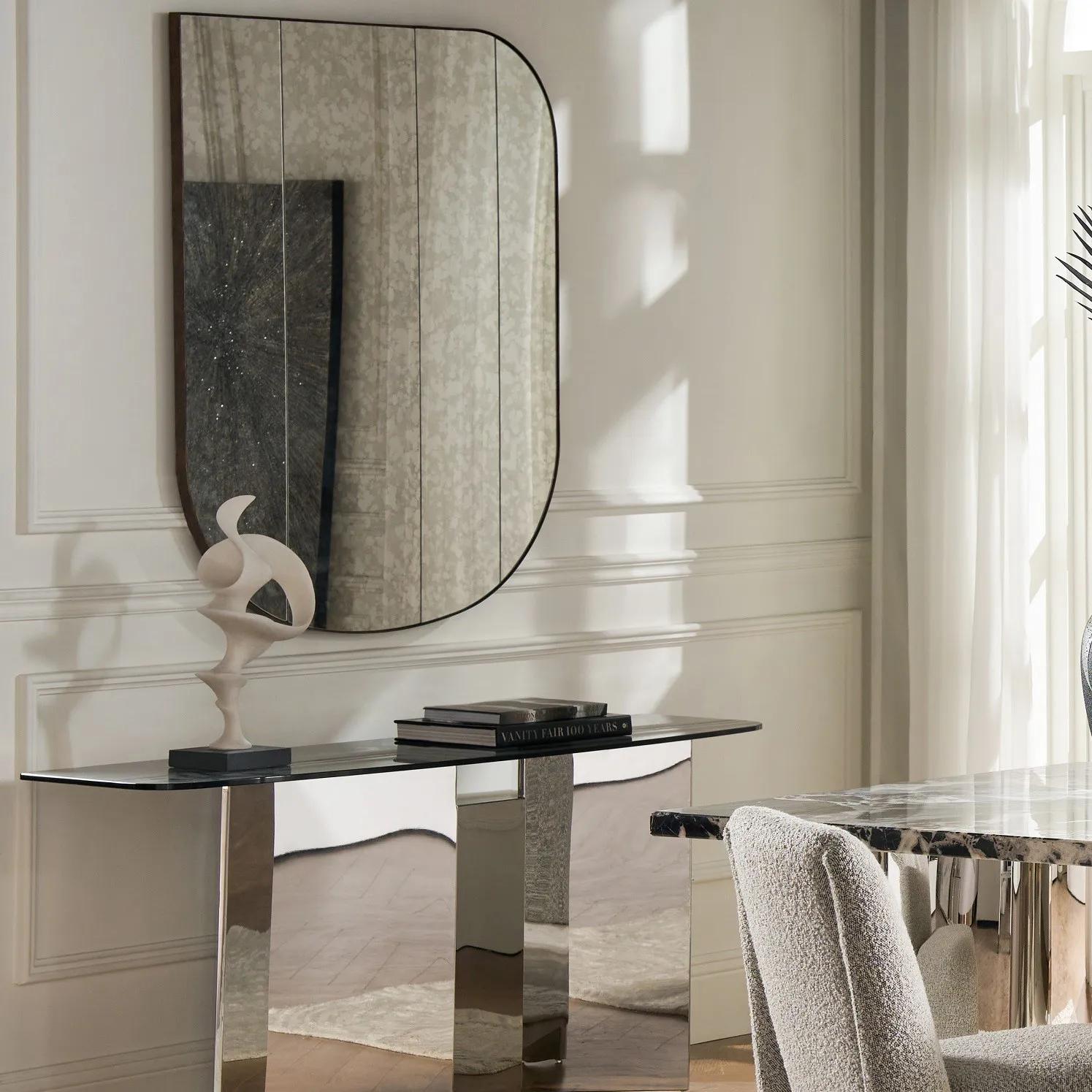 Angolo Wall Mirror$799
An antique-inspired wall mirror featuring a softly irregular shape and shimmering patina on iron and MDF.
Add To Cart -
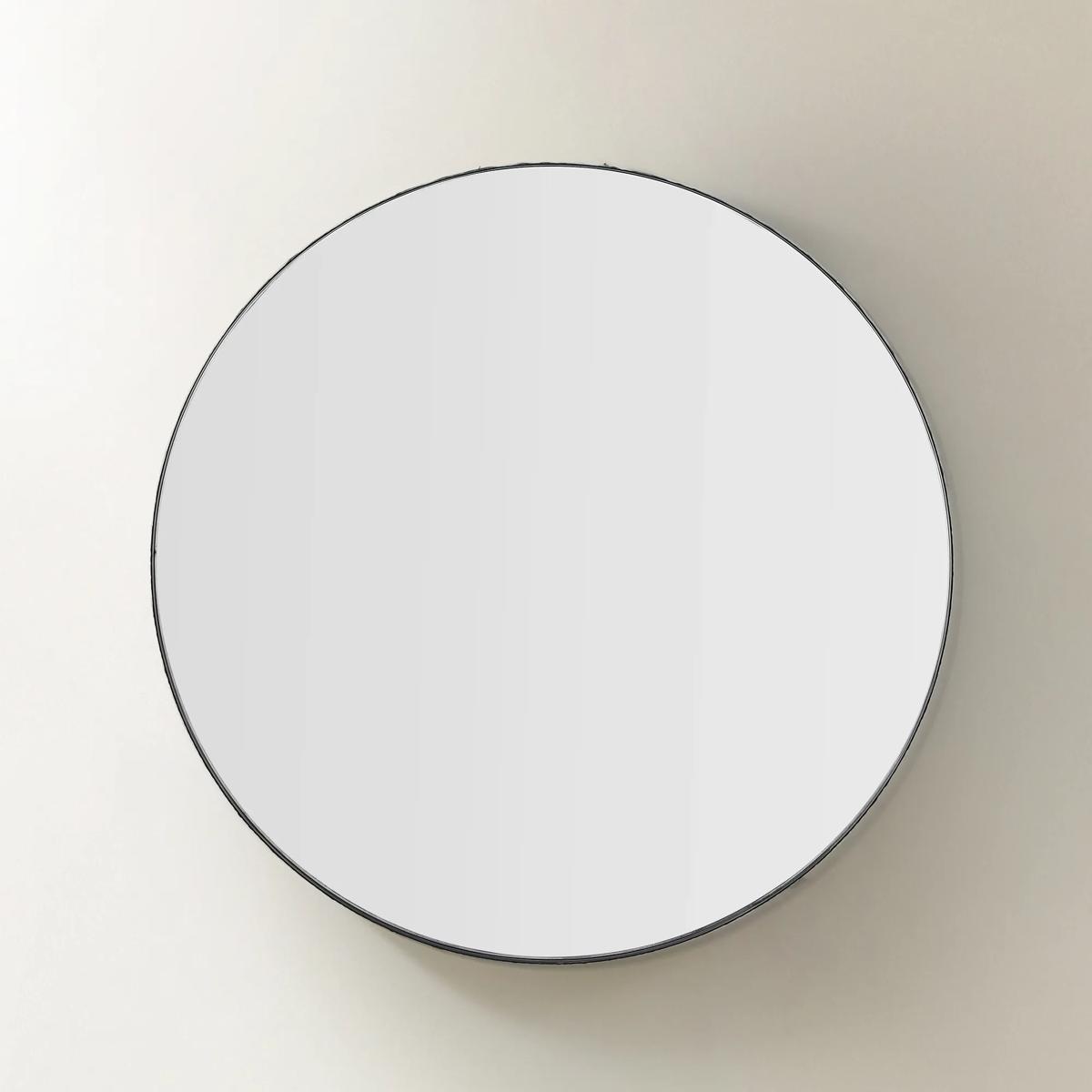
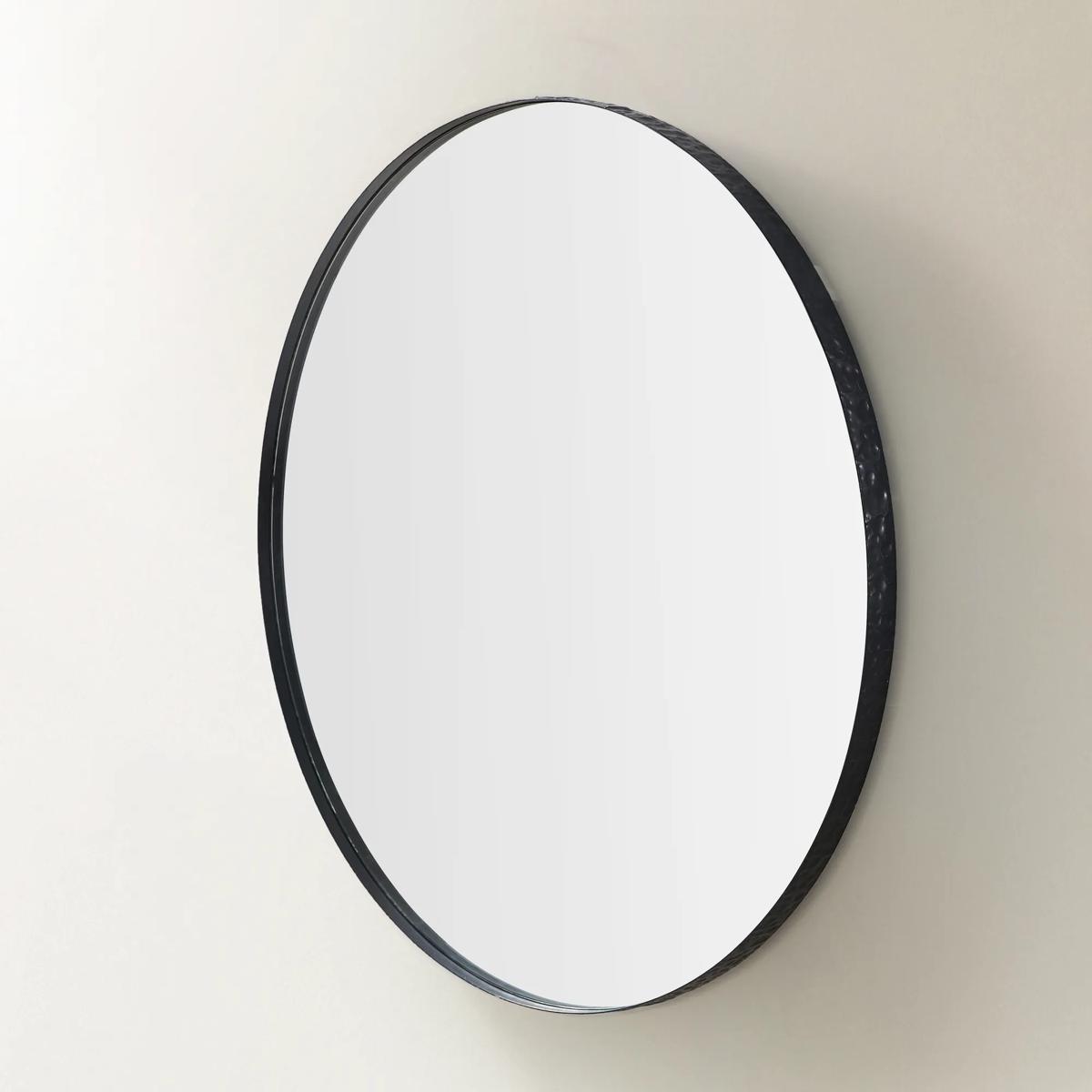 Cade Wall Mirror - Black$699
A round wall mirror featuring a hand-hammered black iron frame for a sleek, modern accent.
Add To Cart -
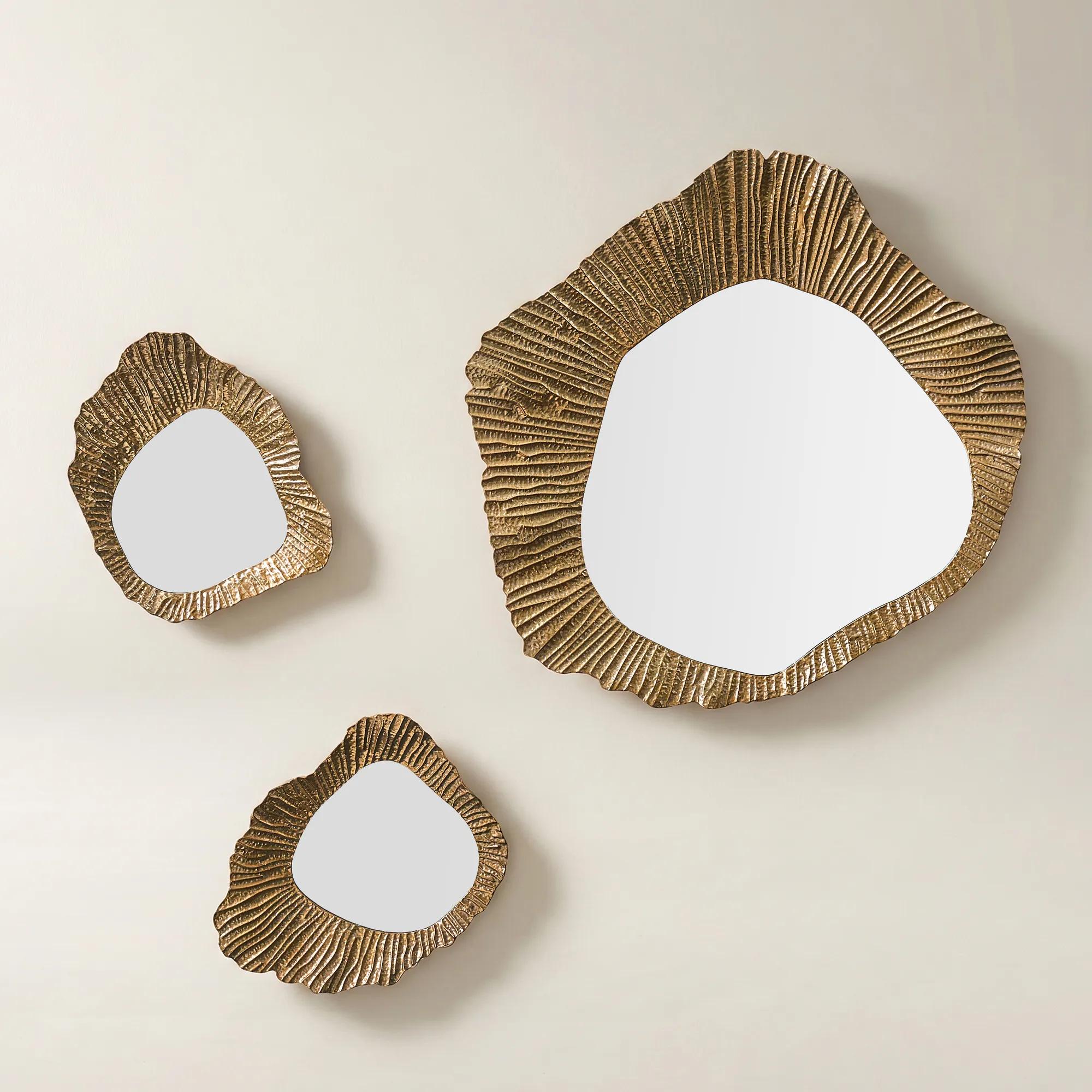 Cara Antique Gold Hand-Forged Iron Organic Shaped Wall Mirror Cluster Trio$1099
A set of three hand-forged iron mirrors in antiqued gold, featuring an organic, sculptural cluster design.
Add To Cart -
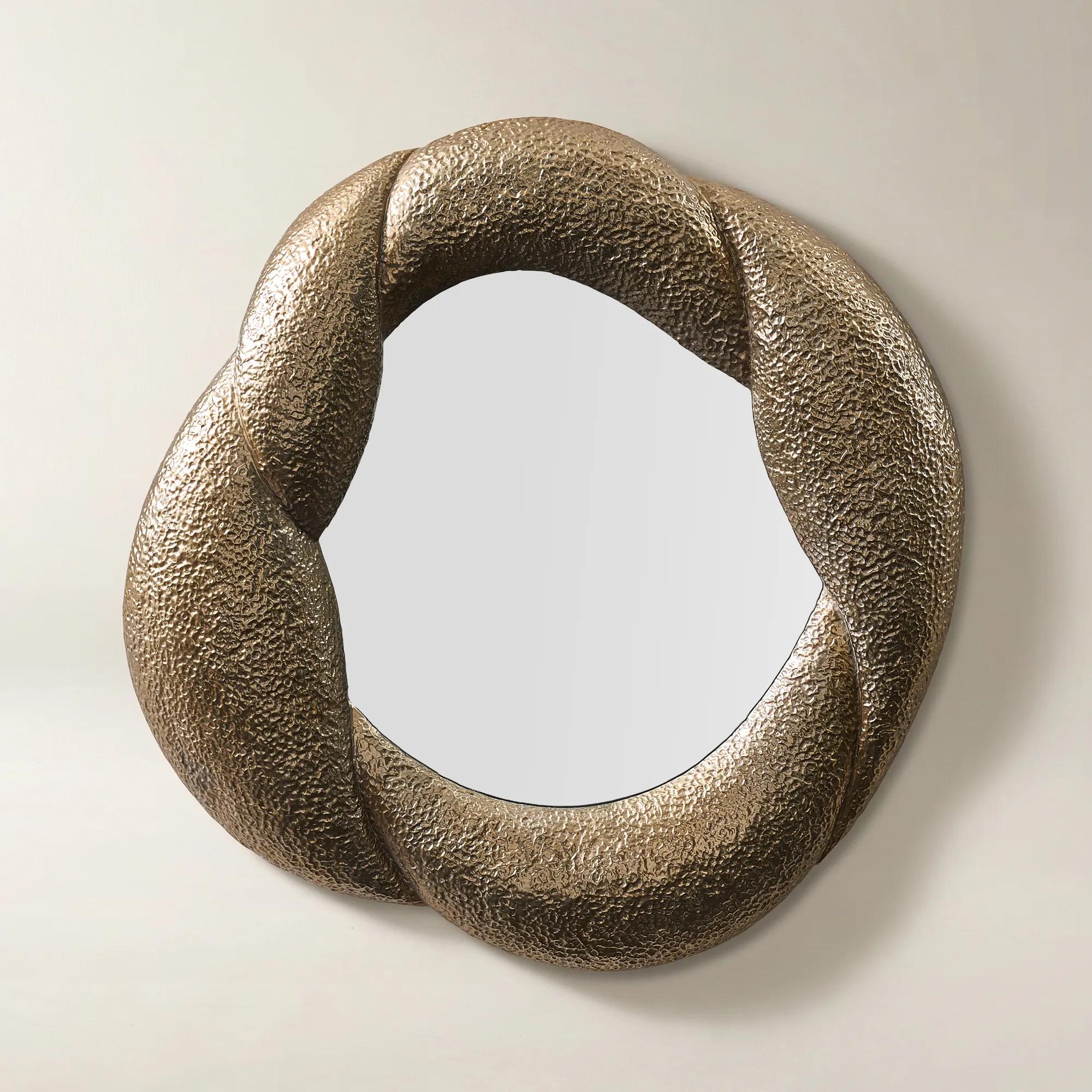 Bronze Age Hammered Texture Resin Organic Round Wall Mirror 34"$599
A round wall mirror featuring a chunky resin frame with hammered bronze texture for sculptural, modern appeal.
Add To Cart -
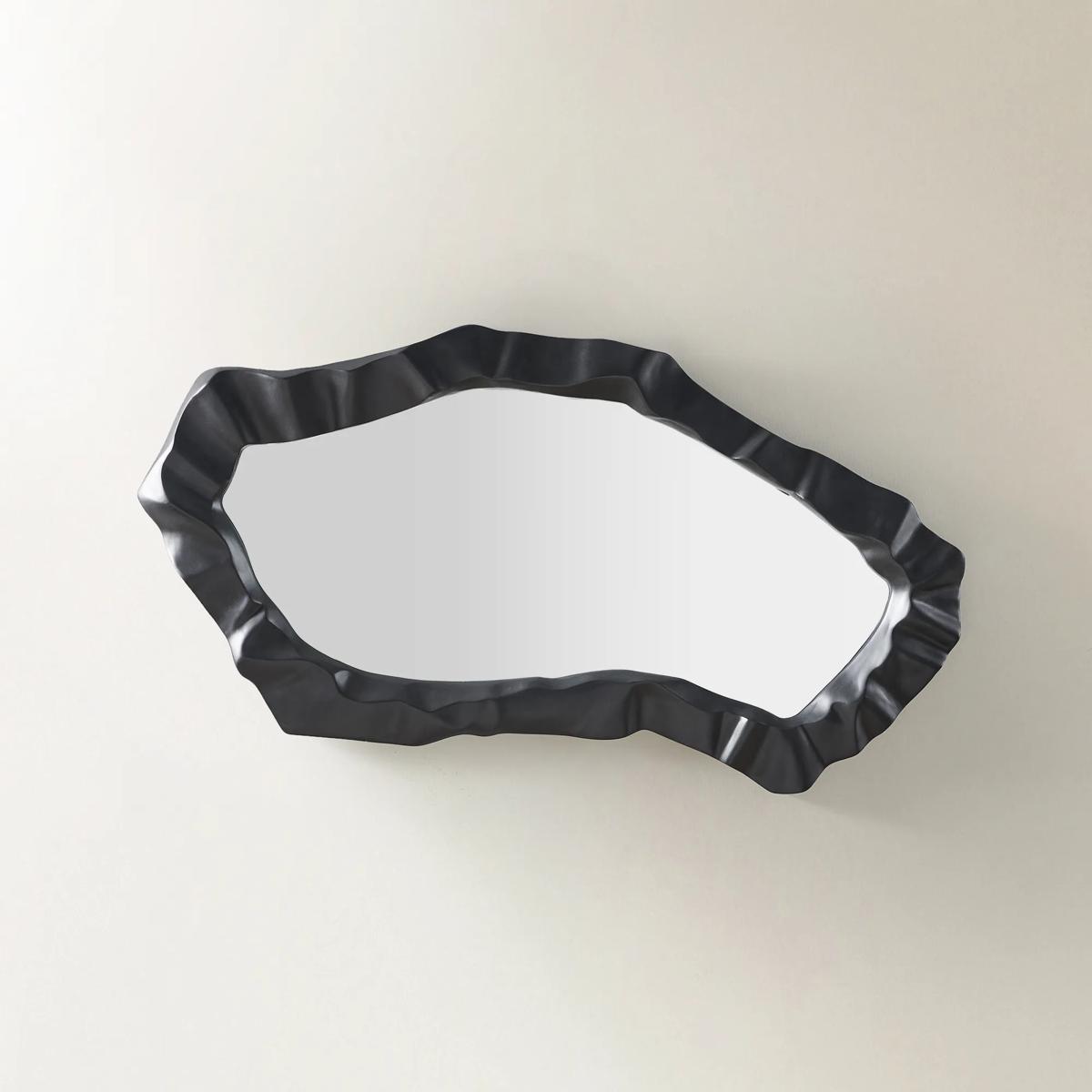
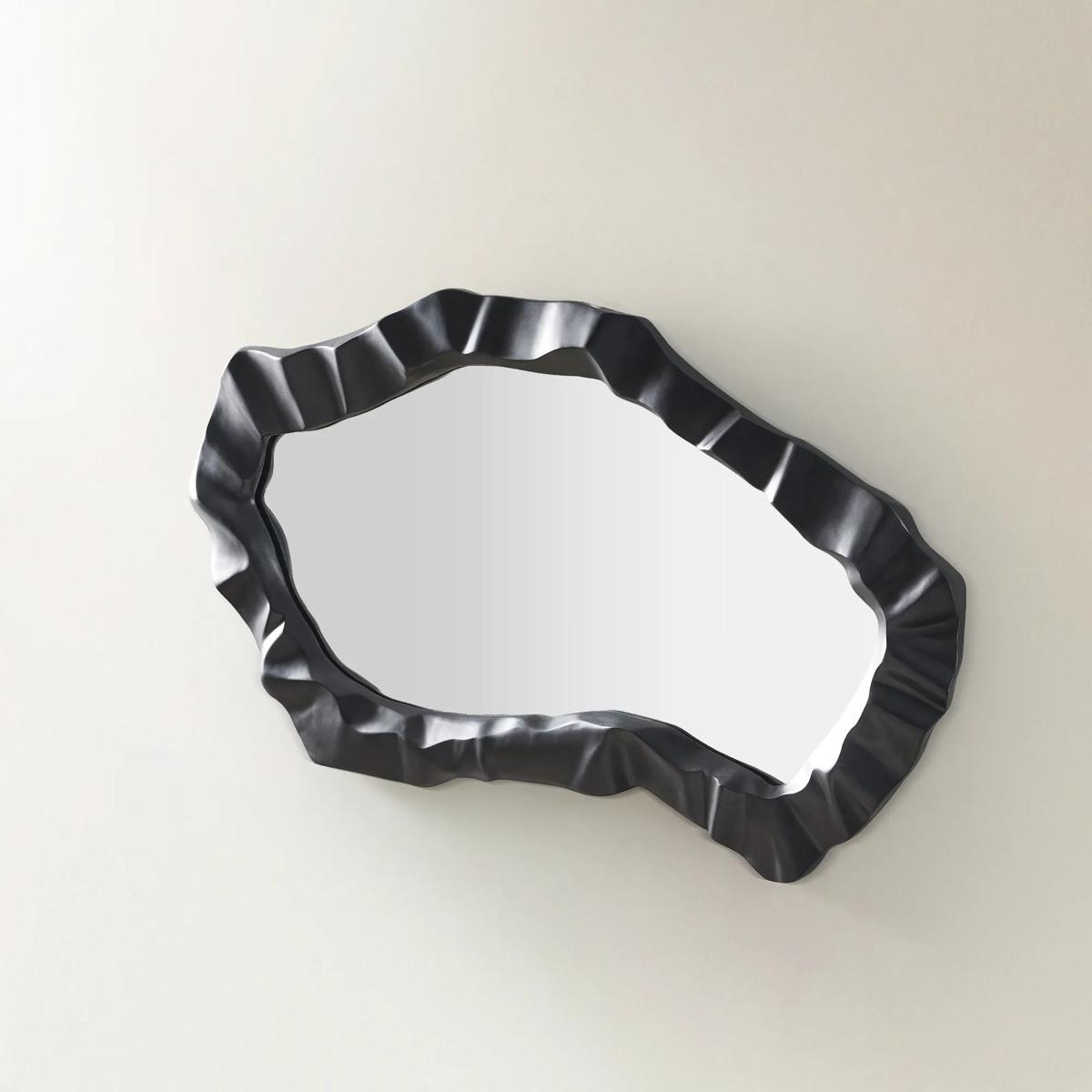 Islay Black Resin Organic Shaped Wall Mirror 44.75" x 23.75"$599
A sculptural black resin mirror featuring bold, asymmetrical curves and versatile vertical or horizontal hanging.
Add To Cart -
.jpeg?w=1200&h=1200)
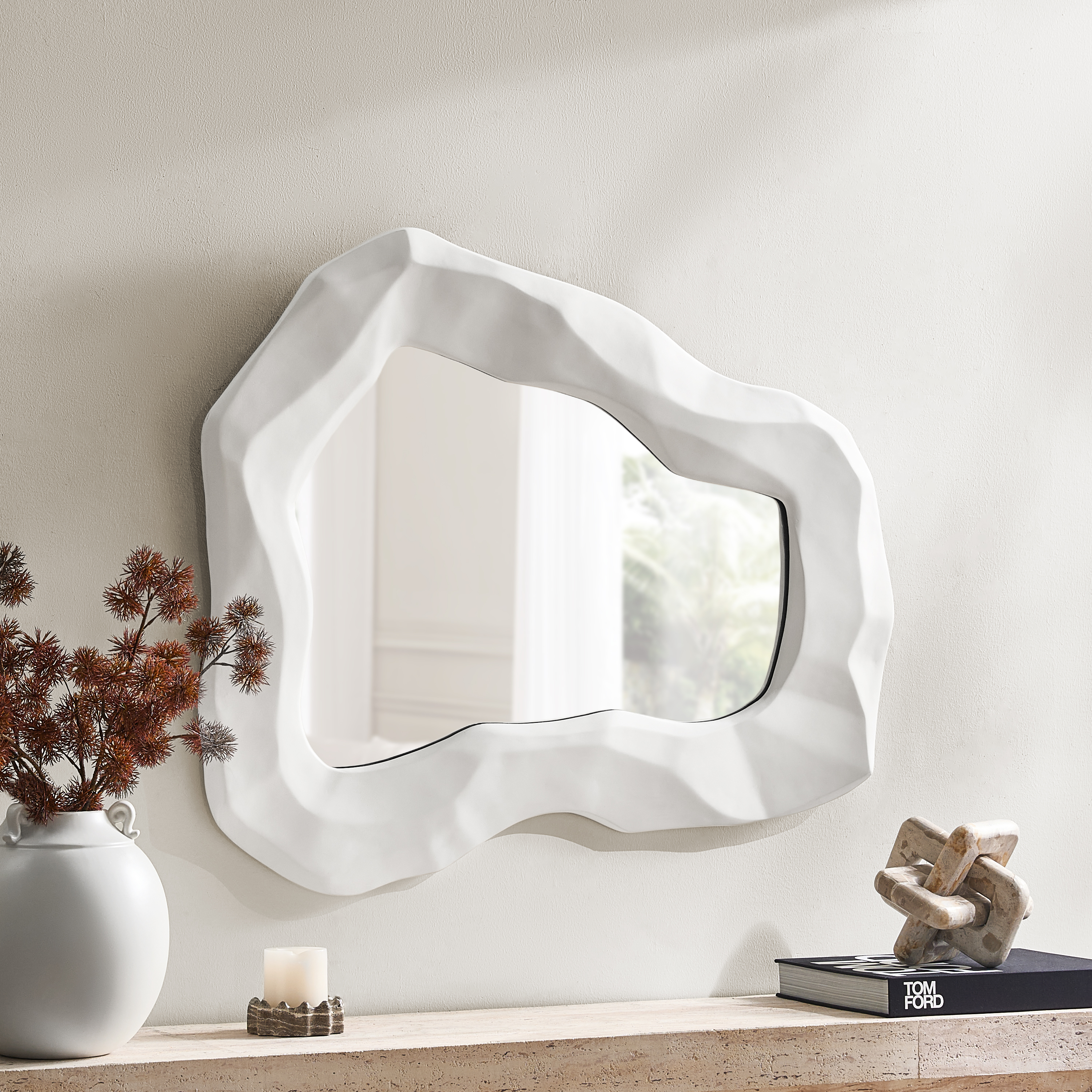 Islay Wall Mirror - White$549
A sculpted resin-framed mirror in matte white with an organic, asymmetrical silhouette for modern interiors.
Add To Cart -
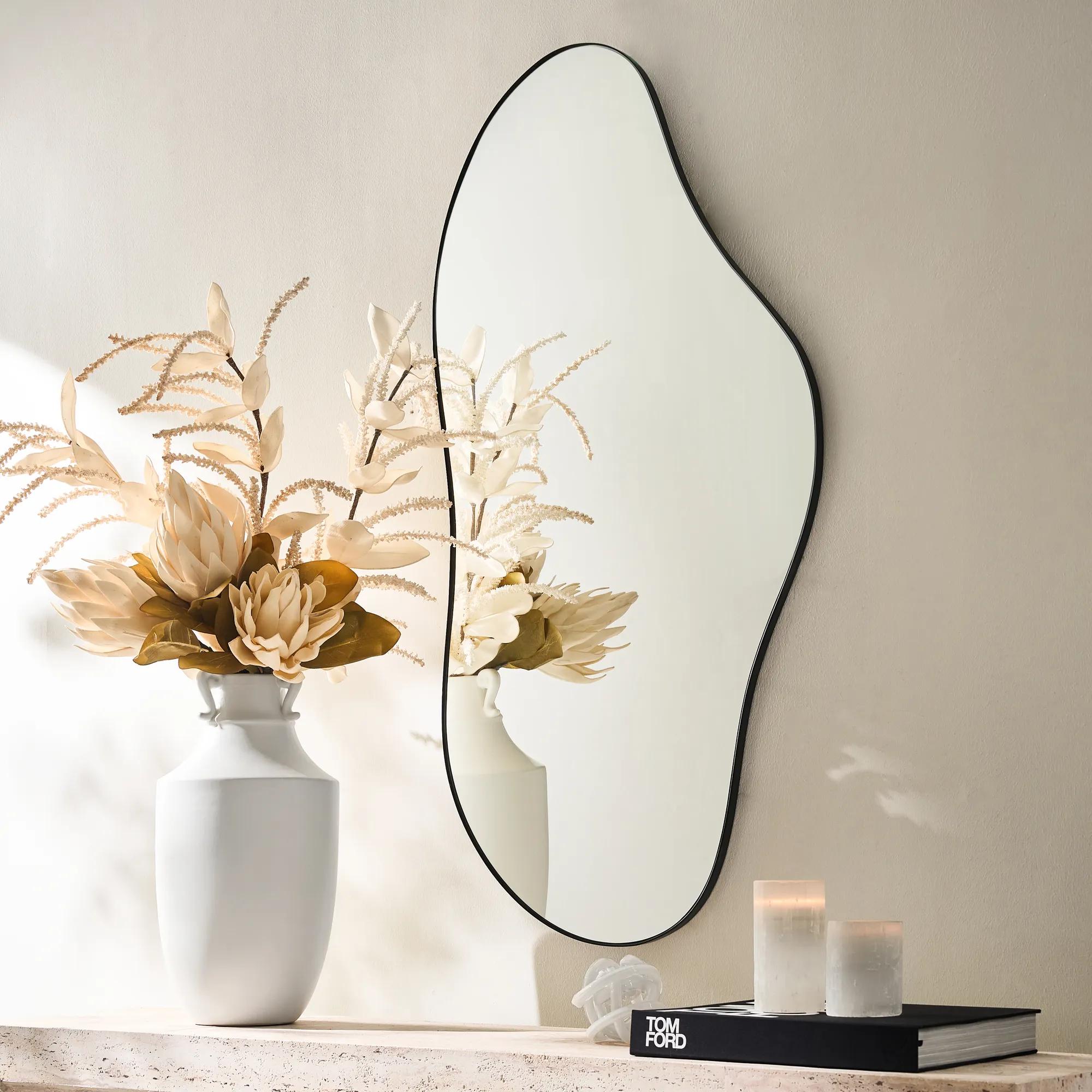
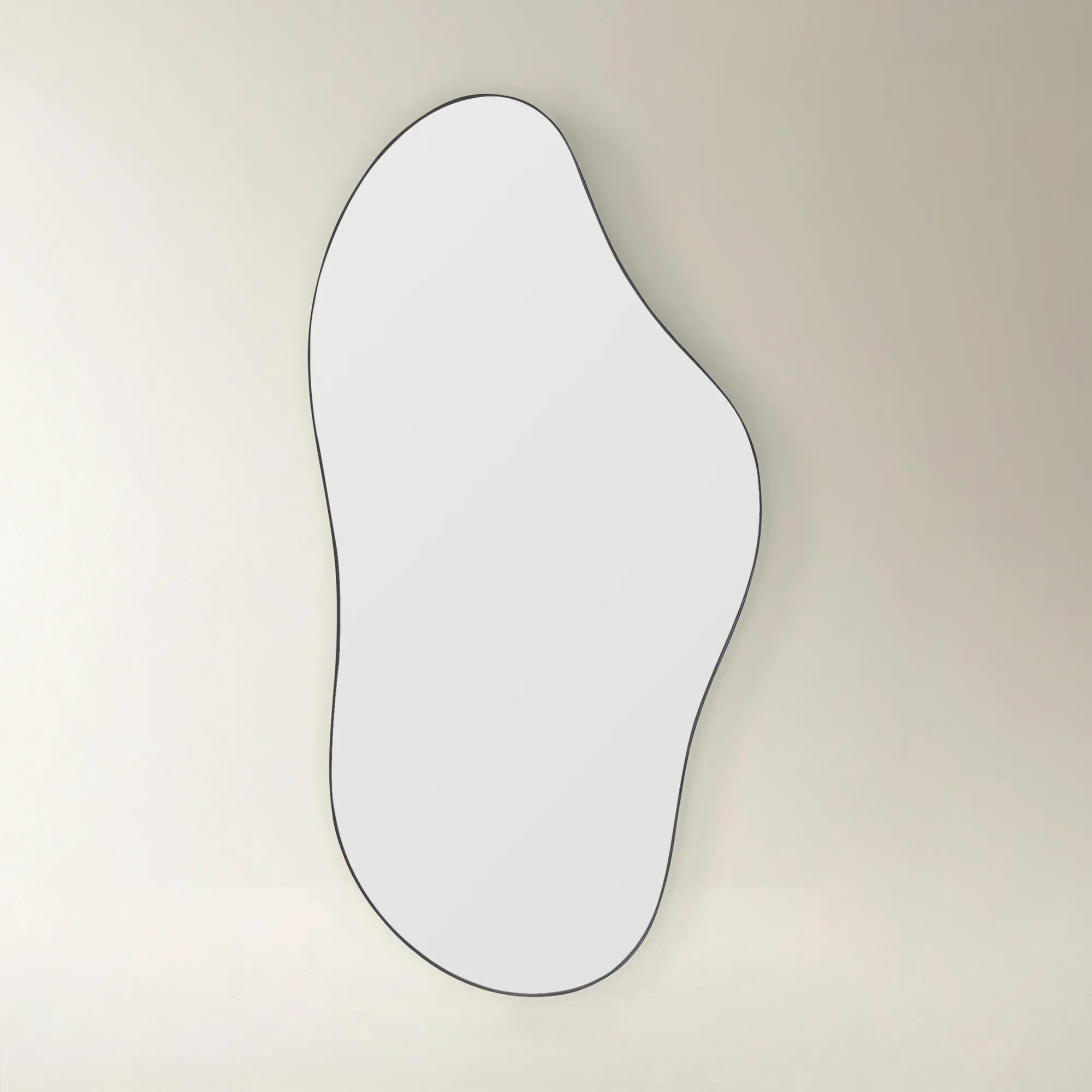 Puddle Wall Mirror$299
A freeform glass mirror with a black frame that adds playful sophistication to modern interiors.
Add To Cart -
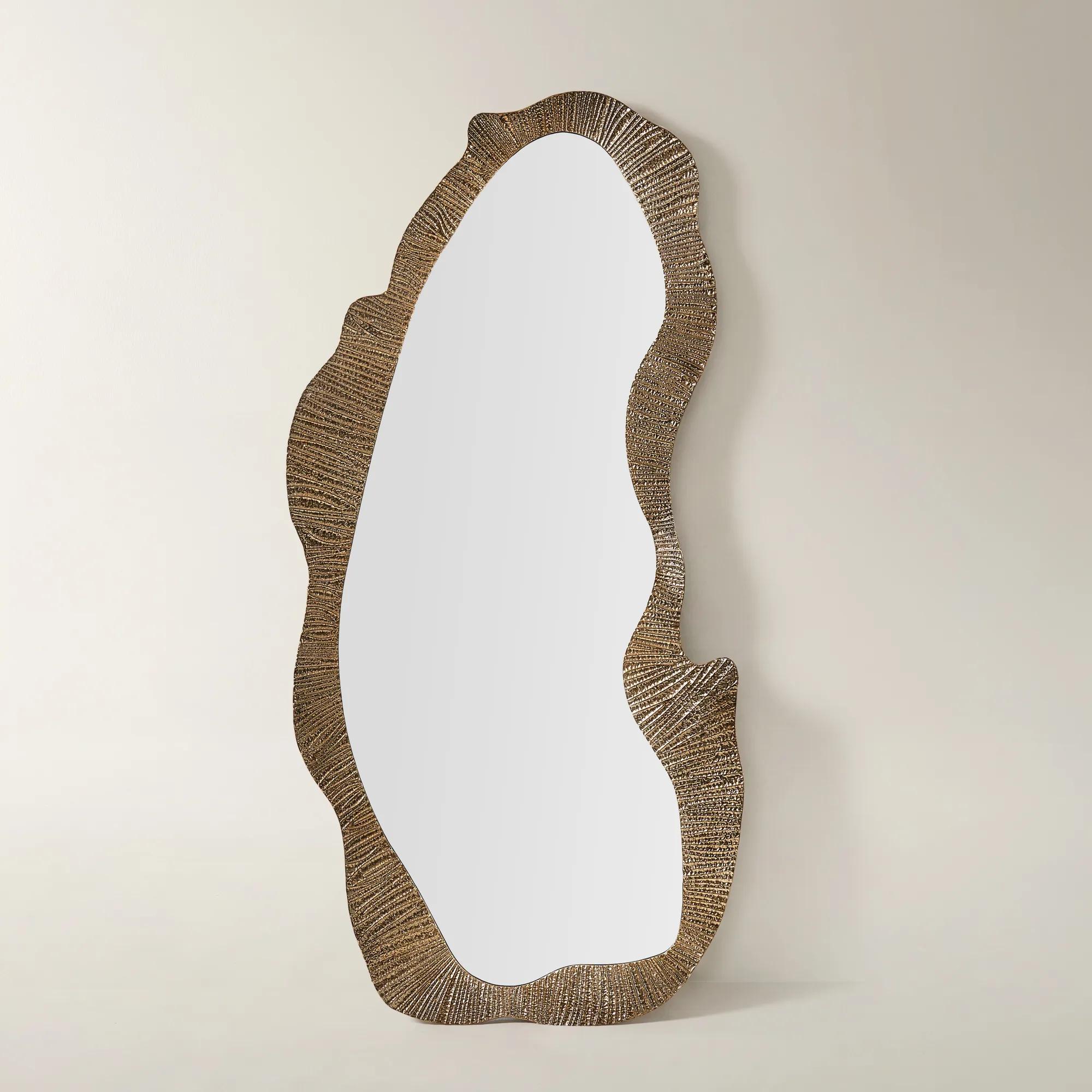 Cara Antique Gold Hand-Forged Iron Organic Shaped Floor Mirror 40.25" x 80.75"$1499
An antiqued gold hand-forged iron frame gives this sculptural floor mirror a refined, artful presence.
Add To Cart -
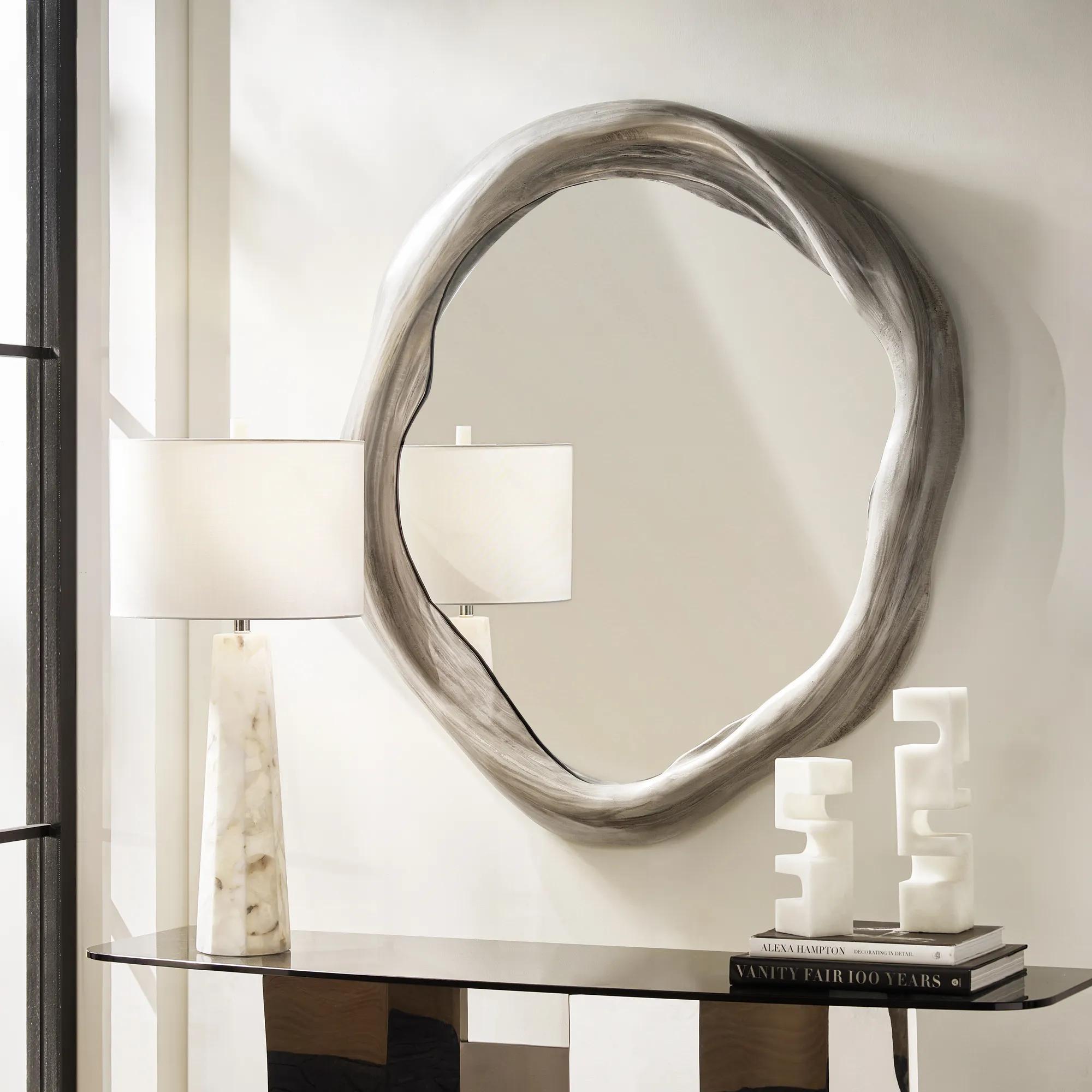
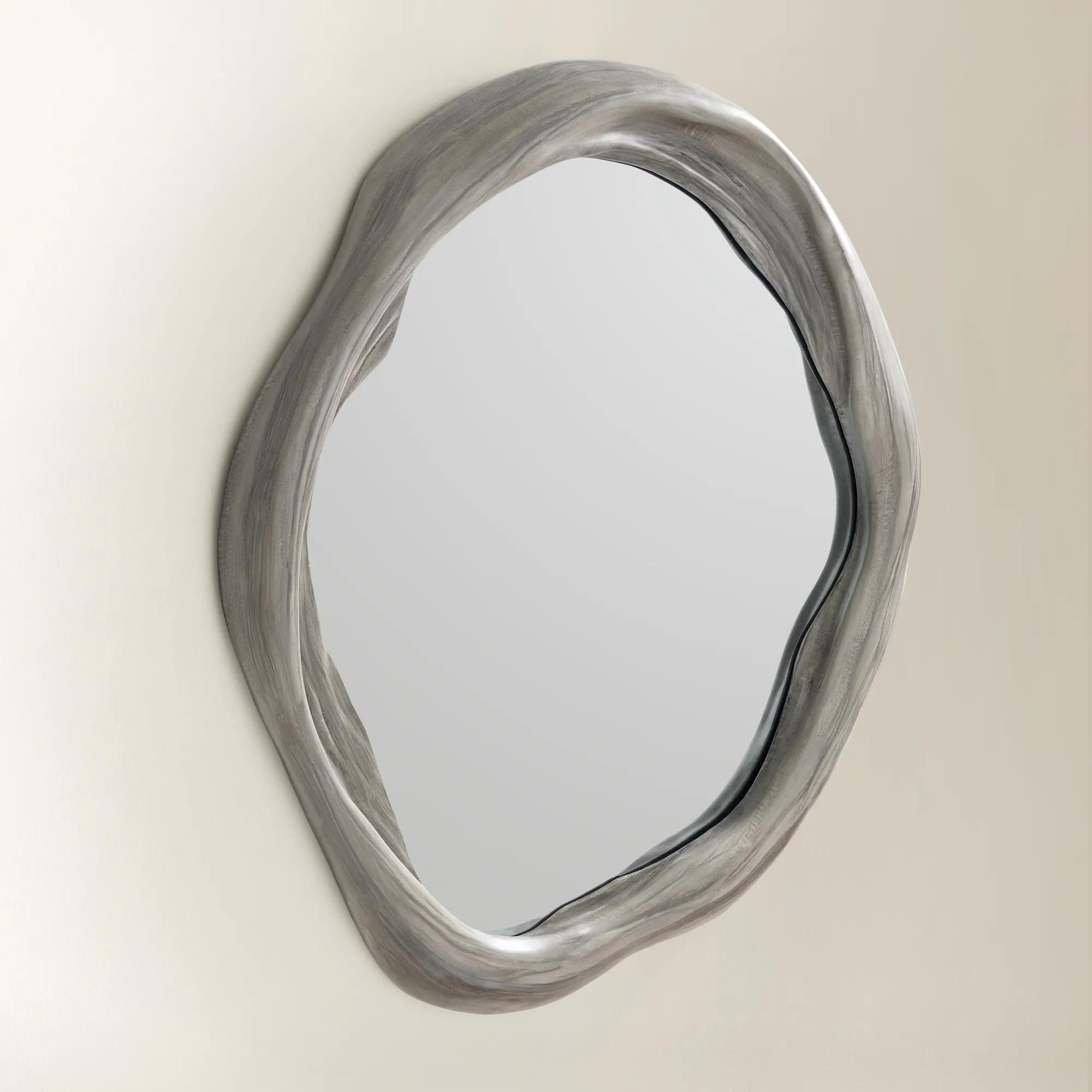 Dunes Wall Mirror$899
An organically shaped wall mirror with an artfully irregular gray frame, perfect for modern or minimalist spaces.
Add To Cart -
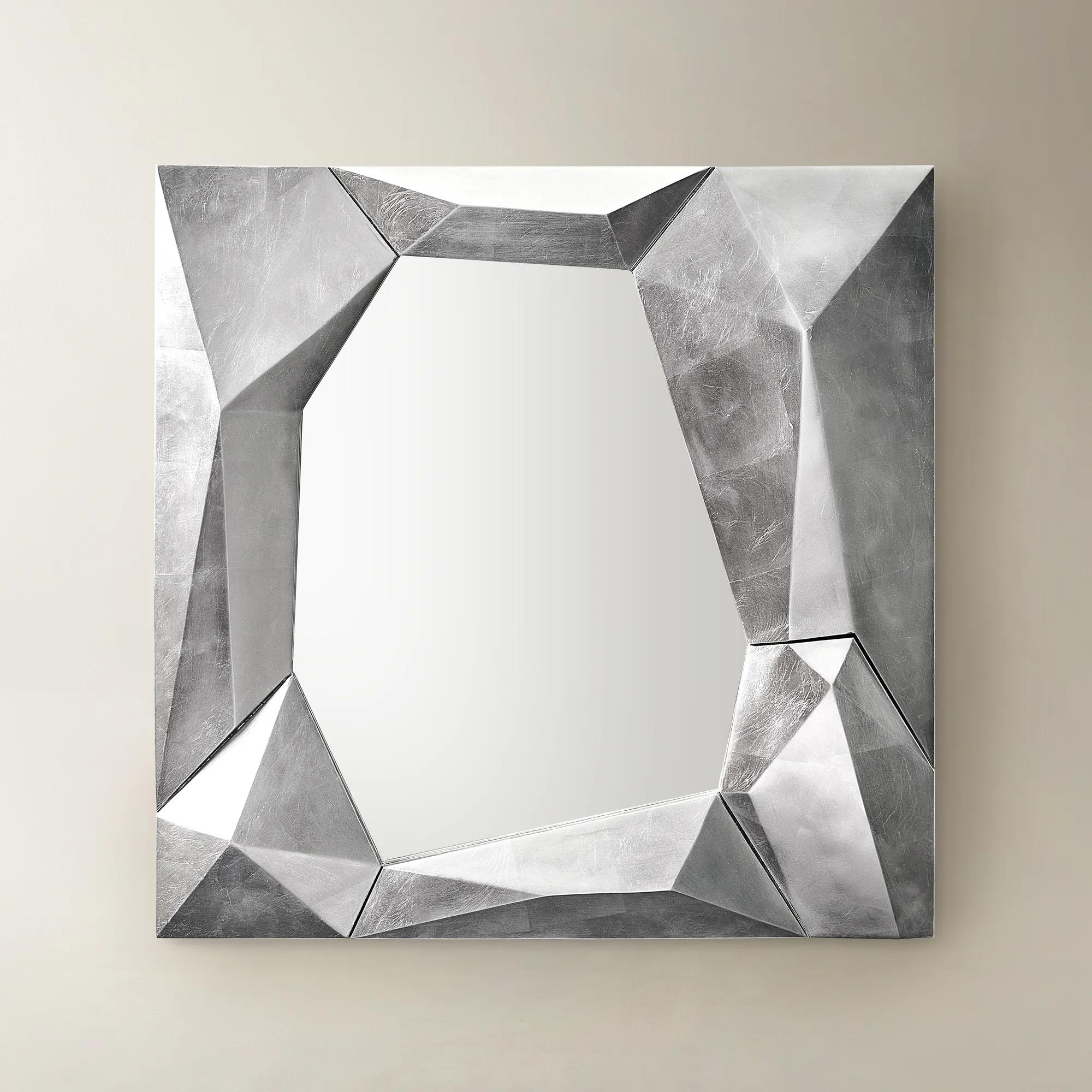 Aeris Satin Silver Faceted Resin Square Wall Mirror 35" x 35"$499
A satin silver fiberglass resin frame and faceted silhouette create a modern, sculptural wall mirror.
Add To Cart

Mirrors For New Home Decoration
Mirrors for new home decoration are more than mere reflections—they are portals to possibility, amplifying light, expanding space, and infusing every corner with a sense of artistry. Whether you crave the drama of a grand statement piece or the subtle allure of modern silhouettes, each mirror invites you to reimagine your surroundings with bold sophistication. Let every surface shimmer and every room come alive as you curate a home that dazzles with personality and purpose. With mirrors for new home decoration, transform blank walls into luminous canvases and celebrate the art of living beautifully.
Mirrors for new home decoration bring light, depth, and a sense of intention to rooms that are still taking shape. Wall mirrors establish a focal point above furniture, full-length mirrors pair everyday dressing with a dramatic vertical presence, and smaller accent mirrors introduce reflective detail where a broad expanse of glass would overwhelm the setting. Each serves a different purpose, but the strongest choice connects the room’s proportions with the atmosphere it deserves. In an entryway, a round mirror above a console softens angular furniture and creates a gracious place for a final glance before leaving. A tall rectangular mirror can give a narrow foyer a more expansive appearance, particularly when its reflection captures an open doorway or a beautifully lit adjoining room rather than a crowded coat rack. Living room mirrors offer a larger canvas for expression: an arched silhouette above a mantel draws attention upward, while a sculptural frame over a sofa lends definition to a long wall. Mirrors reflect existing light rather than create it, so placement near a window or across from a shaded lamp can make a room feel brighter without changing its footprint. The reflected view matters just as much as the frame. A mirror that captures artwork, textured upholstery, or an elegant chandelier adds another layer to the composition; one aimed at exposed cords or a busy countertop repeats the distraction. In a dining room, reflective glass can amplify the glow of a gathering and bring movement to a wall beyond the table. In a bedroom, a full-length mirror near the wardrobe supports daily routines while giving a dressing area a more polished identity. For a first apartment, a newly purchased house, or a thoughtfully furnished guest suite, decorative mirrors offer both practical use and visual distinction, helping separate rooms feel connected through recurring shapes, finishes, and carefully chosen reflections.
Materials and frame details give decorative mirrors their particular character, from the crisp outline of dark metal to the luminous richness of a gold-toned surround. Metal frames can feel slender and architectural or boldly sculptural, depending on their profile, texture, and finish. Wood introduces warmth and dimension, with smooth painted surfaces creating a different impression from carved details or visible grain. Resin and composite frames can accommodate elaborate contours, although their weight, construction, and care requirements vary. Mirrored borders extend the reflective surface and create a jewel-like effect, while beveled edges catch light along the perimeter for a more tailored expression. Antiqued mirror finishes add deliberate mottling and atmosphere, making them especially suited to decorative settings where a perfectly clear reflection is not the priority. For grooming or checking an outfit, clear glass with minimal visible distortion is generally more useful. Finish names alone do not establish durability: a metallic appearance does not necessarily indicate a solid metal frame, and resistance to moisture depends on the complete construction, including backing and protective coatings. Bathroom mirrors should be specified for the intended environment, particularly where humidity or splashes are likely. A decorative mirror designed for a dry bedroom or hallway may not be suitable above a frequently used bathroom sink. Scale is equally important to the finished effect. Above a console, dresser, or sideboard, a mirror narrower than the furniture beneath it usually creates a composed relationship, with visible space at either side allowing the frame to stand out. An oversized mirror can be deliberately commanding, but it still needs room around nearby sconces, door trim, and ceiling details. Round and oval shapes provide contrast beside rectangular cabinetry, while elongated forms emphasize height. Repeating a finish from cabinet hardware or lighting can unify a new home without requiring every surface to match. For another expression of reflective styling, Mirrors for Chic Home Accents connects this essential category with decorative finishing touches that give a room its individual signature.
The lasting appeal of a mirror depends on how comfortably it fits the home and how securely it is placed. Overall dimensions should include the frame, not just the reflective glass, and depth deserves attention in hallways where a projecting surround could interrupt movement. A full-length mirror needs enough viewing distance to show an entire outfit; a generous pane alone cannot compensate for a position tucked too tightly behind furniture. In rooms shared by children or pets, secure attachment is especially important. Leaning mirrors require the anchoring method specified by the manufacturer, and freestanding designs should be used only as intended on a stable surface. Wall-mounted mirrors need hardware suited to both their weight and the wall construction, whether that means attachment to studs or appropriately rated anchors. Not every frame supports both horizontal and vertical hanging, so the designated mounting points should determine orientation. Heavier installations, challenging wall materials, and placement above seating warrant particular care and may call for a qualified installer. Once positioned, thoughtful maintenance preserves both the clarity of the glass and the character of the frame. A soft, lint-free cloth and a cleaner approved for the mirror’s materials are preferable to abrasive tools or harsh household chemicals. Applying cleaner to the cloth rather than spraying the mirror directly helps limit liquid collecting along the edges, where moisture can affect the backing or surrounding finish. Carved frames benefit from gentle dusting with a soft brush, while wood, metal, and specialty finishes should receive the care recommended for their specific surfaces. Lifting a mirror rather than dragging it, and protecting its edges during a move, also helps prevent damage. These practical details make mirrors rewarding additions for homeowners establishing their first rooms, apartment dwellers refining a compact layout, and hosts creating a welcoming guest space. A decorative mirror can also make a thoughtful housewarming gift when the recipient’s taste, wall space, and installation needs are known. Whether quietly framing a daily ritual or commanding an entire wall, the right mirror brings a new home into focus with clarity, dimension, and unmistakable presence.
FAQs
Mirrors have the unique ability to amplify light, create a sense of spaciousness, and reflect the beauty of your surroundings. By thoughtfully placing mirrors, you can highlight architectural features, showcase artwork, and infuse each room with a luxurious ambiance that feels both inviting and dramatic.
Mirrors can be used as bold focal points above mantels, layered in gallery wall arrangements, or even placed behind decorative objects to add depth and intrigue. Experiment with mixing shapes and finishes to create a curated, artistic look that reflects your personal style.
Absolutely. A beautifully crafted mirror is both a practical and decorative gift, symbolizing new beginnings and the creation of cherished memories. It’s a versatile accent that complements any decor style, making it an ideal choice for housewarmings, weddings, or milestone celebrations.
Frame styles set the tone for a space—ornate, gilded frames evoke old-world glamour, while sleek, frameless designs offer a modern, minimalist edge. Textured or metallic frames can introduce a sense of artistry and drama, allowing you to tailor the mood of your room with a single statement piece.
For the most striking effect, position mirrors to capture natural light, reflect beautiful views, or accentuate key design elements like fireplaces or statement furniture. Avoid placing mirrors directly opposite doors, and instead use them to create vignettes or enhance the overall flow of your living spaces.
.jpeg?w=1080&h=1080)