Statement Mirrors For Home Decor
Statement Mirrors For Home Decor
-
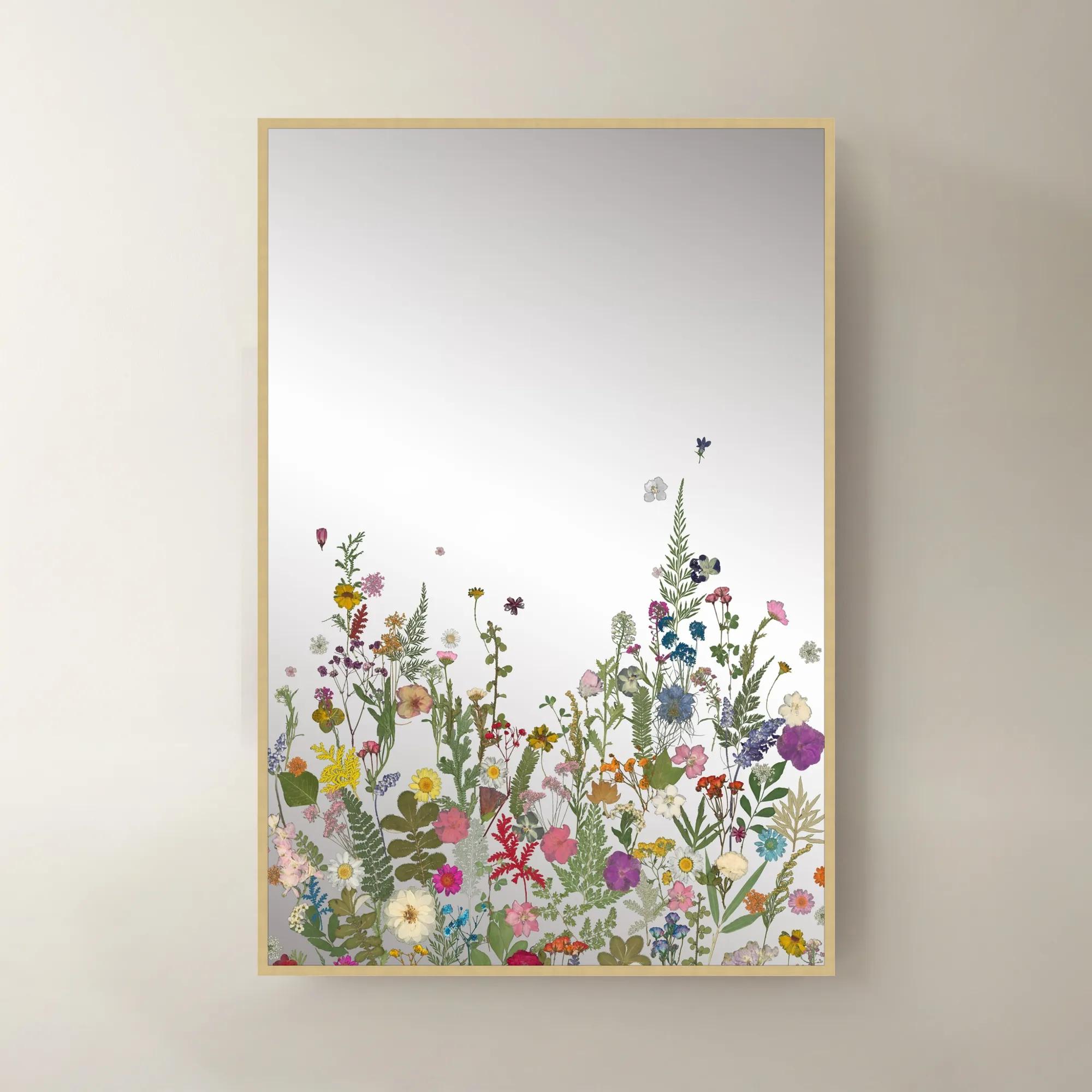
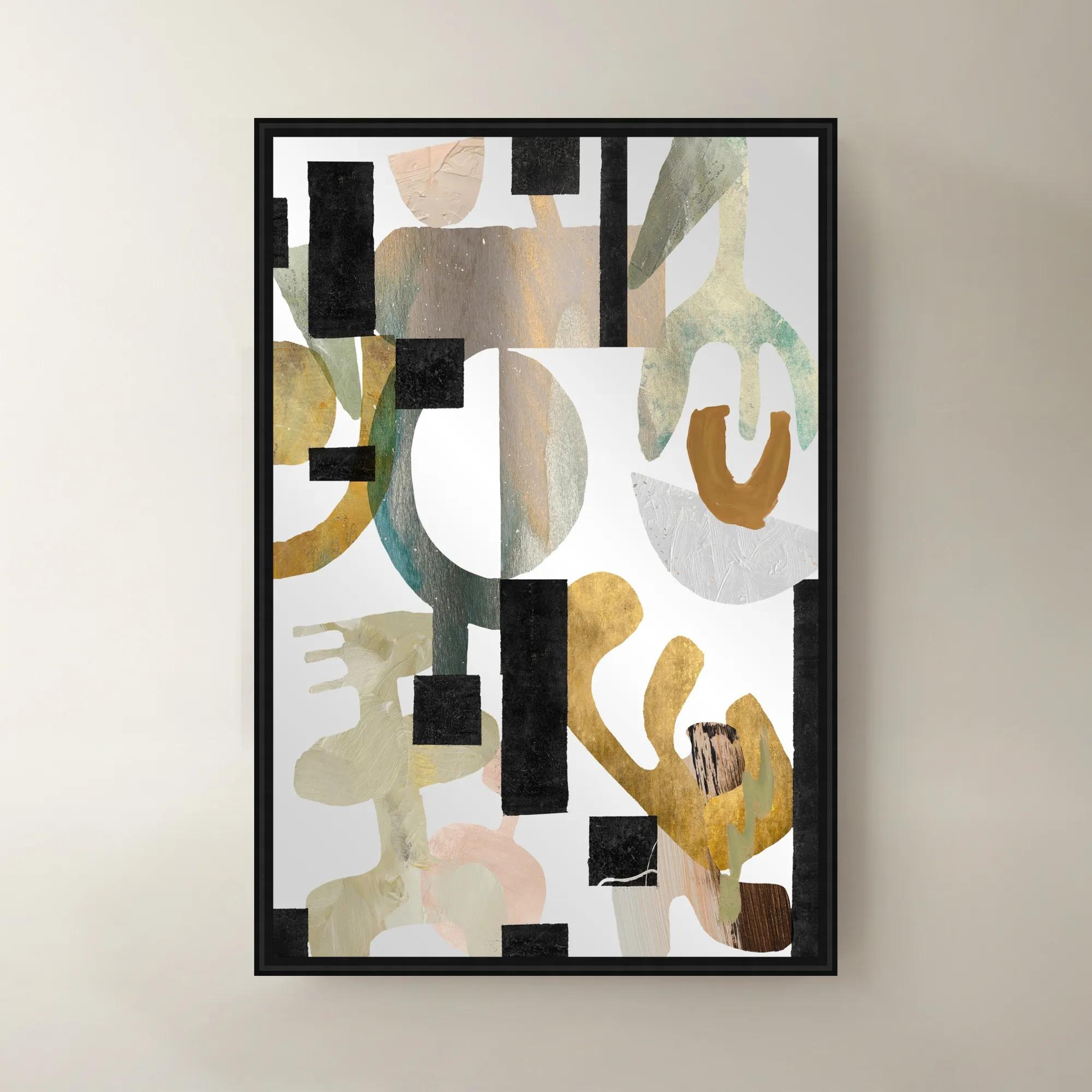
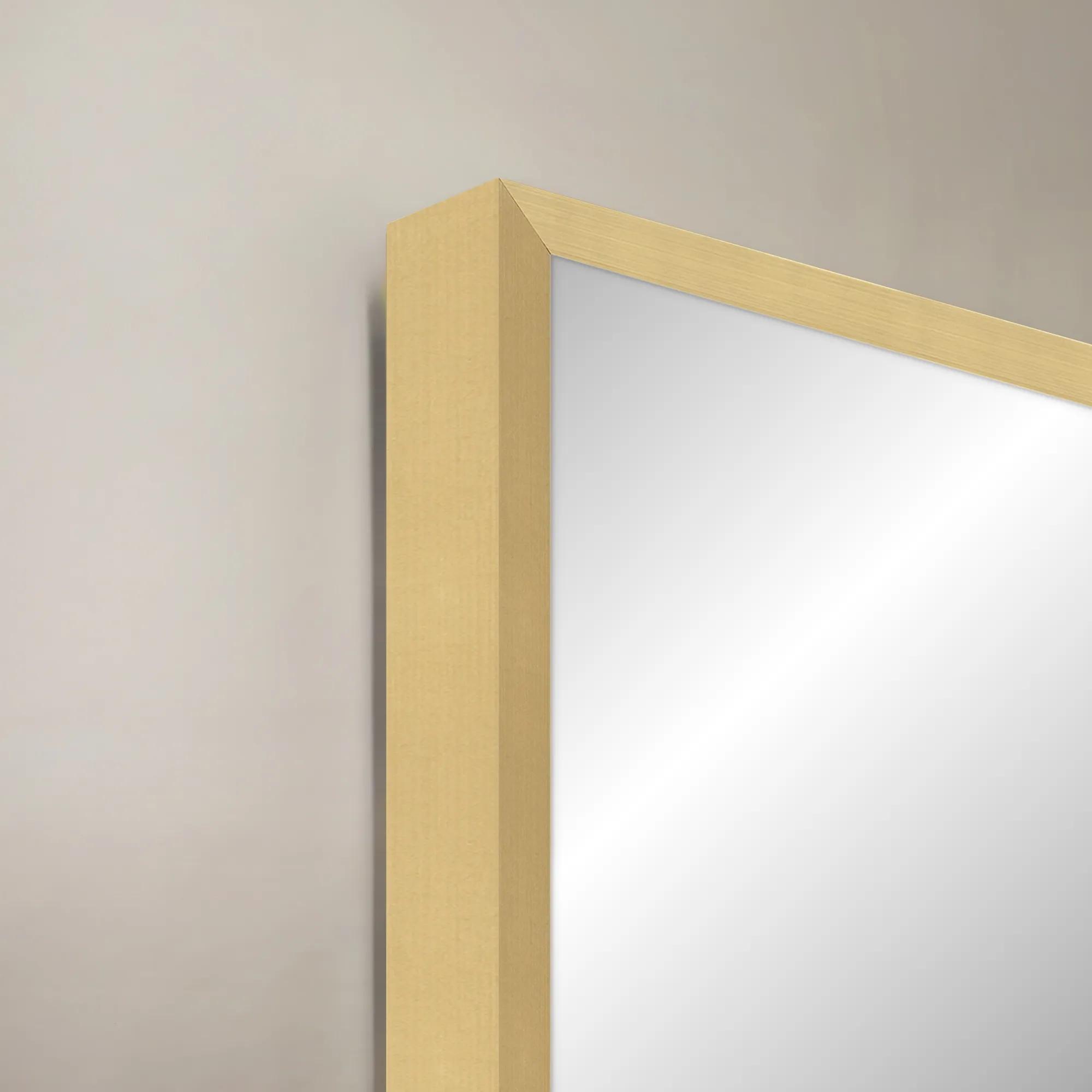 Night Scent III Framed Printed Wall Mirror 40" x 60"$1499
A framed printed wall mirror offering artistic dimension and contemporary style.
Add To Cart -
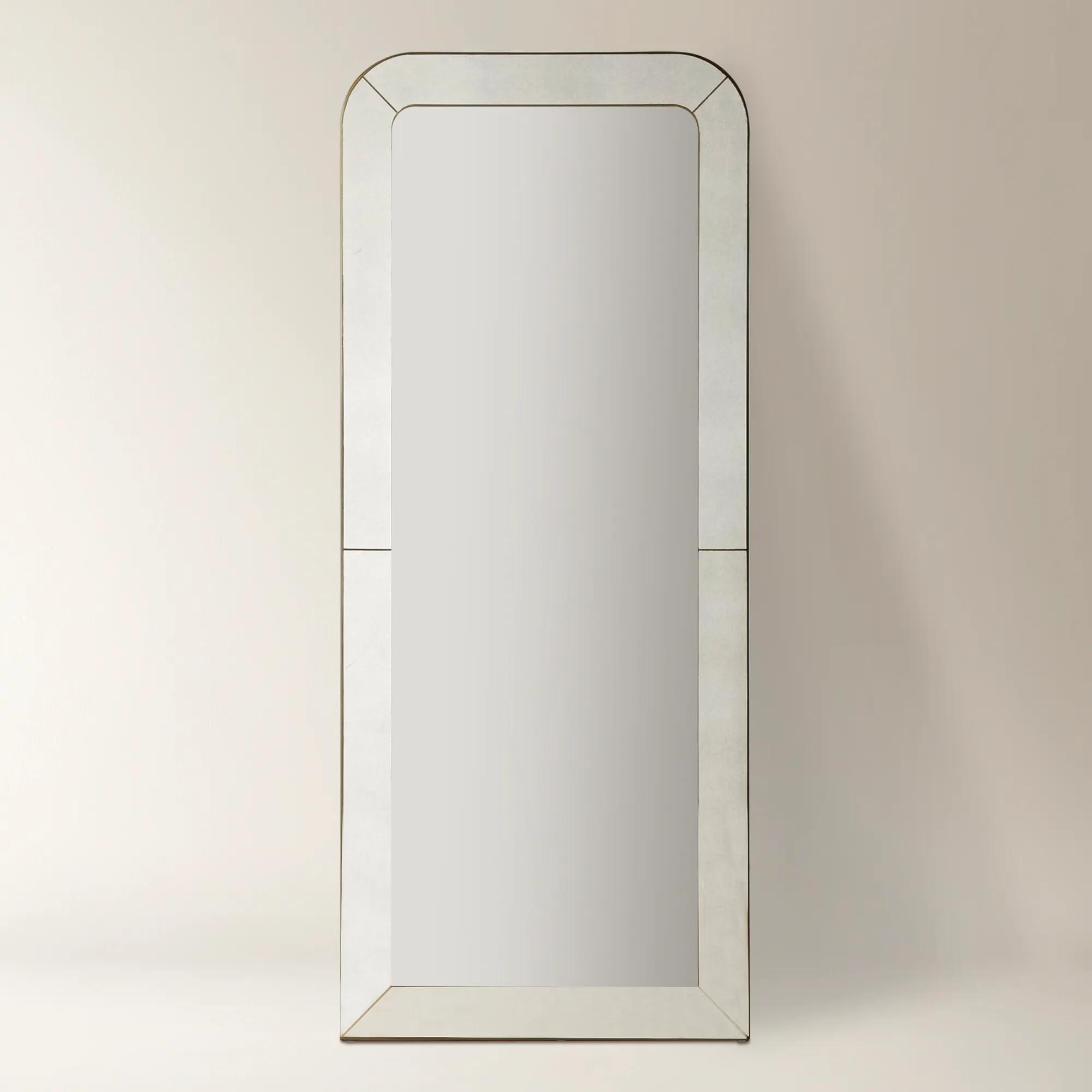
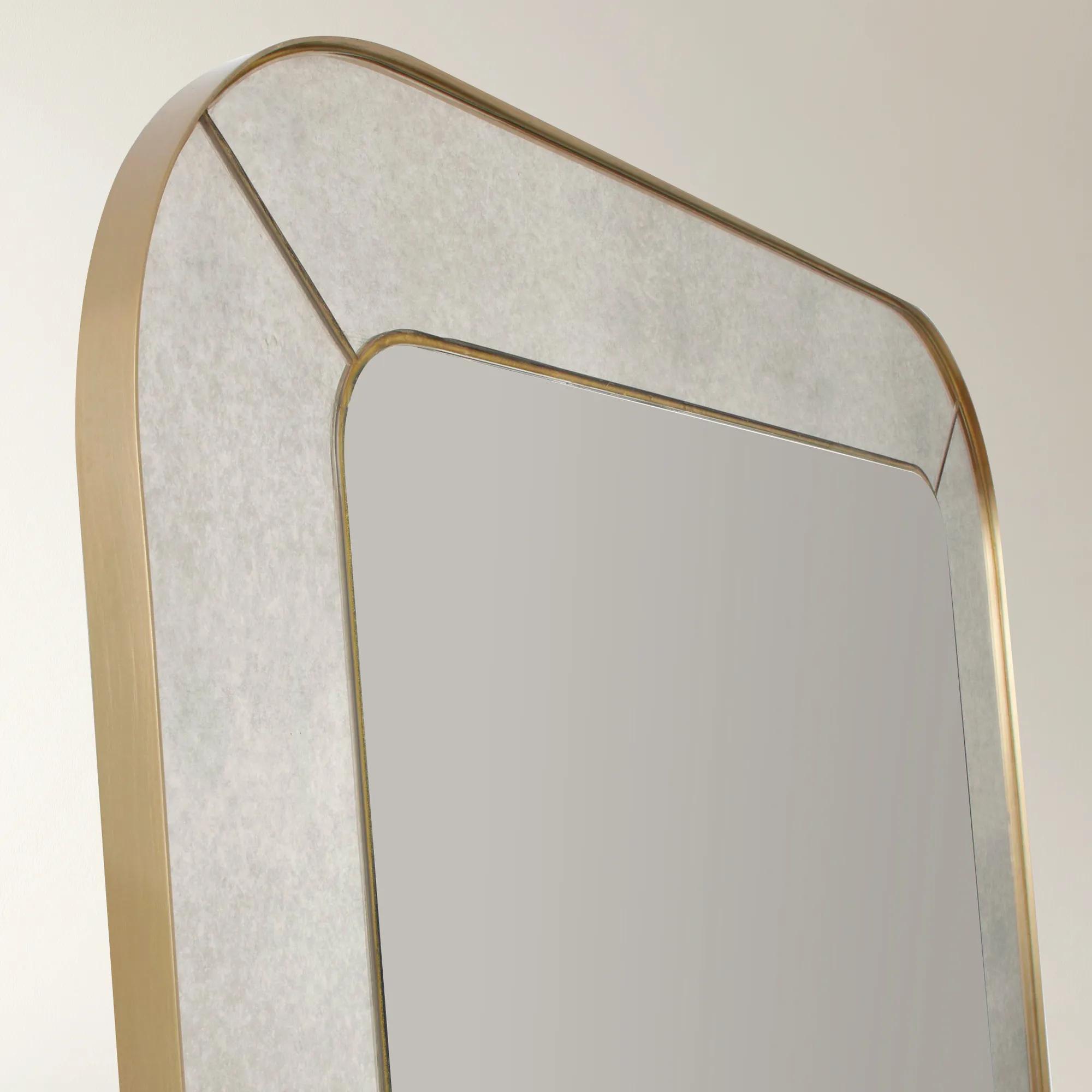 Parker Stainless Steel Floor Mirror 32" x 76"$799
An arched floor mirror with a gold stainless steel frame adds drama and sophistication to any room.
Add To Cart -
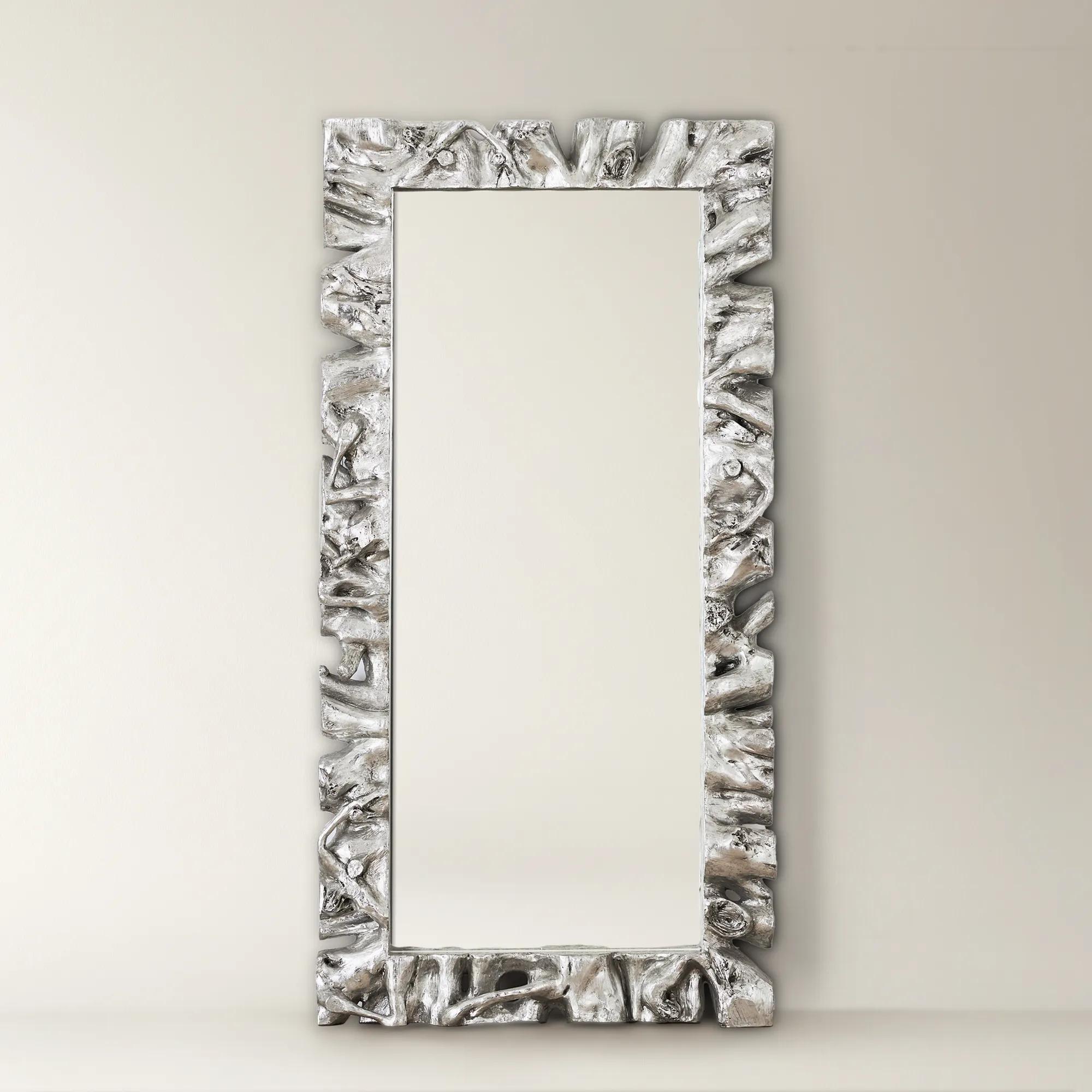 Sequoia Silver Resin Rectangular Floor Mirror 39'' x 78''$1399
A sculptural leaner mirror featuring acacia root-inspired fiber resin and a shimmering metallic leaf finish.
Add To Cart -
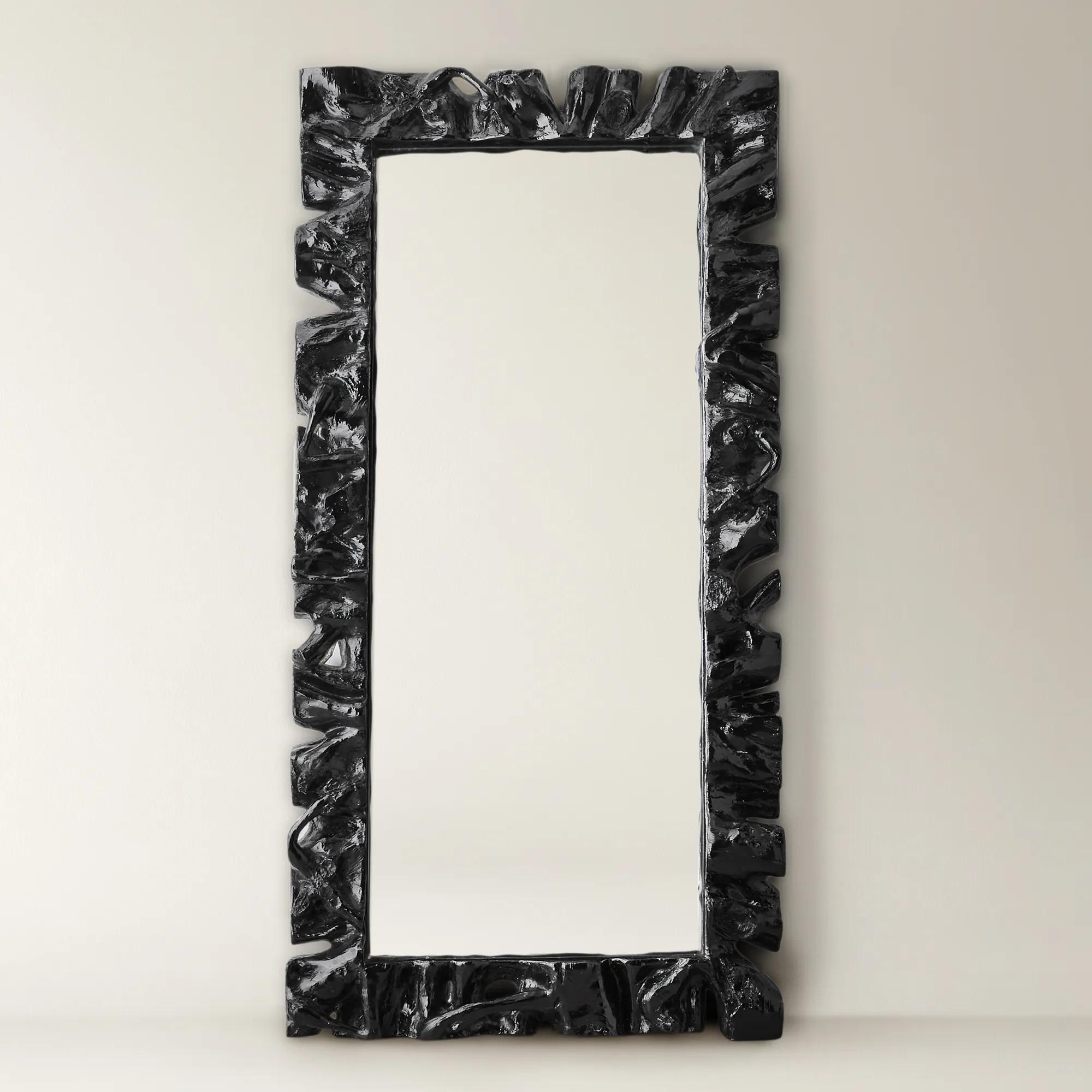
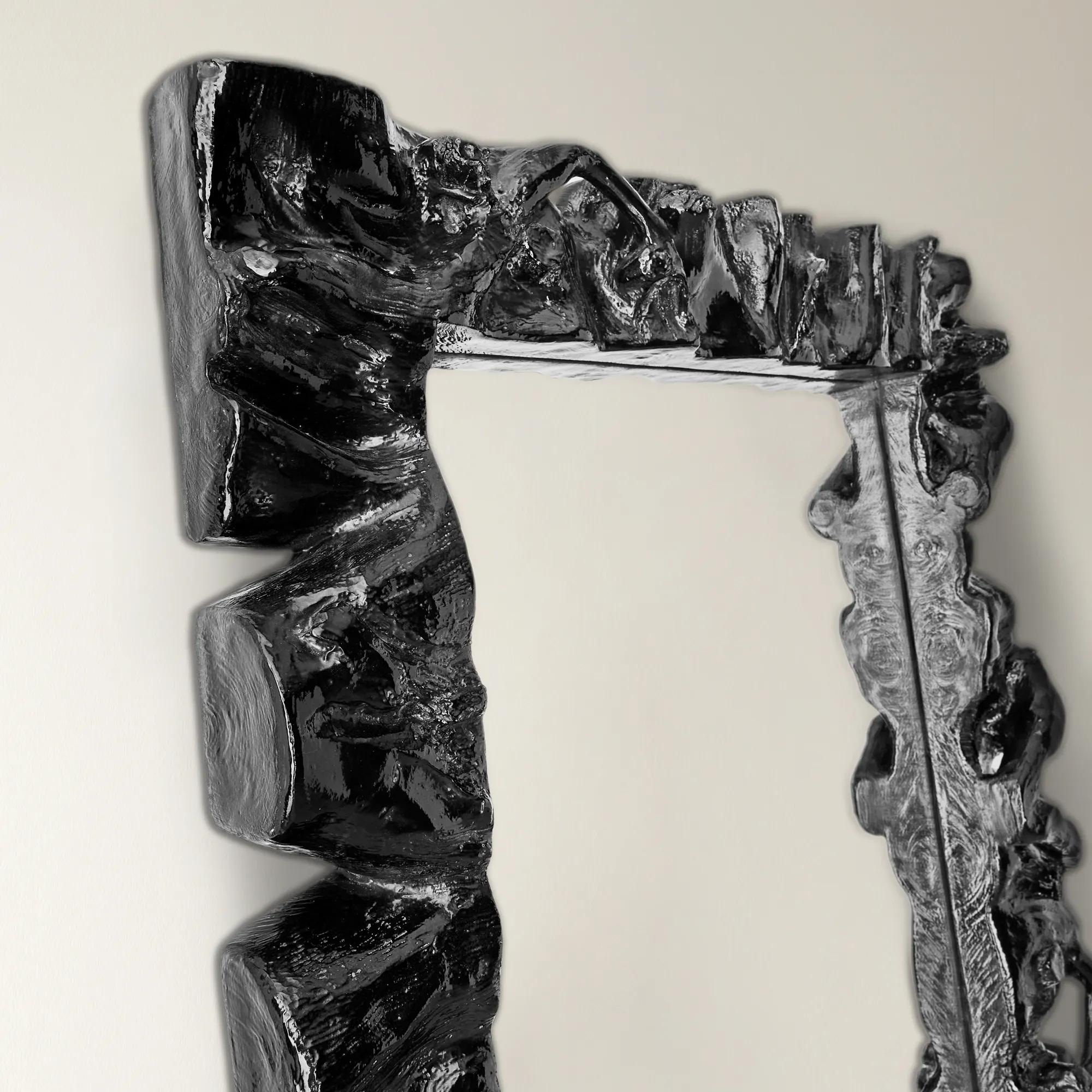 Sequoia Black Resin Rectangular Floor Mirror 39'' x 78''$1399
A sculptural floor mirror featuring acacia root-inspired fiber resin in a sleek black gel finish.
Add To Cart -
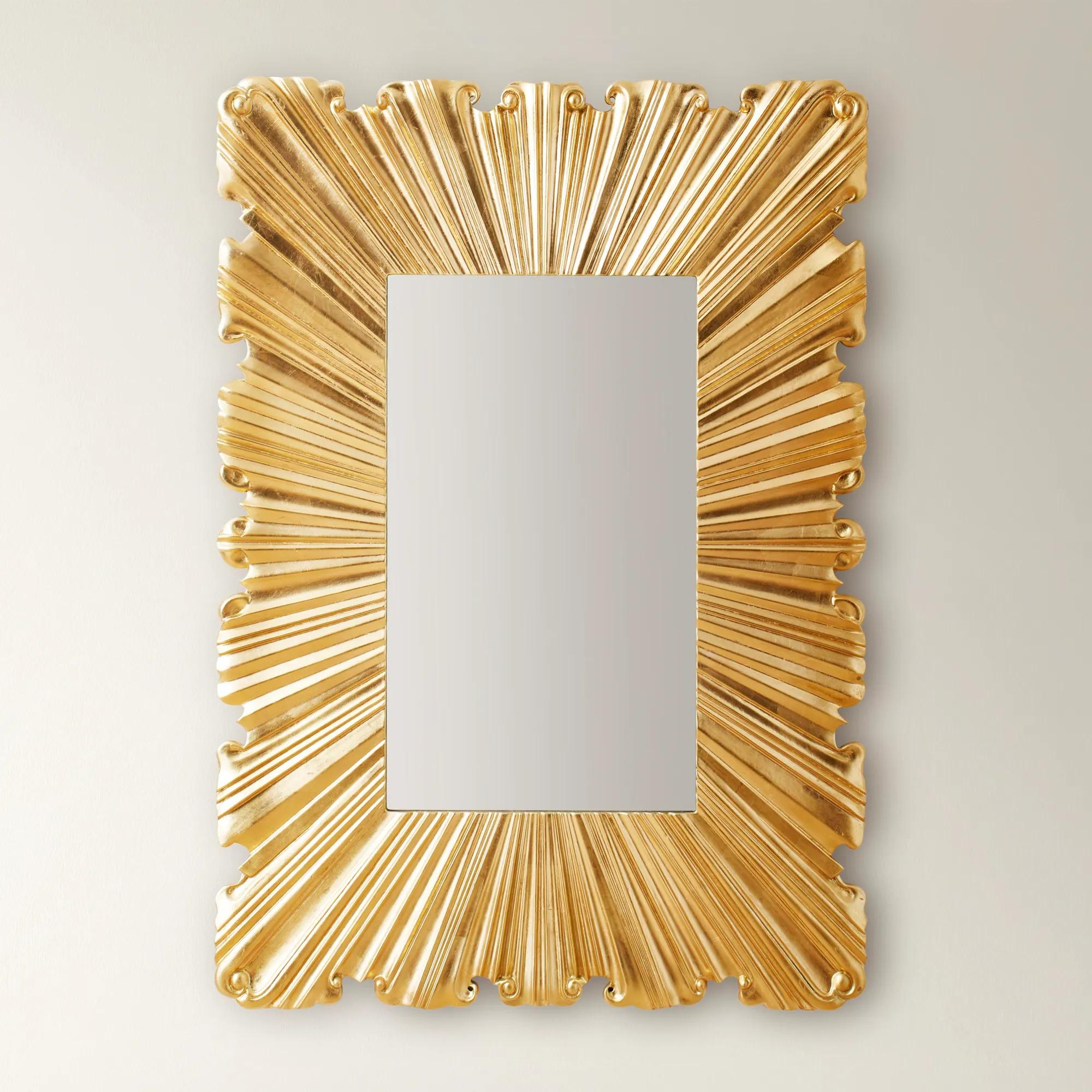 Metropolitan Gold Leaf Resin Rectangular Wall Mirror 27.5" x 39.5"$459
A sculptural wall mirror featuring a gold-finished polyurethane frame for a modern, elegant accent.
Add To Cart -
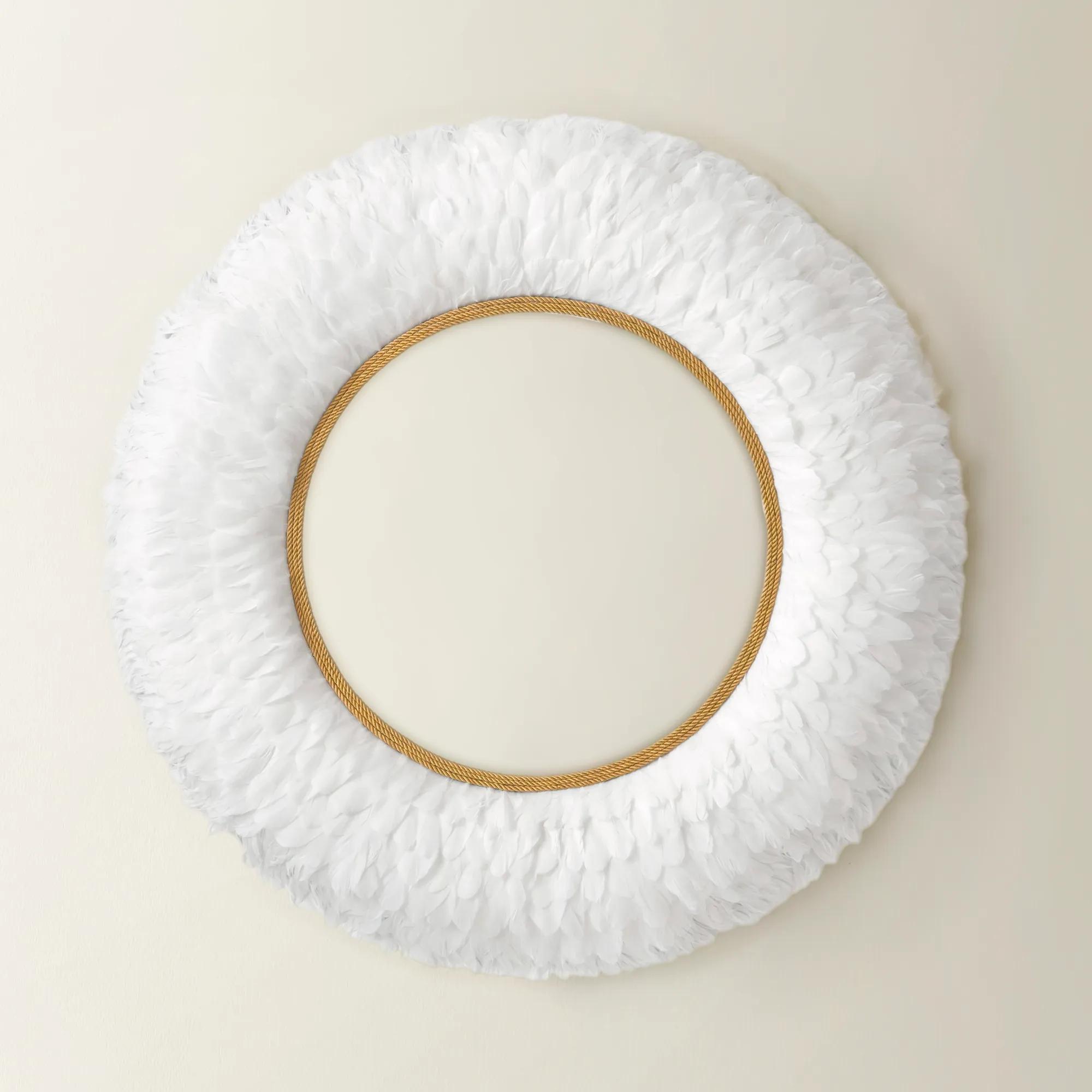
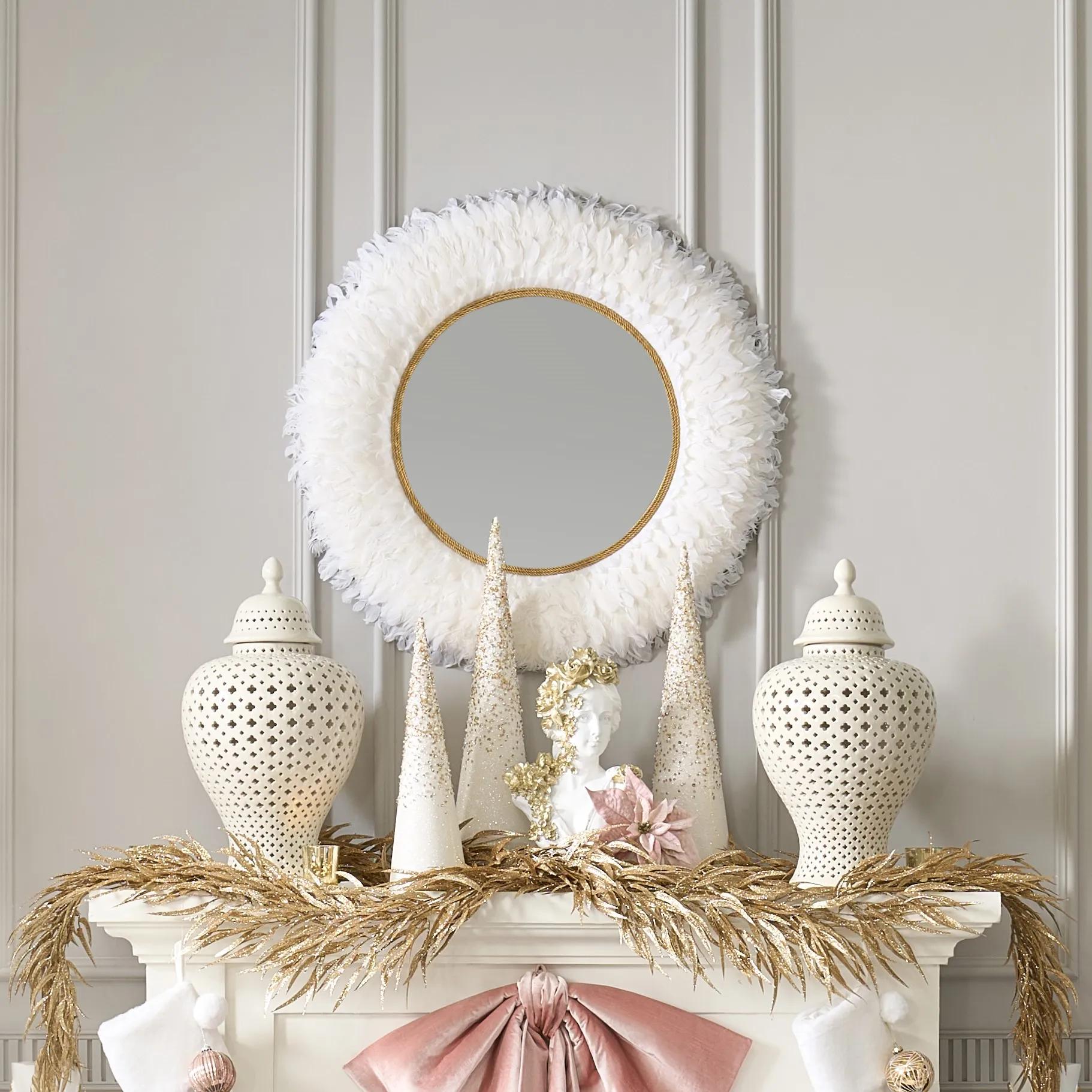 Nikki Chu - Daybreak Feather Mirror$499
A dramatic white feather-framed mirror accented with a gleaming gold inner border for added texture.
Add To Cart -
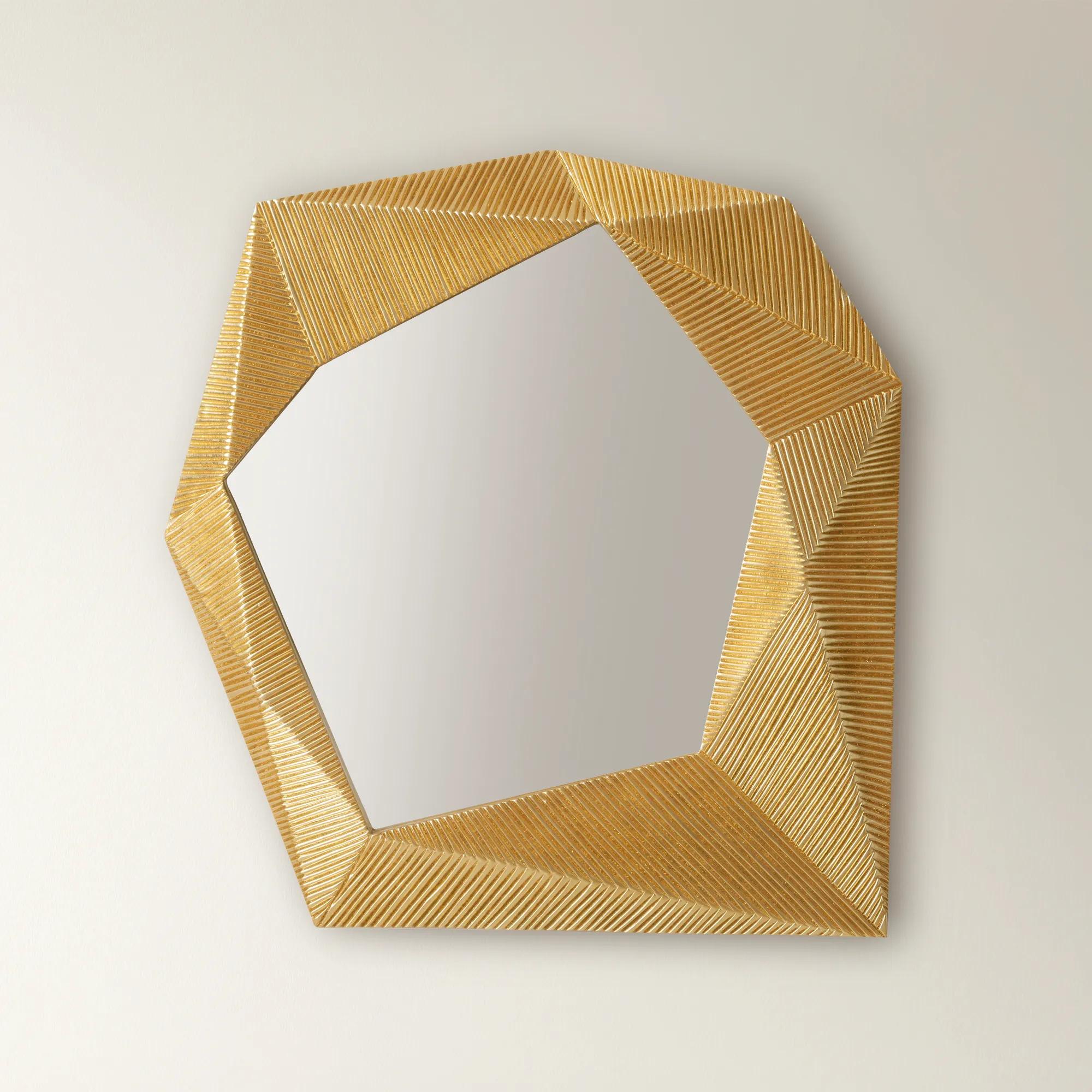
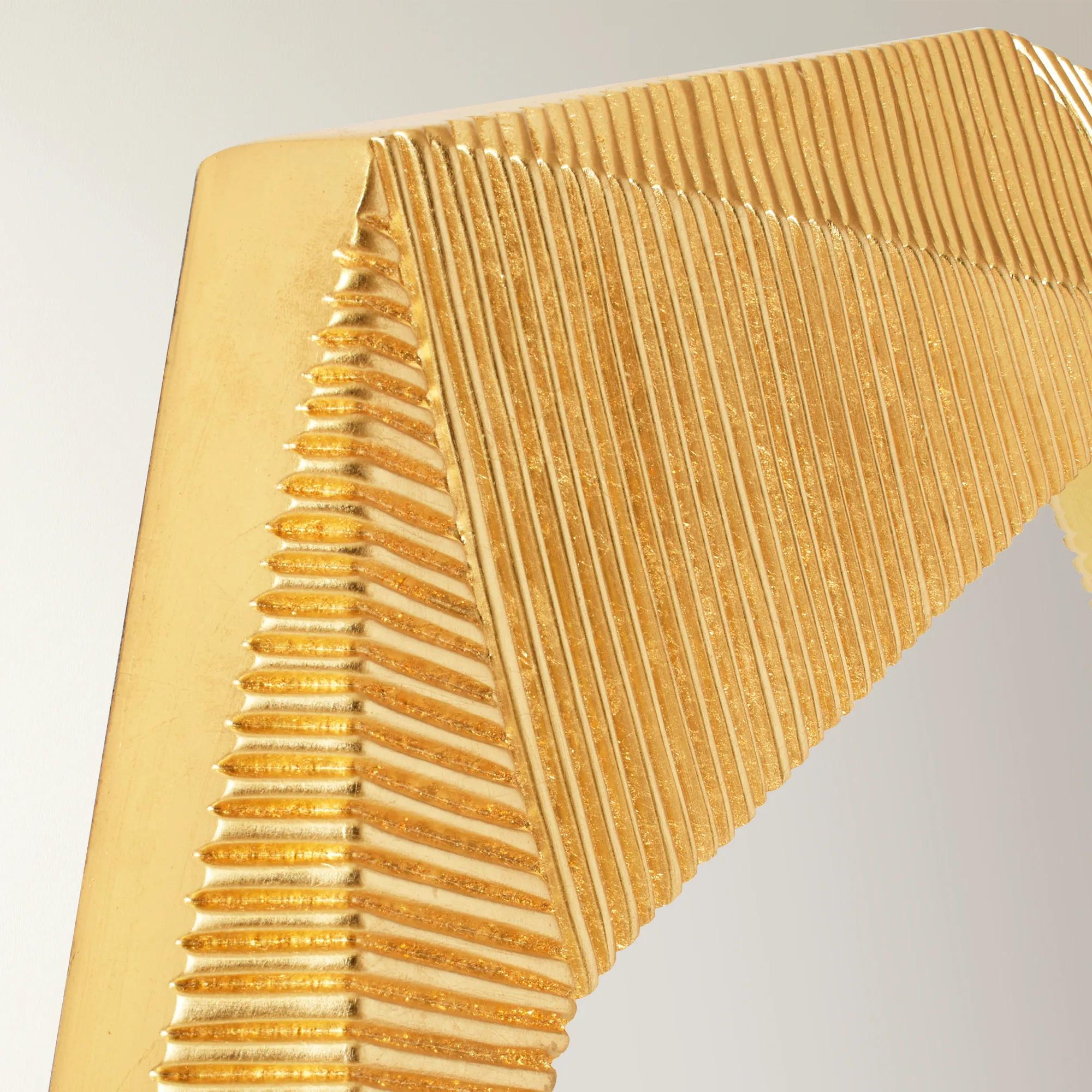 Nikki Chu Gold Steel Faceted Wall Mirror 31.5" x 35.5"$349
A modern mirror featuring a textured, faceted steel frame in a striking metallic gold finish.
Add To Cart -
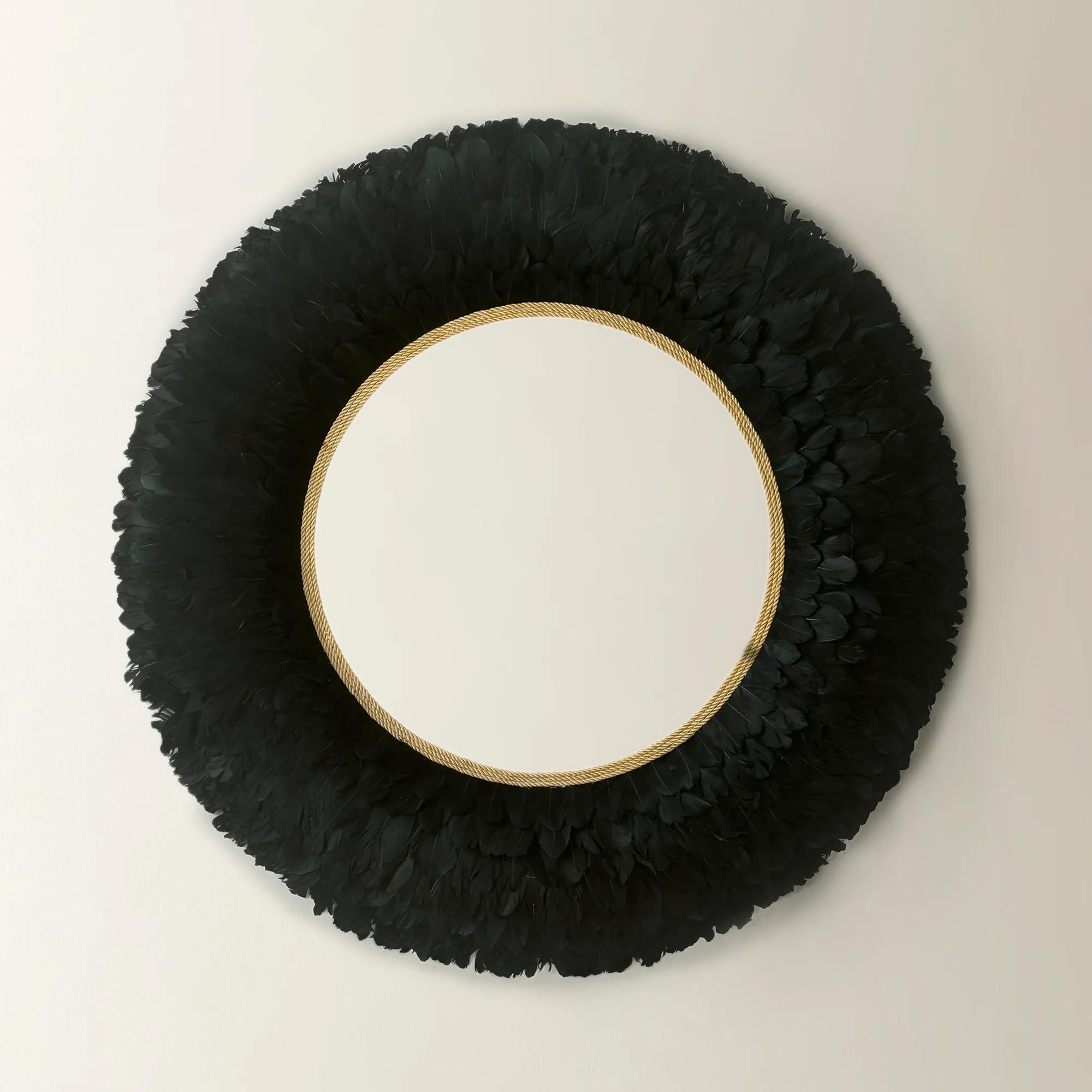
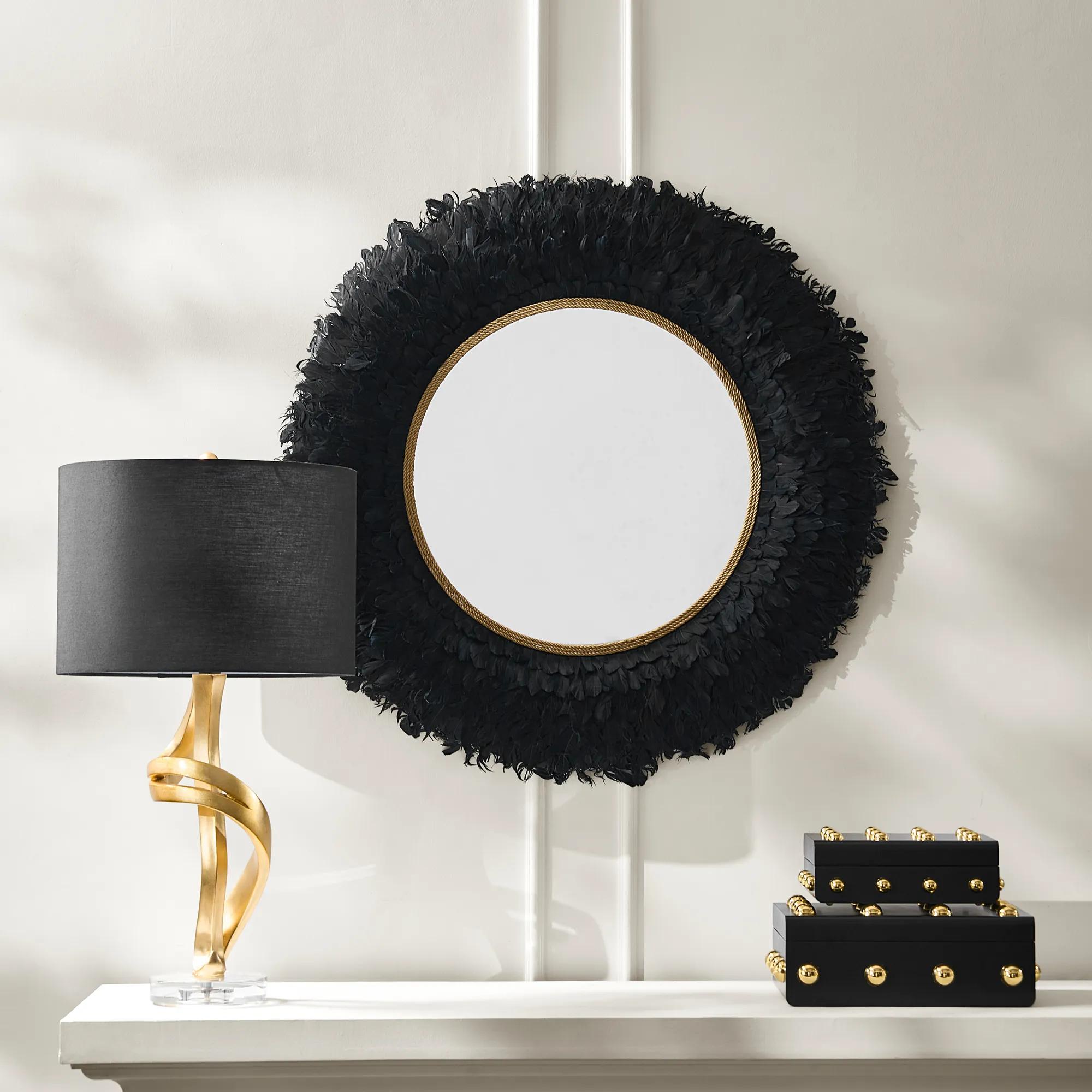 Nikki Chu Midnight Black Feather Round Wall Mirror 35.5"$499
A dramatic black feather-framed mirror accented with a gleaming gold inner border for striking wall texture.
Add To Cart -
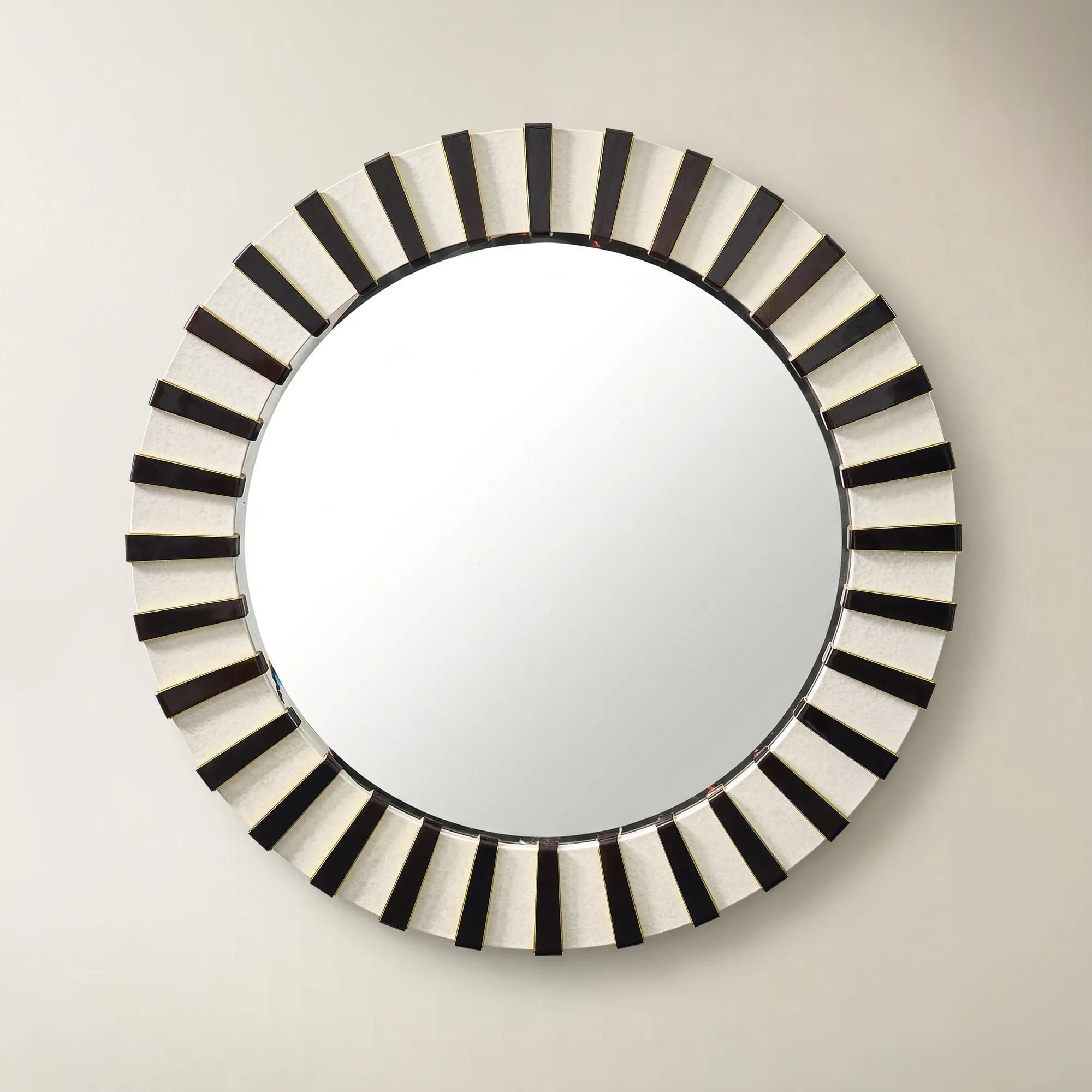 Regatta Opaline Pearl Black Gold Dimensional Round Wall Mirror 45"$849
A luminous wall mirror featuring an opaline pearl lacquered wood frame with black, gold, and raised resin accents.
Add To Cart -
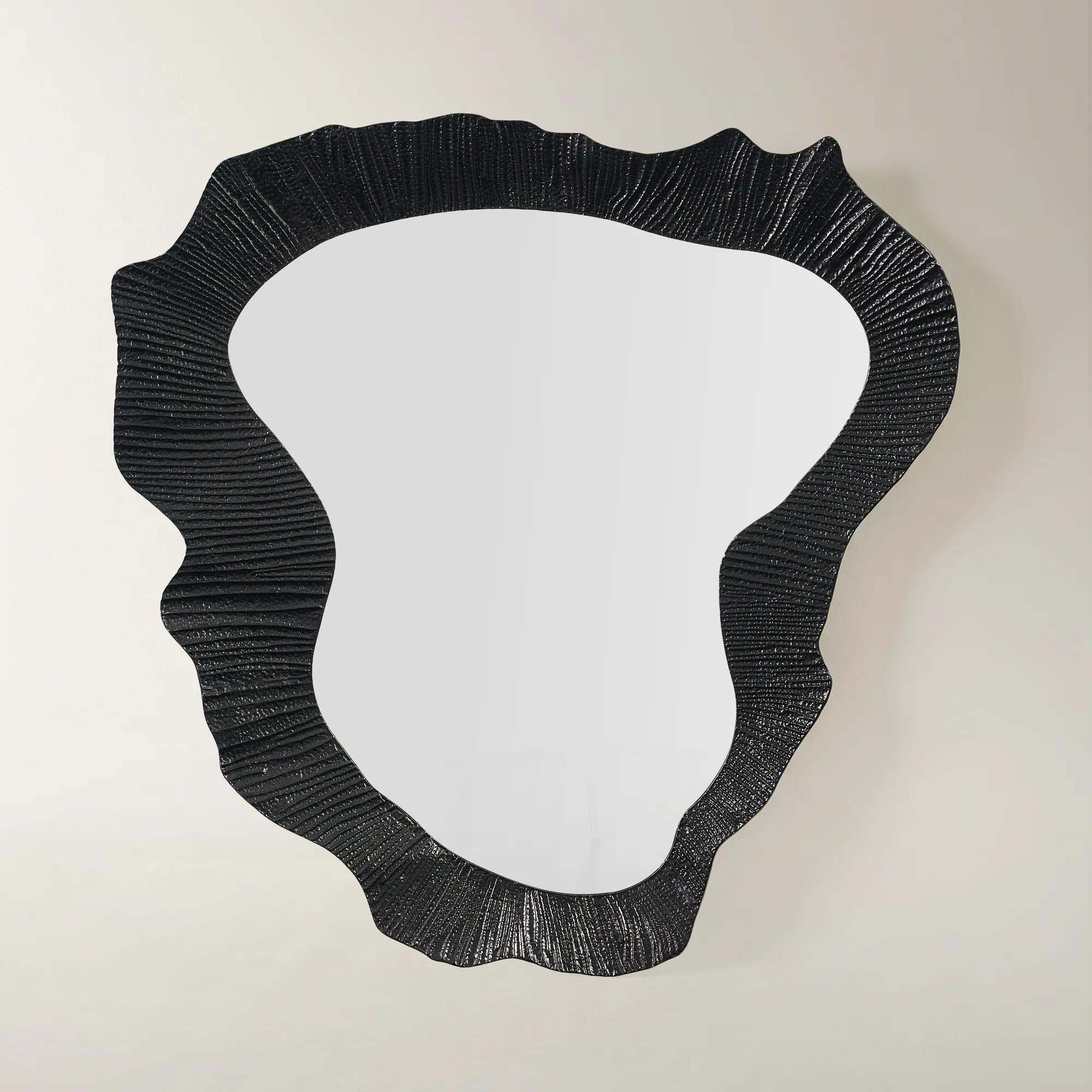 Cara Black Hand-Forged Iron Organic Shaped Wall Mirror 52.5" x 53"$1199
A hand-forged black iron frame and organic silhouette create a bold, sculptural statement for any room.
Add To Cart -
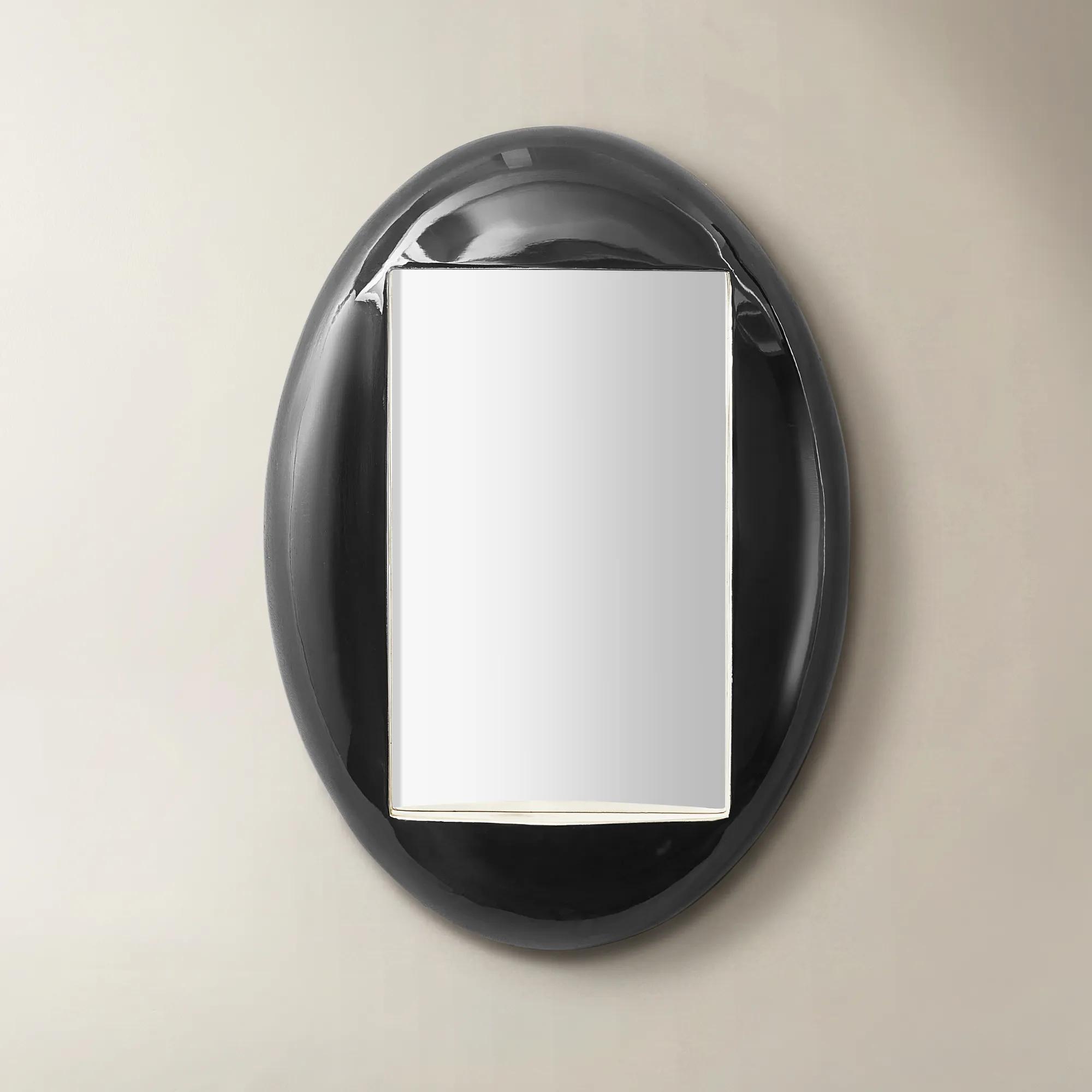 Tuxedo Black And Champagne High Gloss Resin Geometric Wall Mirror 28" x 20"$299
A geometric wall mirror with a black and champagne resin frame for bold, modern sophistication.
Add To Cart -
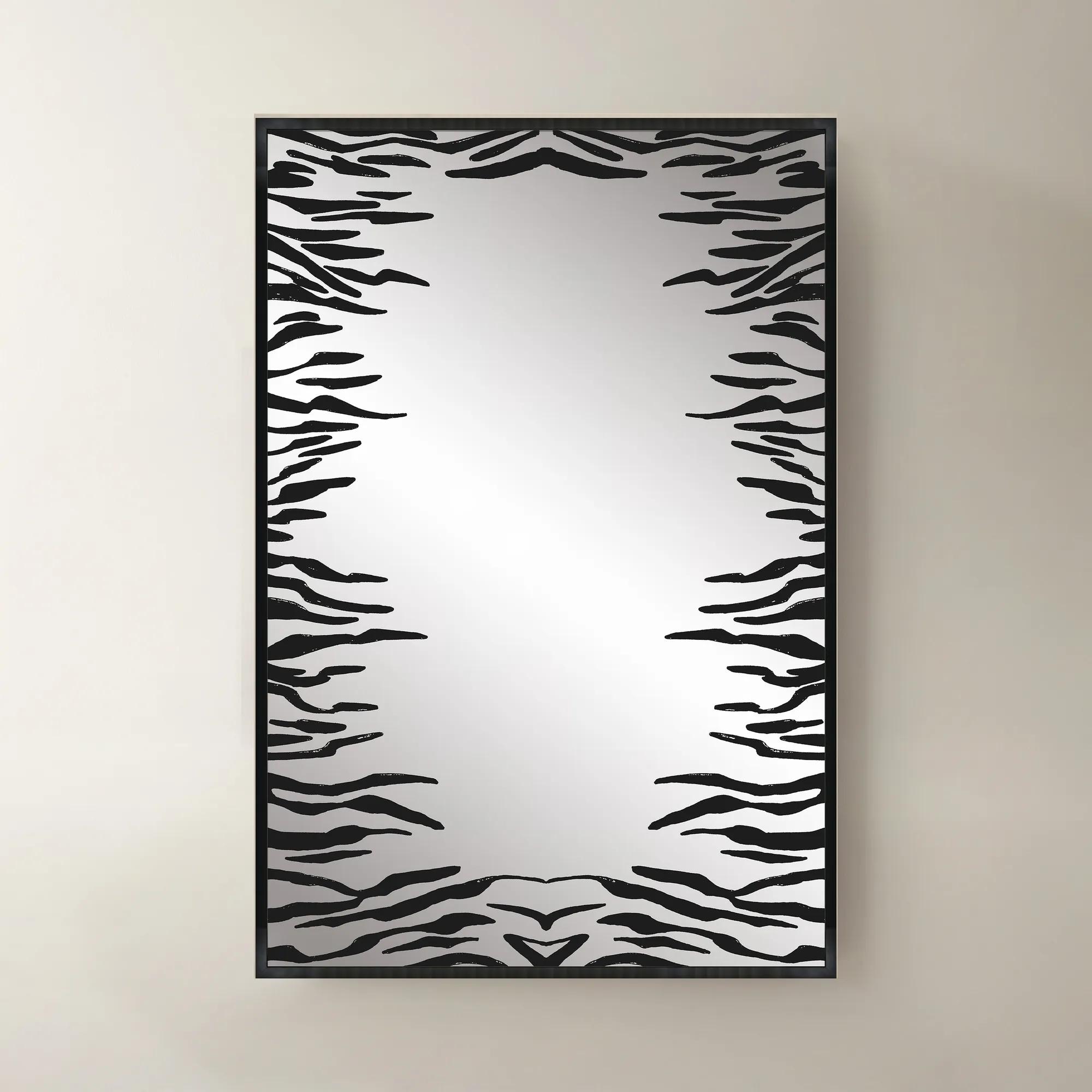
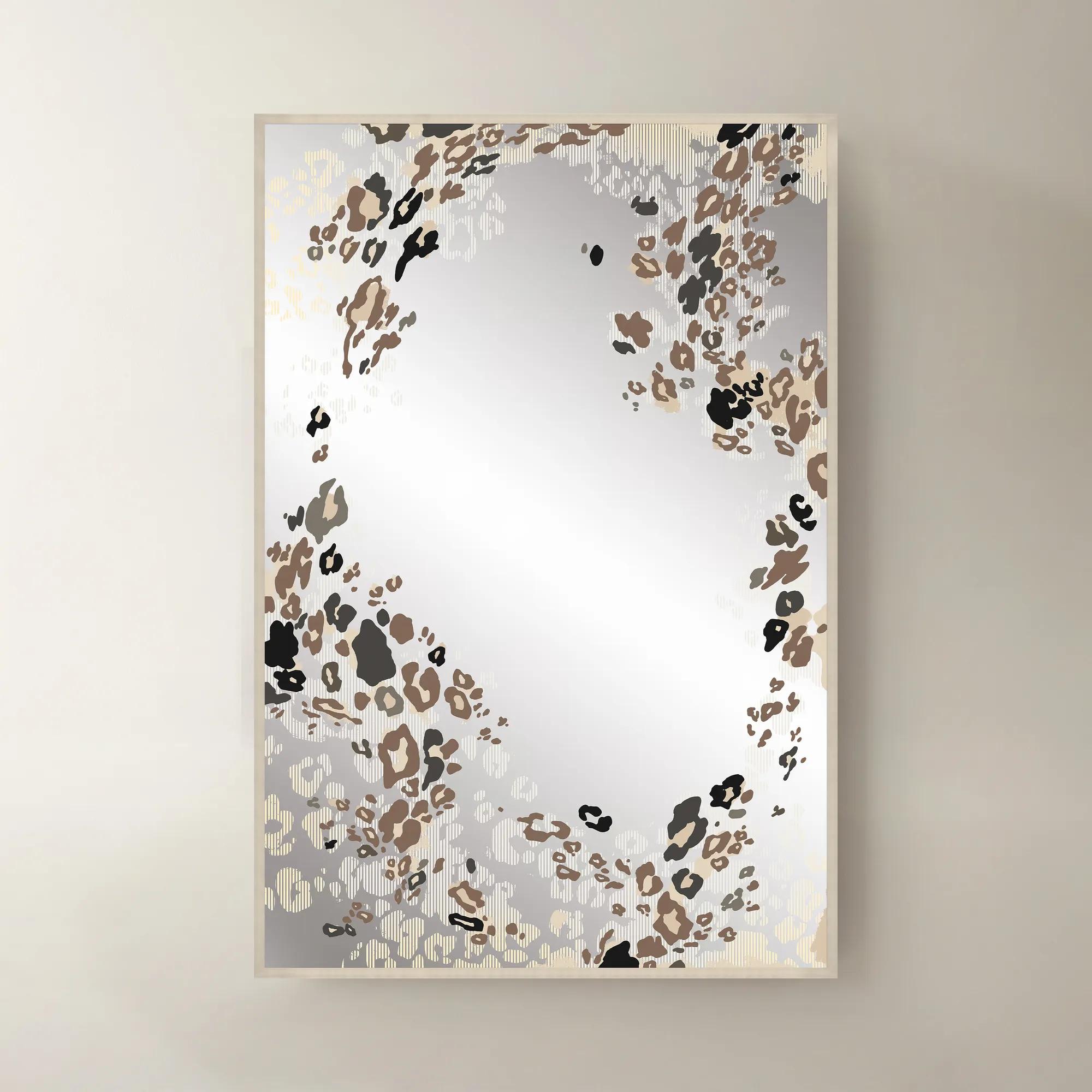
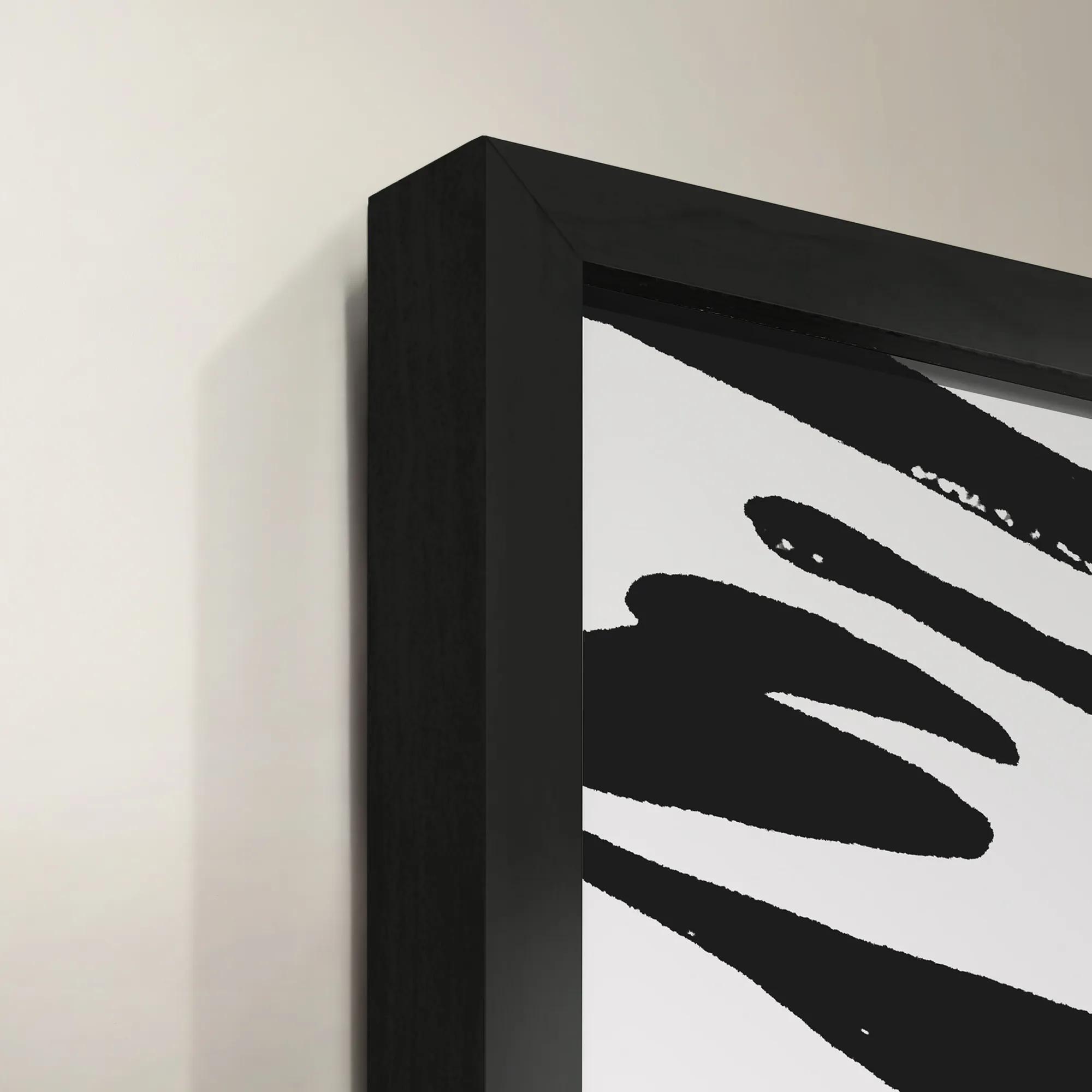 Savanna Veil Framed Printed Wall Mirror 40" x 60"$1499
A black framed printed wall mirror offering artistic dimension and modern sophistication.
Add To Cart -
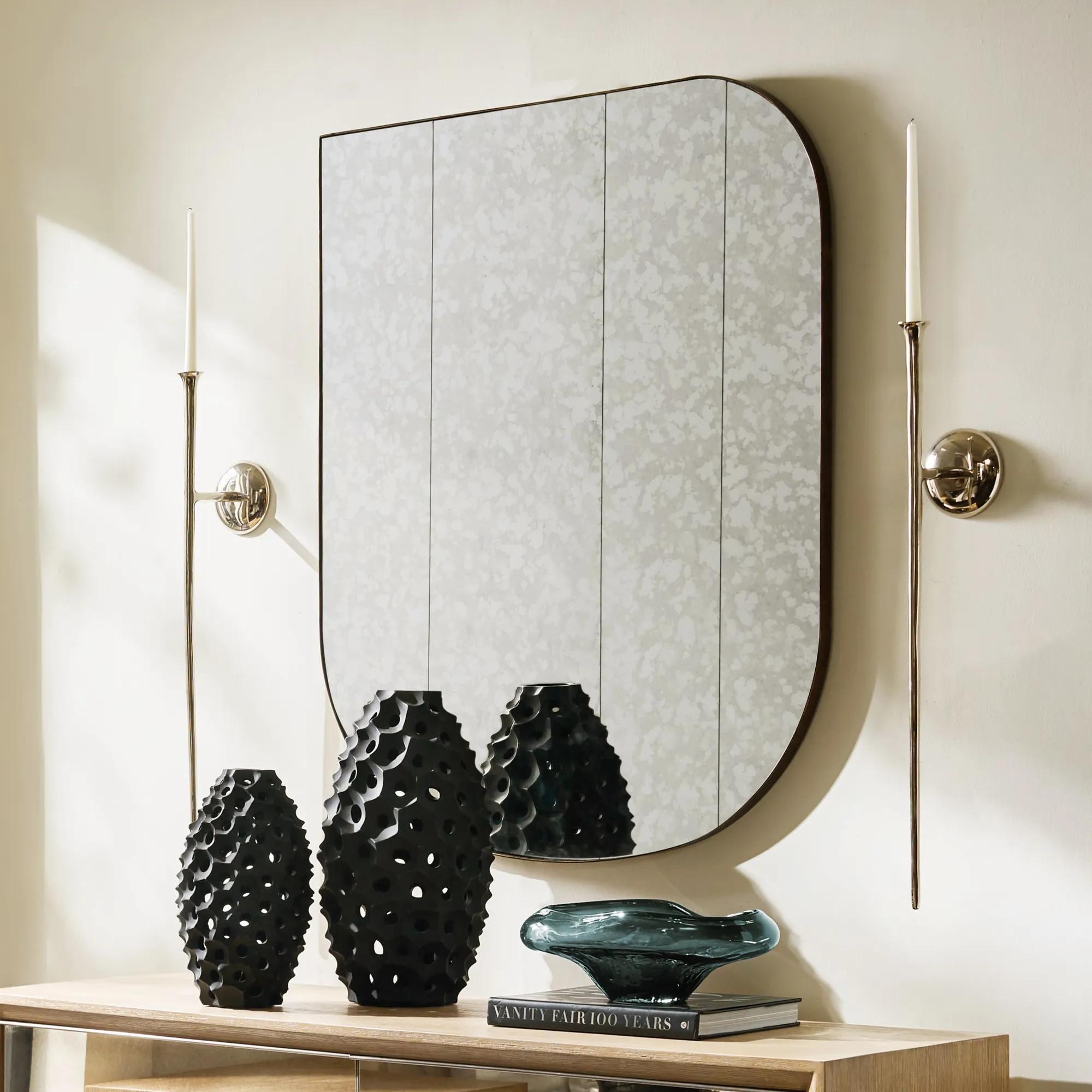
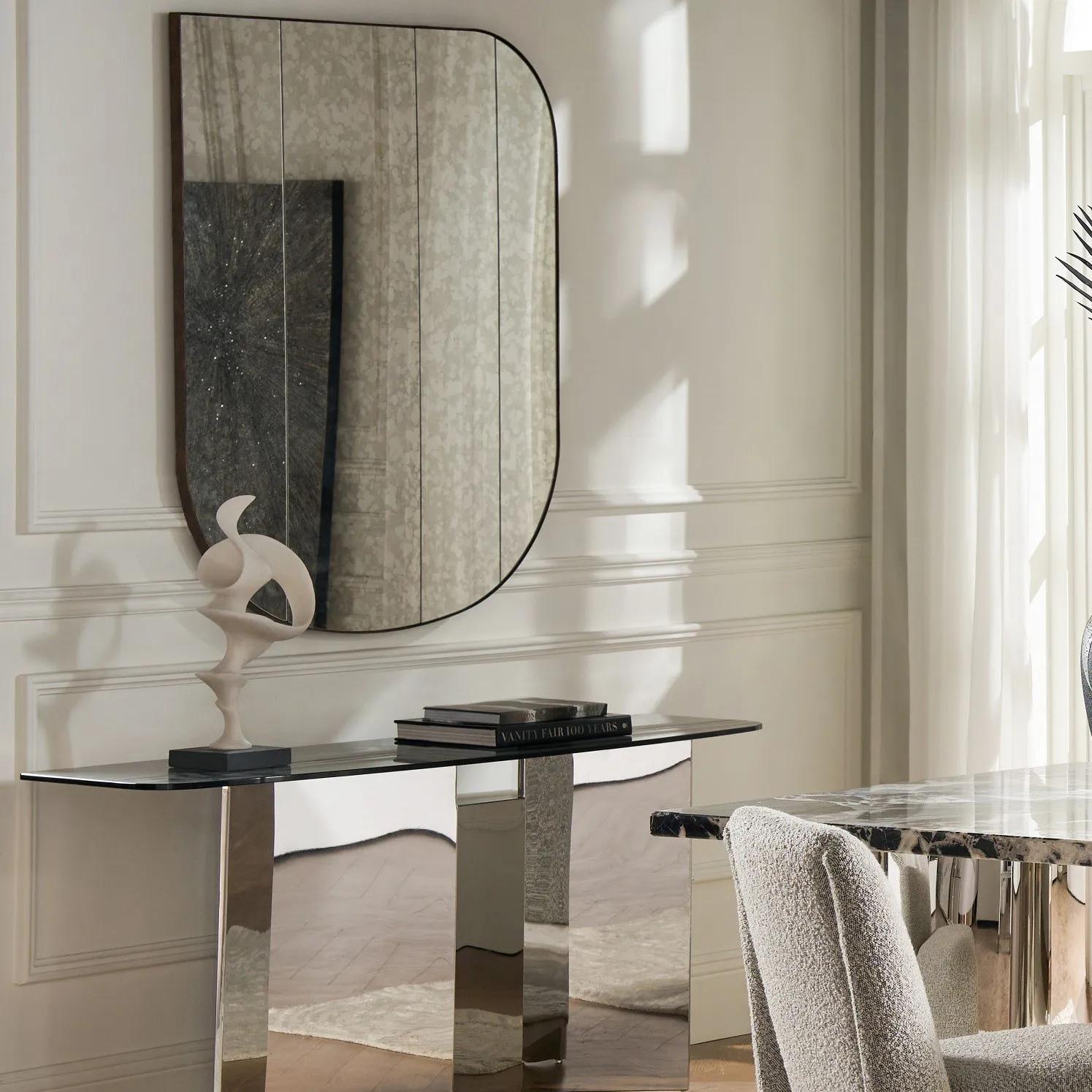 Angolo Wall Mirror$799
An antique-inspired wall mirror featuring a softly irregular shape and shimmering patina on iron and MDF.
Add To Cart -
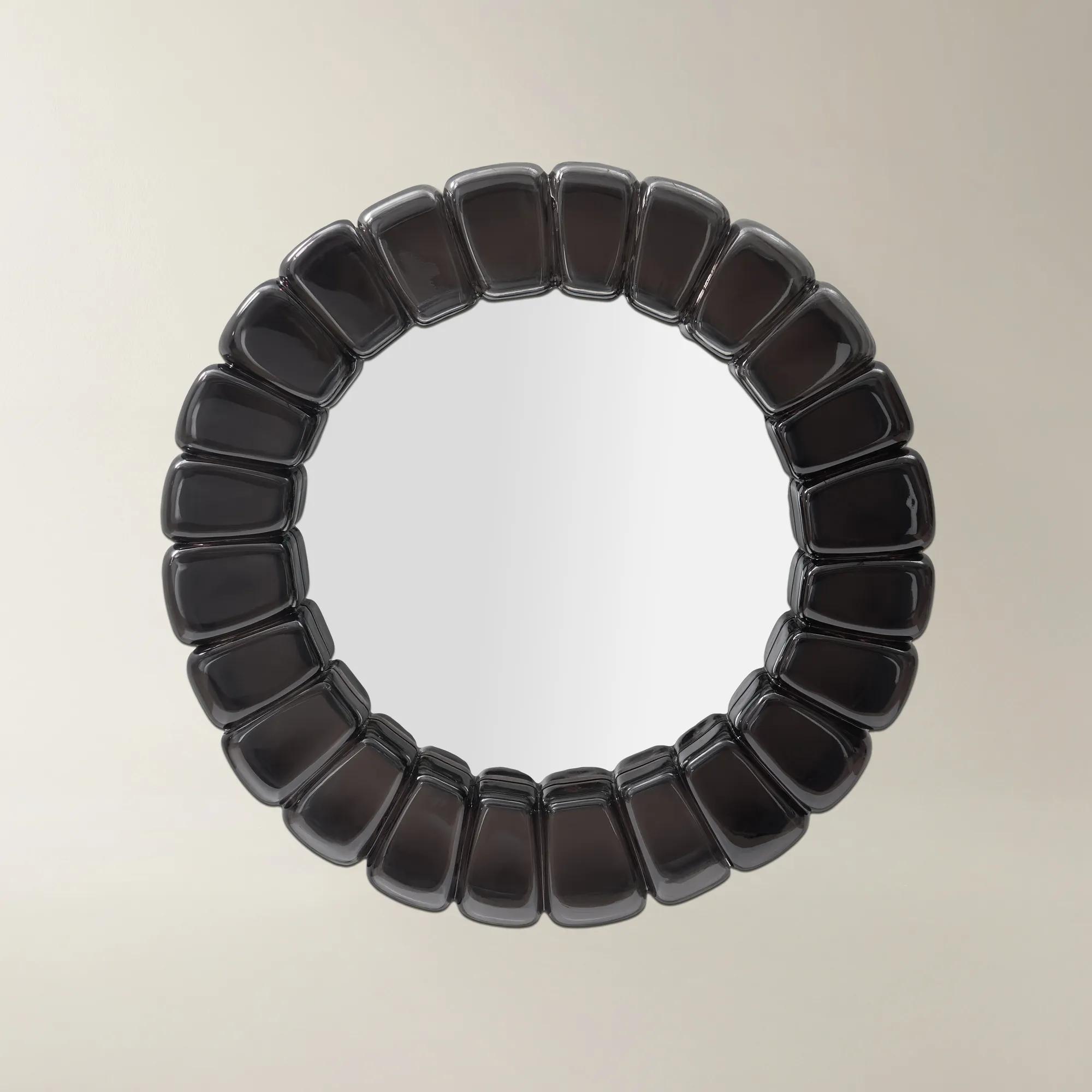
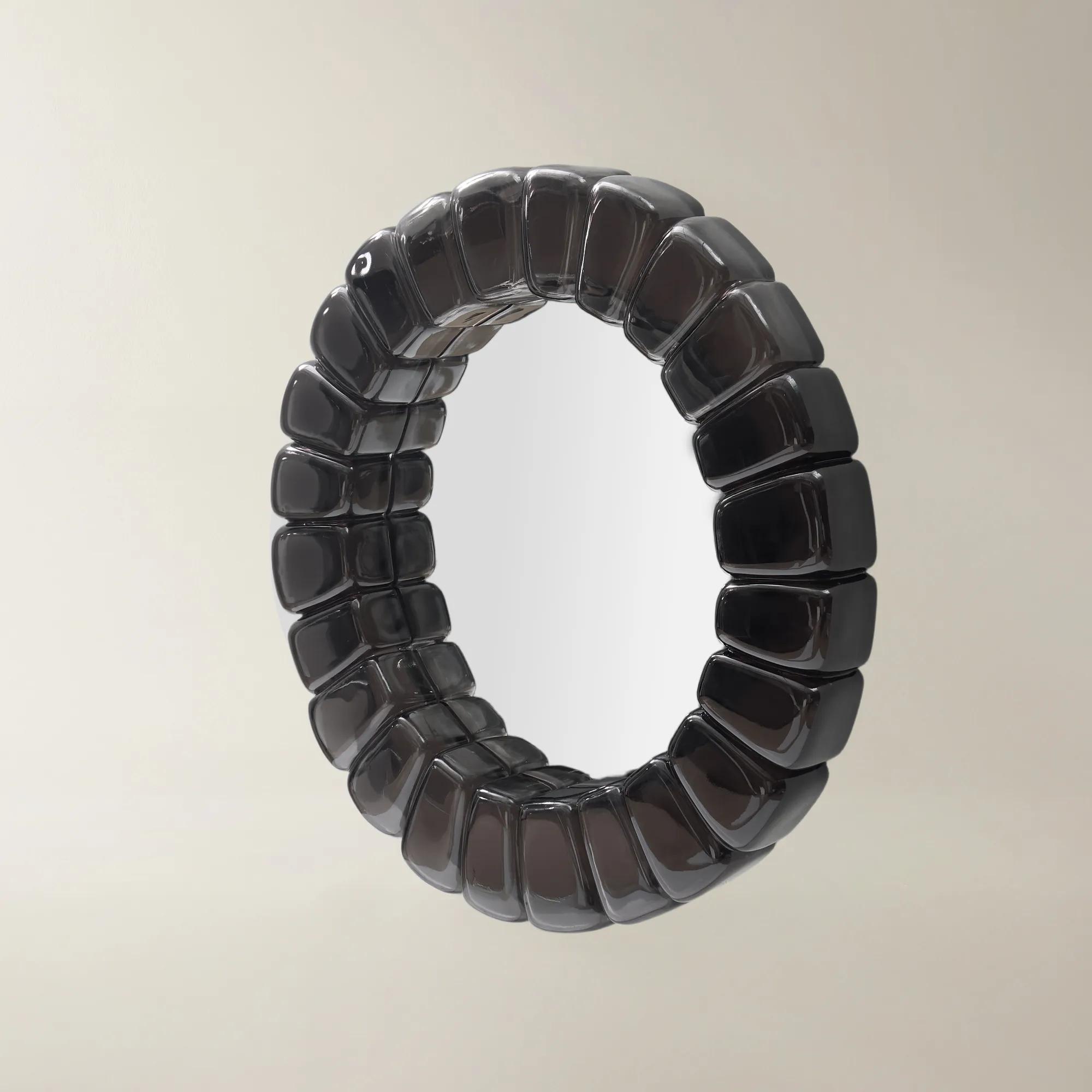 Lumino Graphite Resin Round Wall Mirror 38.5"$899
A round wall mirror with a sculptural translucent charcoal resin frame, graphite finish, and vertical display.
Add To Cart -
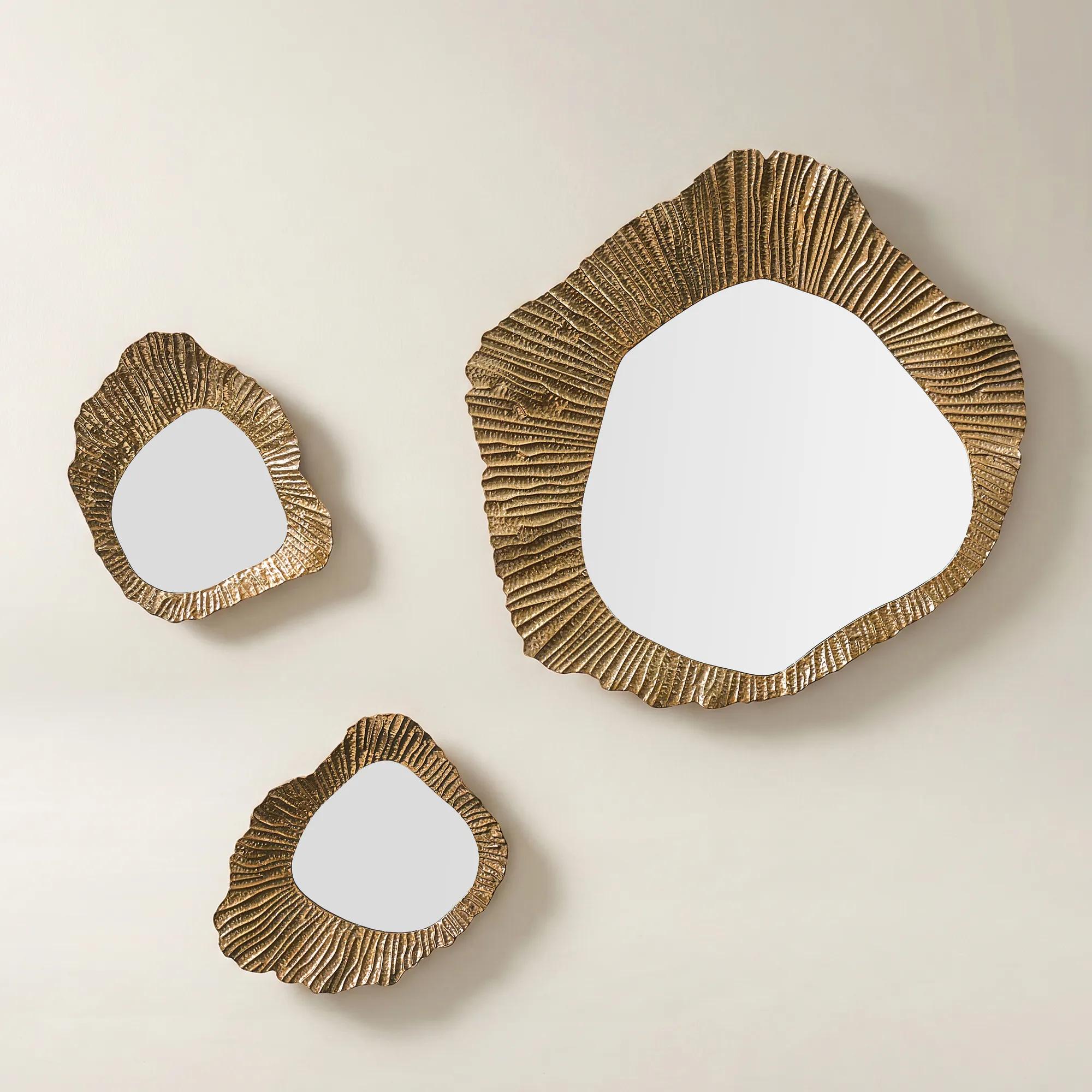 Cara Antique Gold Hand-Forged Iron Organic Shaped Wall Mirror Cluster Trio$1099
A set of three hand-forged iron mirrors in antiqued gold, featuring an organic, sculptural cluster design.
Add To Cart -
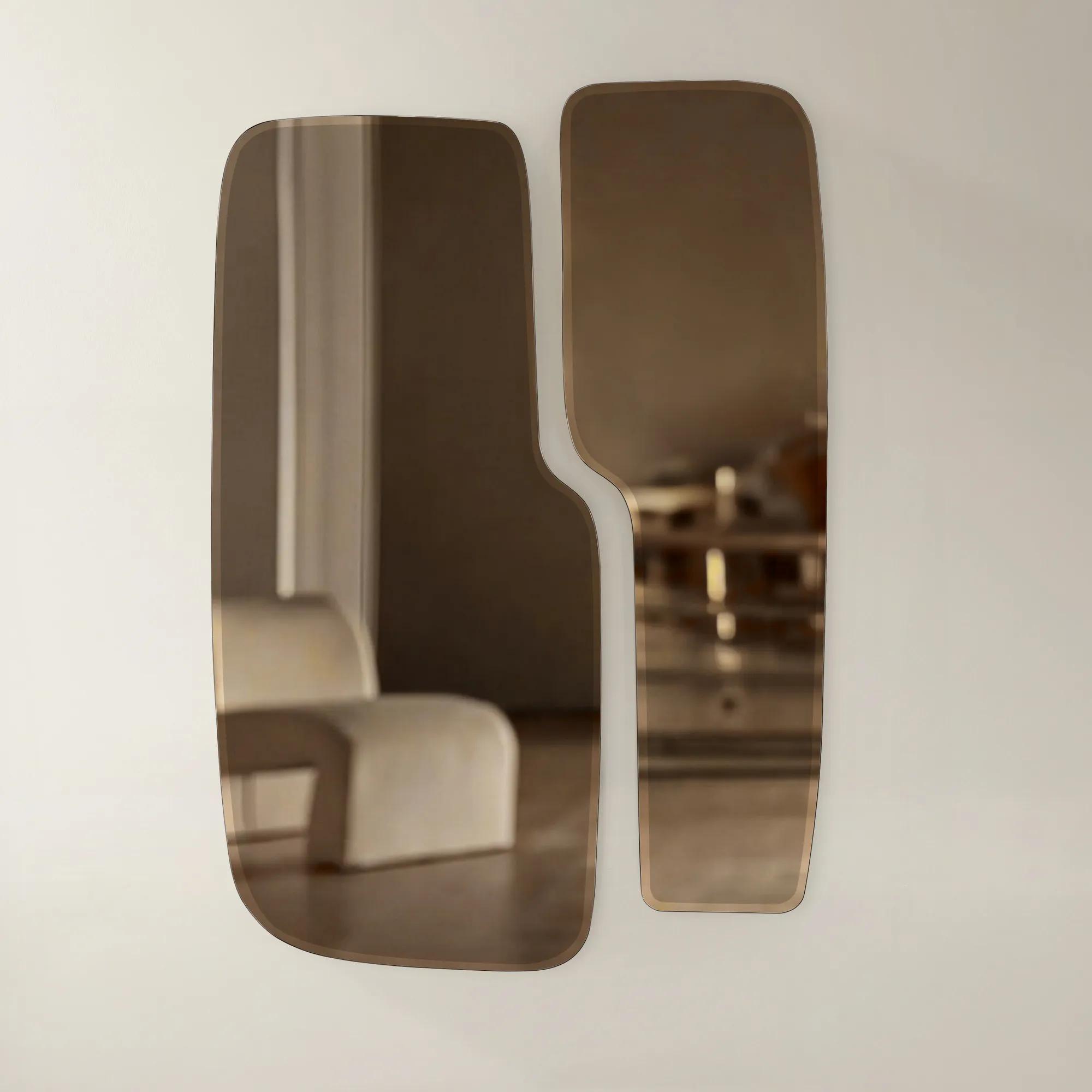 Puzzle 2-Piece Bronze Organic Shaped Wall Mirror 30" x 45"$499
A two-piece bronze wall mirror set featuring organic shapes for an artful, sculptural accent.
Add To Cart -
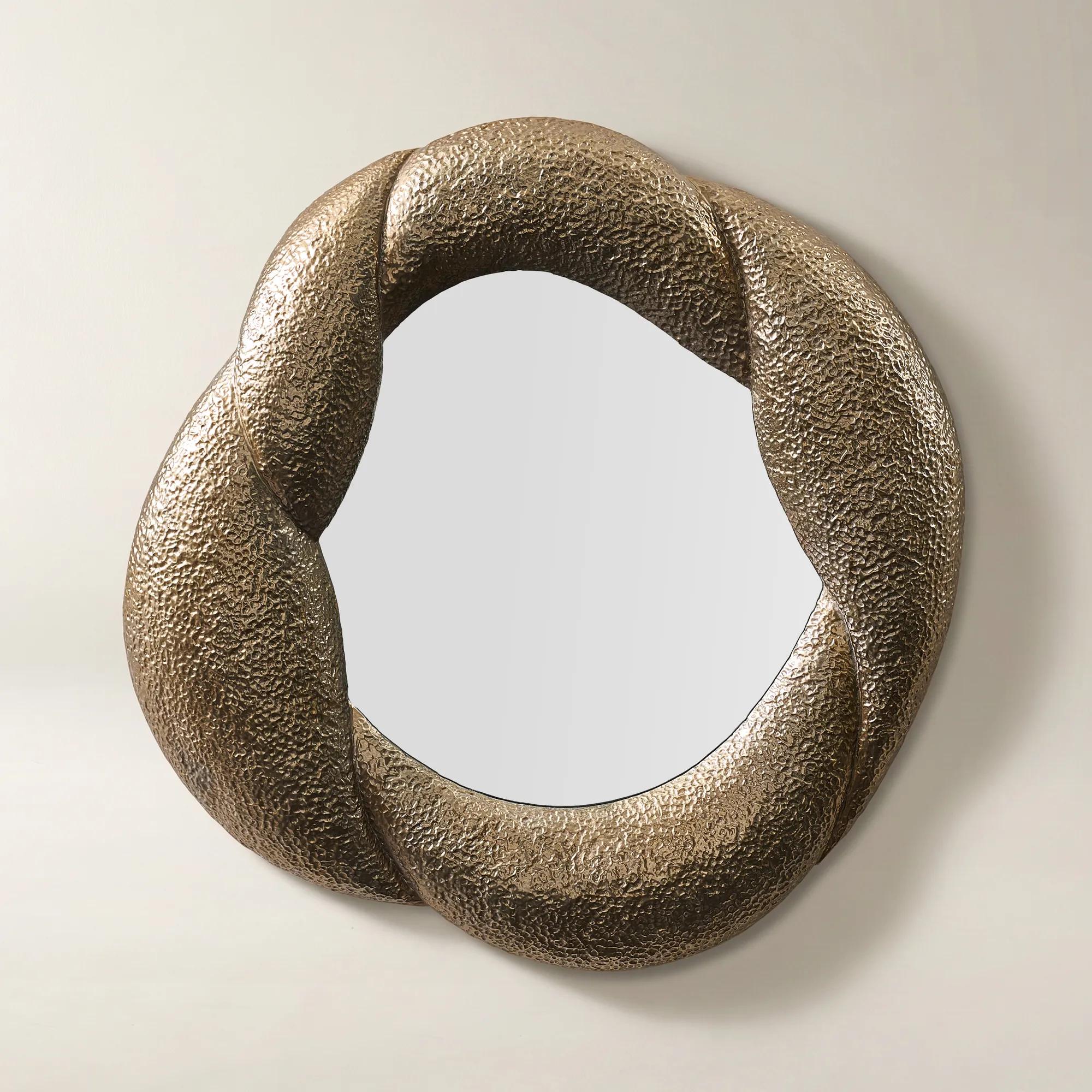 Bronze Age Hammered Texture Resin Organic Round Wall Mirror 34"$599
A round wall mirror featuring a chunky resin frame with hammered bronze texture for sculptural, modern appeal.
Add To Cart -
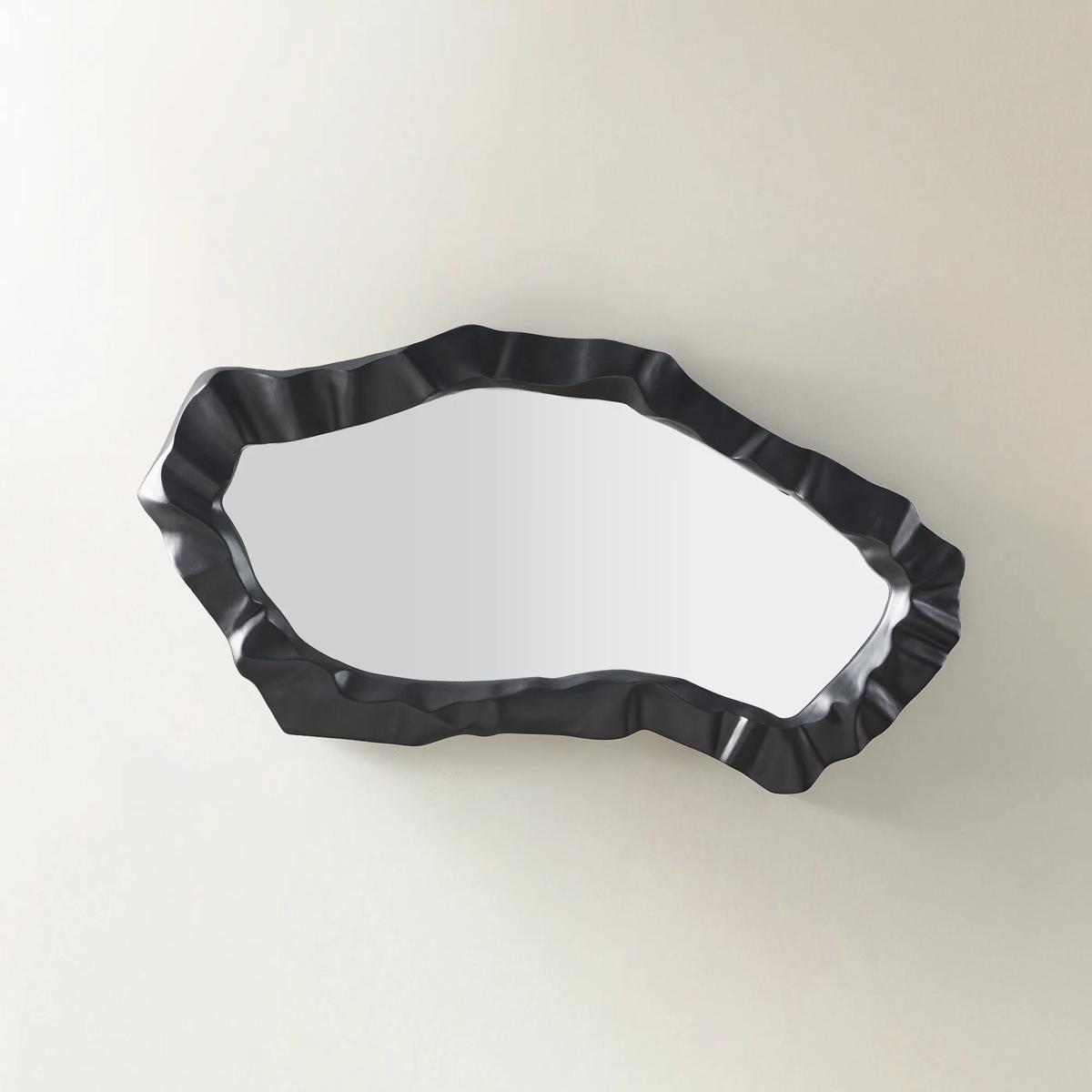
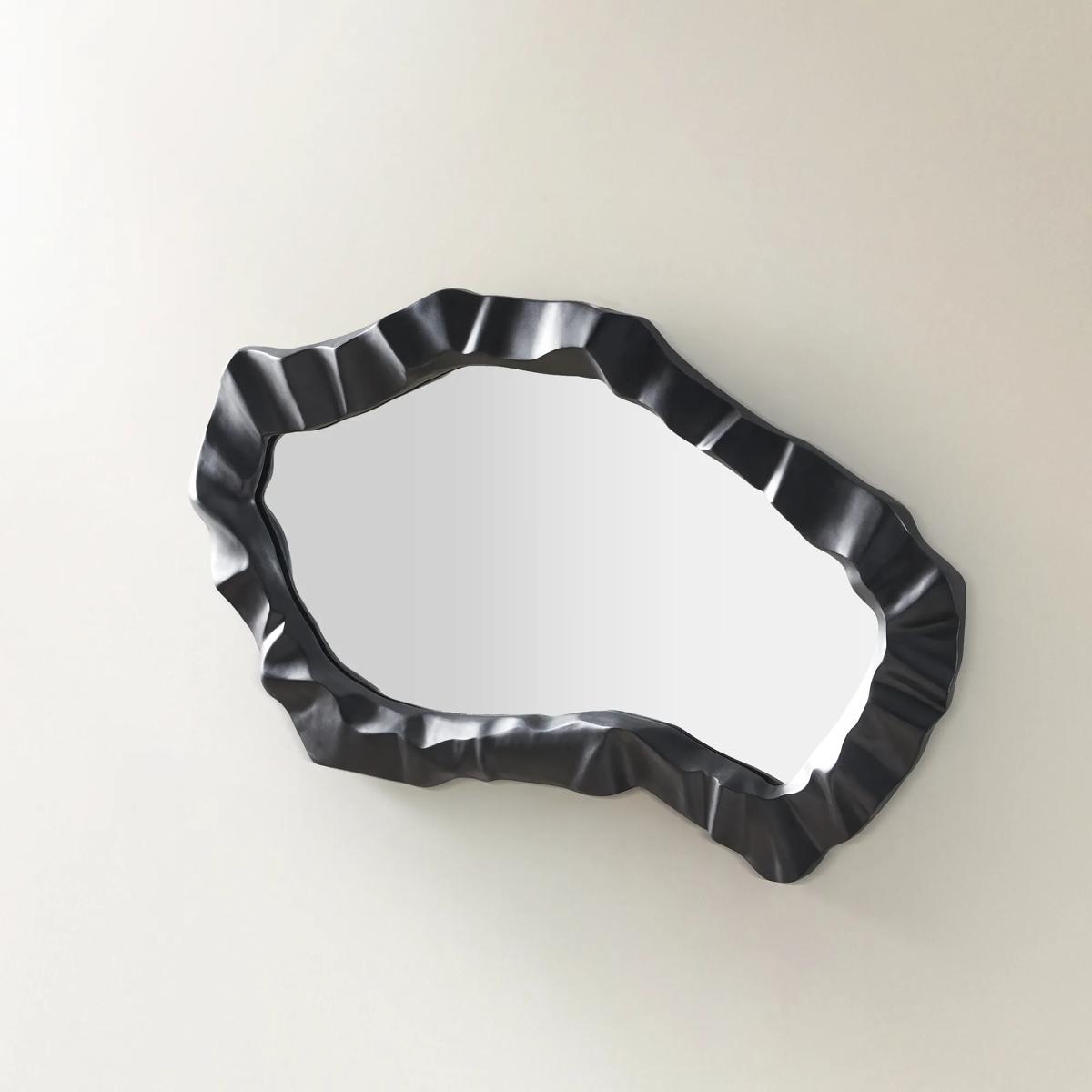 Islay Black Resin Organic Shaped Wall Mirror 44.75" x 23.75"$599
A sculptural black resin mirror featuring bold, asymmetrical curves and versatile vertical or horizontal hanging.
Add To Cart -

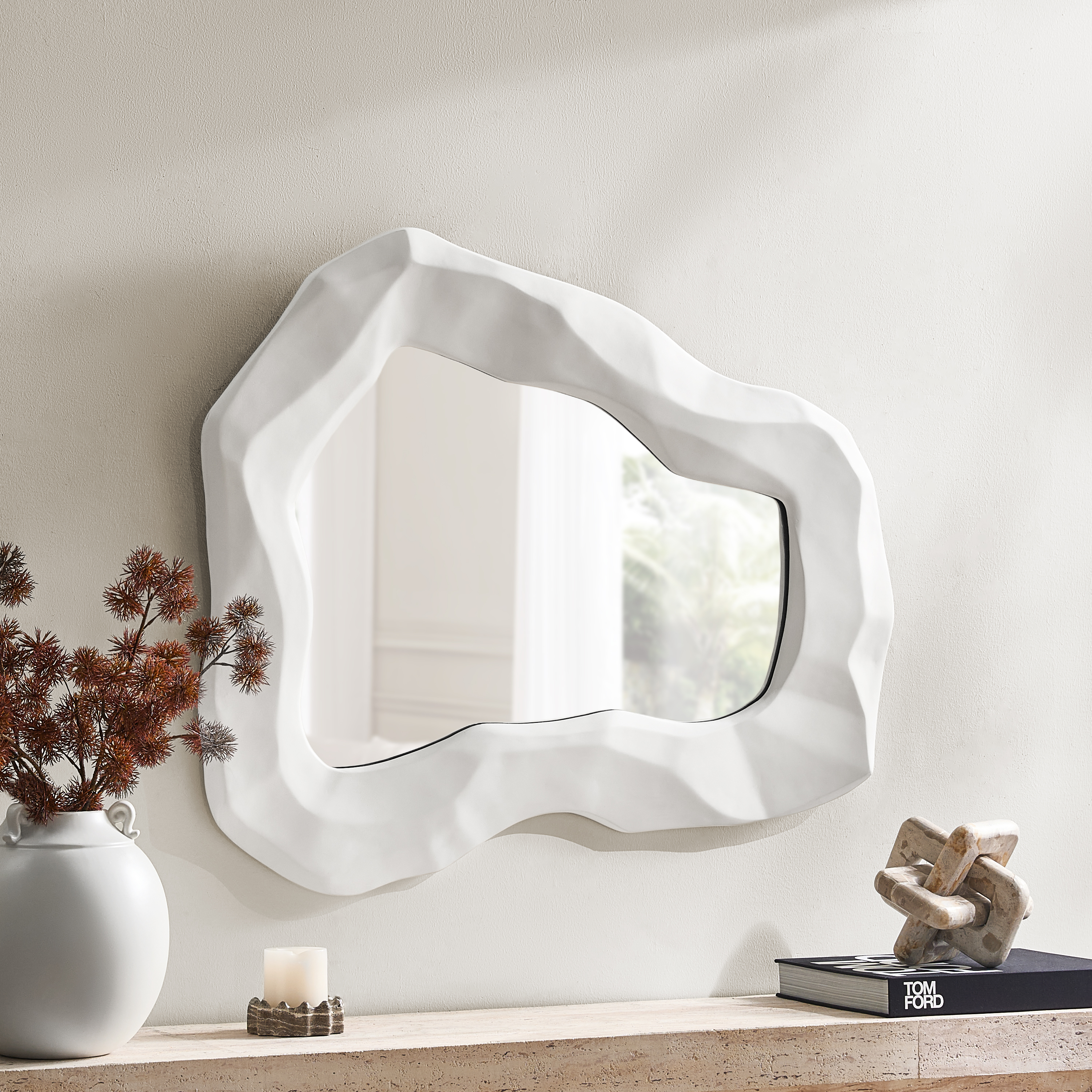 Islay Wall Mirror - White$549
A sculpted resin-framed mirror in matte white with an organic, asymmetrical silhouette for modern interiors.
Add To Cart -
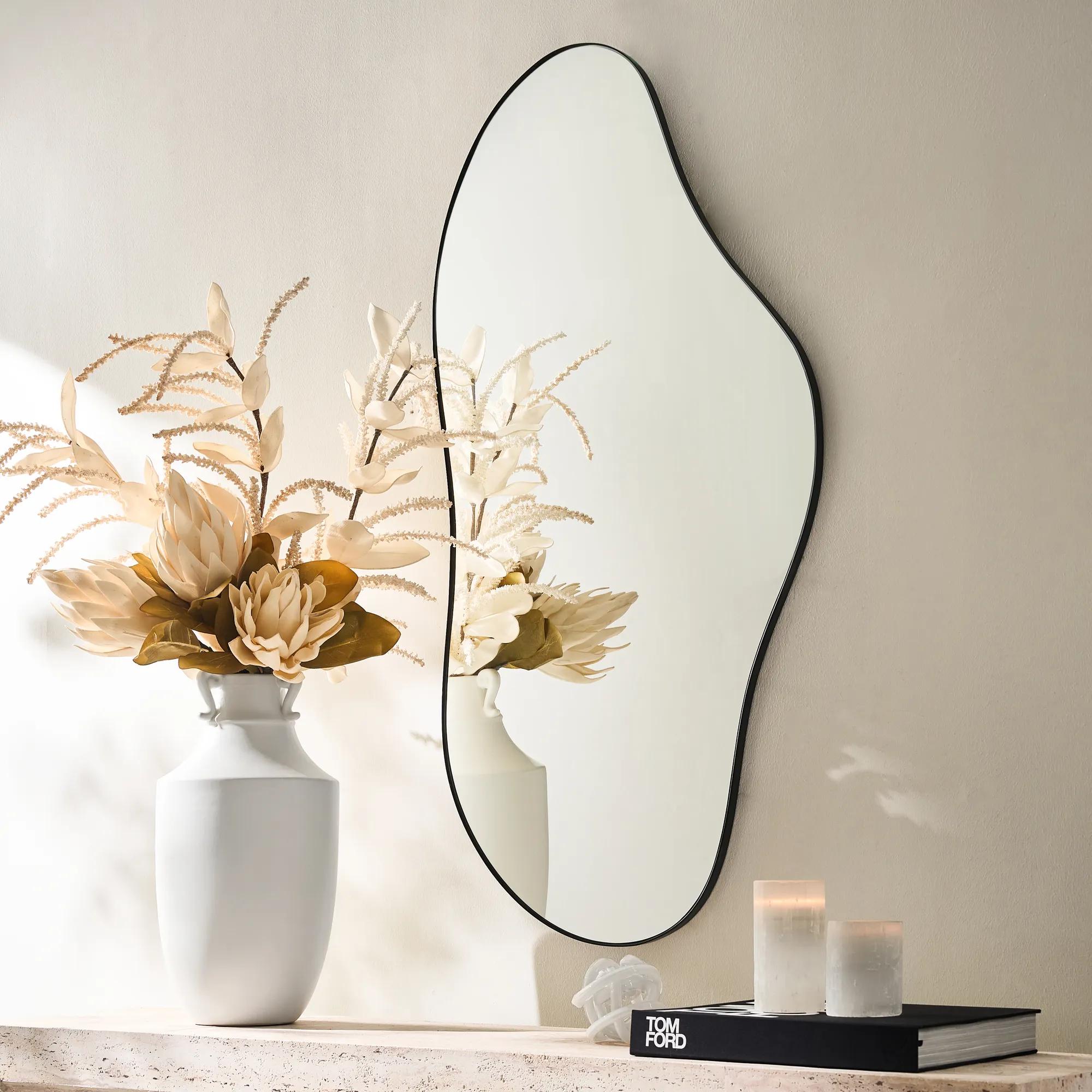
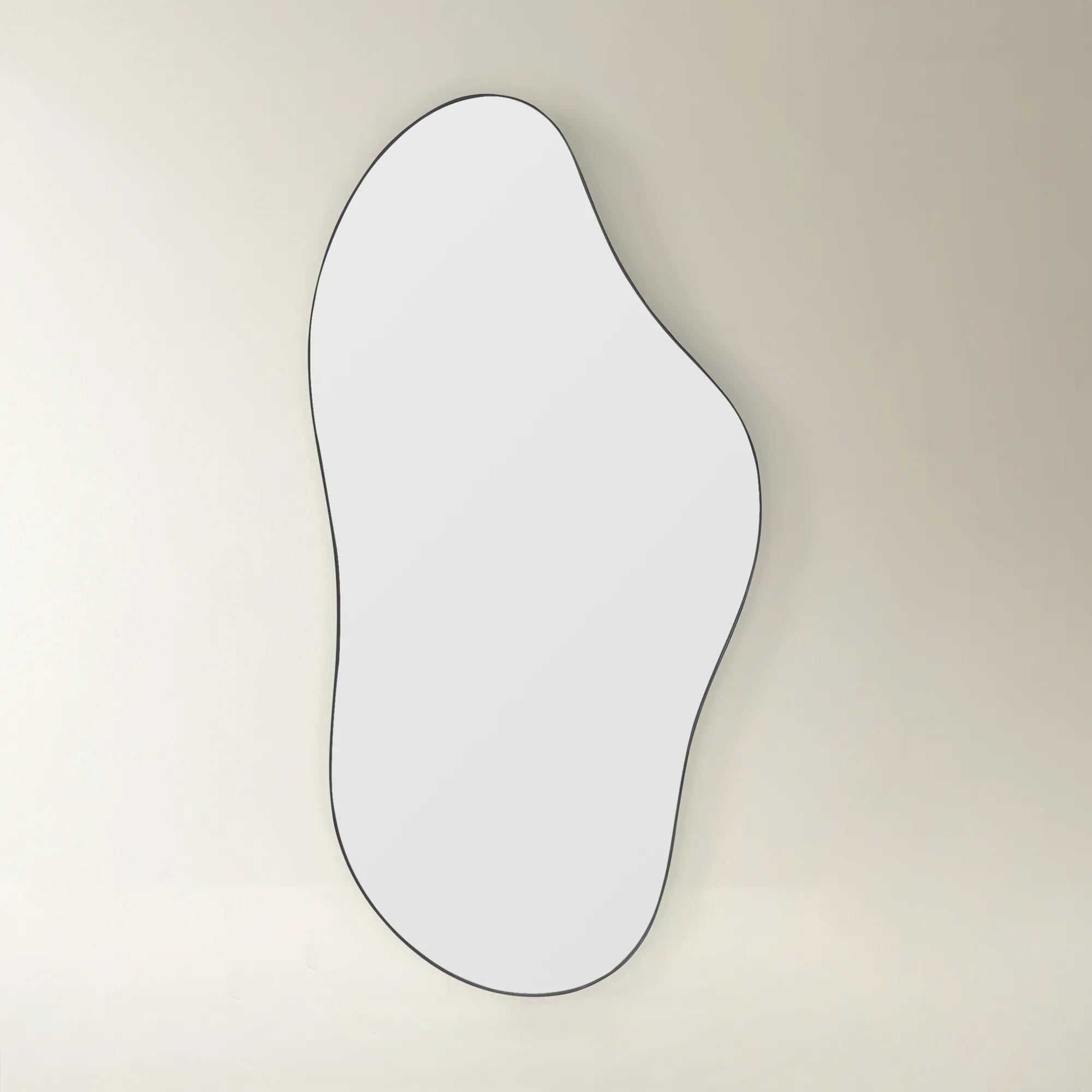 Puddle Wall Mirror$299
A freeform glass mirror with a black frame that adds playful sophistication to modern interiors.
Add To Cart -
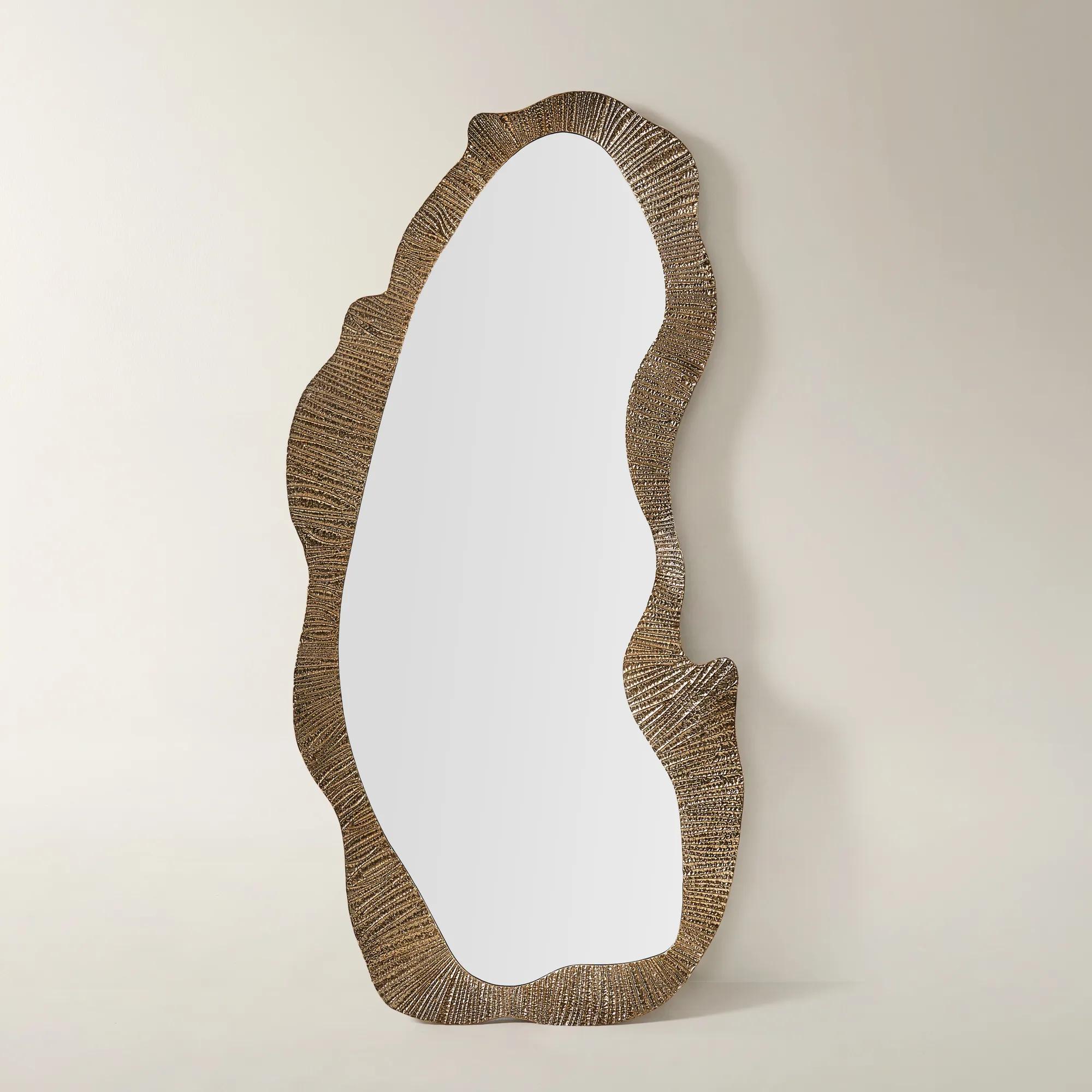 Cara Antique Gold Hand-Forged Iron Organic Shaped Floor Mirror 40.25" x 80.75"$1499
An antiqued gold hand-forged iron frame gives this sculptural floor mirror a refined, artful presence.
Add To Cart -
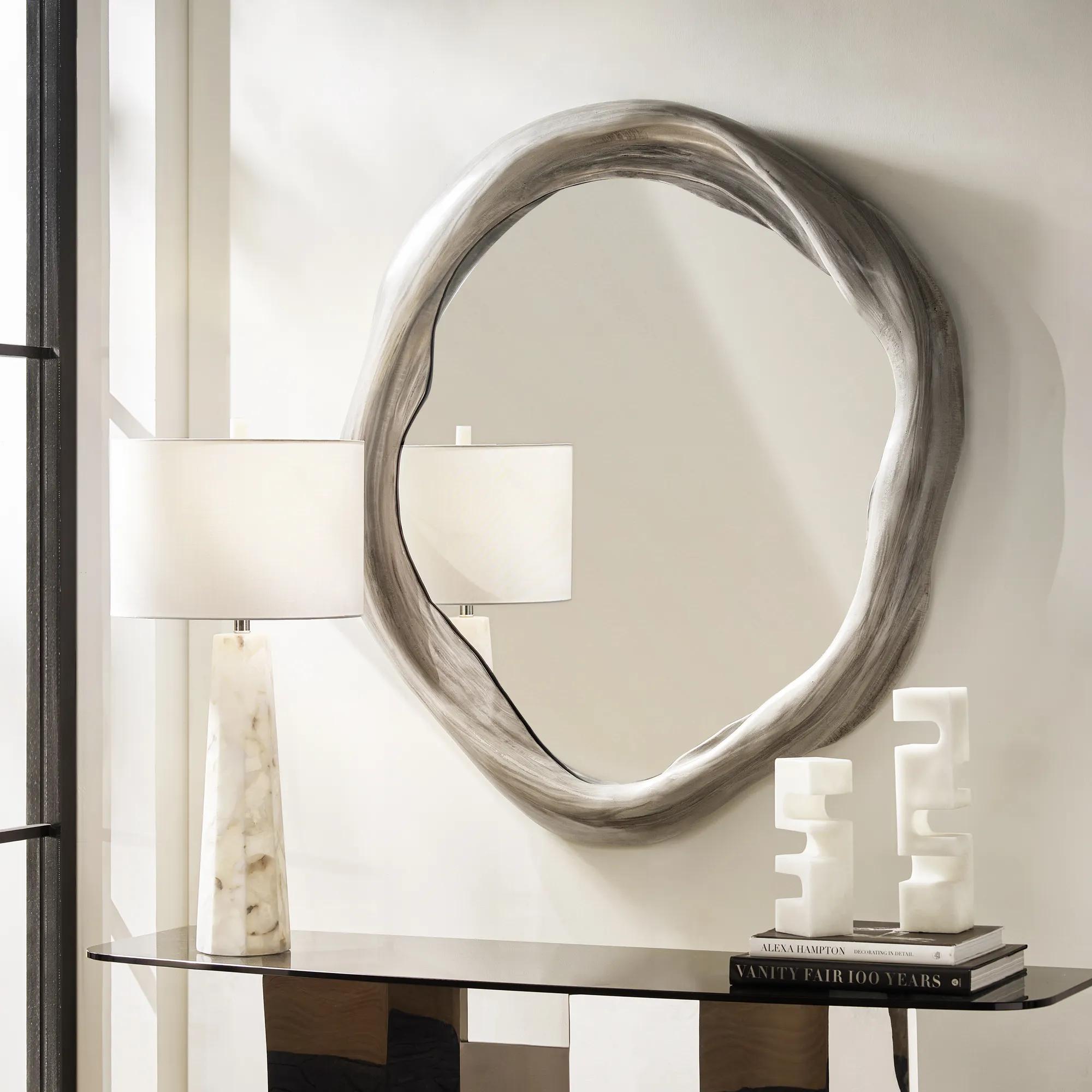
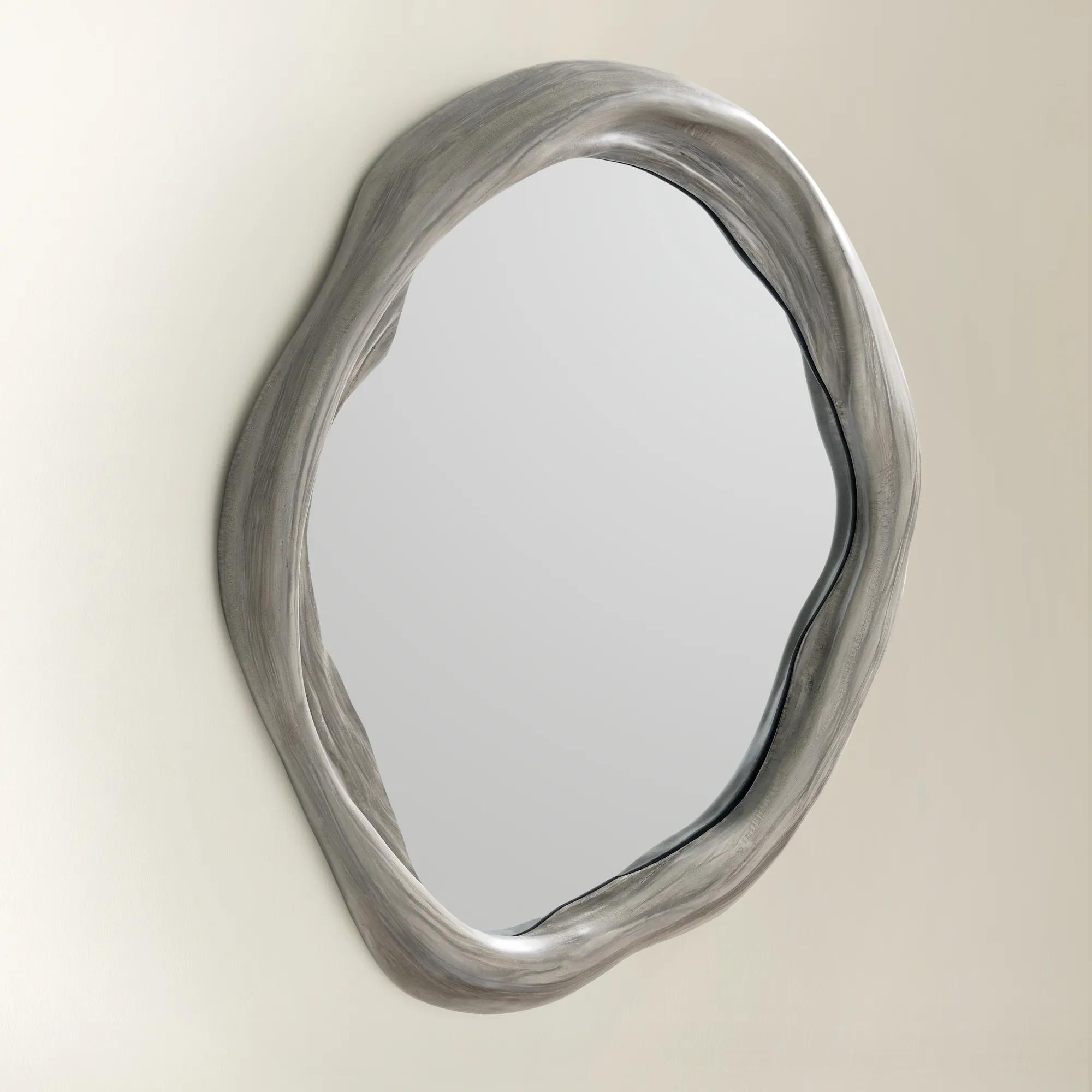 Dunes Wall Mirror$899
An organically shaped wall mirror with an artfully irregular gray frame, perfect for modern or minimalist spaces.
Add To Cart -
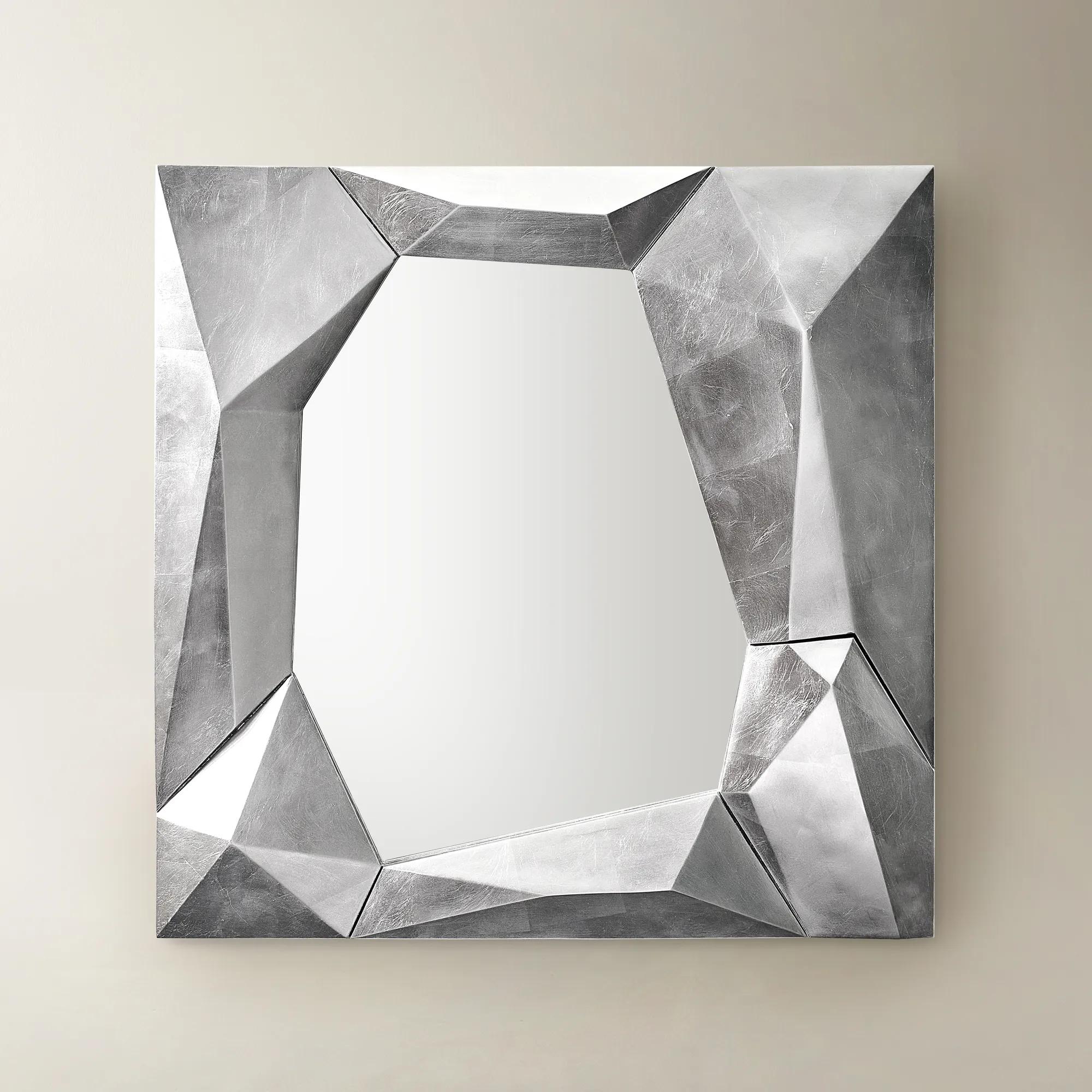 Aeris Satin Silver Faceted Resin Square Wall Mirror 35" x 35"$499
A satin silver fiberglass resin frame and faceted silhouette create a modern, sculptural wall mirror.
Add To Cart -
 Sway Fig High-Gloss Resin Puddle Shaped Floor Mirror 37" x 78.75"$1499
A sculptural puddle-shaped floor mirror featuring a rich fig-colored, high-gloss resin frame.
Add To Cart

Statement Mirrors For Home Decor
Find statement mirrors for home decor that bring light, dimension, and a dramatic focal point to your space. Explore decorative mirrors with scale and placement in mind, whether you’re framing an entryway vignette or anchoring a living room wall. Consider proportions alongside nearby furnishings, then choose a design that complements the room’s character or introduces an artful contrast.
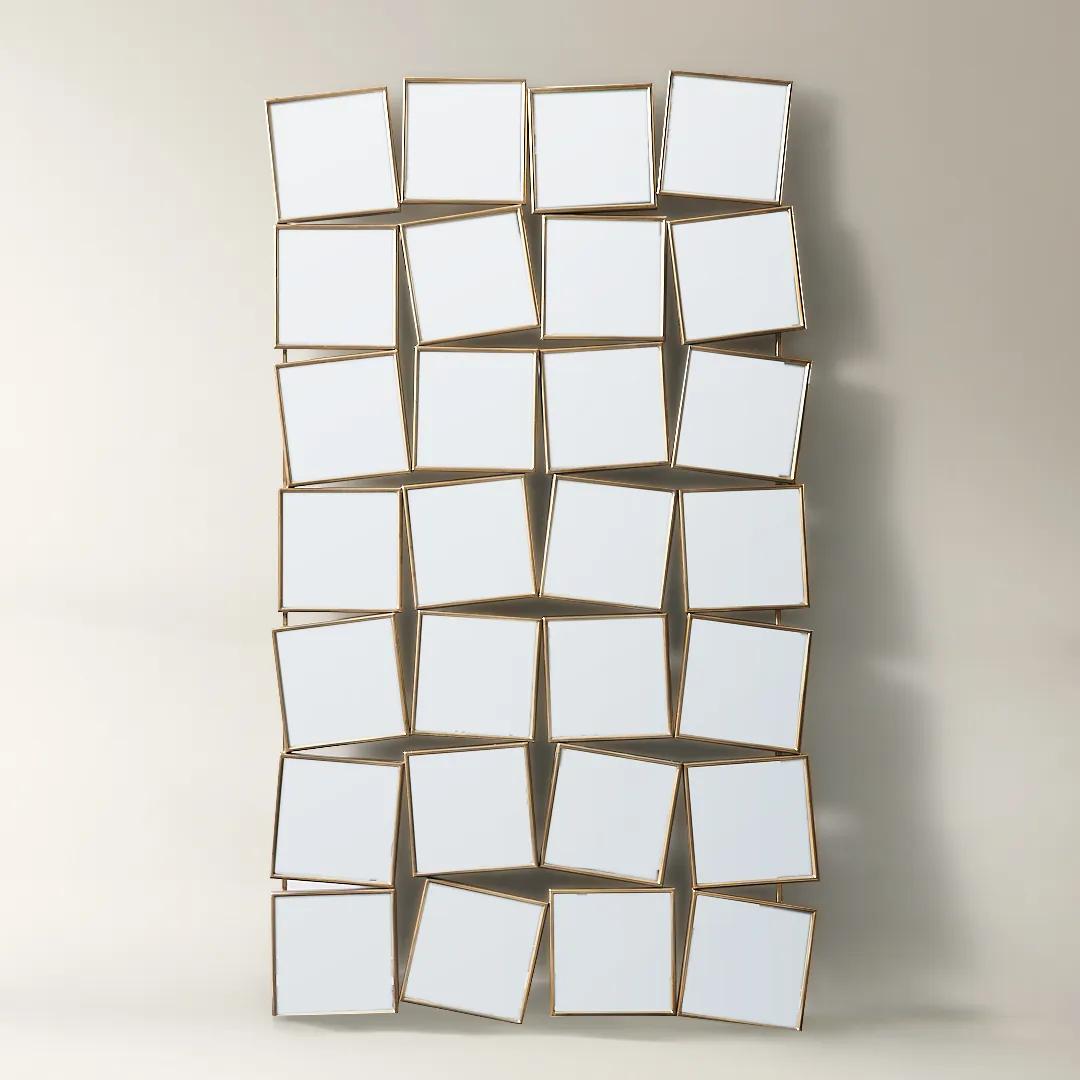
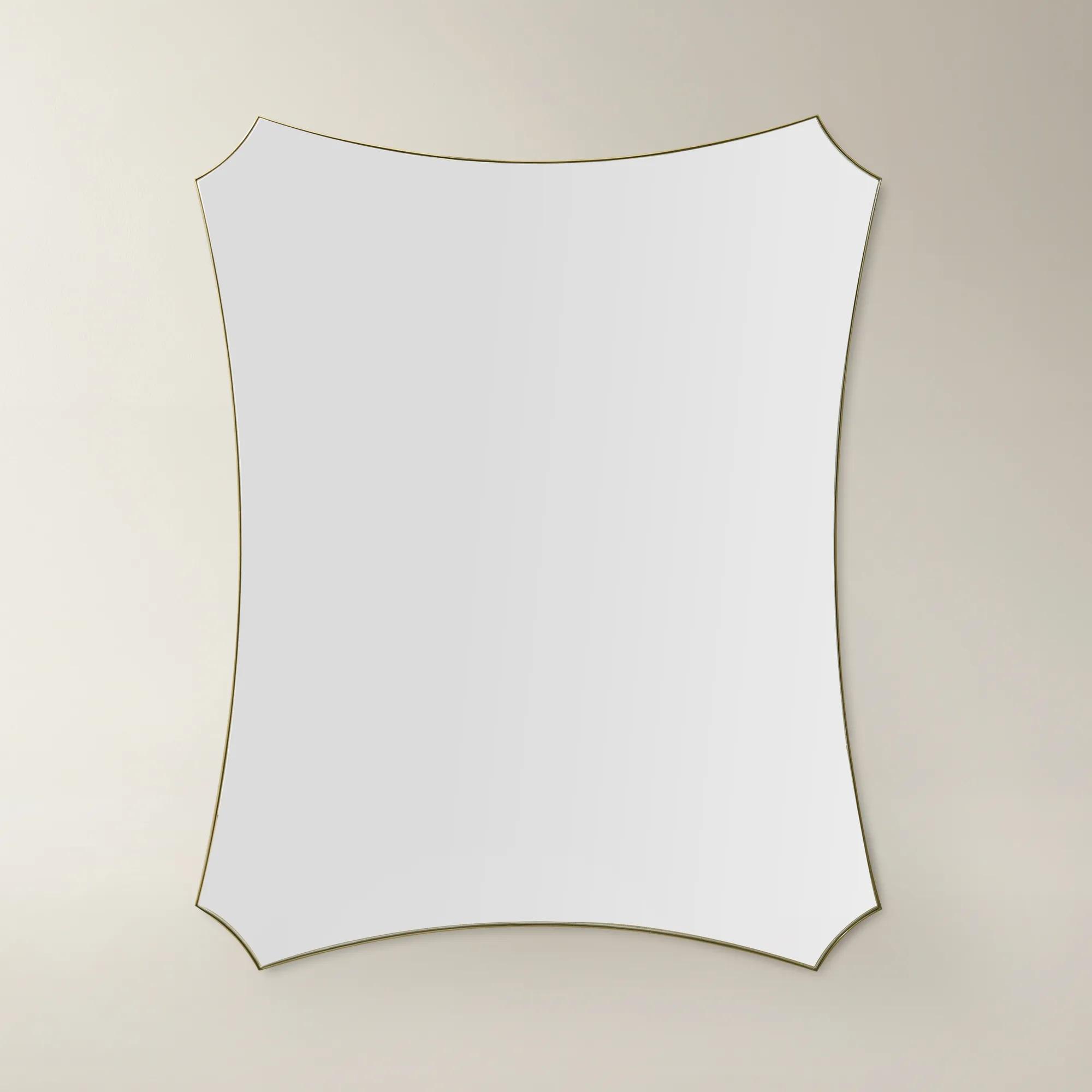
Statement mirrors for home decor are decorative mirrors designed to serve as a room’s focal point, combining everyday reflection with the visual presence of artwork. Their impact comes from scale, silhouette, frame detail, or an unexpected arrangement of reflective surfaces. A sweeping arch introduces architectural drama; a circular mirror softens the straight lines of a console; an angular frame gives a tailored interior a more daring edge. Unlike a purely practical mirror, a statement design helps define the mood around it, whether that means polished glamour in an entryway or sculptural elegance above a dining room sideboard. Reflective glass can make a compact space feel more open by extending sightlines and redistributing existing light, although placement determines what the mirror actually contributes. Across from a window, it may capture a view and brighten the impression of the room. Opposite a chandelier, it can repeat the fixture’s sparkle and give an evening gathering a more luminous backdrop. The reflection deserves as much attention as the frame: a favorite painting, richly textured drapery, or a thoughtfully arranged seating area creates a more compelling composition than an open storage shelf. In a gathering space, Living Room Statement Mirrors can anchor a mantel, lend dimension above a sofa, or introduce a vertical accent beside low, generous seating. A single oversized mirror offers a confident alternative to a gallery wall, giving the eye one clear destination without sacrificing richness. Smaller statement mirrors can be equally expressive when their frames carry distinctive texture or dimensional detail. For homes where every surface has a point of view, the right mirror feels intentional from across the room and rewarding up close. It becomes part of the architecture of the space, connecting furniture, lighting, and art through reflection rather than adding another layer of visual weight.
Materials and proportions give decorative wall mirrors much of their character. Metal frames can create a crisp, sculptural outline, with polished finishes emphasizing light and brushed surfaces offering a quieter sheen. Carved wood brings depth and tactile detail, while molded resin allows for intricate ornament and expressive forms; the finish and construction matter as much as the material itself. Mirrored borders and beveled edges introduce another dimension of reflection, catching light along the perimeter for a jewel-like effect. Antiqued mirror glass has a different purpose: its mottled appearance adds atmosphere and a sense of patina, but it does not provide the same uninterrupted reflection as clear glass. That distinction matters in a dressing area, where an accurate, usable view may take priority over decorative effects. Frame width also changes the impression of scale. A broad, elaborate surround can make a mirror feel substantial even when the reflective area is modest, while a slender frame allows more of the wall to read as glass. Above a console or sideboard, a mirror that occupies roughly two-thirds to three-quarters of the furniture’s width often creates a balanced composition, though the surrounding architecture and frame shape may call for a different relationship. Leave enough visual breathing room between the mirror, nearby sconces, and adjacent artwork so each element retains its presence. Tall mirrors can complement high ceilings, while horizontal designs often sit comfortably above long furniture. For a full-length mirror, both overall dimensions and the usable glass area influence how comfortably someone can see an entire outfit. Weight, mounting orientation, and wall construction are equally important considerations. A substantial mirror requires hardware appropriate to its weight and the wall material, installed according to the manufacturer’s directions. Floor mirrors also need secure anti-tip anchoring rather than relying on their weight or a casual lean, particularly in homes with children or pets. Beautiful proportions should feel effortless; the support behind them should be carefully considered.
The most enduring statement mirrors balance expressive design with the demands of the room they inhabit. In an entryway, a mirror above a console creates a polished arrival and provides a convenient final glance before leaving home. In a bedroom, a full-length design can turn a dressing corner into a composed vignette, especially when its finish relates to a nearby lamp, upholstered bench, or jewelry tray. Dining rooms benefit from mirrors that reflect the table’s atmosphere without placing a distracting view at seated eye level. Even a home office can gain depth from a mirror positioned to capture art or daylight rather than a busy screen. Bathrooms require more specific attention: a decorative mirror is not automatically suitable for repeated humidity or splashes, so its stated intended use and care requirements should match the setting. Durability depends on the entire construction, including frame joints, backing, protective finishes, and mounting components, not simply on how substantial the front appears. Keeping glass and frames beautiful generally calls for gentle, material-appropriate care. A soft, lint-free cloth helps lift dust without scuffing delicate surfaces; when glass cleaner is permitted, applying it to the cloth rather than spraying the mirror directly helps keep liquid away from edges, backing, and ornamental crevices. Abrasive pads, harsh chemicals, and excessive moisture can damage finishes or affect reflective backing, so the manufacturer’s instructions remain essential. Secure hardware should also be checked periodically, especially after moving or repositioning a mirror. As a housewarming or wedding gift, a statement mirror can offer lasting decorative significance when the recipient’s style, wall space, and installation needs are known. Whether chosen for a new home or a room ready for a more expressive focal point, its appeal lies in that rare combination of usefulness and spectacle: an object that reflects daily life while giving the entire setting a more deliberate, luminous presence.
FAQs
A statement mirror is as much a decorative composition as a reflective surface. Expressive silhouettes, intricate frame details, or striking finishes give it an artistic presence. Think of it as jewelry for your walls—a distinctive accent that reflects your personal design point of view.
Round and oval mirrors introduce fluid curves, while angular and geometric silhouettes bring architectural drama. For a more expressive modern interior, consider an asymmetrical outline. Let the shape converse with your furnishings: curved seating pairs beautifully with an organic mirror, while tailored furniture welcomes a graphic contrast.
Gold-toned finishes lend warmth and opulence, while silver-toned finishes offer a cooler, polished expression. Black frames create a dramatic counterpoint to luminous accents. Choose a finish that echoes a detail elsewhere in the room, such as a lamp, decorative object, or furniture accent.
Create an edited vignette with sculptural objects, an expressive vase, or a distinctive table lamp beneath the mirror. Vary the silhouettes while keeping the palette intentional. An ornate frame invites restrained accessories; a clean-lined mirror leaves room for more elaborate decorative accents.
Yes—mirrors and wall art make a richly layered pairing. Establish a shared thread through color, frame finish, or geometric motifs, then introduce contrast through texture and form. Give an elaborate mirror a quieter artistic companion, or pair a streamlined frame with bold, expressive artwork.