Modern Mirrors For Living Room
Modern Mirrors For Living Room
-
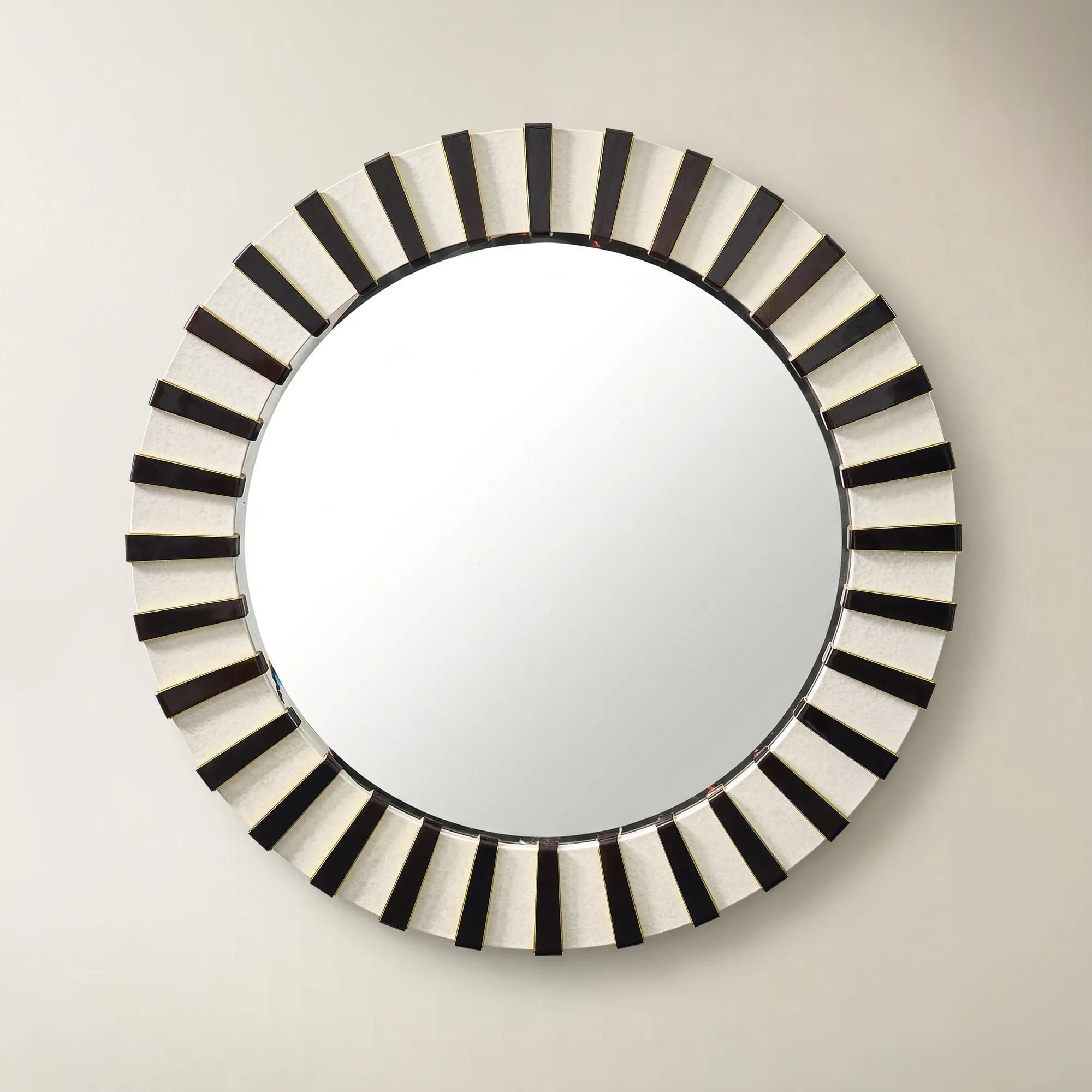 Regatta Opaline Pearl Black Gold Dimensional Round Wall Mirror 45"$849
A luminous wall mirror featuring an opaline pearl lacquered wood frame with black, gold, and raised resin accents.
Add To Cart -
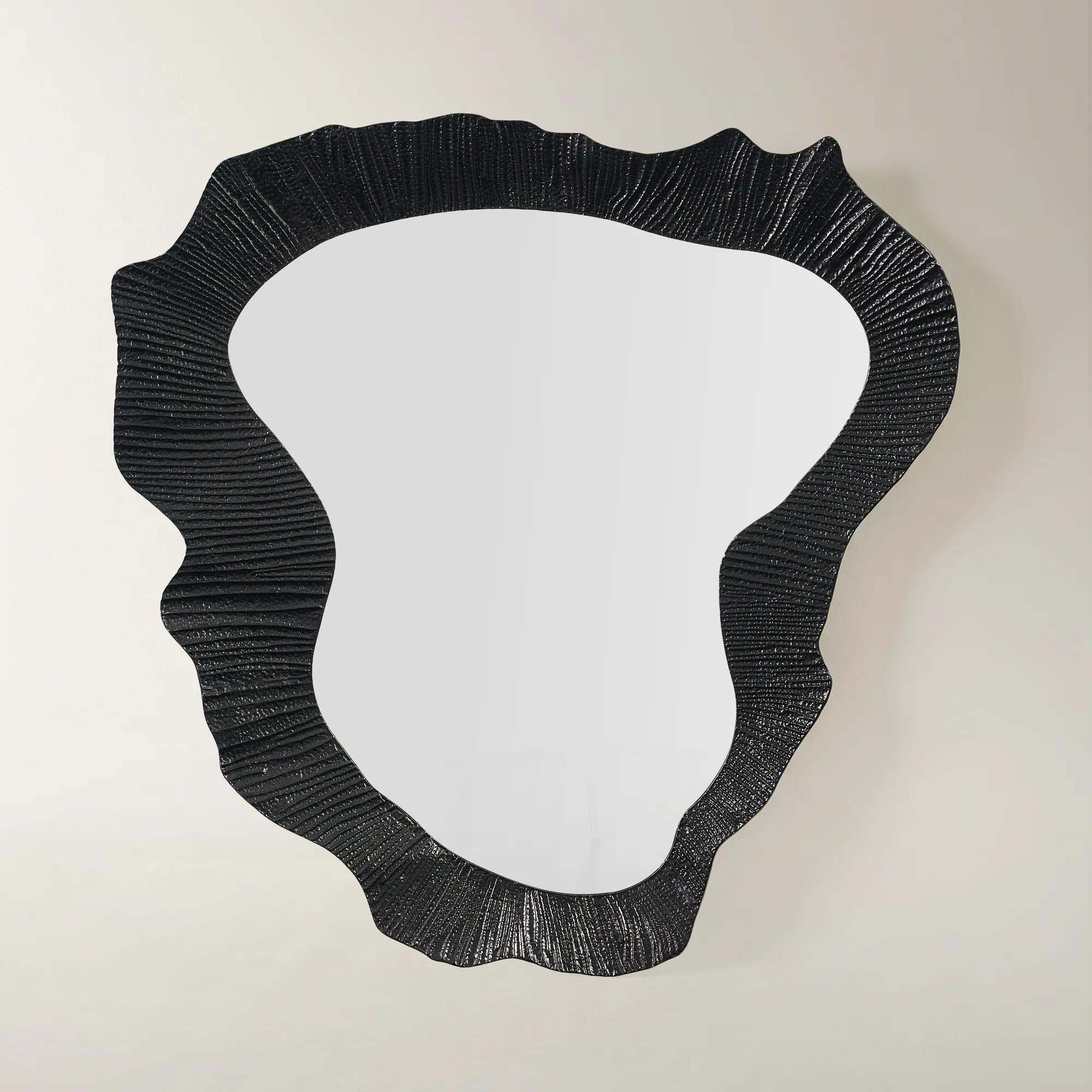 Cara Black Hand-Forged Iron Organic Shaped Wall Mirror 52.5" x 53"$1199
A hand-forged black iron frame and organic silhouette create a bold, sculptural statement for any room.
Add To Cart -

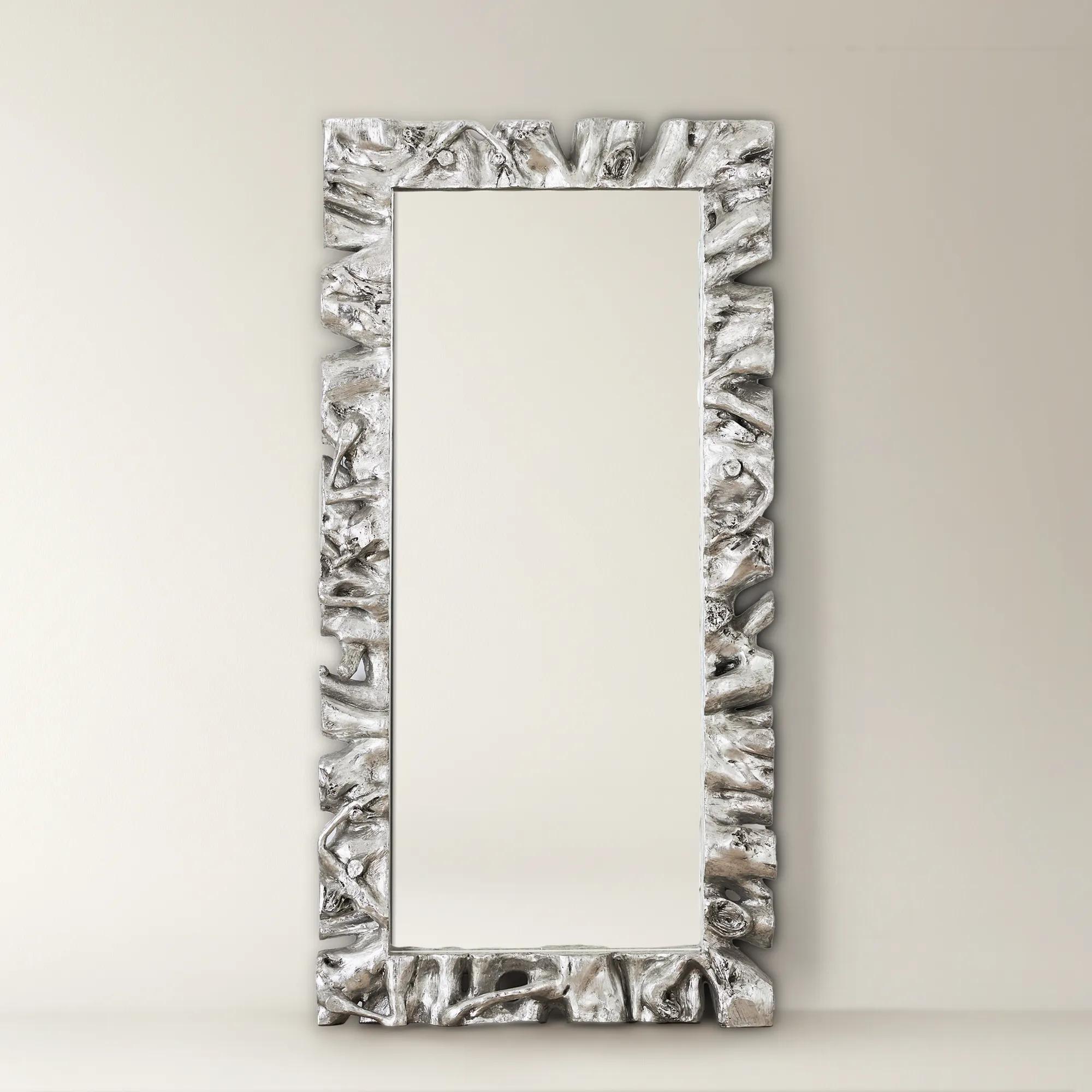
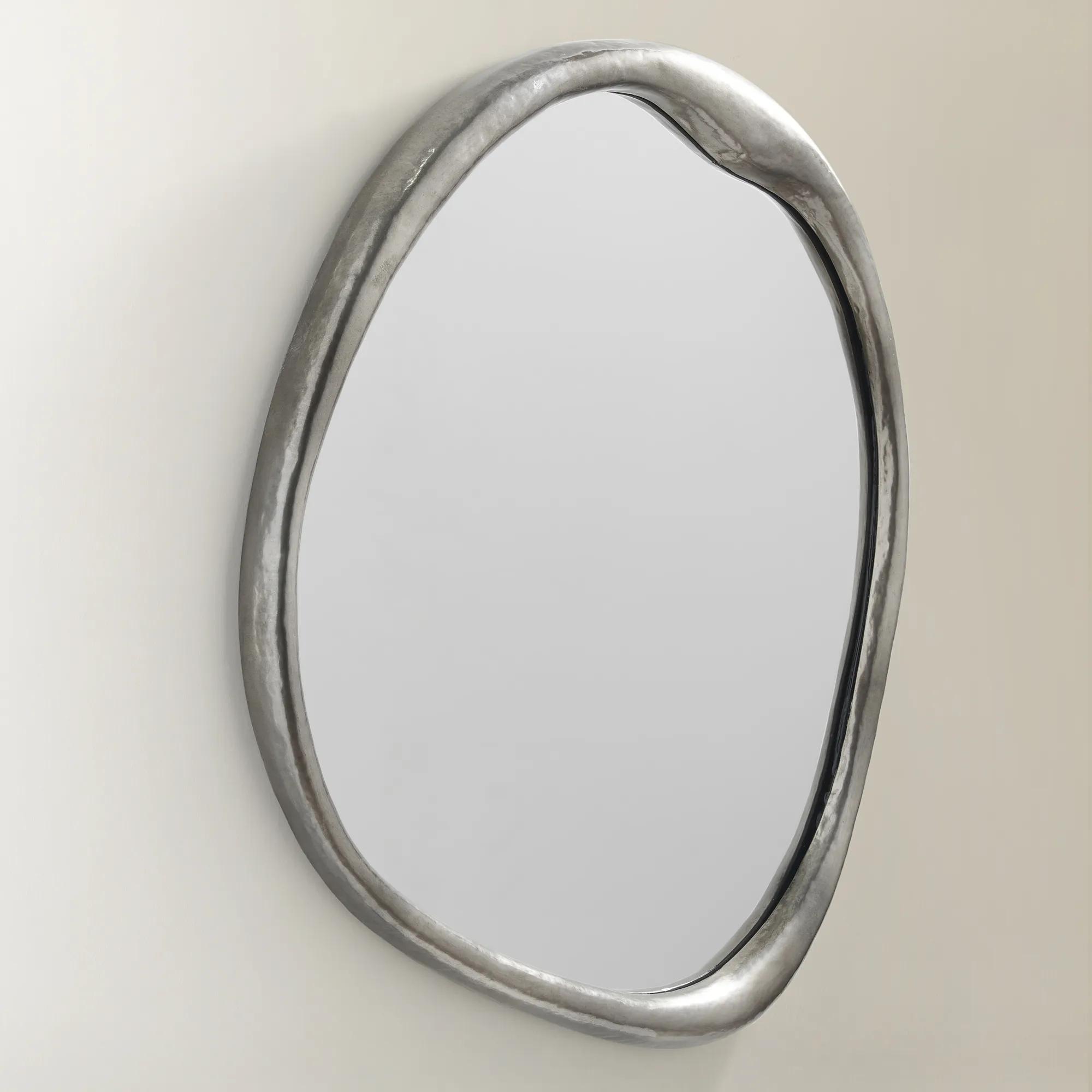 Organa Wall Mirror$599
An irregular silver iron-framed mirror that brings modern organic style and reflective depth to any room.
Add To Cart -
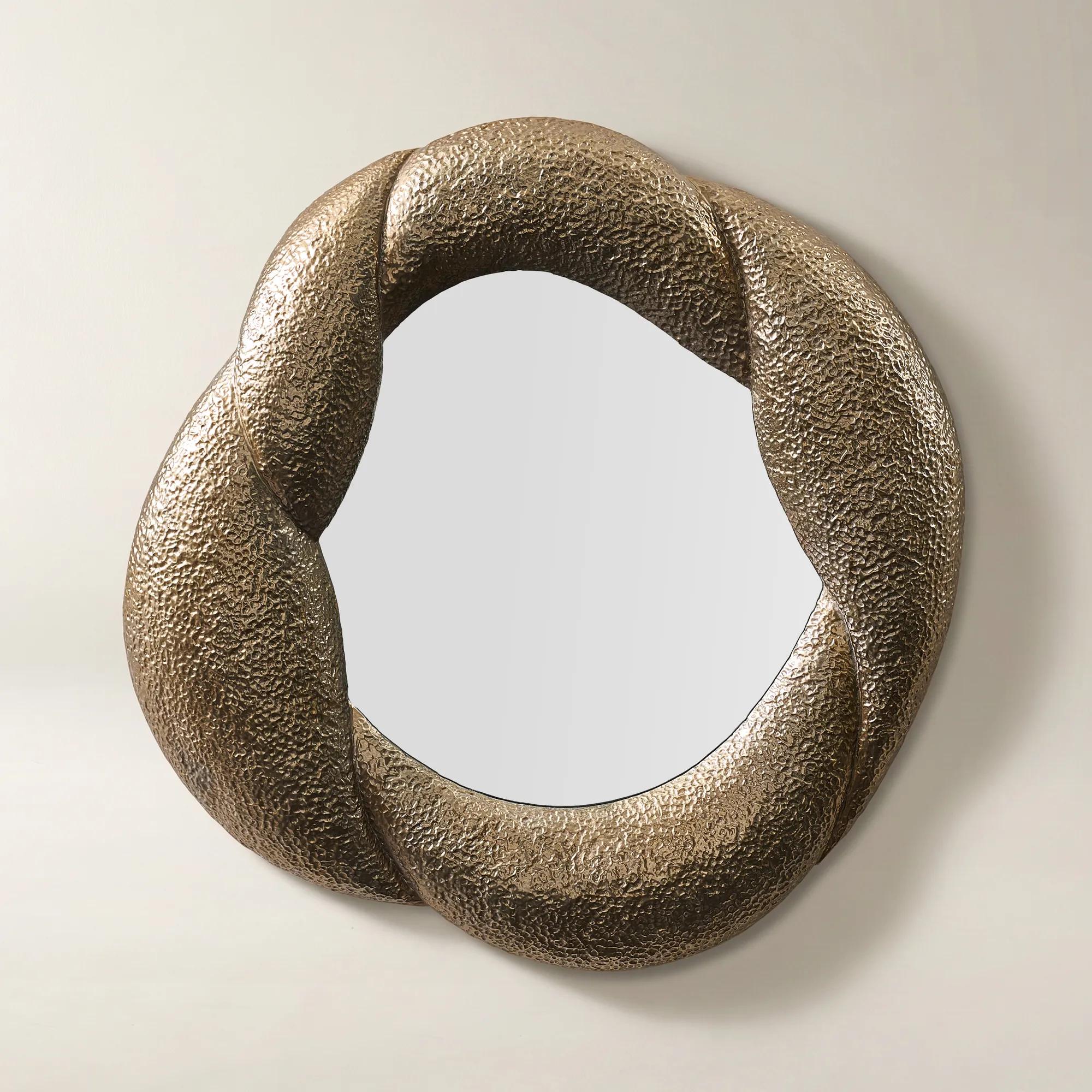 Bronze Age Hammered Texture Resin Organic Round Wall Mirror 34"$599
A round wall mirror featuring a chunky resin frame with hammered bronze texture for sculptural, modern appeal.
Add To Cart -

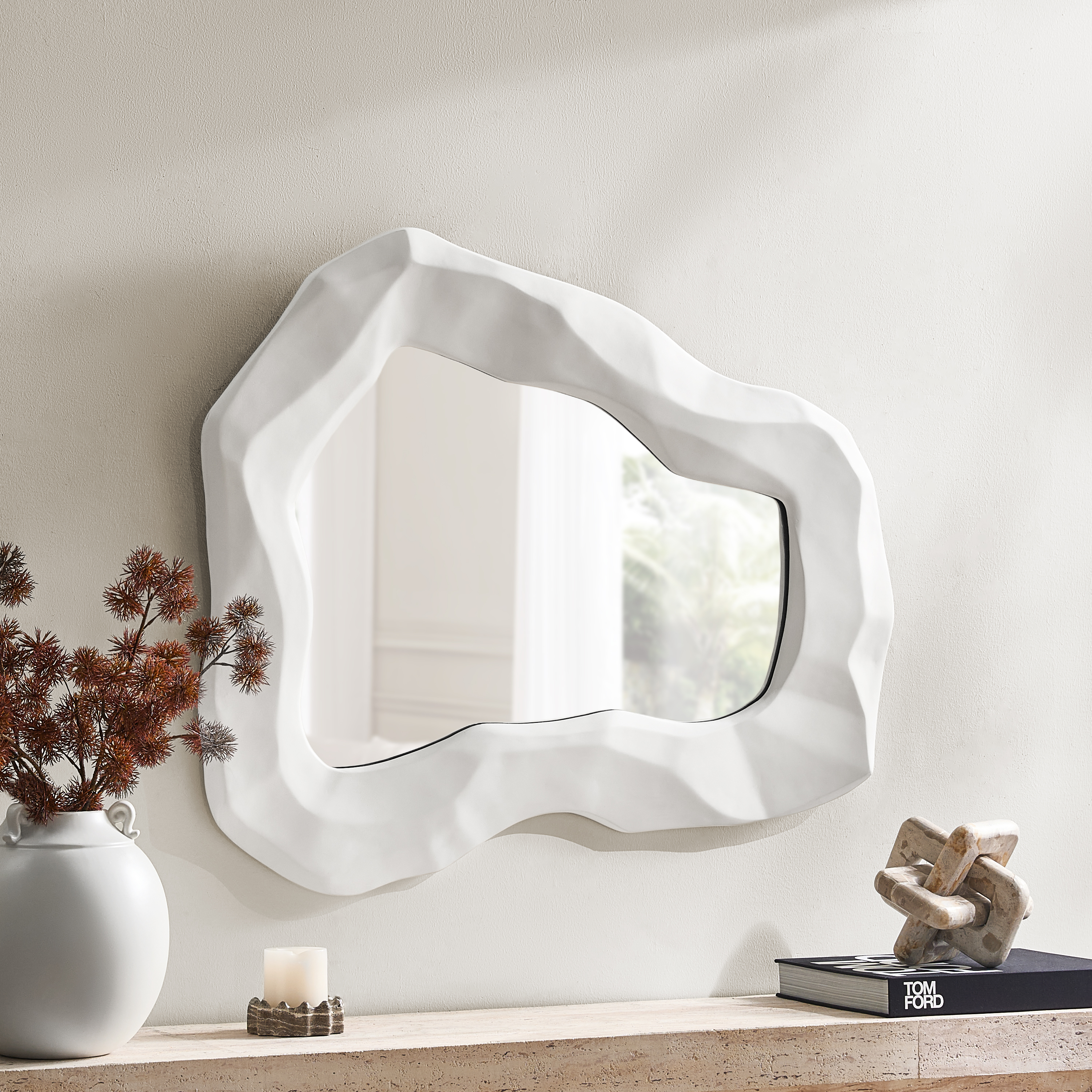 Islay Wall Mirror - White$549
A sculpted resin-framed mirror in matte white with an organic, asymmetrical silhouette for modern interiors.
Add To Cart -
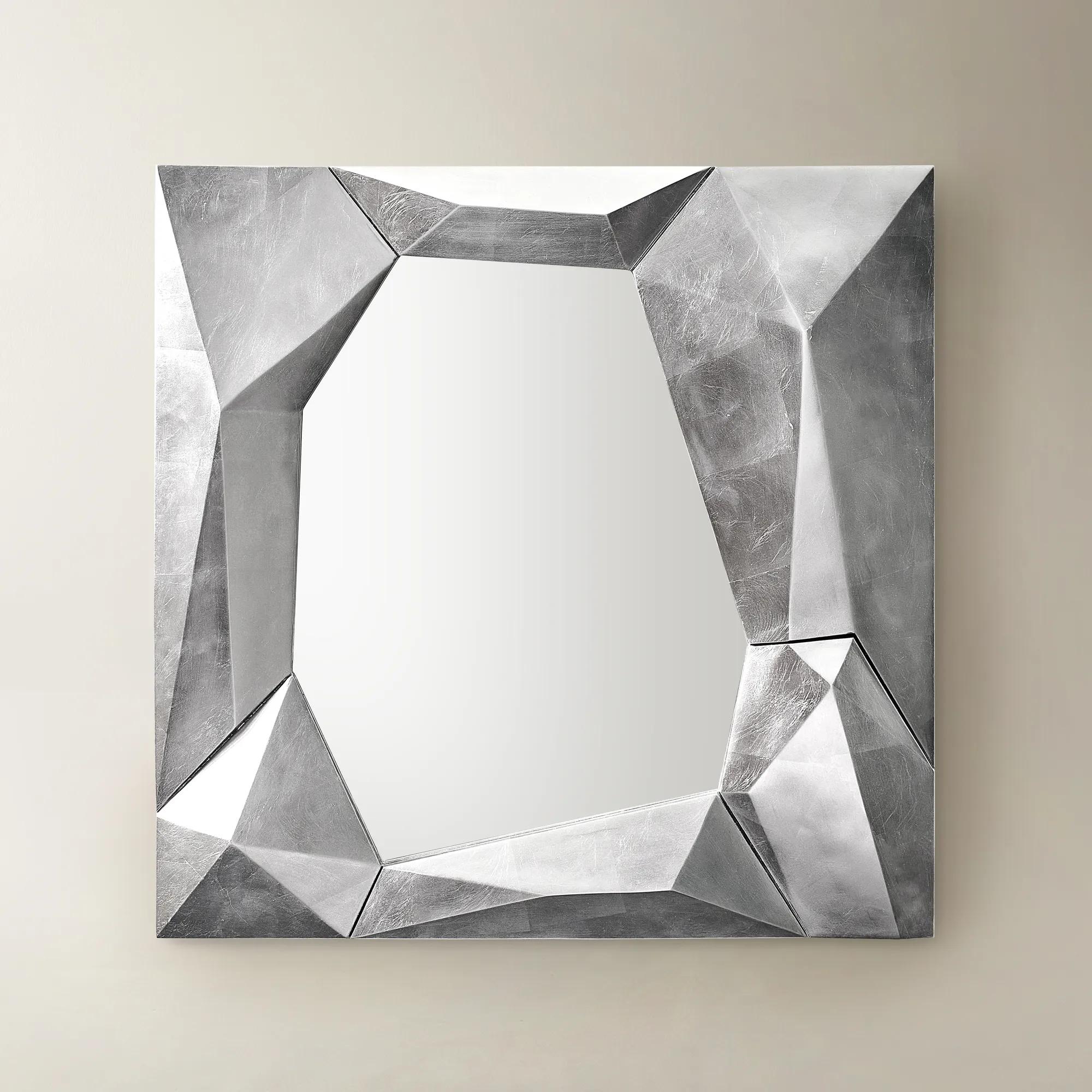 Aeris Satin Silver Faceted Resin Square Wall Mirror 35" x 35"$499
A satin silver fiberglass resin frame and faceted silhouette create a modern, sculptural wall mirror.
Add To Cart -
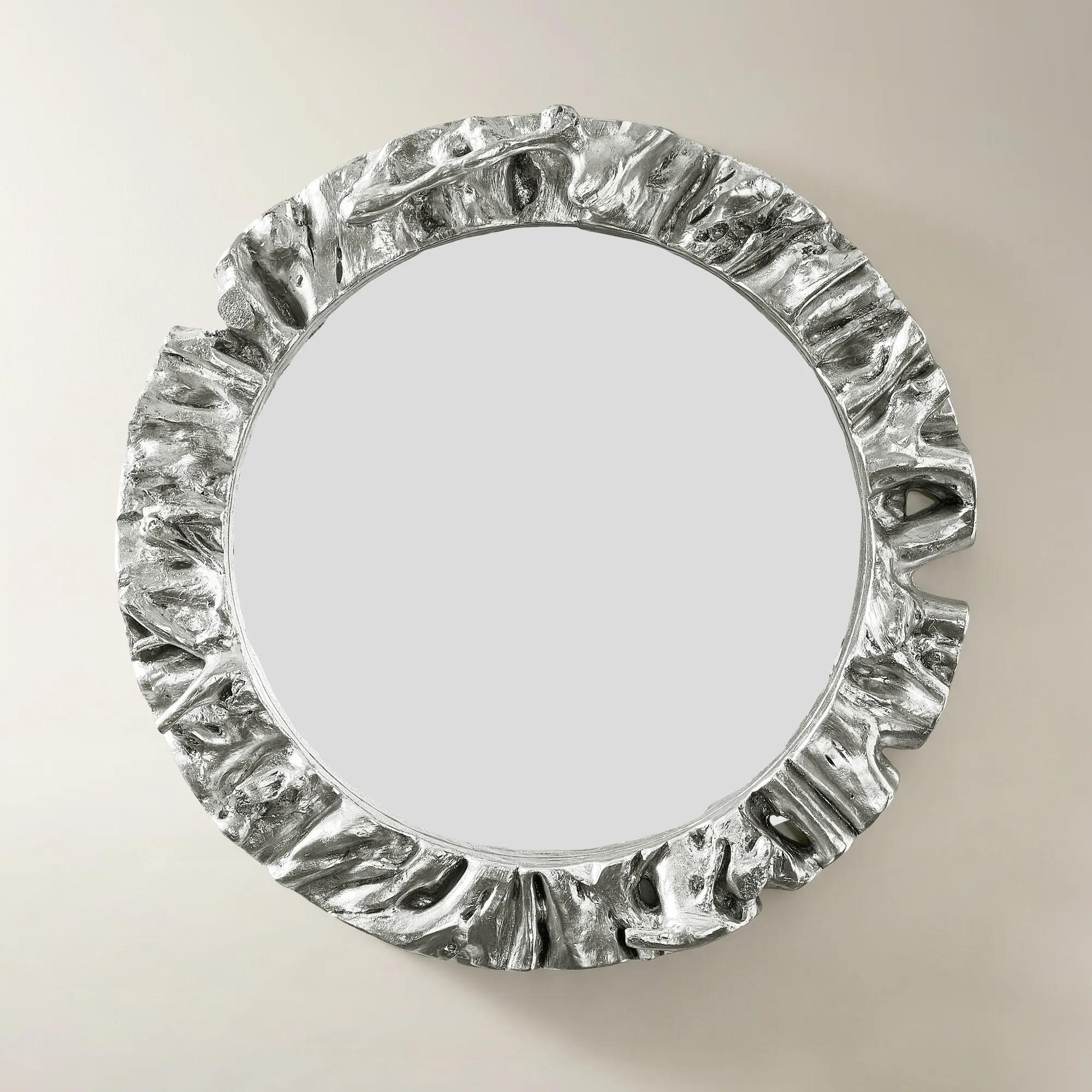
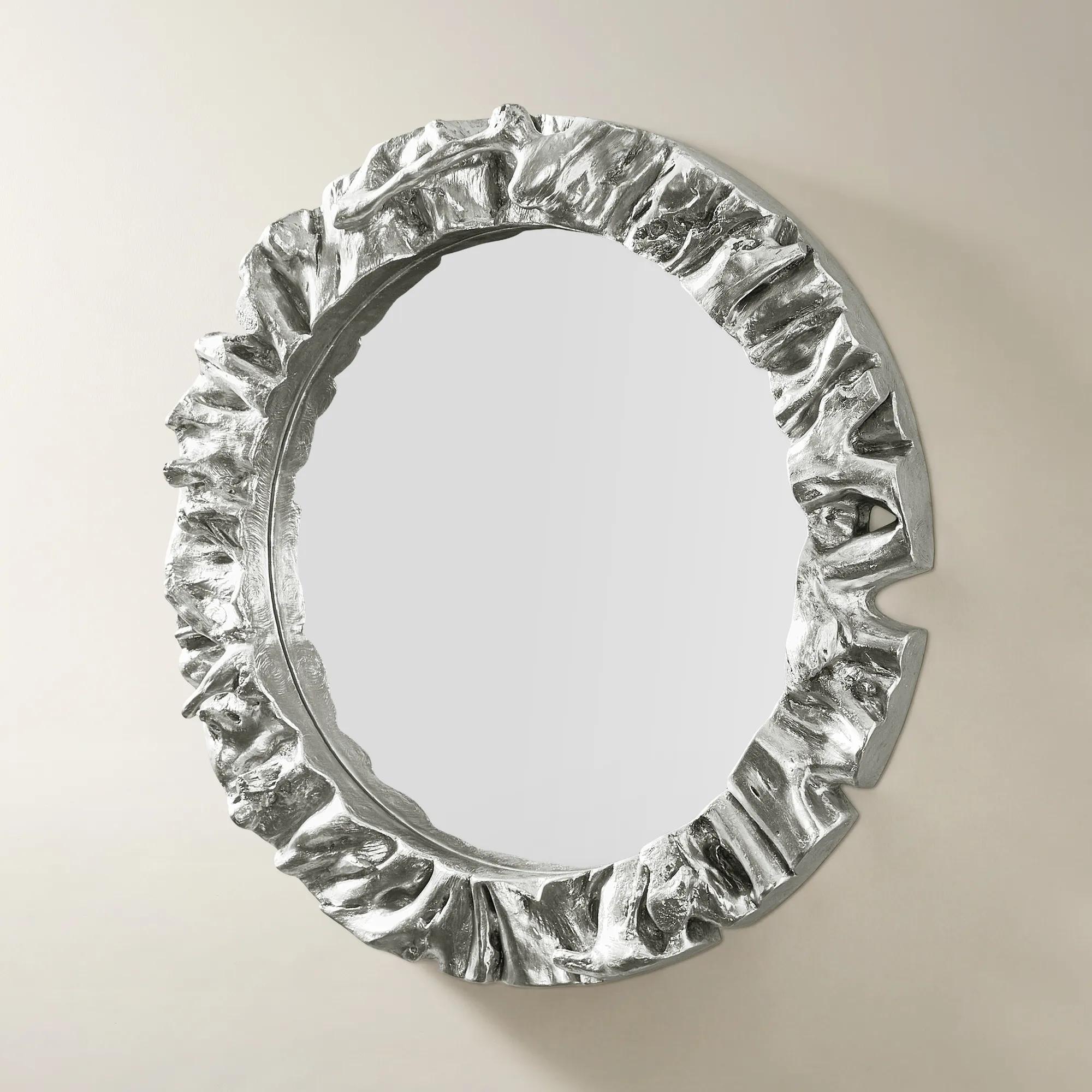 Sequoia Silver Resin Round Wall Mirror 48.25"$1199
A sculptural silver fiberglass resin frame mirror that adds modern polish and reflective brightness to any room.
Add To Cart -
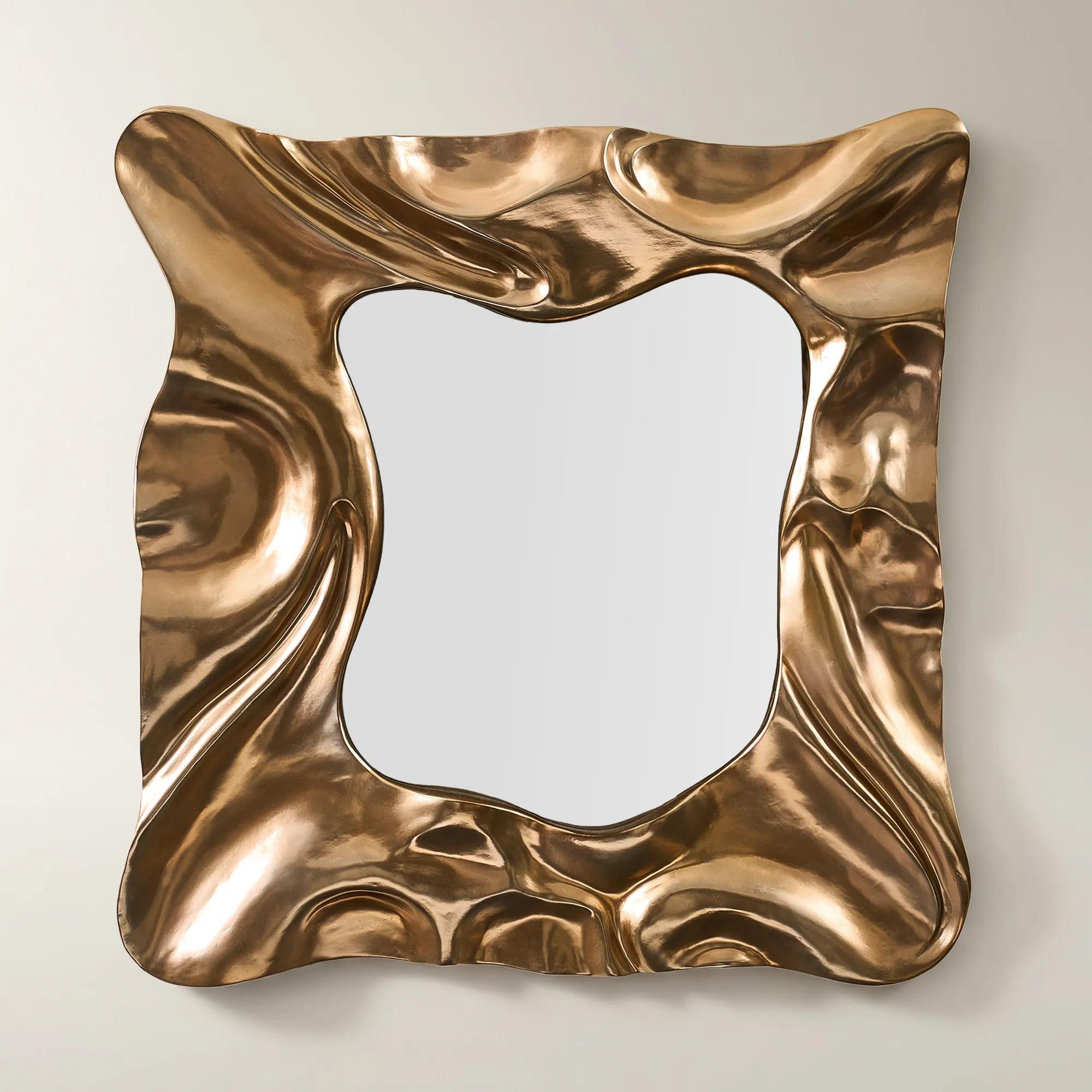 Surface Bronze Resin Organic Shaped Wall Mirror 40" x 40"$699
A sculptural bronze resin frame and organic silhouette create a striking, artful focal point for any room.
Add To Cart -
 Ever Translucent Amber Resin Round Wall Mirror 40"$699
A sculptural amber resin mirror with gold accents and playful bauble-inspired forms for modern glamour.
Add To Cart -

 In a New Light II Framed Printed Wall Mirror 60" x 40"$1499
A contemporary framed printed wall mirror adding artistic dimension and reflective style to modern interiors.
Add To Cart -

 Titan II Framed Printed Wall Mirror 40" x 60"$1529
A striking modern mirror designed to elevate contemporary spaces with artistic flair.
Add To Cart -
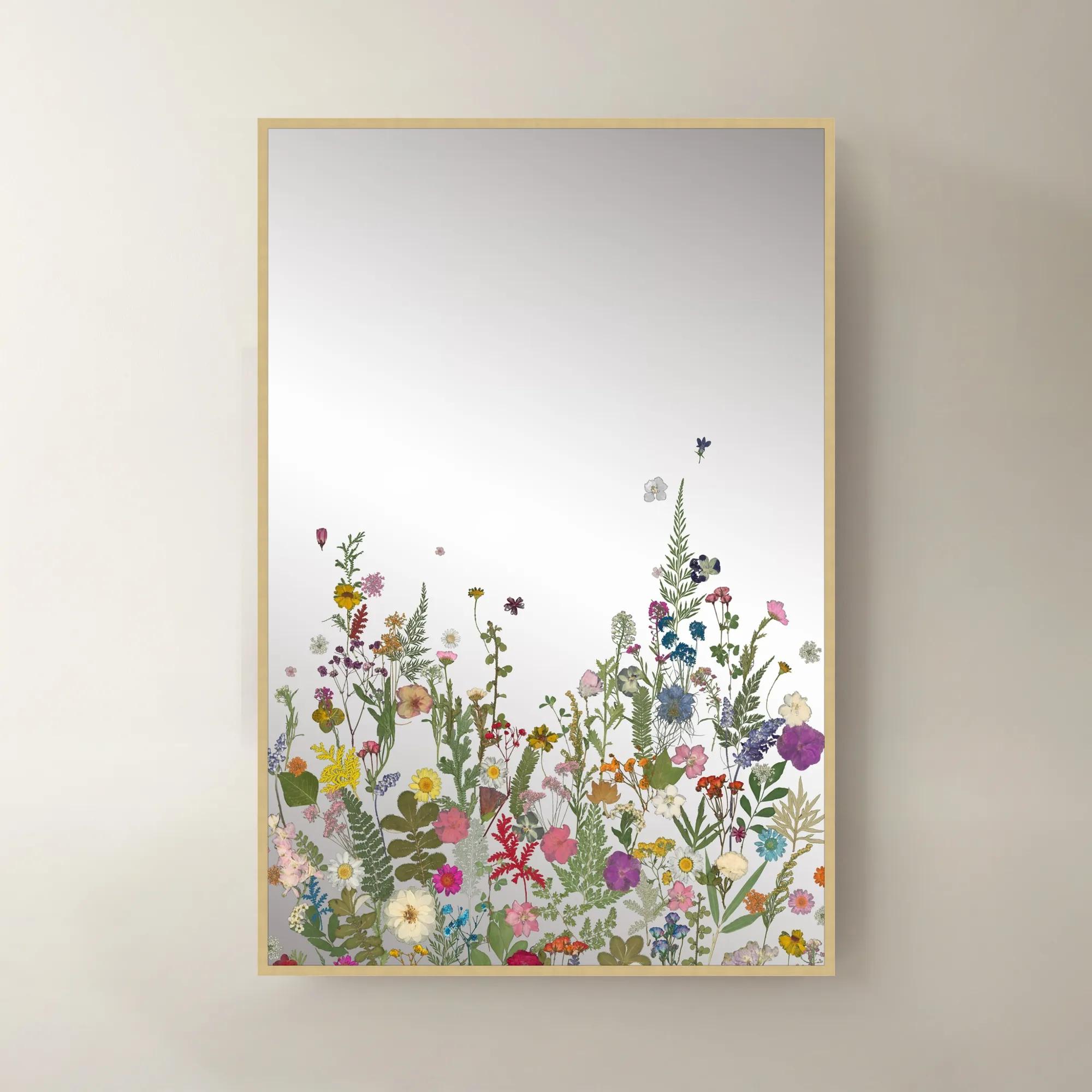
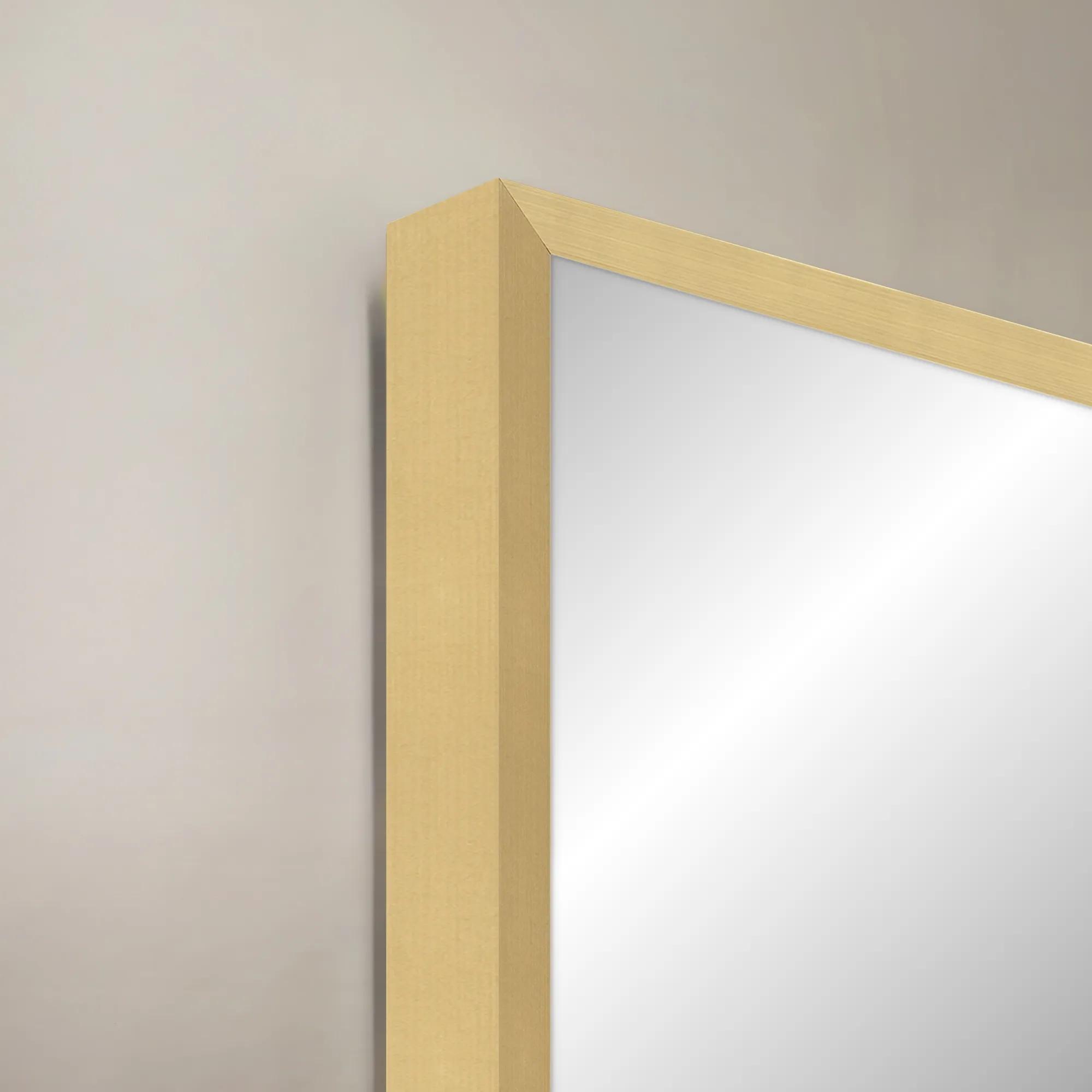 Night Scent III Framed Printed Wall Mirror 40" x 60"$1499
A framed printed wall mirror offering artistic dimension and contemporary style.
Add To Cart -
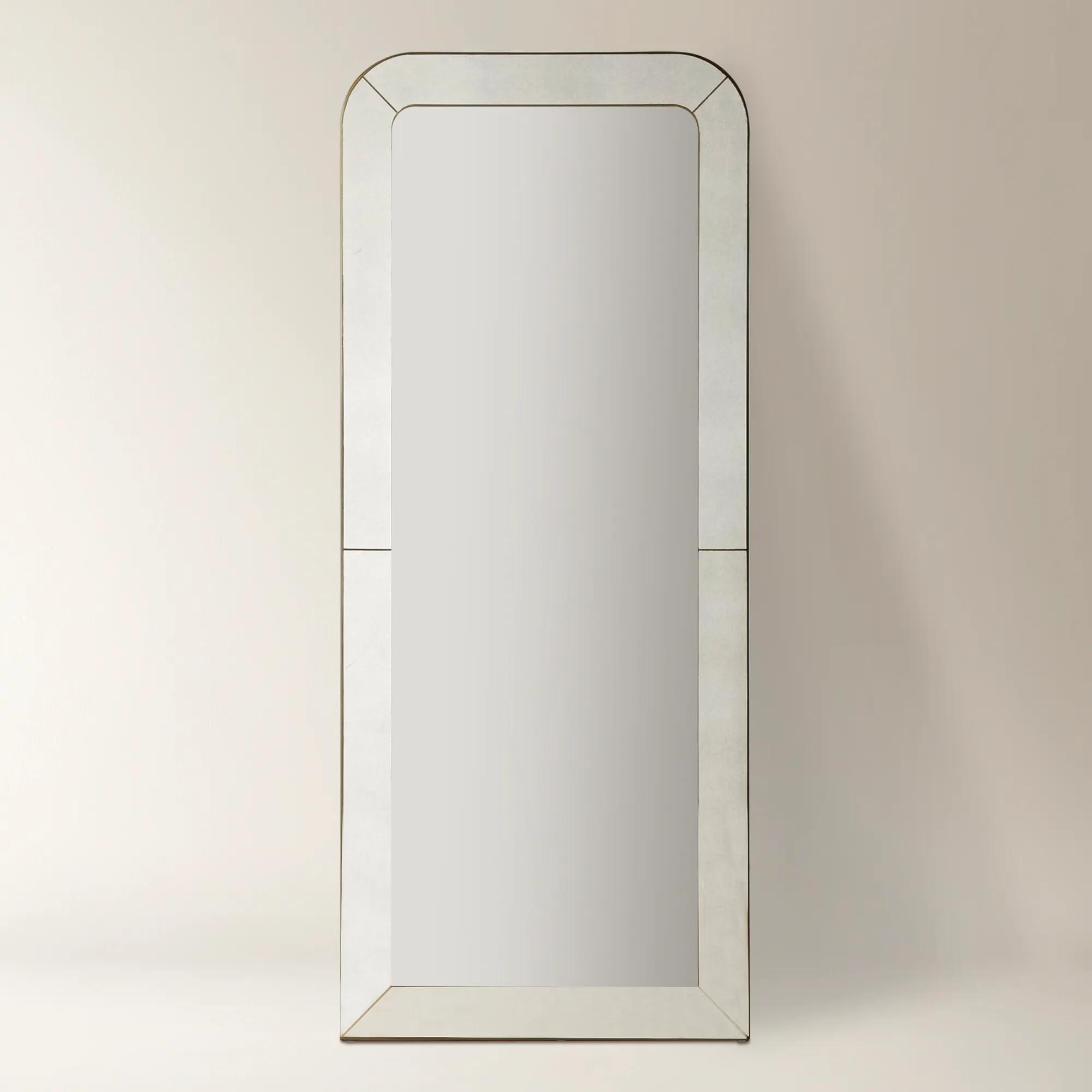
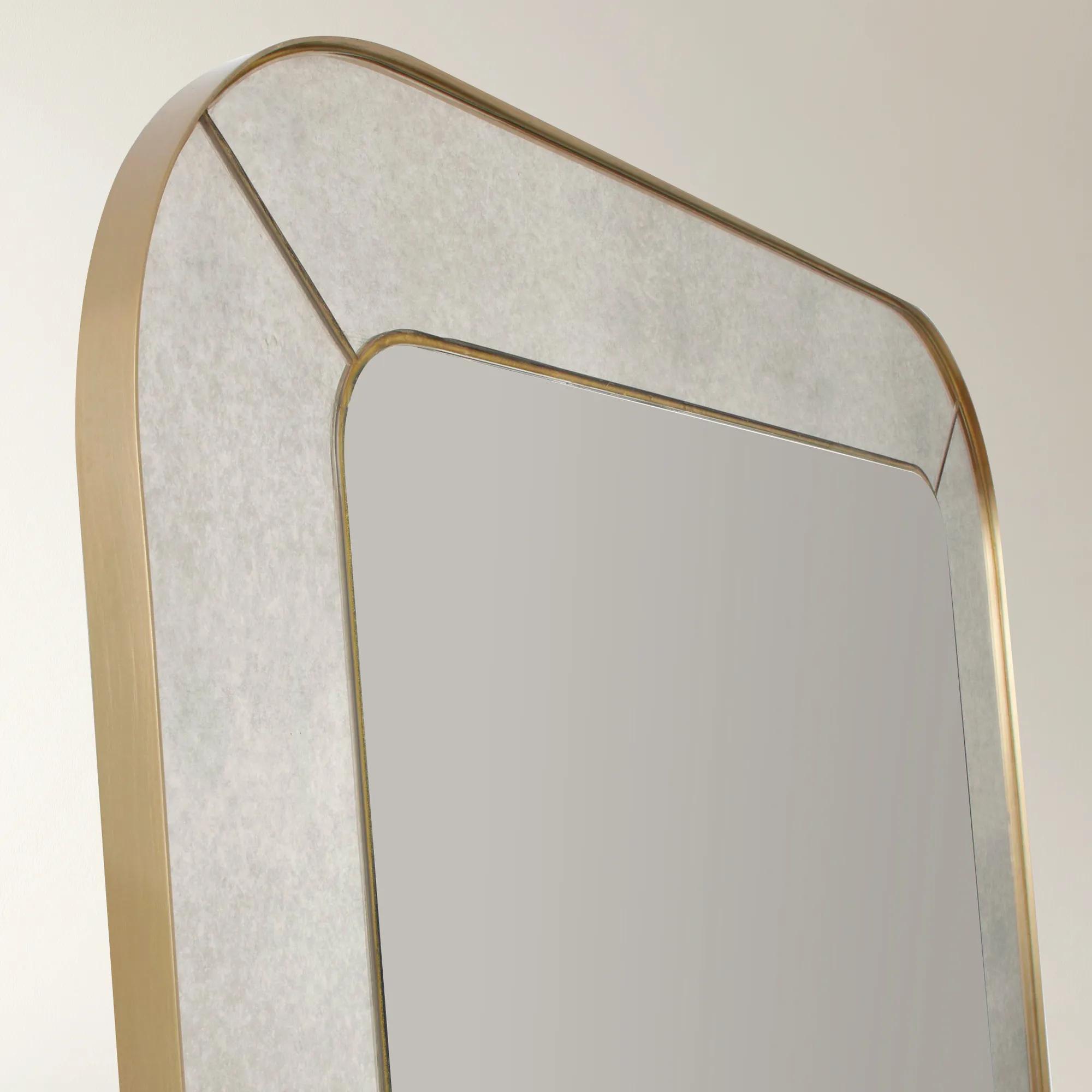 Parker Stainless Steel Floor Mirror 32" x 76"$799
An arched floor mirror with a gold stainless steel frame adds drama and sophistication to any room.
Add To Cart -
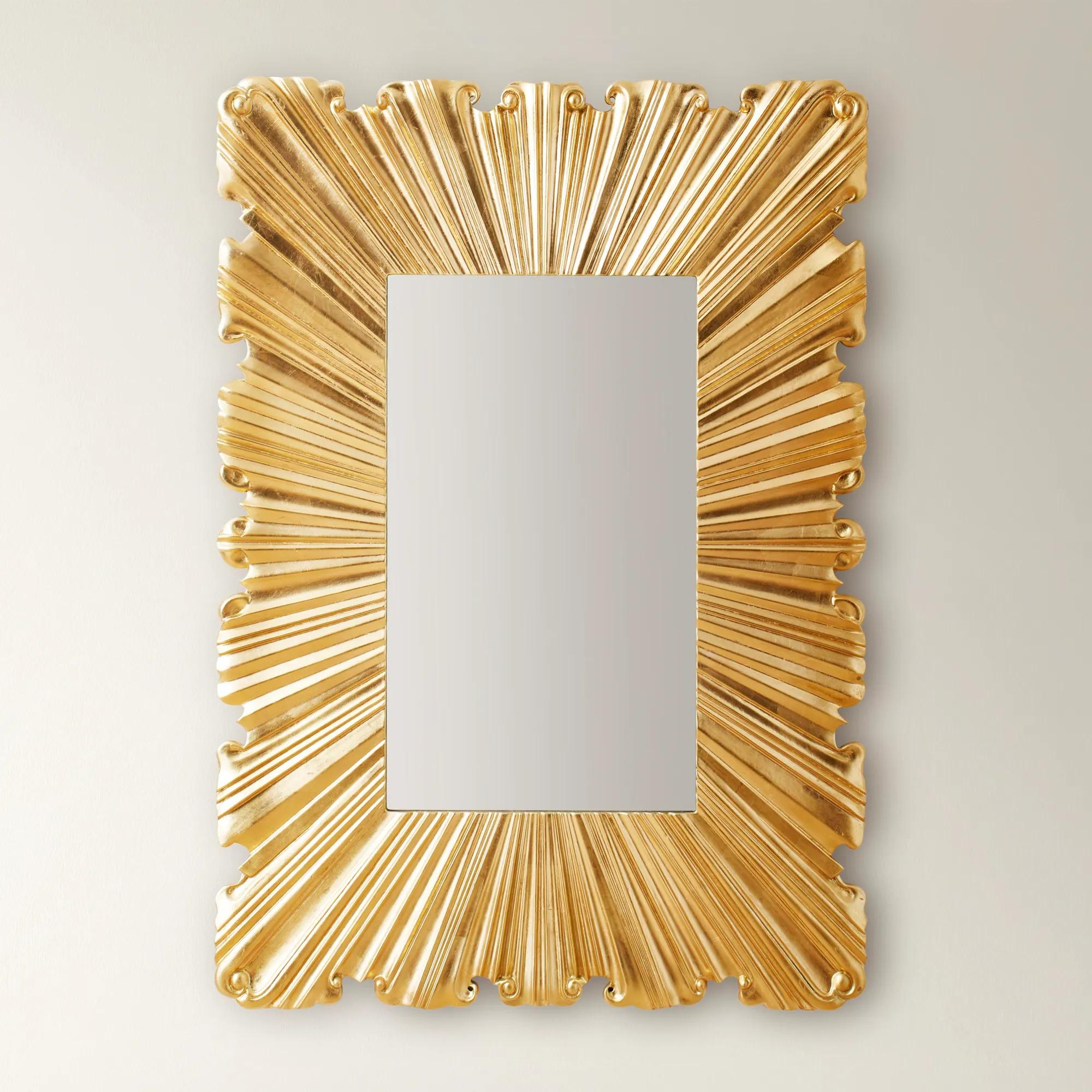 Metropolitan Gold Leaf Resin Rectangular Wall Mirror 27.5" x 39.5"$459
A sculptural wall mirror featuring a gold-finished polyurethane frame for a modern, elegant accent.
Add To Cart -
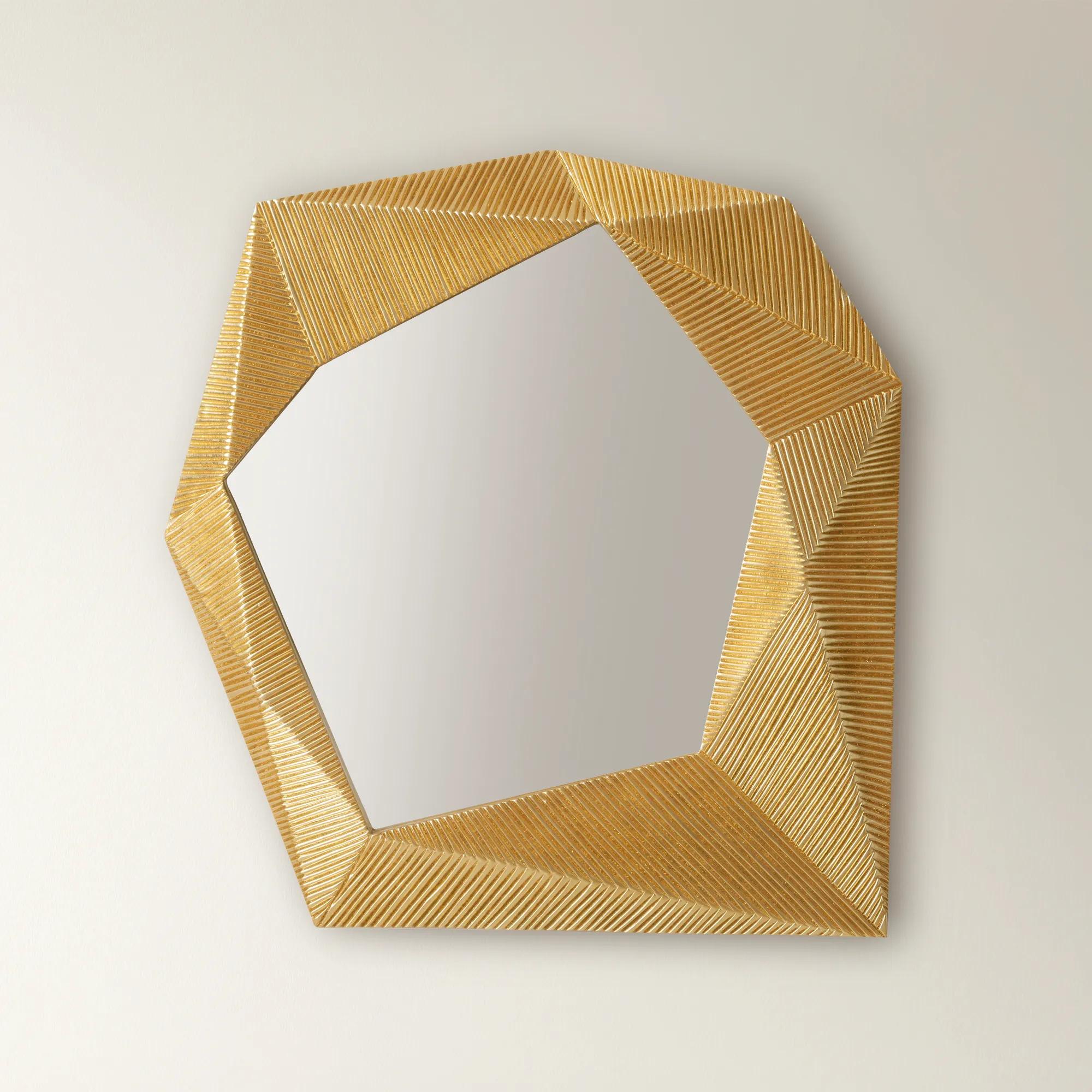
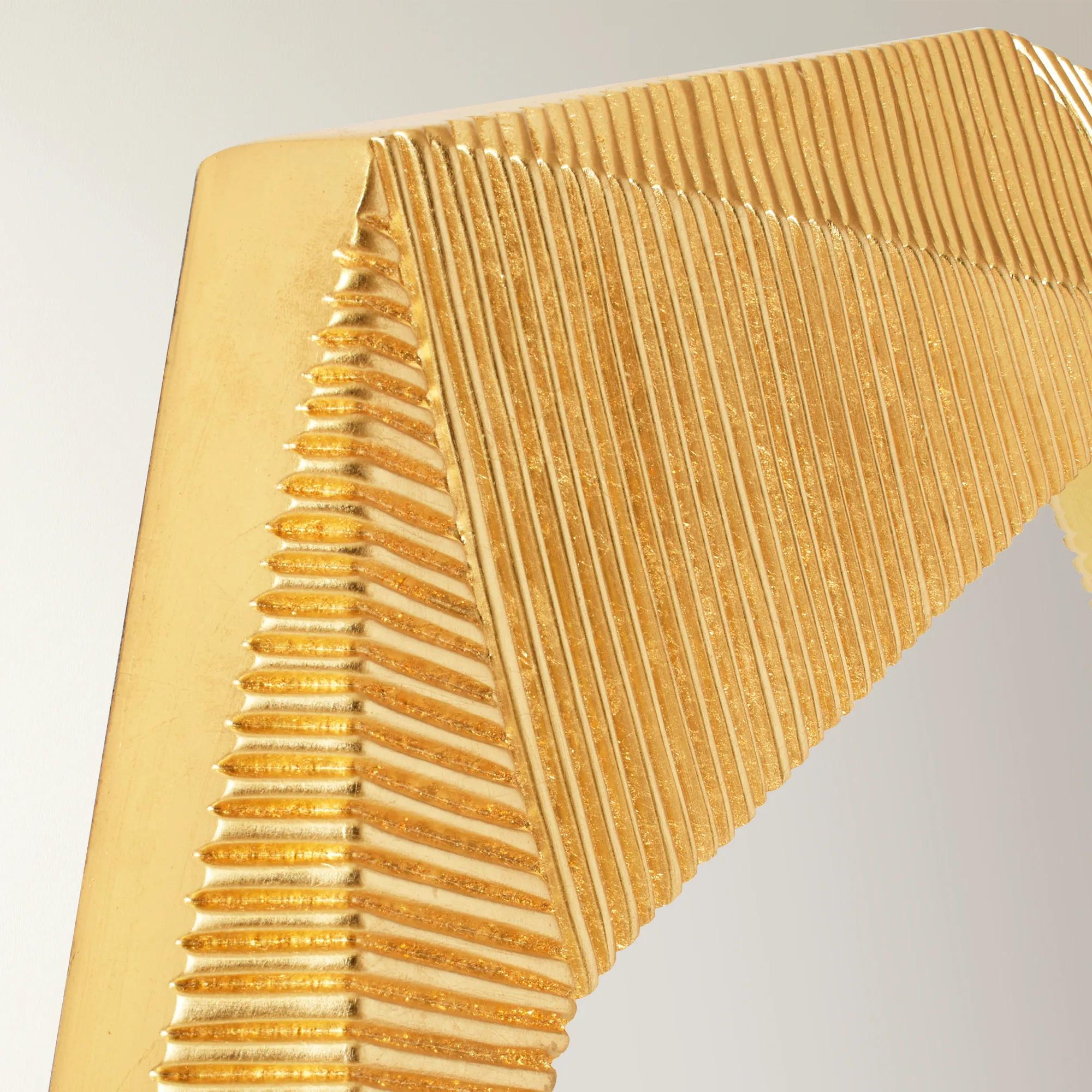 Nikki Chu Gold Steel Faceted Wall Mirror 31.5" x 35.5"$349
A modern mirror featuring a textured, faceted steel frame in a striking metallic gold finish.
Add To Cart -
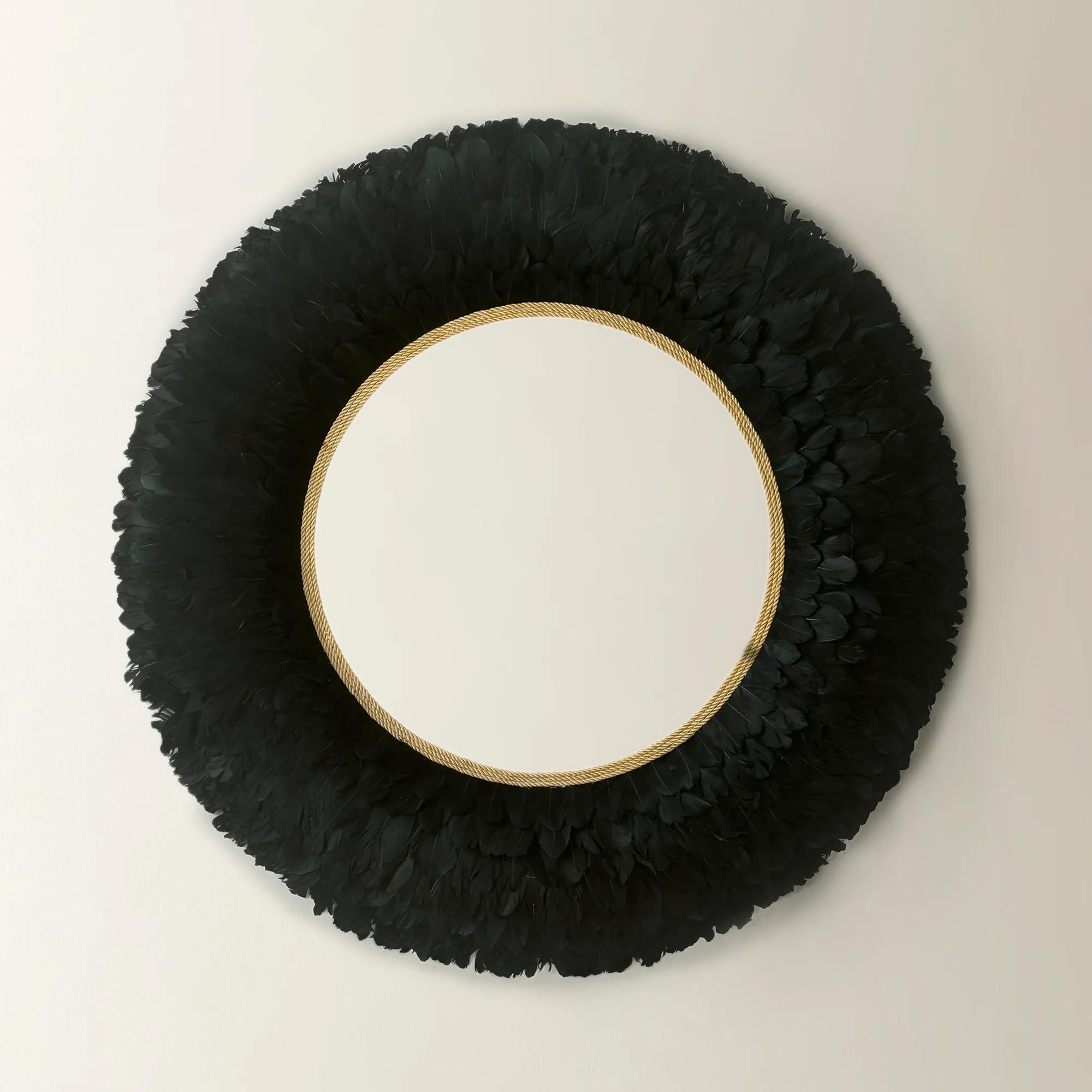
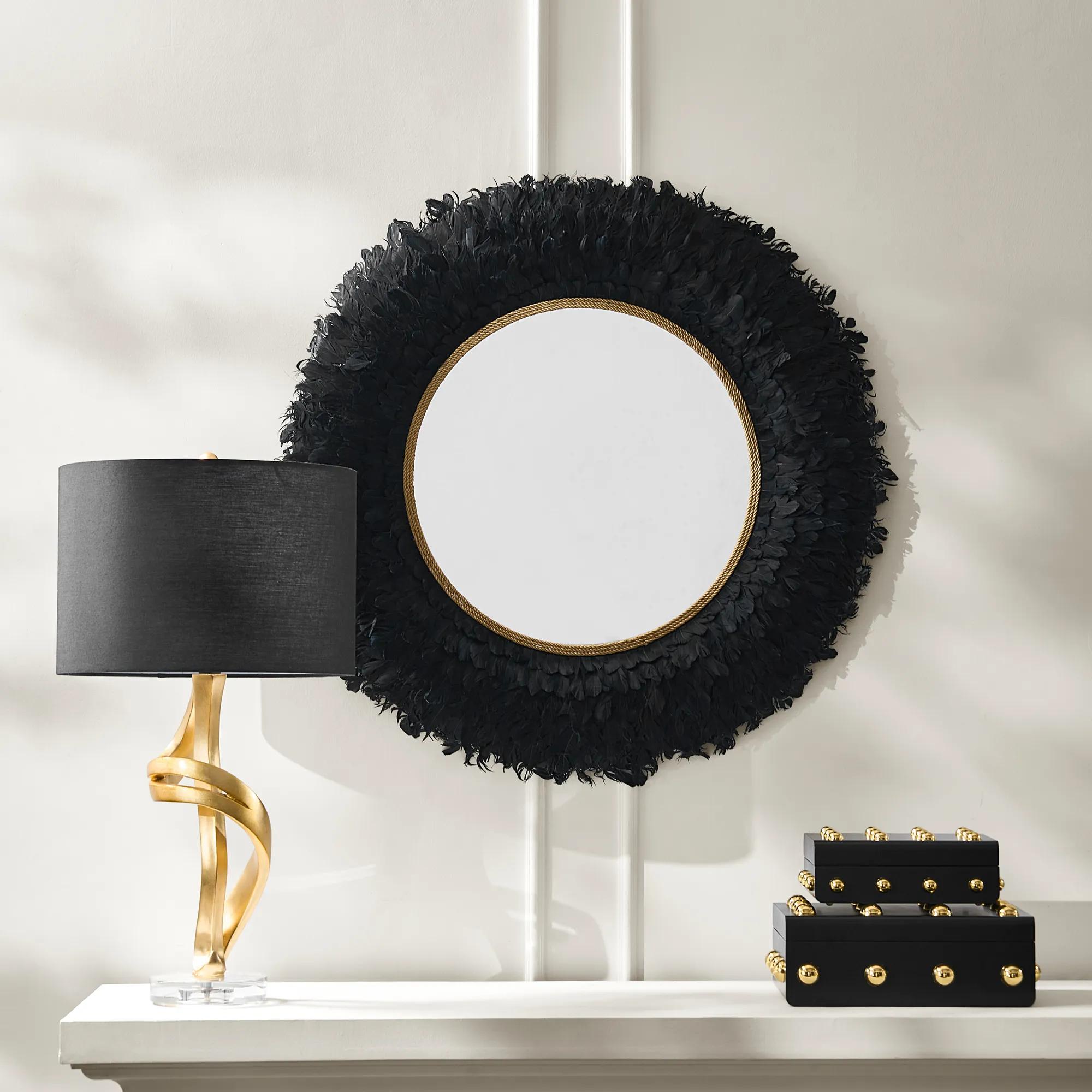 Nikki Chu Midnight Black Feather Round Wall Mirror 35.5"$499
A dramatic black feather-framed mirror accented with a gleaming gold inner border for striking wall texture.
Add To Cart -
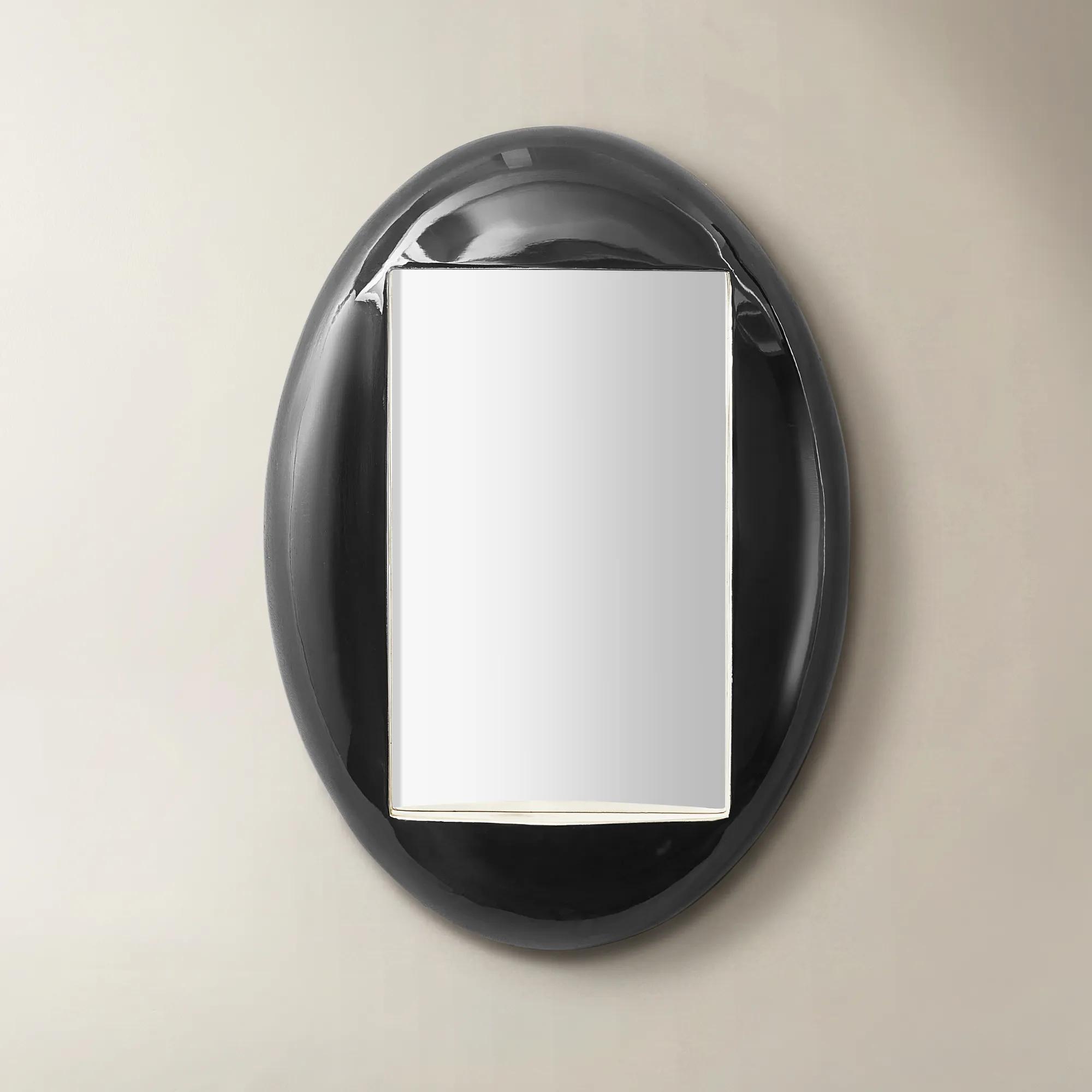 Tuxedo Black And Champagne High Gloss Resin Geometric Wall Mirror 28" x 20"$299
A geometric wall mirror with a black and champagne resin frame for bold, modern sophistication.
Add To Cart -
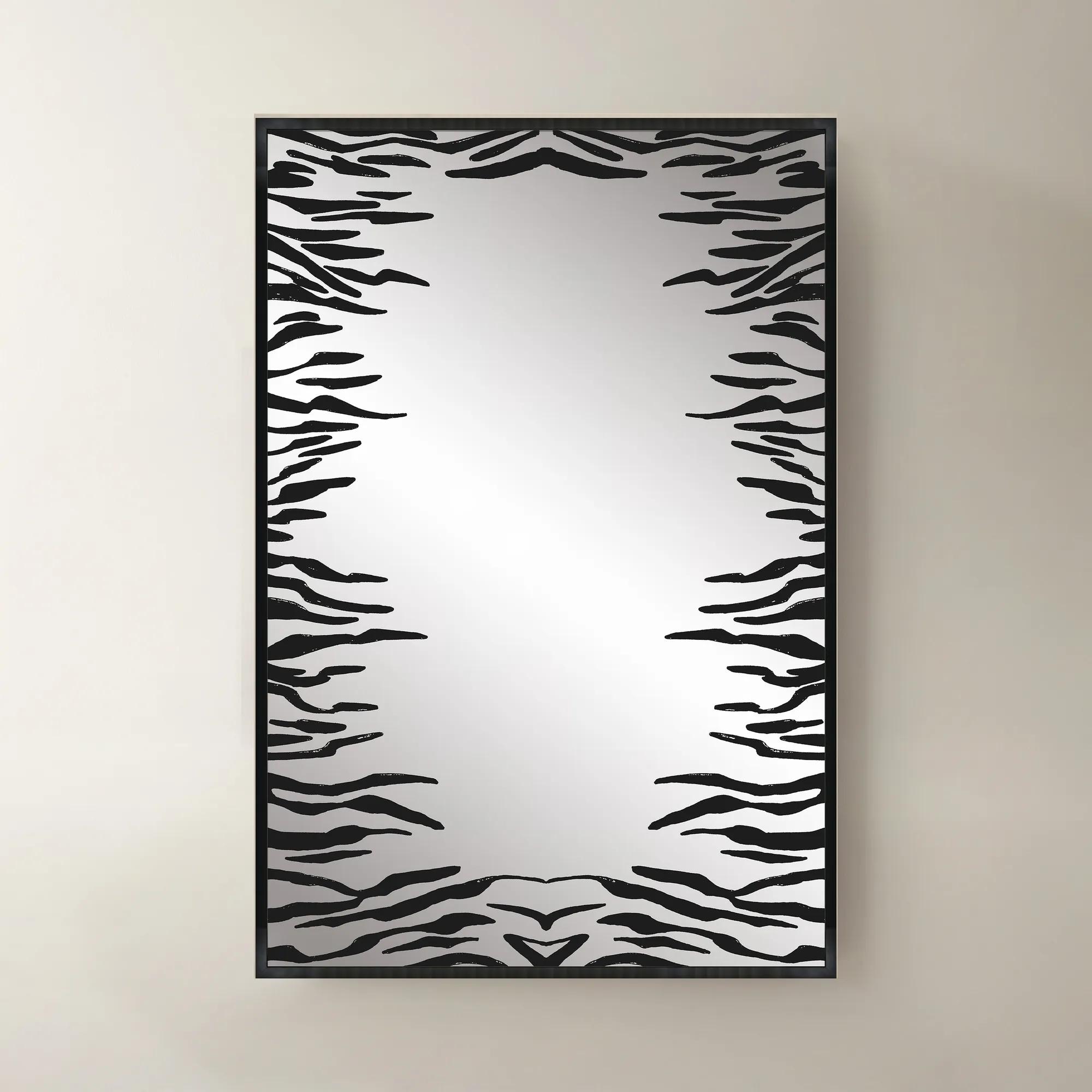
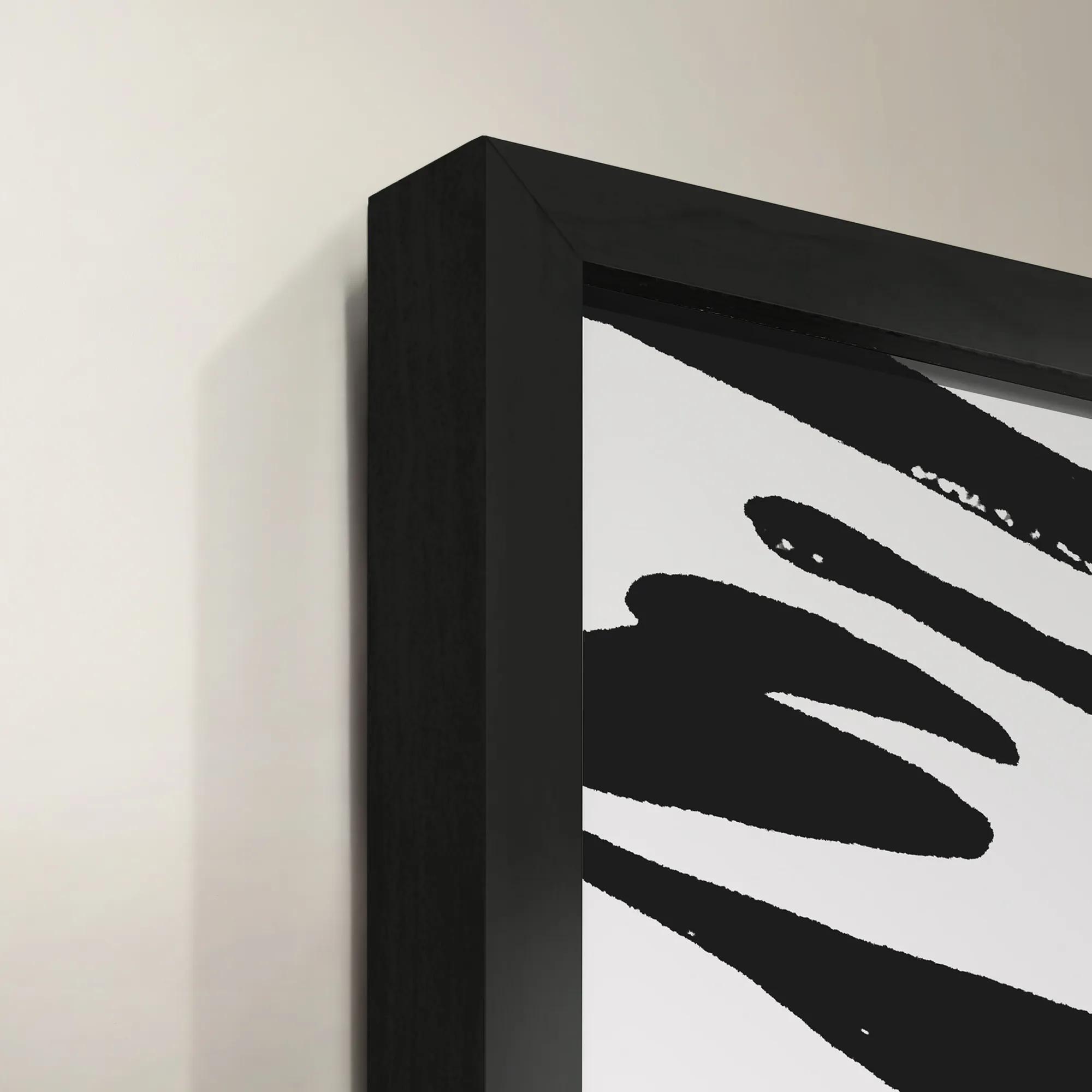 Savanna Veil Framed Printed Wall Mirror 40" x 60"$1499
A black framed printed wall mirror offering artistic dimension and modern sophistication.
Add To Cart -
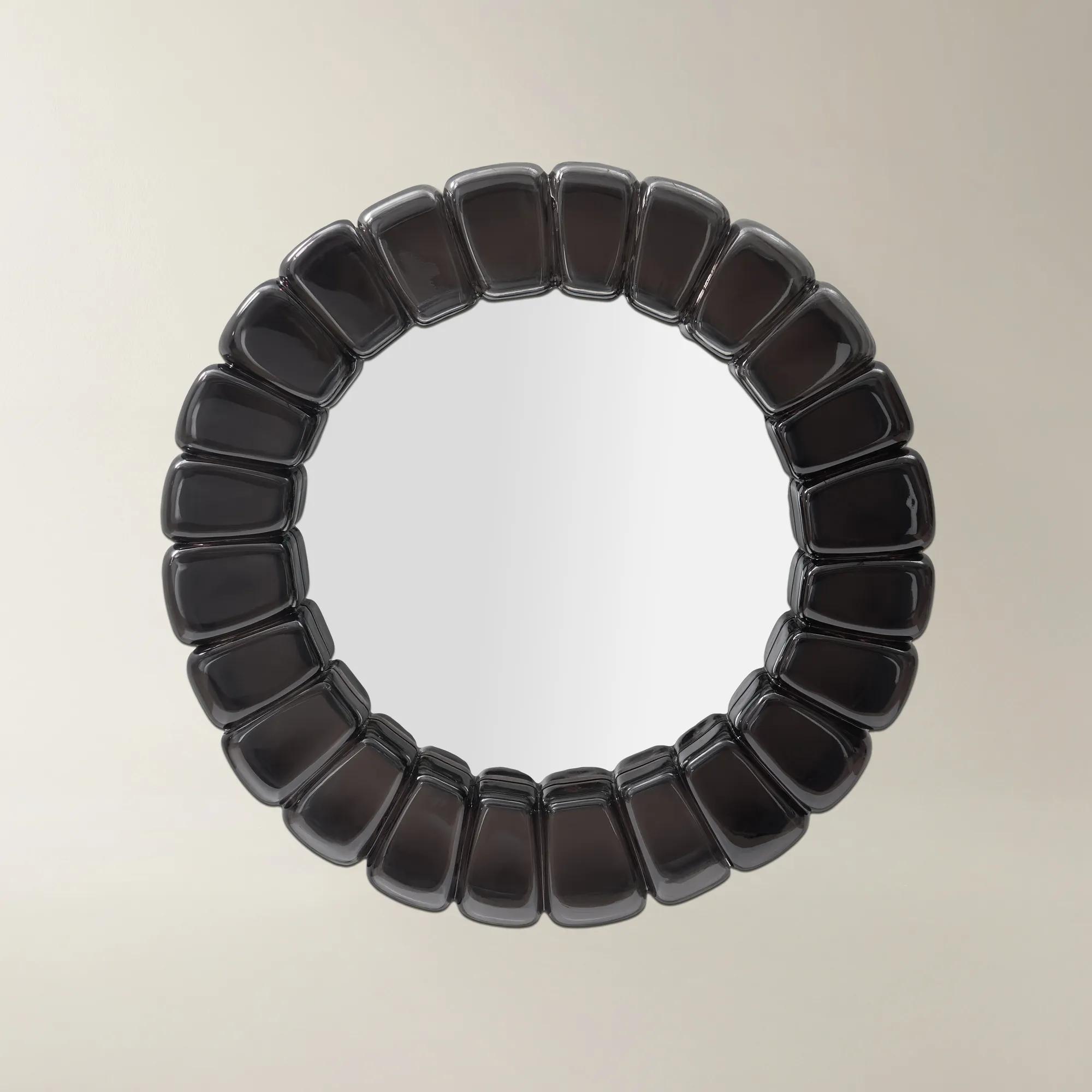
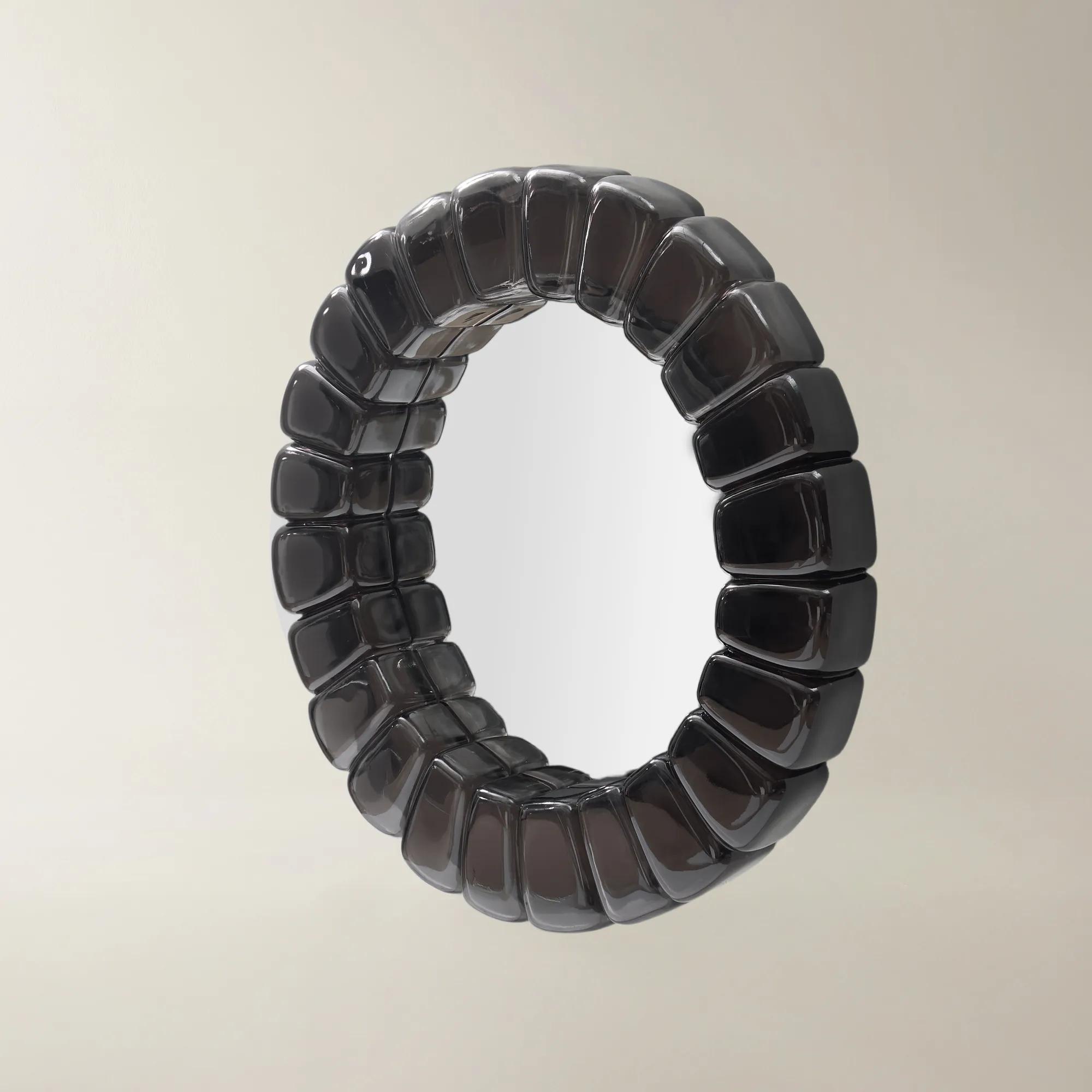 Lumino Graphite Resin Round Wall Mirror 38.5"$899
A round wall mirror with a sculptural translucent charcoal resin frame, graphite finish, and vertical display.
Add To Cart -
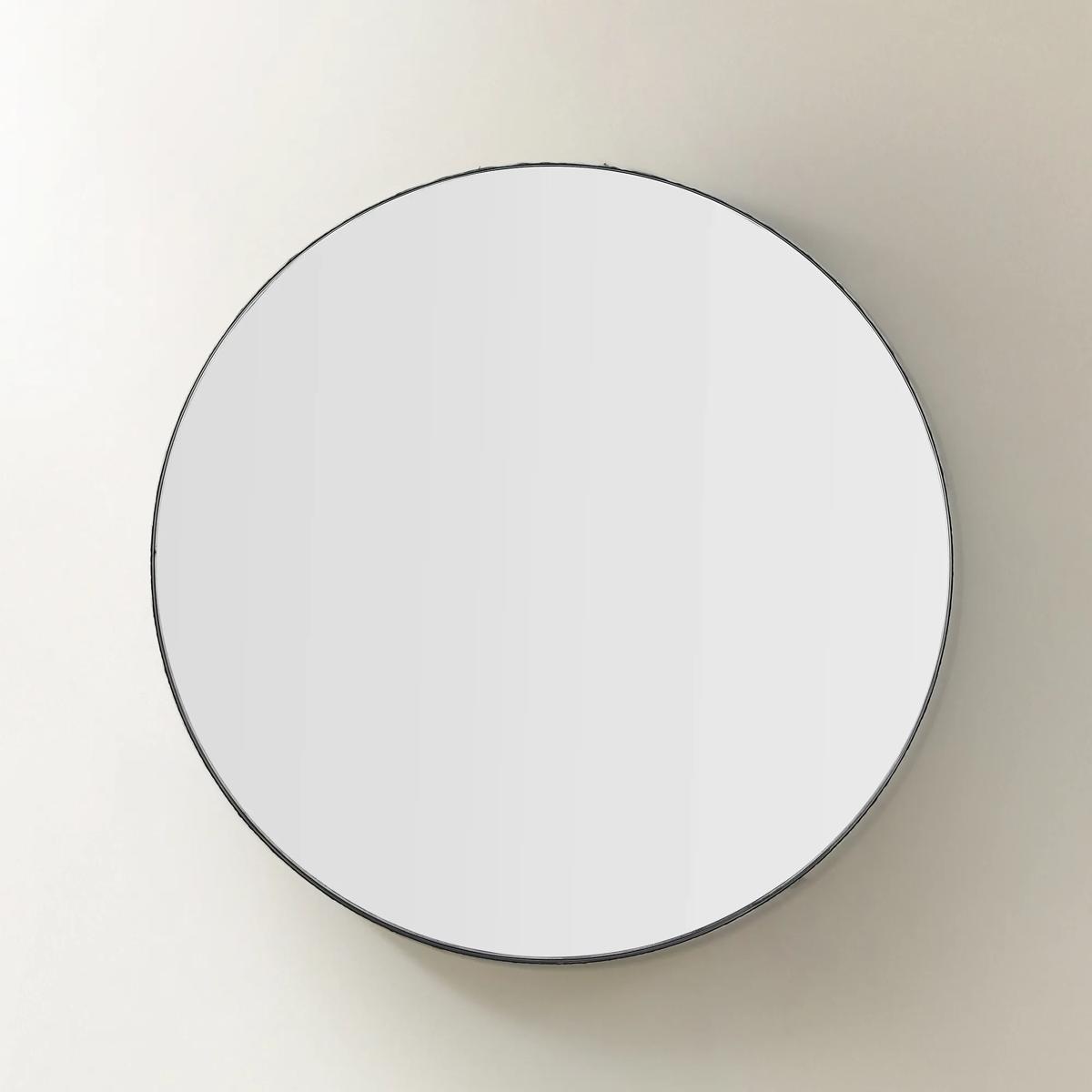
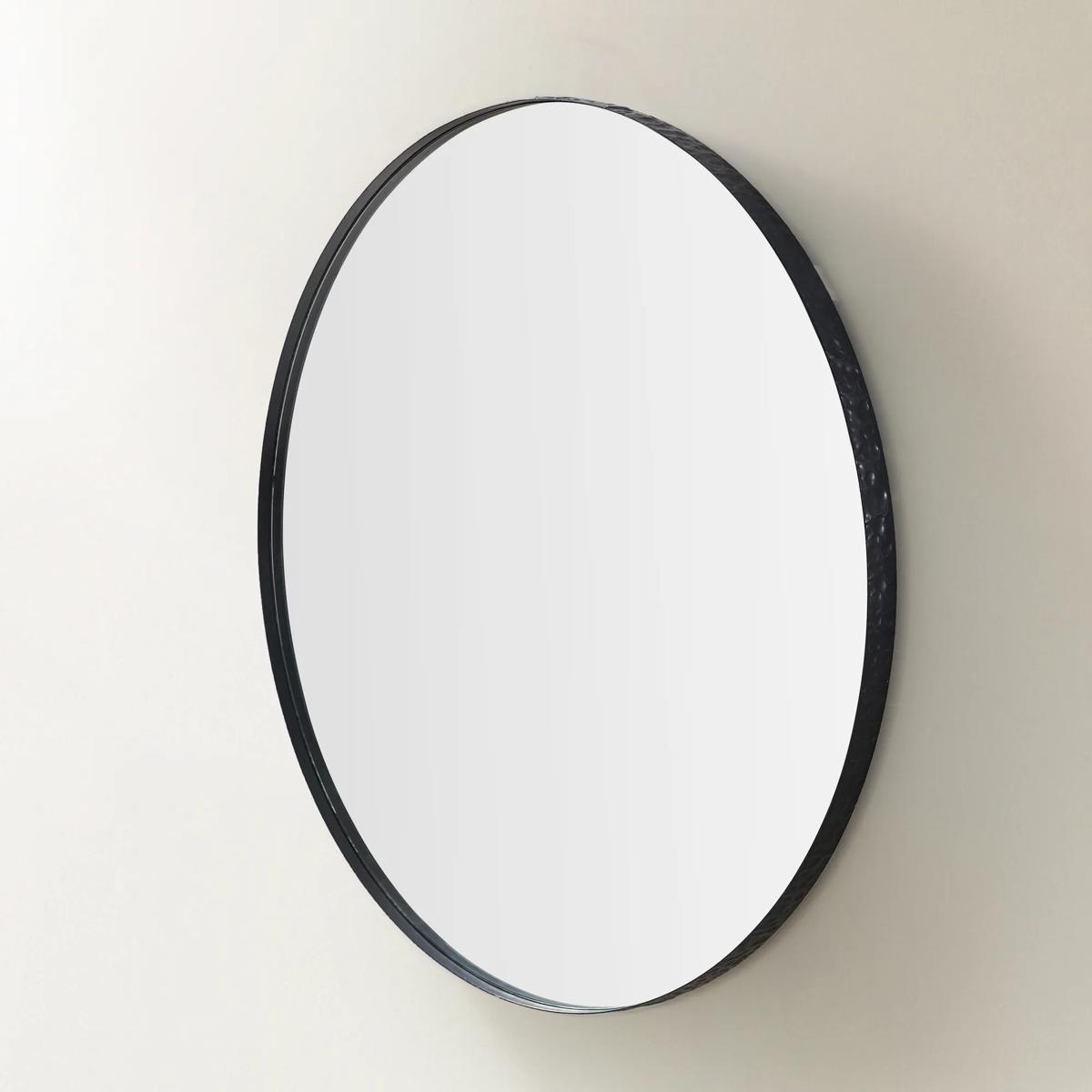 Cade Wall Mirror - Black$699
A round wall mirror featuring a hand-hammered black iron frame for a sleek, modern accent.
Add To Cart -
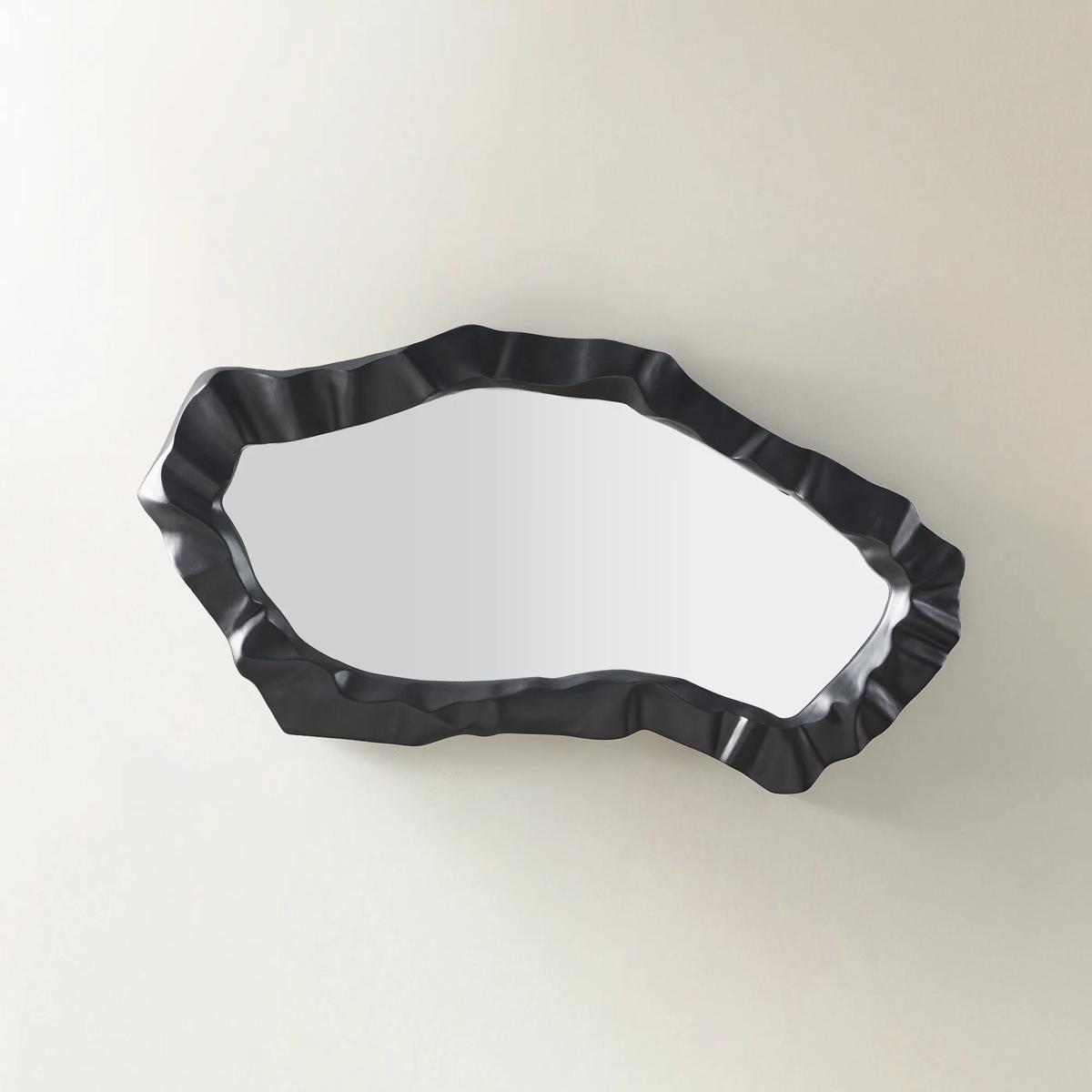
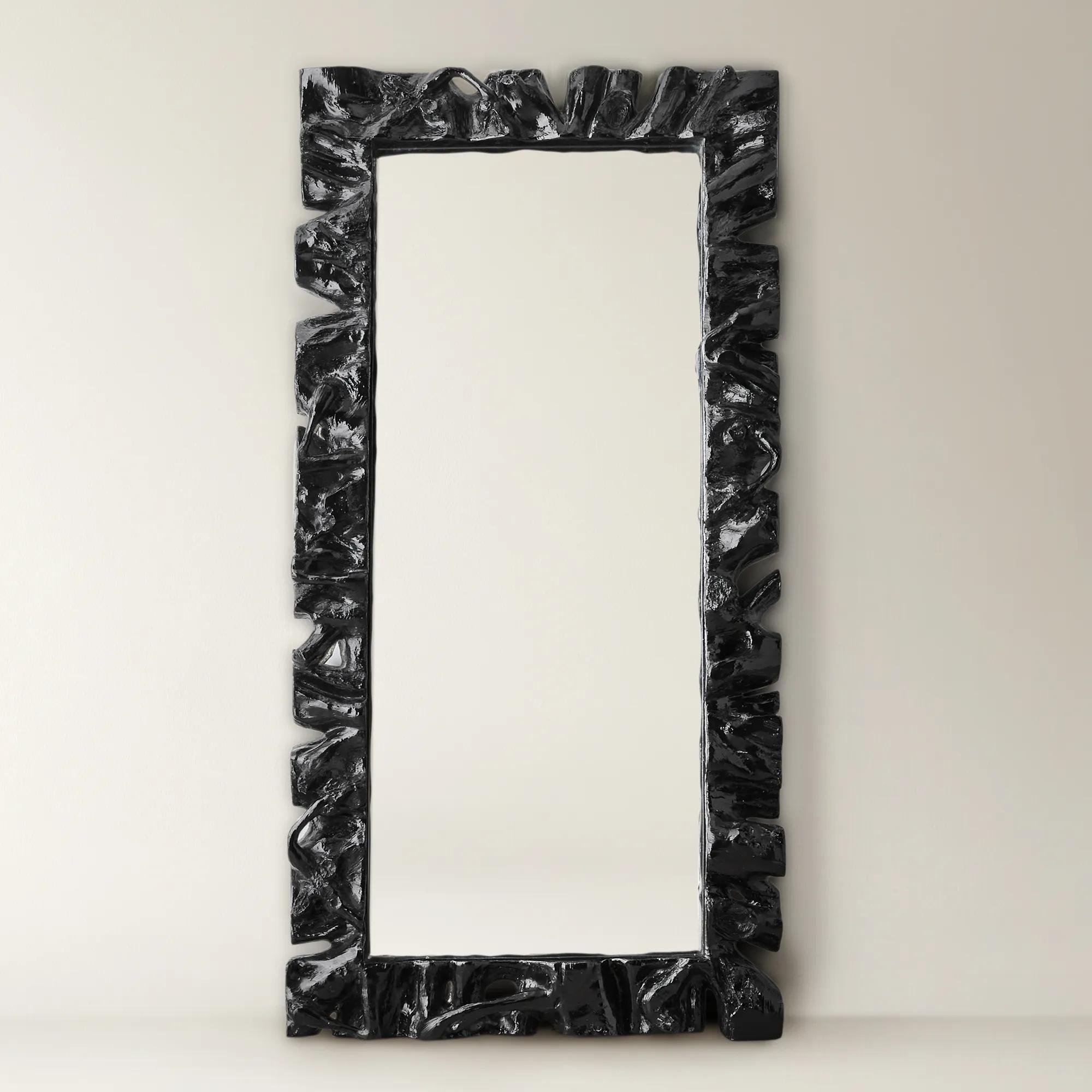
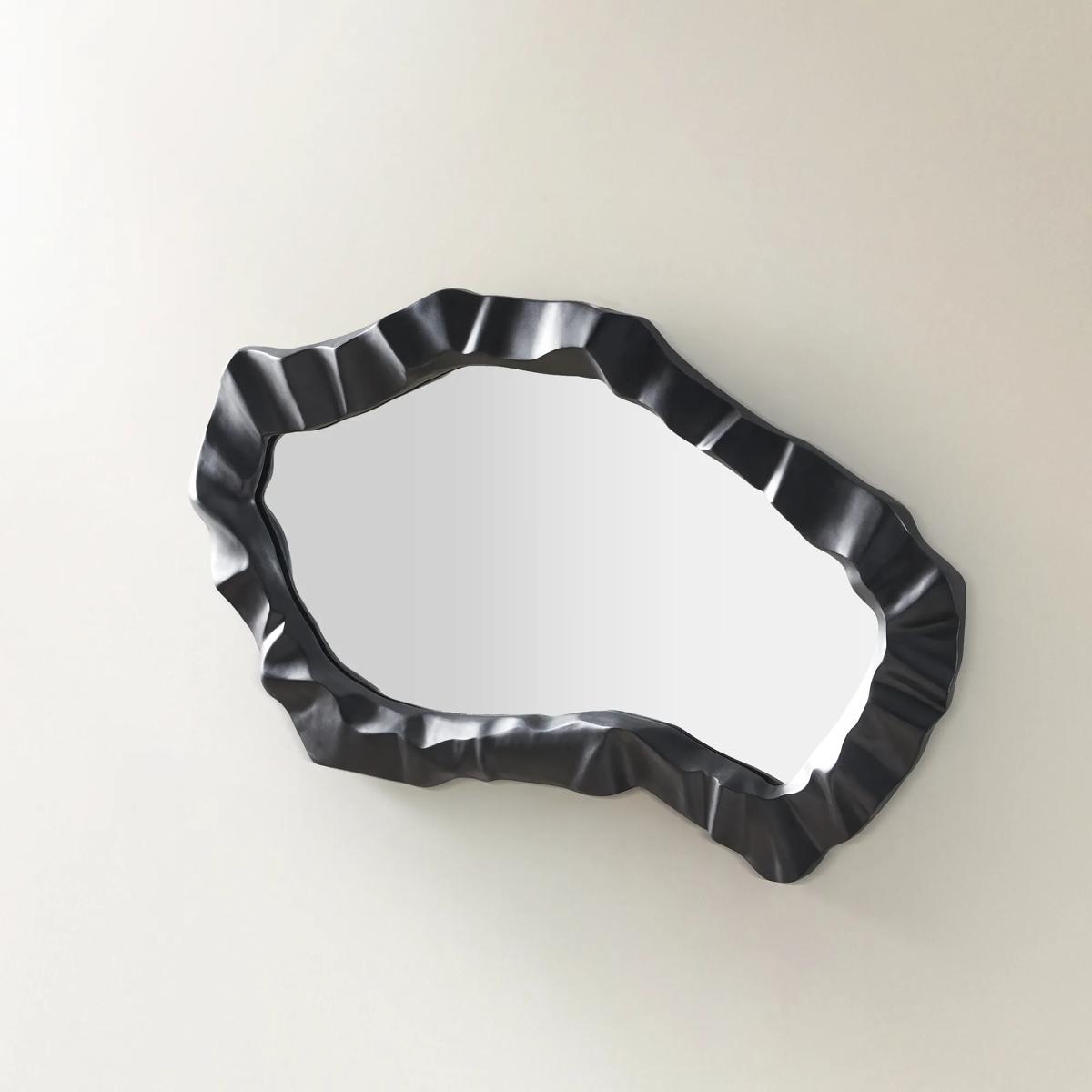 Islay Black Resin Organic Shaped Wall Mirror 44.75" x 23.75"$599
A sculptural black resin mirror featuring bold, asymmetrical curves and versatile vertical or horizontal hanging.
Add To Cart -
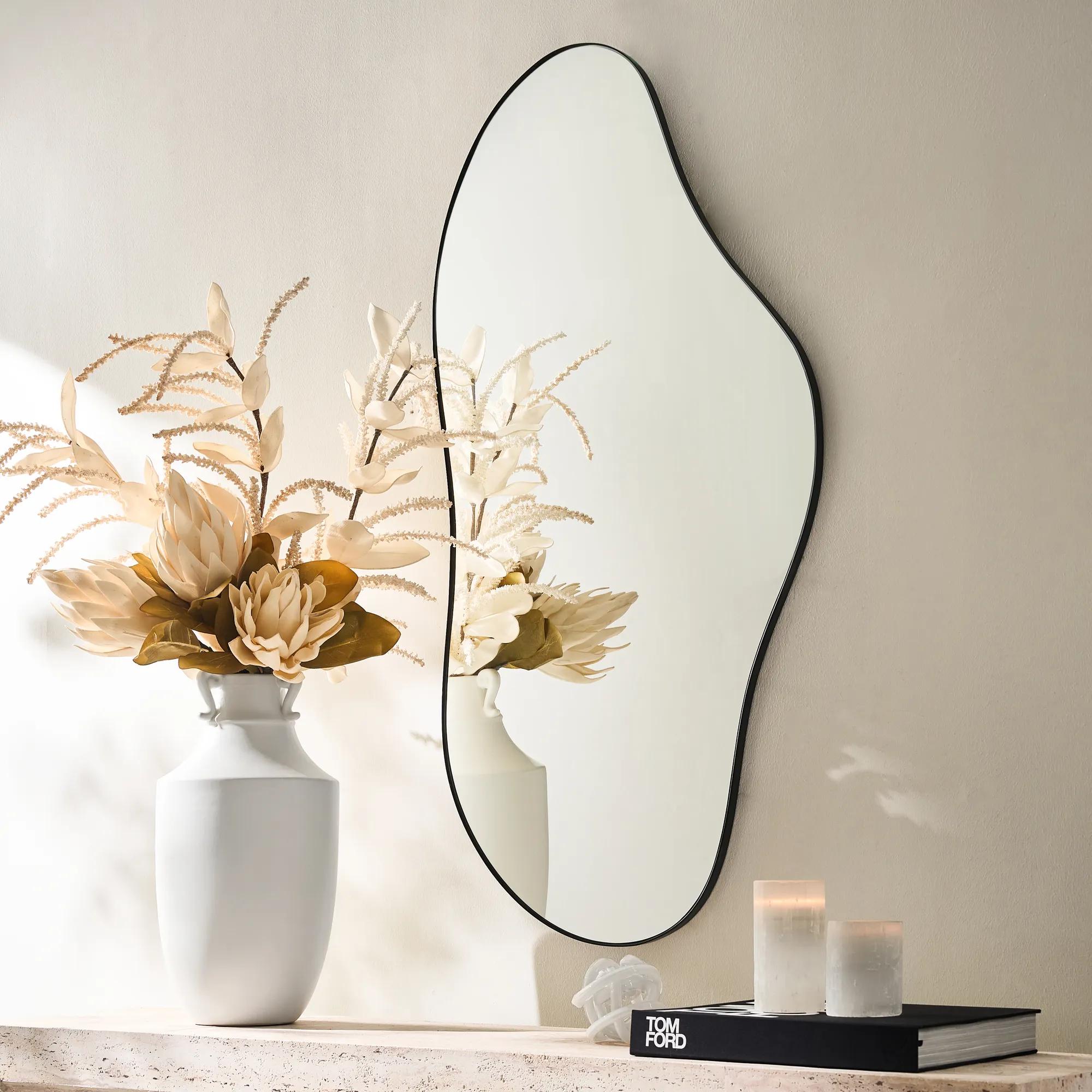
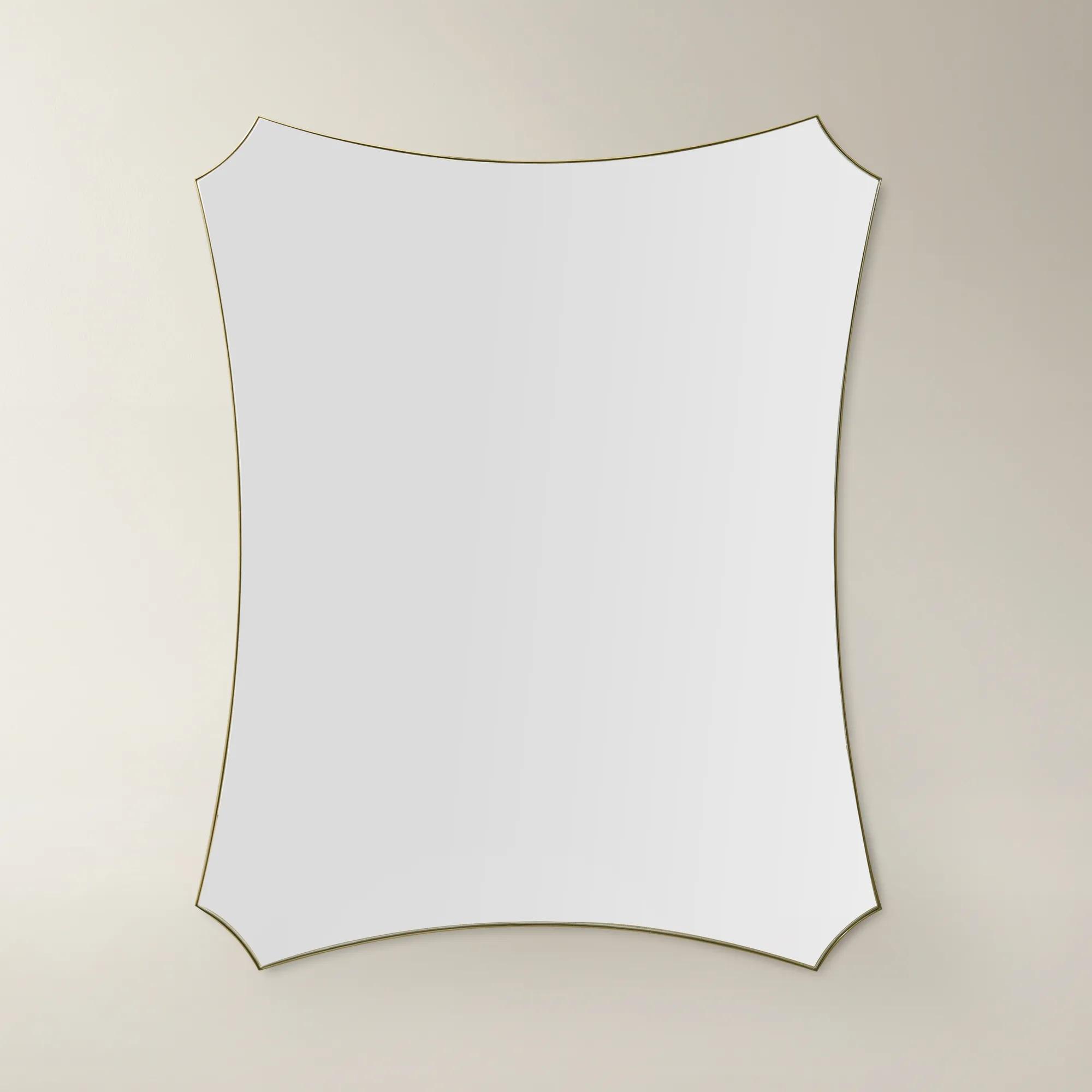
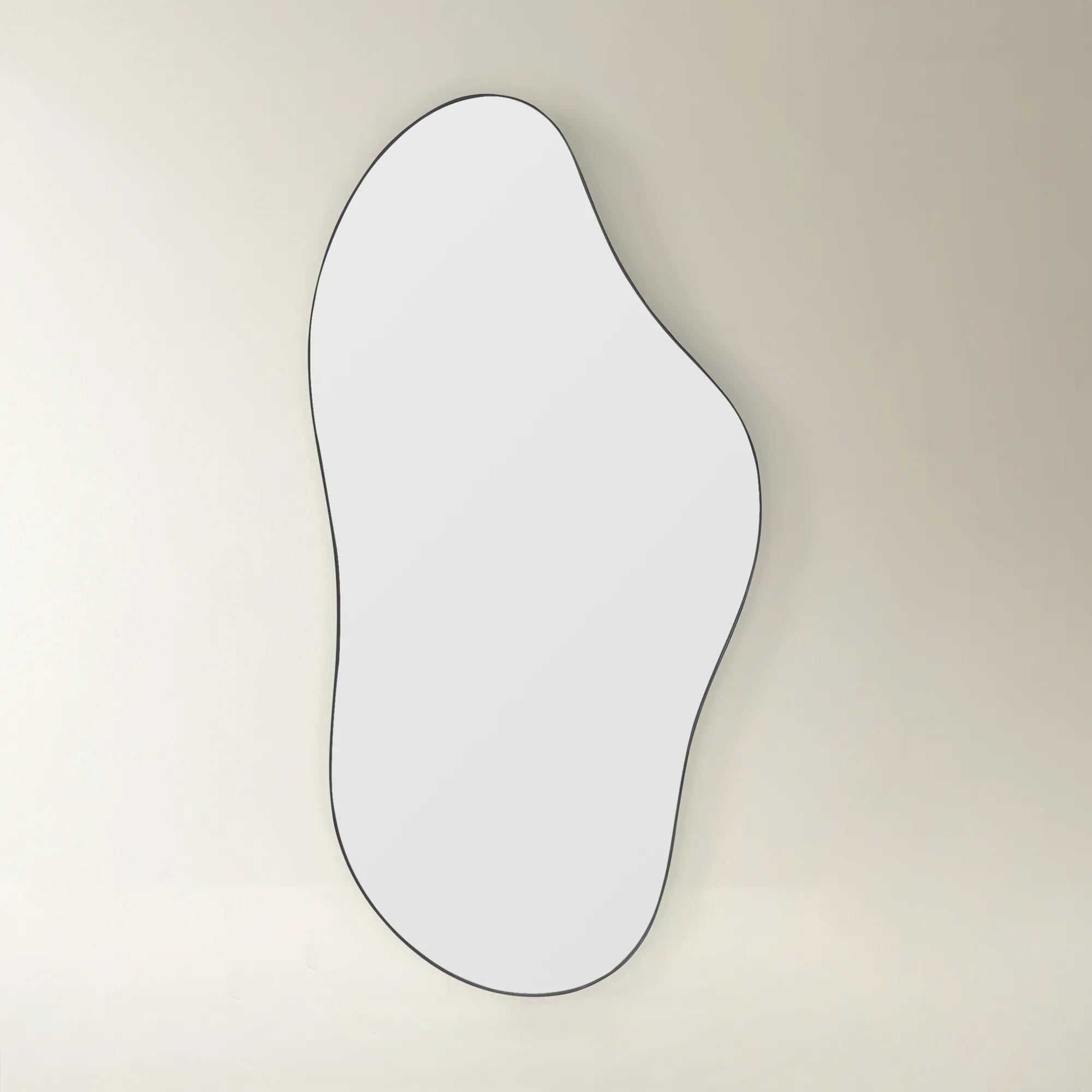 Puddle Wall Mirror$299
A freeform glass mirror with a black frame that adds playful sophistication to modern interiors.
Add To Cart -
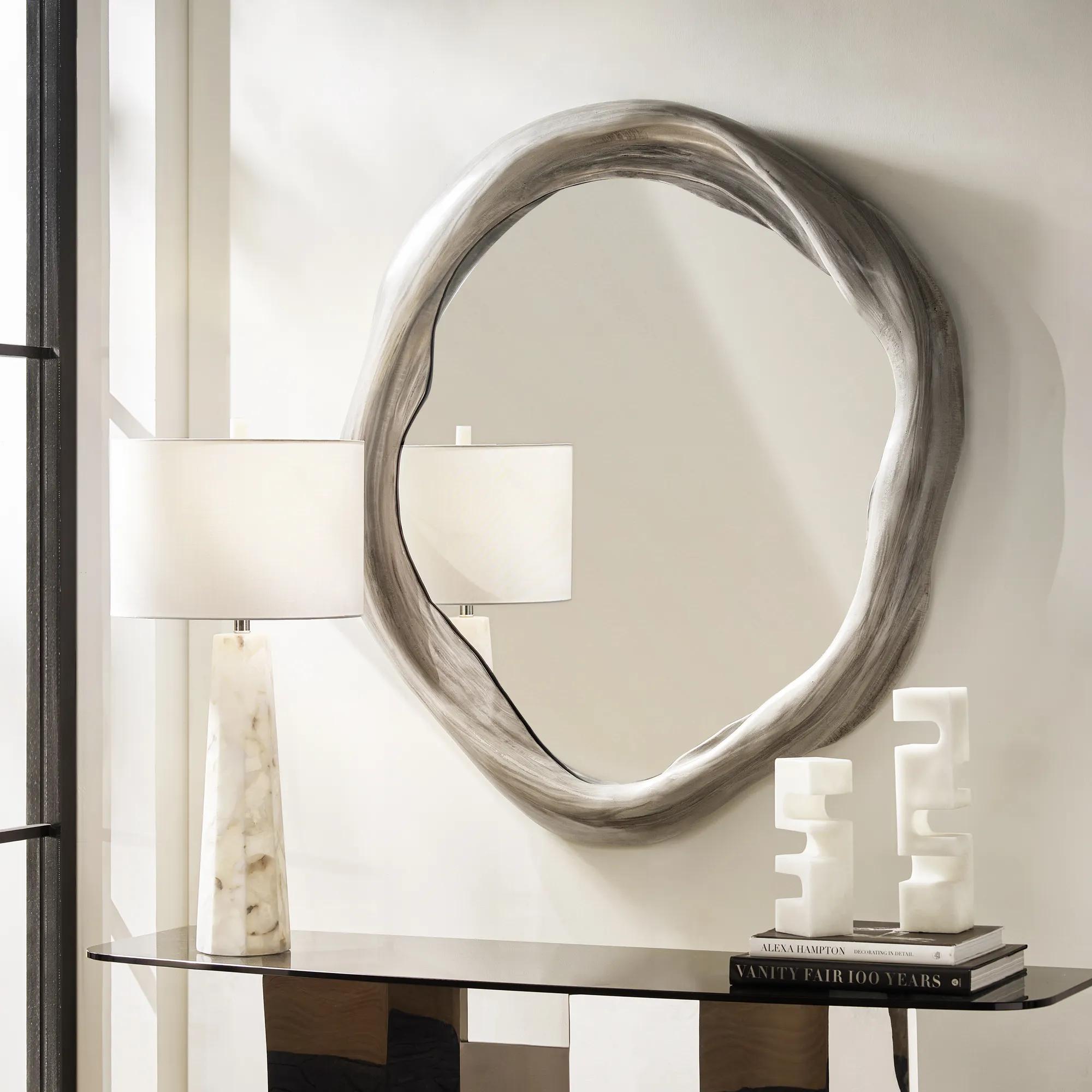
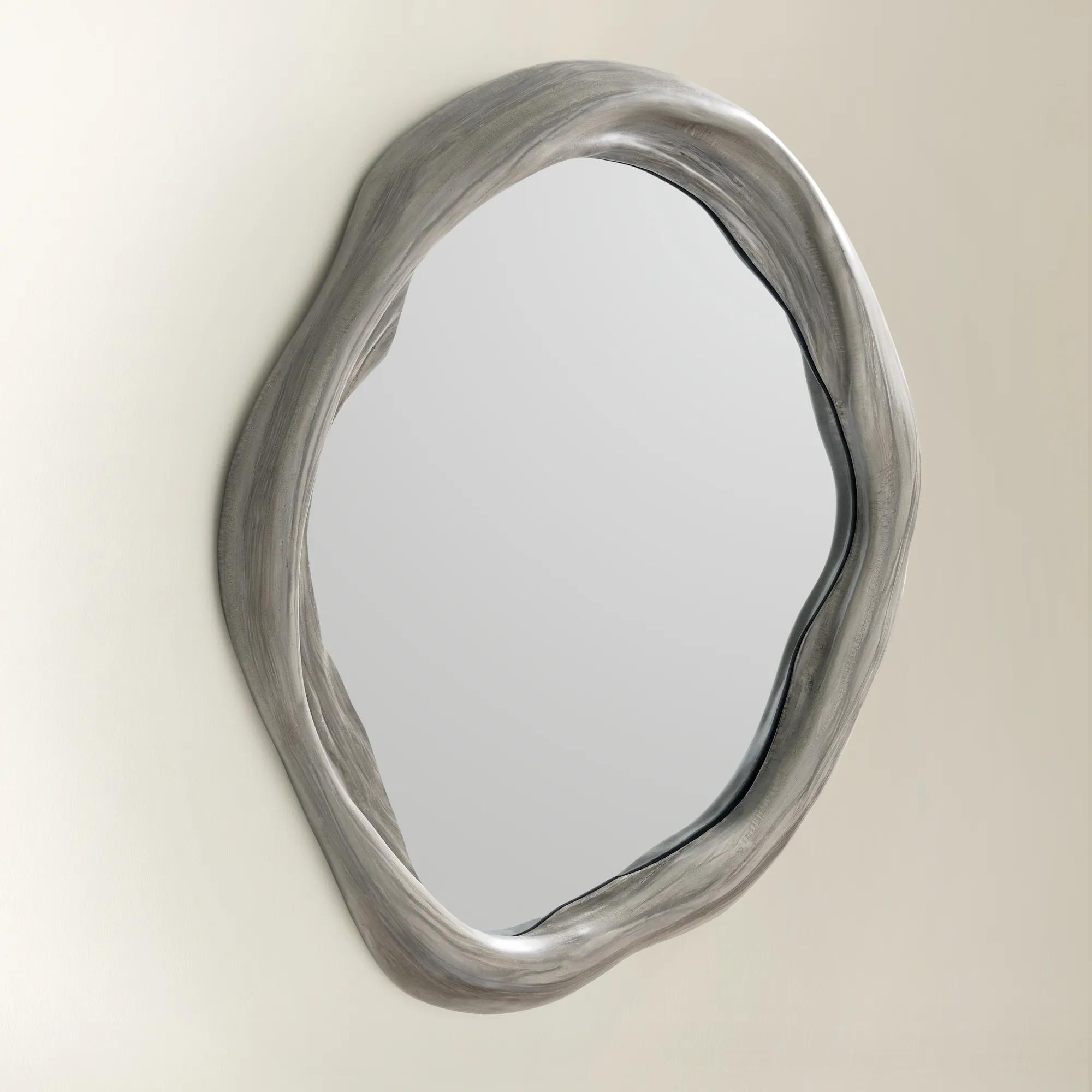 Dunes Wall Mirror$899
An organically shaped wall mirror with an artfully irregular gray frame, perfect for modern or minimalist spaces.
Add To Cart -
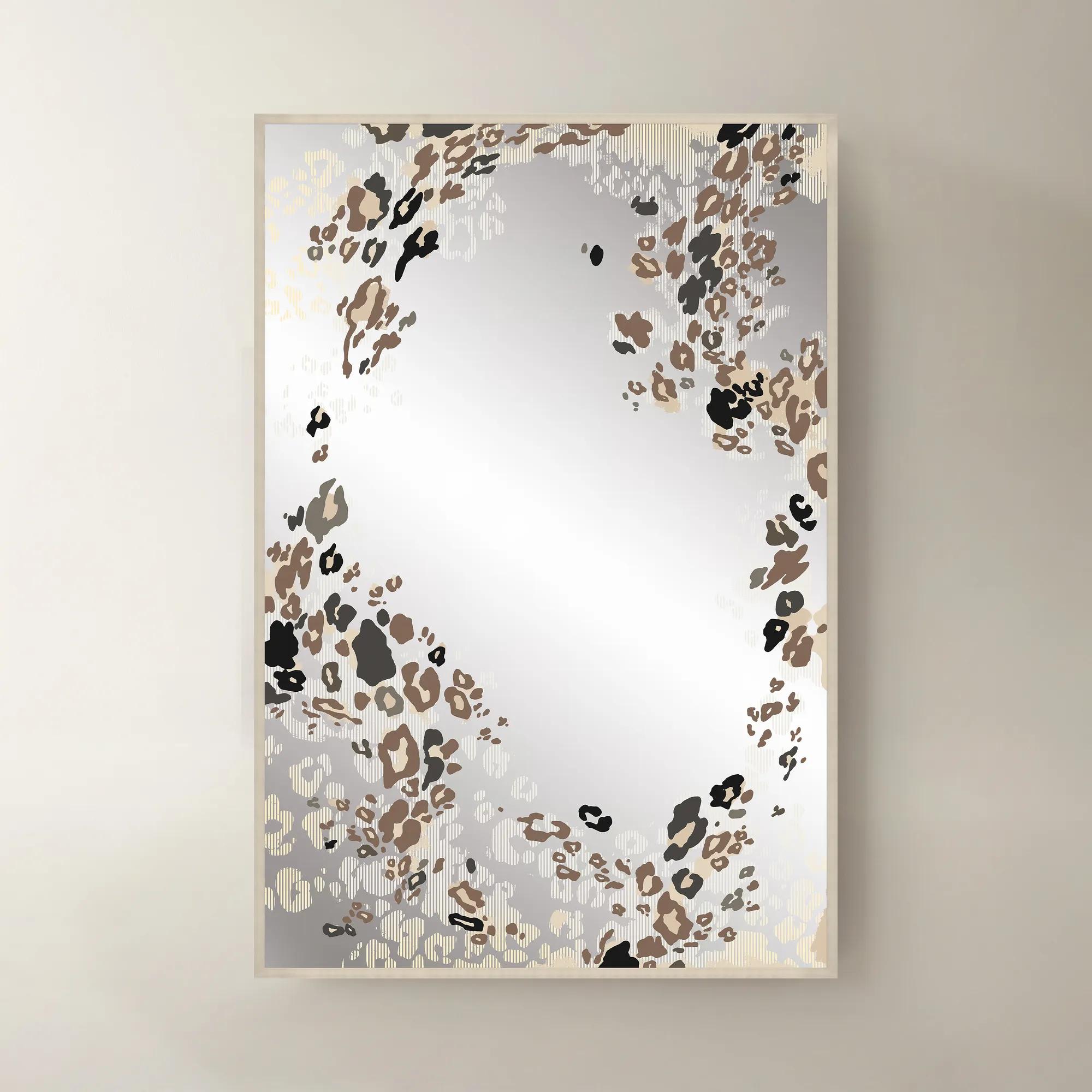
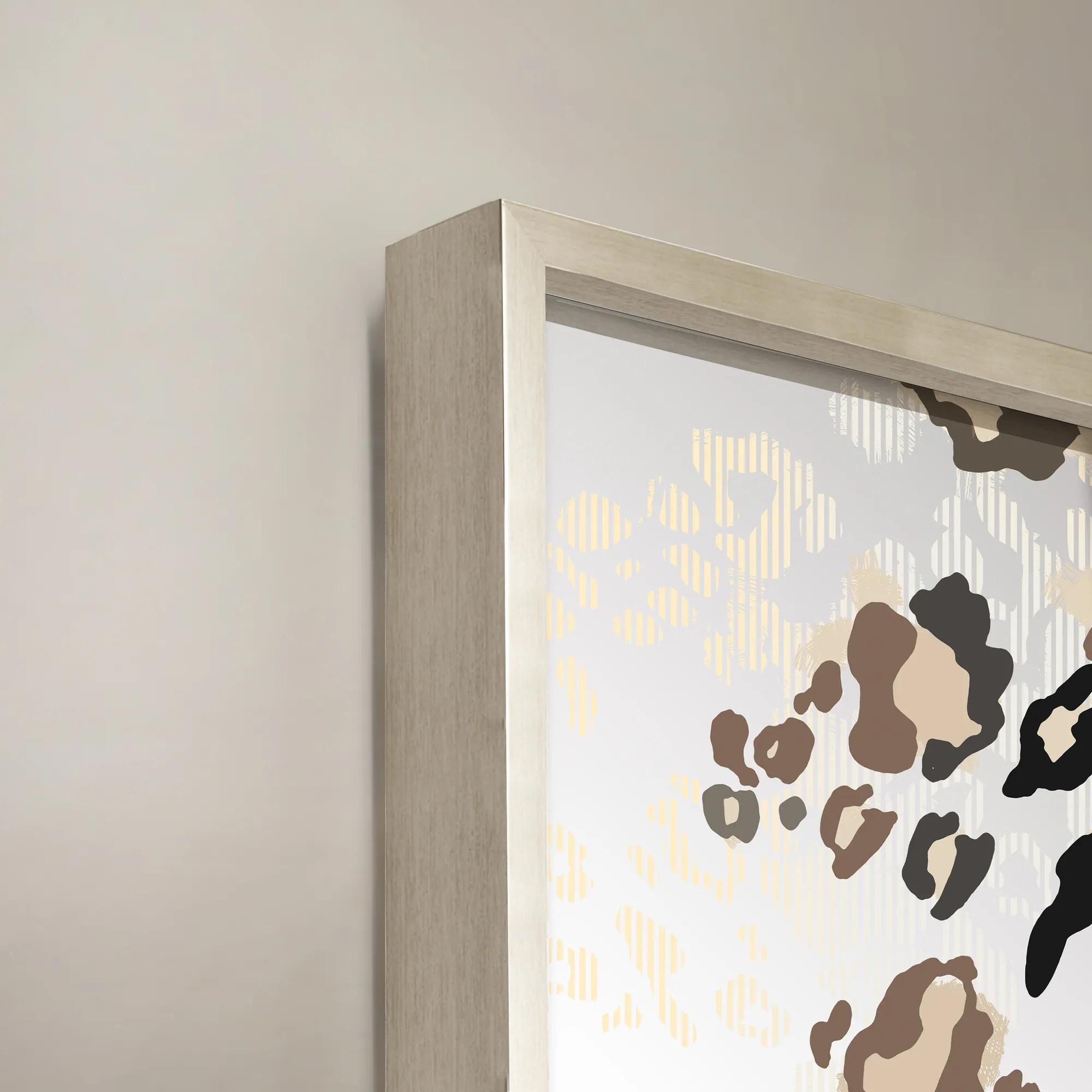 Leopard Luxe Framed Printed Wall Mirror 40" x 60"$1499
A printed mirror featuring Art Deco-inspired leopard artwork, set in a wood silver frame with brown and black tones.
Add To Cart

Modern Mirrors For Living Room
Explore modern mirrors for your living room to add reflected light, depth, and a sculptural focal point. Compare shapes, proportions, and frame details to find a design that complements your furniture while expressing your style. For placement above a sofa, console, or mantel, consider both the mirror’s scale and what it will reflect to create a thoughtfully composed view.
Modern mirrors for living room spaces bring more than a reflective surface to the composition. They introduce architecture, capture the movement of light, and give a room another layer of visual depth. Above a low-profile sofa, a generous rectangular mirror can echo the furniture’s horizontal lines while reflecting a chandelier or an expressive piece of art across the room. Over a console, a circular silhouette offers a softer counterpoint to angular legs and tailored upholstery. An arched mirror brings height and a graceful outline, while an irregular shape feels closer to sculpture: distinctive enough to anchor a wall without competing with every surrounding detail. The most compelling choice often begins with the room’s existing proportions. A substantial wall calls for a silhouette with enough presence to hold its own; a narrower section between windows may benefit from an elongated form that draws the eye upward. Mirrors can make a living room feel more expansive, but their effect depends on what appears in the glass. A reflection of drapery, greenery, or a beautifully arranged seating area adds dimension with intention. A reflection of exposed cords or an overcrowded shelf simply repeats the distraction. Placement near natural light can lend the room a luminous quality without suggesting that a mirror creates light of its own. In an intimate seating area, a round mirror framed in a gleaming finish can become a quiet point of contrast against textured walls. In a larger gathering space, a broad mirror above a substantial console establishes a confident focal point. The relationship between mirror, furniture, and surrounding negative space matters more than matching every finish. A little breathing room allows an expressive frame to register as a deliberate design choice rather than another object on the wall. Whether the room favors tonal restraint or richly layered glamour, a well-proportioned mirror adds a new view of the interior, revealing details that deserve to be seen twice.
Materials and construction give modern living room mirrors their individual character, from the crisp outline of a metal frame to the dimensional richness of carved wood or the uninterrupted shine of mirrored borders. Slender metal profiles emphasize shape and reflection, making them especially effective alongside plush seating or richly patterned textiles. Wood introduces warmth and can temper the coolness of glass, particularly when its grain remains visible. Resin frames can take on intricate, sculptural forms; their presence depends on the quality of the molding, finish, and overall construction rather than the material name alone. Beveled glass catches light along the perimeter, adding a subtle jeweled effect, while a clean, unbeveled edge feels more architectural. Clear reflection suits everyday use, whereas intentionally antiqued or tinted glass contributes atmosphere and may be less suitable when an accurate view is important. These distinctions help separate a decorative focal point from a mirror intended for frequent personal checks before guests arrive. Frame depth also changes how a piece occupies the room: a shallow profile stays visually close to the wall, while a deep, dimensional surround creates shadow and a stronger sculptural impression. Practical fit includes the full exterior dimensions, not just the reflective area, along with the weight and the mounting orientation permitted by the manufacturer. Above a sofa or mantel, the mirror should feel connected to the furniture or architectural feature below without crowding the ceiling or adjacent artwork. A floor-length mirror offers dramatic scale, but its placement must account for walking paths, nearby doors, and household activity. Leaning designs still require any manufacturer-specified anchoring, especially in homes with children or pets. Wall-mounted mirrors need hardware appropriate to both their weight and the wall construction; large or heavy pieces may warrant professional installation. A considered installation protects the mirror’s edges, supports long-term stability, and allows its visual impact to remain the focus rather than the mechanics behind it.
Living room mirrors are particularly expressive in homes where entertaining, collecting, and personal style shape the surroundings. A reflective focal point can bring a sense of occasion to a conversation area, catch the glow of a shaded lamp, or frame a glimpse of flowers arranged on a coffee table. For someone furnishing a first home, a mirror offers a substantial decorative gesture without requiring every element of the room to be finished at once. For an established interior, a different silhouette or finish can shift the mood while leaving beloved furniture in place. A warm metallic frame can soften a palette of charcoal and ivory; a dark frame can sharpen pale upholstery; a sculptural mirrored surround can lend a richly textured room another register of shine. For a related expression of this aesthetic, explore Mirrors For Contemporary Homes. Choosing a mirror as a housewarming or wedding gift is most thoughtful when the recipient’s style, wall space, and installation preferences are already known, since scale and weight make this a deeply personal addition. Lasting beauty also depends on appropriate care. A soft, lint-free cloth helps preserve the clarity of the glass, and cleaner applied to the cloth rather than directly to the mirror limits moisture collecting along the edges or behind the frame. Manufacturer instructions should guide the use of cleaning products, particularly around specialty finishes, antiqued surfaces, or decorative borders. Abrasive pads and harsh chemicals can damage surfaces, while prolonged moisture exposure may affect backing materials and some frame finishes. Gentle dusting keeps dimensional frames defined without wearing away their detail. In active living rooms, positioning a mirror away from frequent bumps and leaving space around furniture helps protect vulnerable edges. With its proportions, reflection, and finish thoughtfully aligned to the room, a modern mirror becomes more than an accent. It gives the interior a luminous second dimension, turning familiar furnishings and cherished details into a composition with renewed presence.
FAQs
Modern living room mirrors feature sculptural shapes, distinctive frames, and finishes that feel deliberately chosen. From a crisp geometric silhouette to a fluid, asymmetrical design, the mirror becomes part of the room’s artistic expression—not simply a finishing touch.
Polished silver and chrome bring a sleek, jewel-like accent, while gold and brass introduce a warmer note of glamour. Black frames create a graphic contrast, and richly finished wood adds texture. Choose a finish that echoes your living room’s hardware or makes an intentional departure from it.
Round and oval mirrors introduce graceful curves, while rectangular and angular designs emphasize architectural lines. Arched mirrors lend a poised, expressive silhouette, and organic shapes create a more artful focal point. Let the shape converse with your furniture: curved upholstery pairs beautifully with crisp geometry.
Treat the mirror as the centerpiece of a carefully composed mantel vignette. Pair a gleaming frame with sculptural ceramics, elegant candleholders, or a striking floral arrangement. For a collected look, vary the forms while repeating a finish or color that connects the mantel to the rest of the room.
Give the mirror and artwork a shared visual thread, such as a metallic finish, curved motif, or bold black accent. A restrained mirror frame can accompany expressive abstract art, while an ornate or sculptural mirror pairs elegantly with simpler compositions. The result should feel curated, with each piece contributing its own character.