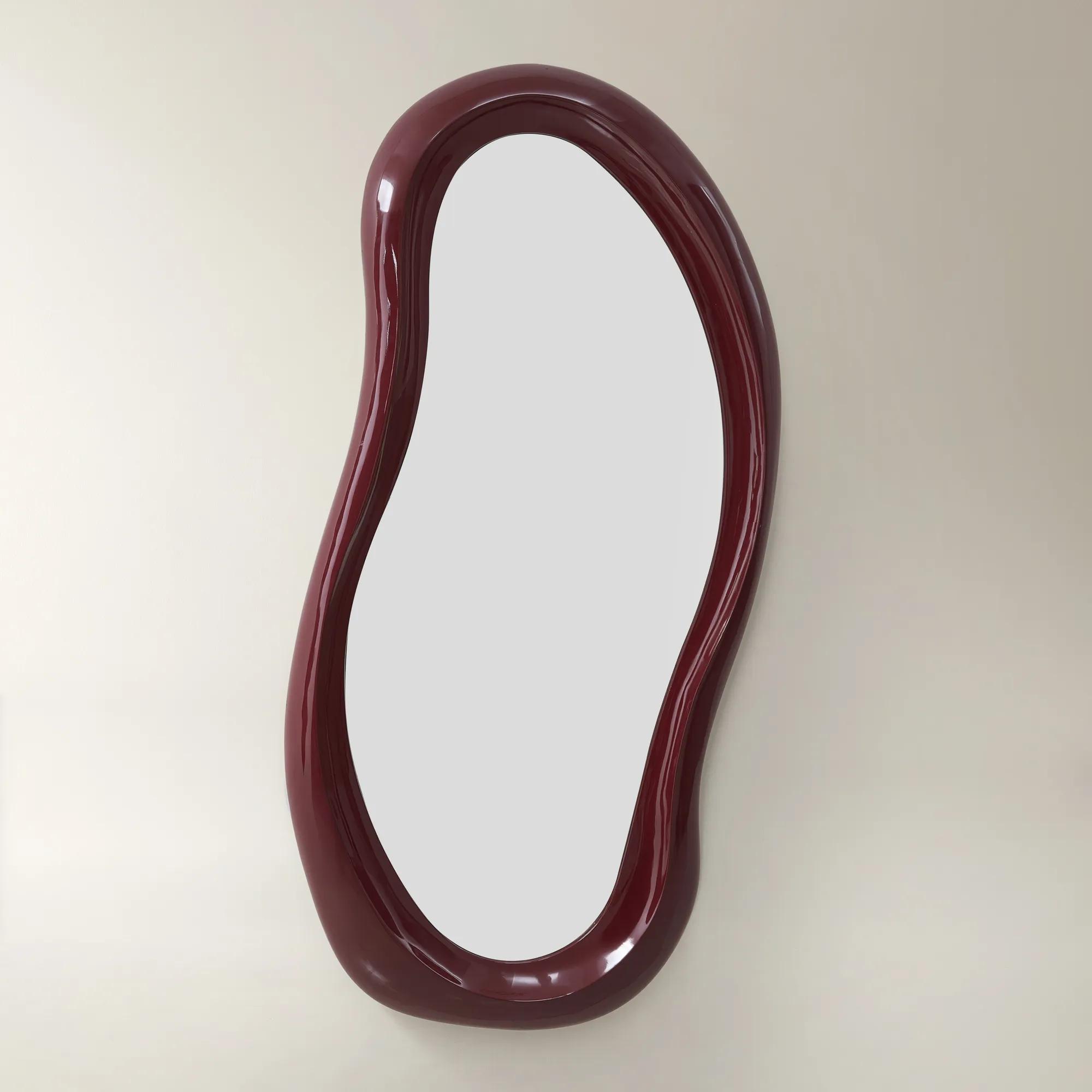
Mirrors For Chic Home Accents
Mirrors For Chic Home Accents
-
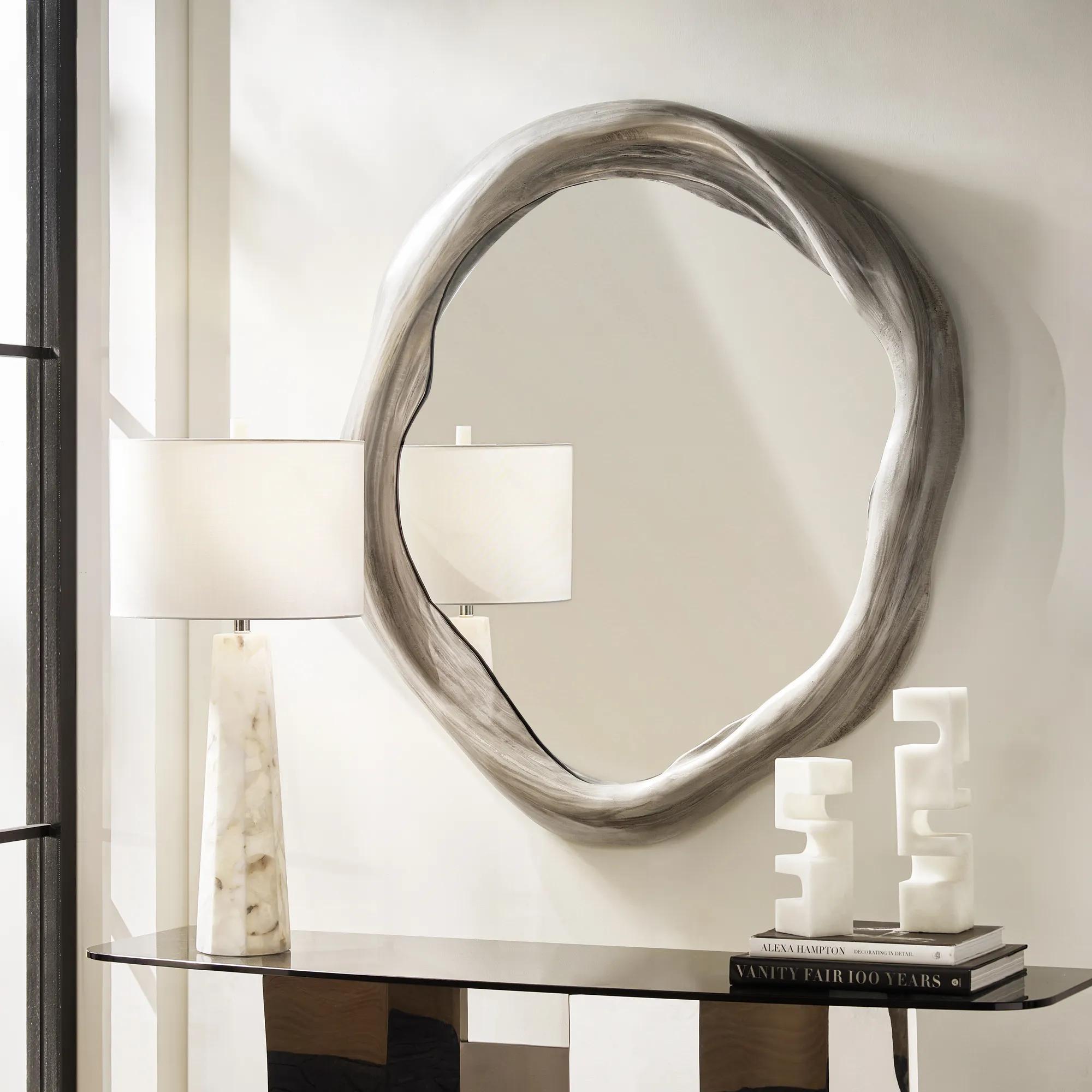
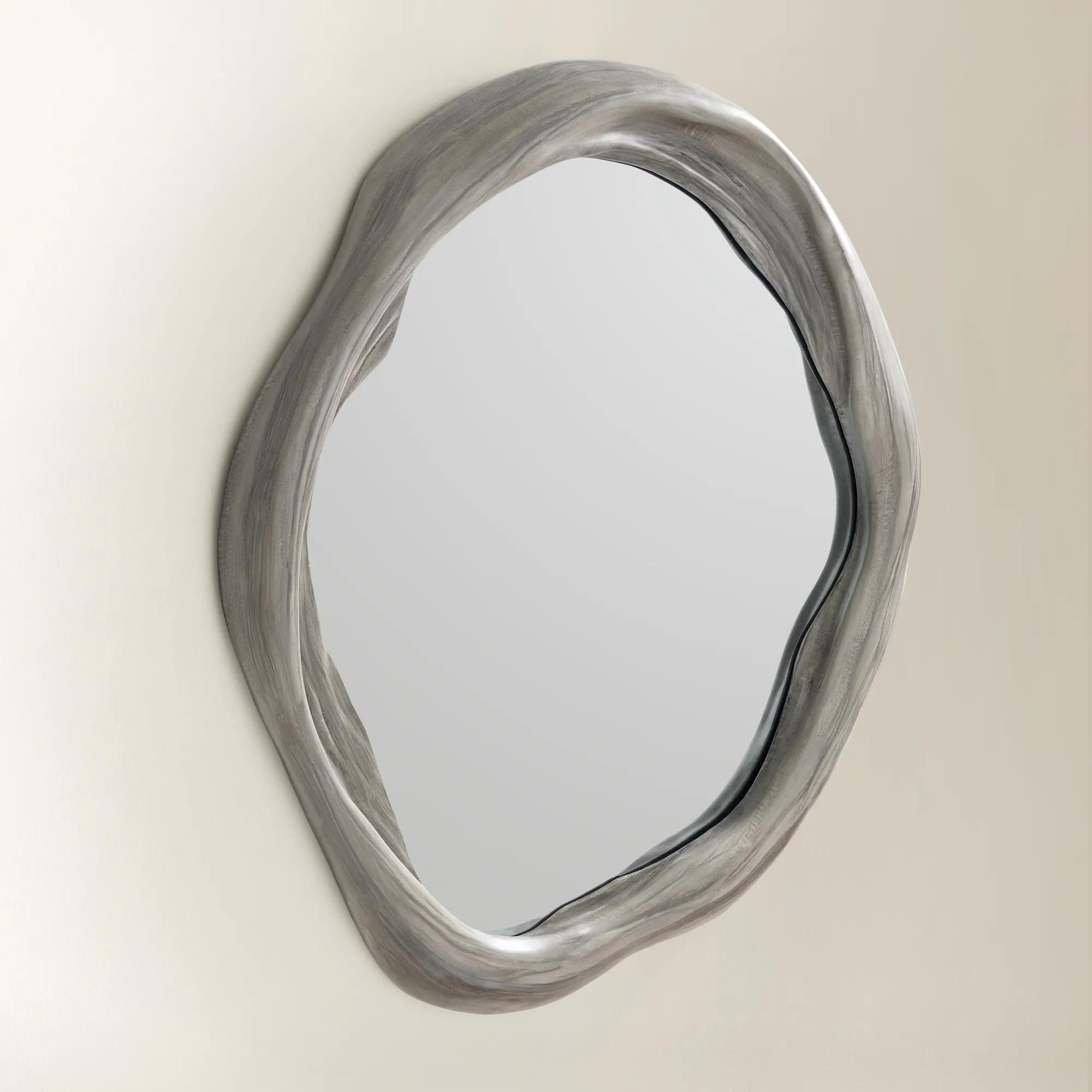 Dunes Wall Mirror$899
An organically shaped wall mirror with an artfully irregular gray frame, perfect for modern or minimalist spaces.
Add To Cart -
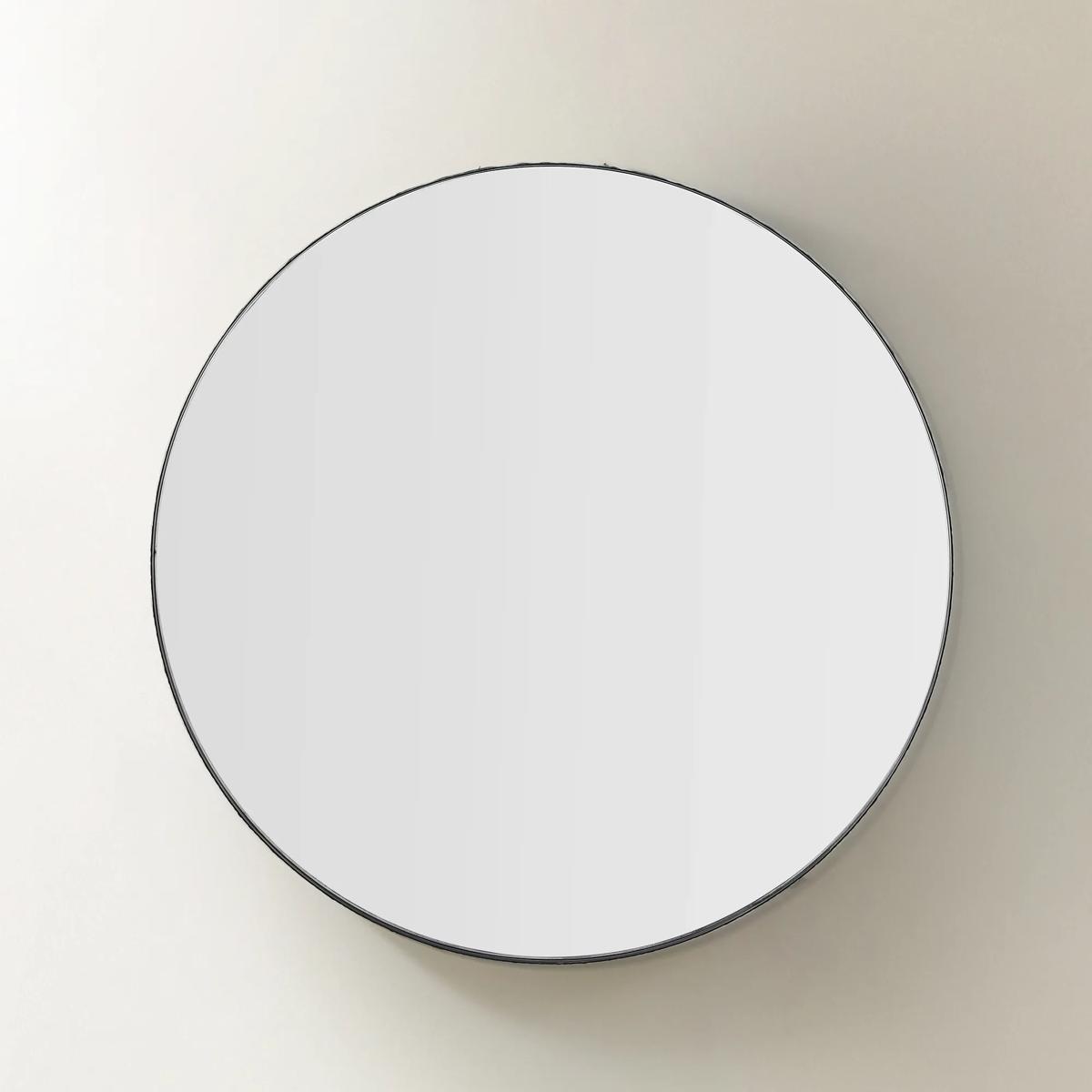
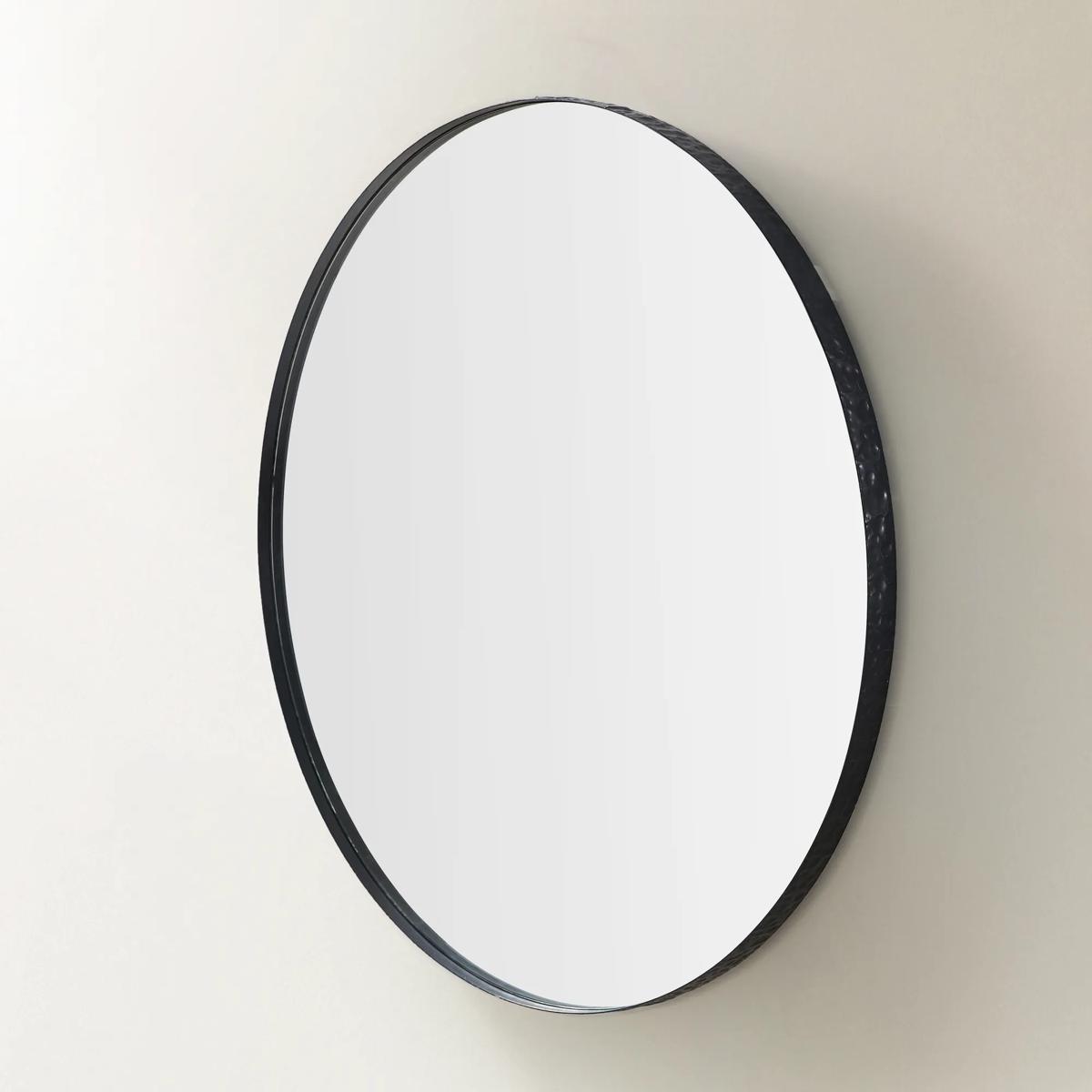 Cade Wall Mirror - Black$699
A round wall mirror featuring a hand-hammered black iron frame for a sleek, modern accent.
Add To Cart -
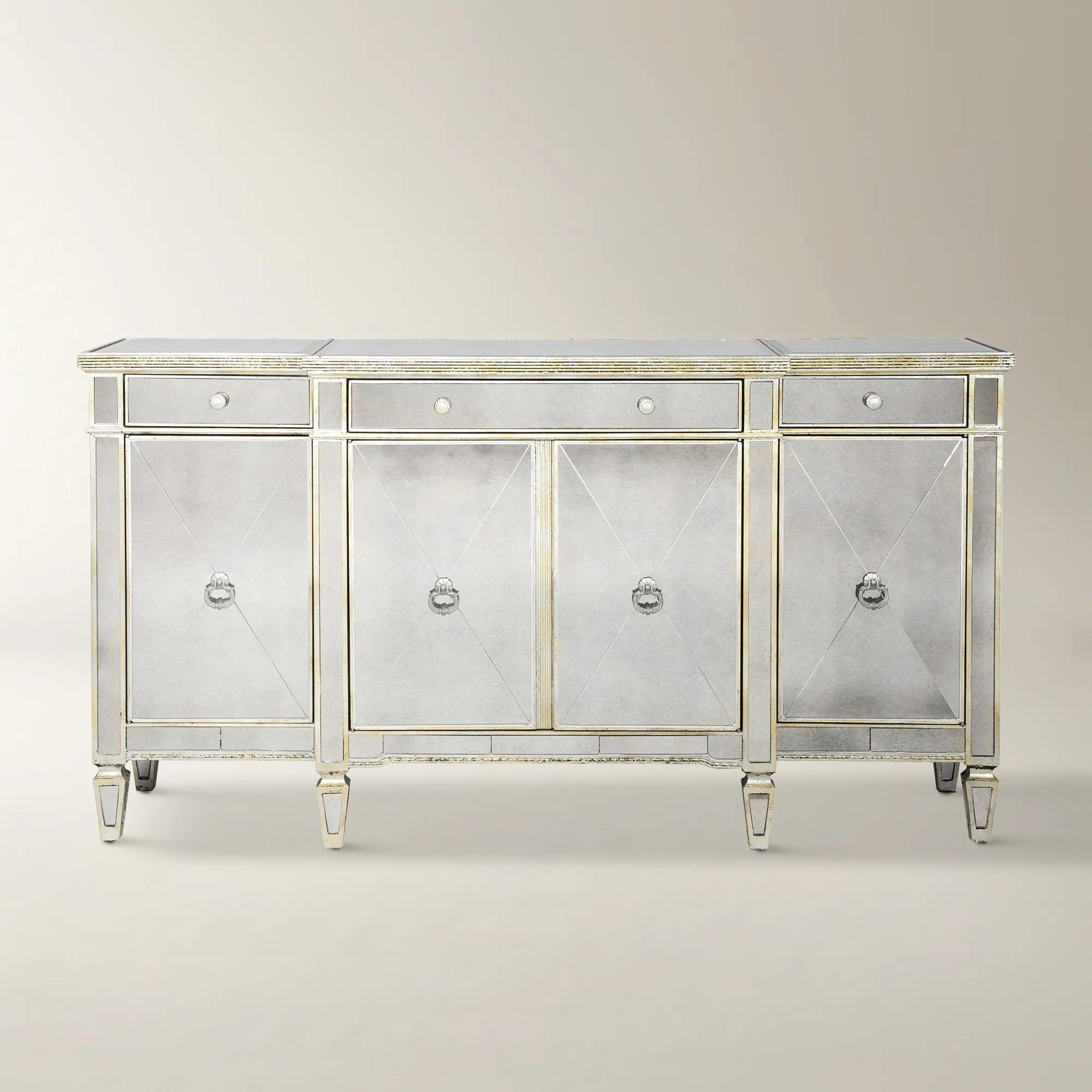
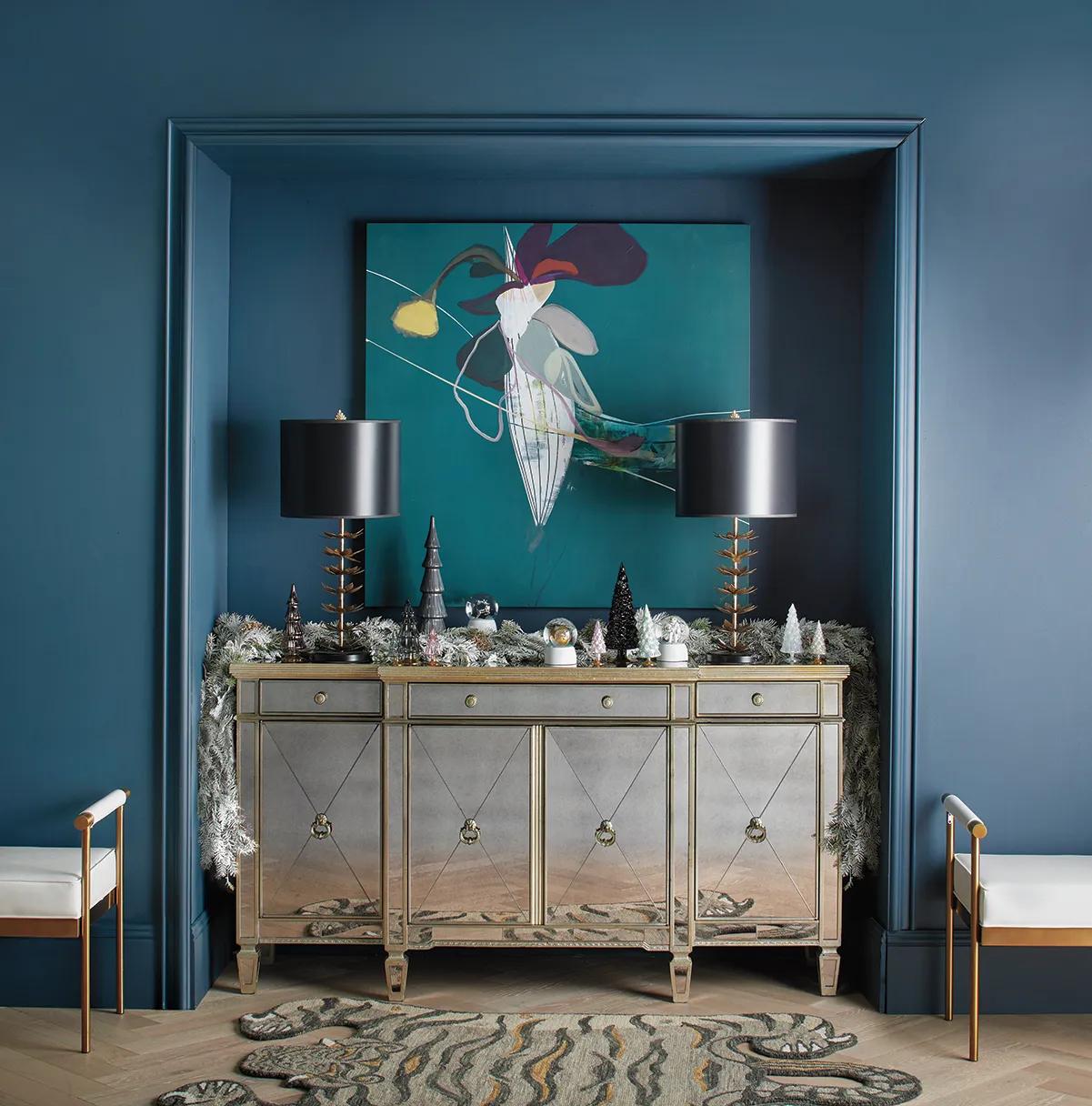 Borghese Mirrored Silver 3-Drawer Buffet (70")$2199
A sophisticated mirrored buffet featuring antique beveled glass, champagne gilt wood trim, and hand-applied silver leaf.
Add To Cart -
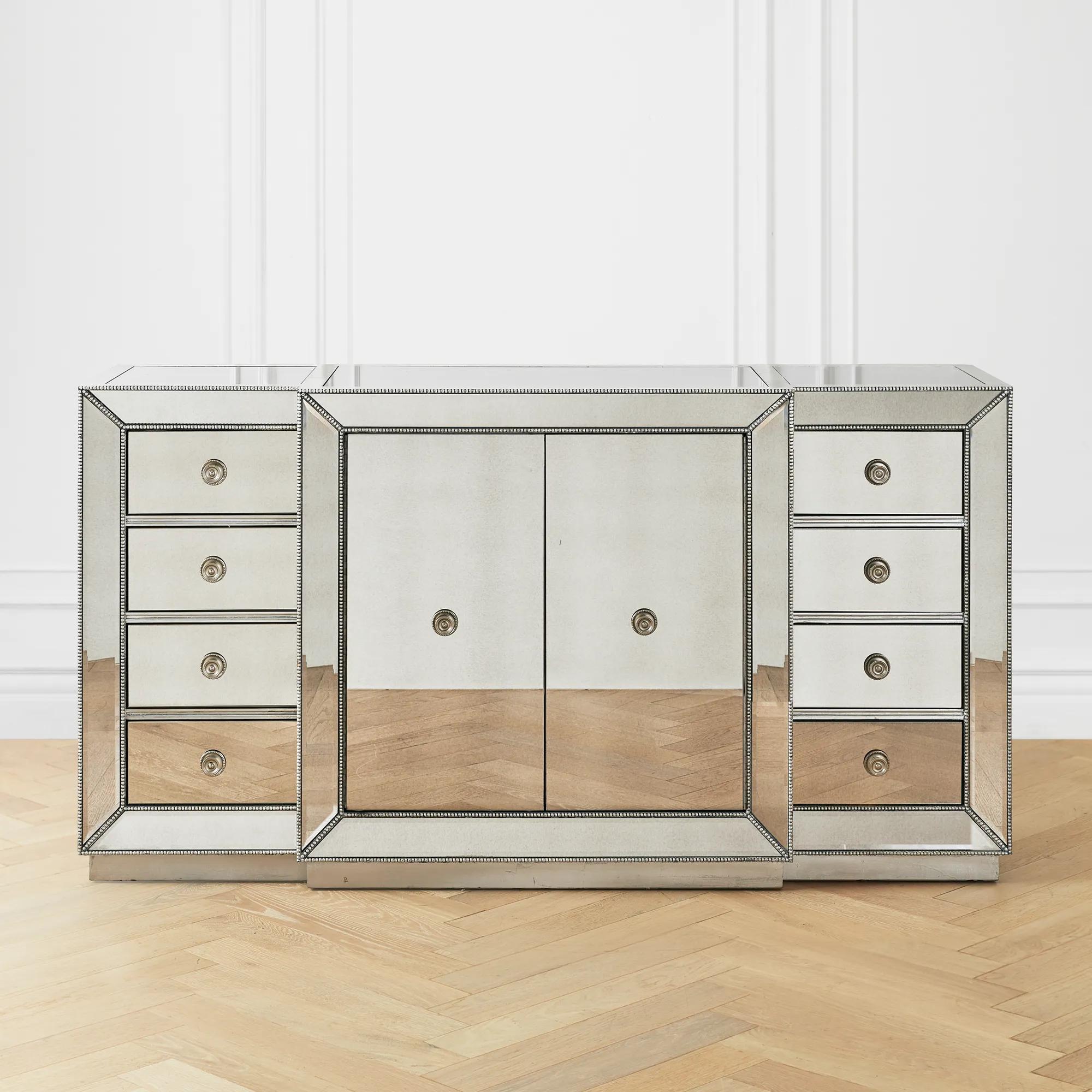 Omni Mirrored Silver 8-Drawer Buffet (72")$2499
A glamorous buffet featuring antique beveled mirrored panels, hand-applied silver leaf, and silver beaded trim.
Add To Cart -
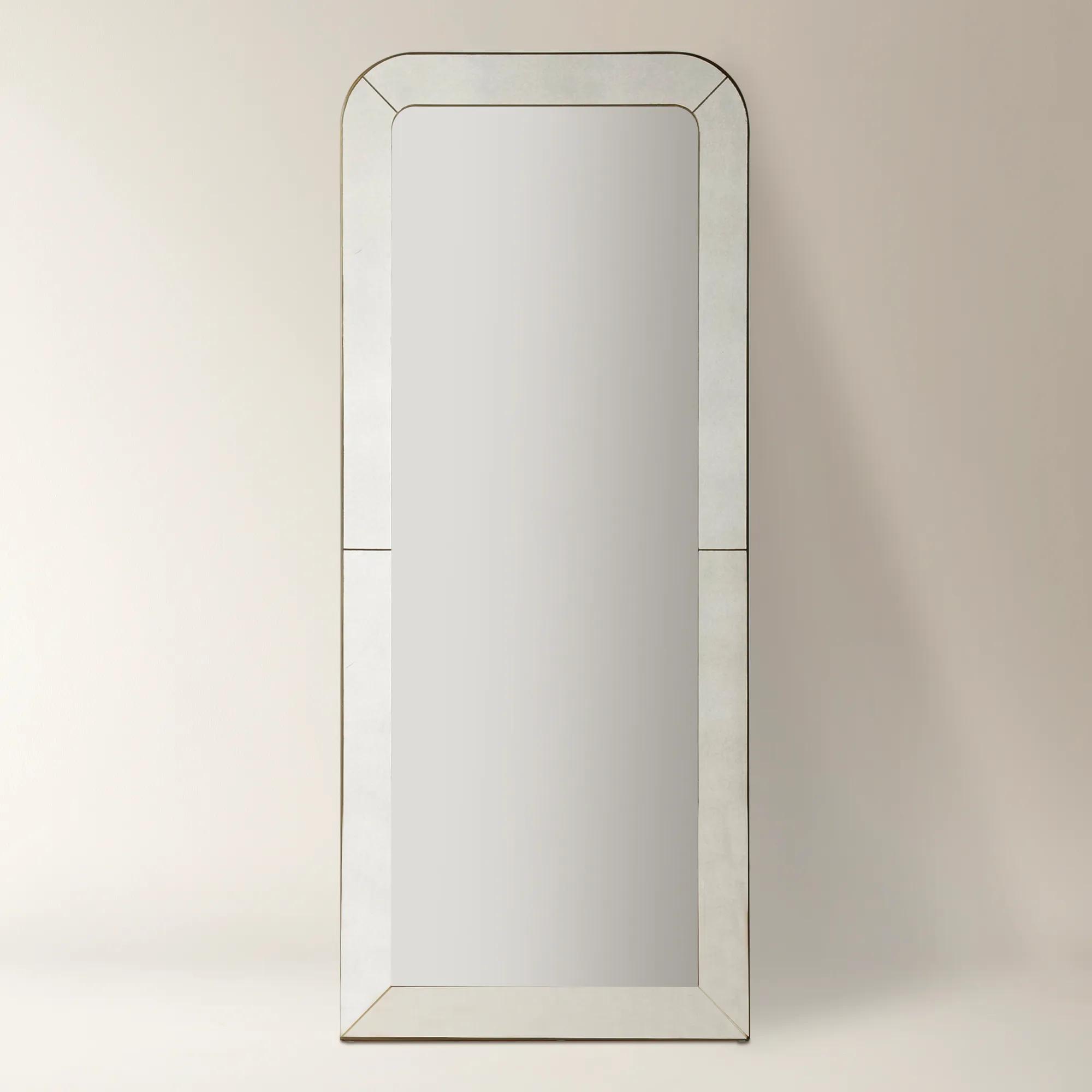
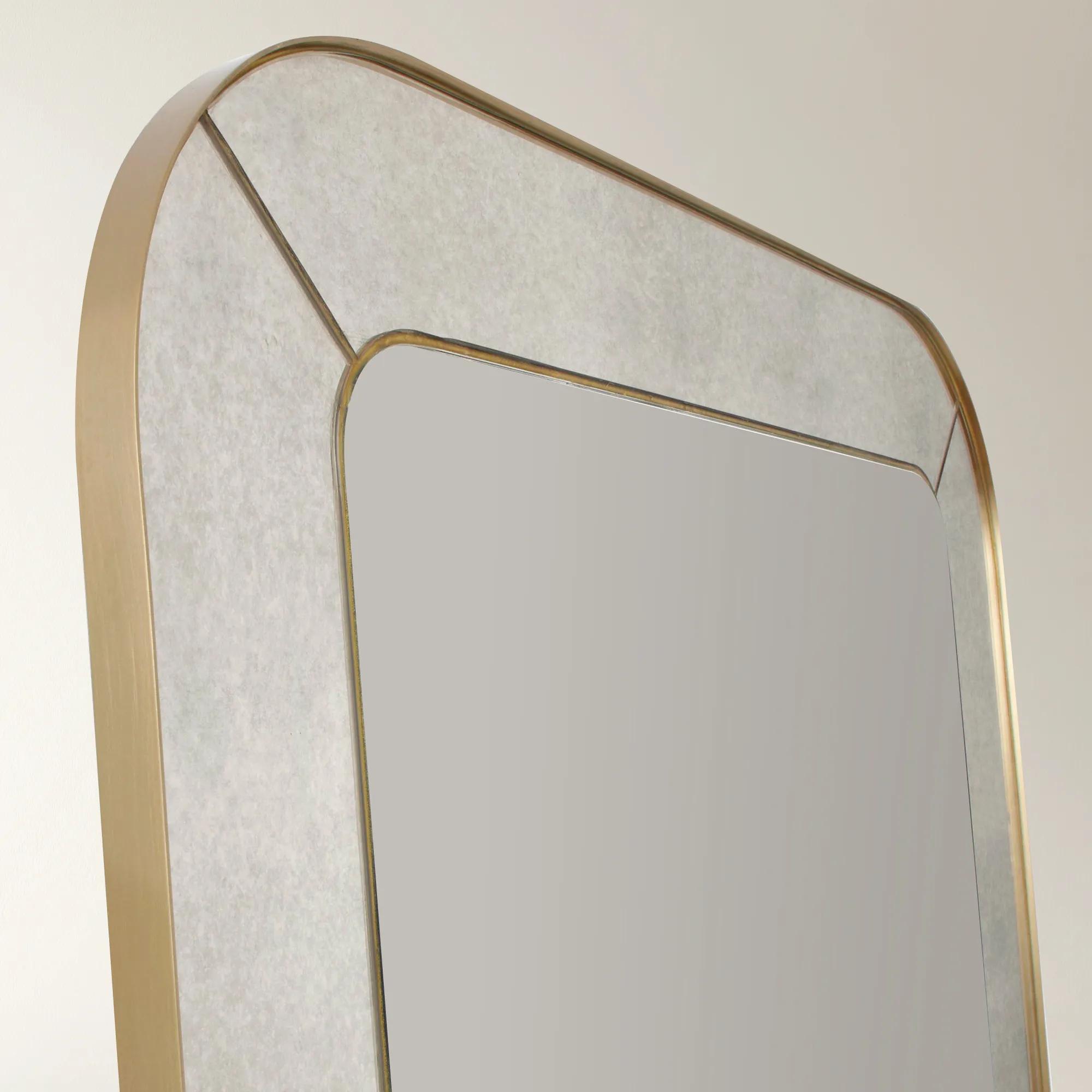 Parker Stainless Steel Floor Mirror 32" x 76"$799
An arched floor mirror with a gold stainless steel frame adds drama and sophistication to any room.
Add To Cart -
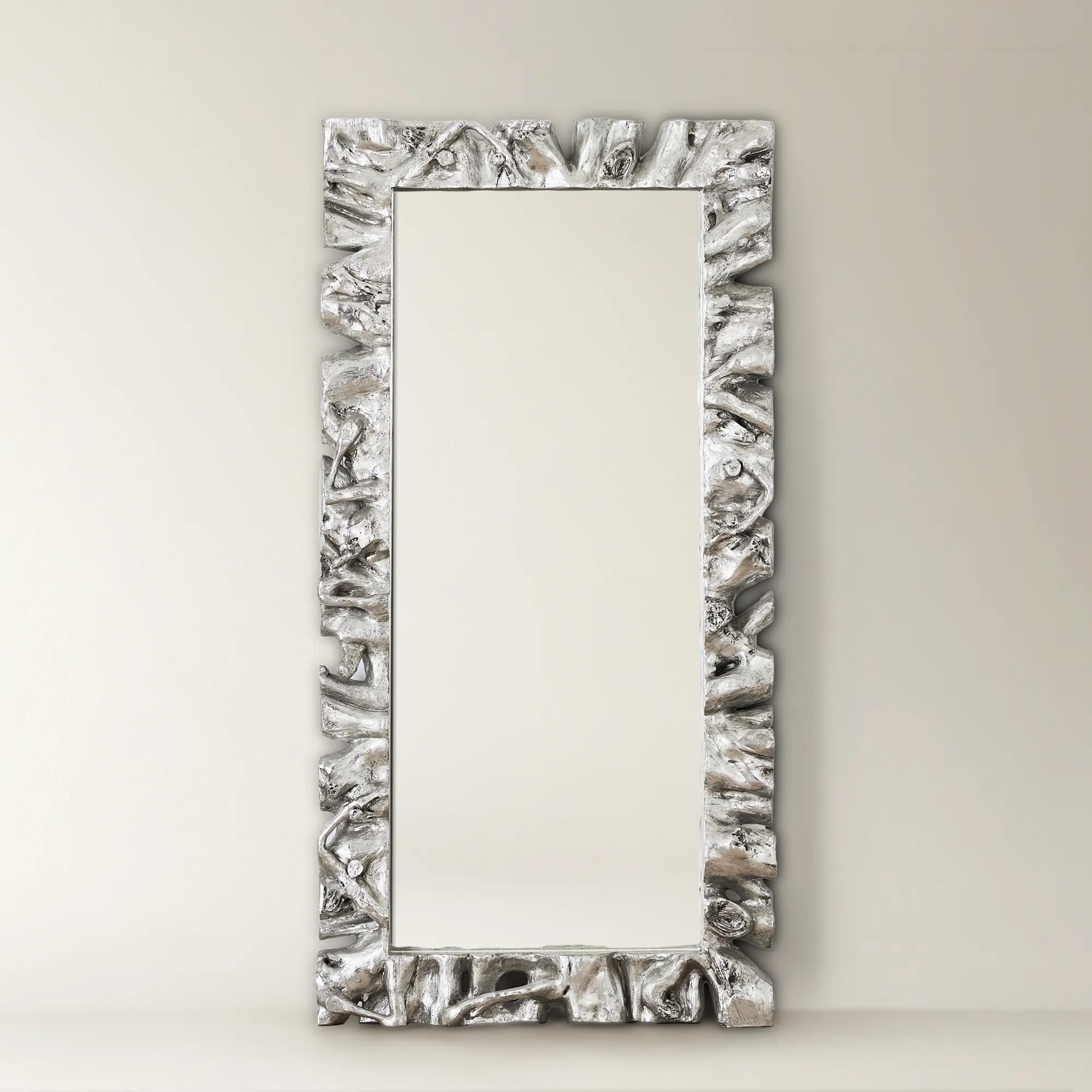 Sequoia Silver Resin Rectangular Floor Mirror 39'' x 78''$1399
A sculptural leaner mirror featuring acacia root-inspired fiber resin and a shimmering metallic leaf finish.
Add To Cart -
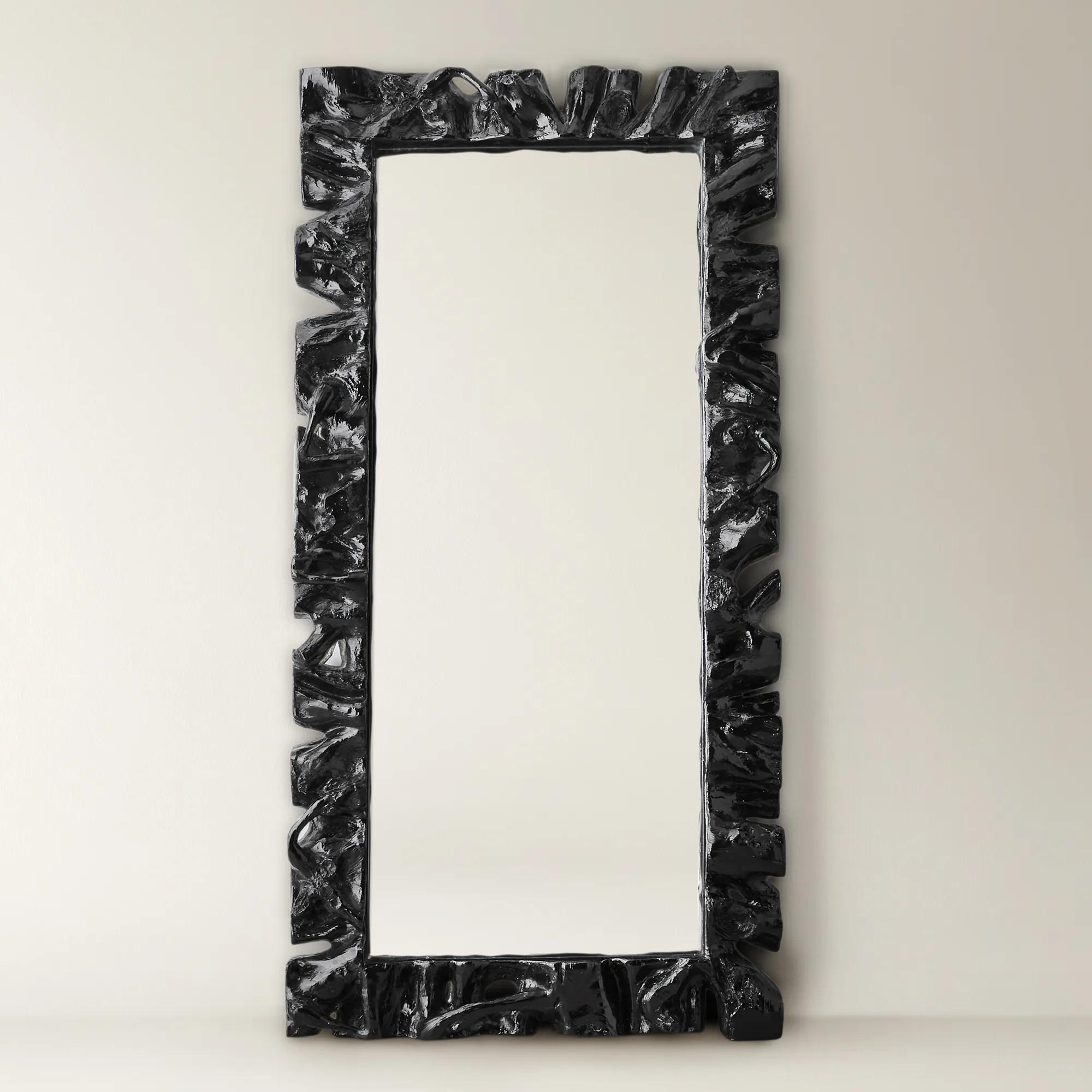
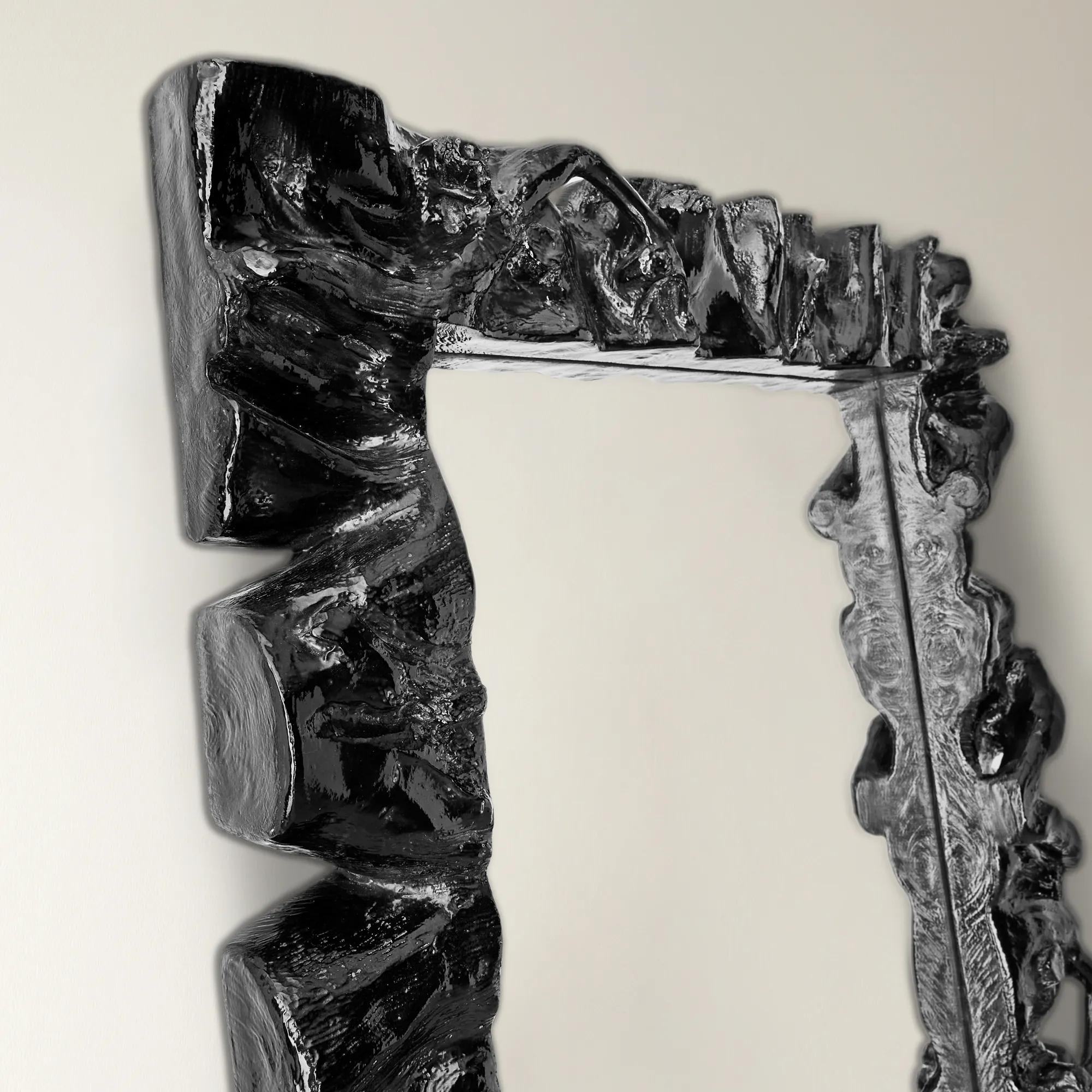 Sequoia Black Resin Rectangular Floor Mirror 39'' x 78''$1399
A sculptural floor mirror featuring acacia root-inspired fiber resin in a sleek black gel finish.
Add To Cart -
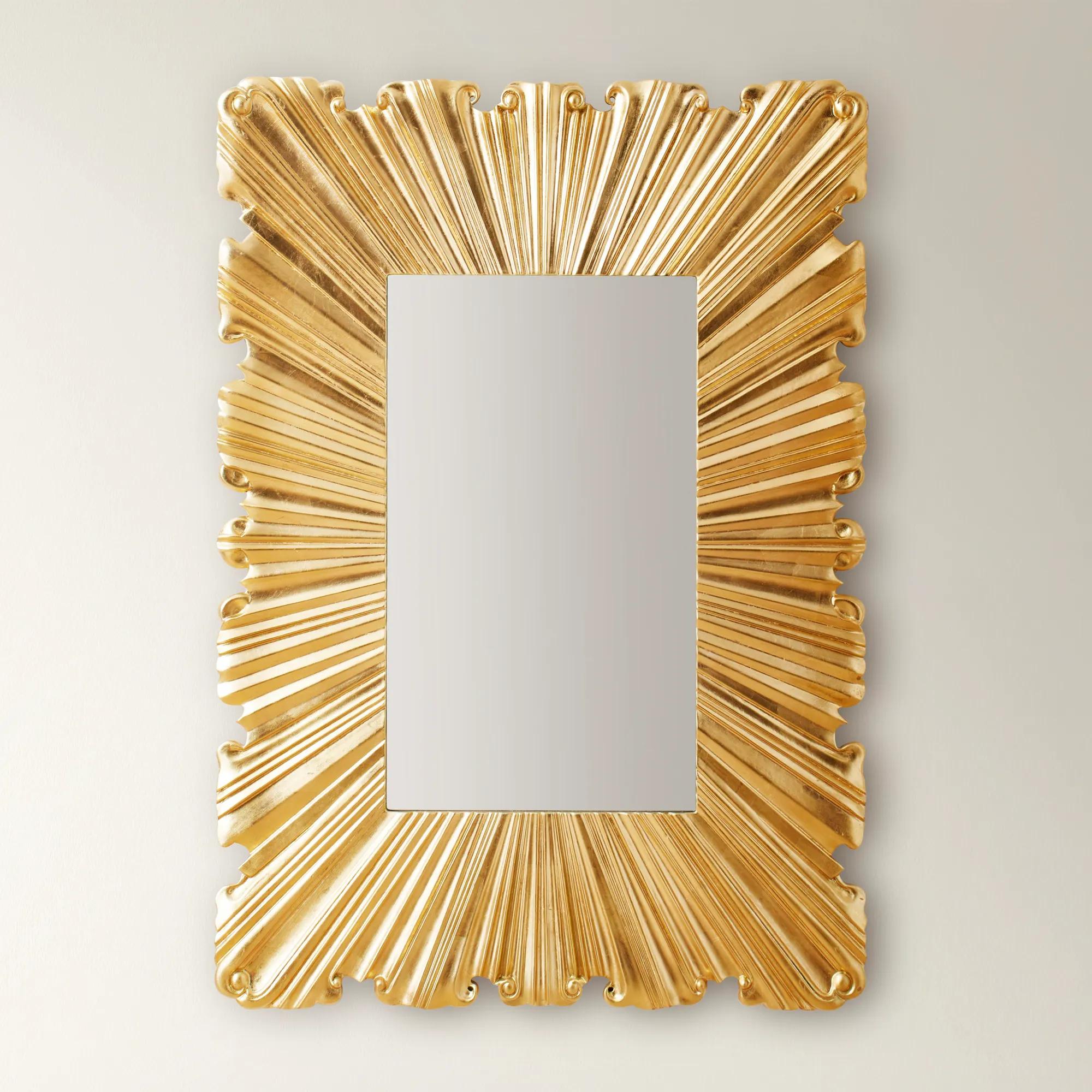 Metropolitan Gold Leaf Resin Rectangular Wall Mirror 27.5" x 39.5"$459
A sculptural wall mirror featuring a gold-finished polyurethane frame for a modern, elegant accent.
Add To Cart -
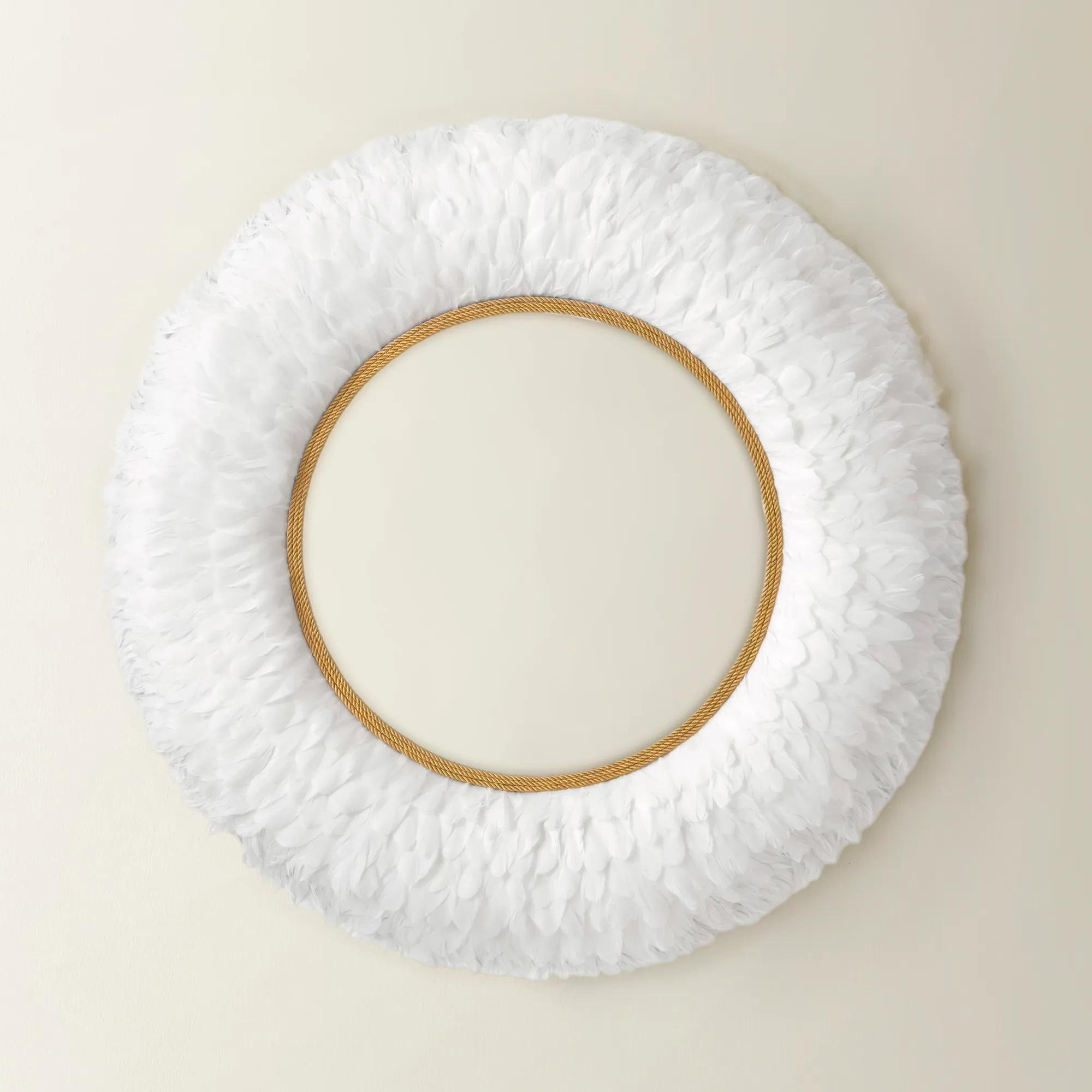
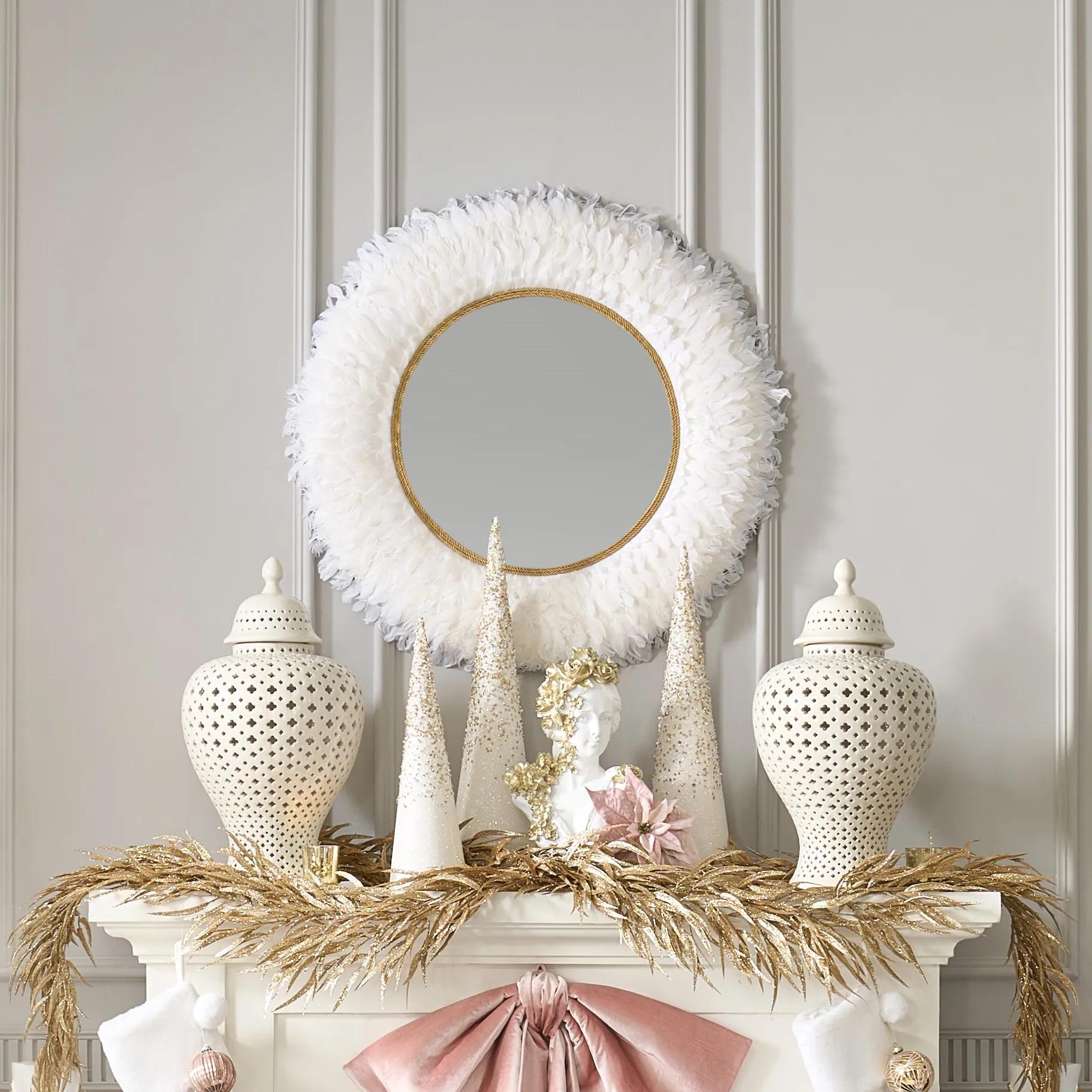 Nikki Chu - Daybreak Feather Mirror$499
A dramatic white feather-framed mirror accented with a gleaming gold inner border for added texture.
Add To Cart -
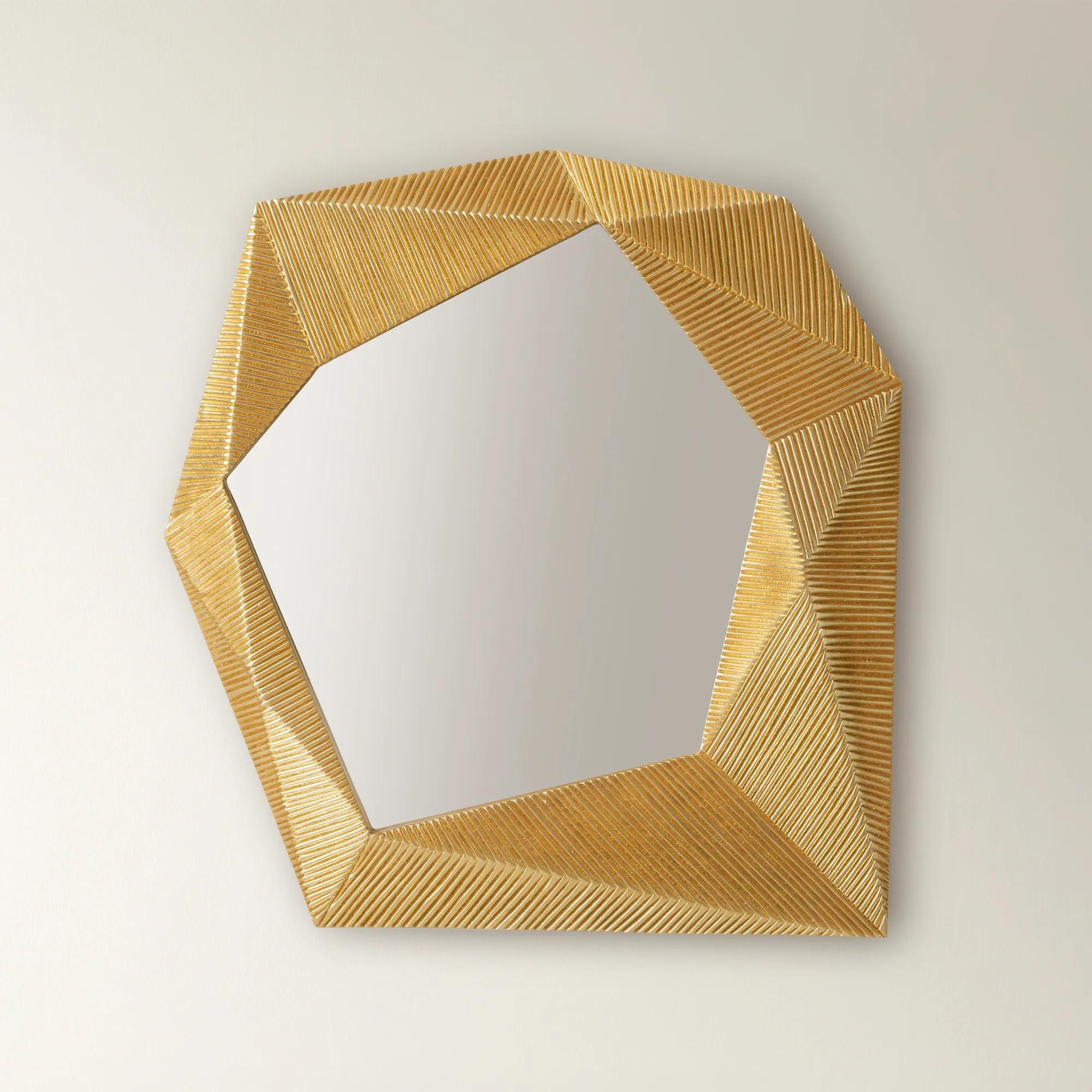
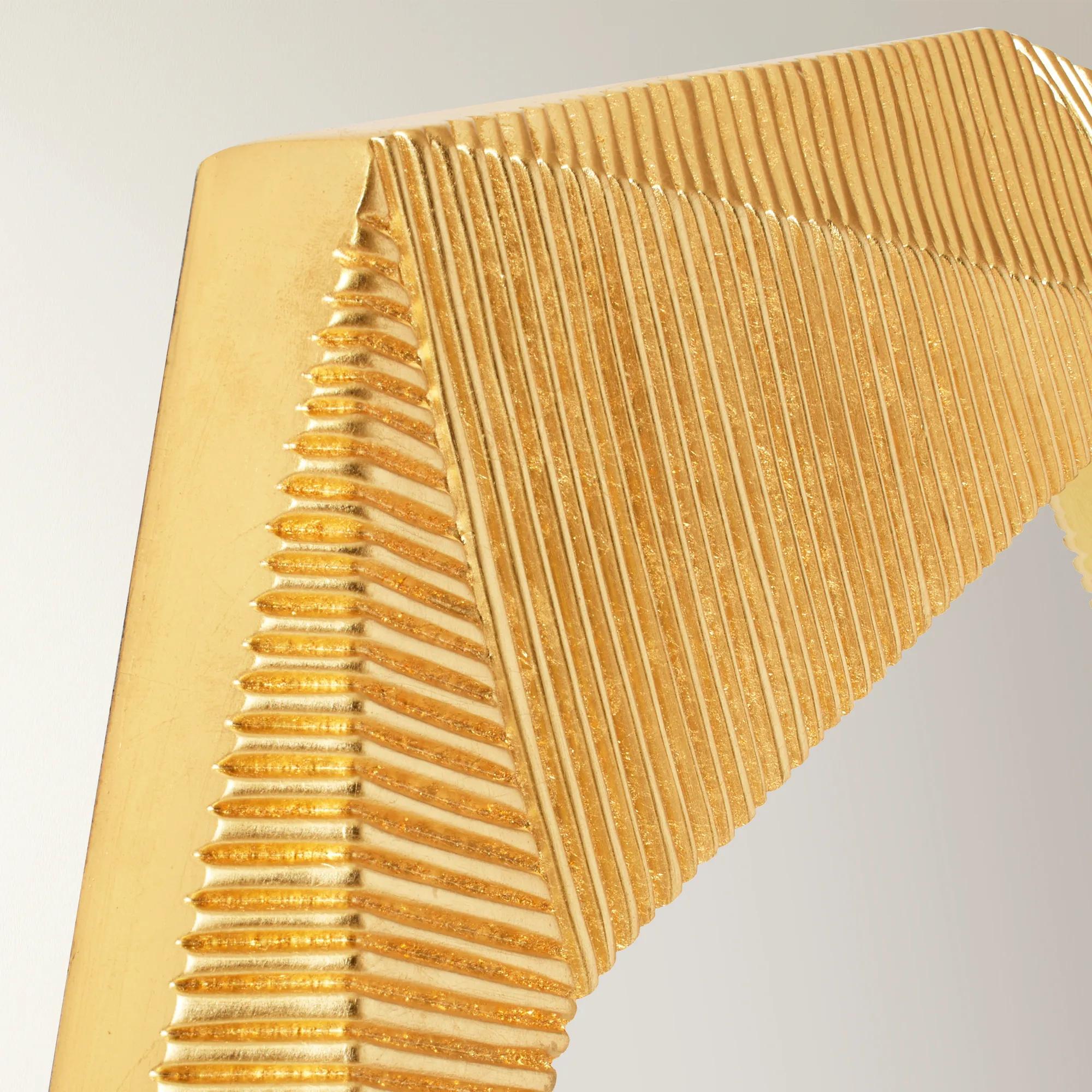 Nikki Chu Gold Steel Faceted Wall Mirror 31.5" x 35.5"$349
A modern mirror featuring a textured, faceted steel frame in a striking metallic gold finish.
Add To Cart -
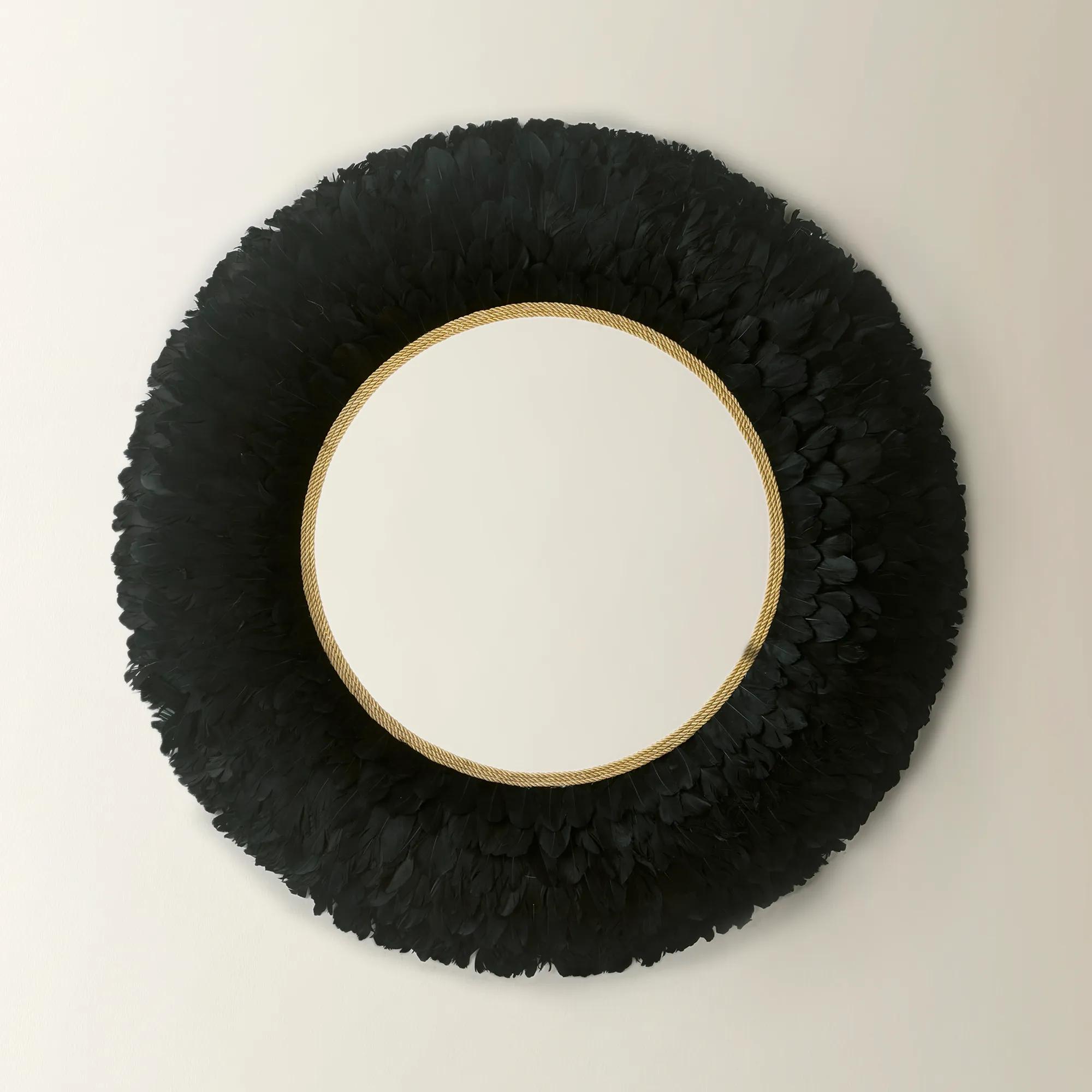
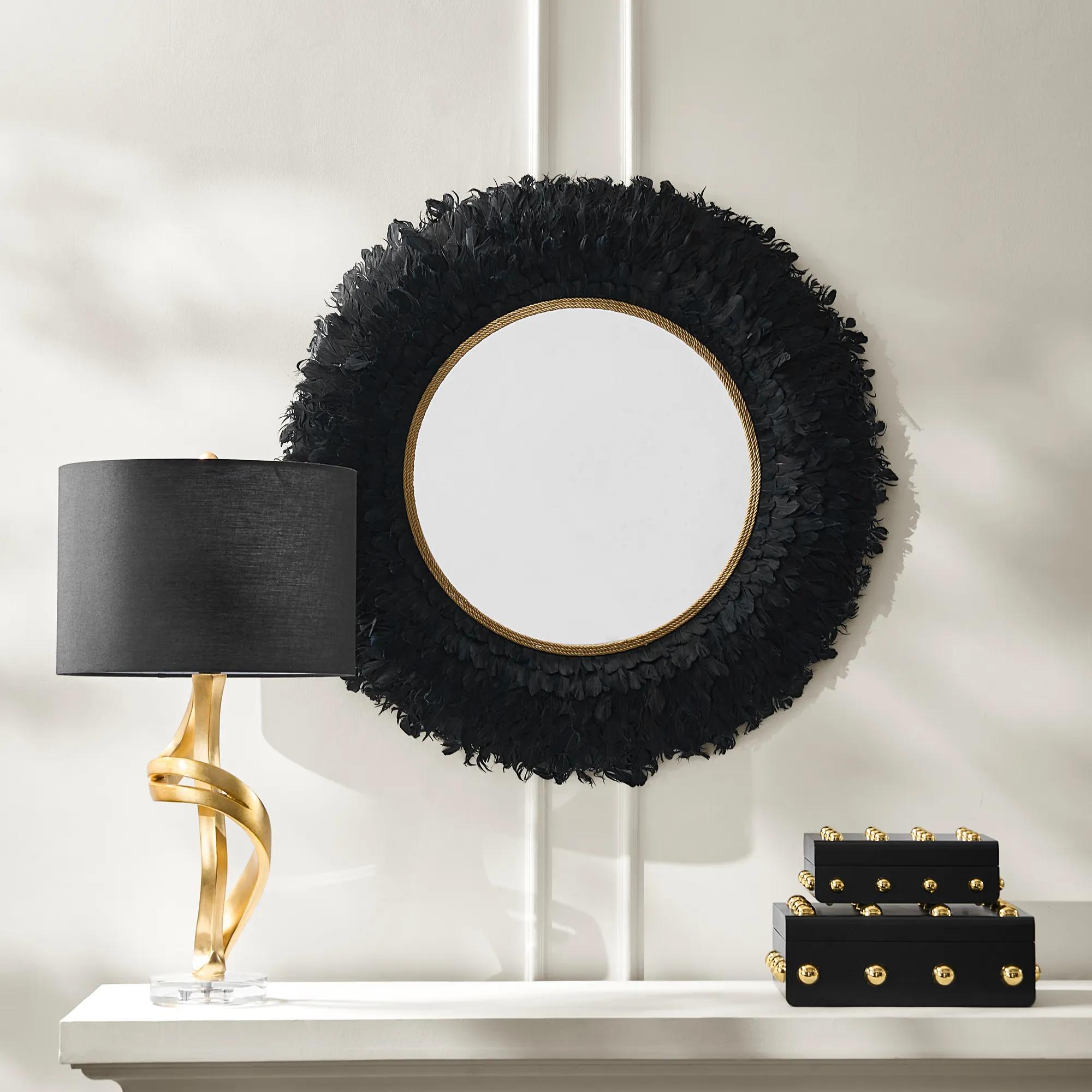 Nikki Chu Midnight Black Feather Round Wall Mirror 35.5"$499
A dramatic black feather-framed mirror accented with a gleaming gold inner border for striking wall texture.
Add To Cart -
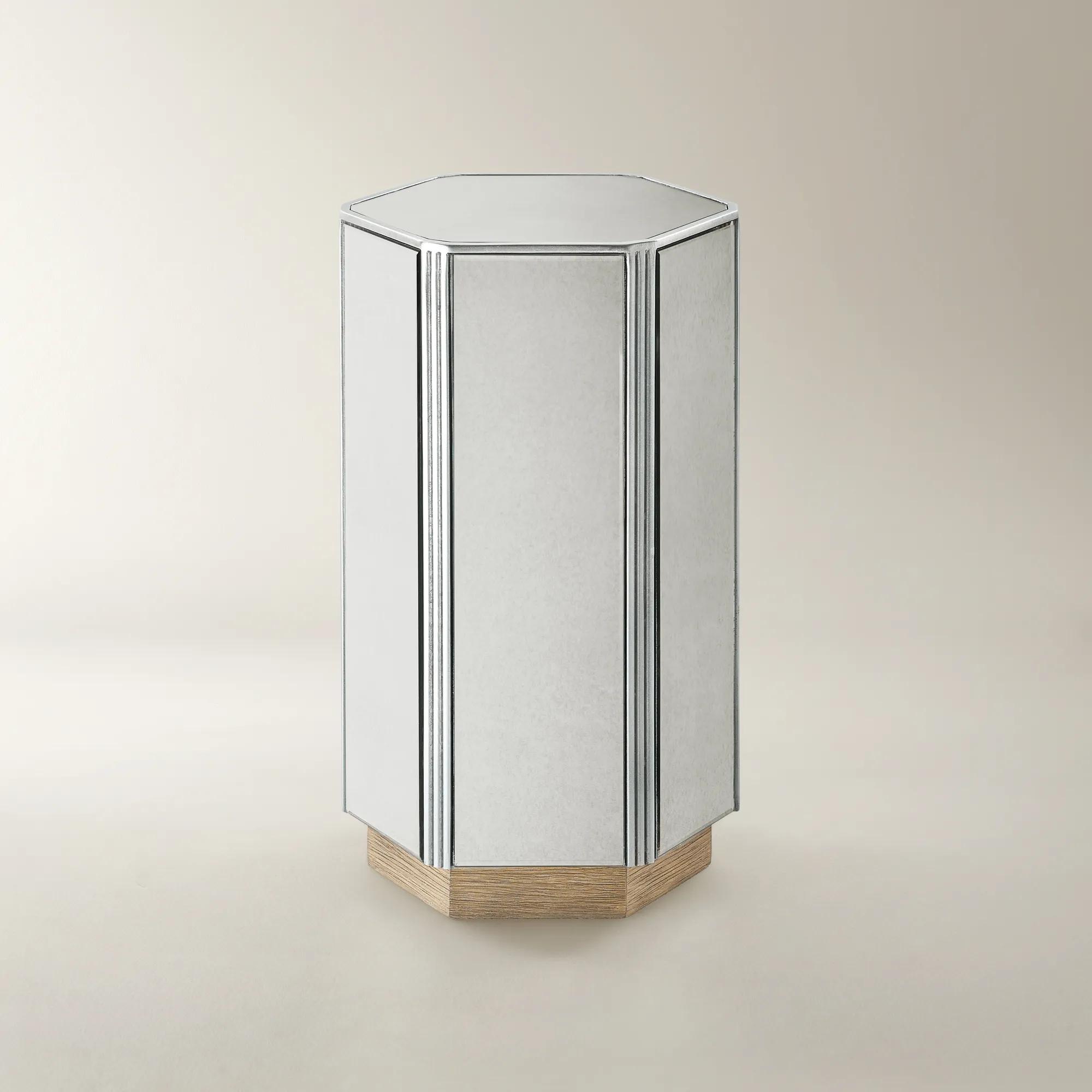 Glimmer Silver Mirrored End Table (12")$399
A chic side table featuring an antique silver mirror top and warm oak veneer base with handcrafted details.
Add To Cart -
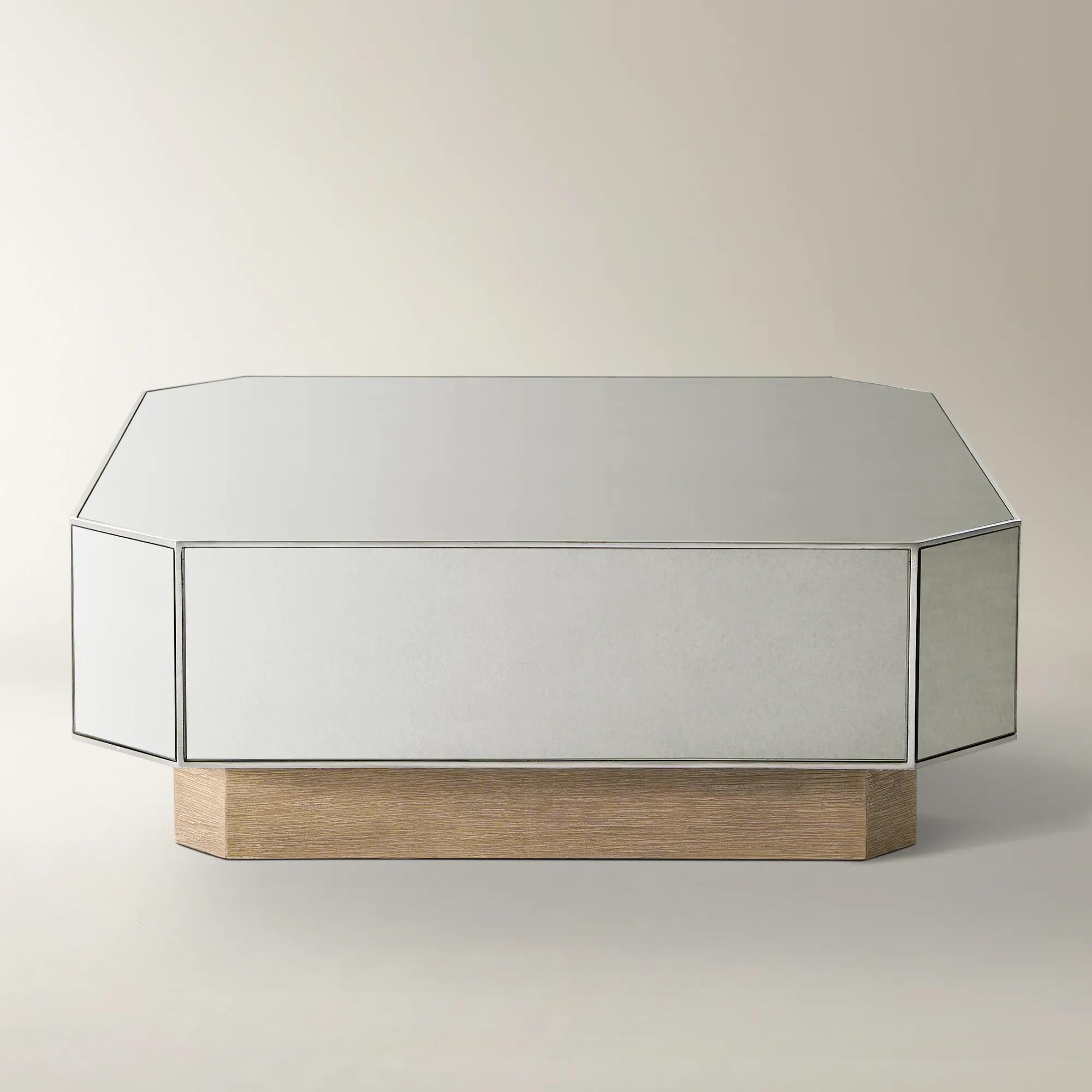 Glimmer Silver Mirrored Coffee Table (44")$1499
A luminous coffee table featuring an antique silver mirror top and warm oak veneer base with handcrafted details.
Add To Cart -
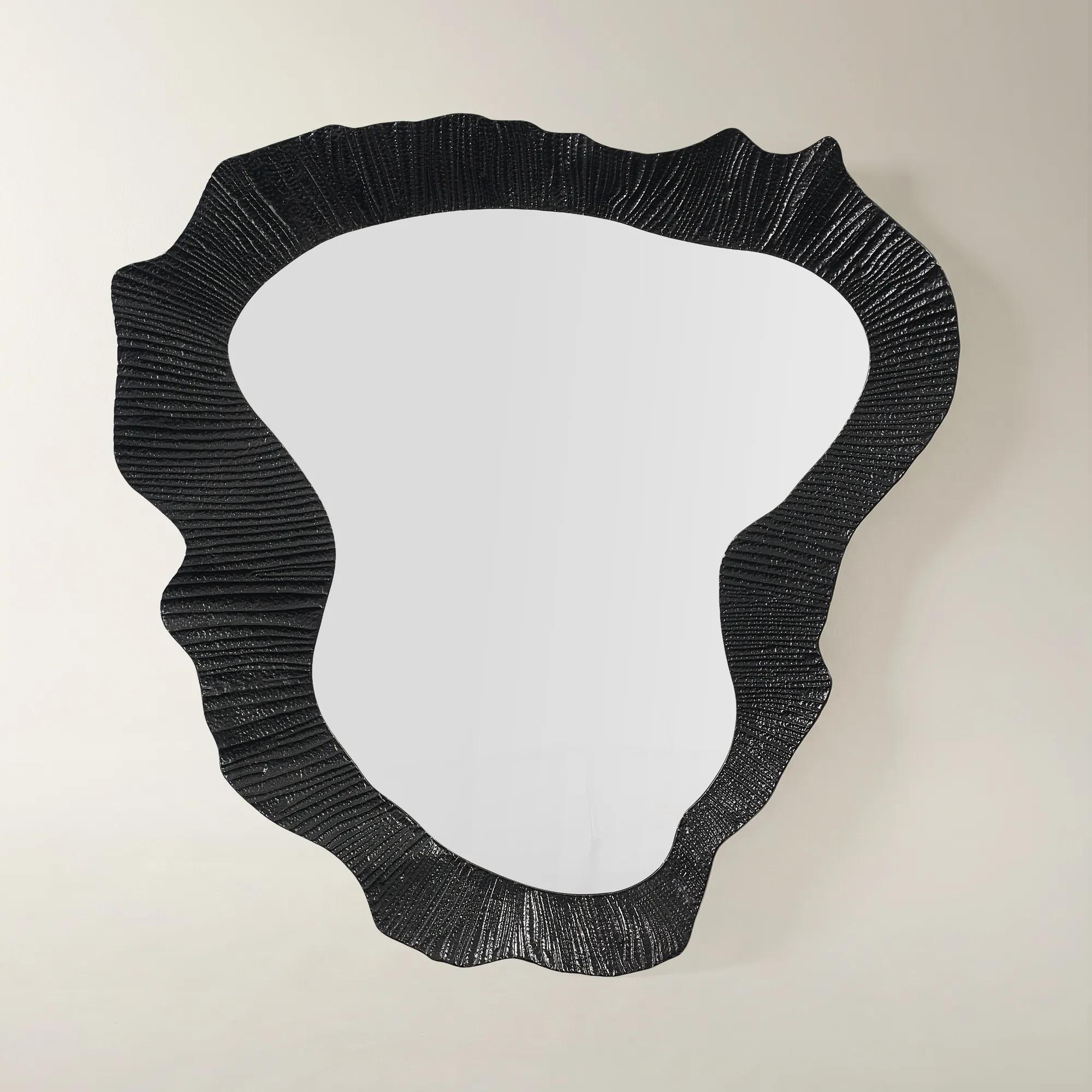 Cara Black Hand-Forged Iron Organic Shaped Wall Mirror 52.5" x 53"$1199
A hand-forged black iron frame and organic silhouette create a bold, sculptural statement for any room.
Add To Cart -
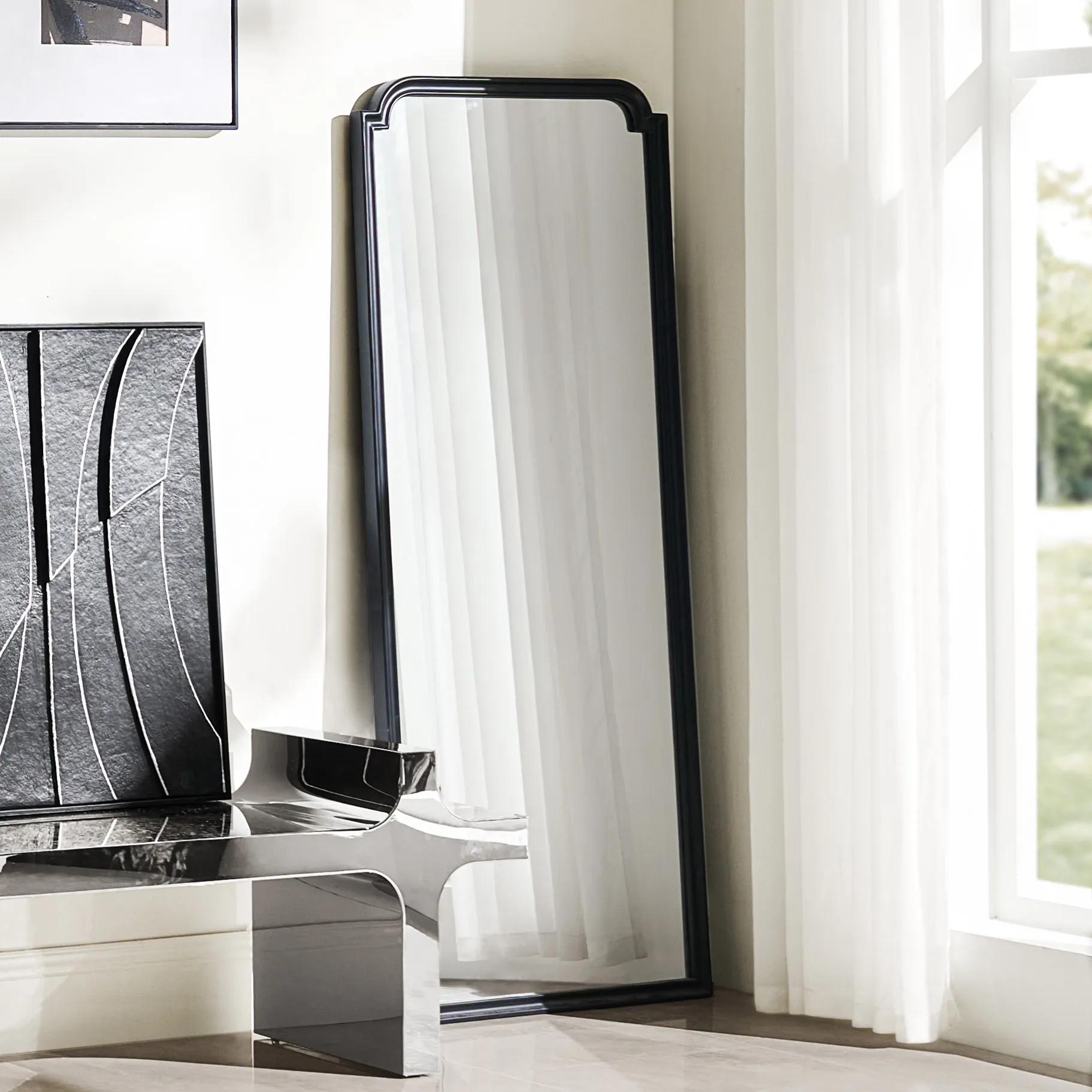
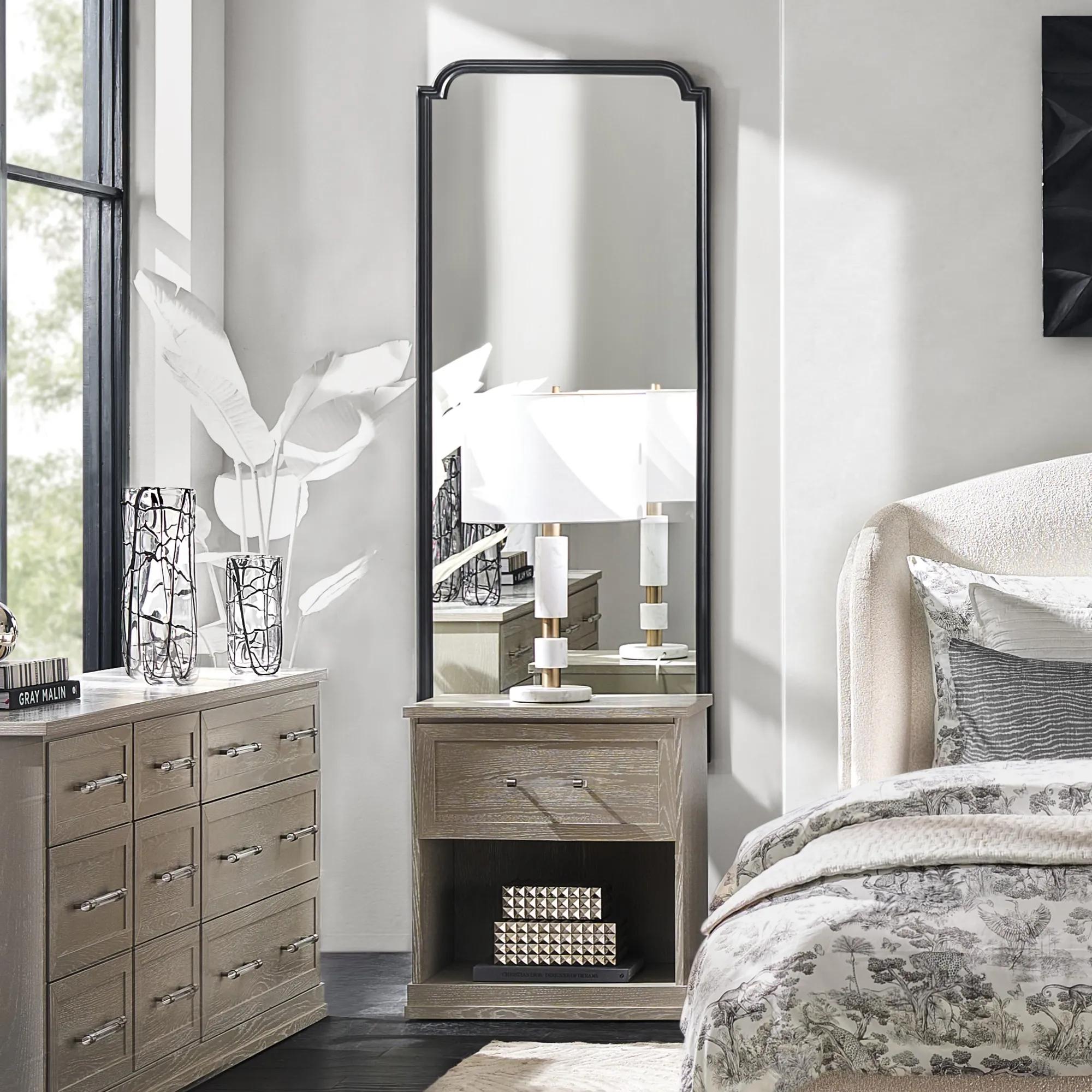 Clyde Floor Mirror$799
A sleek black-framed floor mirror crafted from glass and MDF for a sophisticated, modern touch.
Add To Cart -
.jpeg?w=1200&h=1200)
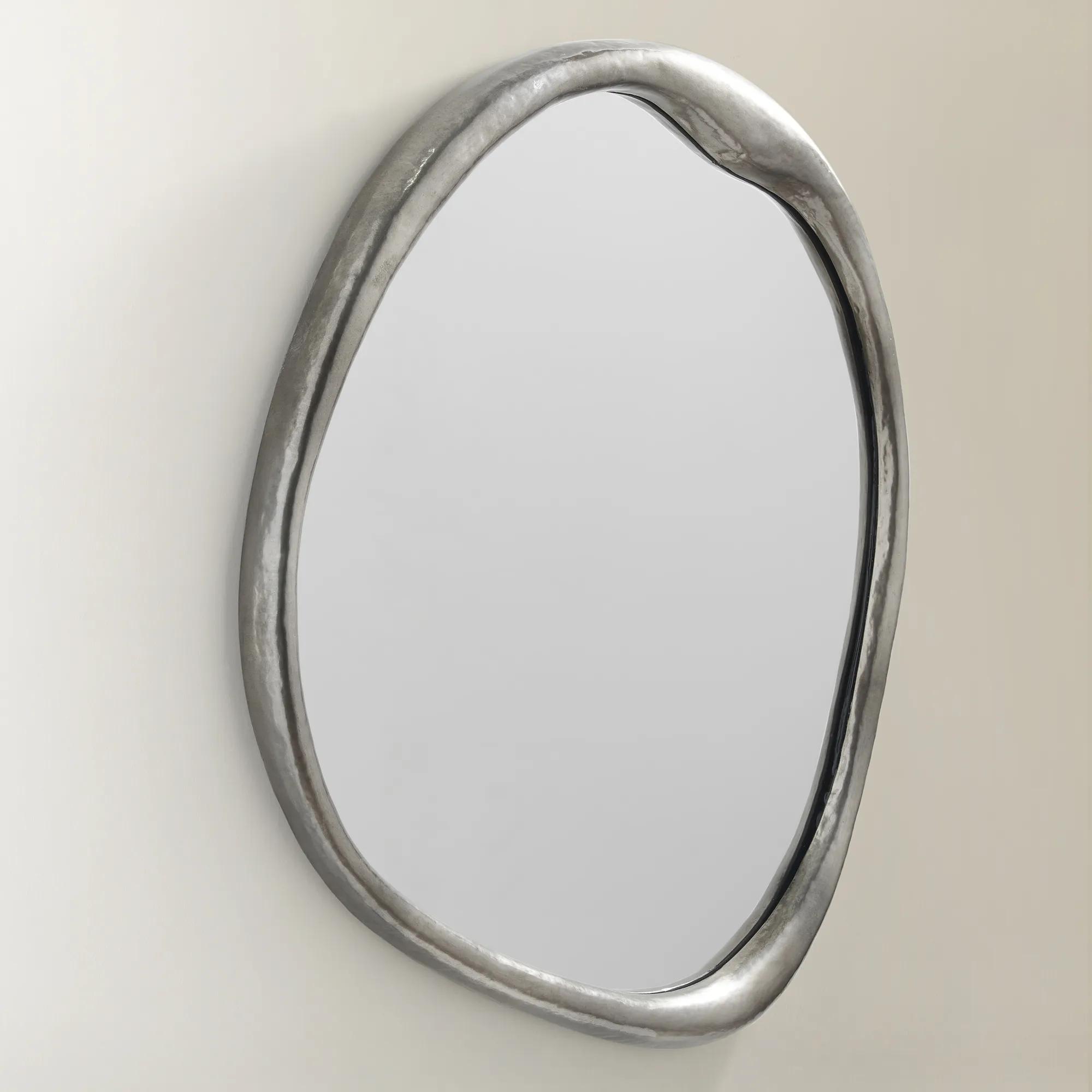 Organa Wall Mirror$599
An irregular silver iron-framed mirror that brings modern organic style and reflective depth to any room.
Add To Cart -
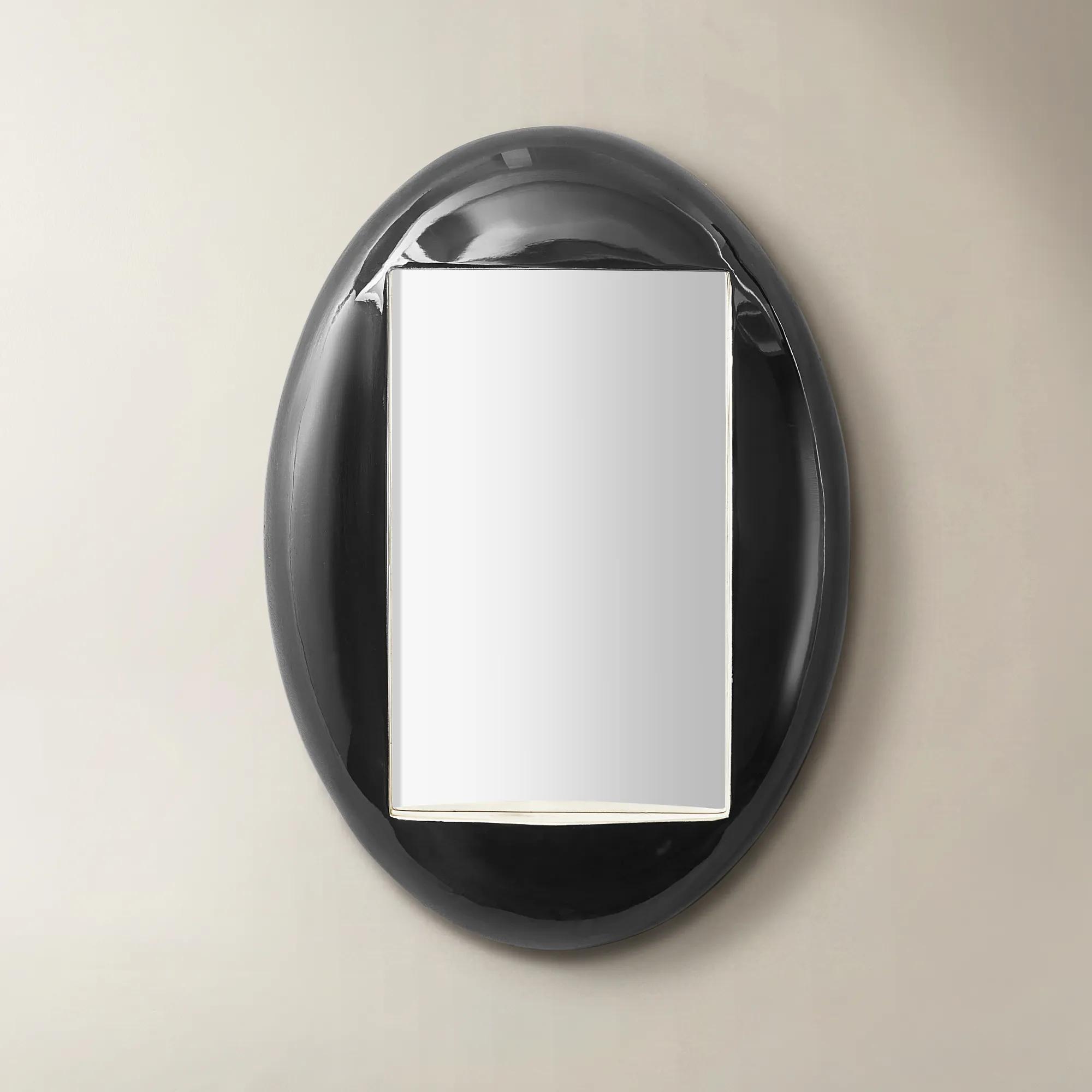 Tuxedo Black And Champagne High Gloss Resin Geometric Wall Mirror 28" x 20"$299
A geometric wall mirror with a black and champagne resin frame for bold, modern sophistication.
Add To Cart -
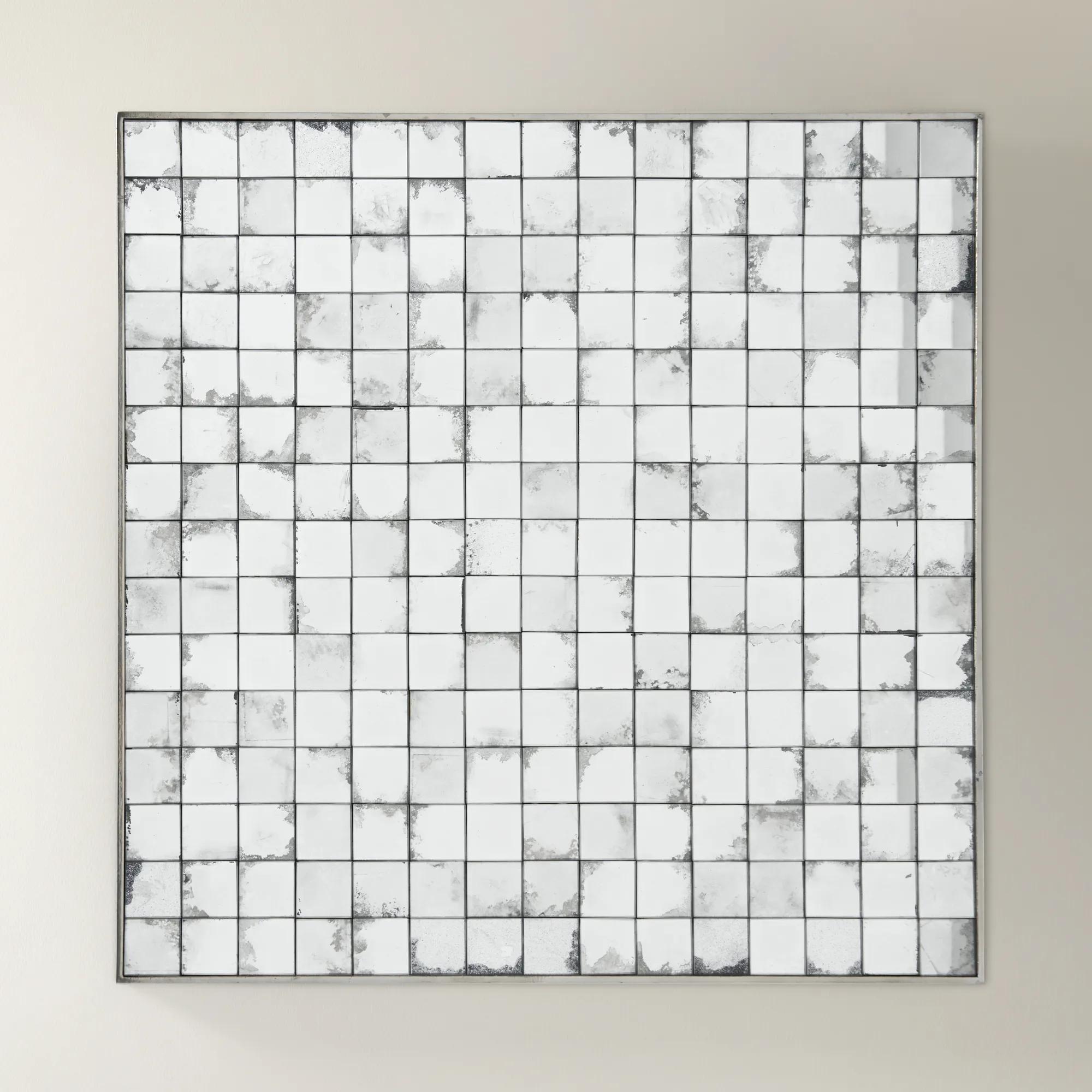
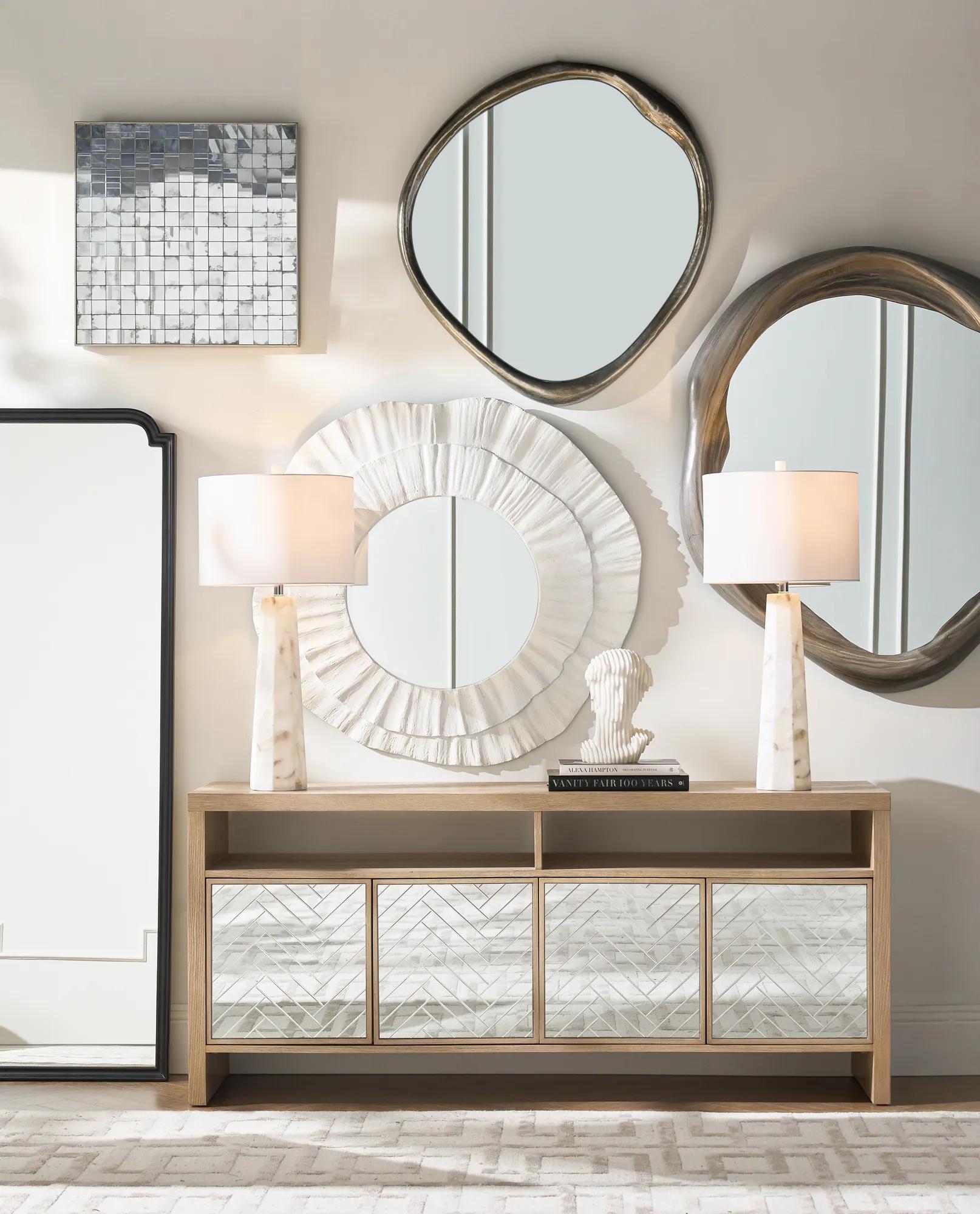 Futuro Wall Mirror$499
An antiqued silver mirror featuring aged glass tiles for a striking blend of vintage and modern style.
Add To Cart -
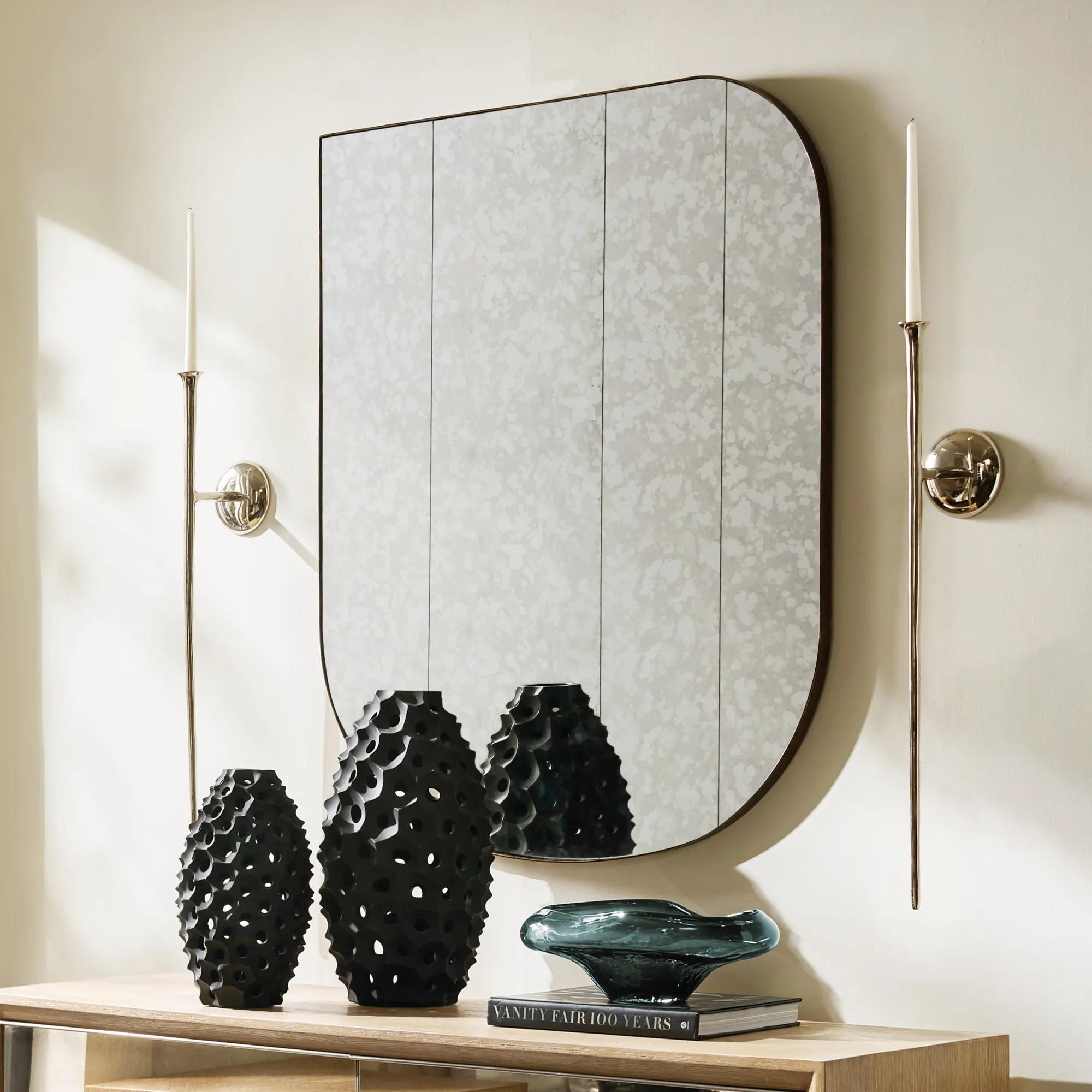
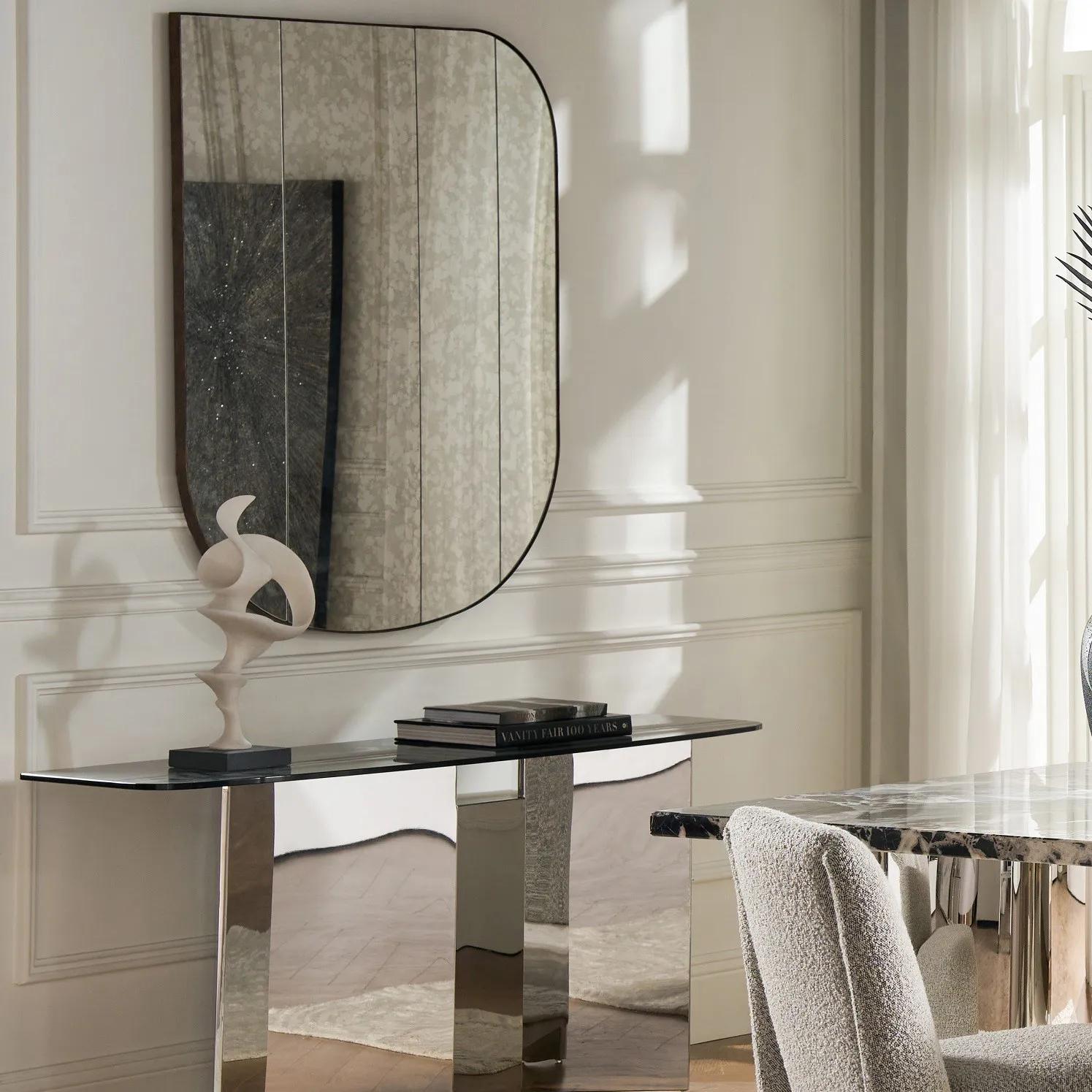 Angolo Wall Mirror$799
An antique-inspired wall mirror featuring a softly irregular shape and shimmering patina on iron and MDF.
Add To Cart -
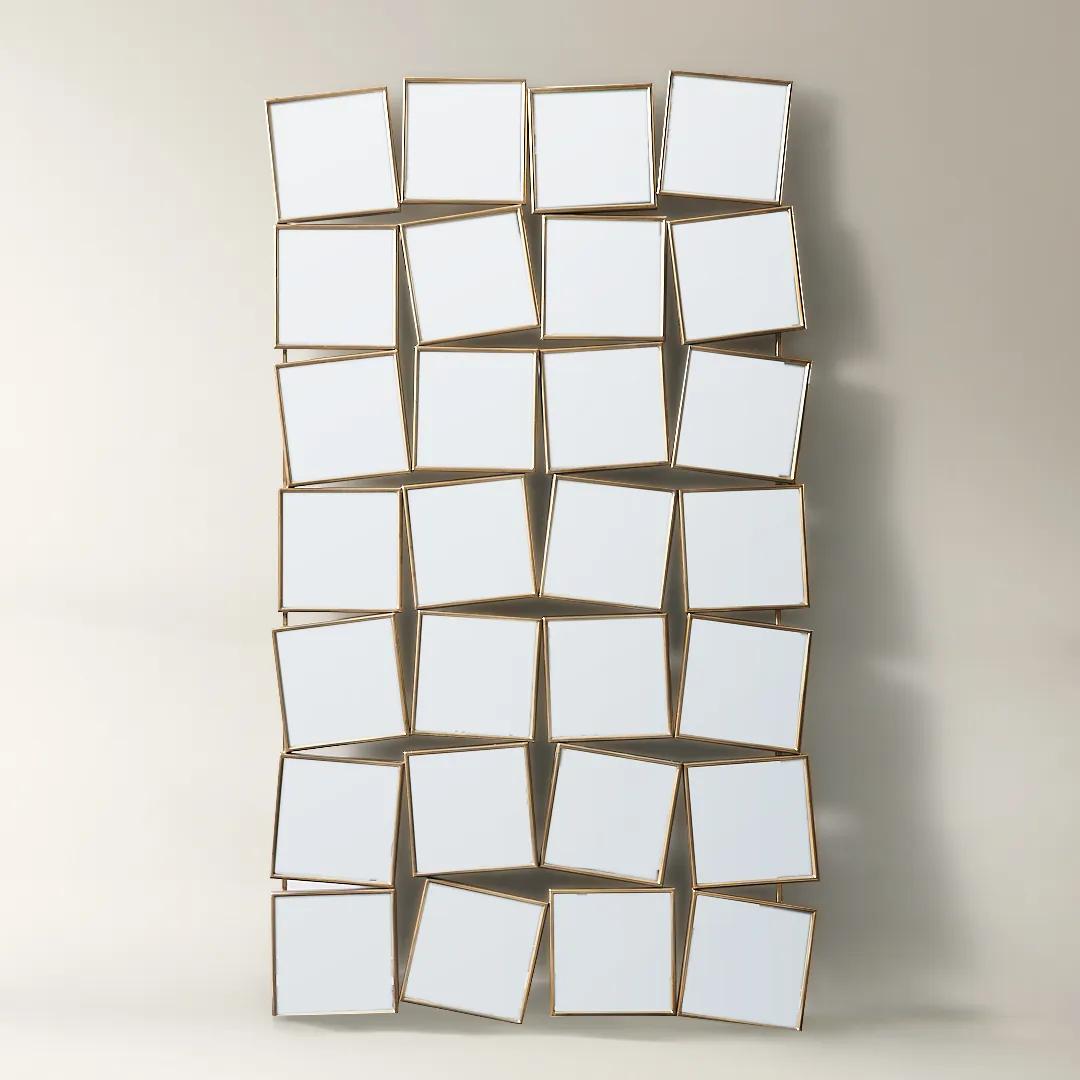
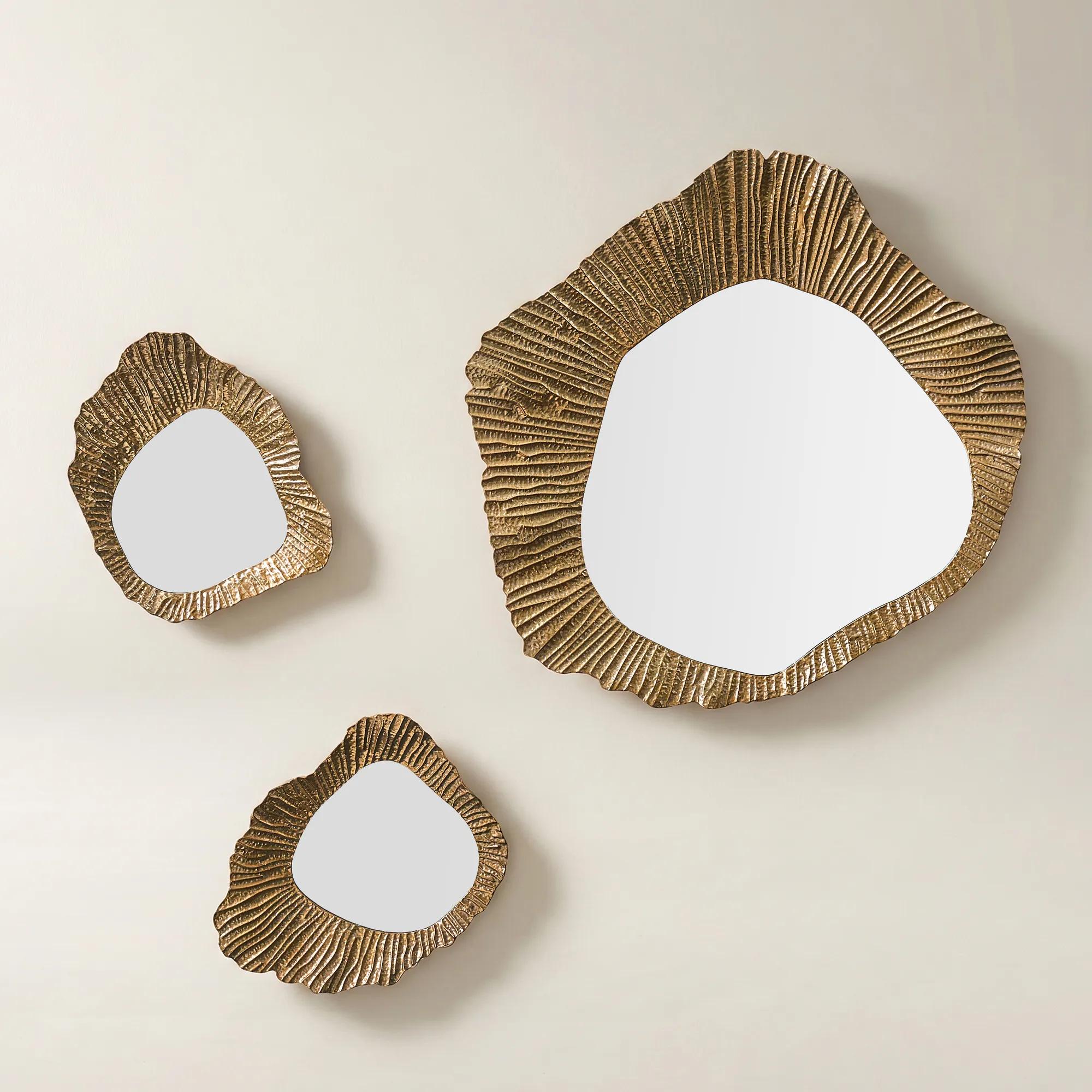 Cara Antique Gold Hand-Forged Iron Organic Shaped Wall Mirror Cluster Trio$1099
A set of three hand-forged iron mirrors in antiqued gold, featuring an organic, sculptural cluster design.
Add To Cart -
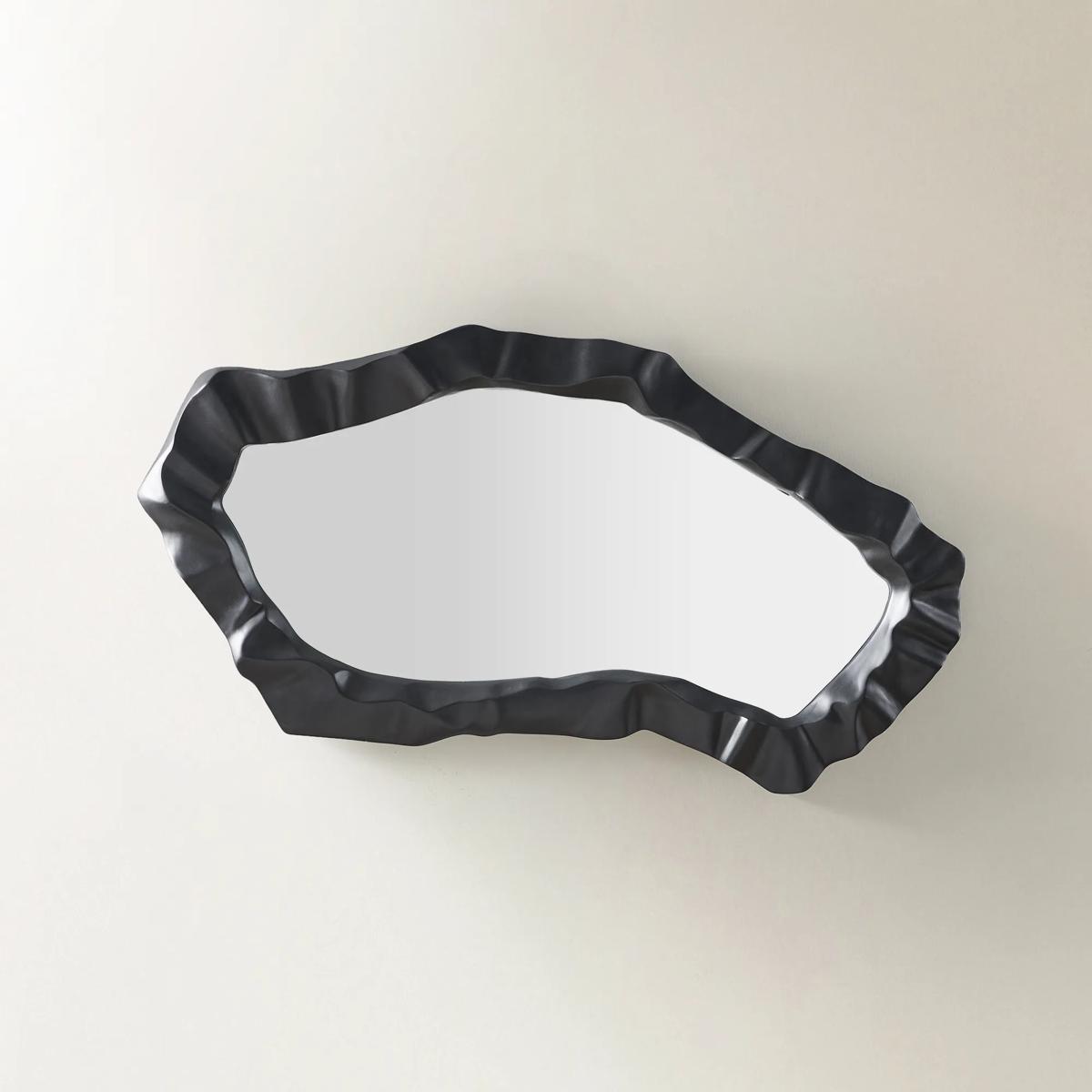
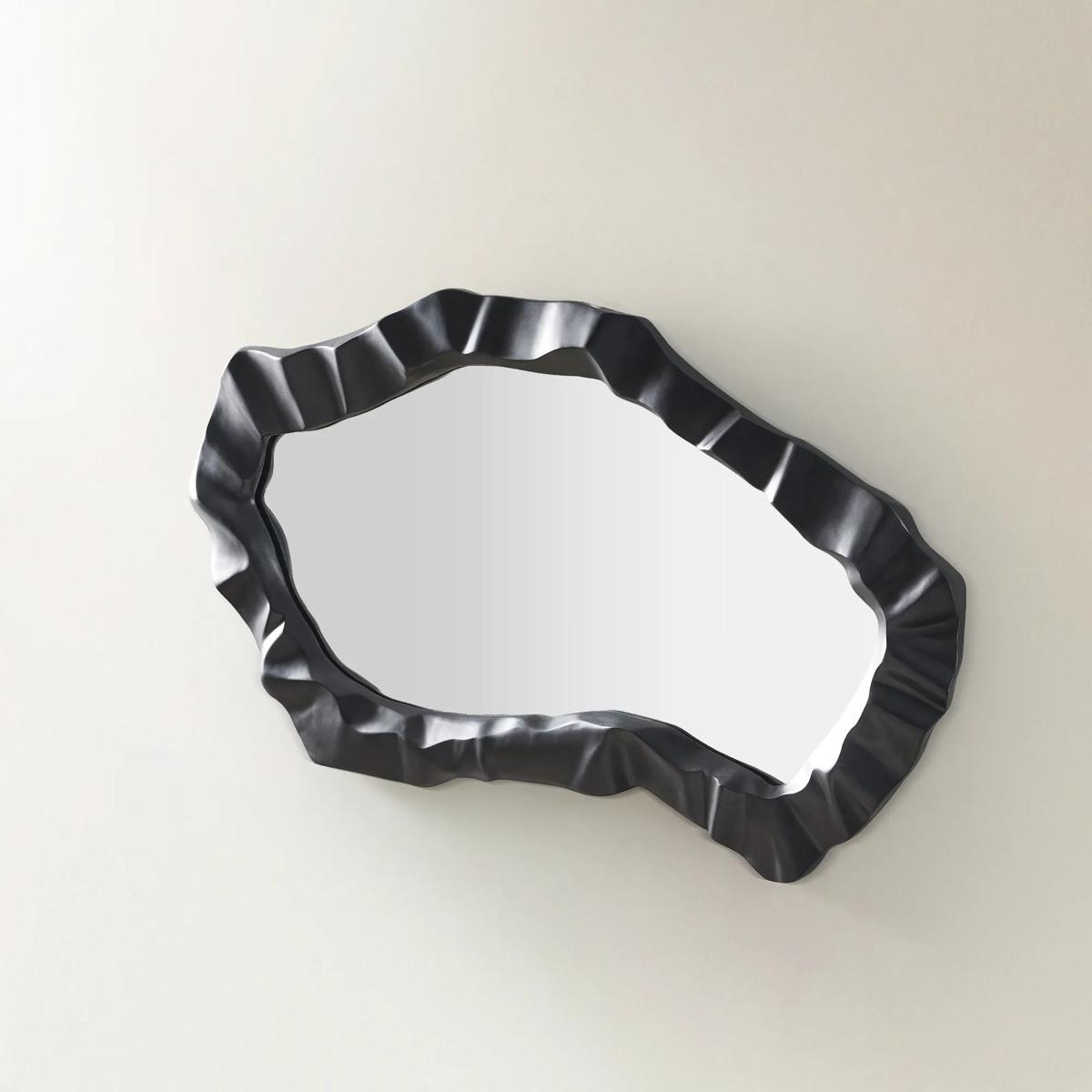 Islay Black Resin Organic Shaped Wall Mirror 44.75" x 23.75"$599
A sculptural black resin mirror featuring bold, asymmetrical curves and versatile vertical or horizontal hanging.
Add To Cart -
.jpeg?w=1200&h=1200)
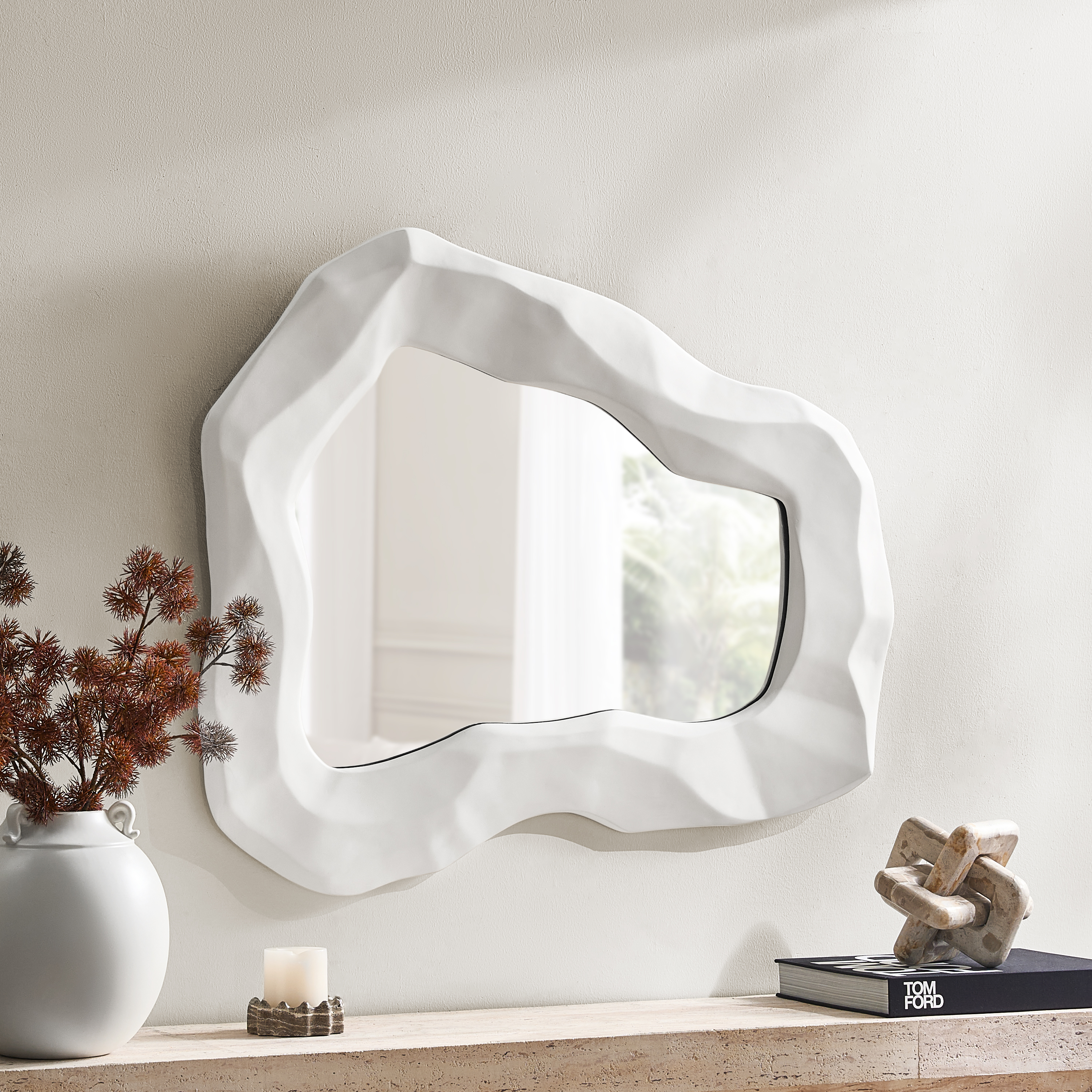 Islay Wall Mirror - White$549
A sculpted resin-framed mirror in matte white with an organic, asymmetrical silhouette for modern interiors.
Add To Cart -
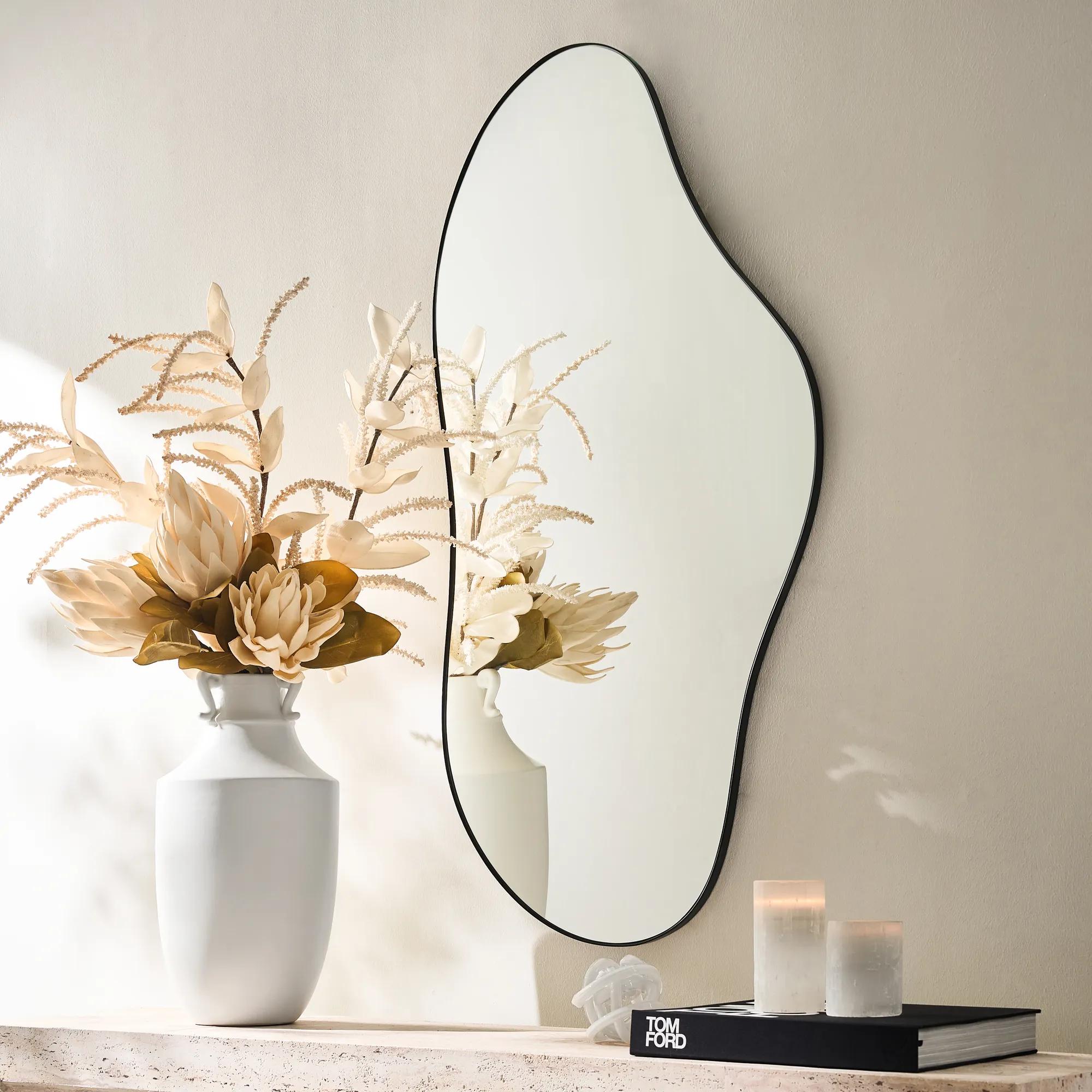
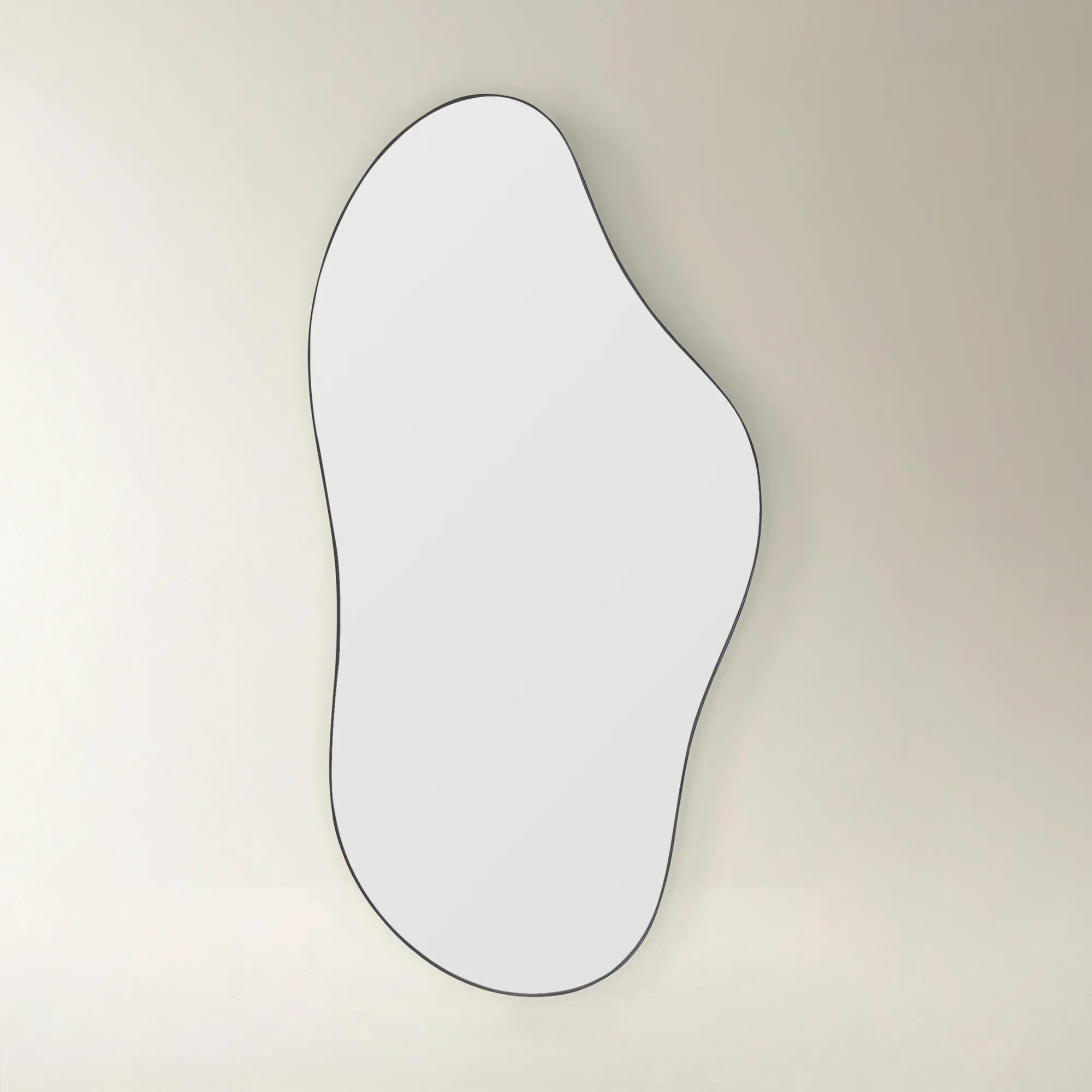 Puddle Wall Mirror$299
A freeform glass mirror with a black frame that adds playful sophistication to modern interiors.
Add To Cart -
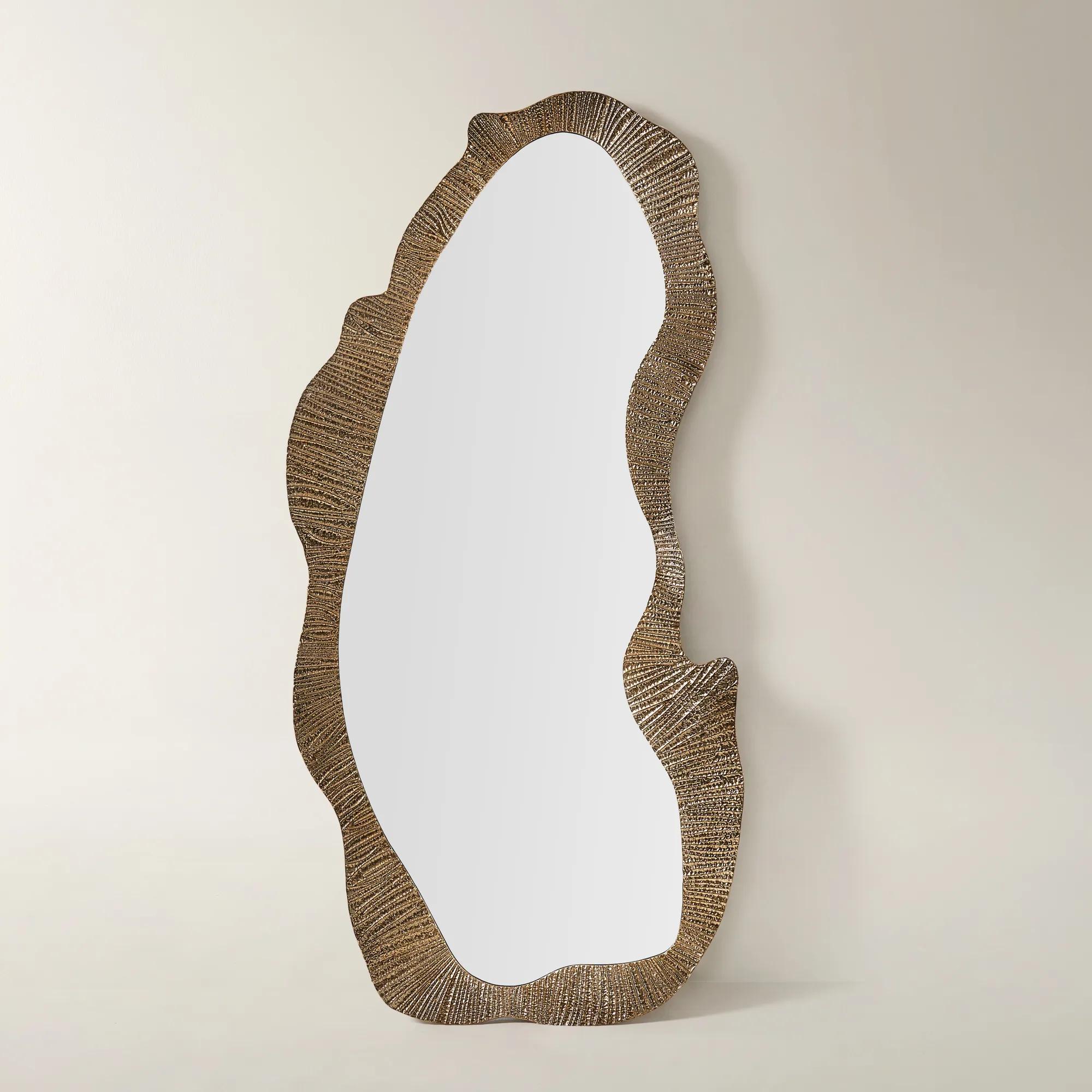 Cara Antique Gold Hand-Forged Iron Organic Shaped Floor Mirror 40.25" x 80.75"$1499
An antiqued gold hand-forged iron frame gives this sculptural floor mirror a refined, artful presence.
Add To Cart

Mirrors For Chic Home Accents
Mirrors for Chic Home Accents are more than mere reflections—they are portals to a world of glamour, artistry, and luminous intrigue. Each piece transforms blank walls into captivating focal points, amplifying light and drama with every glimmering facet. Whether you crave the allure of bold geometry or the romance of ornate silhouettes, these mirrors invite you to create a space that dazzles with personality and poise. Elevate your interiors and let your home shimmer with unapologetic sophistication—because every room deserves its moment in the spotlight.
Decorative mirrors bring light, depth, and sculptural presence to a room, turning an open stretch of wall into an intentional part of the design. More than a place for a final glance before leaving home, a mirror creates a second view of the interior: a chandelier appears from another angle, a richly textured curtain gains dimension, and an arrangement of branches becomes an unexpected composition. Mirrors for chic home accents range from slim, metal-framed circles to ornate arches and oversized silhouettes, each with a distinct effect on the surrounding space. Round mirrors soften the strong lines of rectangular consoles and tailored sofas, while arched mirrors introduce an architectural curve that feels especially elegant against a simple wall. Scalloped borders, rippling outlines, and asymmetrical shapes bring expressive movement to rooms with restrained furniture profiles. For a more decorative statement, carved frames and layered borders give the mirror the presence of artwork, particularly above a mantel or a substantial entryway table. Gold-toned and brass-toned finishes lend warmth to jewel-colored upholstery, dark wood, and creamy textiles; silver-toned frames and mirrored borders create a cooler, luminous effect alongside glass and polished surfaces. Black frames offer definition, drawing a crisp outline against pale paint or richly patterned wallpaper. Wood and woven natural frames introduce tactile contrast, balancing glossy accents with visible grain or an intricate weave. Frameless and beveled mirrors take a different approach, allowing the reflection and the treatment of the glass edge to become the central detail. A bevel catches light along its angled perimeter, adding subtle dimension without the visual weight of a broad frame. These differences make decorative wall mirrors particularly expressive home accents: the outline establishes the mood, the finish connects with nearby furnishings, and the reflection brings the room itself into the composition. A beautifully chosen mirror can feel serene, theatrical, or distinctly glamorous without changing the furniture around it.
Scale and placement determine how fully that decorative potential comes to life. An oversized wall mirror can anchor a generous console, while a smaller accent mirror gives a narrow entryway or an intimate dressing area a polished focal point. Above furniture, a mirror that is narrower than the piece beneath it often creates a balanced arrangement, leaving visible wall space on either side rather than crowding the composition. The relationship matters more than a universal measurement: a broad, ornate frame carries more visual weight than a slender metal border of the same outside dimensions. Ceiling height, nearby sconces, door swings, and the furniture below all influence the right fit. In a living room, a mirror above a sofa or mantel can echo the room’s architectural lines and reflect a favorite painting on the opposite wall. In a dining room, a well-positioned mirror can repeat the glow of a pendant and the color of a beautifully set table, lending evening gatherings a richer atmosphere. Positioning a mirror across from or beside a window can help distribute daylight and make a compact space feel more open, although the effect depends on the room’s layout and the angle of the light. The most compelling reflection is considered rather than accidental; a view of greenery or artwork adds more to the room than a reflection of an overfilled countertop. Full-length mirrors serve dressing rooms and bedrooms with equal attention to function and drama, offering an outfit-length view while extending the visual line of a wall. In shared spaces, secure placement and a clear walking path keep that generous scale comfortable to live with. For interiors taking shape after a move, Mirrors For New Home Decoration offers a complementary decorating focus, connecting practical daily routines with the pleasure of giving each room its own character. Whether the setting is a compact apartment or an expansive home, the strongest choice feels proportionate to the space and deliberate in what it reflects.
Materials and construction give a decorative mirror its lasting character, especially when the piece will be used every day. Metal frames can create slender, defined silhouettes, while wood frames offer grain, depth, and the possibility of substantial carved detail. Molded materials can support intricate ornament and expressive contours; their suitability depends on the construction and finish rather than appearance alone. Mirrored frames bring additional reflective surfaces into the design, but their exposed edges call for thoughtful handling. A clear, even reflection is particularly important for dressing and grooming, whereas deliberately antiqued glass introduces a mottled, atmospheric effect better suited to decorative use. Distressed or aged finishes may be part of the intended design rather than signs of wear. For bathrooms and other humid spaces, a mirror should be specifically suited to those conditions, since moisture can affect frame finishes, backing, and reflective coatings. Installation deserves the same consideration as the frame itself: the mirror’s weight, mounting hardware, wall material, and approved hanging orientation must work together. Heavy mirrors may require professional installation, and floor mirrors should be secured according to the manufacturer’s instructions, particularly in homes with children or pets. A leaning appearance is a styling choice, not a substitute for anchoring. Ongoing care is usually straightforward but should follow the directions for the particular materials. A soft, lint-free cloth helps protect the glass, and applying an approved cleaner to the cloth rather than spraying the mirror directly helps prevent moisture from collecting at the edges. Abrasive products can scratch surfaces or damage decorative finishes, while carved borders and textured frames benefit from gentle dusting. With suitable placement and attentive care, mirrors can remain enduring elements as textiles, artwork, and seasonal accents change around them. They also make thoughtful housewarming or wedding gifts when the recipient’s taste, wall space, and installation needs are known. A graceful accent mirror can mark a new beginning with something both personal and useful, bringing a daily ritual into a setting that feels beautifully composed.
FAQs
Mirrors are transformative elements in interior design, amplifying natural light, creating the illusion of space, and adding a touch of elegance or drama. Strategically placed, they can highlight architectural features, reflect beautiful views, and set the mood in any room, whether you desire understated sophistication or bold glamour.
Decorative mirrors can elevate virtually any room, from entryways that crave a welcoming focal point to dining rooms where they amplify candlelight and conversation. Bedrooms benefit from their serene glow, while hallways and powder rooms can be instantly enlivened with a statement mirror that adds depth and character.
Absolutely. Mirrors are thoughtful, luxurious gifts for housewarmings, weddings, anniversaries, or milestone celebrations. They symbolize new beginnings and reflect the recipient’s unique style, making them a cherished addition to any home.
Mirrors come in a dazzling array of shapes, finishes, and designs, allowing you to curate a look that’s uniquely yours. Choose ornate frames for a touch of vintage glamour, sleek silhouettes for modern minimalism, or artistic, sculptural pieces to make a bold statement and showcase your individuality.
Consider creating a gallery wall with an eclectic mix of mirrors, placing a large mirror behind a console table for instant drama, or using mirrored trays and accents to add sparkle to coffee tables and shelves. Mirrors can also be layered with artwork, textiles, and lighting to create a multidimensional, curated look.
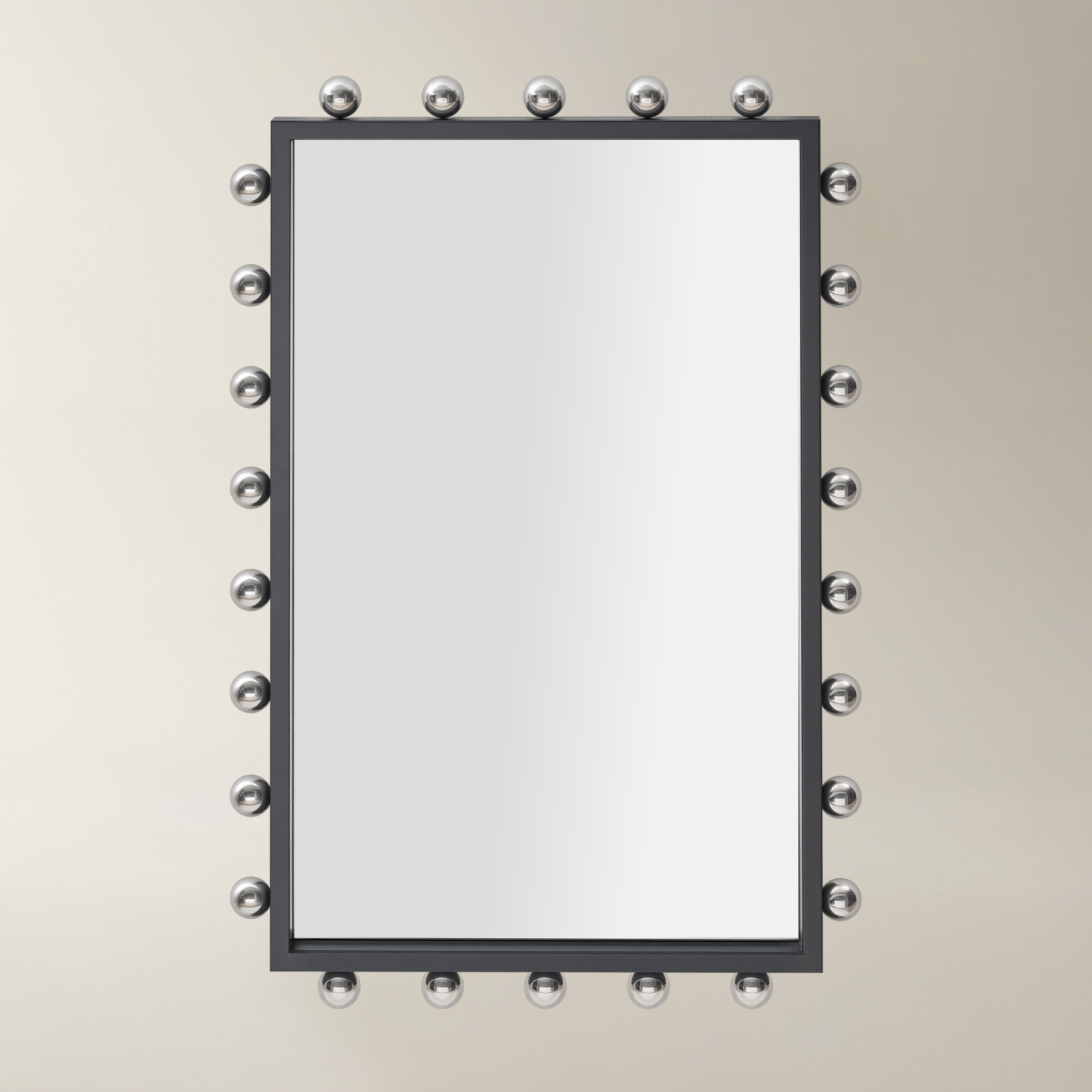
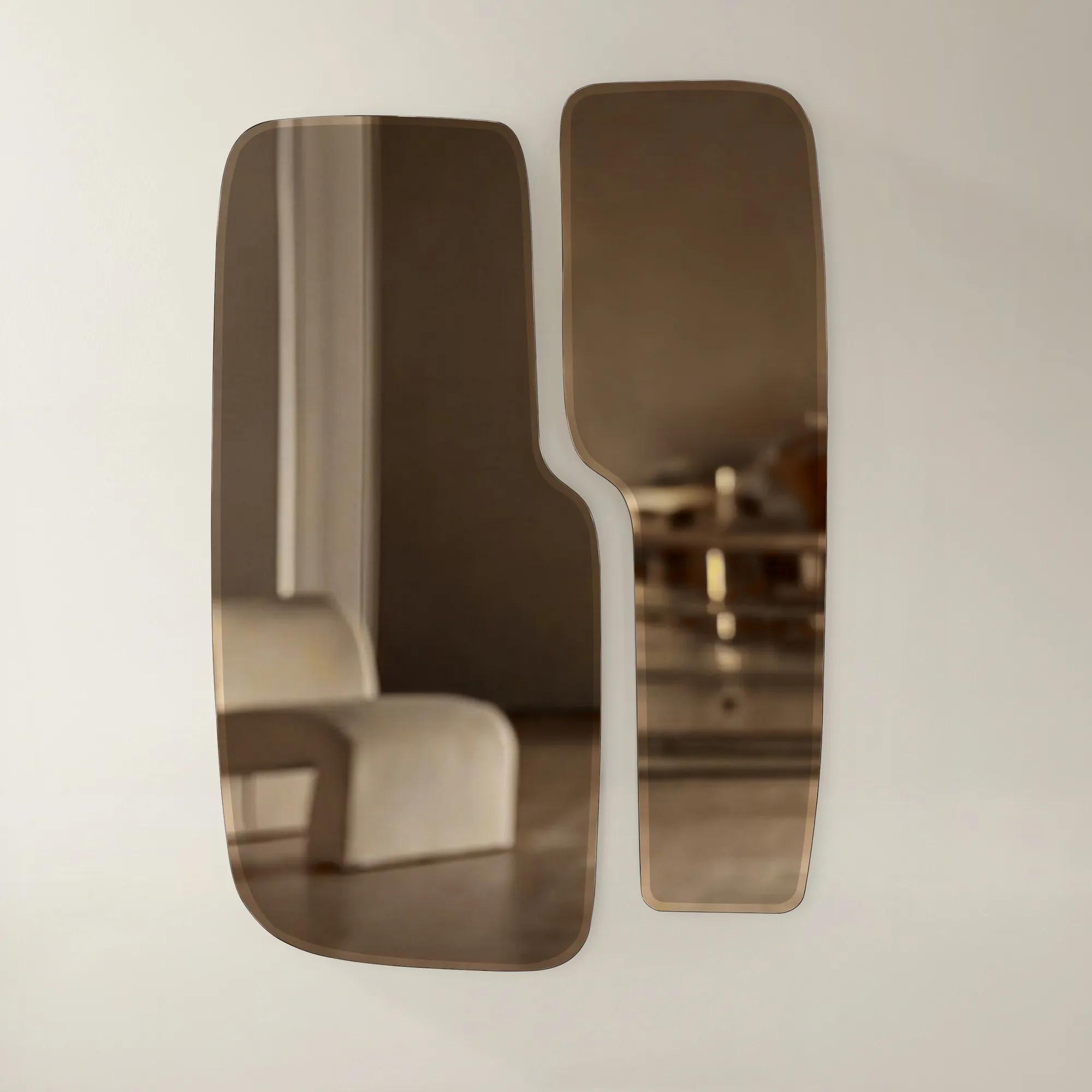
.jpeg?w=1080&h=1080)