Mirrors With Metallic Accents
Mirrors With Metallic Accents
-
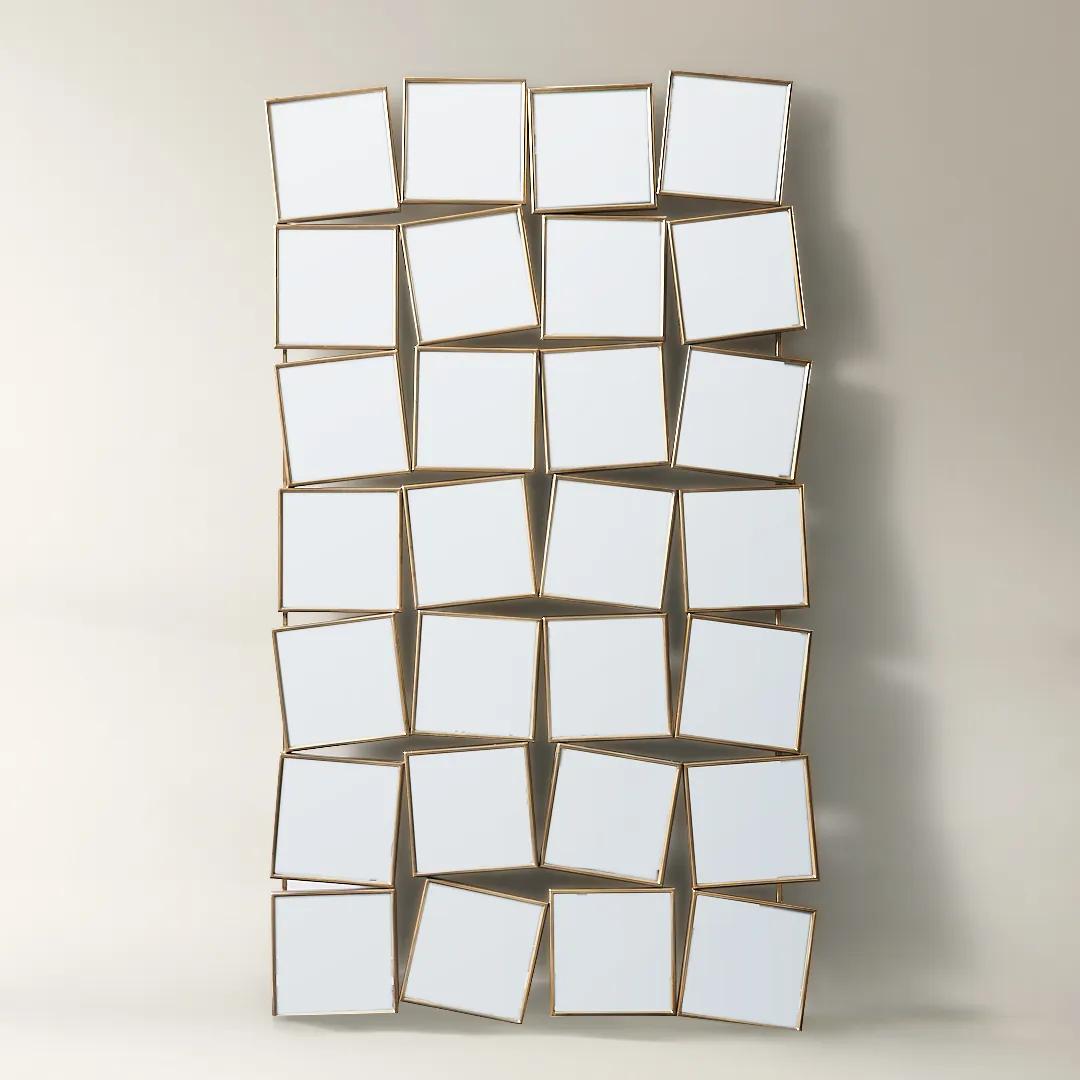
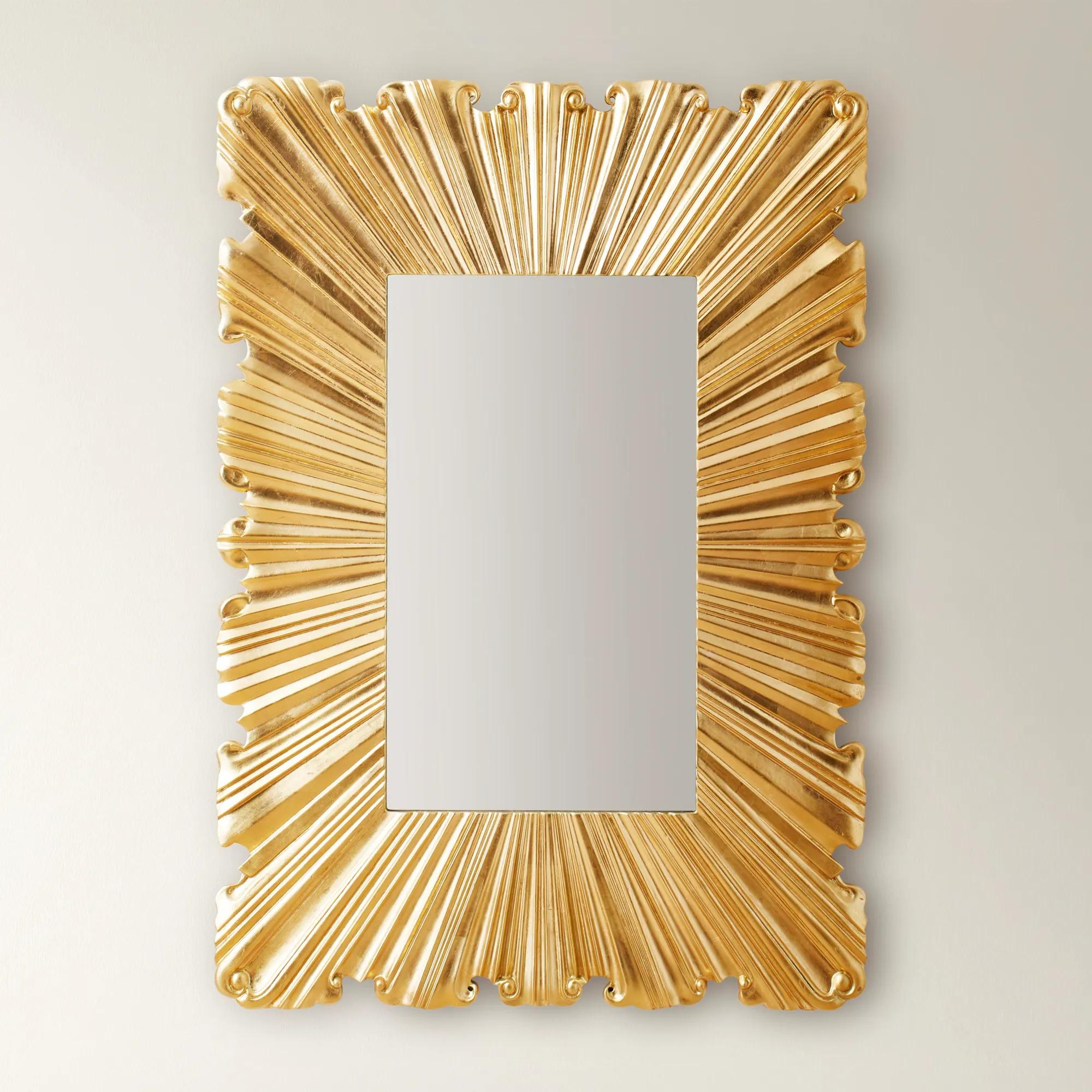 Metropolitan Gold Leaf Resin Rectangular Wall Mirror 27.5" x 39.5"$459
A sculptural wall mirror featuring a gold-finished polyurethane frame for a modern, elegant accent.
Add To Cart -
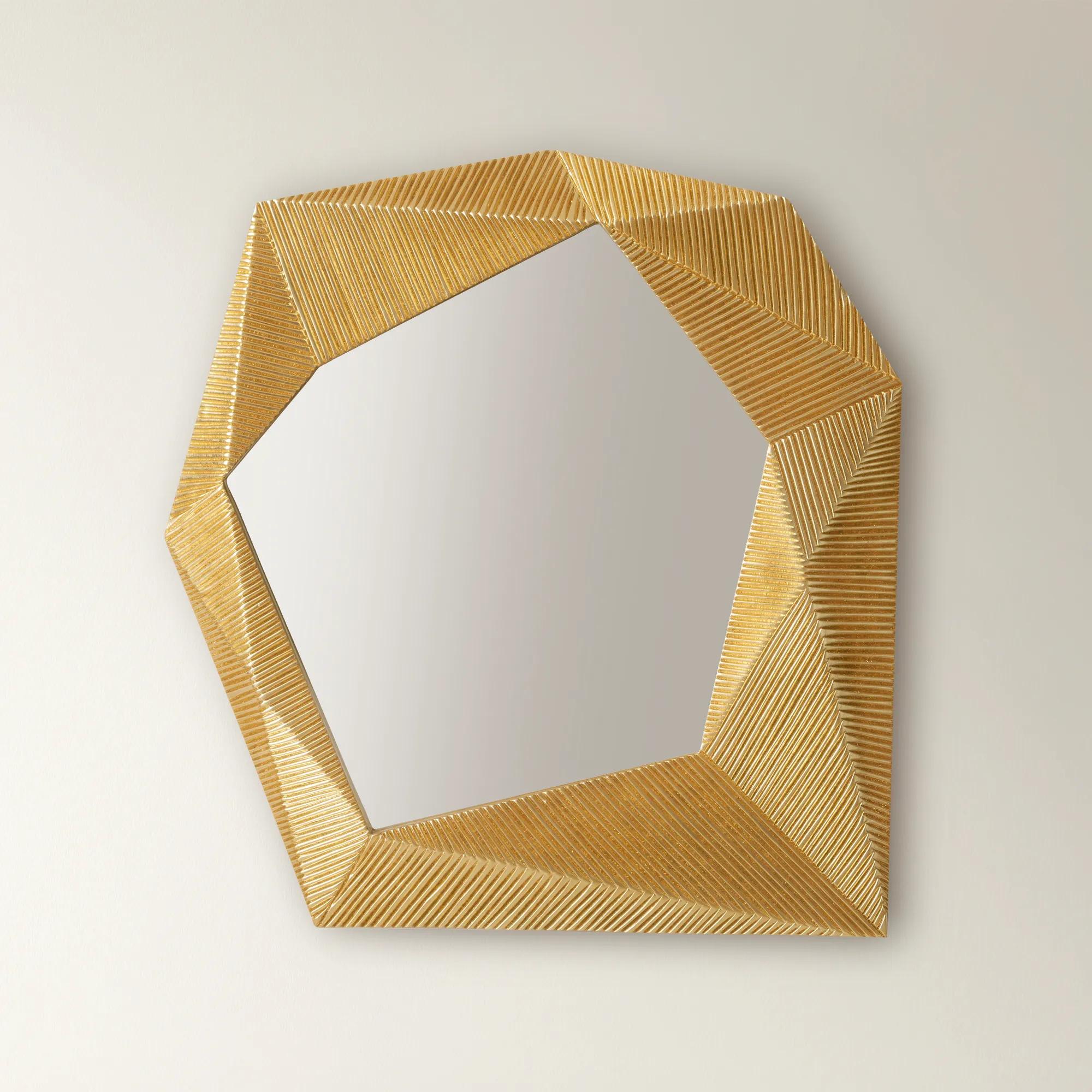
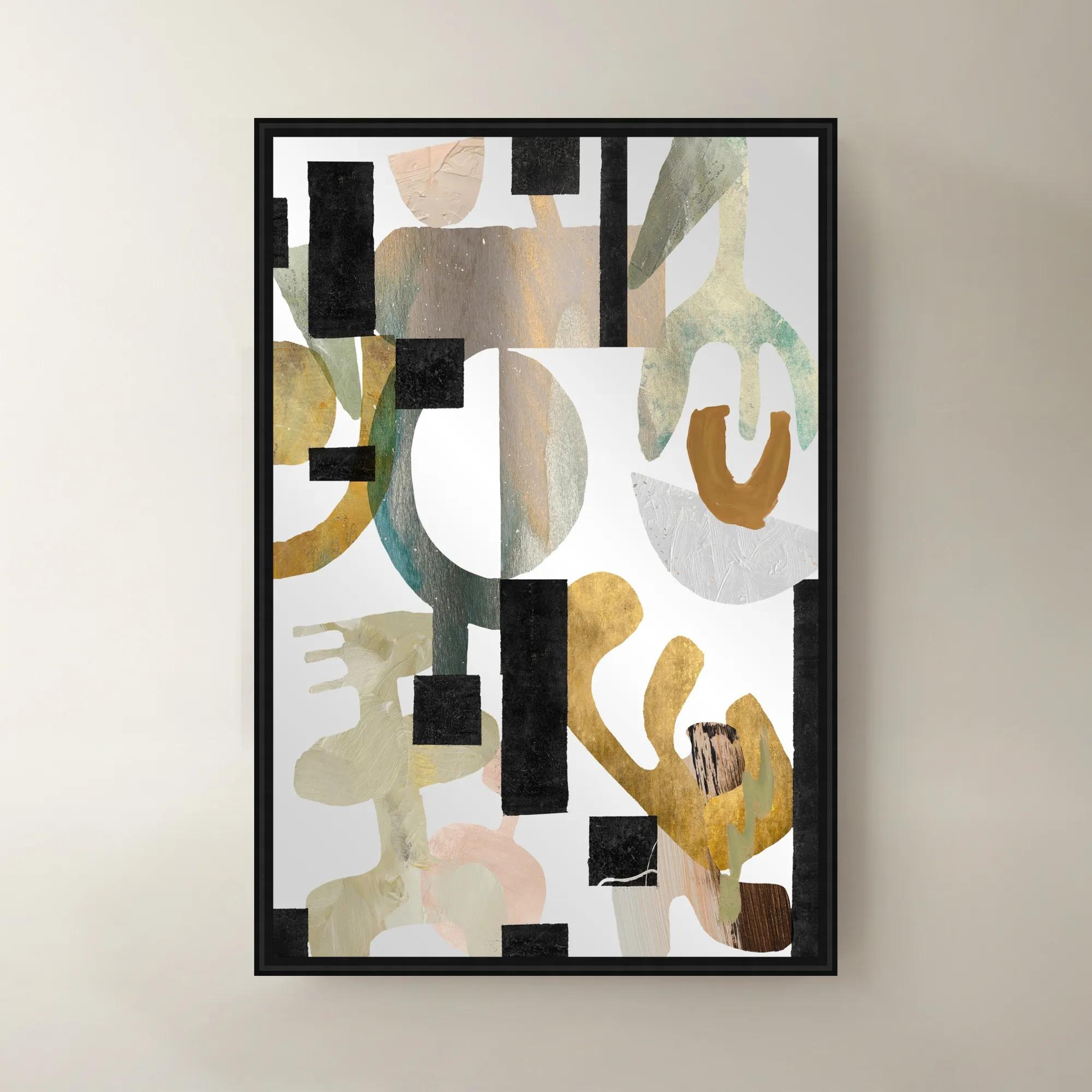
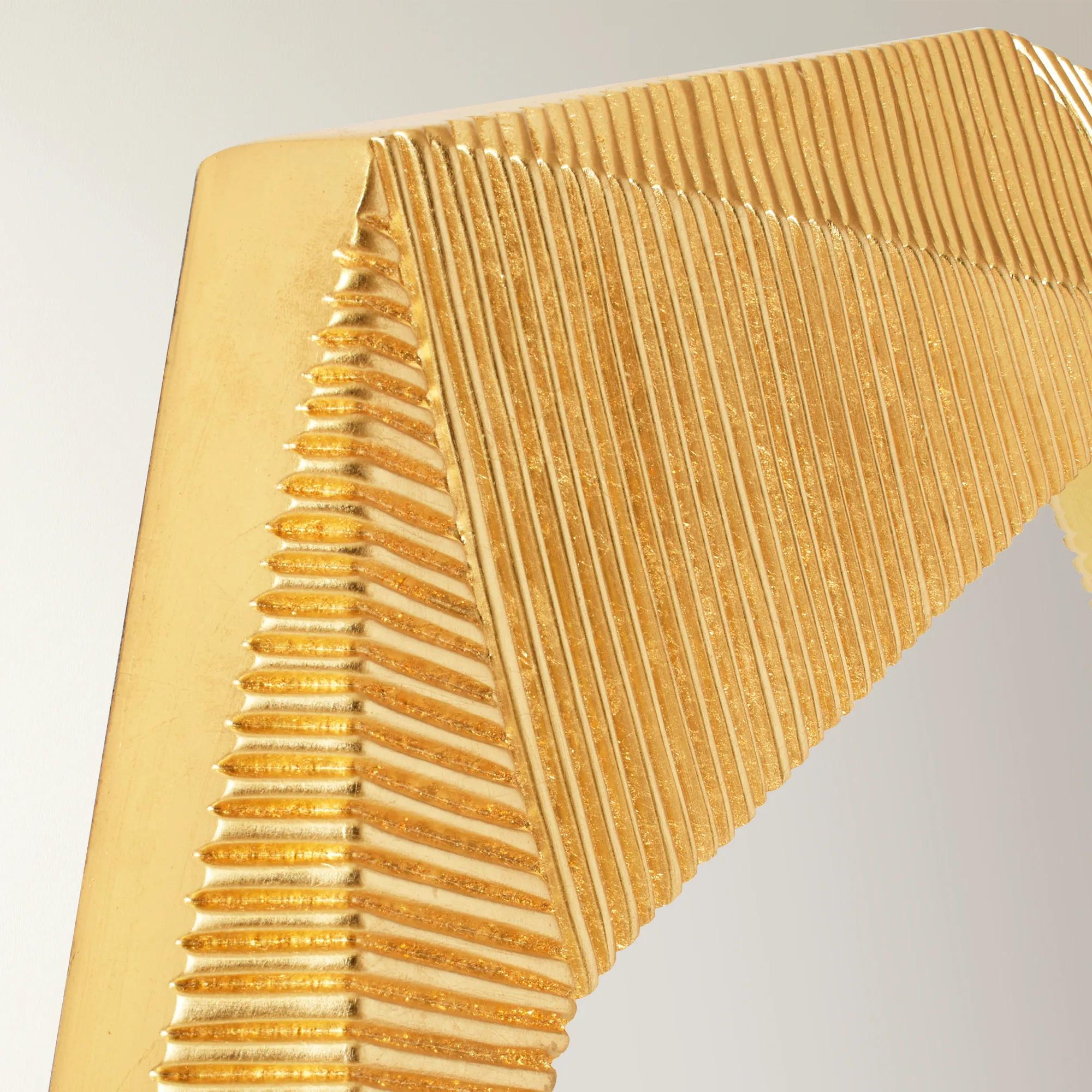 Nikki Chu Gold Steel Faceted Wall Mirror 31.5" x 35.5"$349
A modern mirror featuring a textured, faceted steel frame in a striking metallic gold finish.
Add To Cart -
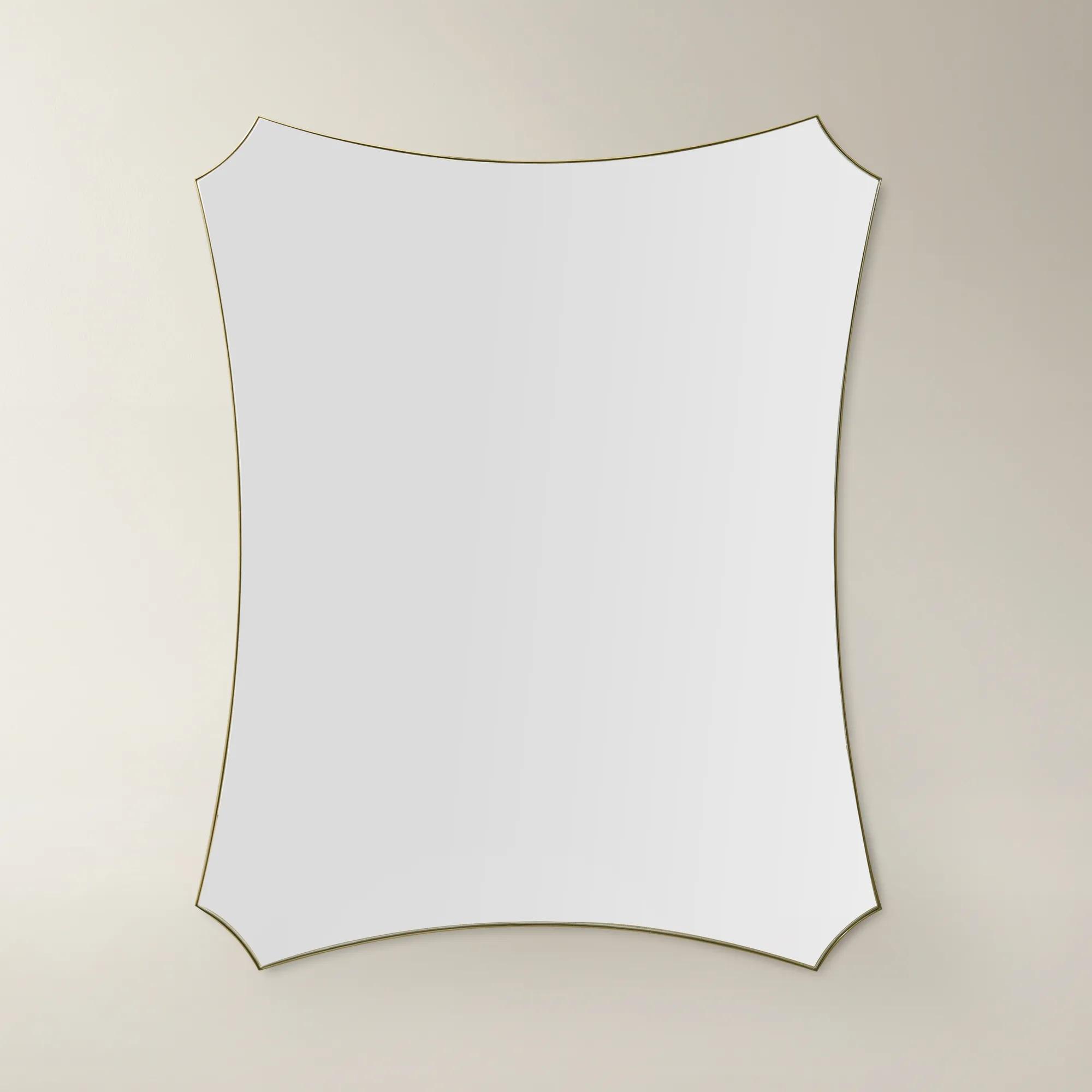
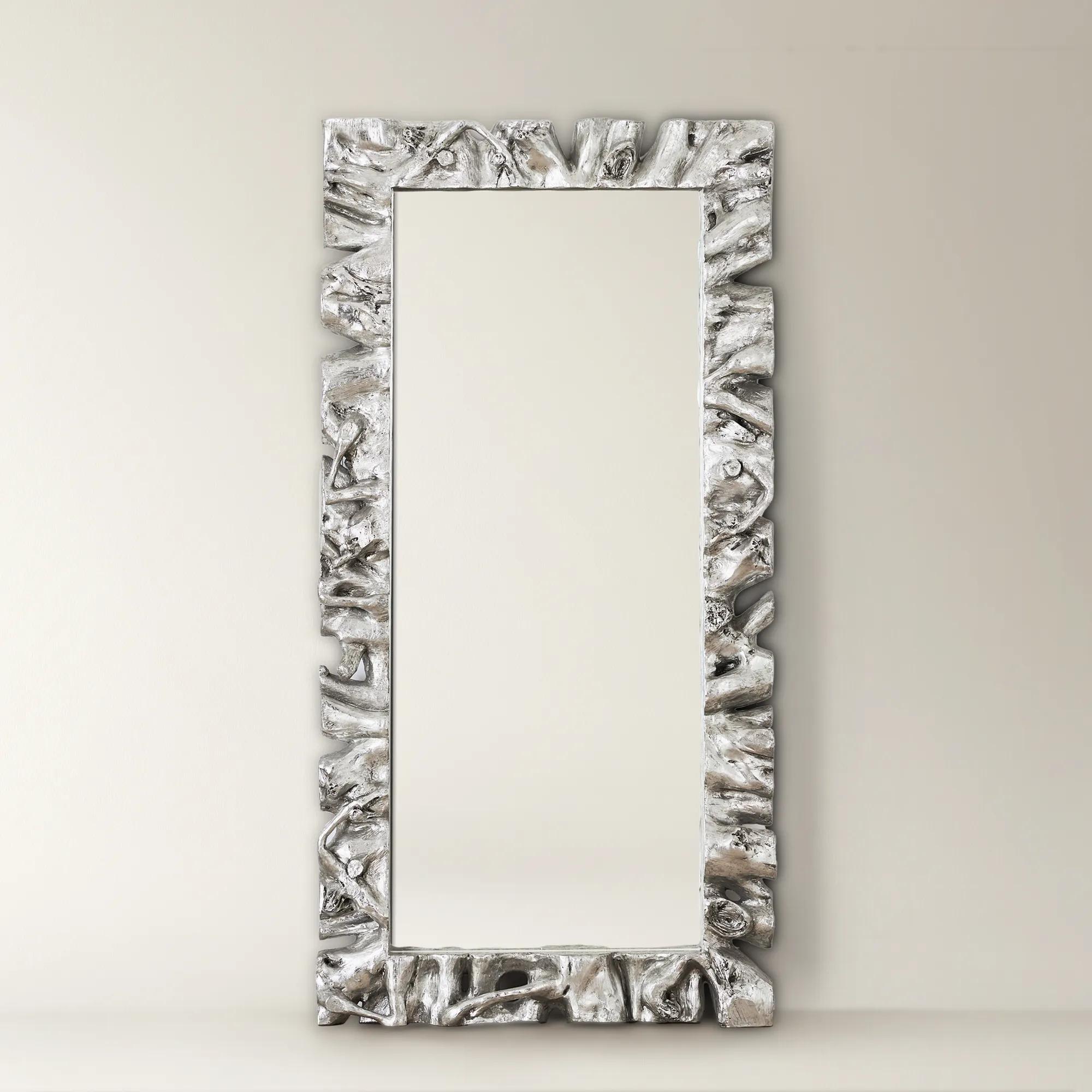 Sequoia Silver Resin Rectangular Floor Mirror 39'' x 78''$1399
A sculptural leaner mirror featuring acacia root-inspired fiber resin and a shimmering metallic leaf finish.
Add To Cart -
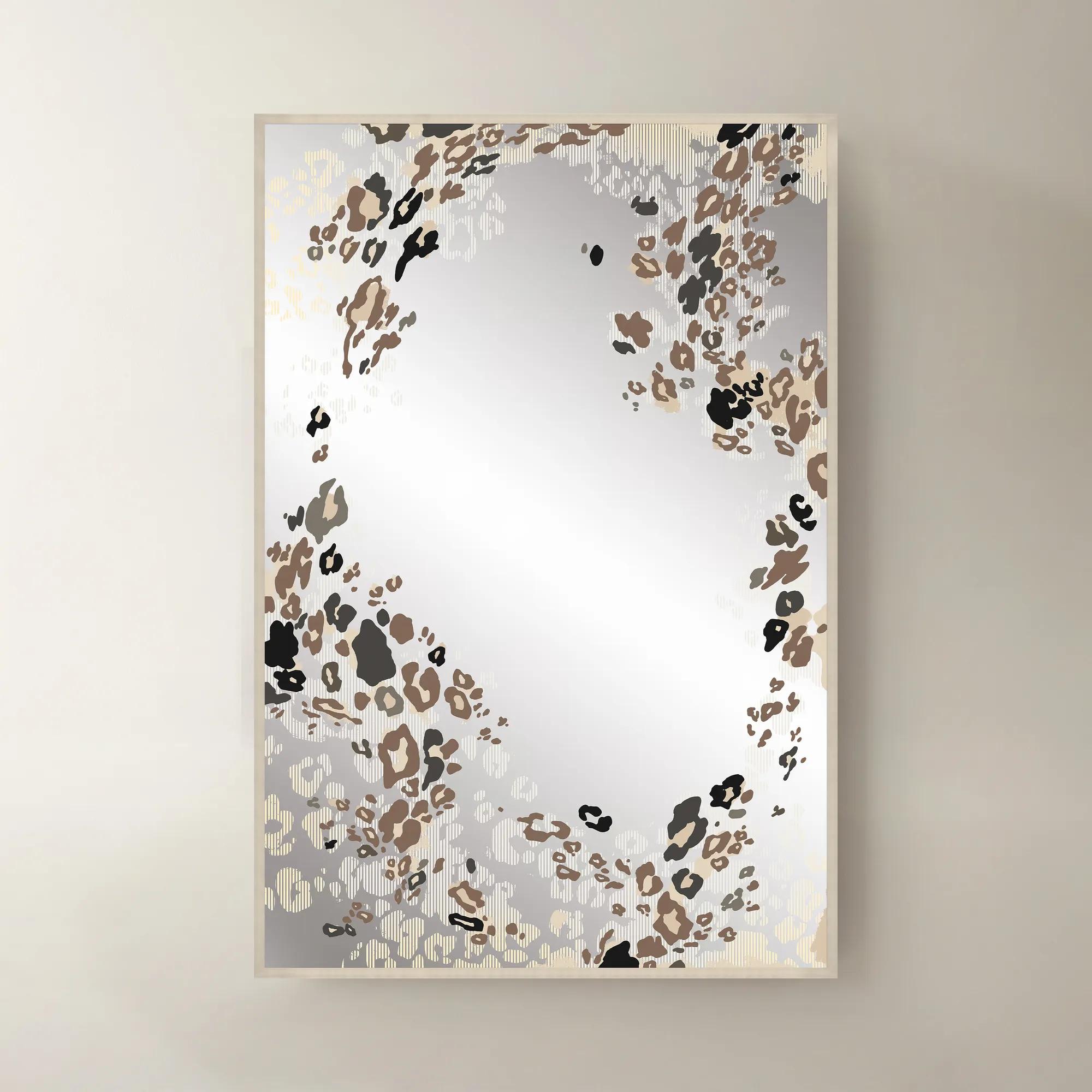
 Cara Antique Gold Hand-Forged Iron Organic Shaped Wall Mirror 52.5" x 53"$1199
A sculptural wall mirror featuring a hand-hammered iron frame with radiant gold and organic edges.
Add To Cart

Mirrors With Metallic Accents
Mirrors with metallic accents transform reflection into pure spectacle, capturing light and imagination in a single, gleaming frame. Each piece is an invitation to indulge in artistry—where silvered edges shimmer like liquid mercury and golden hues evoke the allure of sunlit glamour. These mirrors do more than echo your image; they amplify drama, sculpting dimension and radiance into every corner. For those who crave interiors that dazzle and delight, mirrors with metallic accents offer a bold stroke of brilliance—turning walls into galleries and moments into masterpieces.
Mirrors with metallic accents pair reflective glass with metal frames or metallic-finished details, adding luminosity, depth, and sculptural definition to a room. Their appeal lies in the contrast: a clear, expansive surface surrounded by an edge that can feel richly ornamental, crisply architectural, or quietly burnished. Gold tones lend warmth to ivory upholstery, dark wood, and jewel-colored textiles, while silver and chrome finishes introduce a cooler brilliance alongside glass, lacquer, and polished stone. Brass-colored accents have a mellow richness that complements both contemporary furniture and pieces with traditional curves; bronze and darker metallic finishes create a more grounded outline against pale walls. The surface treatment matters as much as the color. A highly polished frame catches sharp highlights and draws attention to its contours, while brushed, hammered, or antiqued finishes offer texture and a softer play of light. Metallic detailing may appear on iron, steel, or aluminum frames, or as a decorative coating or leaf applied to wood or resin. These constructions can achieve very different effects, so the listed material and finish provide more useful information than color alone. Shape adds another layer of expression. A round mirror softens the straight lines of a console or dresser, an arched silhouette introduces height with a graceful curve, and a rectangular frame gives a vignette a more architectural rhythm. Openwork borders and dimensional metal accents allow the wall behind them to become part of the composition, while a substantial, enclosed frame gives the reflection a pronounced visual boundary. For interiors with dramatic artwork or richly patterned textiles, a slender metallic edge can provide definition without competing for attention. In a restrained setting, a broader or more sculptural surround can become the room’s defining gesture. The result is more than a decorative surface: it is a way to give existing furnishings a new relationship to light, proportion, and one another.
Placement determines how fully that reflective drama comes to life. In an entryway, a metallic accent mirror above a console offers a convenient place for a final glance while giving a narrow passage a greater sense of depth. In a living room, it can anchor the space above a mantel or sideboard, reflecting an intentional arrangement rather than an overlooked corner. A dining room mirror may capture the glow of a chandelier, bringing another layer of sparkle to evening gatherings without adding a second light fixture. Bedrooms benefit from both decorative wall mirrors and full-length formats, depending on whether the priority is a composed dresser vignette or a clear view for dressing. Proportion keeps these settings elegant. Above a 60-inch console, a mirror approximately 36 to 45 inches wide can leave a balanced margin on either side, though the frame’s visual weight and surrounding wall space also influence the effect. A deeply sculpted border occupies more visual space than a fine metal outline, even when the outer dimensions match. Overall width, height, depth, and reflective opening are worth considering separately, especially where projecting details might crowd a walkway or interfere with lighting. A paper template on the wall can help reveal whether the scale feels assured rather than overwhelming. The reflection deserves equal attention: artwork, a luminous window, or a thoughtfully arranged seating area generally contributes more to the room than exposed cords or a busy storage zone. Direct sun reflected toward a seating area or screen can create uncomfortable glare. For installation, the mirror’s weight, wall construction, and specified mounting hardware govern the approach; decorative frames should not be assumed to support hanging unless designed for it. Full-length mirrors intended to lean still need the manufacturer’s recommended restraints. In bathrooms, metallic finishes and mirror backing should be explicitly suited to humid conditions, with ventilation helping limit prolonged moisture exposure. A decorative mirror intended for a dry interior is not automatically appropriate above a frequently used vanity.
Craftsmanship and care help preserve the distinction between a gleaming accent and a finish that loses its character too soon. Secure corners, a stable frame, sound hanging attachments, and clearly stated material information are useful details when evaluating a mirror for everyday use. Metal is not inherently immune to wear: protective coatings, joints, and the environment all influence how a frame holds up. Painted metallic surfaces, applied leaf, plated finishes, and solid metal may require different care, and an intentionally aged patina should not be treated like tarnish that needs removing. Routine dusting with a soft, dry cloth helps keep textured edges and dimensional details crisp. For the glass, a suitable cleaner applied to a lint-free cloth rather than sprayed directly onto the mirror helps control moisture around the frame and edges, where excess liquid can affect finishes or backing. Abrasive pads, harsh chemicals, and metal polish can damage some decorative treatments, making the manufacturer’s care directions essential. Placement away from repeated splashes and accidental contact also supports a lasting appearance. Beyond maintenance, metallic mirrors offer considerable flexibility as a room evolves. A warm gold frame can connect a brass-toned lamp with the subtle threads in a patterned pillow, while a silver-edged mirror can echo chrome table legs without requiring every finish to match. Mixed metals feel deliberate when one tone leads and another appears in measured accents; matching every surface is not necessary for a cohesive room. For a broader expression of reflective design, explore Mirrors for Chic Home Accents with that same attention to silhouette, finish, and proportion. These decorative pieces can also make meaningful housewarming or wedding gifts when the recipient’s taste, wall space, and installation needs are known. A mirror selected for a particular entry, dressing area, or cherished console feels personal because it becomes part of a daily ritual. Whether the effect is a slender flash of silver or a sweeping gold-toned border, the strongest choice gives the room a distinct point of view—and makes its most beautiful details worth seeing twice.
FAQs
Mirrors with metallic accents effortlessly complement a range of decorating styles, from Art Deco and Hollywood Regency to modern glam and contemporary chic. Their reflective surfaces and sculptural frames add a touch of drama and sophistication, making them ideal for interiors that celebrate bold design and layered texture.
Strategically placing a mirror with metallic accents opposite a window or near a light source will amplify natural light, creating a brighter and more inviting atmosphere. The metallic finish further intensifies the glow, bathing your room in a warm, luminous ambiance that feels both expansive and elevated.
Absolutely. Metallic-accented mirrors make memorable gifts for weddings, housewarmings, anniversaries, or milestone celebrations. Their timeless elegance and artistic flair ensure they become cherished focal points, symbolizing thoughtfulness and refined taste.
Metallic finishes—whether gold, silver, or champagne—add a layer of opulence and visual intrigue to any room. They catch and reflect light in unique ways, infusing the space with energy, warmth, and a sense of grandeur that transforms everyday moments into extraordinary experiences.
Yes, these mirrors are as versatile as they are stunning. Consider placing them in hallways, powder rooms, or even as part of a gallery wall. Their gleaming frames and reflective surfaces introduce drama and dimension, making every corner of your home a canvas for self-expression.