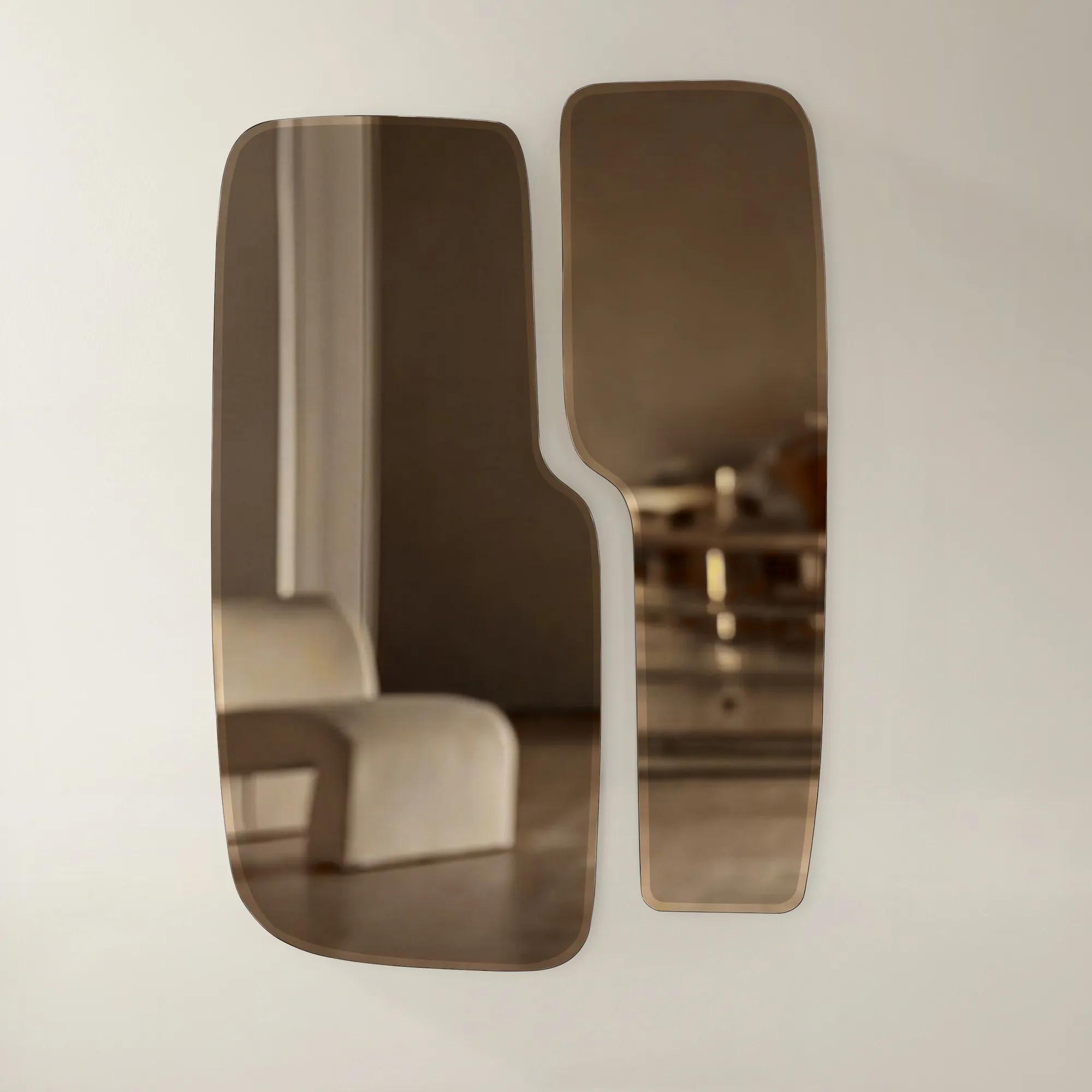
Mirrors For Transitional Interiors
Mirrors For Transitional Interiors
-
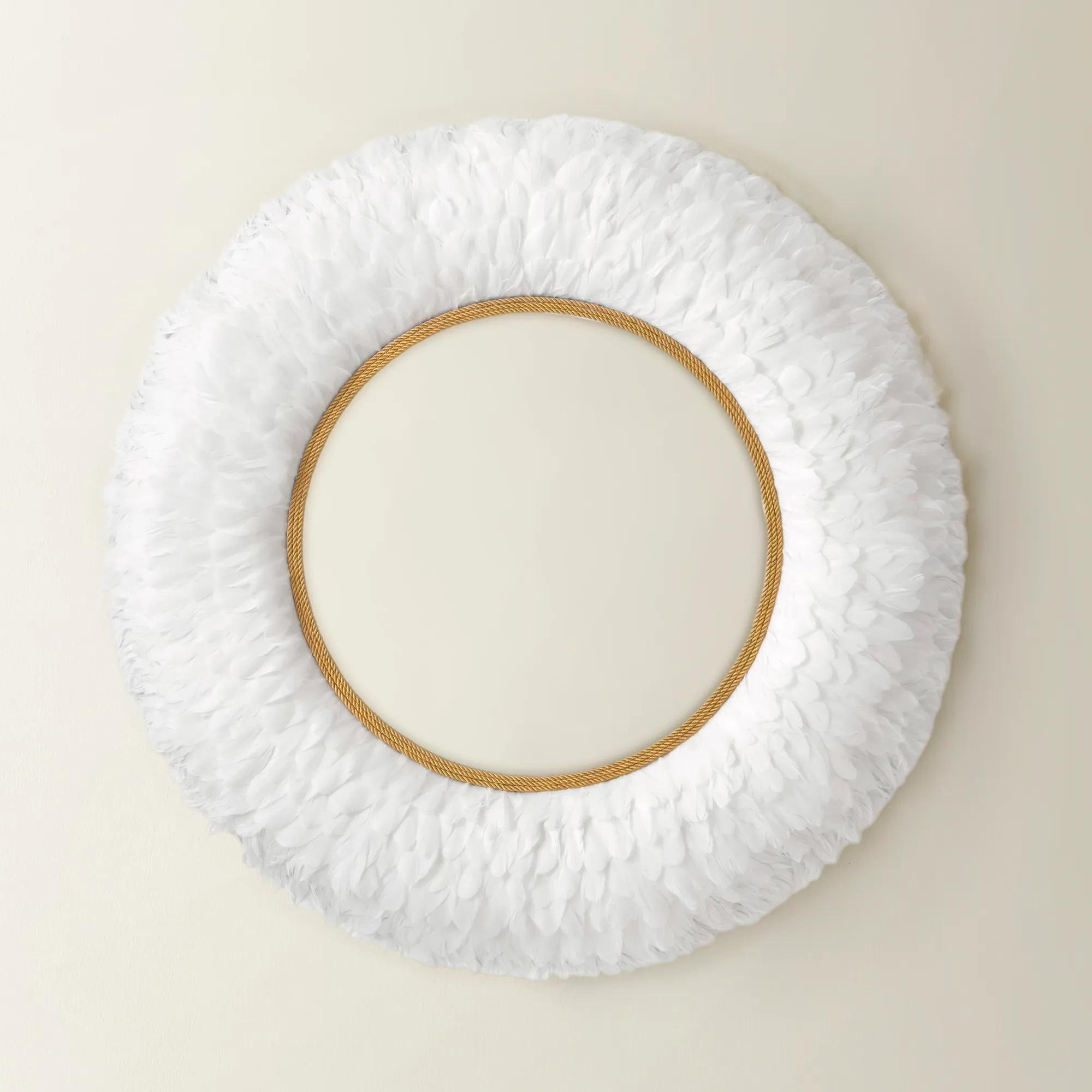
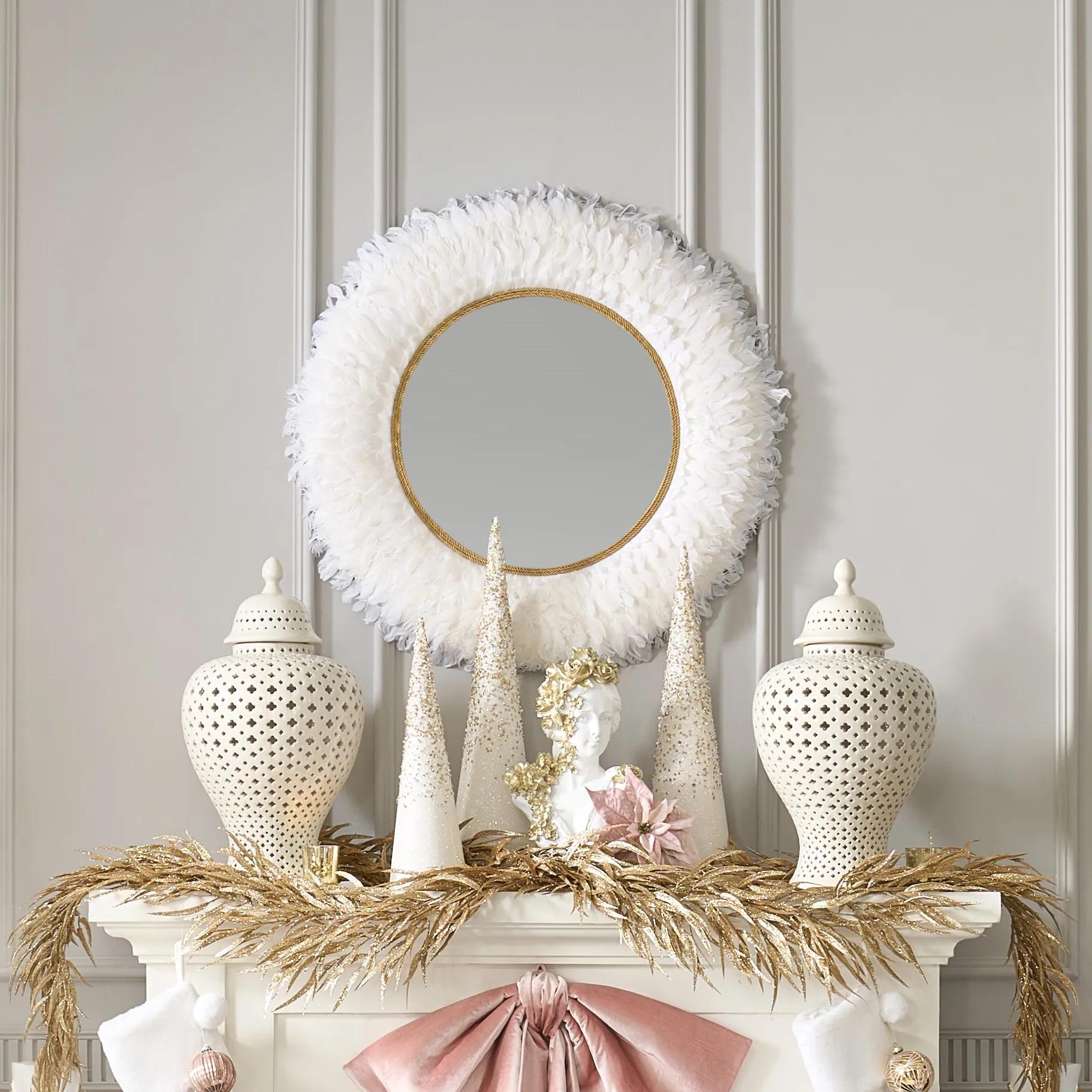 Nikki Chu - Daybreak Feather Mirror$499
A dramatic white feather-framed mirror accented with a gleaming gold inner border for added texture.
Add To Cart -
.jpeg?w=1200&h=1200)
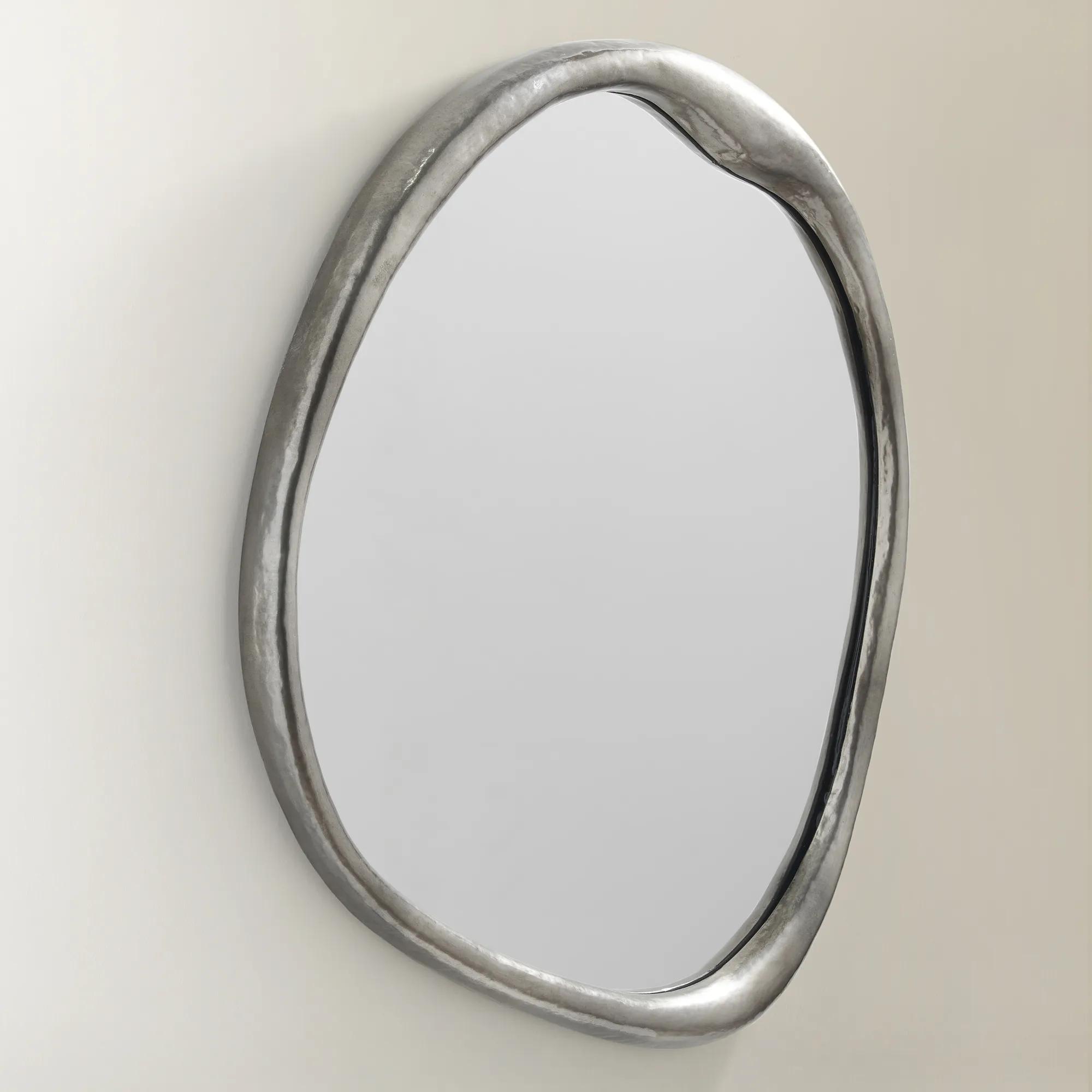 Organa Wall Mirror$599
An irregular silver iron-framed mirror that brings modern organic style and reflective depth to any room.
Add To Cart -
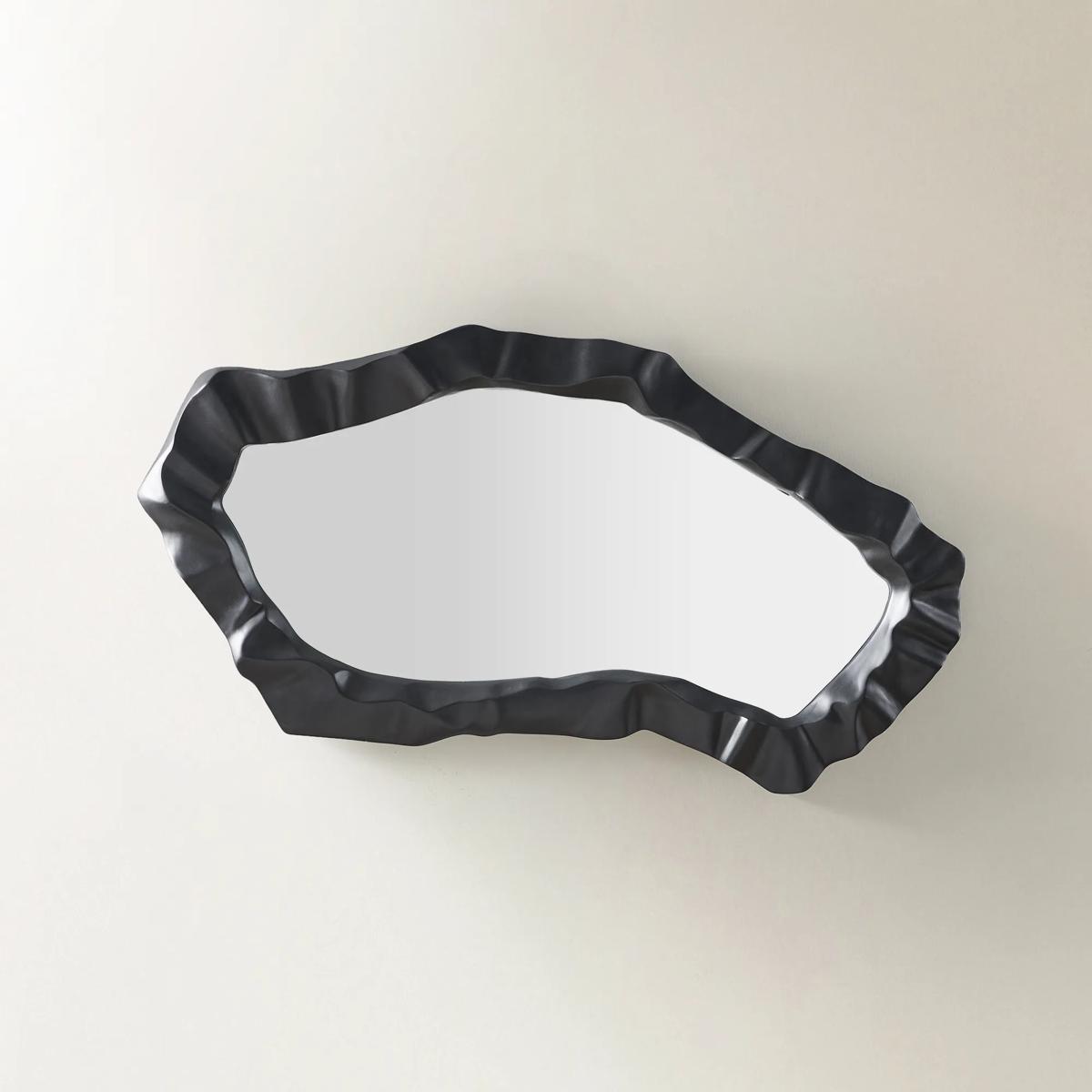
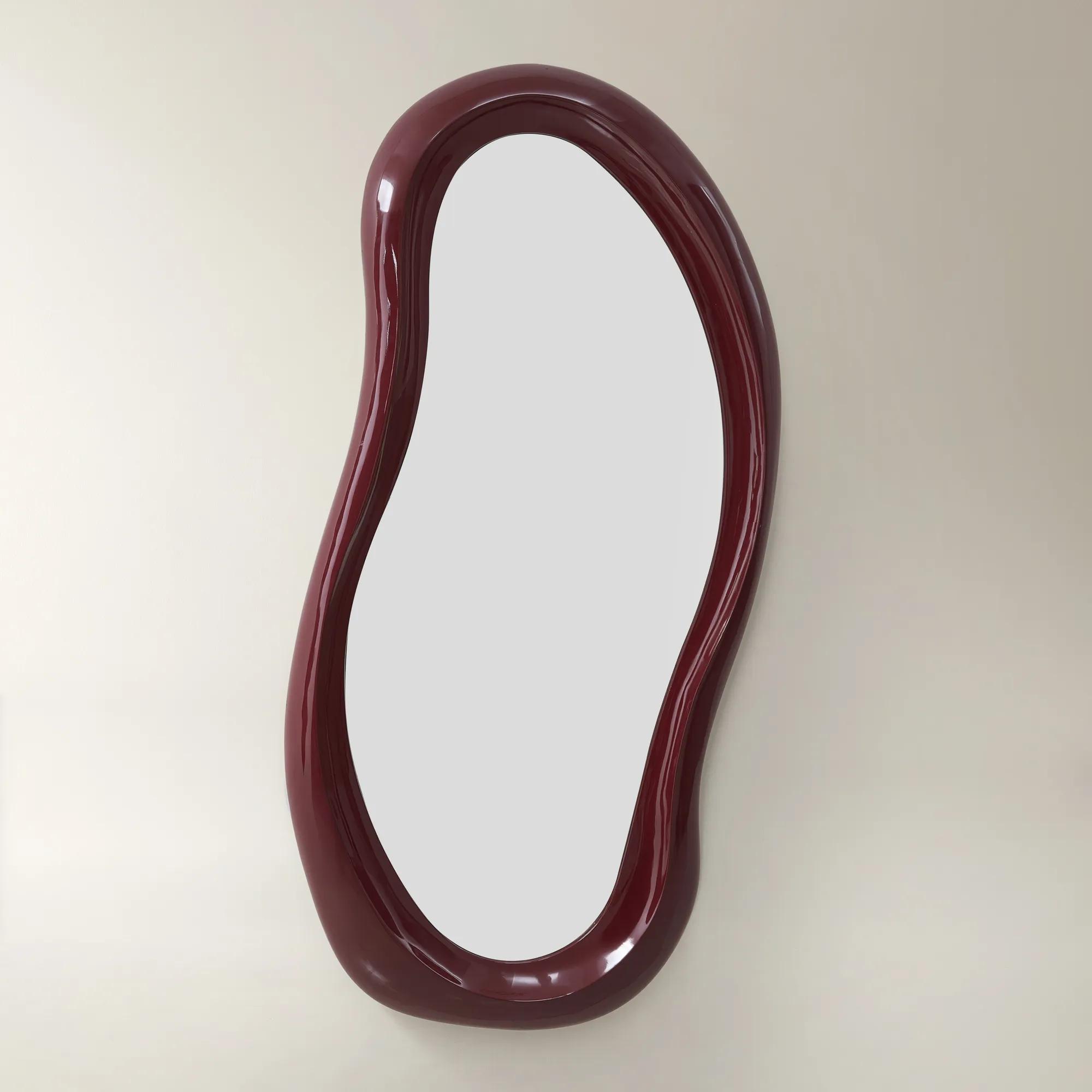
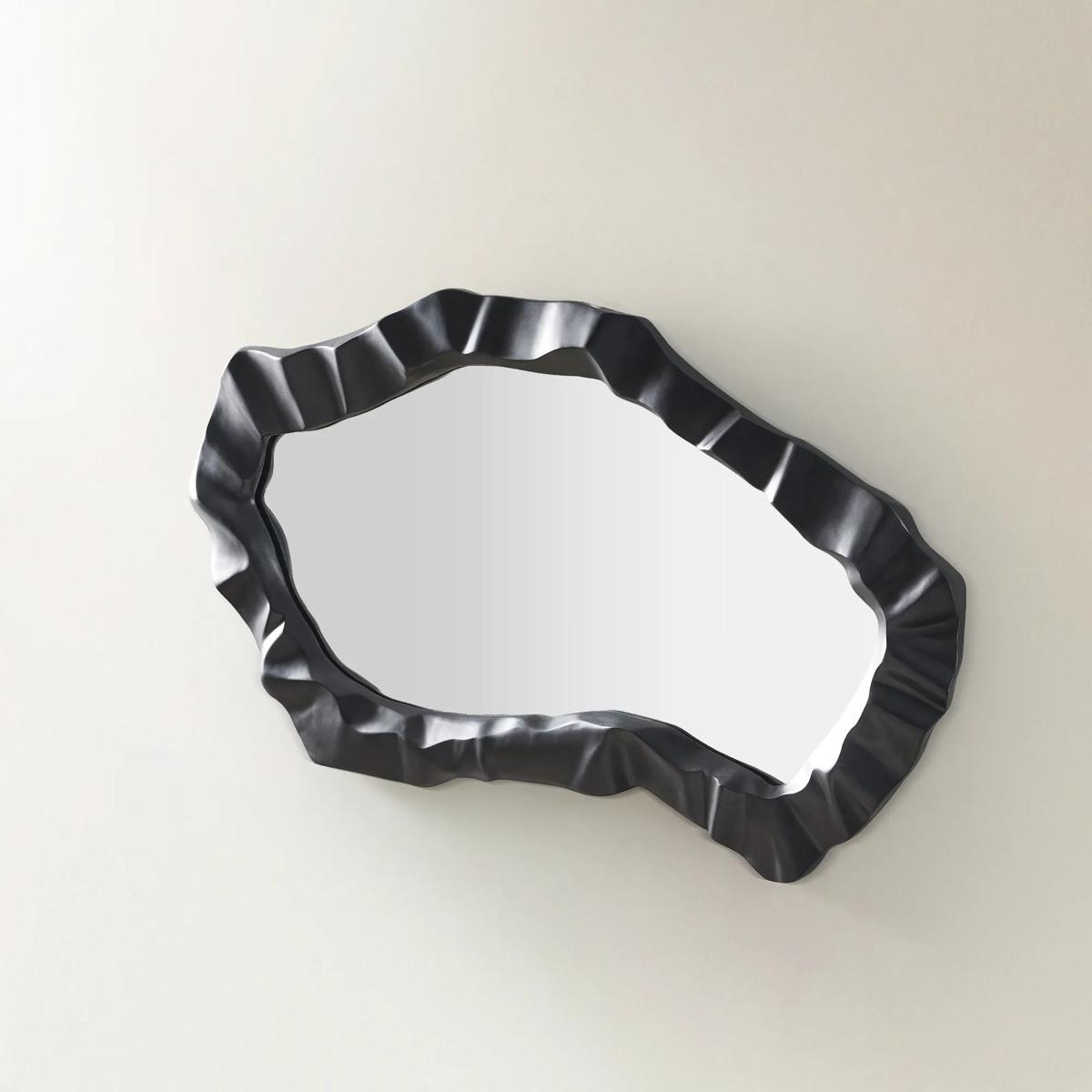 Islay Black Resin Organic Shaped Wall Mirror 44.75" x 23.75"$599
A sculptural black resin mirror featuring bold, asymmetrical curves and versatile vertical or horizontal hanging.
Add To Cart -
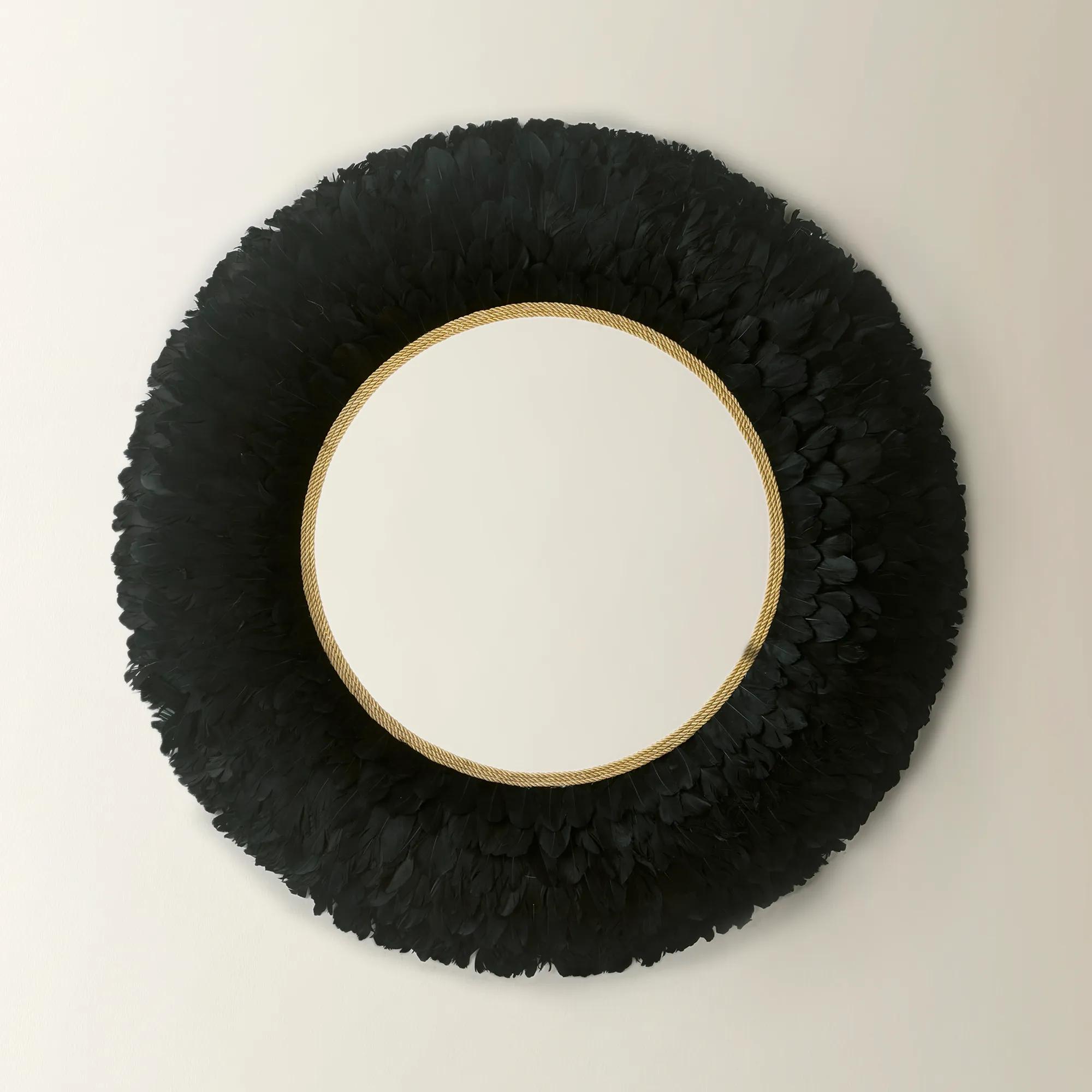
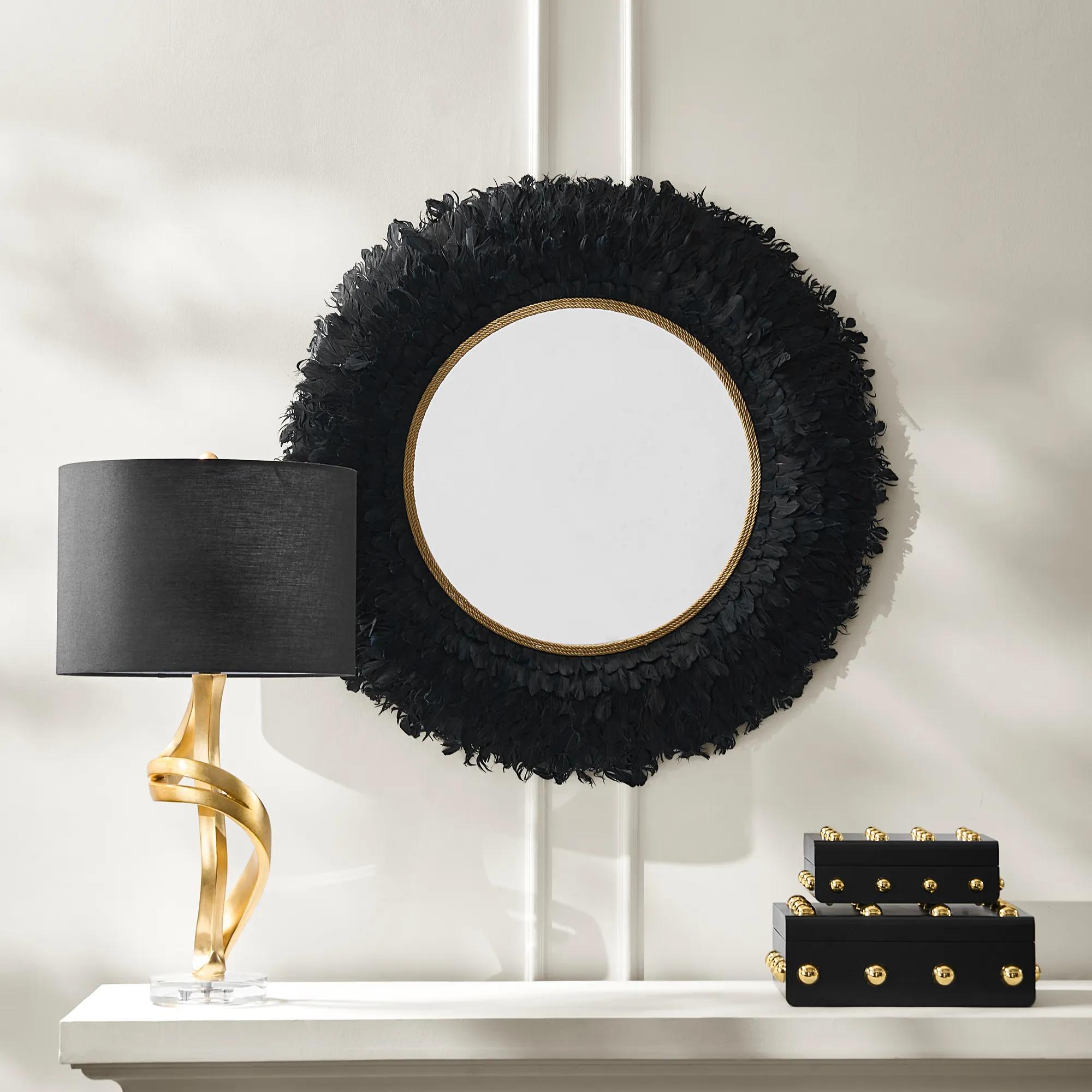 Nikki Chu Midnight Black Feather Round Wall Mirror 35.5"$499
A dramatic black feather-framed mirror accented with a gleaming gold inner border for striking wall texture.
Add To Cart -
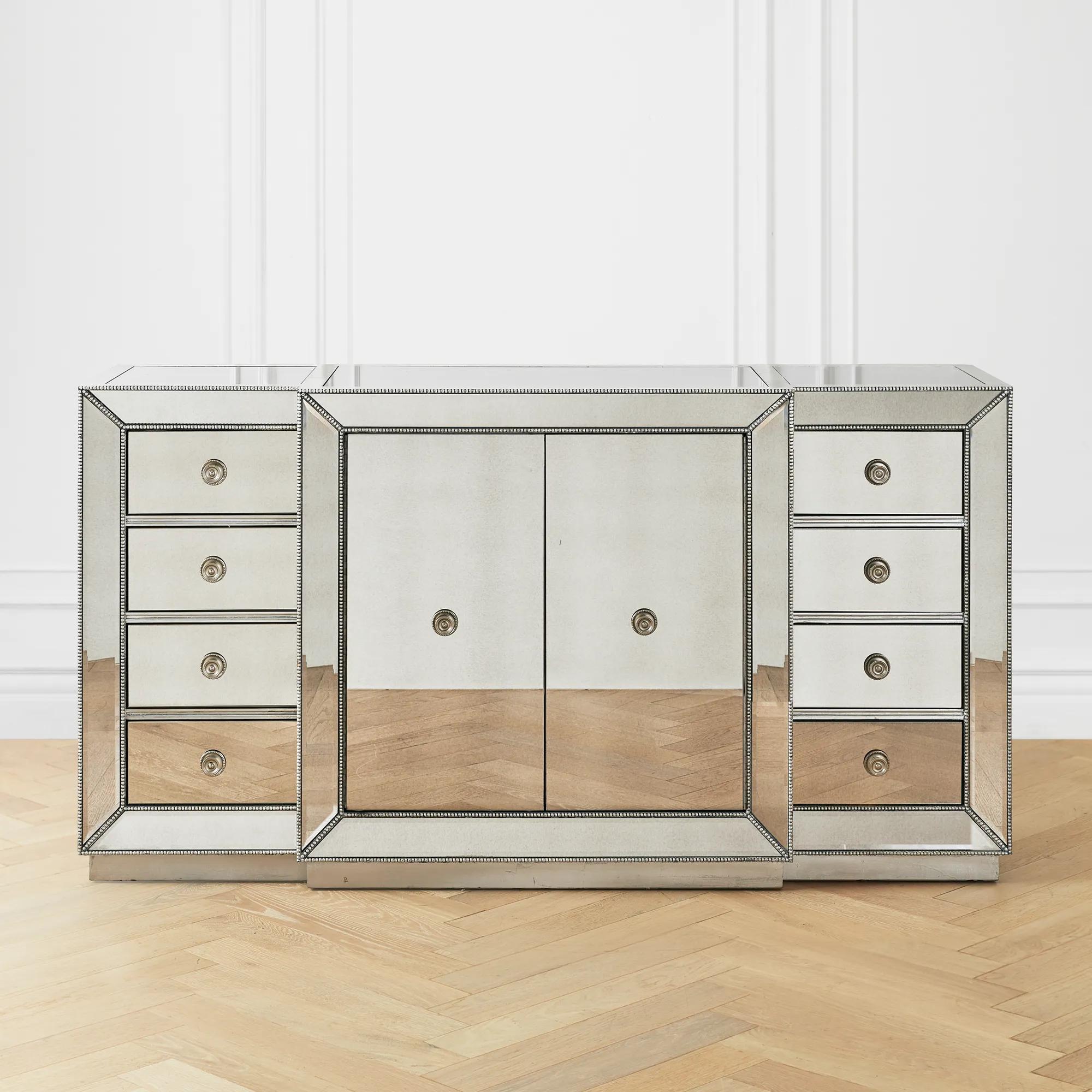 Omni Mirrored Silver 8-Drawer Buffet (72")$2499
A glamorous buffet featuring antique beveled mirrored panels, hand-applied silver leaf, and silver beaded trim.
Add To Cart -
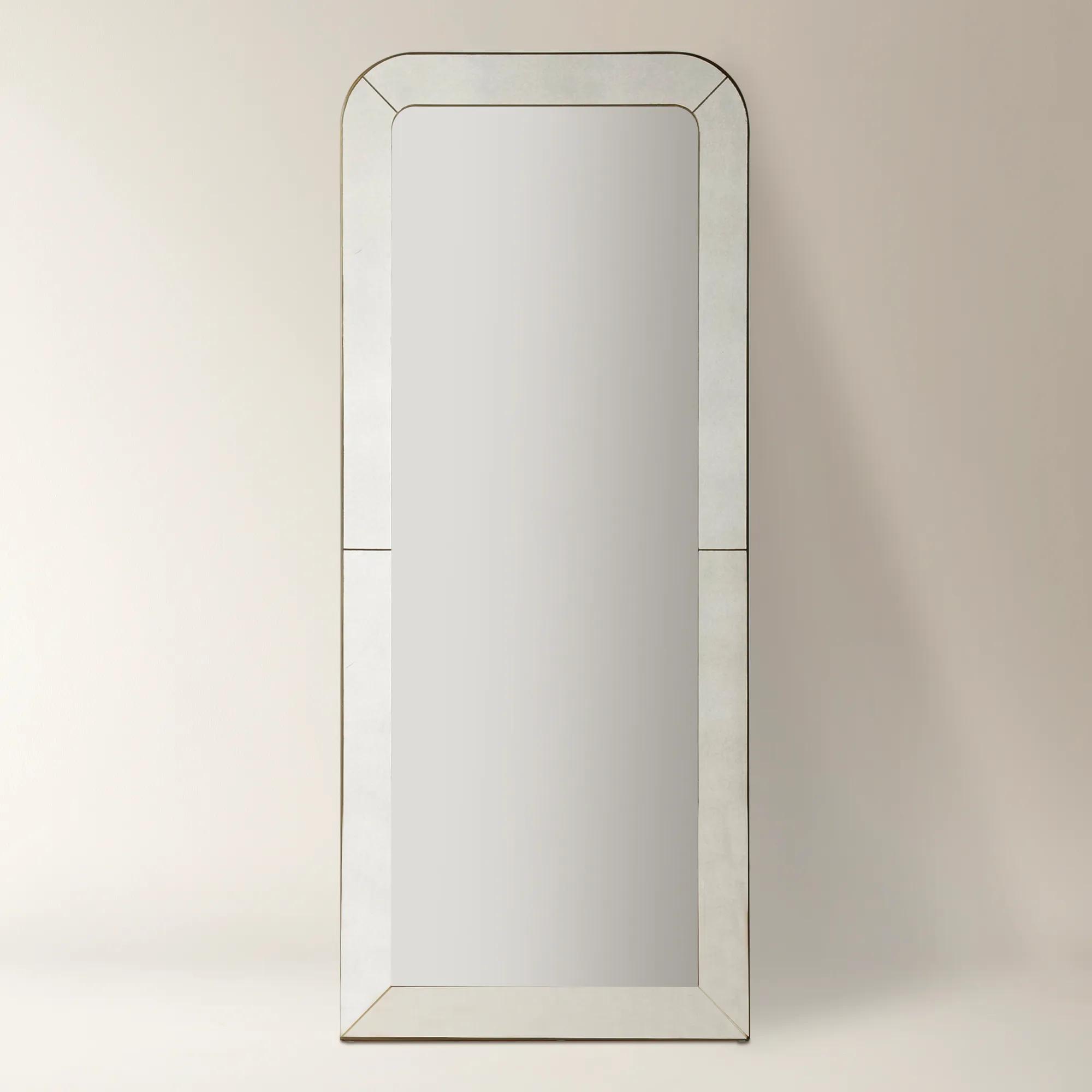
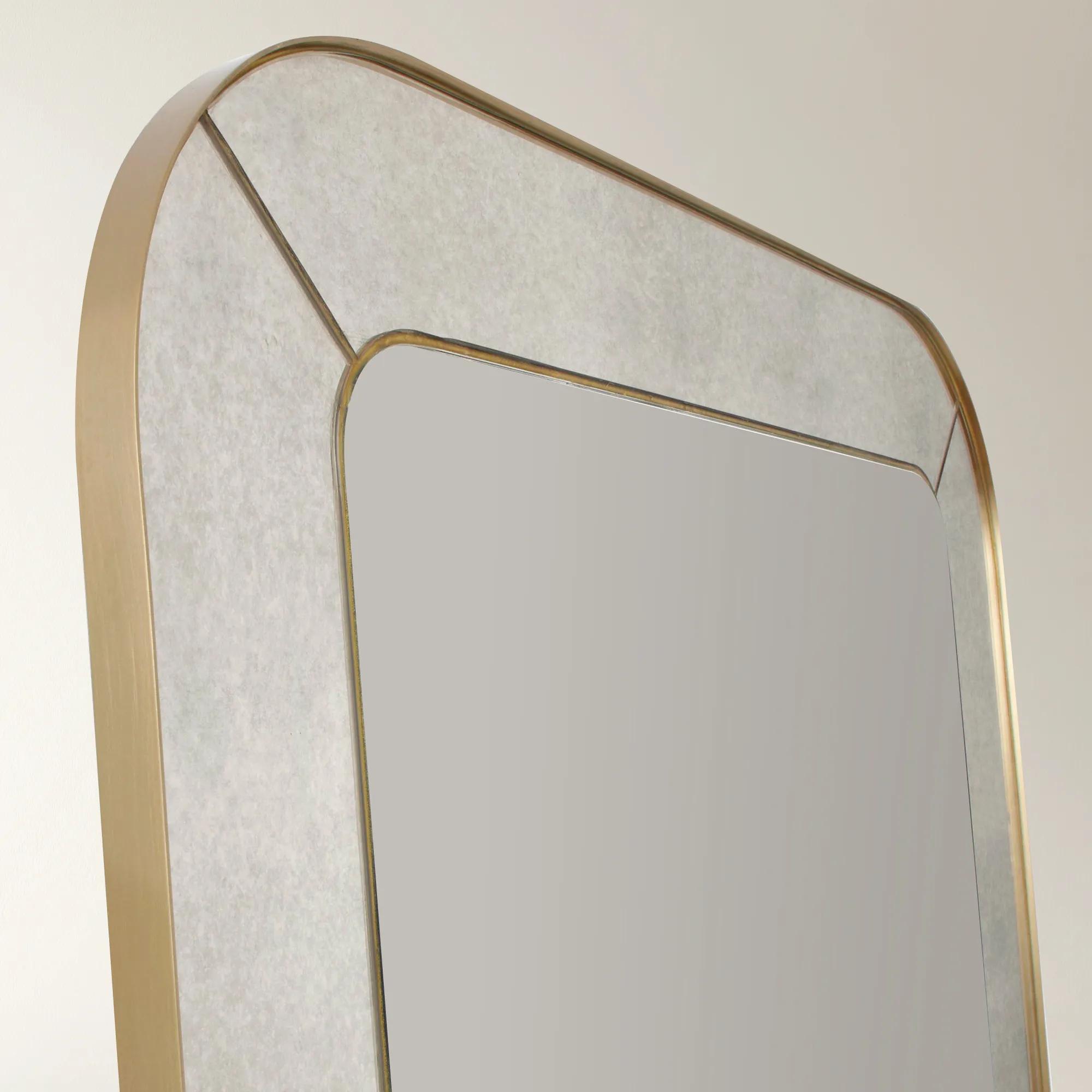 Parker Stainless Steel Floor Mirror 32" x 76"$799
An arched floor mirror with a gold stainless steel frame adds drama and sophistication to any room.
Add To Cart -
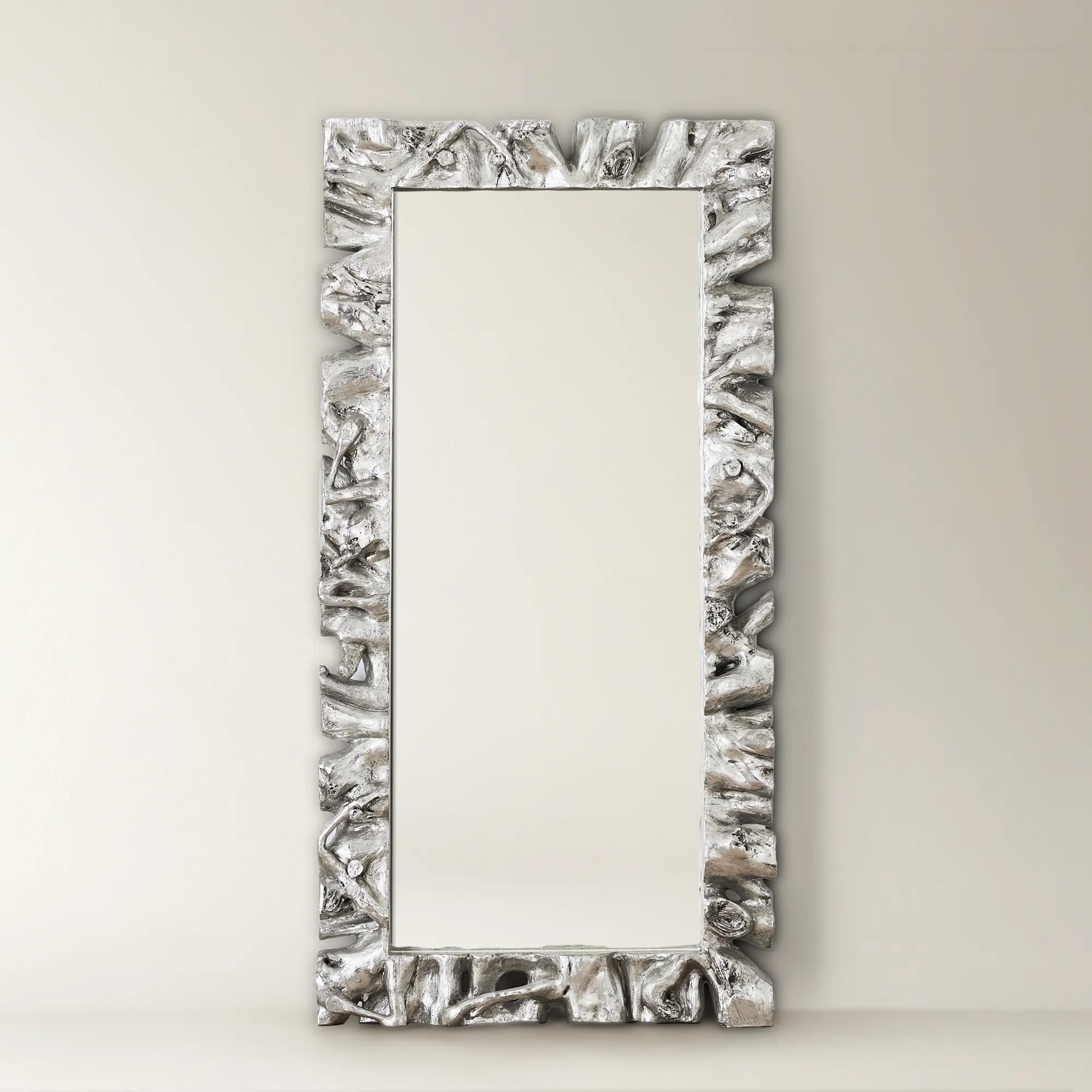 Sequoia Silver Resin Rectangular Floor Mirror 39'' x 78''$1399
A sculptural leaner mirror featuring acacia root-inspired fiber resin and a shimmering metallic leaf finish.
Add To Cart -
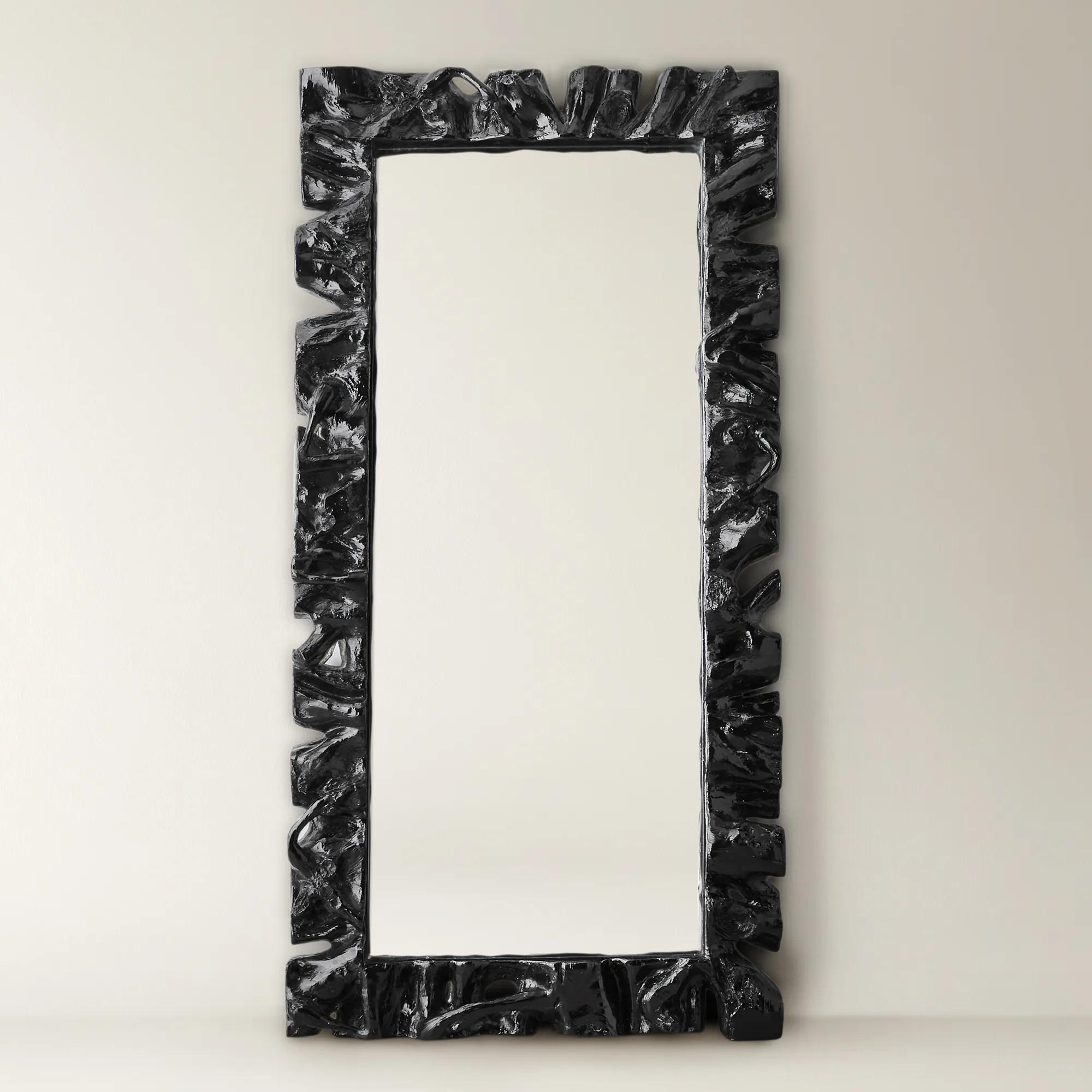
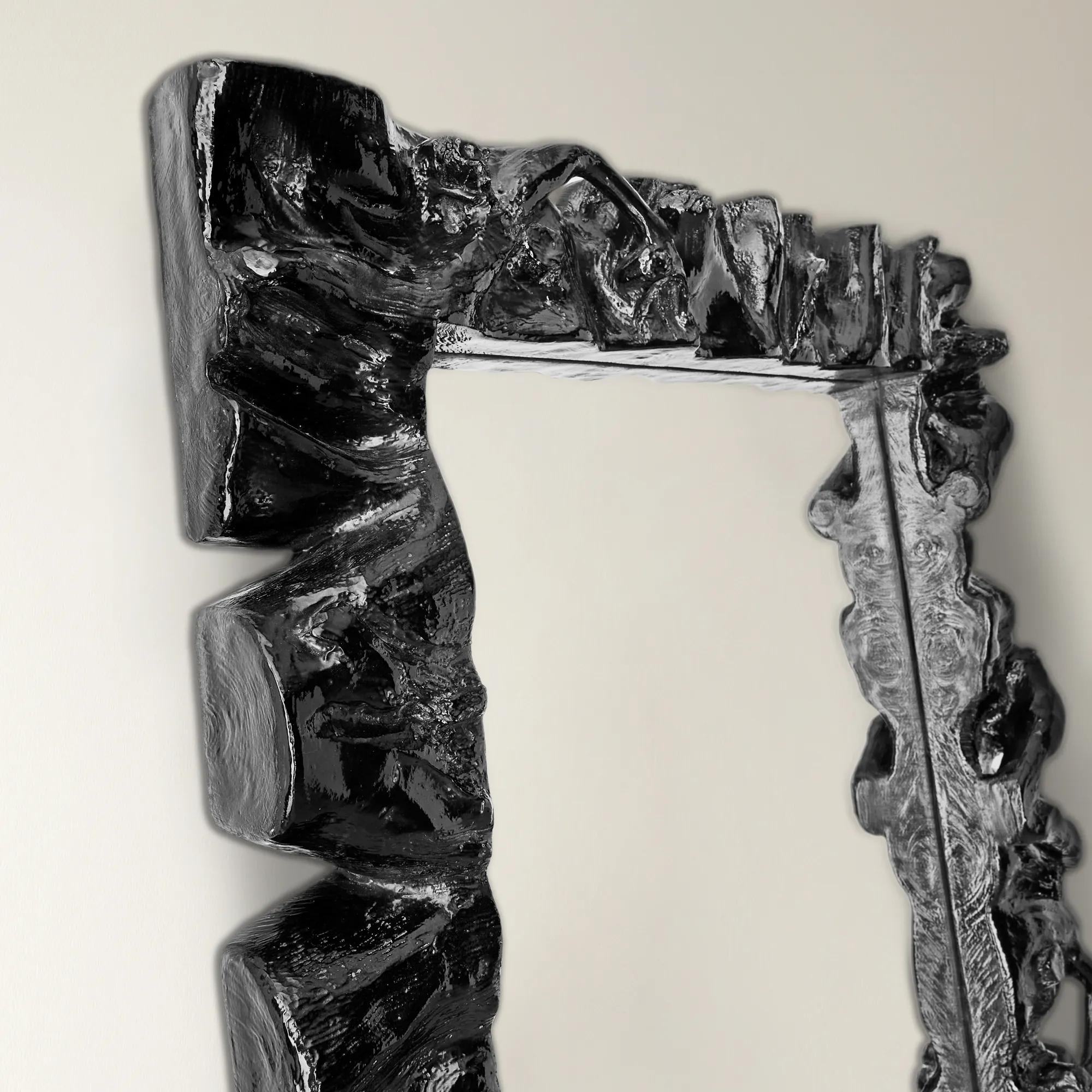 Sequoia Black Resin Rectangular Floor Mirror 39'' x 78''$1399
A sculptural floor mirror featuring acacia root-inspired fiber resin in a sleek black gel finish.
Add To Cart -
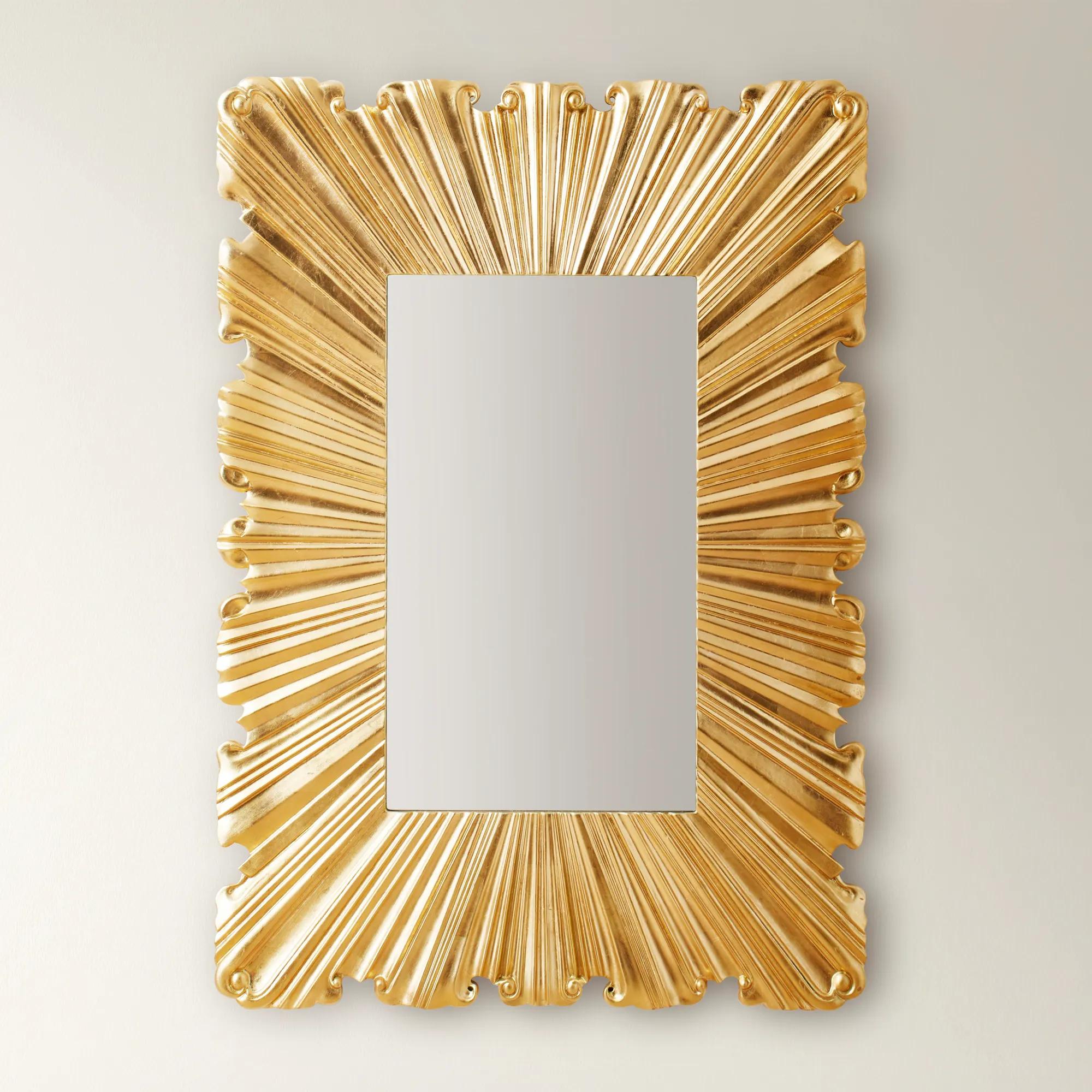 Metropolitan Gold Leaf Resin Rectangular Wall Mirror 27.5" x 39.5"$459
A sculptural wall mirror featuring a gold-finished polyurethane frame for a modern, elegant accent.
Add To Cart -
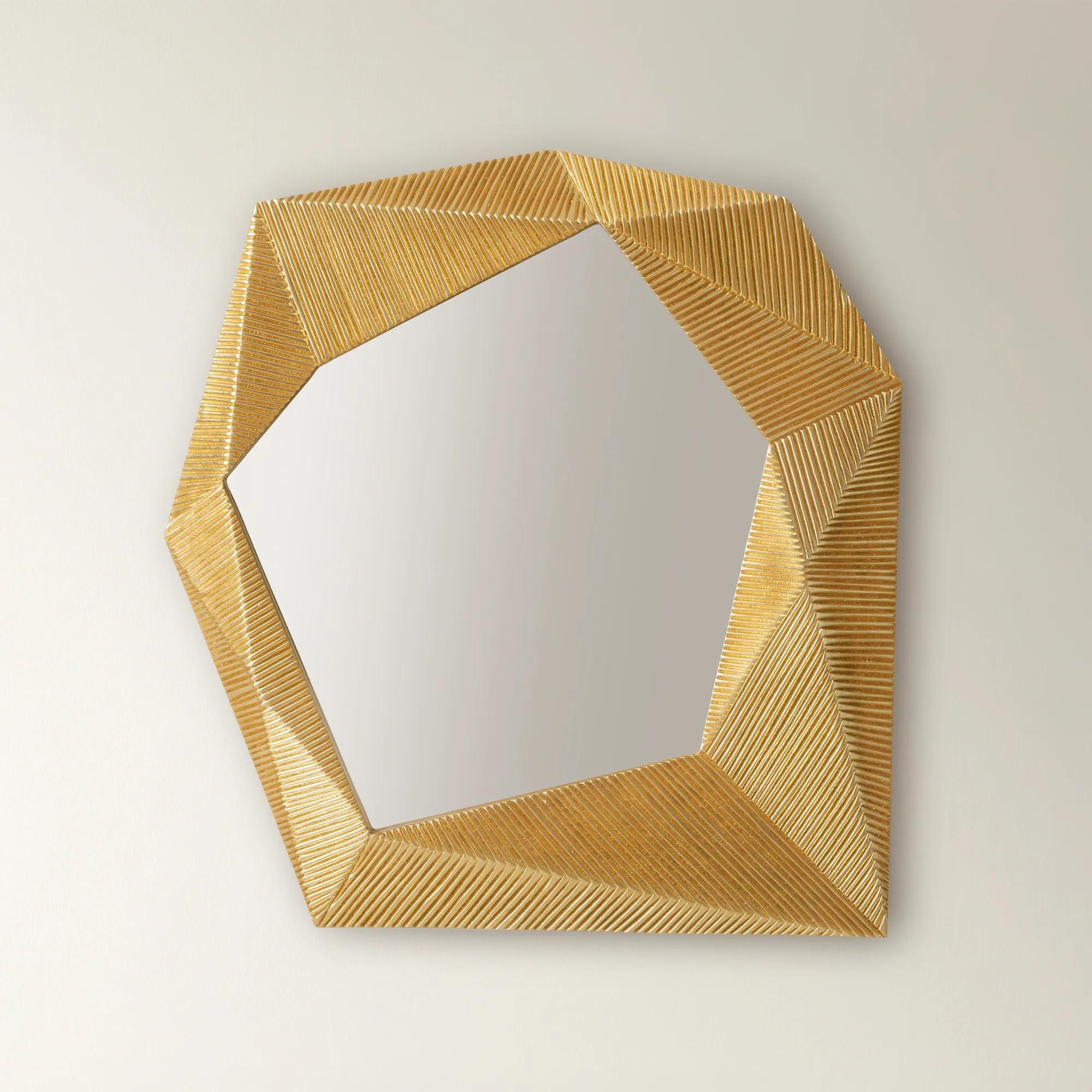
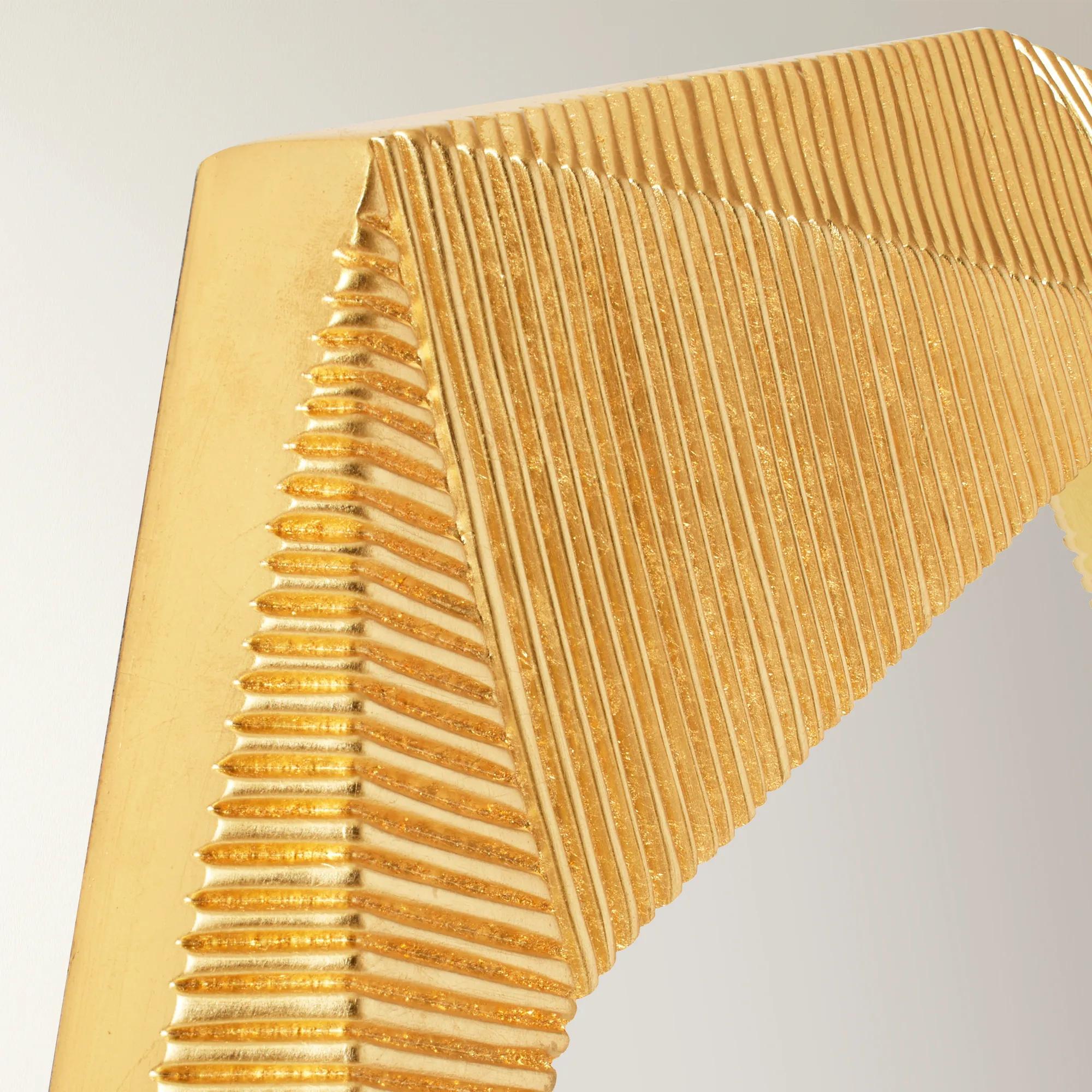 Nikki Chu Gold Steel Faceted Wall Mirror 31.5" x 35.5"$349
A modern mirror featuring a textured, faceted steel frame in a striking metallic gold finish.
Add To Cart -
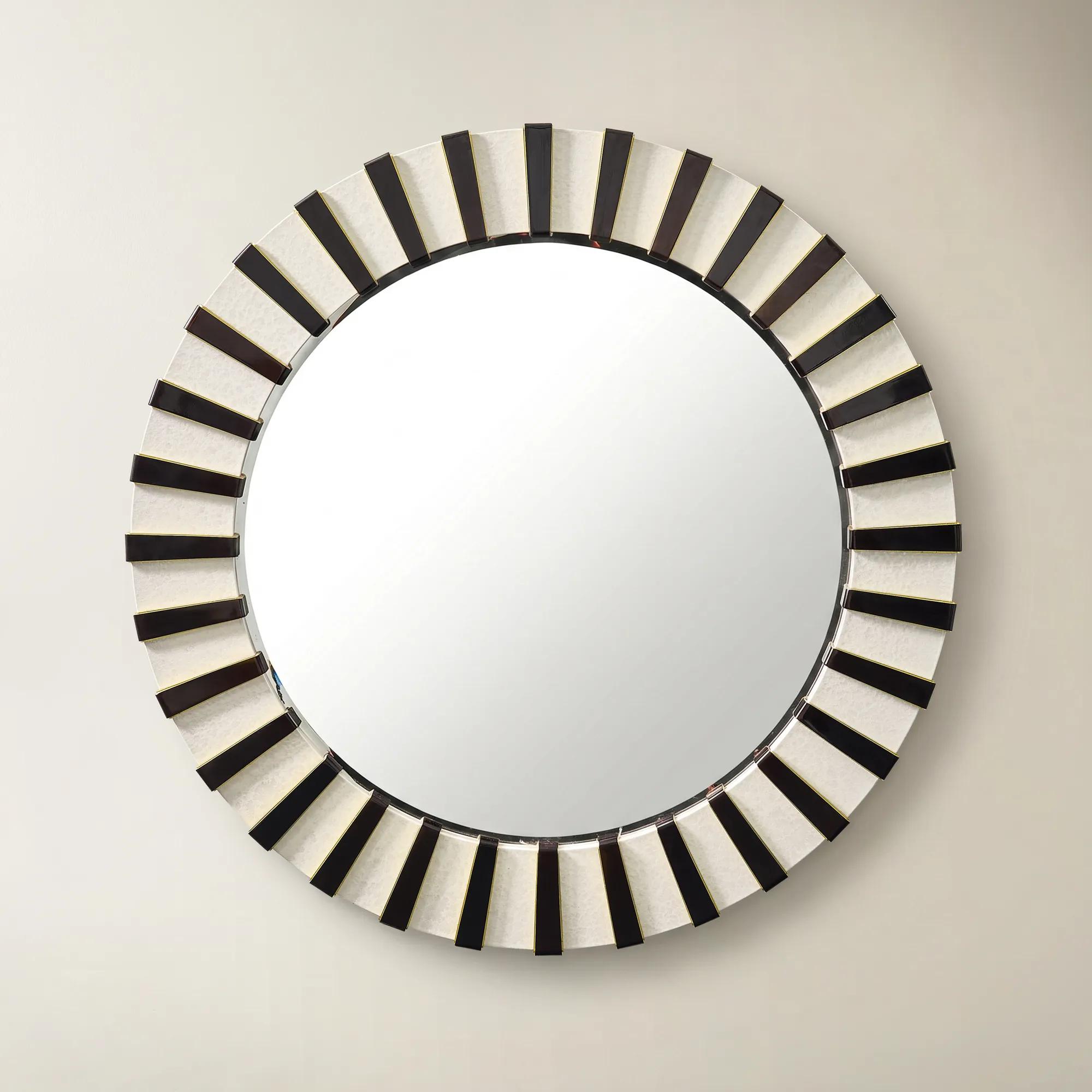 Regatta Opaline Pearl Black Gold Dimensional Round Wall Mirror 45"$849
A luminous wall mirror featuring an opaline pearl lacquered wood frame with black, gold, and raised resin accents.
Add To Cart -
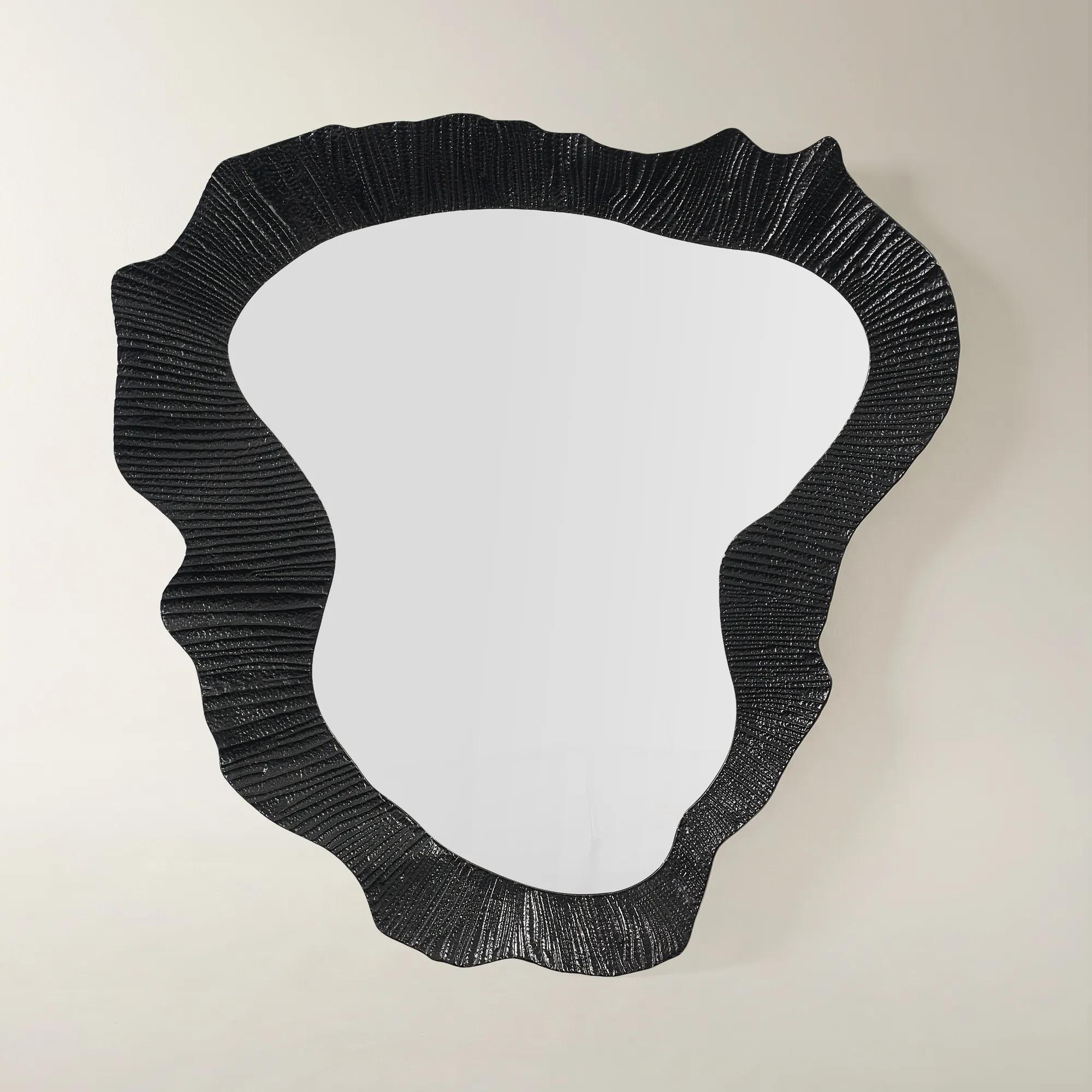 Cara Black Hand-Forged Iron Organic Shaped Wall Mirror 52.5" x 53"$1199
A hand-forged black iron frame and organic silhouette create a bold, sculptural statement for any room.
Add To Cart -
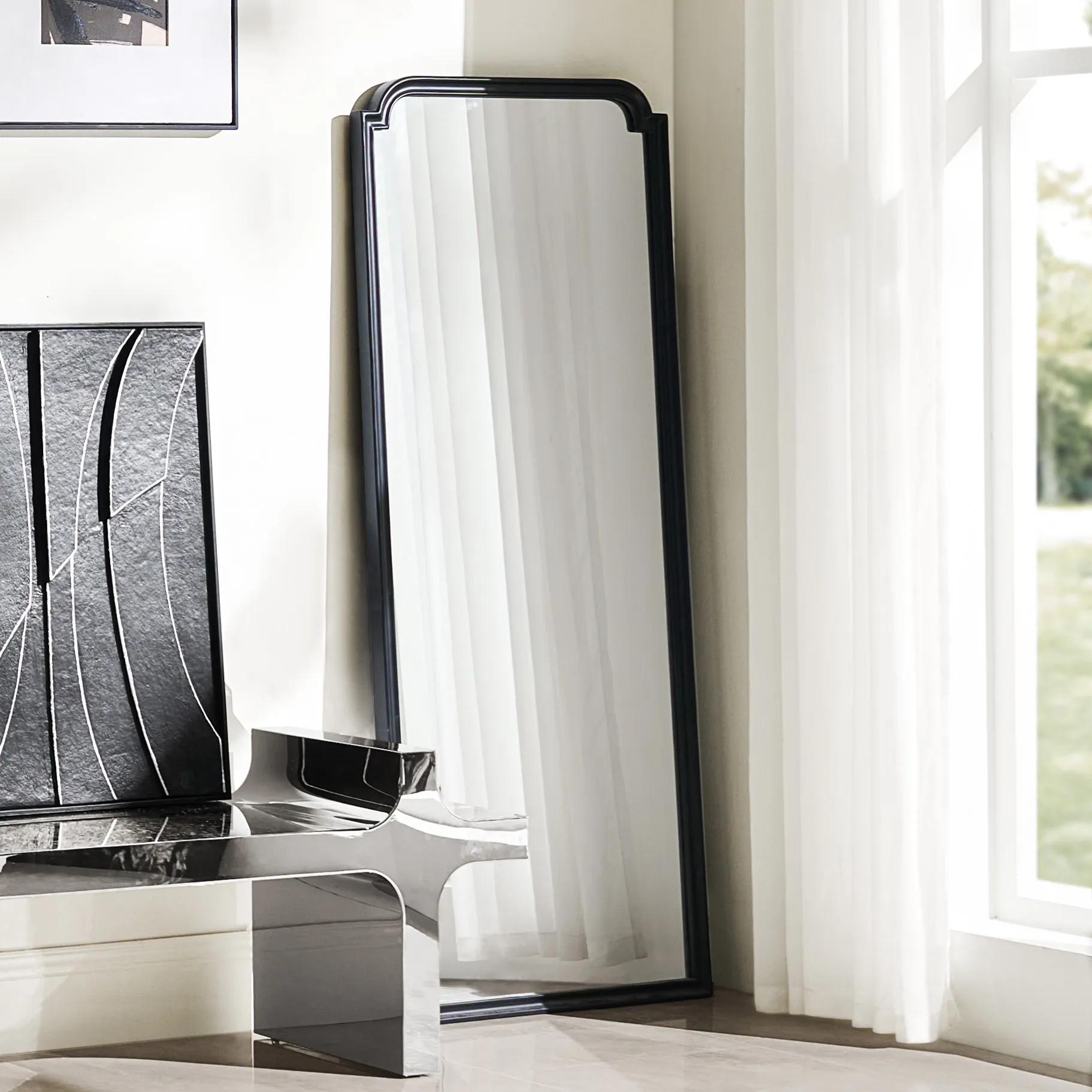
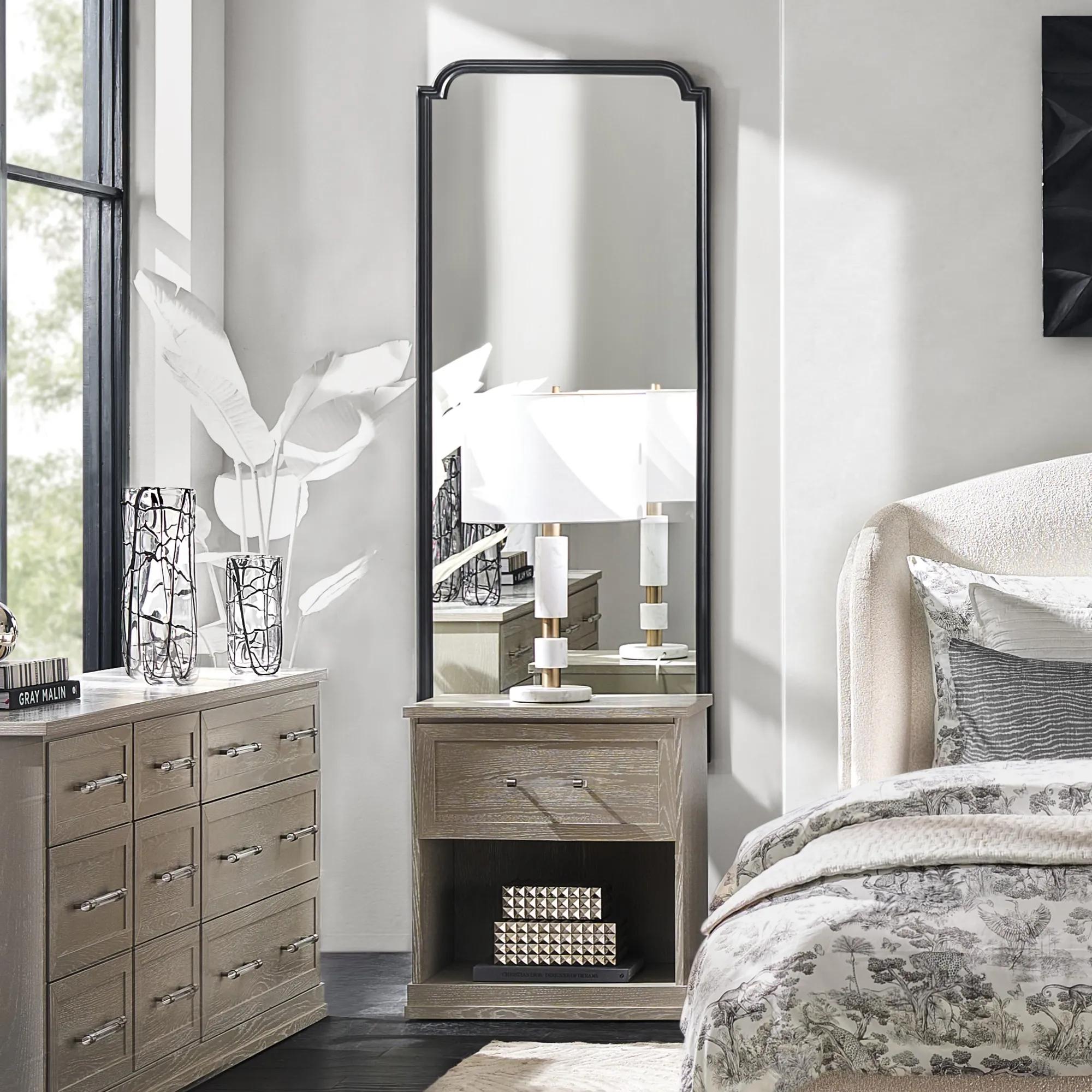 Clyde Floor Mirror$799
A sleek black-framed floor mirror crafted from glass and MDF for a sophisticated, modern touch.
Add To Cart -
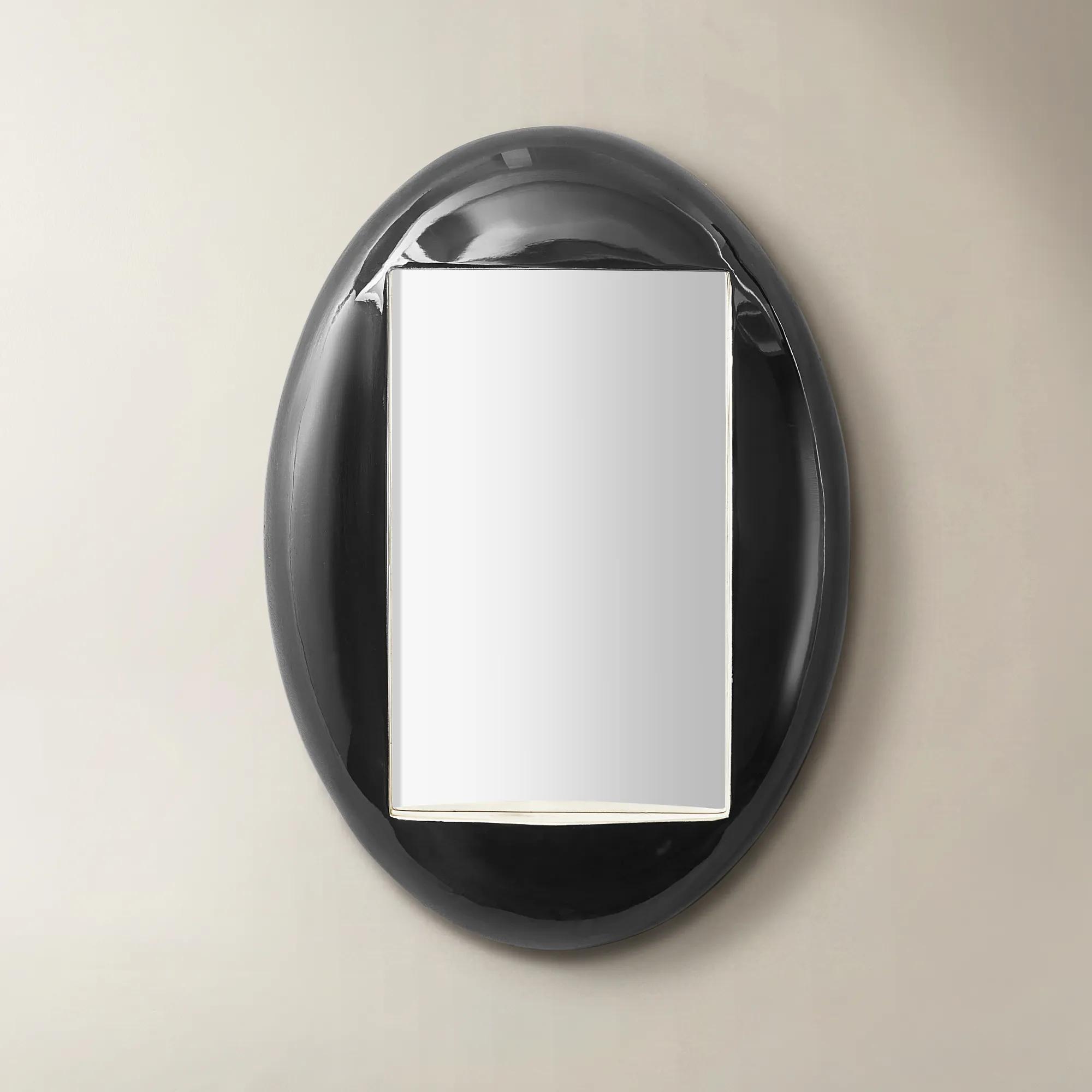 Tuxedo Black And Champagne High Gloss Resin Geometric Wall Mirror 28" x 20"$299
A geometric wall mirror with a black and champagne resin frame for bold, modern sophistication.
Add To Cart -
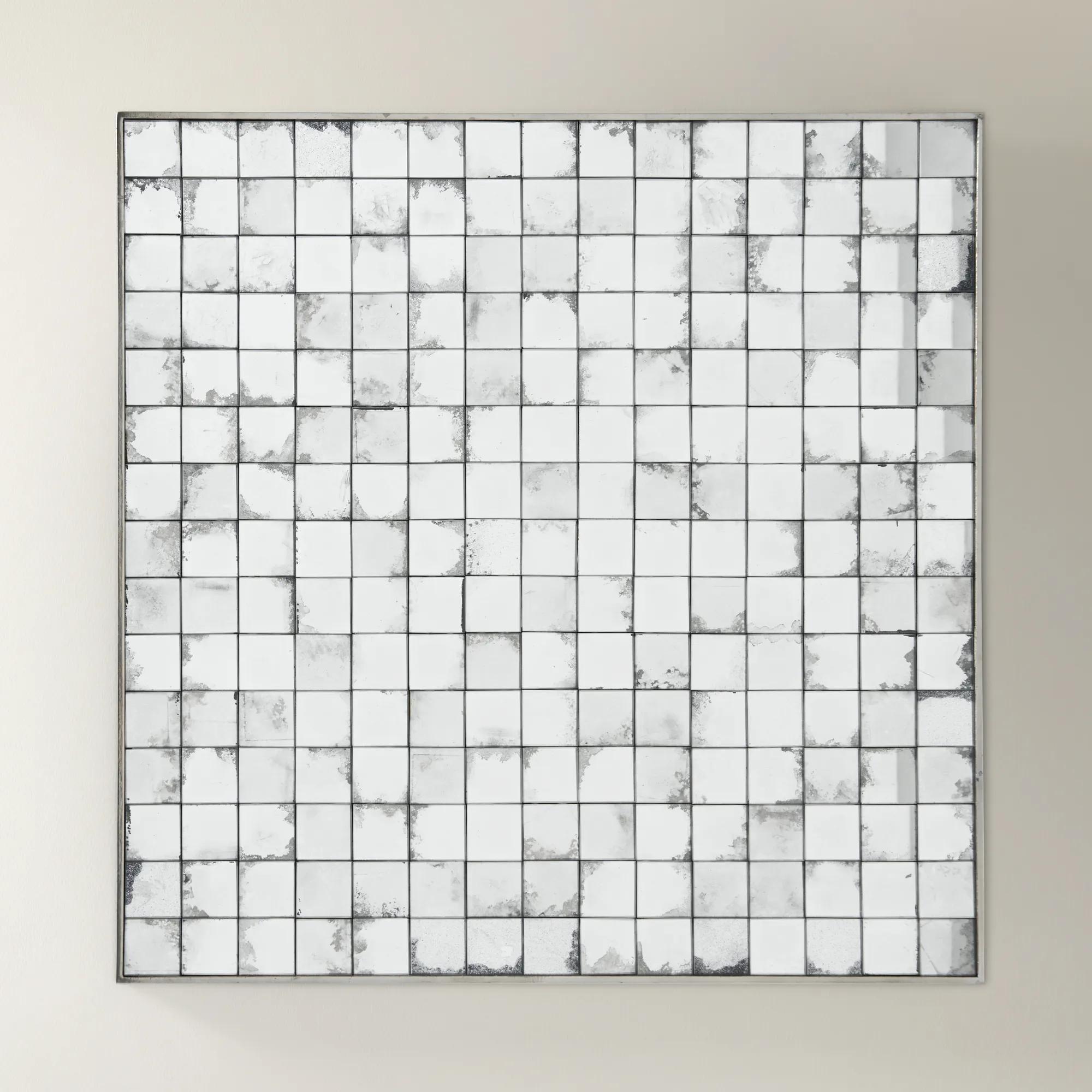
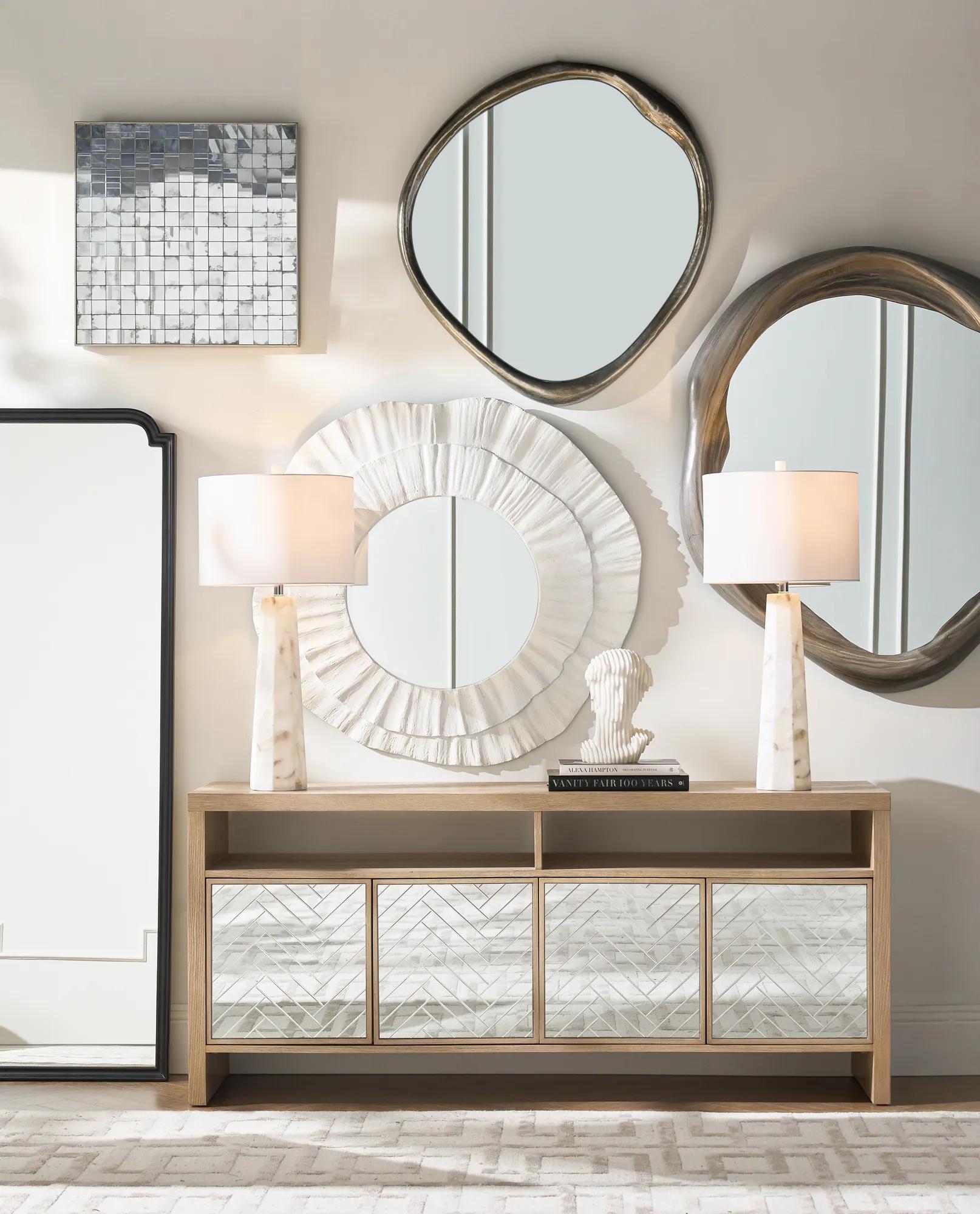 Futuro Wall Mirror$499
An antiqued silver mirror featuring aged glass tiles for a striking blend of vintage and modern style.
Add To Cart -
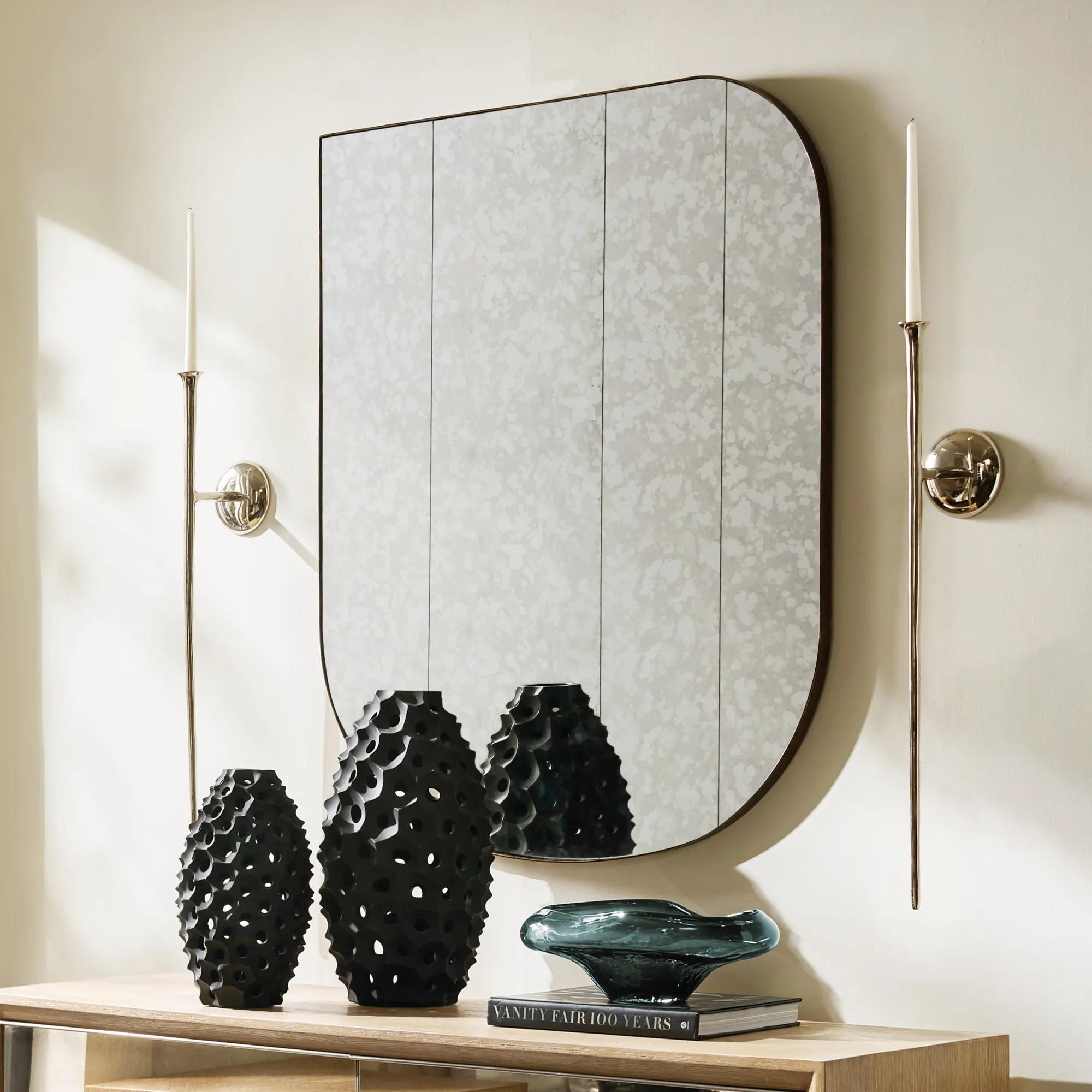
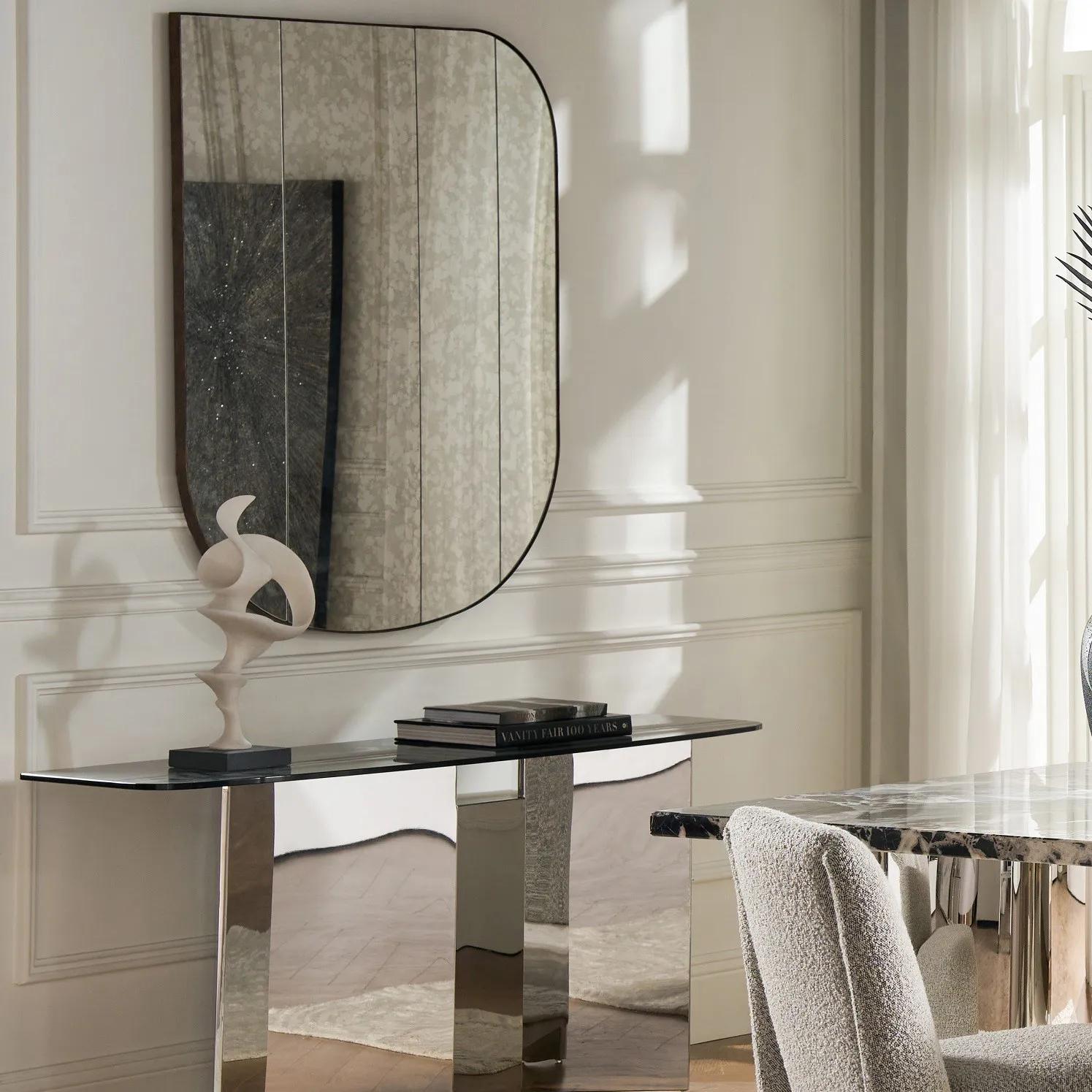 Angolo Wall Mirror$799
An antique-inspired wall mirror featuring a softly irregular shape and shimmering patina on iron and MDF.
Add To Cart -
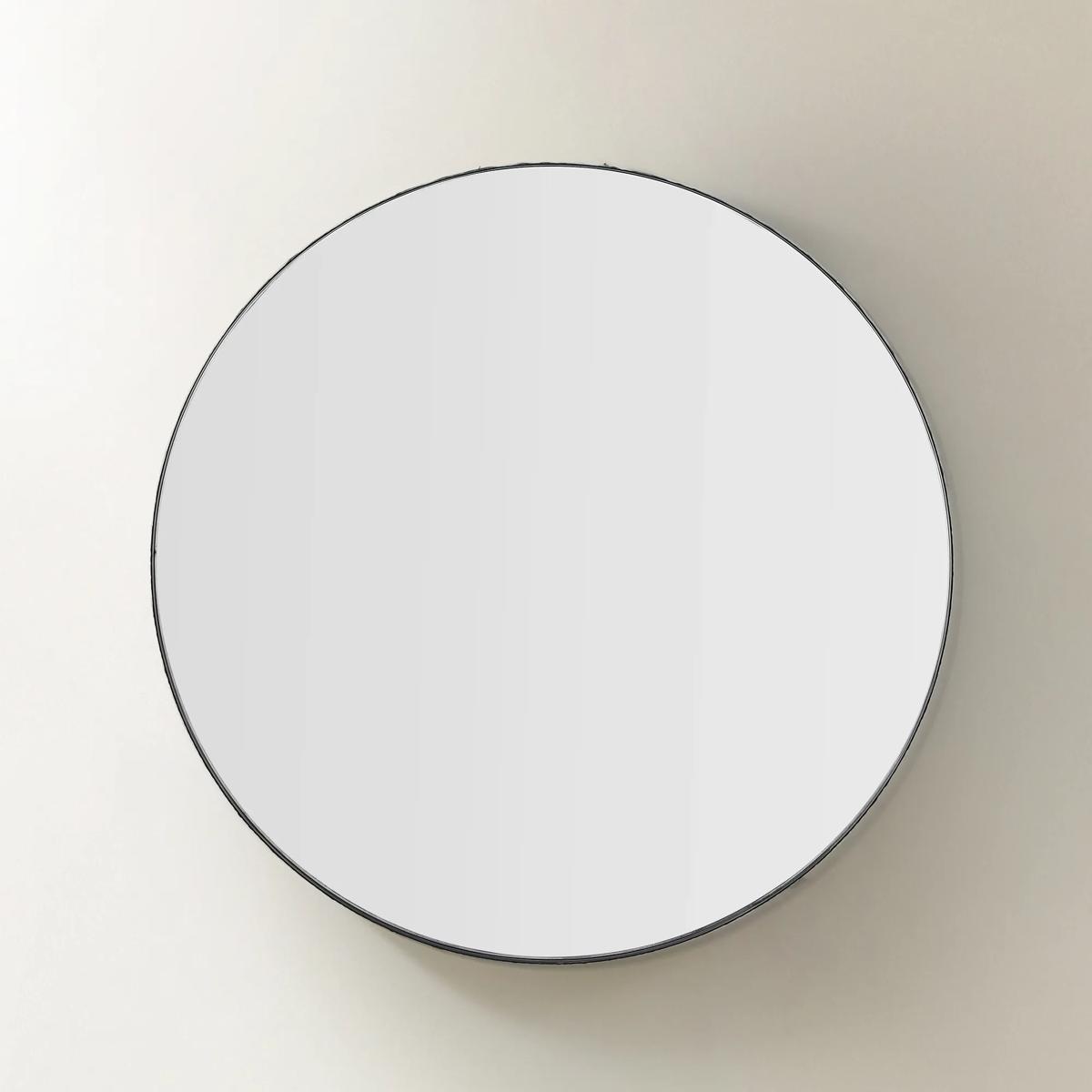
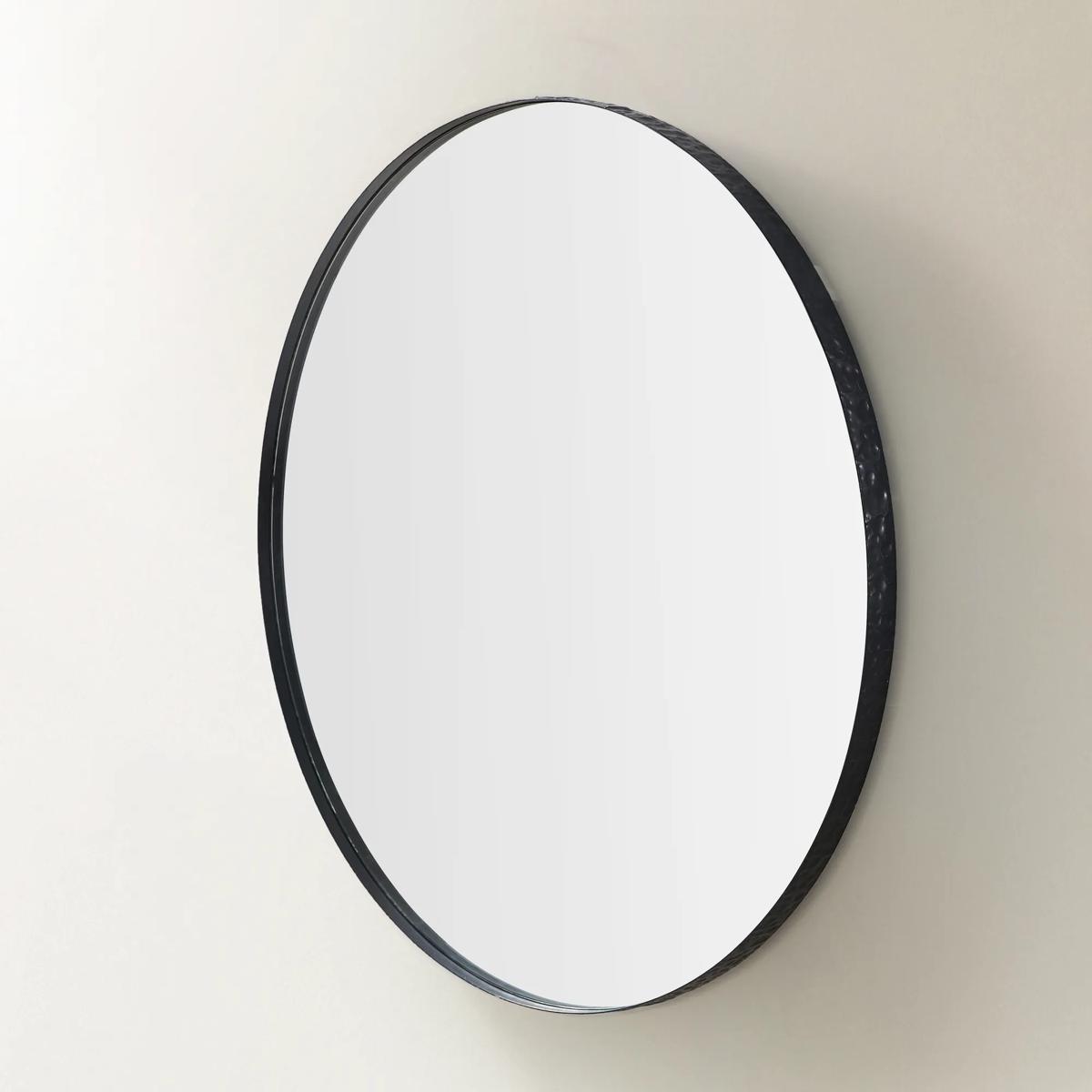 Cade Wall Mirror - Black$699
A round wall mirror featuring a hand-hammered black iron frame for a sleek, modern accent.
Add To Cart -
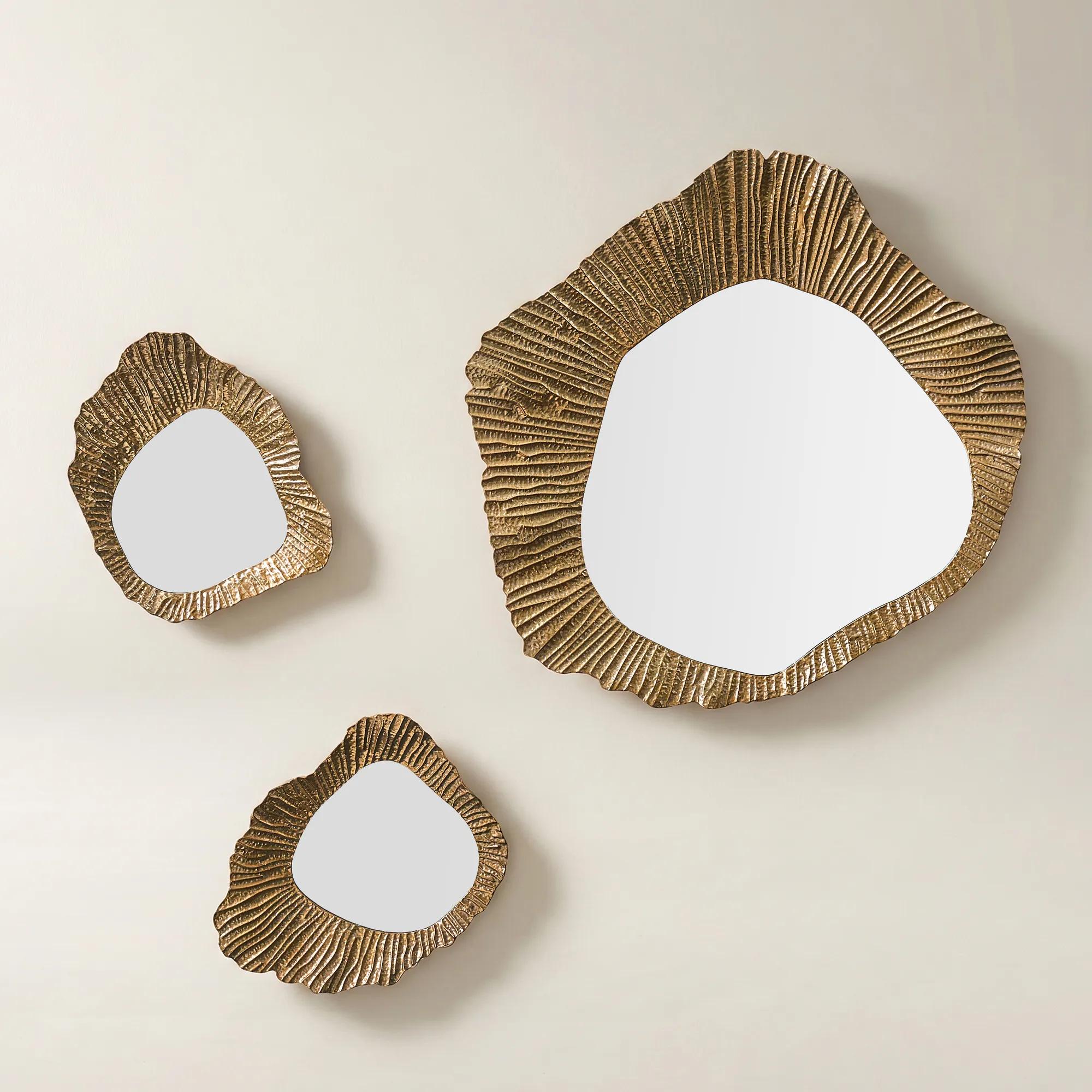 Cara Antique Gold Hand-Forged Iron Organic Shaped Wall Mirror Cluster Trio$1099
A set of three hand-forged iron mirrors in antiqued gold, featuring an organic, sculptural cluster design.
Add To Cart -
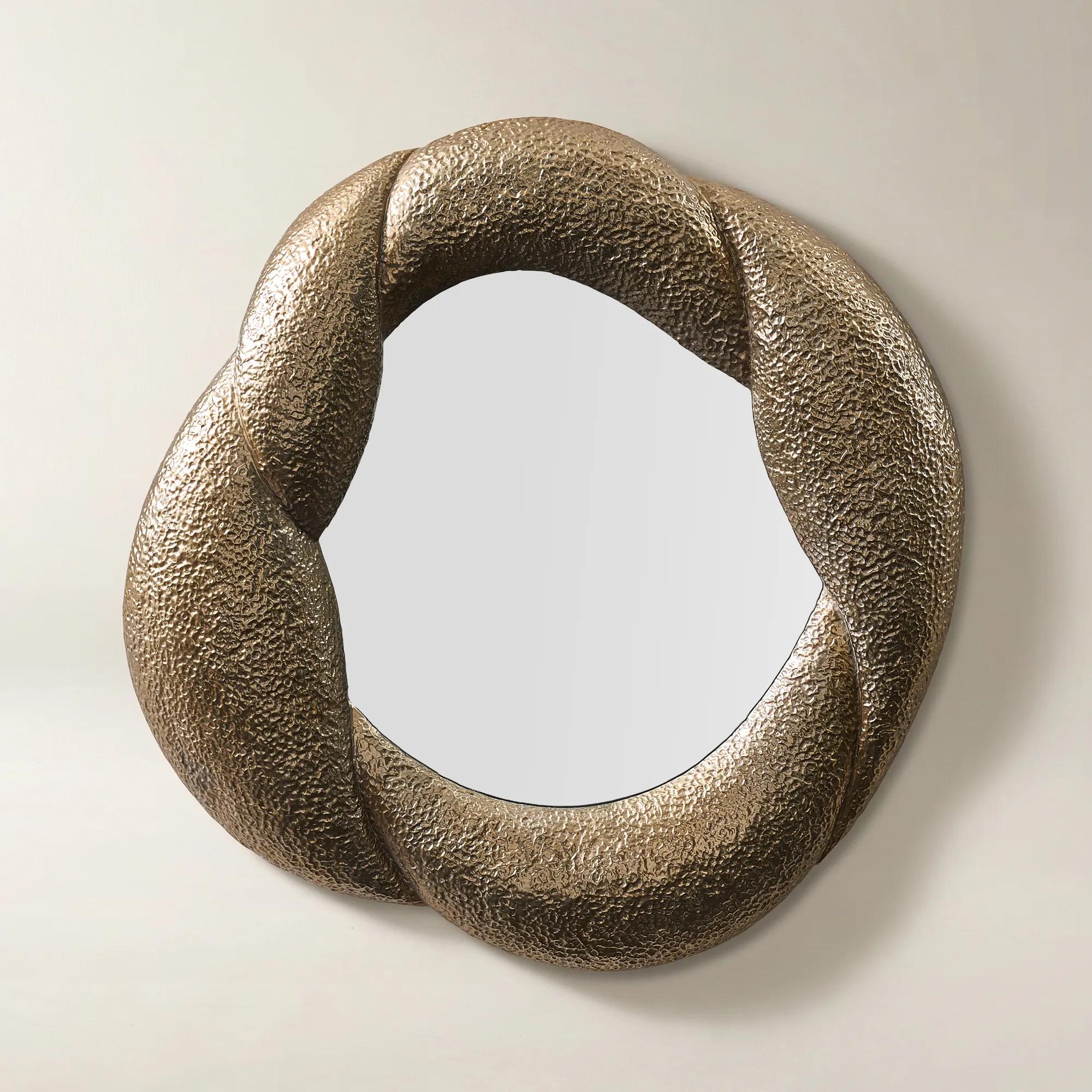 Bronze Age Hammered Texture Resin Organic Round Wall Mirror 34"$599
A round wall mirror featuring a chunky resin frame with hammered bronze texture for sculptural, modern appeal.
Add To Cart -
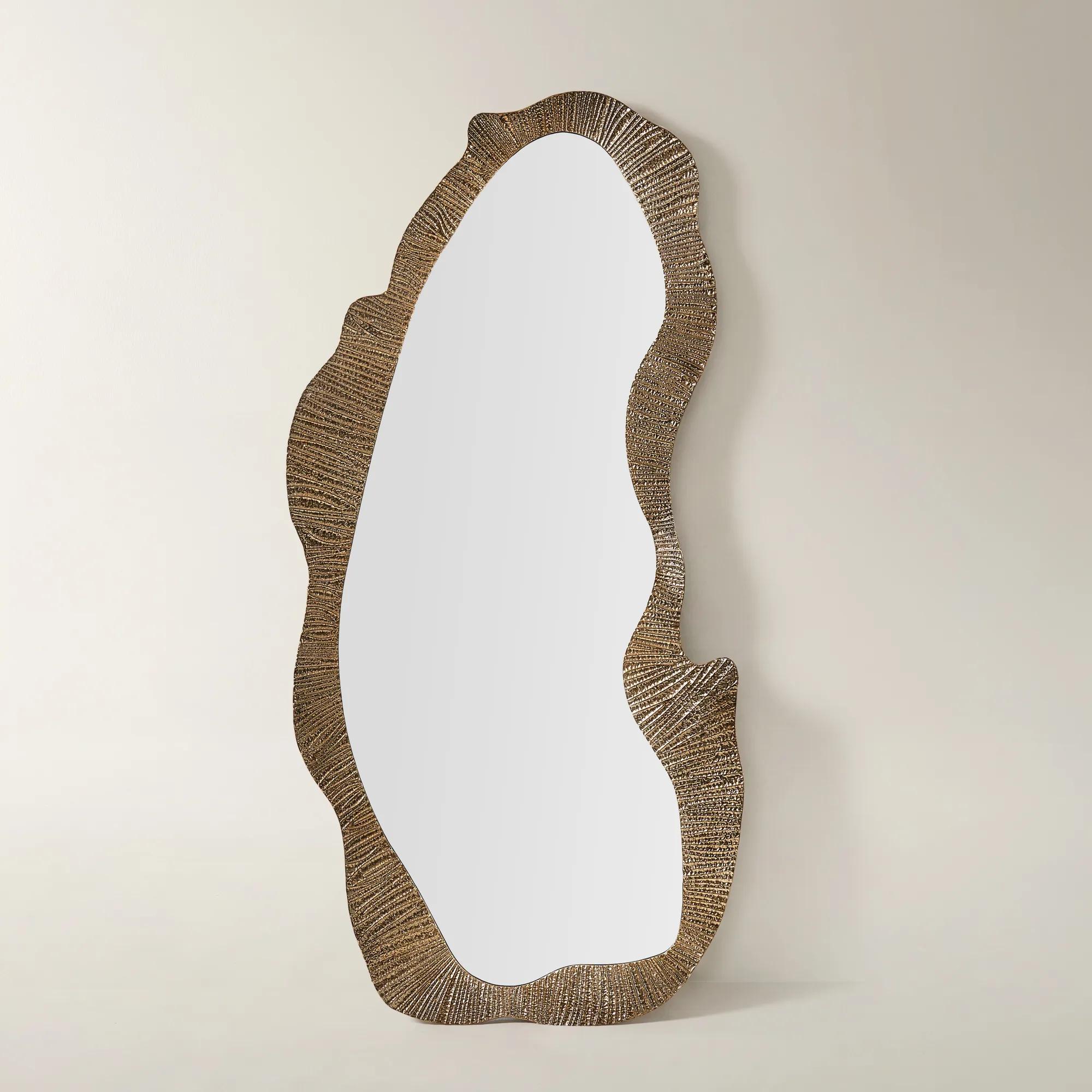 Cara Antique Gold Hand-Forged Iron Organic Shaped Floor Mirror 40.25" x 80.75"$1499
An antiqued gold hand-forged iron frame gives this sculptural floor mirror a refined, artful presence.
Add To Cart -
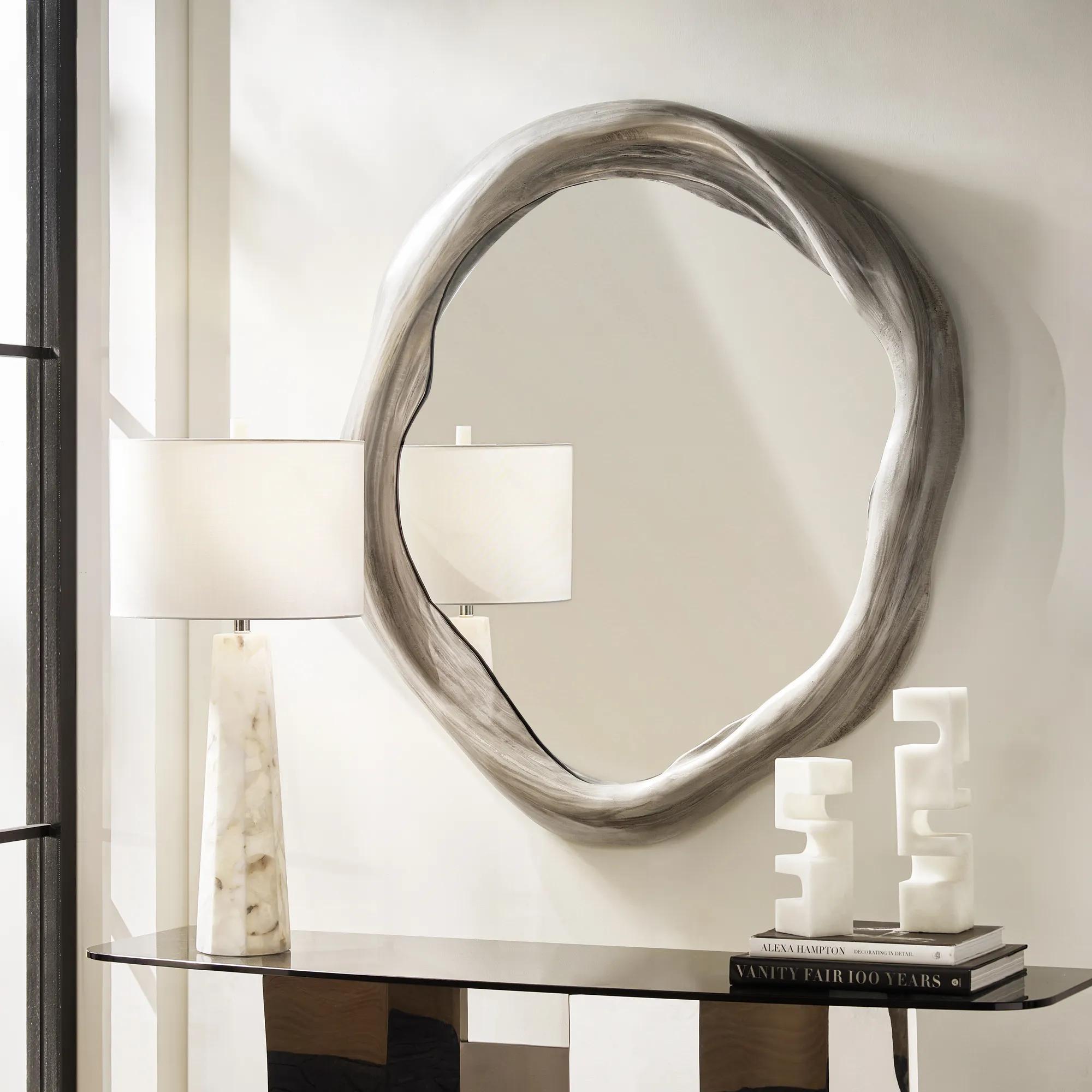
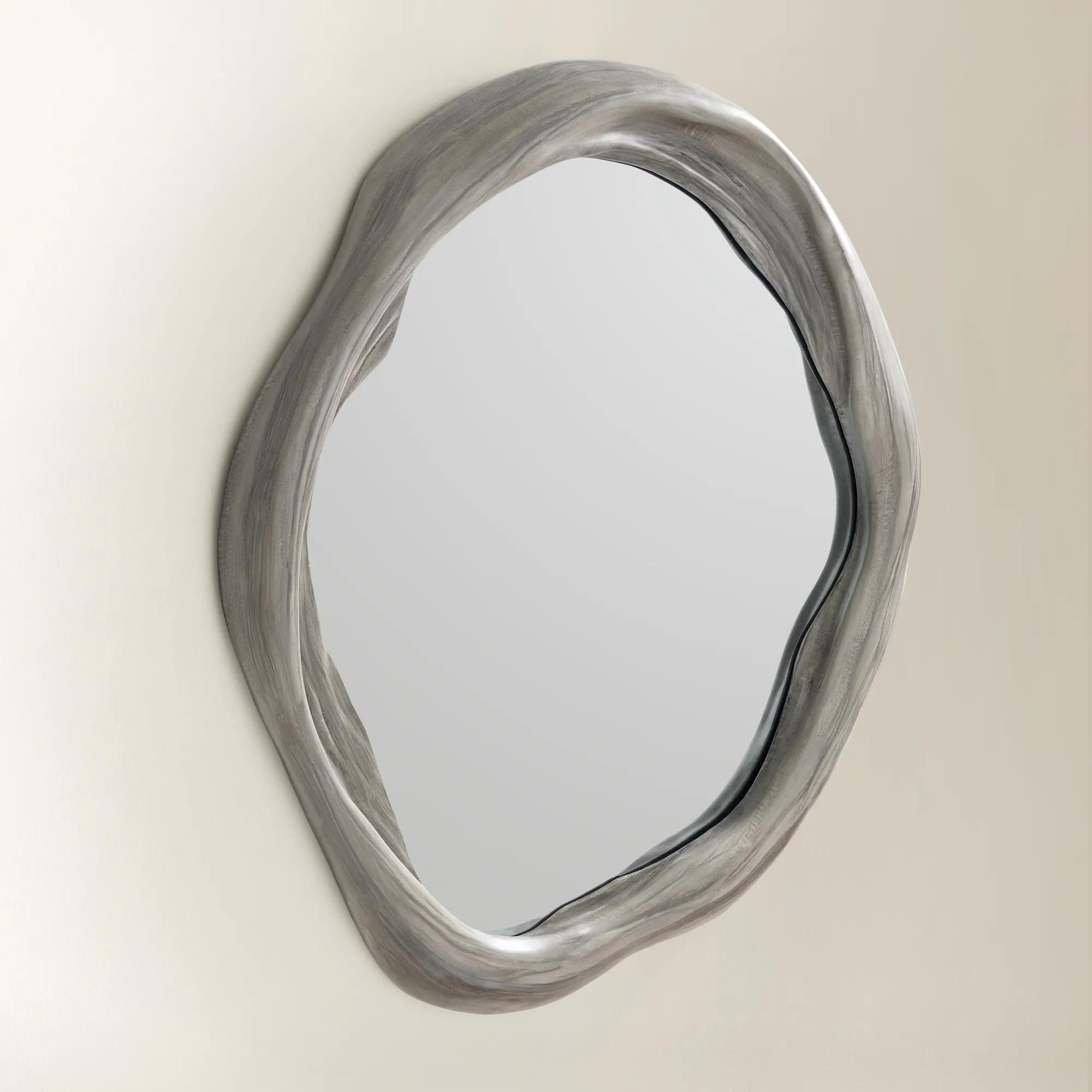 Dunes Wall Mirror$899
An organically shaped wall mirror with an artfully irregular gray frame, perfect for modern or minimalist spaces.
Add To Cart -
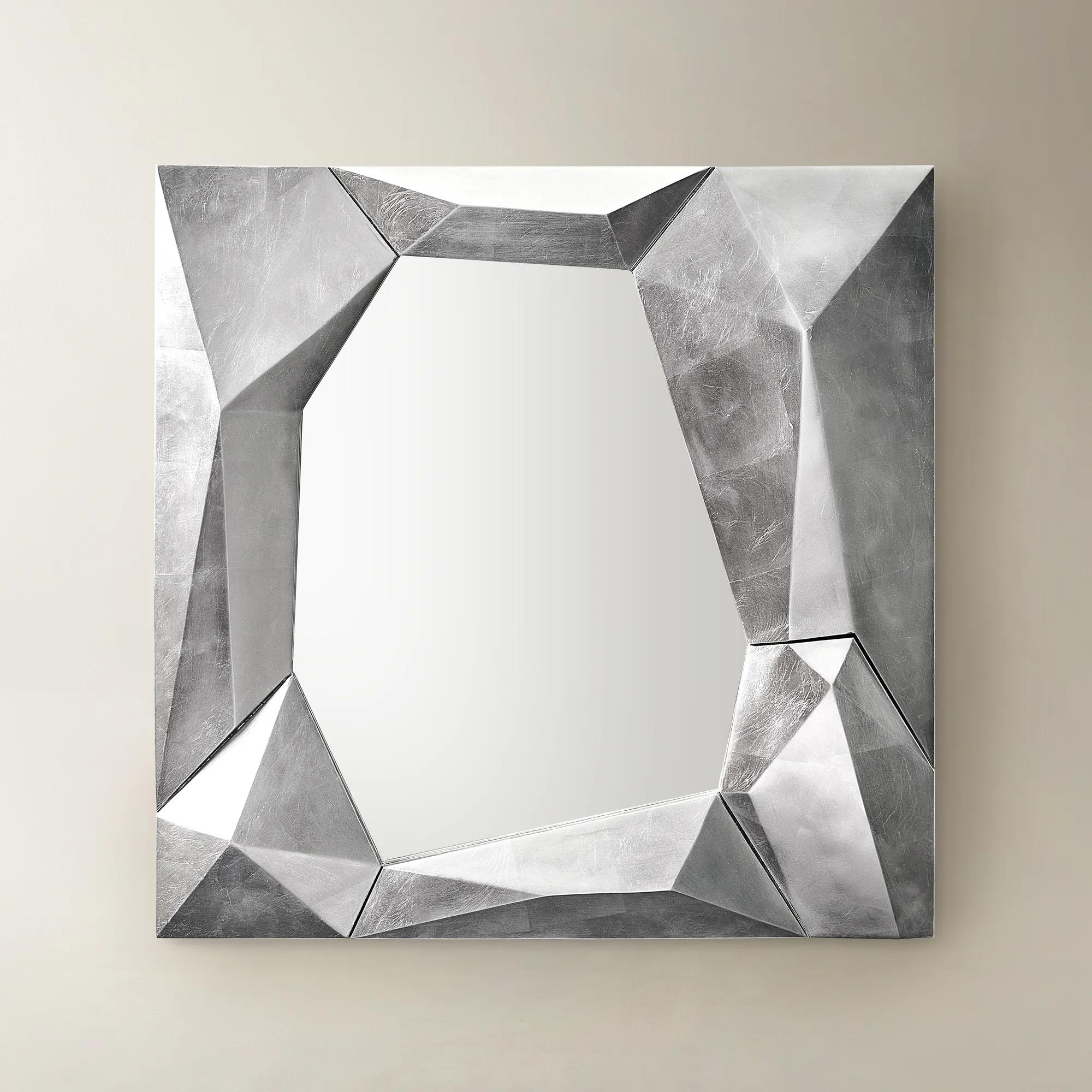 Aeris Satin Silver Faceted Resin Square Wall Mirror 35" x 35"$499
A satin silver fiberglass resin frame and faceted silhouette create a modern, sculptural wall mirror.
Add To Cart -
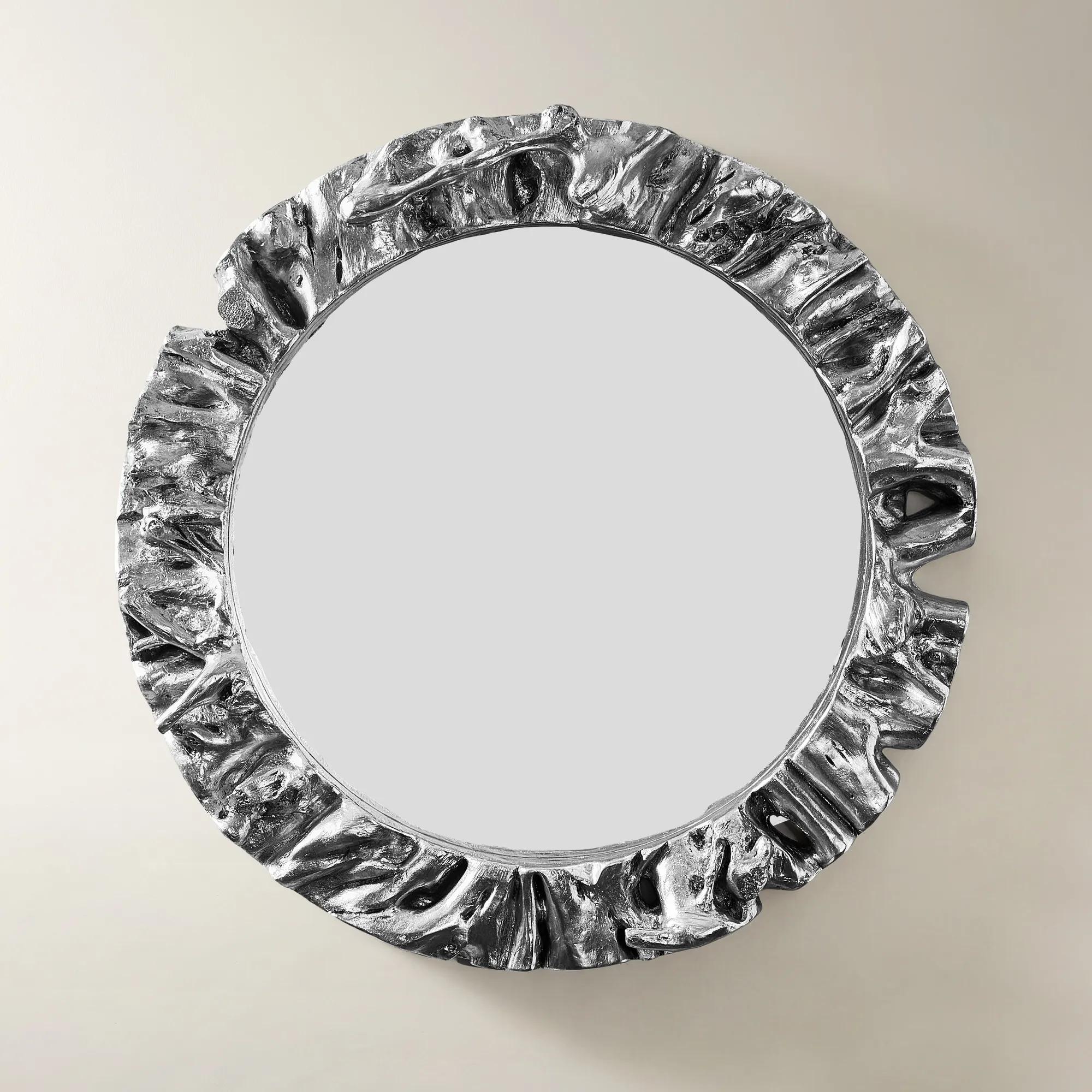
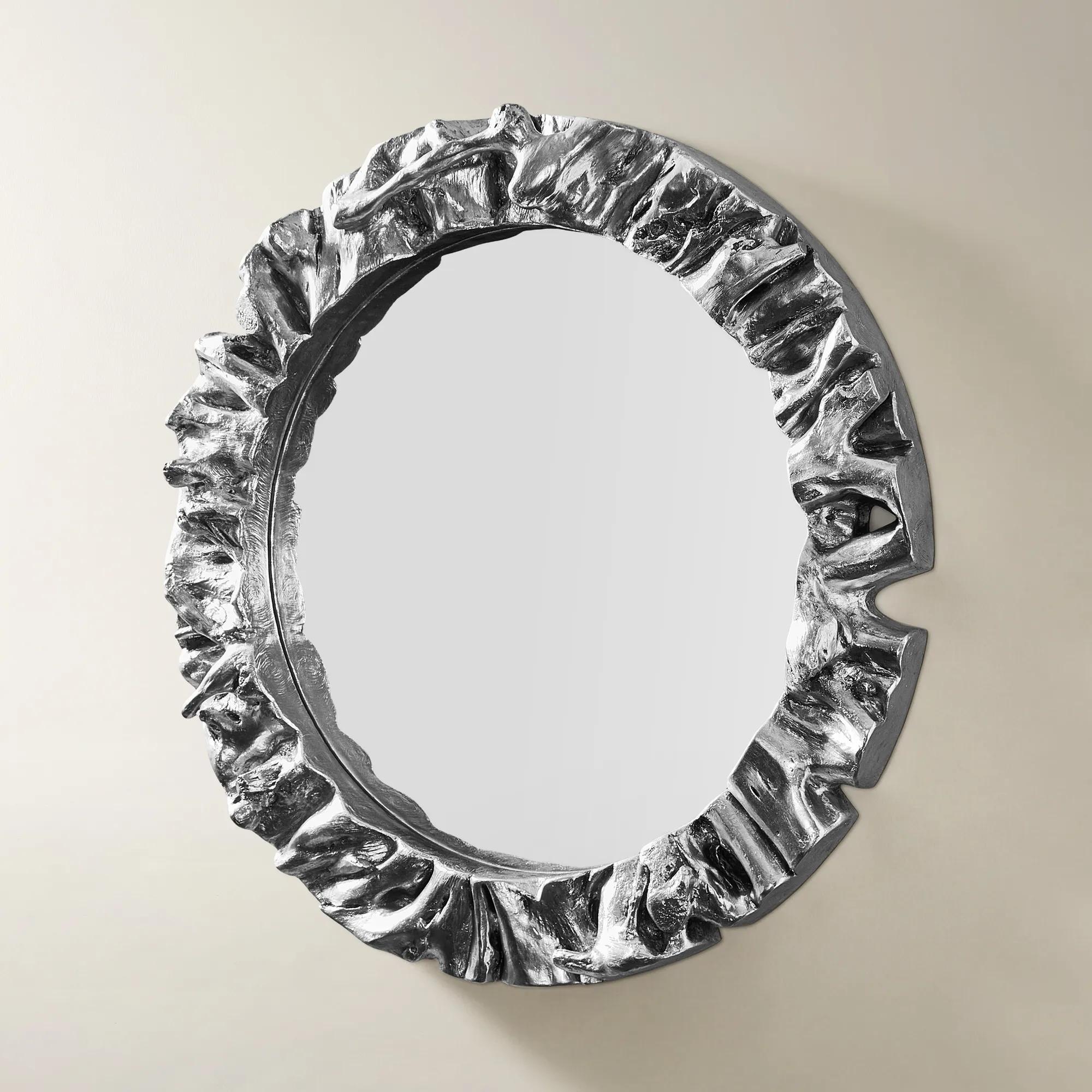 Sequoia Silver Resin Round Wall Mirror 48.25"$1199
A sculptural silver fiberglass resin frame mirror that adds modern polish and reflective brightness to any room.
Add To Cart -
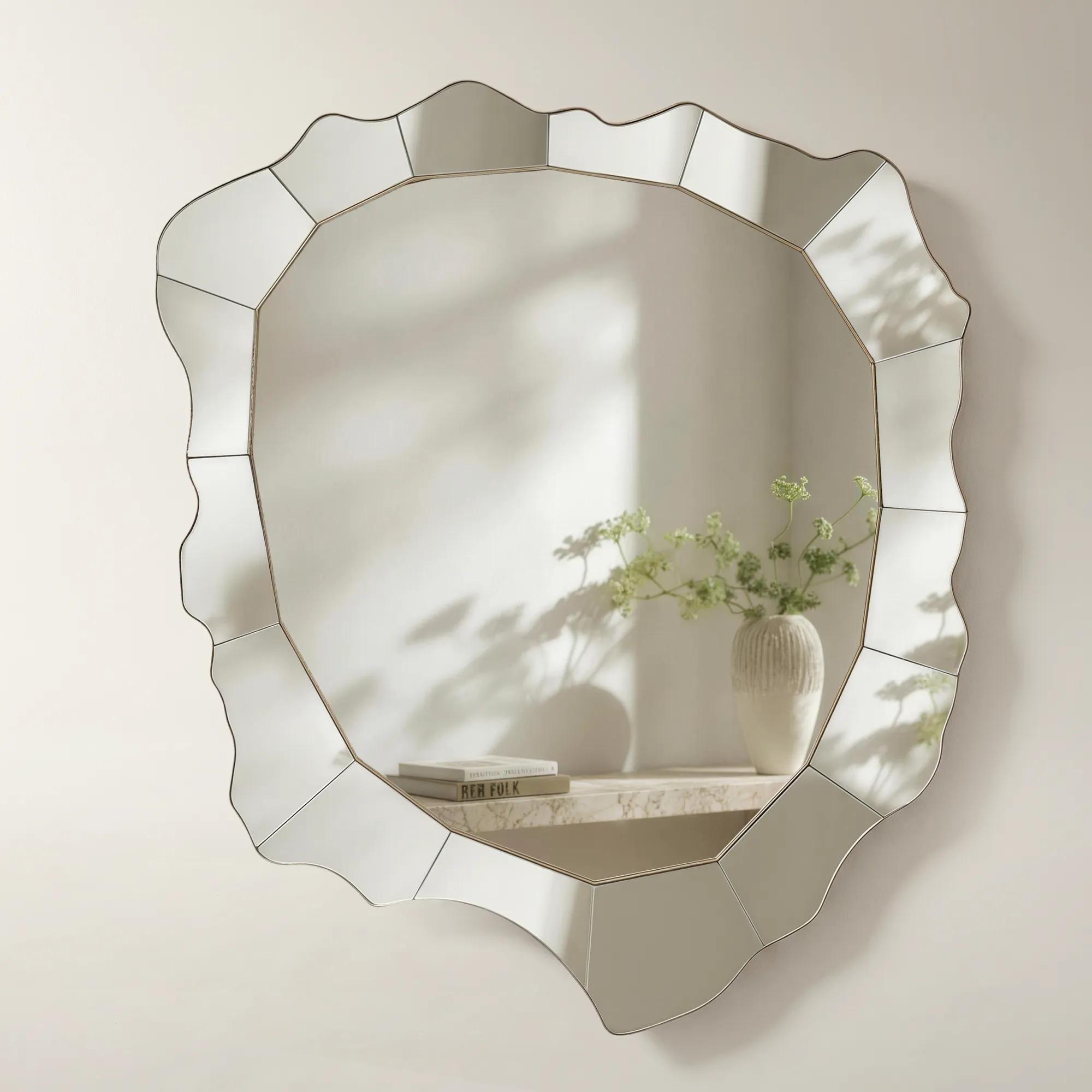 Gala Gold Trim Organic Shaped Wall Mirror 45" x 54"$999
An organic faceted mirror with soft gold iron trim adds sculptural movement and refined glamour to any room.
Add To Cart

Mirrors For Transitional Interiors
Mirrors for transitional interiors are the secret to curating a space where timeless elegance meets modern allure. Each reflective piece becomes more than just décor—it is an invitation to play with light, amplify architectural beauty, and create captivating depth. In transitional design, mirrors act as sophisticated bridges between classic silhouettes and contemporary statements, infusing rooms with a sense of balance and artistry. Let every glance reveal a new perspective as you transform your home into a gallery of radiant style and refined drama.
Mirrors for transitional interiors bring a distinctive sense of balance to rooms that draw from both classic and contemporary design. Their appeal lies in the quiet conversation between elements: traditional warmth softened by clean profiles, graceful silhouettes paired with restrained finishes, and decorative detail shaped with a modern eye. When selecting a mirror for this style, look for a frame that feels considered rather than overly ornate. Soft arches, cathedral-inspired curves, gentle scalloped edges, and rounded corners add architectural interest while maintaining an inviting presence. Clean-lined rectangular mirrors offer a tailored look above a console, dresser, or vanity, while round silhouettes can soften a room filled with linear furniture and structured millwork. Transitional interiors welcome both warm and cool finishes, so the right choice depends on the atmosphere you want to create. Brushed brass, soft gold, and antique bronze introduce a subtle glow that complements wood tones, woven textures, and creamy upholstery. Silver leaf, polished chrome, and other cool metallic finishes create a crisp, luminous effect beside gray, ivory, glass, or darker lacquered surfaces. Wood frames, whether light and natural or deep and richly toned, bring organic character without compromising the streamlined look that defines transitional design. Consider scale as carefully as color and finish. A mirror above a mantel should feel substantial enough to hold its own against the architecture, while an entryway mirror should leave enough breathing room for a console, lamp, or arrangement of collected objects beneath it. In a dining room, a generously sized mirror can amplify candlelight and make the setting feel more open; in a bedroom, a tall design can lend height and a polished finishing touch near a dresser or dressing area. A bathroom mirror should complement the vanity proportions and coordinate naturally with cabinet hardware, sconces, and plumbing finishes. Before purchasing, measure the wall, note the width and height of nearby furniture, and account for the hanging hardware and visual clearance around the frame. A mirror may be decorative, but it also changes how a room feels: placed across from a window, it can reflect daylight and brighten shadowed corners; positioned near a lamp or chandelier, it can catch a gleam and scatter it through the room; set opposite artwork or a sculptural arrangement, it can extend the composition and create a layered point of view.
The most successful mirrors for transitional interiors are selected as part of the room’s larger story. In an entryway, a round or softly rectangular mirror above a streamlined console creates an elegant arrival moment, giving guests a place to pause while establishing the home’s palette at first glance. In a living room, a large arched mirror above the mantel can echo the shape of a doorway or window, making the architecture feel more intentional and drawing the eye upward. In a hallway, a narrow vertical mirror can add depth without interrupting the passage, especially when paired with a slim table, a sculptural lamp, or a small arrangement of treasured objects. Layering is equally effective when the mirror is treated as more than a reflective surface. Surround it with texture, tonal contrast, and varied heights, or allow it to stand alone against a richly painted wall where its frame becomes the defining flourish. For additional inspiration, explore Mirrors For Decorative Layering to discover ways a reflective piece can become part of a more expressive vignette. Transitional mirrors also make thoughtful gifts for hosts, newlyweds, first-time homeowners, or anyone refreshing a room during a move or renovation. A well-chosen mirror feels personal without requiring exact knowledge of a recipient’s furniture, and its practical beauty suits bedrooms, baths, living spaces, and entryways alike. For gifting, versatile shapes and restrained finishes are often the most adaptable, while a more sculptural frame can be ideal for someone who embraces dramatic interiors and expressive detail. As the weather warms, reflective surfaces can make an entry or entertaining space feel airy and luminous; during the cooler months, they bring welcome brightness to rooms layered with heavier textiles, deeper tones, and glowing lamplight. Pay attention to construction, hanging orientation, frame depth, and whether the mirror is intended for vertical, horizontal, or either placement. A secure installation is essential, particularly for larger mirrors or homes with active hallways and busy gathering spaces. With the right proportions and finish, a transitional mirror does more than fill an empty wall. It connects eras, balances furnishings, captures changing light, and gives everyday rooms the composed, quietly dramatic character of a thoughtfully designed home.
FAQs
Mirrors are the secret ingredient for elevating transitional spaces—those artful blends of classic and contemporary. They reflect natural light and architectural details, creating an airy, luminous atmosphere that feels both timeless and current. A well-placed mirror transforms a room into a gallery of shifting perspectives, amplifying your unique sense of style.
Transitional interiors thrive on balance, so look for mirror frames that marry traditional elegance with modern simplicity. Think sculptural metallics, sleek lacquer finishes, or subtle wood grains with refined detailing. These frames act as jewelry for your walls, adding just the right amount of drama without overpowering your curated aesthetic.
Absolutely. A dramatic mirror—be it oversized, artfully shaped, or adorned with intricate accents—can anchor a room and set the tone for the entire space. In transitional design, a striking mirror becomes a focal point, blurring the line between function and art while inviting admiration from every angle.
Mirrors are natural harmonizers. Place them opposite windows or near contemporary art to reflect both light and design motifs, seamlessly connecting traditional furnishings with modern touches. Their reflective surfaces echo the interplay of old and new, ensuring your space feels cohesive and thoughtfully layered.
Mirrors are more than mere accents—they're expressive canvases that showcase your taste for drama and detail. Whether you choose a bold geometric silhouette or a delicately antiqued finish, each mirror you select is a reflection of your individuality, infusing your transitional home with personality and panache.
.jpeg?w=1080&h=1080)