Mirrored Chests For Transitional Bedrooms
Mirrored Chests For Transitional Bedrooms
-
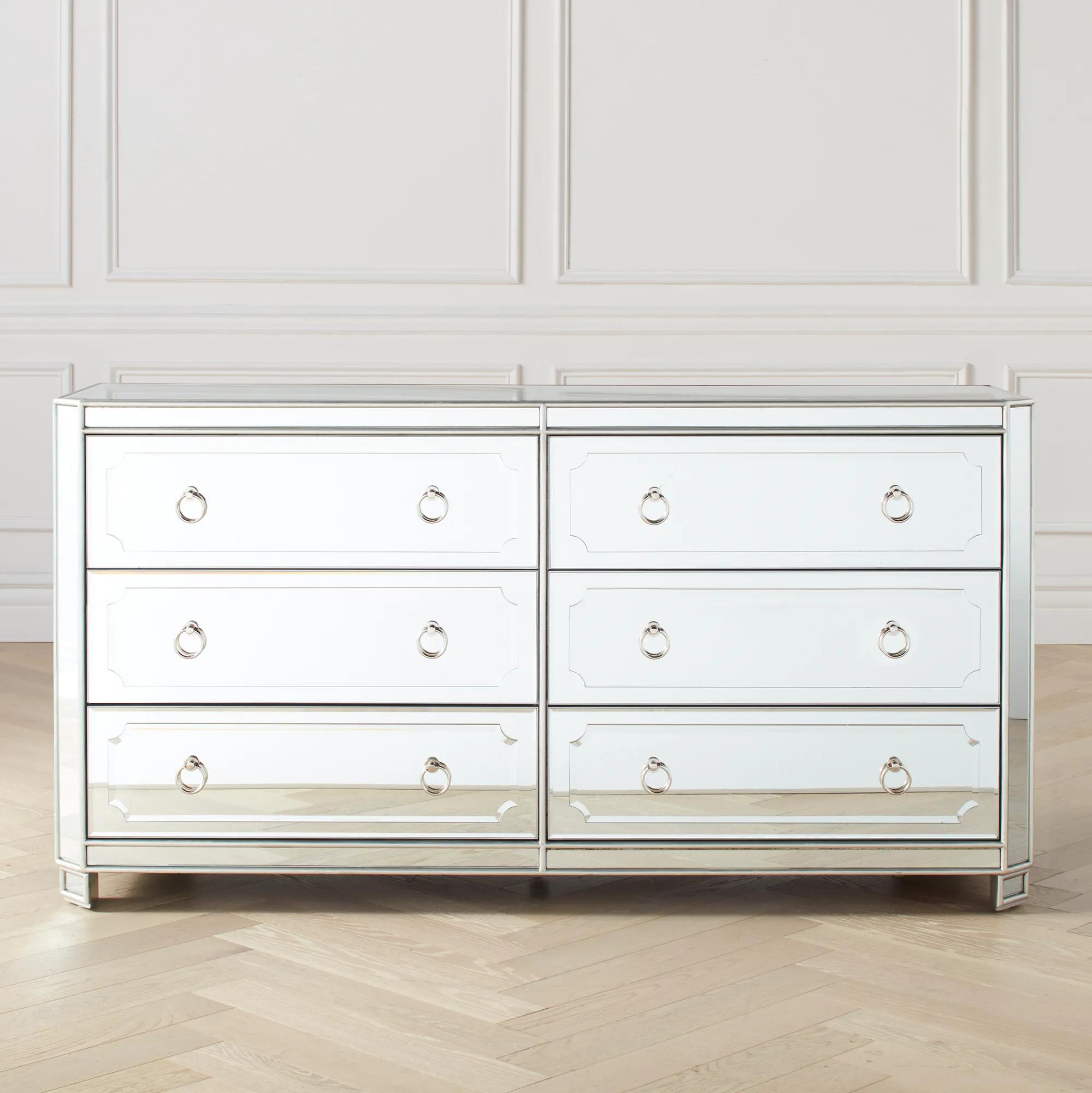
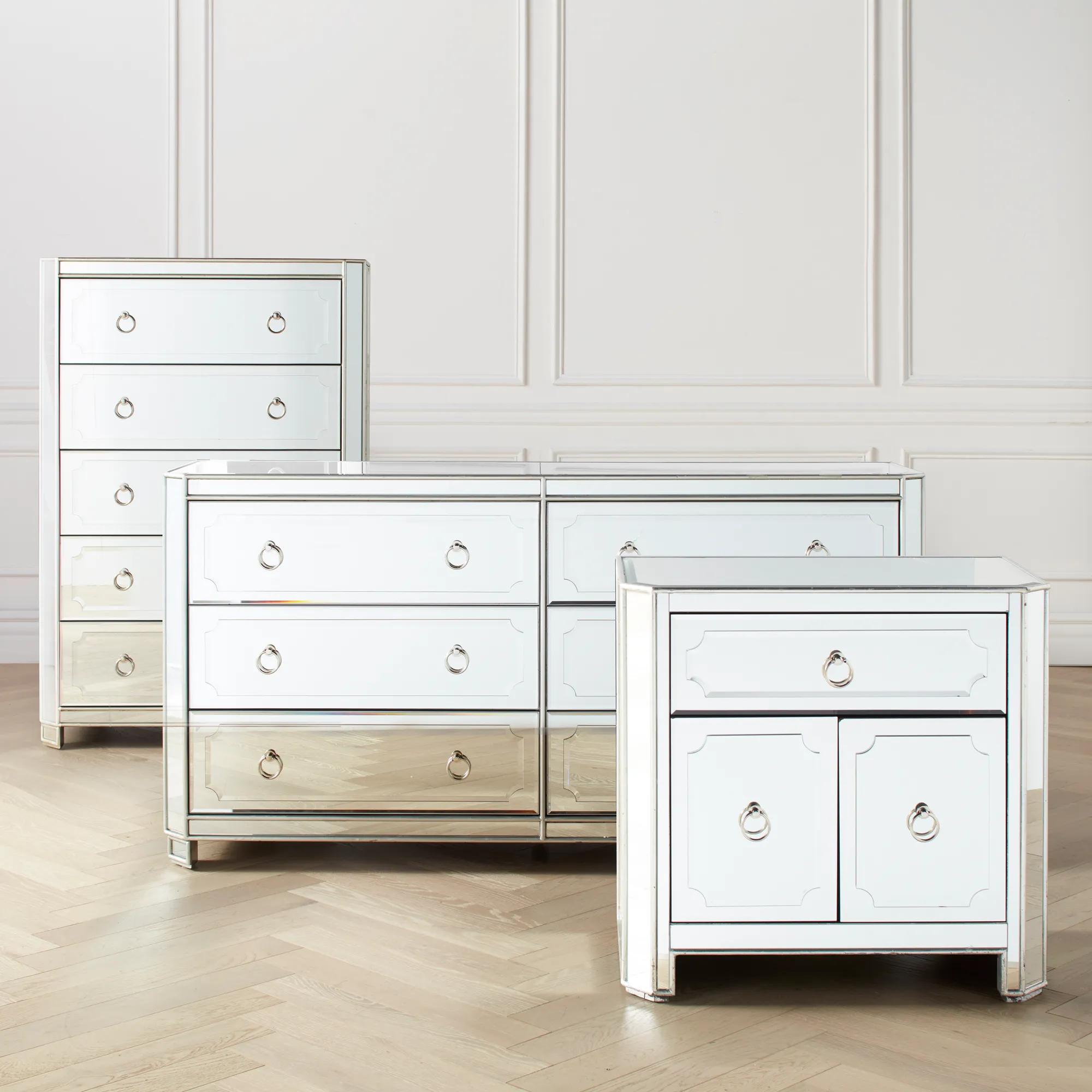 Simplicity Mirrored Silver 6-Drawer Dresser (66")$2299
A glamorous chest featuring beveled mirrored panels, hand-applied silver-leaf trim, and polished nickel hardware.
Add To Cart -
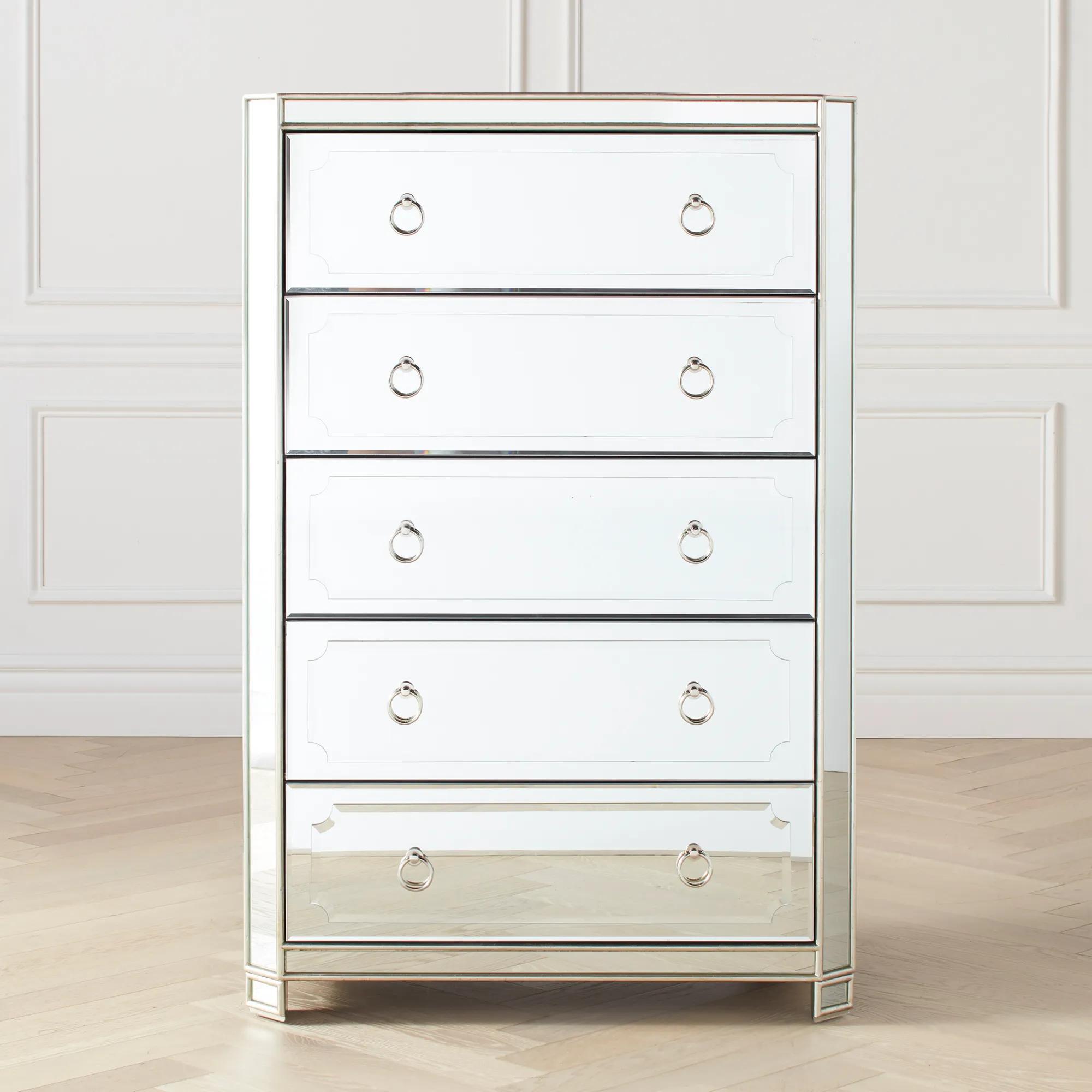
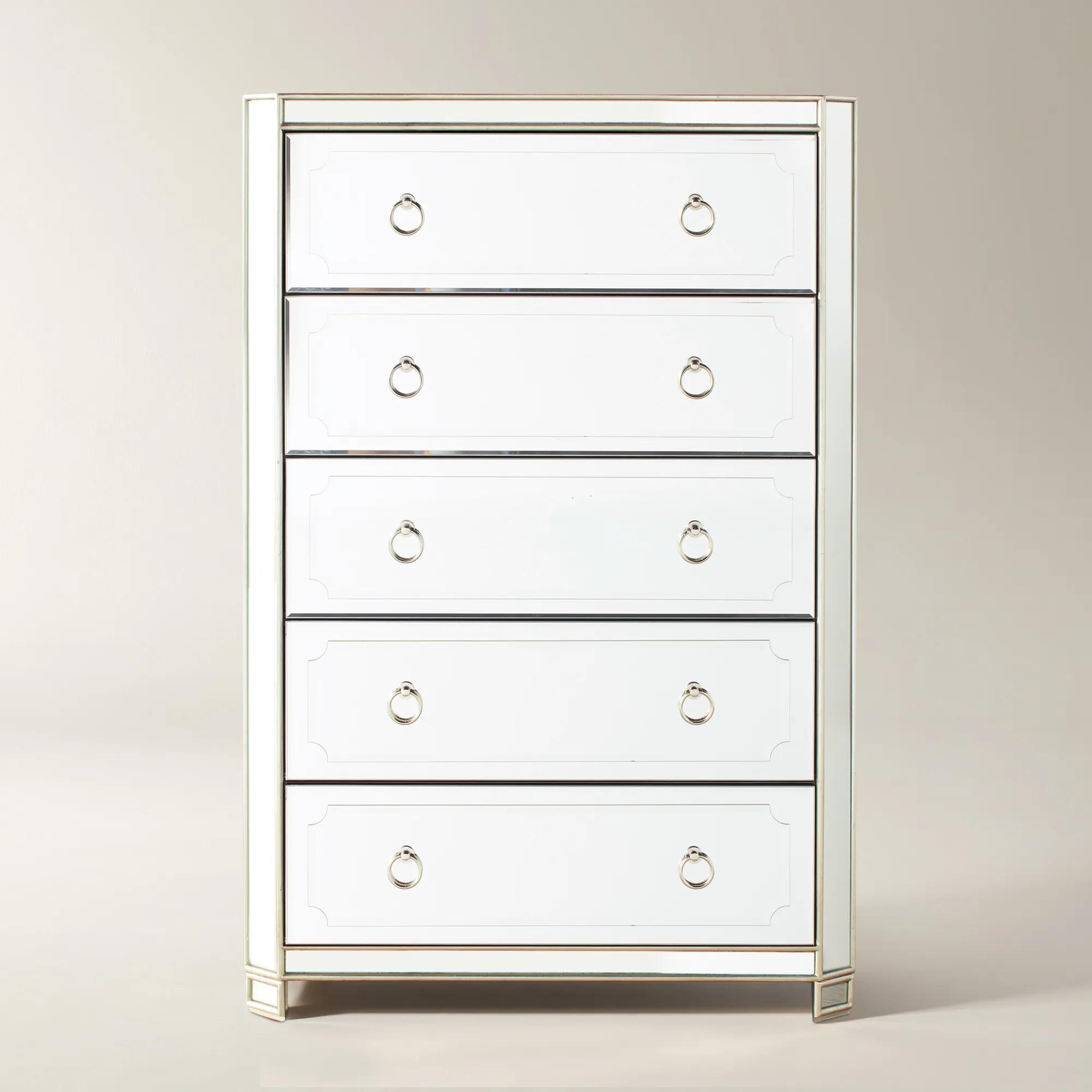
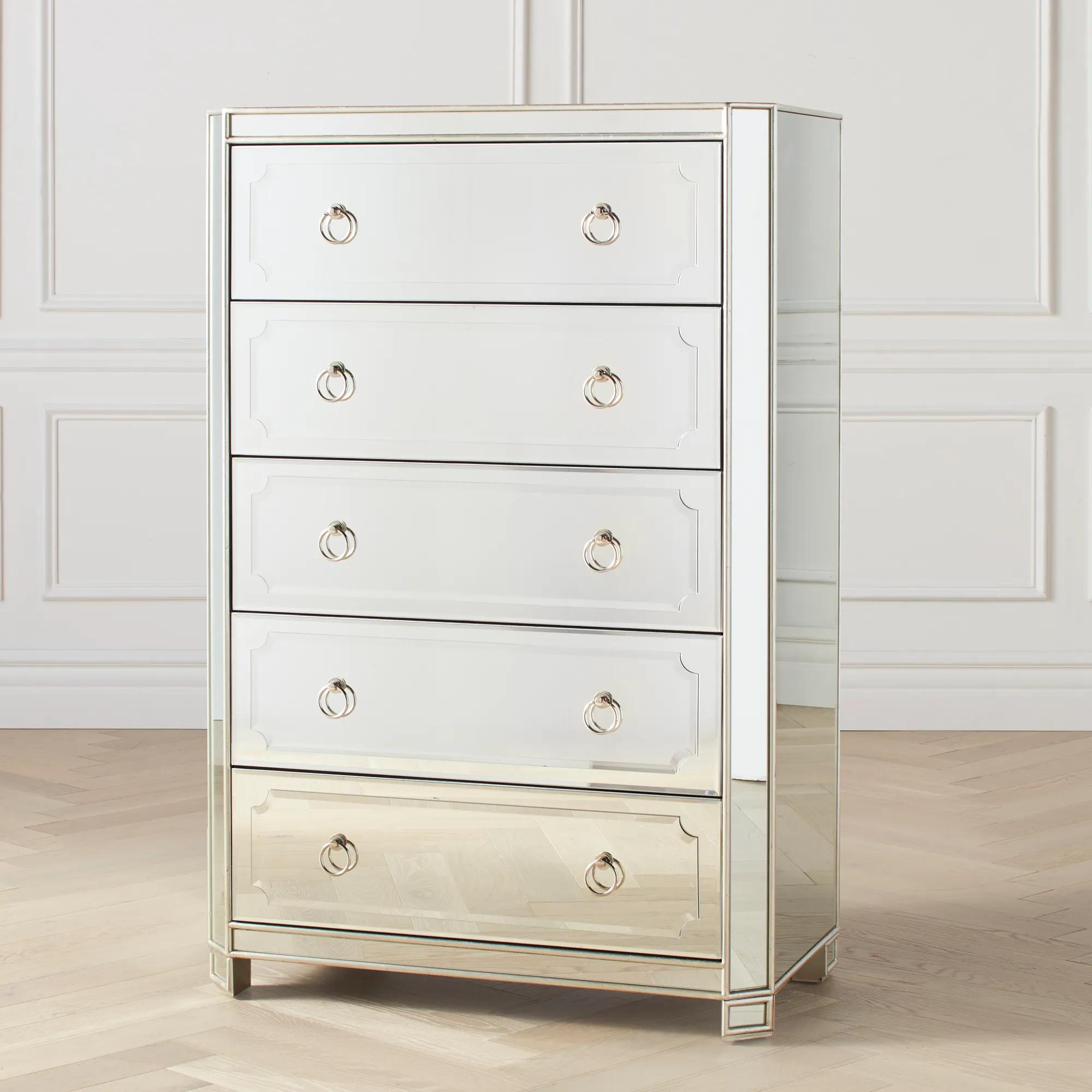 Simplicity Mirrored Silver 5-Drawer Tall Dresser (36")$1999
A glamorous tall chest featuring beveled mirrored panels, hand-applied silver-leaf trim, and polished nickel hardware.
Add To Cart -
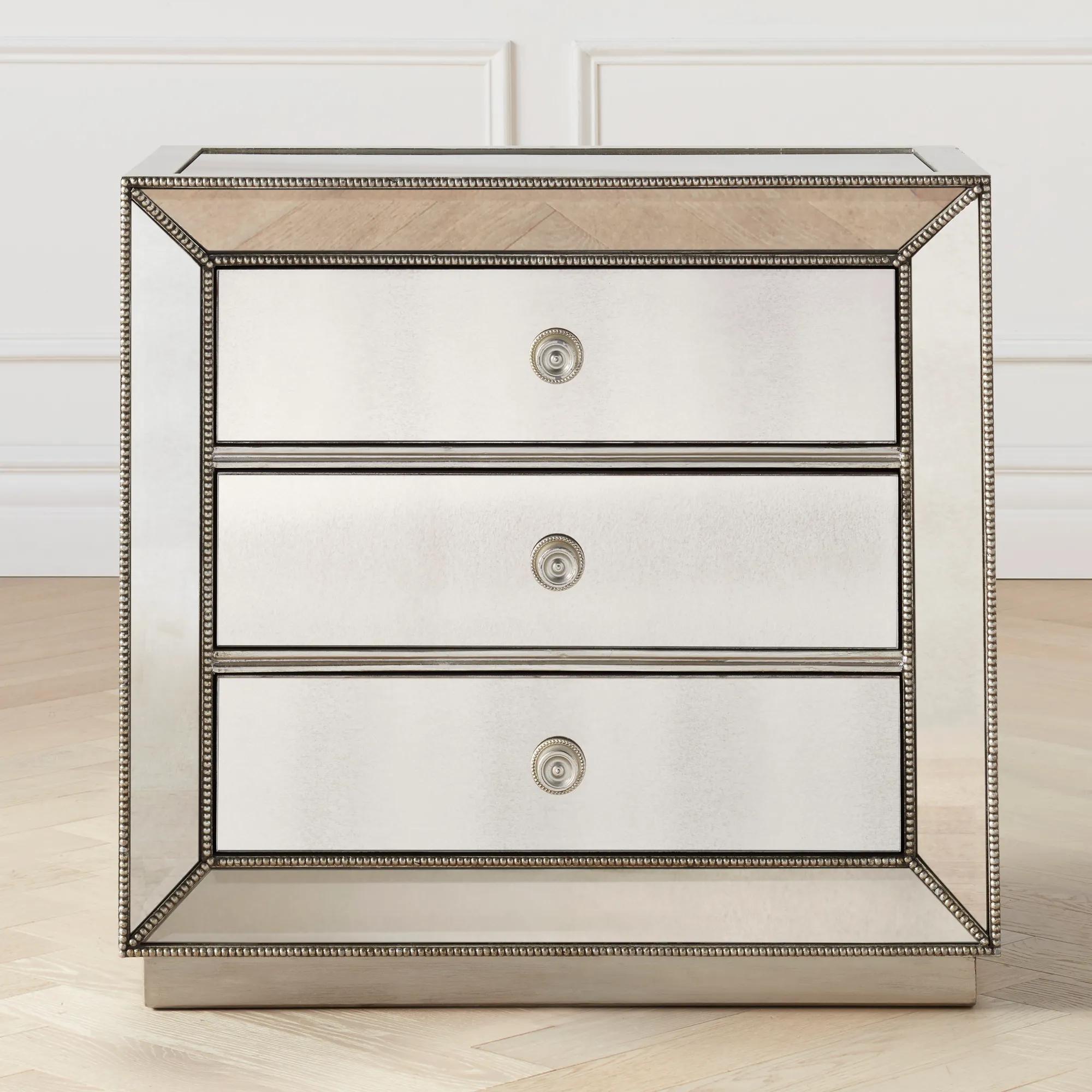
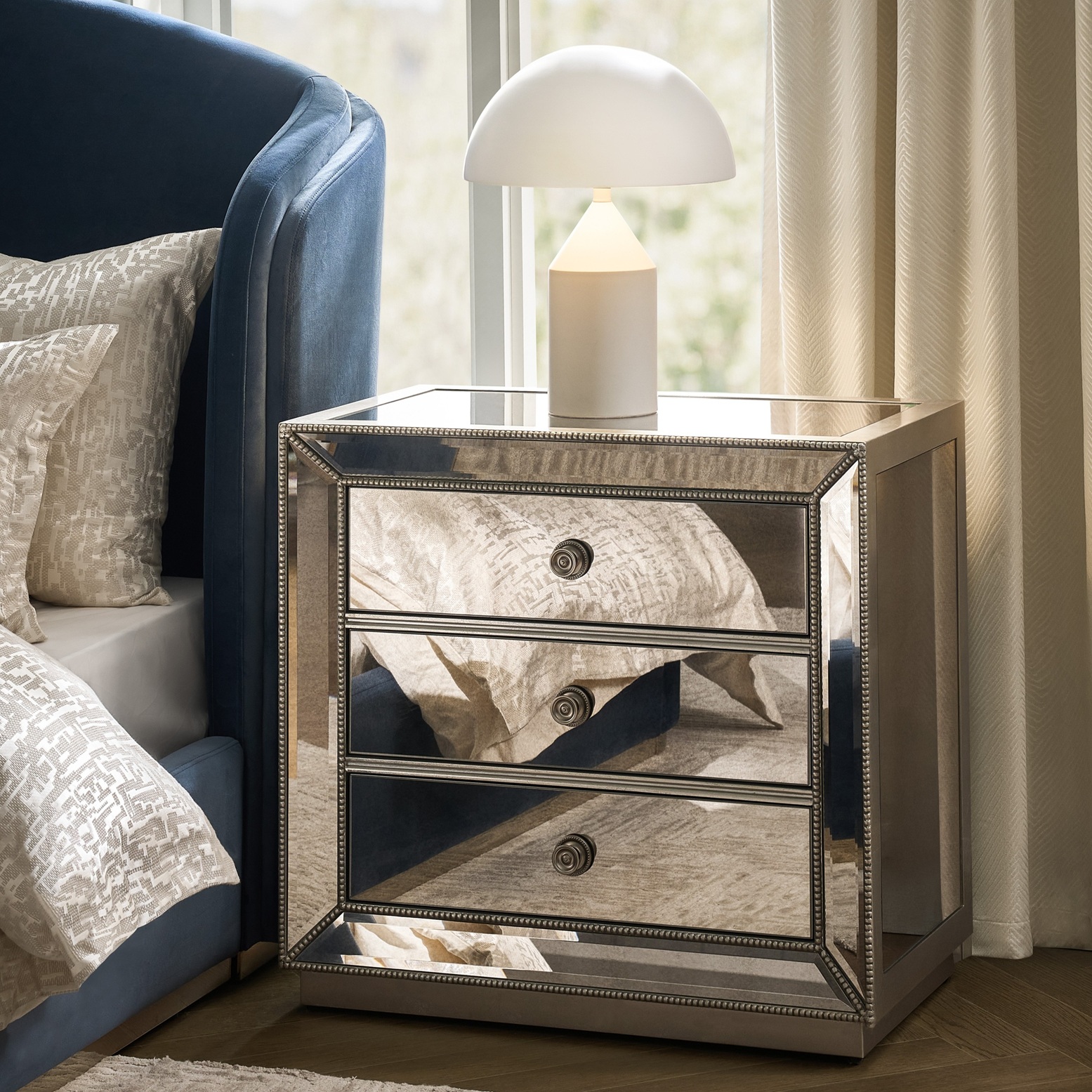 Omni Mirrored Silver 3-Drawer Nightstand (32")$1299
A glamorous chest featuring antiqued mirrored panels, hand-applied silver-leaf finish, and beaded trim.
Add To Cart -
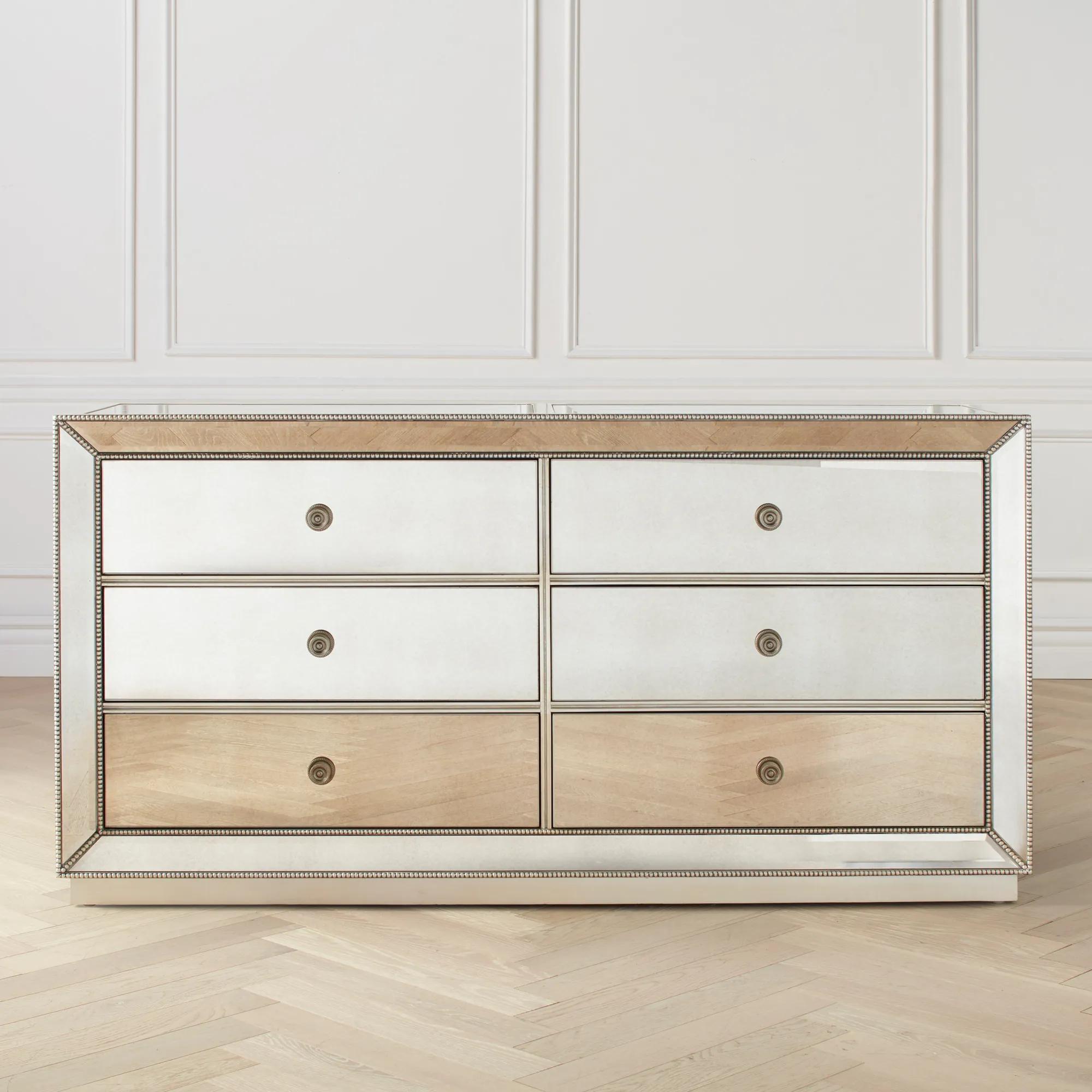 Omni Mirrored Silver 6-Drawer Dresser (72")$2599
A hand-applied silver-leaf chest with antiqued mirrored panels and beaded trim for dramatic bedroom shine.
Add To Cart -
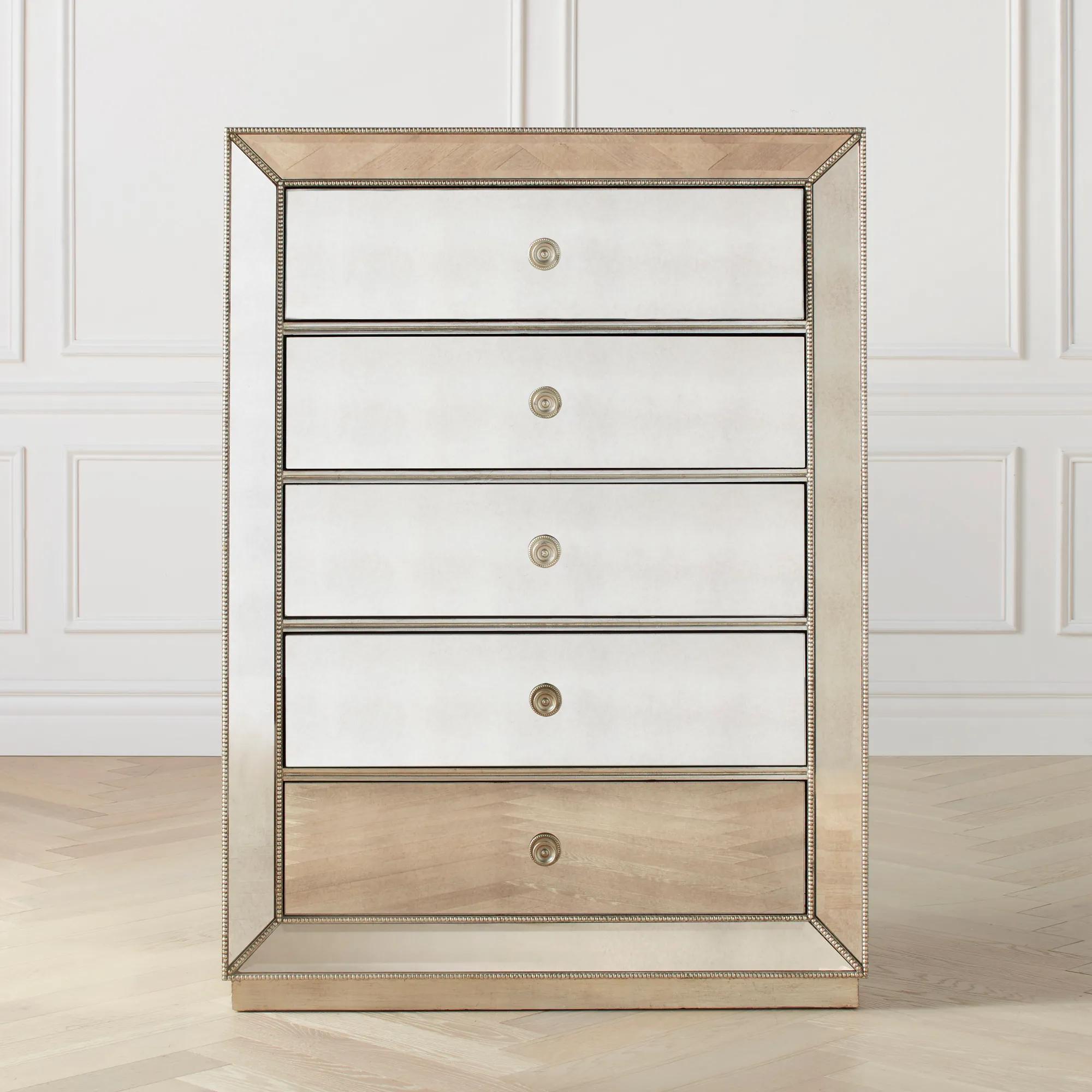
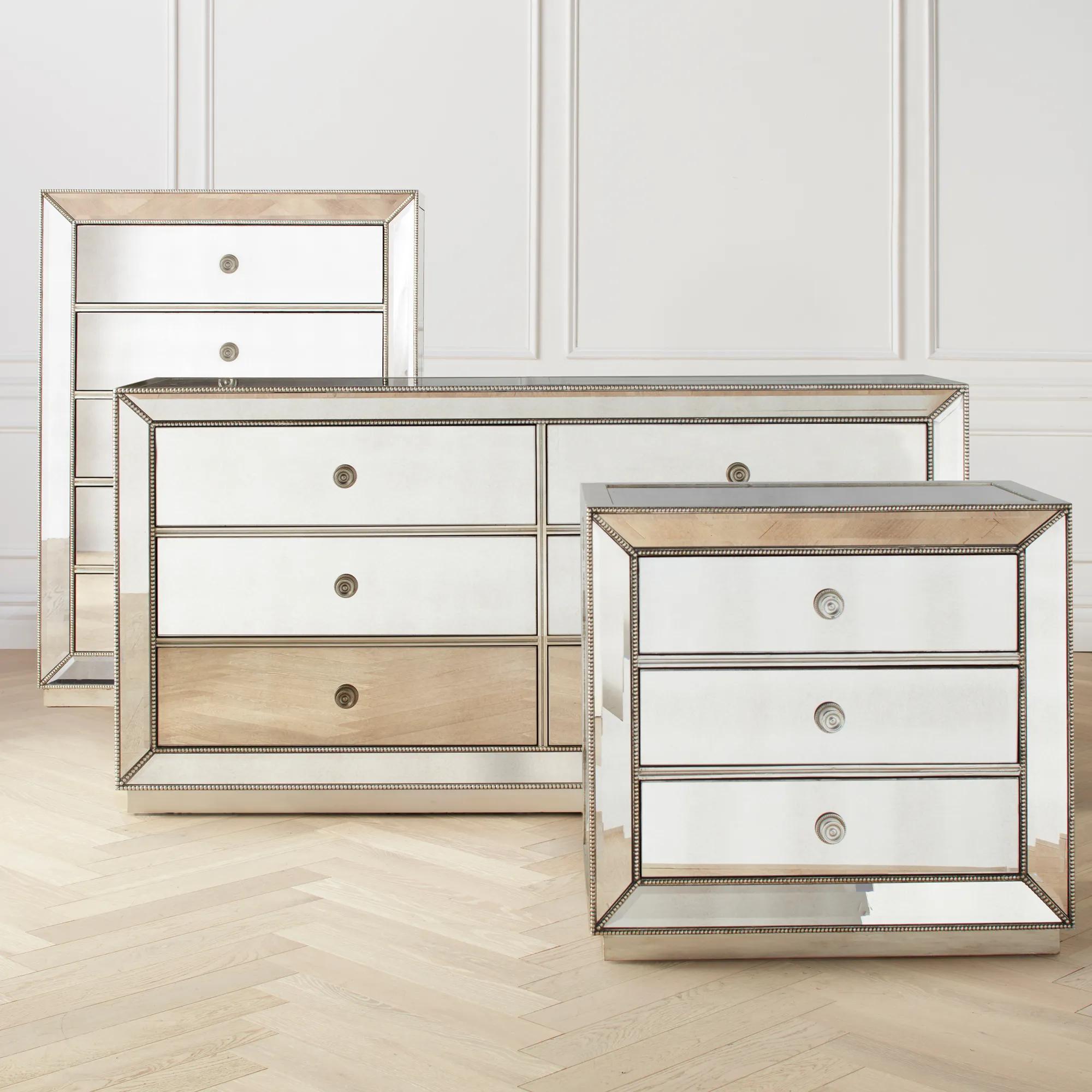 Omni Mirrored Silver 5-Drawer Tall Dresser (40")$2199
A dramatic chest featuring antiqued mirrored panels, hand-applied silver-leaf finish, and kiln-dried hardwood construction.
Add To Cart -
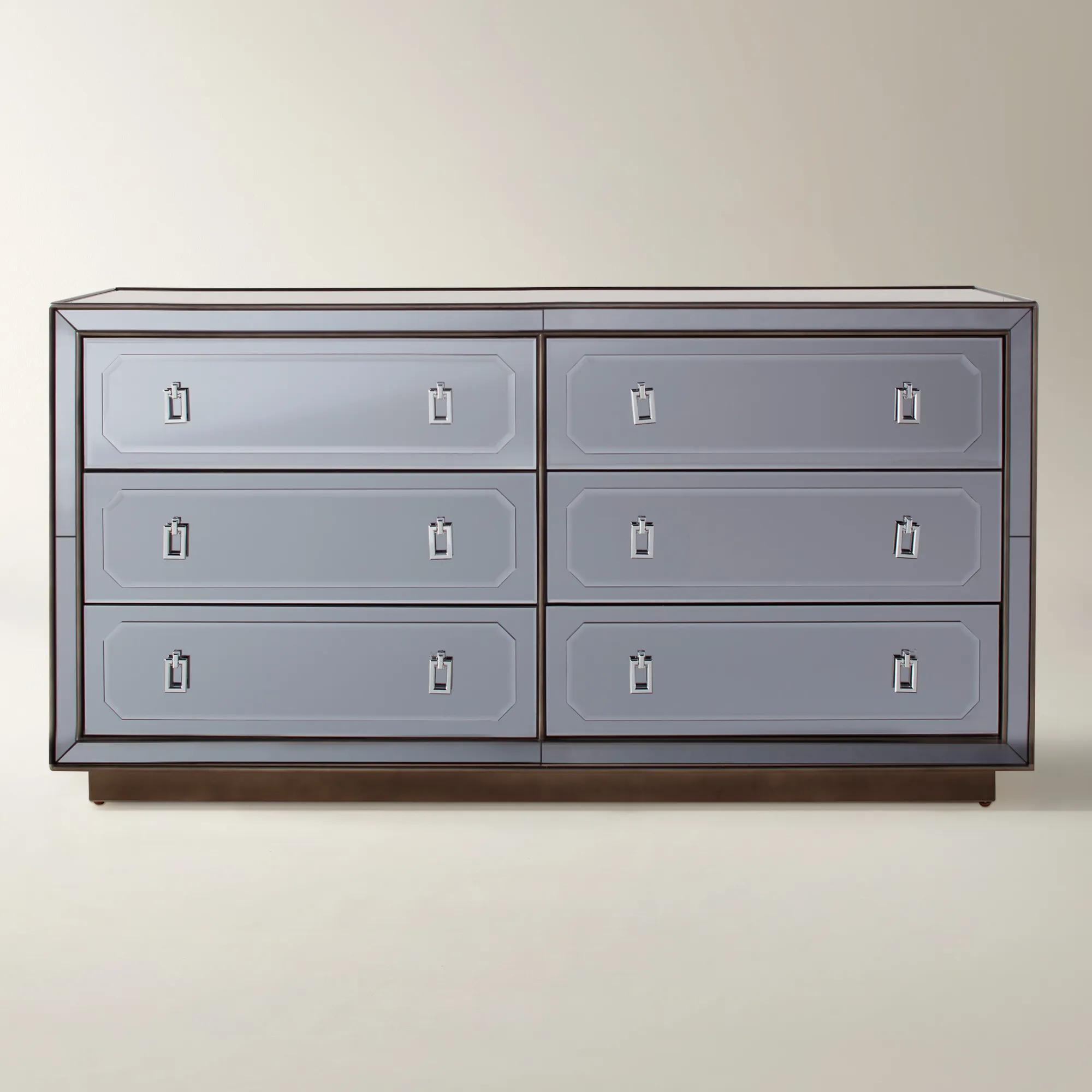
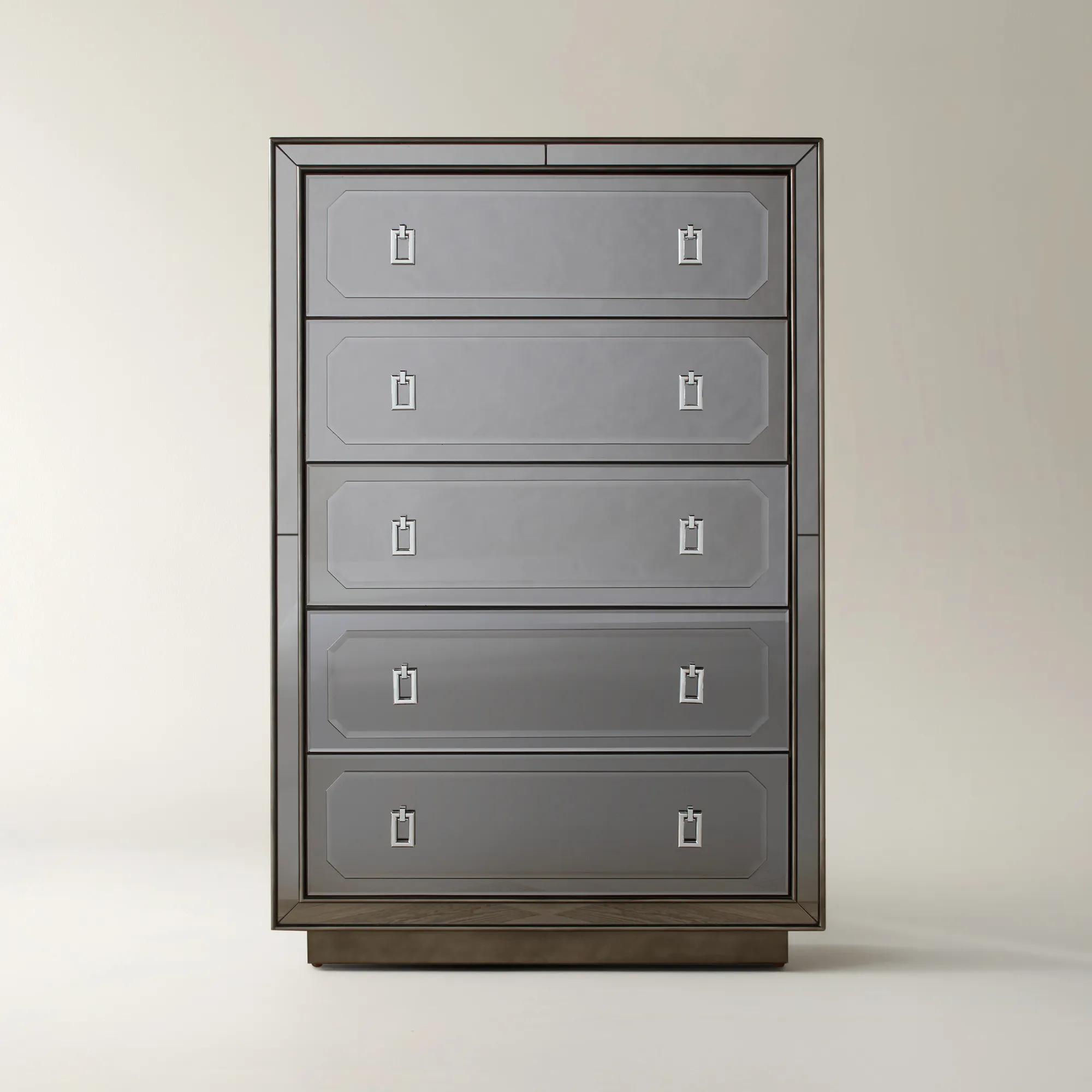 Maddox Mirrored Grey 5-Drawer Tall Dresser (36")$2099
A modern chest featuring beveled mirror panels, graphite finish, and polished nickel hardware for sleek sophistication.
Add To Cart -
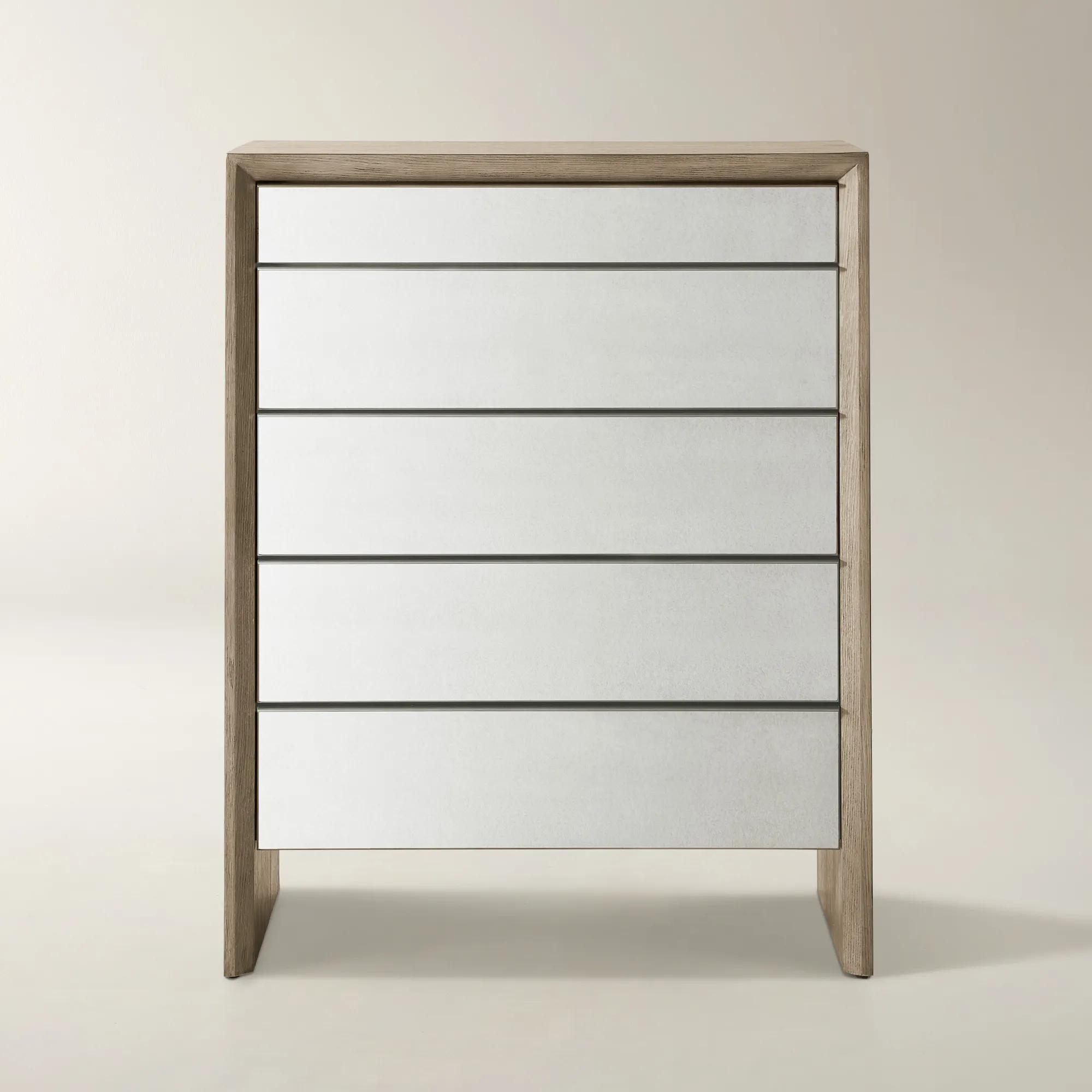
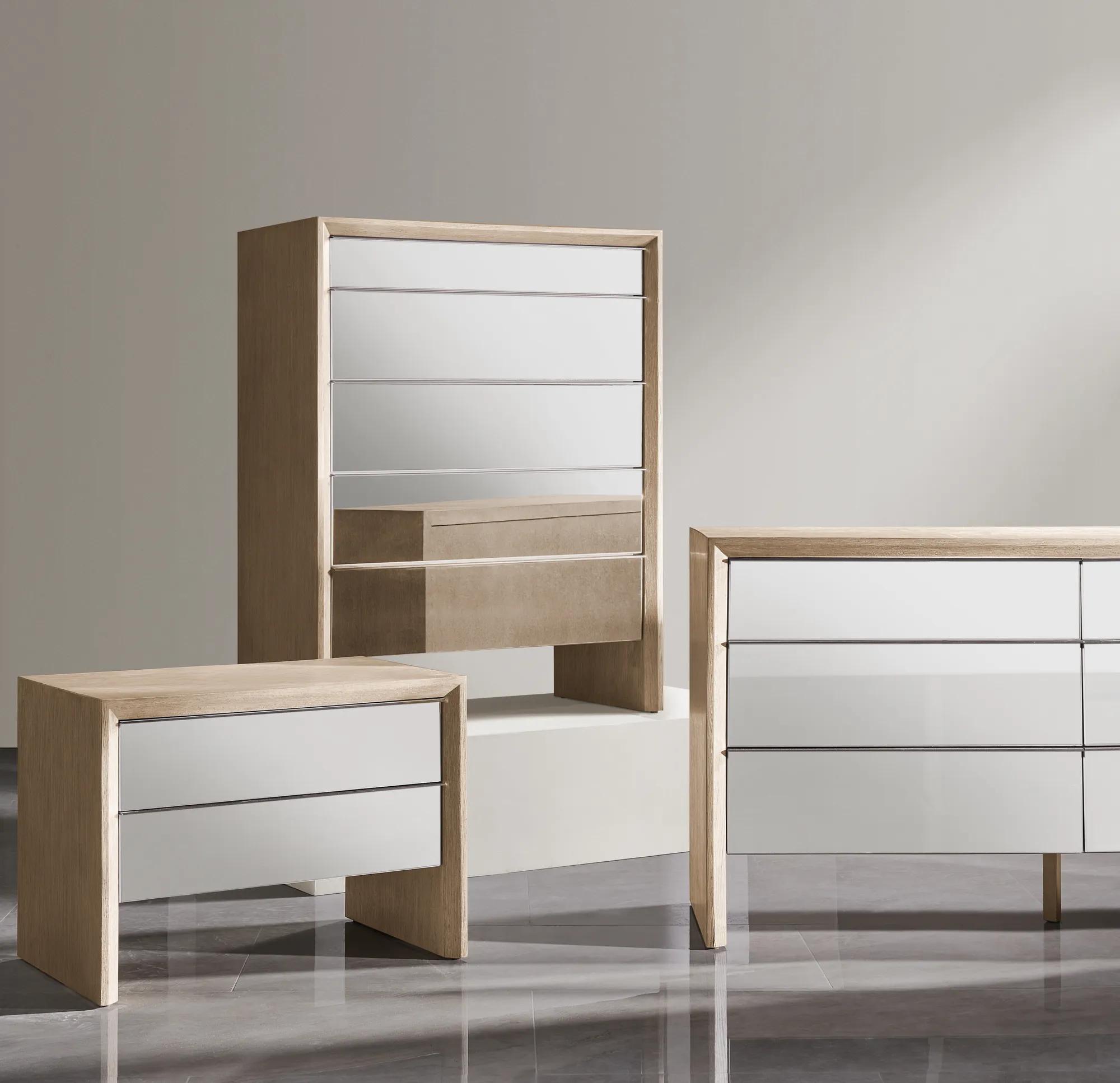 Glimmer Mirrored Seadrift Oak 5-Drawer Tall Dresser (40")$1999
A versatile chest featuring sea drift oak veneer, antique mirrored drawer fronts, and soft-close drawers for elegant storage.
Add To Cart -
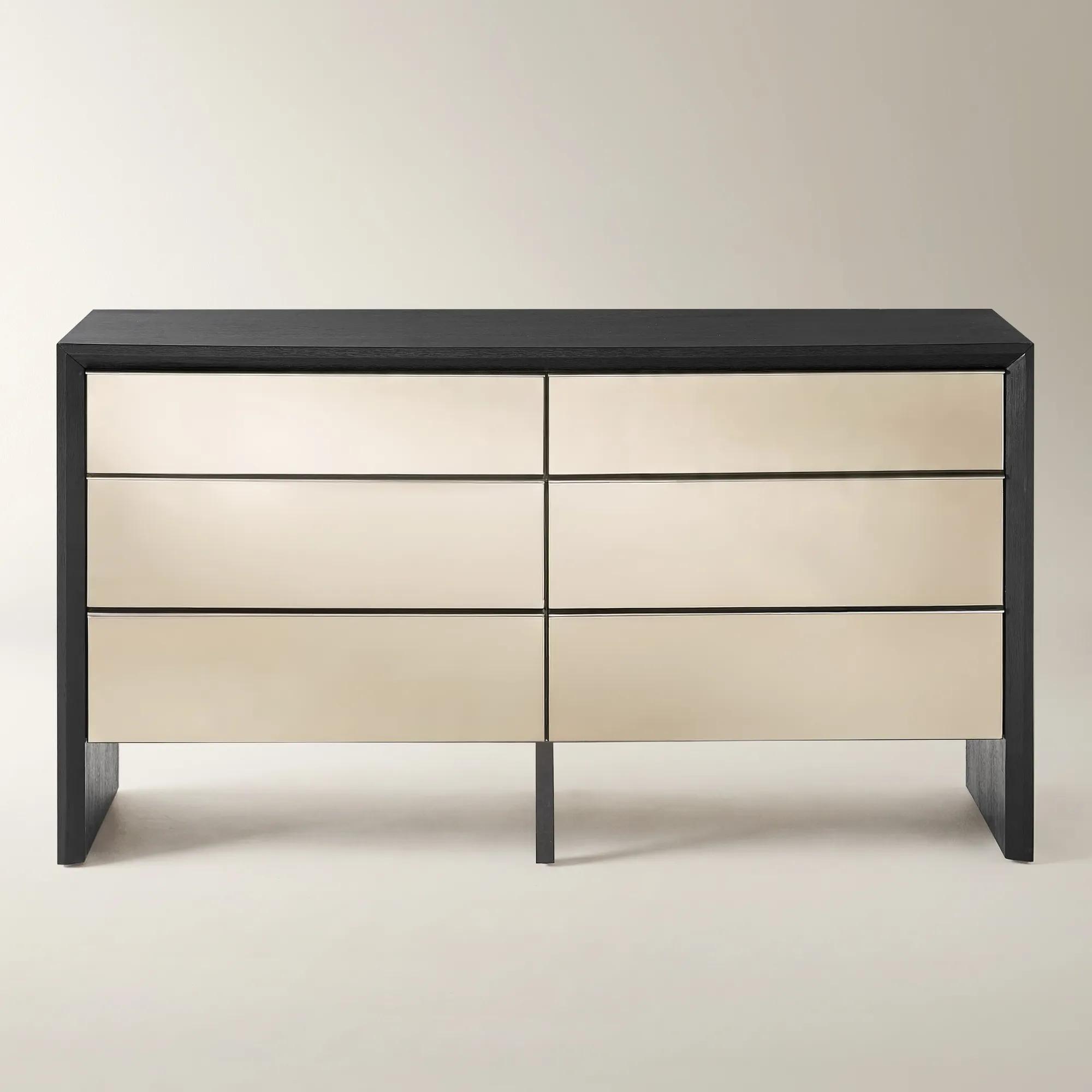 Glimmer Mirrored Black Oak 6-Drawer Dresser (65")$2099
A modern dresser featuring black oak veneer, bronze mirrored drawer fronts, and six velvet-lined soft-close drawers.
Add To Cart -
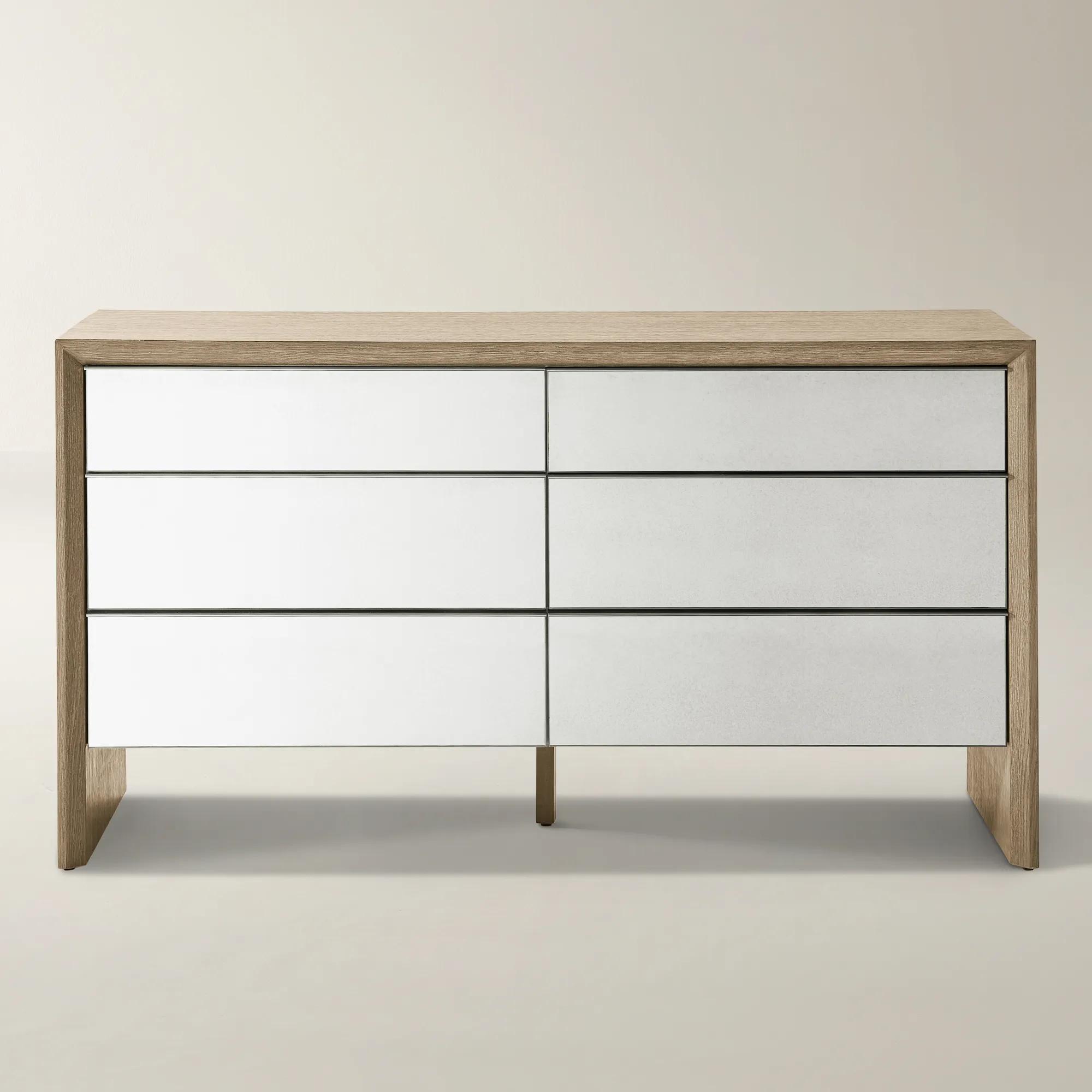 Glimmer Mirrored Seadrift Oak 6-Drawer Dresser (65")$2099
A sophisticated dresser featuring sea drift oak veneer and antique mirrored drawer fronts with soft-close drawers.
Add To Cart -
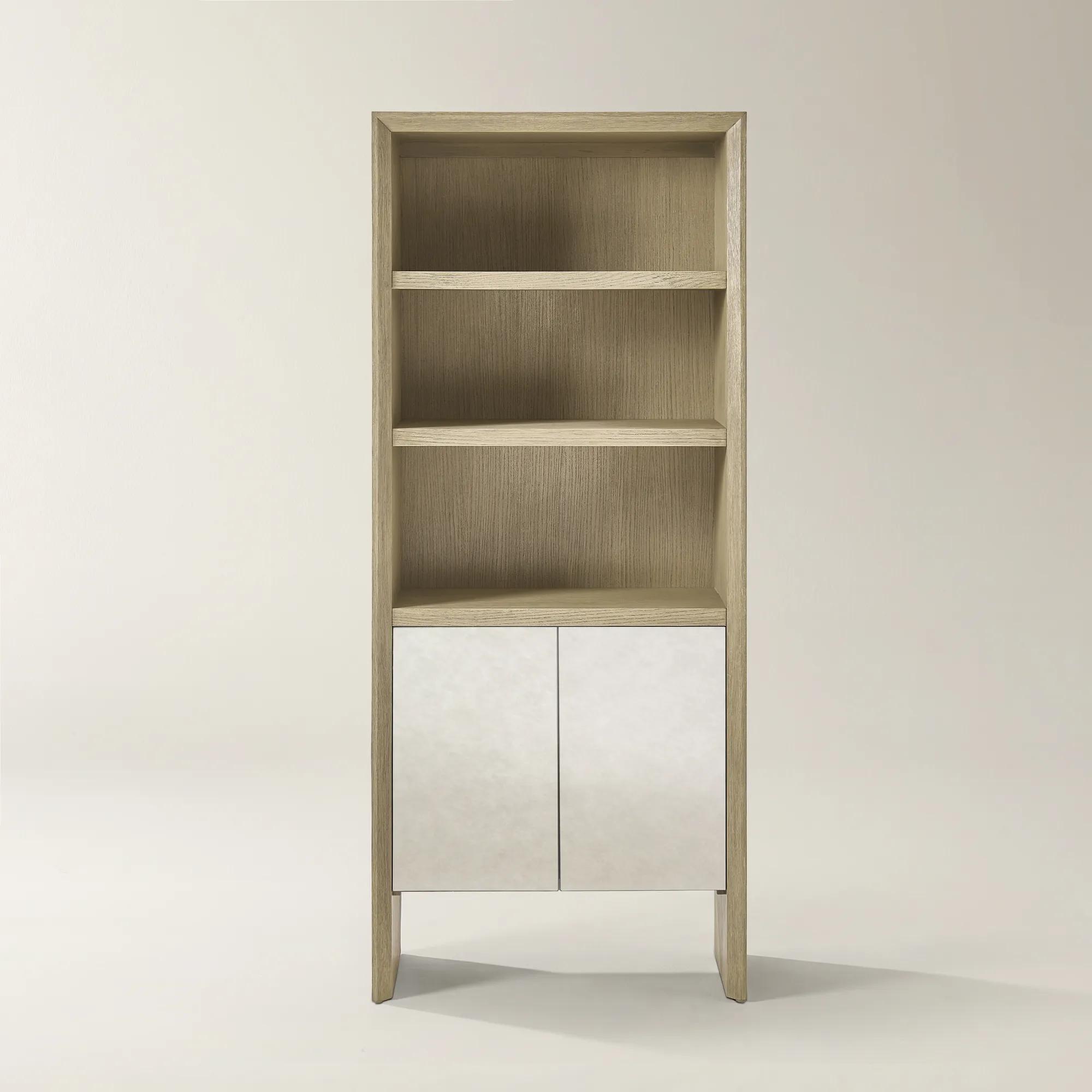
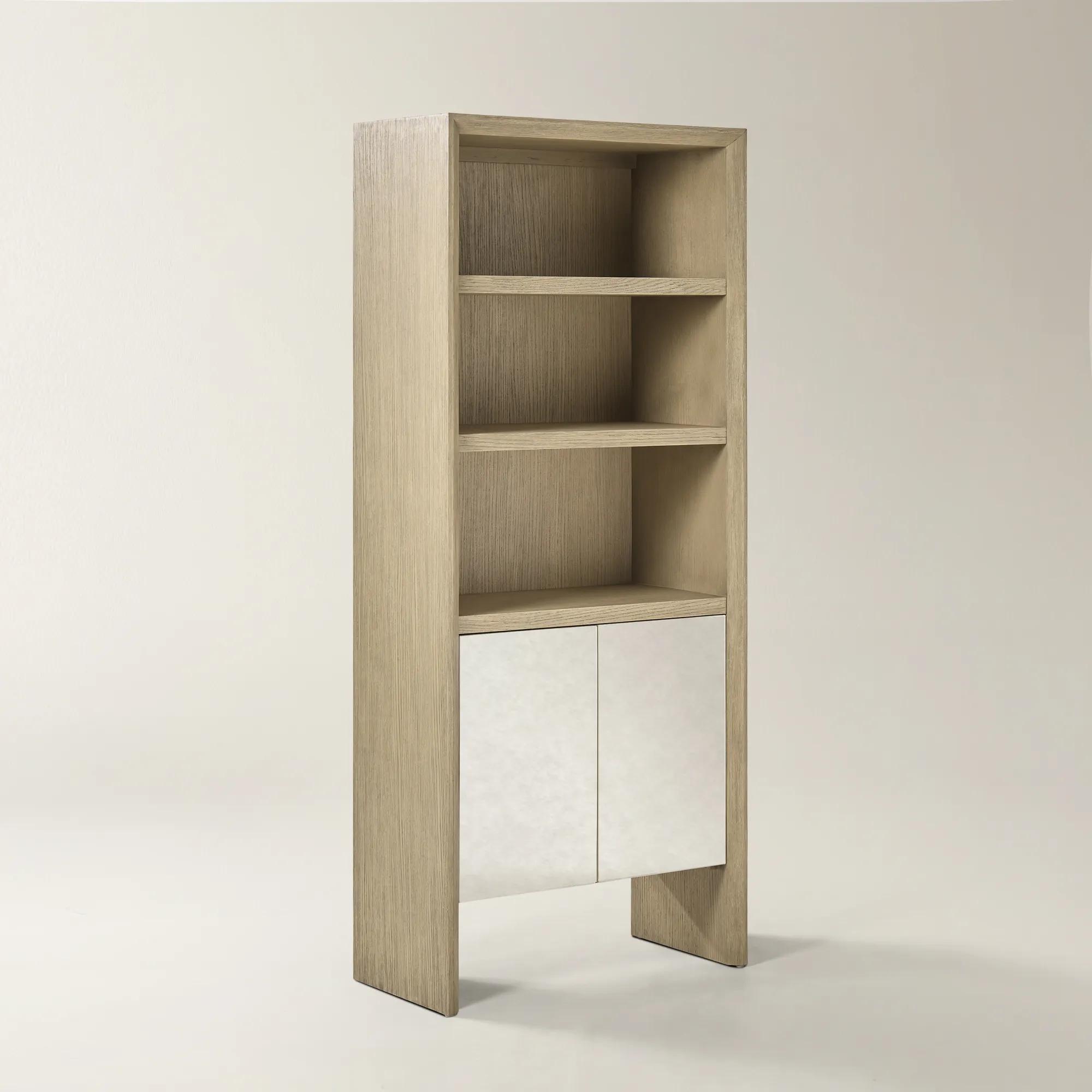 Glimmer Mirrored Sea Drift Oak Bookcase (80")$1999
A two-tone oak bookcase featuring antique mirrored doors, open shelving, and soft-close concealed storage.
Add To Cart -
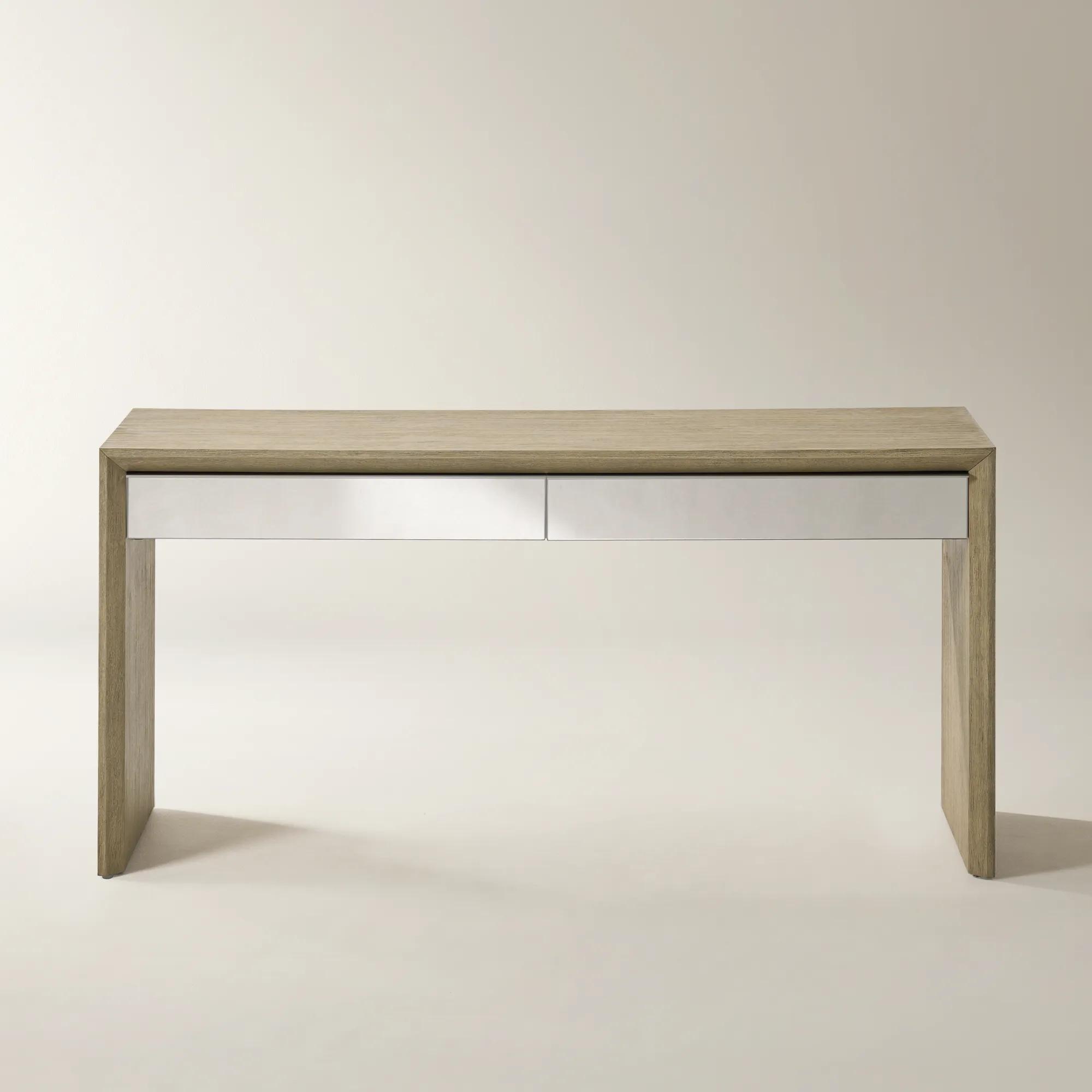 Glimmer Mirrored 2-Drawer Sea Drift Oak Console Table (62")$1199
A two-tone console table featuring warm oak veneer, antique mirrored drawers, and soft-close velvet-lined storage.
Add To Cart -
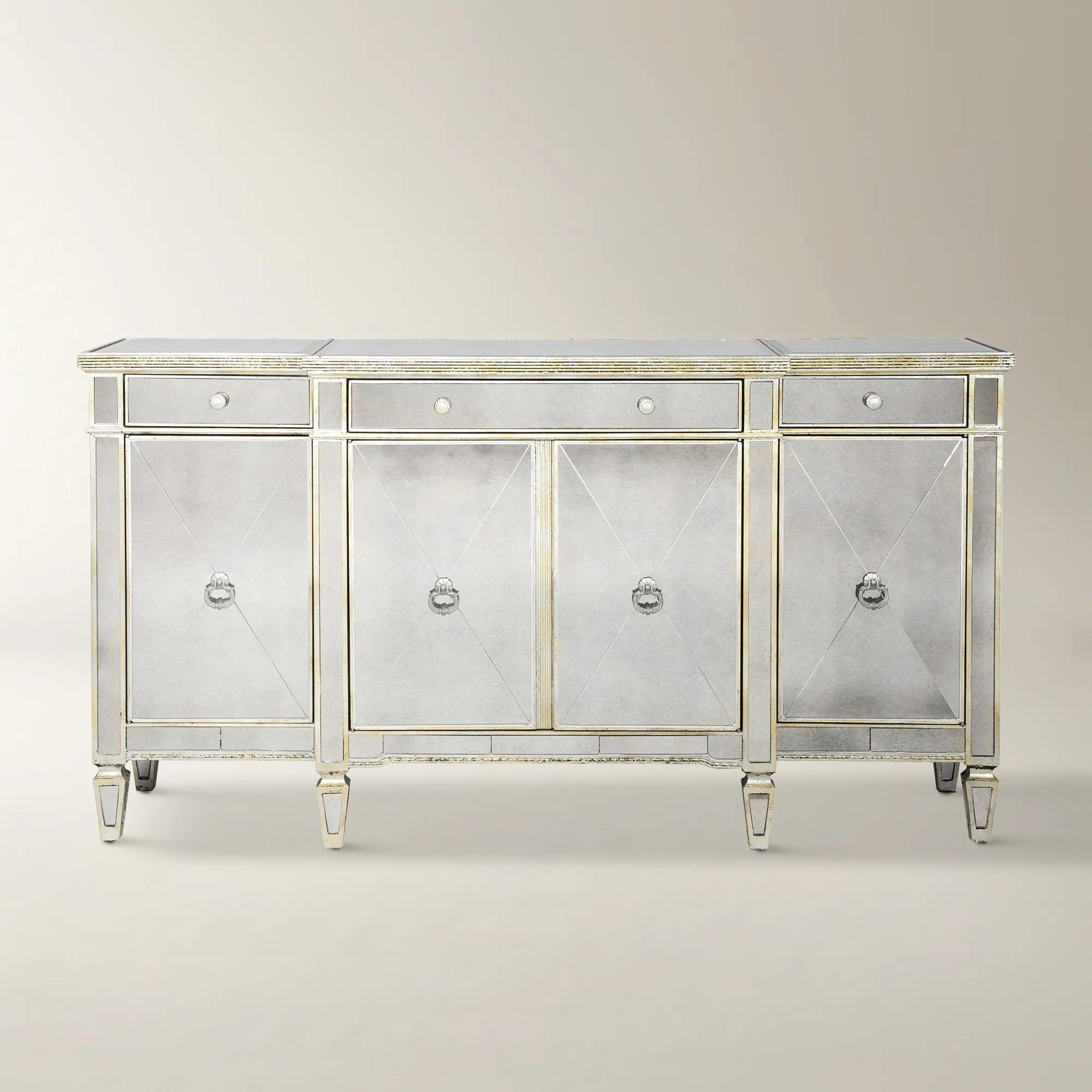
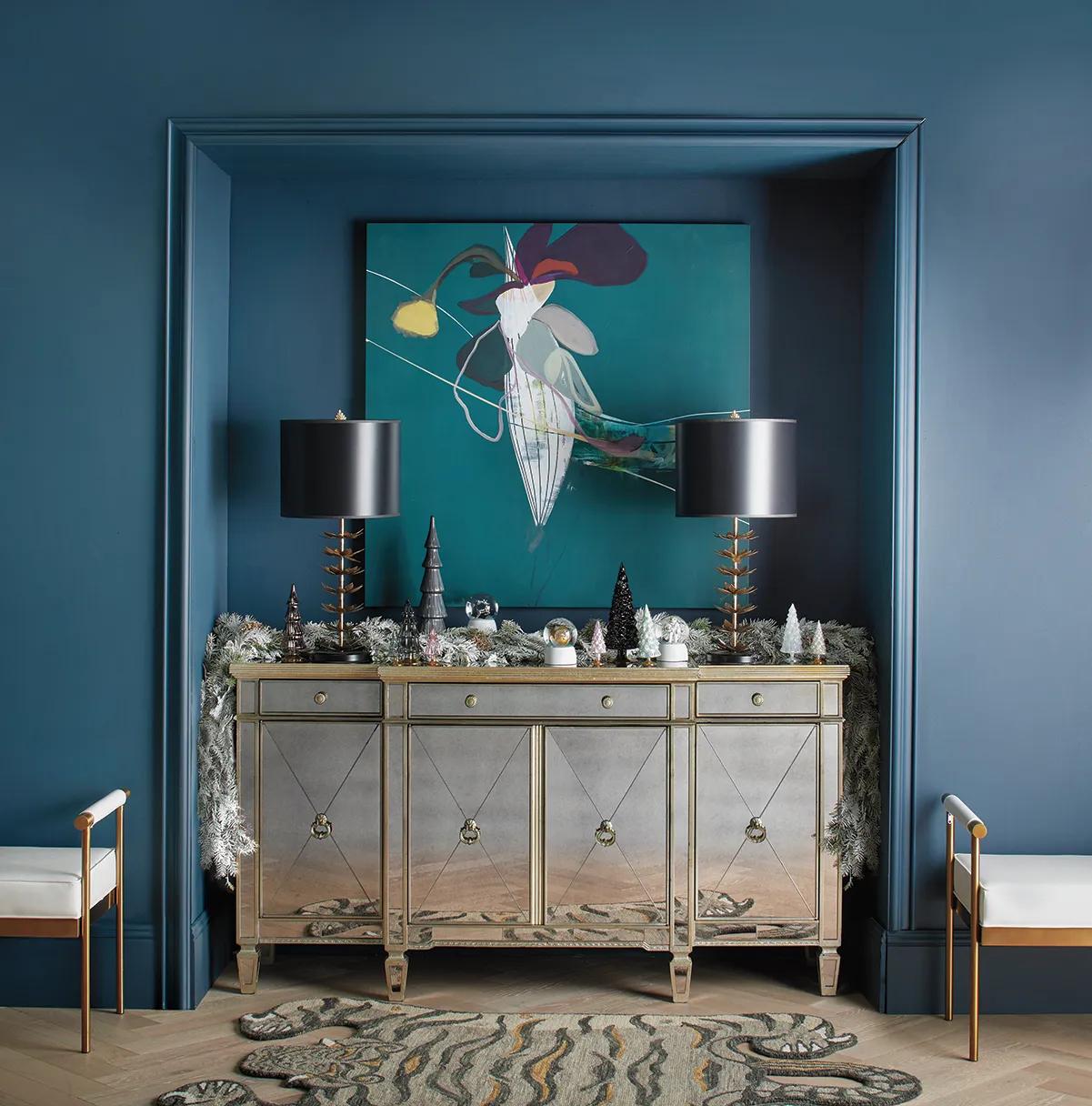 Borghese Mirrored Silver 3-Drawer Buffet (70")$2199
A sophisticated mirrored buffet featuring antique beveled glass, champagne gilt wood trim, and hand-applied silver leaf.
Add To Cart -
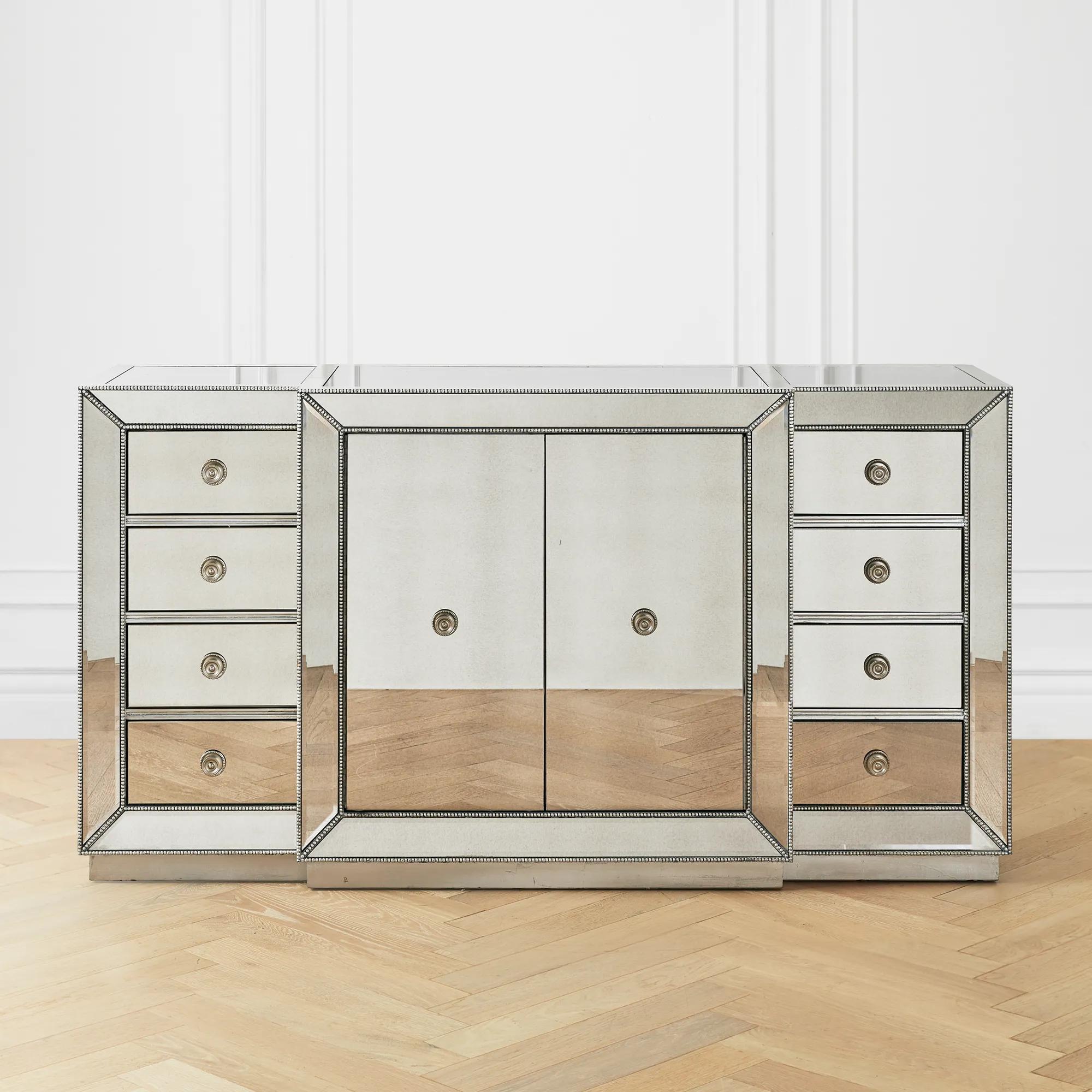 Omni Mirrored Silver 8-Drawer Buffet (72")$2499
A glamorous buffet featuring antique beveled mirrored panels, hand-applied silver leaf, and silver beaded trim.
Add To Cart -
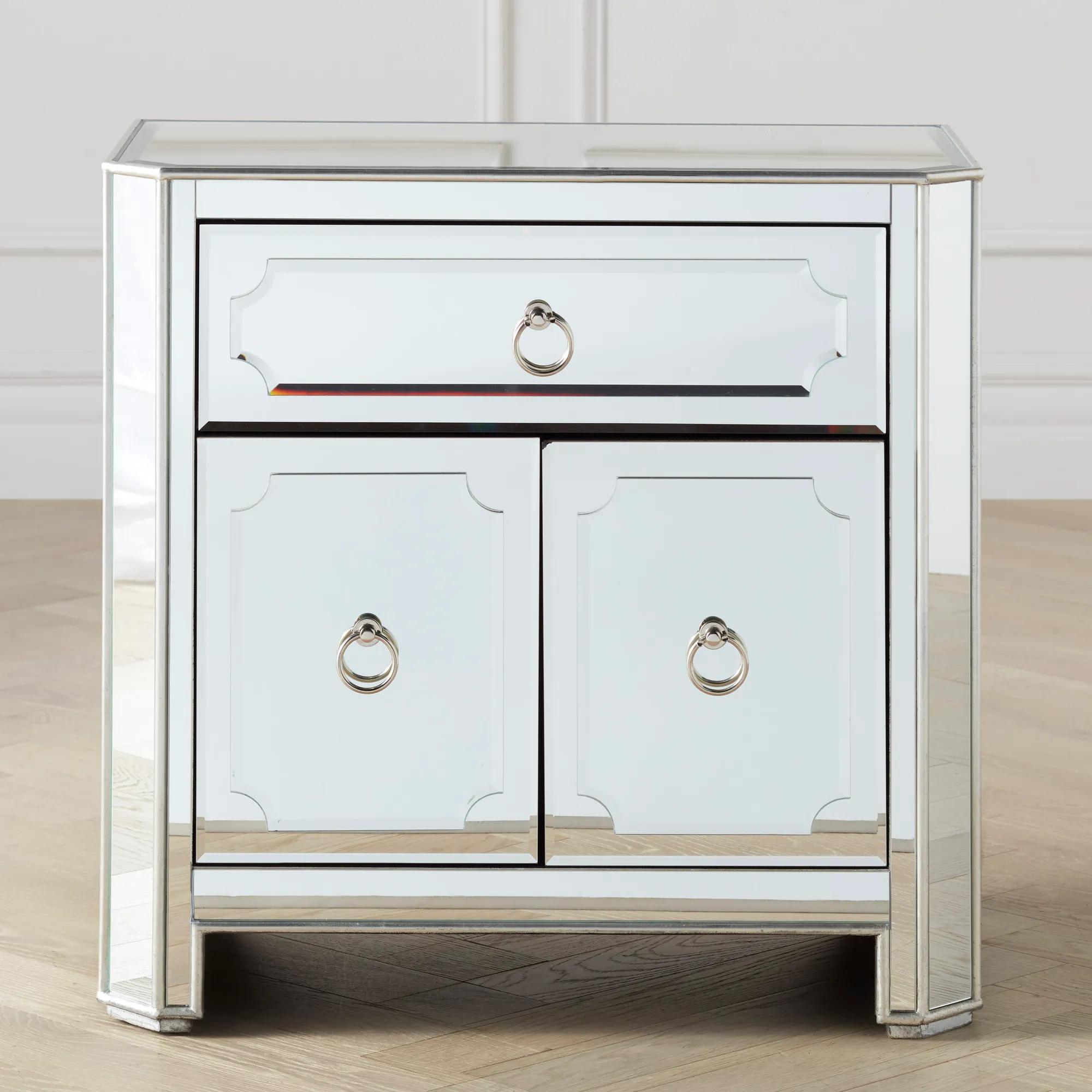 Simplicity Mirrored Silver 1-Drawer Nightstand (30")$899
A glamorous nightstand featuring beveled mirrored panels, hand-applied silver-leaf trim, and polished nickel hardware.
Add To Cart -
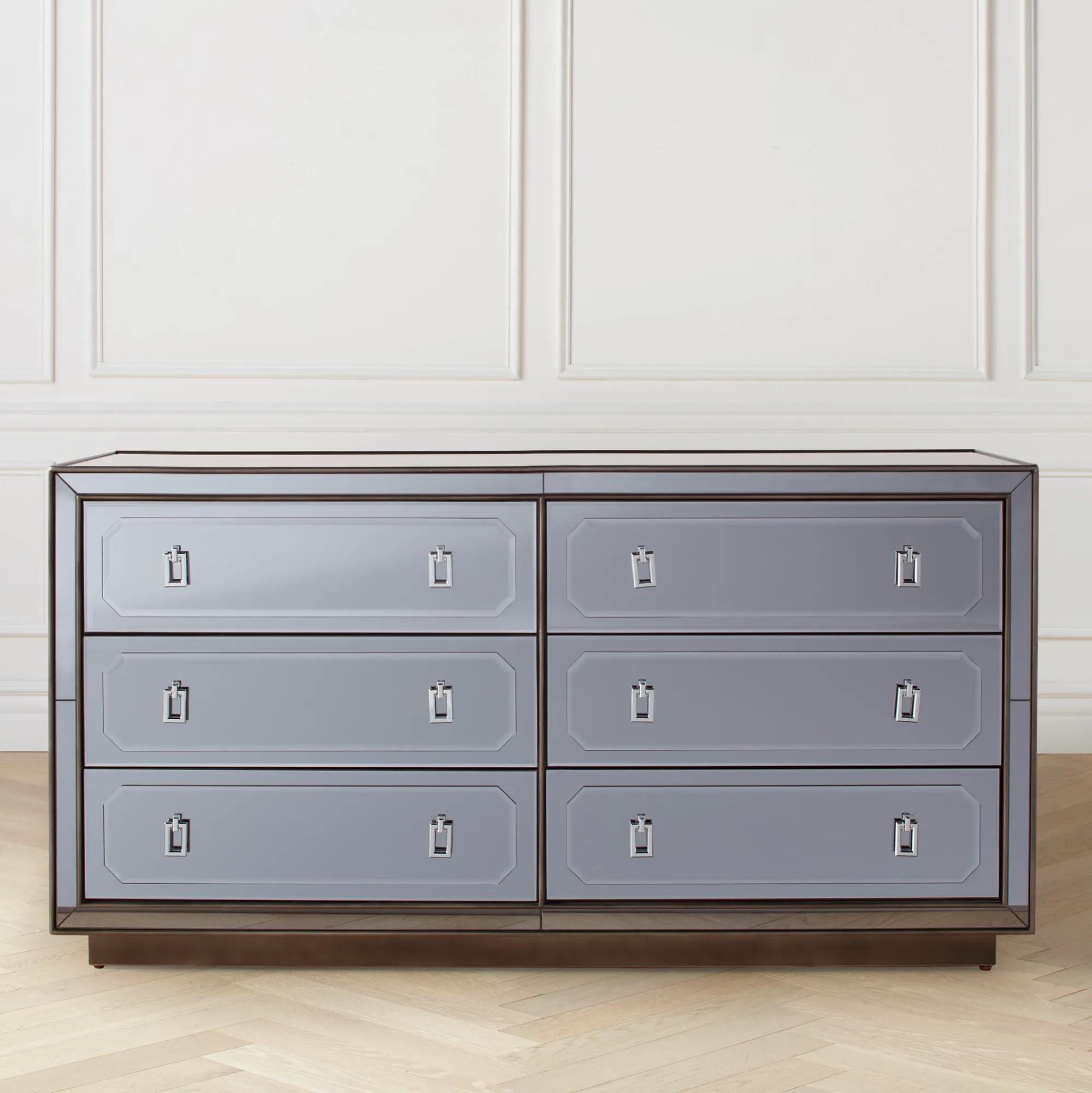
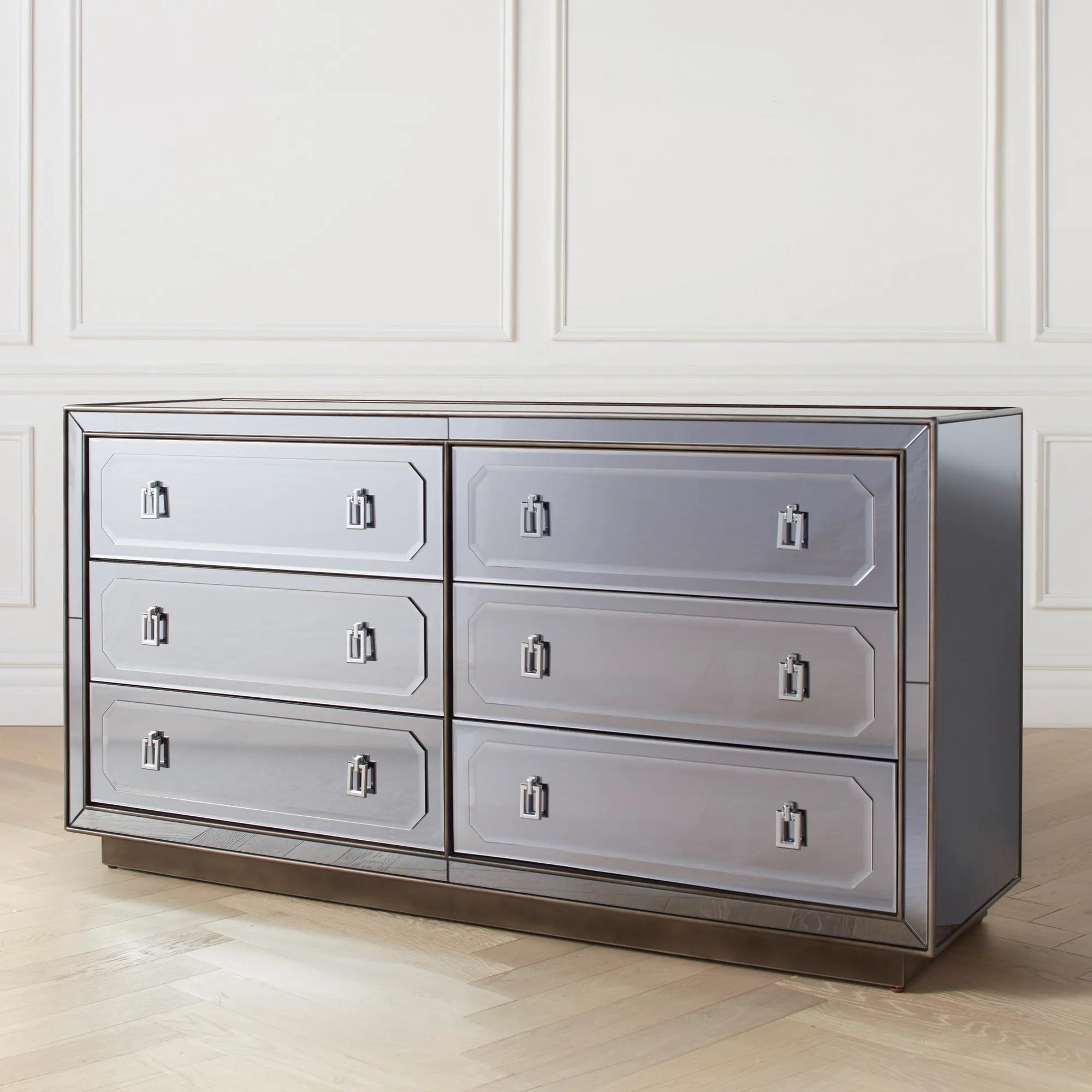 Maddox Mirrored Grey 6-Drawer Dresser (66")$2299
A modern dresser featuring beveled mirror paneling, graphite finish, and polished nickel hardware for sleek sophistication.
Add To Cart -
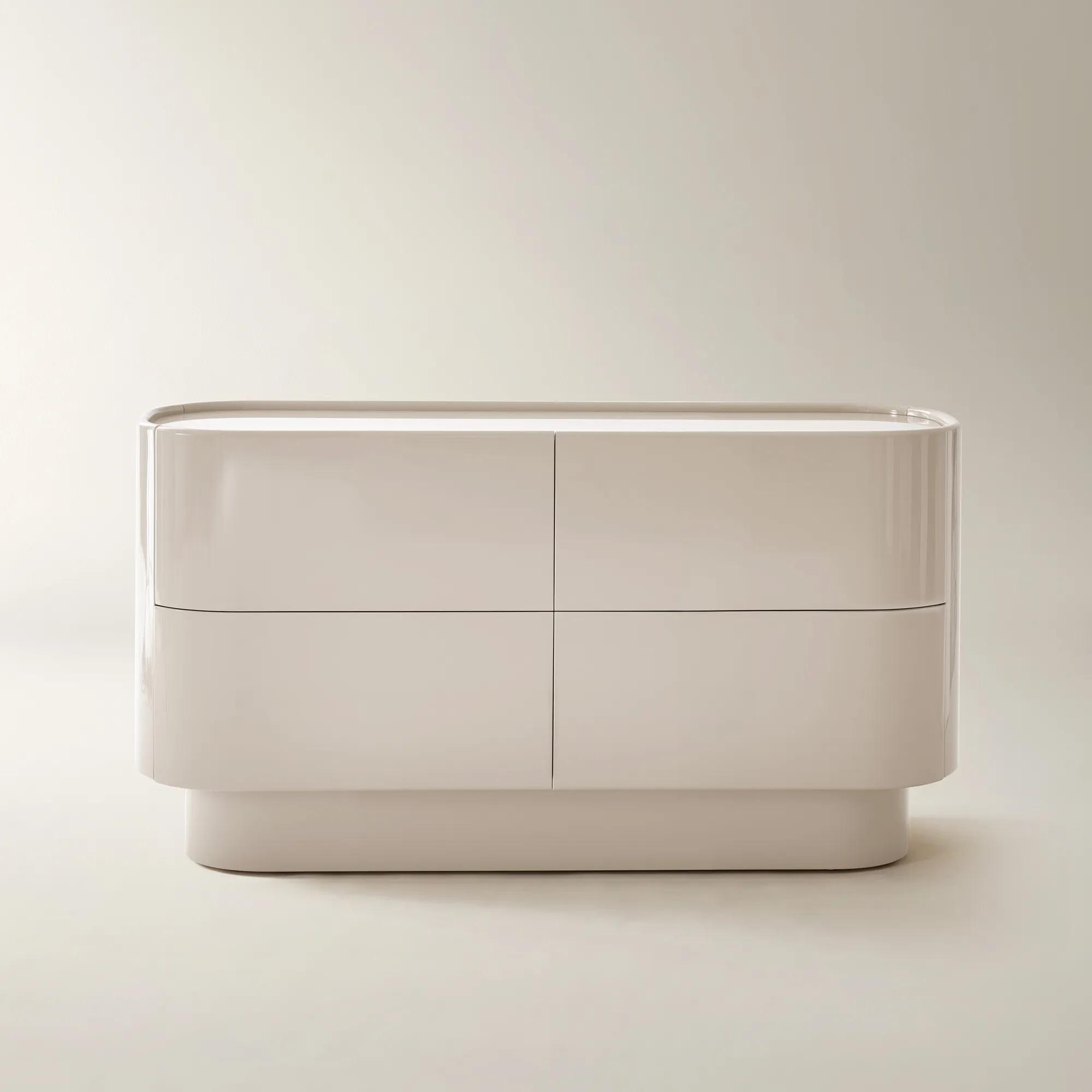 Velar Lacquered Turtle Dove 4-Drawer Dresser With Glass Top (66")$1899
A sculptural dresser in turtle dove lacquer with a back-painted glass top and soft-close velvet-lined drawers.
Add To Cart -
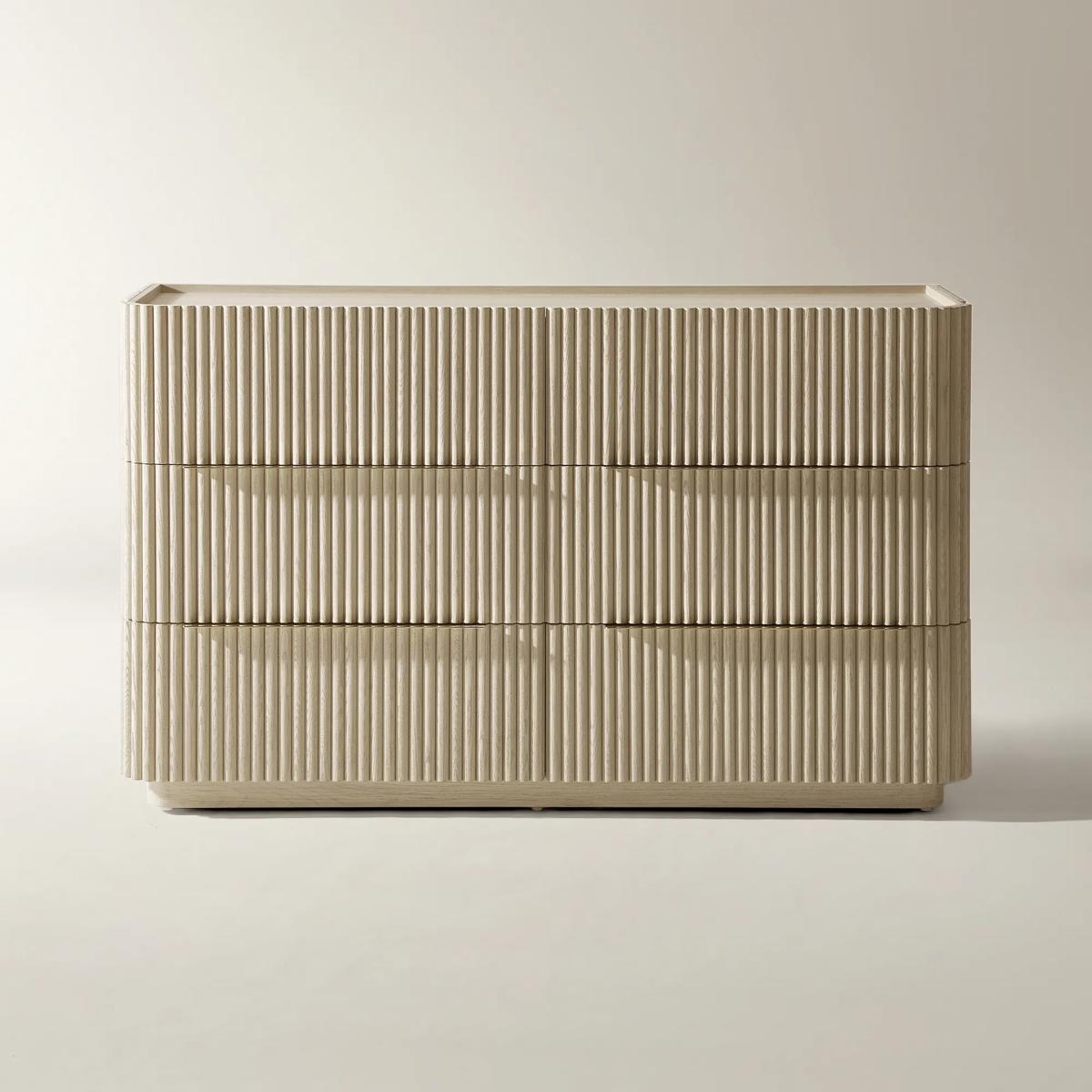
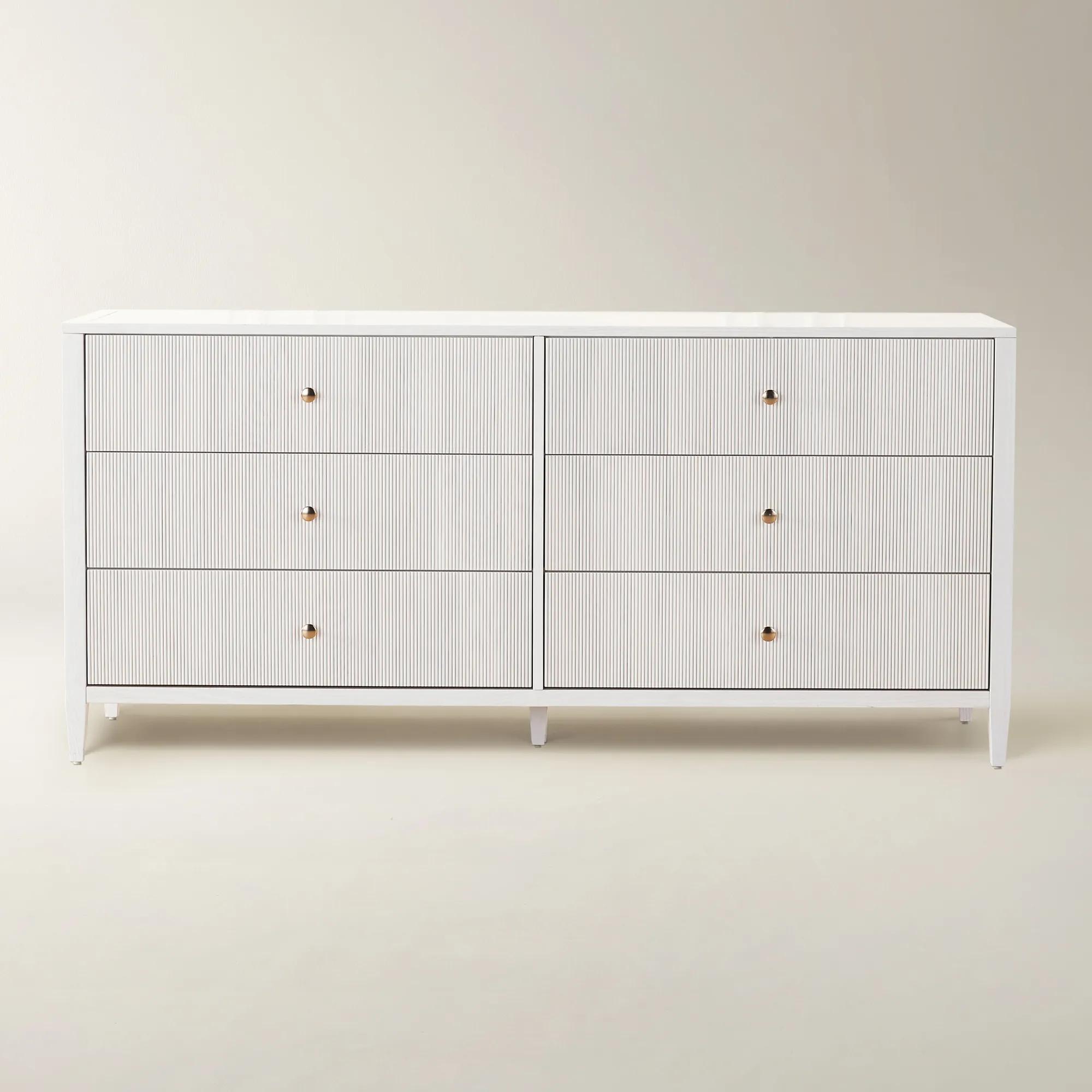
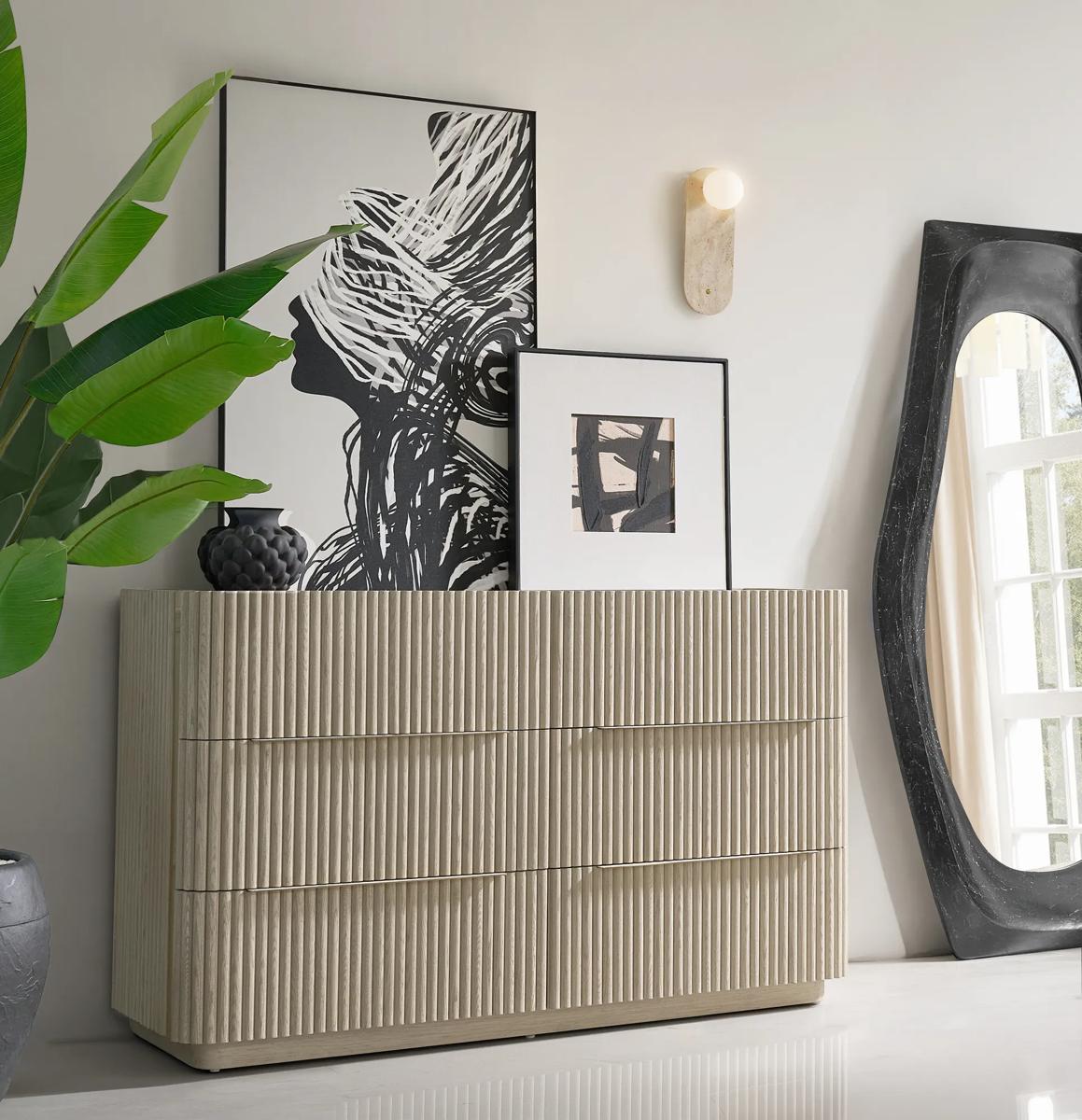 Stria Reeded White Oak 6-Drawer Dresser (64.5")$2299
A sculptural dresser crafted from solid oak with fluted detailing, gold-plated trim, and soft-close drawers.
Add To Cart -
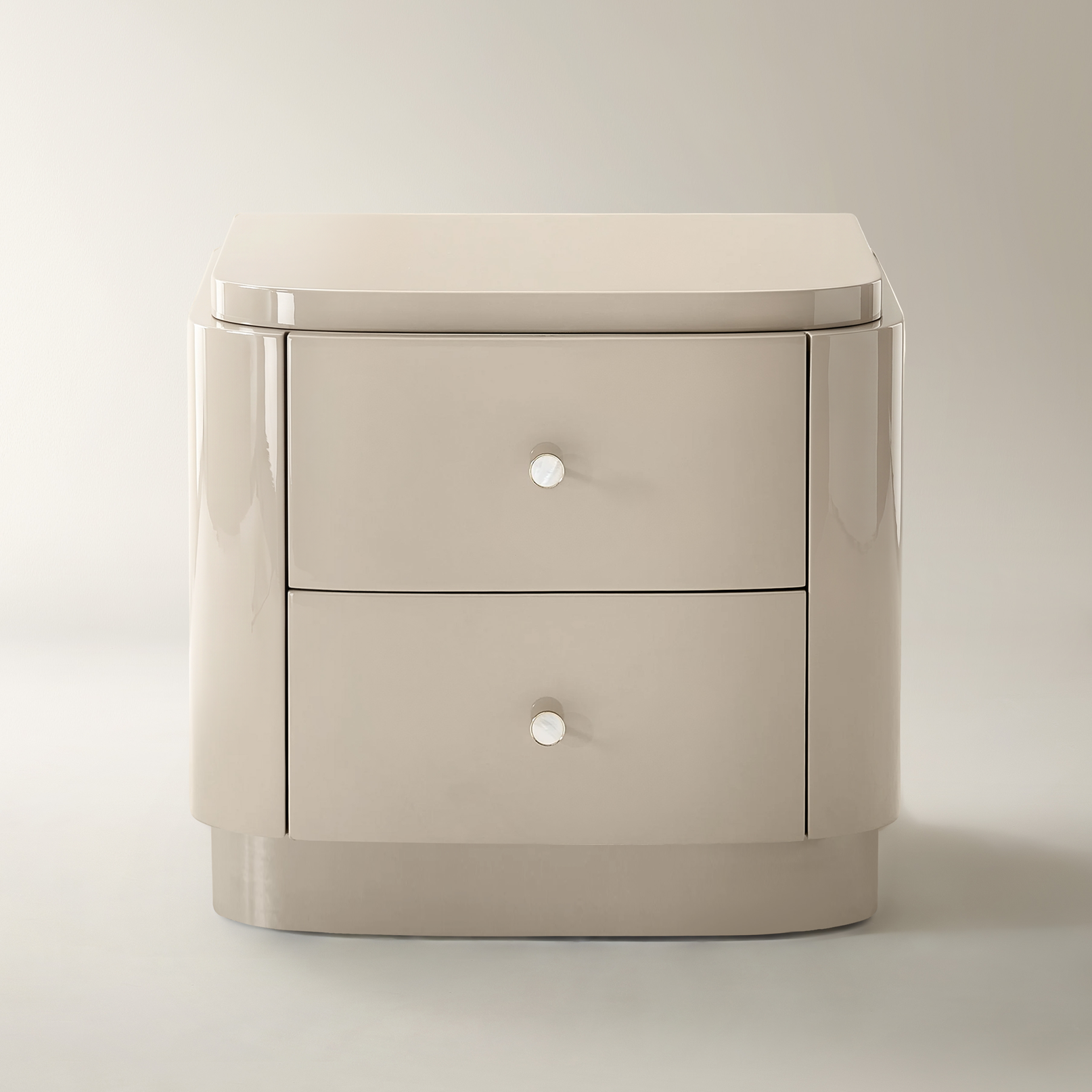
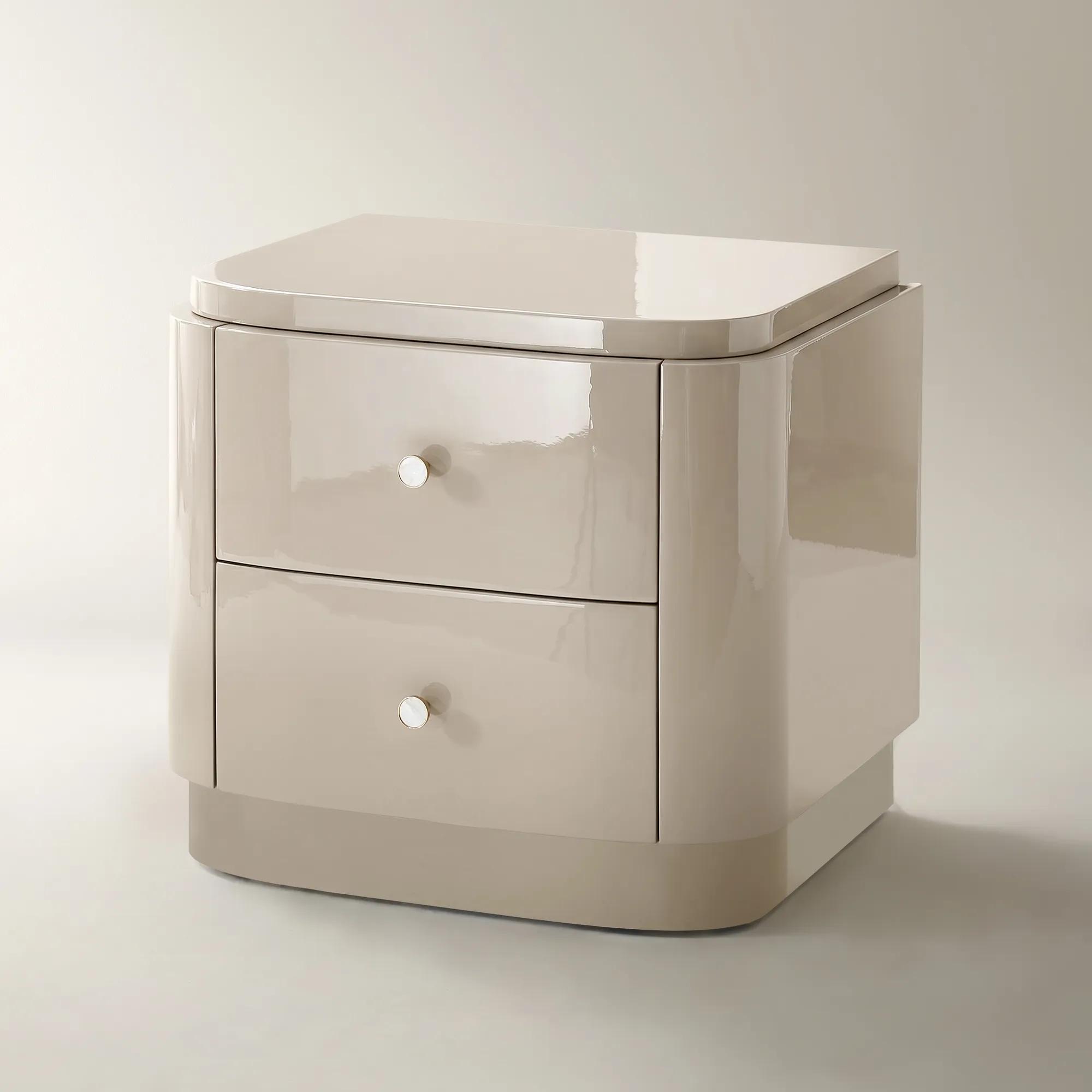 Nia Lacquered Turtle Dove 2-Drawer Nightstand (26")$599
A softly sculpted nightstand in turtle dove lacquer with pearlescent handles and two soft-close drawers.
Add To Cart -
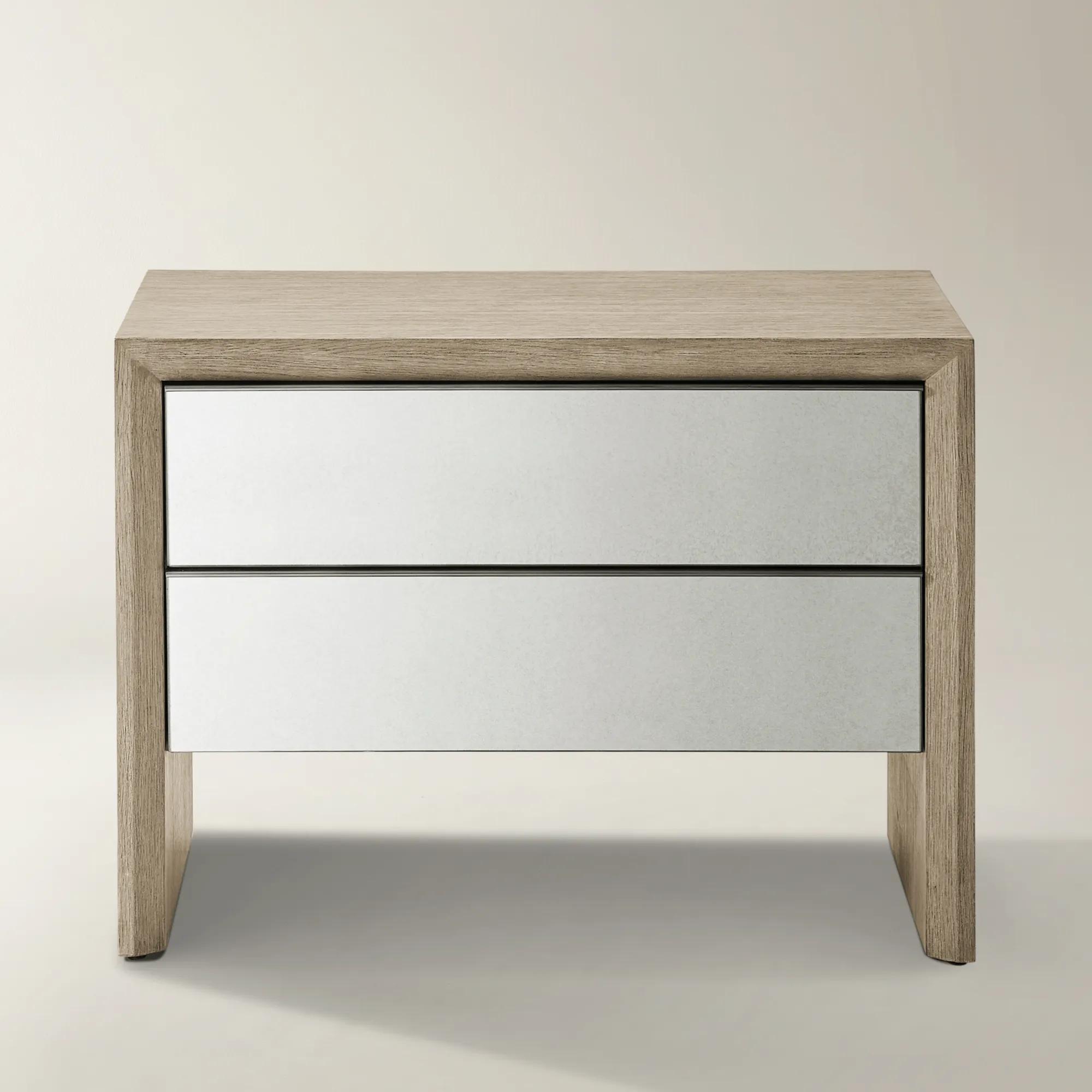
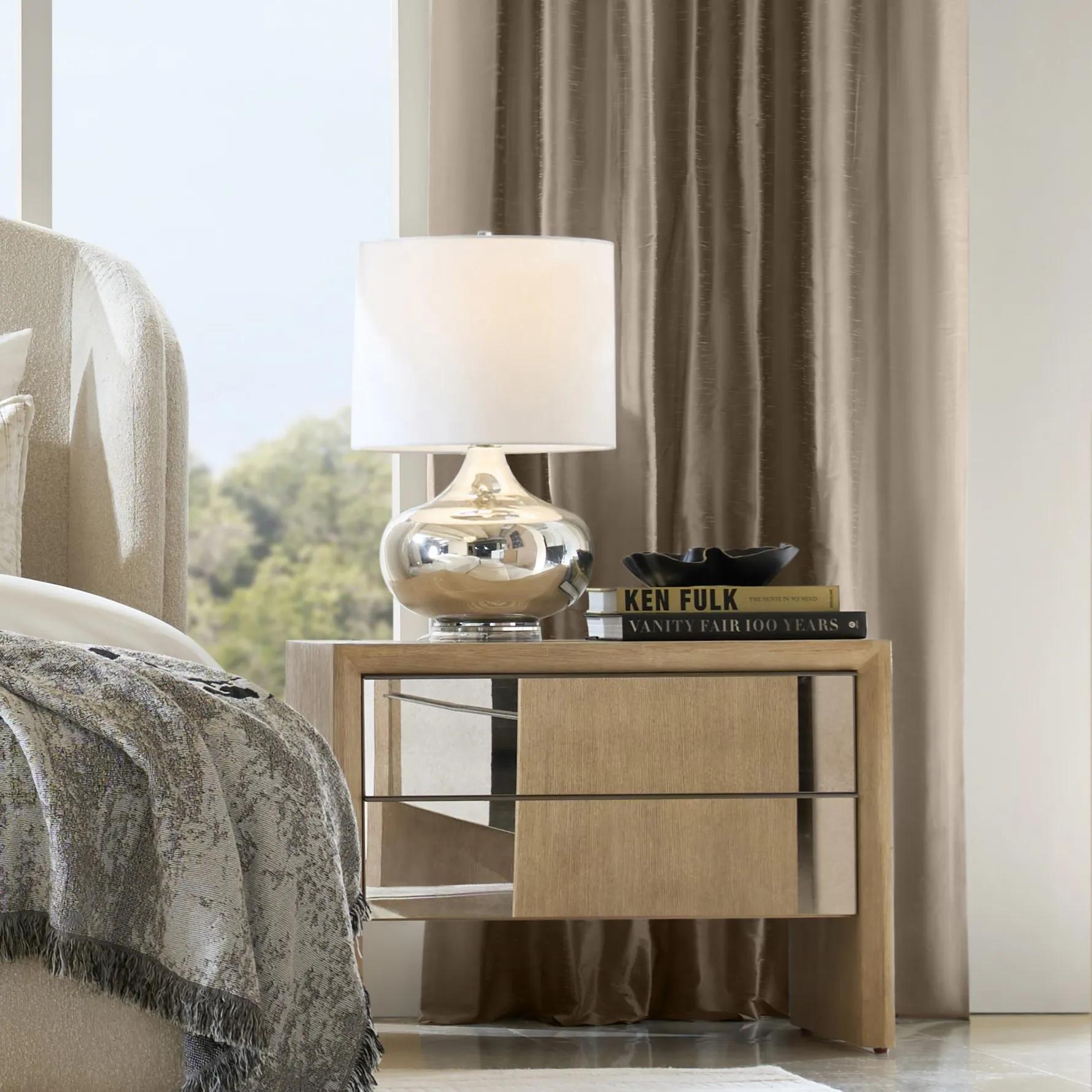 Glimmer Mirrored Seadrift Oak 2-Drawer Nightstand (32")$799
A glamorous nightstand featuring sea drift oak veneer, antique mirrored drawers, and soft-close storage.
Add To Cart -
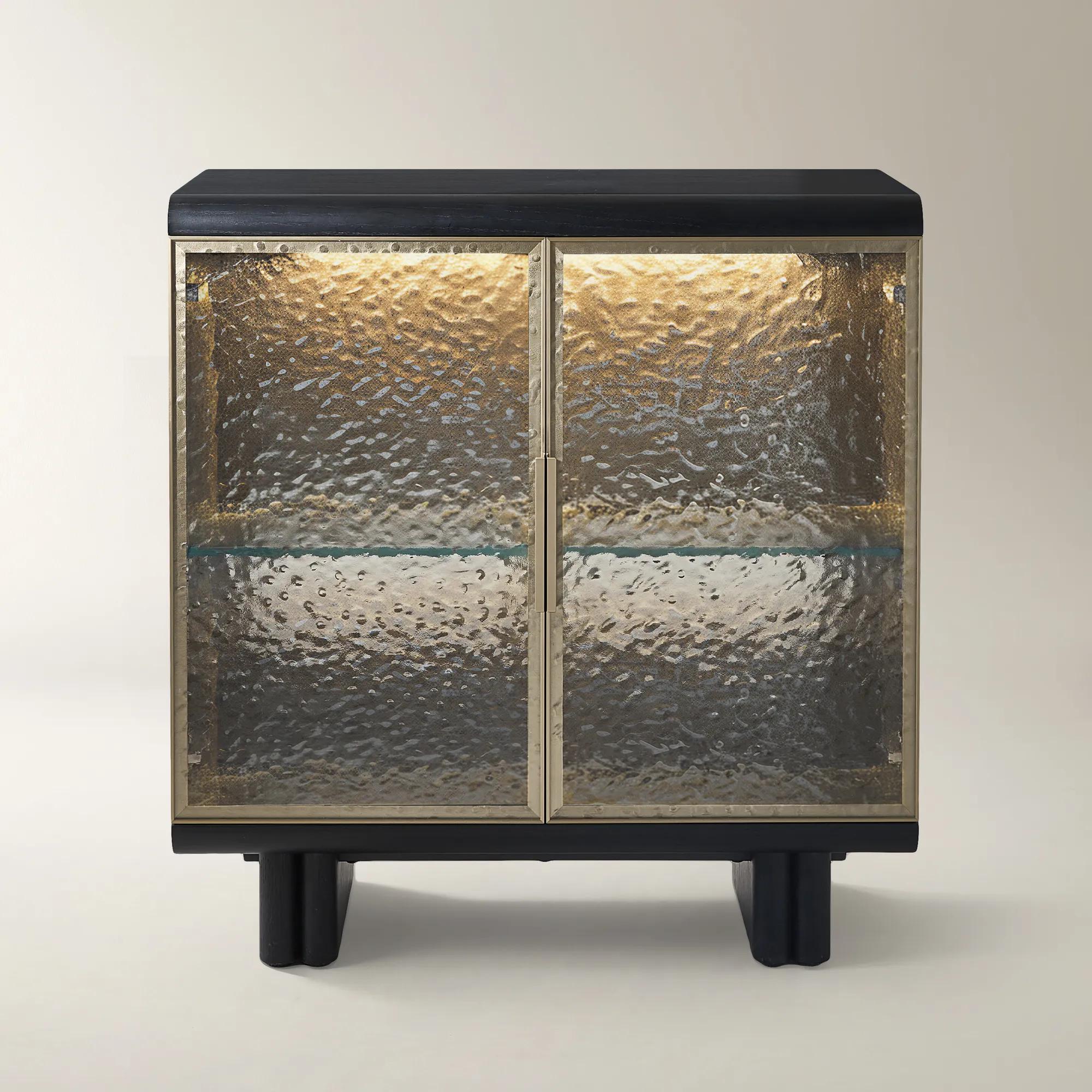
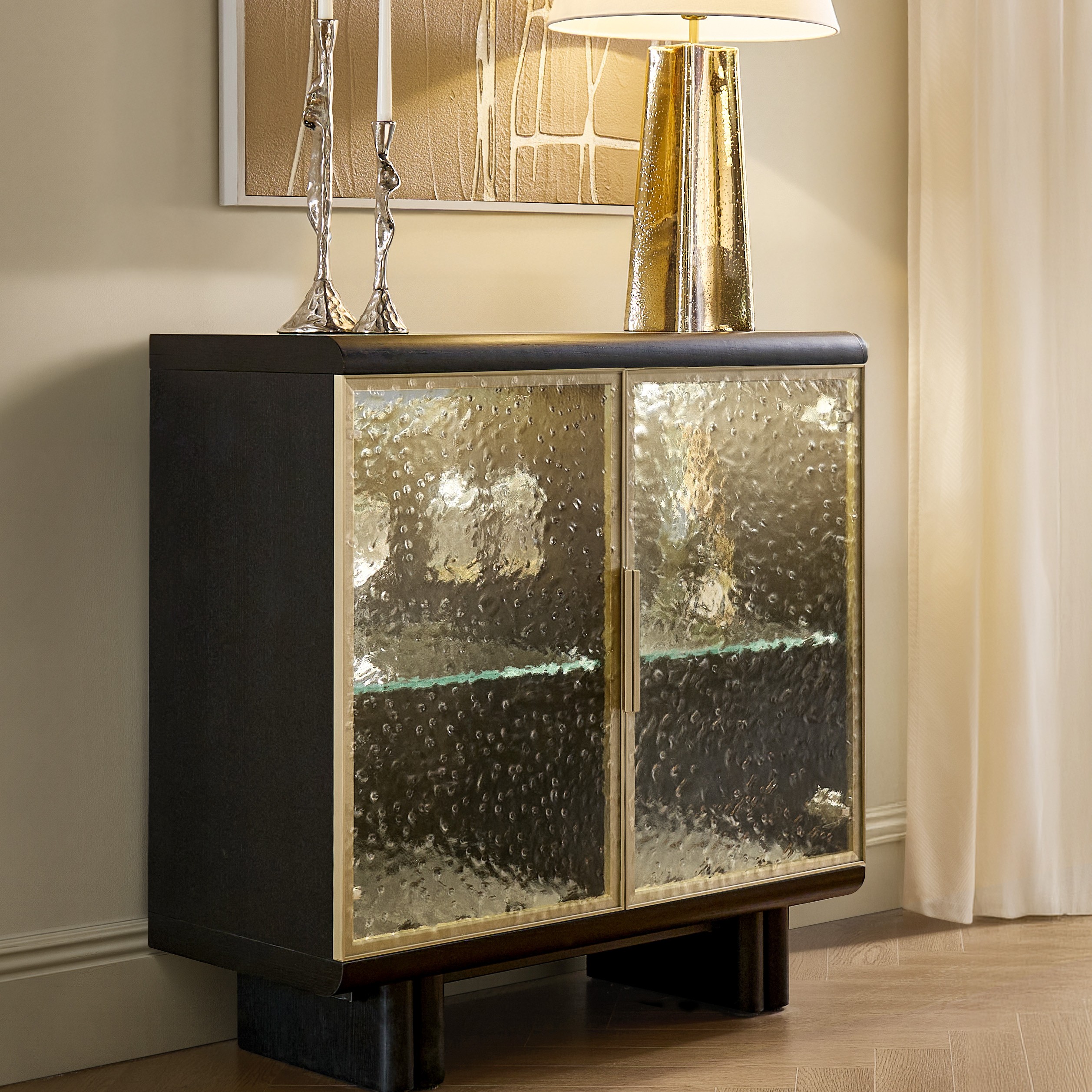 Eleanor Cerused Black Oak Buffet With Wavy Glass Door (38")$1499
A matte black oak veneer buffet with wavy glass doors, mirrored back, and touch-control LED lighting.
Add To Cart -
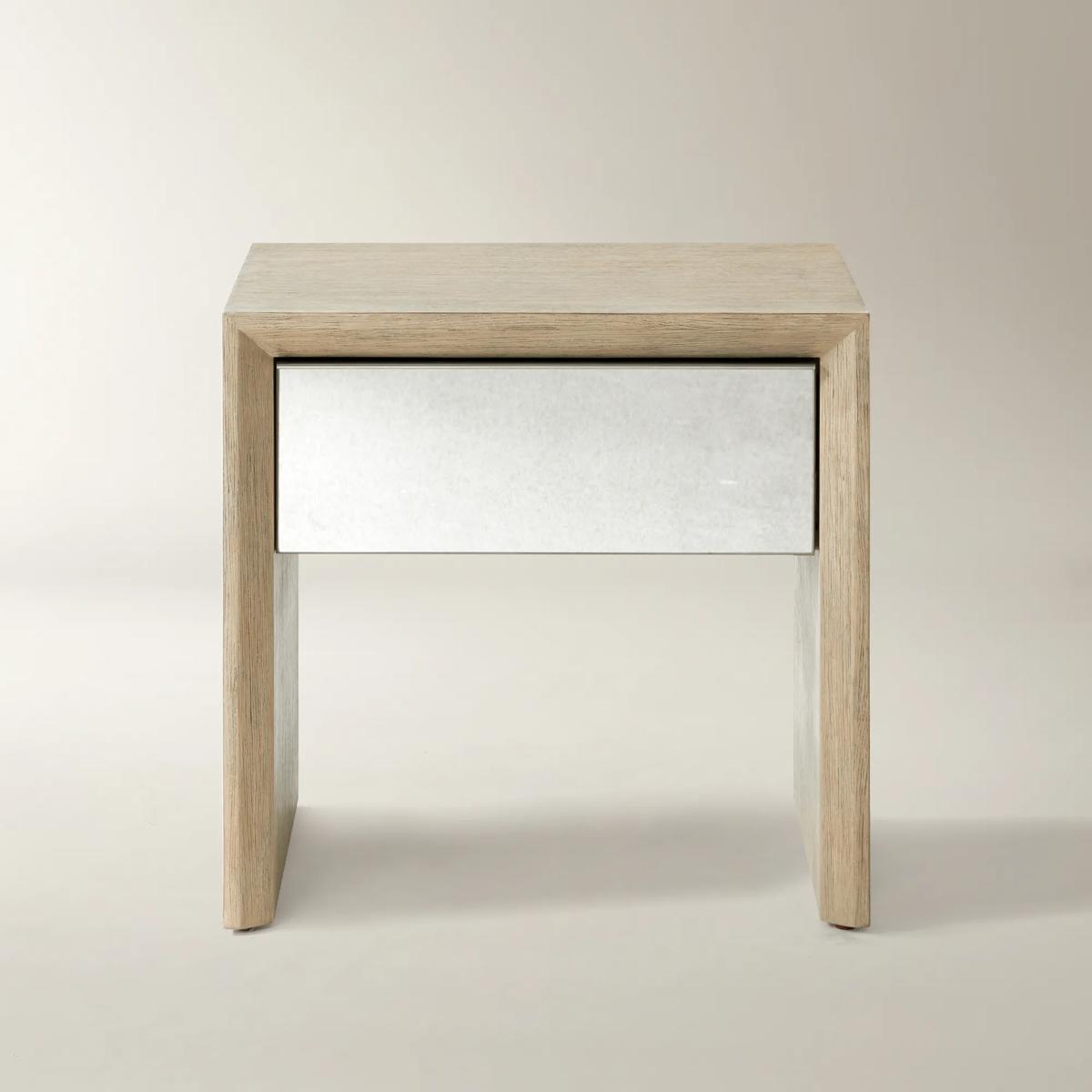 Glimmer Mirrored Seadrift Oak 1-Drawer Nightstand (23")$499
A sophisticated nightstand featuring a sea drift oak veneer frame and antique mirror-faced soft-close drawers.
Add To Cart -
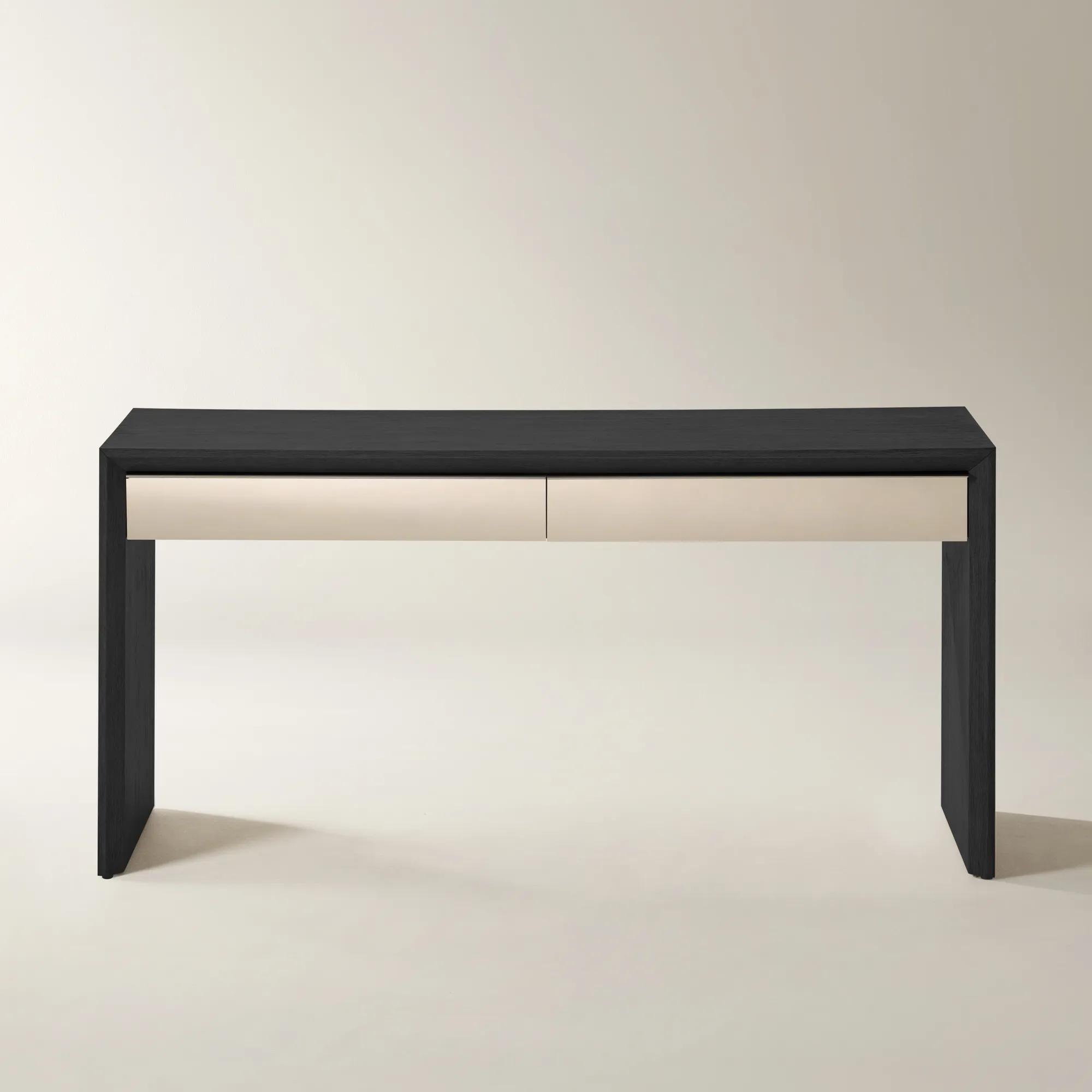
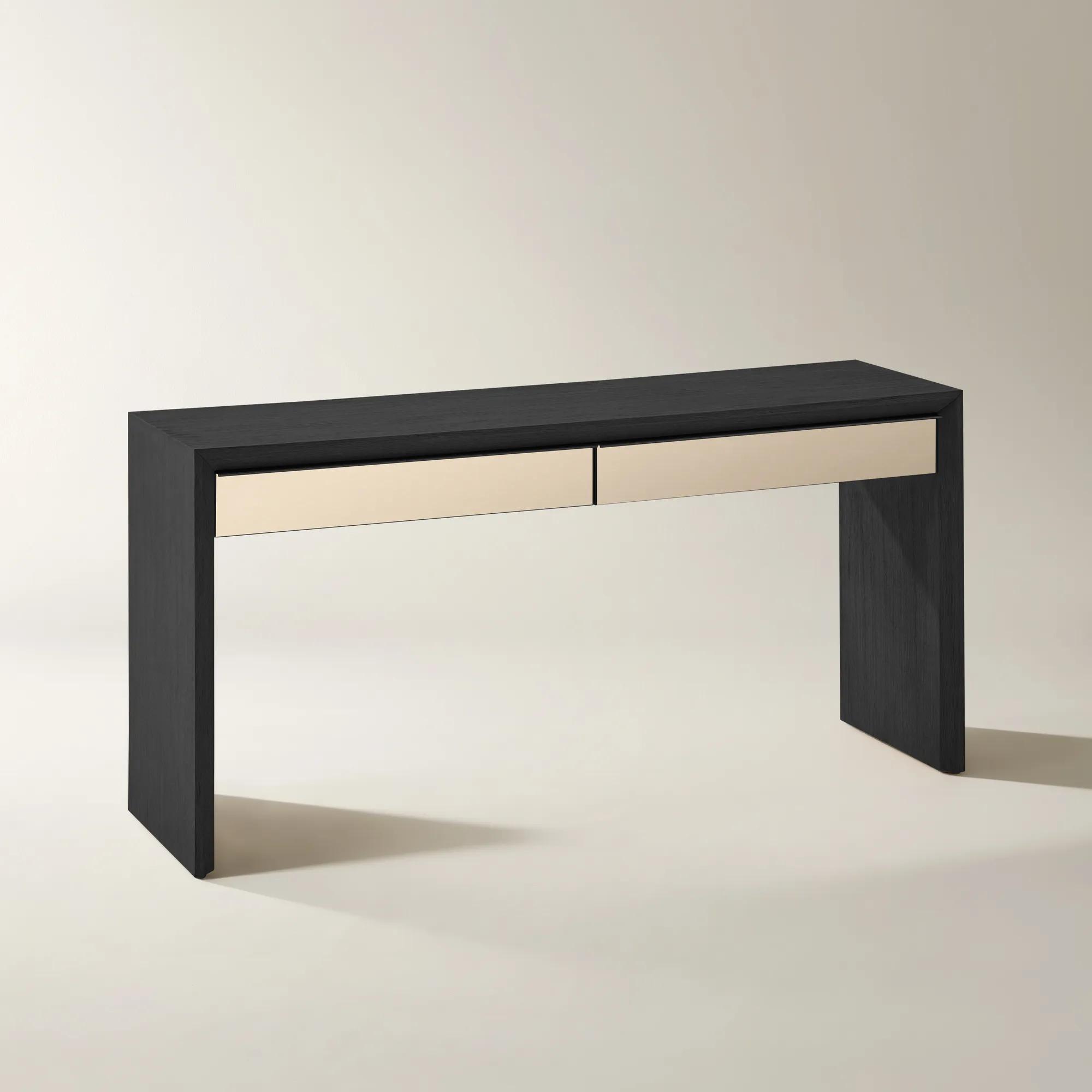 Glimmer Mirrored 2-Drawer Black Oak Console Table (62")$1199
A modern console table featuring black oak veneer, bronze mirrored drawer fronts, and soft-close velvet-lined drawers.
Add To Cart -
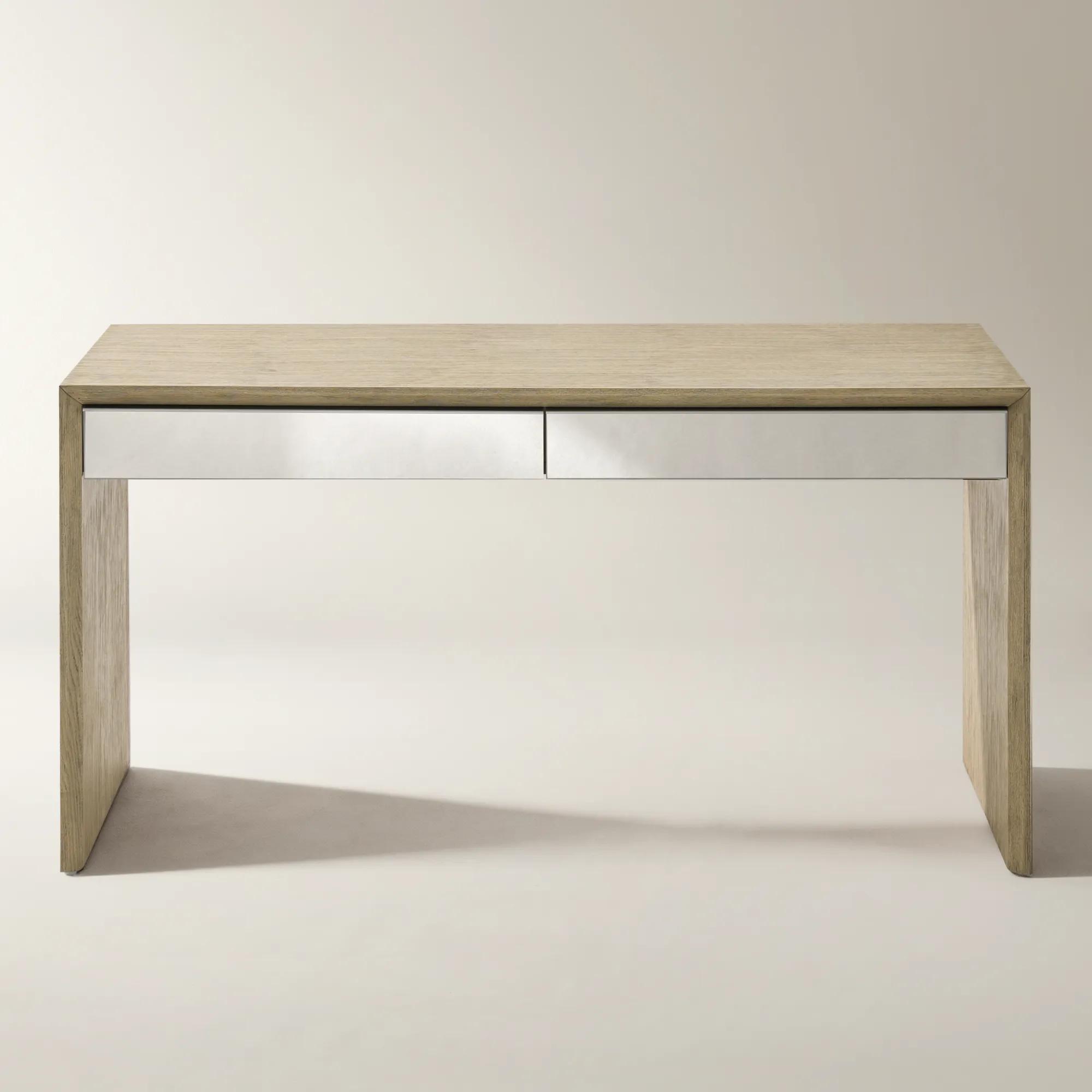 Glimmer Mirrored 2-Drawer Sea Drift Oak Desk (62")$1399
A two-tone oak veneer desk featuring antique mirrored soft-close drawers with velvet-lined interiors for refined style.
Add To Cart -
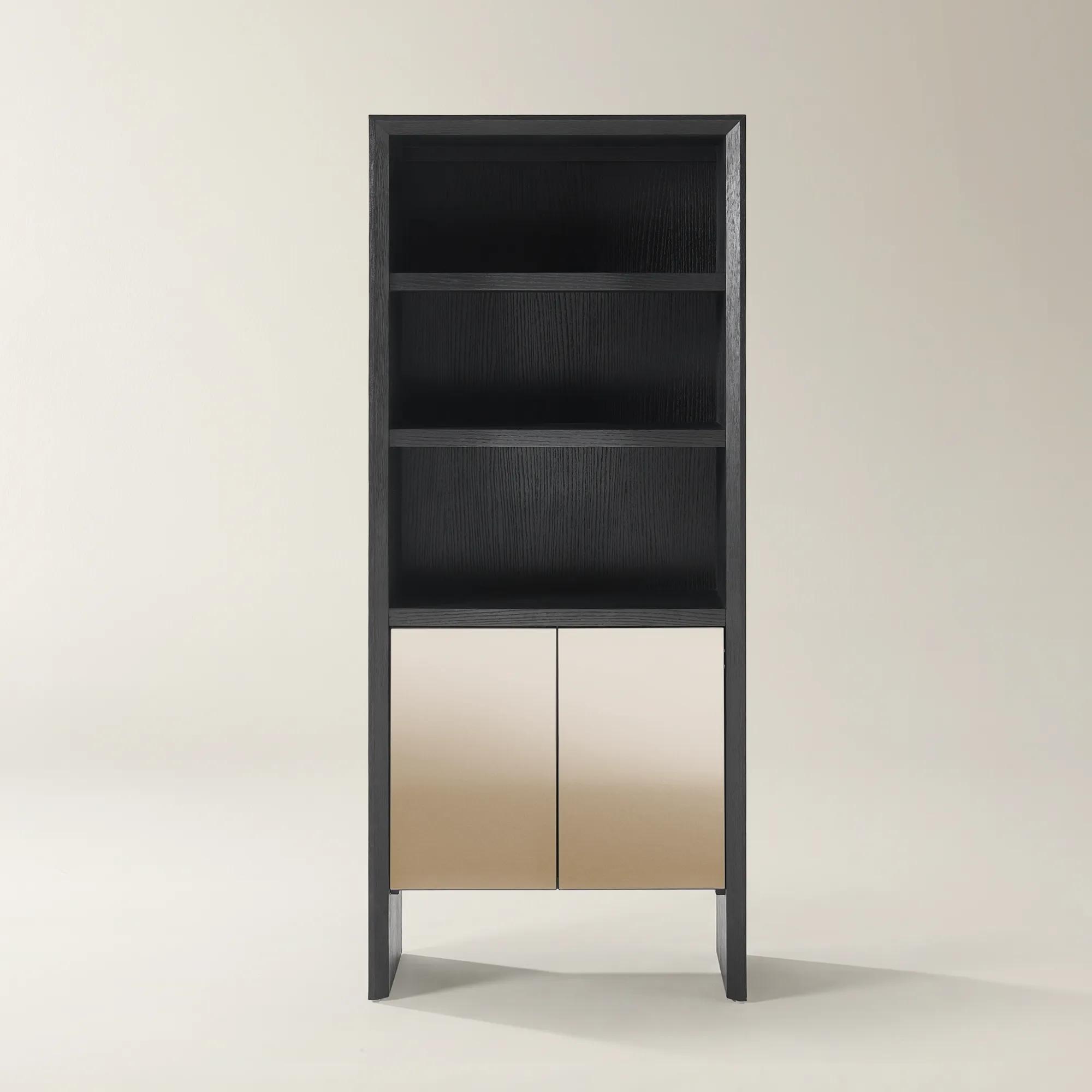
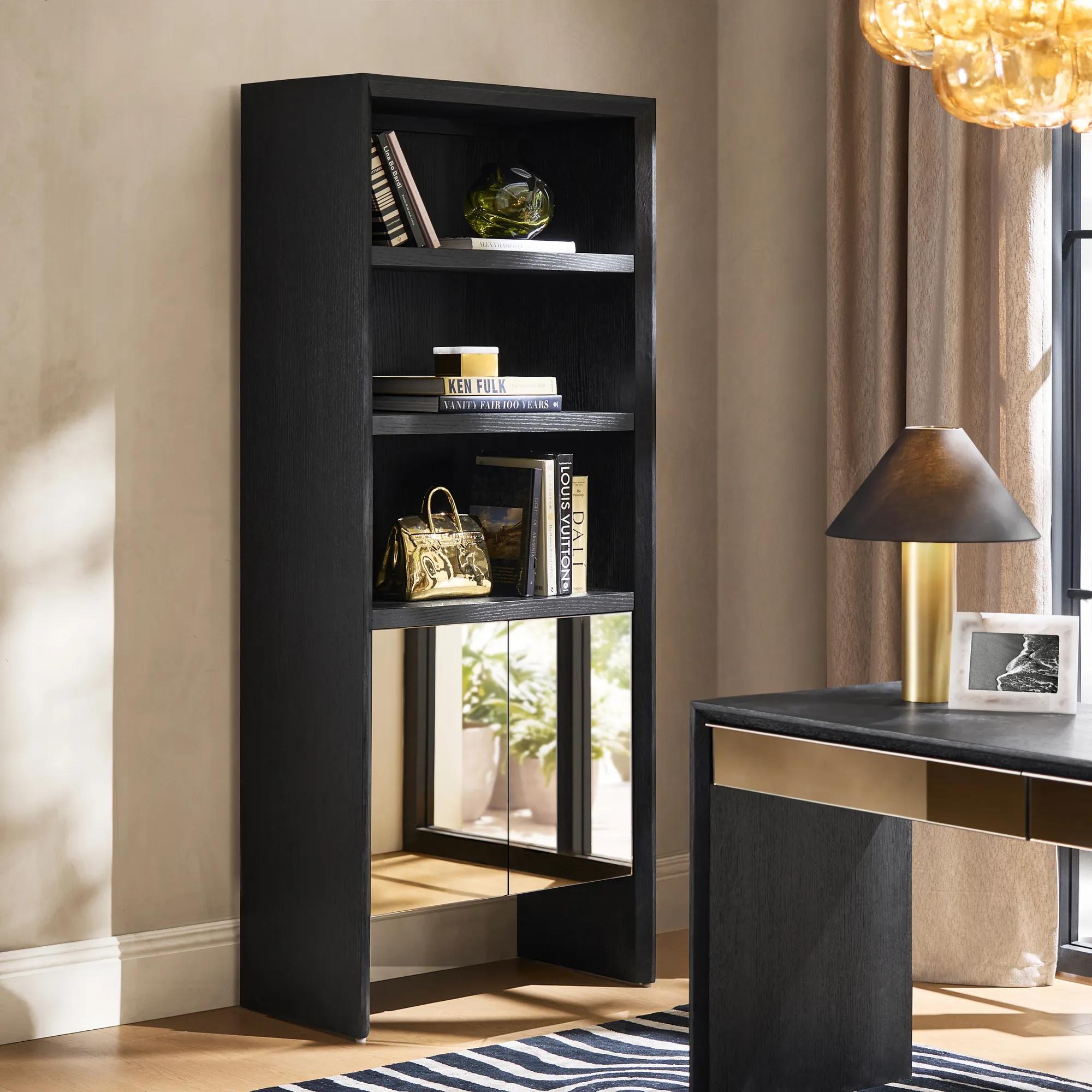 Glimmer Mirrored Black Oak Bookcase (80")$1999
A modern black oak bookcase featuring bronze mirrored doors, open shelving, and soft-close concealed storage.
Add To Cart

Mirrored Chests For Transitional Bedrooms
Mirrored chests for transitional bedrooms are the secret to elevating your sanctuary from simply stylish to utterly unforgettable. Shimmering with reflective allure, these pieces capture the light and amplify the artistry of your space, bridging classic elegance and contemporary flair. Each mirrored chest becomes a sculptural focal point—inviting intrigue, expanding the sense of openness, and infusing your bedroom with a touch of drama. Perfect for those who crave both sophistication and versatility, mirrored chests transform everyday storage into a statement of bold self-expression.
Mirrored chests for transitional bedrooms bring together classic furniture proportions and luminous surfaces, creating a connection between traditional elegance and contemporary design. Their reflective fronts catch the outlines of an upholstered bed, the glow of a shaded lamp, or the movement of drapery, adding depth without introducing another dominant color. In a transitional setting, that versatility matters: a room can hold a tufted headboard, streamlined lighting, and a treasured vintage accent without feeling divided between eras. The chest becomes a point of continuity, its familiar silhouette grounding the composition while mirrored panels introduce a more expressive finish. Beveled glass adds definition along the edges, while framed doors and drawer fronts can lend architectural detail. Trim in champagne, soft gold, or antique silver tones offers a gentle bridge between warm fabrics and cooler reflective surfaces; the effect depends as much on the surrounding palette as on the finish itself. Against ivory upholstery and walnut furniture, champagne-toned framing reads warm and refined. Beside charcoal textiles and pale walls, silver-toned details create a sharper, more tailored impression. Balance is especially compelling when the chest has something tactile nearby: a wool rug underfoot, a linen lampshade above, or a velvet bench across the room. Those matte and textured elements give the eye somewhere to rest, allowing the mirror to feel intentional rather than overwhelming. Although mirrored furniture does not physically enlarge a bedroom, reflections can contribute to a more open impression, particularly when the chest faces an uncluttered part of the room. Its placement also shapes the mood. A reflection of soft drapery or artwork feels composed; a reflection of tangled cords or an overflowing laundry basket repeats the distraction. For bedrooms that need storage with a decorative presence, a mirrored accent chest offers both a useful interior and a surface that participates in the room’s design.
Scale determines whether a mirrored bedroom chest feels like a jewel beside the bed or a substantial anchor along a wall. A compact three-drawer chest can serve as an oversized bedside piece, giving folded sleepwear, reading glasses, and personal essentials a designated place while supporting a lamp with enough visual weight to complement a tall headboard. The most comfortable bedside proportions relate to the mattress height, not simply the height of the bed frame, and the top should remain easy to reach. A two-door accent chest can create a different rhythm, with a broader uninterrupted facade and, depending on its interior configuration, room for linens or larger belongings. Door count alone does not establish storage capacity; interior dimensions, shelf placement, and drawer depth are more revealing than the exterior silhouette. Along a wall opposite the bed, a taller chest offers vertical storage without requiring the width of a full dresser. A lower, wider form may be better suited to a generous wall where artwork needs a substantial piece beneath it. For layouts with more horizontal space and a larger folded wardrobe, a Dresser For Transitional Bedrooms offers a related storage option with a different proportion. Whichever shape suits the room, allow clearance for drawers or doors to open fully without catching bedding, striking another piece of furniture, or narrowing the path through the bedroom. Baseboards, nearby outlets, and the swing of a closet door can all affect the final fit. Measuring those details helps preserve the graceful spacing that makes a layered bedroom feel composed. Styling can remain restrained even when the furniture itself is dramatic: a sculptural lamp, a shallow tray, and one personal object give the reflective top room to breathe. Where a chest sits beneath a window, consider both sill height and reflected daylight, since direct sun may produce an uncomfortable glare. The strongest arrangement gives the piece a clear purpose and enough surrounding space for its contours, hardware, and mirrored detailing to register.
The beauty of a mirrored chest rests on more than its shine. Mirrored panels are generally applied to a supporting furniture body, which may incorporate solid wood, engineered wood, metal, or a combination of materials. That underlying construction, together with the drawer mechanisms, joints, and base, influences how the chest performs in daily use. Glass thickness, panel attachment, and edge finishing also matter, though no decorative finish makes glass immune to chips or impact damage. A bedroom used every day calls for storage that operates smoothly and suits the belongings it will hold; a deeply filled drawer of sweaters places different demands on a piece than a shallow collection of accessories. Product dimensions, weight limits, construction details, and care instructions help distinguish decorative appeal from suitability for a particular household. Mirrored surfaces reward thoughtful handling, especially around corners and hardware. Pulling a drawer by its handle rather than its mirrored edge helps avoid unnecessary pressure on the glass, while lifting objects instead of dragging them across the top reduces the risk of scratches. A soft, lint-free cloth is useful for removing fingerprints, and any cleaner should be compatible with both the mirror and its surrounding finish. When permitted by the manufacturer, apply cleaner sparingly to the cloth rather than spraying the furniture directly, keeping moisture away from seams, backing, and decorative trim. Abrasive pads and harsh chemicals can damage the very surfaces that give the chest its distinction. Protective pads beneath lamps and trays help cushion contact, and spills should be addressed promptly according to the care directions. Secure placement is equally important: use the specified anti-tip hardware and follow installation instructions, particularly in homes with children or pets. For a primary bedroom, guest suite, or an adult child’s newly furnished home, a mirrored chest can be a lasting expression of personal style when its dimensions and upkeep suit the space. The appeal is the contrast it holds so effortlessly: practical storage behind a luminous facade, traditional presence with contemporary clarity, and enough drama to give a restful room its own unmistakable character.
FAQs
Mirrored chests are celebrated for their ability to bridge the gap between traditional elegance and contemporary flair. Their reflective surfaces introduce light and a sense of openness, while details like beveled edges and mixed materials—such as wood frames paired with glass—offer a harmonious blend of old and new. This makes them a quintessential choice for transitional bedrooms, where versatility and timeless sophistication are key.
To maximize the drama and artistry of a mirrored chest, consider layering it with sculptural vases, metallic trays, or a curated stack of art books. Draping fresh flowers or placing a statement lamp on top can further elevate the piece. Hanging bold artwork or a large mirror above the chest helps anchor the vignette and draws the eye, turning the chest into a captivating focal point.
Yes, mirrored chests make exceptional gifts for milestones such as weddings, housewarmings, or anniversaries. Their luxurious presence and practical storage offer lasting value, while their ability to complement various decor styles ensures the recipient will cherish the piece for years to come.
For a truly transitional look, seek chests that combine mirrored panels with wood accents—such as oak, walnut, or softly distressed finishes. Details like crystal or polished nickel hardware, beveled glass, and subtle decorative trim add to the sophistication and lend a custom, curated feel to your space.
Mirrored chests excel at amplifying light and reflecting their surroundings, making them a perfect partner for rich textures like velvet, silk, or linen. They also harmonize beautifully with bold colors or neutral palettes, adding a touch of glamour without overwhelming the room. This interplay of reflection and texture creates a layered, inviting atmosphere that feels both curated and comfortable.