Dresser For Transitional Bedrooms
Dresser For Transitional Bedrooms
-
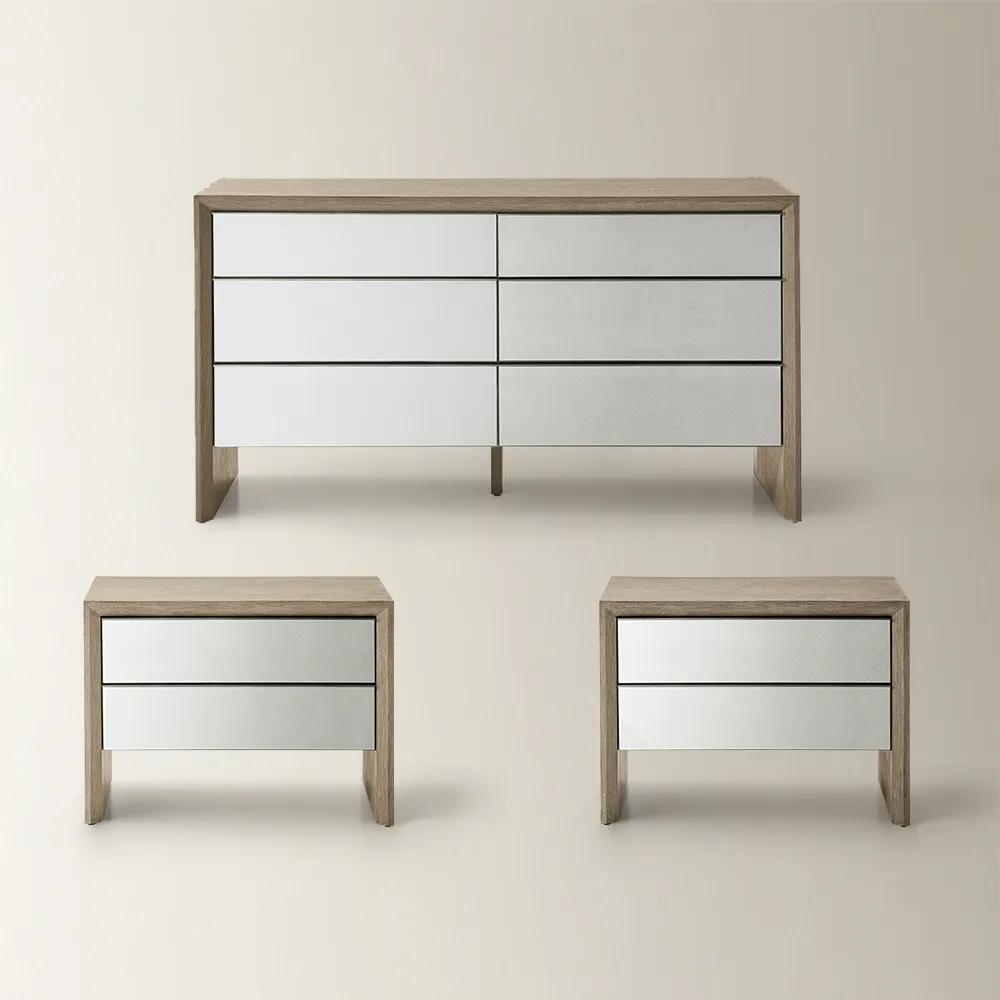
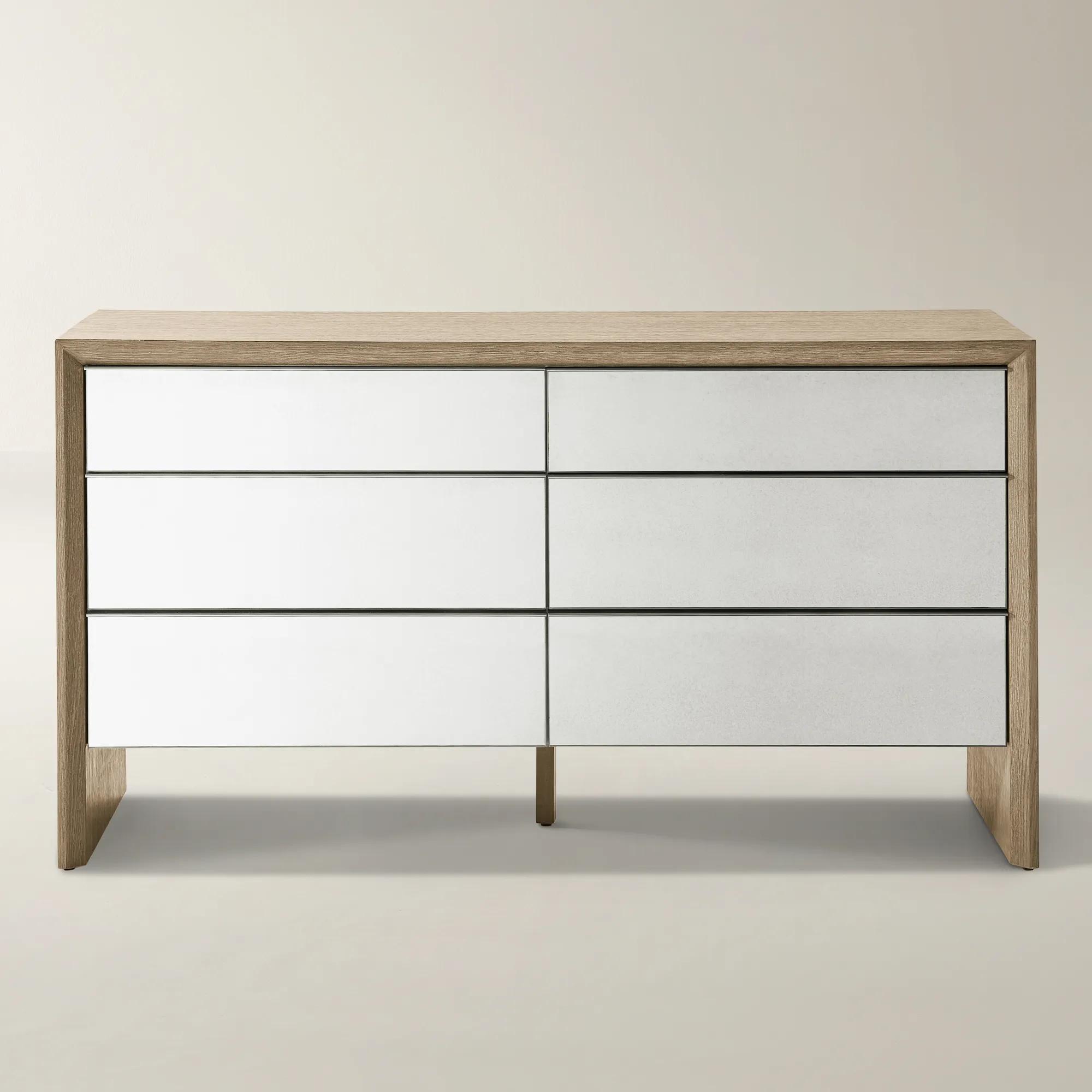 Glimmer Mirrored Seadrift Oak 6-Drawer Dresser (65")$2099
A sophisticated dresser featuring sea drift oak veneer and antique mirrored drawer fronts with soft-close drawers.
Add To Cart -
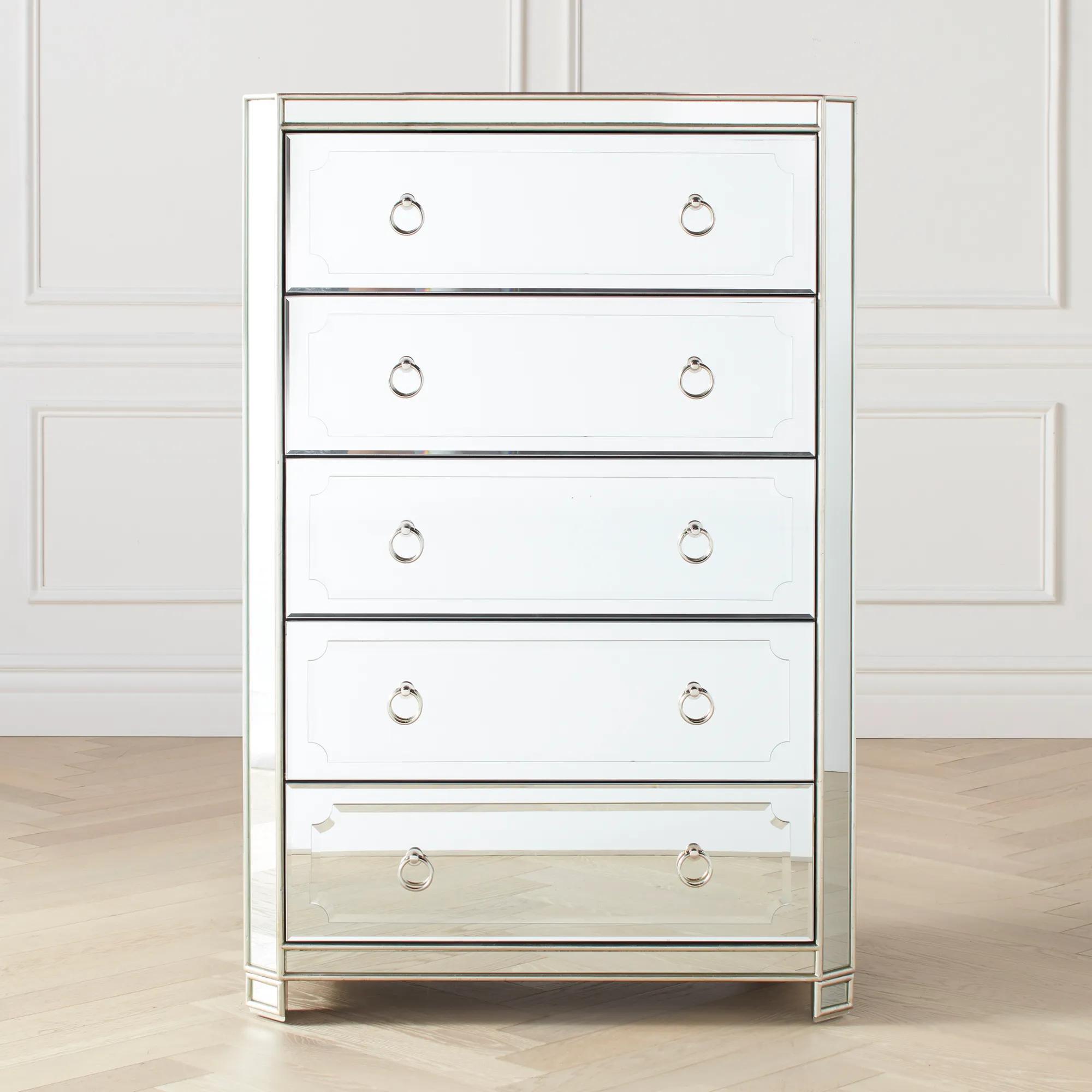
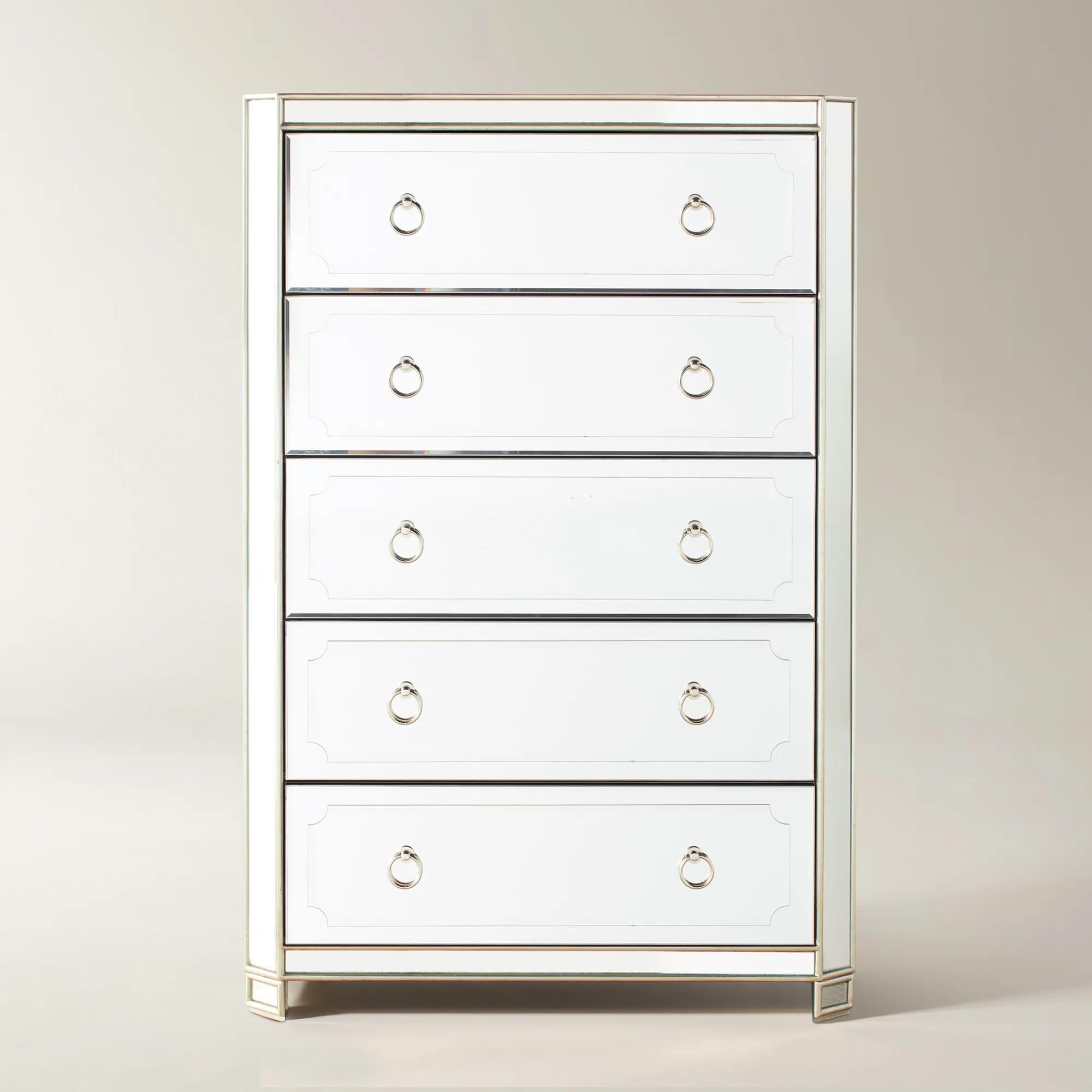 Simplicity Mirrored Silver 5-Drawer Tall Dresser (36")$1999
A glamorous tall chest featuring beveled mirrored panels, hand-applied silver-leaf trim, and polished nickel hardware.
Add To Cart -
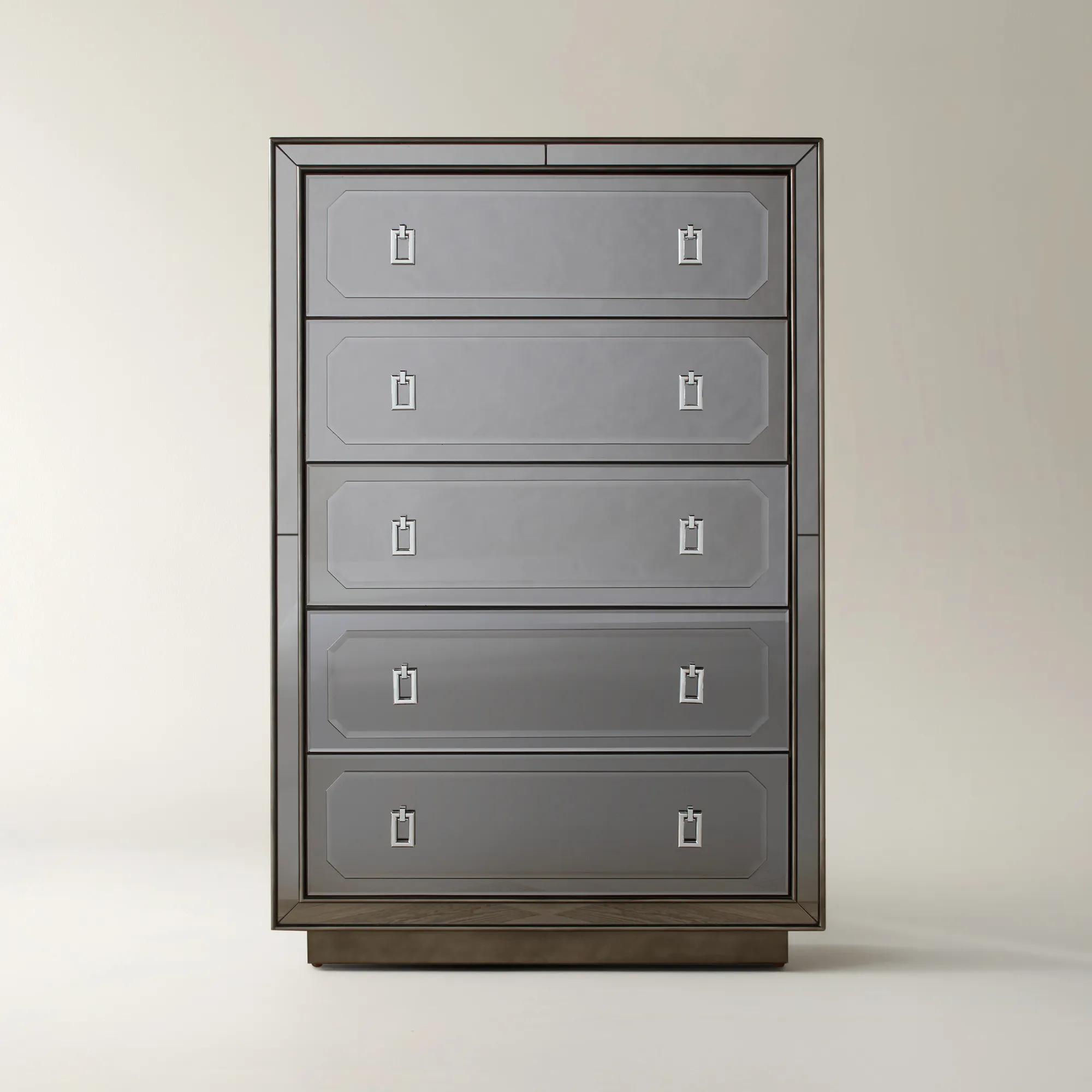 Maddox Mirrored Grey 5-Drawer Tall Dresser (36")$2099
A modern chest featuring beveled mirror panels, graphite finish, and polished nickel hardware for sleek sophistication.
Add To Cart -
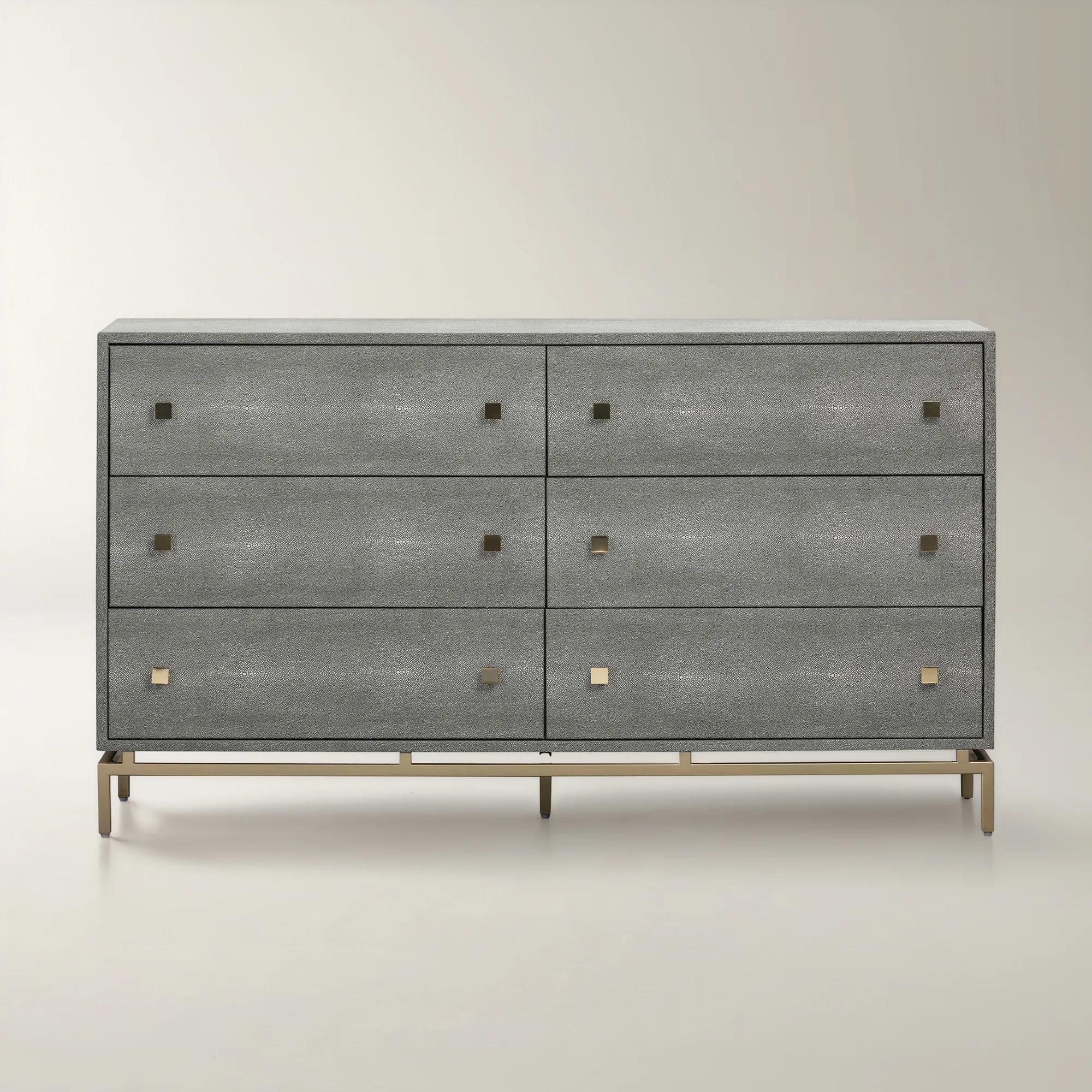
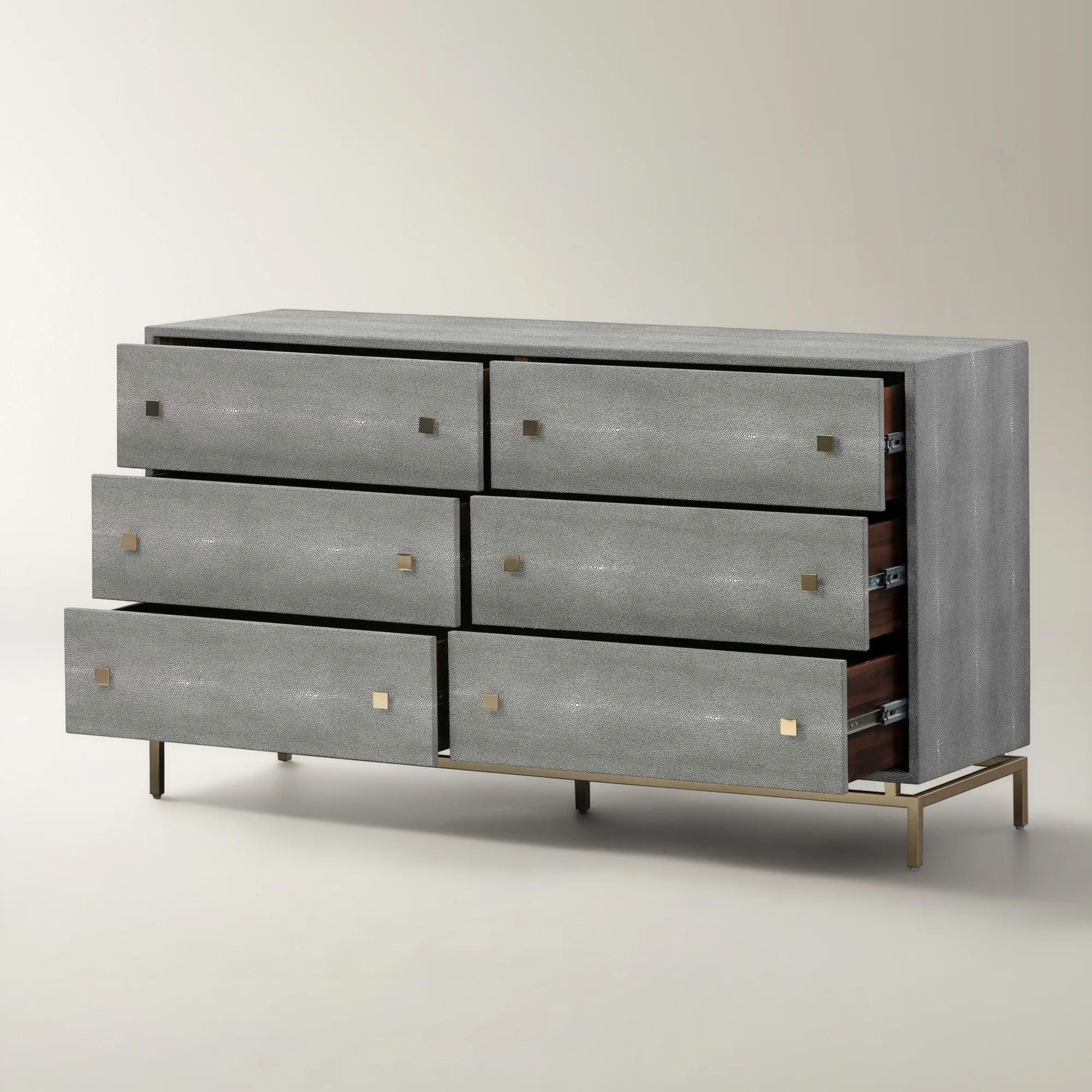 Misha Grey Shagreen 6-Drawer Dresser (57")$2249
A modern dresser featuring faux shagreen texture, brass-finished base, and six drawers with cherry wood interiors.
Add To Cart -
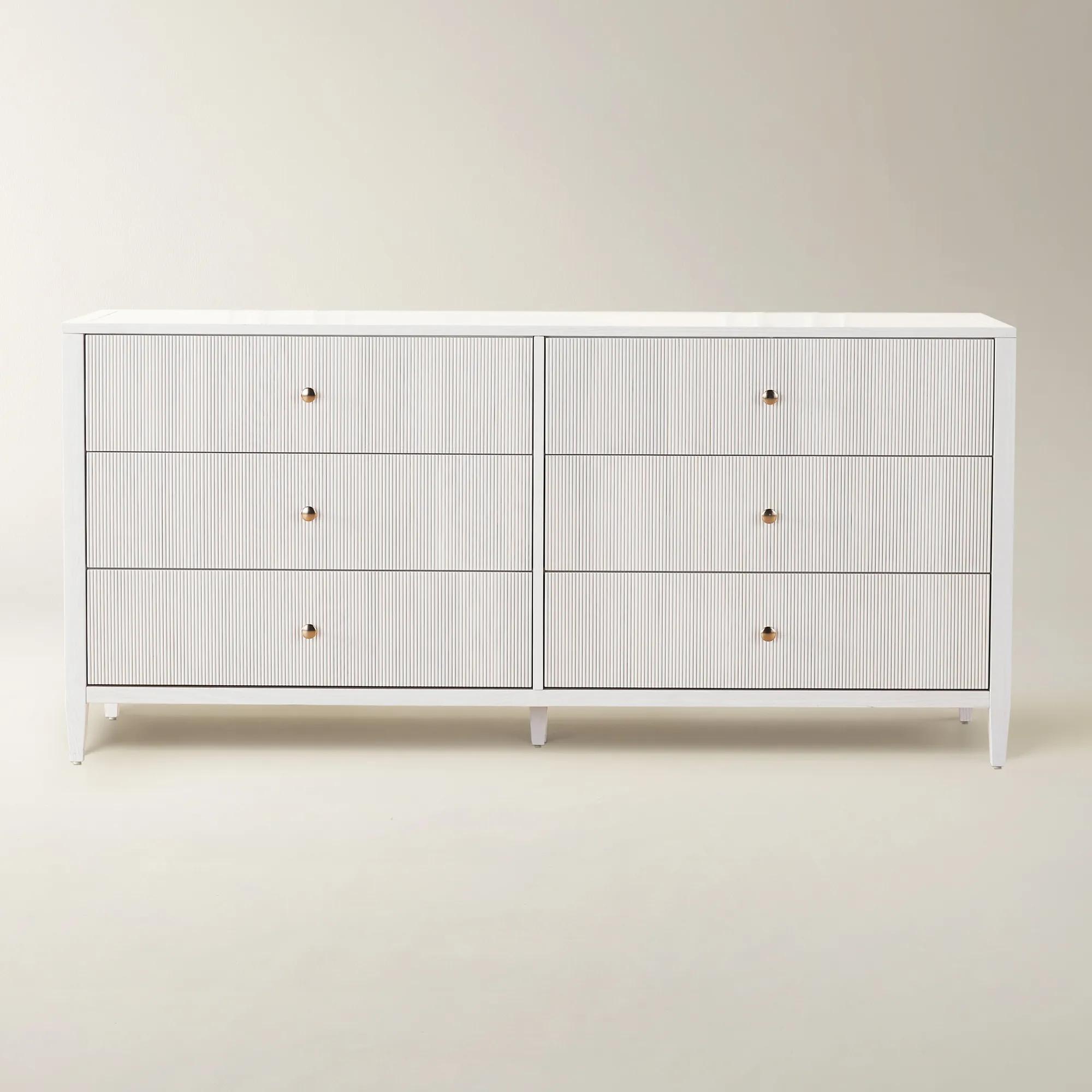
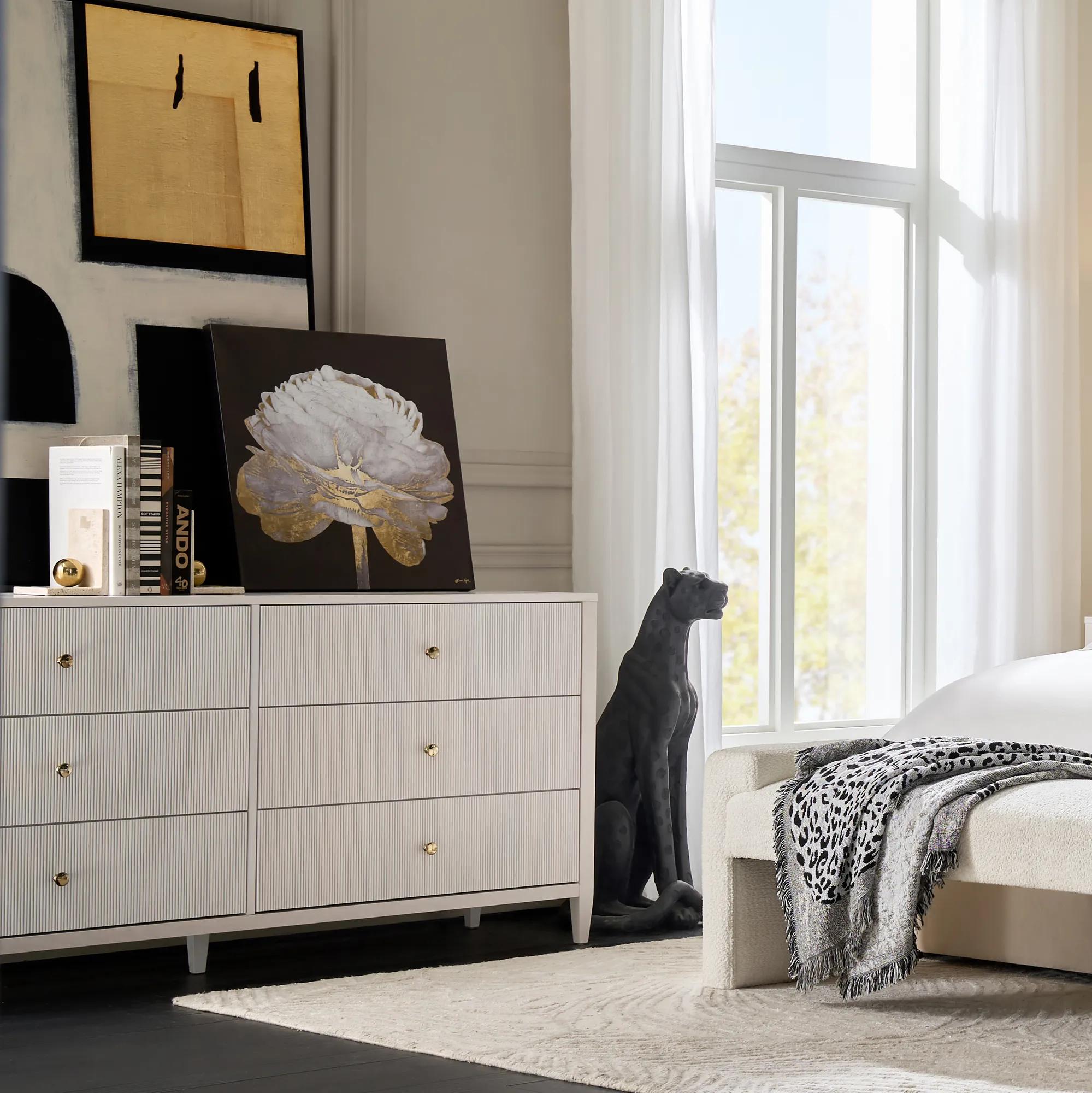 Viola Reeded White Ash Wood 6-Drawer Dresser (70")$1899
A modern dresser in bone white ash wood with reeded fronts and brass hardware for a luxe touch.
Add To Cart -
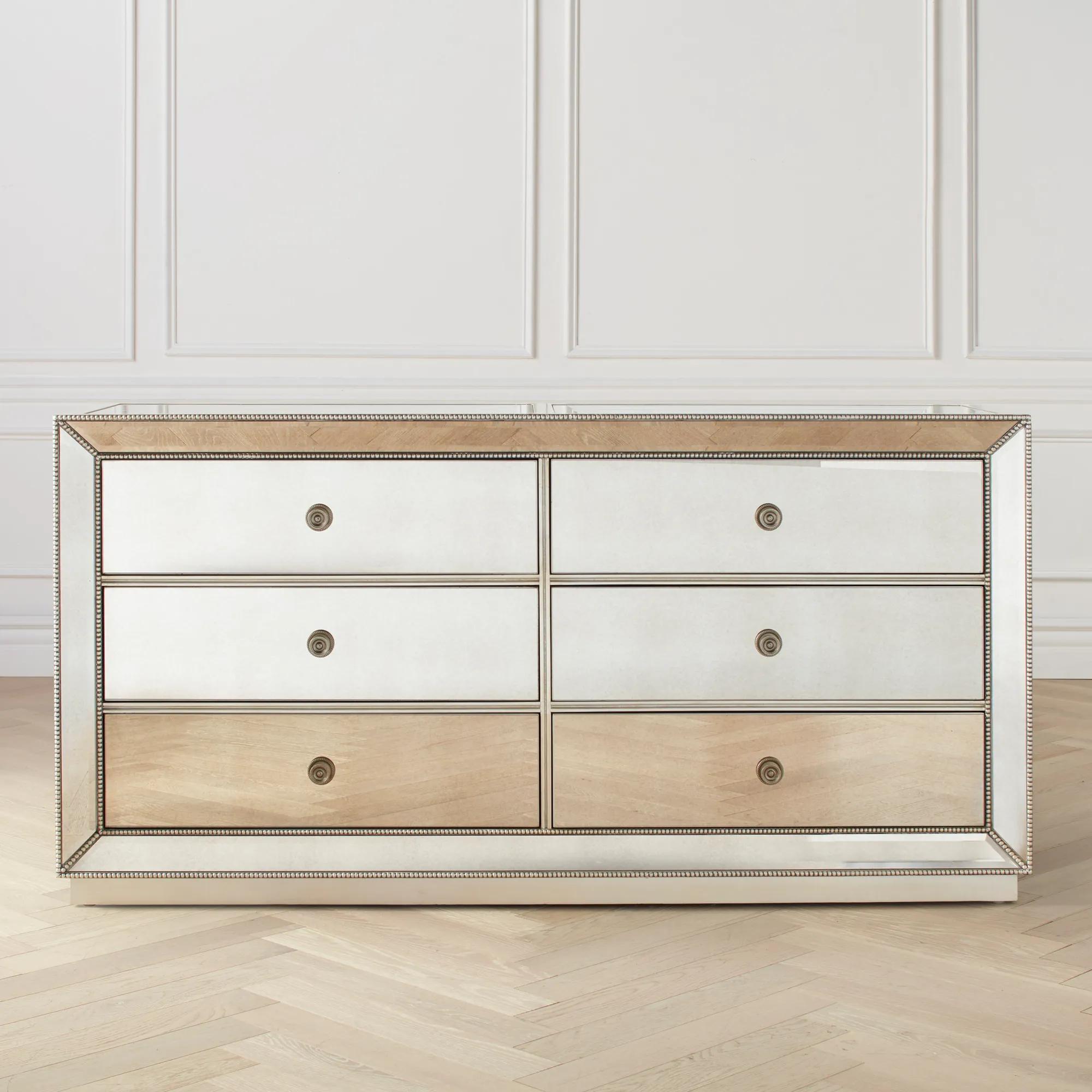 Omni Mirrored Silver 6-Drawer Dresser (72")$2599
A hand-applied silver-leaf chest with antiqued mirrored panels and beaded trim for dramatic bedroom shine.
Add To Cart -
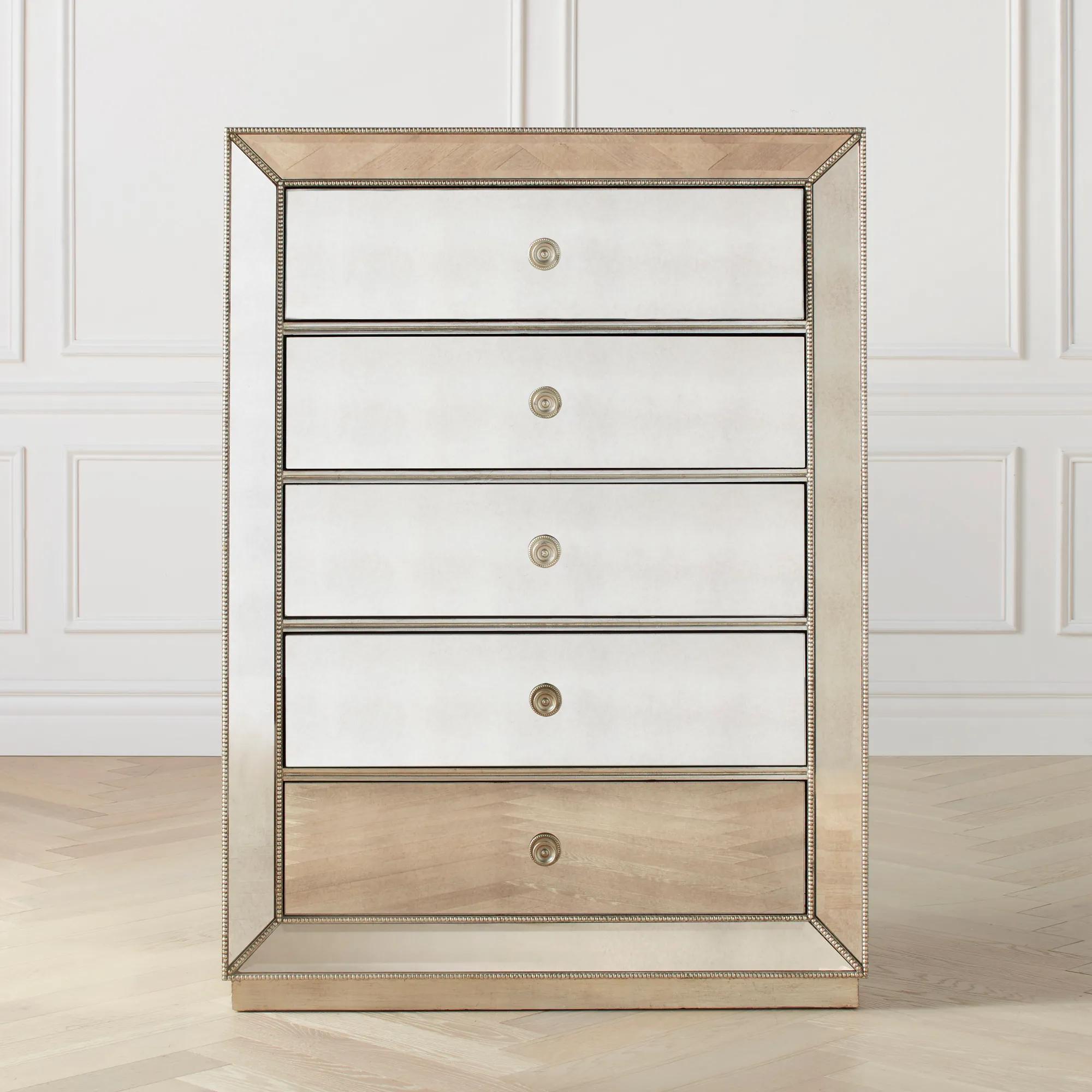
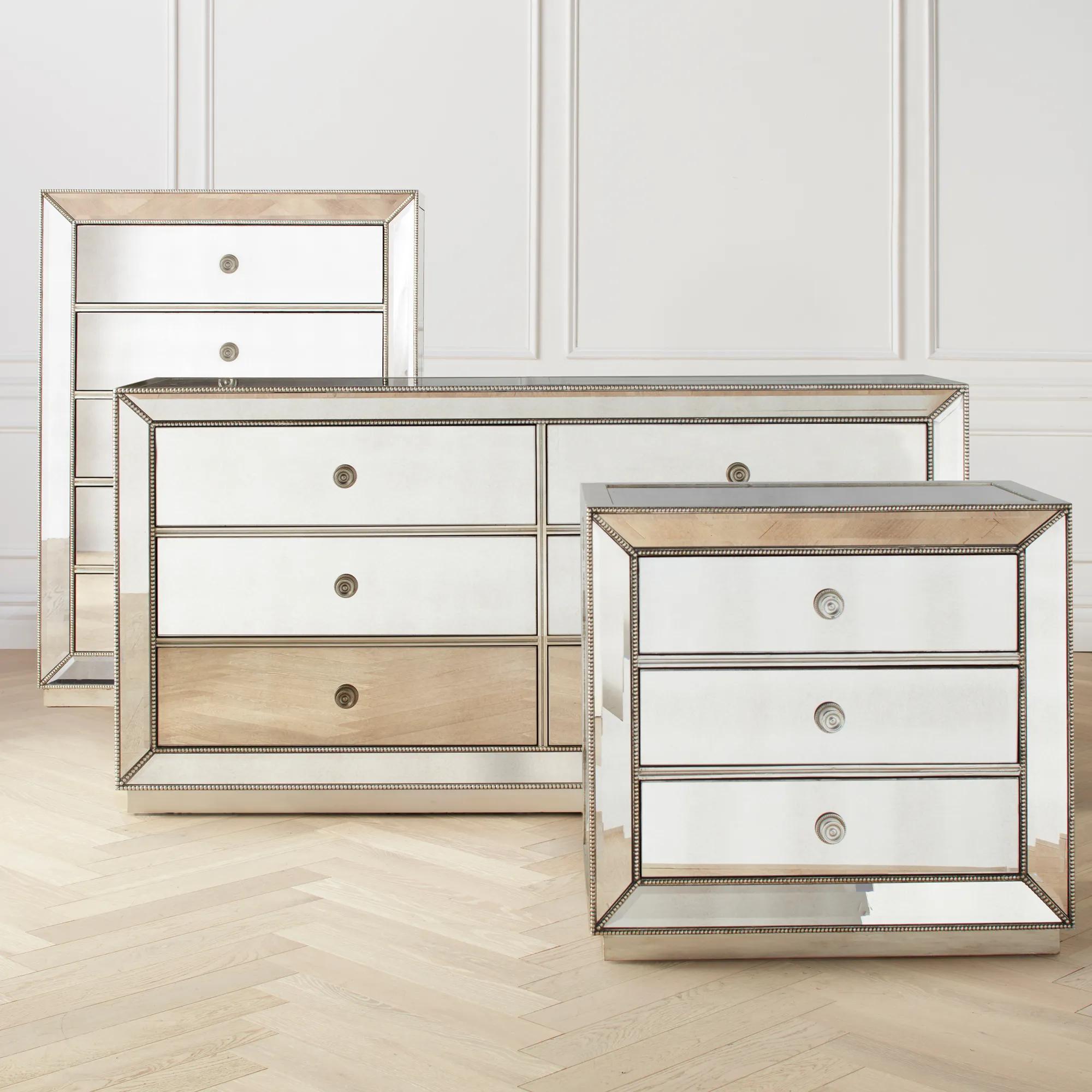 Omni Mirrored Silver 5-Drawer Tall Dresser (40")$2199
A dramatic chest featuring antiqued mirrored panels, hand-applied silver-leaf finish, and kiln-dried hardwood construction.
Add To Cart -
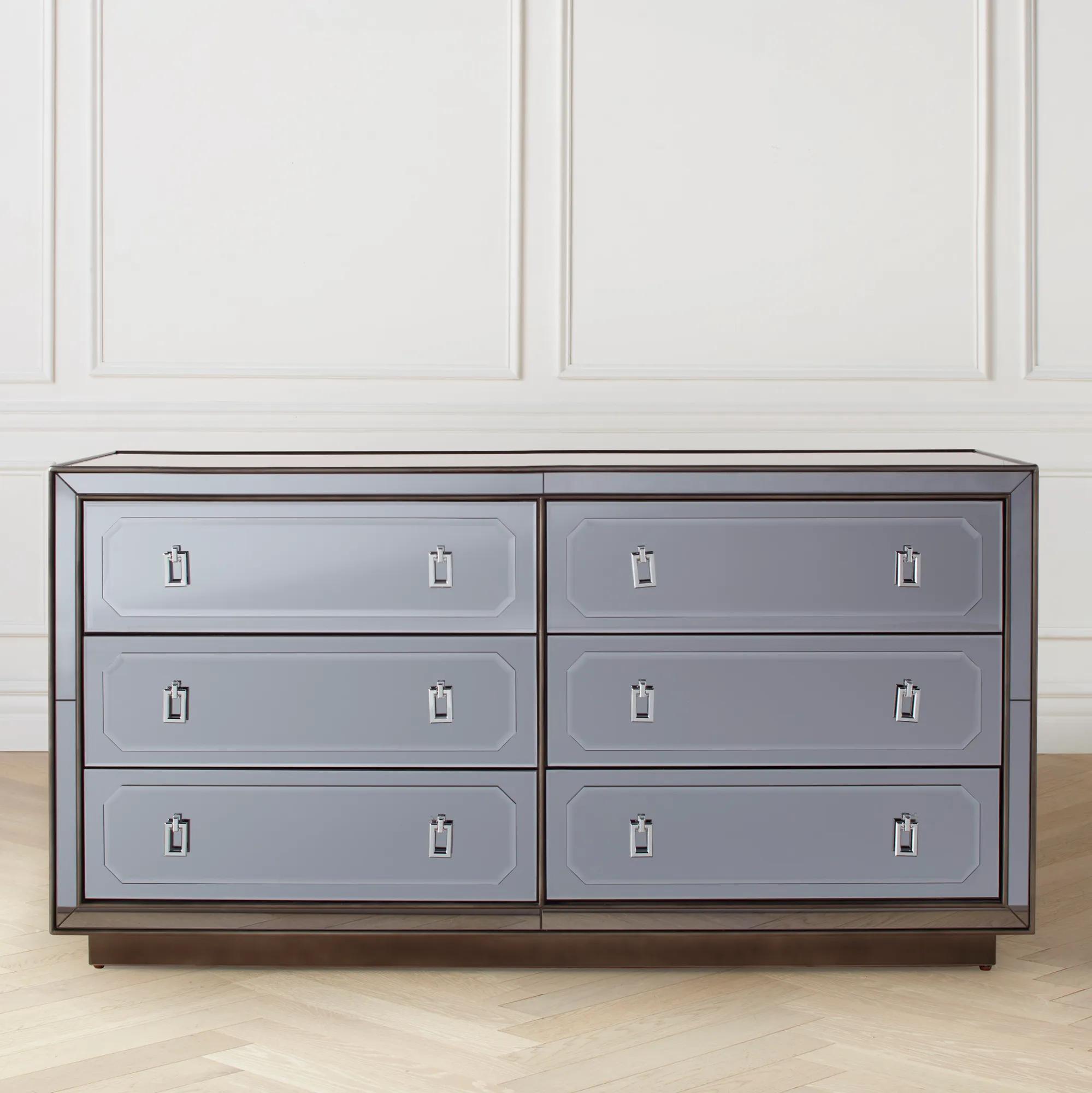
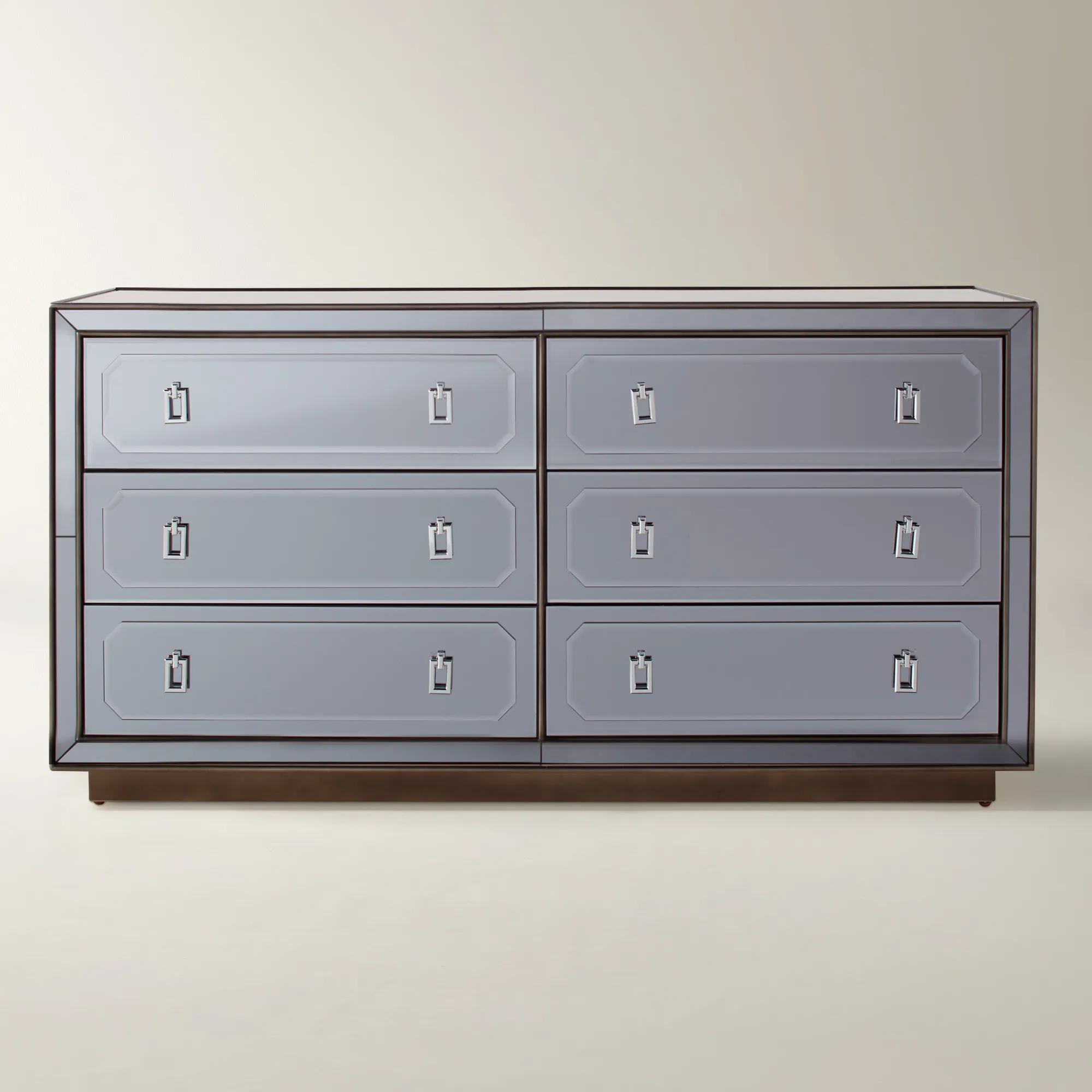 Maddox Mirrored Grey 6-Drawer Dresser (66")$2299
A modern dresser featuring beveled mirror paneling, graphite finish, and polished nickel hardware for sleek sophistication.
Add To Cart -
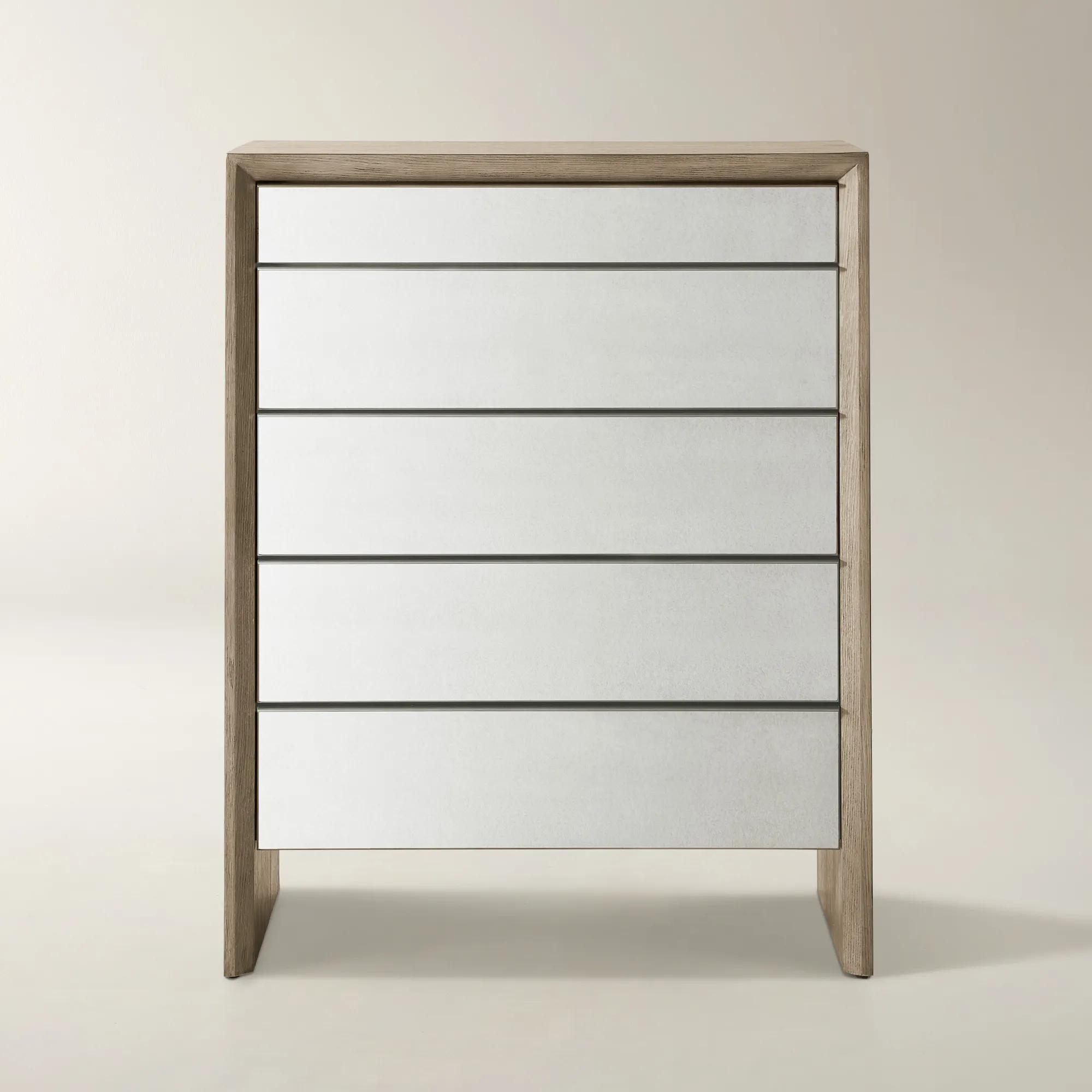
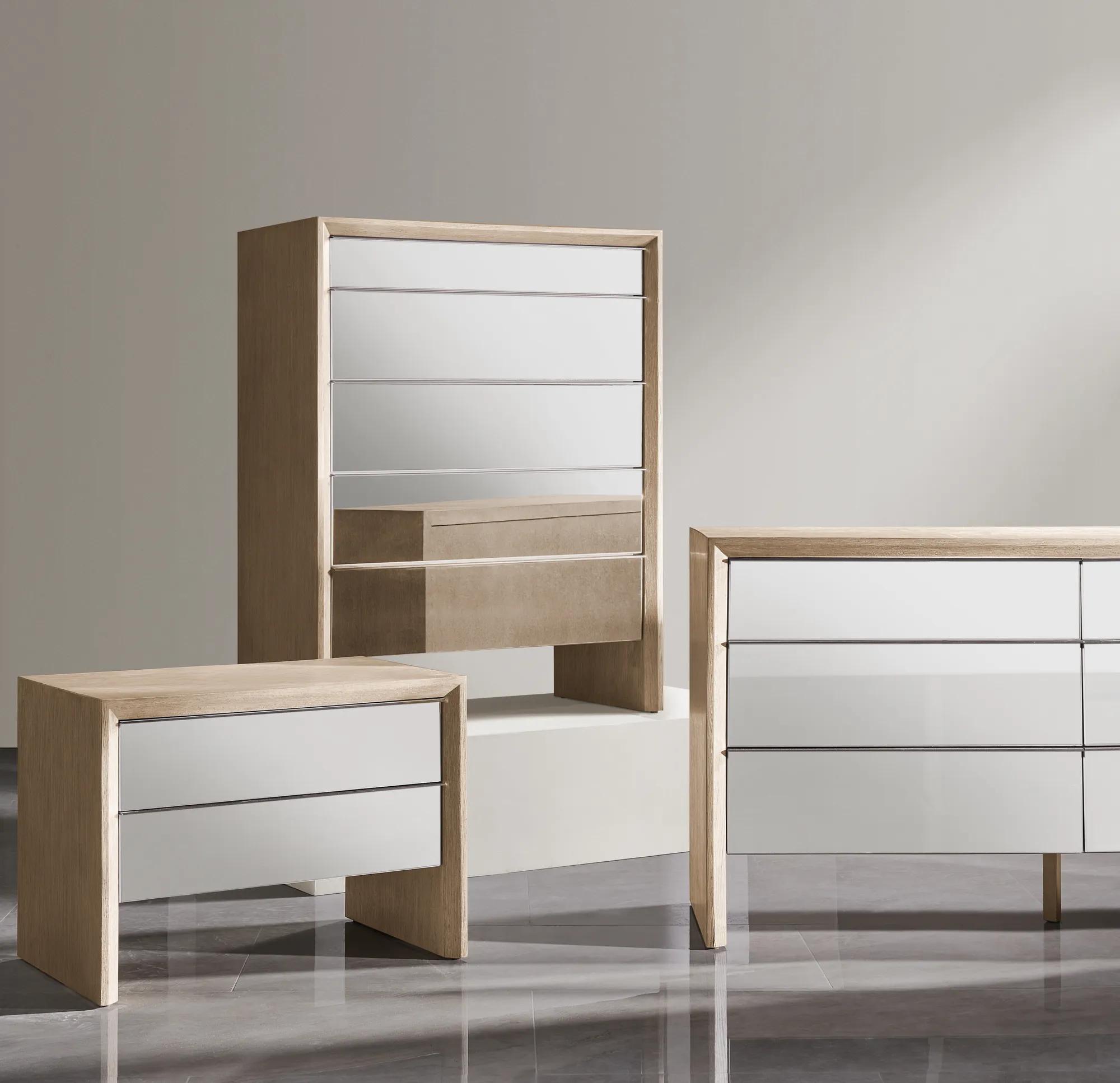 Glimmer Mirrored Seadrift Oak 5-Drawer Tall Dresser (40")$1999
A versatile chest featuring sea drift oak veneer, antique mirrored drawer fronts, and soft-close drawers for elegant storage.
Add To Cart -
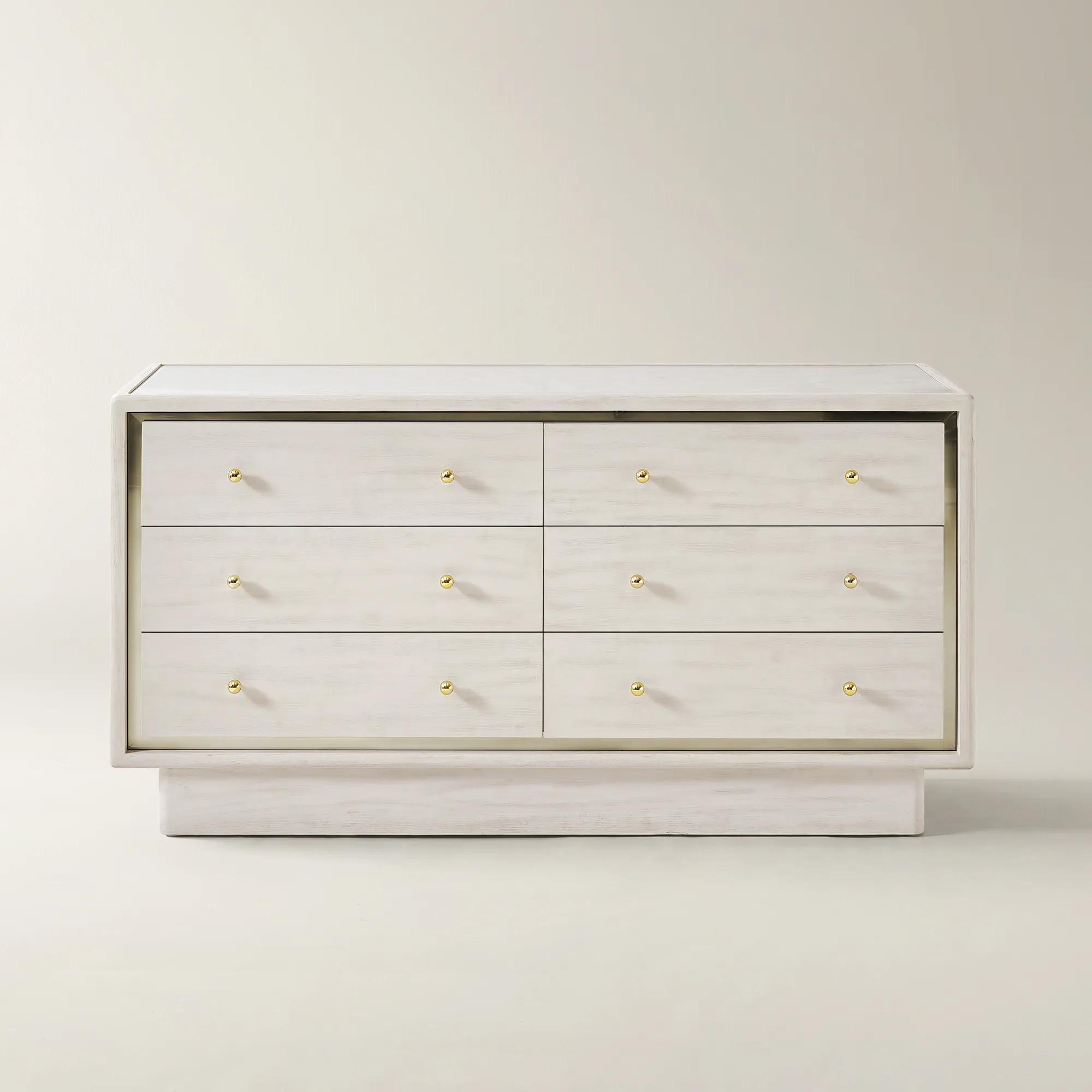 Lumina Bleached Oak 6-Drawer Dresser With Pearl Lacquered Top (62")$2199
A bleached oak dresser featuring a pearl lacquered top, champagne gold trim, and six velvet-lined soft-close drawers.
Add To Cart -
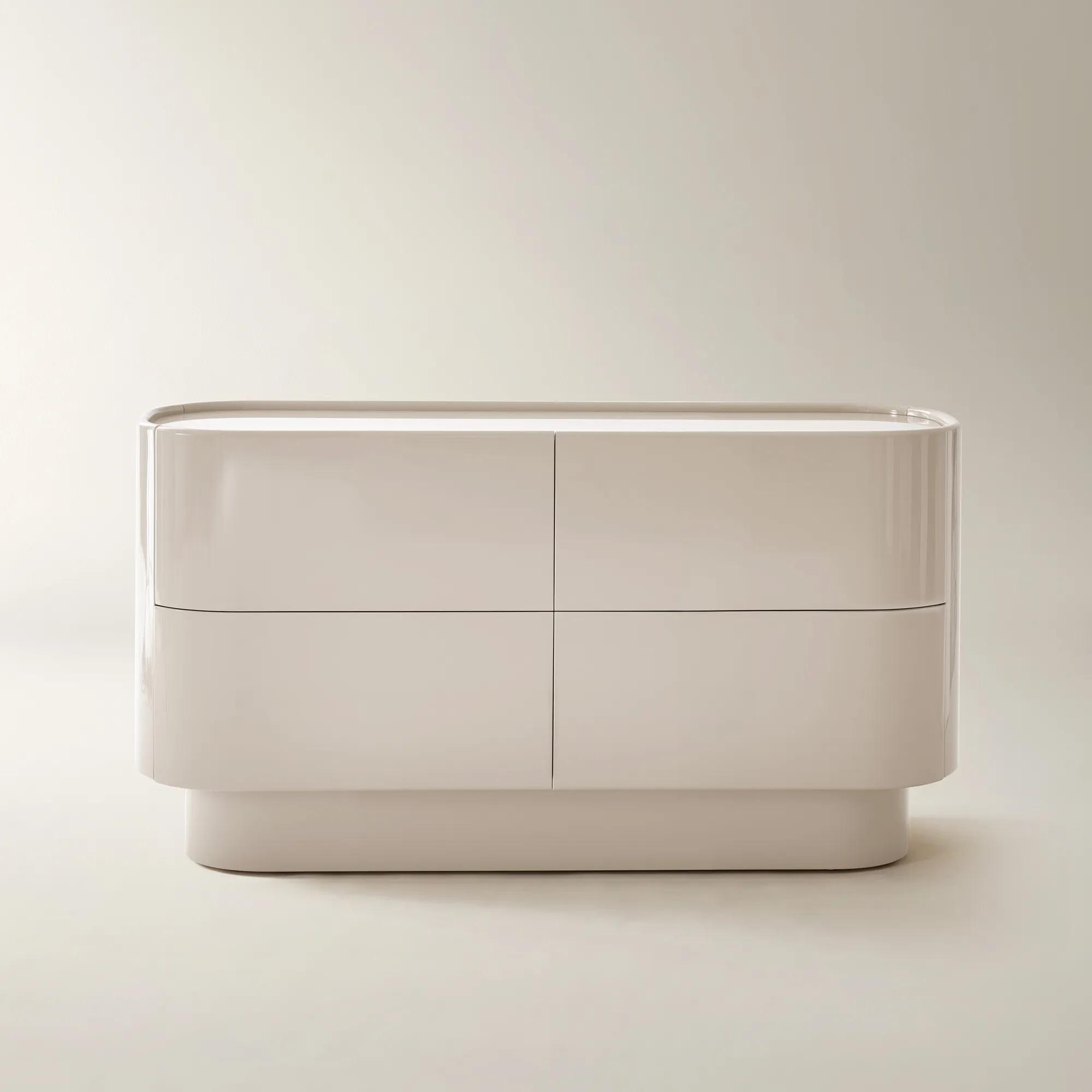
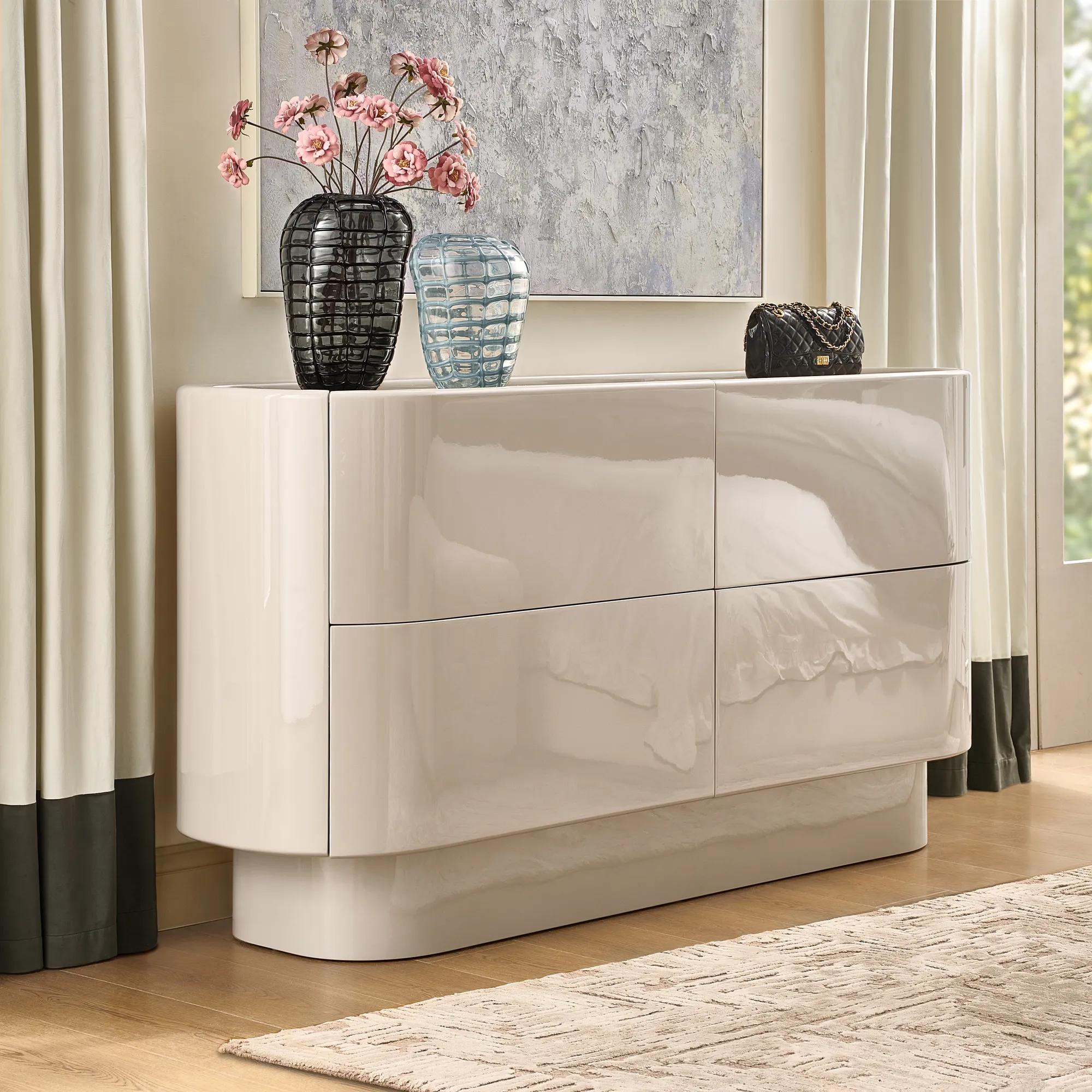 Velar Lacquered Turtle Dove 4-Drawer Dresser With Glass Top (66")$1899
A sculptural dresser in turtle dove lacquer with a back-painted glass top and soft-close velvet-lined drawers.
Add To Cart -
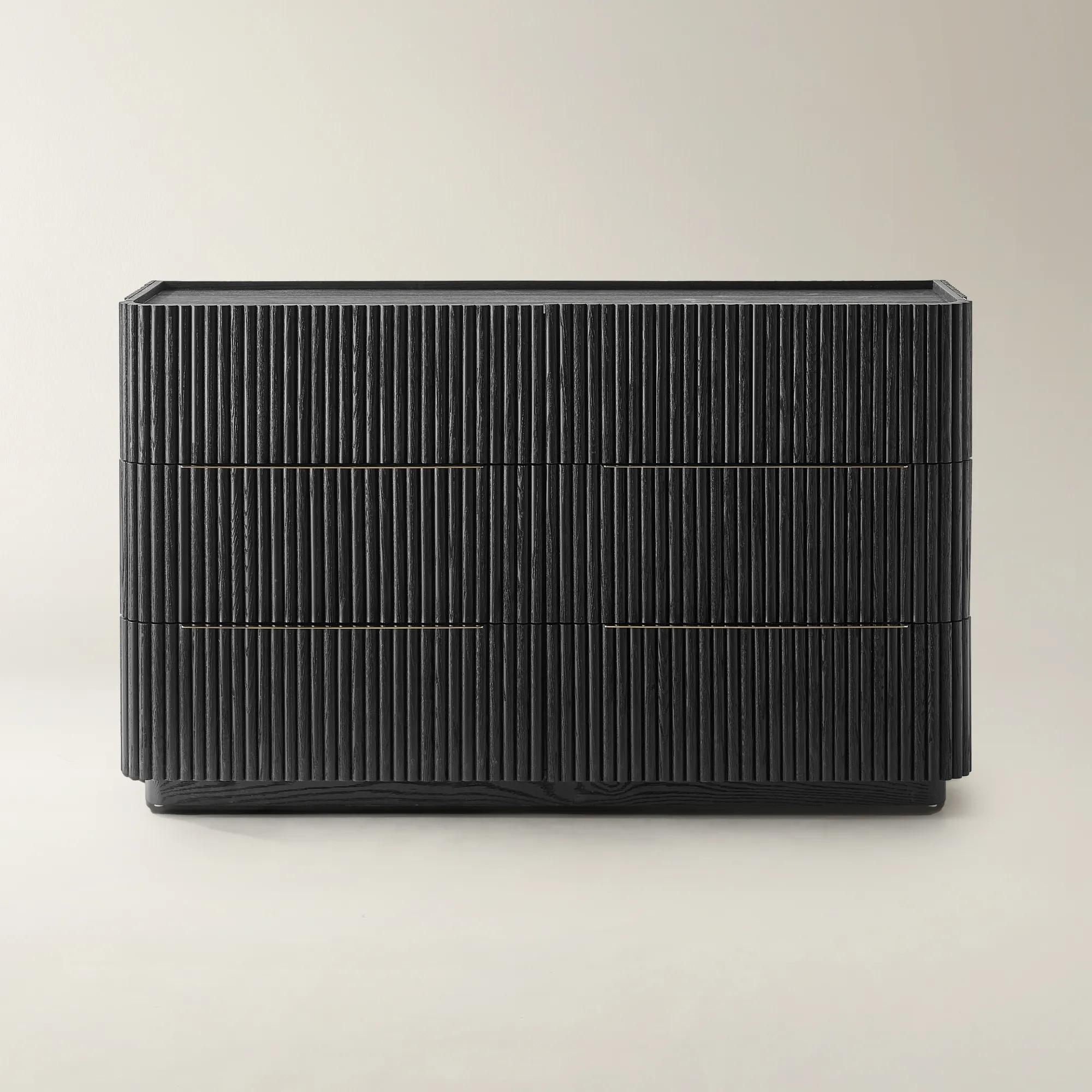 Stria Reeded Black Oak 6-Drawer Dresser (64.5")$2299
A black oak dresser featuring vertical reeded texture, soft gold accents, and six velvet-lined, soft-close drawers.
Add To Cart -
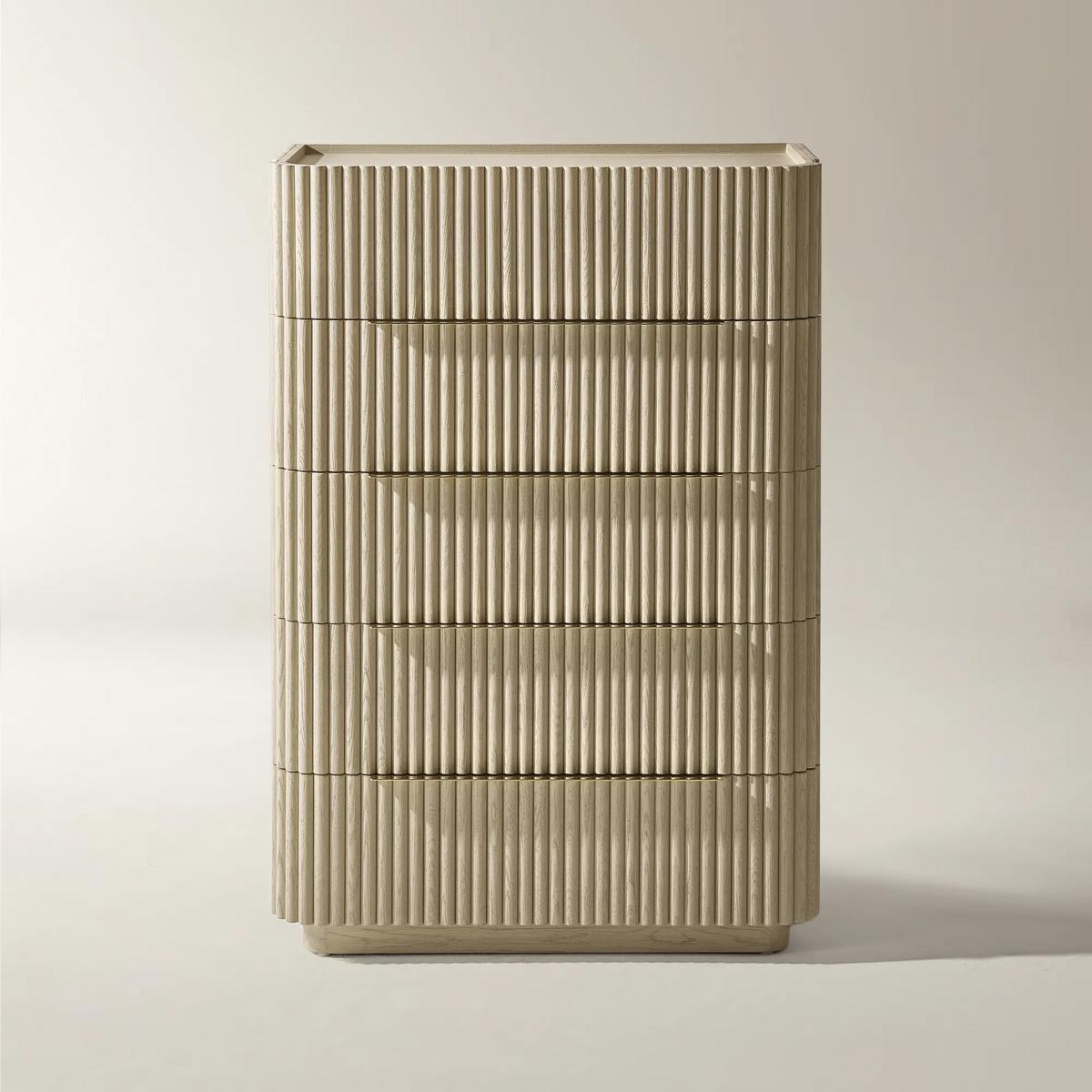 Stria Reeded White Oak 5-Drawer Tall Dresser (36.1")$1799
A sculptural oak chest with reeded detailing, gold-plated trim, and five soft-close, felt-lined drawers.
Add To Cart -
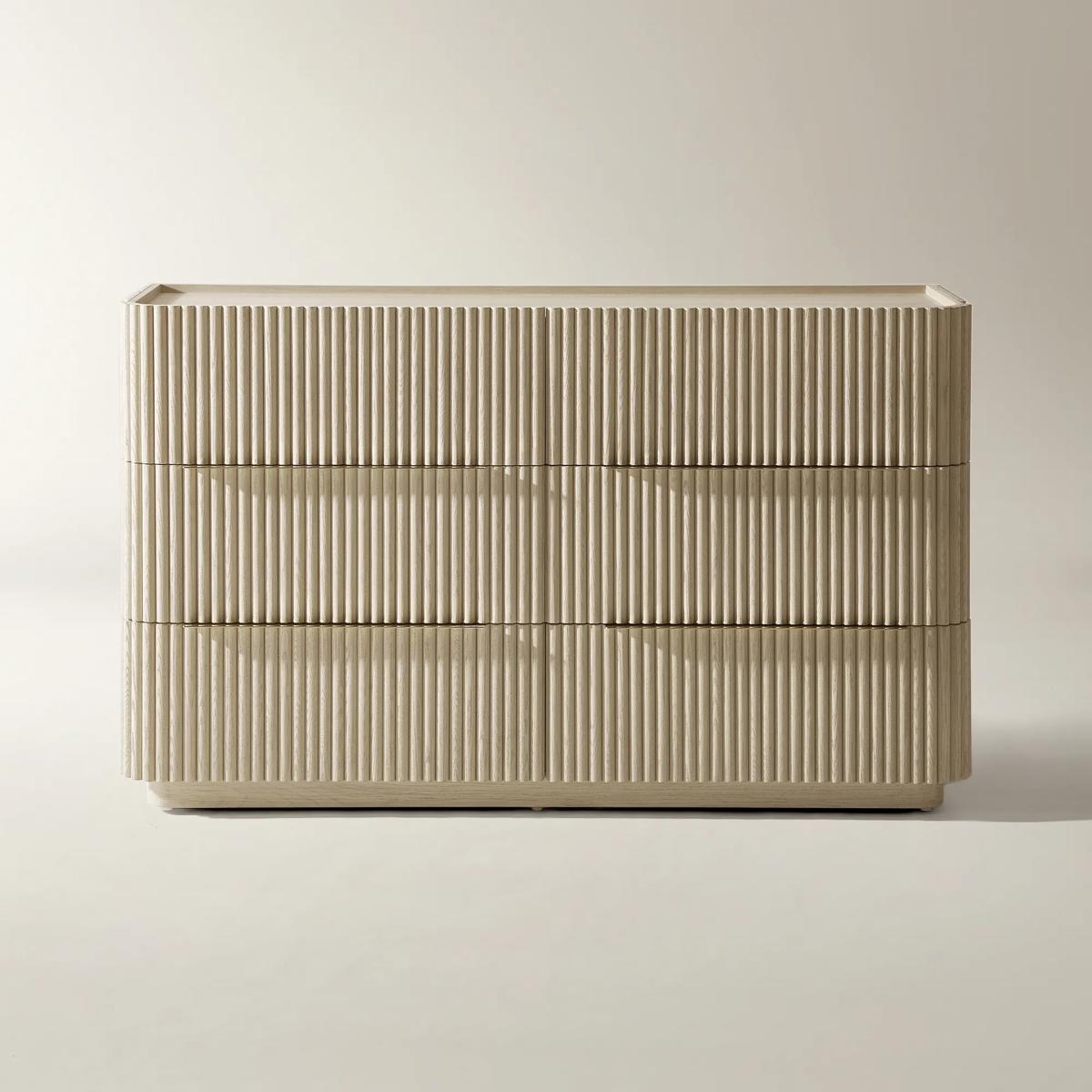
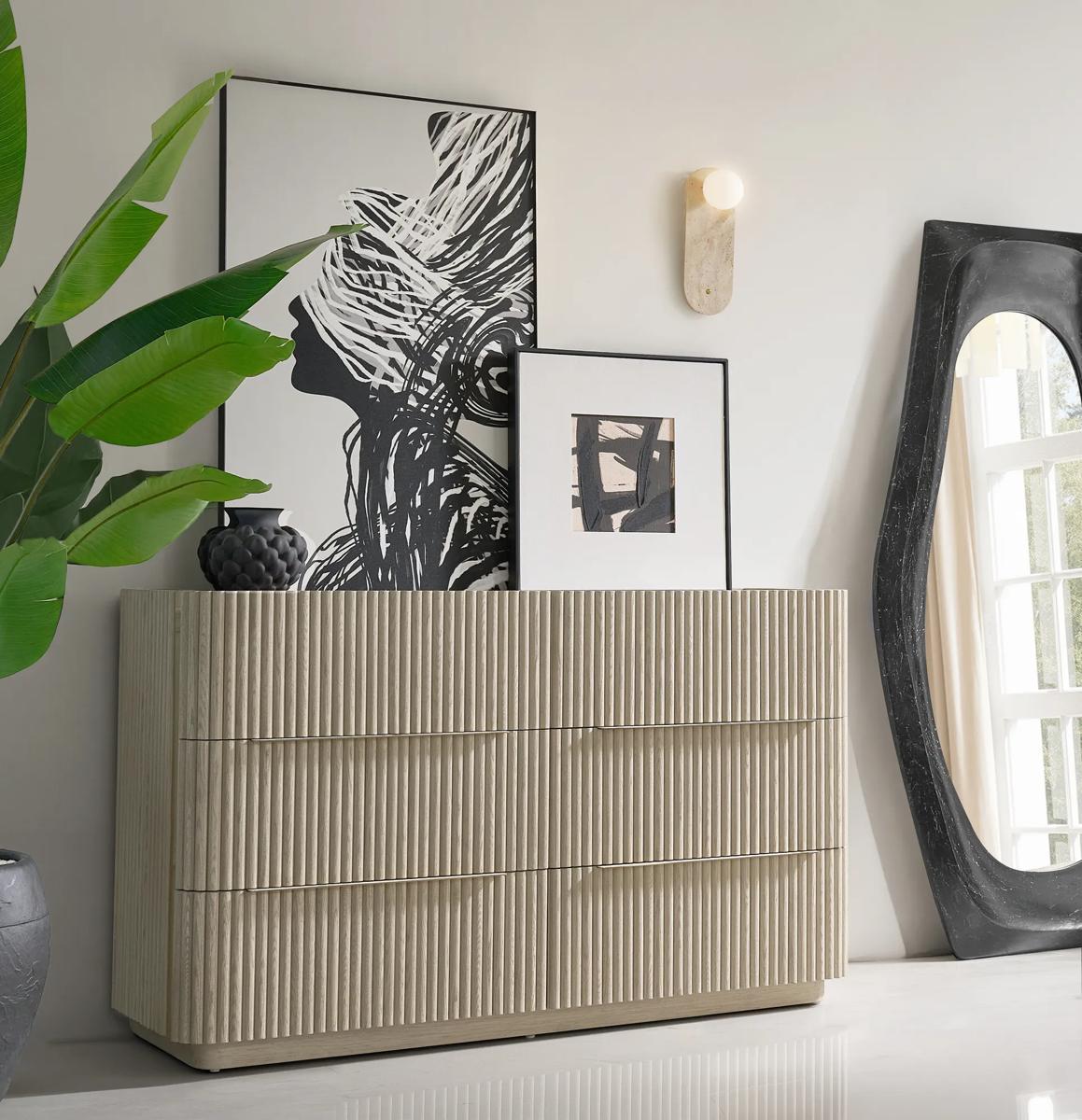 Stria Reeded White Oak 6-Drawer Dresser (64.5")$2299
A sculptural dresser crafted from solid oak with fluted detailing, gold-plated trim, and soft-close drawers.
Add To Cart -
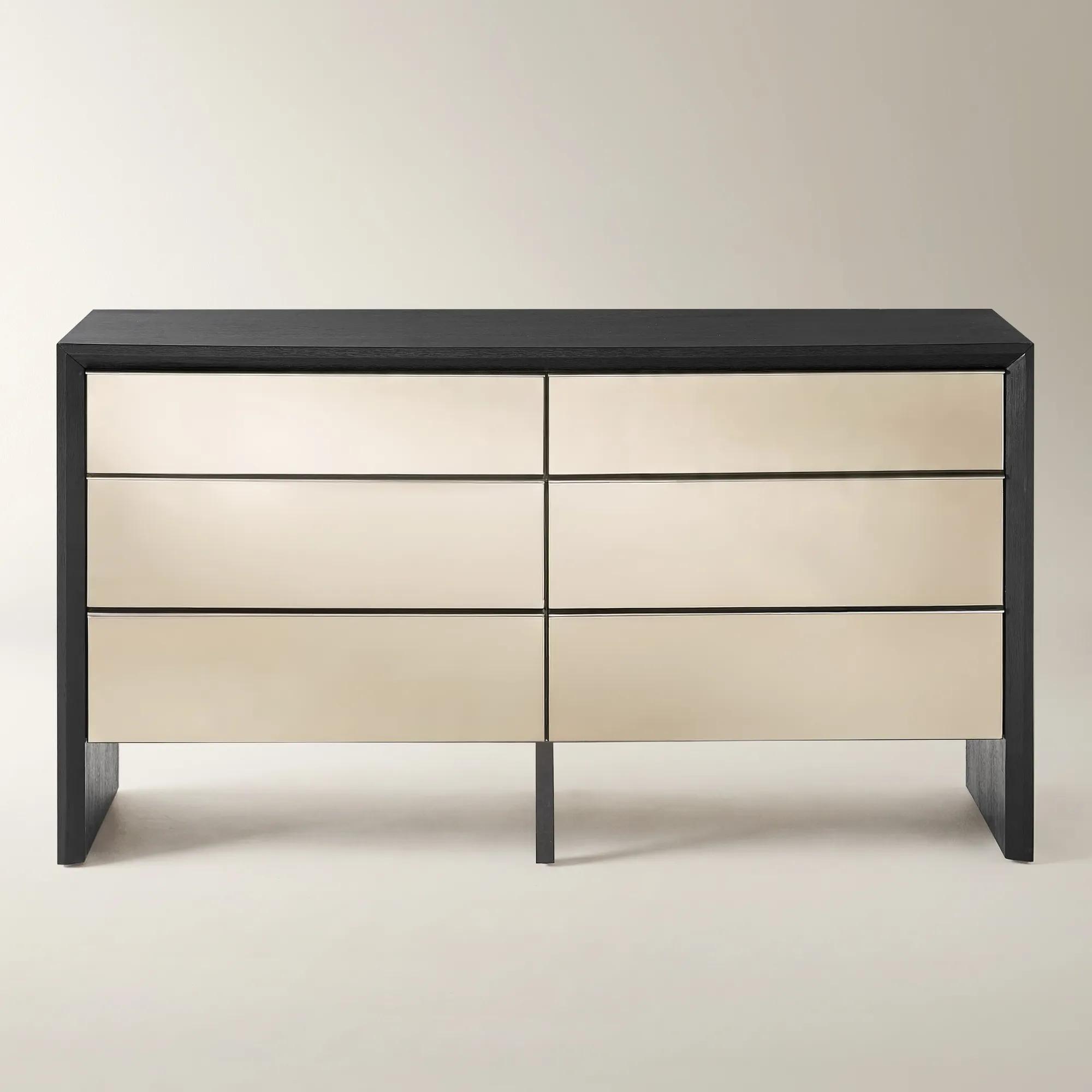 Glimmer Mirrored Black Oak 6-Drawer Dresser (65")$2099
A modern dresser featuring black oak veneer, bronze mirrored drawer fronts, and six velvet-lined soft-close drawers.
Add To Cart -
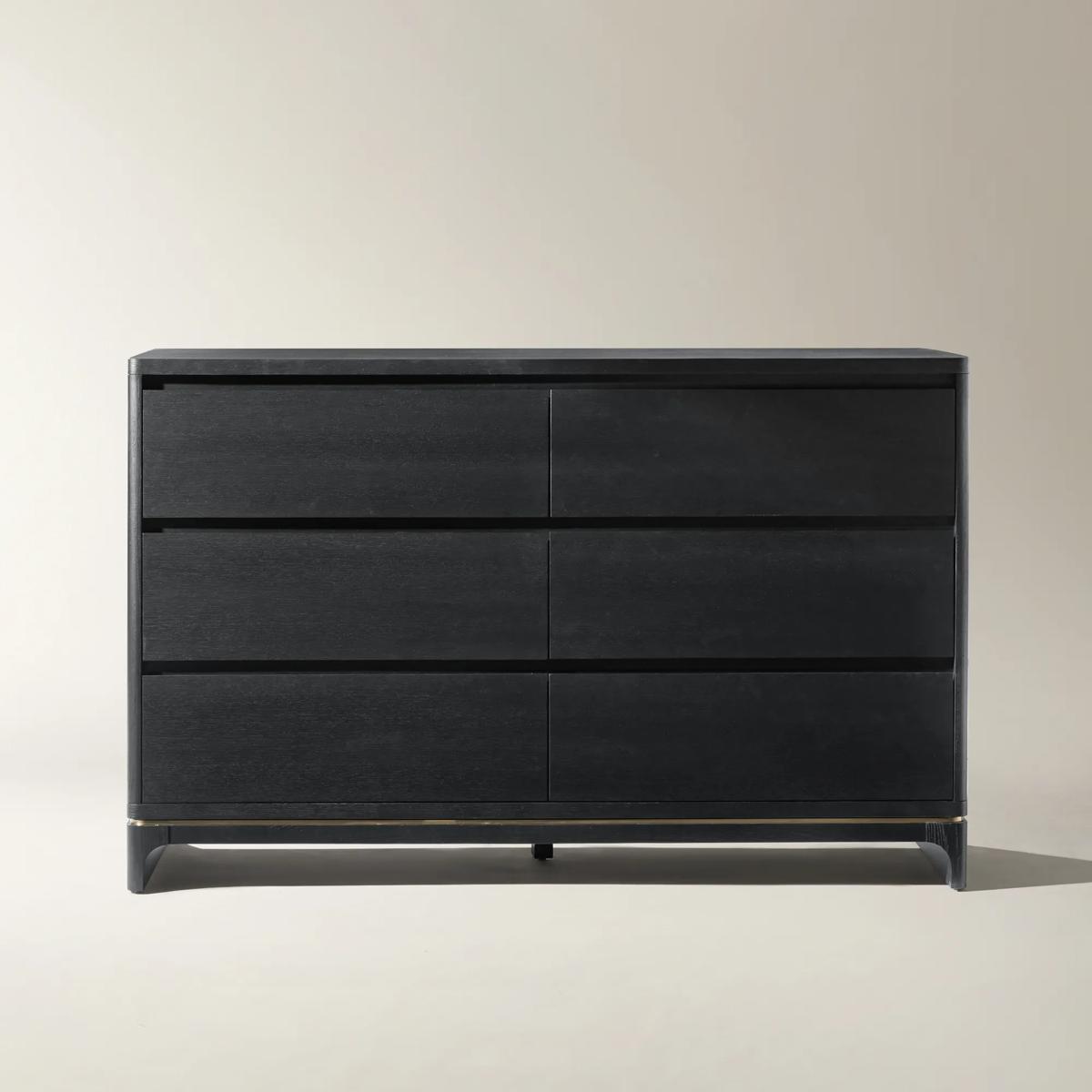 Vanta Black Oak 6-Drawer Dresser (66")$1999
A matte black oak dresser with gold stainless steel trim, soft-close drawers, and concealed sharknose pulls.
Add To Cart -
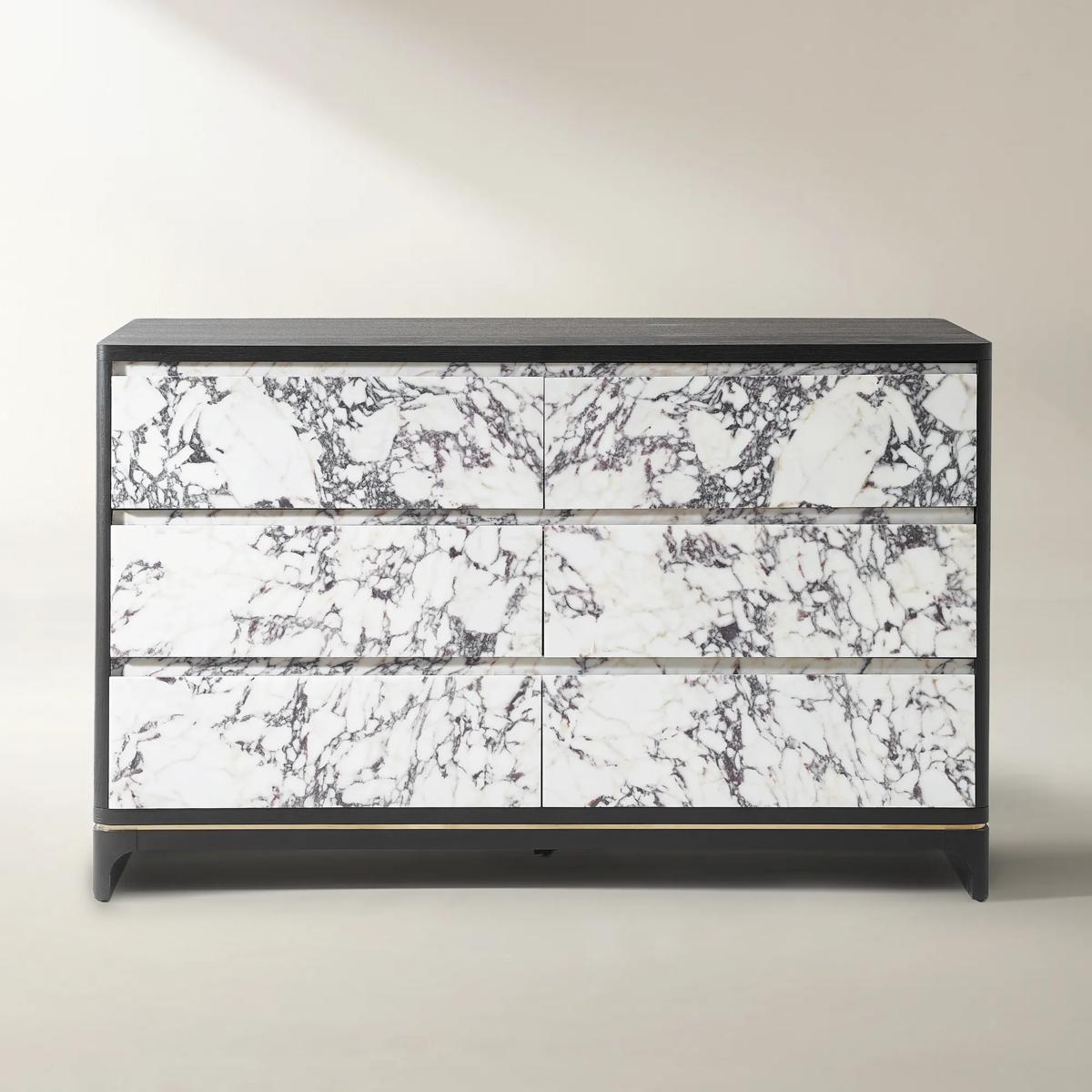 Vanta Black Oak And Calacatta Marble 6-Drawer Dresser (66")$2899
A striking dresser featuring genuine Calacatta Viola marble fronts and matte black oak veneer for modern luxury.
Add To Cart -
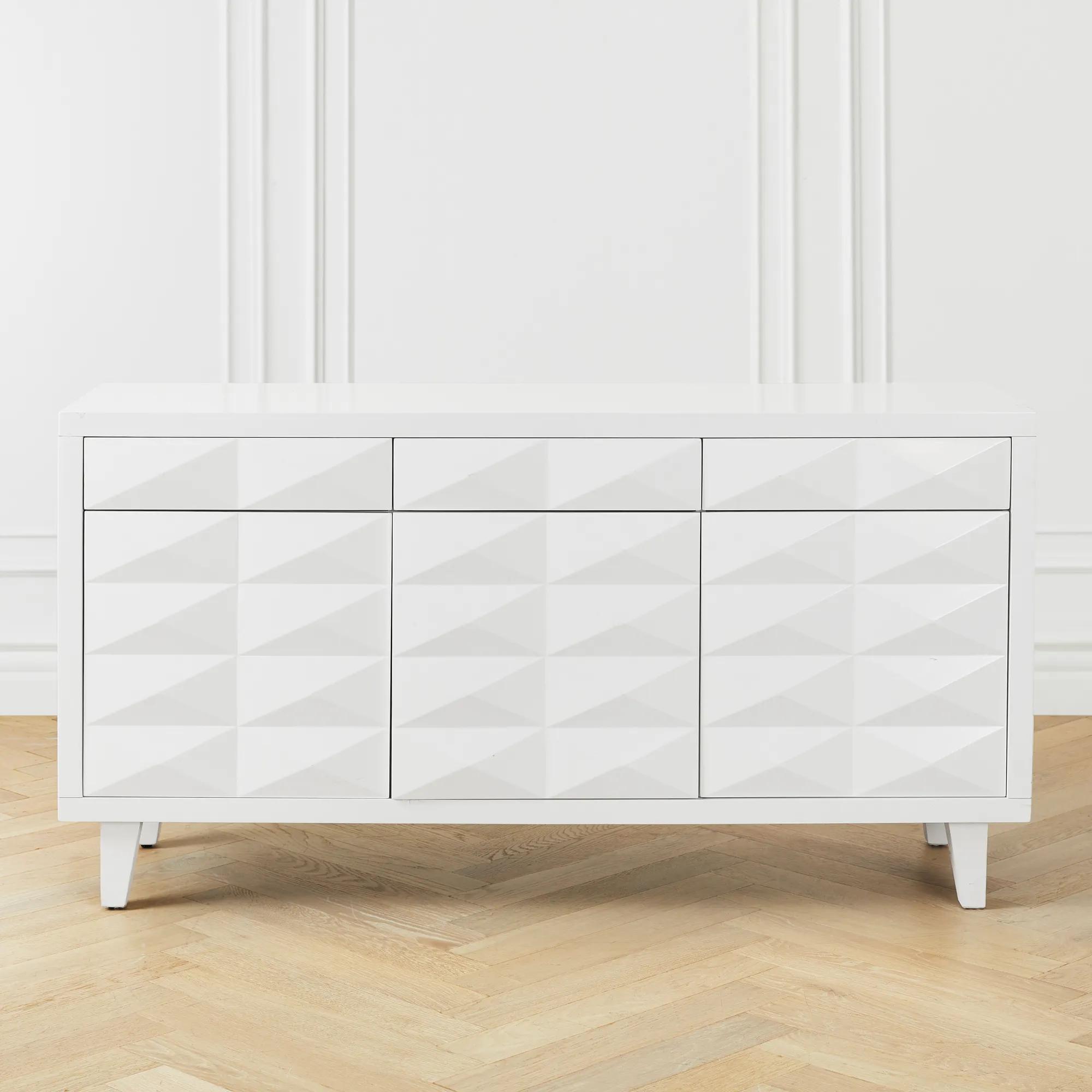 Palmer White Wood Cabinet (66.5")$1649
A sleek white hardwood cabinet with geometric detailing, three drawers, and push-latch doors for modern storage.
Add To Cart -
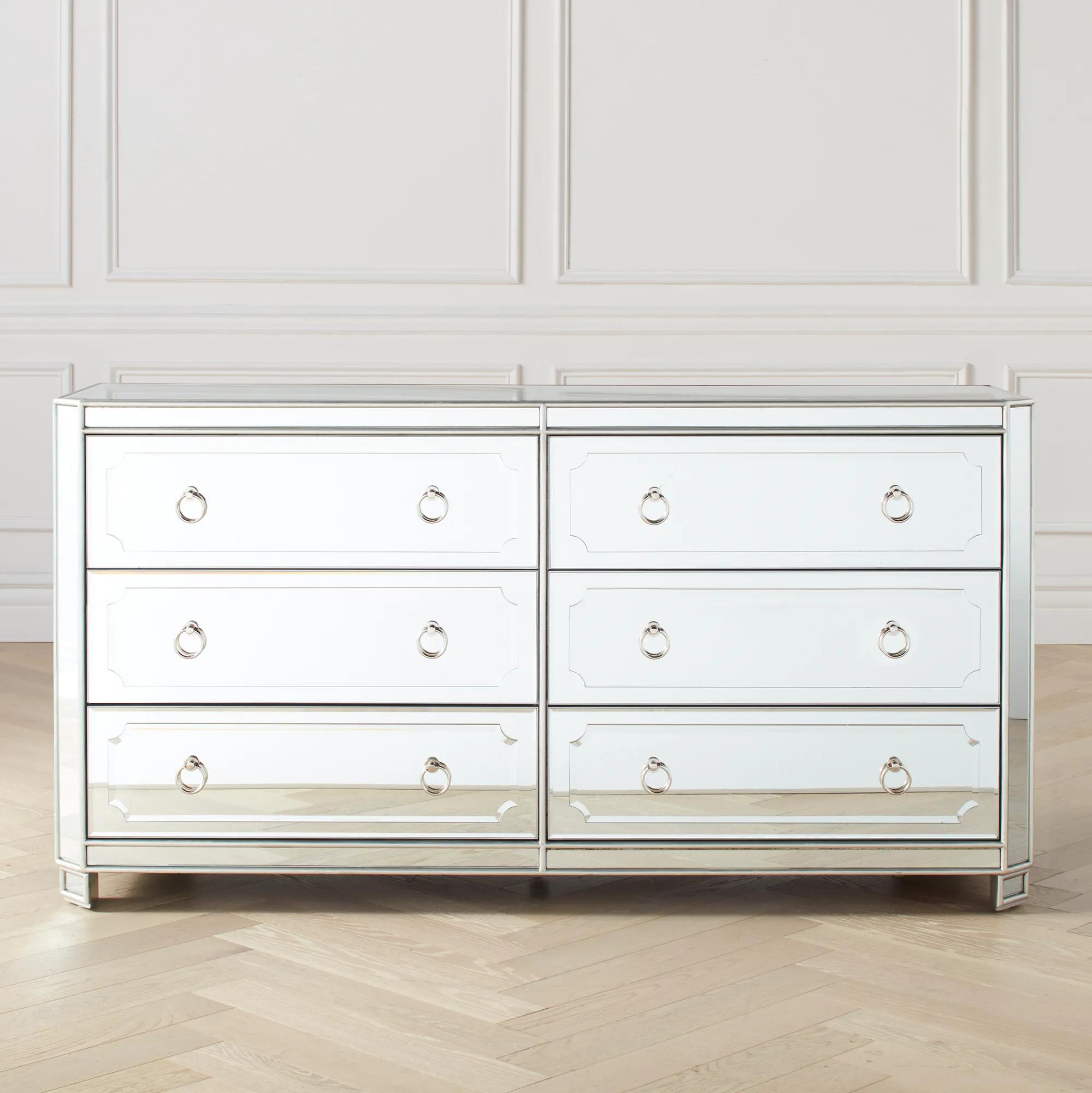
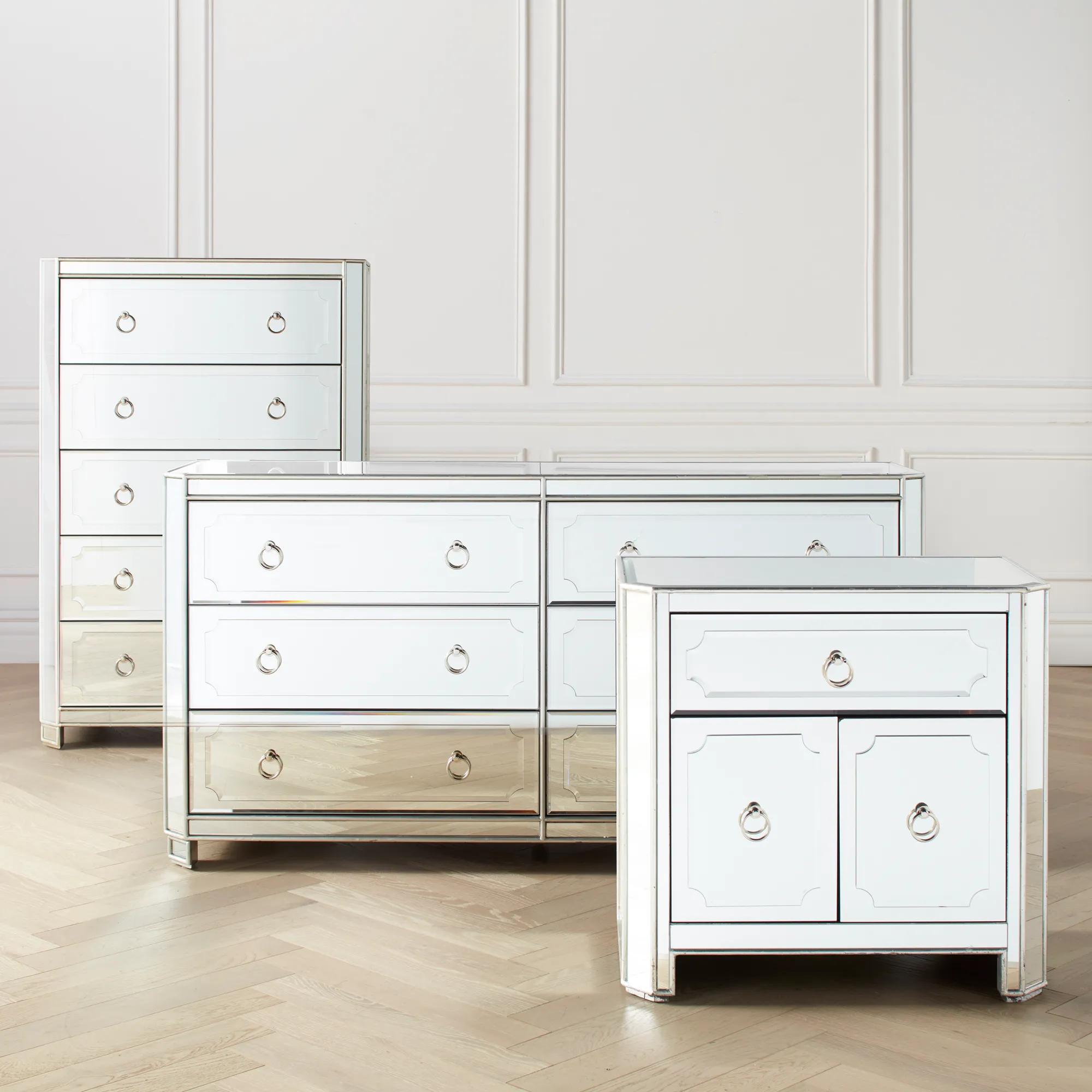 Simplicity Mirrored Silver 6-Drawer Dresser (66")$2299
A glamorous chest featuring beveled mirrored panels, hand-applied silver-leaf trim, and polished nickel hardware.
Add To Cart -
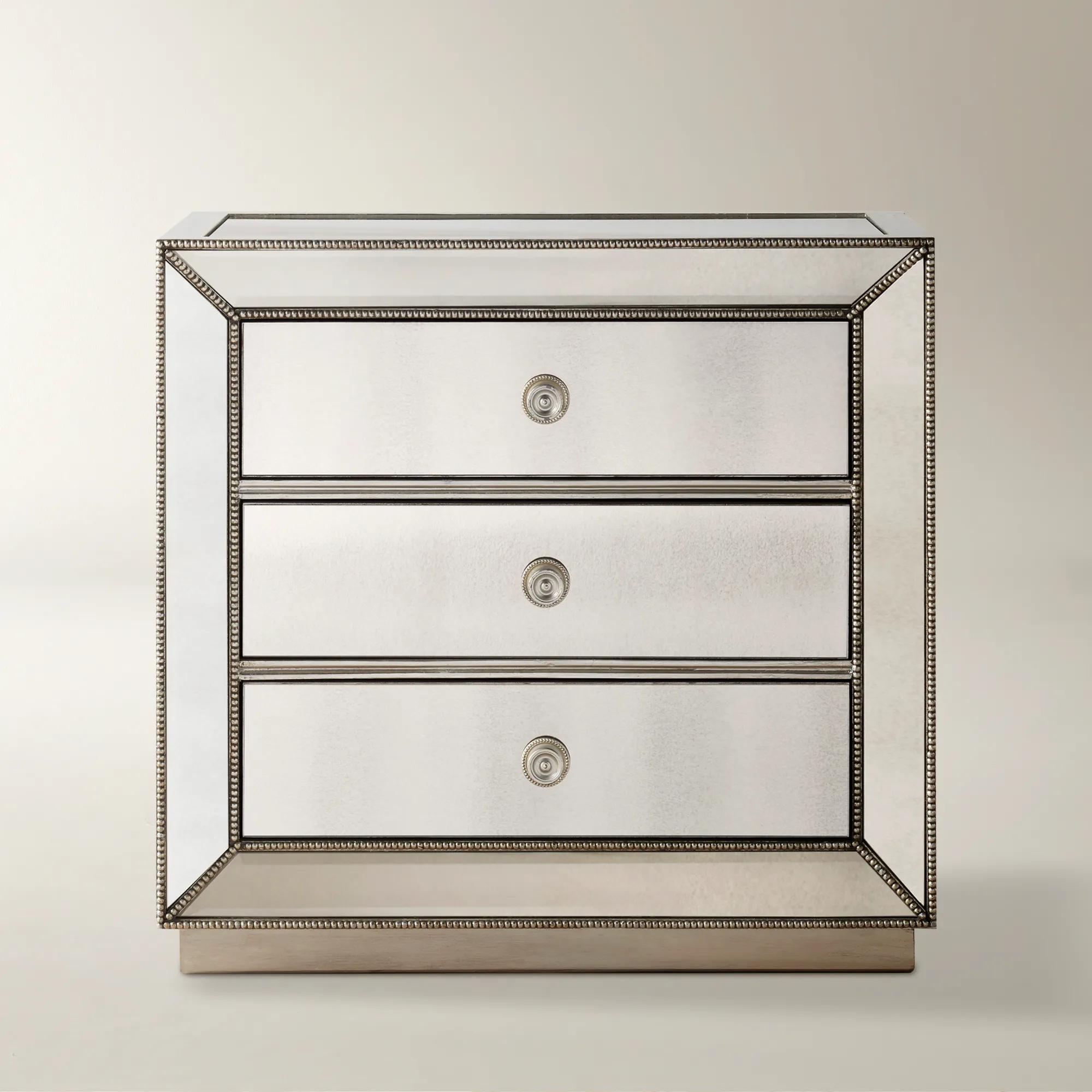
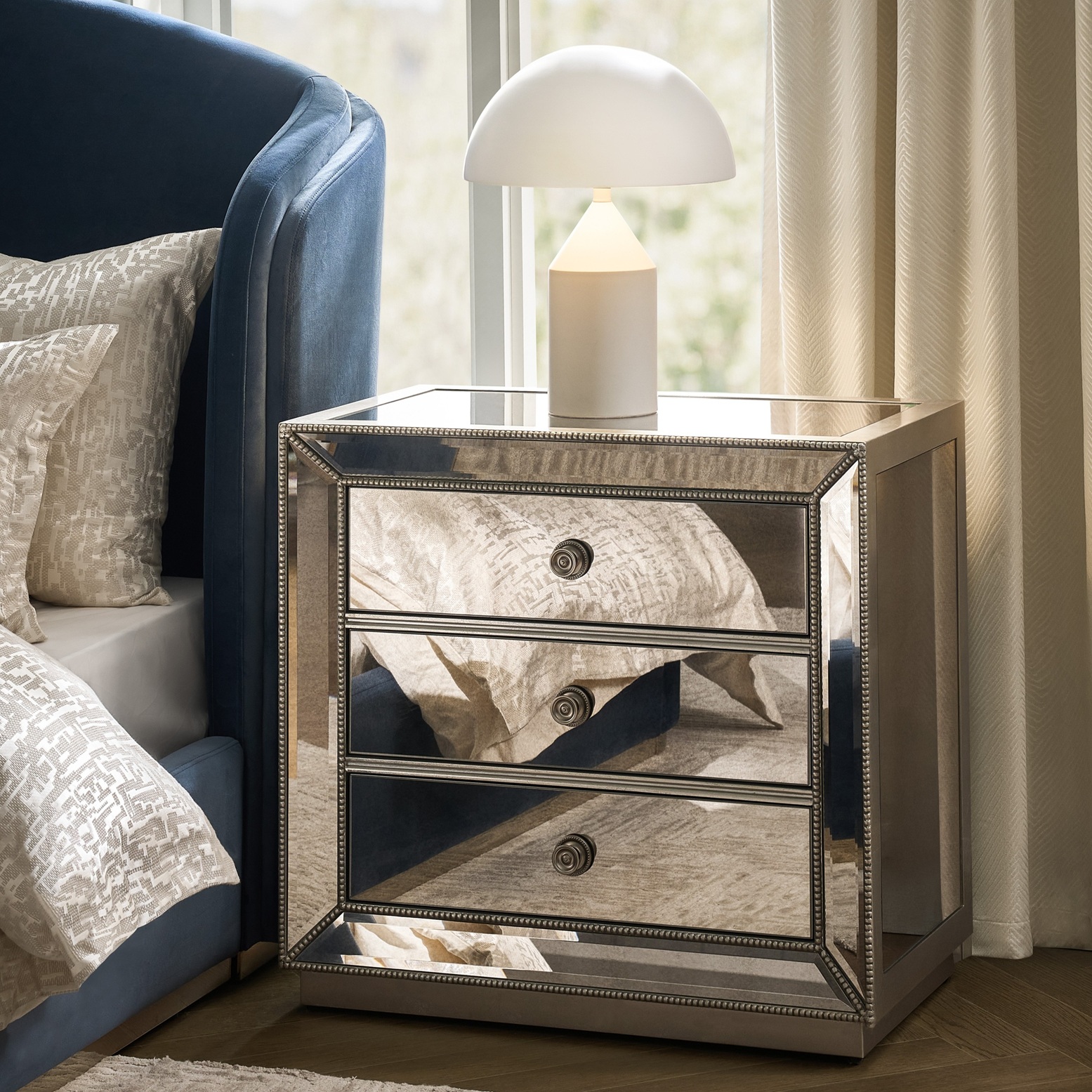 Omni Mirrored Silver 3-Drawer Nightstand (32")$1299
A glamorous chest featuring antiqued mirrored panels, hand-applied silver-leaf finish, and beaded trim.
Add To Cart -
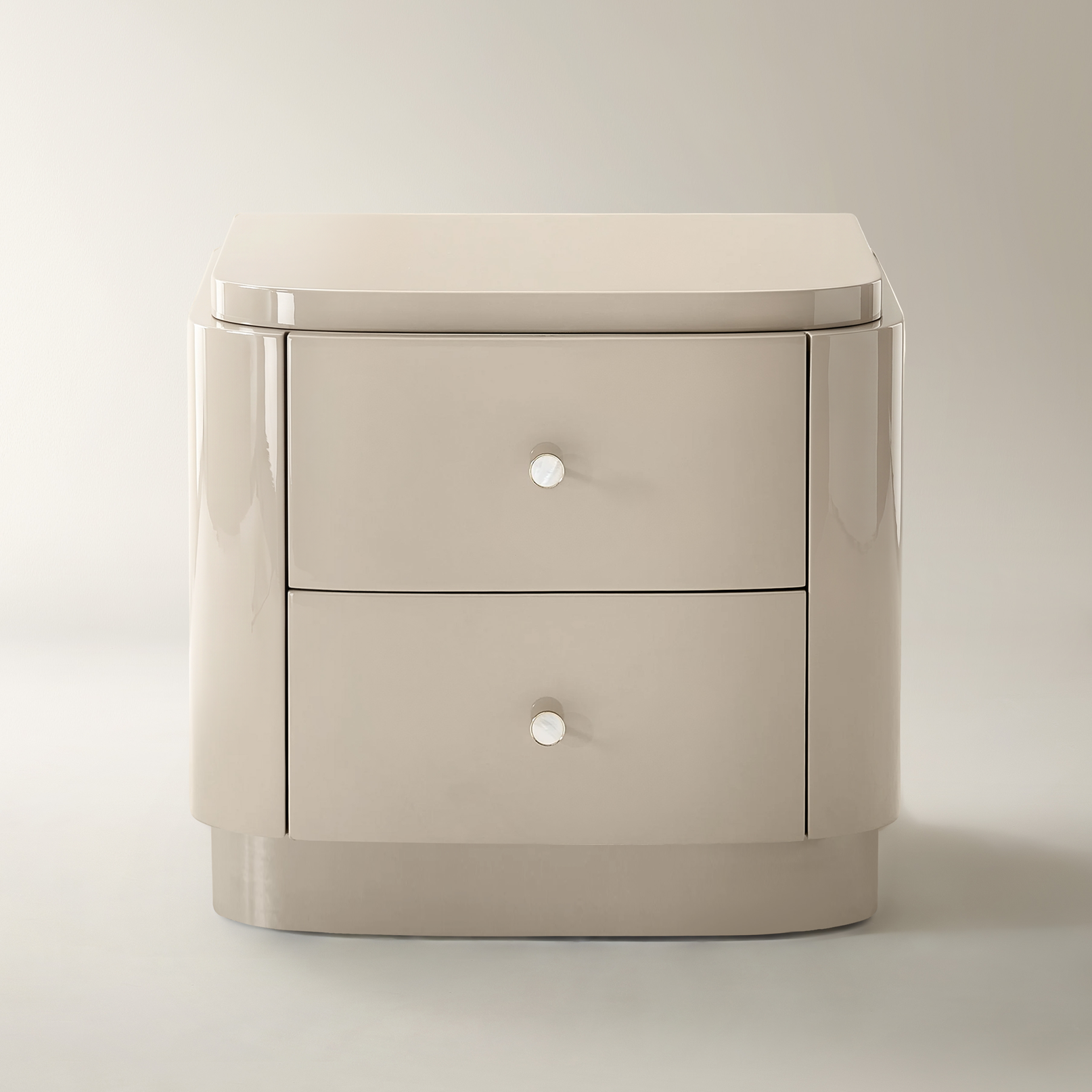
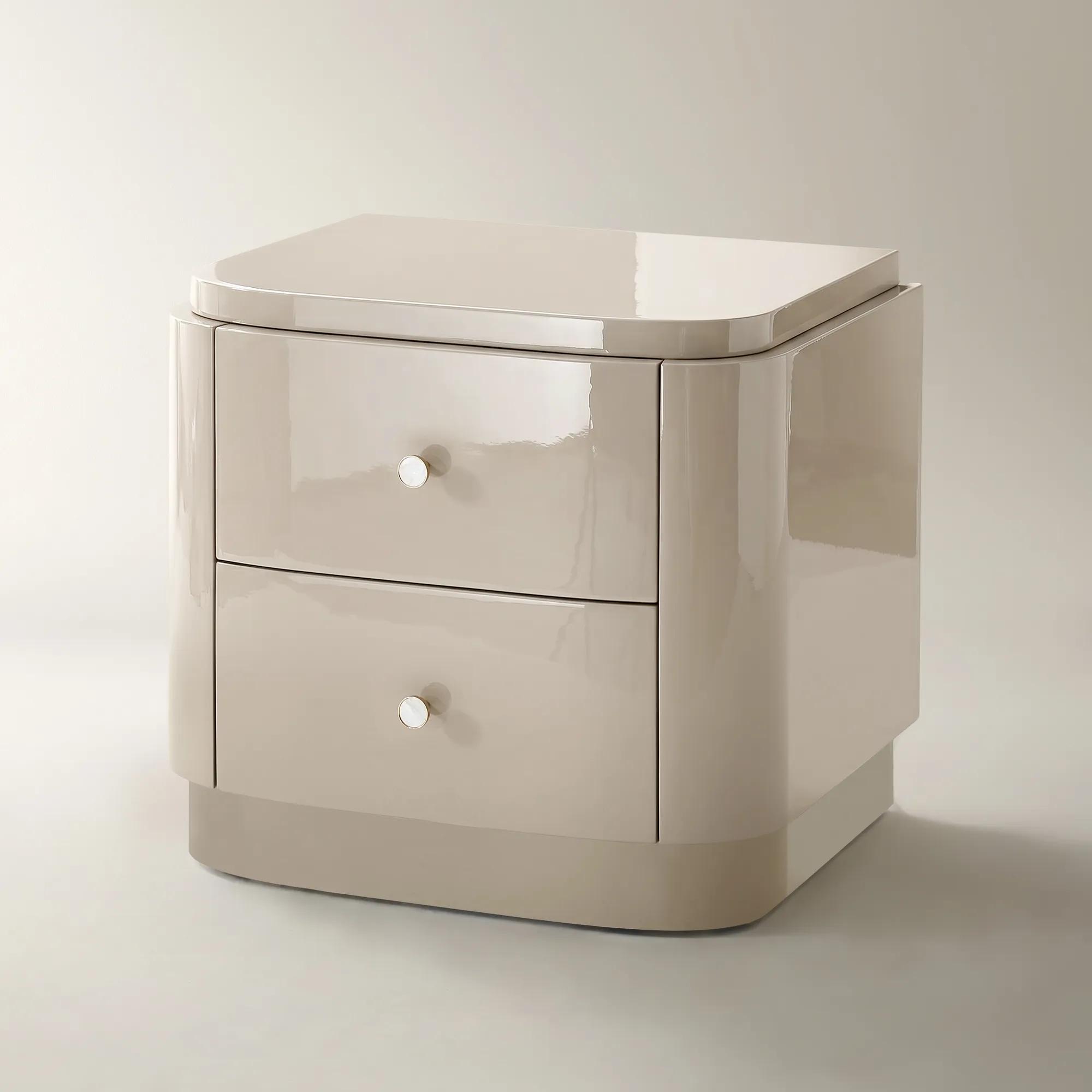 Nia Lacquered Turtle Dove 2-Drawer Nightstand (26")$599
A softly sculpted nightstand in turtle dove lacquer with pearlescent handles and two soft-close drawers.
Add To Cart -
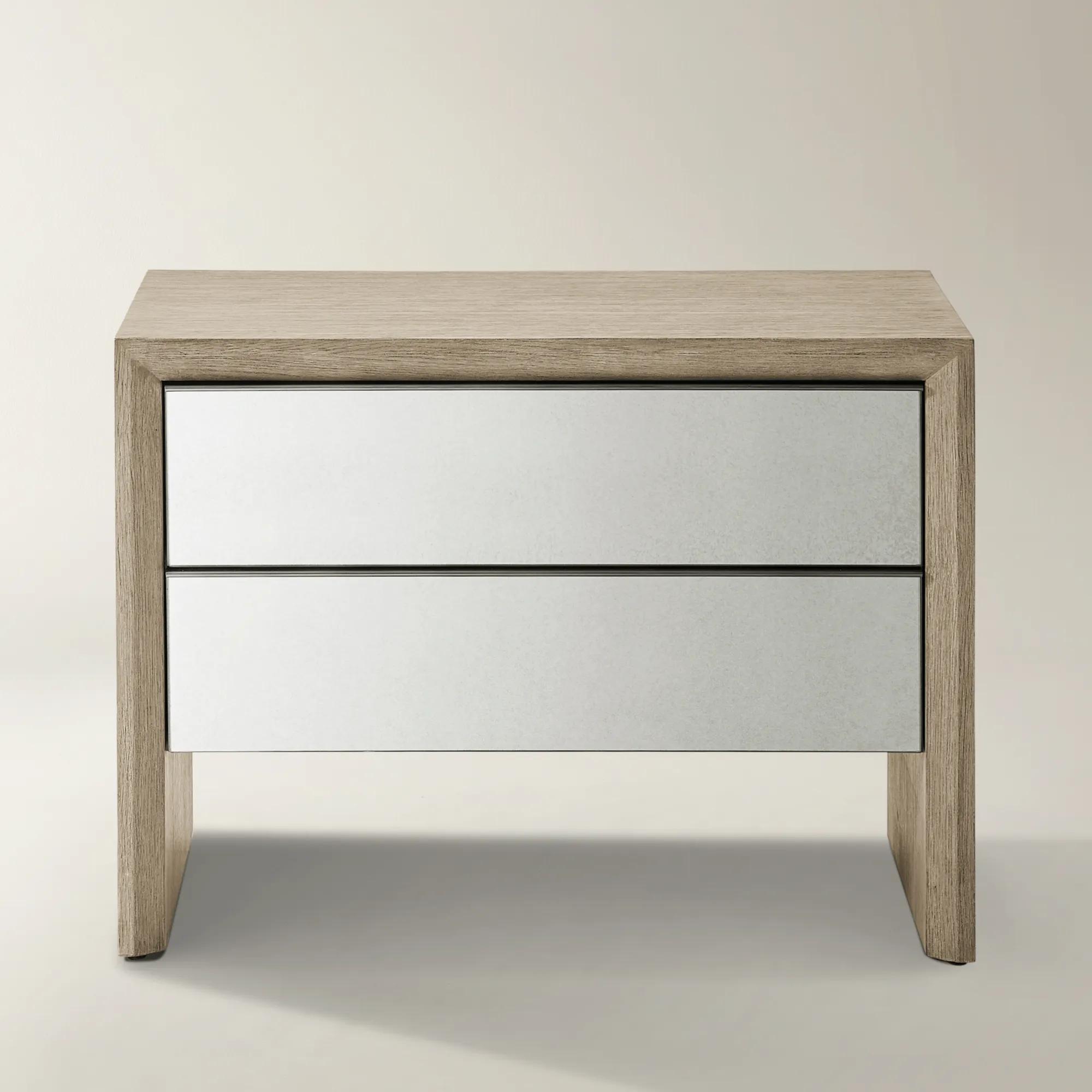
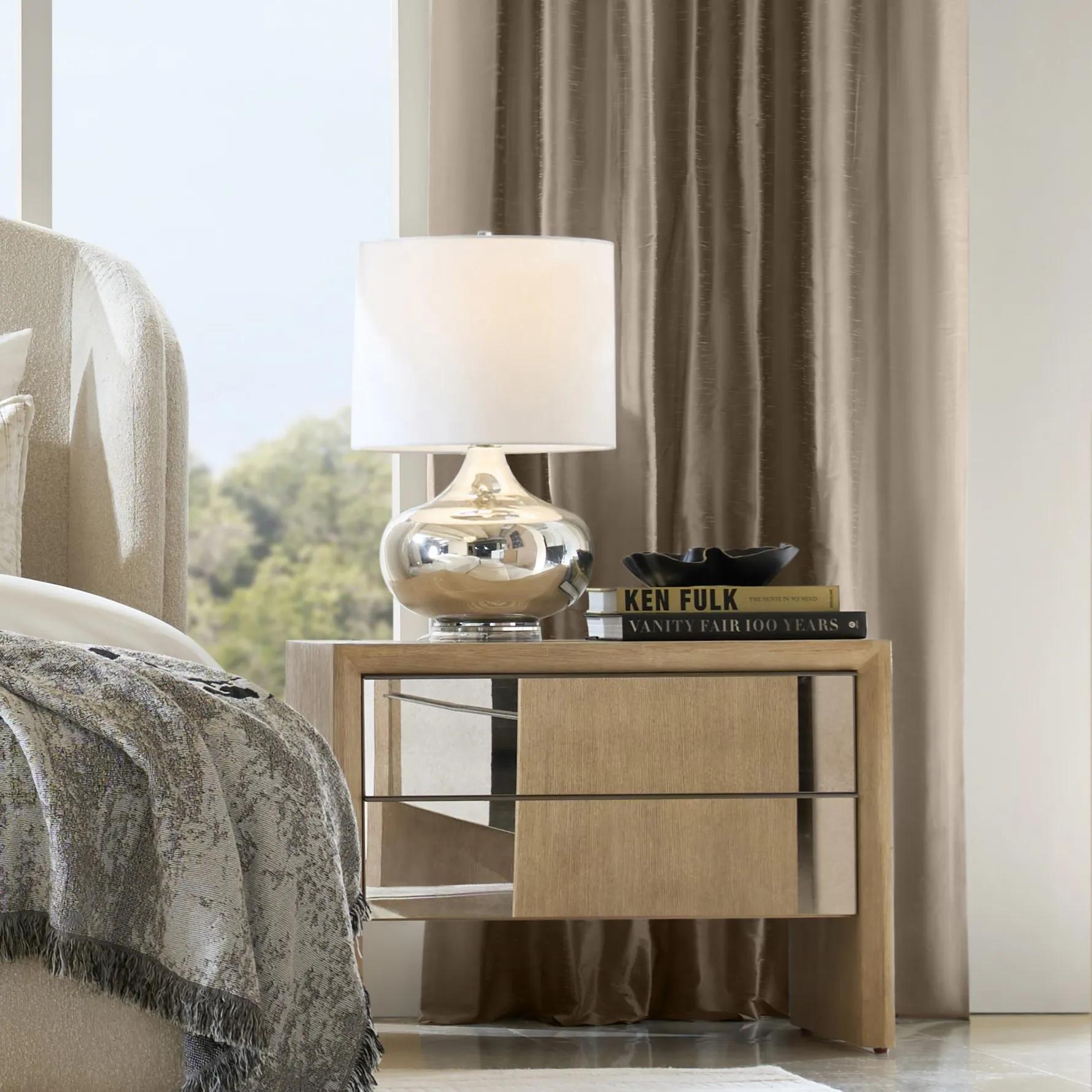 Glimmer Mirrored Seadrift Oak 2-Drawer Nightstand (32")$799
A glamorous nightstand featuring sea drift oak veneer, antique mirrored drawers, and soft-close storage.
Add To Cart -
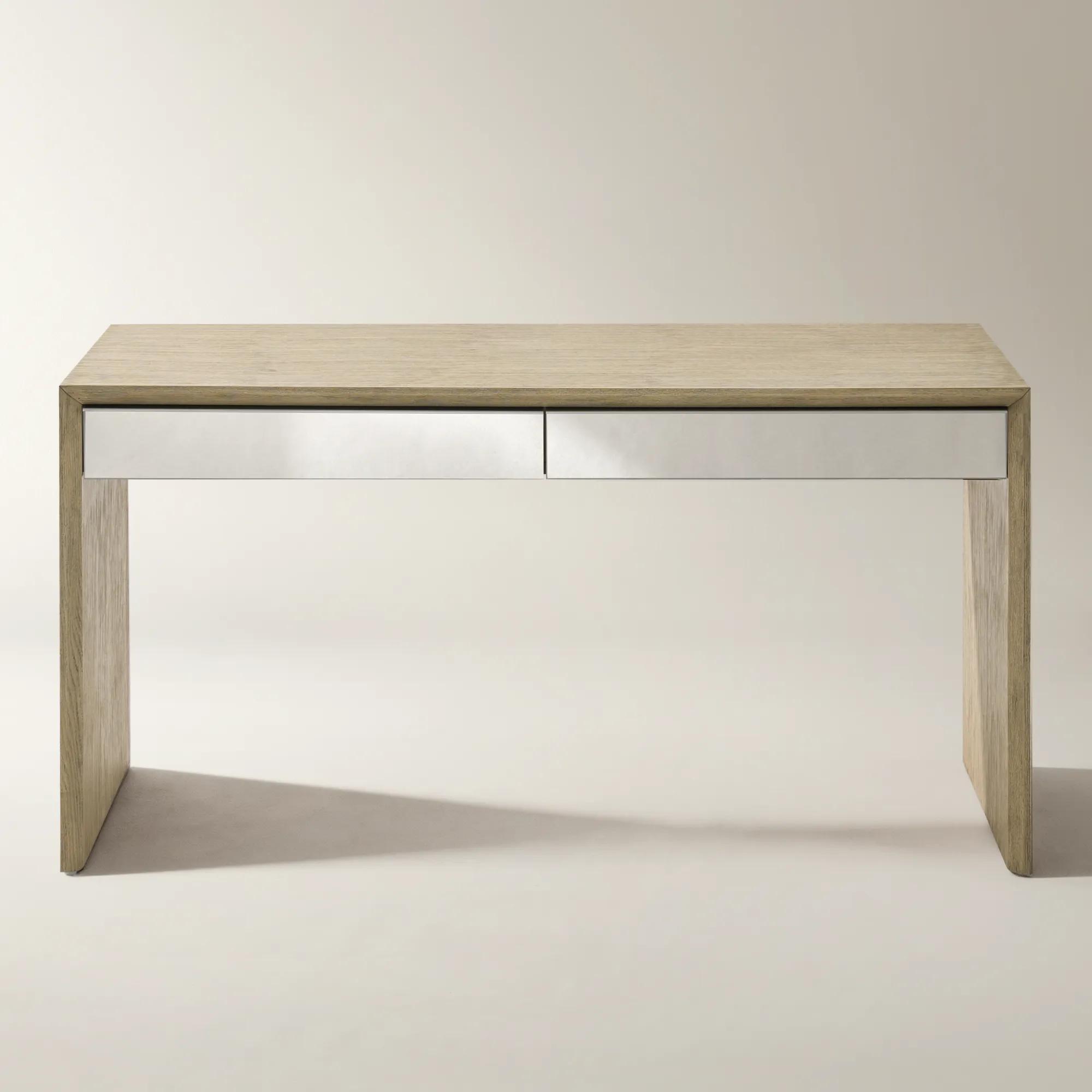 Glimmer Mirrored 2-Drawer Sea Drift Oak Desk (62")$1399
A two-tone oak veneer desk featuring antique mirrored soft-close drawers with velvet-lined interiors for refined style.
Add To Cart -
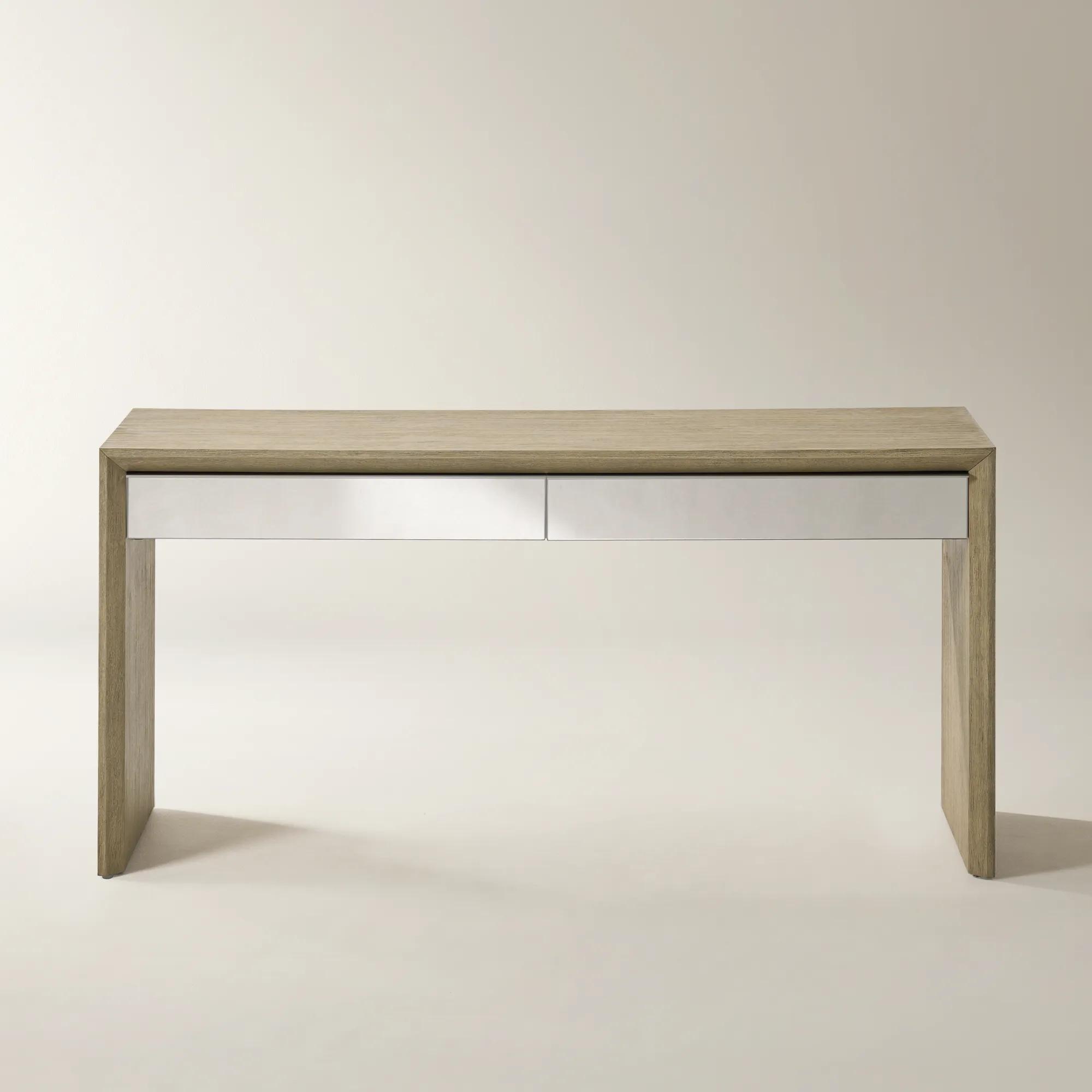 Glimmer Mirrored 2-Drawer Sea Drift Oak Console Table (62")$1199
A two-tone console table featuring warm oak veneer, antique mirrored drawers, and soft-close velvet-lined storage.
Add To Cart

Dresser For Transitional Bedrooms
A dresser for transitional bedrooms is more than mere storage—it’s a statement in refined versatility, seamlessly bridging the timeless with the contemporary. Imagine a piece that anchors your sanctuary with sculptural presence, its silhouette echoing both classic grace and modern sophistication. In a space where every detail is curated for comfort and style, these dressers invite you to blend textures, layer finishes, and set the stage for artistry in everyday living. Elevate your retreat with furniture that doesn’t just organize, but orchestrates—a dresser for transitional bedrooms transforms functionality into pure design drama.
A dresser for transitional bedrooms brings together the gracious warmth of traditional furnishings and the composed clarity of modern design. Its appeal lies in balance: clean, architectural lines softened by rounded corners, tapered feet, a subtly beveled edge, or the natural movement of a wood grain. Rather than commanding attention with ornate carving or stark minimalism, a transitional dresser creates a quietly polished foundation for the room, allowing layered bedding, sculptural lighting, artwork, and collected accents to shine. Look for finishes that feel enduring across changing palettes, including soft gray, ivory, warm walnut, natural oak, taupe, and wire-brushed wood tones. Understated hardware in brushed metal, aged brass, matte black, or coordinating wood can refine the silhouette without overwhelming it. A generously proportioned top offers an elegant stage for a mirror, lamp, jewelry box, or a small arrangement of branches, while the drawers keep clothing and personal essentials beautifully concealed. This versatility makes a transitional bedroom dresser especially appealing for primary suites, guest rooms, children’s rooms, and dressing spaces where style must meet everyday function. During the warmer seasons, lighter finishes and woven accents can give the room an airy, relaxed quality; as the weather cools, the same dresser takes on a richer mood beside velvet textiles, layered throws, and softly glowing lamps. For a related point of view, explore Dresser for Timeless Bedroom Decor to discover how a classic storage piece can lend lasting character to a bedroom vignette.
When choosing a dresser, begin with the proportions of the room and the way the furniture will be used. Measure the available wall carefully, allowing space for baseboards, nearby doors, nightstands, and comfortable movement around the bed. A broad six- or eight-drawer design can anchor a spacious primary bedroom, while a narrower chest or compact dresser may be more graceful in a guest room or apartment. Pay attention to height as well as width: a lower profile creates a relaxed, expansive feeling and works beautifully beneath a large mirror, while a taller silhouette makes practical use of vertical space. Drawer configuration matters just as much. Shallow upper drawers are useful for accessories, undergarments, watches, and other smaller pieces, while deep lower drawers accommodate folded sweaters, denim, linens, or off-season clothing. Divided interiors and smooth-gliding mechanisms add a measure of order that becomes especially valuable during busy mornings. Construction should feel substantial, with sturdy joinery, durable drawer bottoms, reliable hardware, and a finish suited to daily living. Solid wood and carefully made veneers can offer warmth and character, while a resilient surface helps the dresser retain its polished appearance through years of opening, closing, decorating, and rearranging. Consider how the piece will arrive as well: confirm doorway and stair measurements, review assembly requirements, and account for the full footprint rather than relying only on the listed case dimensions. A dresser should feel composed once placed, not crowded or visually out of scale. These details are easy to overlook when drawn to a beautiful finish, yet they are what make a statement piece feel effortless in the room.
A transitional dresser also offers a thoughtful way to refresh a bedroom without redesigning every element at once. In a guest suite, it gives visitors a designated place for clothing and personal belongings, replacing the hurried feel of a suitcase with a more welcoming sense of permanence. For a first home, a new primary bedroom, or a young person moving into a more sophisticated space, it can be a lasting gift that combines beauty with genuinely useful storage. The most successful styling feels personal rather than overly arranged: place a gleaming lamp on one side, balance it with a sculptural object or framed artwork on the other, and leave enough of the surface visible to appreciate the finish. A tray can gather perfume, cuff links, or treasured keepsakes, while a low arrangement adds organic movement without competing with the dresser’s silhouette. Keep delicate accessories away from direct sunlight and use coasters or protective mats beneath decorative objects to preserve the surface. Dust with a soft cloth and follow the care guidance for the particular material, especially when working with natural wood, mirrored details, or specialty finishes. Transitional design rewards this kind of thoughtful layering. It welcomes heirlooms beside contemporary accents, crisp linens beside plush textures, and quiet neutrals beside a daring flash of color. The result is a bedroom that feels polished but lived in—a restful retreat with enough drama to feel distinctly yours. A well-chosen dresser does more than store clothing; it grounds the entire composition, brings rhythm to the wall, and turns the daily rituals of dressing, preparing, and unwinding into something more beautiful.
FAQs
A dresser suited for a transitional bedroom masterfully blends classic elegance with modern sensibility. Expect streamlined silhouettes, refined finishes, and subtle detailing—each piece is designed to bridge the gap between timeless tradition and contemporary flair, making it a versatile foundation for ever-evolving style stories.
A well-chosen dresser does more than offer storage—it anchors the room with sculptural presence and visual intrigue. Whether adorned with gleaming hardware or finished in a sophisticated hue, it becomes a statement piece that infuses your sanctuary with poise, personality, and a whisper of drama.
Absolutely. Transitional dressers are crafted to harmonize with both contemporary and classic aesthetics. Their balanced design language—neither too ornate nor overly minimal—allows them to seamlessly mingle with a variety of accents, from plush tufted headboards to sleek metallic lamps.
Expect an artful interplay of materials: think rich wood veneers, high-gloss lacquers, mirrored panels, and luxe metallic accents. Finishes range from deep espresso to soft greige, each chosen to evoke a sense of refined comfort and understated glamour within your bedroom retreat.
Let your dresser shine by pairing it with curated decor—layer a statement mirror above, drape a sumptuous runner across the top, and display sculptural vases or gilded trays. Each accent should echo the dresser’s unique blend of tradition and trend, transforming your bedroom into a gallery of personal expression.