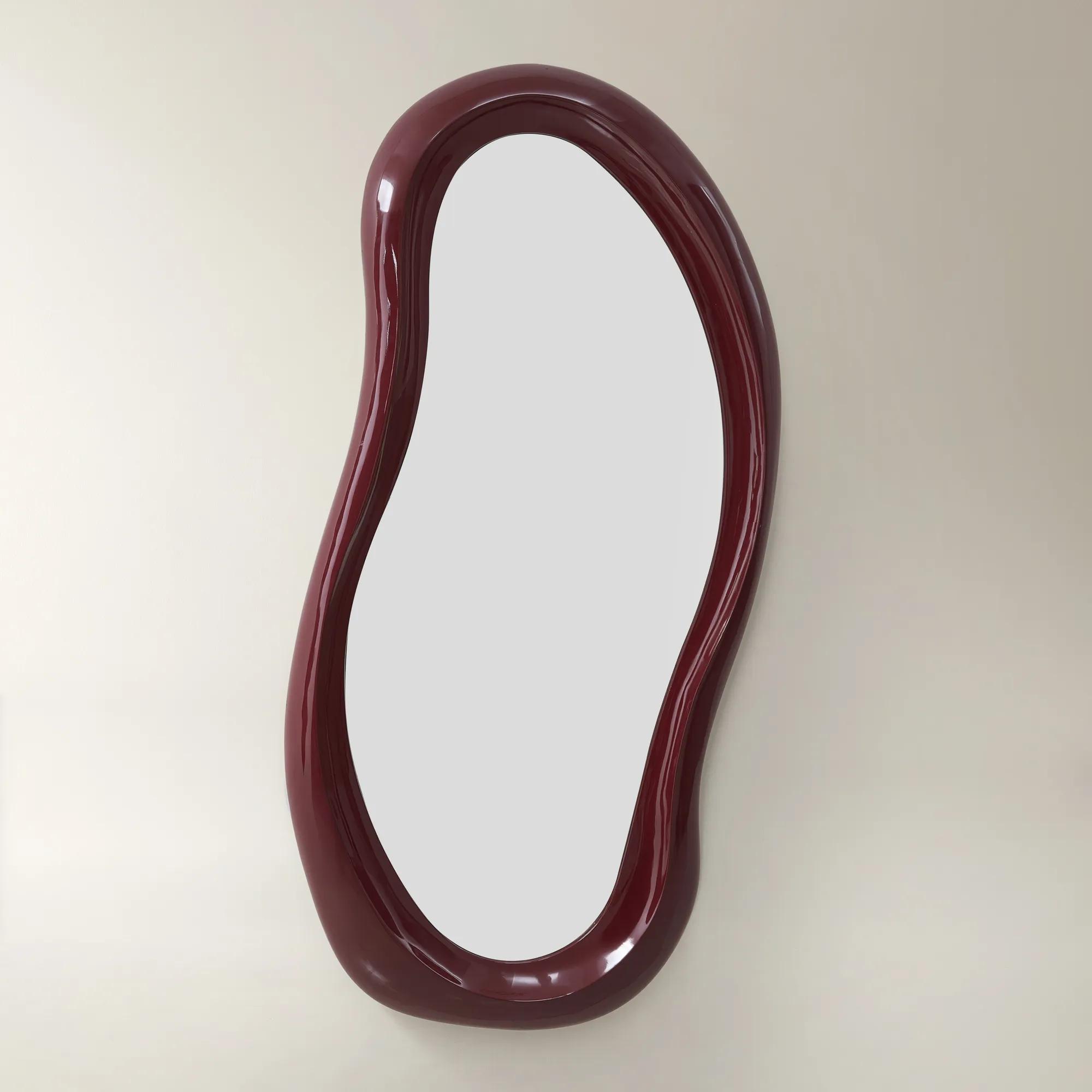
Mirrors For Open Concept Spaces
Mirrors For Open Concept Spaces
-
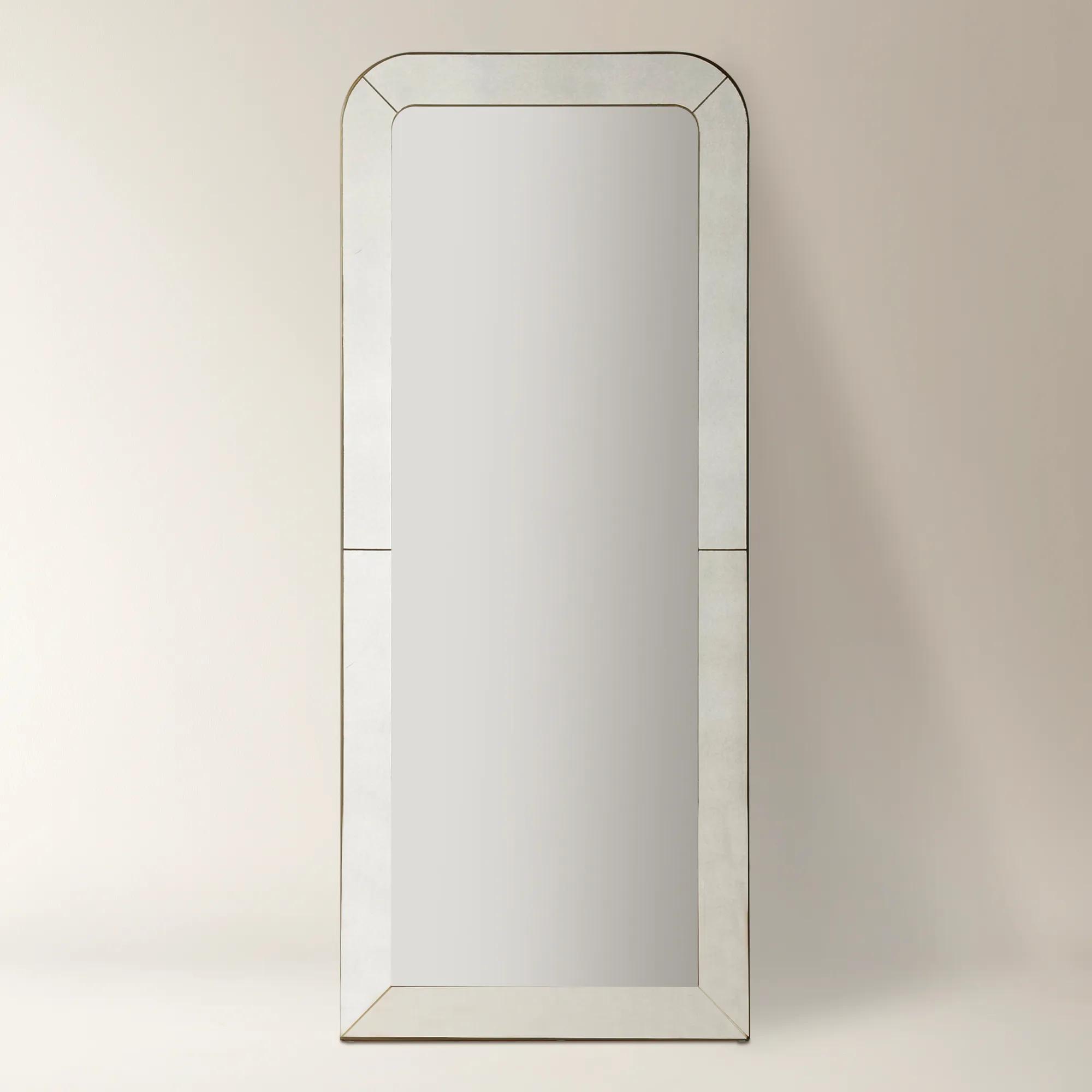
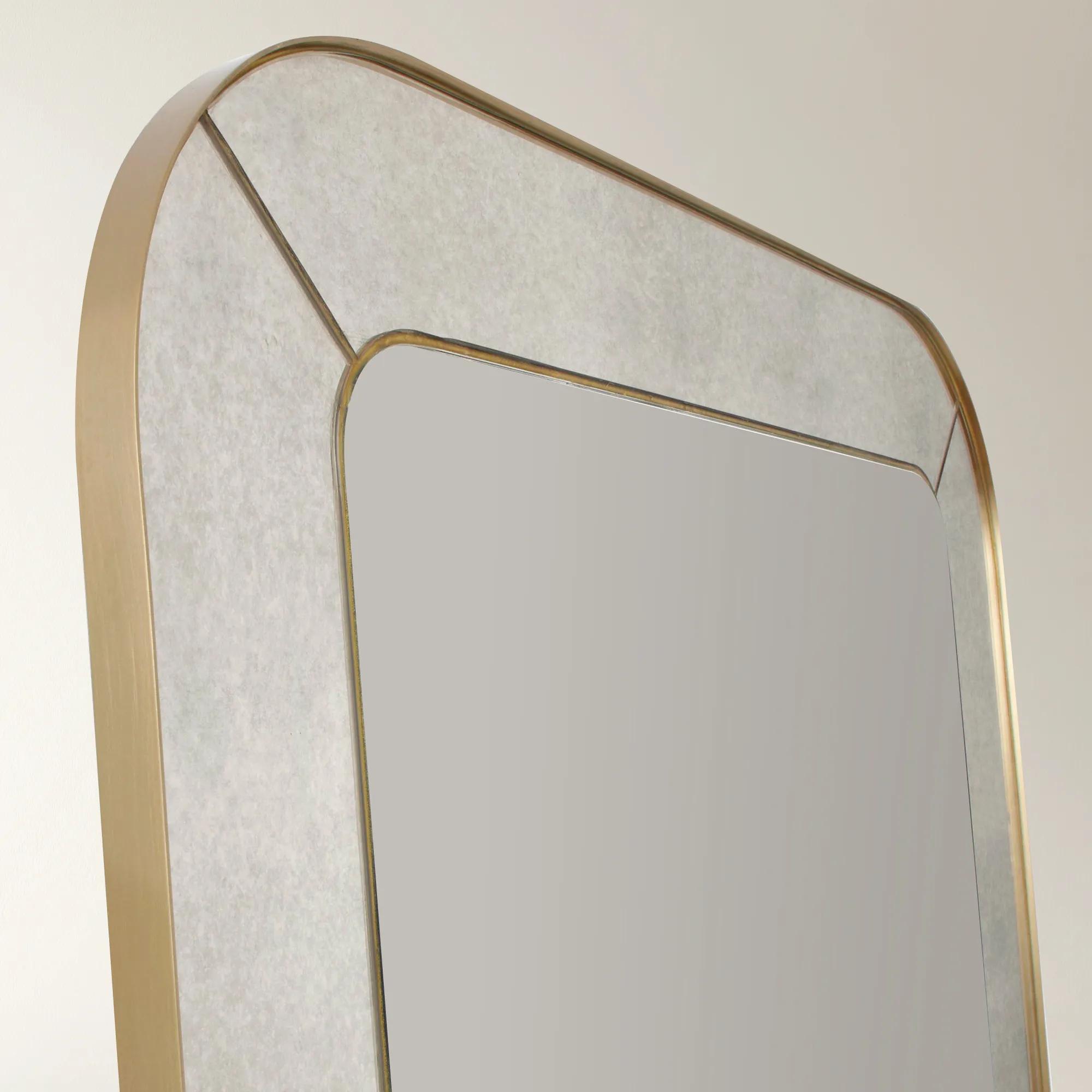 Parker Stainless Steel Floor Mirror 32" x 76"$799
An arched floor mirror with a gold stainless steel frame adds drama and sophistication to any room.
Add To Cart -
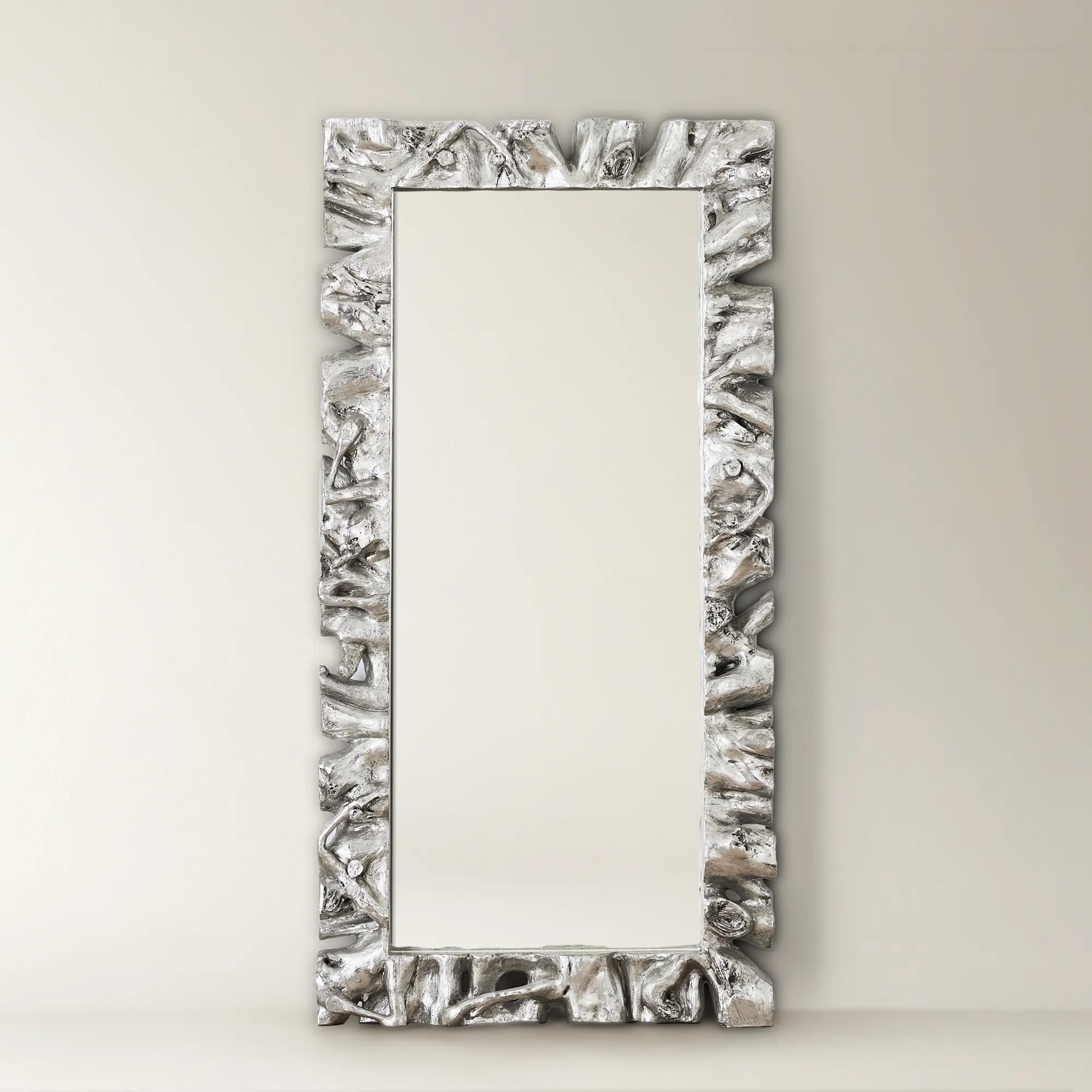 Sequoia Silver Resin Rectangular Floor Mirror 39'' x 78''$1399
A sculptural leaner mirror featuring acacia root-inspired fiber resin and a shimmering metallic leaf finish.
Add To Cart -
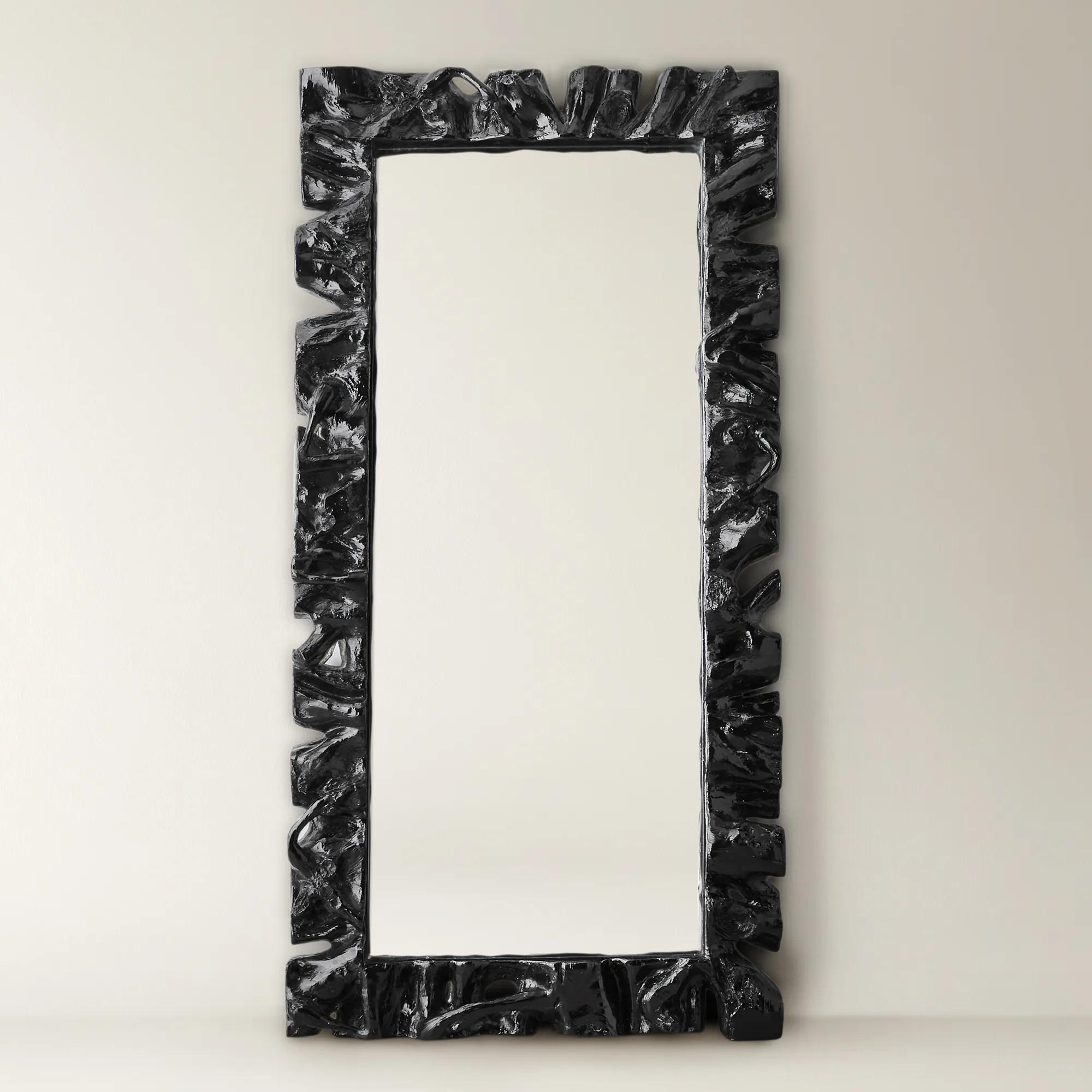
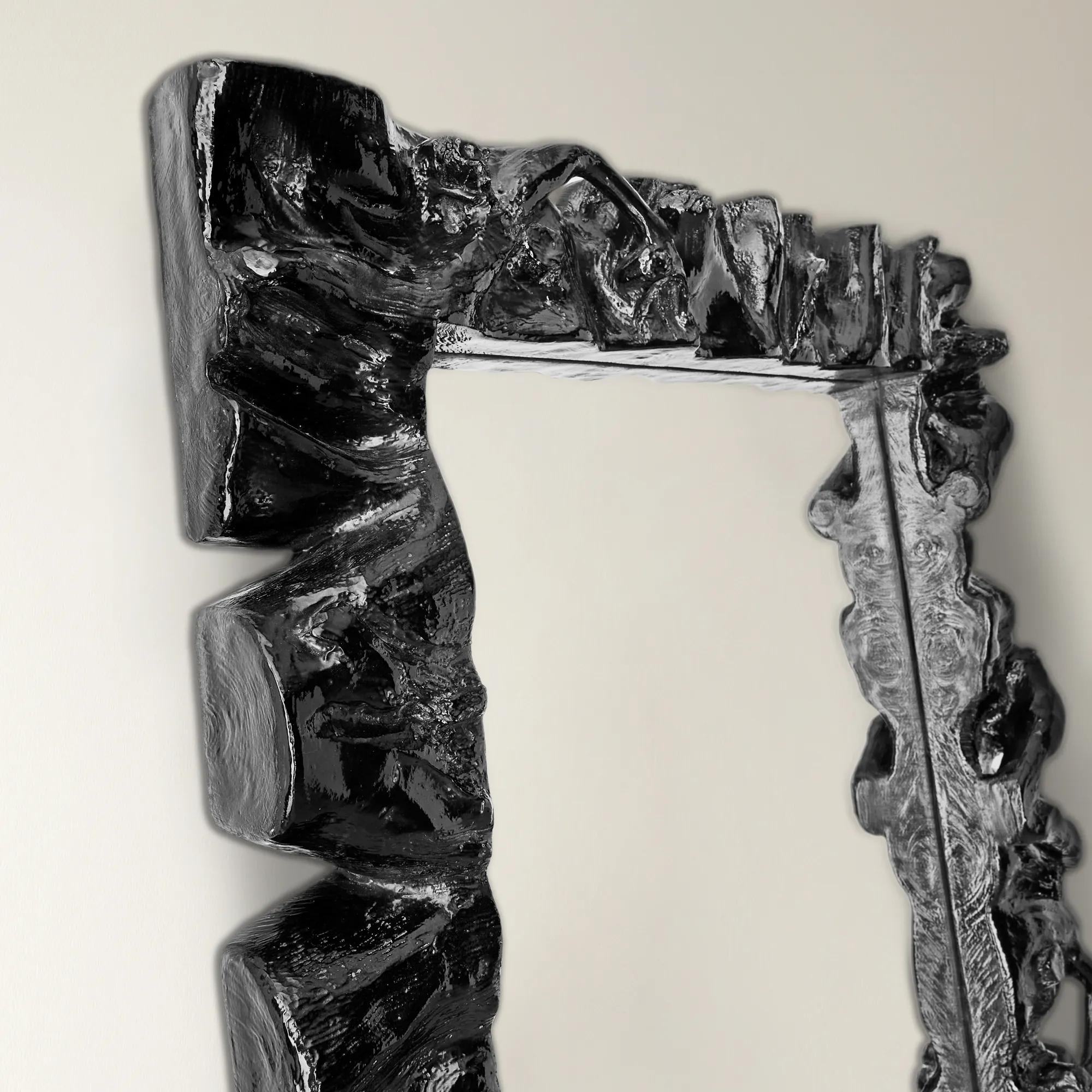 Sequoia Black Resin Rectangular Floor Mirror 39'' x 78''$1399
A sculptural floor mirror featuring acacia root-inspired fiber resin in a sleek black gel finish.
Add To Cart -
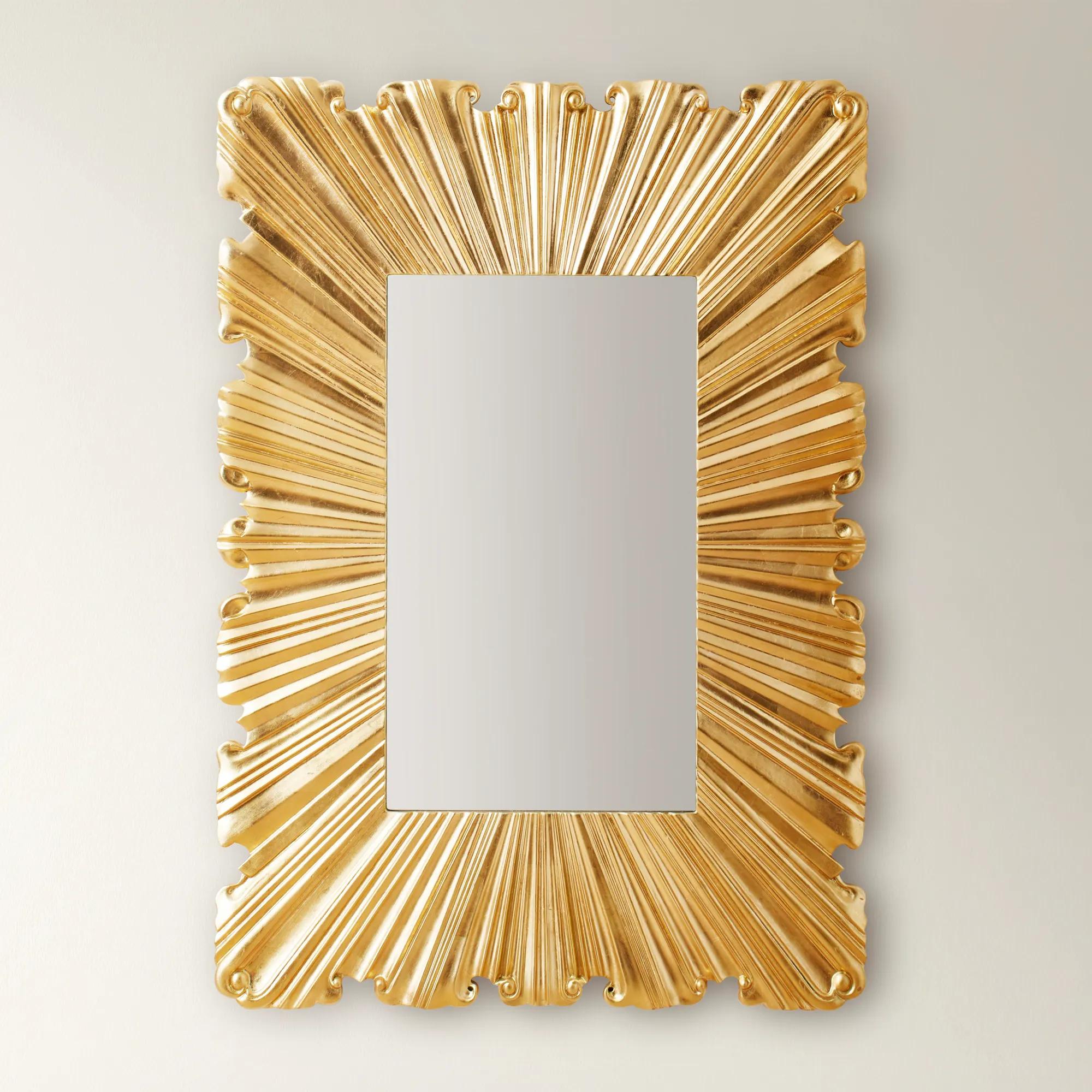 Metropolitan Gold Leaf Resin Rectangular Wall Mirror 27.5" x 39.5"$459
A sculptural wall mirror featuring a gold-finished polyurethane frame for a modern, elegant accent.
Add To Cart -
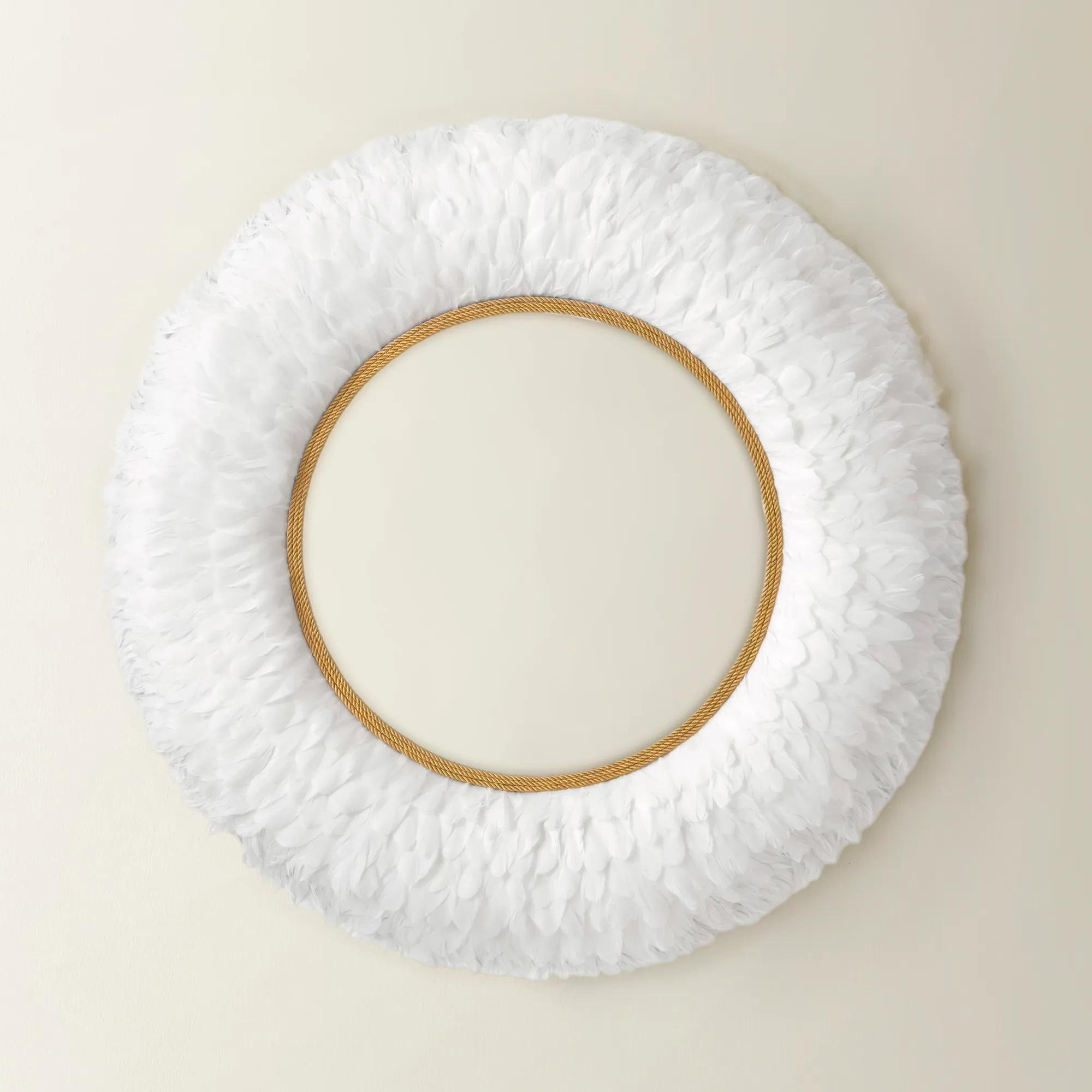
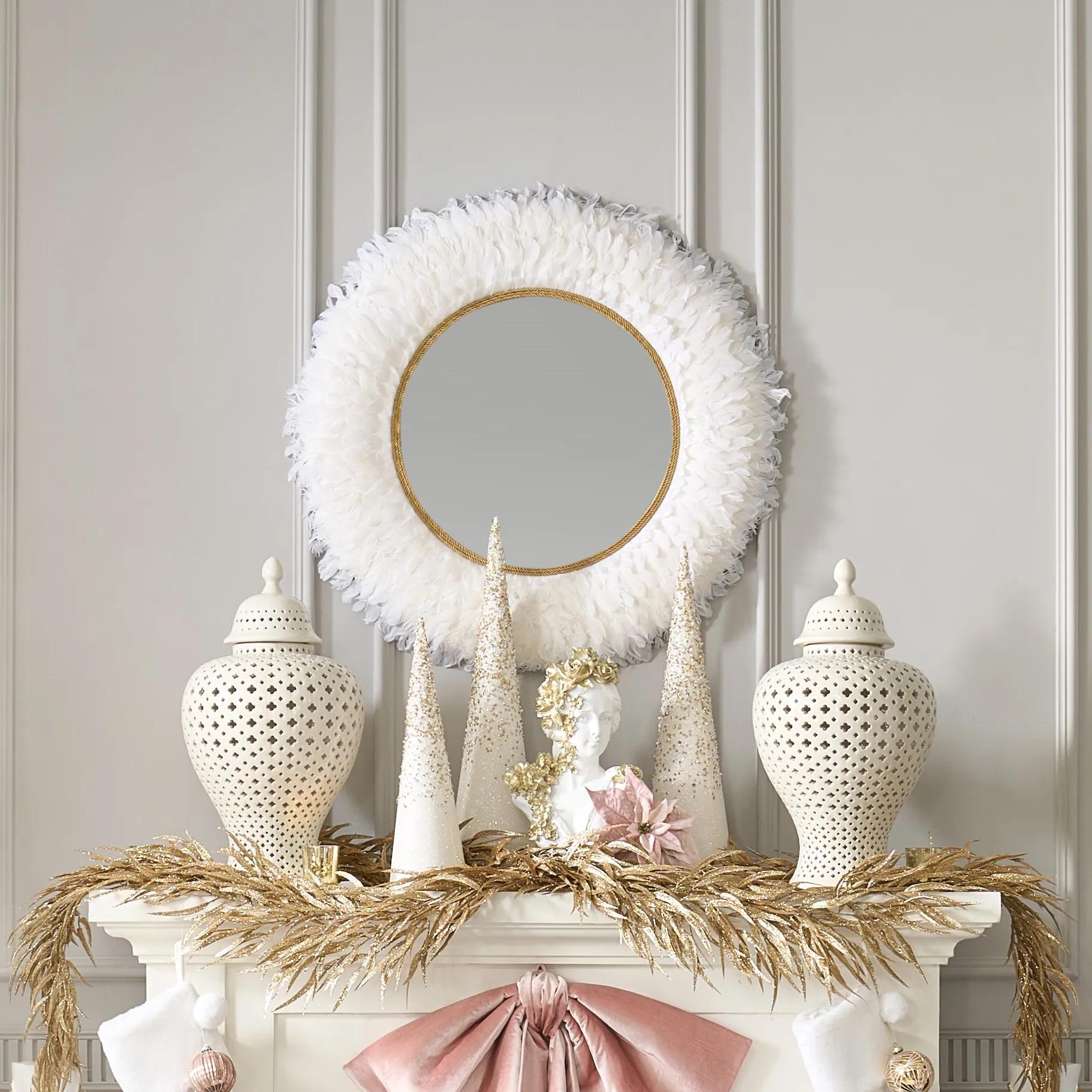 Nikki Chu - Daybreak Feather Mirror$499
A dramatic white feather-framed mirror accented with a gleaming gold inner border for added texture.
Add To Cart -
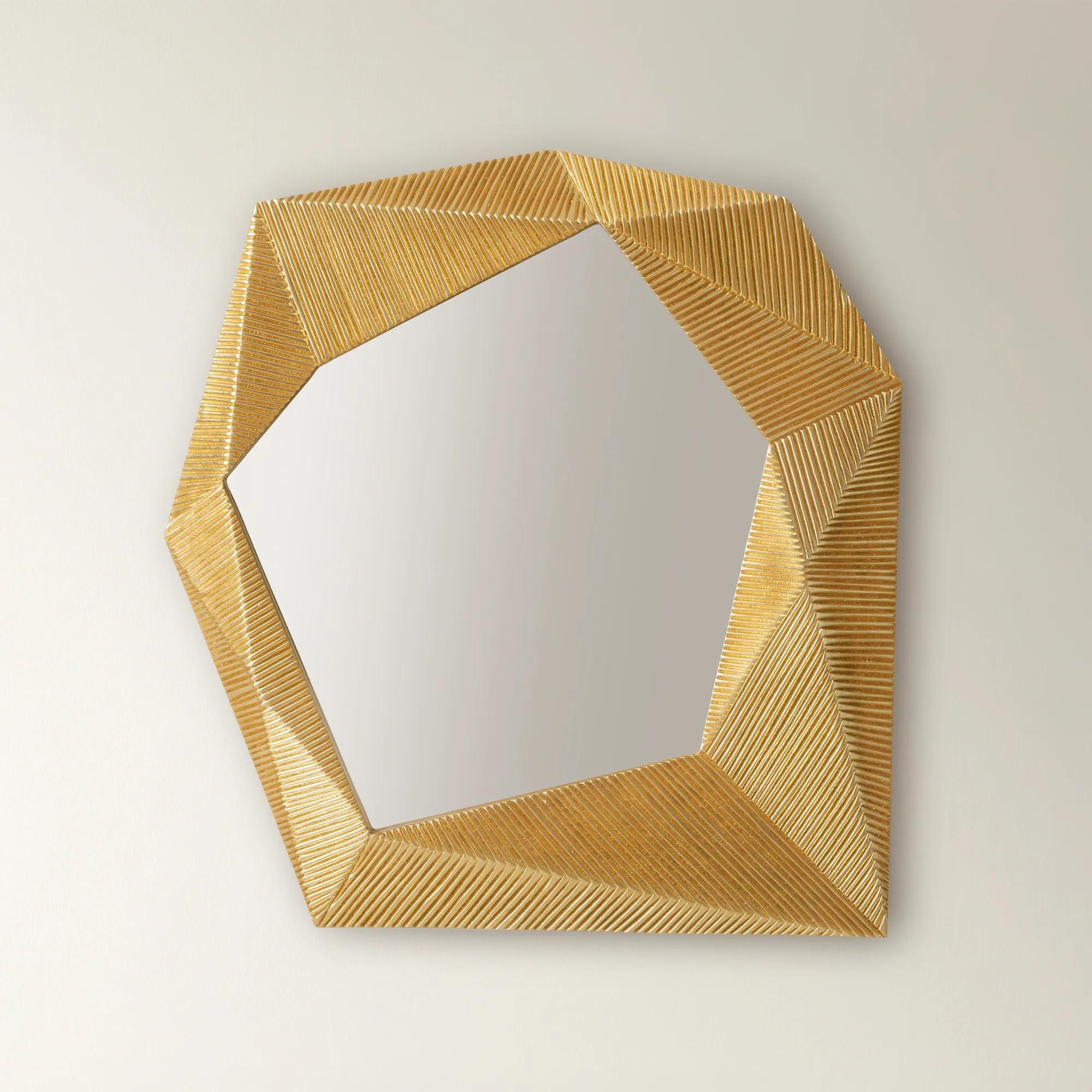
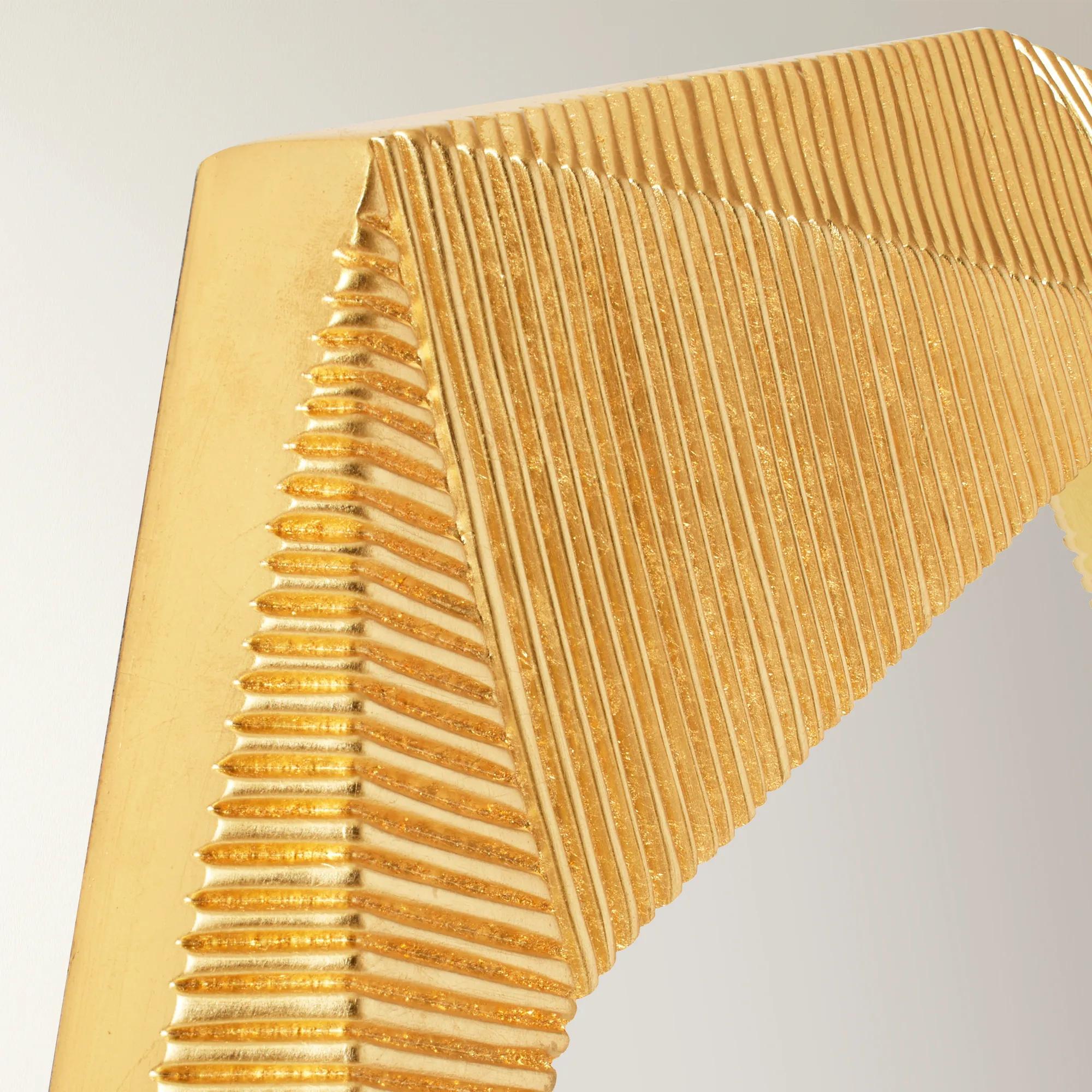 Nikki Chu Gold Steel Faceted Wall Mirror 31.5" x 35.5"$349
A modern mirror featuring a textured, faceted steel frame in a striking metallic gold finish.
Add To Cart -
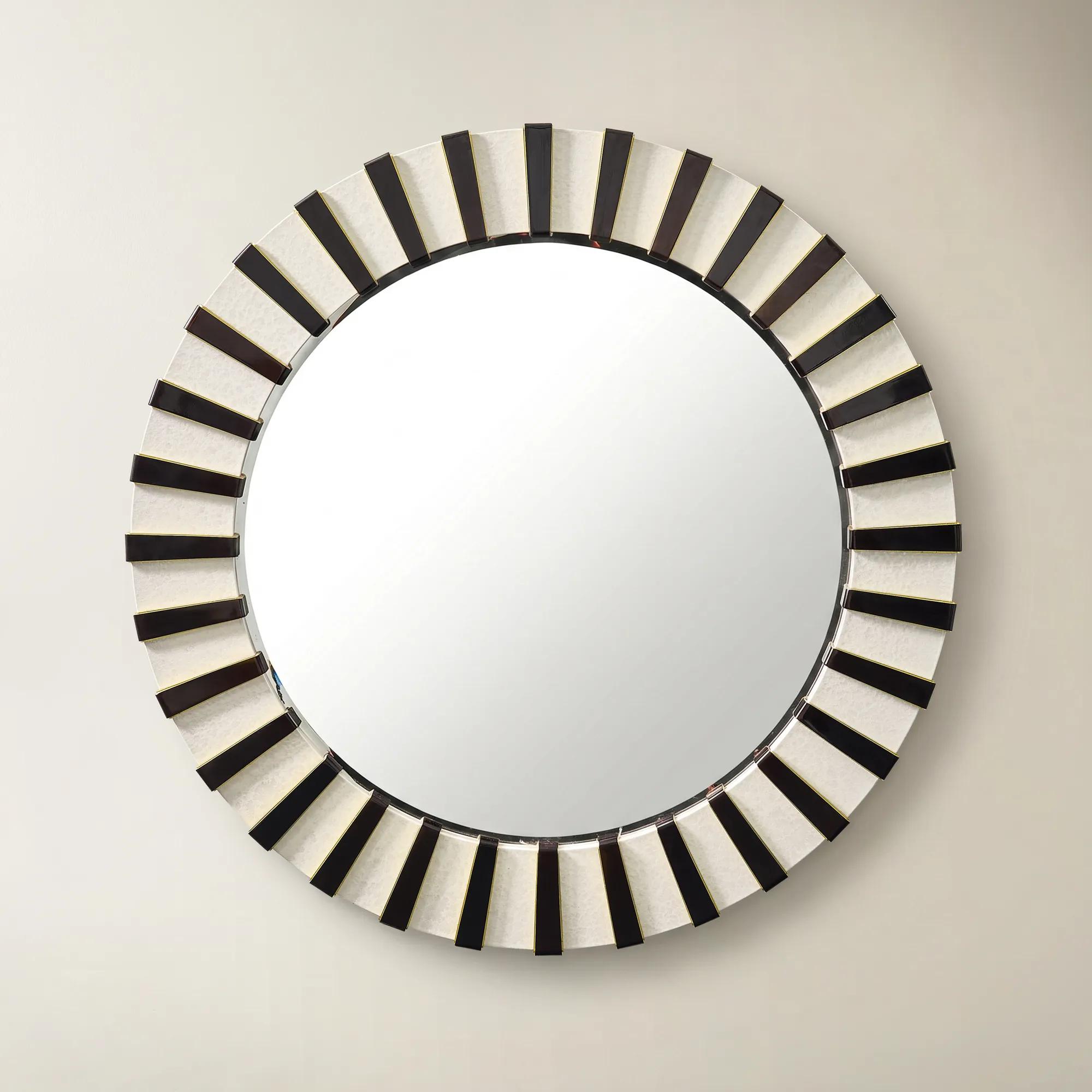 Regatta Opaline Pearl Black Gold Dimensional Round Wall Mirror 45"$849
A luminous wall mirror featuring an opaline pearl lacquered wood frame with black, gold, and raised resin accents.
Add To Cart -
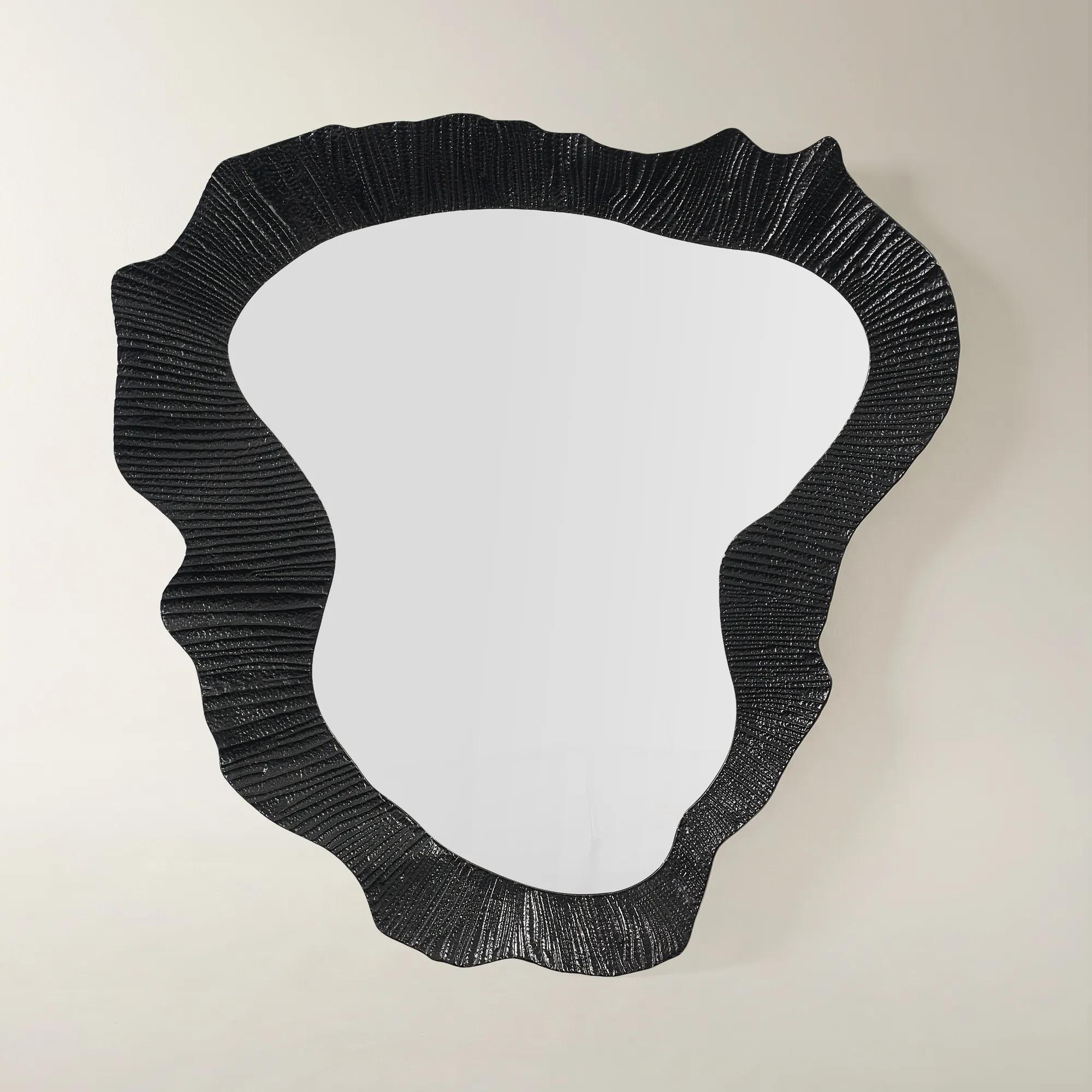 Cara Black Hand-Forged Iron Organic Shaped Wall Mirror 52.5" x 53"$1199
A hand-forged black iron frame and organic silhouette create a bold, sculptural statement for any room.
Add To Cart -
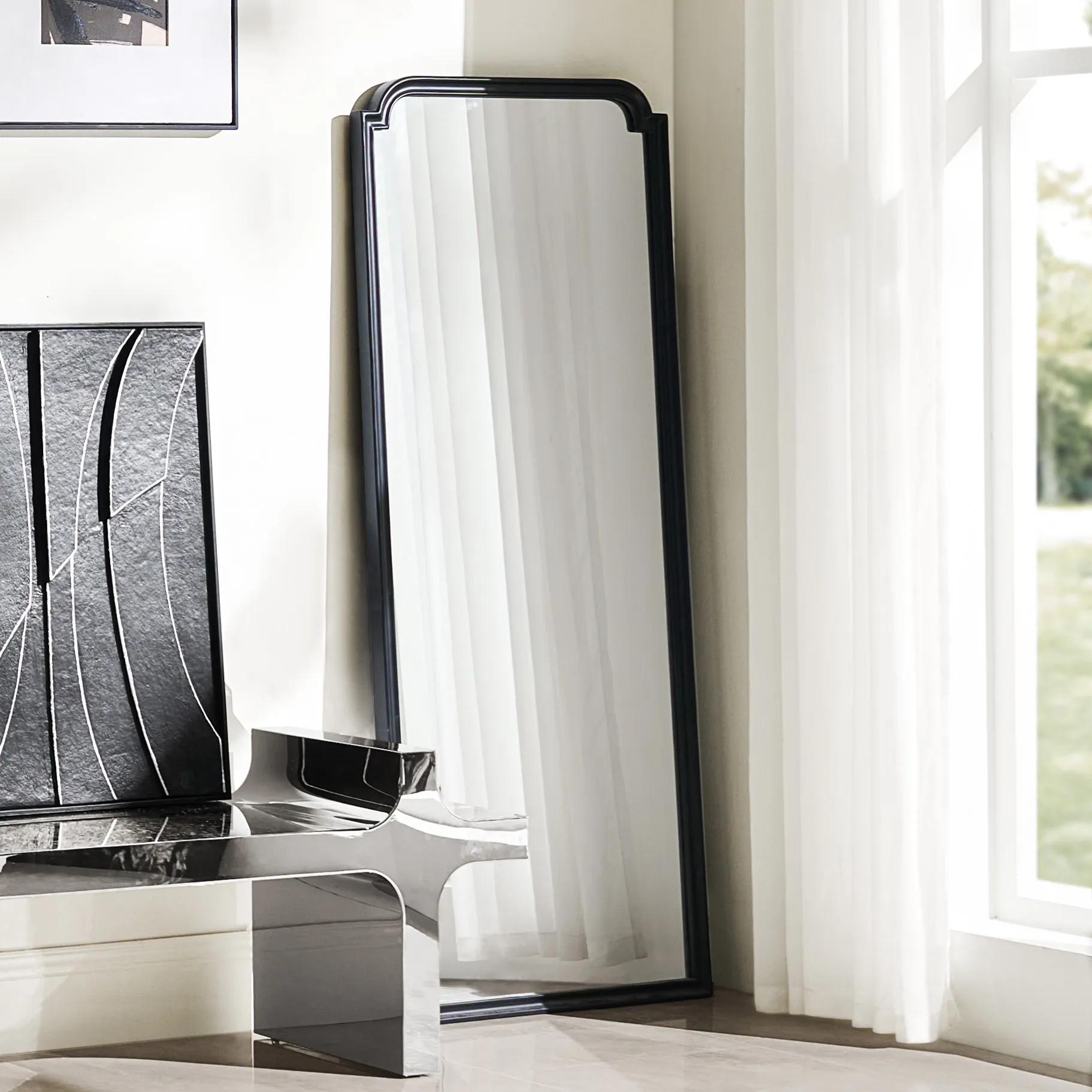
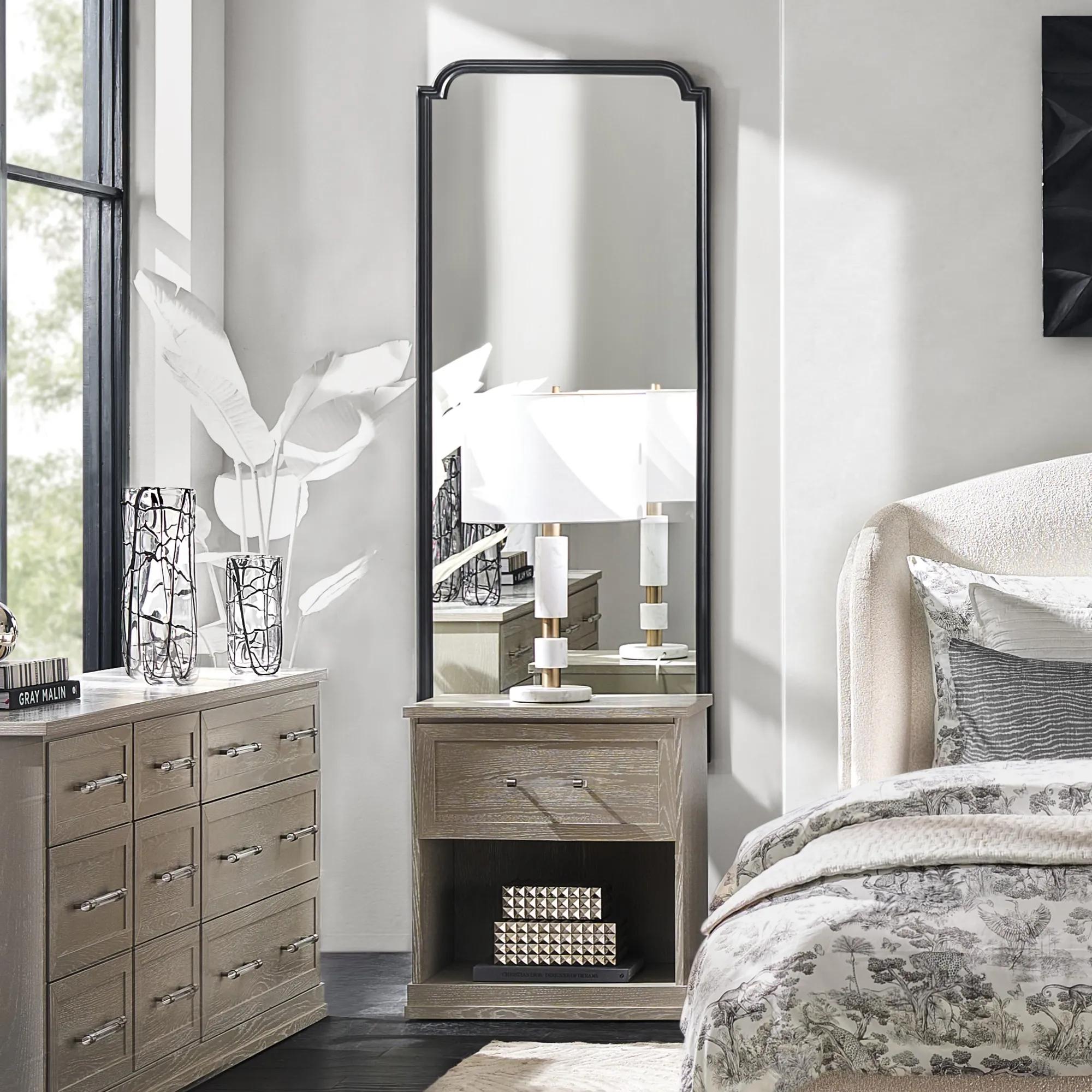 Clyde Floor Mirror$799
A sleek black-framed floor mirror crafted from glass and MDF for a sophisticated, modern touch.
Add To Cart -
.jpeg?w=1200&h=1200)
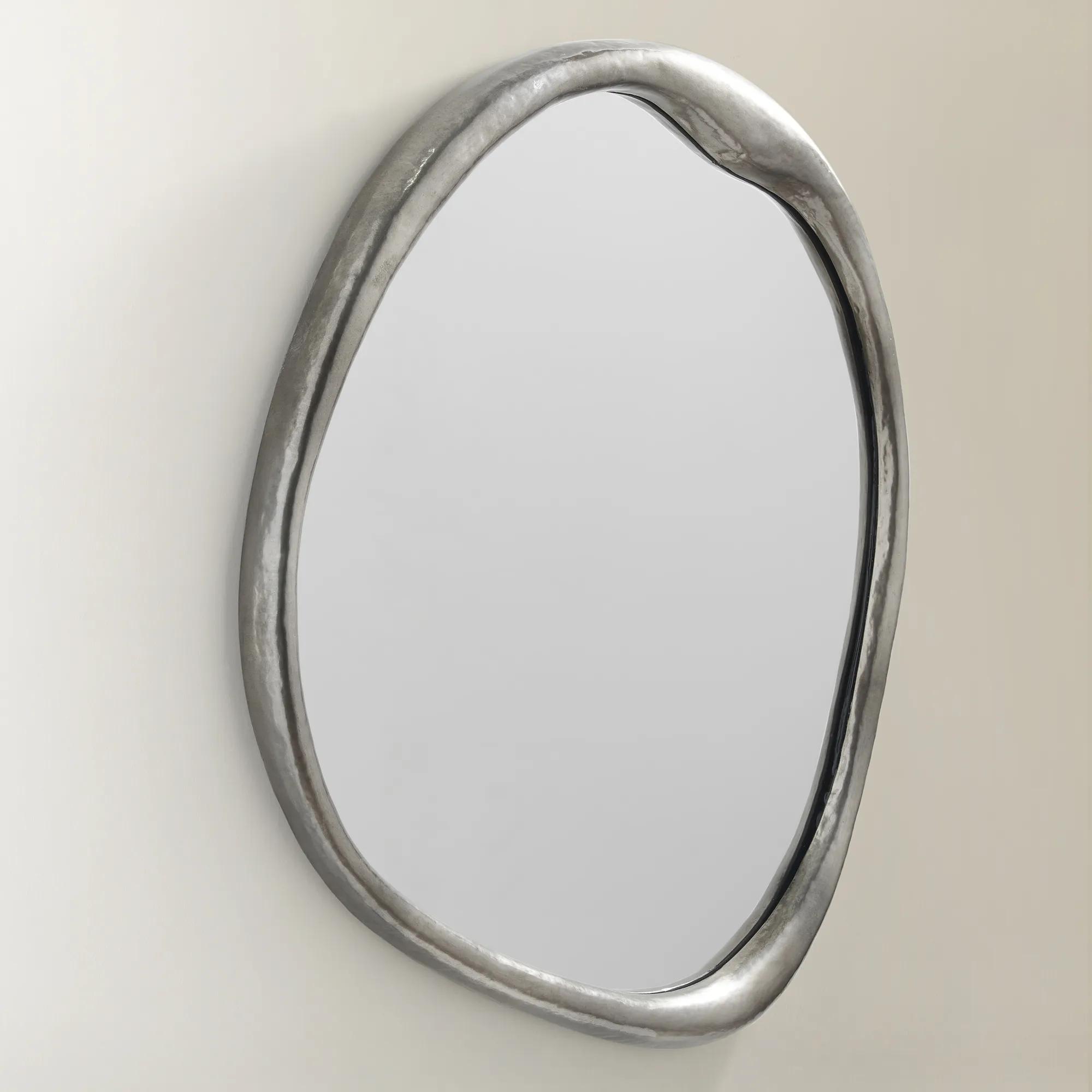 Organa Wall Mirror$599
An irregular silver iron-framed mirror that brings modern organic style and reflective depth to any room.
Add To Cart -
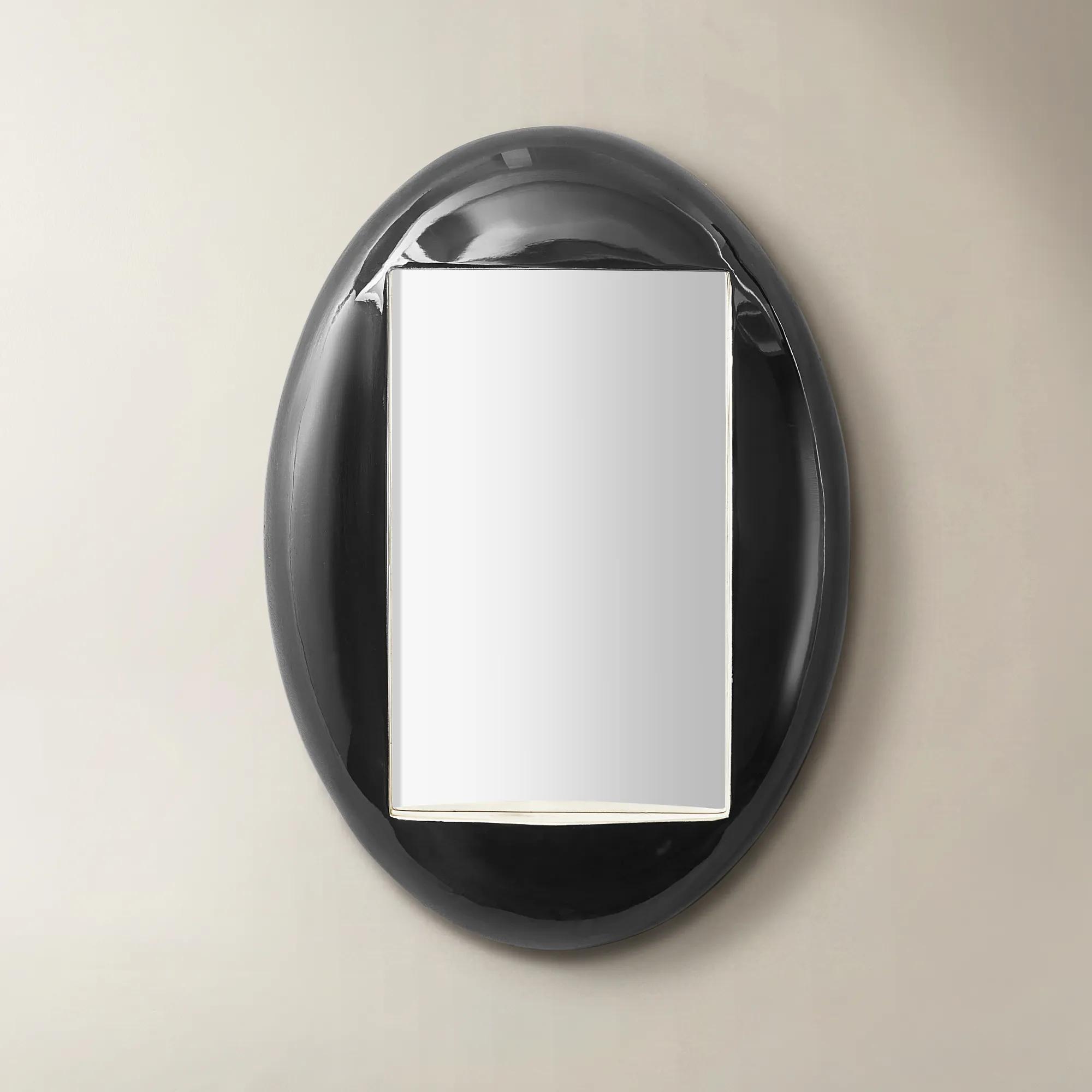 Tuxedo Black And Champagne High Gloss Resin Geometric Wall Mirror 28" x 20"$299
A geometric wall mirror with a black and champagne resin frame for bold, modern sophistication.
Add To Cart -
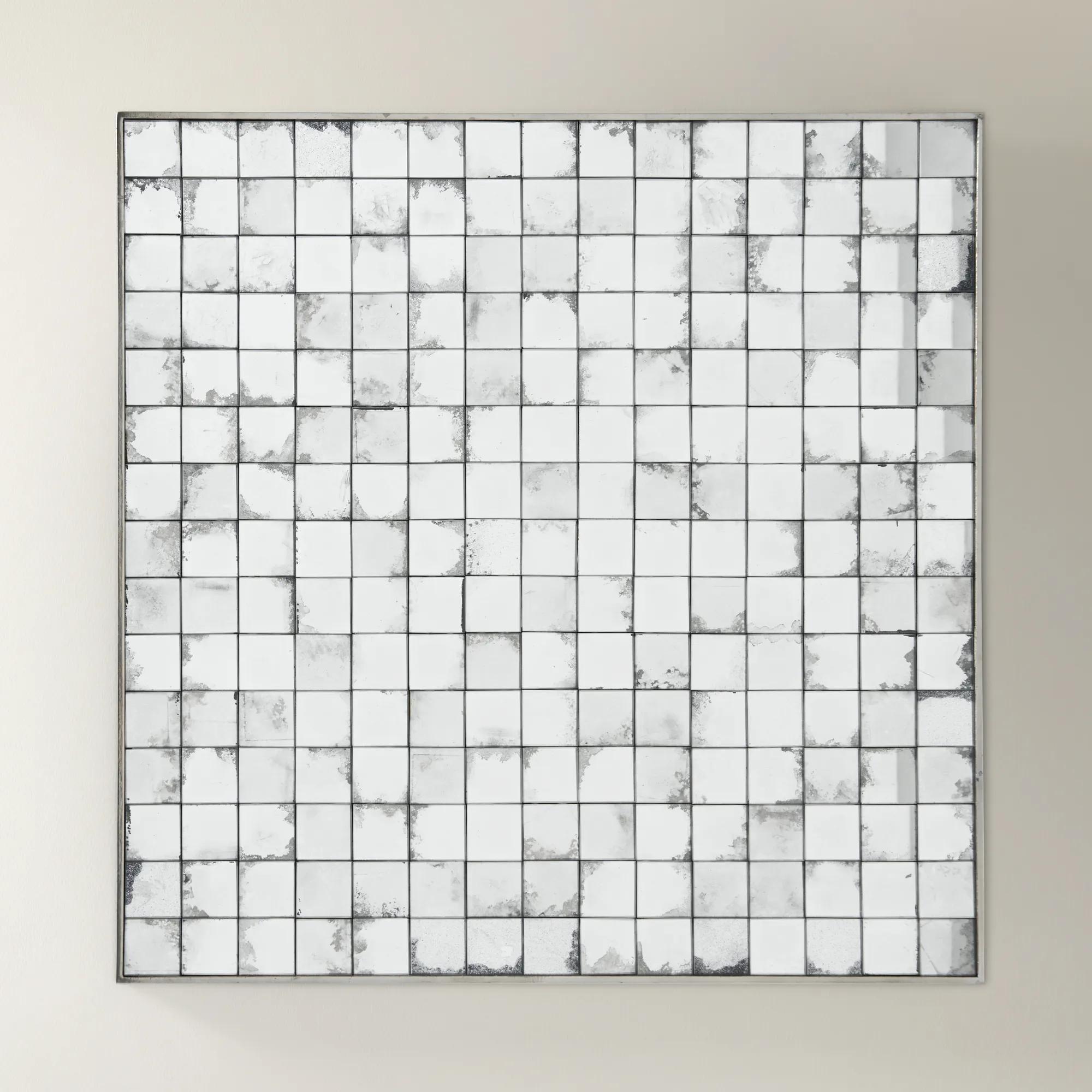
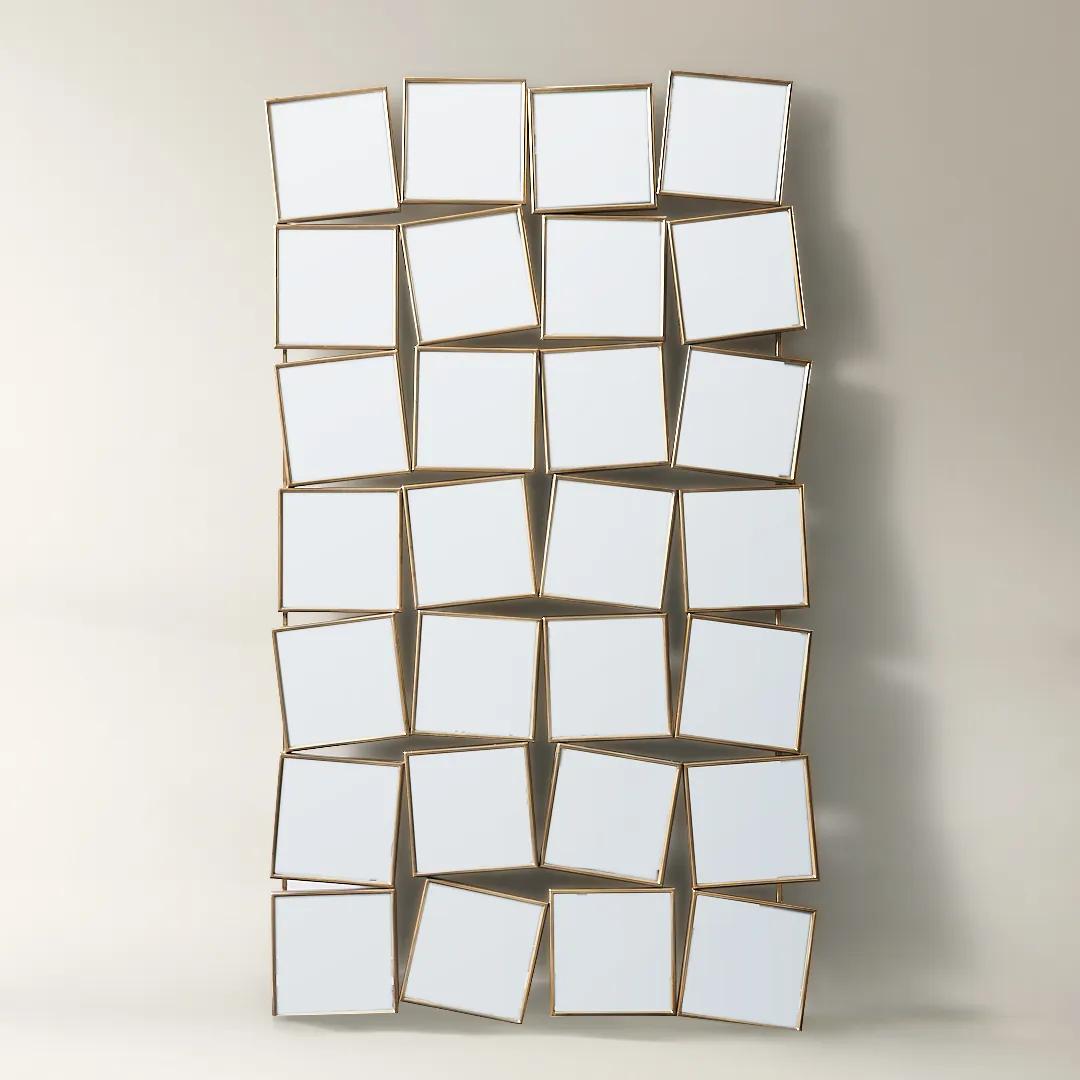
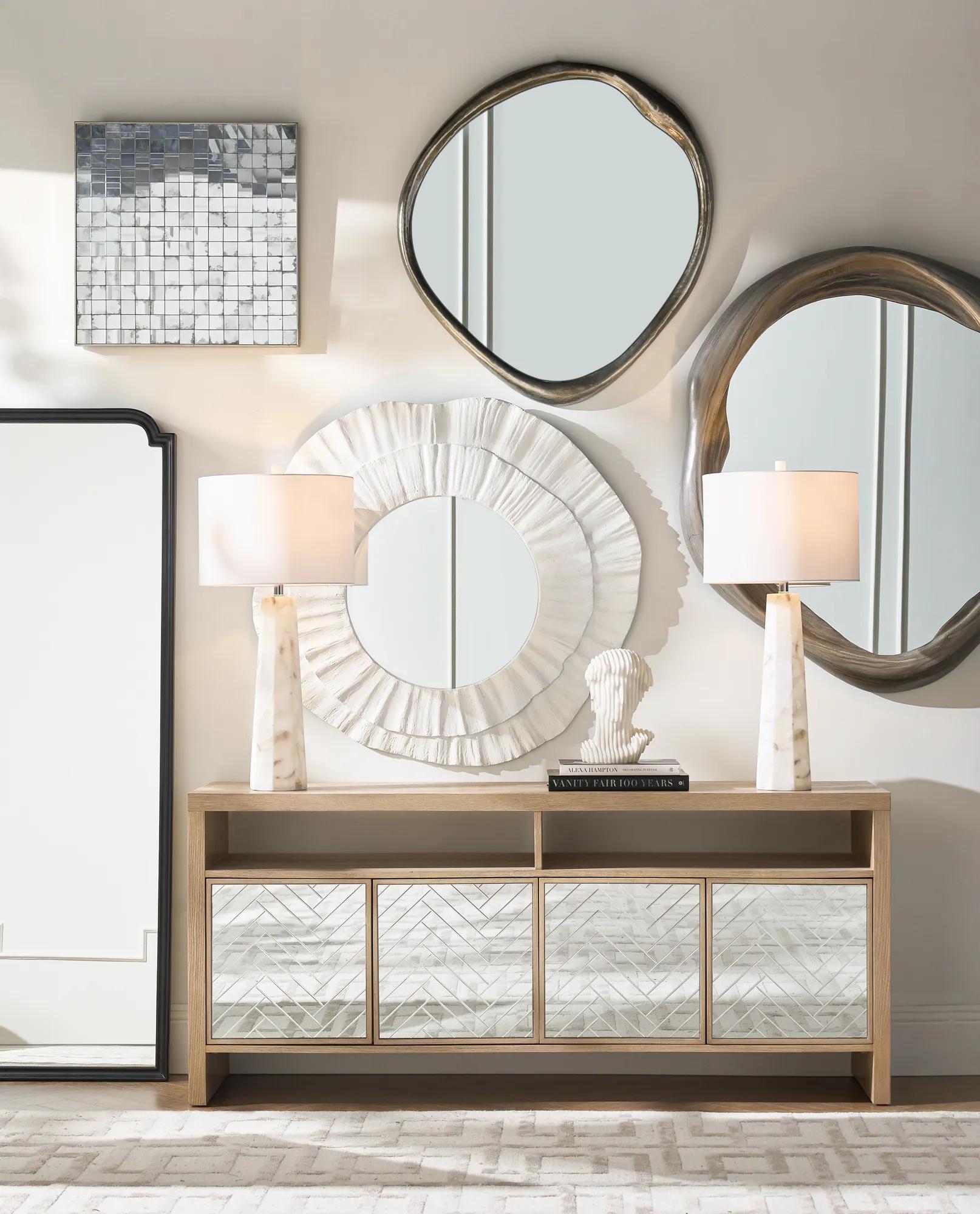 Futuro Wall Mirror$499
An antiqued silver mirror featuring aged glass tiles for a striking blend of vintage and modern style.
Add To Cart -
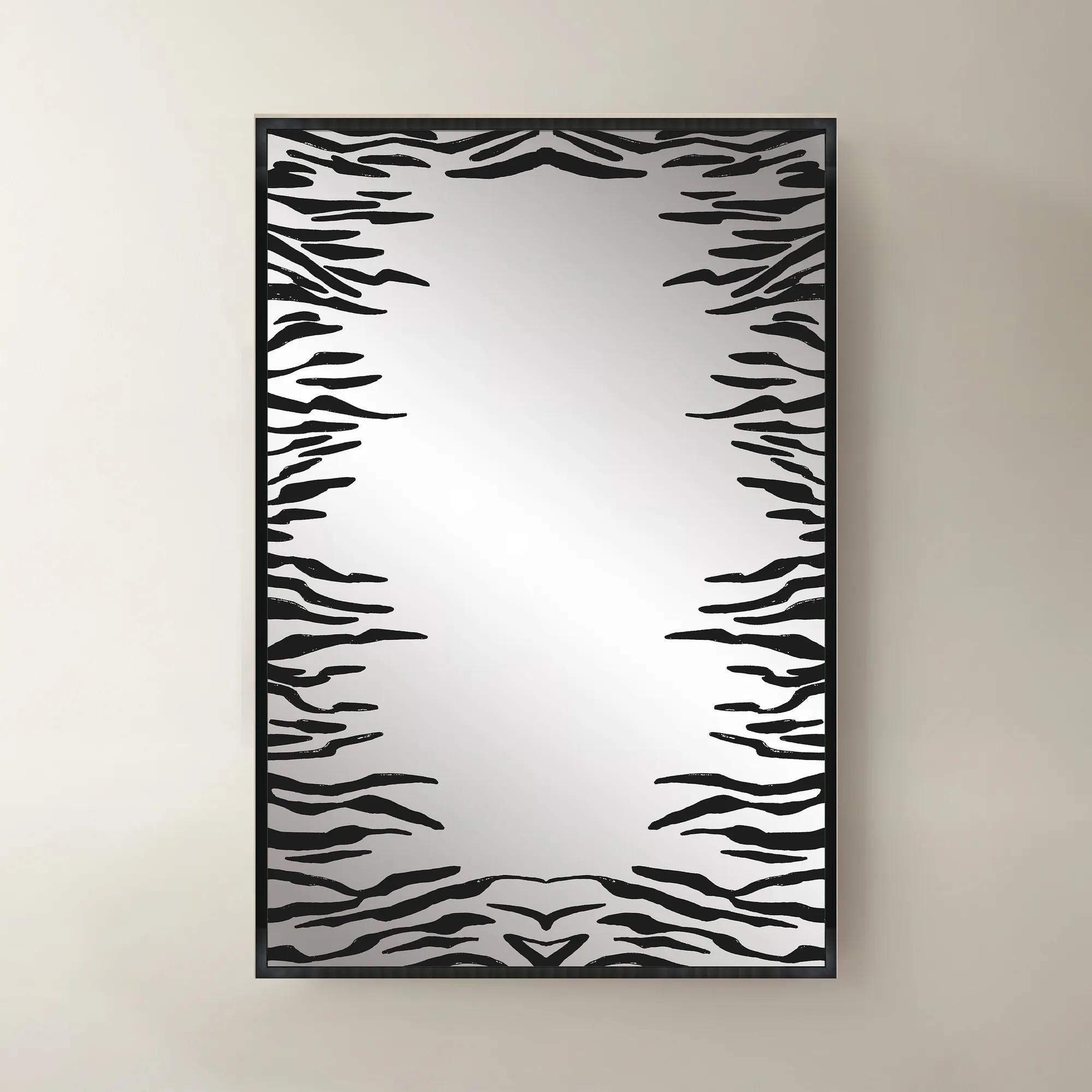
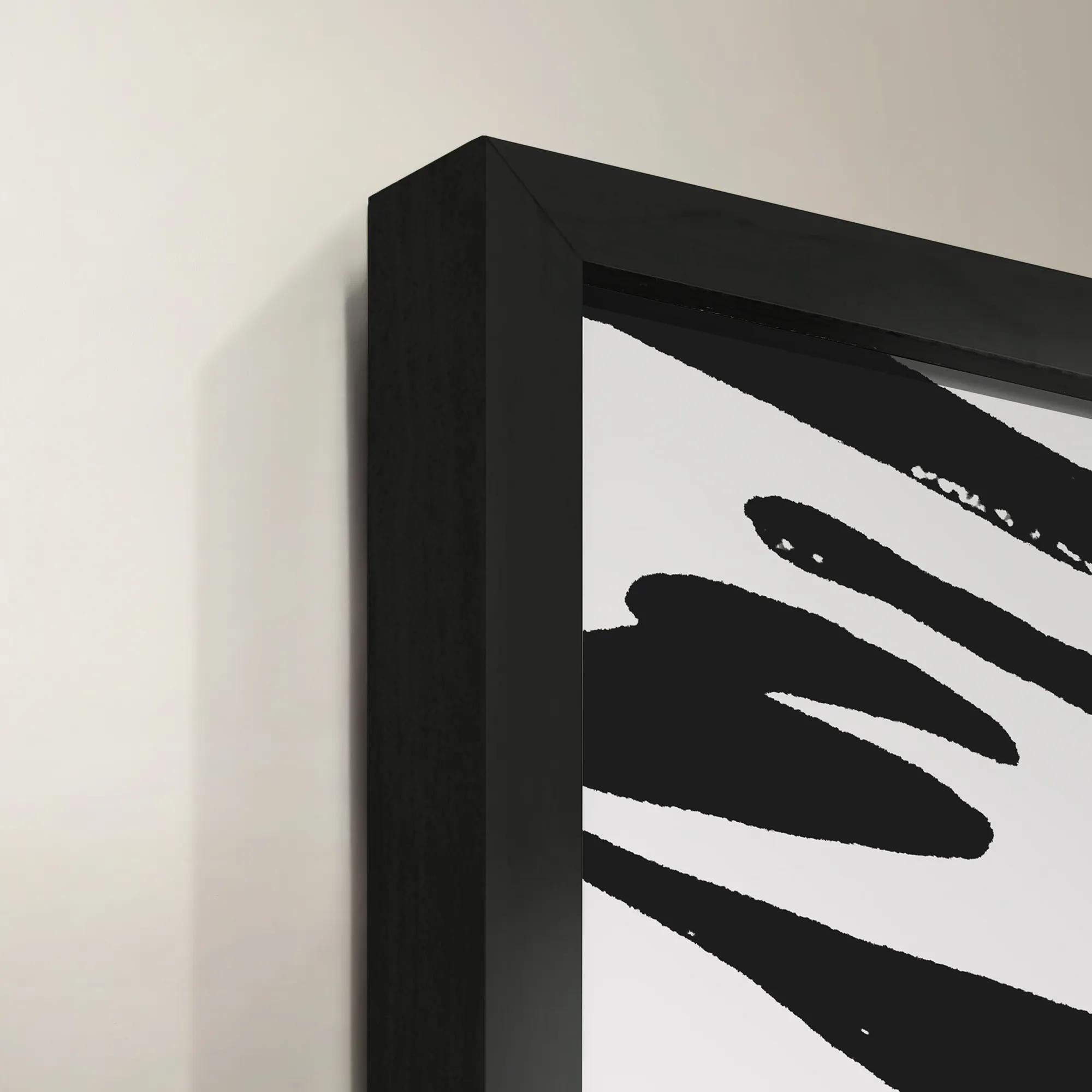 Savanna Veil Framed Printed Wall Mirror 40" x 60"$1499
A black framed printed wall mirror offering artistic dimension and modern sophistication.
Add To Cart -
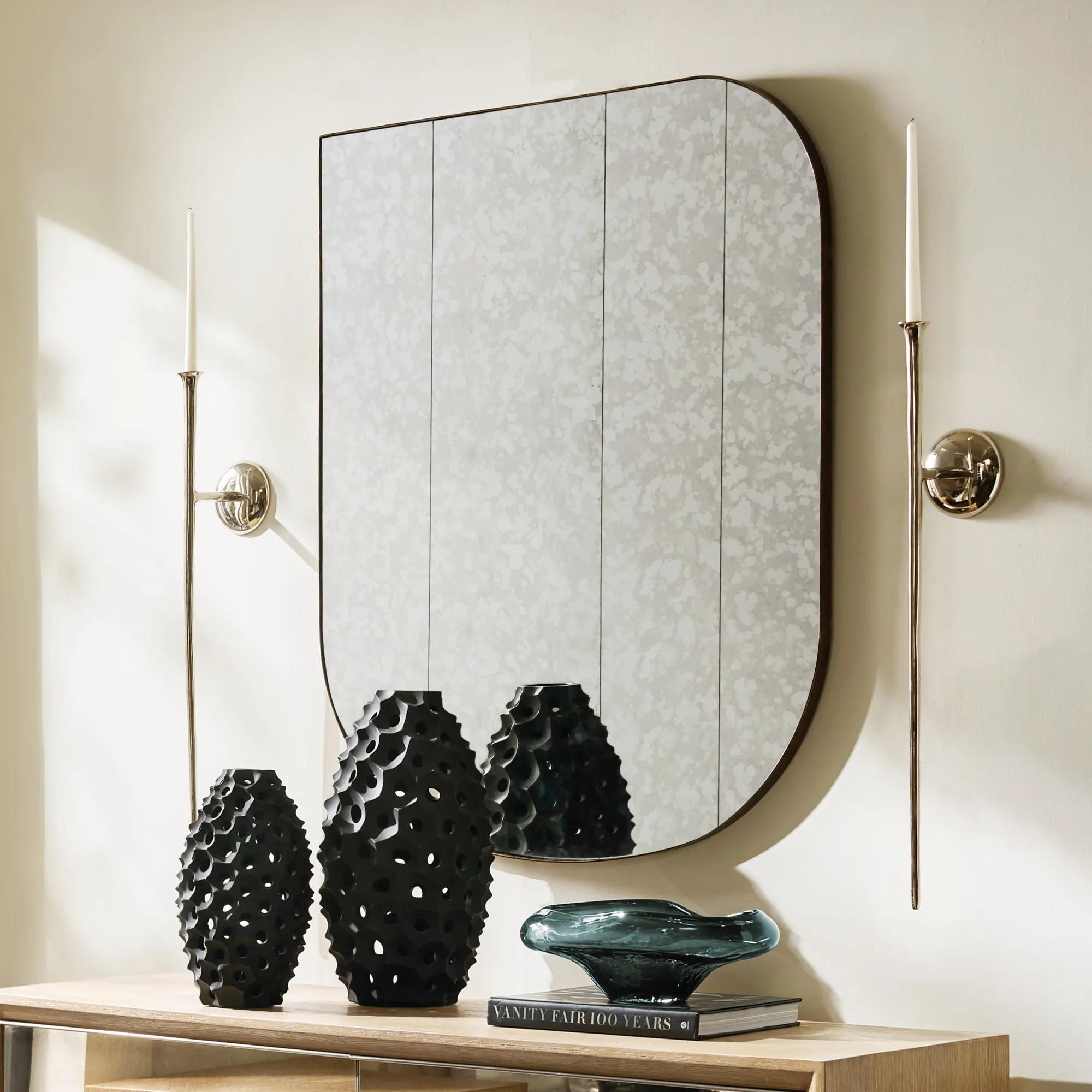
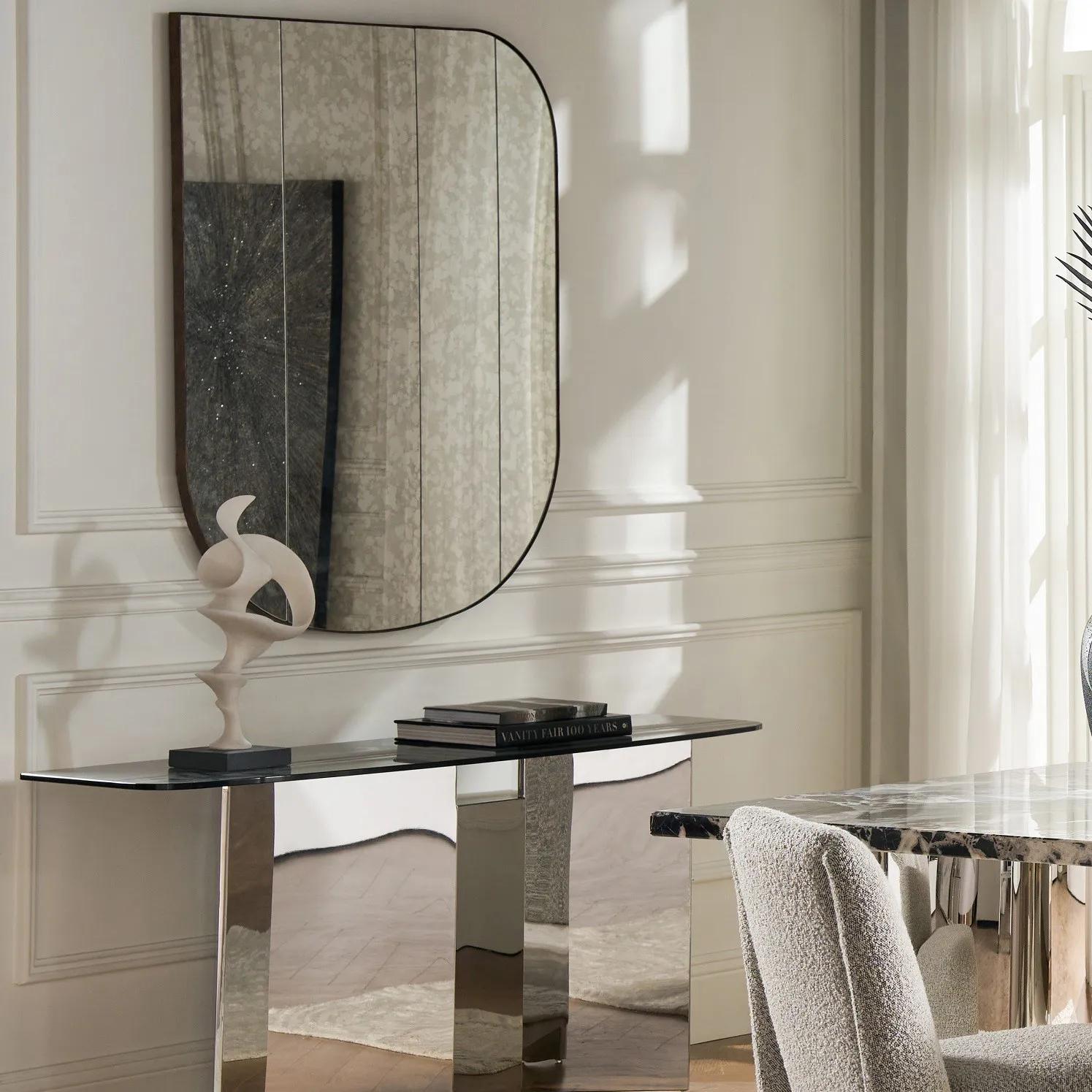 Angolo Wall Mirror$799
An antique-inspired wall mirror featuring a softly irregular shape and shimmering patina on iron and MDF.
Add To Cart -
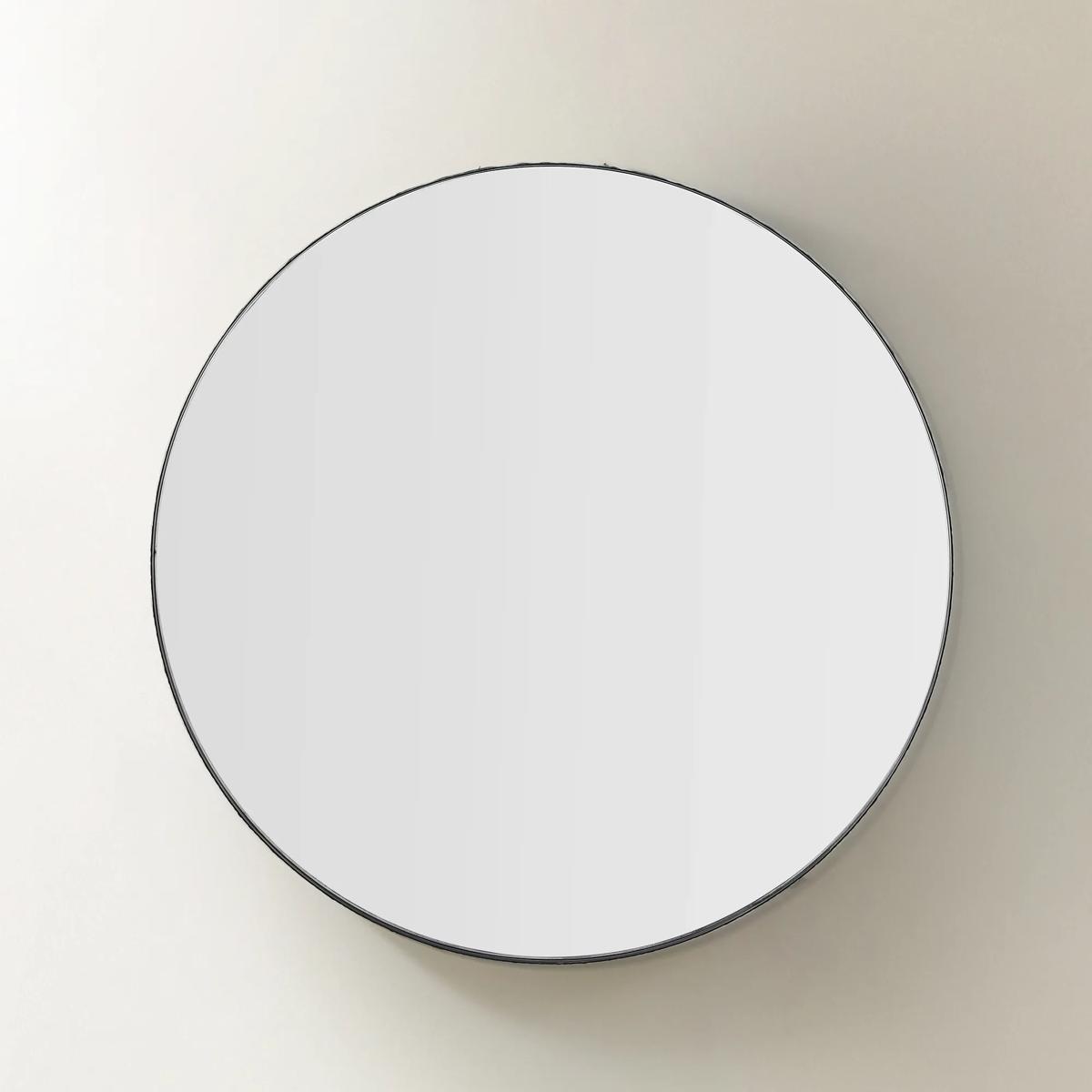
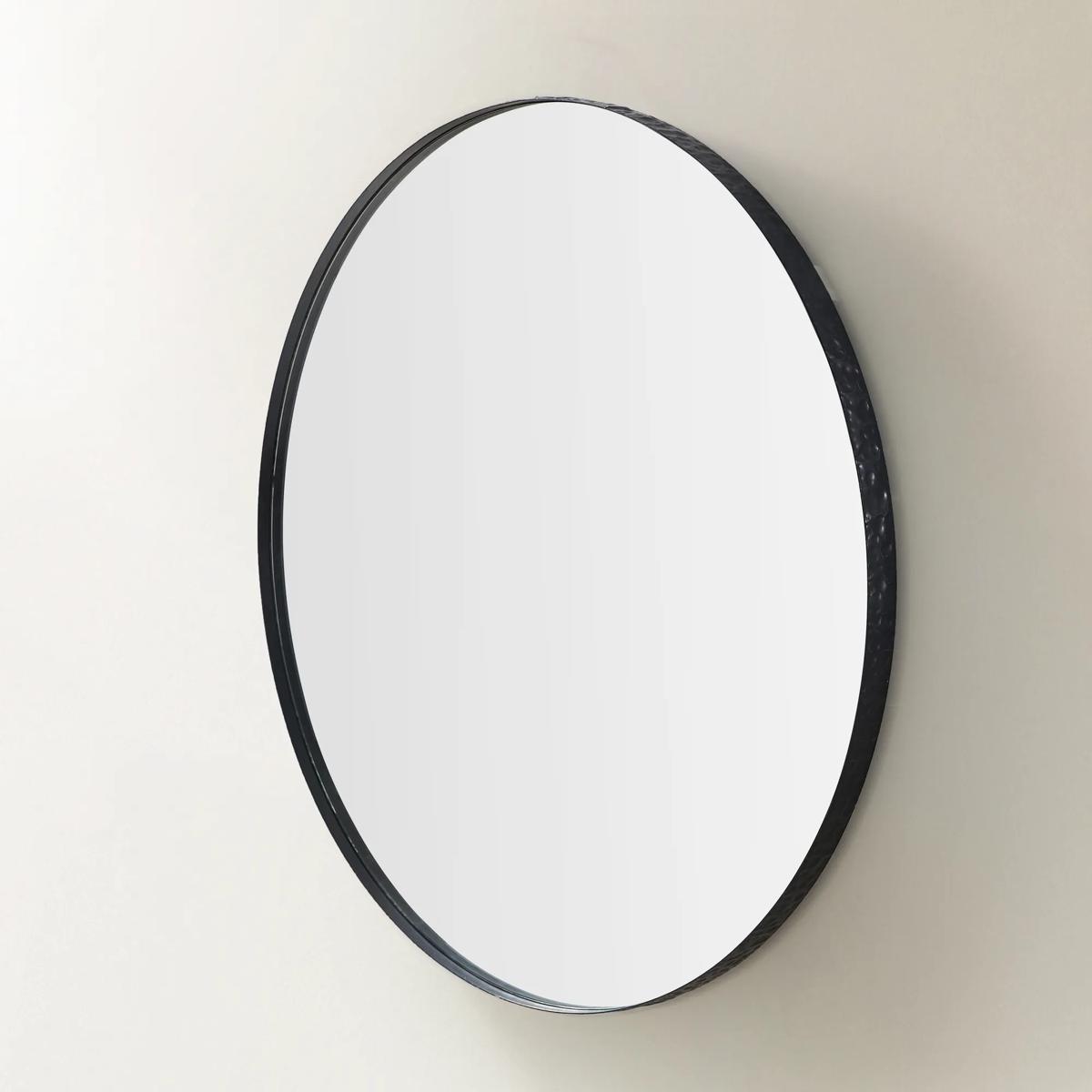 Cade Wall Mirror - Black$699
A round wall mirror featuring a hand-hammered black iron frame for a sleek, modern accent.
Add To Cart -
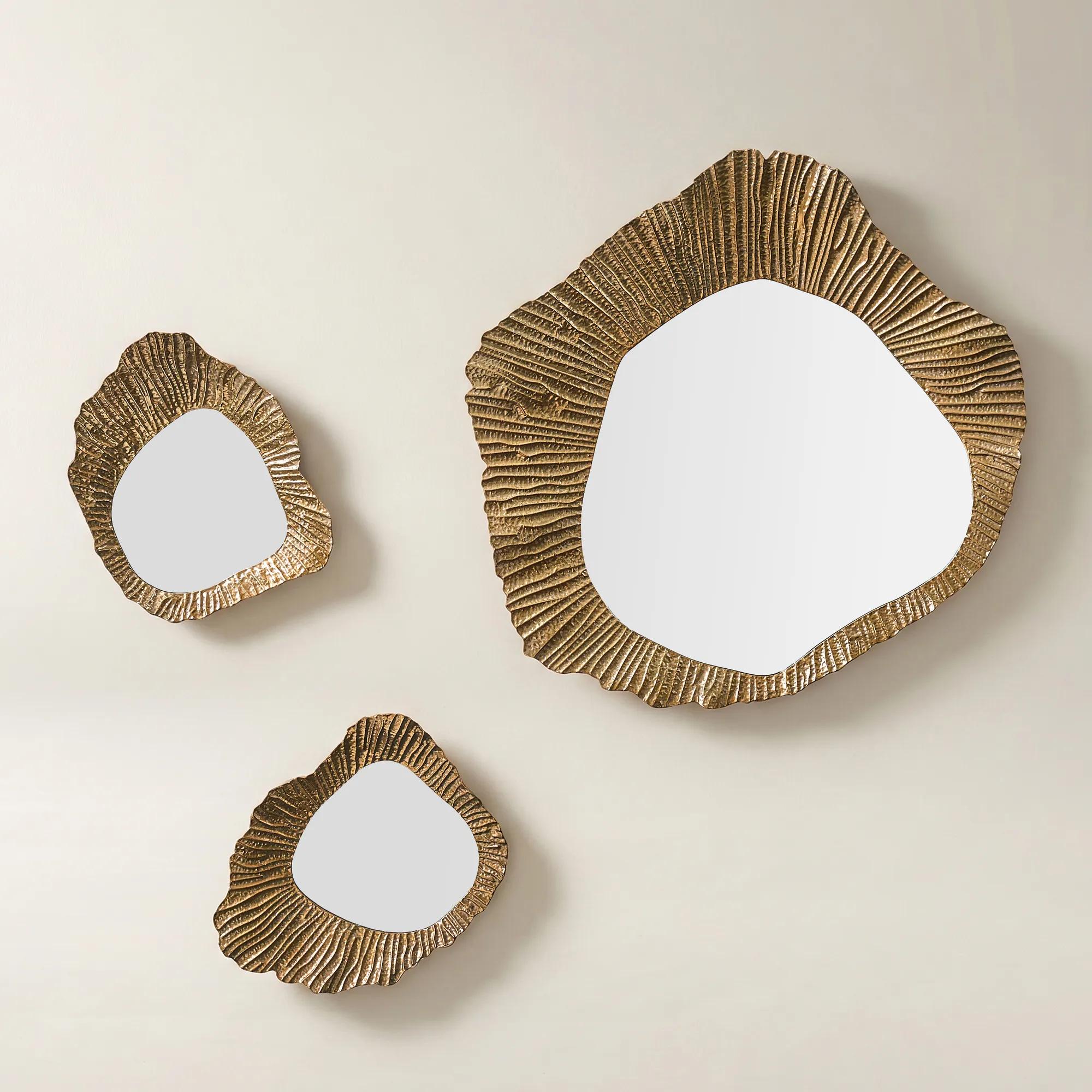 Cara Antique Gold Hand-Forged Iron Organic Shaped Wall Mirror Cluster Trio$1099
A set of three hand-forged iron mirrors in antiqued gold, featuring an organic, sculptural cluster design.
Add To Cart -
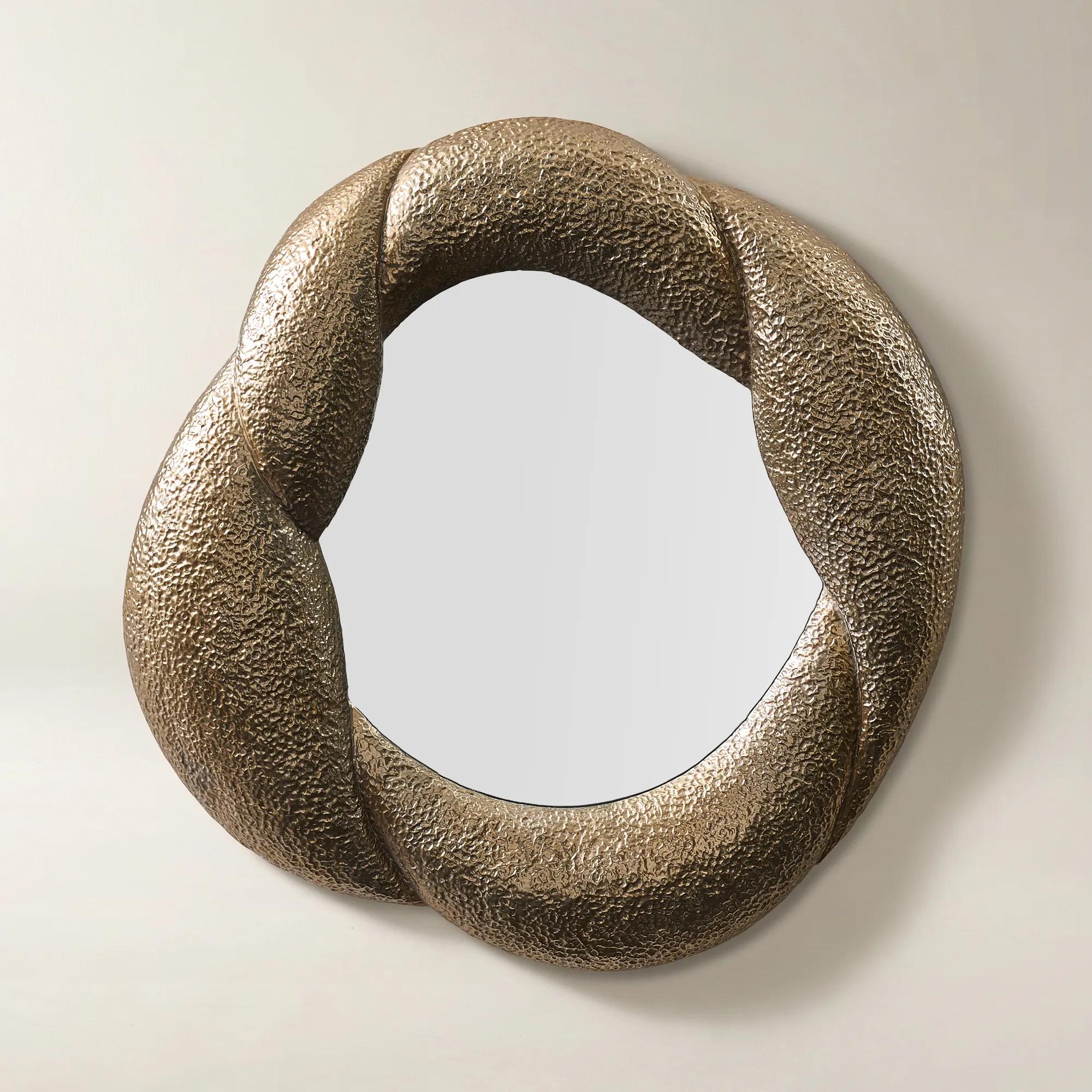 Bronze Age Hammered Texture Resin Organic Round Wall Mirror 34"$599
A round wall mirror featuring a chunky resin frame with hammered bronze texture for sculptural, modern appeal.
Add To Cart -
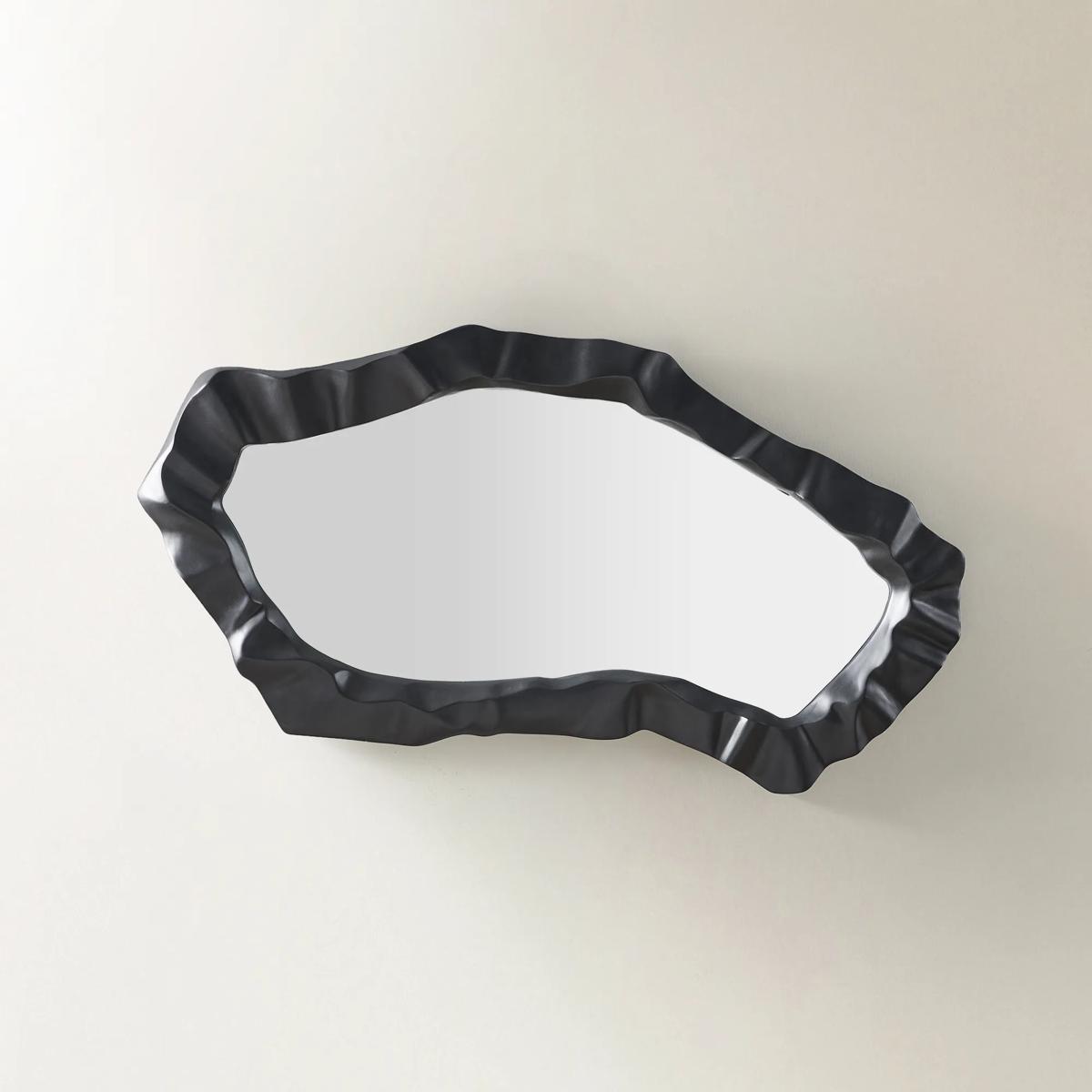
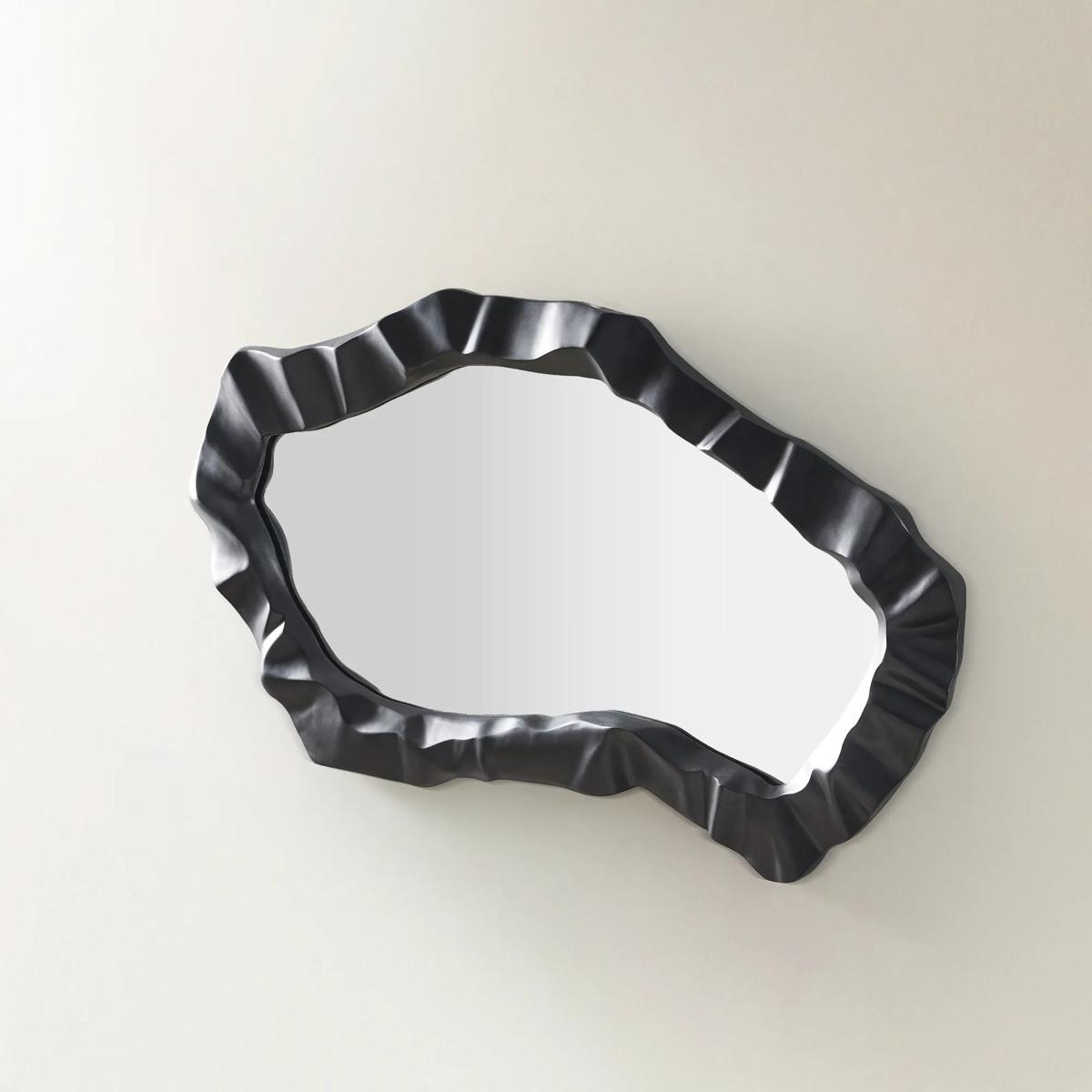 Islay Black Resin Organic Shaped Wall Mirror 44.75" x 23.75"$599
A sculptural black resin mirror featuring bold, asymmetrical curves and versatile vertical or horizontal hanging.
Add To Cart -
.jpeg?w=1200&h=1200)
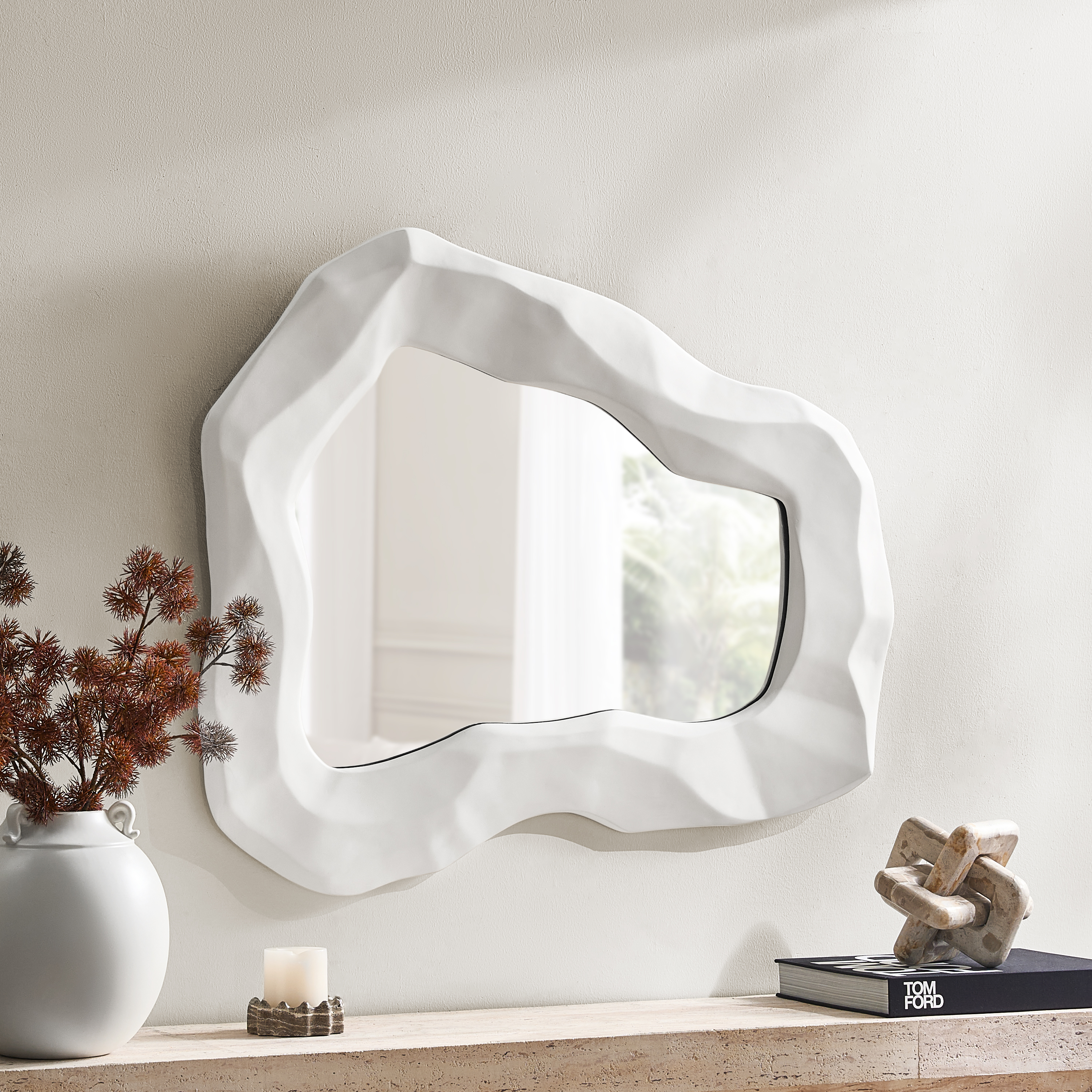 Islay Wall Mirror - White$549
A sculpted resin-framed mirror in matte white with an organic, asymmetrical silhouette for modern interiors.
Add To Cart -
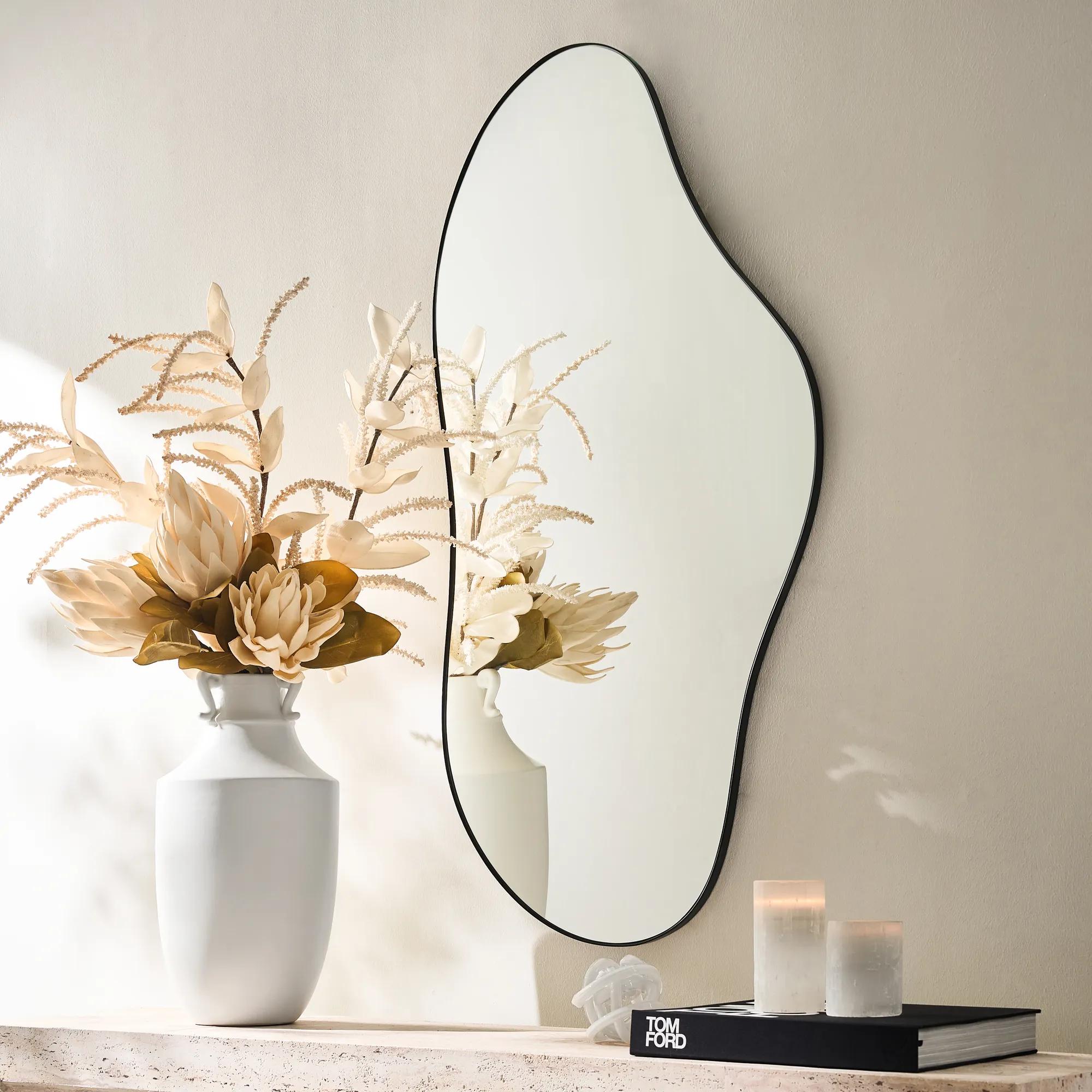
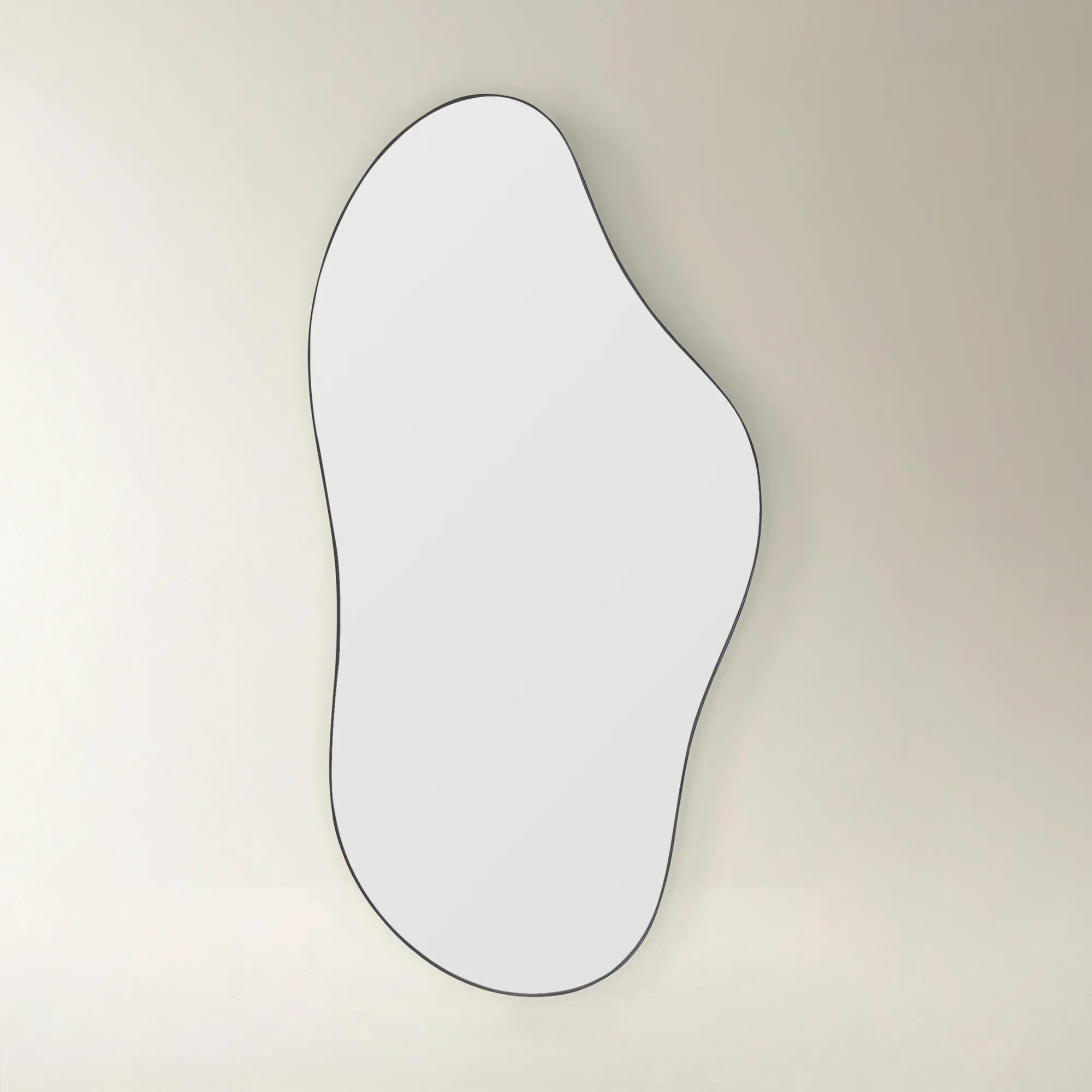 Puddle Wall Mirror$299
A freeform glass mirror with a black frame that adds playful sophistication to modern interiors.
Add To Cart -
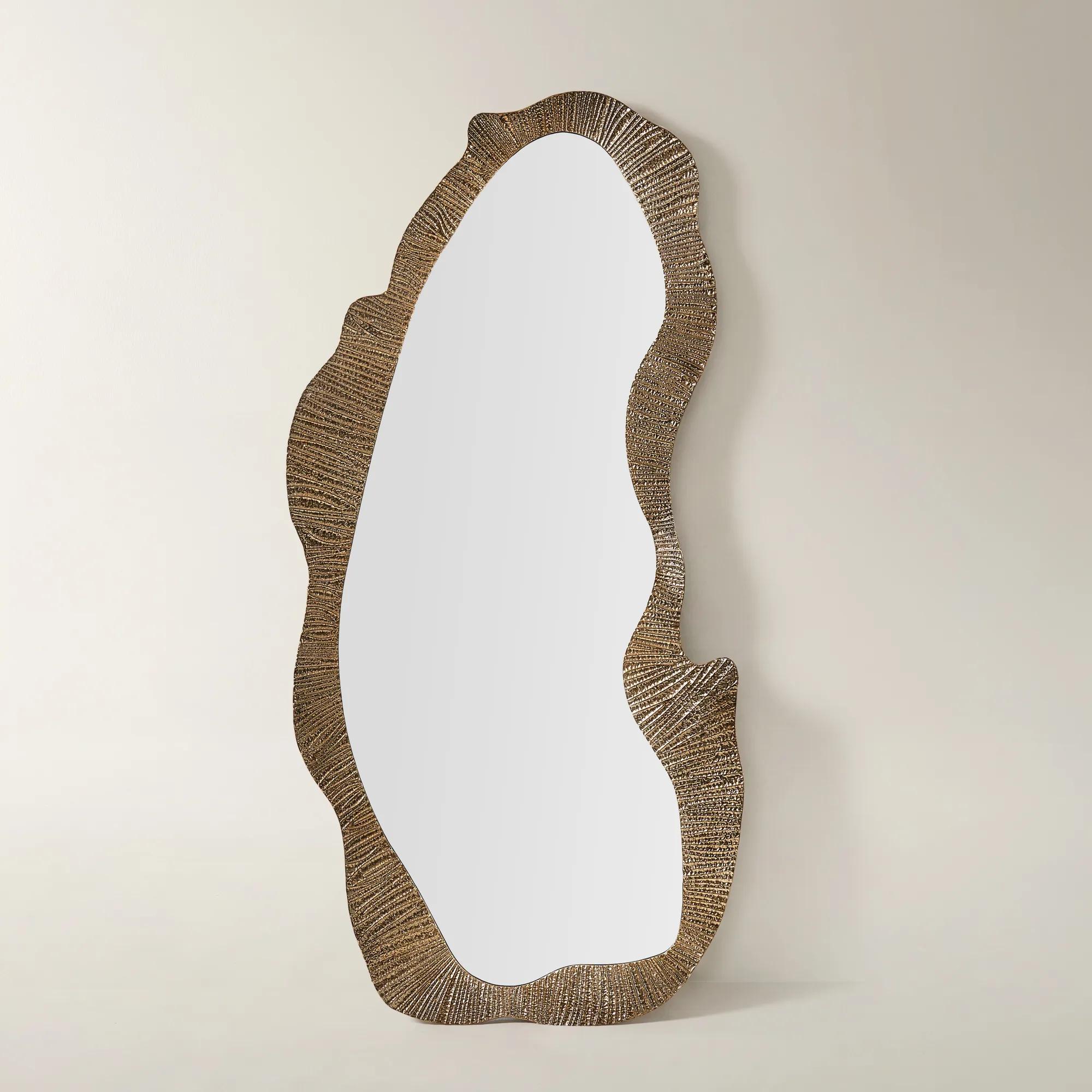 Cara Antique Gold Hand-Forged Iron Organic Shaped Floor Mirror 40.25" x 80.75"$1499
An antiqued gold hand-forged iron frame gives this sculptural floor mirror a refined, artful presence.
Add To Cart -
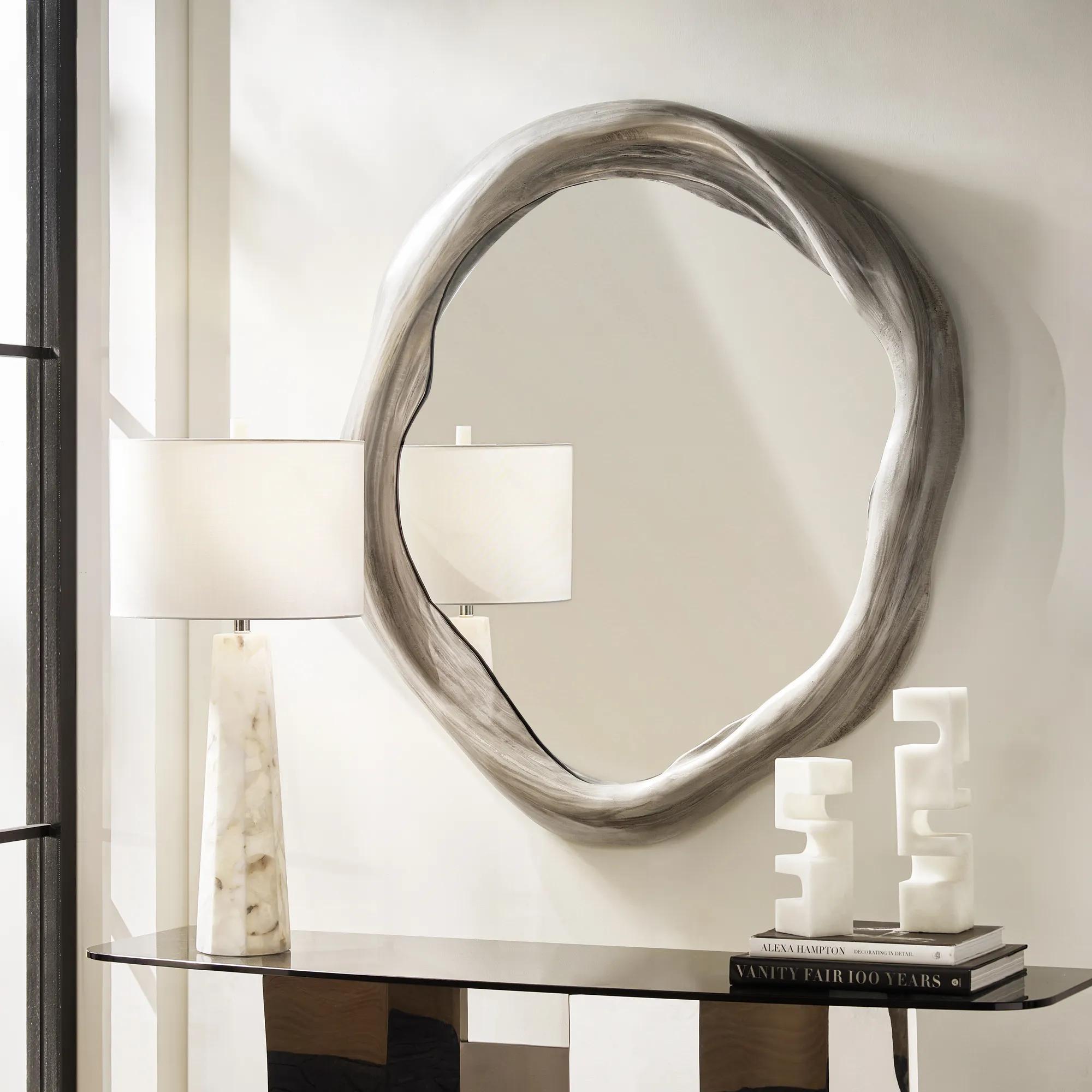
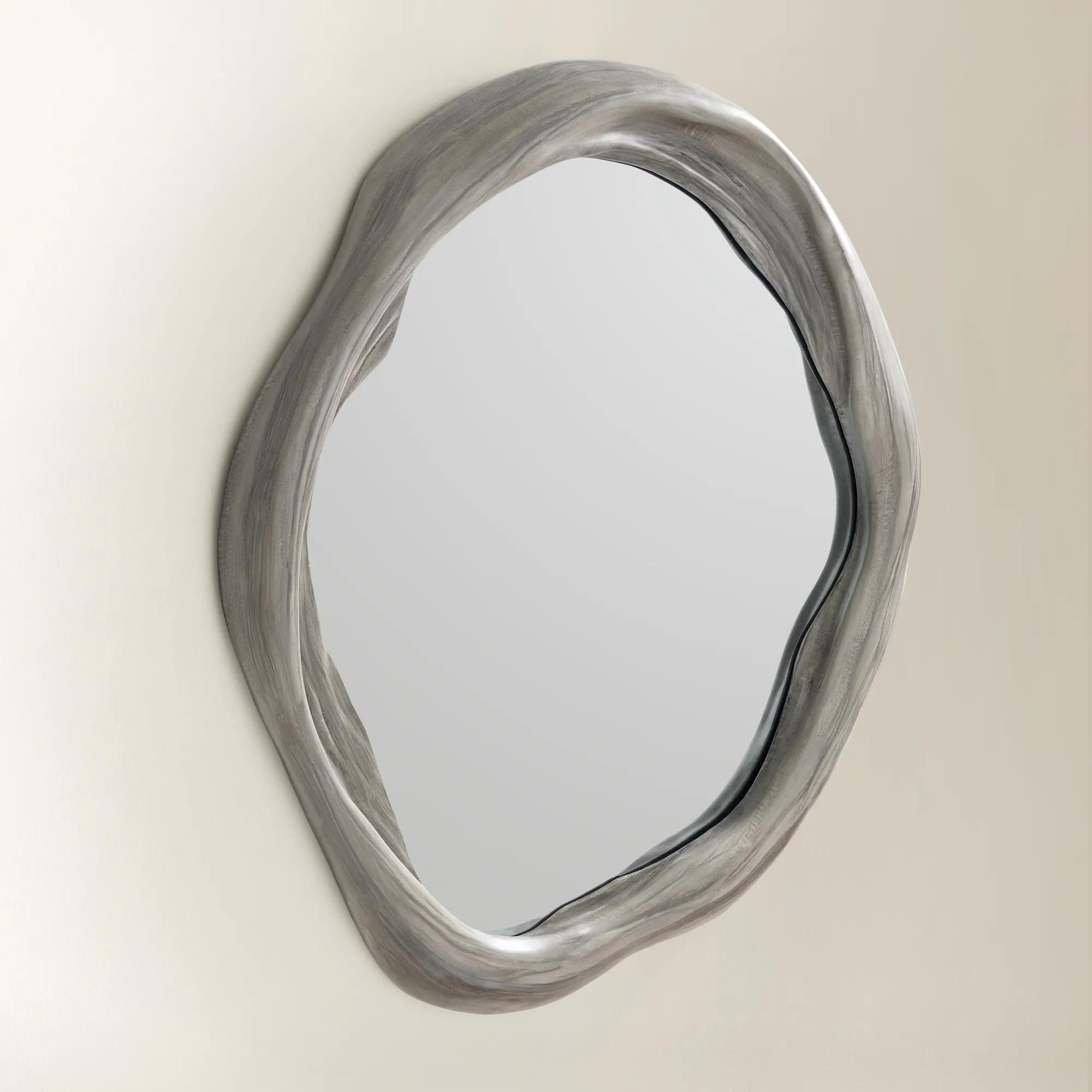 Dunes Wall Mirror$899
An organically shaped wall mirror with an artfully irregular gray frame, perfect for modern or minimalist spaces.
Add To Cart -
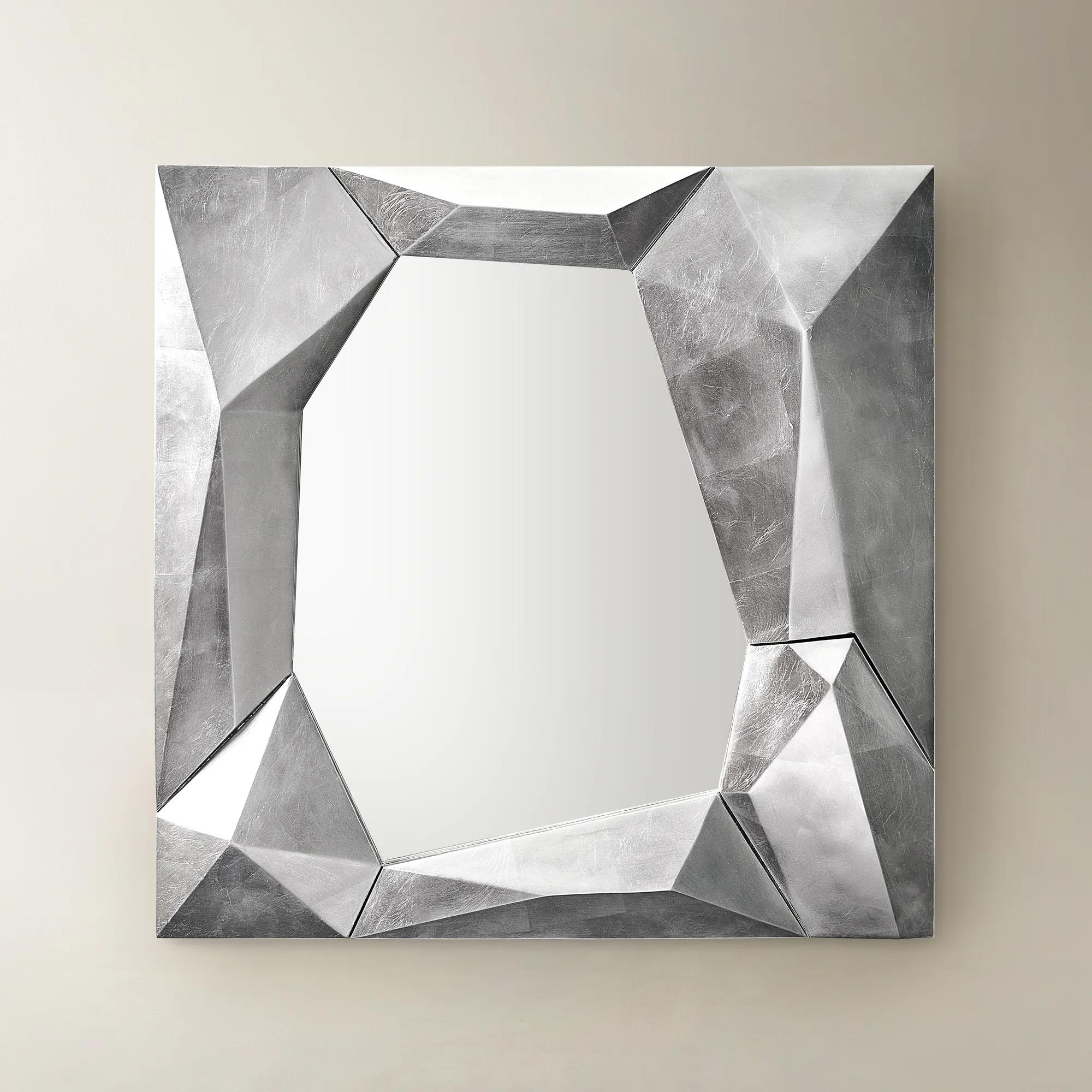 Aeris Satin Silver Faceted Resin Square Wall Mirror 35" x 35"$499
A satin silver fiberglass resin frame and faceted silhouette create a modern, sculptural wall mirror.
Add To Cart -
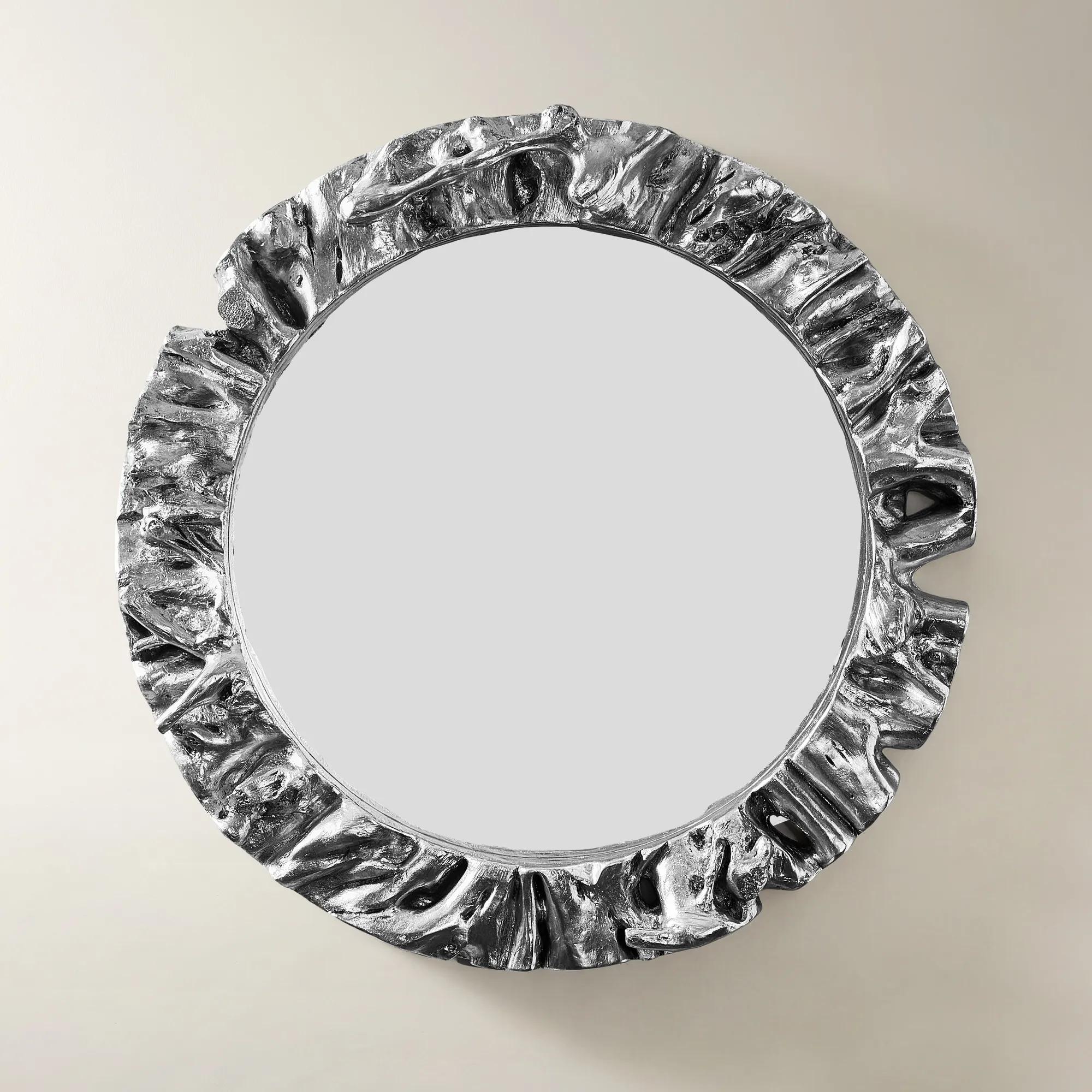
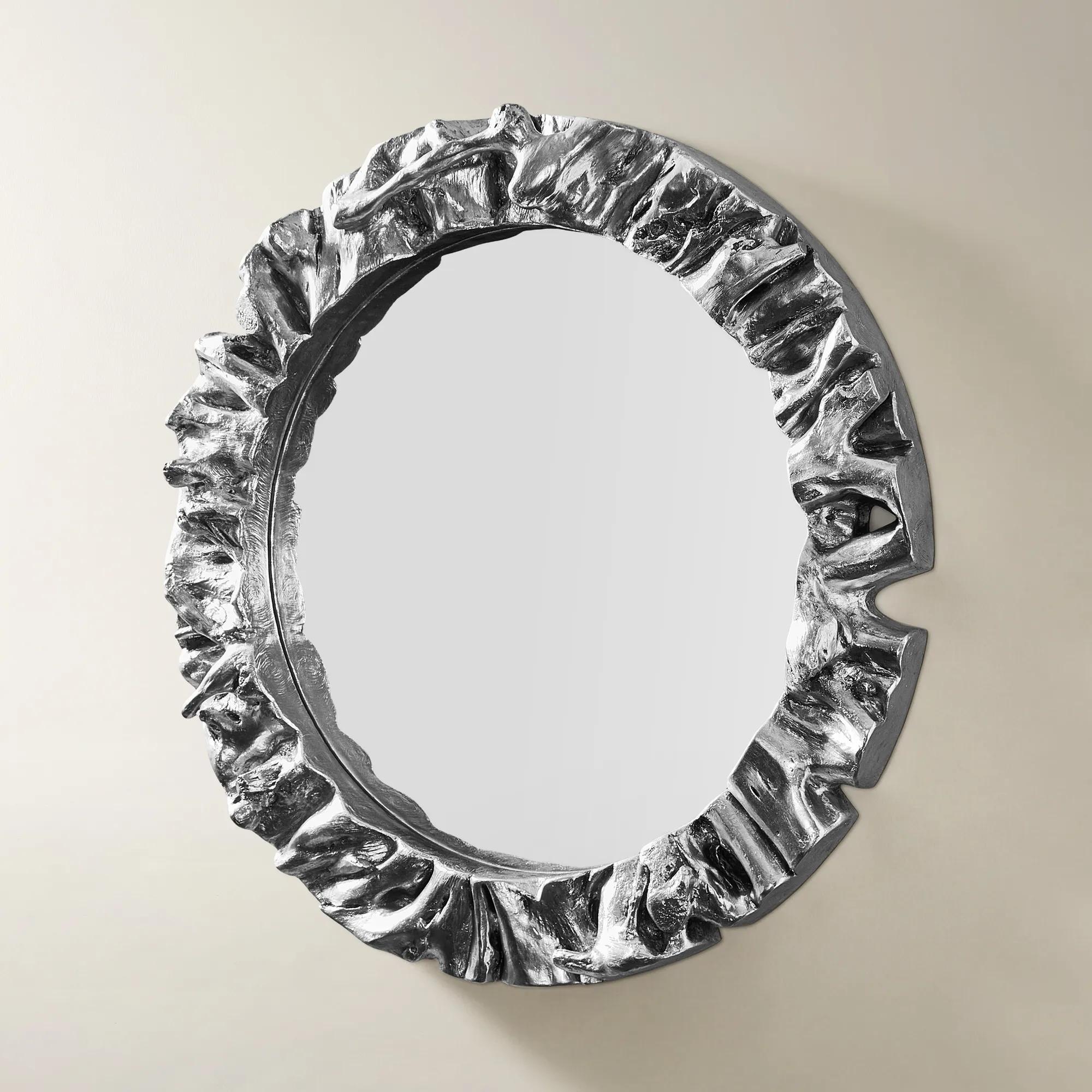 Sequoia Silver Resin Round Wall Mirror 48.25"$1199
A sculptural silver fiberglass resin frame mirror that adds modern polish and reflective brightness to any room.
Add To Cart

Mirrors For Open Concept Spaces
Mirrors for open concept spaces are the secret to amplifying light, expanding sightlines, and elevating every angle with a touch of glamour. In rooms where boundaries blur and style reigns supreme, a well-placed mirror becomes more than a reflective surface—it’s an architectural statement, sculpting dimension and drama with every glance. Whether you’re curating a sweeping living area or crafting a seamless transition between dining and lounge, discover how mirrors for open concept spaces transform the ordinary into the extraordinary, capturing the artistry of modern living in every reflection.
Mirrors for open concept spaces bring light, depth, and a sense of composition to rooms where living, dining, and entry areas share one uninterrupted footprint. An oversized mirror can establish a focal point without closing off views, while a sculptural frame gives an expansive wall the presence of a carefully chosen work of art. A single large mirror often creates a more cohesive reflection than a cluster of smaller mirrors, particularly when the room already contains visible shelving, pendant lights, and several furniture groupings. The effect is visual rather than structural: mirrors make a space feel more open without changing its dimensions. Set opposite or adjacent to a window, a mirror can reflect daylight toward the interior, although the best position depends on the window’s orientation and the view captured in the glass. A reflection of drapery, an expressive painting, or a beautifully arranged seating area contributes far more to the atmosphere than a doubled view of kitchen counters. In a shared living and dining room, a tall mirror near the transition between the two areas can mark a change in function without introducing a partition. Above a dining console, a broad wall mirror gives the entertaining area its own visual identity while preserving the room’s connection to the lounge beyond. Shape makes an equally distinct impression. An arched mirror introduces a graceful architectural curve among rectangular doorways and cabinetry; a round mirror softens the geometry of a kitchen island, sectional, or long dining table. Rectangular mirrors emphasize proportion and can echo tall windows or broad furniture silhouettes. These pieces suit spacious homes as well as apartments with combined living areas, where every visible surface participates in the overall design. For interiors with exposed beams, soaring ceilings, or industrial details, Modern Mirrors For Lofts offers a related perspective on reflective shapes that hold their own against strong architecture.
Scale determines whether a decorative mirror feels integrated into an open floor plan or appears disconnected from the furnishings around it. A generous wall calls for enough reflective surface and frame presence to remain legible from across the room, not simply from the console directly beneath it. Above a sideboard or entry table, a mirror narrower than the furniture typically creates a balanced arrangement, with visible wall space at either side allowing the silhouette to stand apart. Height matters just as much: a mirror hung solely to fill an empty patch near the ceiling may reflect little beyond overhead fixtures. Consider the reflection from the sofa, dining chairs, and main entrance, since an open concept room is experienced from several directions. A full-length mirror can offer a practical dressing view beside an entry while adding a vertical accent to a lower arrangement of benches and tables. Floor mirrors need enough clearance to keep circulation comfortable, especially along the route between a kitchen and dining area; wall-mounted mirrors preserve floor space where that route is narrow. Frame materials establish the mood within those proportions. Metal frames can deliver a crisp outline or a gleaming border, with gold-toned finishes introducing warmth and silver-toned finishes creating a cooler, polished accent. Wood frames add grain, depth, and a tactile counterpoint to glass tabletops or smooth upholstery. Carved profiles bring ornamental richness, while slender frames allow the reflected room to carry more of the visual weight. Beveled edges catch light along the perimeter, offering a faceted detail without necessarily requiring an elaborate surround. Antiqued mirror effects create a softer, more atmospheric reflection, making them especially expressive as decorative accents rather than substitutes for a clear grooming mirror. Repeating a frame finish in a lamp base or cabinet hardware can connect separate zones, but every metal need not match. A deliberate contrast, such as a dark frame against pale upholstery and luminous accents, can give the arrangement greater definition. The most compelling choice belongs to the entire sightline, balancing neighboring artwork, furniture, and lighting rather than competing with every element at once.
Beautiful reflection also depends on construction, placement, and thoughtful care. Mirror glass should provide the clarity appropriate to its purpose, while the frame, backing, and attachment points should feel secure and suited to the piece’s size and weight. A decorative antiqued surface intentionally alters the image; unintended distortion is different and can be distracting in a large mirror viewed from across an open room. Frame durability varies with material and finish, and exposed corners deserve particular consideration near busy walkways. Painted or plated surfaces may scratch under abrasive cleaning, while wood finishes can be affected by excess moisture. For routine care, use a soft, lint-free cloth and a cleaner approved by the manufacturer, applying it to the cloth rather than spraying the mirror directly. Keeping liquid away from edges and backing helps protect the reflective coating, and gentle dusting preserves carved details without unnecessary rubbing. Installation deserves the same attention as appearance. Wall-mounted mirrors require hardware and anchors appropriate to their weight and wall construction; substantial pieces may call for professional installation. Leaning mirrors should be positioned and secured according to the manufacturer’s instructions, including anti-tip restraints where specified, rather than relying on their weight to keep them upright. In homes with children or pets, secure placement away from active play areas is especially important. Lighting adds another consideration: a mirror can repeat the glow of a chandelier beautifully, but a poorly chosen angle may also direct glare toward a television or seated guests. Checking the intended reflection from several everyday positions helps distinguish inviting luminosity from visual distraction. For someone furnishing a first open-plan apartment or redefining a long-established home, a mirror offers both daily utility and a highly personal decorative statement. It can also make a considered housewarming or wedding gift when the recipient’s preferred finish, wall dimensions, and installation needs are known. Chosen with that level of attention, a mirror becomes more than an accessory: it frames a treasured view, gives connected spaces a shared visual rhythm, and turns reflected light into part of the room’s design.
FAQs
Mirrors have a remarkable ability to visually expand a space by reflecting light and surroundings, making open concept rooms feel even more airy and grand. Strategically placed mirrors can accentuate natural light, highlight architectural features, and create the illusion of additional depth, transforming every angle into a curated moment of style.
Consider using oversized mirrors as dramatic focal points or arranging a gallery wall of uniquely framed mirrors to add character and dimension. Placing mirrors opposite windows or statement lighting fixtures amplifies their effect, while mirrors behind furniture—such as a console or bar cart—can anchor a space and reflect curated vignettes.
Absolutely. Mirrors are timeless gifts that blend artistry and function, making them ideal for housewarmings, weddings, or milestone celebrations. They offer the recipient a sophisticated accent piece that can adapt to any décor style, serving as both a decorative treasure and a lasting symbol of new beginnings.
The frame of a mirror sets the tone for the entire room. Ornate, gilded frames add a sense of grandeur and opulence, while sleek, minimalist frames evoke modern elegance. Mirrored or metallic finishes introduce glamour and light, while textured or sculptural frames bring an artistic, gallery-inspired feel to open concept environments.
Yes, mirrors are a sophisticated tool for delineating zones without disrupting the visual flow. By placing mirrors behind furniture groupings or at the end of a hallway, you can subtly distinguish living, dining, and entertaining areas—creating intimate moments within a cohesive, open space.
.jpeg?w=1080&h=1080)