Modern Living Room Centerpiece Tables
Modern Living Room Centerpiece Tables
-
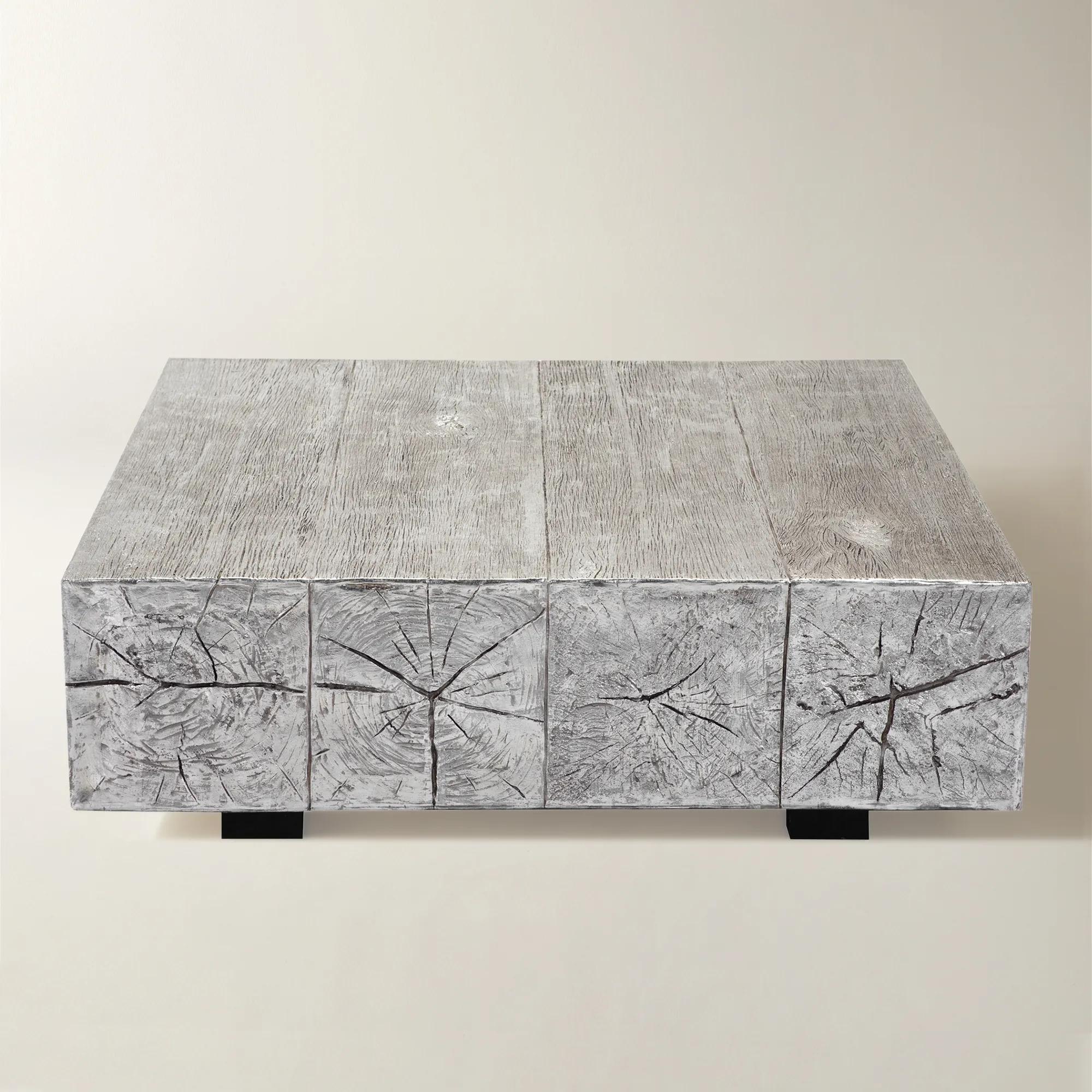
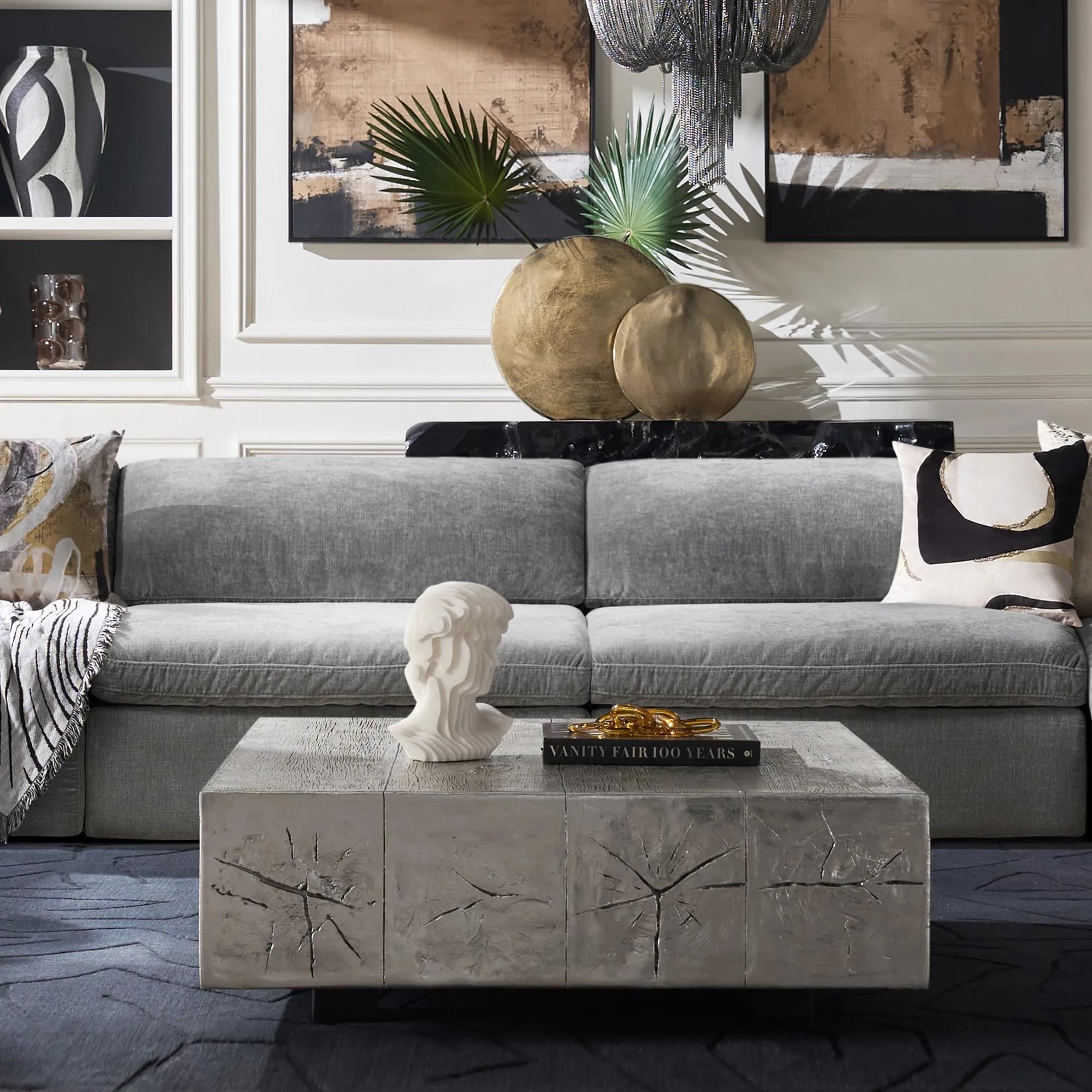 Timber Square Silver Resin Coffee Table (44")$1299
A hand-painted silver resin coffee table featuring authentic silver leaf and an antiqued, hand-rubbed oil finish.
Add To Cart -
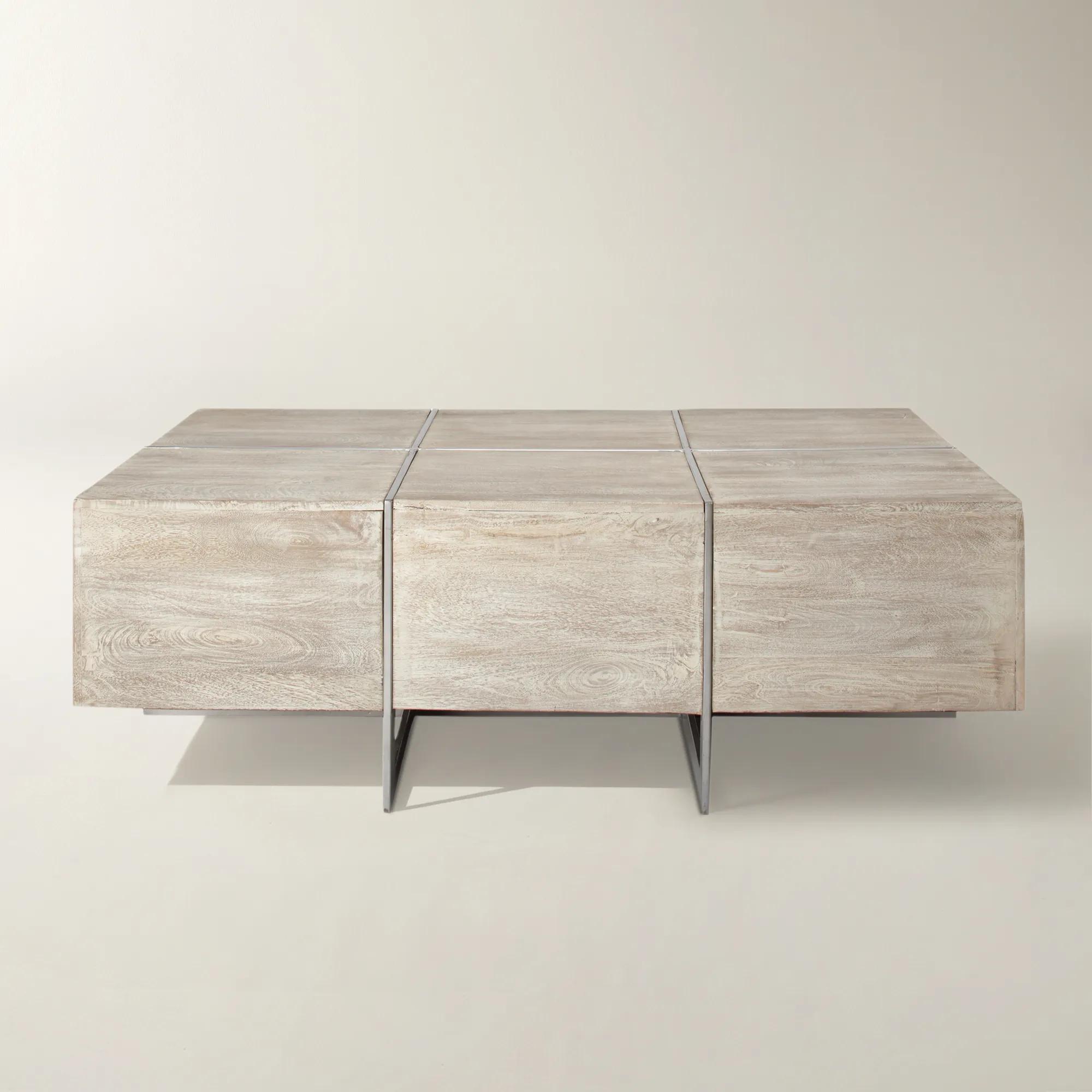
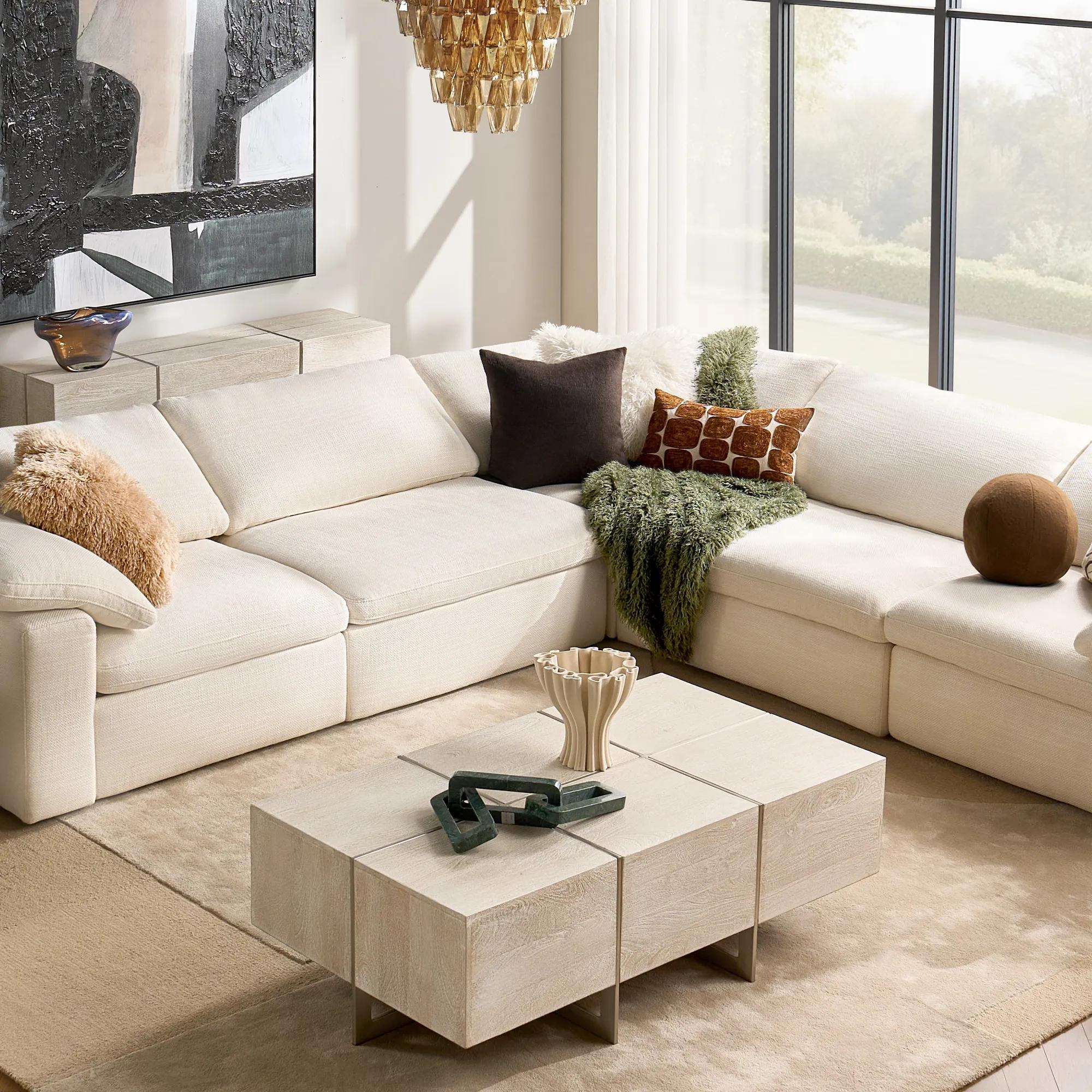 Clifton Rectangular Natural Mango Wood Coffee Table (54")$1299
A handcrafted mango wood table with a whitewashed finish and antiqued silver iron legs for organic appeal.
Add To Cart -
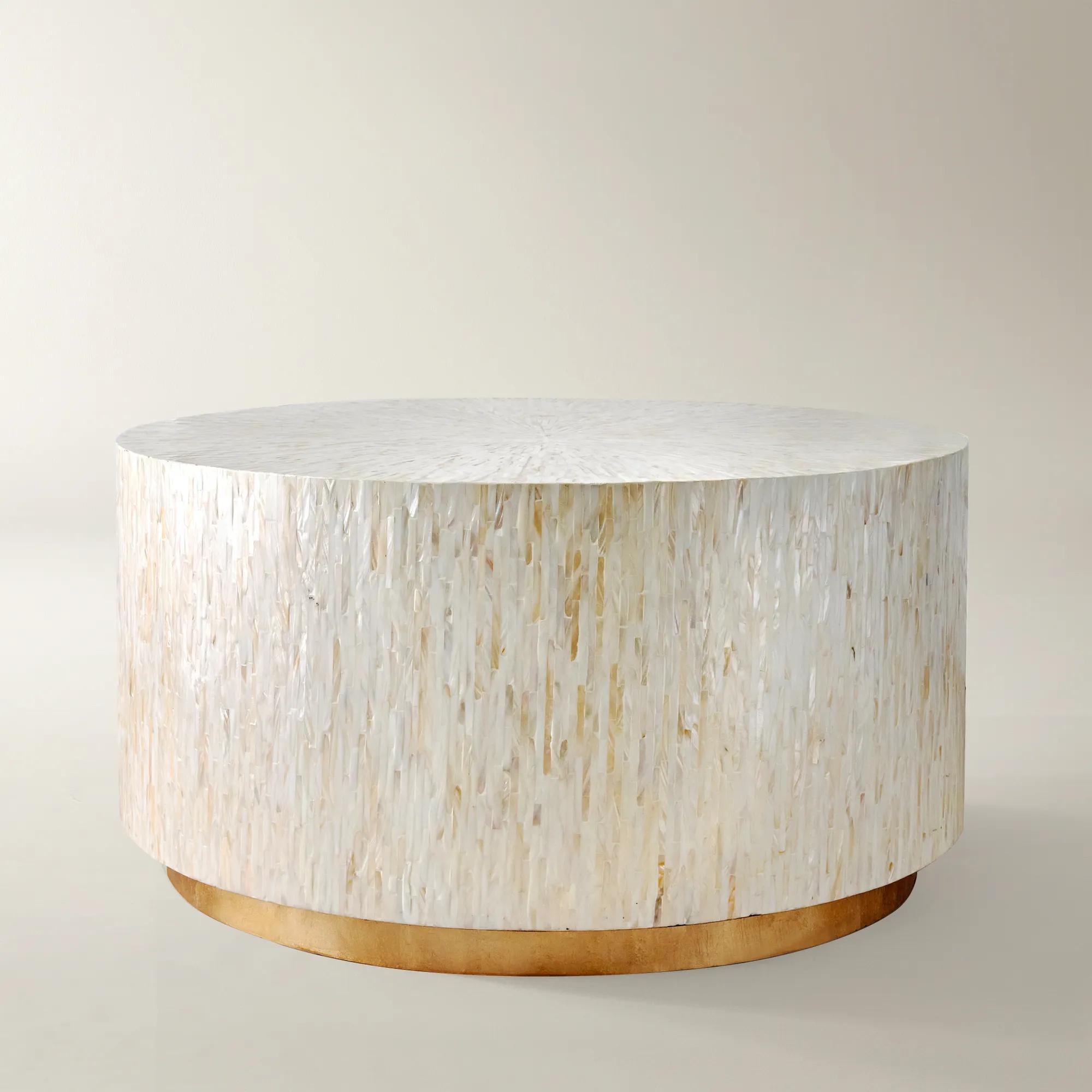
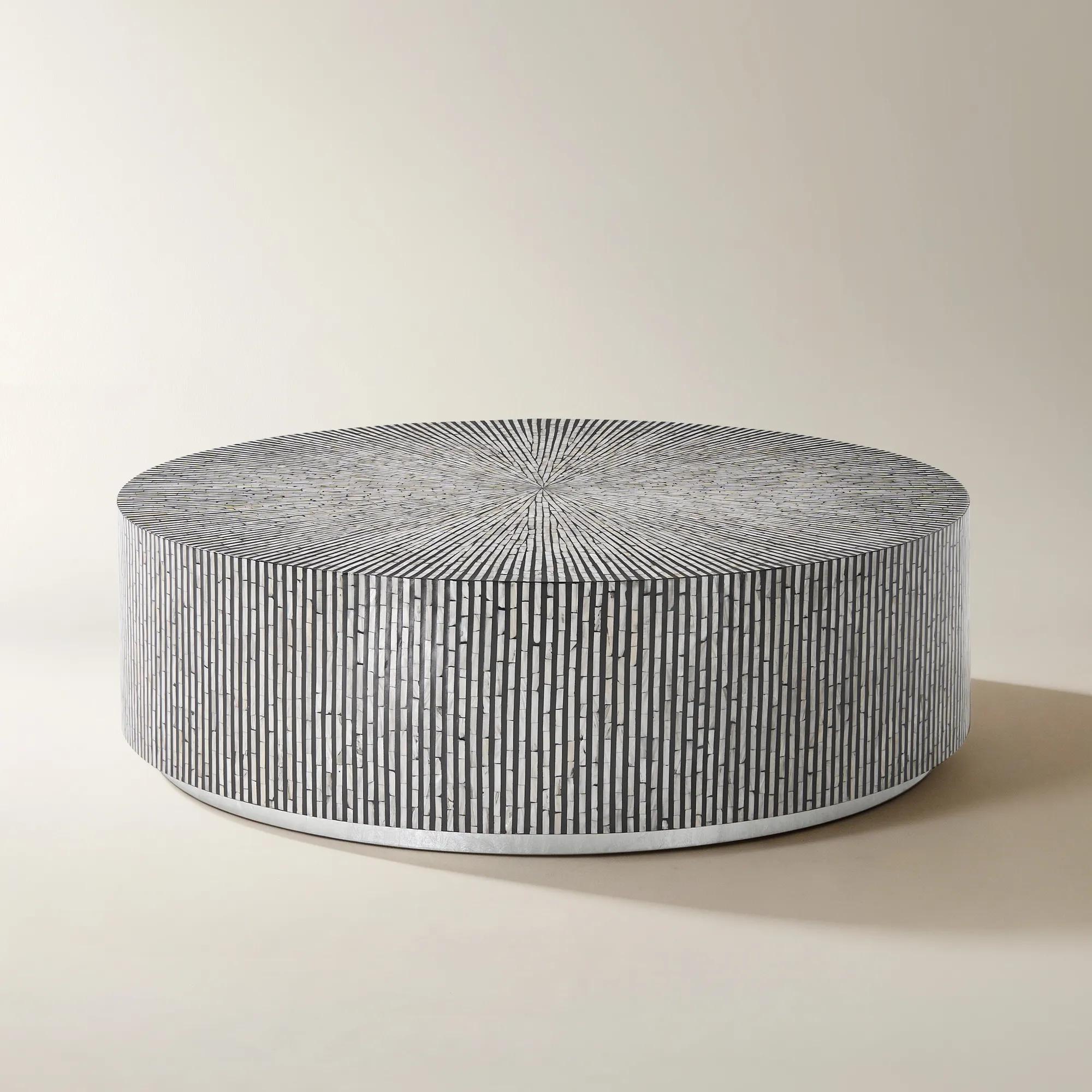
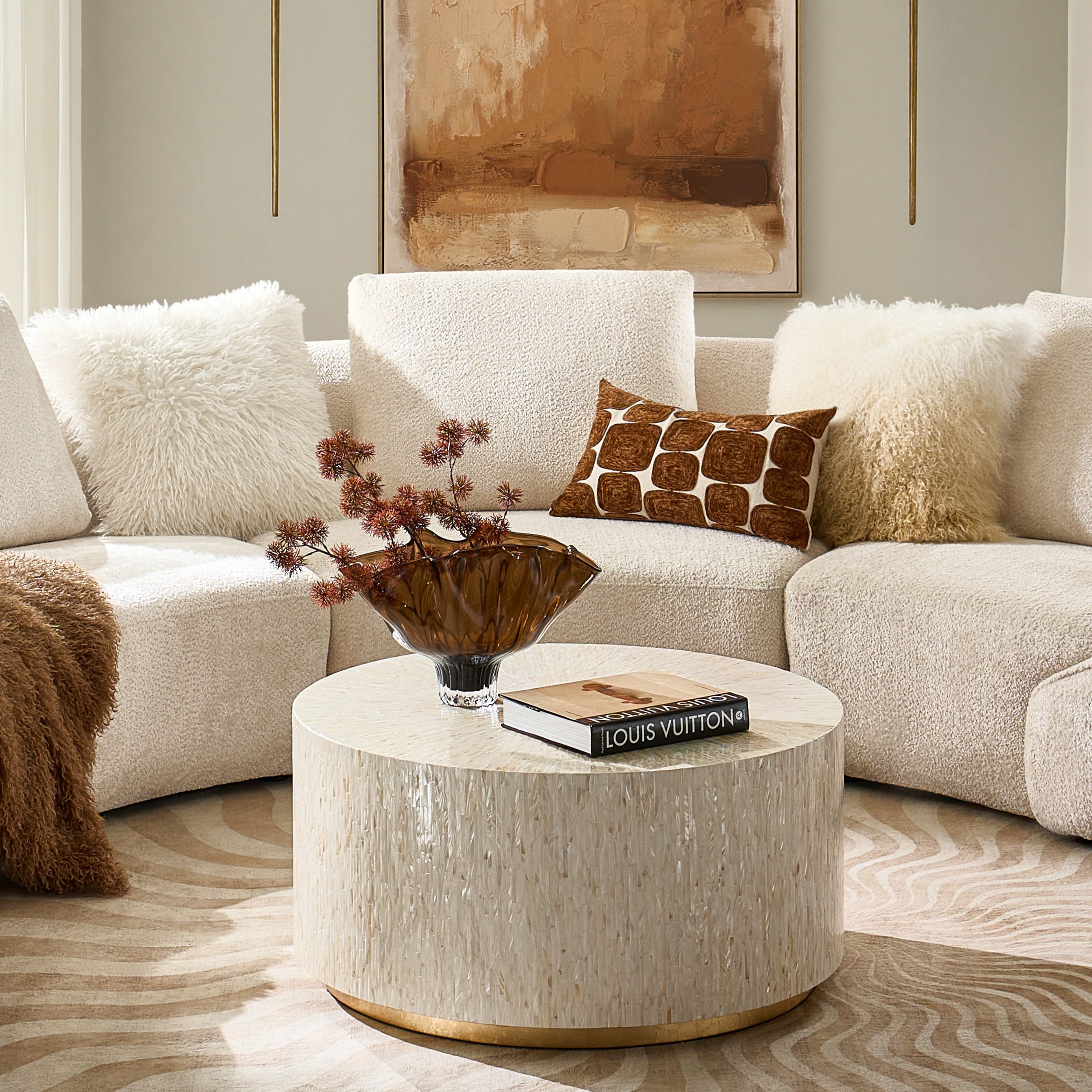 Alexandria Round Mosaic Platinum Coffee Table (36")$799
A luminous ivory coffee table featuring hand-applied mother-of-pearl mosaic and a gold leaf-accented base.
Add To Cart -
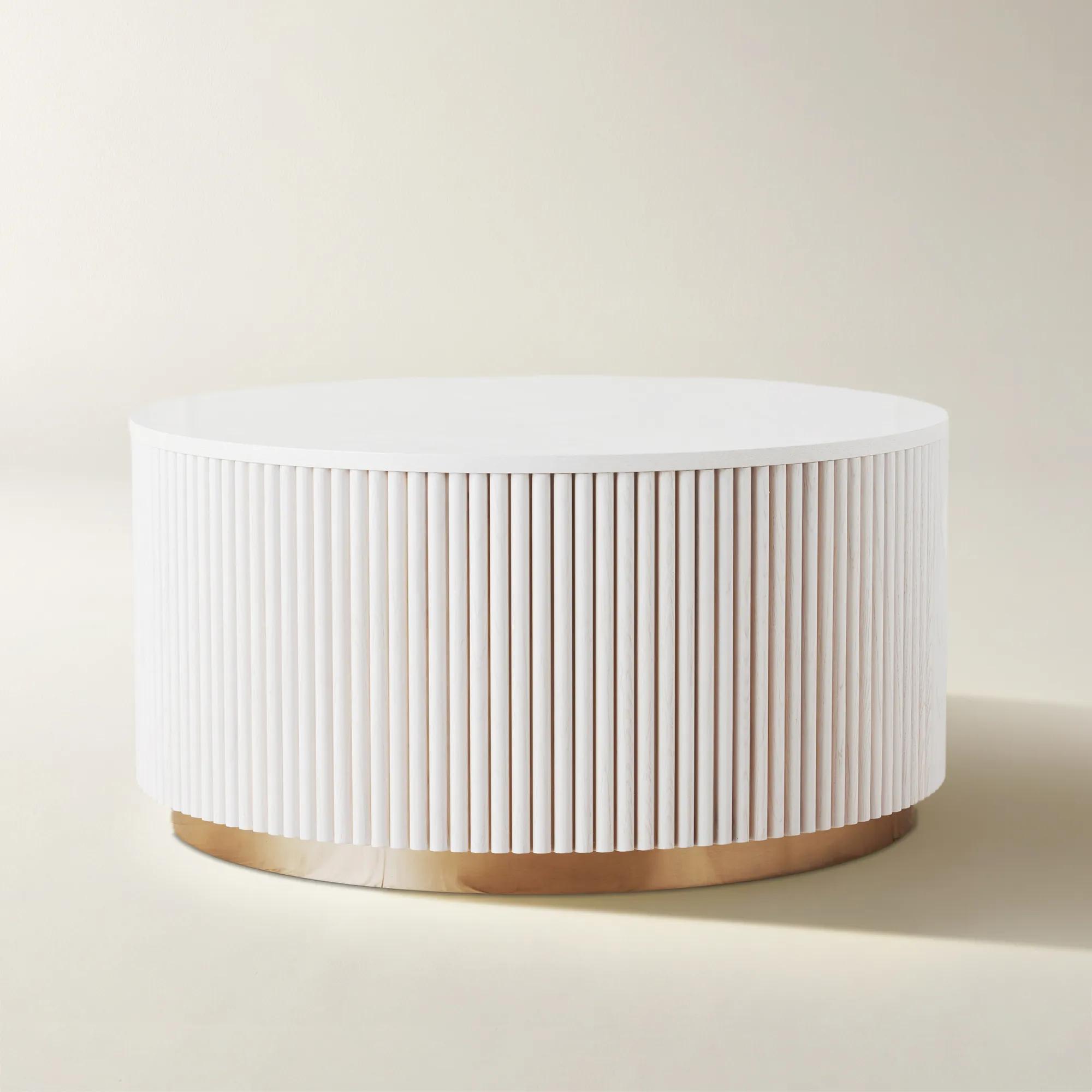
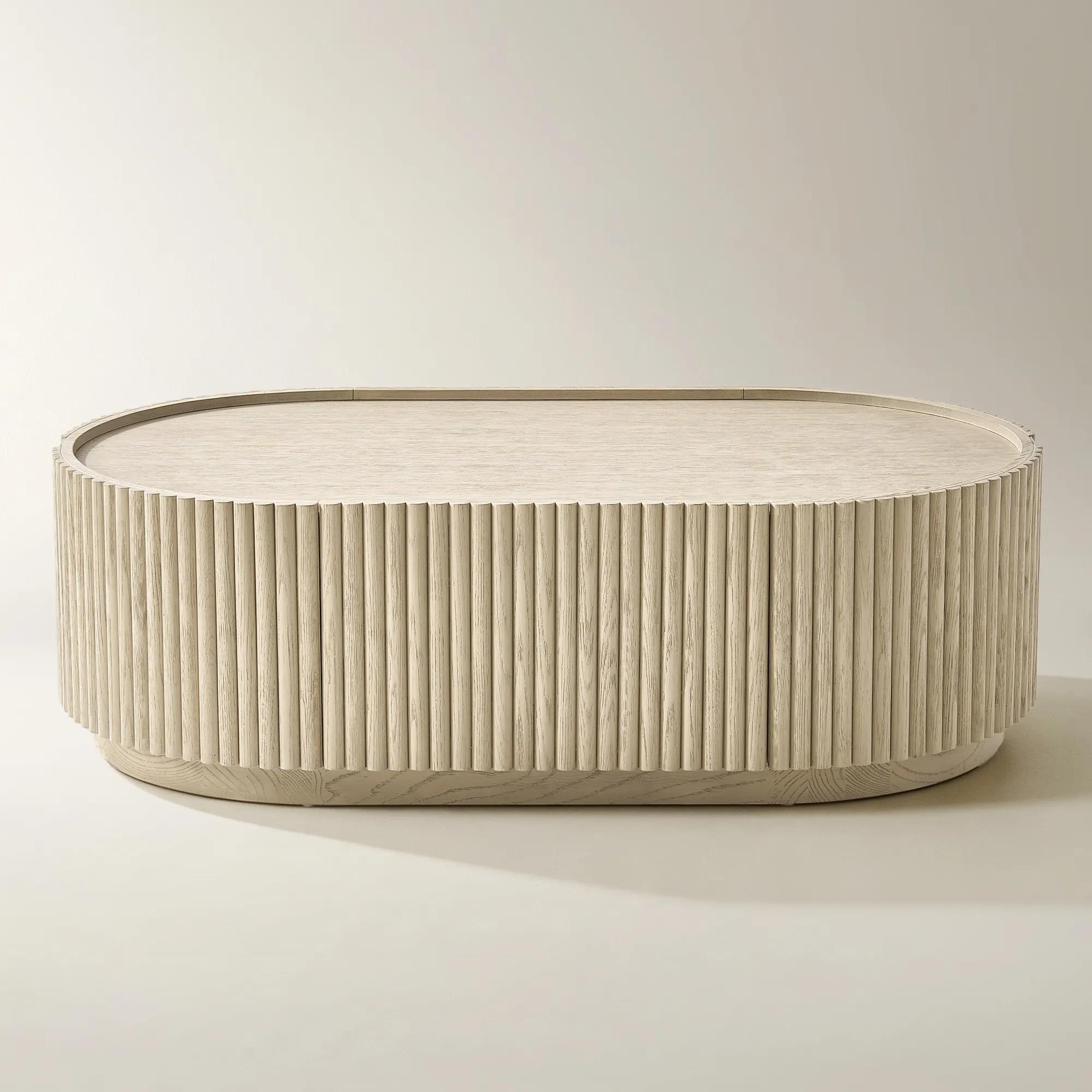
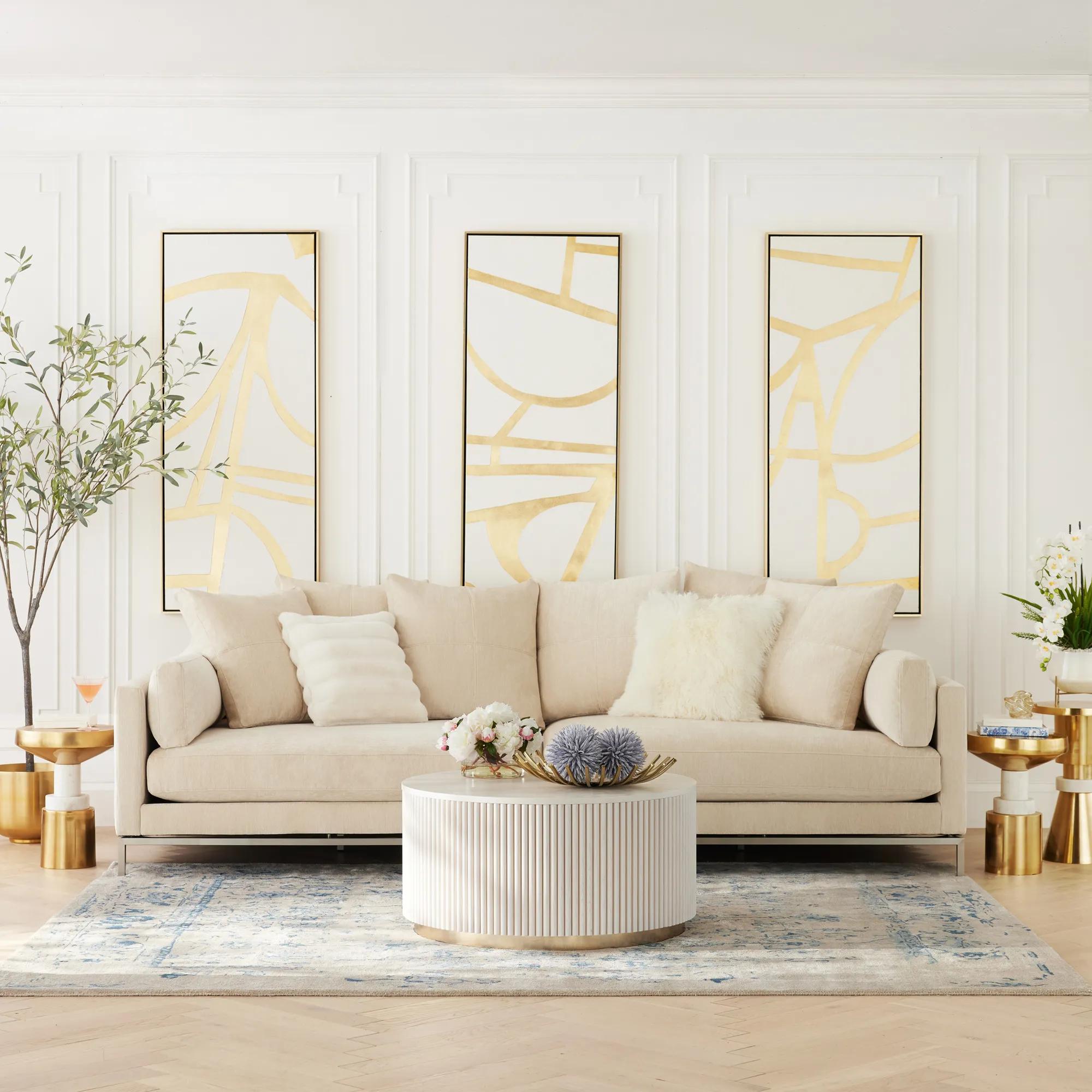 Natalia Round Reeded Whitewashed Ash Wood Coffee Table (36")$1299
A striking coffee table featuring reeded ash wood sides, a smooth top, and a whitewashed finish.
Add To Cart -
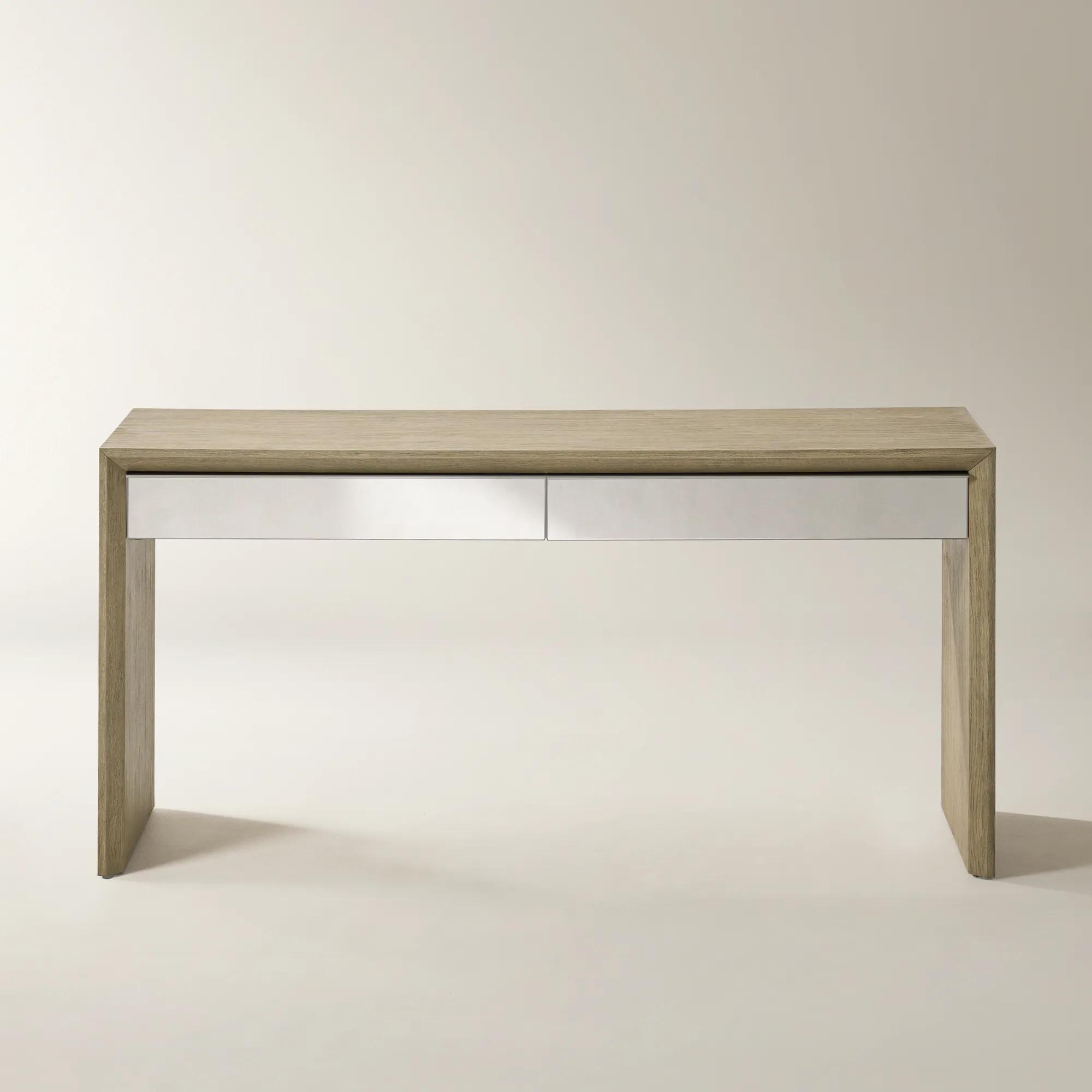
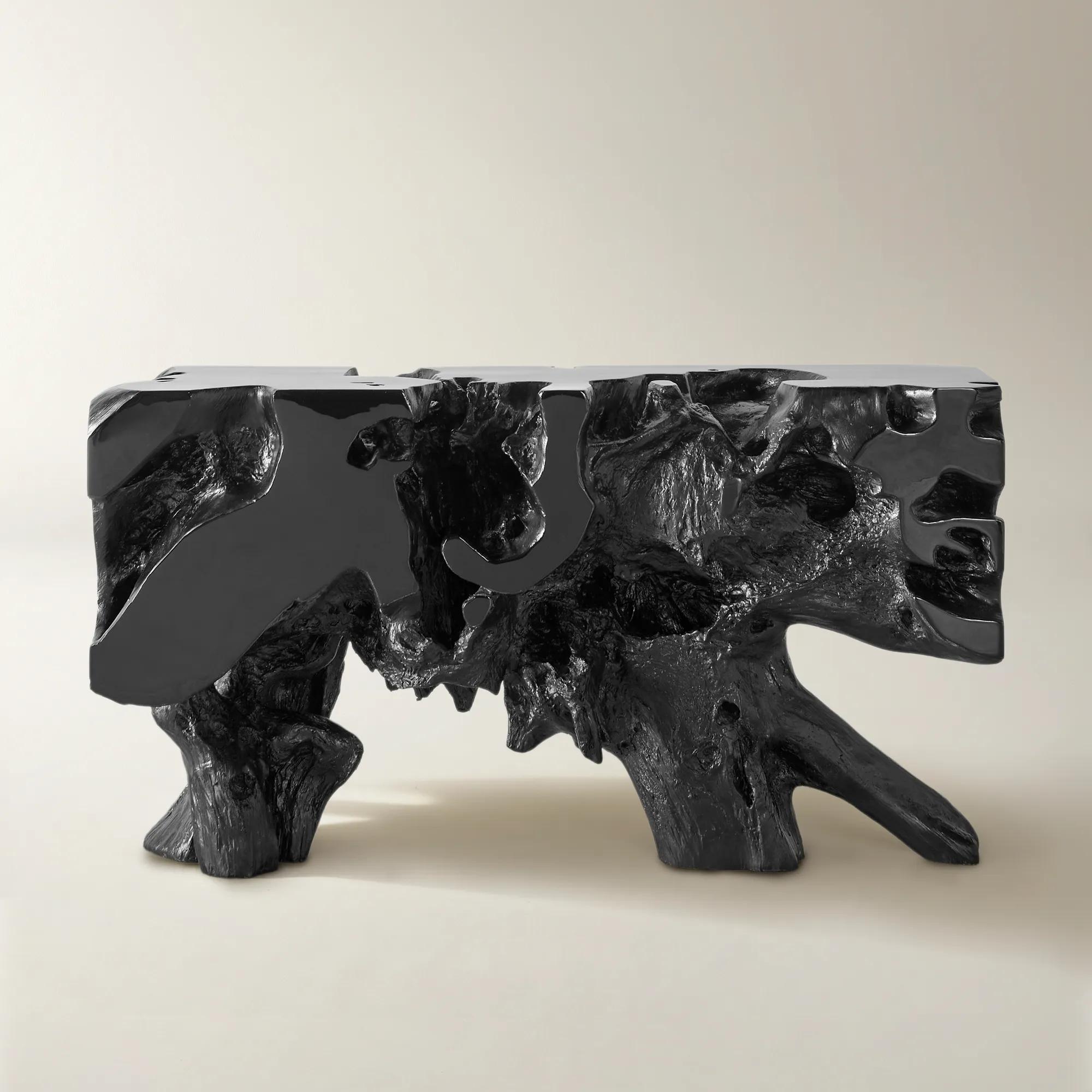 Sequoia Black Resin Console Table (58")$1999
A sculptural black console table crafted from resin, fiberglass, and polished stone for indoor or outdoor use.
Add To Cart -
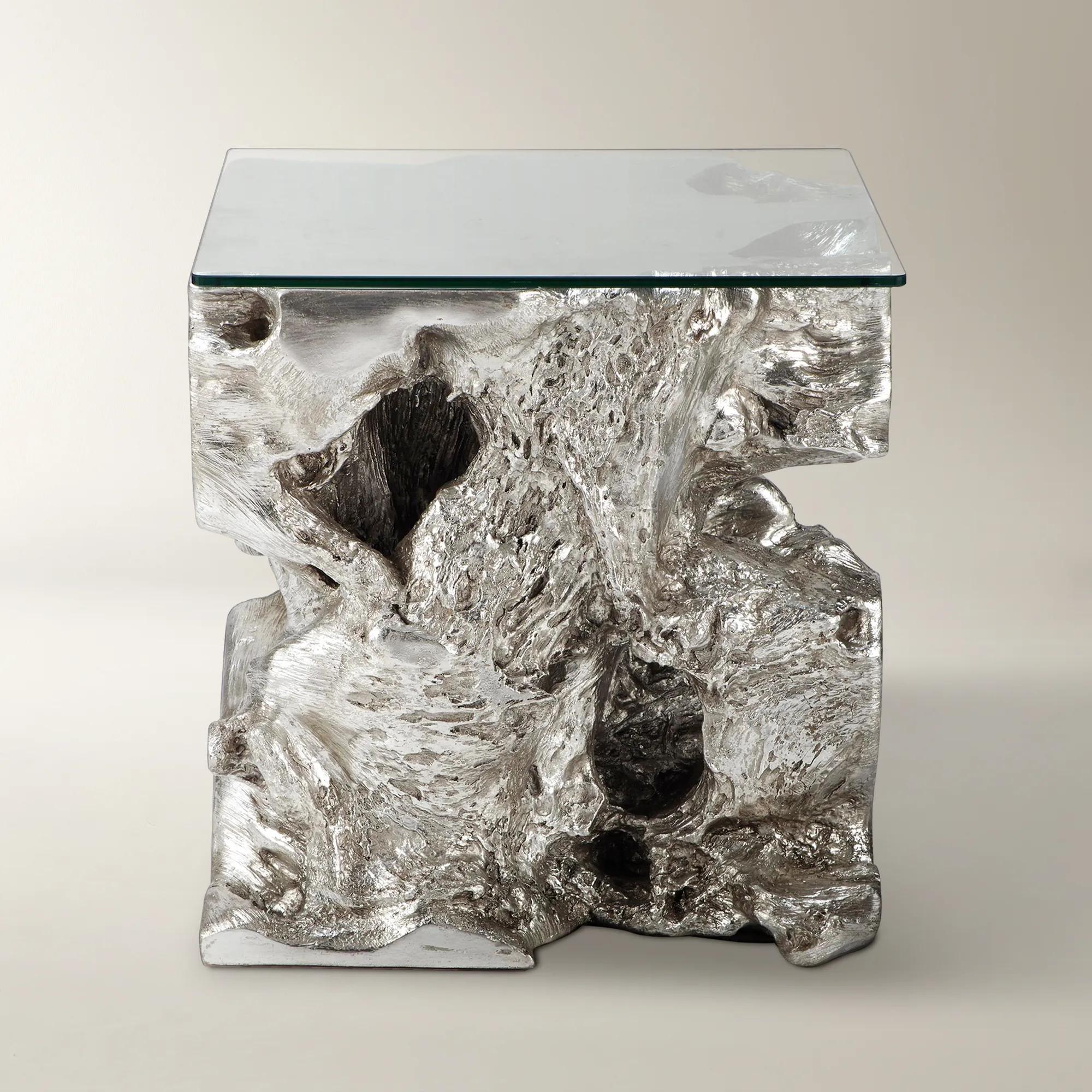 Sequoia Silver Resin End Table With Glass Top (22")$999
A sculptural end table featuring a silver leaf resin base and tempered glass top for modern elegance.
Add To Cart -
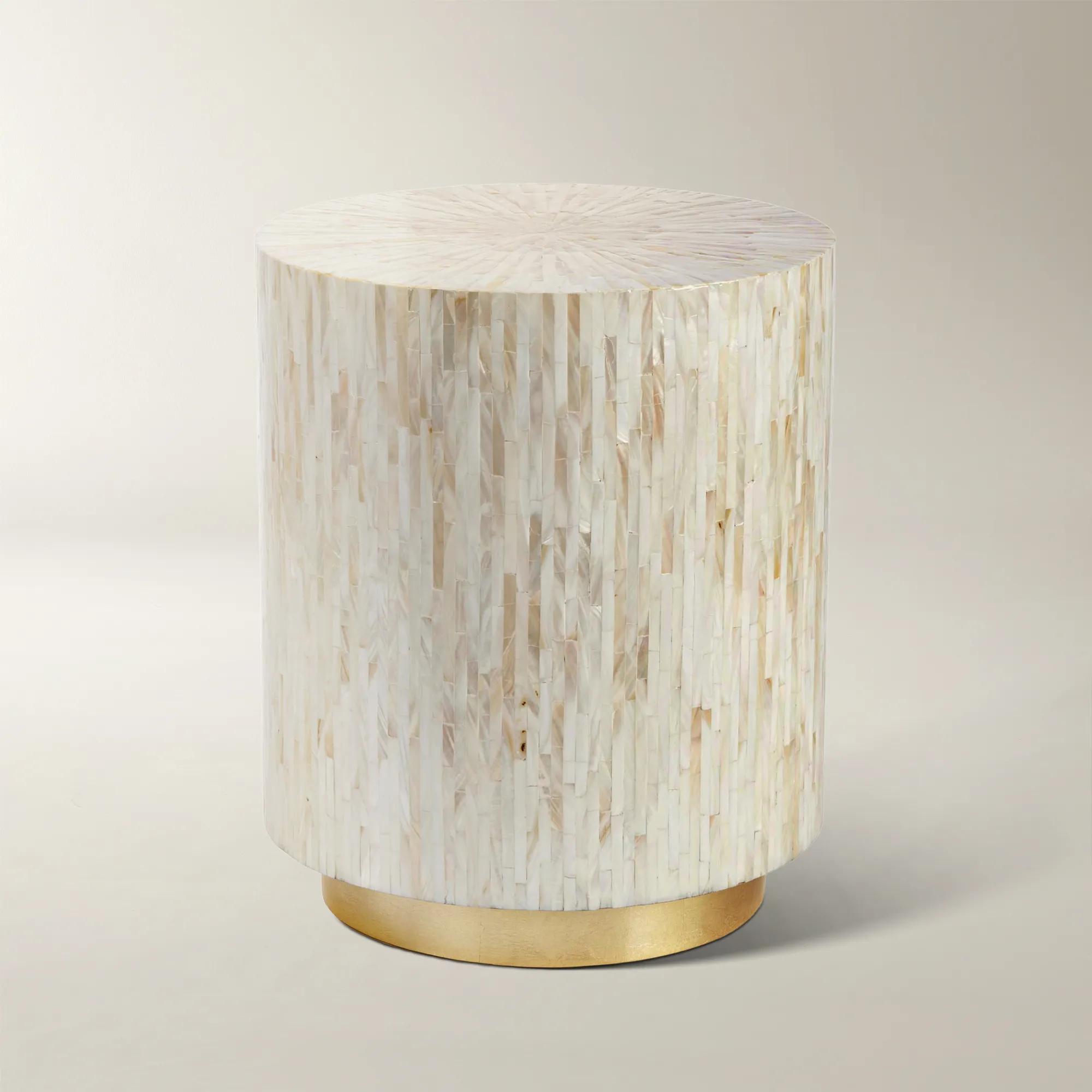 Alexandria Round Mosaic Platinum End Table (13.75")$299
A glamorous accent table featuring hand-applied mother-of-pearl mosaic and a gold leaf-accented base.
Add To Cart -
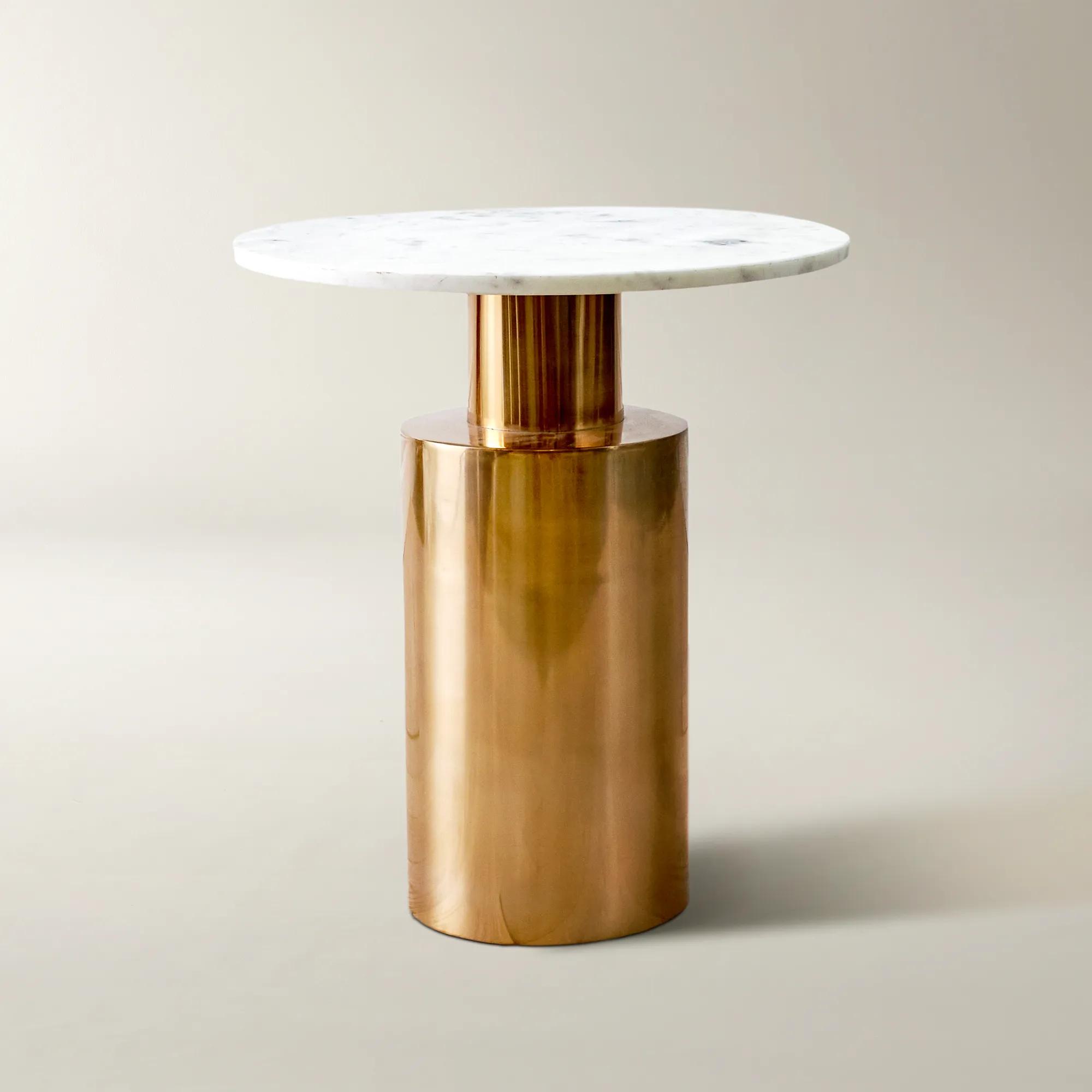 Capri Round White Marble Accent Table (16")$299
A striking accent table featuring a white marble top and gold-finished stainless steel base.
Add To Cart -
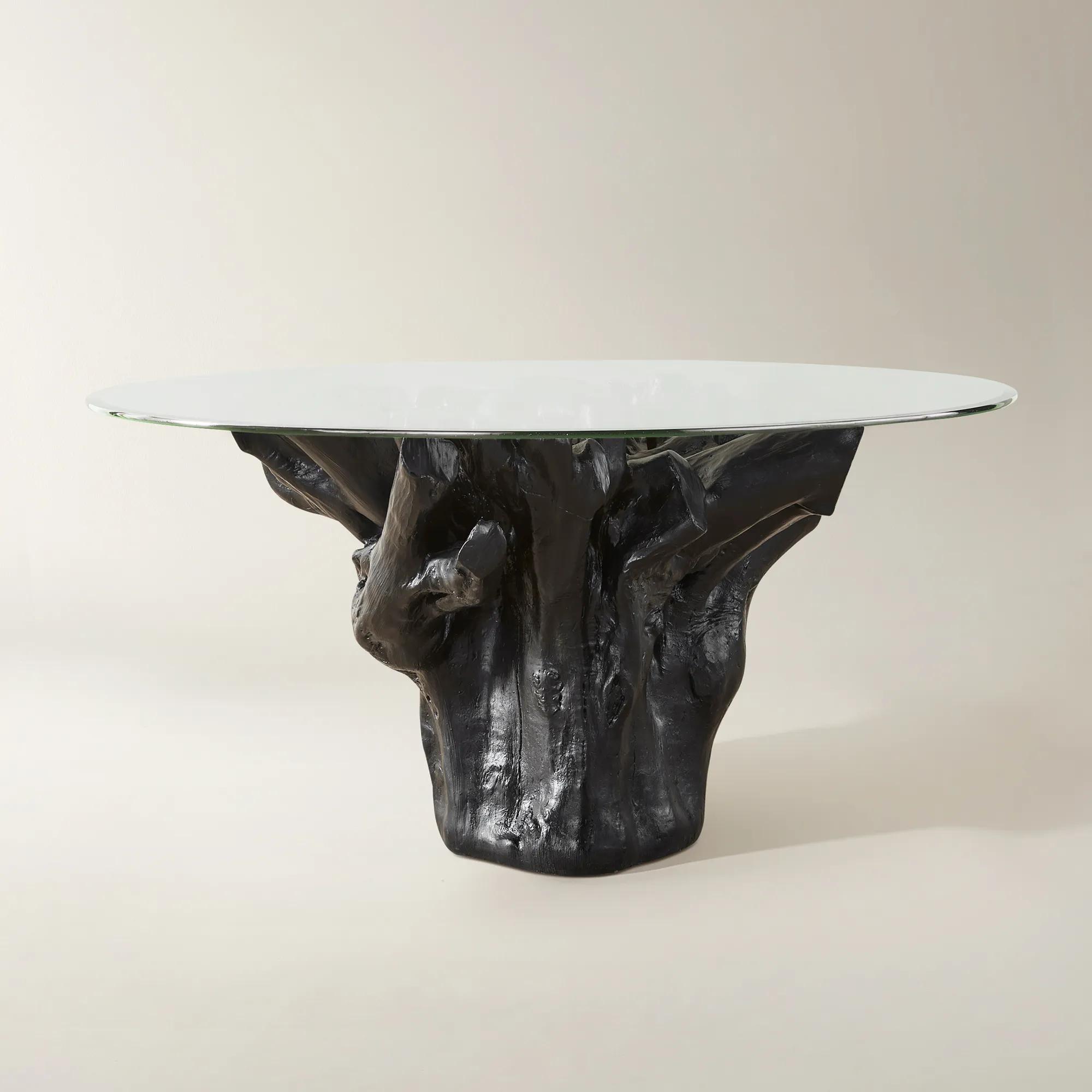 Sequoia Black Resin Dining Table With Glass Top (60")$2299
A sculptural black resin base with real stone fragments supports a round tempered glass top for organic elegance.
Add To Cart -
.jpeg?w=1200&h=1200)
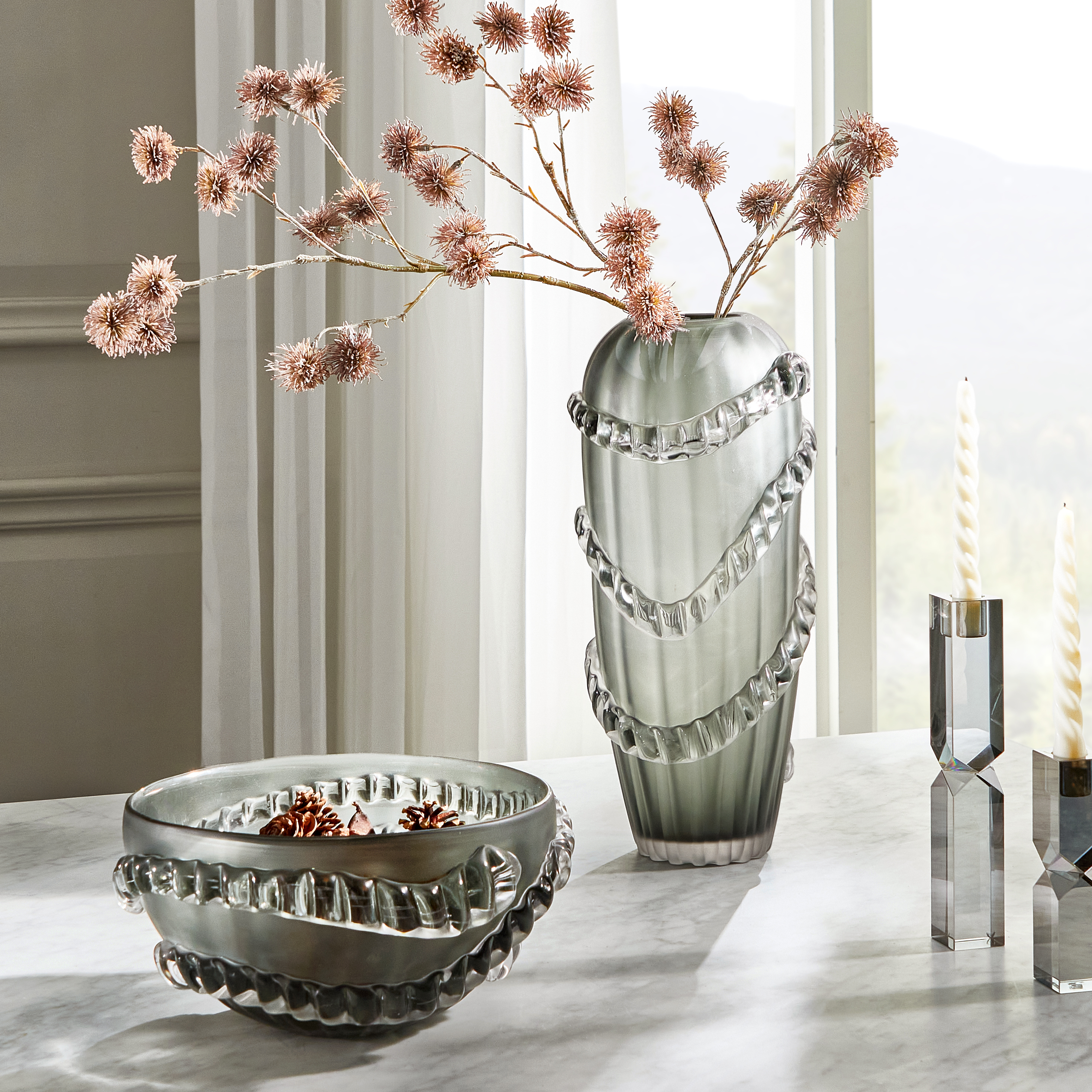 Helix Glass Collection$129
A hand-blown dark gray glass piece featuring fluted bodies and rippling sculptural ribbons for modern elegance.
Add To Cart -
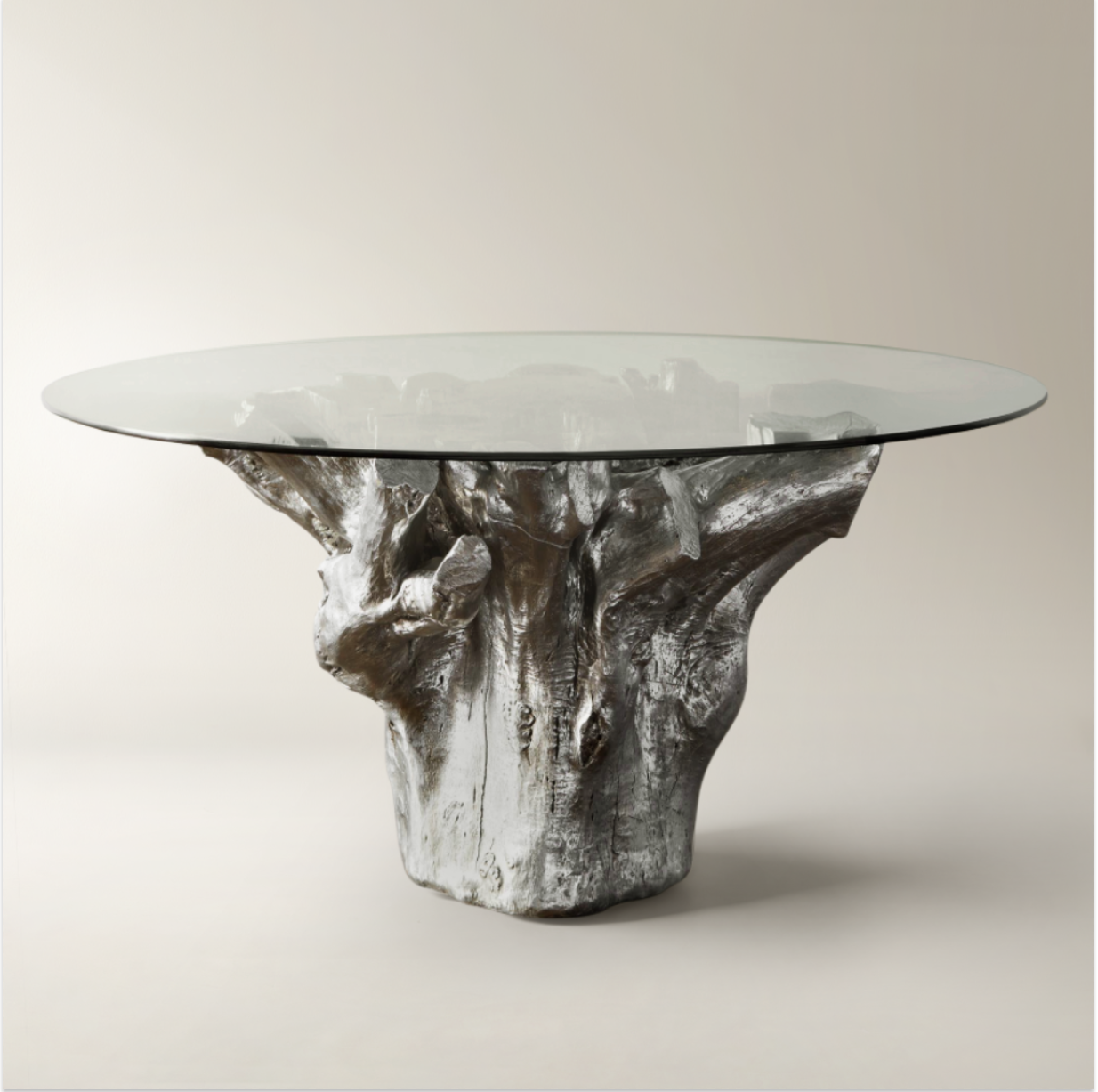 Sequoia Silver Resin Dining Table With Glass Top (60")$2199
A sculptural resin base with hand-applied silver leaf supports a round tempered glass top for modern elegance.
Add To Cart -
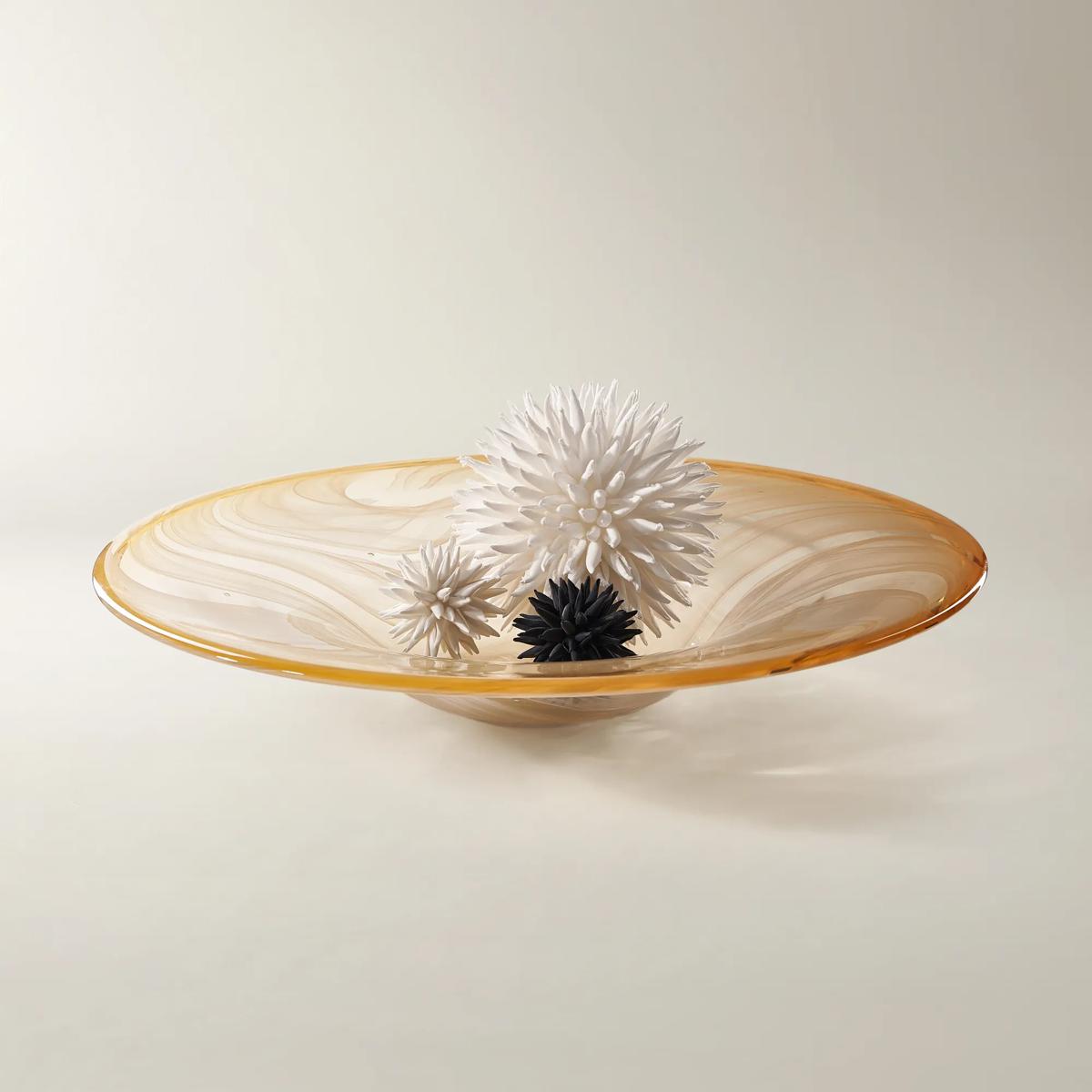
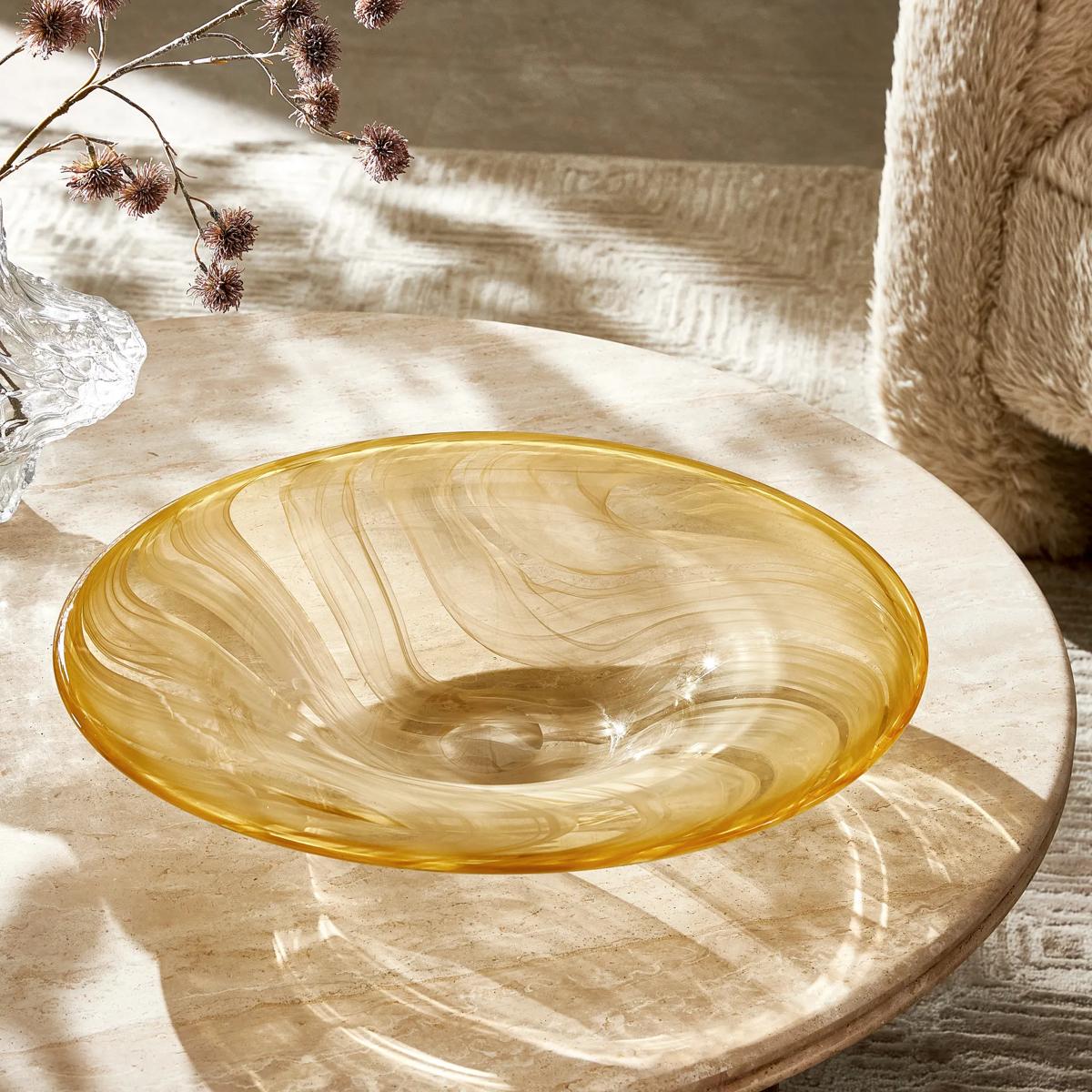 Paradis Glass Plate$239
A hand-blown amber glass plate featuring a swirling, organic design for a radiant decorative accent.
Add To Cart -
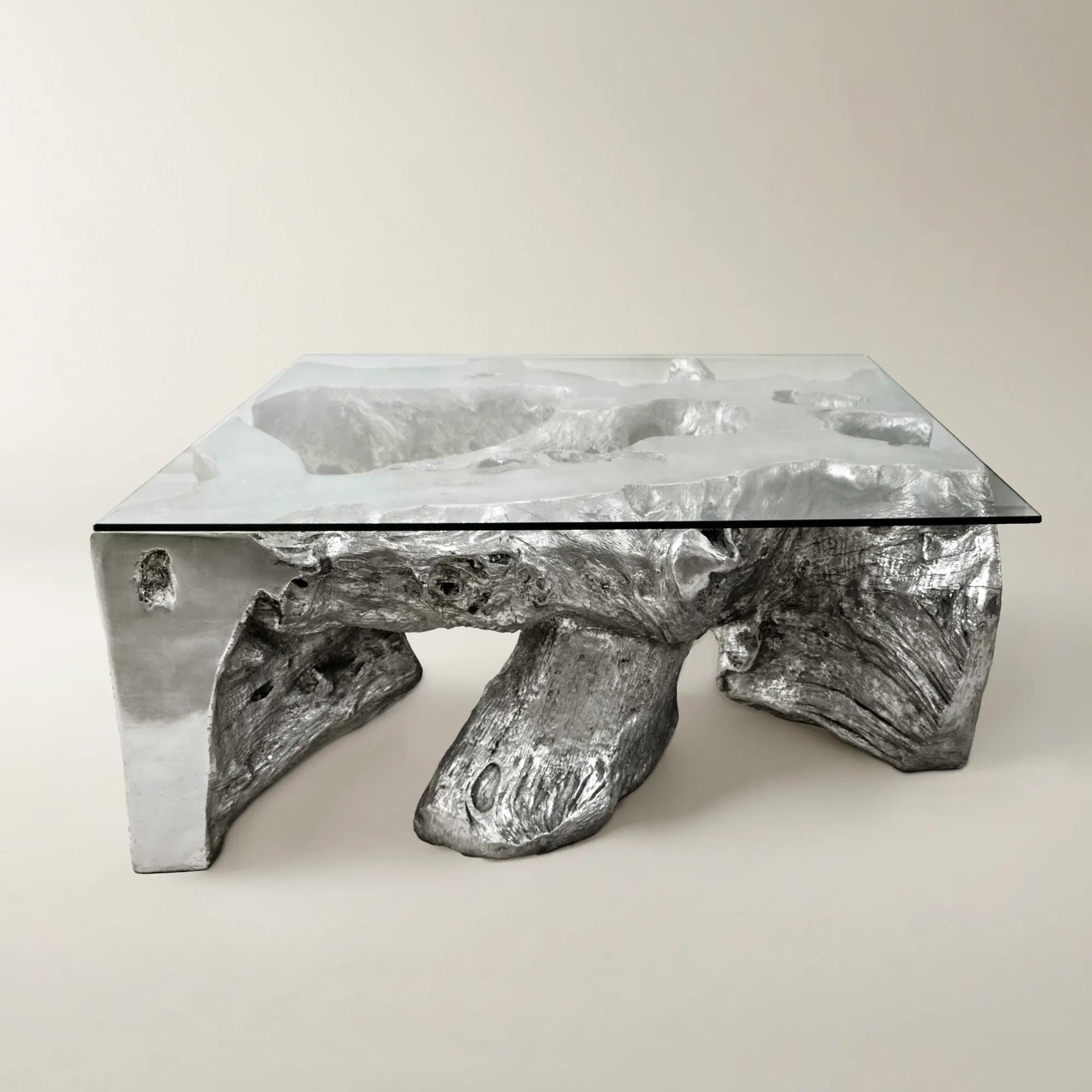 Sequoia Silver Resin Coffee Table With Glass Top (44")$2299
A sculptural coffee table featuring a hand-applied silver leaf resin base and a tempered glass top.
Add To Cart -
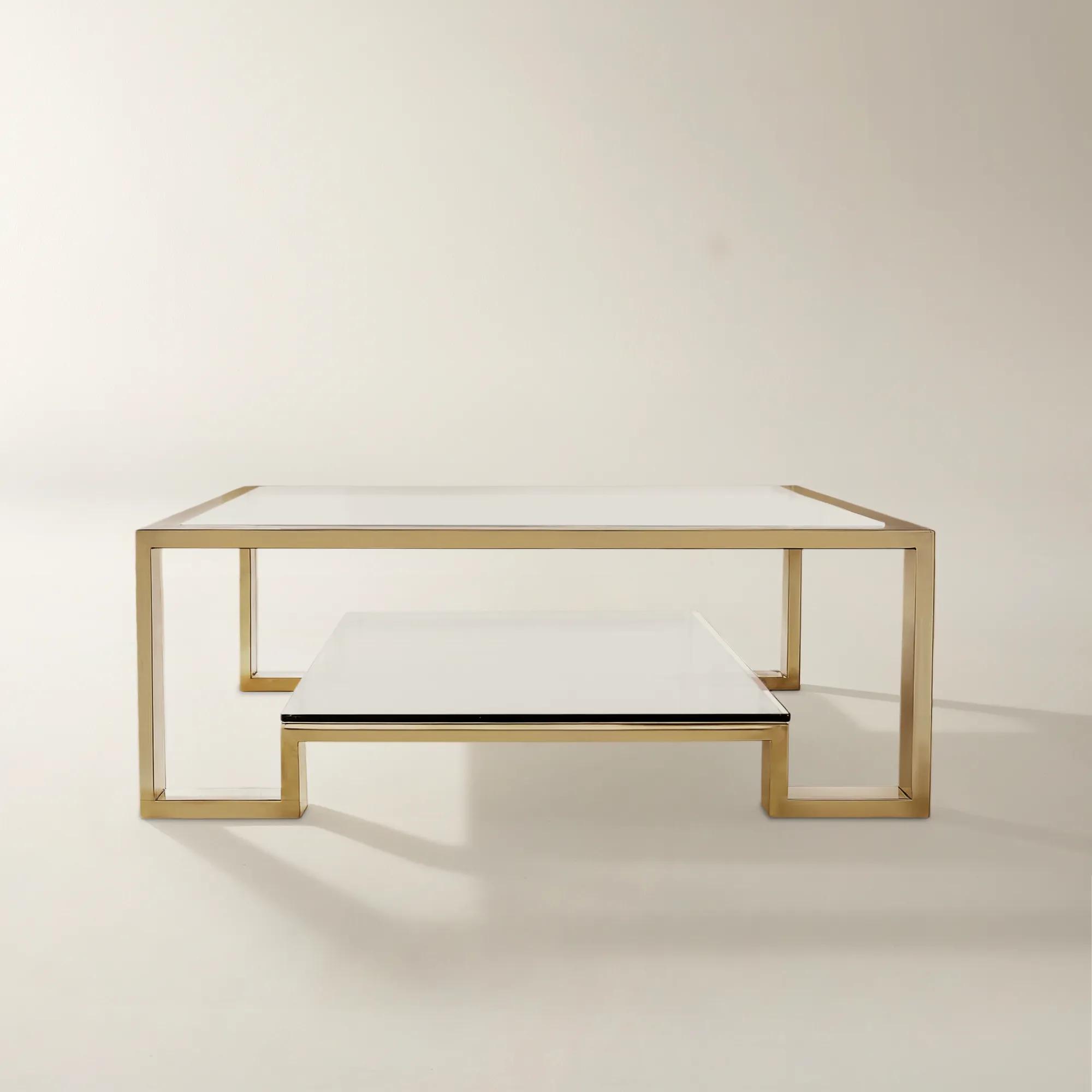 Duplicity Rectangular Gold Stainless Steel Coffee Table With Glass Top (50")$1399
A modern coffee table featuring a stainless steel frame, tempered glass top, and floating storage shelf.
Add To Cart -
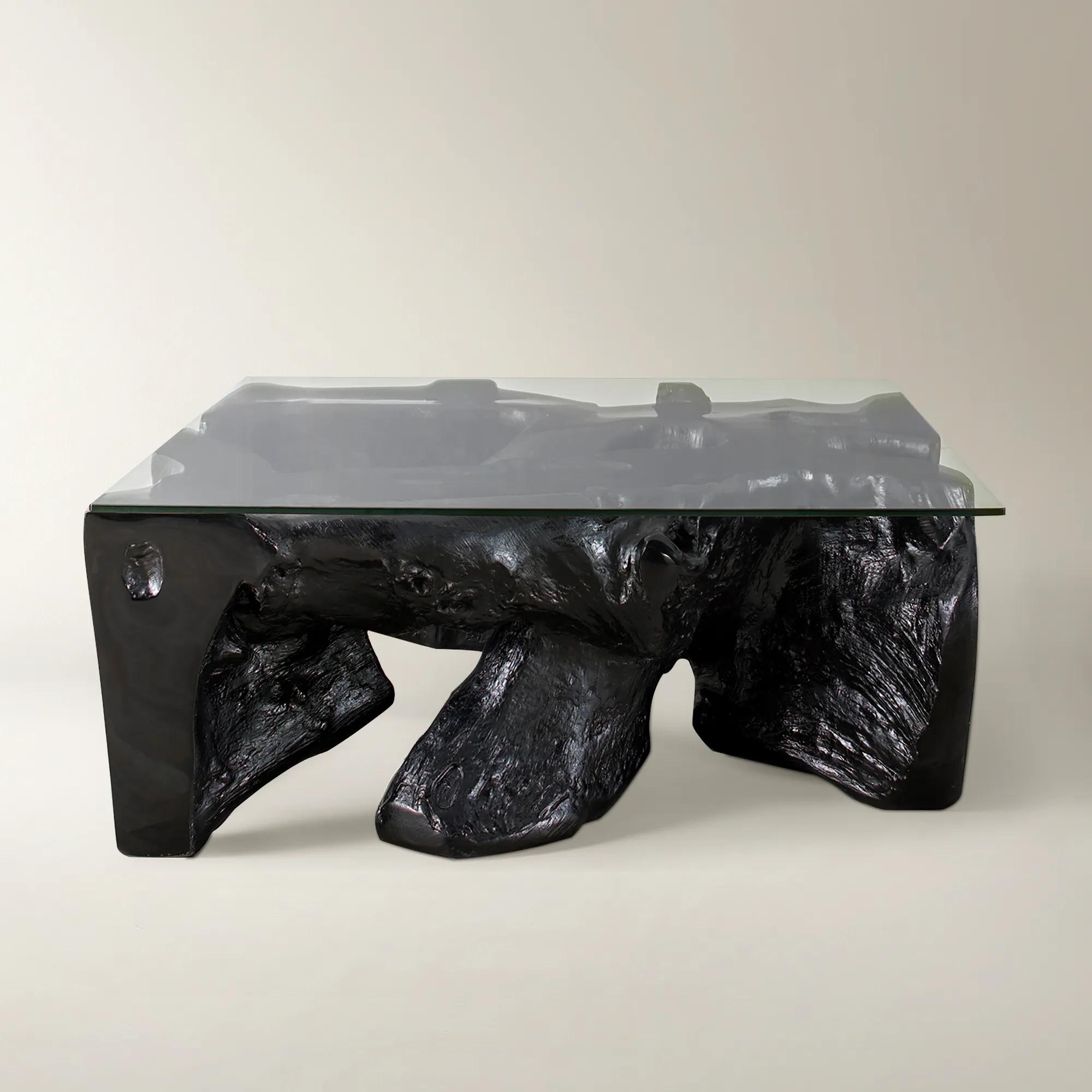
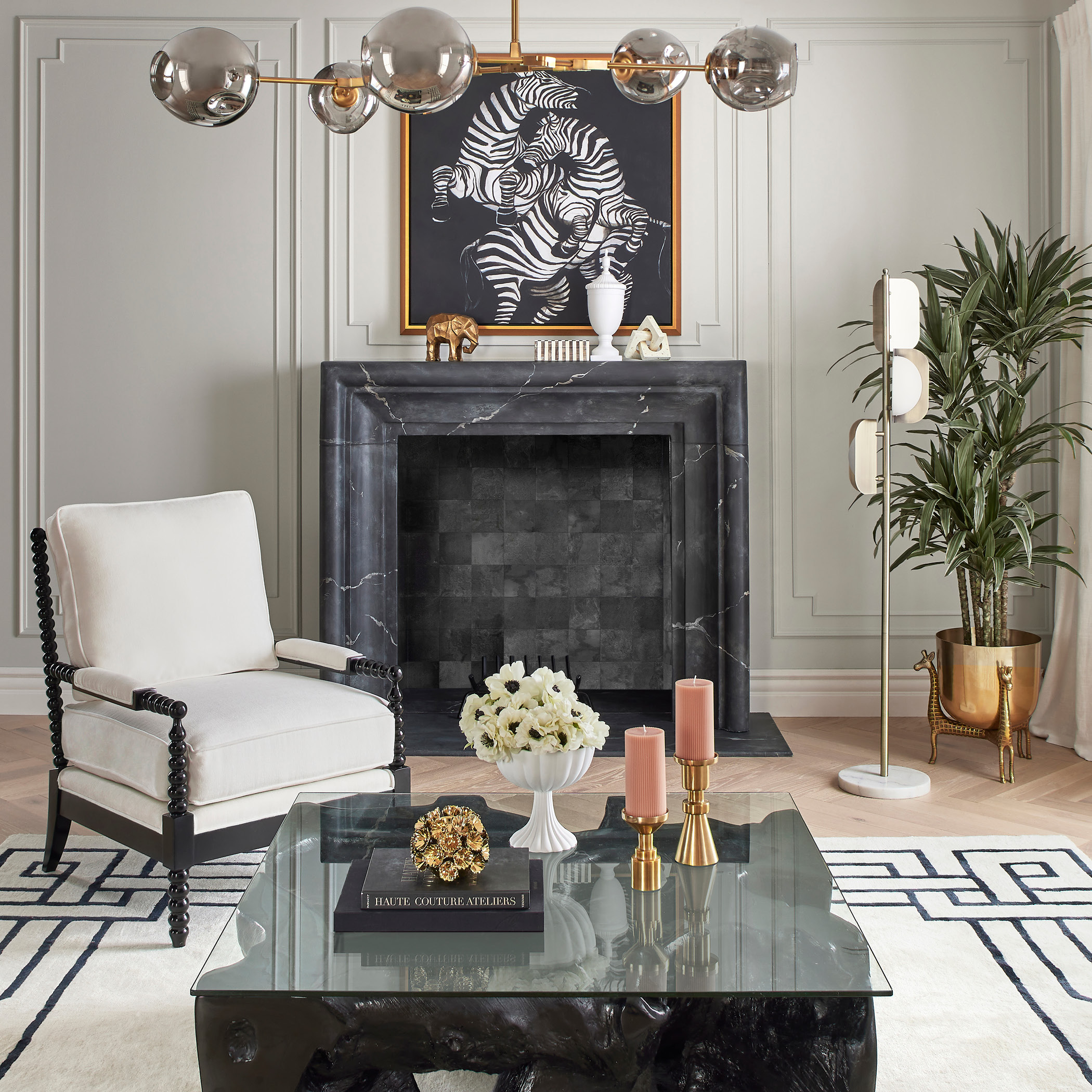 Sequoia Black Resin Coffee Table With Glass Top (44")$2299
A sculptural black coffee table crafted from resin and polished stone fragments for indoor or outdoor use.
Add To Cart -
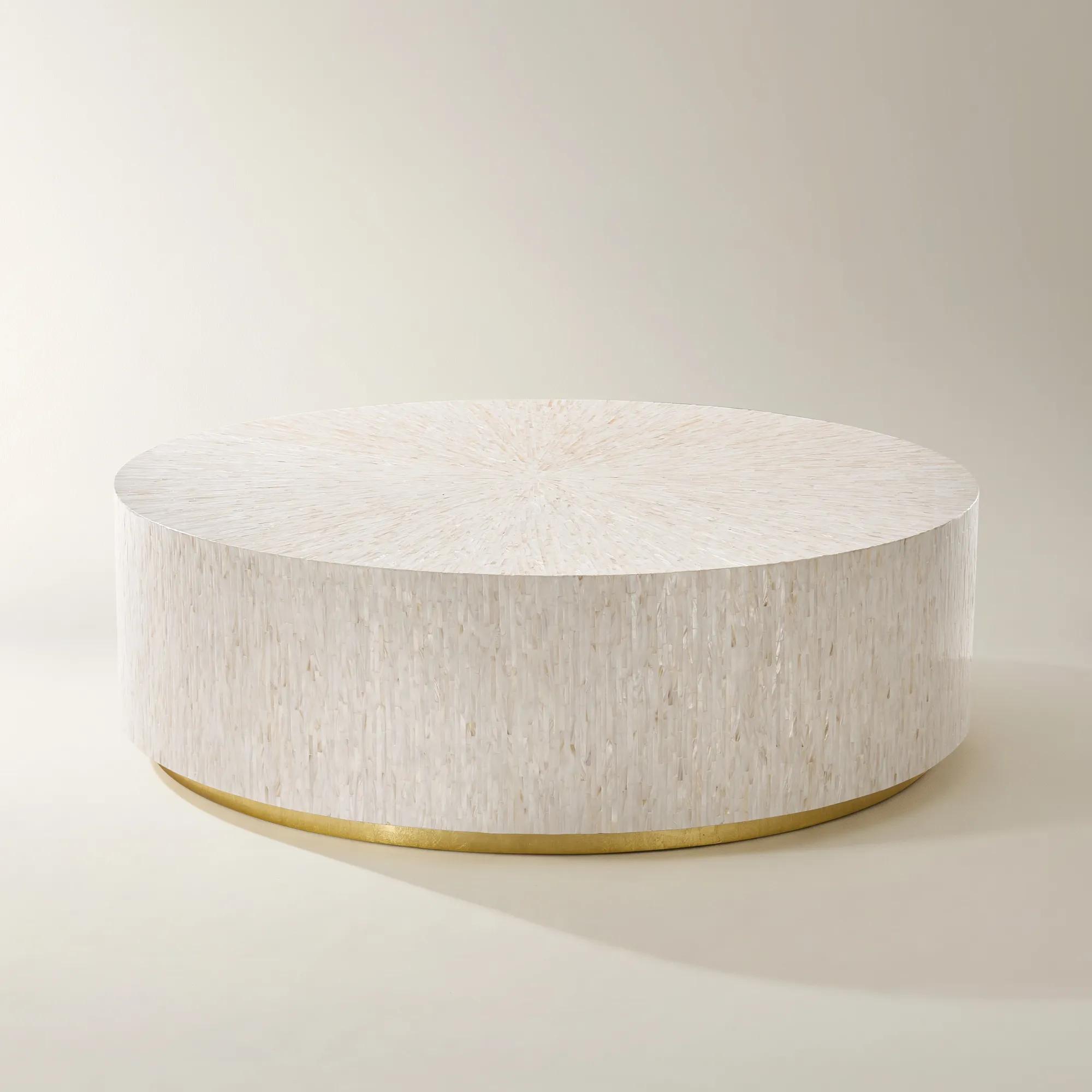 Alexandria Round Mosaic Platinum Coffee Table (52")$1299
A luminous mother-of-pearl mosaic coffee table with a sculptural round form and gold leaf–accented base.
Add To Cart -
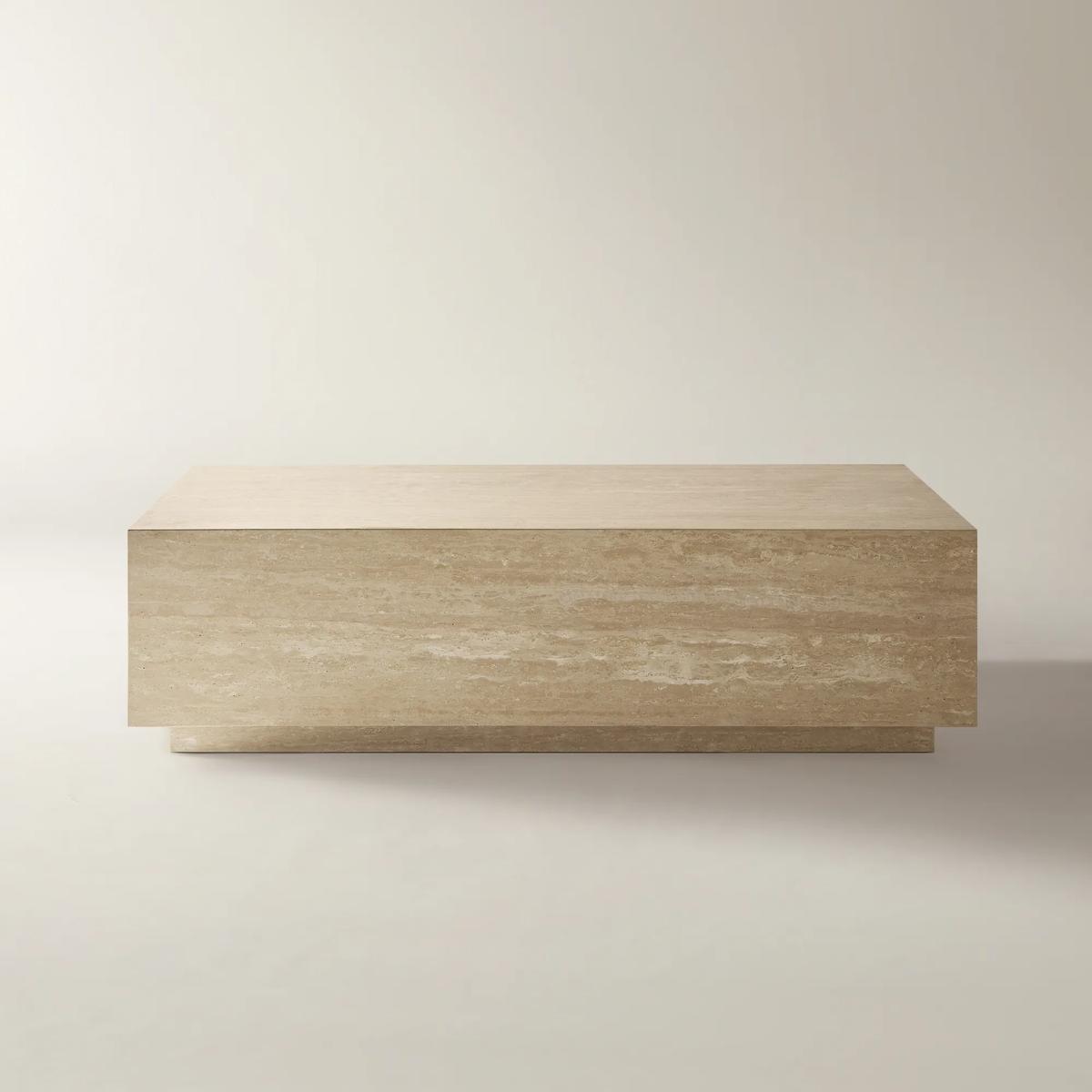
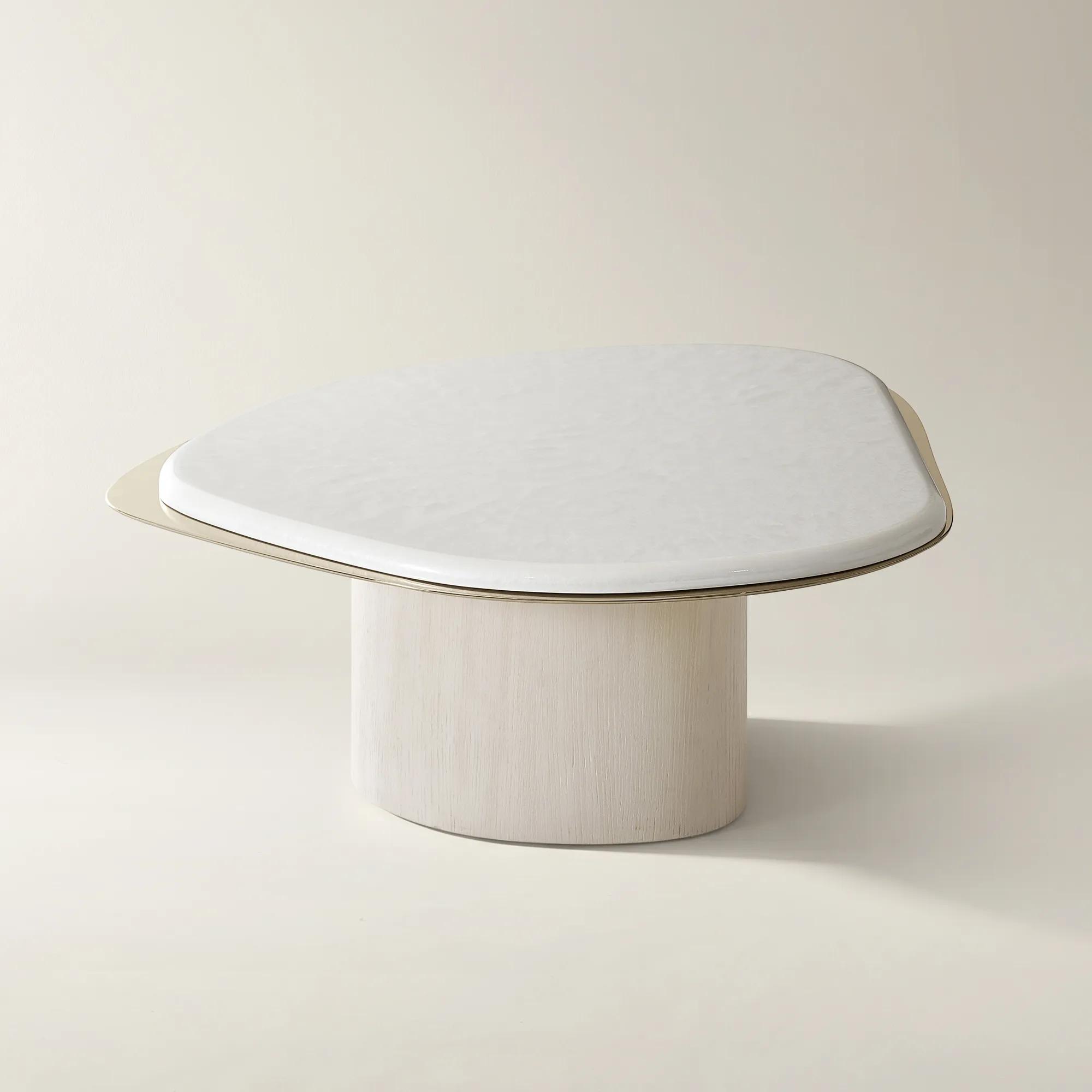
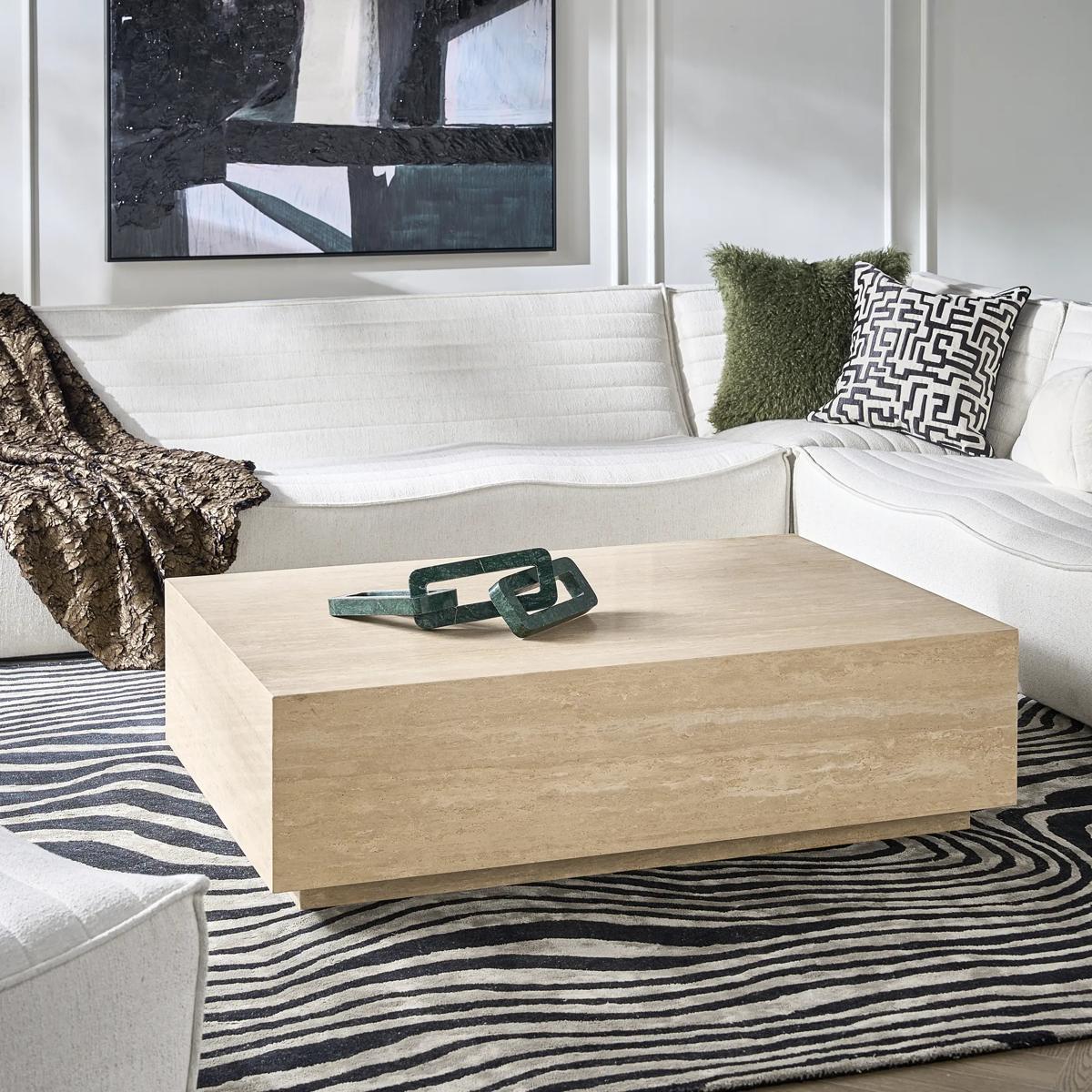 Vanta Rectangular Travertine Coffee Table (54")$2599
A seamless genuine travertine coffee table featuring ivory-gold tones and an ultra-light aluminum honeycomb core.
Add To Cart -
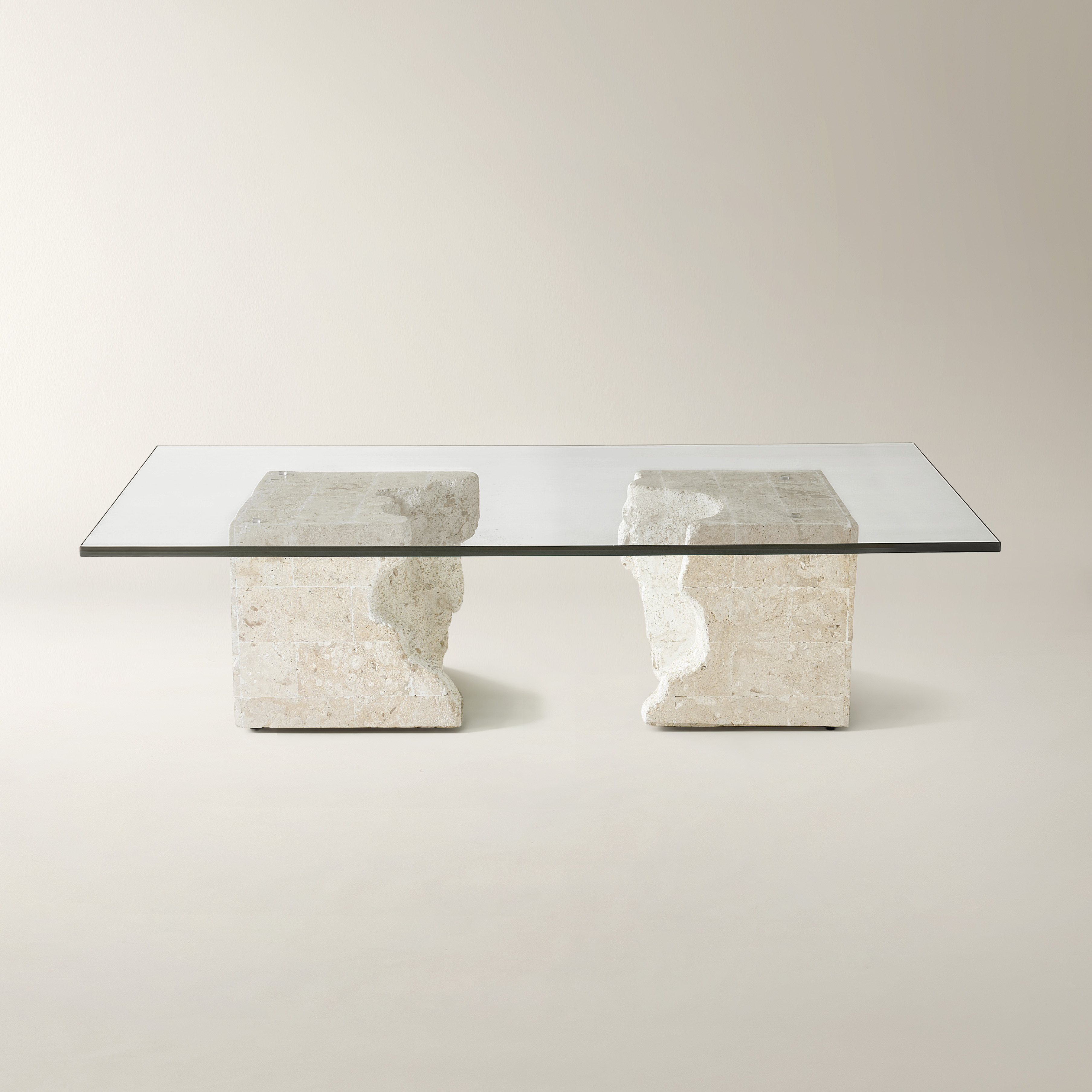 Cairo Rectangular Mactan Stone Coffee Table With Glass Top (63")$1899
A contemporary coffee table featuring a clear tempered glass top floating above hand-carved Mactan stone bases.
Add To Cart -
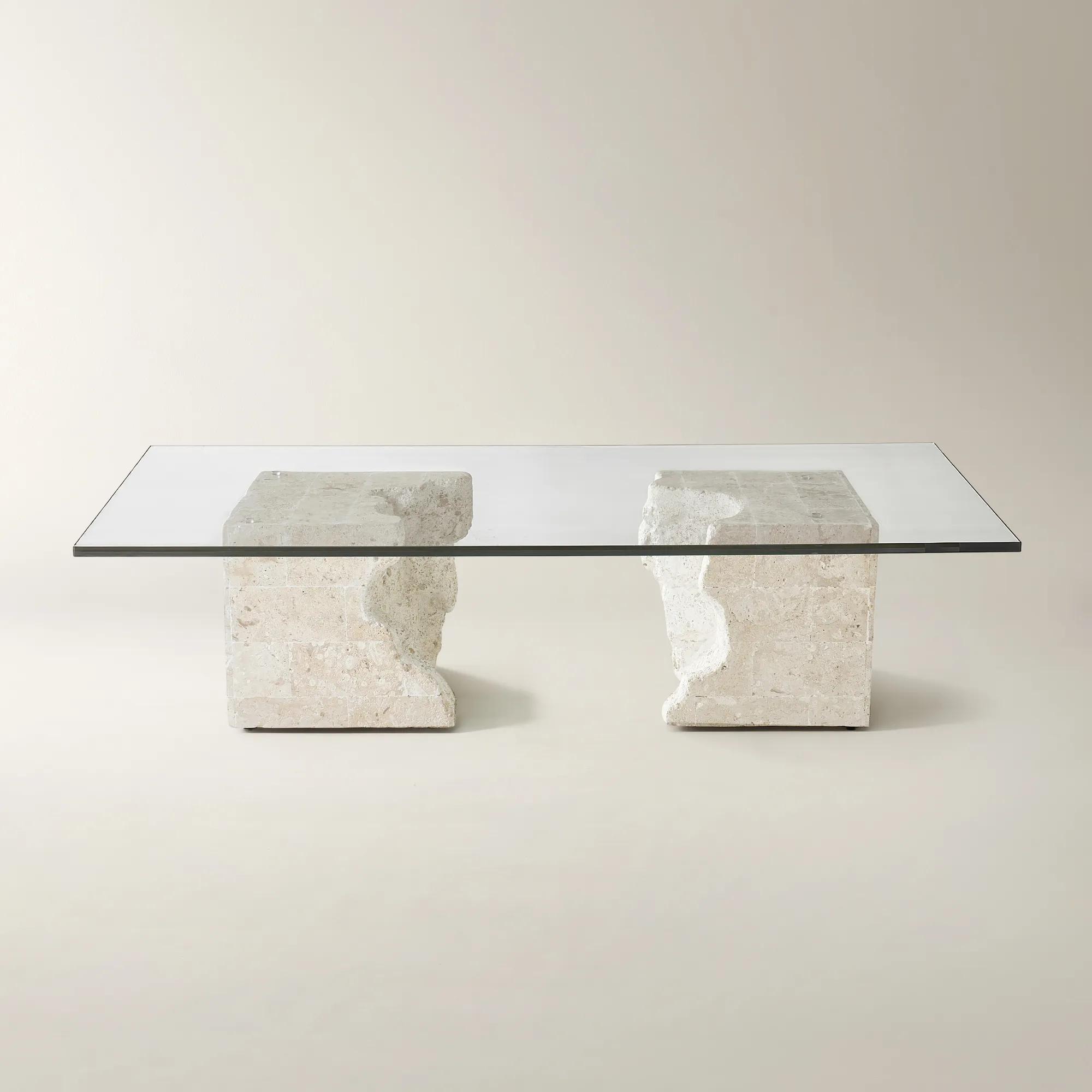 Cairo Rectangular Mactan Stone Coffee Table With Glass Top (70.87")$1999
A contemporary coffee table featuring a clear tempered glass top floating above hand-carved Mactan stone bases.
Add To Cart -
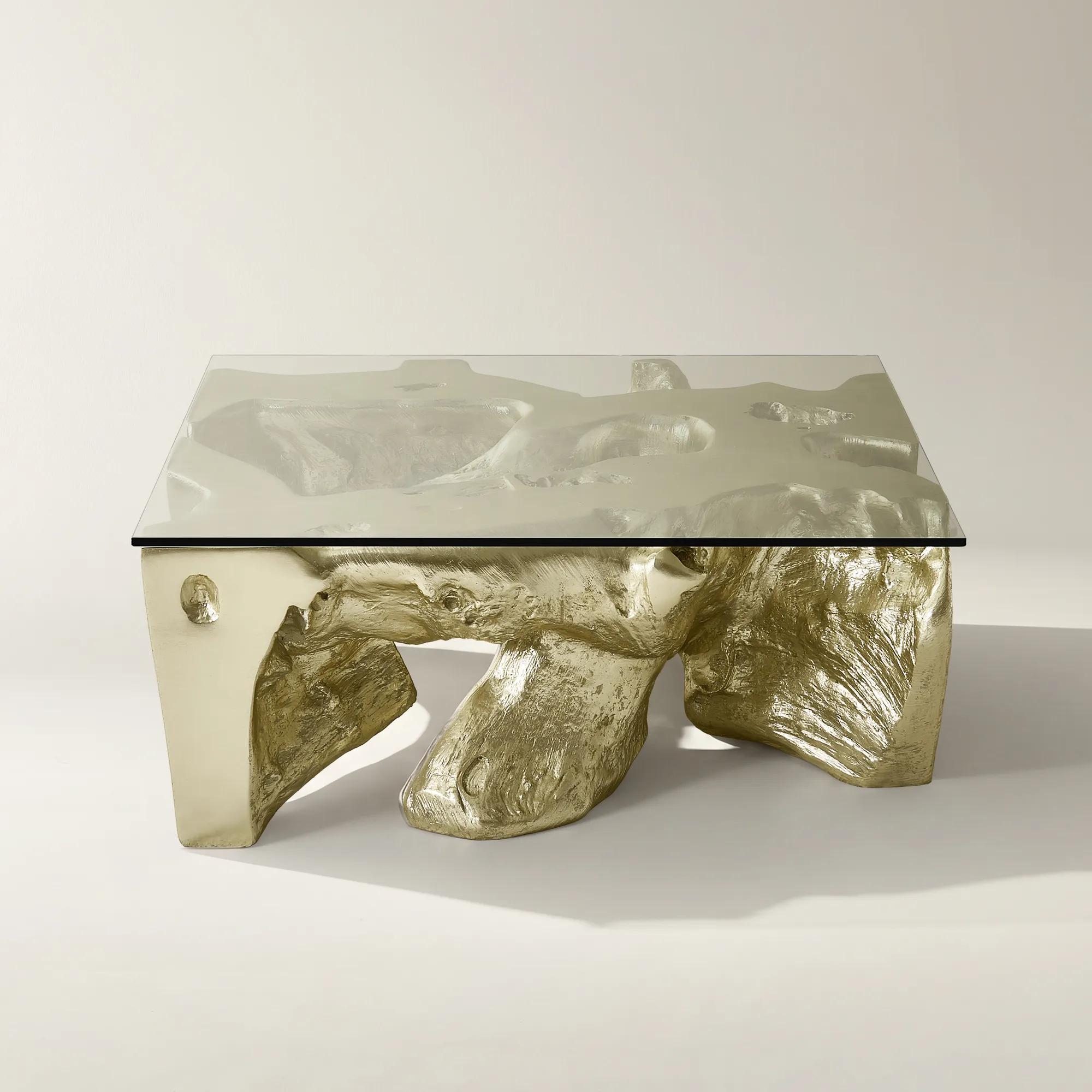 Sequoia Champagne Gold Resin Coffee Table With Glass Top (44")$2299
A sculptural resin coffee table with a champagne gold leaf finish and a clear tempered glass top.
Add To Cart -
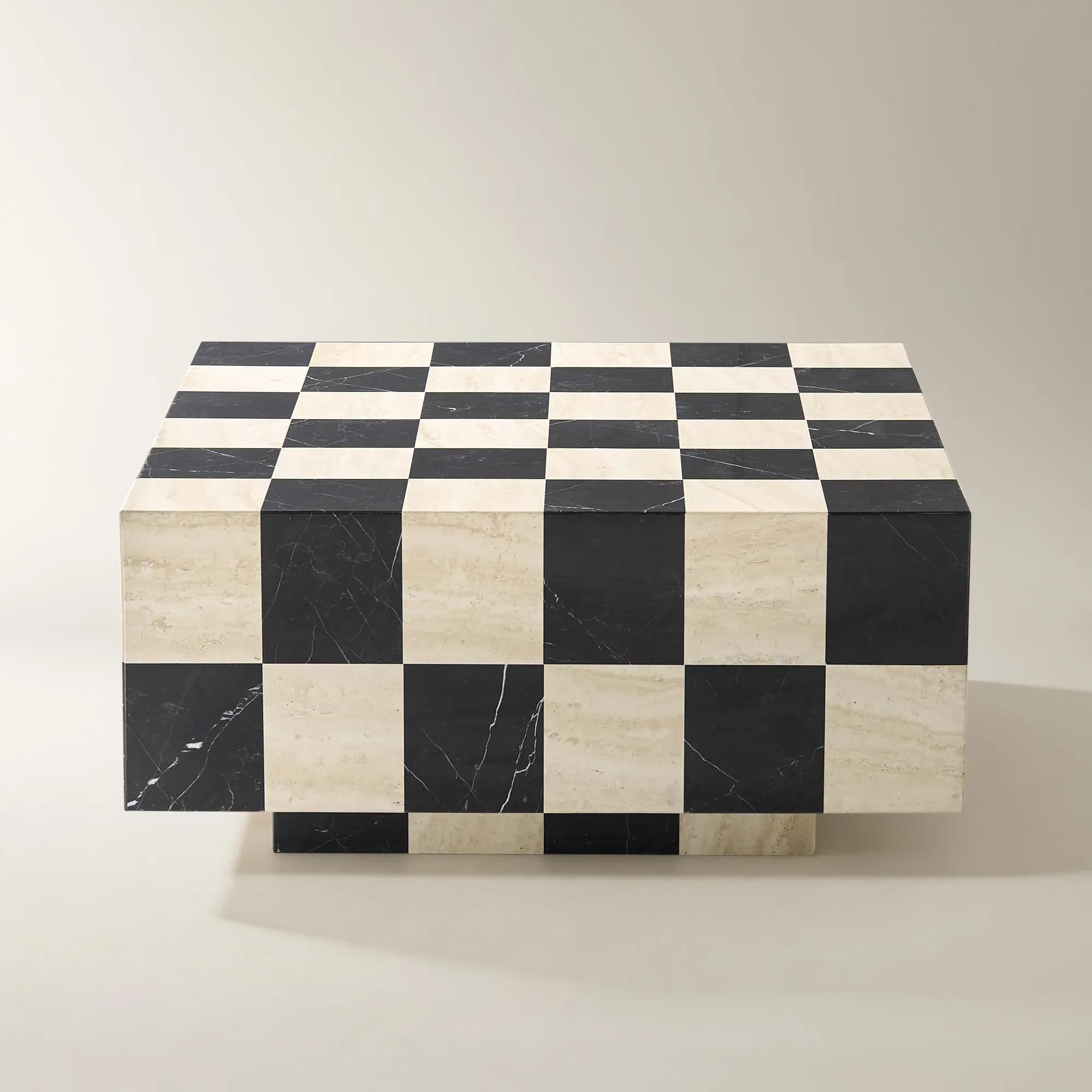
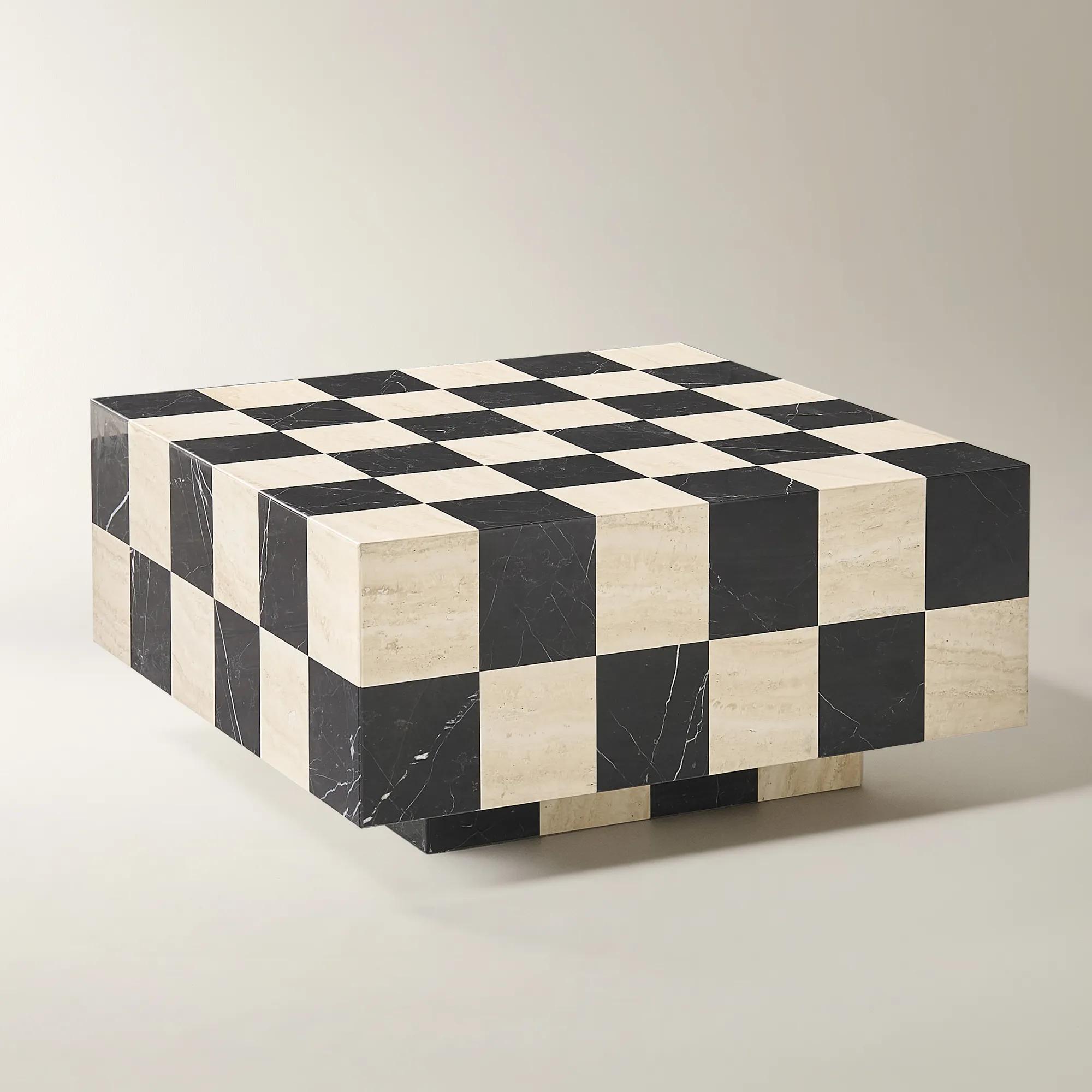 Chessa Square Chequered Marble Coffee Table (31.9")$1599
A striking coffee table featuring a dimensional black marble and travertine checkerboard mosaic with polished finish.
Add To Cart -
.jpg?w=1200&h=1200)
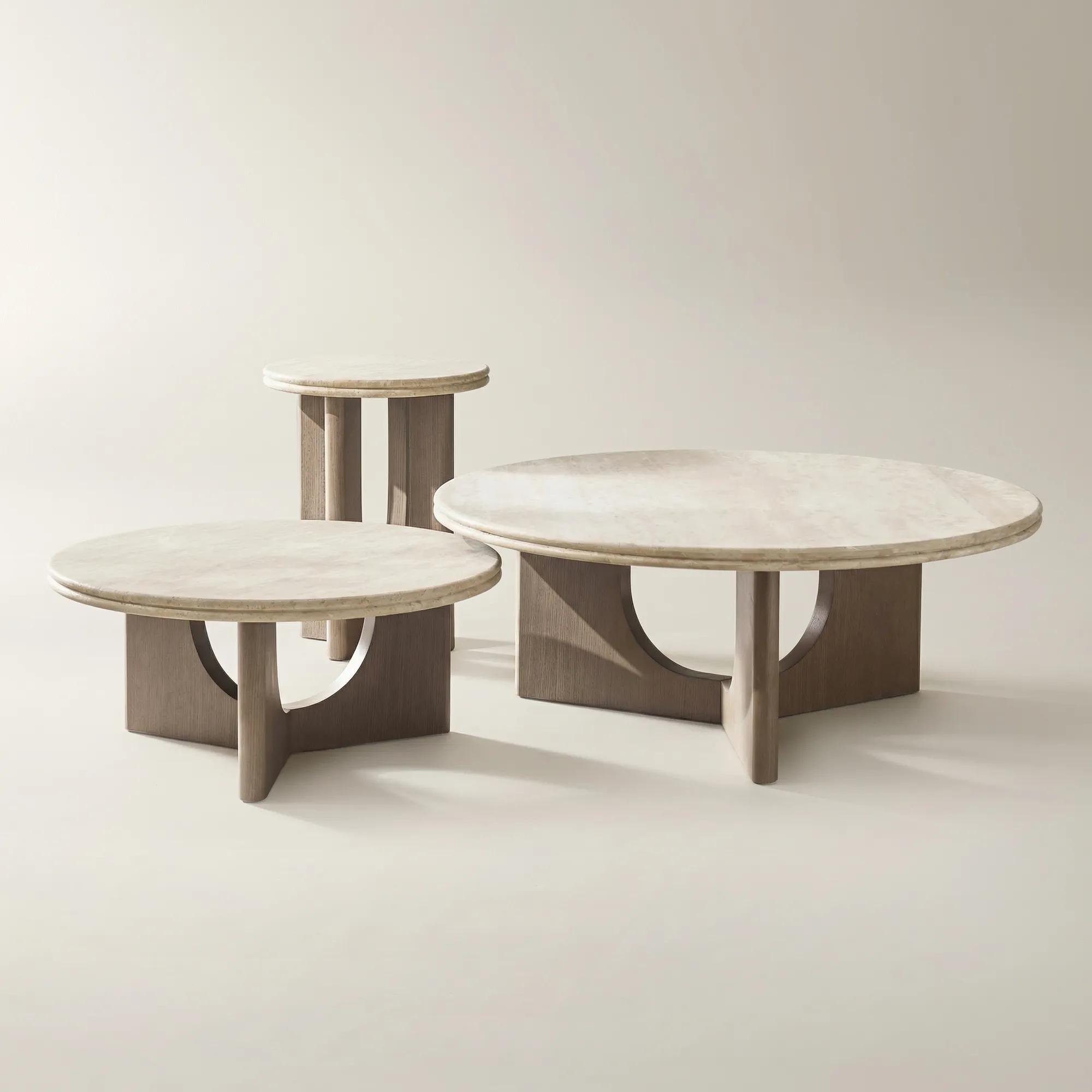
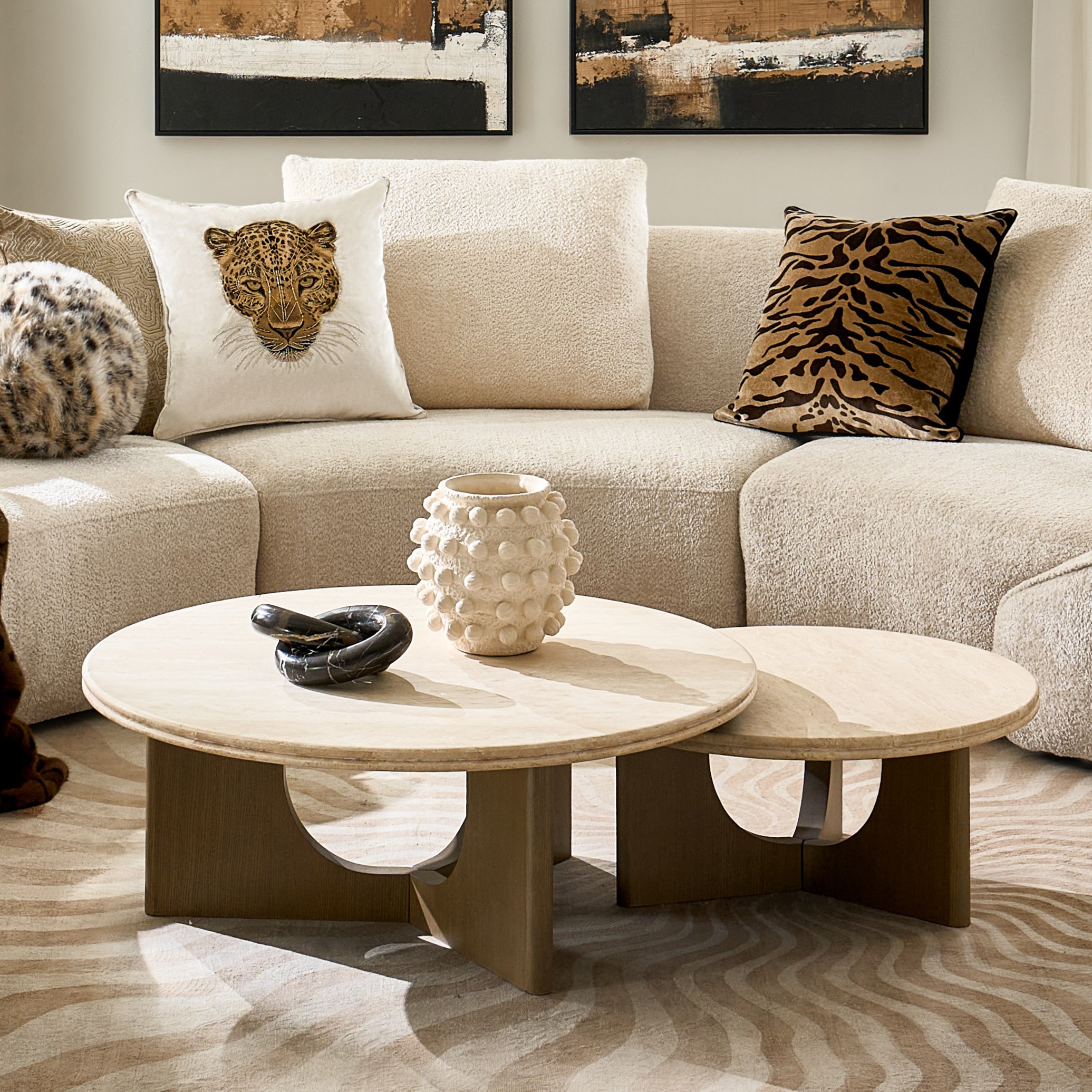 Bond Round Travertine and Wood Coffee Table (29.25")$699
A genuine travertine stone coffee table with warm ivory-gold tones atop a solid natural ash base.
Add To Cart -
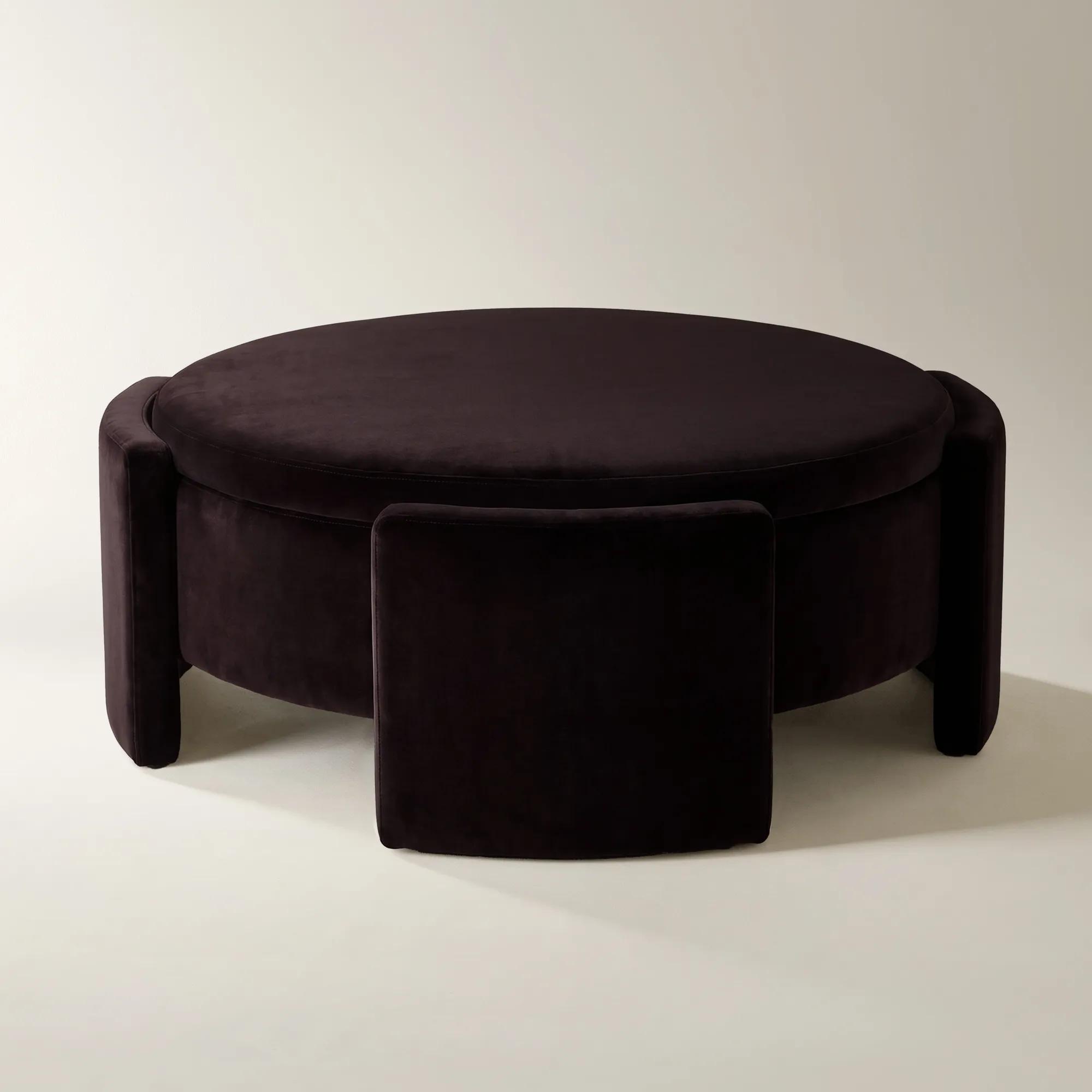
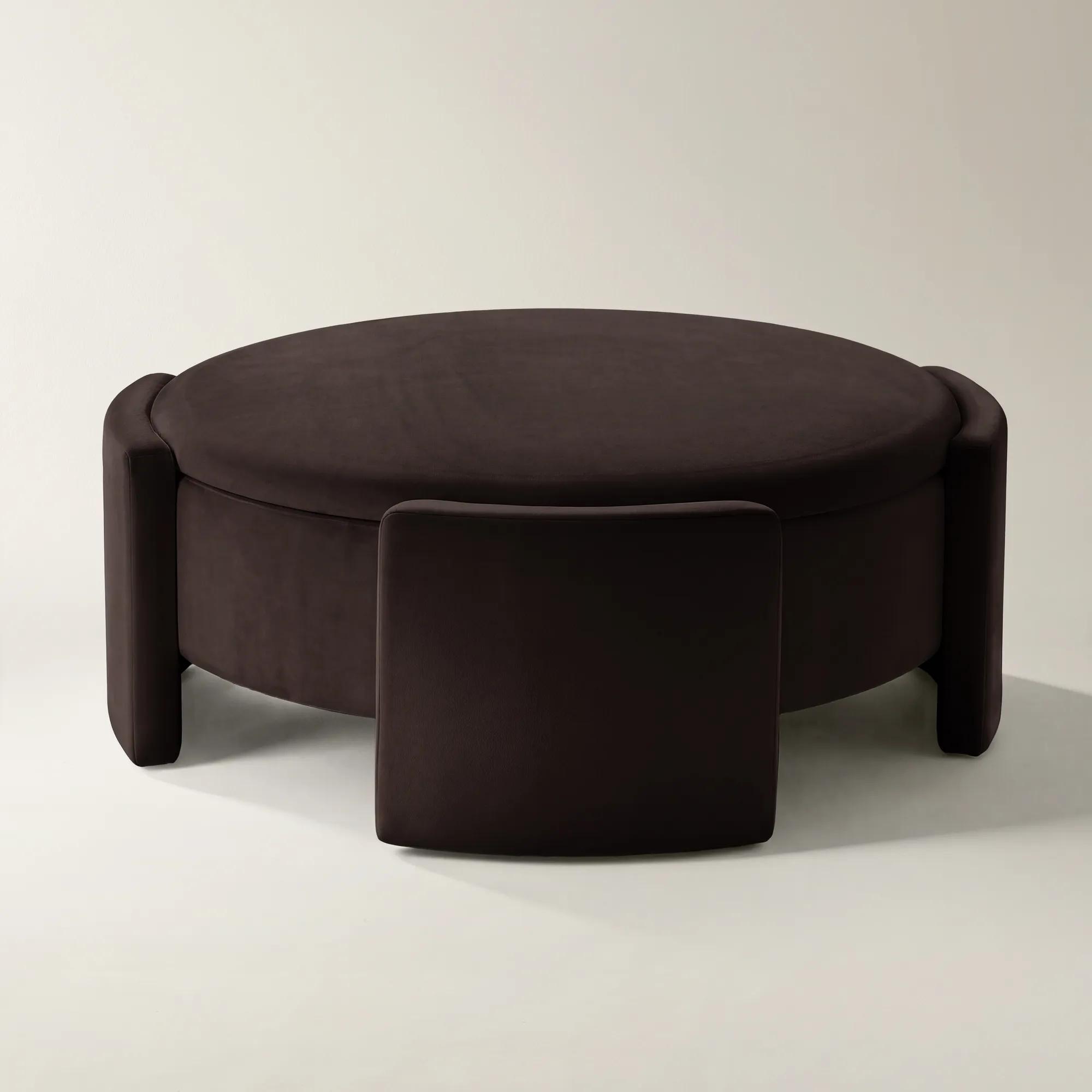
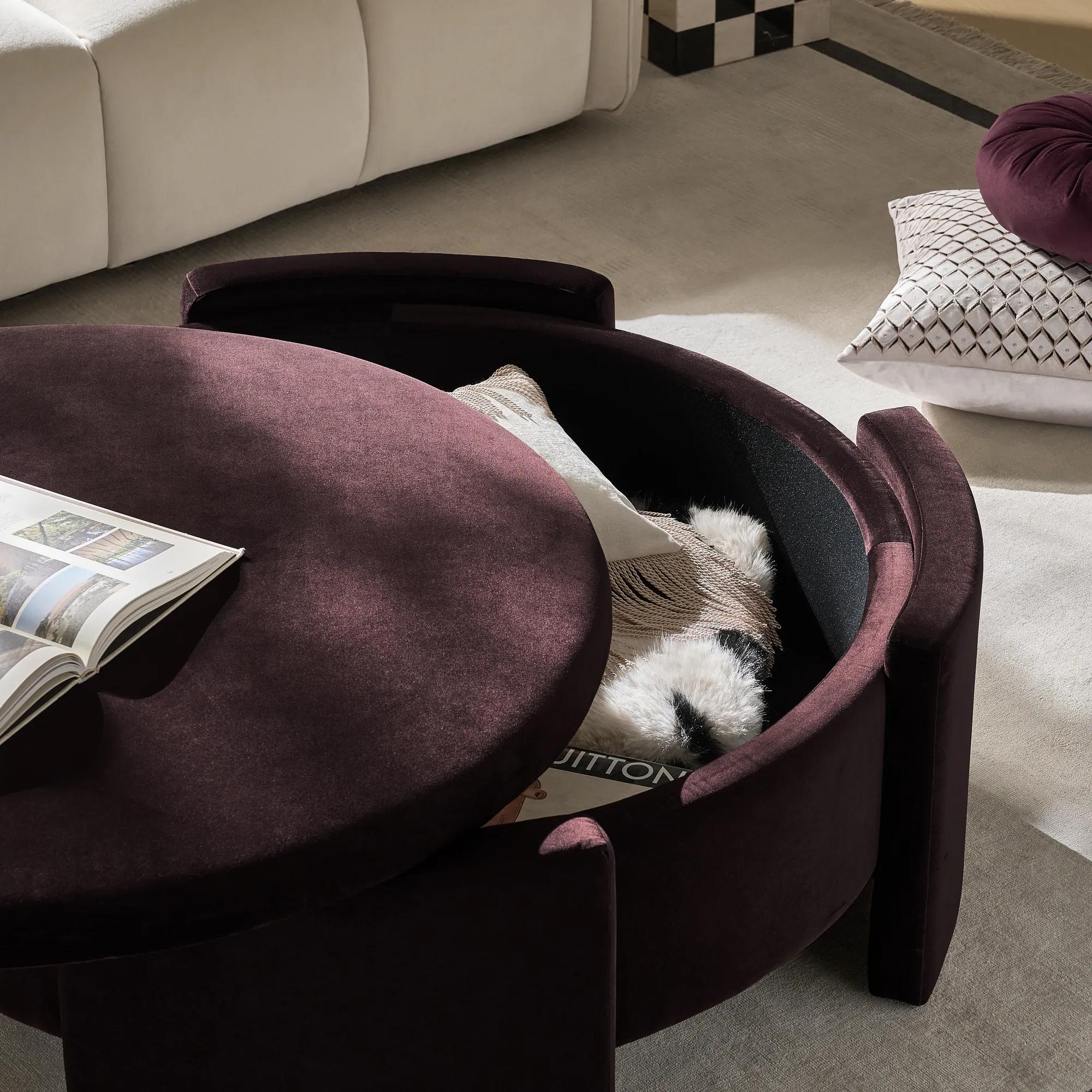 Jora Round Fig Velvet Storage Coffee Table With Reversible Tabletop (47.7")$799
A round fig velvet coffee table featuring a reversible wood tabletop and hidden interior storage.
Add To Cart -
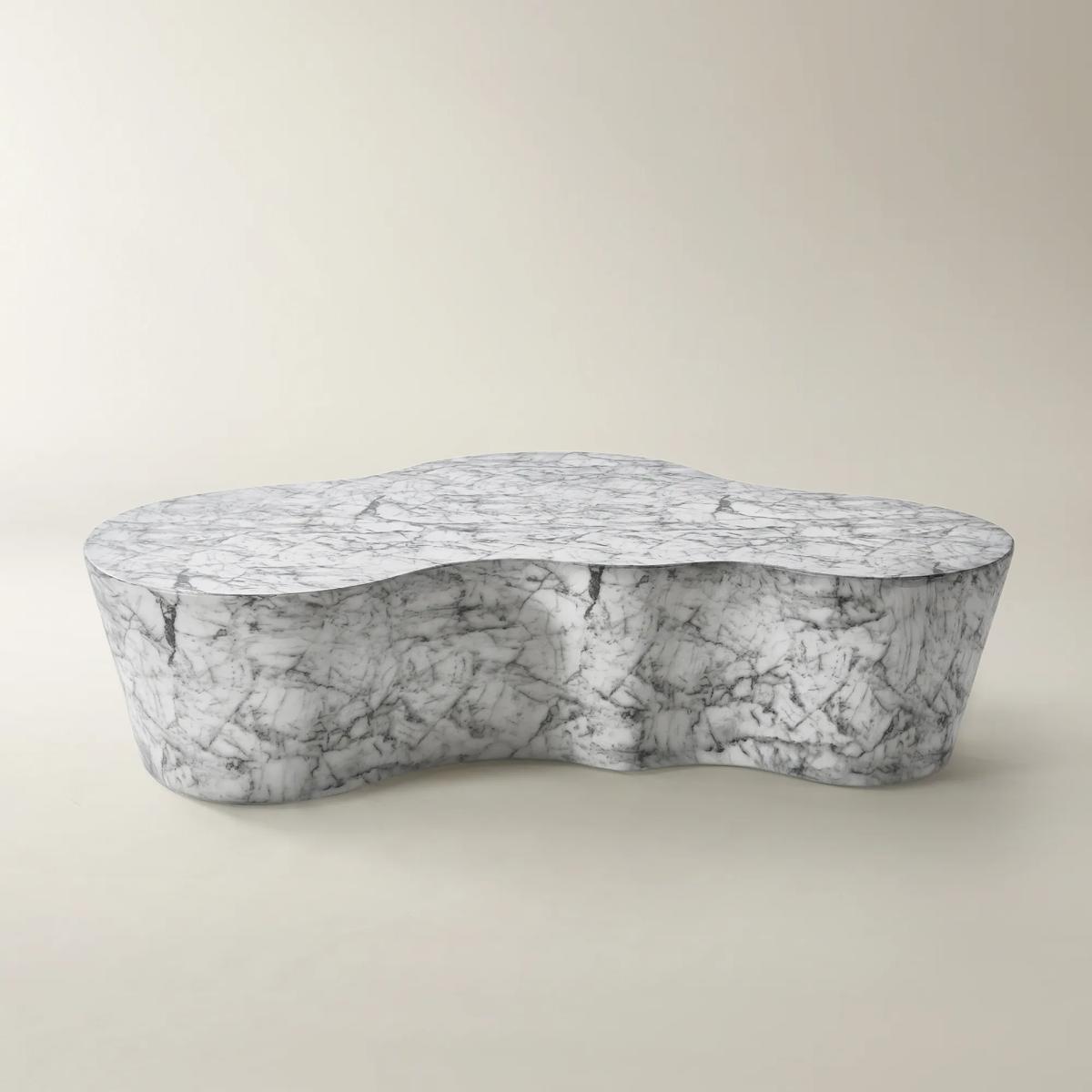
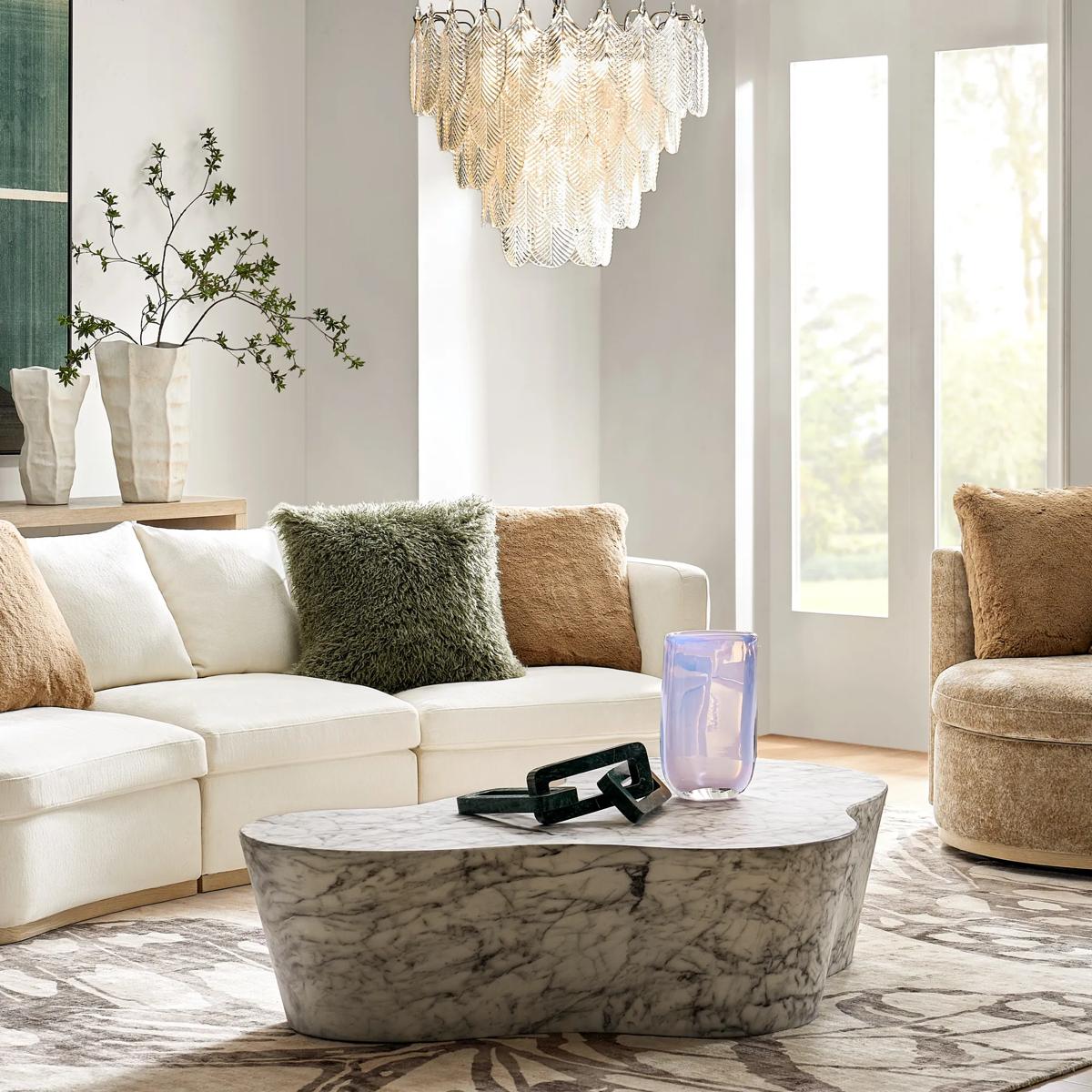 Petra White Concrete Indoor/outdoor Coffee Table (59.4")$1099
A cloud-inspired coffee table in lightweight fiber concrete with a hyper-realistic white marble finish.
Add To Cart

Modern Living Room Centerpiece Tables
Modern living room centerpiece tables are more than functional surfaces—they are the heart of the room, commanding attention and setting the stage for unforgettable moments. Sculptural silhouettes, gleaming finishes, and daring proportions transform these tables into works of art, inviting conversation and admiration from every angle. Whether anchoring a dramatic seating arrangement or reflecting light in a sun-drenched lounge, each piece is thoughtfully designed to elevate your space with an air of curated sophistication. Embrace the allure of modern living room centerpiece tables and let your home become a gallery of bold self-expression.
A modern living room centerpiece table does far more than occupy the space between a sofa and a television. It establishes the room’s visual rhythm, gathers conversation around a defined focal point, and gives every surrounding detail a sense of intention. Whether your style leans toward polished glamour, sculptural minimalism, warm mid-century influence, or a richly layered mix of textures, the right table can make the entire seating area feel composed. Explore Living Room Centerpiece Tables to discover designs that bring architectural presence and everyday function to the heart of the room. Look for clean geometric lines, confident silhouettes, and materials that contribute to the atmosphere you want to create. A sintered stone or travertine-inspired surface introduces a grounded, earthy note with a softly matte finish, while marble-look tops offer timeless veining and a sense of tailored luxury. Warm wood brings visual softness and an inviting natural character, especially in rooms filled with neutral upholstery, boucle texture, or brushed metal accents. Glass can keep a compact seating arrangement feeling open and airy, while mirrored finishes and crystal-inspired details reflect light across the room with unmistakable drama. Metal bases, whether sculpted into an open frame, a rounded pedestal, or a striking geometric form, can give a table the presence of modern art. For a particularly expressive room, consider unusual contours such as scalloped edges, organic curves, nested forms, or asymmetrical profiles that create movement without overwhelming the surrounding furnishings. A centerpiece table should feel substantial enough to anchor the room, yet proportionate enough to preserve a comfortable path around it. Before selecting a design, measure the seating area and account for walkways, nearby accent chairs, and the reach of everyone seated around the table. In many arrangements, leaving roughly 16 to 18 inches between the table and surrounding seating creates a practical balance, allowing guests to reach drinks and books while maintaining an easy flow through the room. The table’s height matters as well: a lower profile can emphasize a sleek, lounge-like mood, while a slightly taller surface may be more convenient for entertaining or everyday use. In a generous room, two coordinated tables or a layered nesting arrangement can provide flexible scale and a more collected appearance. In a smaller living room, a round or oval silhouette softens traffic patterns and eliminates sharp corners, while a transparent or reflective finish can help the space appear more expansive.
Consider how the table will support real life as carefully as its finish and form. A living room centerpiece often becomes the stage for morning coffee, evening cocktails, remote controls, design books, candles, flowers, and impromptu gatherings, so beauty should be paired with dependable function. Built-in drawers, concealed compartments, lower shelves, and illuminated storage can keep essentials close while preserving a polished surface. A low-profile table with integrated lighting can cast a subtle glow beneath the tabletop, adding depth after sunset and transforming an ordinary seating area into a more atmospheric setting during the cooler months. Open shelving is useful for displaying artful objects, while hidden storage creates a cleaner look for homes where the living room serves several purposes throughout the day. Pay close attention to the surface finish and the habits of the household. A busy family room may benefit from a durable engineered surface that resists everyday wear and is easy to maintain, while a formal entertaining space may prioritize a high-shine mirrored top or intricate decorative detailing. Homes with children or frequent guests may call for rounded corners, stable pedestal bases, and finishes that are forgiving of fingerprints and small spills. If the table will sit beneath a chandelier or near a wall of windows, reflective materials can multiply the available light and create a luminous effect; in a room already filled with glossy surfaces, warm wood or tactile stone can provide a welcome note of contrast. Scale should also relate to the seating arrangement. A wide rectangular table can echo a long sectional and provide generous serving space, while a circular table works beautifully with curved sofas or a pair of facing lounge chairs. When layering materials, repeat at least one tone or finish elsewhere in the room so the centerpiece feels connected rather than isolated. A dark metal base might relate to a floor lamp, cabinet hardware, or picture frames, while creamy stone can echo upholstery, curtains, or an area rug. These subtle visual echoes create cohesion without requiring every element to match.
Styling a centerpiece table is an opportunity to make the room feel unmistakably personal. Begin with a decorative tray to corral smaller necessities such as coasters, remotes, or matches, leaving a clear portion of the surface available for daily use. From there, build a composition with varied heights and shapes: a stack of art books or a sleek box at the base, a medium-height candle or vessel above it, and a taller sculptural accent, vase, or arrangement to guide the eye upward. Grouping objects in odd numbers or arranging them in a loose triangle often creates a natural sense of balance, while keeping the overall display slightly asymmetrical can make the scene feel collected rather than overly arranged. Greenery introduces a fresh organic note, from a small sculptural succulent to a single orchid or a vessel of dried stems that brings texture through the warmer and cooler seasons alike. In a glamorous setting, gleaming metal, faceted glass, or reflective accessories can catch candlelight and add a touch of evening allure. In a more relaxed room, woven accents, pale ceramics, and natural wood create a quietly layered vignette. A centerpiece table can also be a thoughtful housewarming gift for someone settling into a new home, a newly married couple shaping their first shared space, or a design-minded host who loves to refresh a room around a dramatic focal point. Choose a versatile silhouette and enduring material when gifting, allowing the recipient to style it with changing artwork, flowers, books, and seasonal accents. As the weather warms, the surface may hold a tray of chilled drinks and an airy arrangement of greenery; during the cooler months, it can become a glowing tableau of candles, textured objects, and richly toned accents. The most successful modern living room tables are not merely decorative. They frame the rituals of home—slow mornings, spirited gatherings, quiet reading, and evenings spent beneath a warm pool of light—while giving the room a confident centerpiece around which the rest of the story unfolds.
FAQs
Modern living room centerpiece tables often feature luxurious materials such as polished marble, gleaming metals, tempered glass, and richly finished woods. These materials not only evoke a sense of artistry and sophistication but also create striking visual contrasts that anchor the room’s design. The interplay of textures—smooth, reflective, or tactile—adds depth and drama to any living space.
A candle holder centerpiece modern table can be styled with versatility. For an intimate evening, cluster sculptural candleholders in varying heights and metallic finishes for a luminous, layered effect. For festive gatherings, incorporate fresh florals or seasonal greenery around the candle centerpiece to enhance the table’s visual impact. Swapping out decorative accents with the seasons ensures your centerpiece remains fresh and expressive year-round.
A modern centerpiece table makes a thoughtful gift for design enthusiasts, new homeowners, newlyweds, or anyone who delights in curating a stylish and inviting living space. Its blend of function and artistry ensures it will be cherished as both a practical addition and a statement piece that reflects the recipient’s unique sense of style.
Beyond displaying décor, a centerpiece living room table can serve as a gallery for art books, a platform for collectible sculptures, or even a stage for seasonal installations. Layering textures—such as a velvet runner beneath a metallic vase or arranging a collection of crystal objets—creates a dynamic, ever-evolving vignette that captures attention and sparks conversation.
A centerpiece table is the focal point that sets the tone for the entire living room. Its design, materials, and styling choices can introduce a sense of drama, elegance, or modernity. Whether it anchors a bold seating arrangement or offers a serene spot for reflection, the right centerpiece table transforms the atmosphere, making every gathering and quiet moment feel curated and special.