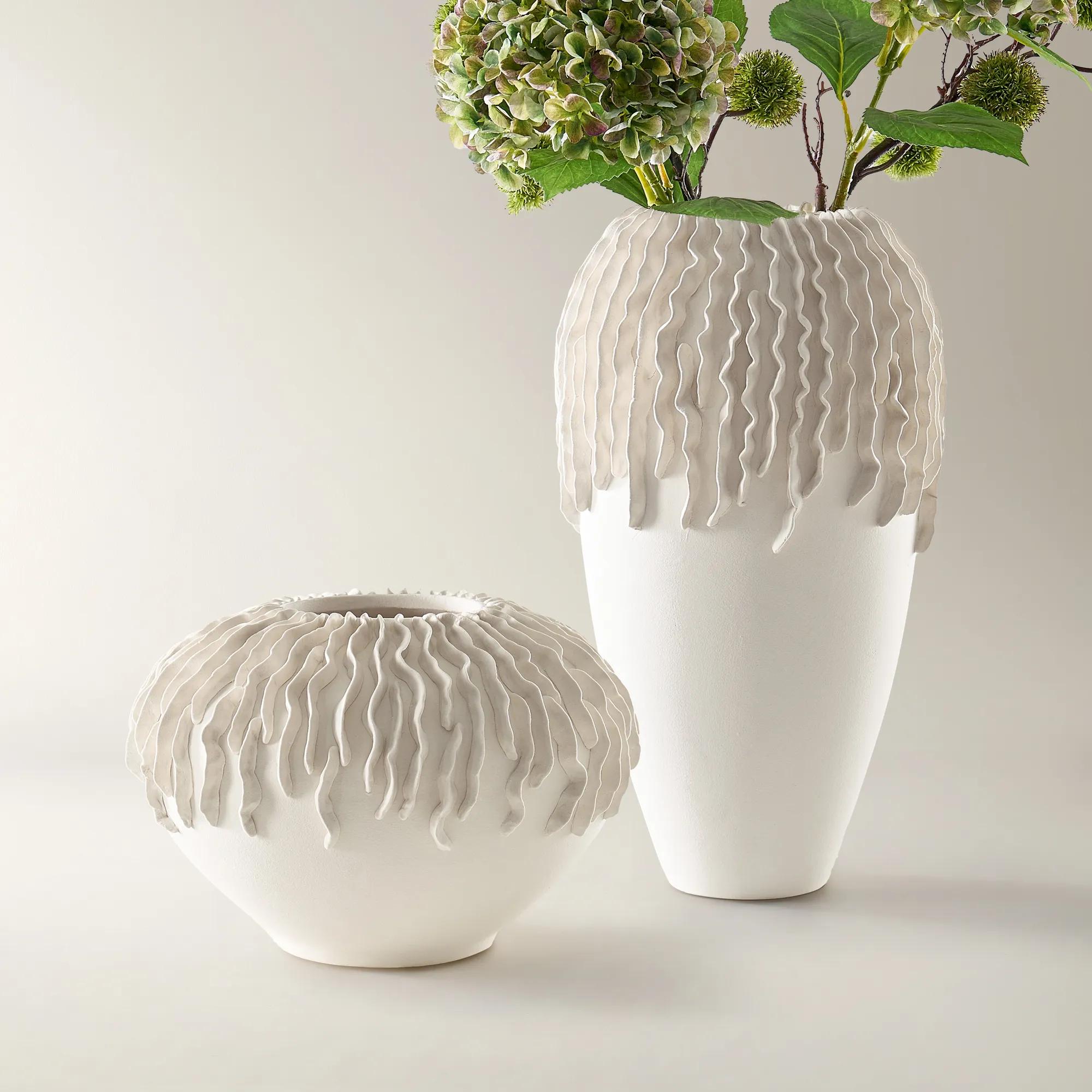
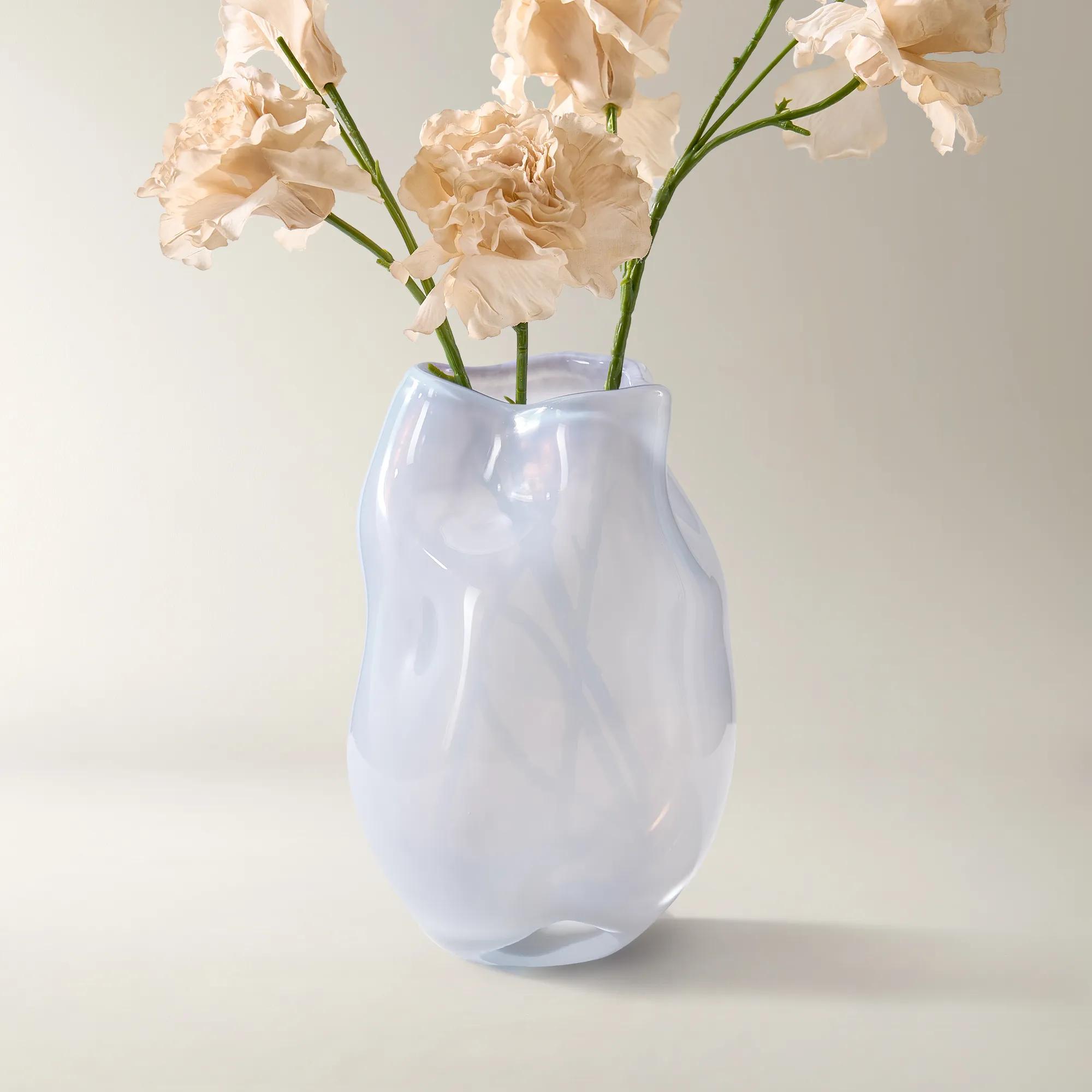
Modern Living Room Vases
Modern Living Room Vases
-
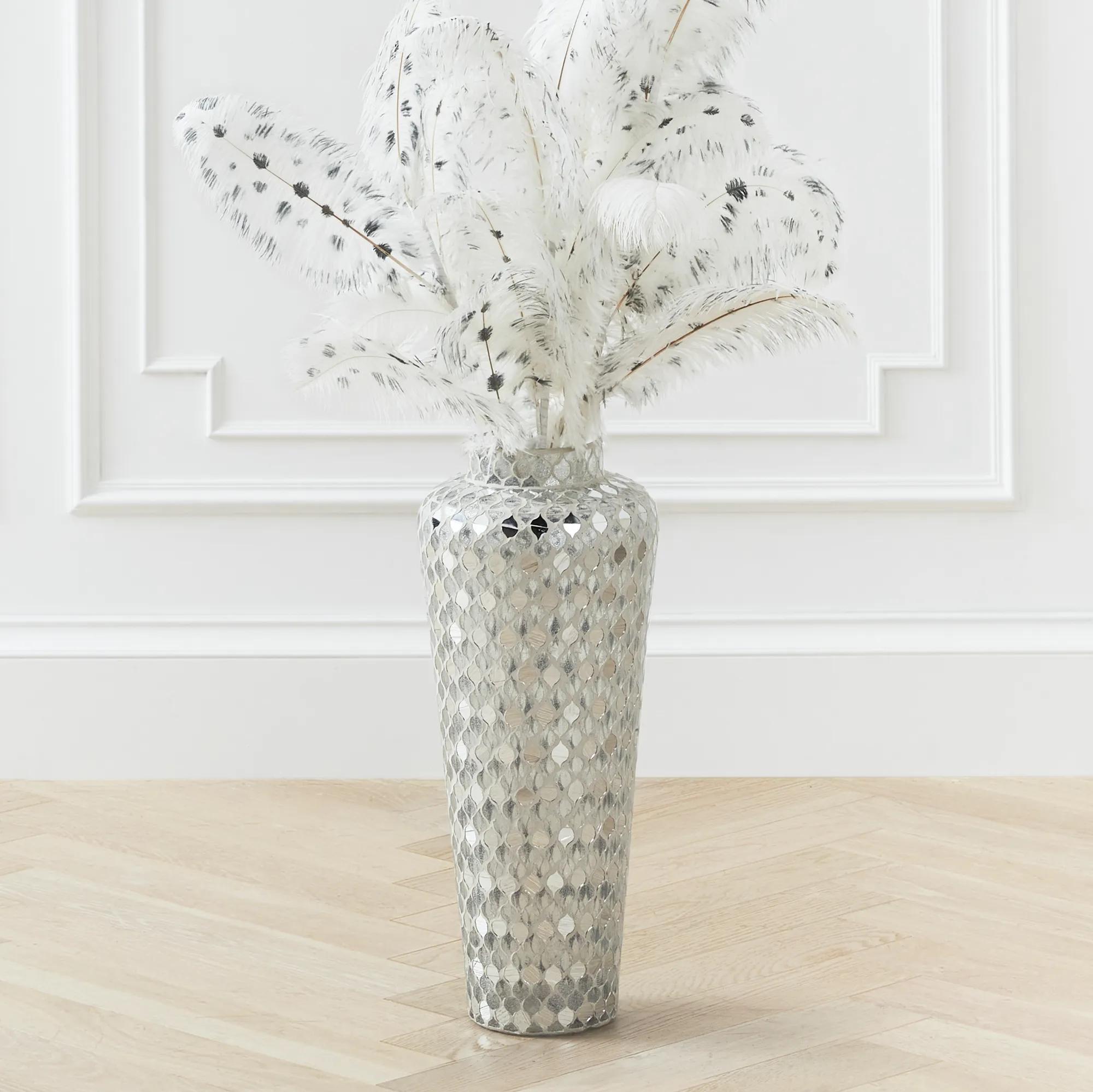 Fez Vase$139
A dazzling glass vase adorned with iridescent mirror and clear tiles for a glamorous decorative accent.
Add To Cart -
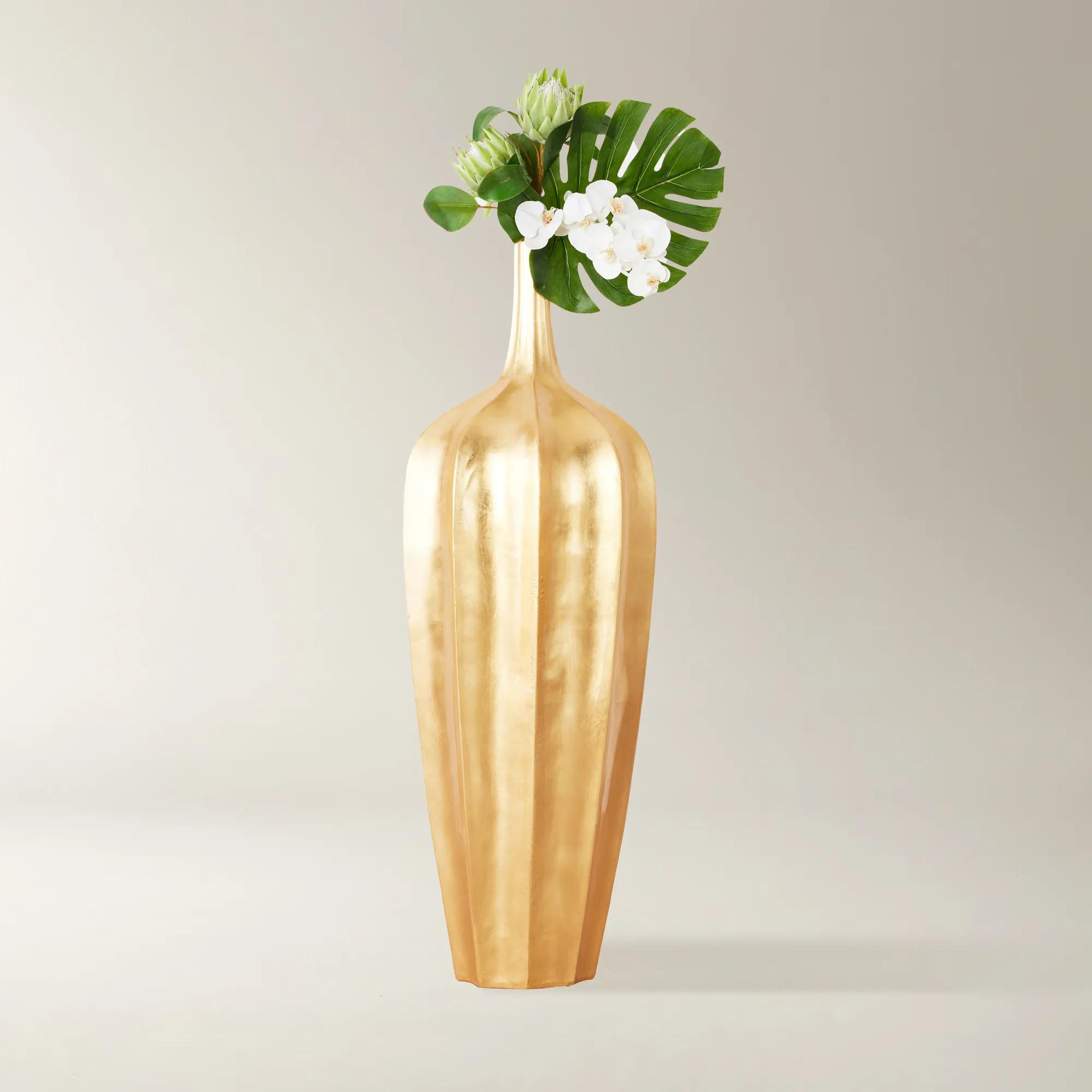 Accolade Gold Leaf Resin Floor Vase 48.75"$539
A fluted fiberglass vase featuring a lustrous gold foil finish for a striking decorative accent.
Add To Cart -
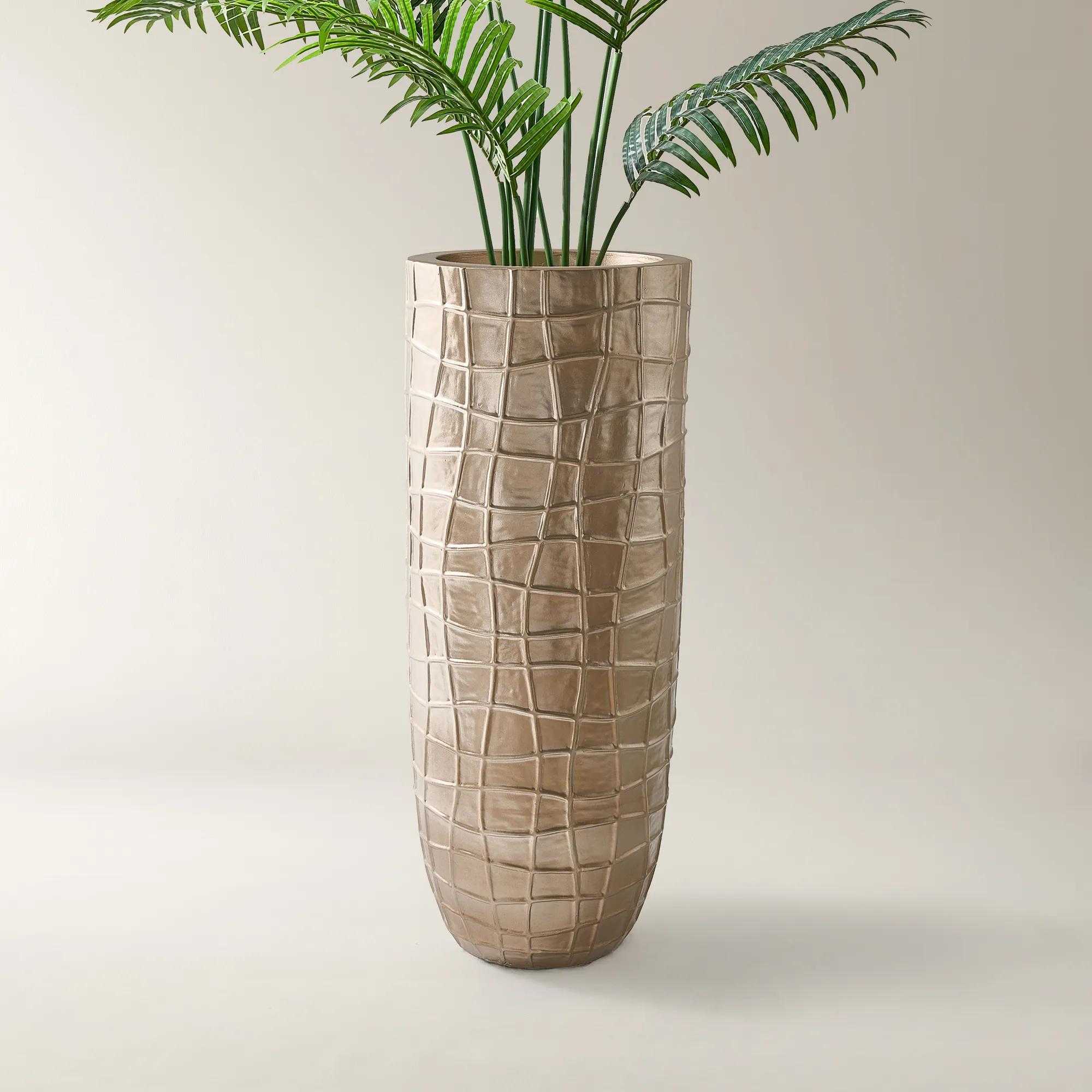
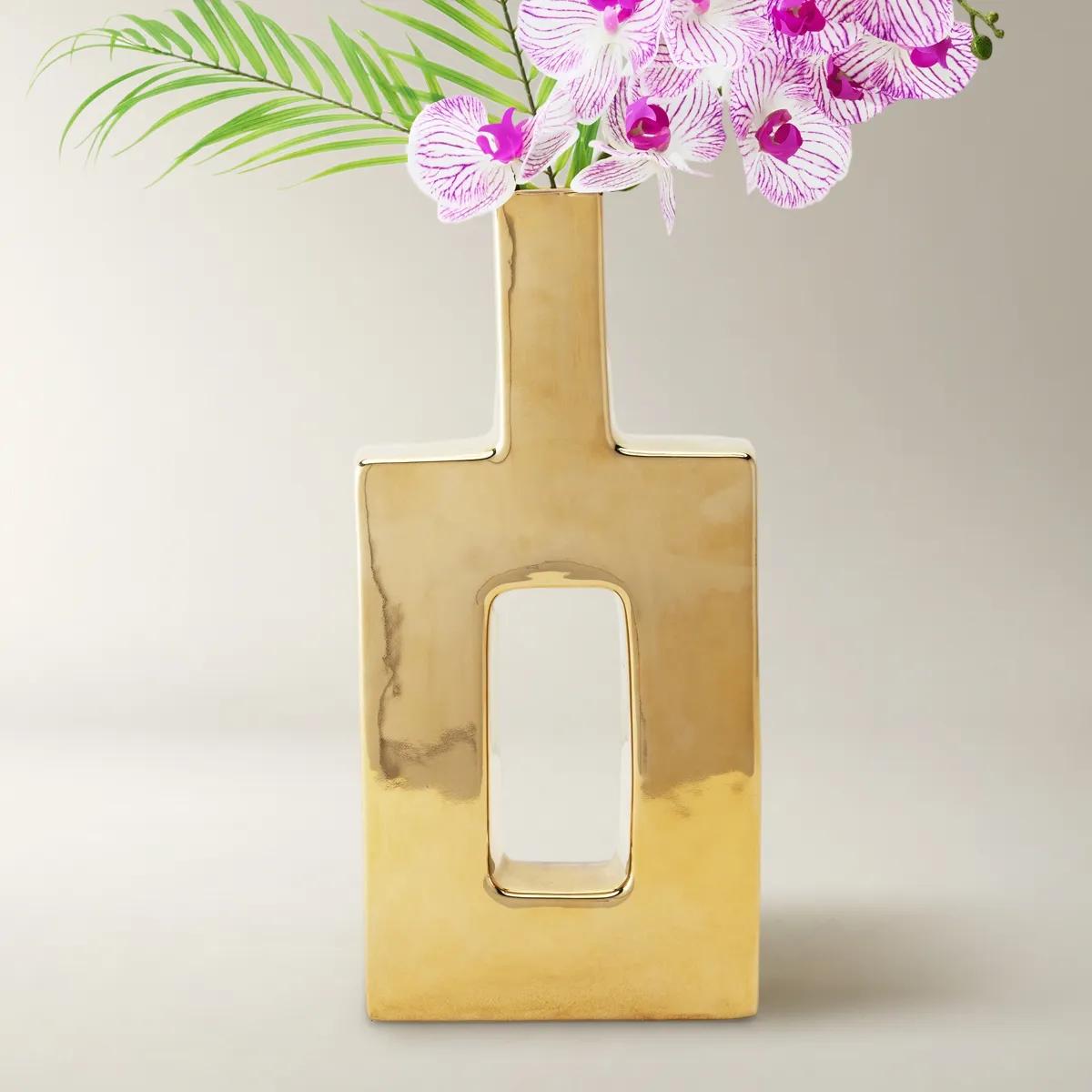 Miami Gold Ceramic High Gloss Vase 18.5"$69
A contemporary gold ceramic vase designed for decorative use or displaying faux foliage.
Add To Cart -
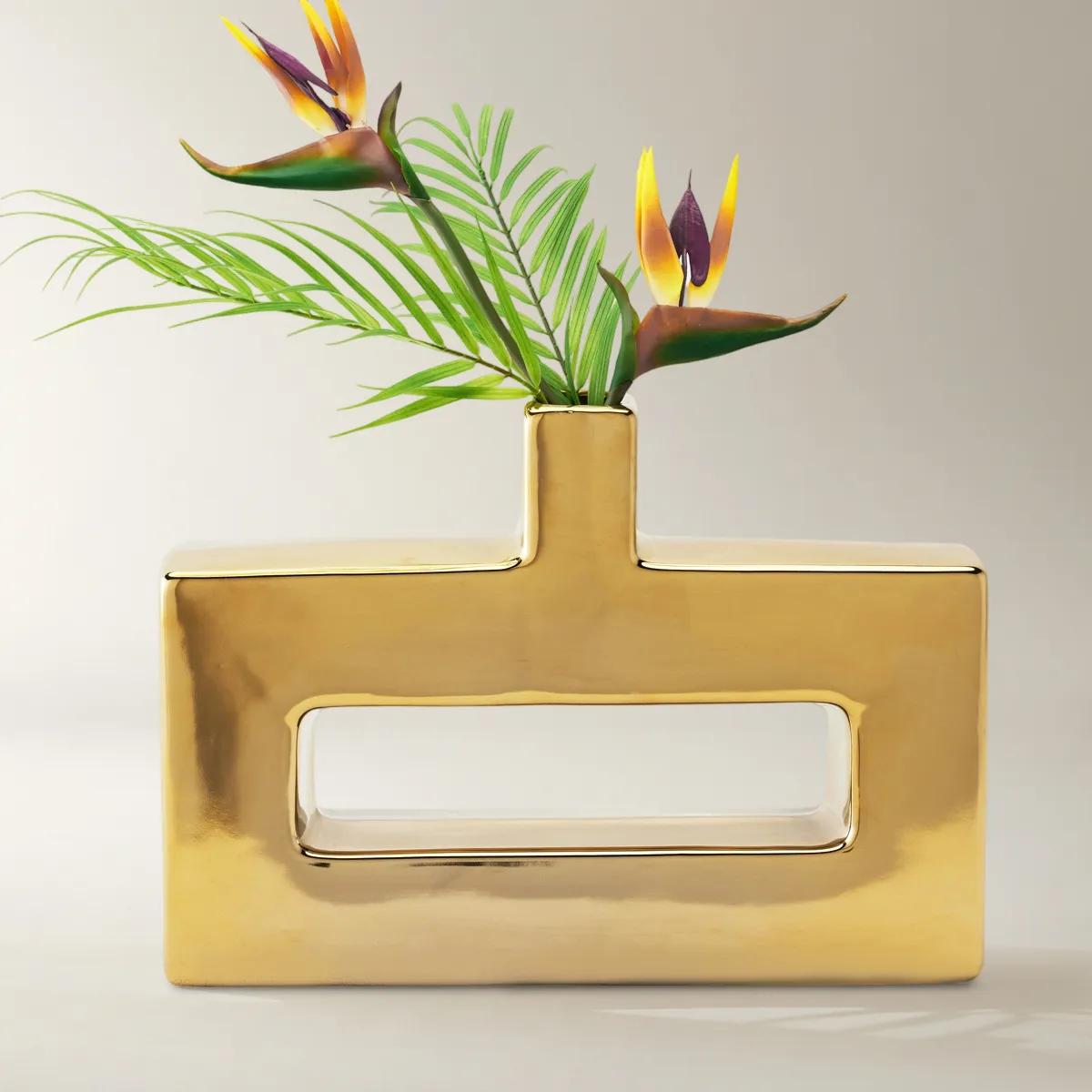 Miami Gold Ceramic High Gloss Vase 11.75"$69
A contemporary gold ceramic vase designed for decorative use as a sculptural accent or with foliage.
Add To Cart -
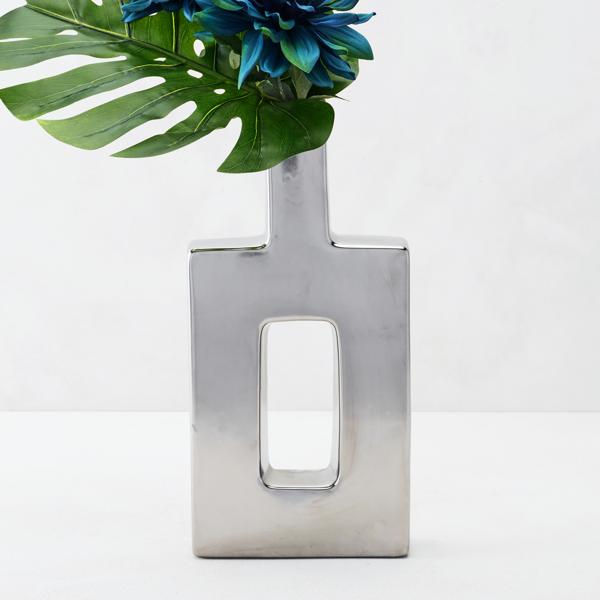
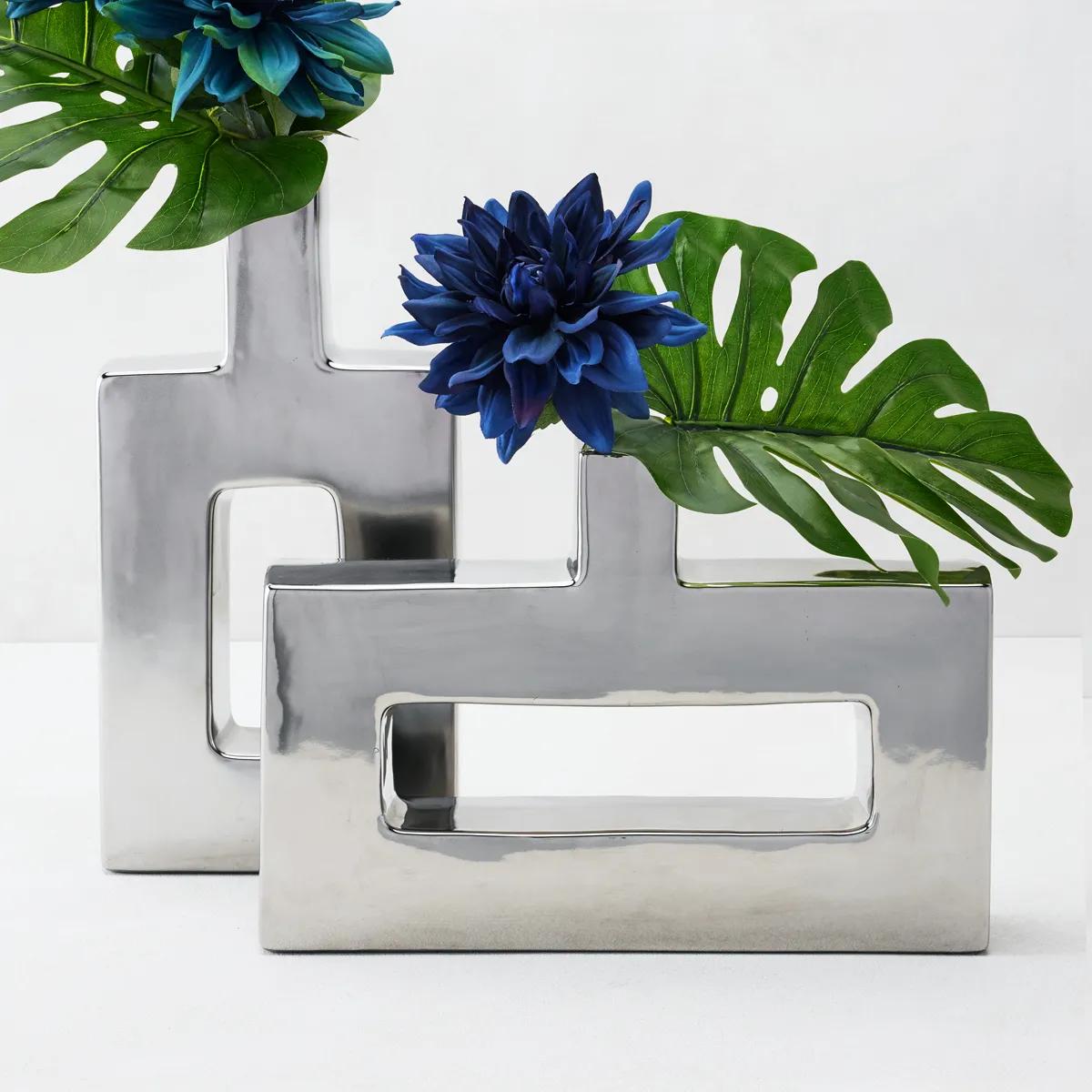 Miami Silver Ceramic High Gloss Vase 18.5"$69
A contemporary silver ceramic vase with a stylish gold glaze, perfect for decorative foliage or display.
Add To Cart -
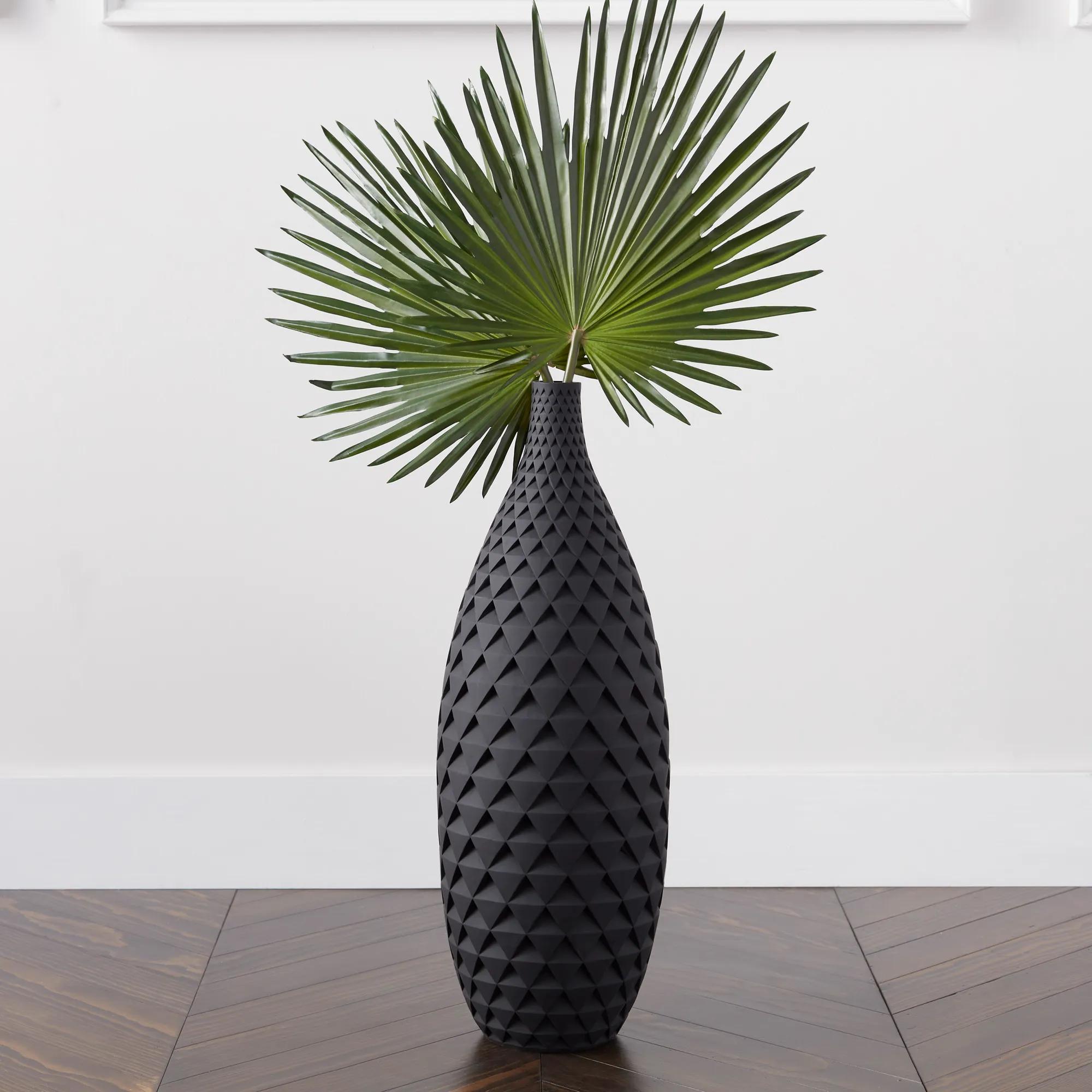 Cairo Floor Vase$99
A lightweight resin floor vase featuring a matte black finish and a striking scalloped texture.
Add To Cart -
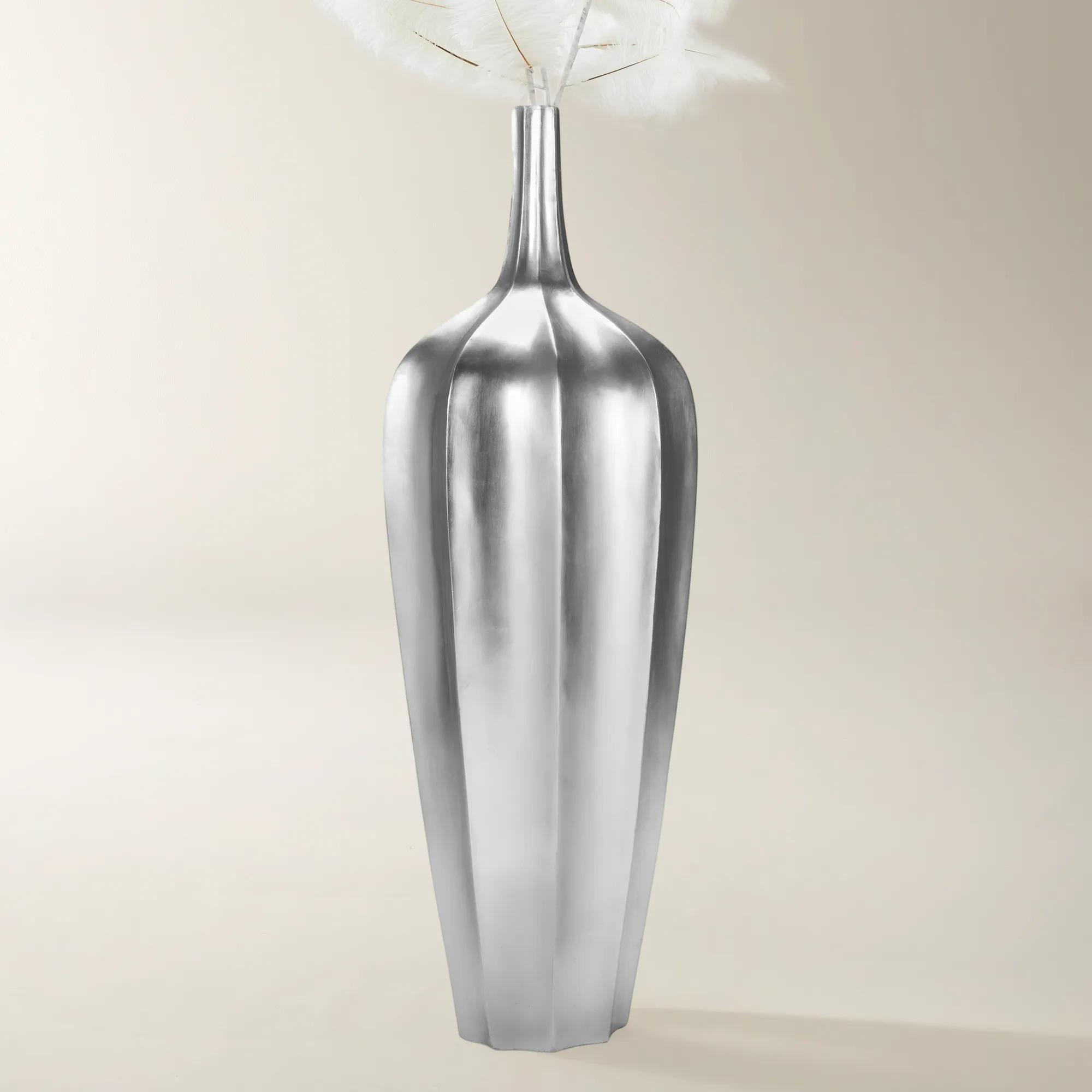
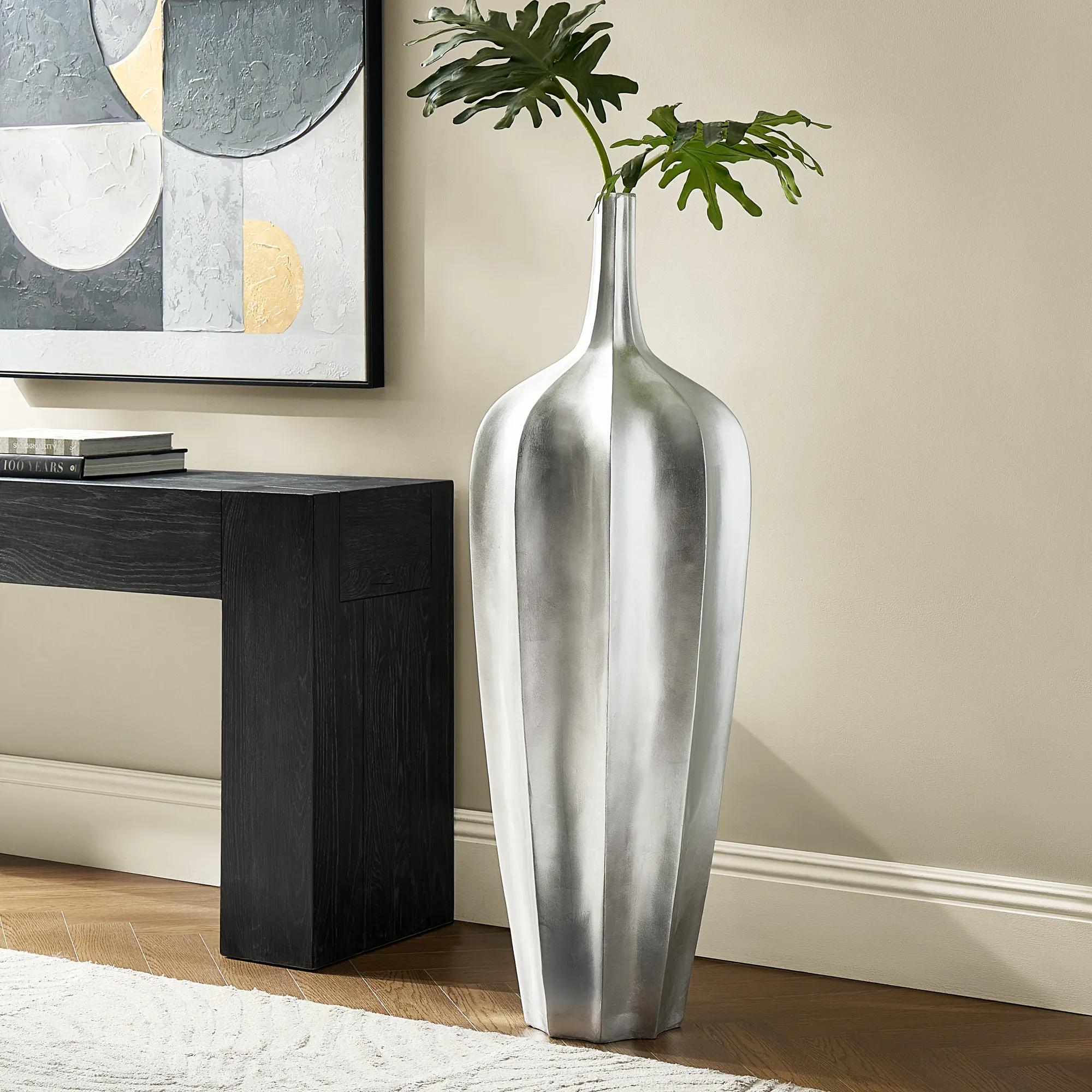 Accolade Silver Leaf Resin Floor Vase 48.75"$539
A fluted fiberglass vase featuring a lustrous metallic silver foil finish for a striking decorative accent.
Add To Cart -
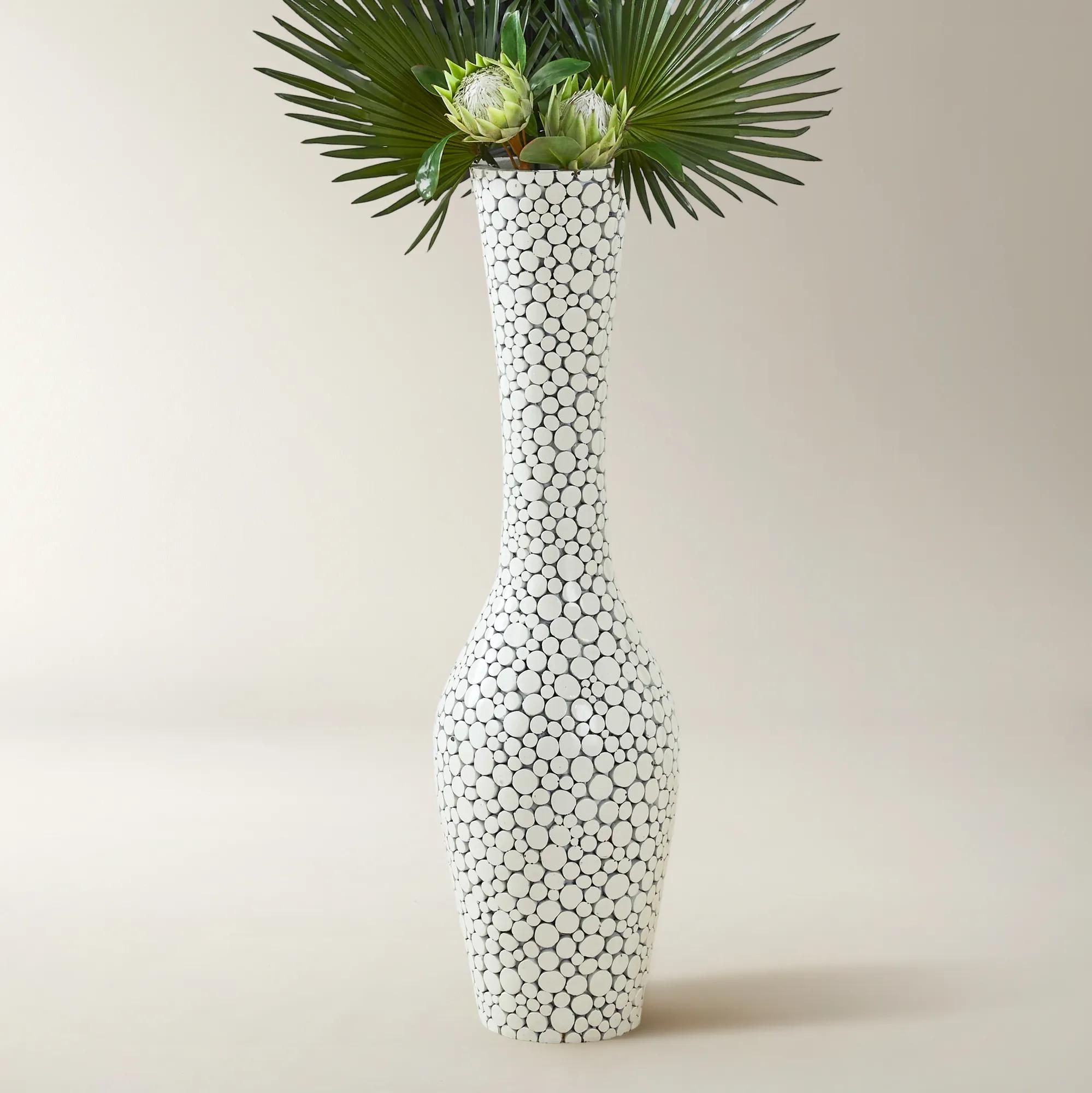 Oslo Floor Vase$299
A contemporary floor vase featuring hand-applied wood accents and a glossy white fiberglass base.
Add To Cart -
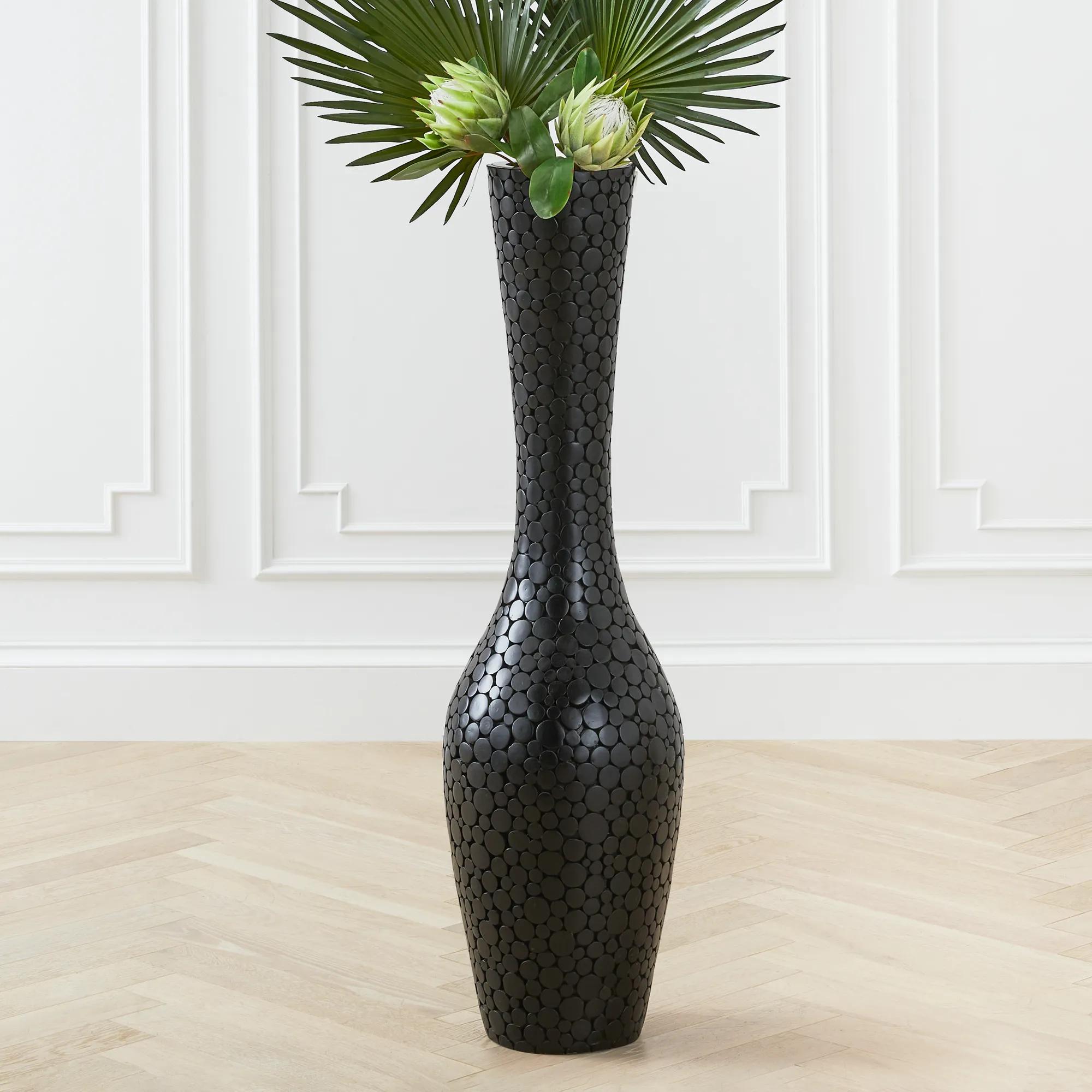
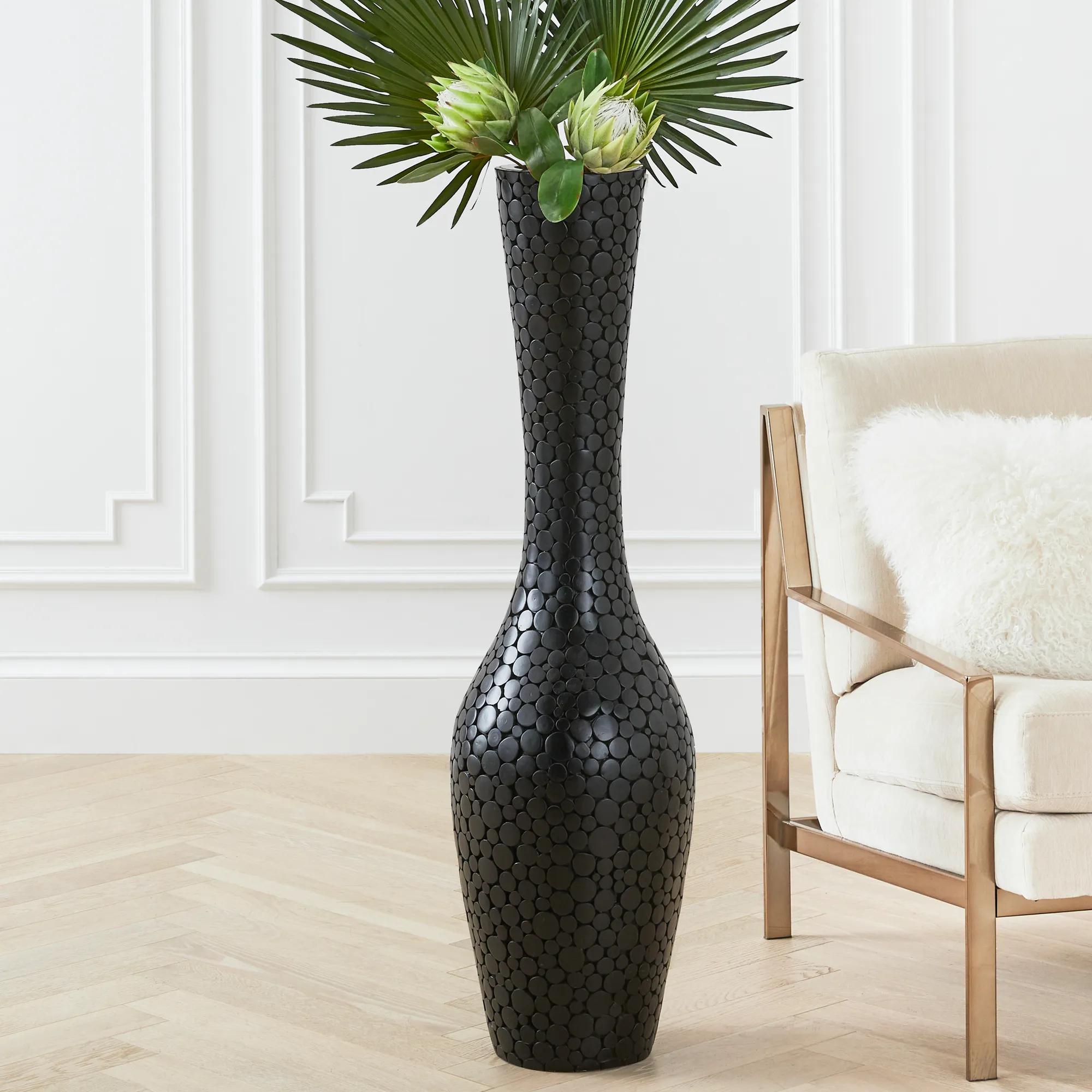 Oslo Black Wood Floor Vase 45"$299
A contemporary floor vase featuring hand-applied wood accents and a glossy black fiberglass base.
Add To Cart -
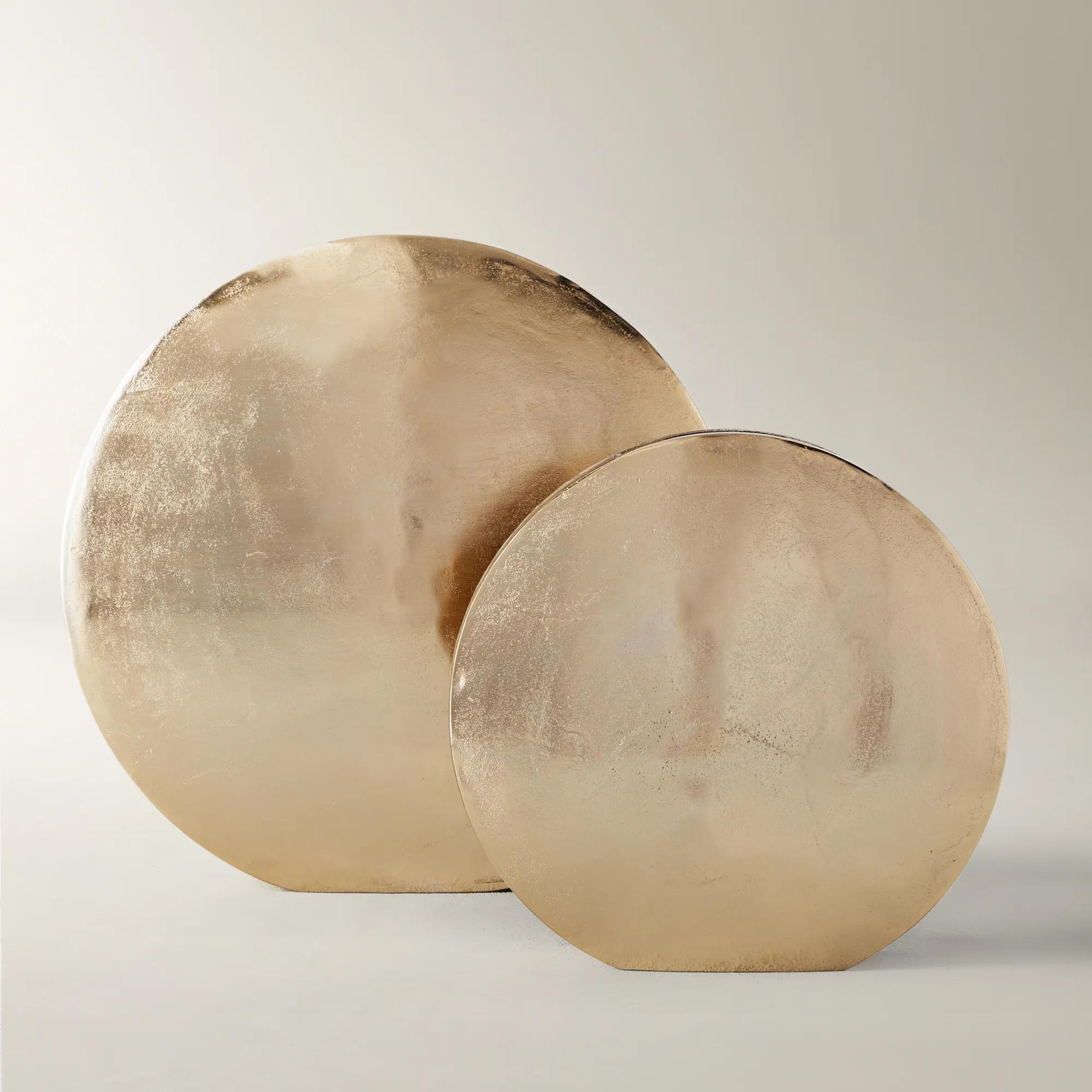
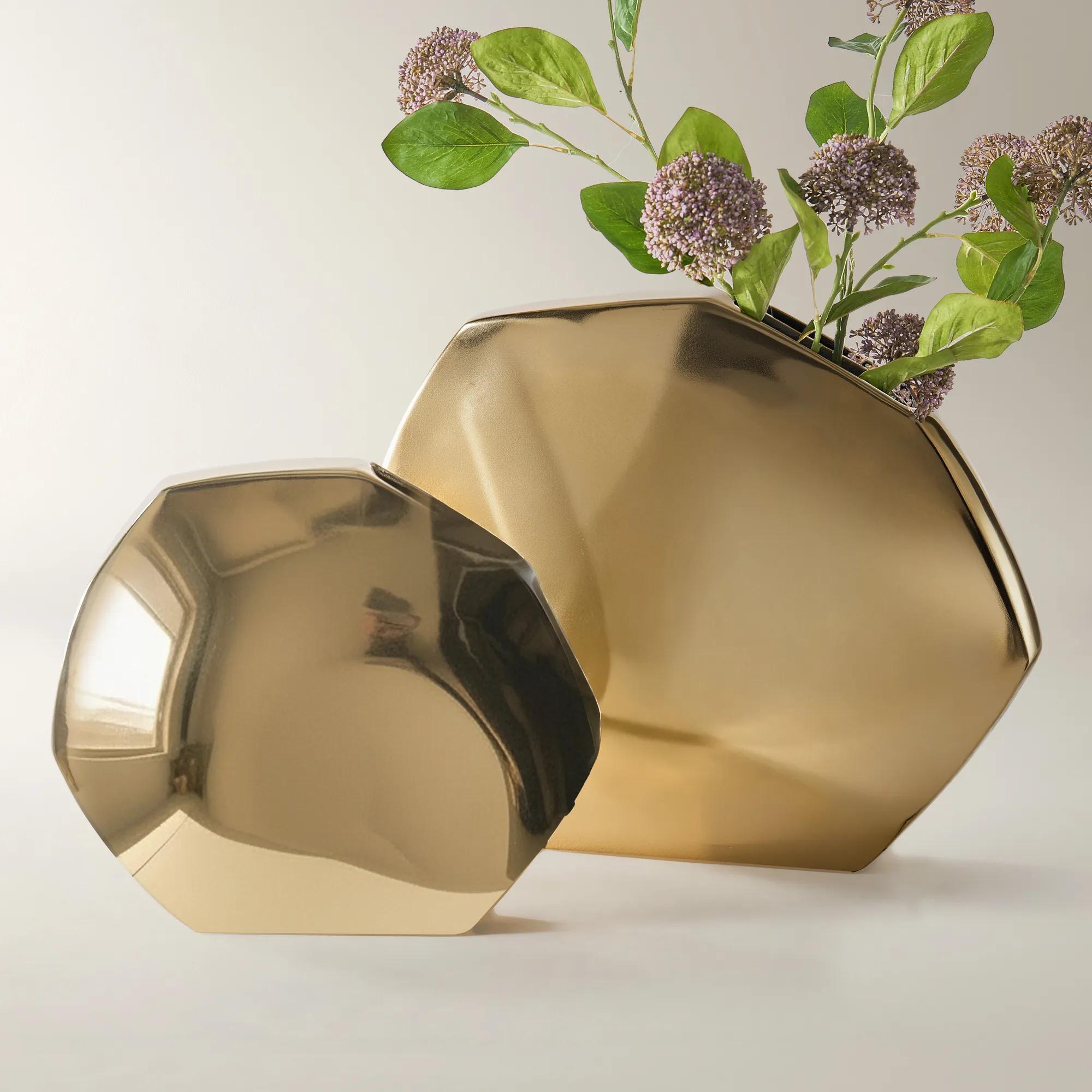
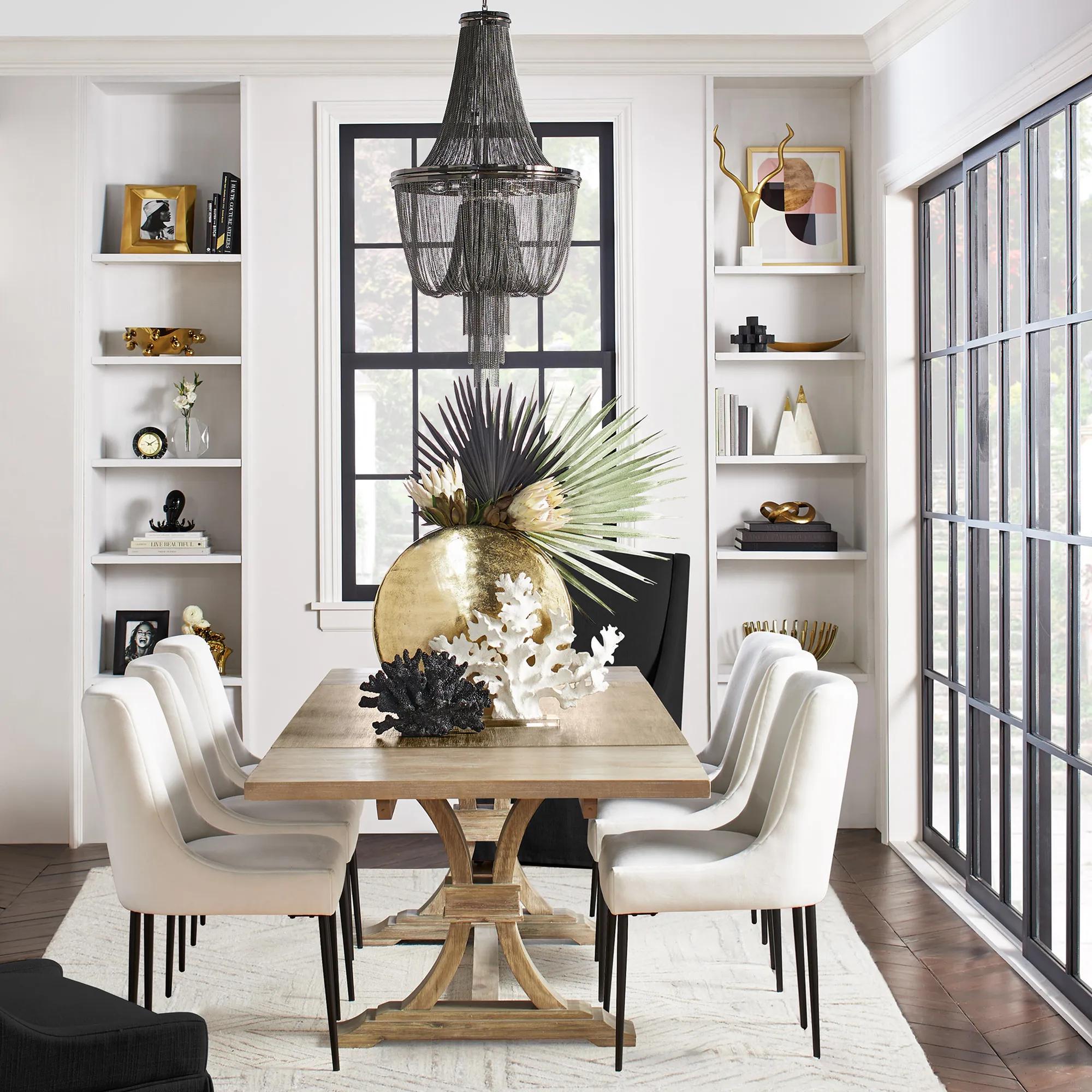 Greer Gold Aluminum Vases$249
A striking gold aluminum disc vase perfect for showcasing dried blooms or as a decorative accent.
Add To Cart -
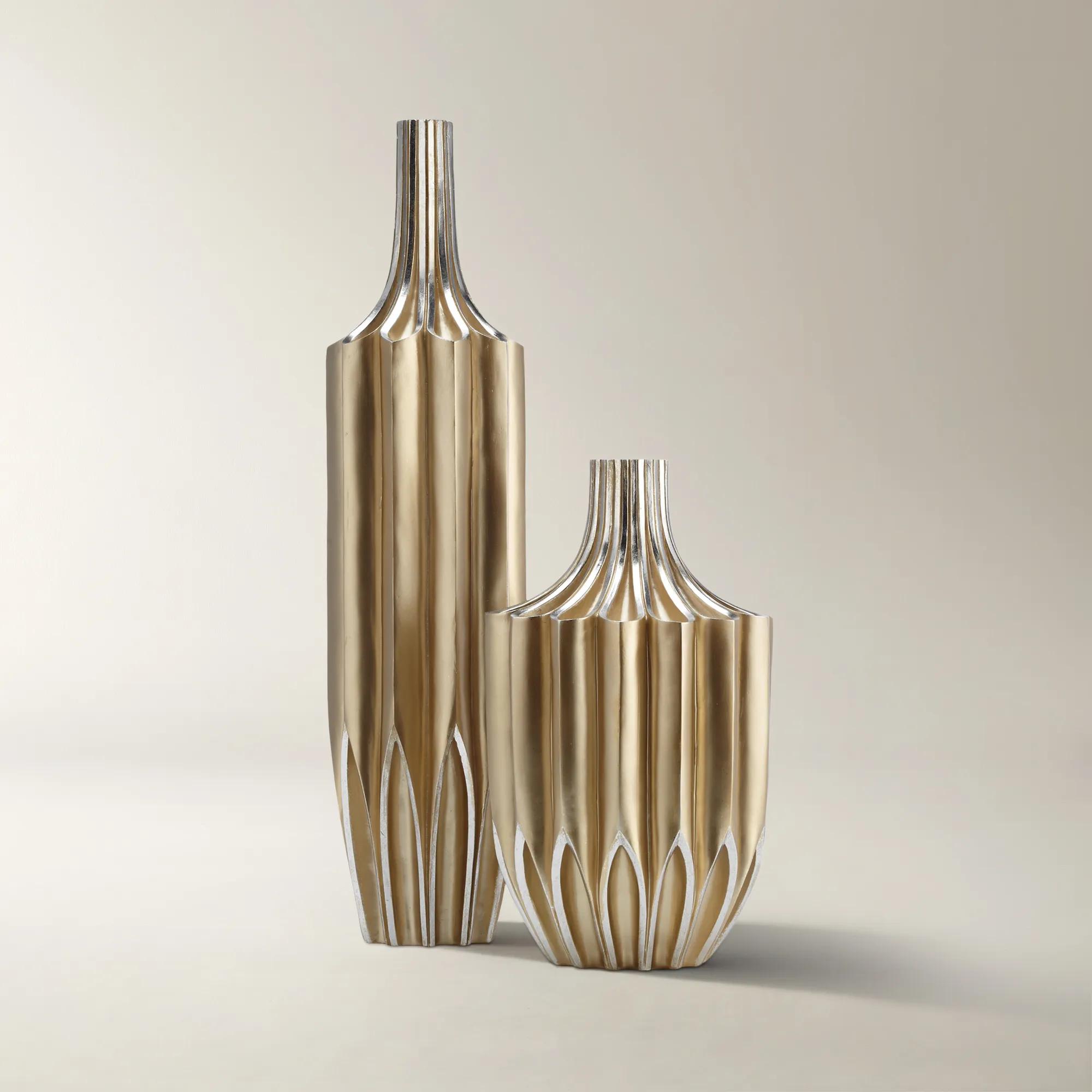
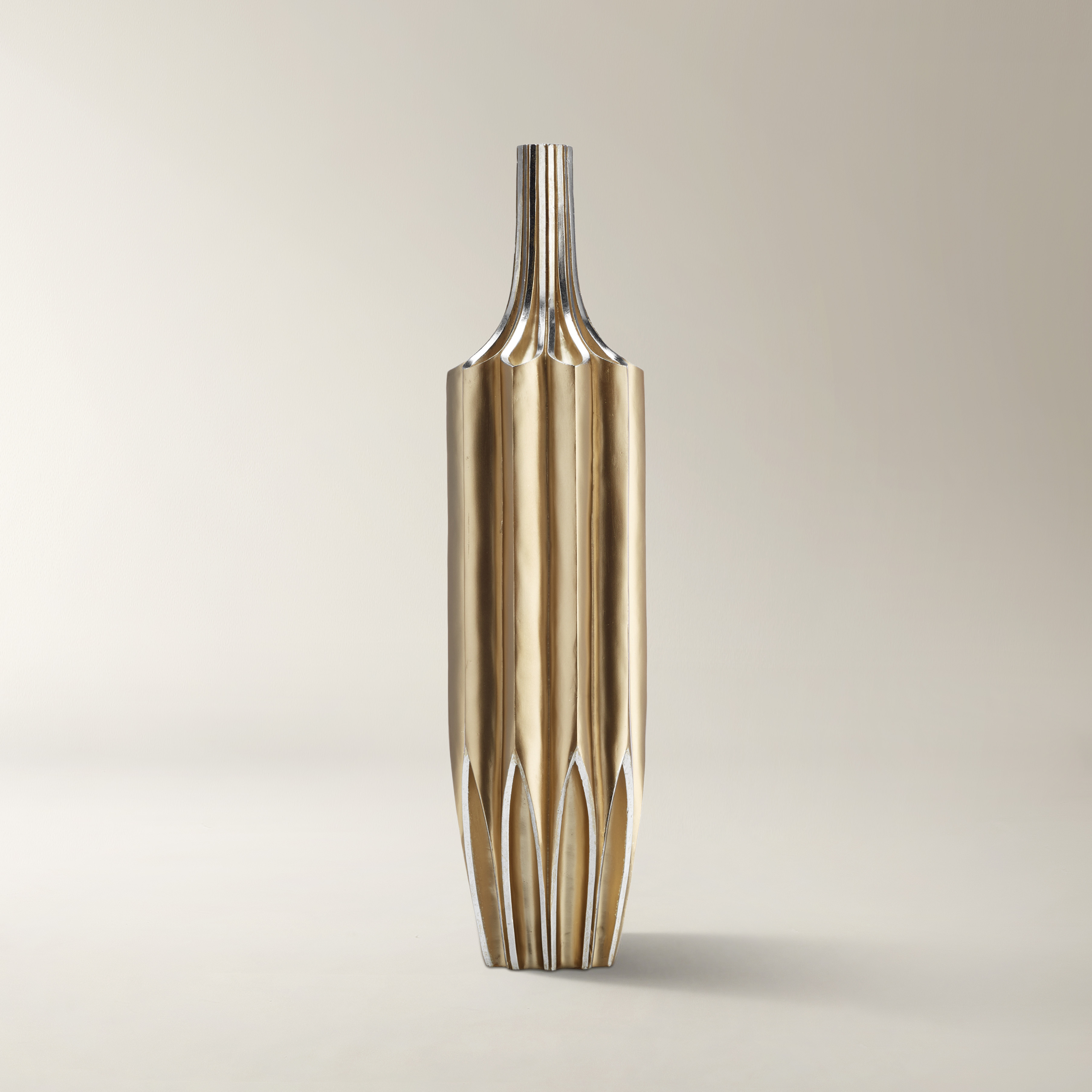 Savannah Gold Resin Vases$69
A sophisticated polyresin vase featuring sleek vertical curves and a modern, inward-flaring design.
Add To Cart -
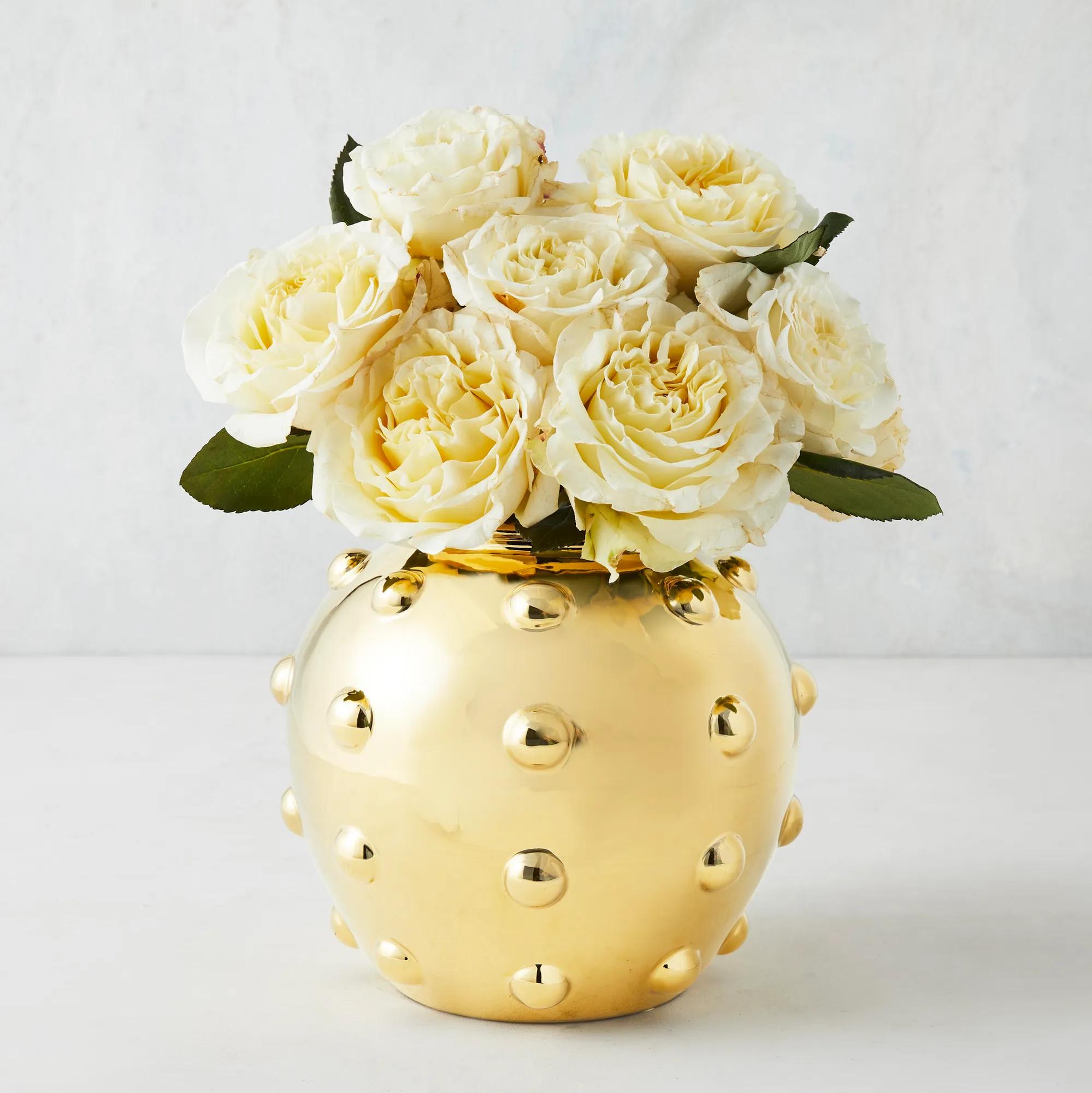
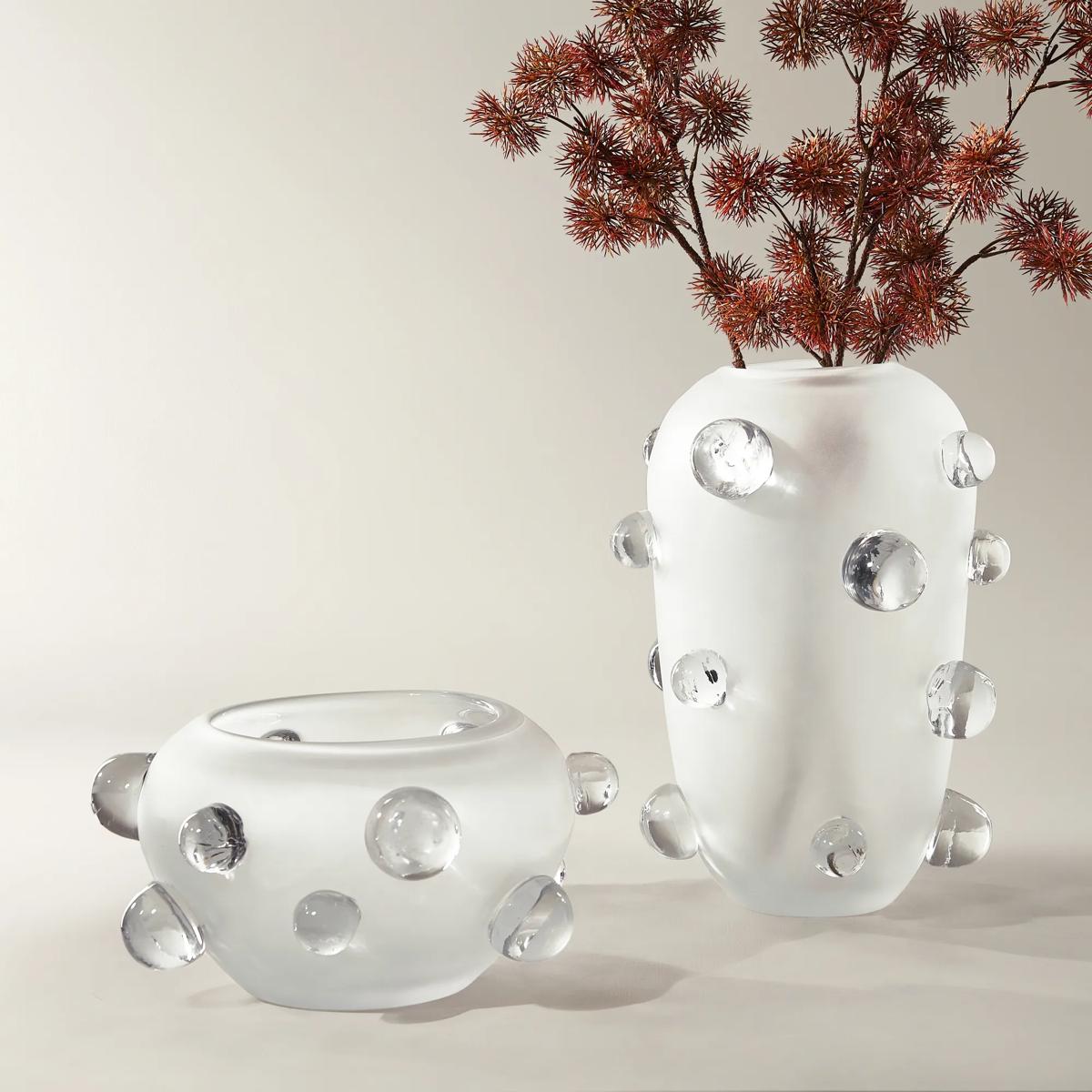
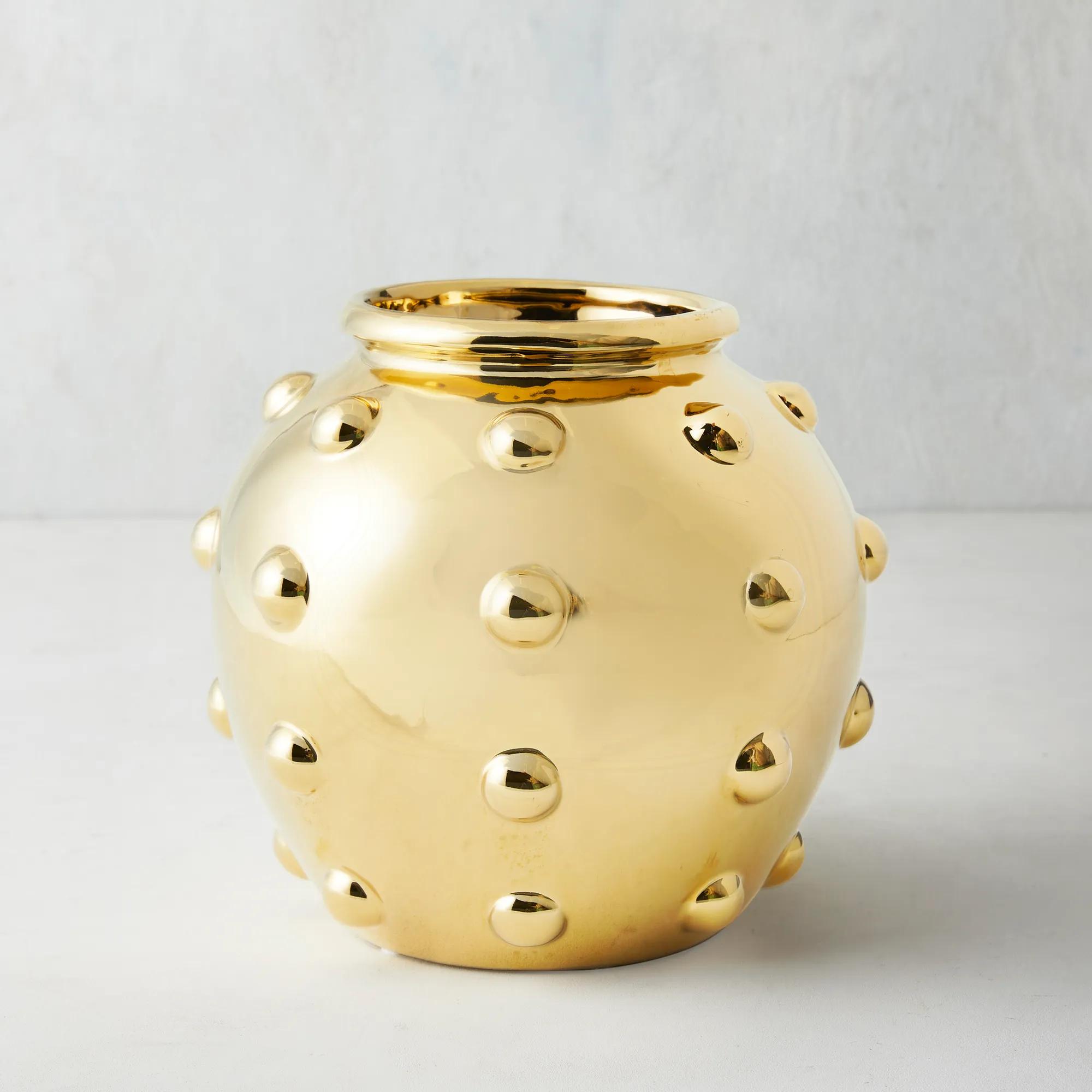 Orb Bauble Vase$59
A ceramic vase with a dimensional dot design and a gleaming gold finish for bold decor impact.
Add To Cart -
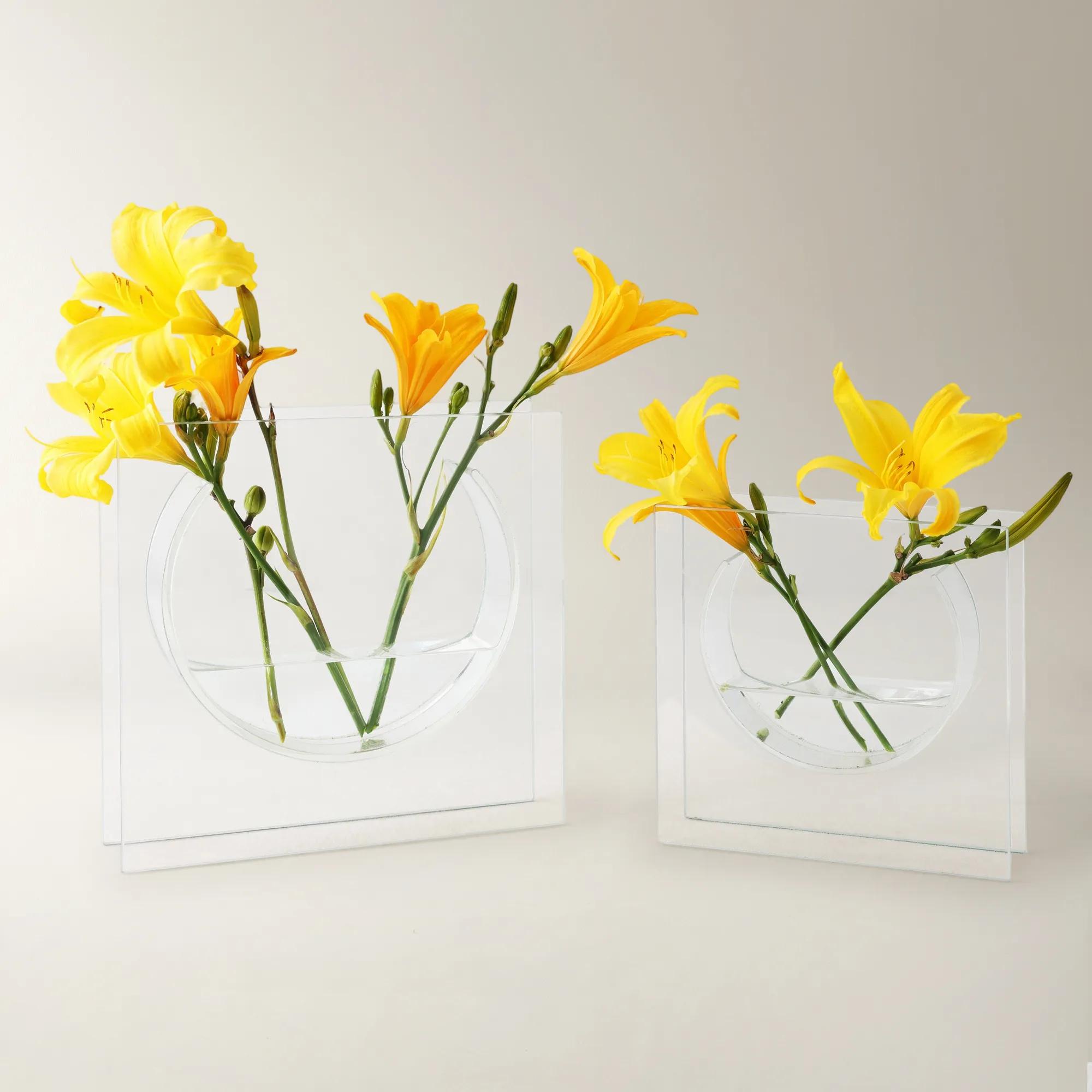
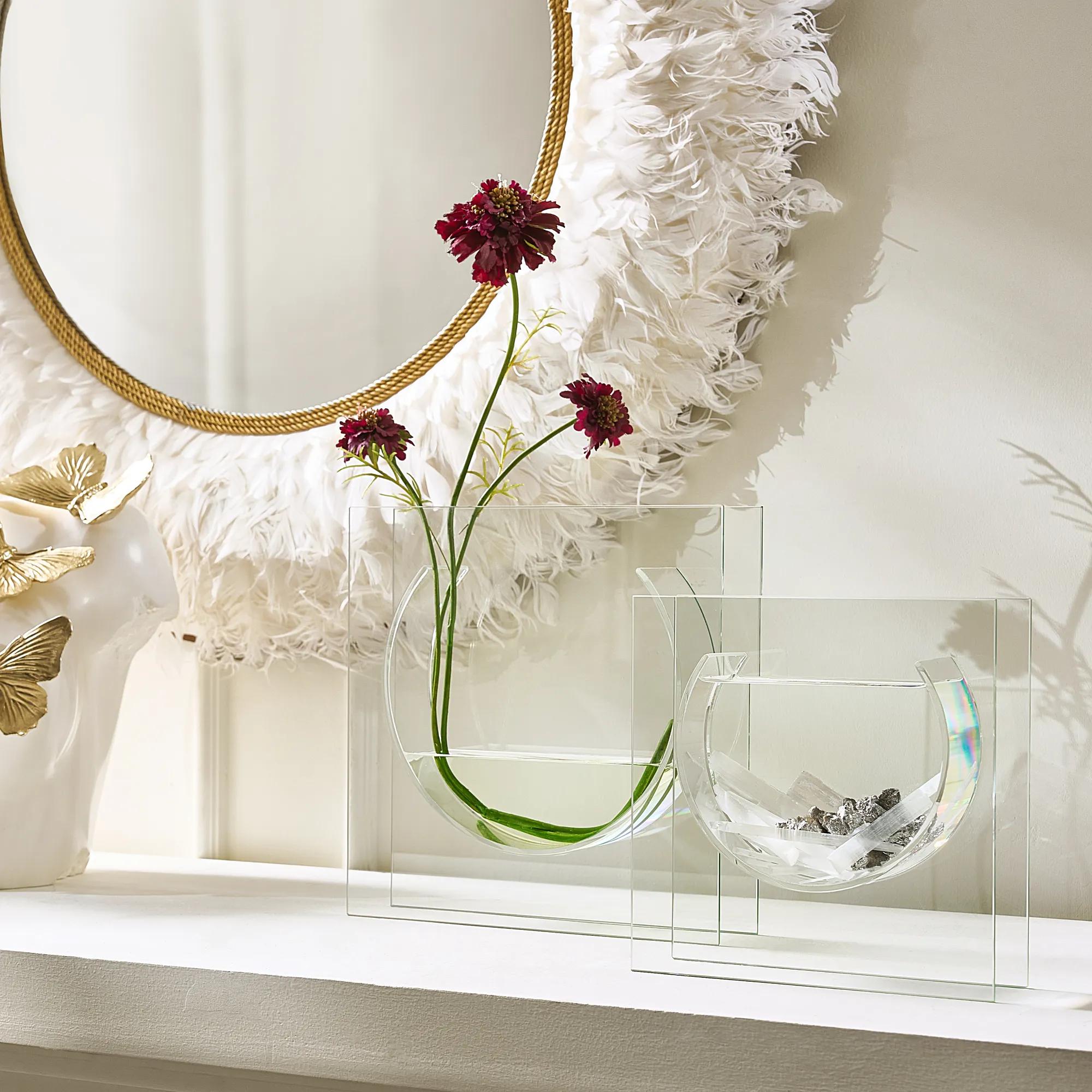 Solaris Clear Glass Vases$29
A clear glass vase with an elliptical bowl and bold modern design between two glass panels.
Add To Cart -
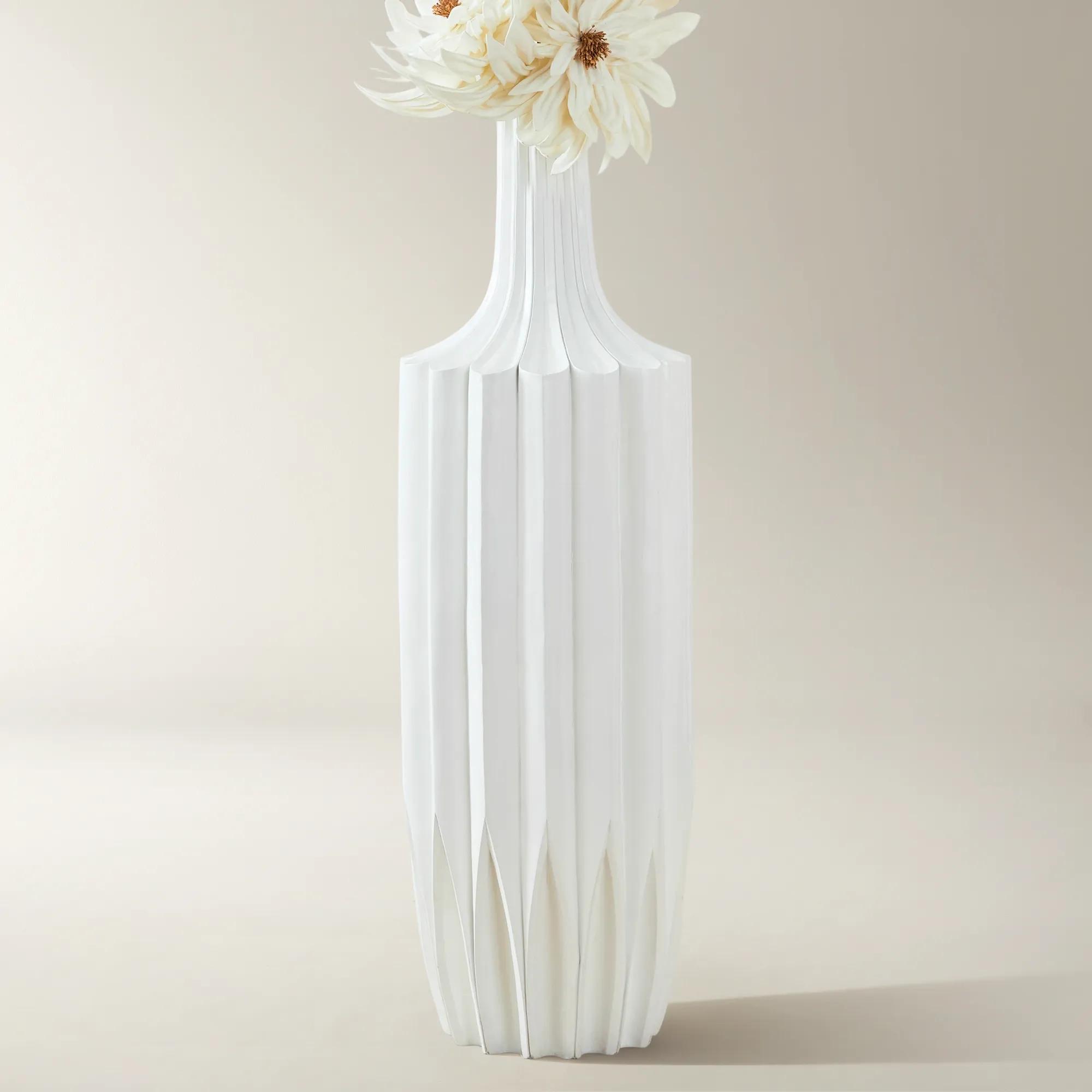 Savannah White Resin Floor Vase 48.75"$509
A sophisticated polyresin vase featuring sleek vertical curves, perfect for displaying decorative flowers or foliage.
Add To Cart -
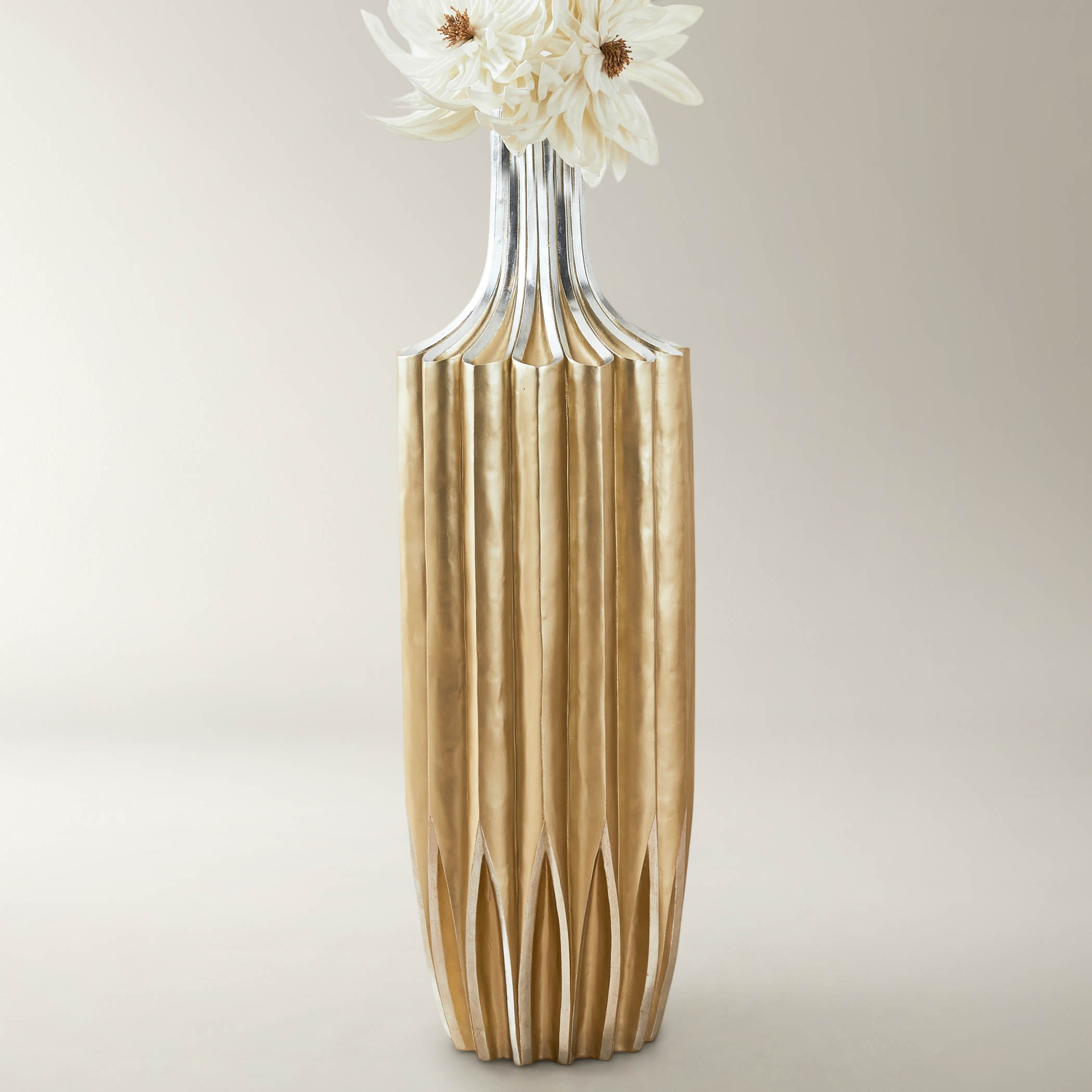
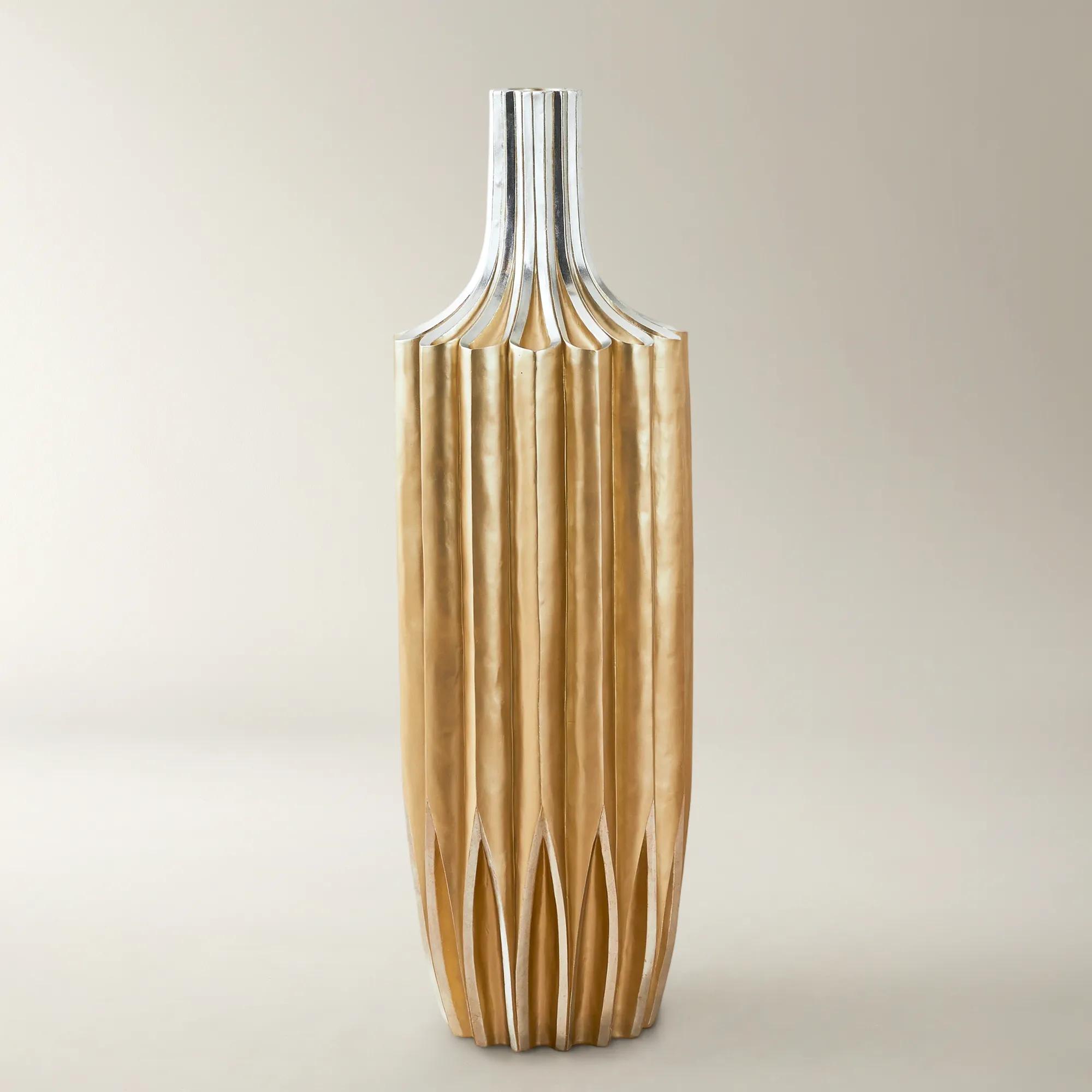 Savannah Gold Resin Floor Vase 48.75"$509
A sophisticated polyresin vase featuring sleek vertical curves for a modern decorative accent.
Add To Cart -
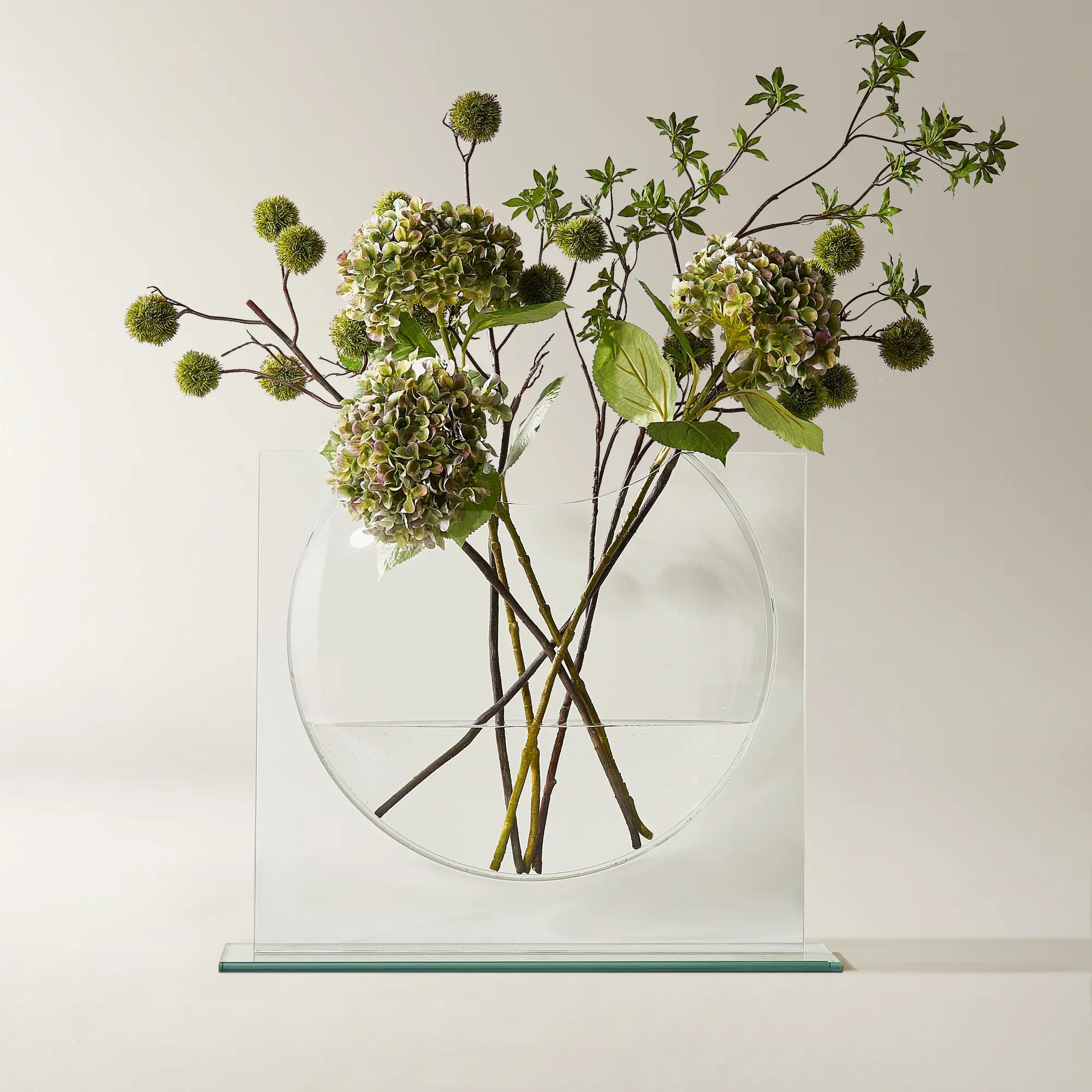
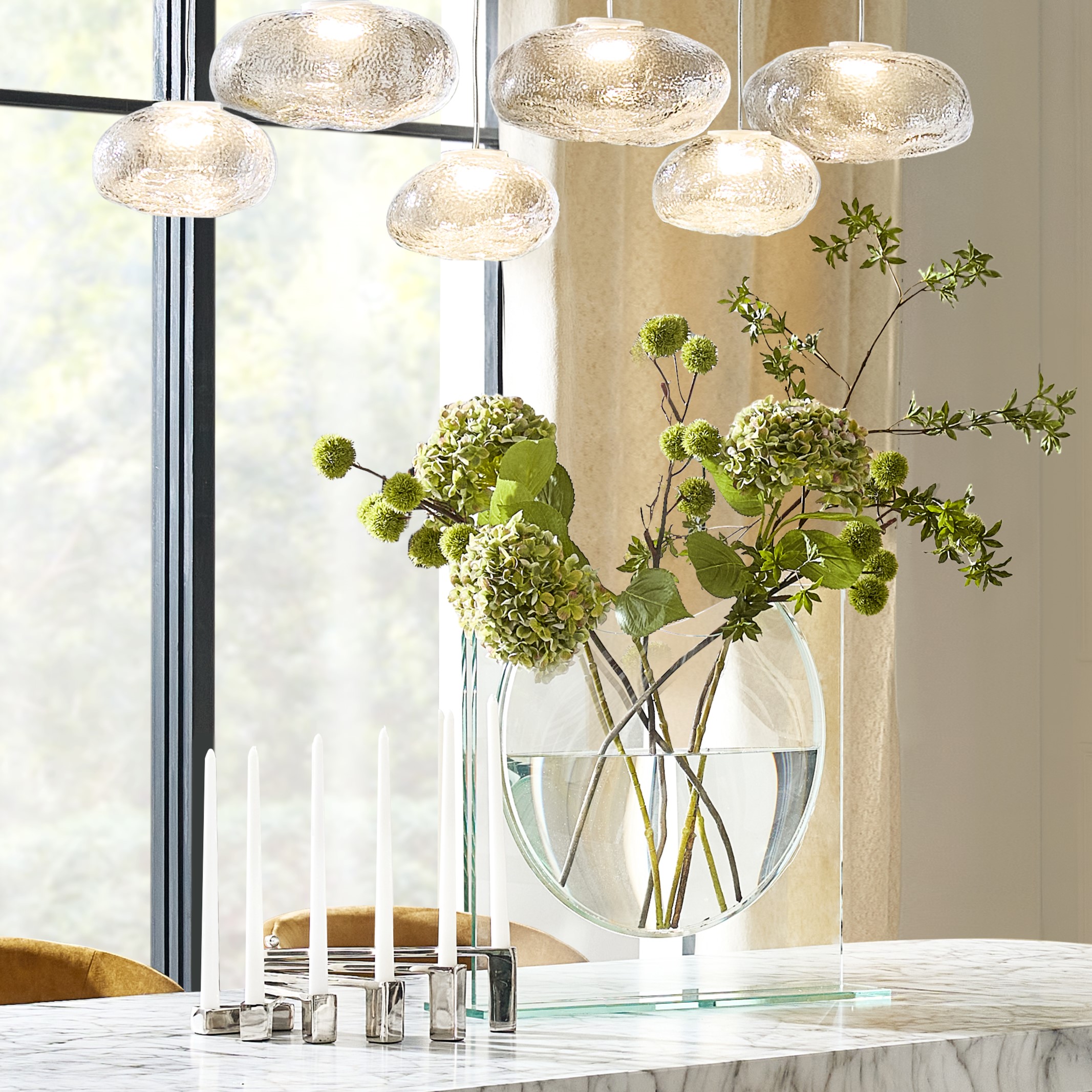 Ellipse Clear Glass Vase 20"$259
A sleek elliptical glass vase offering a modern, functional accent for fresh floral arrangements.
Add To Cart -
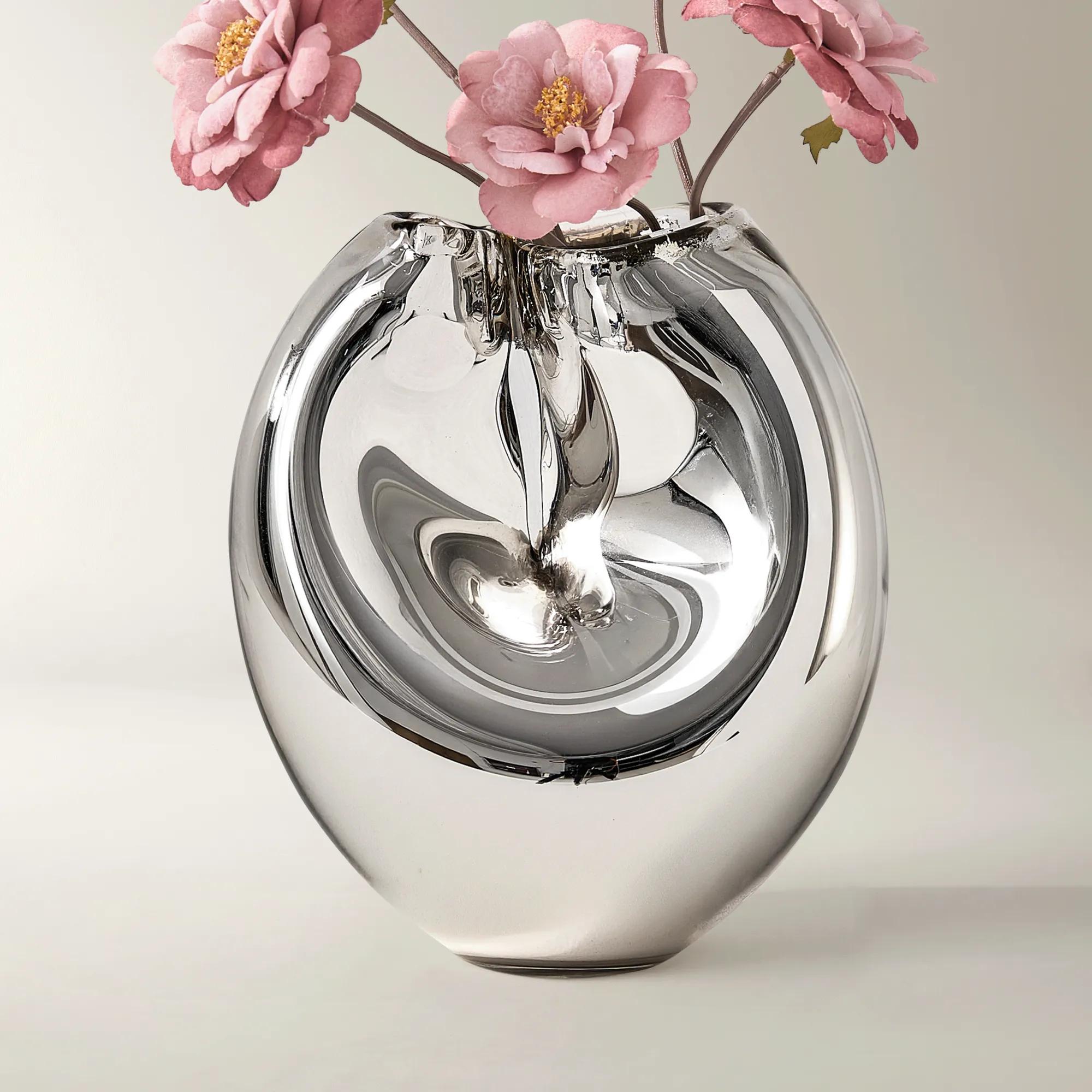 Ono Mouth Blown Mirrored Silver Glass Vase 7.75"$79
A handblown glass vase with a mirrored finish and organic silhouette for modern, artful display.
Add To Cart -
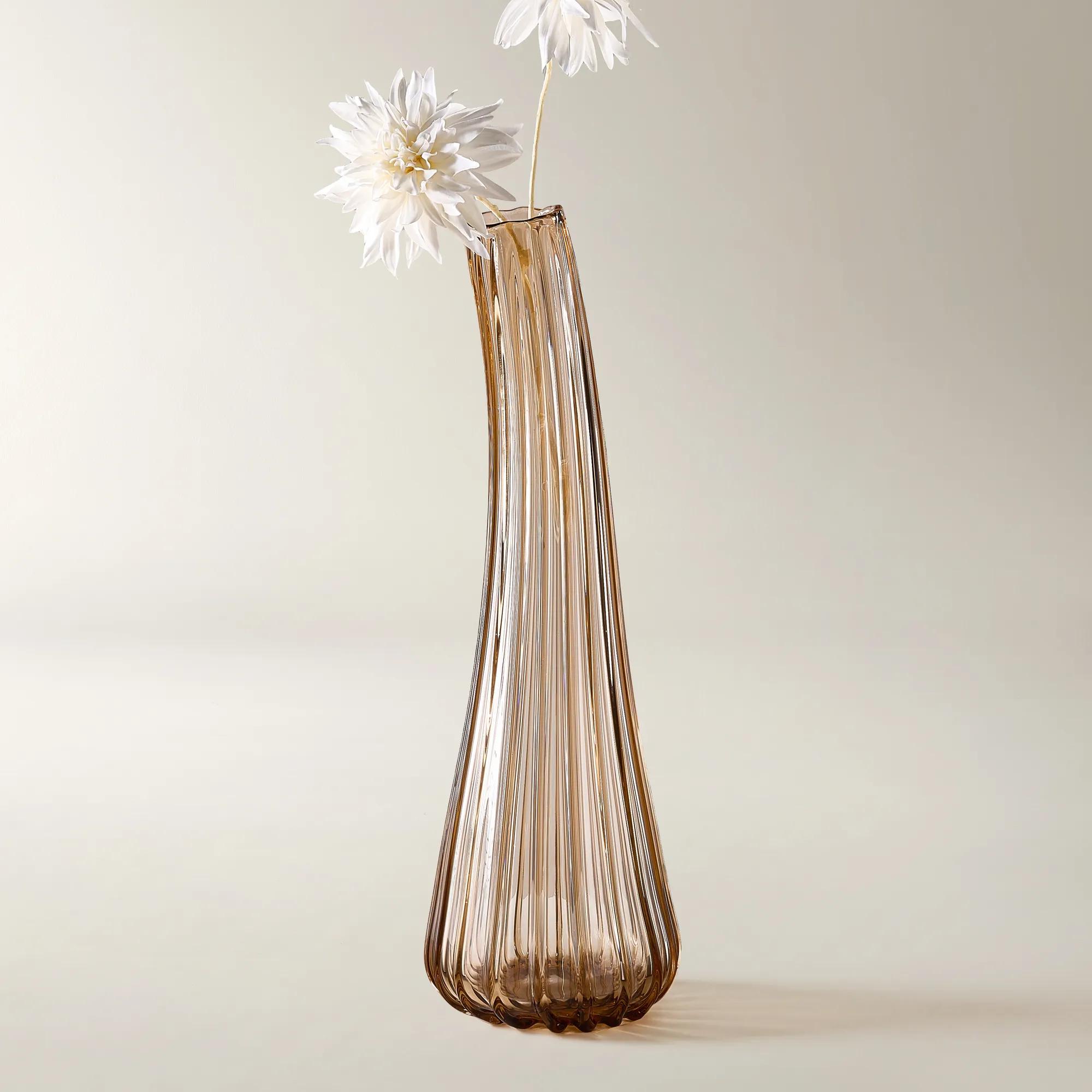
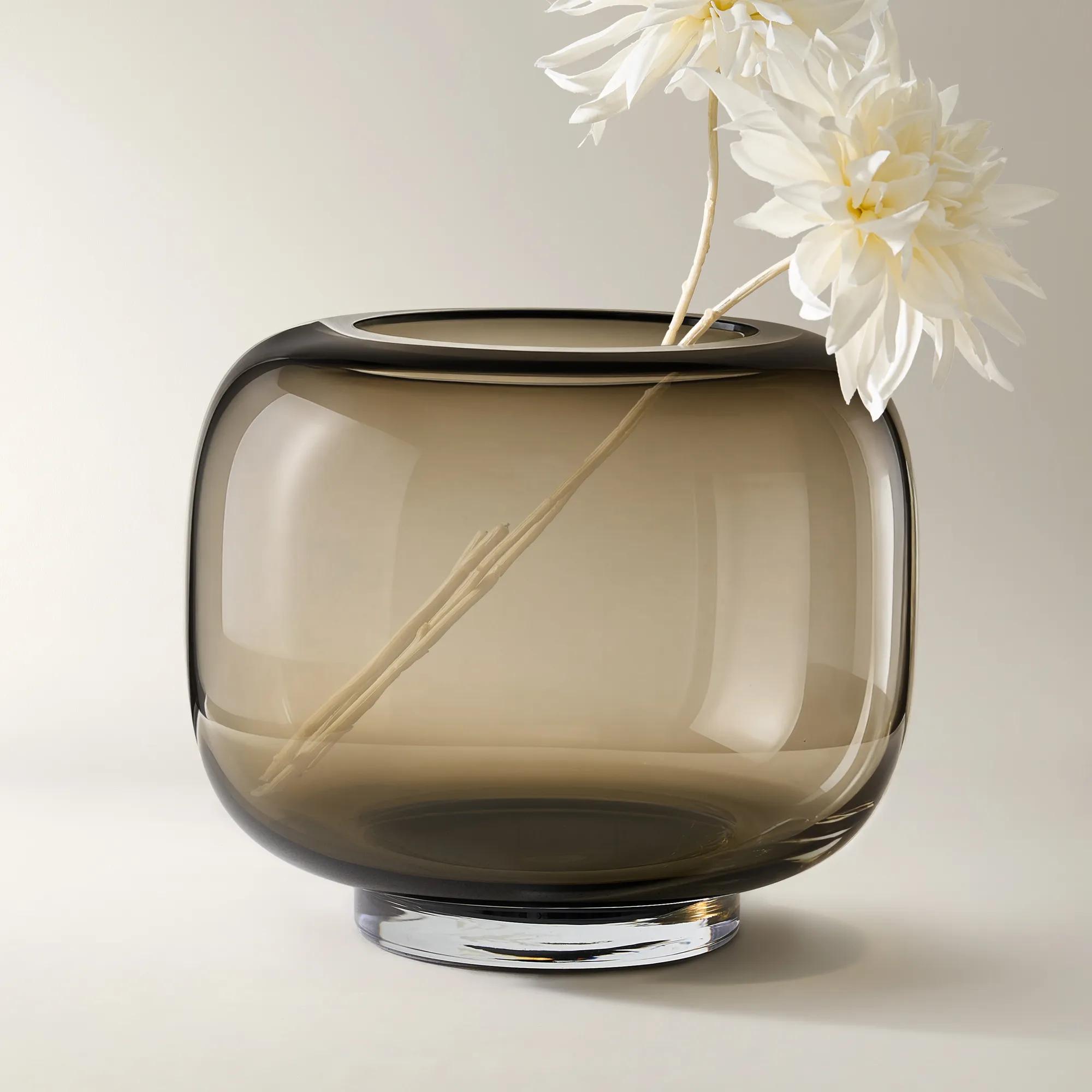
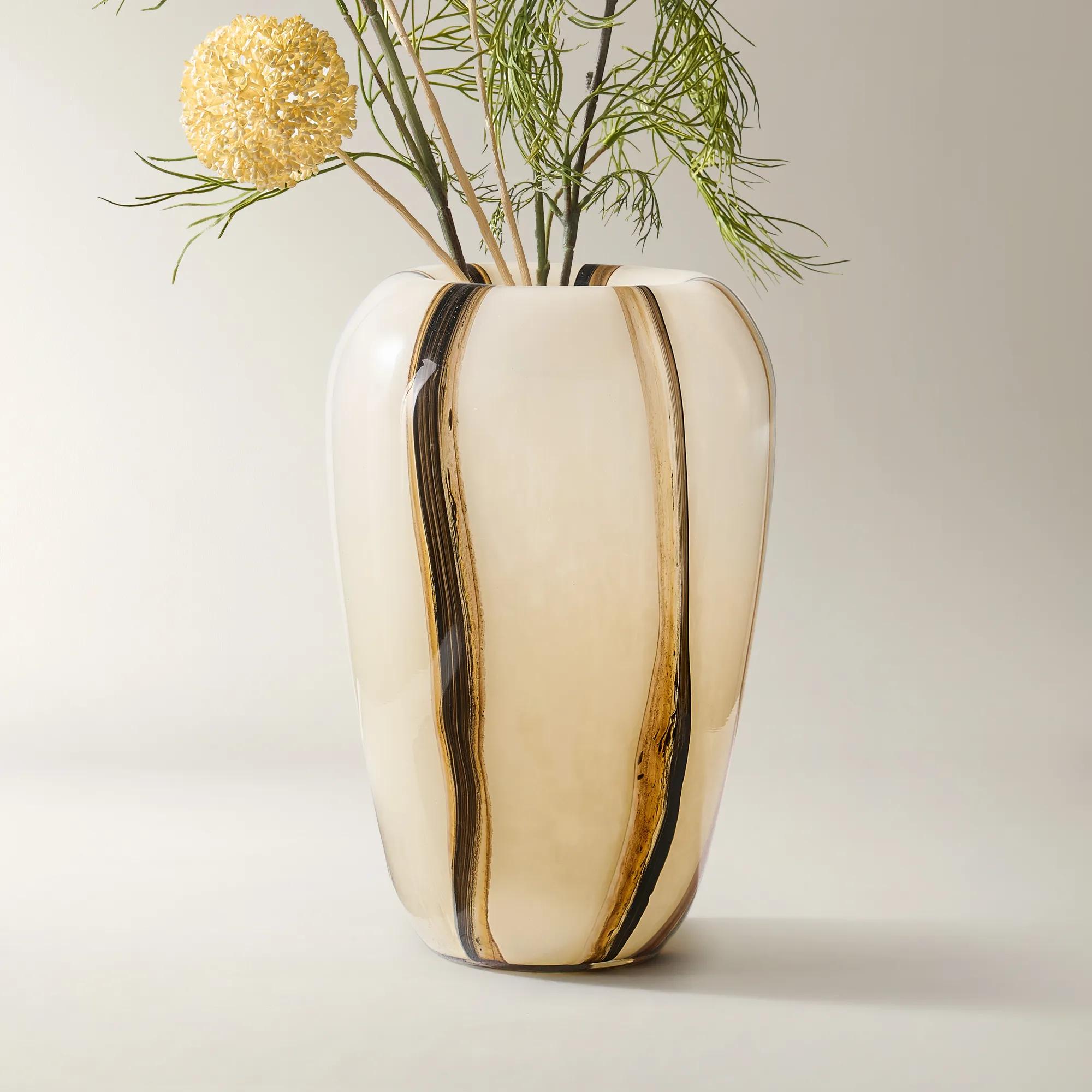
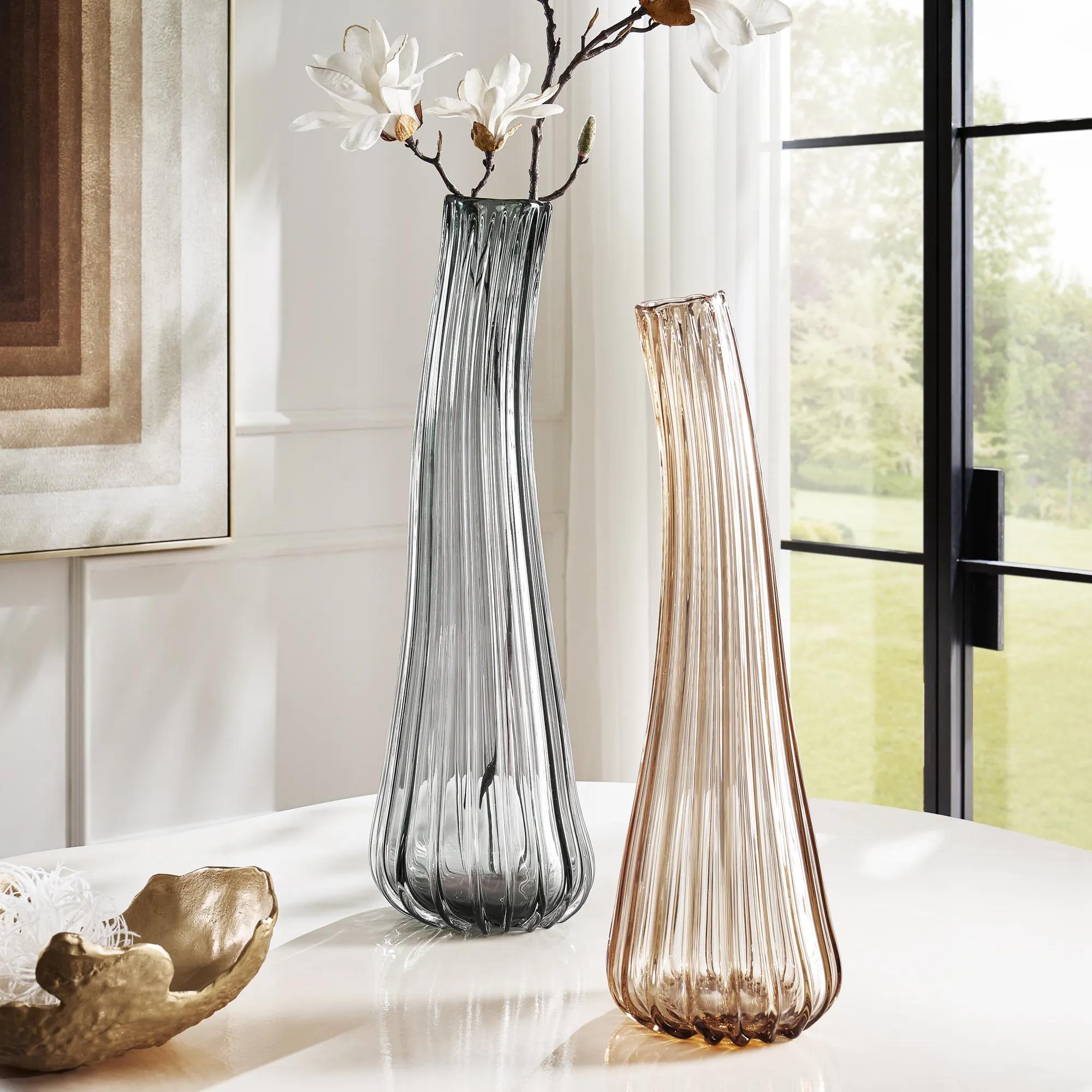 Tango Mouth Blown Soft Amber Vase 24.75"$179
A handblown glass vase in a soft amber finish with a textured, sculptural centerpiece design.
Add To Cart -
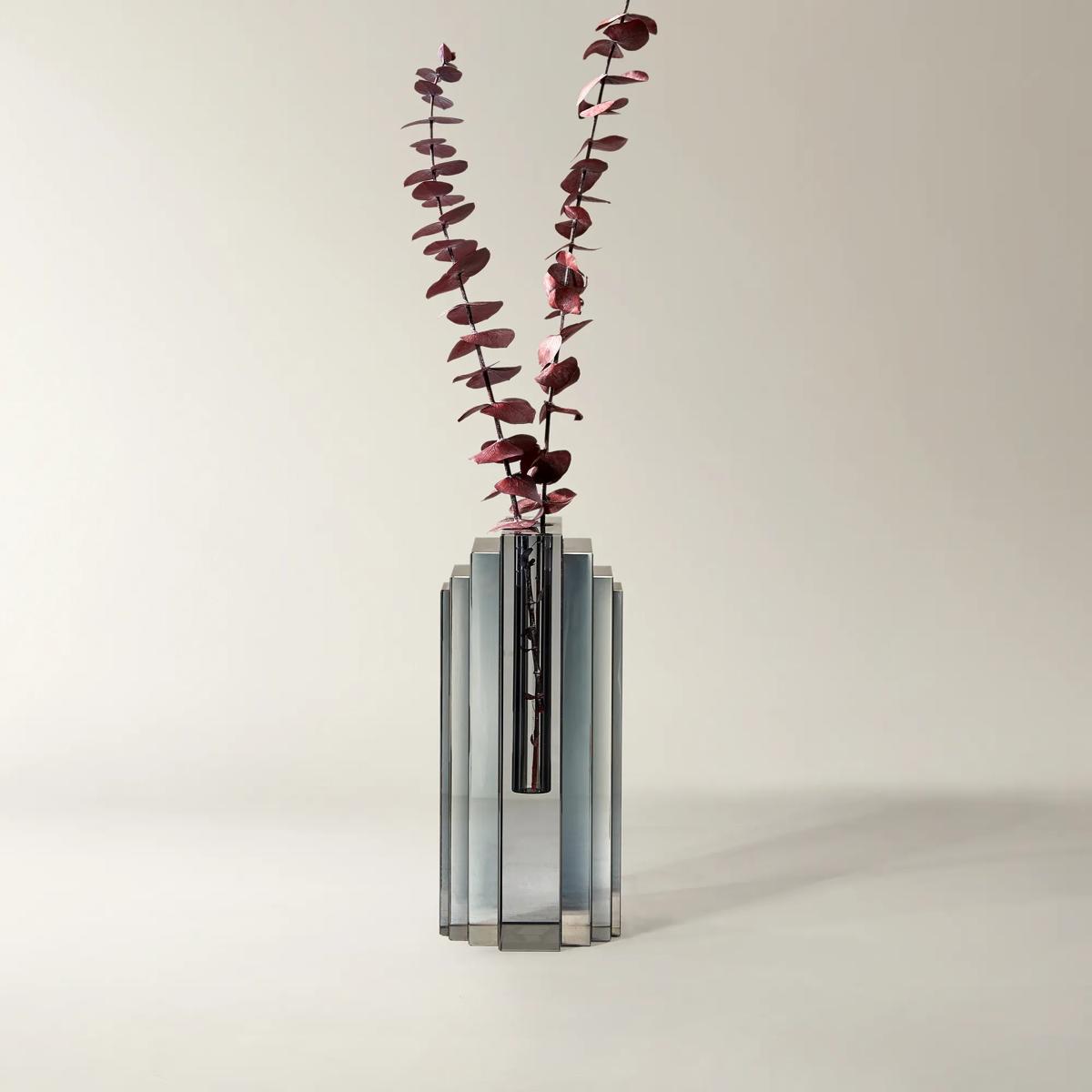 Lucca Crystal Vase - Mirrored Graphite$109
A mirrored graphite crystal vase with a multifaceted geometric design that reflects light for sculptural brilliance.
Add To Cart -
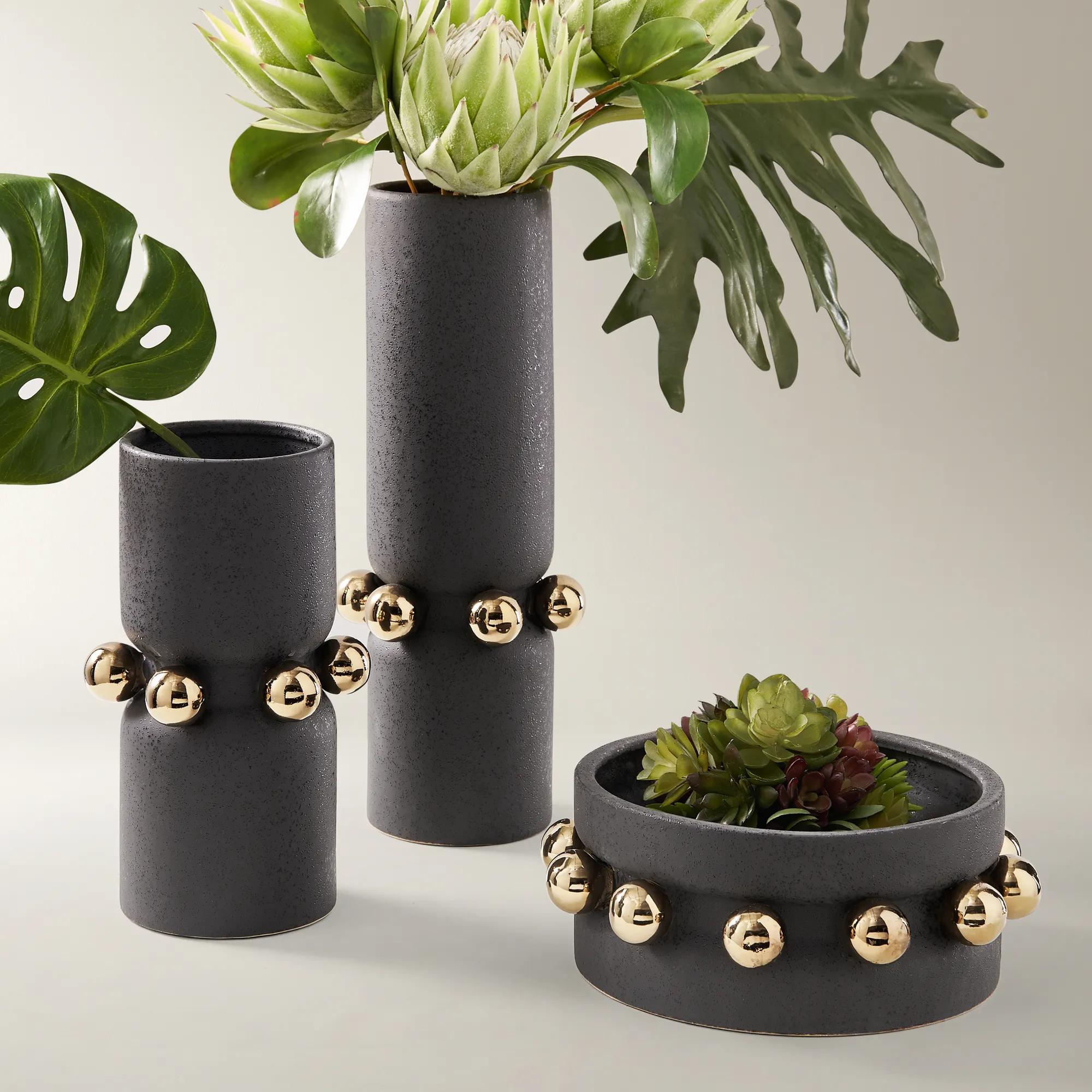
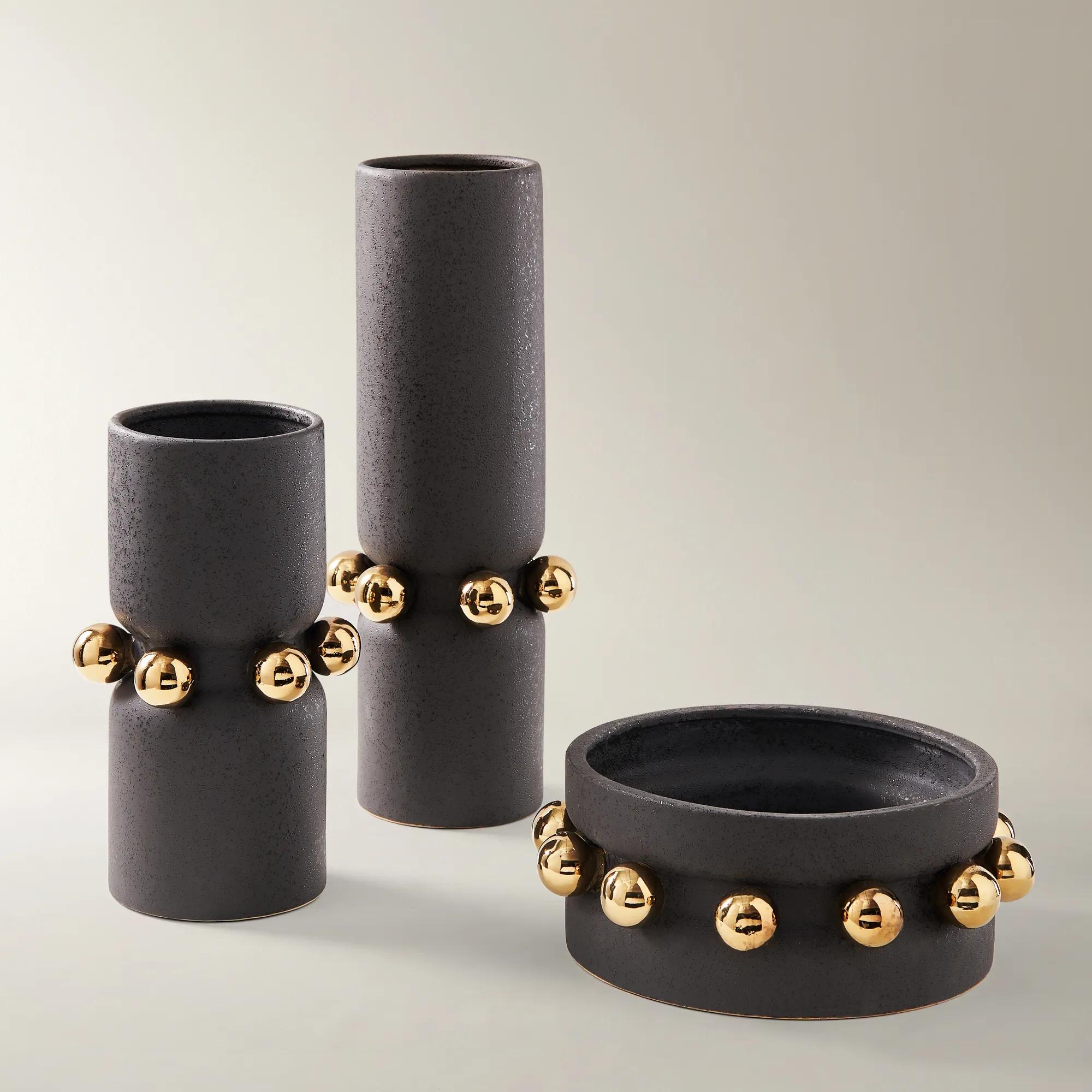 Zerra Vase$99
A ceramic vase featuring a striking matte black and shimmering gold contrast for bold, glamorous decor.
Add To Cart -
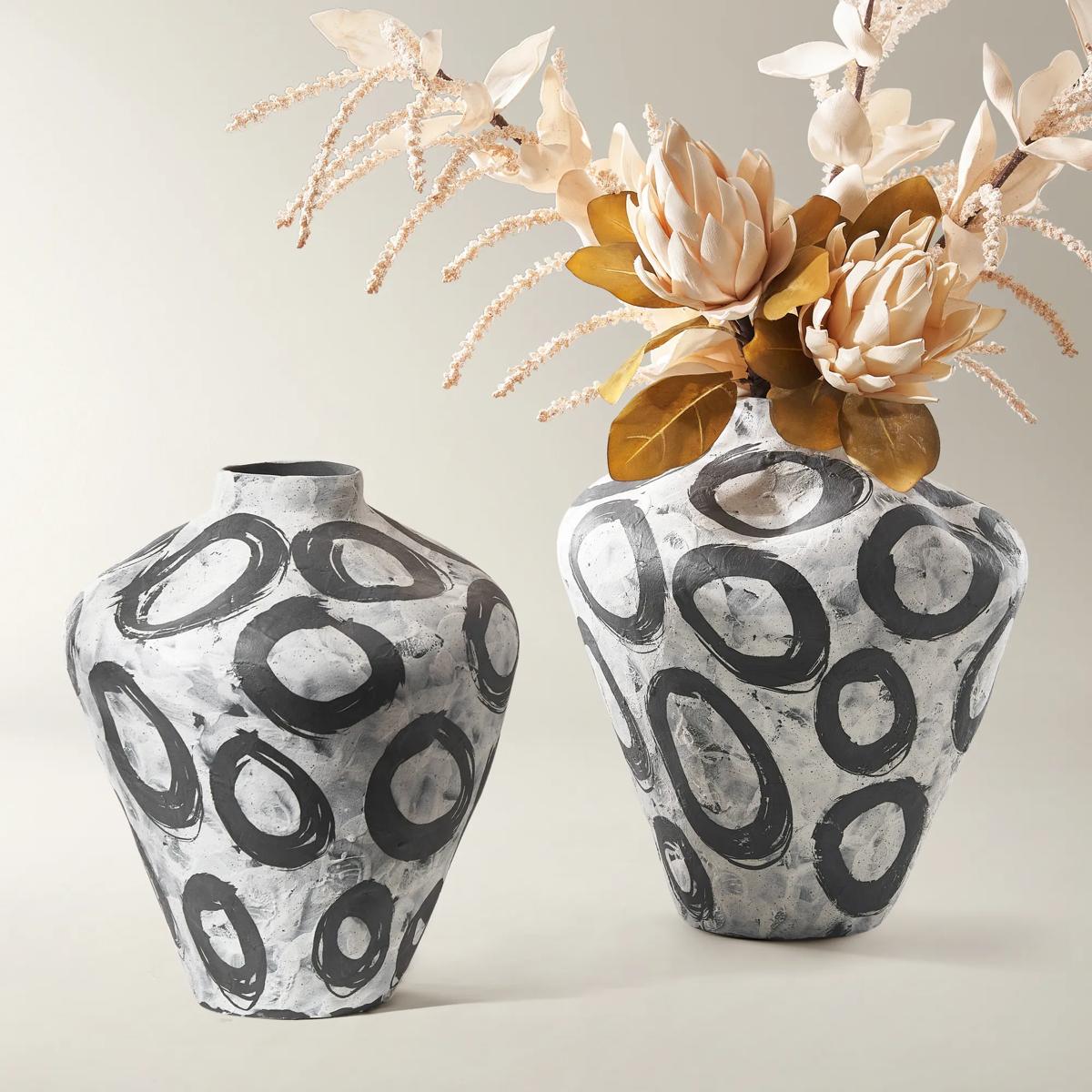
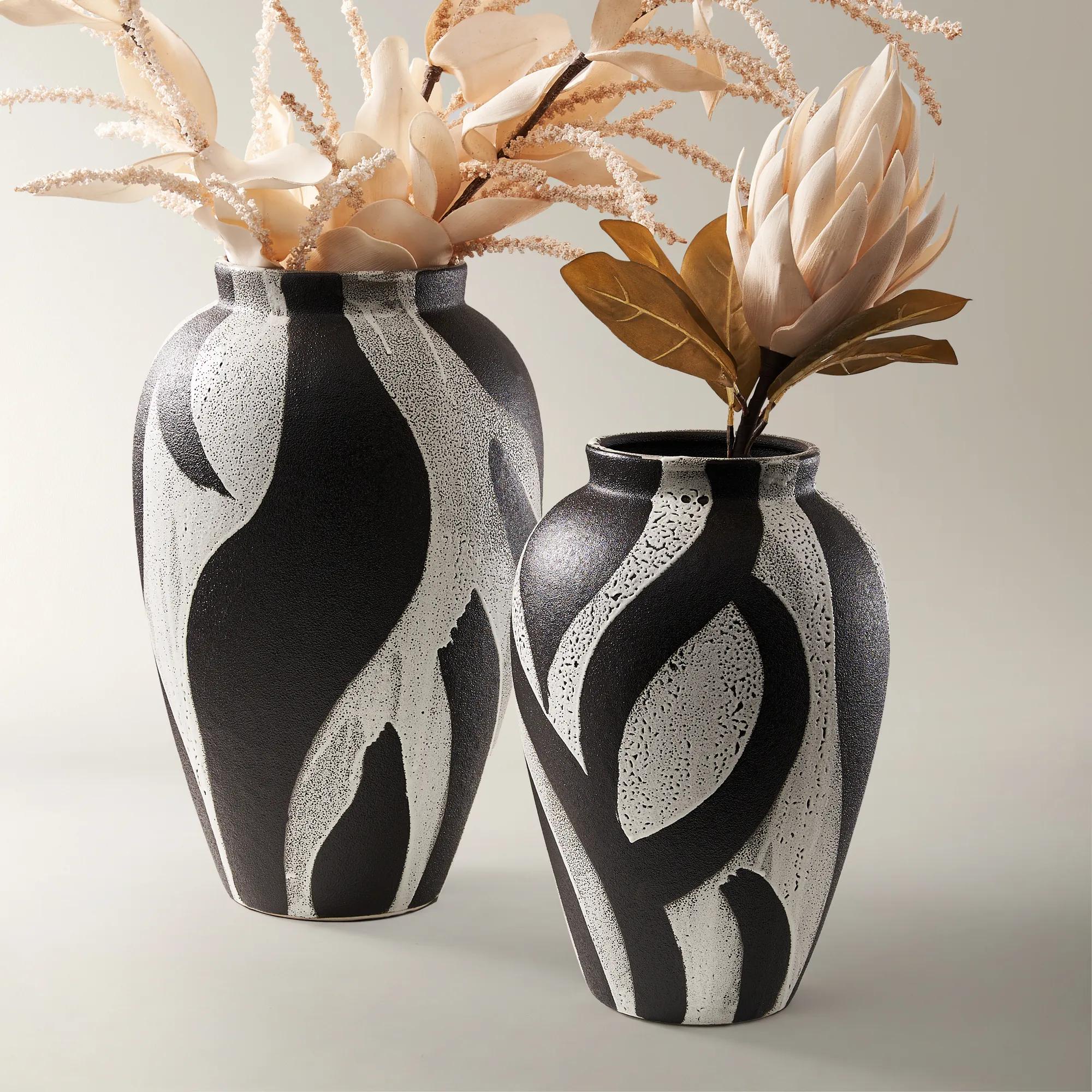
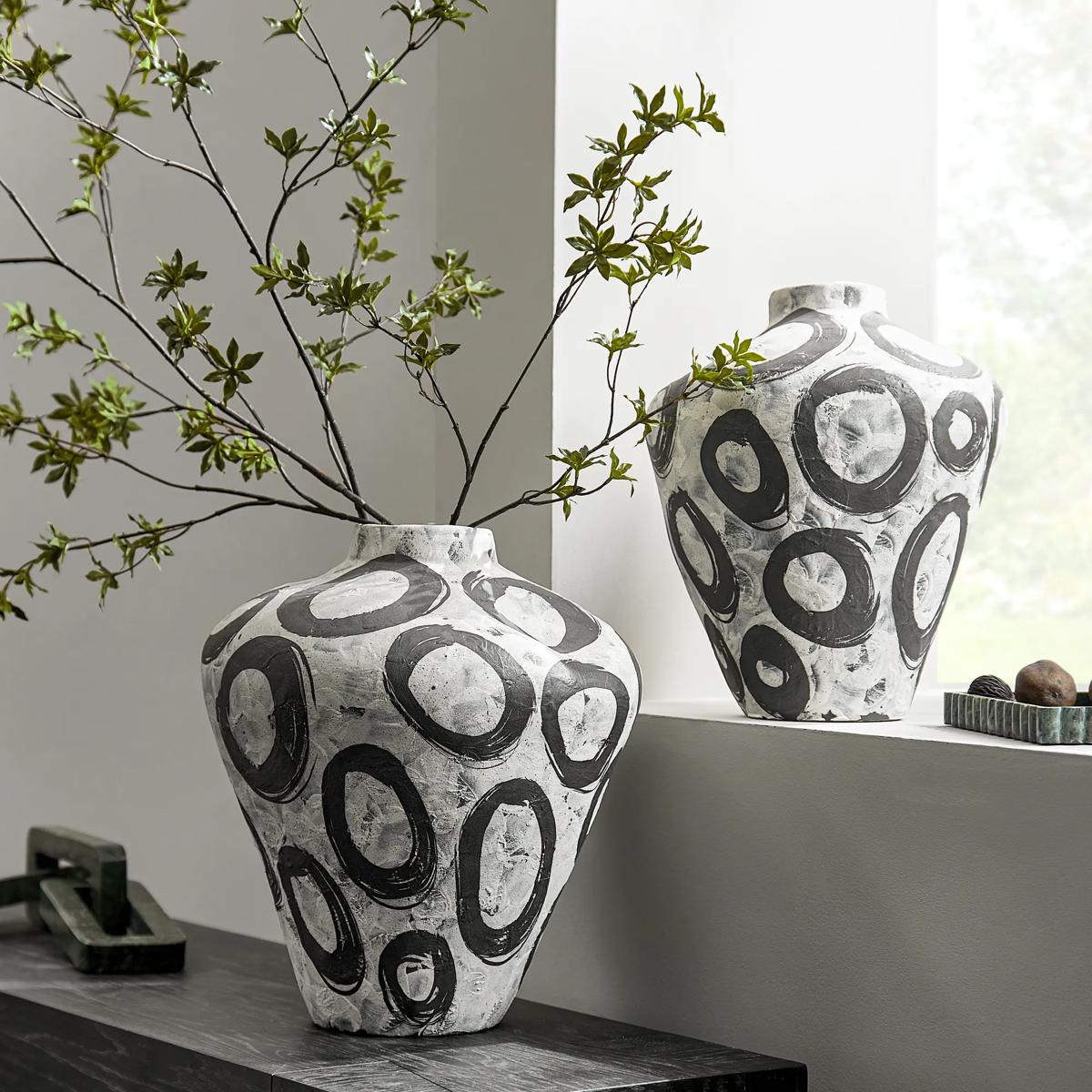 Stone Porcelain Vase$239
A sculptural porcelain vase featuring hand-painted black and white circular brushwork with a matte stone-like texture.
Add To Cart -
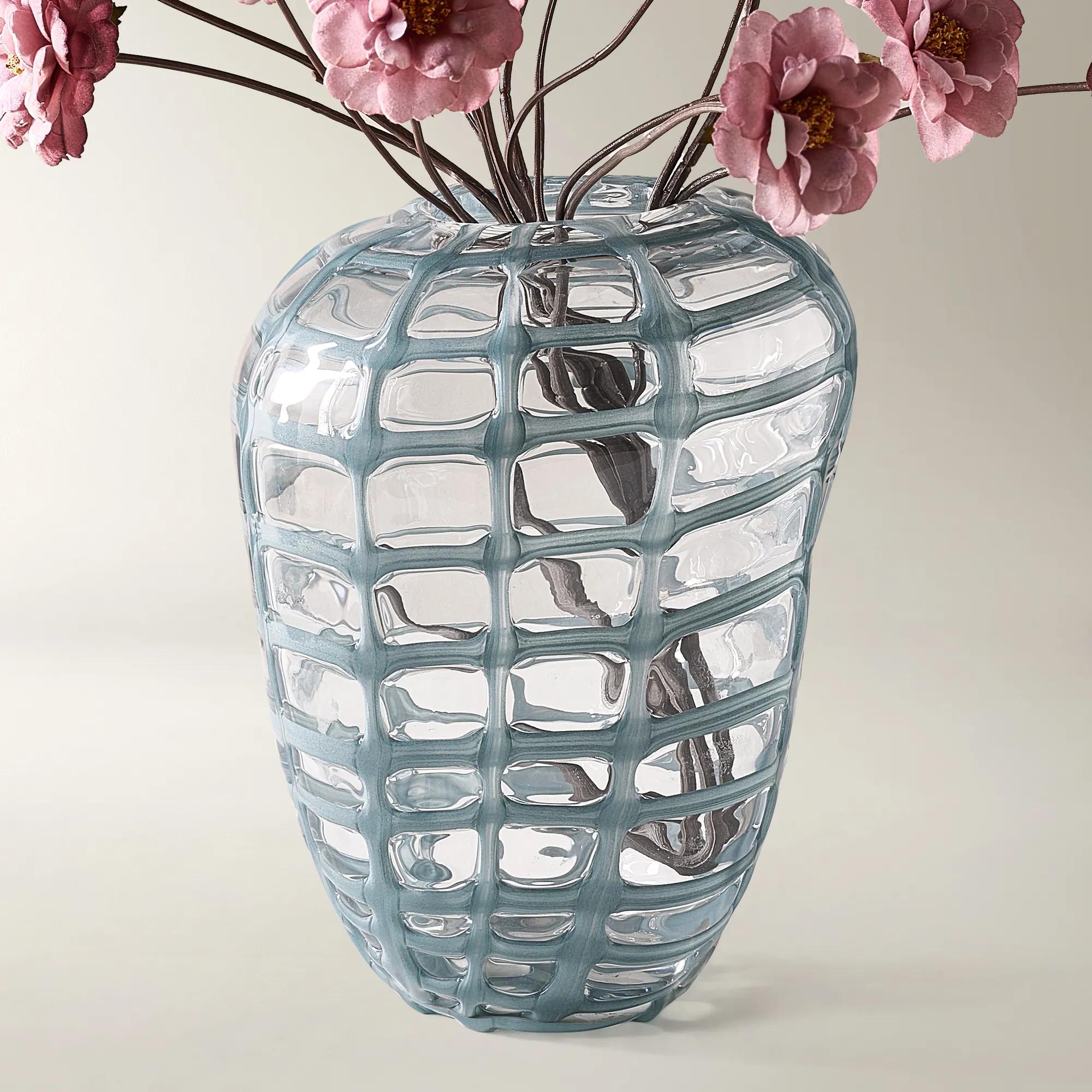 Contra Mouth Blown Dusty Blue Grid Glass Vase 10.25"$79
A handblown dusty blue glass vase featuring a graphic grid pattern and softly organic silhouette.
Add To Cart -
.jpeg?w=1200&h=1200)
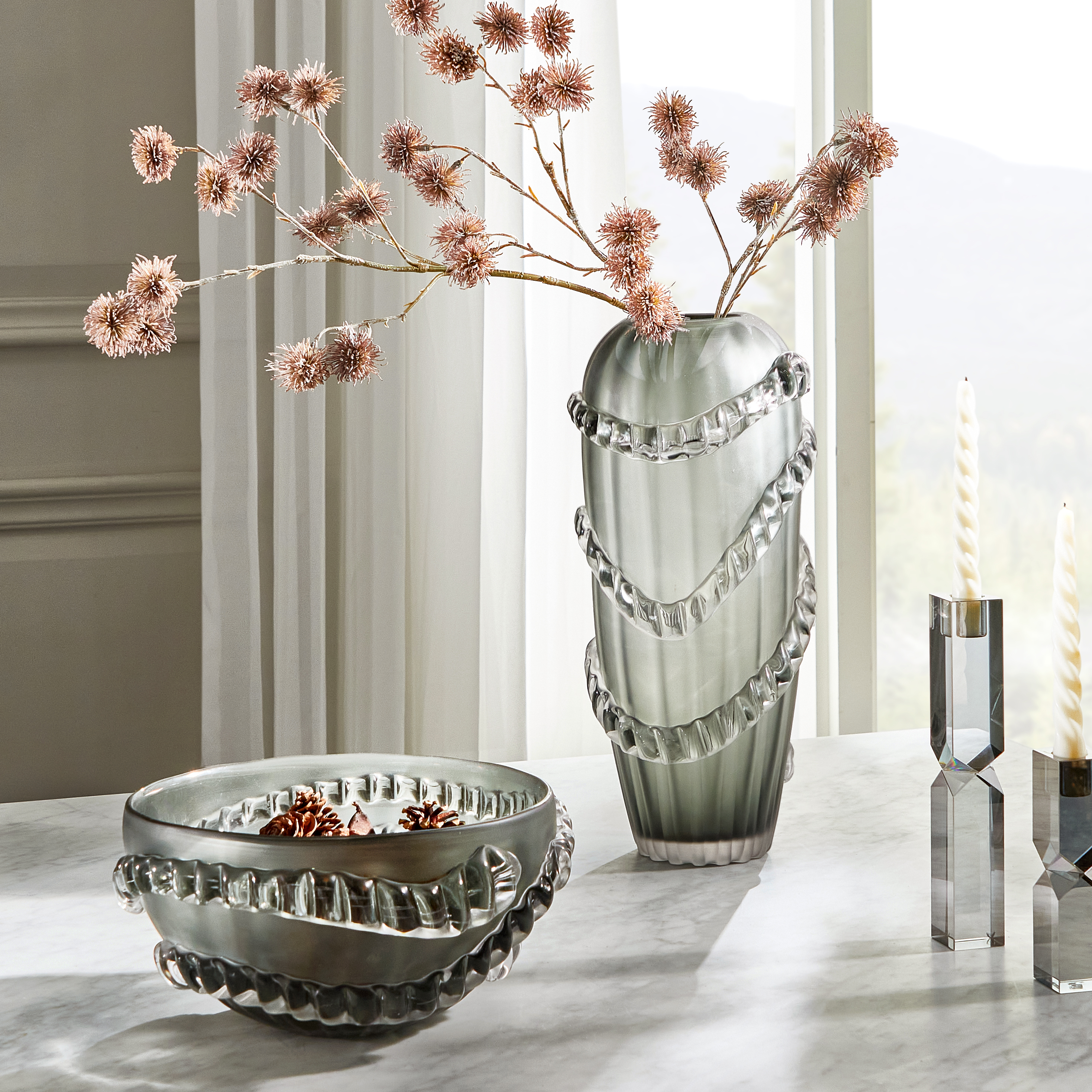 Helix Glass Collection$129
A hand-blown dark gray glass piece featuring fluted bodies and rippling sculptural ribbons for modern elegance.
Add To Cart -
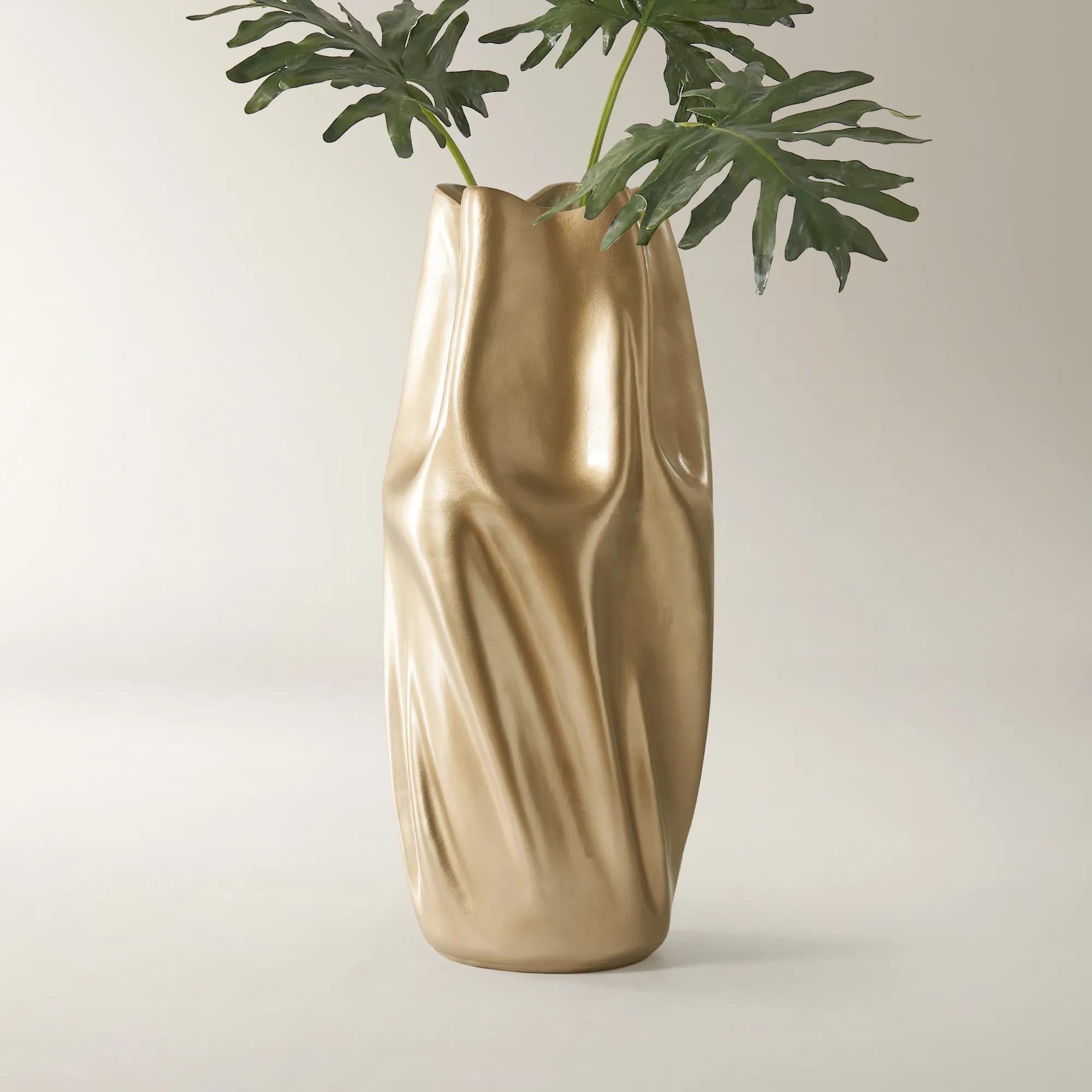
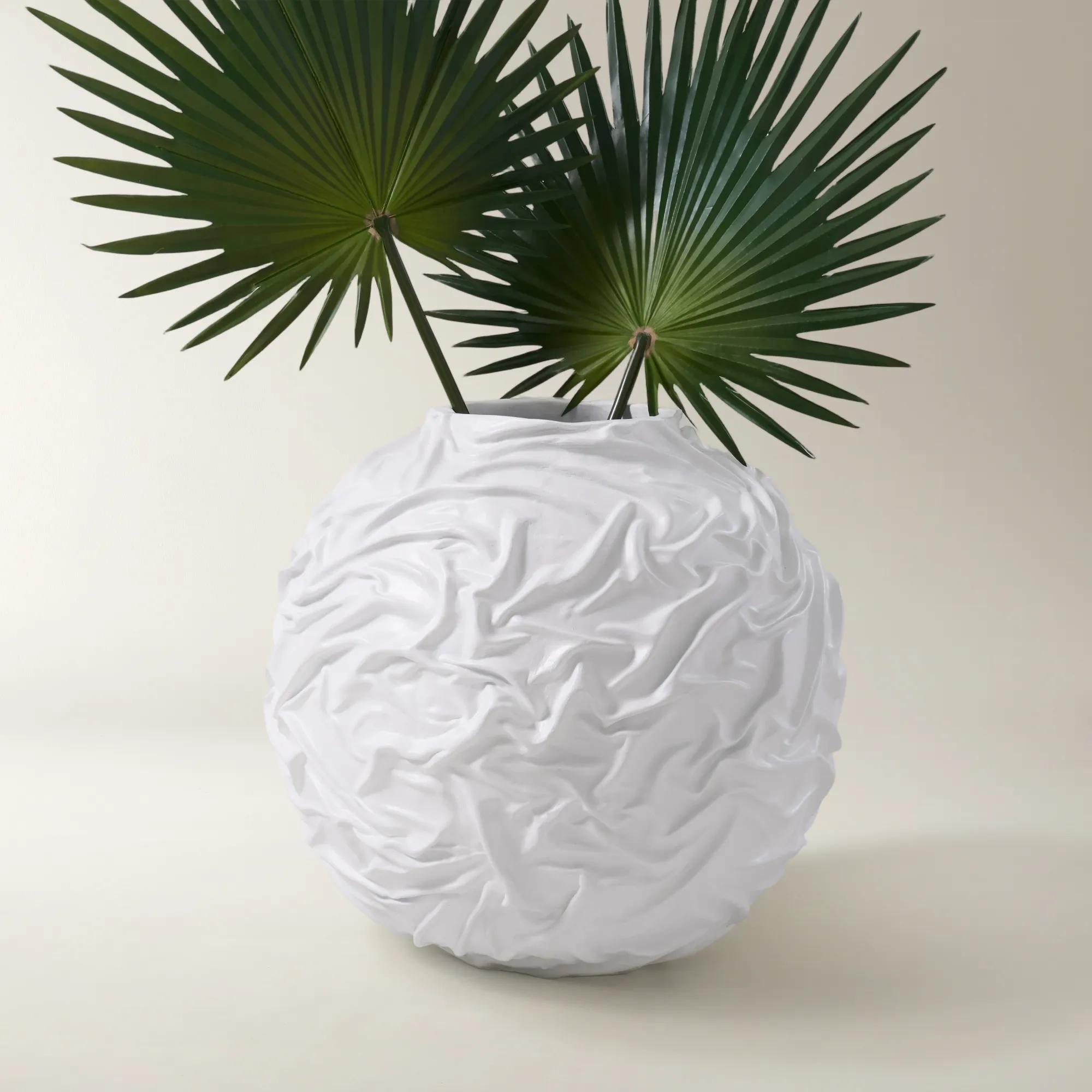 Crumple White Resin Floor Vase 18.3"$259
A sculptural resin vase with a crumpled-paper design and a sleek white finish for modern spaces.
Add To Cart

Modern Living Room Vases
Modern living room vases are more than mere vessels—they are sculptural statements, poised to transform your space into a gallery of artistic expression. Each silhouette, whether dramatically oversized or delicately contoured, brings an air of curated sophistication to your surroundings. With every gleaming finish and unexpected detail, these vases invite the eye to linger, infusing your living room with a sense of wonder and opulent allure. Elevate every surface and corner; let modern living room vases become the punctuation marks in your design story, capturing light, color, and imagination in exquisite form.
Modern living room vases bring an architectural presence to the spaces where conversation unfolds, art takes center stage, and personal style becomes part of the room. A sweeping silhouette can echo the curve of a sofa, while a sharply faceted vessel introduces a striking contrast beside soft upholstery. These decorative accents give coffee tables, consoles, shelves, and hearths a sense of composition, whether displayed with expressive branches or left empty to reveal the beauty of their form. The appeal lies in the interplay of shape, surface, and scale: luminous glass catches light from a nearby window, glazed ceramic adds depth through color, and a metallic finish lends a gleaming note to a richly layered setting. Modern does not have to mean restrained. Oversized proportions, asymmetric profiles, rippled surfaces, and dramatic narrow necks can feel distinctly contemporary while satisfying a taste for opulence. A monochromatic room gains dimension from a textured vase in a closely related hue; a jewel-toned interior can carry a glossy black or brilliant white vessel with equal confidence. For those drawn to a broader range of sculptural accents, Modern Decorative Vases offer another perspective on the relationship between expressive form and interior style. In the living room, that expression works best when it has room to breathe. A substantial vase on one end of a console can balance artwork above without creating a rigidly symmetrical arrangement. A lower, rounded profile on a coffee table preserves the view between seats and leaves space for the everyday rituals of entertaining. Even an empty vessel can hold its own beside a stack of art books, its opening and contours creating shadows that change with the light. For collectors, design enthusiasts, and anyone refining a gathering space, a vase offers a distinctive way to introduce artistry without replacing the room’s larger furnishings.
Material gives a living room vase much of its character, as well as shaping how it should be used. Clear glass allows stems and water to become part of the arrangement, making a few carefully placed blooms feel deliberate and graphic. Colored or opaque glass puts more emphasis on silhouette, with reflections that add depth beside matte walls or woven upholstery. Ceramic and porcelain can range from smooth, polished surfaces to tactile finishes with visible variations in glaze; those differences contribute to a layered interior rather than a perfectly matched one. Metal vessels introduce a more reflective accent, although their suitability for fresh flowers depends on construction, lining, and the manufacturer’s care instructions. A decorative vase is not necessarily watertight, and a glazed exterior alone does not establish that it can hold water safely. Pieces intended only for dry display are better suited to dried botanicals, faux stems, or an unfilled presentation, unless the manufacturer permits a separate watertight insert. Size deserves the same attention as finish. The width of the base determines how much surface space a vase occupies, while the height and opening influence the arrangement it can support. A narrow mouth gathers a small number of stems into a defined gesture; a broad opening allows a fuller composition but may require suitable floral support to keep stems positioned. On shallow shelves, depth and overhead clearance matter as much as visual impact. Near a television or a frequently used seat, a lower arrangement avoids interrupting sightlines. Tall floor vases have a more expansive presence beside a console or in an open corner, provided they sit on a level surface away from doors and walking paths. In homes with children or pets, a stable base and placement away from edges are especially important. Glass and ceramic remain vulnerable to impact, regardless of their substantial appearance, so durability depends on thoughtful placement as well as material and construction.
The most compelling vase arrangements feel connected to the living room without repeating every detail around them. A ribbed surface can pick up the rhythm of fluted furniture, while a softly rounded vessel offers relief among angular tables and frames. Against patterned upholstery, a solid-color vase creates a place for the eye to rest; beside a quiet expanse of wall, a more expressive finish gives the setting a focal point. Groupings gain depth through varied heights and complementary proportions rather than identical shapes lined in a row. Two vessels with different profiles can share a color family, with enough space between them for each outline to remain legible. Fresh flowers bring movement and fragrance to a seating area, though strongly scented blooms may be less comfortable in a room used for long conversations. Branches create a broader, more architectural gesture, and their spread should stay clear of artwork, lampshades, and the faces of seated guests. Faux stems offer lasting shape without water changes, while an empty vase keeps attention on craftsmanship, texture, and the play of light across its surface. Care helps preserve that effect. A soft cloth is generally appropriate for routine dusting, with gentle attention around ridges, handles, and narrow openings; abrasive pads and harsh cleaners can damage delicate glazes, painted details, and metallic finishes. Washing, soaking, and dishwasher use should follow the manufacturer’s instructions rather than assumptions based on appearance. For vessels approved for fresh flowers, regular water changes and careful interior cleaning help limit residue, and the exterior should be dry before the vase returns to furniture. A suitable protective pad can help guard a sensitive tabletop, provided it does not compromise stability or trap moisture. As a housewarming or wedding gift, a thoughtfully chosen vase offers both decorative presence and flexibility, particularly when its proportions and palette suit the recipient’s space. Whether it holds a single sculptural stem or becomes the centerpiece of a layered console, a modern living room vase gives personal expression a tangible, beautifully defined form.
FAQs
To create a dramatic focal point, group vases of varying heights and shapes together on a mantel or coffee table. Pair bold, sculptural designs with more understated pieces for visual contrast, and fill them with seasonal branches or statement florals. Incorporate metallic or glass finishes to catch and reflect light, adding depth and glamour to your living space.
Contemporary floral vases are beautifully versatile and pair well with both fresh and dried botanicals. Consider minimalist arrangements like a single monstera leaf, a spray of eucalyptus, or architectural branches for a modern look. In winter, dried pampas grass or sculptural twigs can add texture, while spring invites lush peonies or tulips for a burst of color.
Absolutely. Modern vases for living room décor make thoughtful and stylish gifts for weddings, housewarmings, anniversaries, or milestone celebrations. Their timeless appeal and artistic design ensure they’ll be cherished, and they offer the recipient endless opportunities for creative expression in their home.
When selecting a finish or color, consider your existing décor and the mood you want to create. Glossy metallics and mirrored finishes add glamour and reflect light, while matte ceramics or smoky glass evoke a more understated, modern vibe. Choose hues that either harmonize with your palette or provide an eye-catching pop of contrast.
Yes, trendy vases are incredibly versatile. Beyond floral arrangements, they can be styled as standalone art pieces, used to display decorative branches, or even as sculptural accents on shelves and consoles. Their unique shapes and finishes allow them to elevate any vignette, making them essential elements of modern home décor.