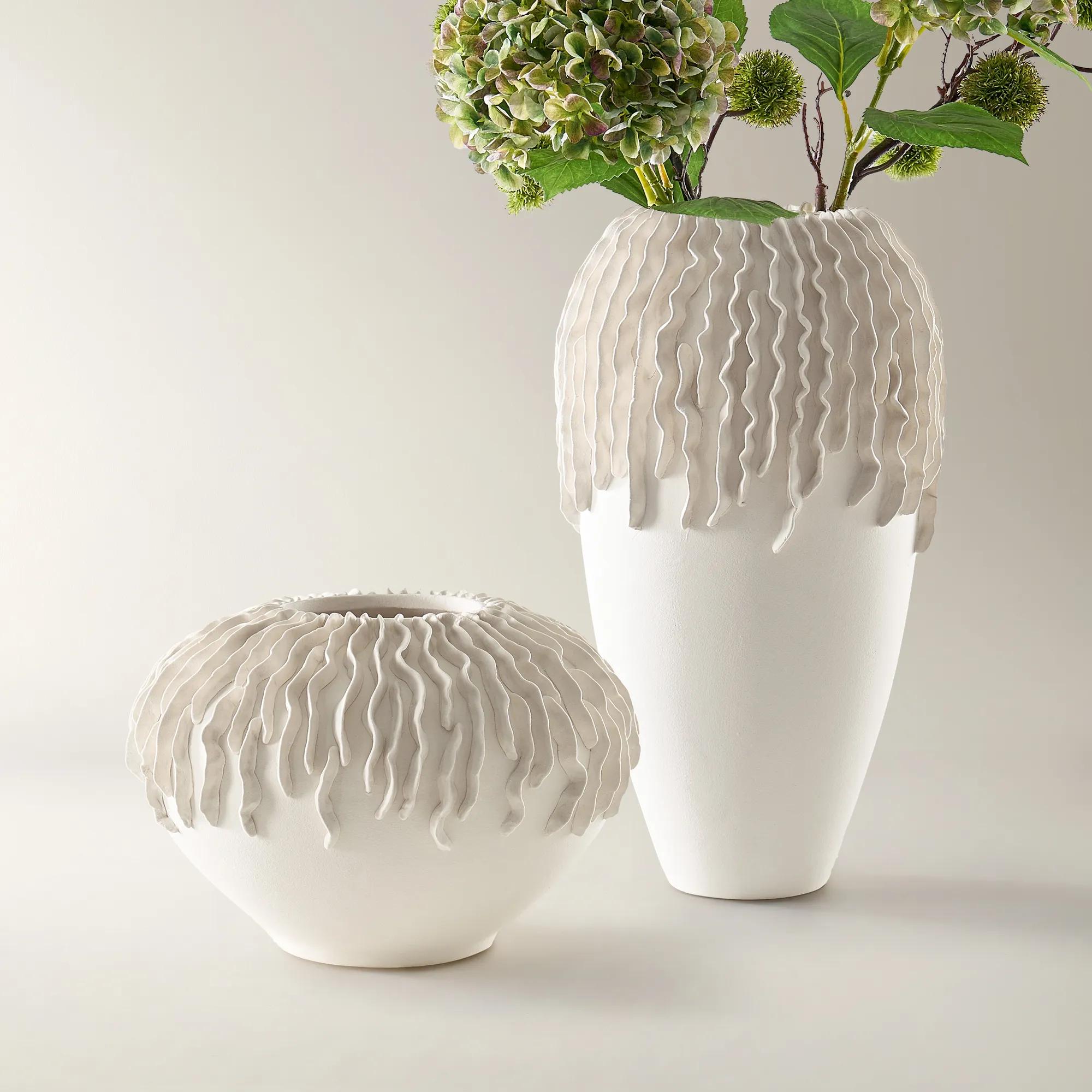
Glass Vases For Living Room
Glass Vases For Living Room
-
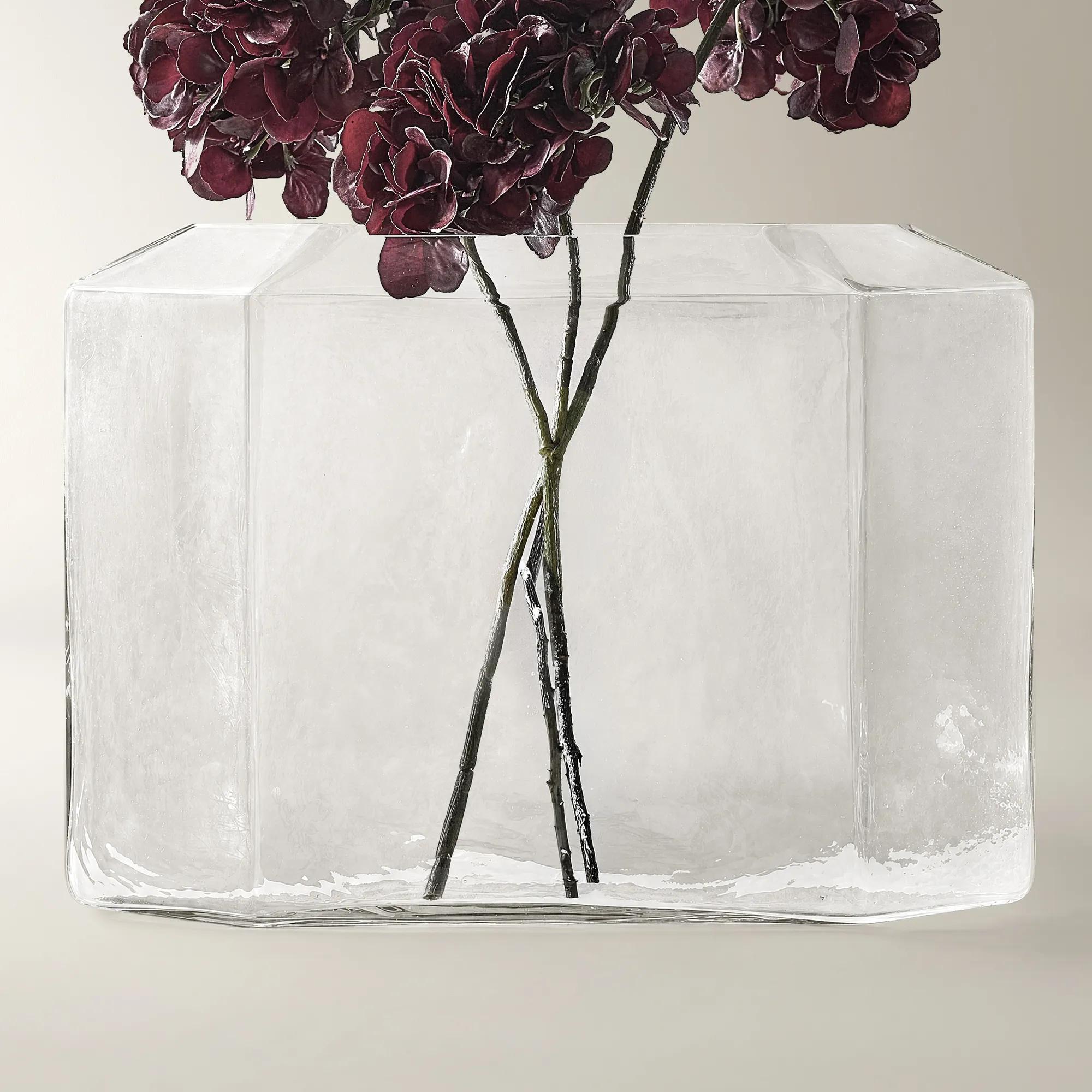 Studio Mouth Blown Clear Glass Vase 13.75"$199
A handblown clear glass vase with faceted detailing that beautifully reflects light for modern elegance.
Add To Cart -
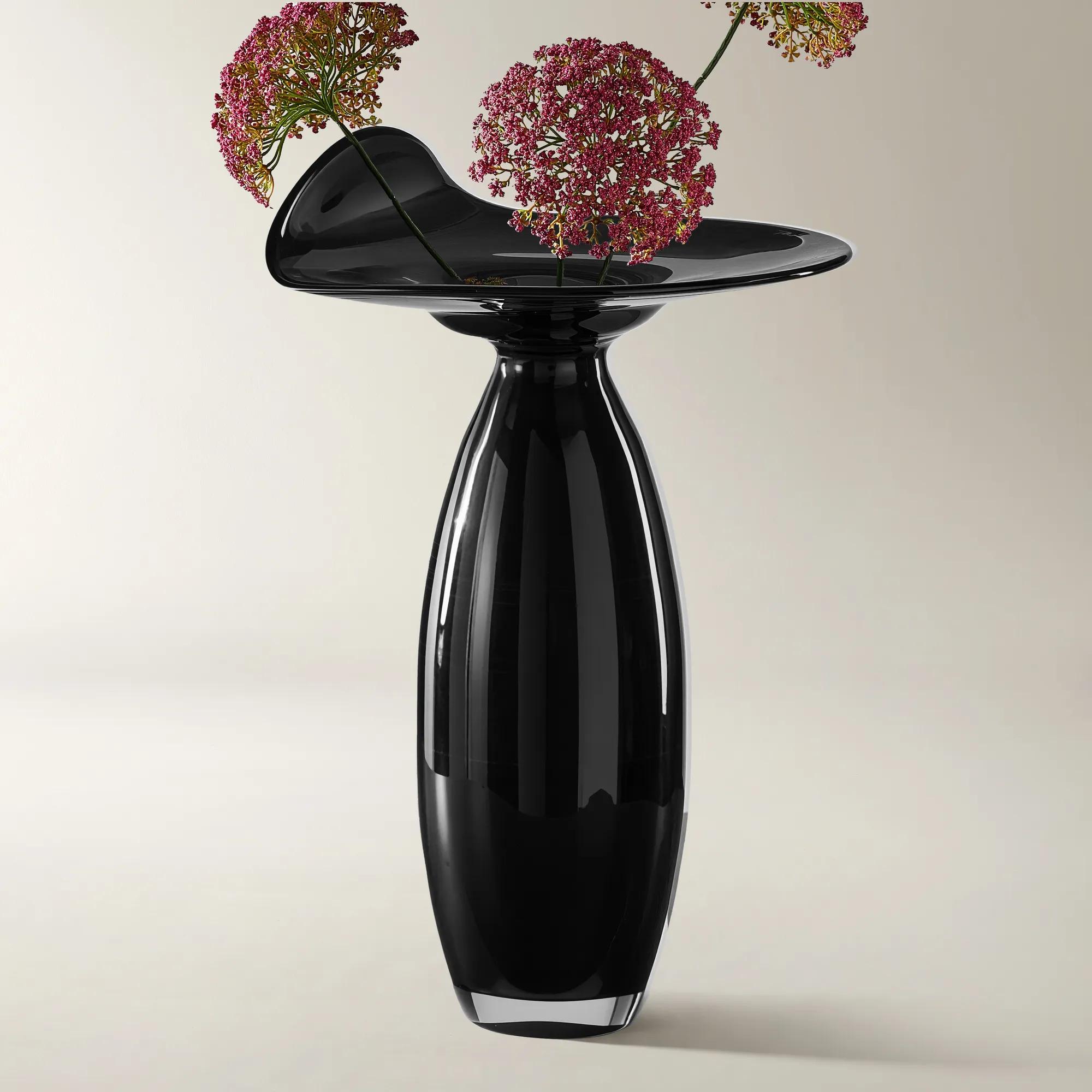 Folia Mouth Blown Glossy Black Glass Vase 22"$199
A handblown glass vase with a glossy black finish and organic sculptural silhouette for modern decor.
Add To Cart -
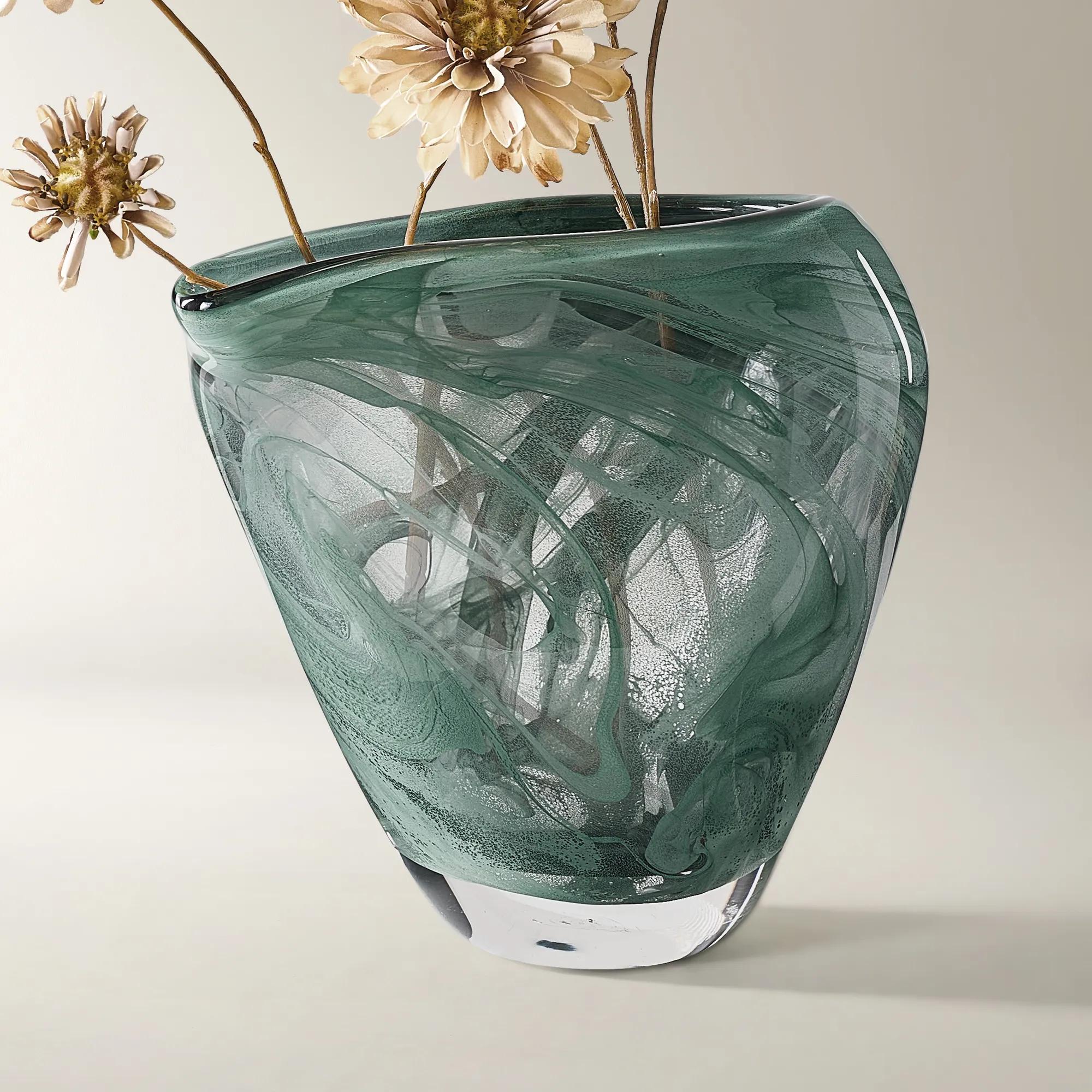 Flow Mouth Blown Sage Green Glass Vase 12.25"$199
A handblown glass vase in calming sage green with an organic, sculptural silhouette for modern decor.
Add To Cart -
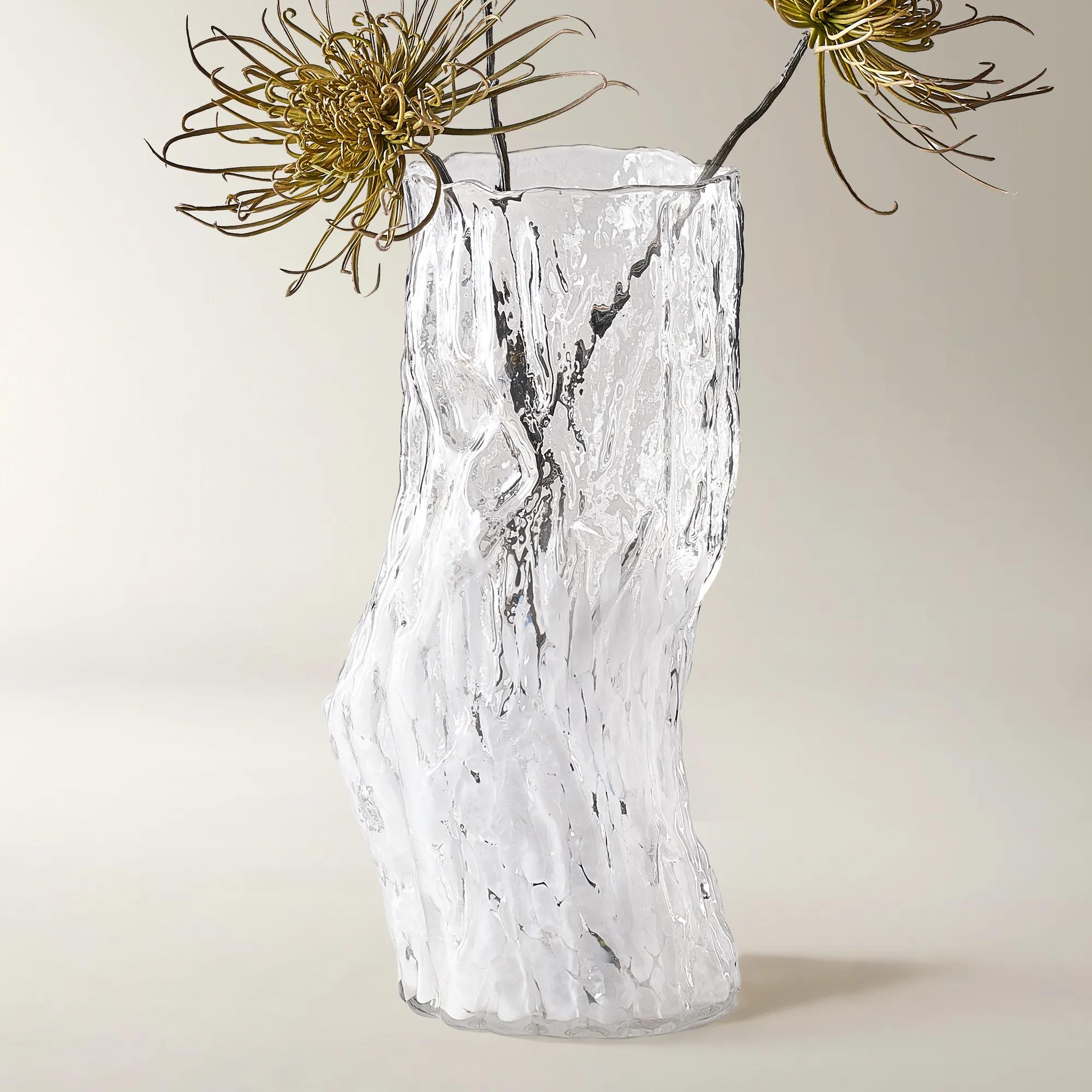 Vanish Mouth Blown Frosted White Glass Vase 18.5"$159
A handblown frosted white glass vase with an ethereal, translucent finish and sculptural silhouette.
Add To Cart -
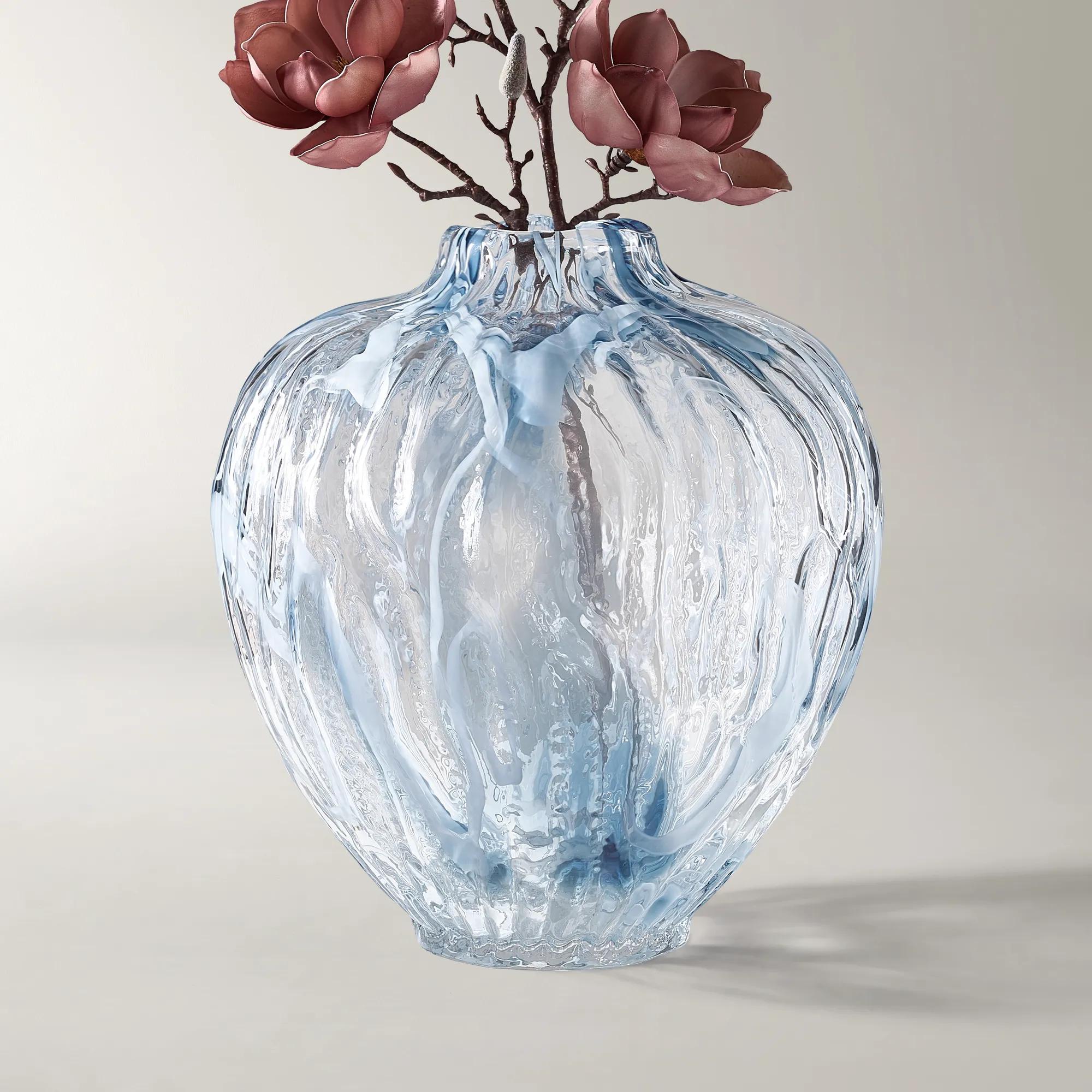 Cruz Mouth Blown Powder Blue Glass Vase 15.75"$169
A handblown glass vase in powder blue with a sculptural, light-catching surface for modern decor.
Add To Cart -
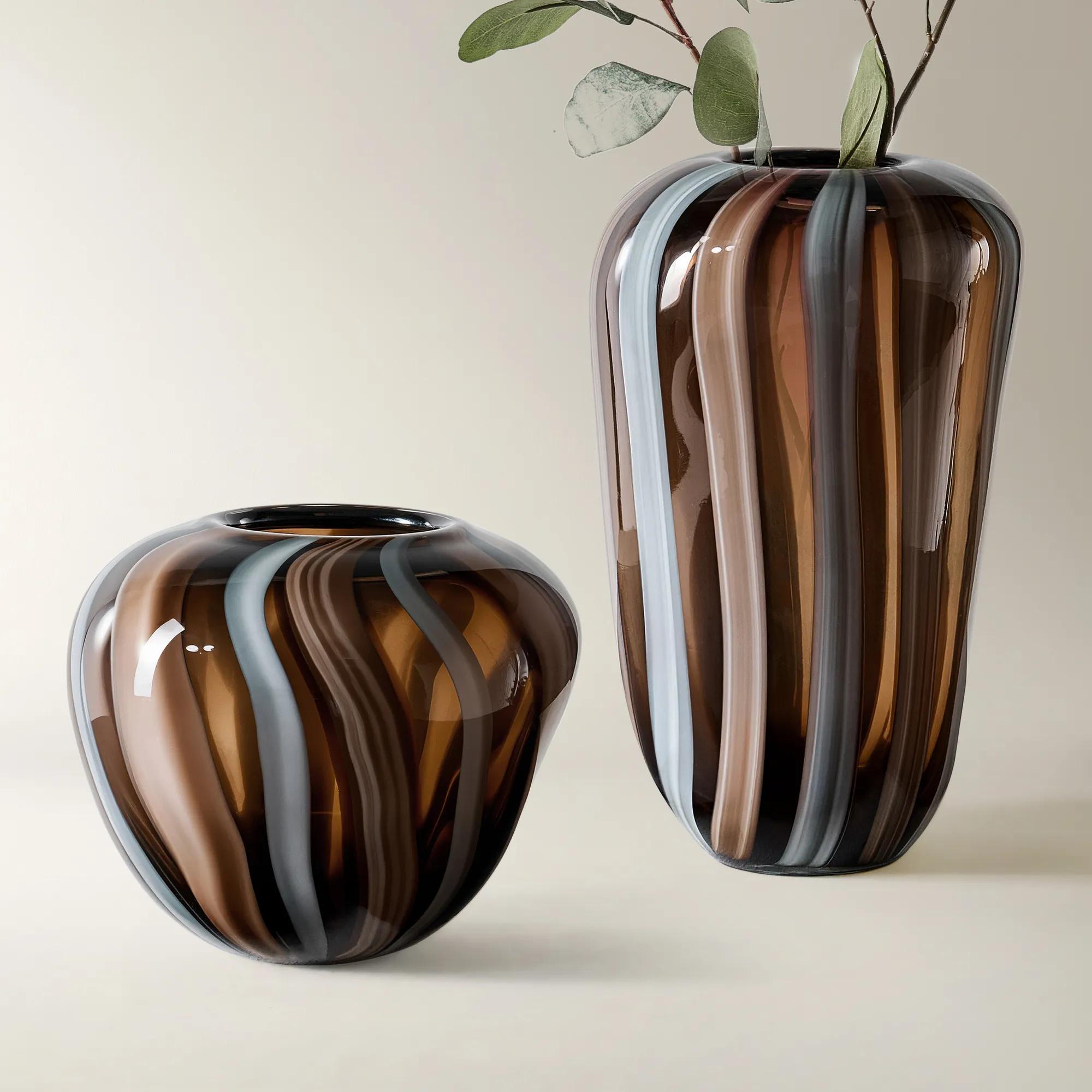
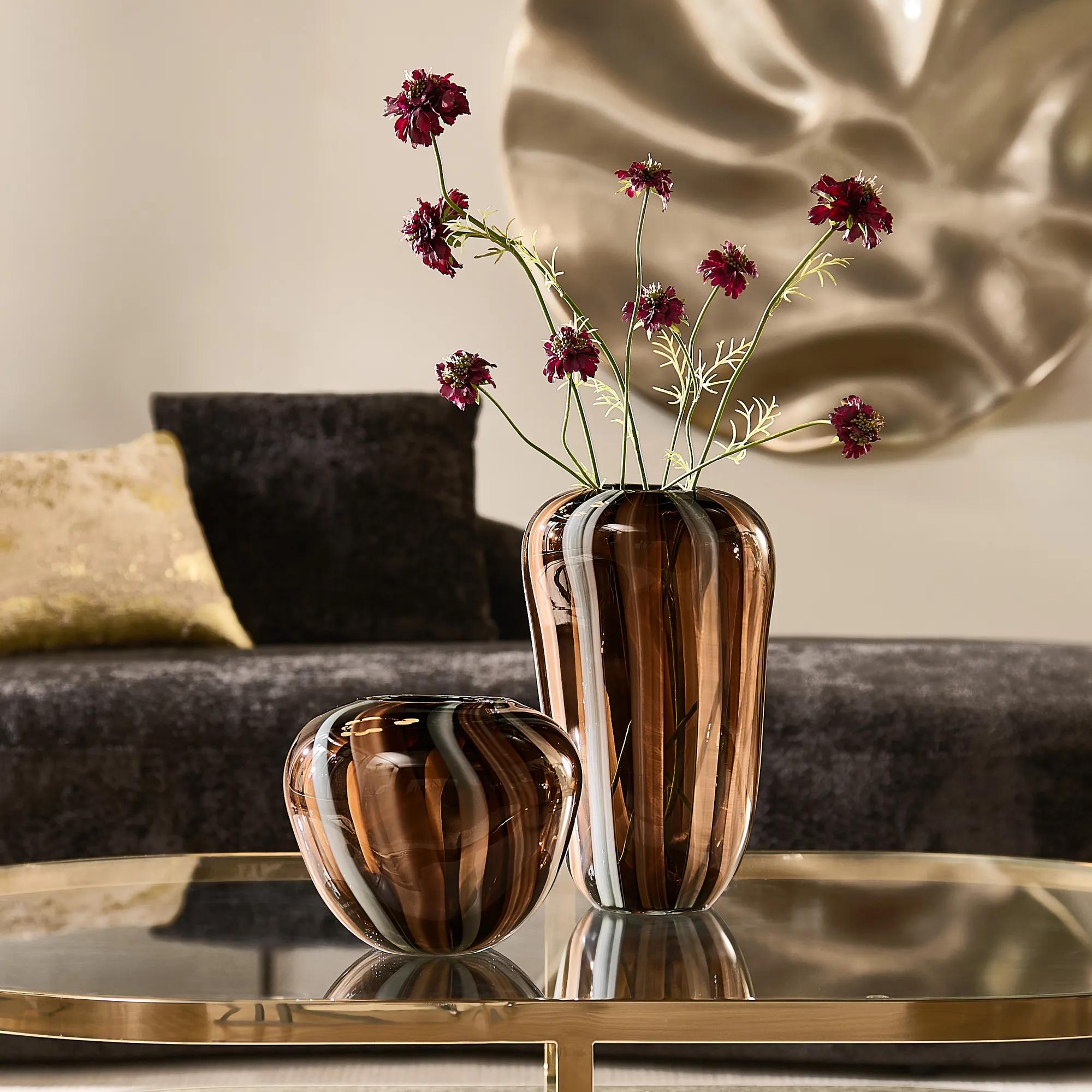 Billow Mouth Blown Brown Striped Glass Vases$89
A sculptural glass vase adding modern elegance to any décor.
Add To Cart -
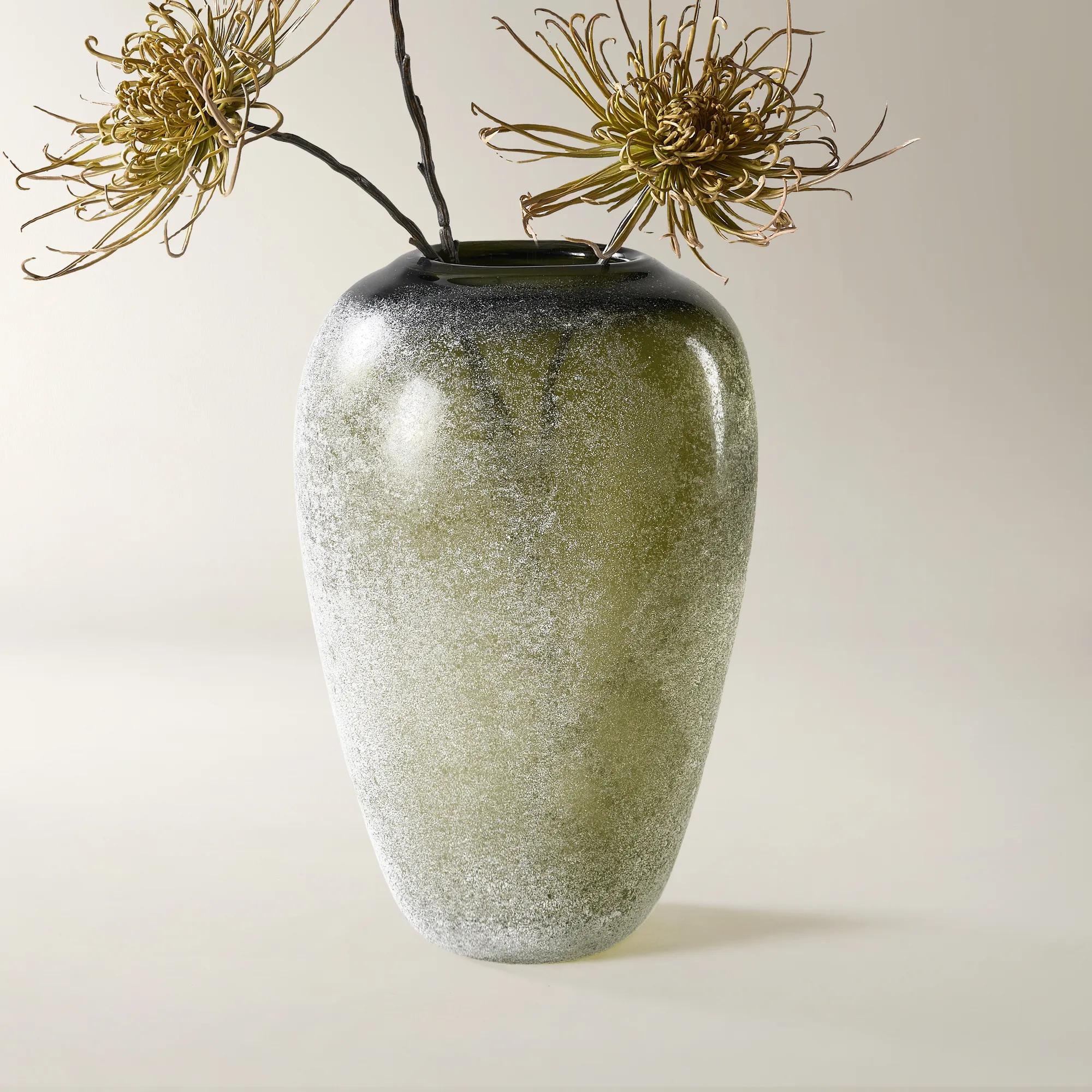 Linden Mouth Blown Pistachio Green Glass Vase 13.75"$129
A handblown glass vase in pistachio green adds a fresh, artful accent to any space.
Add To Cart -
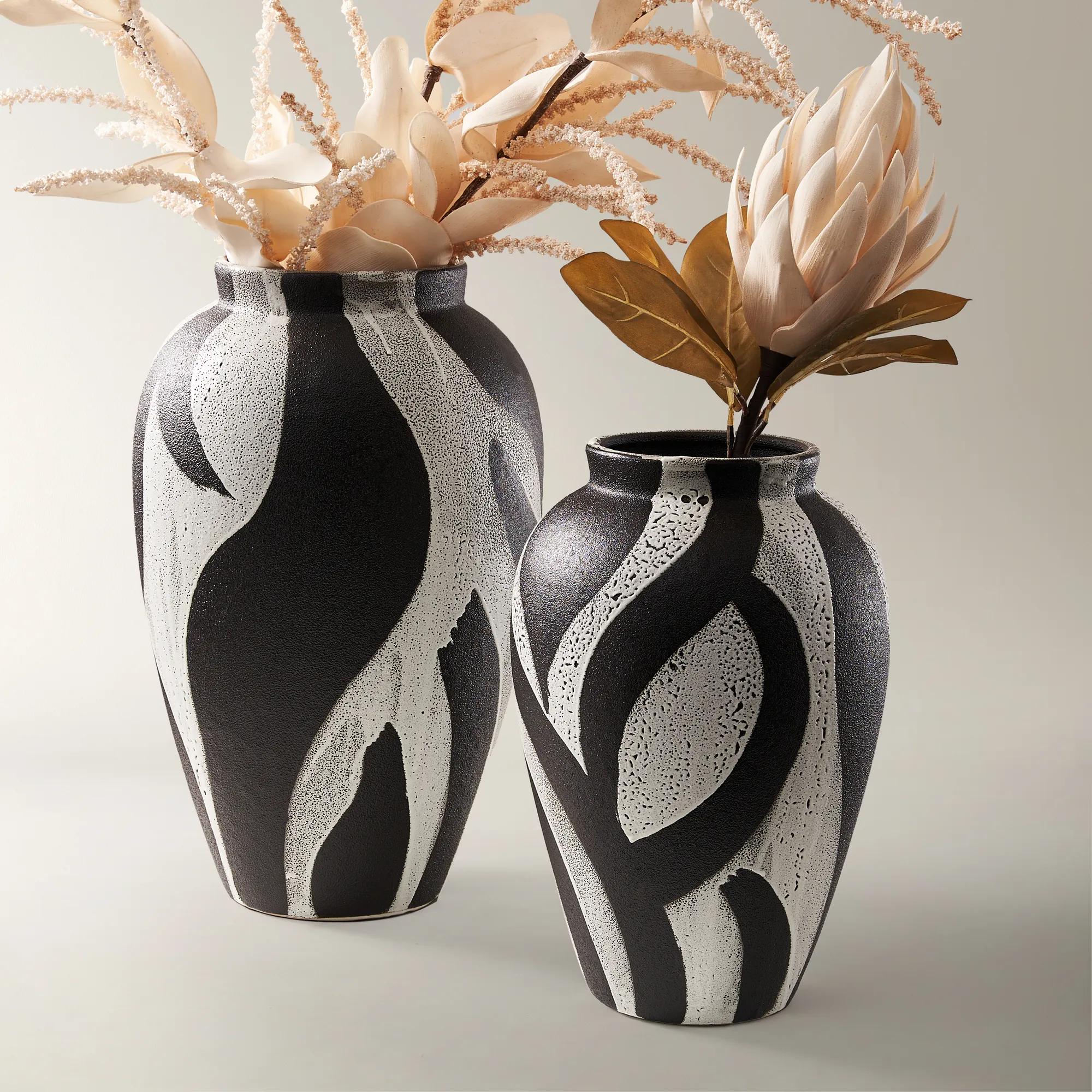
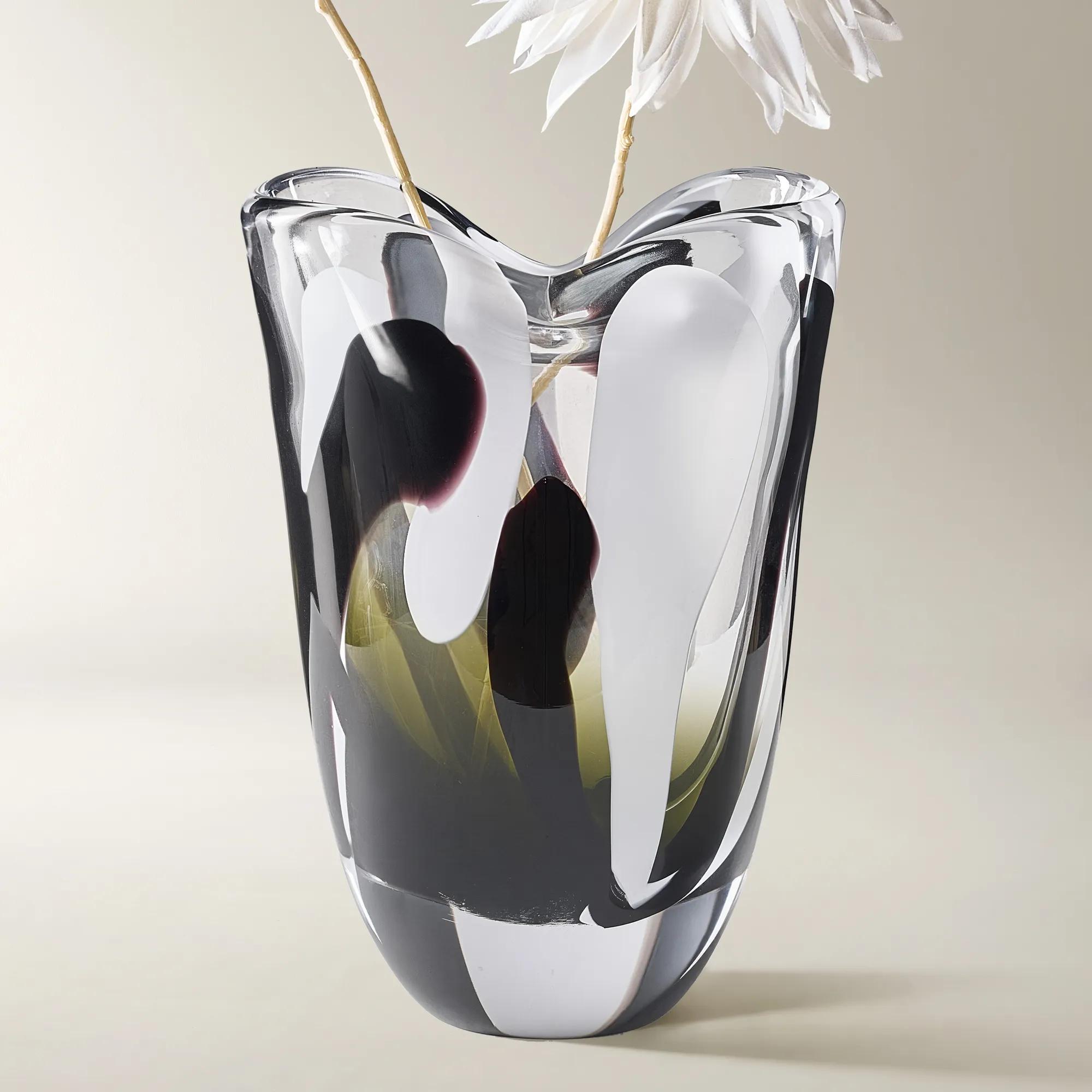 Melrose Mouth Blown Black White Glass Vase 11.25"$109
A handblown glass vase featuring a bold black and white abstract animal pattern for modern appeal.
Add To Cart -
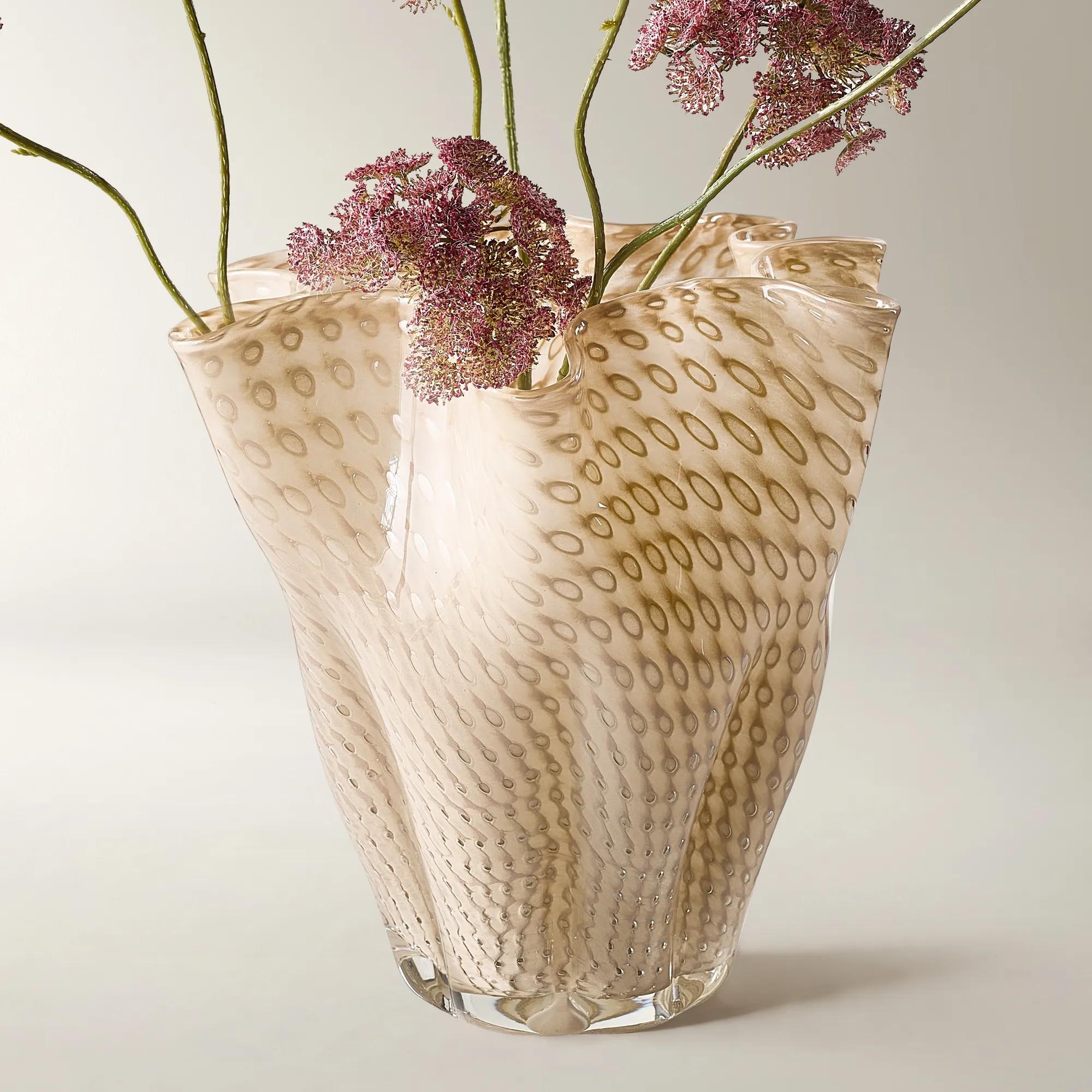 Elle Mouth Blown Tawny Glass Vase 11.25"$129
A handblown glass vase in a warm tawny hue with an organic, sculptural silhouette.
Add To Cart -
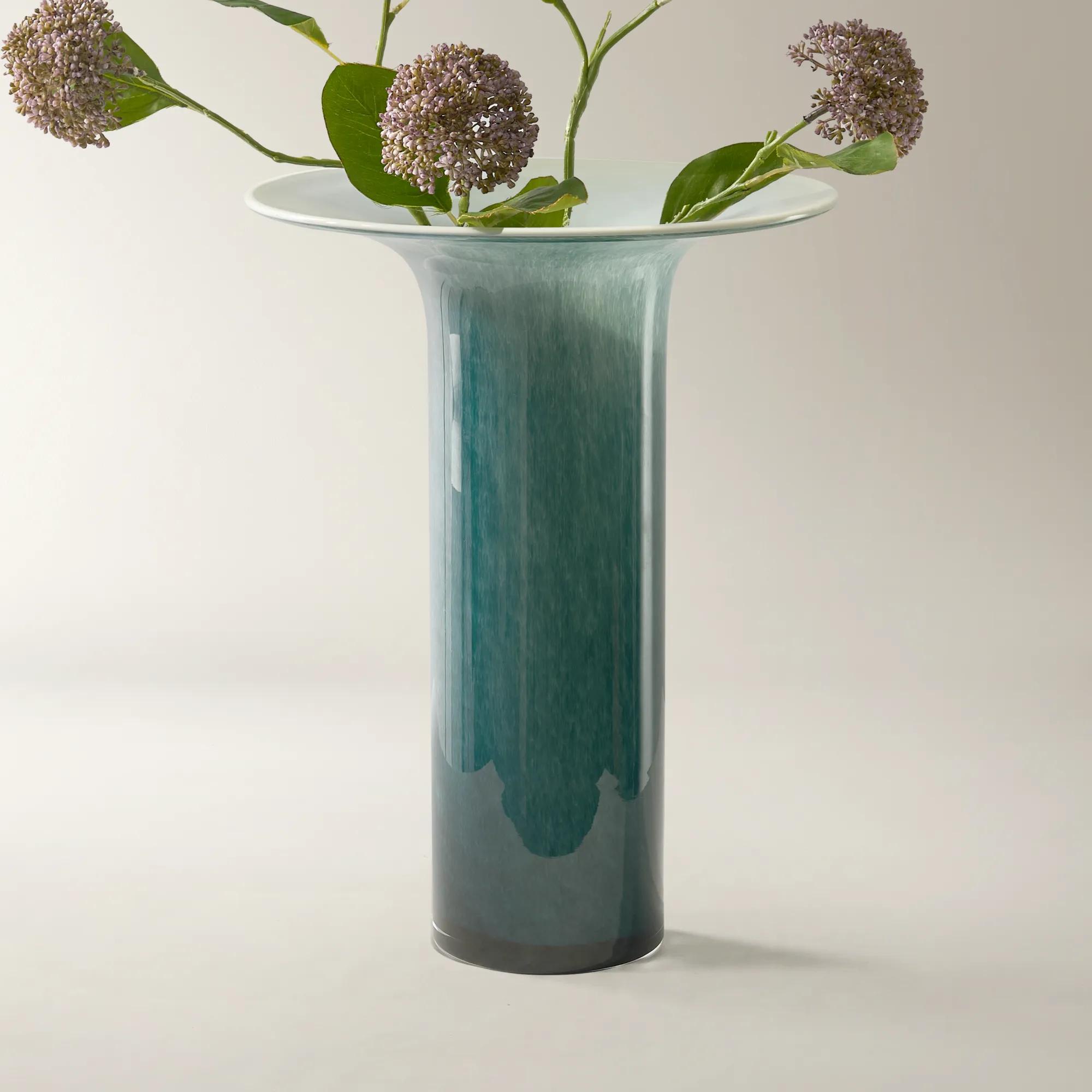 Loft Mouth Blown Deep Teal Glass Vase 15.75"$129
A handblown glass vase in deep teal with a sculptural column silhouette for bold, artful impact.
Add To Cart -
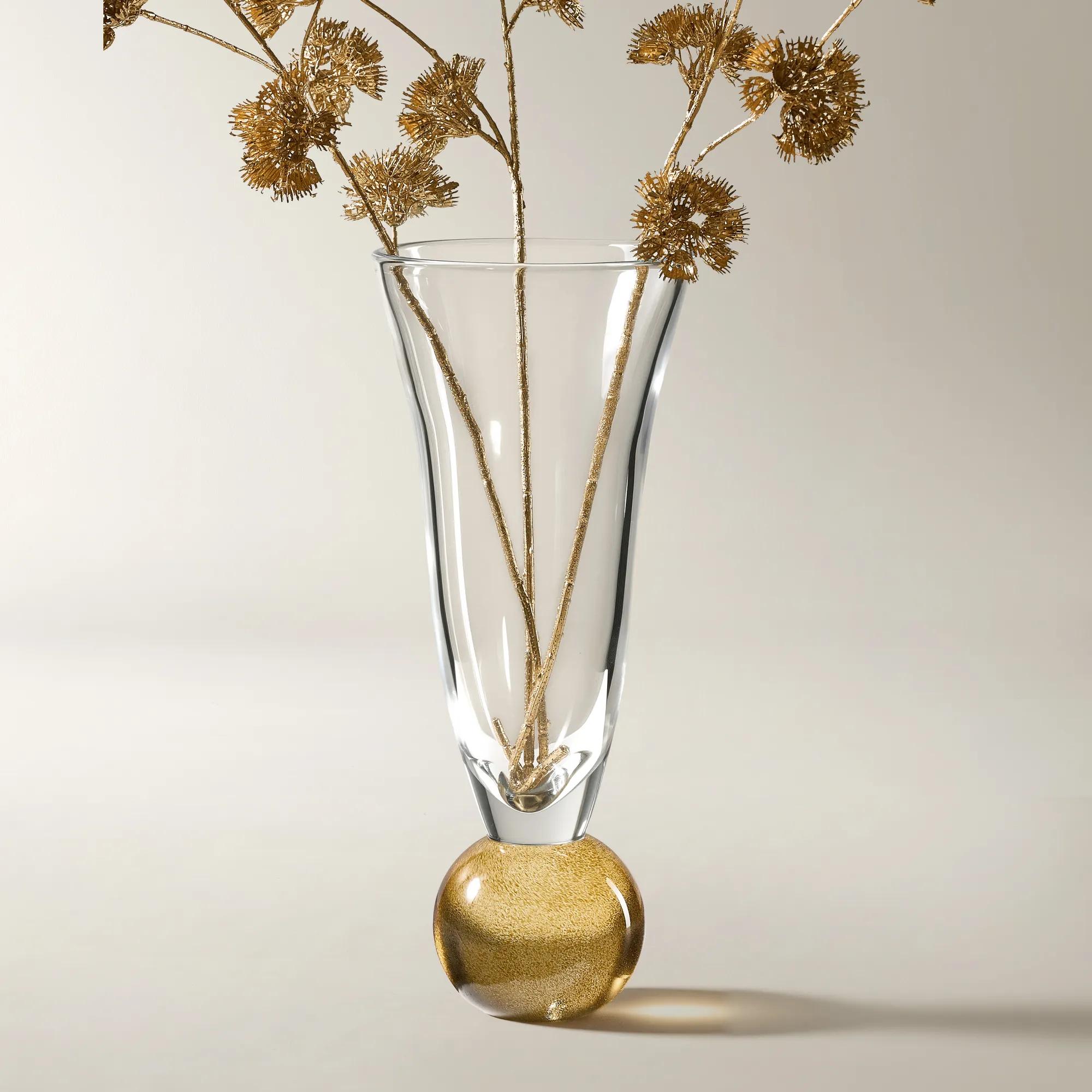 Palazzo Mouth Blown Honey Gold Clear Glass Vase 17.25"$119
A handblown glass vase in luminous honey gold with a sculptural, bauble-inspired silhouette.
Add To Cart -
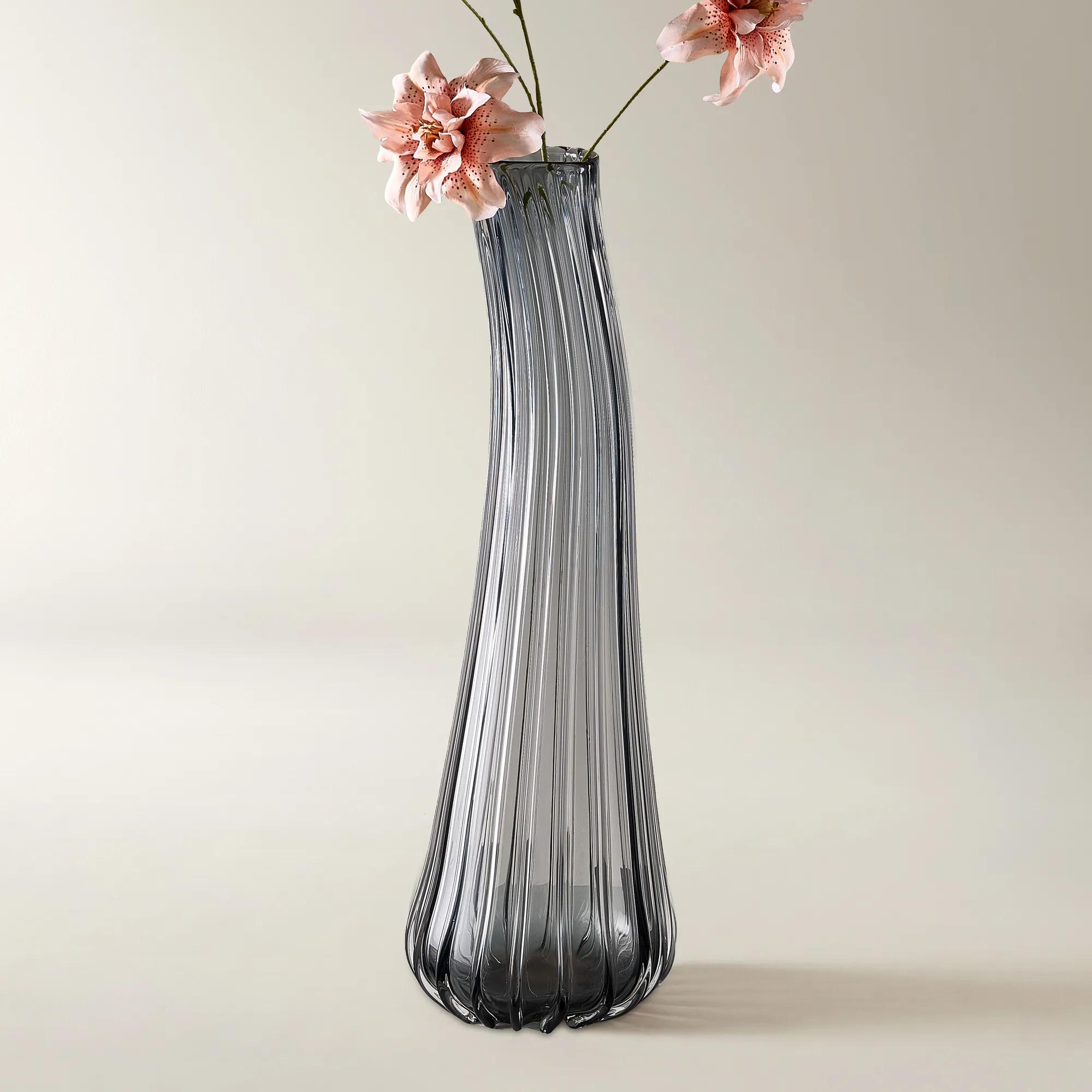 Tango Mouth Blown Smoked Pearl Vase 29"$199
A handblown glass vase in a smoked pearl finish with a textured surface for sculptural elegance.
Add To Cart -
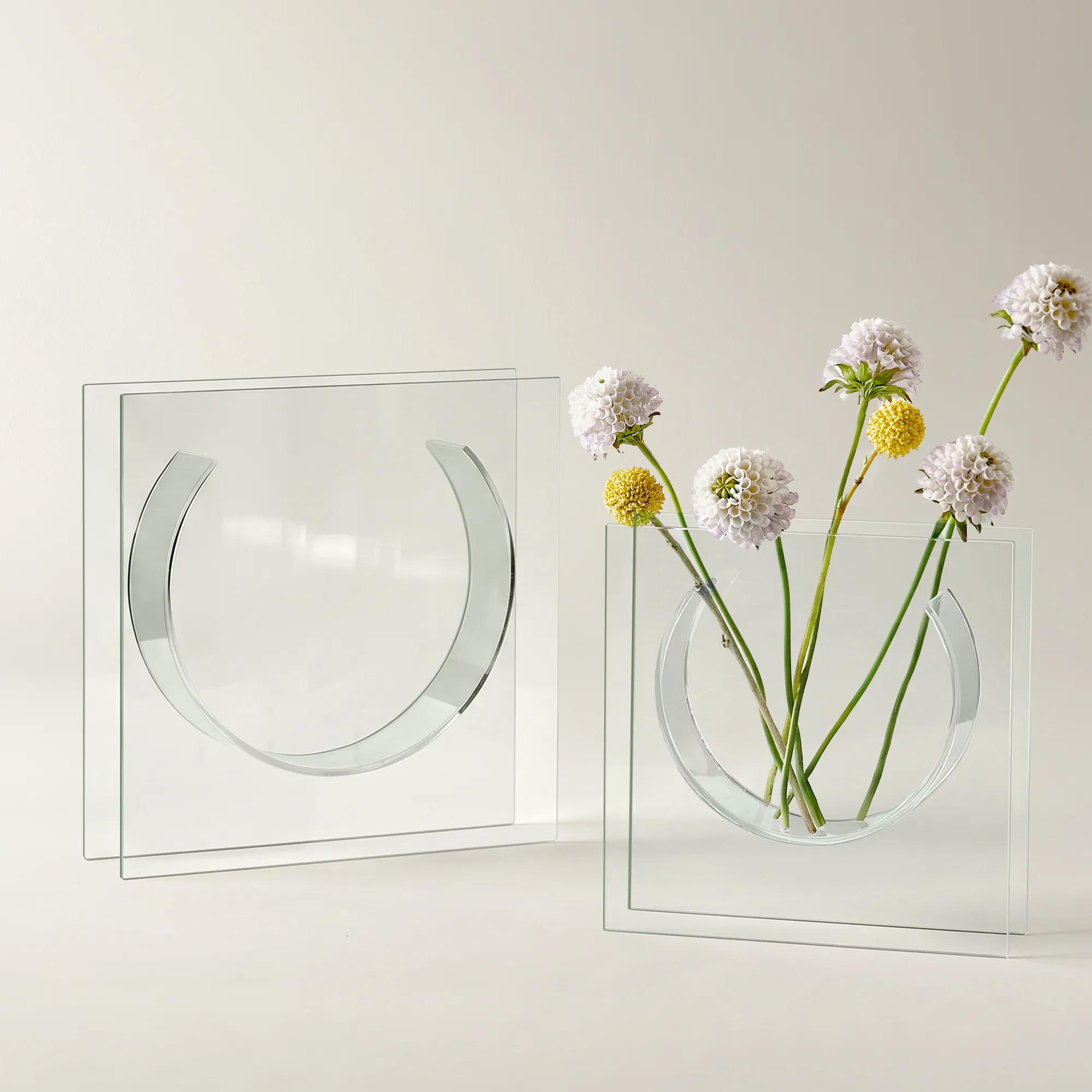
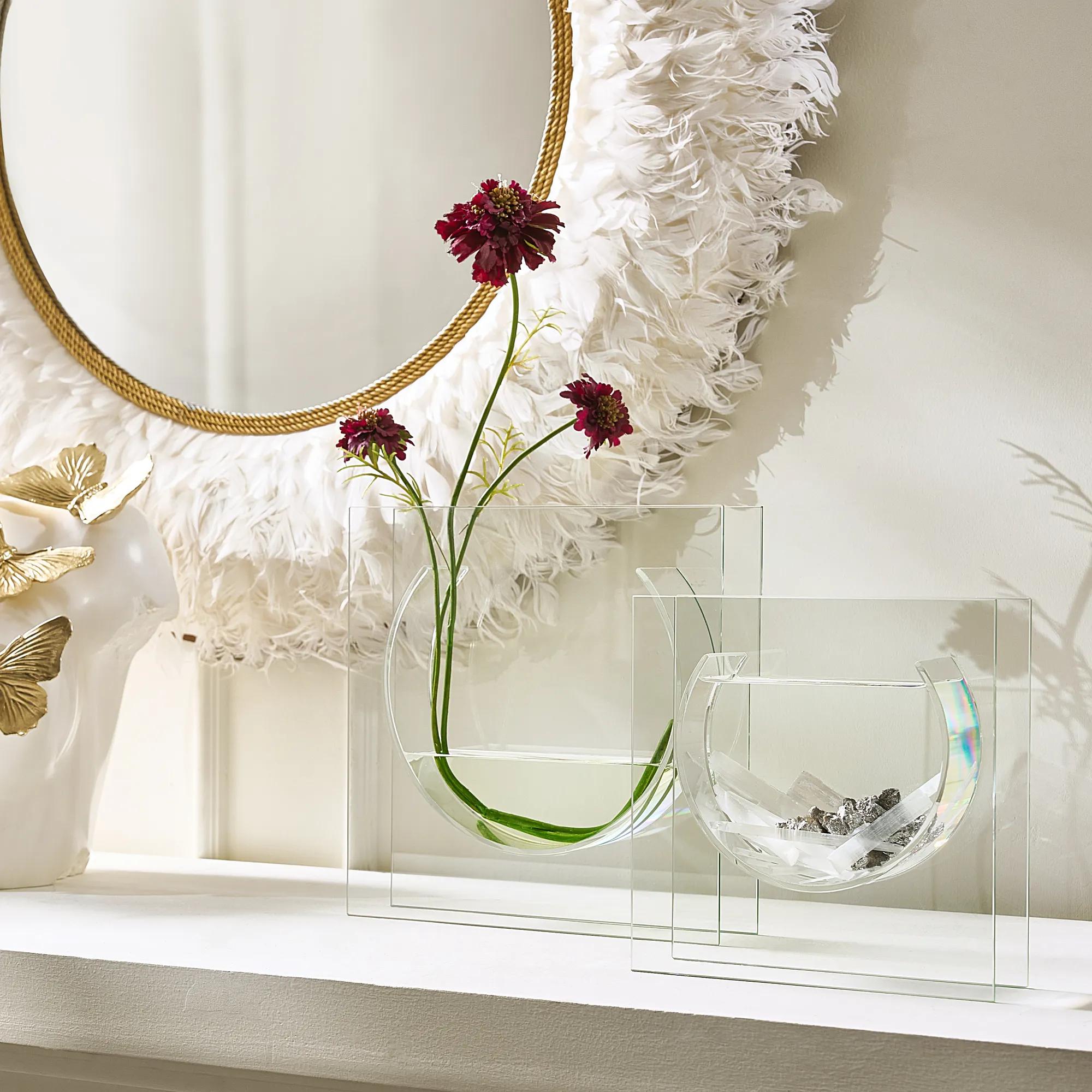 Solaris Clear Glass Vases$39
A bold modern vase crafted from clear glass with an elliptical bowl between two sleek glass panels.
Add To Cart -
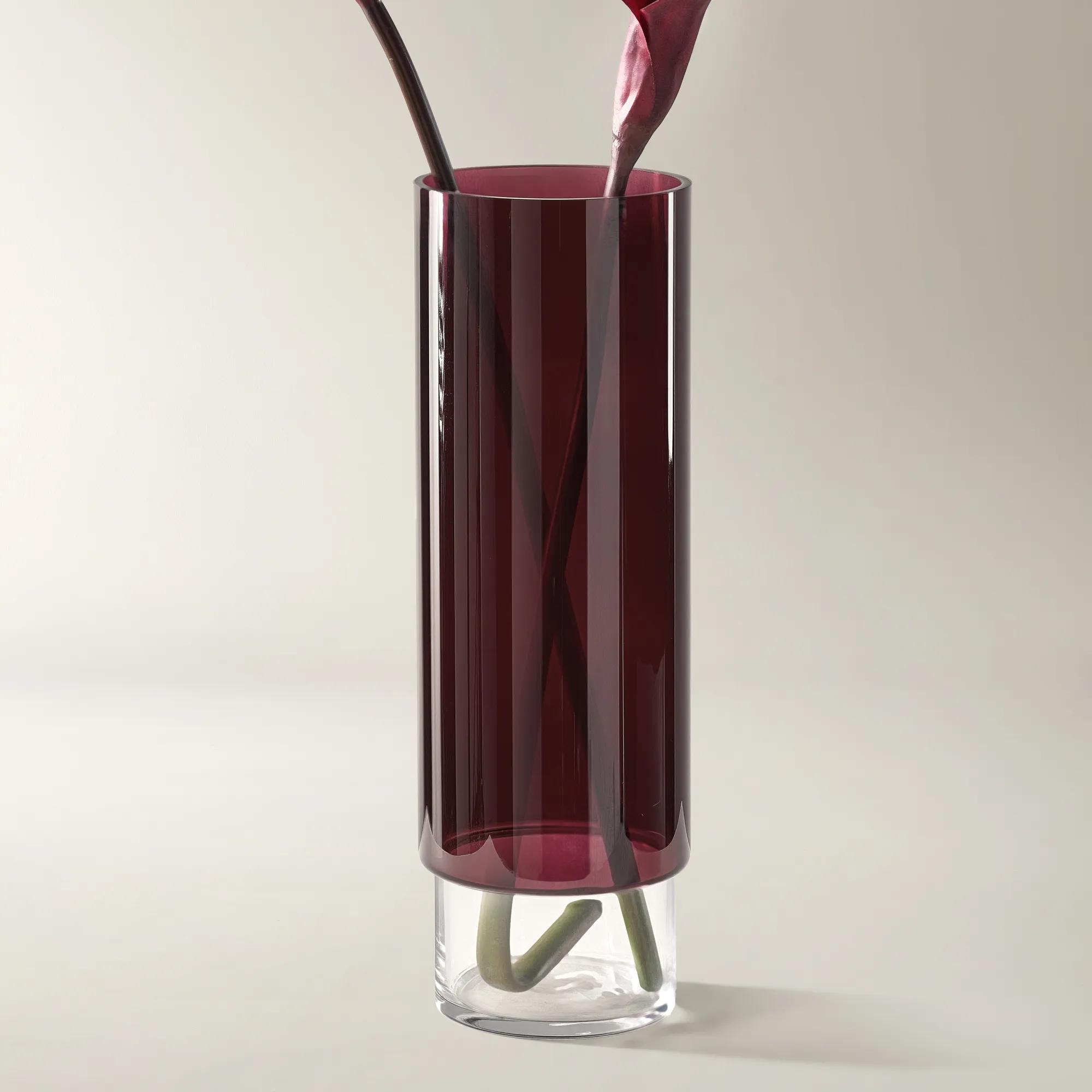 Bennet Mouth Blown Burgundy Glass Vase 19.5"$99
A handblown glass vase in rich burgundy with a sculptural Deco-inspired column silhouette.
Add To Cart -
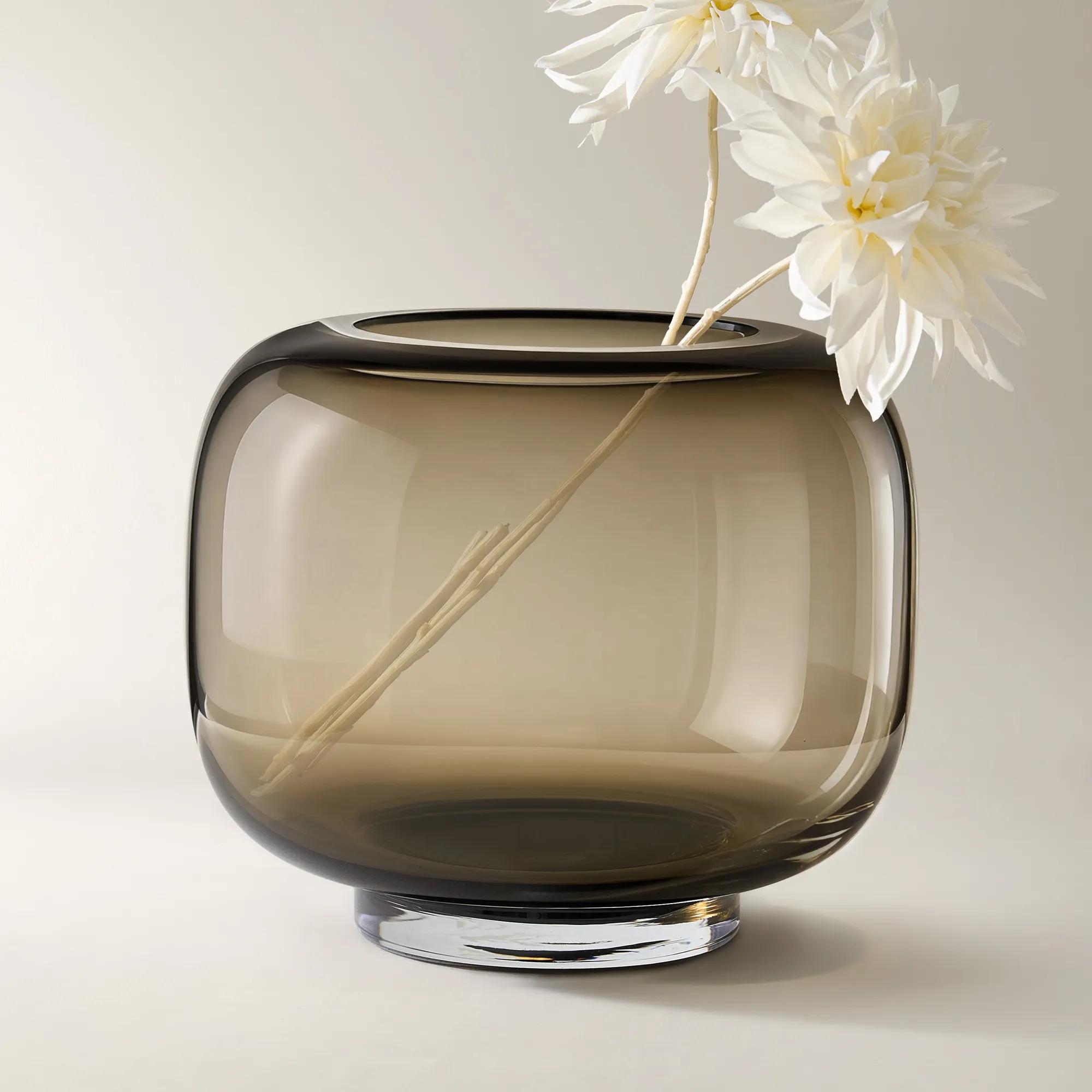
 Desi Mouth Blown Spruce Green Glass Vase 10.25"D x 5.5"H$79
A handblown glass vase in spruce green with a chunky, rounded silhouette for modern organic appeal.
Add To Cart -
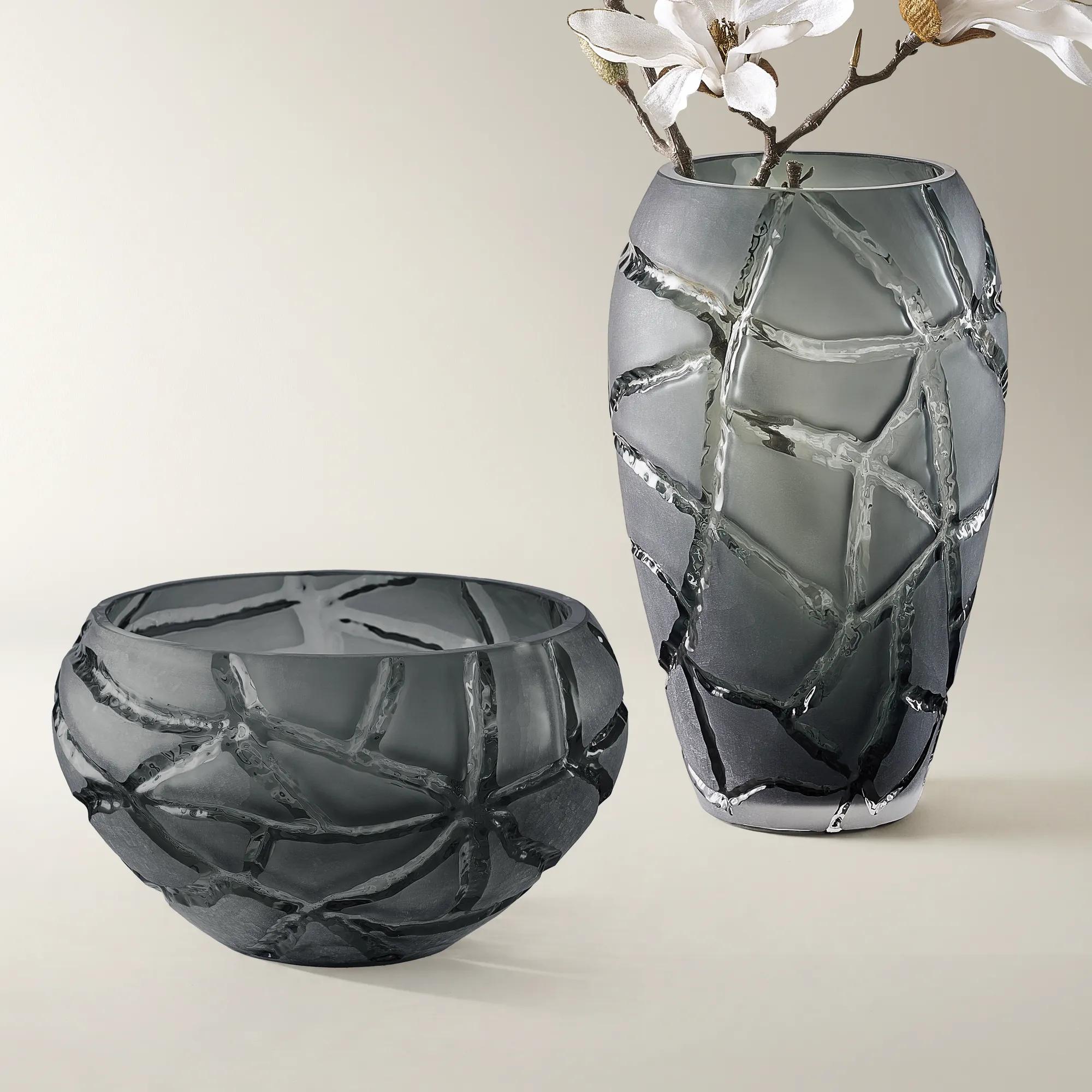
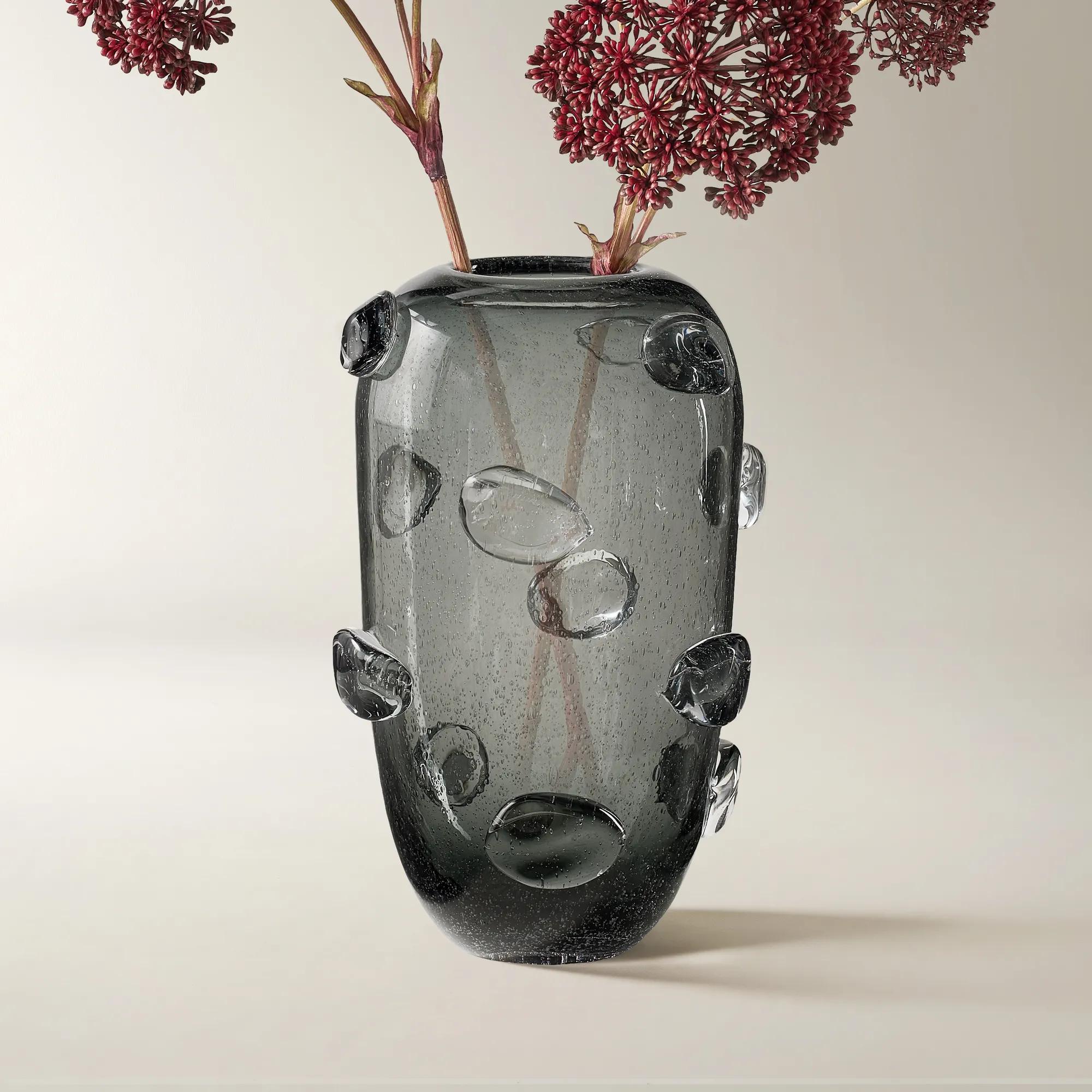 Surel Mouth Blown Graphite Glass Vase 13.5"$149
A handblown glass vase in moody graphite with playful bauble accents for sculptural sophistication.
Add To Cart -
 Ripple Eggshell Blue Handblown Glass Vase 10.25"$89
A handblown eggshell blue glass vase adding sculptural elegance to modern decor.
Add To Cart -
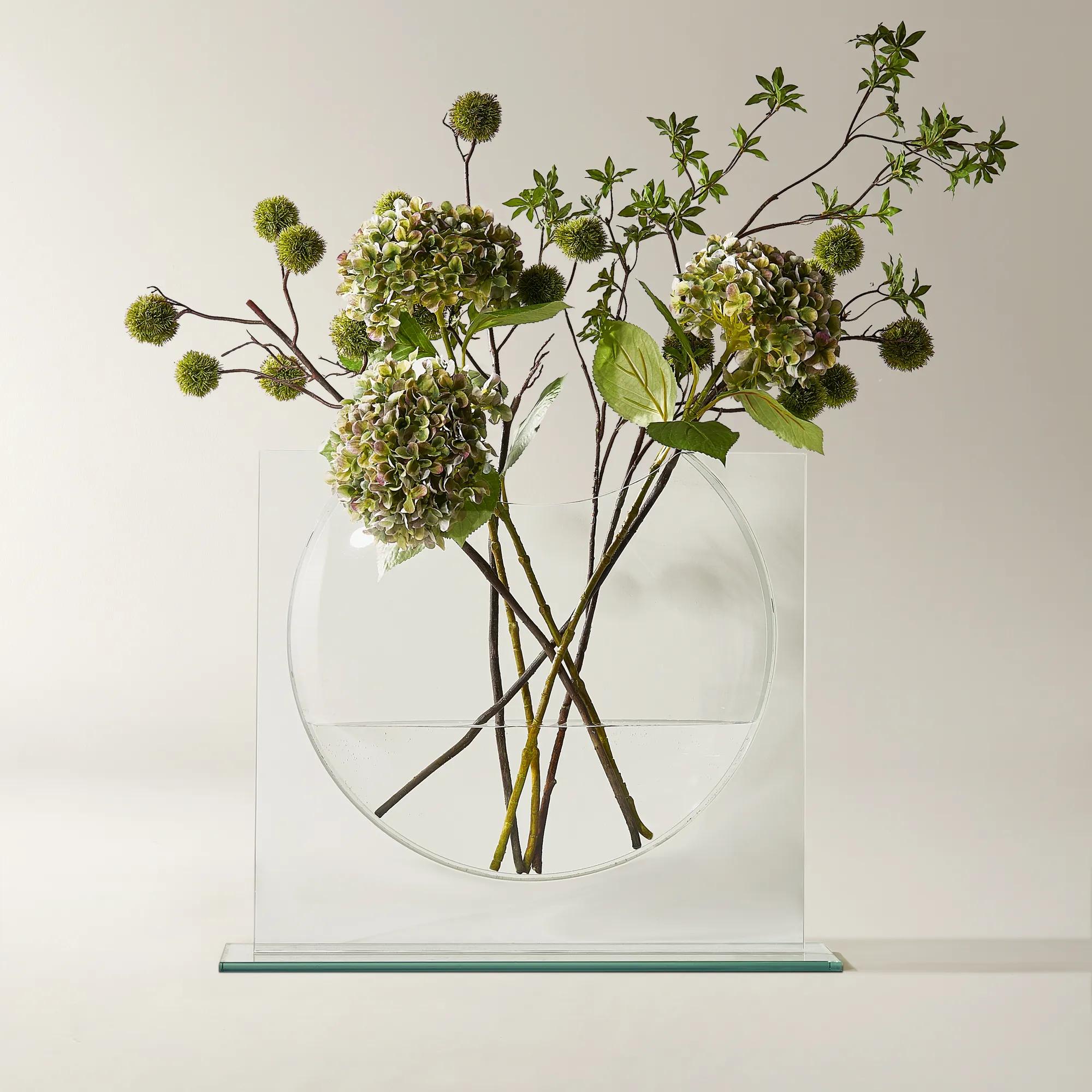
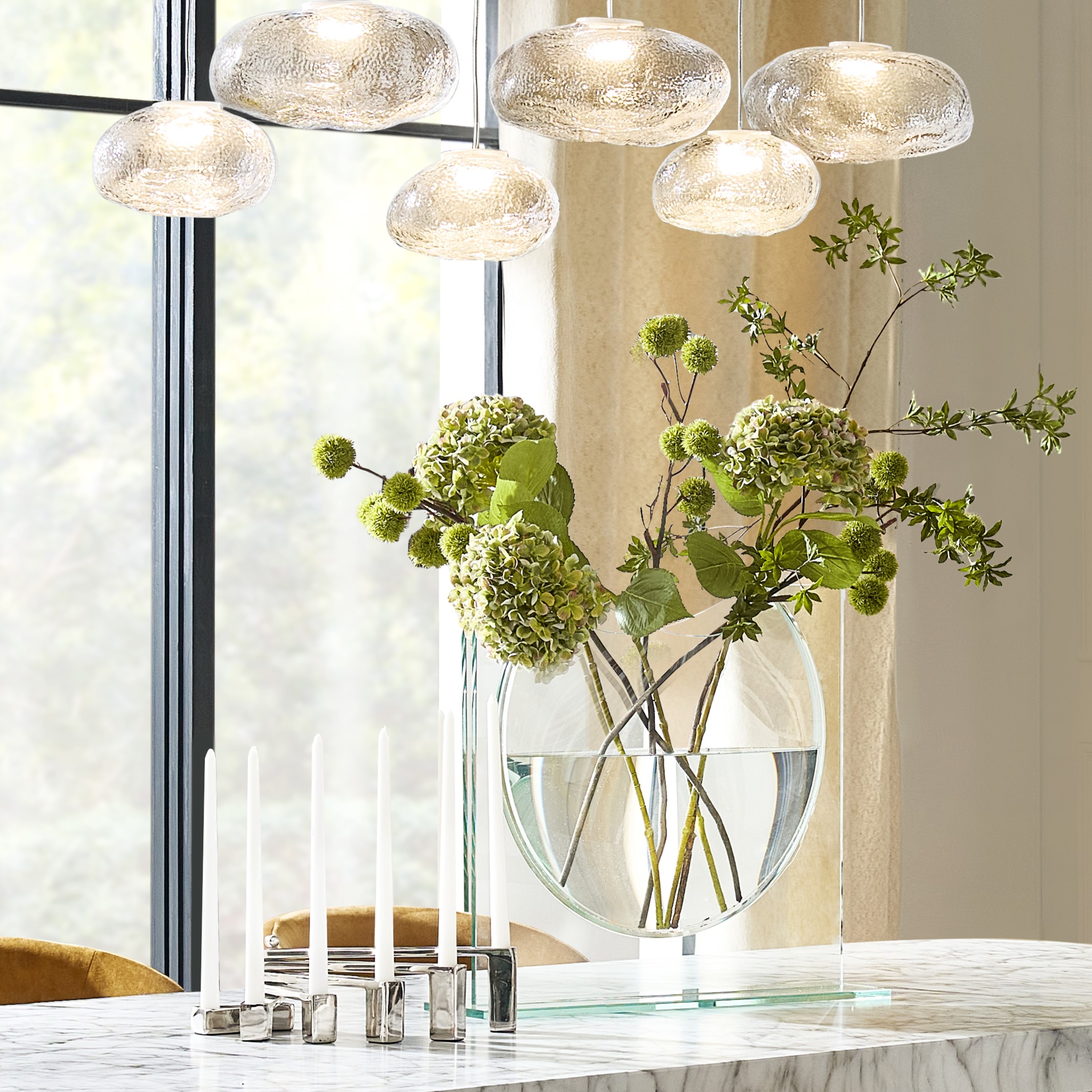 Ellipse Clear Glass Vase 20"$259
A sleek elliptical glass vase offering a modern, functional accent for fresh floral arrangements.
Add To Cart -
 Speckled Mouth Blown Brown And White Glass Vase 14.75"$129
A handblown glass vase featuring a brown and white speckled pattern for modern, artful appeal.
Add To Cart -
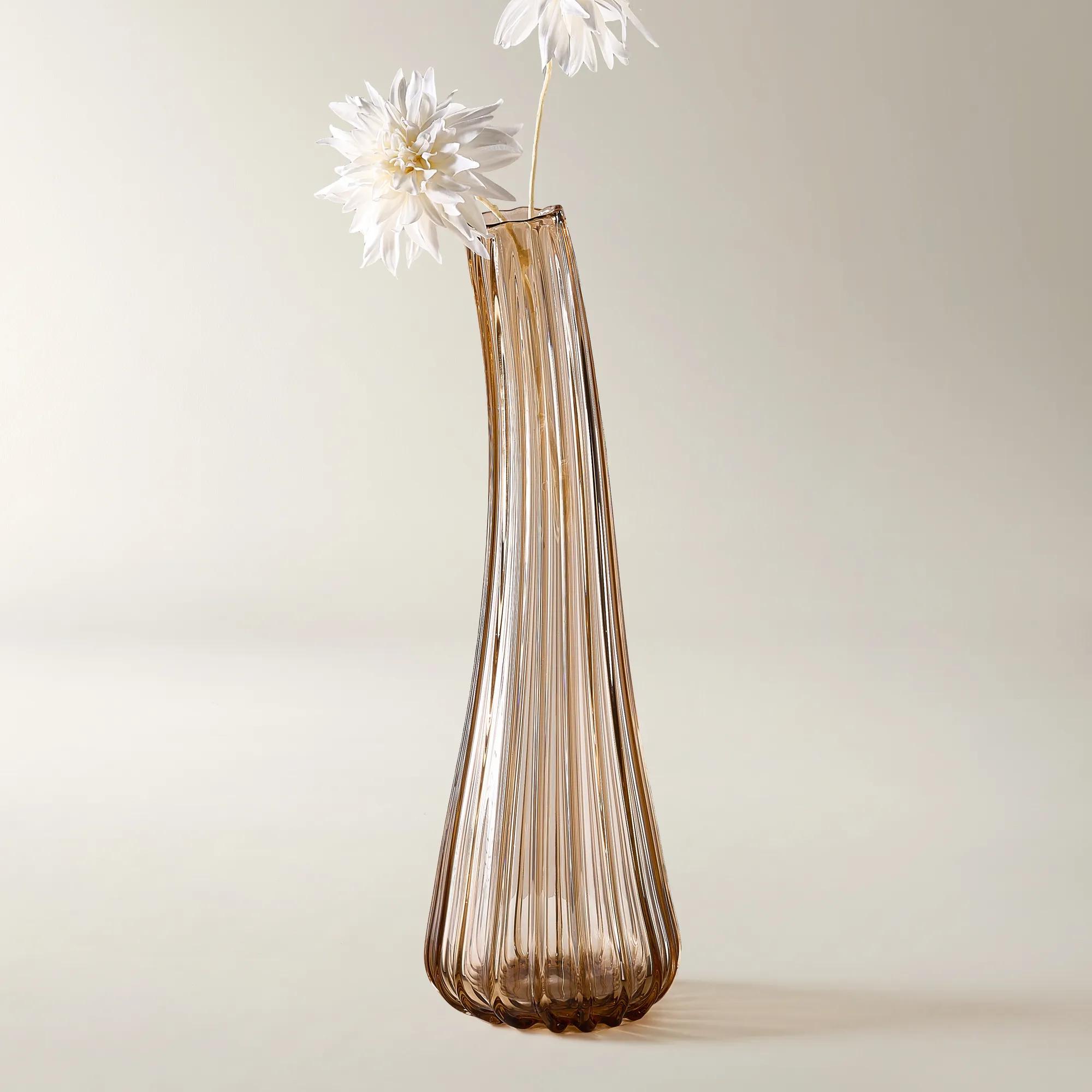
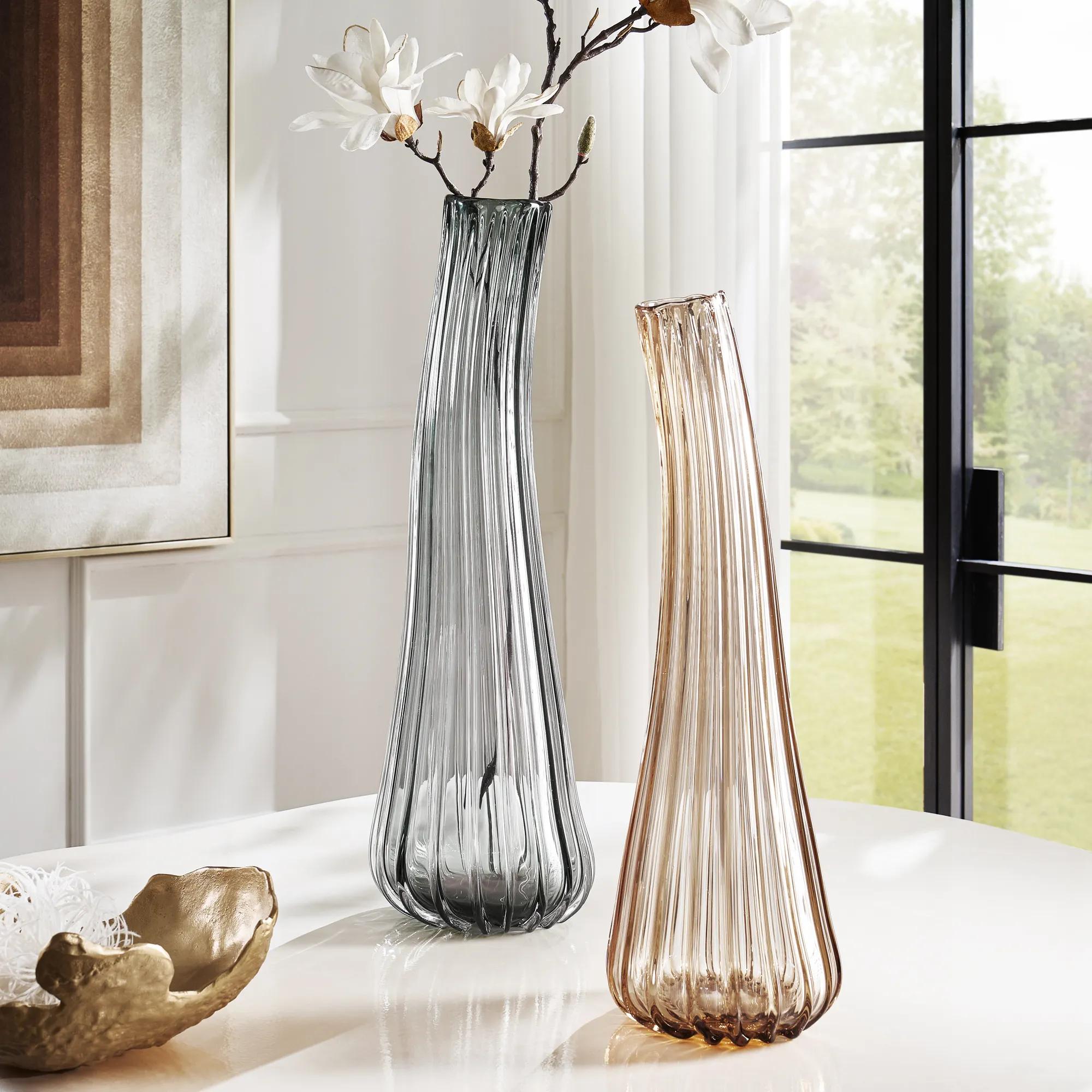 Tango Mouth Blown Soft Amber Vase 24.75"$179
A handblown glass vase in a soft amber finish with a textured, sculptural centerpiece design.
Add To Cart -
 Glow Mouth Blown Brown Glass Vase 10.75"$59
A luminous glass vase adding modern elegance to any décor.
Add To Cart -
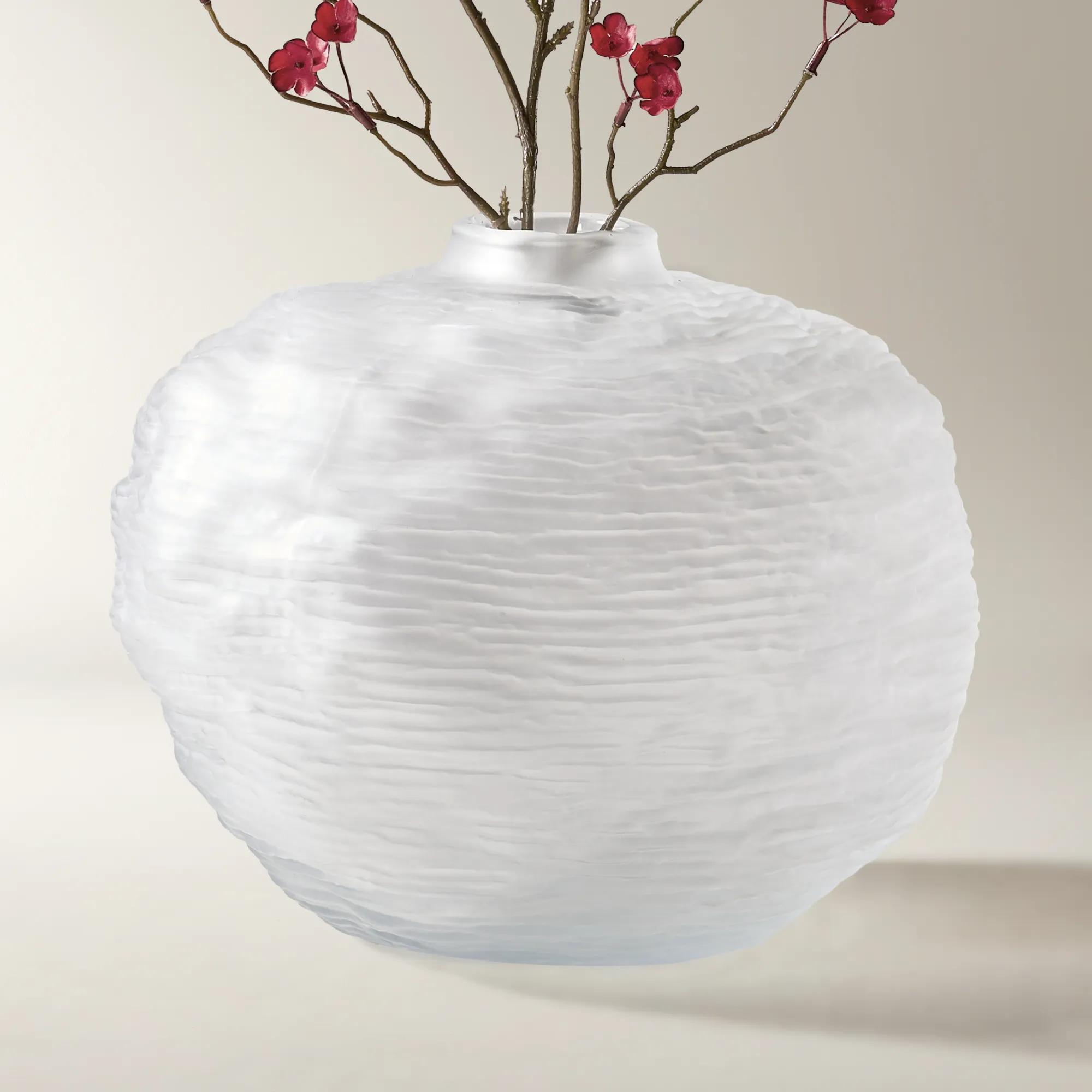 Lucid Mouth Blown Frosted Glass Vase 9.25"$99
A handblown frosted white glass vase with a sculptural, softly textured surface for modern elegance.
Add To Cart -
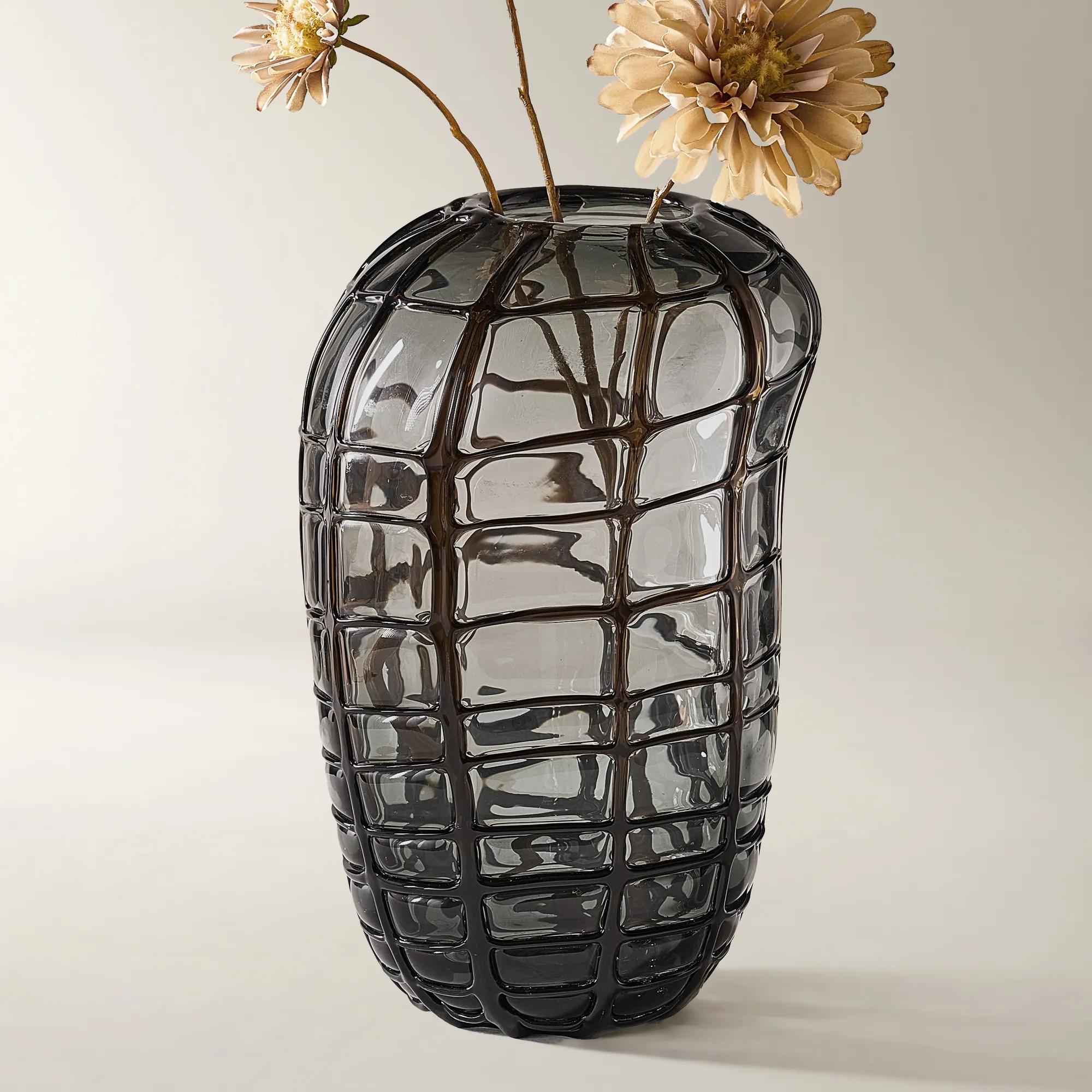 Contra Mouth Blown Black Grid Glass Vase 13"$89
A handblown black glass vase featuring a graphic grid pattern and an organically sculpted silhouette.
Add To Cart -
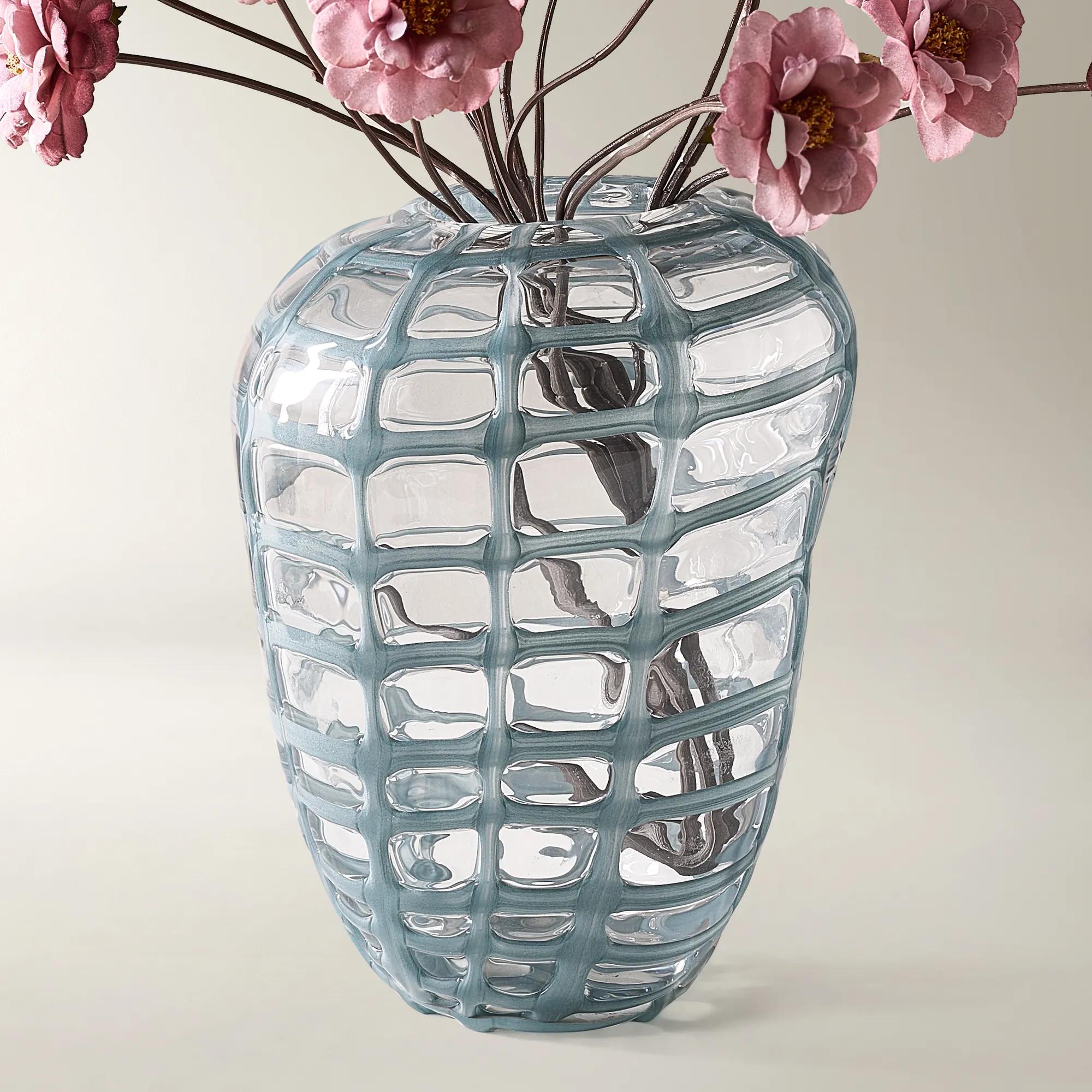 Contra Mouth Blown Dusty Blue Grid Glass Vase 10.25"$79
A handblown dusty blue glass vase featuring a graphic grid pattern and softly organic silhouette.
Add To Cart

Glass Vases For Living Room
Glass Vases for Living Room embody the art of transformation, turning ordinary surfaces into curated showcases of light and allure. Each piece reflects an exquisite interplay of transparency and form, inviting you to layer your living space with sculptural intrigue and luminous charm. Whether poised as a solo statement or gathered in an opulent cluster, these vases capture the essence of modern glamour, elevating every corner with a whisper of sophistication. Let your living room become a gallery, where each glass vase is both muse and masterpiece, waiting to reflect your unique sense of style.
Glass vases for living rooms bring light, sculptural shape, and a sense of openness to coffee tables, consoles, mantels, and shelves. Their appeal lies in the interplay between substance and transparency: a generous silhouette can feel substantial without visually crowding a room, while a slender vessel gives a single stem striking presence. Clear glass lets the entire arrangement become part of the composition, from the curve of a branch to the stems beneath the waterline. Smoked, amber, and richly tinted glass introduce another layer of expression, softening what is visible inside and casting subtle color across the surface below. Against sumptuous upholstery, a glossy vase adds contrast; beside polished metal or a mirrored tray, it extends the room’s luminous character. Shape changes the mood just as dramatically as color. Rounded profiles feel generous and fluid, cylindrical forms create a precise architectural rhythm, and asymmetrical silhouettes have the presence of small sculptures. Ribbed, fluted, or textured glass breaks up reflections, giving the surface depth even when the vessel stands empty. Smooth glass offers a quieter backdrop for elaborate flowers, allowing petals, foliage, and branching stems to take the lead. The way a vase is made also contributes to its character. Handblown glass may display slight differences in contour, small bubbles, or other individual details, while molded glass can create crisp, repeatable patterns. Such characteristics should be understood in the context of the piece’s construction rather than assumed to indicate damage. For interiors drawn to a more jewel-like expression, crystal vases for living rooms offer a related direction, with the precise visual effect depending on the material and surface treatment. Across these different expressions, the most compelling glass vase feels connected to the room’s larger palette while retaining enough distinction to hold attention on its own.
Proportion gives that presence a place to belong. On a coffee table, a low, broad glass vase can anchor an arrangement without obscuring conversation or interrupting the view from one seat to another. Its footprint matters as much as its height: a vessel needs room beside books, a decorative tray, and the objects that make the table useful throughout the day. On a console behind a sofa, a taller profile can rise above the upholstery and introduce an elegant vertical line, provided it sits securely and leaves comfortable clearance from nearby walls, artwork, or lamps. Shelves call for another kind of balance. A compact vase tucked beside a stack of art books adds a gleaming counterpoint, while an open section of shelving gives a more sculptural shape the breathing room it deserves. Large glass vases can lend definition to an otherwise empty corner, but floor placement requires a level surface and a position away from busy walkways, swinging doors, and areas where children or pets could knock them over. The relationship between the opening, the body, and the base also determines how an arrangement behaves. A narrow neck gathers a few stems into a controlled silhouette; a wider mouth gives fuller bouquets room to spread but may require more stems or suitable floral support to maintain their shape. Long branches introduce leverage, so a substantial-looking vase is not automatically the right vessel for a heavy, top-reaching arrangement. Base width, actual weight, and the maker’s intended use all matter. Fresh flowers belong in vessels confirmed to be watertight, while decorative-only glass may be better suited to dried botanicals, faux stems, or display without a filling. For a composed grouping, varying heights can create movement while a shared tint or texture keeps the arrangement coherent. Two or three thoughtfully related forms often have greater impact than a crowded assortment, especially when their outlines remain distinct against the wall behind them.
The lasting appeal of a glass vase depends on both its construction and the way it is handled. Glass offers a hard, nonporous surface when uncoated, but it remains vulnerable to chips, scratches, and sudden temperature changes. A thick wall may lend reassuring weight without making a vessel shatterproof, and a delicate rim deserves particular care when flowers are changed or the vase is moved. Manufacturer care instructions take priority, especially for painted, metallic, iridescent, or otherwise treated finishes. For glass approved for washing, a soft cloth, mild soap, and lukewarm water are generally gentler choices than abrasive pads or harsh cleaners. Narrow-neck forms can be more difficult to clean inside, an important consideration for anyone who enjoys fresh bouquets regularly. Water should be refreshed and plant debris removed before residue has time to build up; careful drying helps preserve the clarity that makes transparent glass so striking. Decorative coatings may need a different approach, and dishwasher use should never be assumed safe. Lifting a vase from its body or base rather than its rim reduces strain, while a clean, level display surface helps prevent wobbling and accidental contact with harder objects. Any protective pad beneath the base should be compatible with the furniture finish and should not compromise stability. These practical details make glass vases particularly rewarding for people who enjoy changing a room through small, expressive gestures. One vessel can frame a generous bouquet for a gathering, hold a restrained arrangement beside a reading chair, or stand empty as an object of art. A glass vase can also make a considered housewarming, wedding, or anniversary gift, especially when its scale and color reflect the recipient’s home rather than a fleeting decorating trend. The result is an accent with genuine flexibility: luminous enough to enrich a formal setting, distinctive enough to animate a quieter corner, and expressive enough to make a familiar room feel newly composed.
FAQs
To craft a showstopping centerpiece, embrace the interplay of height, color, and texture. Fill your glass vase with seasonal florals, dramatic branches, or even artfully arranged stones and metallic ornaments. For a layered look, cluster multiple vases of varying shapes together—mixing clear and tinted glass for added depth. The transparency of a z gallerie glass vase allows you to experiment with floating candles or submerged blooms, creating a dynamic focal point that evolves with the seasons.
Absolutely. Glass vases are timeless accents that transcend style boundaries. In a traditional setting, a classic silhouette filled with lush florals adds elegance and warmth. In a modern space, a sculptural or geometric z gallerie vase becomes an artful statement—especially when left empty or paired with minimalist greenery. Their versatility ensures they seamlessly complement any aesthetic, from vintage-inspired to ultra-contemporary.
Glass vases invite endless creativity. Beyond florals, fill them with decorative stones, colored water, or seasonal botanicals like pinecones or citrus. Use tall vases to display dramatic feathers or oversized leaves. For a touch of whimsy, layer sand and shells for a coastal vibe, or fill with string lights to cast a soft, ambient glow. Each arrangement transforms your vase into a unique piece of living art.
A glass vase is both luxurious and personal, making it an inspired gift for weddings, anniversaries, or housewarmings. Its versatility ensures it will be cherished for years, adapting to the recipient’s evolving style and home. The clarity and craftsmanship of a z gallerie vase elevate everyday moments, turning the act of arranging fresh blooms or seasonal branches into a ritual of beauty and self-expression.
Position your glass vase where sunlight can filter through—on a windowsill, coffee table, or open shelf. The play of light will accentuate the vase’s texture and color, casting captivating reflections and shadows. For added drama, choose a spot where the vase can be admired from multiple angles, allowing the changing light throughout the day to reveal new facets of its artistry.