Floor Vases For Living Room
Floor Vases For Living Room
-
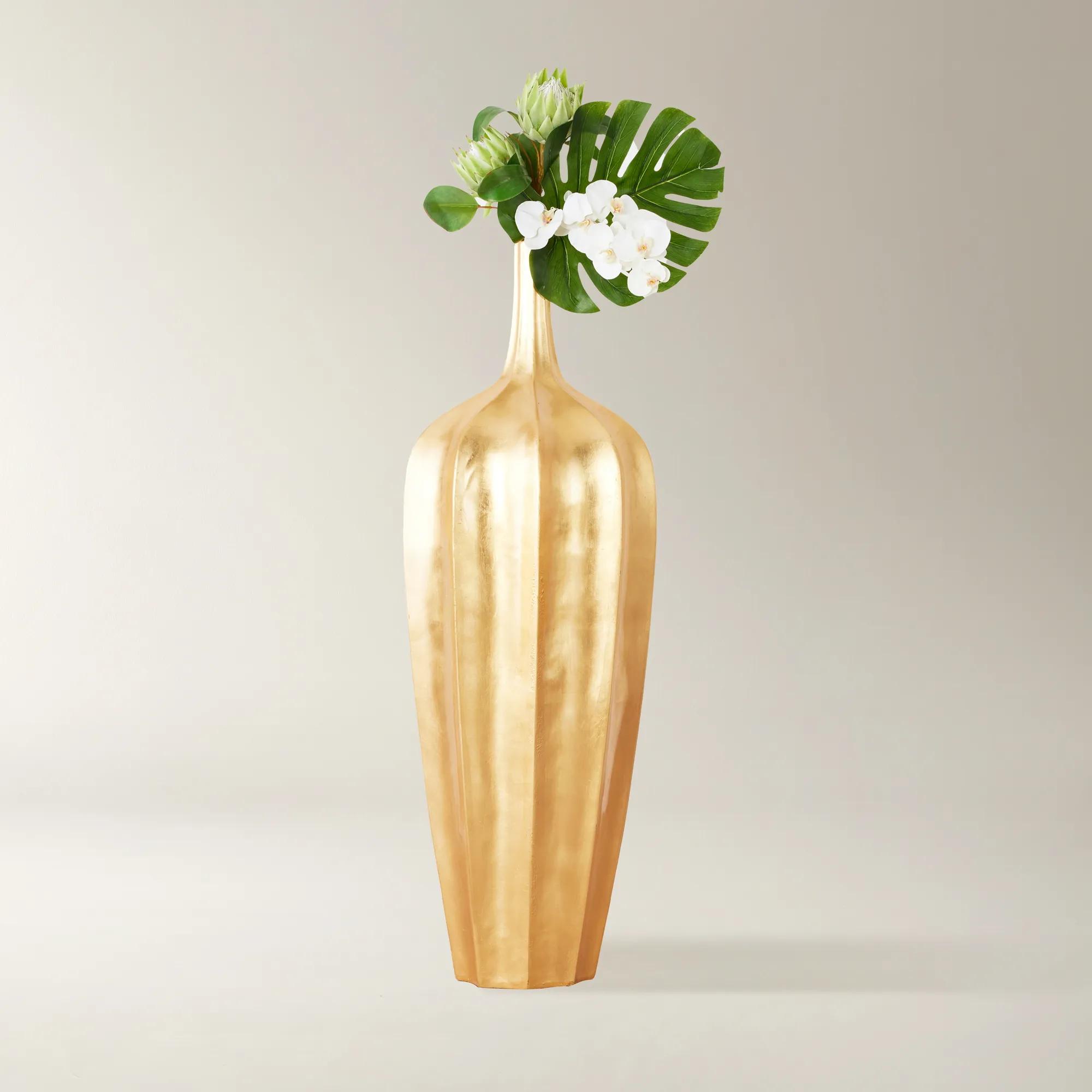 Accolade Gold Leaf Resin Floor Vase 48.75"$539
A fluted fiberglass vase featuring a lustrous gold foil finish for a striking decorative accent.
Add To Cart -
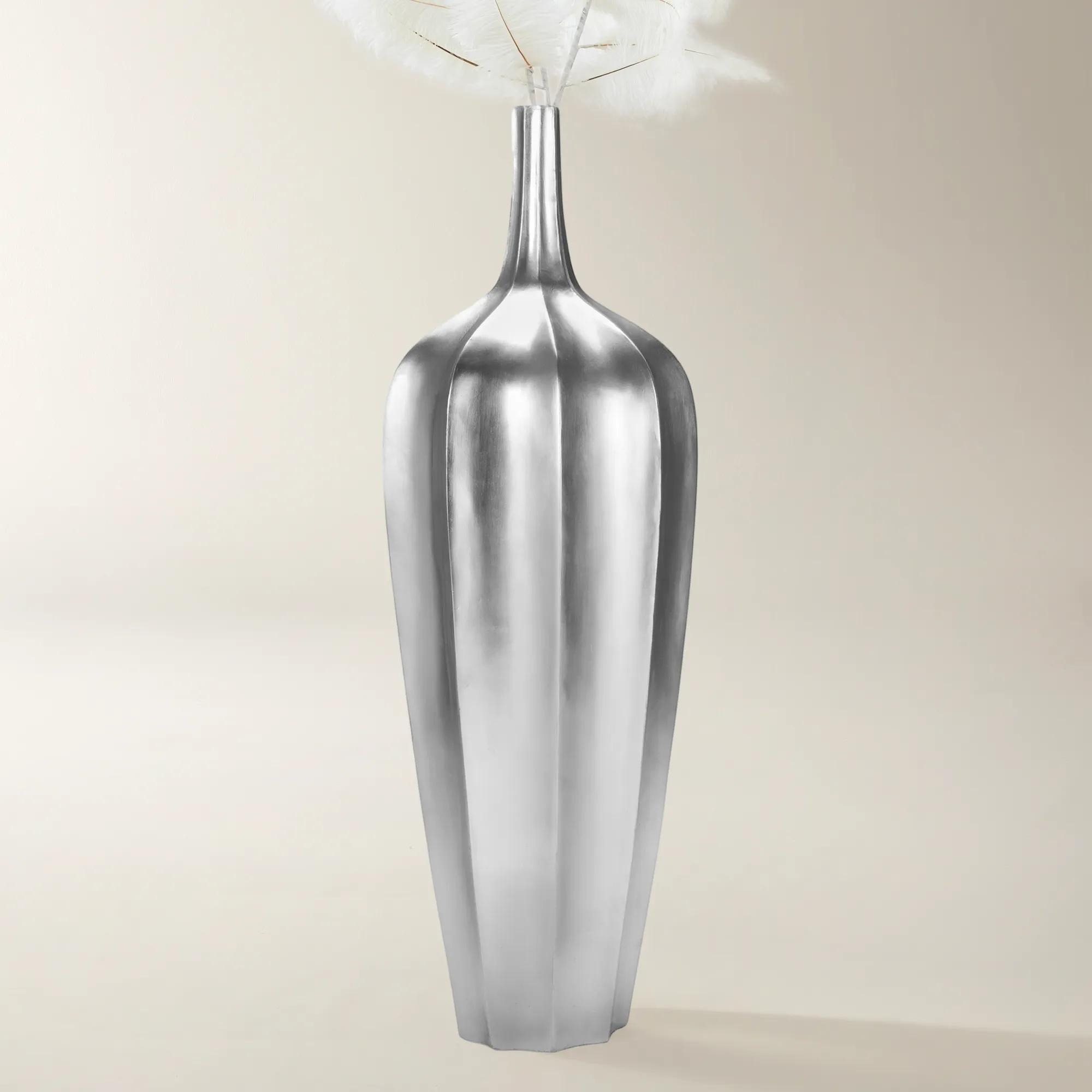
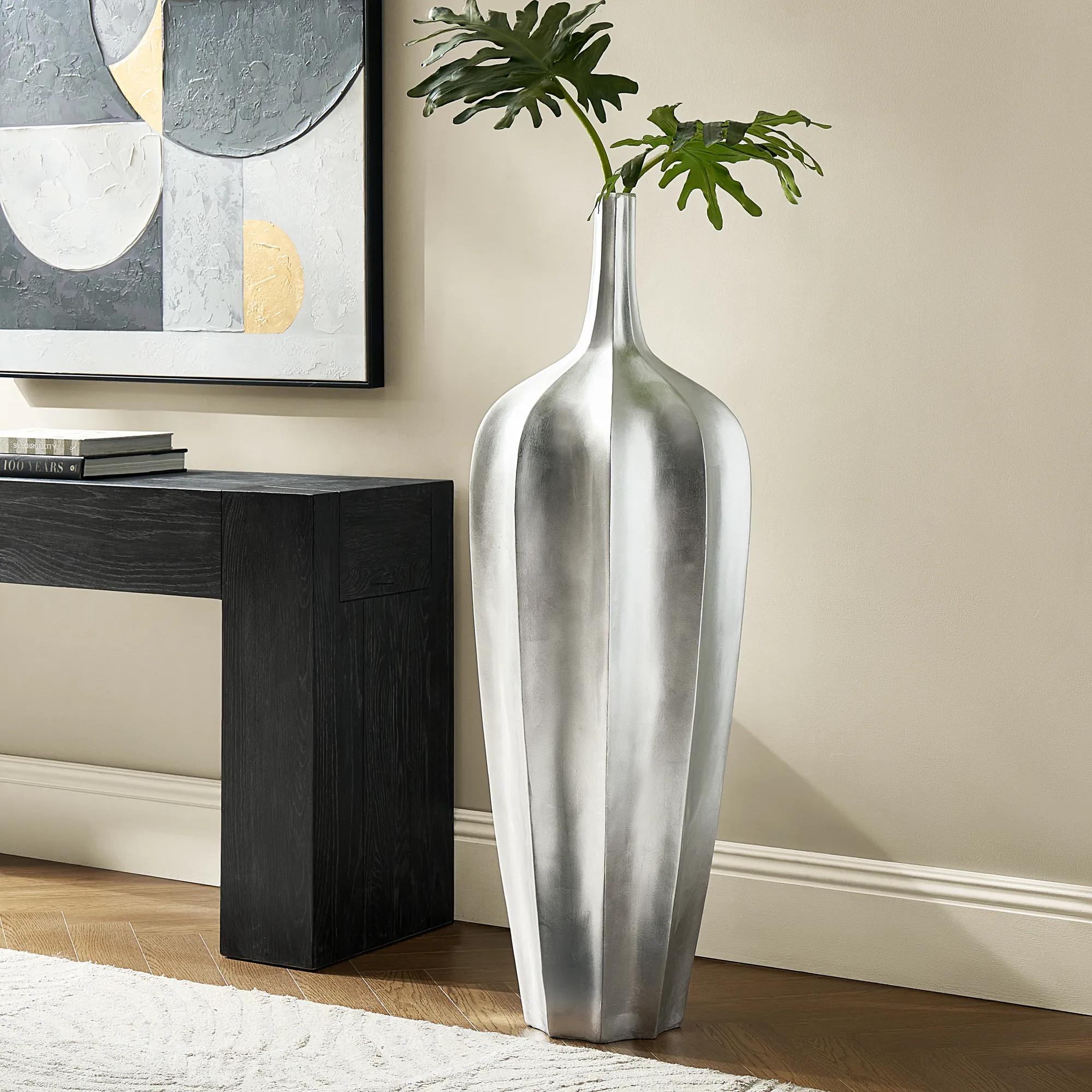 Accolade Silver Leaf Resin Floor Vase 48.75"$539
A fluted fiberglass vase featuring a lustrous metallic silver foil finish for a striking decorative accent.
Add To Cart -
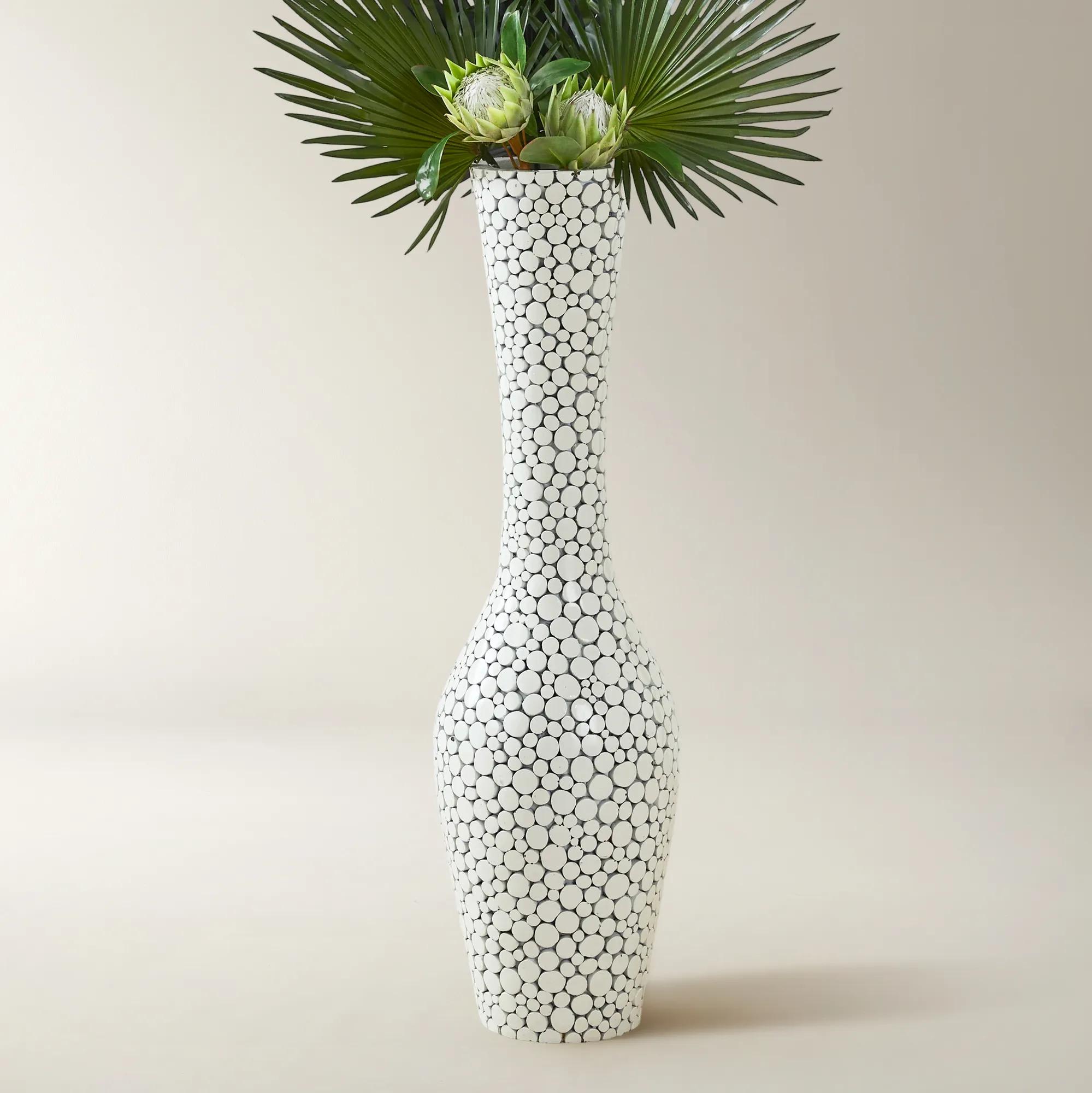 Oslo Floor Vase$299
A contemporary floor vase featuring hand-applied wood accents and a glossy white fiberglass base.
Add To Cart -
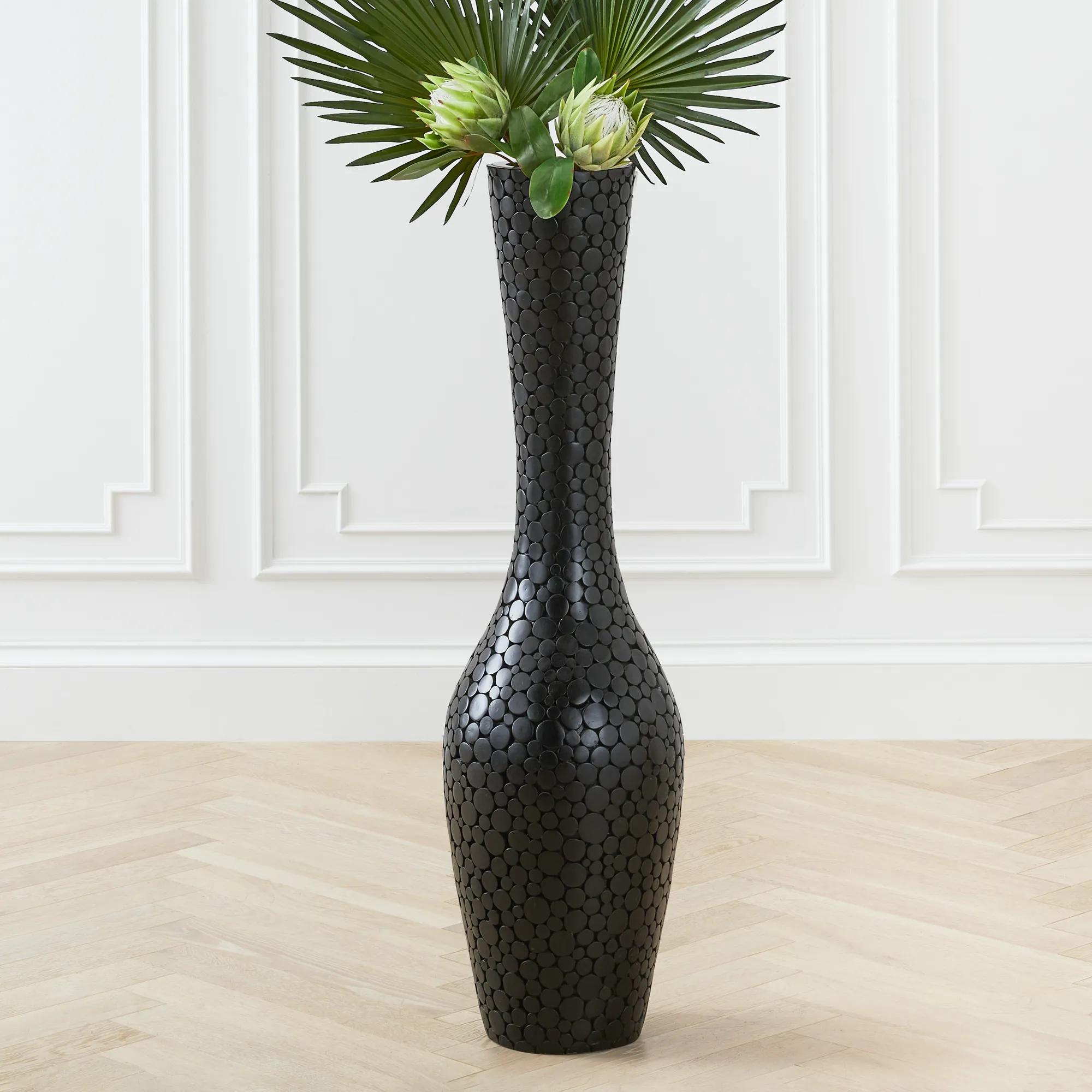
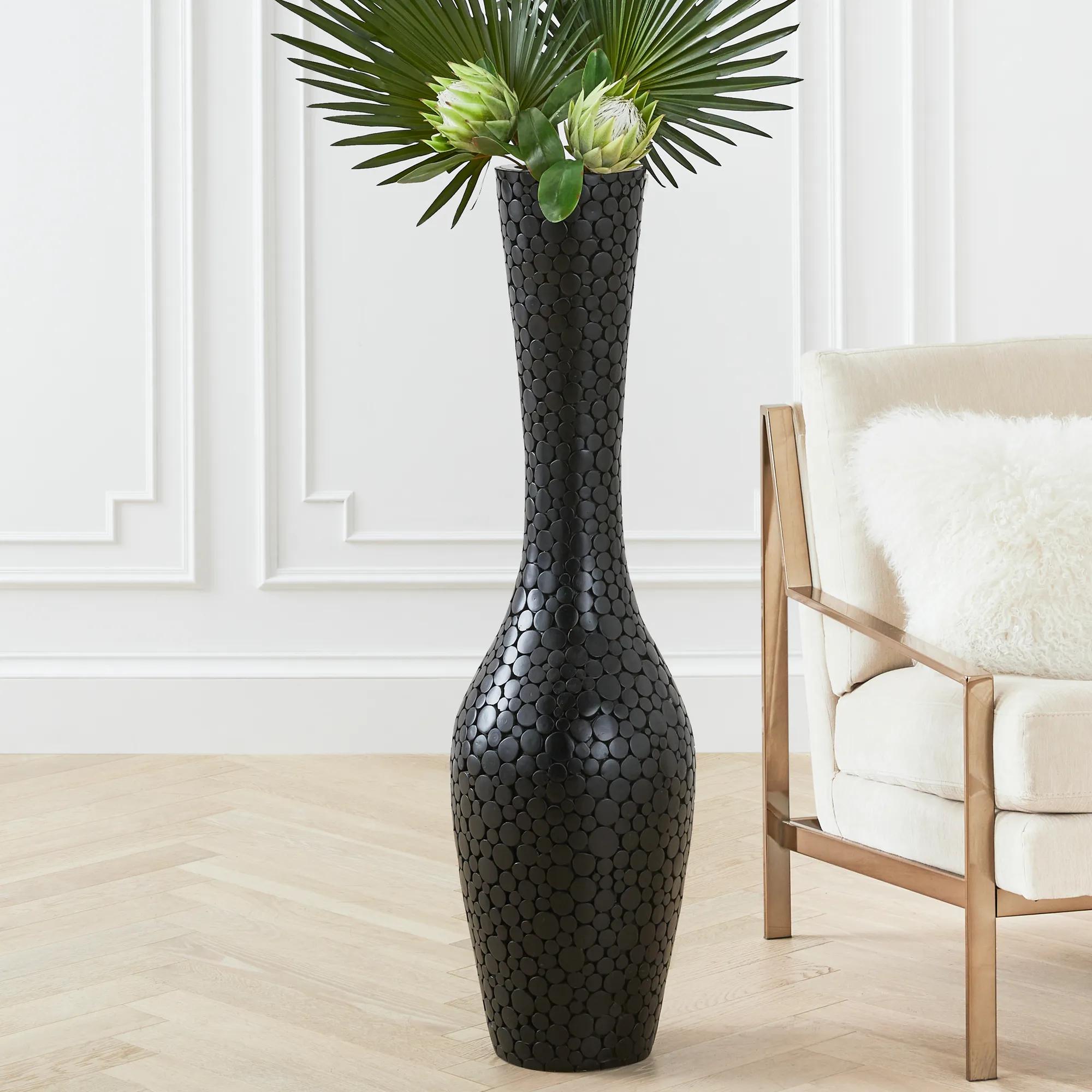 Oslo Black Wood Floor Vase 45"$299
A contemporary floor vase featuring hand-applied wood accents and a glossy black fiberglass base.
Add To Cart -
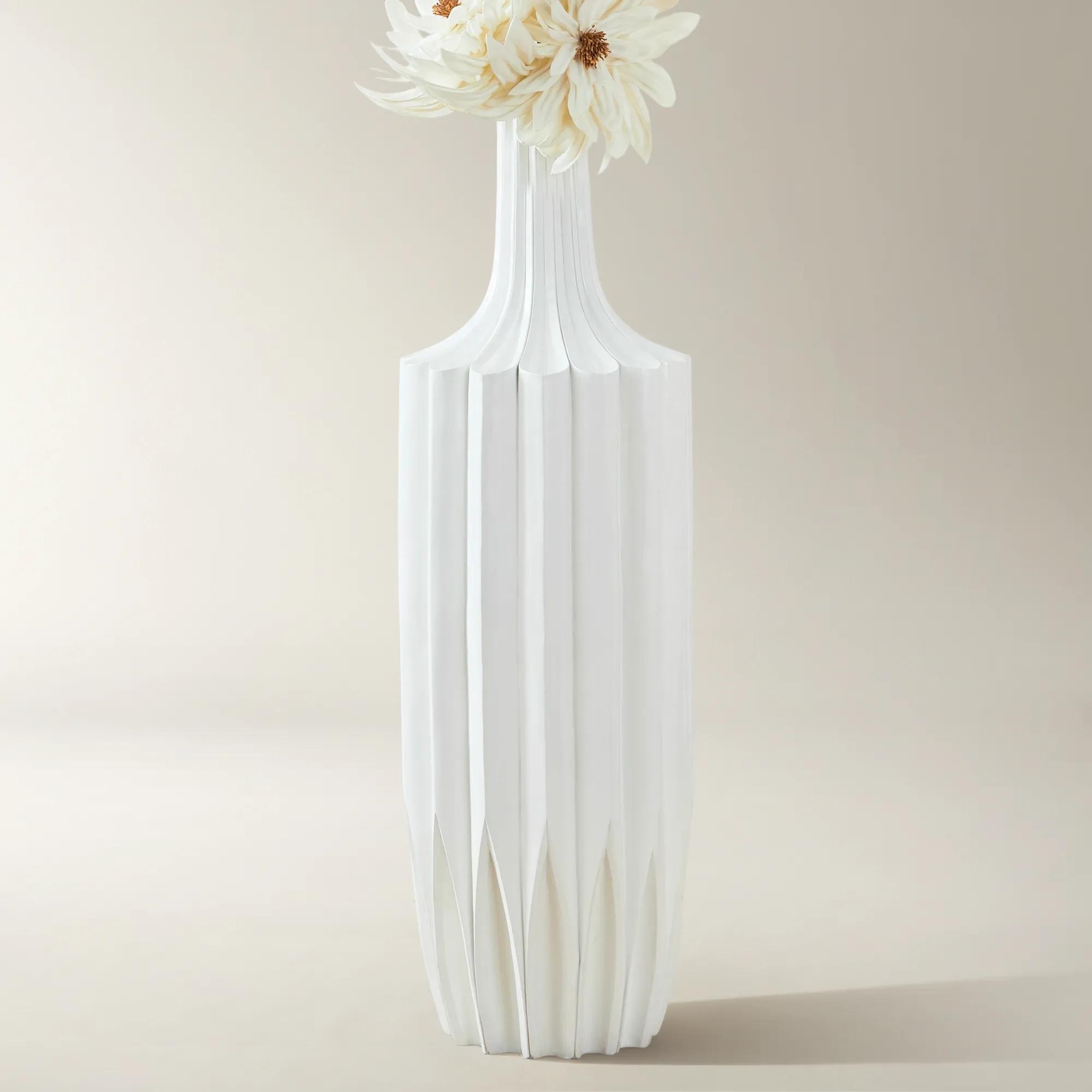 Savannah White Resin Floor Vase 48.75"$509
A sophisticated polyresin vase featuring sleek vertical curves, perfect for displaying decorative flowers or foliage.
Add To Cart -
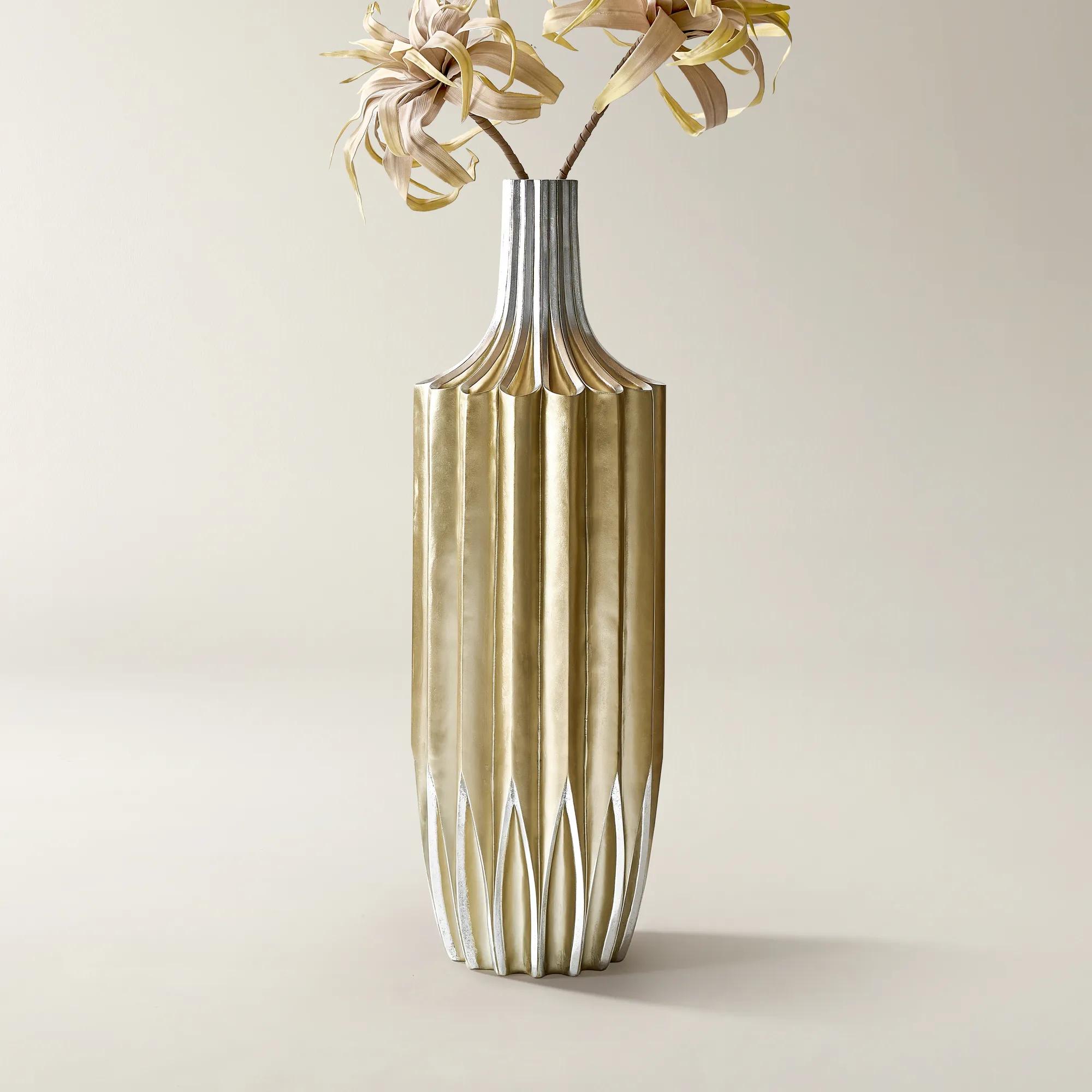
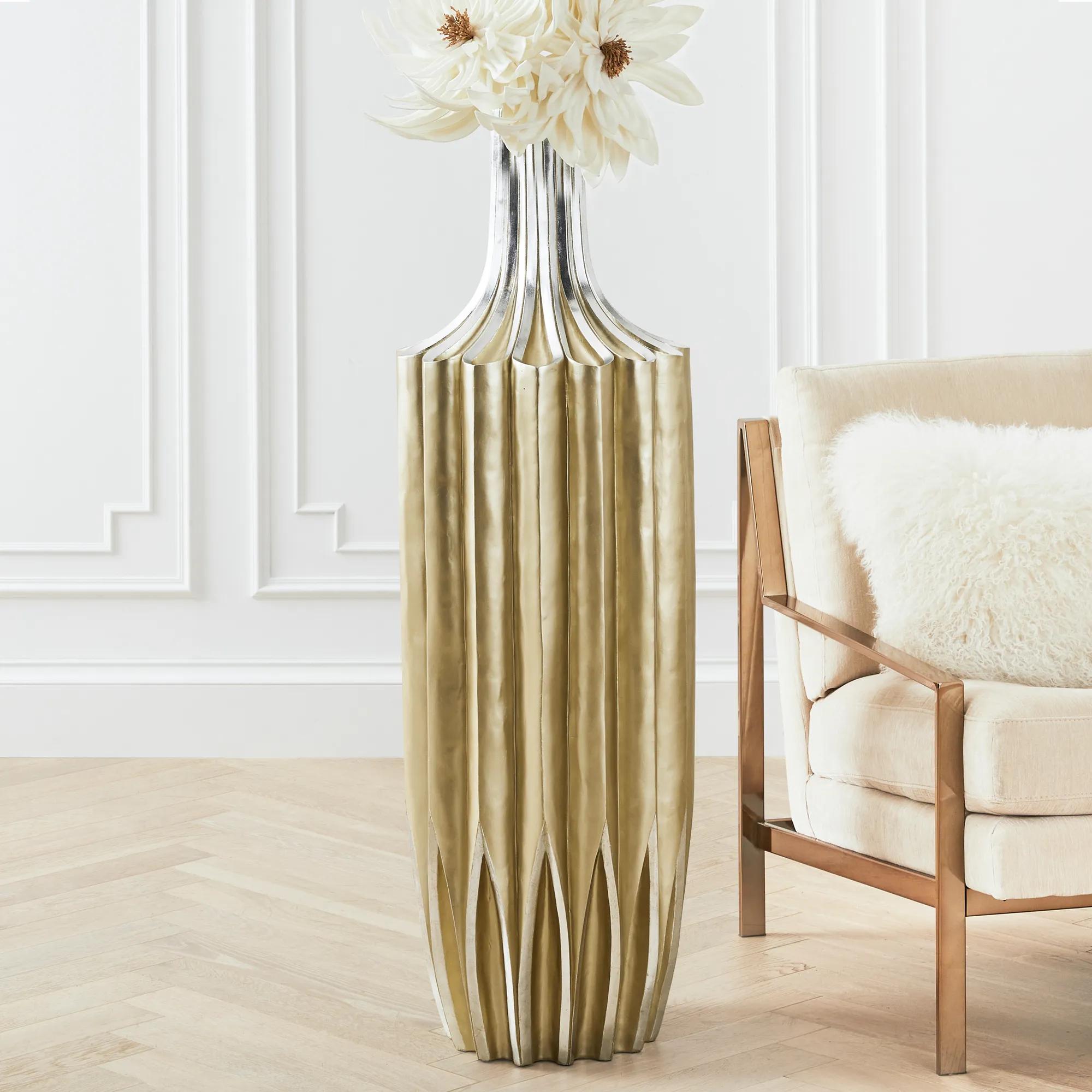 Savannah Gold Resin Floor Vase 48.75"$509
A sophisticated polyresin vase featuring sleek vertical curves for a modern decorative accent.
Add To Cart -
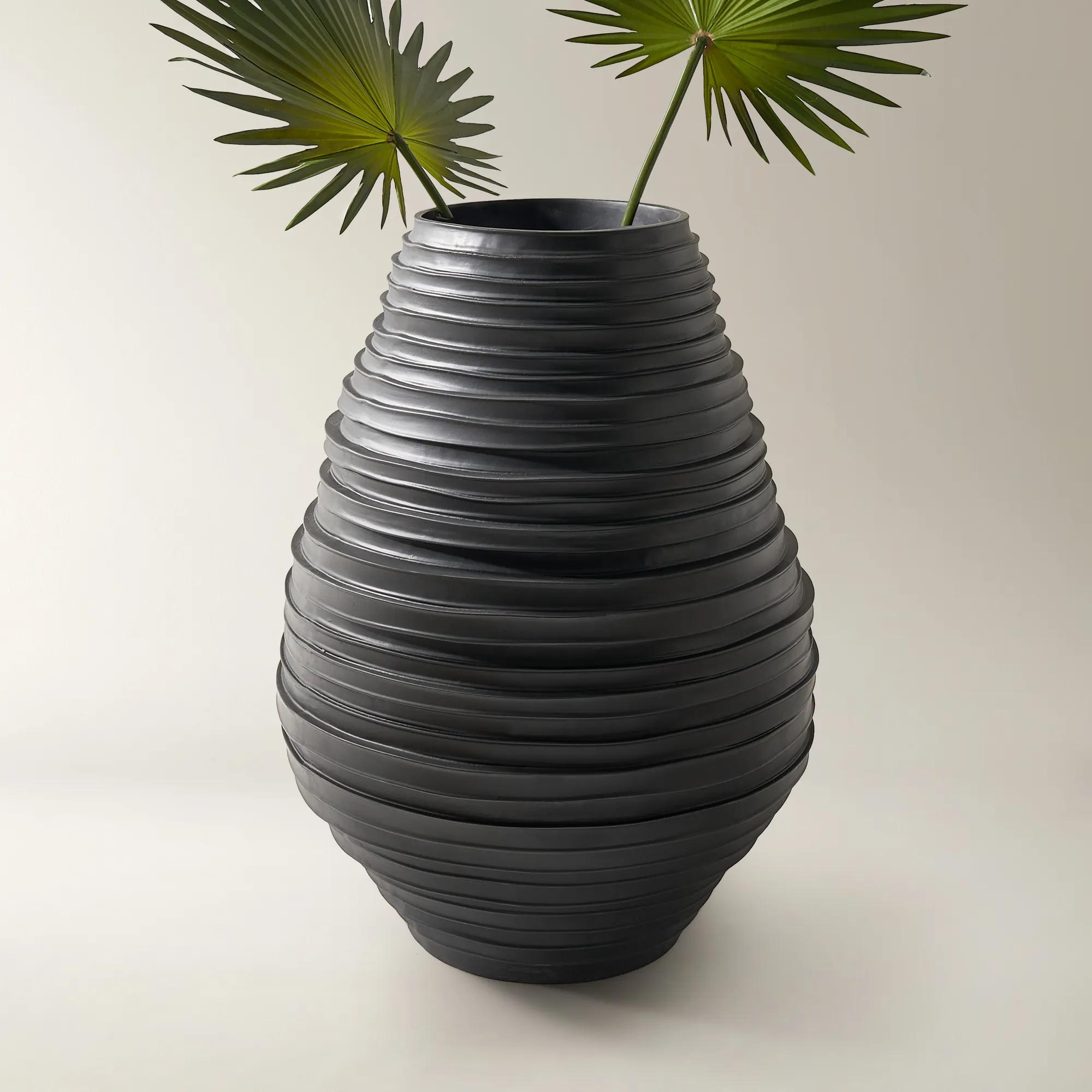
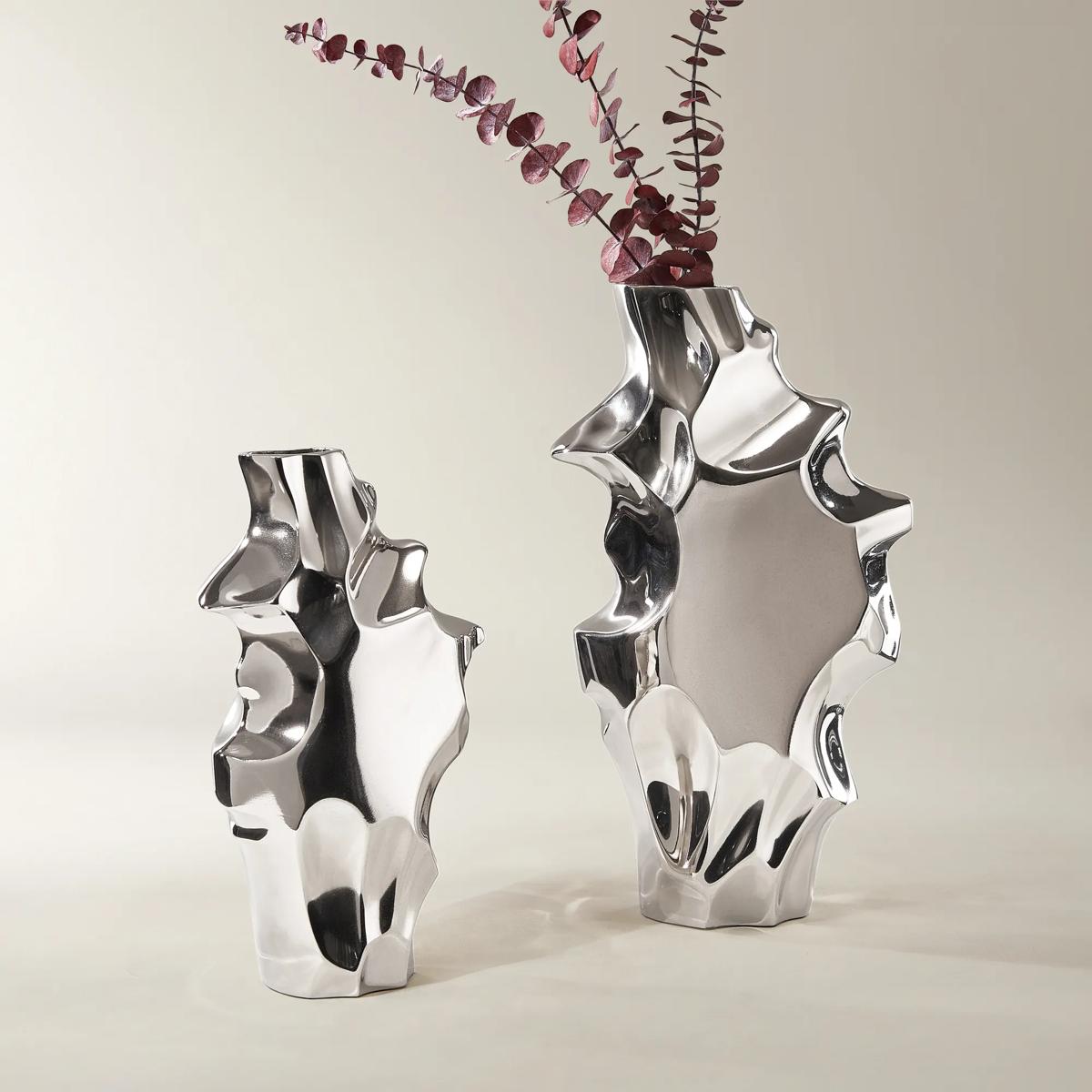
 Koma Floor Vase$529
A sculptural black floor vase adding modern dimension to contemporary interiors.
Add To Cart -
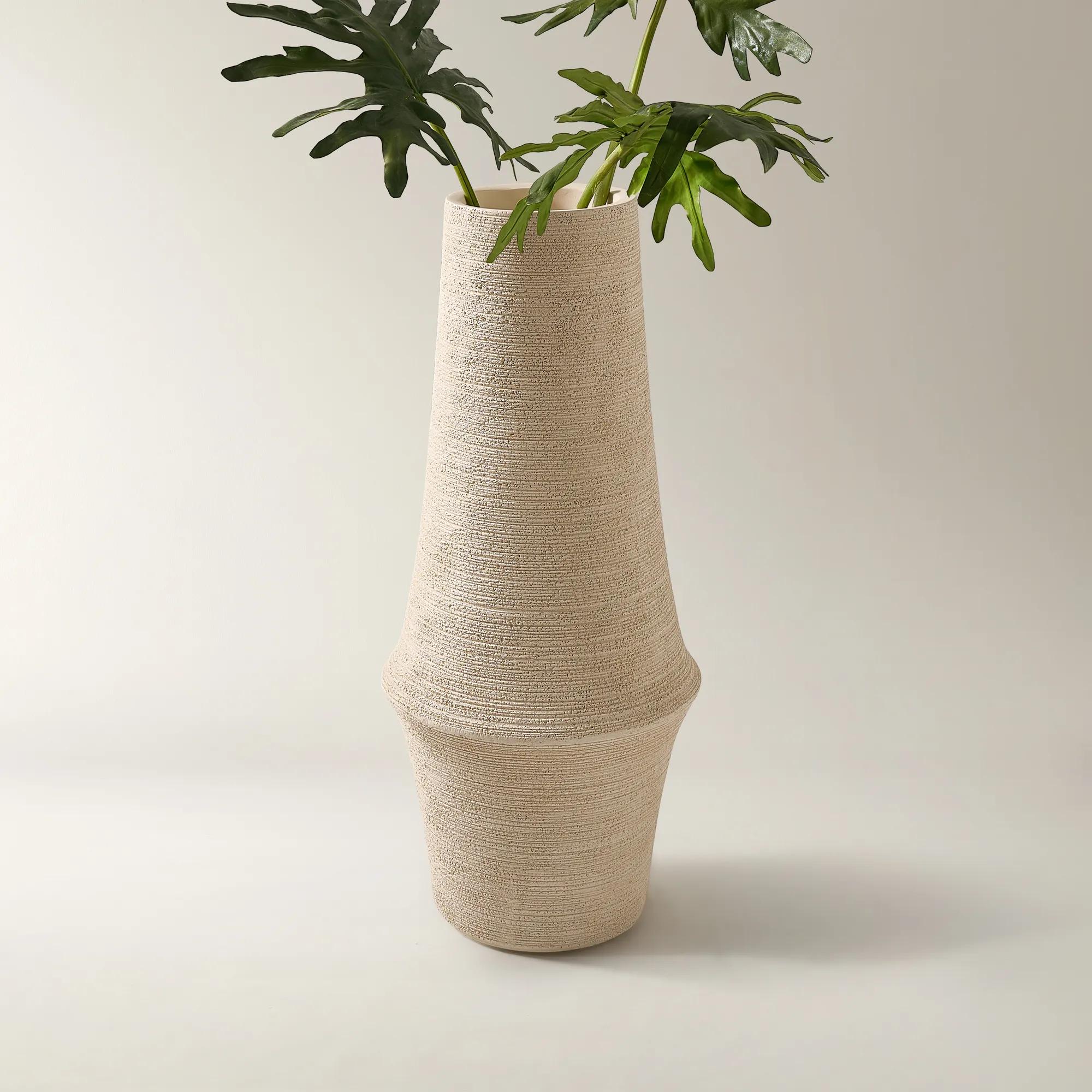 Tulum Sand Resin Floor Vase 33.75"$249
A sand-toned resin floor vase adding modern sculptural appeal to contemporary interiors.
Add To Cart -
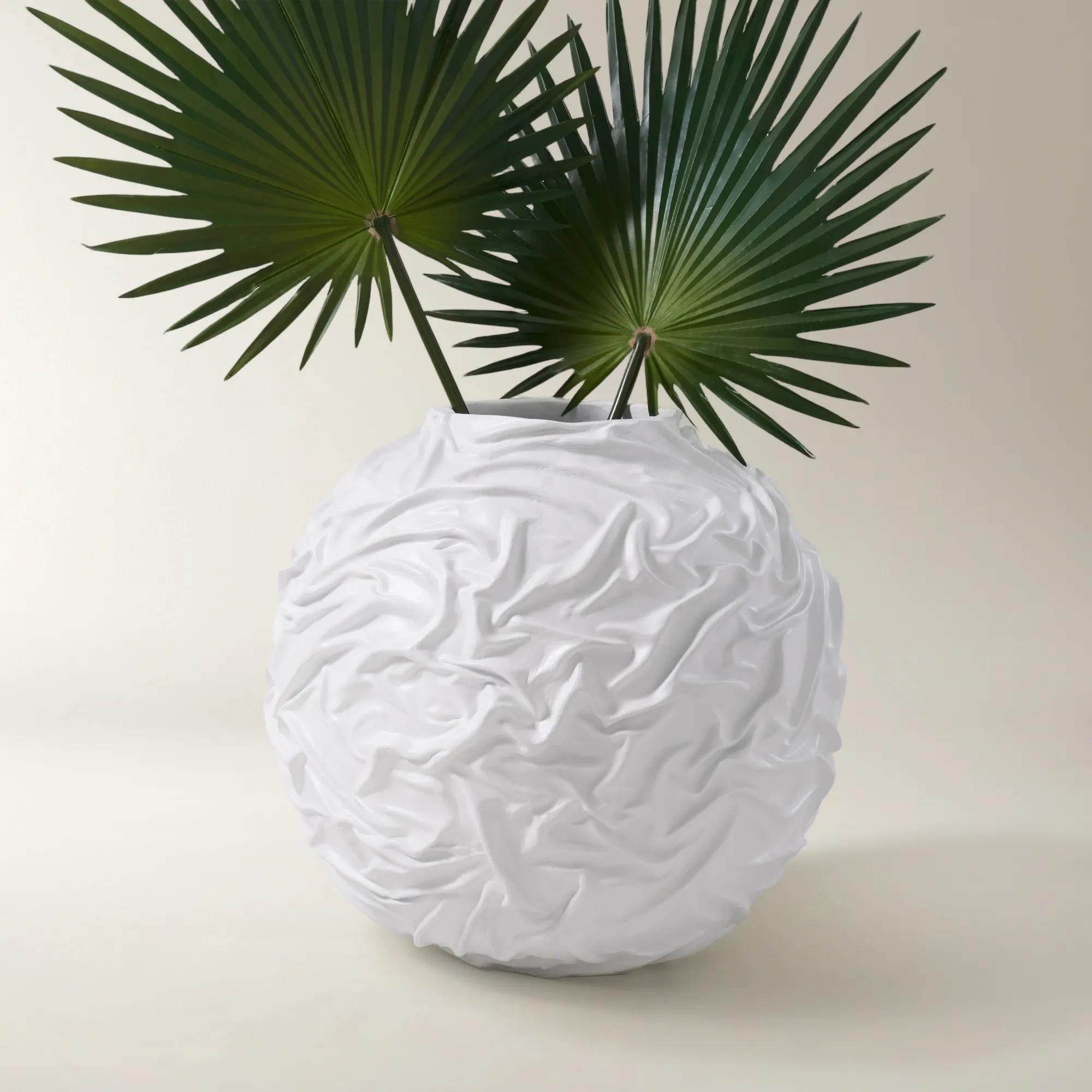 Crumple White Resin Floor Vase 18.3"$259
A sculptural resin vase with a crumpled-paper design and a sleek white finish for modern spaces.
Add To Cart -
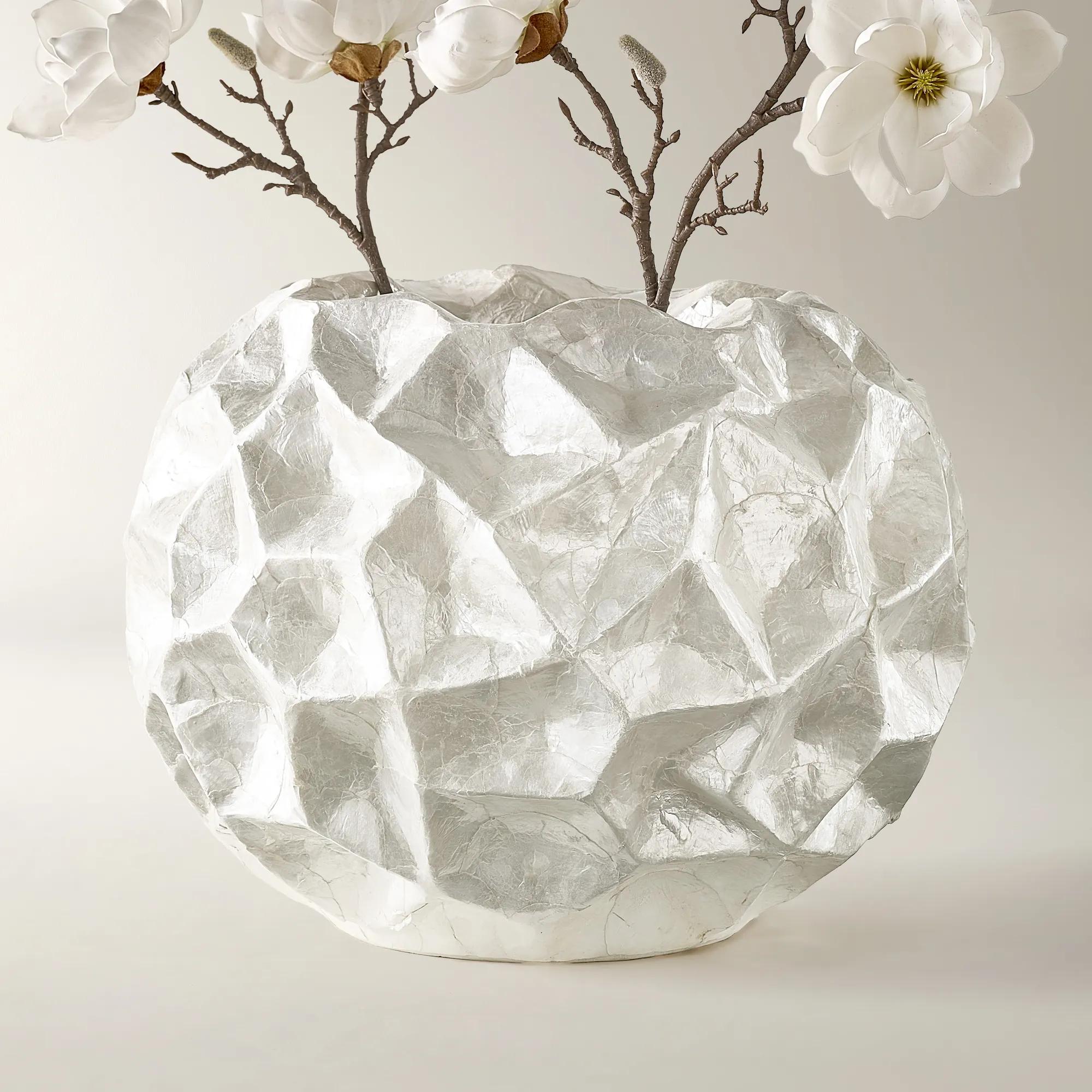
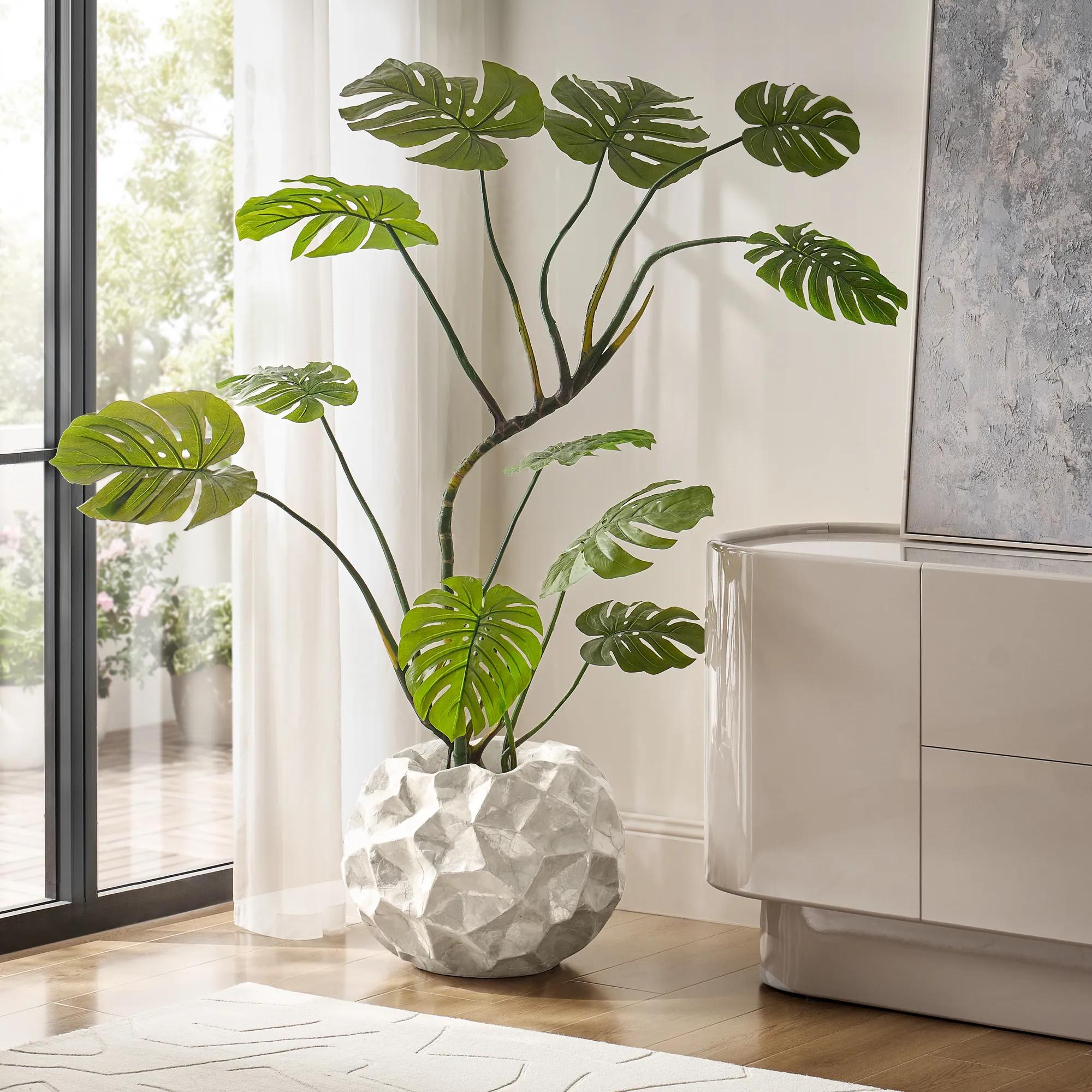 Aspen Capiz Shell Floor Planter 20.25" x 15.25"$299
An opaline pearl floor vase featuring luminous capiz shell texture and a sculptural resin form.
Add To Cart -
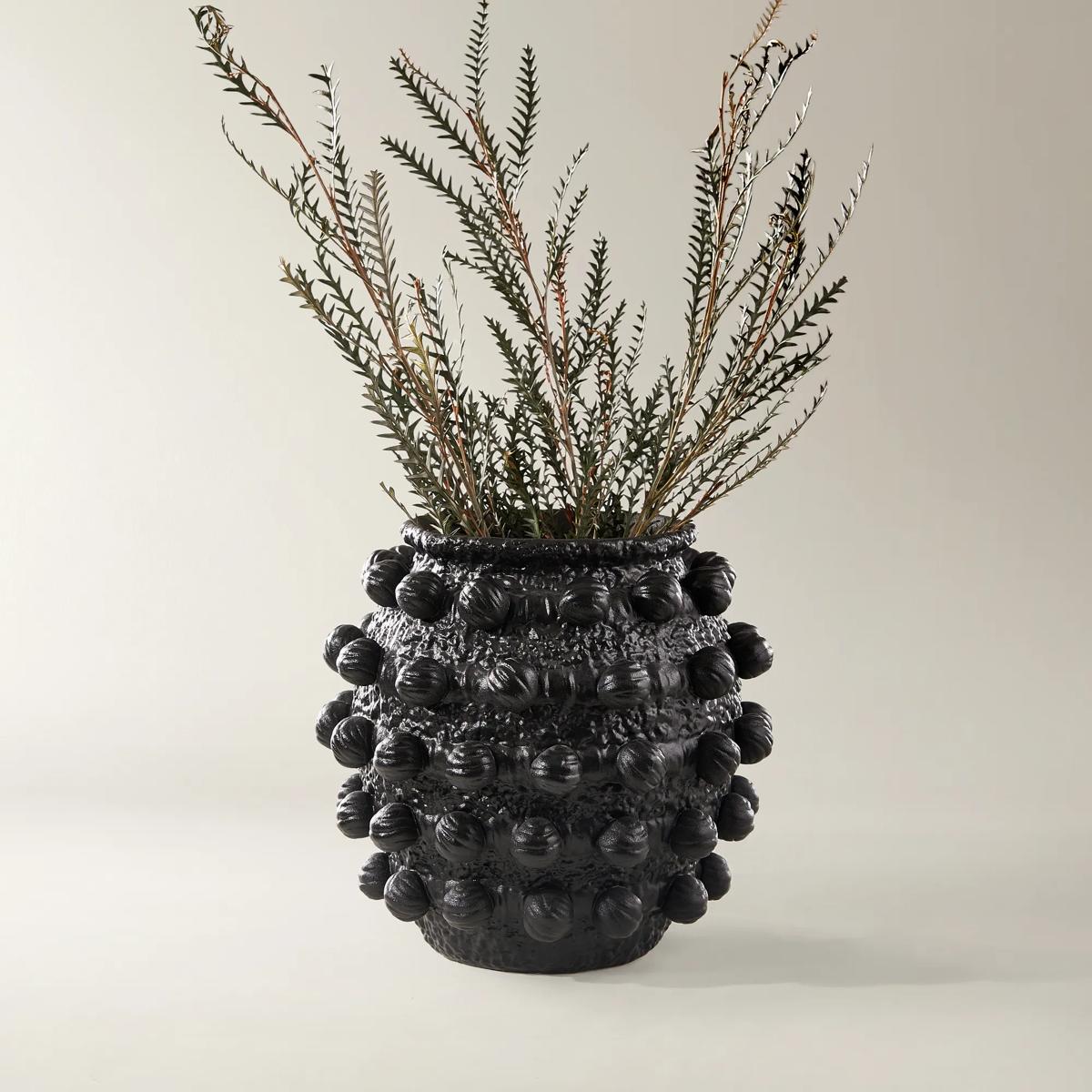
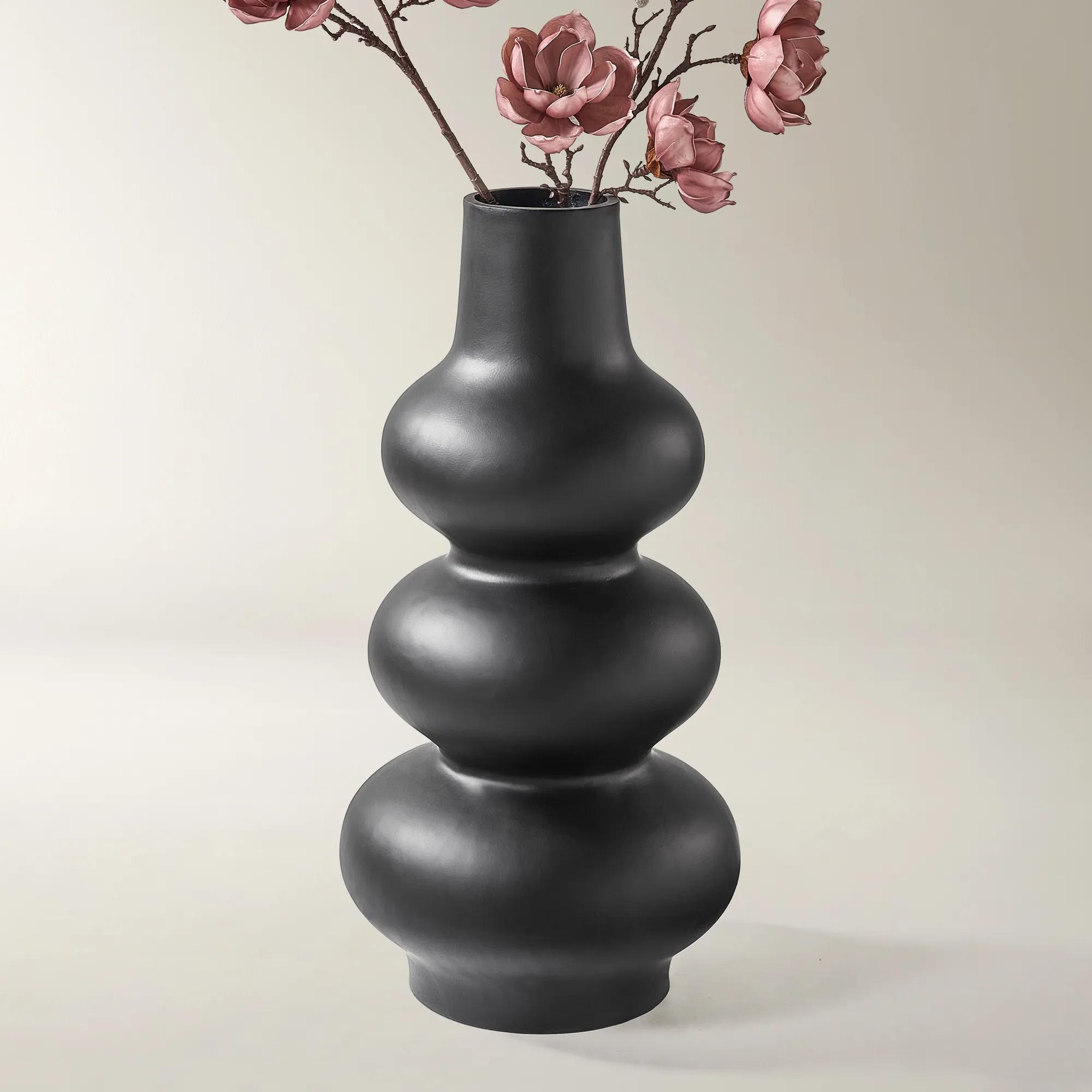 Naali Black Resin Floor Vase 31"$279
A bold black resin vase featuring a chunky, sculptural silhouette for striking modern decor.
Add To Cart -

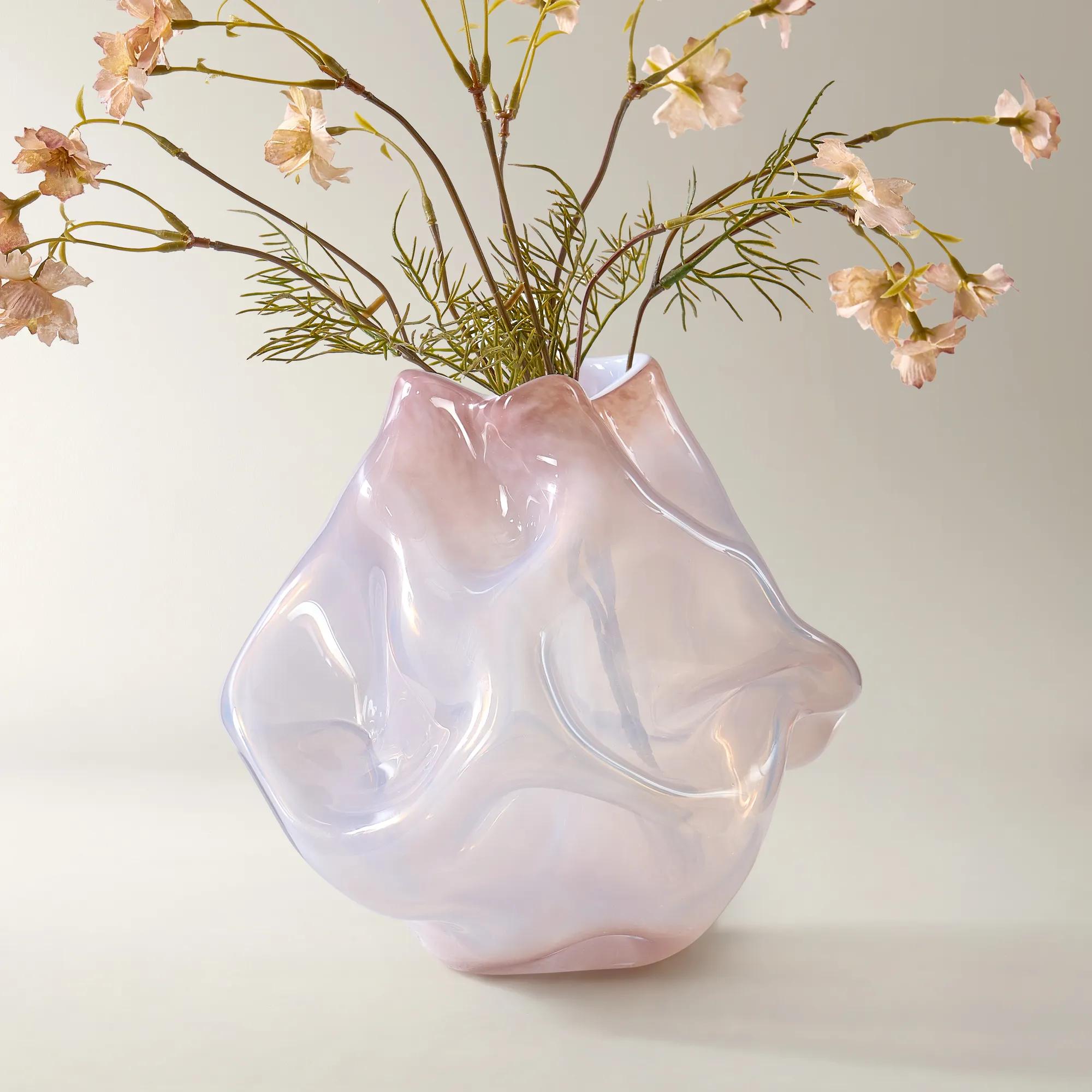
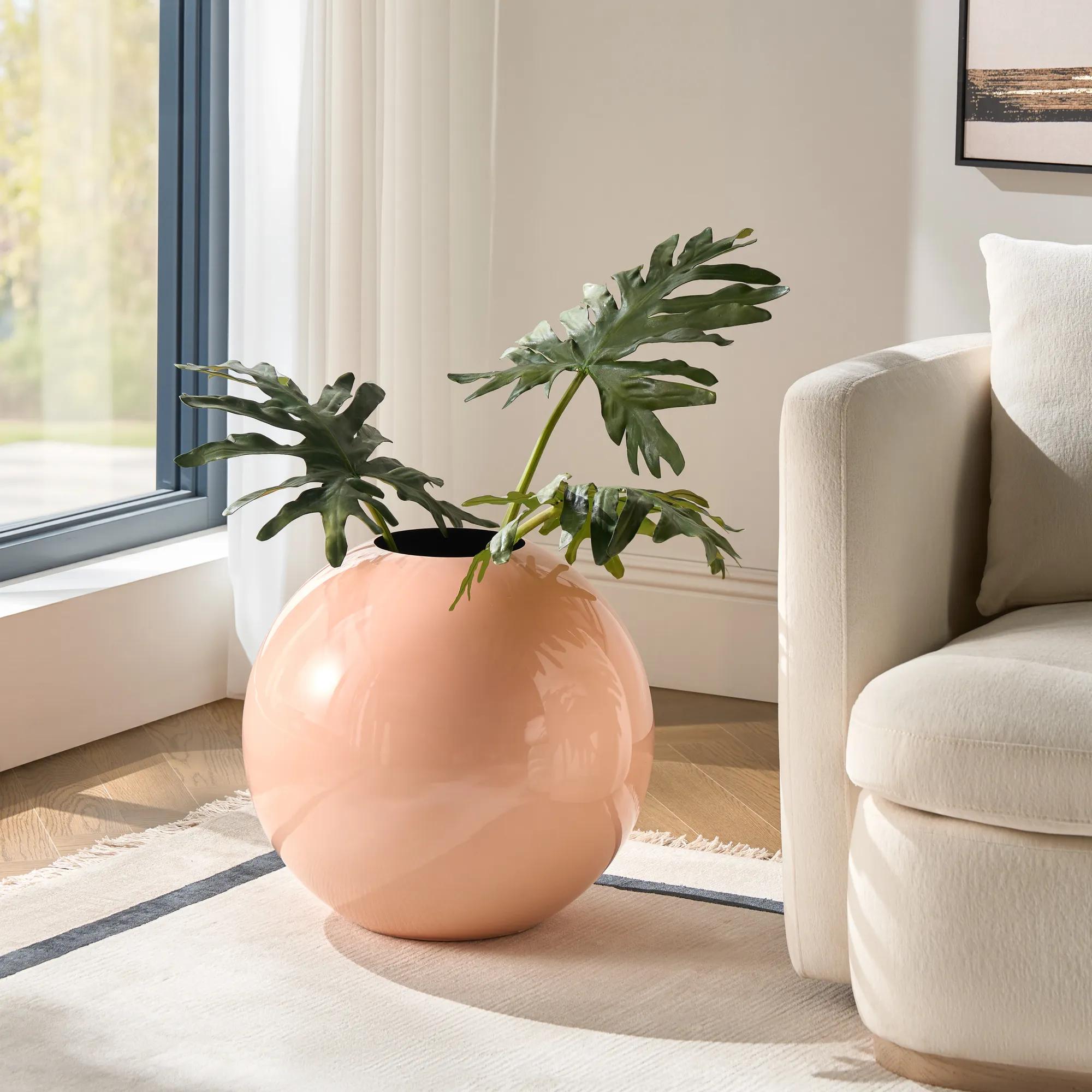 Pink Moon Floor Vase$299
A sculptural pink floor vase adding modern artistic appeal to contemporary interiors.
Add To Cart -
 Playa Black Resin Floor Vase 15" x 36"$299
A matte black resin vase featuring an organic texture that adds modern sophistication to any space.
Add To Cart -
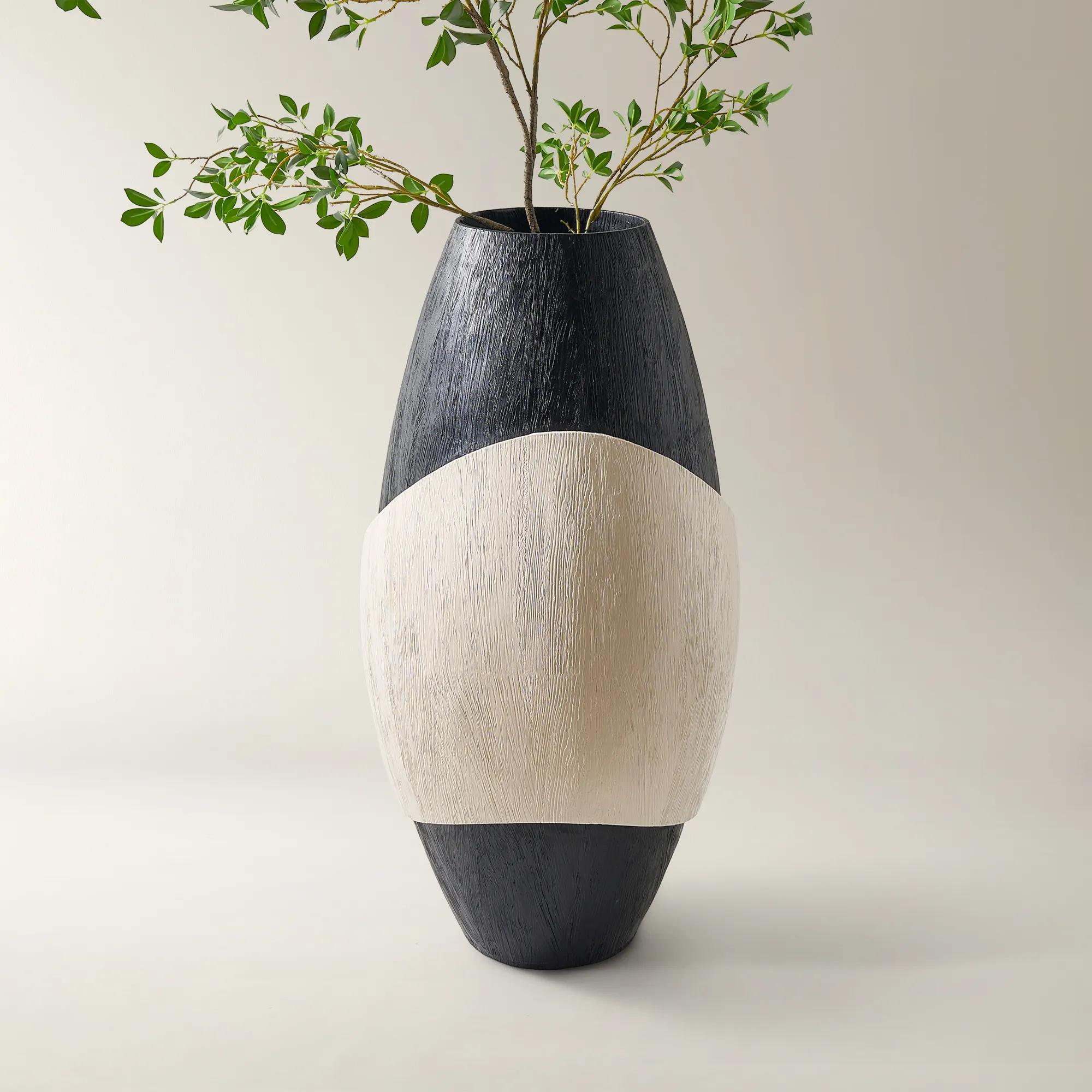
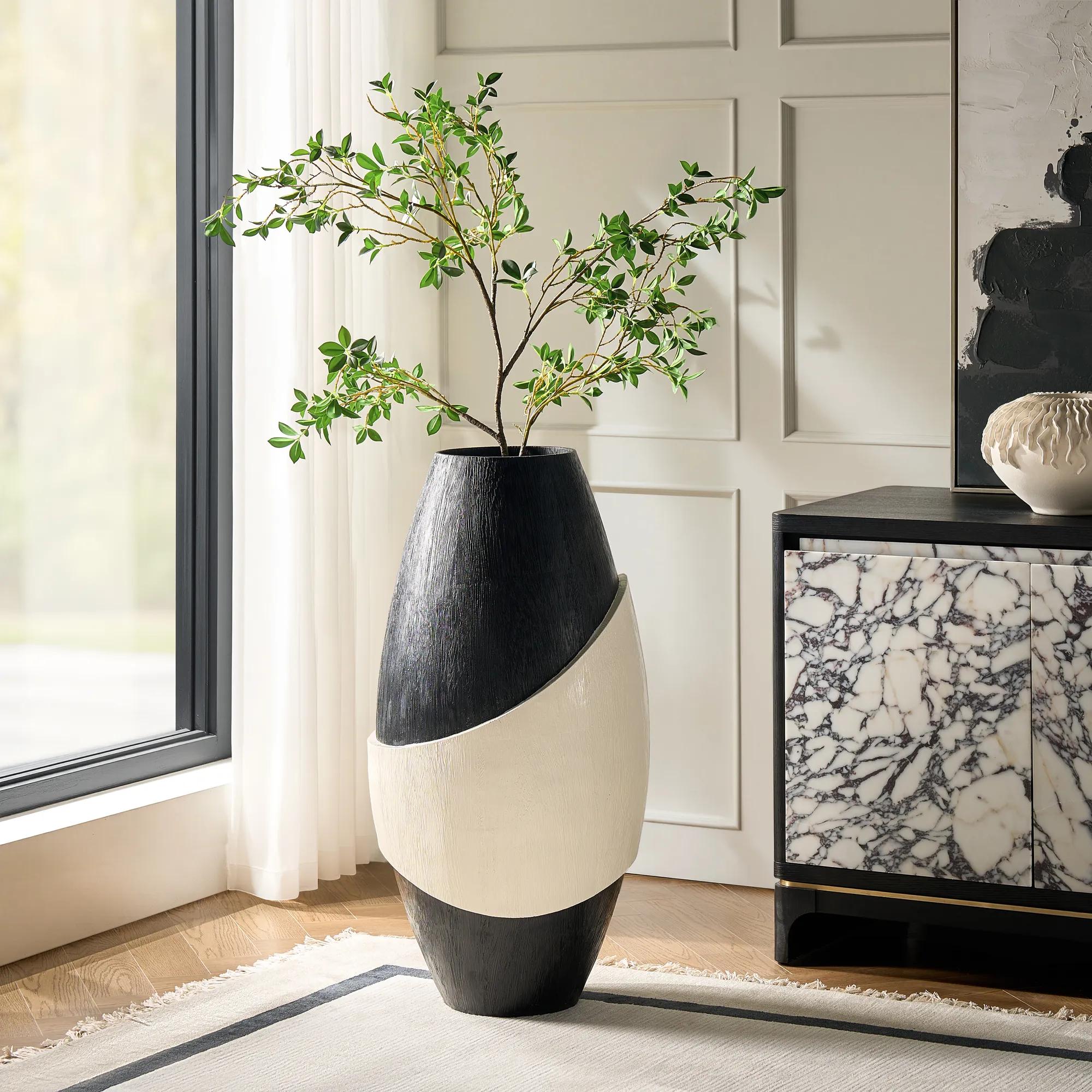 Domino Black And White Resin Floor Vase 35"$449
A modern decorative floor vase with a sculptural silhouette.
Add To Cart -
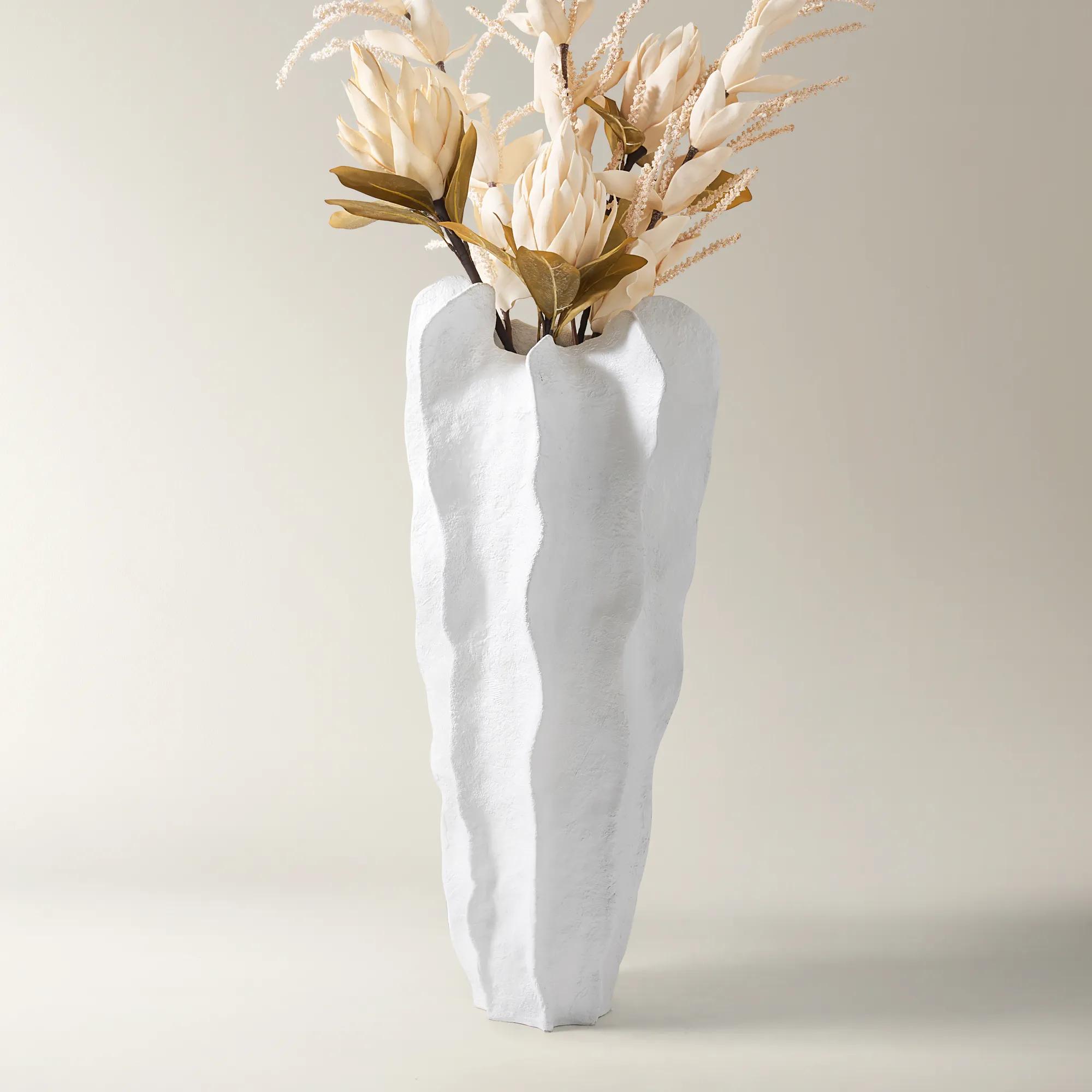 Playa White Resin Floor Vase 15" x 36"$299
A sculptural matte white resin vase featuring organic texture for a bold, dramatic accent.
Add To Cart -
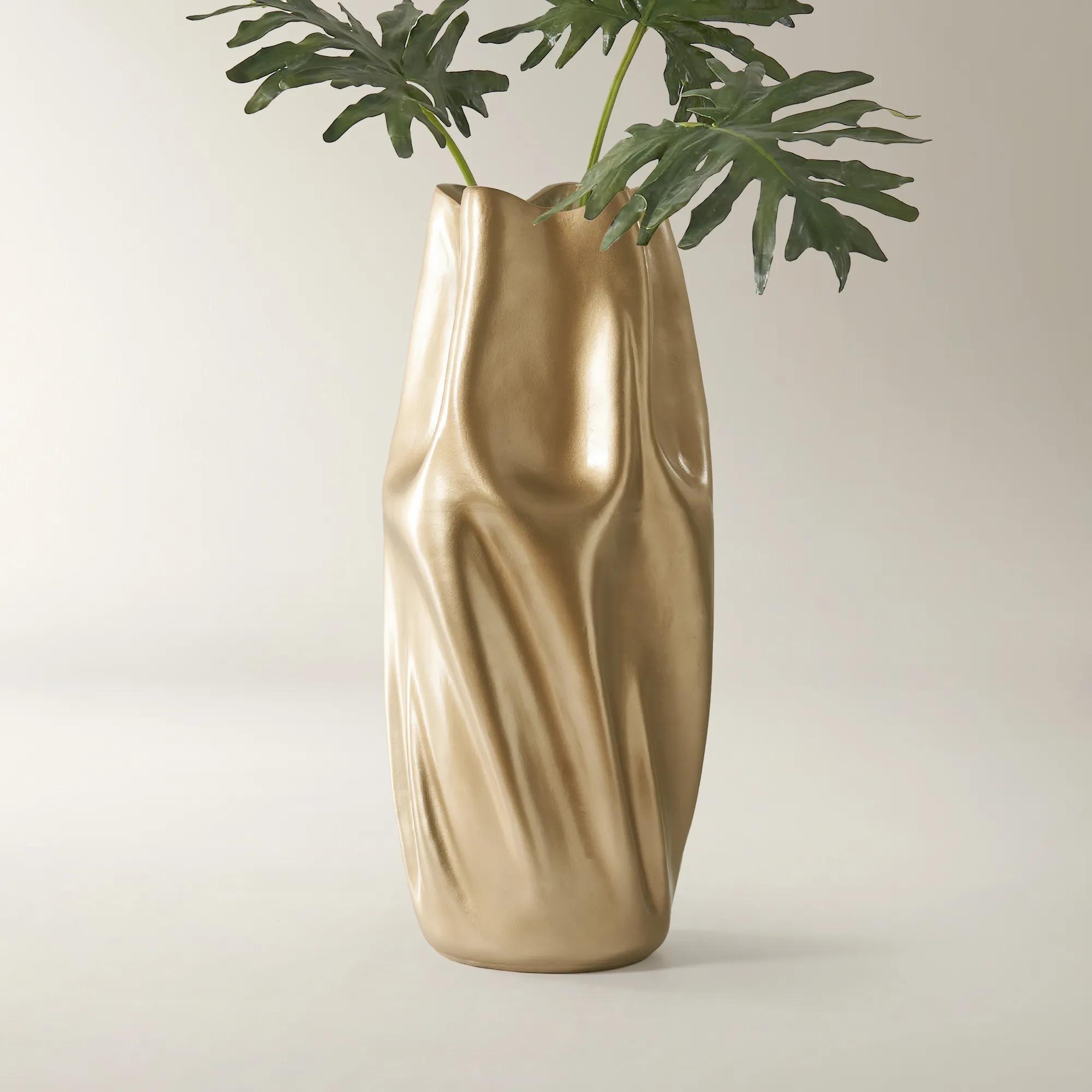
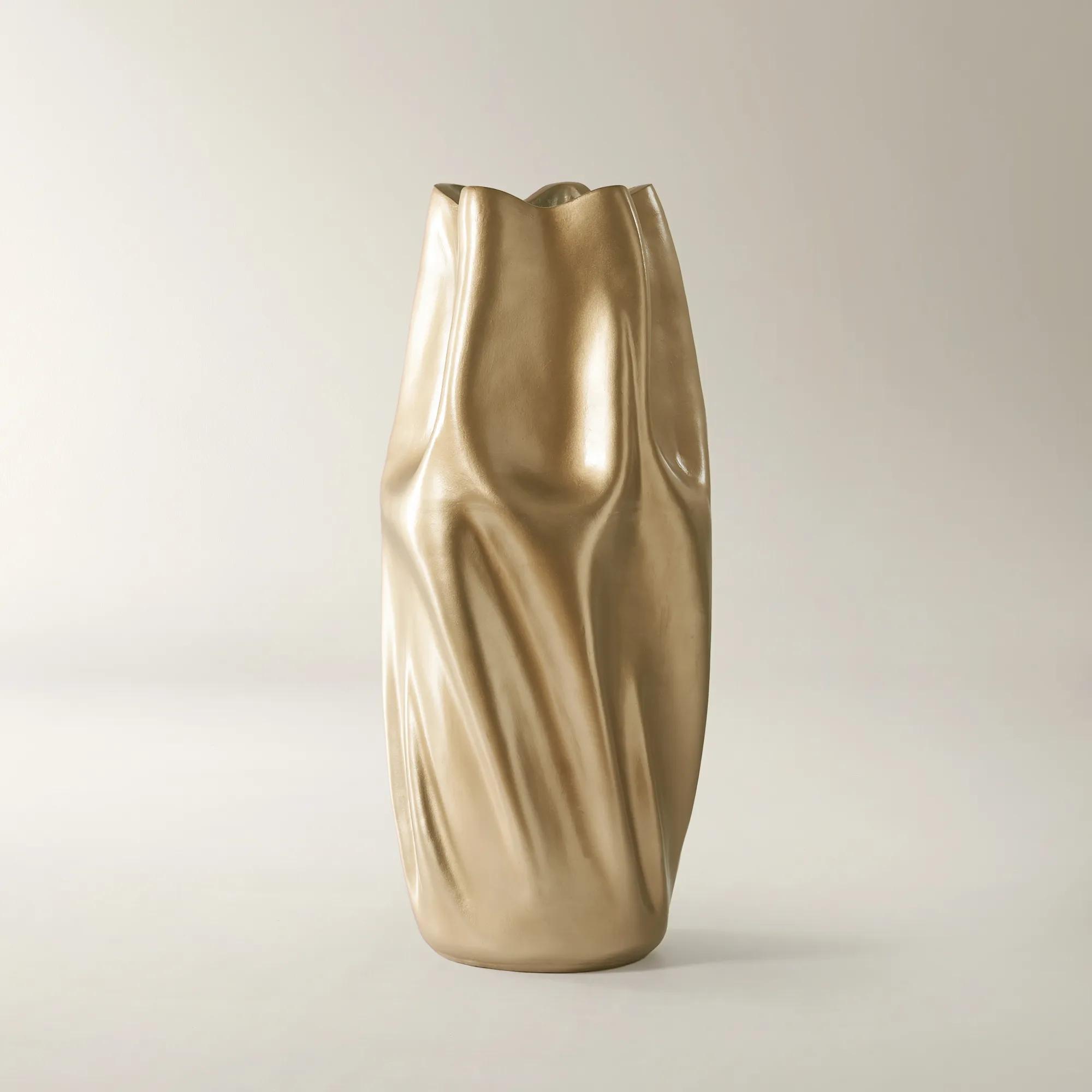 Miel Gold Resin Floor Vase 39.25"$429
A sculptural resin floor vase with an elongated silhouette and luminous molten-gold finish.
Add To Cart -
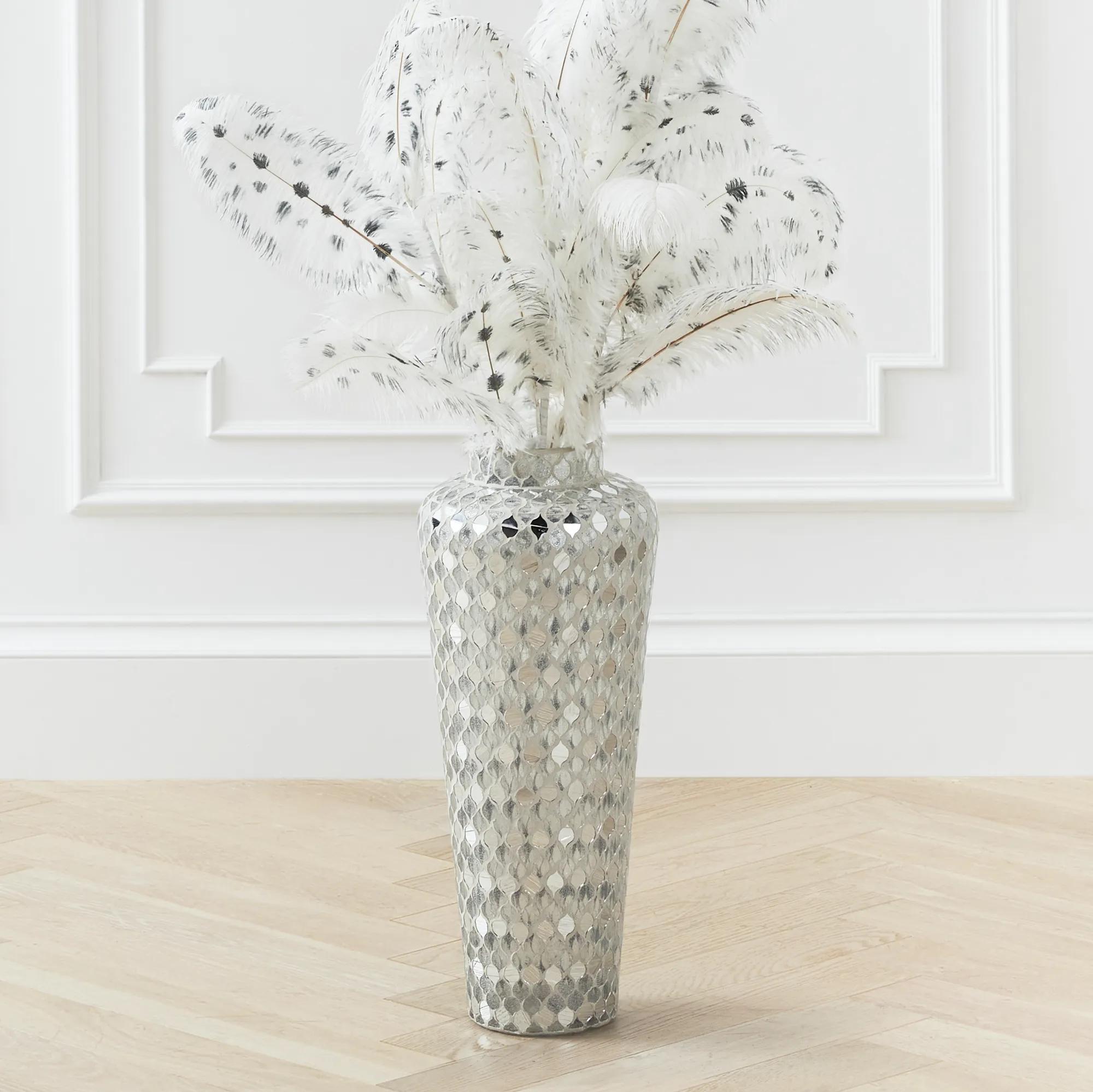 Fez Vase$139
A dazzling glass vase adorned with iridescent mirror and clear tiles for a glamorous decorative accent.
Add To Cart -

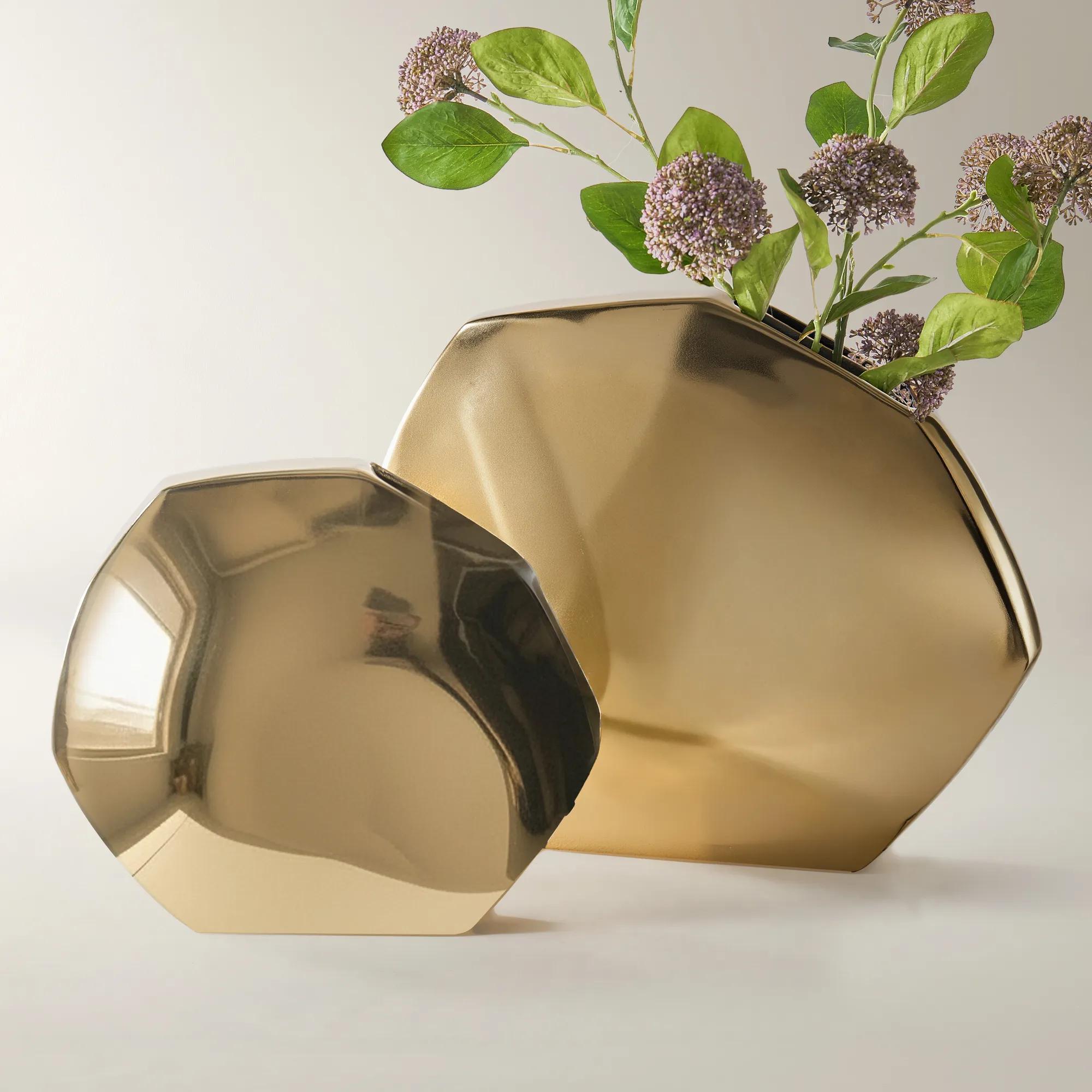
 Miami Gold Ceramic High Gloss Vase 18.5"$69
A contemporary gold ceramic vase designed for decorative use or displaying faux foliage.
Add To Cart -
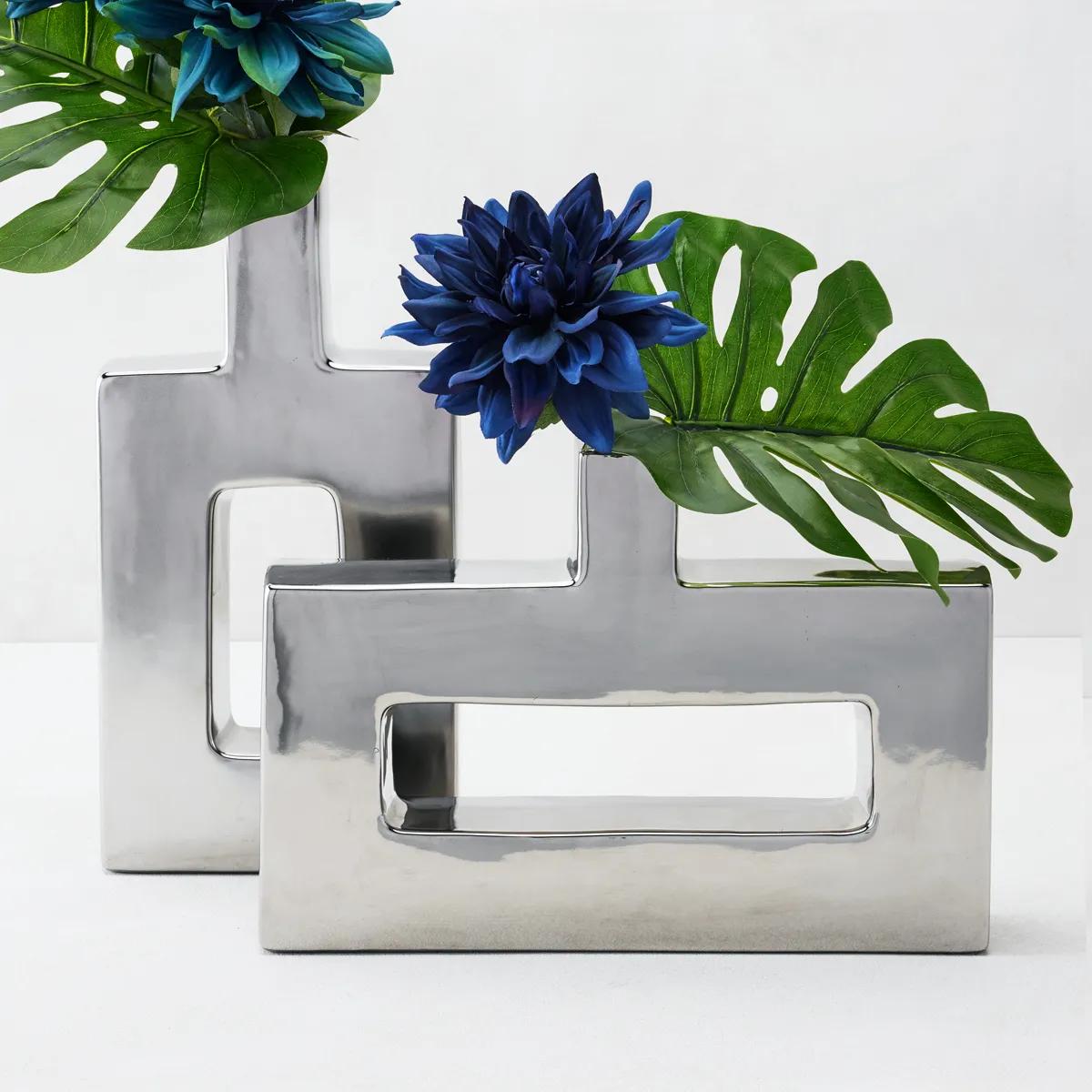 Miami Silver Ceramic High Gloss Vase 18.5"$69
A contemporary silver ceramic vase with a stylish gold glaze, perfect for decorative foliage or display.
Add To Cart -
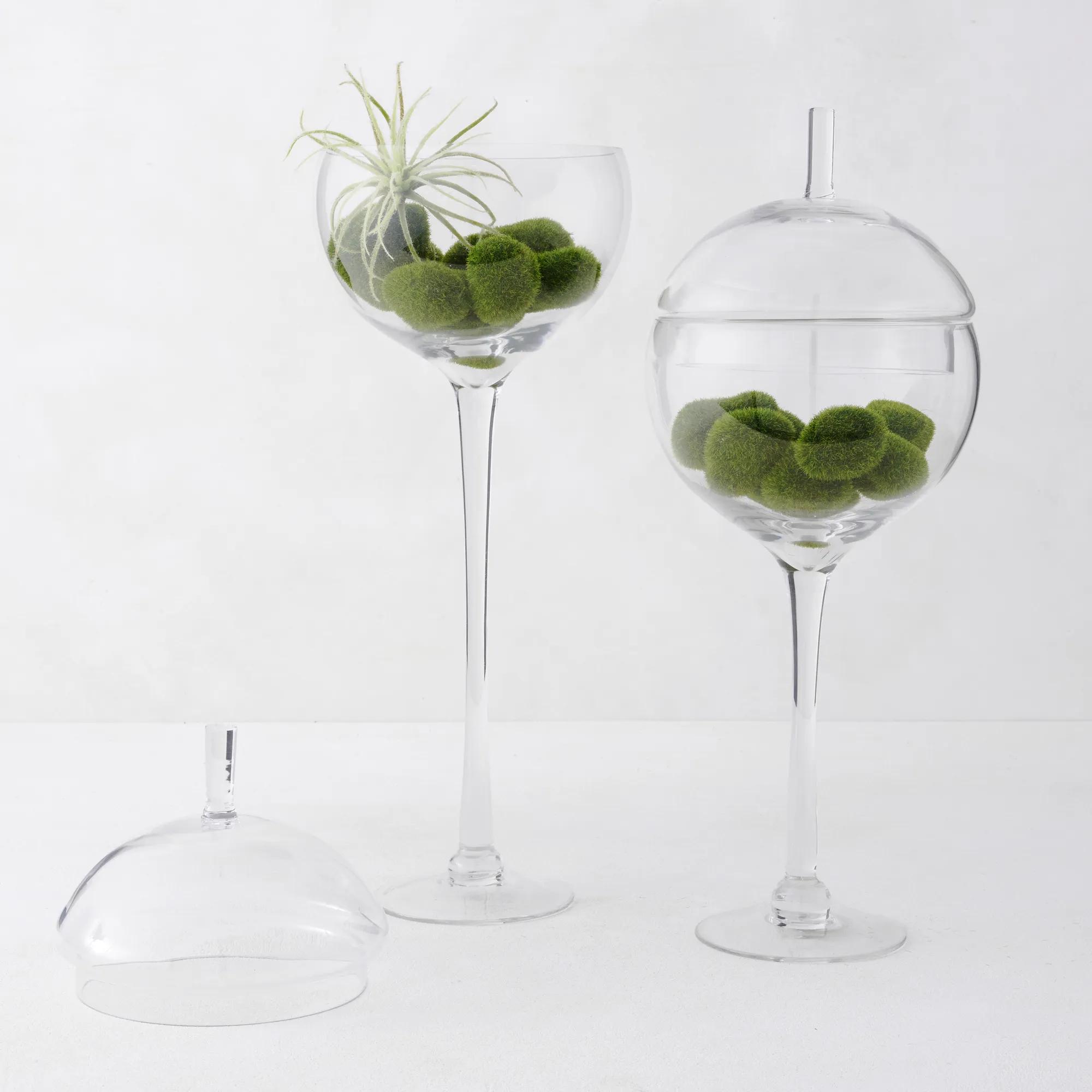 Jules Glass Decorative Canisters$89
A mouthblown glass terrarium perfect for showcasing decorative objects or cherished keepsakes.
Add To Cart -
Miami Gold Ceramic High Gloss Vase 11.75"$69
A contemporary gold ceramic vase designed for decorative use as a sculptural accent or with foliage.
Add To Cart -
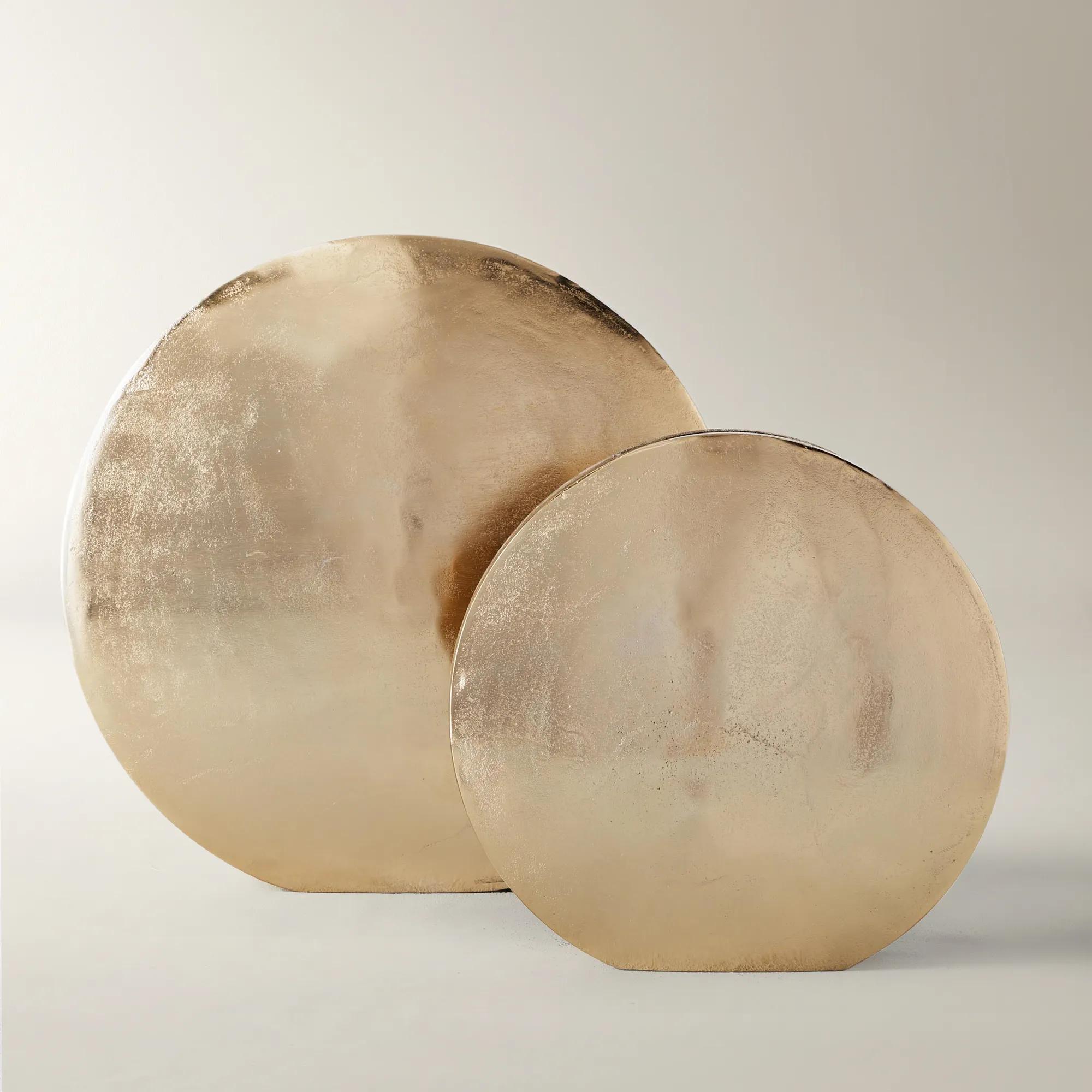
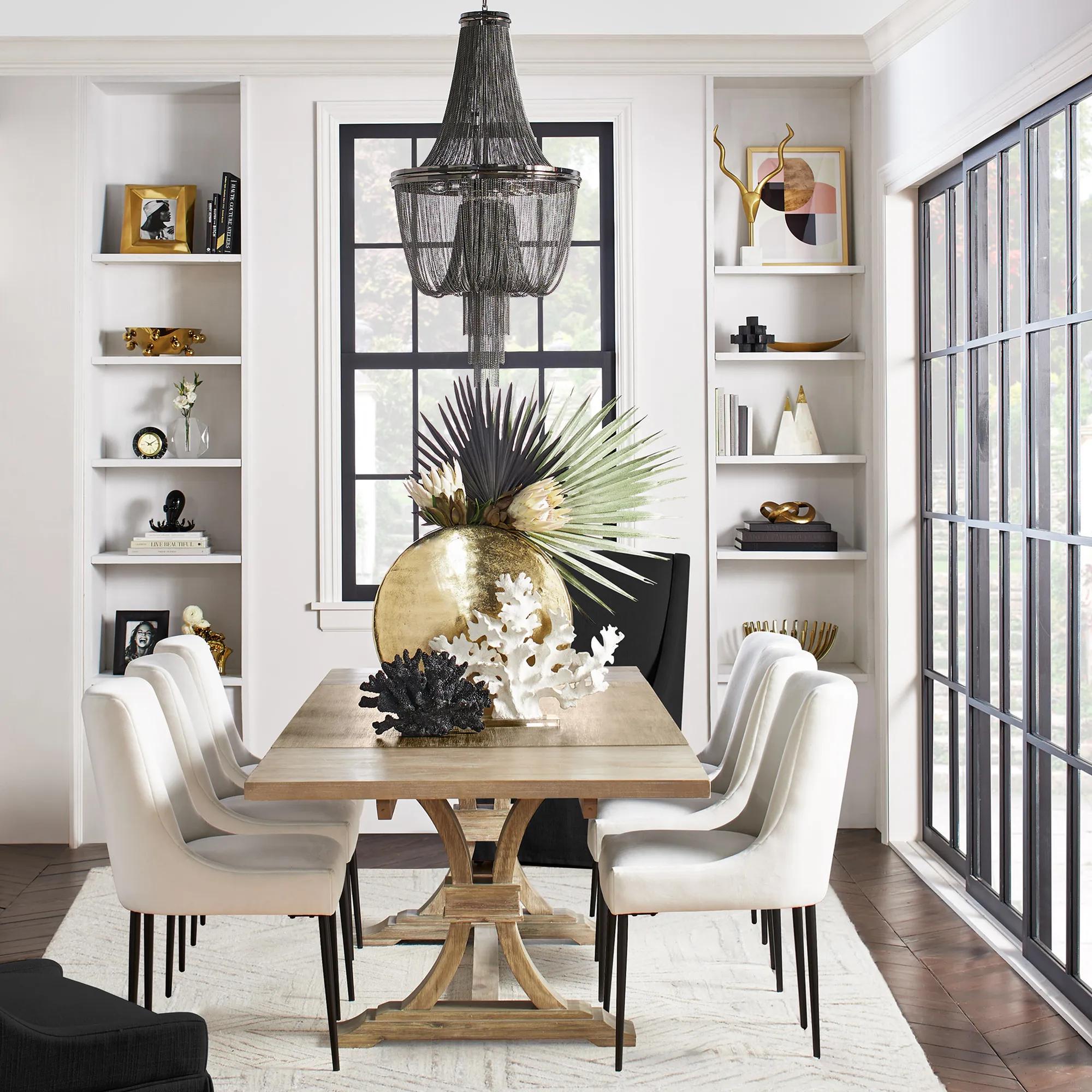 Greer Gold Aluminum Vases$149
A striking gold aluminum disc vase perfect for showcasing dried florals or as a decorative accent.
Add To Cart -
Miami Silver Ceramic High Gloss Vase 11.75"$69
A contemporary silver ceramic vase with a stylish gold glaze, perfect for decorative foliage or display.
Add To Cart -
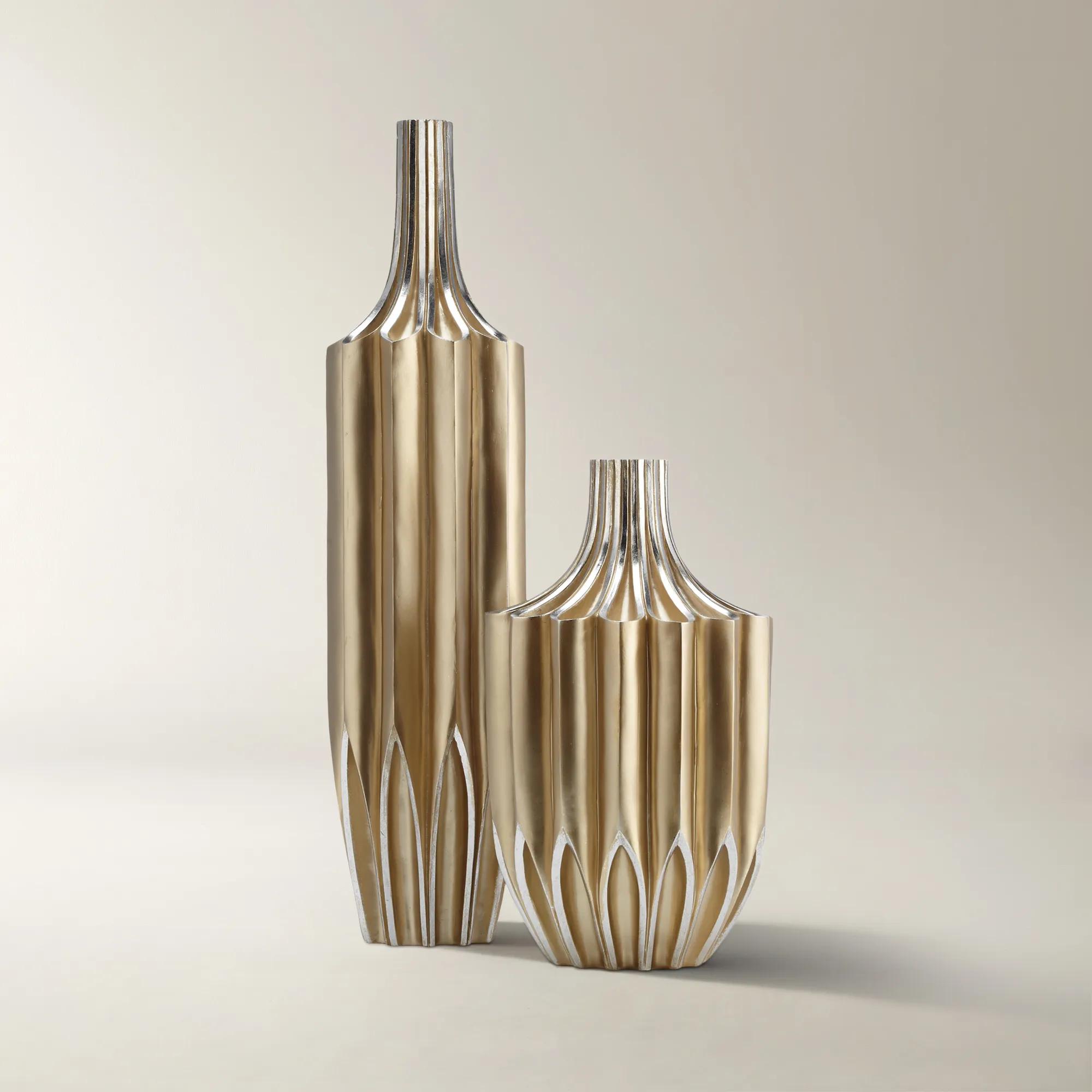
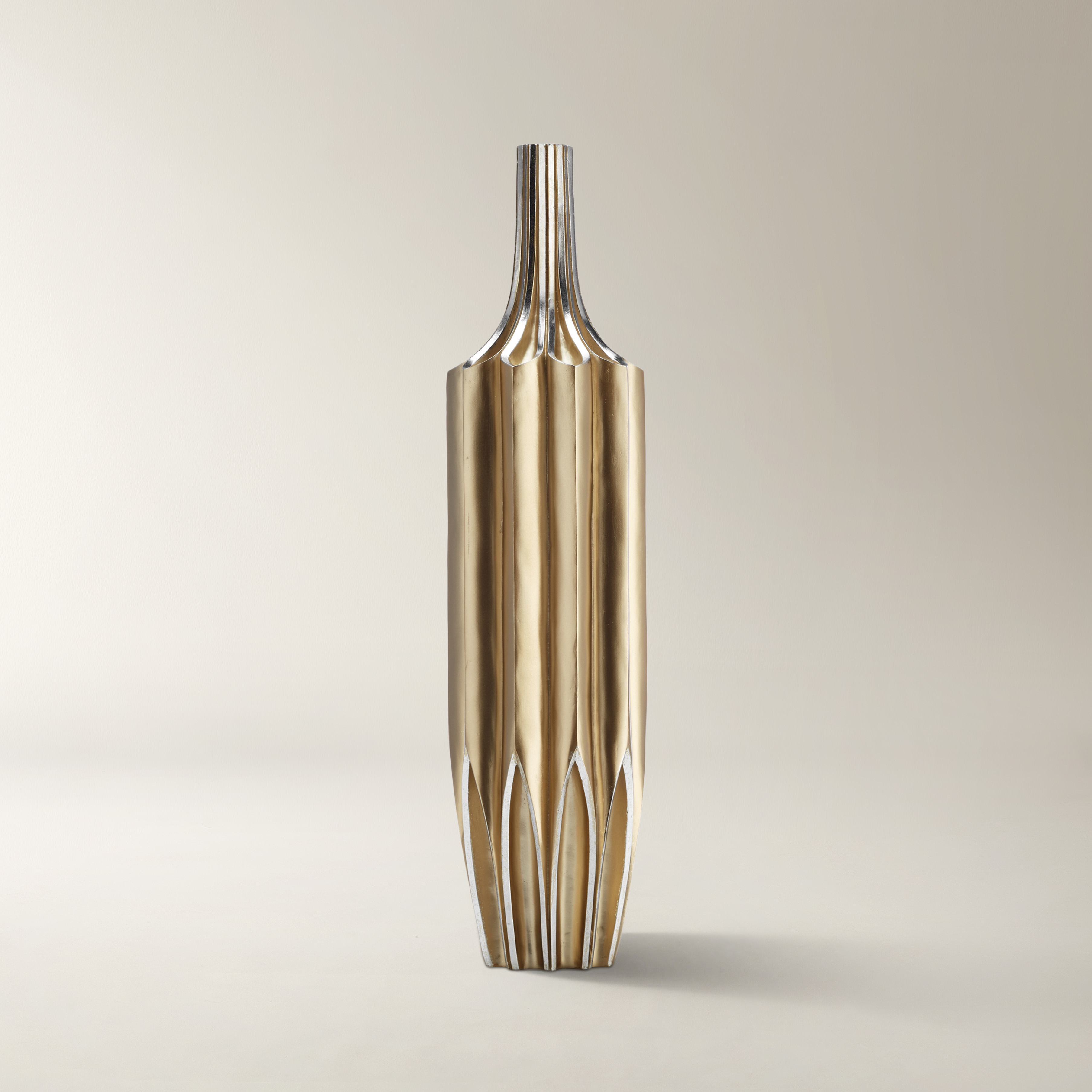 Savannah Gold Resin Vases$79
A sophisticated polyresin vase featuring sleek vertical curves and a modern, inward-flaring design.
Add To Cart

Floor Vases For Living Room
Explore floor vases for your living room to bring sculptural presence to an empty corner or the space beside a sofa. These decorative vessels create a focal point without occupying a tabletop. Consider height, silhouette, and the scale of nearby furniture to choose a piece that adds drama while keeping the room’s proportions in balance.
Floor vases for the living room are large decorative vessels designed to stand directly on the floor, creating sculptural interest on their own or displaying tall branches, dried grasses, and artificial stems. Their presence draws the eye beyond the coffee table and sofa, bringing height, texture, and a sense of composition to the entire room. A sweeping silhouette beside a low sectional can balance the horizontal lines of the seating, while a slender vessel near a console gives an otherwise quiet corner a deliberate focal point. Unlike smaller tabletop accents, a floor vase participates in the architecture of the space: it can echo the curve of an arched doorway, soften the meeting of two walls, or introduce a gleaming contrast against richly upholstered furniture. Scale is central to that effect. A vase around 24 inches tall may sit comfortably beside a low chair, while a taller vessel can hold its own near substantial furniture or beneath a high ceiling. These are starting points rather than fixed rules; the width of the vase, the height of any stems, and the surrounding furniture all influence its visual weight. A generously rounded form needs more breathing room than a narrow column, even when the two share the same height. In a compact living room, a single floor vase with an expressive surface can deliver more impact than several small accessories scattered throughout the space. In a larger room, a pair of complementary forms can frame a console or define the edge of a seating arrangement without creating a physical barrier. Placement should preserve an easy path through the room and allow doors, drawers, and curtains to move freely. Set slightly away from a busy walkway, a floor vase feels intentional rather than inconvenient, with enough open space around it for its shape and finish to be fully appreciated.
Material gives a floor vase much of its character, influencing not only its appearance but also its weight, care, and suitability for different arrangements. Ceramic offers a substantial, artful presence, with surfaces that can range from smooth and lustrous to deeply textured. Porcelain can bring a more refined visual quality, although both porcelain and ceramic require protection from knocks that may chip or crack the body. Glass introduces transparency and reflected light, making the vessel itself part of the arrangement; clear glass also reveals stems and any interior supports, so those details become part of the composition. Metal can lend a sleek, luminous accent or a softly brushed finish, with care requirements that vary according to the metal and its protective coating. Resin and composite materials may offer lower weight than similarly sized ceramic forms, though construction and base design still matter for stability. Natural materials such as wood and bamboo contribute grain, warmth, and organic variation, and should not be assumed suitable for holding water. Across these materials, modern living room floor vases often favor distinctive proportions, confident silhouettes, and surfaces that reward a closer look. Explore modern living room floor vases for a design direction that gives shape and finish a prominent role in the room. Color can either connect a vase to the existing palette or establish a striking counterpoint. Ivory against a charcoal wall creates a crisp outline; black beside pale upholstery adds depth; metallic accents can pick up the glow of nearby lighting without requiring every finish in the room to match. Texture is equally expressive. Fluting casts fine shadows, a hammered surface breaks light into subtle highlights, and a smooth glaze emphasizes the sweep of a curved profile. A restrained arrangement allows an intricate finish to remain visible, while a simpler vessel can support more expansive foliage. The most compelling pairing gives both the vase and its surroundings room to speak.
The intended display helps determine which floor vase will feel as effortless as it looks. For dried branches, preserved botanicals, pampas grass, or artificial stems, consider the relationship between the opening and the arrangement: a narrow neck gathers a few stems into a controlled silhouette, while a wider mouth allows a fuller spread and may require a suitable internal support. Long branches create leverage, so their height and weight should suit the vessel’s proportions and stability. A broad base can help, but no silhouette should be treated as tip-proof, particularly in homes with children or pets. Position fragile vessels away from active play areas, and keep dried arrangements clear of open flames and heat sources. Fresh flowers require a vase specifically identified as watertight and suitable for that use; a glossy glaze alone does not establish water resistance. Where the care instructions permit an insert, a separate watertight container can keep water isolated from a decorative vessel’s interior. A floor vase can also remain empty, allowing an unusual opening, sculpted shoulder, or richly worked finish to become the entire statement. That approach is especially effective near an artwork or patterned rug, where additional stems might compete with an already expressive composition. Everyday care should preserve the surface rather than polish away its character. A soft, dry cloth is often appropriate for routine dusting, while damp cleaning, detergents, and metal polishes should be used only when permitted by the manufacturer’s instructions. Abrasive pads can damage finishes, and porous materials may absorb moisture or develop marks. Lift a large vase securely from its body or base rather than by a narrow rim, and check that its underside will not scratch the flooring. For a housewarming or wedding gift, a floor vase makes a memorable gesture when its scale and style suit the recipient’s home. Whether styled with an airy arrangement or left beautifully unadorned, it offers a lasting way to give an overlooked corner presence, polish, and personality.
FAQs
Treat floor vases as sculptural accents that echo your living room’s palette, textures, and finishes. Pair a gleaming metallic vase with velvet upholstery for a glamorous composition, or let a richly textured ceramic design bring depth to a polished interior. Repeat a color or finish elsewhere in the room to create a cohesive visual story.
Place a floor vase beside a console, near an accent chair, or in a corner that deserves an artistic focal point. Choose a backdrop that lets its silhouette shine, such as a richly painted wall or dramatic artwork. Thoughtful placement turns an overlooked area into an expressive vignette.
Ceramic, glass, and metal each bring a distinct mood to decorative floor vases. Glazed ceramic offers rich color and texture, glass introduces luminous transparency, and metallic finishes lend a jewel-like gleam. Choose a material that complements your living room’s furnishings while adding a compelling contrast.
Faux branches, dried botanicals, pampas grass, and decorative stems create expressive arrangements for living room floor vases. Curving branches introduce sculptural movement, while feathery plumes soften a composition with sumptuous texture. Select stems that complement the vase’s finish and reflect the mood of your room.
Absolutely. A floor vase with a distinctive silhouette, dimensional texture, or lustrous finish can stand alone as an artful statement. Style it beside a console or against a contrasting wall, allowing its contours and surface details to become the focus.