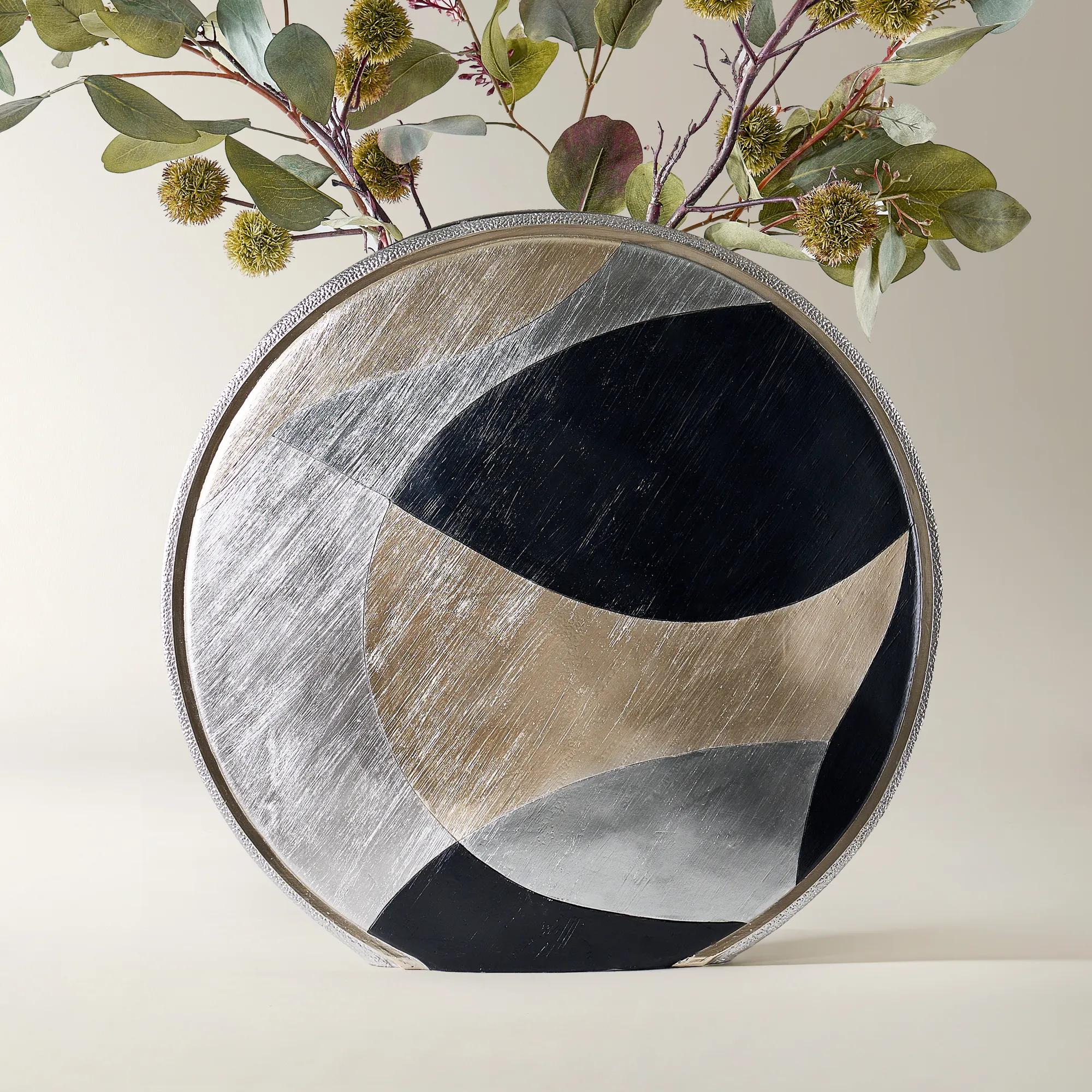
Modern Floor Vases For Open Concept Homes
Modern Floor Vases For Open Concept Homes
-
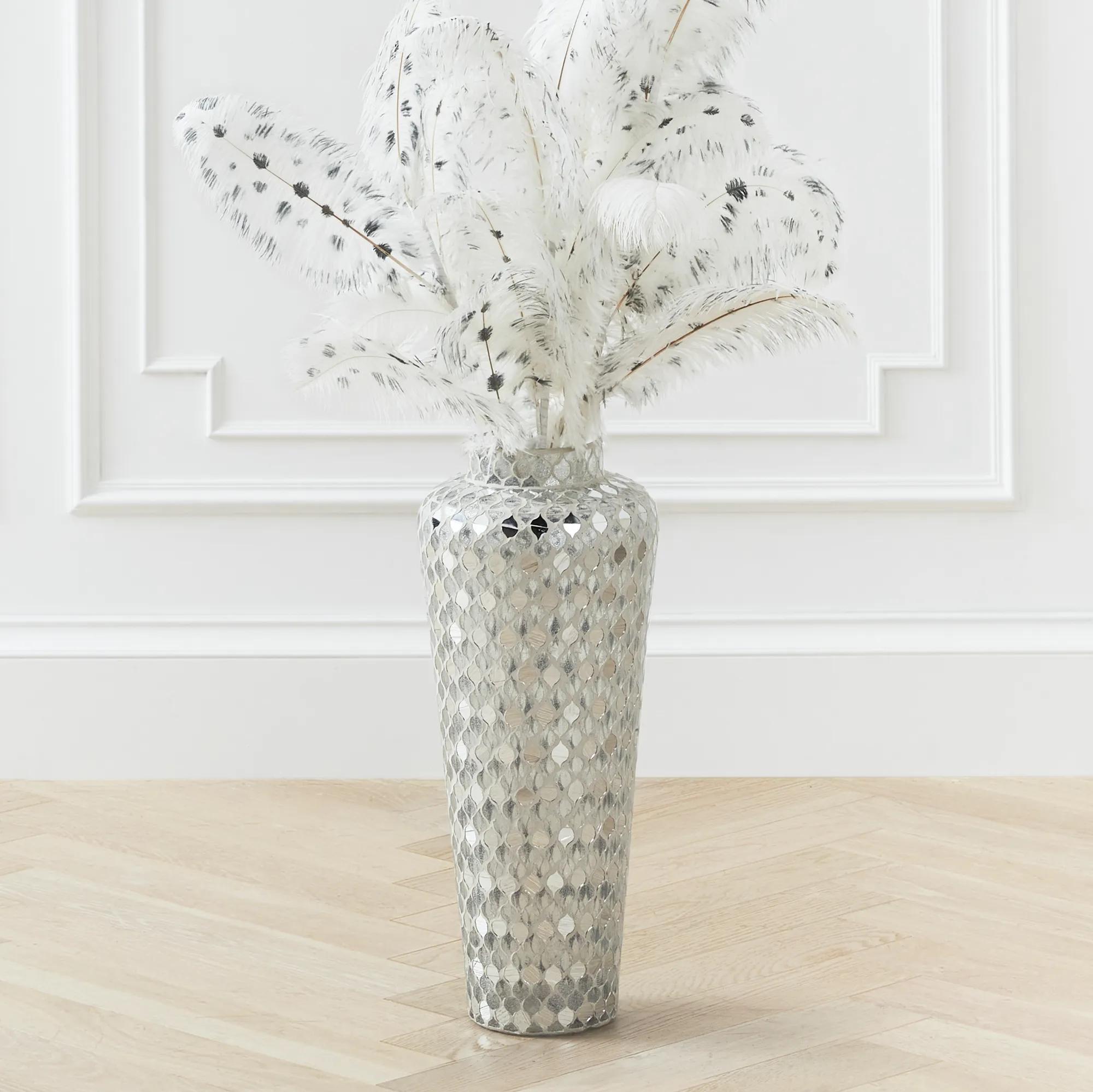 Fez Vase$139
A dazzling glass vase adorned with iridescent mirror and clear tiles for a glamorous decorative accent.
Add To Cart -
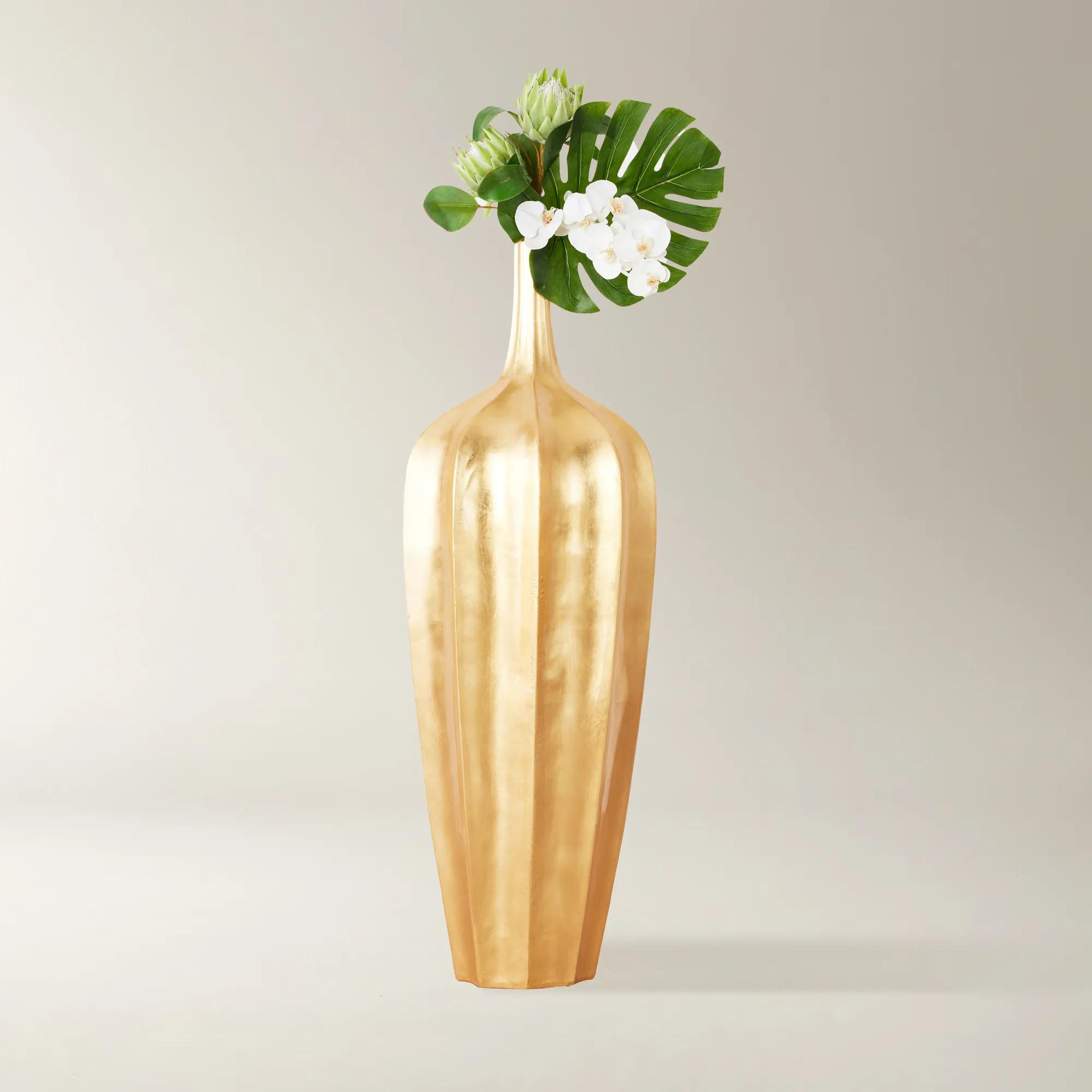 Accolade Gold Leaf Resin Floor Vase 48.75"$539
A fluted fiberglass vase featuring a lustrous gold foil finish for a striking decorative accent.
Add To Cart -
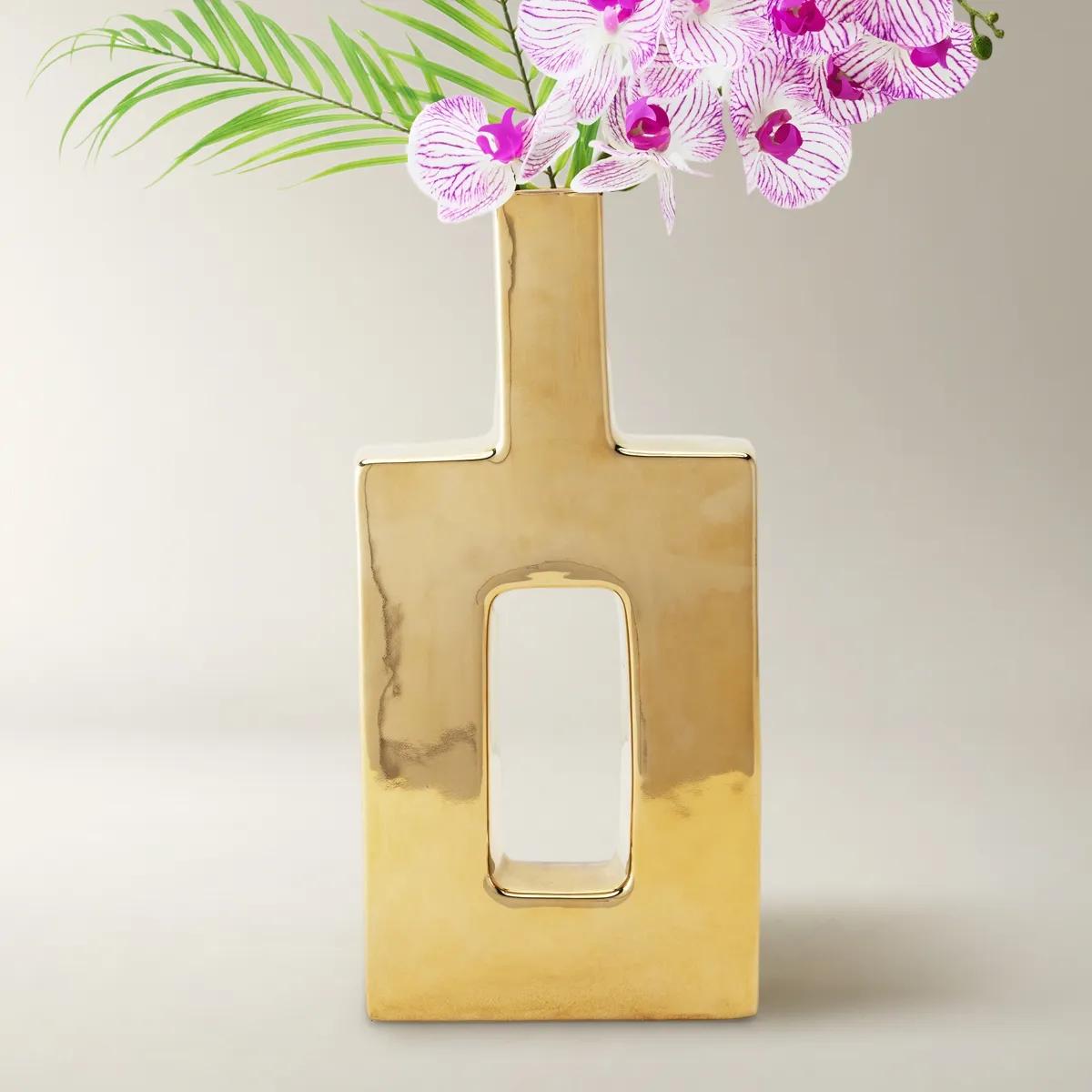 Miami Gold Ceramic High Gloss Vase 18.5"$69
A contemporary gold ceramic vase designed for decorative use or displaying faux foliage.
Add To Cart -
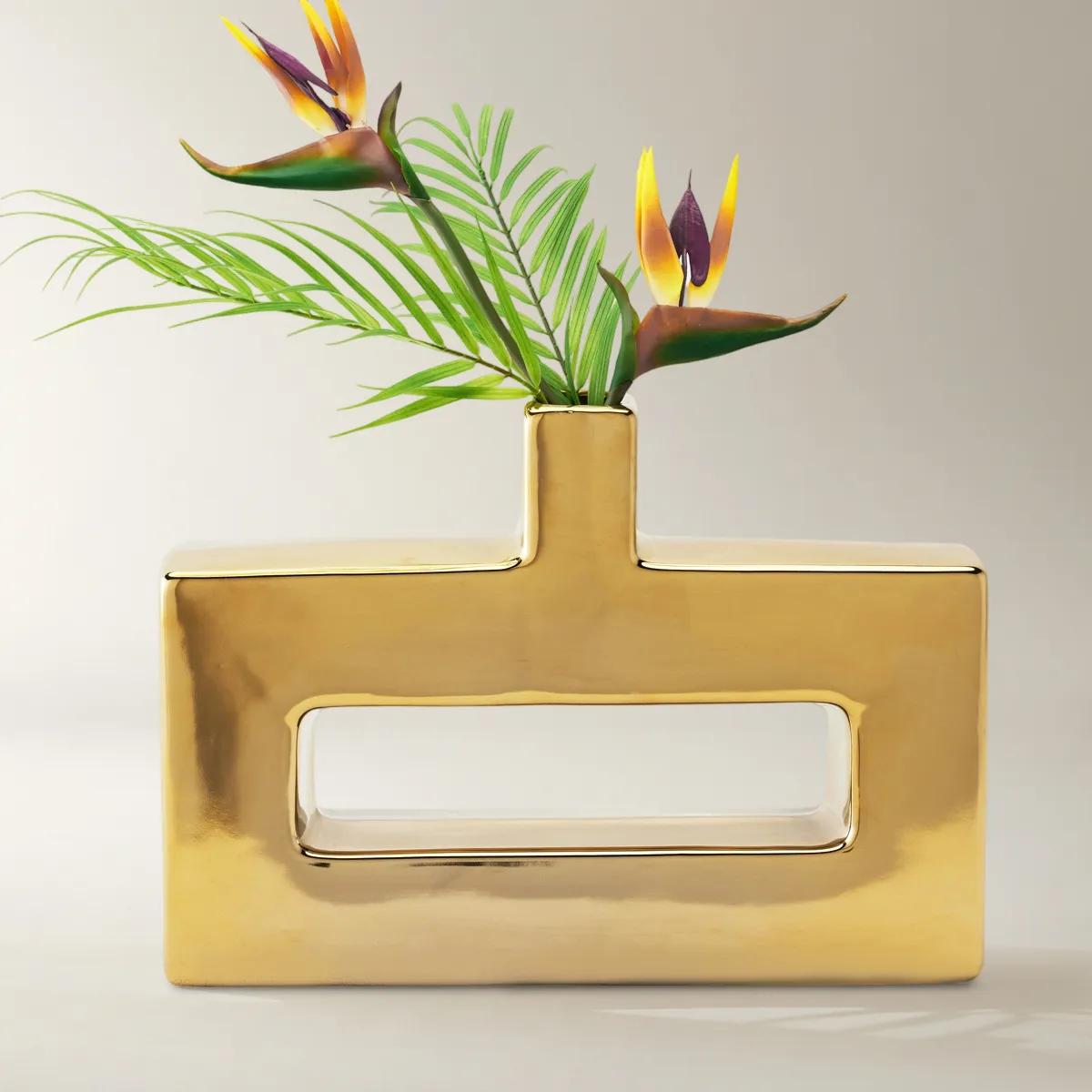 Miami Gold Ceramic High Gloss Vase 11.75"$69
A contemporary gold ceramic vase designed for decorative use as a sculptural accent or with foliage.
Add To Cart -
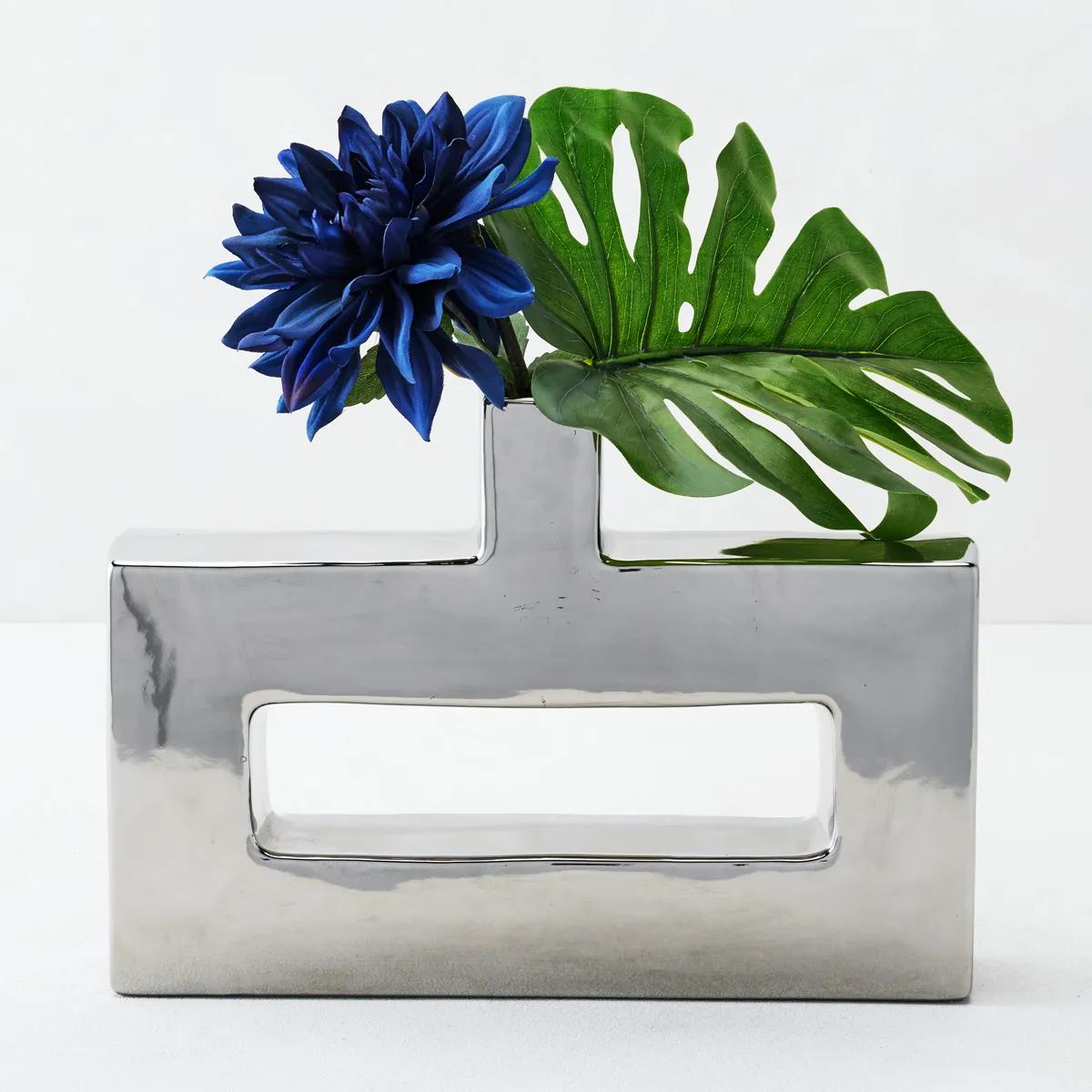 Miami Silver Ceramic High Gloss Vase 11.75"$69
A contemporary silver ceramic vase with a stylish gold glaze, perfect for decorative foliage or display.
Add To Cart -
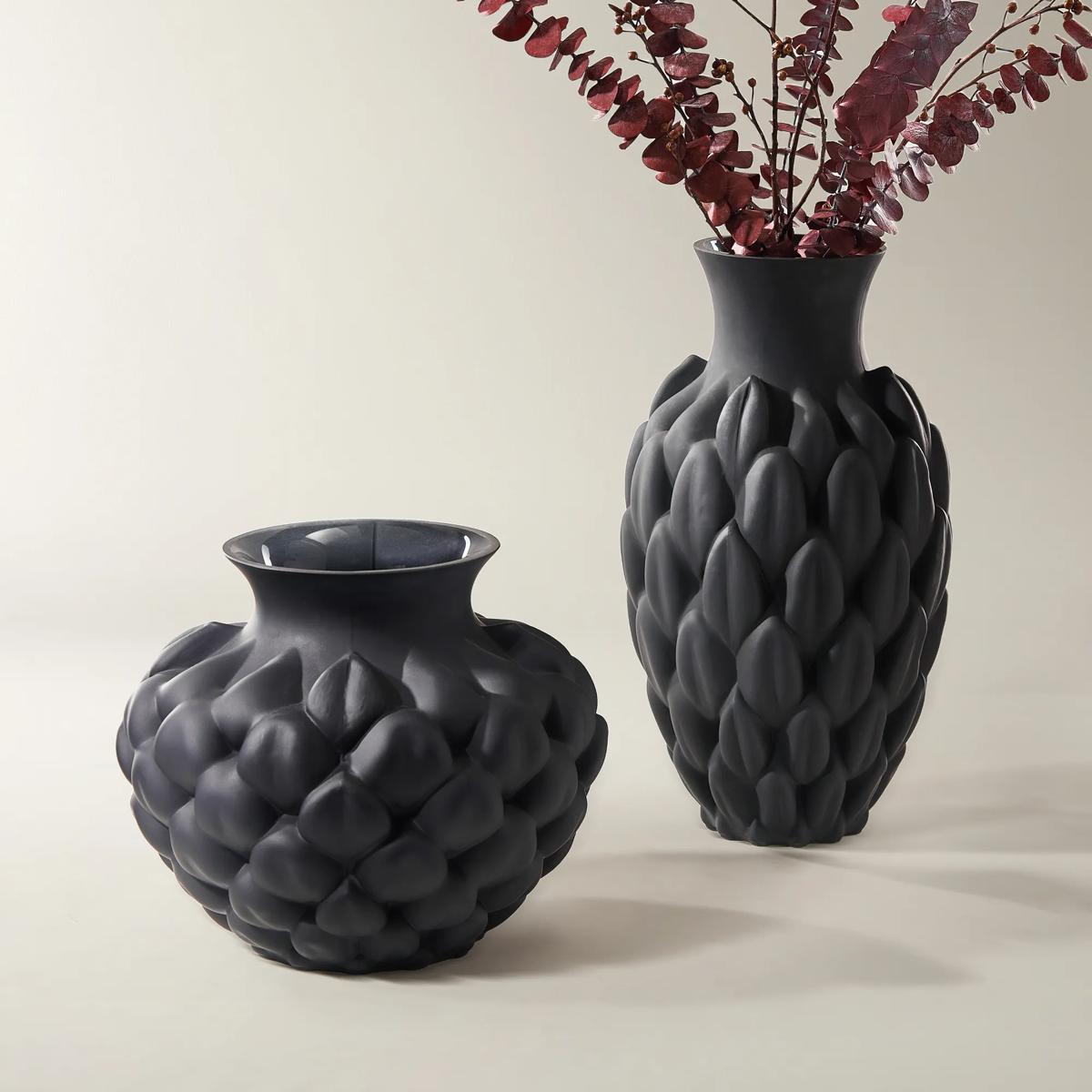
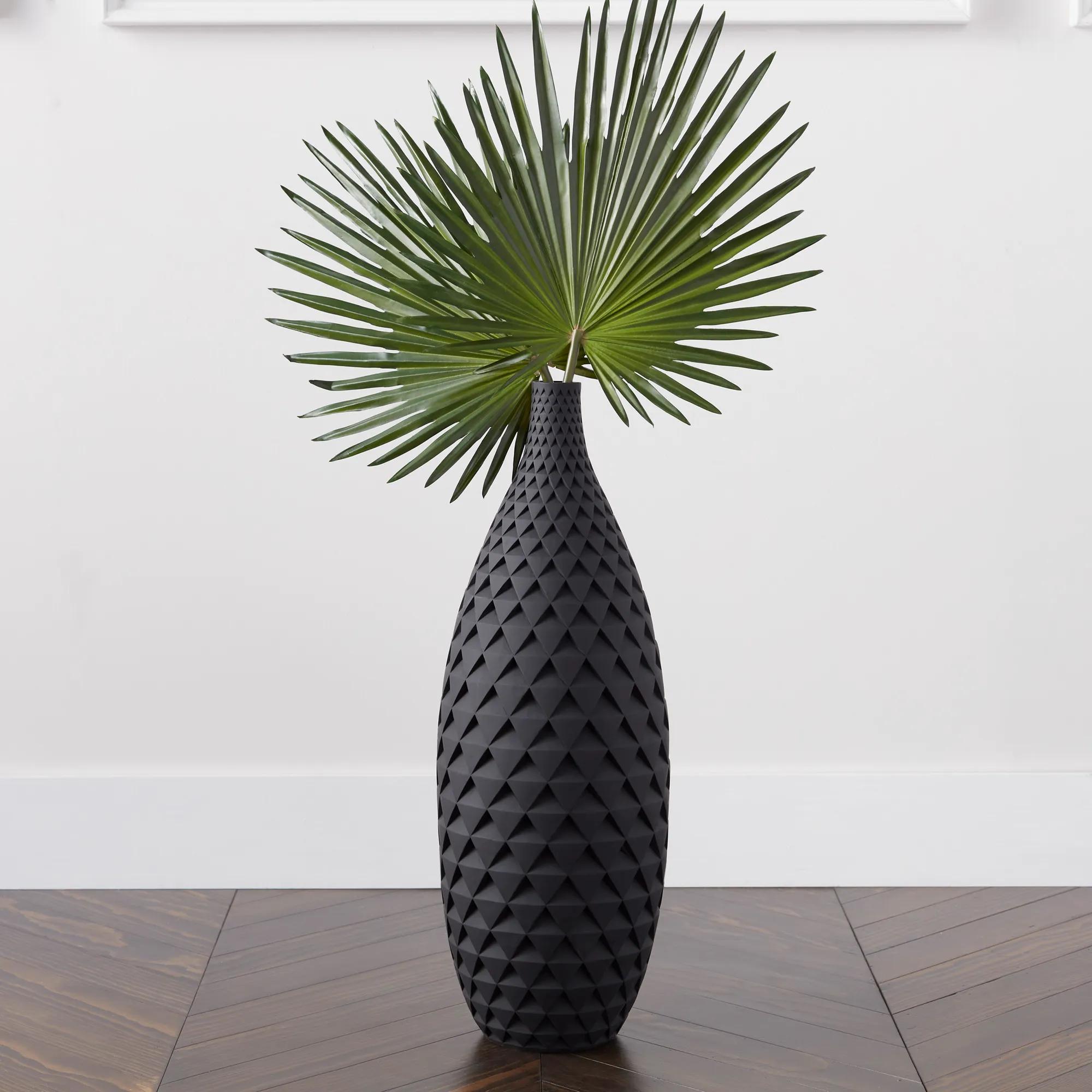 Cairo Floor Vase$99
A lightweight resin floor vase featuring a matte black finish and a striking scalloped texture.
Add To Cart -
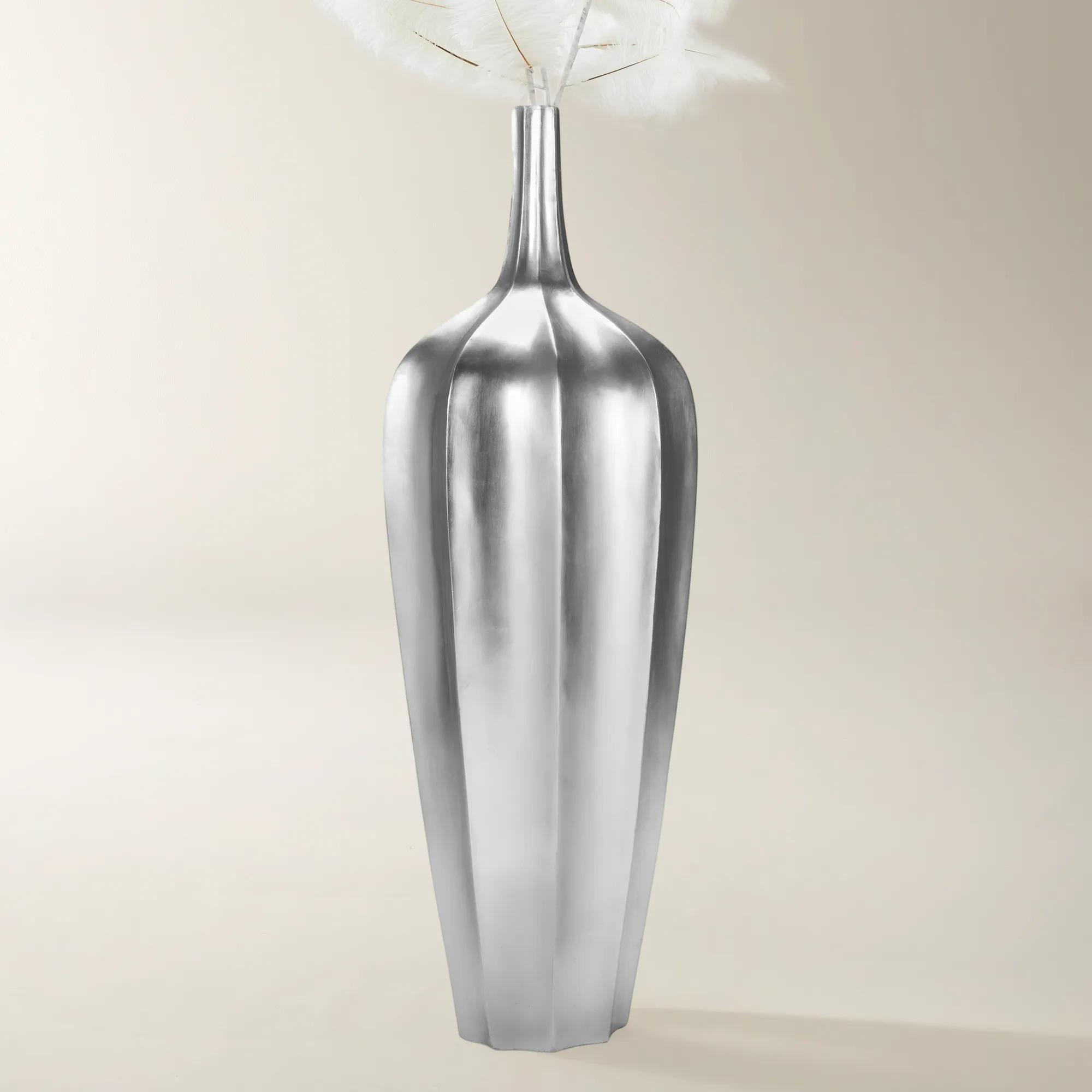
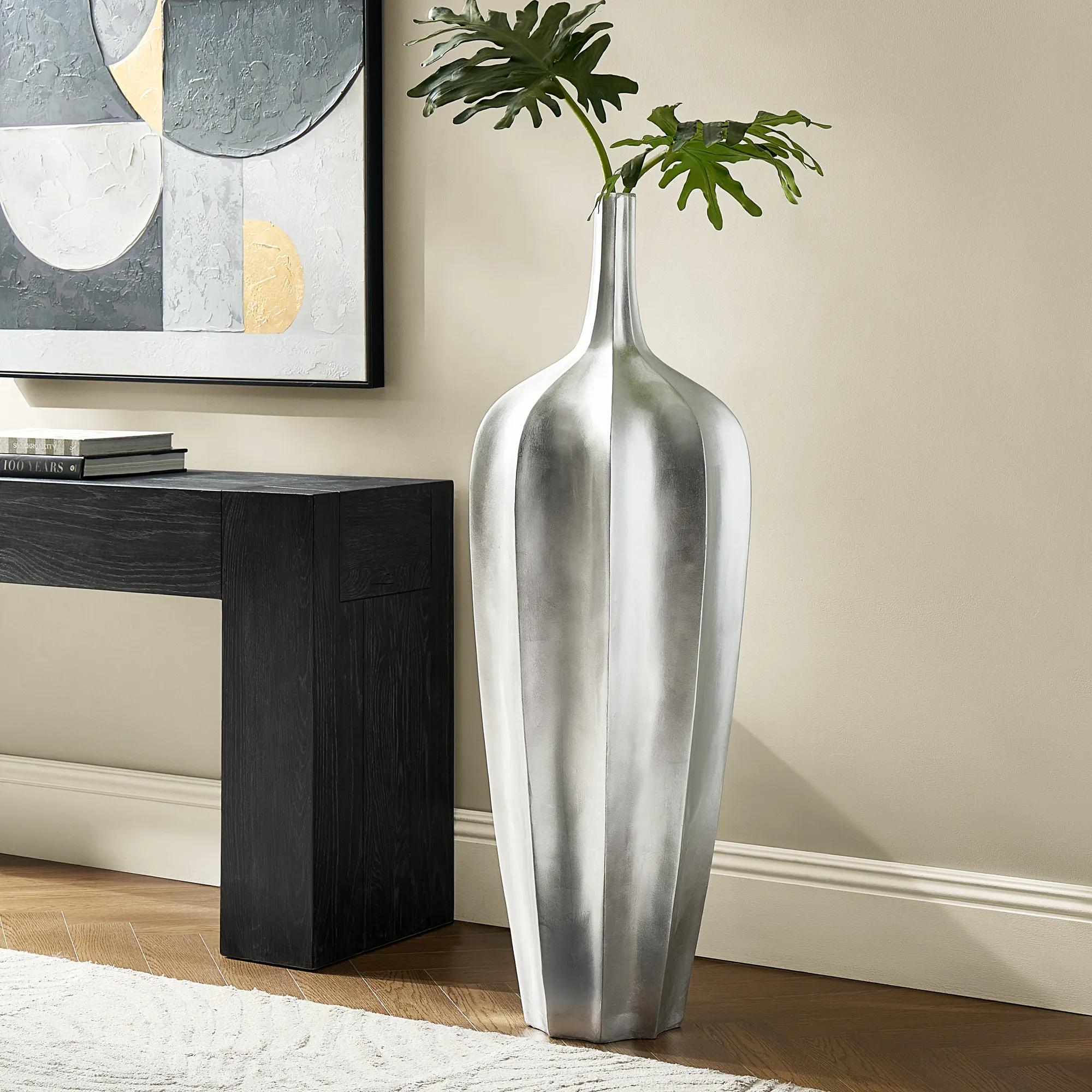 Accolade Silver Leaf Resin Floor Vase 48.75"$539
A fluted fiberglass vase featuring a lustrous metallic silver foil finish for a striking decorative accent.
Add To Cart -
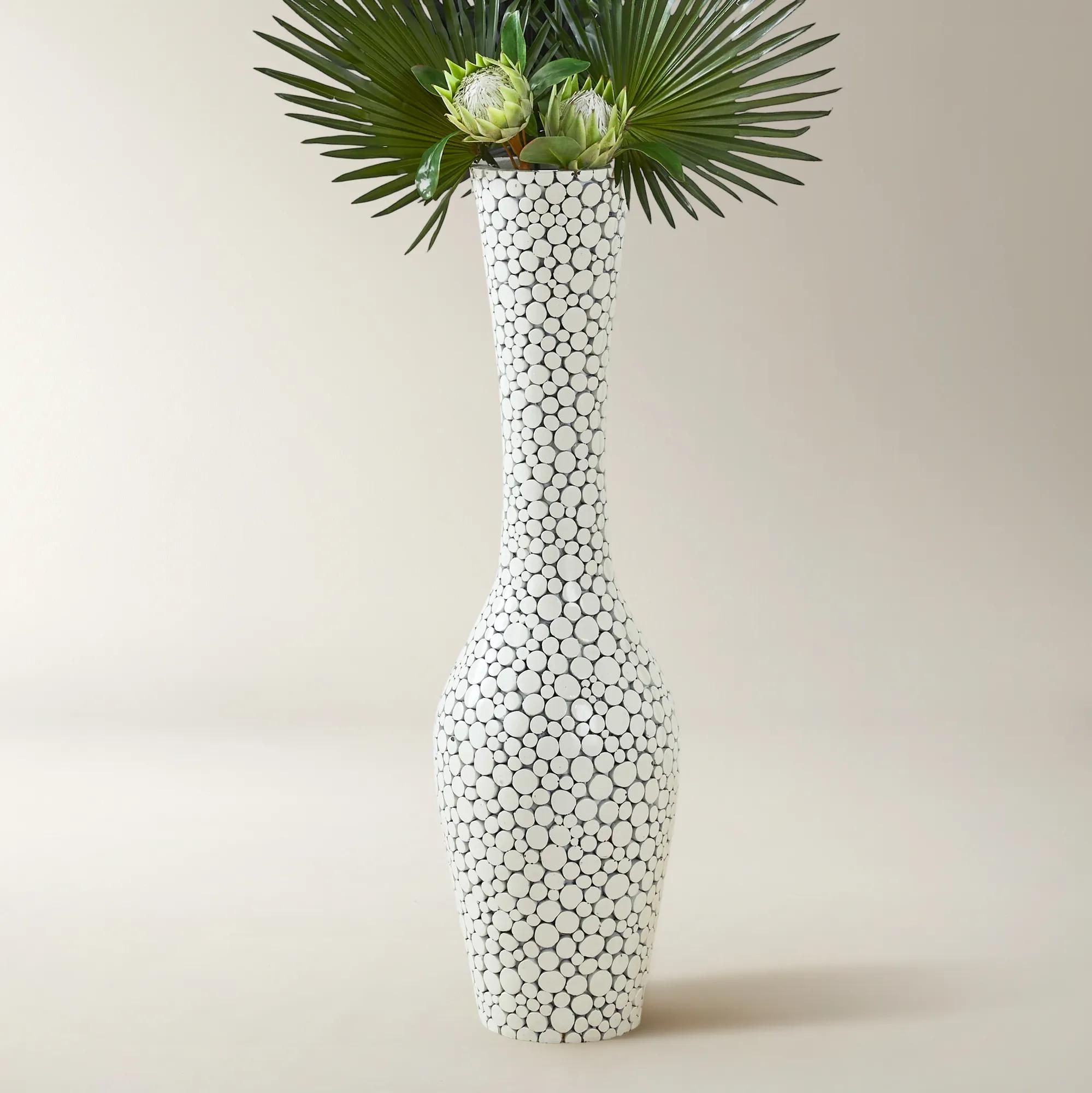 Oslo Floor Vase$299
A contemporary floor vase featuring hand-applied wood accents and a glossy white fiberglass base.
Add To Cart -
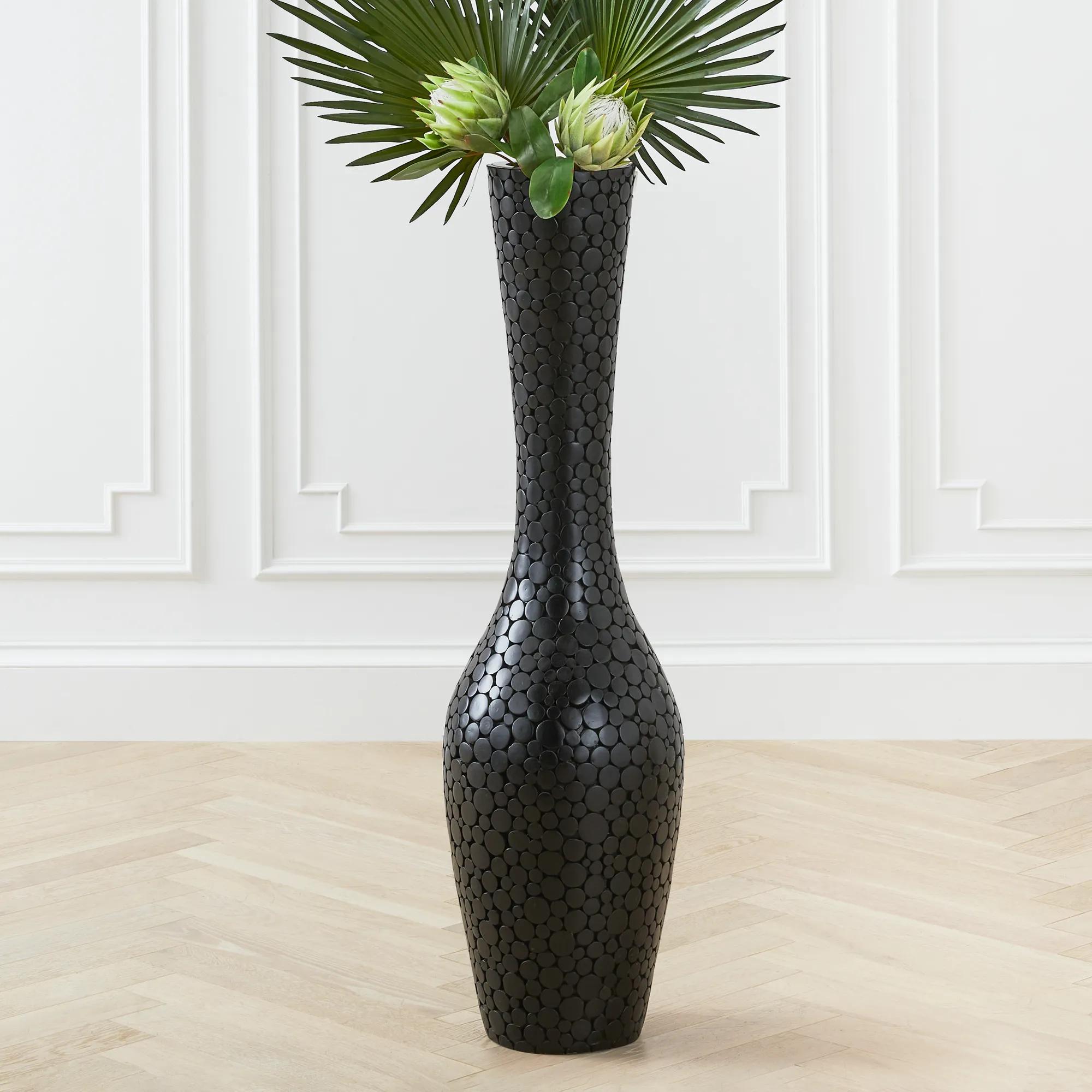
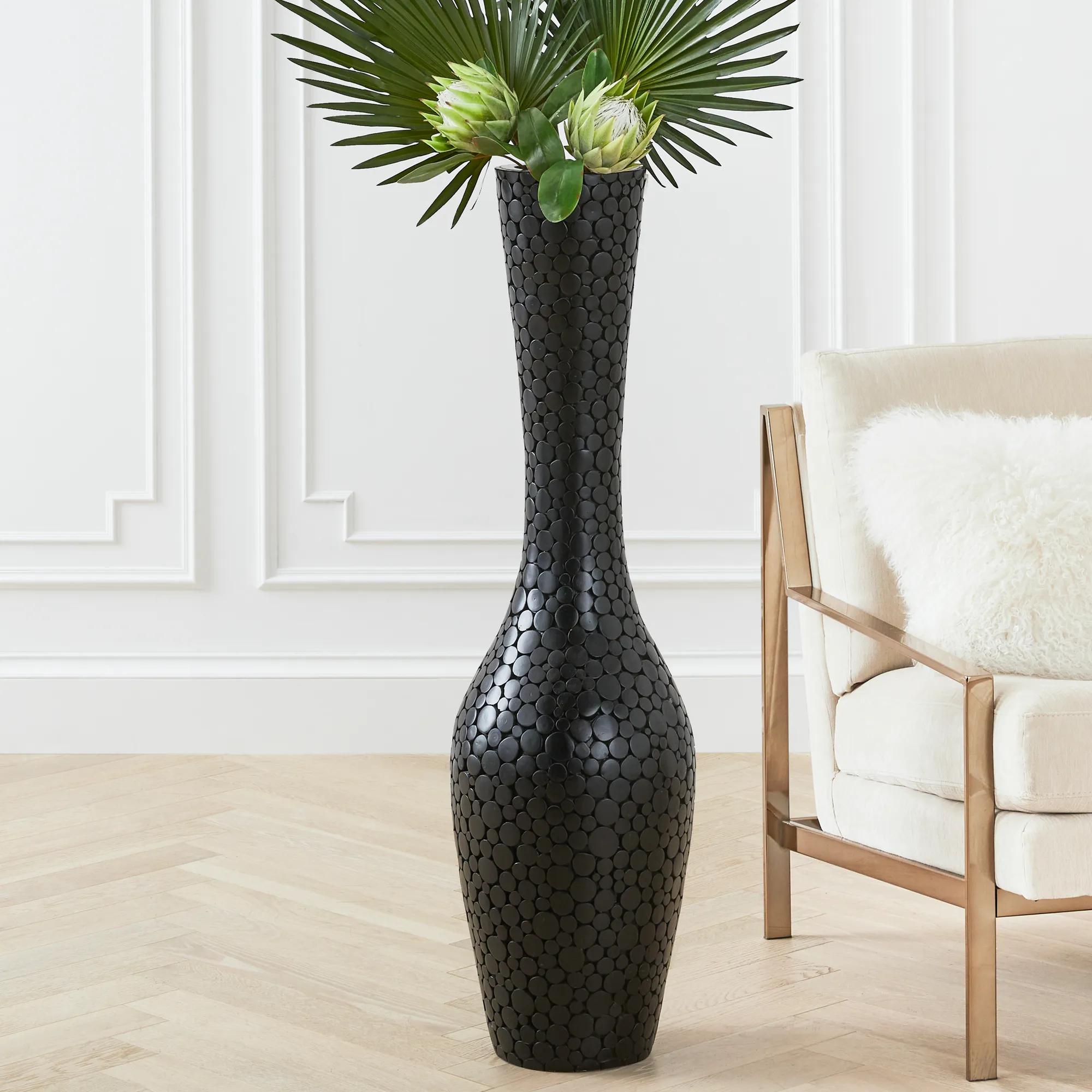 Oslo Black Wood Floor Vase 45"$299
A contemporary floor vase featuring hand-applied wood accents and a glossy black fiberglass base.
Add To Cart -
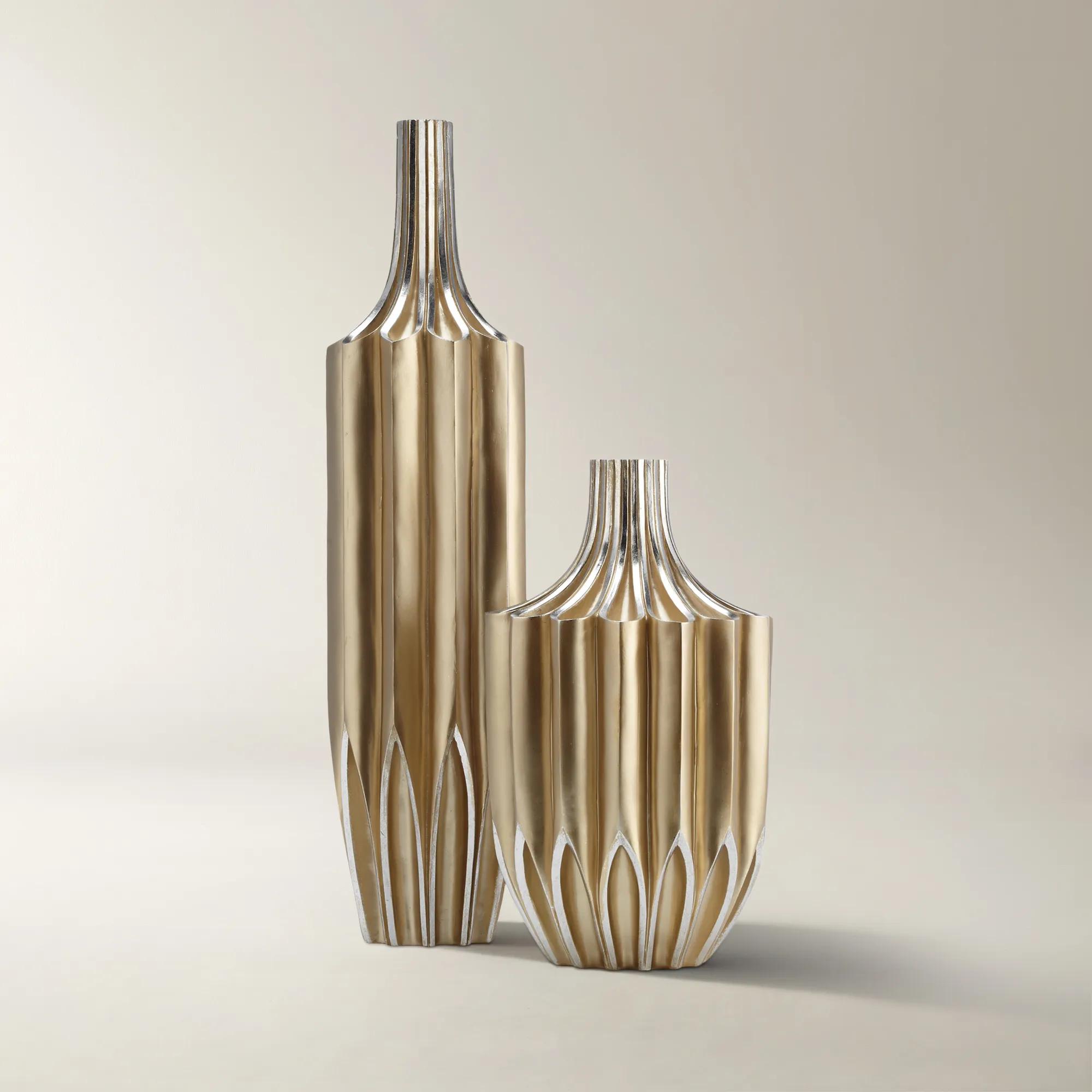
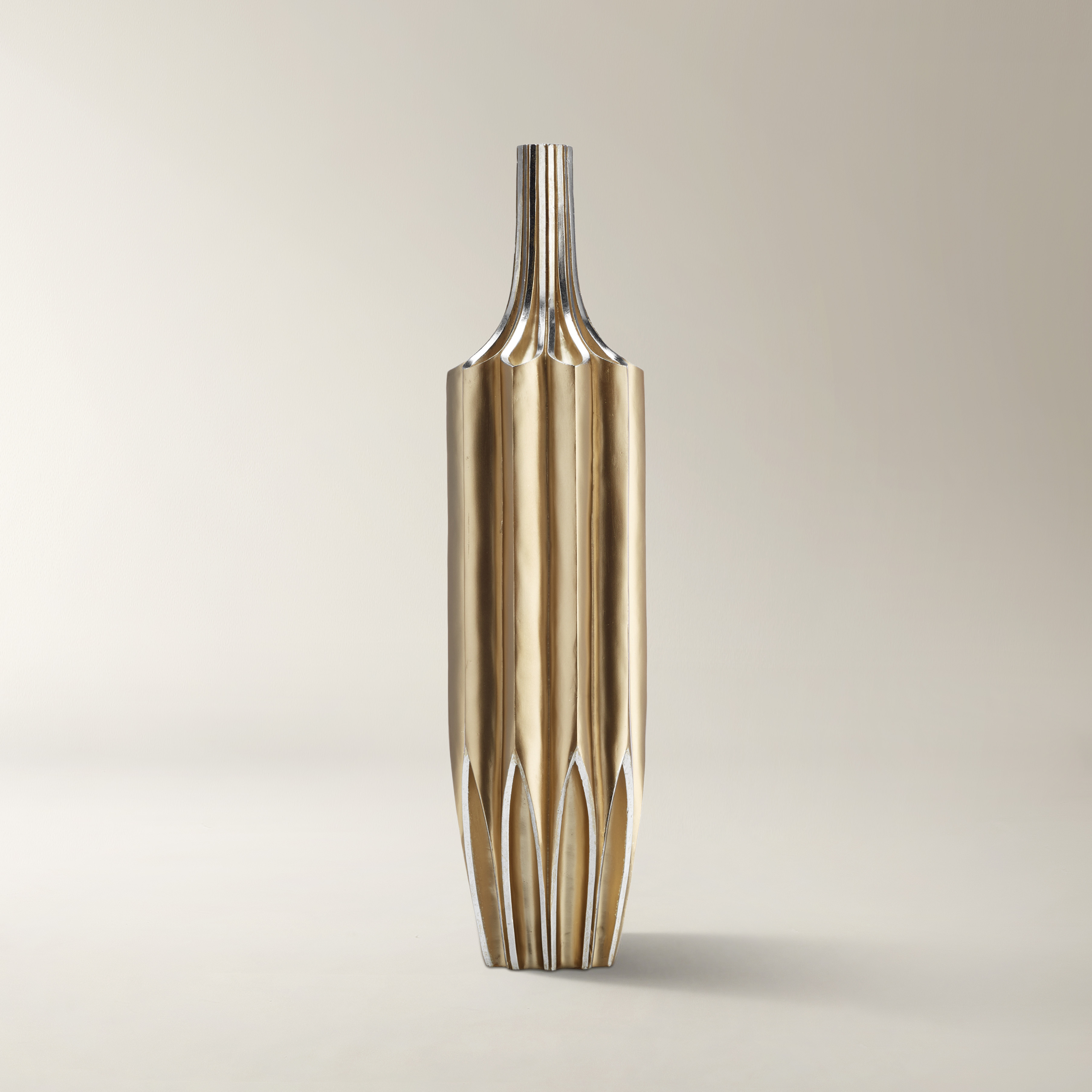 Savannah Gold Resin Vases$79
A sophisticated polyresin vase featuring sleek vertical curves and a modern, inward-flaring design.
Add To Cart -
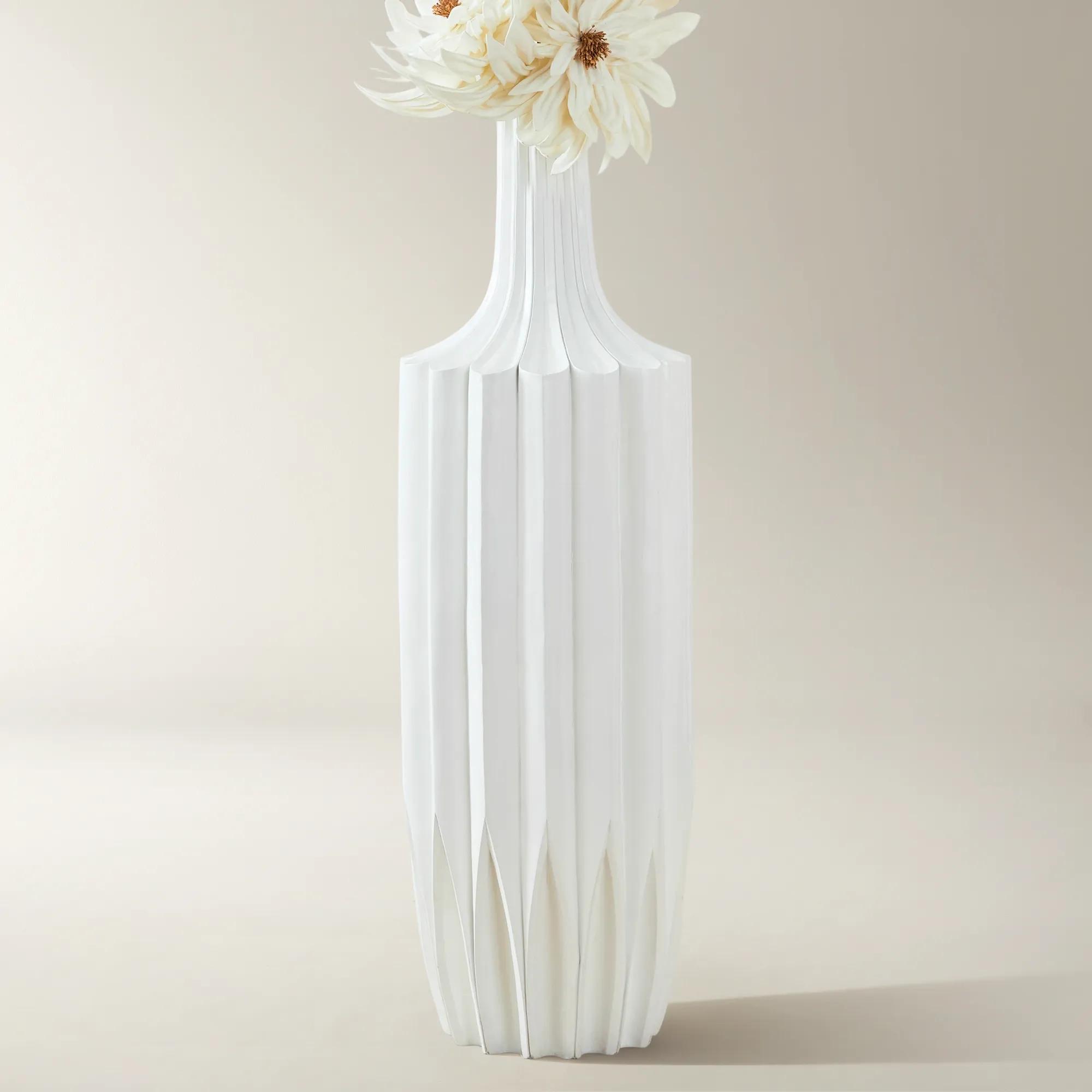 Savannah White Resin Floor Vase 48.75"$509
A sophisticated polyresin vase featuring sleek vertical curves, perfect for displaying decorative flowers or foliage.
Add To Cart -
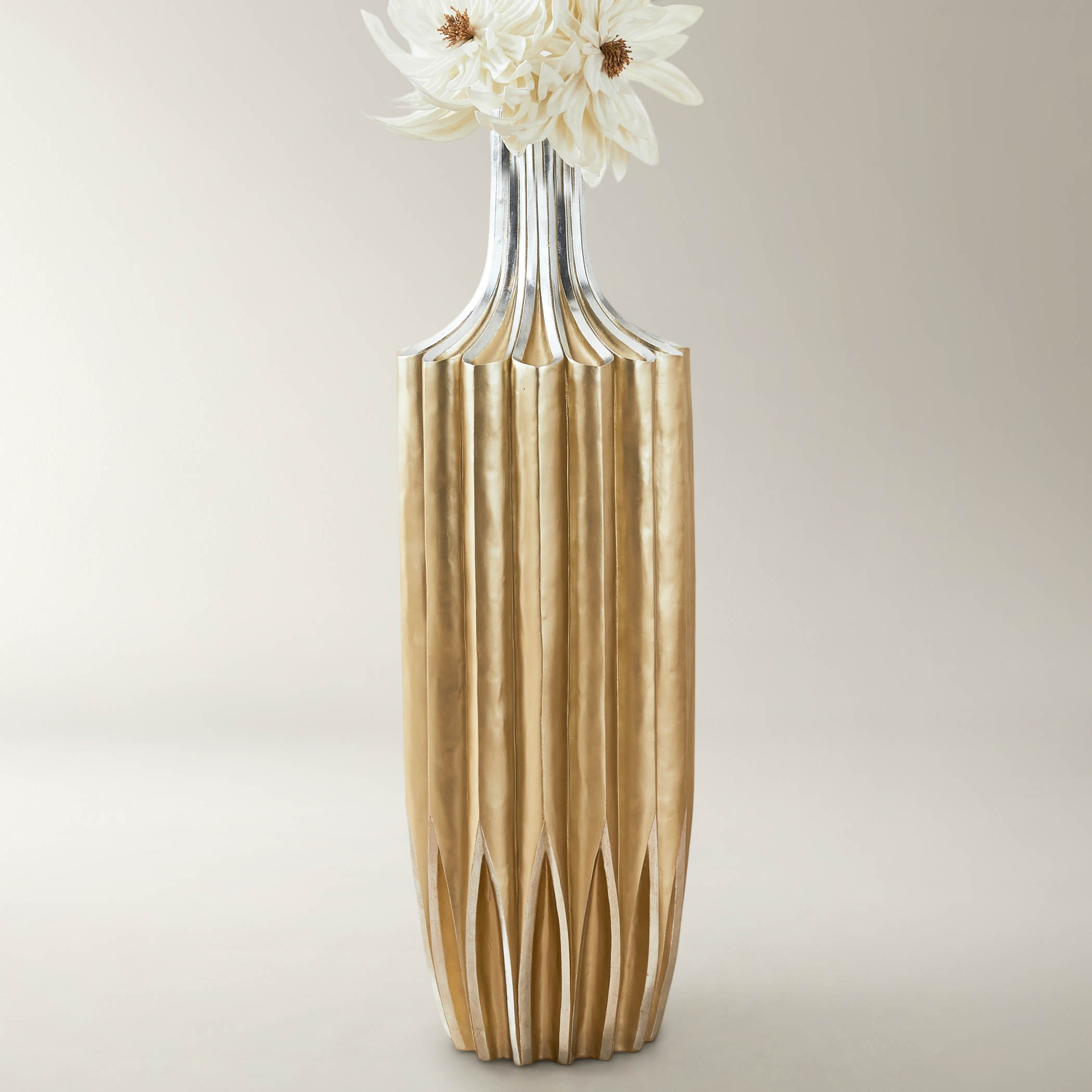
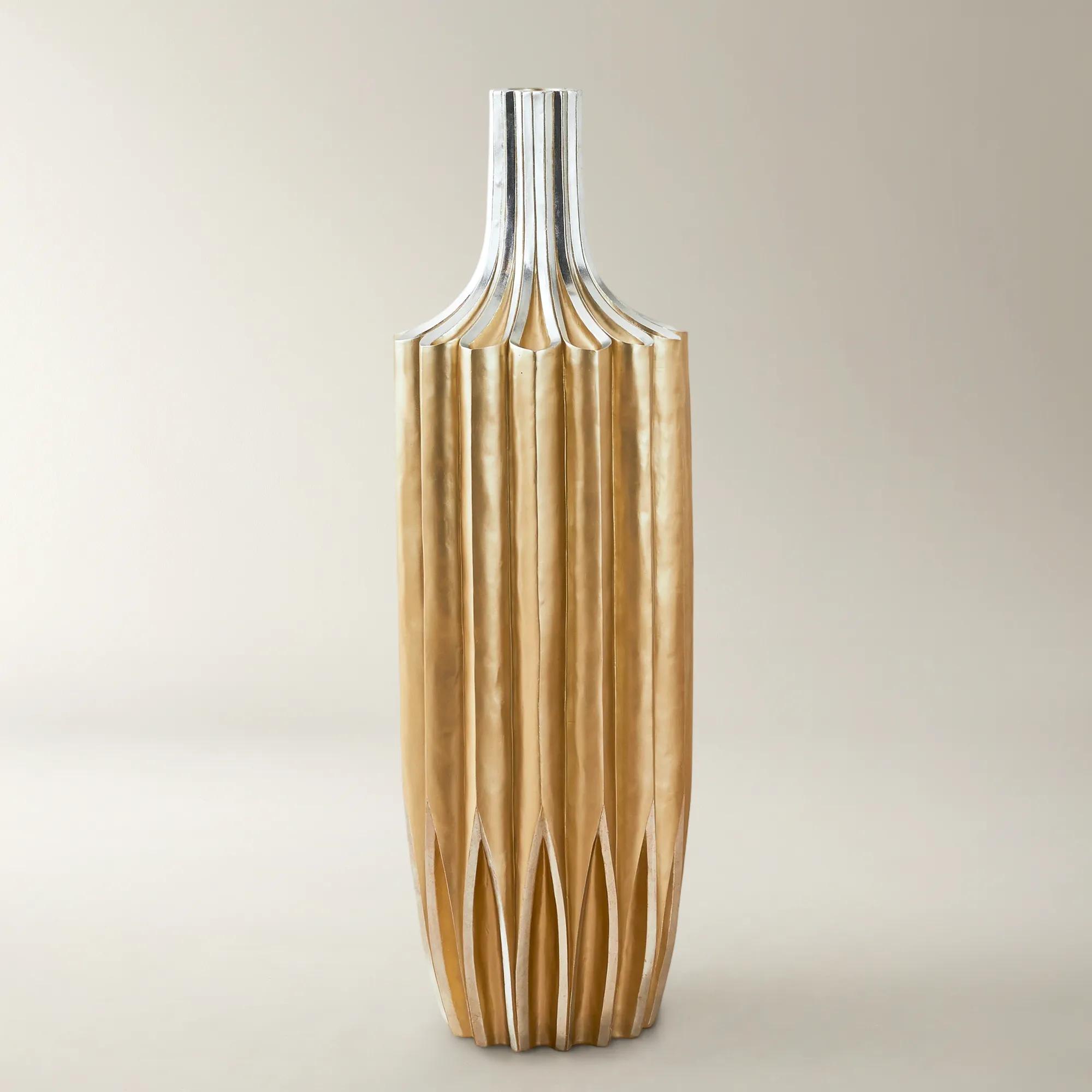 Savannah Gold Resin Floor Vase 48.75"$509
A sophisticated polyresin vase featuring sleek vertical curves for a modern decorative accent.
Add To Cart -
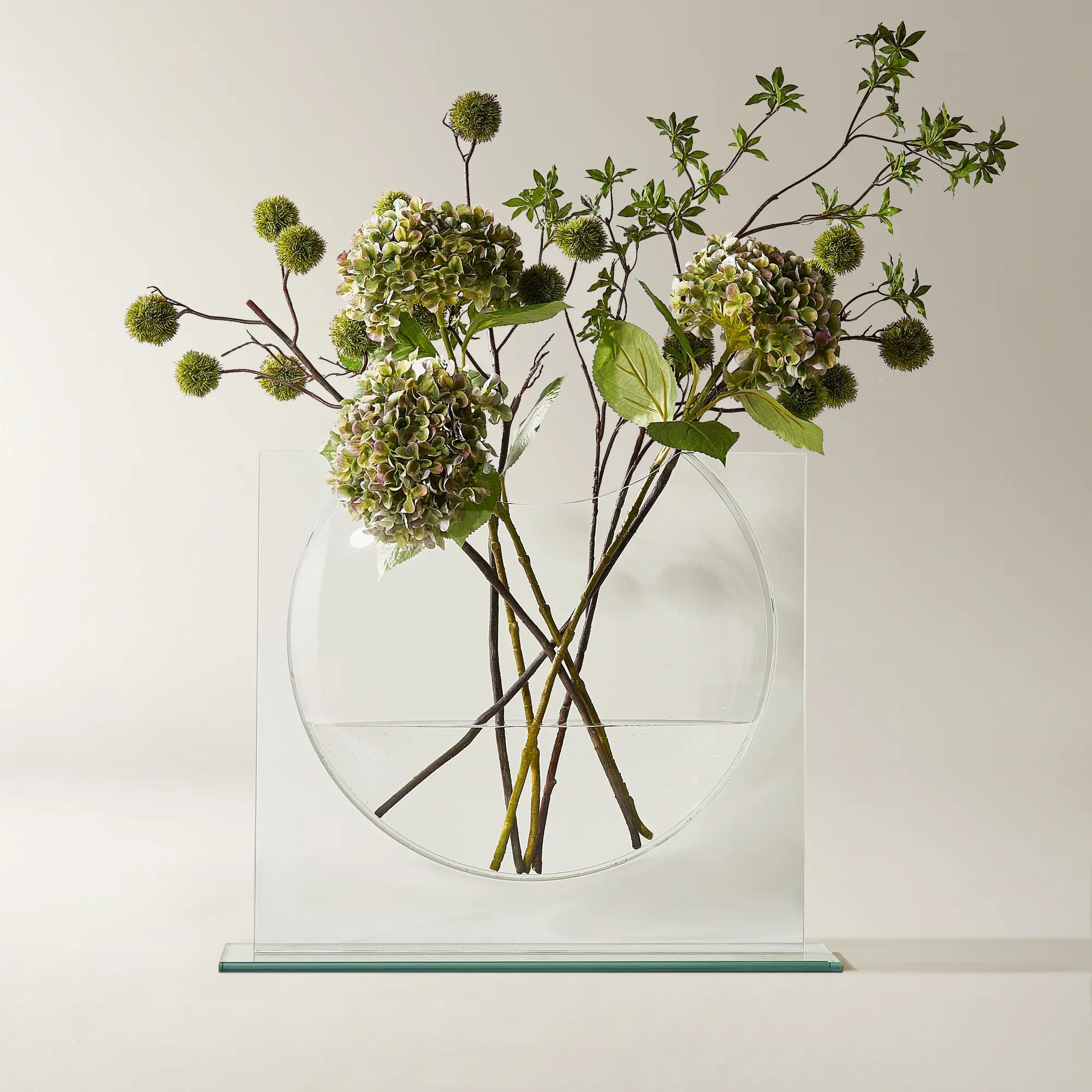
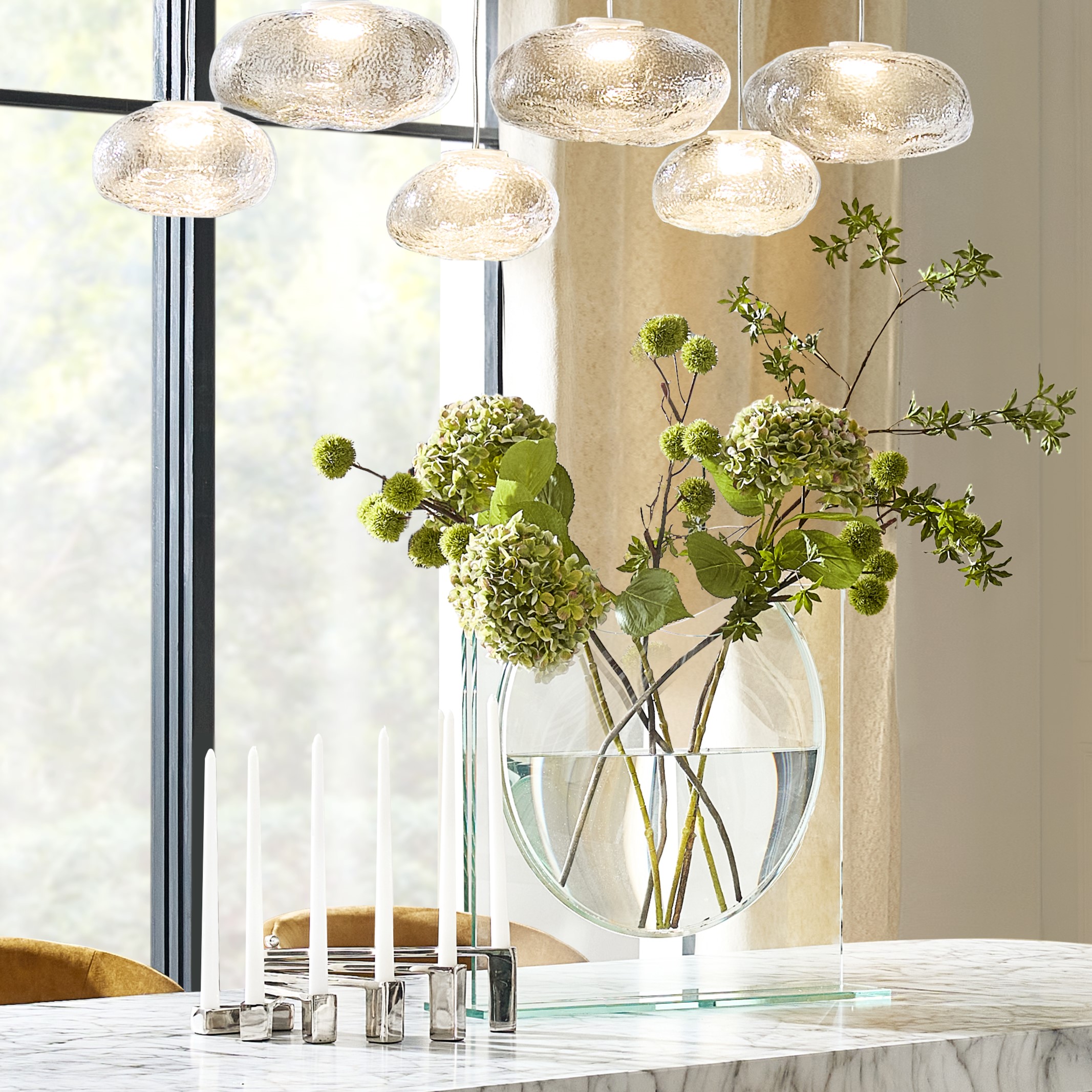 Ellipse Clear Glass Vase 20"$259
A sleek elliptical glass vase offering a modern, functional accent for fresh floral arrangements.
Add To Cart -
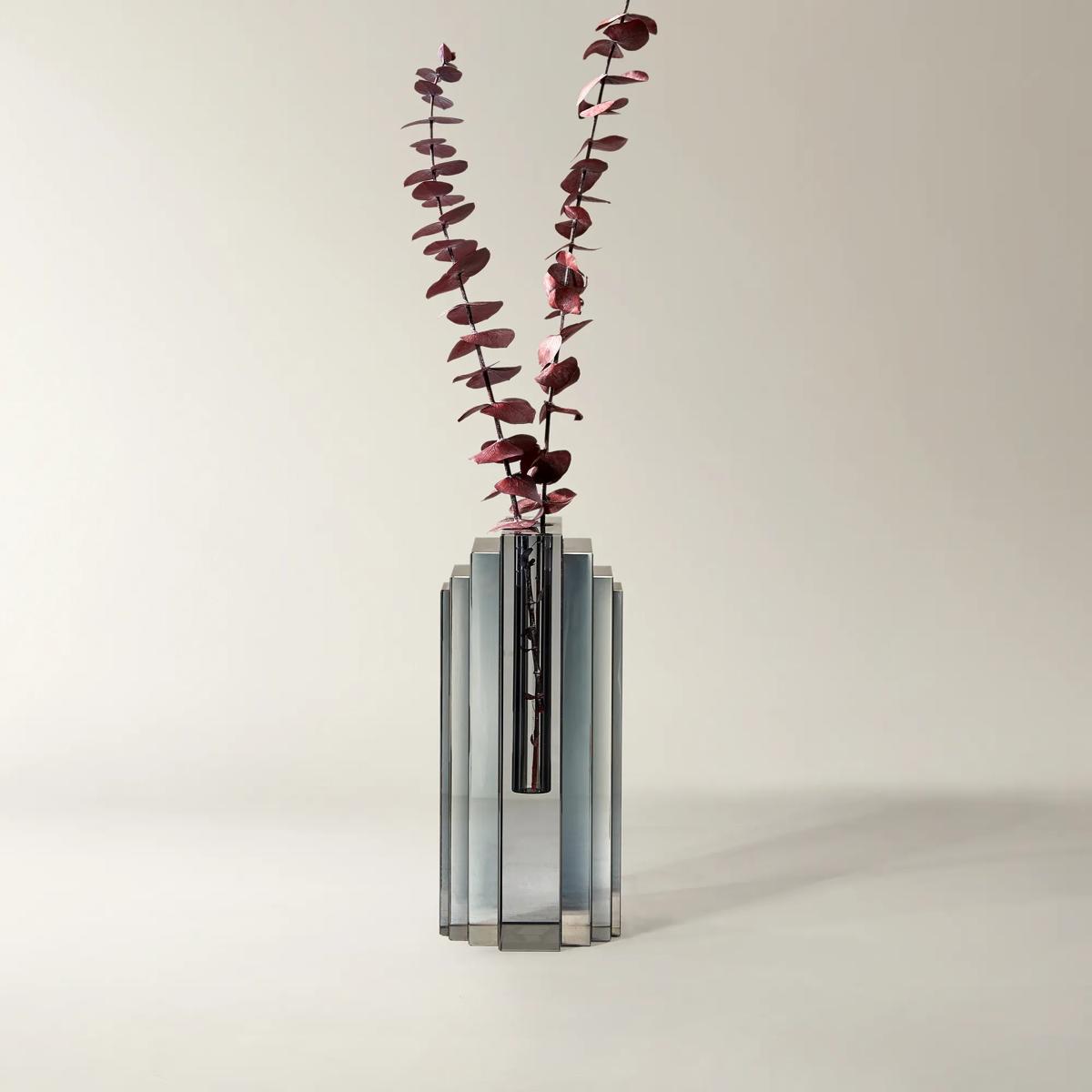 Lucca Crystal Vase - Mirrored Graphite$109
A mirrored graphite crystal vase with a multifaceted geometric design that reflects light for sculptural brilliance.
Add To Cart -
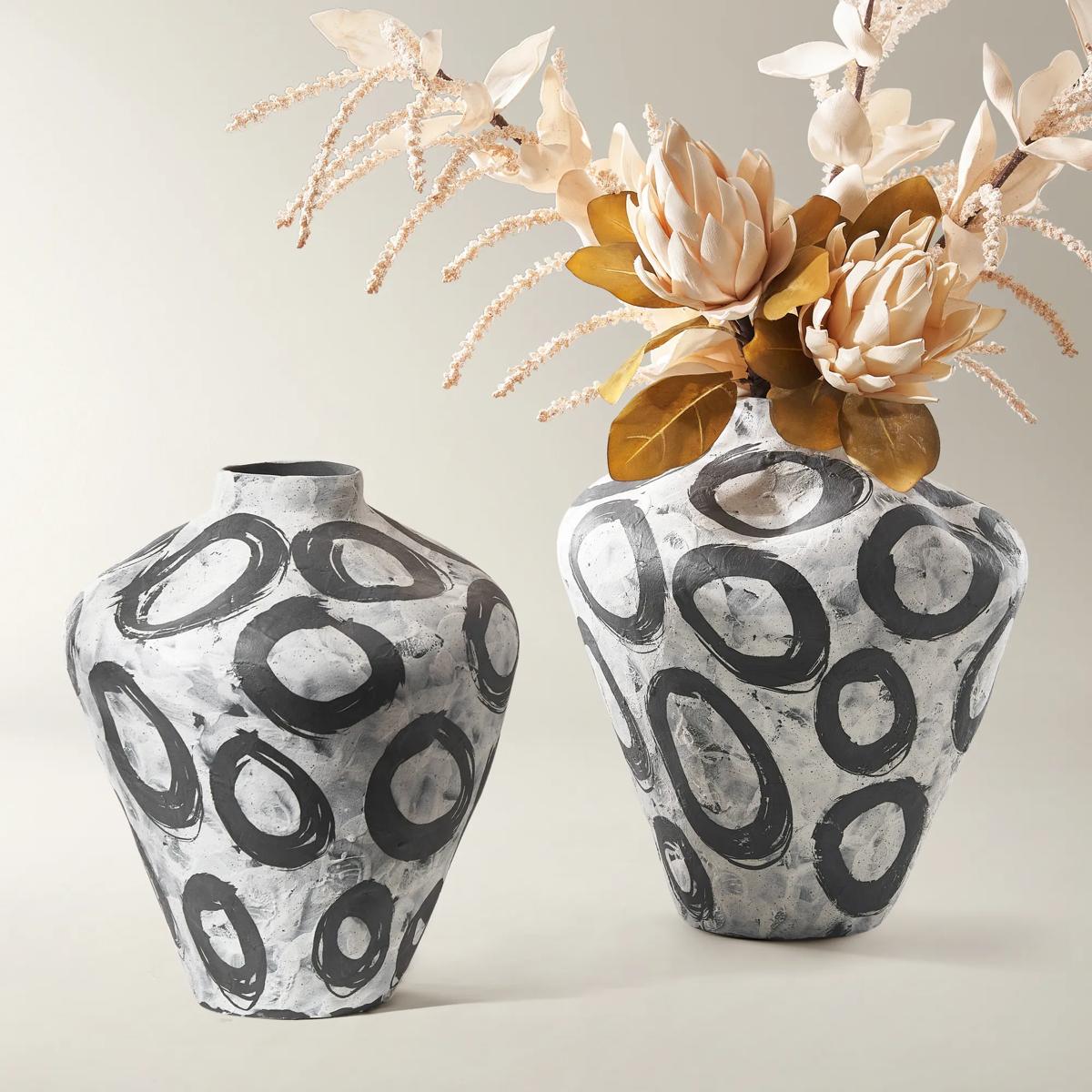
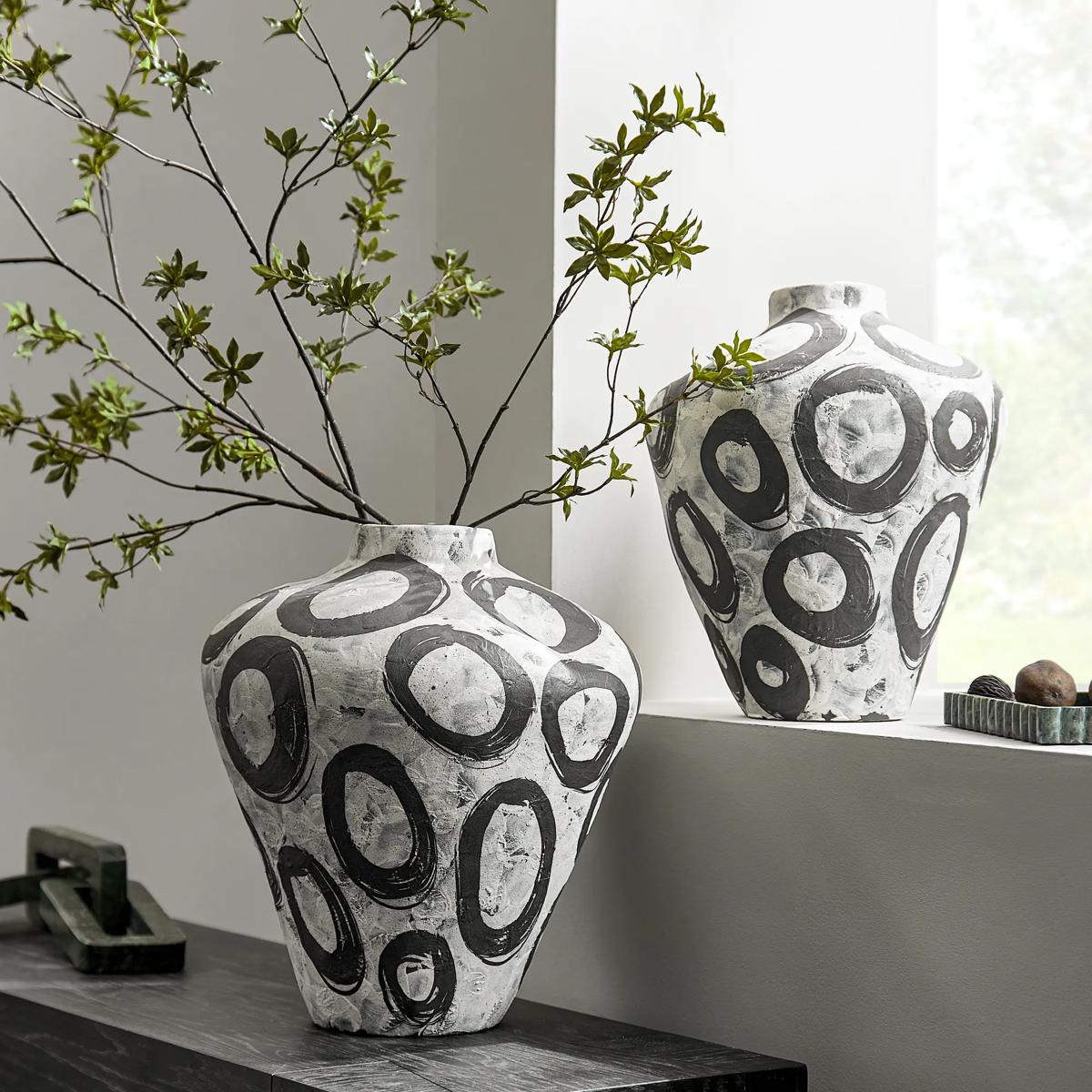 Stone Porcelain Vase$239
A sculptural porcelain vase featuring hand-painted black and white circular brushwork with a matte stone-like texture.
Add To Cart -
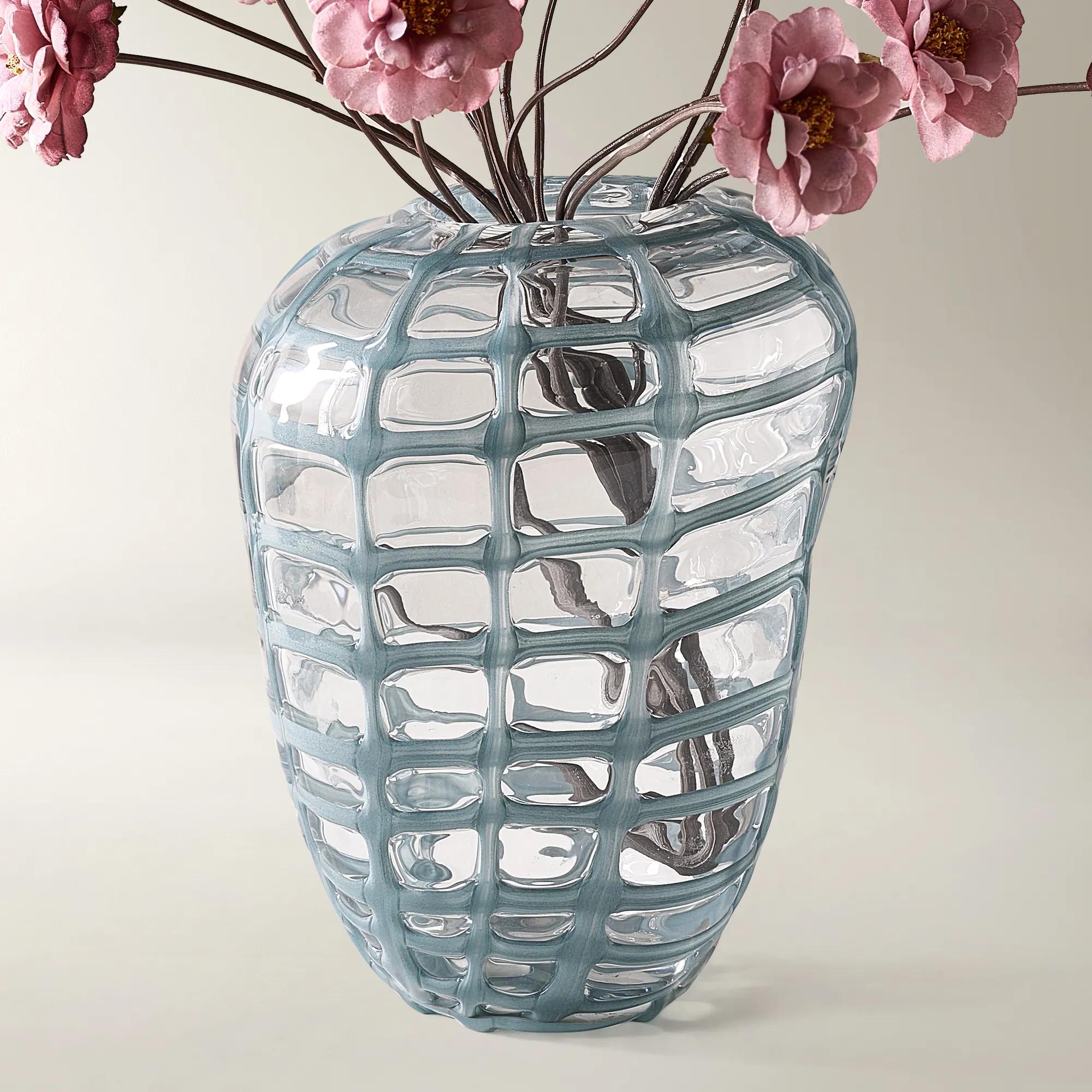 Contra Mouth Blown Dusty Blue Grid Glass Vase 10.25"$79
A handblown dusty blue glass vase featuring a graphic grid pattern and softly organic silhouette.
Add To Cart -
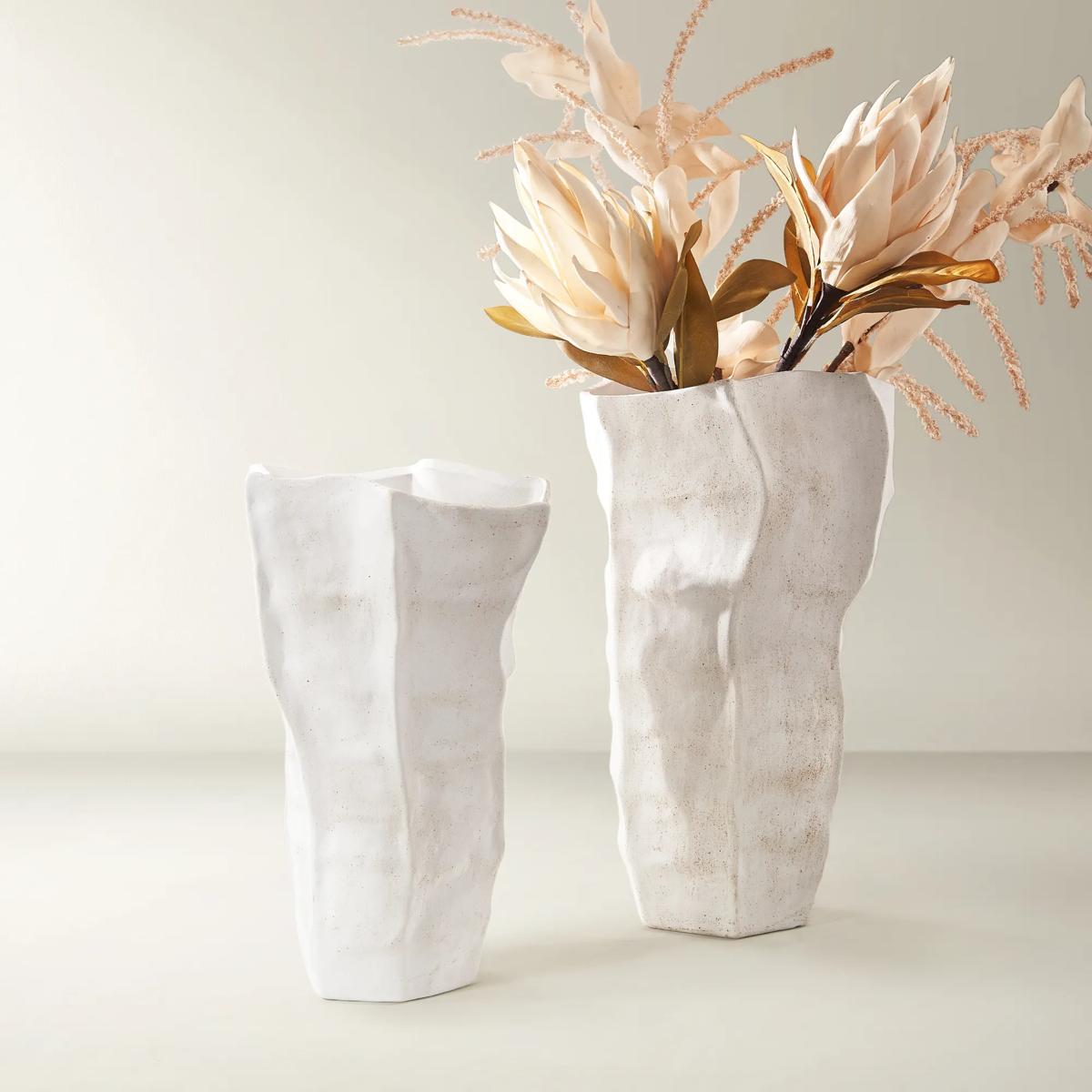
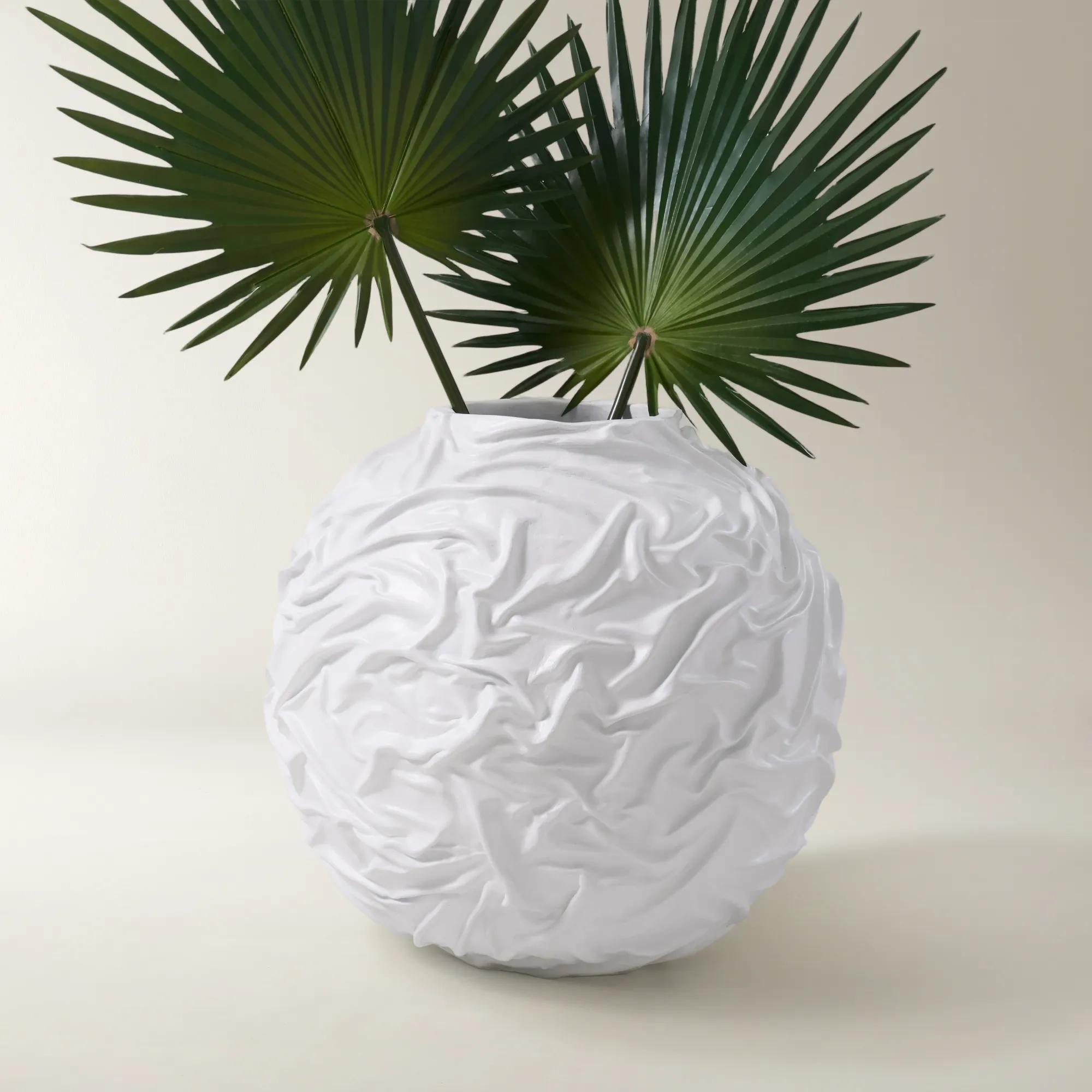 Crumple White Resin Floor Vase 18.3"$259
A sculptural resin vase with a crumpled-paper design and a sleek white finish for modern spaces.
Add To Cart -
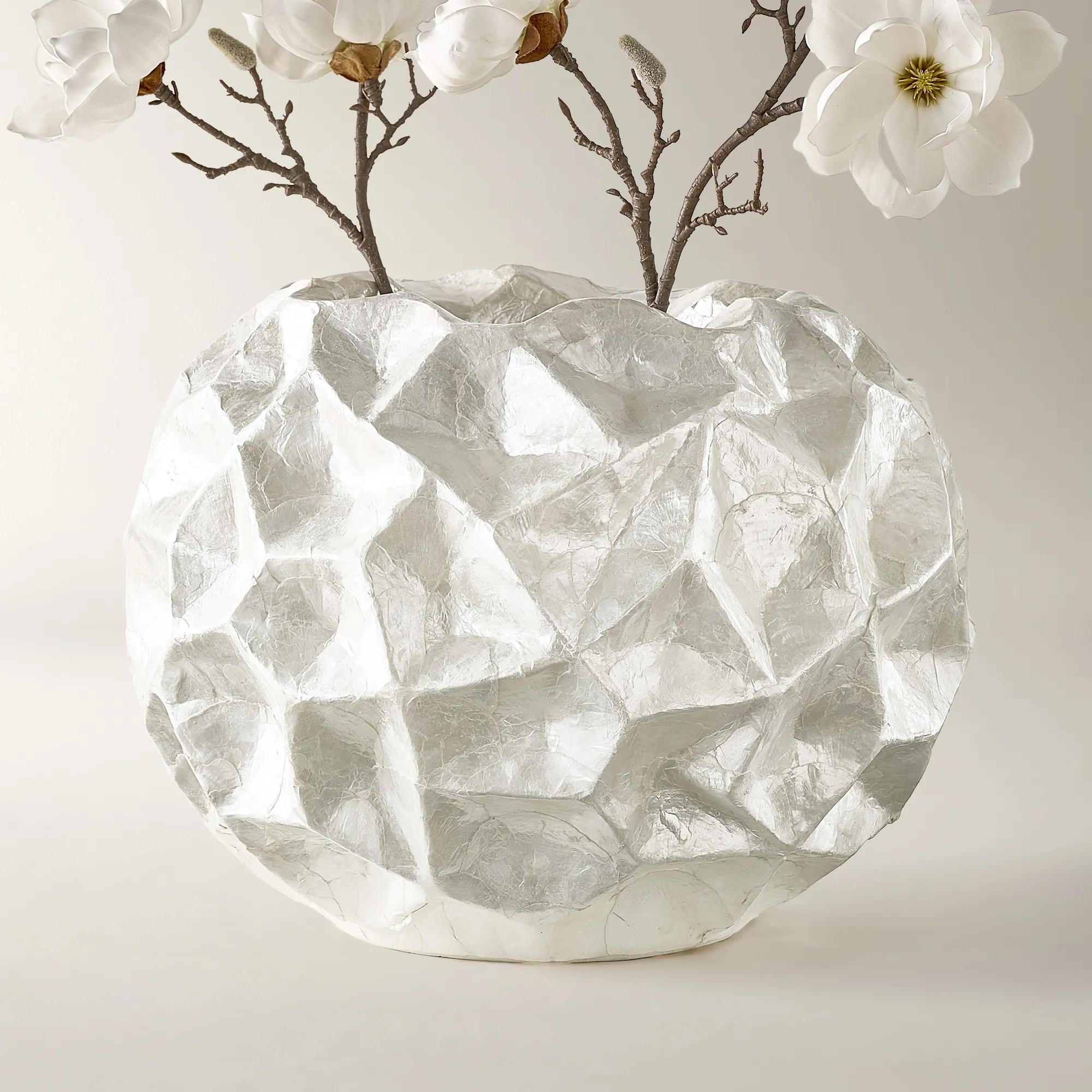
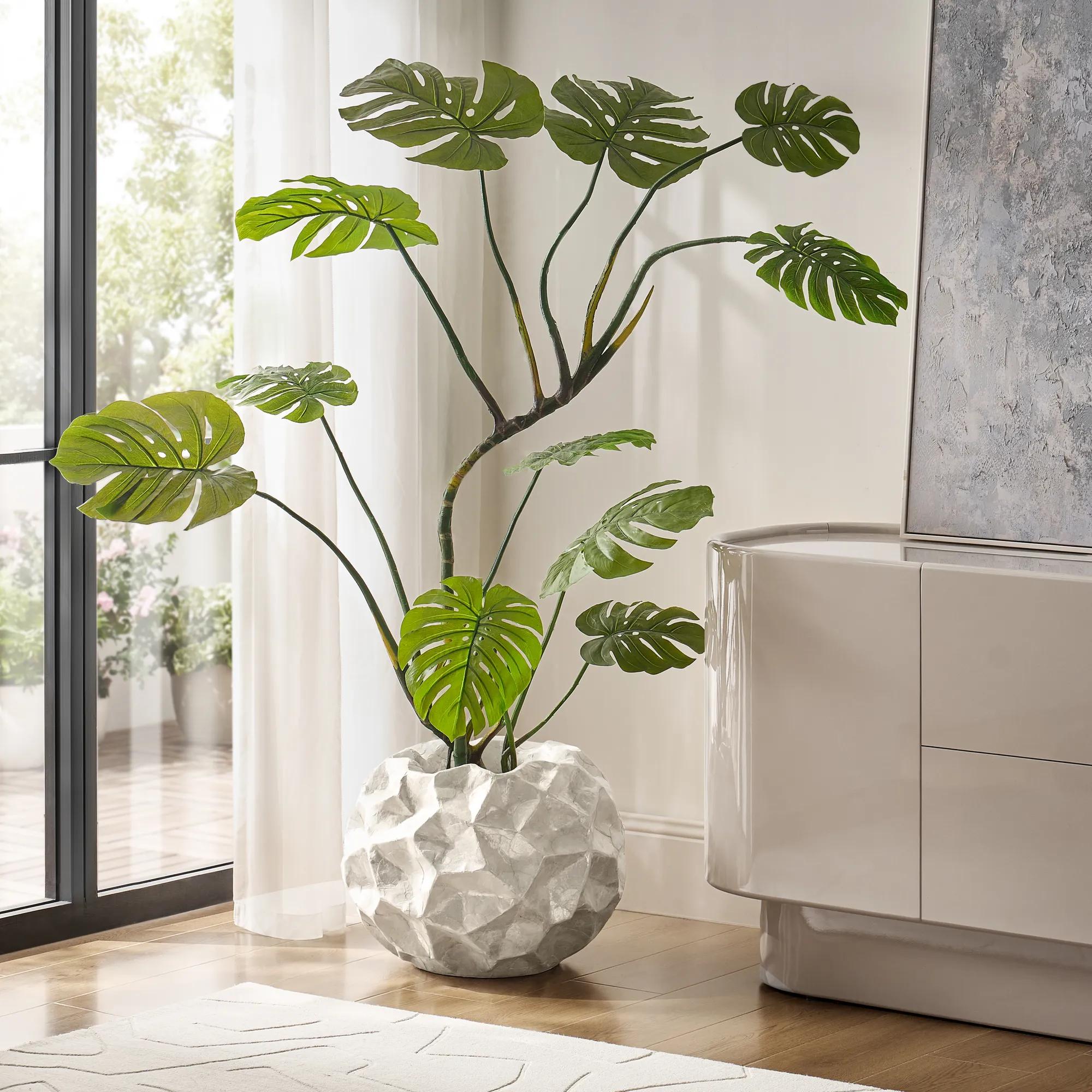 Aspen Capiz Shell Floor Planter 20.25" x 15.25"$299
An opaline pearl floor vase featuring luminous capiz shell texture and a sculptural resin form.
Add To Cart -
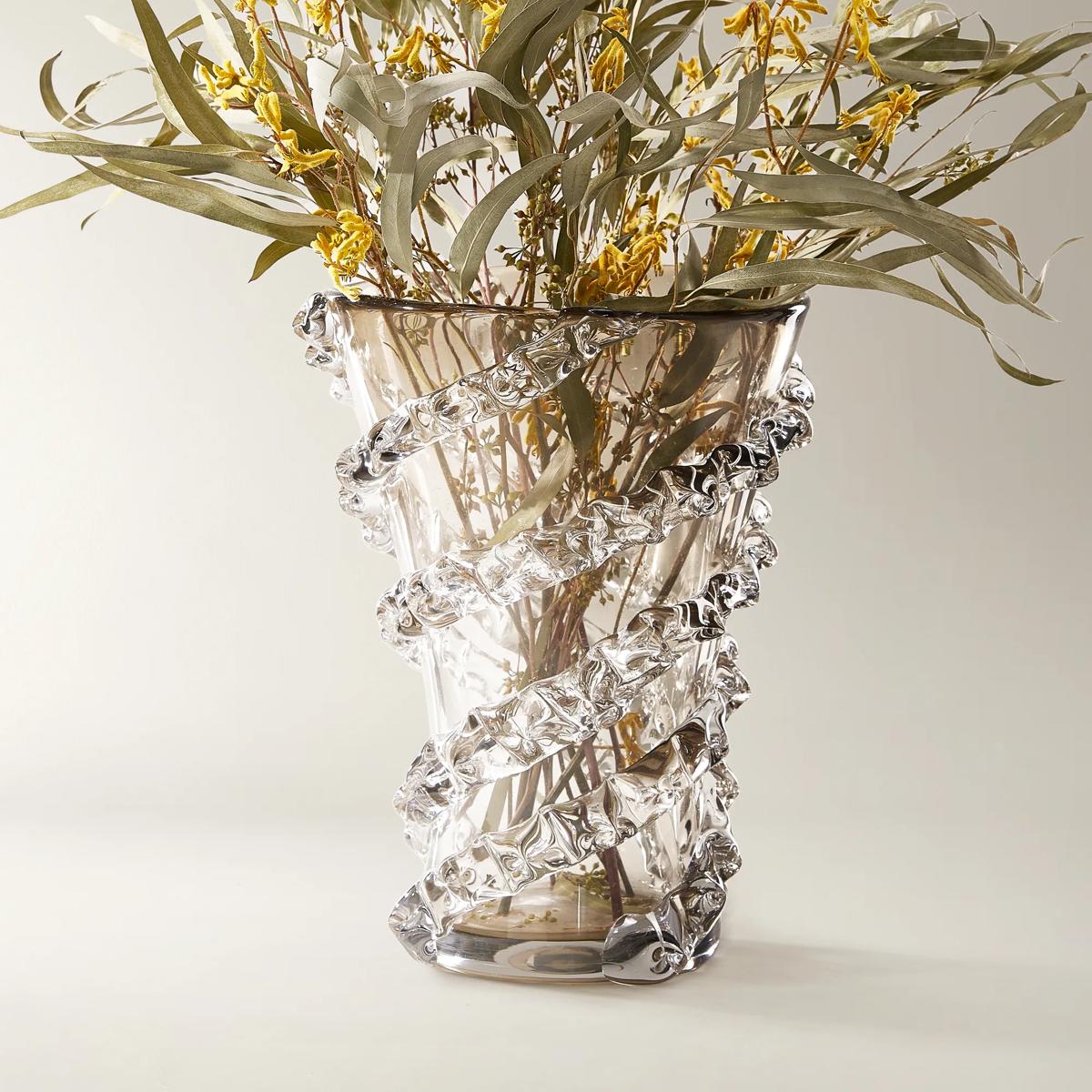
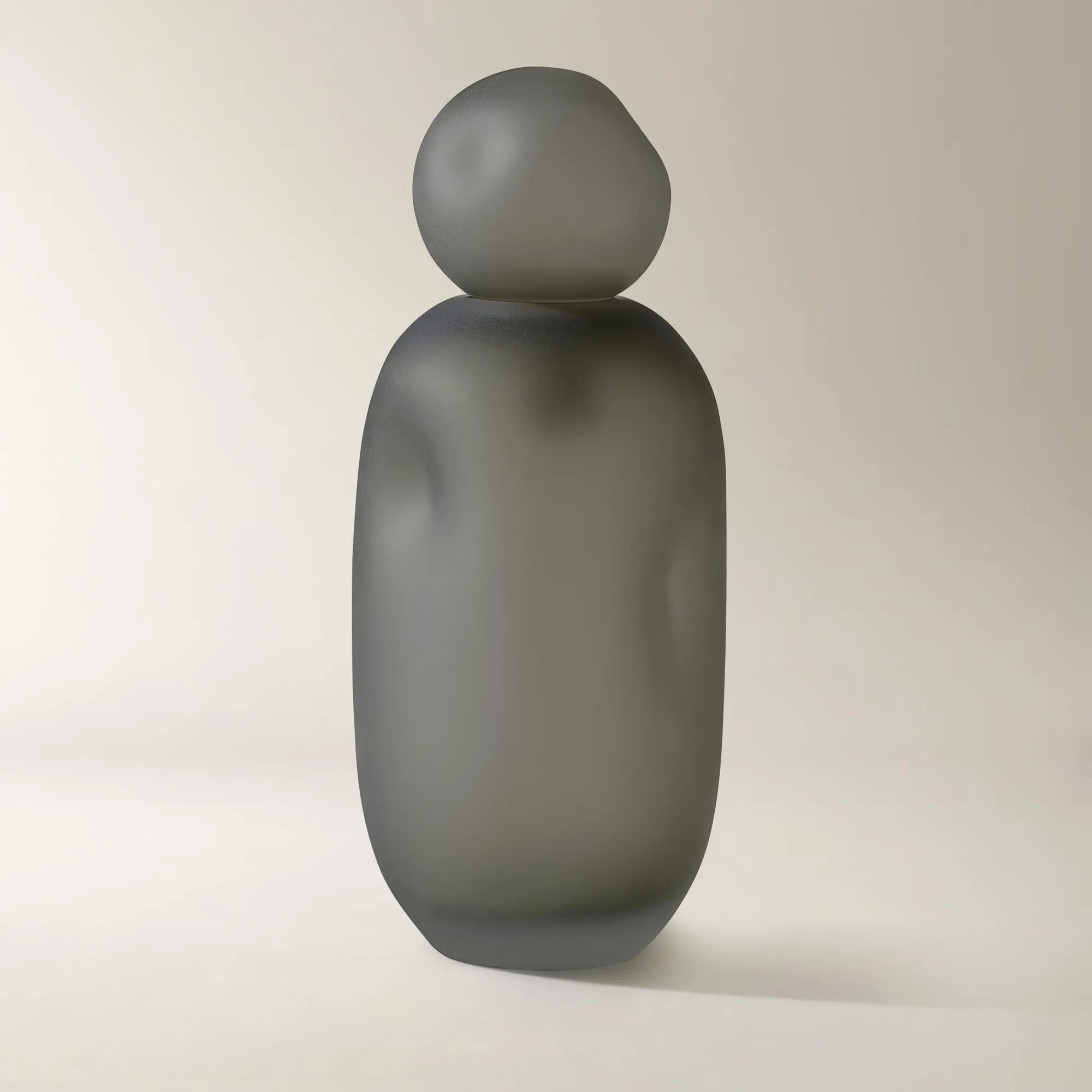
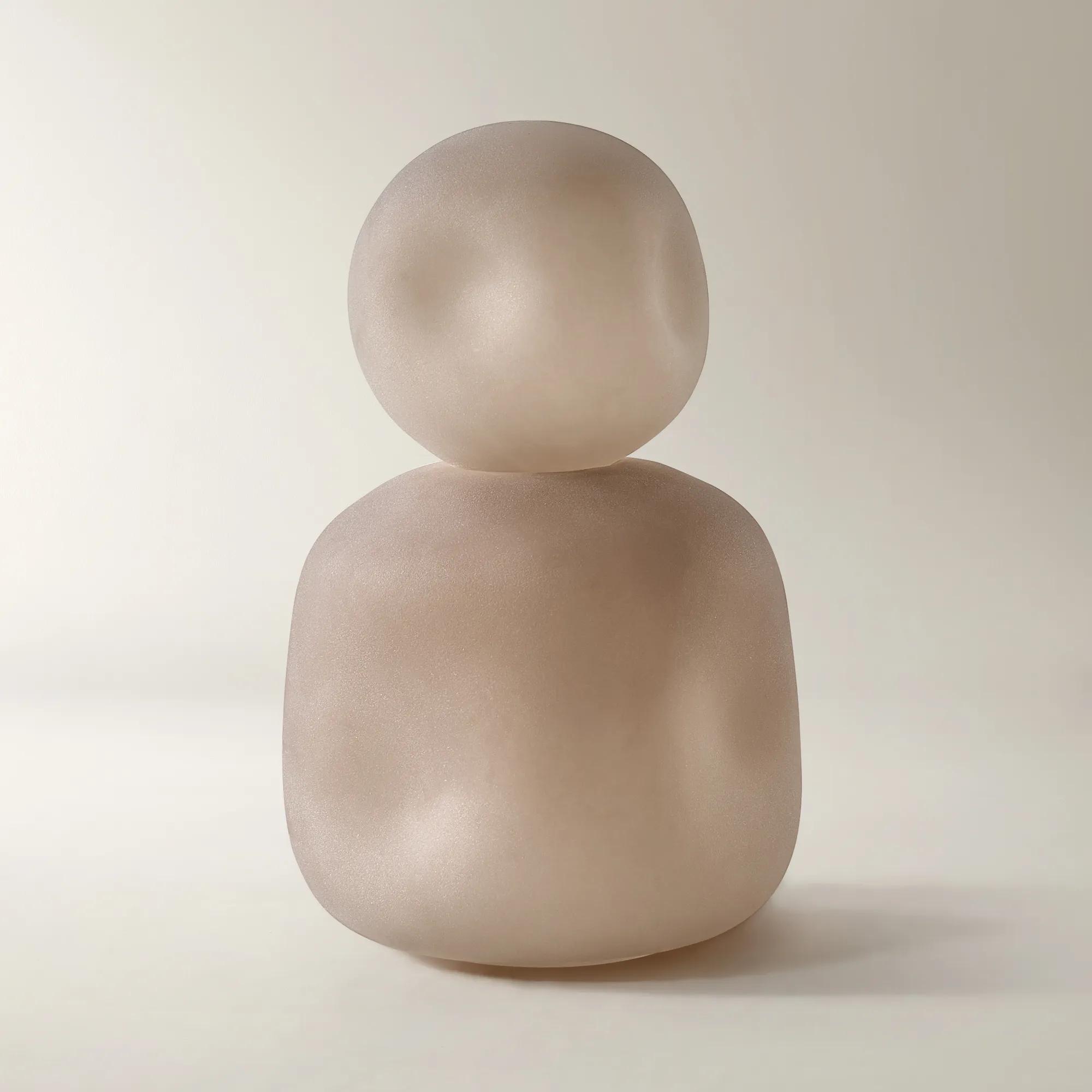
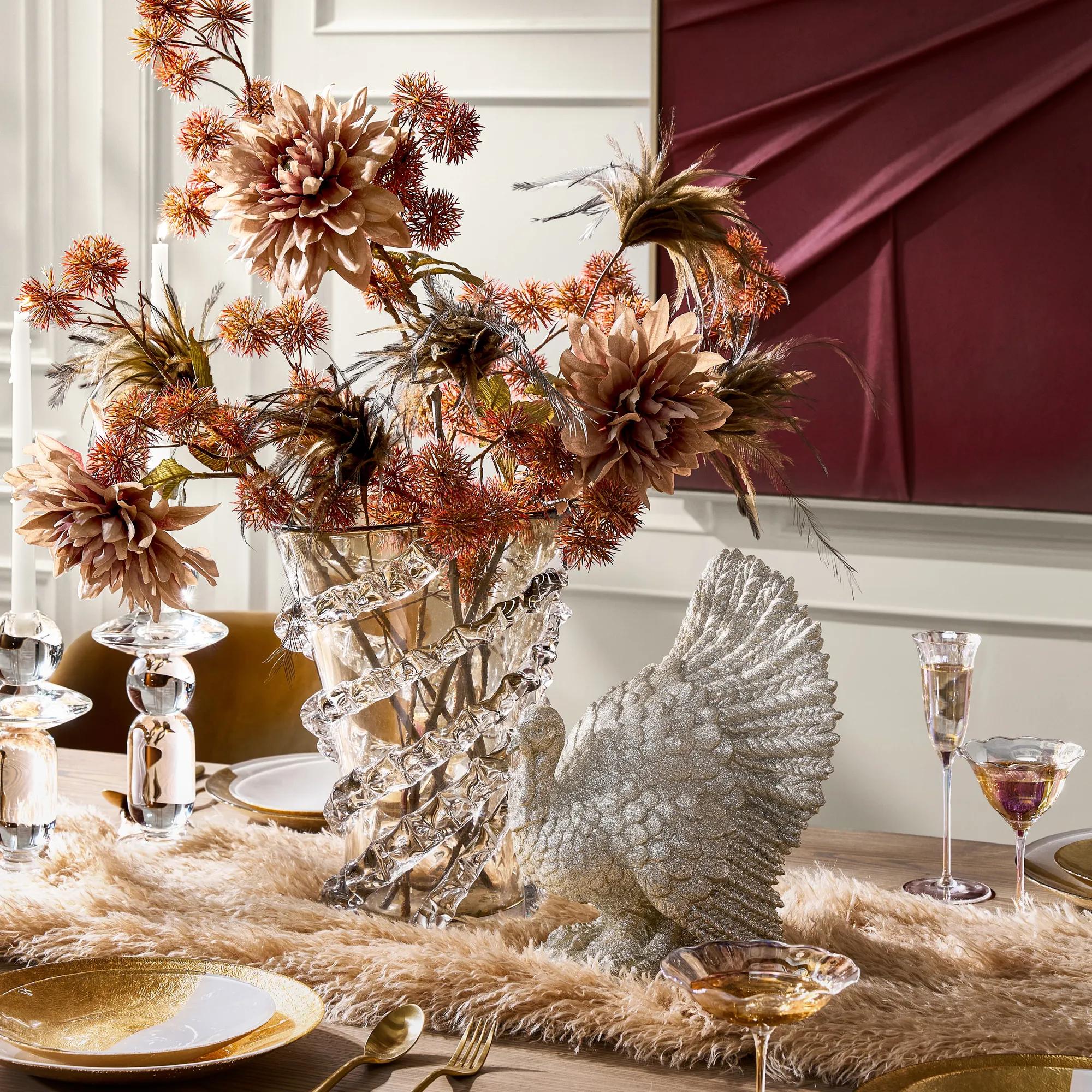 Reyna Glass Vase$299
A hand-blown glass vase featuring a sculptural swirl design and a smoky grey-brown finish.
Add To Cart -
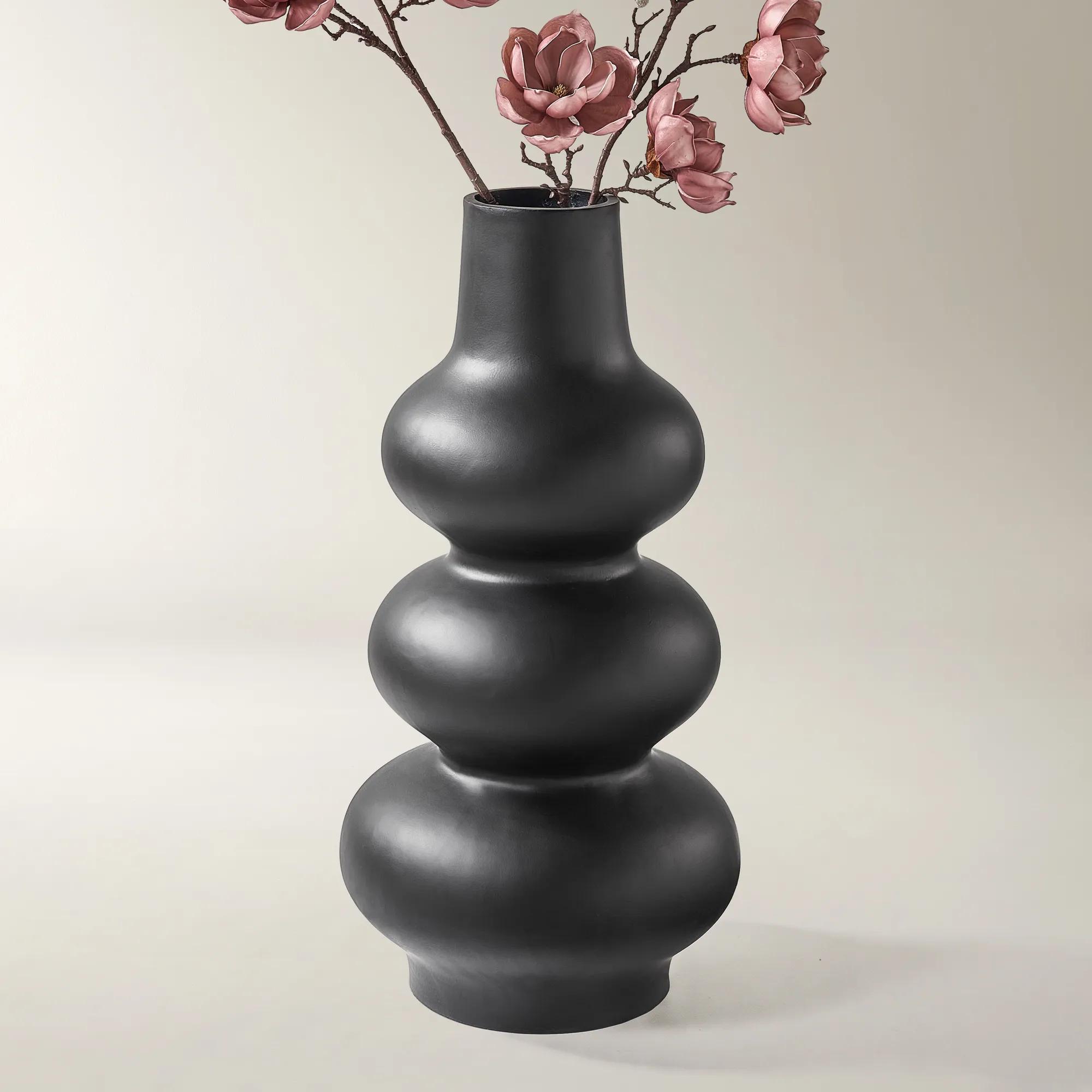 Naali Black Resin Floor Vase 31"$279
A bold black resin vase featuring a chunky, sculptural silhouette for striking modern decor.
Add To Cart -
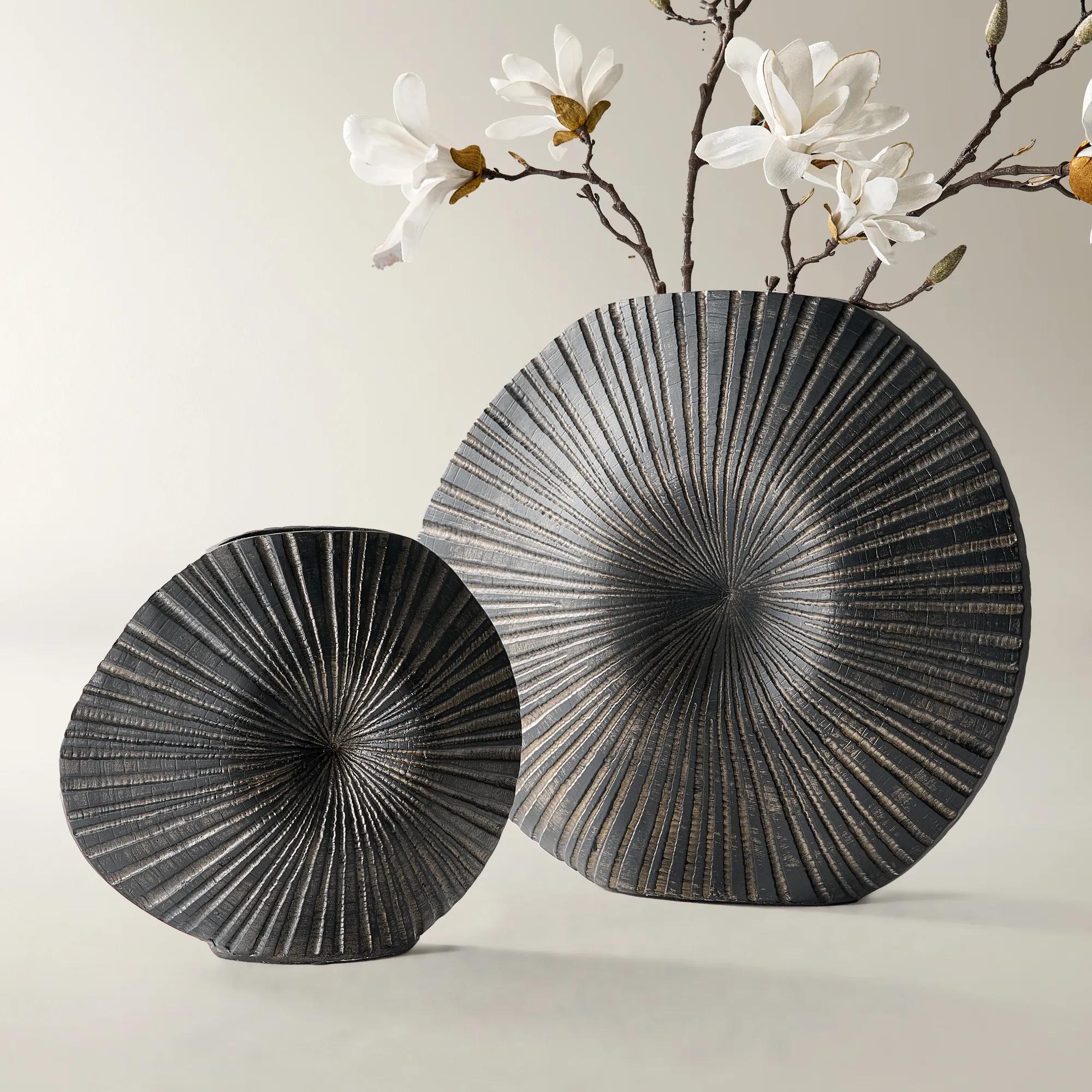
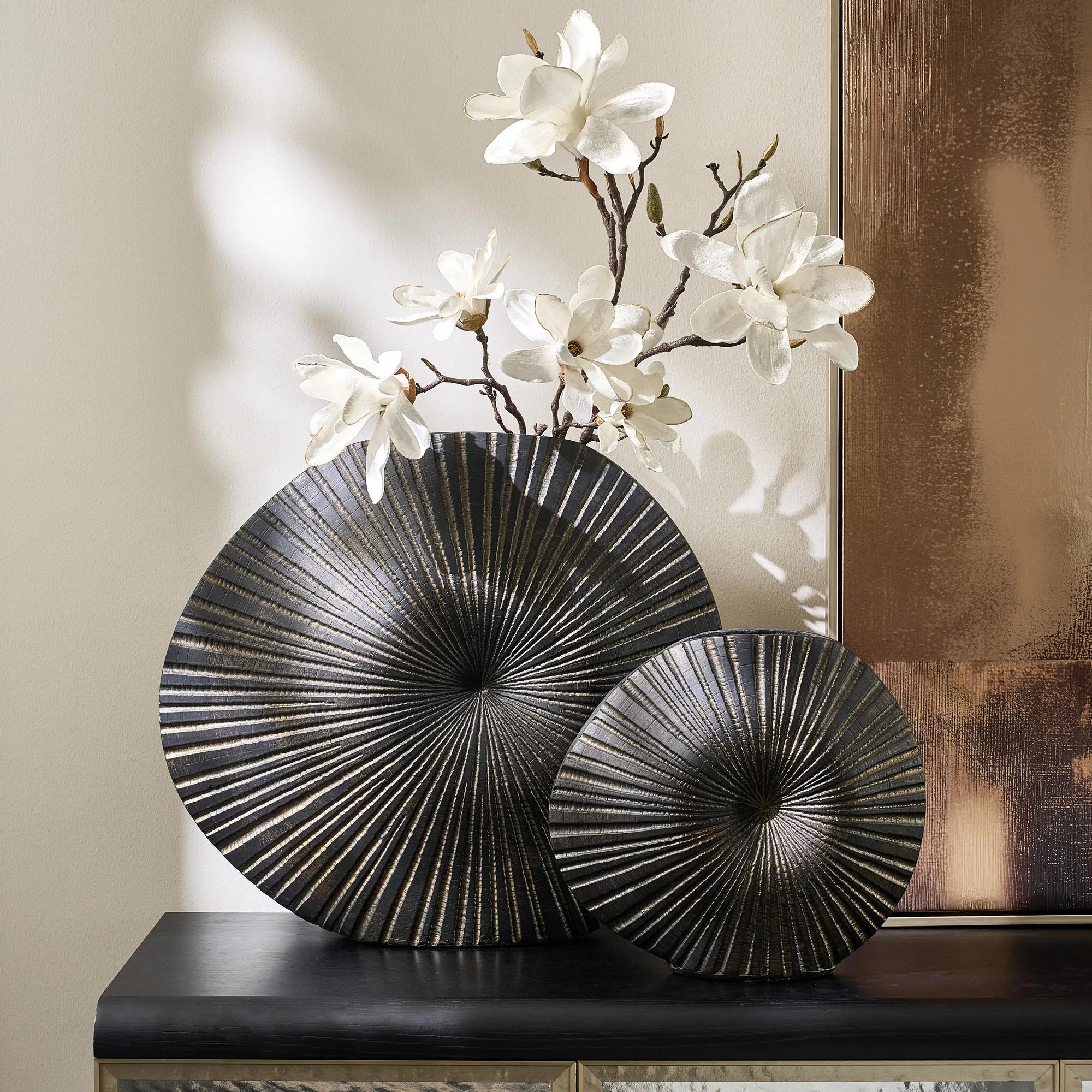 Stellar Black Champagne Resin Vases$169
A sculptural resin vase in black and champagne tones, offering modern glamour and artful visual depth.
Add To Cart -
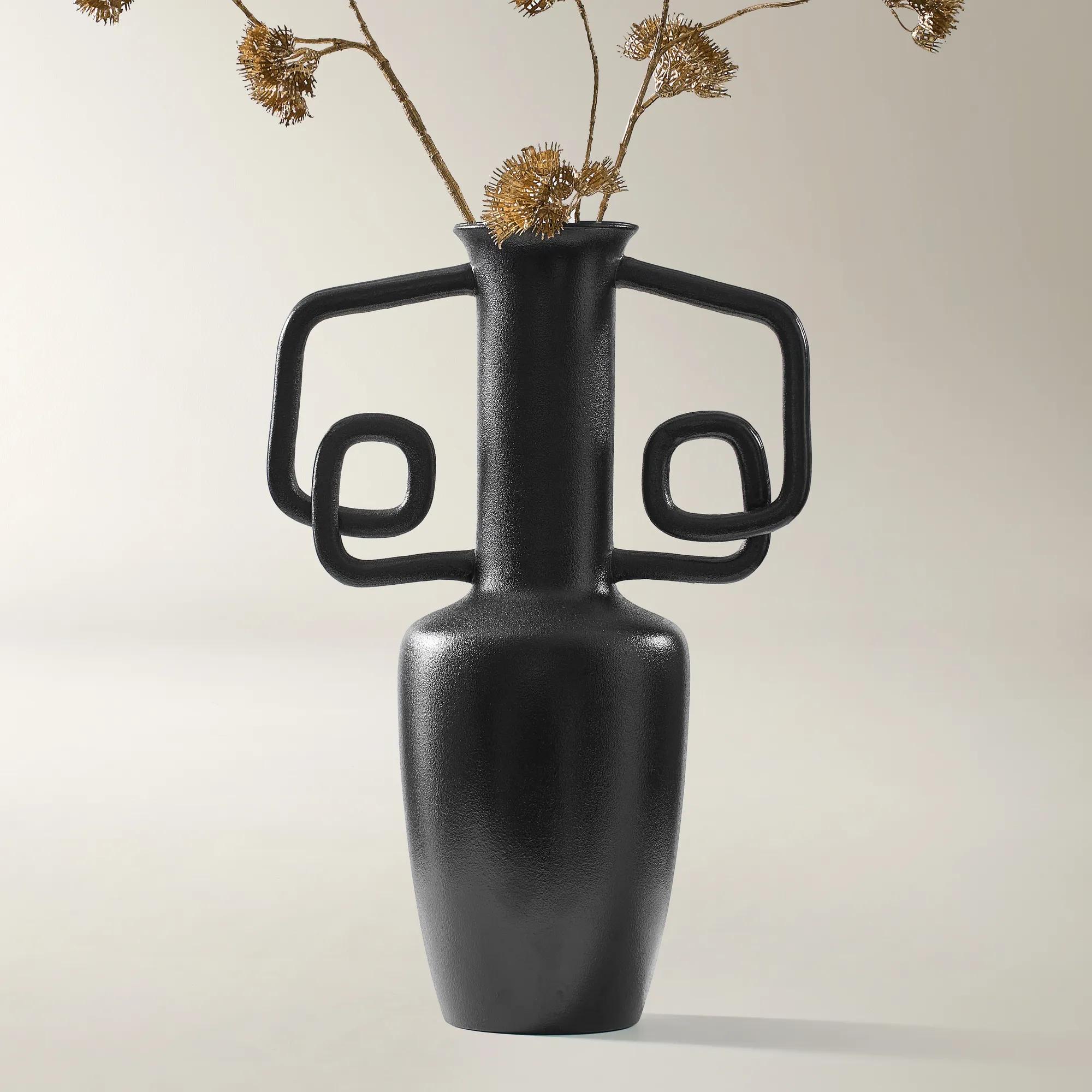 Cleo Handcrafted Black Porcelain Vase 19"$159
A sculptural black porcelain vase with exaggerated handles and a smooth, refined finish for modern decor.
Add To Cart -
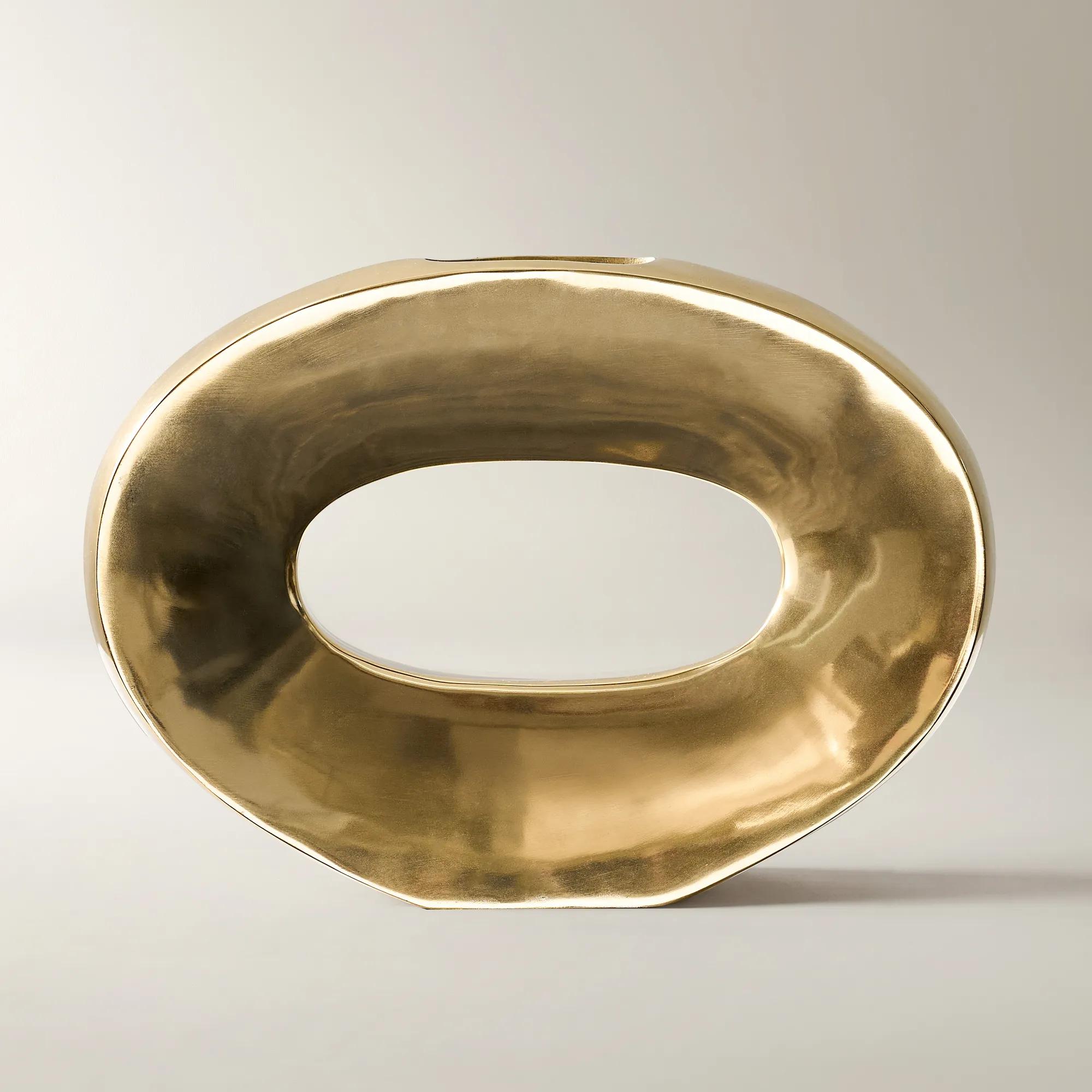
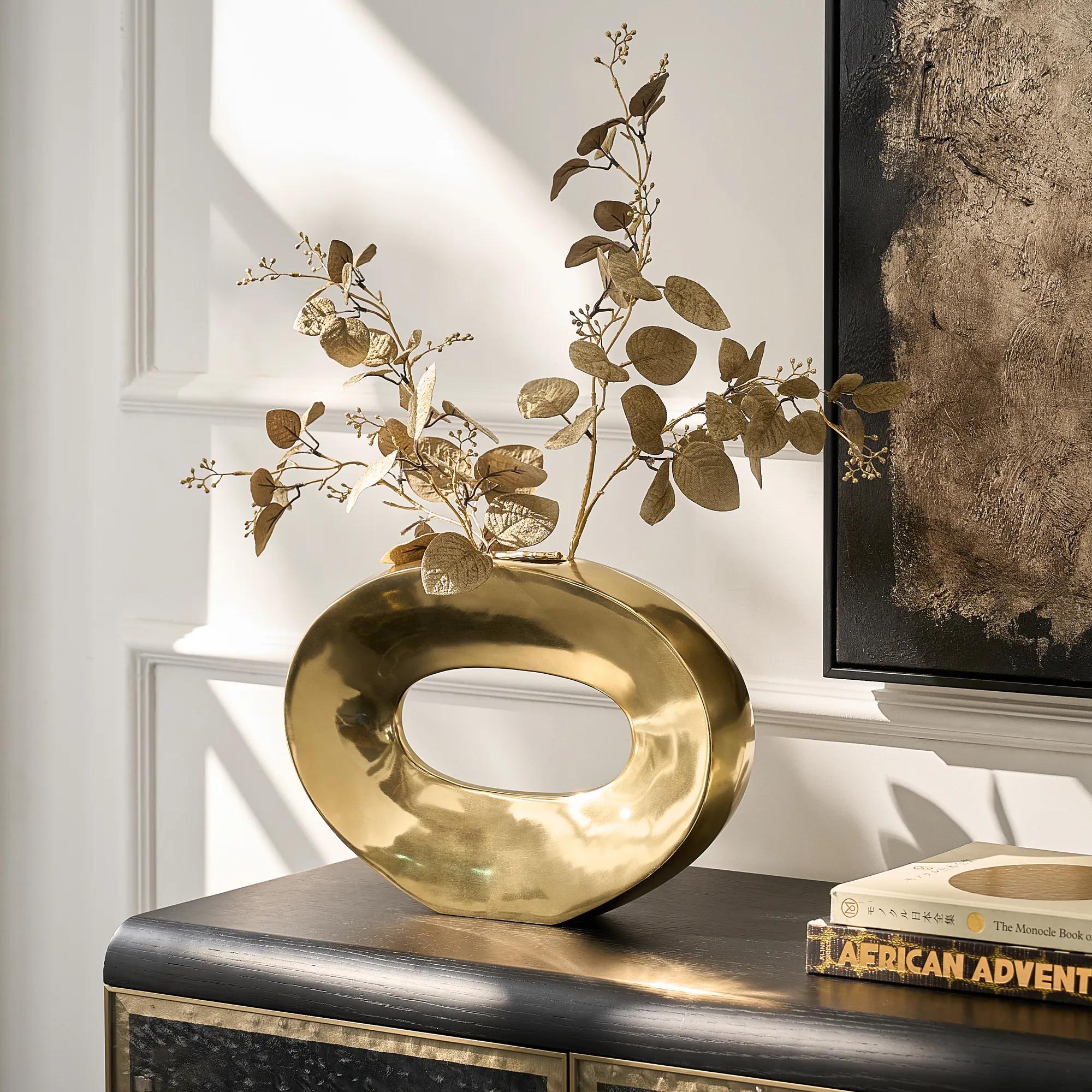 Hera Soft Gold Aluminum Vase 11.75"$169
A sculptural aluminum vase in a soft gold finish, offering modern glamour and architectural appeal.
Add To Cart -
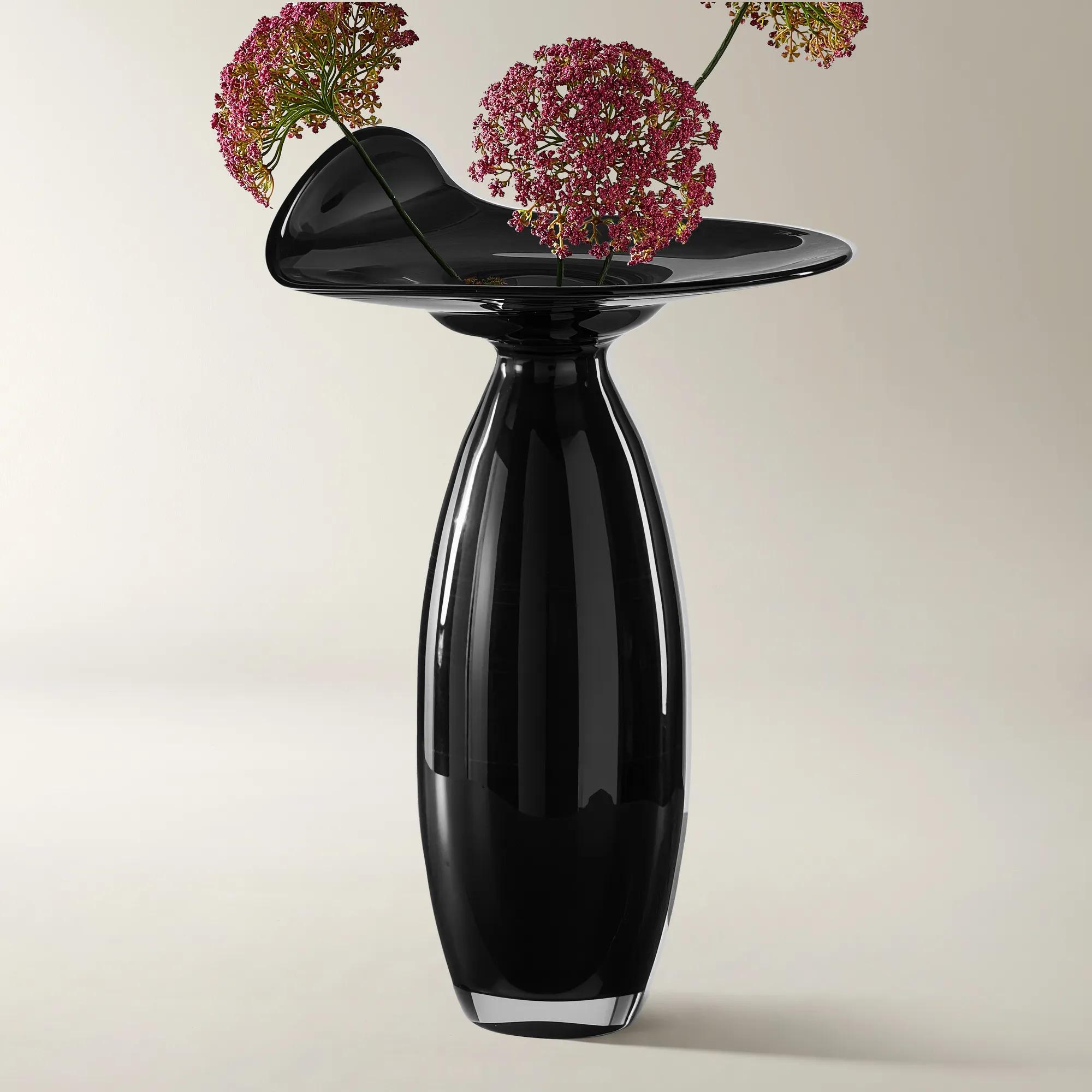 Folia Mouth Blown Glossy Black Glass Vase 22"$199
A handblown glass vase with a glossy black finish and organic sculptural silhouette for modern decor.
Add To Cart

Modern Floor Vases For Open Concept Homes
Modern floor vases for open concept homes are more than mere vessels—they are sculptural statements, designed to command attention and define space with effortless sophistication. In expansive interiors where boundaries blur and light flows freely, these dramatic pieces anchor your vision, drawing the eye upward and inviting a sense of curated artistry. Whether standing sentinel in a sunlit corner or punctuating a grand entryway, each vase transforms emptiness into elegance, infusing your home with an air of modern glamour and expressive allure. Let your interiors bloom with bold intent—because in an open concept home, every detail is an opportunity to astonish.
Modern floor vases for open concept homes bring vertical scale, sculptural presence, and visual definition to rooms where living, dining, and kitchen areas share one expansive footprint. Unlike a screen or tall cabinet, a thoughtfully proportioned floor vase can mark the transition between spaces while preserving the sightlines that make an open layout feel generous. Beside the outer arm of a sectional, a substantial vessel gives the seating area a distinct boundary; near a dining room corner, a slender silhouette draws attention upward without competing with the table. The effect is architectural, but also deeply personal: a sweeping curve, a sharply faceted surface, or a gleaming metallic finish introduces an expressive detail into the larger composition. These pieces are particularly compelling in homes with high ceilings, broad windows, or long stretches of uninterrupted wall, where smaller accessories can disappear against the scale of the room. Height alone, however, does not create presence. A broad, rounded vase can hold its own beside substantial upholstery, while a narrow, elongated form brings definition to a recessed corner. The most harmonious proportions relate to nearby furniture as well as the ceiling, allowing the vase to feel connected to the room rather than suspended in an empty expanse. Measuring the intended footprint, including any branches extending beyond the opening, helps preserve comfortable passage between a kitchen island and a sofa or along a frequently used route to the patio. In a space viewed from several directions, the profile deserves attention from every angle: a form that looks striking head-on should also feel considered from the dining table or entry. One generously scaled vessel can establish a deliberate focal point, while a small grouping of different heights creates a more layered composition. Leaving breathing room around either arrangement allows its contours and surface details to register, giving an otherwise overlooked edge of the room the presence of a curated installation.
Material and finish shape both the mood of a floor vase and the practical experience of living with it. Ceramic and earthenware offer a substantial visual character, with surfaces ranging from softly textured to richly glazed. Their weight can lend a grounded feeling, though stability still depends on the base, overall proportions, and placement; even a heavy vessel can tip if its silhouette is top-heavy or its branches extend too far to one side. Ceramic can also chip or crack from impact, making a protected position especially important in busy shared spaces. Metal floor vases introduce crisp definition and a luminous counterpoint to woven rugs, upholstered seating, and natural wood. Brushed finishes create a quieter shimmer, while polished surfaces reflect surrounding colors and light with greater intensity. Depending on the metal and finish, moisture may cause discoloration or corrosion, and some surfaces can scratch or dent. Glass brings transparency and reflected light to an arrangement, but large glass vessels require careful handling and can reveal dust, stems, and water marks. Resin can accommodate expressive contours at a more manageable weight than similarly sized vessels in some other materials, although lighter construction makes a stable, well-positioned base particularly important. Color creates another connection across an open floor plan. An ivory vase can echo pale upholstery without repeating its texture, charcoal can sharpen a soft neutral palette, and warm metallic accents can connect visually with lighting or decorative hardware. Repeating one finish selectively across adjacent areas creates continuity without making every detail match. For an emphasis on form as much as function, sculptural floor vases for modern homes offer a related expression of this approach, where asymmetry, dimensional texture, and fluid outlines make the vessel itself the composition. Whether the surrounding room is richly layered or restrained in color, an interesting surface adds depth that remains visible even when the vase is left unfilled. Daylight grazing a ribbed body or evening lamplight catching a metallic edge can give that same piece a distinctly different character throughout the day.
Intended use is an essential distinction when choosing oversized decorative vases: a vessel designed for dry display is not necessarily suitable for fresh flowers or water. Ceramic may be porous, and a glazed appearance alone does not establish that a vase is watertight. Product care and use specifications should confirm whether fresh arrangements are appropriate; a protective pad beneath the base is not a substitute for a watertight vessel. For dry styling, tall faux botanicals, airy grasses, and branching stems can extend the silhouette and introduce movement, provided their height and spread suit the room. A few expressive branches often have greater impact than a crowded opening, particularly where the arrangement sits between two living zones. Near a television, pendant light, or frequently opened door, the full reach of the stems matters as much as the vase dimensions. Broad arrangements belong outside primary walking paths, and homes with children or pets benefit from especially thoughtful positioning away from active play areas and easy-to-brush edges. A wide, stable base on a level surface is preferable to a precarious placement on a thick rug; floor protection should be compatible with the flooring and should not introduce wobble. Care is usually most successful when it is gentle and appropriate to the finish. A soft cloth can remove routine dust, while abrasive cleaners and vigorous scrubbing may damage painted, plated, or delicate glazed surfaces. Any damp cleaning should follow the material’s care instructions, with surfaces dried afterward when appropriate. Tall vases are best moved empty, supported securely around the body and base rather than lifted by a narrow neck or decorative extension. This attention preserves their decorative role through everyday living and changing arrangements. During the cooler months, deeper-toned foliage or bare branches can add richness without requiring a complete room refresh, while an unfilled vessel remains a striking year-round presence. For a housewarming or wedding gift, a floor vase is most thoughtful when the recipient’s floor space, palette, and taste are already familiar. Its appeal lies in that lasting relationship with the home: a confident silhouette that connects adjoining spaces while giving one carefully chosen spot unmistakable distinction.
FAQs
Modern floor vases bring sculptural elegance and visual intrigue to open concept homes, acting as striking focal points that anchor expansive spaces. Their bold silhouettes and artful finishes create natural transitions between living, dining, and entertaining areas, while their reflective or textured surfaces amplify light and add layers of sophistication to the overall design.
Contemporary floor vases are crafted from a variety of materials, including hand-blown glass, high-gloss ceramics, hammered metals, and natural fibers like rattan or wood. Glass and ceramic vases often evoke a sense of luxury and light, while metallic finishes add glamour and drama. Natural materials bring warmth and organic texture, grounding modern interiors with an inviting, tactile quality.
Absolutely. Living room floor vases are versatile vessels for both fresh and faux botanicals. Oversized arrangements of winter branches, pampas grass, or dramatic florals can celebrate the season and add height, while minimalistic stems or sculptural dried arrangements offer year-round artistry with minimal maintenance.
A Z Gallerie floor vase can be styled as a solo statement piece or layered within a curated vignette. Place it beside a contemporary accent chair, at the base of a floating staircase, or in an entryway to welcome guests with drama. Pair with complementary mirrors, bold artwork, or metallic accessories to amplify its impact and tie together the surrounding decor.
A contemporary floor vase makes an exceptional gift for design enthusiasts, new homeowners, newlyweds, or anyone who delights in expressive interiors. Its versatility and timeless appeal suit a range of tastes—from lovers of modern minimalism to those who embrace bold, eclectic statements—making it a thoughtful and memorable gesture for life’s milestones.