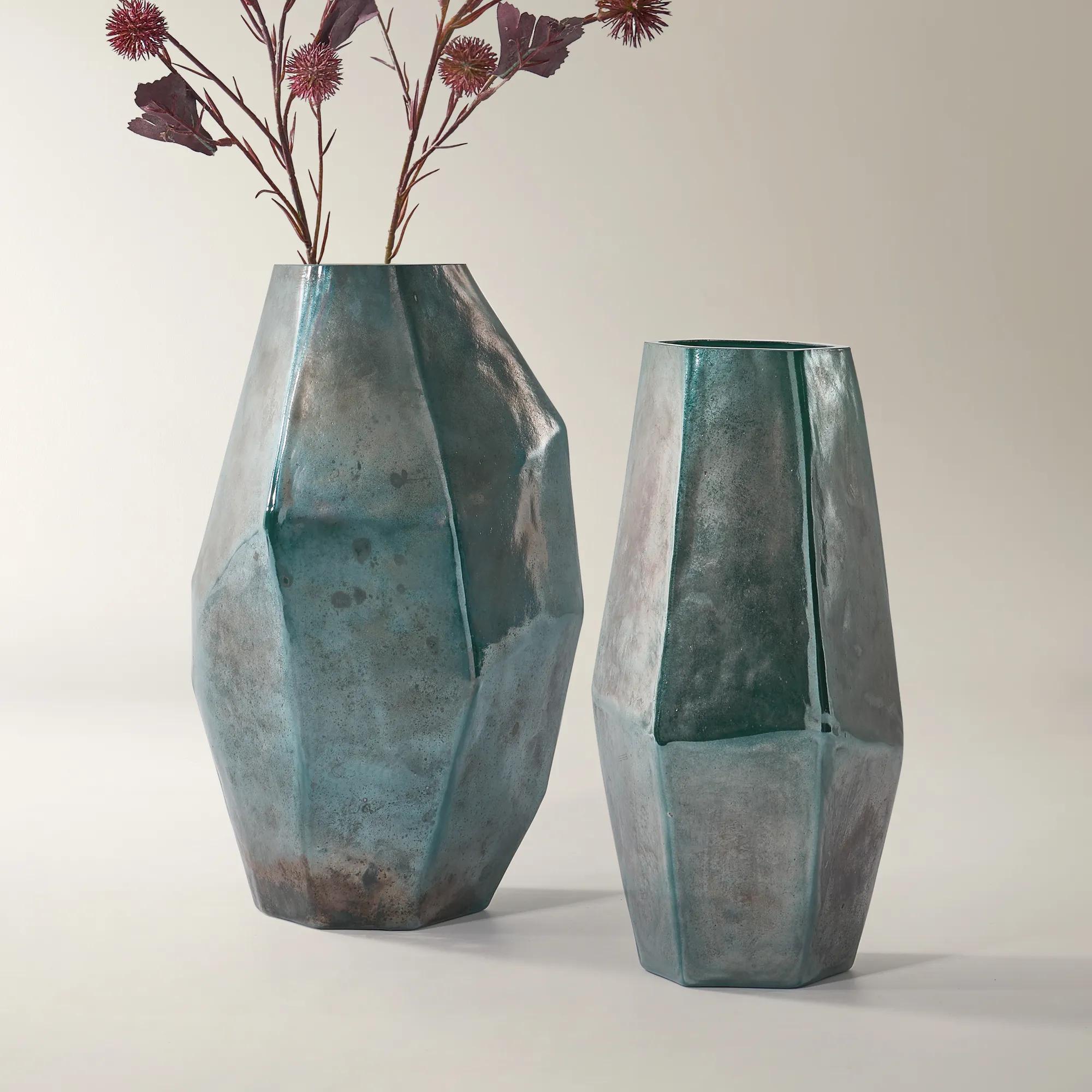
Floor Vases For Living Room
Floor Vases For Living Room
-
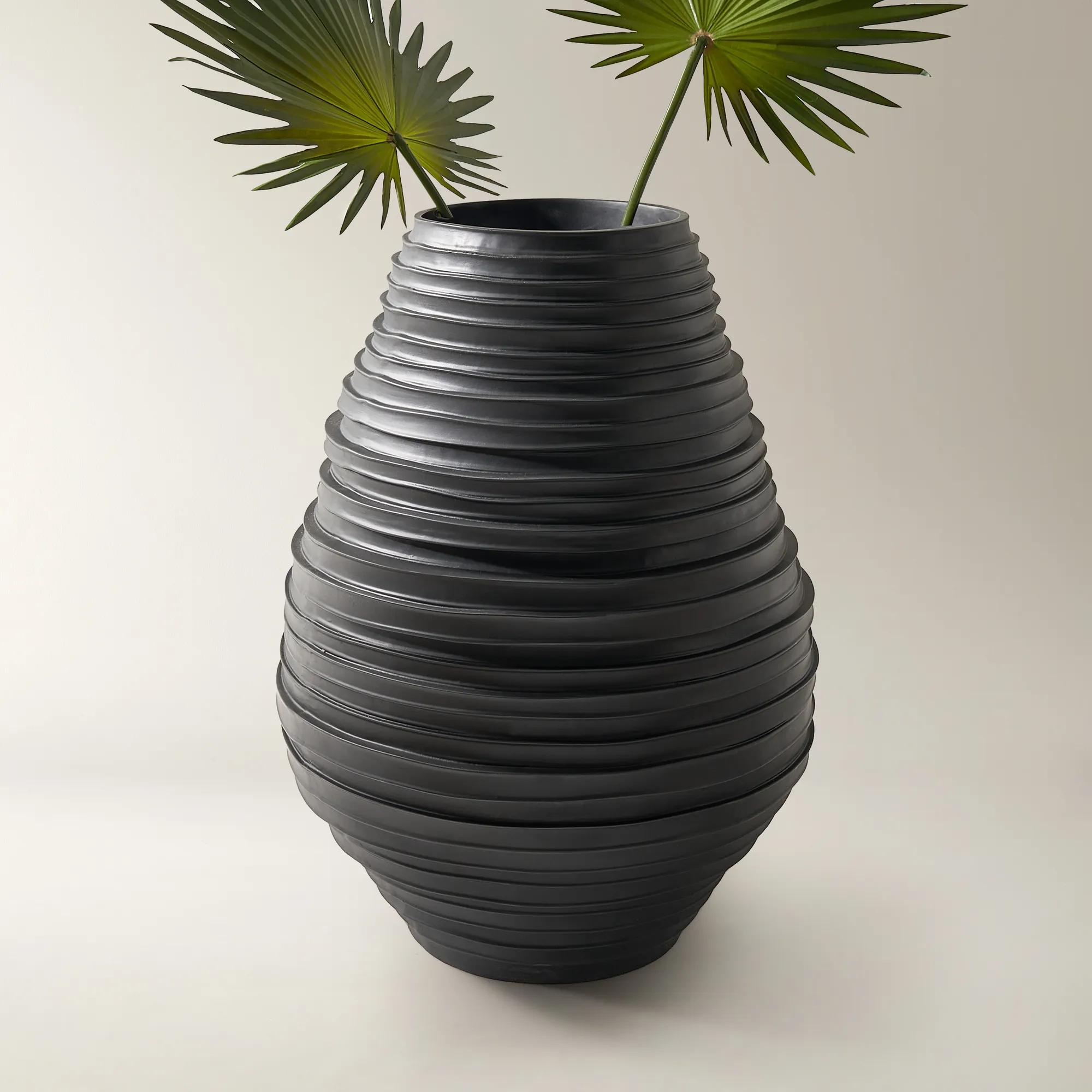
 Koma Floor Vase$529
A sculptural black floor vase adding modern dimension to contemporary interiors.
Add To Cart -
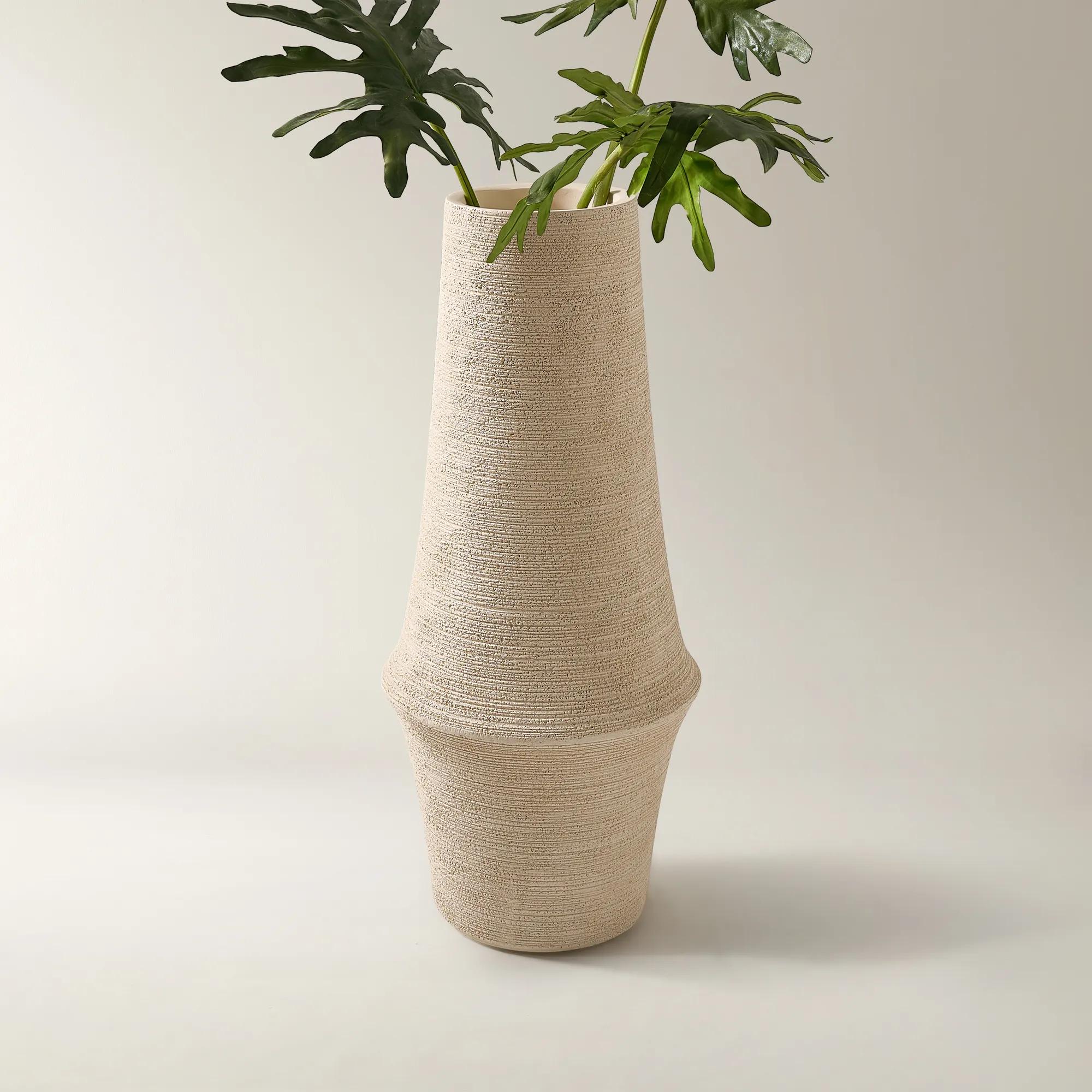 Tulum Sand Resin Floor Vase 33.75"$249
A sand-toned resin floor vase adding modern sculptural appeal to contemporary interiors.
Add To Cart -
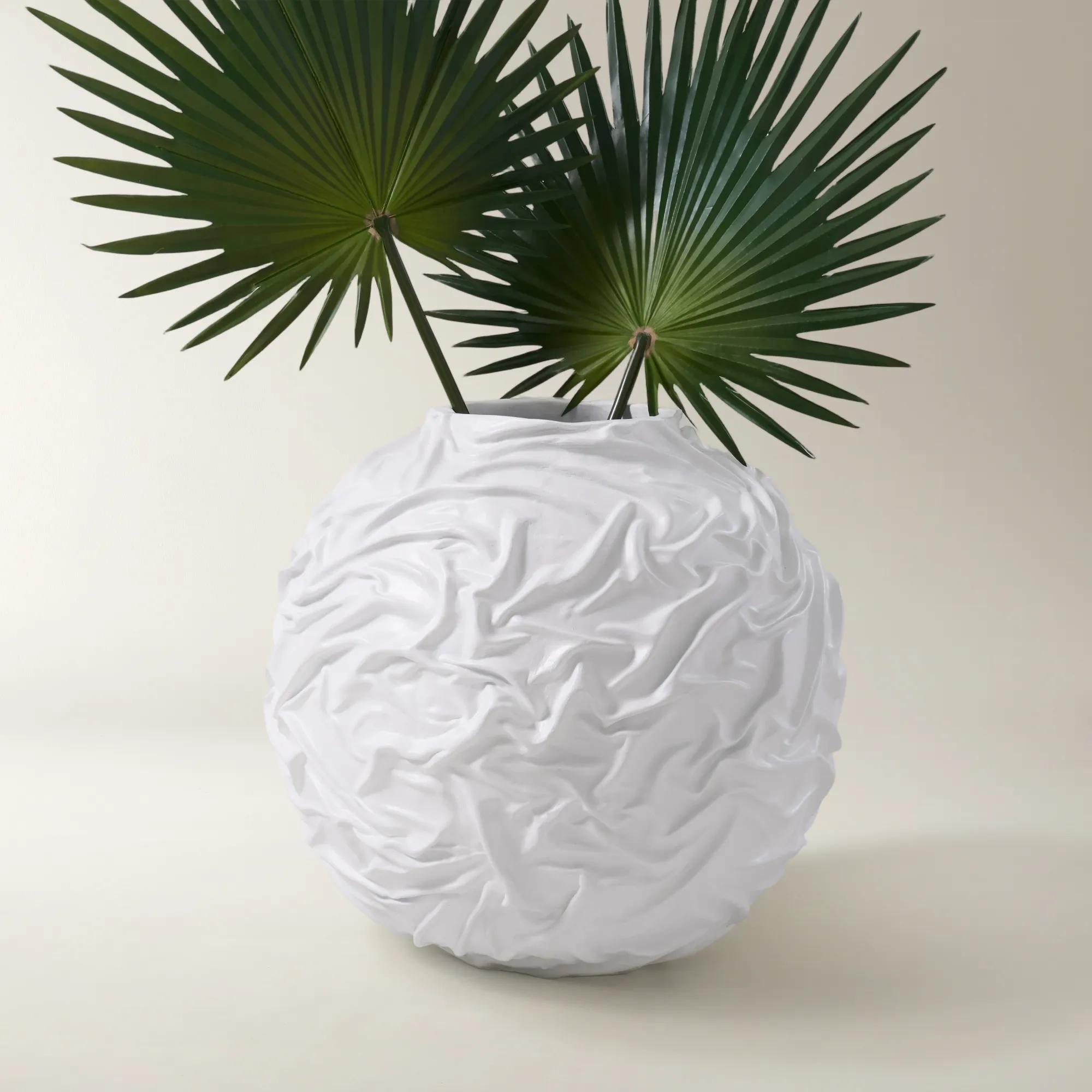 Crumple White Resin Floor Vase 18.3"$259
A sculptural resin vase with a crumpled-paper design and a sleek white finish for modern spaces.
Add To Cart -
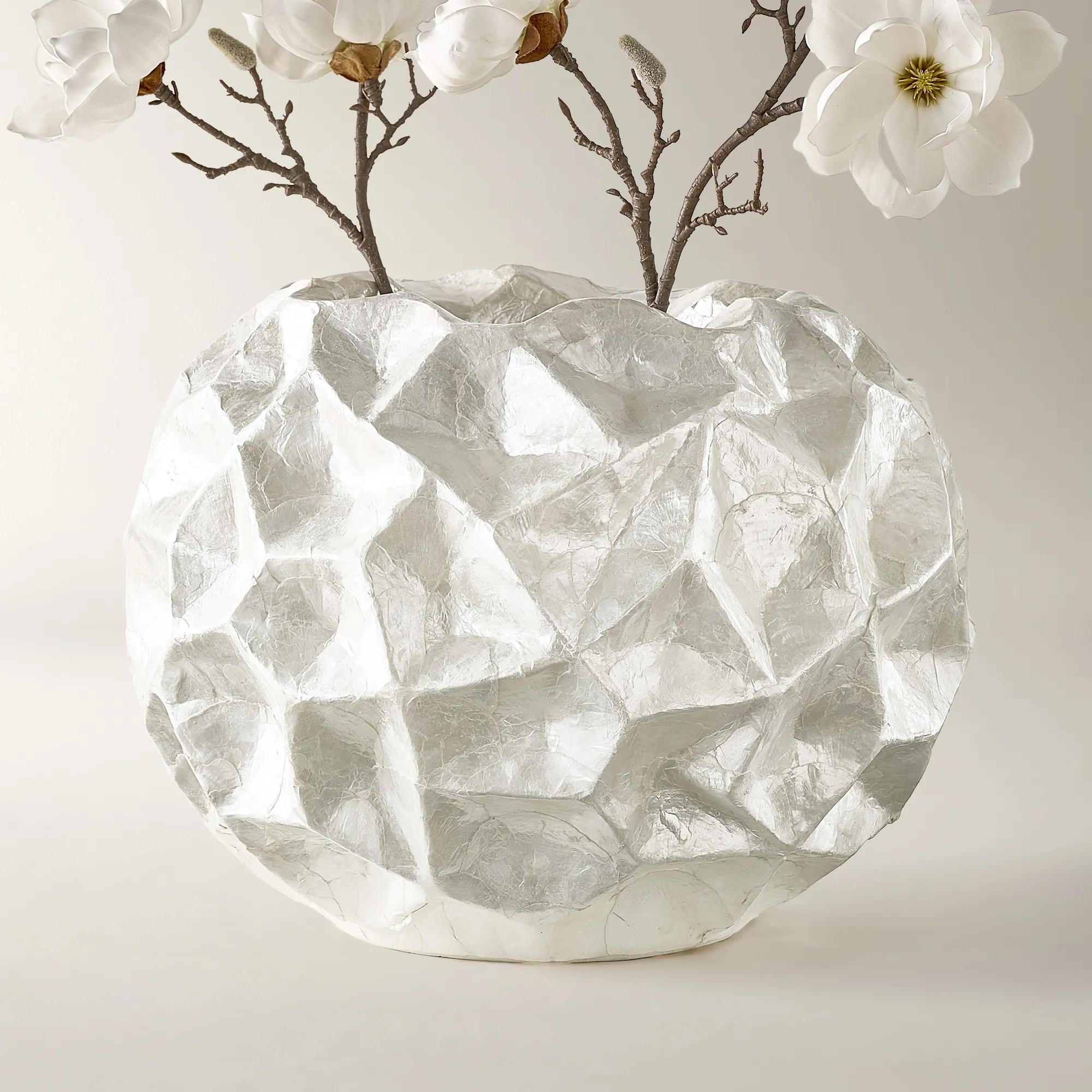
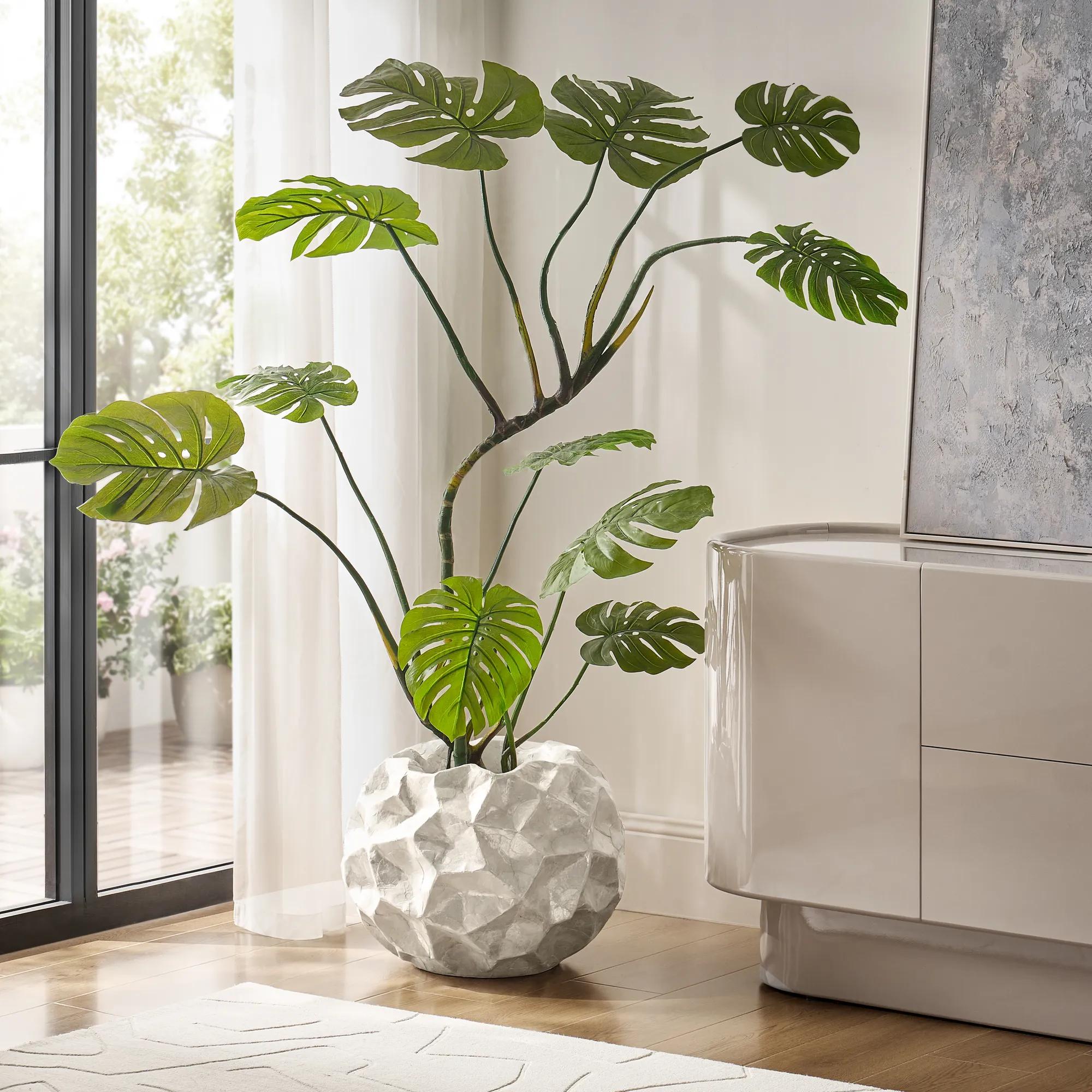 Aspen Capiz Shell Floor Planter 20.25" x 15.25"$299
An opaline pearl floor vase featuring luminous capiz shell texture and a sculptural resin form.
Add To Cart -
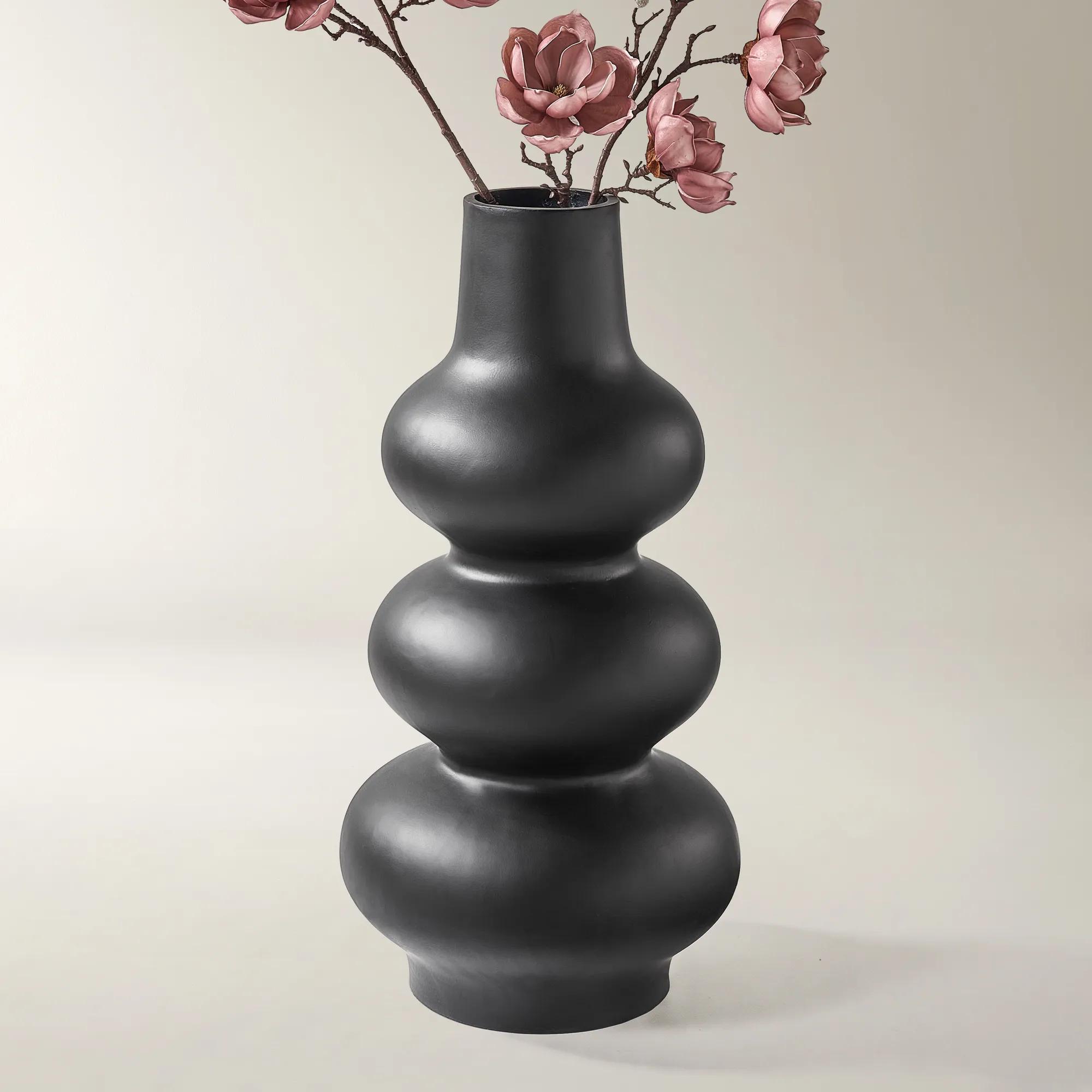 Naali Black Resin Floor Vase 31"$279
A bold black resin vase featuring a chunky, sculptural silhouette for striking modern decor.
Add To Cart -
.jpg?w=1200&h=1200)
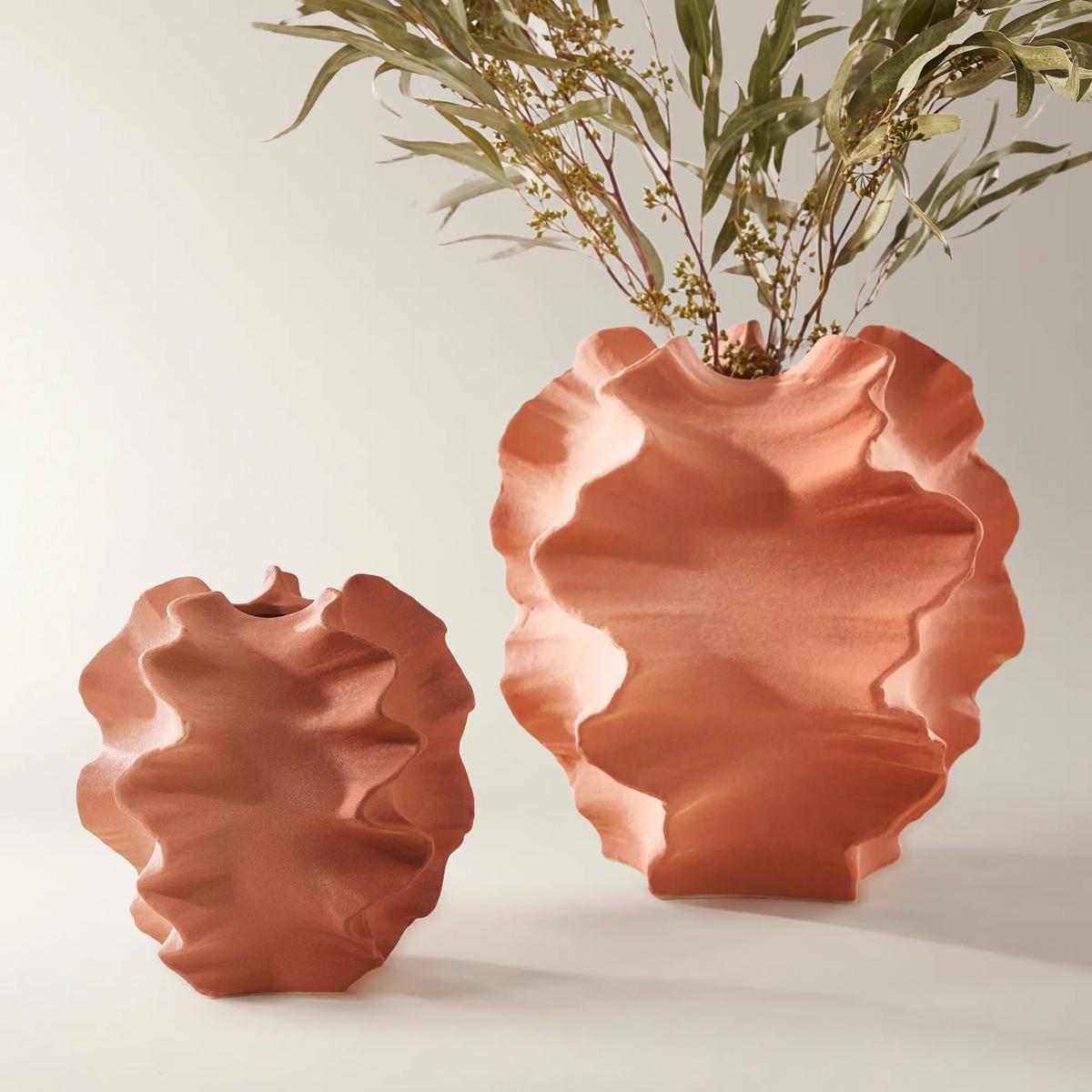
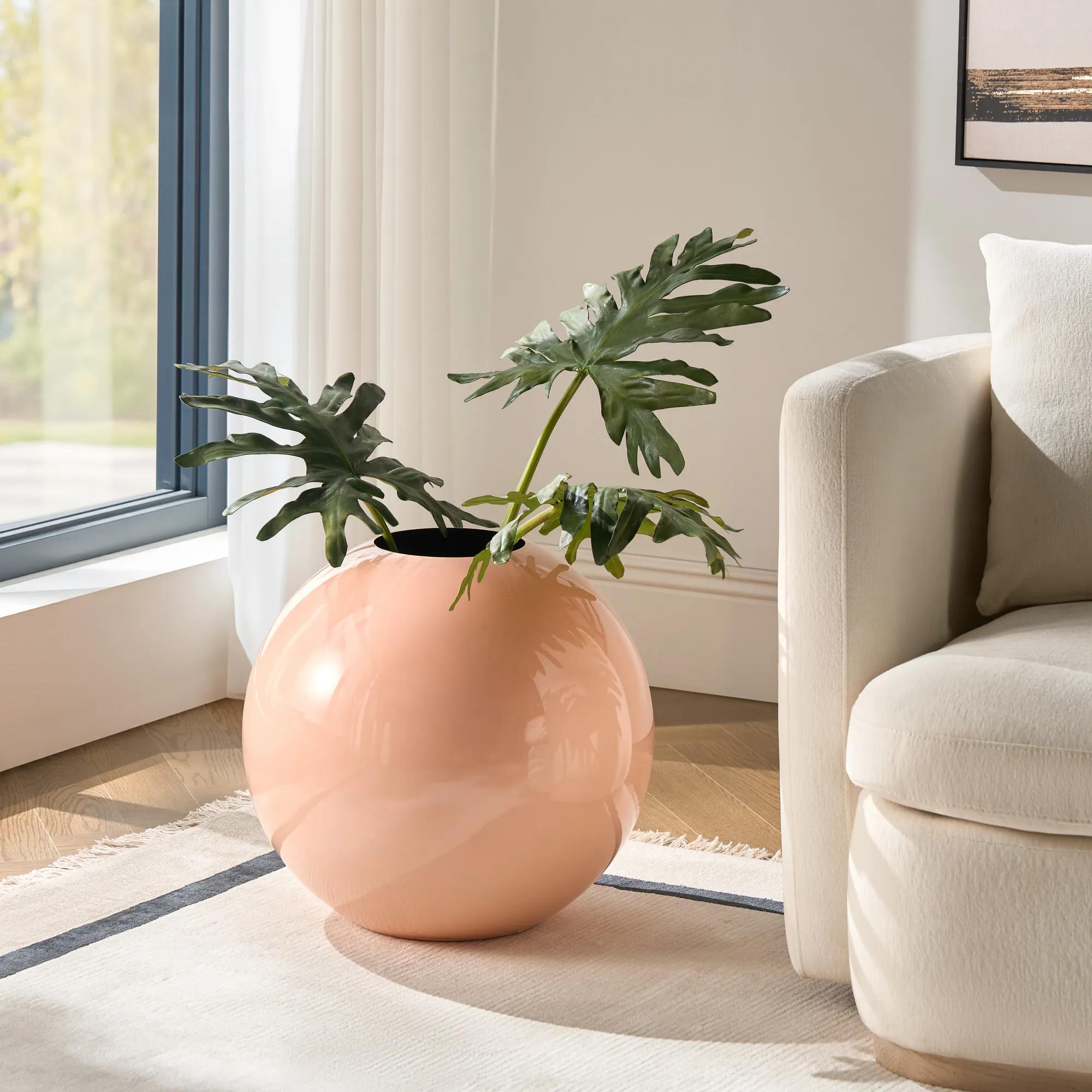 Pink Moon Floor Vase$299
A sculptural pink floor vase adding modern artistic appeal to contemporary interiors.
Add To Cart -
.jpeg?w=1200&h=1200) Playa Black Resin Floor Vase 15" x 36"$299
Playa Black Resin Floor Vase 15" x 36"$299A matte black resin vase featuring an organic texture that adds modern sophistication to any space.
Add To Cart -
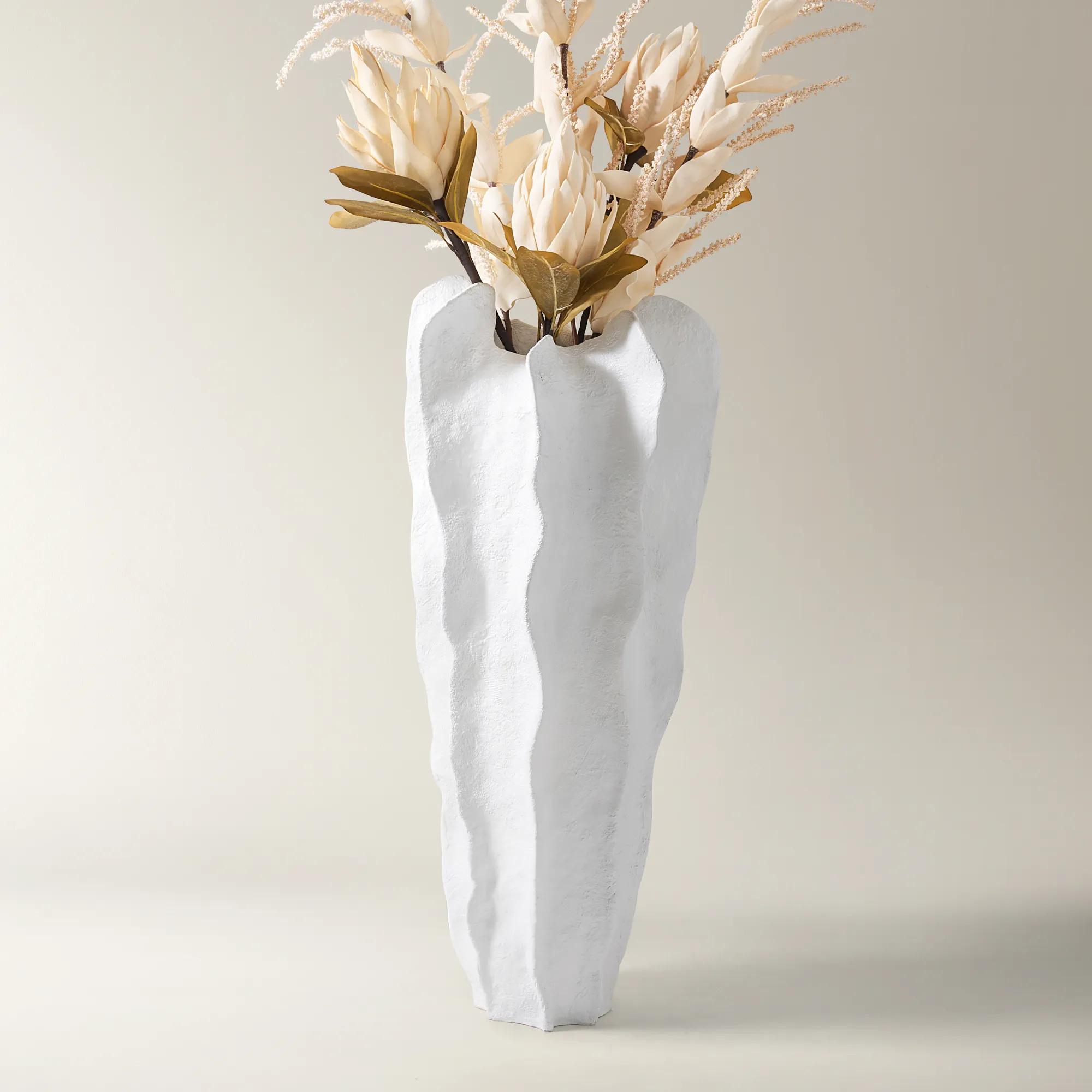 Playa White Resin Floor Vase 15" x 36"$299
A sculptural matte white resin vase featuring organic texture for a bold, dramatic accent.
Add To Cart -
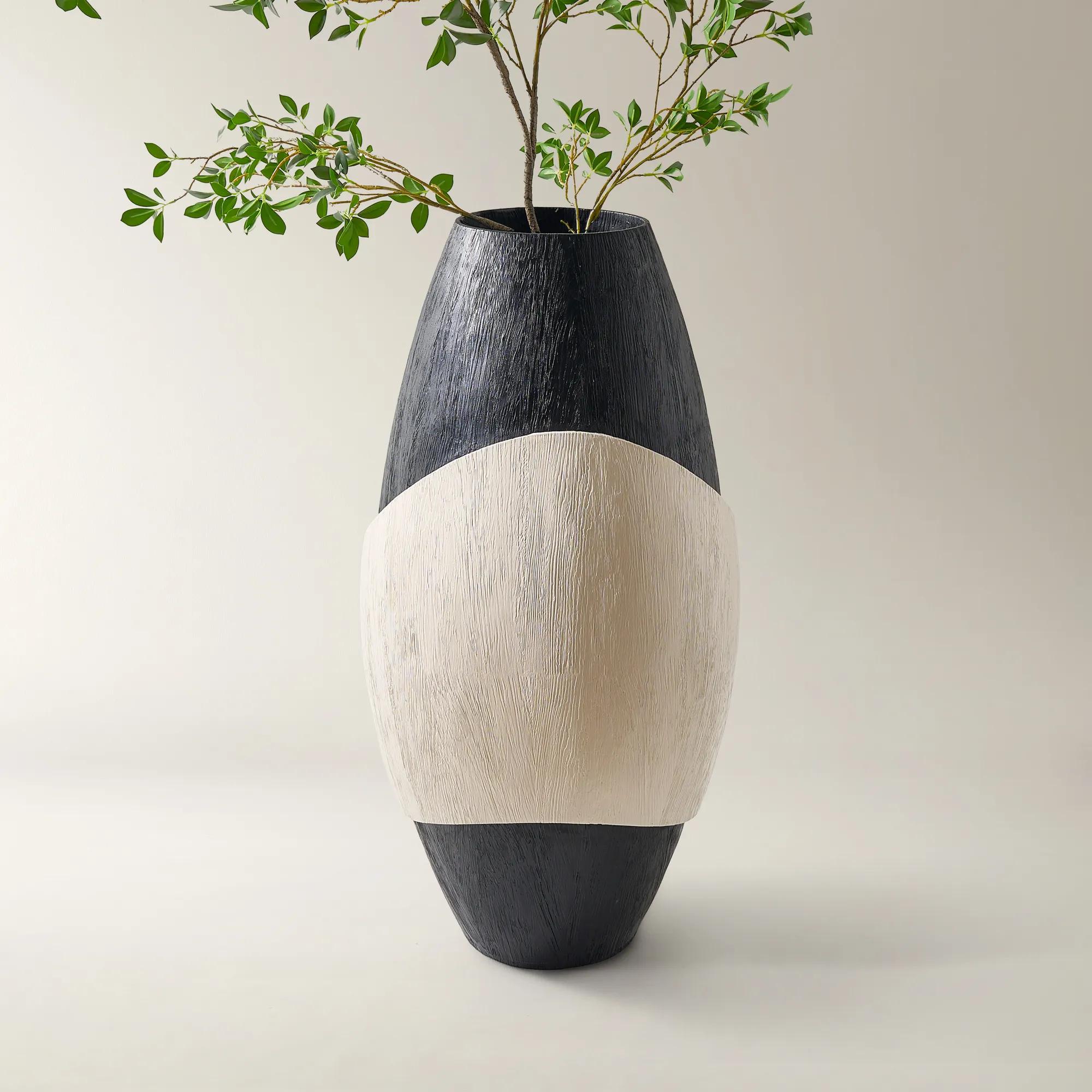
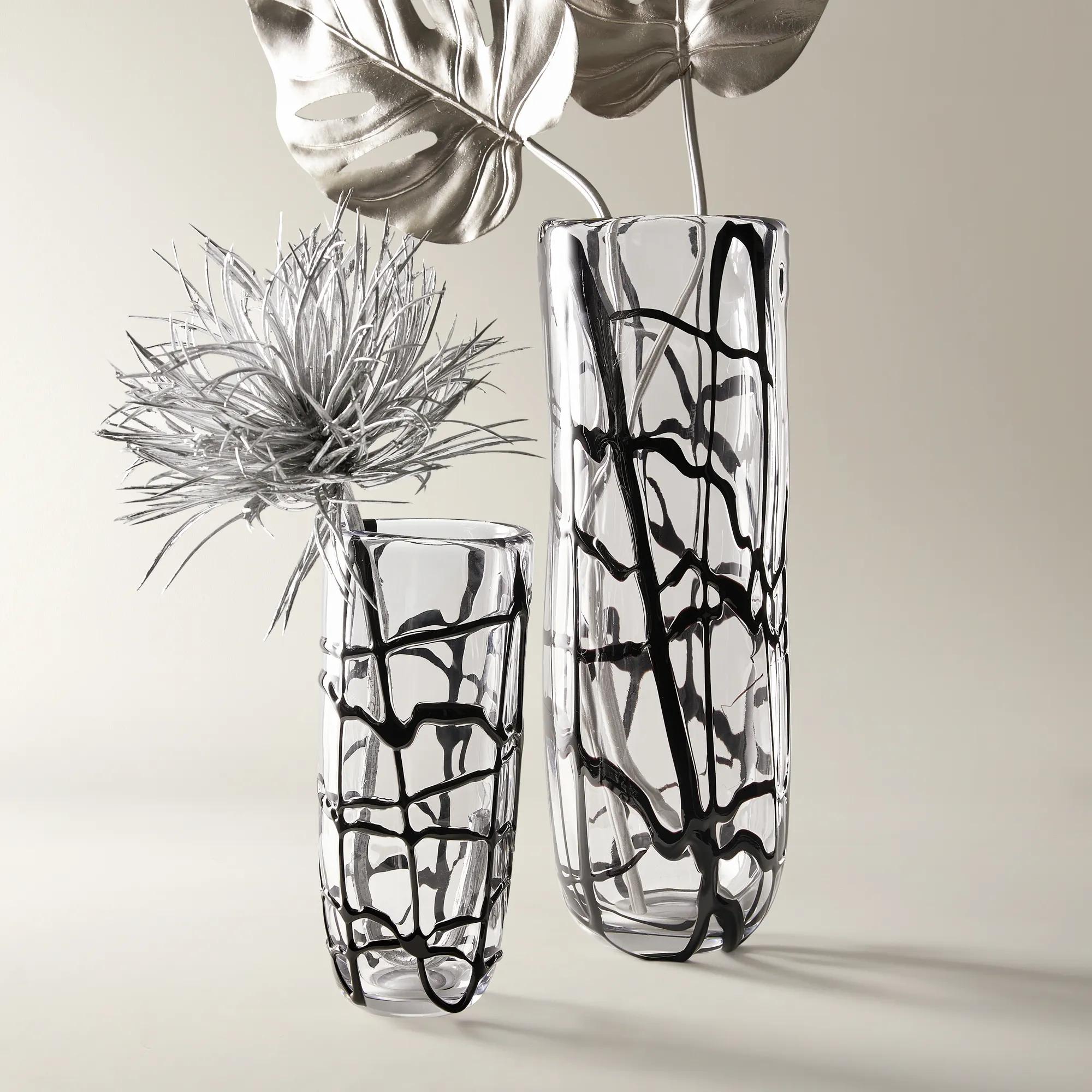
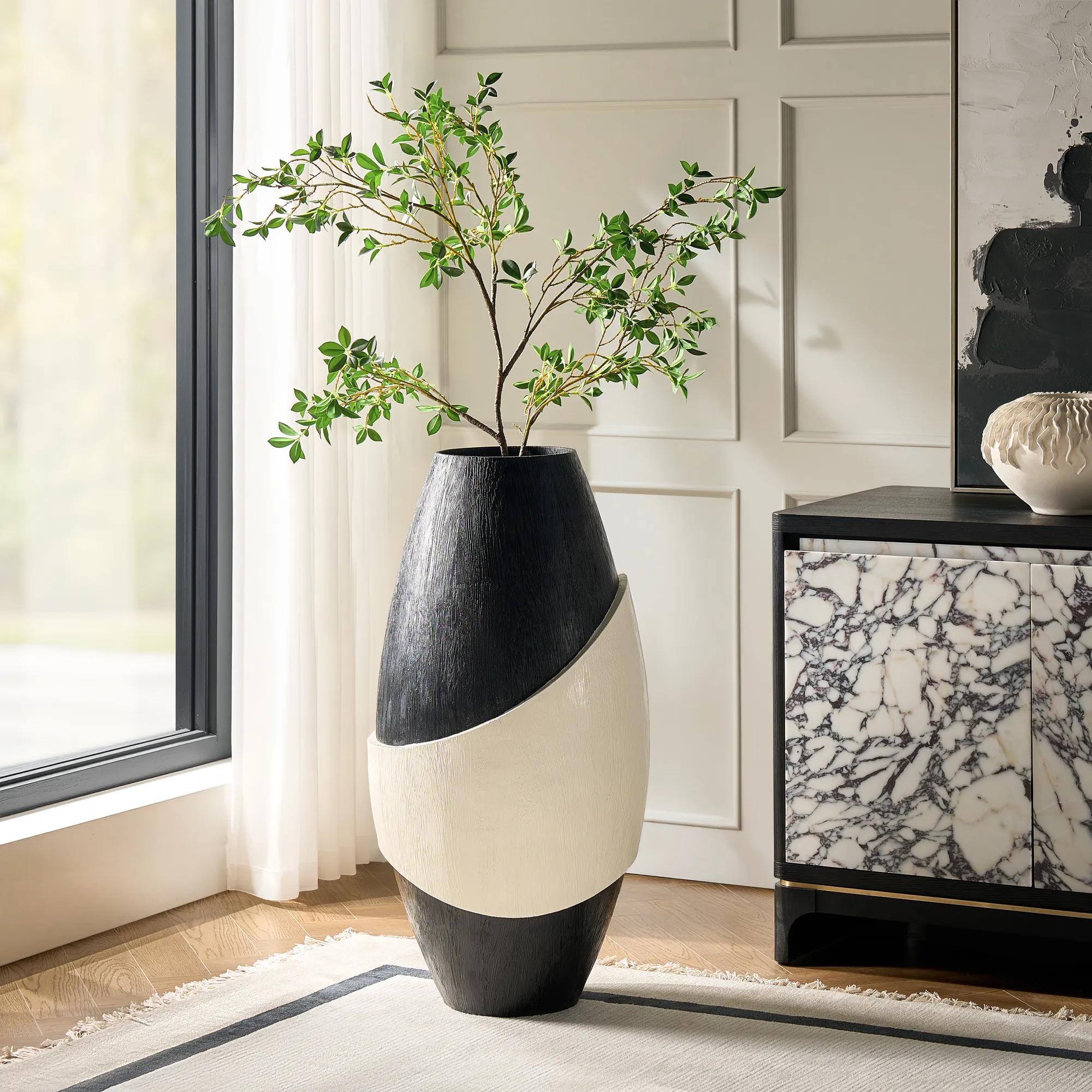 Domino Black And White Resin Floor Vase 35"$449
A modern decorative floor vase with a sculptural silhouette.
Add To Cart -
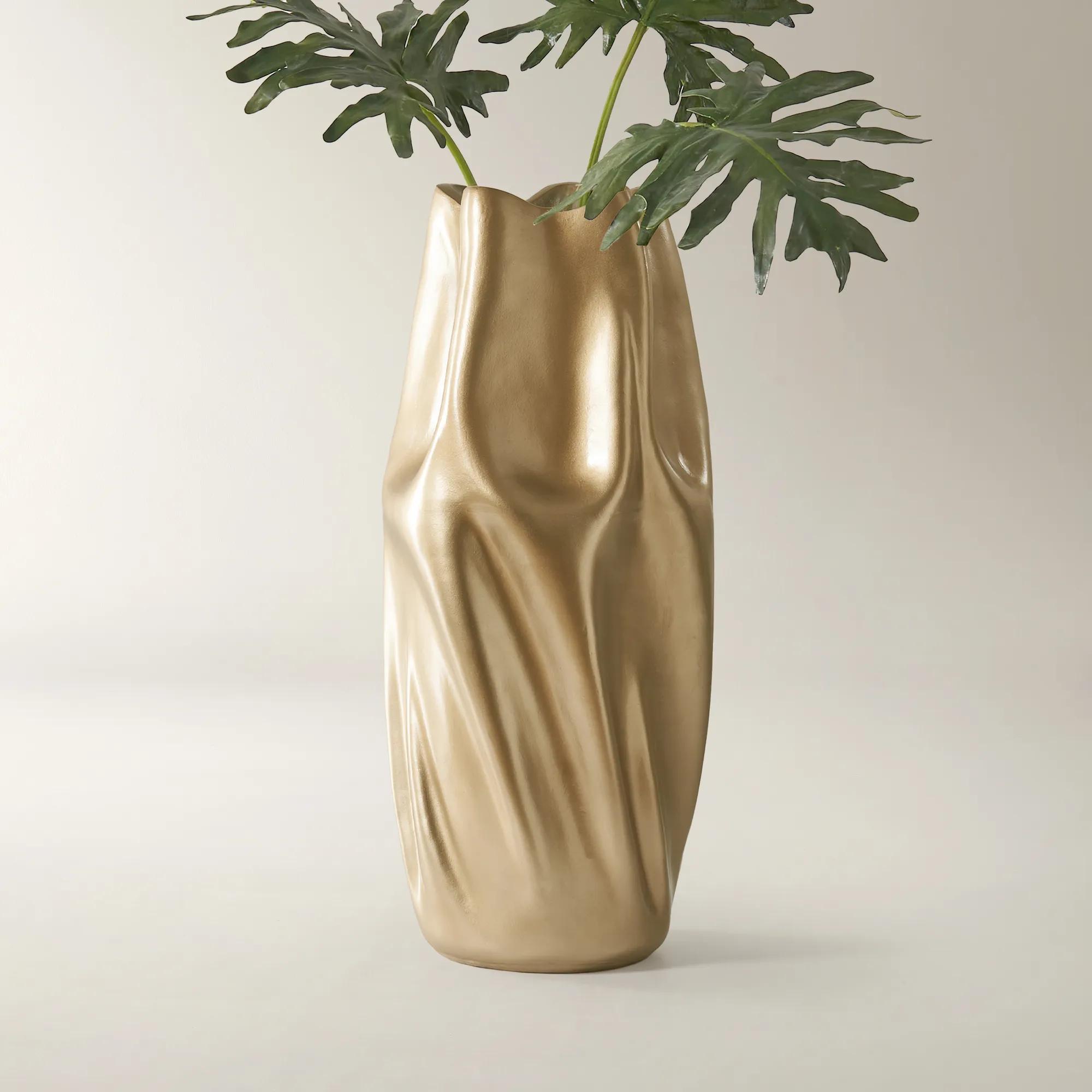
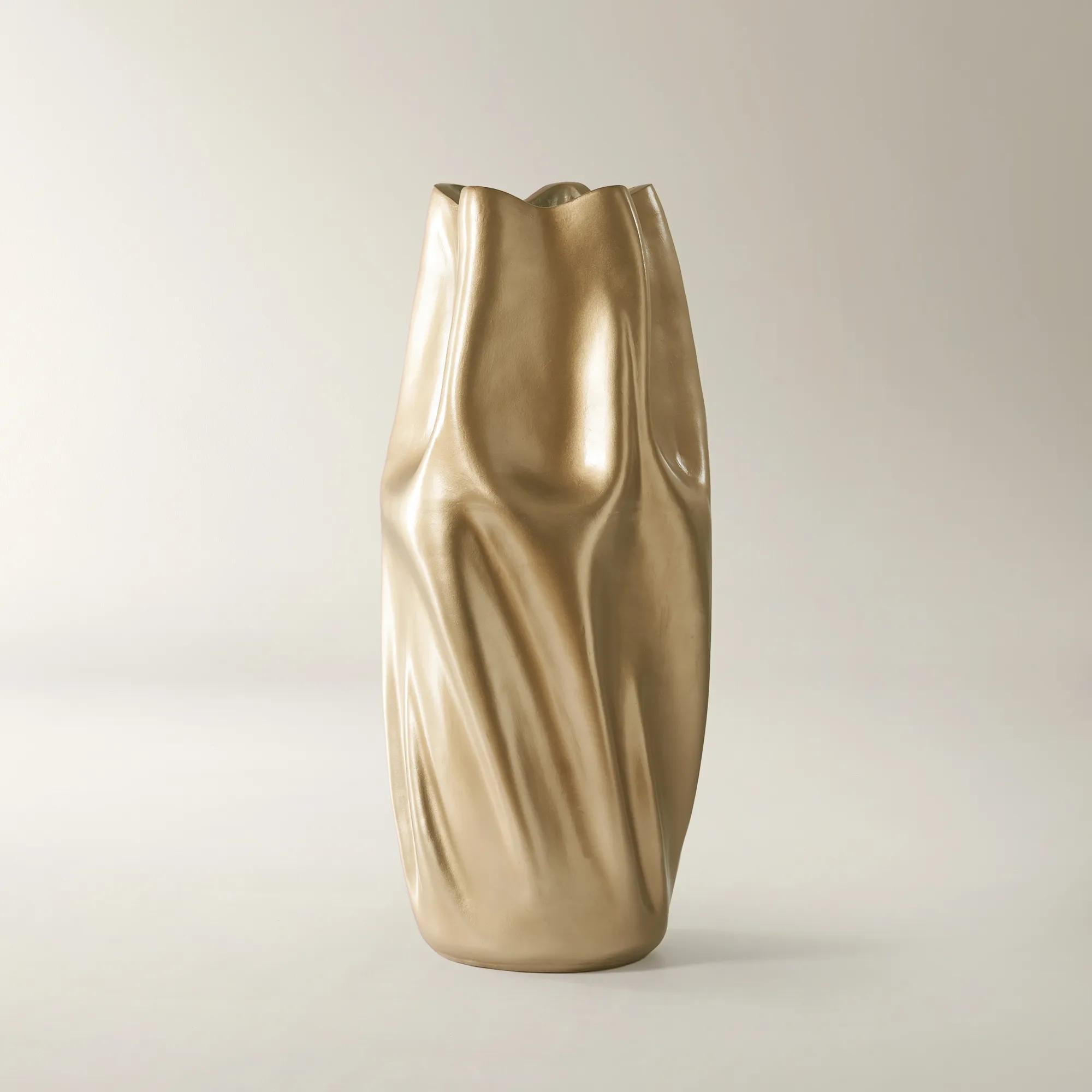 Miel Gold Resin Floor Vase 39.25"$429
A sculptural resin floor vase with an elongated silhouette and luminous molten-gold finish.
Add To Cart -
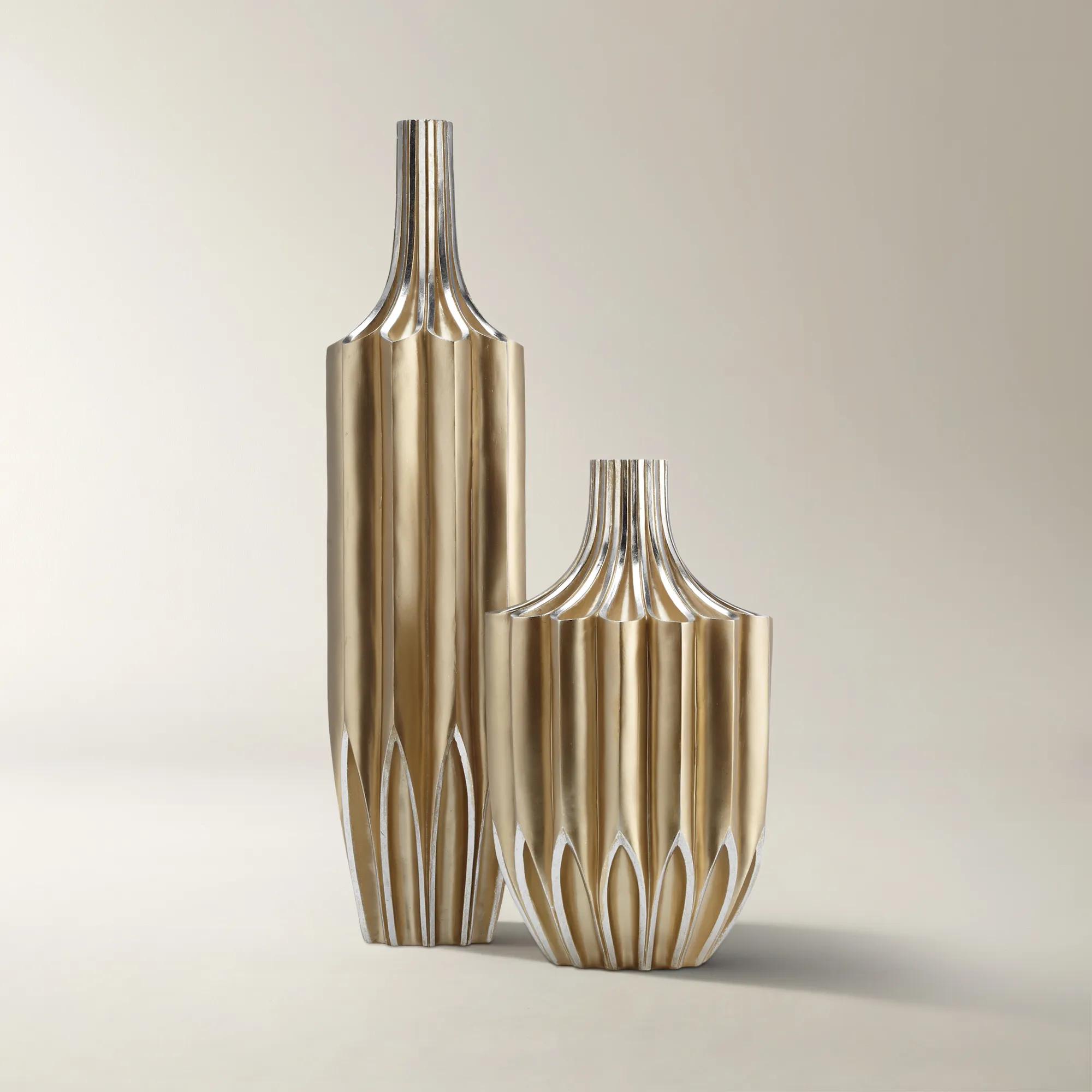
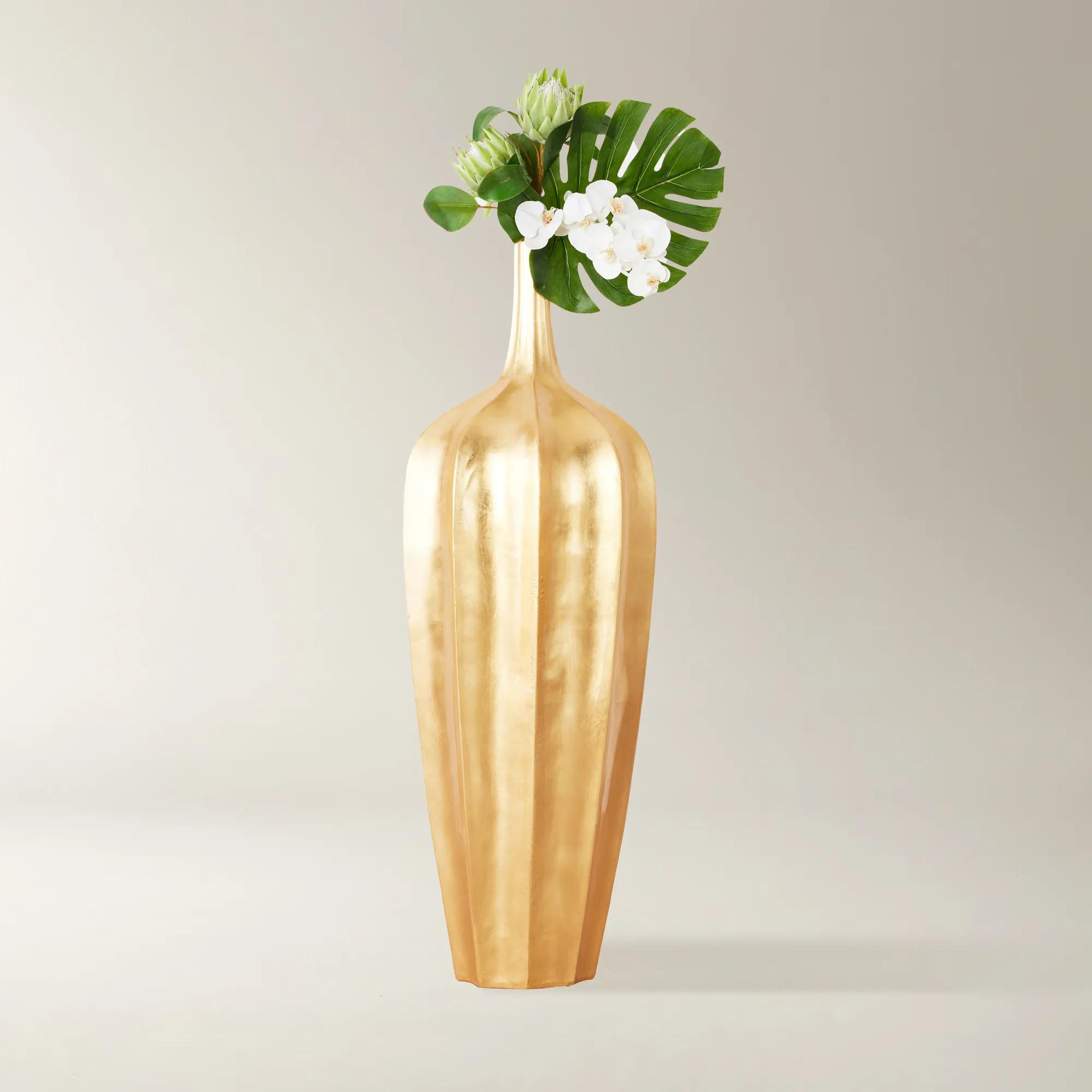 Accolade Gold Leaf Resin Floor Vase 48.75"$539
A fluted fiberglass vase featuring a lustrous gold foil finish for a striking decorative accent.
Add To Cart -
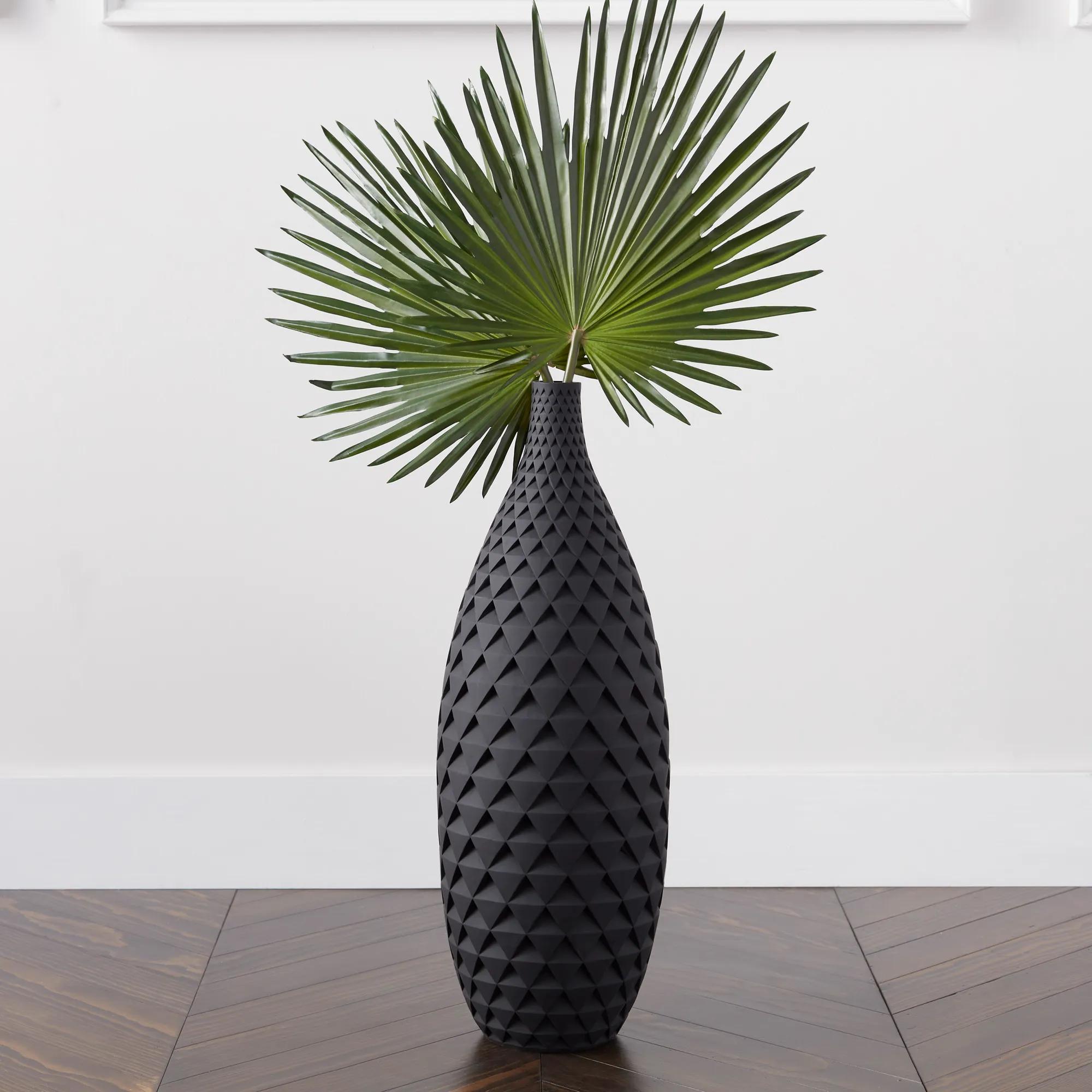 Cairo Floor Vase$99
A lightweight resin floor vase featuring a matte black finish and a striking scalloped texture.
Add To Cart -
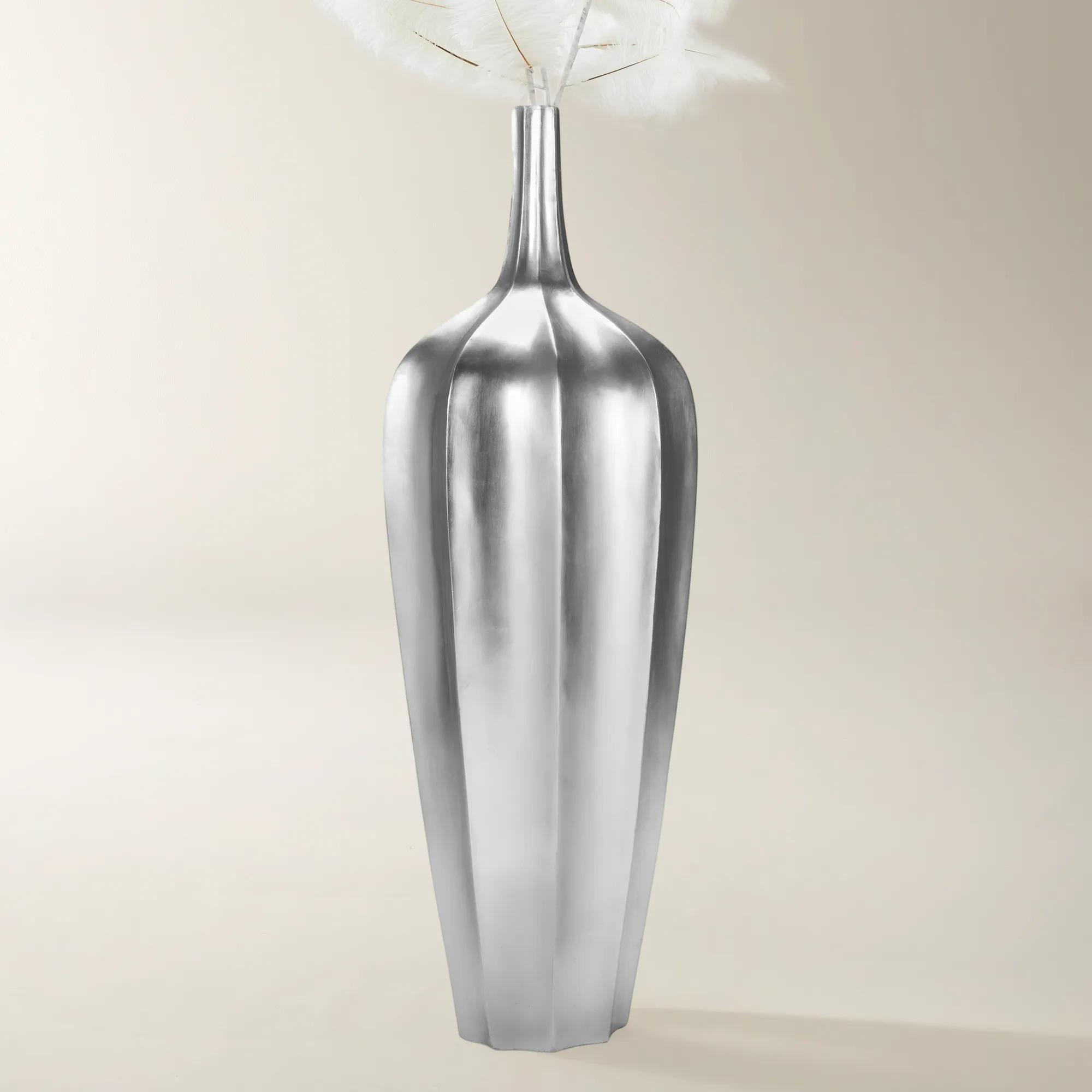
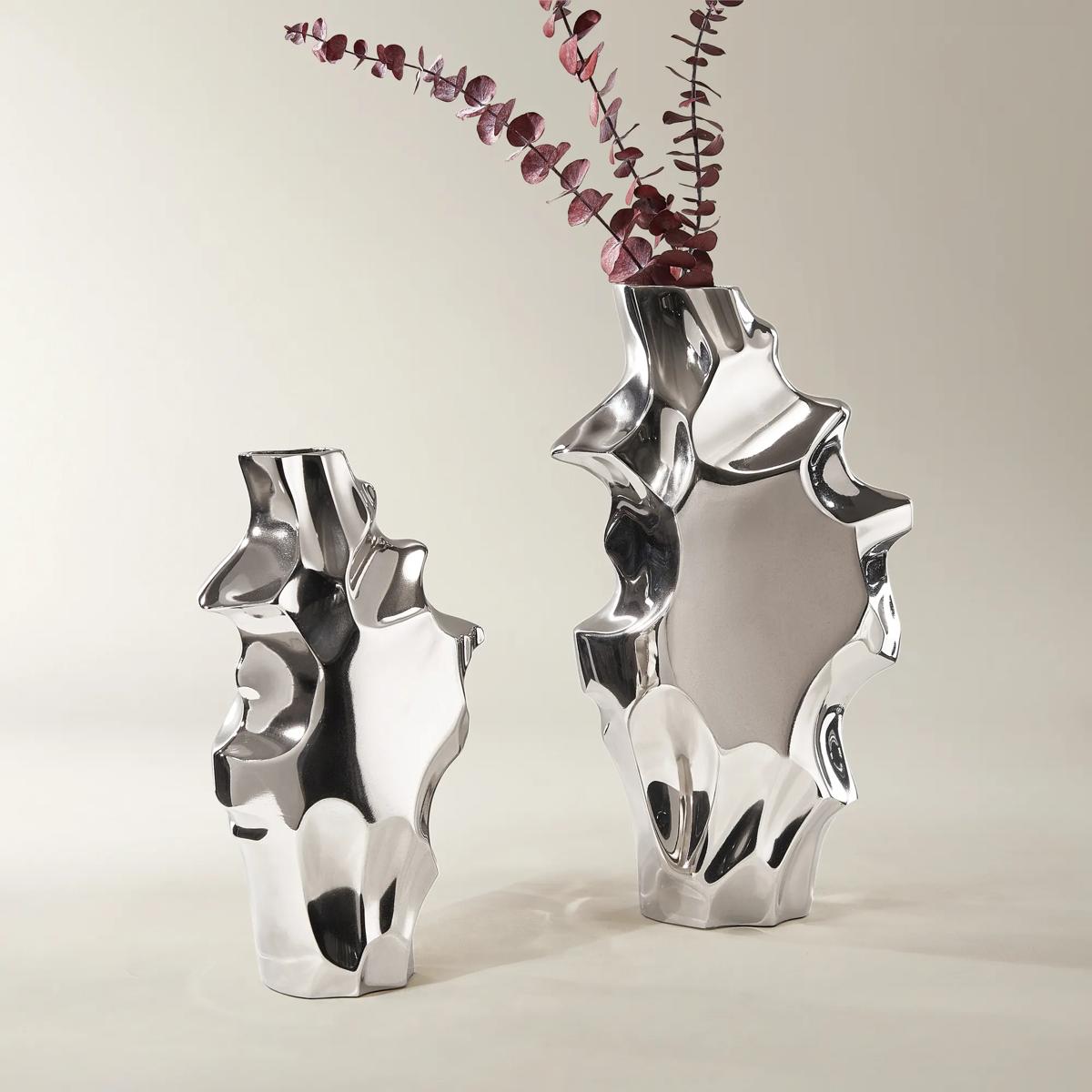
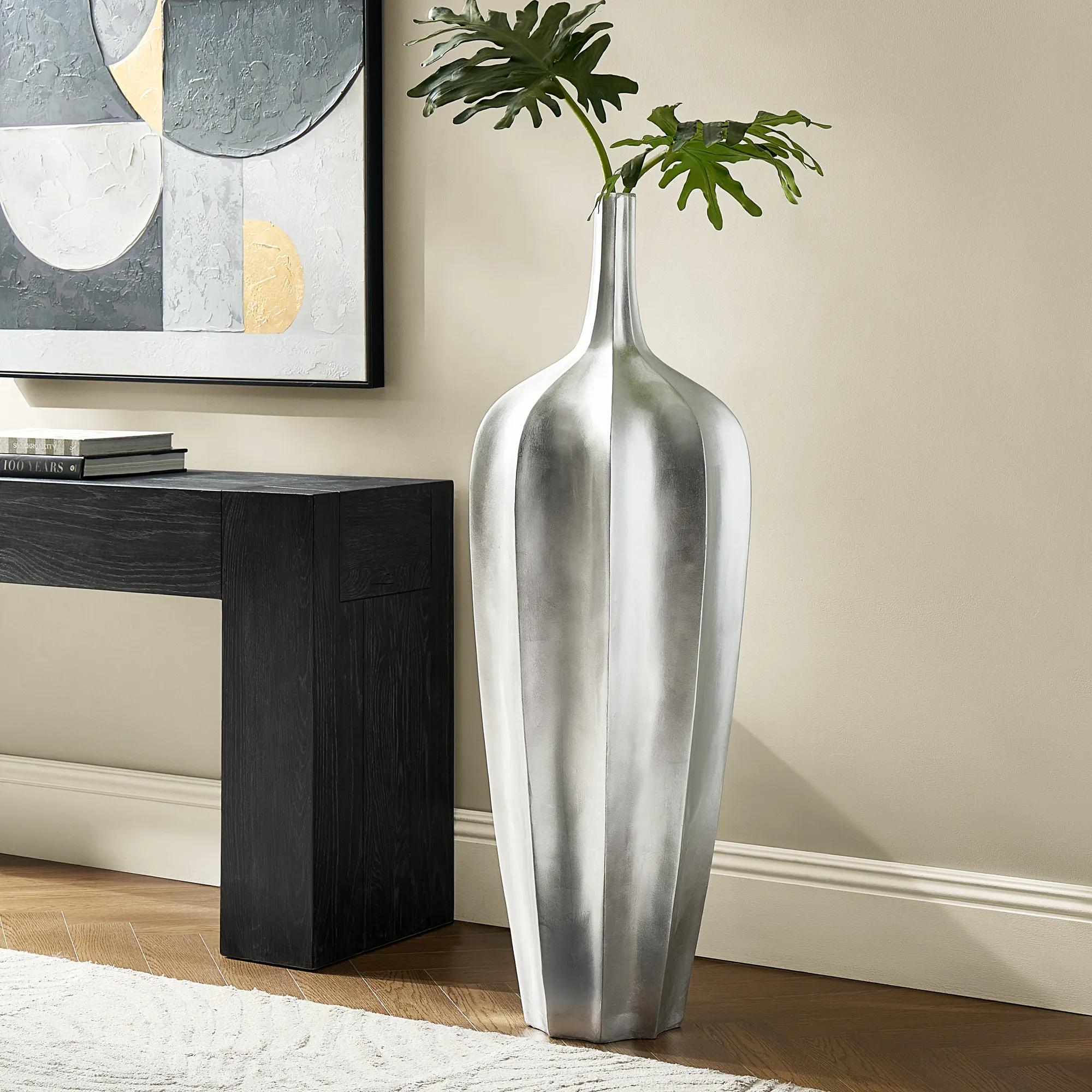 Accolade Silver Leaf Resin Floor Vase 48.75"$539
A fluted fiberglass vase featuring a lustrous metallic silver foil finish for a striking decorative accent.
Add To Cart -
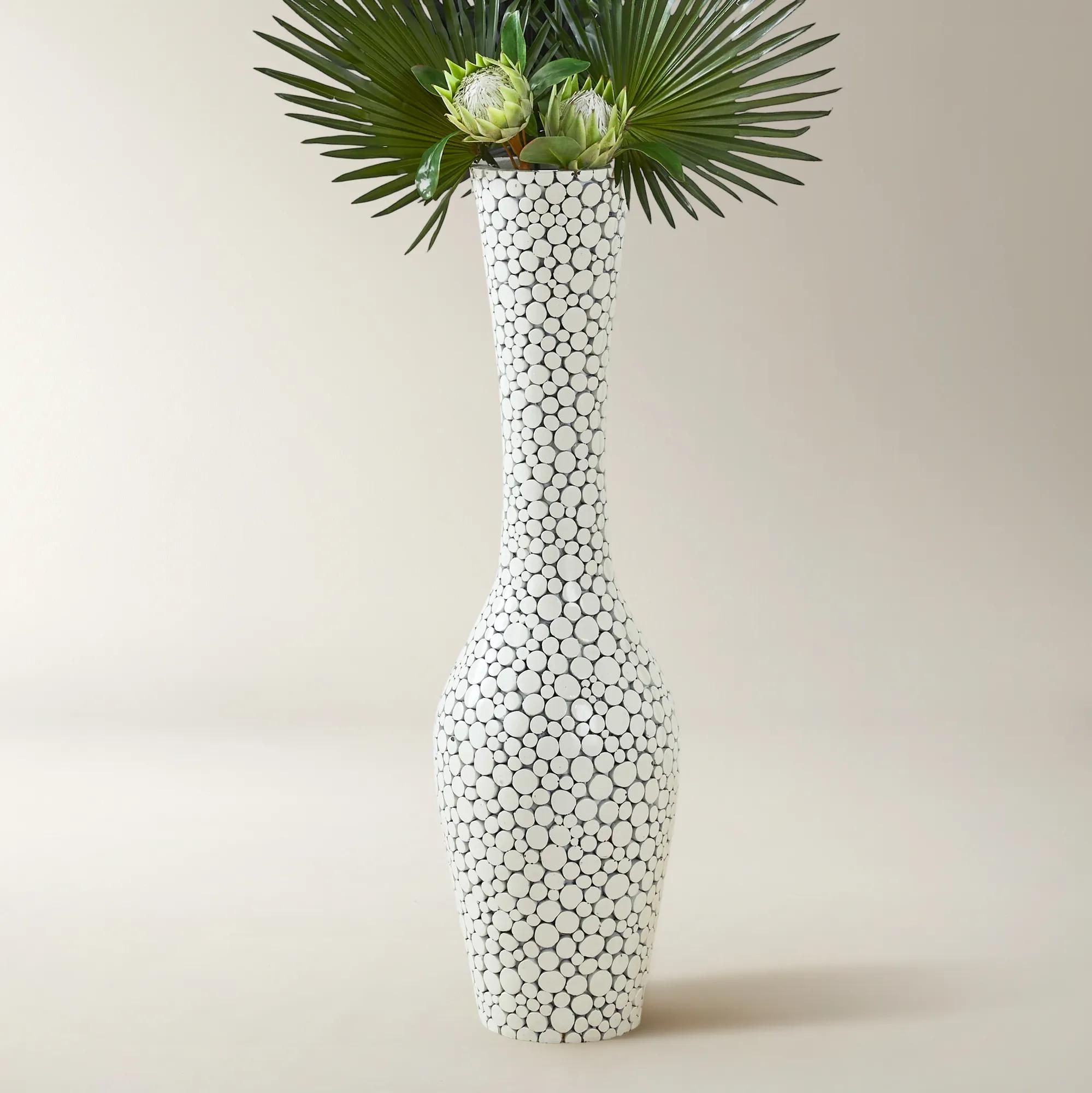 Oslo Floor Vase$299
A contemporary floor vase featuring hand-applied wood accents and a glossy white fiberglass base.
Add To Cart -
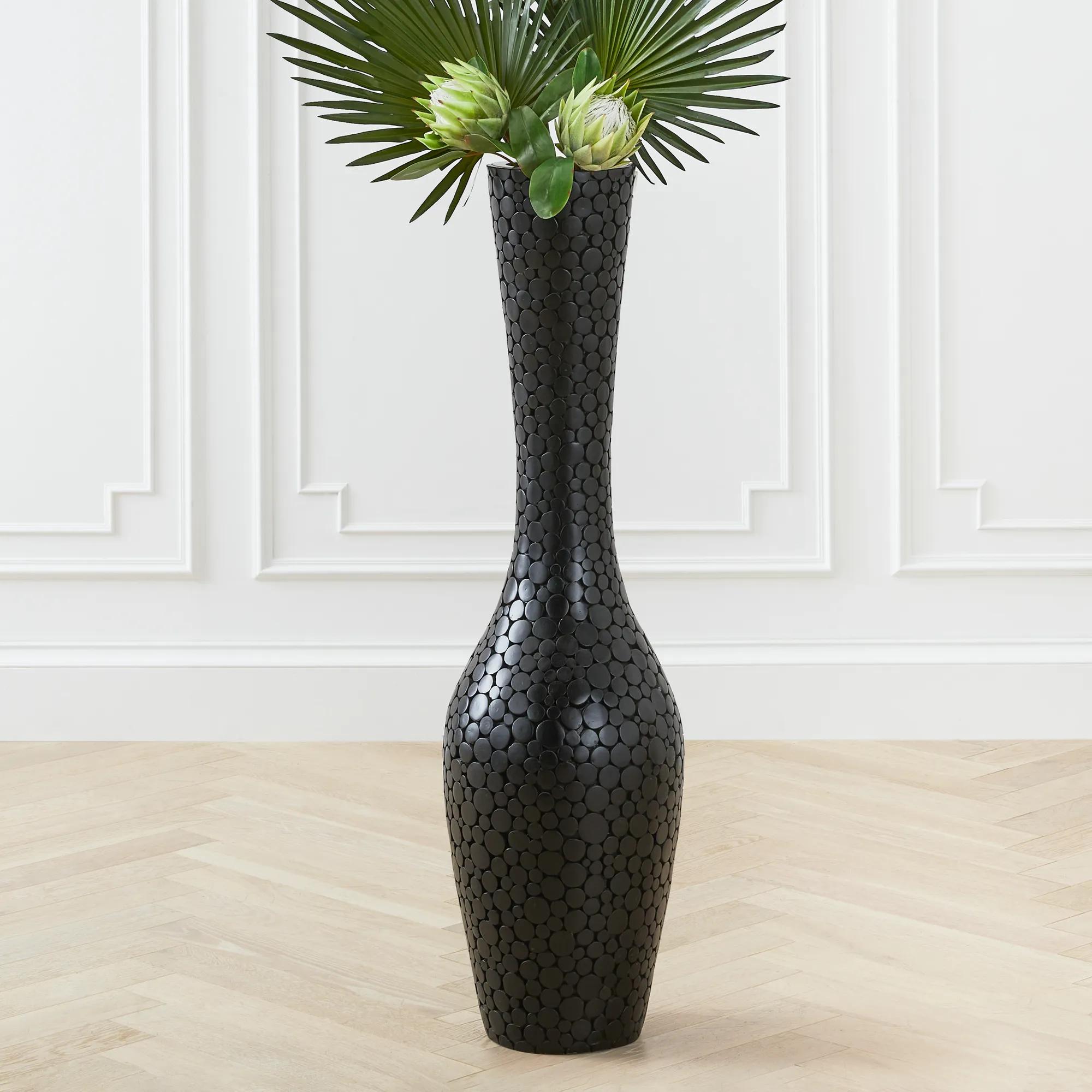
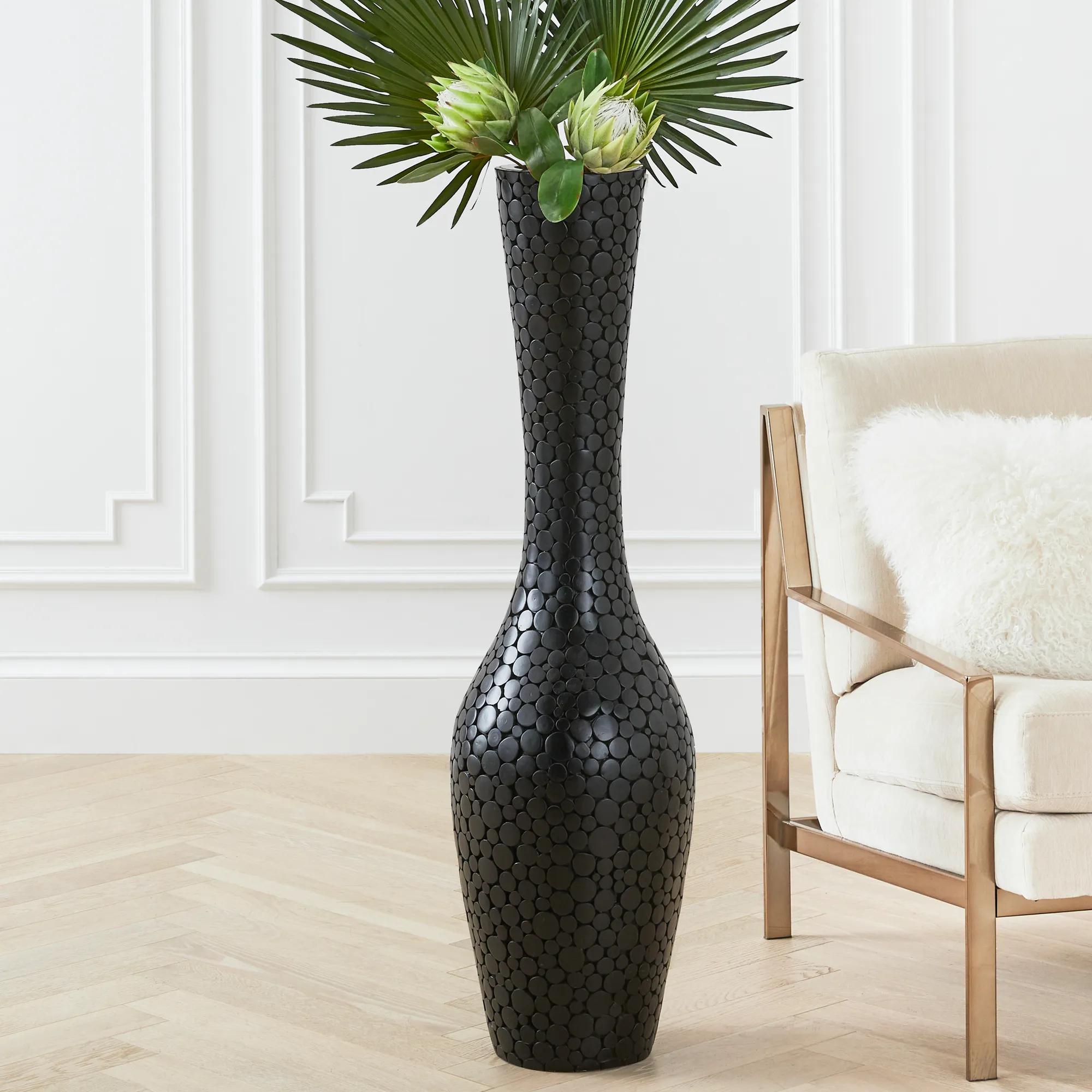 Oslo Black Wood Floor Vase 45"$299
A contemporary floor vase featuring hand-applied wood accents and a glossy black fiberglass base.
Add To Cart -
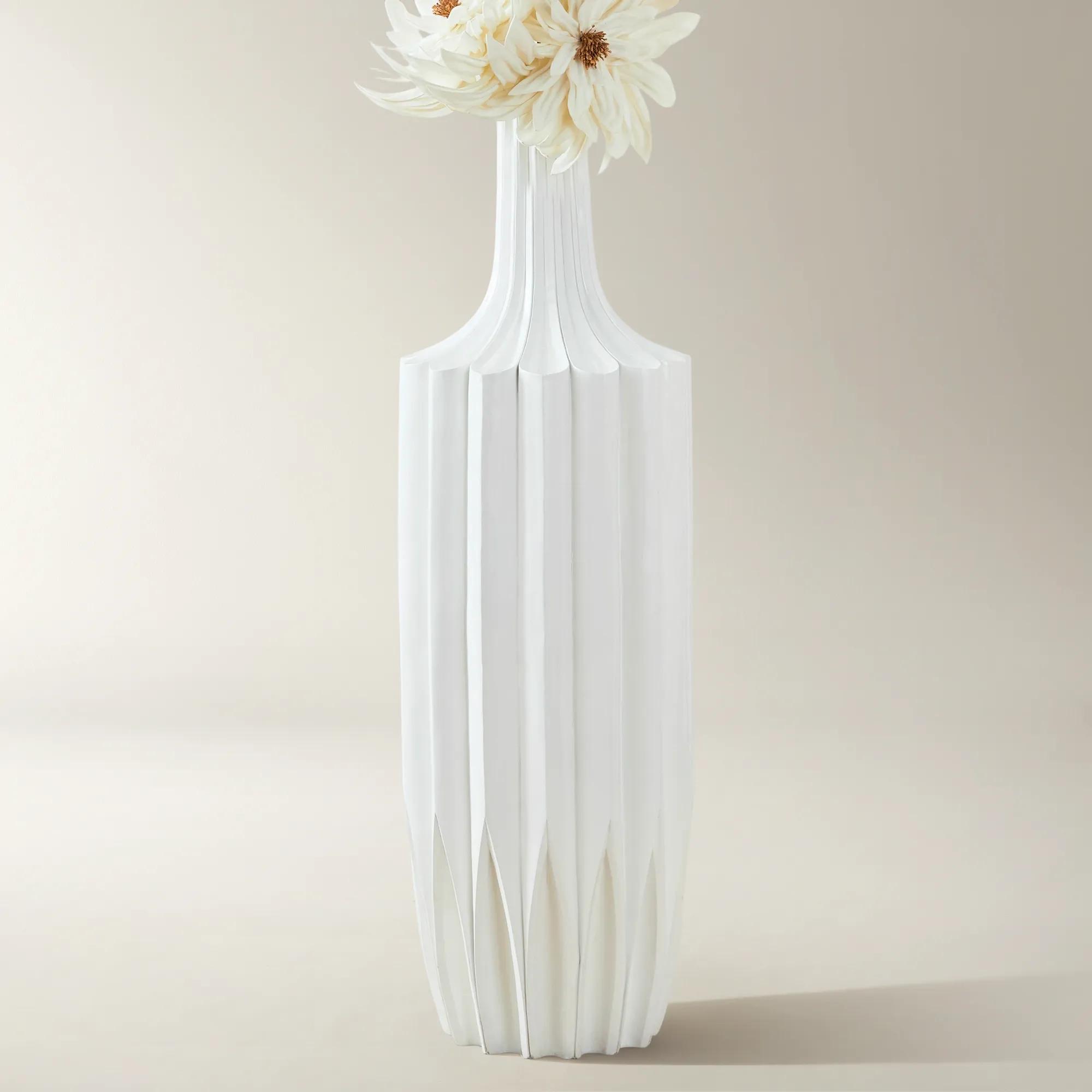 Savannah White Resin Floor Vase 48.75"$509
A sophisticated polyresin vase featuring sleek vertical curves, perfect for displaying decorative flowers or foliage.
Add To Cart -
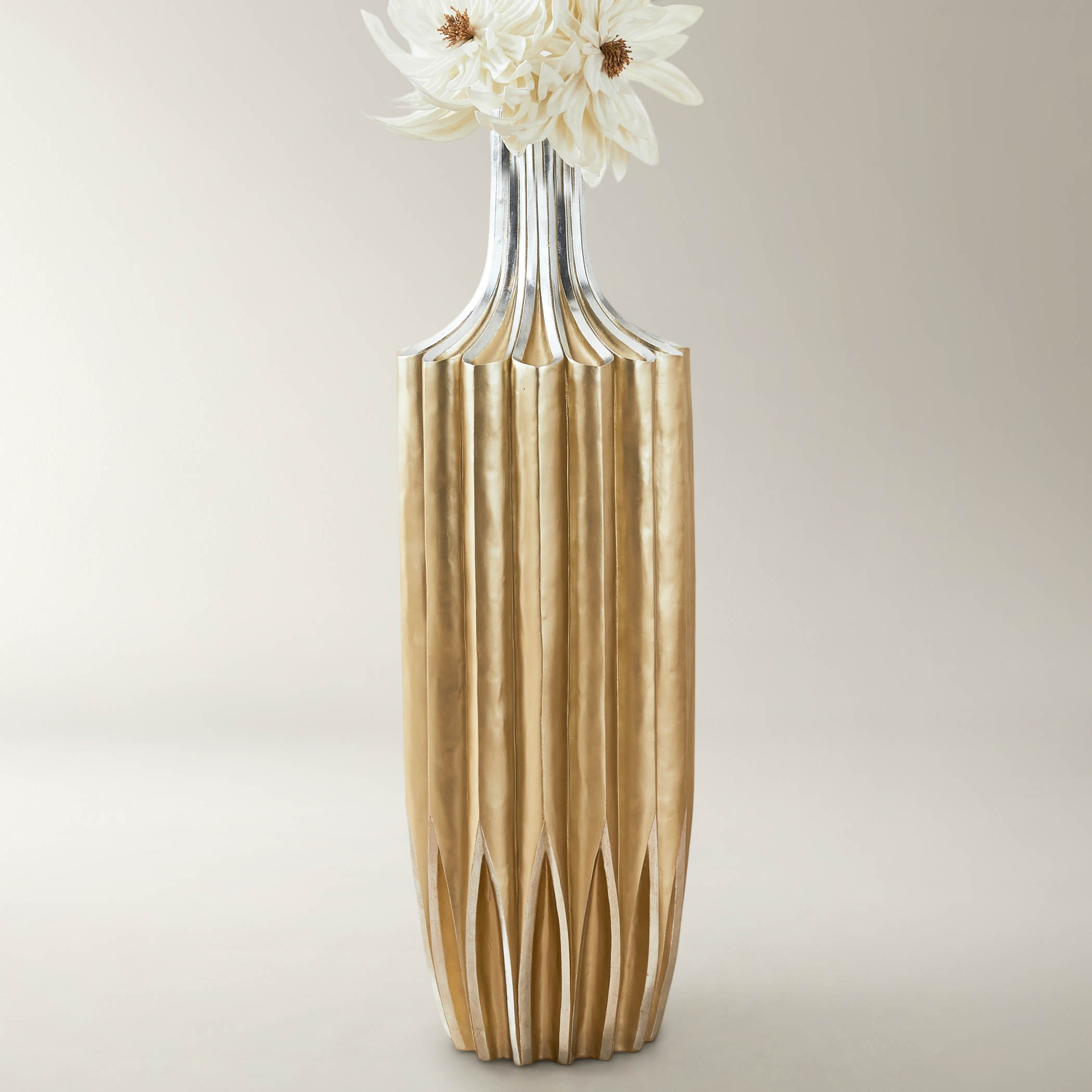
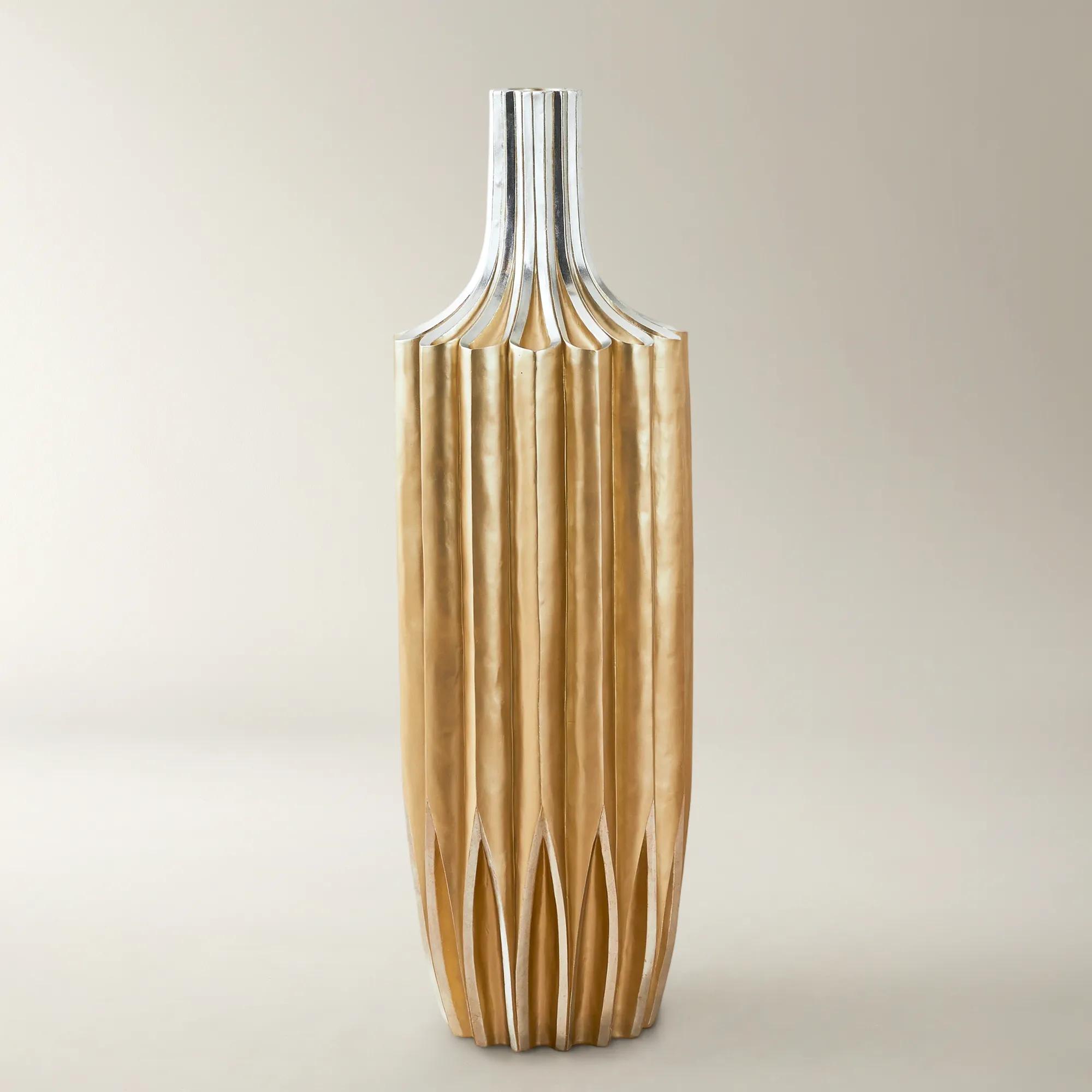 Savannah Gold Resin Floor Vase 48.75"$509
A sophisticated polyresin vase featuring sleek vertical curves for a modern decorative accent.
Add To Cart

Floor Vases For Living Room
Explore floor vases for your living room to bring sculptural presence to an empty corner or the space beside a sofa. These decorative vessels create a focal point without occupying a tabletop. Consider height, silhouette, and the scale of nearby furniture to choose a piece that adds drama while keeping the room’s proportions in balance.
Floor vases for the living room introduce sculptural presence, expressive texture, and a sense of scale that smaller accessories cannot achieve. A tall decorative vase can give an overlooked corner an artful focal point, frame a fireplace with graceful symmetry, or bring visual balance to a low-profile sofa. Choose a silhouette that complements both your furniture and the mood you want to create: a slender, elongated form feels elegant beside a curved accent chair, while a generously rounded vessel adds depth to a room with clean architectural lines. Materials and finishes shape the atmosphere just as powerfully. Ceramic floor vases offer tactile richness, glass invites light into the arrangement, and metallic finishes bring a gleaming accent to velvet upholstery or richly layered textiles. For a cohesive living room design, echo a finish or color already present in your artwork, lighting, or decorative accessories. Large floor vases should feel intentional rather than crowded, so consider their height, width, and relationship to nearby furniture before choosing a statement piece. Styling floor vases for living room spaces is an opportunity to compose a dramatic arrangement without overwhelming the room. Tall branches emphasize vertical lines and draw attention toward lofty ceilings, while faux botanicals introduce graceful movement with minimal upkeep. For a softer composition, dried grasses can add airy texture, though a vase with a distinctive silhouette may be most striking left unfilled. Match the arrangement to the vessel: substantial stems need a suitably sized opening and a stable base, while delicate sprays benefit from a narrower neck that helps guide their shape. Position tall floor vases where their outlines remain visible, such as beside a console table or near an accent chair, while keeping walkways and frequently used seating areas clear. An asymmetrical grouping of decorative floor vases in different heights can create an expressive vignette; repeating one material or color keeps the composition cohesive. If you plan to display fresh flowers or greenery, confirm that the vase is watertight and protect the flooring beneath it. The result is living room decor with both presence and purpose—a considered interplay of proportion, texture, and personal expression.
FAQs
Treat floor vases as sculptural accents that echo your living room’s palette, textures, and finishes. Pair a gleaming metallic vase with velvet upholstery for a glamorous composition, or let a richly textured ceramic design bring depth to a polished interior. Repeat a color or finish elsewhere in the room to create a cohesive visual story.
Place a floor vase beside a console, near an accent chair, or in a corner that deserves an artistic focal point. Choose a backdrop that lets its silhouette shine, such as a richly painted wall or dramatic artwork. Thoughtful placement turns an overlooked area into an expressive vignette.
Ceramic, glass, and metal each bring a distinct mood to decorative floor vases. Glazed ceramic offers rich color and texture, glass introduces luminous transparency, and metallic finishes lend a jewel-like gleam. Choose a material that complements your living room’s furnishings while adding a compelling contrast.
Faux branches, dried botanicals, pampas grass, and decorative stems create expressive arrangements for living room floor vases. Curving branches introduce sculptural movement, while feathery plumes soften a composition with sumptuous texture. Select stems that complement the vase’s finish and reflect the mood of your room.
Absolutely. A floor vase with a distinctive silhouette, dimensional texture, or lustrous finish can stand alone as an artful statement. Style it beside a console or against a contrasting wall, allowing its contours and surface details to become the focus.