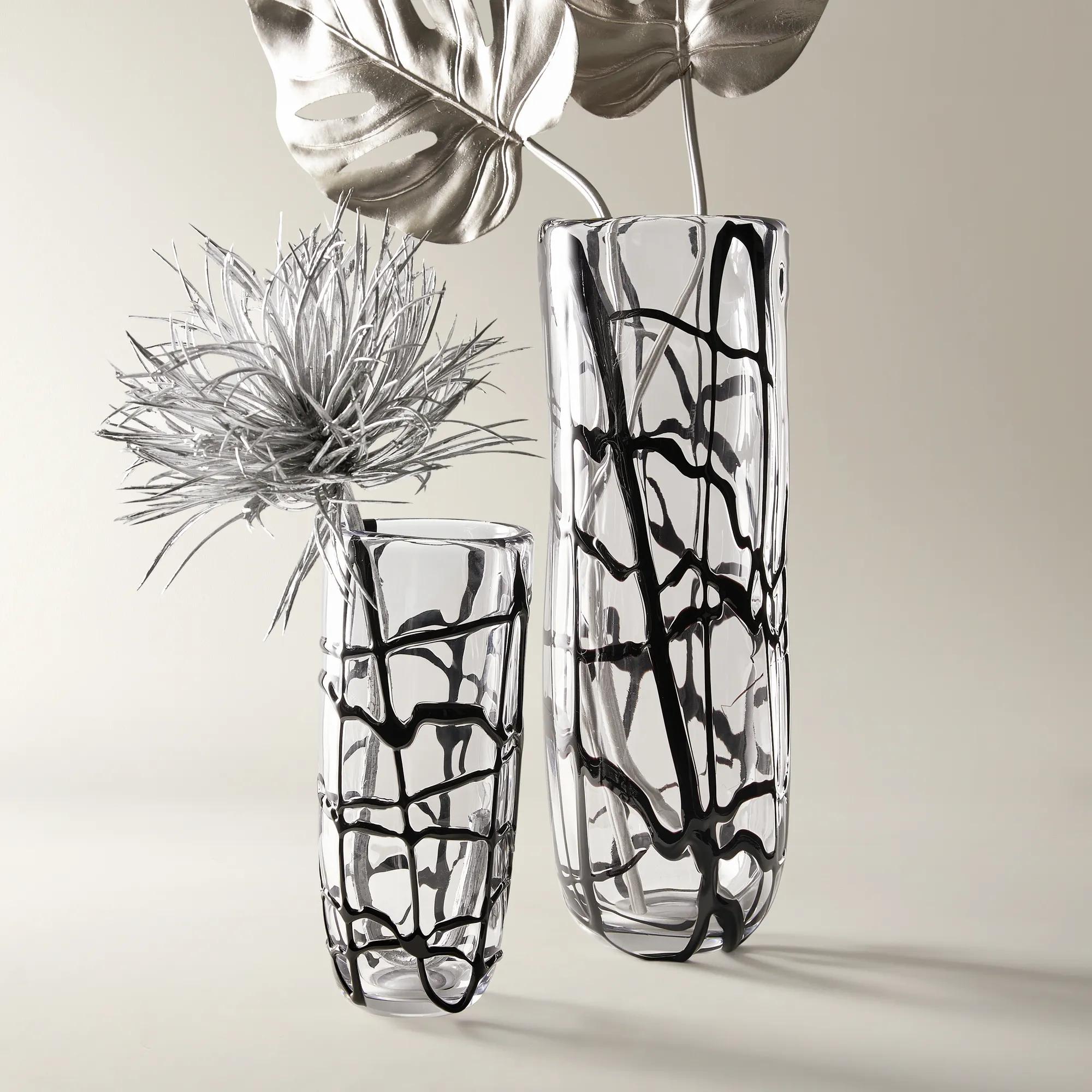
Modern Living Room Centerpieces
Modern Living Room Centerpieces
-
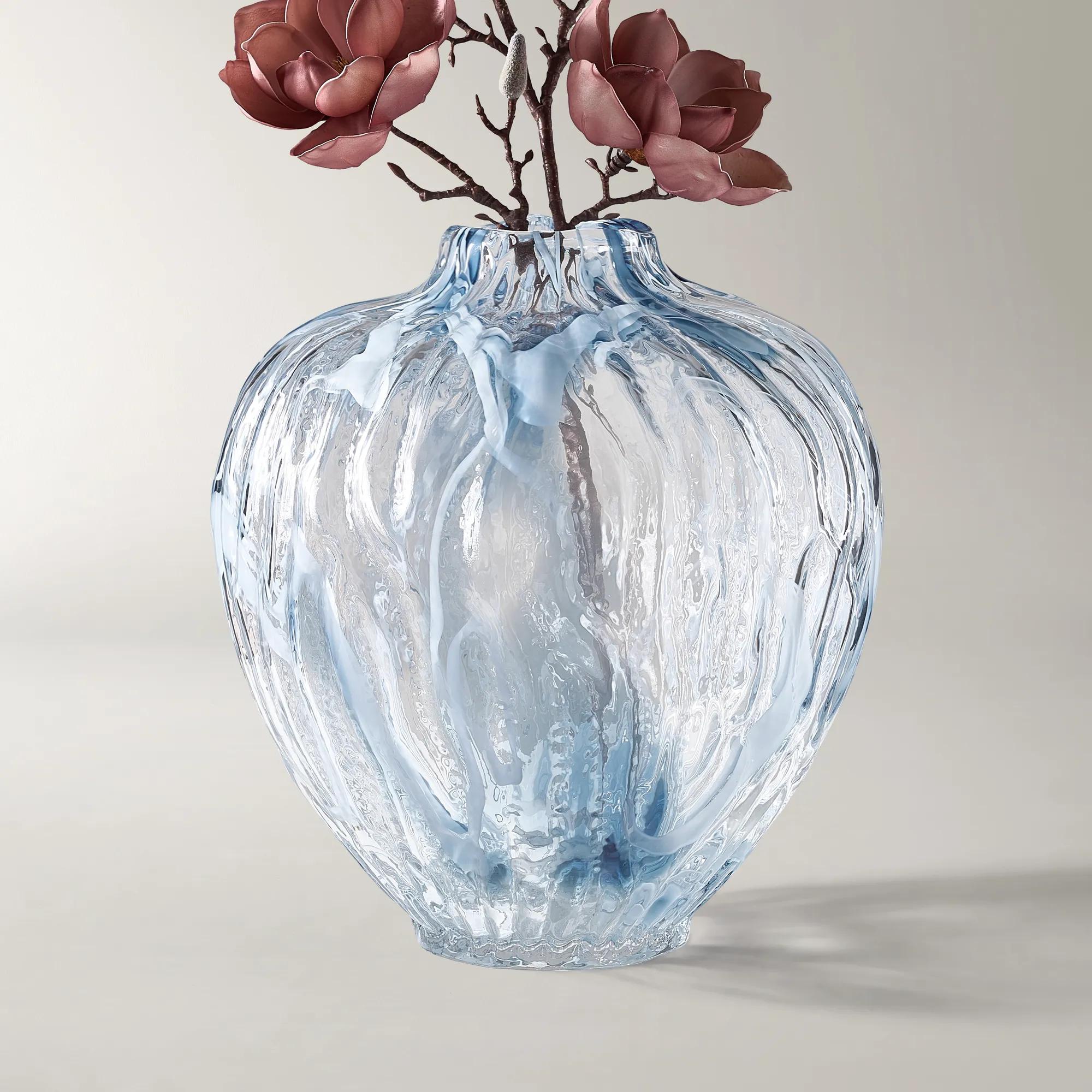 Cruz Mouth Blown Powder Blue Glass Vase 15.75"$169
A handblown glass vase in powder blue with a sculptural, light-catching surface for modern decor.
Add To Cart -
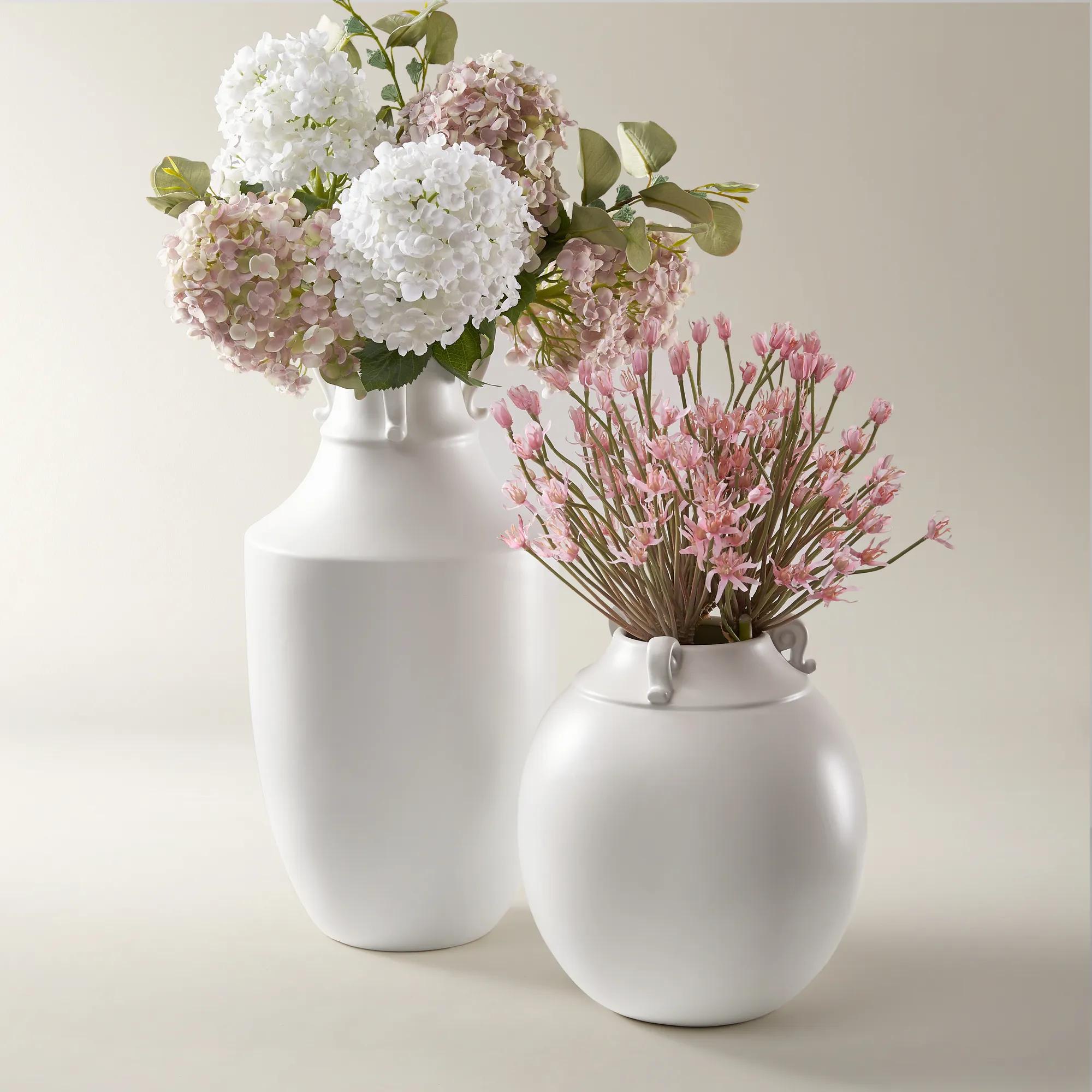 Amora Vase$119
A graceful white ceramic vase featuring smooth curves for a refined, contemporary accent to any space.
Add To Cart -
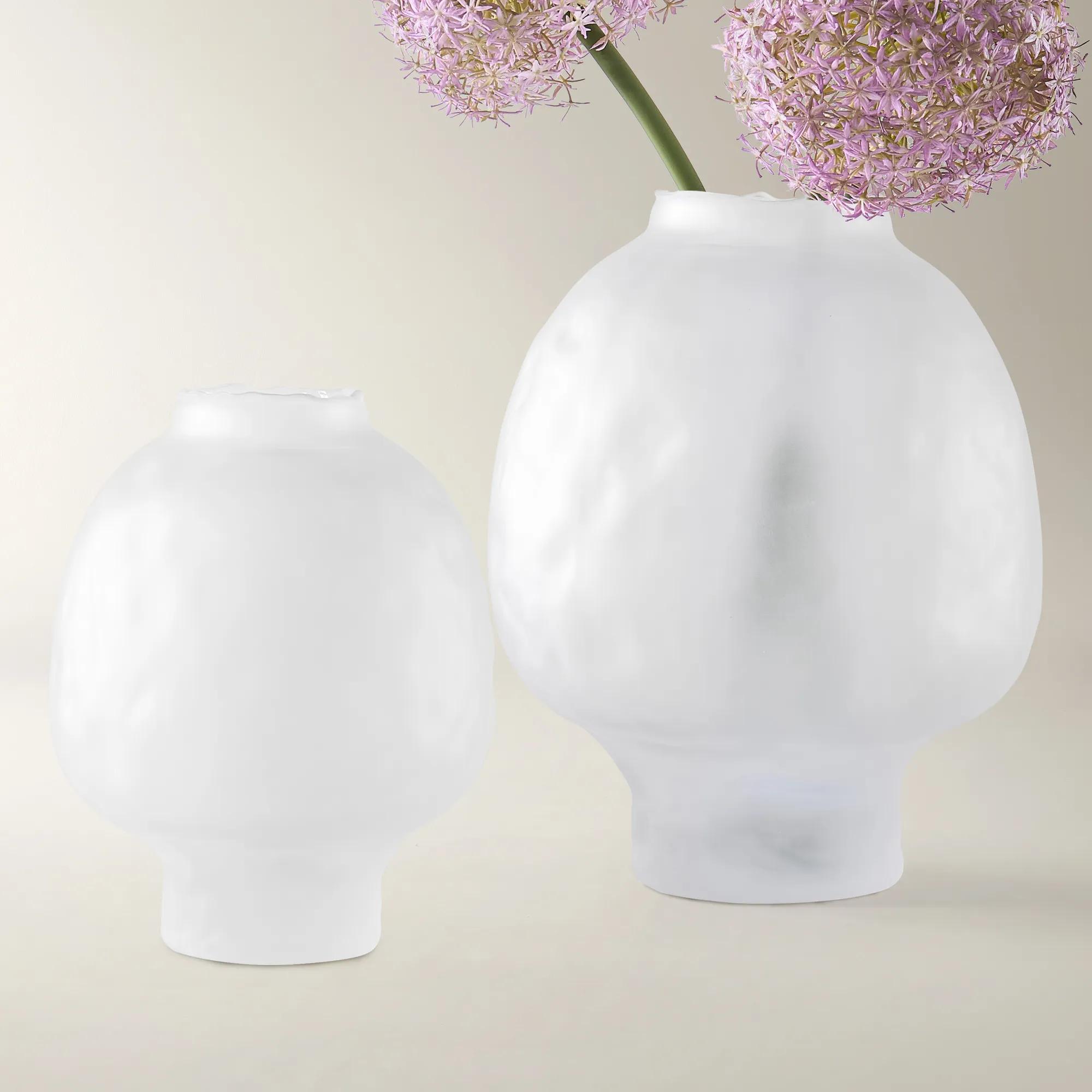
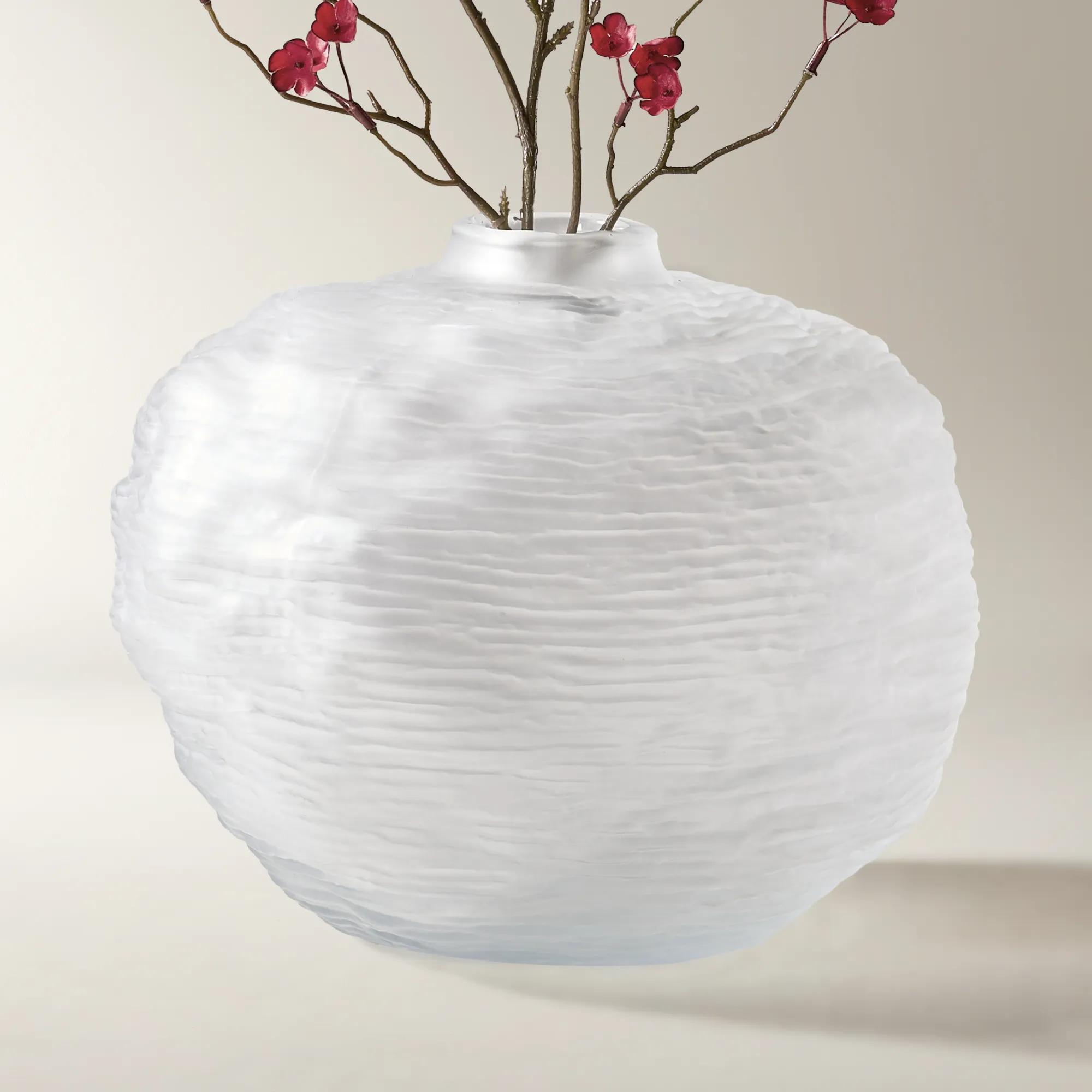 Lucid Mouth Blown Frosted Glass Vase 9.25"$99
A handblown frosted white glass vase with a sculptural, softly textured surface for modern elegance.
Add To Cart -
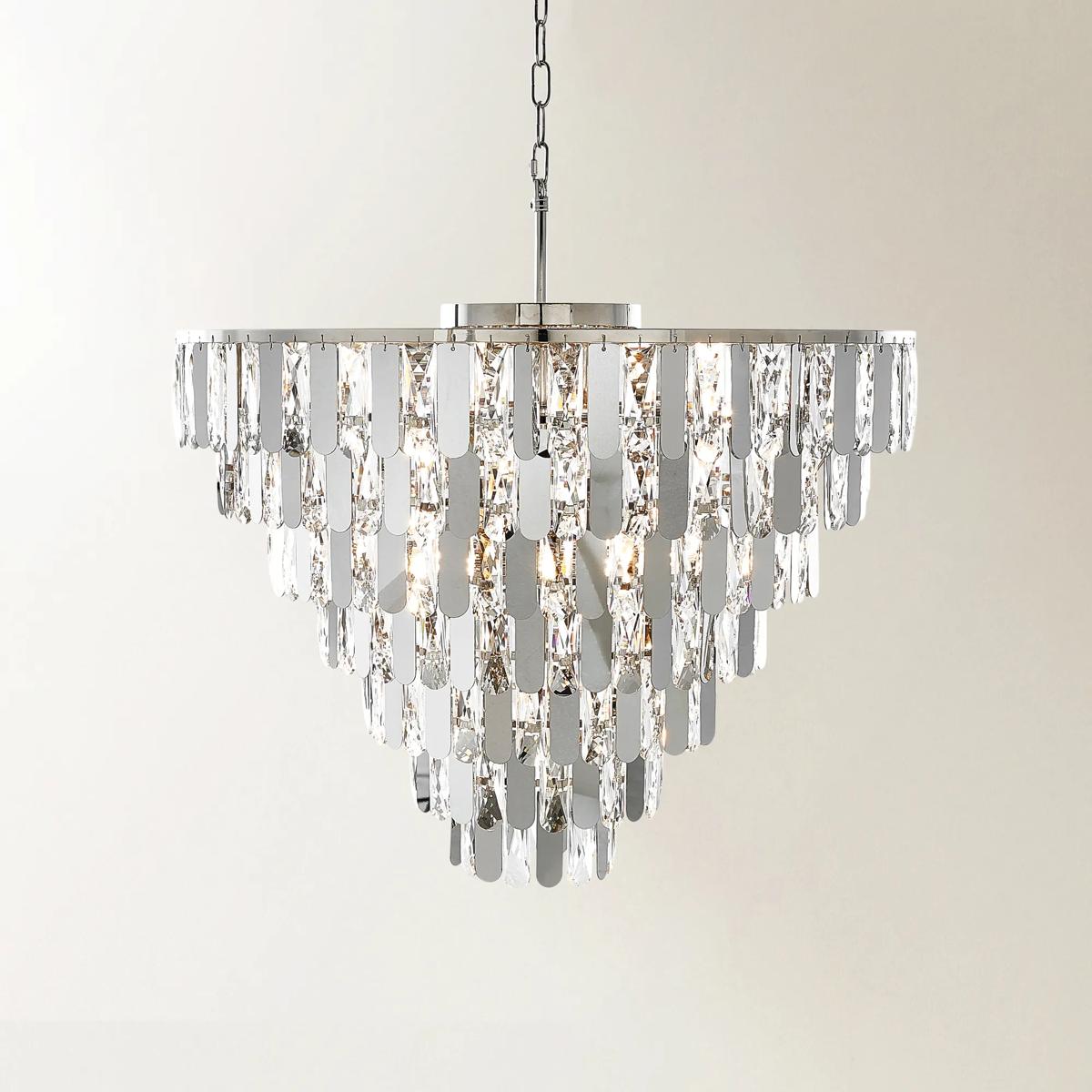
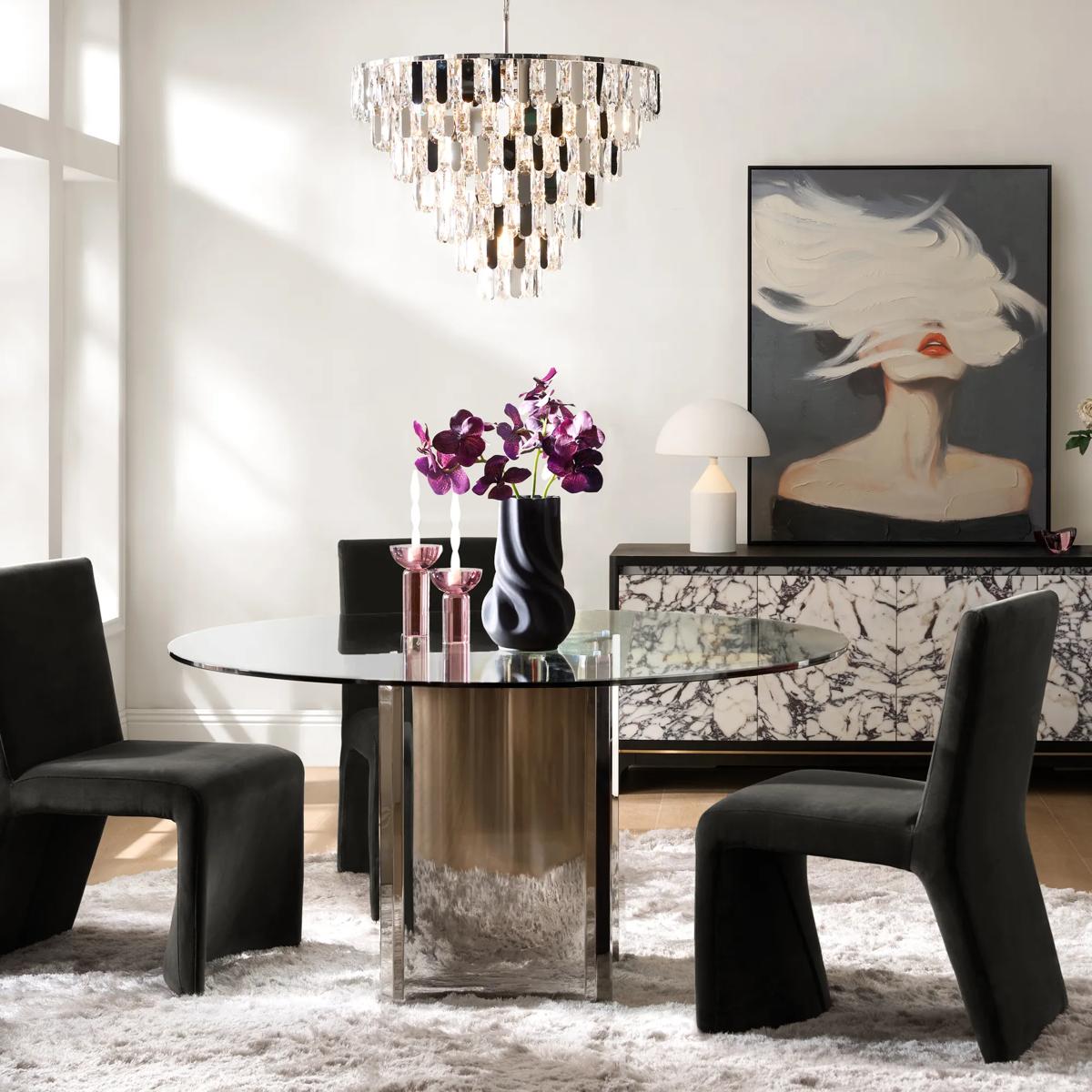 Avenue Crystal Chandelier 28.5"$999
A tiered chandelier crafted from eco-friendly K9 crystal and polished nickel for radiant, modern elegance.
Add To Cart -
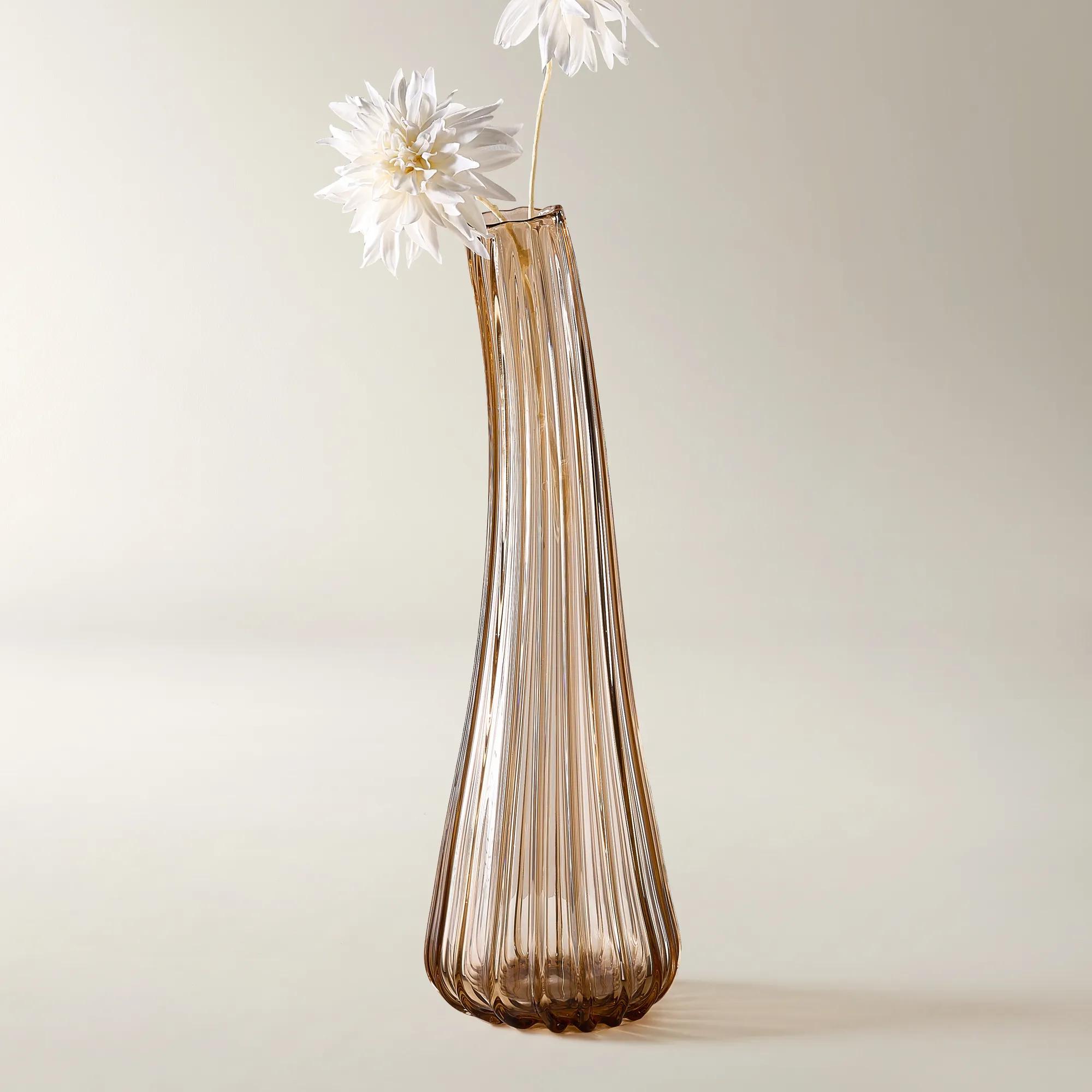
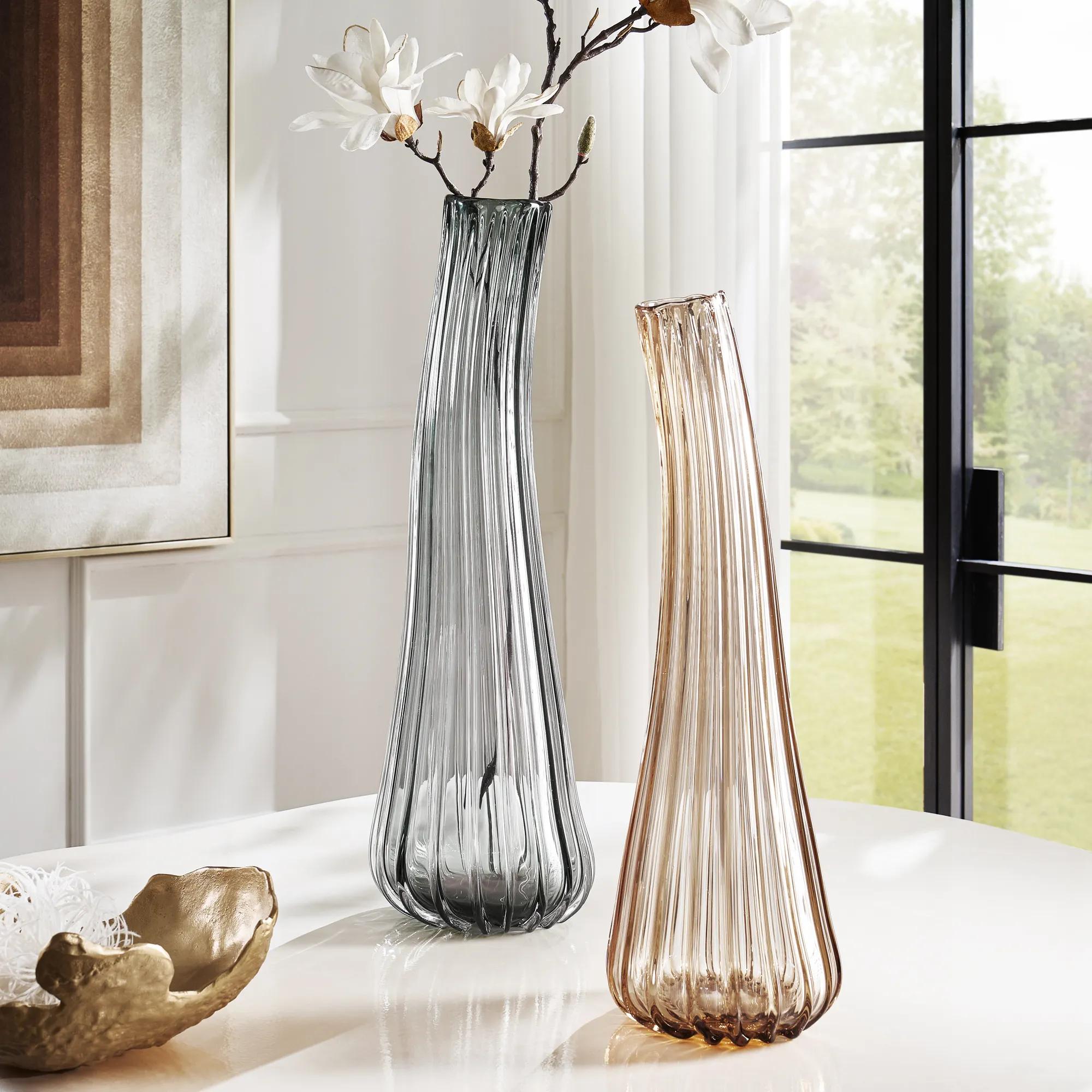 Tango Mouth Blown Soft Amber Vase 24.75"$179
A handblown glass vase in a soft amber finish with a textured, sculptural centerpiece design.
Add To Cart -
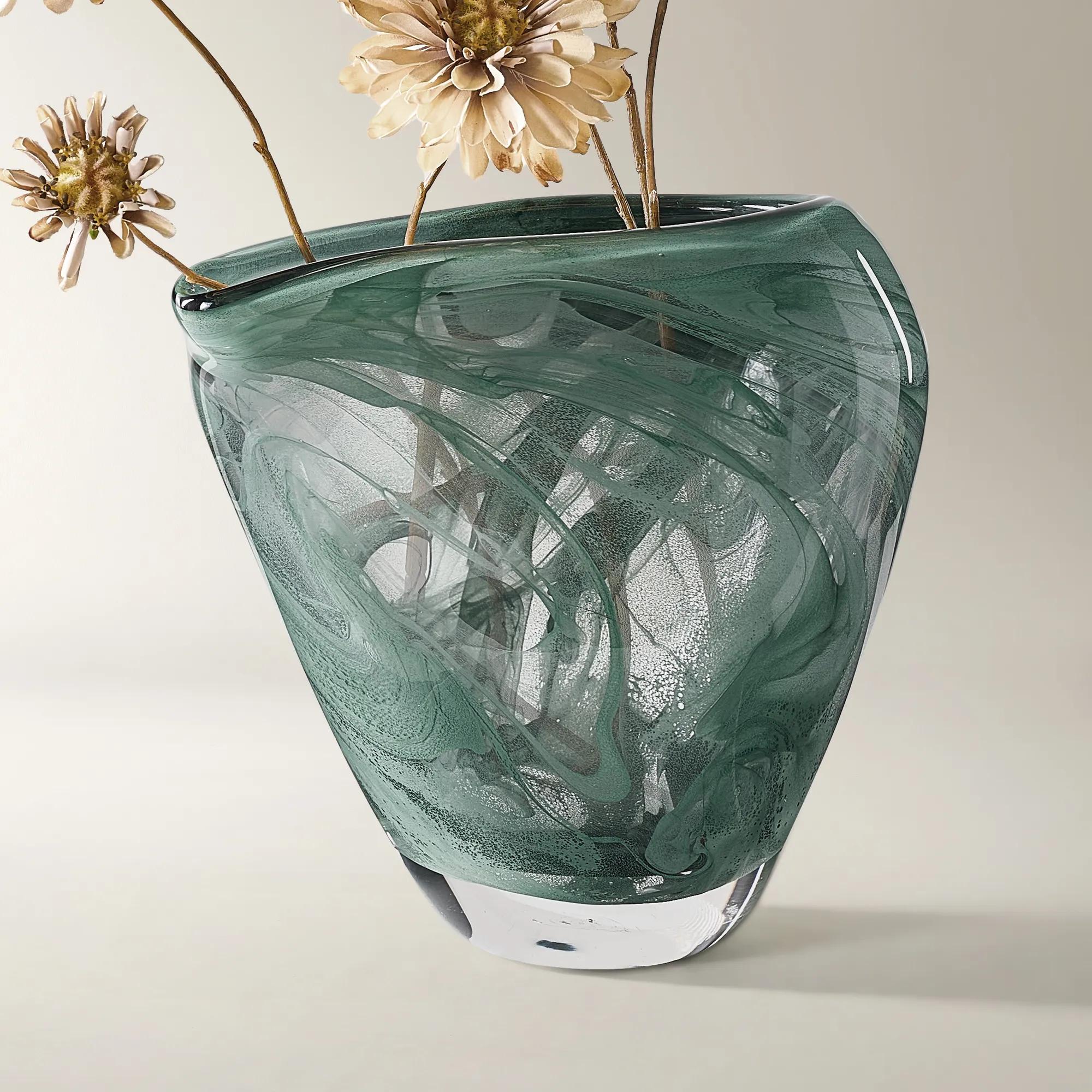 Flow Mouth Blown Sage Green Glass Vase 12.25"$199
A handblown glass vase in calming sage green with an organic, sculptural silhouette for modern decor.
Add To Cart -
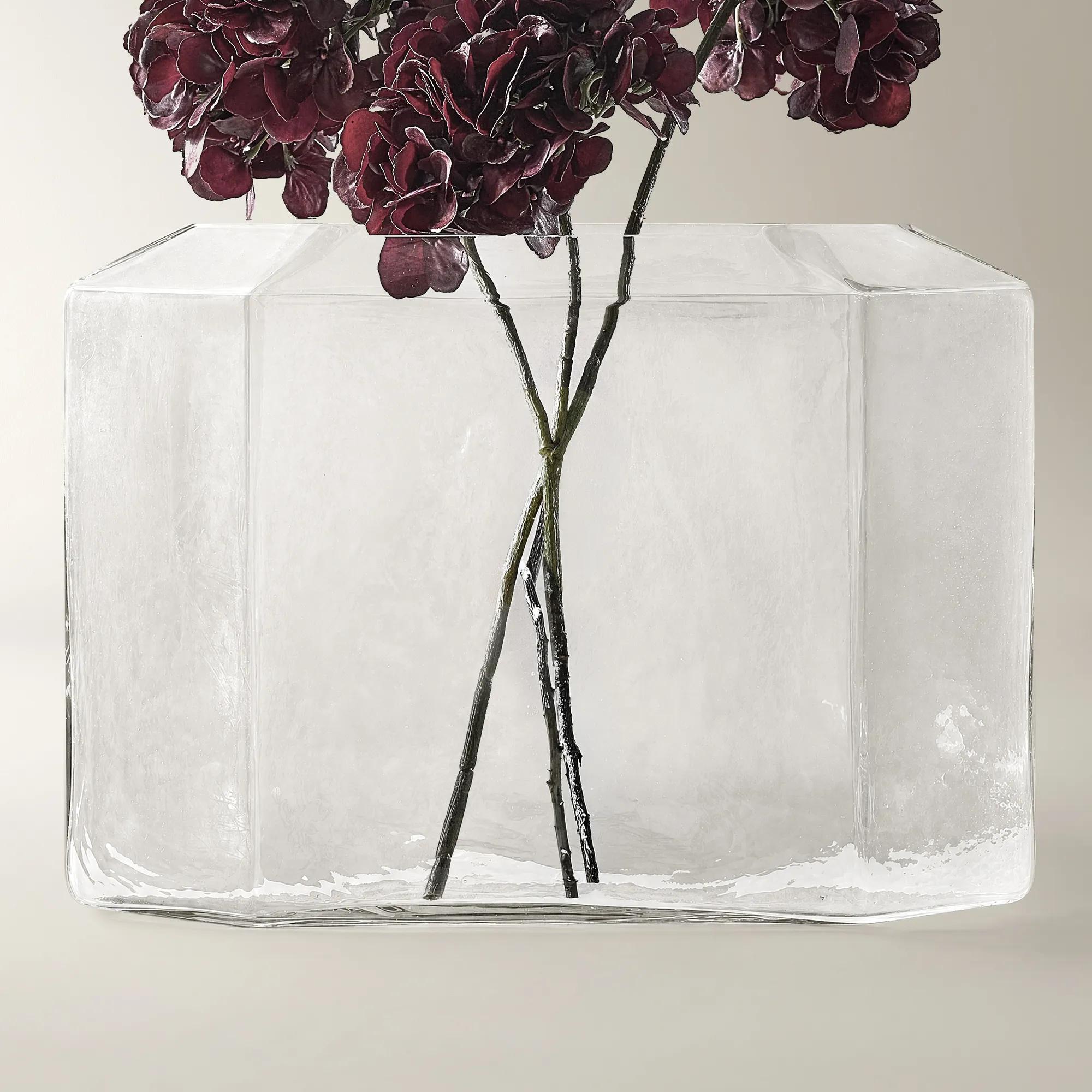 Studio Mouth Blown Clear Glass Vase 13.75"$199
A handblown clear glass vase with faceted detailing that beautifully reflects light for modern elegance.
Add To Cart -
 Trio Twist Soft Gold Aluminum Tapper Holders Set of 3$129
A set of three aluminum taper holders in soft gold with sculptural twisted silhouettes for modern elegance.
Add To Cart -
 Linx Graphite Crystal Glass Pillar Holders$119
A modern graphite crystal glass candle holder set adding sculptural elegance to contemporary spaces.
Add To Cart -
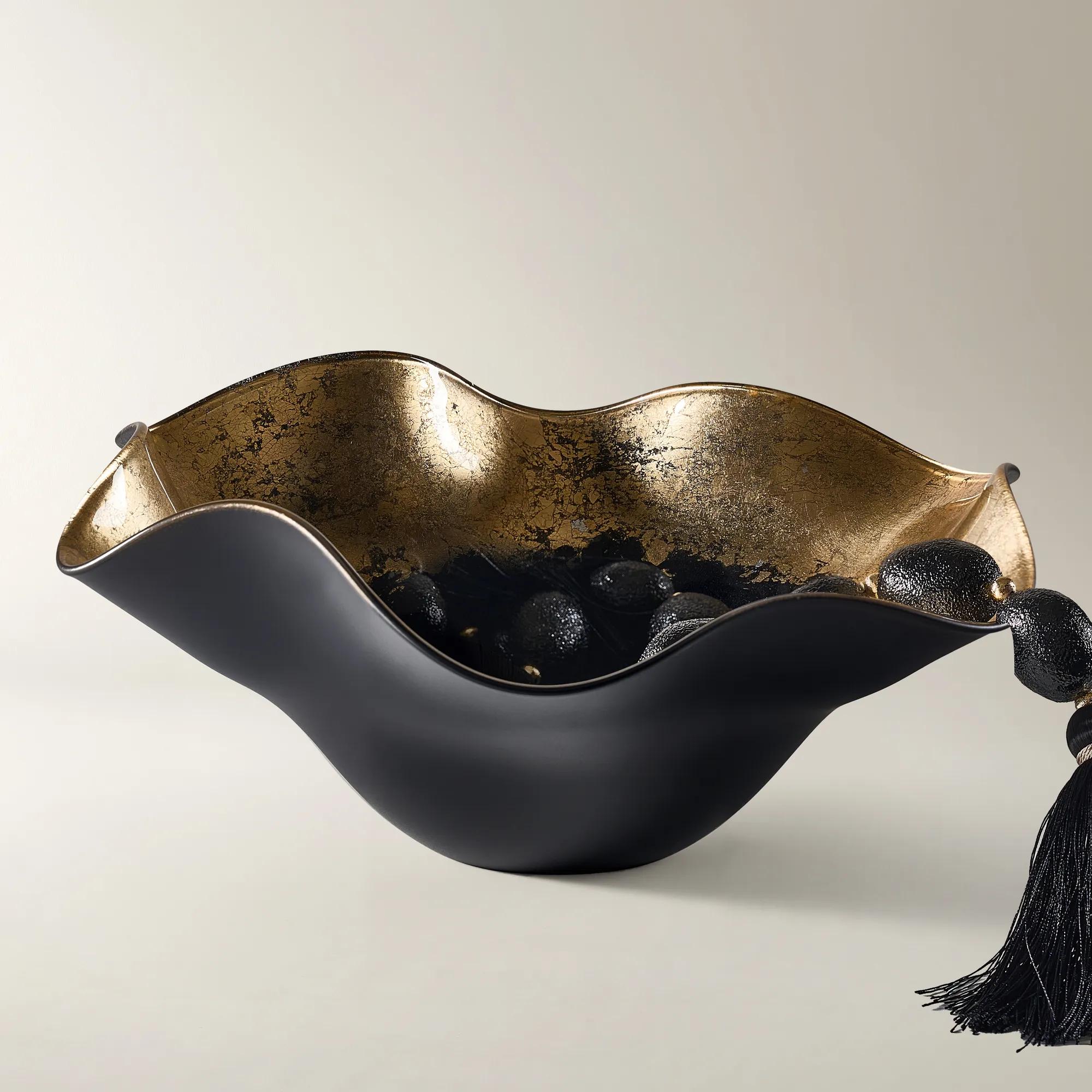
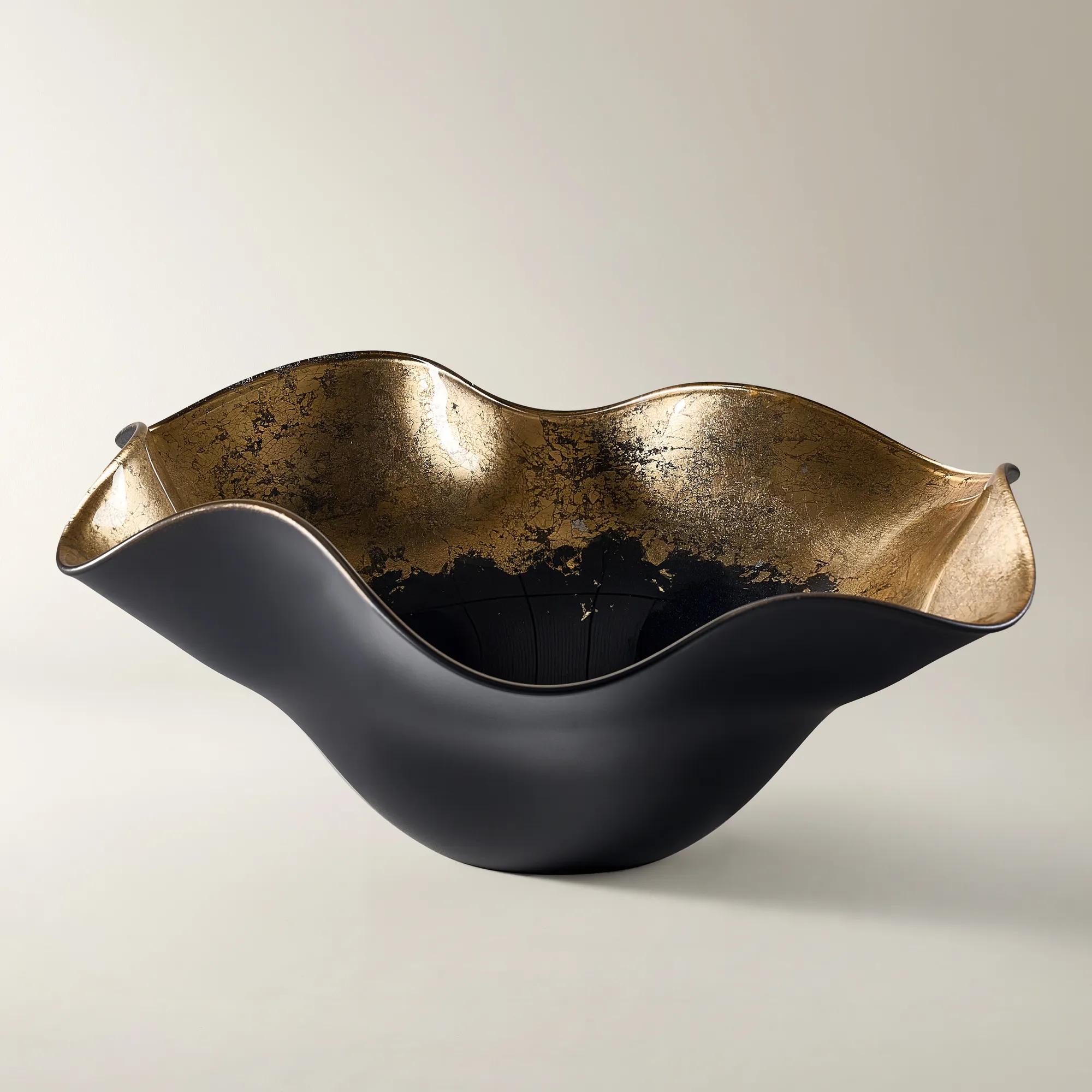 Goldie Mouth Blown Gold Black Glass Decorative Bowl 15.5" x 8.75"$199
A handblown glass bowl in soft gold and black with an organic, sculptural silhouette for modern decor.
Add To Cart -

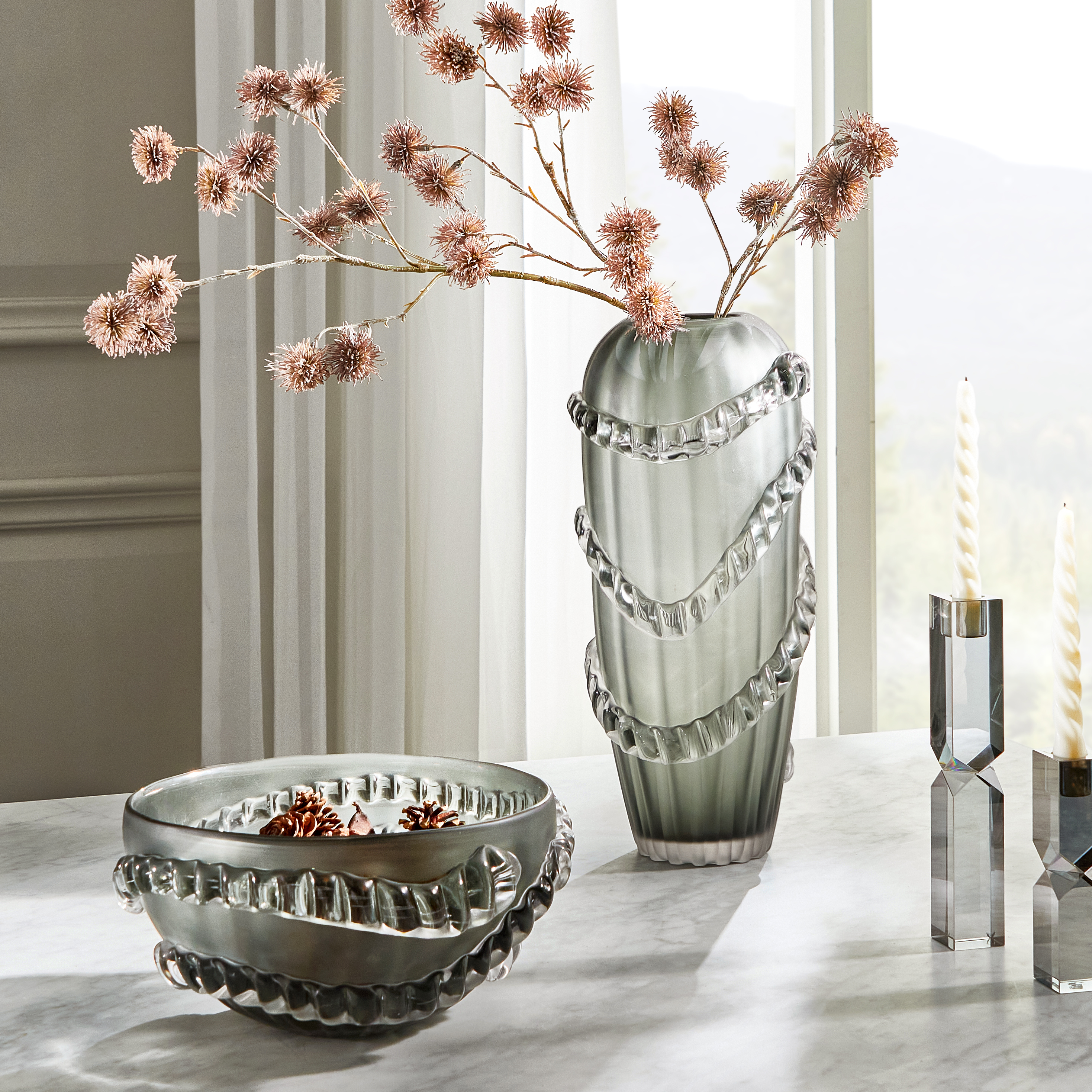 Helix Glass Collection$139
A hand-blown dark gray glass piece featuring fluted bodies and rippling sculptural ribbons for modern decor.
Add To Cart -
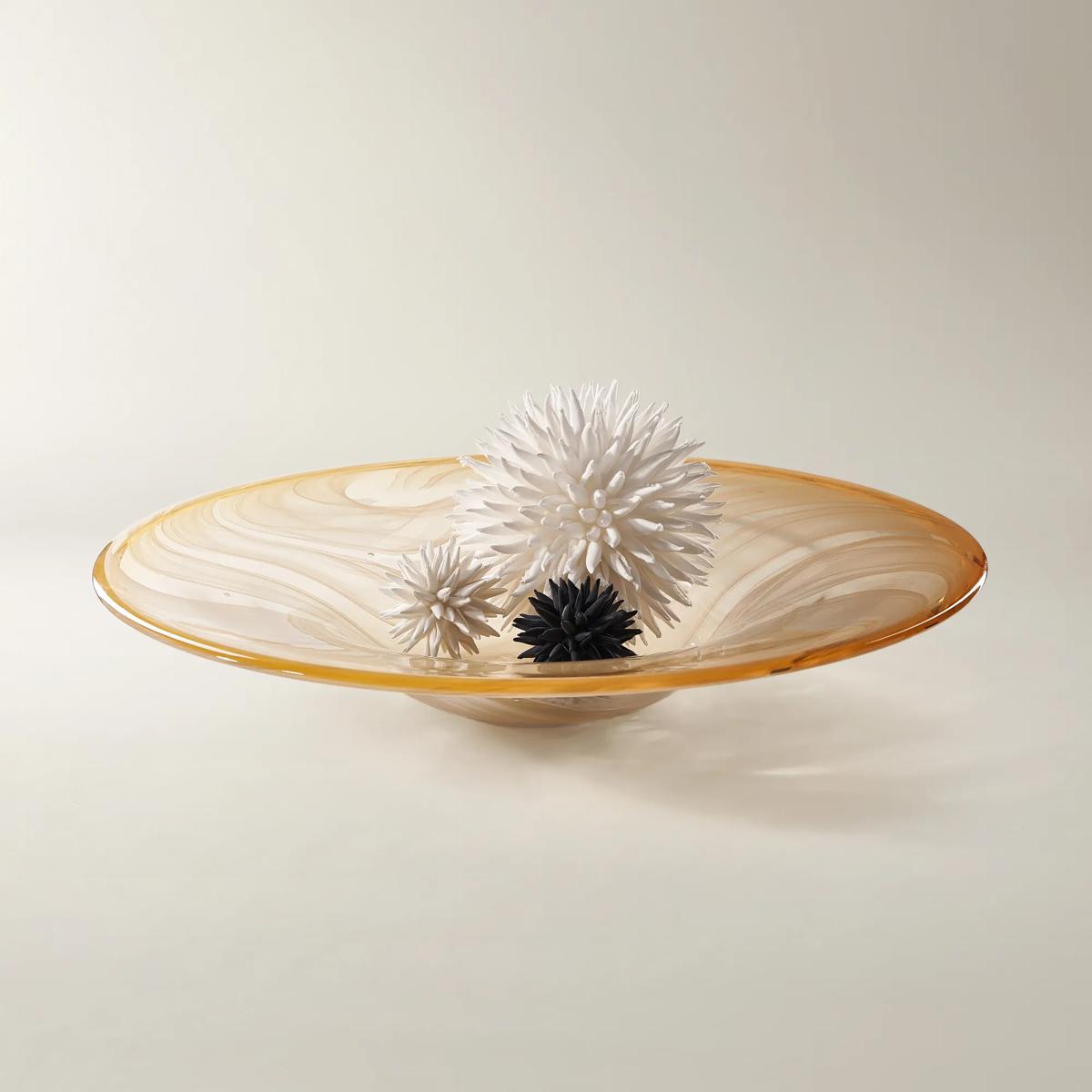
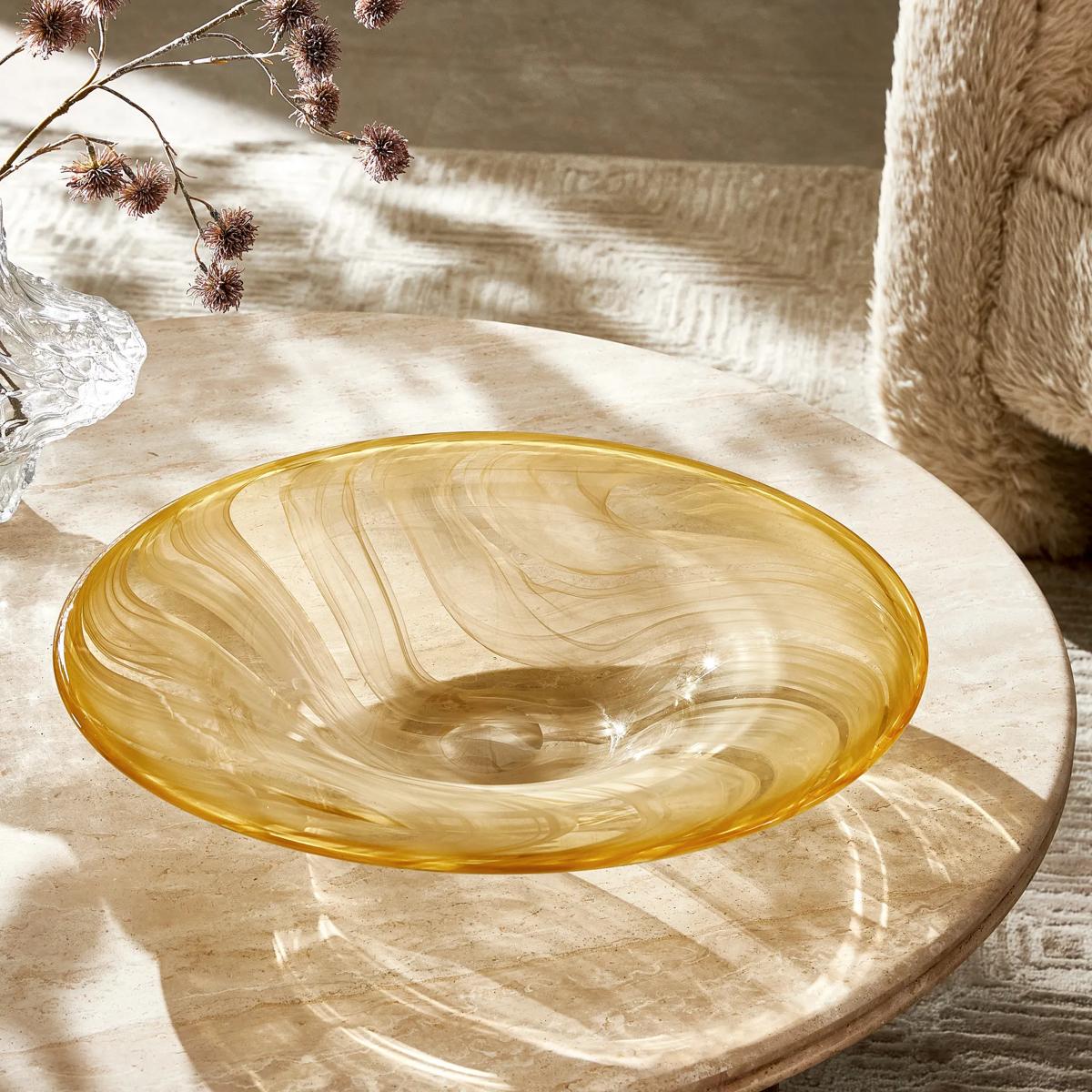 Paradis Glass Plate$239
A hand-blown amber glass plate featuring a swirling, organic design for a radiant decorative accent.
Add To Cart -

 Porto Fig Crystal Pillar Holders$79
A luminous burgundy crystal glass holder with a sculptural silhouette for a bold, modern candle display.
Add To Cart -
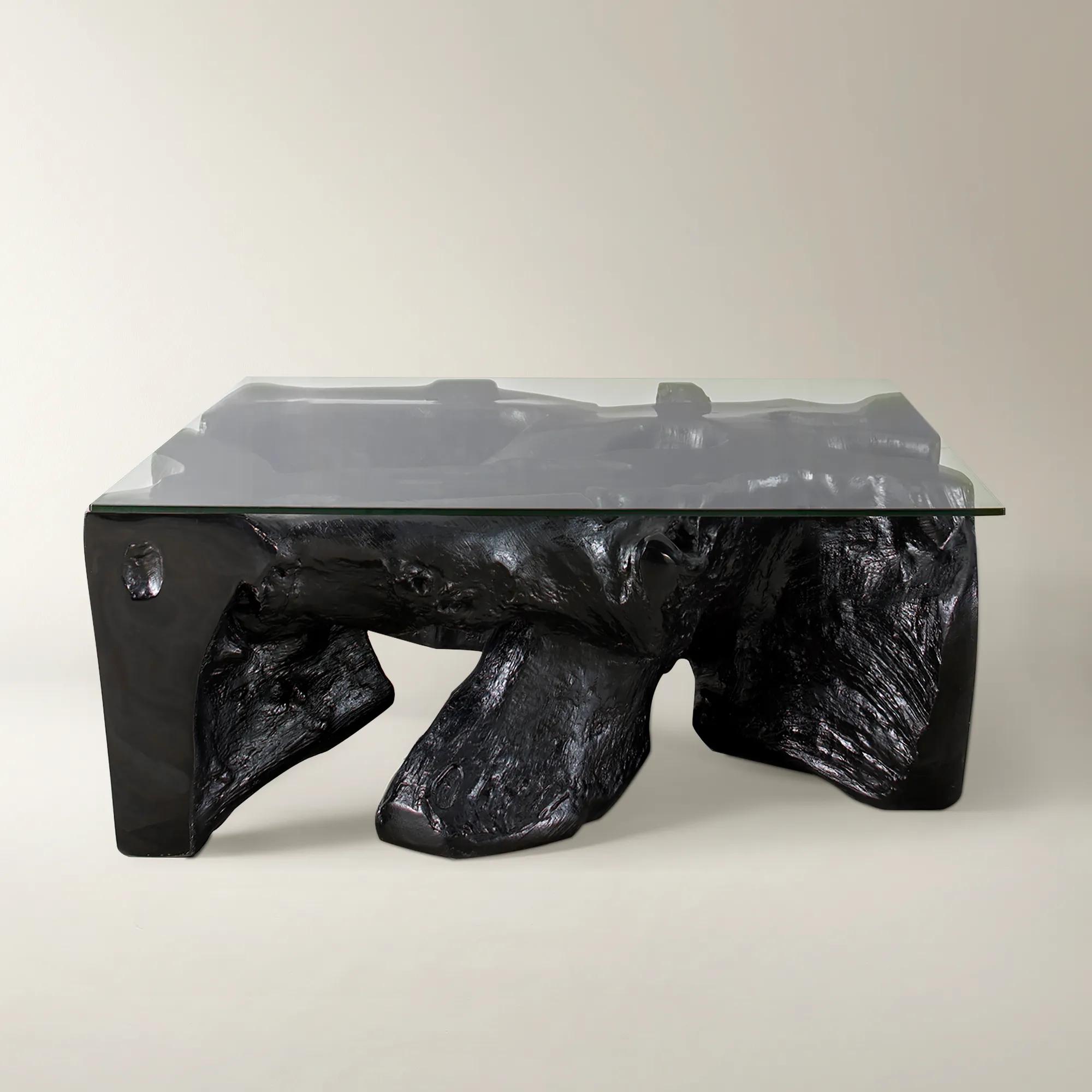
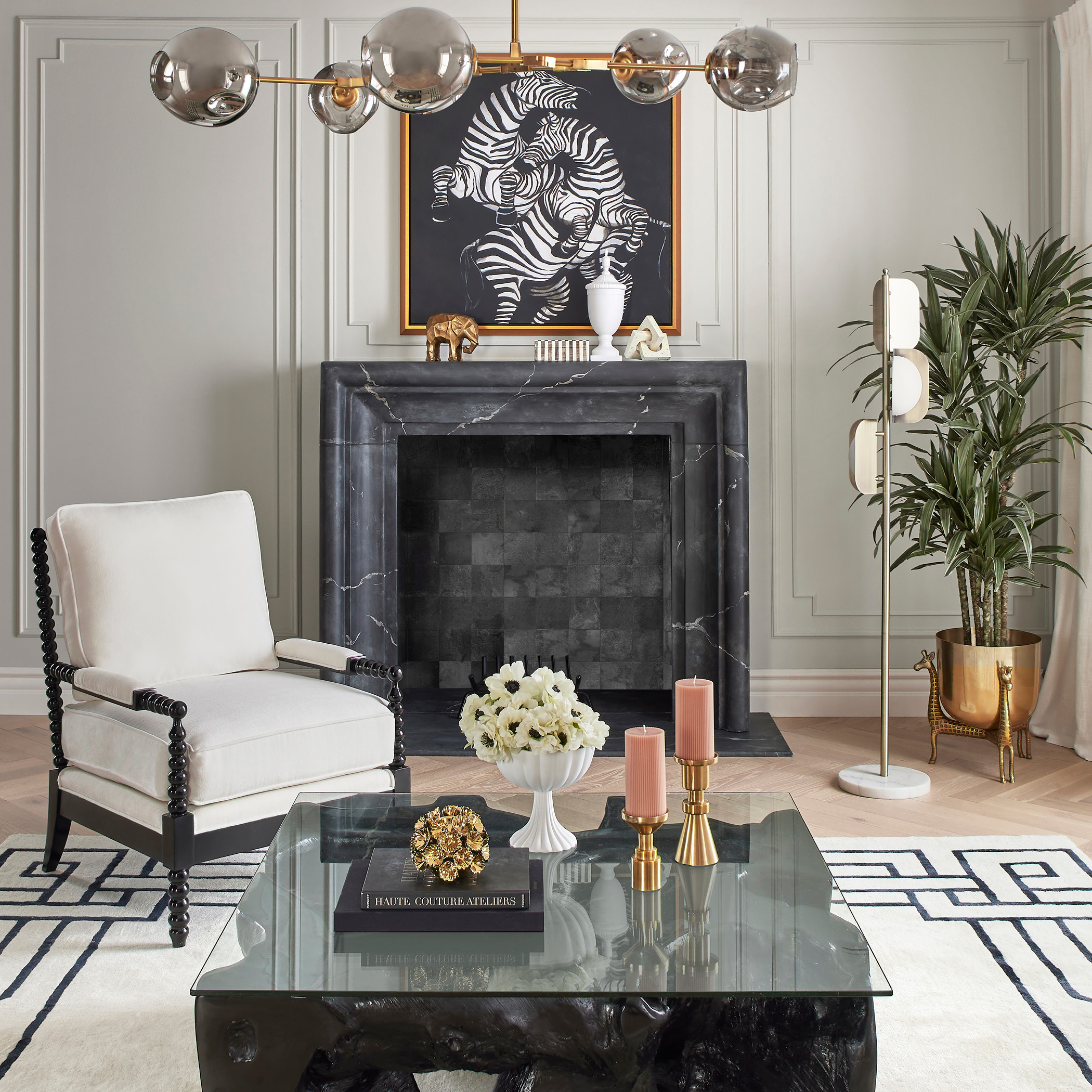 Sequoia Black Resin Coffee Table With Glass Top (44")$2299
A sculptural black coffee table crafted from resin and polished stone fragments for indoor or outdoor use.
Add To Cart -
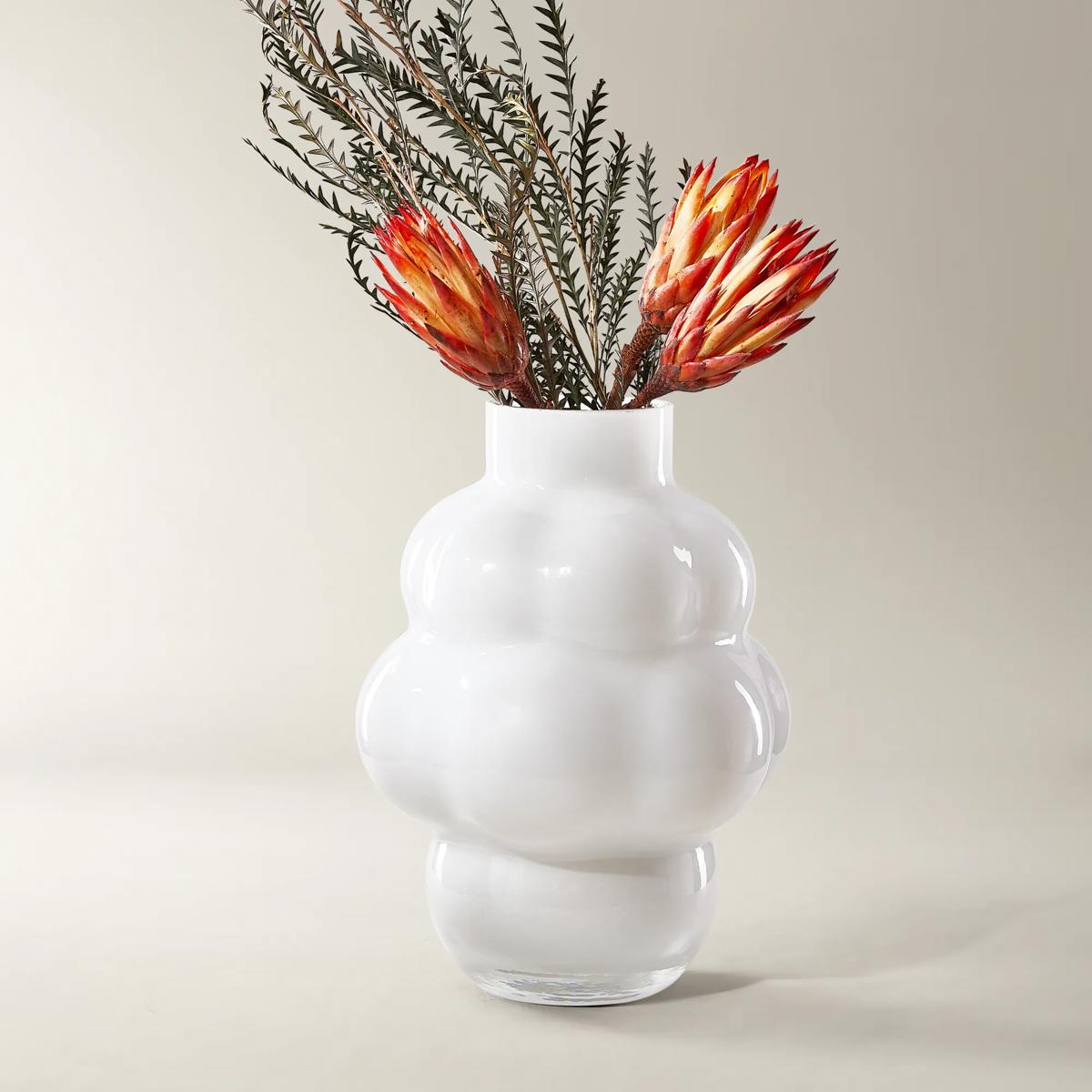 Cloud Glass Vase - White$129
A hand-blown glass vase in glossy opaque white with a sculptural, cloud-inspired silhouette.
Add To Cart -
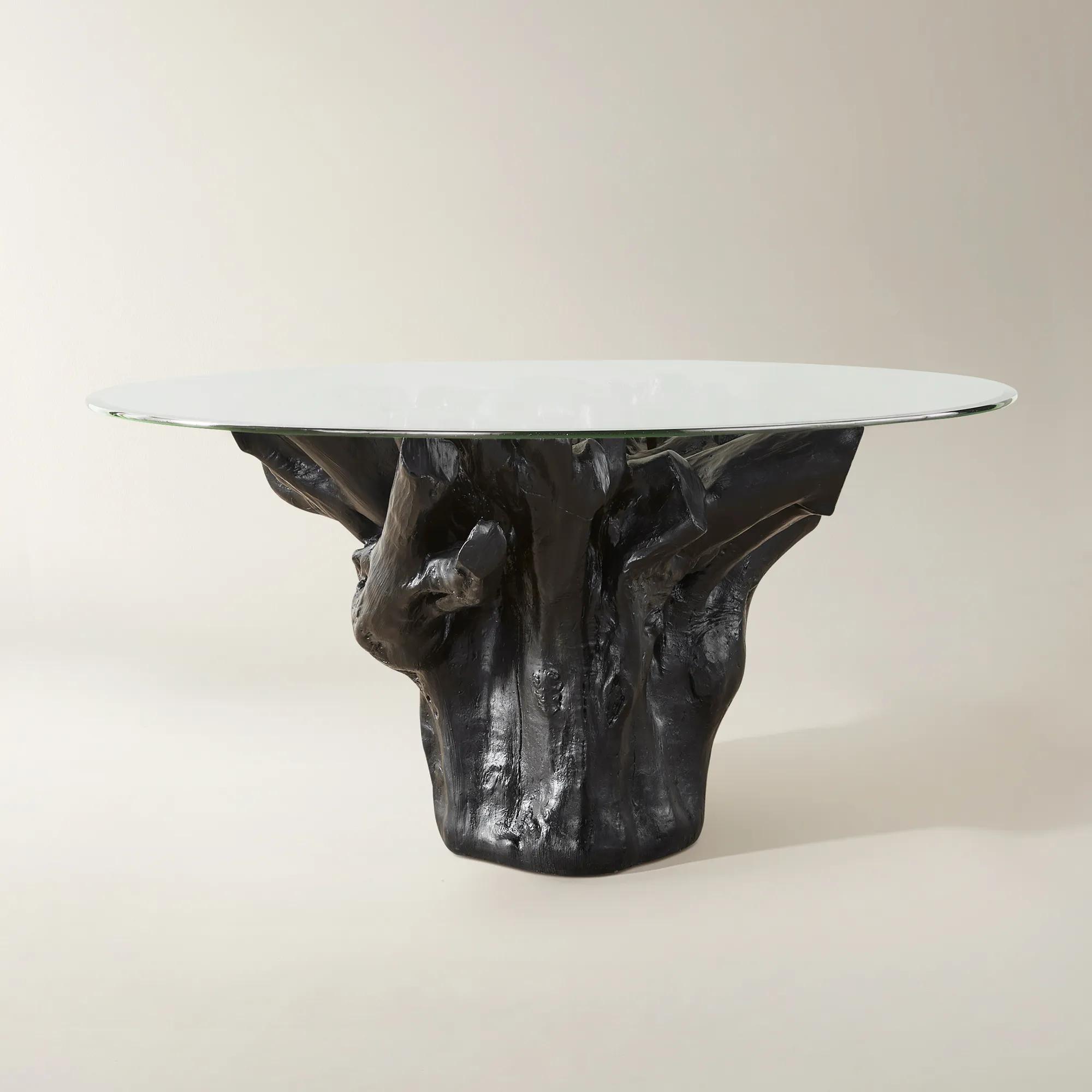 Sequoia Black Resin Dining Table With Glass Top (60")$2299
A sculptural black resin base with real stone fragments supports a round tempered glass top for organic elegance.
Add To Cart -
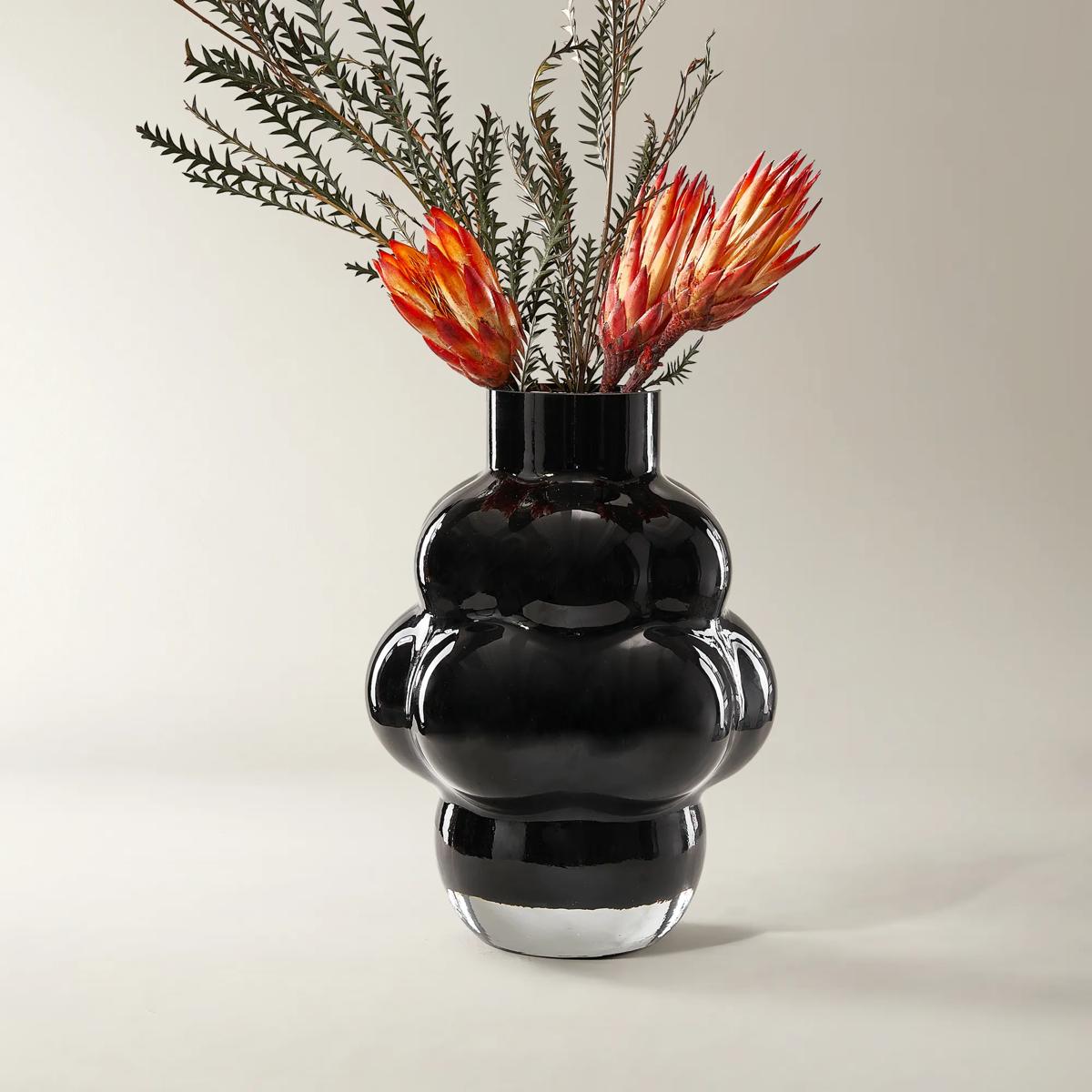 Cloud Glass Vase - Black$129
A hand-blown black glass vase featuring a sculptural silhouette and glossy, dramatic finish.
Add To Cart -
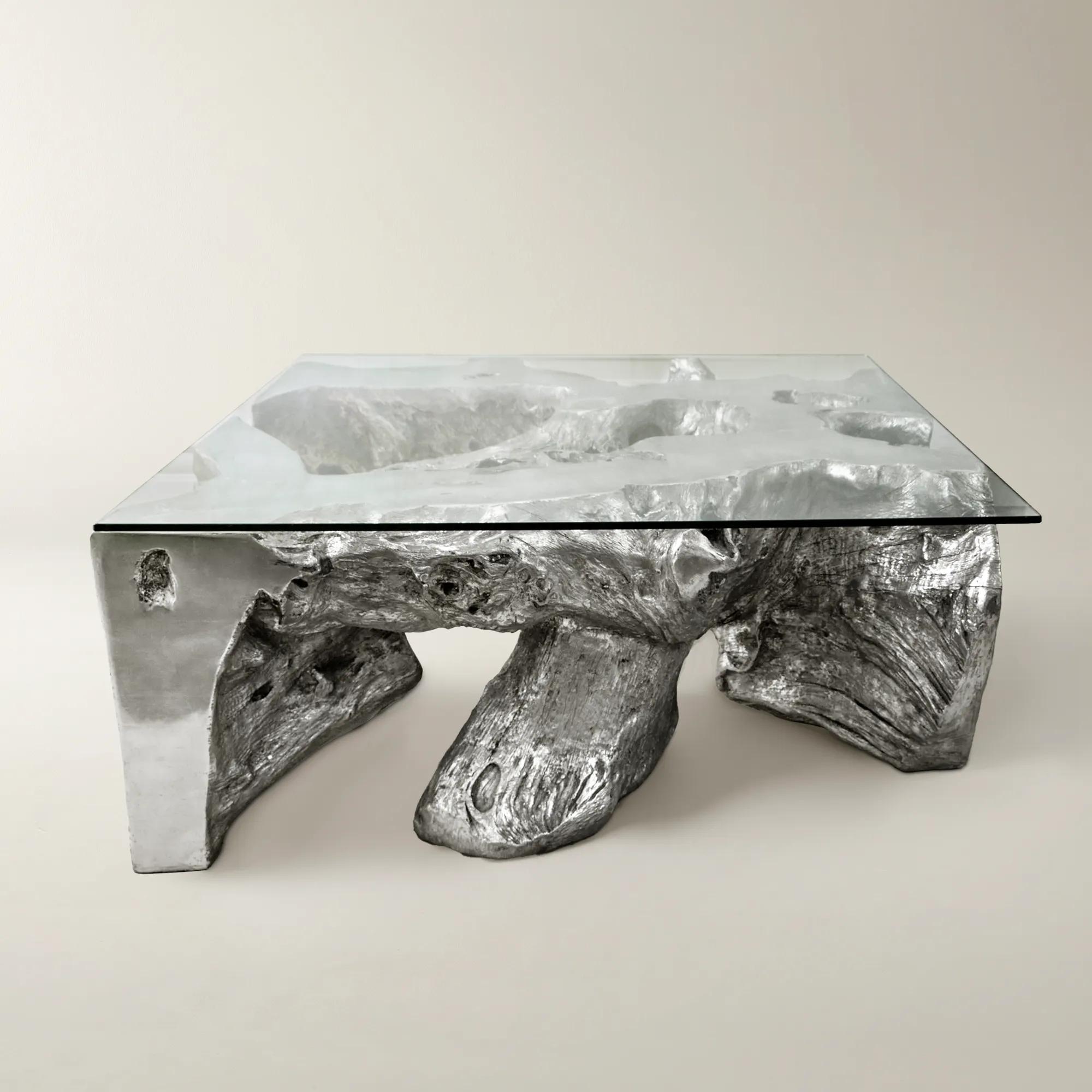 Sequoia Silver Resin Coffee Table With Glass Top (44")$2299
A sculptural coffee table featuring a hand-applied silver leaf resin base and a tempered glass top.
Add To Cart -
 Speckled Mouth Blown Brown And White Glass Vase 14.75"$129
A handblown glass vase featuring a brown and white speckled pattern for modern, artful appeal.
Add To Cart -
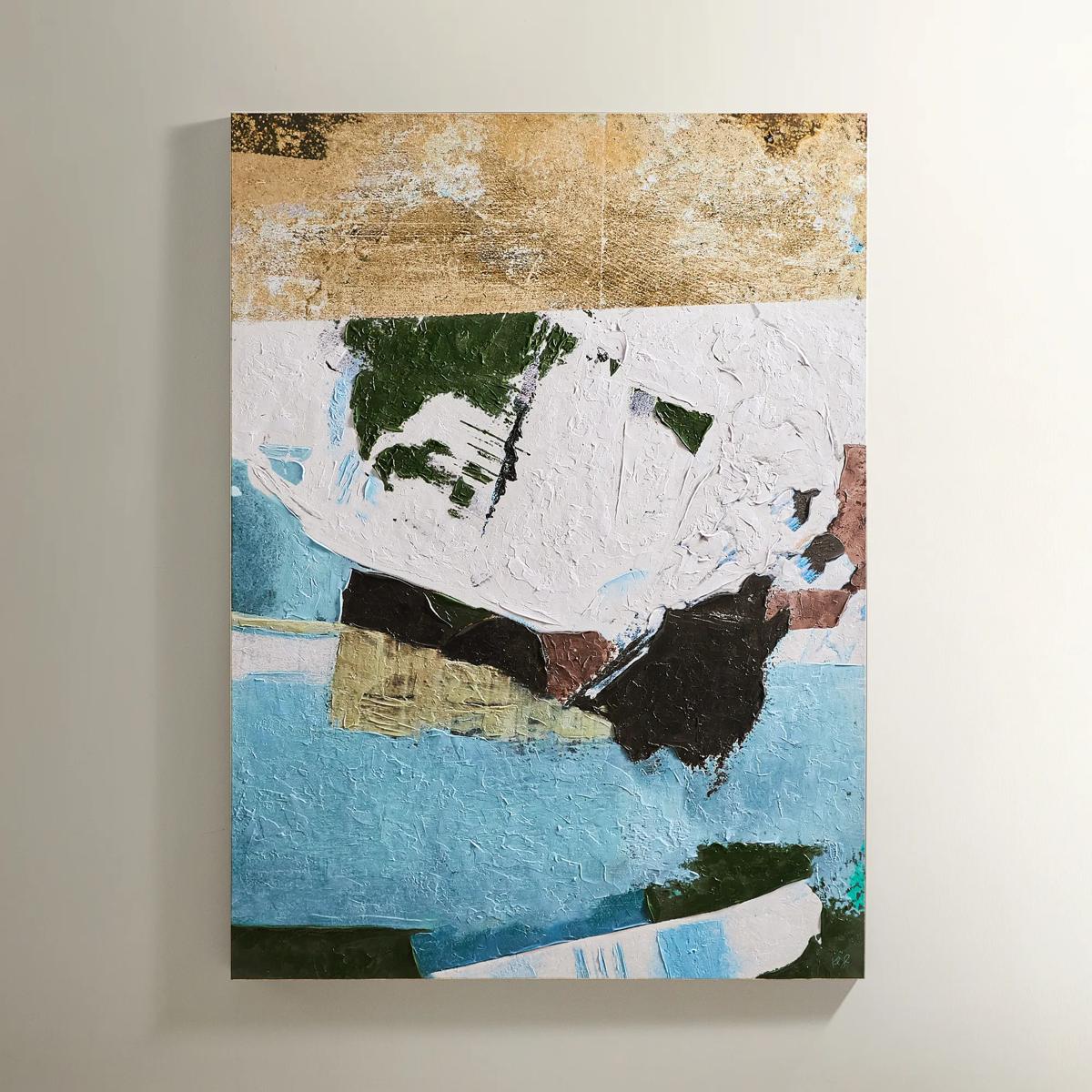 Cadence Painting$599
A hand-embellished canvas artwork featuring textured olive, gold, and ivory strokes in a black and gold frame.
Add To Cart -
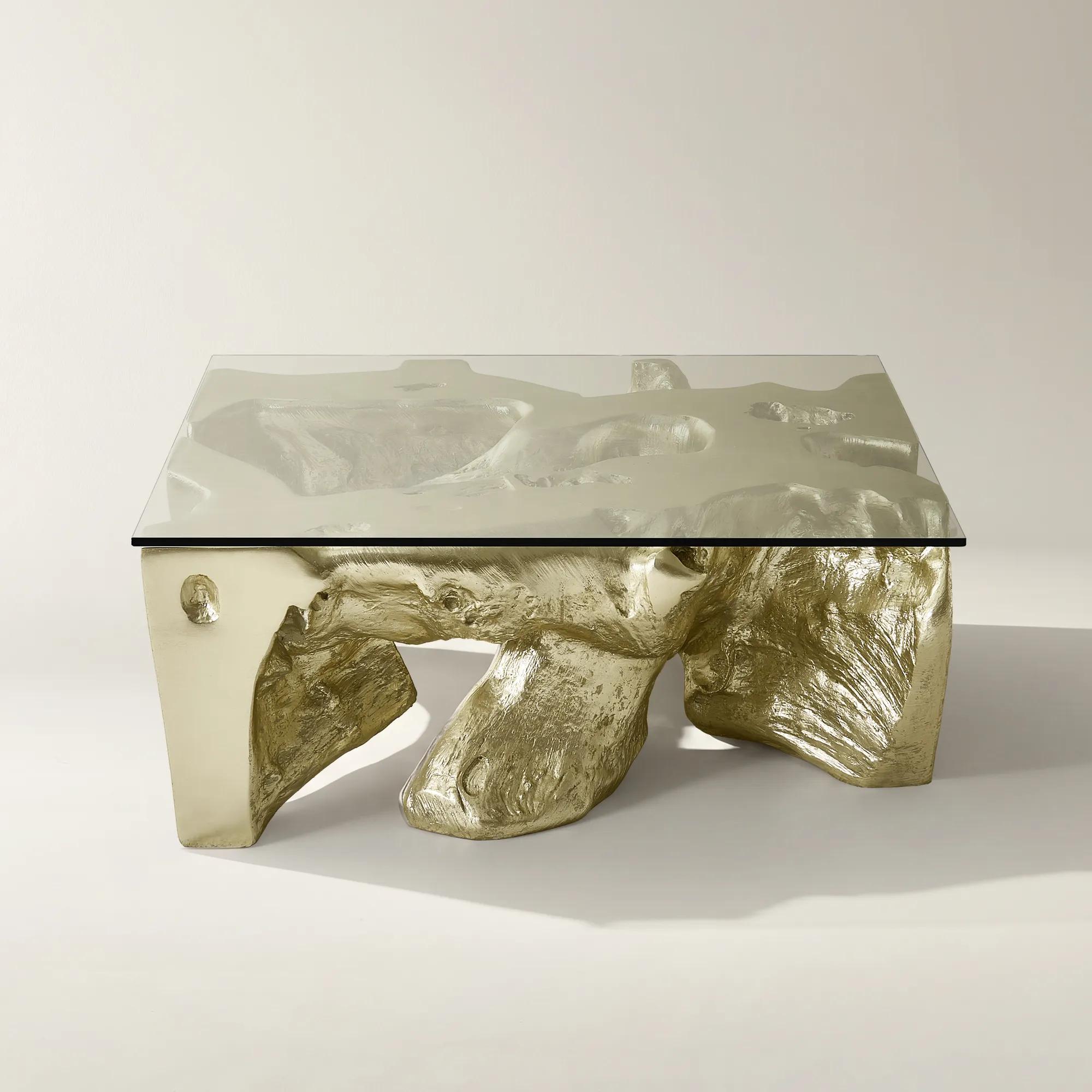 Sequoia Champagne Gold Resin Coffee Table With Glass Top (44")$2299
A sculptural resin coffee table with a champagne gold leaf finish and a clear tempered glass top.
Add To Cart -
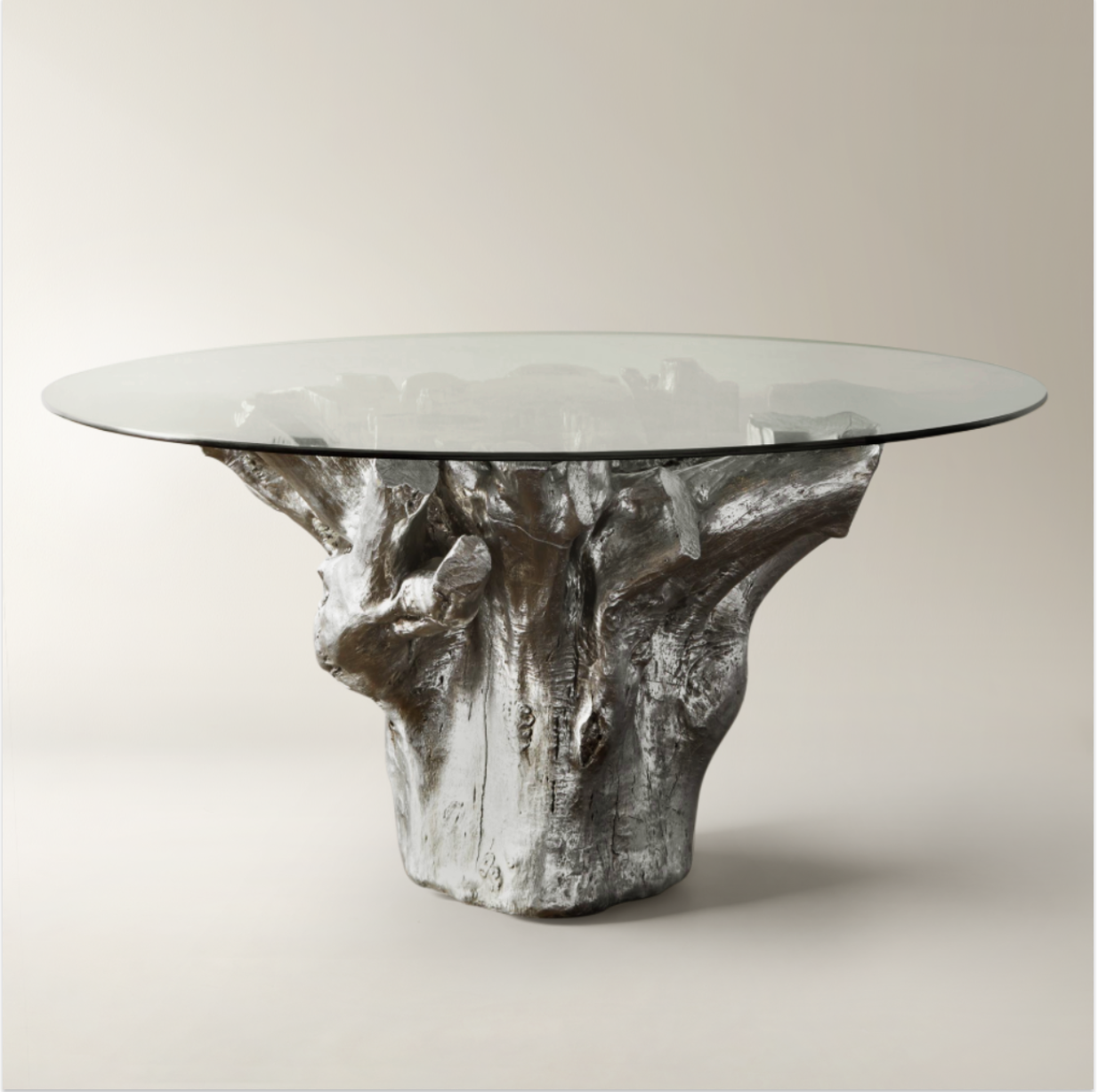 Sequoia Silver Resin Dining Table With Glass Top (60")$2199
A sculptural resin base with hand-applied silver leaf supports a round tempered glass top for modern elegance.
Add To Cart -
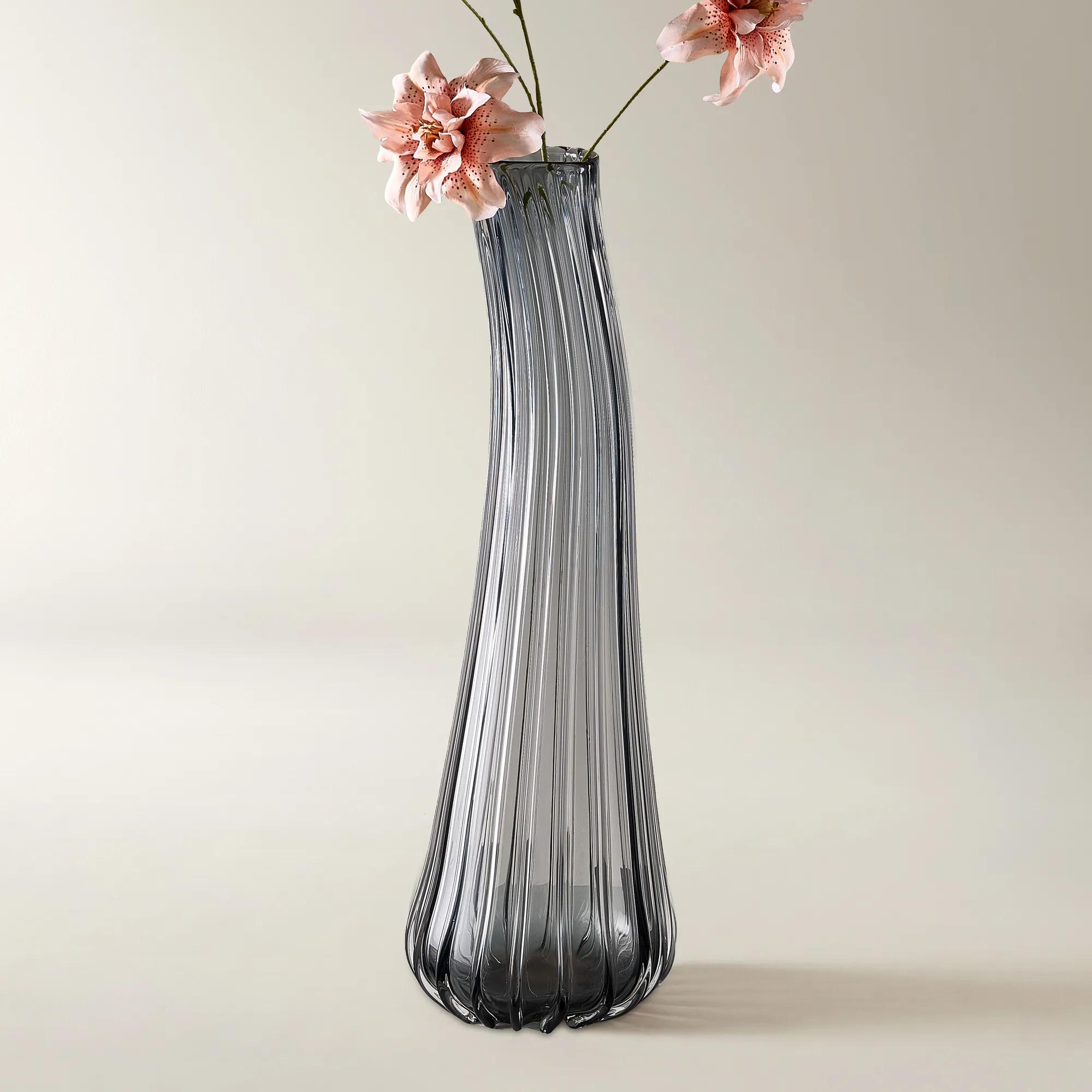 Tango Mouth Blown Smoked Pearl Vase 29"$199
A handblown glass vase in a smoked pearl finish with a textured surface for sculptural elegance.
Add To Cart -
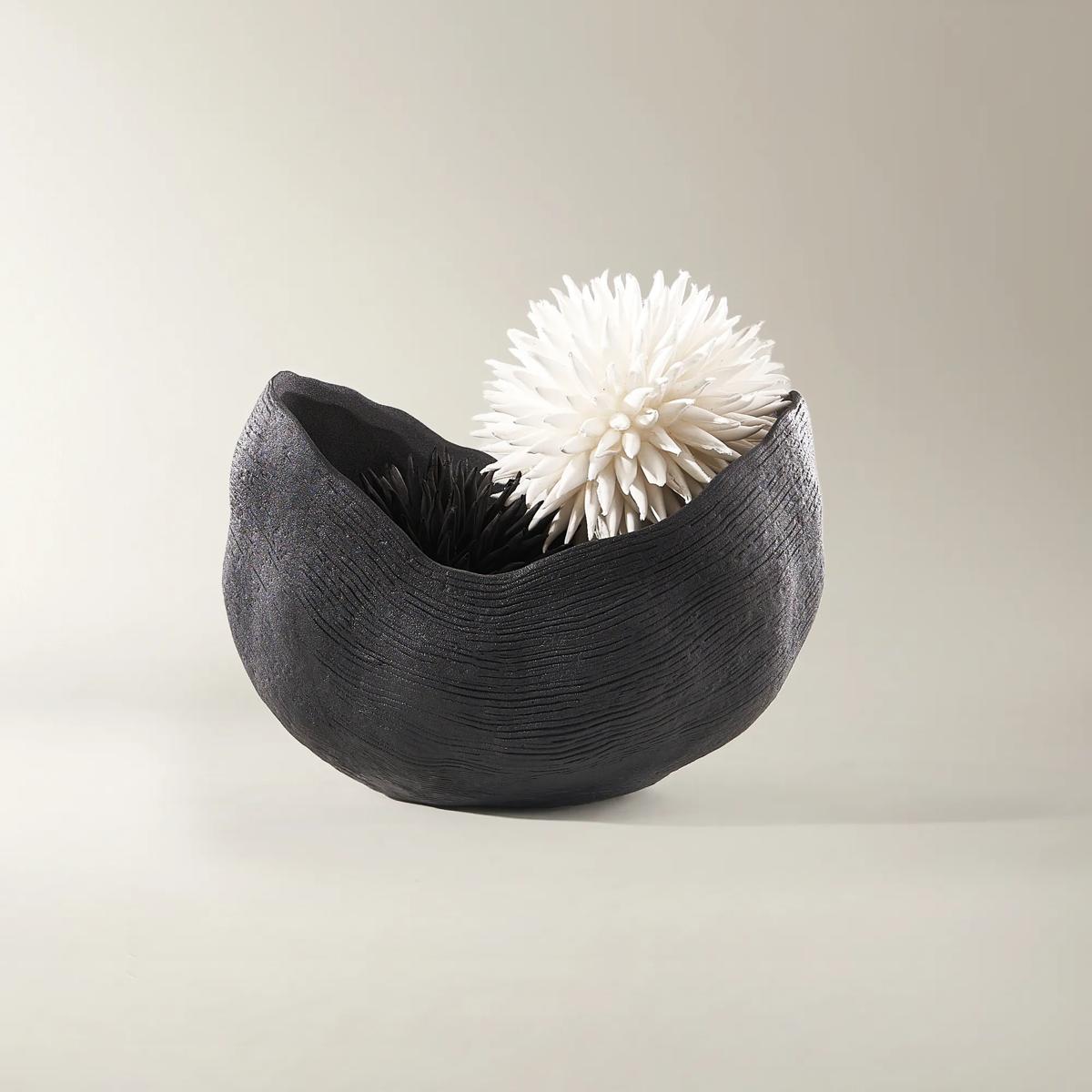 Baz Bowl - Black$119
A sculptural black porcelain bowl with a matte, ridged texture for bold, modern decor accents.
Add To Cart

Modern Living Room Centerpieces
Modern Living Room Centerpieces are the soul of a space, orchestrating visual intrigue and conversation in equal measure. These striking accents invite you to curate your own moment of drama, transforming the everyday into the extraordinary. Whether you crave sculptural silhouettes or gleaming surfaces that capture every glimmer of light, each piece is designed to command attention and spark delight. Let your living room become a gallery of bold expression, where every centerpiece reflects your unique vision and elevates the art of gathering.
Modern living room centerpieces are decorative focal accents that give a coffee table, console, or other prominent surface a distinct visual identity. Sculptural vases, decorative bowls, trays, candleholders, and art objects belong to this category, bringing architectural shape, expressive texture, and deliberate contrast into the room. Their appeal lies in the way a single form or a thoughtful grouping can draw together the surrounding furnishings: a gleaming vessel echoes a metallic table base, while a richly textured bowl introduces depth against smooth glass. Modern design favors purposeful silhouettes, but that does not require a quiet presence. An oversized curve, an unexpected opening, or a dramatic polished surface can make an accent feel as compelling as a small work of art. Ceramic offers substantial forms and finishes that range from smooth glaze to tactile surfaces; glass introduces transparency, reflected light, and color without always adding visual weight. Metal brings definition through polished, brushed, or textured finishes, while wood lends grain and warmth to a composition. Stone and marble contribute natural veining, with variations that make each surface distinctive. Resin can accommodate expressive shapes, although weight, finish, and care requirements vary by construction. These material differences influence more than appearance. A transparent vase allows stems to become part of the composition, while an opaque vessel gives an arrangement a stronger visual base. A shallow bowl emphasizes its outline and interior finish, whether displayed empty or holding decorative objects. Trays frame smaller accents and give a grouping a clear boundary, especially on a generous coffee table. Candleholders introduce vertical rhythm and, when used with suitable candles, a softer layer of illumination. A centerpiece can be one commanding object rather than several competing accents; an expressive silhouette often needs little embellishment. Together, these categories offer different ways to create a focal point that feels considered, personal, and unmistakably expressive. The strongest impression comes from the relationship between shape, material, and setting, not from the number of objects on display.
Scale determines whether a living room centerpiece feels commanding or crowded. On a broad rectangular coffee table, an elongated tray or a substantial low bowl can hold its own against the surrounding seating without interrupting conversation. A round table often benefits from a curved vessel or a compact grouping that leaves its perimeter accessible. In a smaller living room, a single sculptural accent can deliver drama while preserving space for drinks, a book, or an evening spent entertaining. Height matters as much as width: tall branches may look magnificent on a console behind a sofa, but a lower arrangement generally suits a table between facing seats. The shapes and upholstery of modern living room centerpiece sofas provide a larger visual foundation, allowing tabletop accents to echo a curve, contrast a tailored silhouette, or repeat a color in a more concentrated form. Against sumptuous upholstery, a smooth metallic finish creates a crisp counterpoint; beside a glass table, a textured ceramic vessel adds welcome substance. Color can connect a centerpiece to artwork, pillows, or a rug without requiring an exact match. A smoky glass accent might pick up a shadowed tone in a painting, while an ivory bowl can lend definition to a dark tabletop. Pairings feel especially deliberate when they vary in height or texture but share a visual thread. A sculptural vase beside a low tray creates dimension without demanding a crowded arrangement, and an open bowl gives the eye a resting place beside a more intricate object. Table dimensions, the centerpiece’s footprint, and its actual weight all deserve attention, particularly with delicate surfaces or movable accent tables. Felt pads or another suitable protective barrier can help prevent abrasion, provided they are compatible with both finishes. Empty space remains part of the composition, allowing an expressive object to be appreciated from the sofa rather than disappearing among everyday belongings. Even in an exuberant interior, breathing room around a centerpiece makes its contours, reflections, and craftsmanship easier to appreciate.
Living room centerpieces suit homes where decorative details are expected to do more than occupy a surface. They can bring an artful finishing touch to a first apartment, lend distinction to a redesigned seating area, or introduce a fresh point of interest without replacing larger furnishings. For hosts, a low decorative arrangement preserves the convivial feeling of a conversation area while making the room feel thoughtfully prepared. For collectors and design enthusiasts, a sculptural vessel offers a place to explore an unusual finish or form on an intimate scale. A vase, bowl, or tray can also make a thoughtful housewarming or wedding gift when its dimensions and aesthetic reflect the recipient’s home. Intended use matters: a decorative bowl is not necessarily food-safe, and a vessel designed for display is not necessarily watertight. Fresh flowers require a vase intended to hold water, or a suitable liner when the manufacturer permits one; dried stems and botanical accents have different practical needs. Candleholders should match the candle type and size, with lit candles kept away from arrangements and other combustible materials and never left unattended. Durability depends on construction and daily handling as well as material. Ceramic and glass can chip or break on impact, metal finishes may scratch, and porous stone can absorb spills. In active households, a stable base and placement away from table edges make a meaningful difference. Care should follow the manufacturer’s instructions, since glazes, coatings, and decorative finishes respond differently to cleaning products. A soft cloth is often appropriate for routine dusting, while abrasive cleaners and prolonged moisture can damage certain surfaces. Trays and vessels used frequently benefit from prompt attention to spills and gentle handling when moved. These practical considerations protect the very qualities that make a centerpiece captivating: the clarity of glass, the luster of metal, the character of natural grain, or the depth of a textured glaze. Chosen with both expression and everyday use in mind, a modern centerpiece gives the living room a memorable focal point that feels integrated into daily life.
FAQs
Modern living room centerpieces often showcase a blend of luxurious materials such as polished metals, hand-blown glass, marble, ceramic, and crystal. These materials not only add visual intrigue but also elevate the tactile experience, lending an air of sophistication and artistry to your space.
Incorporating lighting—whether through a chandelier centerpiece, sculptural table lamps, or artful candle arrangements—can dramatically accentuate your centerpiece. Lighting creates ambiance, adds dimension, and draws attention to the textures and finishes of your chosen pieces, making your living room feel both inviting and extraordinary.
Absolutely. A thoughtfully chosen centerpiece, such as a striking vase, a decorative bowl, or a set of artisan candleholders, makes a memorable and meaningful gift. These pieces are ideal for housewarmings, weddings, or milestone celebrations, offering recipients a touch of luxury and a statement for their home.
Consider the color palette, materials, and overall mood of your living room. Choose a centerpiece that harmonizes with your furnishings while adding a distinctive accent—whether through contrasting textures, bold silhouettes, or reflective surfaces. This approach ensures your centerpiece feels intentional and layered within your space.
For winter, embrace centerpieces that evoke warmth and elegance—think mirrored trays with clusters of candles, metallic vases filled with seasonal greenery, or crystal sculptures that catch the light. Layering textures and incorporating rich, wintry hues can transform your living room into a cozy yet glamorous retreat.