
Modern Living Room Accent Tables
Modern Living Room Accent Tables
-
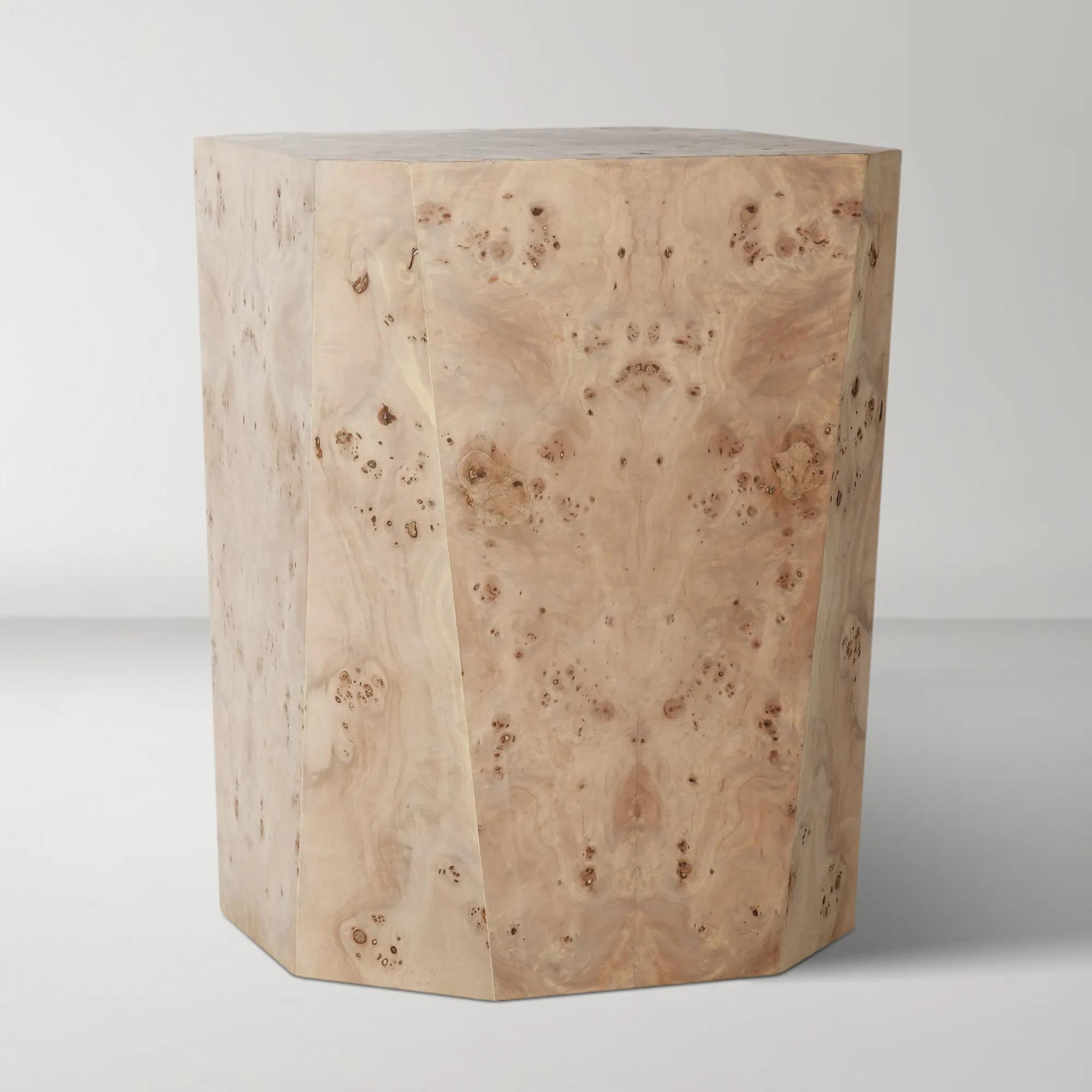
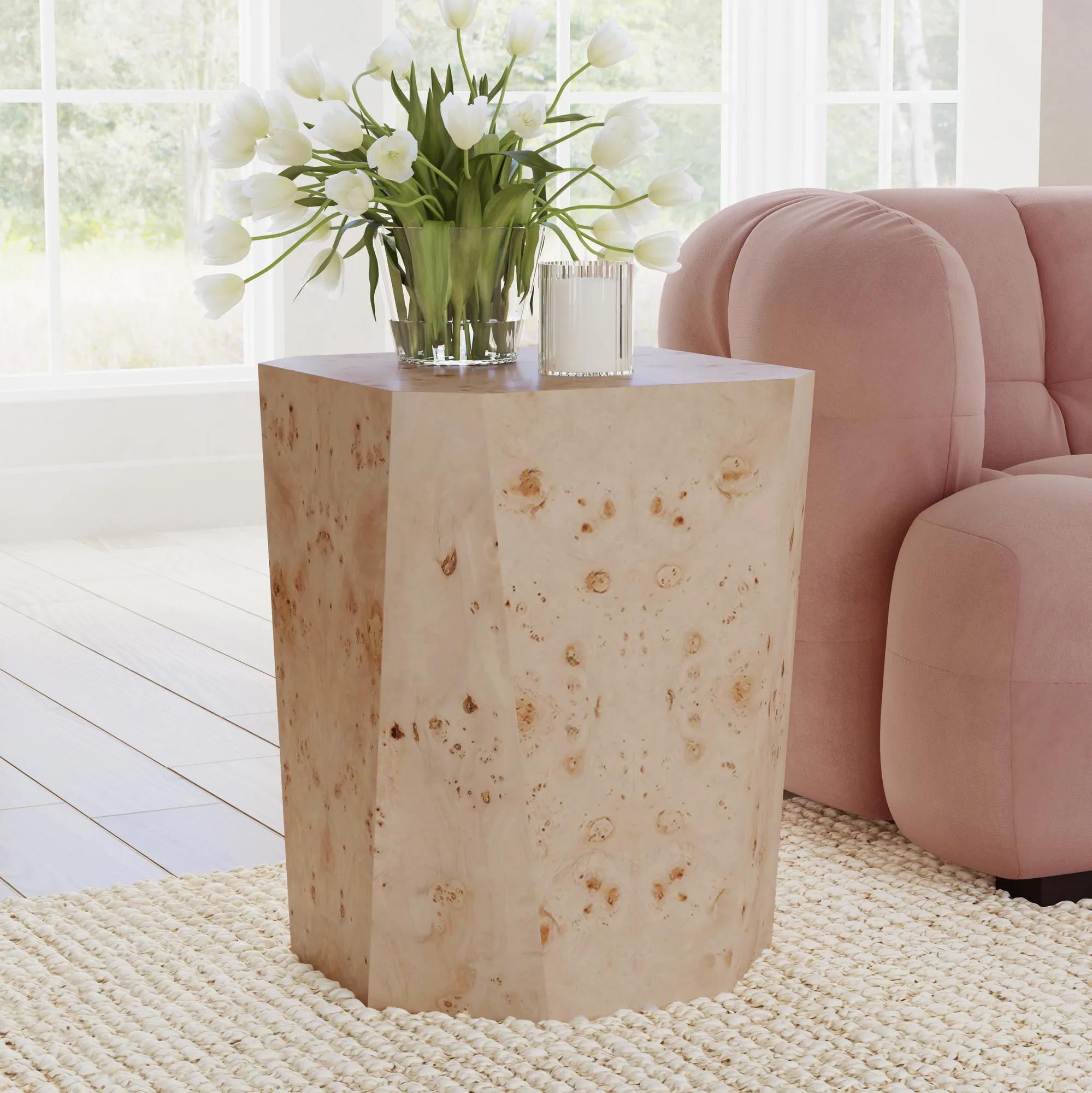 Avena Square Natural Burl Wood End Table (17.75")$699
A striking end table featuring natural burl wood veneer with unique swirling grain and warm, organic tones.
Add To Cart -
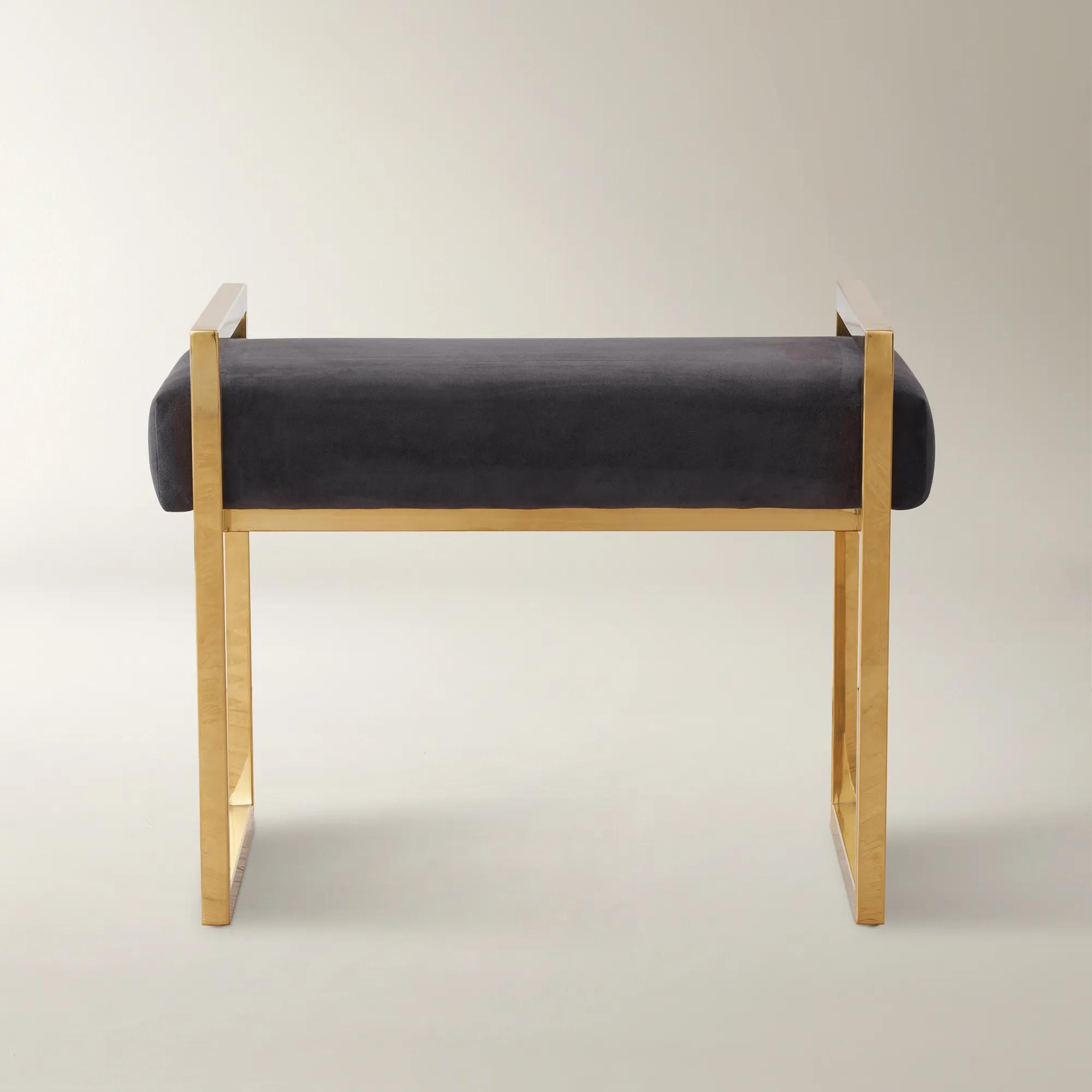
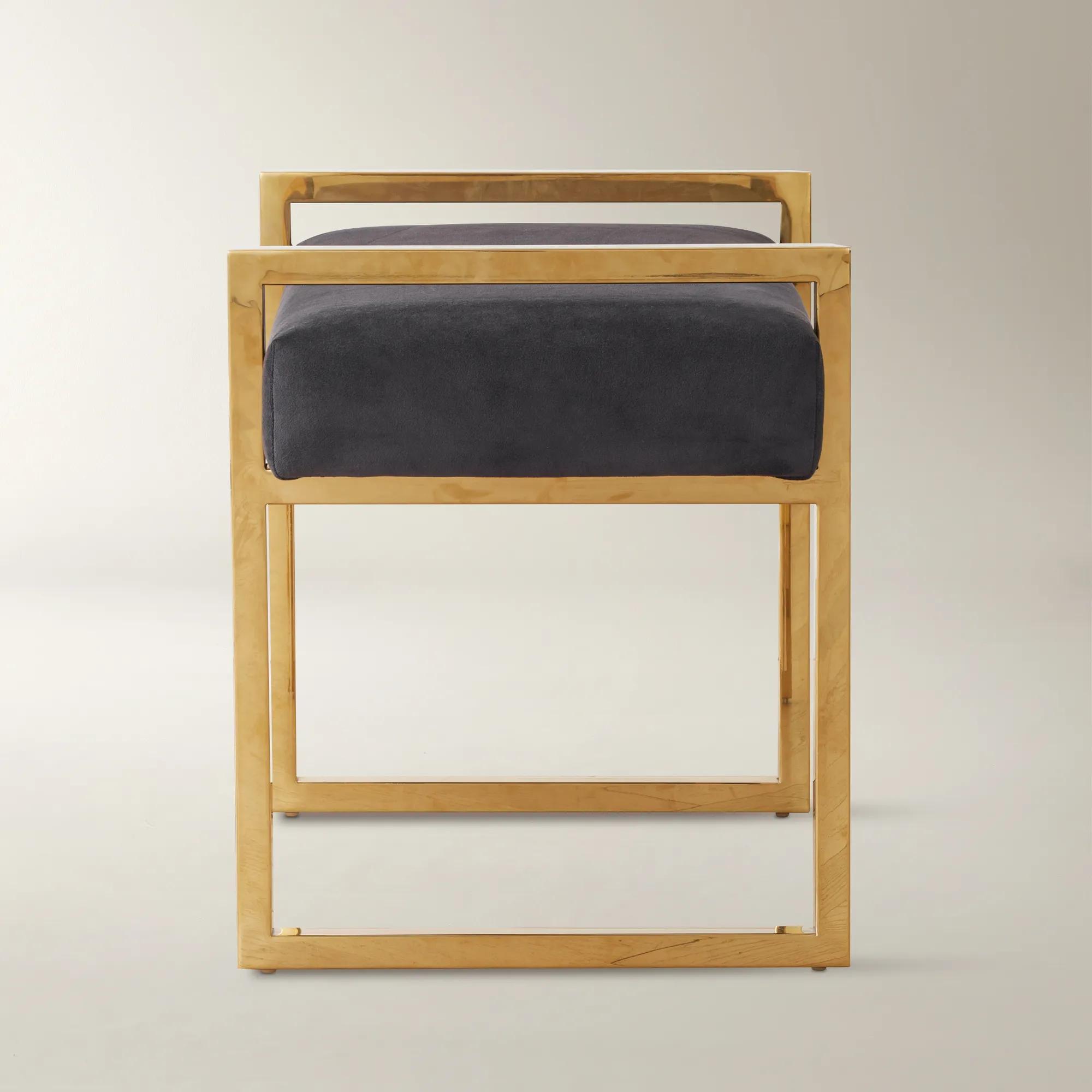 Clara Accent Stool$399
A plush black velvet seat rests on polished gold metal legs for a chic, modern accent piece.
Add To Cart -
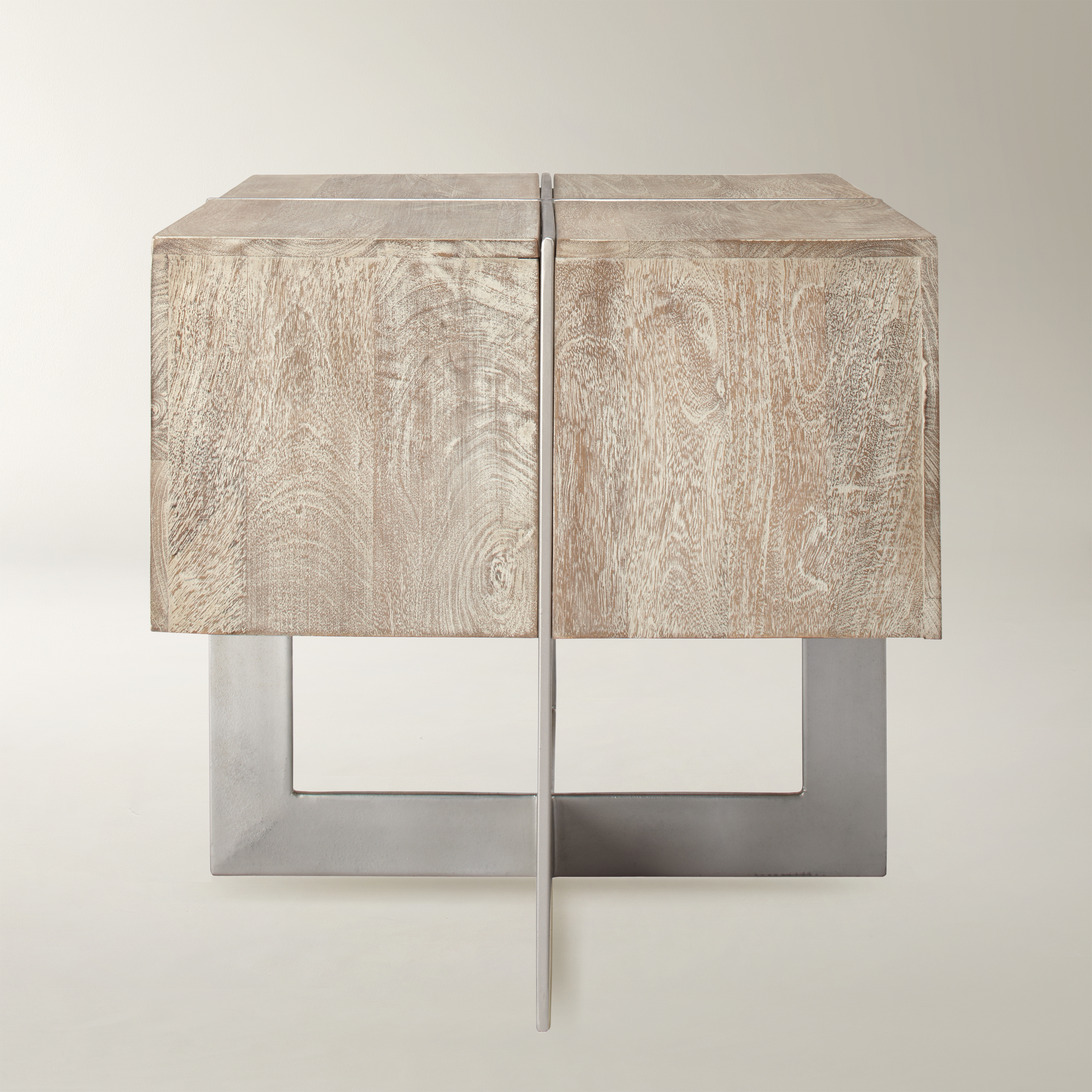
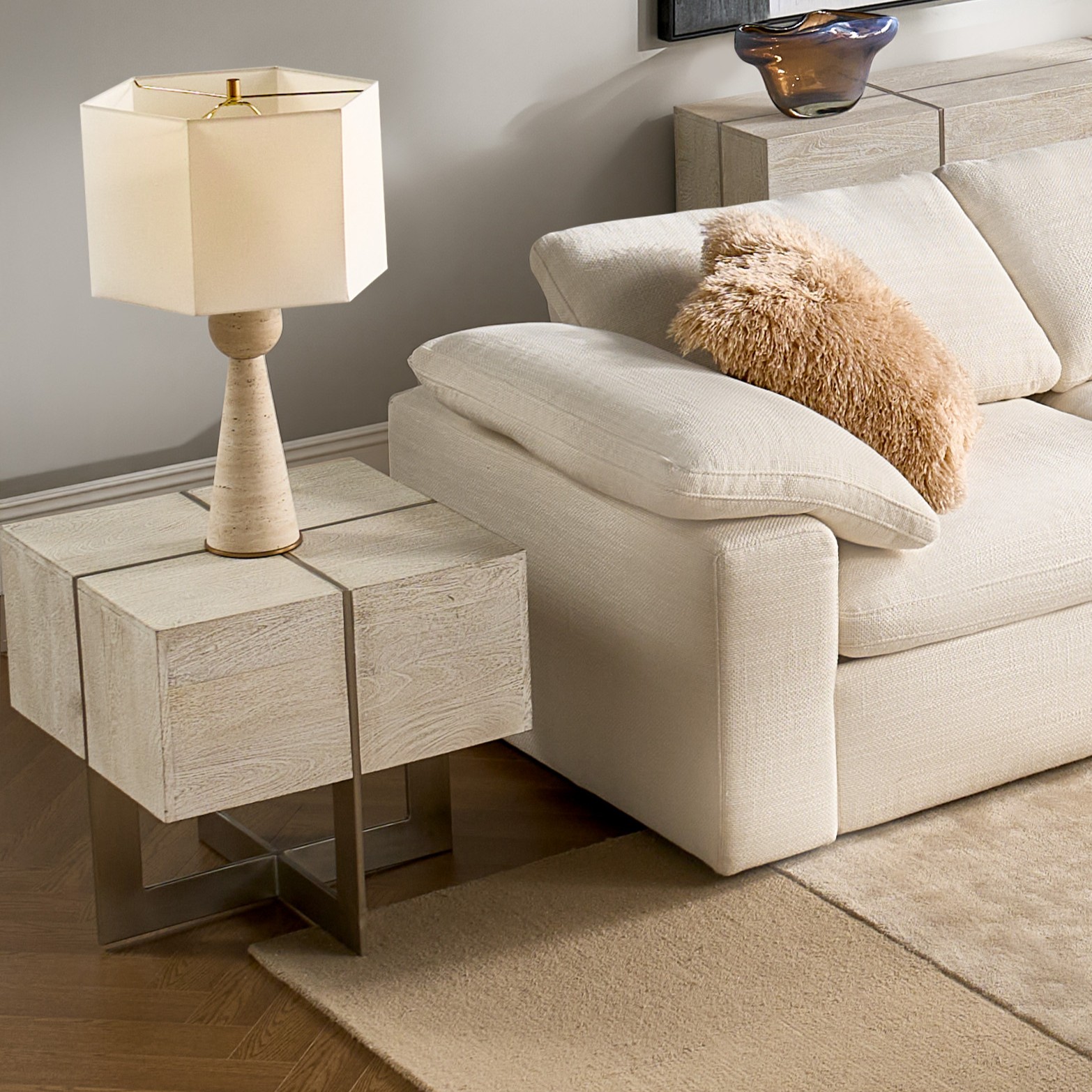 Clifton Square Natural Mango Wood End Table (24")$599
A handcrafted mango wood end table with a whitewashed finish and antiqued silver iron legs.
Add To Cart -
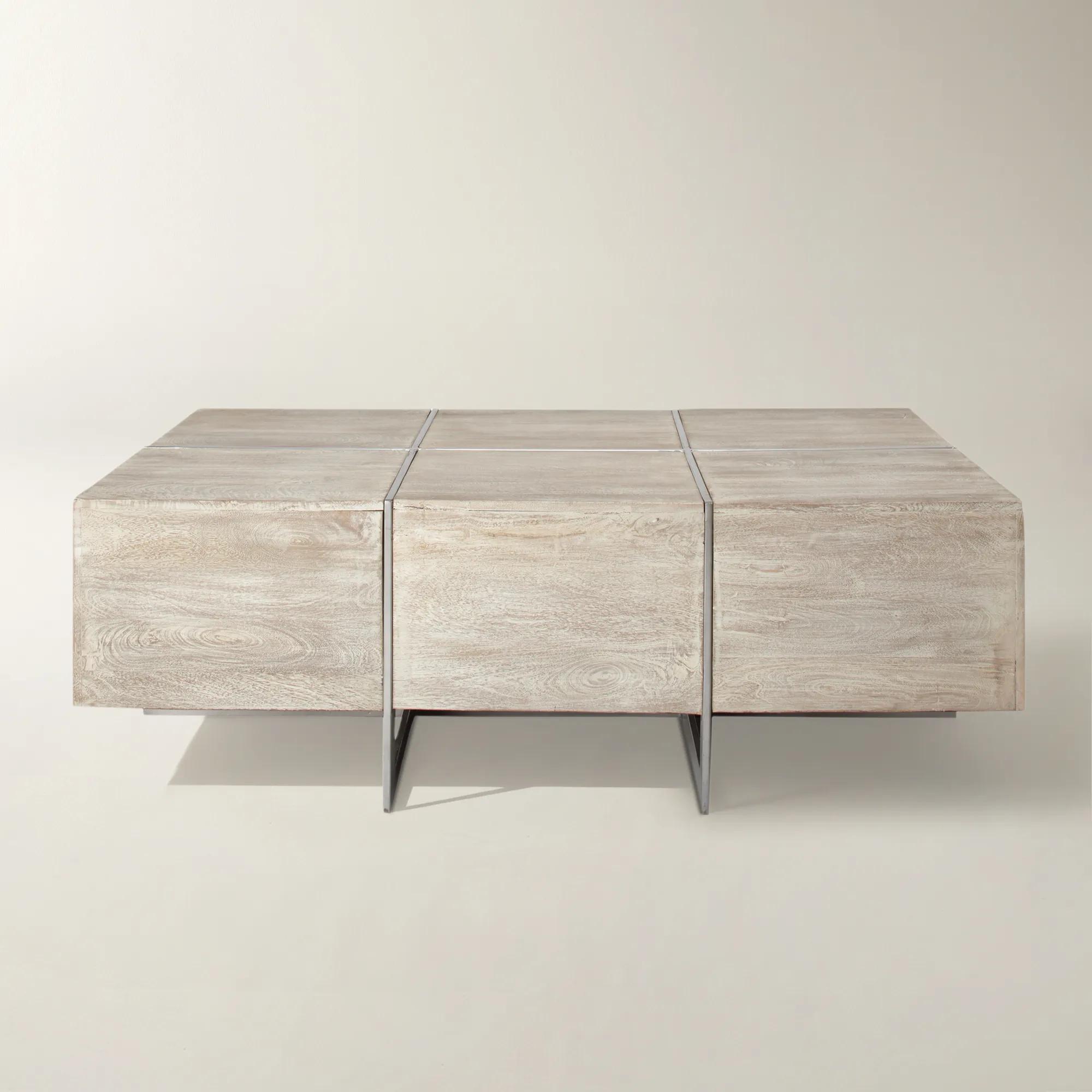
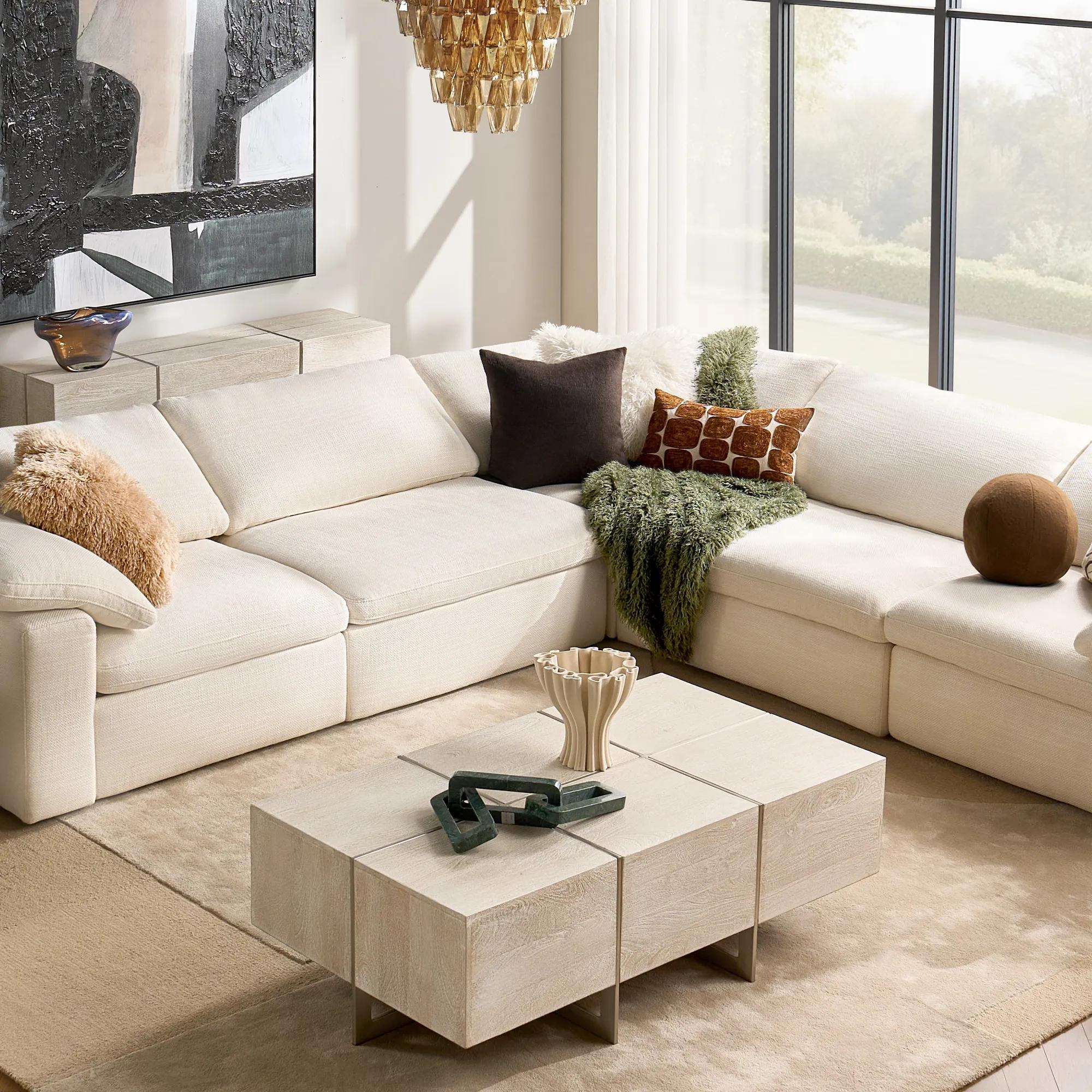 Clifton Rectangular Natural Mango Wood Coffee Table (54")$1299
A handcrafted mango wood table with a whitewashed finish and antiqued silver iron legs for organic appeal.
Add To Cart -
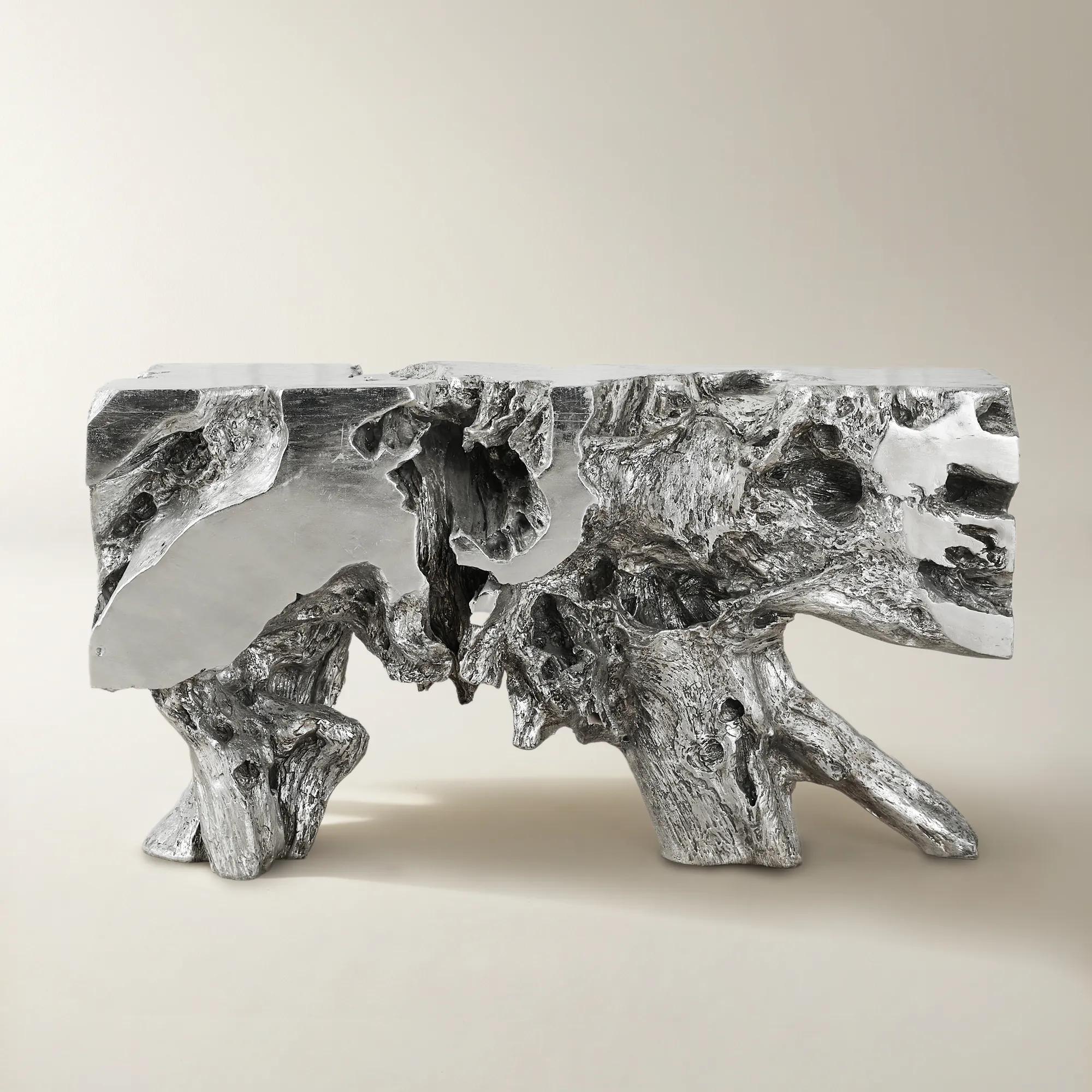
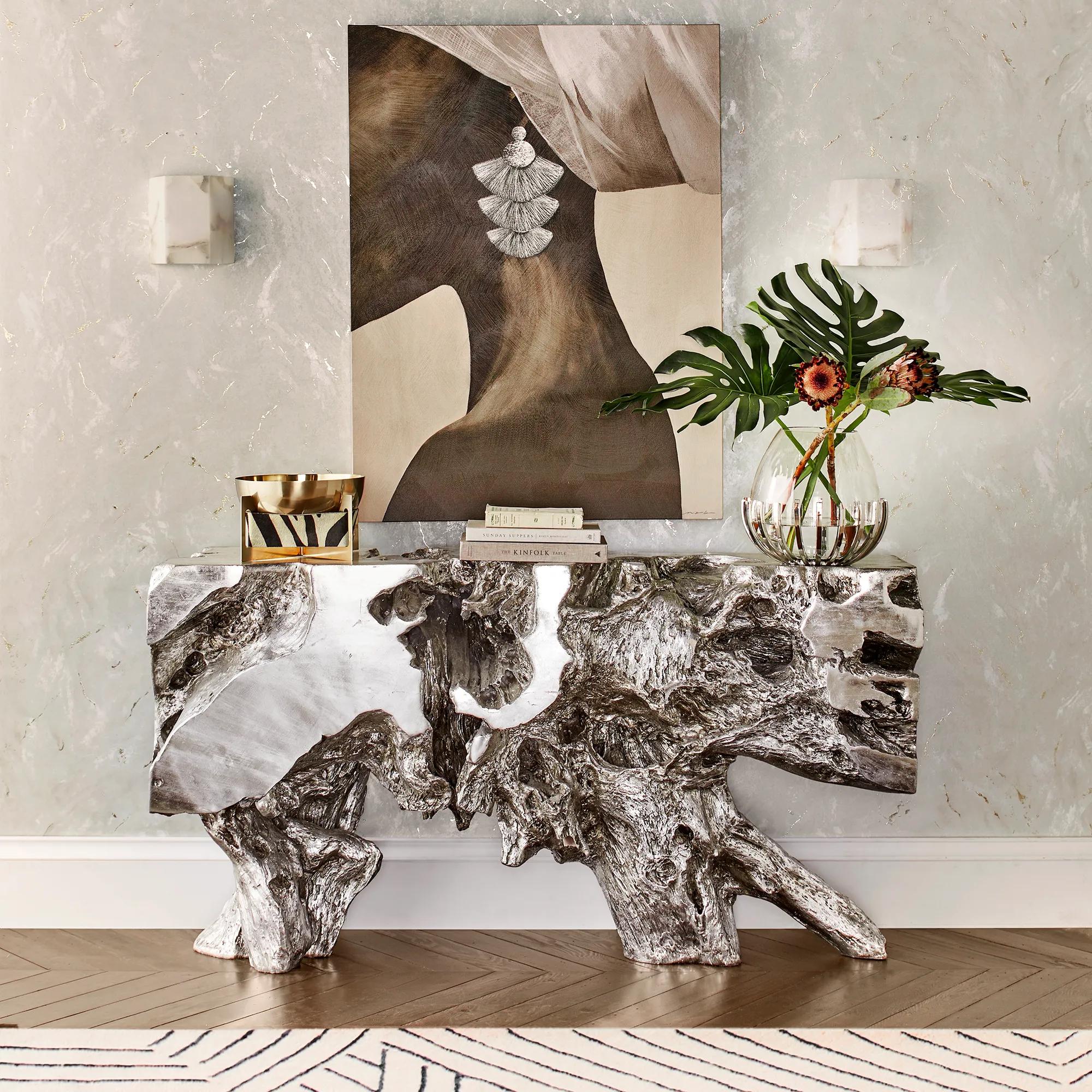 Sequoia Silver Resin Console Table (58")$1999
A sculptural console table featuring hand-applied silver leaf over resin and fiberglass with an iron core.
Add To Cart -
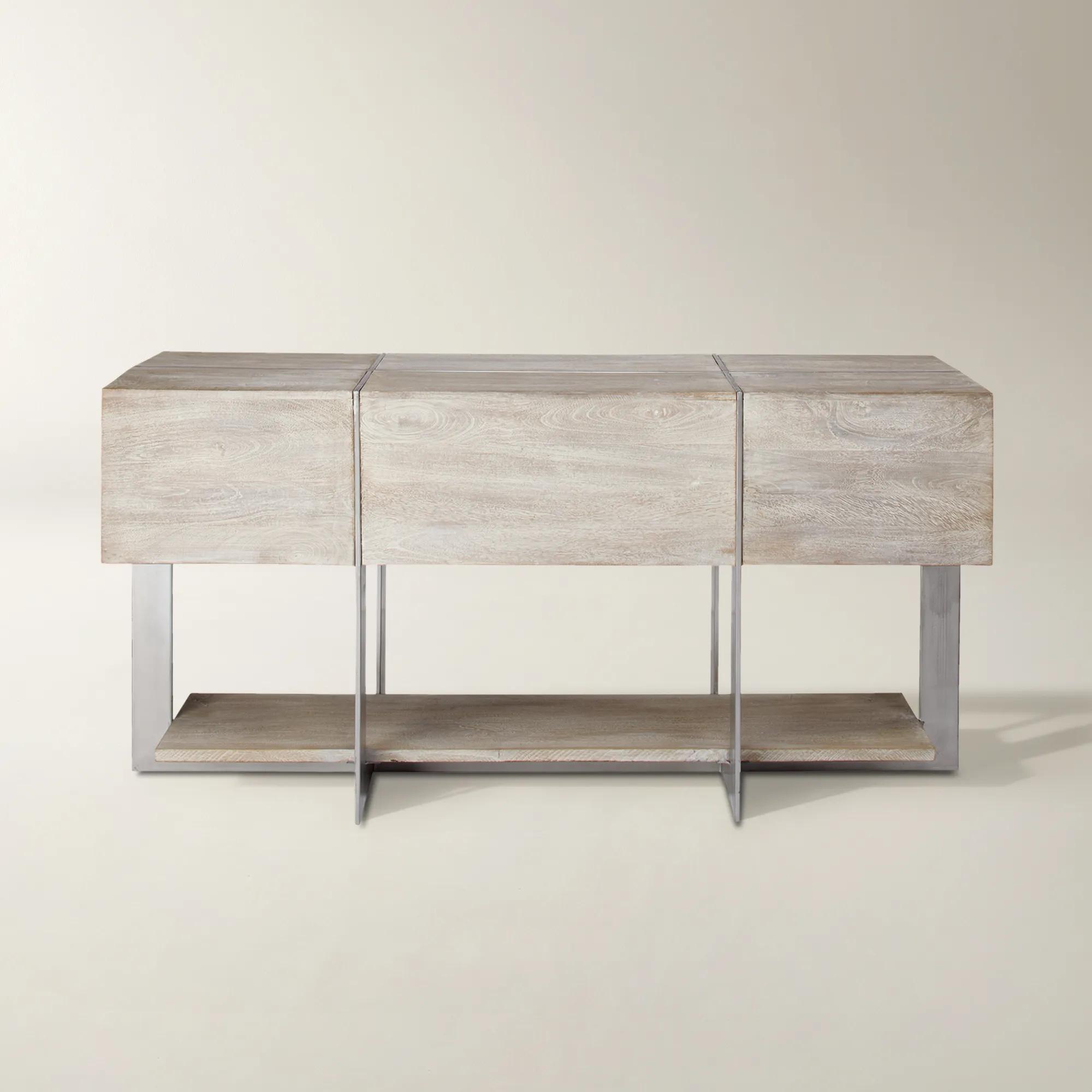
.jpg?w=1200&h=1200) Clifton Rectangular Natural Mango Wood Console Table (60")$1399
Clifton Rectangular Natural Mango Wood Console Table (60")$1399A handcrafted mango wood console table with a whitewashed finish and antiqued silver iron legs.
Add To Cart -
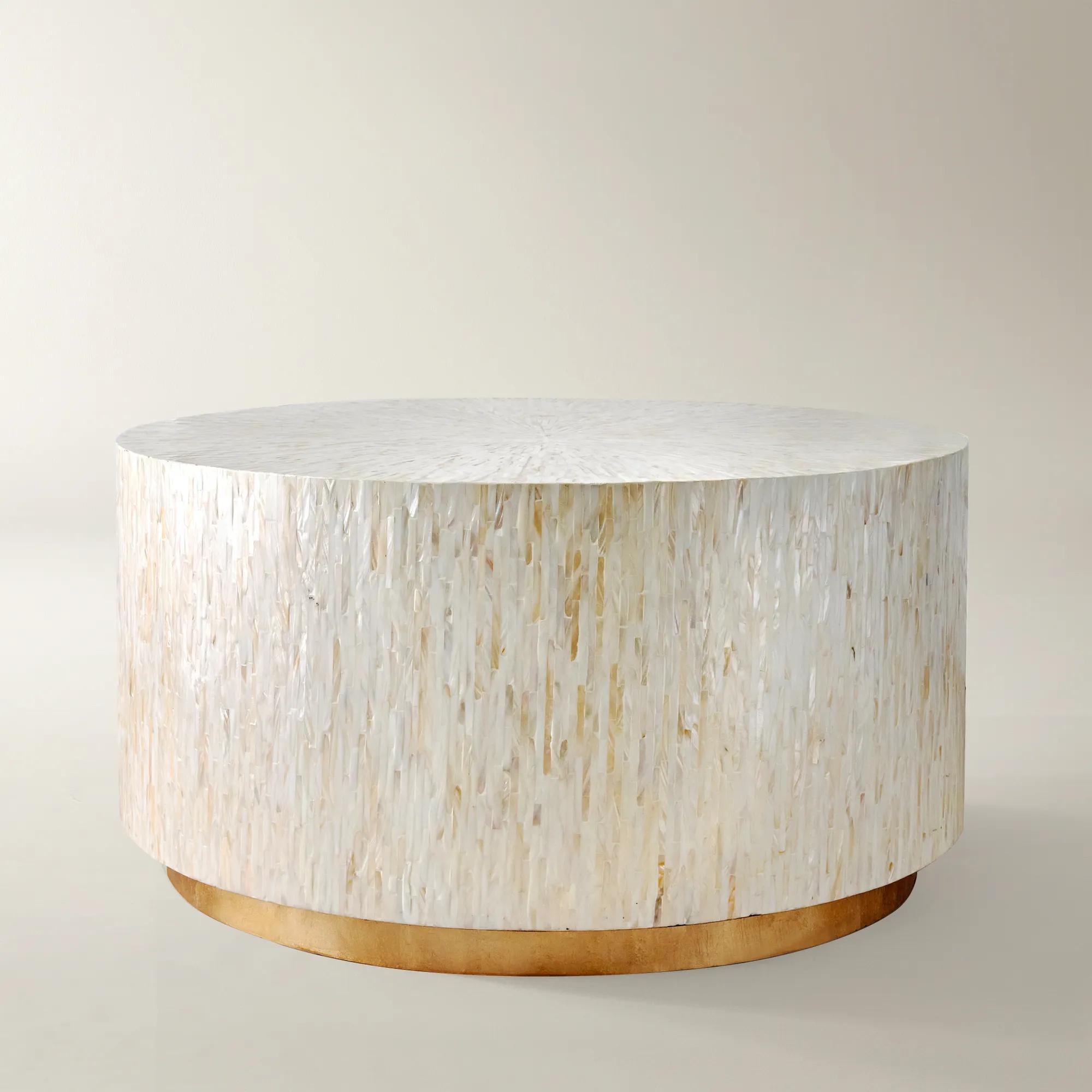
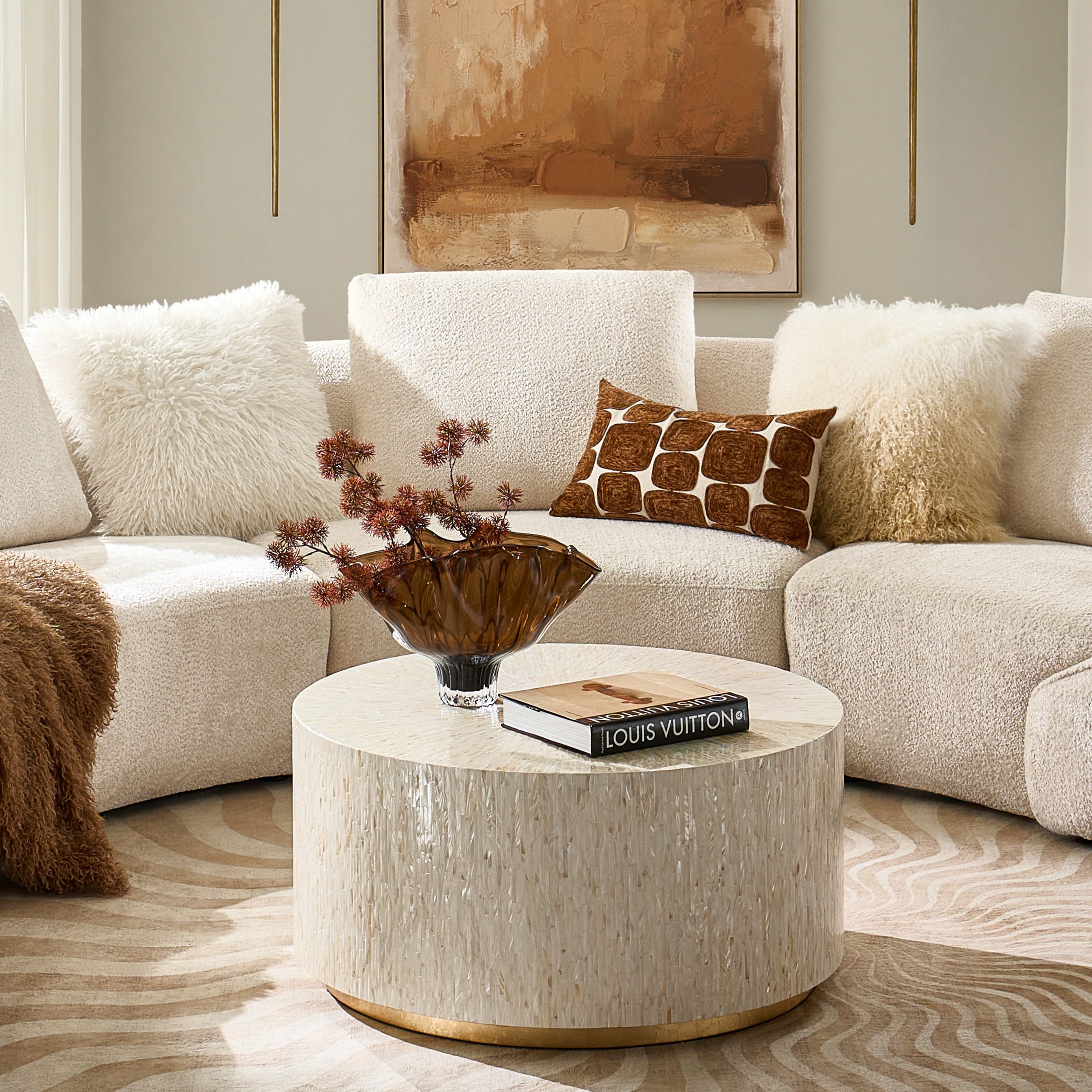 Alexandria Round Mosaic Platinum Coffee Table (36")$799
A luminous ivory coffee table featuring hand-applied mother-of-pearl mosaic and a gold leaf-accented base.
Add To Cart -
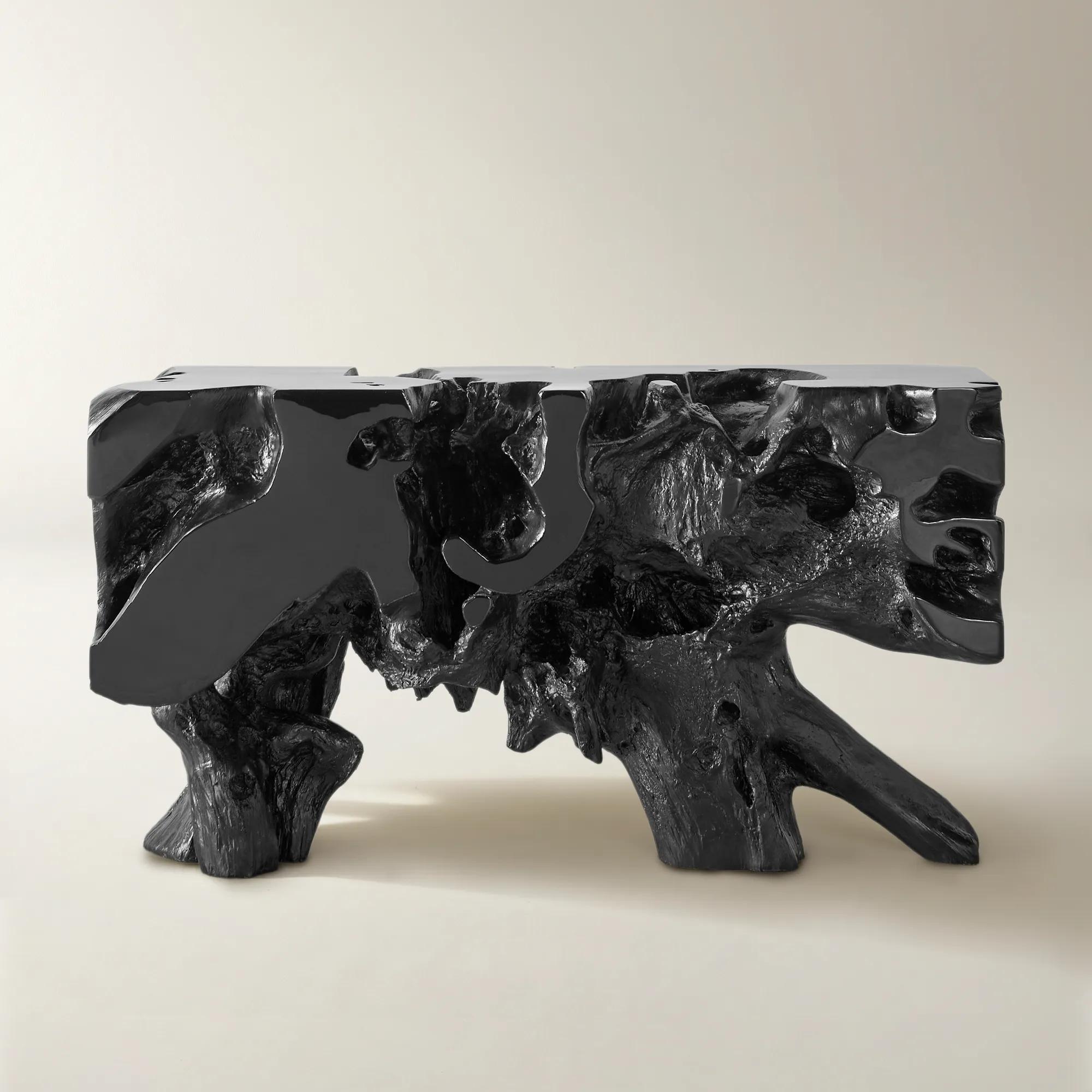 Sequoia Black Resin Console Table (58")$1999
A sculptural black console table crafted from resin, fiberglass, and polished stone for indoor or outdoor use.
Add To Cart -
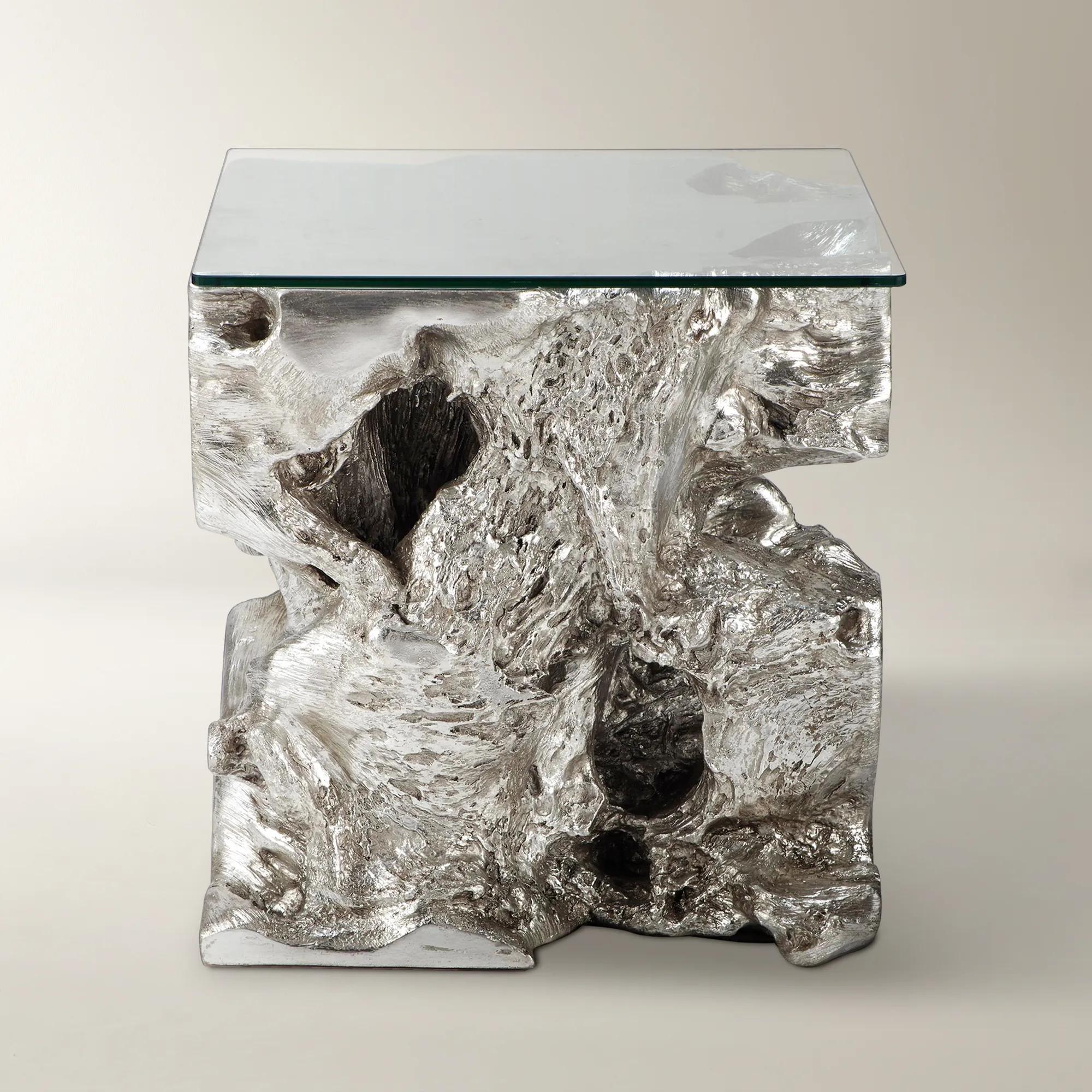 Sequoia Silver Resin End Table With Glass Top (22")$999
A sculptural end table featuring a silver leaf resin base and tempered glass top for modern elegance.
Add To Cart -
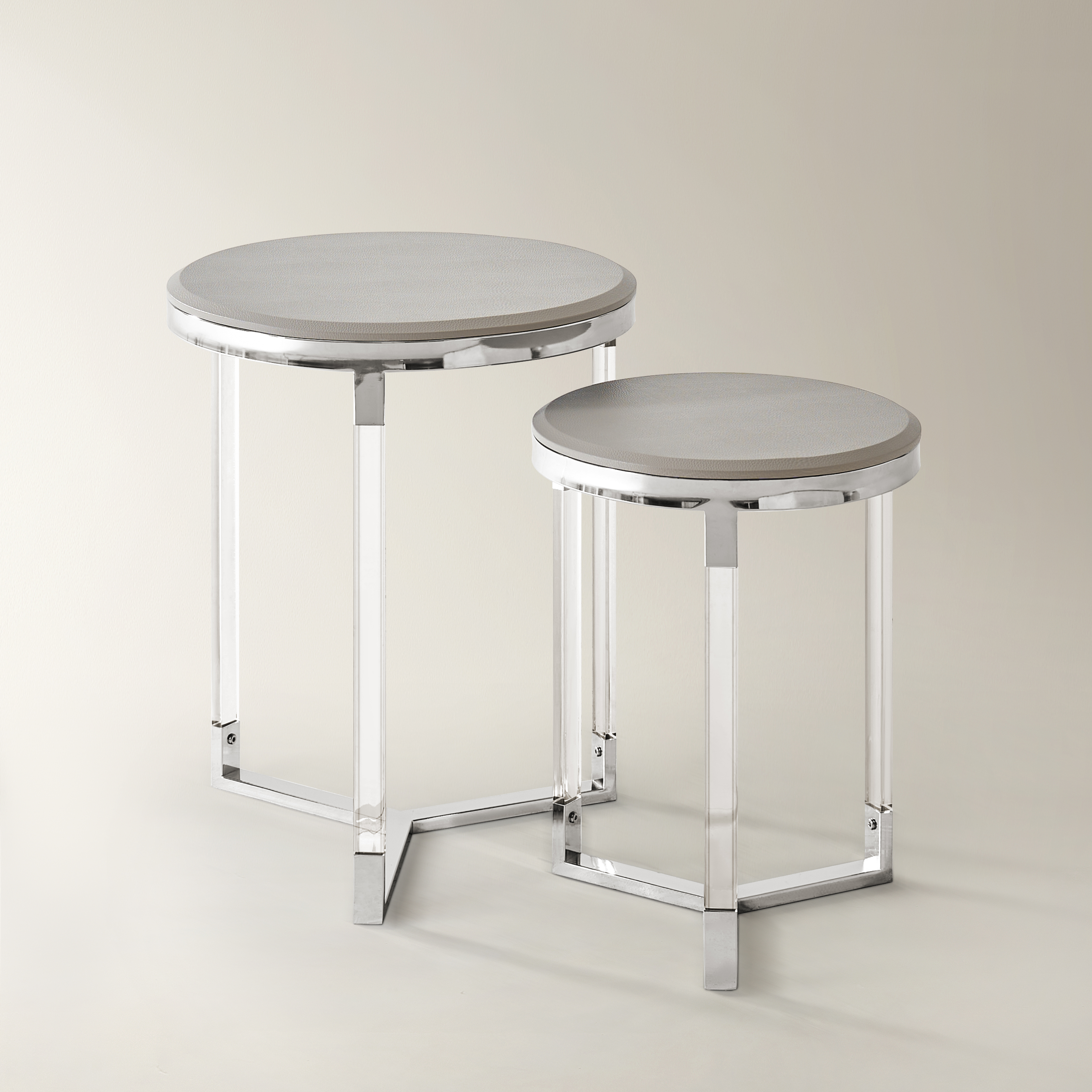
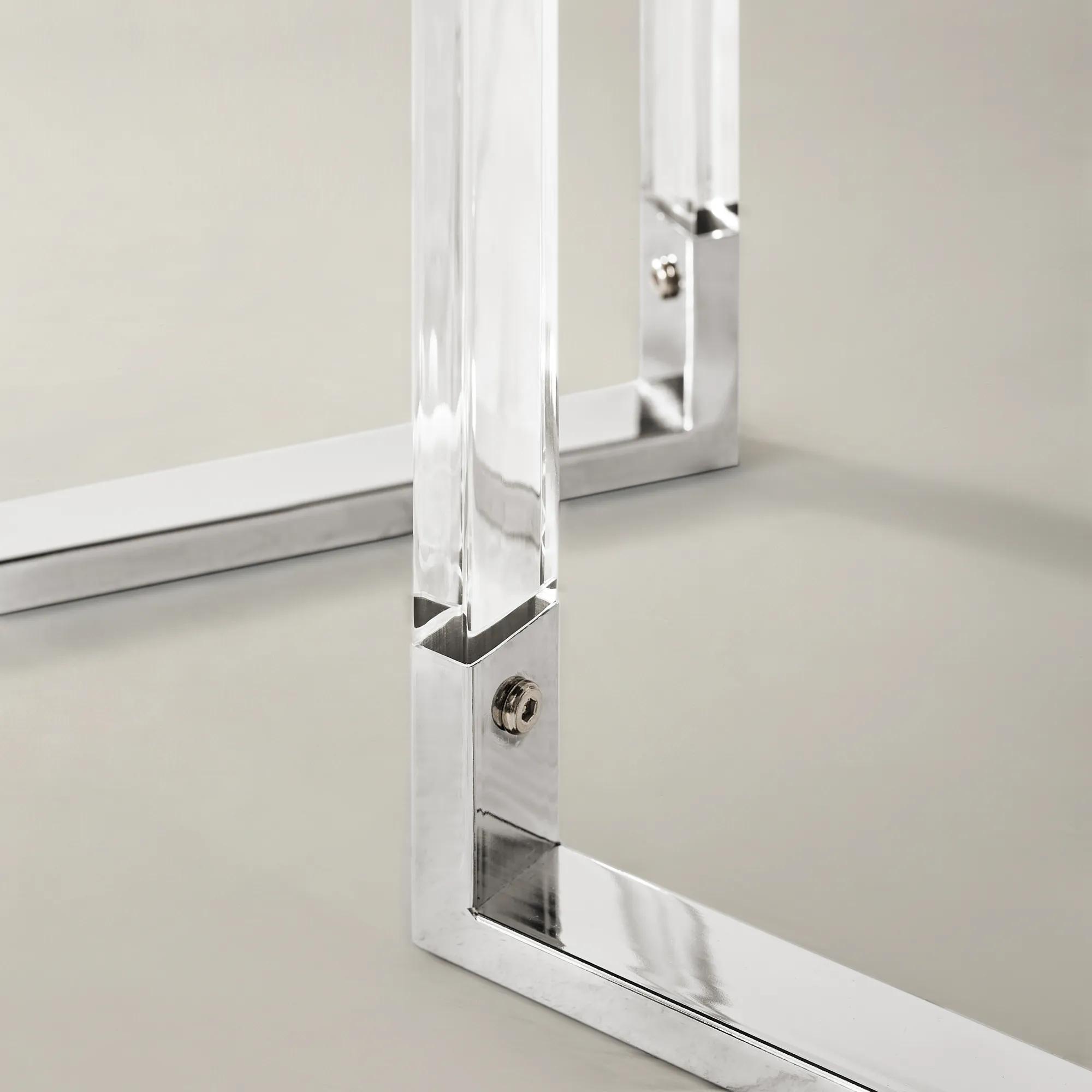 Murano Round Grey Accent Table With Faux Leather Top Set Of 2 (14.5"-18.5")$399
A bold set of two accent tables featuring mixed woods, acrylic legs, and faux leather tops.
Add To Cart -
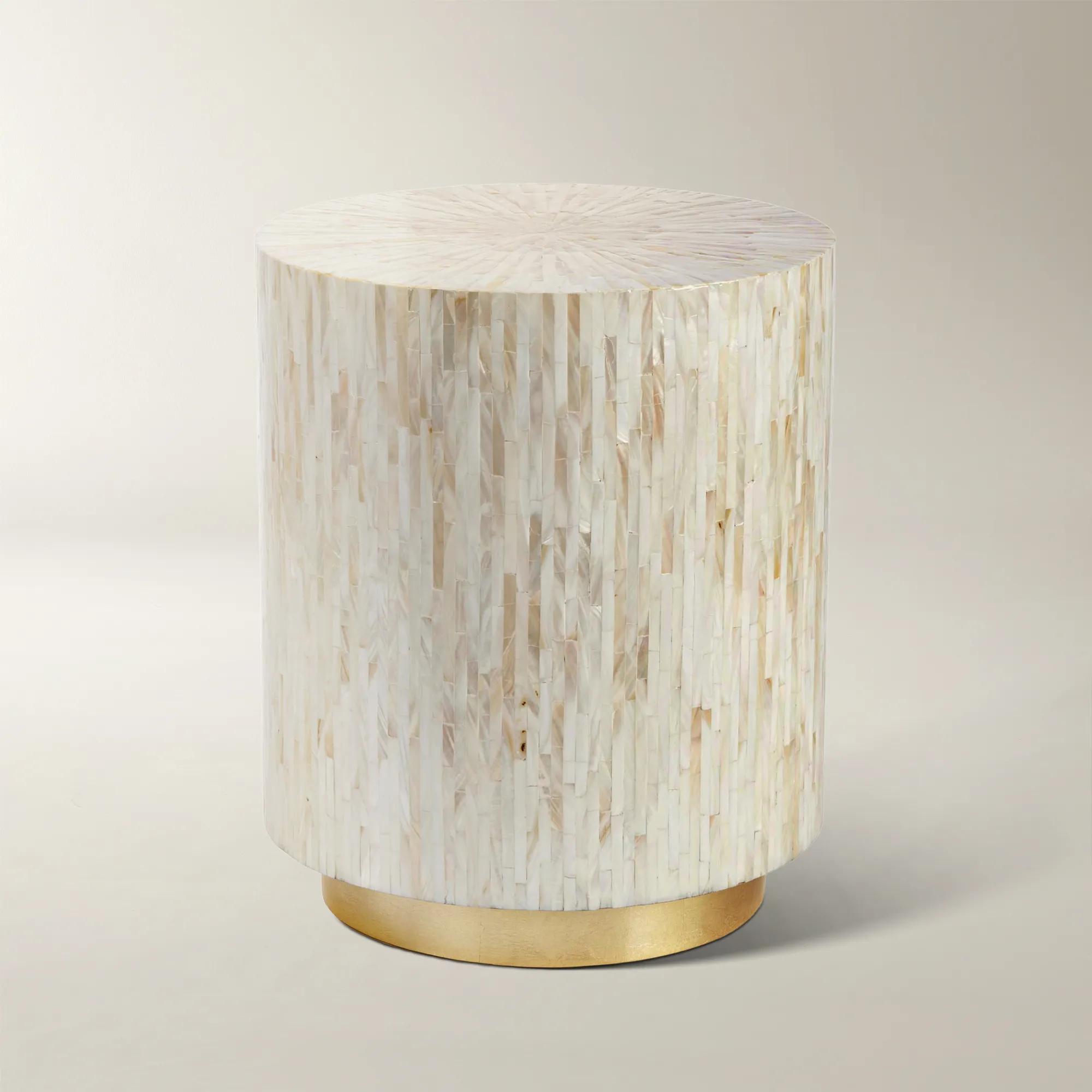 Alexandria Round Mosaic Platinum End Table (13.75")$299
A glamorous accent table featuring hand-applied mother-of-pearl mosaic and a gold leaf-accented base.
Add To Cart -
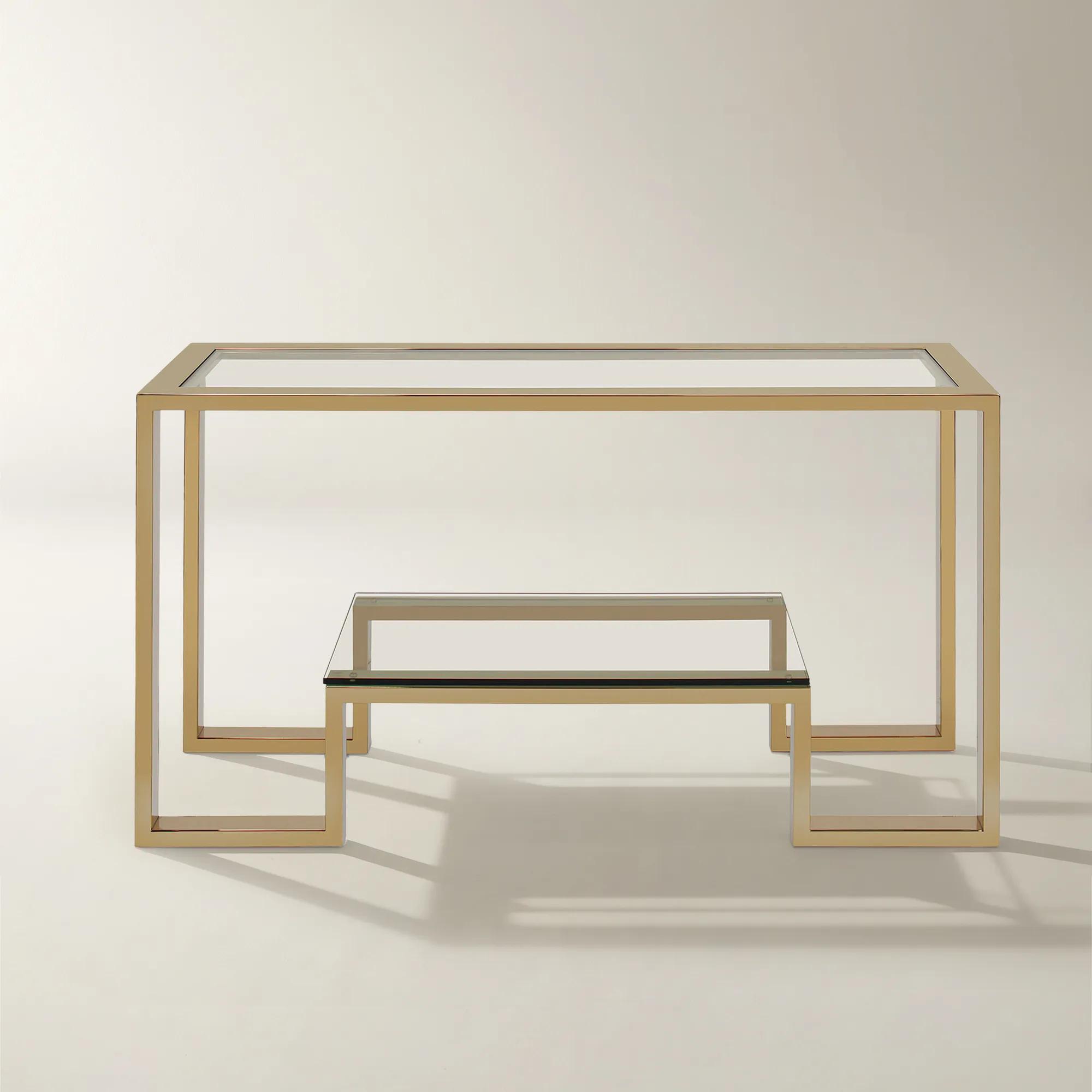
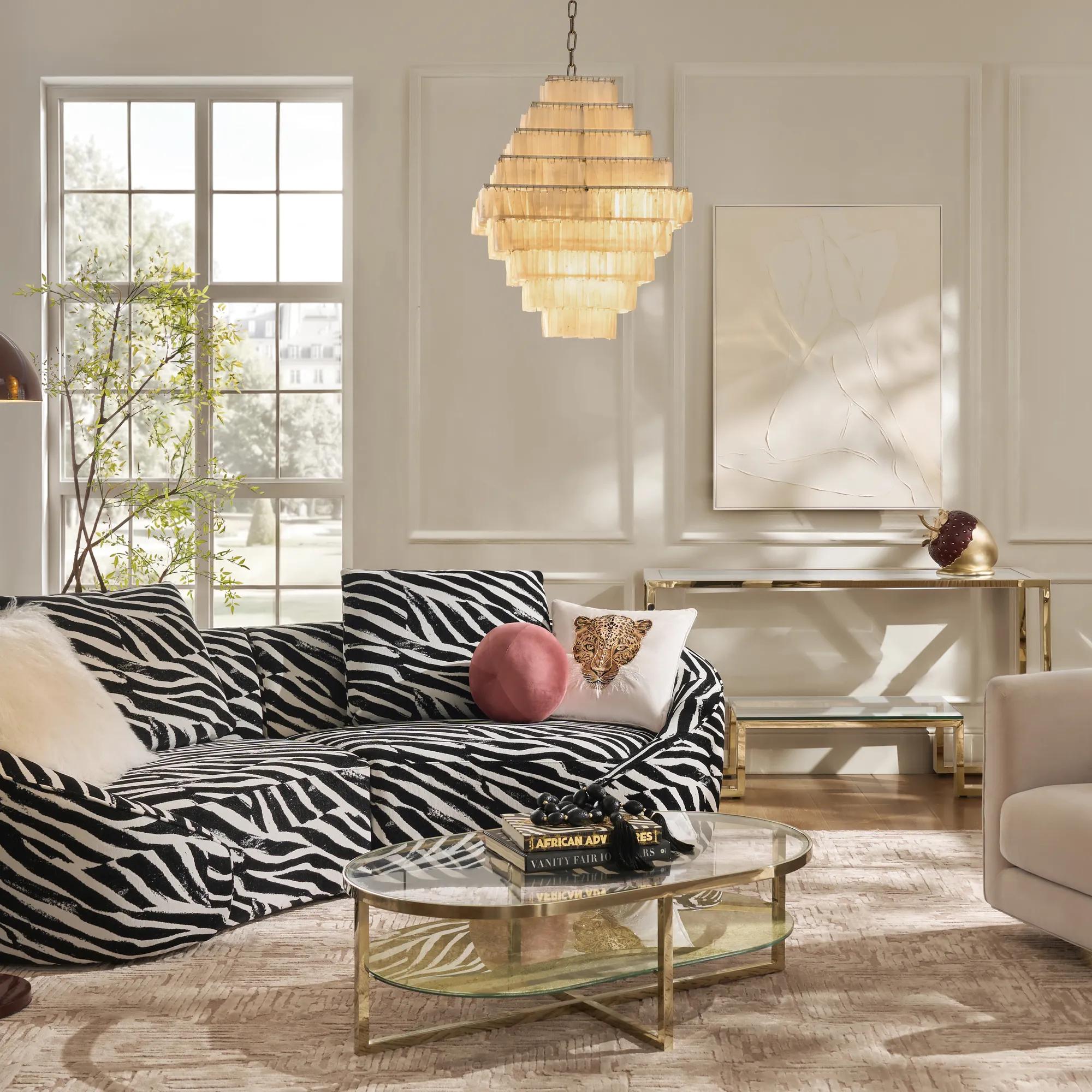 Duplicity Rectangular Gold Stainless Steel Console Table With Glass Top (59")$1399
A modern console table crafted from stainless steel and tempered glass with a floating bottom shelf.
Add To Cart -
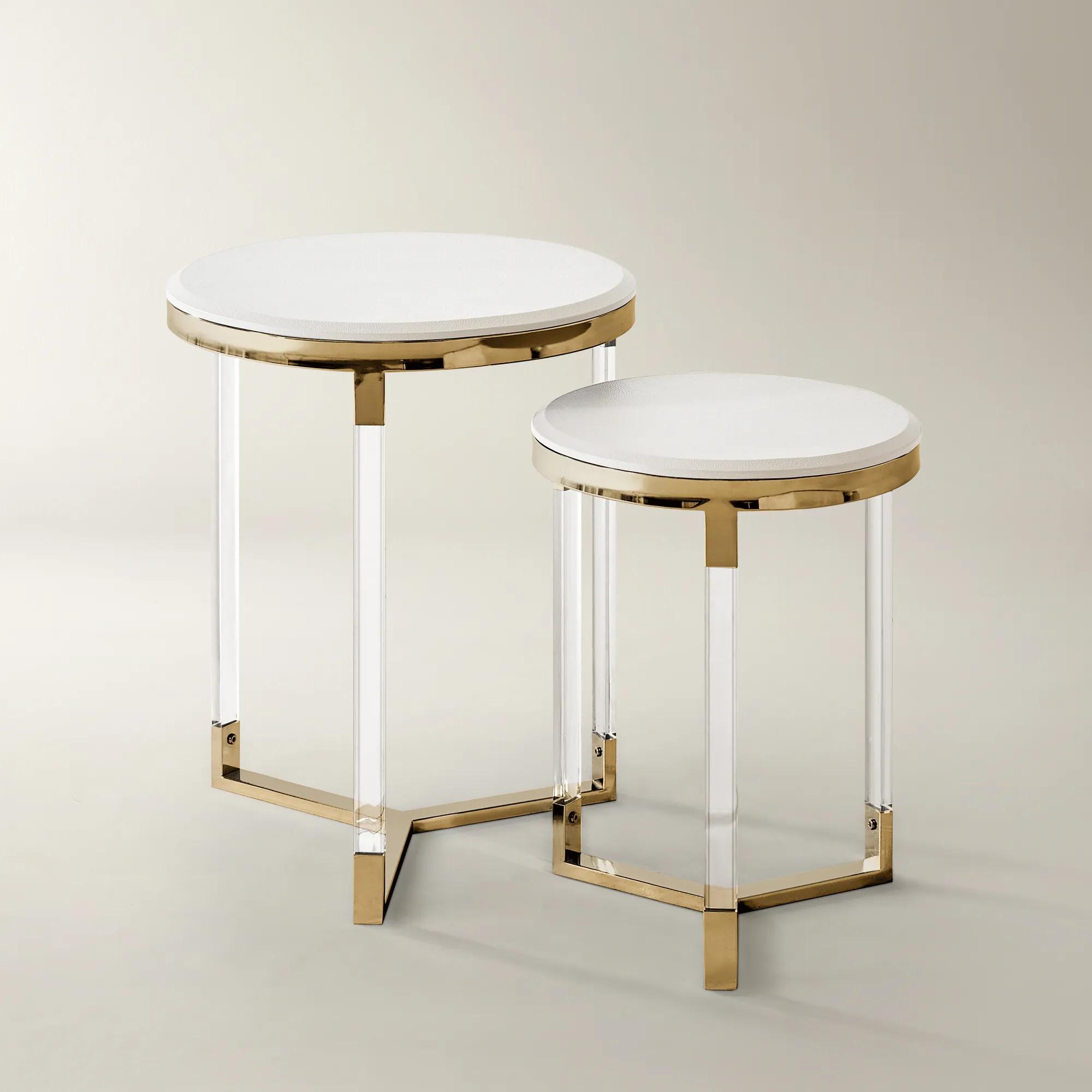
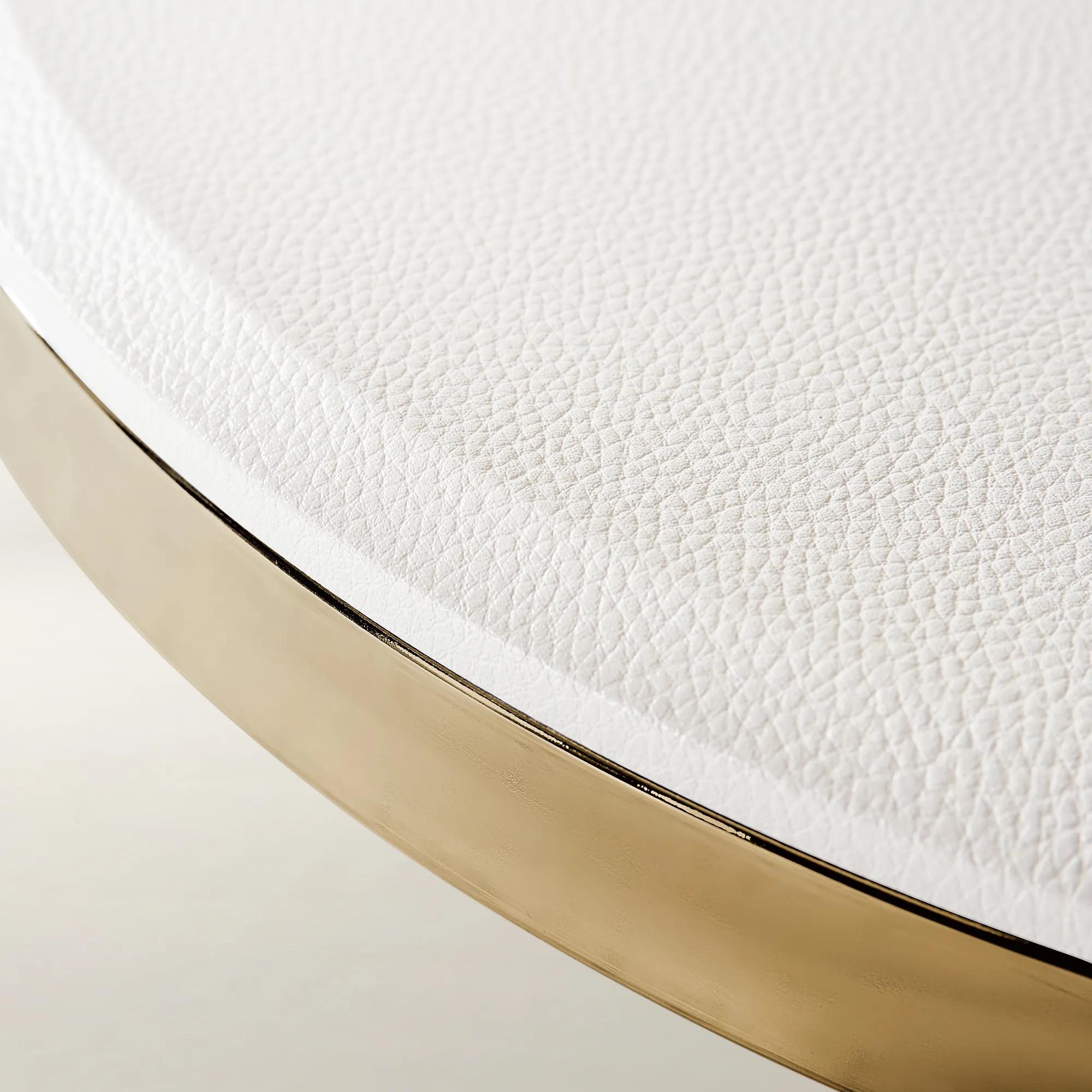 Murano Round White Accent Table With Faux Leather Top Set Of 2 (14.5"-18.5")$399
A set of two accent tables featuring mixed woods, faux leather tops, and acrylic legs with metallic finishes.
Add To Cart -
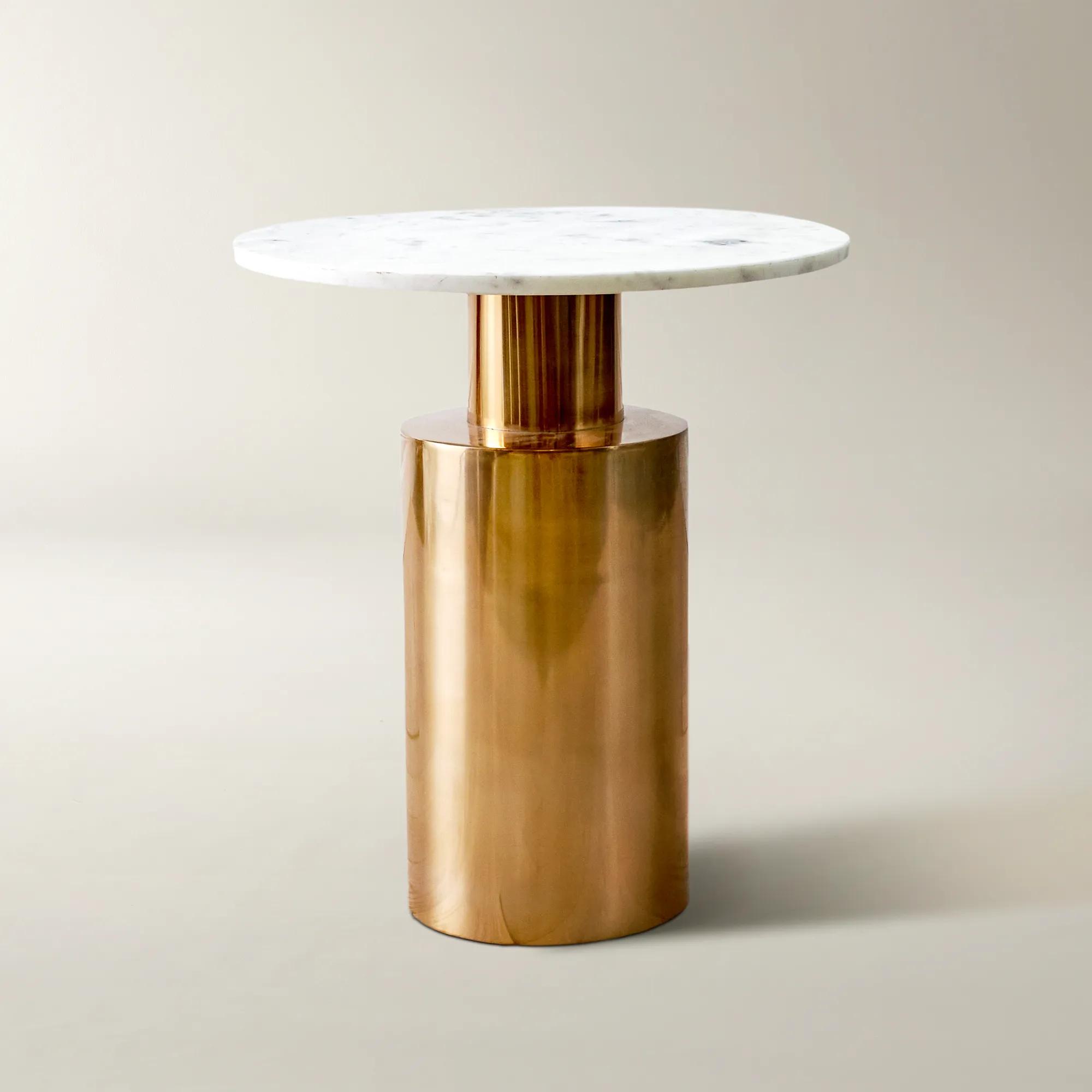 Capri Round White Marble Accent Table (16")$299
A striking accent table featuring a white marble top and gold-finished stainless steel base.
Add To Cart -
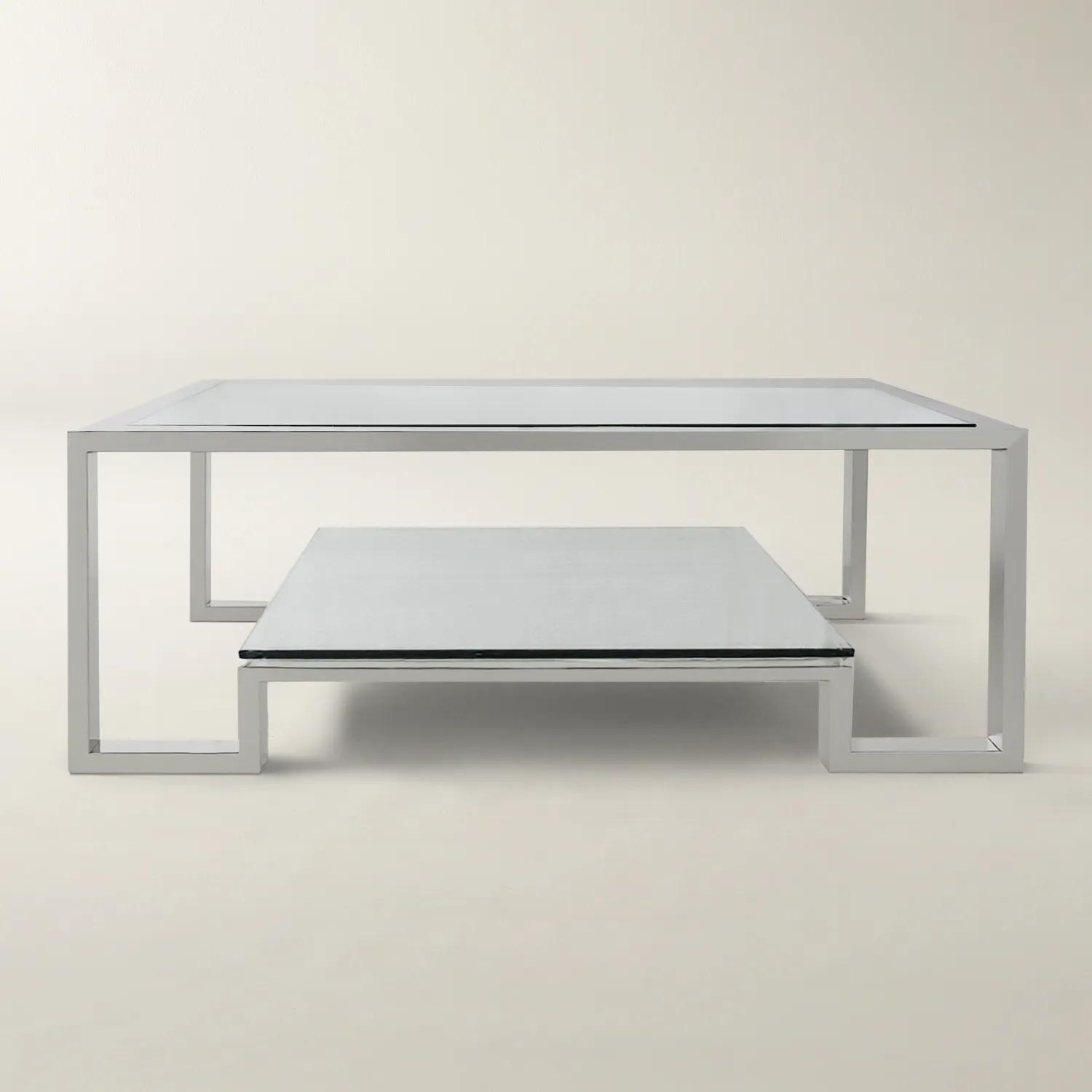
 Duplicity Rectangular Silver Stainless Steel Coffee Table With Glass Top (50")$1399
A modern coffee table featuring a stainless steel frame, tempered glass top, and floating bottom shelf.
Add To Cart -
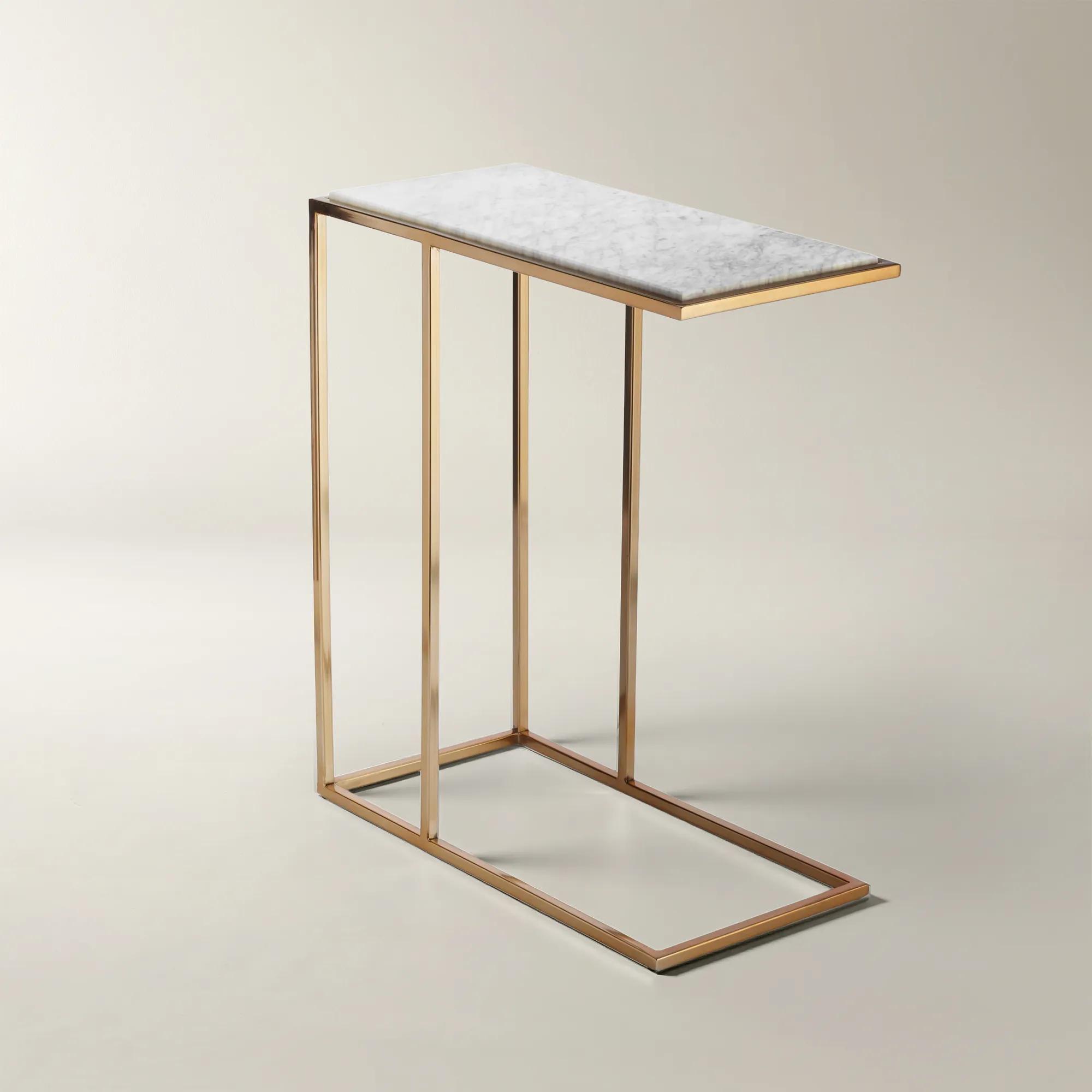
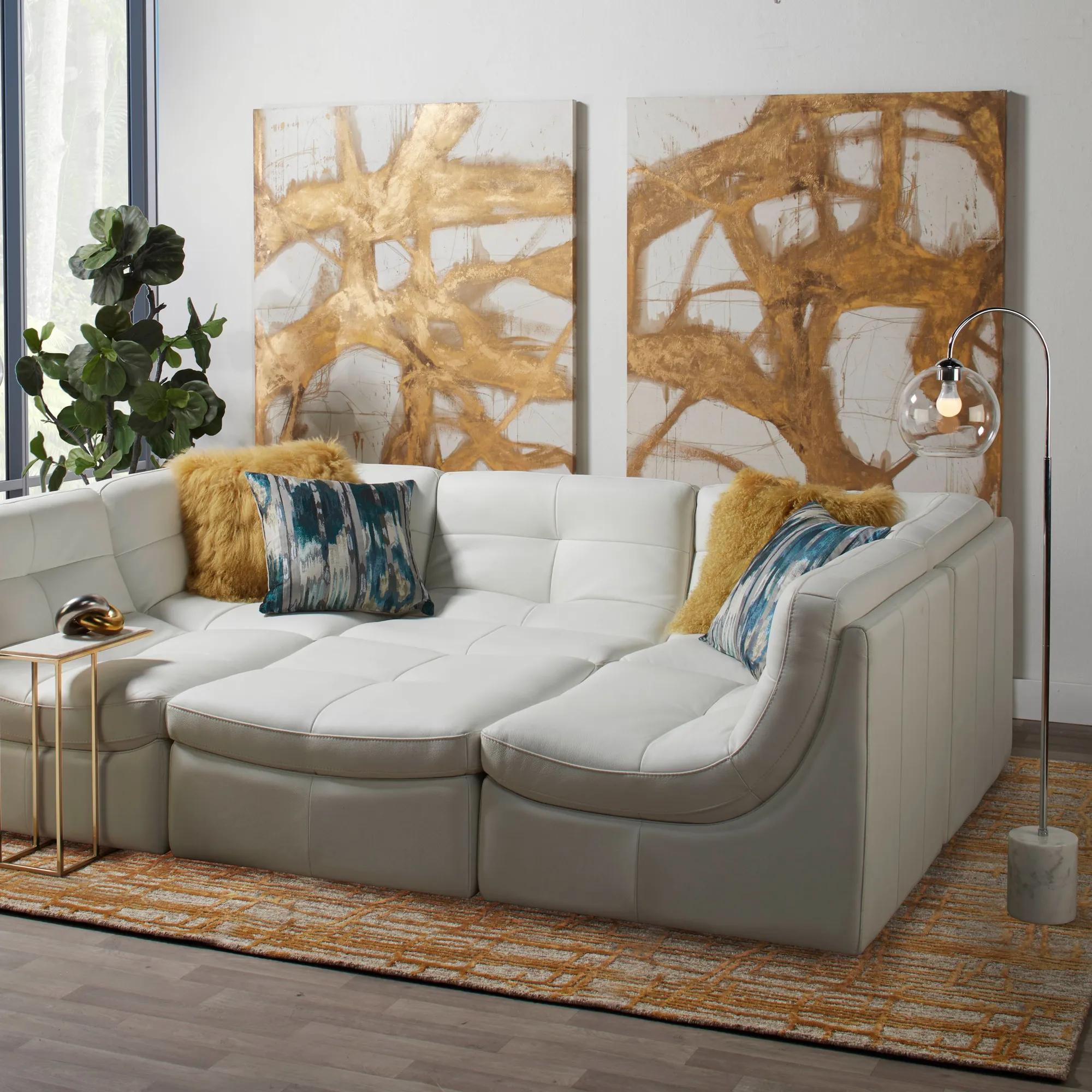 Lawton Rectangular Gold Stainless steel Accent Table With Marble Top (19.75")$259
A space-saving table featuring a white marble top and gold-finished stainless steel base.
Add To Cart -
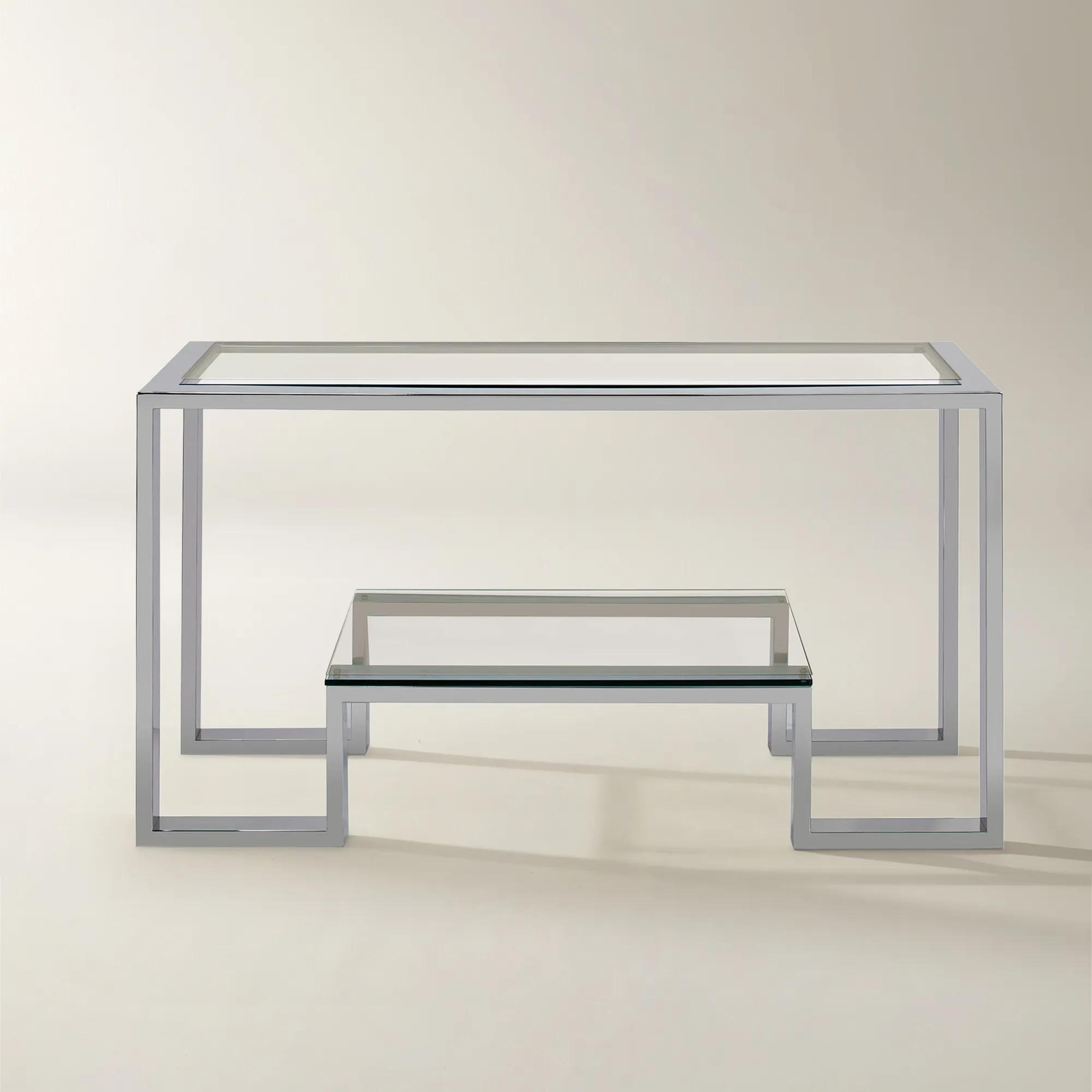
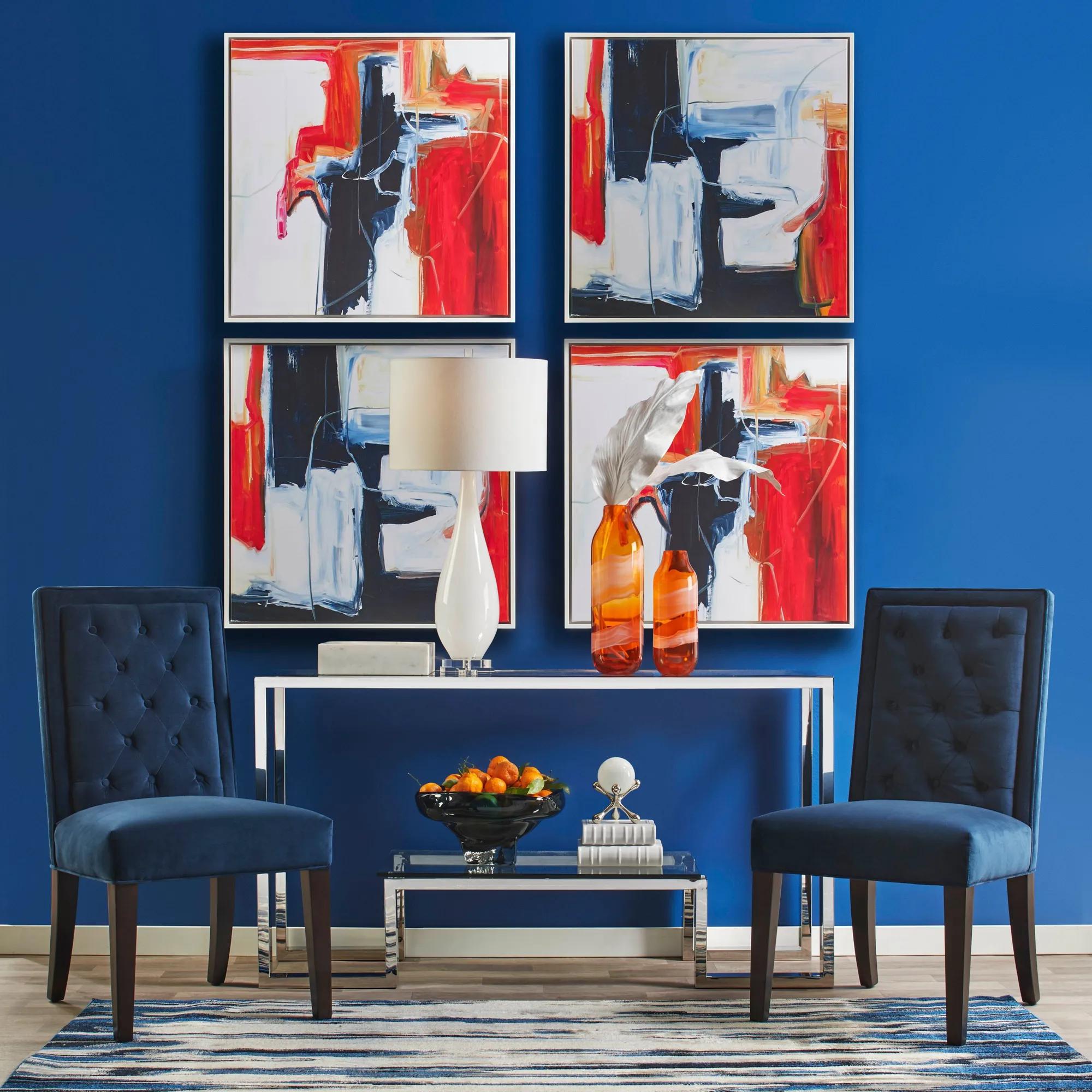 Duplicity Rectangular Silver Stainless Steel Console Table With Glass Top (59")$1399
A modern console table crafted from stainless steel and tempered glass with a floating bottom shelf.
Add To Cart -
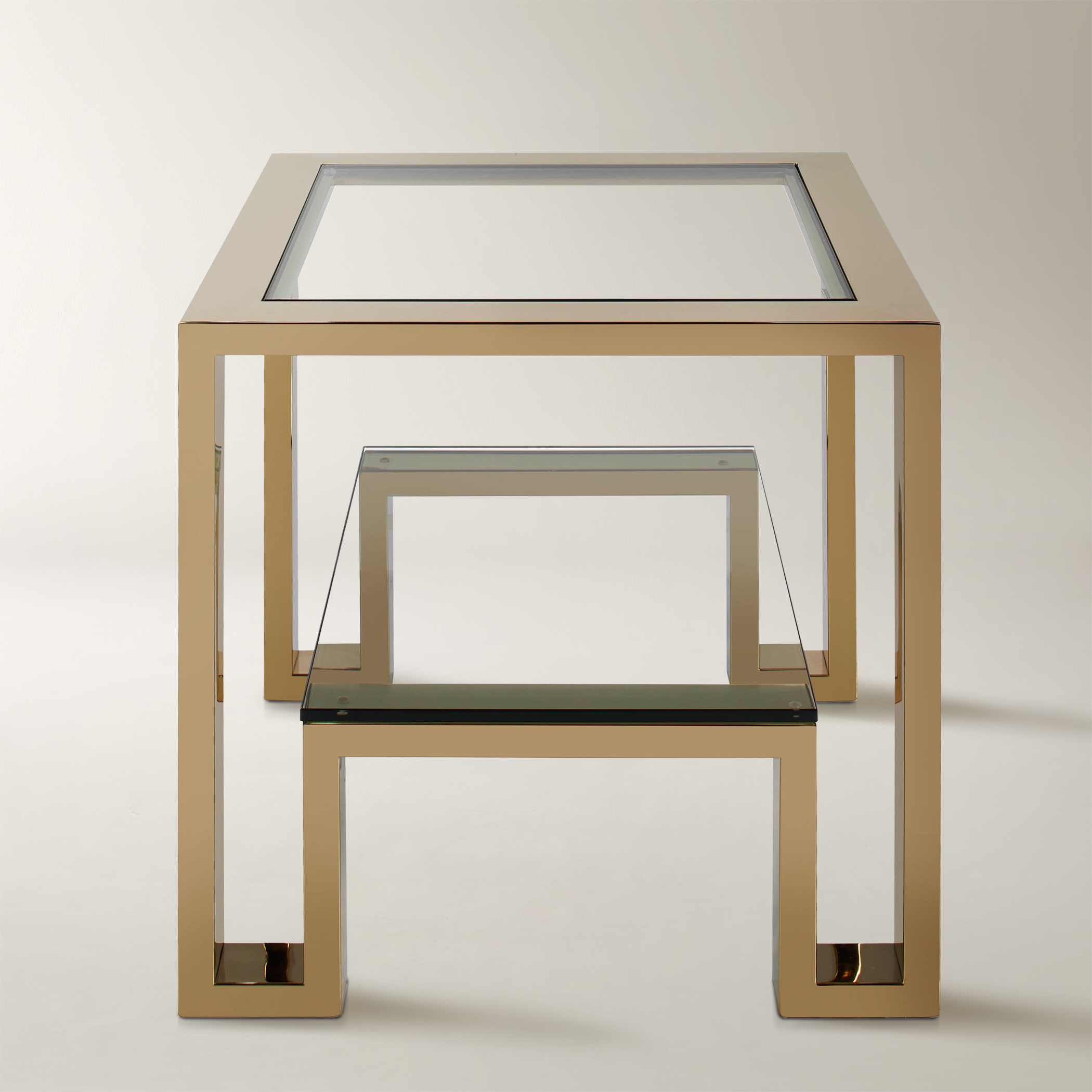 Duplicity Square Gold Stainless Steel End Table With Glass Top (24")$749
A modern end table crafted from stainless steel and tempered glass with a floating bottom shelf.
Add To Cart -
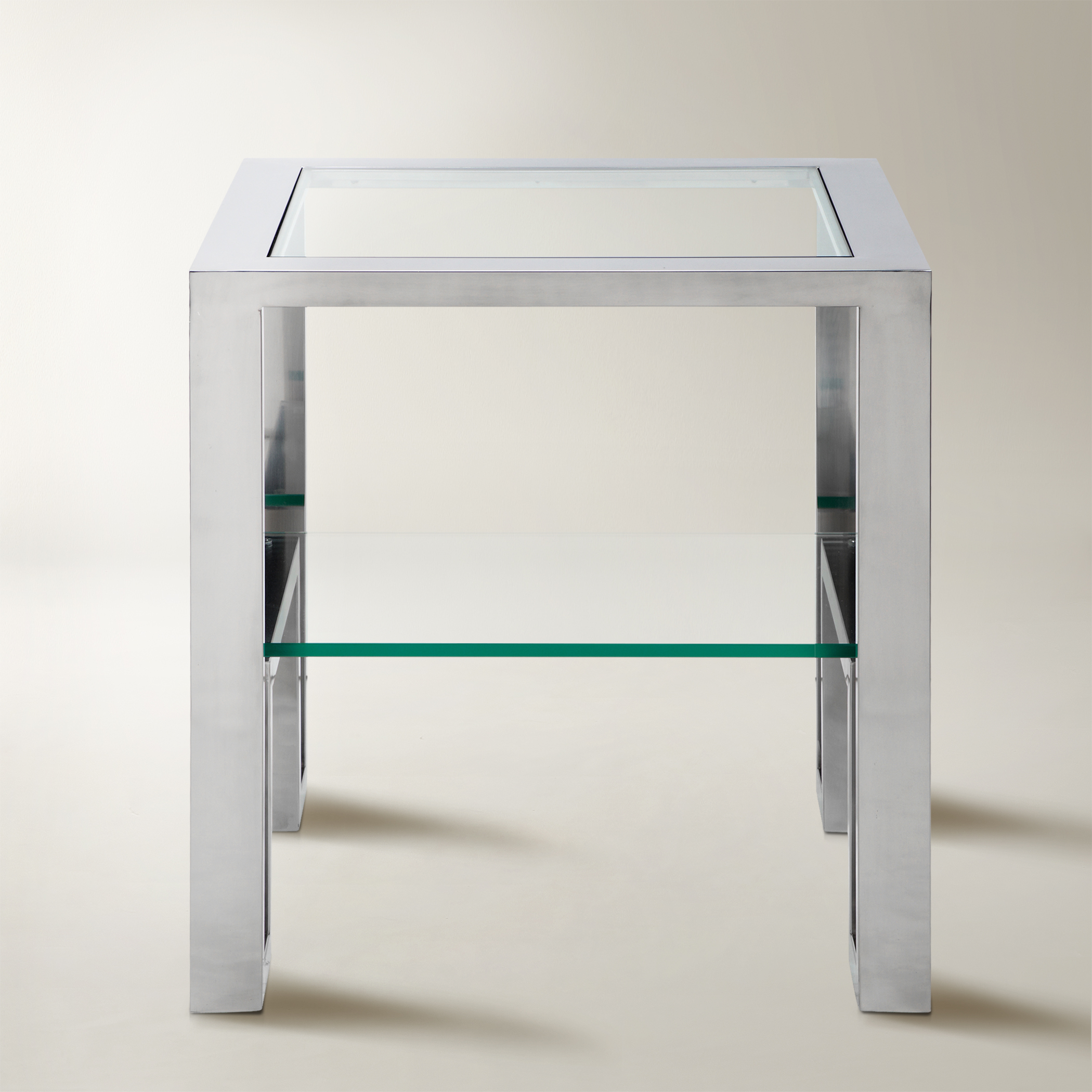
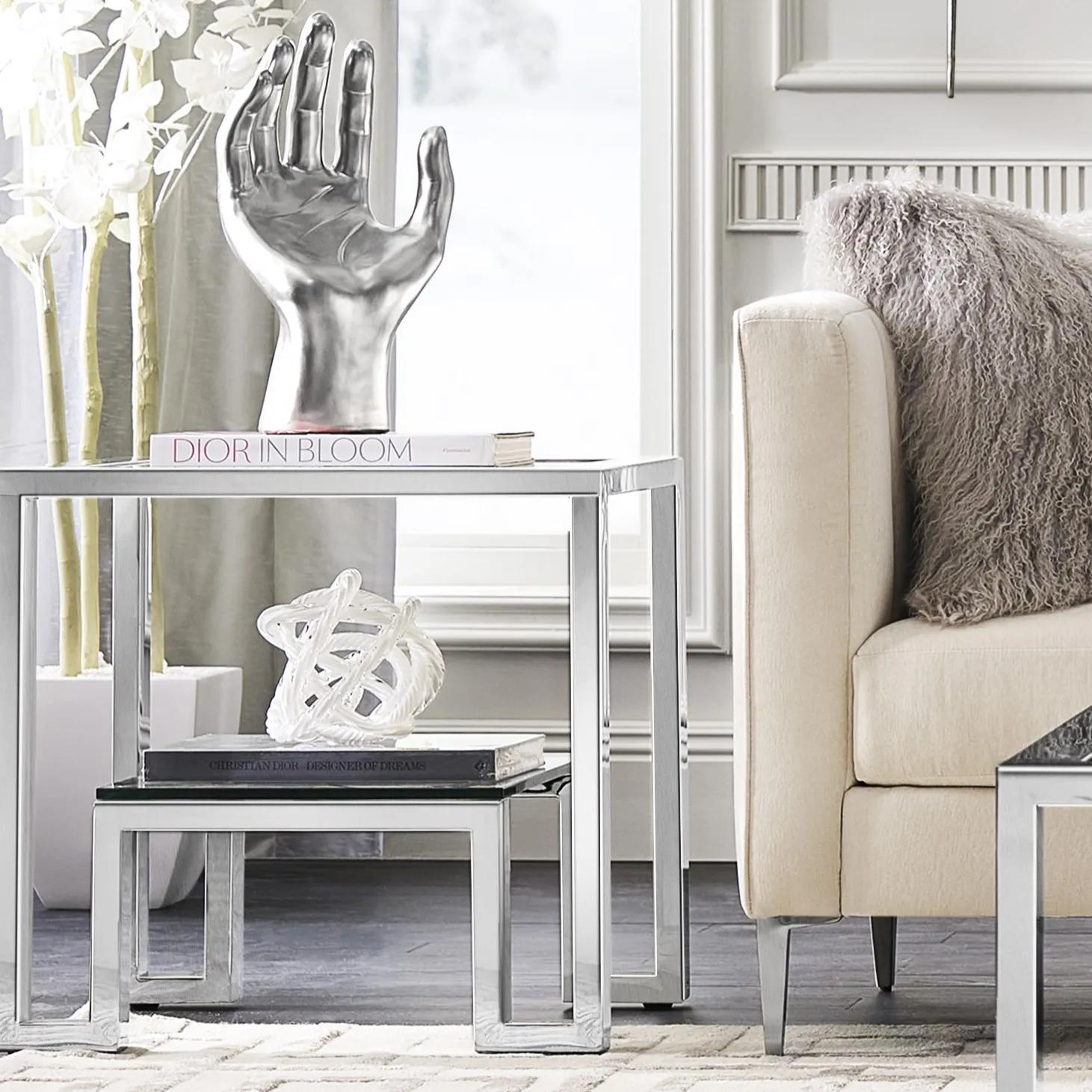 Duplicity Square Silver Stainless Steel End Table With Glass Top (24")$749
A modern end table featuring a stainless steel frame, tempered glass top, and floating bottom shelf.
Add To Cart -
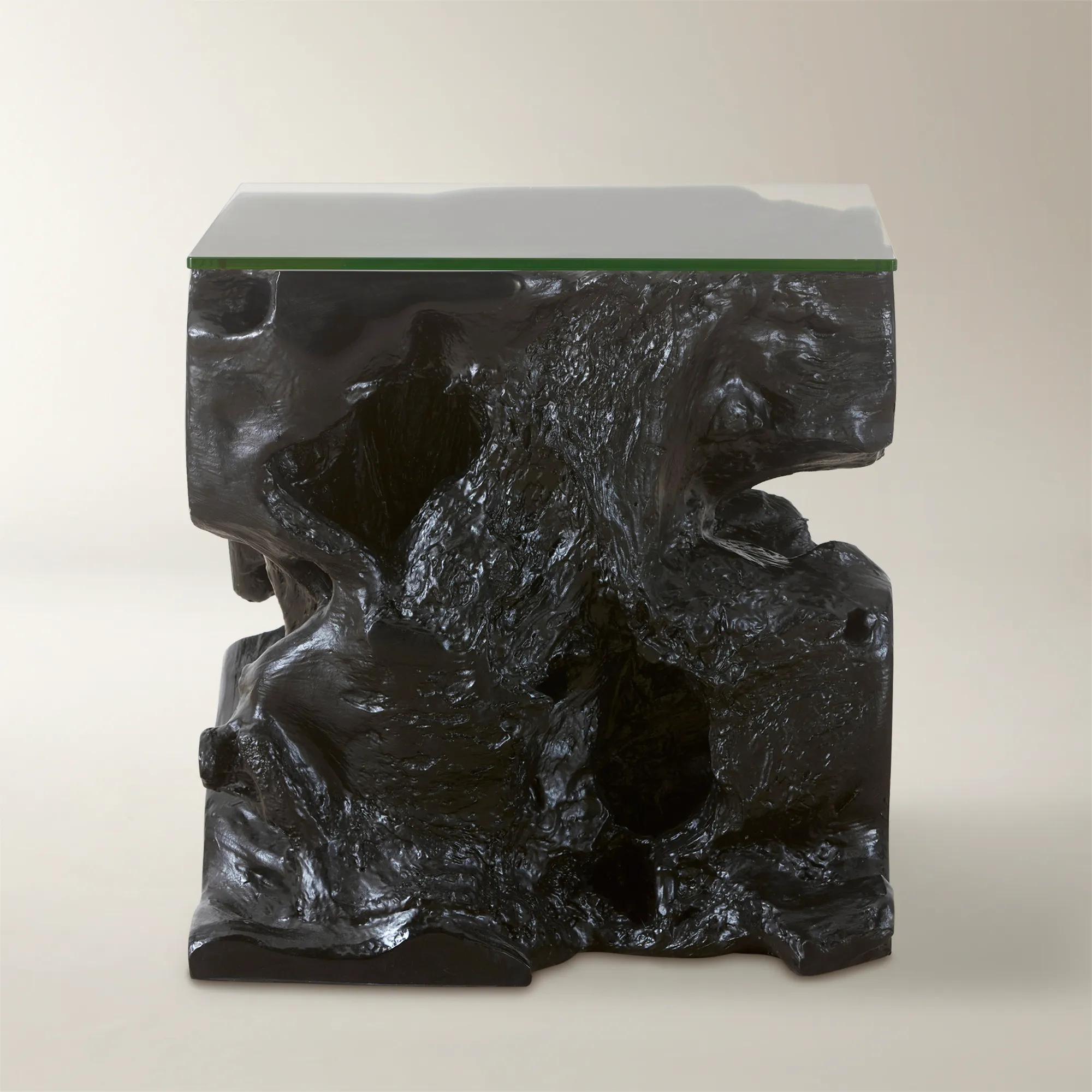 Sequoia Black Resin End Table With Glass Top (22")$999
A sculptural black resin and stone end table inspired by Acacia roots, suitable for indoor or outdoor use.
Add To Cart -
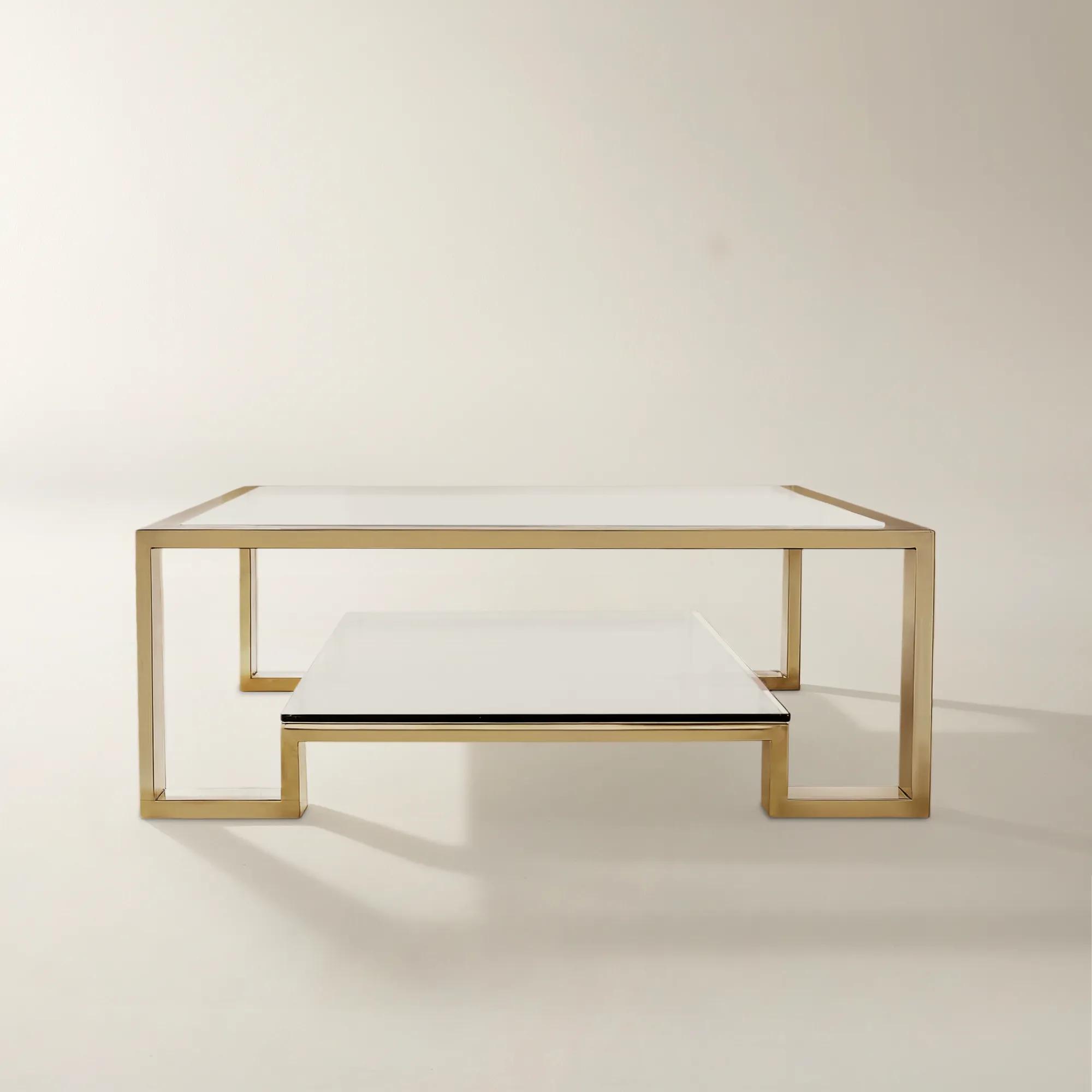 Duplicity Rectangular Gold Stainless Steel Coffee Table With Glass Top (50")$1399
A modern coffee table featuring a stainless steel frame, tempered glass top, and floating storage shelf.
Add To Cart -
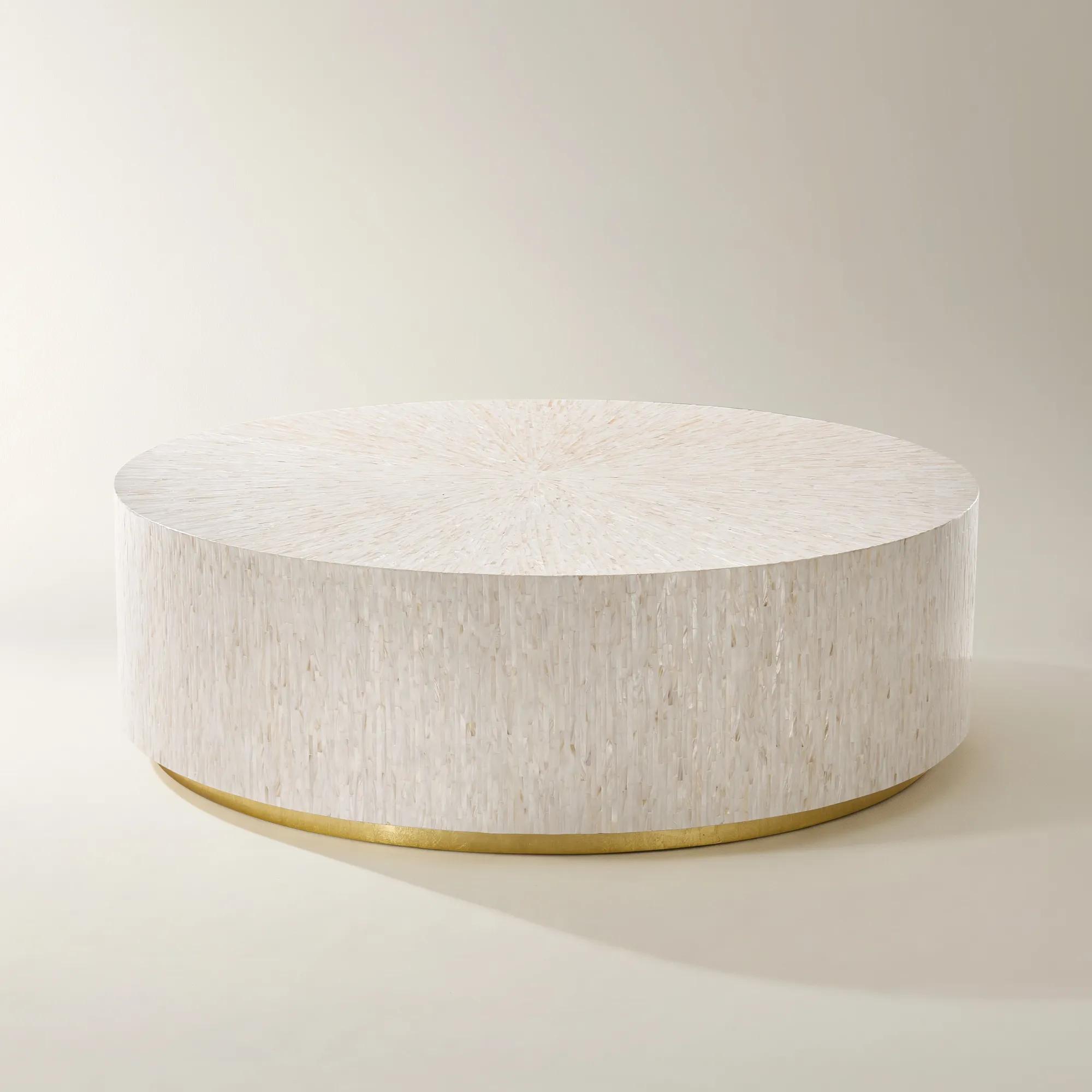 Alexandria Round Mosaic Platinum Coffee Table (52")$1299
A luminous mother-of-pearl mosaic coffee table with a sculptural round form and gold leaf–accented base.
Add To Cart -
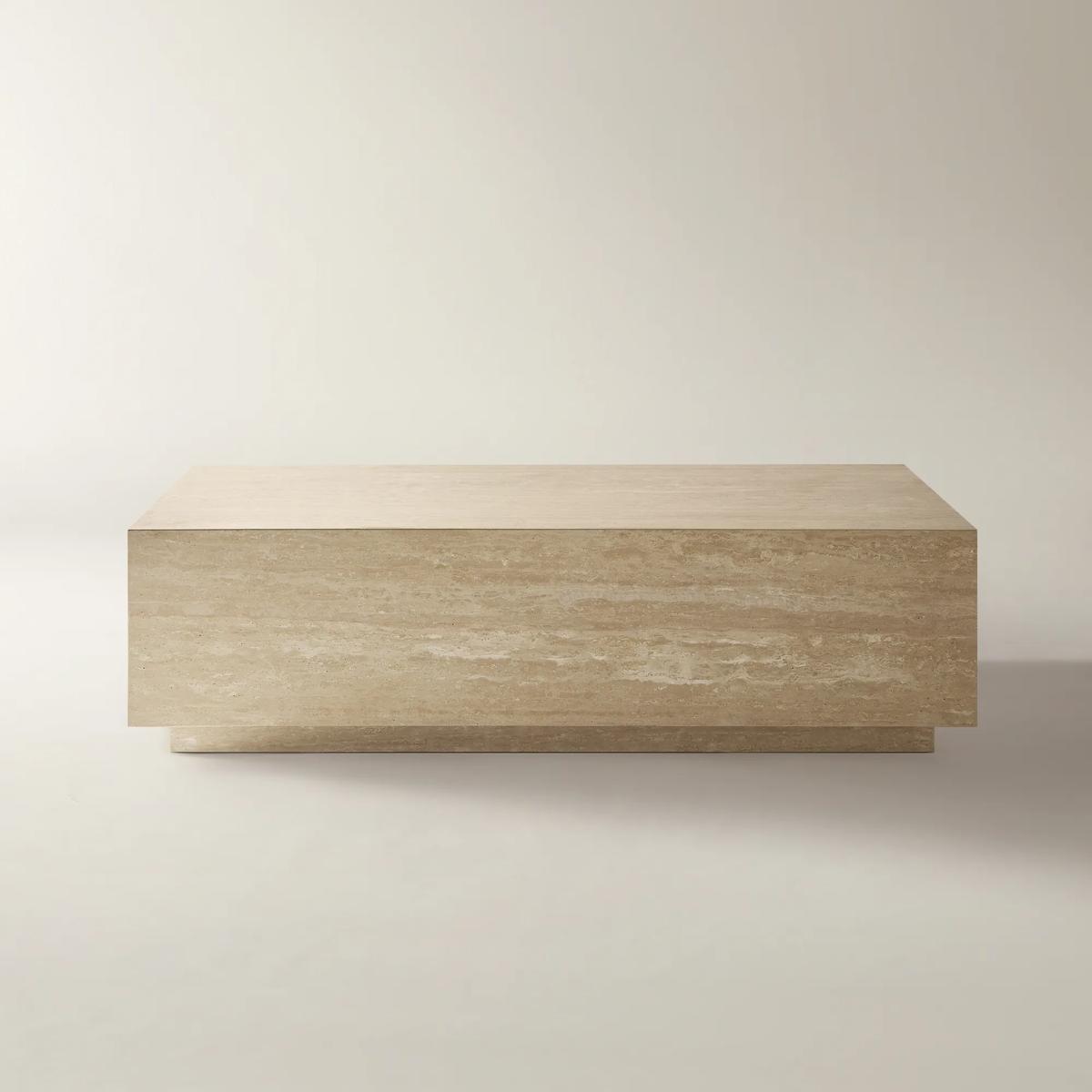
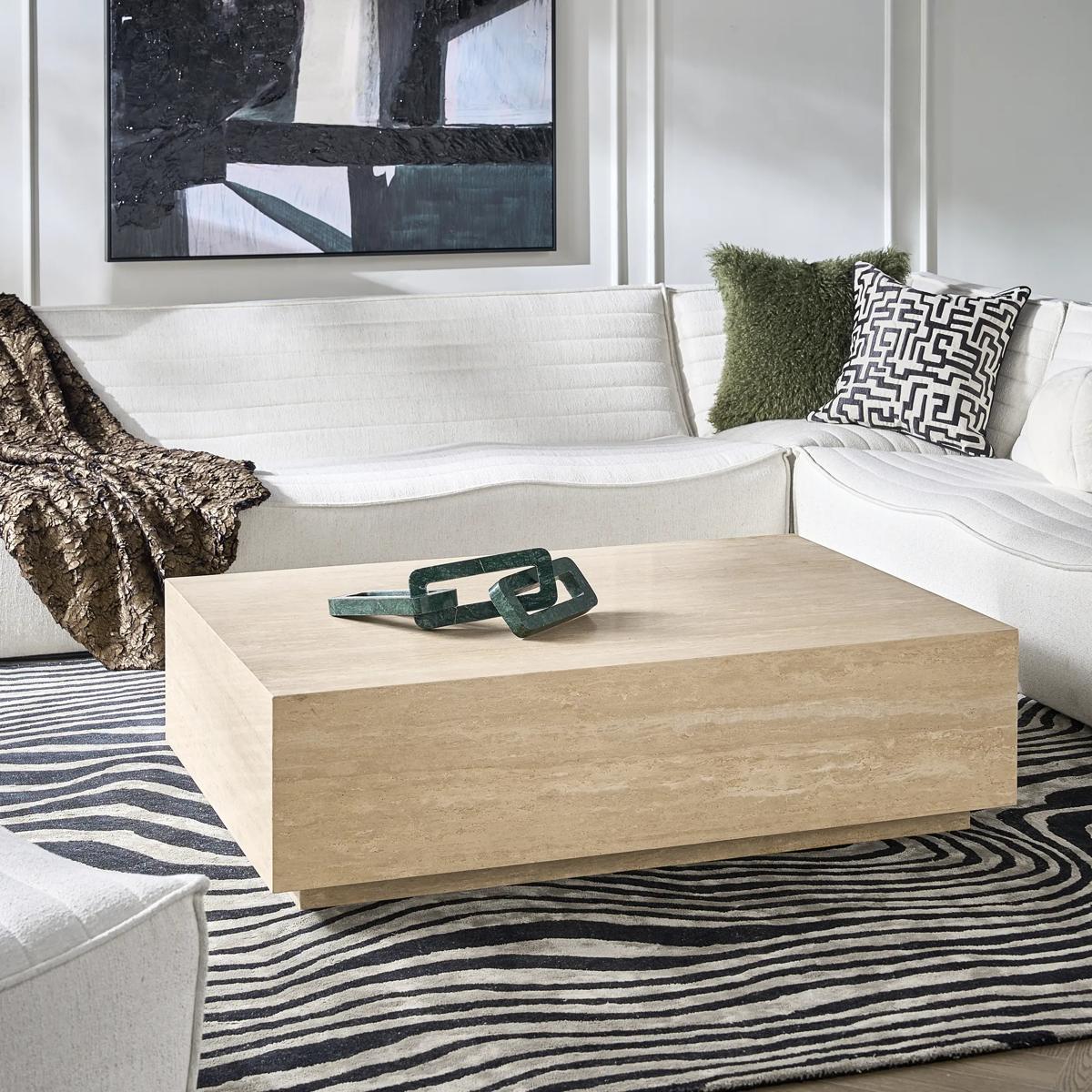 Vanta Rectangular Travertine Coffee Table (54")$2599
A seamless genuine travertine coffee table featuring ivory-gold tones and an ultra-light aluminum honeycomb core.
Add To Cart -
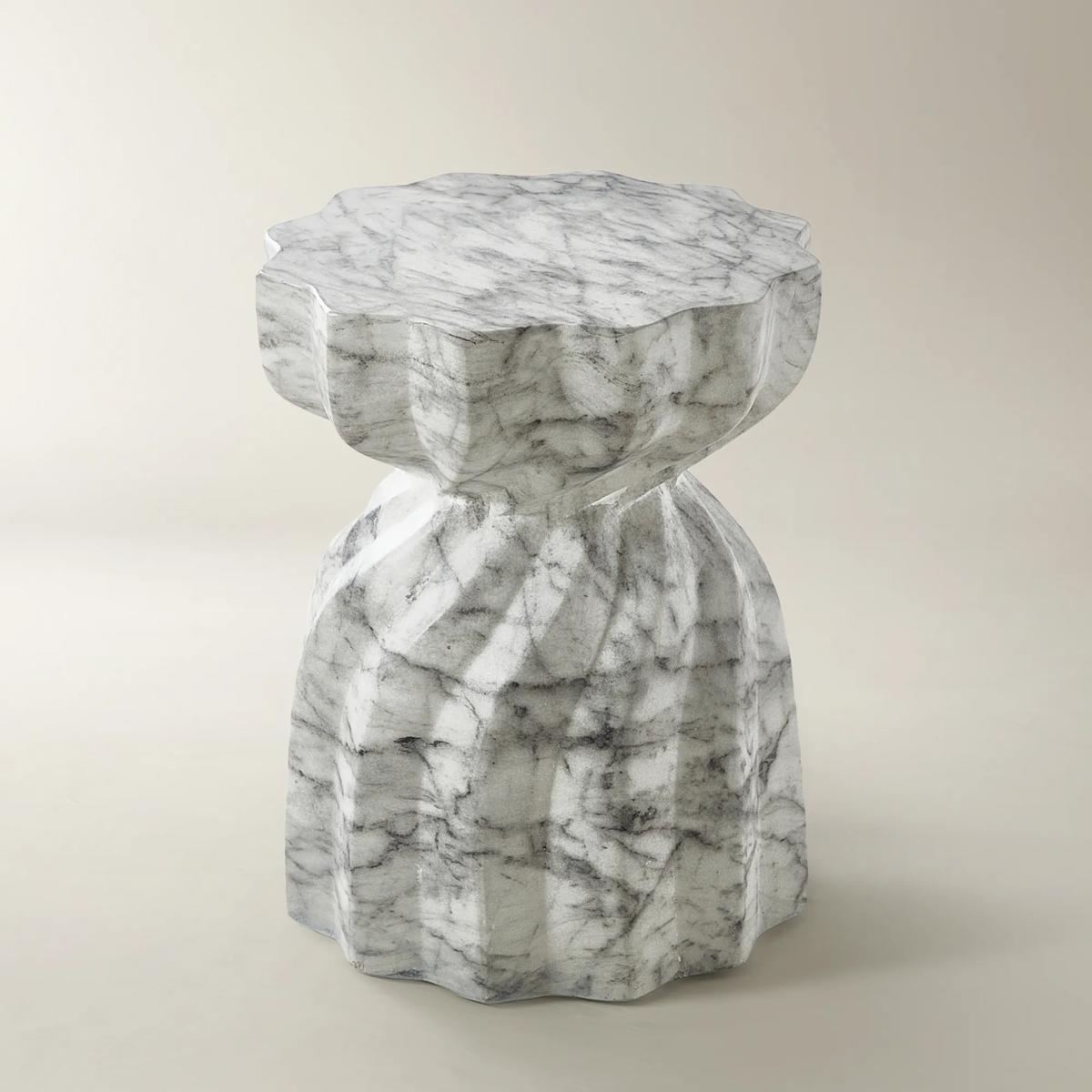
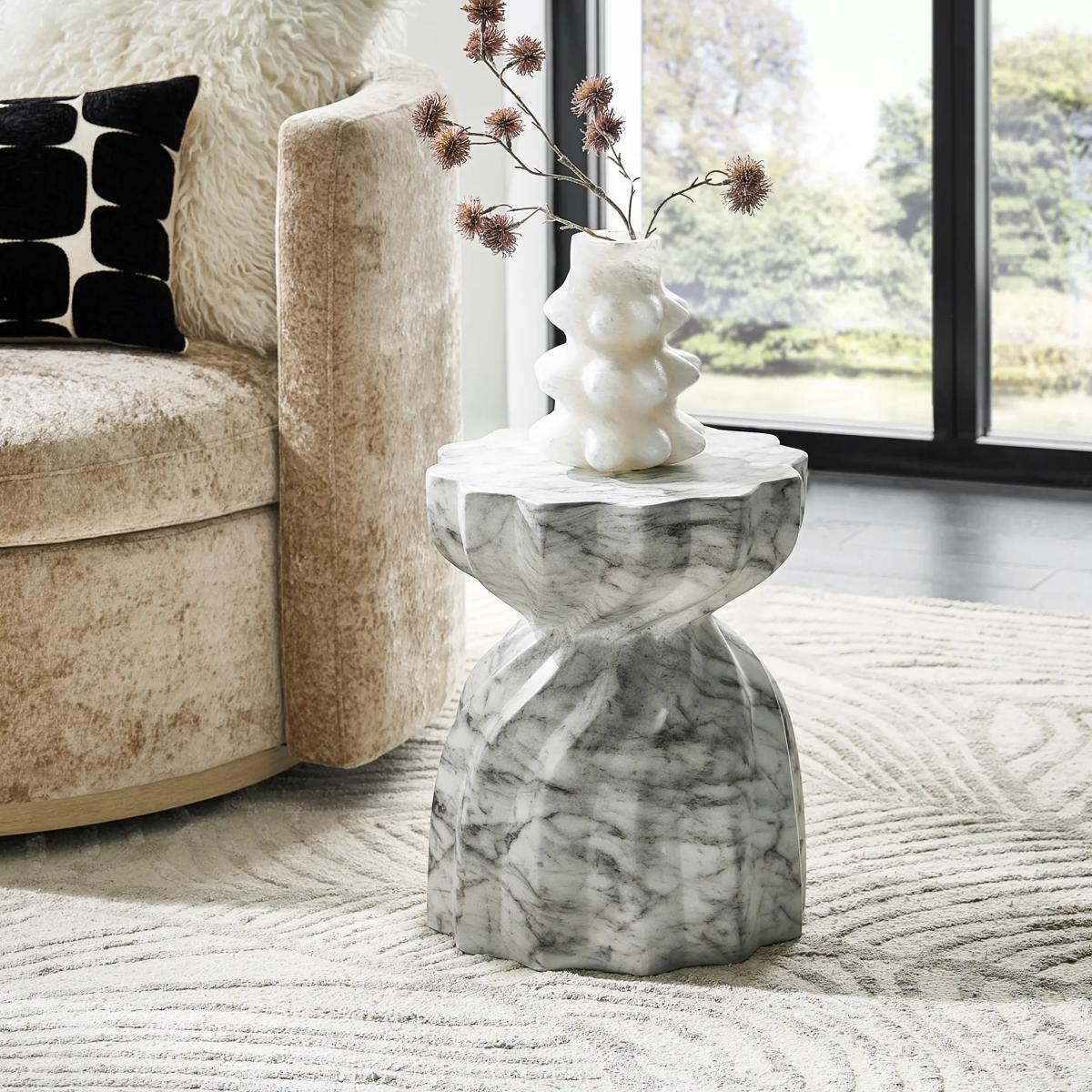 Lithia Scalloped White Concrete Side Table (15")$299
A sculptural white marble-look side table crafted from durable, lightweight fiber concrete for indoor or outdoor use.
Add To Cart

Modern Living Room Accent Tables
Modern living room accent tables are the unsung heroes of sophisticated interiors—each one a sculptural statement, poised to elevate your space with effortless allure. Designed for those who see their home as a canvas for self-expression, these tables invite artistry and intrigue into every corner. Whether anchoring a luxe seating arrangement or catching the light with gleaming surfaces, modern living room accent tables transform the ordinary into the extraordinary, infusing your room with drama, depth, and undeniable presence.
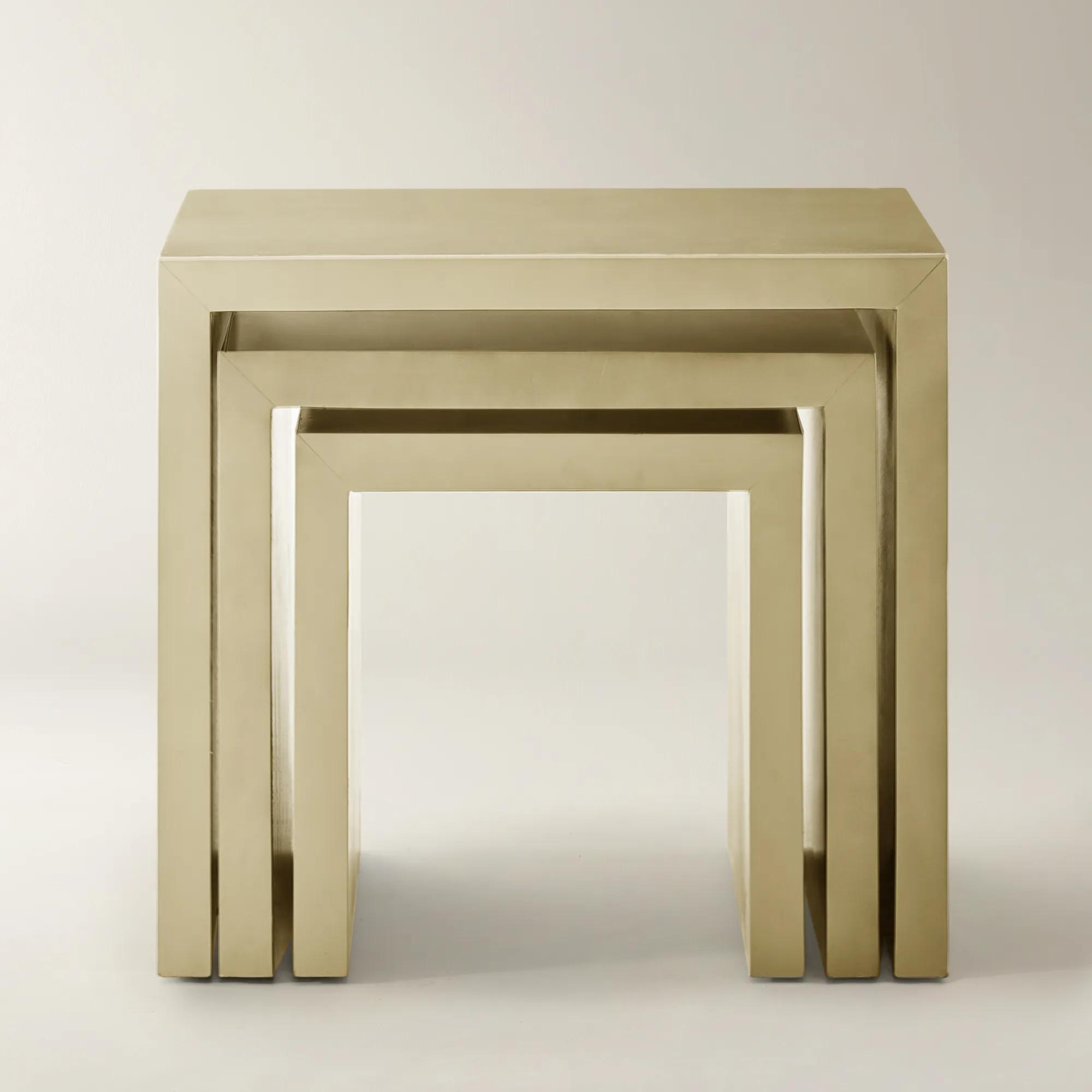
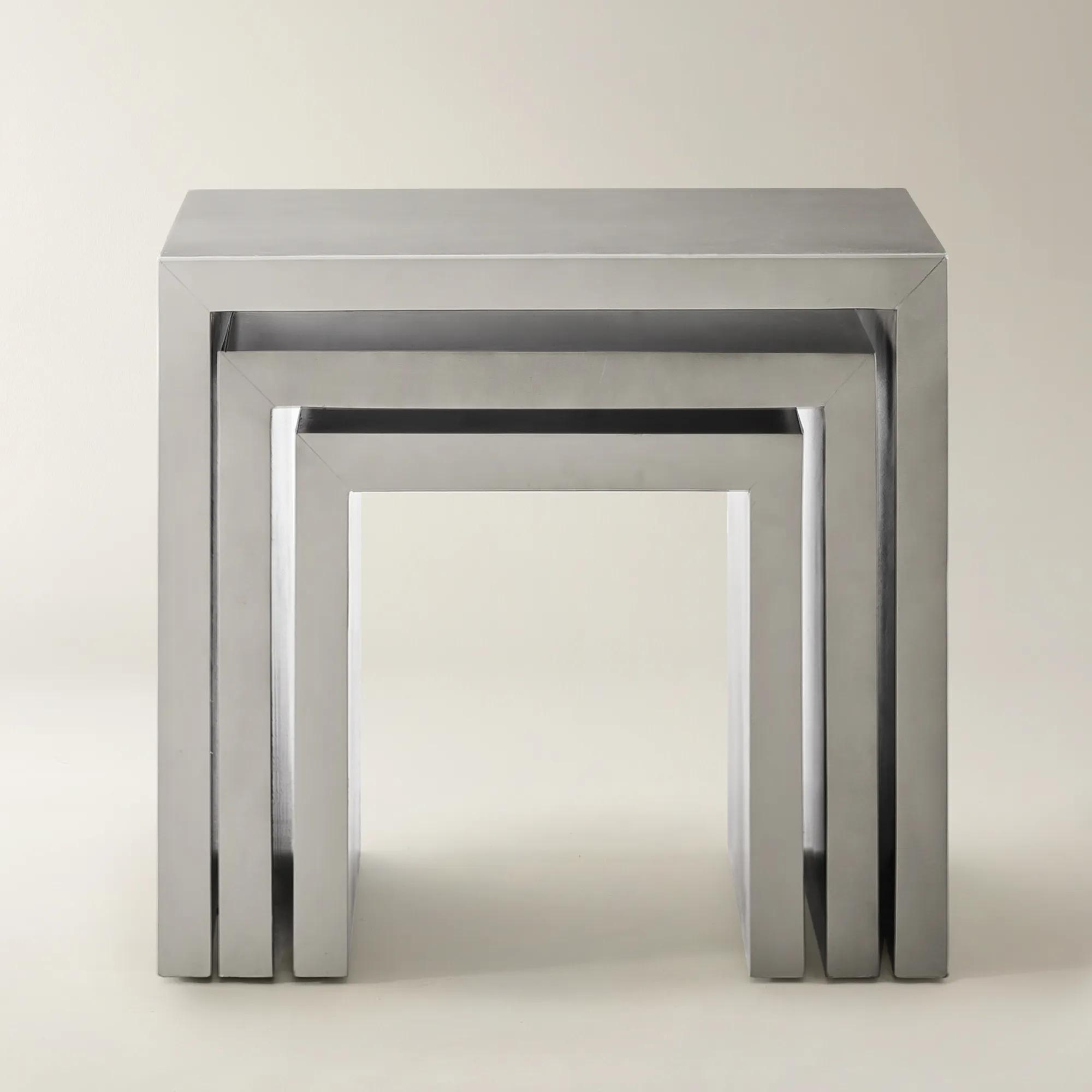
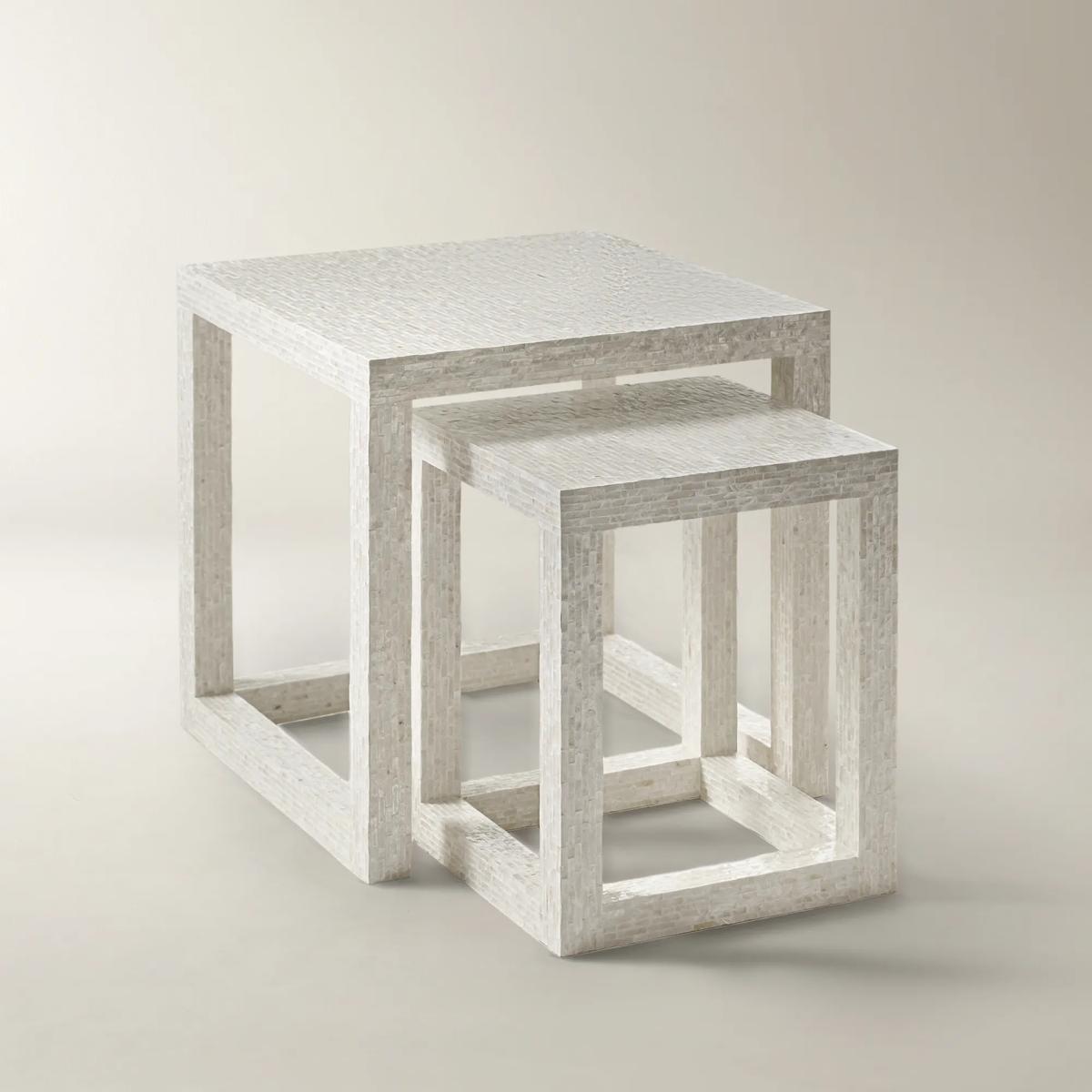
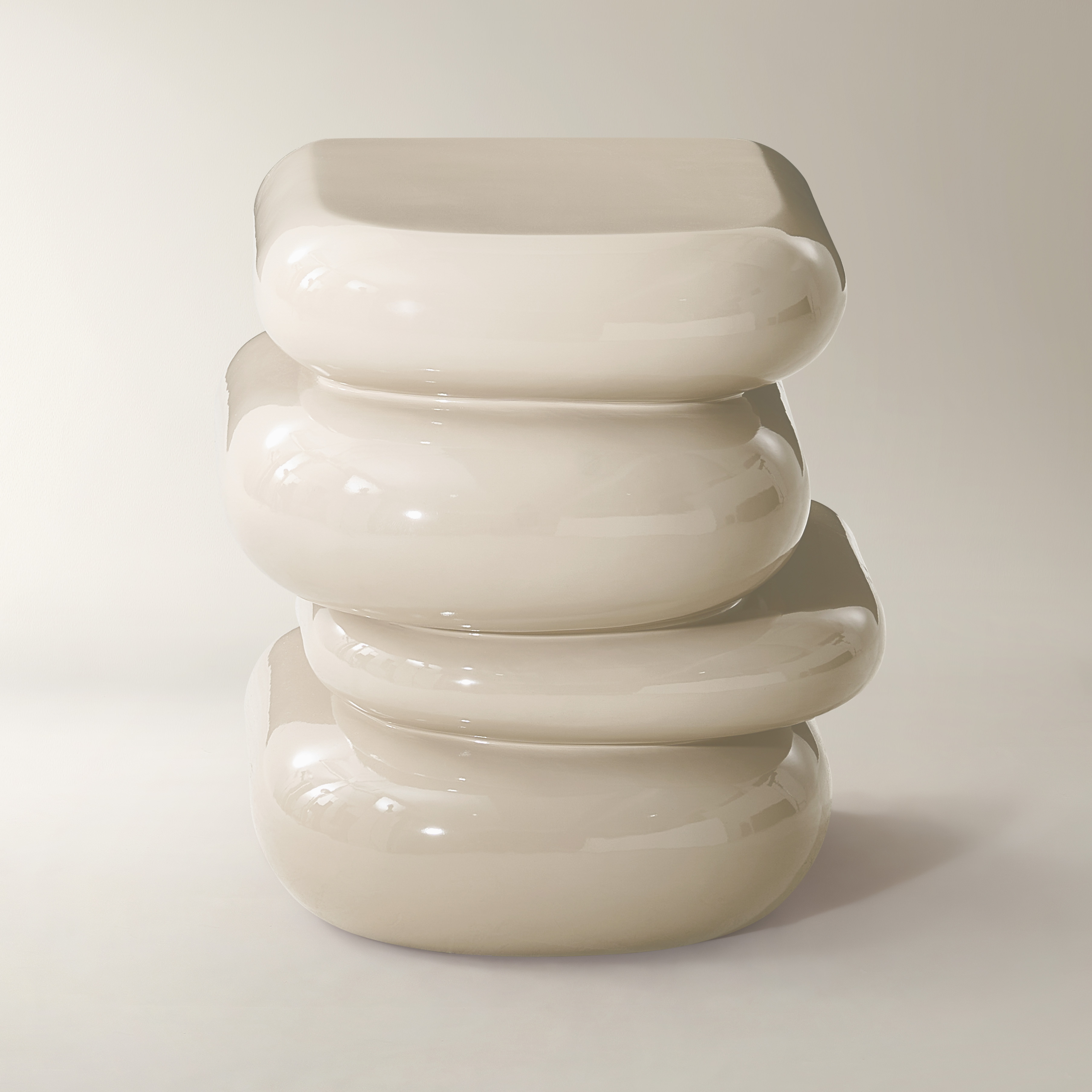
Modern living room accent tables bring sculptural presence and purposeful surface space to the most expressive room in the home. Encompassing end tables, compact drink tables, C-shaped silhouettes, nesting sets, and pedestal designs, this category offers a finishing layer that feels as considered as the sofa or statement chair. An accent table can frame a seating arrangement, introduce a gleaming finish, or place a beautifully proportioned surface exactly where a guest needs it. Unlike a central coffee table, it often occupies the edges of a conversation area, bringing function closer to each seat while giving the room another opportunity for artistry. Modern design takes many forms here: a slender metal frame with a glass top, a substantial drum silhouette, a geometric base beneath polished stone, or an organic shape that softens angular upholstery. C-tables have an offset base that can tuck beneath compatible seating, bringing the top closer for a drink, book, or occasional laptop use when the dimensions and weight capacity allow. Nesting tables offer separate surfaces that overlap or tuck together, creating a layered composition without requiring each table to occupy a permanent place on the floor. Pedestal and drum tables read more like compact sculptures, with a concentrated silhouette that can balance a generous sectional or give a single lounge chair its own distinct setting. Raised rims, fluted sides, open frameworks, and asymmetrical tops add character at close range, where their details can be appreciated every day. For surfaces intended primarily beside a sofa or armchair, modern living room side tables offer a closely related expression of this balance between proportion and purpose. The distinction is less about a rigid label than the role a table plays: supporting a lamp, keeping essentials within reach, or introducing a material that gives the entire arrangement greater depth. A small footprint can still carry considerable visual weight, especially when its shape provides a deliberate contrast to the surrounding furniture.
Materials establish both the mood of modern accent tables and the attention they need over time. Marble brings distinctive veining and a sense of permanence, while travertine contributes a more porous, tactile character; natural variation makes stone surfaces visually individual rather than perfectly uniform. Both benefit from careful handling, prompt attention to spills, and coasters beneath drinks, since acidic liquids can etch some natural stones and moisture may leave marks. Any sealing or specialized treatment should follow the table’s care instructions rather than a blanket routine. Glass creates a lighter visual impression, allowing a richly textured rug or an architectural base to remain part of the composition. Clear glass can make a compact seating area feel less crowded, while smoked or tinted glass adds depth without the solidity of an opaque top. Fingerprints and dust may be more noticeable on these surfaces, and exposed edges deserve thoughtful placement away from busy paths. Mirrored finishes add another layer of reflection, catching the glow of a nearby lamp and lending small arrangements a jewel-like quality. Wood introduces warmth through grain, tone, and texture, whether expressed in solid construction or a carefully applied veneer. Veneer allows the character of real wood to appear over a supporting substrate; durability depends on the complete construction, finish, and conditions of use, not simply that distinction. Direct sunlight, prolonged moisture, and repeated exposure to heat can affect wood surfaces, making protective pads and a consistent indoor environment worthwhile considerations. Metal offers a different kind of expression, from the crisp outline of a dark frame to the soft gleam of a brushed metallic finish. A brass-toned base beside pale upholstery can lend warmth and definition, while polished metal beside dark velvet creates a more theatrical contrast. Finish-specific care matters: abrasive tools and harsh cleaners can damage protective coatings or alter the intended sheen. Across materials, stable construction, secure connections, an appropriate load rating, and a finish suited to everyday habits matter more than appearance alone. A table supporting a substantial lamp has different demands from one reserved for a single glass.
Scale determines whether an accent table feels integrated into the living room or merely placed beside it. For comfortable reach, a side-table top generally works well near the height of the adjacent sofa or chair arm, though lower lounge seating and armless designs call for a different relationship. Width and depth deserve equal attention: the top needs to accommodate its intended contents without crowding the seat, and the base should leave room for feet, reclining mechanisms, and natural movement through the room. A lamp requires enough surface area for its base, with additional space if the table will also hold a drink or reading glasses. A petite drink table, by contrast, serves a more focused purpose and can slip into a narrow interval between chairs where a broader design would overwhelm the arrangement. With C-tables, clearance beneath the sofa and the reach of the tabletop are essential; a low platform base or deep upholstered front may prevent the frame from moving into the desired position. Nesting designs reward the same attention to measurements, particularly when both surfaces will be used at once. Their expanded footprint should preserve a comfortable route around the seating area. Rounded tops can ease the visual geometry of a room and reduce projecting corners near a walkway, although every silhouette still needs a secure, sensible placement. In homes shared with children or pets, stability, edge profiles, and fragile surface materials warrant particular consideration. The final composition can be restrained in quantity yet rich in detail: a stone-topped table beside a curved chair, a low stack of art books beneath a shaded lamp, or a glossy pedestal against textured upholstery. Repeating one finish elsewhere in the room creates continuity without requiring every table to match. For apartment dwellers, frequent hosts, and anyone refining a favorite reading corner, these pieces offer a tangible way to make living spaces more personal. An accent table can also be a thoughtful housewarming gift when the recipient’s dimensions, material preferences, and daily routines are known—a lasting design gesture with a genuine place in everyday life.
FAQs
Modern living room accent tables often showcase a captivating blend of materials, including gleaming metals like gold or chrome, rich woods with dramatic grain, sleek glass, and even luxurious marble or stone. These materials are often combined to create striking contrasts and add a layer of sophistication, making each piece a work of art as well as a functional addition to your space.
Accent tables are a designer’s secret weapon for layering texture and visual interest. Style them with a curated mix of decorative objects—think sculptural vases, art books, or a dramatic floral arrangement. For a touch of seasonal glamour, add candles or metallic trays. The key is to balance scale and color, ensuring your accent table complements the overall mood of your living room.
Absolutely. A modern accent table is a thoughtful and memorable gift, perfect for housewarmings, weddings, or milestone celebrations. Choose a piece that reflects the recipient’s personality—perhaps a bold, artistic silhouette for the maximalist, or a minimalist design with luxe materials for those who appreciate understated elegance.
Yes, modern accent tables are remarkably versatile. Beyond serving as a perch for drinks or decorative pieces, they can function as impromptu workspaces, reading nooks, or even bedside companions in a guest room. Their adaptability makes them an essential element in any well-appointed living area.
Mixing and matching accent tables with your existing furniture is an artful way to create a dynamic, layered look. Consider contrasting shapes—pairing a round table with a linear sofa, for example—or mixing materials, such as a glass accent table alongside a plush velvet chair. Aim for harmony through color, finish, or design details, allowing each piece to stand out while contributing to a cohesive, expressive living room.
-0.jpeg?w=3936&h=3936)
.jpeg?w=4043&h=4043)


