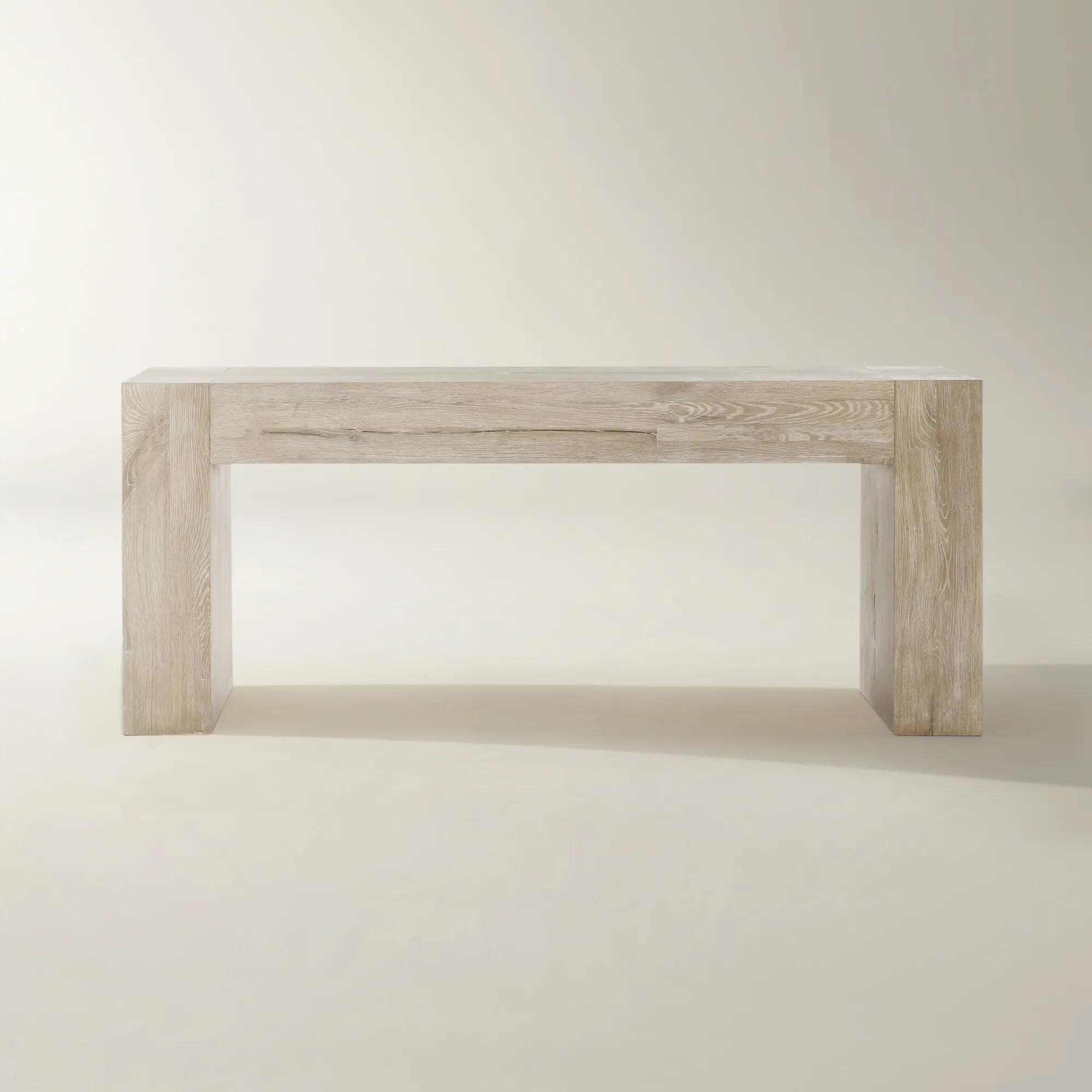
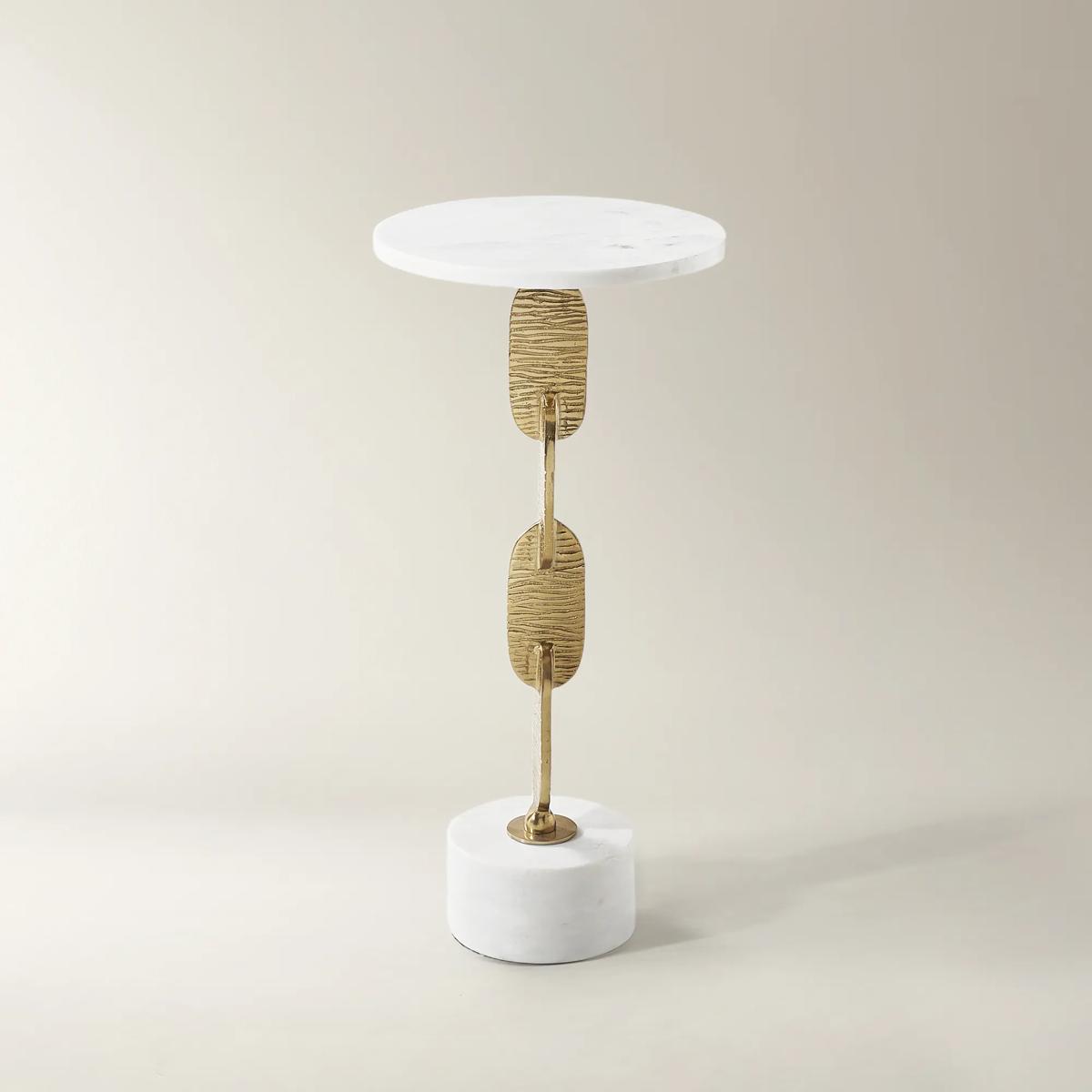
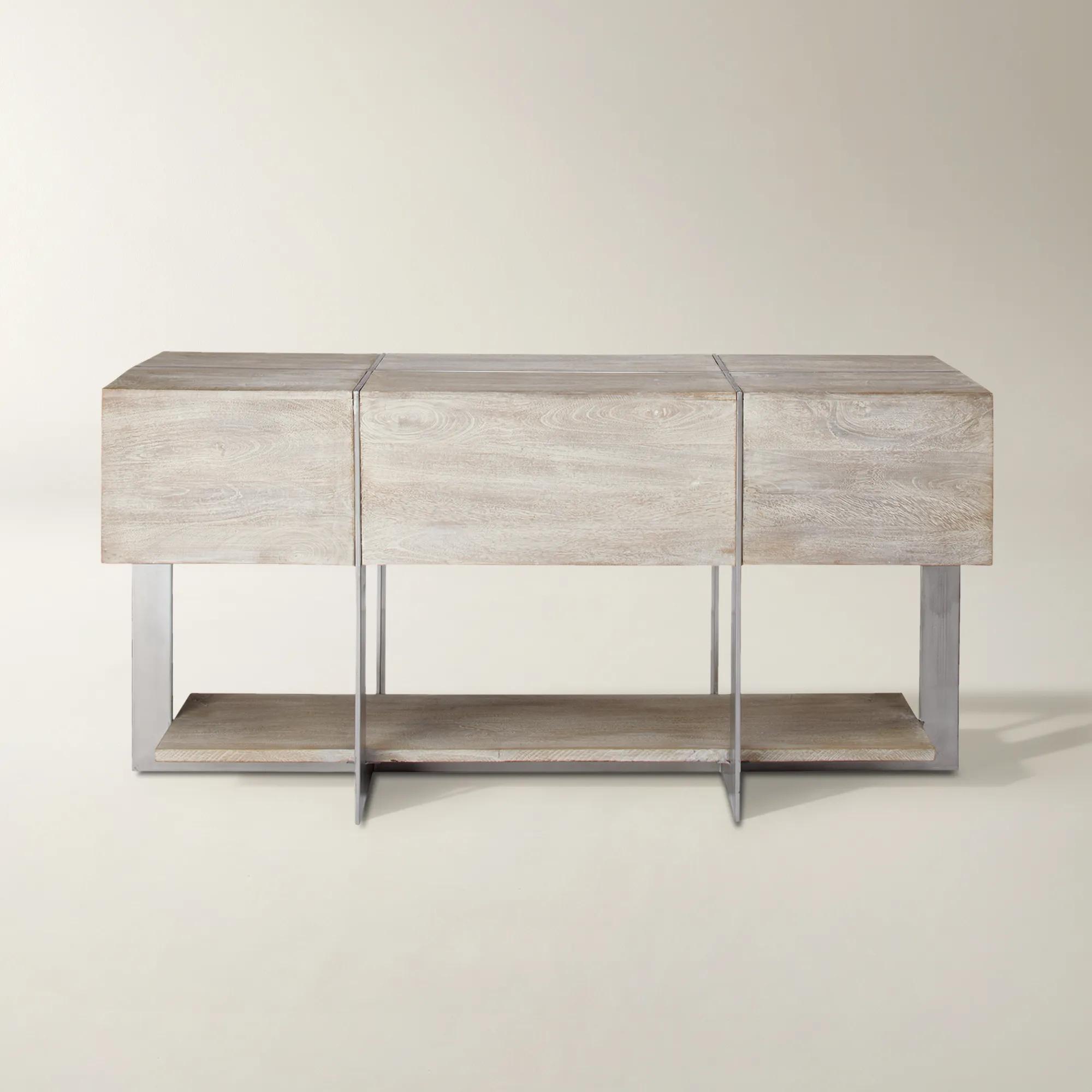
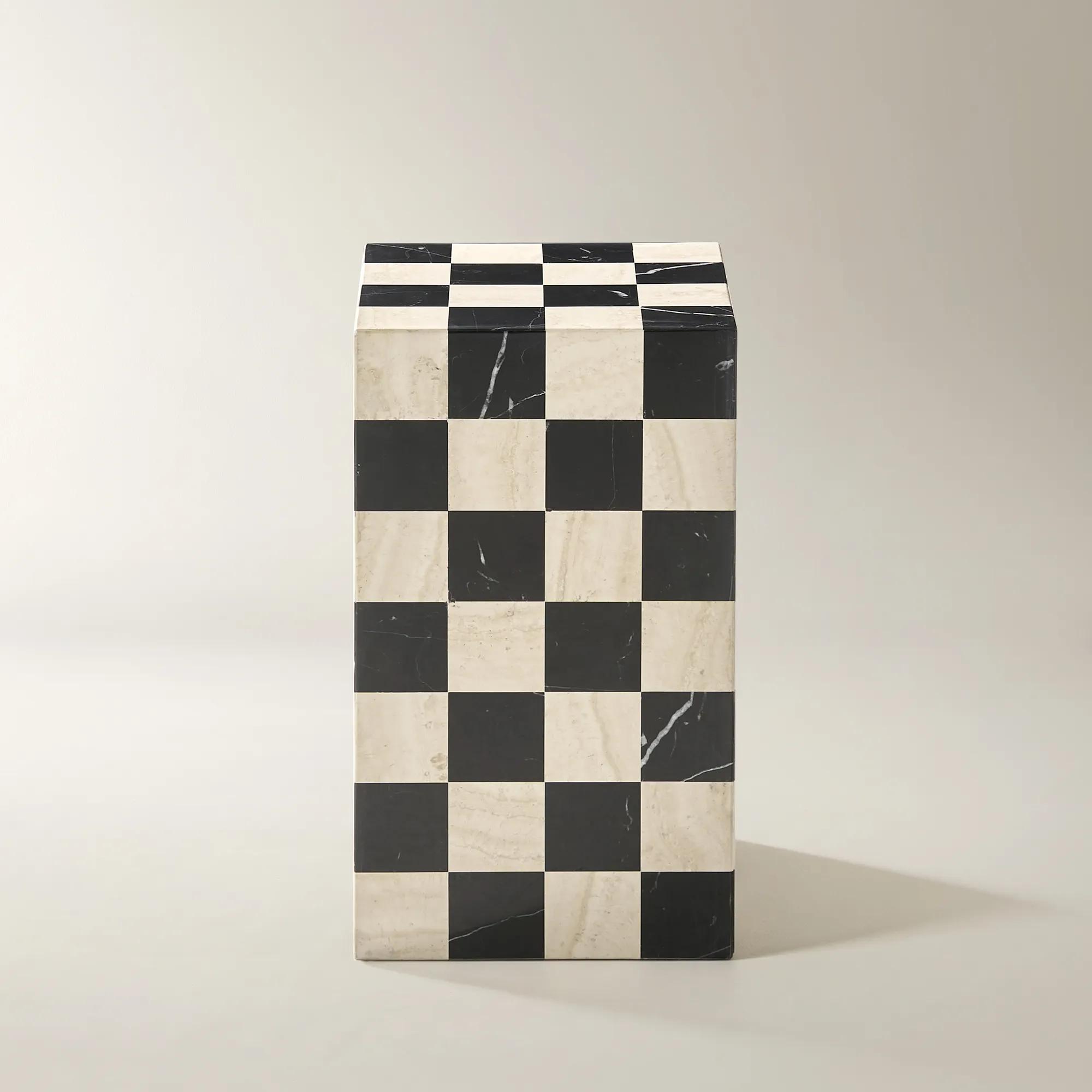
Living Room Accent Table Sets
Living Room Accent Table Sets
-
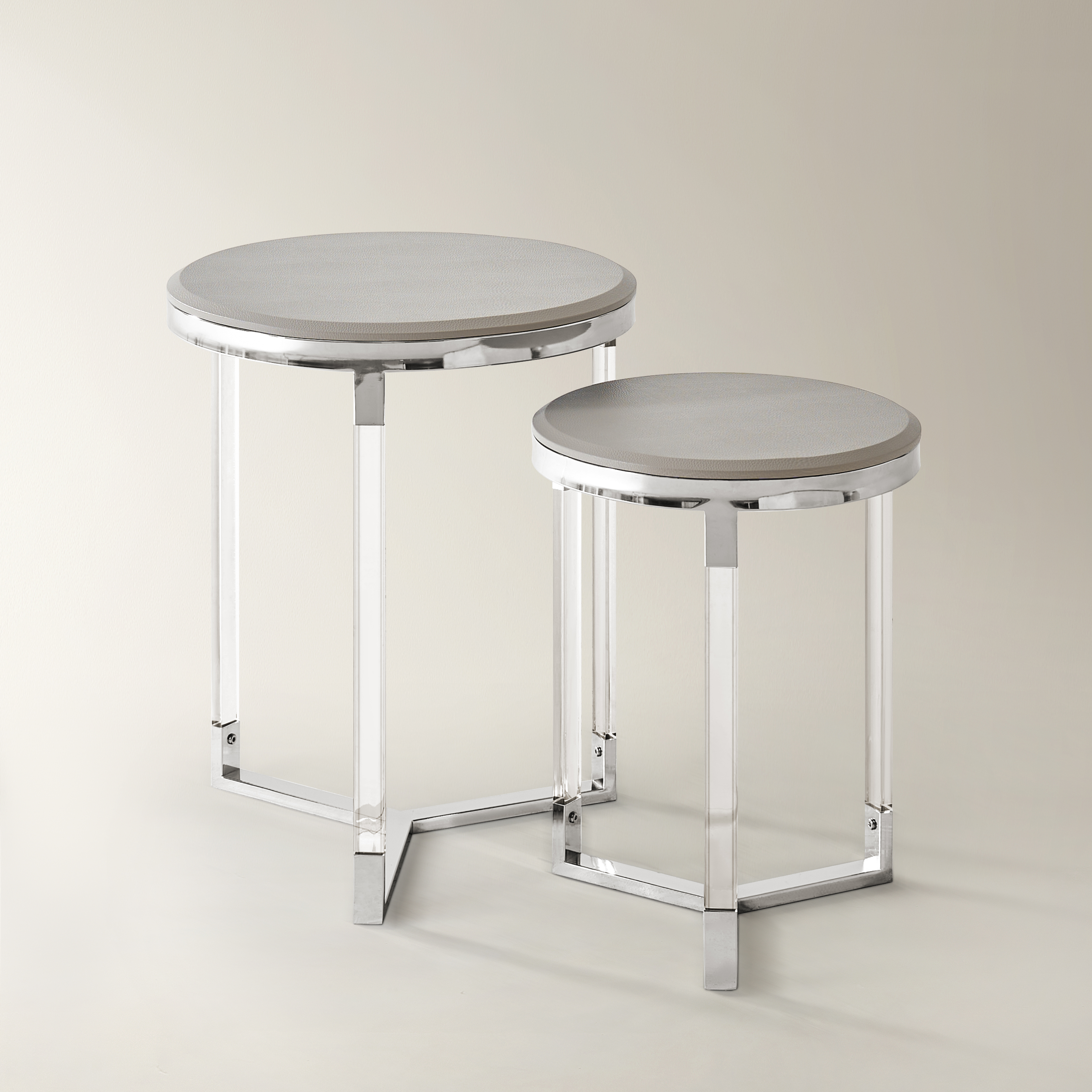
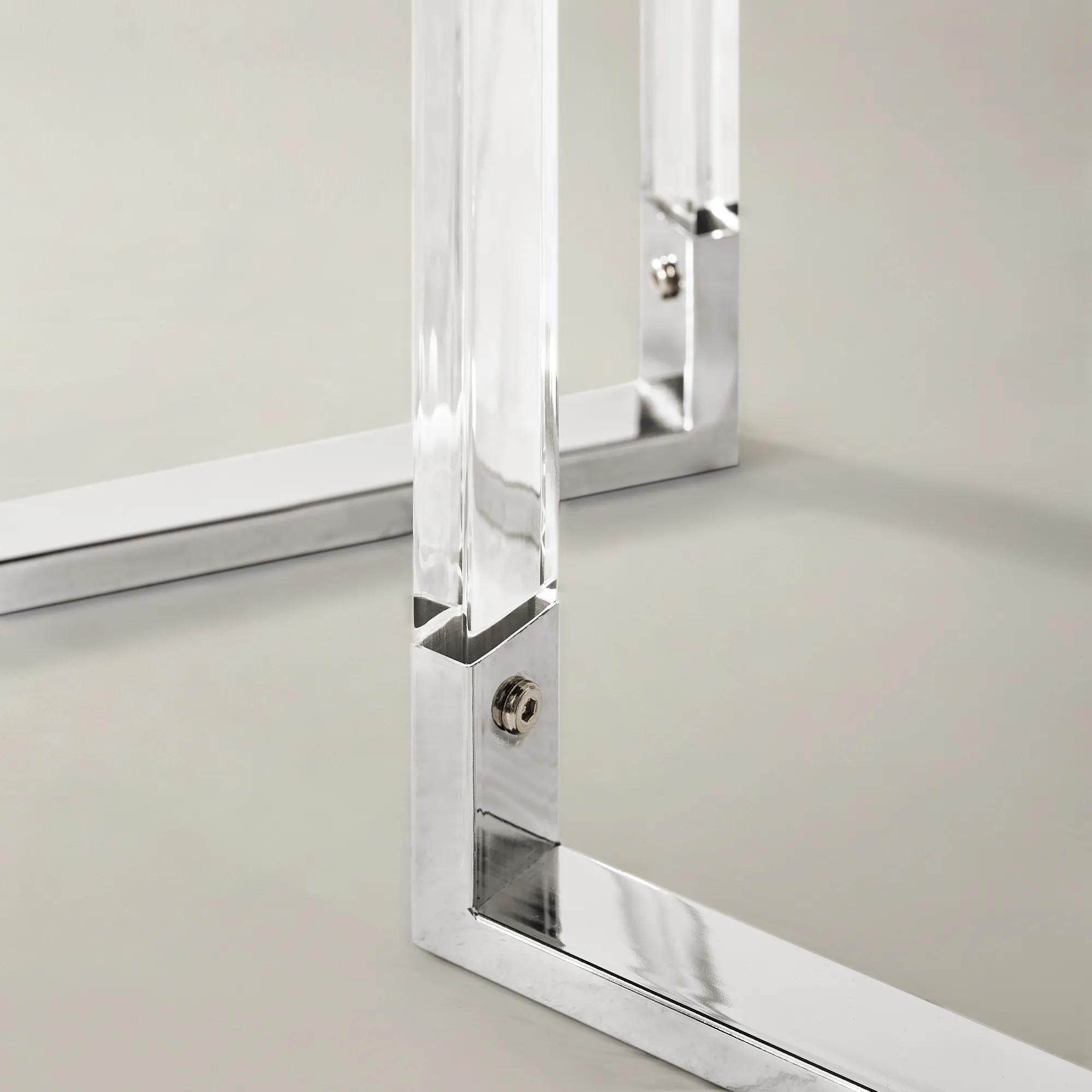 Murano Round Grey Accent Table With Faux Leather Top Set Of 2 (14.5"-18.5")$399
A bold set of two accent tables featuring mixed woods, acrylic legs, and faux leather tops.
Add To Cart -
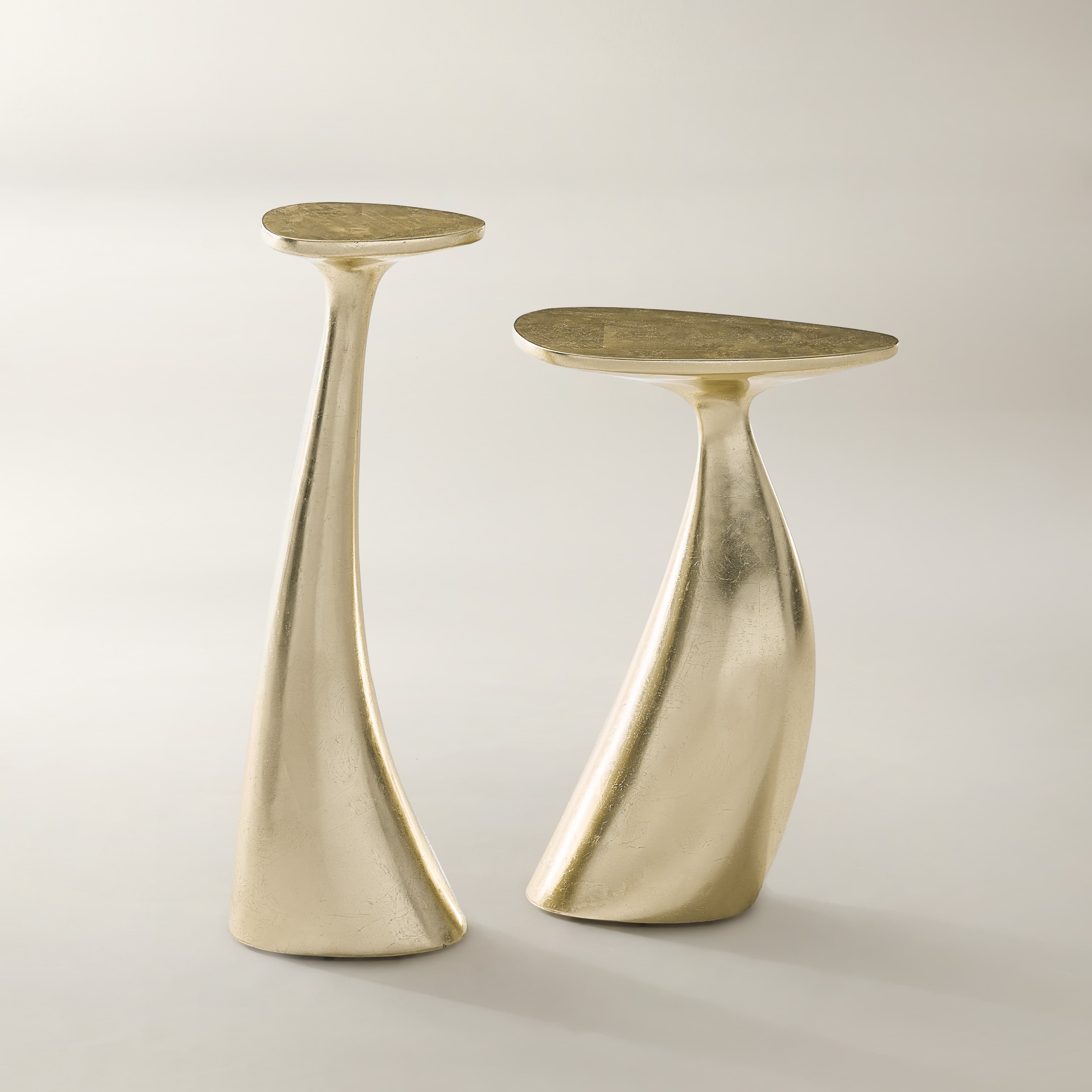 Thalia Soft Gold Side Table Set Of 2 (8"-12.5")$699
A sculptural duo of gold leaf fiberglass tables with fluid lines and a warm, luminous finish.
Add To Cart -
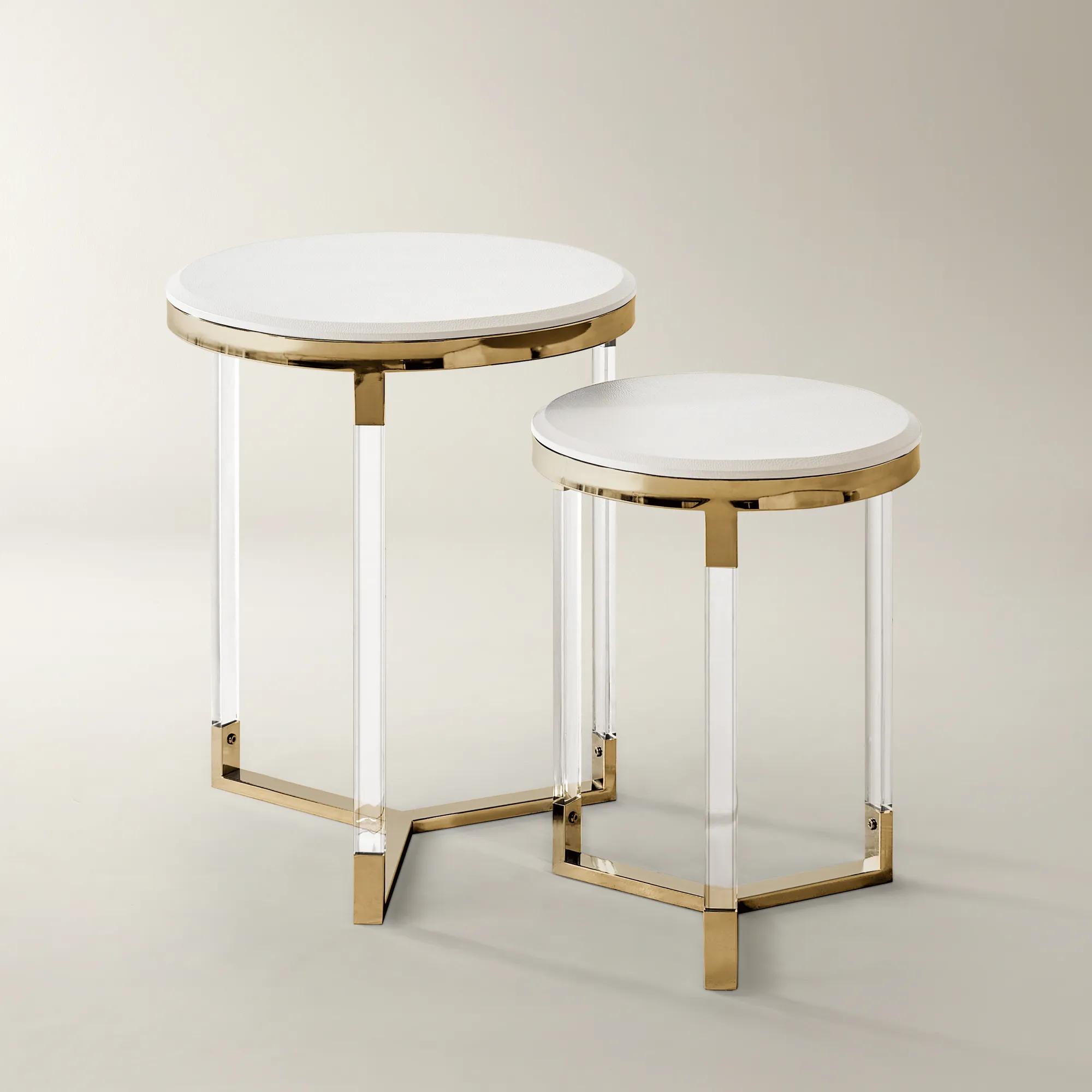
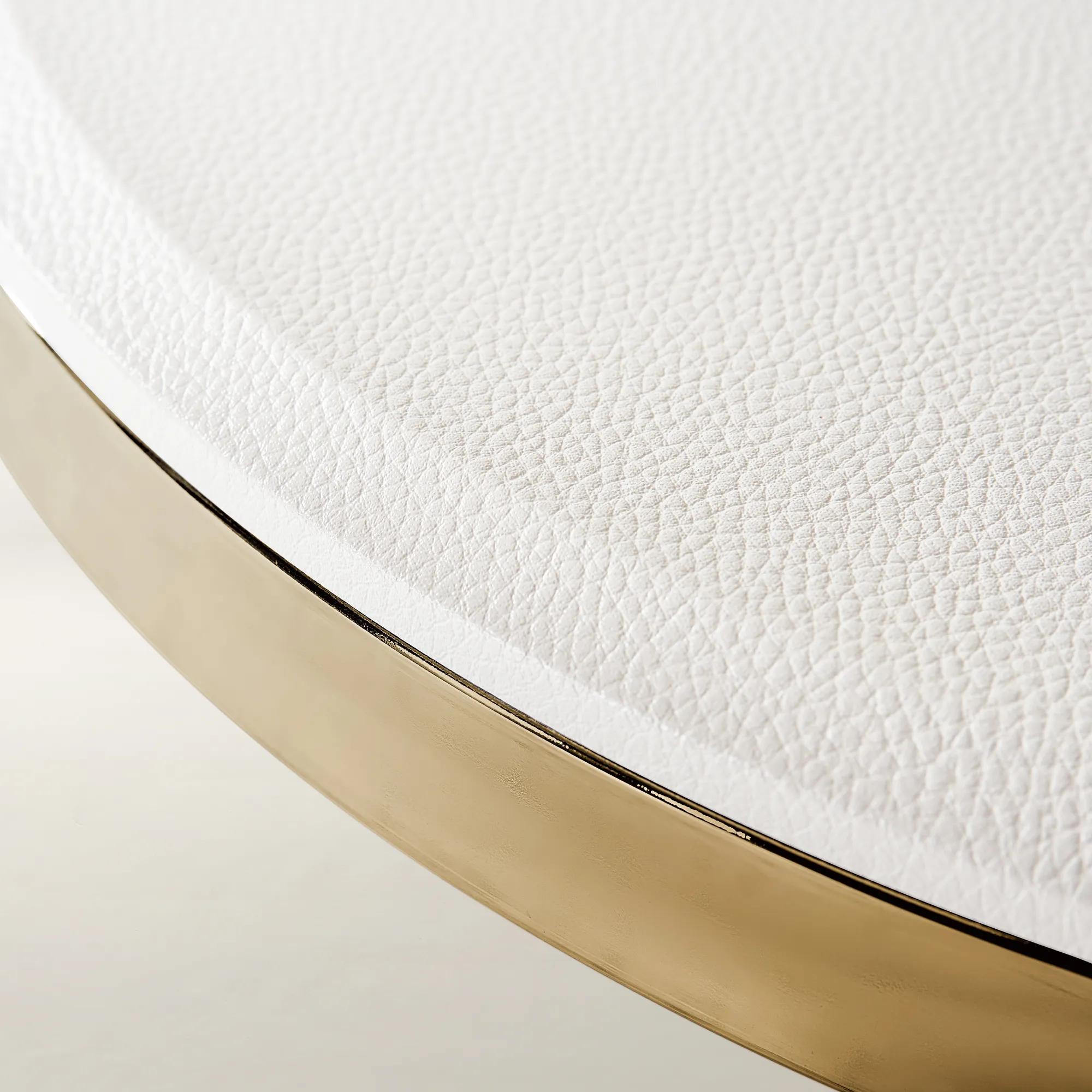 Murano Round White Accent Table With Faux Leather Top Set Of 2 (14.5"-18.5")$399
A set of two accent tables featuring mixed woods, faux leather tops, and acrylic legs with metallic finishes.
Add To Cart -
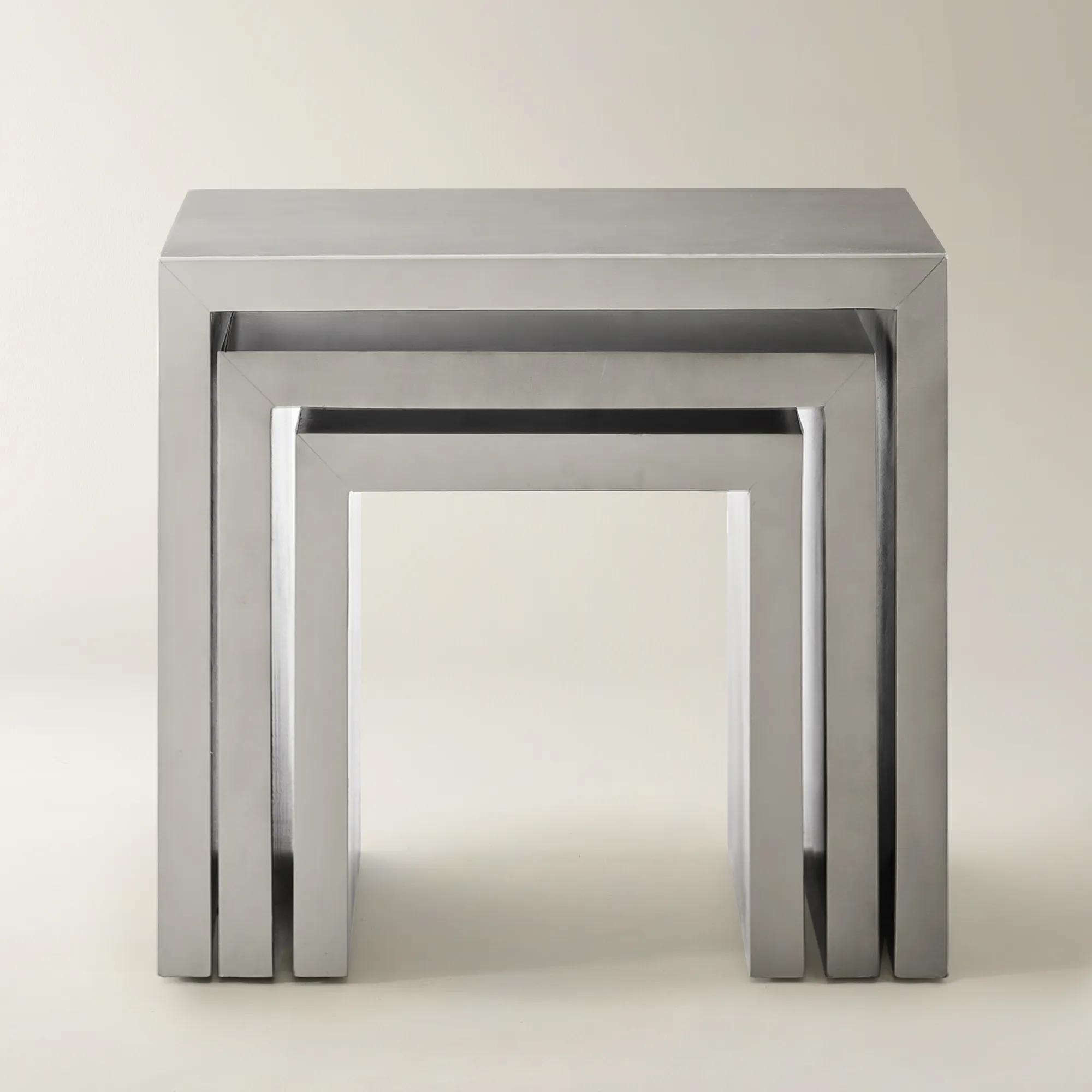
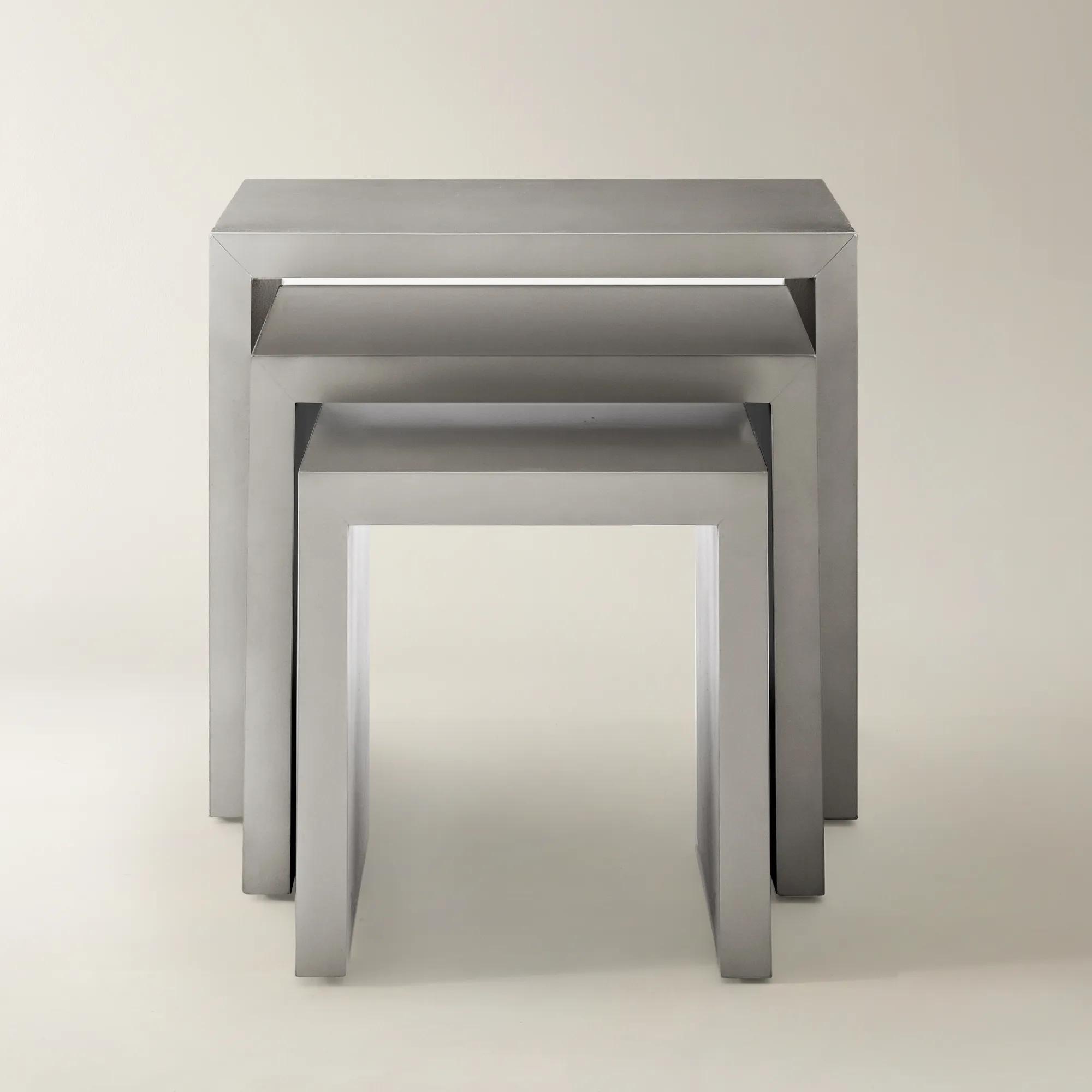 Astair Silver Nesting Accent Table Set Of 3 (16.25"-25.5")$349
A trio of engineered wood nesting tables with a sleek silver metallic finish and minimalist block silhouette.
Add To Cart -
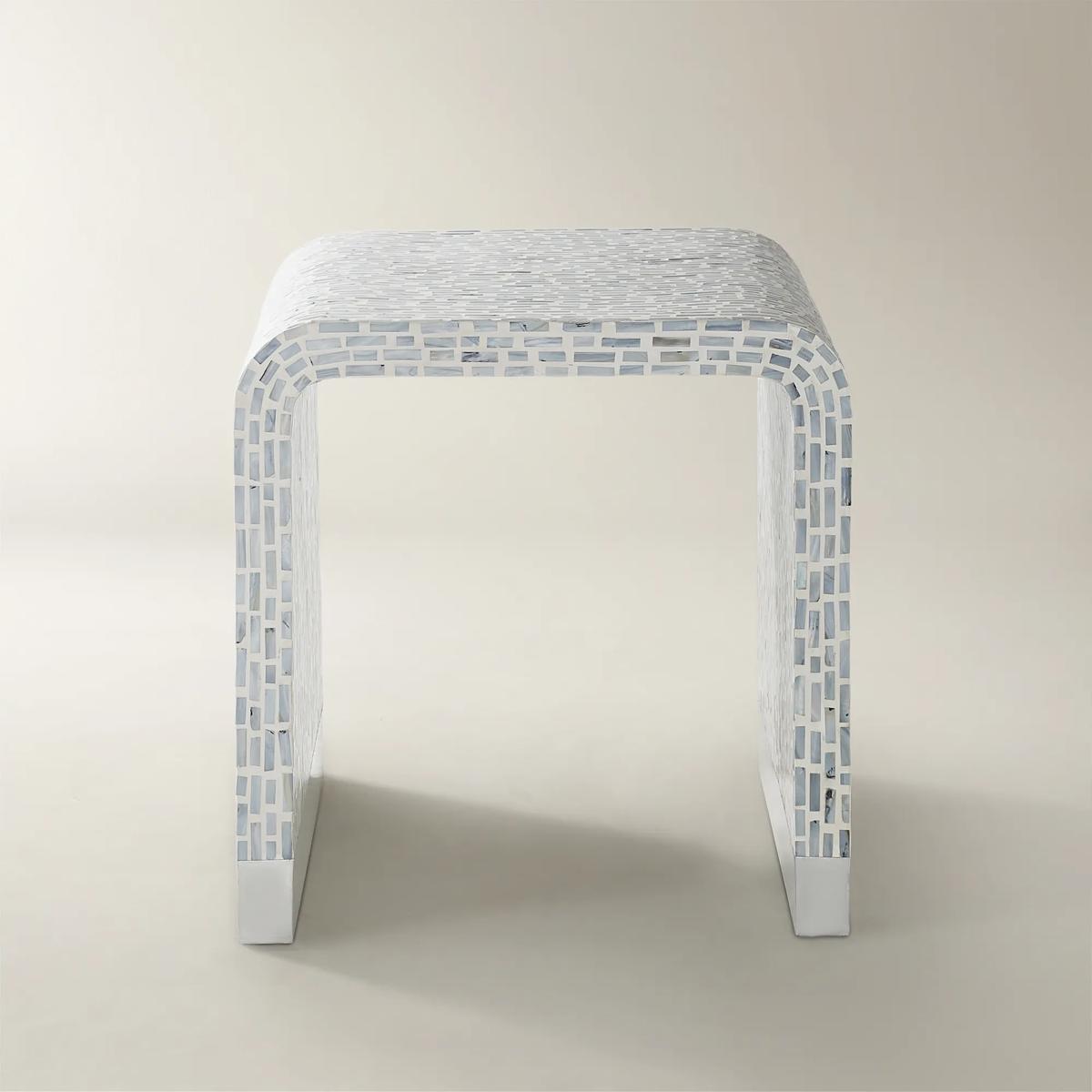
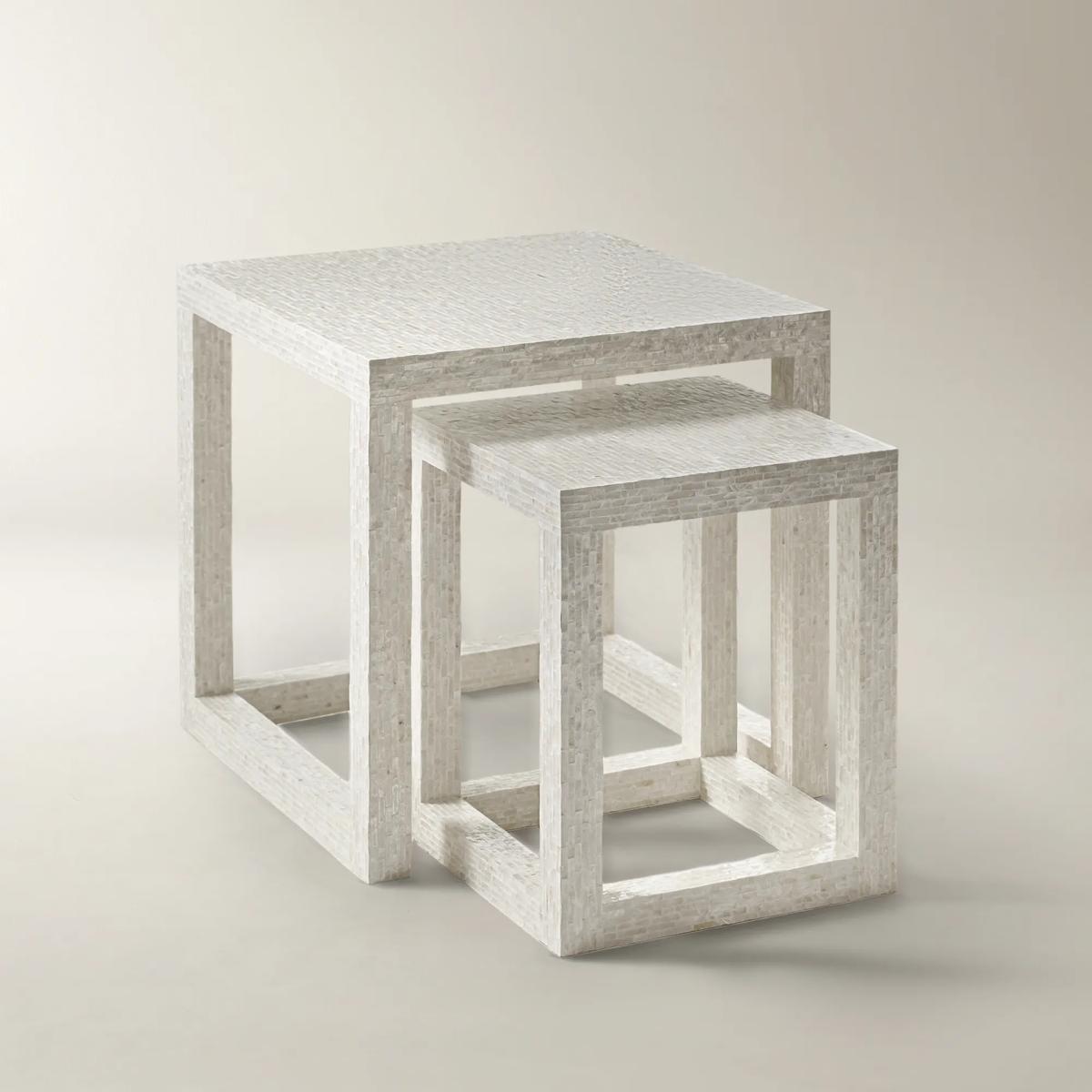 Ivori Square White Nesting Accent Table Set Of 2 (16.5"-23.75")$599
A handcrafted white nesting table featuring radiant mother-of-pearl inlay for a unique, iridescent accent.
Add To Cart -
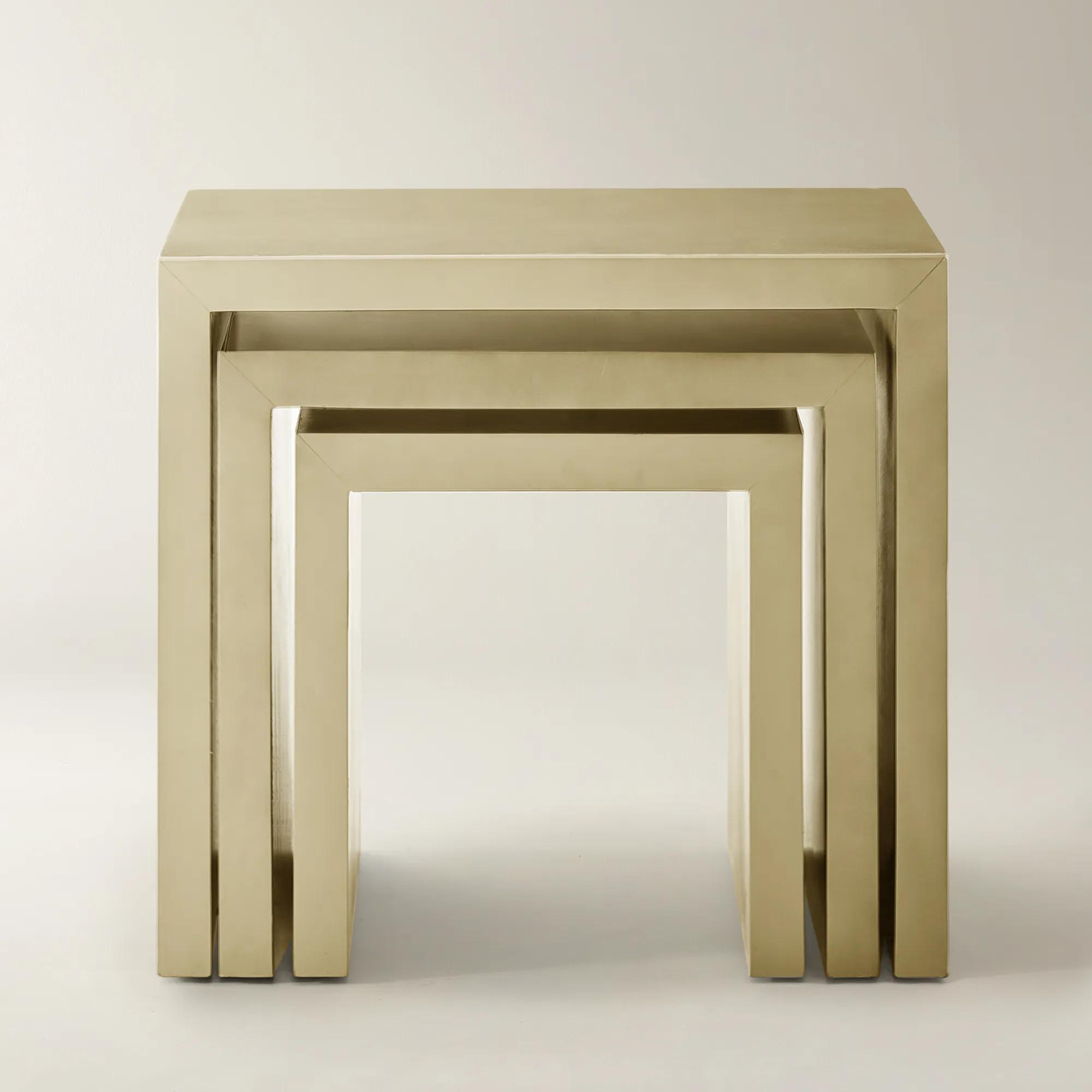
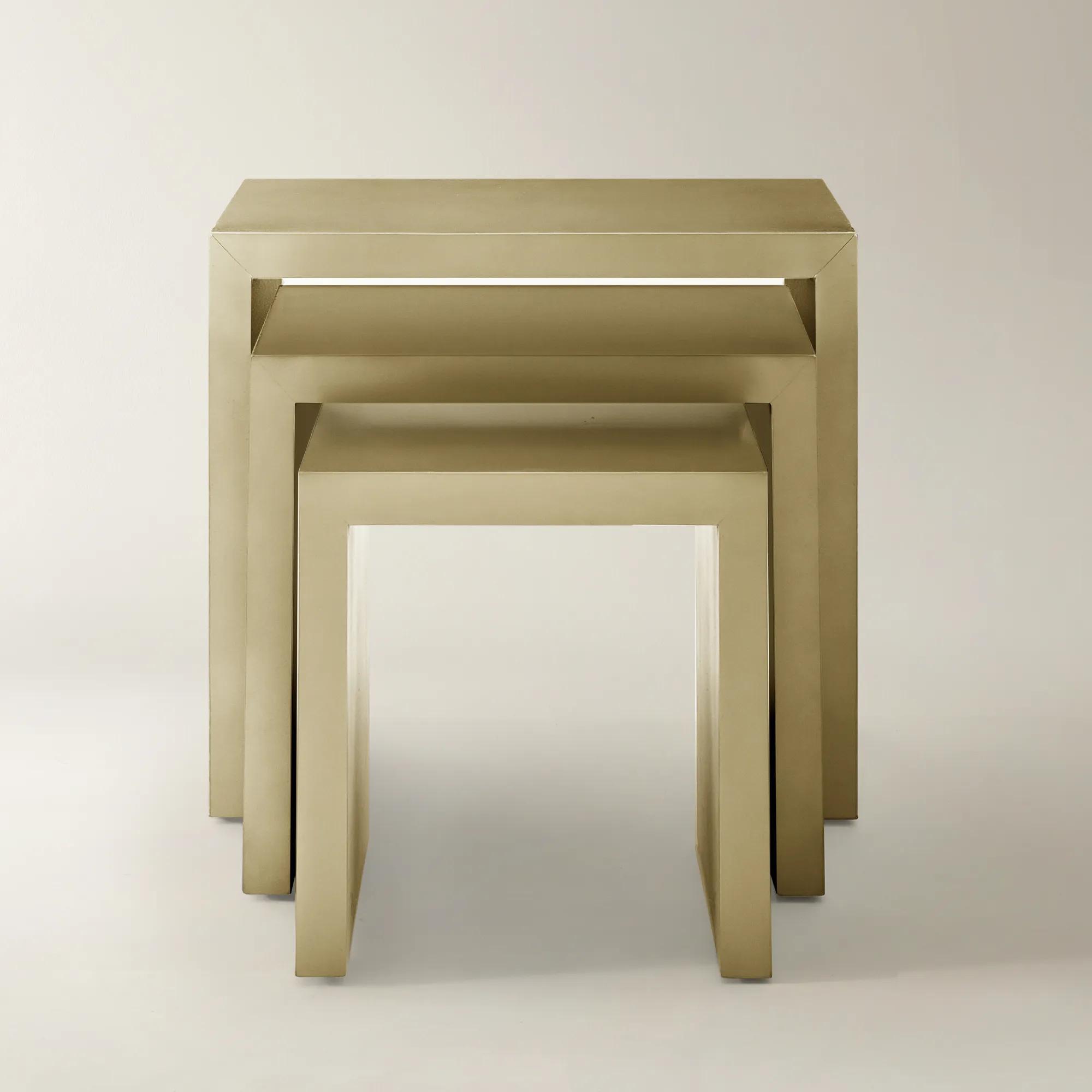 Astair Gold Nesting Accent Table Set Of 3 (16.25"-25.5")$349
A trio of gold-painted engineered wood tables with minimalist block silhouettes and versatile nesting design.
Add To Cart -
 Thalia Glossy Black Side Table Set Of 2 (8"-12.5")$599
A sculptural duo of glossy black fiberglass tables with fluid lines and mirror-like lacquered finish.
Add To Cart -
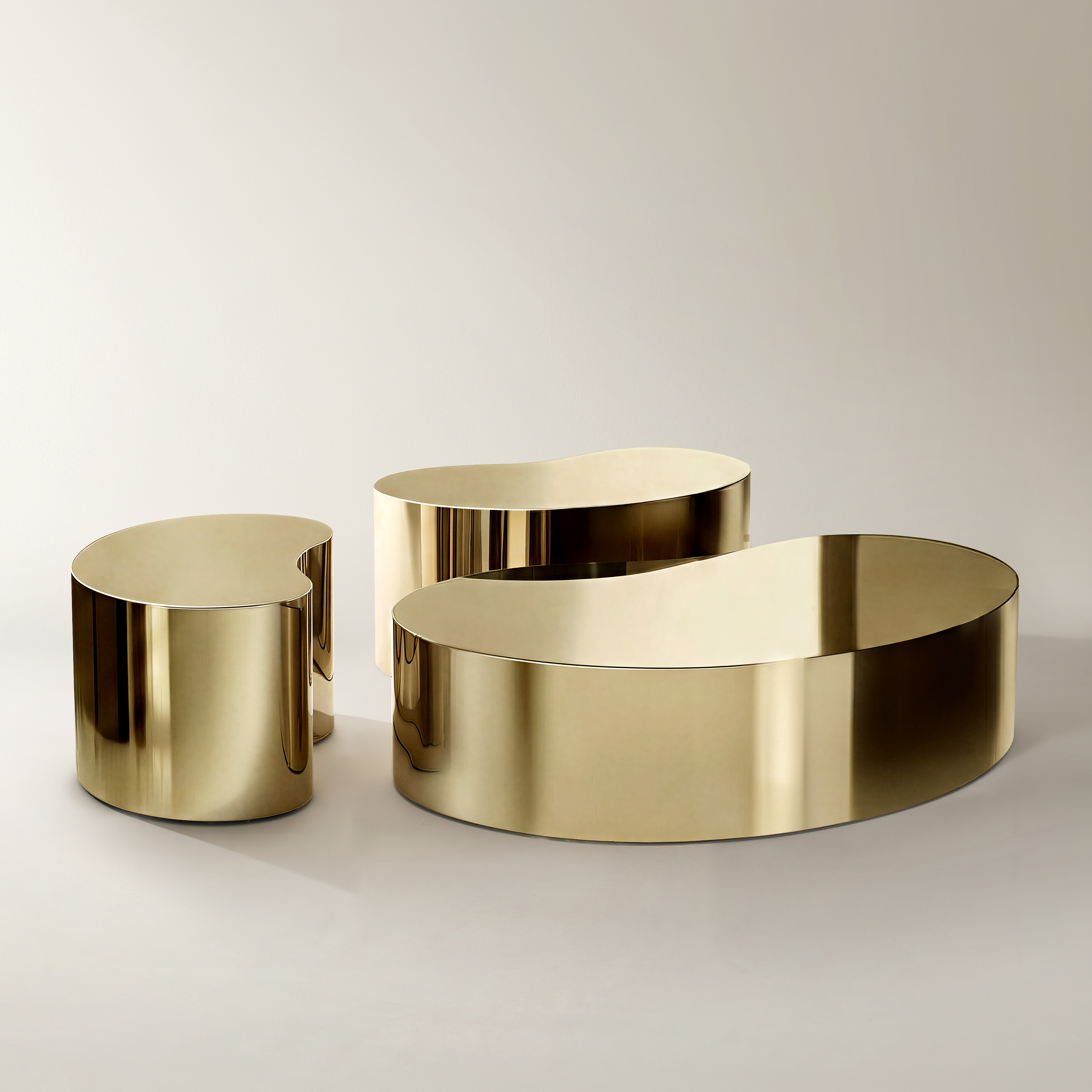 Aurea Soft Gold Coffee Table Set of 3 (32"-57")$3197
A sculptural coffee table crafted from premium stainless steel with a high-gloss, soft gold mirror finish.
Add To Cart -
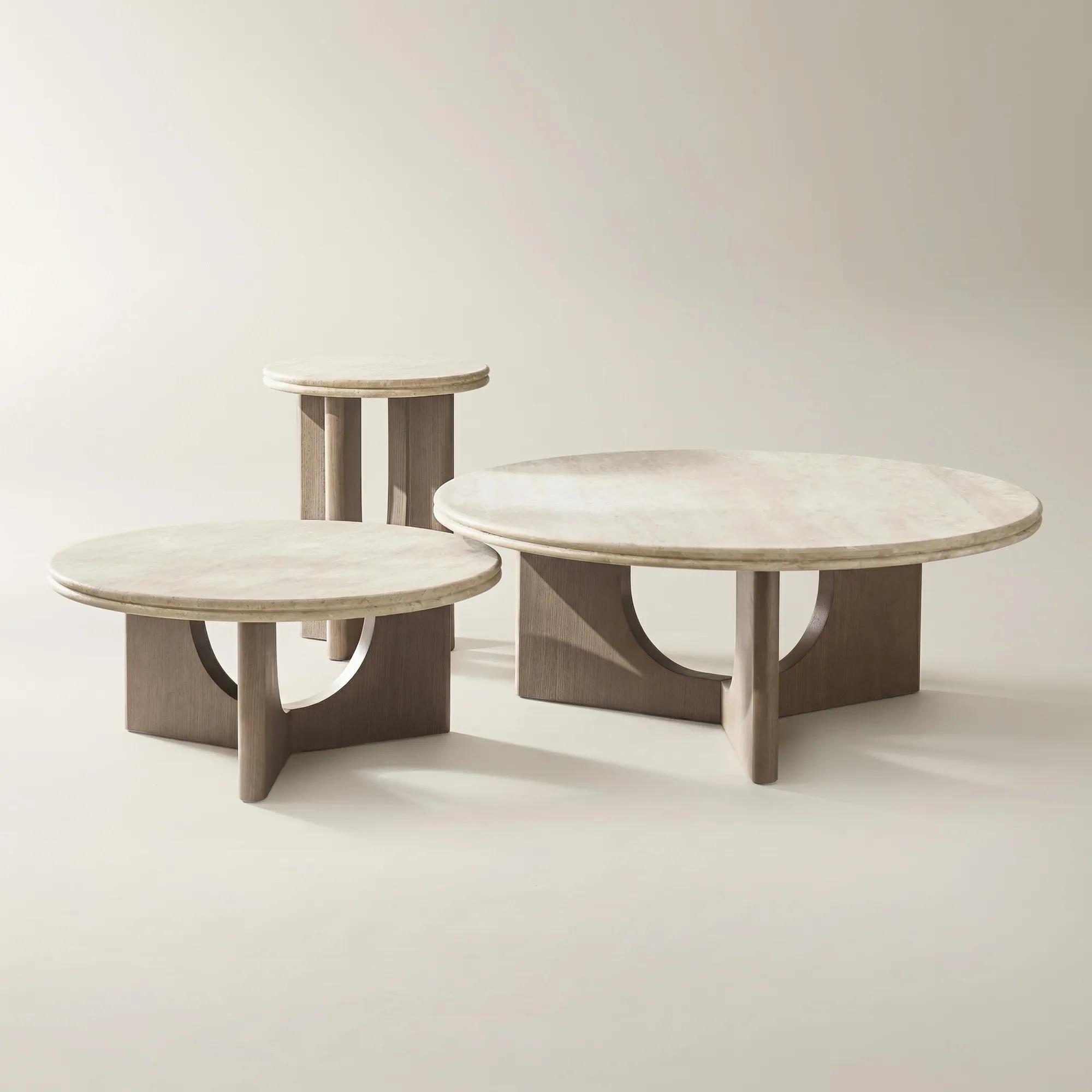
 Bond Round Travertine and Wood Coffee Table Set of 3 (17.72"-41")$2557
A natural-finish nesting coffee table set offering versatile, space-saving surfaces for modern living rooms.
Add To Cart -
 Aurea Soft Gold Coffee Table Set of 2 (37.5"-57")$2398
A sculptural coffee table crafted from premium stainless steel with a radiant, high-gloss soft gold finish.
Add To Cart -
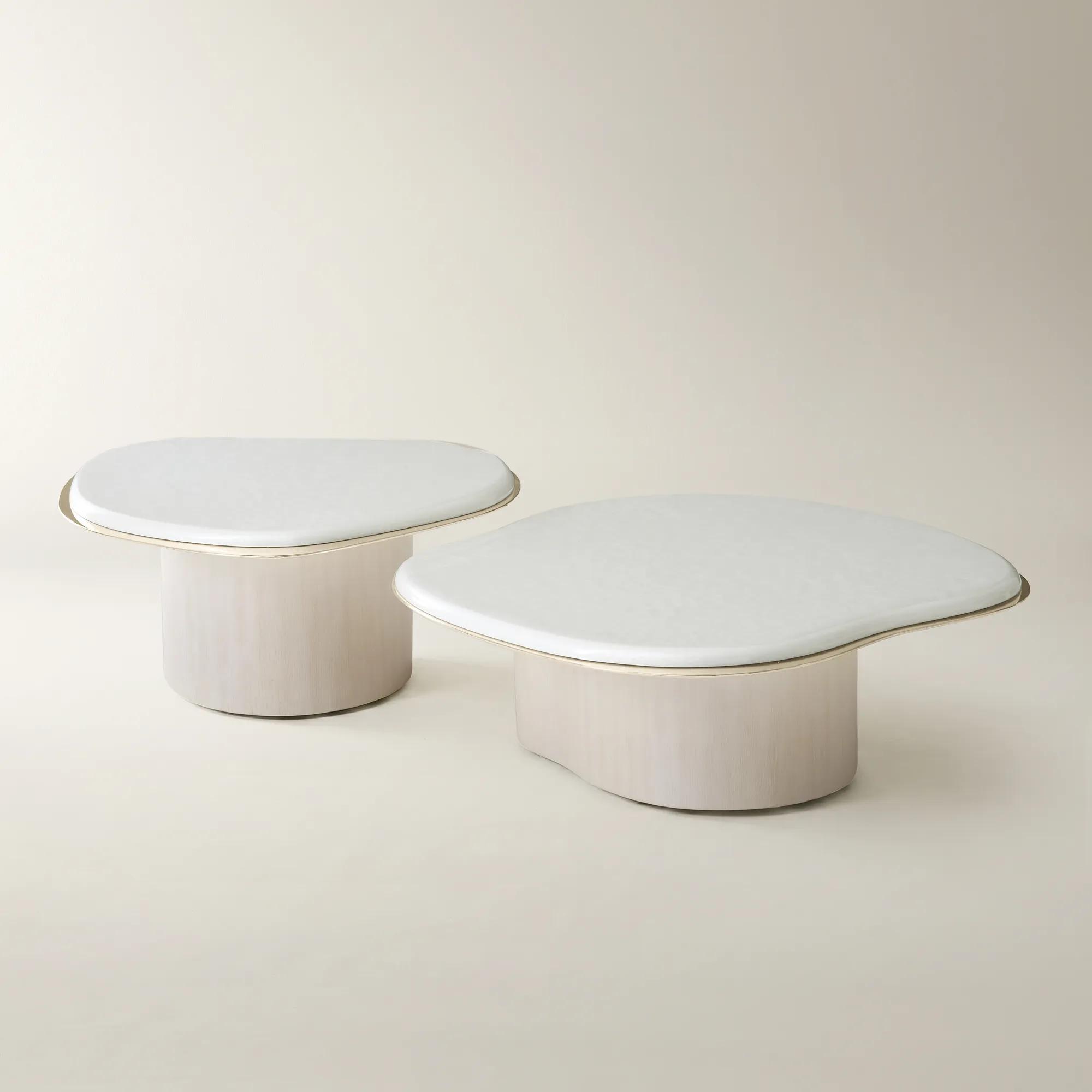 Lumina Bleached Oak Coffee Table Set Of 2$2098
A set of sculptural coffee tables featuring pearl lacquered tops, bleached oak veneer, and champagne gold trim.
Add To Cart -
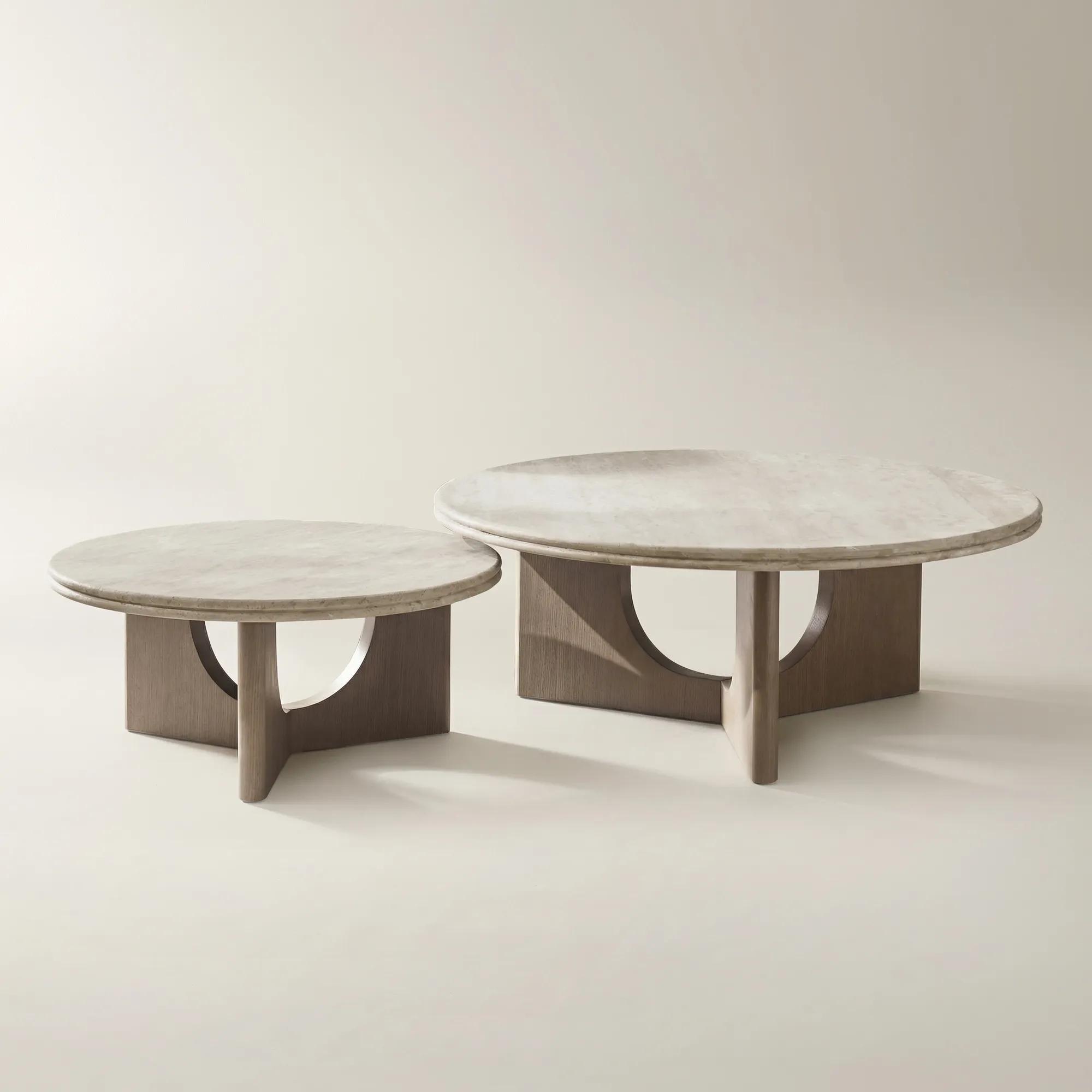
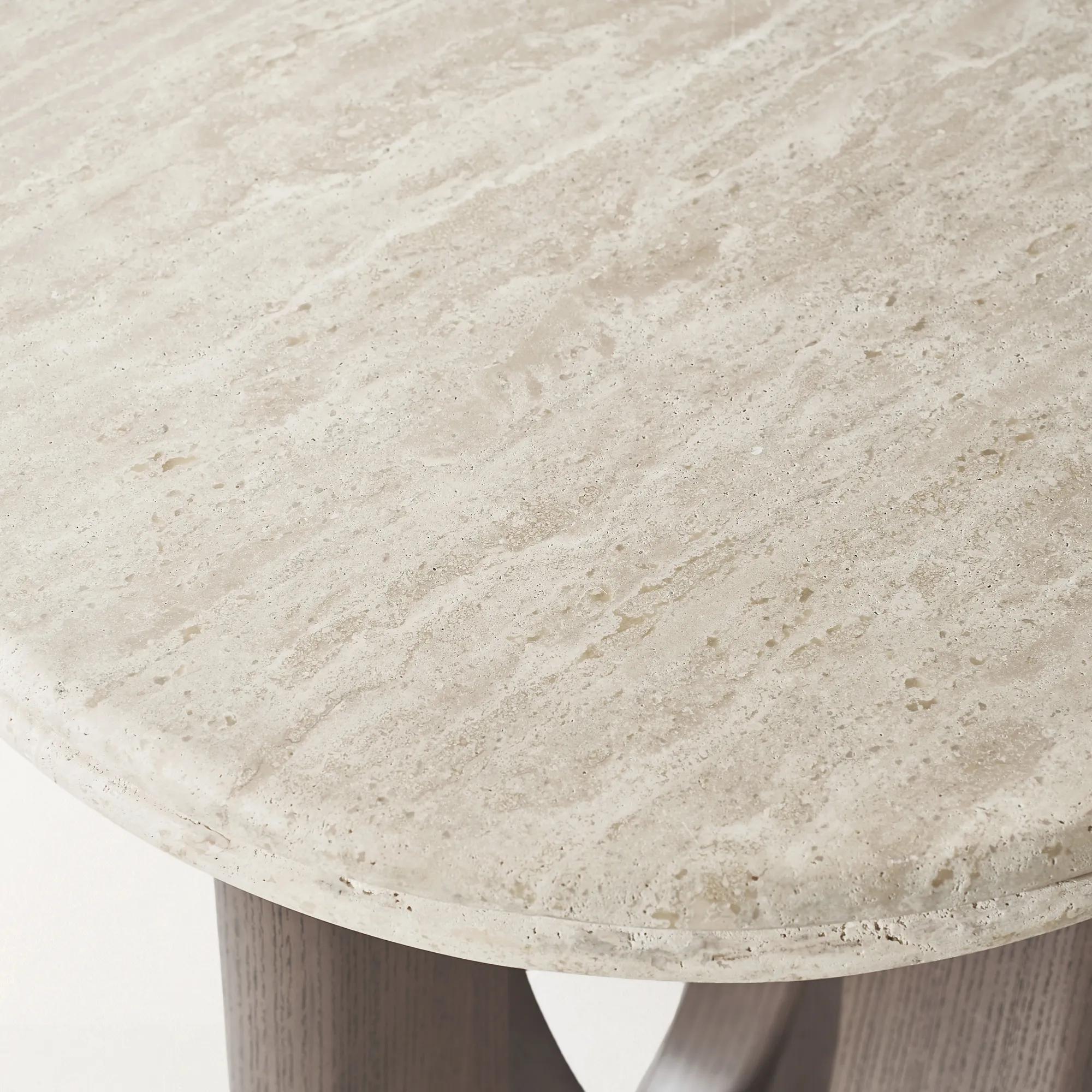 Bond Round Travertine and Wood Coffee Table Set of 2 (29.25"-41")$2098
A natural-finish nesting coffee table set offering versatile, space-saving layering for modern living rooms.
Add To Cart -
 Lumina Bleached Oak Coffee Table Set Of 3$2597
A sculptural set featuring pearl lacquered tops, bleached oak veneer bases, and champagne gold trim accents.
Add To Cart

Living Room Accent Table Sets
Explore living room accent table sets that give your seating area a coordinated, expressive finish while making room for everyday essentials and artful displays. Compare table heights, surface space, and overall proportions to find a set that complements your sofa and chairs, leaving enough room to move comfortably around the arrangement.
Living room accent table sets are coordinated groups of tables that typically combine a coffee table with one or two end tables; some configurations also include a console or sofa table. Together, these pieces give a seating area a cohesive composition while placing useful surfaces exactly where daily life unfolds. A coffee table anchors the conversation area, end tables keep lighting and refreshments within reach, and a slender console can define the space behind a floating sofa. The appeal goes beyond matching finishes. Repeated curves, sculptural bases, or a shared metallic detail create a visual rhythm, allowing a room to feel composed without making every element identical. A glass-topped coffee table paired with gleaming side tables can bring a jewel-like quality to plush upholstery, while substantial wood silhouettes introduce depth alongside sleek seating. For those drawn to expressive interiors, a coordinated set establishes a confident foundation for oversized art, richly textured pillows, and distinctive decorative objects. The tables provide structure; the styling supplies the personality. Different arrangements suit different ways of living. A central coffee table and paired end tables create balance around a sofa, while nesting accent tables offer surfaces that can separate for conversation and tuck together afterward, depending on their design. A pair of side tables can also frame two lounge chairs, creating an intimate setting for reading or evening conversation. In an open living space, related tables help connect separate seating zones without relying on identical furniture throughout. Their shared design language is especially useful when a room contains a mix of upholstery fabrics, artwork, and collected accents. Rather than competing for attention, the tables establish continuity, giving bolder pieces room to shine. For apartment dwellers, frequent hosts, and anyone furnishing a gathering space, that combination of polish and purpose makes an accent table set a meaningful part of the room’s architecture.
Materials determine much of an accent table set’s presence, weight, and everyday performance. Glass surfaces allow light and sightlines to pass through, lending an airy quality to a seating arrangement even when the bases have dramatic proportions. Tempered glass, when specified, is designed for greater strength than ordinary glass, though edges still deserve protection from hard impacts. Metal frames can introduce crisp geometry or fluid, sculptural lines, with polished finishes reflecting surrounding color and brushed surfaces offering a softer sheen. Finish care matters as much as the underlying metal: abrasive pads and harsh cleaners can compromise a decorative coating. Wood brings warmth and visible grain, while veneers can showcase distinctive patterns across a broad tabletop. Solid wood, veneer, and engineered wood have different construction characteristics, so the material description and care instructions are more informative than appearance alone. Stone makes a particularly expressive statement, with natural veining turning a tabletop into an individual composition. Marble and other porous stones may require sealing or special care, and acidic spills can etch certain surfaces even when staining is prevented. Manufactured stone and stone-look surfaces have their own maintenance requirements rather than a single universal standard. These distinctions matter in a room where tables might hold everything from a sculptural vase to a coffee cup or serving tray. For a broader expression of the same aesthetic, modern living room accent tables bring attention to the interplay of silhouette, surface, and finish. Within a coordinated arrangement, contrast can be as compelling as uniformity: a luminous top above a dark base, transparent glass against textured upholstery, or a slender metallic frame beside a generously scaled sofa. The most convincing combinations echo something already present in the room without repeating it everywhere. A warm metal detail might pick up a note in a picture frame, while a pale stone surface can brighten the visual weight of deeper upholstery. Each material contributes its own character, making the set feel intentional rather than merely matched.
Scale gives that visual composition its comfort. A coffee table should relate to the length and height of the sofa, leaving enough open floor for people to sit, stand, and pass through naturally. Approximately 14 to 18 inches between the sofa and coffee table is a common starting point, with adjustments for reclining seats, long legs, or a particularly deep cushion. Main circulation routes generally need more clearance than the space used to reach a tabletop. End tables work best when their surfaces are close to the sofa’s arm height, making a drink or lamp easy to reach without an awkward stretch. The footprint matters just as much: a broad tabletop can look beautifully balanced beside substantial upholstery yet overwhelm a narrow passage. Rounded profiles can soften a tightly arranged seating area, although no shape removes the need to consider stability, edges, and household activity. Rectangular tables often echo the lines of a long sofa, while compact round tables can sit gracefully between angled chairs. A console behind a sofa should leave room for circulation and for any cords serving lamps or charging devices. Before settling on an arrangement, measurements should account for base projections as well as tabletop dimensions, especially with dramatic pedestal or crossed-leg designs. Everyday durability also depends on habits. Coasters, heat-resistant protection where appropriate, prompt spill cleanup, and manufacturer-approved cleaning help preserve surfaces; felt beneath decorative objects can reduce scratching. Heavy stone tops require careful handling, and tables should never be treated as seating unless expressly designed for that purpose. In homes with children or pets, secure construction, suitable placement, and any required anchoring deserve particular attention. A well-proportioned set can also be a thoughtful housewarming or wedding gift when the recipients’ dimensions and preferences are known. Ultimately, these tables support both the intimate and the social life of a room: a book beside a favorite chair, a tray set down during conversation, a lamp casting light across a richly layered interior. Their beauty feels most complete when it belongs naturally to the way the space is lived in.
FAQs
A living room accent table set groups complementary tables through a shared design, finish, or decorative detail. Sets may combine coffee tables, side tables, or other accent tables, creating a cohesive foundation for a room layered with expressive furniture and art.
Your accent tables can complement your furniture without matching it exactly. Echo a curve, color, or finish already present in the room, then introduce contrast for a more collected look. Sculptural tables paired with tailored upholstery, for example, create a compelling balance of structure and drama.
Look for expressive silhouettes, reflective finishes, and distinctive base details to bring glamour to a living room. A gleaming surface can catch the light, while an artful pedestal turns an accent table into a focal point. Choose details that carry the room’s mood, whether richly layered or sleek and theatrical.
Style each tabletop as its own composition using decorative objects, art books, or a striking vase. Repeat a color or sculptural motif across the set, but vary the arrangements rather than duplicating them. Leave some surface exposed so the tables’ design remains part of the visual story.
Arrange accent tables beside a sofa or an accent chair to give each seating area a defined finishing touch. Coordinating pieces can also be separated throughout the room, carrying a signature finish or silhouette from one vignette to another. The result feels connected without making every corner look identical.