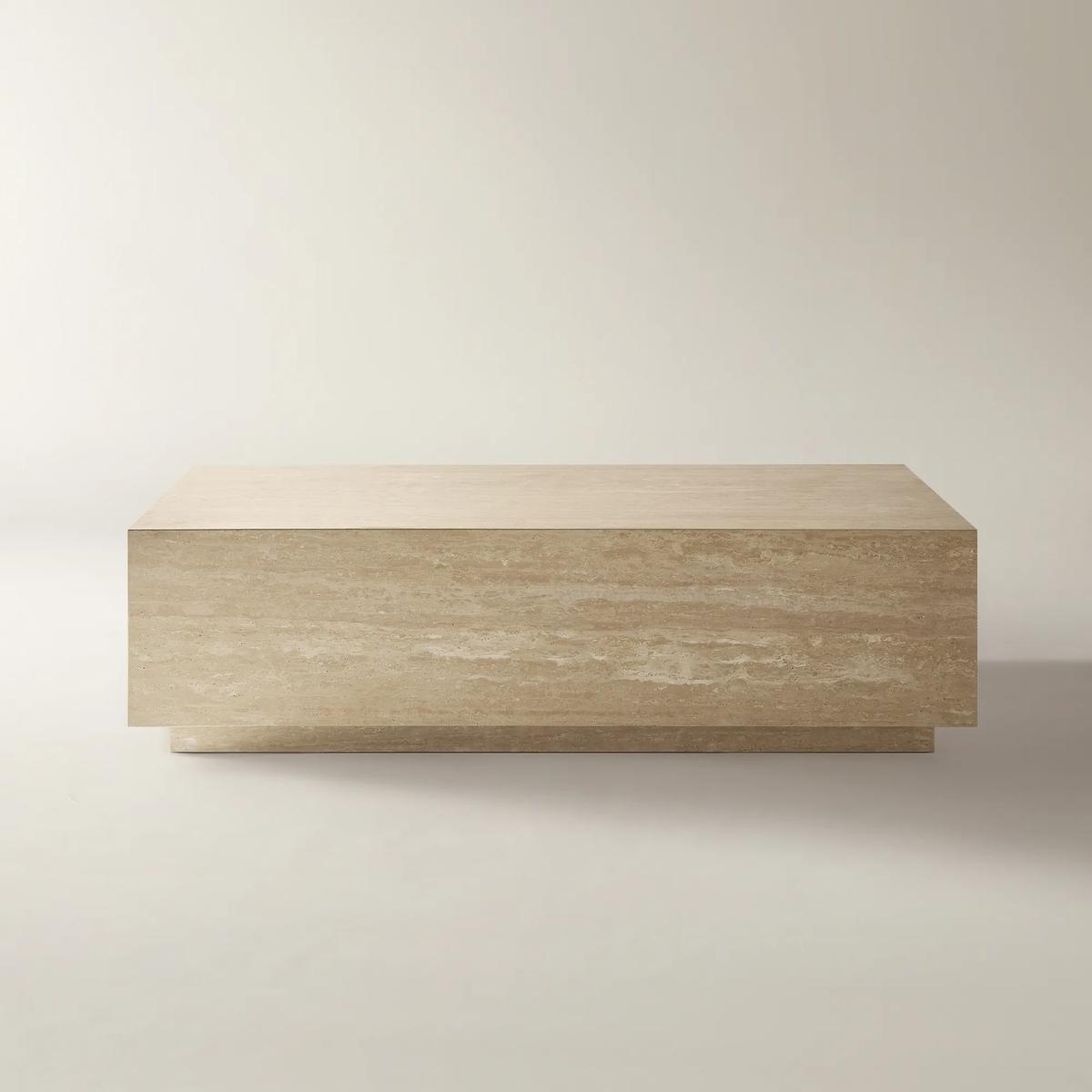
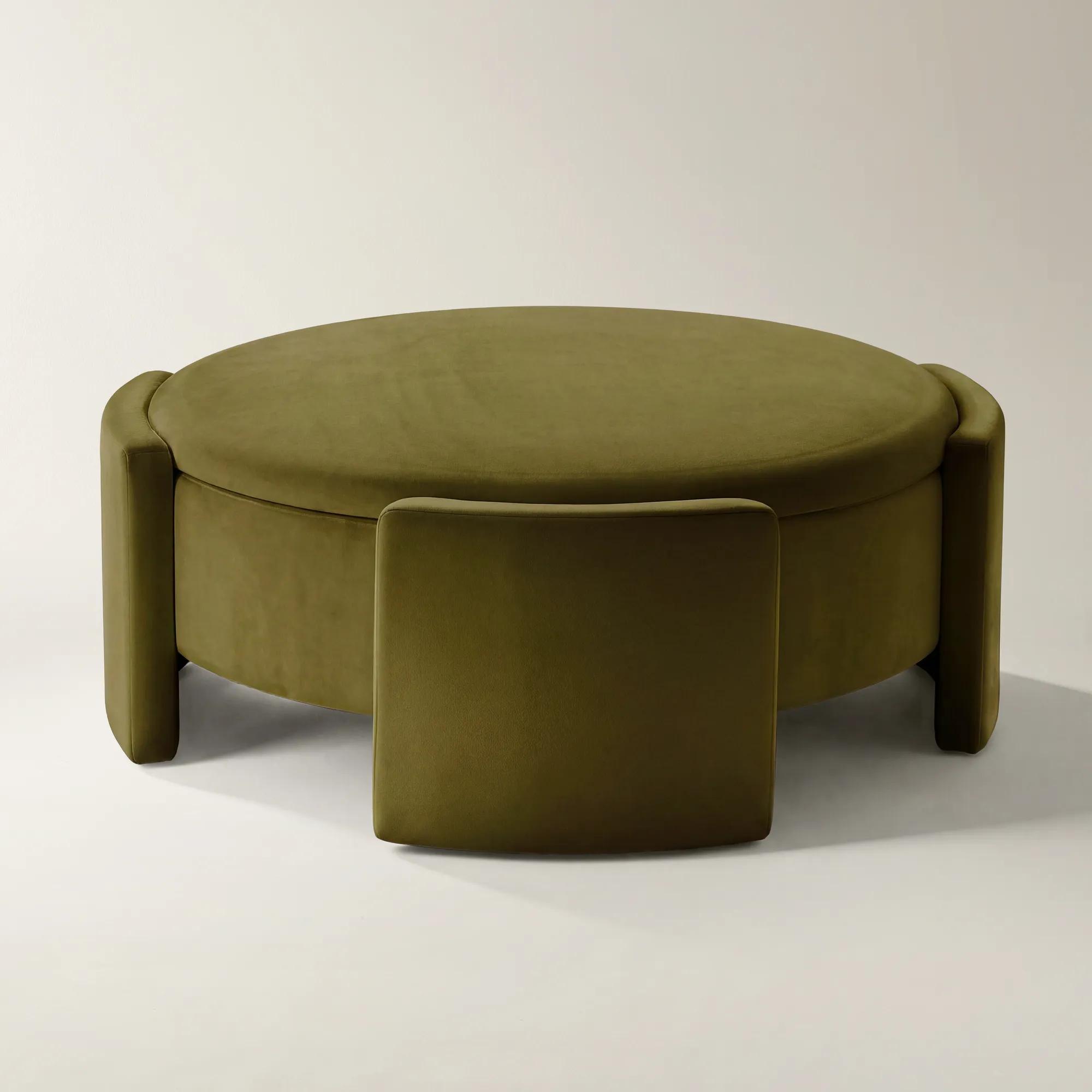
Coffee Table Sets For Living Rooms
Coffee Table Sets For Living Rooms
-
 Aurea Soft Gold Coffee Table Set of 3 (32"-57")$3197
A sculptural coffee table crafted from premium stainless steel with a high-gloss, soft gold mirror finish.
Add To Cart -
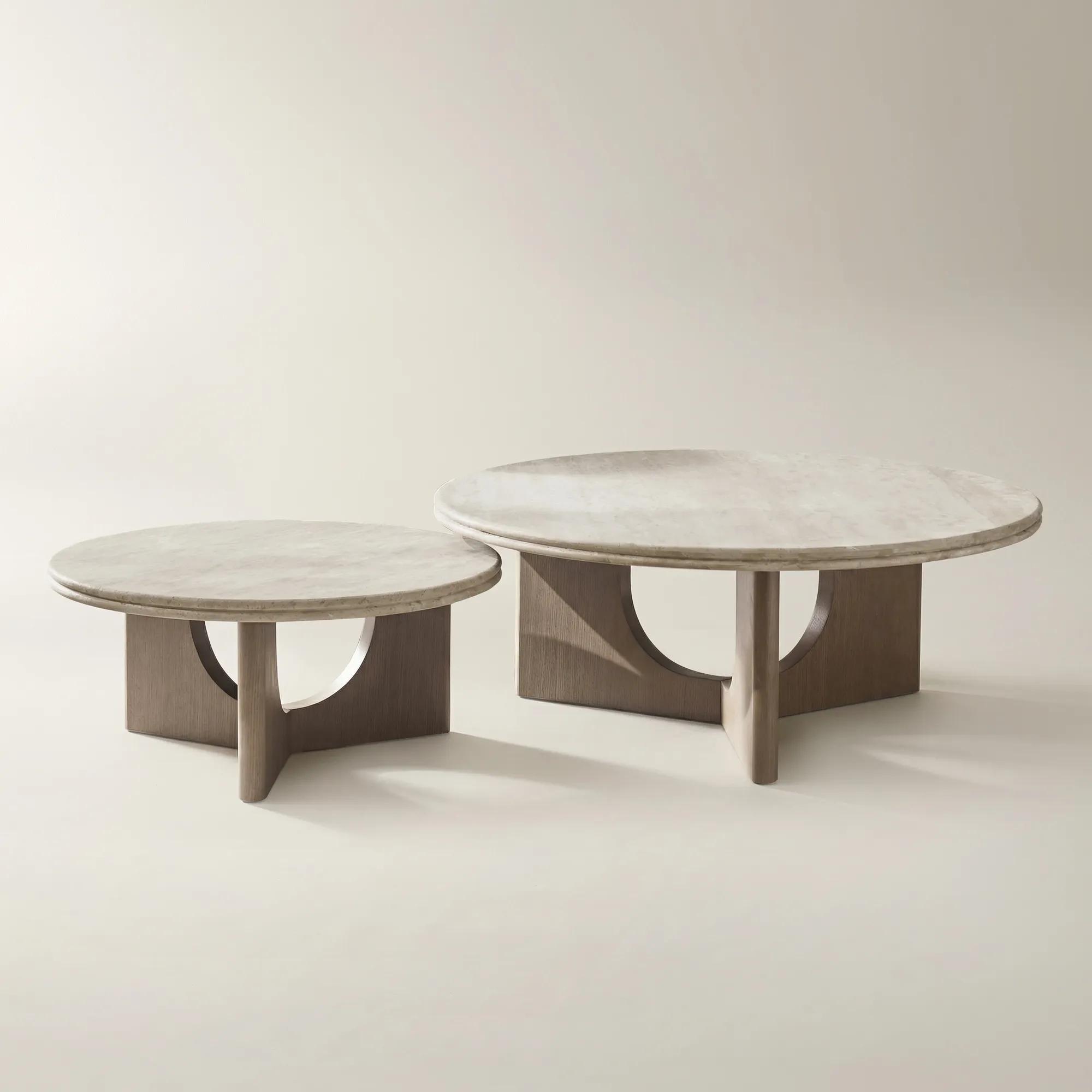
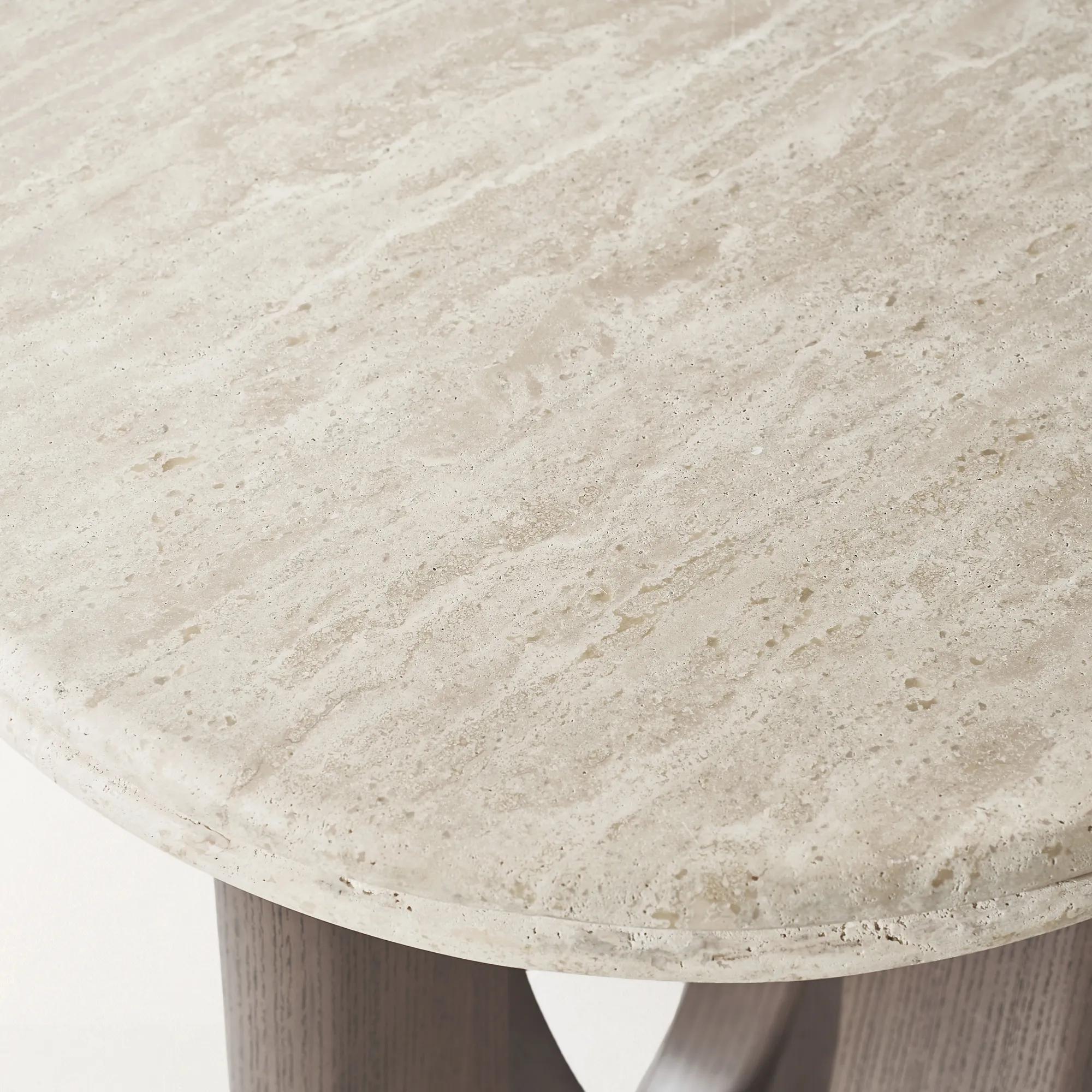 Bond Round Travertine and Wood Coffee Table Set of 2 (29.25"-41")$2098
A natural-finish nesting coffee table set offering versatile, space-saving layering for modern living rooms.
Add To Cart -
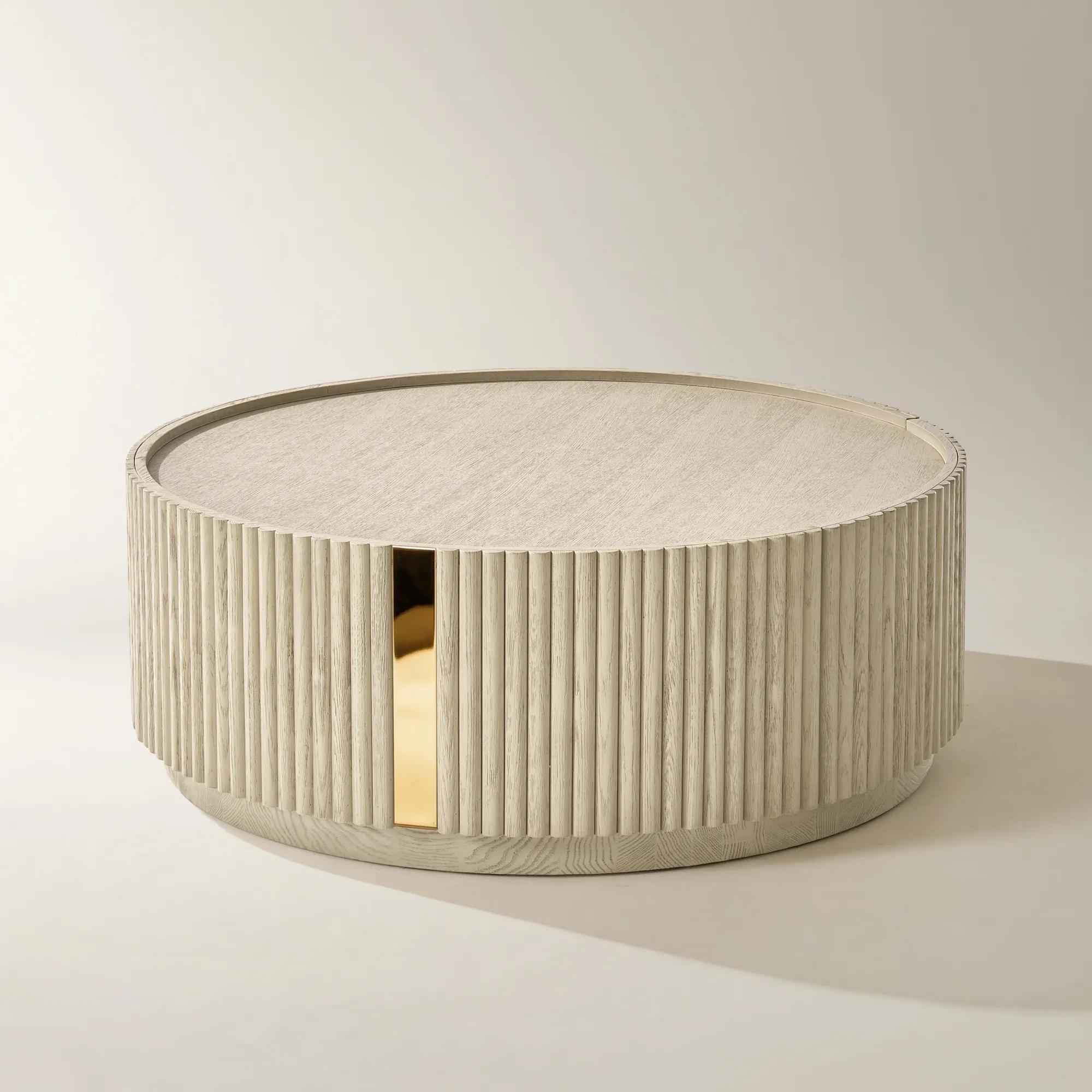
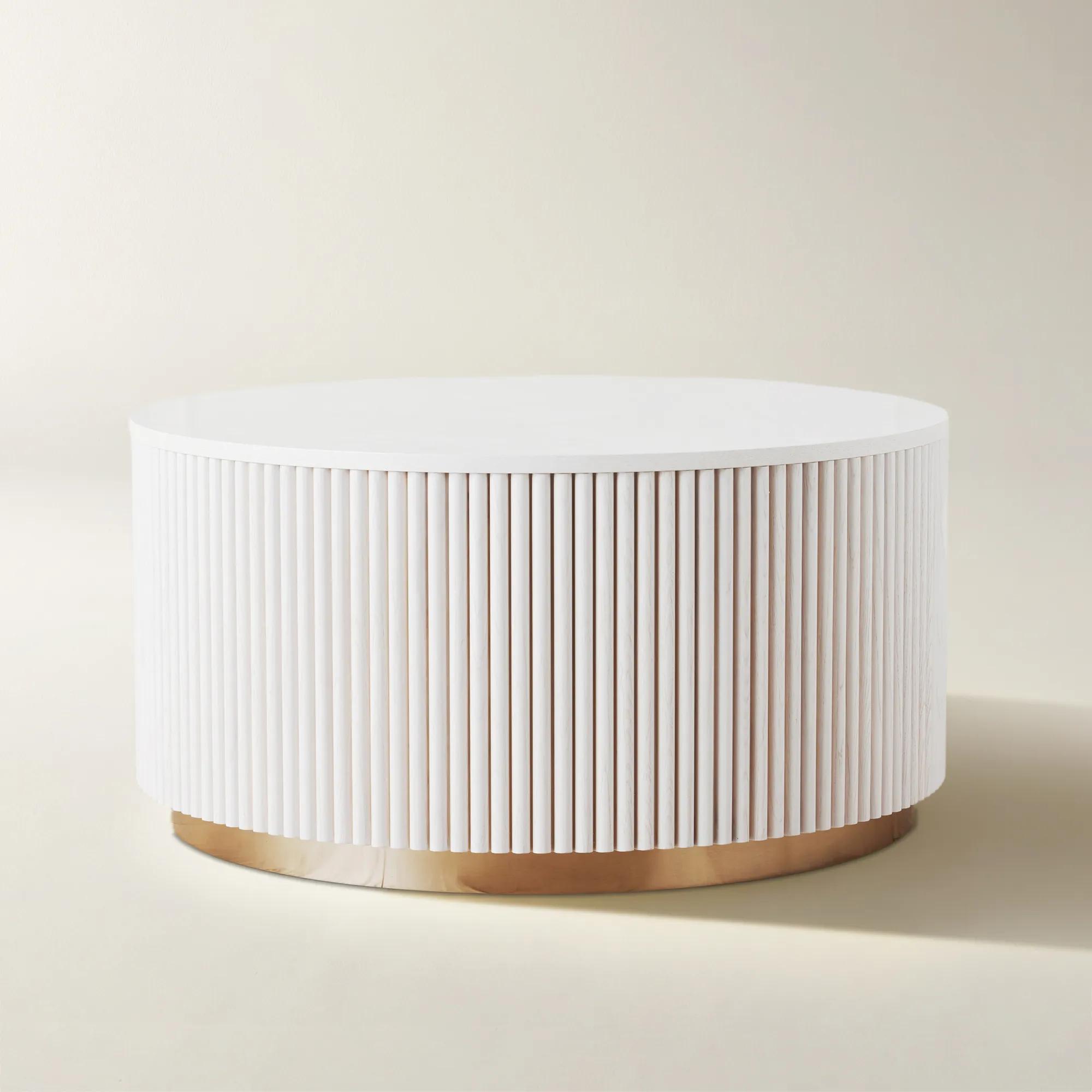
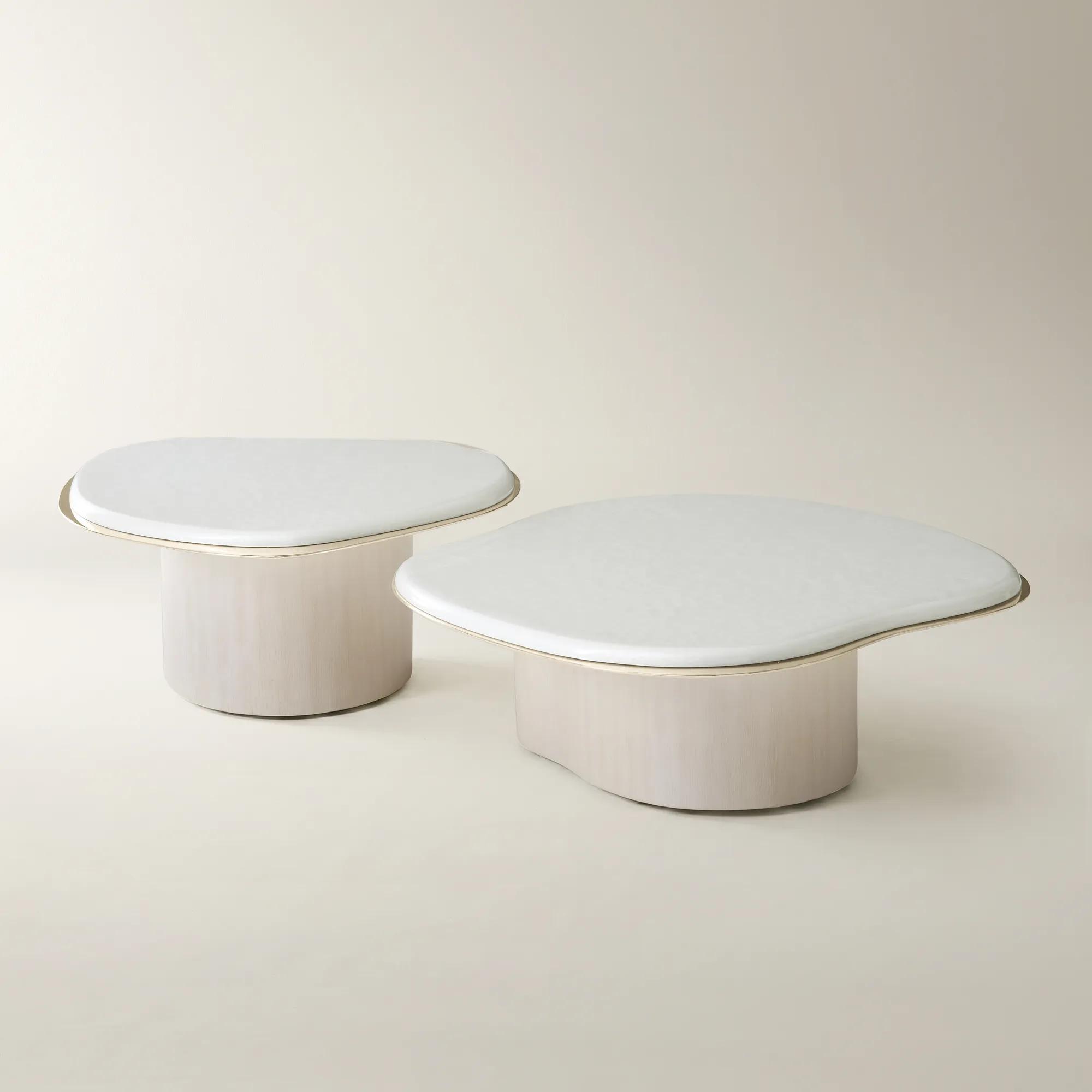 Lumina Bleached Oak Coffee Table Set Of 2$2098
A set of sculptural coffee tables featuring pearl lacquered tops, bleached oak veneer, and champagne gold trim.
Add To Cart -
 Aurea Soft Gold Coffee Table Set of 2 (37.5"-57")$2398
A sculptural coffee table crafted from premium stainless steel with a radiant, high-gloss soft gold finish.
Add To Cart -
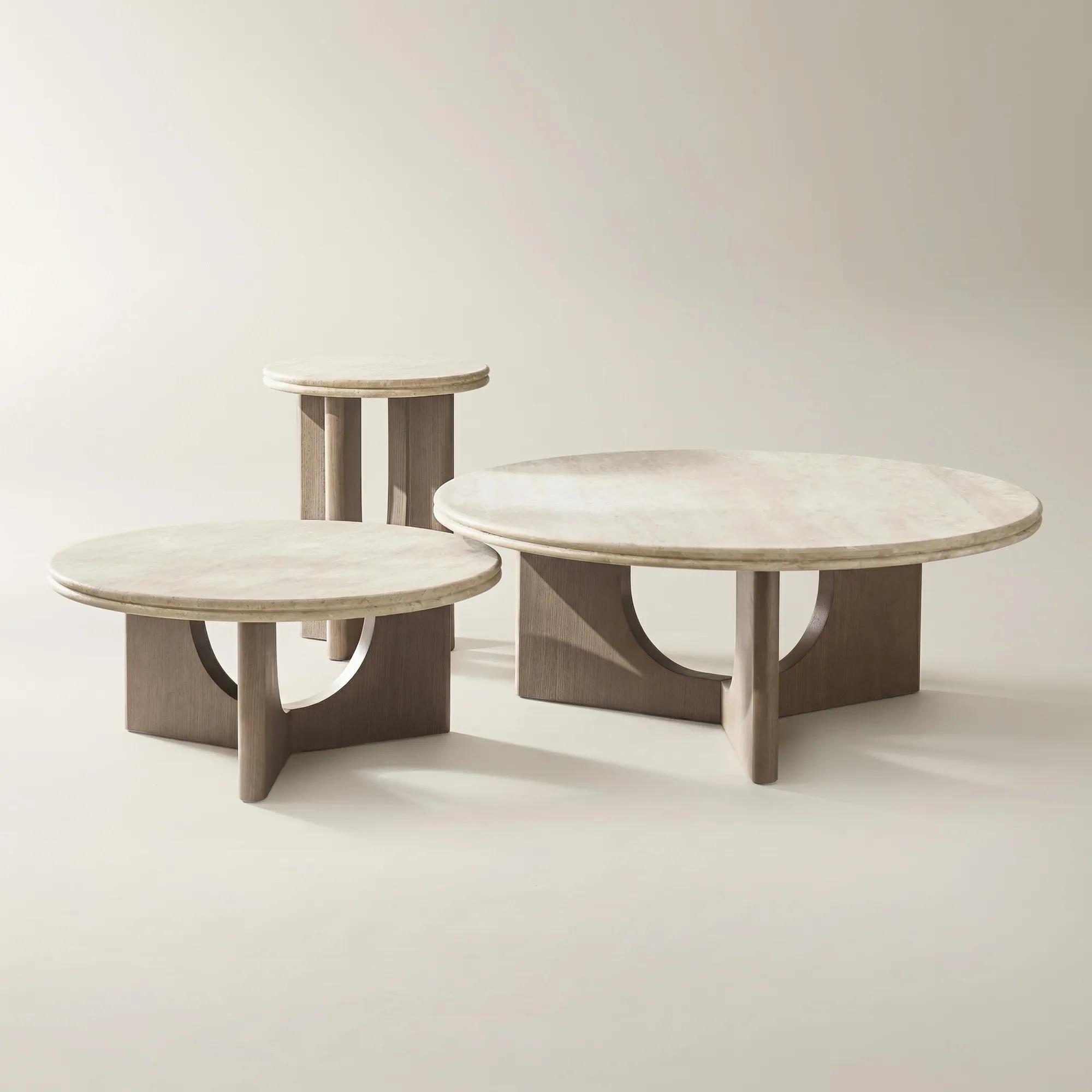
 Bond Round Travertine and Wood Coffee Table Set of 3 (17.72"-41")$2557
A natural-finish nesting coffee table set offering versatile, space-saving surfaces for modern living rooms.
Add To Cart -
 Lumina Bleached Oak Coffee Table Set Of 3$2597
A sculptural set featuring pearl lacquered tops, bleached oak veneer bases, and champagne gold trim accents.
Add To Cart

Coffee Table Sets For Living Rooms
Explore coffee table sets for living rooms to bring a coordinated, expressive focal point to your seating area. Consider each table grouping’s proportions and arrangement in relation to your sofa, leaving comfortable space to move and keeping surfaces within reach. Choose a look that complements your surrounding furniture while giving the room a polished sense of drama.
Coffee table sets for living rooms typically pair a central coffee table with coordinating end tables, while some sets feature nesting tables that tuck together or separate for flexible use. Their appeal is both visual and practical: a shared finish, silhouette, or material connects the seating area, and thoughtfully placed surfaces keep drinks, lighting, and favorite objects within reach. A coordinated set can give a room the composure of a finished interior without requiring every element to match. Imagine a low, sculptural coffee table anchoring a generous sofa, with slender companion tables catching lamplight at either end. The repetition creates rhythm; the differences in height and scale keep the arrangement expressive. Matching pieces offer a particularly polished foundation when the room already includes patterned upholstery, dramatic artwork, or a richly textured rug. Complementary tables with related finishes can feel equally intentional, especially when their shapes echo an architectural detail or the curve of an accent chair. Glass and gleaming metal introduce lightness and reflection, wood lends depth through its grain, and stone brings distinctive veining and visual weight. These qualities influence the atmosphere as much as the color does. A transparent tabletop allows an intricate rug to remain part of the composition, while an opaque surface creates a stronger stage for a ceramic vessel or an oversized art book. Round tables soften an arrangement of tailored seating; square and rectangular forms reinforce crisp lines and generous proportions. Oval silhouettes offer an elongated surface with curved ends, making them an elegant bridge between the two. The result should feel considered rather than prescribed: coordinated furniture establishes the structure, while upholstery, lighting, and personal objects bring the room its individual character. Whether the setting is a formal conversation area or a living room that hosts everything from quiet reading to lively gatherings, the right combination makes everyday rituals feel beautifully composed.
Proportion determines how comfortably that composition works. A coffee table approximately one-half to two-thirds the length of the sofa often provides a balanced starting point, although sectionals and unusually deep seating require attention to the entire arrangement. A tabletop close to the sofa’s seat height, or slightly lower, generally makes setting down a glass or reaching for a book more comfortable. Leaving about 14 to 18 inches between the coffee table and the seating can preserve legroom without placing the surface too far away; main walking routes generally need more generous clearance, often around 30 to 36 inches where the layout allows. These measurements are useful reference points rather than substitutes for checking the actual room. An open cabinet door, a reclining footrest, and the route between the sofa and a doorway can all change what fits. Painter’s tape on the floor can reveal whether the complete set feels proportionate before its dimensions become a daily obstacle. In a compact apartment, nesting tables create opportunities to extend serving space when company arrives, then restore a more open footprint afterward. Check whether the smaller tables slide fully beneath the larger one or remain partially exposed, since that affects their resting footprint. Beside a sectional, two smaller movable tables may provide easier access from multiple seats than one expansive surface. In a larger living room, a substantial central table and coordinating end tables can connect widely spaced seating without leaving guests searching for somewhere to place a drink. End-table height matters, too: a surface near the height of the adjacent sofa arm is usually easier to reach. Households with young children may favor rounded edges and stable bases, while frequent hosts may appreciate surfaces that accommodate several glasses without crowding the decorative arrangement. Shelves and drawers offer discreet space for remotes, reading material, and coasters, keeping the tabletop ready for conversation rather than accumulation.
Materials and construction deserve as much attention as the silhouette, particularly in a room used every day. Solid wood can develop character with use, but it still responds to moisture and changes in indoor humidity; veneered surfaces offer the appearance of wood grain and need protection against standing liquid and damage at exposed edges. Natural stone introduces one-of-a-kind variation, although its care requirements depend on the stone and finish. Marble, for example, can etch when exposed to acidic spills, so coasters, prompt blotting, and a suitable cleaner matter. Glass brings luminous clarity and an airy presence, but fingerprints are more visible, and edges require thoughtful placement. Metal bases can lend definition and structural support, while polished or plated finishes benefit from gentle handling to preserve their sheen. Across materials, secure joints, a stable base, and appropriate weight capacity are more meaningful indicators of everyday performance than appearance alone. Decorative shelves and nesting surfaces should be used within their stated limits, and a coffee table should not double as seating unless it is specifically designed for that purpose. Manufacturer care instructions should determine the cleaning method; a soft cloth, prompt attention to spills, and protection from hot serving pieces are sensible habits for many finishes, but abrasive cleaners and harsh chemicals can cause lasting damage. With those practical details addressed, styling becomes a matter of restraint and contrast. A broad tray can organize smaller objects, a low floral arrangement preserves conversation across the room, and a single sculptural accent gives the eye somewhere to settle. Leave enough open surface for the way the room is actually lived in. For interiors shaped by clean lines and expressive materials, coffee tables for contemporary living rooms offer another perspective on the central piece’s role within a coordinated arrangement. The most compelling coffee table sets balance that visual presence with comfortable reach, enduring construction, and surfaces that welcome daily use—giving the living room a polished foundation without sacrificing its sense of ease.
FAQs
Coffee table sets often pair a central coffee table with coordinating end or accent tables, while some feature a collection of nesting tables. Shared design details—such as sculptural bases, distinctive finishes, or complementary silhouettes—create a cohesive living room with an artfully composed feel.
Glass, polished metal, marble, and mirrored surfaces bring distinct expressions of glamour to coffee table sets. Glass lends an airy elegance, marble introduces expressive veining, and gleaming metallic accents catch the light. Pairing contrasting materials creates a richly layered focal point.
Let your sofa’s upholstery and silhouette guide the conversation. A sumptuous velvet sofa pairs beautifully with glass and polished metal, while tailored upholstery provides a striking backdrop for sculptural tables. Echo an accent color or finish to connect the pieces without making every detail match.
Yes—mixed metals can give a living room a collected, expressive character. Choose one dominant finish, then introduce a contrasting metal through lighting, decorative objects, or accent furniture. Repeating each finish elsewhere in the room helps a coffee table set feel intentionally connected to the surrounding décor.
Create a focal arrangement on the coffee table with art books, a distinctive tray, and a sculptural vase. Give accompanying tables their own quieter compositions, connected by color, texture, or material. Leave portions of each tabletop uncovered so the furniture’s finish becomes part of the display.