Living Room Furniture Coffee Tables
Living Room Furniture Coffee Tables
-
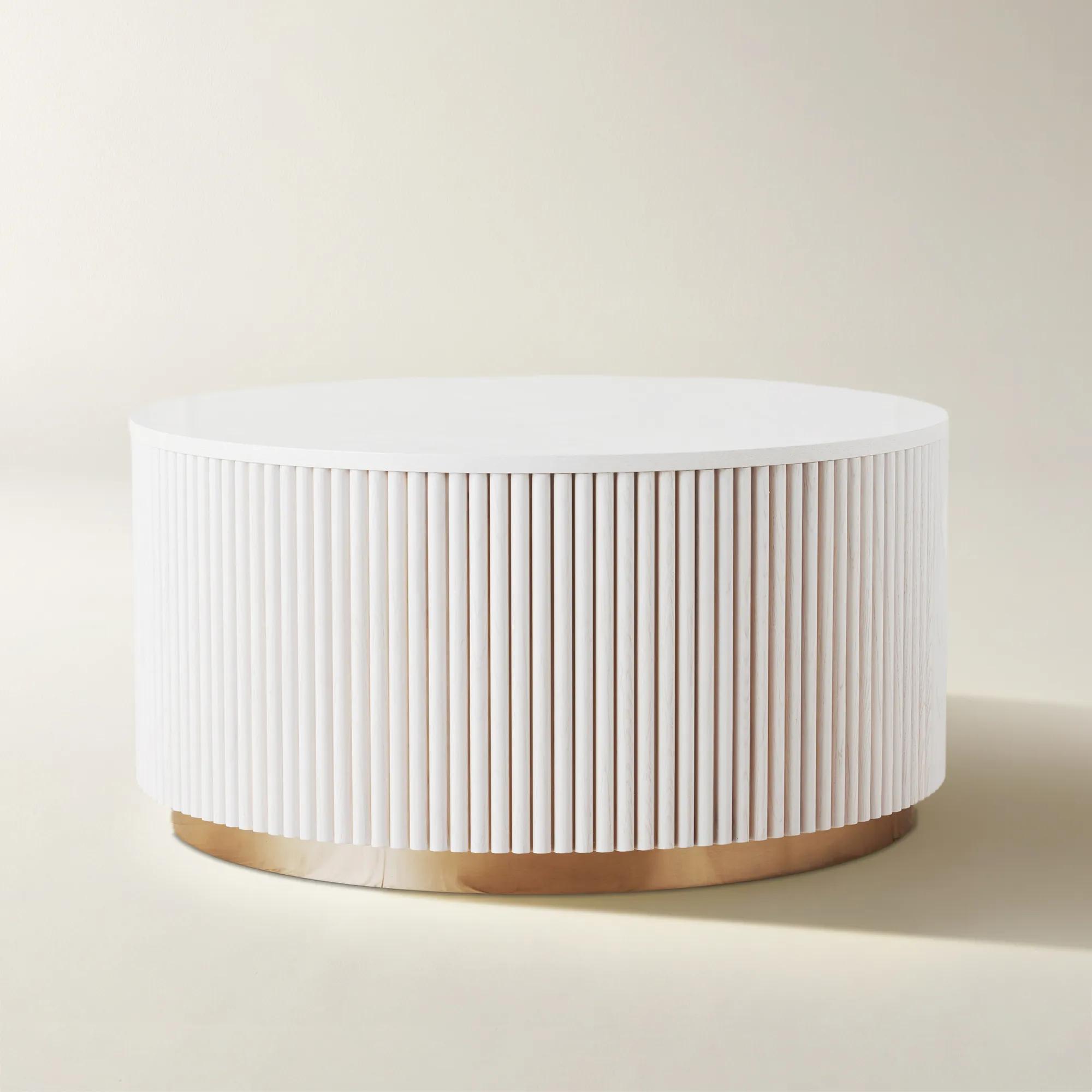
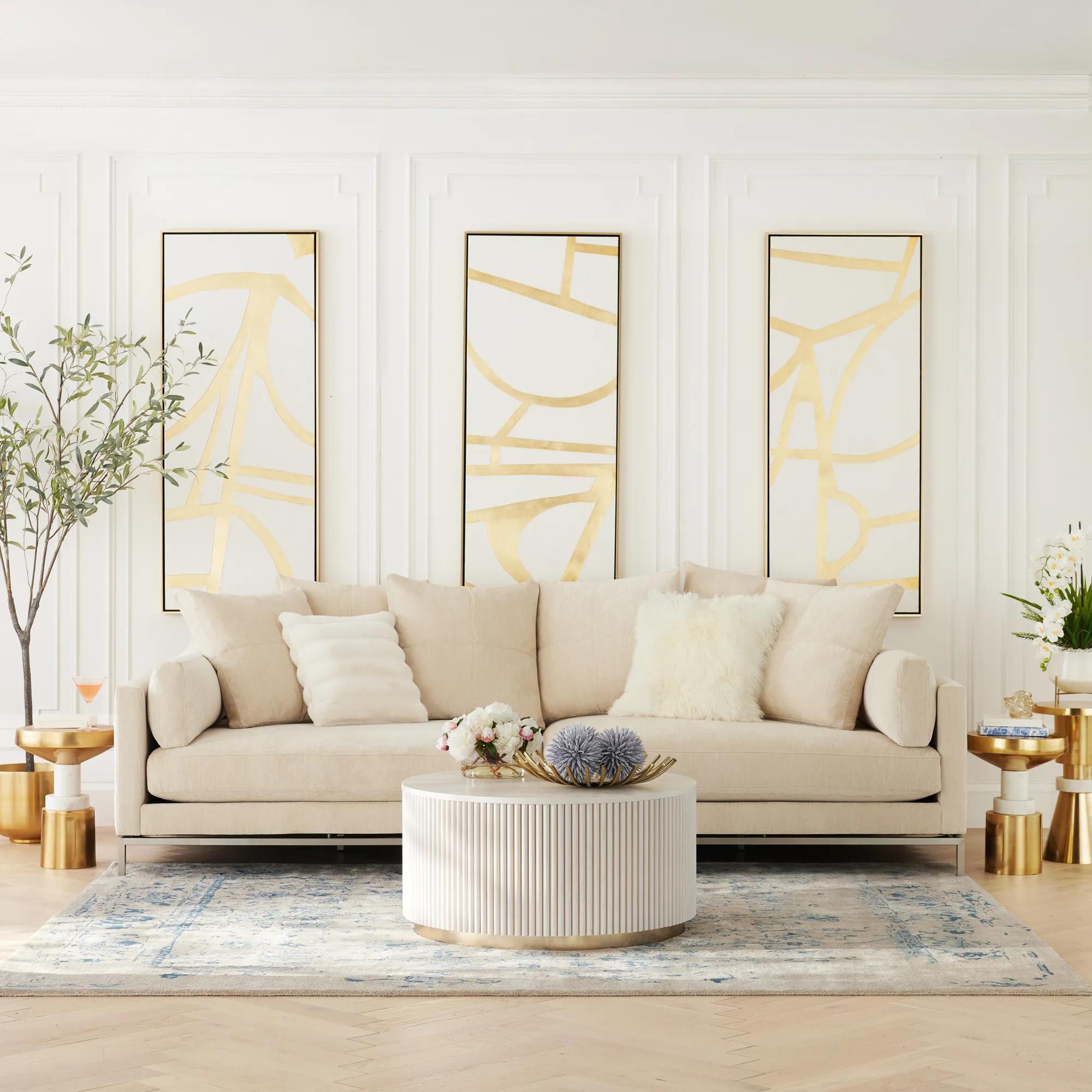 Natalia Round Reeded Whitewashed Ash Wood Coffee Table (36")$1299
A striking coffee table featuring reeded ash wood sides, a smooth top, and a whitewashed finish.
Add To Cart -
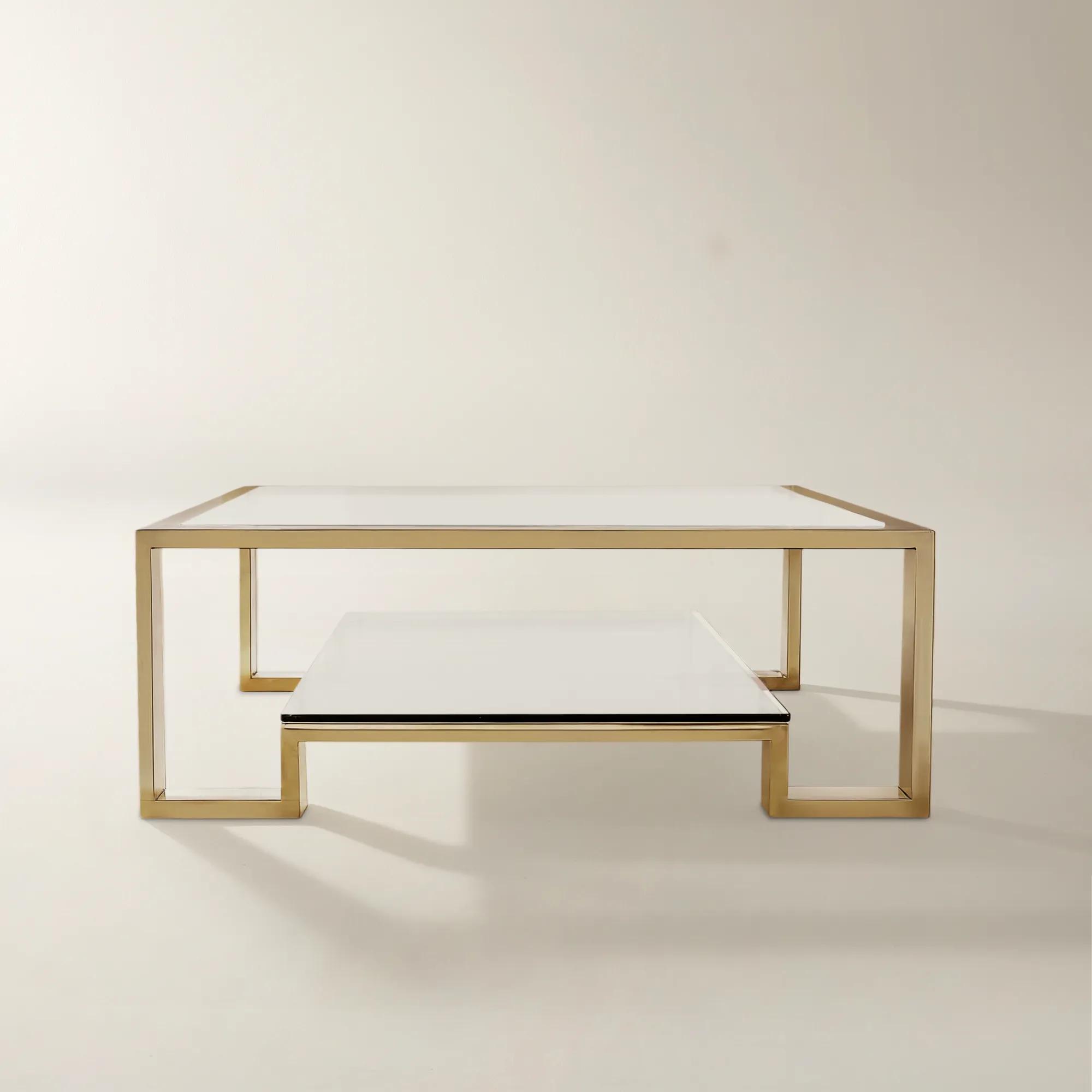 Duplicity Rectangular Gold Stainless Steel Coffee Table With Glass Top (50")$1399
A modern coffee table featuring a stainless steel frame, tempered glass top, and floating storage shelf.
Add To Cart -
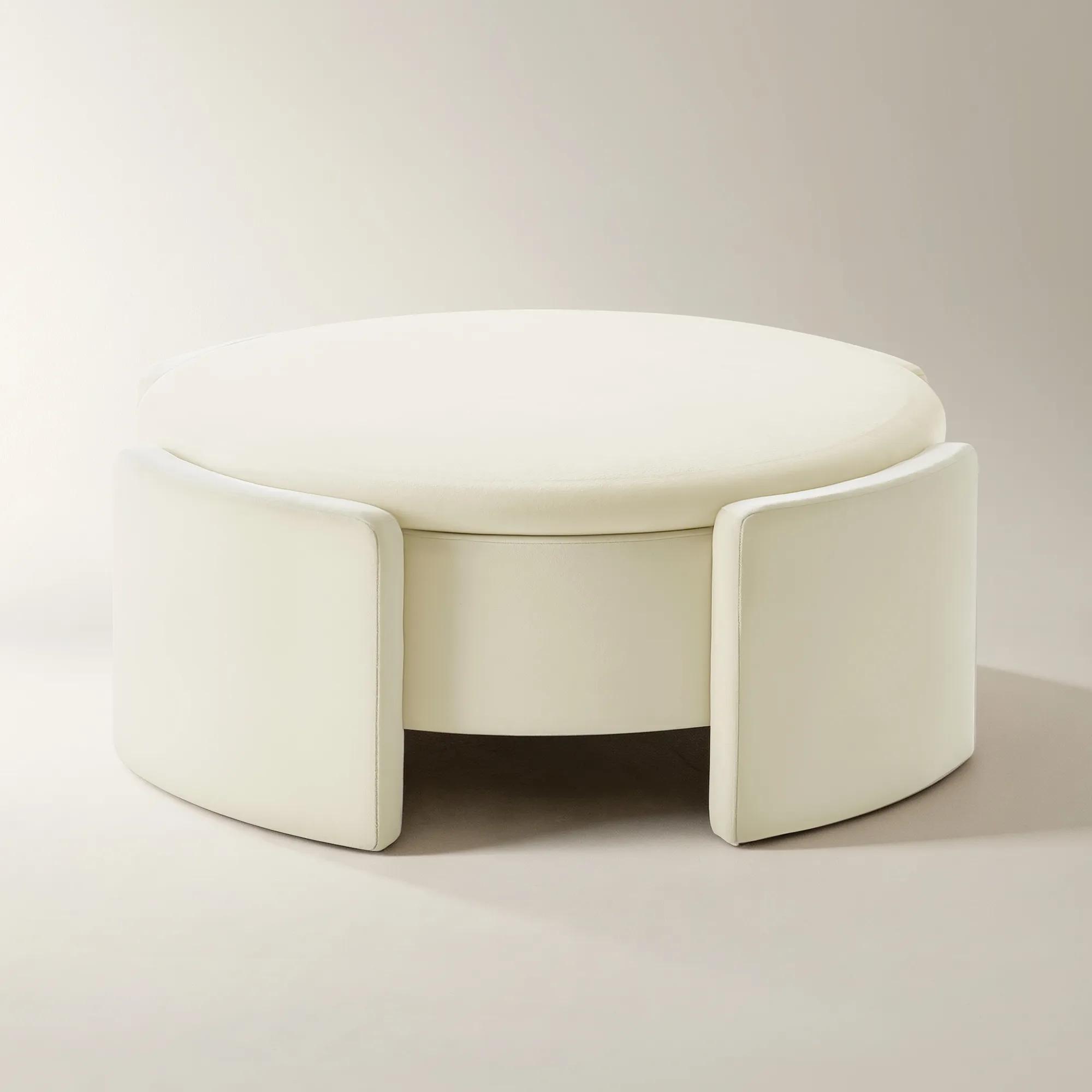
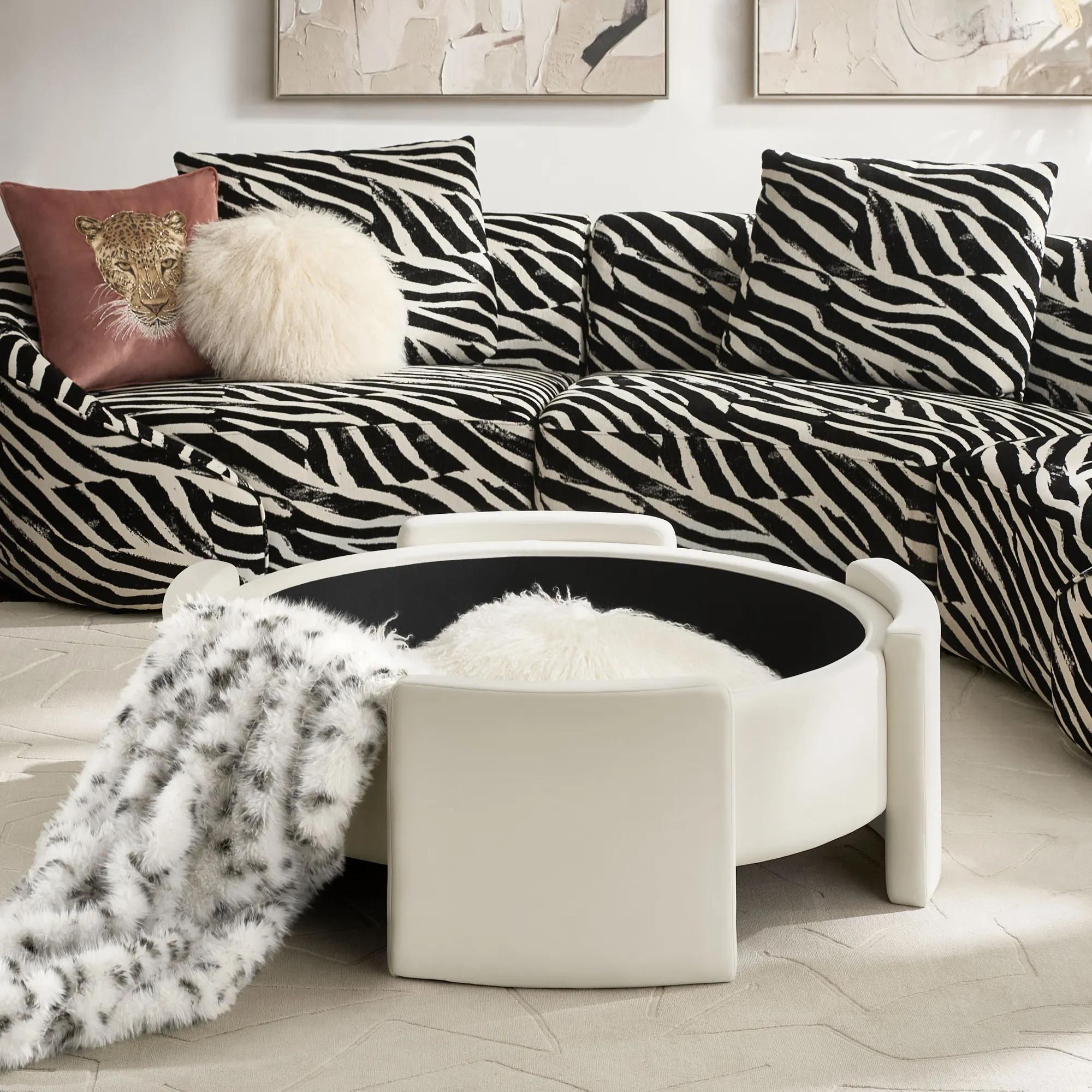 Jora Round Cloud Velvet Storage Coffee Table With Reversible Tabletop (47.7")$799
A round coffee table featuring plush velvet upholstery, reversible wood tabletop, and hidden interior storage.
Add To Cart -
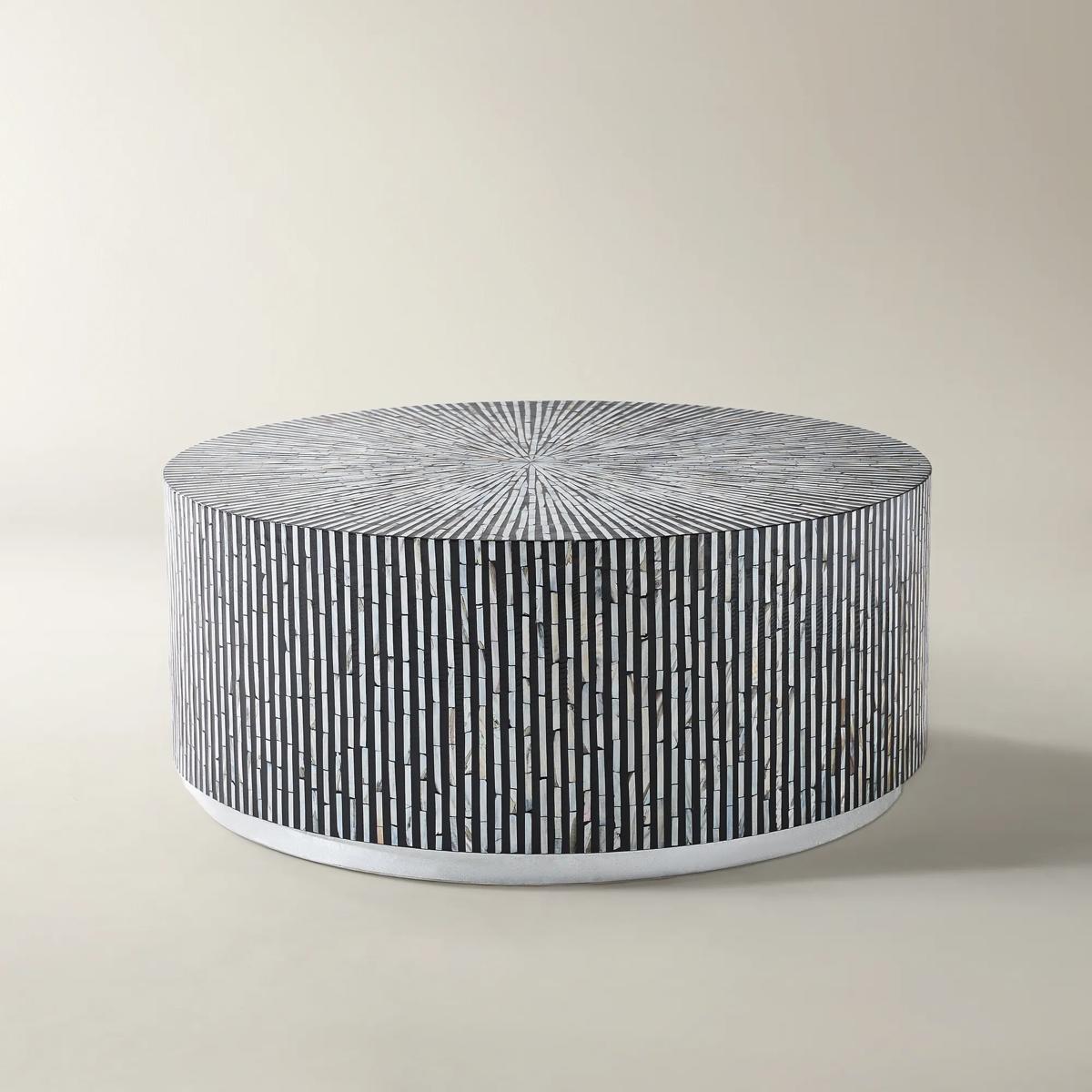
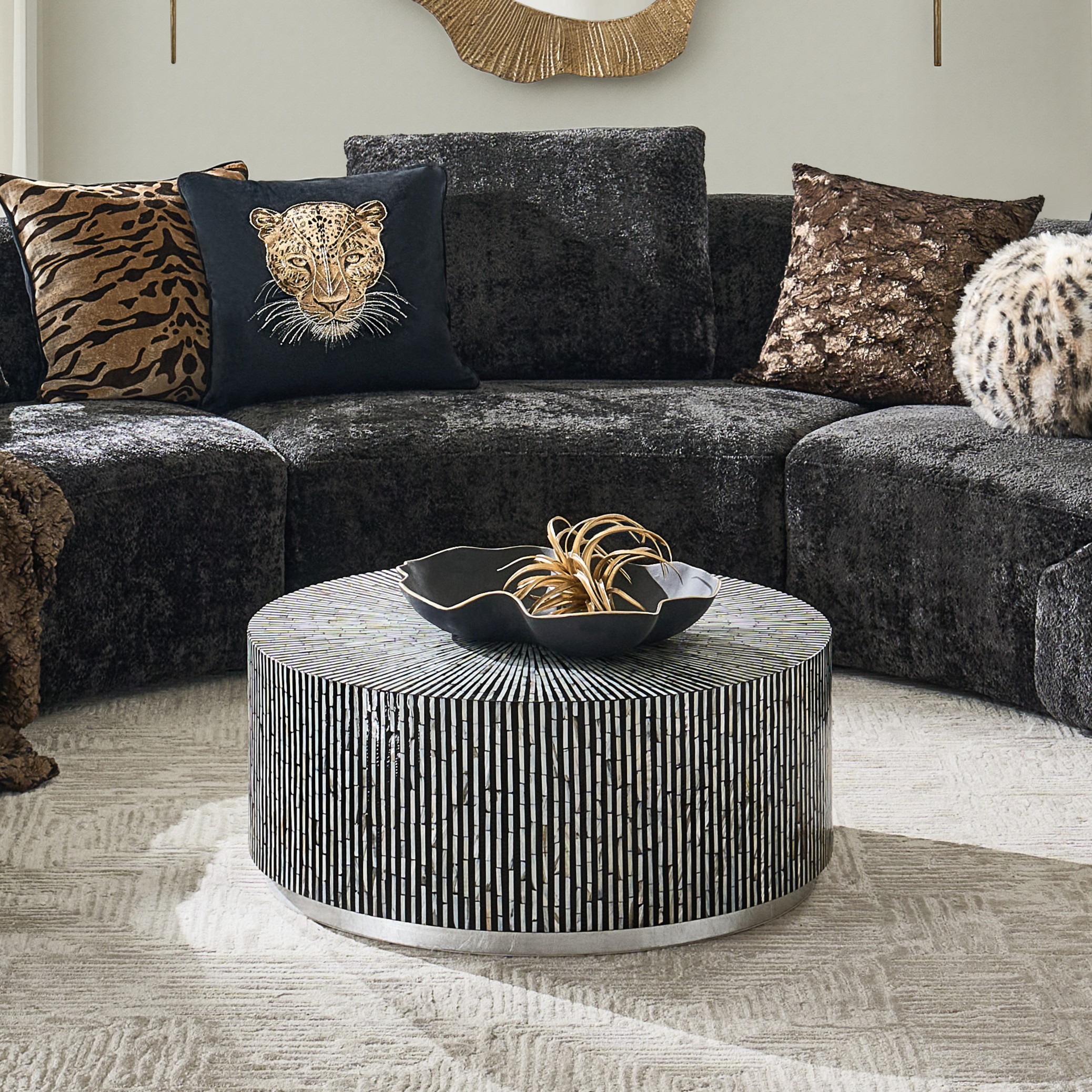 Marina Round Mosaic Black Coffee Table (35.8")$799
A handcrafted round coffee table featuring iridescent mother-of-pearl inlay and a silver leaf base.
Add To Cart -
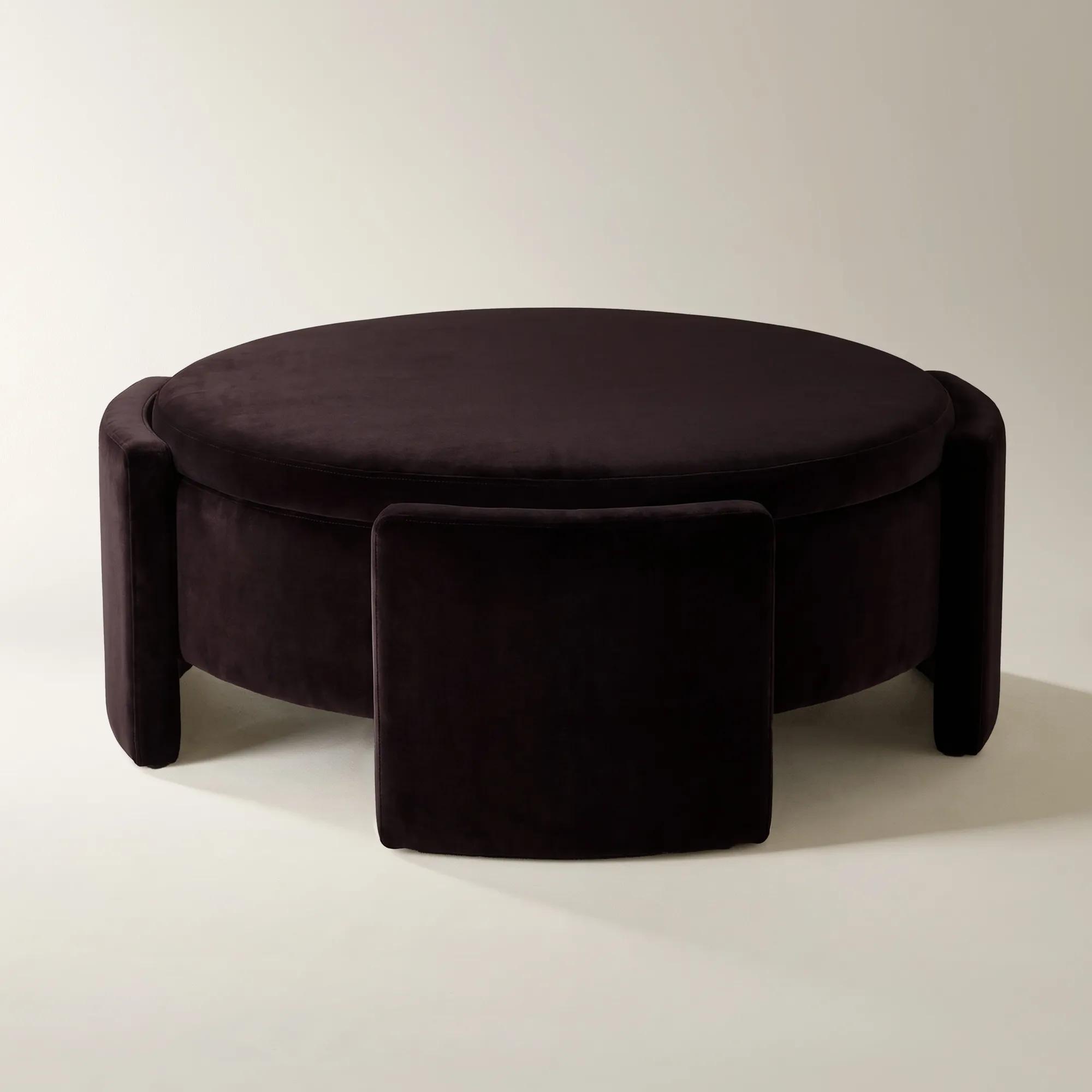
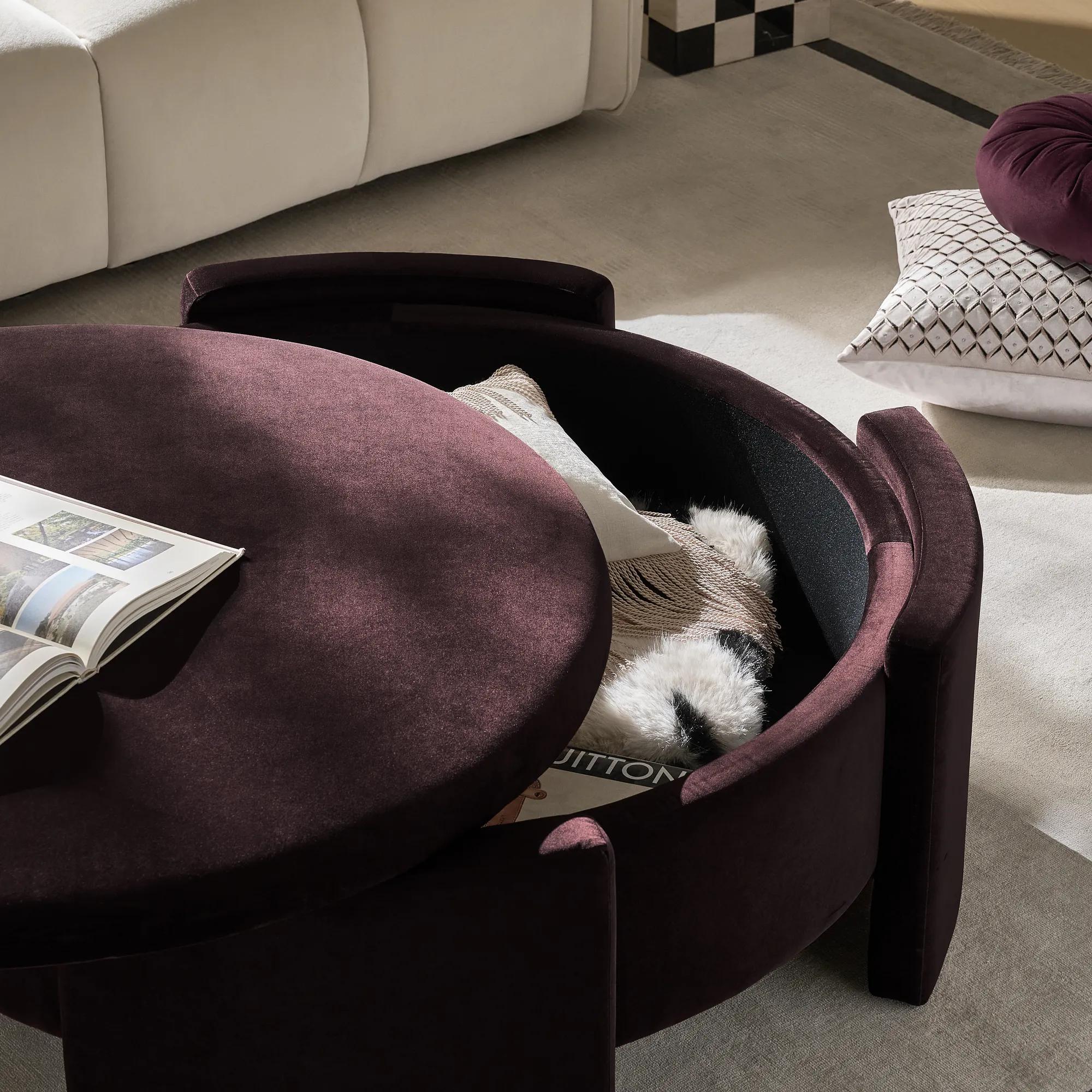 Jora Round Fig Velvet Storage Coffee Table With Reversible Tabletop (47.7")$799
A round fig velvet coffee table featuring a reversible wood tabletop and hidden interior storage.
Add To Cart -
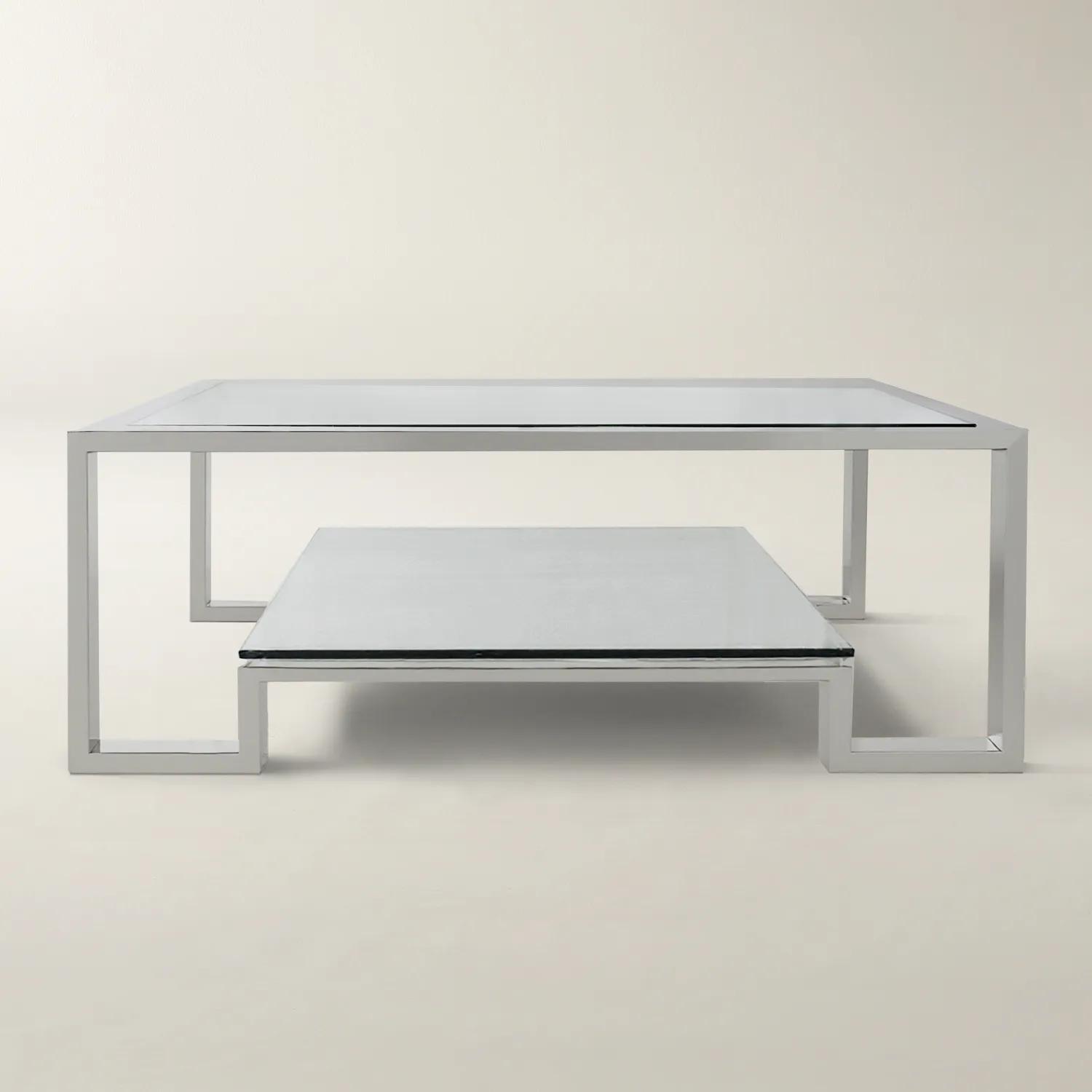
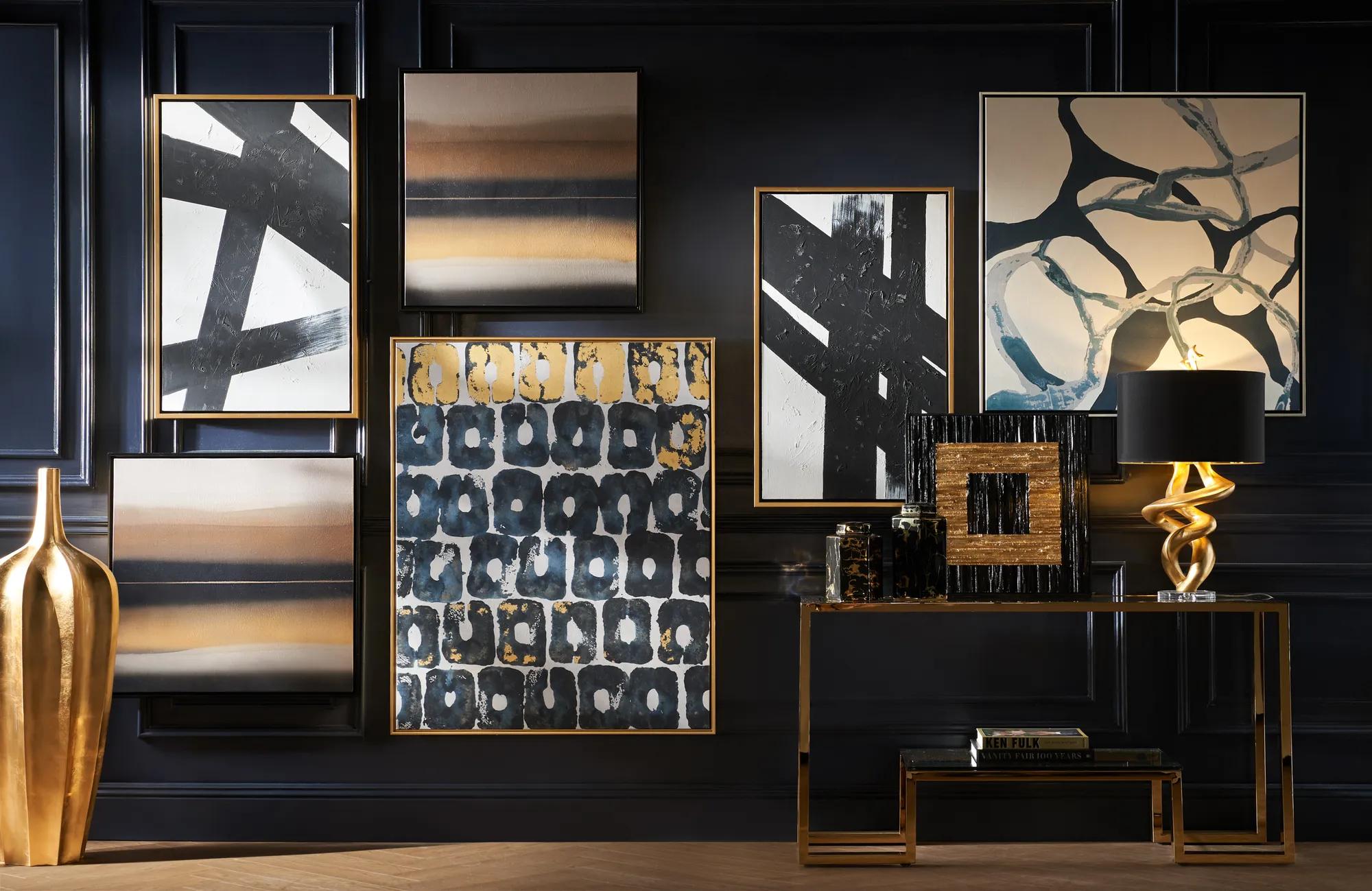 Duplicity Rectangular Silver Stainless Steel Coffee Table With Glass Top (50")$1399
A modern coffee table featuring a stainless steel frame, tempered glass top, and floating bottom shelf.
Add To Cart -
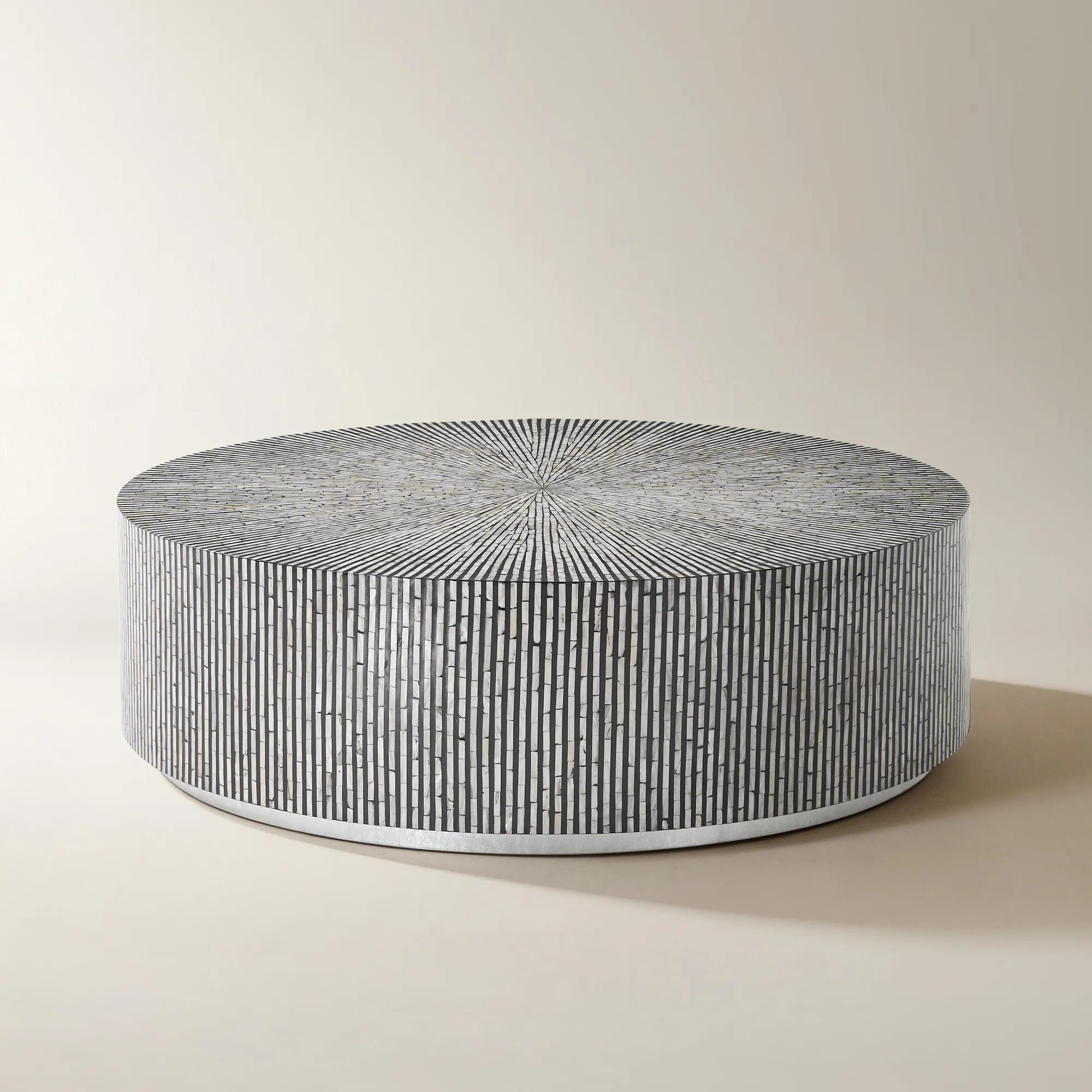
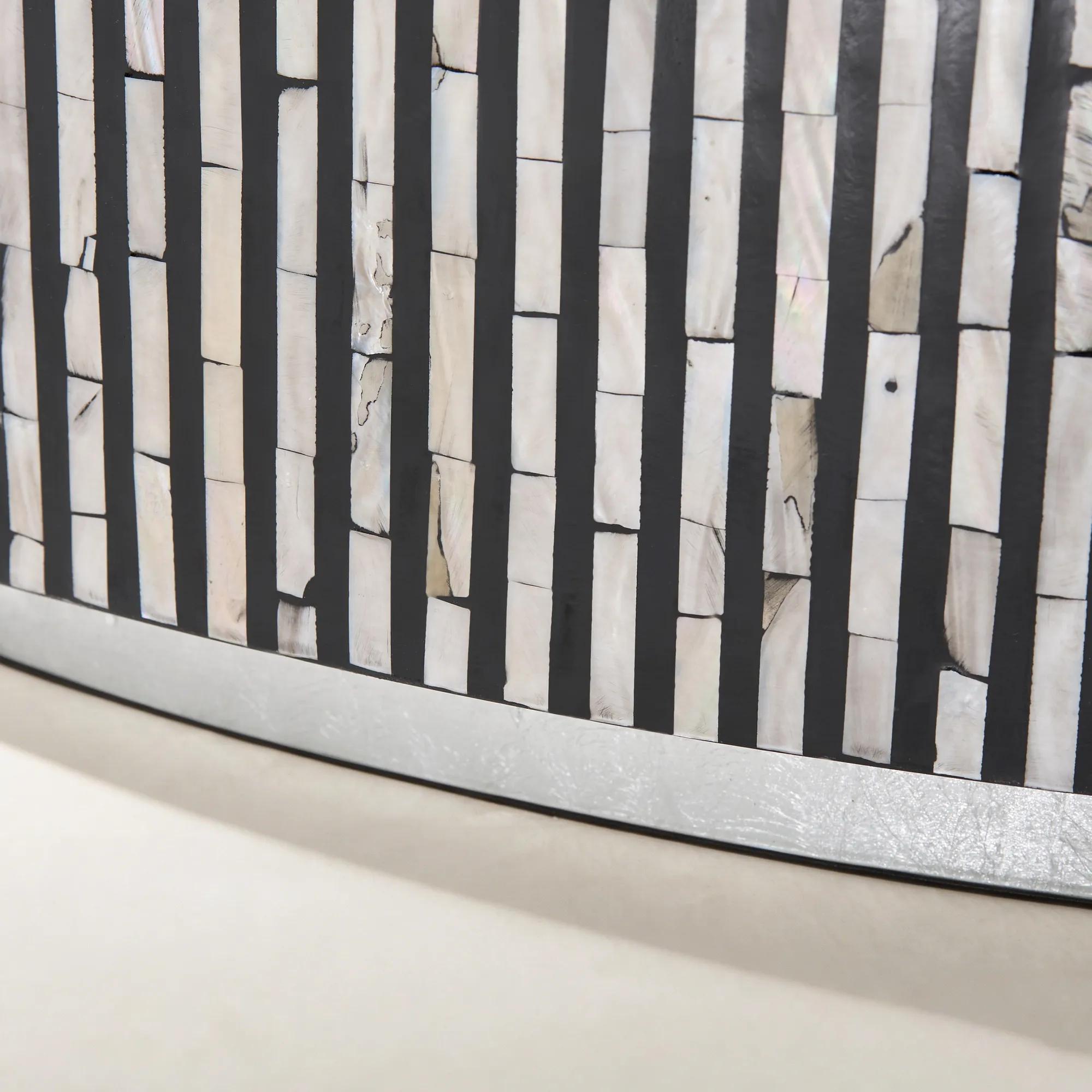 Marina Round Mosaic Black Coffee Table (52")$1399
A sculptural black coffee table featuring hand-applied mother-of-pearl mosaic and a silver leaf base.
Add To Cart -
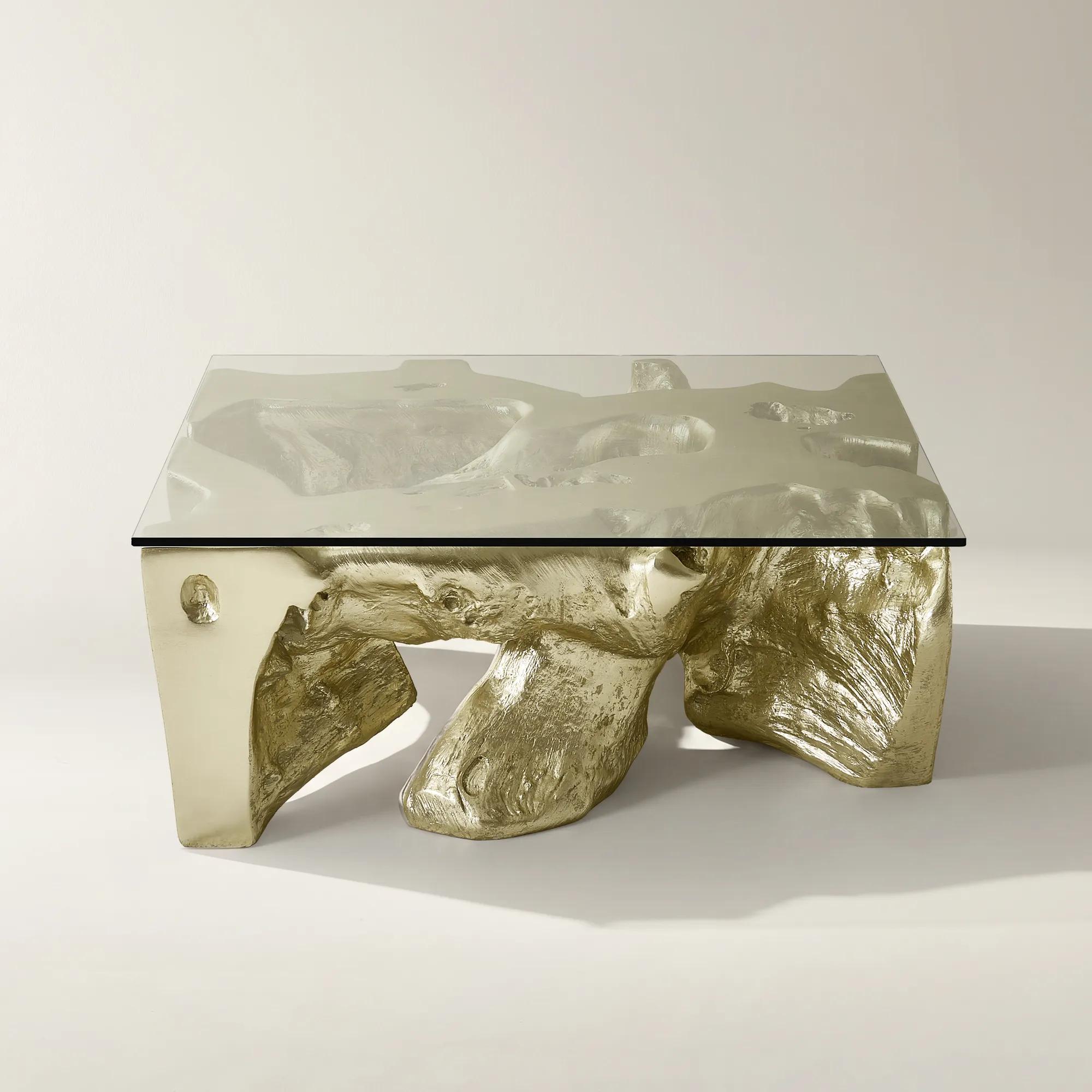 Sequoia Champagne Gold Resin Coffee Table With Glass Top (44")$2299
A sculptural resin coffee table with a champagne gold leaf finish and a clear tempered glass top.
Add To Cart -
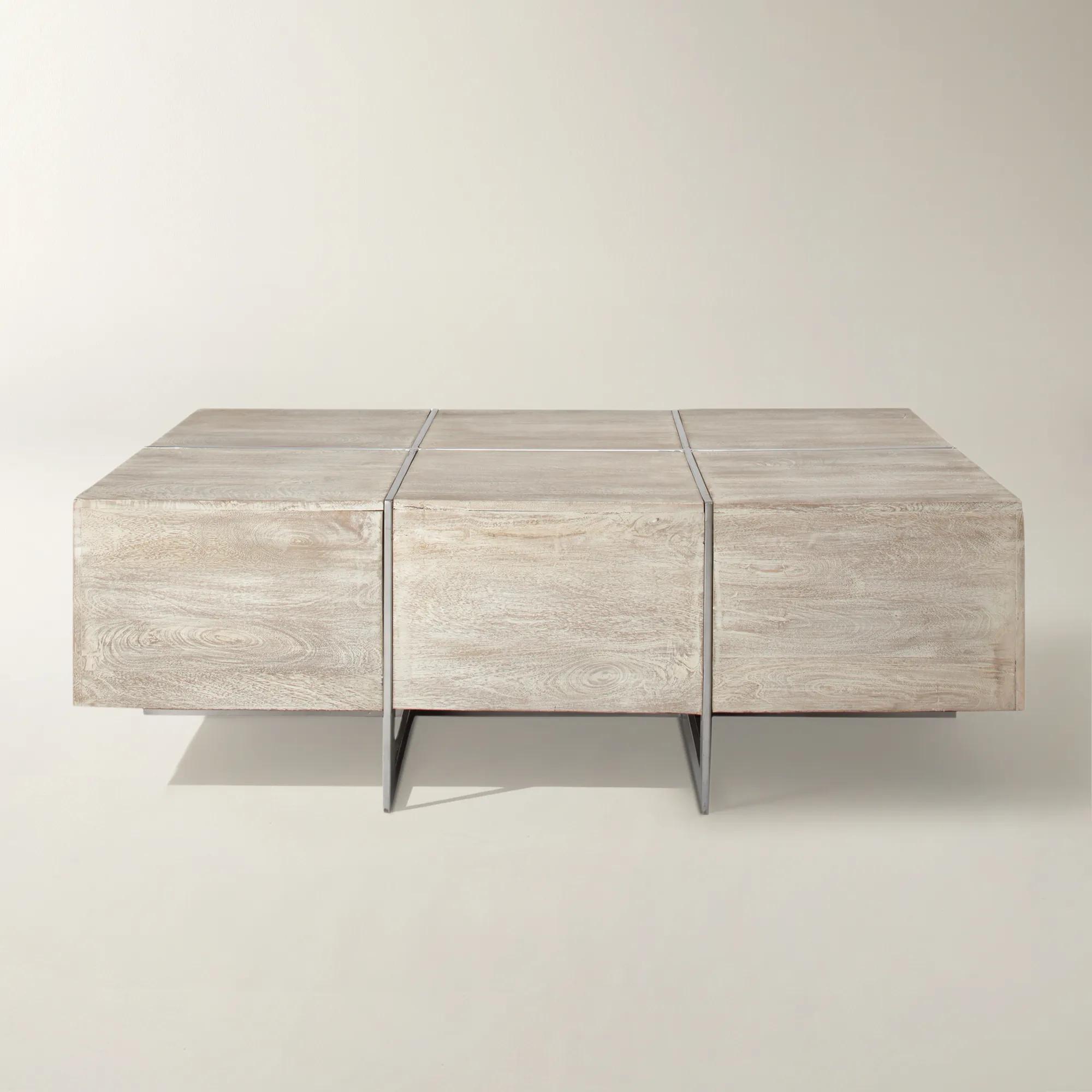
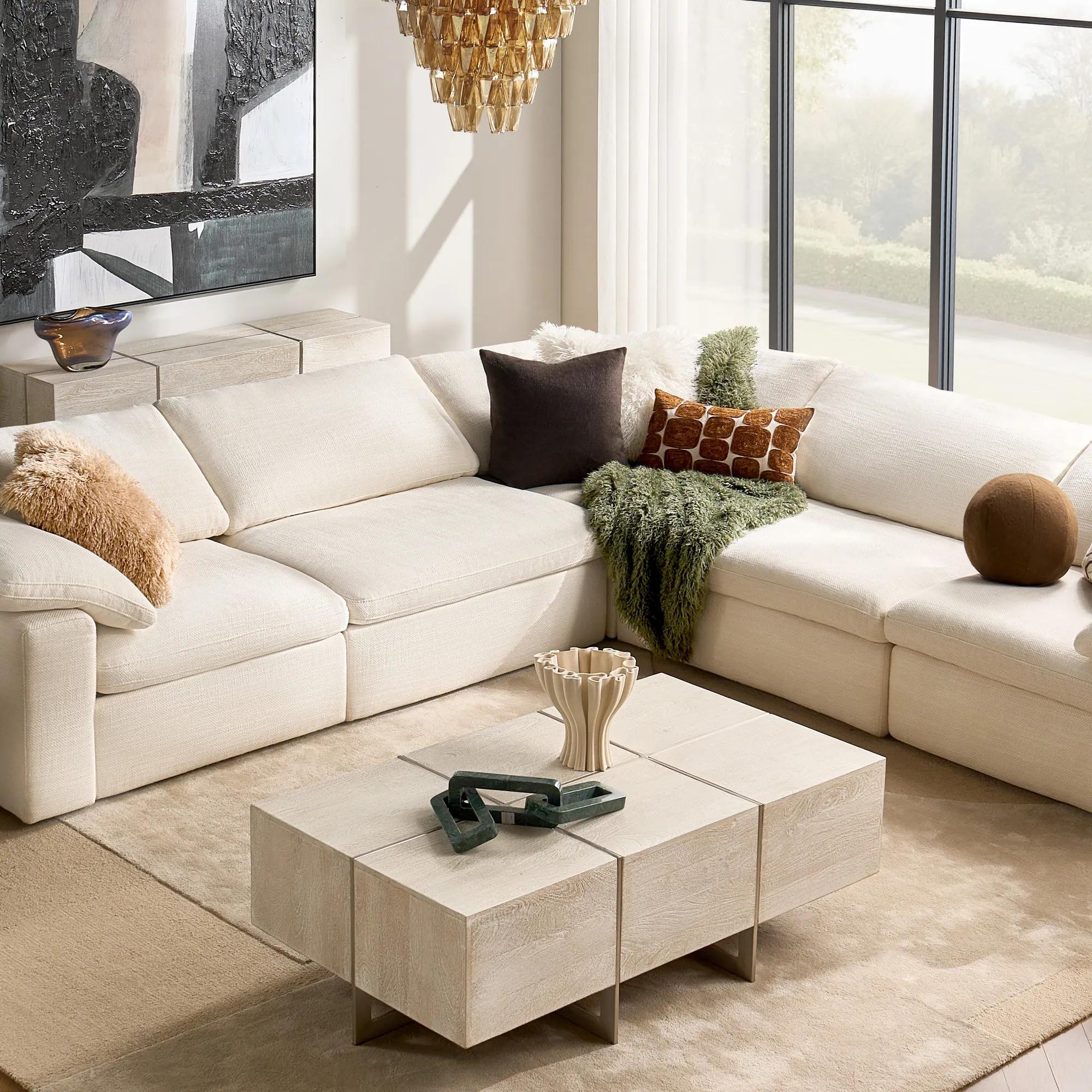 Clifton Rectangular Natural Mango Wood Coffee Table (54")$1299
A handcrafted mango wood table with a whitewashed finish and antiqued silver iron legs for organic appeal.
Add To Cart -
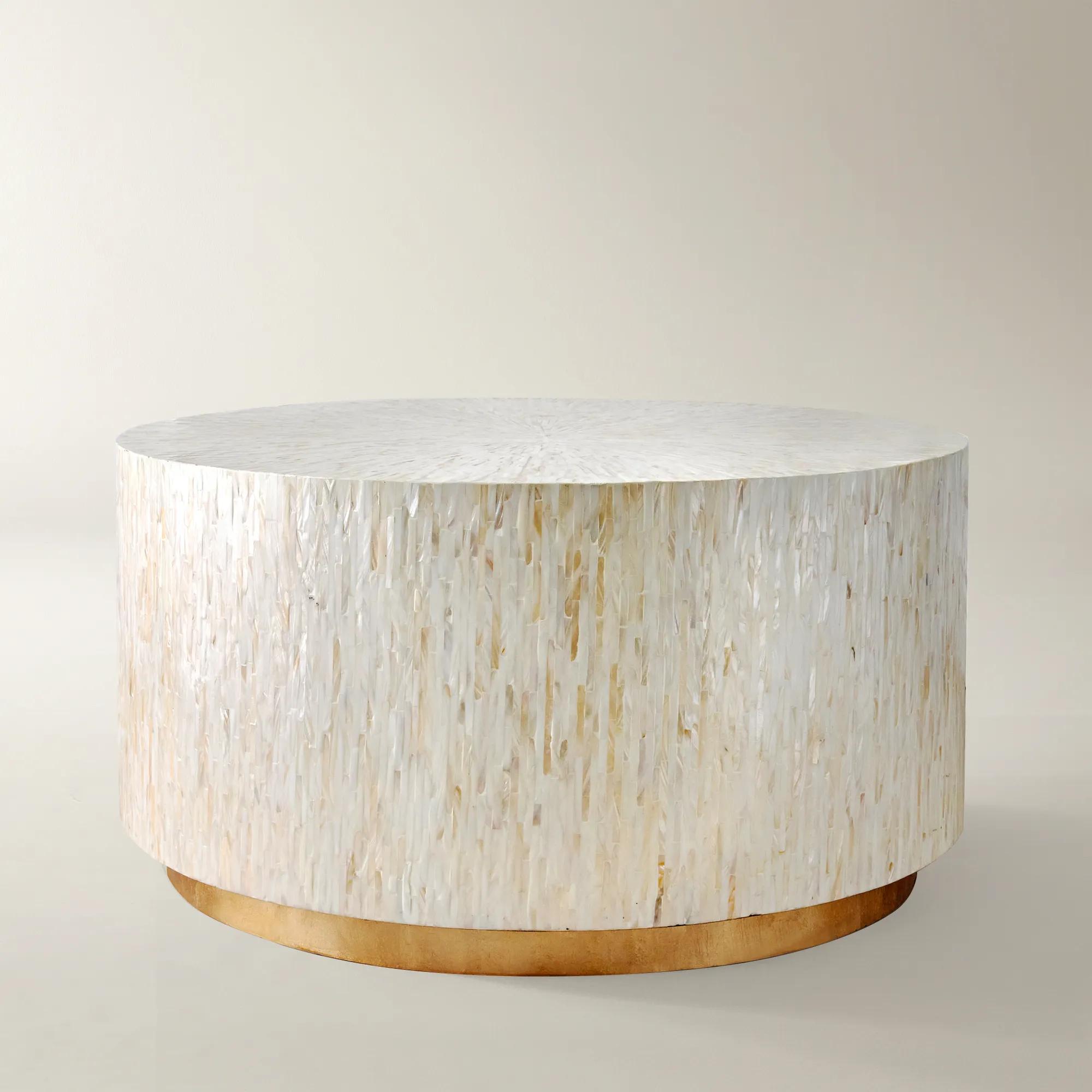
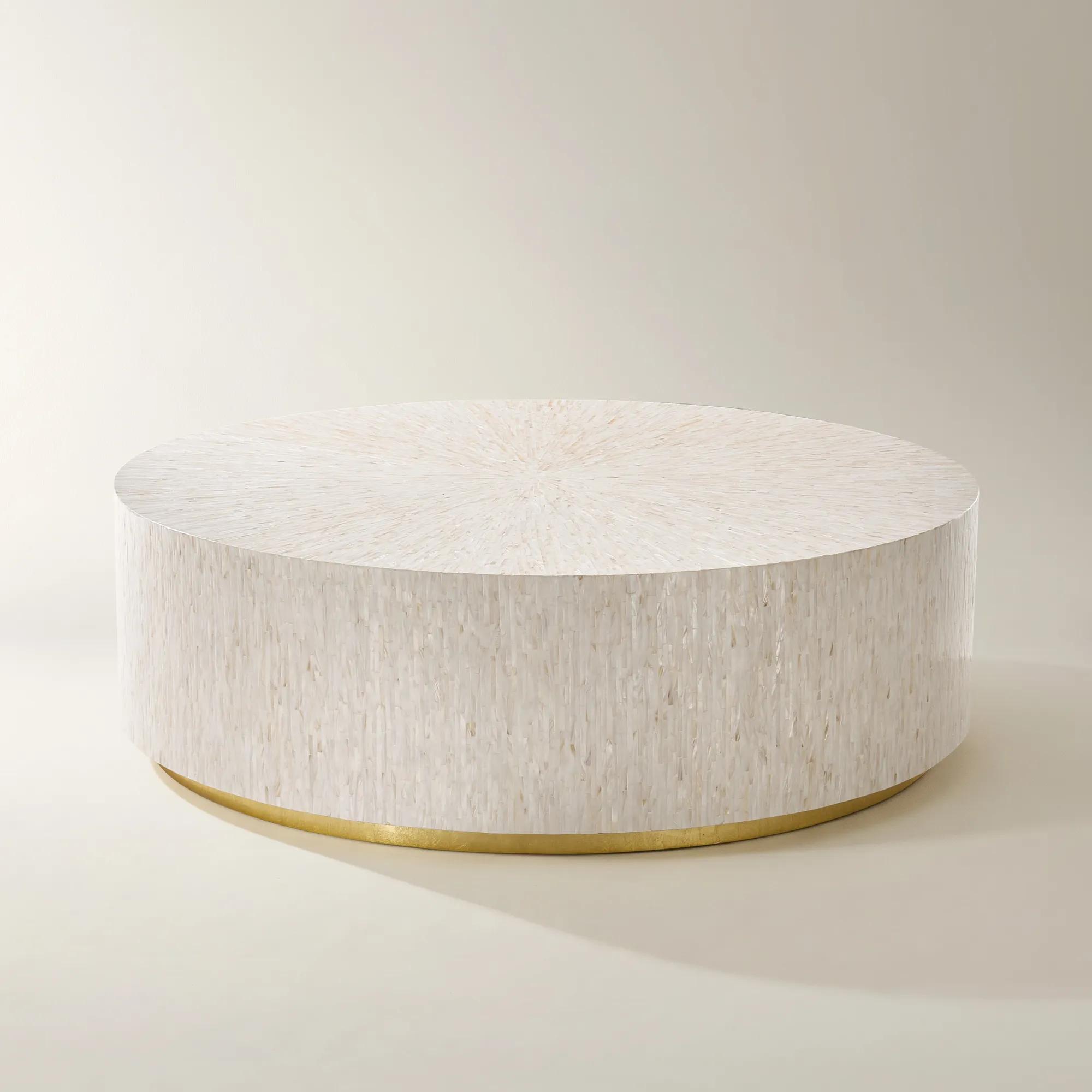 Alexandria Round Mosaic Platinum Coffee Table (52")$1399
A luminous mother-of-pearl mosaic coffee table with a sculptural round form and gold leaf–accented base.
Add To Cart -
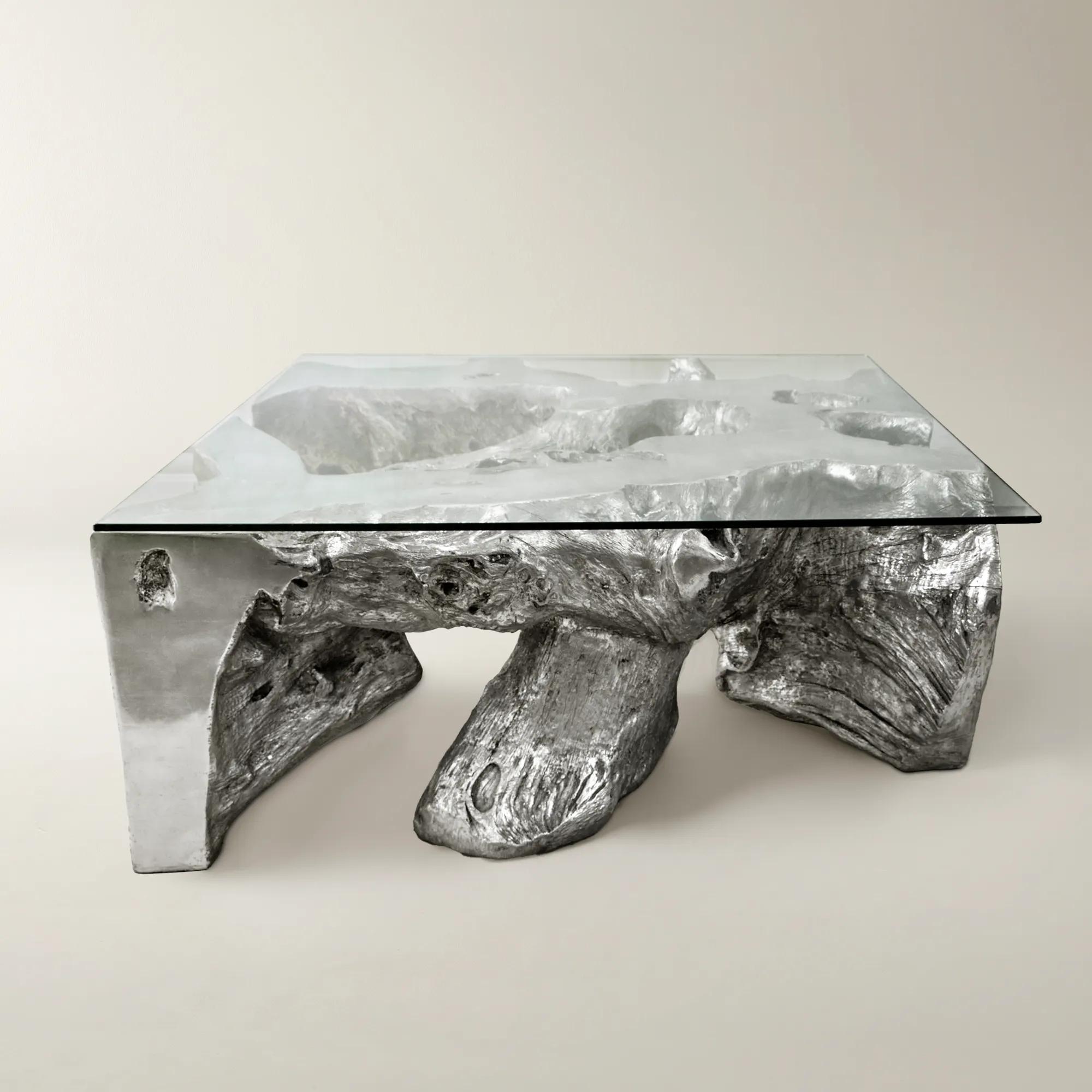 Sequoia Silver Resin Coffee Table With Glass Top (44")$2299
A sculptural coffee table featuring a hand-applied silver leaf resin base and a tempered glass top.
Add To Cart -
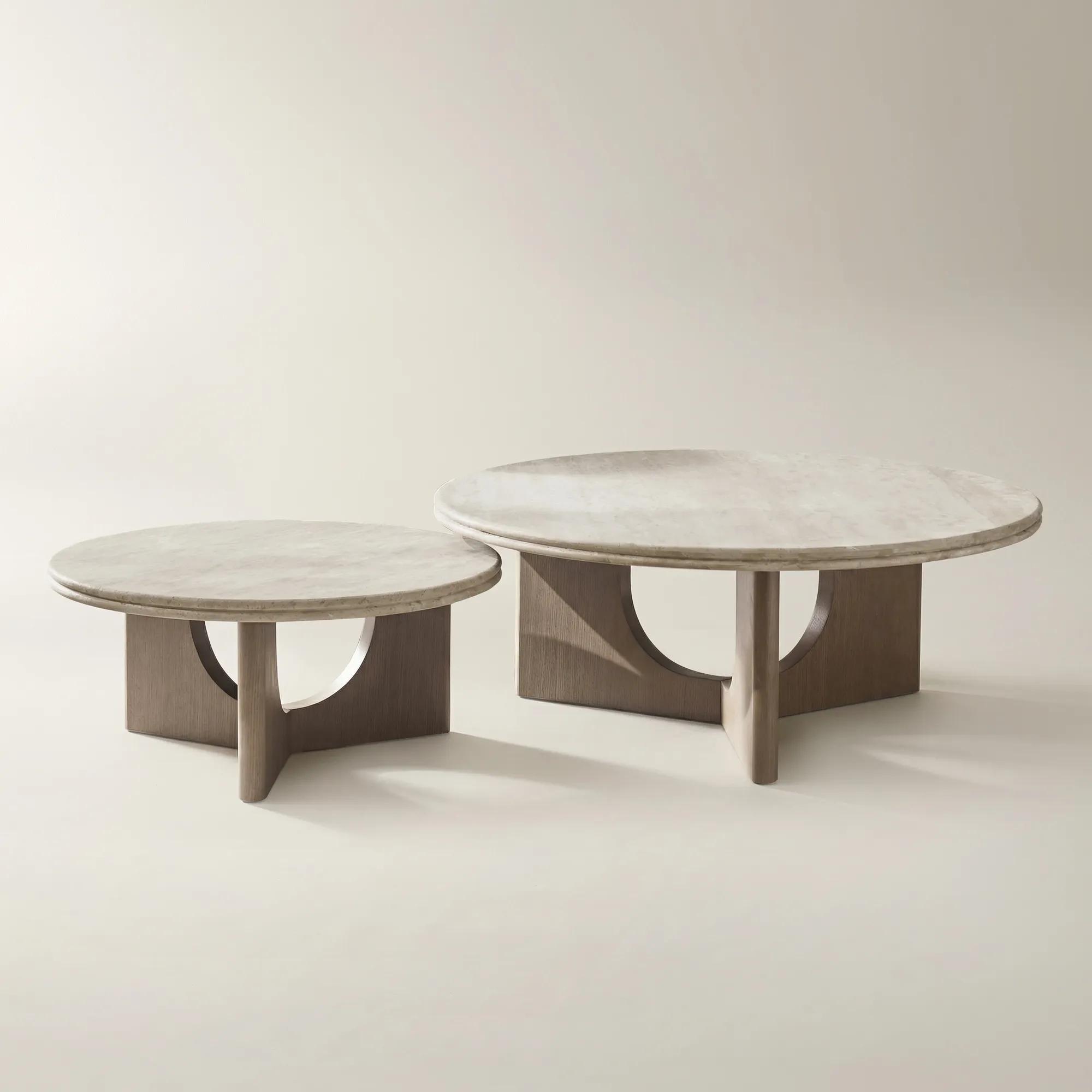
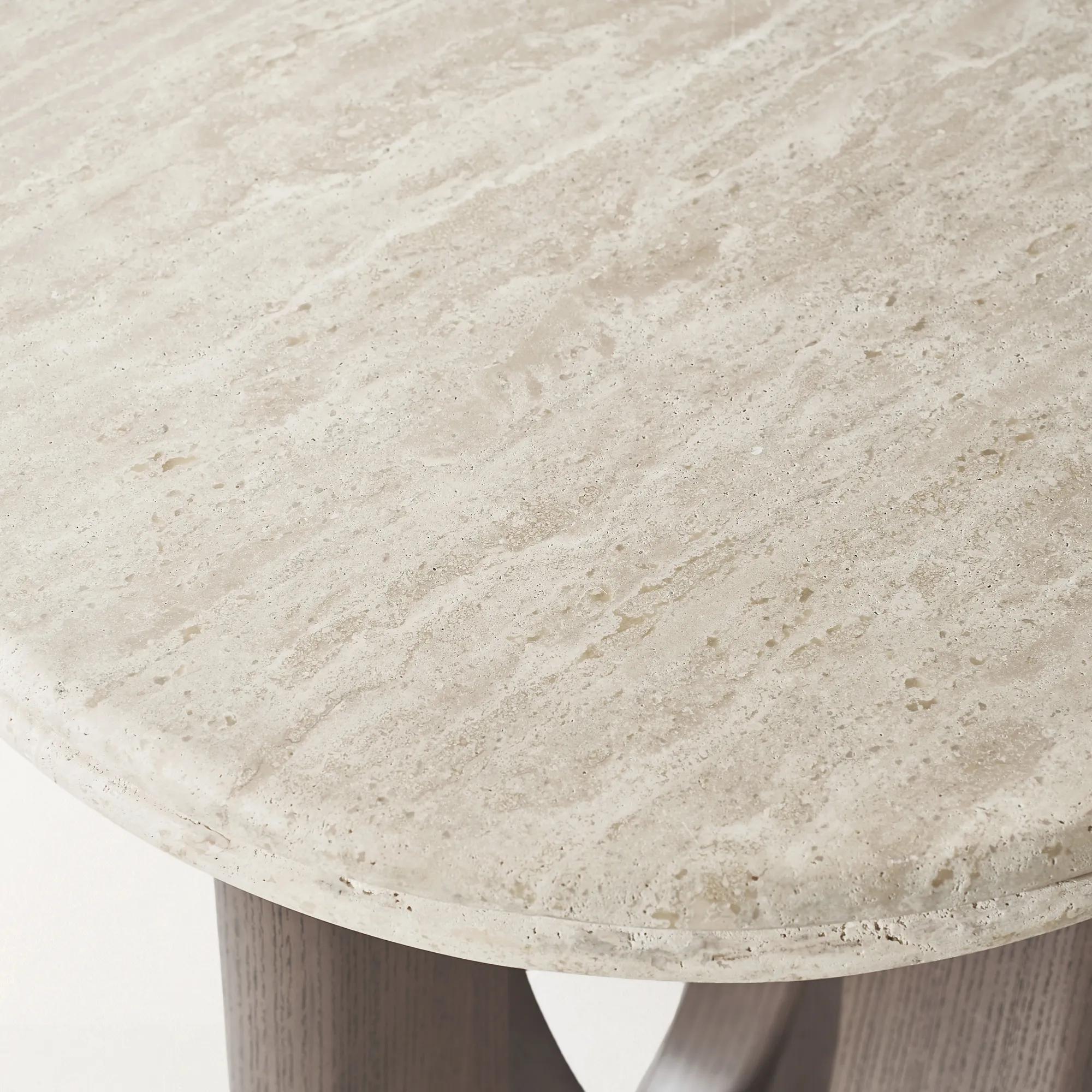 Bond Round Travertine and Wood Coffee Table Set of 2 (29.25"-41")$2098
A natural-finish nesting coffee table set offering versatile, space-saving layering for modern living rooms.
Add To Cart -
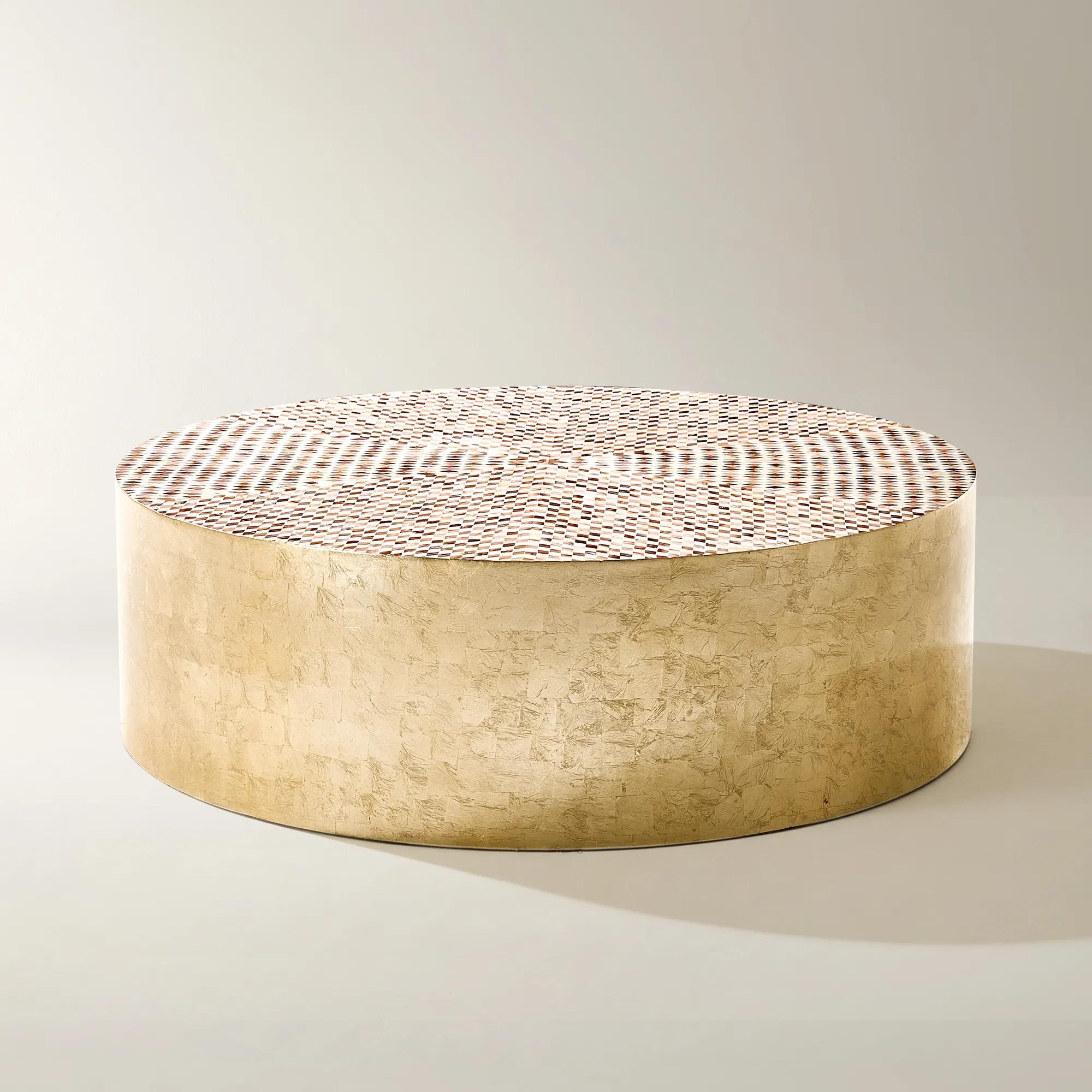
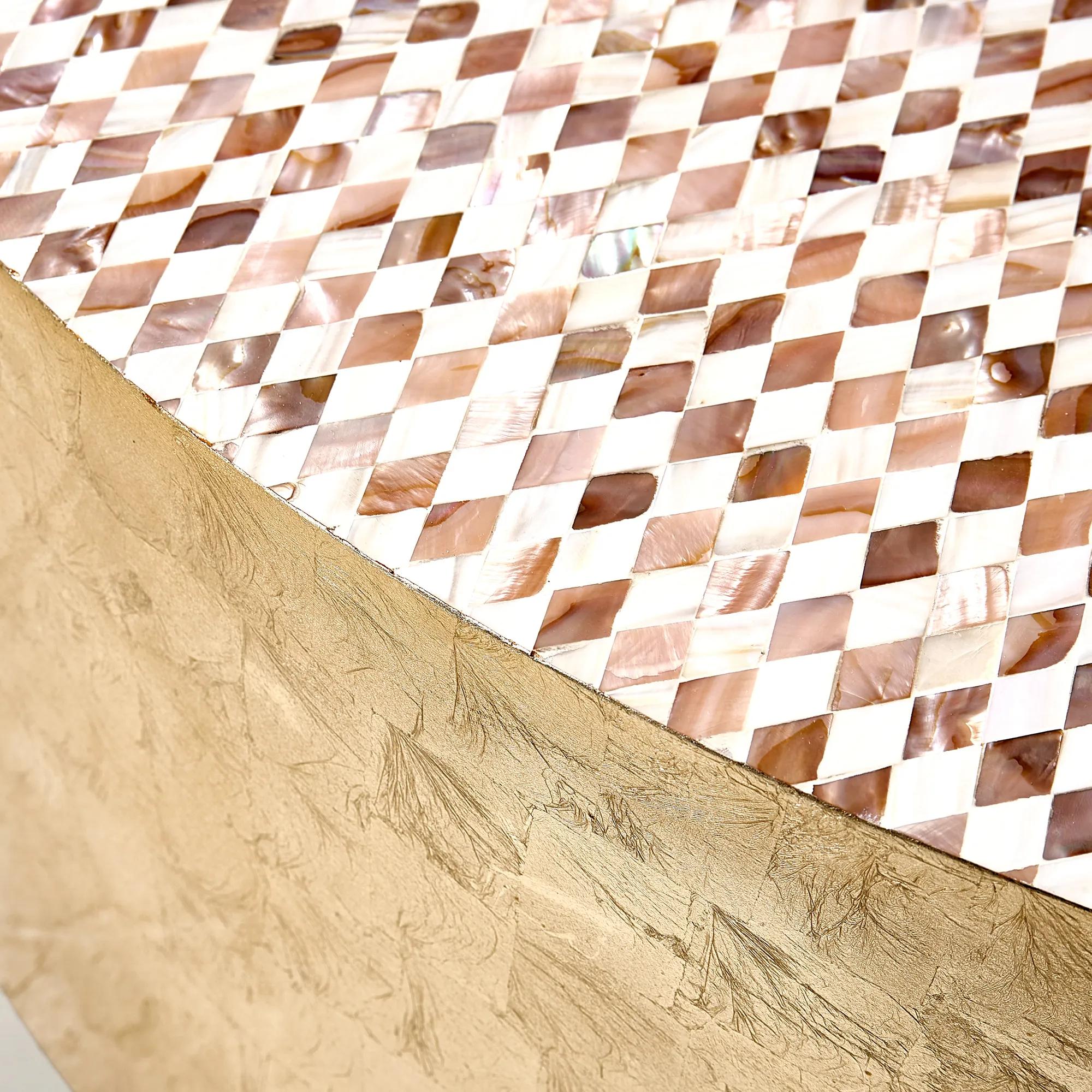 Lucien Round Diamond Coffee Table (47.24")$1299
A sculptural round coffee table featuring a hand-laid mother-of-pearl diamond mosaic and gold leaf sides.
Add To Cart -
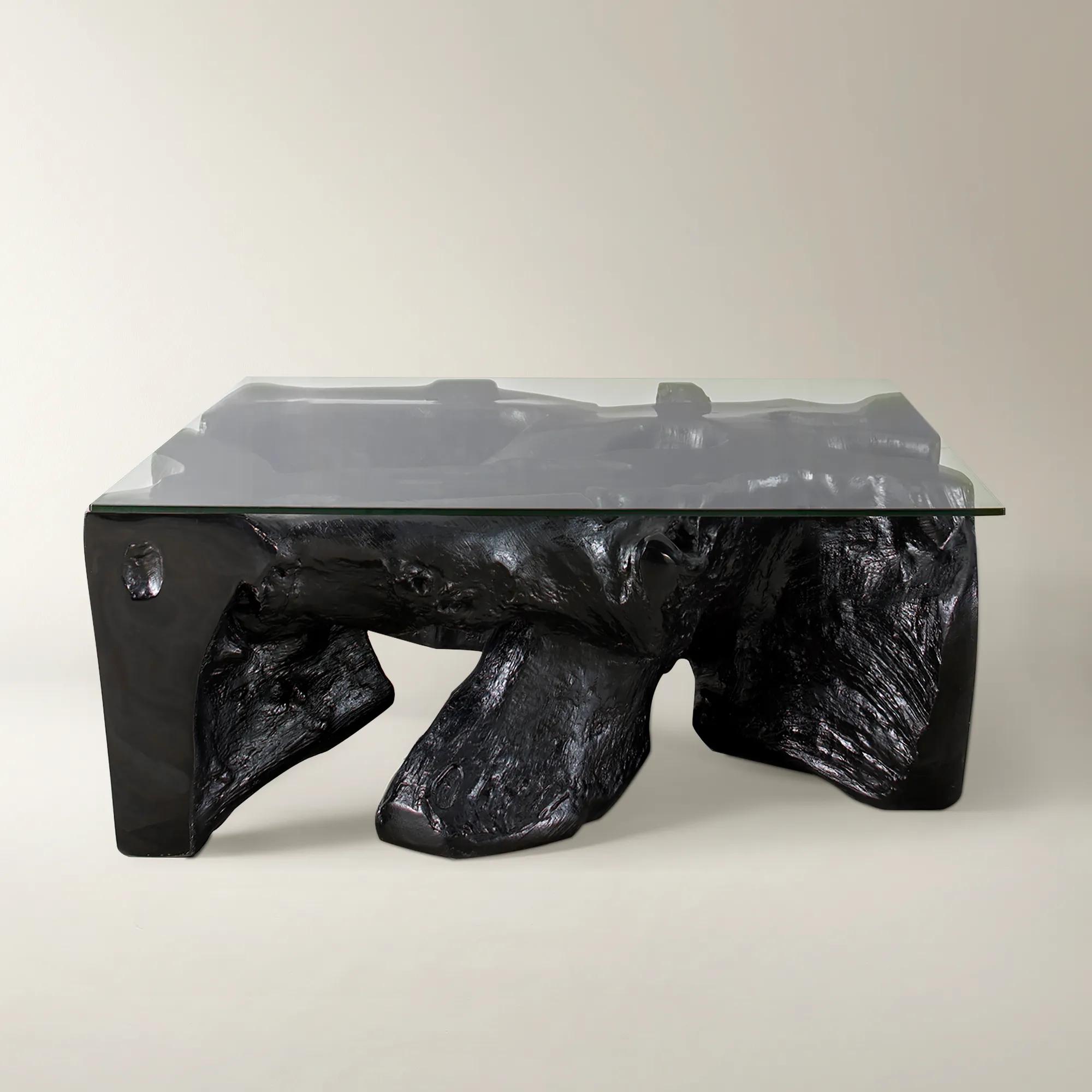
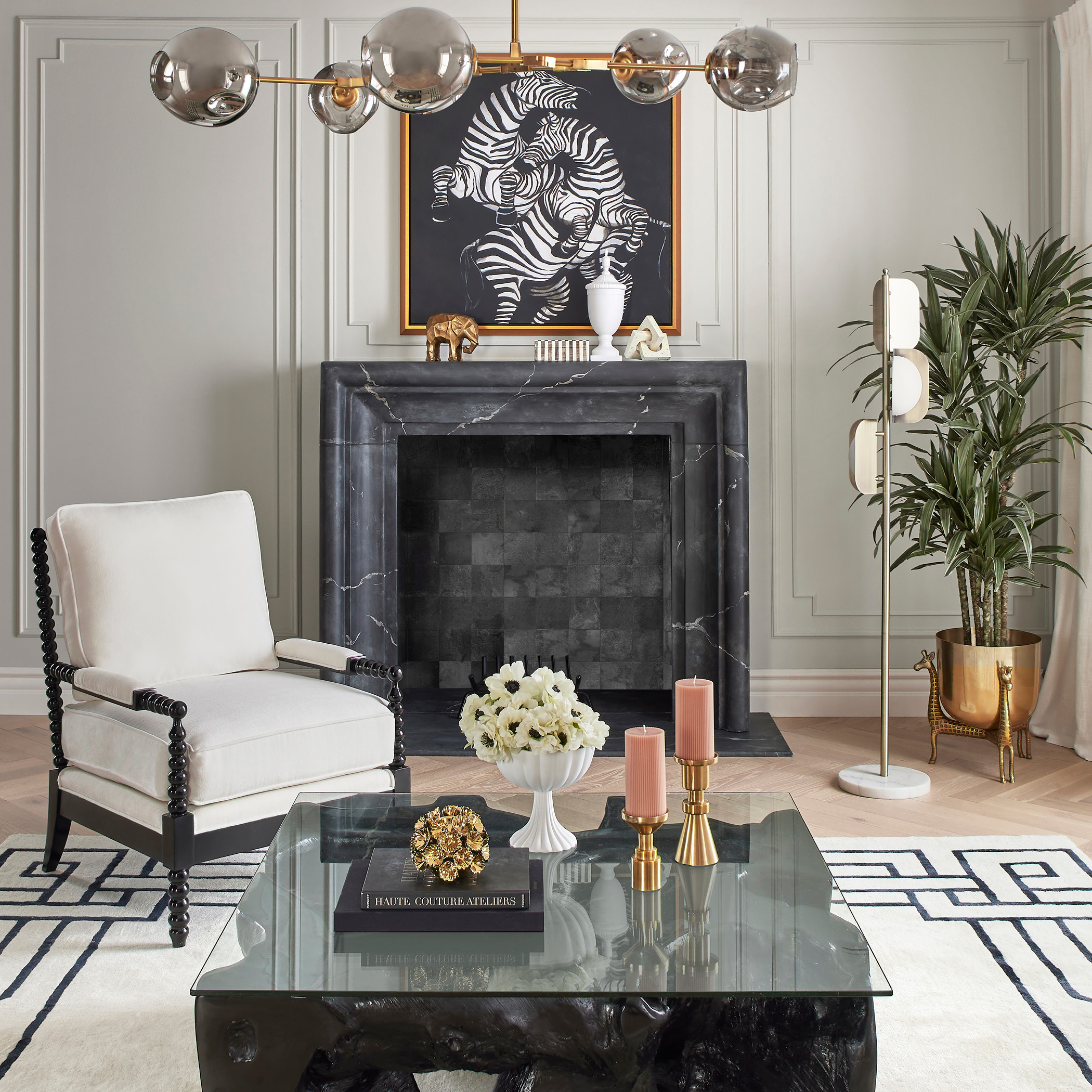 Sequoia Black Resin Coffee Table With Glass Top (44")$2299
A sculptural black coffee table crafted from resin and polished stone fragments for indoor or outdoor use.
Add To Cart -
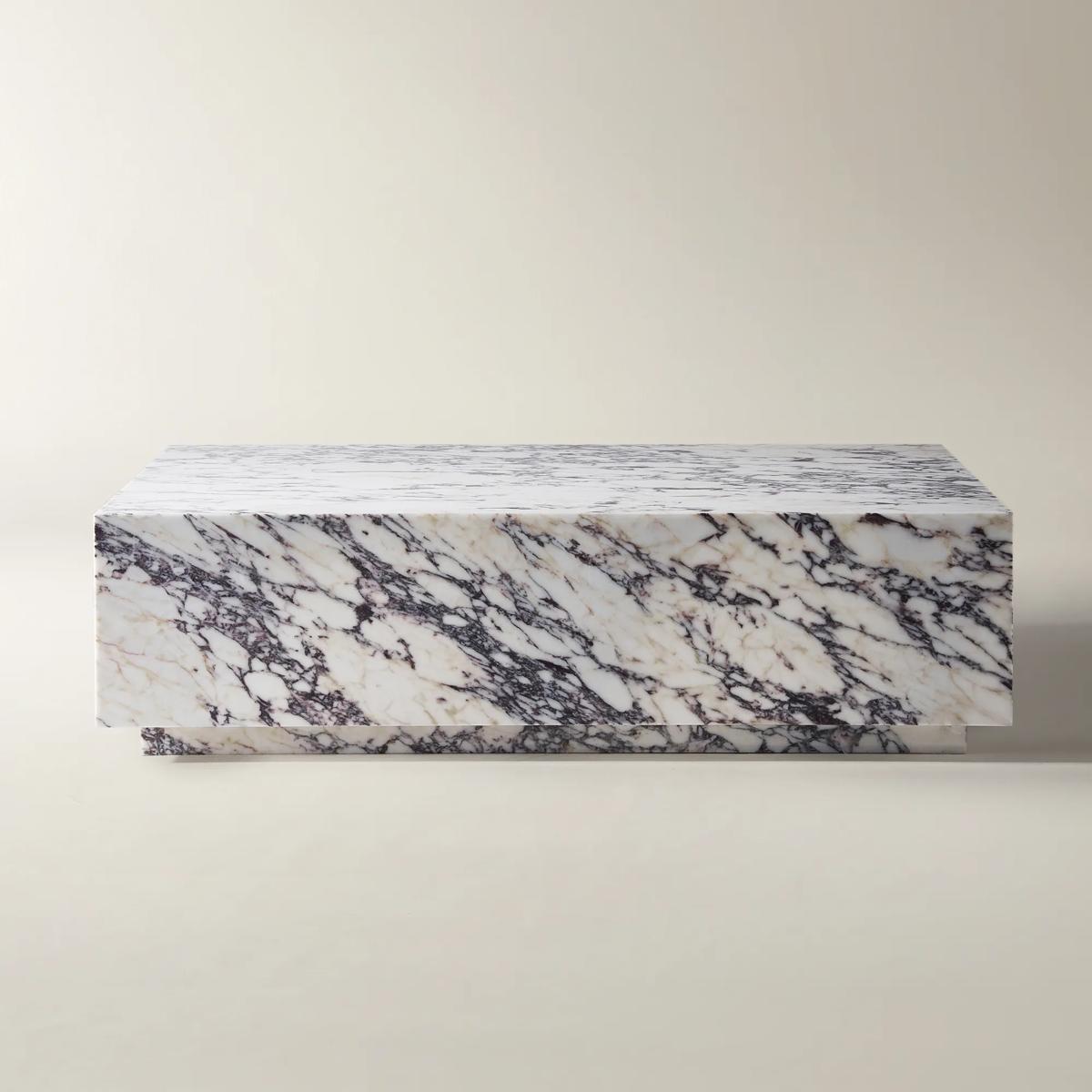
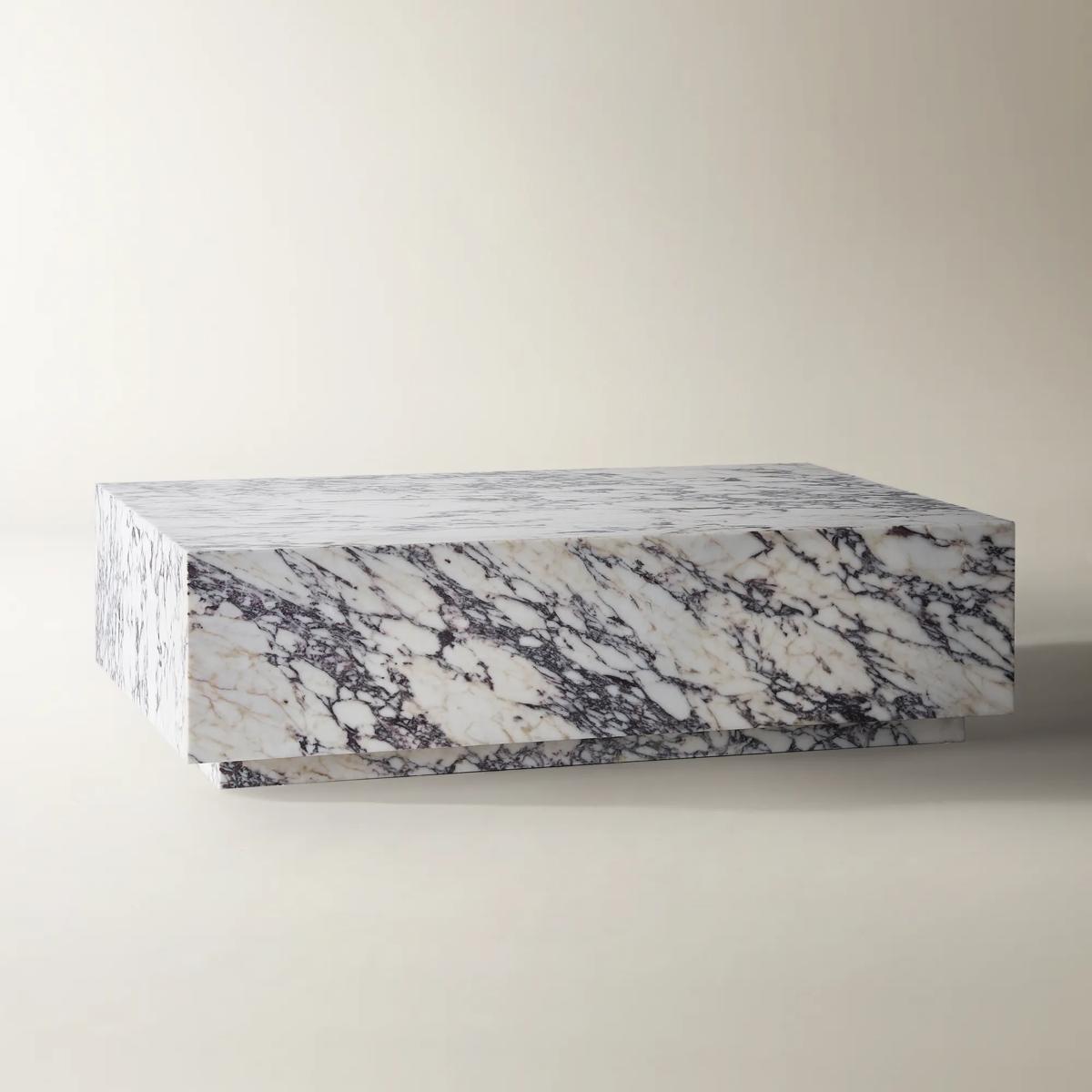 Vanta Rectangular Viola Calacatta Marble Coffee Table (54")$3699
A sculptural coffee table in Calacatta Viola marble, featuring an aluminum core and recessed plinth base.
Add To Cart -
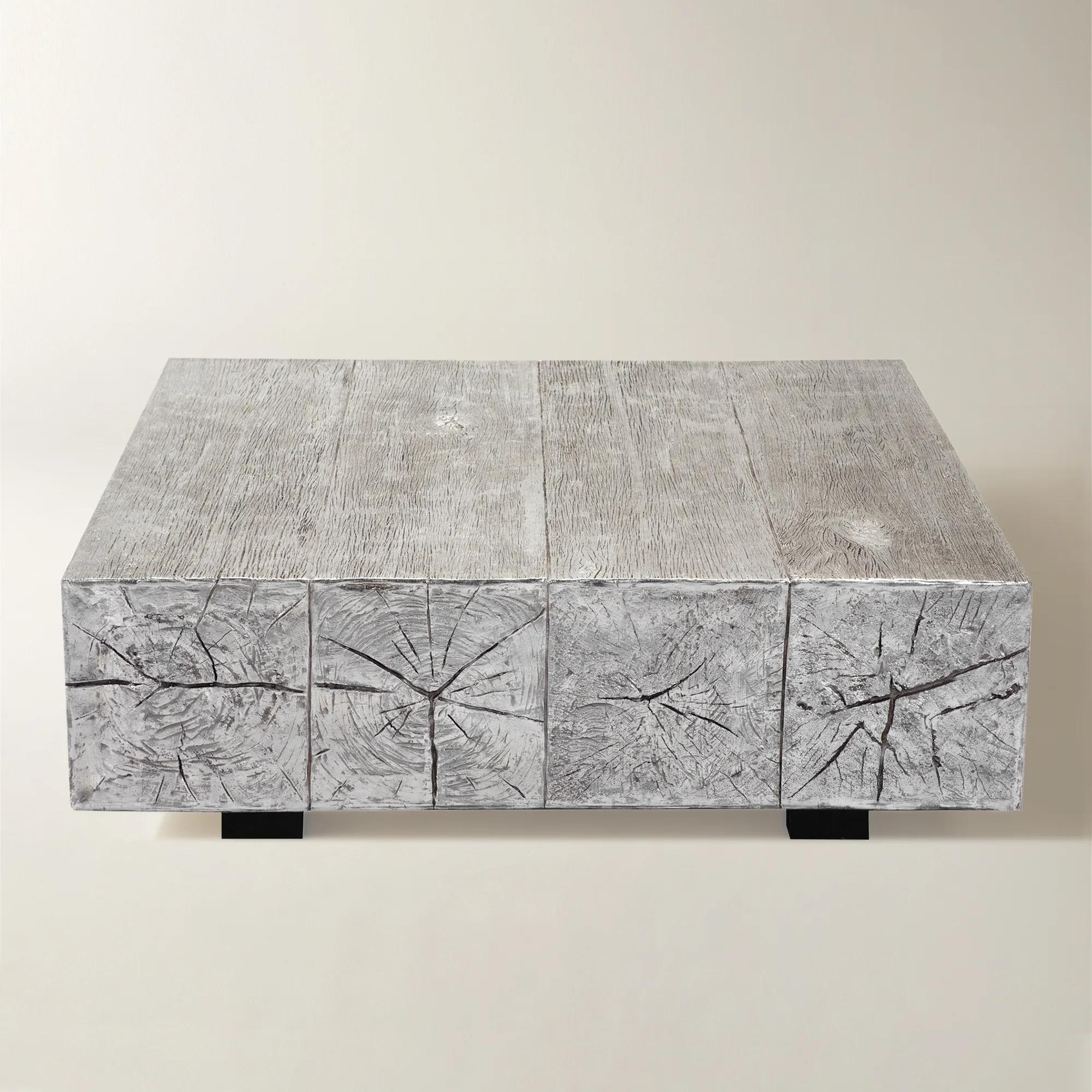
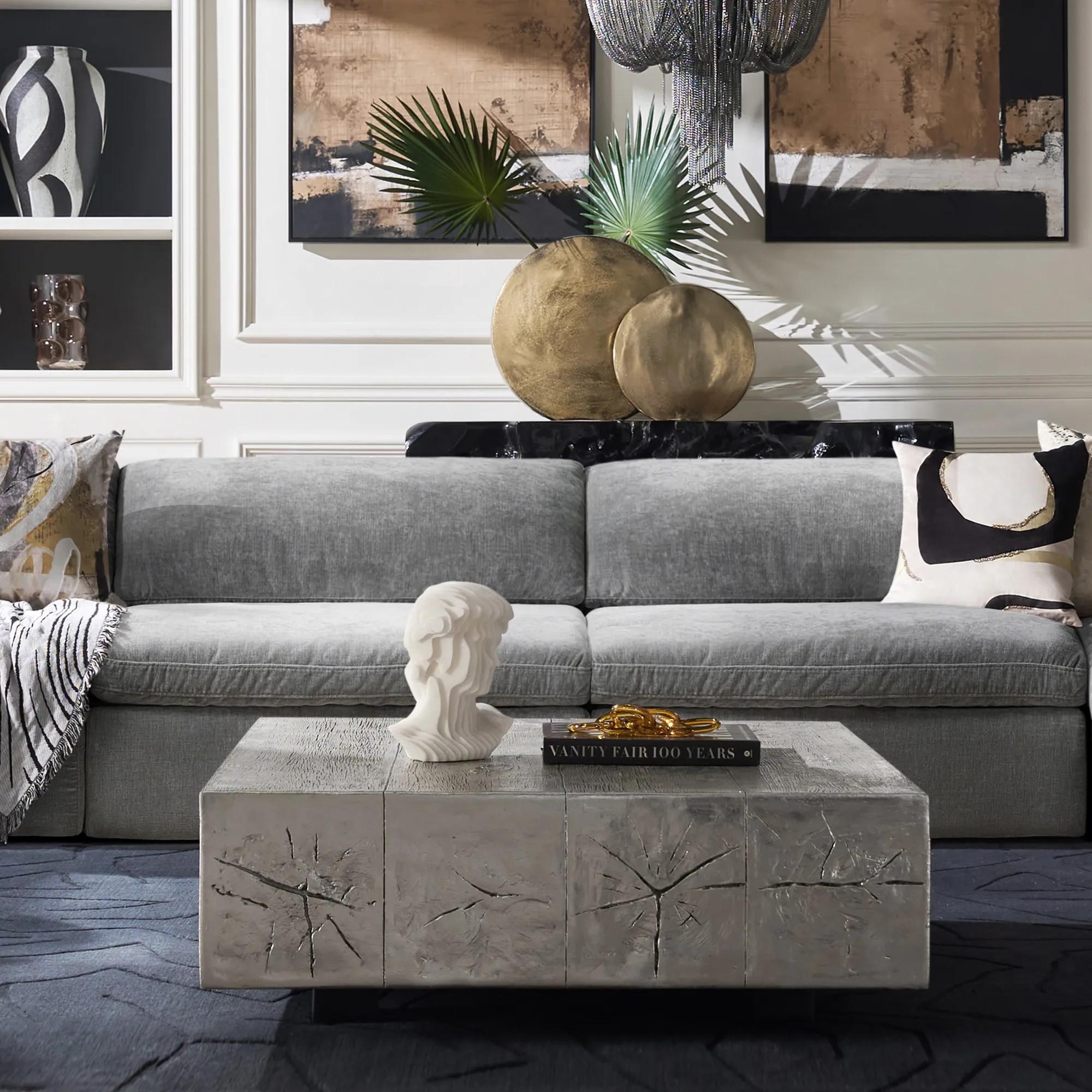 Timber Square Silver Resin Coffee Table (44")$1299
A hand-painted silver resin coffee table featuring authentic silver leaf and an antiqued, hand-rubbed oil finish.
Add To Cart -
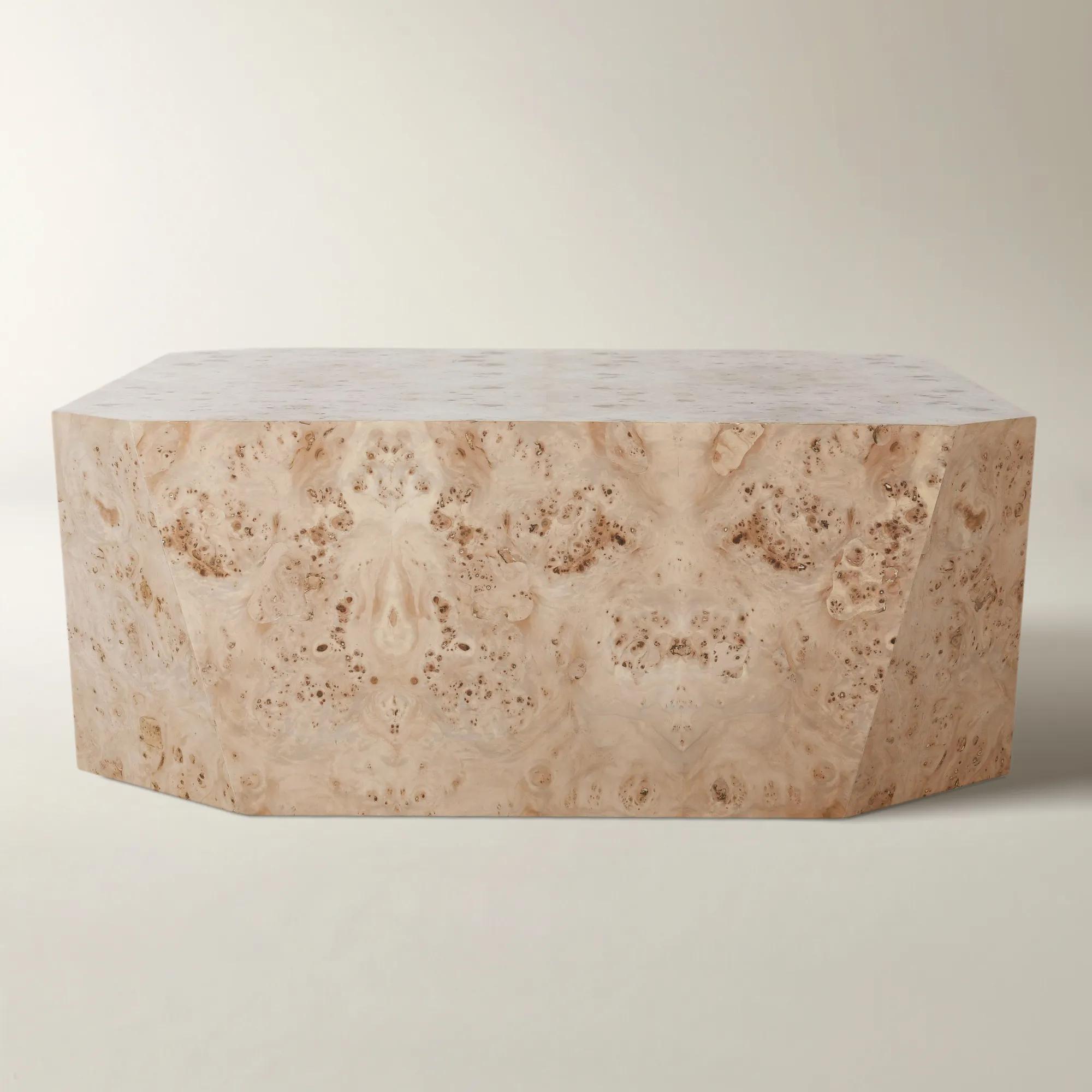
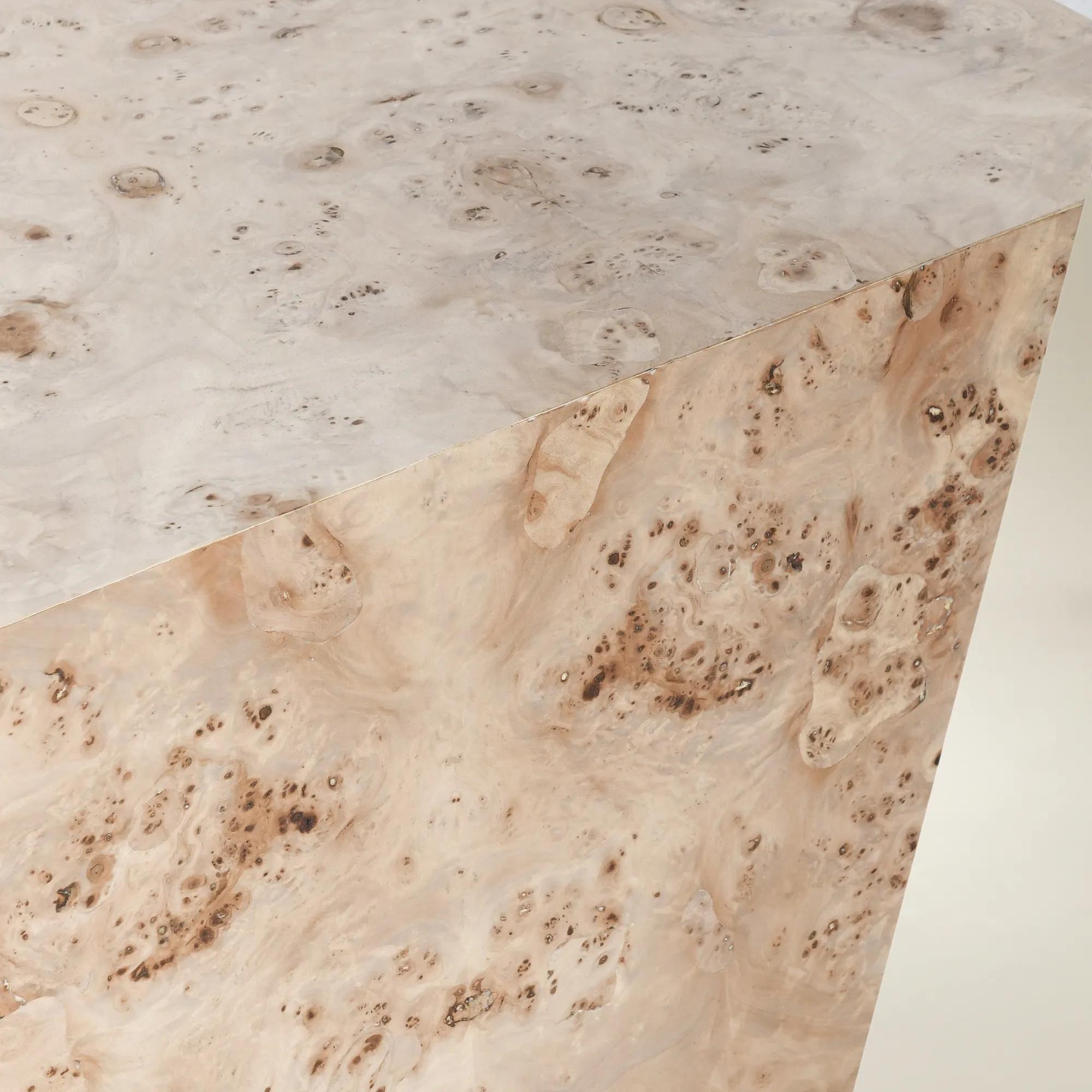 Avena Square Natural Burl Wood Coffee Table (41.75")$1399
A sculptural coffee table featuring natural burl wood veneer with unique grain patterns and a hand-applied finish.
Add To Cart -

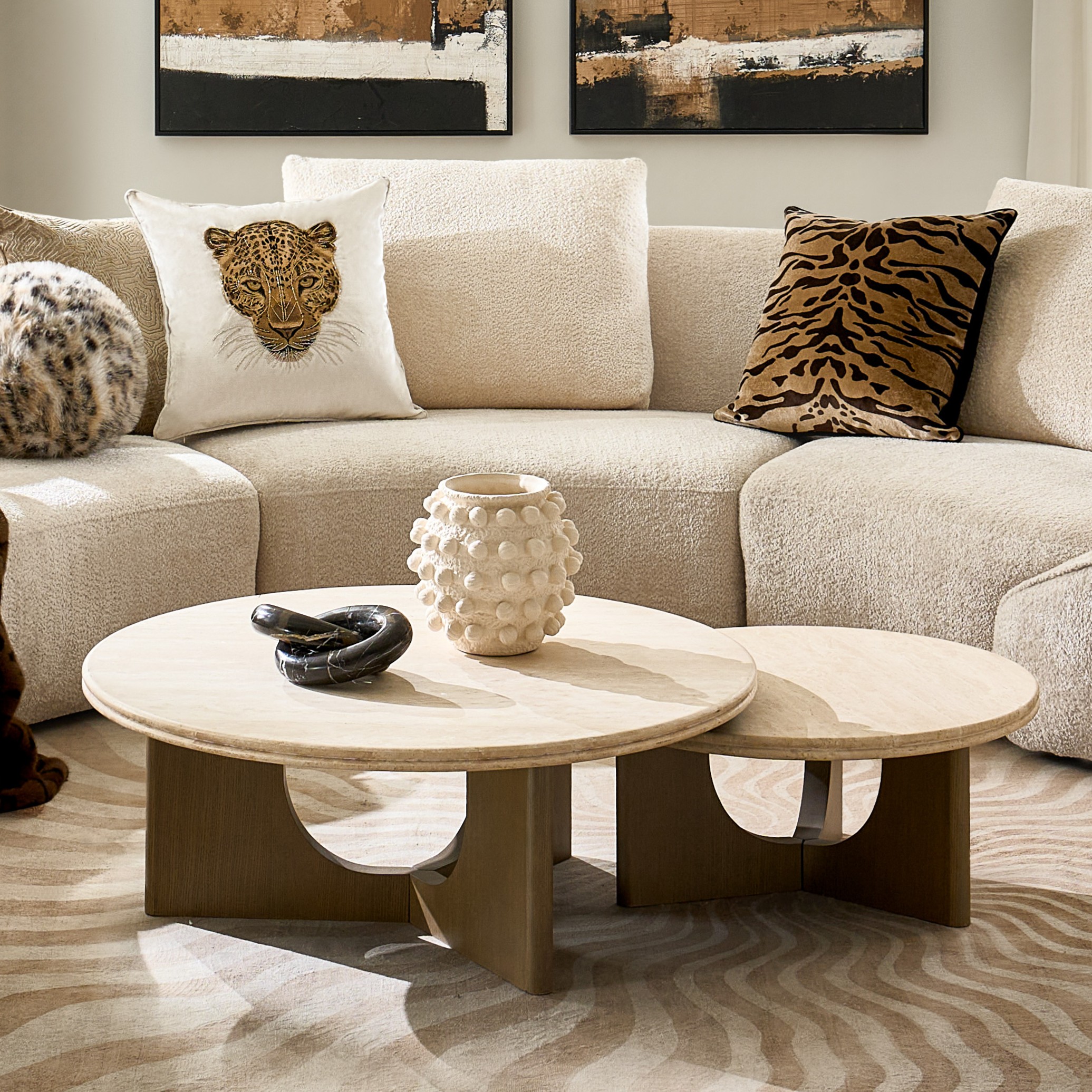 Bond Round Travertine and Wood Coffee Table (29.25")$699
A genuine travertine stone coffee table with warm ivory-gold tones atop a solid natural ash base.
Add To Cart -
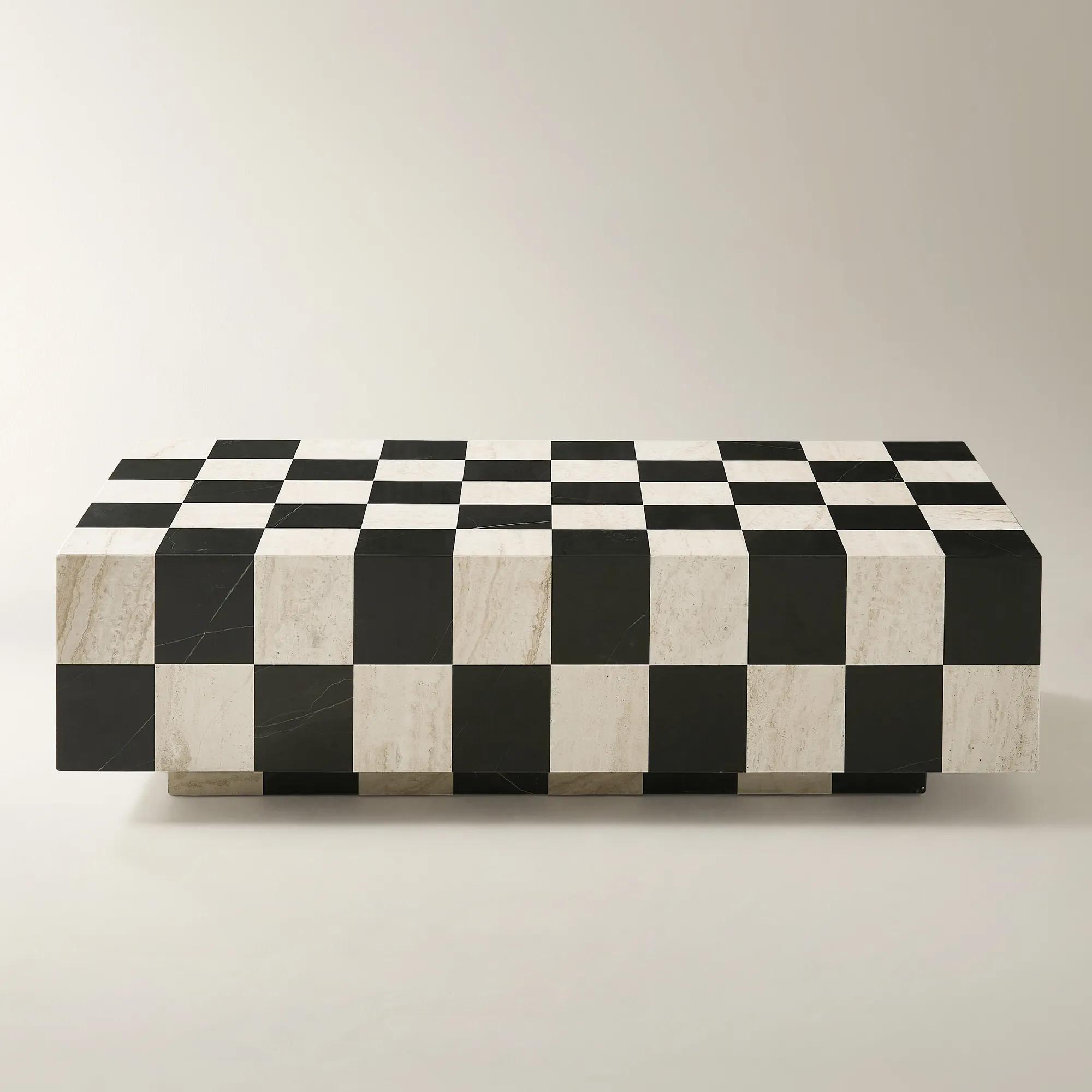
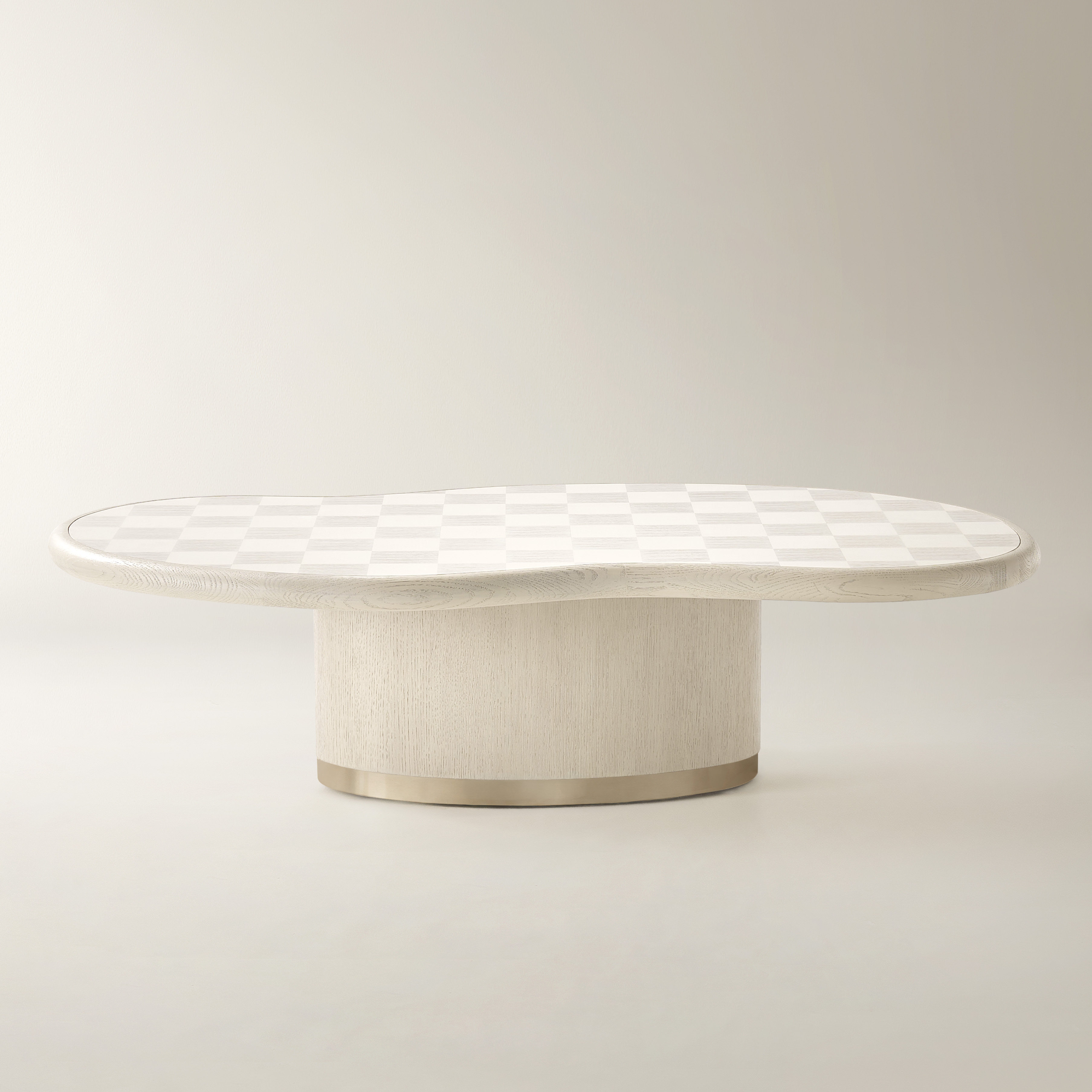 Vetra Checkerboard Oak and Maple Coffee Table (60")$1299
A sculptural coffee table featuring a hand-arranged oak and maple checkerboard top with gold-accented base.
Add To Cart -
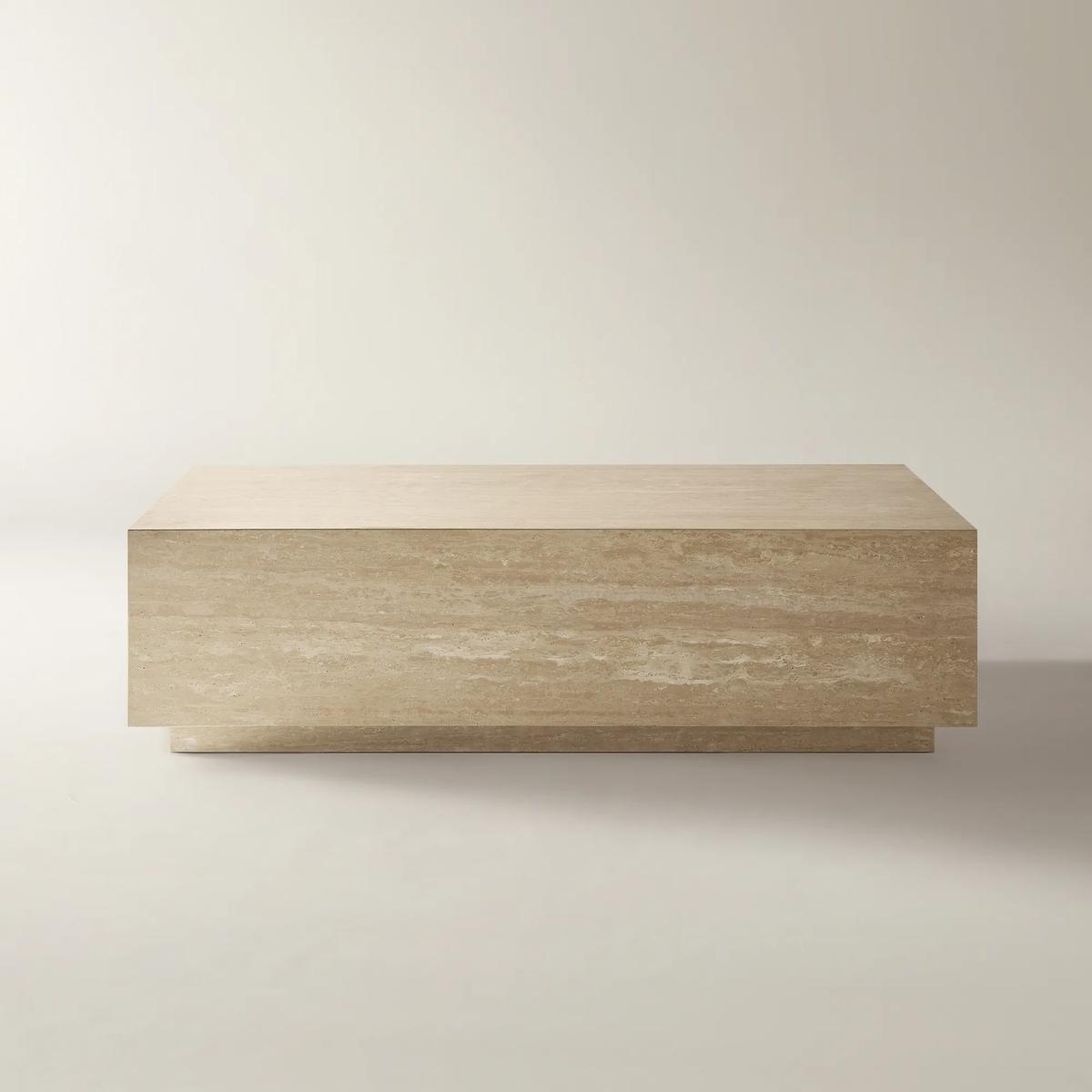
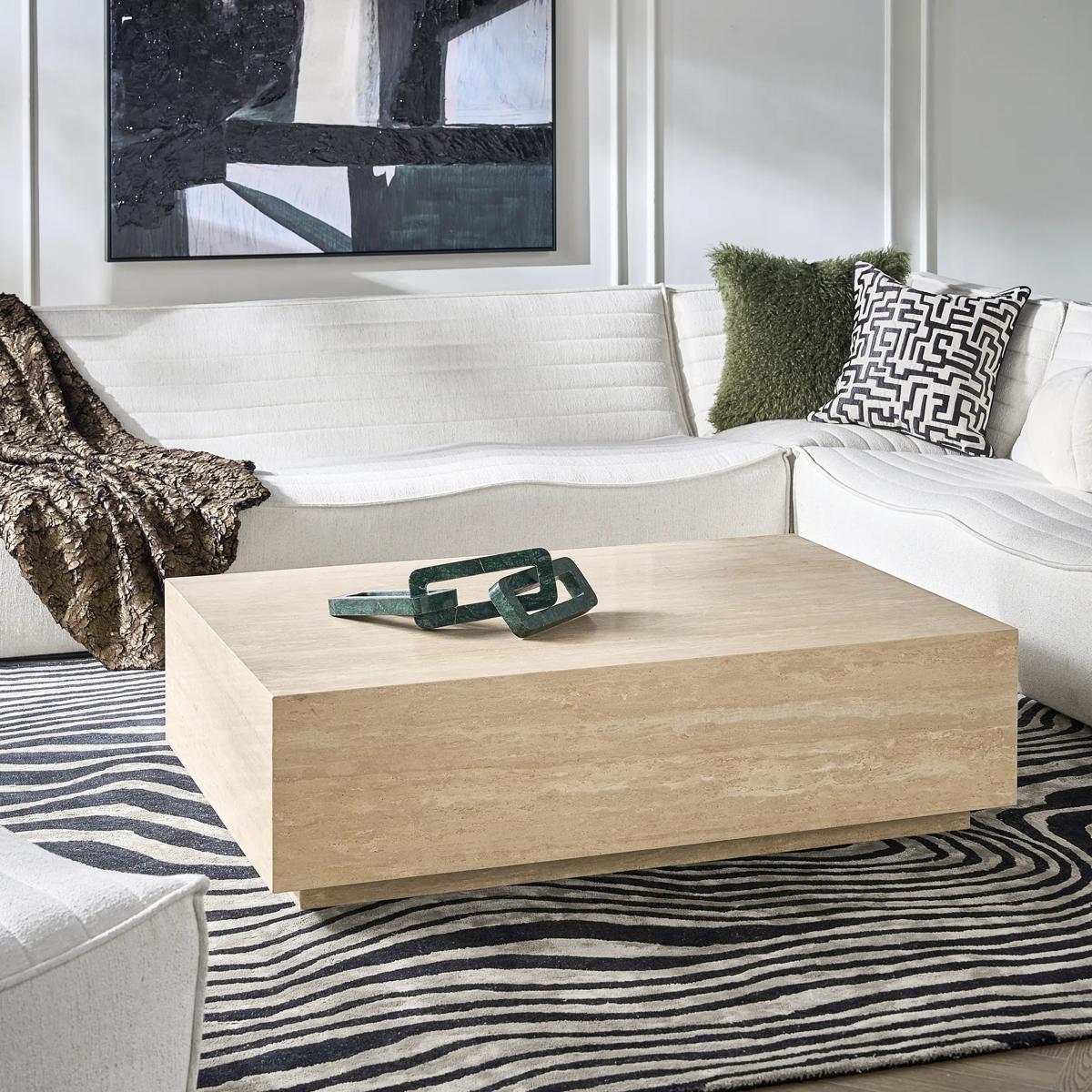 Vanta Rectangular Travertine Coffee Table (54")$2599
A sculptural travertine coffee table with an aluminum honeycomb core and recessed plinth base.
Add To Cart -
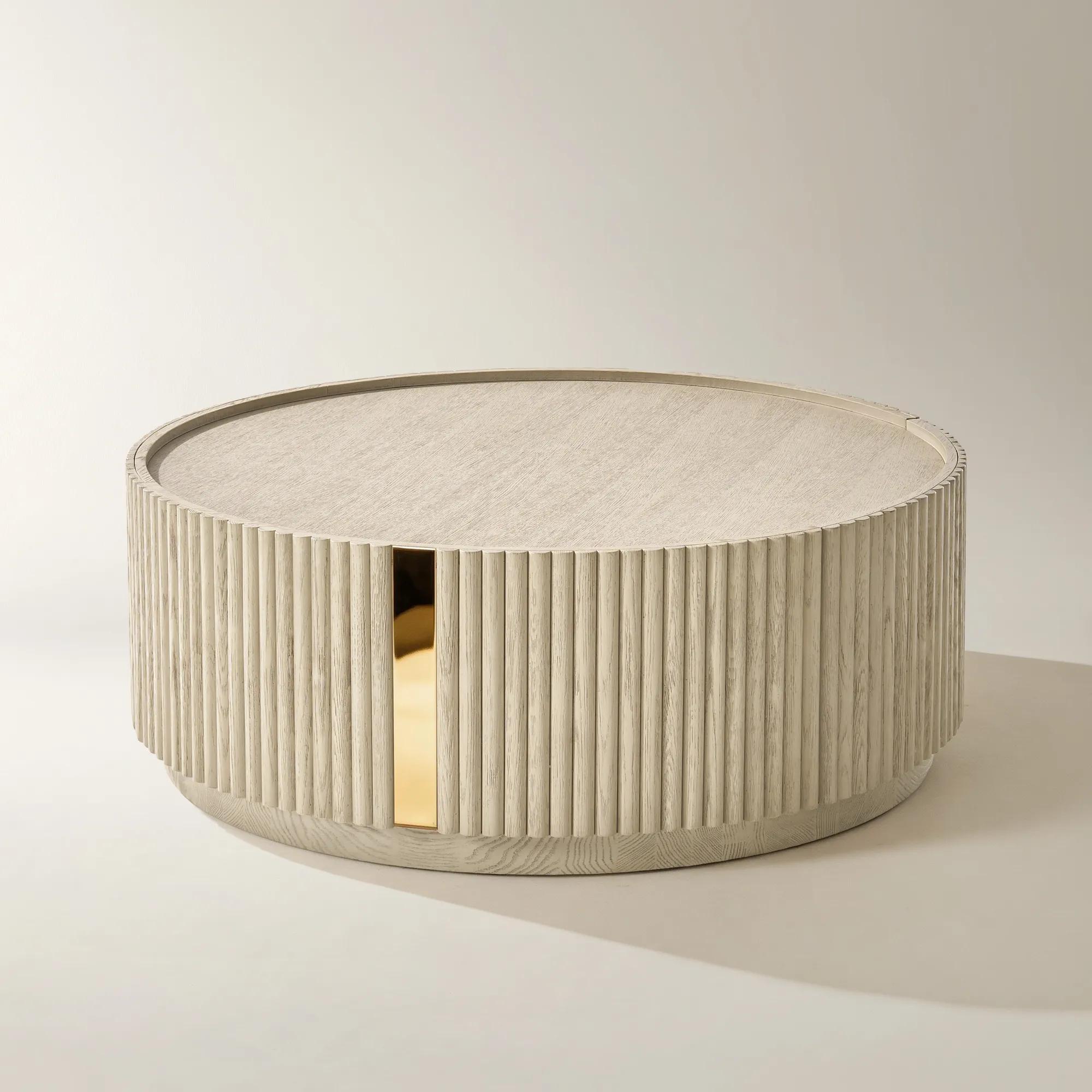 Stria Round Reeded White Oak Coffee Table with Drawer (42.3")$1499
A round coffee table featuring reeded white oak, soft gold metal trim, and a concealed soft-close drawer.
Add To Cart -
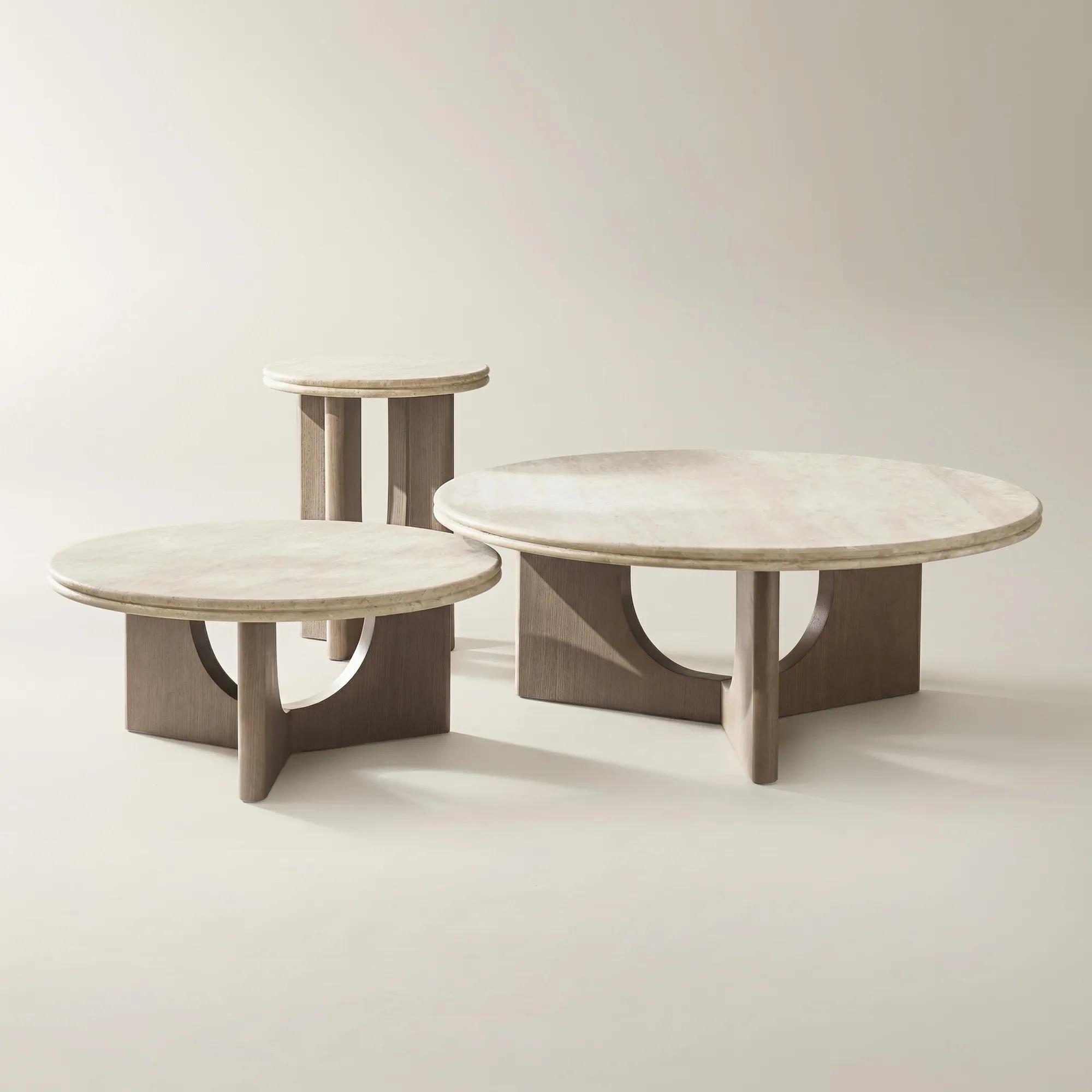
 Bond Round Travertine and Wood Coffee Table Set of 3 (17.72"-41")$2557
A natural-finish nesting coffee table set offering versatile, space-saving surfaces for modern living rooms.
Add To Cart -
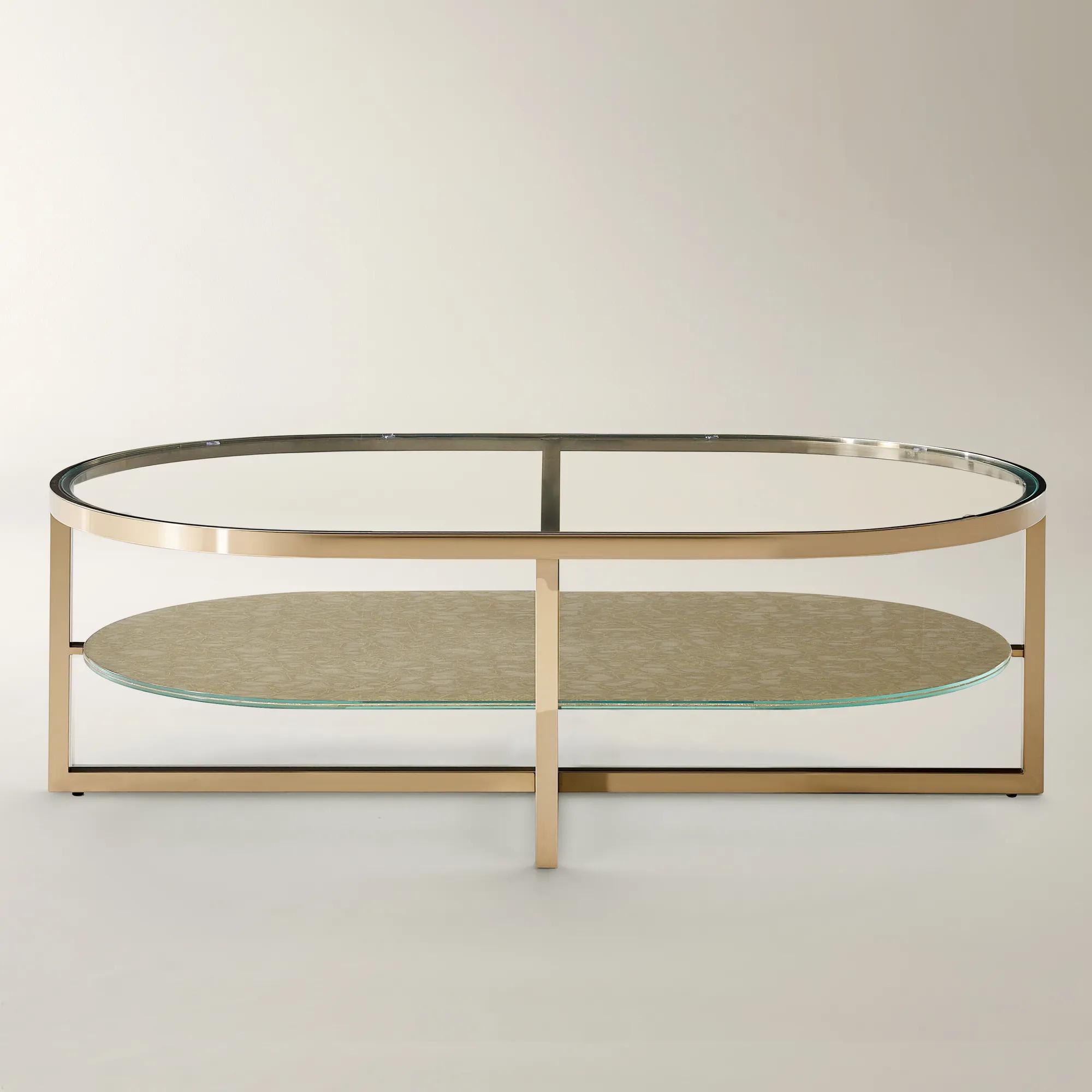
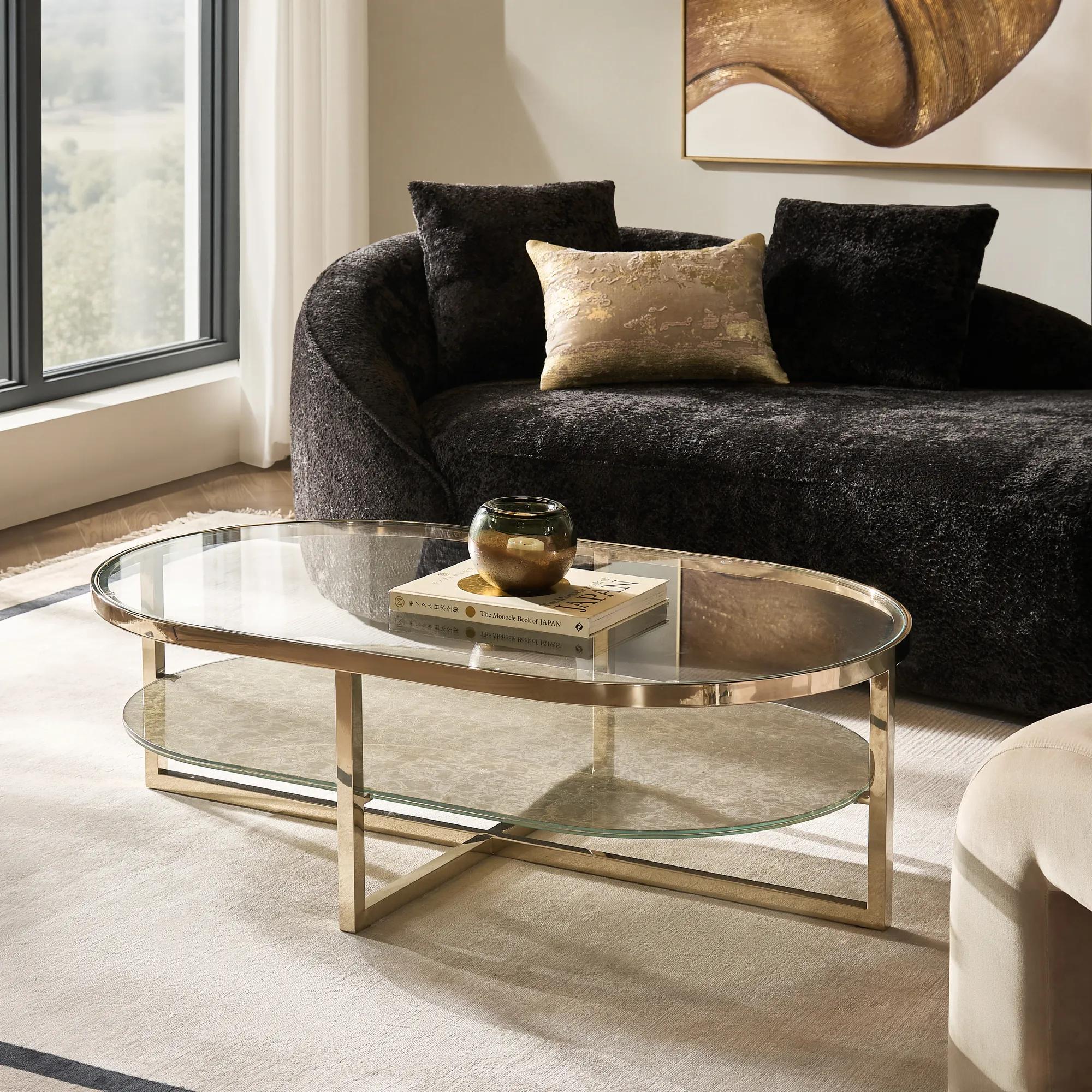 Duality Oval Fabric-Laminated Glass Coffee Table (47")$999
A modern oval coffee table featuring a tempered glass top, fabric-laminated shelf, and soft gold stainless steel frame.
Add To Cart -
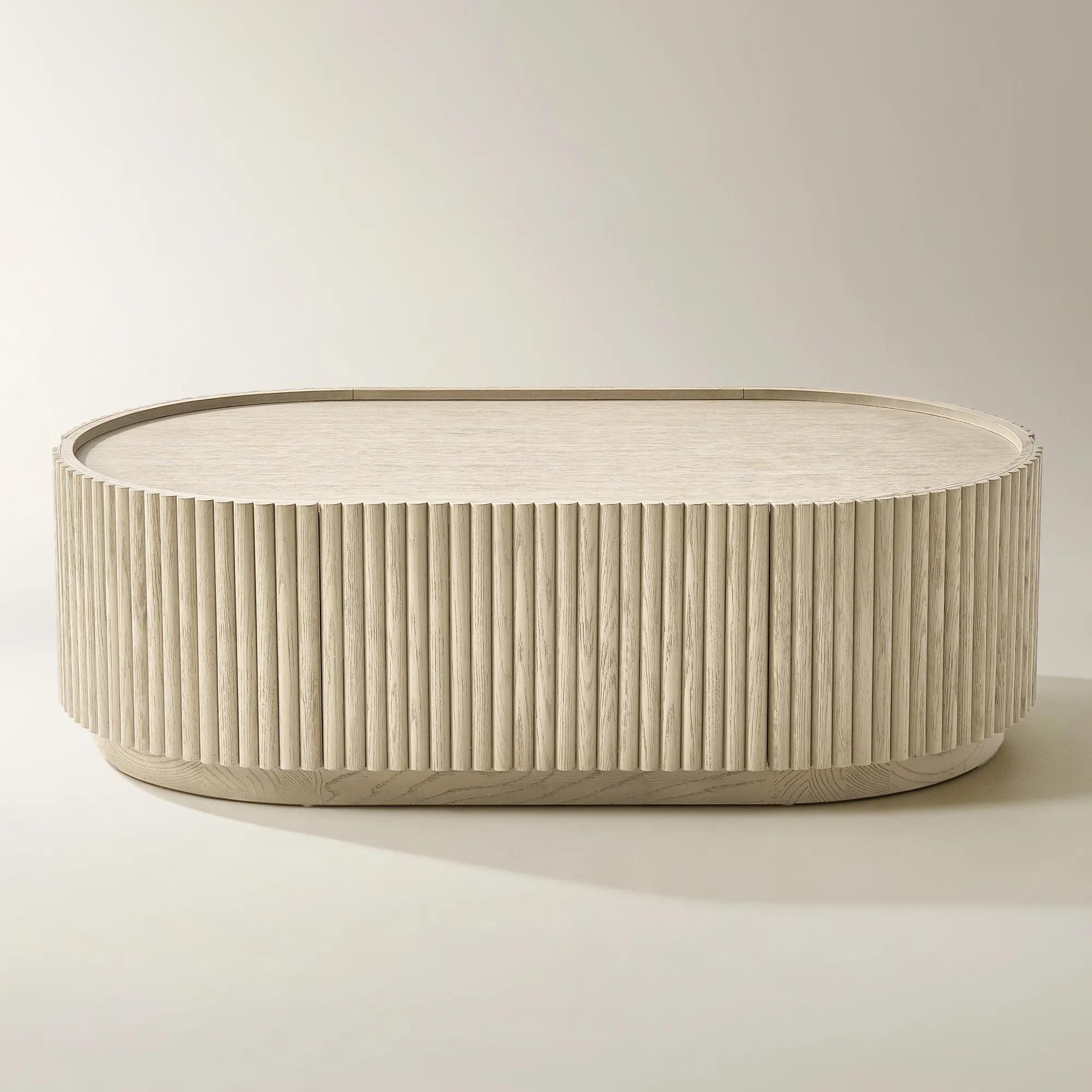
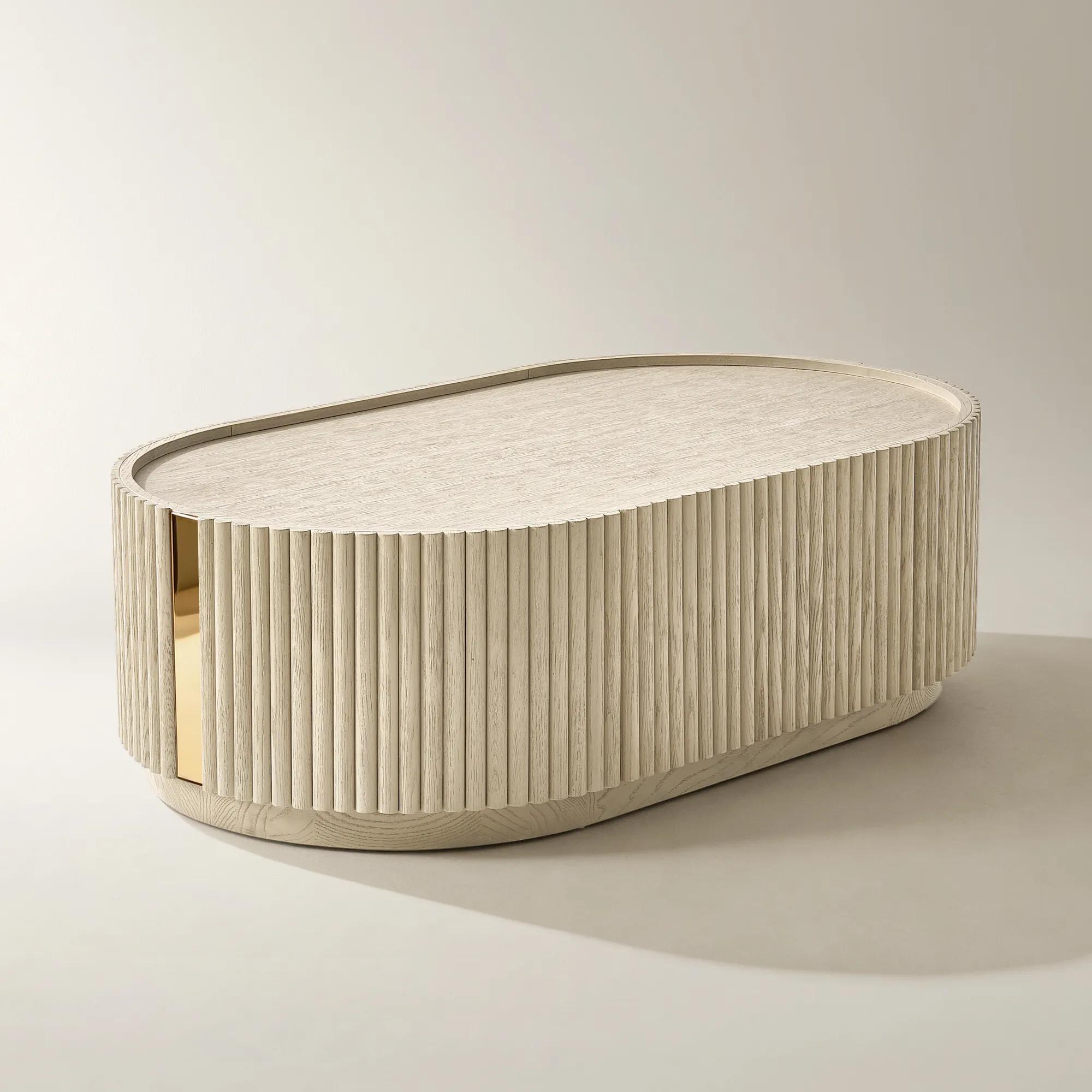 Stria Oval Reeded White Oak Coffee Table with Drawer (52")$1399
A reeded white oak coffee table with soft gold accents, recessed tabletop, and concealed soft-close drawer.
Add To Cart

Living Room Furniture Coffee Tables
Living room furniture coffee tables are more than mere surfaces—they are the stage upon which your style unfolds and conversation sparkles. Each piece is an invitation to gather, a sculptural centerpiece that anchors your seating in artful sophistication. Whether you crave a bold statement or a whisper of glamour, our collection transforms the everyday into something extraordinary, infusing your living space with drama, allure, and undeniable presence. Elevate your home’s heart with coffee tables that inspire, intrigue, and captivate at every glance.
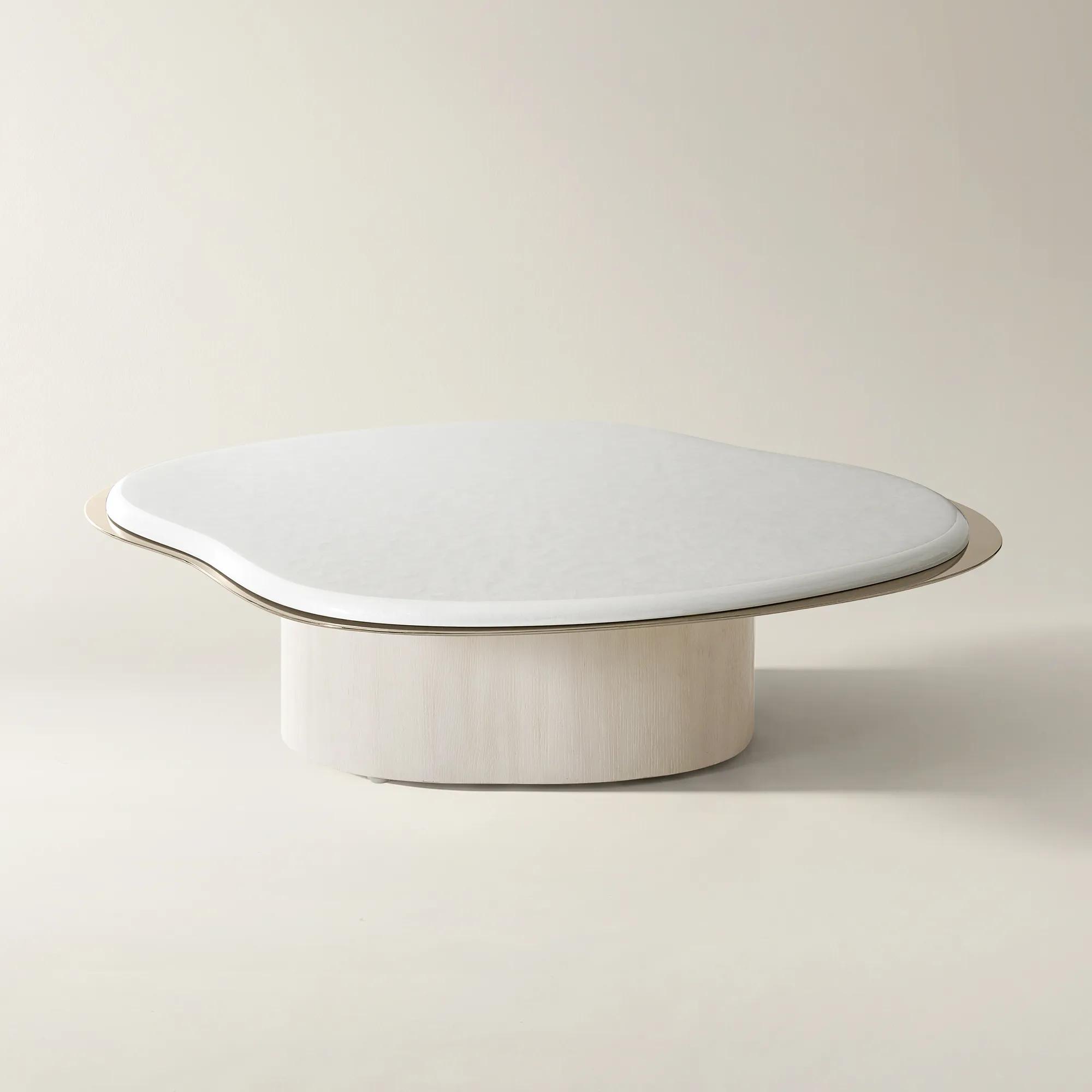
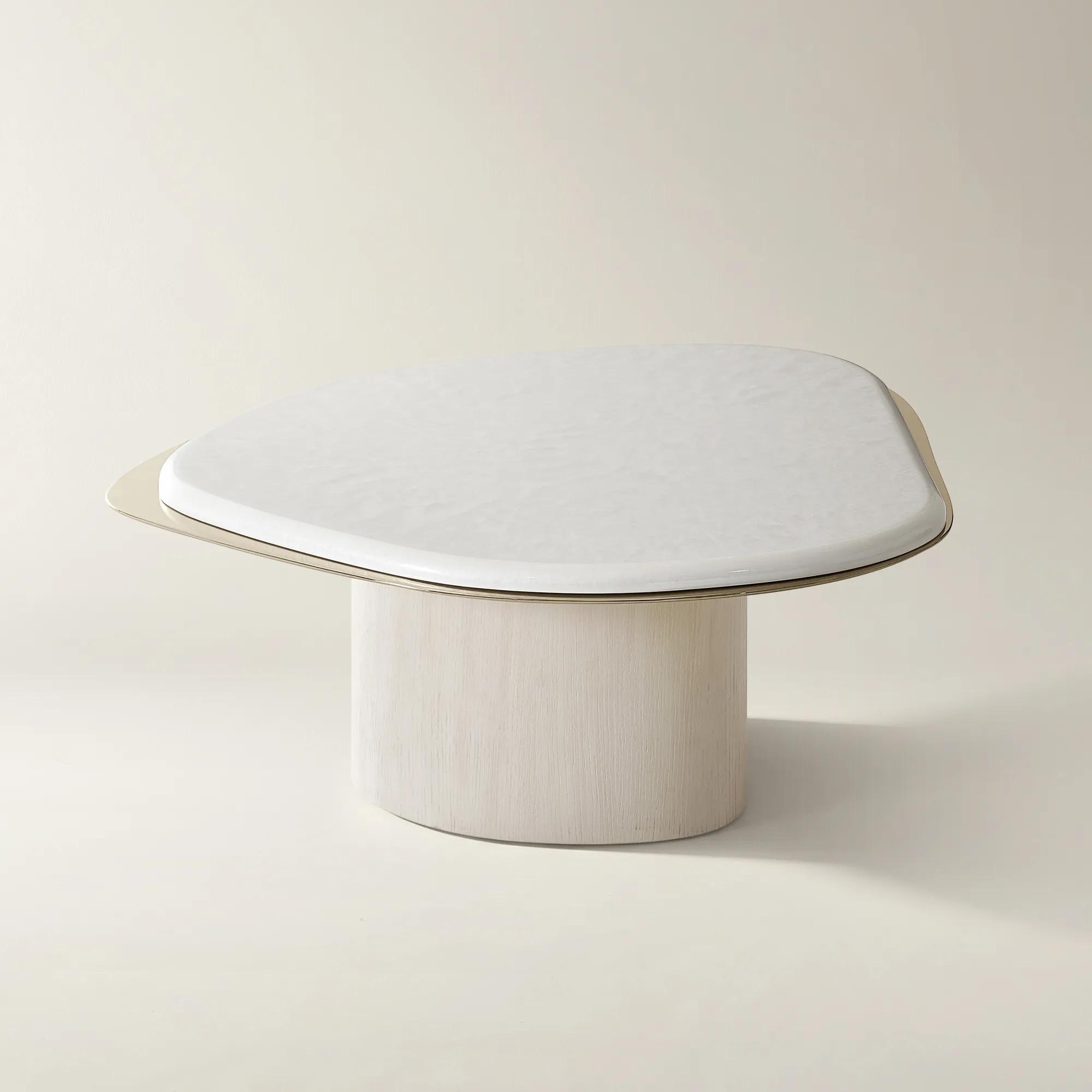
Coffee tables give living room furniture a point of connection: a surface for a sculptural bowl, a place to set a drink, and a visual anchor that draws the seating arrangement together. Their presence can be quietly architectural or richly expressive, depending on the silhouette, proportions, and finish. A broad rectangular coffee table extends the lines of a long sofa, while a round coffee table introduces a softer rhythm among angular chairs and tailored upholstery. Oval coffee tables offer an elongated surface with curved ends that can ease movement through a narrower seating area. Square coffee tables bring balance to generous conversation settings, particularly when seating wraps around two or more sides. For a more expressive focal point, living room centerpiece coffee tables establish a distinctive silhouette that can carry the composition even with minimal styling. Scale determines whether that statement feels composed or crowded. A useful starting point is a table approximately one-half to two-thirds the length of the sofa, with the tabletop close to the seat height or about one to two inches lower. Leaving roughly 14 to 18 inches between the table and nearby seating generally keeps refreshments within reach while preserving room for legs; the best spacing depends on seat depth and how people move through the room. Main walking routes usually need more clearance than the space directly in front of a sofa. In a compact apartment, a clear glass surface or open metal base can preserve sightlines, while a substantial pedestal or block form gives a larger room an assured center of gravity. With a sectional, the usable opening inside the seating arrangement matters more than the sofa’s full outside dimensions. A round or square table can sit comfortably within that opening without extending awkwardly beyond the chaise. Measuring the footprint on the floor before choosing a shape helps translate an appealing silhouette into a room that feels as graceful to use as it looks.
Material brings another layer of expression to modern coffee tables, influencing both their visual character and the attention they require. Glass coffee tables allow a patterned rug, sculptural base, or richly textured upholstery to remain visible, lending depth without adding visual weight. Clear glass feels crisp and luminous; tinted or smoked glass creates a moodier effect. Tempered glass is designed to break differently from standard glass, but it is not unbreakable, and edges still deserve protection from hard impacts. Metal frames can introduce slender architectural lines or a more substantial sculptural presence, with polished finishes catching light and brushed surfaces offering a softer gleam. Because plated, painted, and other decorative metal finishes respond differently to cleaning products, manufacturer care instructions are essential. Wood coffee tables add grain, warmth, and tonal variation that can temper a room filled with reflective surfaces. Solid wood can develop character over time, though movement with humidity is natural; wood veneer can achieve a beautifully consistent surface while still requiring protection from moisture, heat, and scratches. Neither construction alone determines quality or longevity. Joinery, edge detailing, finish, and intended use all contribute to how a table performs. Marble and other natural stone coffee tables bring distinctive veining and a substantial presence, with variations that make each surface visually individual. Marble can etch when exposed to acidic drinks and may stain if spills linger, so coasters and prompt attention matter even when a surface has been sealed. Stone tables can also be heavy, making placement and floor protection worth considering before rearranging a room. Mirrored surfaces amplify nearby light and decorative objects, creating an especially dramatic interplay with plush upholstery, though fingerprints and abrasive contact can diminish their clarity. Across materials, durability is best understood in relation to the household: a pristine reflective finish asks for different daily habits than a textured wood surface, and every finish benefits from thoughtful handling.
The most satisfying living room coffee tables support the way the room is actually used, whether that means intimate conversation, relaxed reading, or serving small refreshments when guests gather. A lower shelf can keep art books close without covering the main surface, while drawers or enclosed compartments conceal remotes, charging cords, and other everyday essentials. Open storage feels lighter but leaves its contents visible, making a few deliberately arranged objects more effective than a crowded shelf. Lift-top coffee tables can bring a surface closer for occasional laptop use or casual dining; their usefulness depends on the raised height, knee clearance, mechanism, and the manufacturer’s stated weight limits. The lift path also needs enough space to operate without striking nearby furniture or decorative objects. Nesting coffee tables offer another approach to flexibility, with smaller surfaces that can be separated for guests and gathered again when the room returns to its usual arrangement. In homes with children or frequent activity, rounded edges, a stable base, and secure construction deserve attention alongside appearance. A coffee table should not be treated as extra seating unless it is expressly designed for that purpose. Everyday care can remain simple when it suits the material: use coasters beneath glasses, place a protective layer under objects with rough undersides, lift rather than drag decorative pieces, and blot spills promptly. Soft cloths and manufacturer-approved cleaners help preserve finishes; abrasive pads and harsh chemicals can leave lasting marks. Styling works best when beauty and utility share the surface. A generous tray can gather a candle and a small decorative object, leaving open space for a guest’s glass. A low arrangement preserves conversation across the table, while a stack of oversized books introduces color and a pleasing change in height. Against a sumptuous sofa, a sleek table can sharpen the room’s outline; beside streamlined seating, a richly veined or sculptural design can supply the drama. The result is a living room with a deliberate center—expressive enough to command attention, yet considered enough to welcome everyday life.
FAQs
Luxury coffee tables often showcase a captivating mix of materials such as marble, tempered glass, polished metals, and richly grained woods. These elements are chosen not only for their durability but for their ability to evoke sophistication and artistry, transforming a functional piece into a striking focal point.
A coffee table acts as the visual anchor of your living room, setting the tone for the entire space. Whether it gleams with a mirror finish, boasts sculptural lines, or offers intricate textures, it infuses the room with personality and drama, inviting conversation and elevating every gathering.
A coffee table makes a thoughtful and memorable gift for housewarmings, weddings, or milestone celebrations. Its presence in the heart of the home serves as a daily reminder of both style and sentiment, offering the recipient a canvas to express their unique taste.
Styling a coffee table is an art that balances form and function. Layer decorative trays, art books, candles, and sculptural accents to create visual interest. Fresh florals or a striking vase add a touch of life, while personal mementos make the setting feel curated and welcoming.
Absolutely. Pairing your coffee table with complementary pieces such as end tables or accent chairs creates a harmonious and intentional design. Coordinating finishes, textures, or shapes can tie the room together, making your living space feel thoughtfully composed and elevated.