Stylish Living Room Tables
Stylish Living Room Tables
-
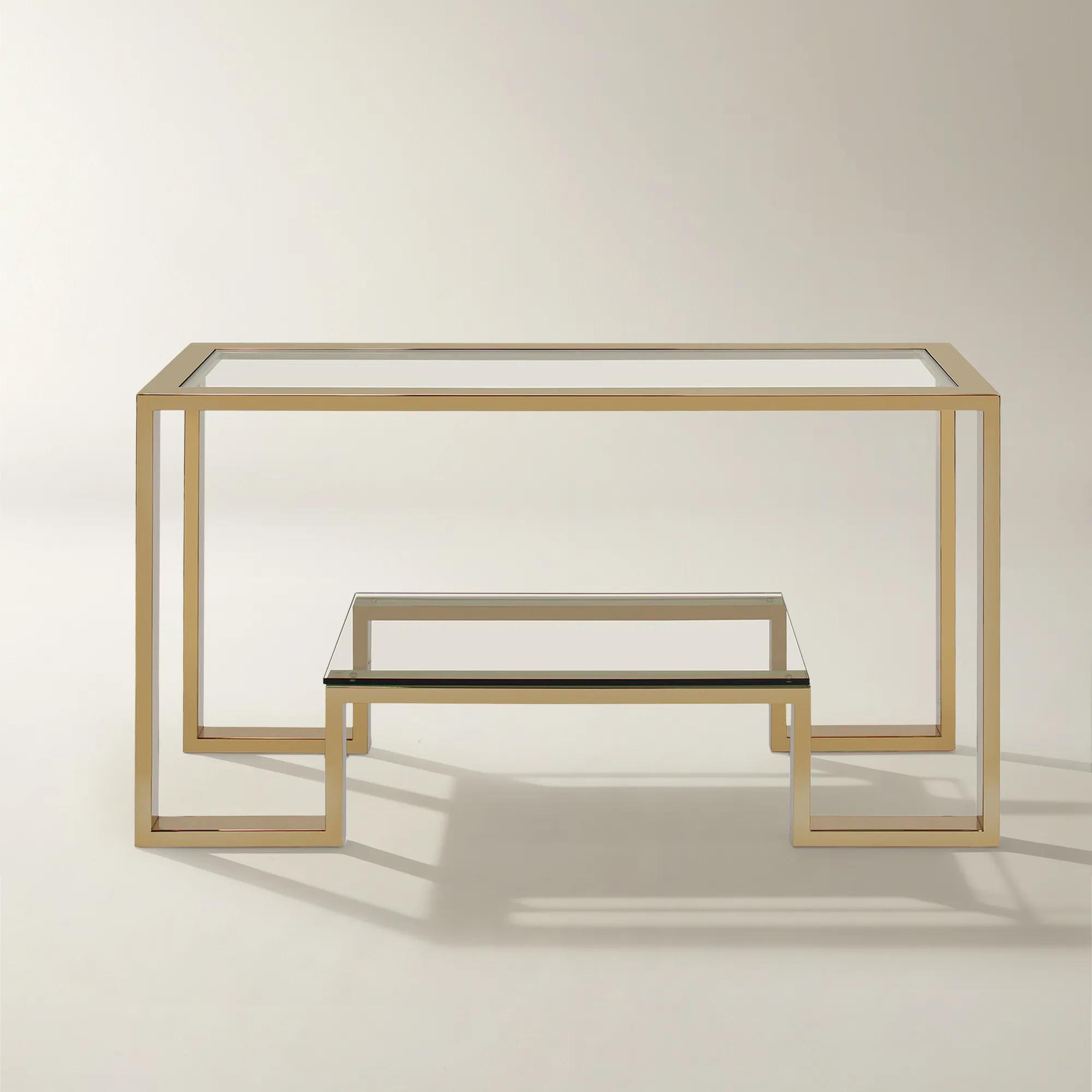
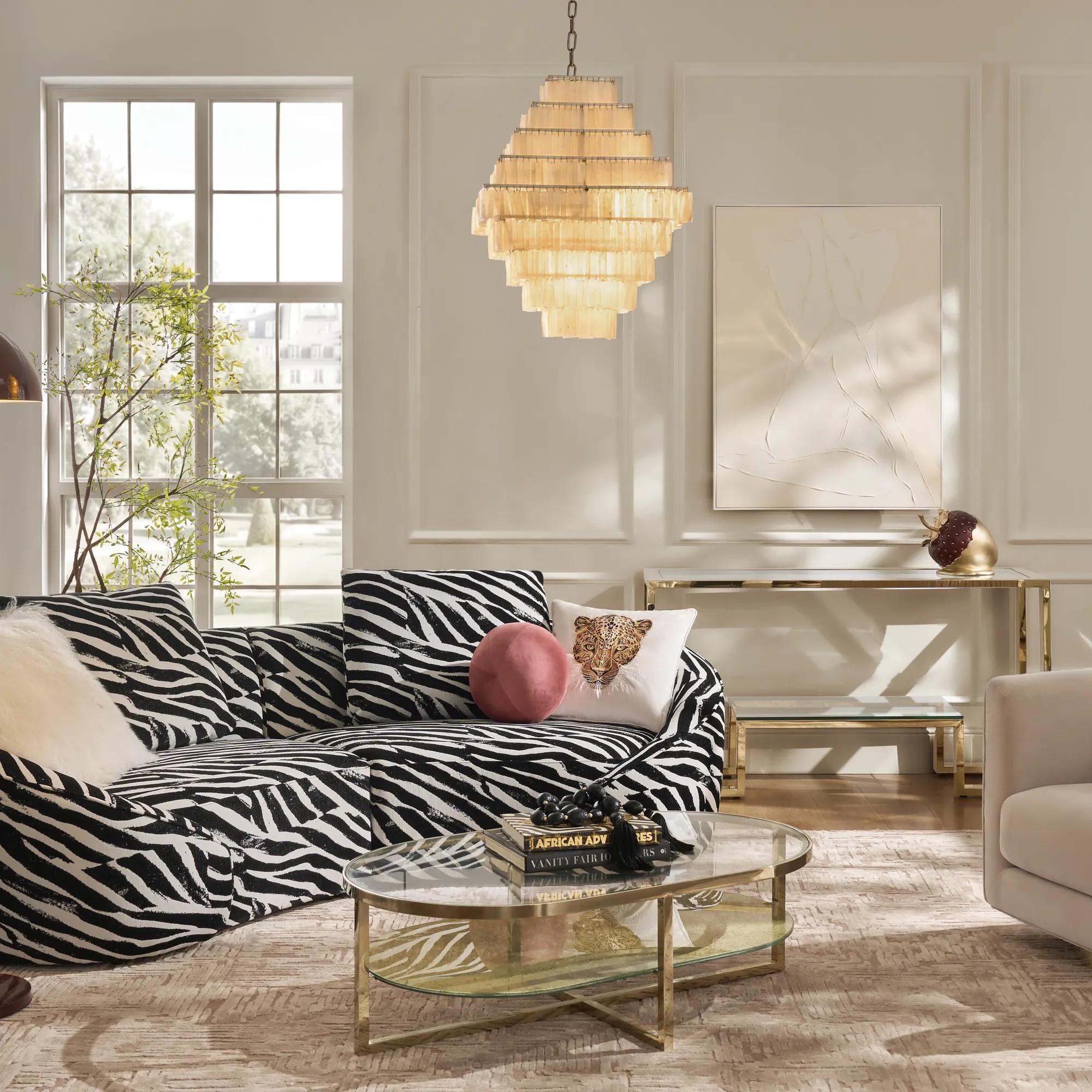 Duplicity Rectangular Gold Stainless Steel Console Table With Glass Top (59")$1399
A modern console table crafted from stainless steel and tempered glass with a floating bottom shelf.
Add To Cart -
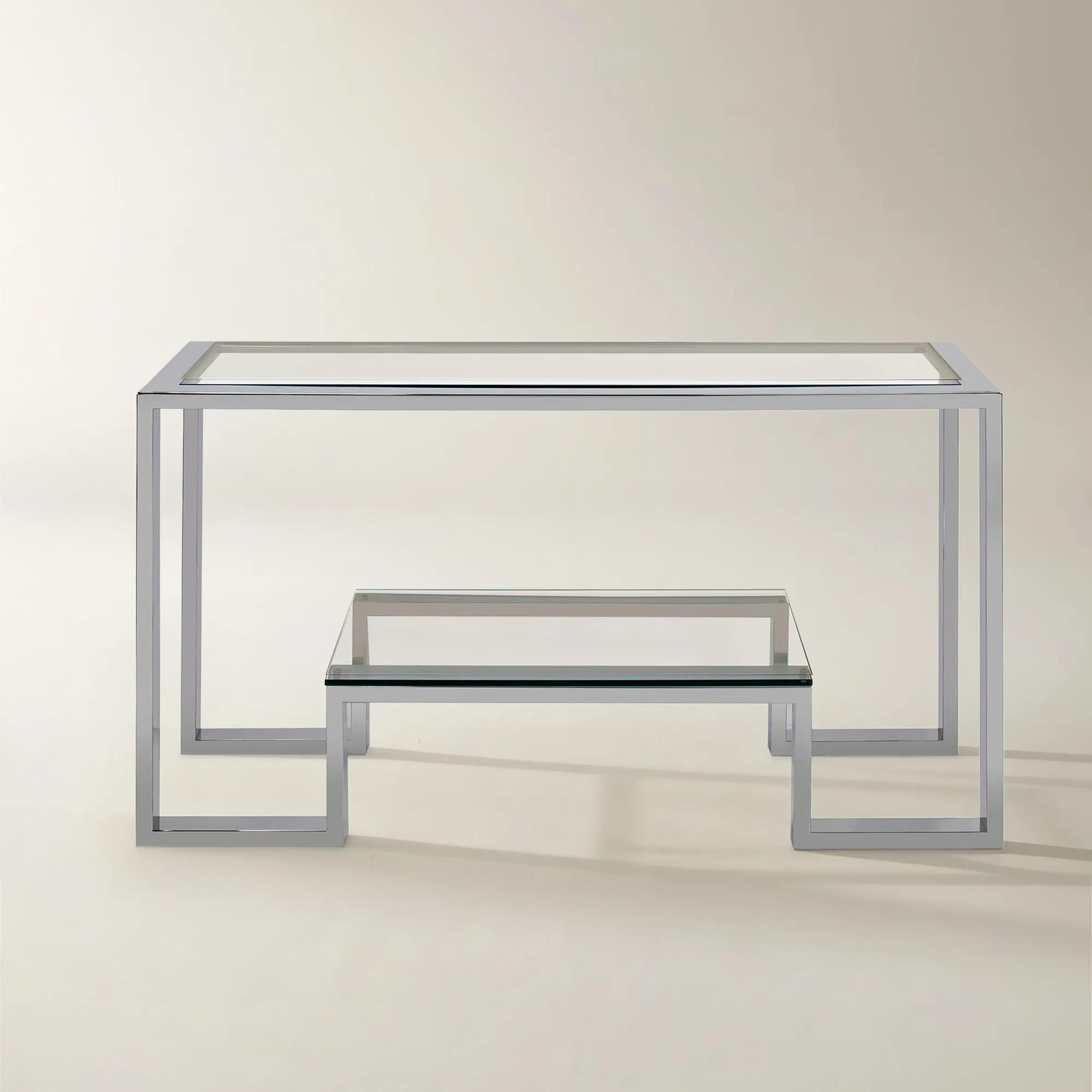
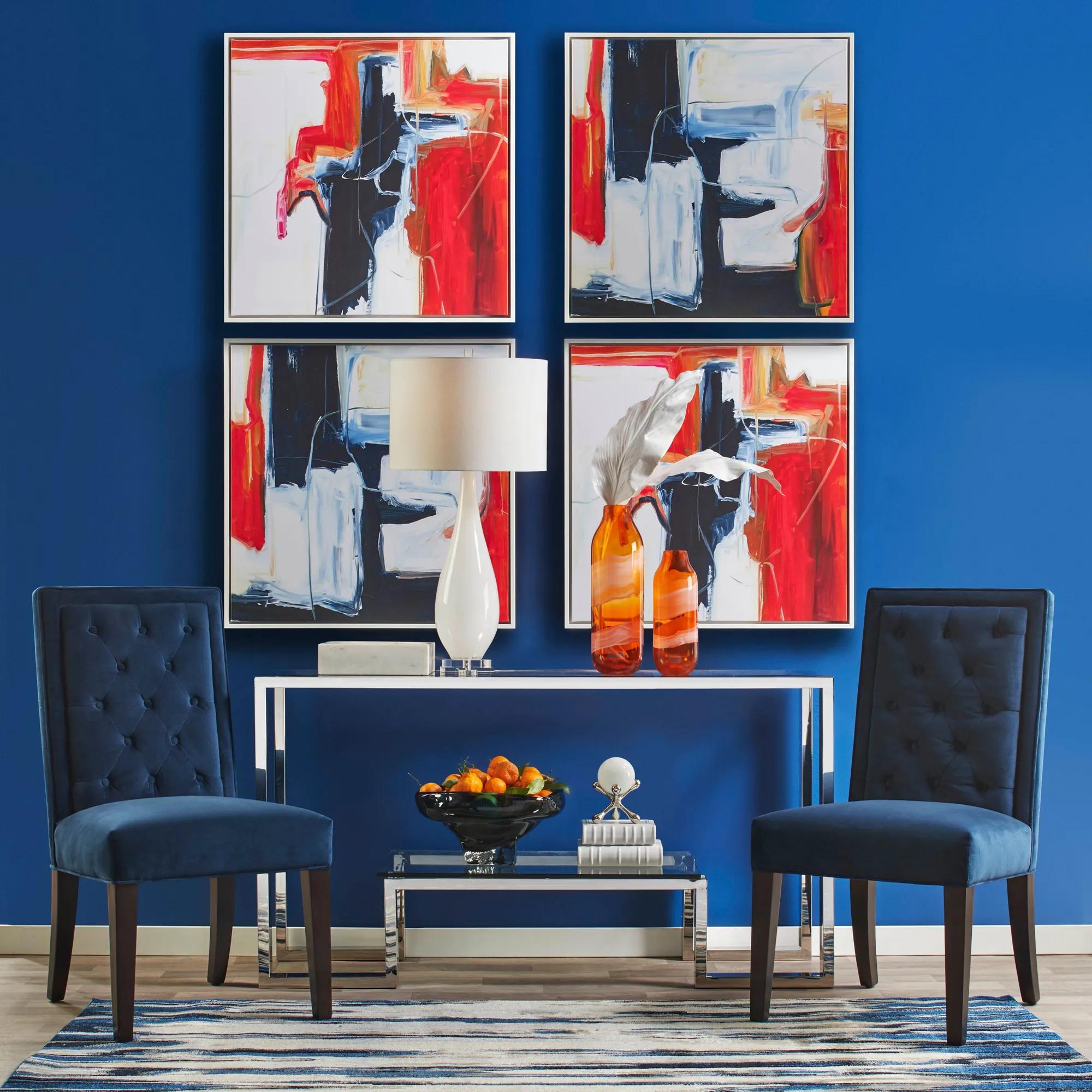 Duplicity Rectangular Silver Stainless Steel Console Table With Glass Top (59")$1399
A modern console table crafted from stainless steel and tempered glass with a floating bottom shelf.
Add To Cart -
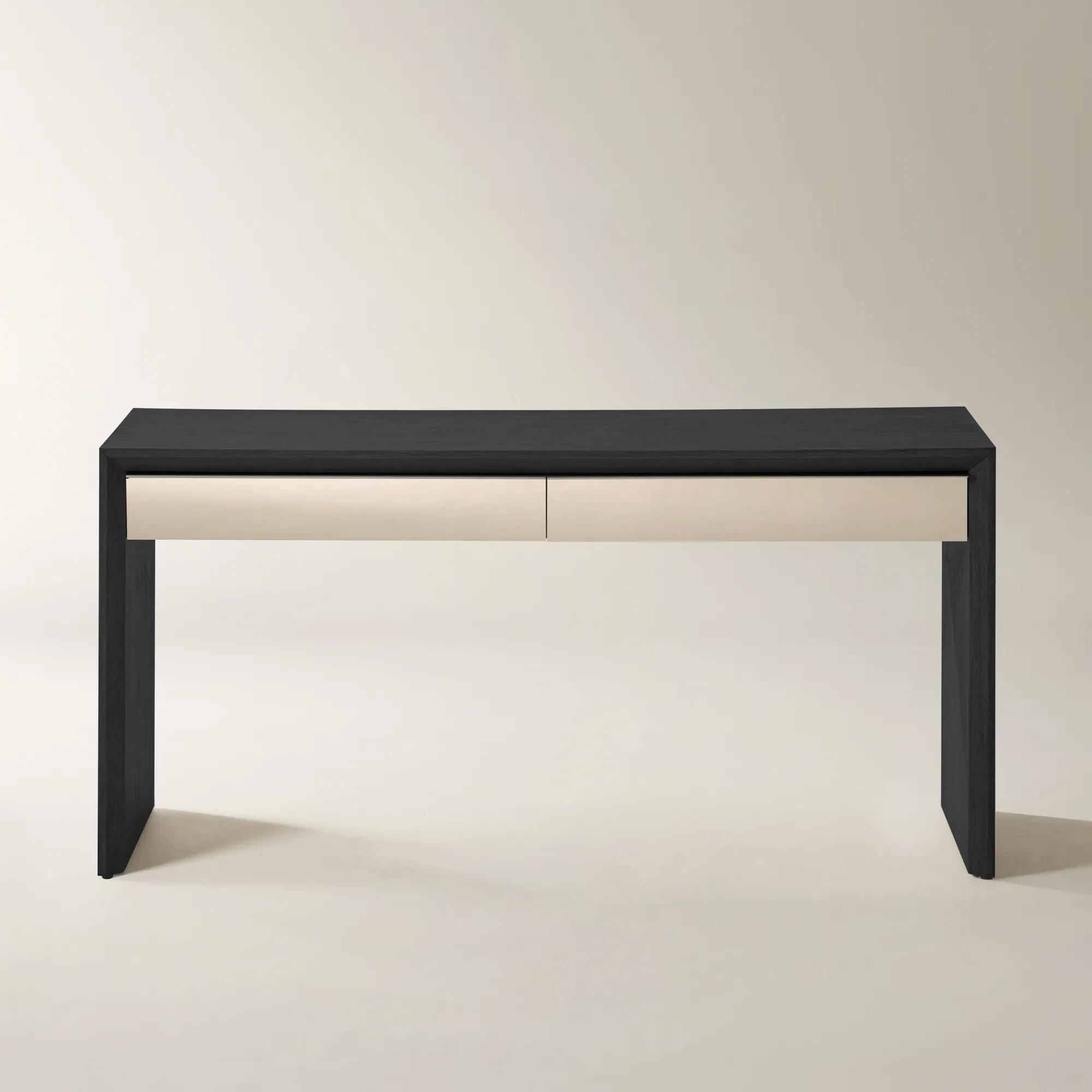
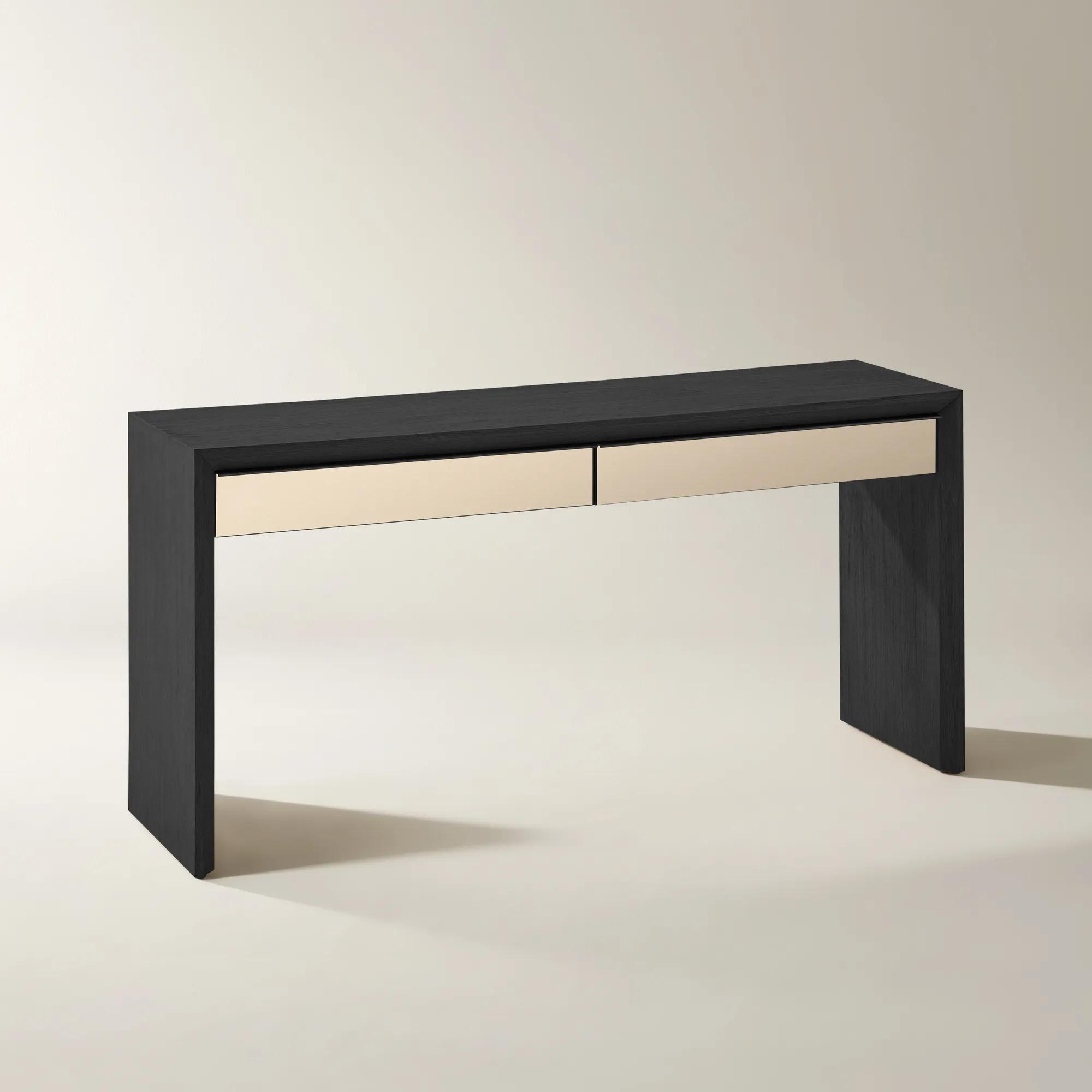 Glimmer Mirrored 2-Drawer Black Oak Console Table (62")$1299
A modern console table featuring black oak veneer, bronze mirrored drawer fronts, and soft-close velvet-lined drawers.
Add To Cart -
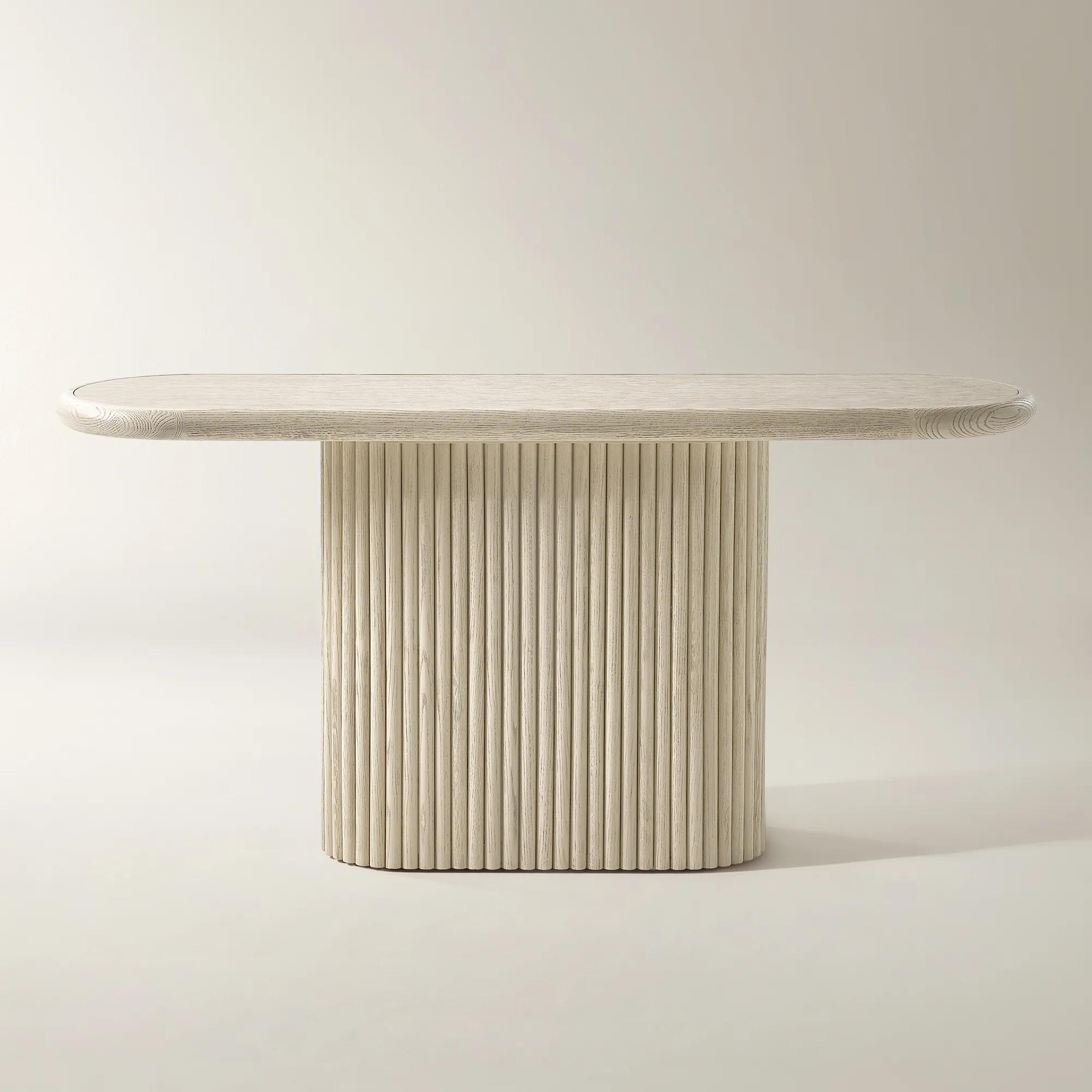
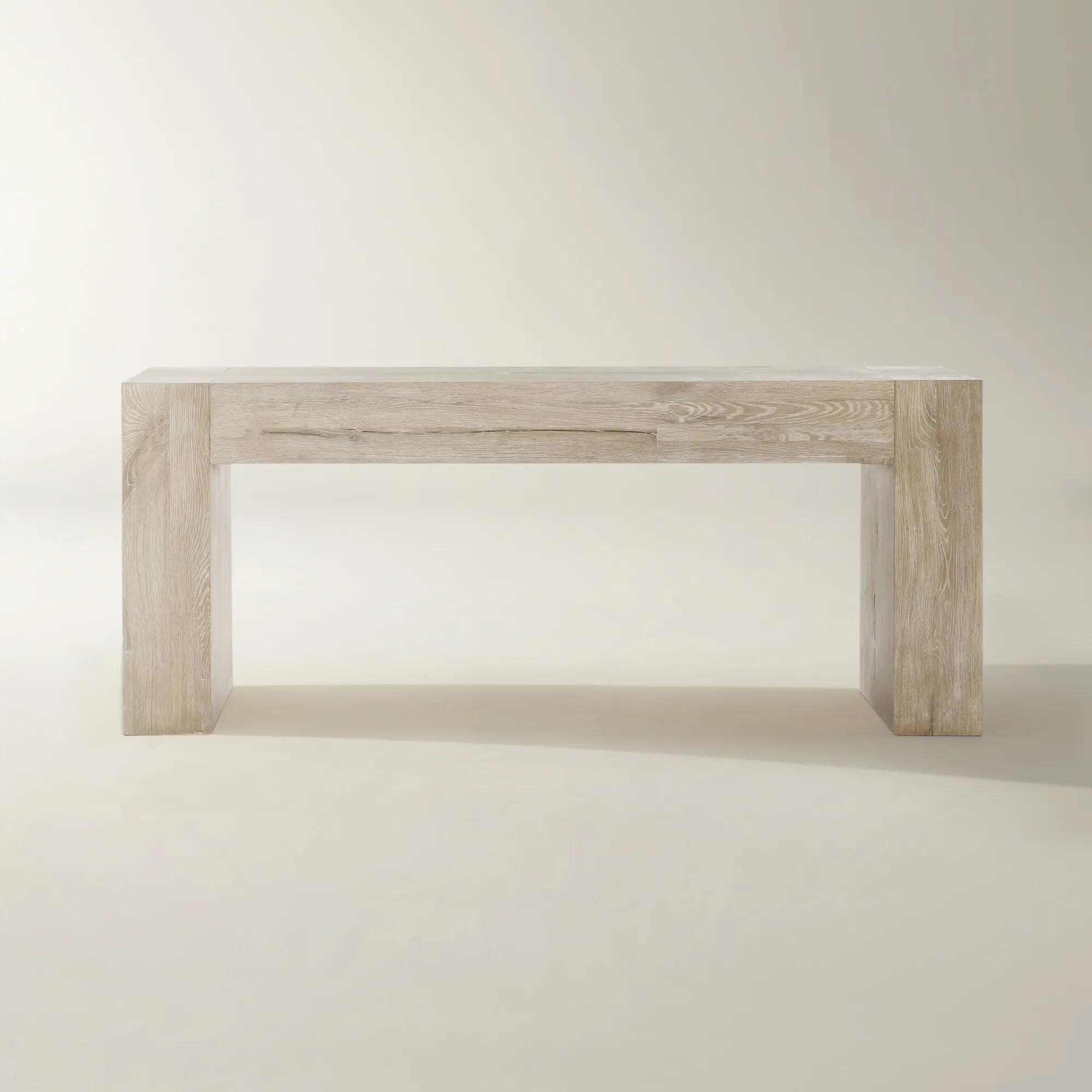
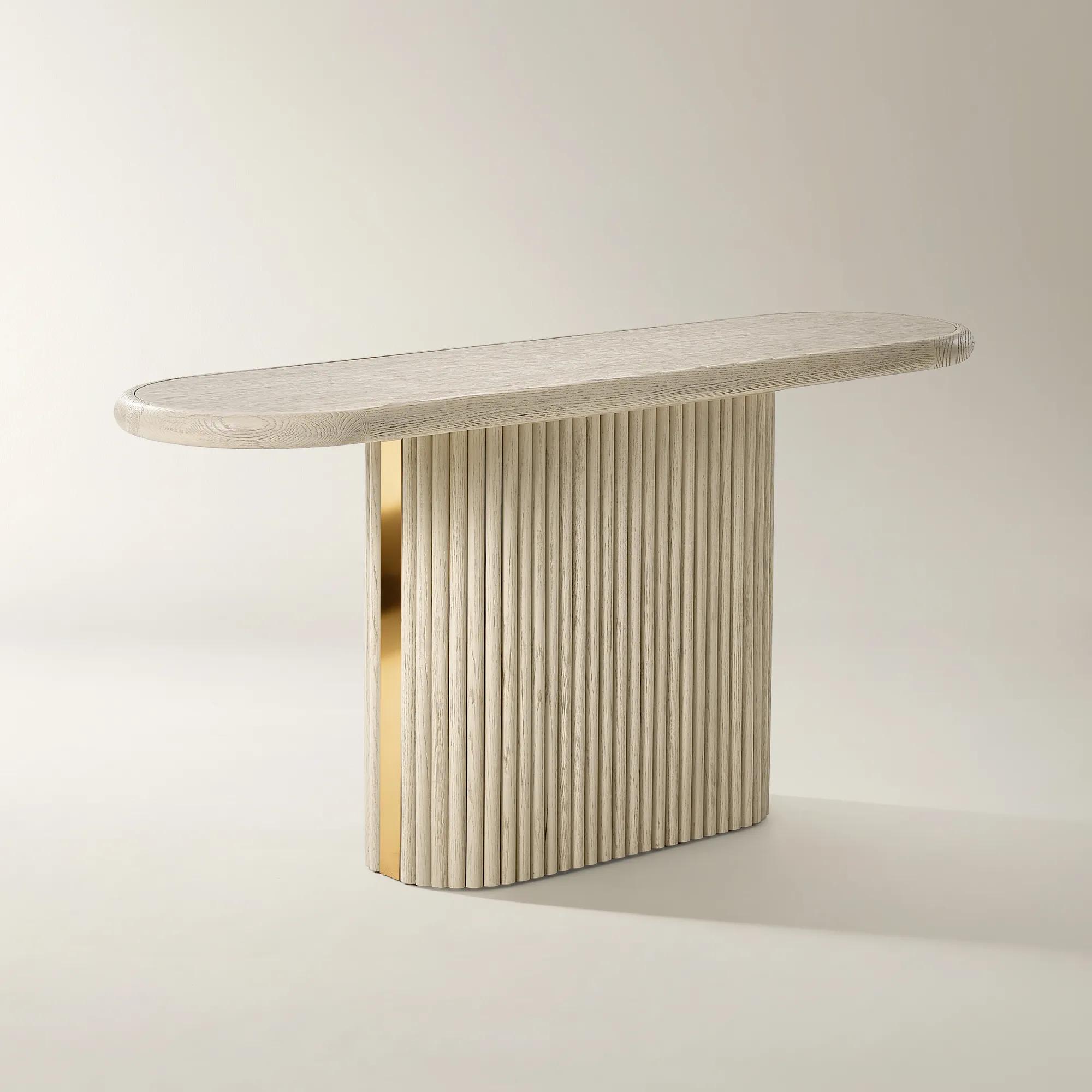 Stria Oval Reeded White Oak Console Table (63")$1399
A sculptural console table featuring reeded white oak, soft gold metal trim, and an architectural pedestal base.
Add To Cart -
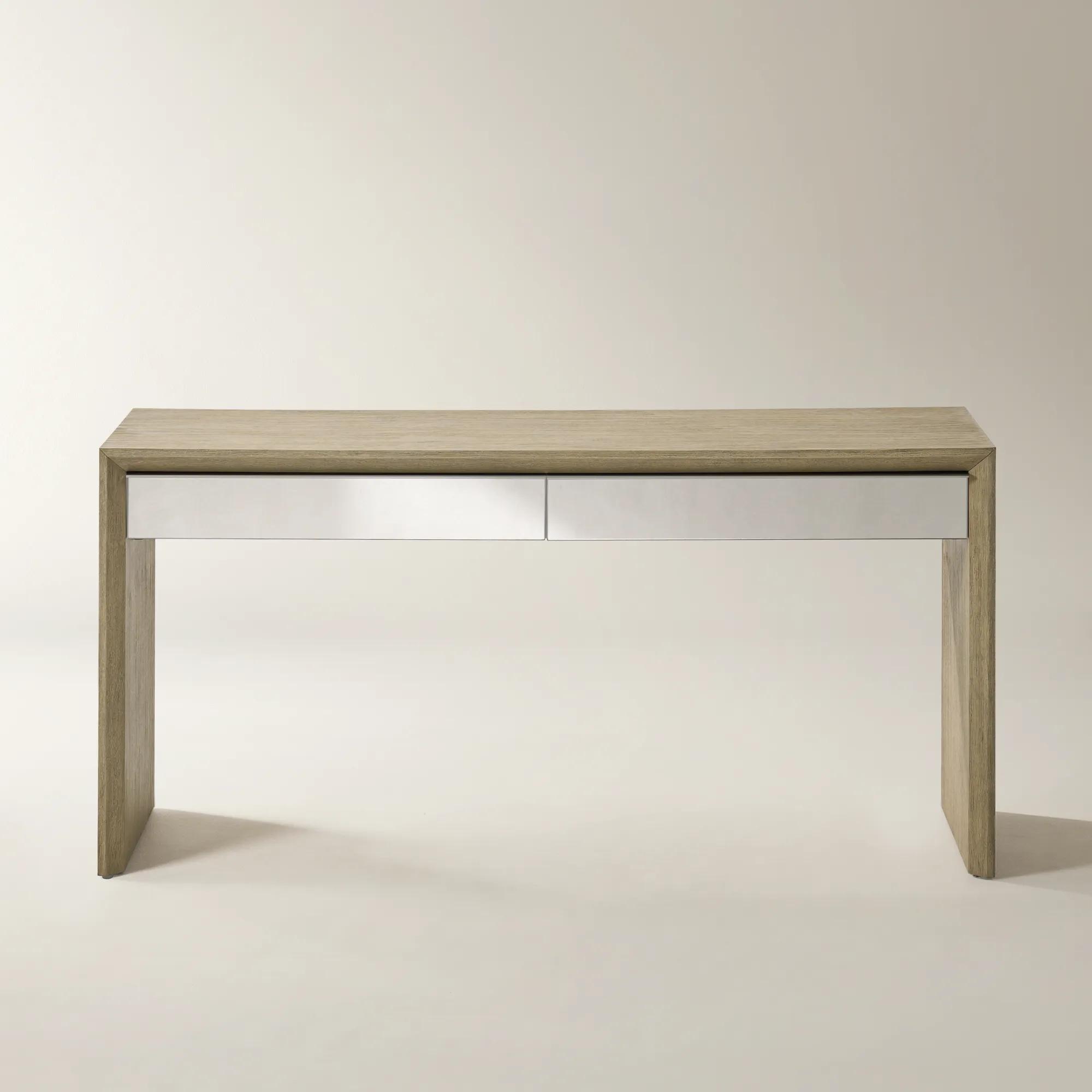 Glimmer Mirrored 2-Drawer Sea Drift Oak Console Table (62")$1299
A two-tone console table featuring warm oak veneer, antique mirrored drawers, and soft-close velvet-lined storage.
Add To Cart -
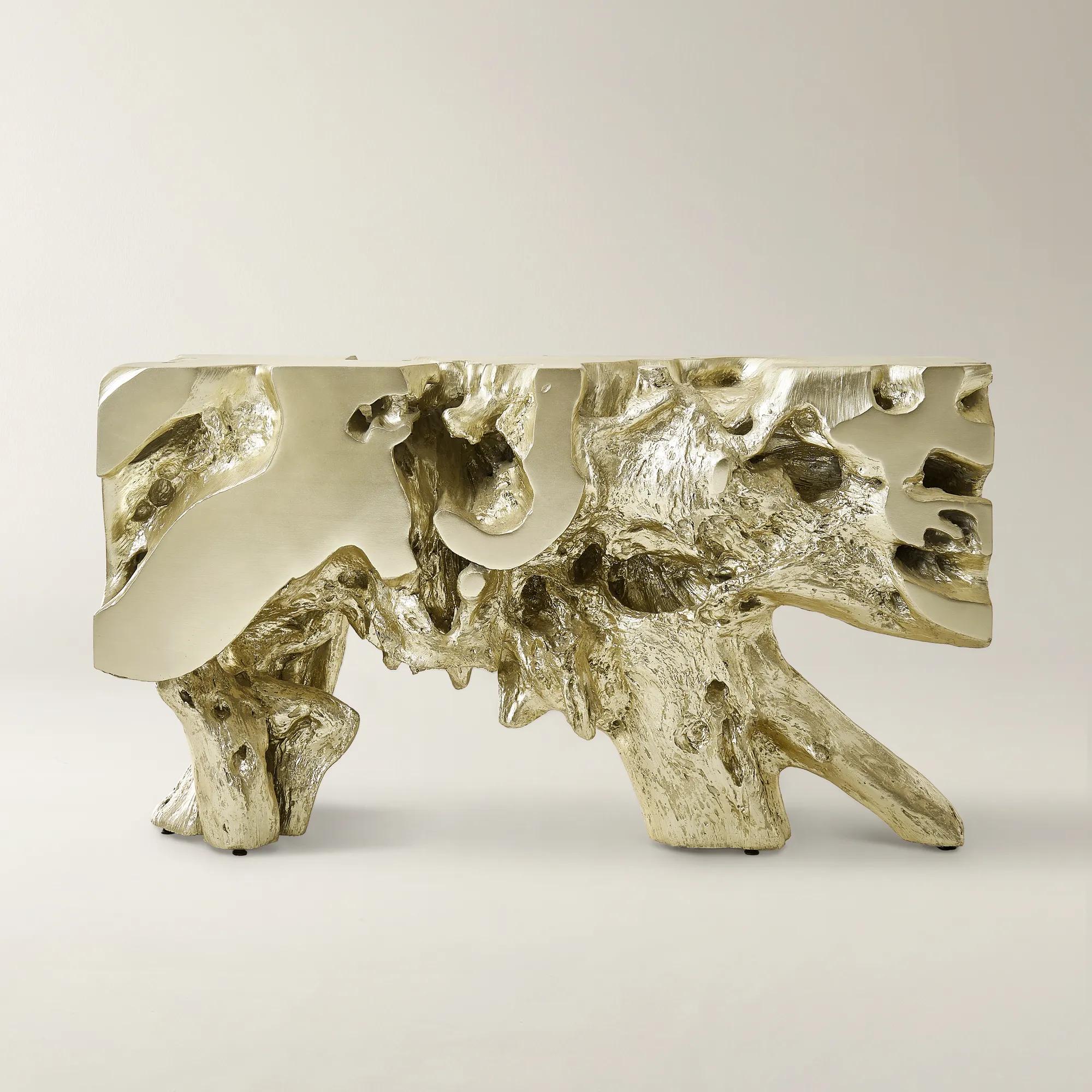 Sequoia Champagne Gold Resin Console Table (58")$1999
A sculptural resin console table finished in luminous champagne gold leaf with organic, root-inspired texture.
Add To Cart -
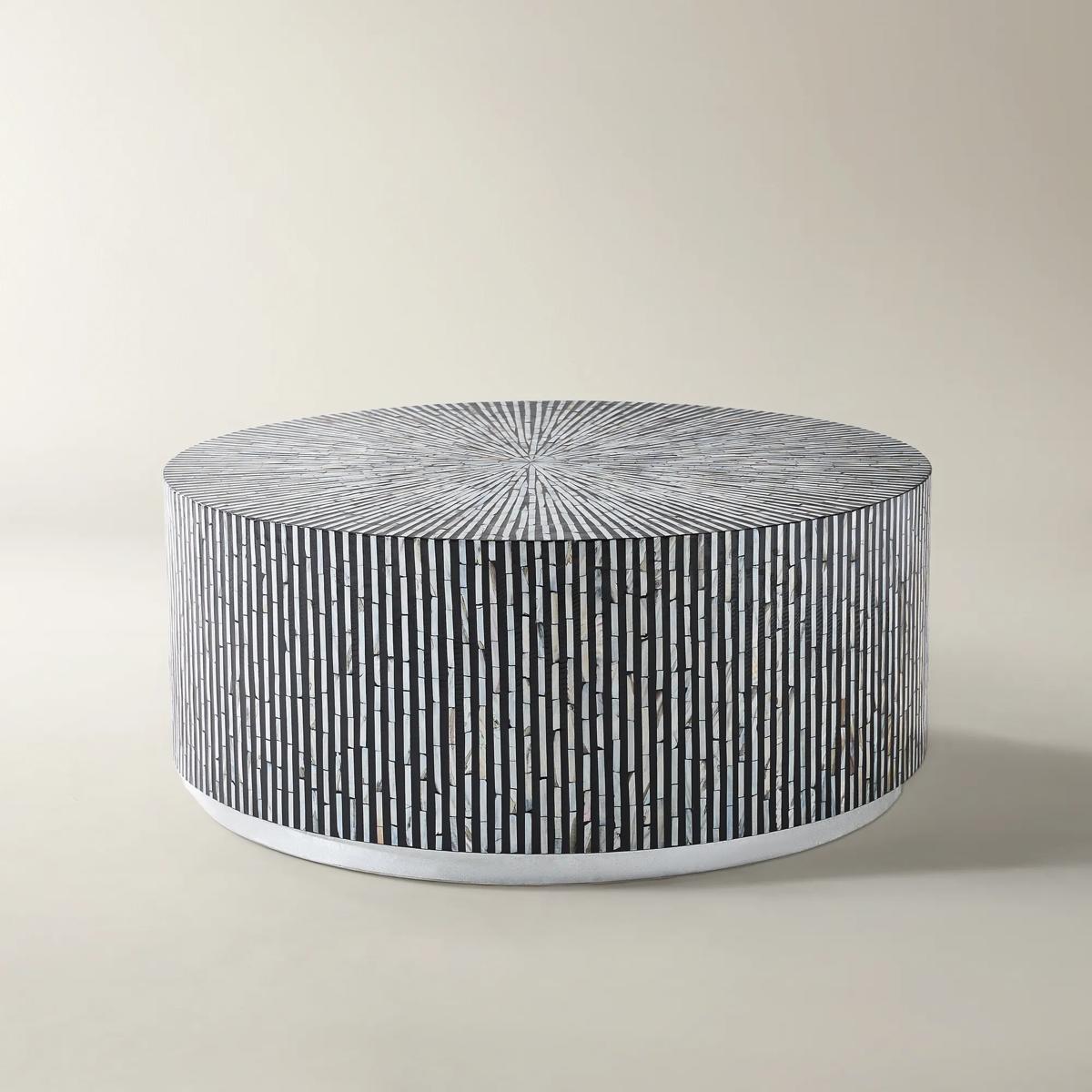
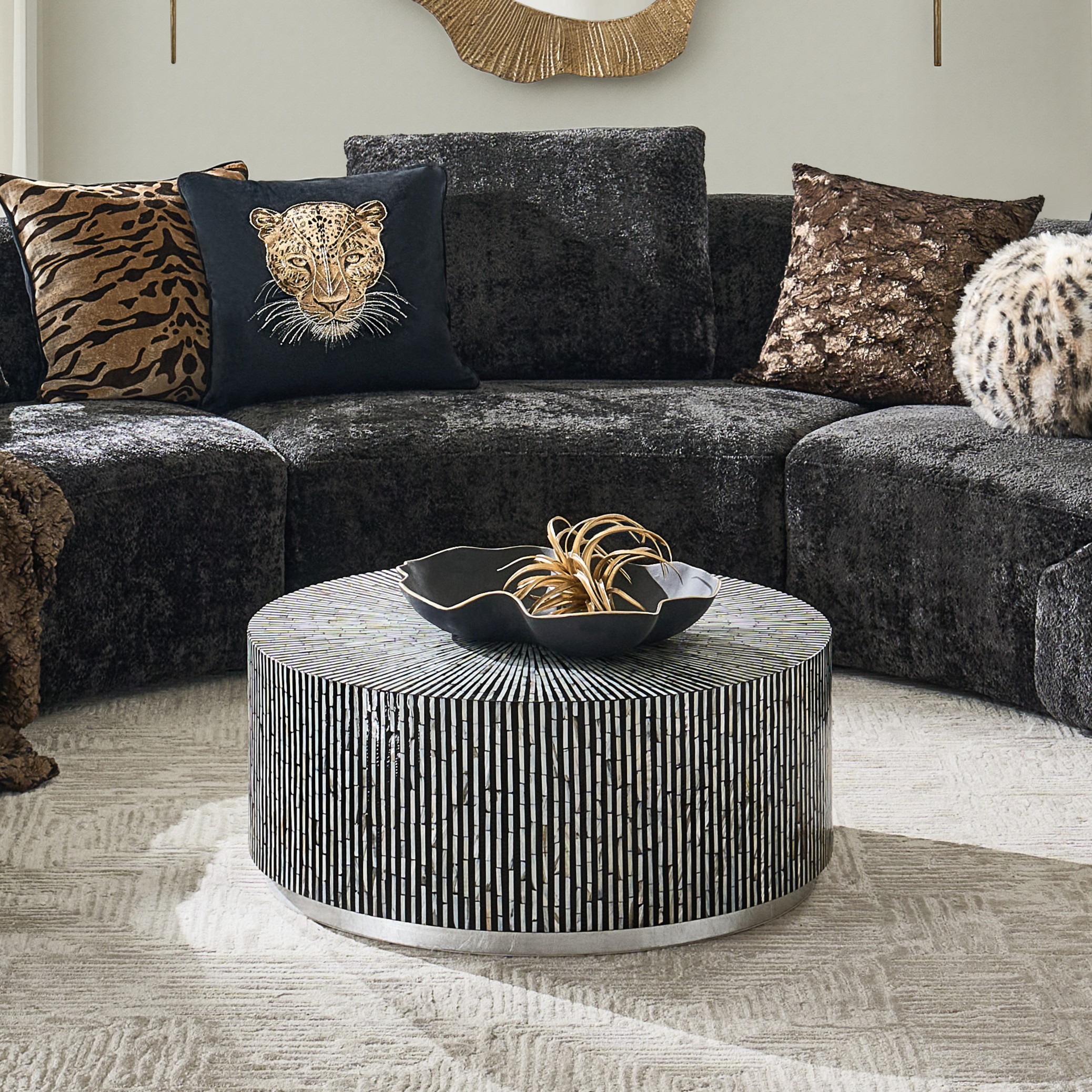 Marina Round Mosaic Black Coffee Table (35.8")$799
A handcrafted round coffee table featuring iridescent mother-of-pearl inlay and a silver leaf base.
Add To Cart -
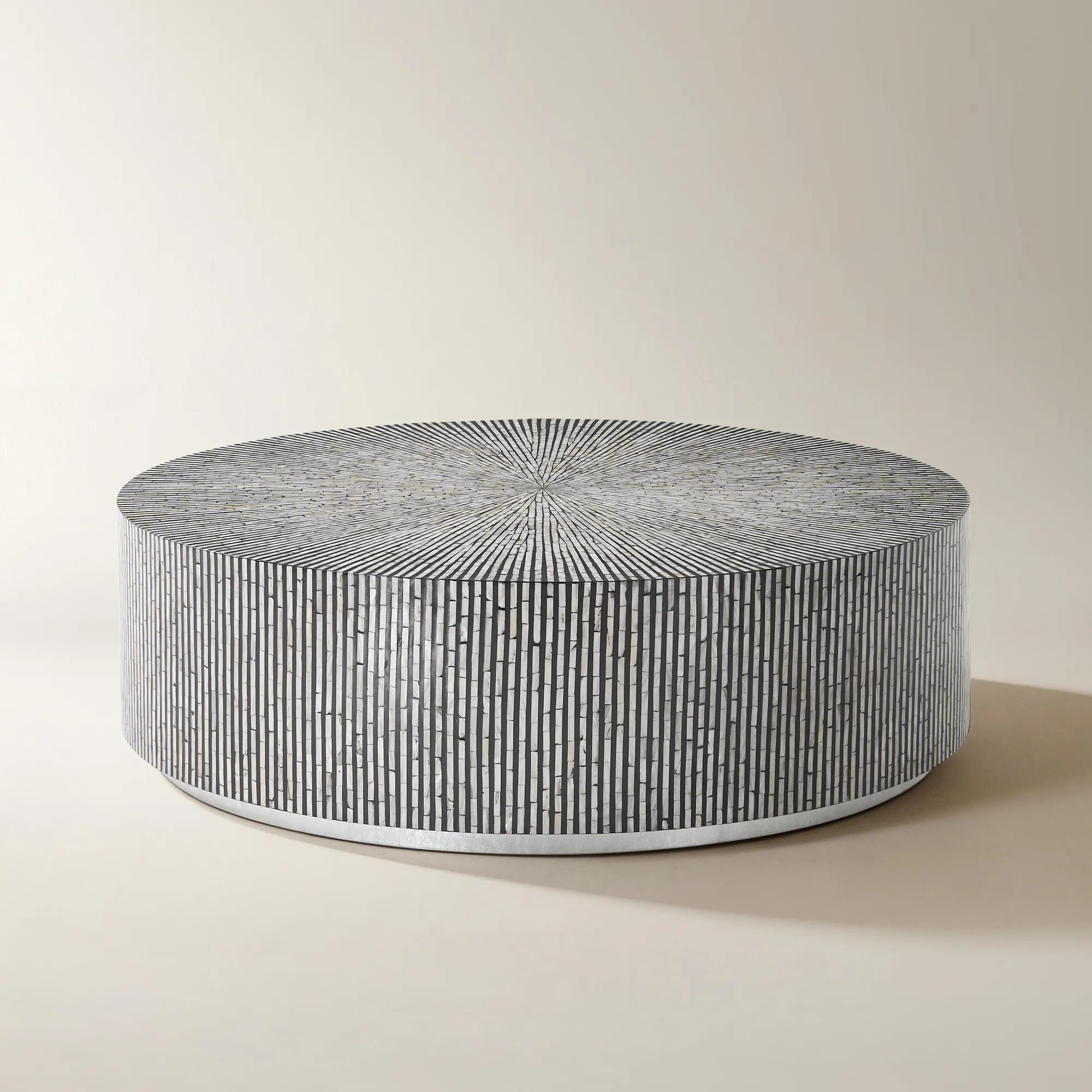
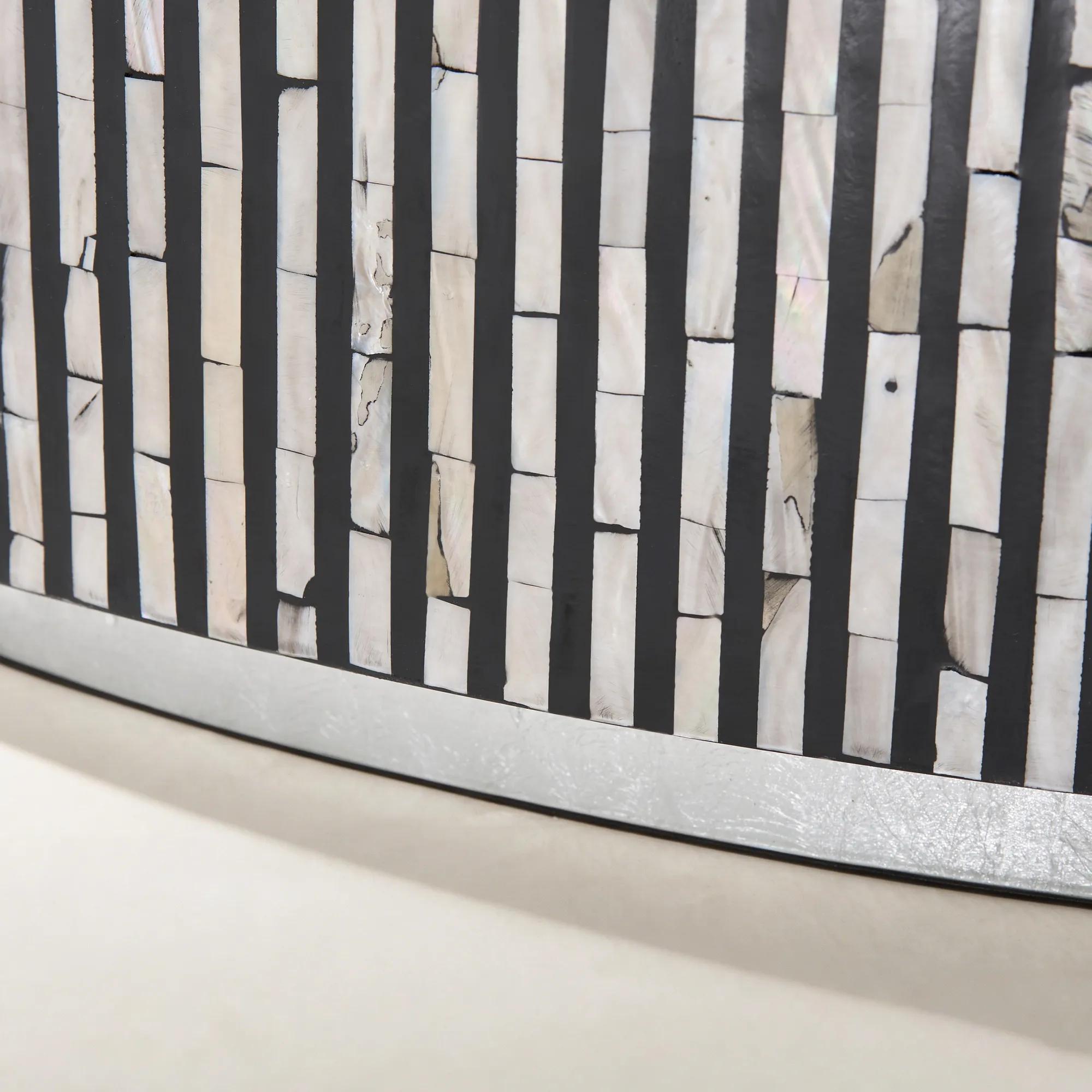 Marina Round Mosaic Black Coffee Table (52")$1399
A sculptural black coffee table featuring hand-applied mother-of-pearl mosaic and a silver leaf base.
Add To Cart -
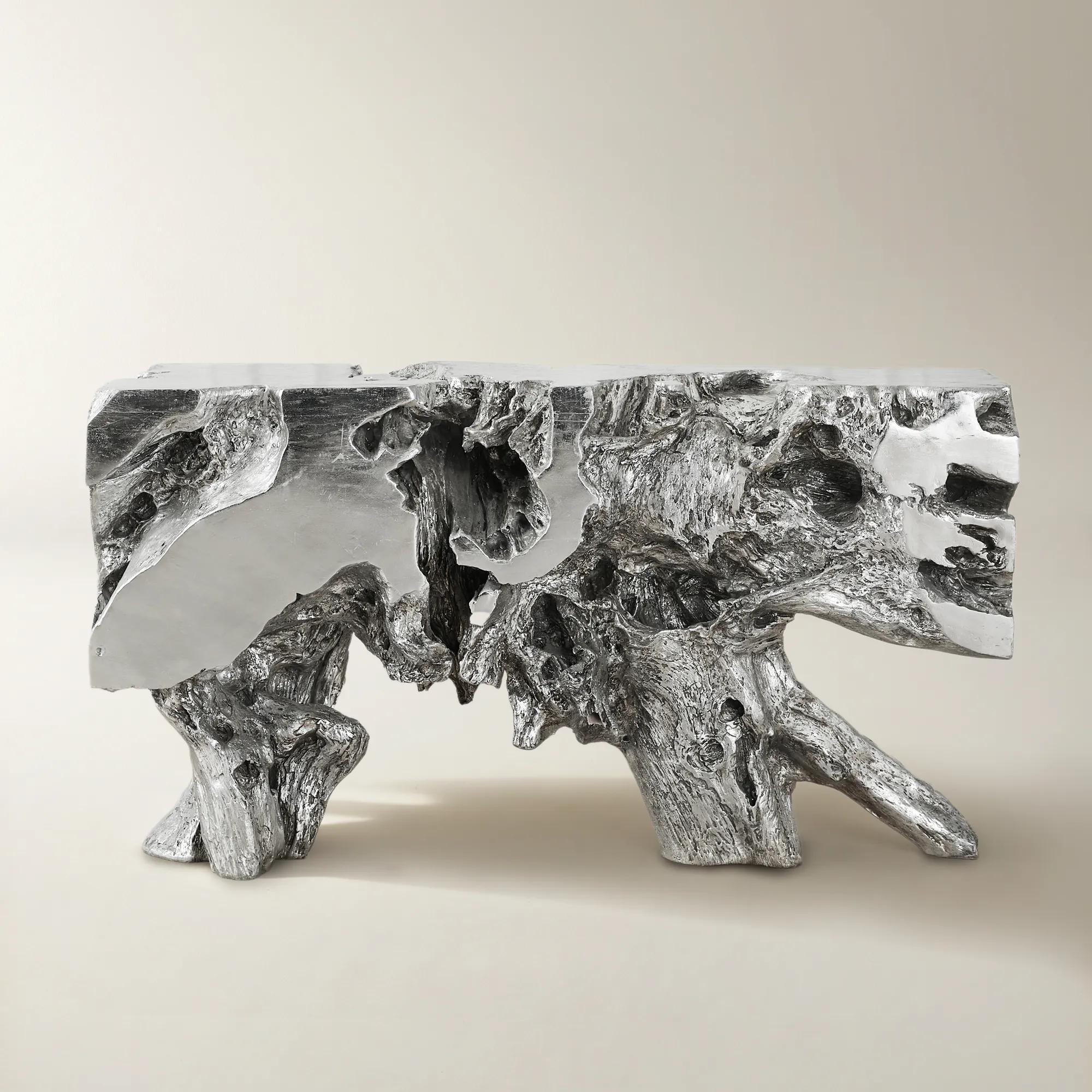
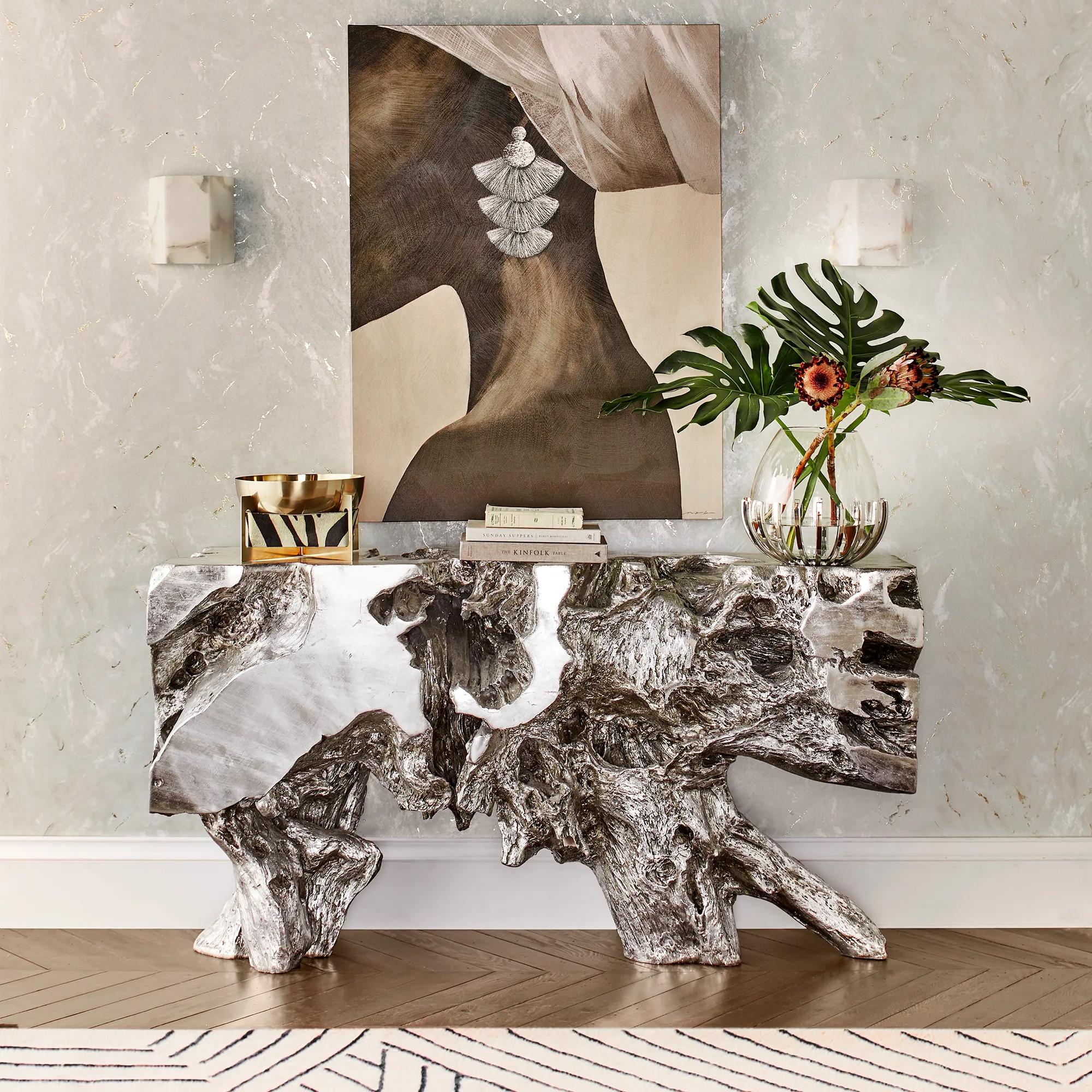 Sequoia Silver Resin Console Table (58")$1999
A sculptural console table featuring hand-applied silver leaf over resin and fiberglass with an iron core.
Add To Cart -
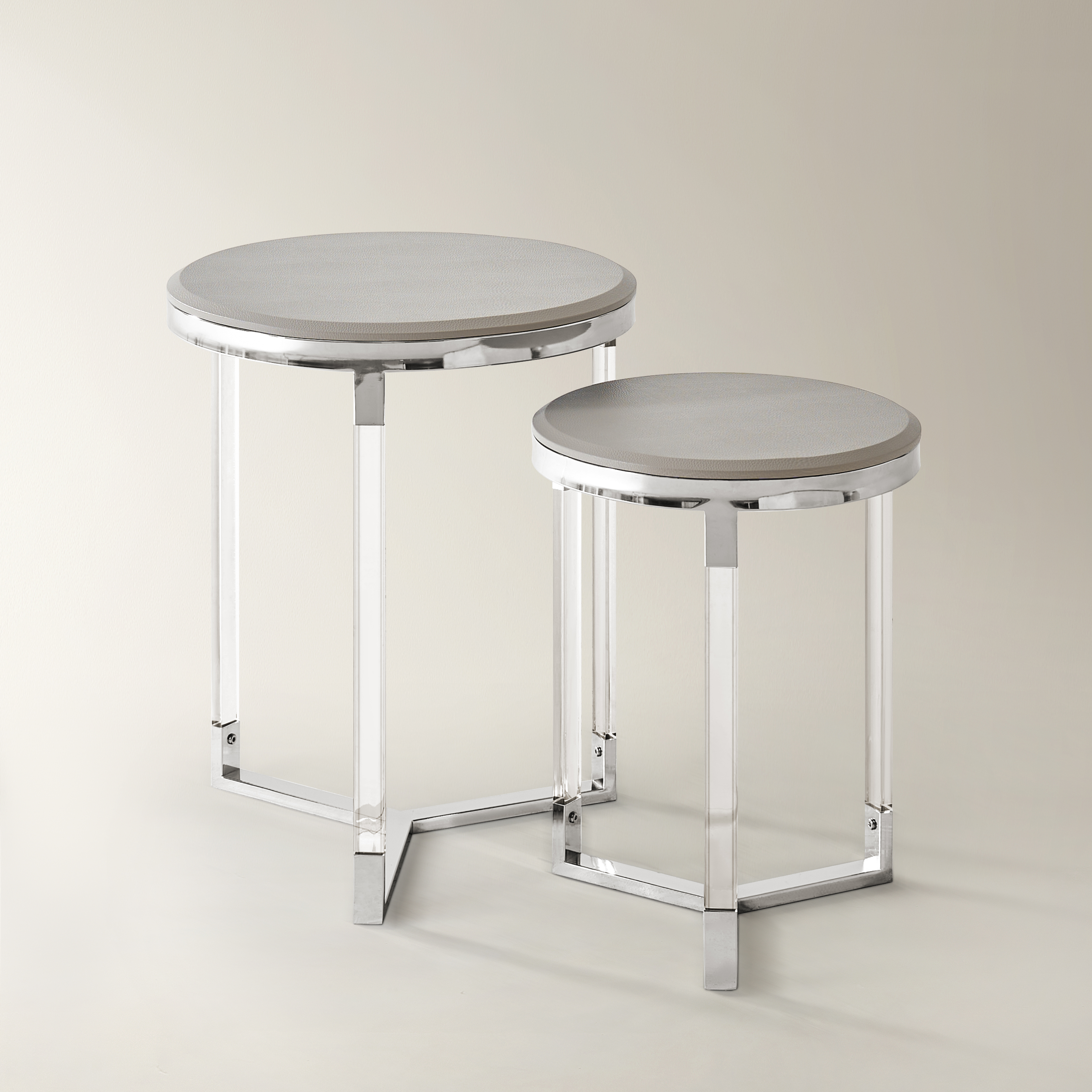
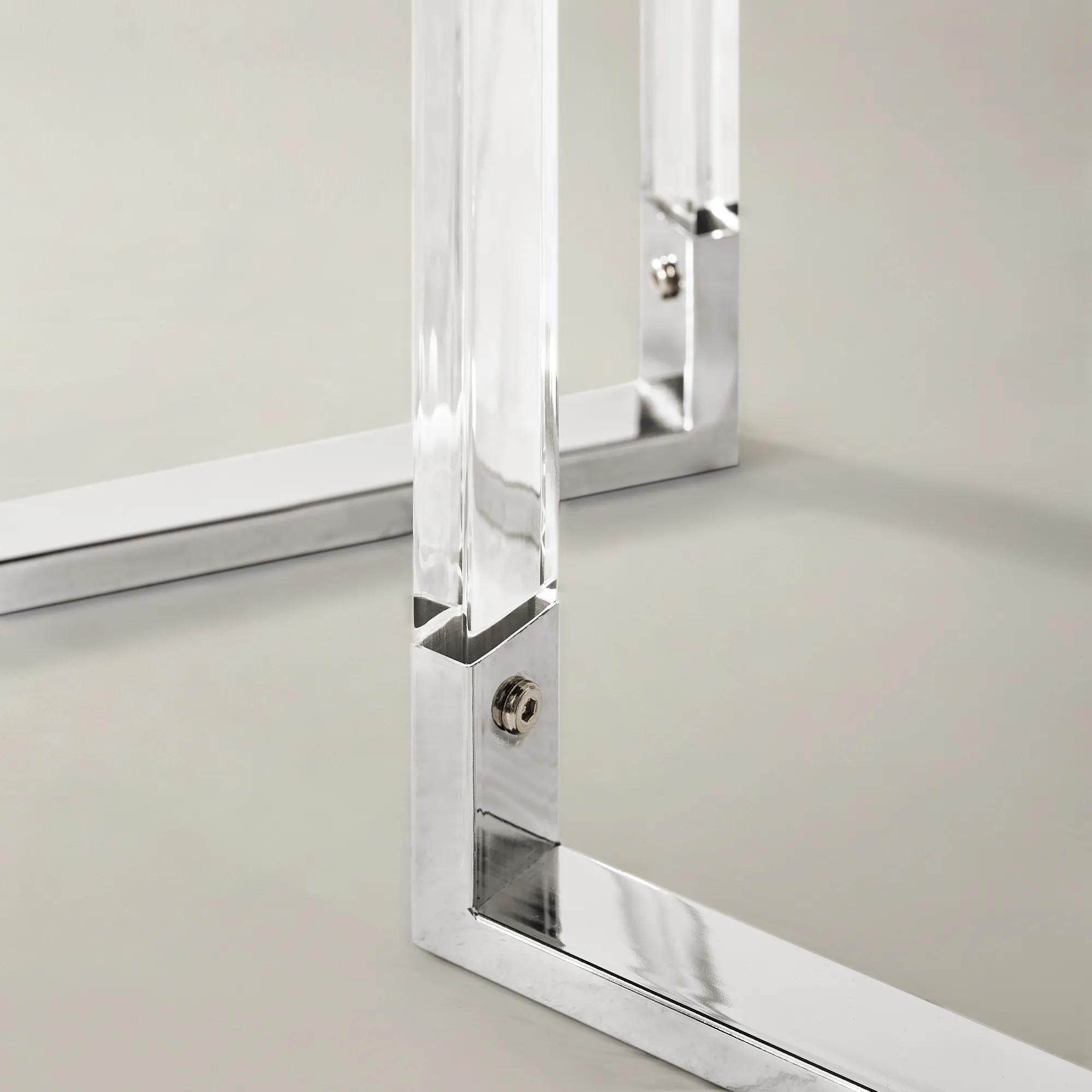 Murano Round Grey Accent Table With Faux Leather Top Set Of 2 (14.5"-18.5")$399
A bold set of two accent tables featuring mixed woods, acrylic legs, and faux leather tops.
Add To Cart -
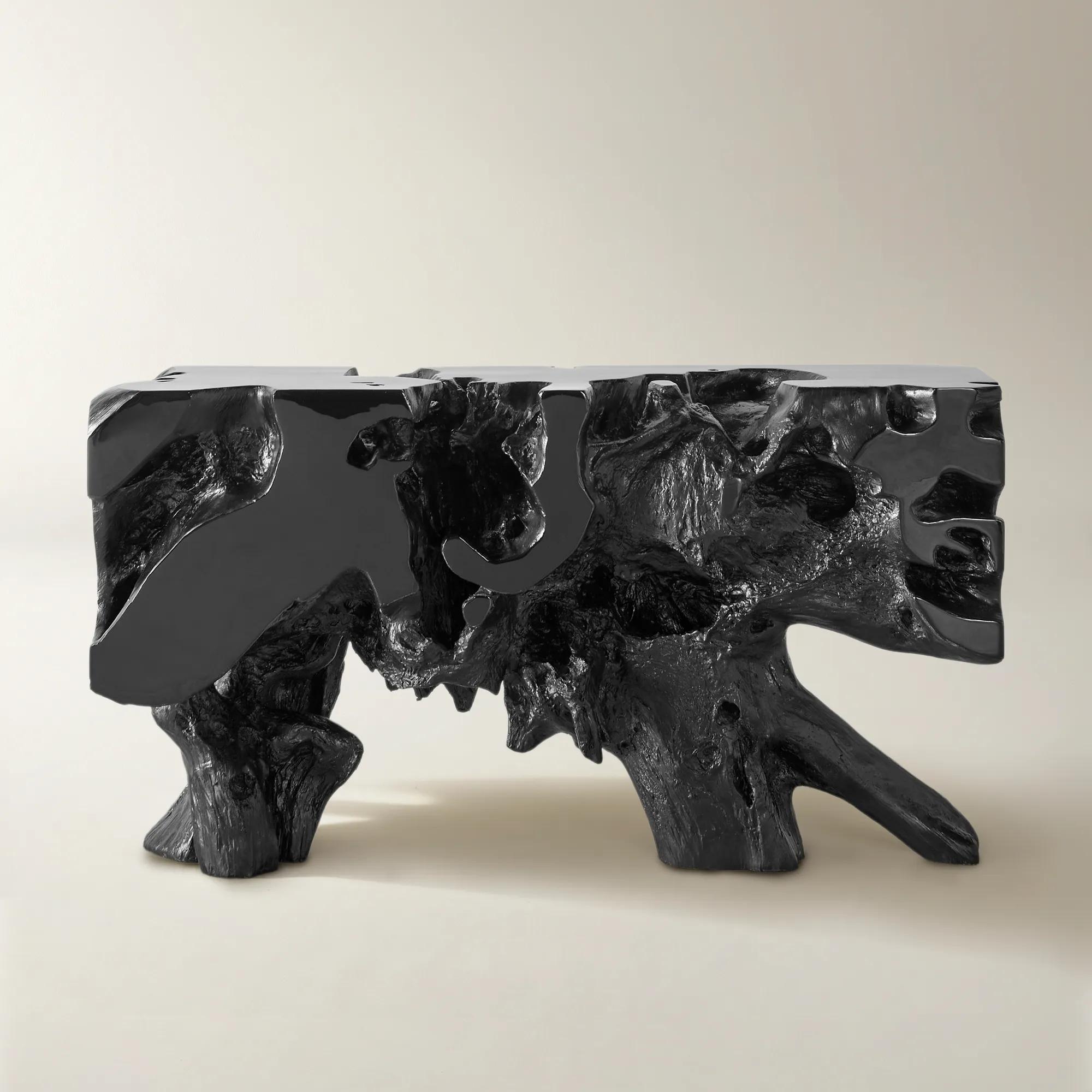 Sequoia Black Resin Console Table (58")$1999
A sculptural black console table crafted from resin, fiberglass, and polished stone for indoor or outdoor use.
Add To Cart -
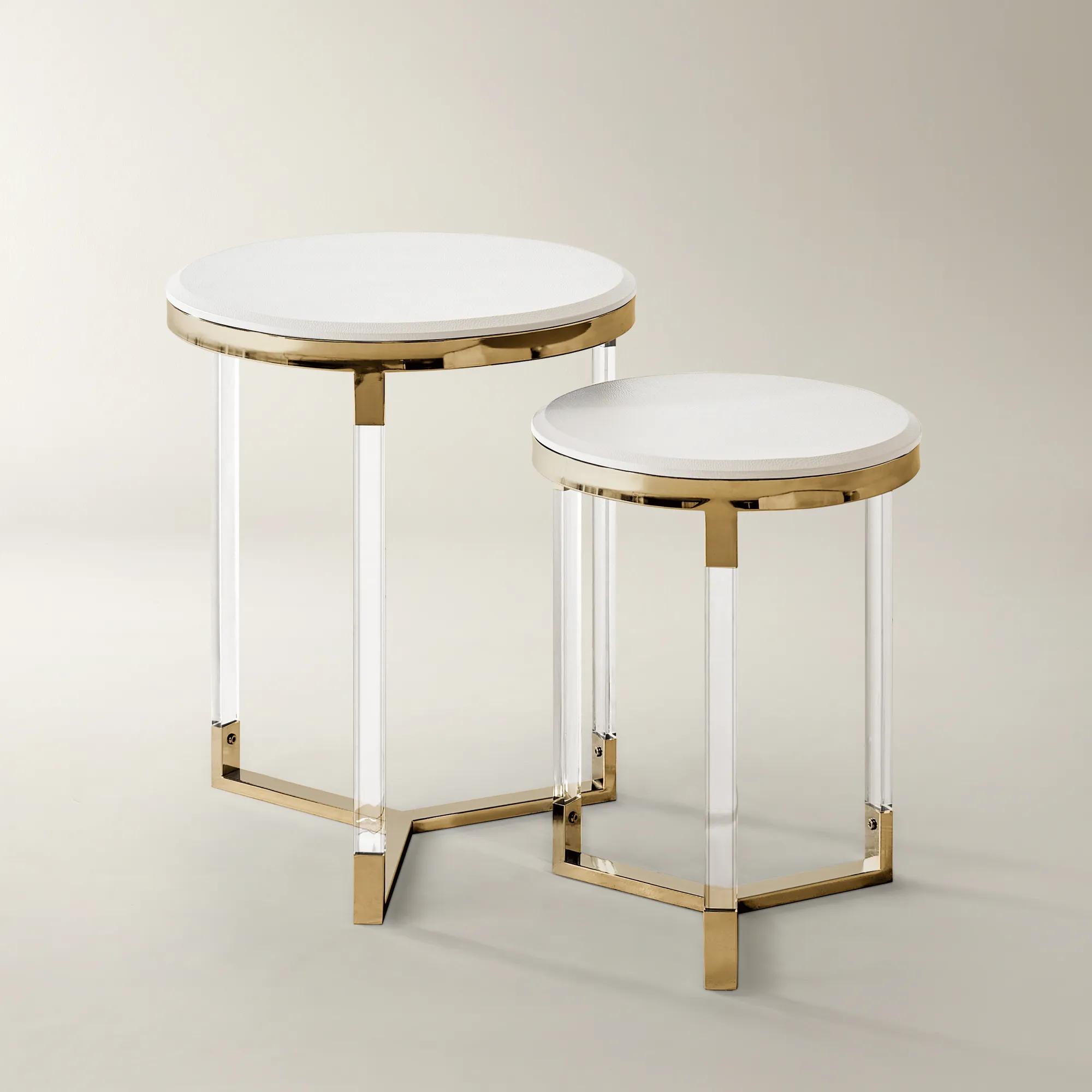
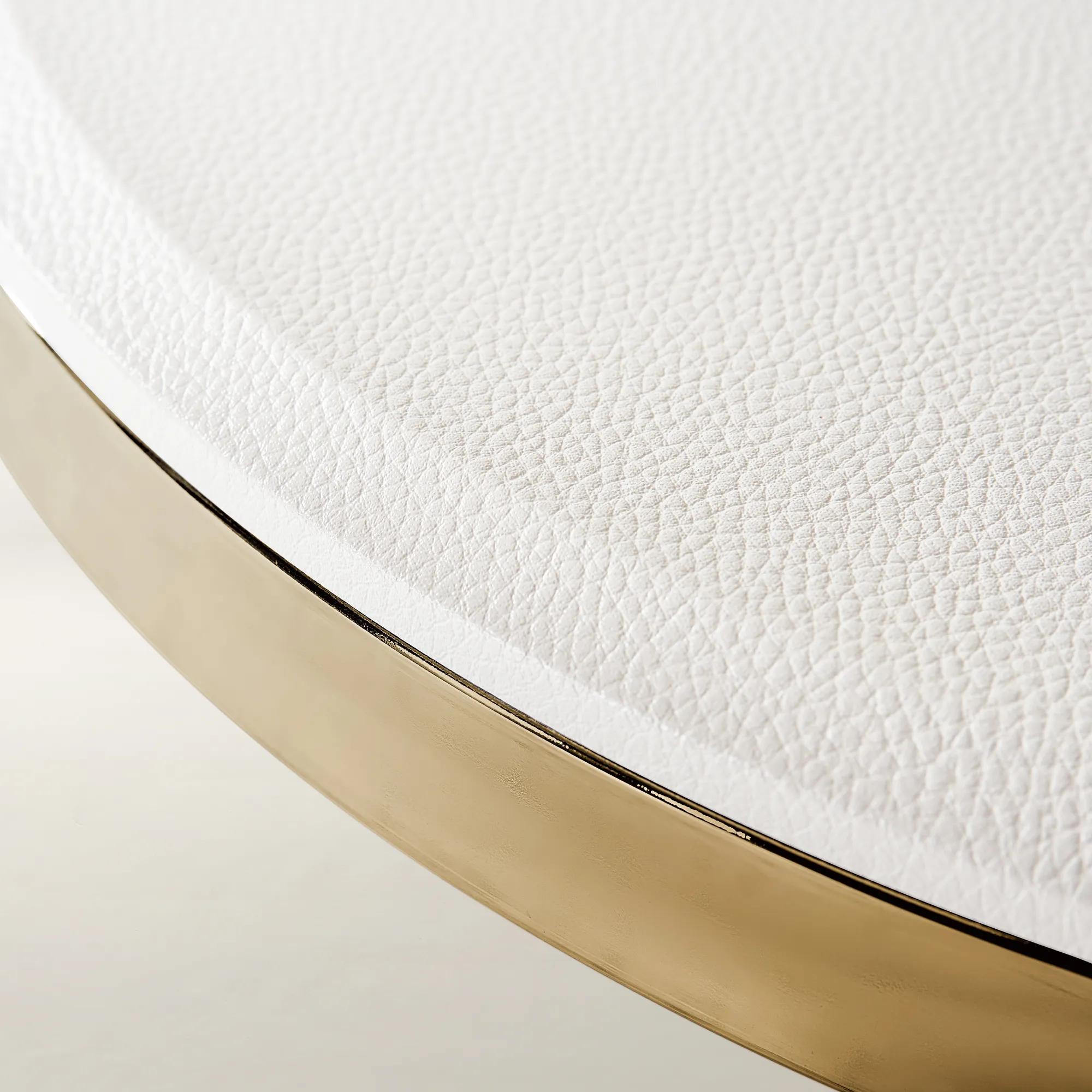 Murano Round White Accent Table With Faux Leather Top Set Of 2 (14.5"-18.5")$399
A set of two accent tables featuring mixed woods, faux leather tops, and acrylic legs with metallic finishes.
Add To Cart -
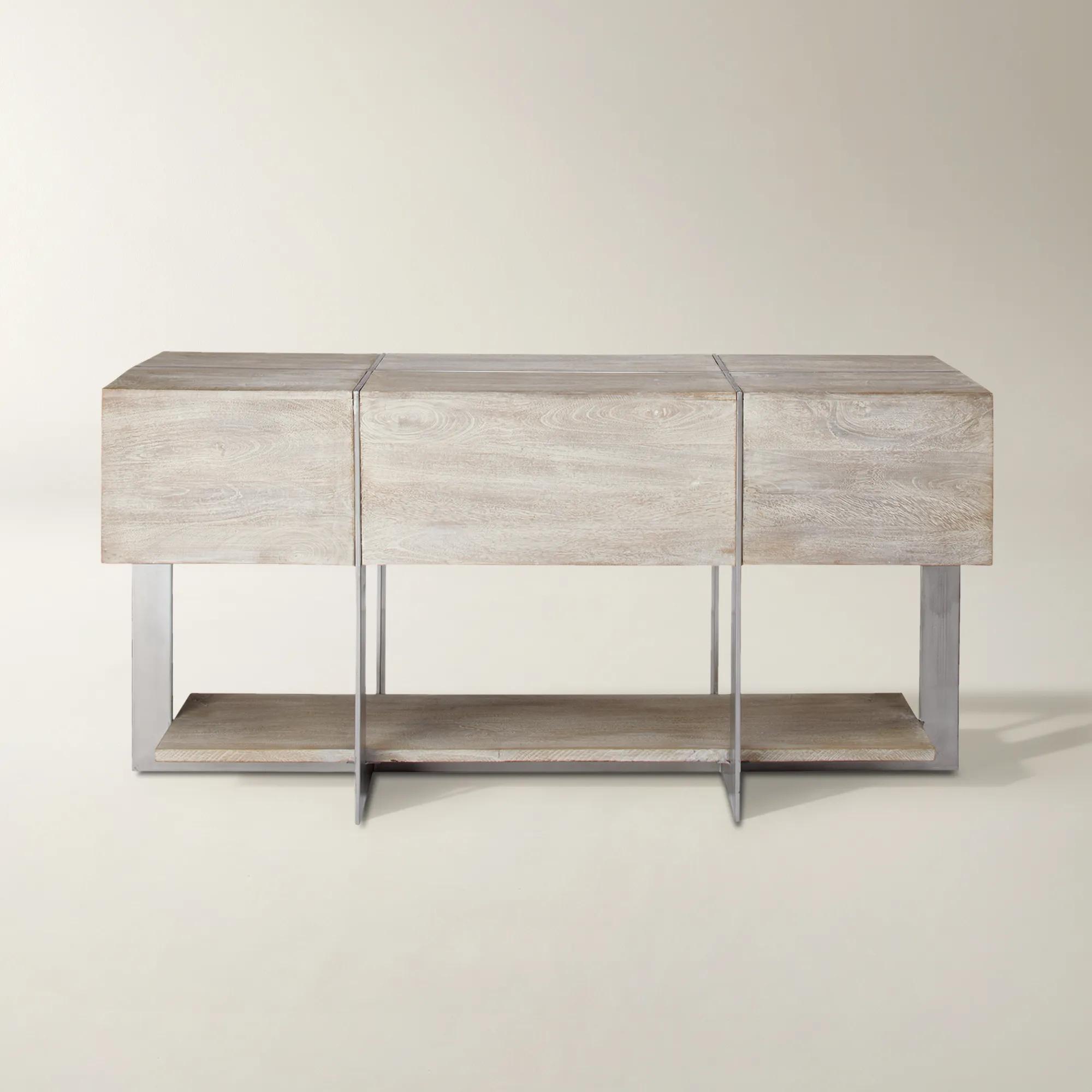
 Clifton Rectangular Natural Mango Wood Console Table (60")$1399
A handcrafted mango wood console table with a whitewashed finish and antiqued silver iron legs.
Add To Cart -
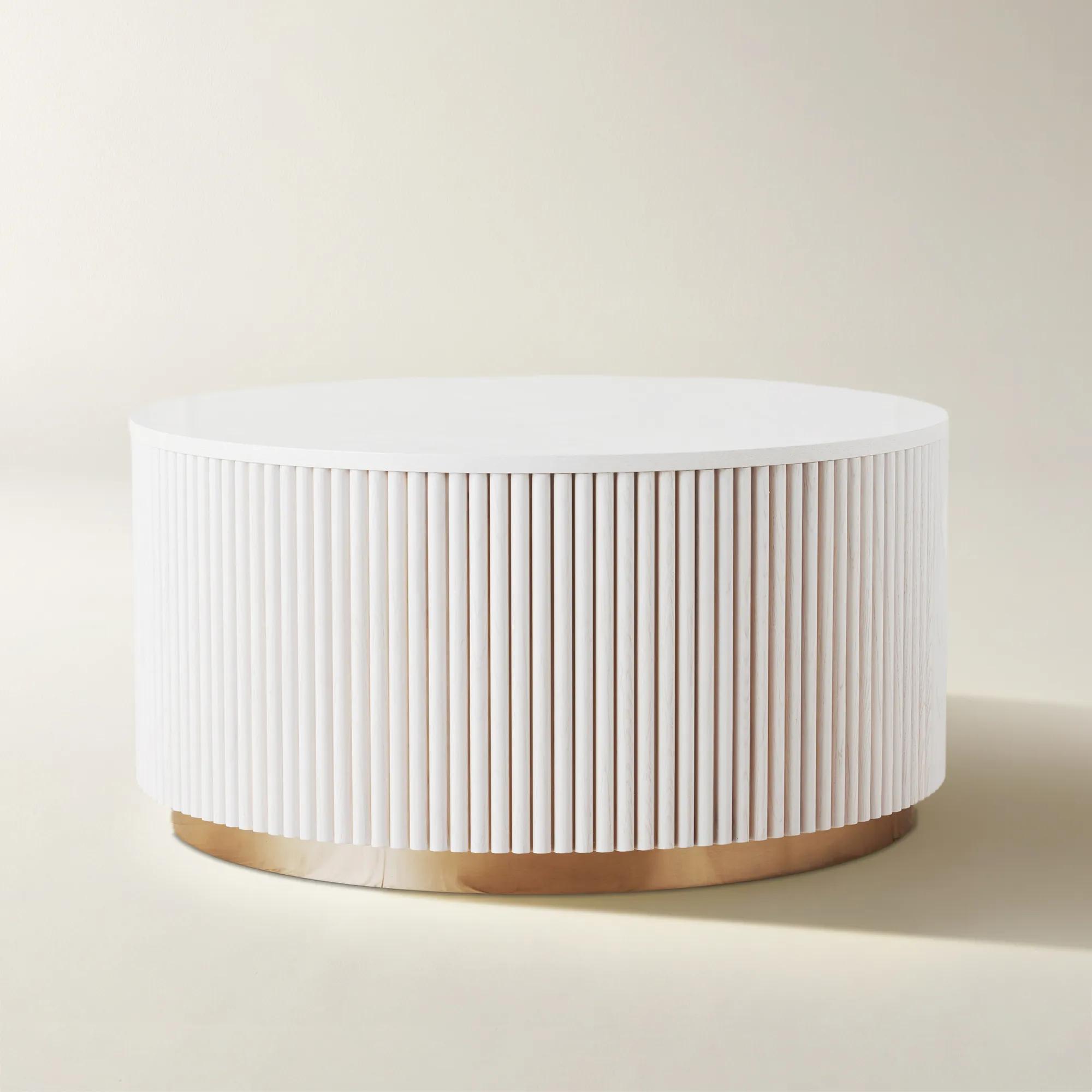
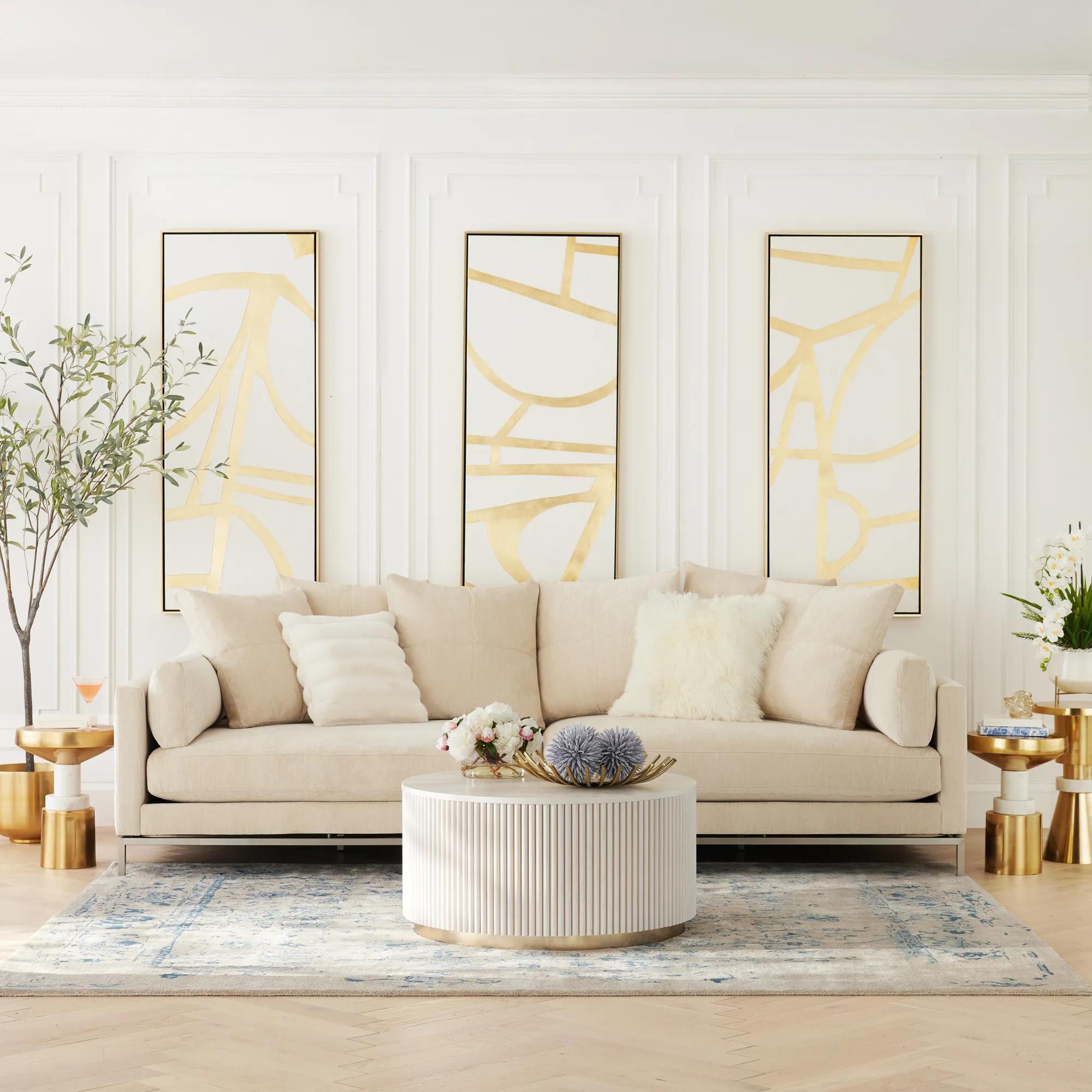 Natalia Round Reeded Whitewashed Ash Wood Coffee Table (36")$1299
A striking coffee table featuring reeded ash wood sides, a smooth top, and a whitewashed finish.
Add To Cart -

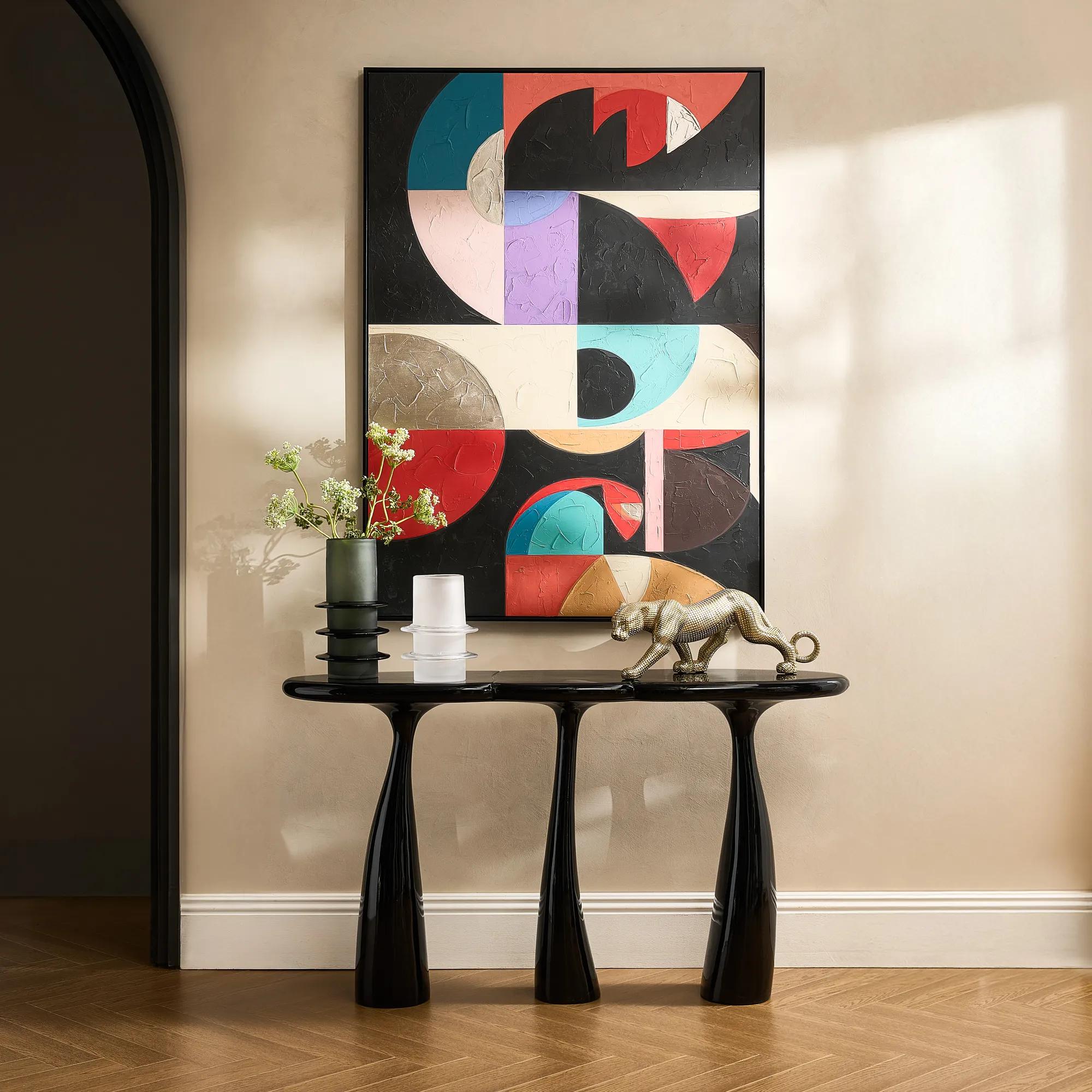 Thalia Glossy Black Console Table (52.4")$999
A sculptural console table crafted from glossy black fiberglass with seamless curves and a mirror-like finish.
Add To Cart -
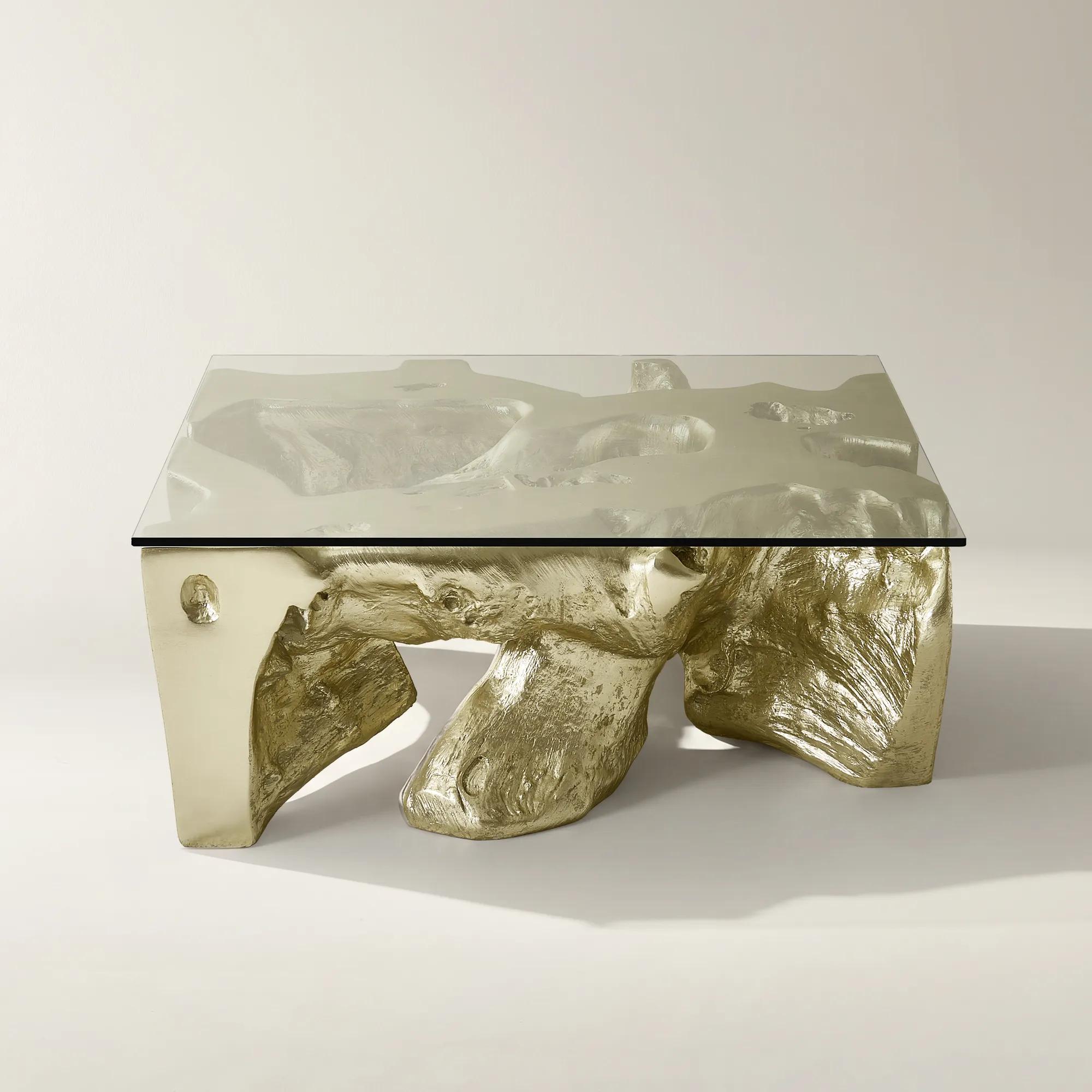 Sequoia Champagne Gold Resin Coffee Table With Glass Top (44")$2299
A sculptural resin coffee table with a champagne gold leaf finish and a clear tempered glass top.
Add To Cart -
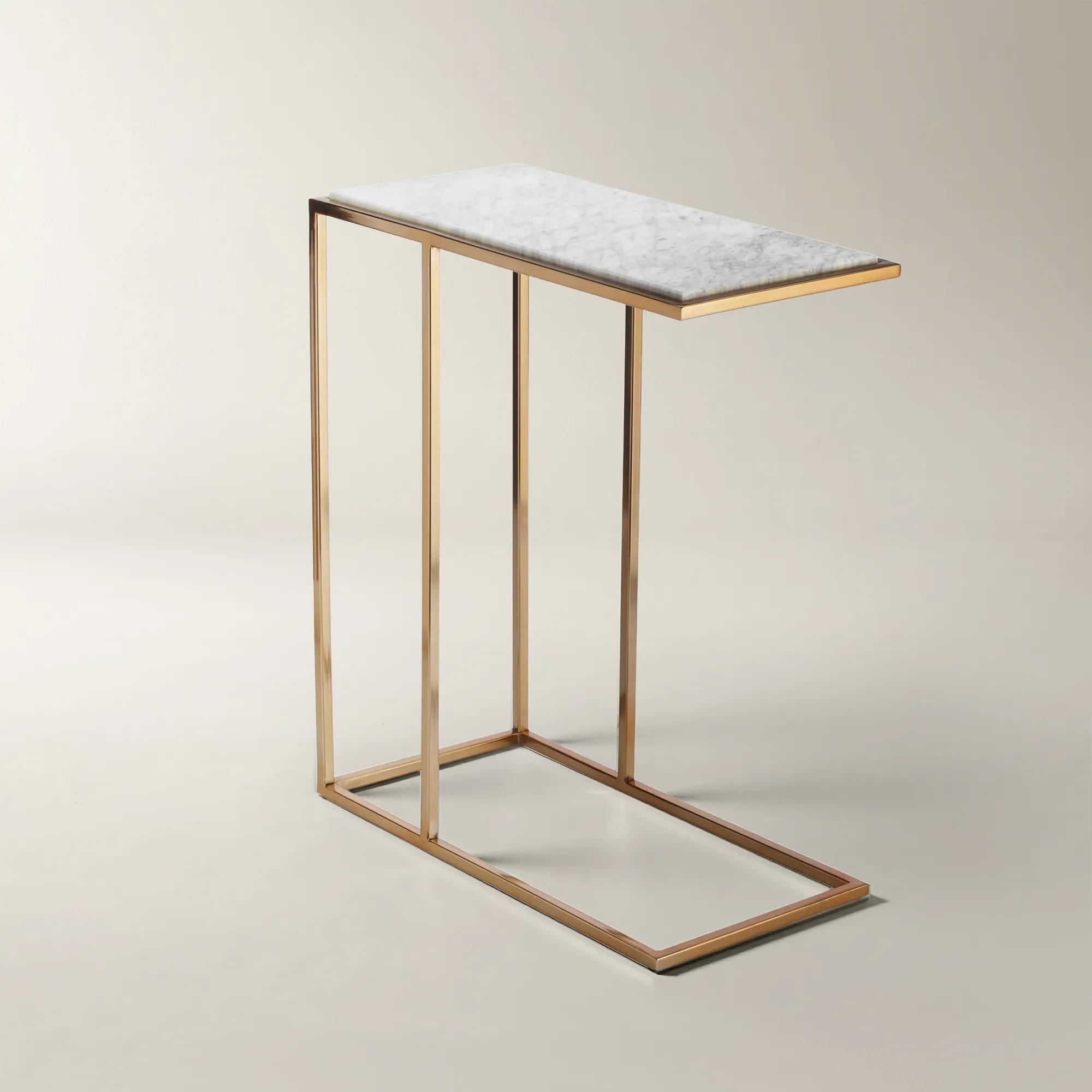
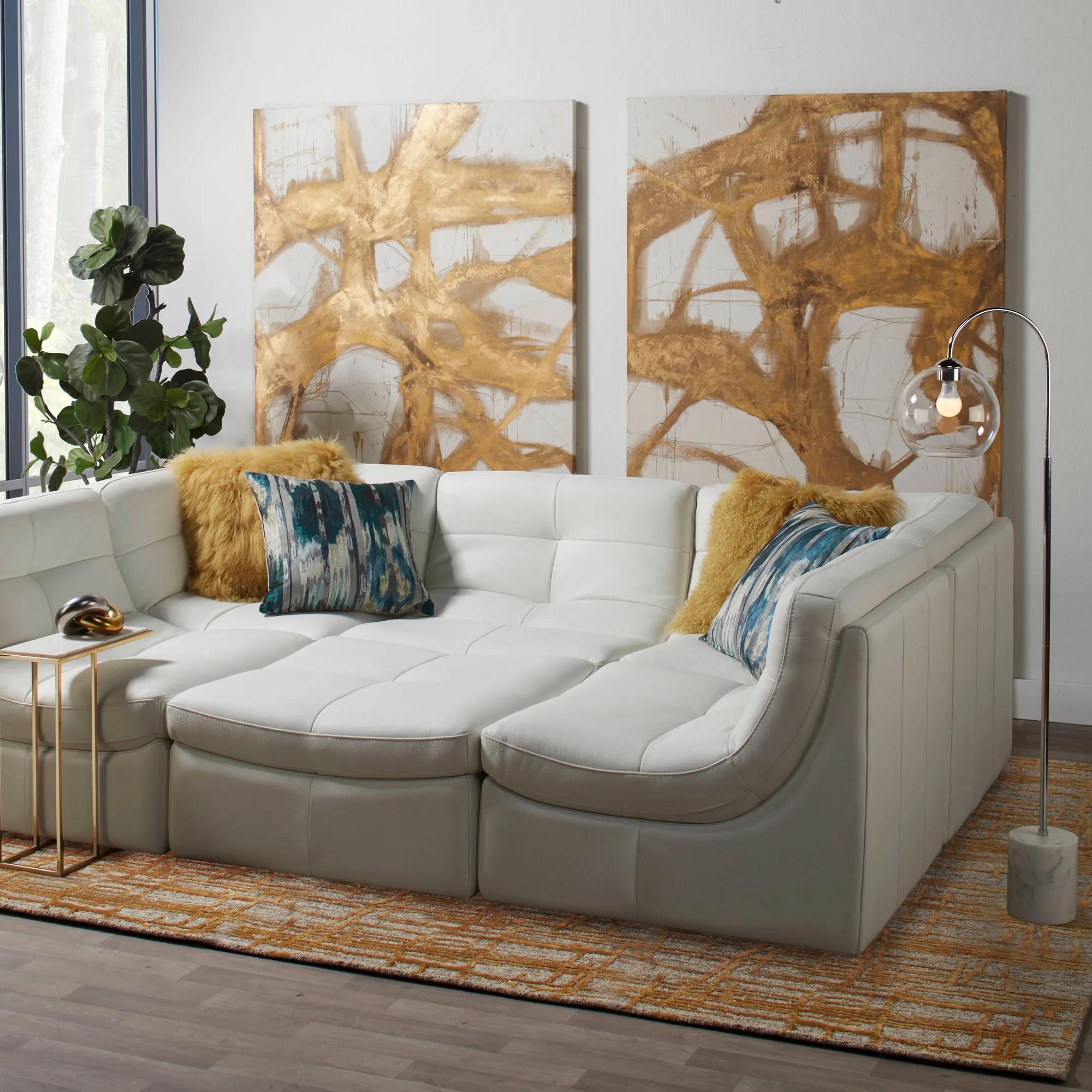 Lawton Rectangular Gold Stainless steel Accent Table With Marble Top (19.75")$259
A space-saving table featuring a white marble top and gold-finished stainless steel base.
Add To Cart -

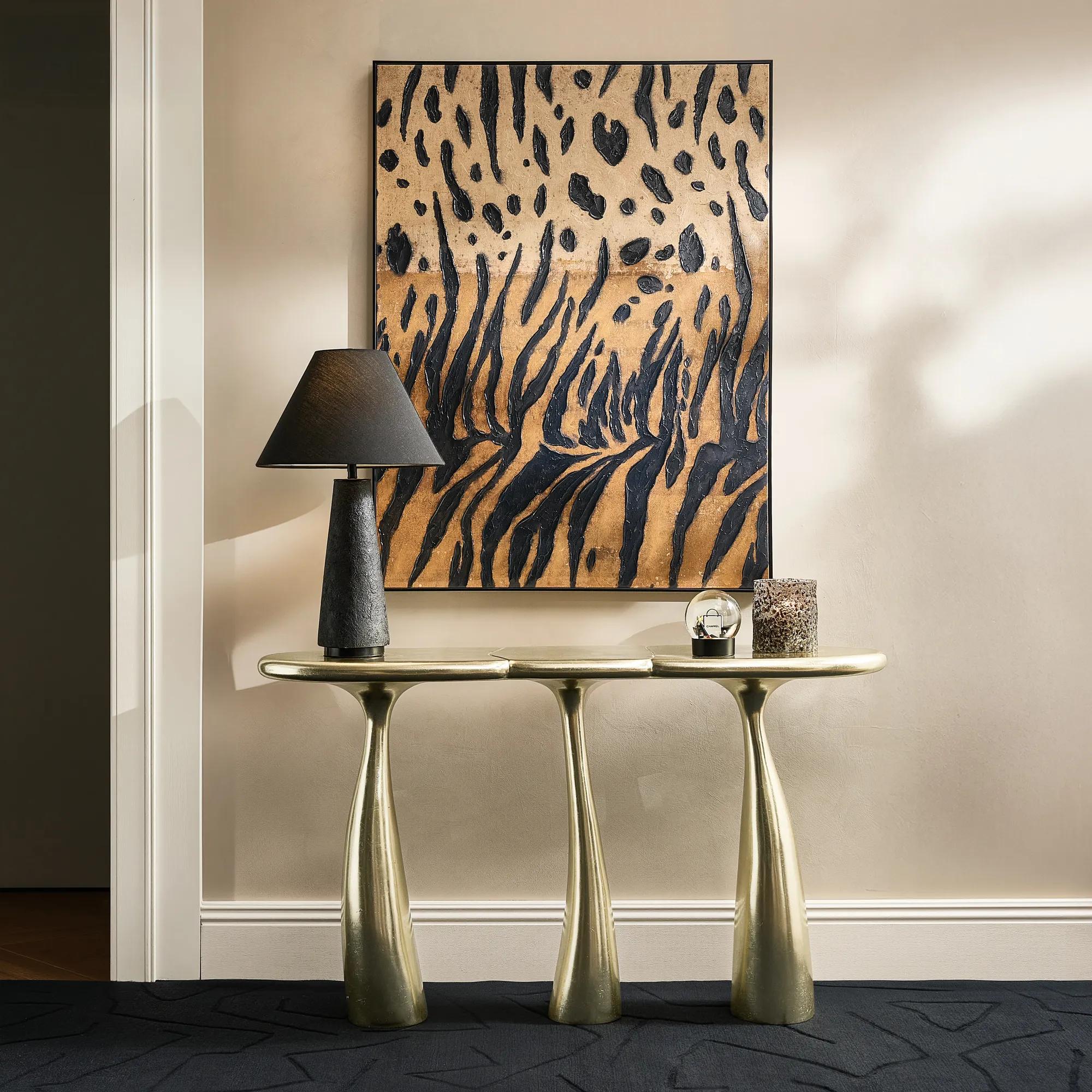 Thalia Soft Gold Console Table (52.4")$999
A sculptural console table hand-molded from fiberglass with a luminous, hand-applied gold leaf finish.
Add To Cart -
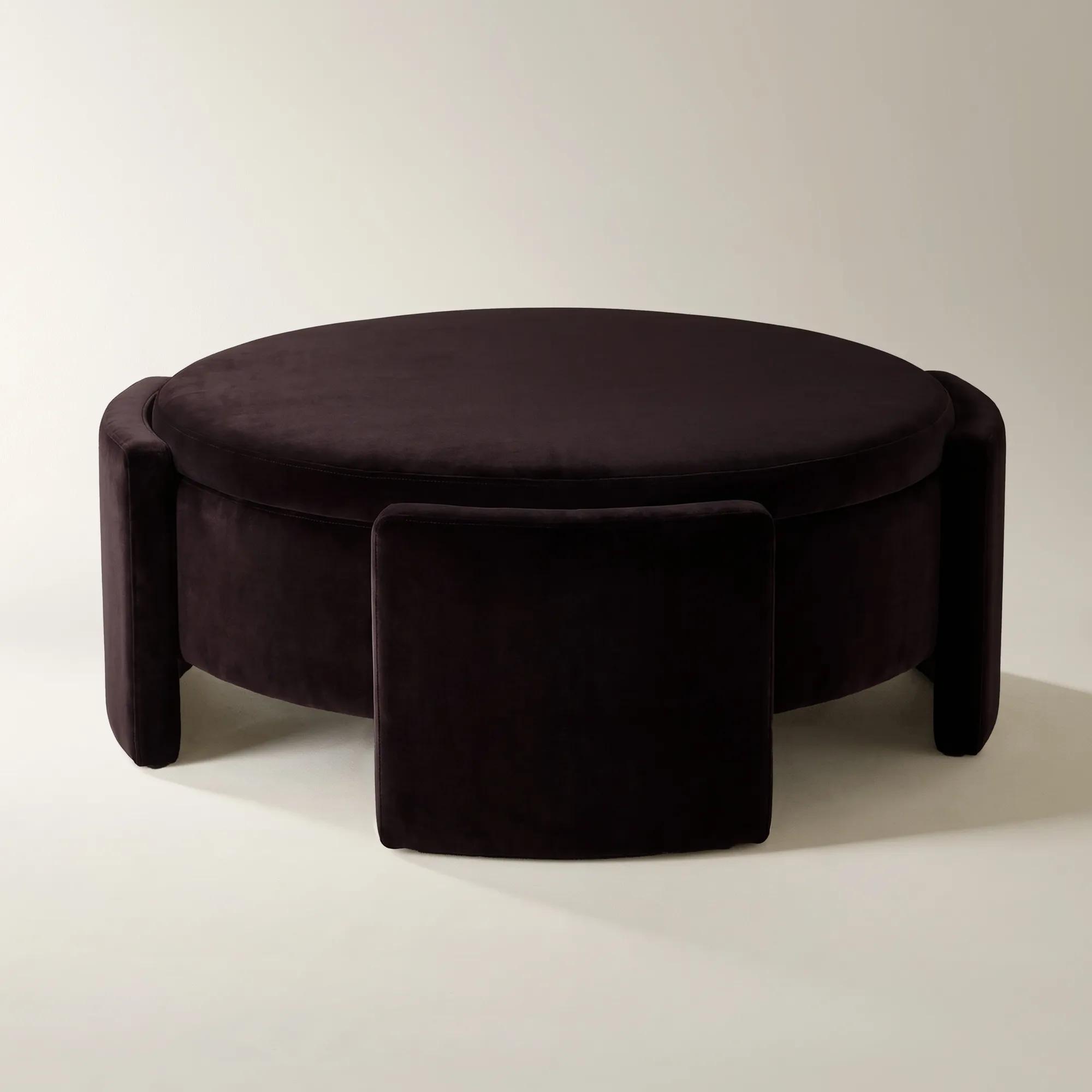
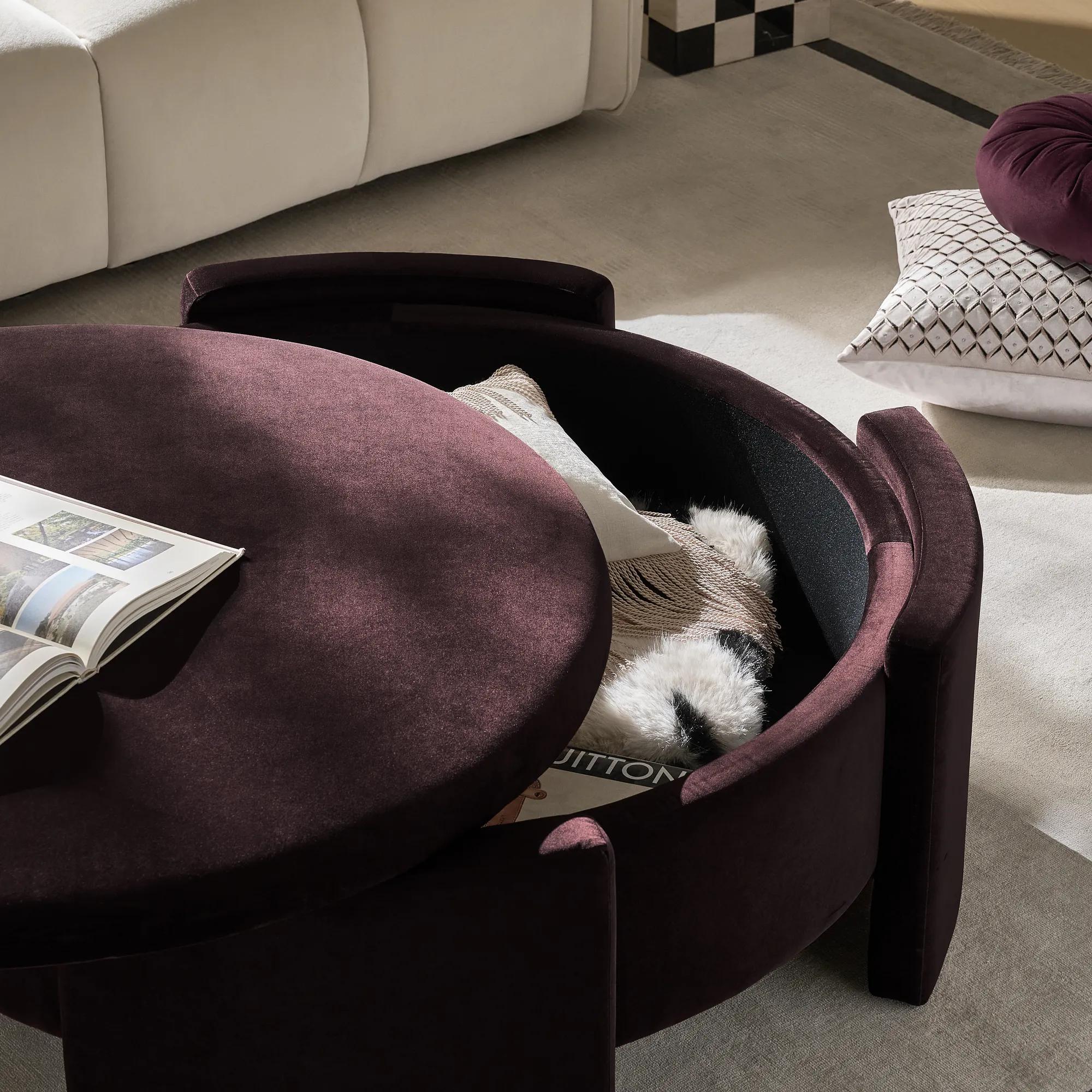 Jora Round Fig Velvet Storage Coffee Table With Reversible Tabletop (47.7")$799
A round fig velvet coffee table featuring a reversible wood tabletop and hidden interior storage.
Add To Cart -
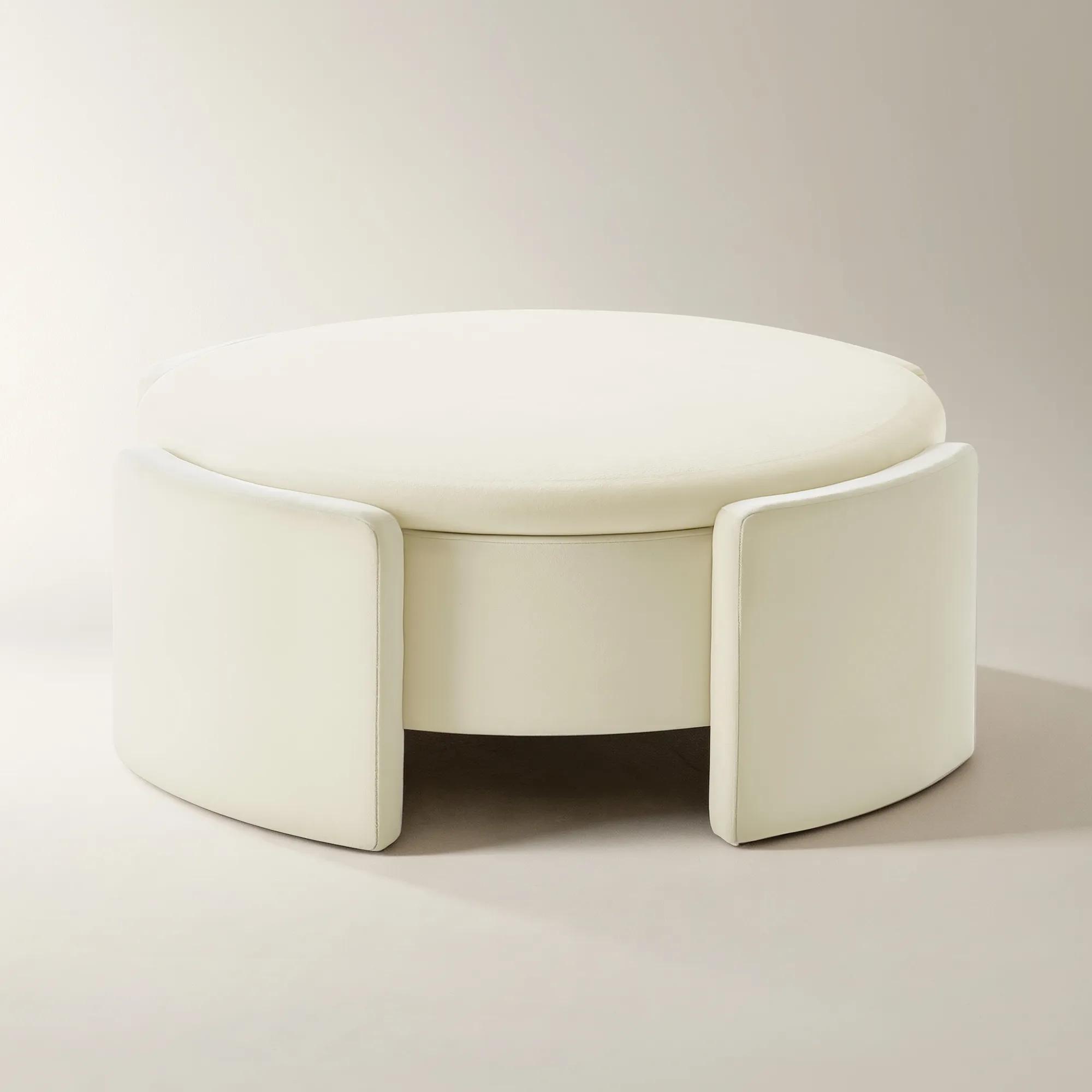
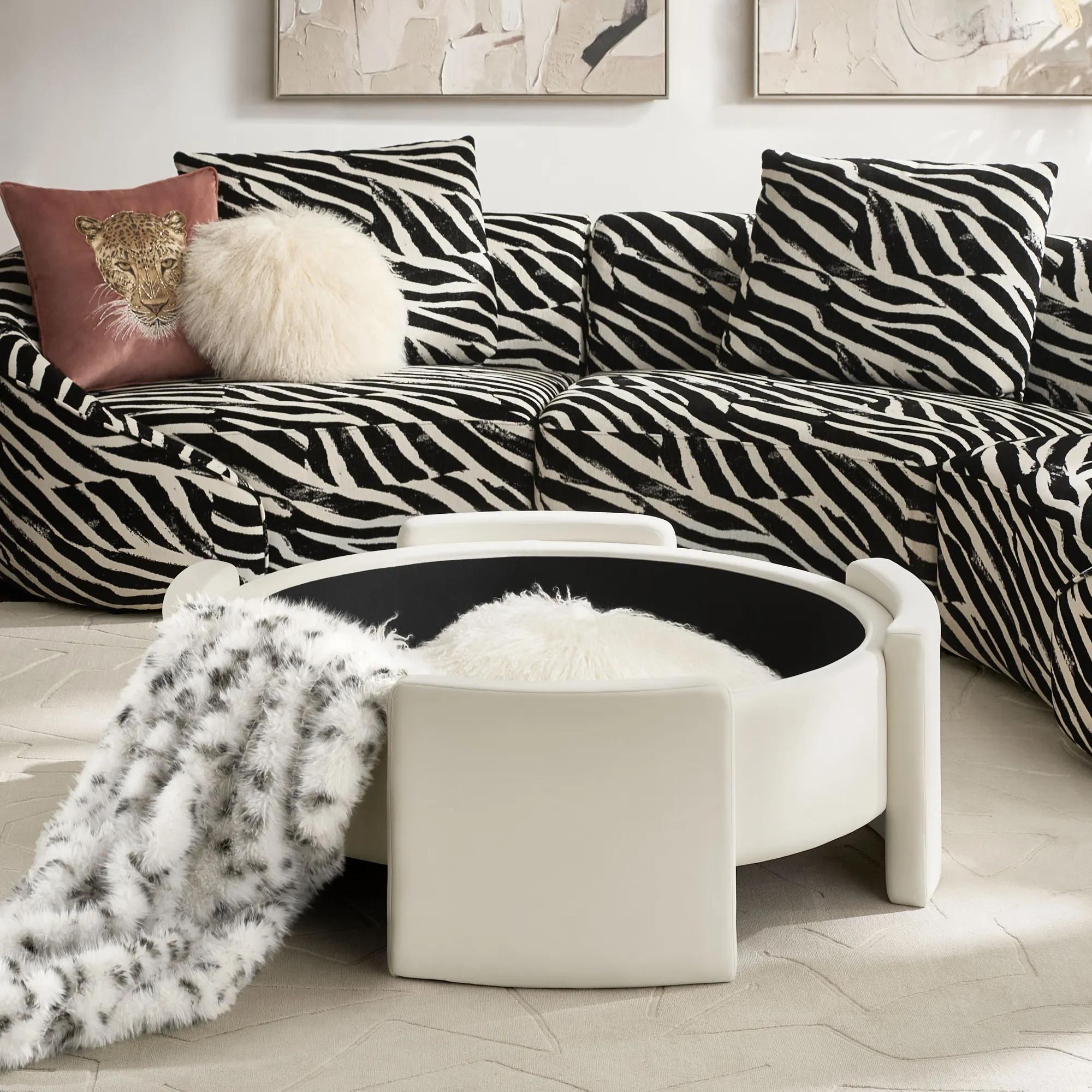 Jora Round Cloud Velvet Storage Coffee Table With Reversible Tabletop (47.7")$799
A round coffee table featuring plush velvet upholstery, reversible wood tabletop, and hidden interior storage.
Add To Cart -
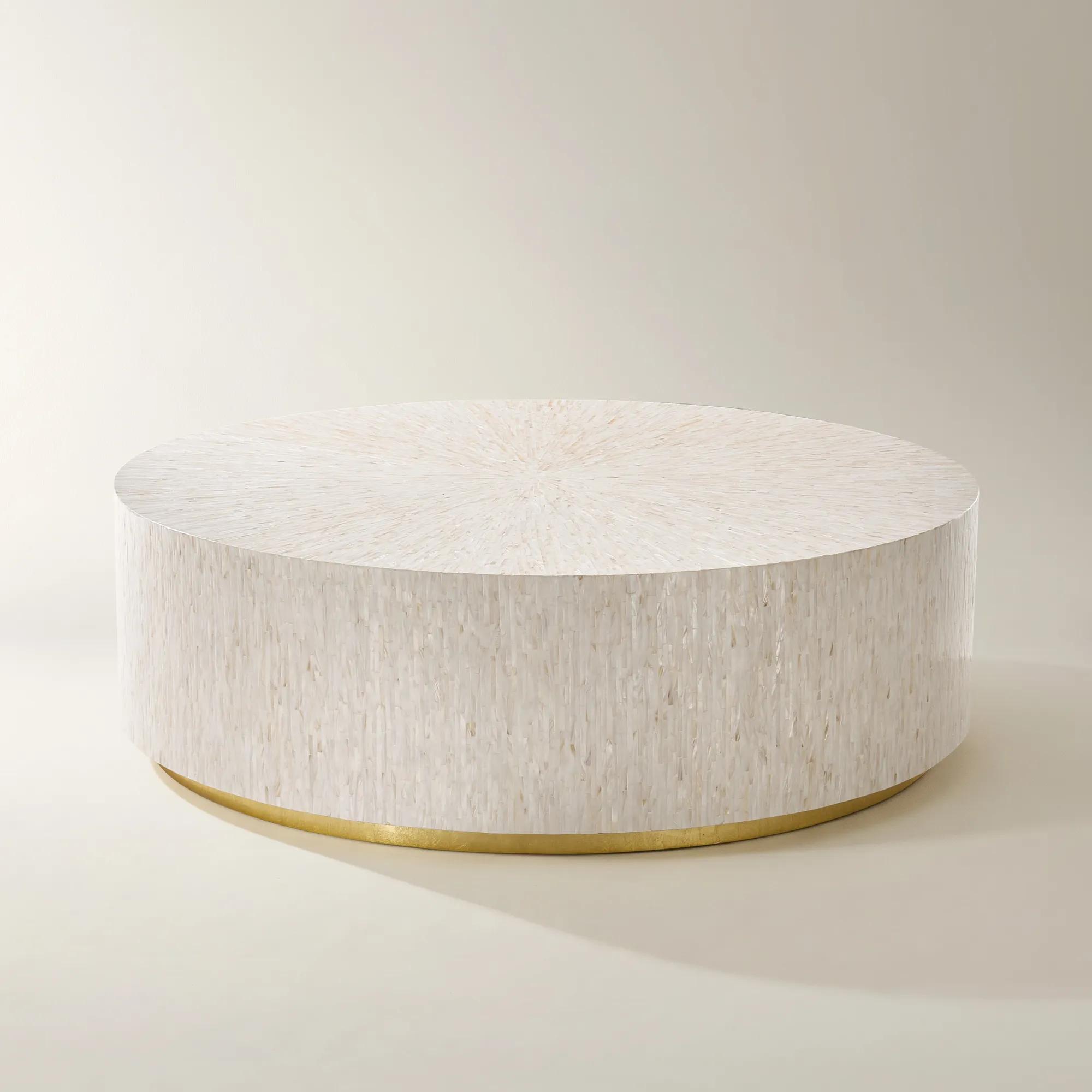 Alexandria Round Mosaic Platinum Coffee Table (52")$1399
A luminous mother-of-pearl mosaic coffee table with a sculptural round form and gold leaf–accented base.
Add To Cart -
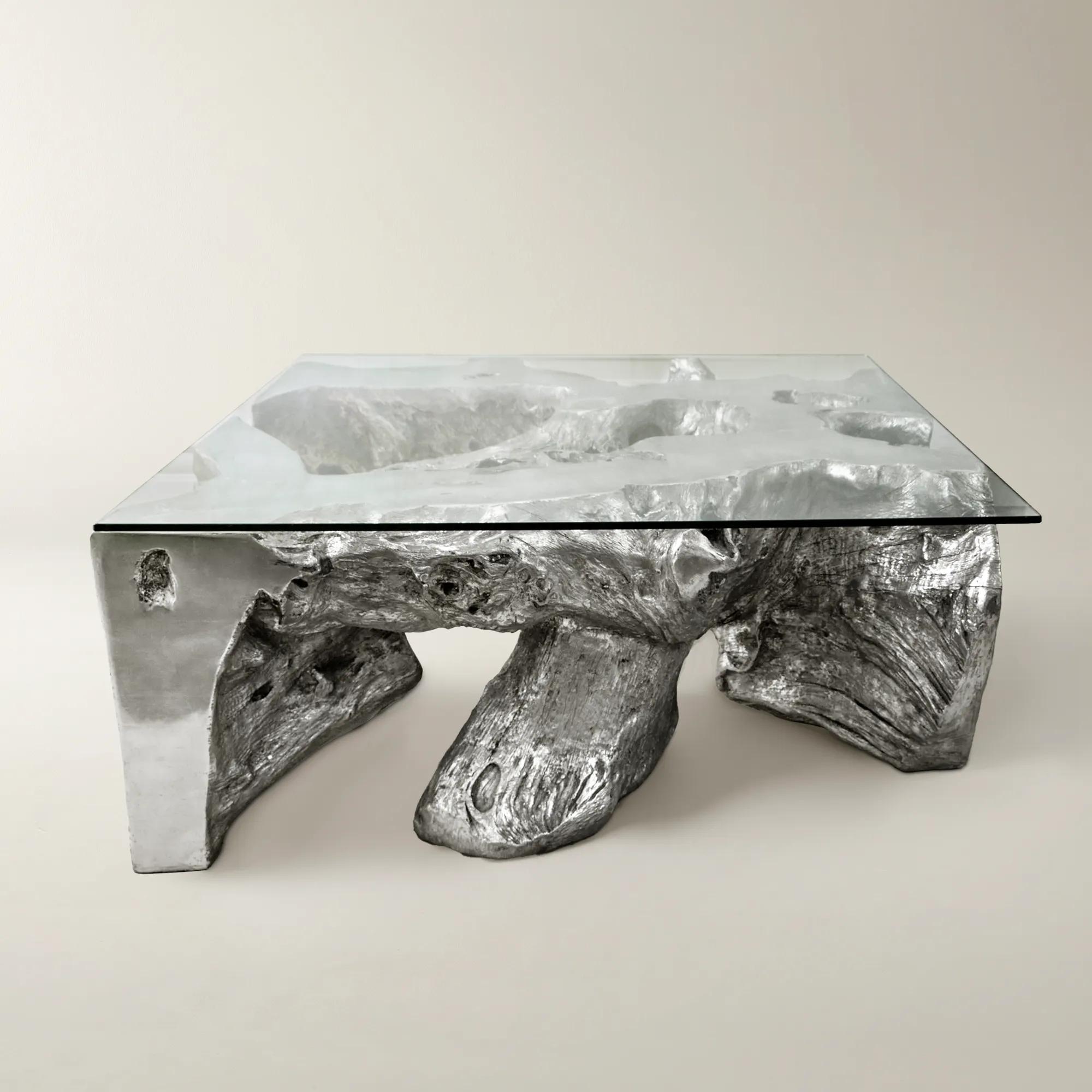 Sequoia Silver Resin Coffee Table With Glass Top (44")$2299
A sculptural coffee table featuring a hand-applied silver leaf resin base and a tempered glass top.
Add To Cart -
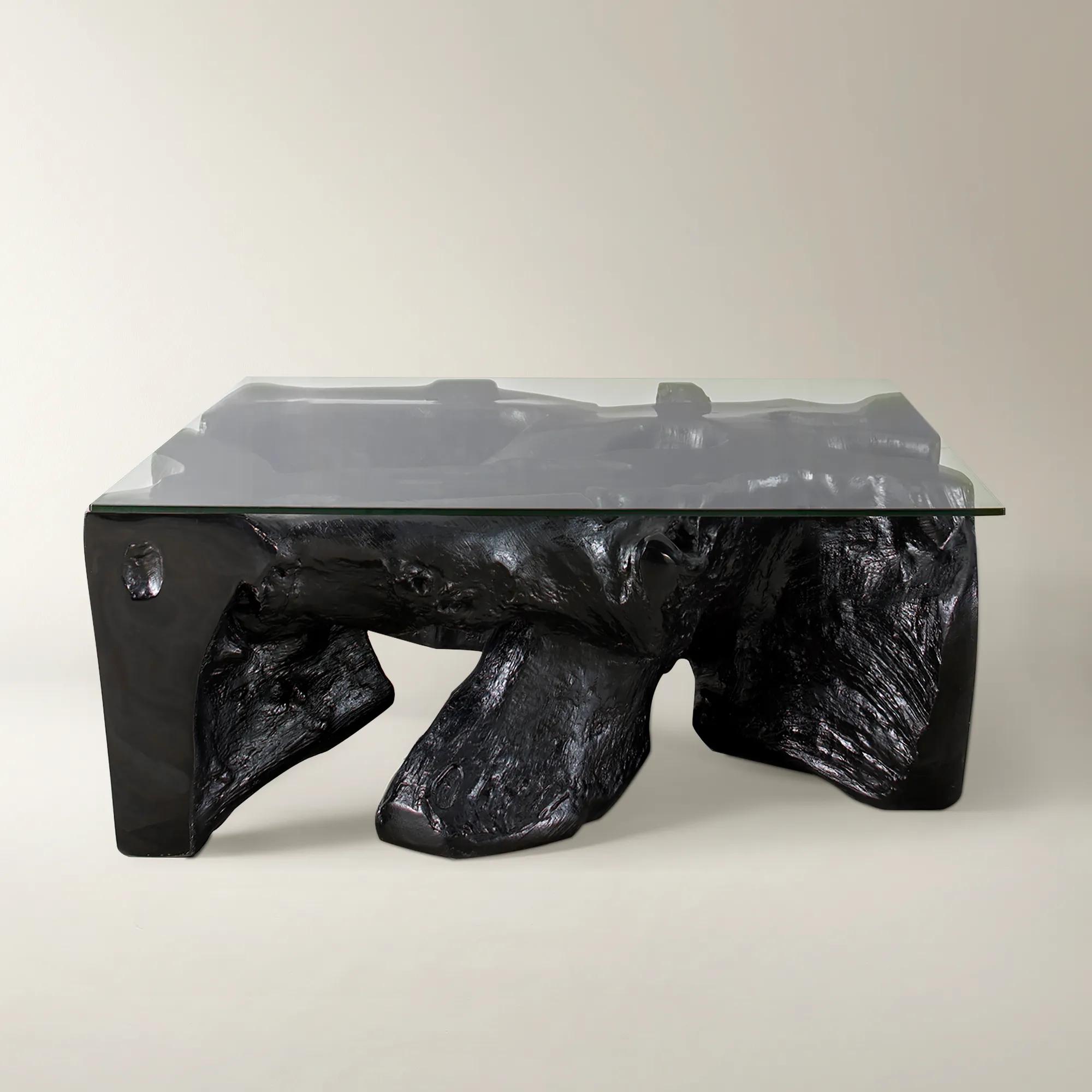
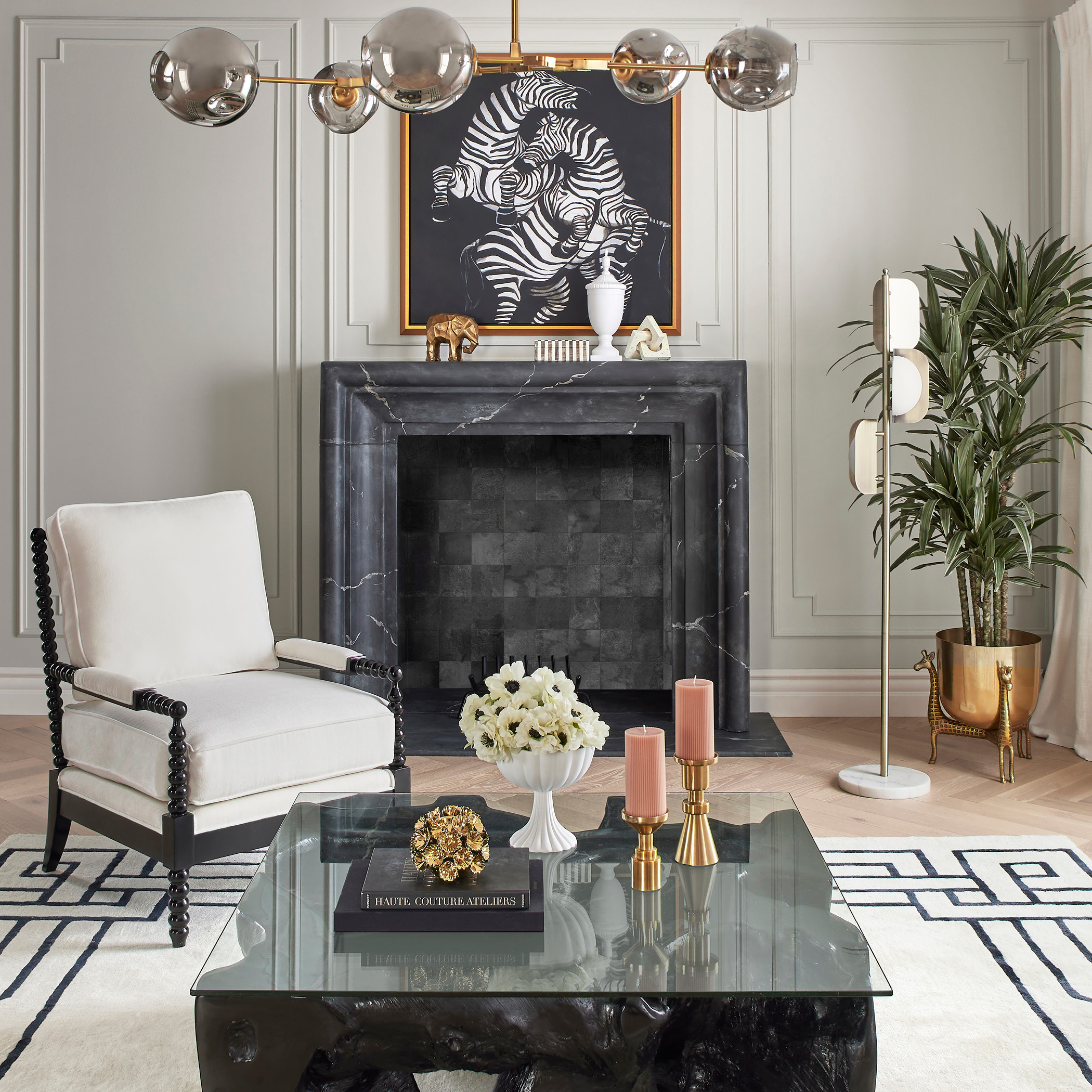 Sequoia Black Resin Coffee Table With Glass Top (44")$2299
A sculptural black coffee table crafted from resin and polished stone fragments for indoor or outdoor use.
Add To Cart -
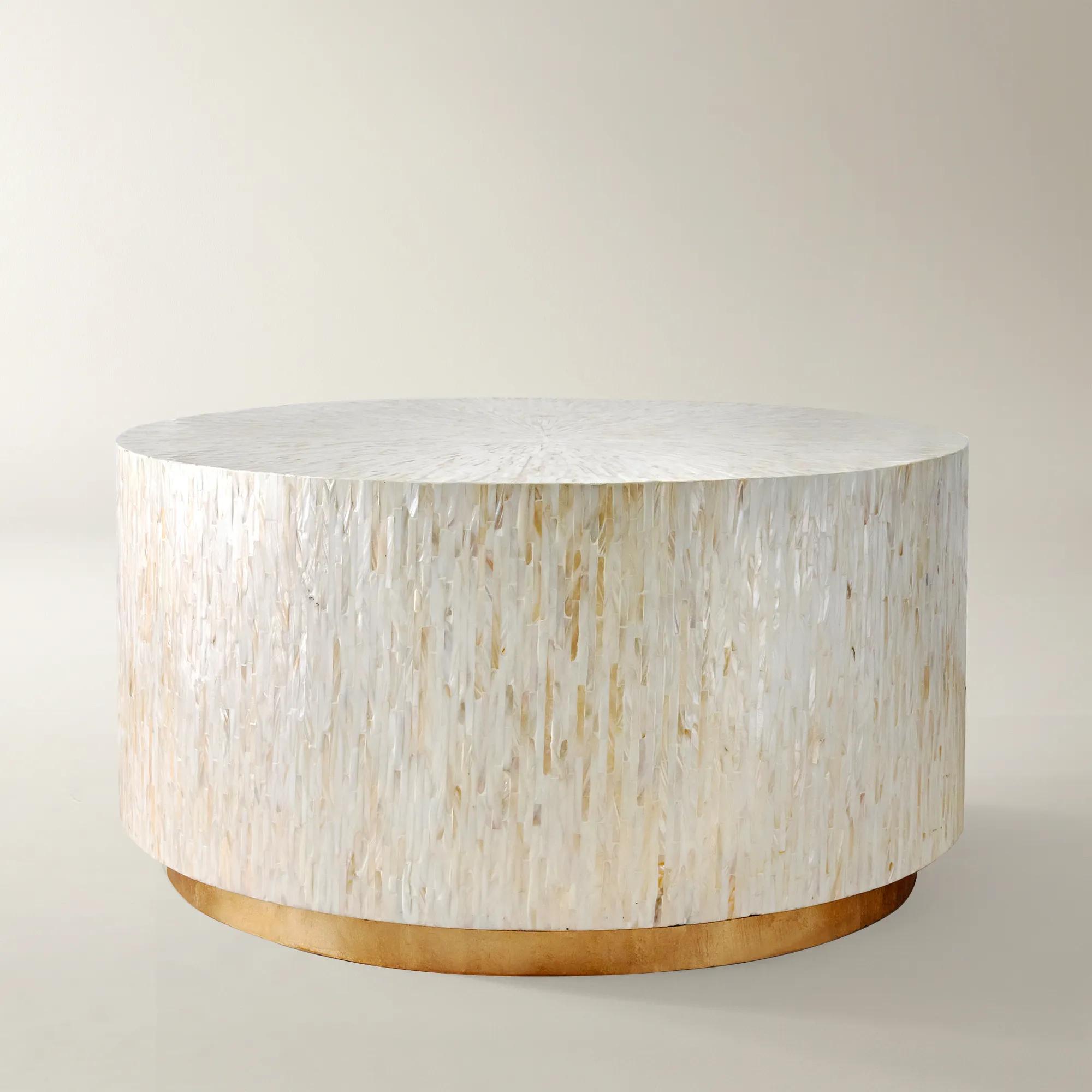
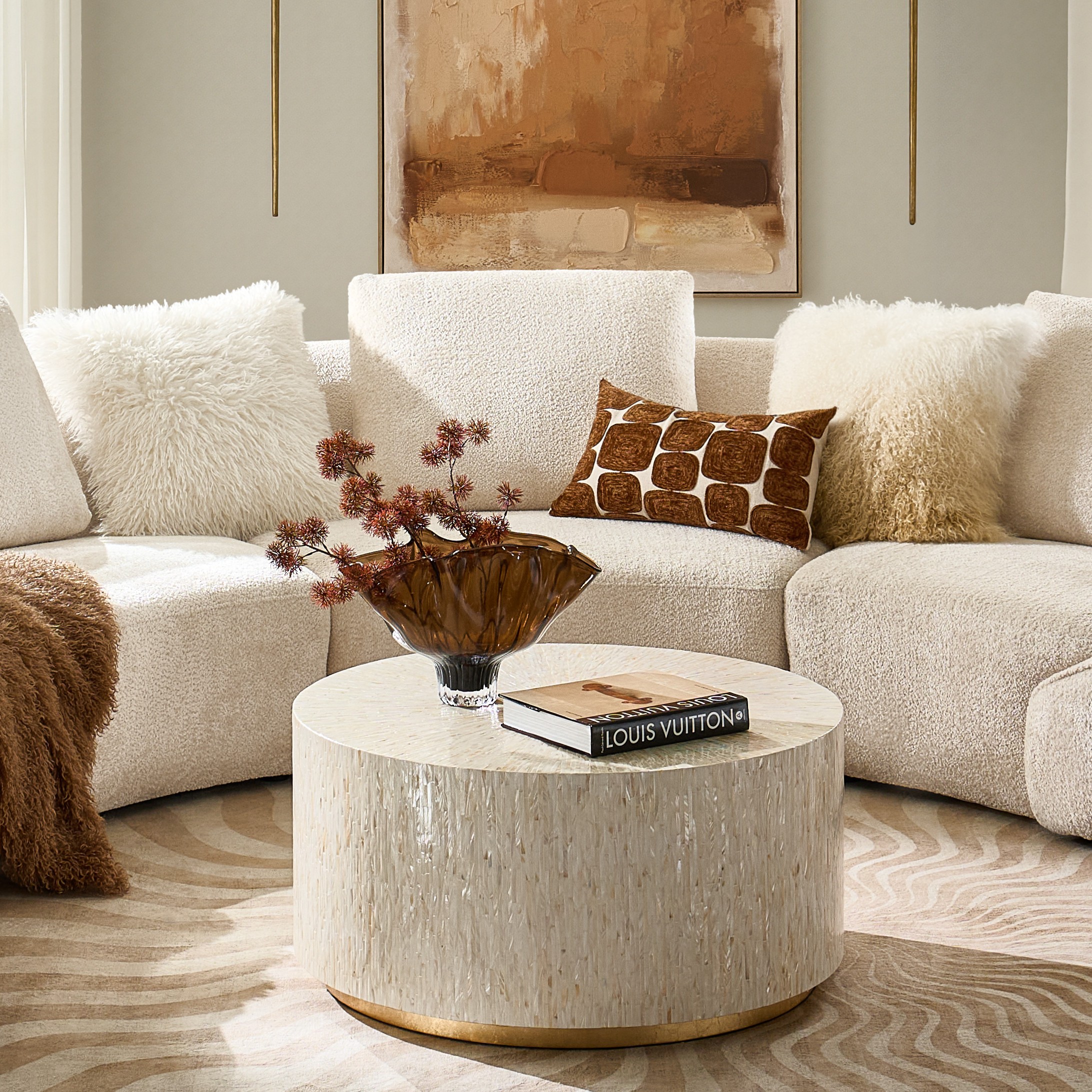 Alexandria Round Mosaic Platinum Coffee Table (36")$799
A luminous ivory coffee table featuring hand-applied mother-of-pearl mosaic and a gold leaf-accented base.
Add To Cart

Stylish Living Room Tables
Stylish Living Room Tables invite you to reimagine your space as a gallery of modern sophistication. Each piece is a curated work of art, designed to command attention and spark conversation. Whether anchoring a dramatic seating arrangement or serving as the stage for your favorite objets d’art, these tables transform the ordinary into the extraordinary. With sculptural silhouettes and luxe finishes, they infuse every gathering with an air of curated elegance, ensuring your living room is always dressed to impress.
Stylish living room tables combine expressive design with surfaces that support conversation, entertaining, and everyday rituals. Coffee tables anchor the seating arrangement, end tables keep essentials beside a sofa or chair, and console tables give an open wall or the back of a sofa a more intentional presence. Together, these pieces establish a room’s rhythm: a low, expansive tabletop invites gathering, while a slender pedestal beside an accent chair creates a more intimate pause. Materials shape that atmosphere as much as silhouette. Glass tabletops reveal the artistry of a sculptural base and allow a patterned rug to remain part of the composition. Mirrored surfaces introduce reflected light and a more theatrical sense of depth, especially when balanced with plush upholstery and richly textured textiles. Marble and other natural stones contribute distinctive veining, making the surface itself a focal point rather than simply a backdrop for accessories. Wood brings grain, warmth, and visual substance, with finishes that can feel tailored, dramatic, or quietly architectural. Metal frames offer another layer of expression, from the crisp reflection of polished finishes to the more restrained glow of brushed surfaces. The strongest combinations do not require every table to match. A shared undertone, repeated curve, or related finish can connect different forms while preserving the individuality of each piece. An oval coffee table can soften a room defined by straight upholstery lines, while a square profile reinforces a balanced seating arrangement. Round tables create a natural counterpoint to angular furniture, and rectangular designs echo the length of a sofa. A substantial base reads almost like sculpture; an open frame lets the surrounding furnishings remain visible. For a room with richly patterned upholstery, a simpler table silhouette gives the eye somewhere to rest. Against a more restrained sofa, a striking base or boldly veined top can become the defining gesture. The result feels collected and deliberate, with each surface contributing something beyond a place to set a glass.
Proportion gives that visual drama room to work. A coffee table approximately one-half to two-thirds the length of the sofa often provides a balanced starting point, though the seating configuration matters more than a fixed formula. Its height generally feels most comfortable near the height of the seat cushions or slightly lower, keeping the surface accessible without interrupting sightlines across the room. About 16 to 18 inches between the sofa and coffee table commonly allows room for legs while keeping drinks within reach; main walking routes usually need more space, often around 30 to 36 inches where the layout allows. In a compact living room, a round table or a design with an open base can reduce visual density without sacrificing presence. Nesting tables offer separate surfaces when guests gather and a smaller footprint when the room returns to a quieter arrangement. A larger seating area may benefit from a generous central table paired with end tables, so every guest has a convenient place for a drink rather than having to reach across the conversation. Sectionals introduce their own geometry, making the open floor area inside the seating arrangement especially important when considering tabletop dimensions. Beside an armchair, an end table near arm height supports a reading lamp and keeps a book comfortably close. Behind a floating sofa, a console can give the seating area a finished appearance while preserving a clear passage through the room. Practical details deserve equal attention: a lower shelf can accommodate larger books, while a drawer keeps remotes and small necessities from competing with the display above. Households with children or pets may appreciate rounded edges, stable construction, and finishes suited to frequent use. Rounded shapes still require the same attention to secure placement and safe access as any other furniture. For avid hosts, several well-positioned surfaces make a gathering feel gracious, allowing refreshments and conversation to unfold without crowding a single tabletop.
Lasting beauty depends on the relationship between material, construction, and daily habits. A table that receives frequent use benefits from secure joints, a stable base, and a surface appropriate for the demands placed on it; weight alone is not a reliable measure of quality. Glass thickness, edge treatment, frame construction, and the way a top attaches to its base can all influence performance, making product specifications and care instructions worth close attention. Tempered glass offers different breakage characteristics from ordinary glass, but it is not immune to damage, particularly at exposed edges. Natural stone can be porous or sensitive to acidic spills, depending on the material and finish, so coasters and prompt cleanup help preserve its appearance. Sealed stone still requires care, and any resealing should follow the manufacturer’s recommendations. Wood and veneer surfaces benefit from protection against standing moisture, concentrated heat, and prolonged direct sunlight, which can affect color or finish. A soft cloth used as directed is generally preferable to abrasive tools, while cleaners should always be compatible with the particular surface. Metal and mirrored finishes also deserve a gentle approach, with cleaner kept away from seams, edges, and adjoining materials when the care directions call for it. Protective pads beneath decorative objects can help prevent scratches, especially when accessories are moved frequently. The composition above the surface matters, too. A low arrangement leaves faces visible across a coffee table, while a taller sculptural accent can give a console its vertical emphasis. A tray creates definition without requiring the entire tabletop to be filled, and an open area preserves space for everyday use. Repeating one finish elsewhere in the room can make a daring table feel connected rather than isolated. For another expression of this balance between sculptural presence and considered function, explore Sophisticated Living Room Tables. Whether the setting is an intimate apartment or an expansive gathering space, well-proportioned tables give beautiful objects a stage and daily life a more graceful setting.
FAQs
Materials such as marble, polished metals, mirrored glass, and richly grained woods can instantly elevate the look and feel of your living room tables. These sumptuous finishes not only catch the eye but also bring a tactile richness that turns everyday moments into indulgent experiences.
To create a dramatic focal point, layer your table with curated objects—think sculptural vases, stacks of art books, or a cluster of metallic candleholders. Play with height and texture, mixing glossy surfaces with organic elements like fresh florals or textured ceramics to achieve a look that feels both intentional and artfully collected.
A living room table is a gift that goes beyond function, offering the recipient a canvas for self-expression and a foundation for new memories. Whether for a housewarming, wedding, or milestone celebration, a beautifully crafted table becomes a centerpiece for gatherings and a lasting symbol of your thoughtfulness.
Living room tables are a reflection of your unique aesthetic, from bold, avant-garde silhouettes to timeless classics. By choosing tables with distinctive finishes or unexpected shapes, you can infuse your space with personality and make your living room a true extension of your artistic vision.
Accent tables are incredibly versatile—they can serve as pedestals for statement decor, intimate spots for cocktails, or even as dramatic backdrops for treasured art pieces. Try grouping two tables of varying heights for visual interest, or use a mirrored table to amplify light and create a sense of spaciousness in your room.