Architectural Style Living Room Tables
Architectural Style Living Room Tables
-
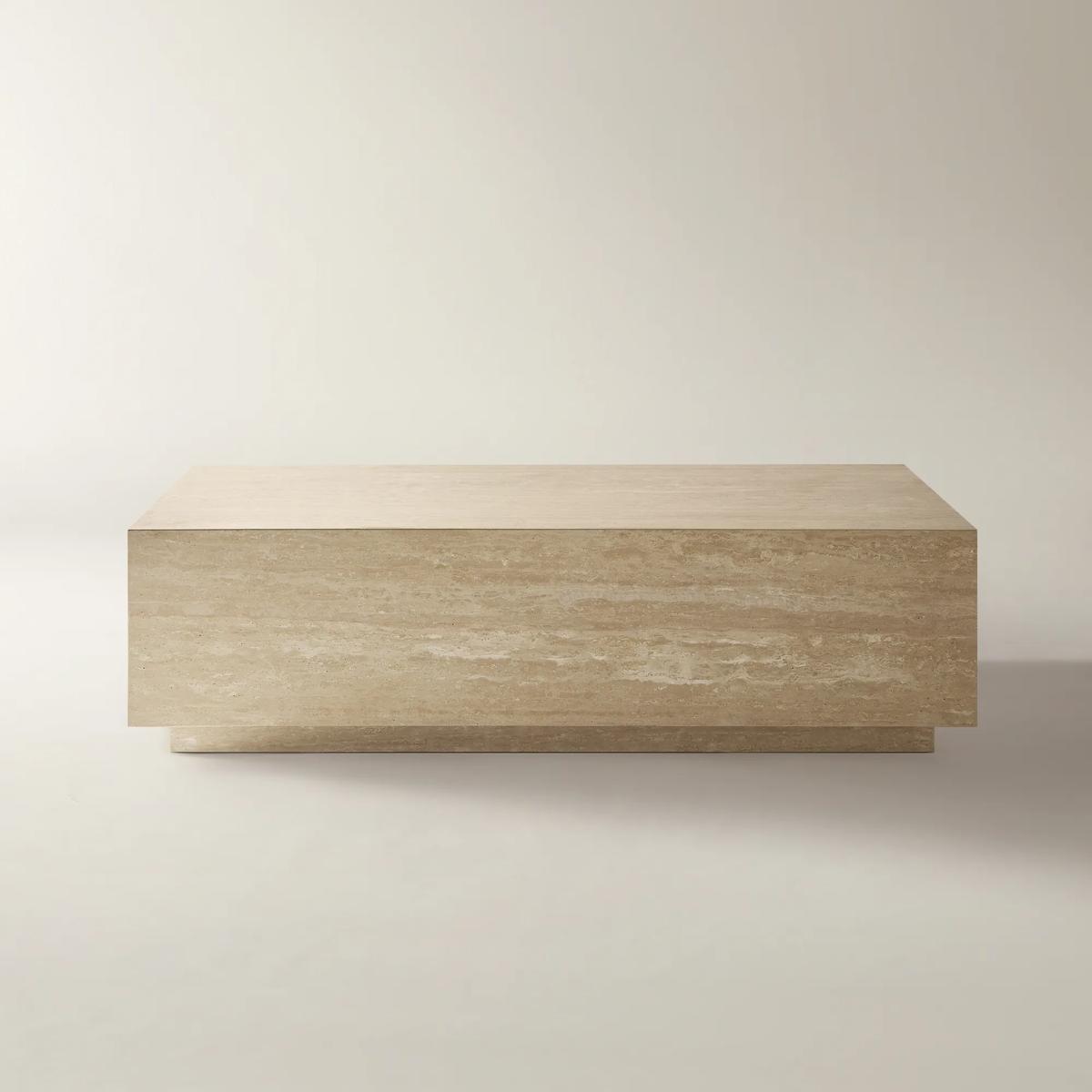
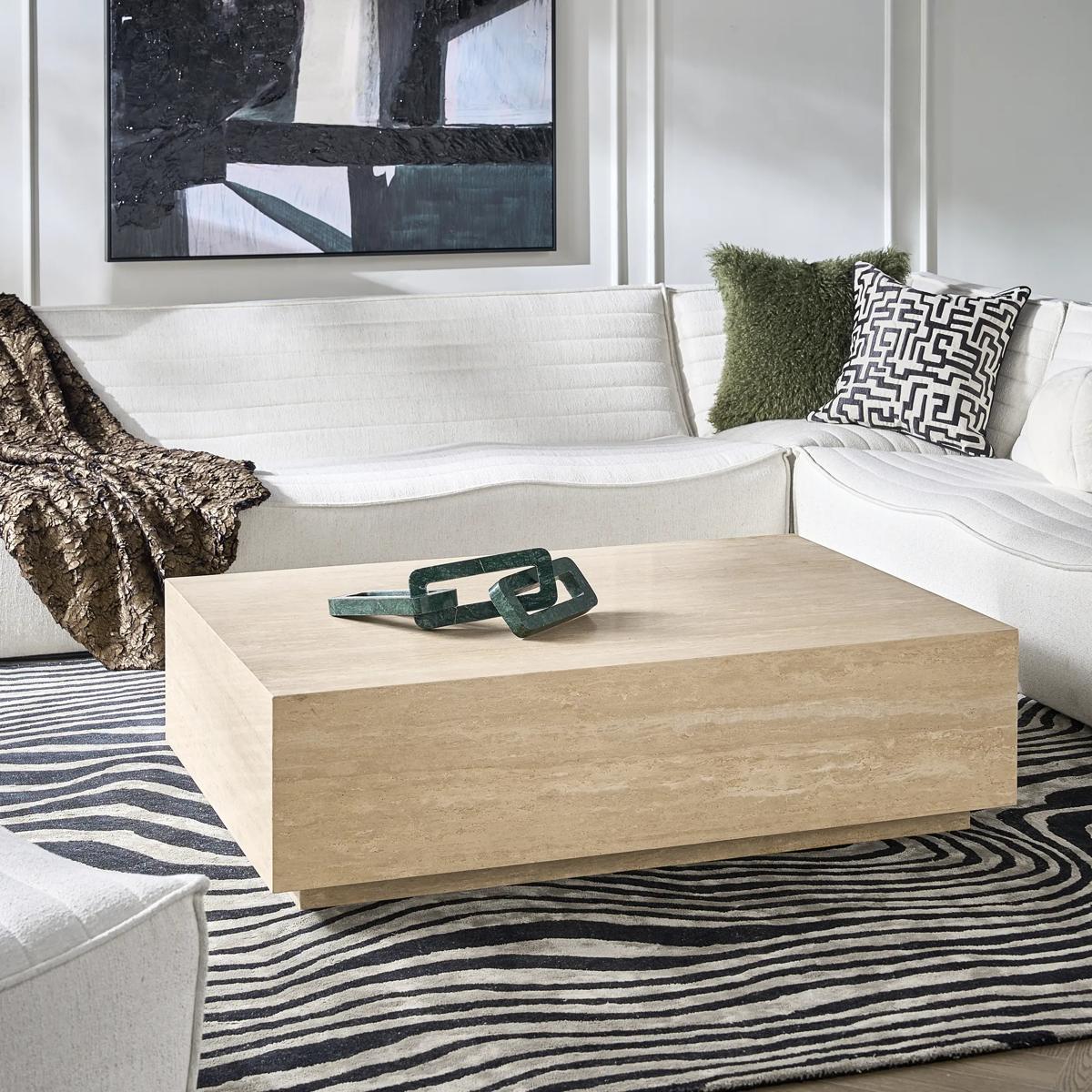 Vanta Rectangular Travertine Coffee Table (54")$2599
A seamless genuine travertine coffee table featuring ivory-gold tones and an ultra-light aluminum honeycomb core.
Add To Cart -
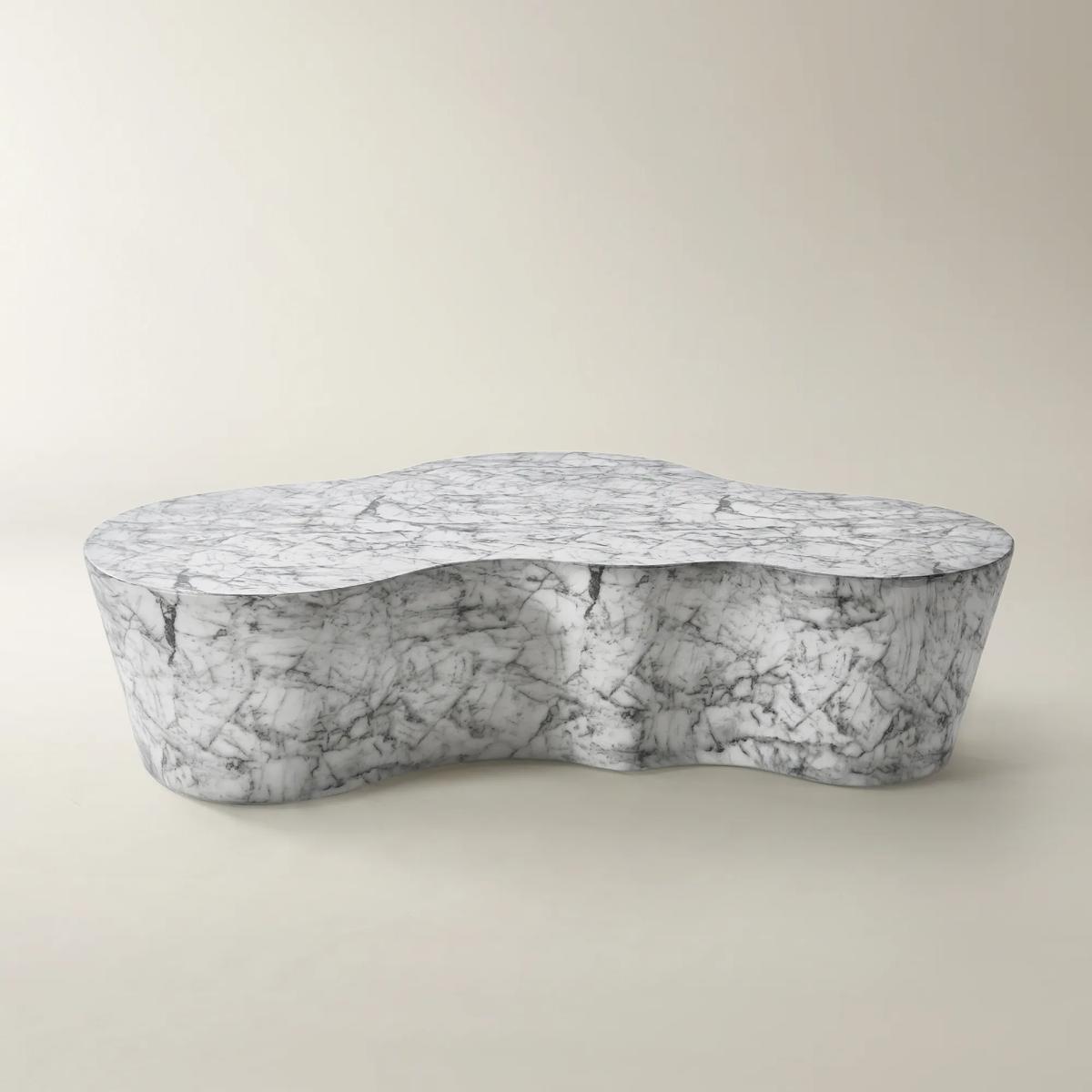
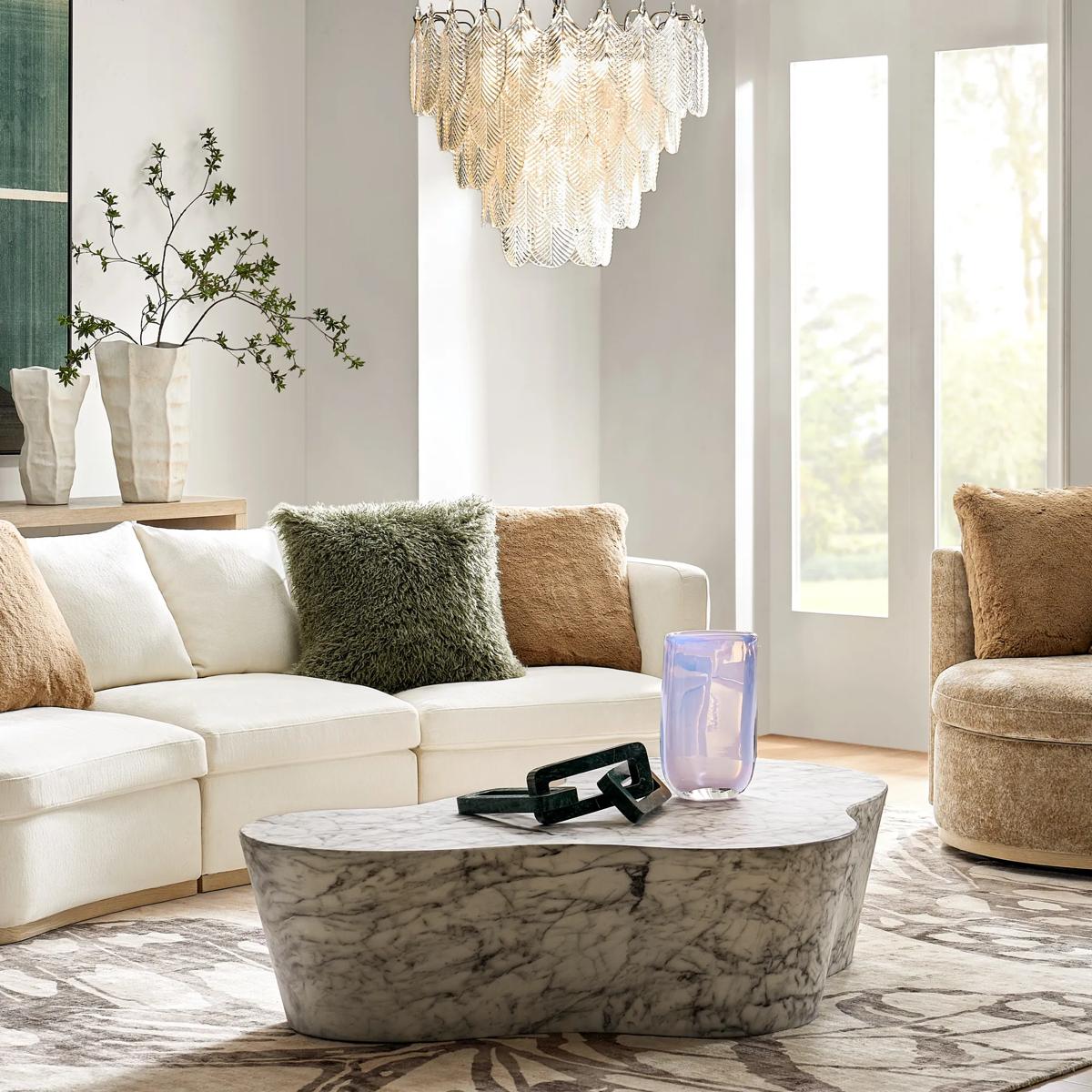 Petra White Concrete Indoor/outdoor Coffee Table (59.4")$1099
A cloud-inspired coffee table in lightweight fiber concrete with a hyper-realistic white marble finish.
Add To Cart -
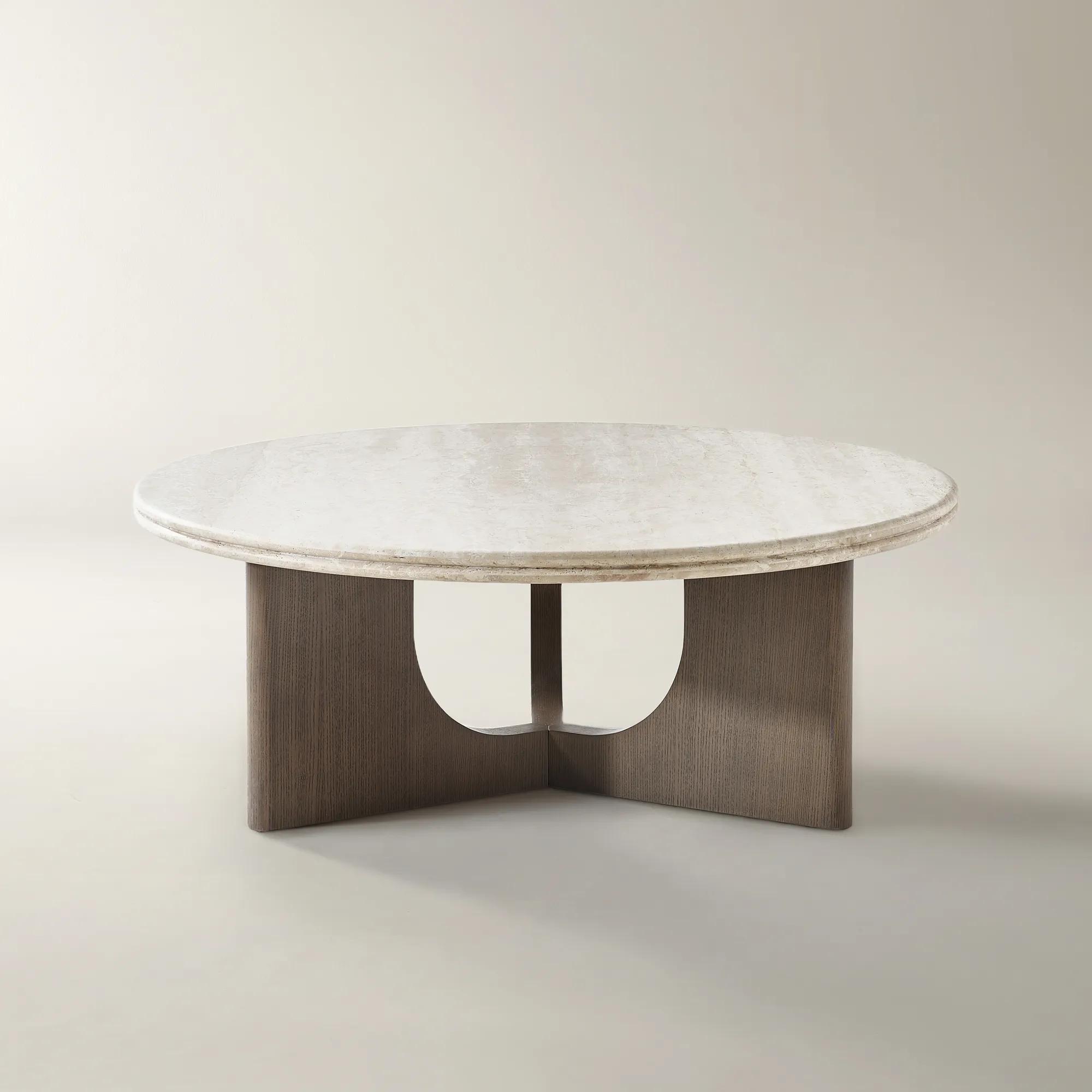
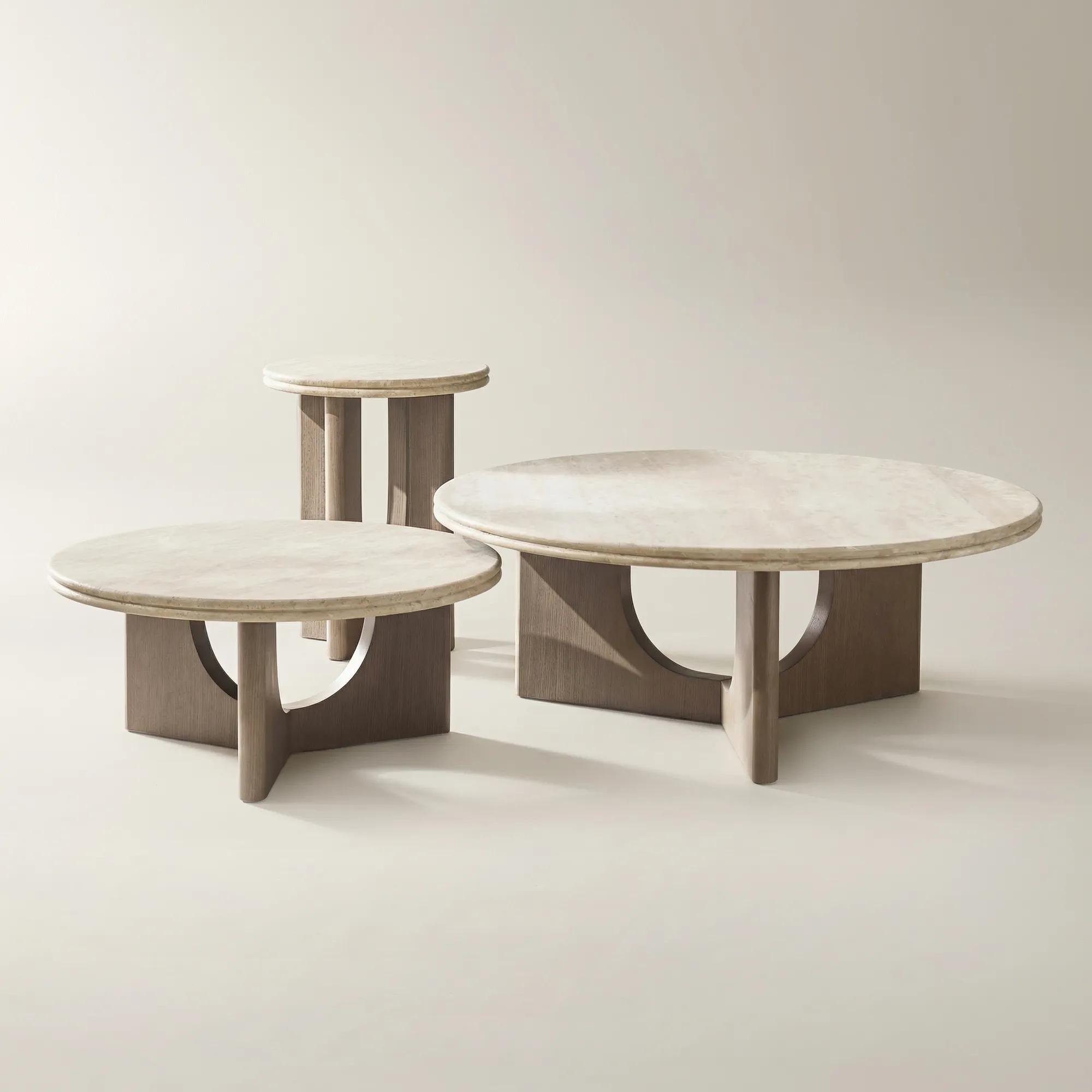
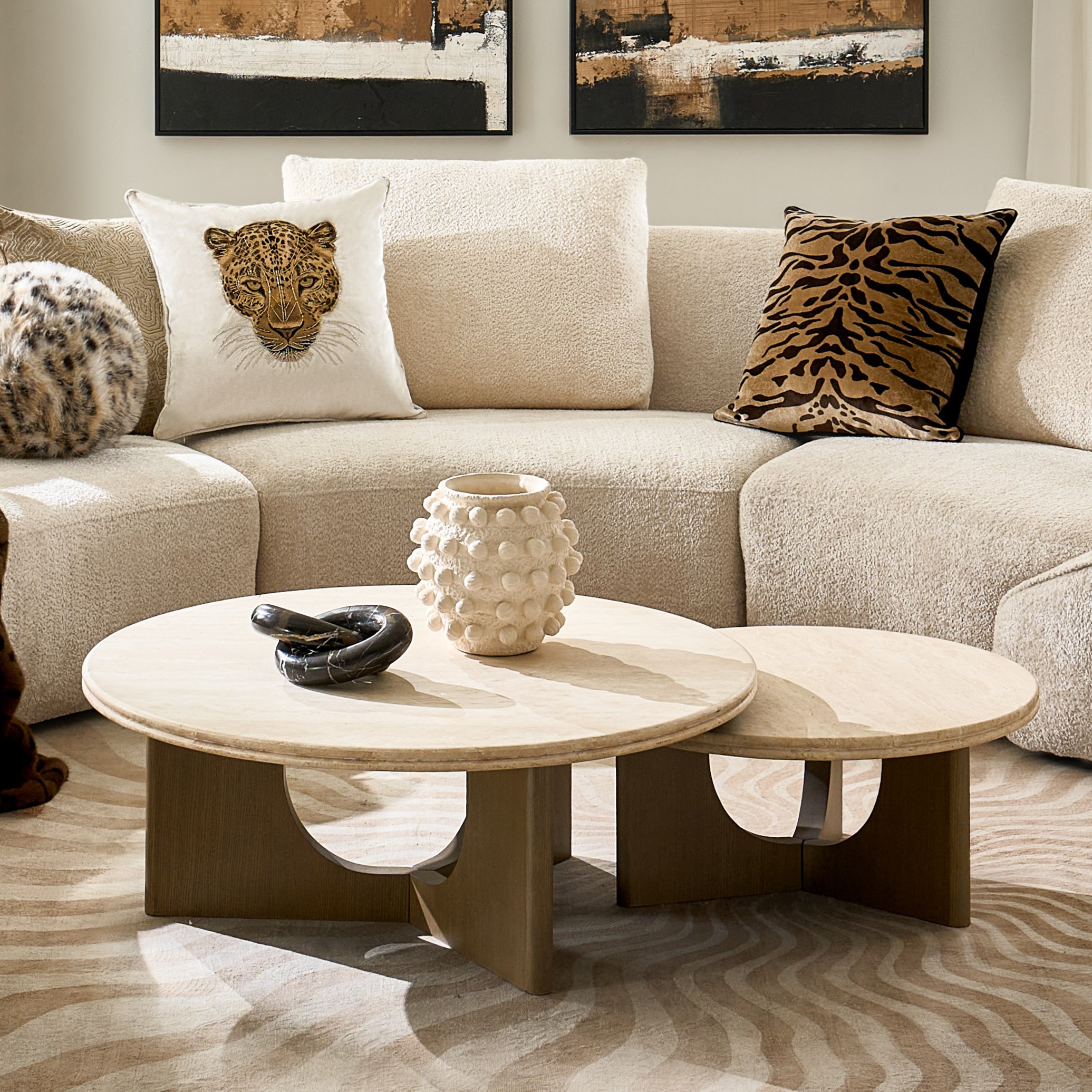 Bond Round Travertine and Wood Coffee Table (41")$1399
A round coffee table featuring a genuine travertine stone top and natural ash wood panel base with arches.
Add To Cart -
-compressed.jpg?w=1200&h=1200)
.jpg?w=1200&h=1200) Cairo Mactan Stone Console Table (63")$1799
Cairo Mactan Stone Console Table (63")$1799A hand-carved Mactan stone console table featuring a raw chiseled edge and natural tonal variations.
Add To Cart -
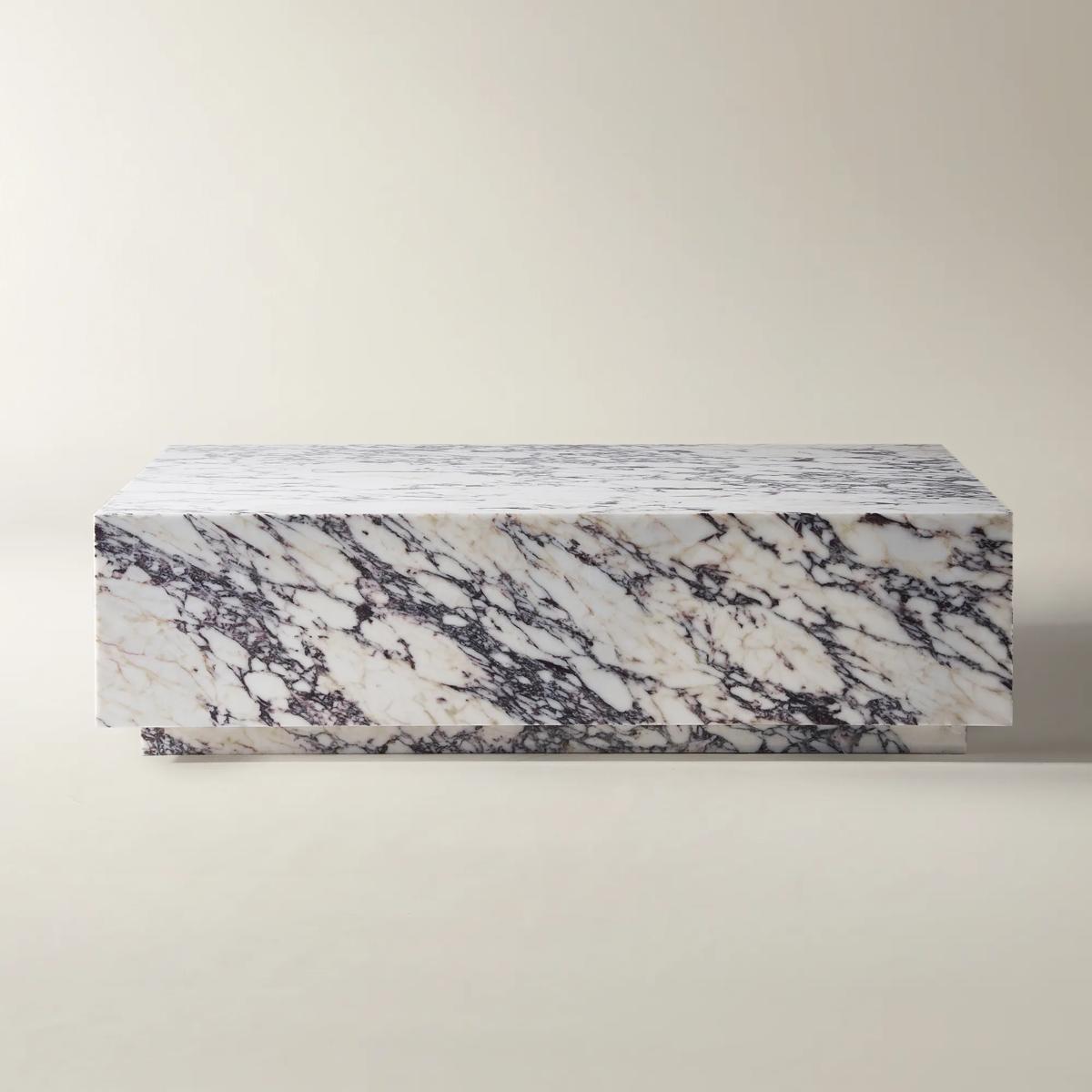
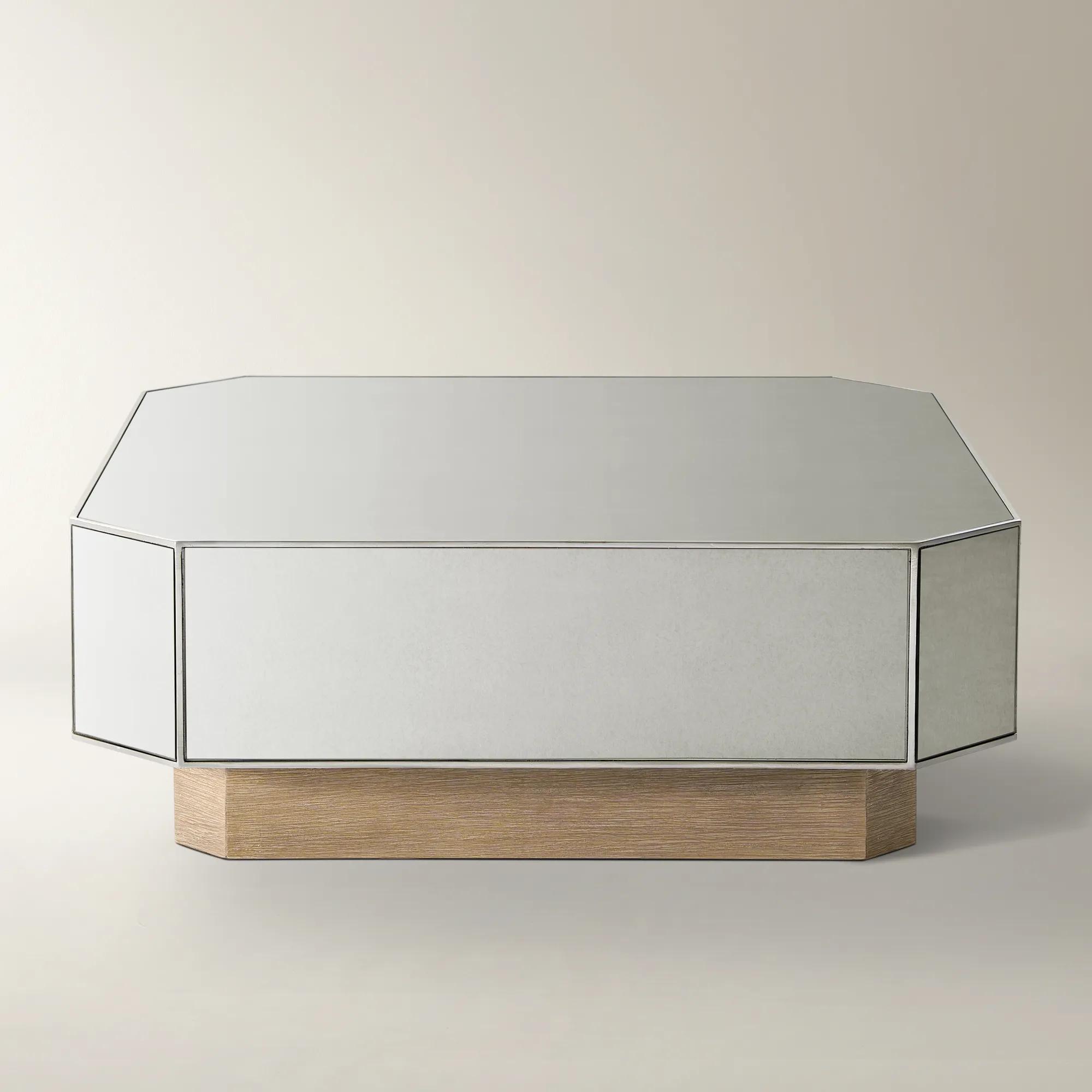
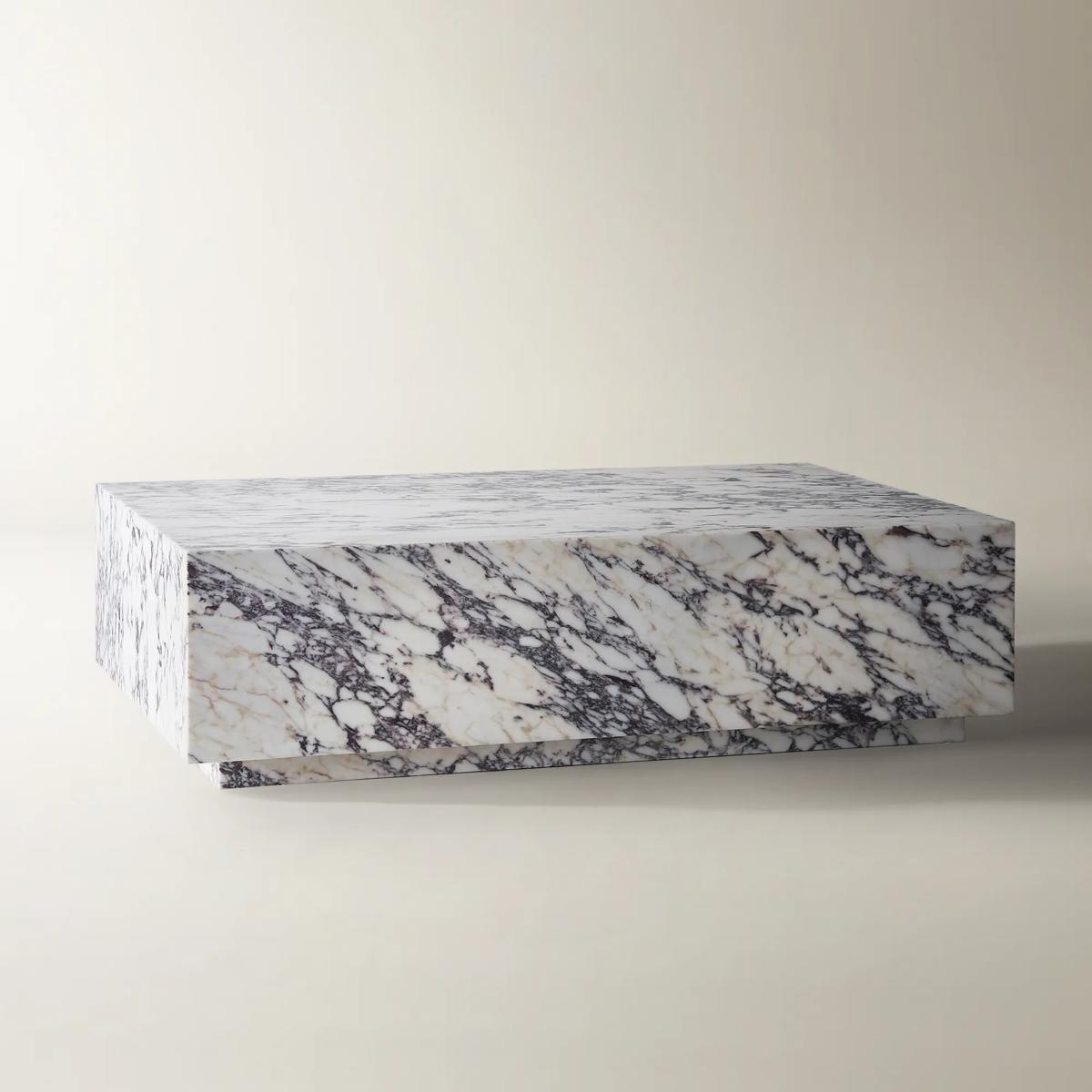 Vanta Rectangular Viola Calacatta Marble Coffee Table (54")$3699
A striking coffee table featuring genuine Calacatta Viola marble with bold violet veining and an aluminum core.
Add To Cart -
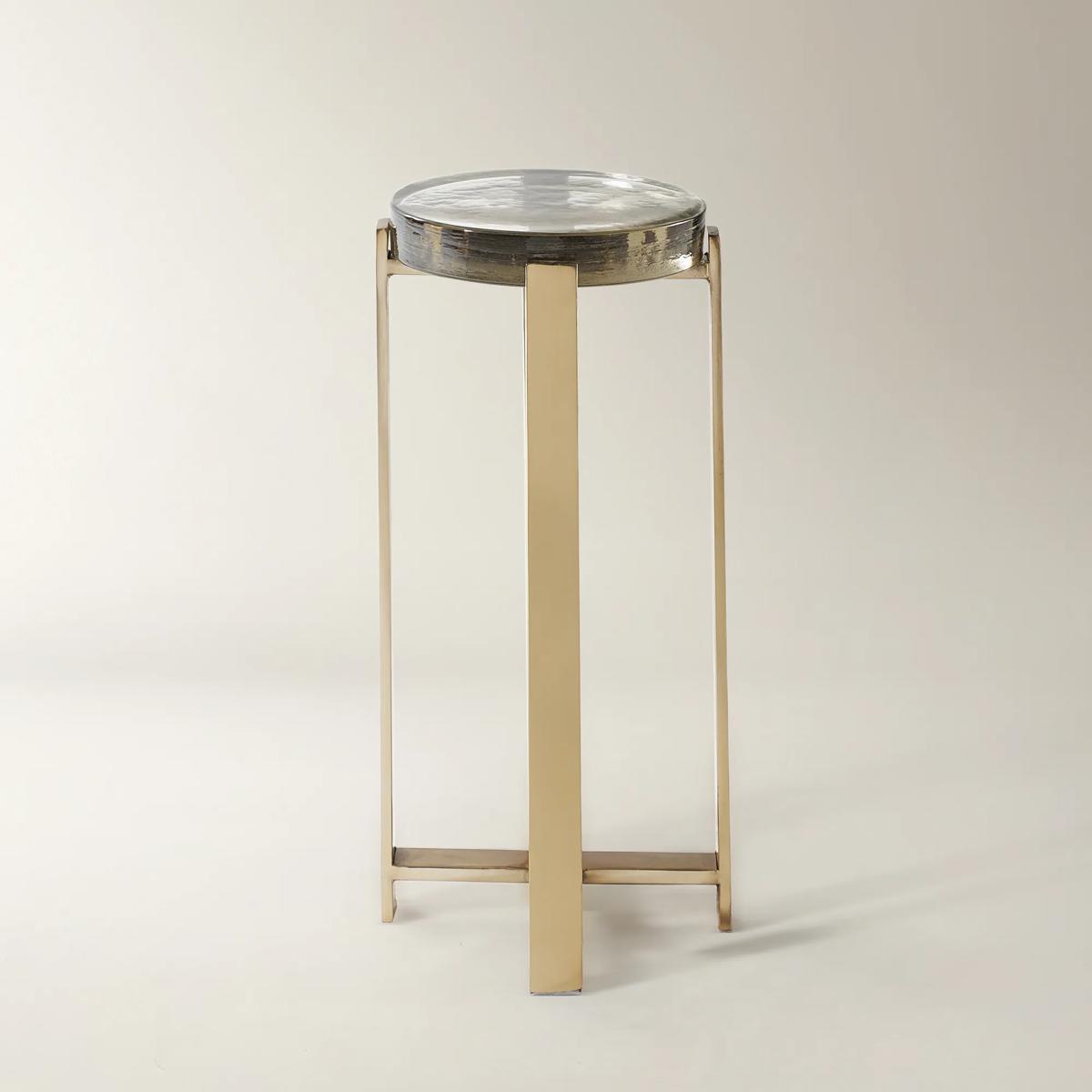
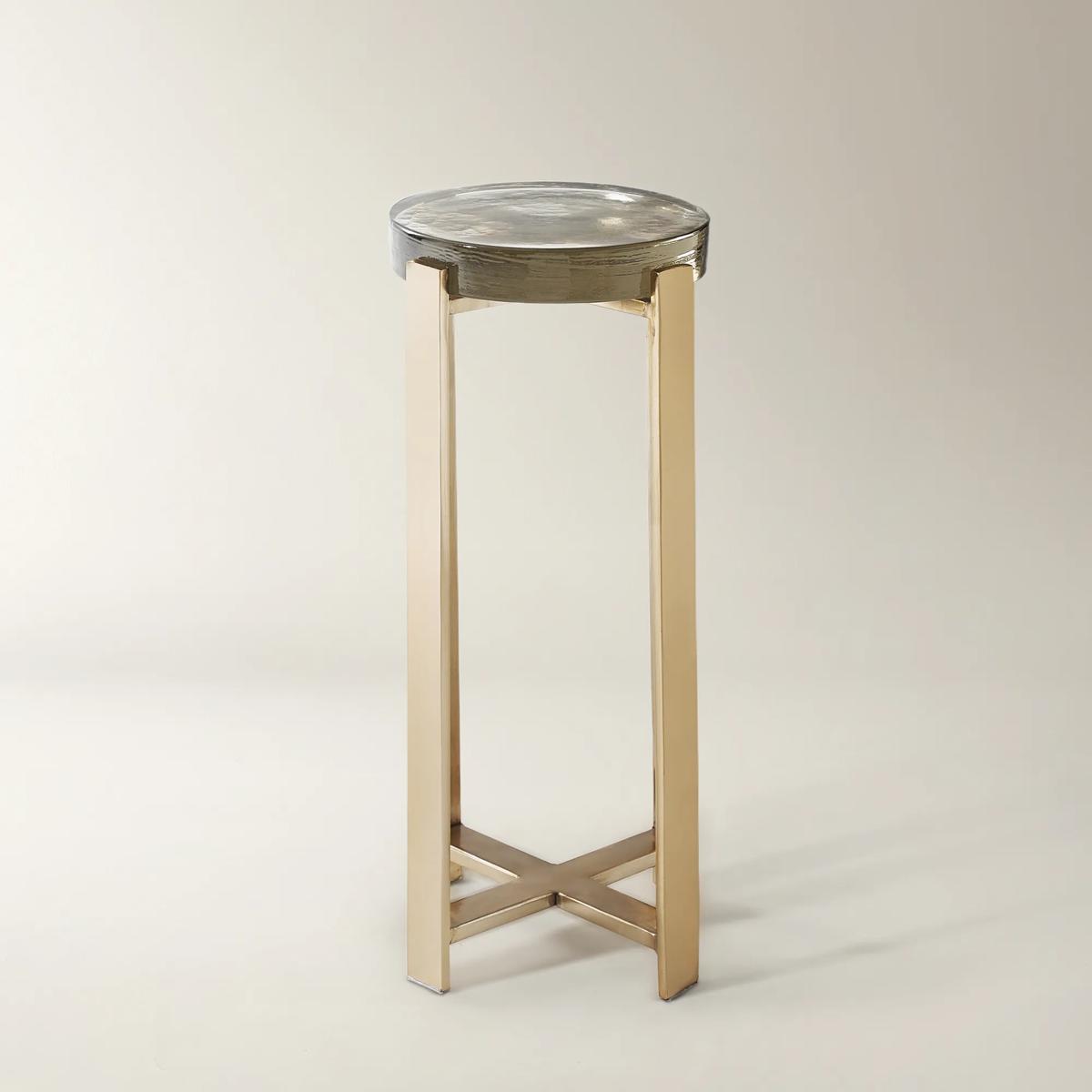 Lyra Round Brass Metal Side Table With Glass Top (10.75")$259
A sculptural side table featuring a thick cast glass top and lustrous brass-finished metal base.
Add To Cart -
.jpg?w=1200&h=1200)
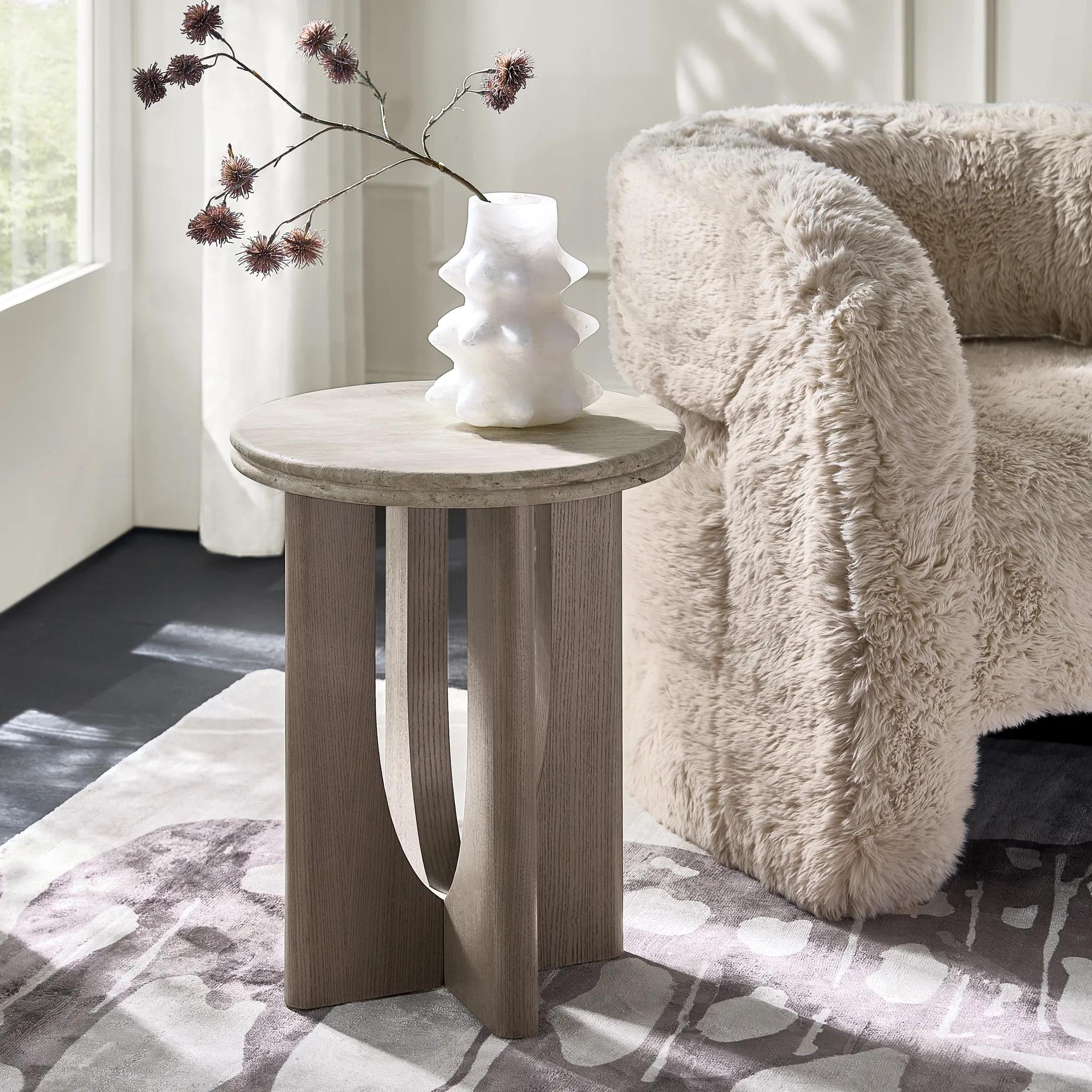 Bond Round Travertine and Wood End Table (17.25")$459
A sculptural end table featuring a genuine ivory travertine top and a solid ash wood base.
Add To Cart -
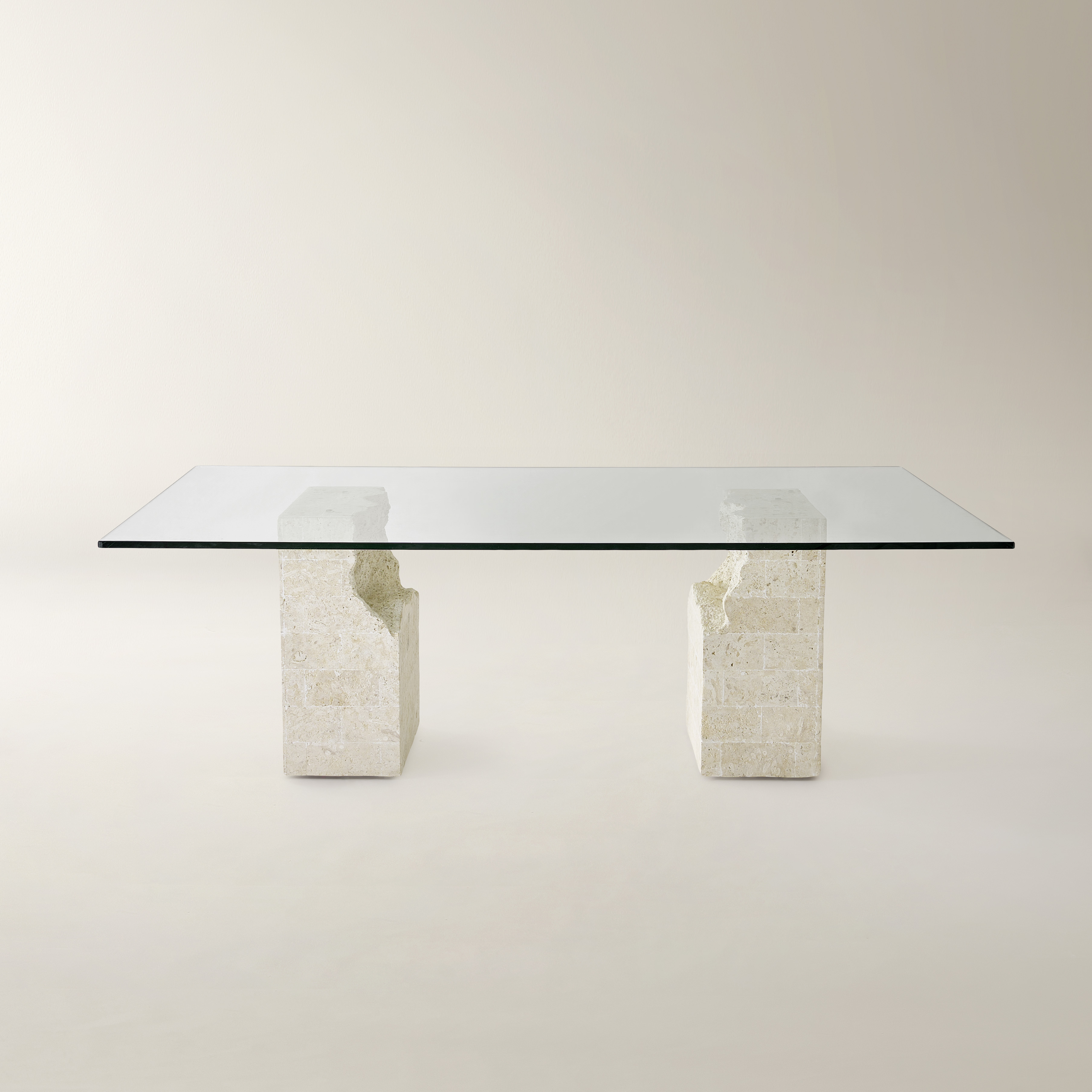 Cairo Rectangular Mactan Stone Dining Table With Glass Top (86.6")$2399
A contemporary dining table featuring a clear tempered glass top over hand-carved Mactan stone bases.
Add To Cart -
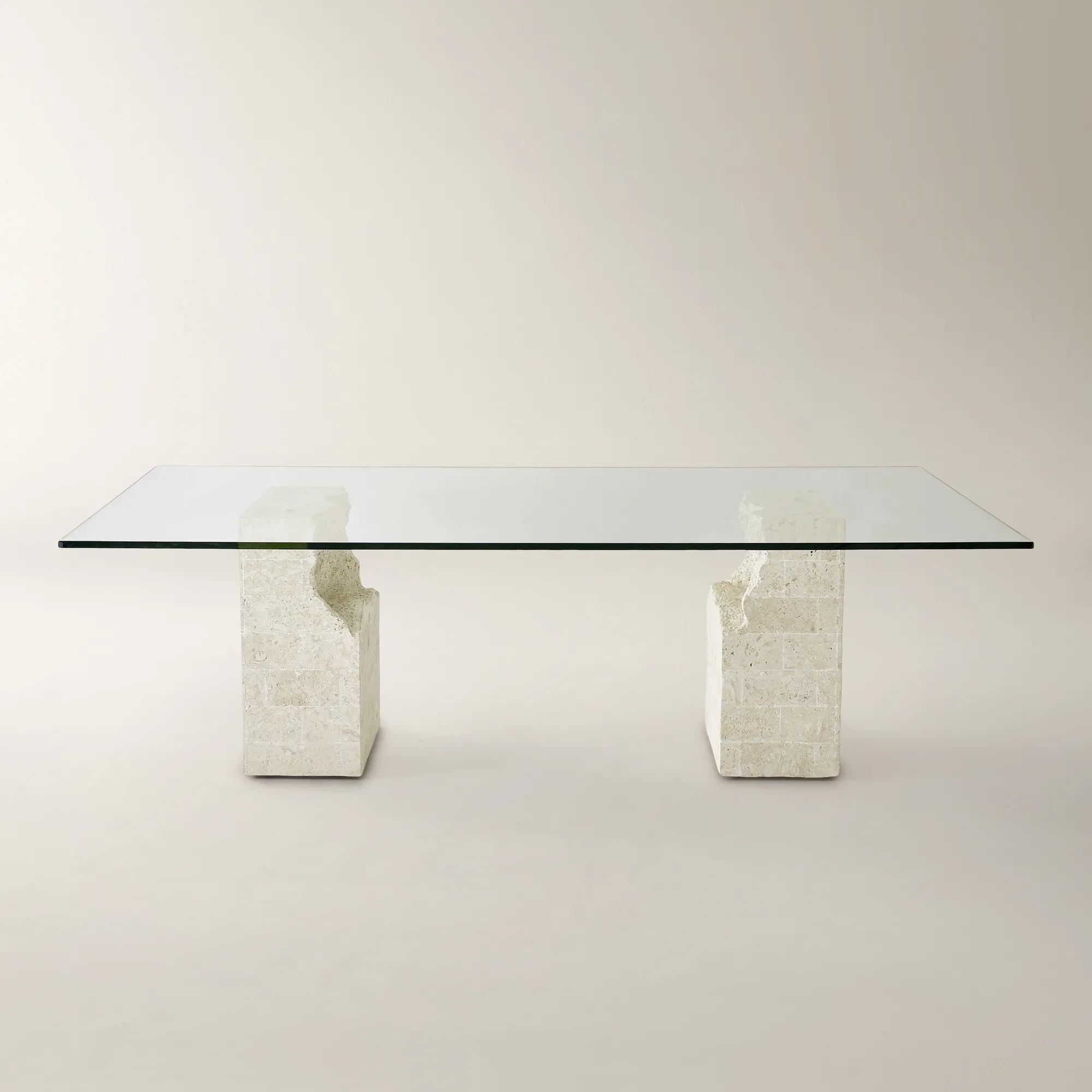 Cairo Rectangular Mactan Stone Dining Table With Glass Top (96")$2599
A contemporary dining table featuring a clear tempered glass top over hand-carved Mactan stone bases.
Add To Cart -
-compressed.jpg?w=1200&h=1200)
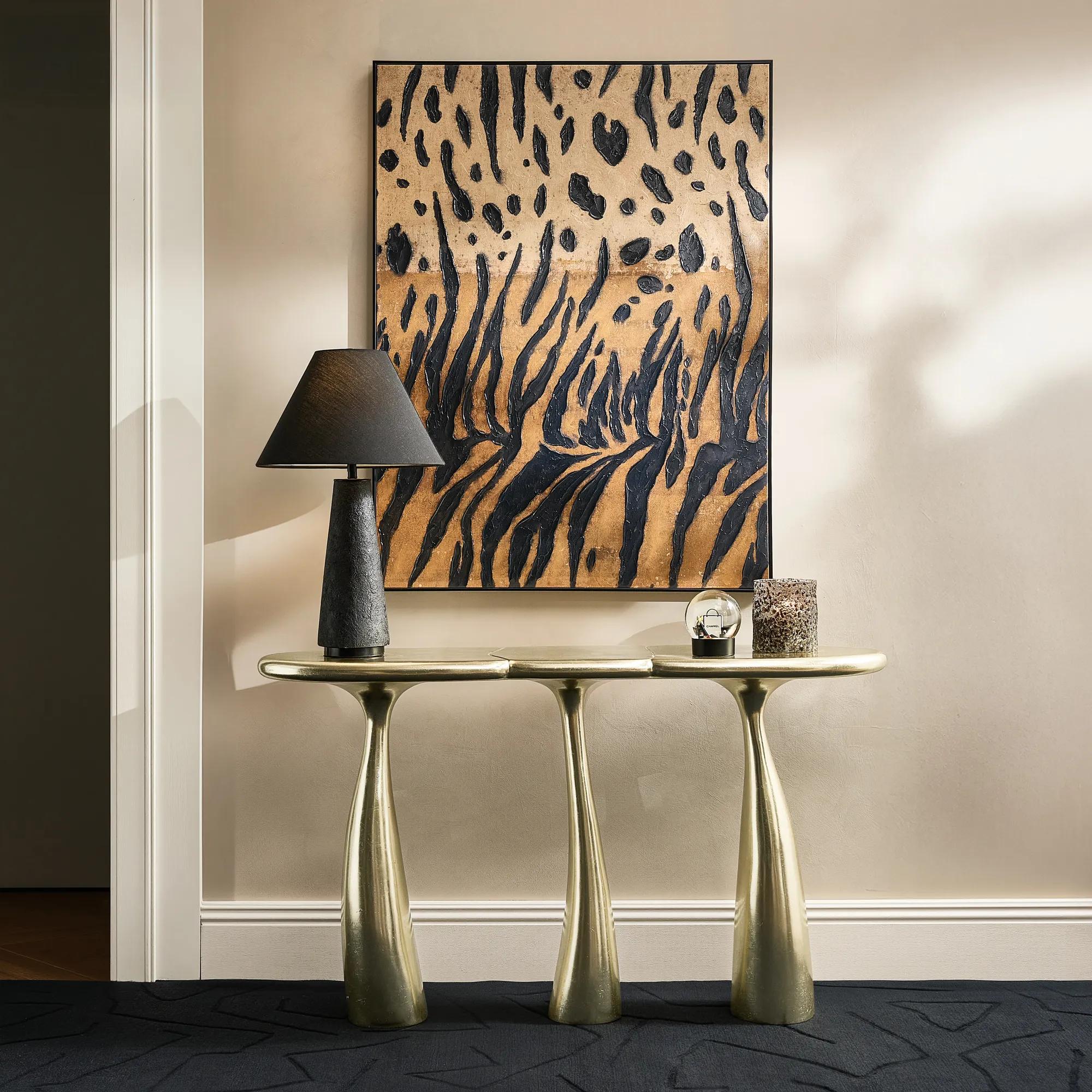 Thalia Soft Gold Console Table (52.4")$999
A sculptural console table hand-molded from fiberglass with a luminous, hand-applied gold leaf finish.
Add To Cart -
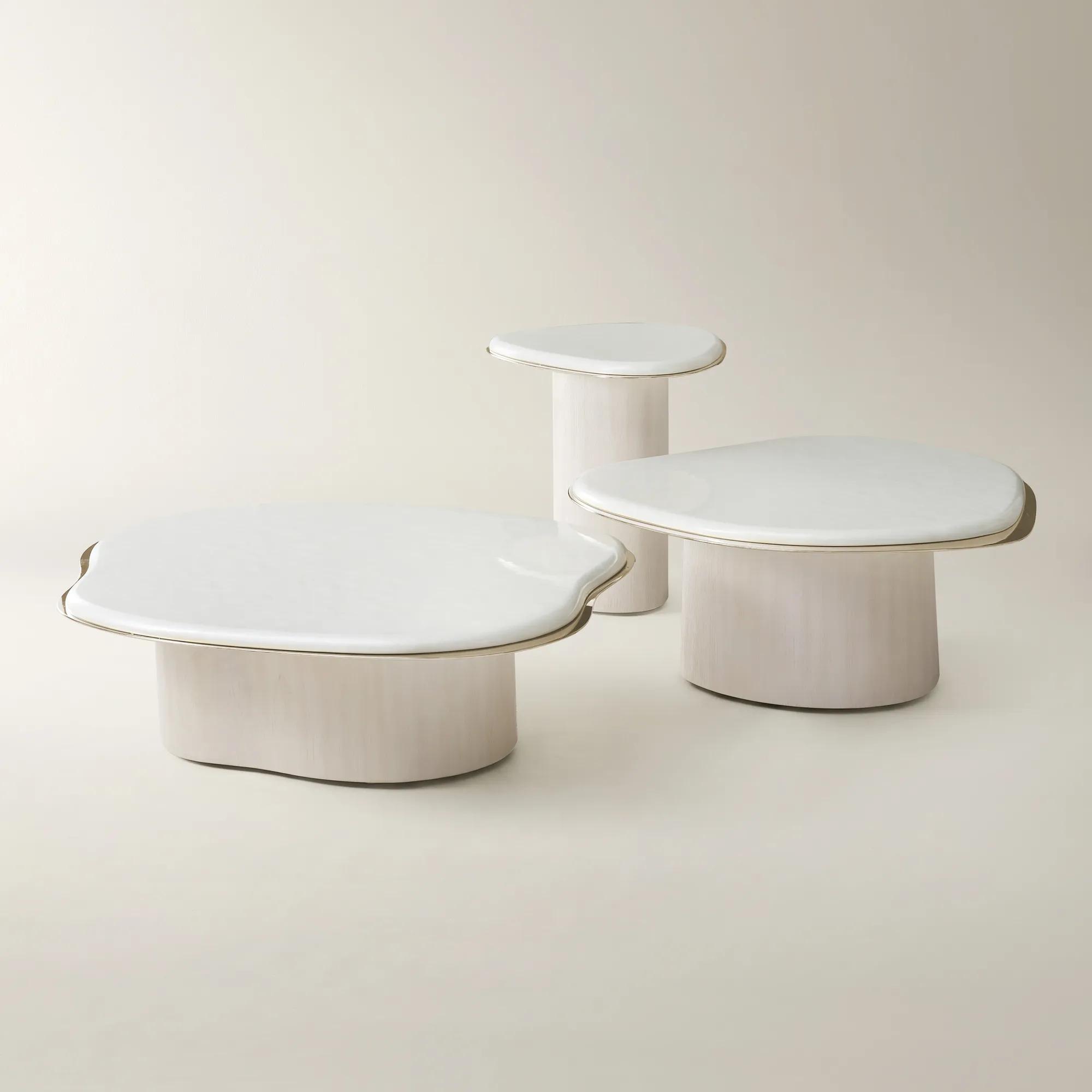
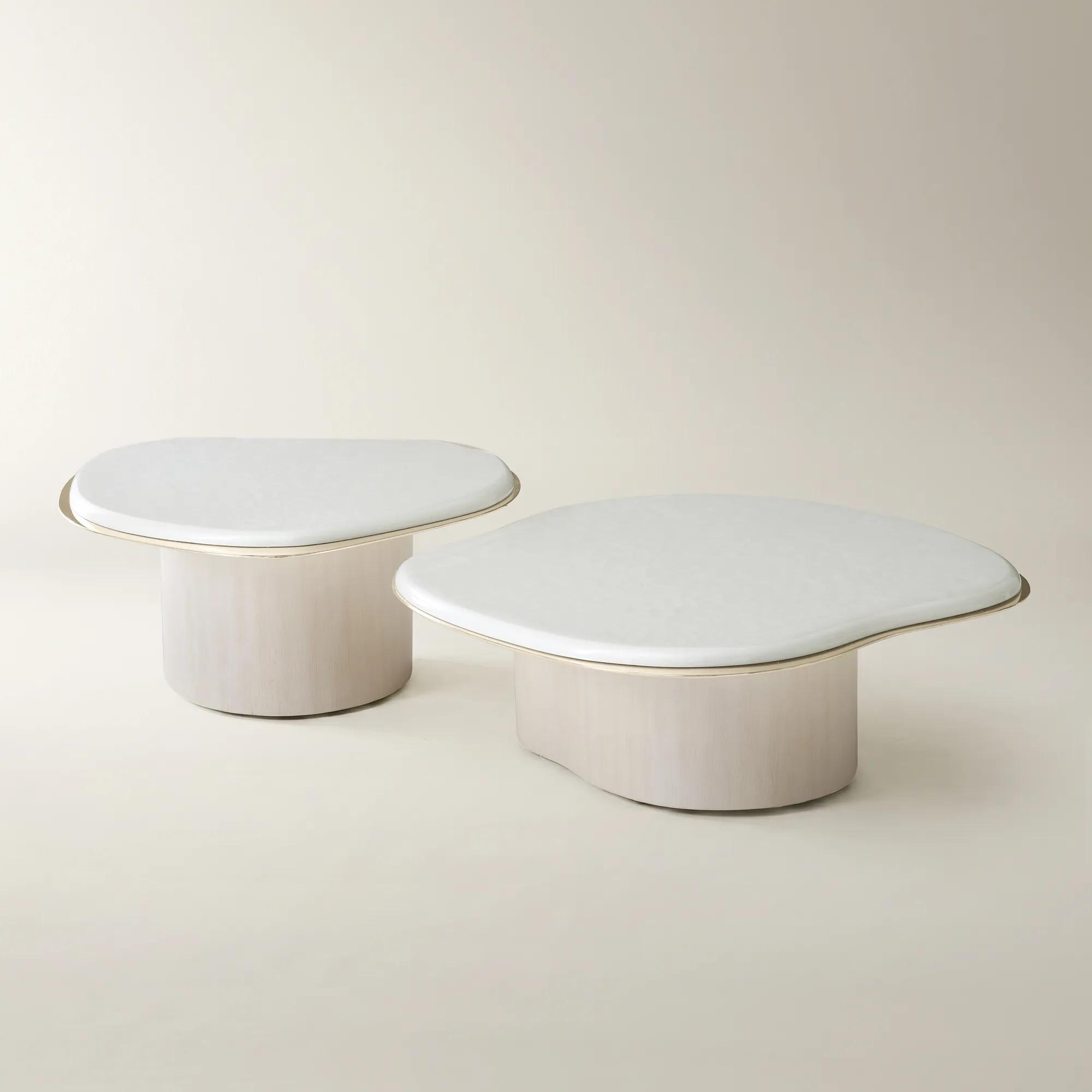 Lumina Bleached Oak Coffee Table Set Of 2$2098
A set of sculptural coffee tables featuring pearl lacquered tops, bleached oak veneer, and champagne gold trim.
Add To Cart -
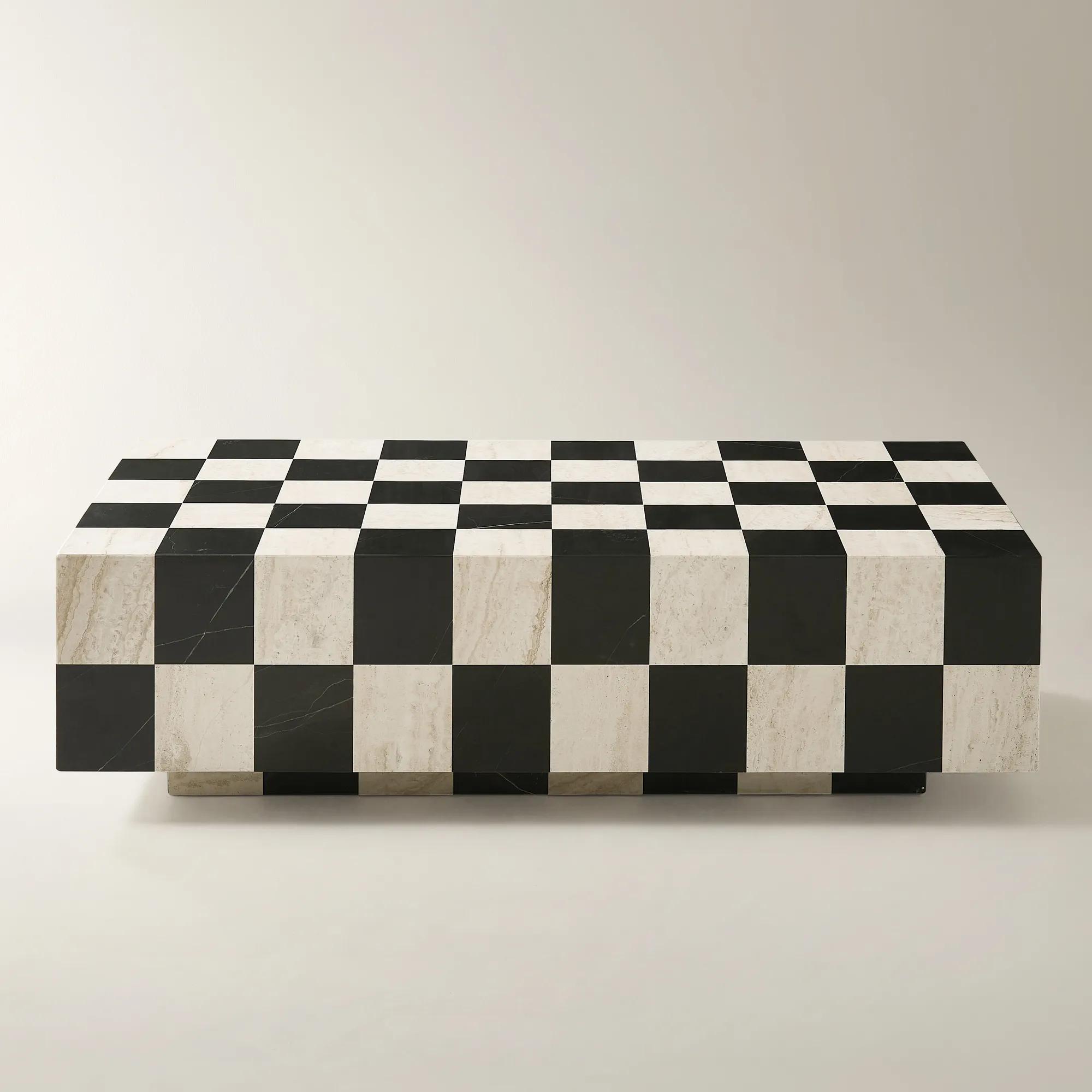 Chessa Rectangular Chequered Marble Coffee Table (53.1")$2399
A sculptural coffee table featuring polished black marble and travertine checkerboard mosaic with a monolithic silhouette.
Add To Cart -
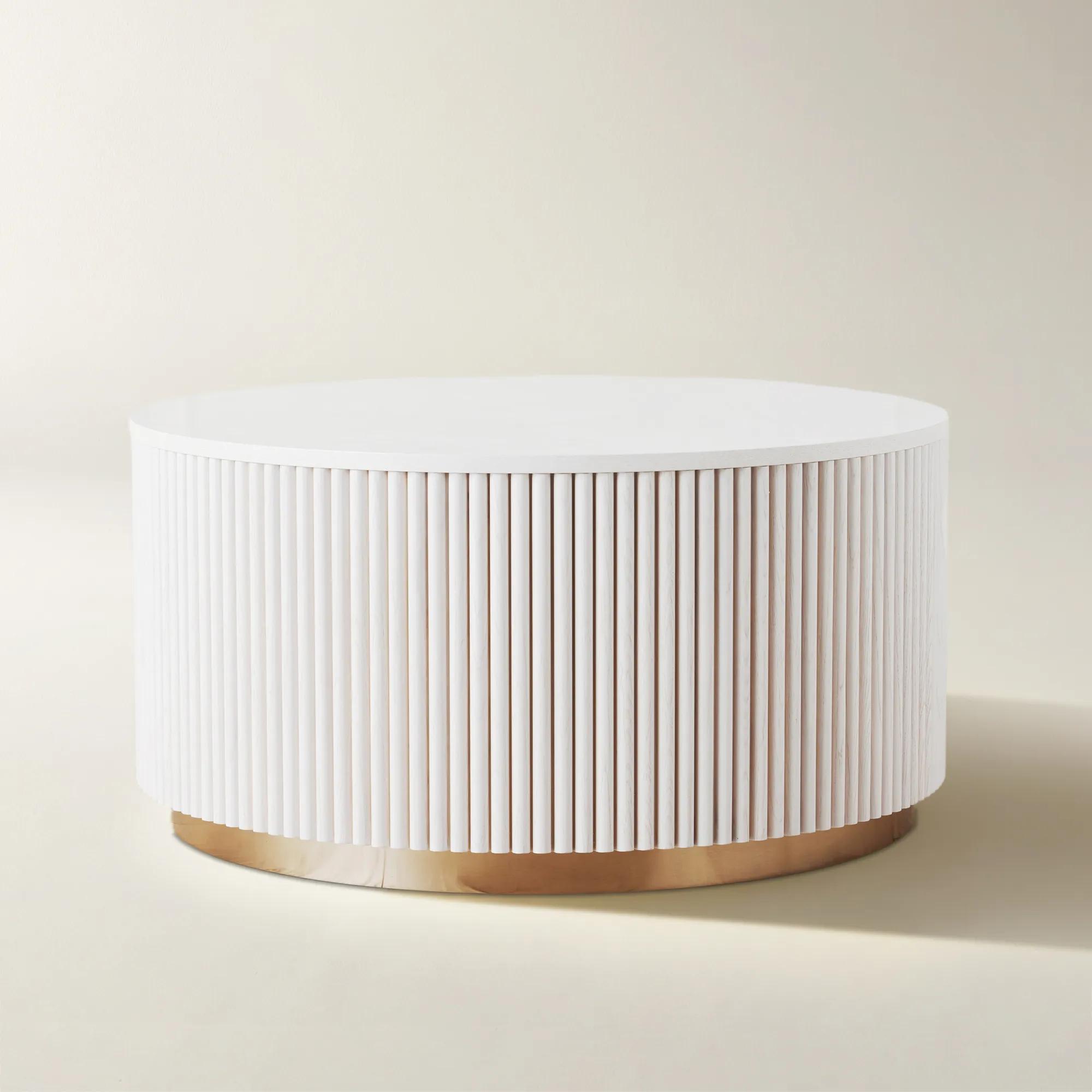
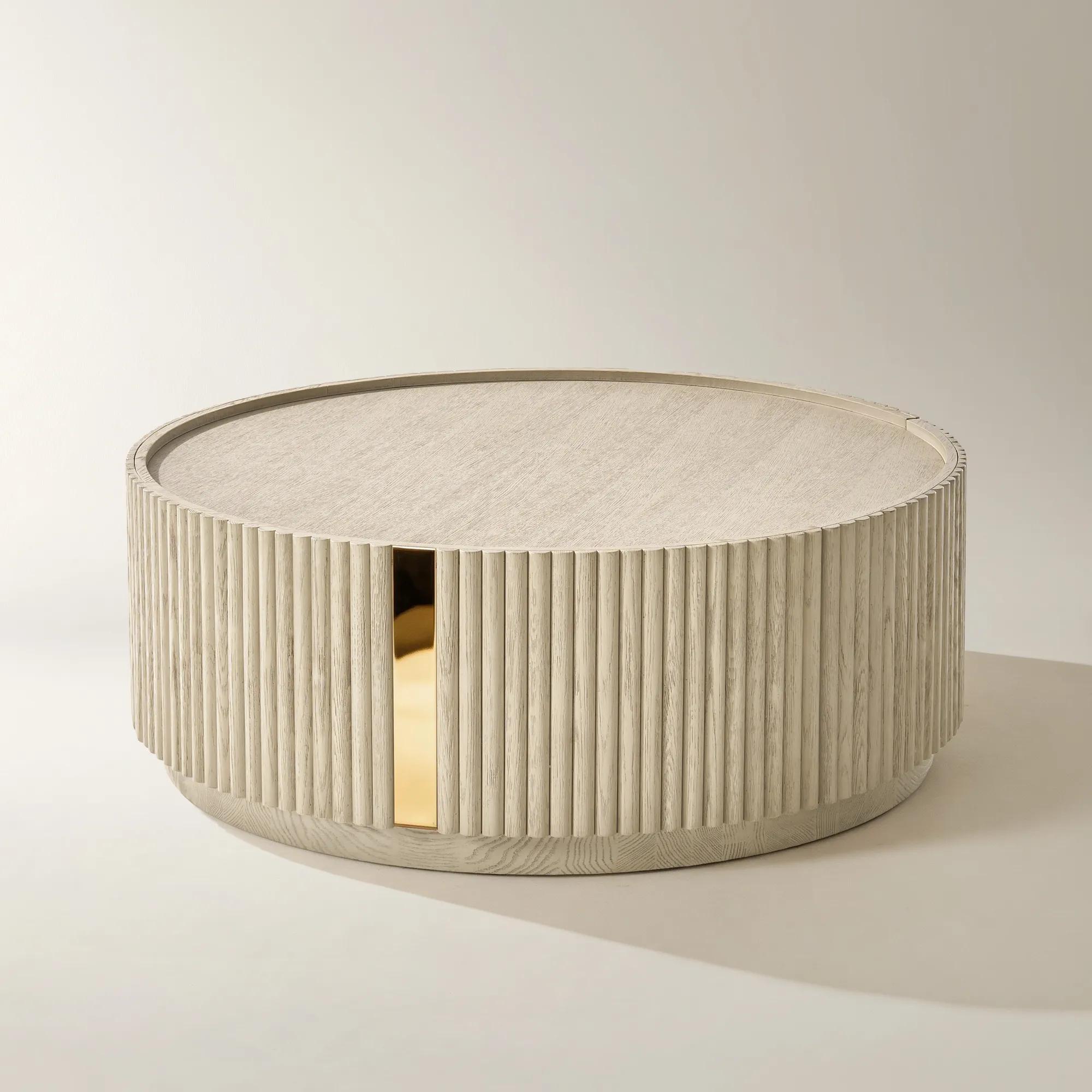 Stria Round Reeded White Oak Coffee Table with Drawer (42.3")$1499
A round coffee table featuring reeded white oak, soft gold metal trim, and a concealed soft-close drawer.
Add To Cart -
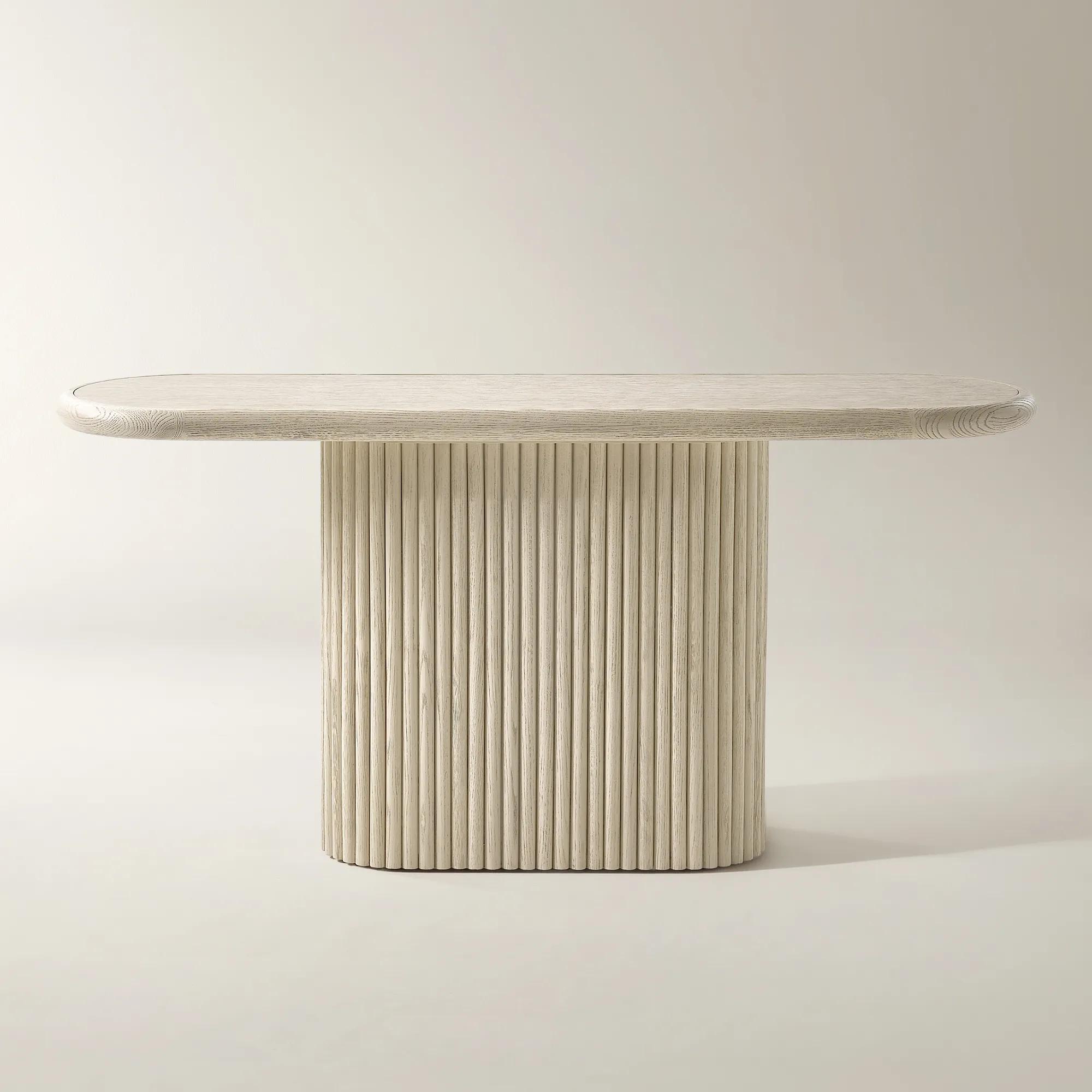
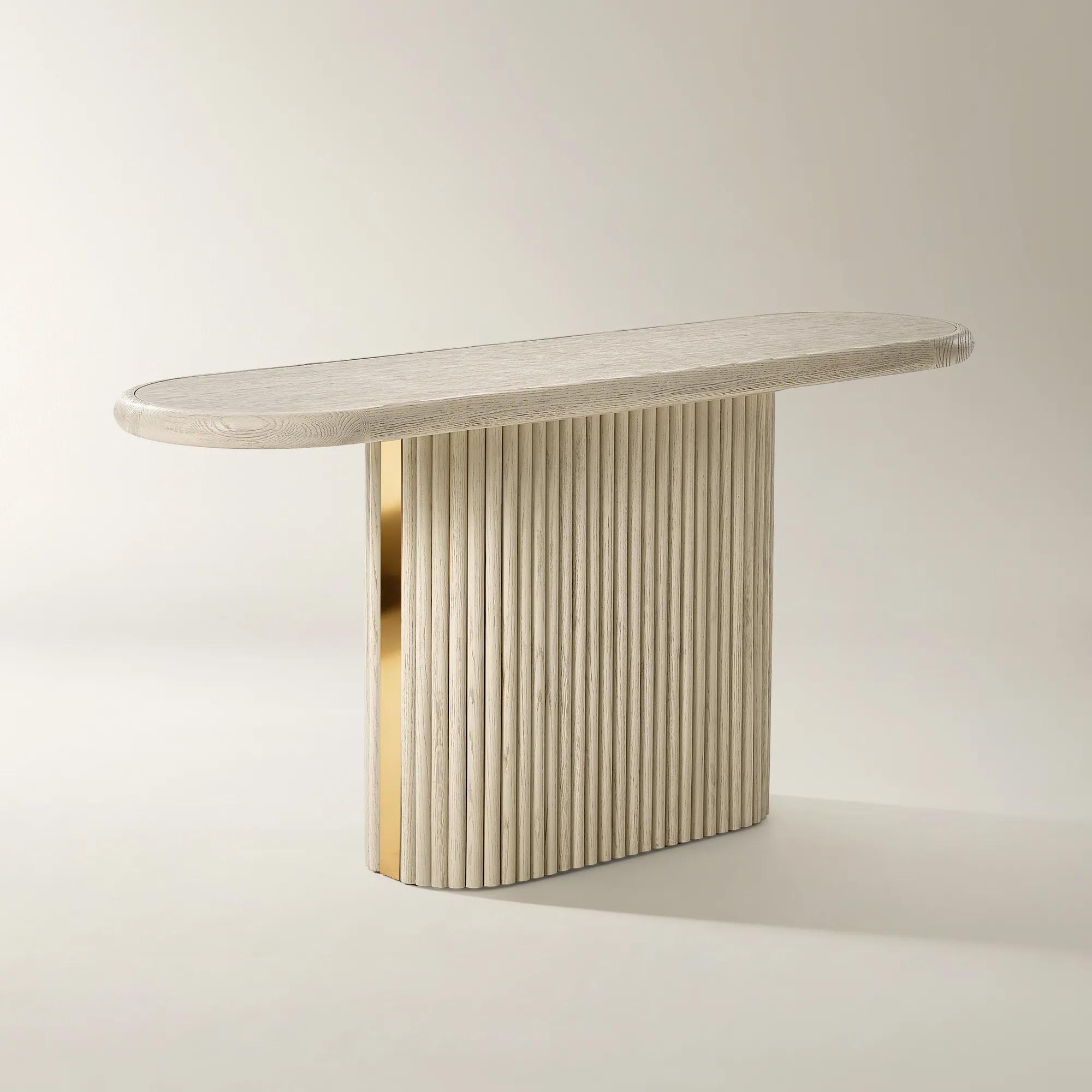 Stria Oval Reeded White Oak Console Table (63")$1399
A sculptural console table featuring reeded white oak, soft gold metal trim, and an architectural pedestal base.
Add To Cart -
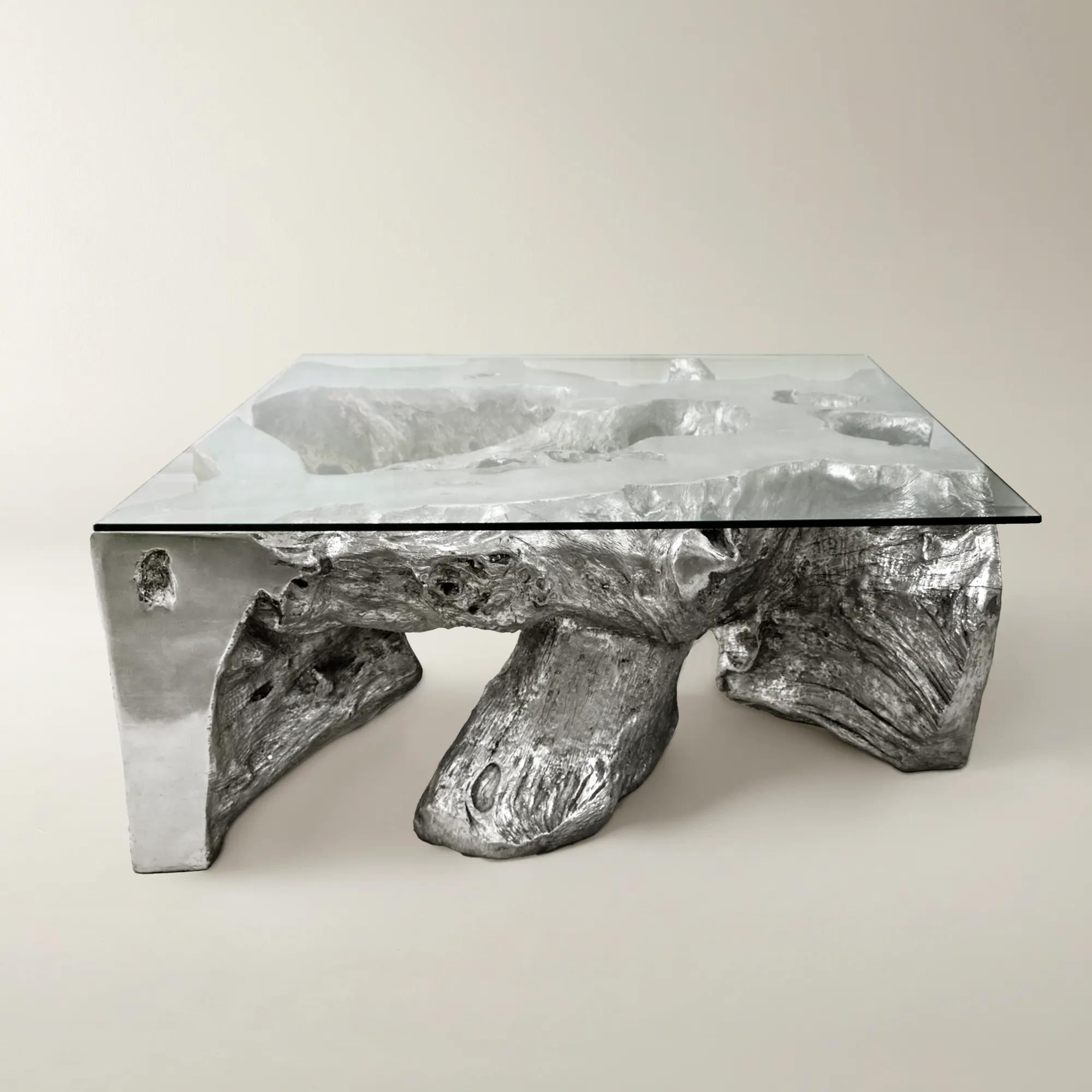
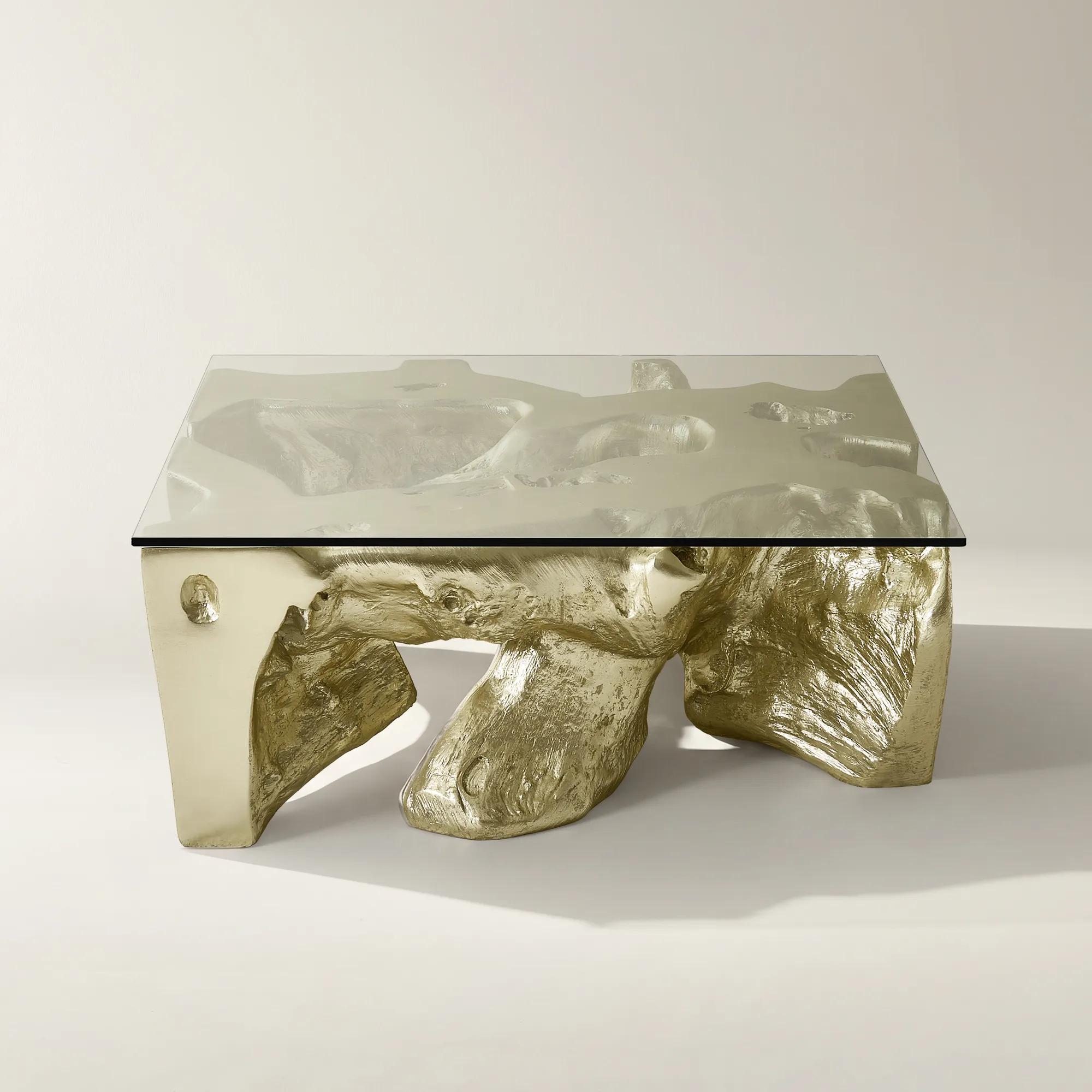 Sequoia Champagne Gold Resin Coffee Table With Glass Top (44")$2299
A sculptural resin coffee table with a champagne gold leaf finish and a clear tempered glass top.
Add To Cart -
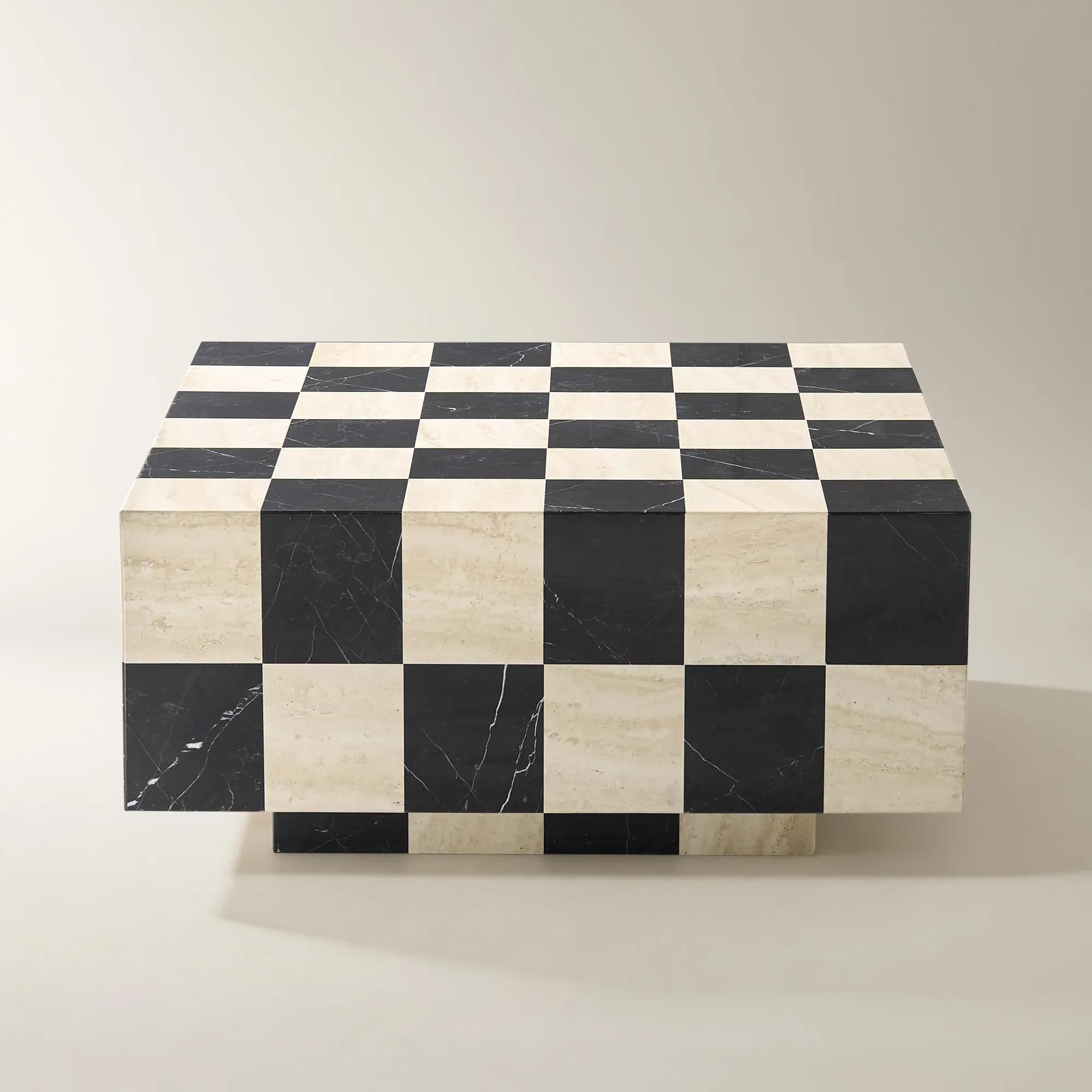
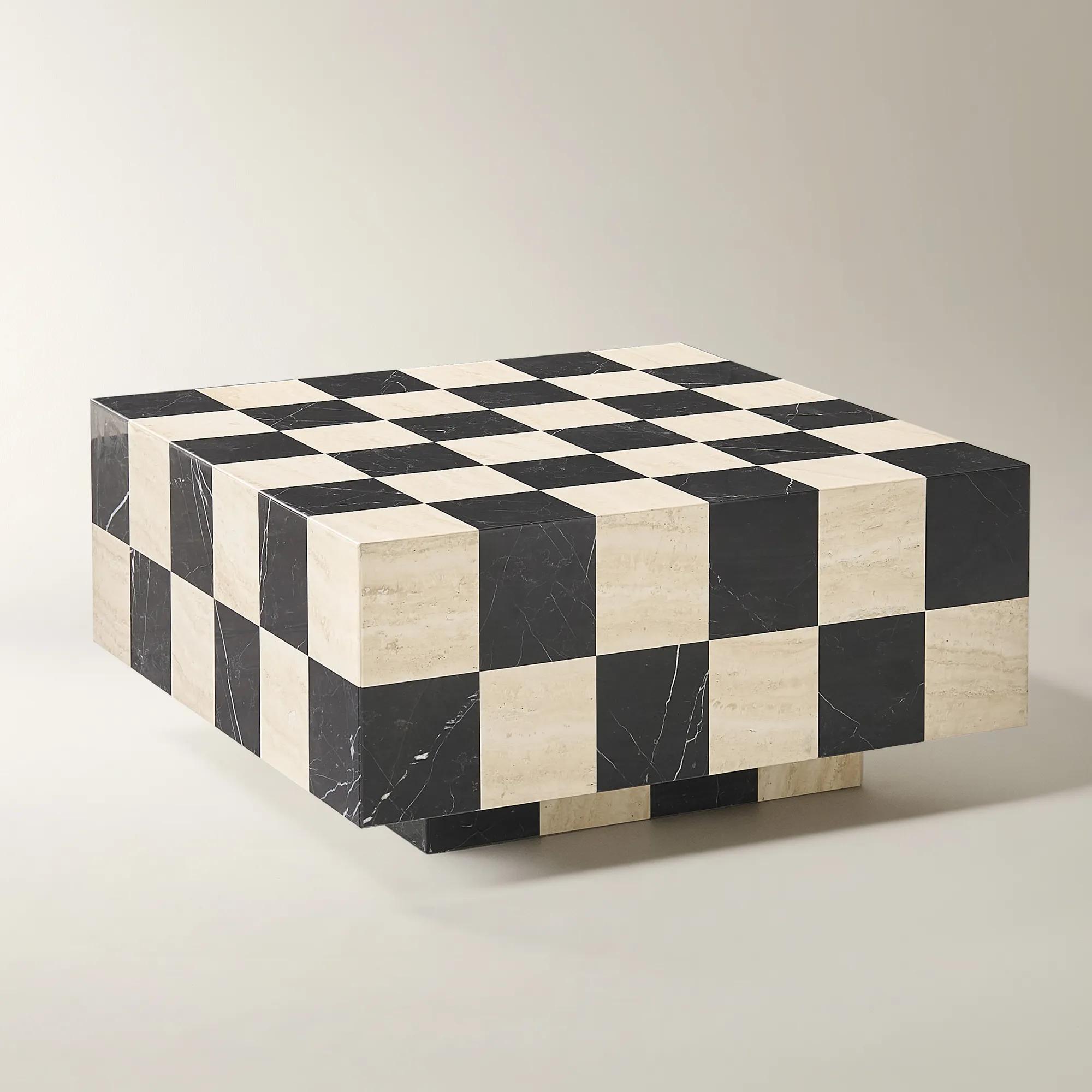 Chessa Square Chequered Marble Coffee Table (31.9")$1699
A striking coffee table featuring a dimensional black marble and travertine checkerboard mosaic with polished finish.
Add To Cart -
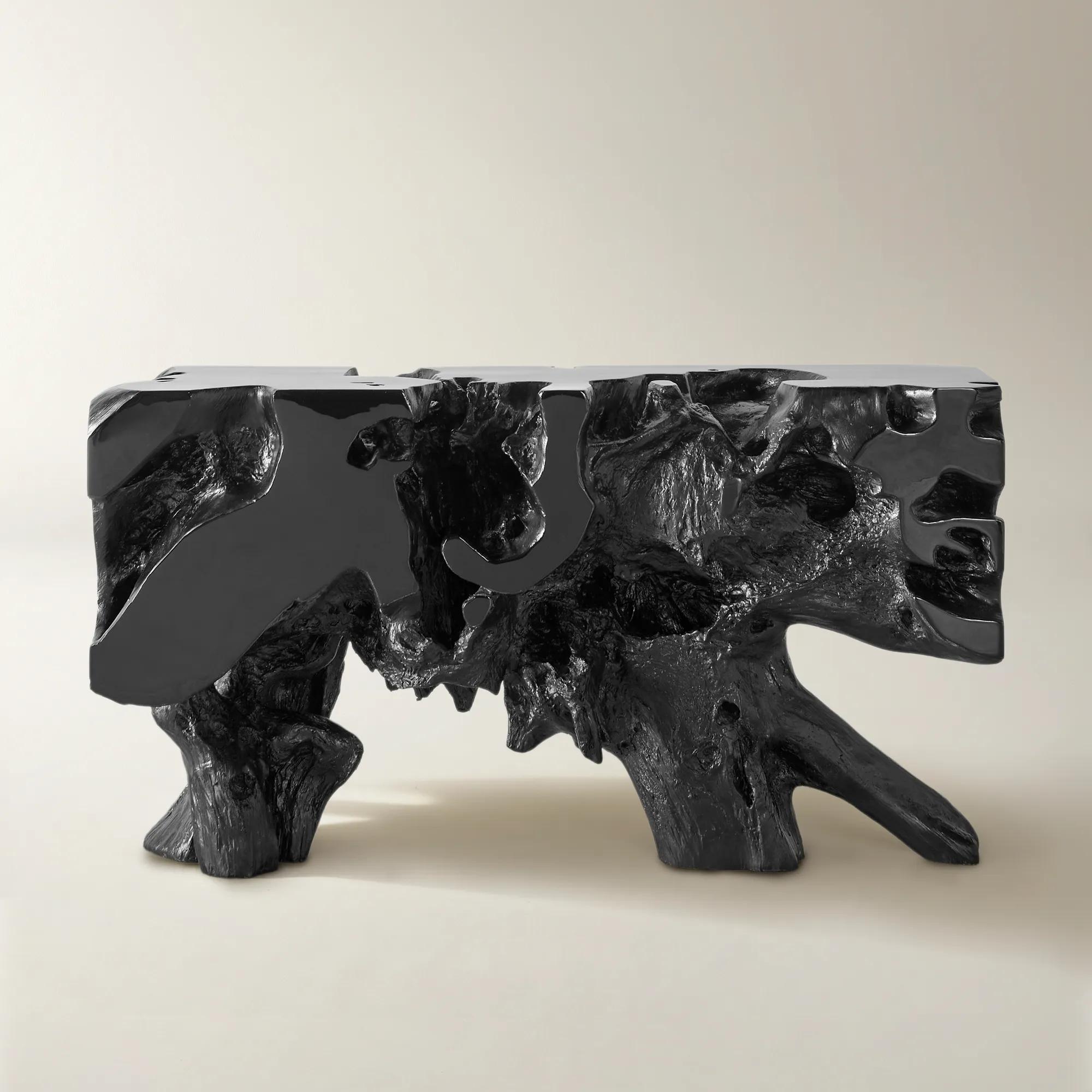 Sequoia Black Resin Console Table (58")$1999
A sculptural black console table crafted from resin, fiberglass, and polished stone for indoor or outdoor use.
Add To Cart -
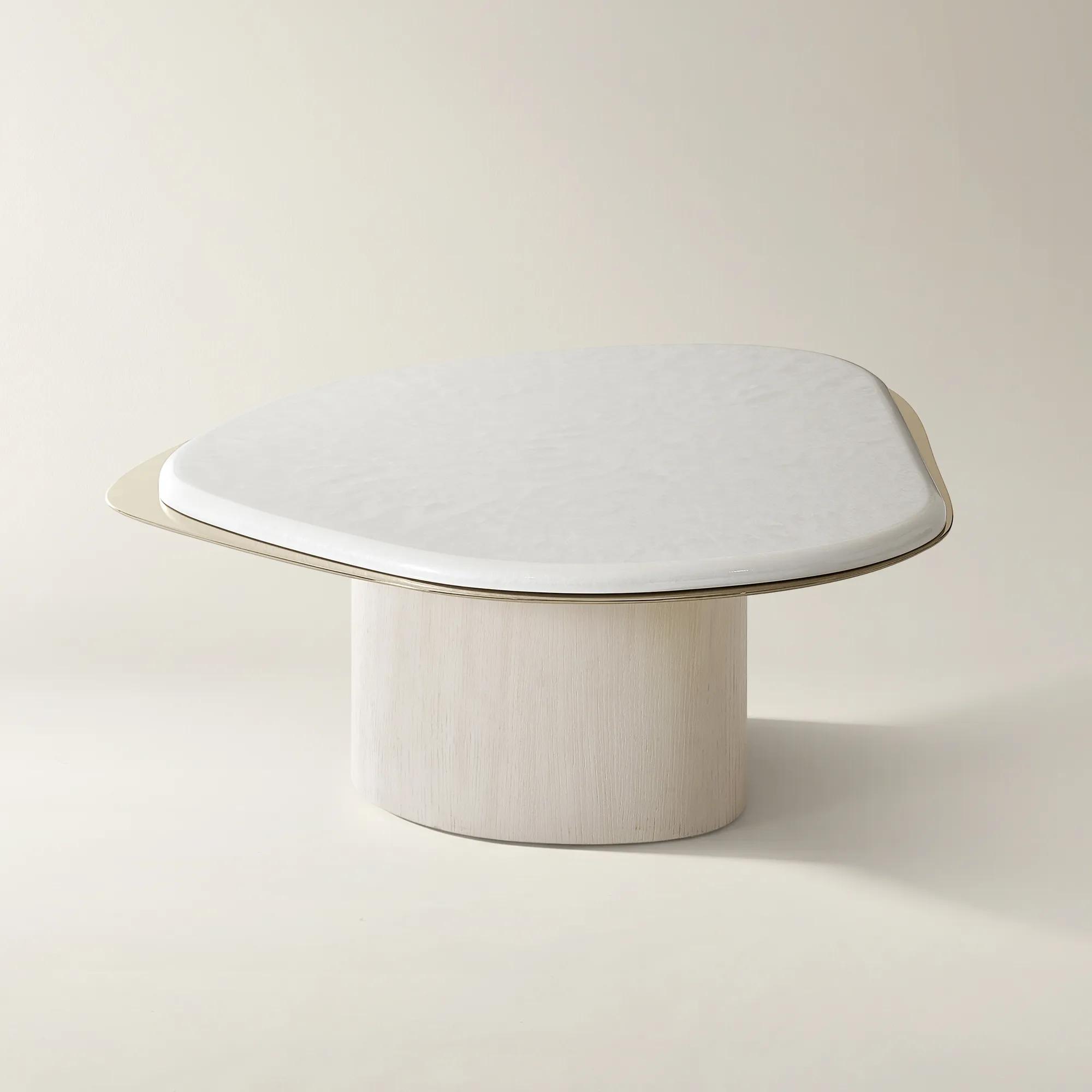
 Lumina Bleached Oak Coffee Table With Pearl Lacquered Top (32")$899
A sculptural coffee table featuring a pearl lacquered top, bleached oak base, and champagne gold trim.
Add To Cart -
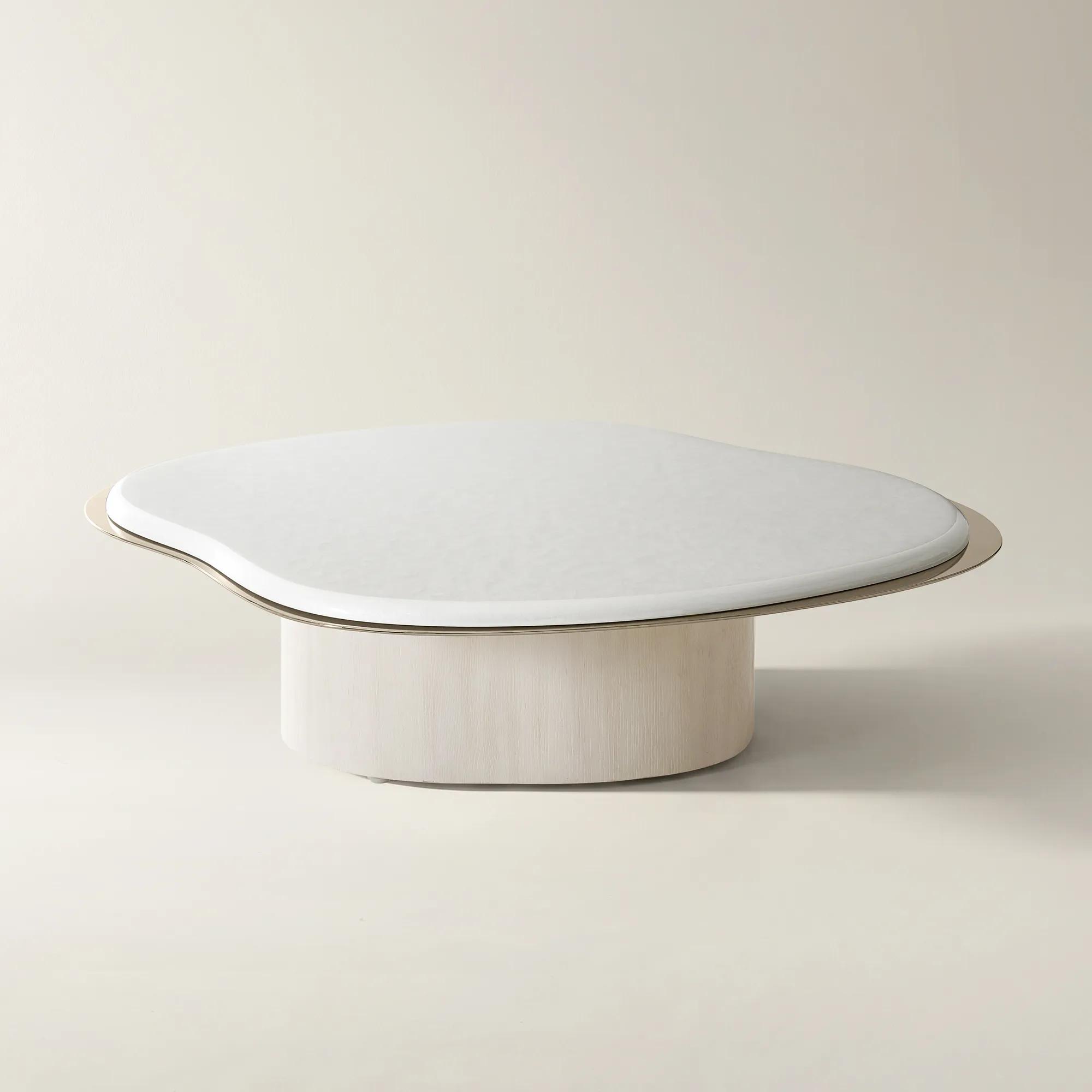
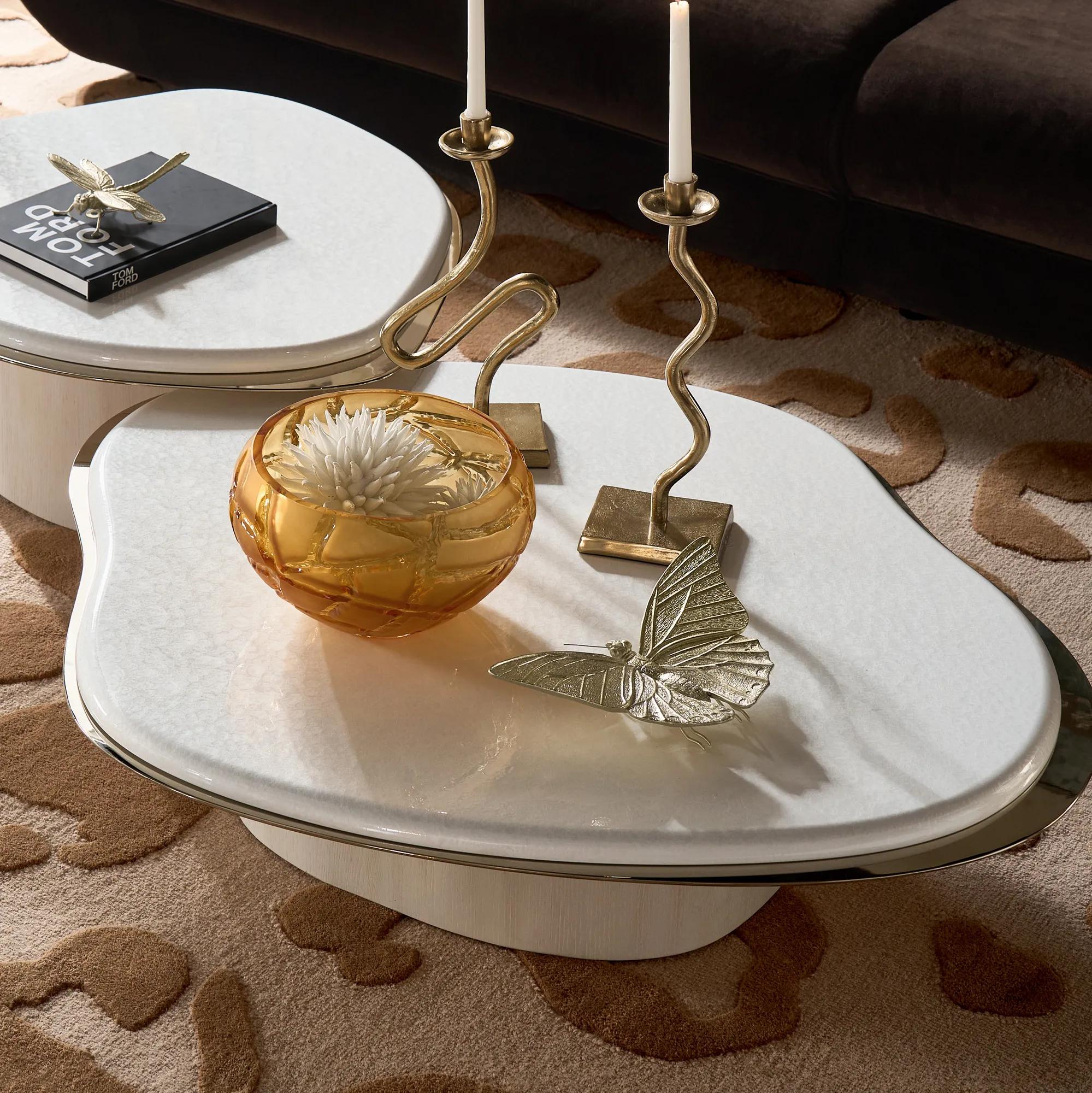 Lumina Bleached Oak Coffee Table With Pearl Lacquered Top (41")$1199
A sculptural coffee table featuring a pearl lacquered top, bleached oak base, and champagne gold trim.
Add To Cart -
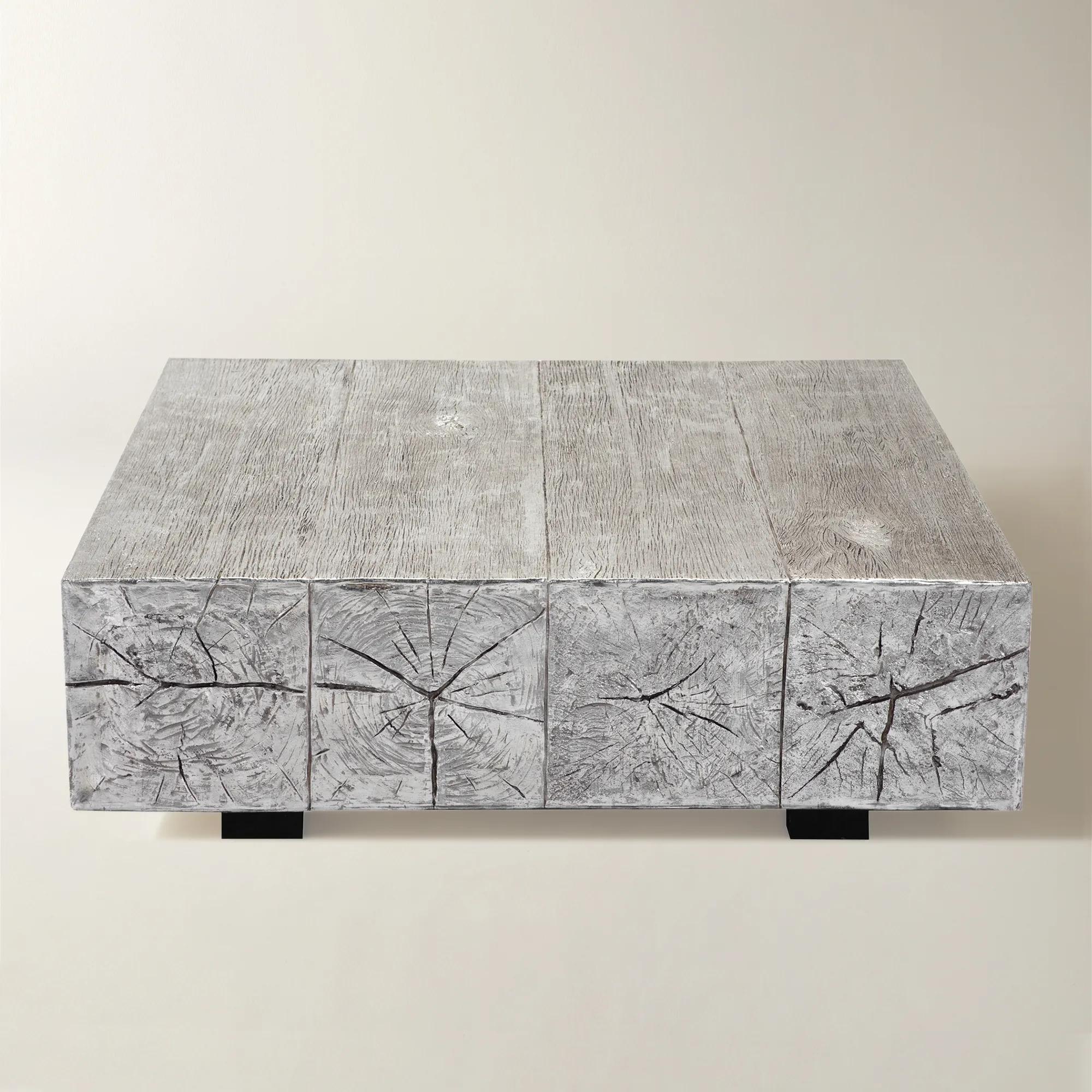
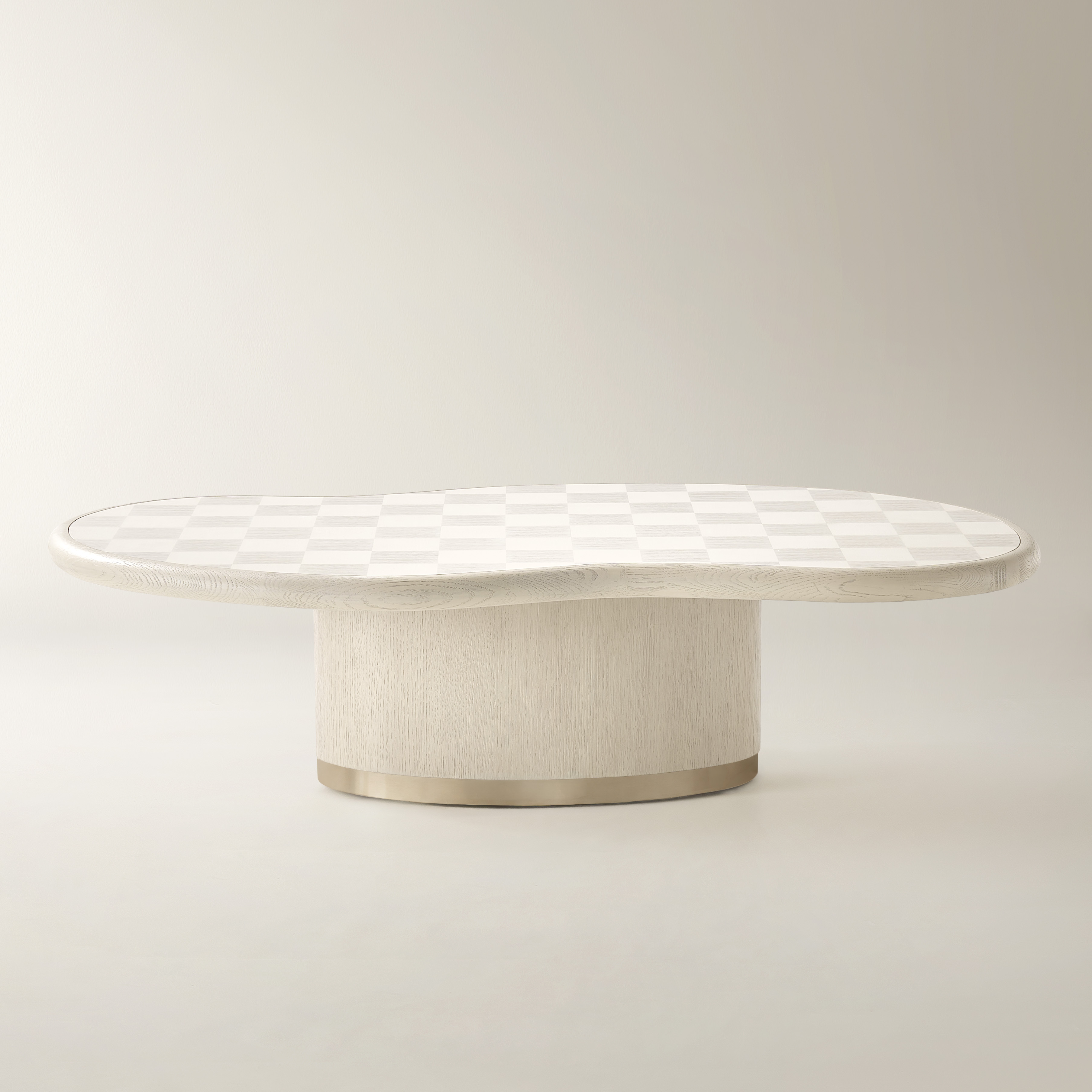 Vetra Checkerboard Oak and Maple Coffee Table (60")$1299
A sculptural coffee table featuring a hand-arranged oak and maple checkerboard top with gold-accented base.
Add To Cart -
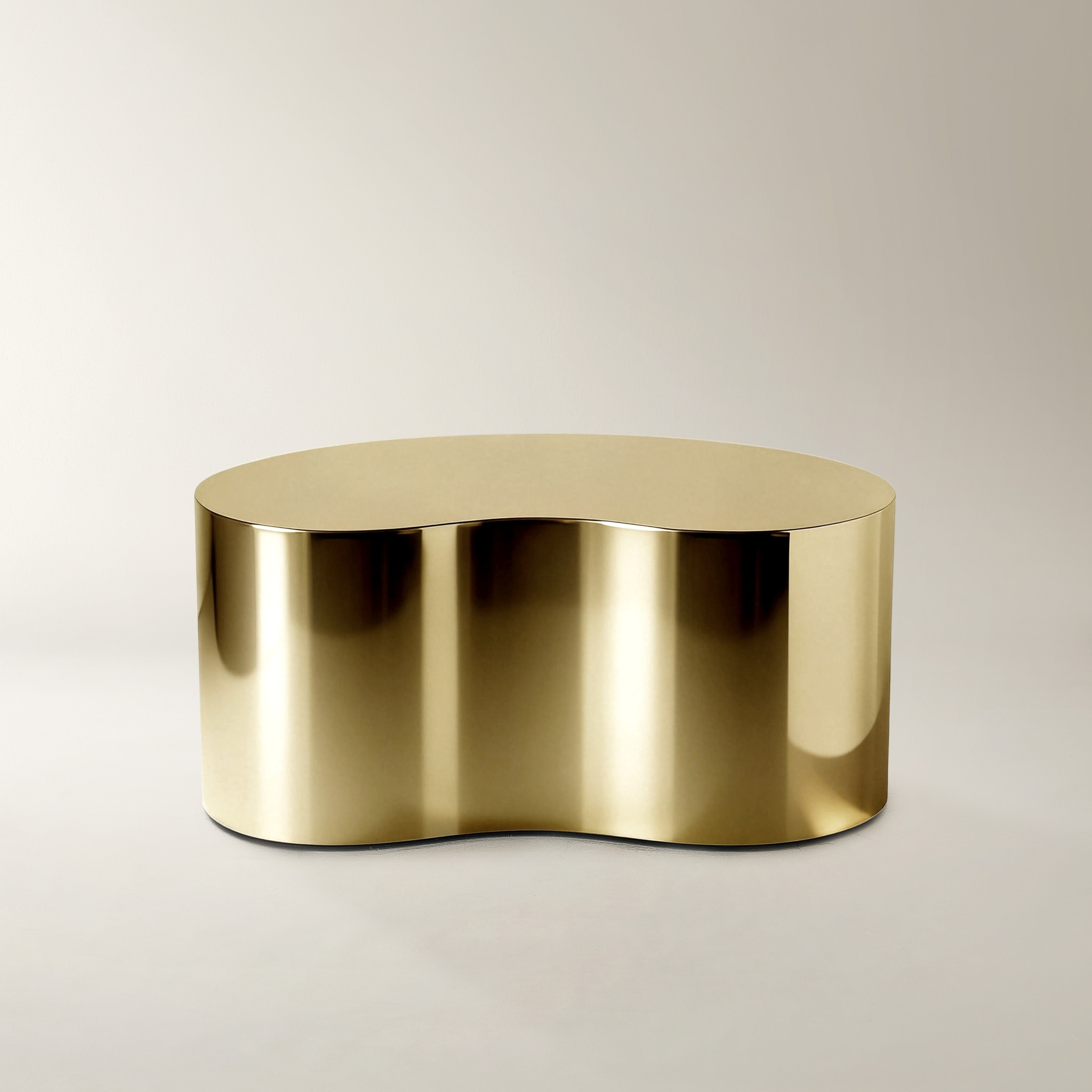
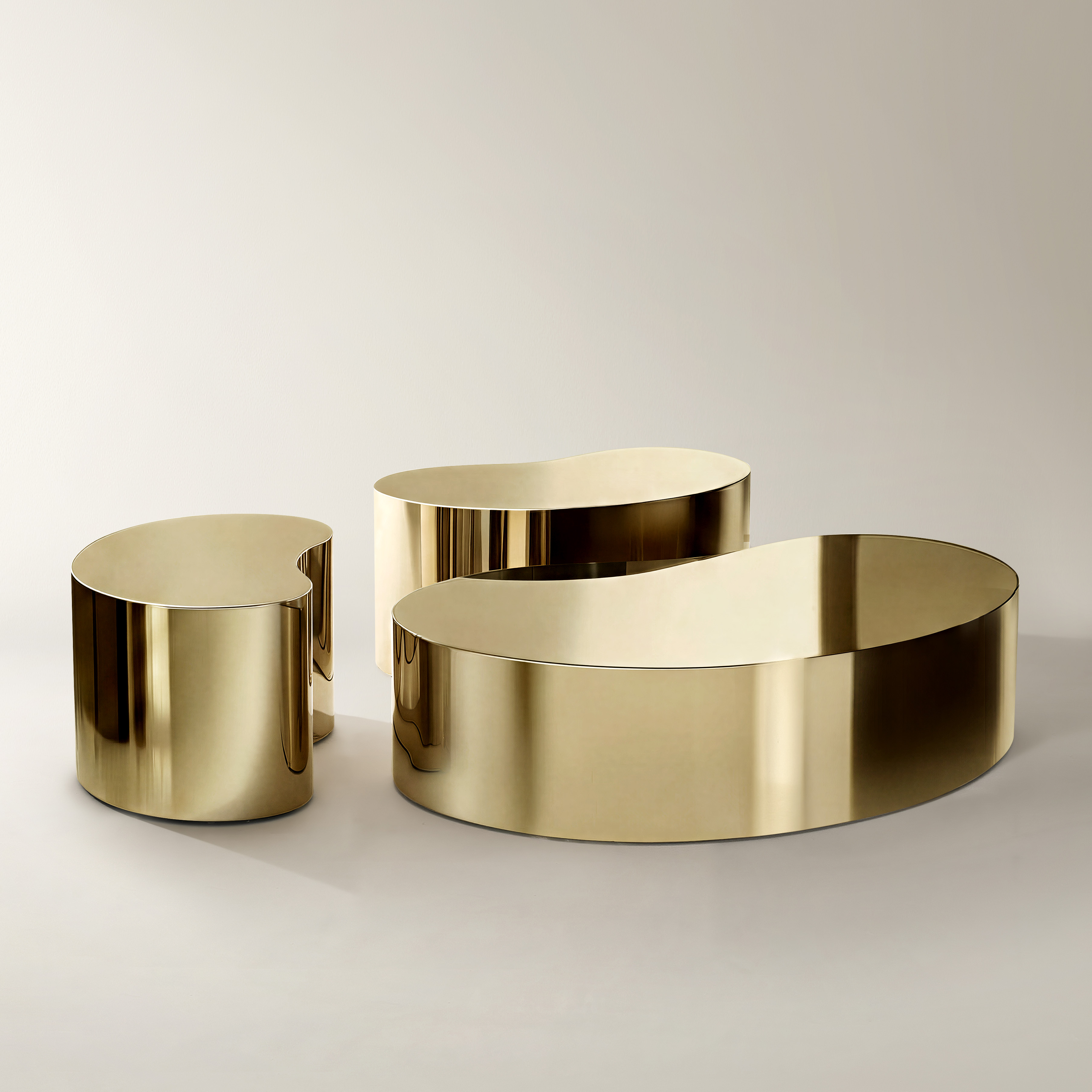 Aurea Soft Gold Coffee Table Set of 3 (32"-57")$3197
A sculptural coffee table crafted from premium stainless steel with a high-gloss, soft gold mirror finish.
Add To Cart -
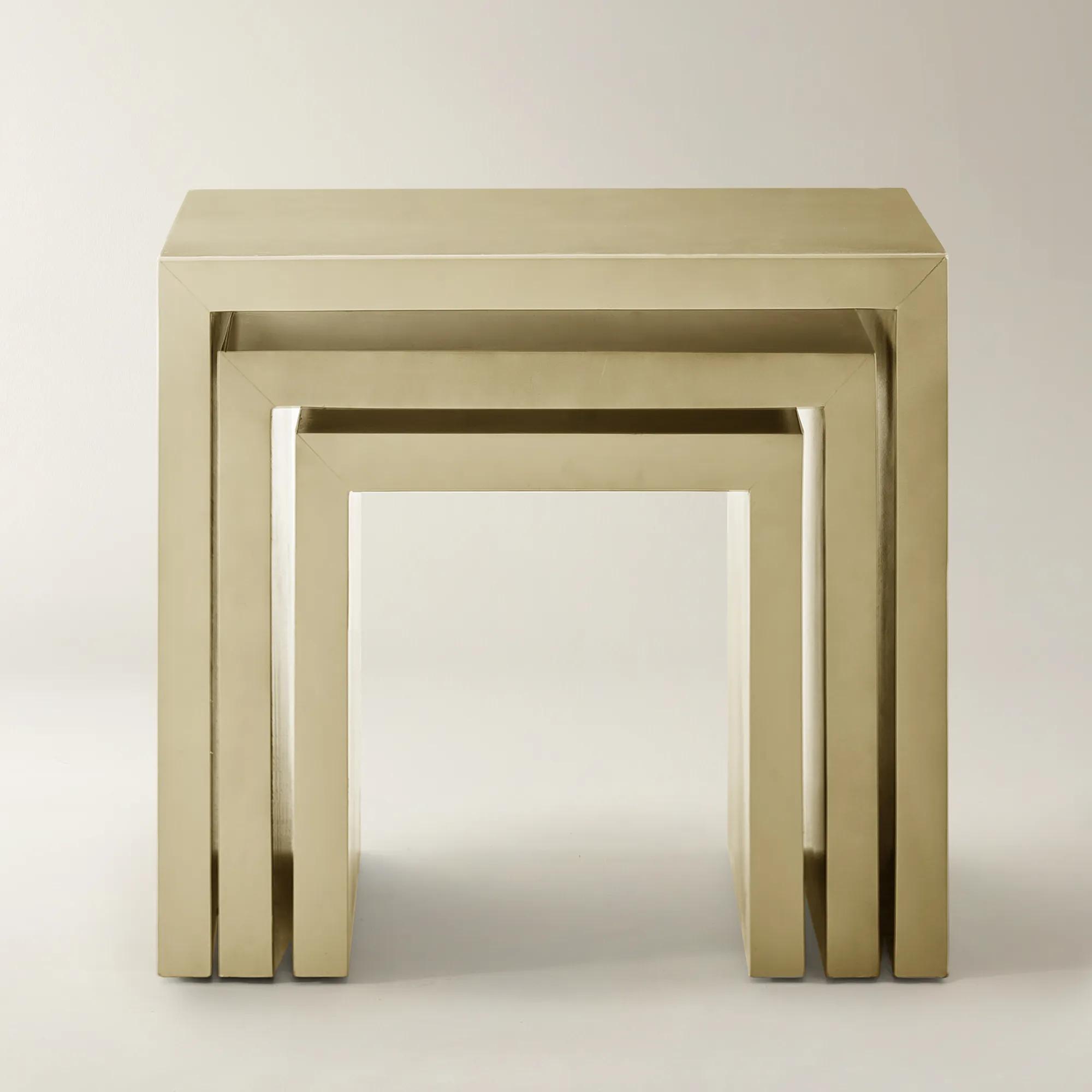
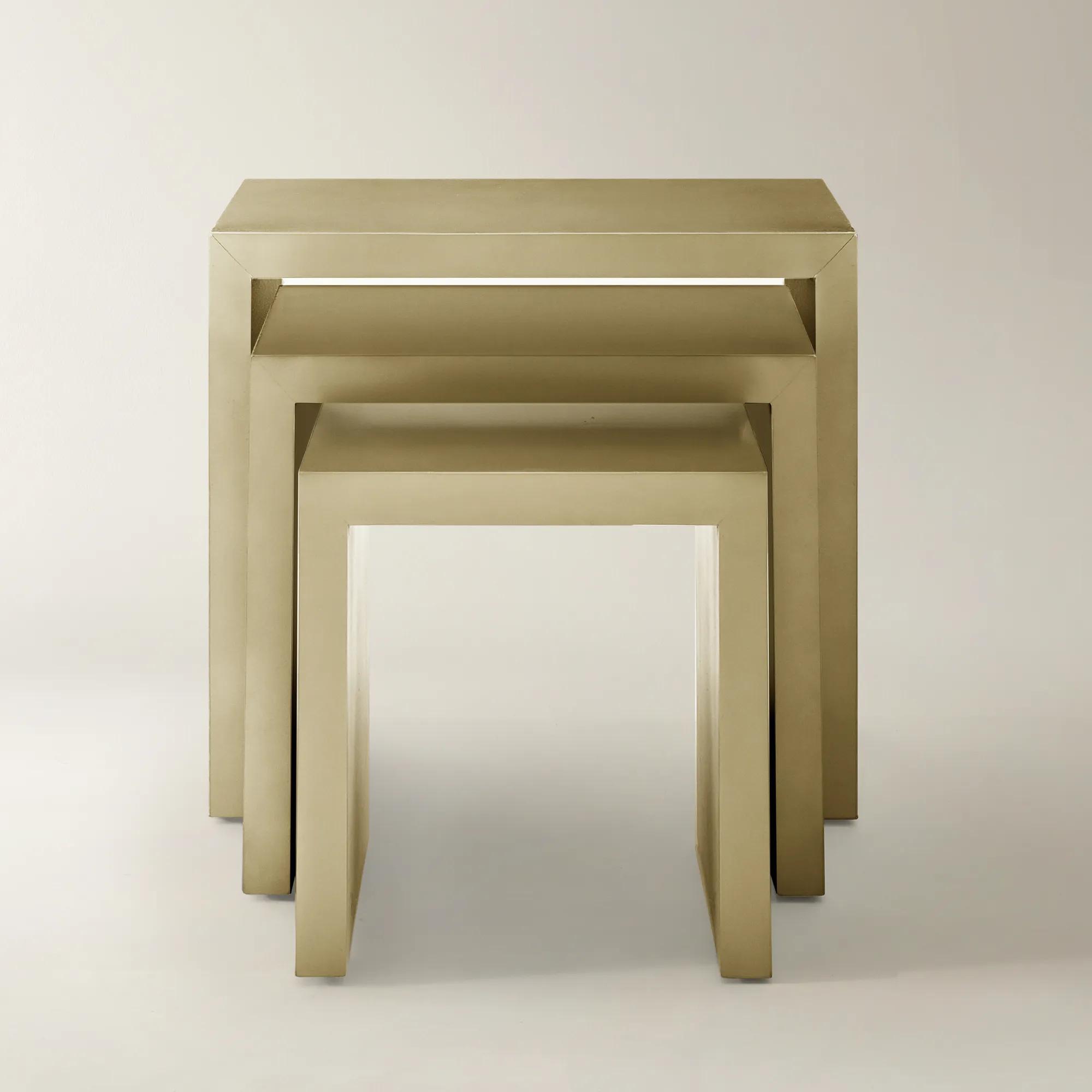 Astair Gold Nesting Accent Table Set Of 3 (16.25"-25.5")$349
A trio of gold-painted engineered wood tables with minimalist block silhouettes and versatile nesting design.
Add To Cart -
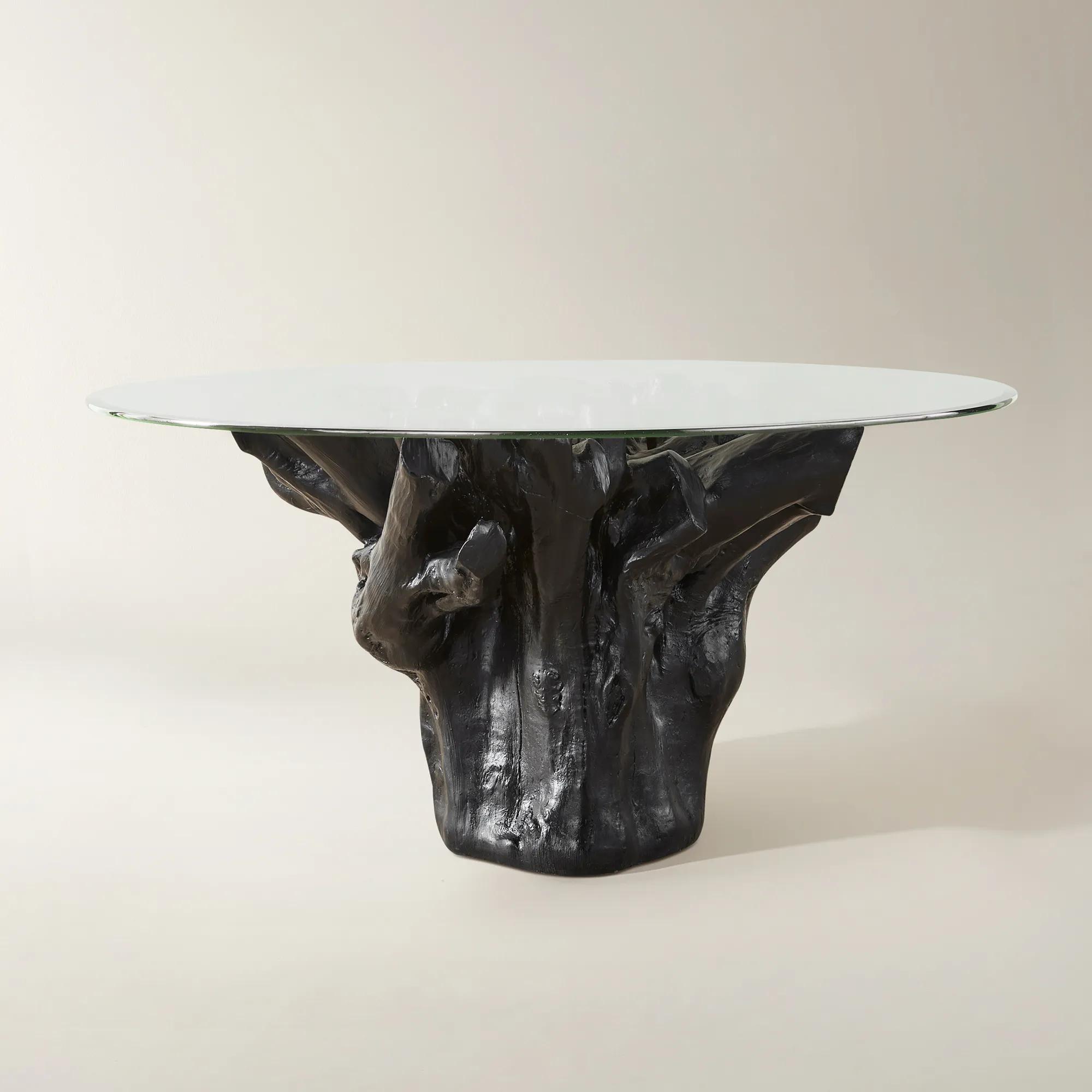 Sequoia Black Resin Dining Table With Glass Top (60")$2299
A sculptural black resin base with real stone fragments supports a round tempered glass top for organic elegance.
Add To Cart -
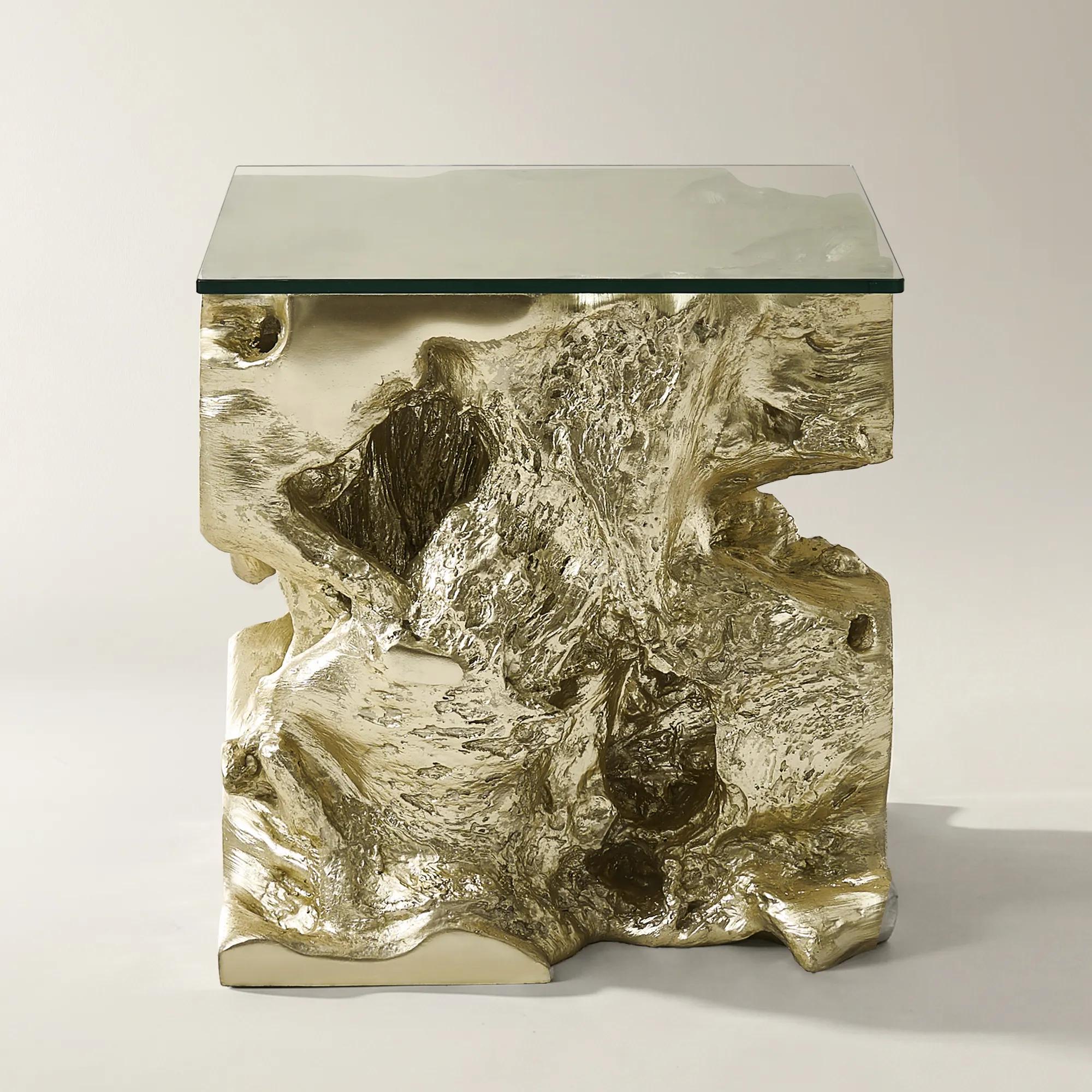 Sequoia Champagne Gold Resin End Table With Glass Top (22")$999
A sculptural resin end table with a champagne gold leaf finish and a clear tempered glass top.
Add To Cart

Architectural Style Living Room Tables
Elevate your living space to a gallery of bold expression with architectural style living room tables—where artistry meets function in every curve and contour. These sculptural masterpieces anchor your room with striking silhouettes, transforming ordinary moments into extraordinary experiences. Whether you crave geometric drama or refined symmetry, each table is designed to spark conversation and awaken the senses. Let your home become a canvas for innovation and intrigue, where every surface tells a story of daring design and unapologetic sophistication.
Architectural style living room tables bring the language of modern building design into the heart of the home. Defined by bold geometric lines, structural frames, and a confident interplay of proportion and negative space, these tables do more than provide a surface for coffee, books, or candlelight—they anchor the room with a sense of intention. Look for silhouettes inspired by cantilevered tiers, disciplined grids, arches, X-frames, and other load-bearing forms that make the construction part of the visual story. A low profile often feels especially refined in a living room, allowing the table to sit comfortably within the architecture of the seating arrangement while preserving an open sightline across the space. Many coffee tables measure approximately 16 to 18 inches high, a scale that works naturally with sofas and lounge chairs, while the ideal length is often close to two-thirds the width of the sofa it serves. These proportions create balance without making the table feel oversized or lost within the room. Rectangular tables lend a tailored, gallery-like presence and can echo the clean lines of a contemporary sectional, while round and oval designs soften angular furniture and make circulation feel more fluid. Square silhouettes offer a grounded, symmetrical statement, particularly in generously scaled seating areas. For rooms with flexible layouts, nesting tables or layered tiers introduce movement and allow surfaces to expand when guests arrive, then tuck into a more streamlined arrangement during quieter moments. The result is a living room that feels composed yet expressive, with every angle contributing to the atmosphere.
Material is central to the appeal of architectural living room tables. Clear acrylic and glass can create a sense of visual lightness, allowing a sculptural base or intricate frame to take center stage without adding visual weight. Thick glass tops bring a polished, reflective finish that catches the glow of lamps and surrounding décor, while acrylic offers a crisp, almost floating effect suited to rooms where drama and openness need to coexist. Metal introduces definition and gleam, from the industrial character of raw steel to the warmer radiance of brass and other luminous finishes. A grid-patterned metal base can lend a rhythmic, graphic quality, while a streamlined frame creates a quieter expression of modern luxury. Natural wood balances these harder materials with warmth, grain, and tactile depth. Solid oak and other richly finished woods emphasize durability and craftsmanship, while burled or figured surfaces offer an artful sense of movement, turning the tabletop into a focal point even when the room is styled with restraint. Mixed-material construction is particularly compelling because it layers contrasting sensations: a substantial wood top above a sleek metal base, a gleaming frame beneath stone-like surfaces, or a transparent top poised over a dramatic geometric foundation. When choosing a table, consider how its finish will converse with the room rather than simply match it. A darker table can ground pale upholstery and create a striking foundation for metallic accessories, while a lighter wood or glass design can keep a richly layered room feeling luminous. Scale matters just as much as finish. Leave enough space for comfortable movement around the table—roughly 18 inches between the table and surrounding seating is a useful starting point—and make certain the top offers room for everyday rituals without crowding the composition. A table should hold a tray, a favorite volume, or a sculptural object with ease, while still leaving generous space for conversation, entertaining, and the spontaneous traces of life.
Architectural style tables are made for interiors that appreciate a strong point of view. They suit the design enthusiast who sees furniture as functional sculpture, the host who wants a memorable centerpiece for gatherings, and anyone ready to transform an ordinary seating area into a more considered vignette. In a newly furnished home, an architectural coffee table can establish the room’s visual vocabulary, giving surrounding pieces a confident point of reference. In an established space, it can provide the dramatic shift that makes familiar upholstery and accessories feel newly edited. During the cooler months, when living rooms become natural gathering places for long conversations, layered lighting, and relaxed evenings at home, a well-proportioned table keeps essentials close while lending the setting a polished, enveloping mood. Style the surface with restraint: a low arrangement of books, a sculptural vessel, or a reflective tray can amplify the table’s geometry without obscuring its craftsmanship. Use rounded accessories to temper a strongly linear base, or repeat a metal finish elsewhere in the room for a deliberate thread of continuity. For a housewarming, wedding, anniversary, or milestone gift, a distinctive living room table offers lasting impact without requiring a precise knowledge of someone’s personal wardrobe or taste in smaller décor; its role is both practical and expressive, especially for recipients building a home with an artistic sensibility. Those drawn to more dramatically shaped furnishings may also appreciate the expressive profiles found among Sculptural Living Room Tables. Whether the room calls for a transparent silhouette, a warm wood presence, or a gleaming framework of metal and glass, architectural living room tables complete the scene with structure, texture, and unmistakable character. They turn the space between sofa and chair into a designed moment—one that feels collected, elevated, and entirely your own.
FAQs
An architectural style living room table is distinguished by its sculptural form, bold lines, and innovative use of materials. These tables often feature unique silhouettes and thoughtful detailing that evoke a sense of artistry and structure, transforming them from simple surfaces into striking focal points within a space.
An acrylic coffee table is a versatile choice that seamlessly blends with a variety of interior styles. Its transparent design creates an airy, open feel, making it ideal for both compact and spacious living rooms. Pair it with plush textiles, metallic accents, or richly colored accessories to highlight its modern elegance while allowing your personal style to shine through.
Absolutely. An architectural living room table makes a thoughtful and memorable gift, especially for design enthusiasts or anyone moving into a new home. Its artistic design and functional beauty offer a lasting impression, making it a cherished addition to any living space.
Styling a large dining table with an architectural base is all about balance and drama. Let the base take center stage by choosing streamlined chairs and minimal tabletop décor. Accentuate the table’s sculptural qualities with a dramatic centerpiece, such as a cluster of candles, a bold floral arrangement, or a statement bowl.
Architectural living room tables often showcase a mix of luxurious materials, including marble, glass, metal, acrylic, and fine woods. These materials are selected not only for their durability but also for their ability to reflect light, add texture, and create visual interest within the living room.