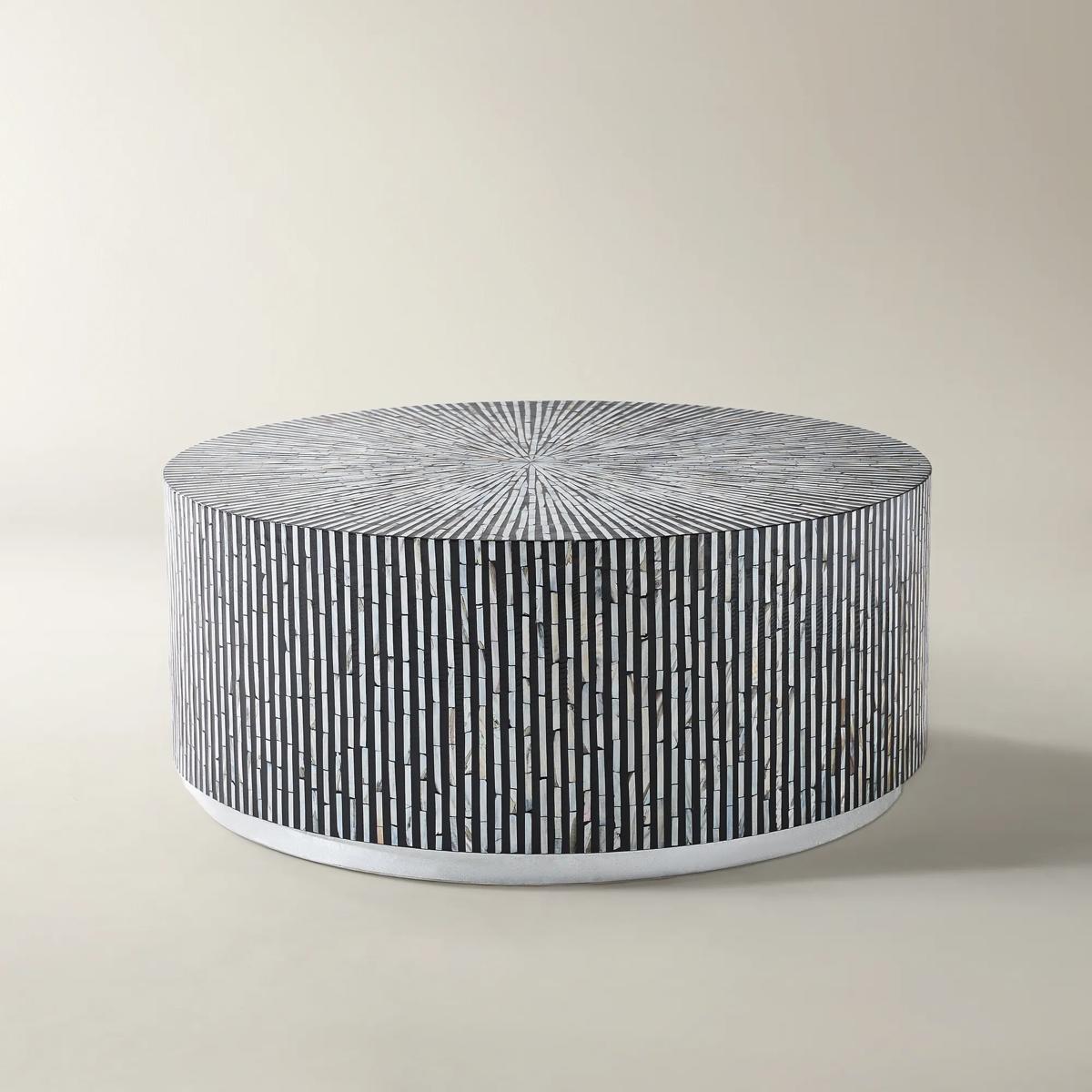
Architectural Coffee Tables
Architectural Coffee Tables
-
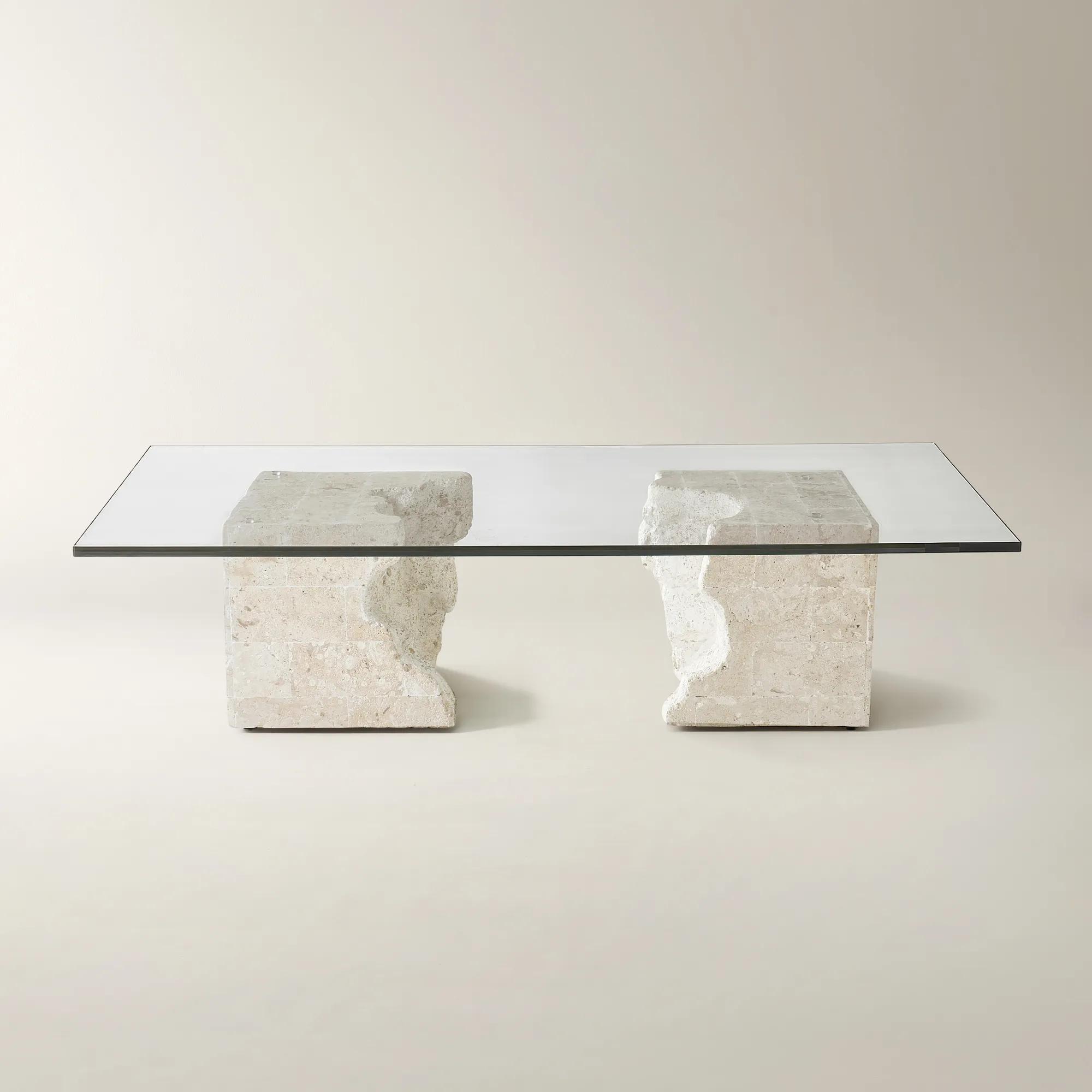 Cairo Rectangular Mactan Stone Coffee Table With Glass Top (70.87")$1999
A contemporary coffee table featuring a clear tempered glass top floating above hand-carved Mactan stone bases.
Add To Cart -
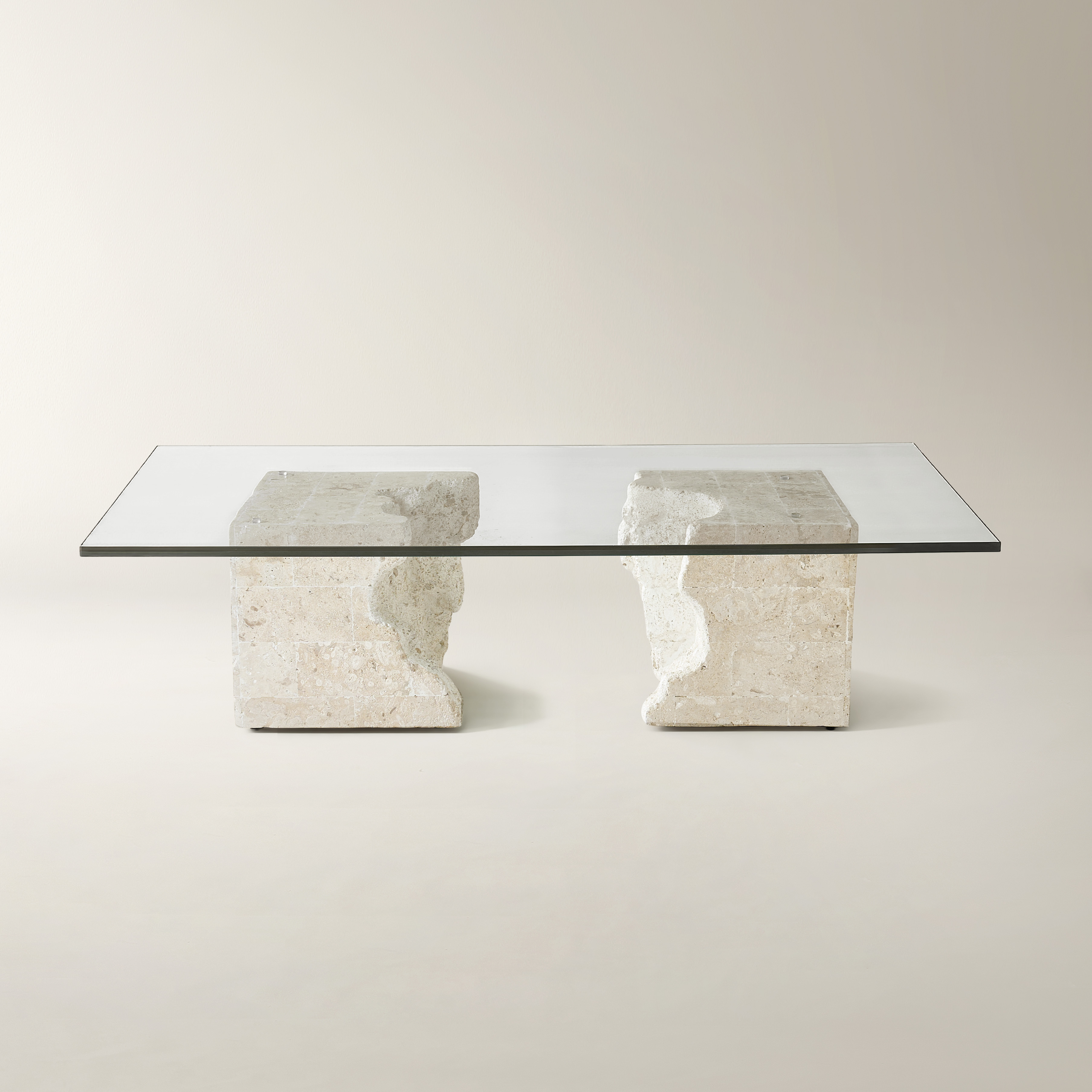 Cairo Rectangular Mactan Stone Coffee Table With Glass Top (63")$1899
A contemporary coffee table featuring a clear tempered glass top floating above hand-carved Mactan stone bases.
Add To Cart -
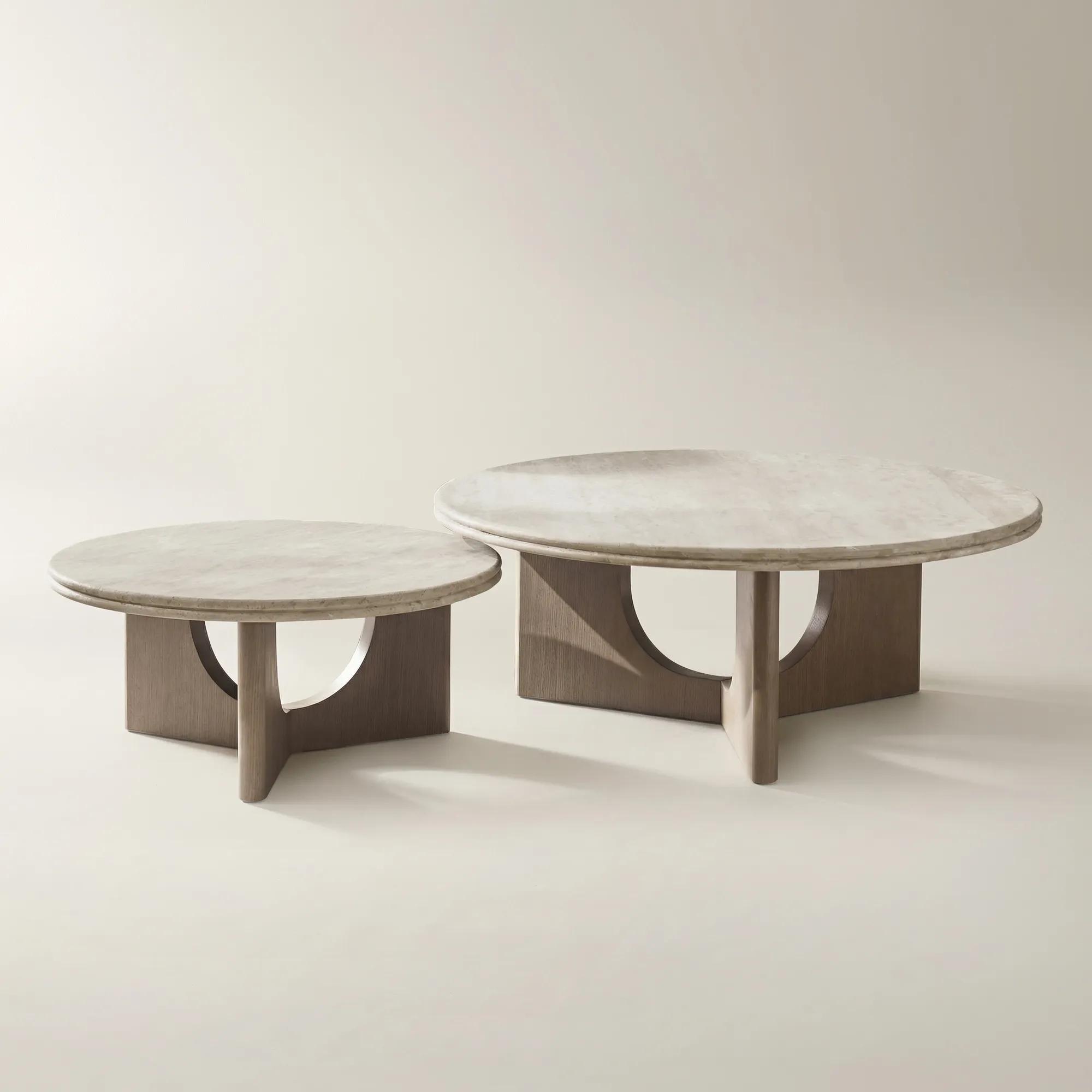
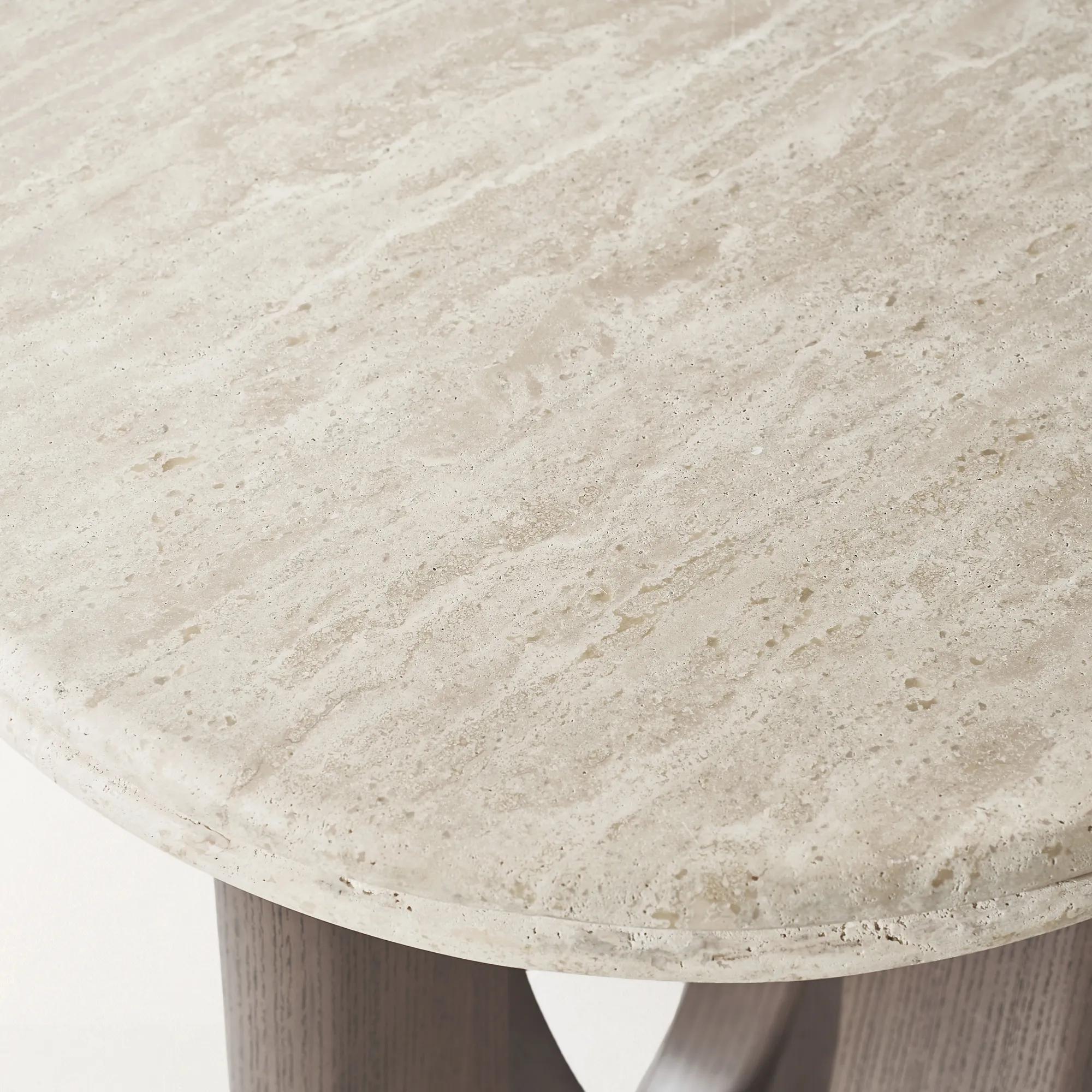 Bond Round Travertine and Wood Coffee Table Set of 2 (29.25"-41")$2098
A natural-finish nesting coffee table set offering versatile, space-saving layering for modern living rooms.
Add To Cart -

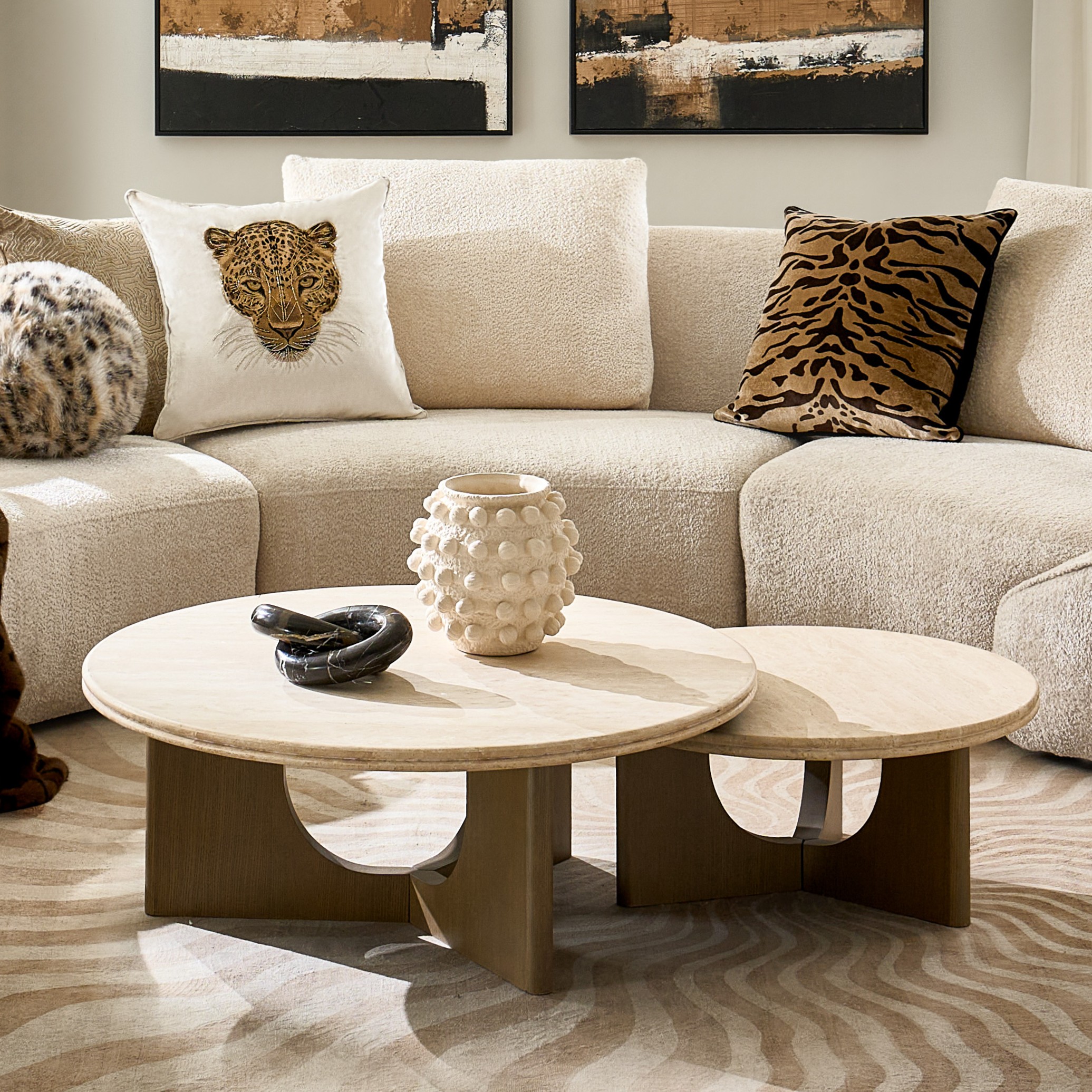 Bond Round Travertine and Wood Coffee Table (29.25")$699
A genuine travertine stone coffee table with warm ivory-gold tones atop a solid natural ash base.
Add To Cart -
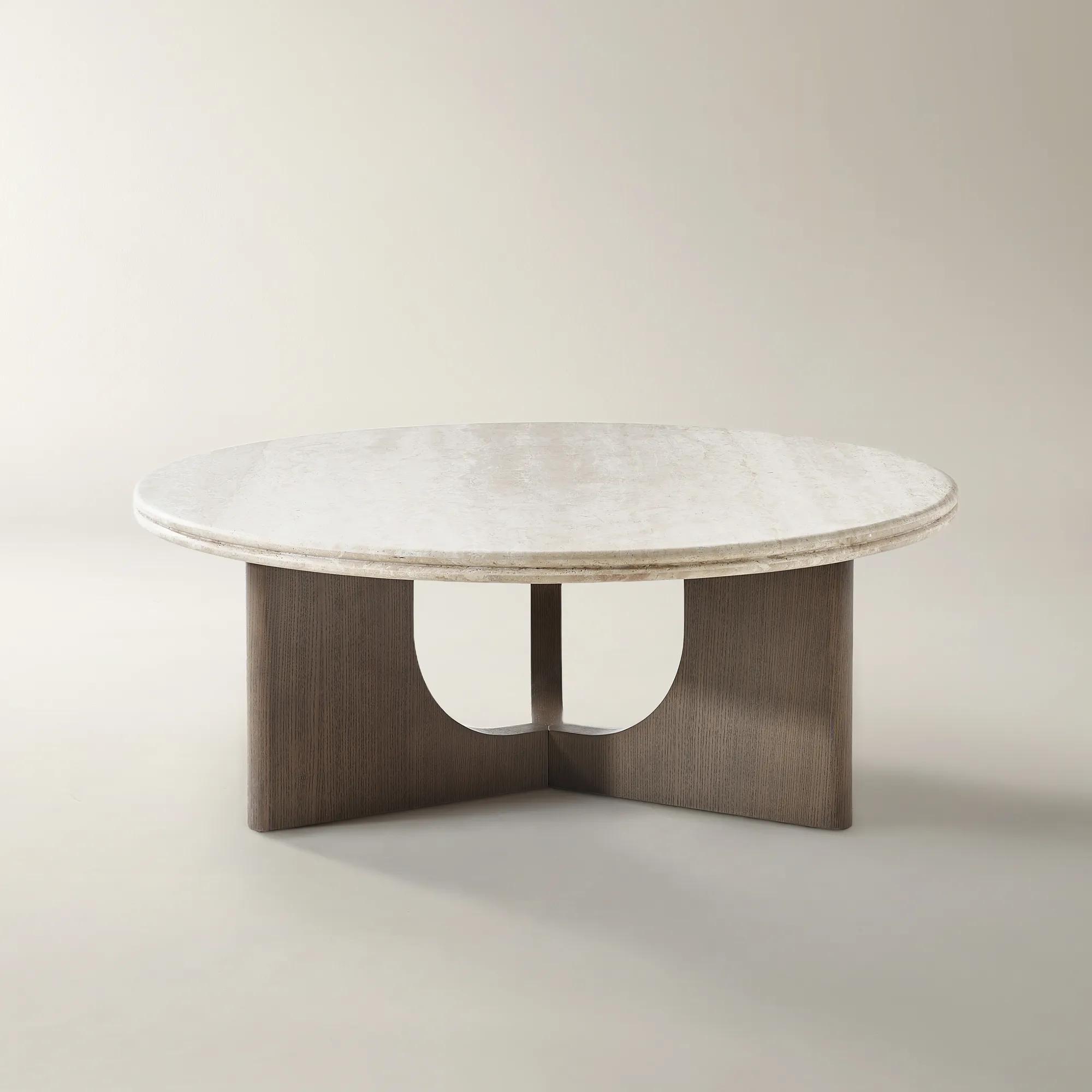 Bond Round Travertine and Wood Coffee Table (41")$1399
A round coffee table featuring a genuine travertine stone top and natural ash wood panel base with arches.
Add To Cart -
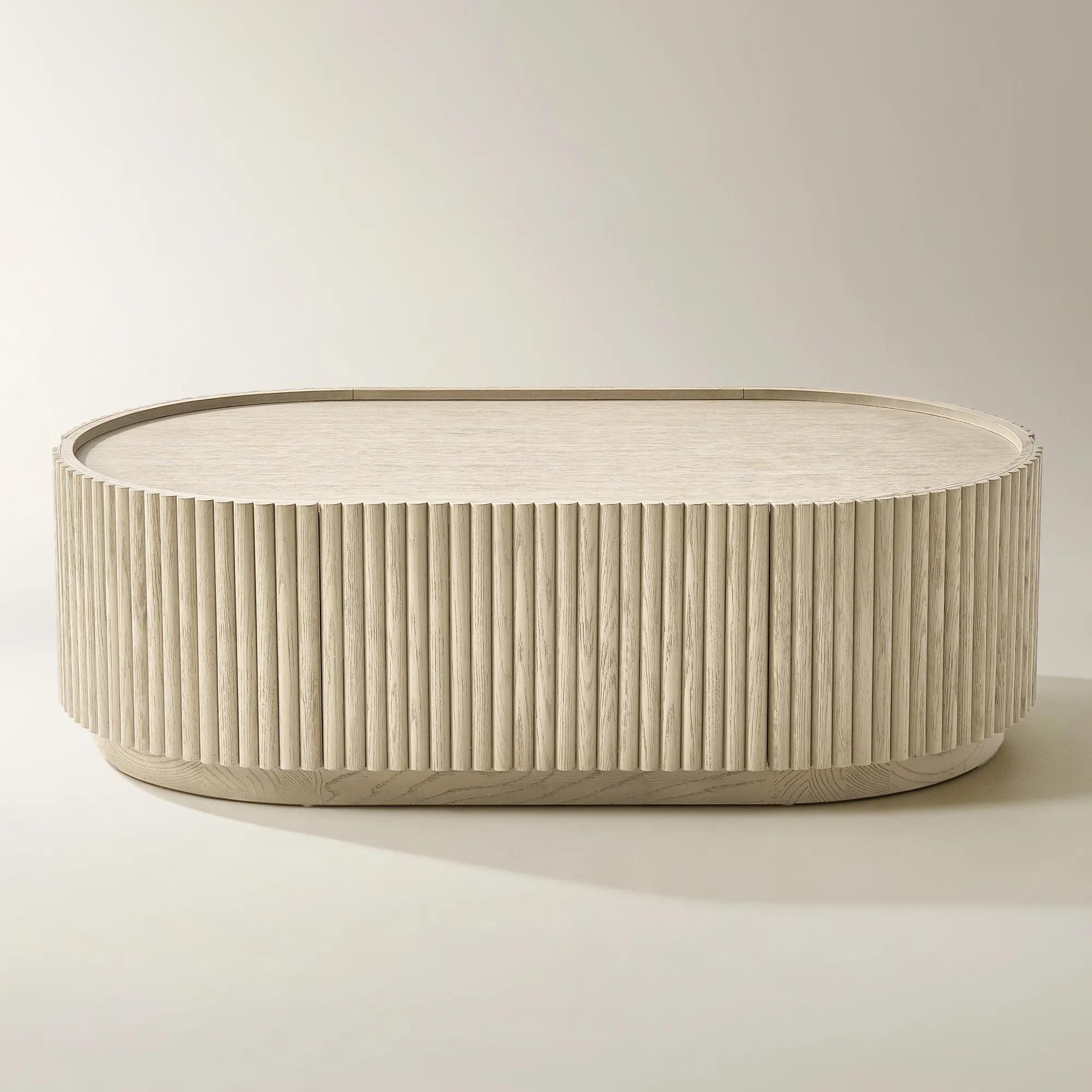
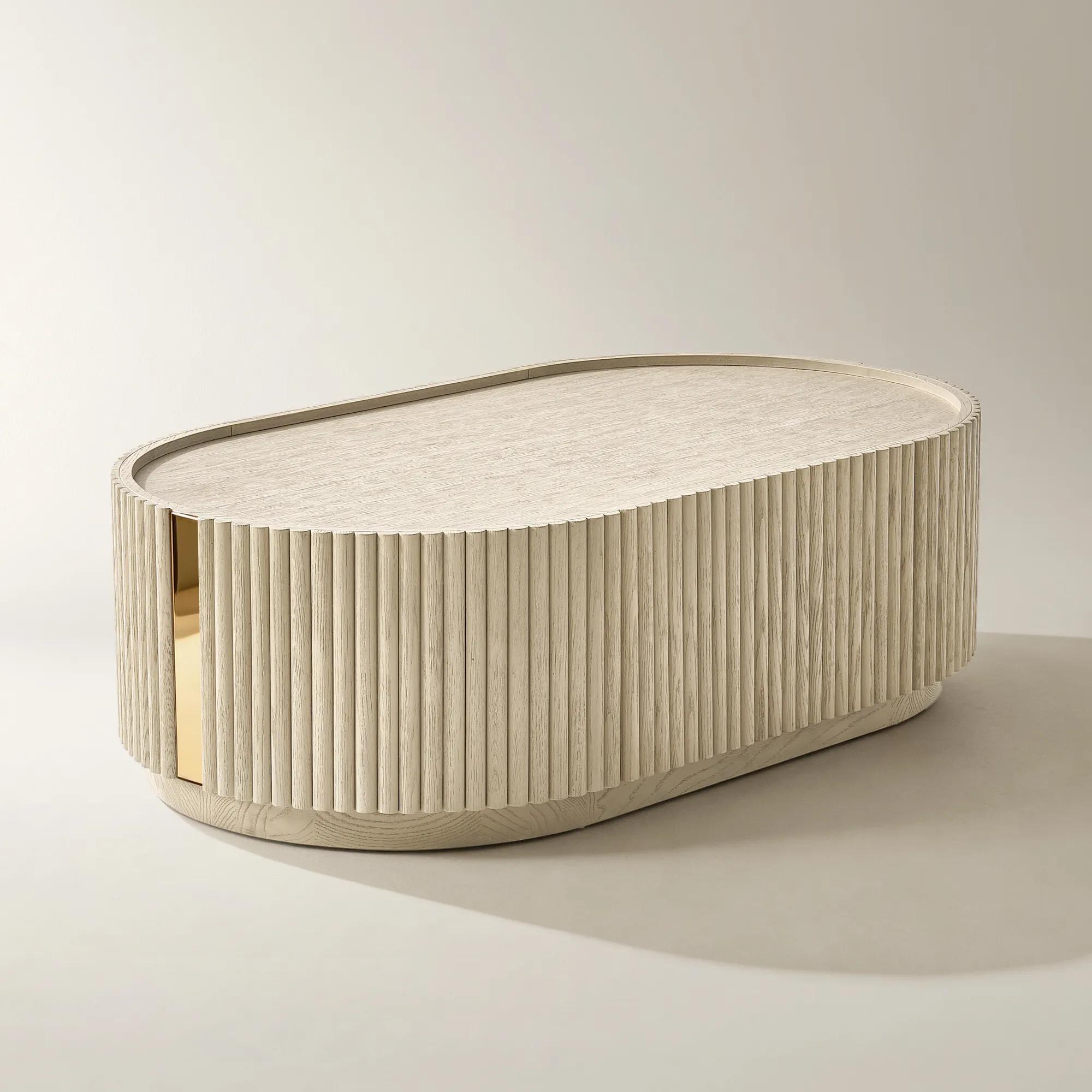 Stria Oval Reeded White Oak Coffee Table with Drawer (52")$1399
A reeded white oak coffee table with soft gold accents, recessed tabletop, and concealed soft-close drawer.
Add To Cart -
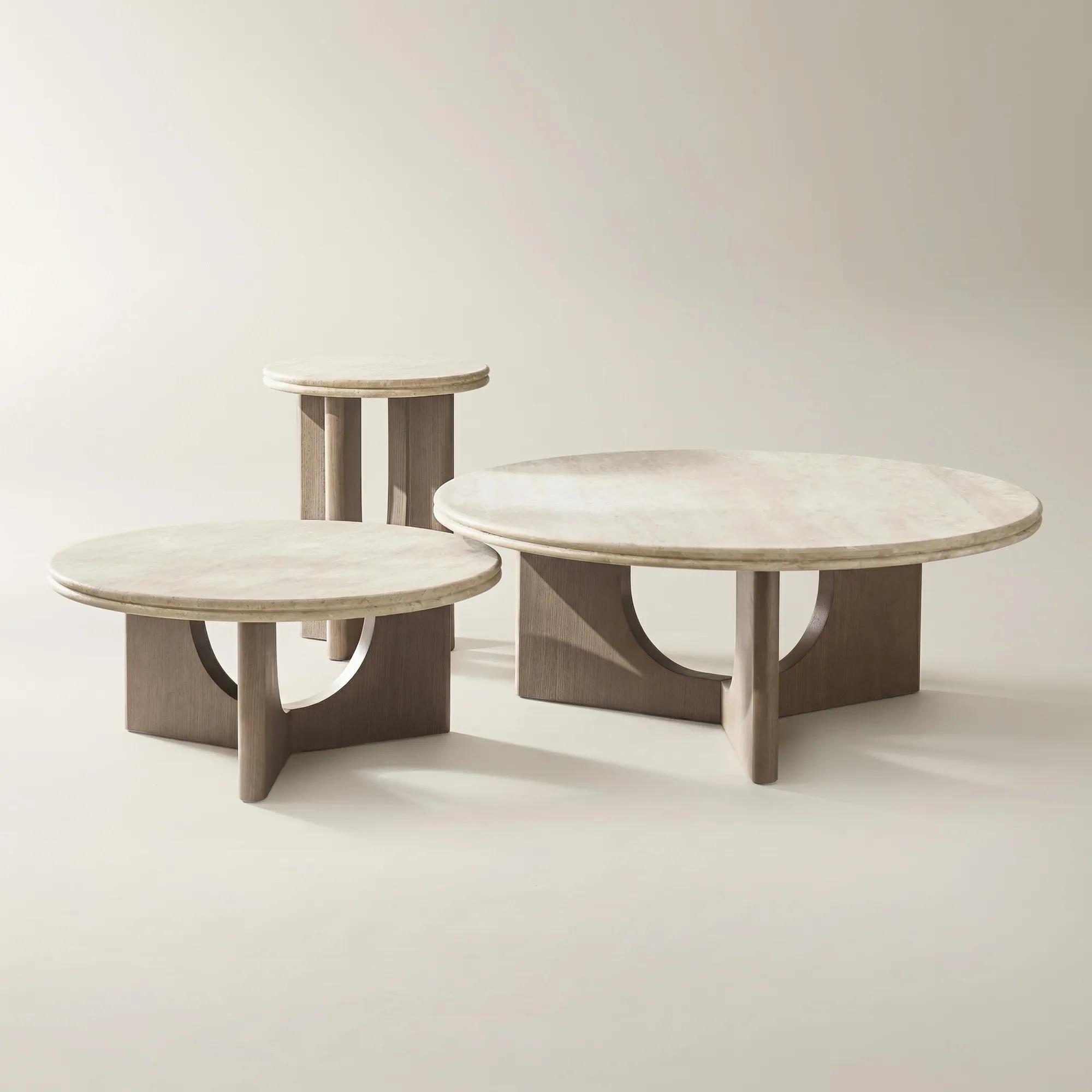
 Bond Round Travertine and Wood Coffee Table Set of 3 (17.72"-41")$2557
A natural-finish nesting coffee table set offering versatile, space-saving surfaces for modern living rooms.
Add To Cart -
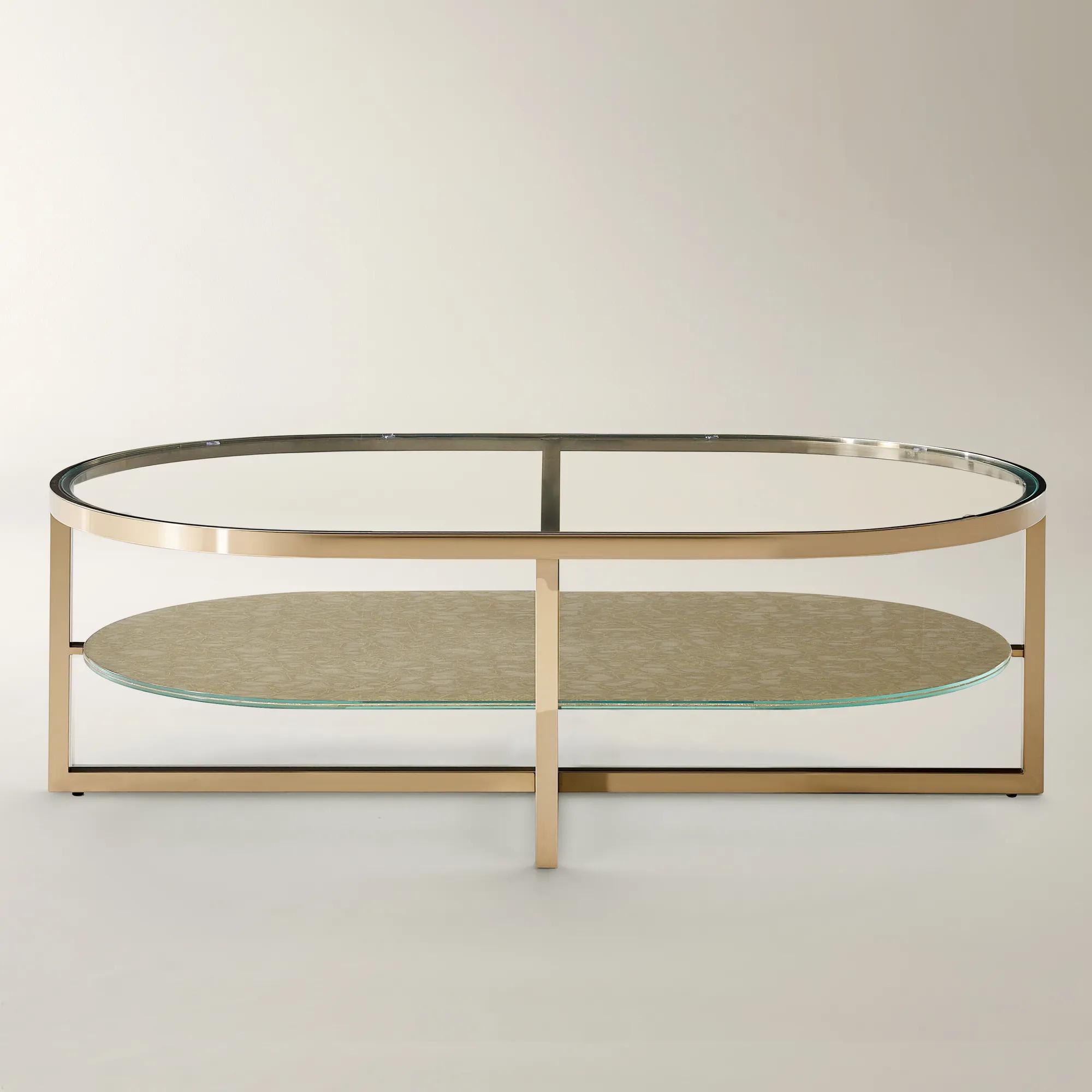
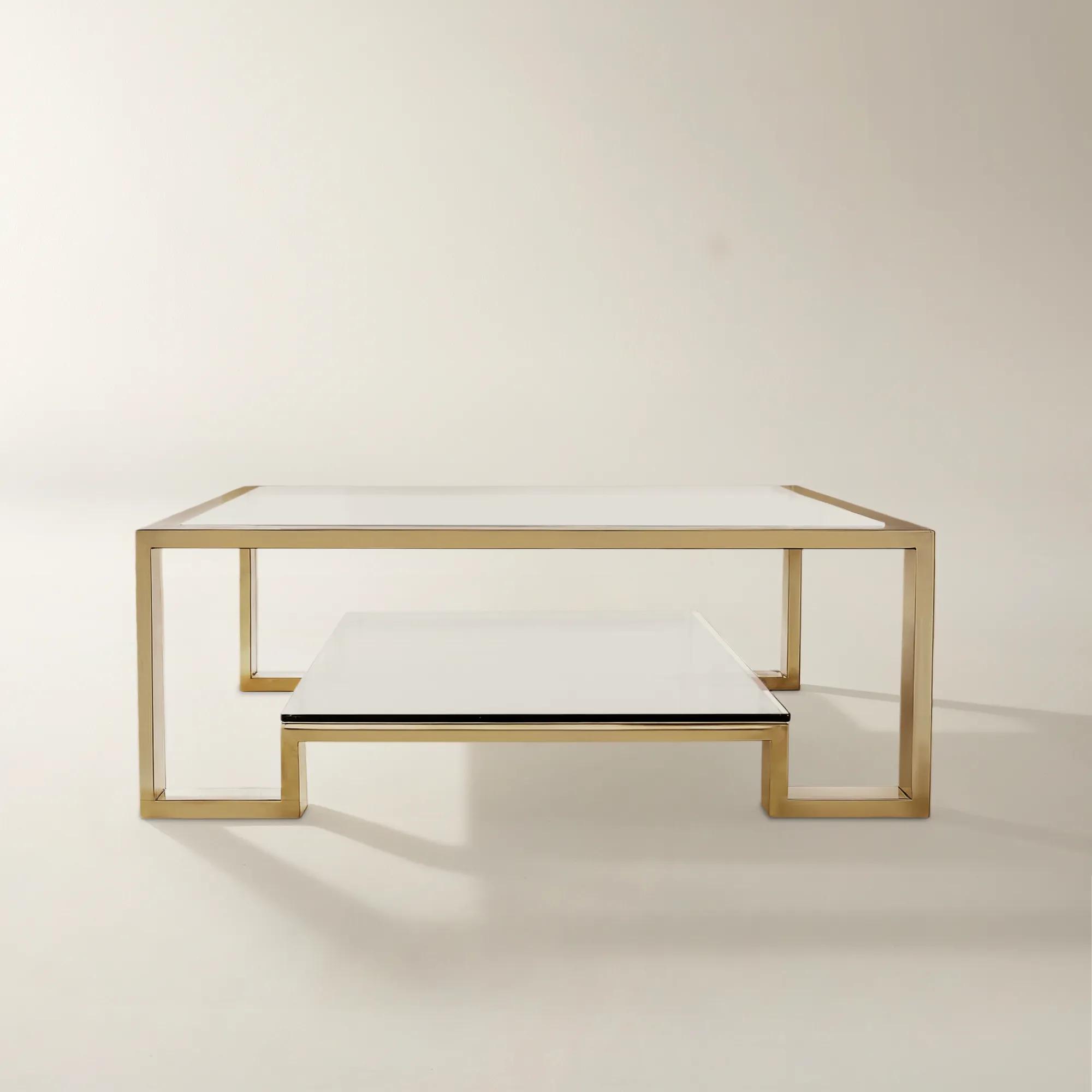
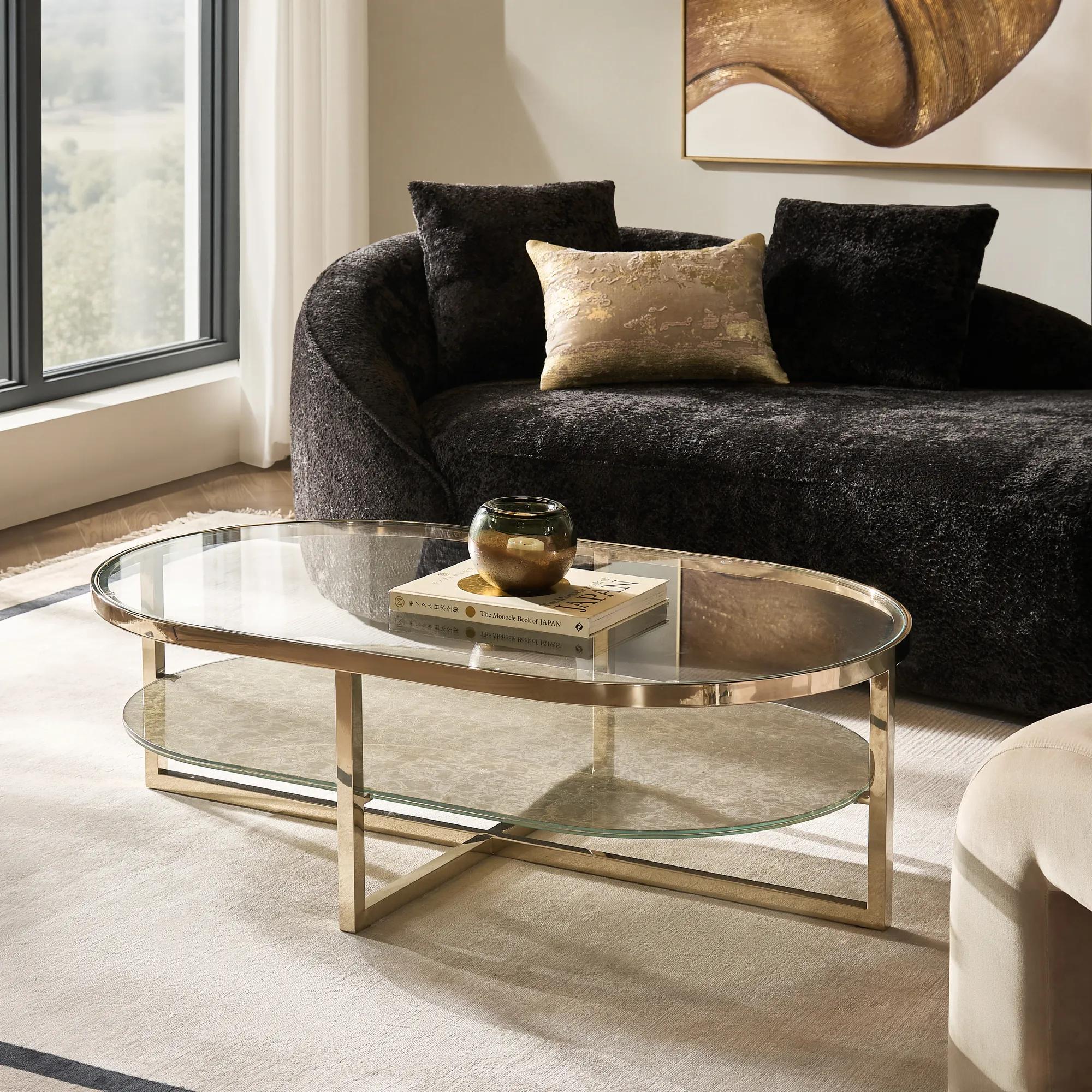 Duality Oval Fabric-Laminated Glass Coffee Table (47")$999
An oval coffee table with a clear tempered-glass top, fabric-laminated shelf, and soft gold stainless-steel frame.
Add To Cart -
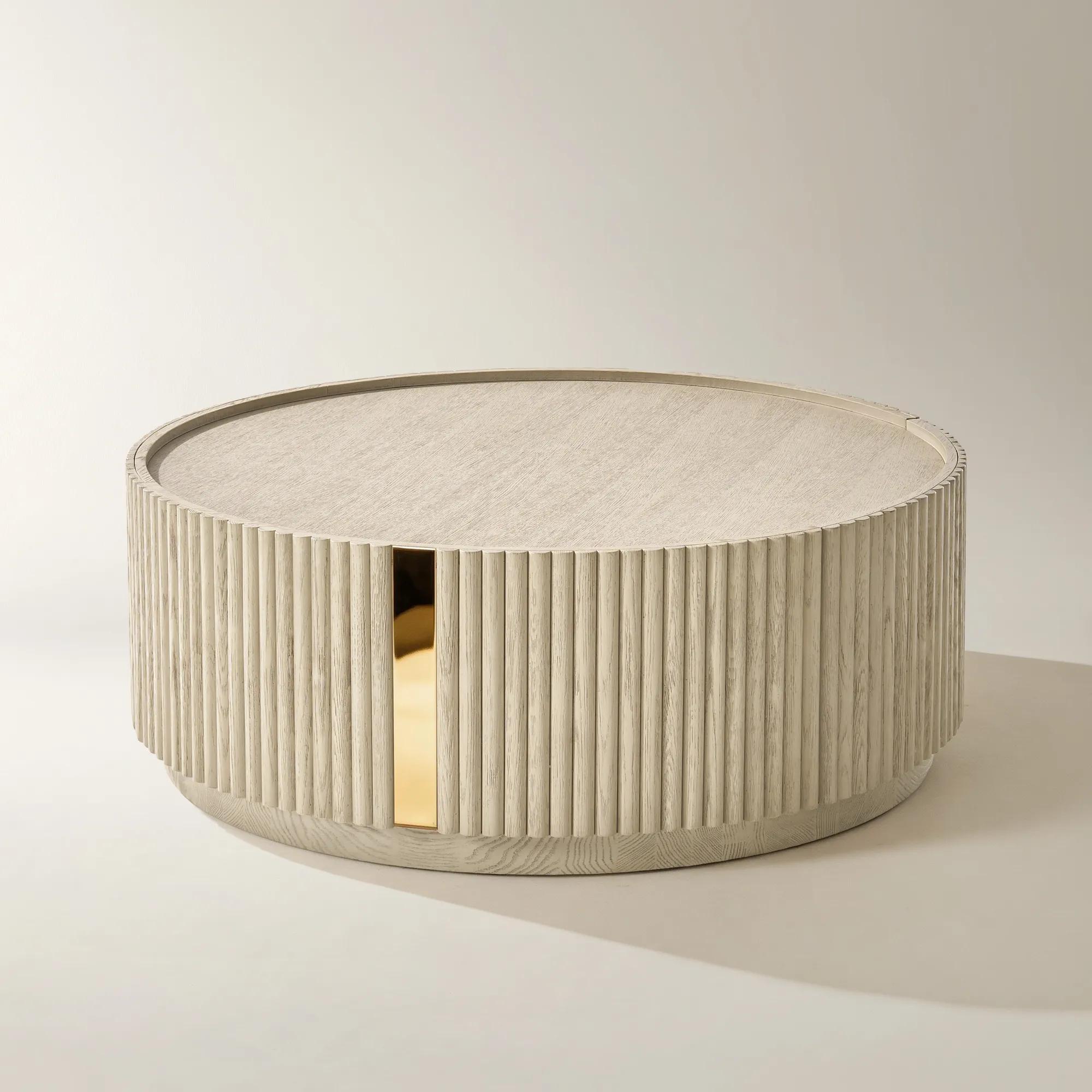 Stria Round Reeded White Oak Coffee Table with Drawer (42.3")$1499
A round coffee table featuring reeded white oak, soft gold metal trim, and a concealed soft-close drawer.
Add To Cart -
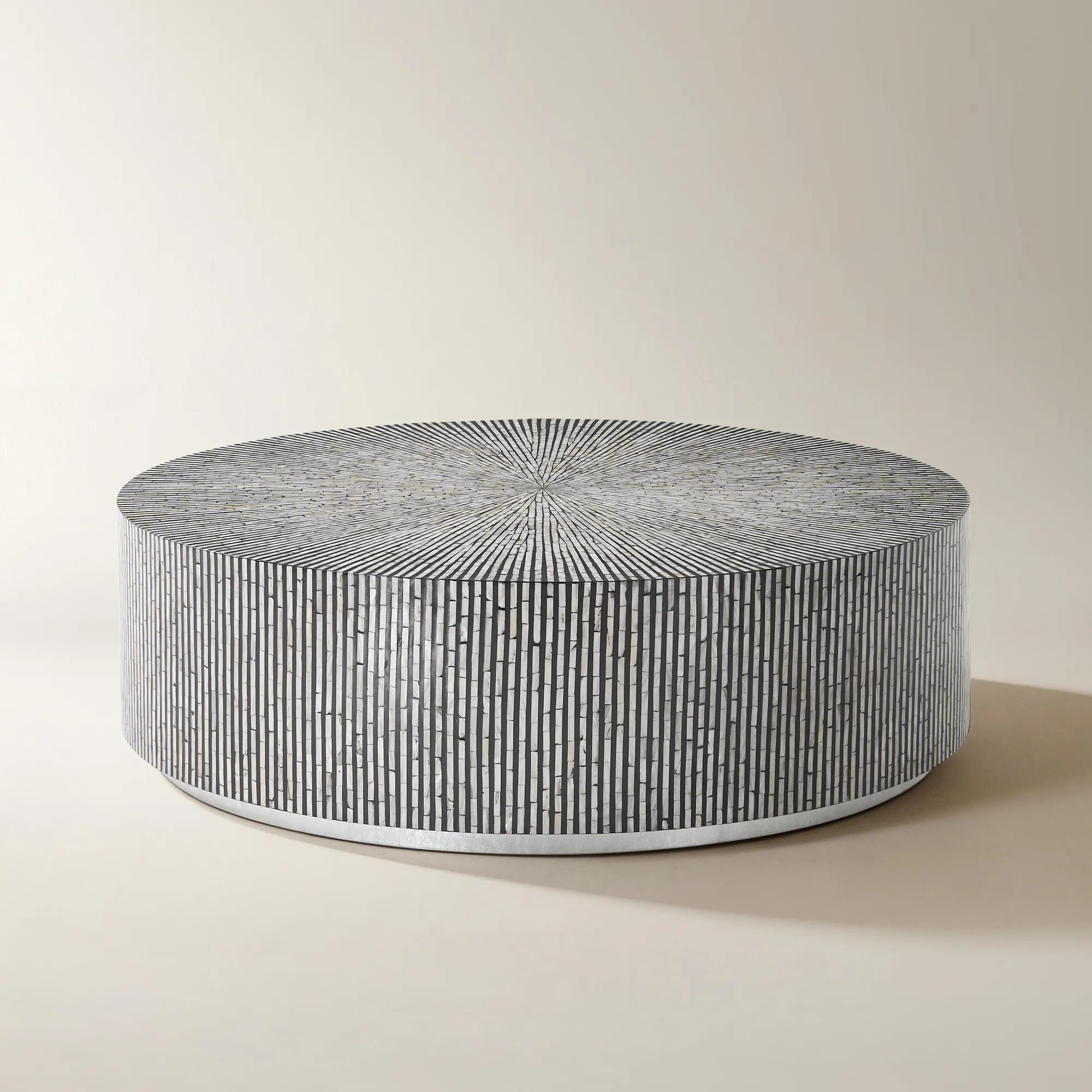
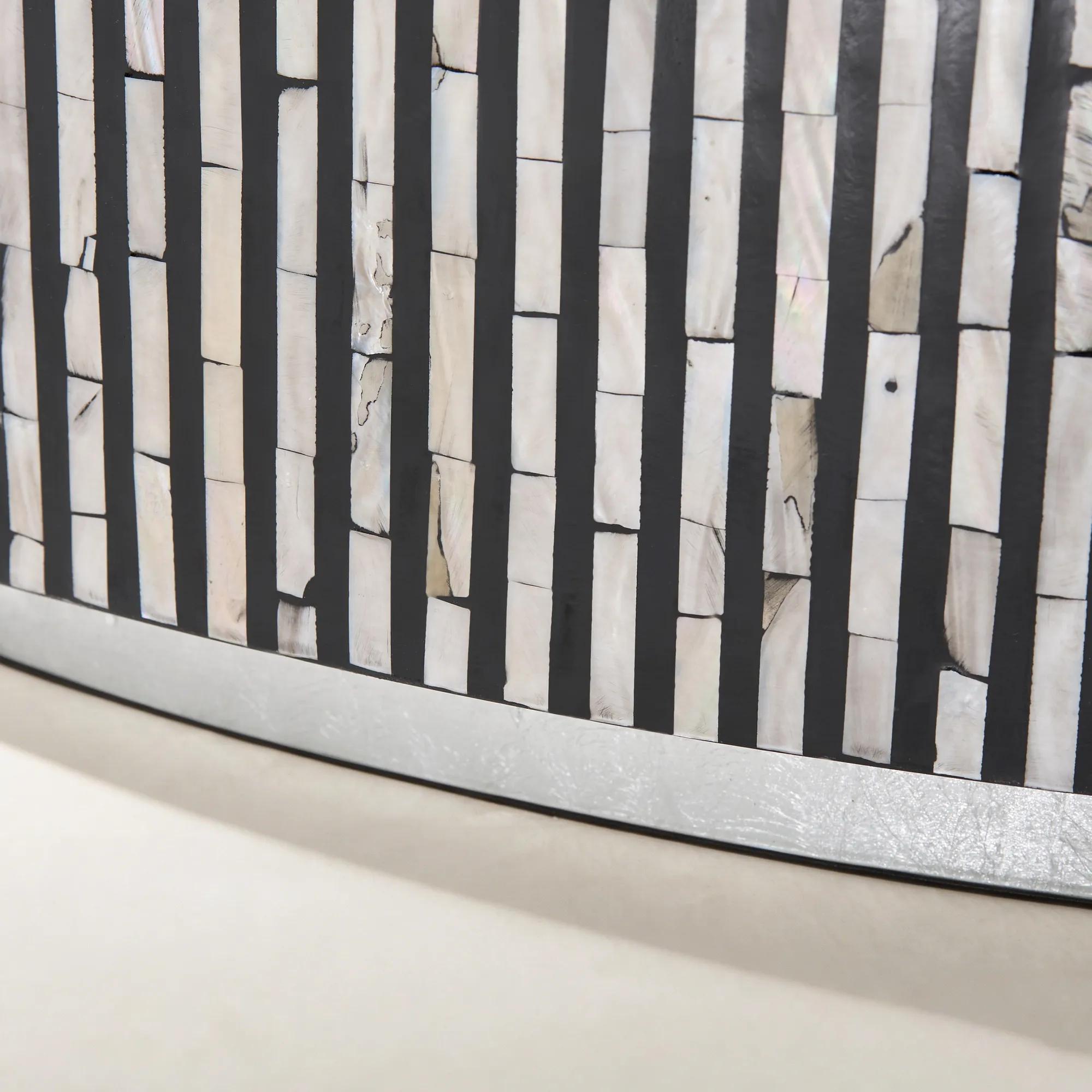 Marina Round Mosaic Black Coffee Table (52")$1399
A sculptural black coffee table featuring hand-applied mother-of-pearl mosaic and a silver leaf base.
Add To Cart -
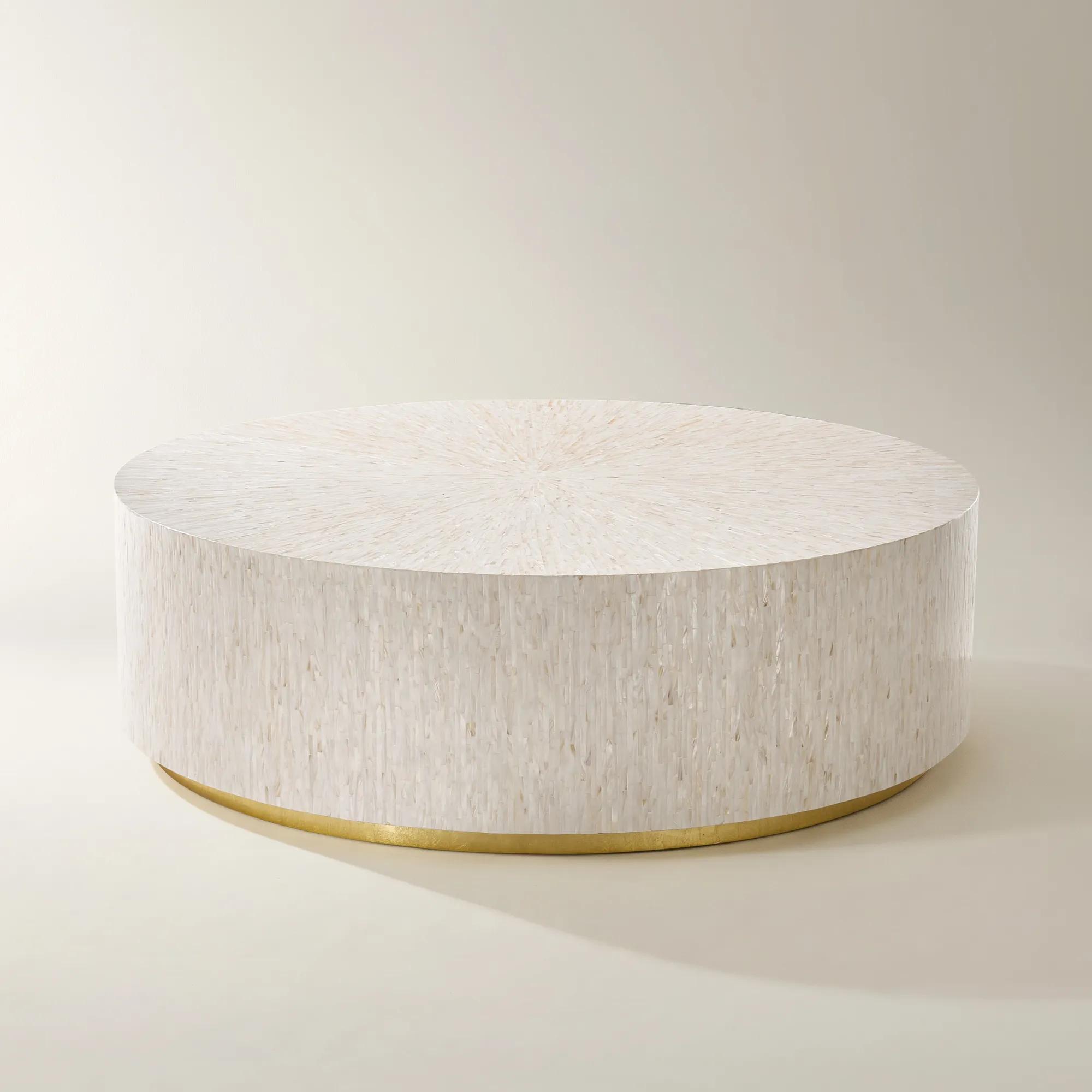 Alexandria Round Mosaic Platinum Coffee Table (52")$1399
A luminous mother-of-pearl mosaic coffee table with a sculptural round form and gold leaf–accented base.
Add To Cart -
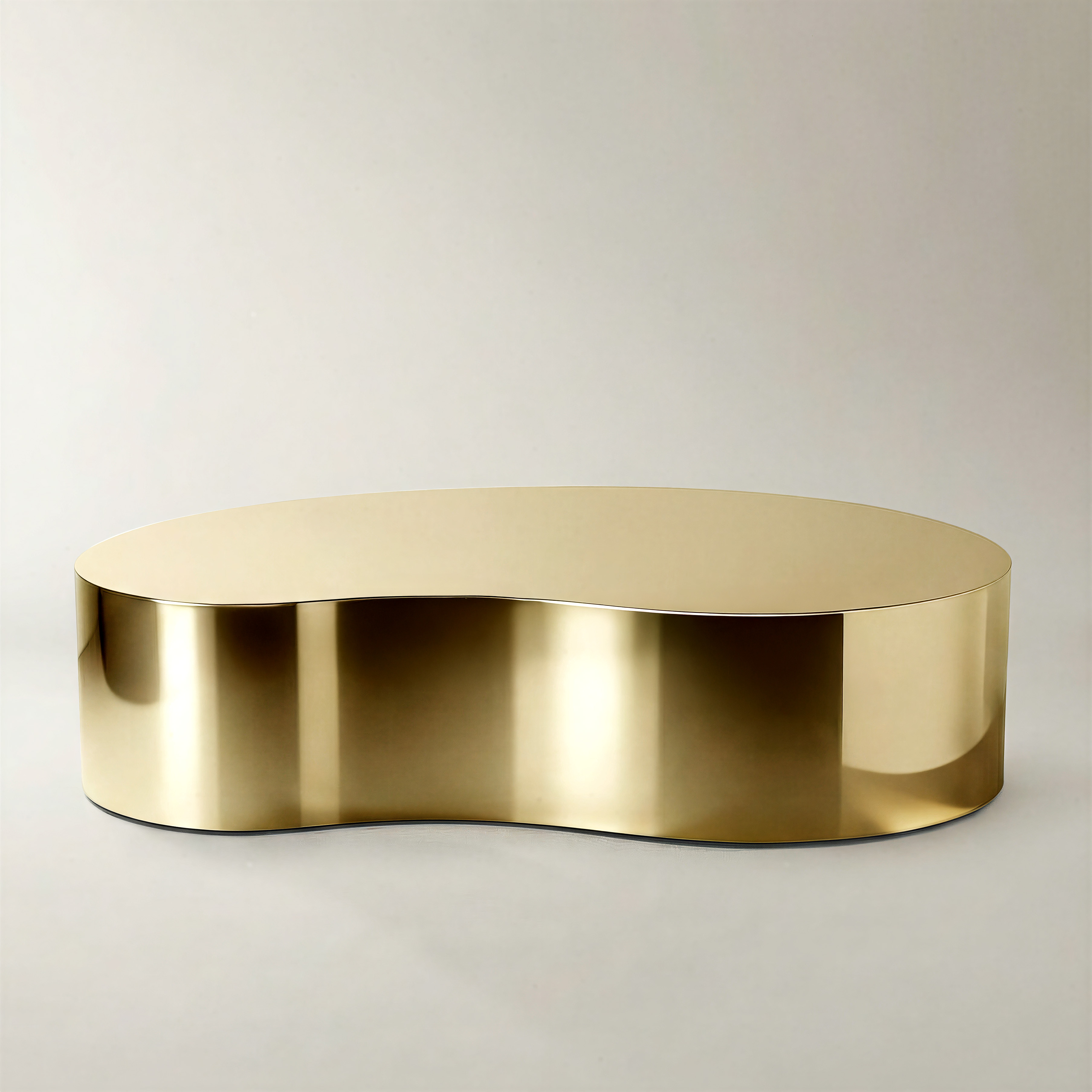
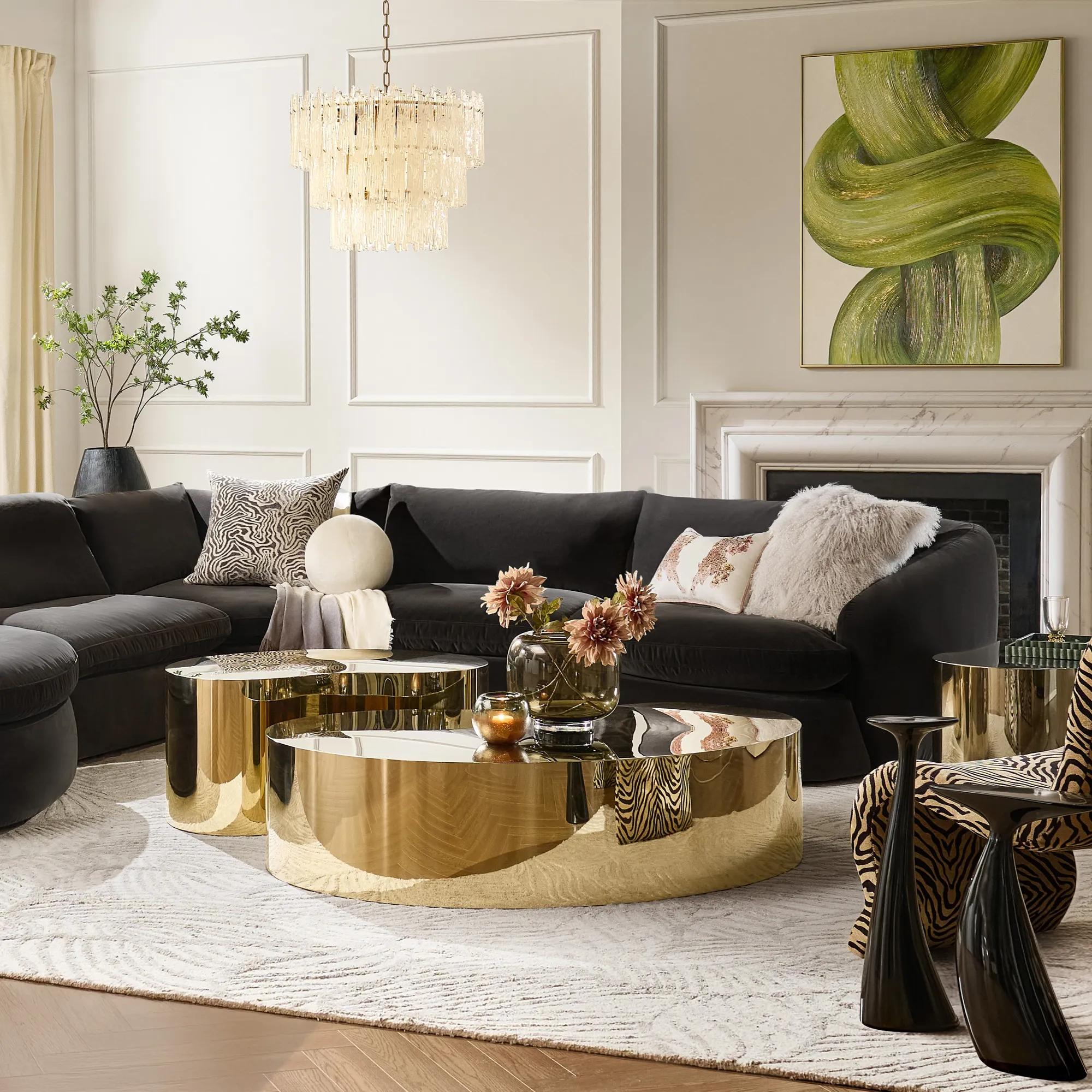 Aurea Soft Gold Coffee Table (57")$1399
A sculptural coffee table crafted from stainless steel with a high-gloss soft gold finish and rounded edges.
Add To Cart -
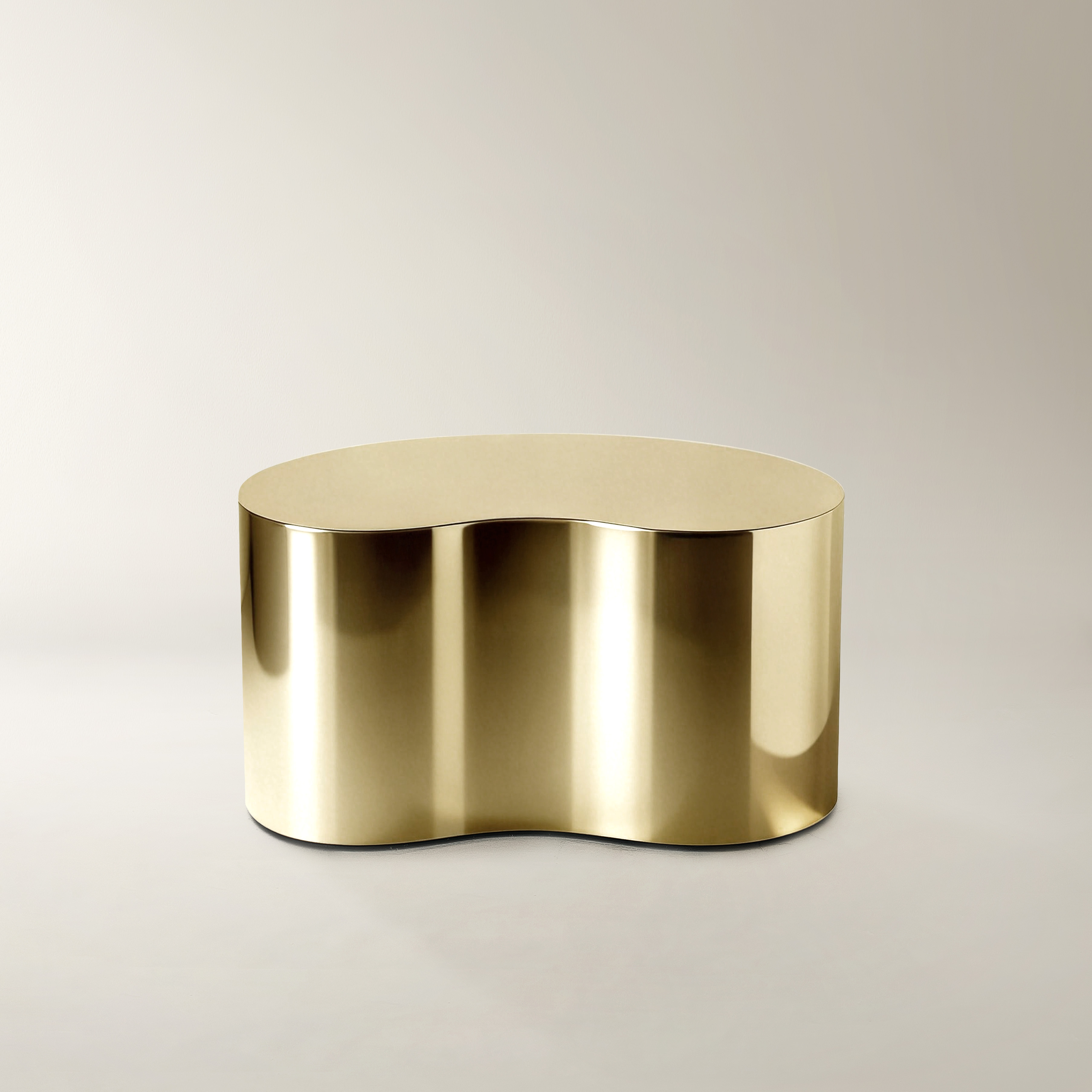 Aurea Soft Gold Coffee Table (32")$799
A sculptural coffee table crafted from premium stainless steel with a high-gloss, soft gold mirror finish.
Add To Cart -
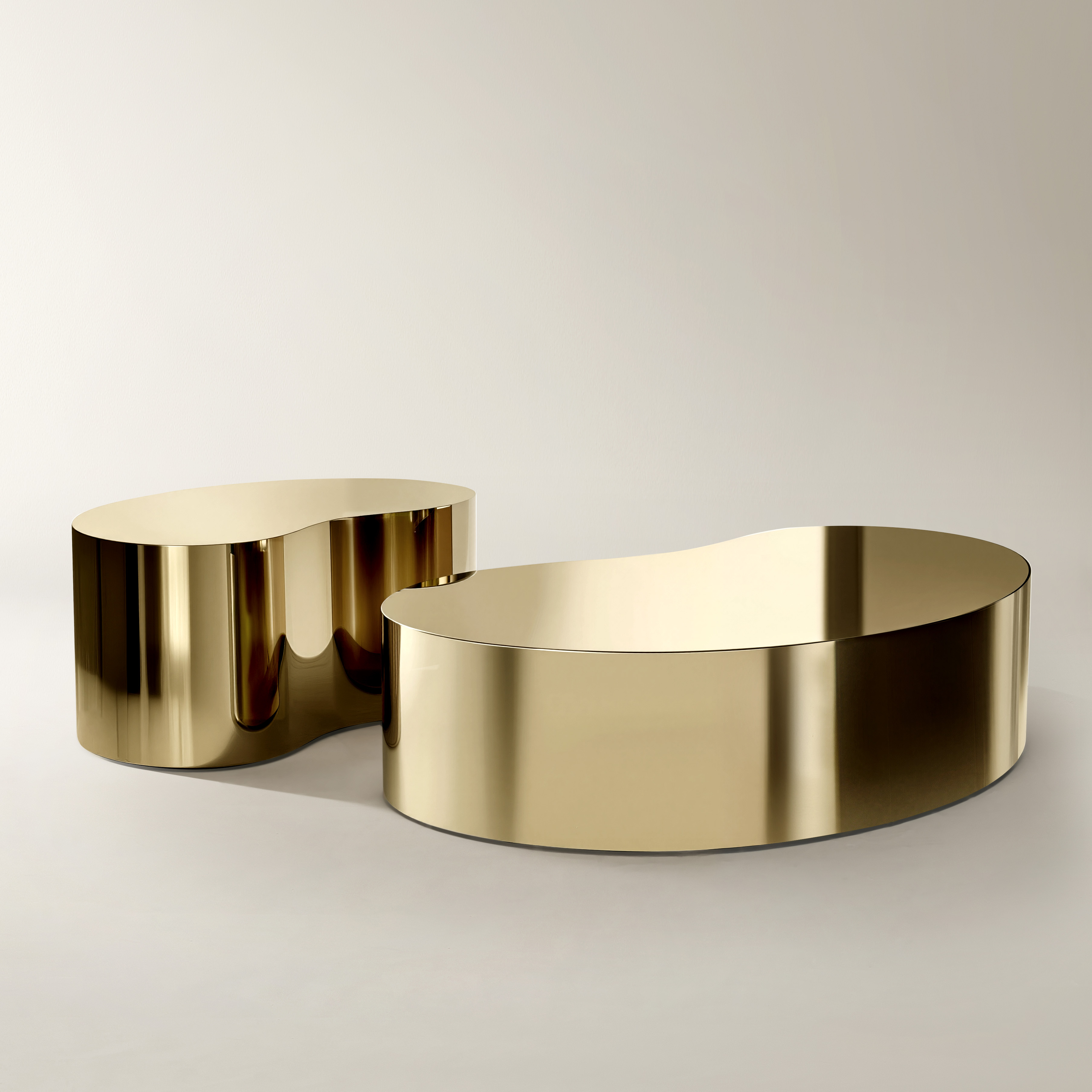 Aurea Soft Gold Coffee Table Set of 2 (37.5"-57")$2398
A sculptural coffee table crafted from premium stainless steel with a radiant, high-gloss soft gold finish.
Add To Cart -
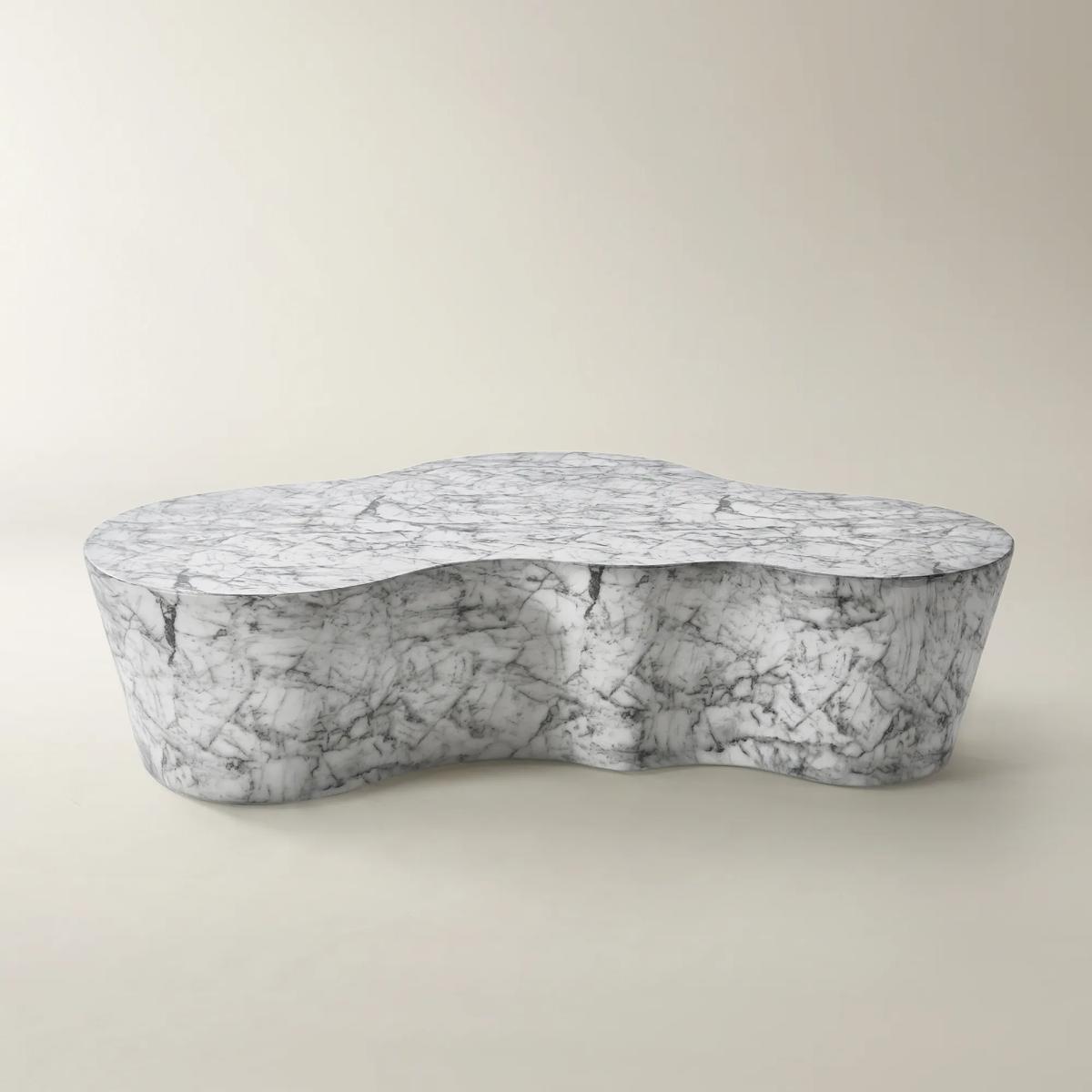
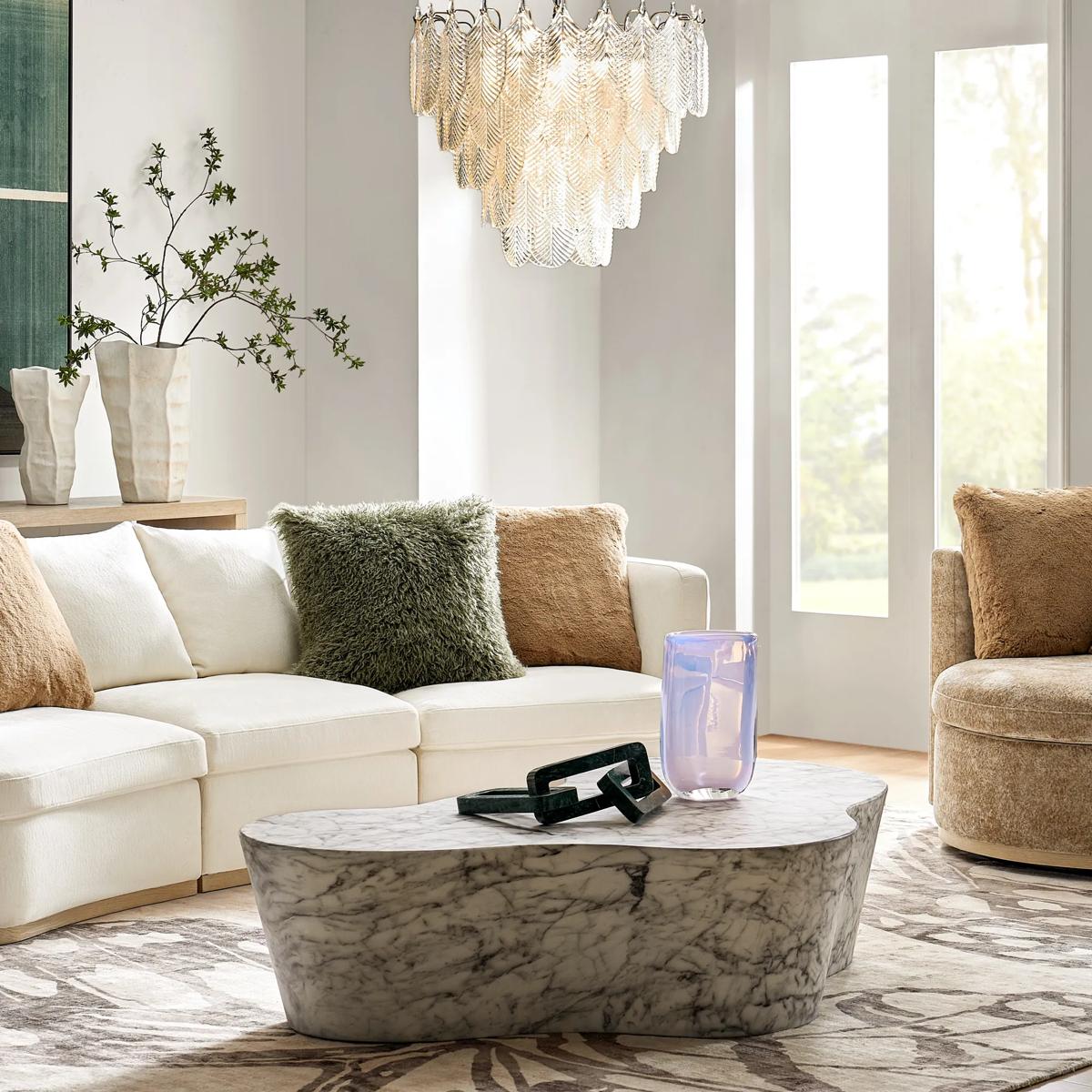 Petra White Concrete Indoor/Outdoor Coffee Table (59.4")$1099
A sculptural white concrete coffee table with cloud-like contours and marble-look veining, suitable indoors or outdoors.
Add To Cart -
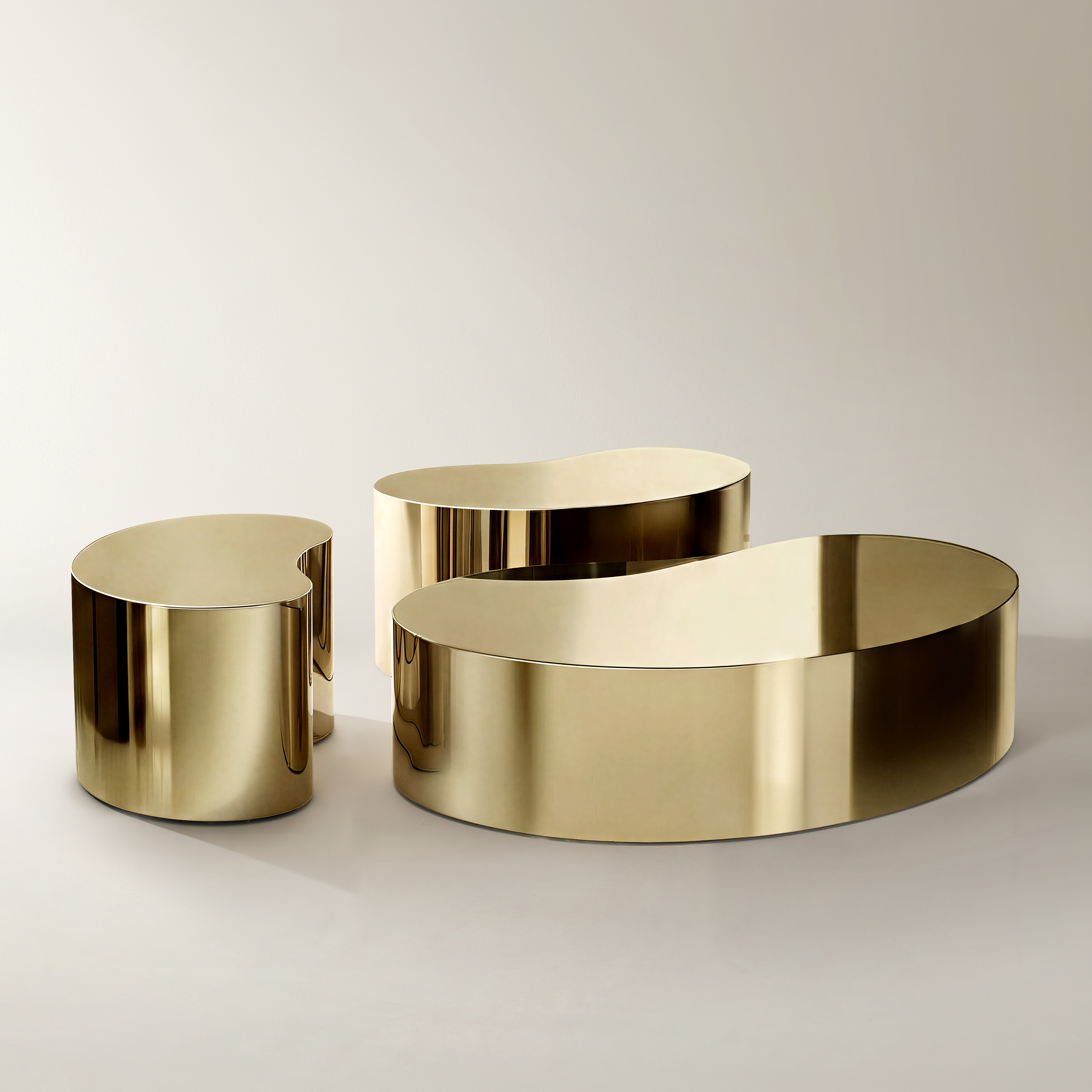 Aurea Soft Gold Coffee Table Set of 3 (32"-57")$3197
A sculptural coffee table crafted from premium stainless steel with a high-gloss, soft gold mirror finish.
Add To Cart -
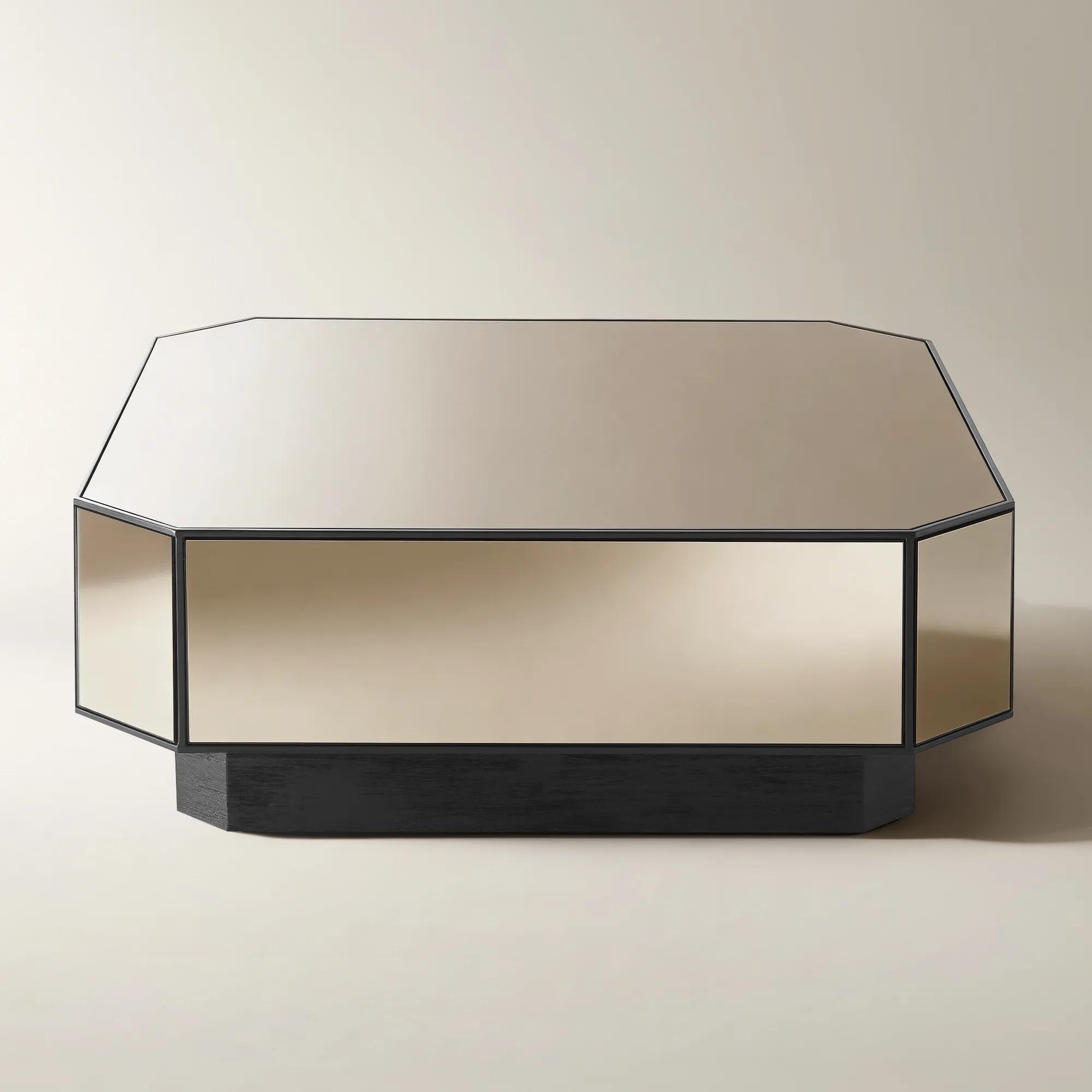 Glimmer Bronze Mirrored Coffee Table (44")$1699
A sculptural coffee table featuring bronze mirror panels and a black oak base for modern sophistication.
Add To Cart -
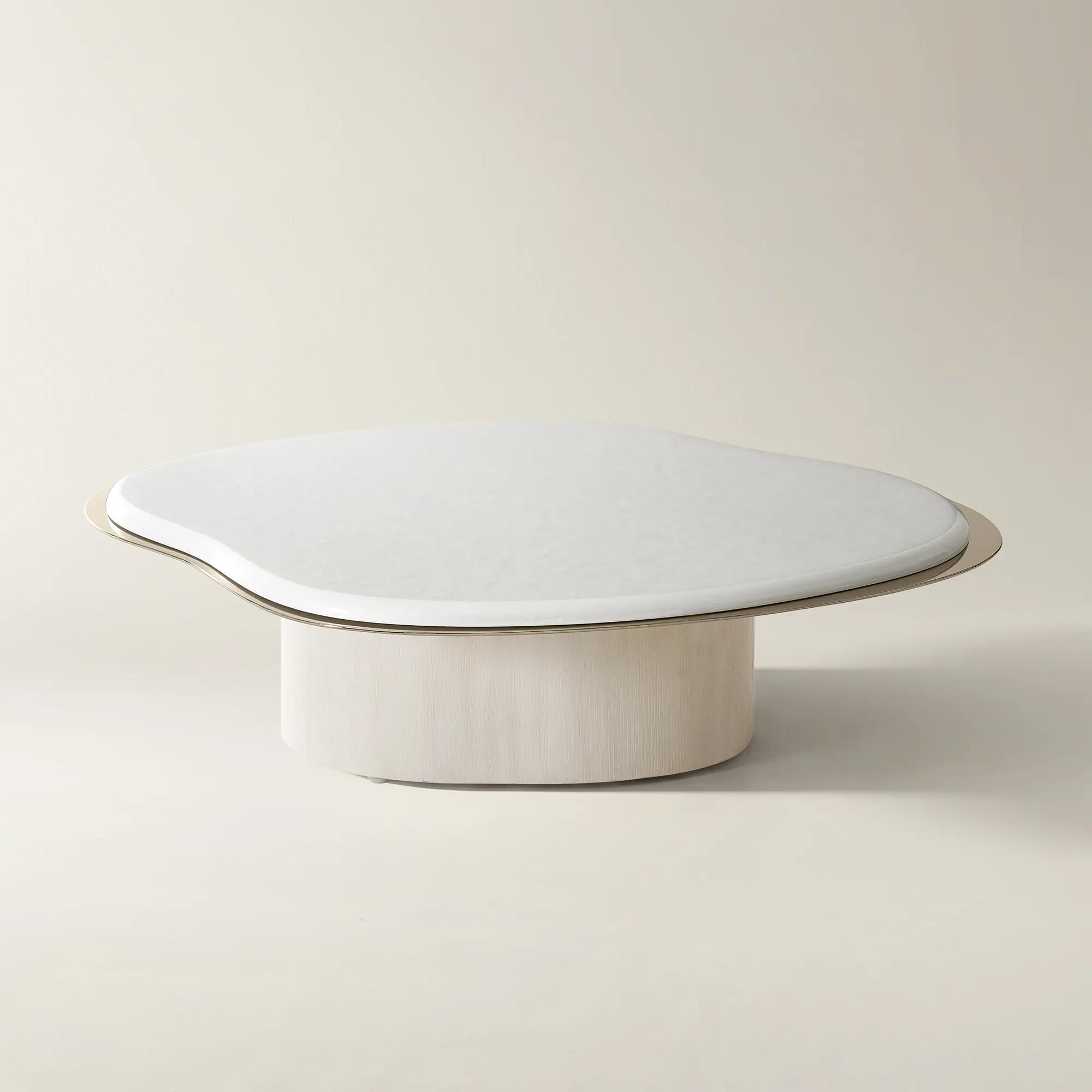
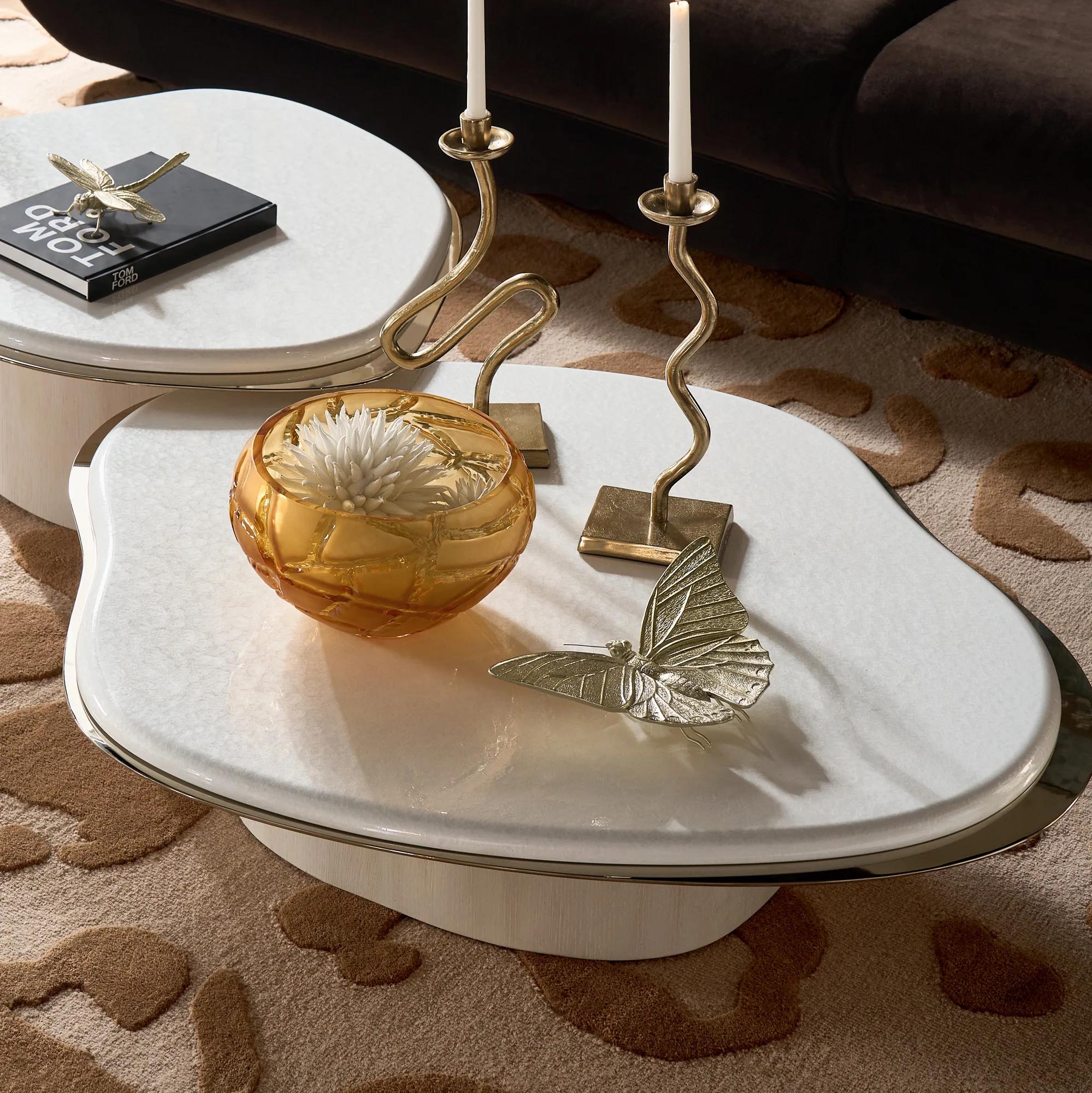 Lumina Bleached Oak Coffee Table With Pearl Lacquered Top (41")$1199
A sculptural coffee table featuring a pearl lacquered top, bleached oak base, and champagne gold trim.
Add To Cart -
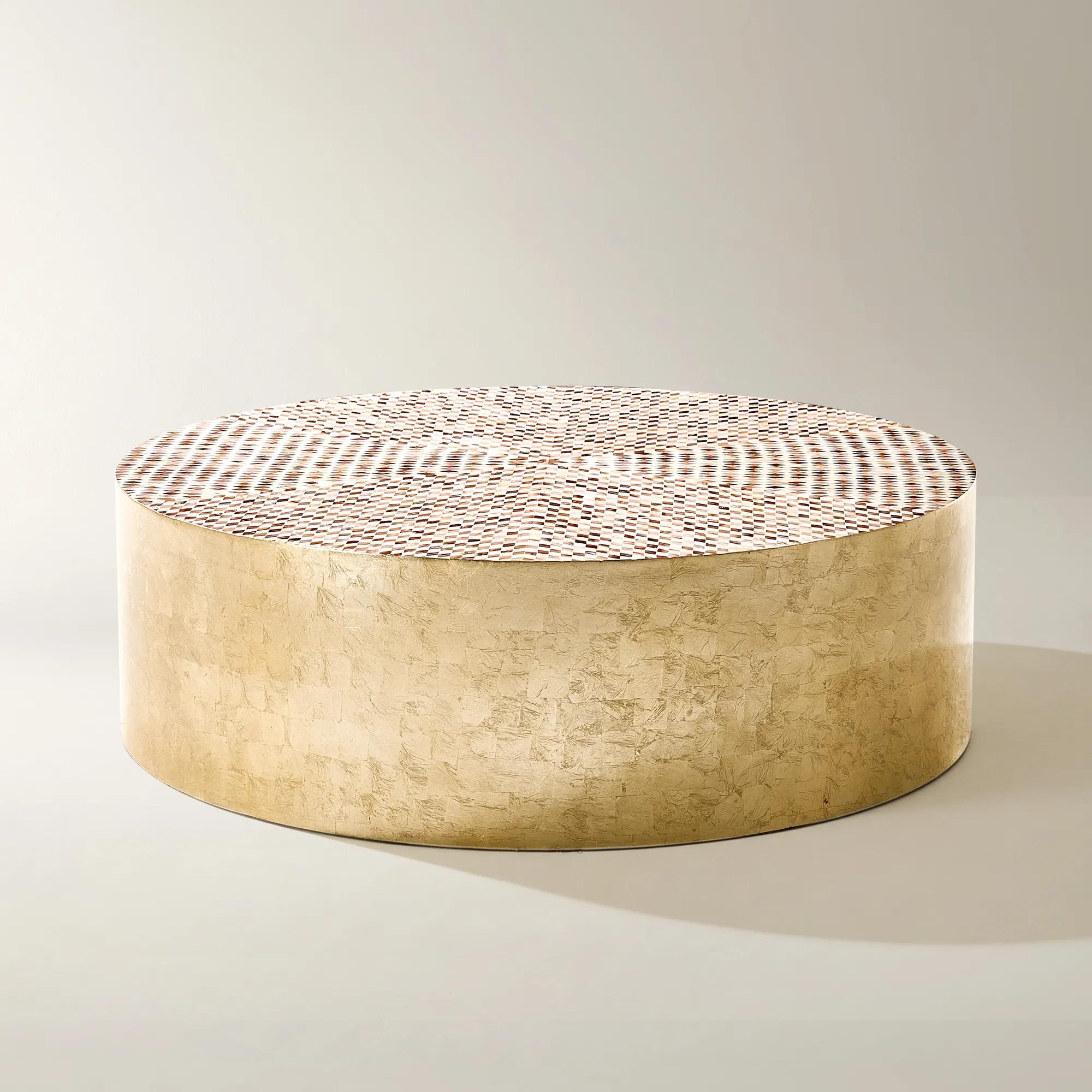
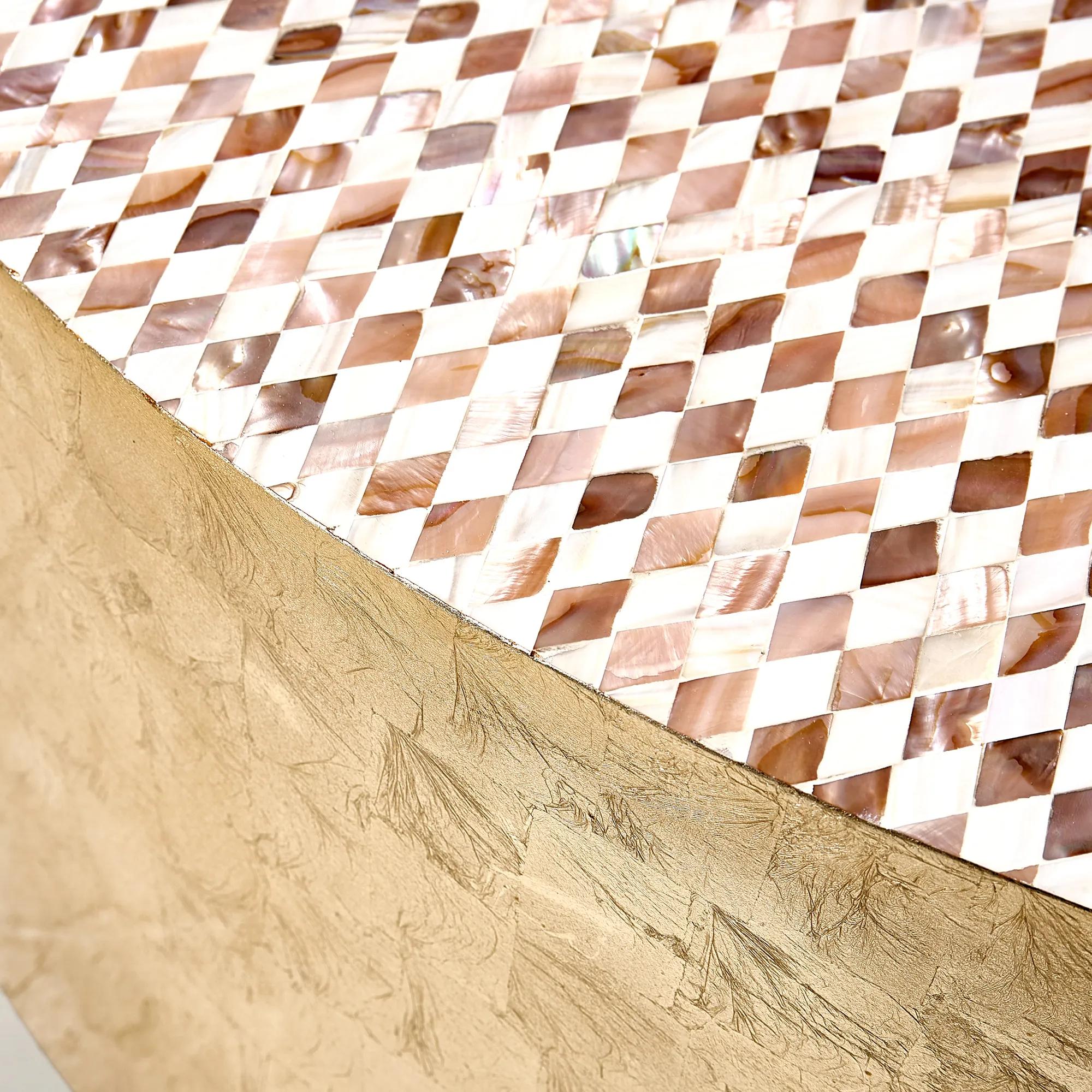 Lucien Round Diamond Coffee Table (47.24")$1299
A sculptural round coffee table featuring a hand-laid mother-of-pearl diamond mosaic and gold leaf sides.
Add To Cart -
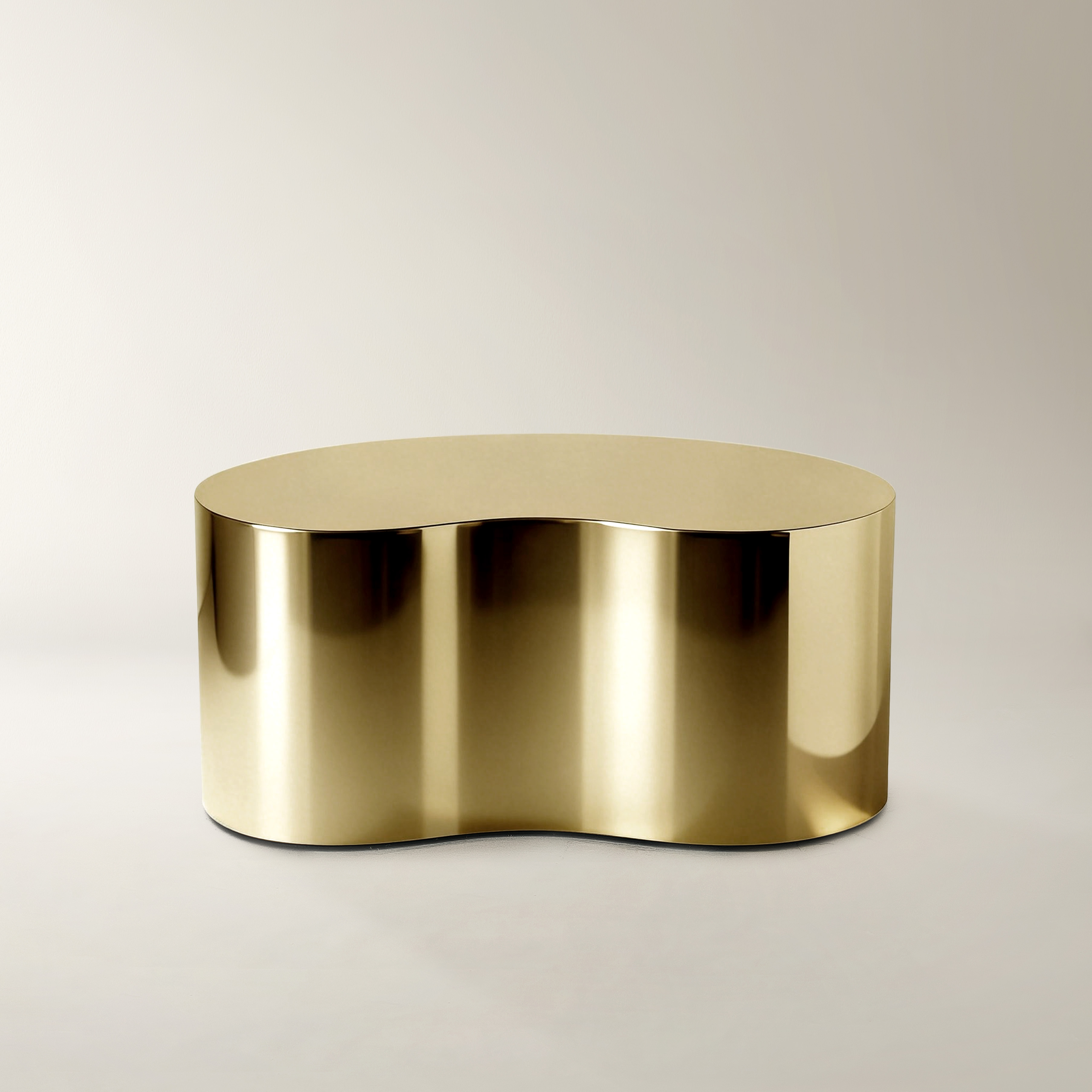 Aurea Soft Gold Coffee Table (37.5")$999
A sculptural coffee table crafted from premium stainless steel with a high-gloss soft gold mirror finish.
Add To Cart -
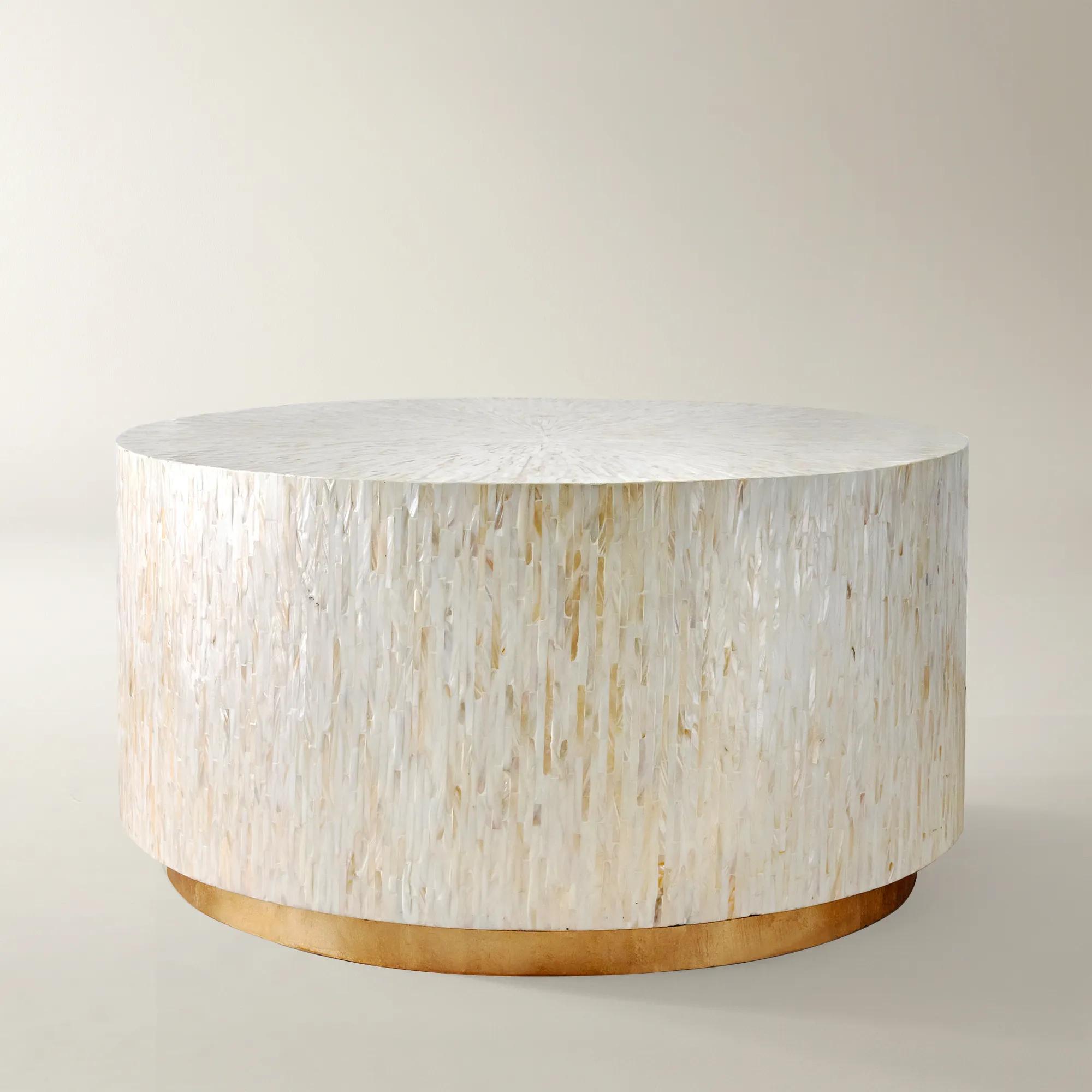
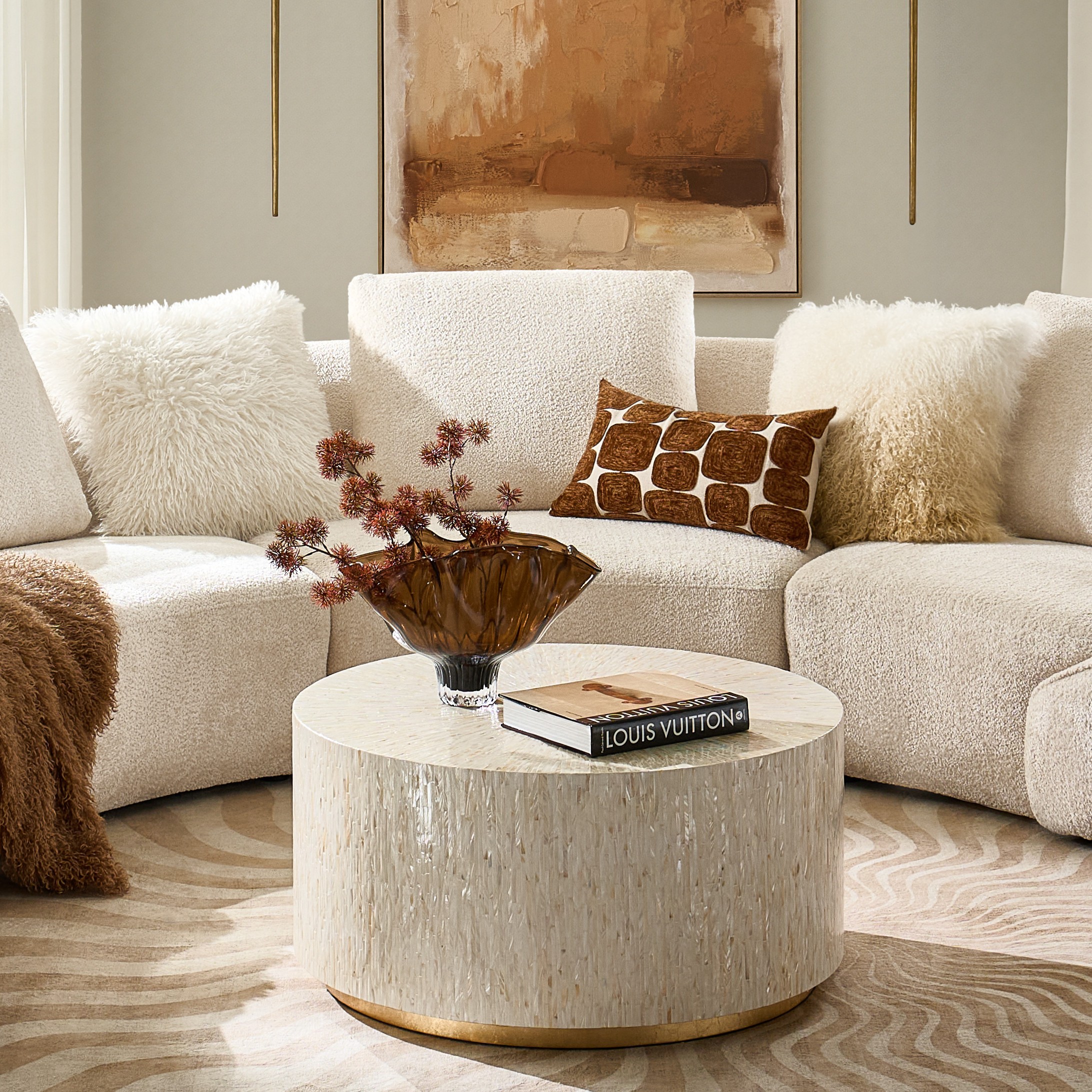 Alexandria Round Mosaic Platinum Coffee Table (36")$799
A luminous ivory coffee table featuring hand-applied mother-of-pearl mosaic and a gold leaf-accented base.
Add To Cart -
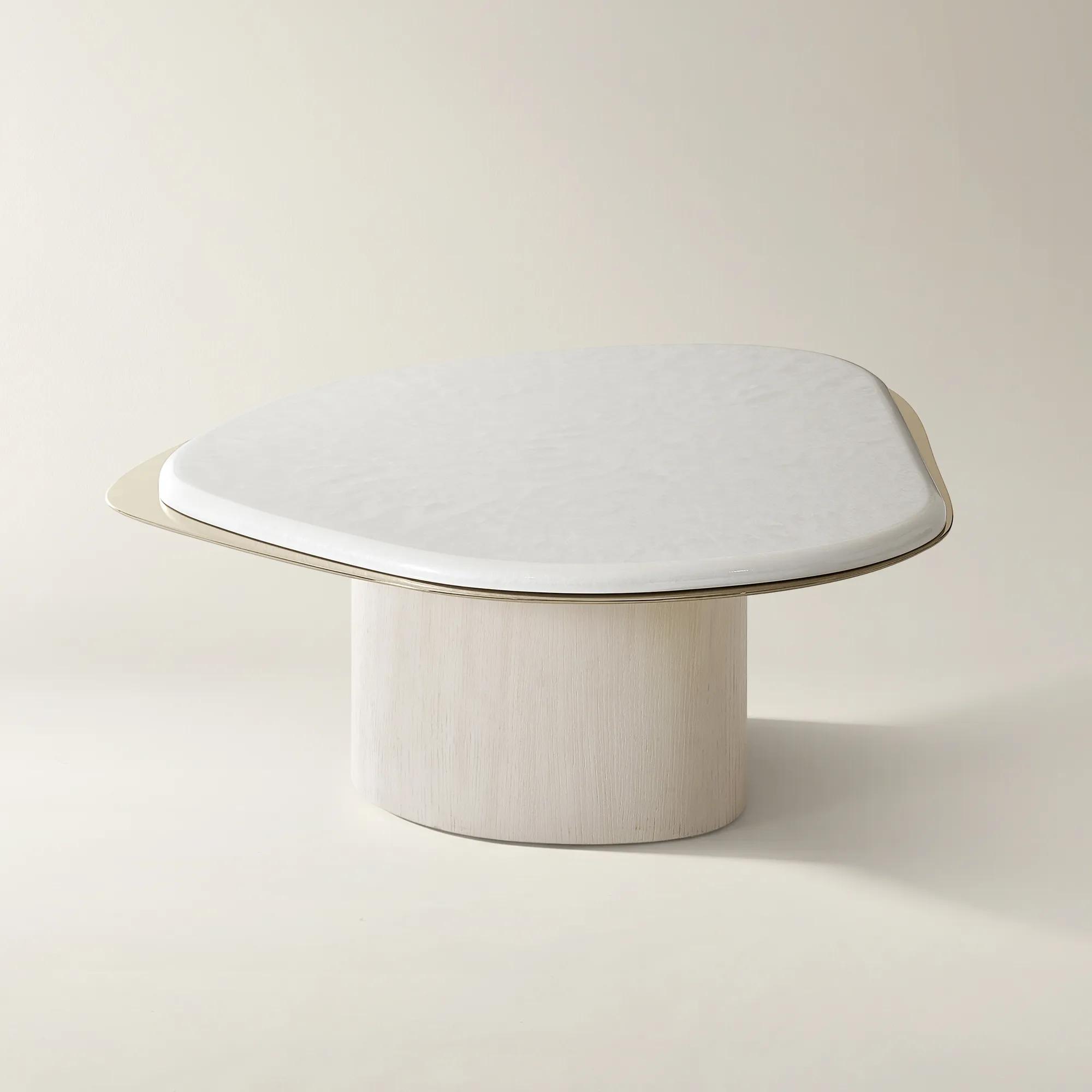
 Lumina Bleached Oak Coffee Table With Pearl Lacquered Top (32")$899
A sculptural coffee table featuring a pearl lacquered top, bleached oak base, and champagne gold trim.
Add To Cart -
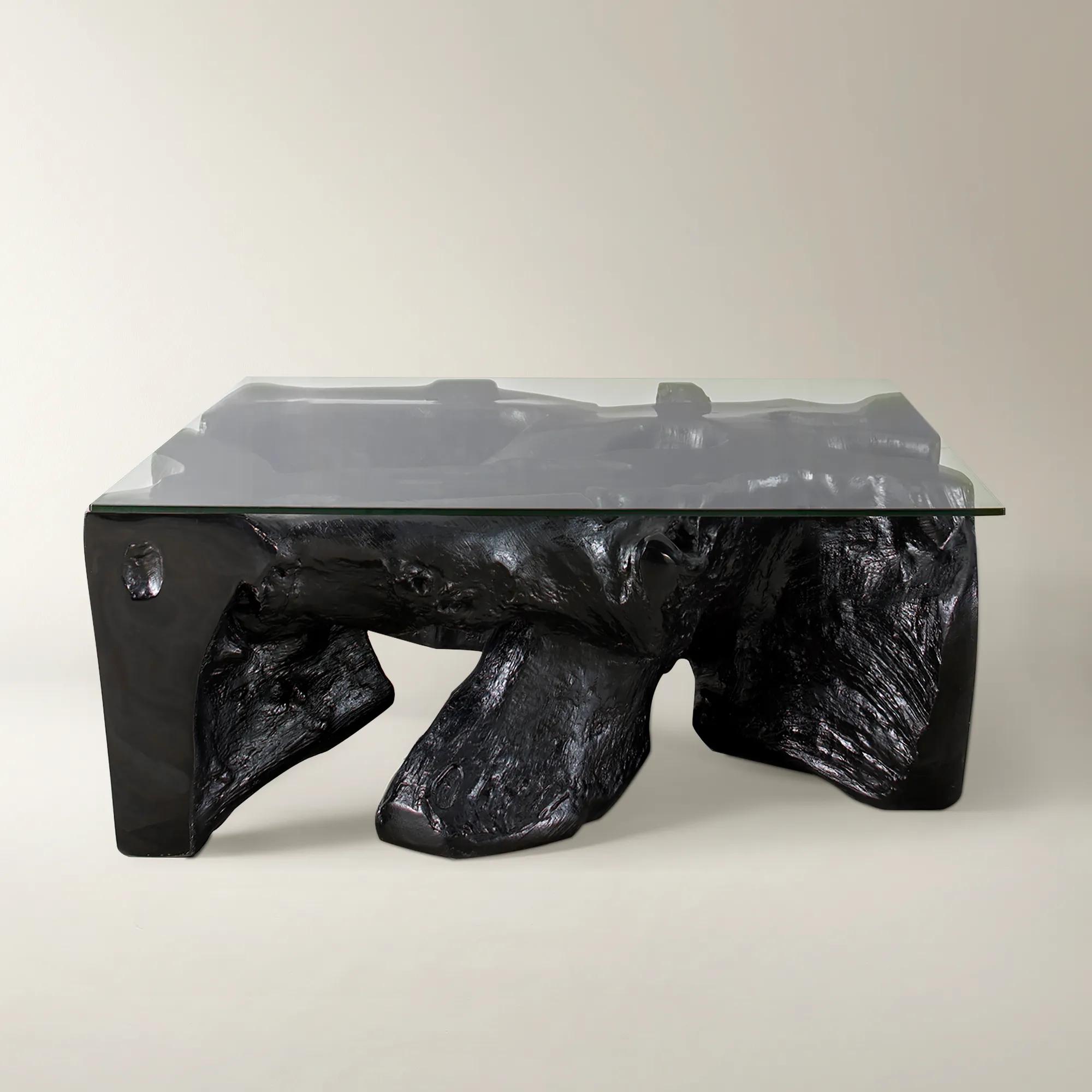
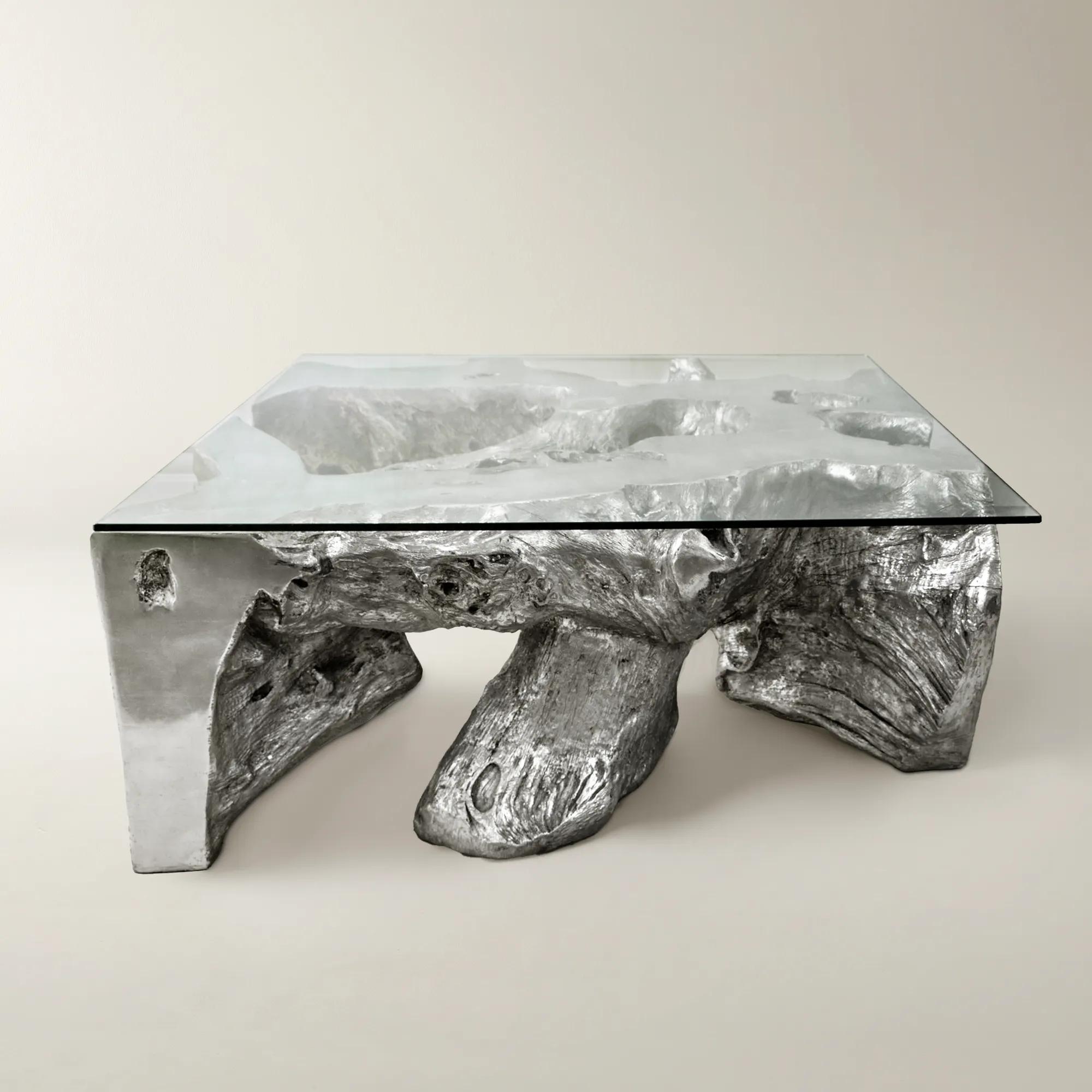
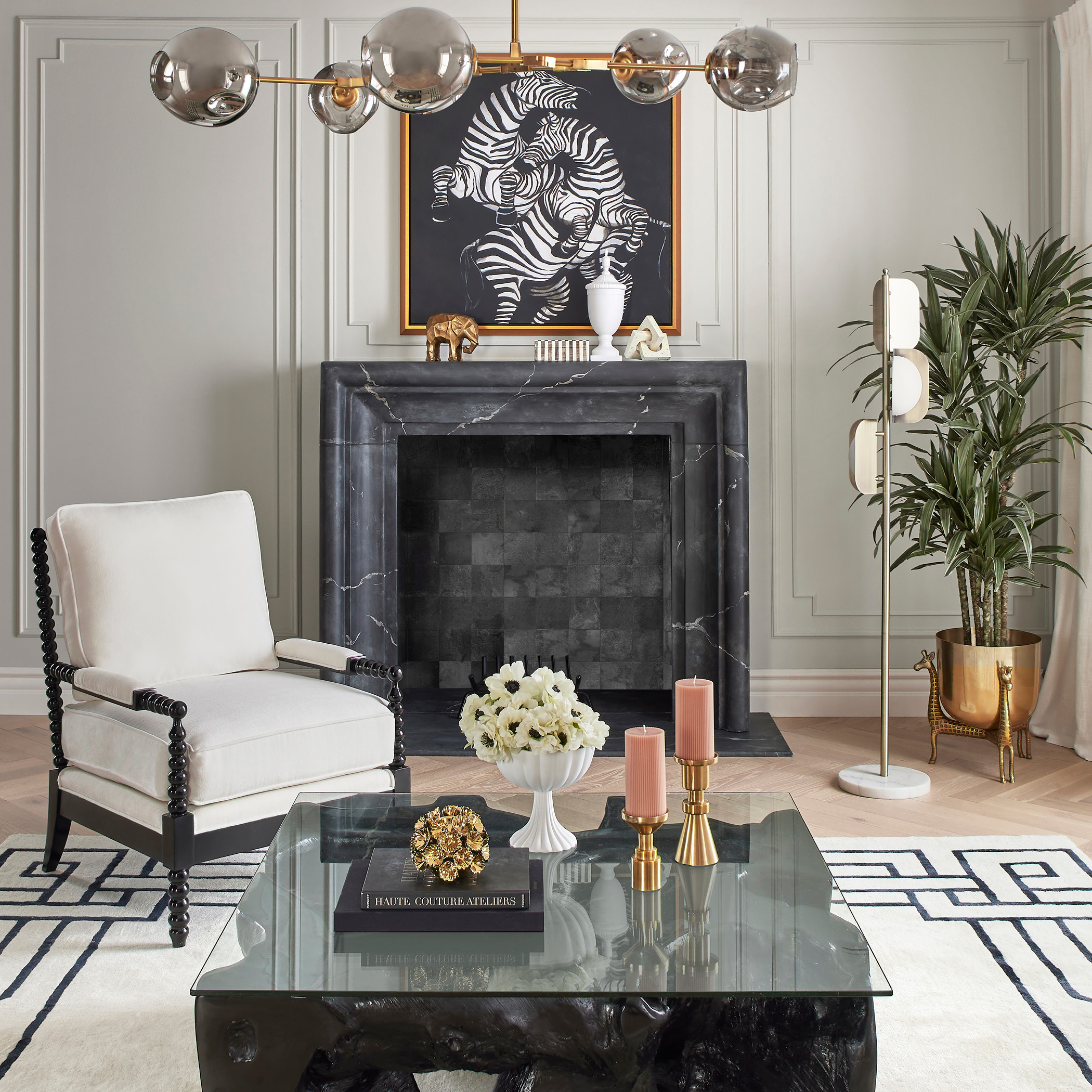 Sequoia Black Resin Coffee Table With Glass Top (44")$2299
A sculptural black coffee table crafted from resin and polished stone fragments for indoor or outdoor use.
Add To Cart -
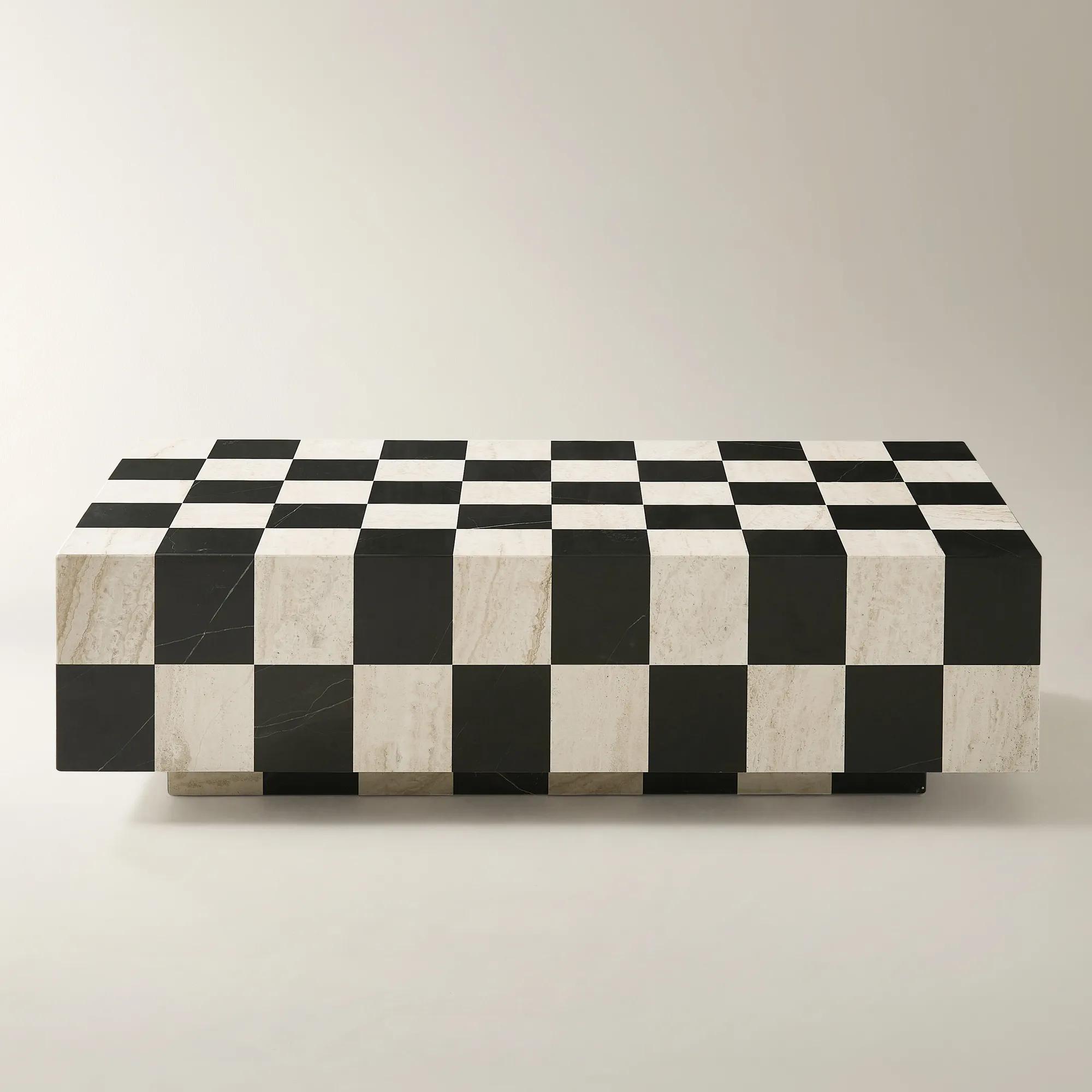 Chessa Rectangular Chequered Marble Coffee Table (53.1")$2399
A sculptural coffee table featuring polished black marble and travertine checkerboard mosaic with a monolithic silhouette.
Add To Cart

Architectural Coffee Tables
Architectural Coffee Tables transform the heart of your living space into a showcase of artistry and intrigue. Each piece is a sculptural statement, designed to captivate with bold lines, striking silhouettes, and a sense of daring sophistication. Crafted for those who see their home as an evolving gallery, these tables invite conversation and admiration, infusing your room with structure, drama, and unmistakable flair. Elevate your lounge with a centerpiece that turns every gathering into an exhibition of style and expressive design.
Architectural coffee tables are living room tables defined by structural, building-inspired forms: repeating arches, intersecting planes, open metal frameworks, substantial columns, and bases that resemble miniature architectural compositions. Their distinction lies in the relationship between the tabletop, its supports, and the open space around them. A sweeping curve beneath a crisp rectangular surface creates tension; a rhythmic arrangement of vertical supports gives a low table the presence of a colonnade. These designs bring an artistic focal point to a seating area while preserving the everyday function of a surface for drinks, books, and collected objects. Unlike a table that depends primarily on decorative detailing, an architectural design makes its silhouette part of the room’s composition. Some expressions feel monumental, with broad plinths and blocklike proportions. Others appear almost weightless, using slender rods, transparent surfaces, or recessed supports to reveal the structure below. The effect can be dramatic without requiring an elaborate room: a distinctive base framed by a tailored sofa and a textured rug creates a compelling arrangement on its own. In a more expressive interior, geometric forms establish order among richly upholstered seating, oversized artwork, and reflective accents. Architectural does not describe a single material or decorating style. It describes an approach to proportion, balance, and construction that can feel crisp and linear, fluid and organic, or richly layered. This versatility makes architectural coffee tables appealing to design enthusiasts, art collectors, and anyone who wants functional furniture to contribute genuine visual character. The closely related language of modern sculptural coffee tables emphasizes expressive volume and shape, while architectural forms often draw particular attention to how a top is supported and how repeating elements interact. Both approaches give the center of the room a distinct identity, whether the surrounding furnishings are restrained or unapologetically glamorous. A table seen from several angles can also reward an open floor plan, presenting a different arrangement of lines and shadows as people move through the space.
Materials give these structural forms their mood, surface character, and practical demands. Natural stone introduces veining and subtle variation that make simple geometry feel richly composed; a thick stone top or pedestal can lend visual weight to a spacious conversation area. Marble and other porous stones may require sealing according to the manufacturer’s directions, and acidic spills can etch susceptible surfaces even when they have been sealed. Coasters, prompt spill removal, and stone-appropriate cleaning products help protect their appearance. Wood brings warmth to angular silhouettes, with grain patterns softening broad planes and lending depth to rounded or fluted supports. Solid wood can respond to changes in indoor humidity, while veneered surfaces depend on the quality of their underlying construction and finish. Both benefit from protection against standing moisture, excessive heat, and abrasive cleaning. Glass offers a different kind of drama, allowing an intricate base and the rug beneath it to remain visible. Clear glass can make a substantial footprint feel visually lighter, although fingerprints and dust are more apparent, and exposed edges deserve consideration in active households. Tempered glass, when specified, has different breakage characteristics from ordinary glass, but no glass surface is immune to damage. Metal frames contribute crisp definition, whether their finish is polished, brushed, darkened, or softly lustrous. Repeated metal elements can create a delicate lattice effect without making the overall composition feel ornate. Finish-specific care matters, since harsh cleaners and abrasive cloths can dull or scratch decorative coatings. For mixed-material coffee tables, each surface may need its own cleaning method. Durability depends on more than the material name: secure joinery, properly supported tops, stable proportions, and a finish suited to the household all influence everyday performance. A substantial-looking table is not necessarily intended to bear heavy loads, and a cantilevered silhouette should never be treated as a seat. Manufacturer instructions remain the best reference for weight limits, assembly, cleaning, and moving, particularly when a design combines heavy tops with narrow or offset supports.
Scale determines whether an architectural coffee table feels commanding or simply crowded. A useful starting point is a tabletop near the height of the sofa seat, with a length around one-half to two-thirds of the sofa’s overall length; individual seating arrangements may call for different proportions. Roughly 14 to 18 inches between the table and nearby seating often leaves comfortable legroom while keeping a drink within reach, though reclining furniture and frequently used walkways require additional clearance. The base deserves as much attention as the top. A broad pedestal can occupy more visual and physical space than its dimensions suggest, while an open framework may expose projecting supports at floor level. In a compact sitting area, a transparent top or recessed base can preserve sightlines without diminishing the table’s architectural presence. A generous sectional may benefit from a wider square or round surface that serves several seats, while an elongated table can echo the lines of a long sofa. Rounded edges can soften a room filled with straight lines and reduce sharp corners along busy routes, although overall stability and placement still matter in homes with children or pets. Everyday rituals help define the most satisfying surface: generous uninterrupted space suits shared refreshments and a spread of art books, while a highly contoured top may leave less room for a tray than its outer dimensions imply. For those who entertain, a stable, easily reached surface supports conversation without forcing guests to lean around an elaborate centerpiece. Styling can remain deliberate rather than dense. A low vessel, a small stack of books, and one contrasting object allow the architecture beneath them to remain visible; a tray adds a composed boundary for smaller essentials, provided its underside will not scratch the finish. In rooms with patterned rugs or richly detailed upholstery, a quieter tabletop lets the base carry the drama. Against simpler surroundings, veined stone, gleaming metal, or an unexpected curve can become the defining gesture. The strongest architectural coffee tables unite this expressive presence with usable proportions, creating a living space that feels considered, distinctive, and ready to be enjoyed.
FAQs
An architectural coffee table is distinguished by its sculptural form, innovative materials, and bold design elements. Unlike traditional coffee tables, these pieces often feature geometric shapes, unexpected textures, and striking silhouettes that serve as the focal point of a room. Each table is crafted to evoke a sense of artistry and drama—transforming a functional surface into a statement piece that reflects personal style and creativity.
Integrating an architectural coffee table into your space begins with embracing contrast and harmony. Pair a dramatic table with plush seating, metallic accents, or layered textiles to create visual interest. Consider the table’s finish and silhouette—whether it’s a gleaming metal, rich marble, or glass—then echo those elements in surrounding accessories. The key is to let the table shine as a centerpiece while supporting it with complementary décor that enhances its artistic presence.
Absolutely. Architectural coffee tables are remarkably versatile, lending themselves to a range of design aesthetics. In modern interiors, they amplify the sense of clean lines and bold statements. In classic or eclectic spaces, they introduce a fresh, unexpected twist that can either harmonize with or contrast against traditional elements. The right table becomes a bridge between past and present, infusing any room with sophistication and visual intrigue.
Yes, these tables are designed to captivate and inspire. Their unique forms and artistic details naturally draw attention, inviting guests to admire and discuss their craftsmanship and design inspiration. Whether hosting an intimate evening or a lively gathering, an architectural coffee table sets the stage for memorable conversations and elevates the atmosphere with its bold presence.
Z Gallerie coffee tables with architectural flair often showcase a luxurious mix of materials. Expect to find polished metals, marble, tempered glass, and richly finished woods, each chosen for their ability to reflect light, add texture, and create a sense of drama. These materials are expertly combined to produce tables that are both visually stunning and enduringly stylish, making them a timeless addition to any curated home.