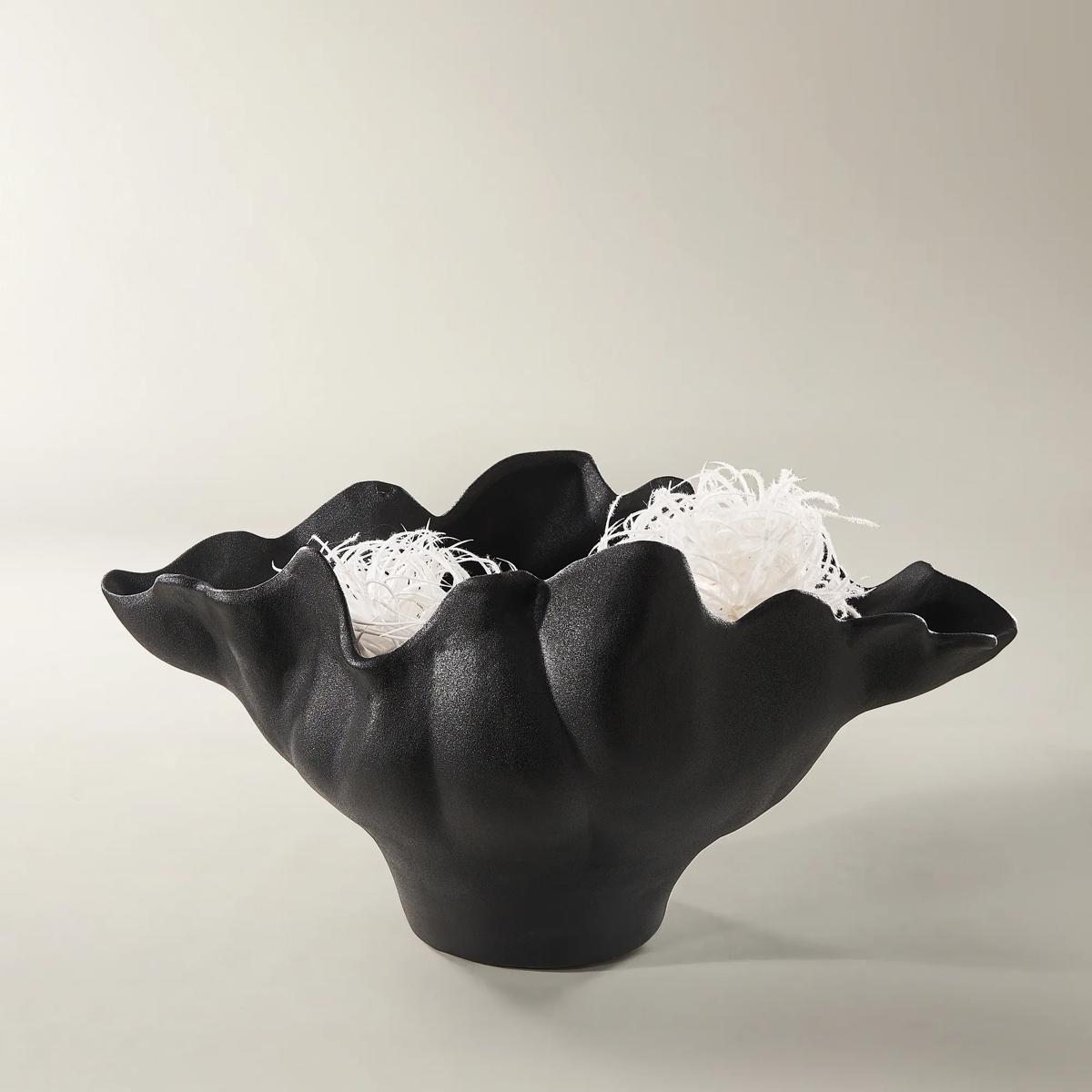
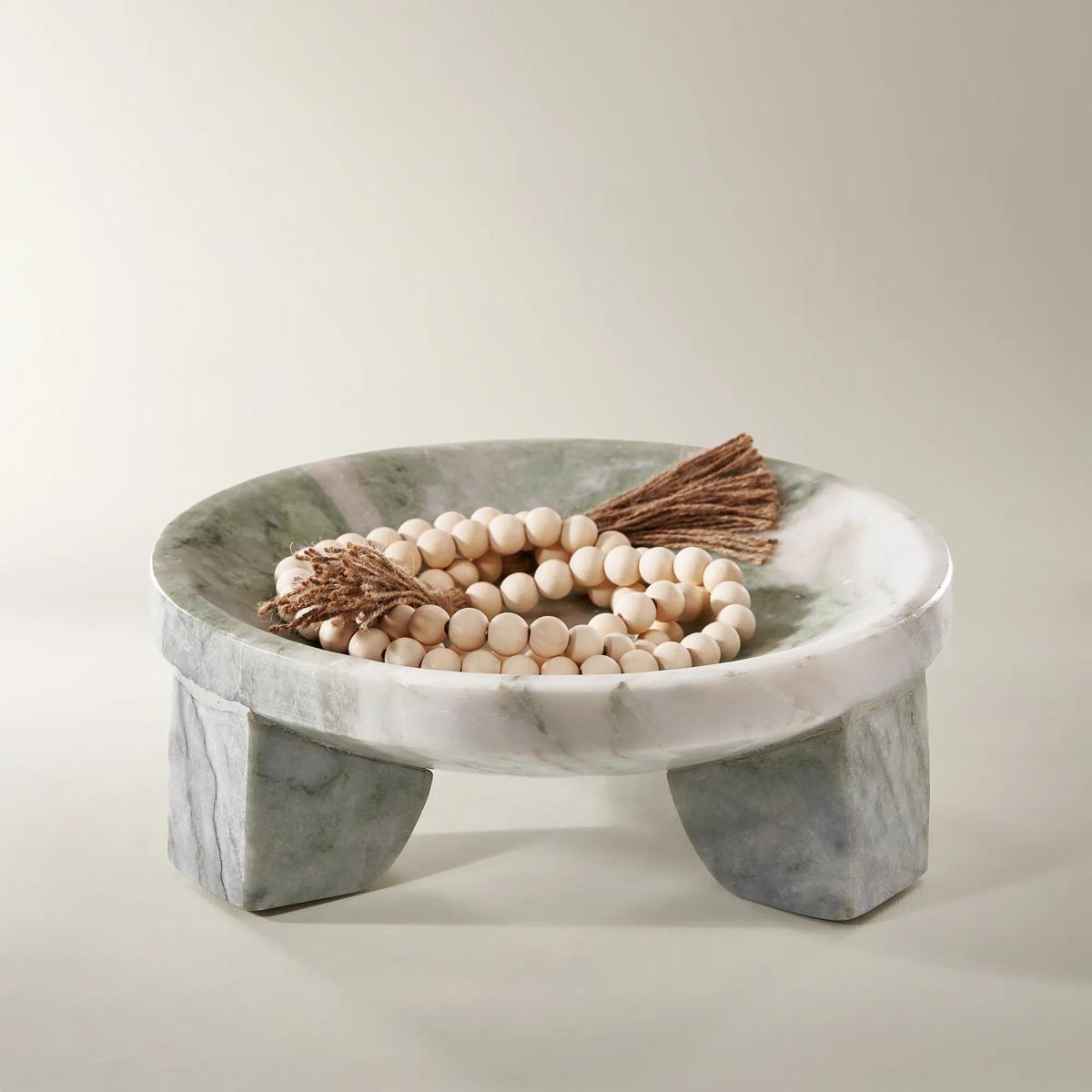
Sculptures For Coffee Tables
Sculptures For Coffee Tables
-
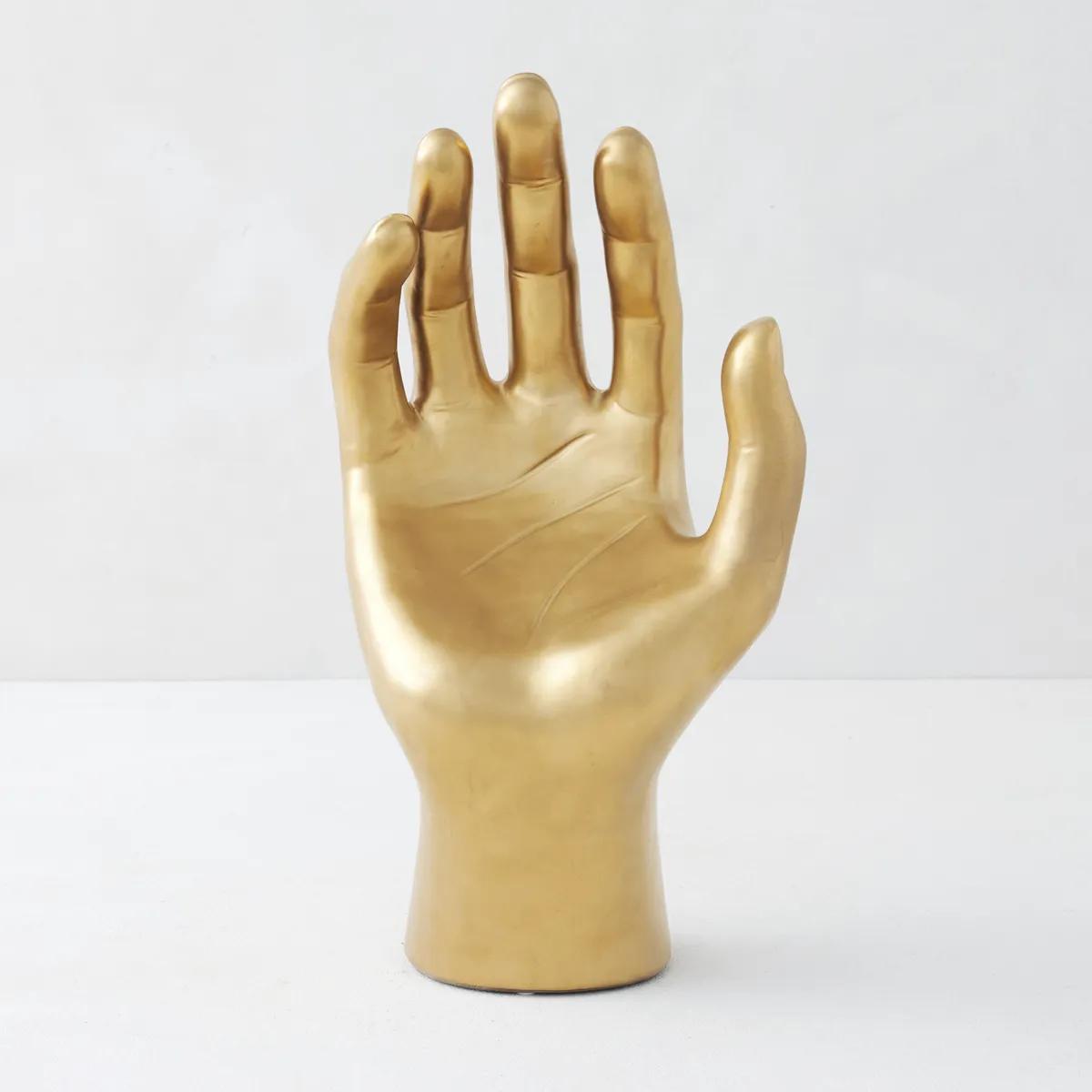
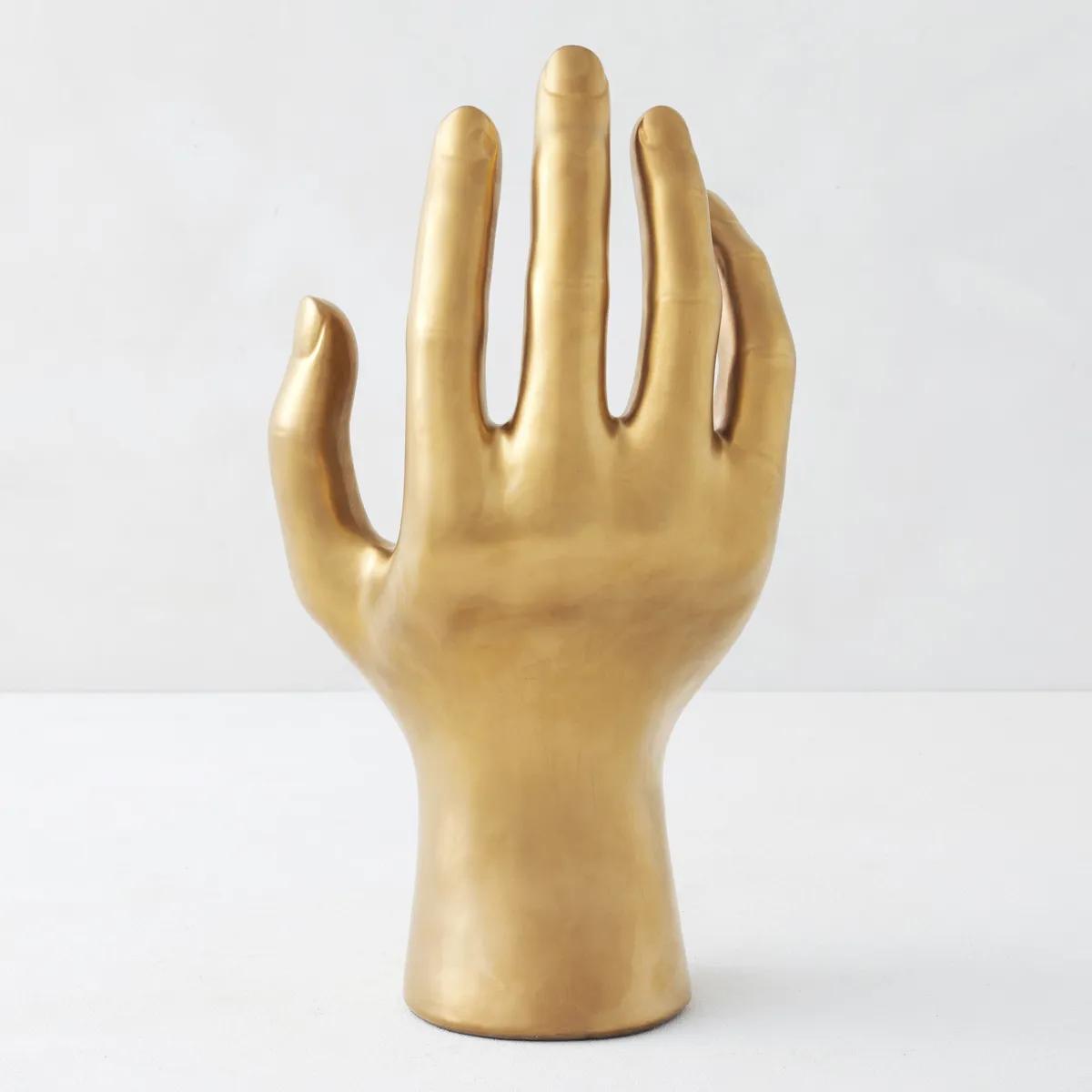 Ceramic Hand Metallic Gold Decorative Object 17.75"$69
A striking ceramic sculpture with a metallic gold finish, perfect for displaying jewelry or as decor.
Add To Cart -
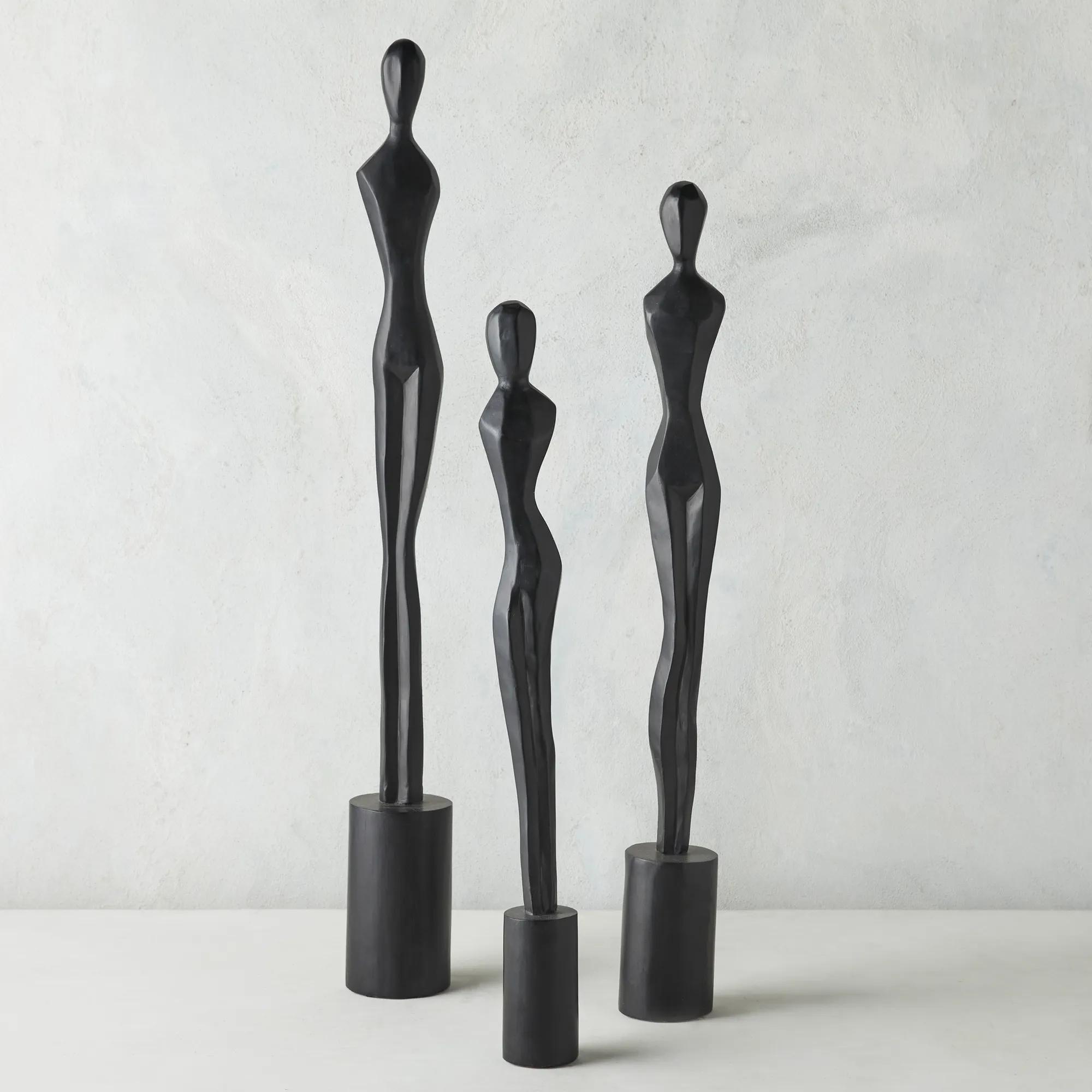
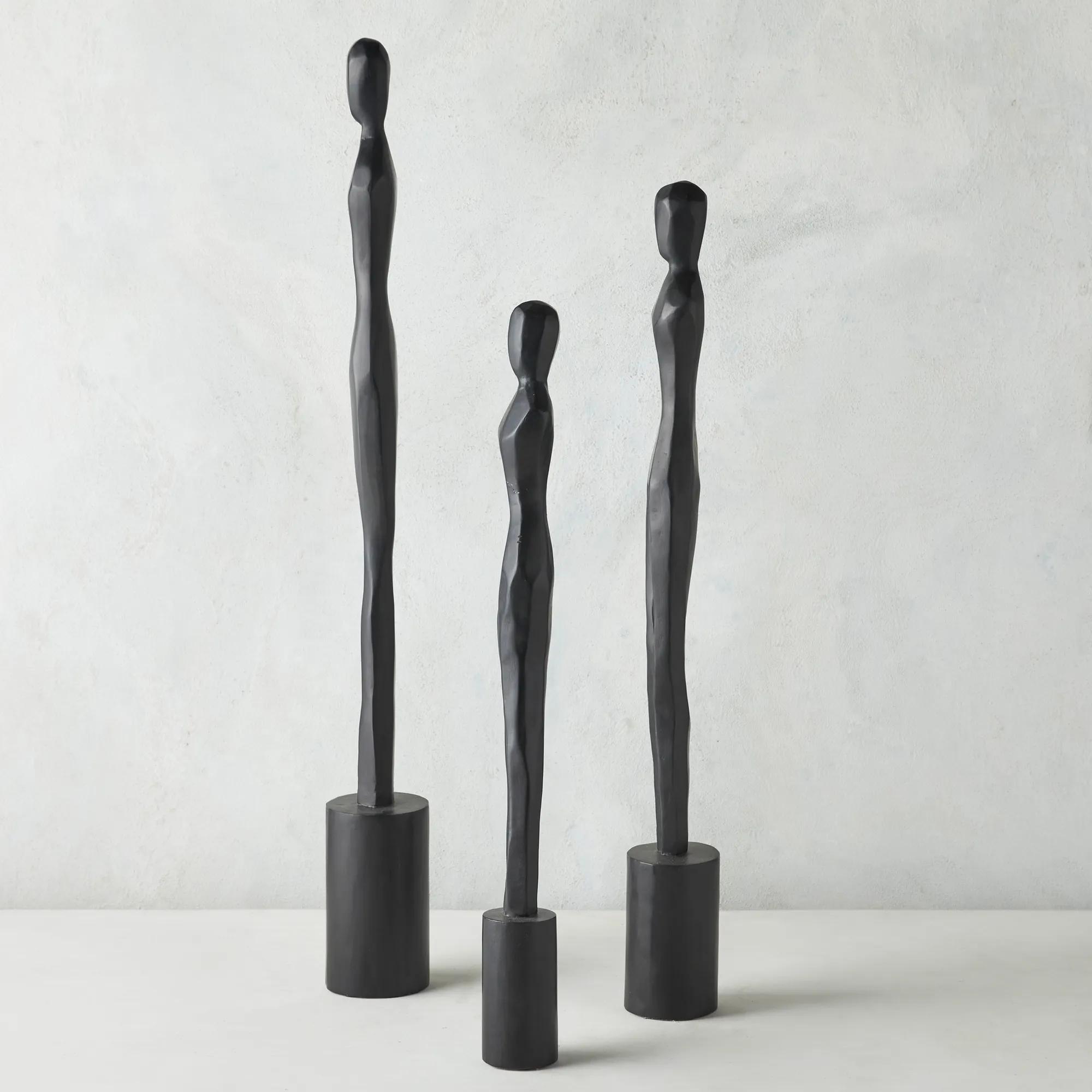 Nikki Chu Female Figure Black Wood Decorative Object Set of 3$129
A striking set of three black mango wood sculptures featuring graceful, elegant female silhouettes.
Add To Cart -
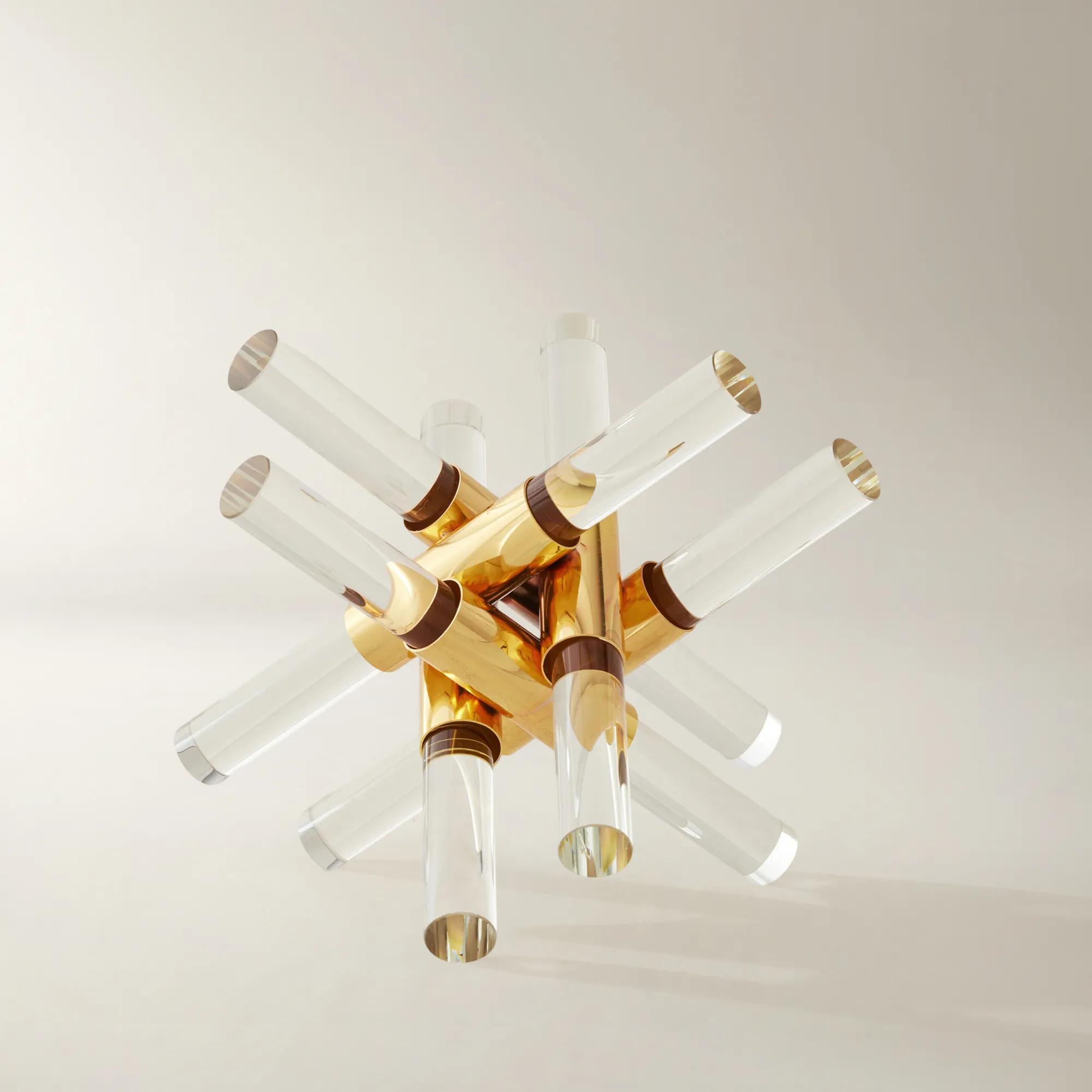
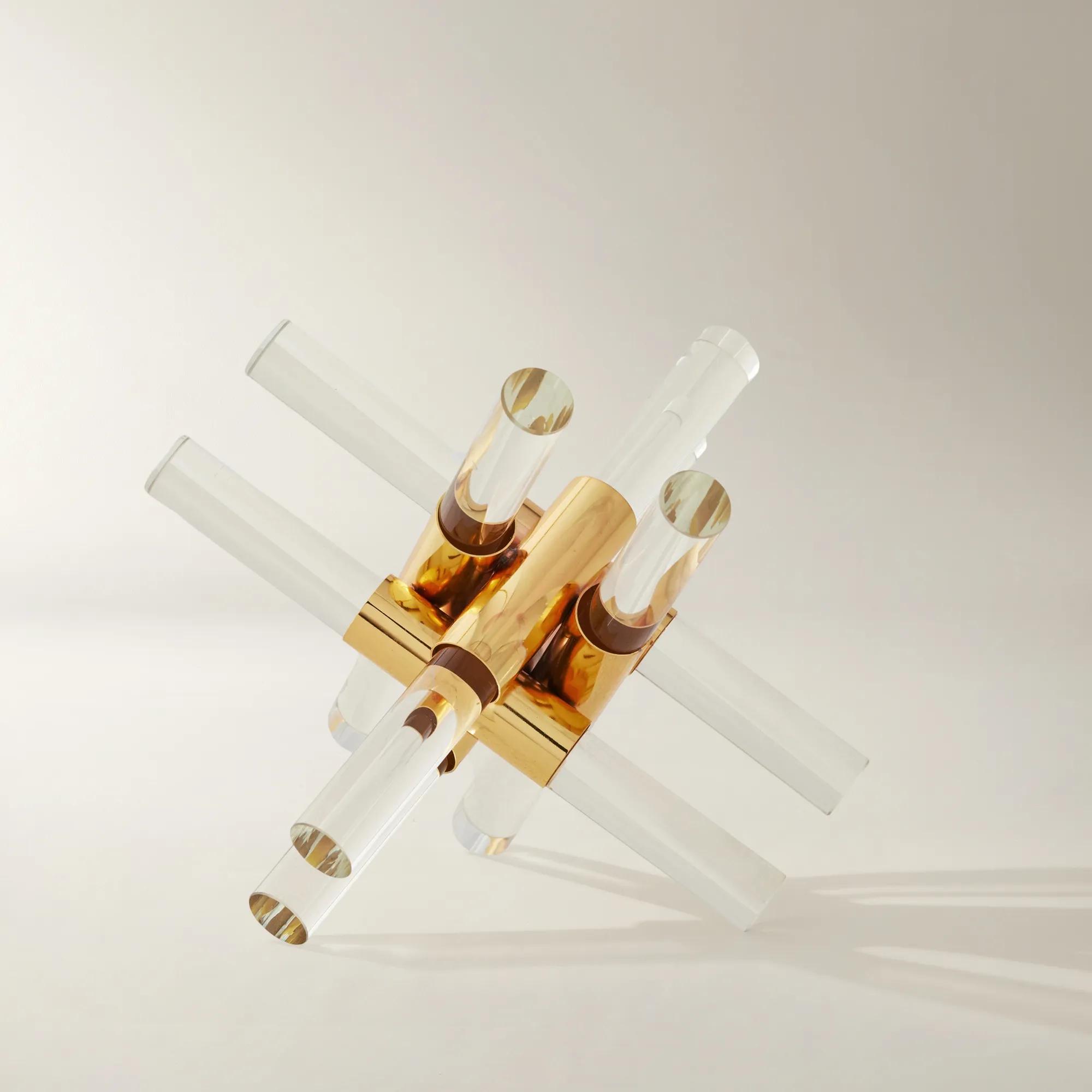 Crystal Glass And Gold Metal Decorative Object 8"$59
A striking decorative accent featuring clear glass rods and gold metal detailing for modern elegance.
Add To Cart -
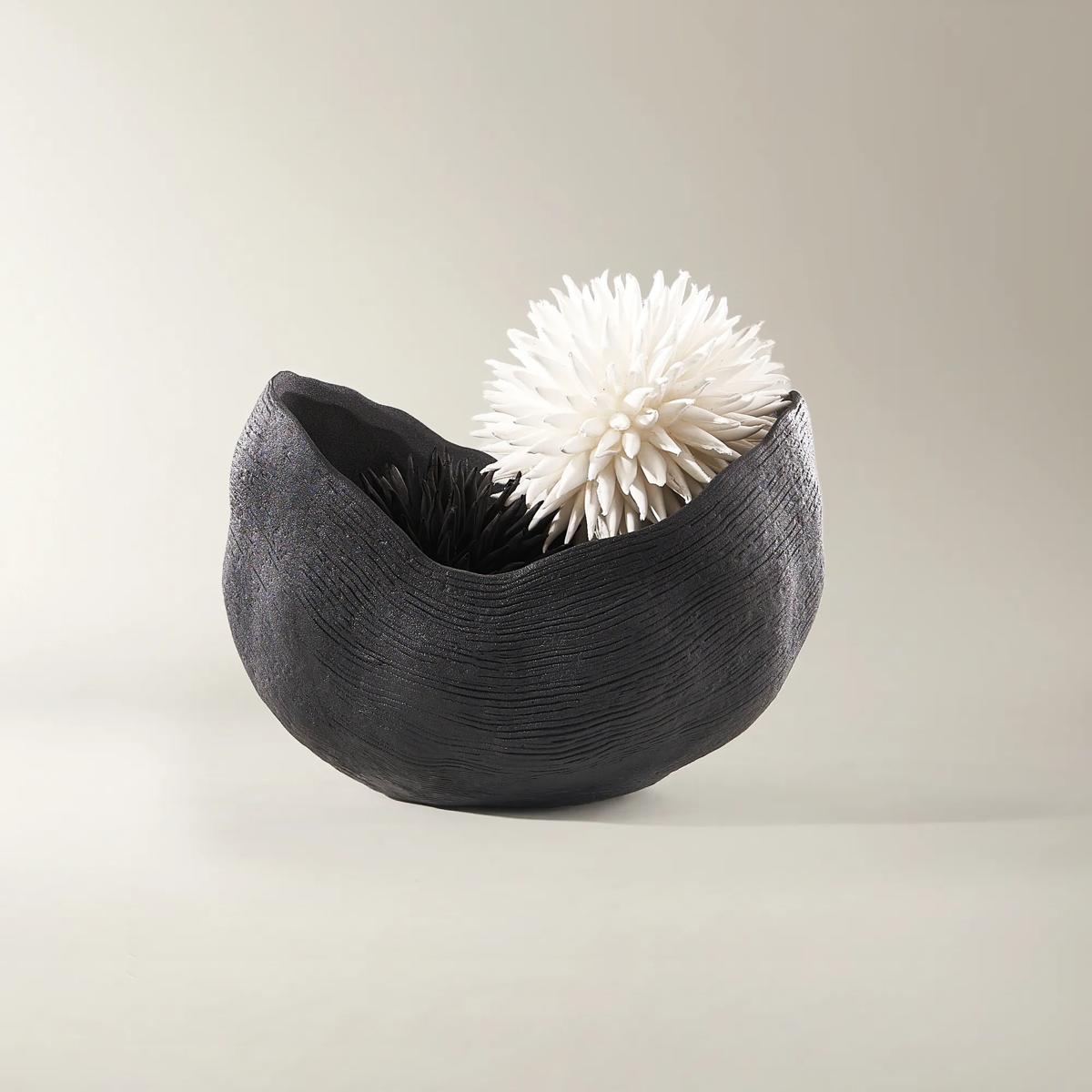 Baz Bowl - Black$119
A sculptural black porcelain bowl with a matte, ridged texture for bold, modern decor accents.
Add To Cart -
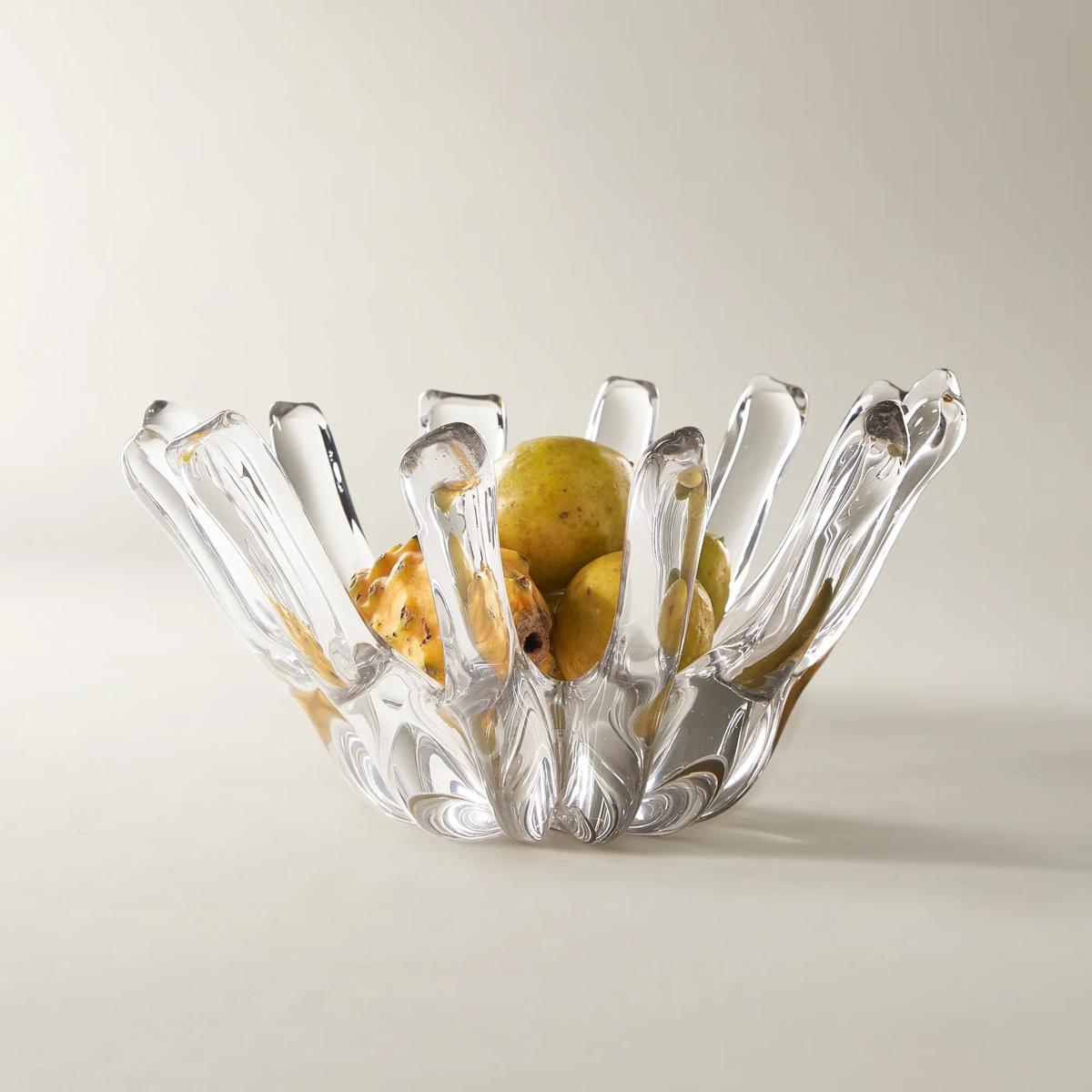
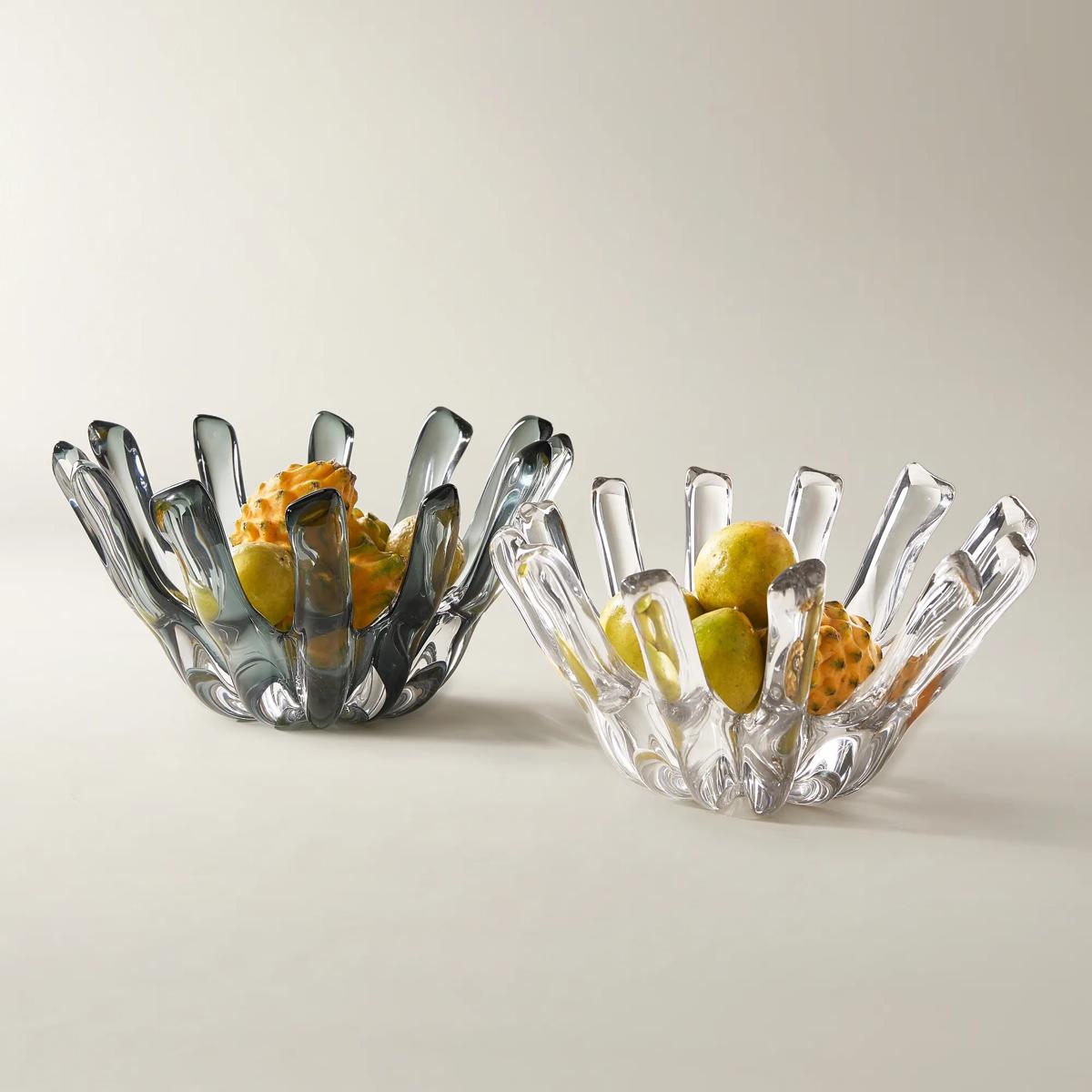 Bossa Clear Handblown Glass Decorative Bowl 13" x 7"$129
A hand-blown clear glass bowl featuring an expressive, sculptural form for modern decorative displays.
Add To Cart -
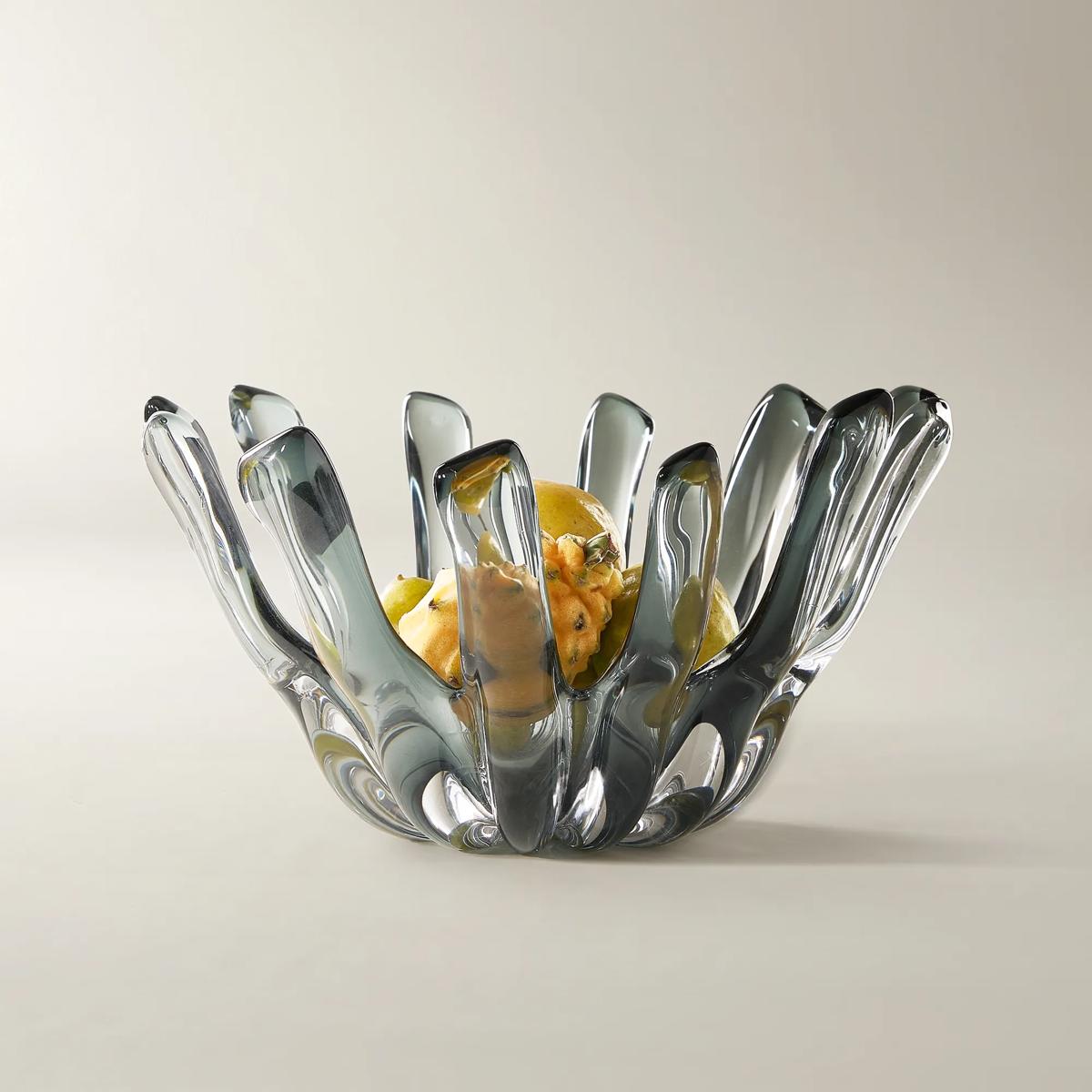 Bossa Smoke Handblown Glass Decorative Bowl 13" x 7"$129
A hand-blown smoky grey glass bowl featuring an expressive, sculptural design for modern decorative displays.
Add To Cart -
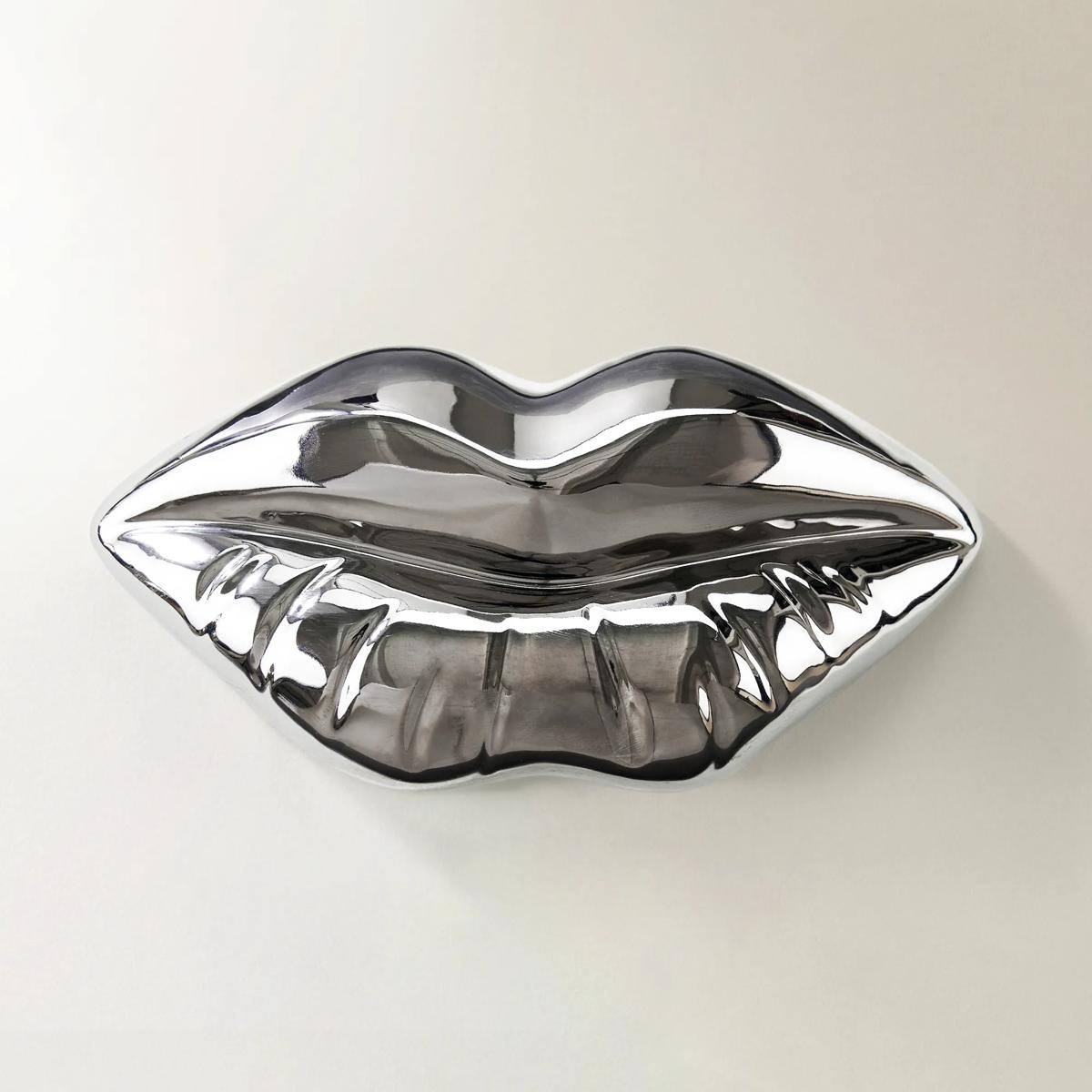 Chrome Lips Ceramic Decorative Object 5.25"$29
A high-shine silver ceramic sculpture that adds modern pop art flair and playful sophistication to any space.
Add To Cart -
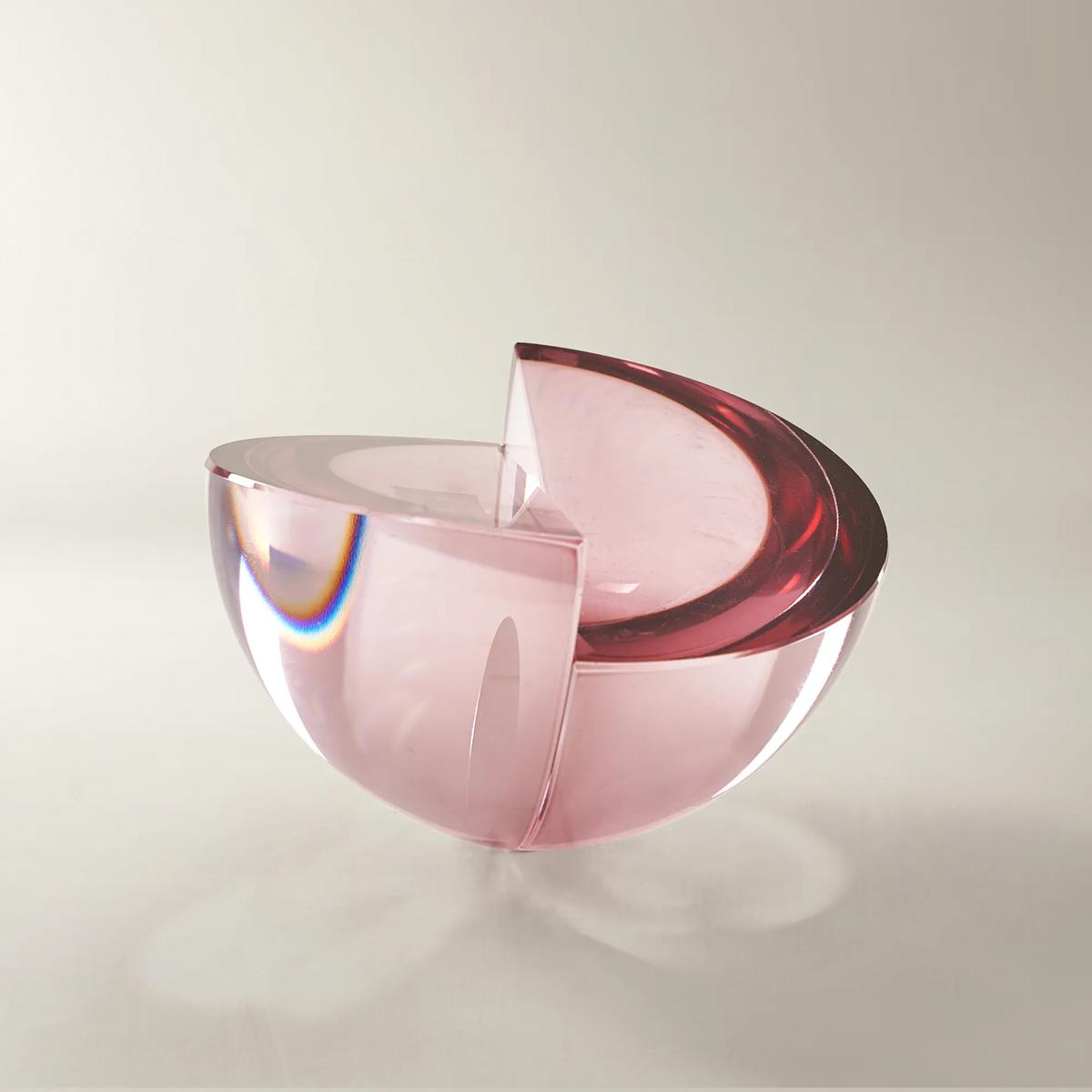 Rose' Crystal Glass Decorative Object 3.25"$79
A sculptural accent crafted from rich purple crystal glass, reflecting light with modern elegance and intrigue.
Add To Cart -
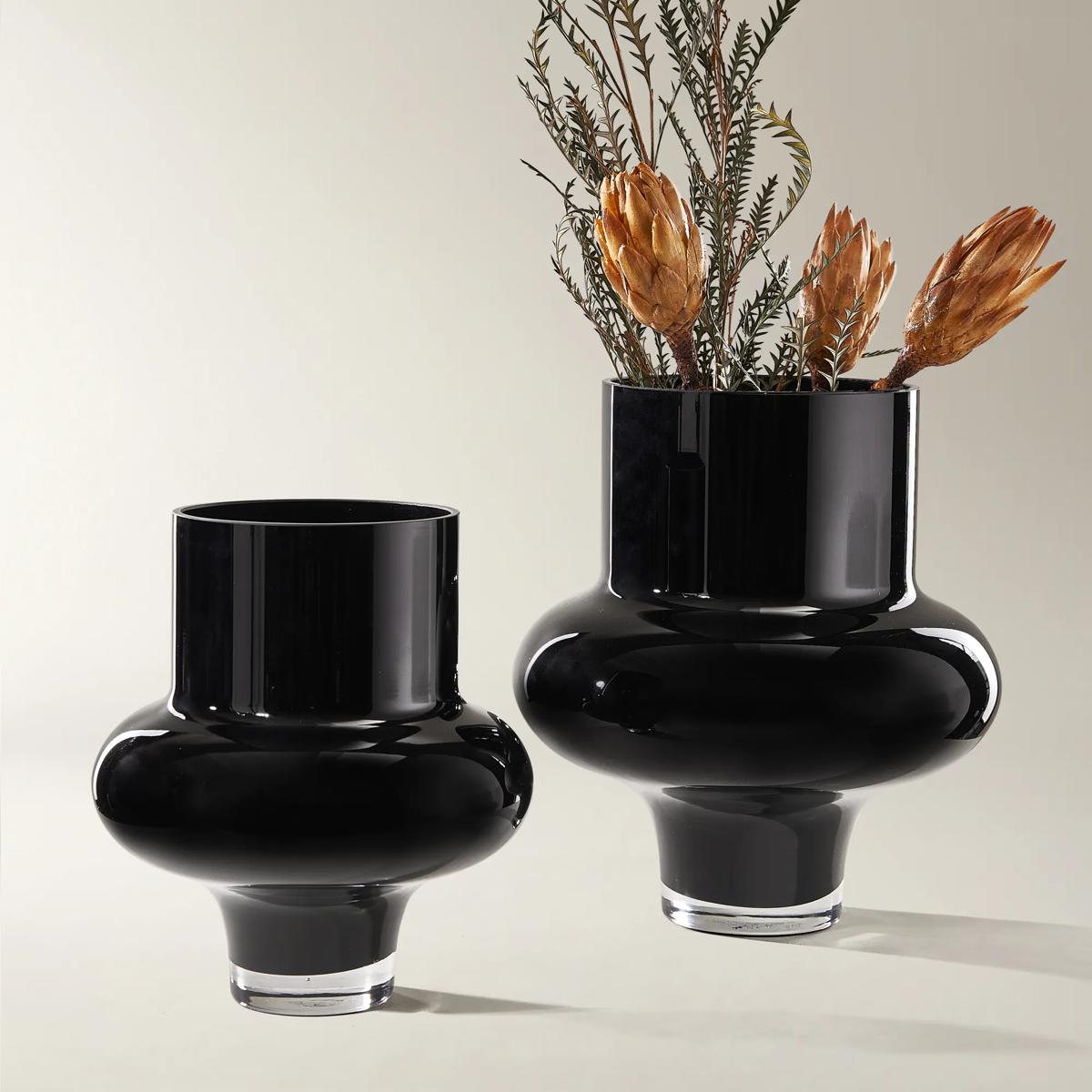
 Kors Glass Vase$69
A sculptural hand-blown black glass vase with a high-gloss finish and bold, curvaceous silhouette.
Add To Cart -
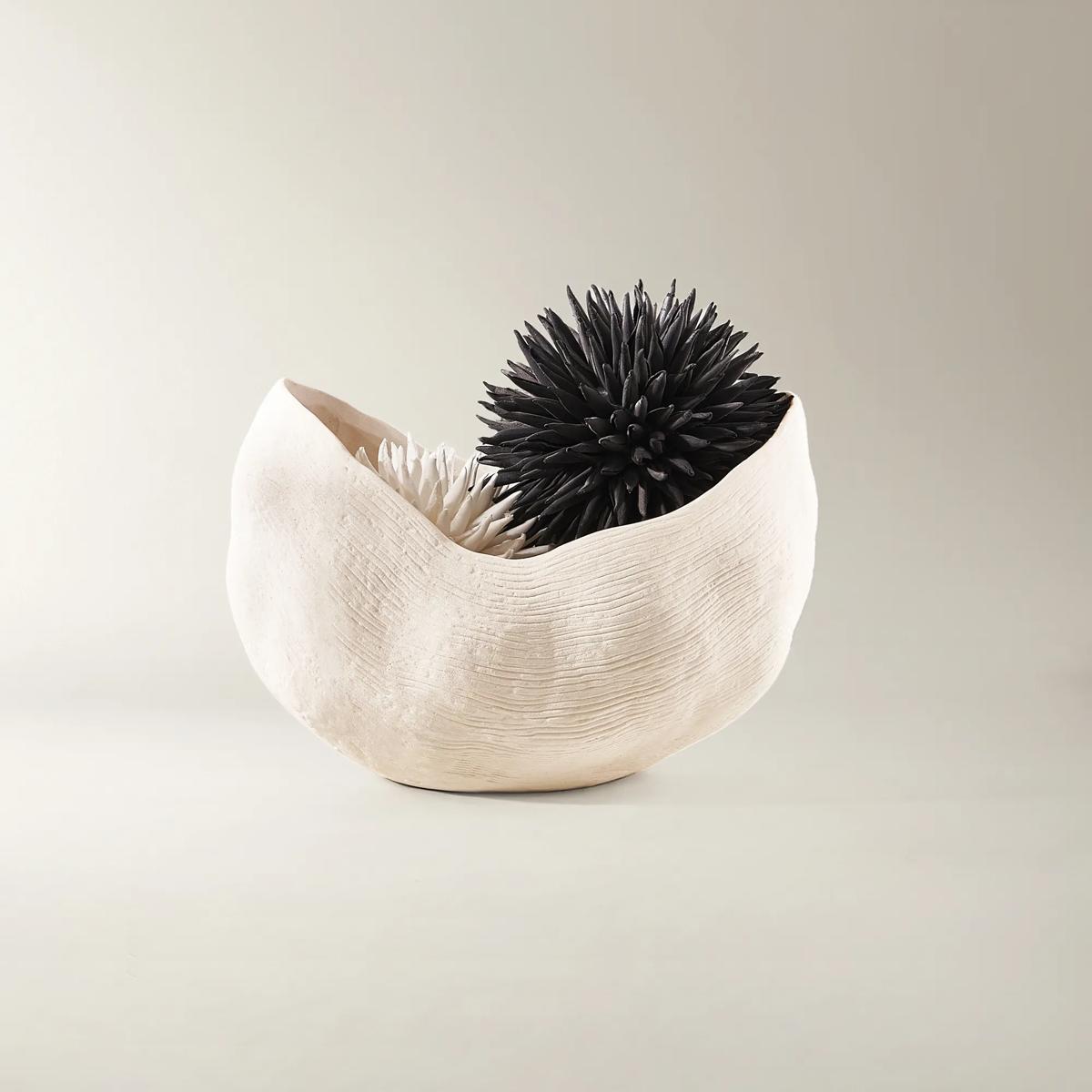 Baz Ivory Porcelain Bowl$119
A sculptural ivory porcelain bowl with a matte, textured finish and organic, free-flowing silhouette.
Add To Cart -
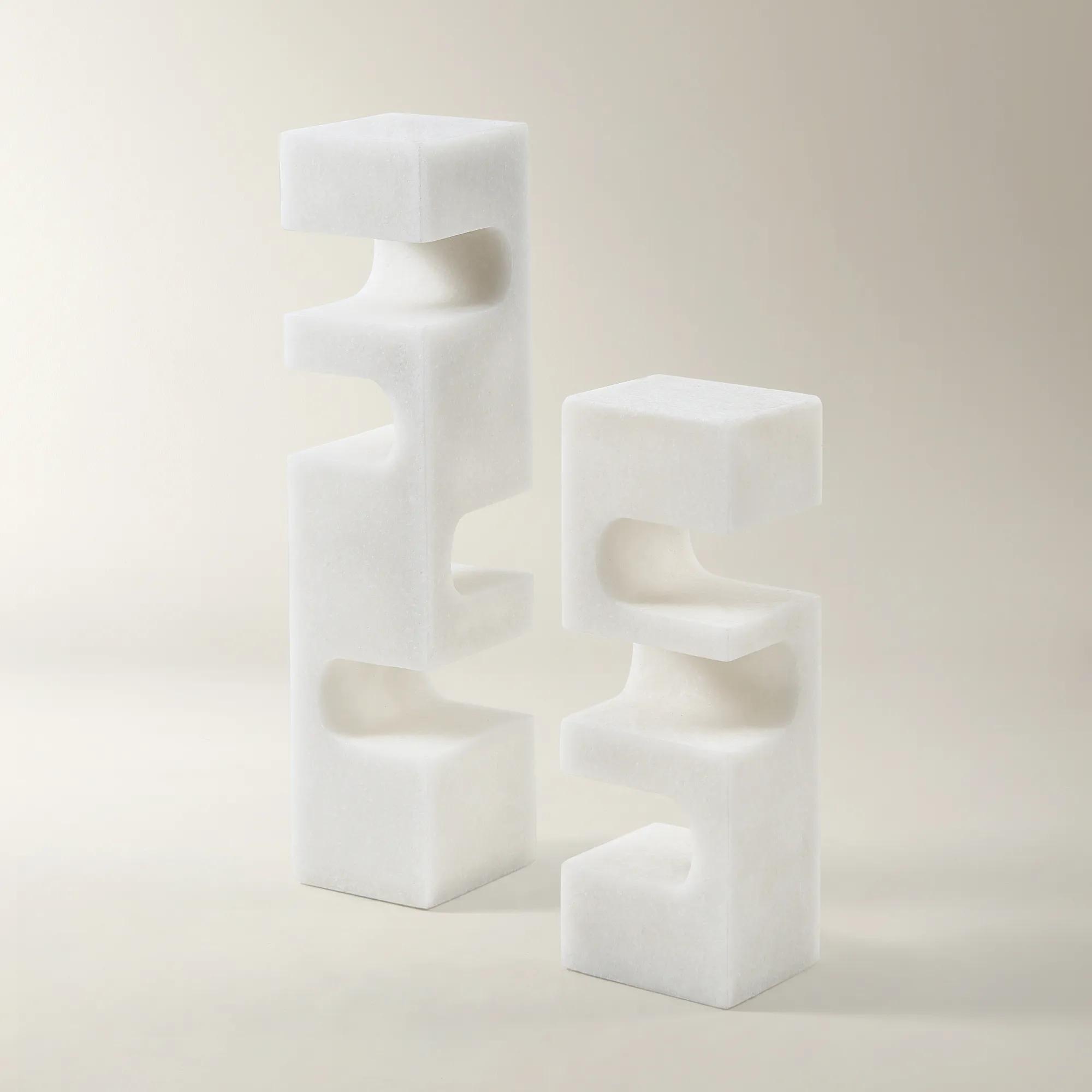
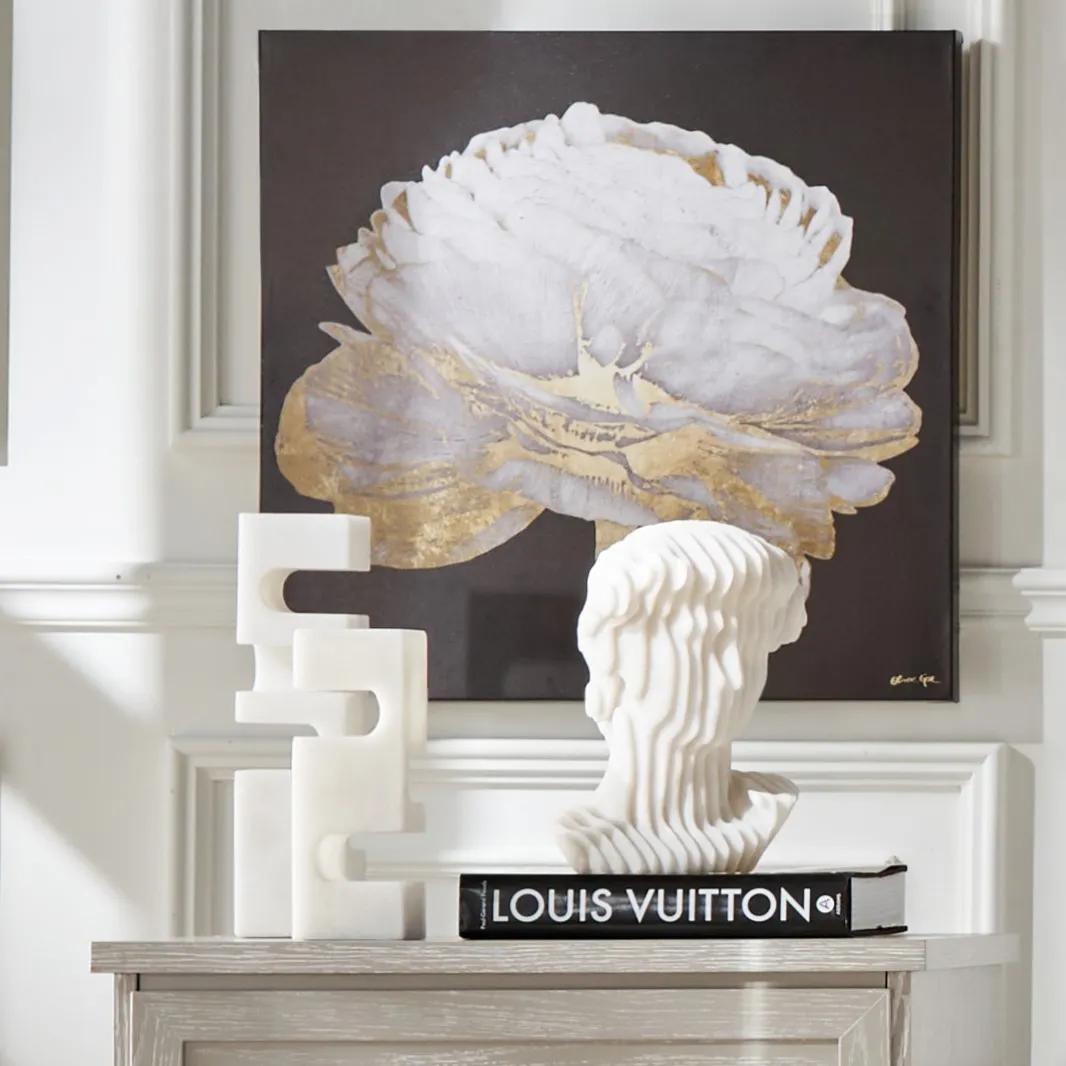 Enna Sculpture$39
A modern Cubist-inspired sculpture crafted from resin and stone powder with a textured white finish.
Add To Cart -
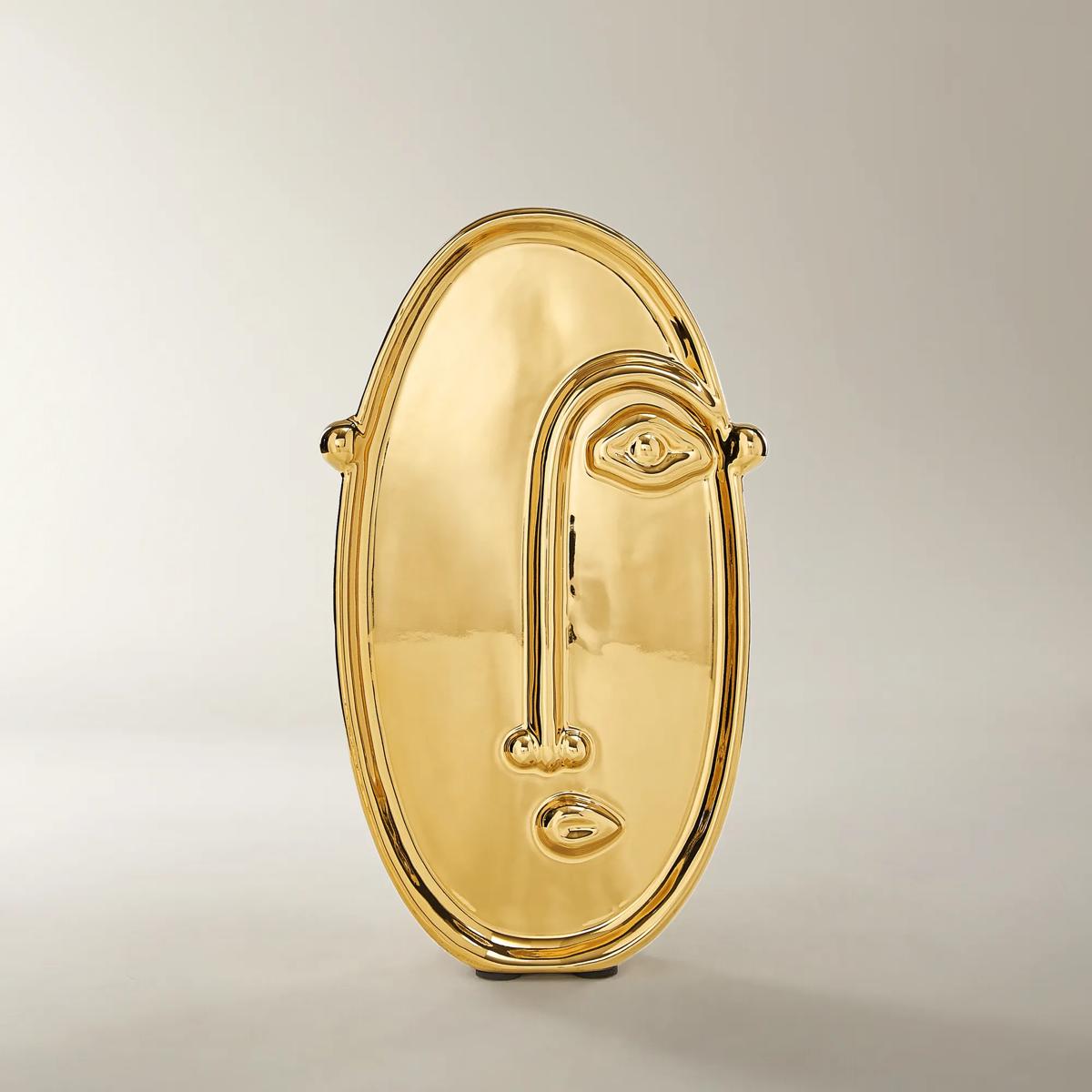
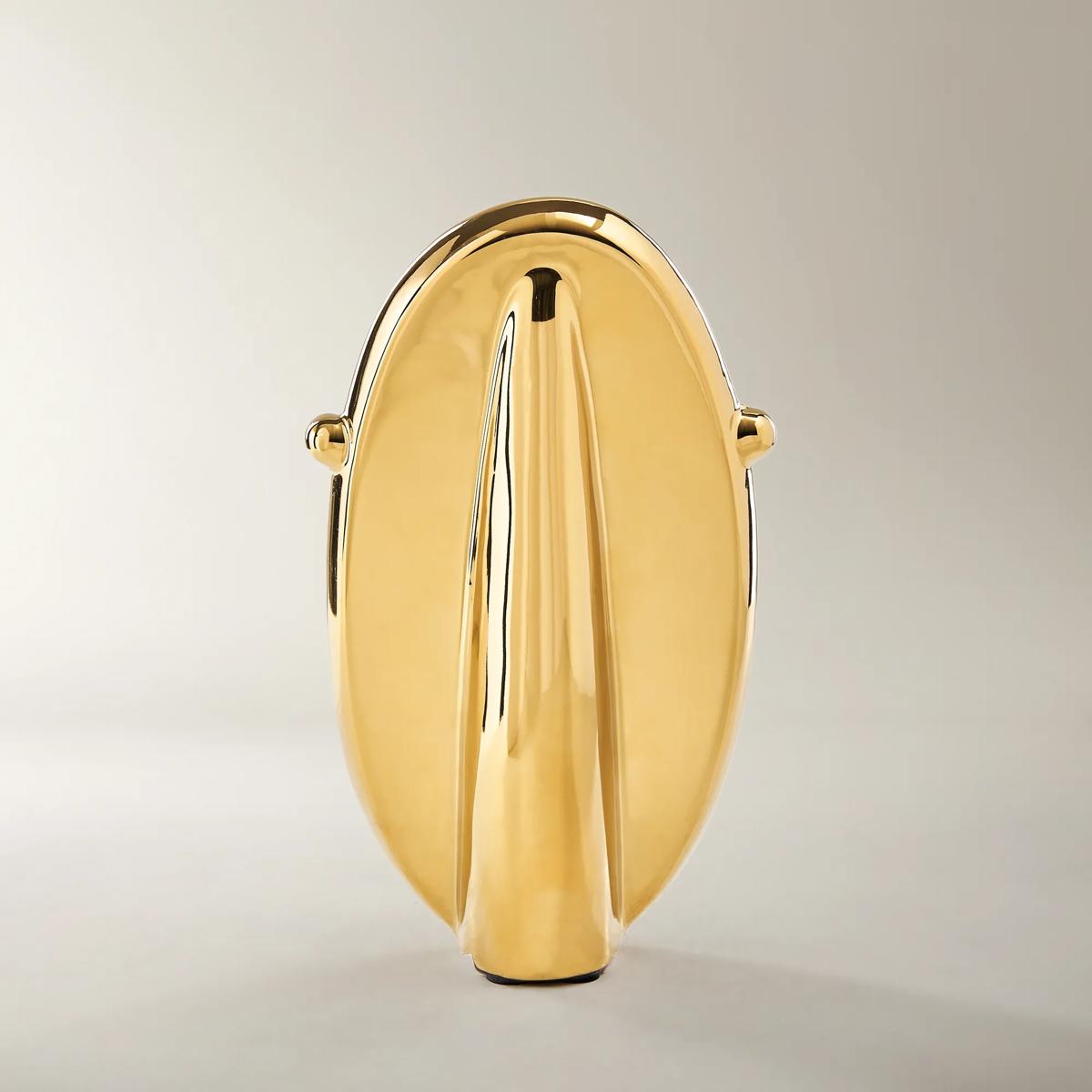 Golden Eye Ceramic Decorative Object 8"$39
A radiant gold ceramic sculpture featuring abstract, elongated facial details for a bold, modern accent.
Add To Cart -
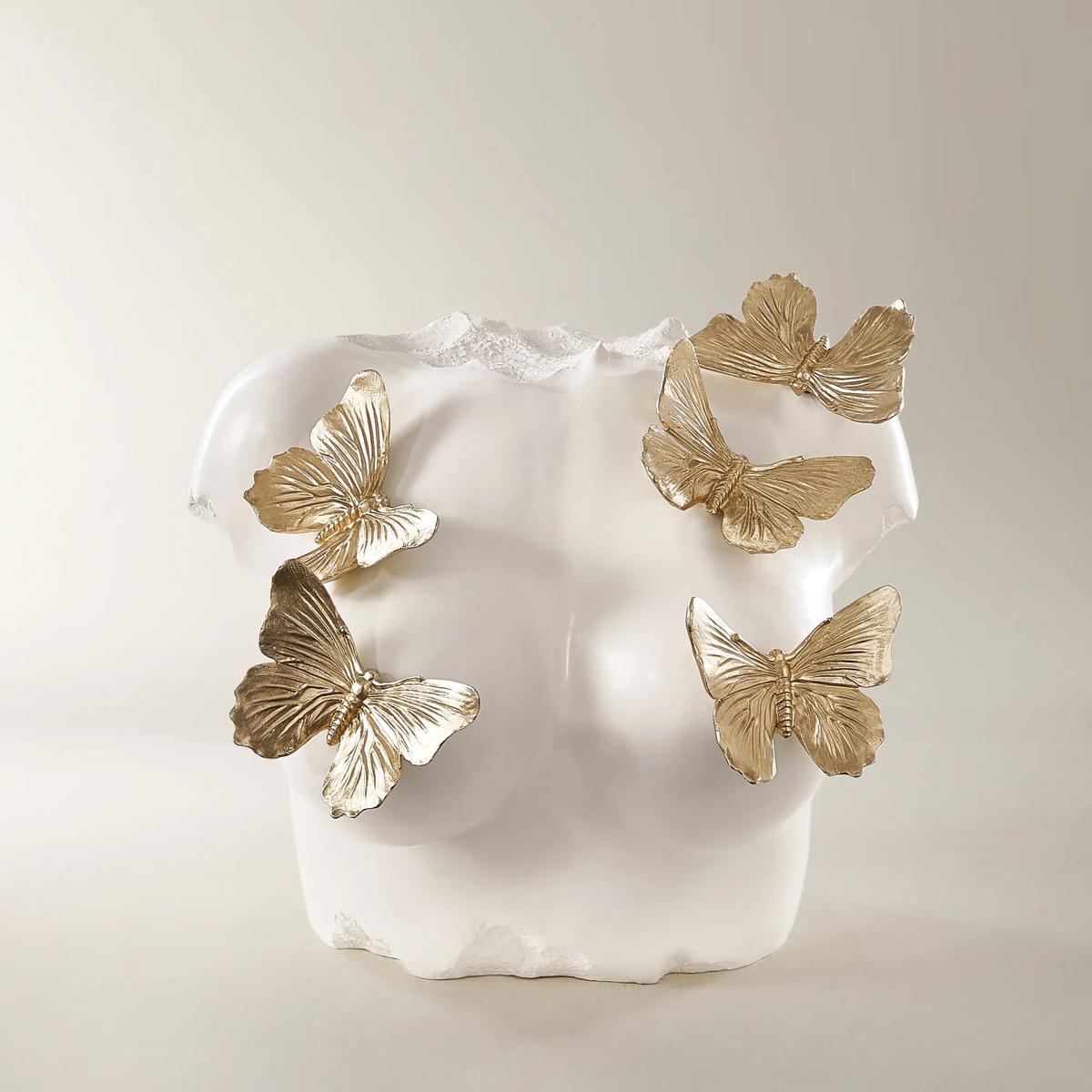
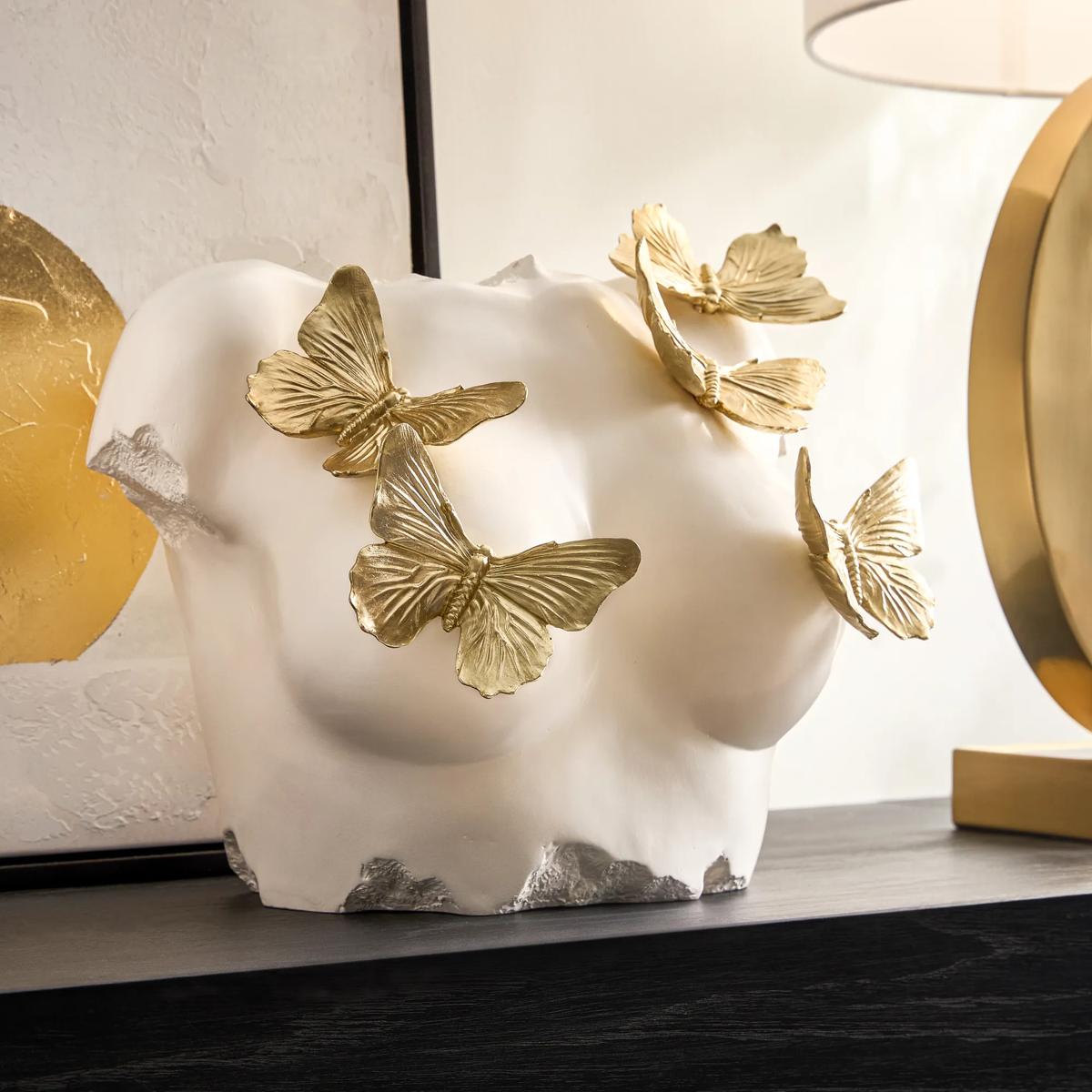 Butterfly Bust Ivory And Gold Resin Decorative Object 11.75"$149
An ivory resin bust adorned with gilded butterflies, offering poetic movement and feminine elegance.
Add To Cart -
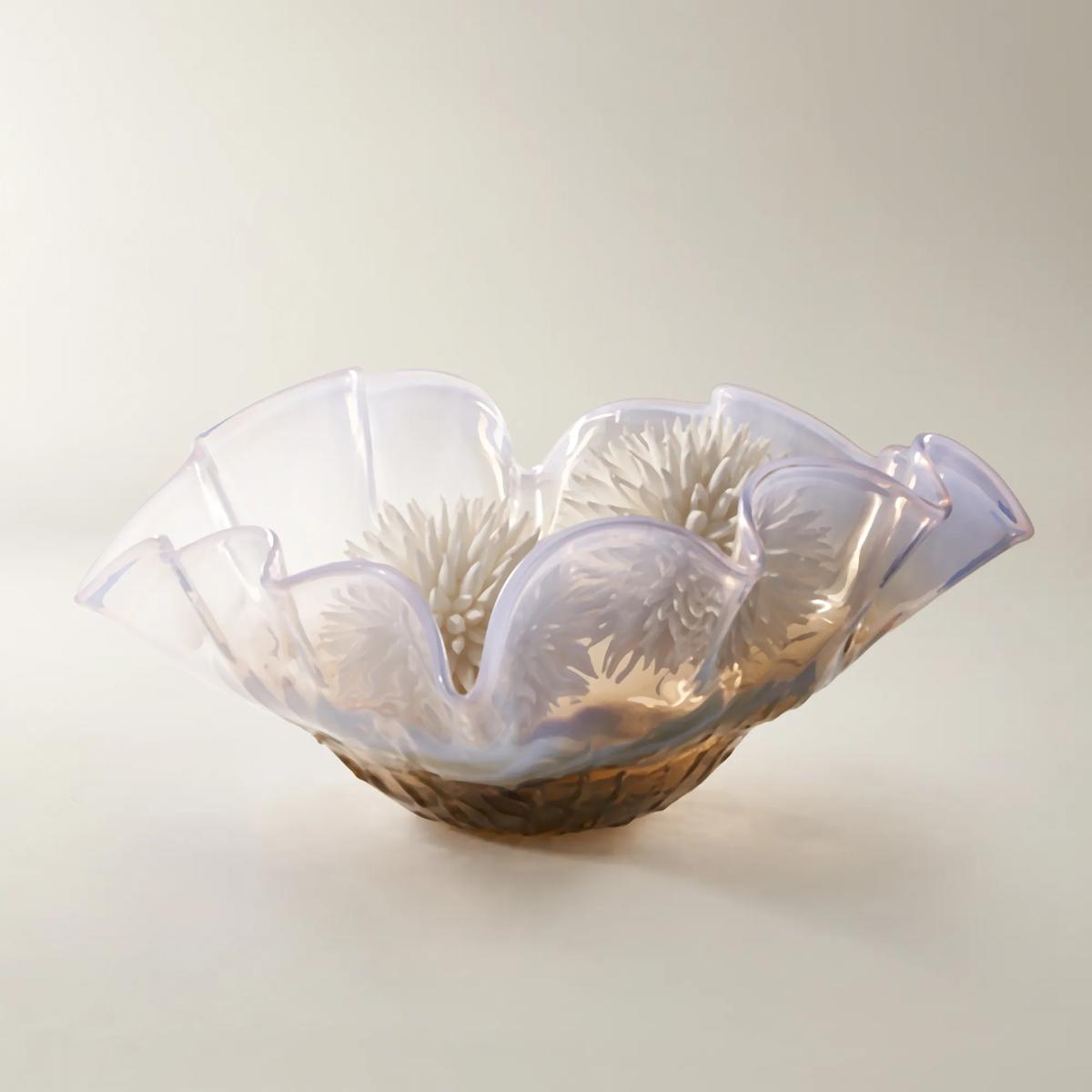
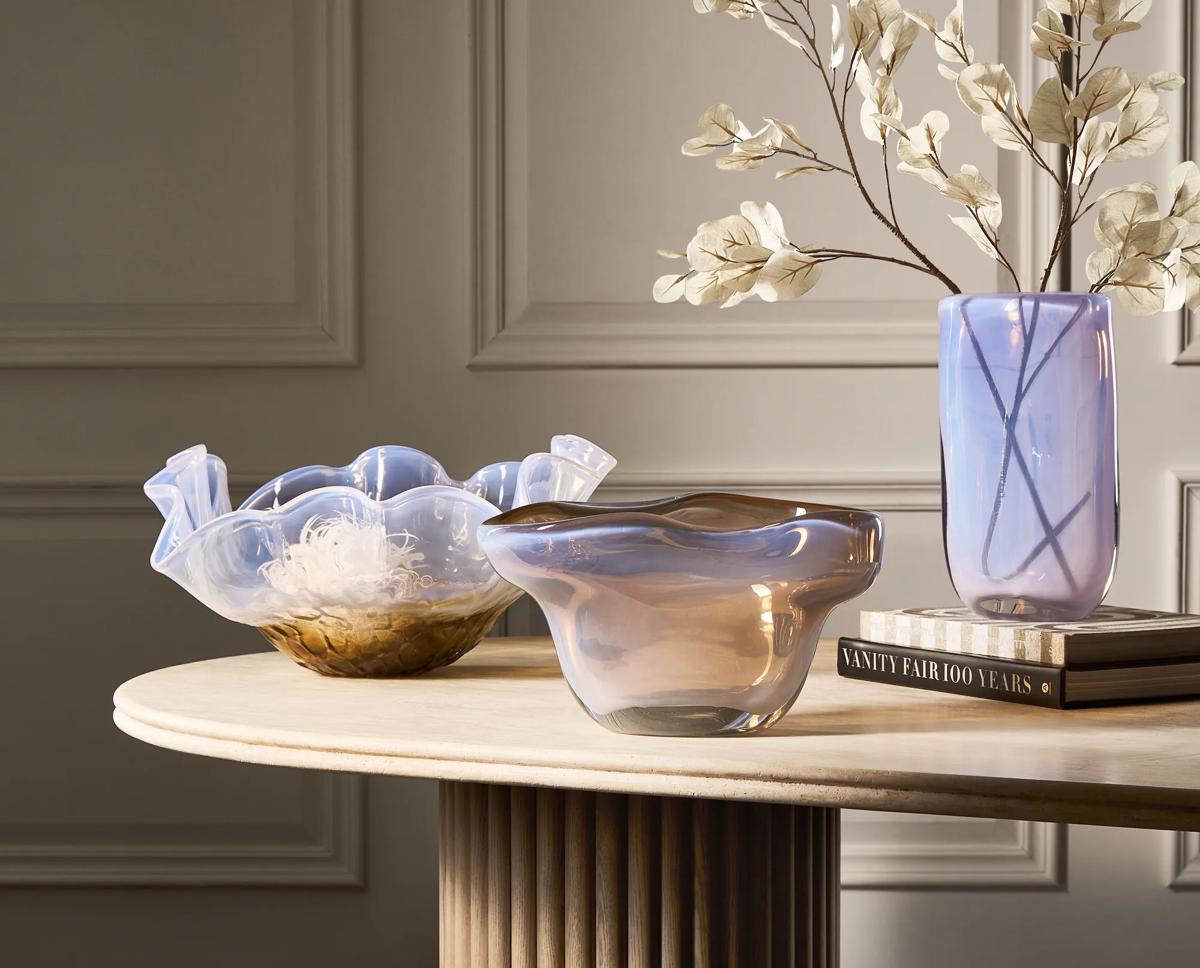 Glacier Glass Bowl$269
A hand-blown glass bowl featuring scalloped edges and swirling lavender and amber hues for artistic elegance.
Add To Cart -
.jpeg?w=1200&h=1200)
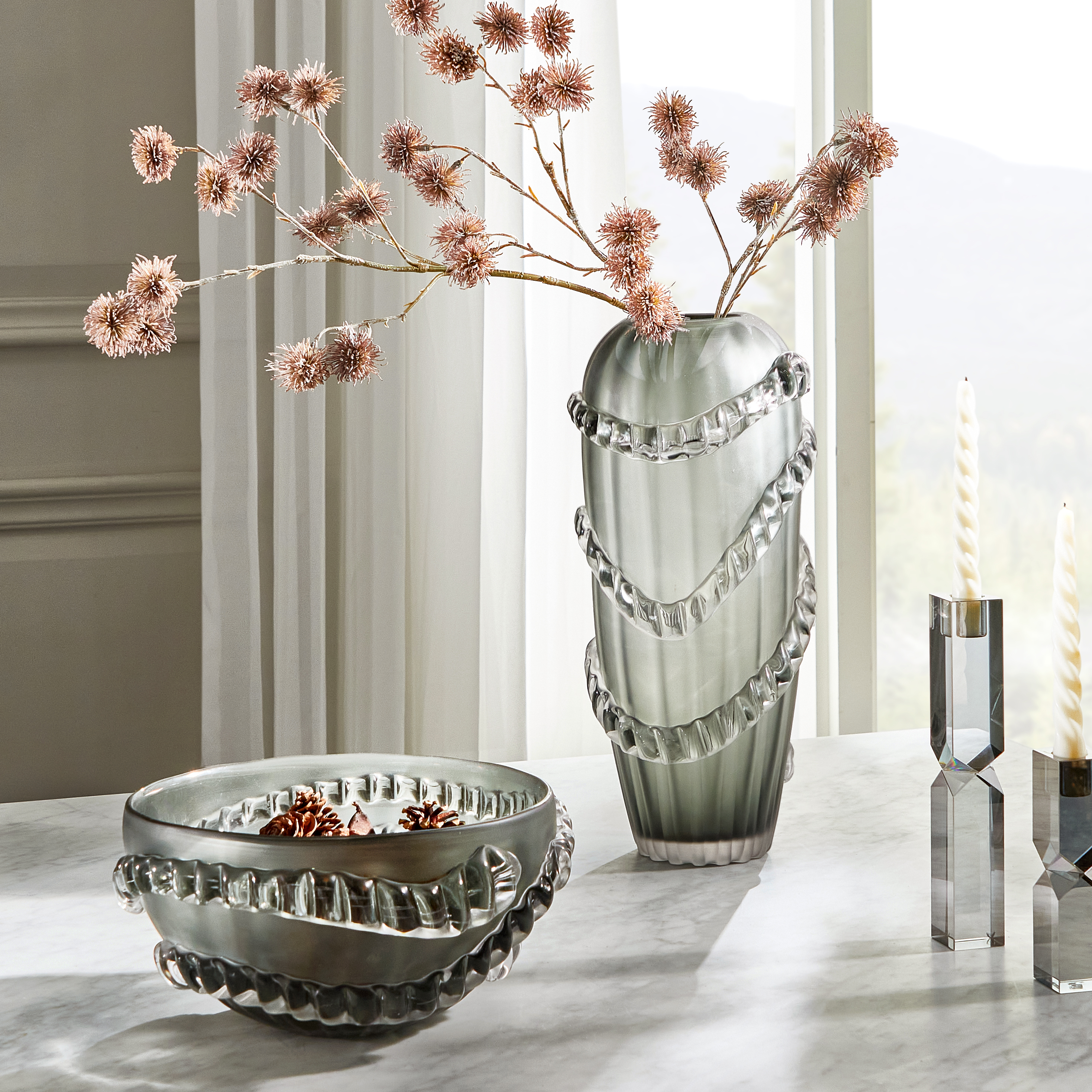 Helix Glass Collection$139
A hand-blown dark gray glass piece featuring fluted bodies and rippling sculptural ribbons for modern decor.
Add To Cart -
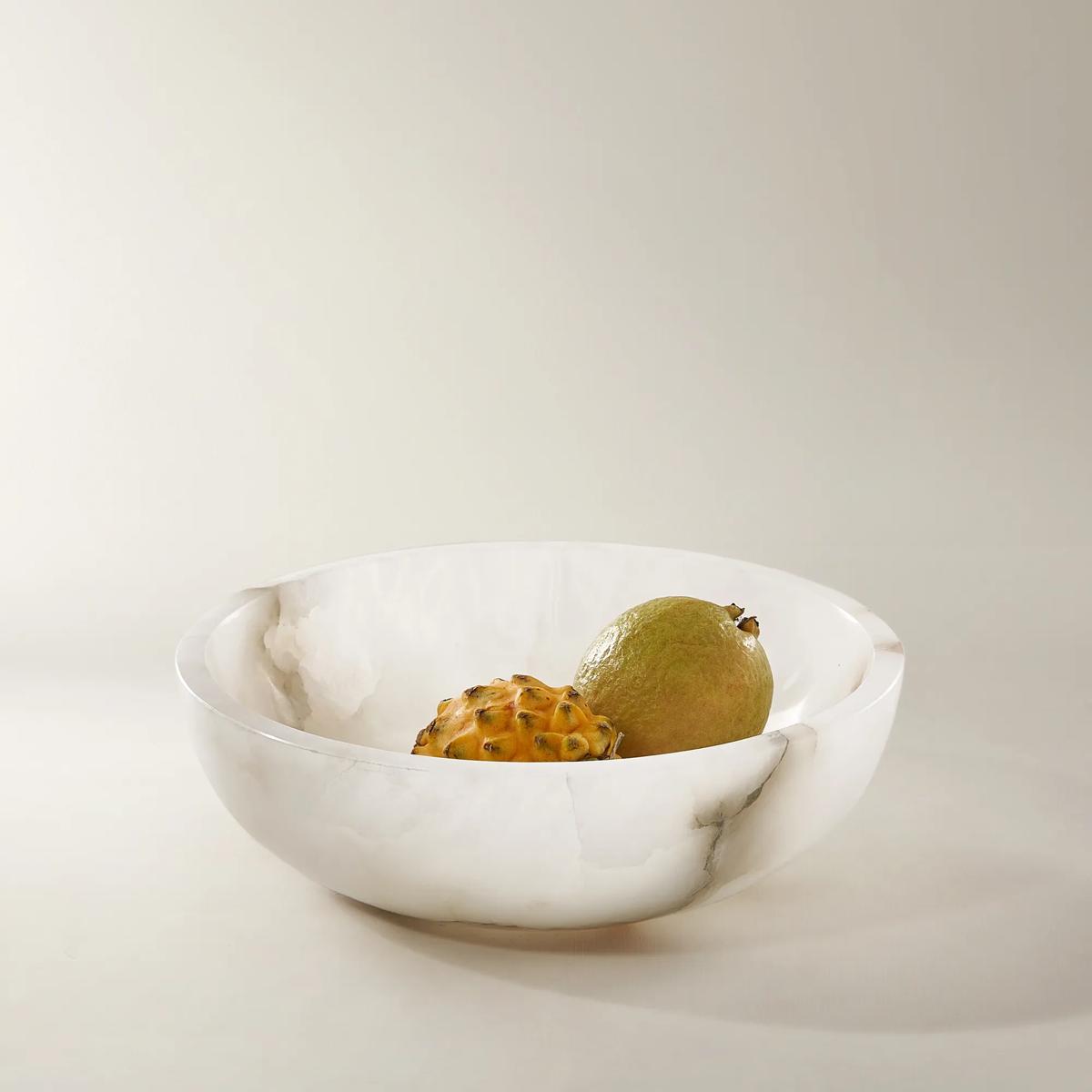 Alabaster Bowl$369
A hand-sculpted alabaster bowl featuring organic veining and soft, milky white translucence.
Add To Cart -
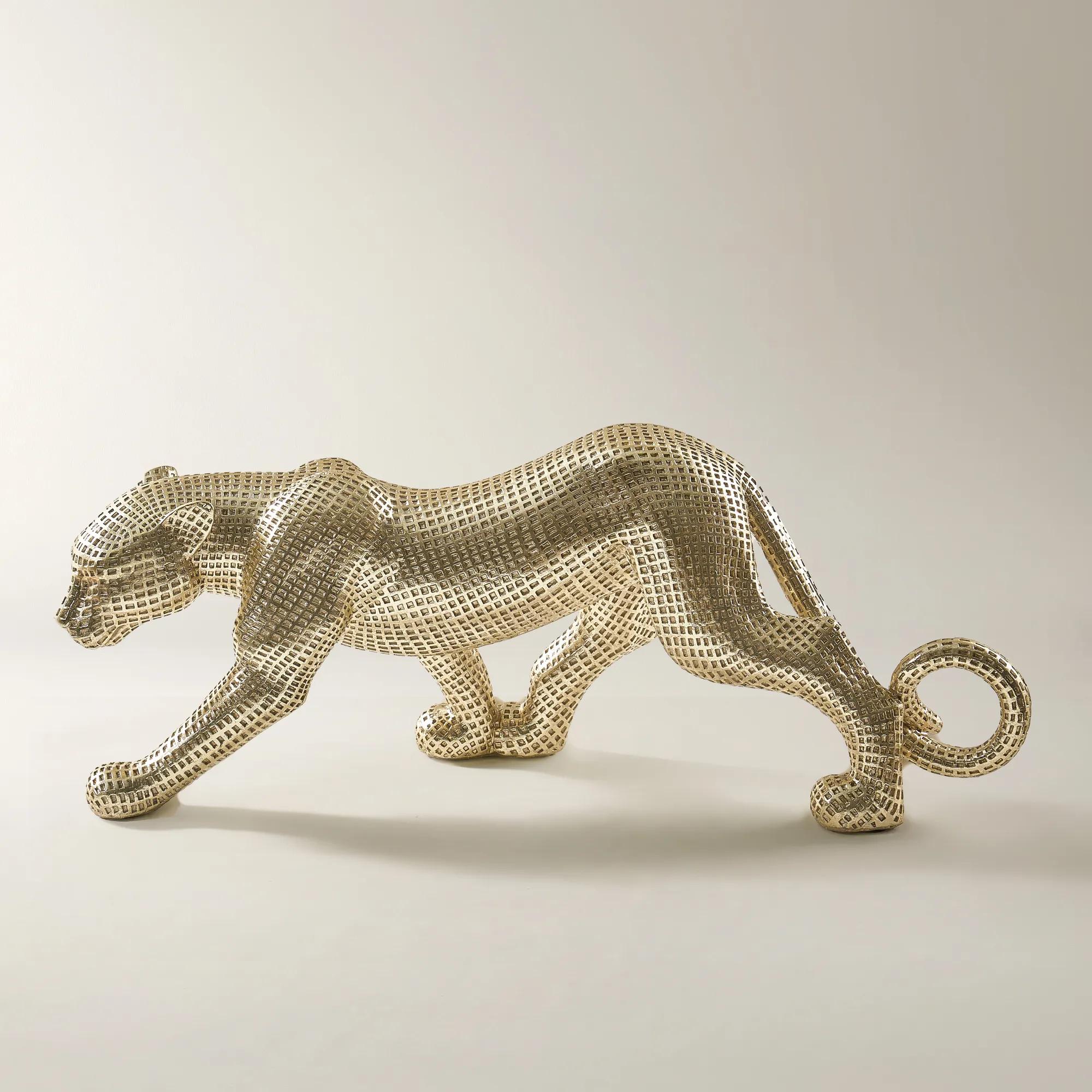
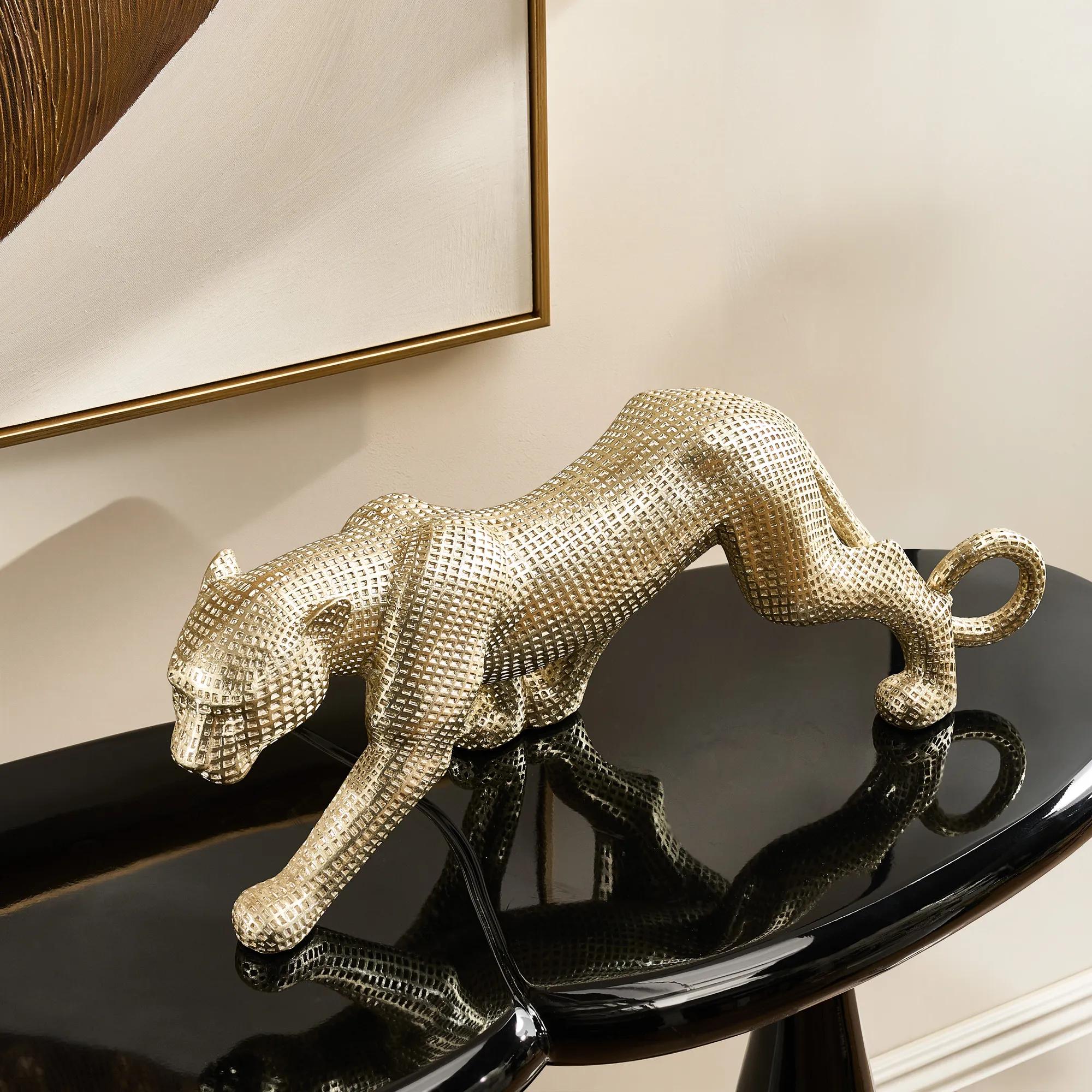 Pardus Champagne Resin Decorative Object 20.5" x 8"$79
A sculptural feline decor piece cast in champagne-finished resin with intricate grid texturing and sleek lines.
Add To Cart -
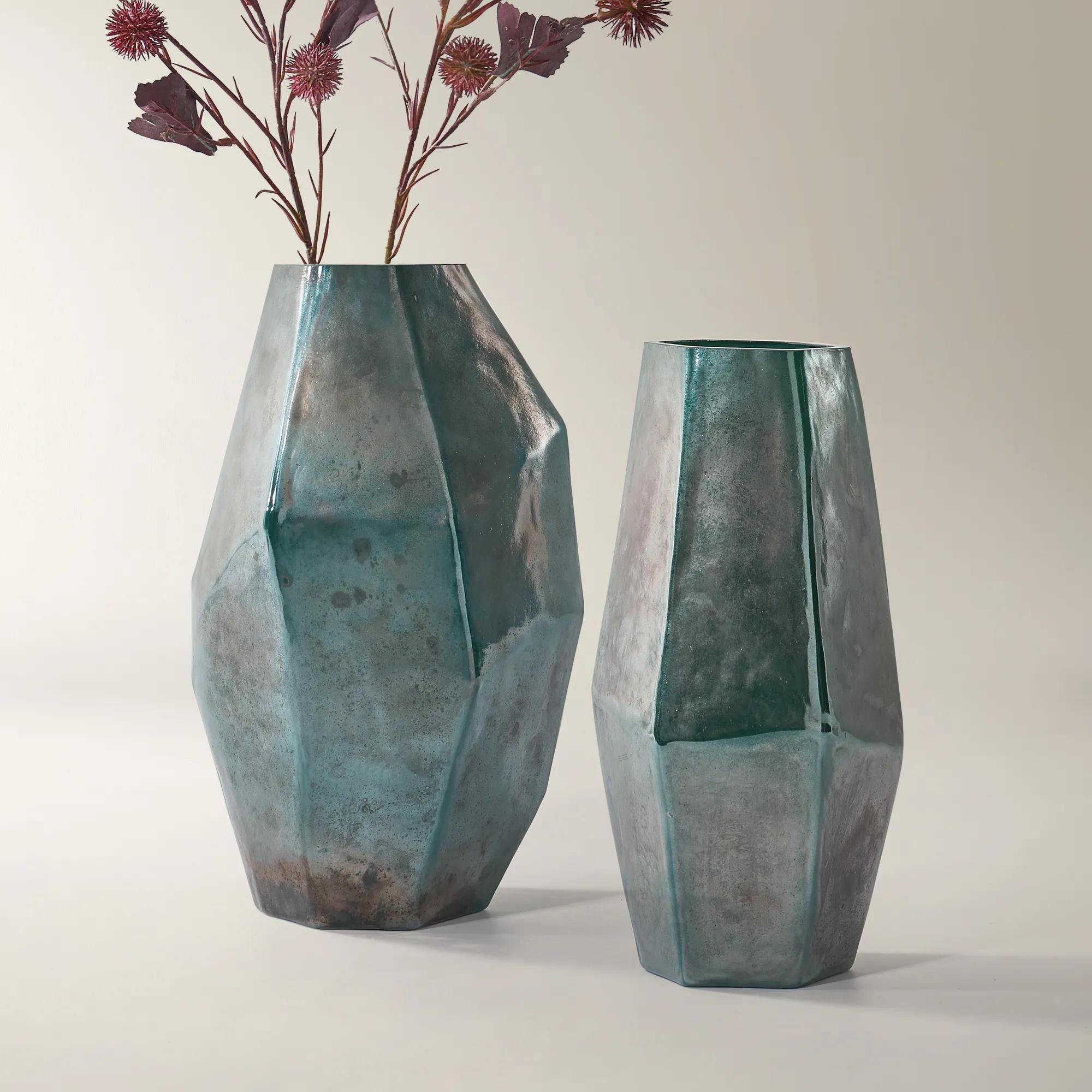
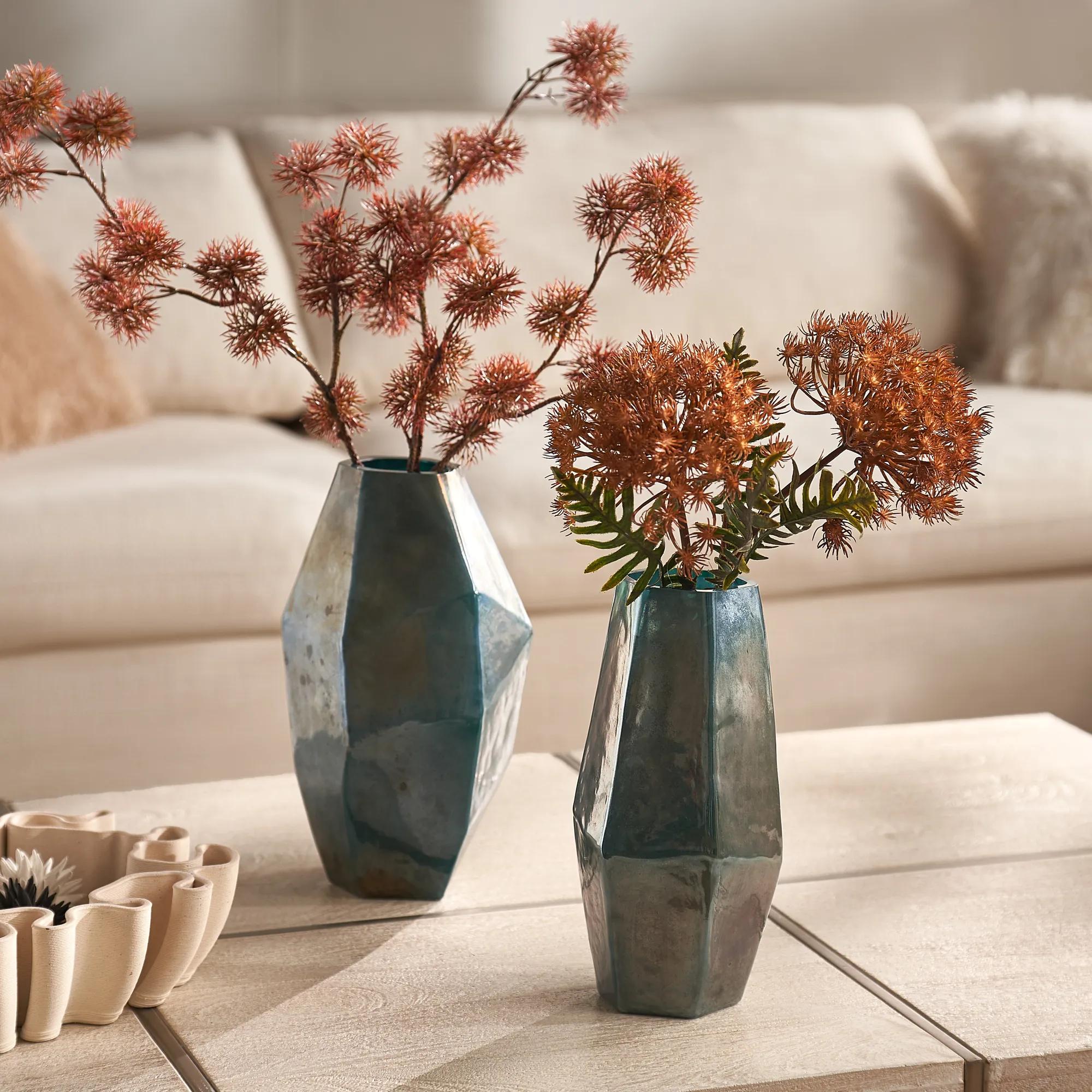 Sienna Vase$89
A sculptural hand-blown glass vase with a prismatic green finish and striking geometric silhouette.
Add To Cart -
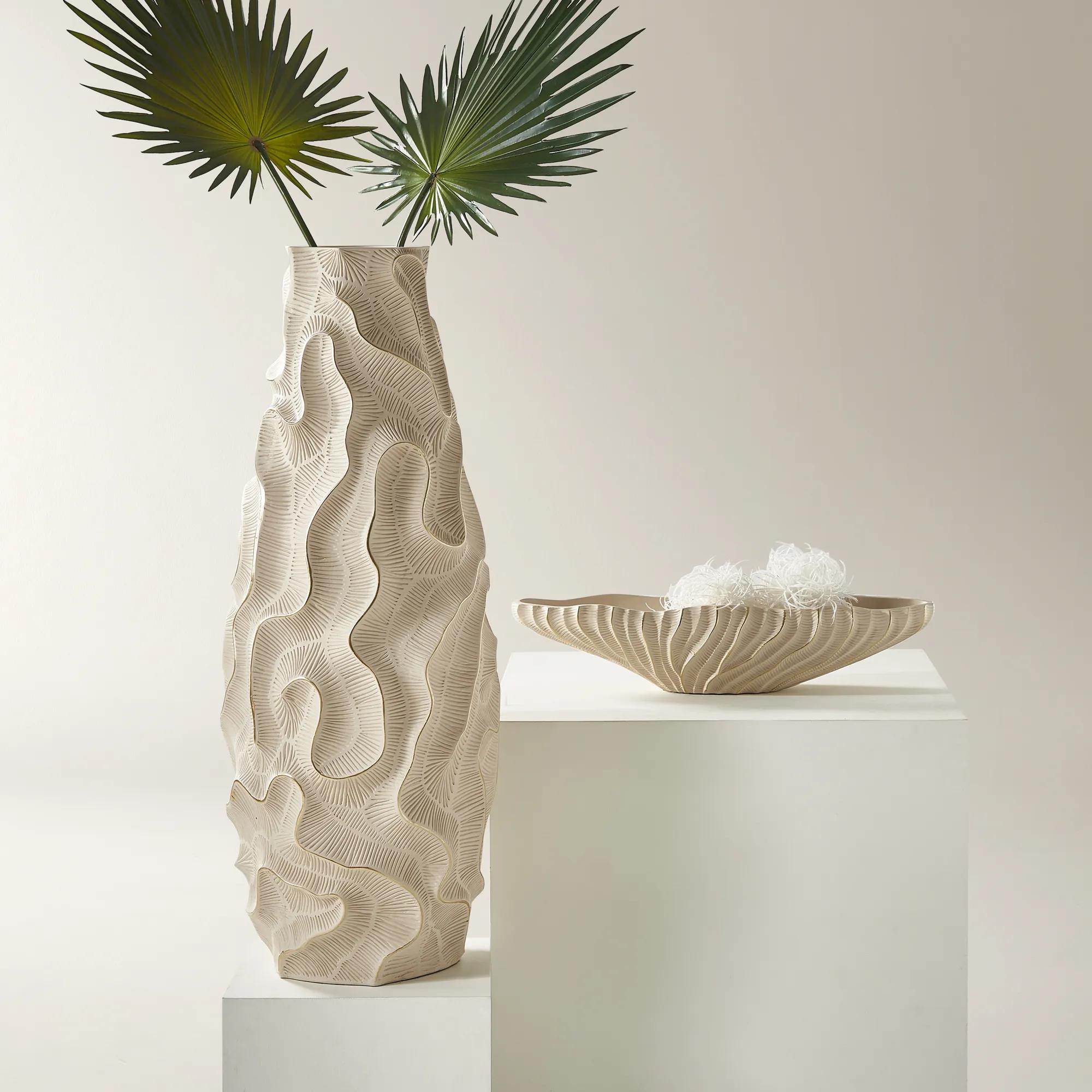
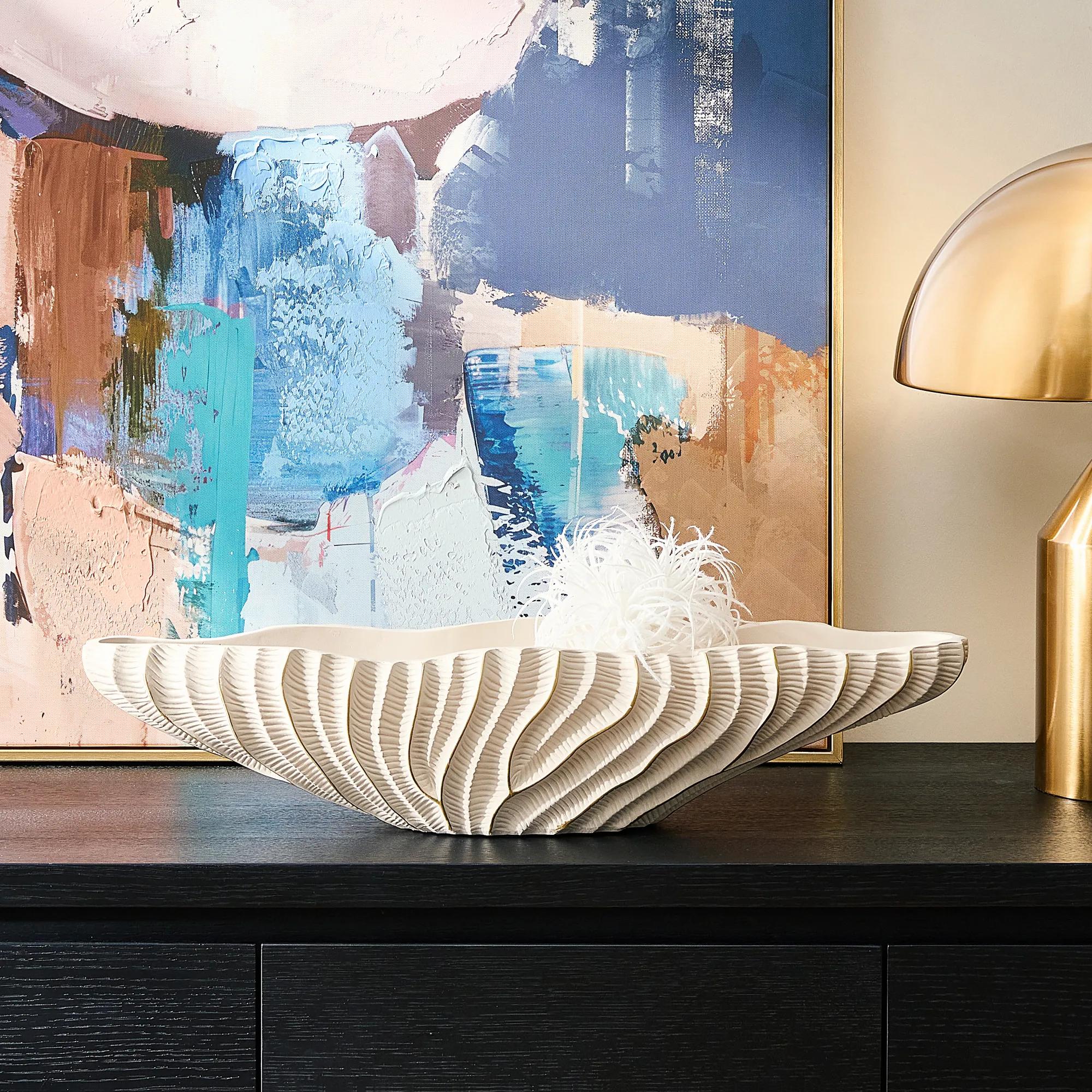 Rouche Ivory And Gold Etched Resin Floor Vase & Bowl$79
An ivory resin collection featuring sculptural, hand-etched textures and undulating organic contours.
Add To Cart -
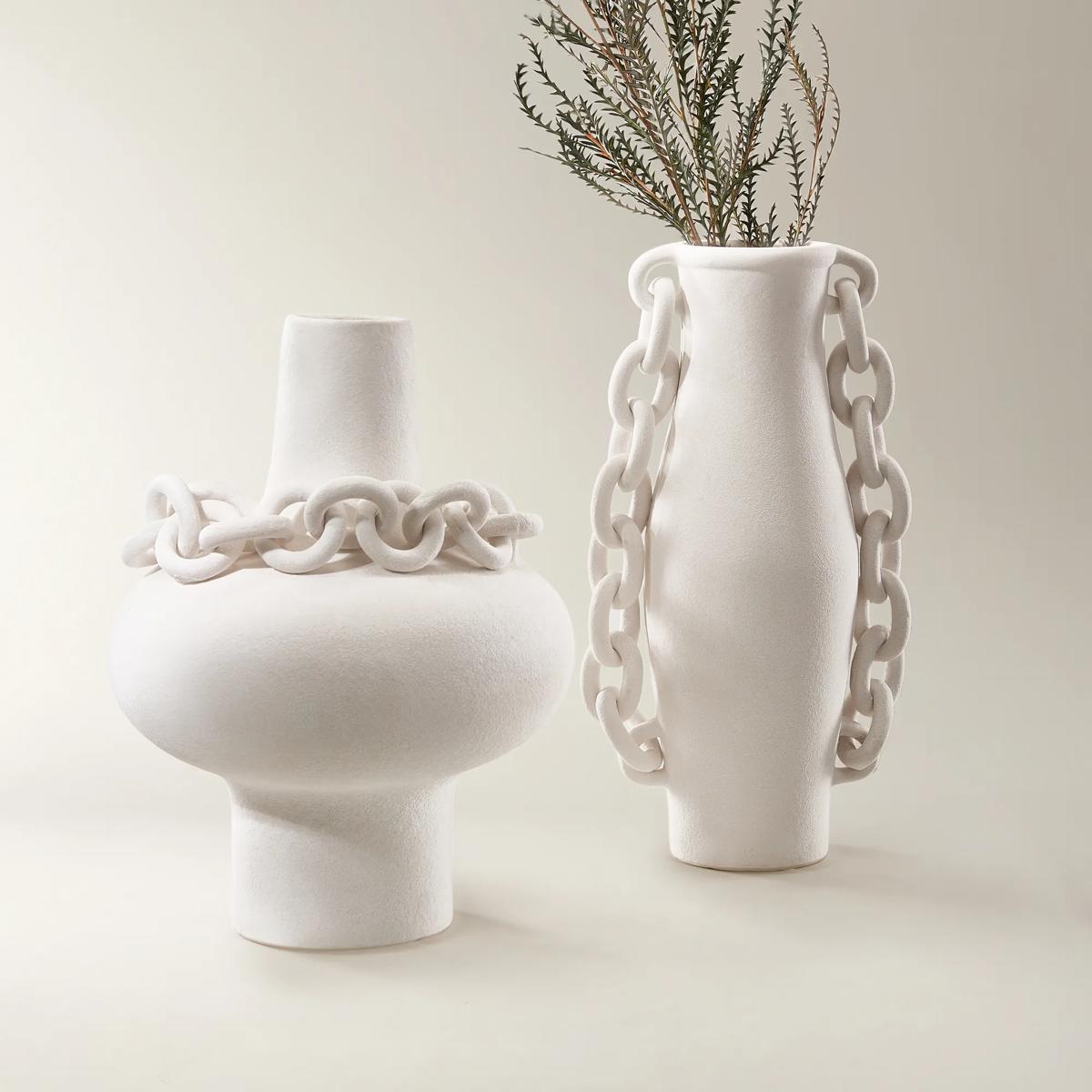
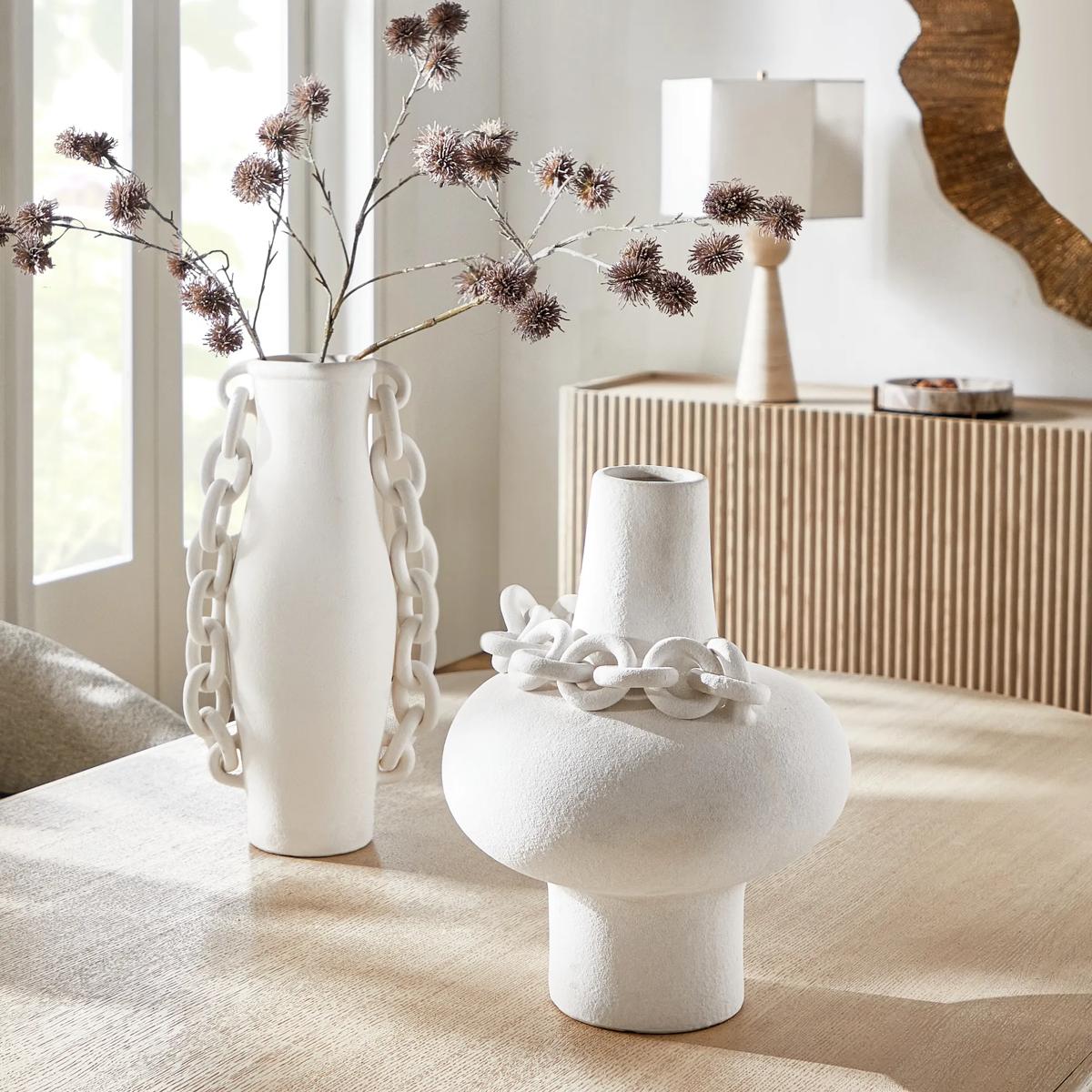 Links Stoneware Vases$119
A sculptural matte white stoneware vase featuring bold chain-link details for modern, artful texture.
Add To Cart -
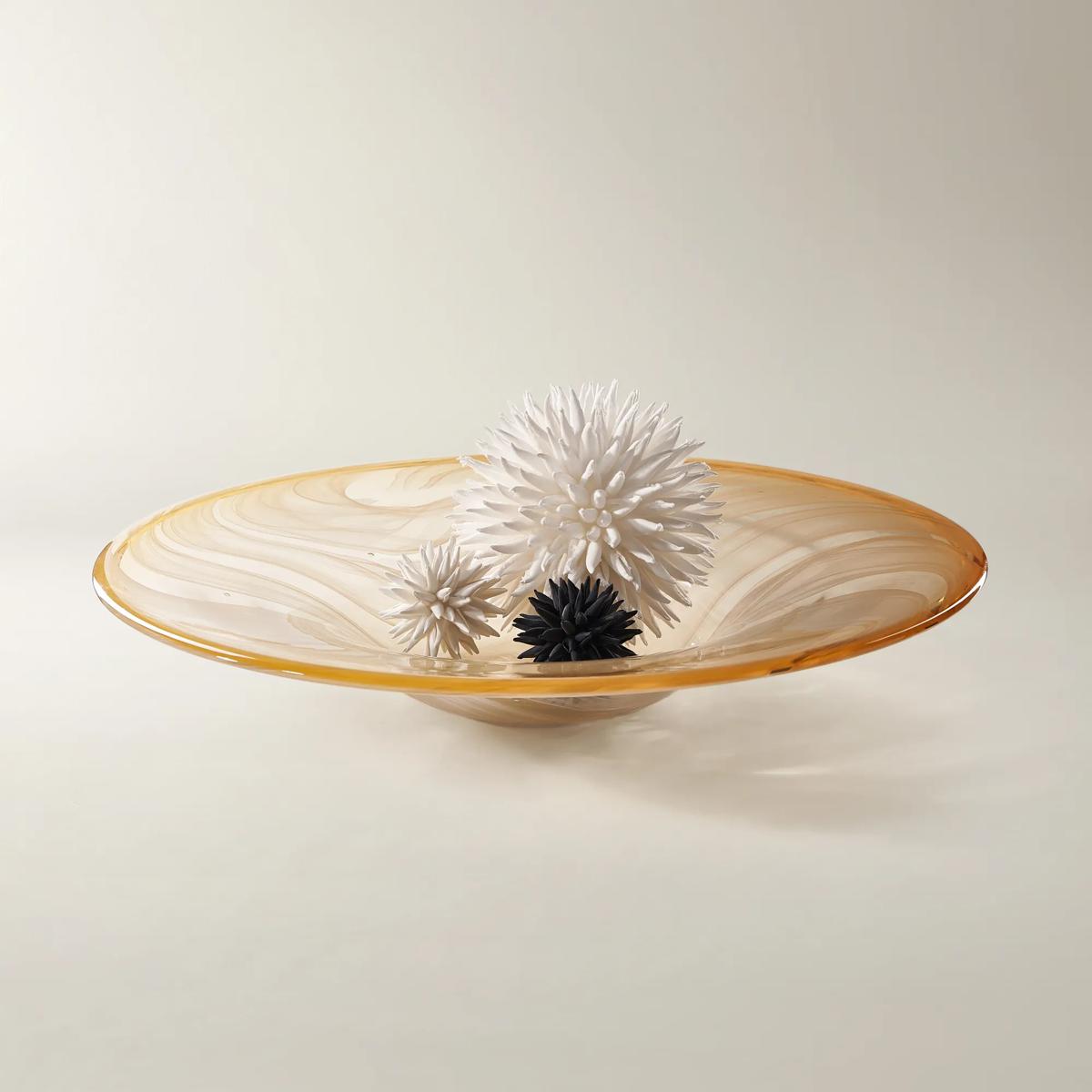
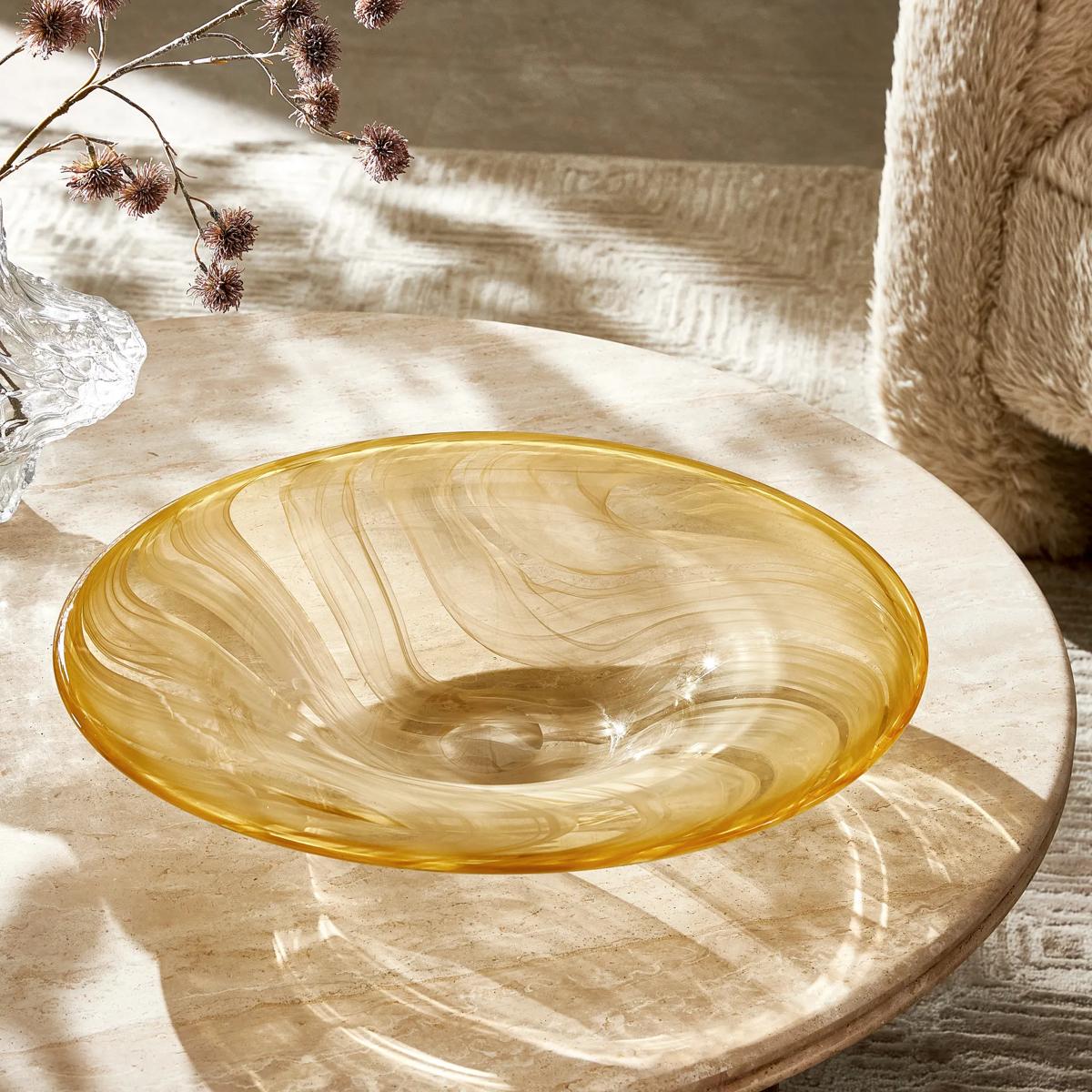 Paradis Glass Plate$239
A hand-blown amber glass plate featuring a swirling, organic design for a radiant decorative accent.
Add To Cart -
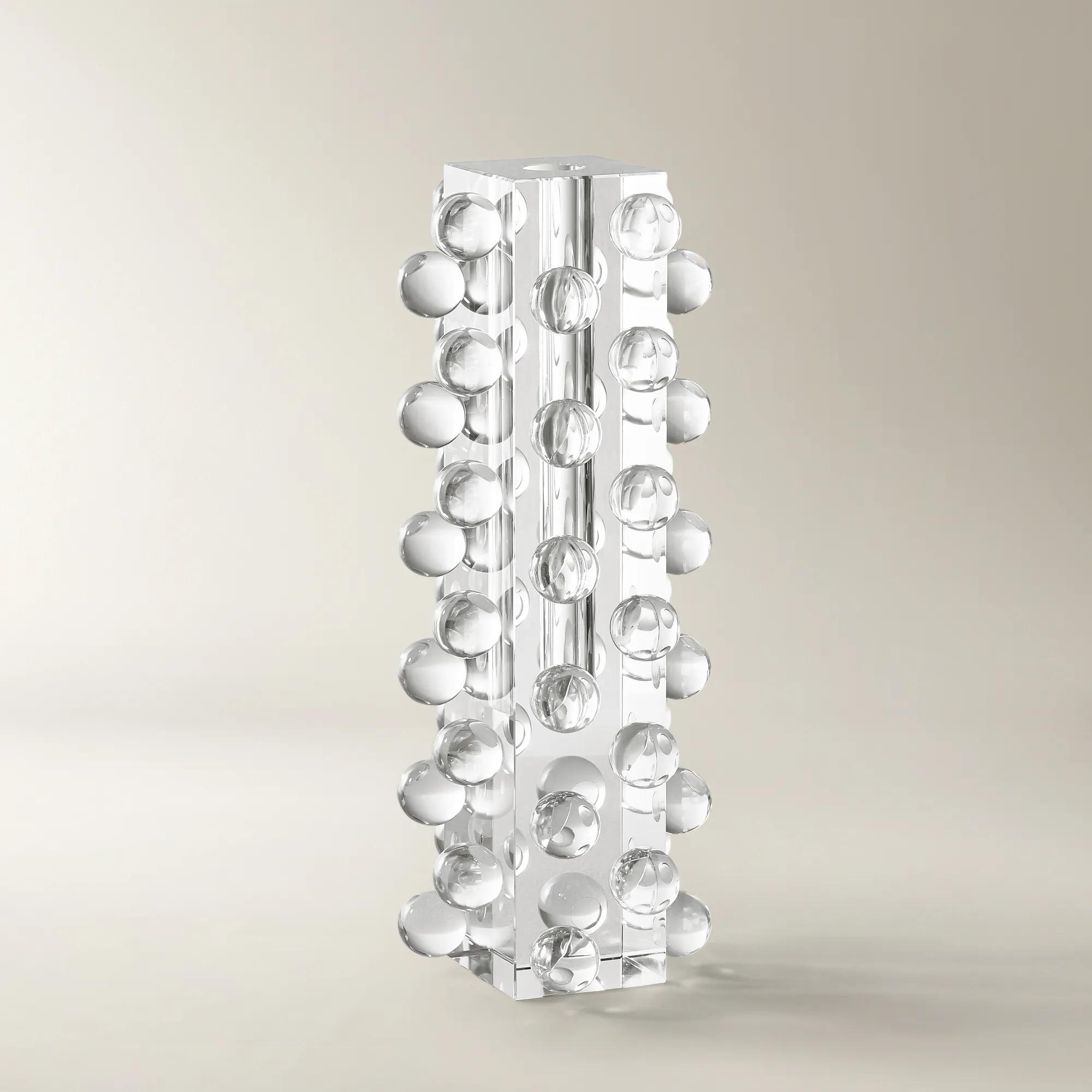
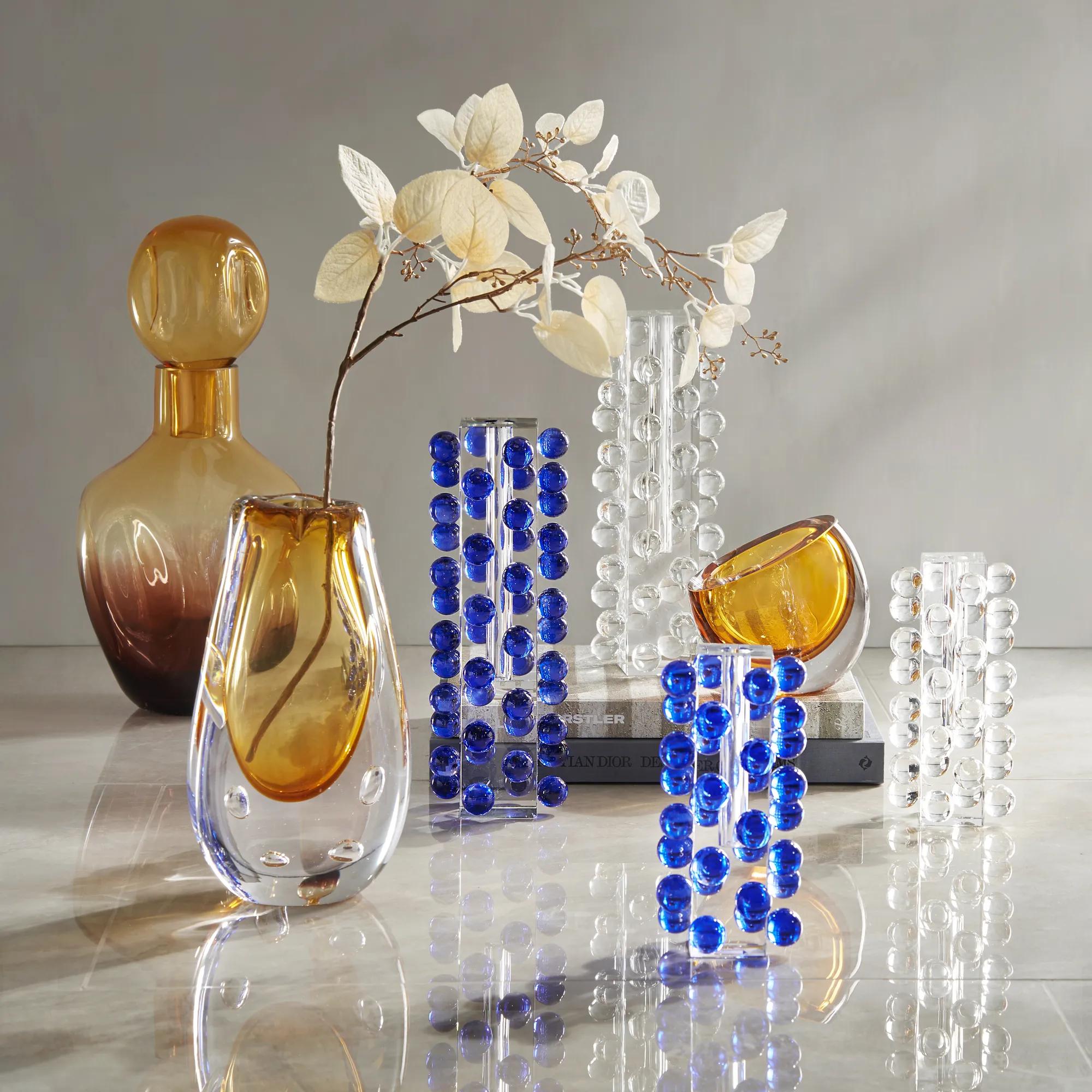 Bubble Vase Clear$119
A sculptural clear crystal glass vase featuring a cluster of transparent spheres for modern visual interest.
Add To Cart -
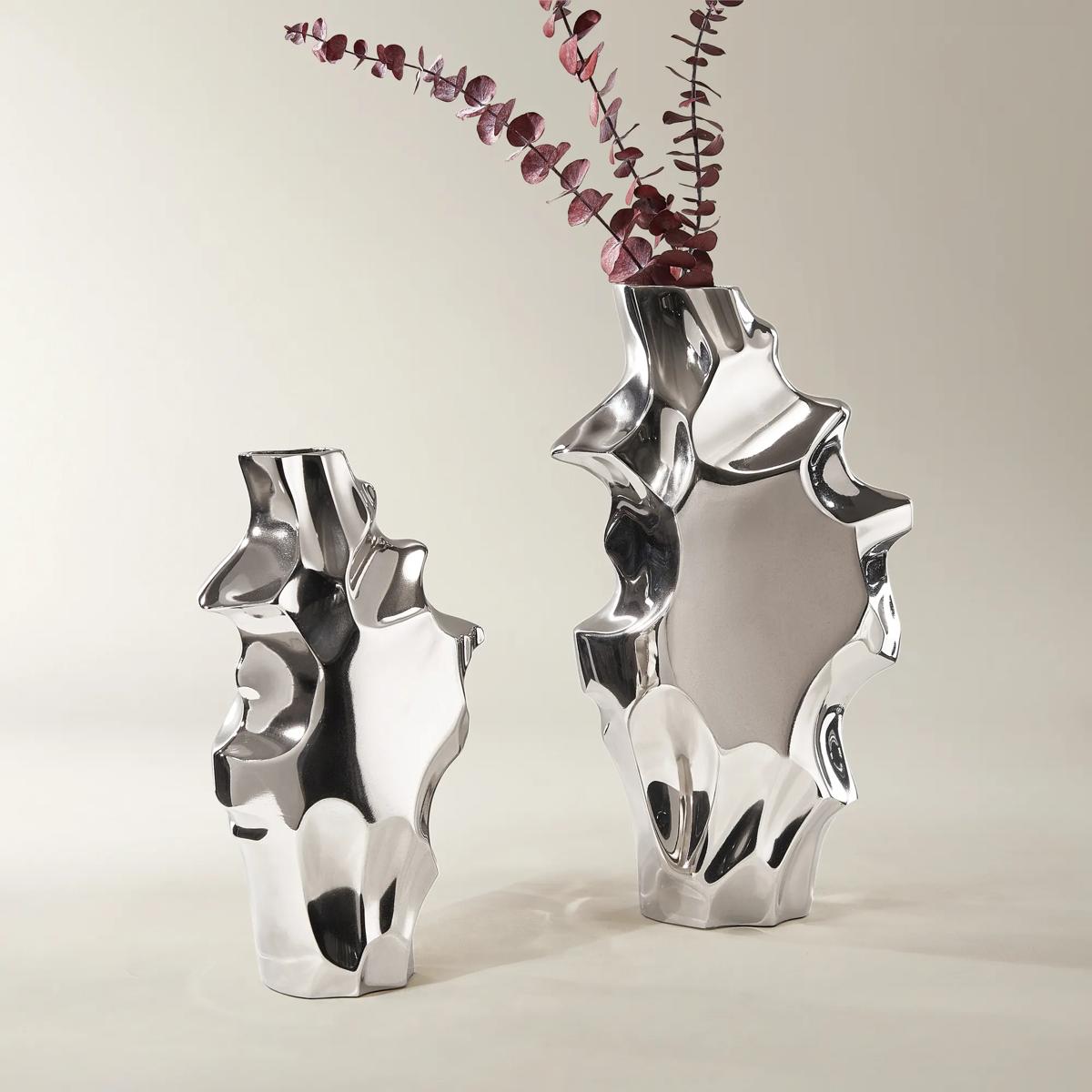
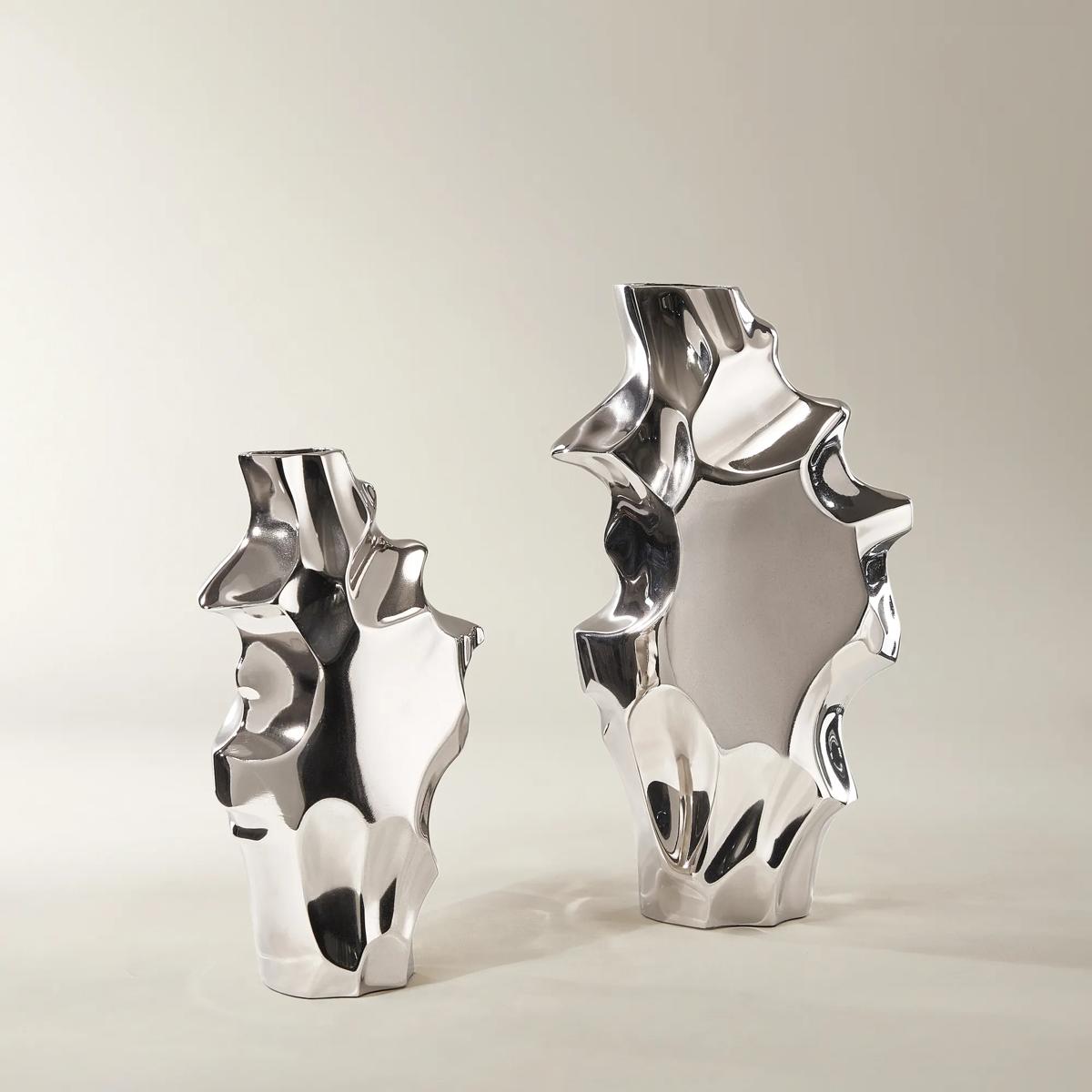 Sculpt Silver Aluminum Vases$79
A fluid, organic silhouette in lustrous silver aluminum brings modern artistry to any space.
Add To Cart -
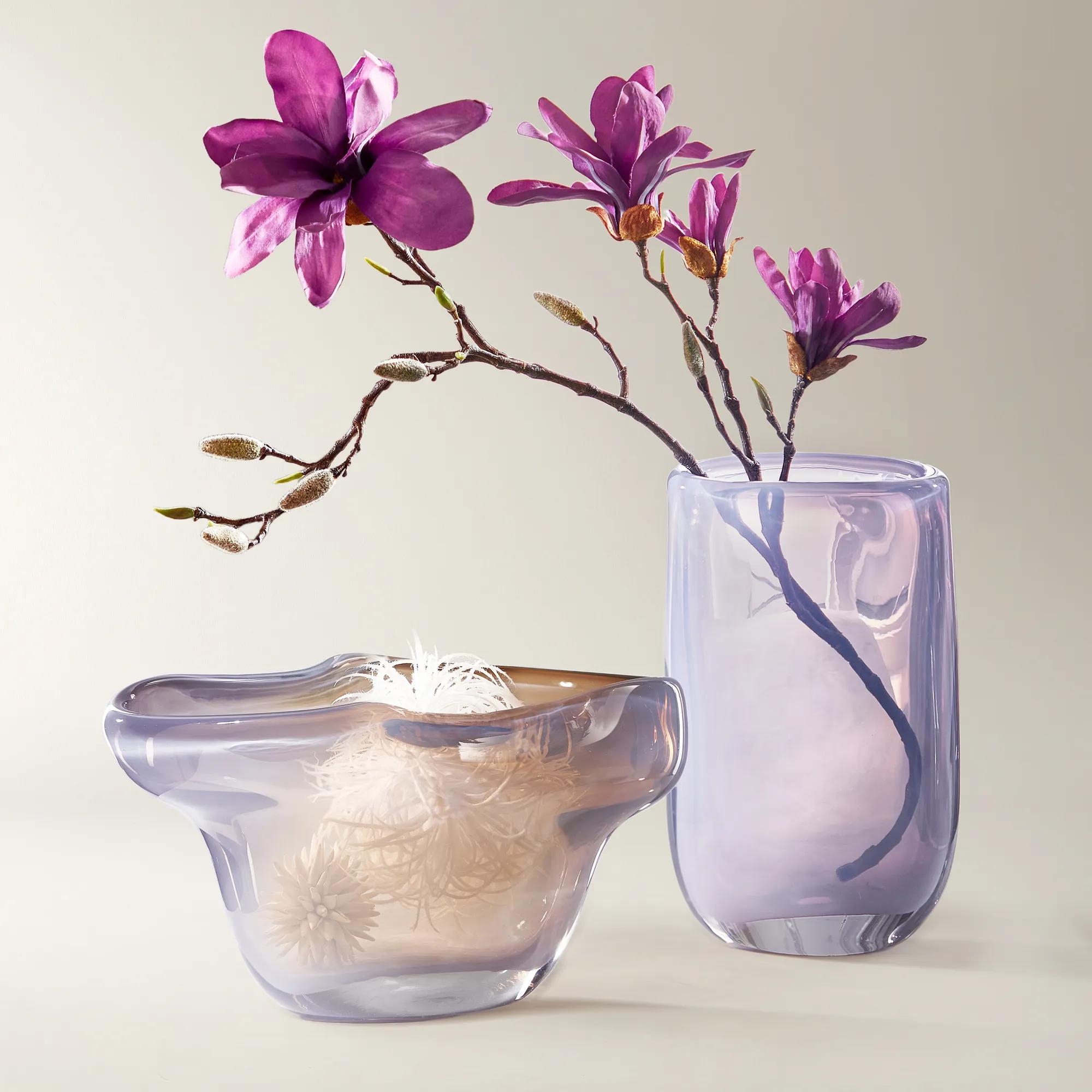
.jpeg?w=1200&h=1200) Aura Collection$189
Aura Collection$189A hand-blown glass accent in dreamy lavender, showcasing fluid curves and modern sculptural artistry.
Add To Cart

Sculptures For Coffee Tables
Sculptures for Coffee Tables are more than mere accents—they are the exclamation point in your living room’s story. Each piece is a curated expression of artistry, designed to captivate and intrigue from every angle. Whether you favor bold geometry, organic forms, or gleaming metallics, these objets d’art transform ordinary surfaces into curated showcases. Let your coffee table become a stage for conversation and creativity, where every sculpture invites admiration and inspires wonder. Elevate your space with dramatic touches that celebrate individuality and turn the everyday into the extraordinary.
Sculptures for coffee tables are decorative, three-dimensional accents that bring an artistic focal point to a living room, whether displayed alone or composed with books and trays. Unlike artwork viewed from a single direction, a tabletop sculpture reveals itself as you move around it: a sweeping curve from the sofa, an unexpected opening from an armchair, a glimmer of reflected light from the doorway. That changing perspective gives even a compact piece presence. Abstract ceramic forms introduce fluid lines and sculptural volume, while metal loops and interlocking rings create movement through their open silhouettes. Figurative sculptures add a different kind of expression, using a gesture, posture, or connection between figures to suggest affection, contemplation, or companionship. Animal-inspired forms and geometric objects can lend personality without requiring an entire room to follow a theme. The most compelling choice often echoes something already in the space while introducing a fresh contrast. Against sumptuous upholstery, a polished metallic sculpture brings a crisp, luminous edge; on a glass surface, a textured ceramic form adds visual substance. A pale sculpture can stand out beautifully against dark wood, while a charcoal finish gives a light-toned setting a deliberate punctuation mark. Gold-tone finishes create warmth, silver-tone surfaces feel luminous and tailored, and softly mottled neutrals allow shape to take the spotlight. These are accents for spaces where people gather, settle in, and notice the details, so their appeal extends beyond a perfectly arranged photograph. A low, sinuous form can anchor a conversation area without interrupting it, while a more expressive silhouette gives an otherwise restrained room a signature flourish. For someone drawn to expressive interiors but not ready for a dramatic furniture change, coffee table decor offers a concentrated gesture of individuality. The effect comes from the relationship between object and setting, not simply from size or shine: a sculptural accent should feel intentional enough to hold attention and natural enough to live with every day.
Material gives coffee table sculptures much of their character, influencing their finish, weight, texture, and everyday care. Glazed ceramic can appear sleek and jewel-like, with rounded surfaces that catch pools of light, while matte ceramic has a softer visual depth that pairs beautifully with reflective trays or lacquered furniture. Ceramic is generally rigid and can chip or break if knocked, making a stable base and thoughtful placement especially important. Metal sculptures range from airy wire-like outlines to substantial cast forms; their durability depends on the underlying metal, construction, and finish rather than appearance alone. A gleaming surface may show fingerprints more readily than a textured one, and decorative coatings can scratch when rubbed against other objects. Glass offers transparency, depth, and a luminous counterpoint to upholstered seating, though edges and projecting details deserve care in a busy room. Stone brings weight and natural variation, with veining or tonal shifts that make the surface part of the composition. Depending on the stone and its treatment, moisture or acidic spills may leave marks. Resin can accommodate intricate shapes and varied finishes, but its weight and resistance to damage differ by construction; a stone-like appearance does not necessarily mean the piece behaves like stone. Wood introduces grain and warmth, particularly striking beside sleek upholstery or polished metal, and benefits from protection against prolonged moisture, direct heat, and strong sunlight. For most decorative sculptures, gentle dusting with a soft cloth is a sensible starting point, with any further cleaning guided by the material and the maker’s care instructions. Abrasive cleaners, vigorous polishing, and soaking can damage delicate surfaces or applied finishes. Felt or another suitable protective layer beneath a base can help reduce scratching, provided it does not compromise stability. These details matter on a table that also holds drinks, serving dishes, and the occasional stack of mail. A sculpture is intended for decorative display, not for supporting a hot cup, holding food, or being handled as a toy. In homes with young children or energetic pets, low-profile shapes with broad bases and fewer fragile projections can be more practical than tall, finely balanced forms, although breakable or heavy objects still belong beyond easy reach.
Scale determines whether a coffee table sculpture feels beautifully integrated or competes with the room. Both height and footprint deserve attention: a wide, open form may occupy more usable surface than its airy appearance suggests, while a narrow vertical piece can interrupt the view between seats. On a compact round table, a single rounded or looping sculpture can establish a focal point while preserving space for a beverage. A generous rectangular table allows a broader composition, perhaps with a horizontal form beside a stack of art books and a tray that gathers everyday essentials. Books can create a pedestal for a smaller accent, but the stack should be flat, steady, and proportionate to the object’s weight. Leaving visible tabletop around the arrangement allows the silhouette to read clearly and makes the setting feel composed rather than crowded. Consider how the sculpture looks from each seat, especially in an open living area where the table is approached from several directions. Openwork designs allow glimpses of the room through the piece, while solid forms offer a stronger block of color or texture. The furniture beneath the display contributes just as much to the overall impression. Pairing decorative accents with Sculptural Living Room Tables creates an opportunity to balance expressive shapes: a table with a dramatic base may benefit from a quieter accent above, while a simple tabletop can support a more elaborate silhouette. Nearby lamplight can draw out carved details or metallic highlights without requiring an additional decorative element. During the cooler months, that interplay of texture and light feels especially inviting alongside plush throws and richly layered seating. Tabletop sculptures also make thoughtful housewarming, wedding, or anniversary gifts for people who appreciate art and interiors. A figurative design may carry personal meaning, while an abstract form can suit a recipient whose taste favors shape and material over symbolism. A manageable footprint and a finish that complements the recipient’s existing decor make the gesture easier to welcome home. Whether chosen as a gift or as a personal finishing touch, a coffee table sculpture brings artistry into daily view, giving an often-used surface a distinctive point of expression.
FAQs
Select a coffee table sculpture that echoes your room’s existing color palette, materials, and overall mood. For a cohesive look, consider finishes that harmonize with your lighting or metallic accents, or opt for a contrasting piece to create a striking focal point. The sculpture’s style—whether abstract, organic, or geometric—should reflect your personal aesthetic and enhance the visual narrative of your space.
Absolutely. Coffee table sculptures make memorable gifts for housewarmings, weddings, anniversaries, or milestone birthdays. Choose a piece that resonates with the recipient’s personality or home style to create a thoughtful, lasting impression. Artistic sculptures are timeless treasures that convey both sophistication and sentiment.
When styling multiple sculptures, vary their heights, shapes, and materials to create visual interest and balance. Arrange them in odd-numbered groupings and leave enough negative space so each piece can be appreciated individually. Pairing sculptures with books, trays, or candles can further enhance your coffee table’s layered, curated appeal.
Popular materials for coffee table sculptures include gleaming metals like brass or gold, crystal and glass for light-catching brilliance, as well as ceramics, marble, and resin for tactile richness. Each material brings its own unique character and presence, allowing you to tailor your selection to the ambiance you wish to create.
Yes, coffee table sculptures are a wonderful way to celebrate the changing seasons. Swap in pieces with warm metallics or organic textures for autumn, crisp glass or frosted finishes for winter, and vibrant, colorful forms for spring and summer. This simple refresh keeps your living space feeling current and inspired year-round.
.jpeg?w=3739&h=3739)