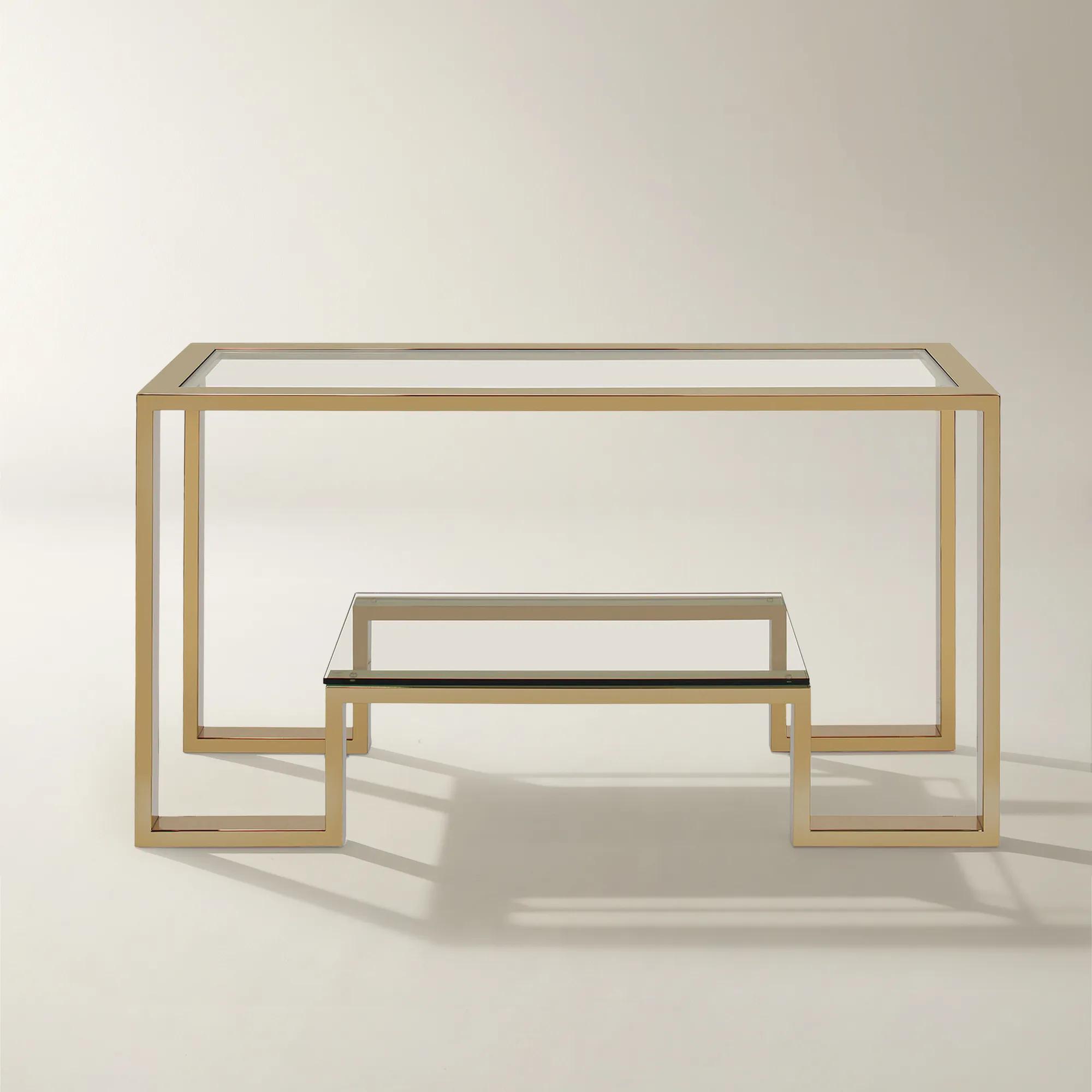
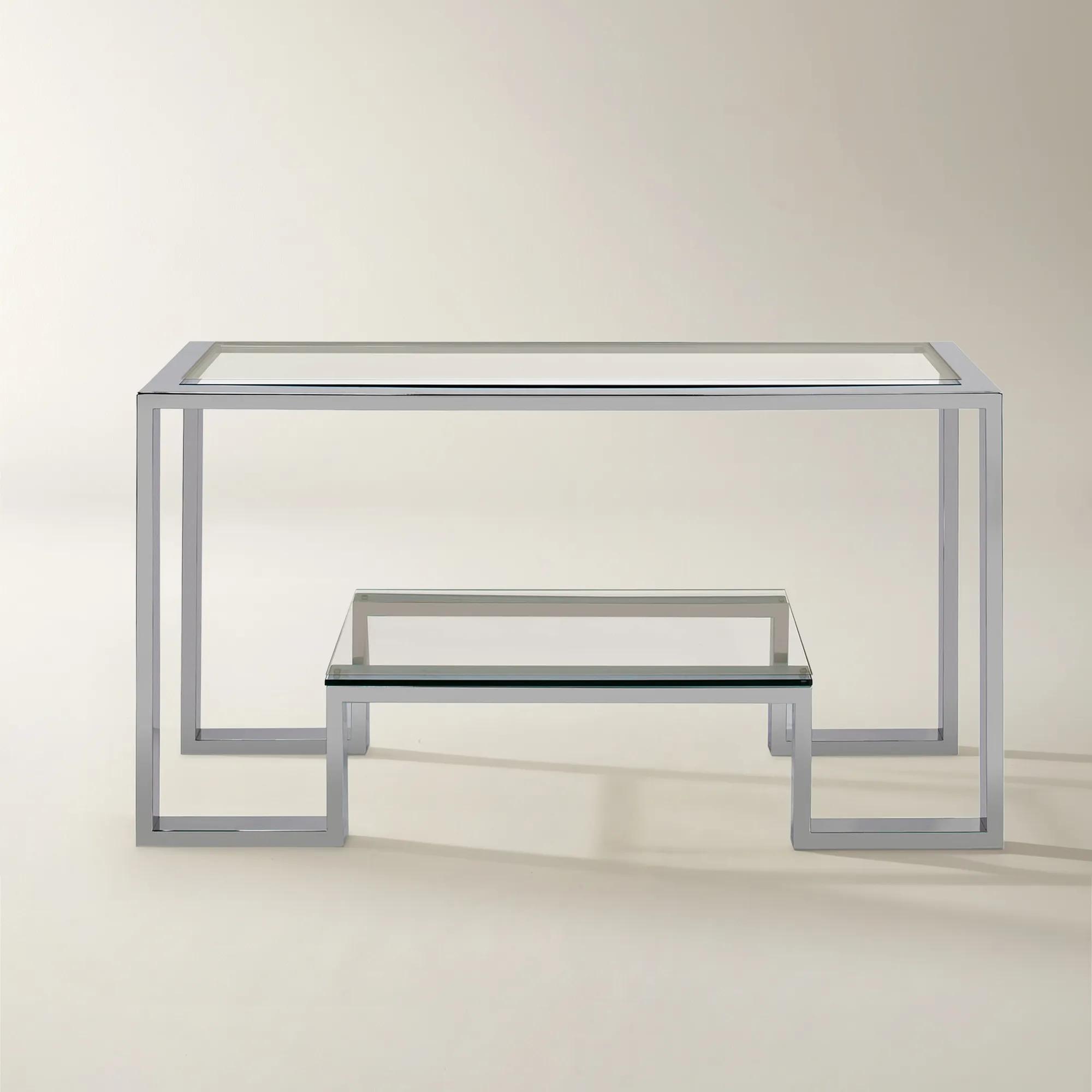
Sculptural Metallic Accent Tables
Sculptural Metallic Accent Tables
-
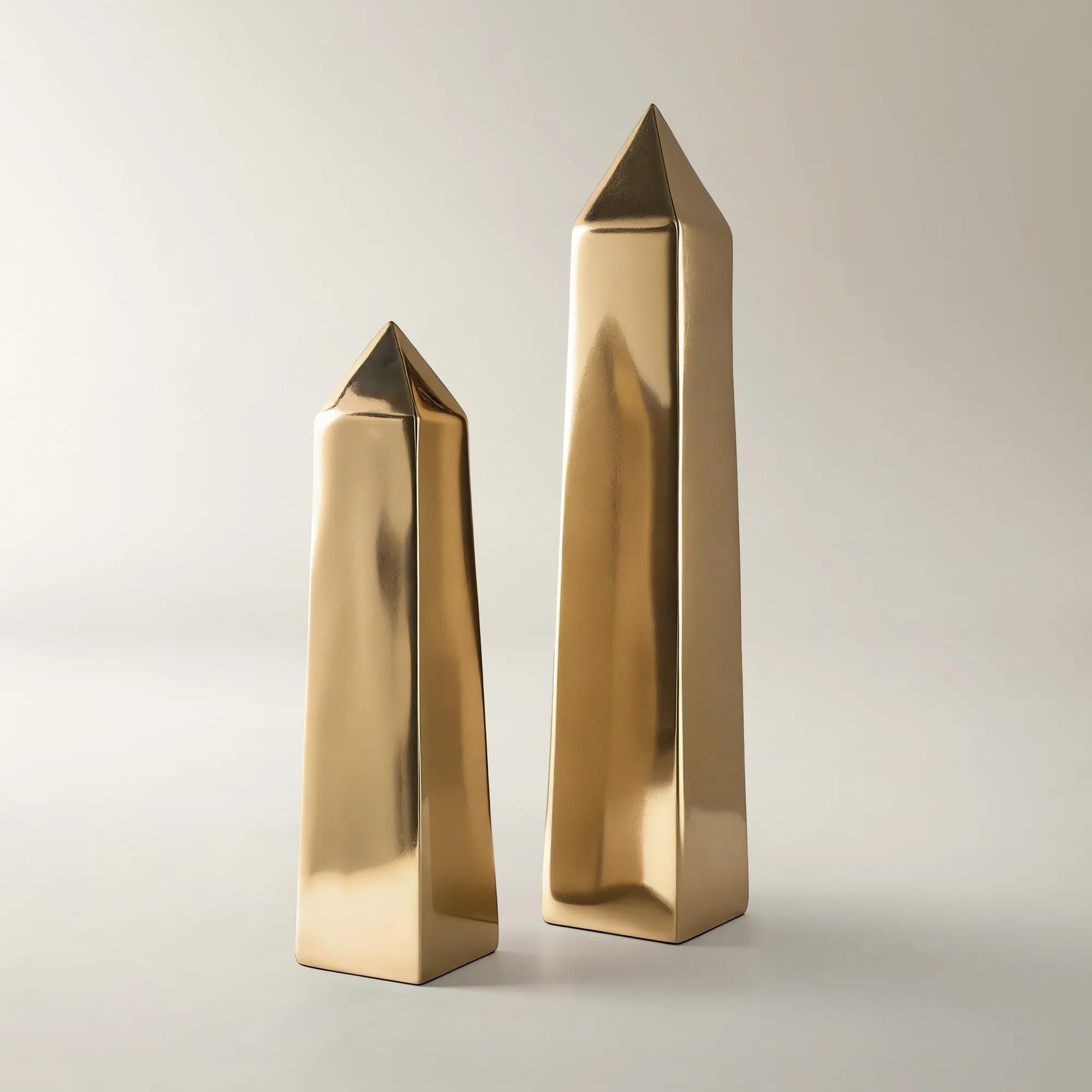
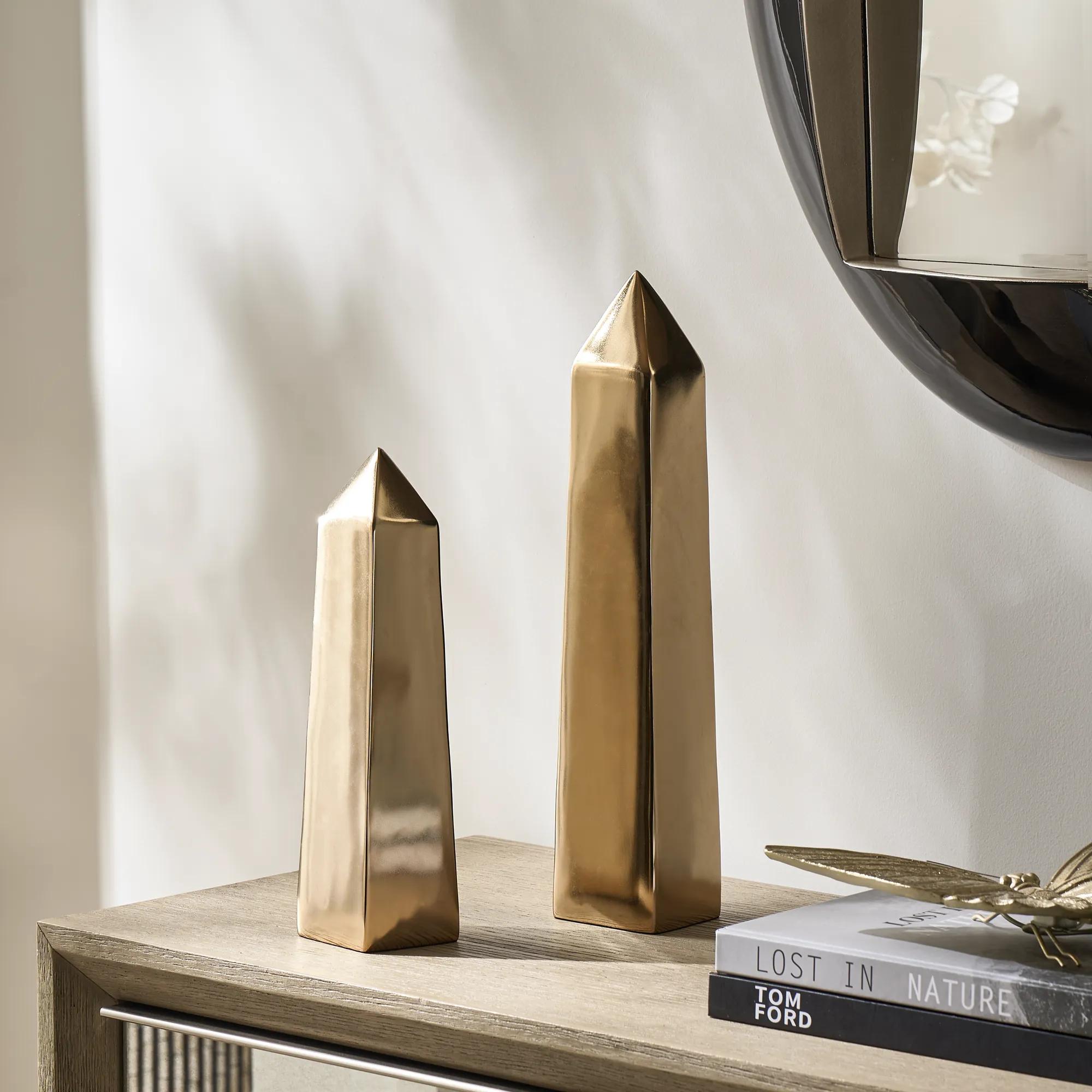 Golden Aluminum Obelisks$69
A sculptural aluminum accent in a soft gold finish, adding modern glamour and architectural interest to any space.
Add To Cart -
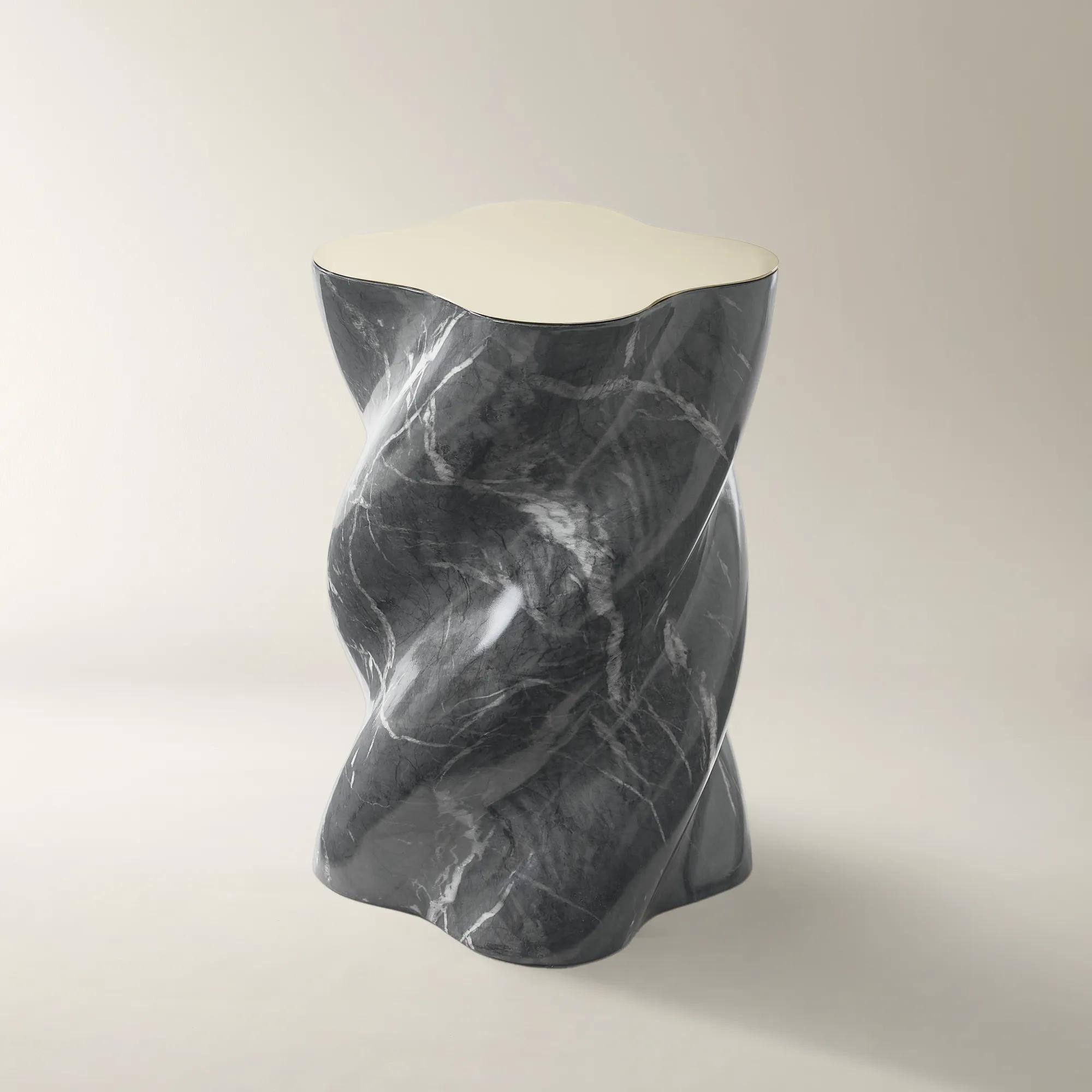 Vega Bvlgary Black Concrete Side Table With Stainless Steel Top (13.8")$459
A sculptural black side table featuring a marble-inspired fiber-concrete base and removable stainless steel top.
Add To Cart -
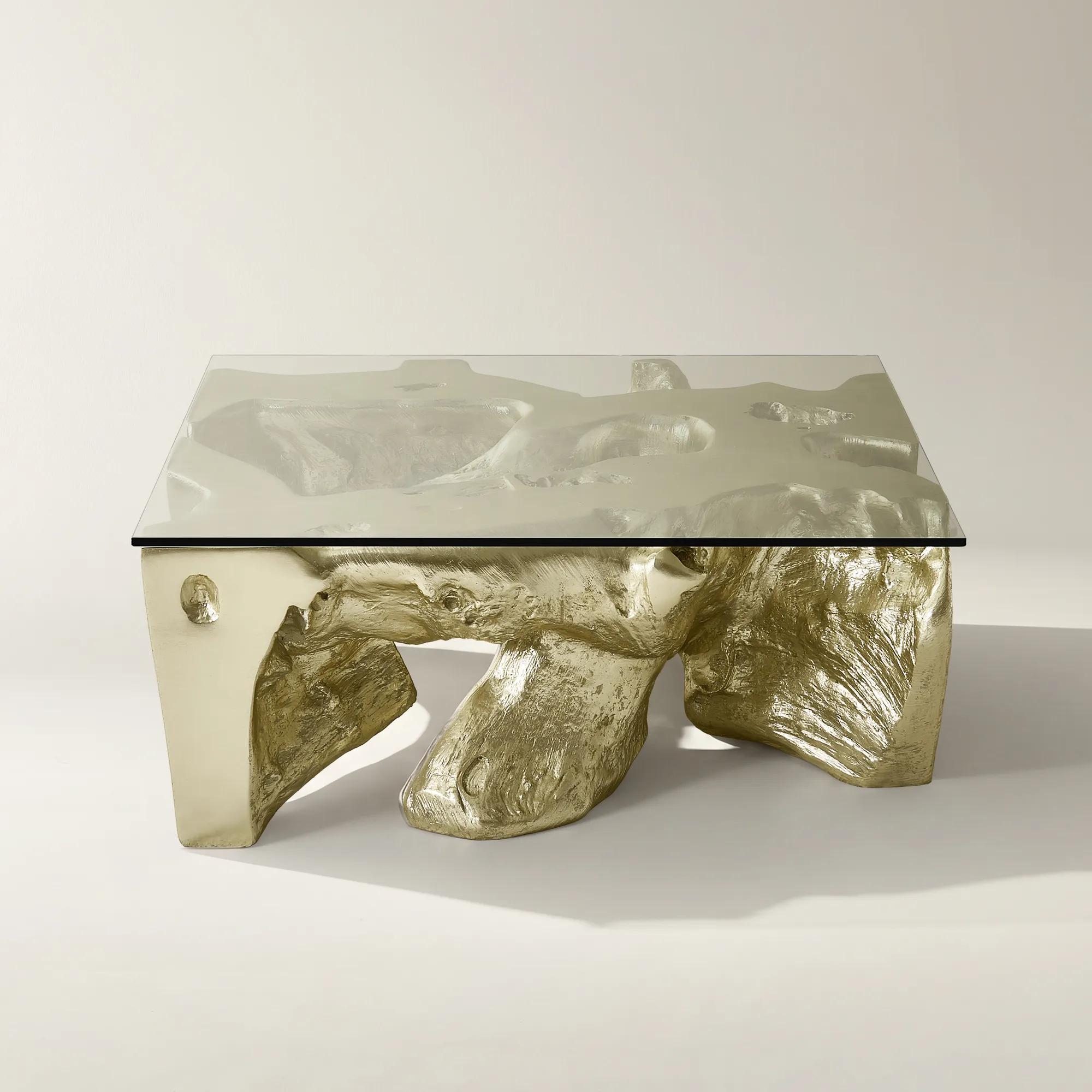 Sequoia Champagne Gold Resin Coffee Table With Glass Top (44")$2299
A sculptural resin coffee table with a champagne gold leaf finish and a clear tempered glass top.
Add To Cart -
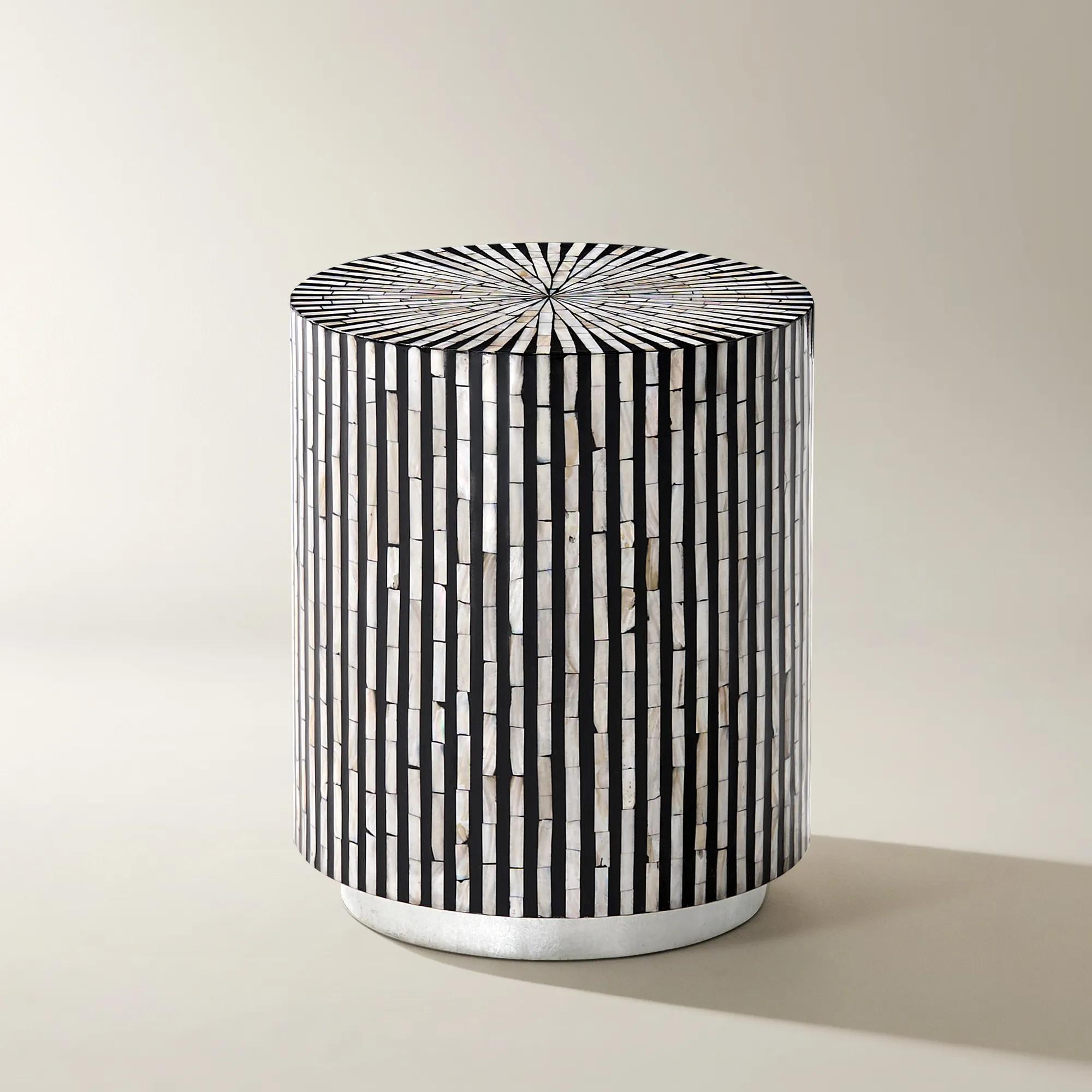
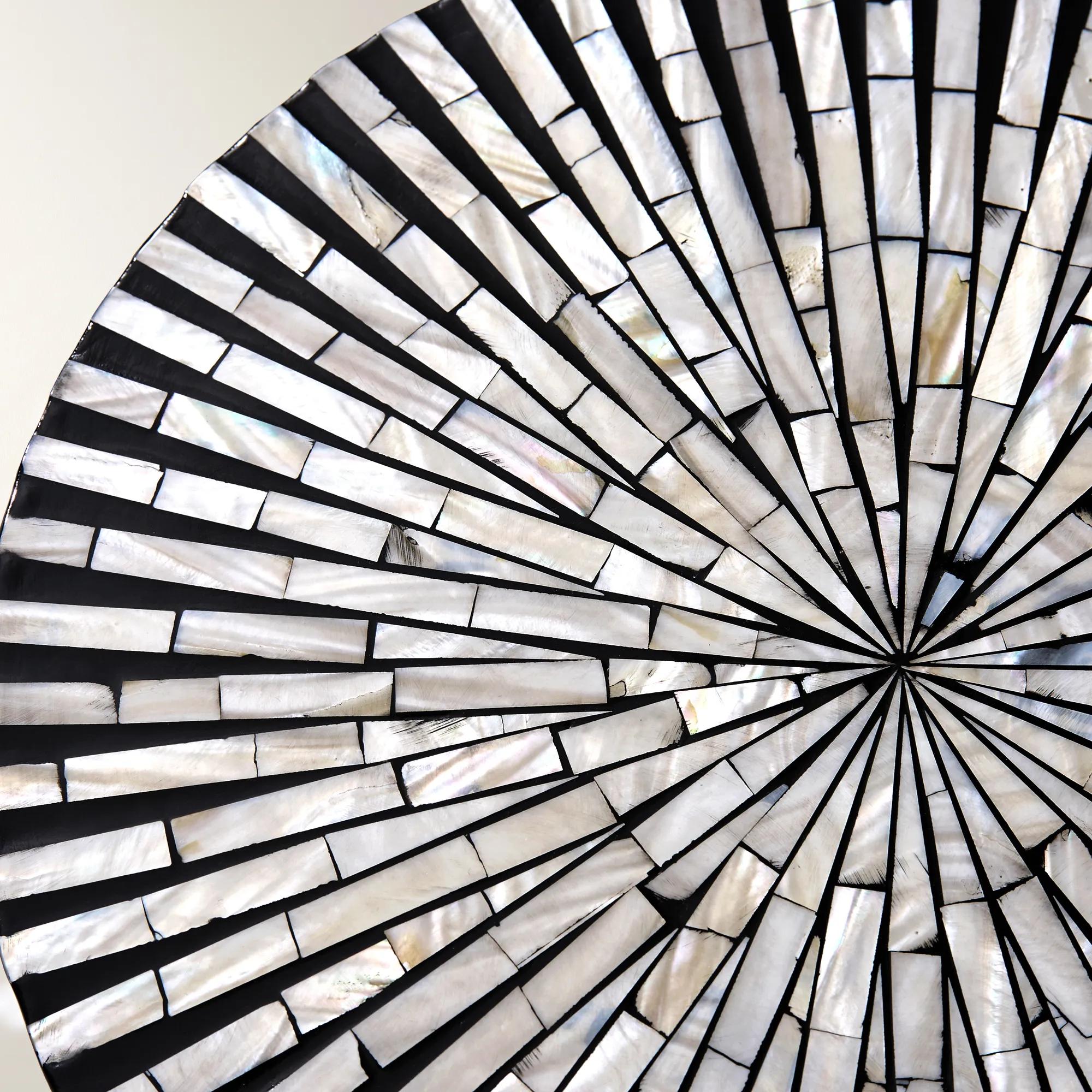 Marina Round Mosaic Black End Table (13.75")$299
A sculptural black end table featuring hand-applied mother-of-pearl mosaic and a silver leaf–accented base.
Add To Cart -
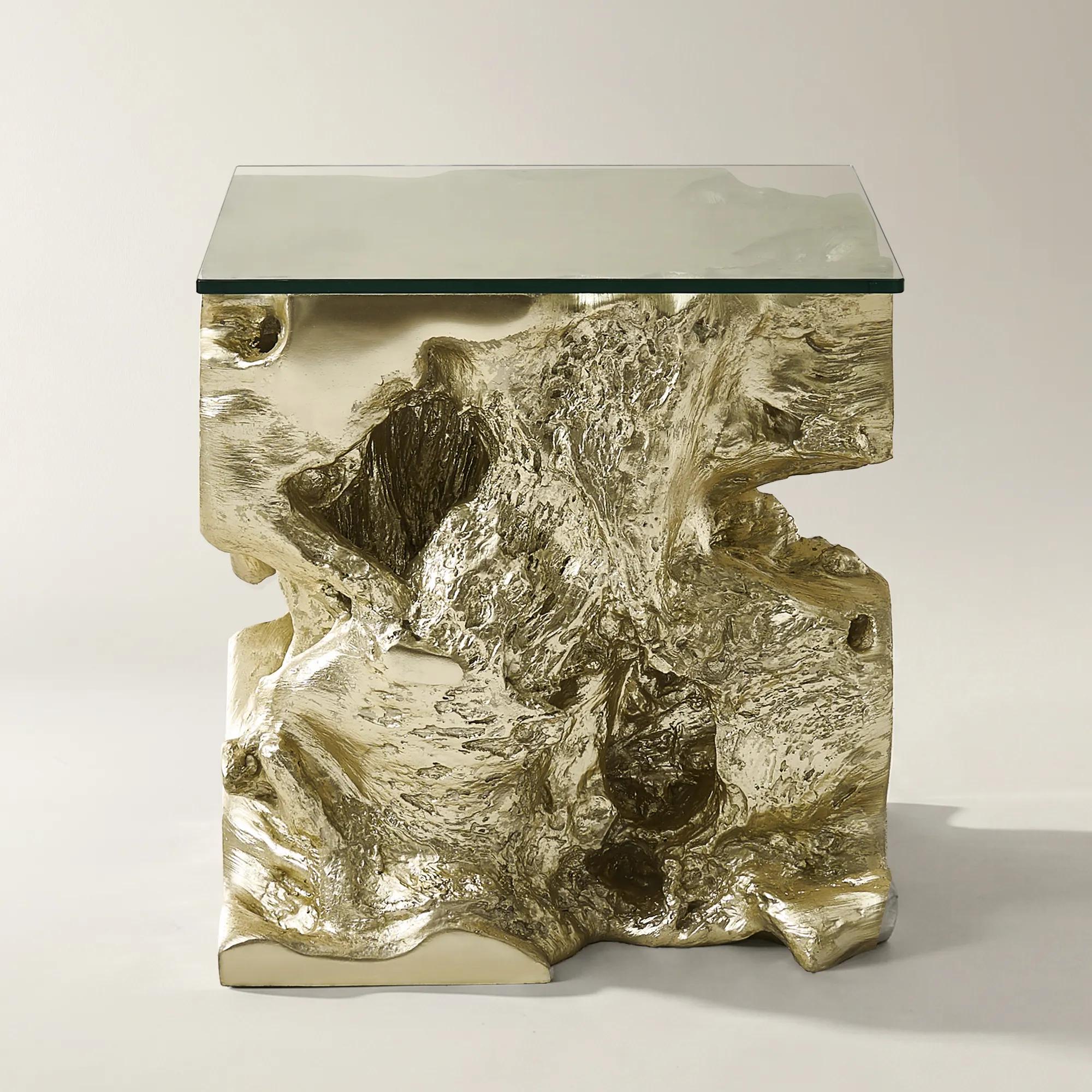 Sequoia Champagne Gold Resin End Table With Glass Top (22")$999
A sculptural resin end table with a champagne gold leaf finish and a clear tempered glass top.
Add To Cart -
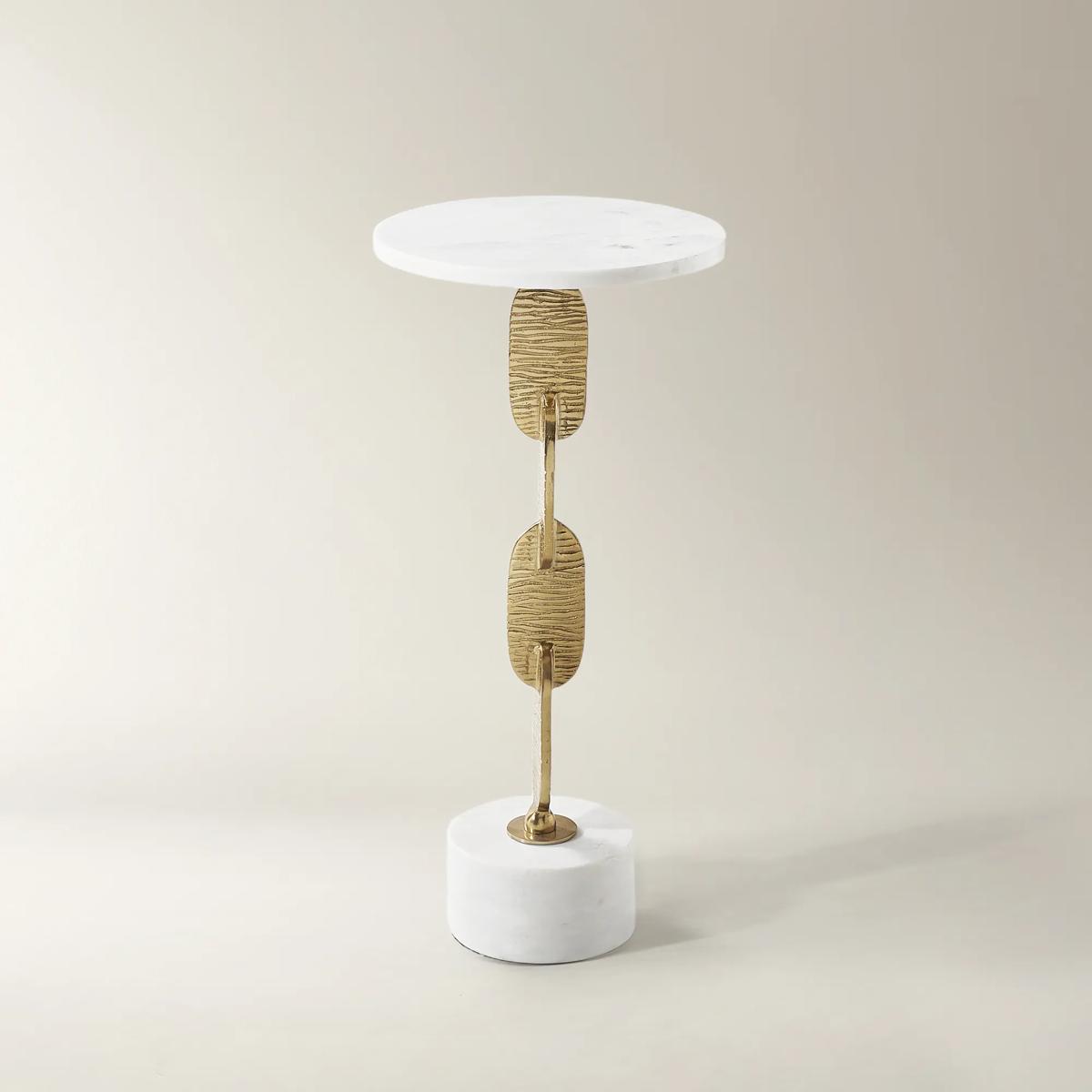
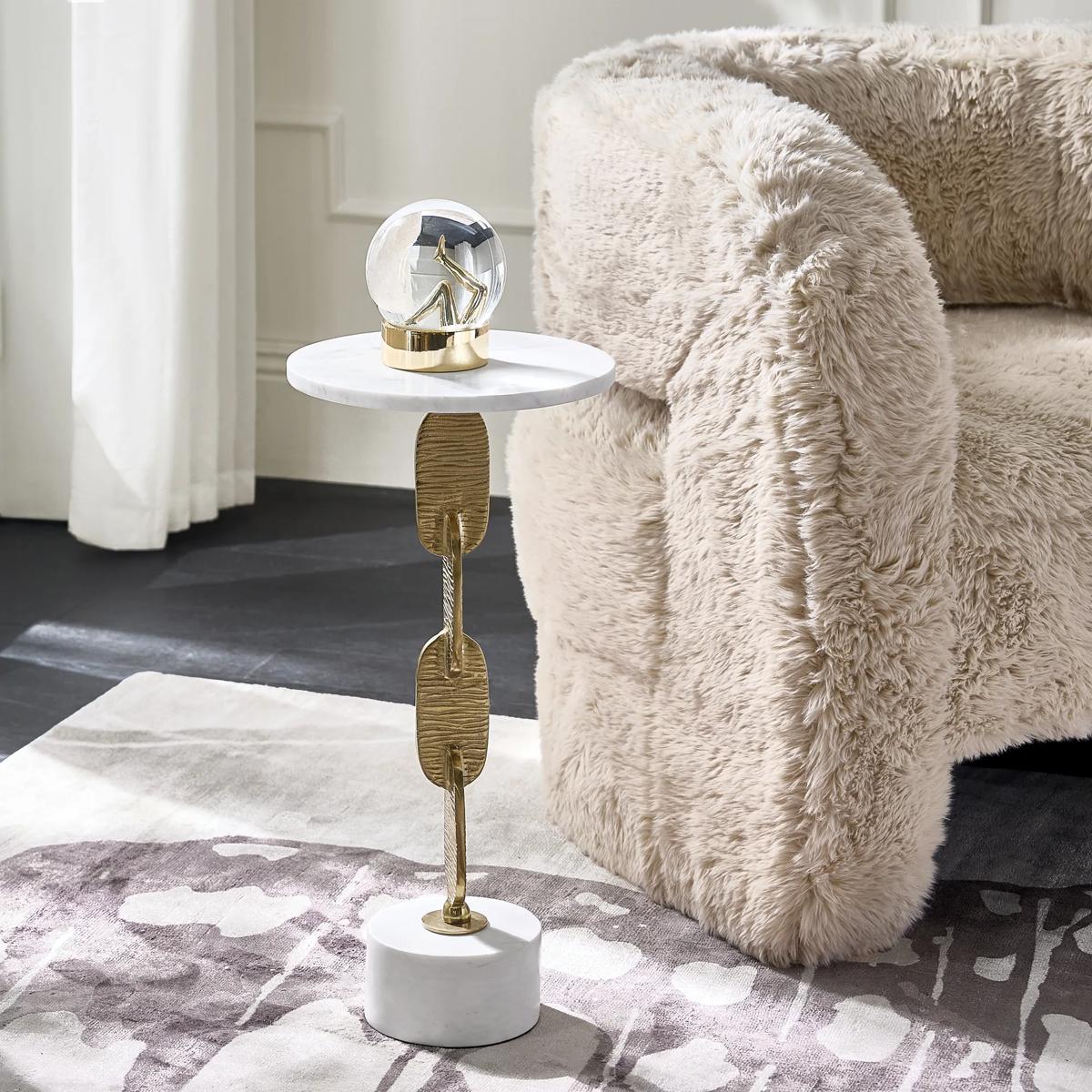 Luna Round White Marble Side Table (11.25")$199
A sculptural side table featuring a genuine white marble top and an open gold-finished metal frame.
Add To Cart -
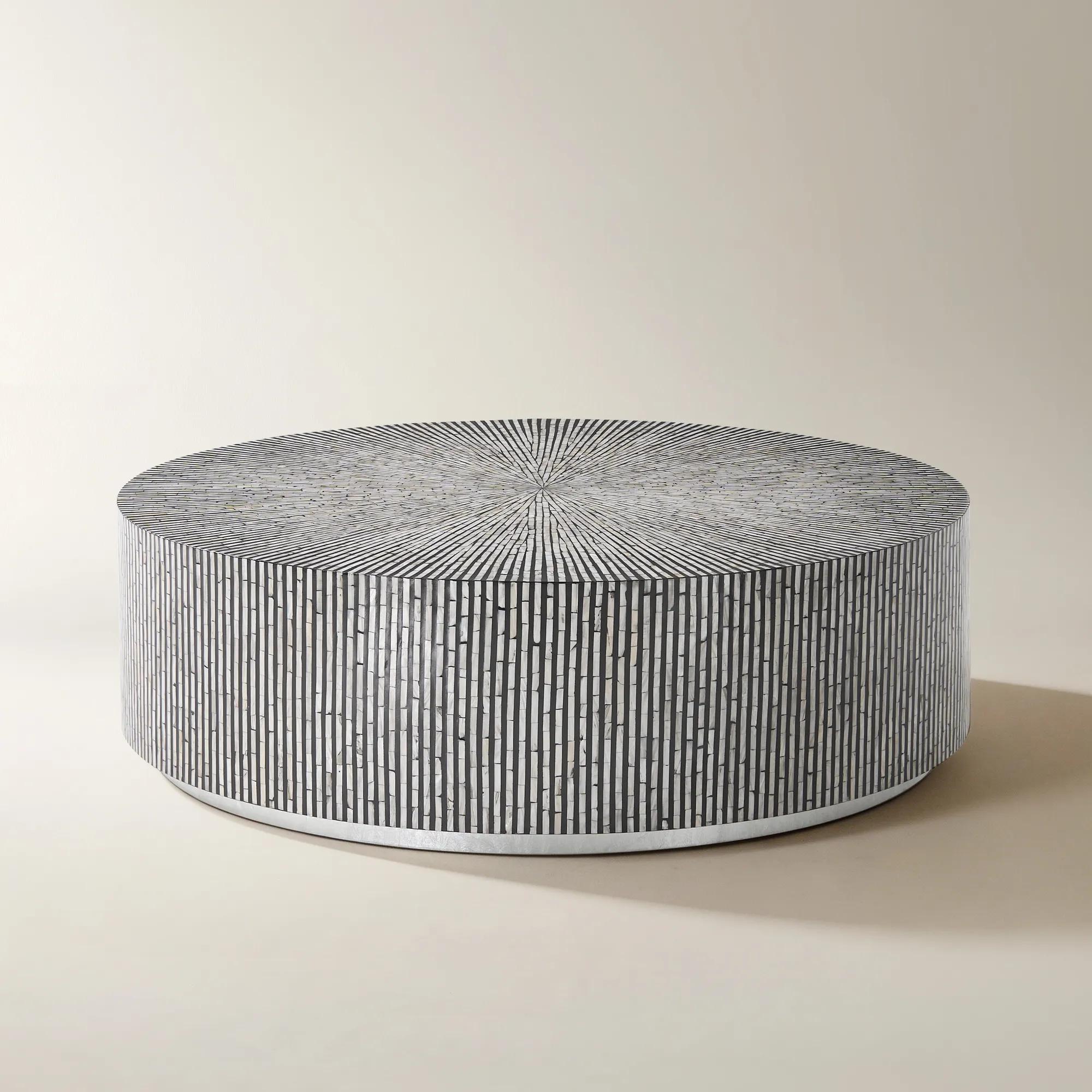
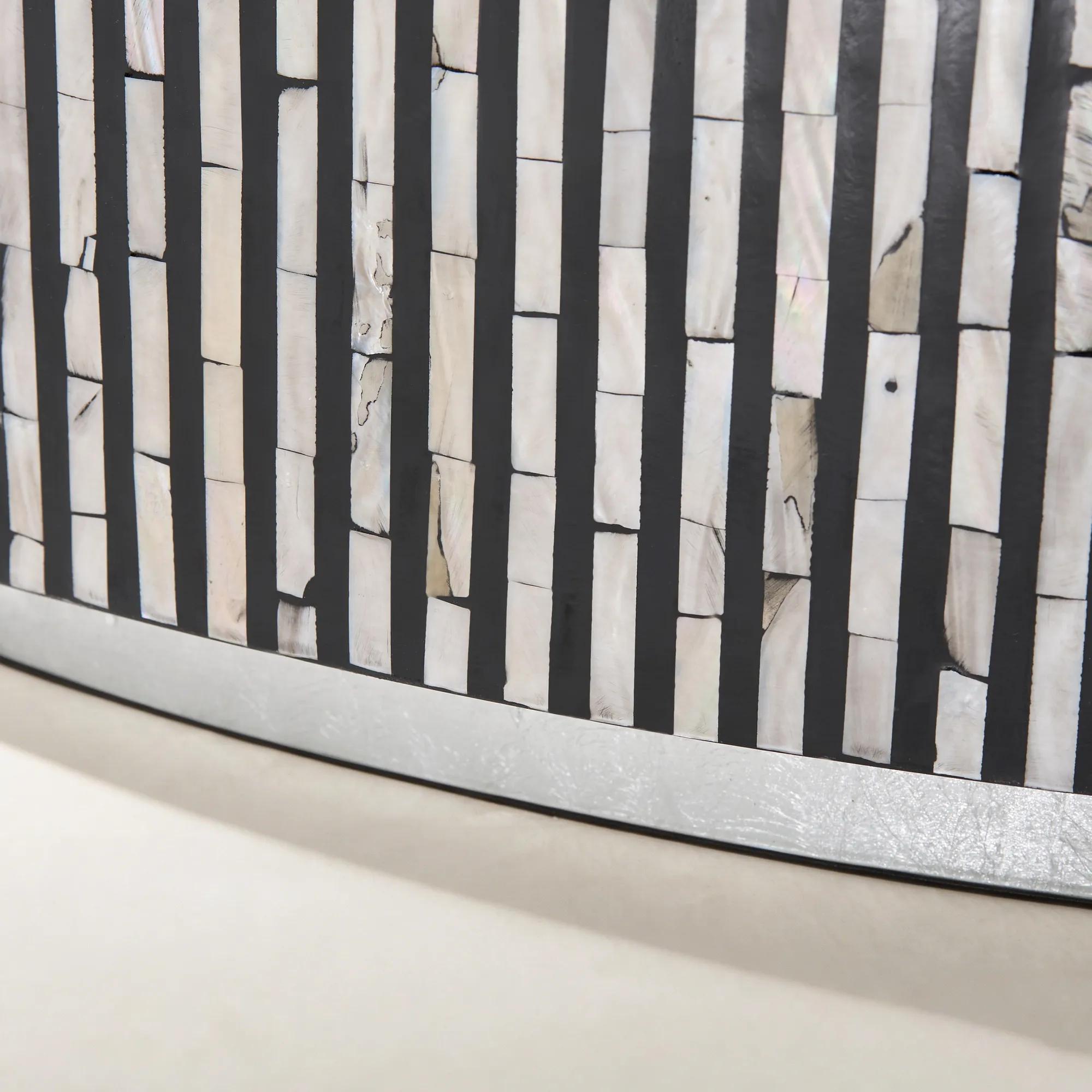 Marina Round Mosaic Black Coffee Table (52")$1299
A sculptural black coffee table featuring hand-applied mother-of-pearl mosaic and a silver leaf base.
Add To Cart -
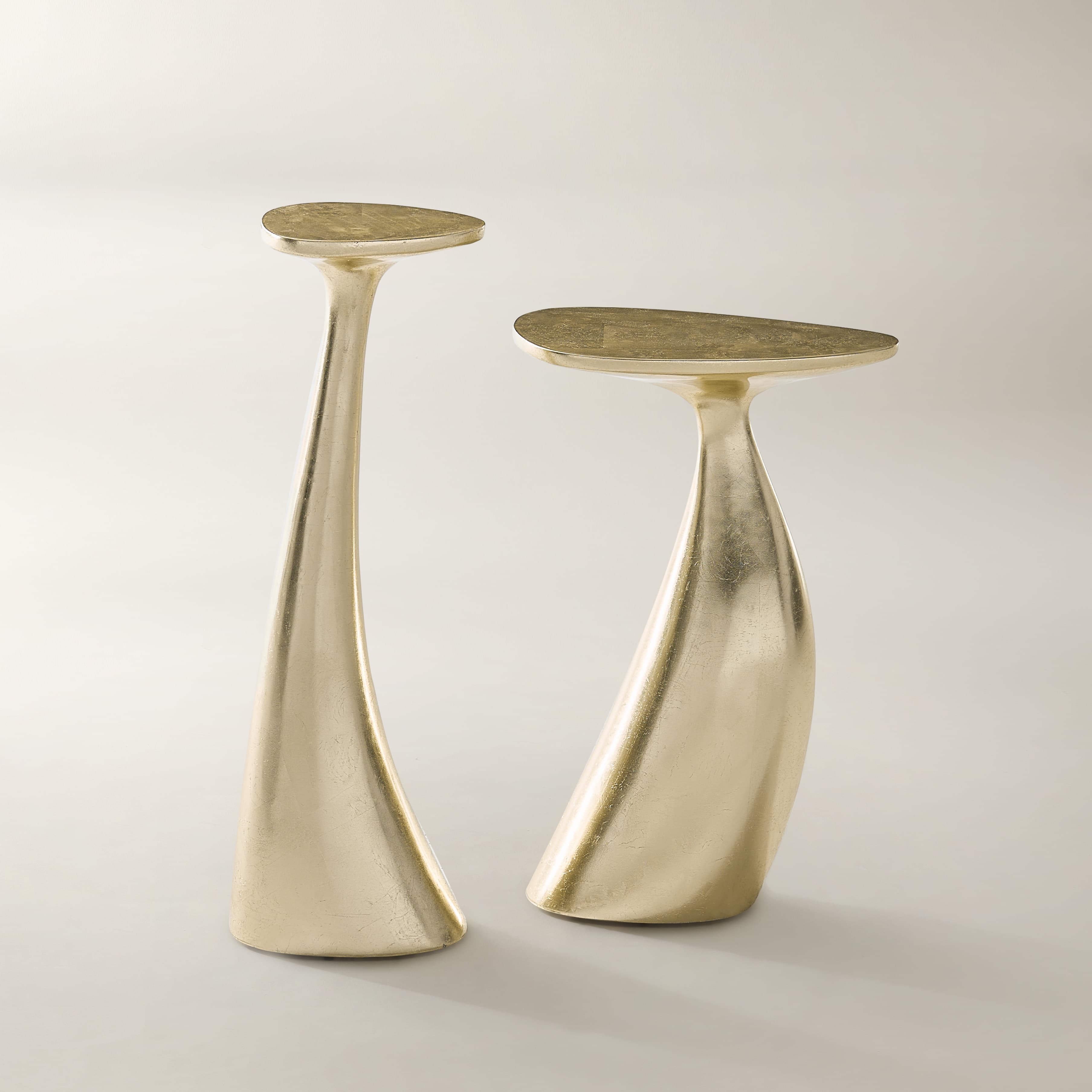 Thalia Soft Gold Side Table Set Of 2 (8"-12.5")$659
A sculptural duo of gold leaf fiberglass tables with fluid lines and a warm, luminous finish.
Add To Cart -
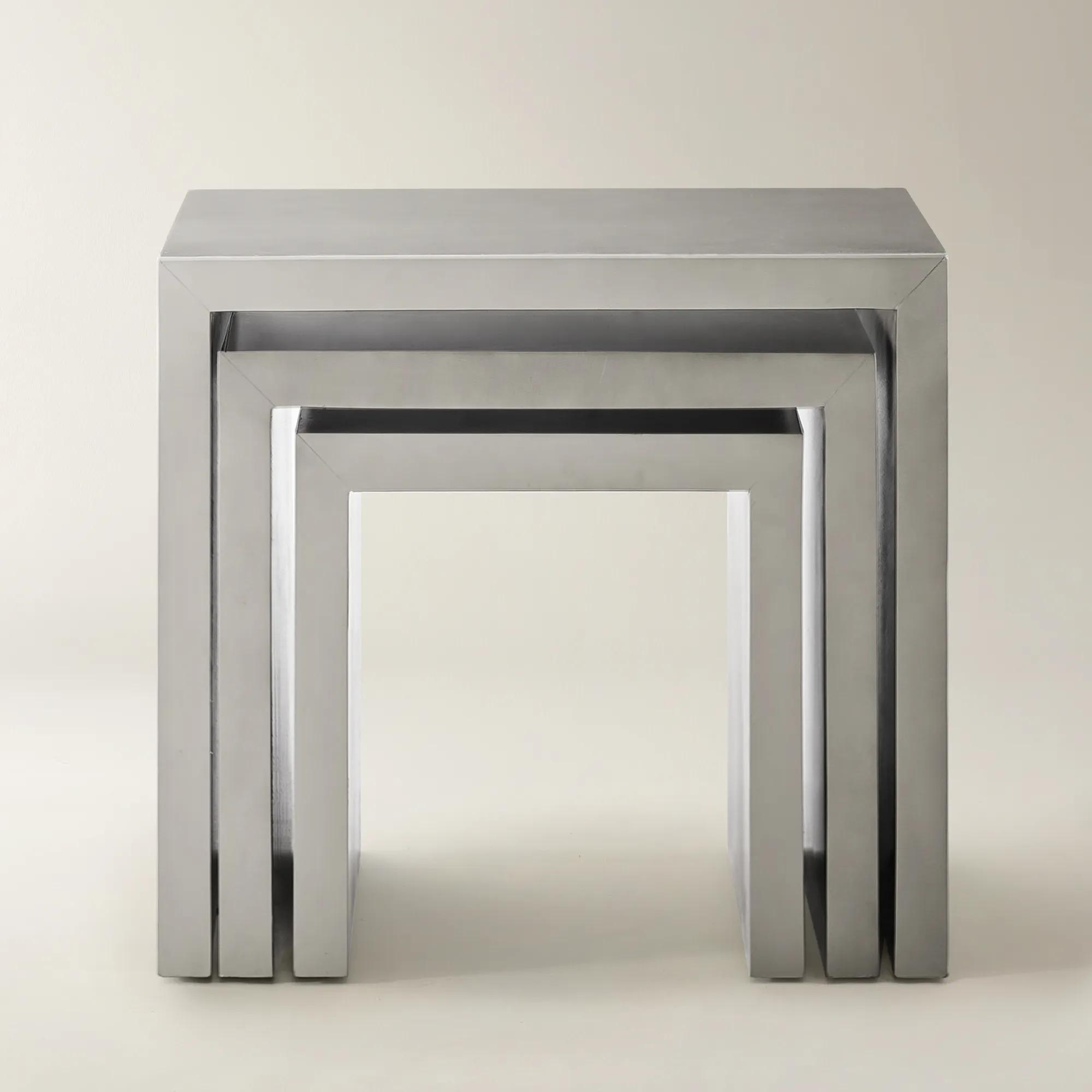
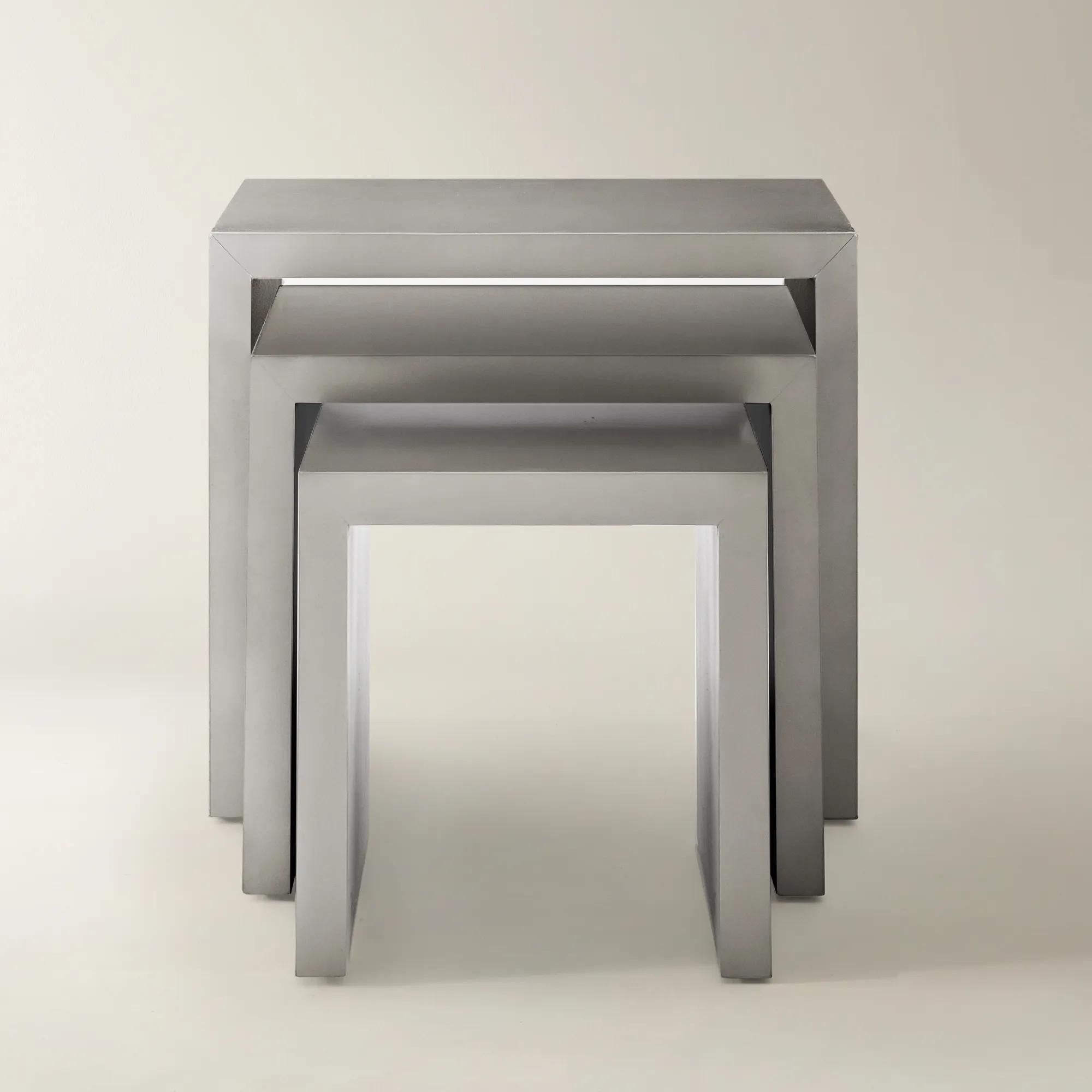 Astair Silver Nesting Accent Table Set Of 3 (16.25"-25.5")$299
A trio of engineered wood nesting tables with a sleek silver metallic finish and minimalist block silhouette.
Add To Cart -
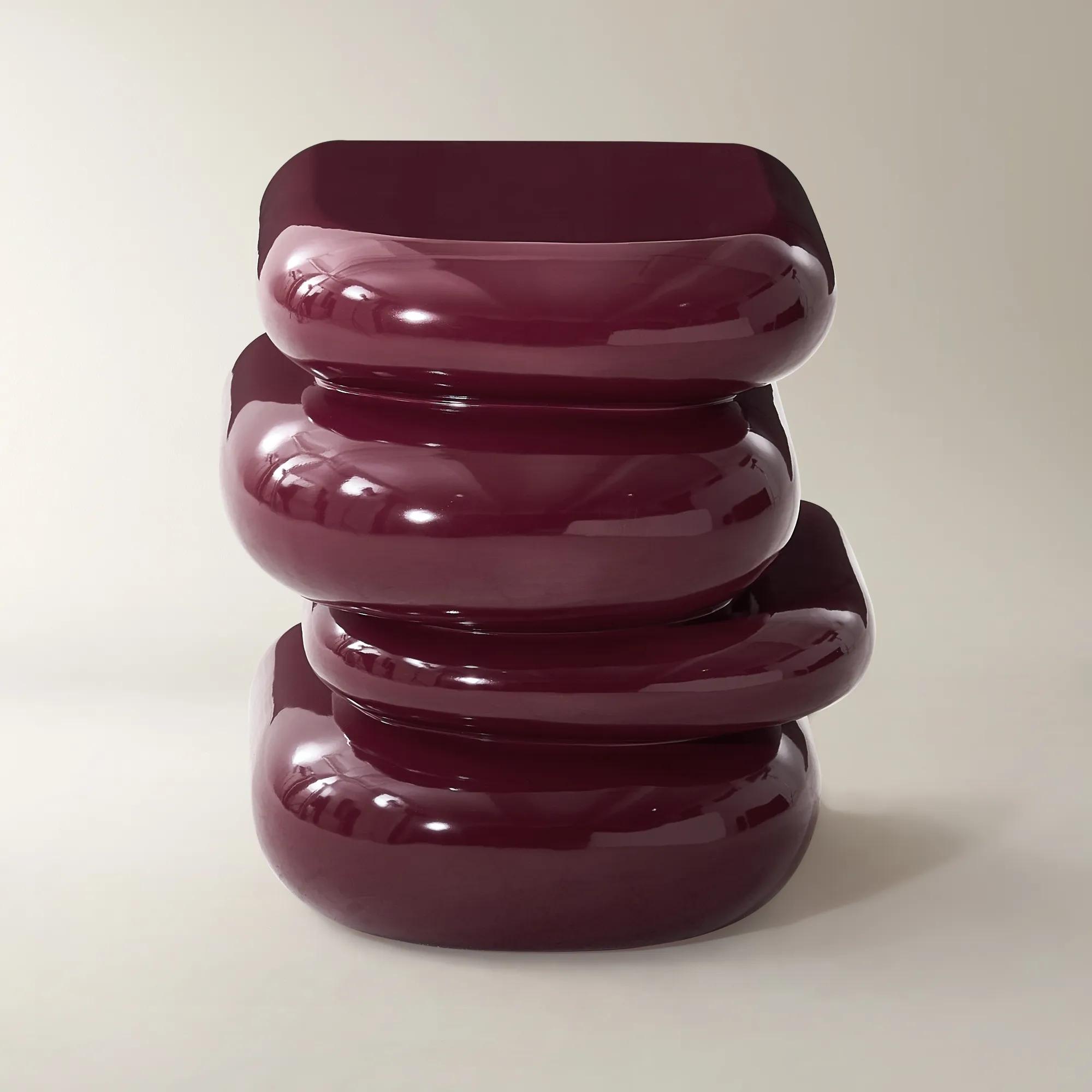 Forma Stacked Ox Blood Side Table (19.9")$459
A sculptural accent table crafted from high-gloss ox blood fiberglass with softly stacked, rounded tiers.
Add To Cart -
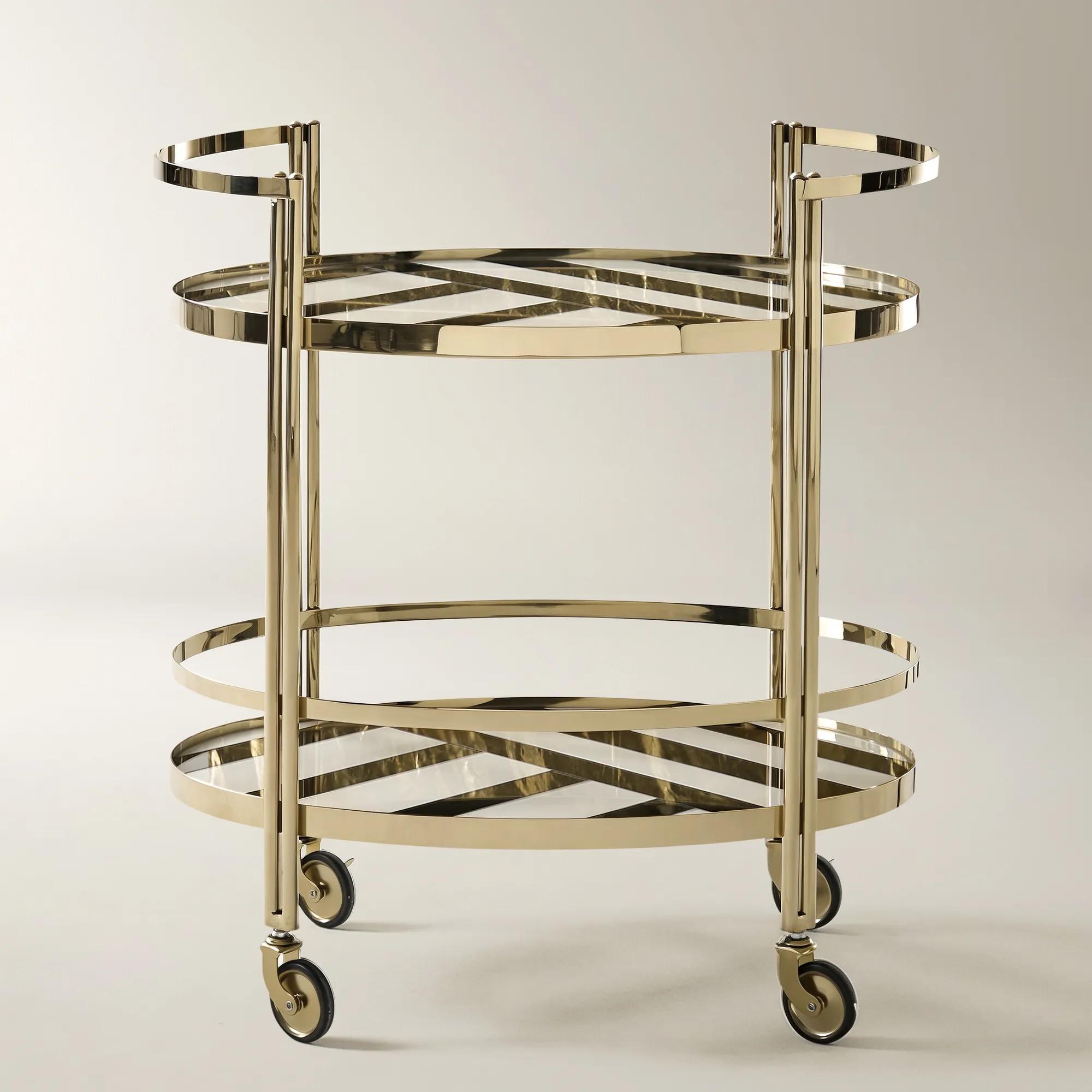
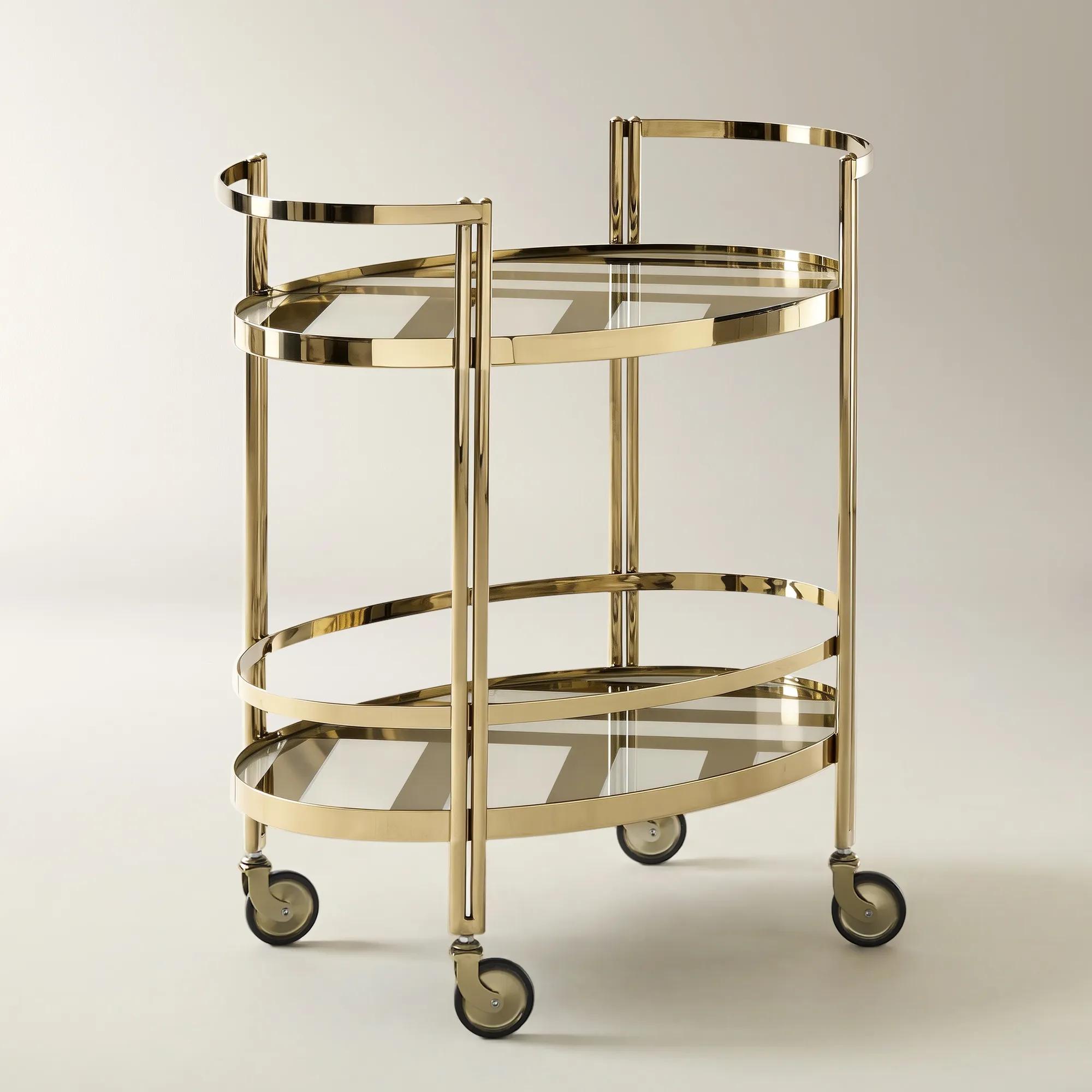 Rivoli Geometric Two - Tone Mirror 2 - Tier Bar Cart (30")$799
A sculptural bar cart featuring geometric bronze and clear mirrored shelves with a luminous soft gold frame.
Add To Cart -
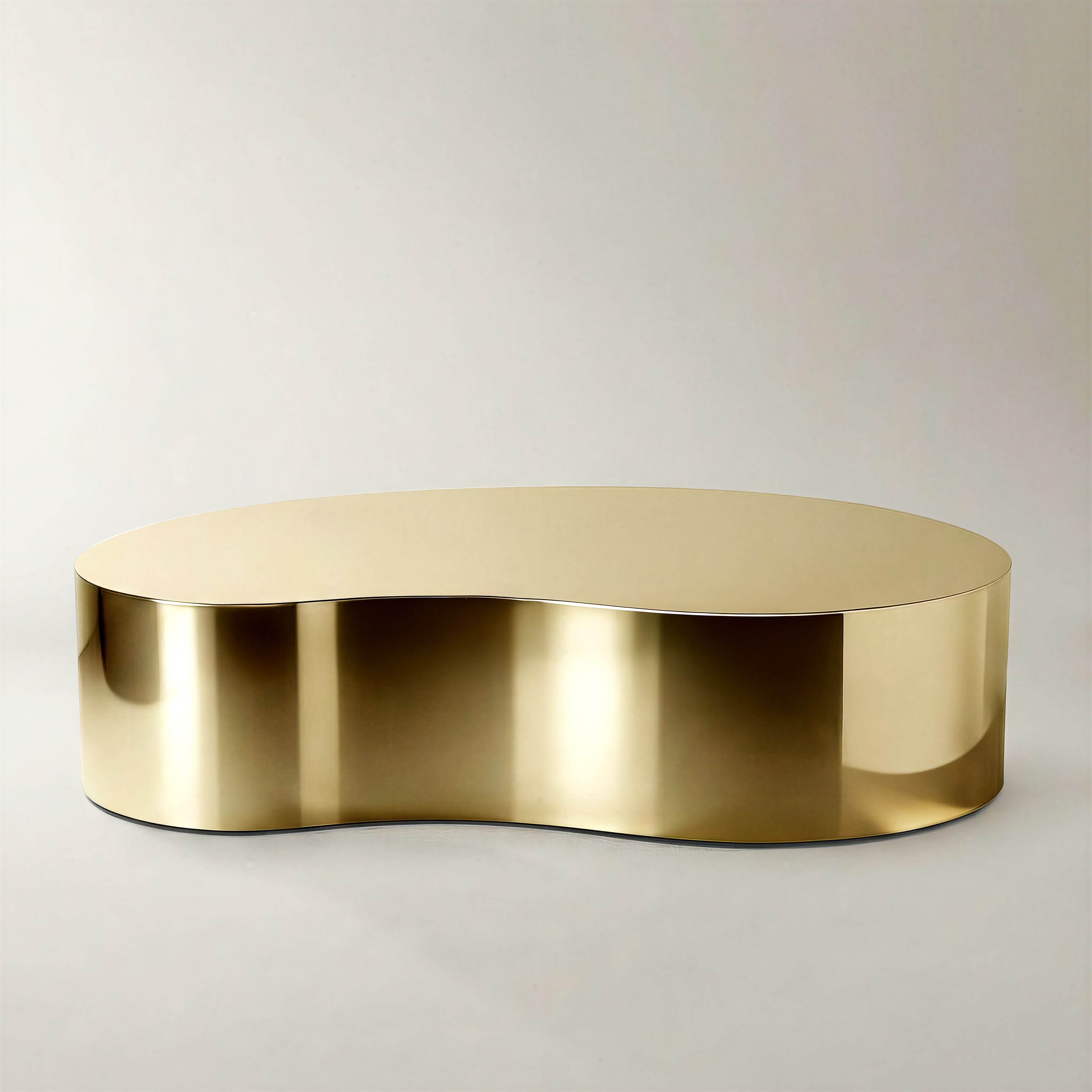
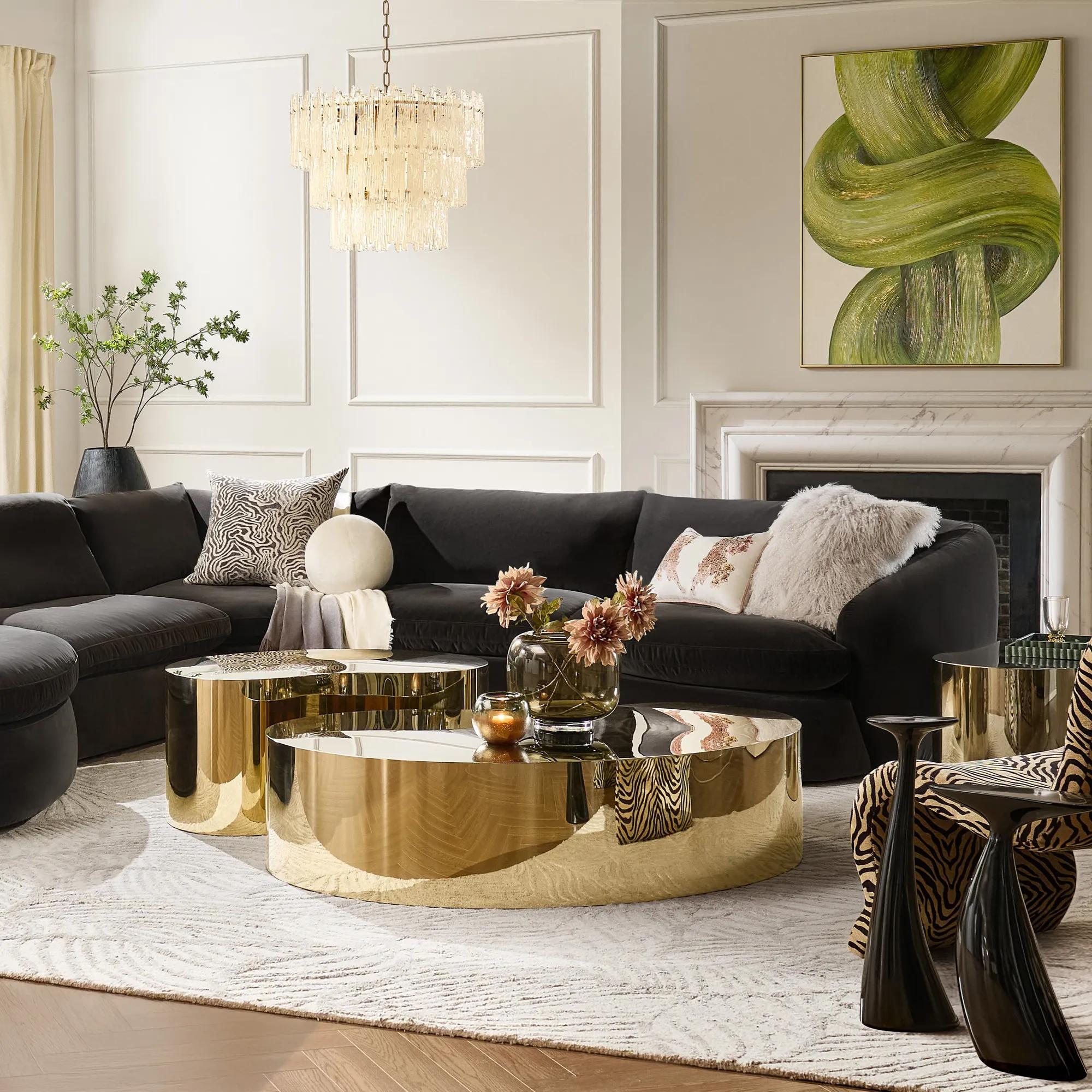 Aurea Soft Gold Coffee Table (57")$1299
A sculptural coffee table crafted from stainless steel with a high-gloss soft gold finish and rounded edges.
Add To Cart -
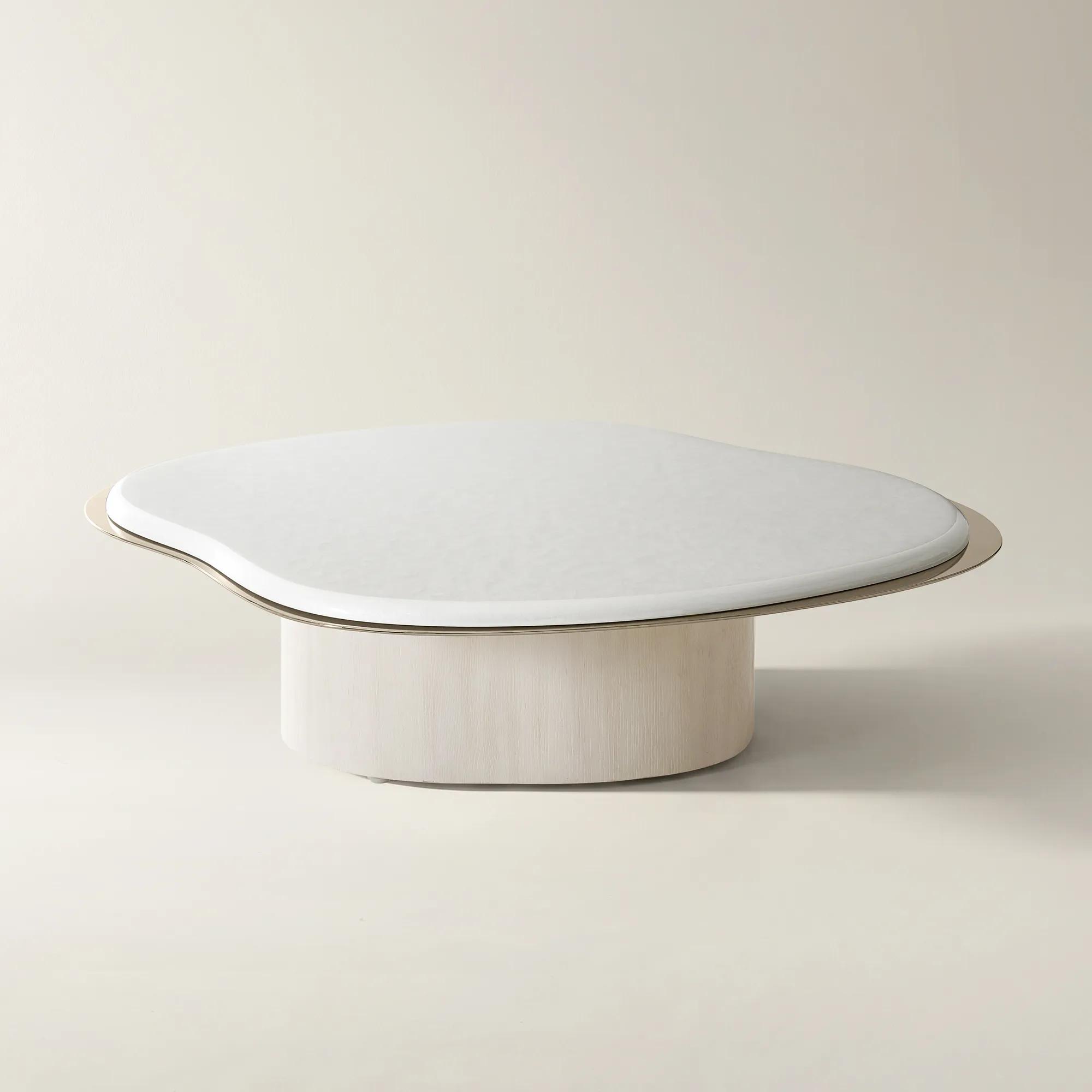
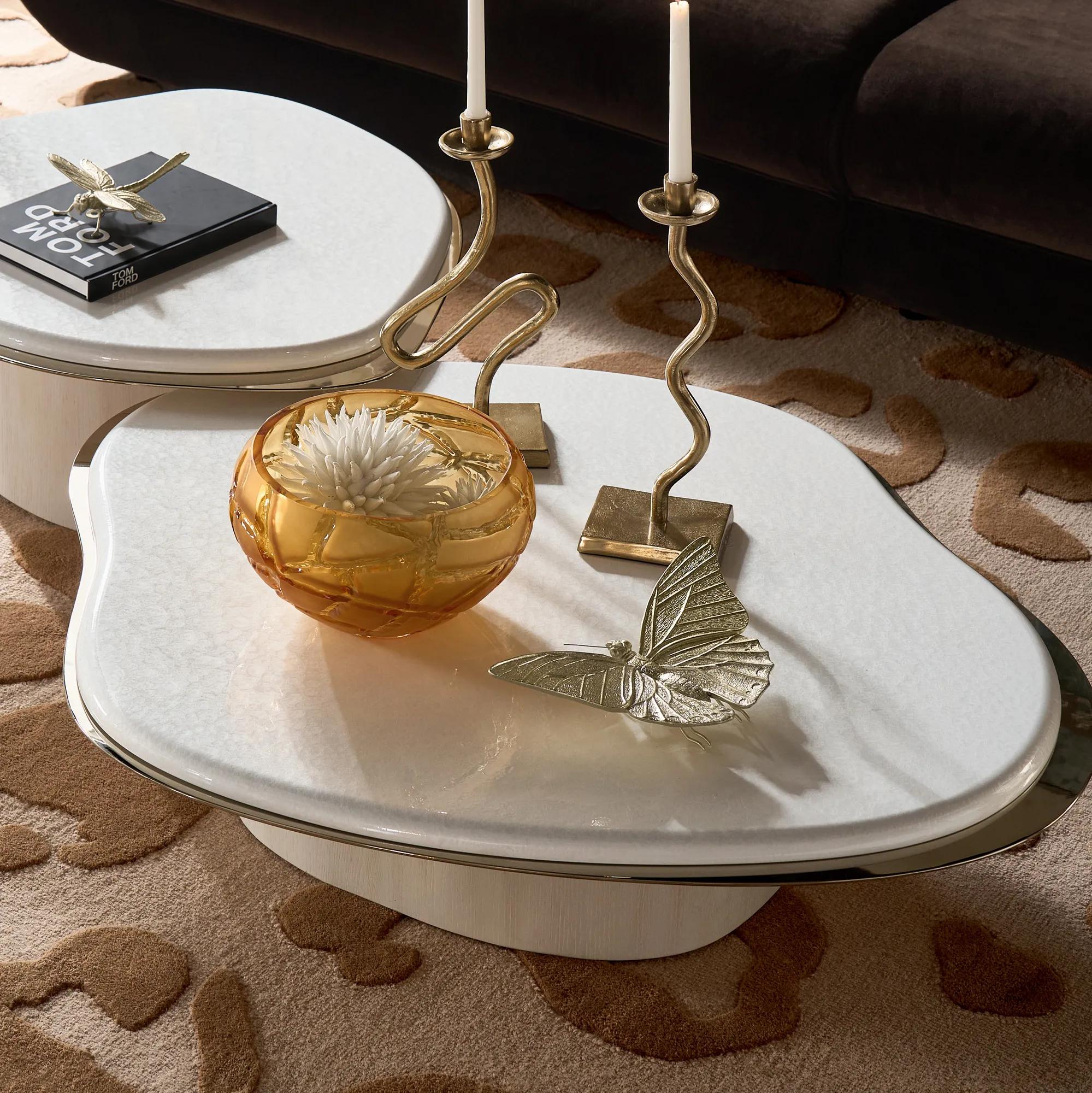 Lumina Bleached Oak Coffee Table With Pearl Lacquered Top (41")$1199
A sculptural coffee table featuring a pearl lacquered top, bleached oak base, and champagne gold trim.
Add To Cart -
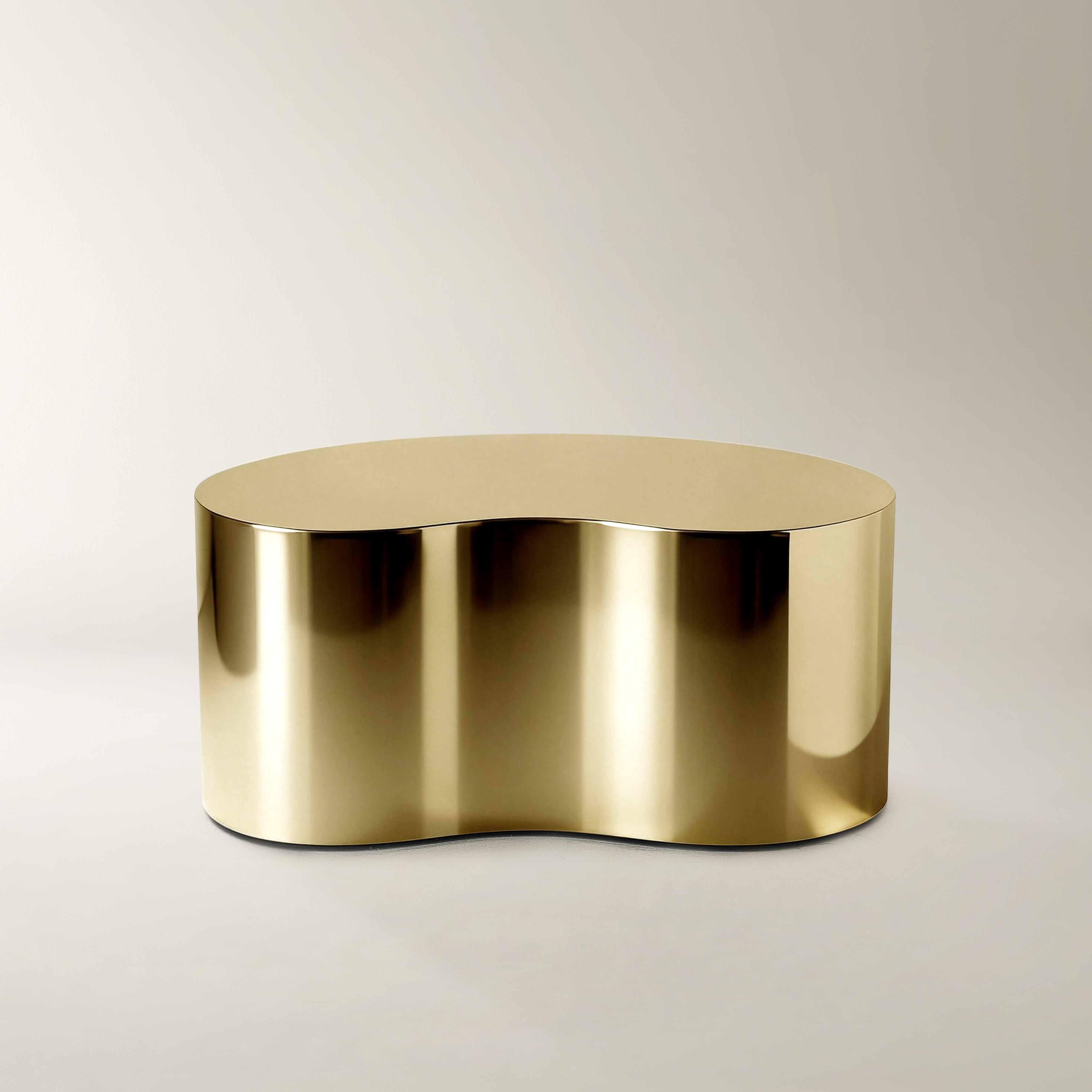 Aurea Soft Gold Coffee Table (37.5")$999
A sculptural coffee table crafted from premium stainless steel with a high-gloss soft gold mirror finish.
Add To Cart -
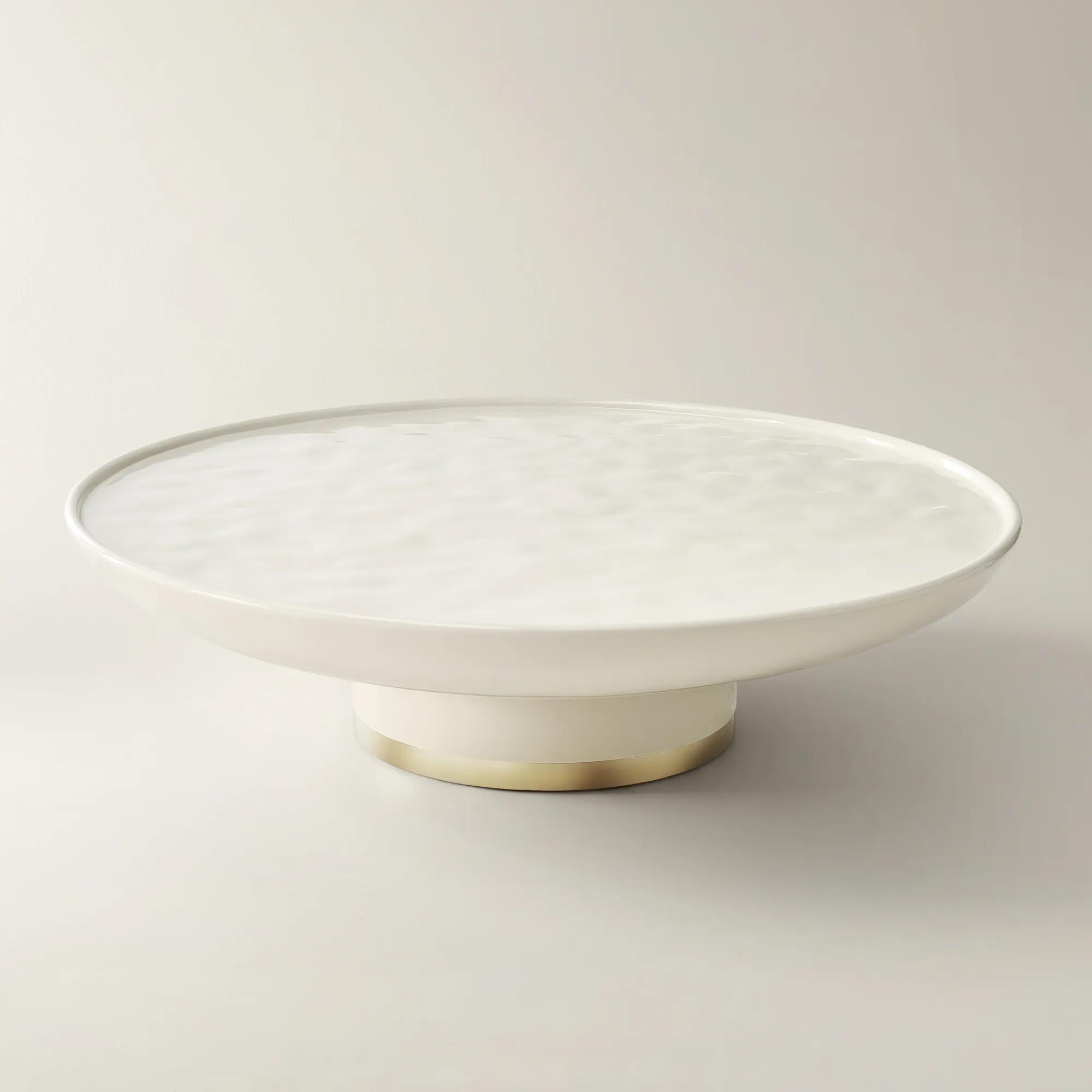
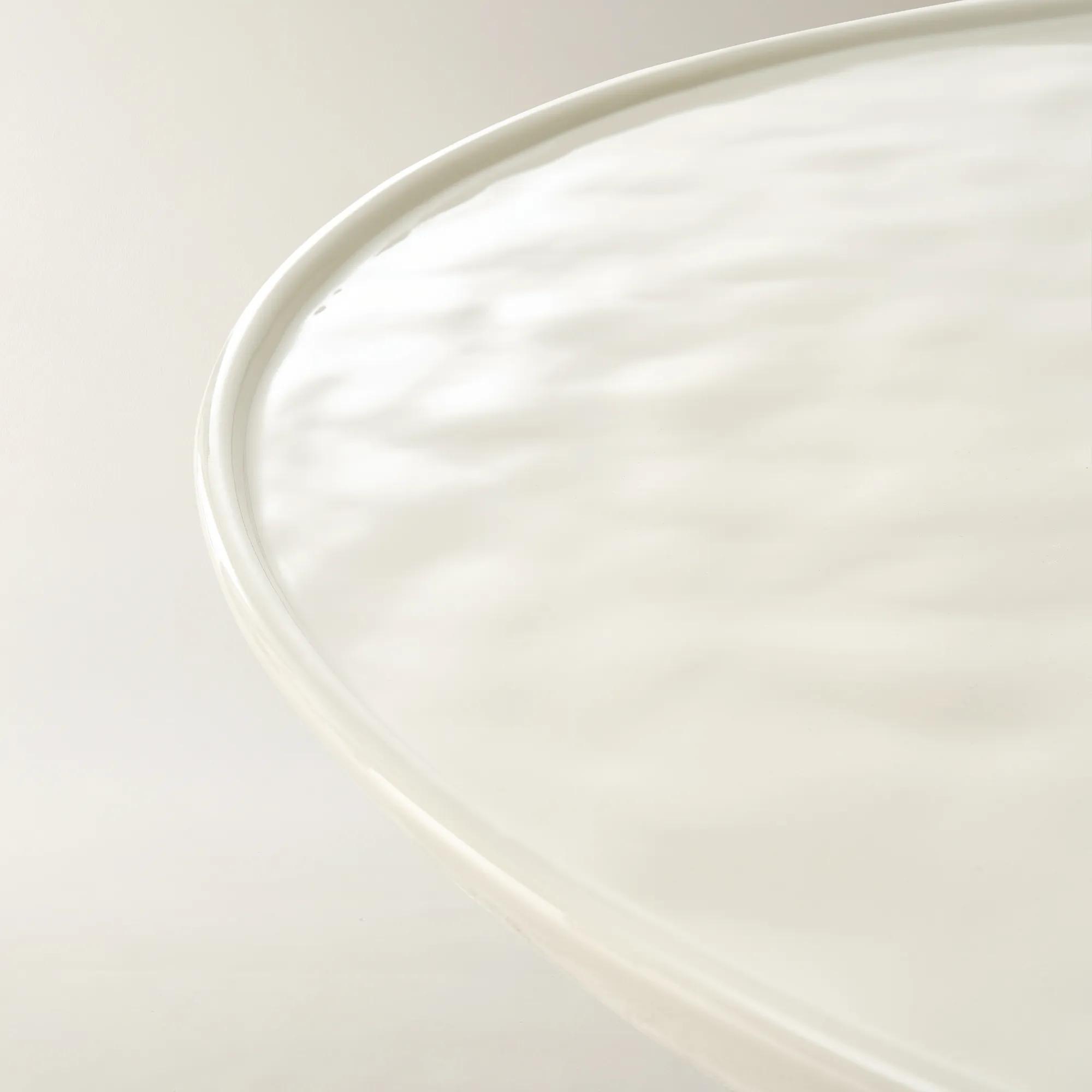 Celia Lacquered Cloud Resin Indoor/Outdoor Coffee Table (54")$1399
A sculptural one-piece resin coffee table with a high-gloss warm finish and gold stainless steel base.
Add To Cart -
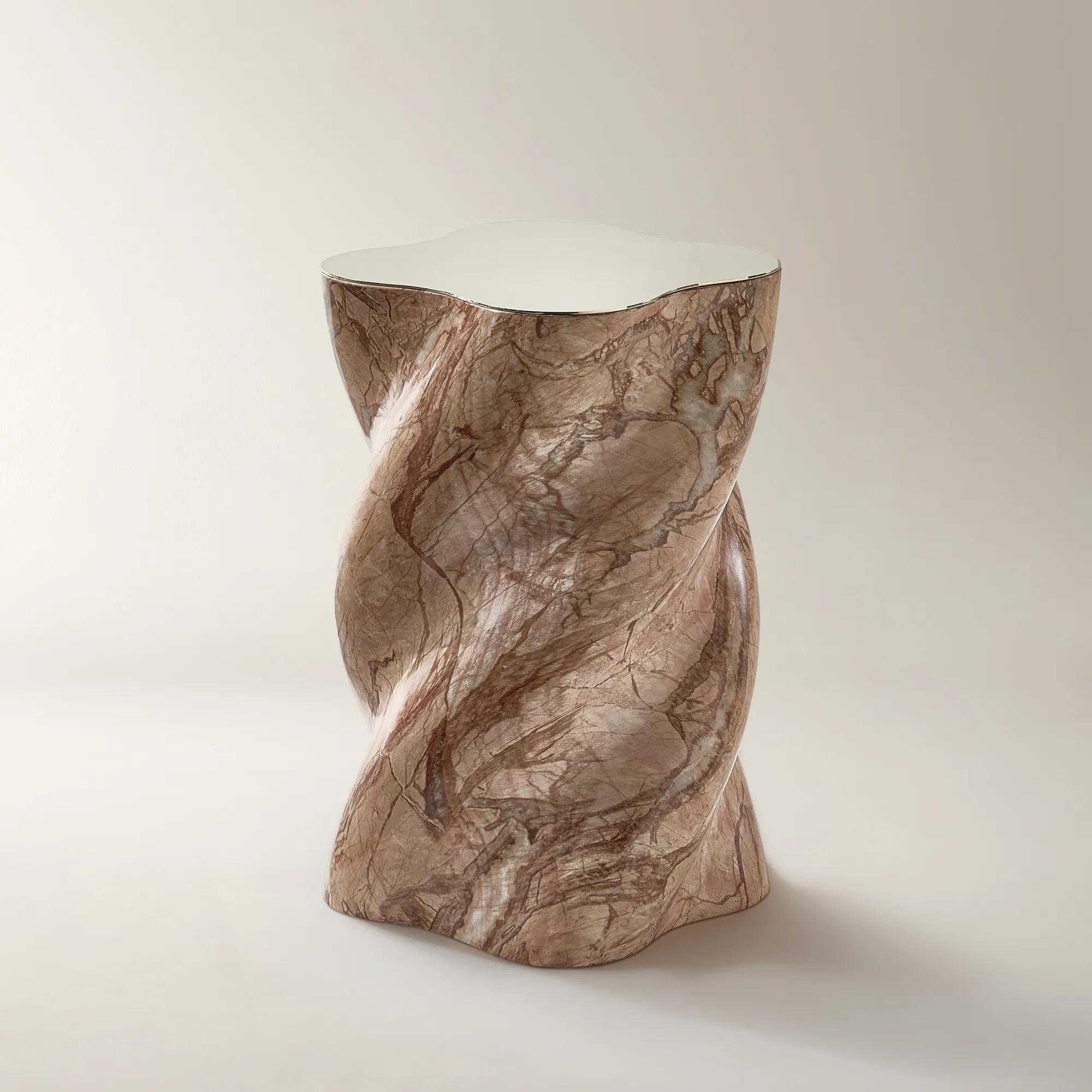
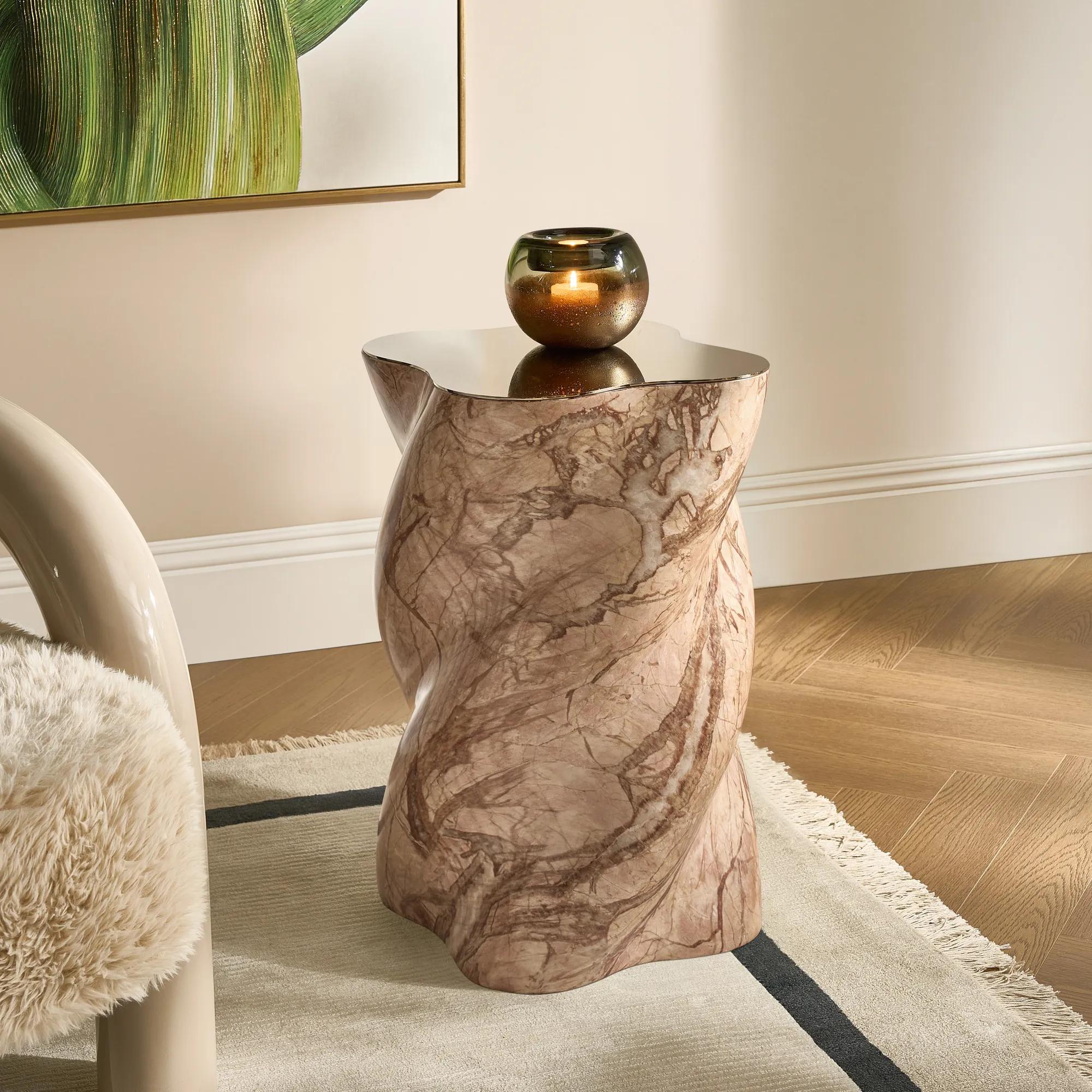 Vega Concrete Side Table With Stainless Steel Top (13.8")$459
A sculptural side table featuring a hand-cast fiber-concrete base and sunset marble-inspired stainless steel top.
Add To Cart -
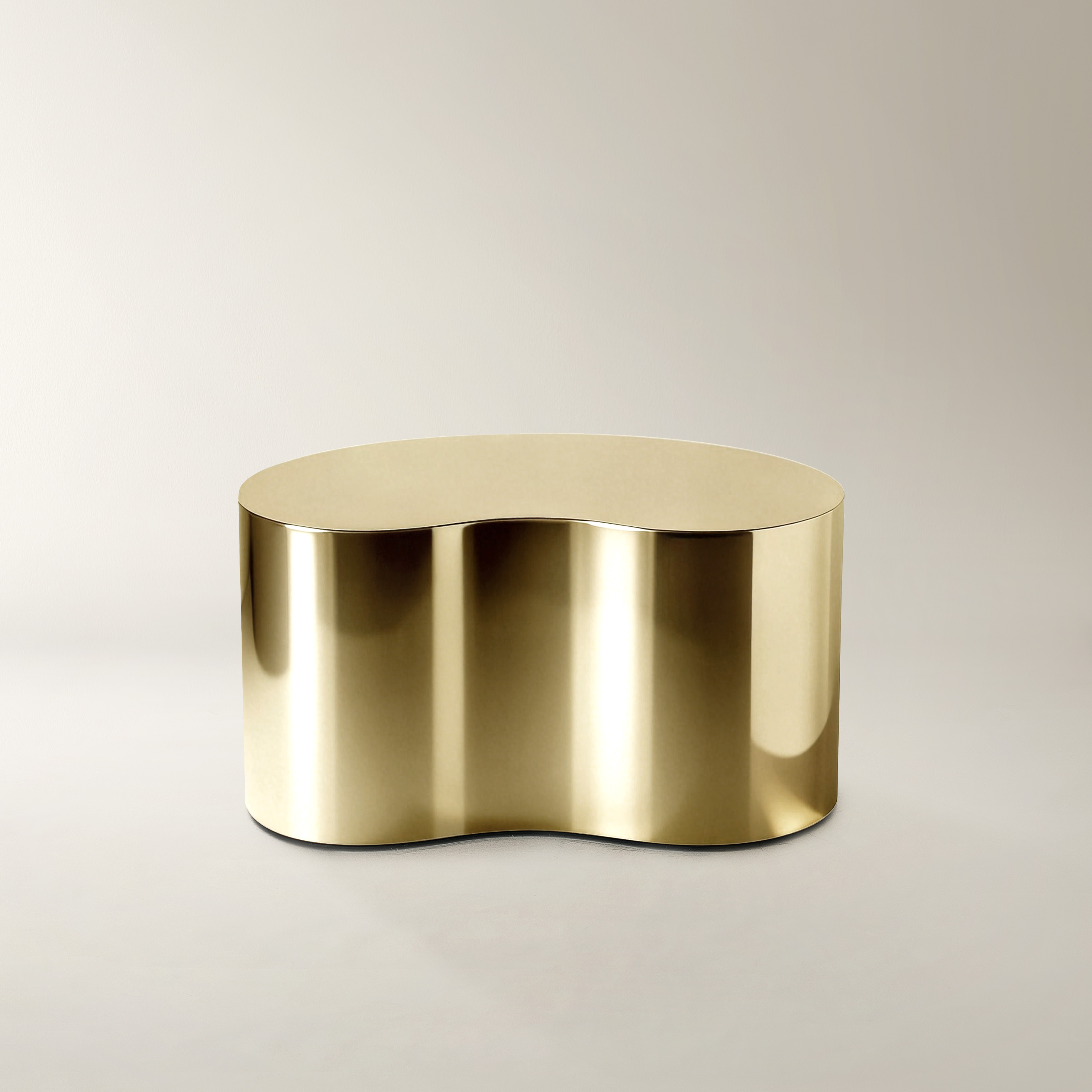 Aurea Soft Gold Coffee Table (32")$699
A sculptural coffee table crafted from premium stainless steel with a high-gloss, soft gold mirror finish.
Add To Cart -
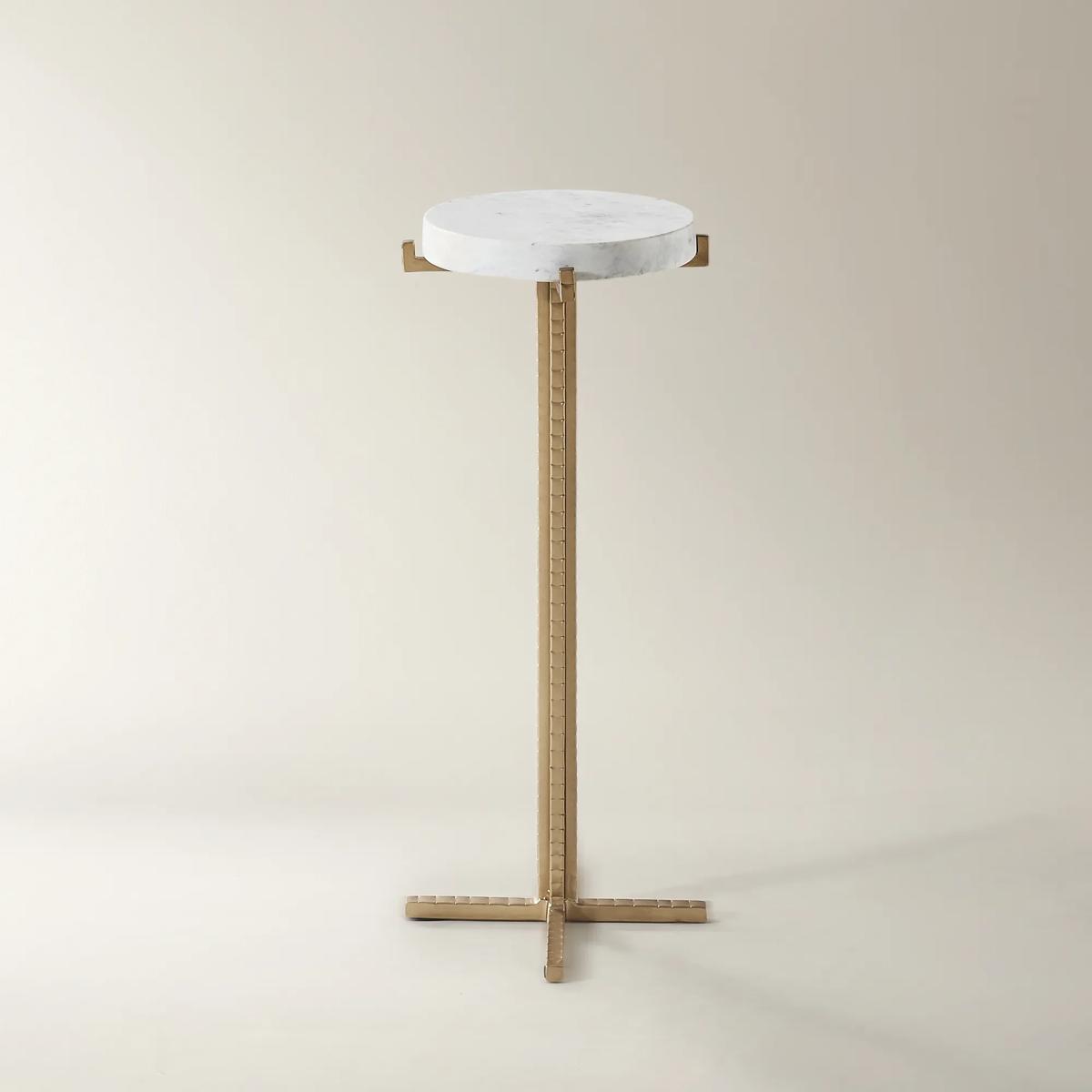 Anya Round White Marble Side Table (10")$199
A sculptural side table featuring a genuine white marble top and gold-finished metal pedestal base.
Add To Cart -
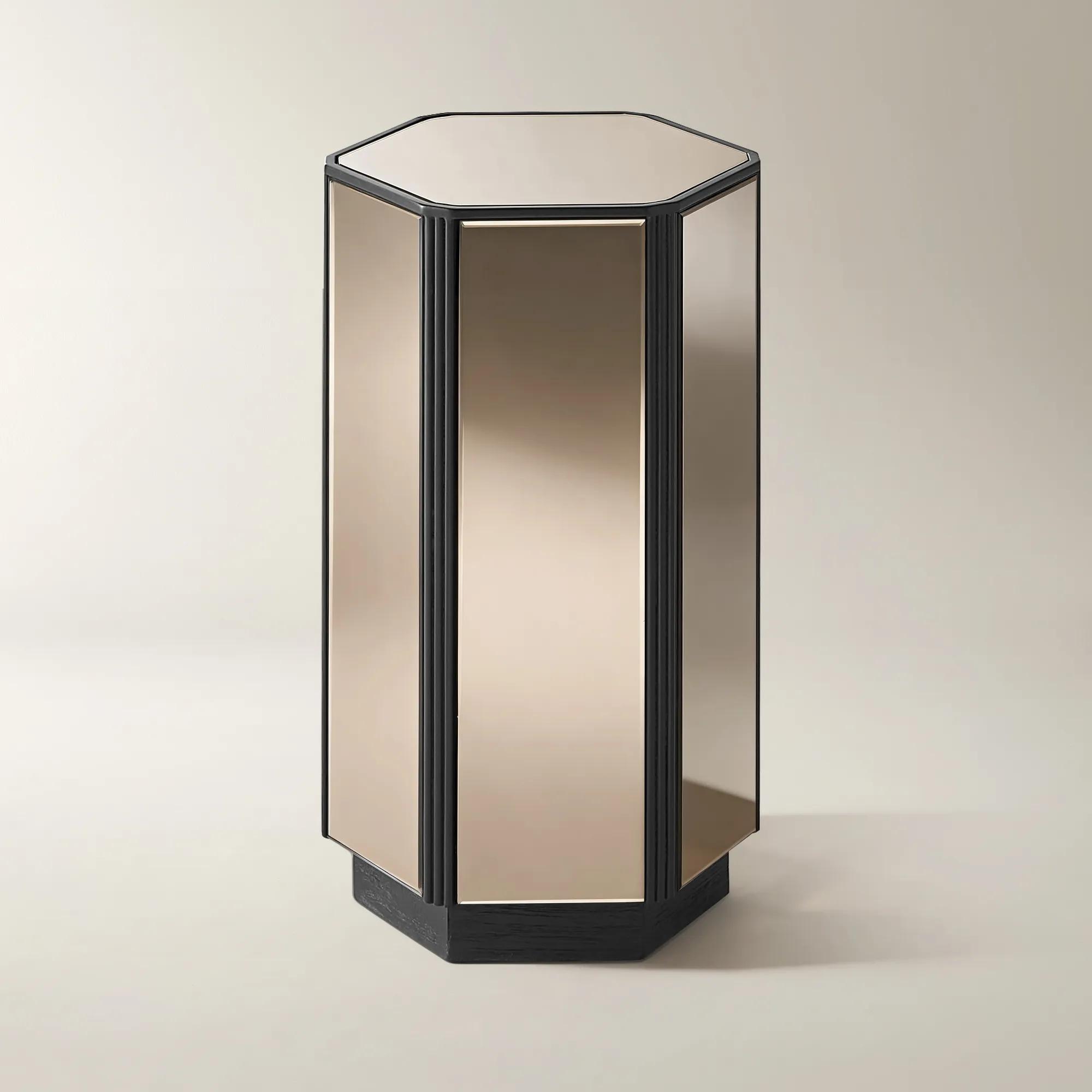 Glimmer Bronze Mirrored End Table (12")$399
A sculptural end table featuring bronze mirror panels and a black oak base for modern elegance.
Add To Cart -
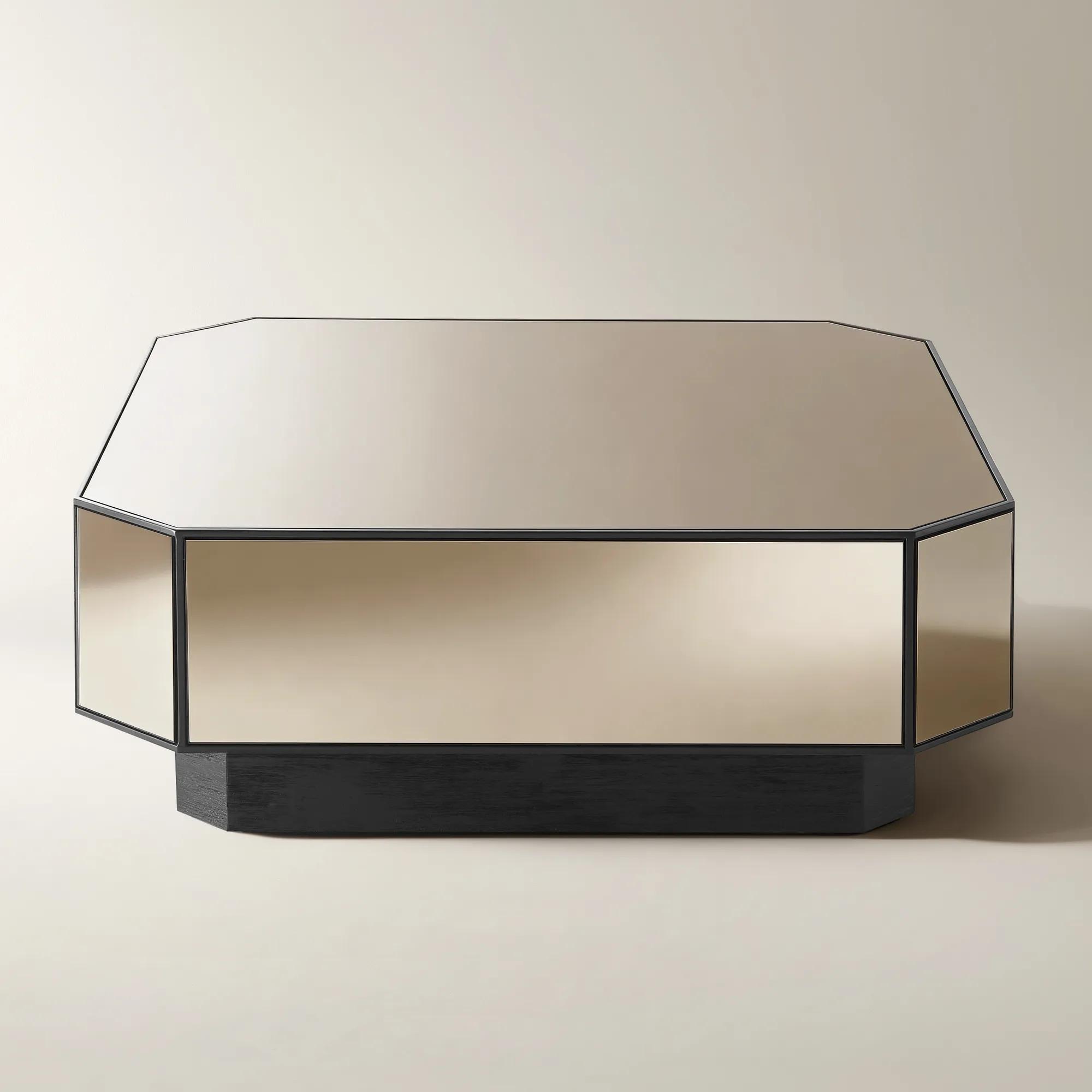 Glimmer Bronze Mirrored Coffee Table (44")$1499
A sculptural coffee table featuring bronze mirror panels and a black oak base for modern sophistication.
Add To Cart -
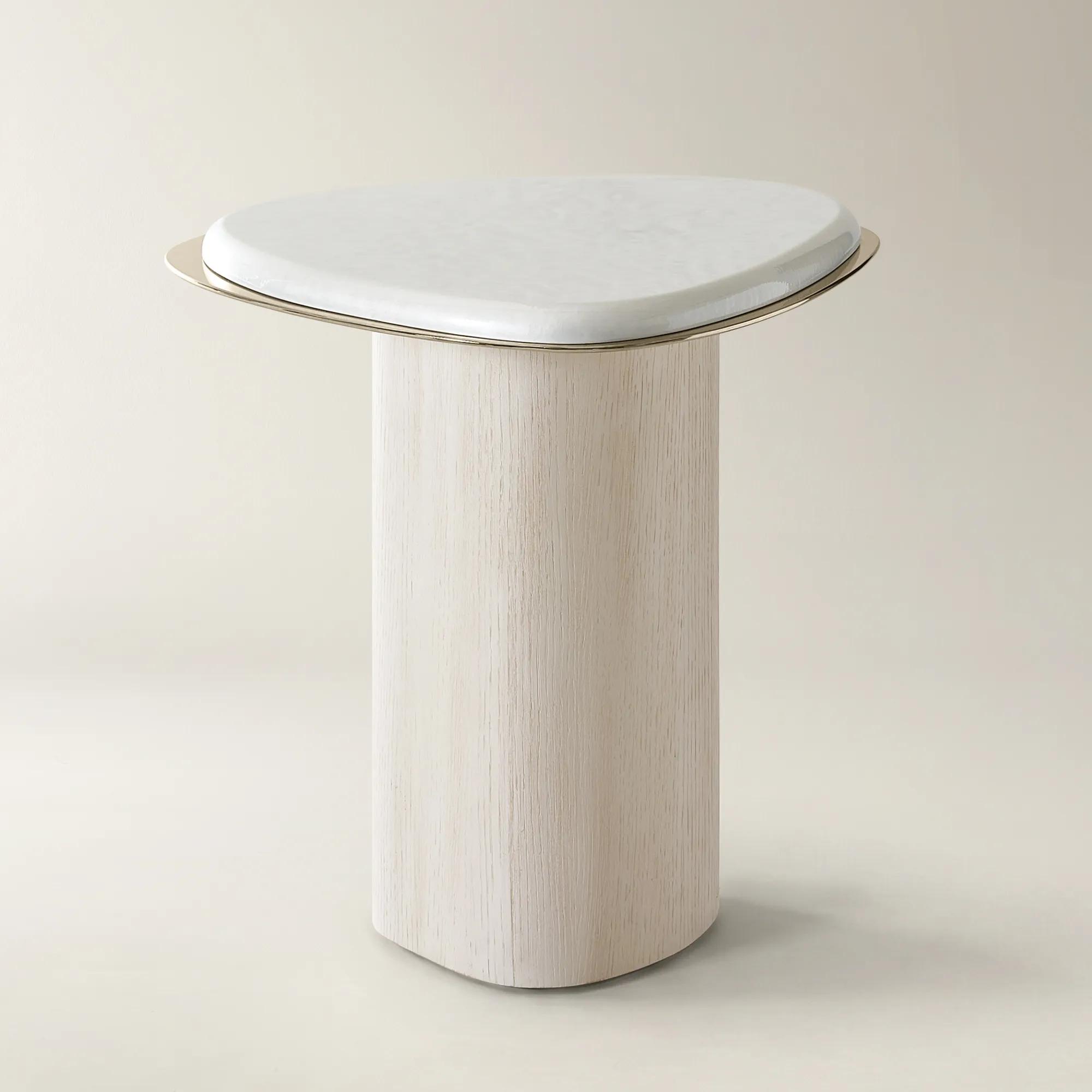
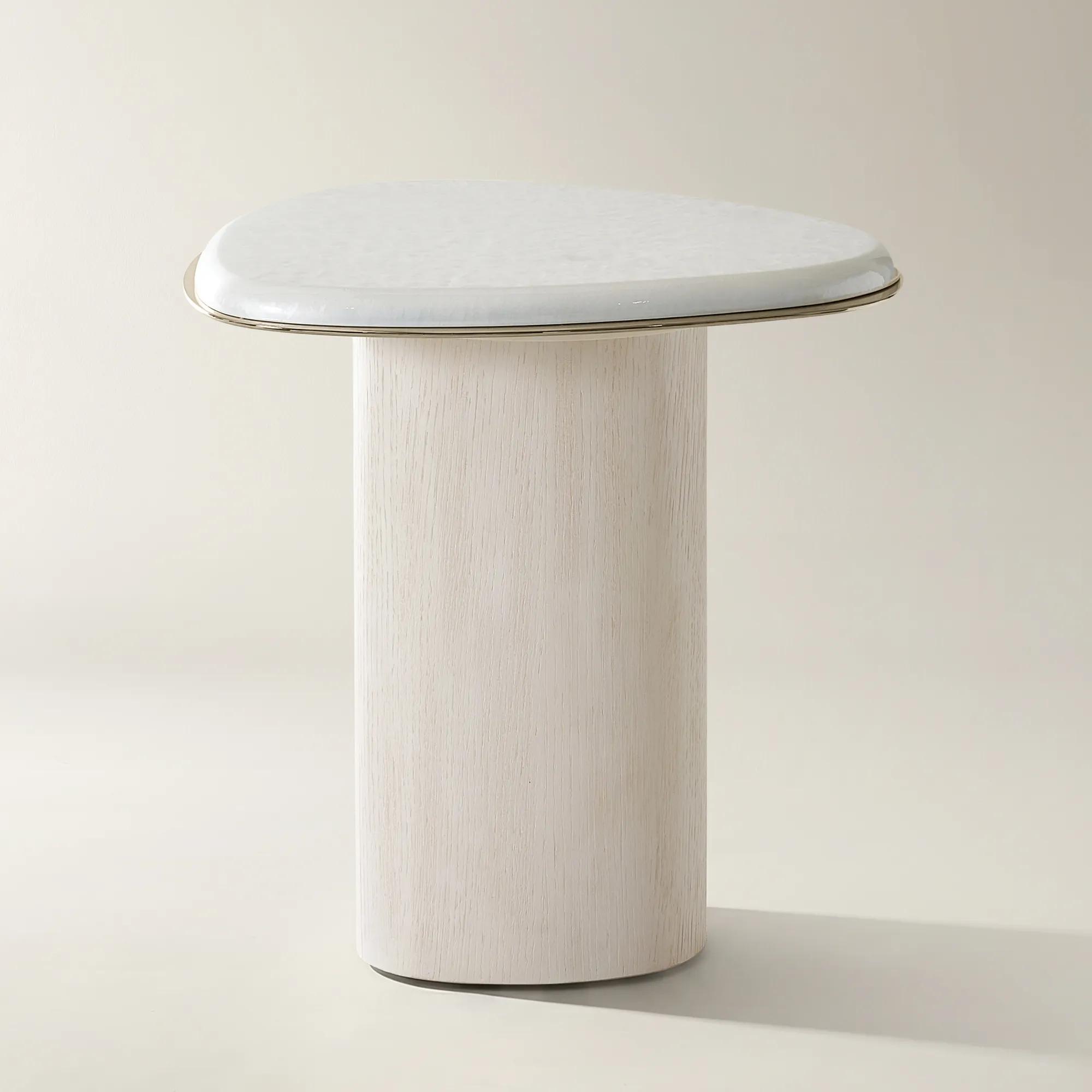 Lumina Bleached Oak End Table With Pearl Lacquered Top (18")$399
A sculptural end table featuring a pearl lacquered top, bleached oak base, and champagne gold trim.
Add To Cart -
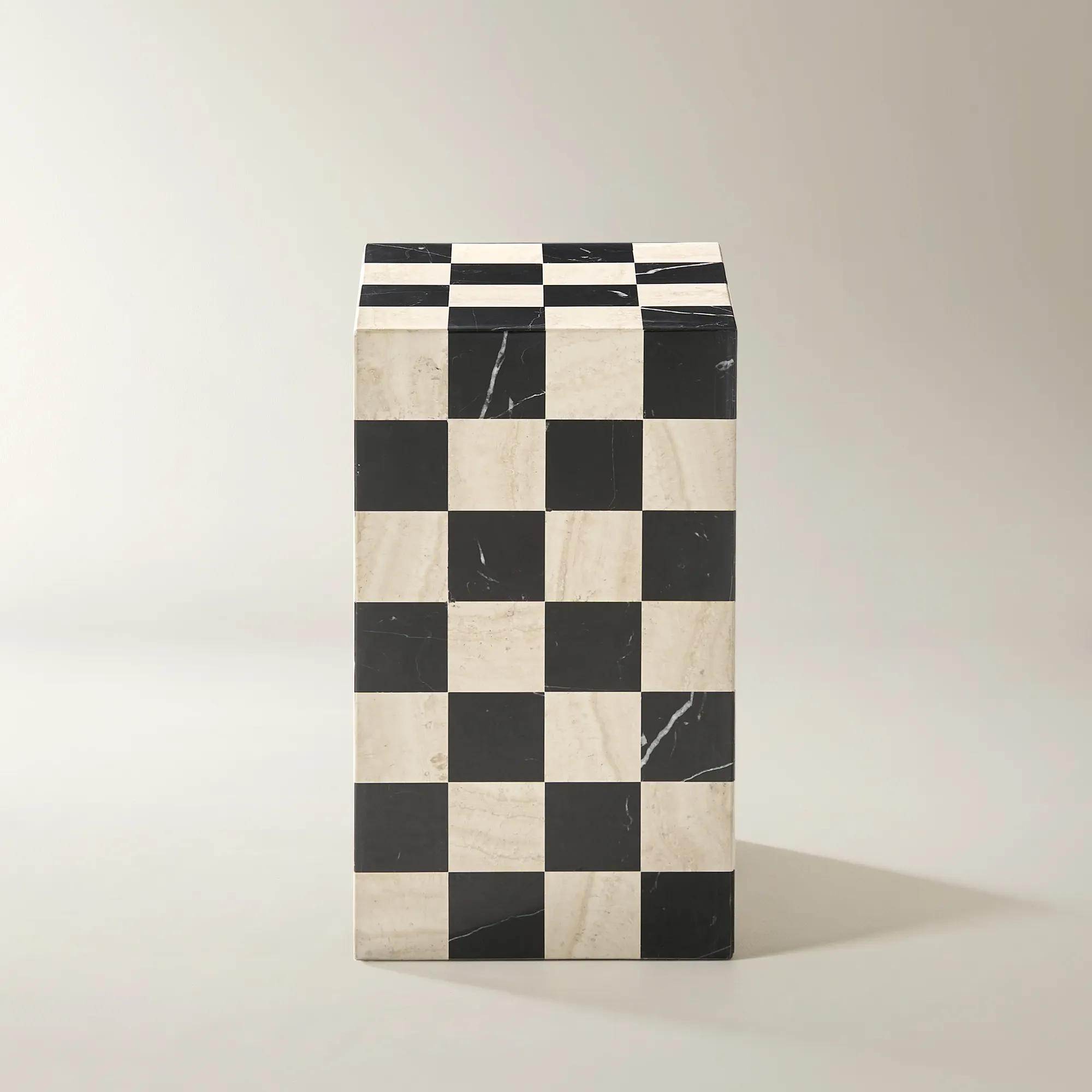 Chessa Square Chequered Marble End Table (12")$999
A sculptural end table featuring a bold black marble and travertine checkerboard mosaic design.
Add To Cart -
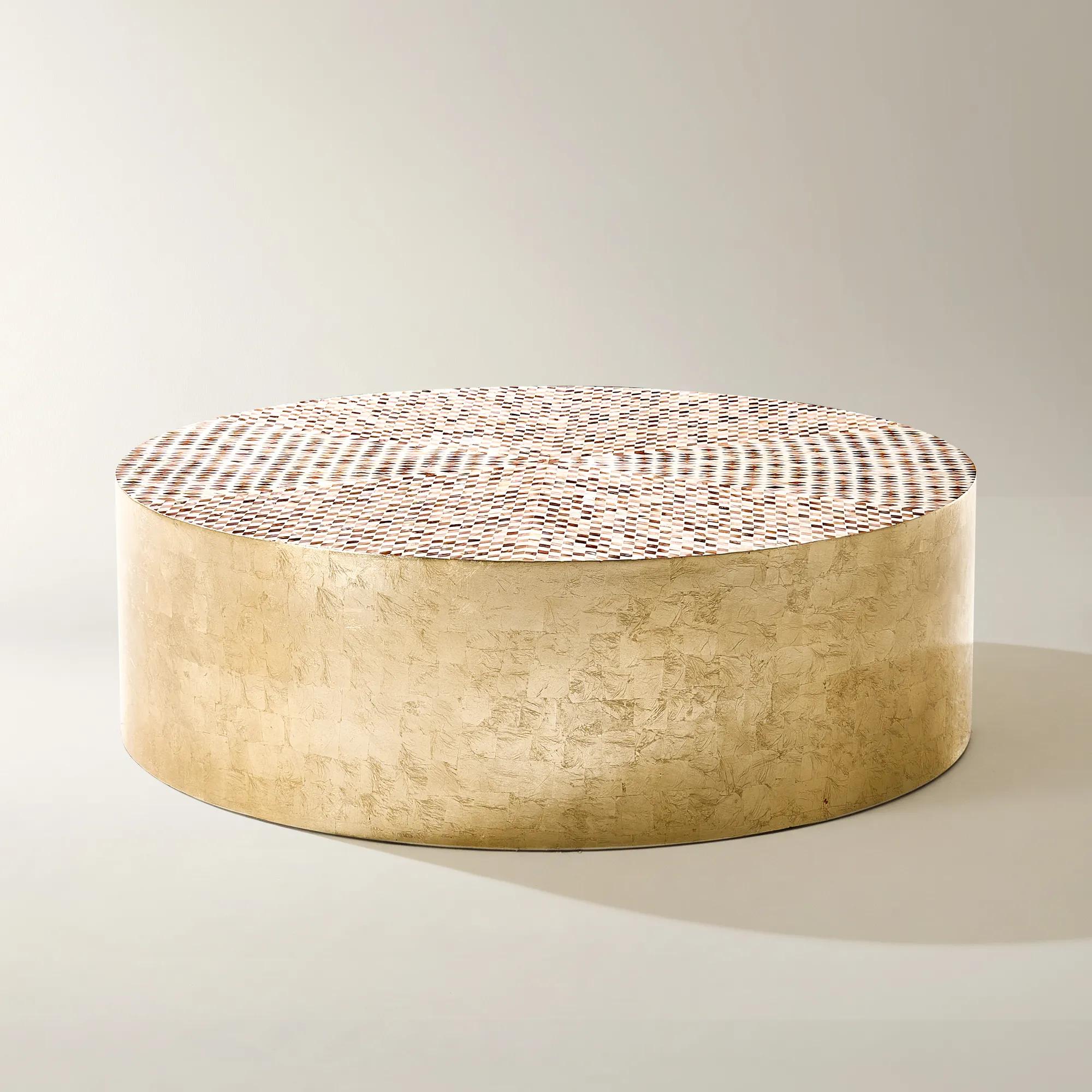
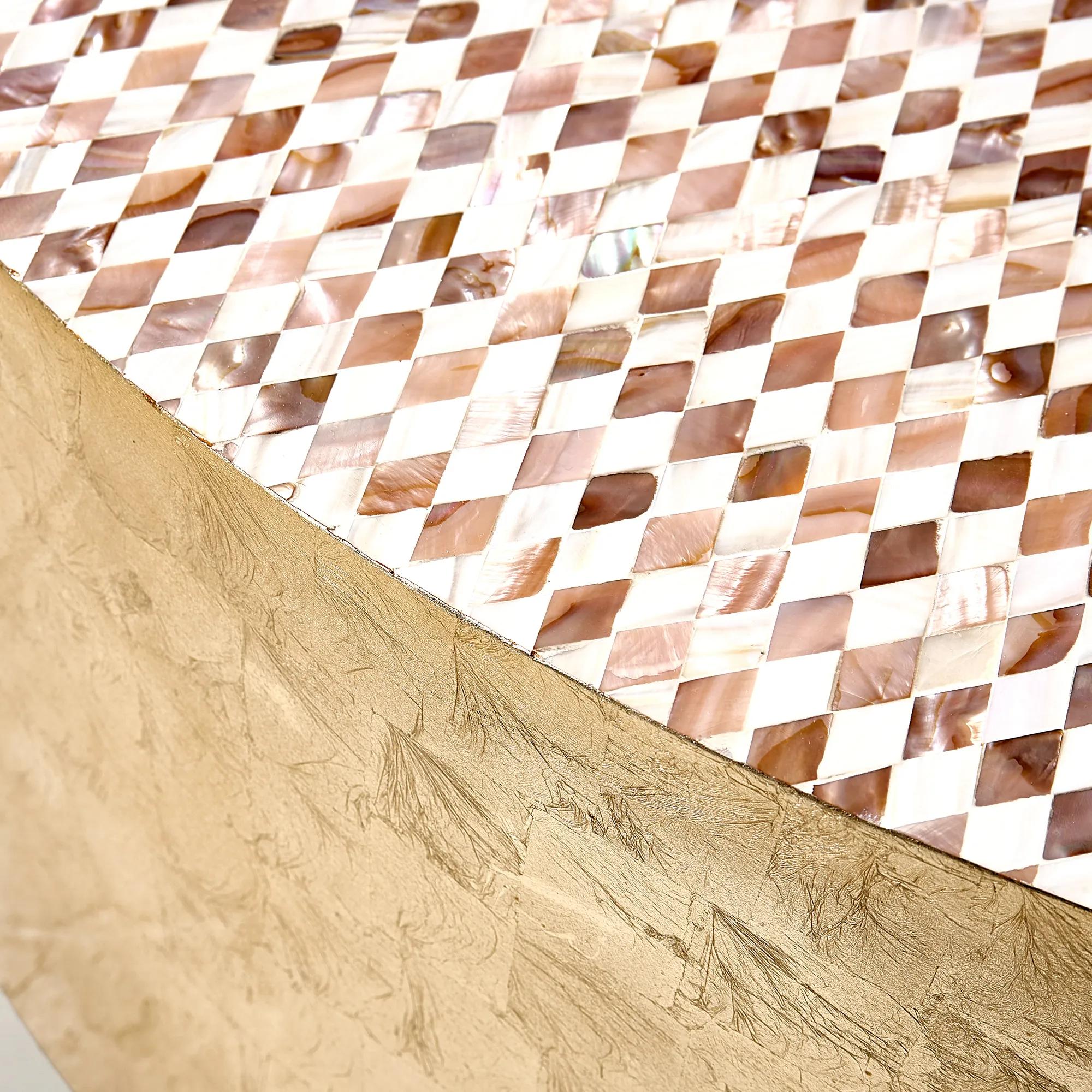 Lucien Round Diamond Coffee Table (47.24")$1299
A sculptural round coffee table featuring a hand-laid mother-of-pearl diamond mosaic and gold leaf sides.
Add To Cart -
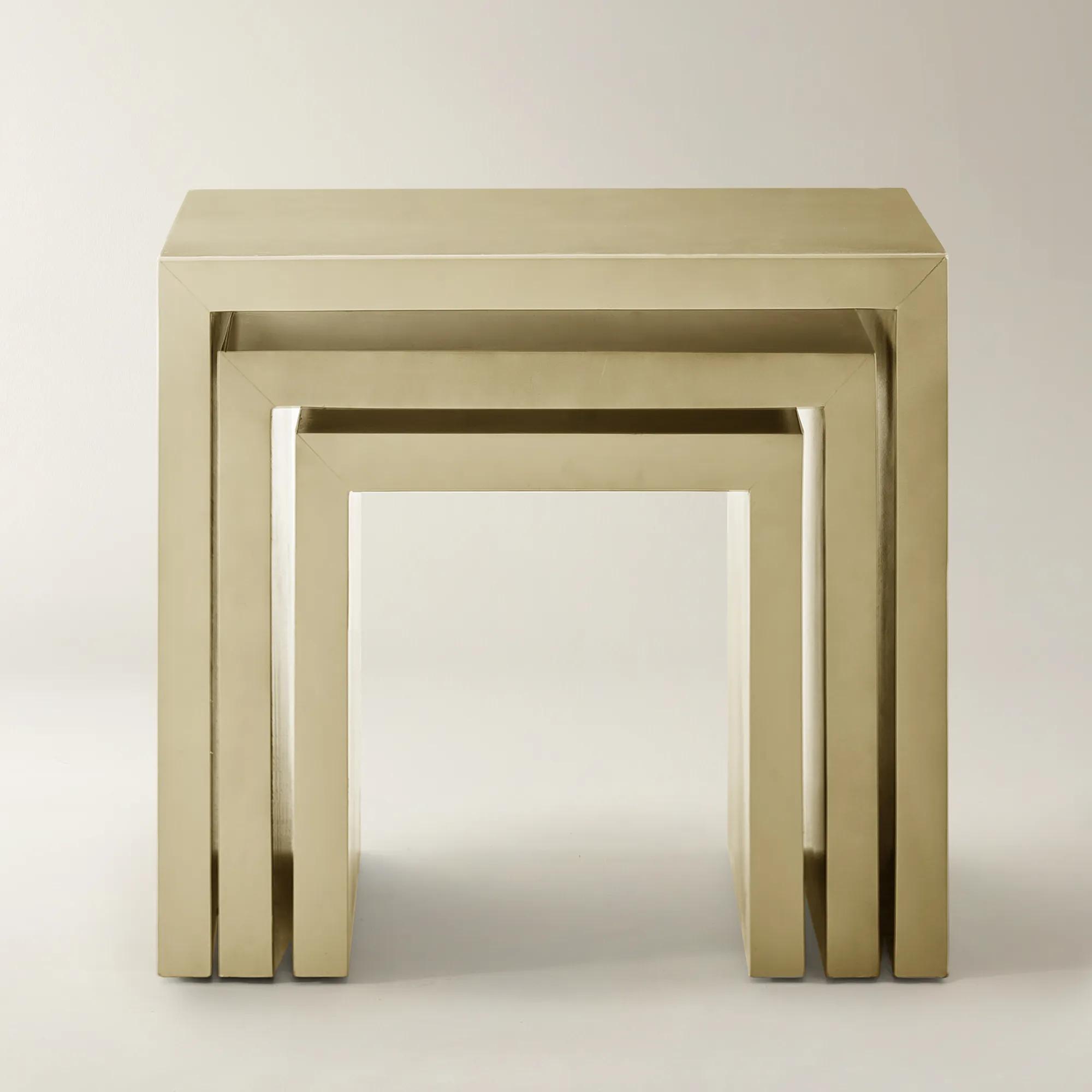
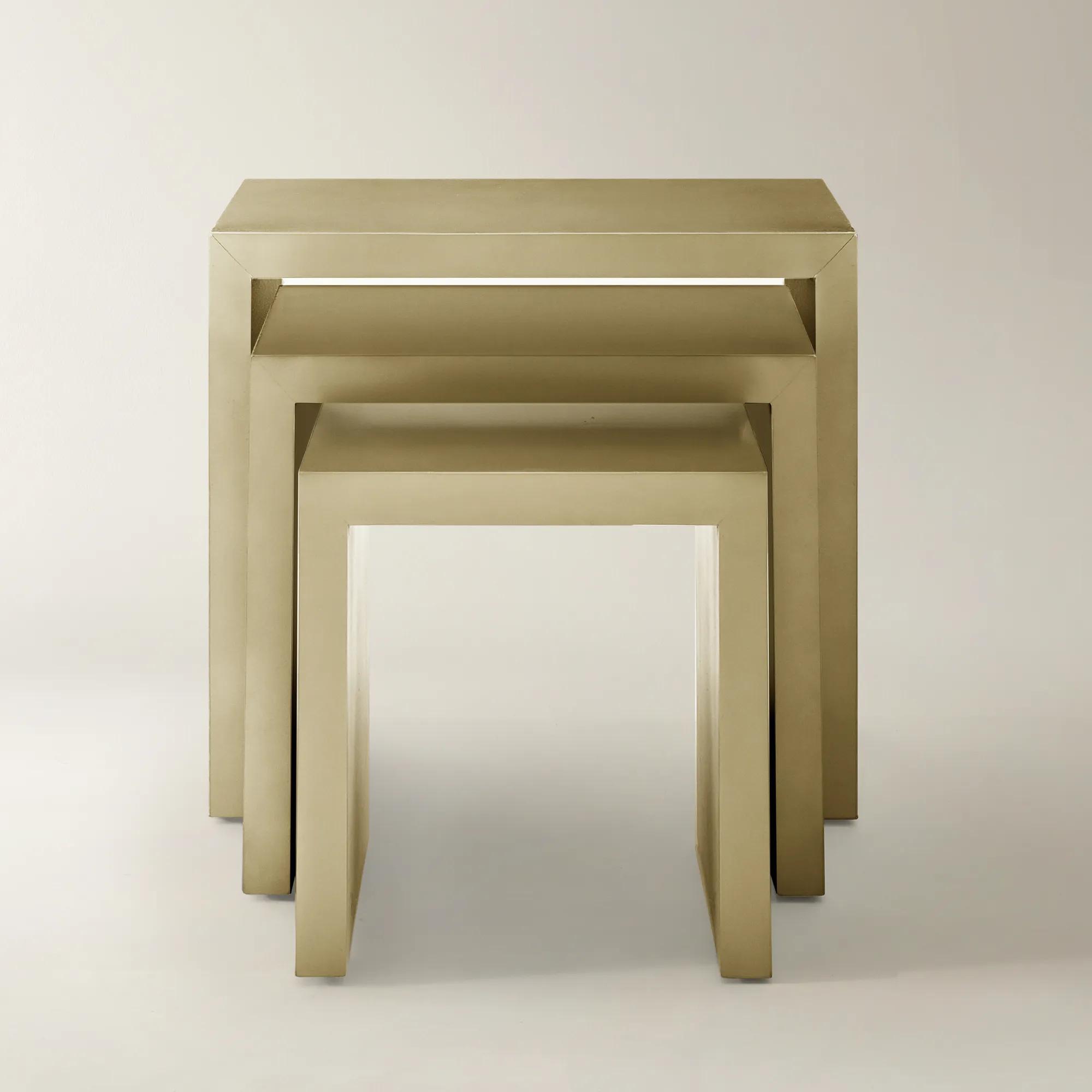 Astair Gold Nesting Accent Table Set Of 3 (16.25"-25.5")$299
A trio of gold-painted engineered wood tables with minimalist block silhouettes and versatile nesting design.
Add To Cart

Sculptural Metallic Accent Tables
Sculptural metallic accent tables are the jewelry of a well-appointed room—bold, luminous, and utterly unforgettable. Each piece is a work of art in its own right, capturing the interplay of light and form to create an atmosphere dripping in drama and sophistication. With their gleaming finishes and expressive silhouettes, these tables invite admiration from every angle, transforming functional surfaces into dazzling focal points. Curate a space that radiates confidence and creativity; let sculptural metallic accent tables set the stage for your most inspired moments.
Sculptural metallic accent tables pair the usefulness of a small surface with the presence of a freestanding work of art. Defined by expressive silhouettes and light-catching finishes, they bring architectural interest to the spaces beside sofas, lounge chairs, and beds without requiring the footprint of a larger piece of furniture. A sweeping pedestal, folded geometric base, or softly irregular drum can introduce movement into a room dominated by straight lines; a sharply faceted form gives sumptuous upholstery a striking counterpoint. Their appeal lies in that balance of purpose and personality: a place for a drink or a favorite book that remains visually compelling even when left bare. Metal accent tables may be made from cast aluminum, iron, steel, or brass, while other designs combine a metallic base with glass, stone, or wood. Cast aluminum lends itself to fluid curves and intricate surface detail and is generally lighter than a similarly sized iron construction, although actual weight depends on the design. Iron and steel can give slender frameworks or substantial pedestal forms a grounded presence. Brass brings a warm golden tone, while brass-toned finishes can create a similar color effect over another material. The distinction matters: a finish describes the surface appearance, not necessarily the metal beneath it. Polished silver tones reflect surrounding colors and sharpen a glamorous composition; brushed gold offers a softer gleam; bronze tones create depth beside pale upholstery or richly veined stone. Hammered, ribbed, and textured surfaces scatter reflections rather than producing a continuous mirror-like shine, giving each contour greater definition. Depending on the manufacturing process, slight variations in texture or tone may be intentional parts of the design. For a broader interpretation of this reflective aesthetic, explore luxury metallic accent tables, considering how the finish will converse with lighting, upholstery, and the room’s existing hardware. The most compelling choice need not match every metal nearby; it should contribute a deliberate note of contrast or continuity.
Scale determines whether a sculptural side table feels beautifully integrated or awkwardly placed. Beside a sofa or reading chair, a tabletop close to the height of the arm generally keeps a glass, remote, or book within comfortable reach. For armless seating, consider the seated position and the height at which reaching sideways feels natural. Measure the full width and depth of the piece, including any projecting curves or angled feet, rather than relying on tabletop dimensions alone. An expressive base can extend beyond its surface, and that additional footprint matters along a frequently used walkway. A compact drink table can bring a gleaming accent to a narrow gap beside a chair, while a broader drum-shaped table offers more visual weight beside a generous sectional. The usable top deserves equal attention: a sculptural rim, deeply textured surface, or sloping edge may reduce the area suitable for setting down a cup. If a lamp will share the table with everyday essentials, allow space for its base and a coaster, and position the cord away from passing feet. At a bedside, a metallic accent table can lend an unexpectedly polished note, though an open pedestal will not offer the concealed storage of a nightstand. In an entryway, a compact form can hold a small catchall if the arrangement leaves the route through the room clear. Styling is most persuasive when it respects the silhouette. A single ceramic vessel on a faceted table allows its geometry to remain visible; an airy metal framework can balance the dense texture of a velvet chair. Solid drum forms establish a bolder focal point, while open bases reveal more floor and preserve visual breathing room. Repeating one finish in a picture frame or lamp can connect the table to the larger composition without making the room feel overly coordinated. For paired seating, two related but differently shaped tables can create a collected effect, provided both offer the reach and surface area their positions require.
Lasting beauty depends as much on construction and care as on the metal itself. A substantial appearance does not automatically indicate greater stability, and a delicate-looking frame is not necessarily fragile. Base width, weight distribution, secure connections, and the relationship between the top and support all influence how a table performs in daily use. Follow the stated weight capacity and assembly instructions, and treat an accent table as a surface for appropriate household objects, not as seating or a step. In homes with children or pets, rounded contours, a steady stance, and placement outside active pathways merit particular attention. Check whether protective feet or glides are included, and use pads suited to both the table and the flooring when needed. Keep those contact points clean, since trapped grit can scratch a floor even beneath a protective pad. Lift rather than drag the table when rearranging furniture. For routine care, a soft, dry cloth is often the gentlest starting point, but the manufacturer’s instructions should govern cleaning because lacquered, plated, painted, powder-coated, and unlacquered surfaces respond differently. Blot spills promptly, use coasters under beverages, and protect the top from hot vessels. Avoid abrasive scrubbers and unapproved chemical cleaners; metal polish intended for bare brass, for example, may damage a clear-coated or plated finish. Unlacquered brass can develop a patina with handling and exposure, whereas a sealed metallic surface is generally intended to preserve a more consistent appearance. Raised textures and recessed details may need careful dusting to keep their relief distinct. Indoor accent tables should remain indoors unless specifically rated for outdoor use. These pieces suit design enthusiasts who appreciate furniture with an artistic point of view, as well as anyone seeking a memorable accent without replacing an entire seating arrangement. A thoughtfully chosen table can also make a distinctive housewarming or wedding gift when the recipient’s dimensions, finish preferences, and practical needs are known. Its pleasure is both immediate and enduring: sculptural presence at a glance, with a welcoming surface always close at hand.
FAQs
Sculptural metallic accent tables are stunningly versatile, complementing a range of interior styles from contemporary and modern glam to eclectic and transitional spaces. Their artistic forms and reflective finishes add a layer of drama to minimalist settings, while also enhancing the opulence of maximalist or Hollywood Regency-inspired rooms. Whether as a focal point in a neutral palette or as a supporting player in a richly layered décor, these tables bring a sophisticated, gallery-worthy presence to any environment.
A sculptural metallic accent table can serve as a show-stopping side table beside a statement sofa, a chic perch for a cocktail in a conversation nook, or a luminous pedestal for artful displays. To create visual intrigue, pair it with contrasting textures like plush velvet or matte ceramics. Let its metallic finish catch the light and draw the eye, using it as a punctuation mark that ties together your room’s color story and overall design vision.
Absolutely. Sculptural metallic accent tables make exceptional gifts for design aficionados, newlyweds, or anyone celebrating a milestone. Their distinctive artistry and enduring appeal ensure they’ll be treasured for years to come, making them a thoughtful choice for housewarmings, anniversaries, or holidays. Gifting one is a way to share a piece of functional art—an invitation to express personal style with confidence and flair.
These luxurious tables are often crafted from robust materials such as hand-forged iron, aluminum, or solid wood enveloped in shimmering metallic finishes. Techniques like powder-coating, leafing, or electroplating are used to achieve rich hues of gold, silver, bronze, or nickel. The result is a durable, eye-catching piece that combines artisanal craftsmanship with modern allure.
Metallic finishes have a transformative effect, infusing rooms with warmth, energy, and a touch of glamour. Gold and brass tones radiate a sense of opulence and coziness, while silver and chrome evoke sleek sophistication. The interplay of light on metallic surfaces creates dynamic reflections, amplifying natural and artificial illumination to make every moment in the space feel more vibrant and inviting.
.jpeg?w=3000&h=3000)