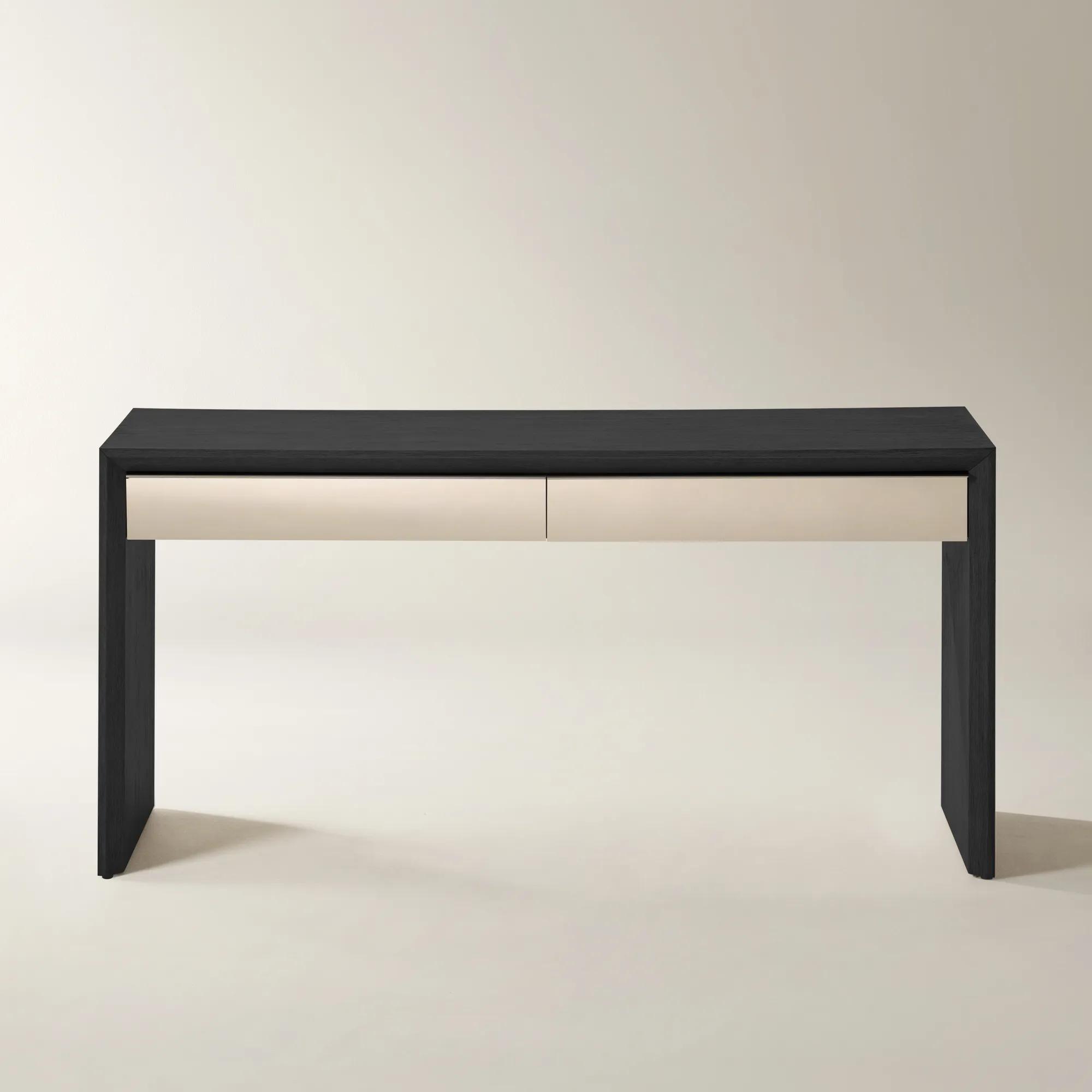
Sculptural Gold Accent Tables
Sculptural Gold Accent Tables
-
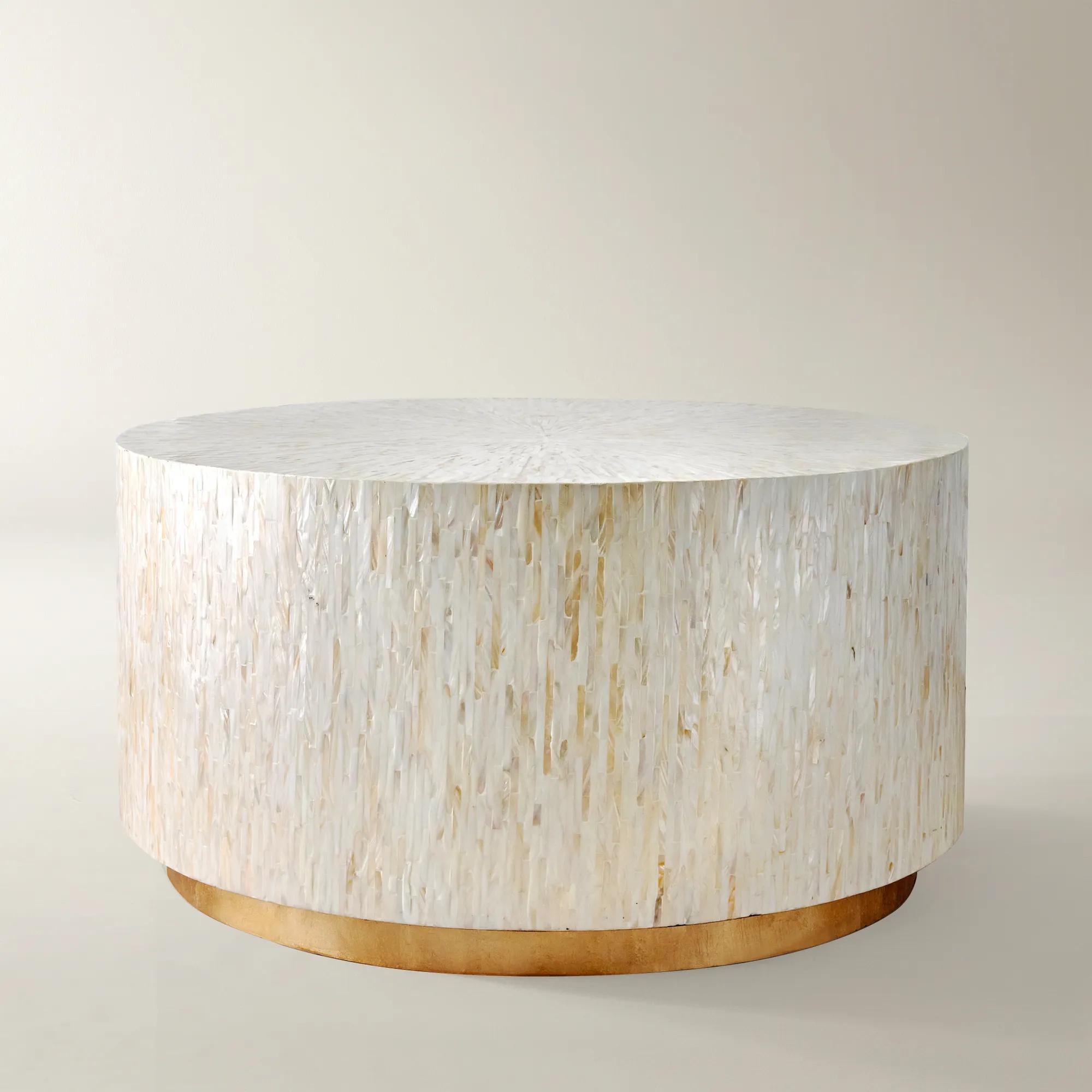
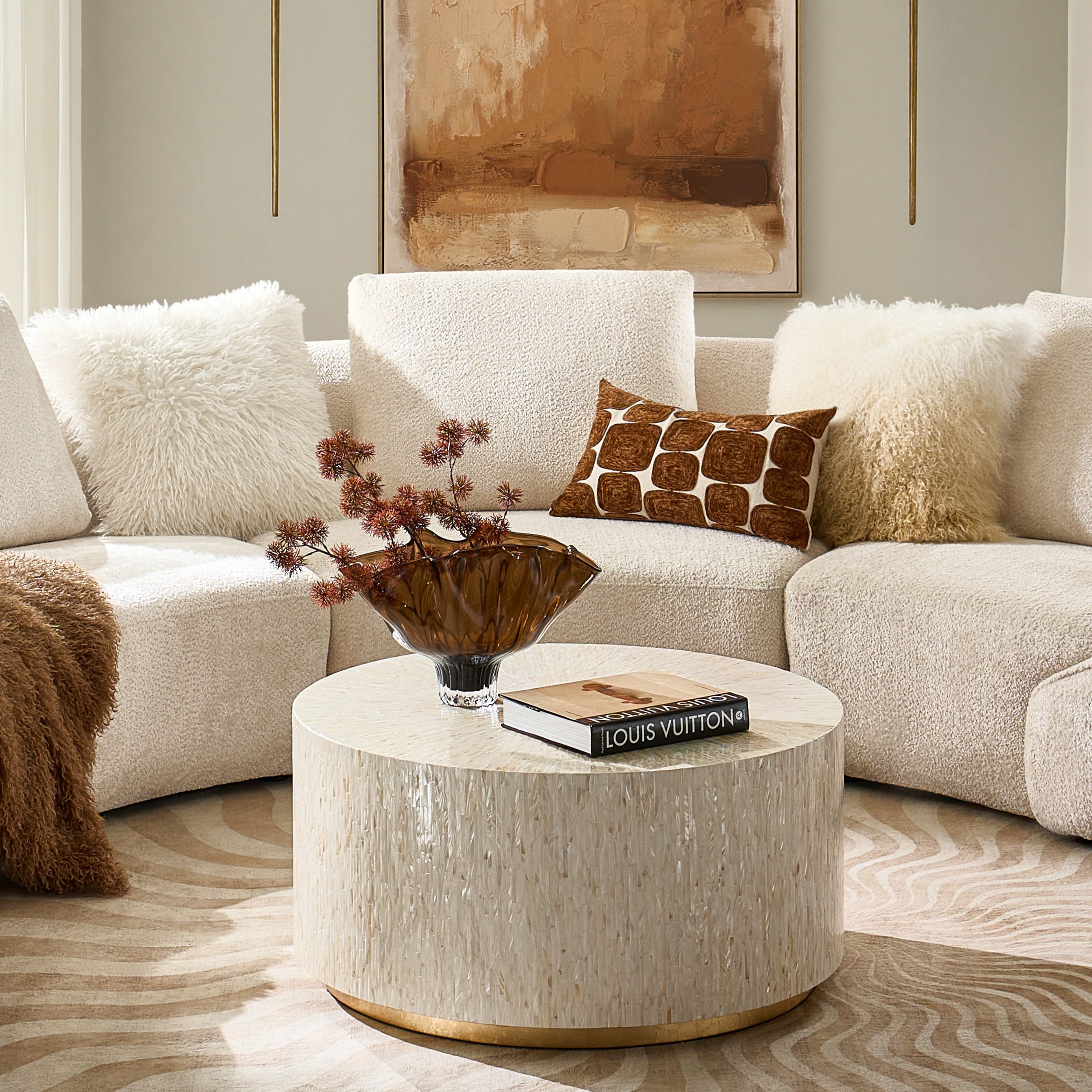 Alexandria Round Mosaic Platinum Coffee Table (36")$799
A luminous ivory coffee table featuring hand-applied mother-of-pearl mosaic and a gold leaf-accented base.
Add To Cart -
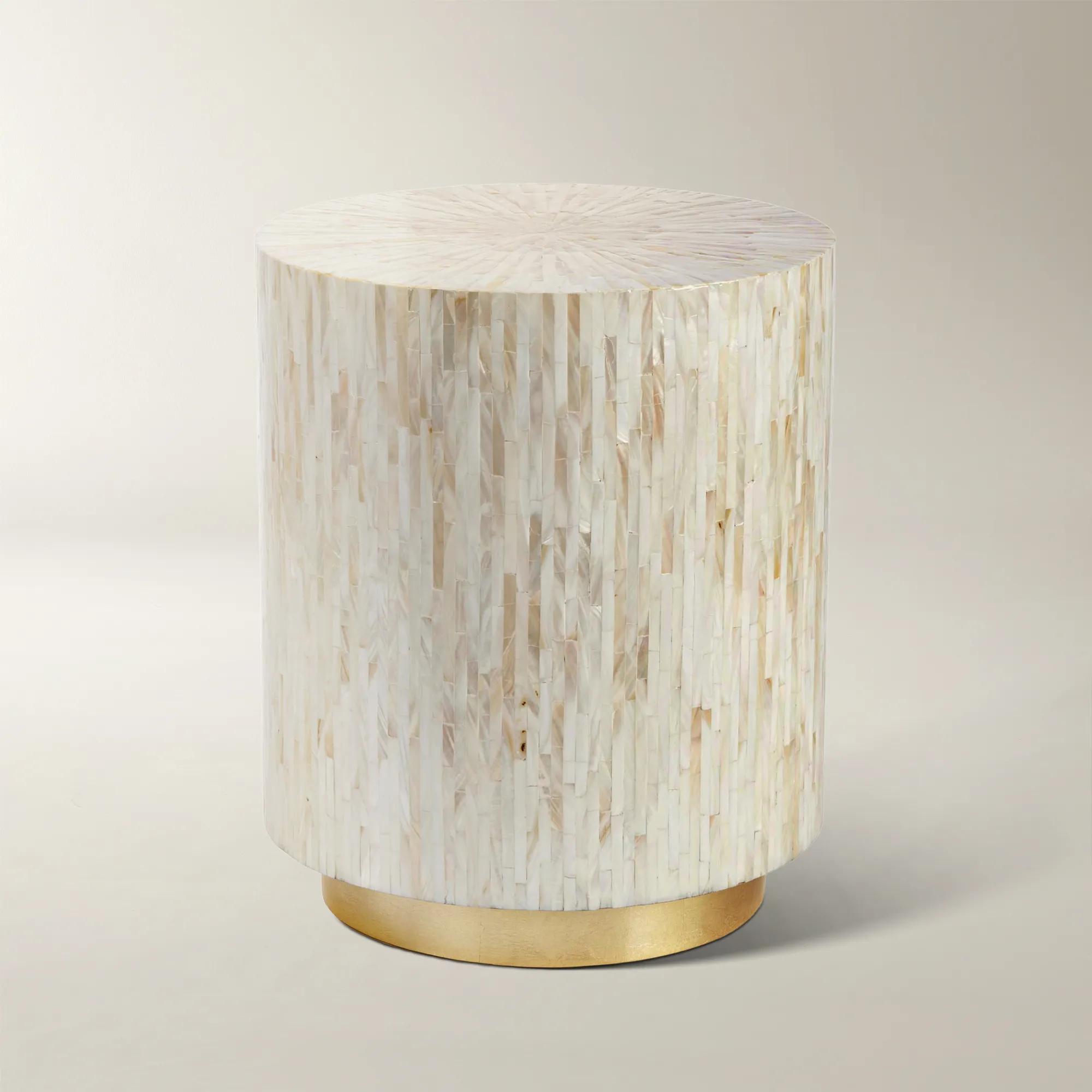 Alexandria Round Mosaic Platinum End Table (13.75")$299
A glamorous accent table featuring hand-applied mother-of-pearl mosaic and a gold leaf-accented base.
Add To Cart -
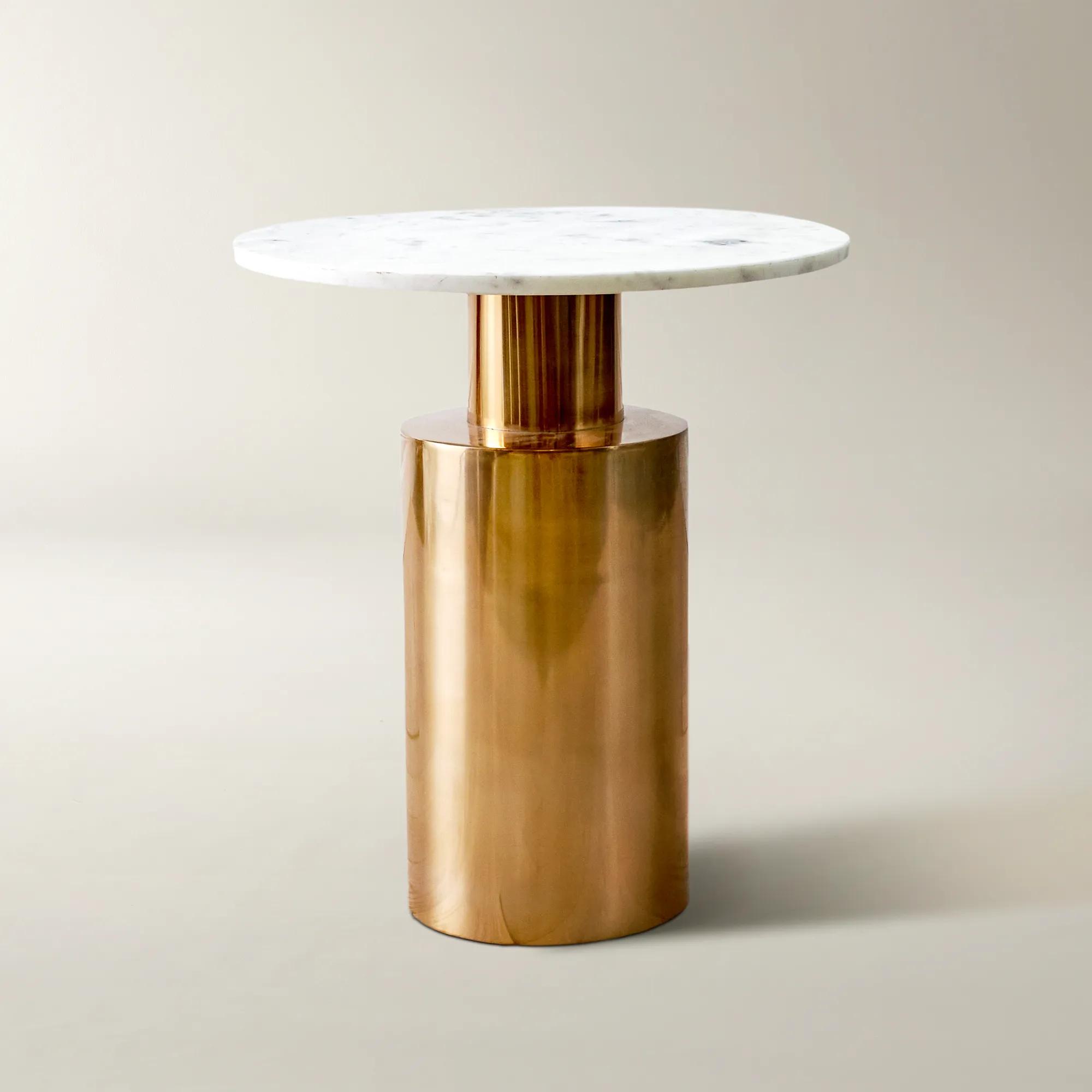 Capri Round White Marble Accent Table (16")$299
A striking accent table featuring a white marble top and gold-finished stainless steel base.
Add To Cart -
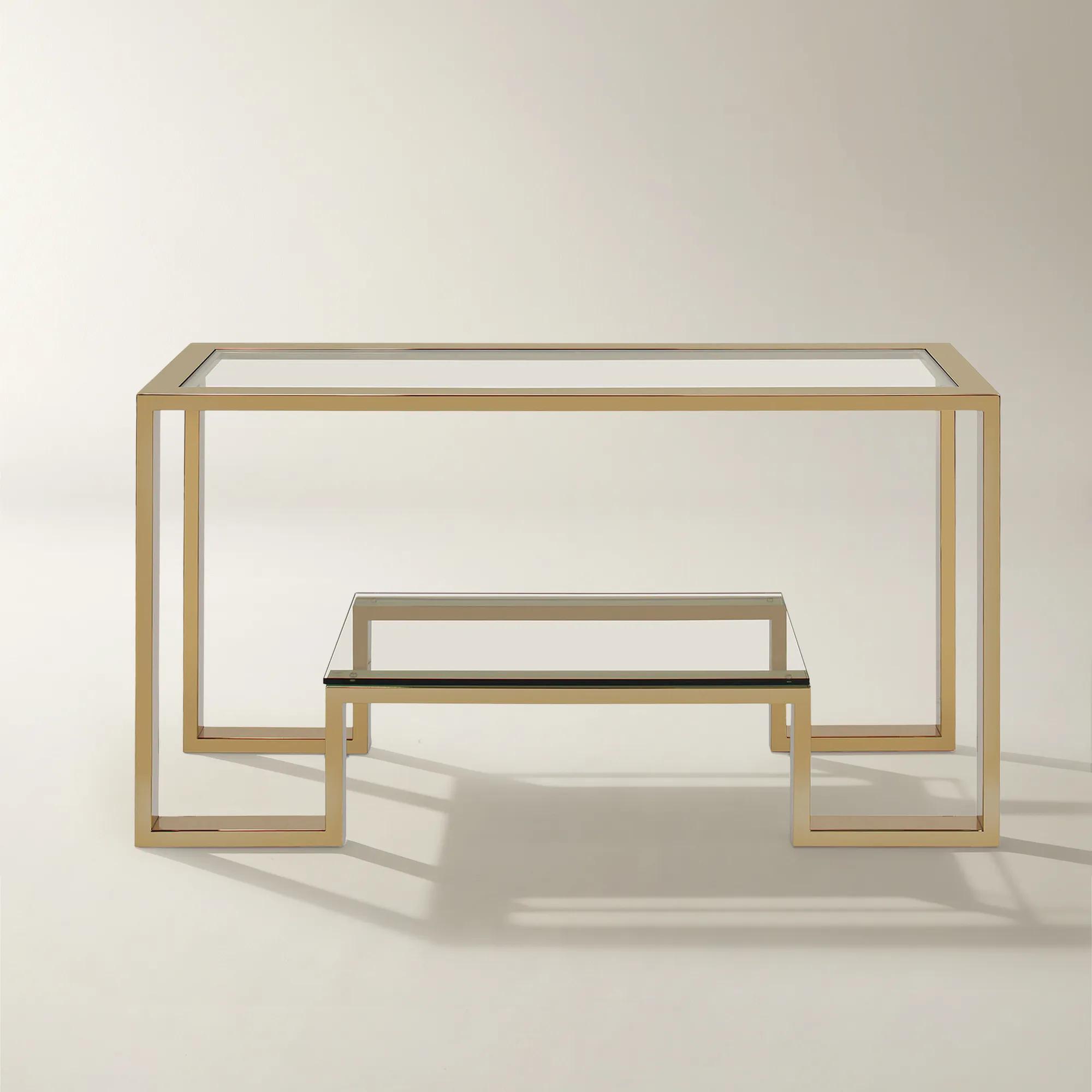
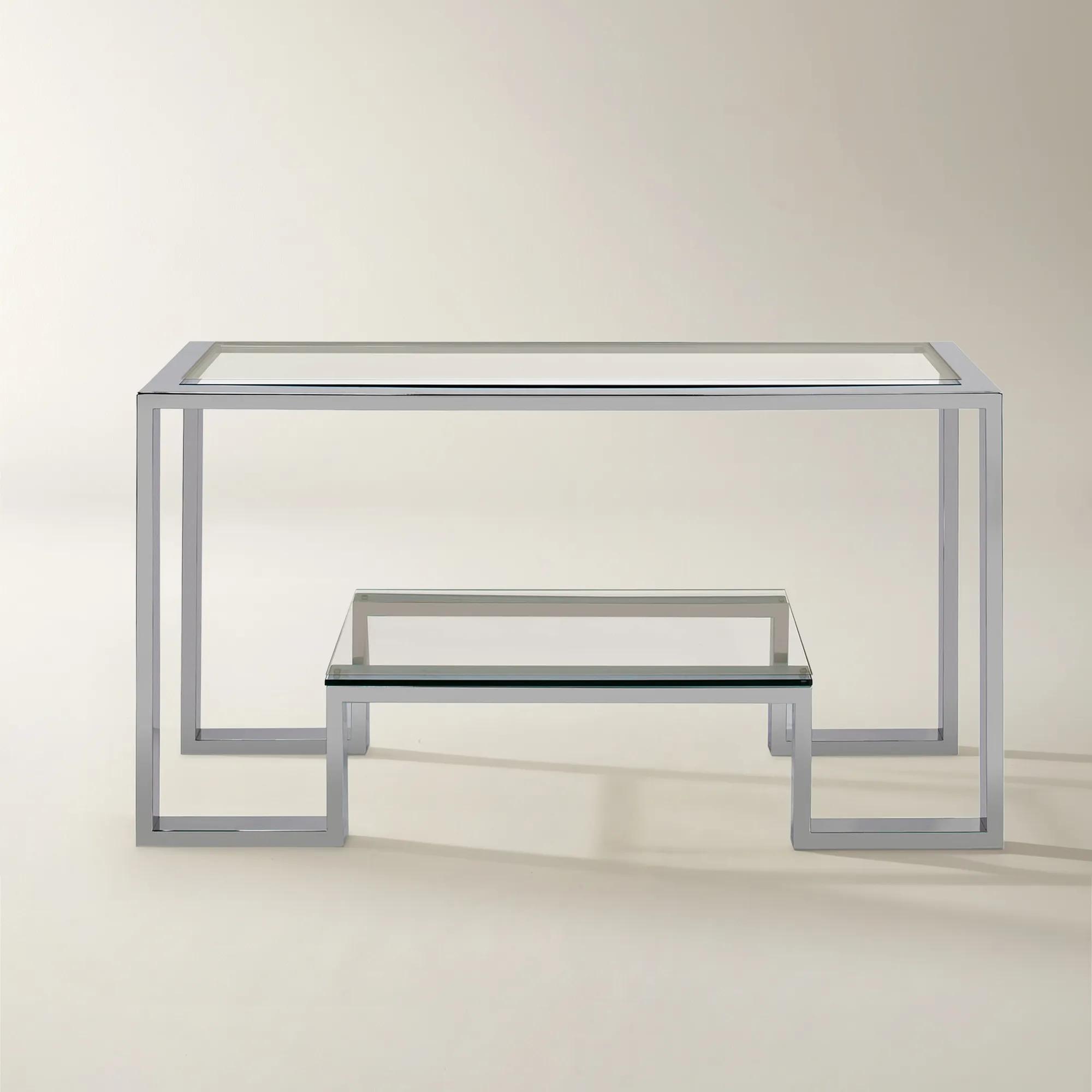
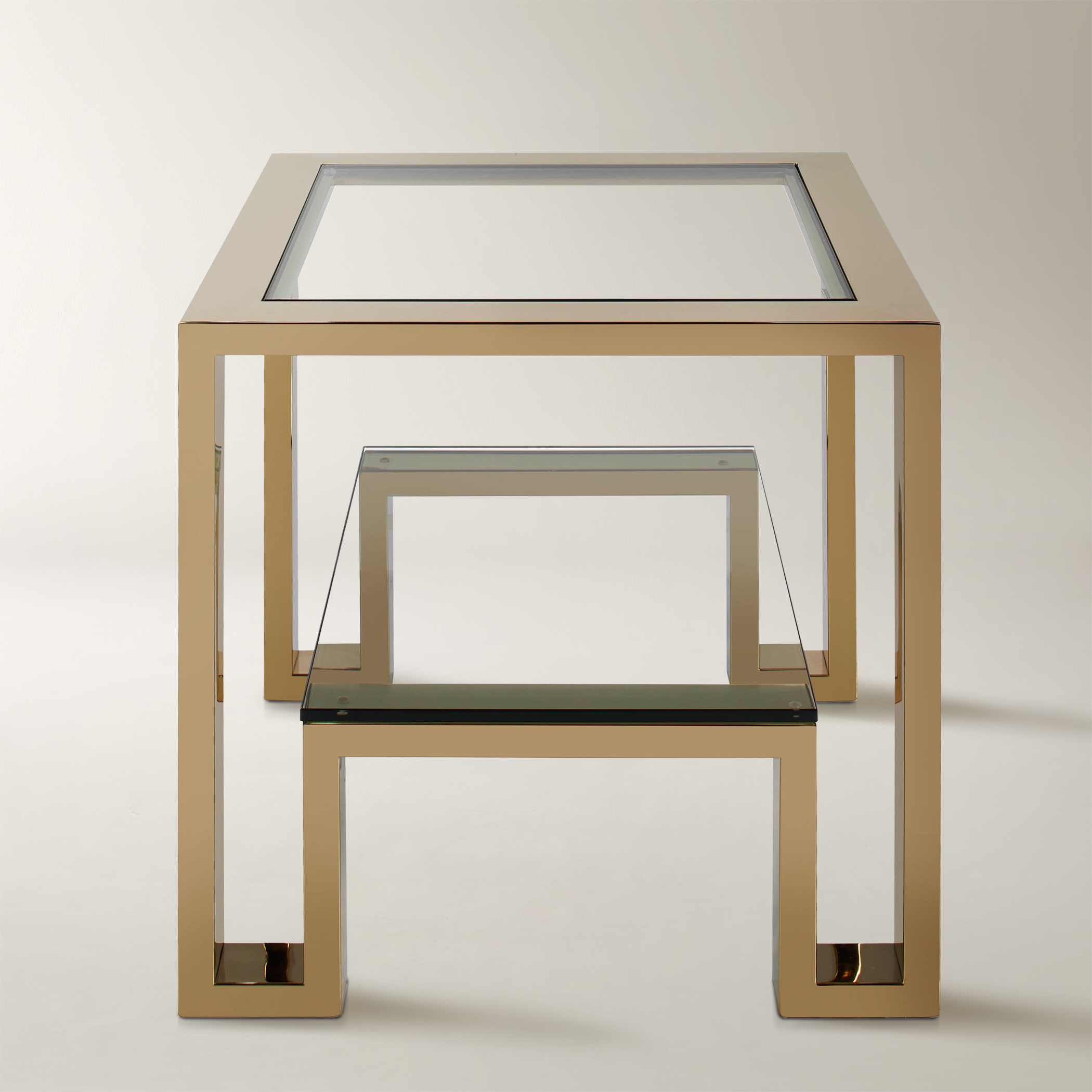 Duplicity Square Gold Stainless Steel End Table With Glass Top (24")$749
A modern end table crafted from stainless steel and tempered glass with a floating bottom shelf.
Add To Cart -
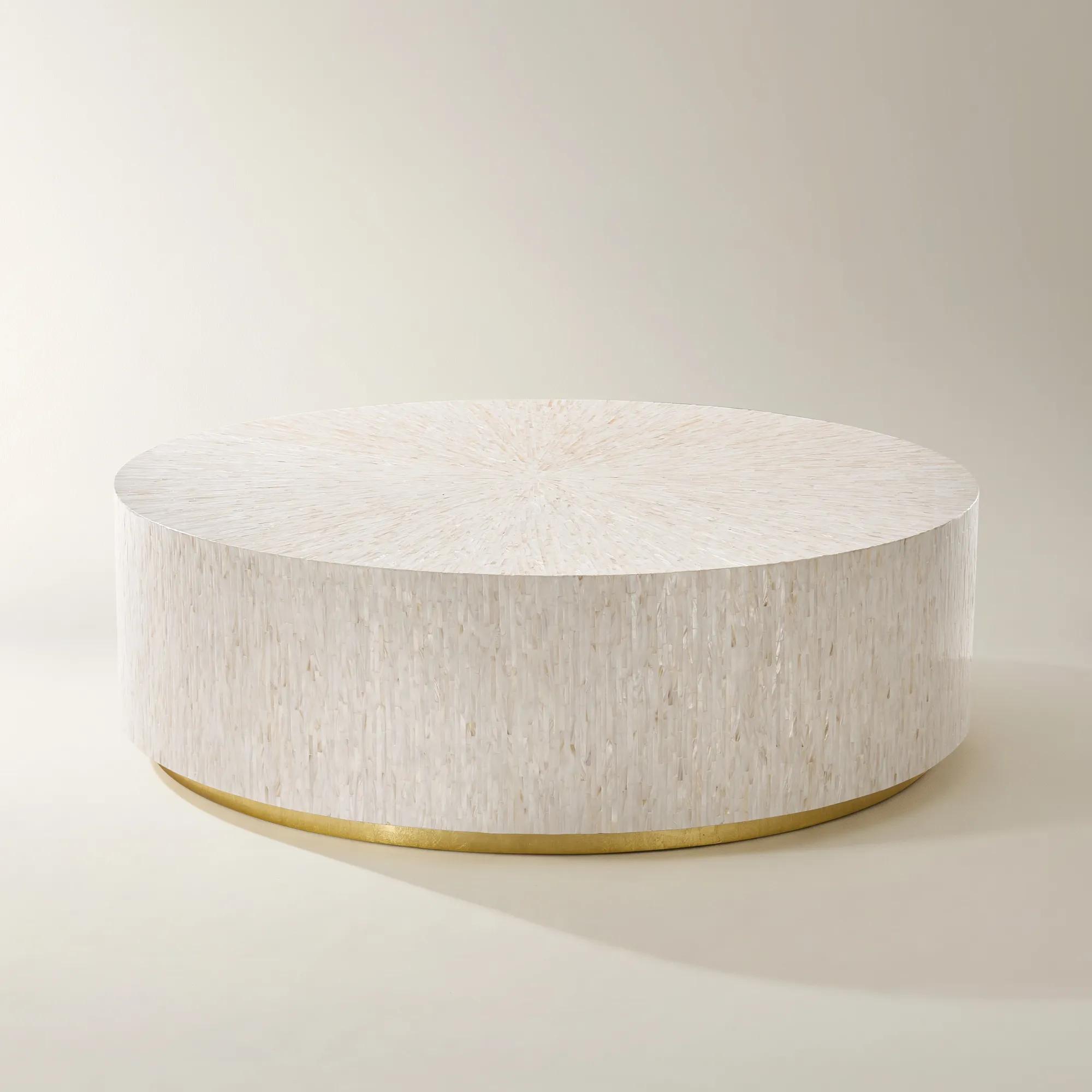 Alexandria Round Mosaic Platinum Coffee Table (52")$1299
A luminous mother-of-pearl mosaic coffee table with a sculptural round form and gold leaf–accented base.
Add To Cart -
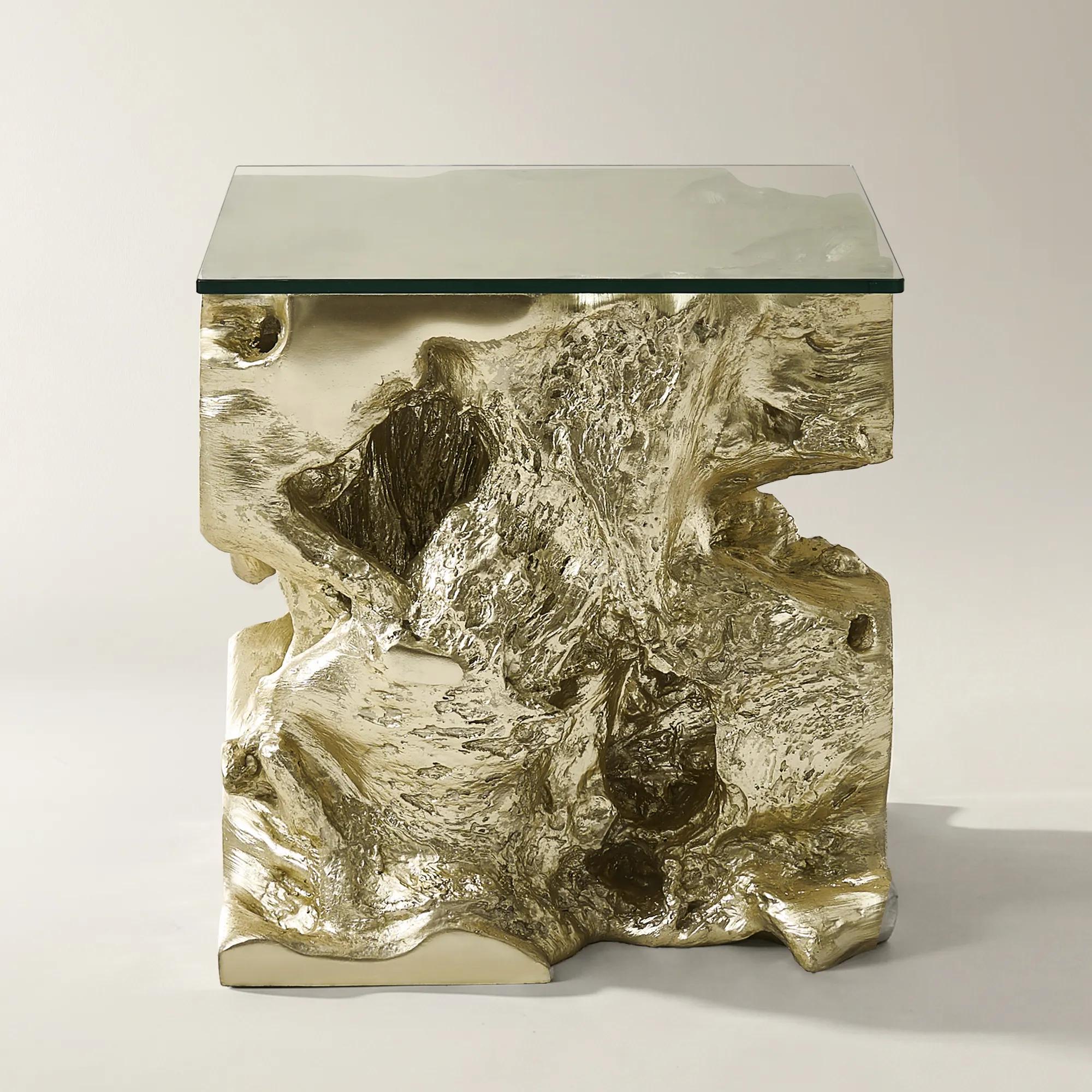 Sequoia Champagne Gold Resin End Table With Glass Top (22")$999
A sculptural resin end table with a champagne gold leaf finish and a clear tempered glass top.
Add To Cart -
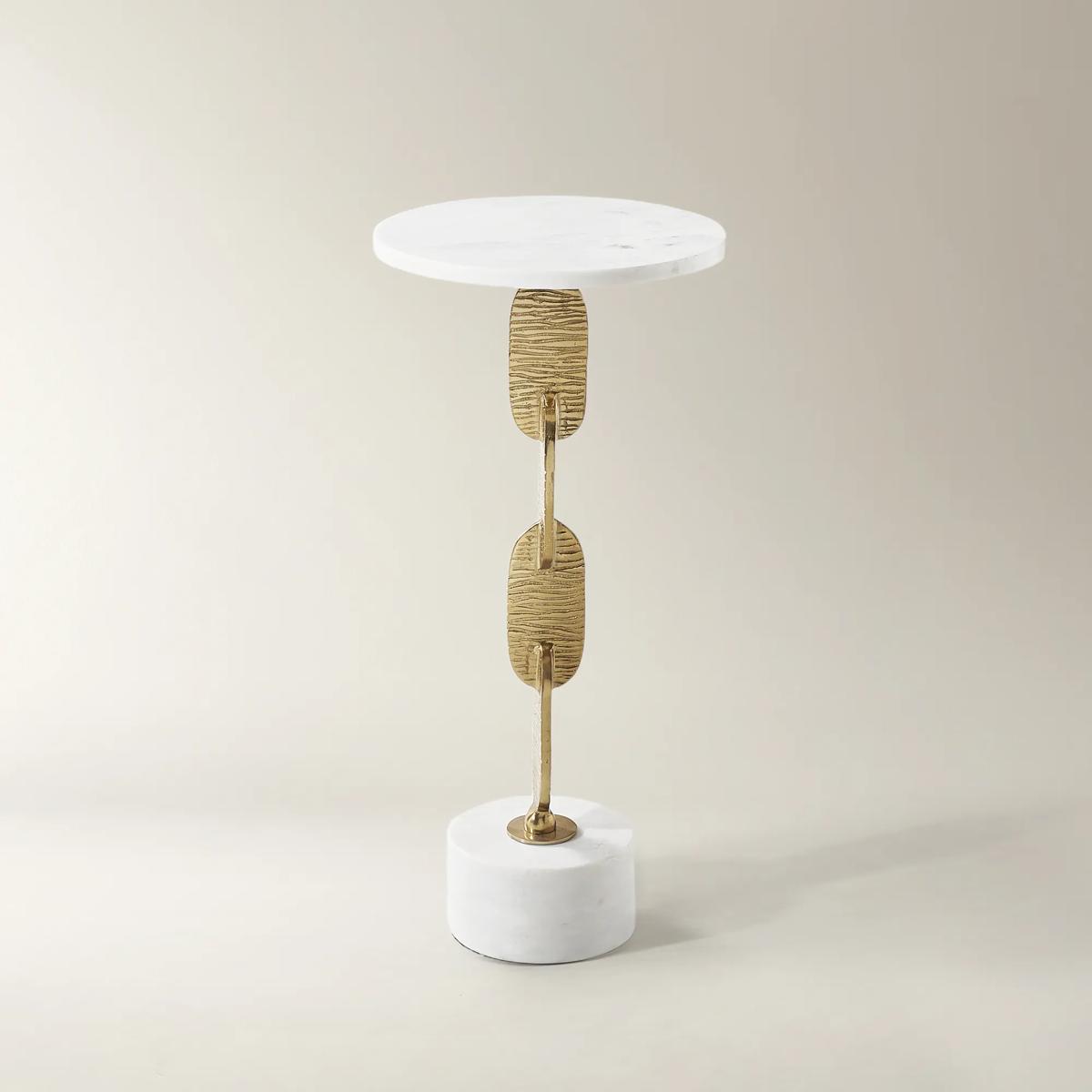
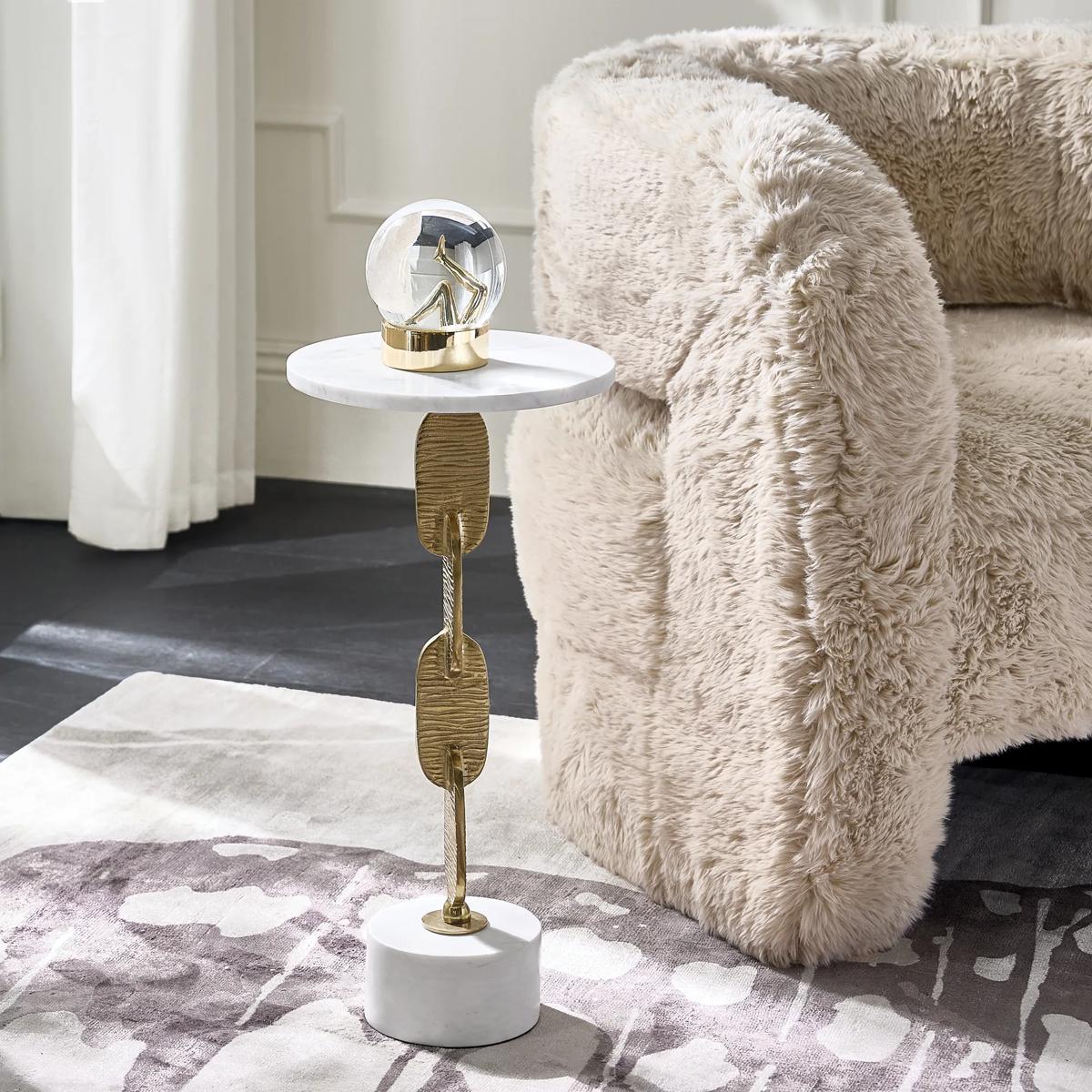 Luna Round White Marble Side Table (11.25")$199
A sculptural side table featuring a genuine white marble top and an open gold-finished metal frame.
Add To Cart -
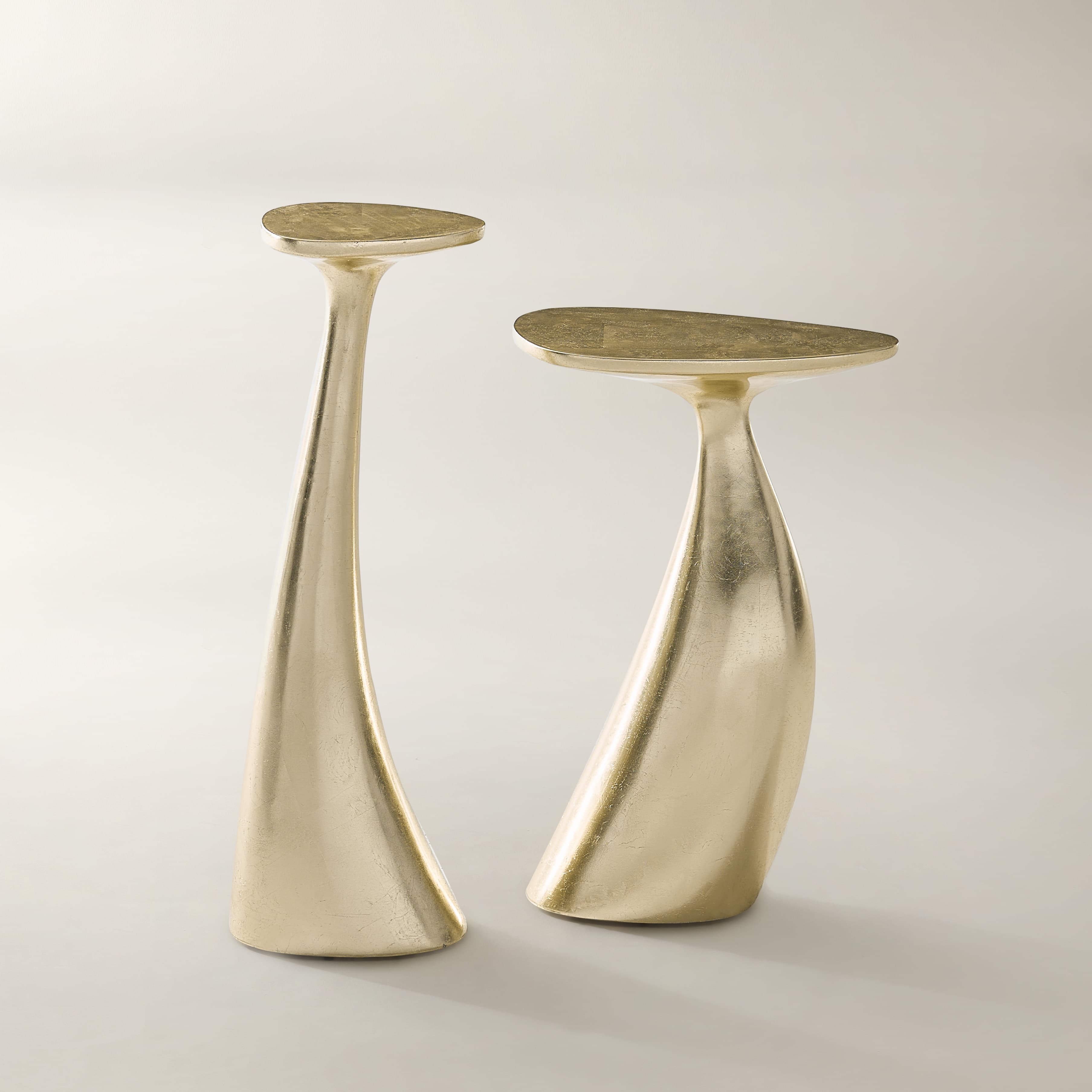 Thalia Soft Gold Side Table Set Of 2 (8"-12.5")$659
A sculptural duo of gold leaf fiberglass tables with fluid lines and a warm, luminous finish.
Add To Cart -
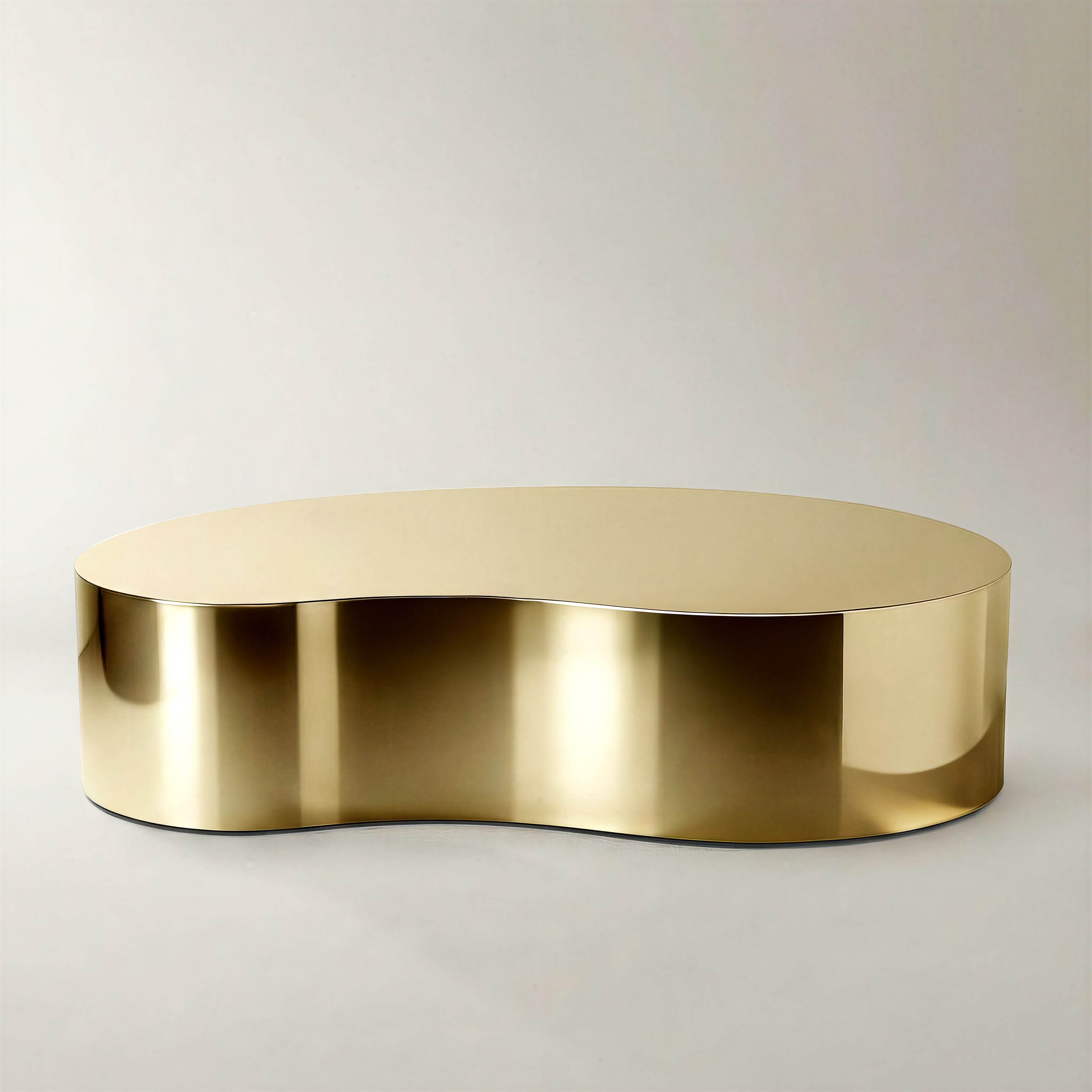
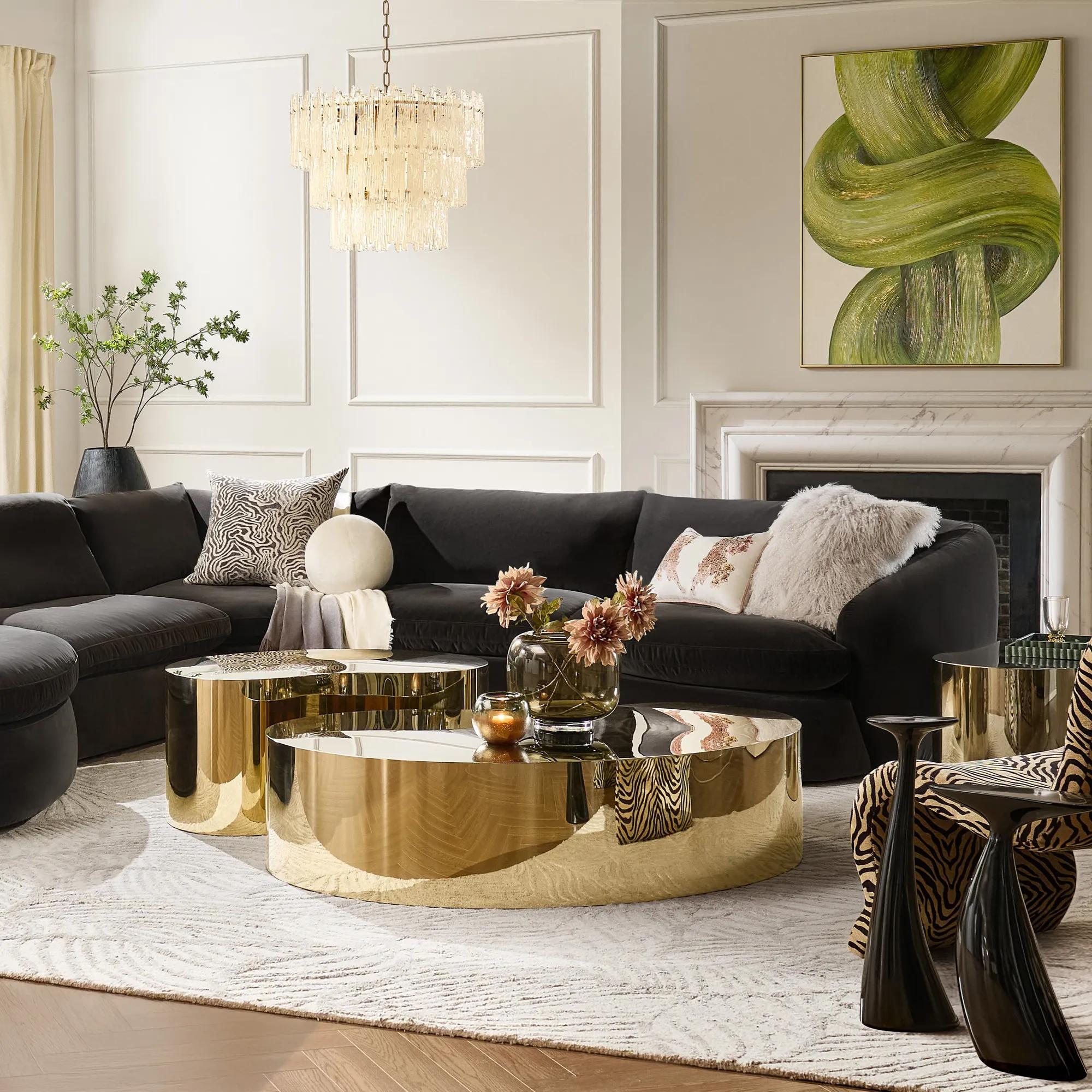 Aurea Soft Gold Coffee Table (57")$1299
A sculptural coffee table crafted from stainless steel with a high-gloss soft gold finish and rounded edges.
Add To Cart -
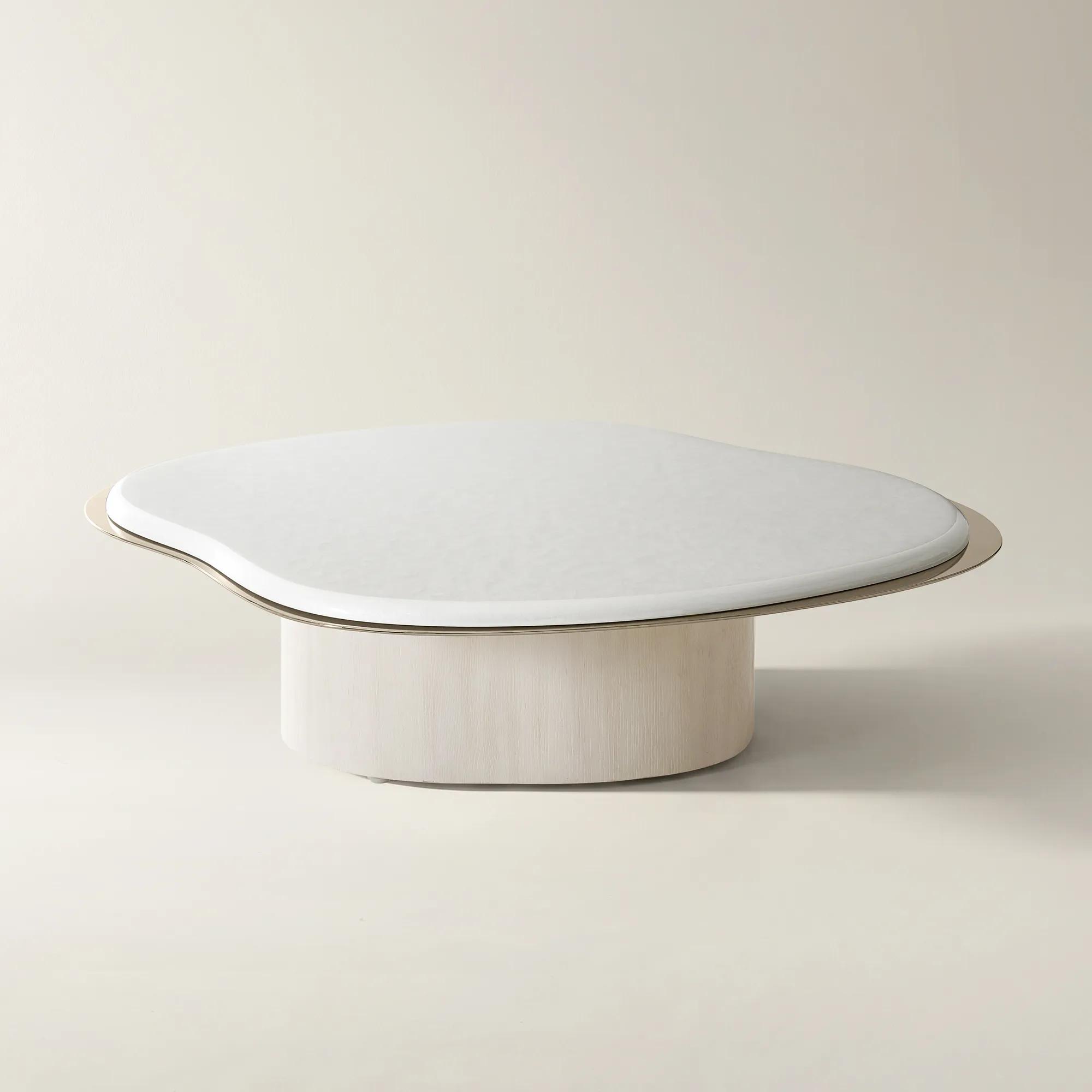
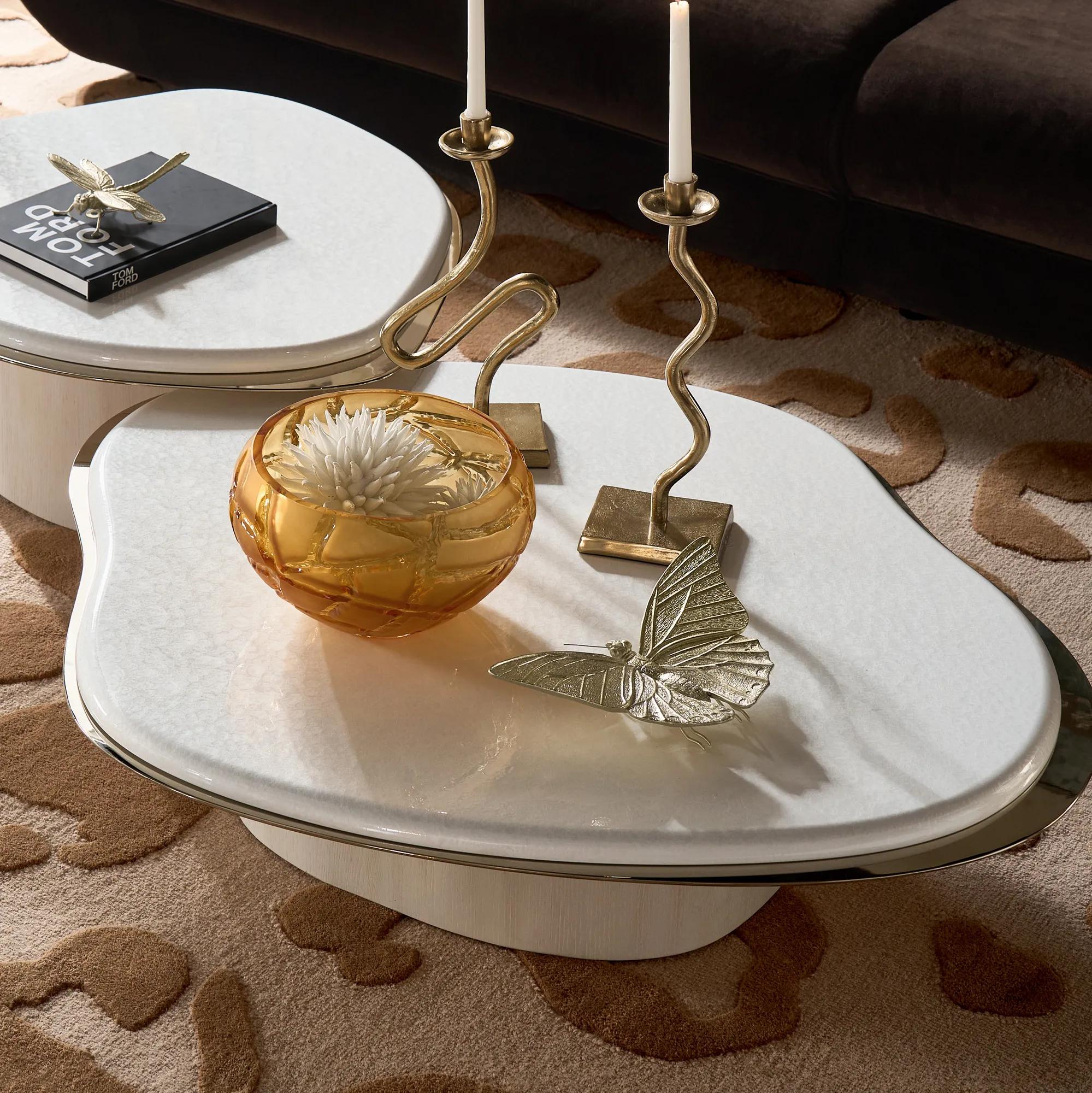 Lumina Bleached Oak Coffee Table With Pearl Lacquered Top (41")$1199
A sculptural coffee table featuring a pearl lacquered top, bleached oak base, and champagne gold trim.
Add To Cart -
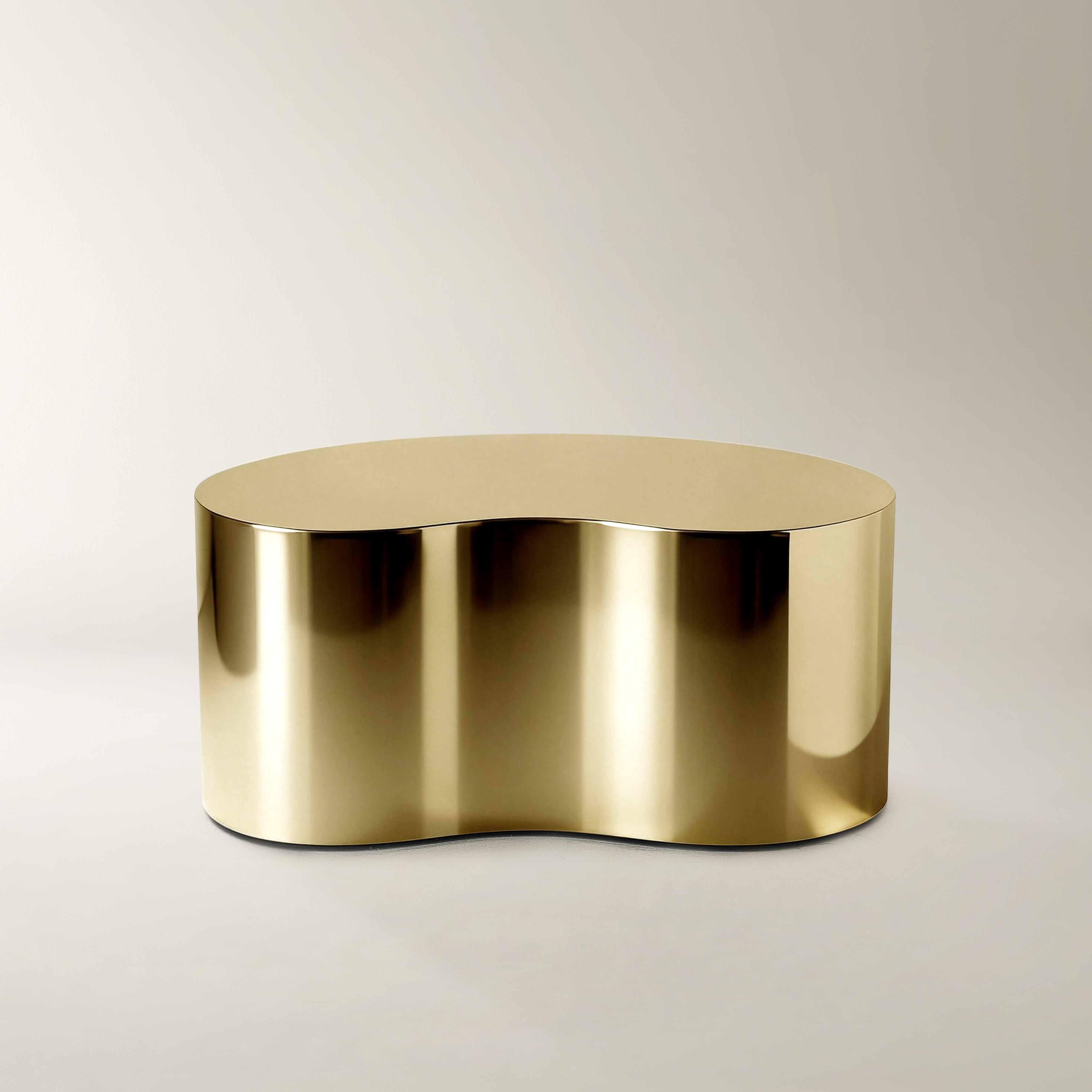 Aurea Soft Gold Coffee Table (37.5")$999
A sculptural coffee table crafted from premium stainless steel with a high-gloss soft gold mirror finish.
Add To Cart -
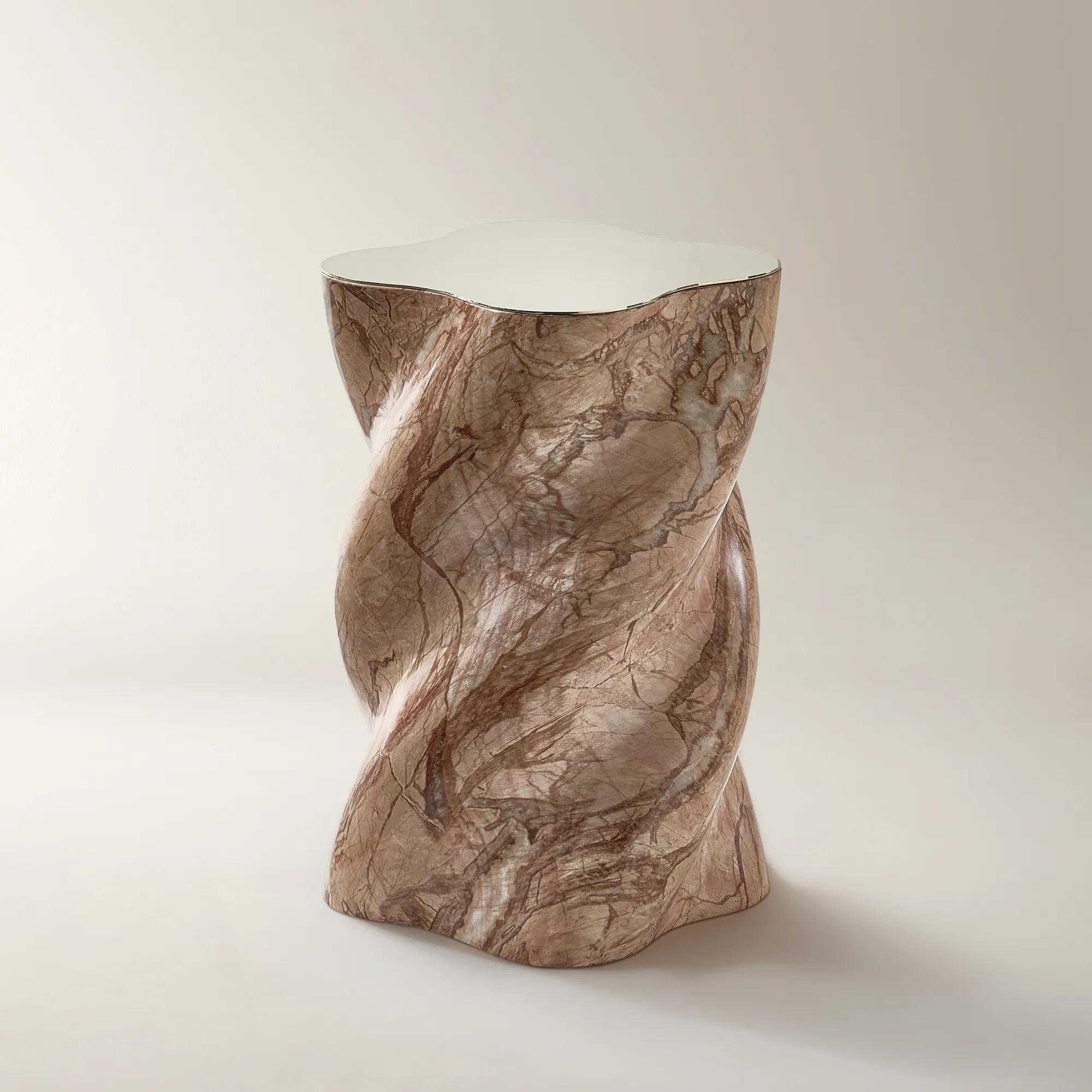
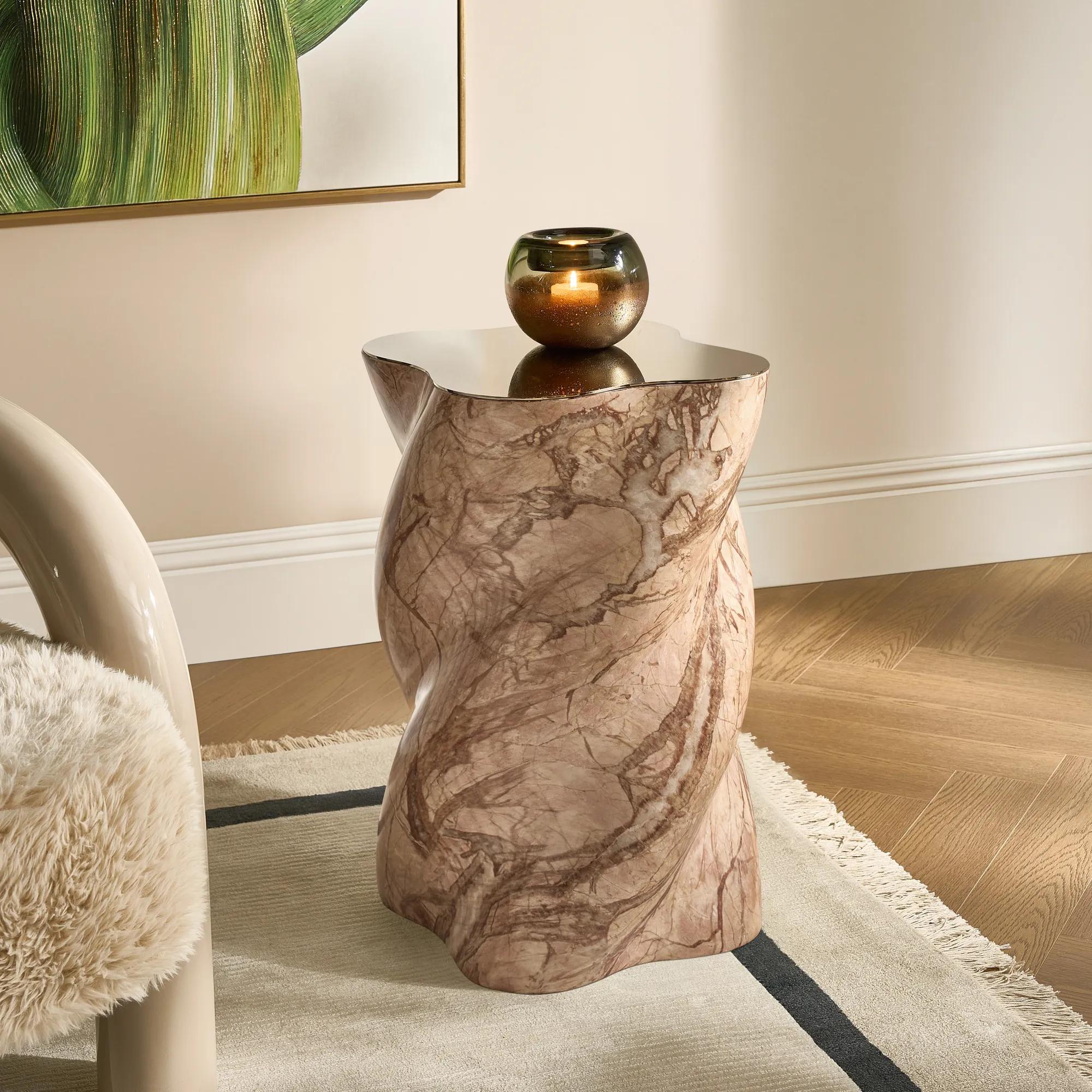 Vega Concrete Side Table With Stainless Steel Top (13.8")$459
A sculptural side table featuring a hand-cast fiber-concrete base and sunset marble-inspired stainless steel top.
Add To Cart -
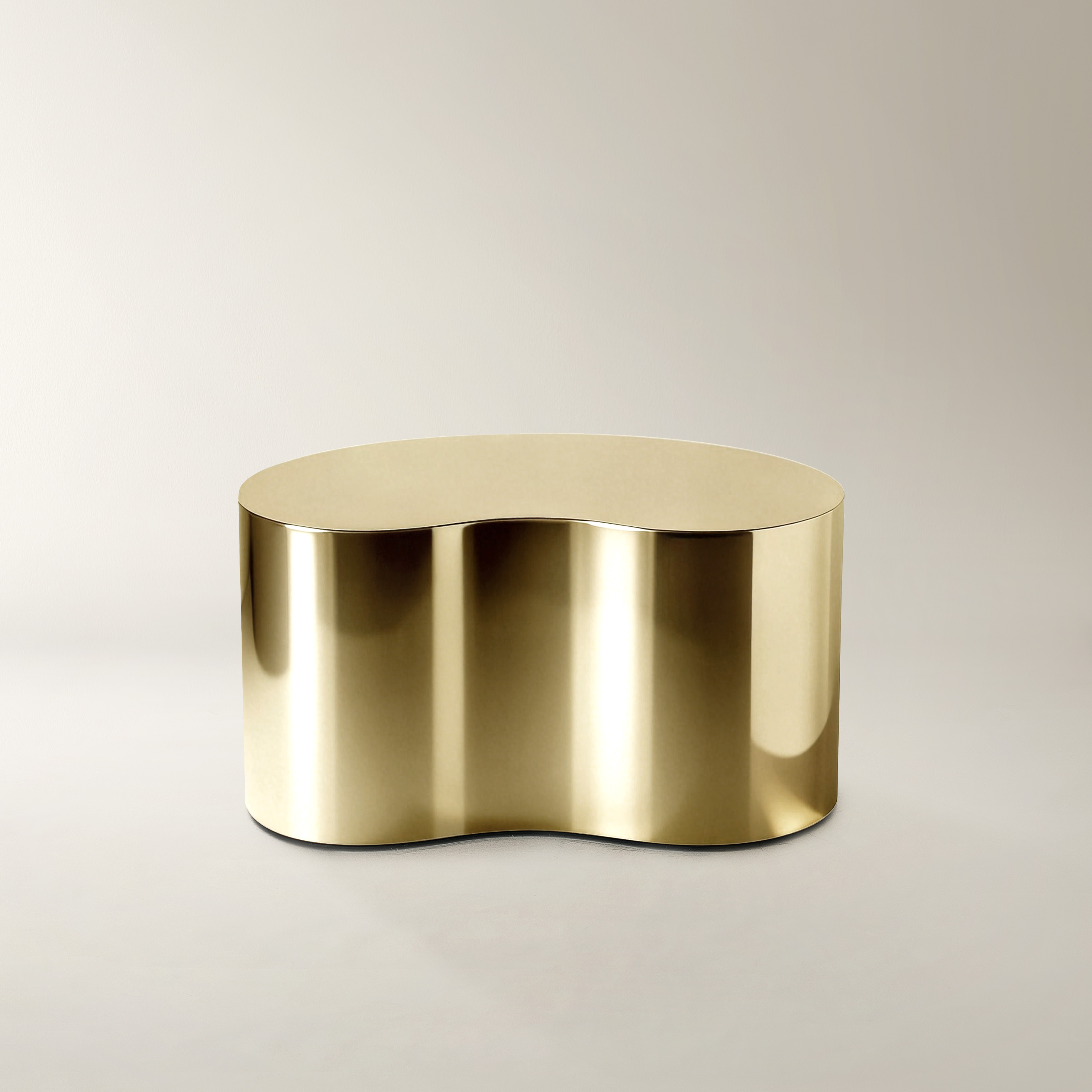 Aurea Soft Gold Coffee Table (32")$699
A sculptural coffee table crafted from premium stainless steel with a high-gloss, soft gold mirror finish.
Add To Cart -
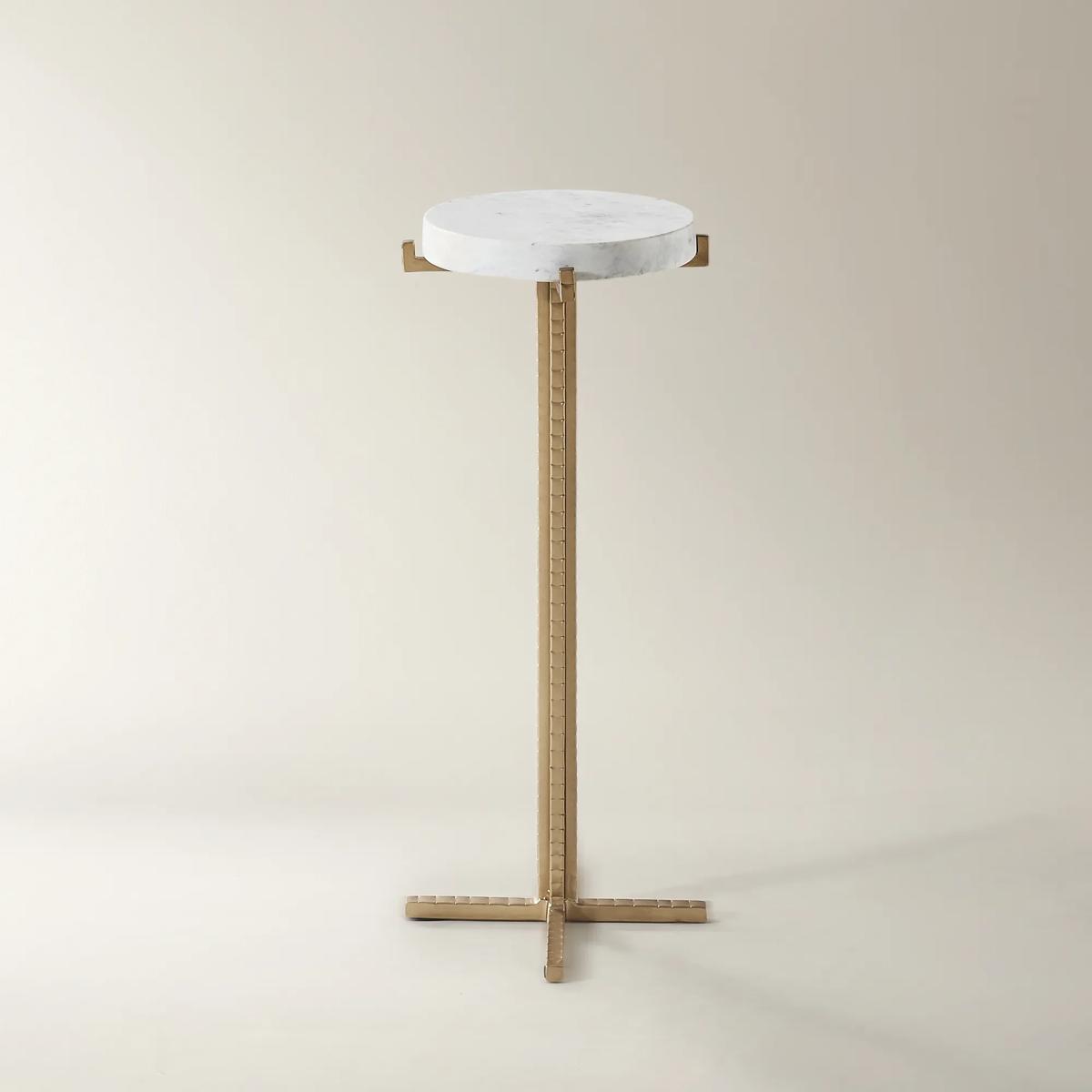 Anya Round White Marble Side Table (10")$199
A sculptural side table featuring a genuine white marble top and gold-finished metal pedestal base.
Add To Cart -
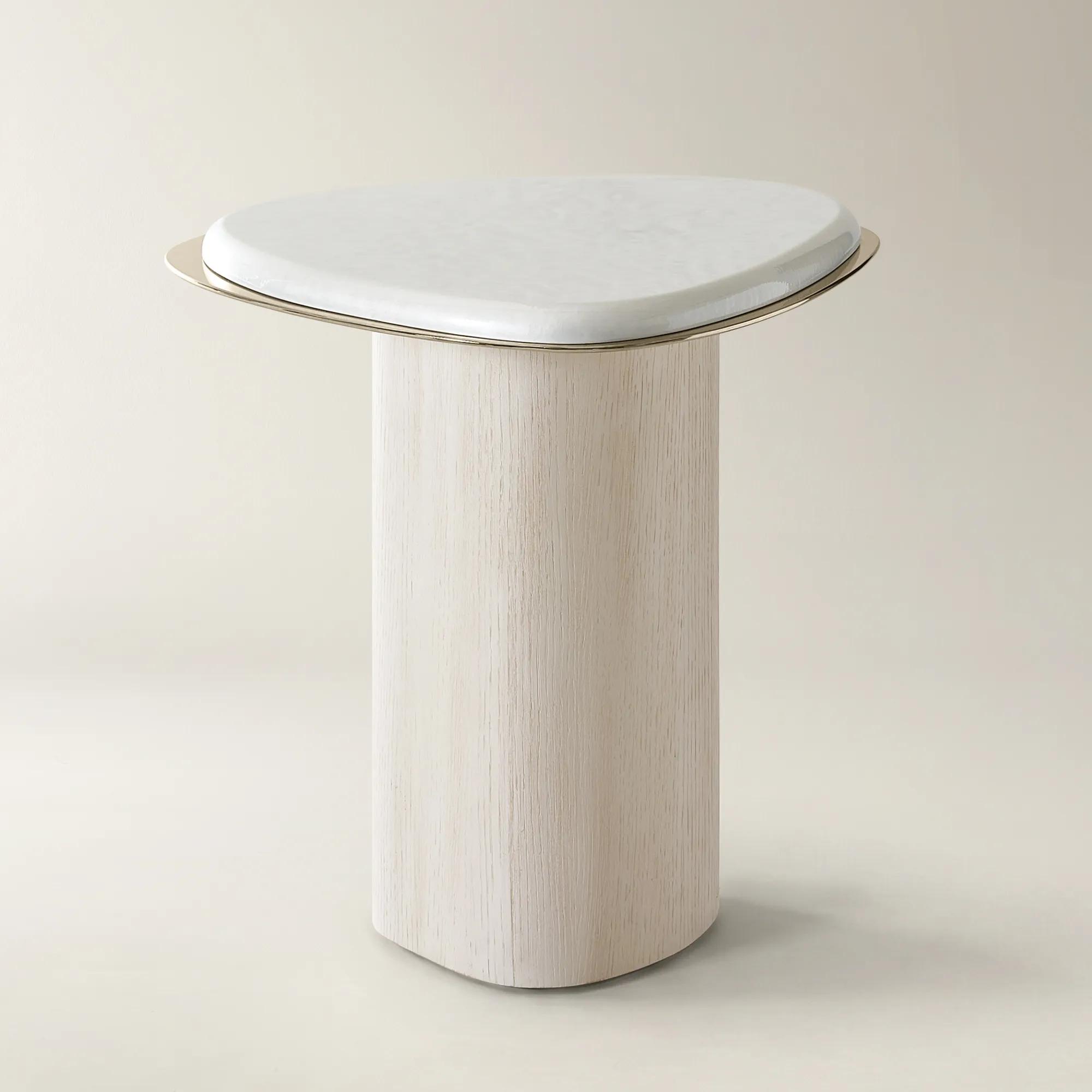
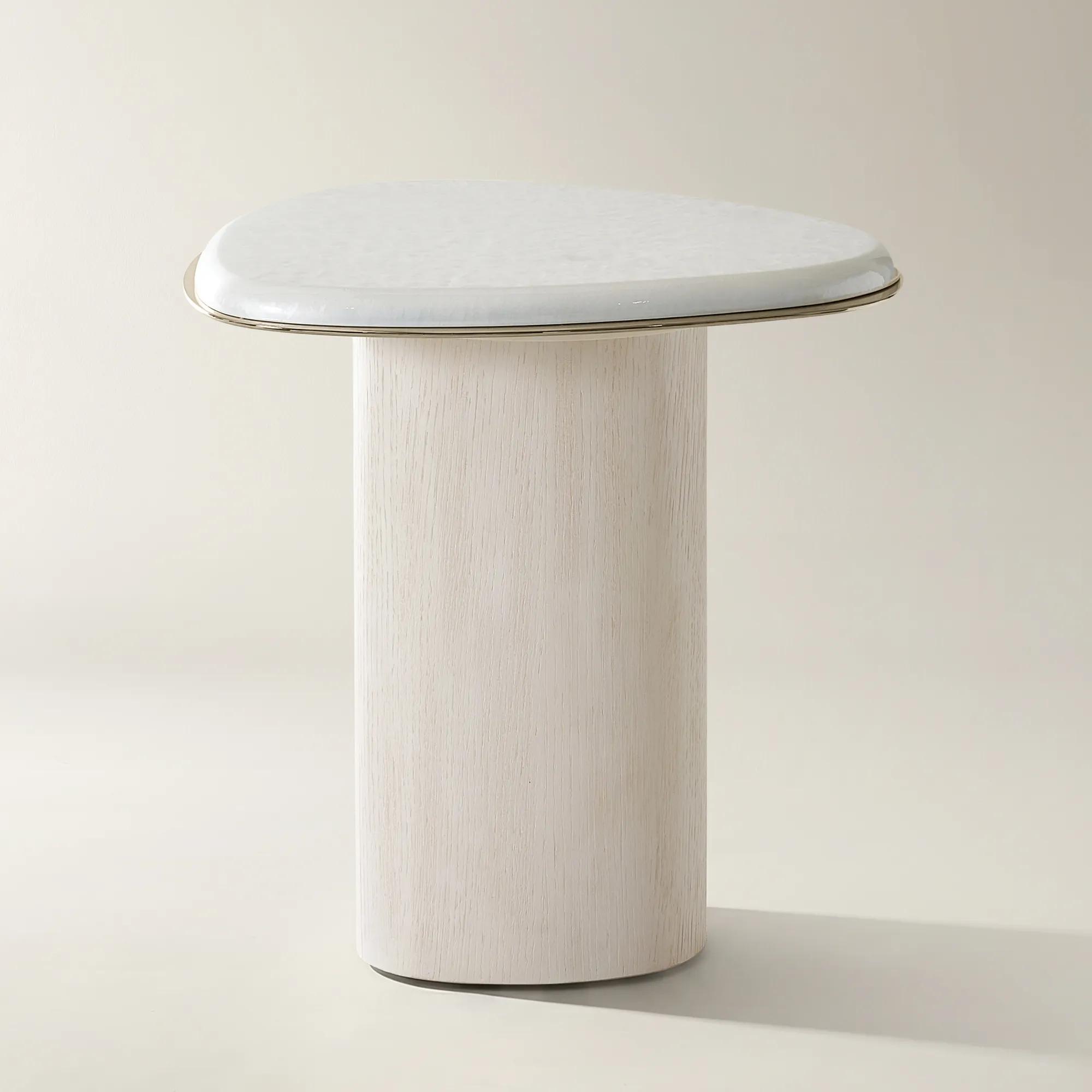 Lumina Bleached Oak End Table With Pearl Lacquered Top (18")$399
A sculptural end table featuring a pearl lacquered top, bleached oak base, and champagne gold trim.
Add To Cart -
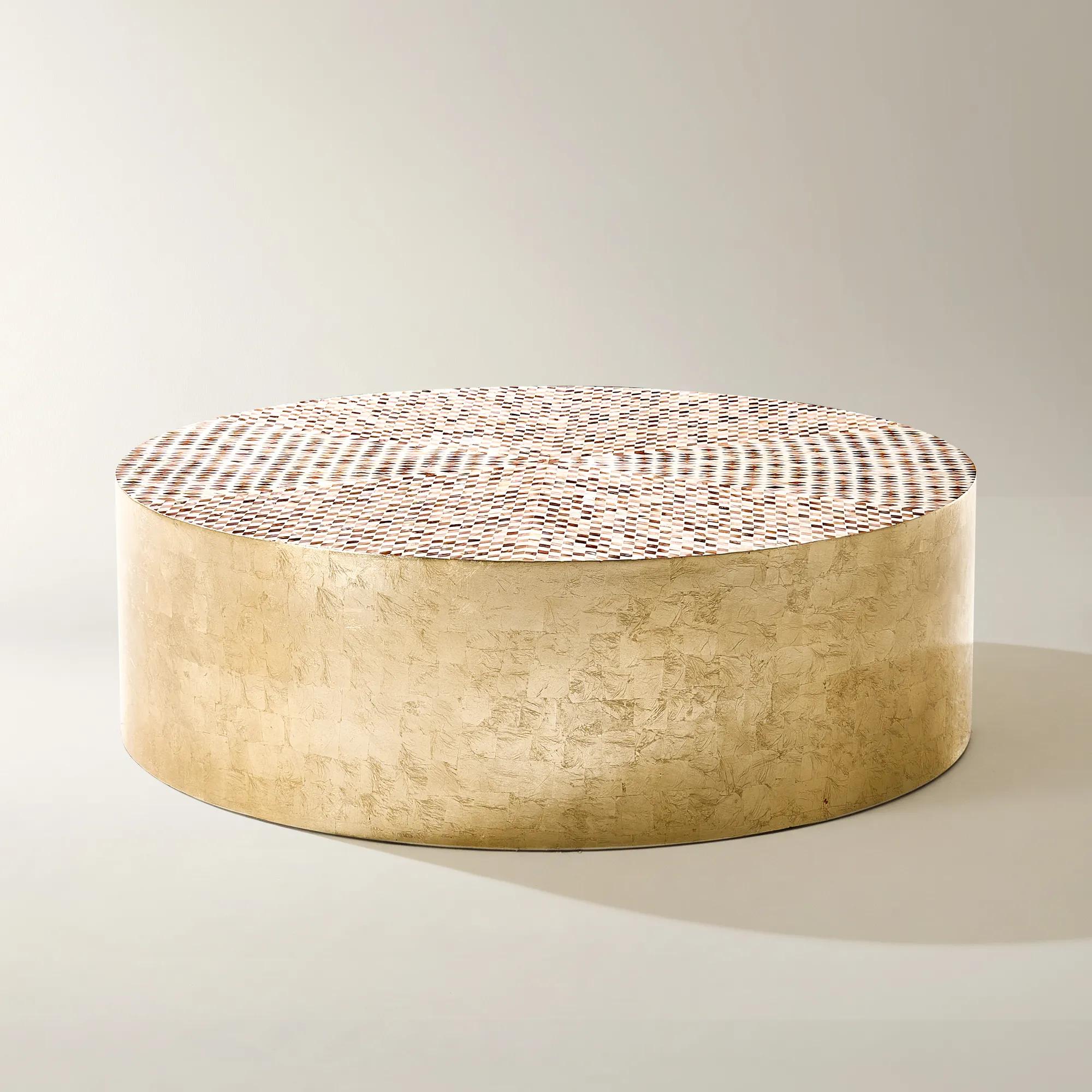
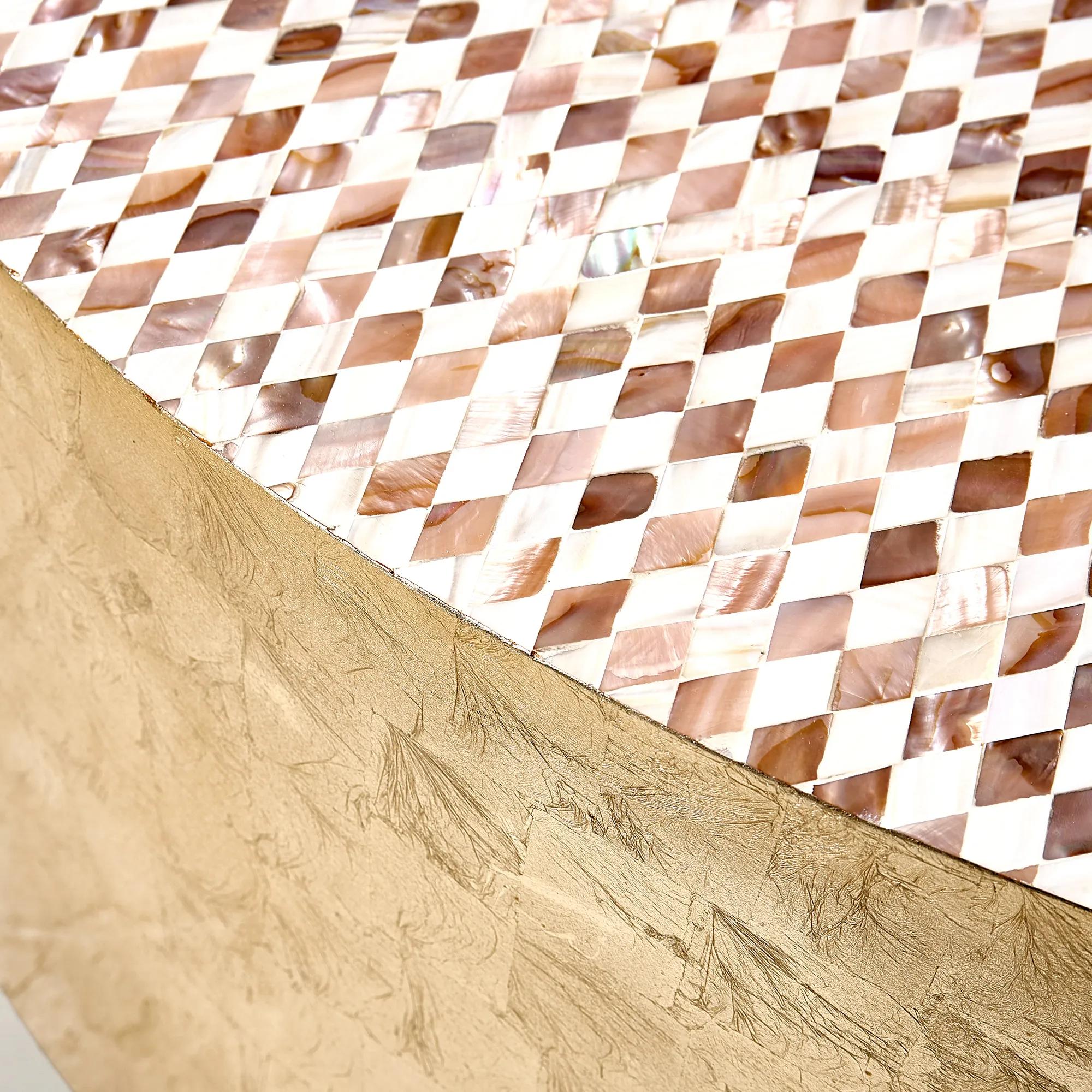 Lucien Round Diamond Coffee Table (47.24")$1299
A sculptural round coffee table featuring a hand-laid mother-of-pearl diamond mosaic and gold leaf sides.
Add To Cart -
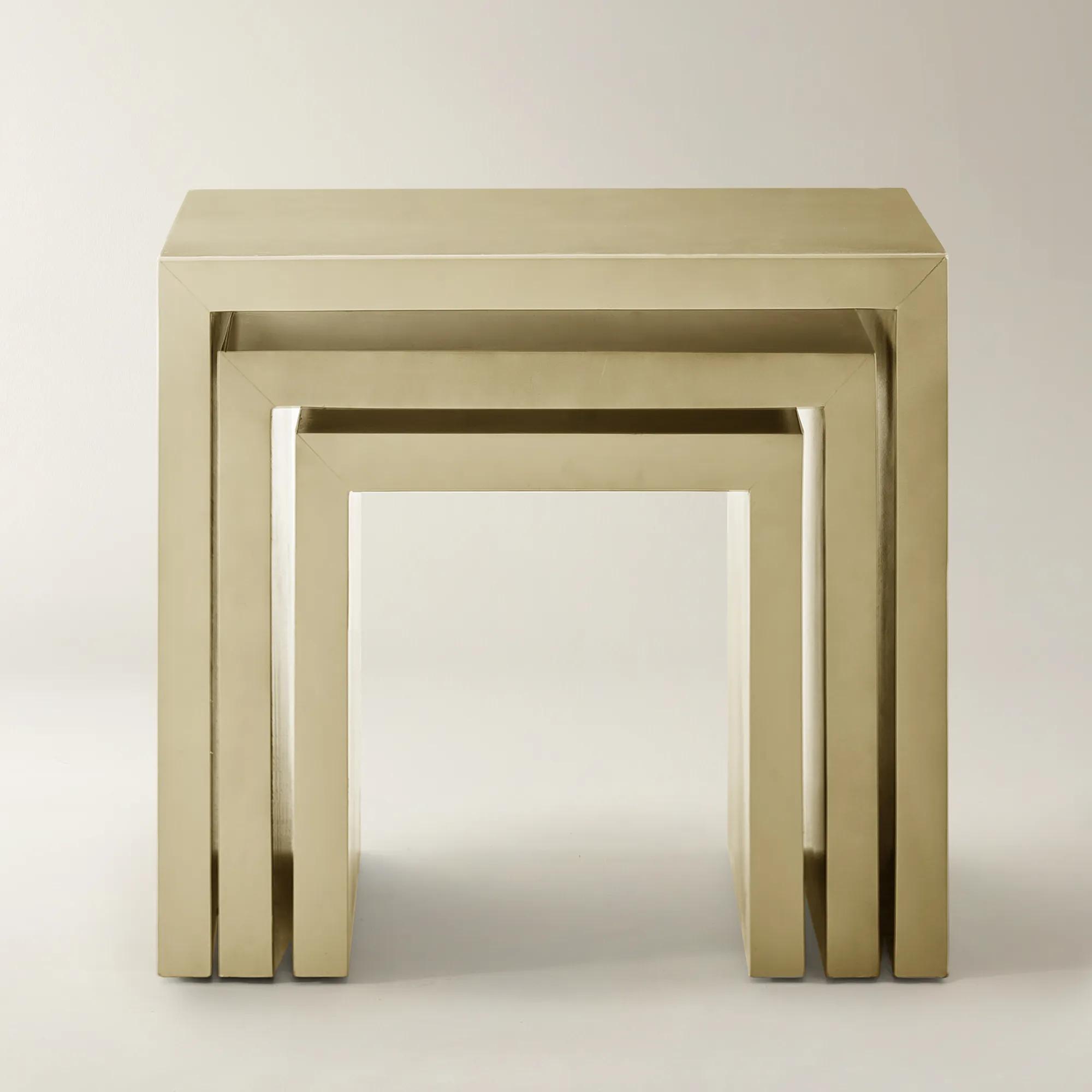
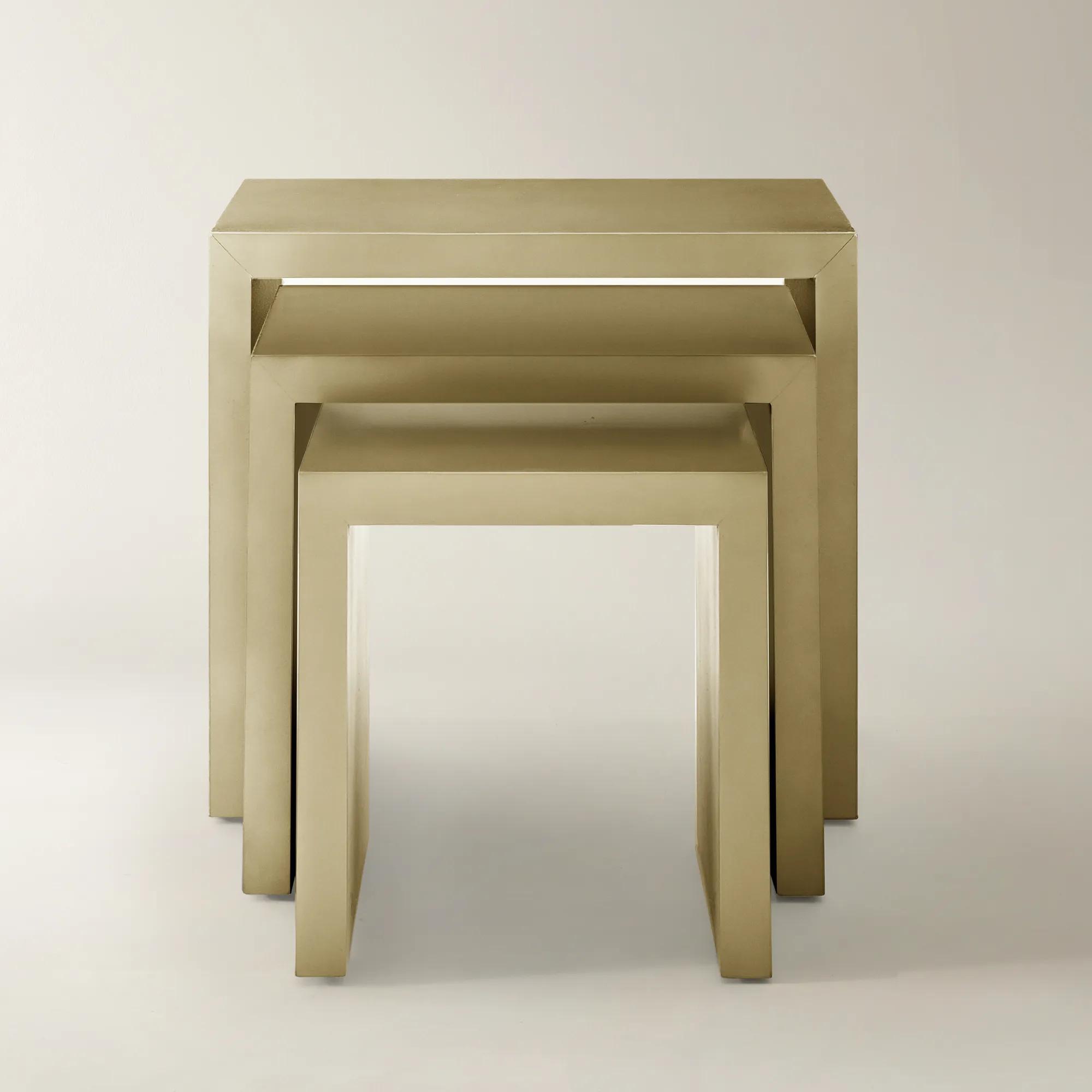 Astair Gold Nesting Accent Table Set Of 3 (16.25"-25.5")$299
A trio of gold-painted engineered wood tables with minimalist block silhouettes and versatile nesting design.
Add To Cart -
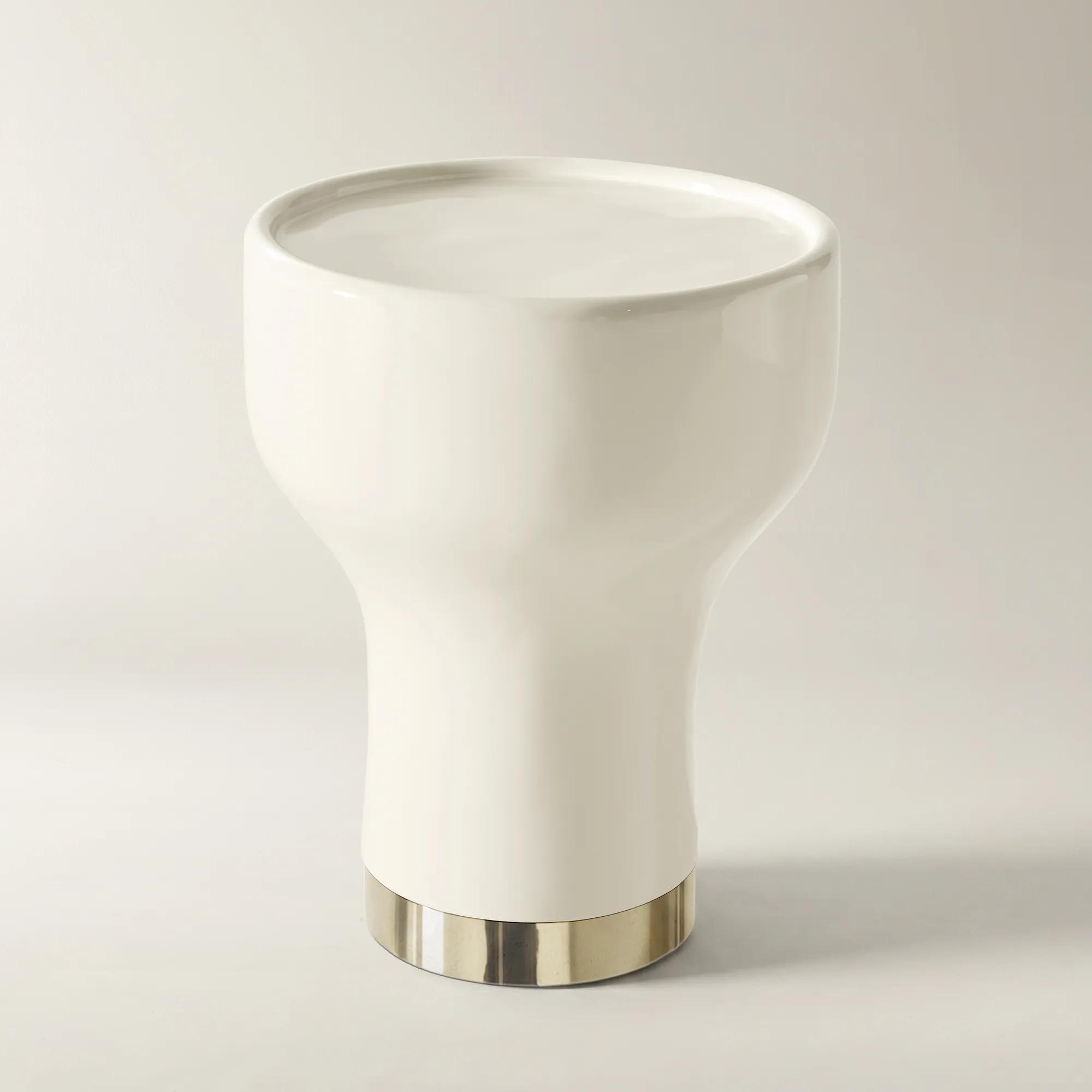
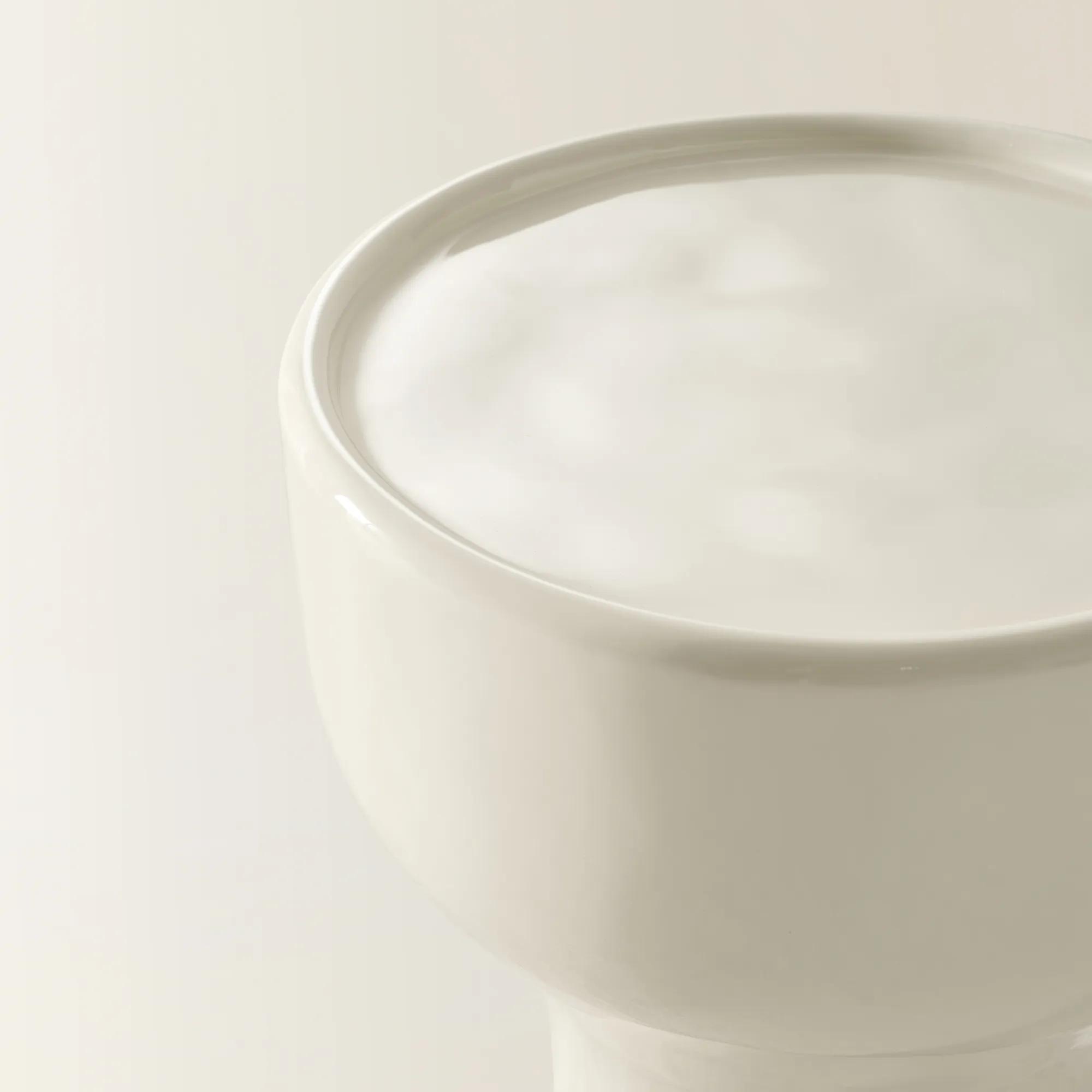 Celia Lacquered Cloud Resin Indoor/Outdoor End Table (16")$399
A sculptural one-piece resin end table with a warm high-gloss finish and gold stainless steel base.
Add To Cart -
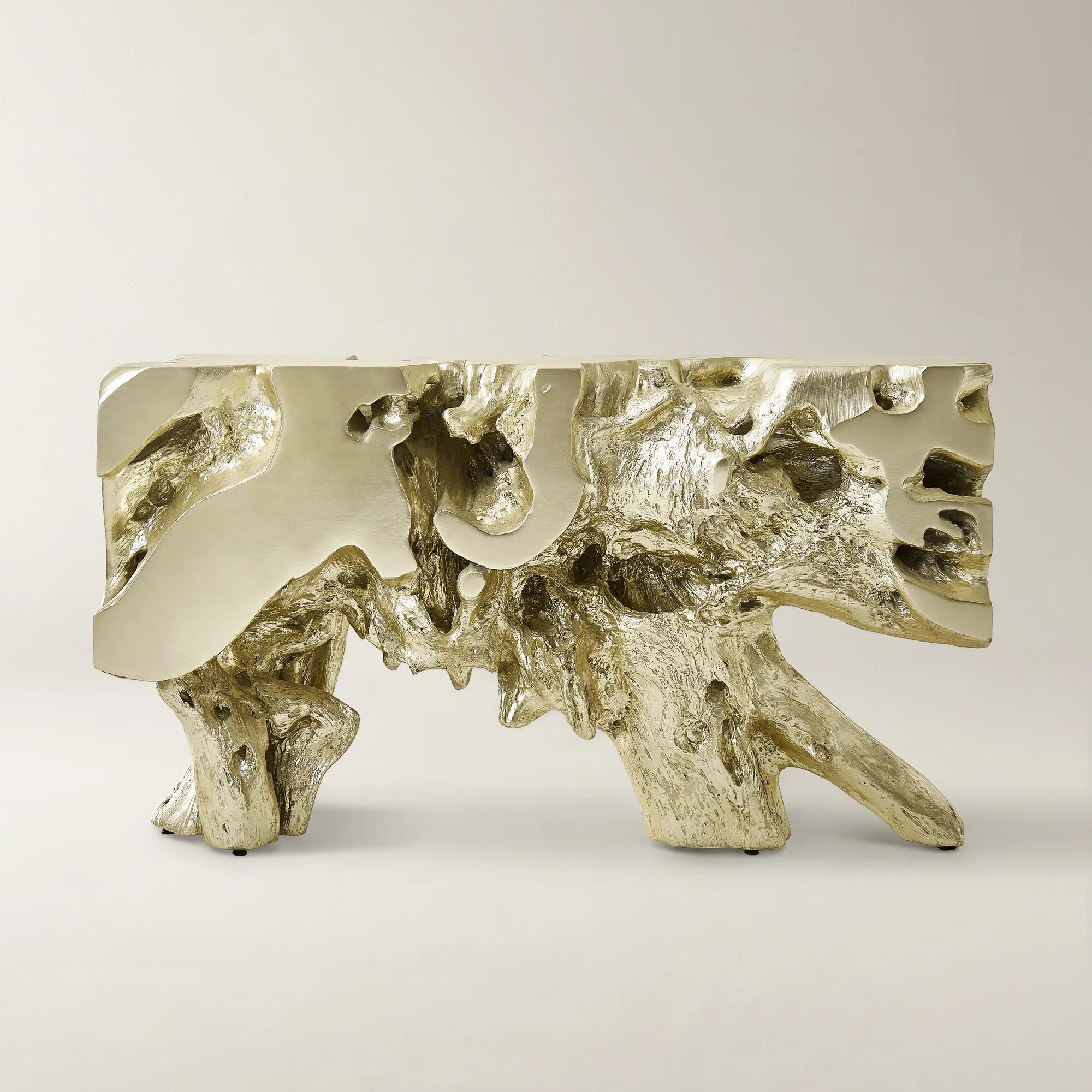 Sequoia Champagne Gold Resin Console Table (58")$1999
A sculptural resin console table finished in luminous champagne gold leaf with organic, root-inspired texture.
Add To Cart -
-compressed.jpg?w=1200&h=1200)
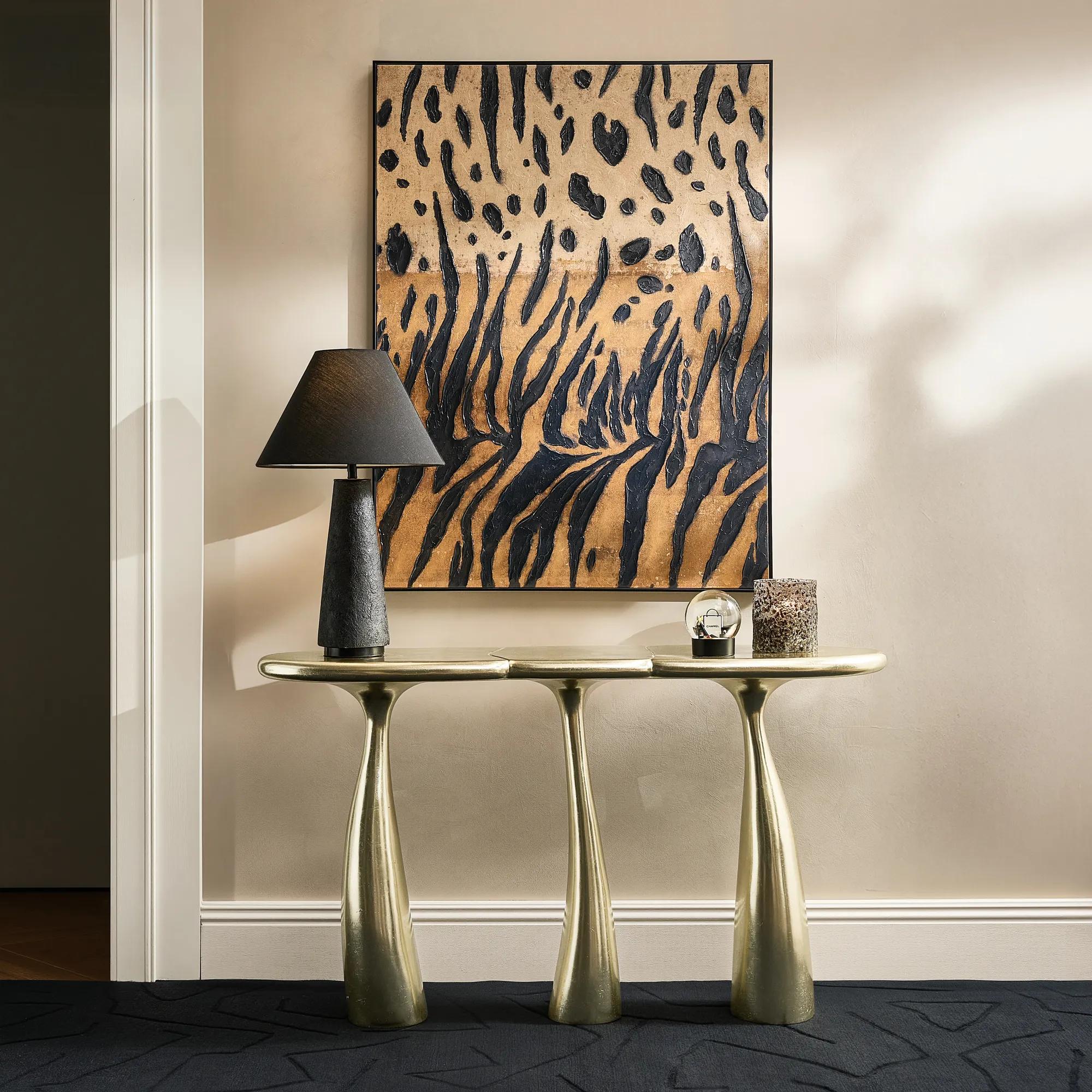 Thalia Soft Gold Console Table (52.4")$999
A sculptural console table hand-molded from fiberglass with a luminous, hand-applied gold leaf finish.
Add To Cart -
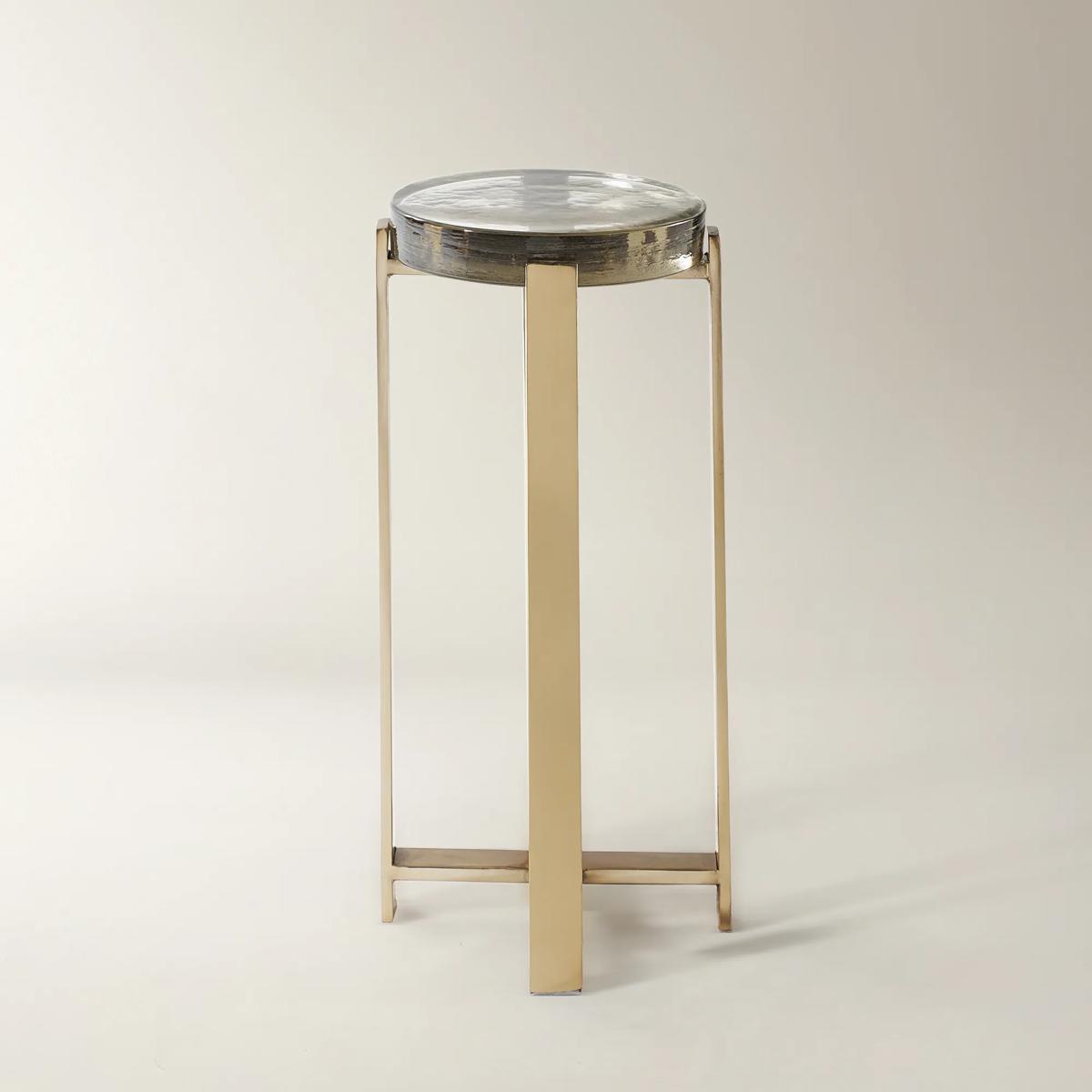
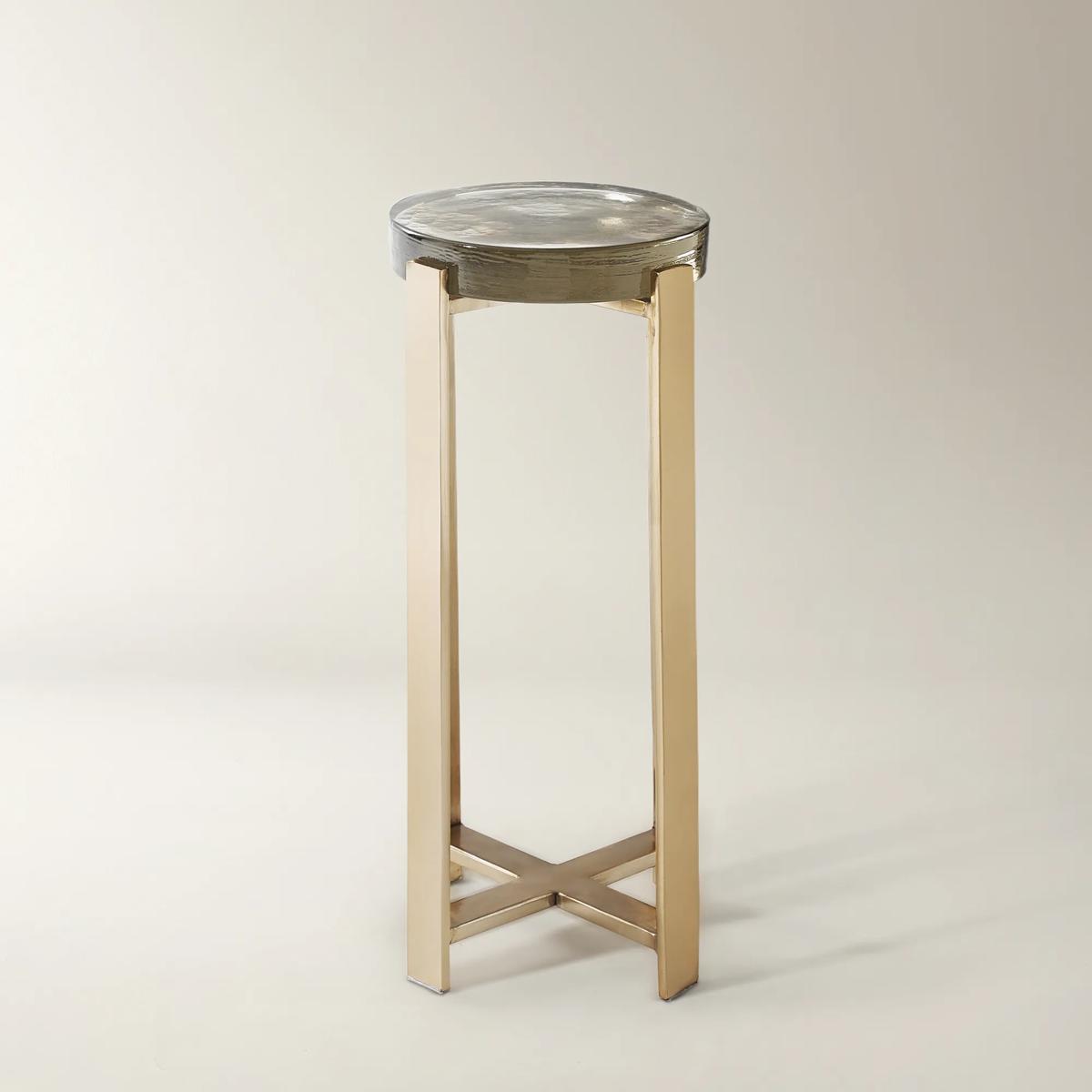 Lyra Round Brass Metal Side Table With Glass Top (10.75")$259
A sculptural side table featuring a thick cast glass top and lustrous brass-finished metal base.
Add To Cart -
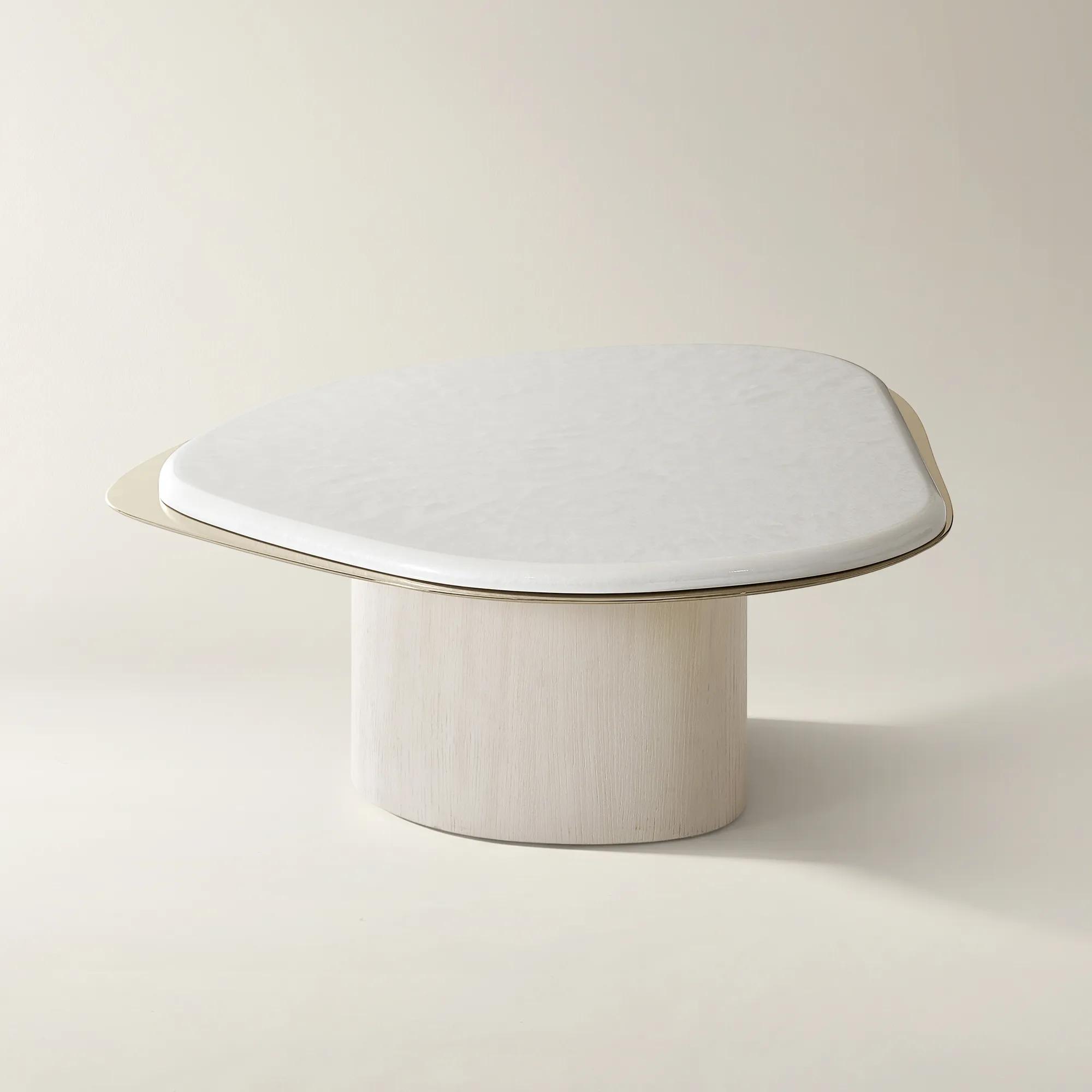
 Lumina Bleached Oak Coffee Table With Pearl Lacquered Top (32")$799
A sculptural coffee table featuring a pearl lacquered top, bleached oak base, and champagne gold trim.
Add To Cart -
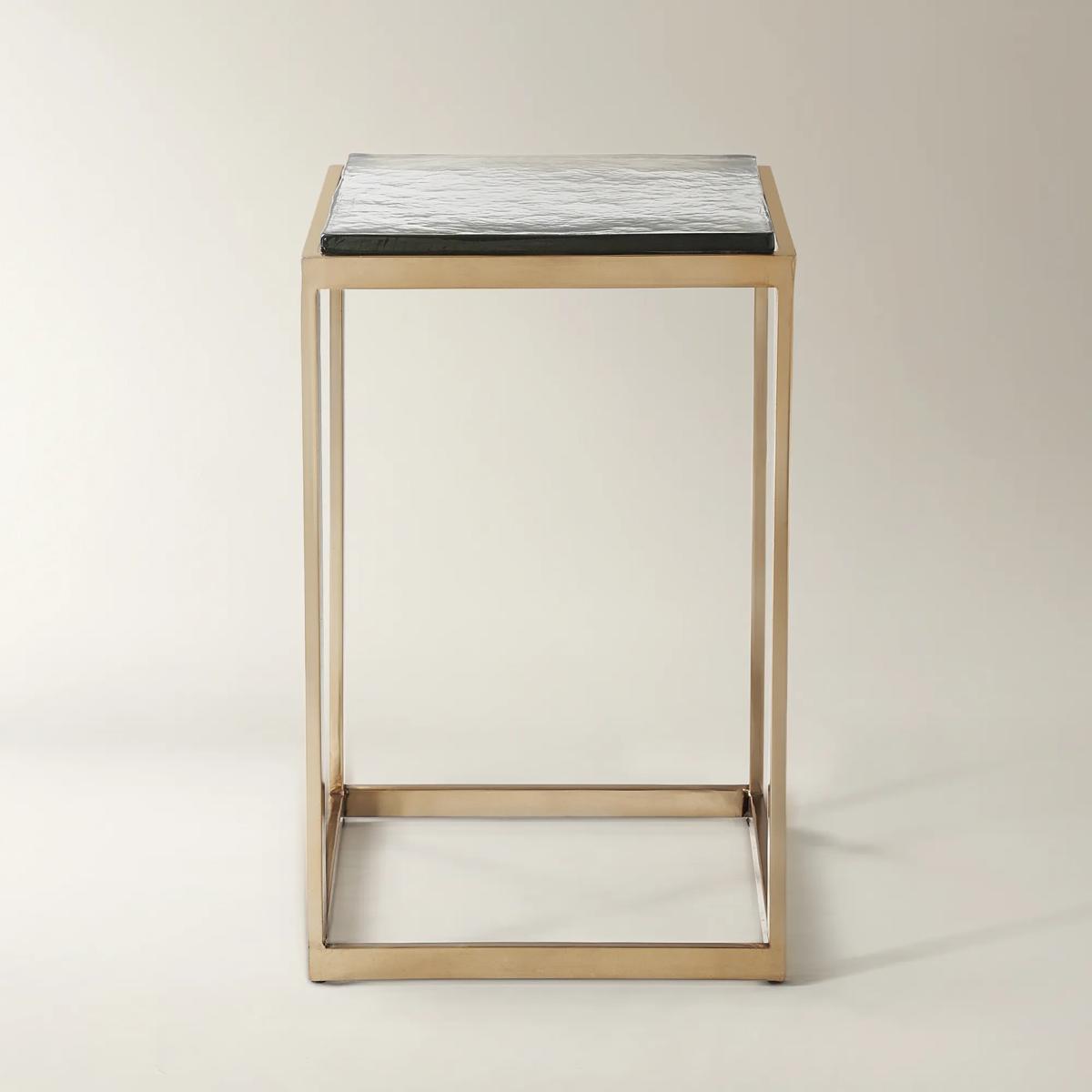
.jpg?w=1200&h=1200) Lyra Square Brass Metal Side Table With Glass Top (13.8")$239
Lyra Square Brass Metal Side Table With Glass Top (13.8")$239A sculptural side table featuring a thick cast glass top and a lustrous brass-finished metal base.
Add To Cart -
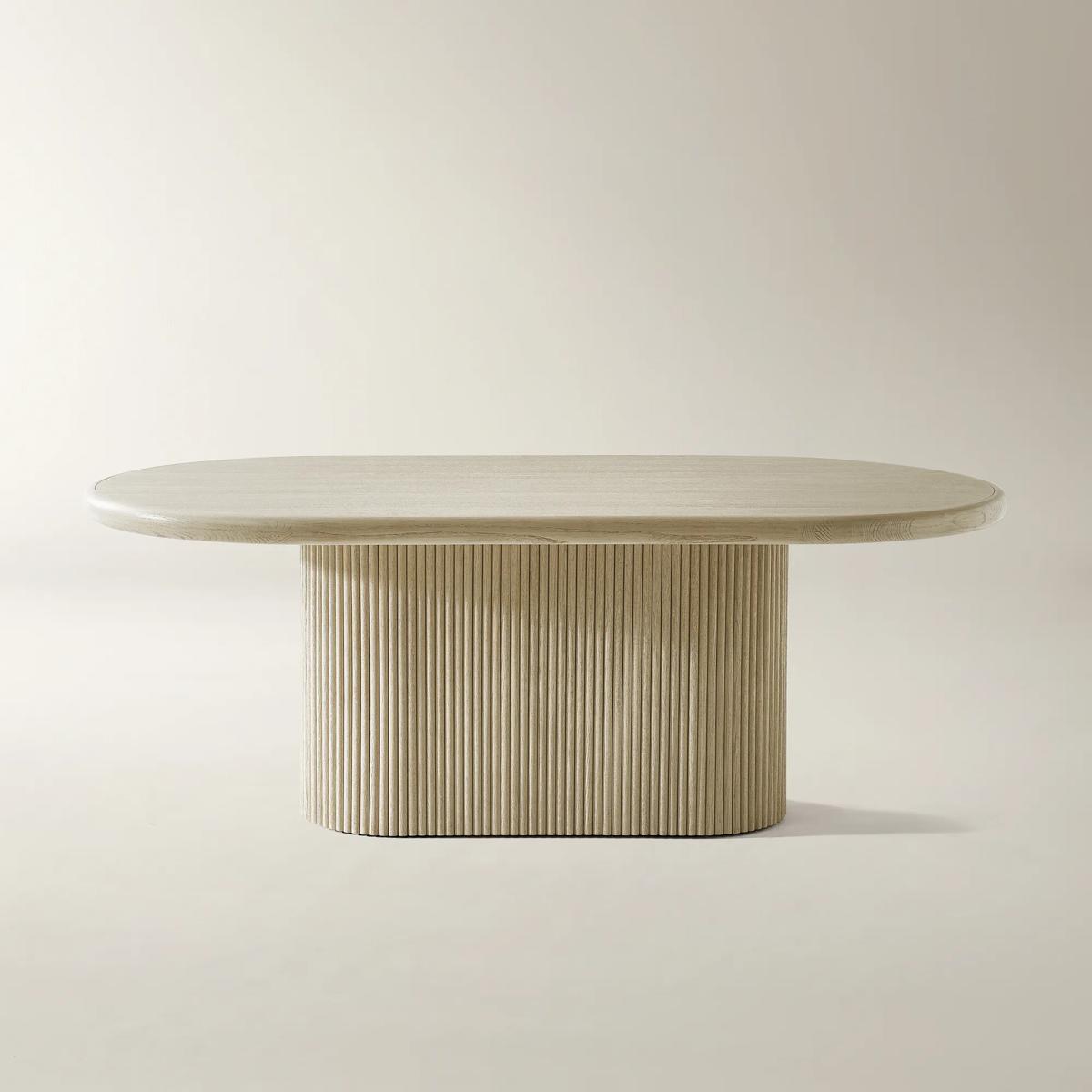
.jpg?w=1200&h=1200) Stria Oval Reeded White Oak Dining Table (82")$1999
Stria Oval Reeded White Oak Dining Table (82")$1999A sculptural oval dining table featuring reeded oak, a single pedestal base, and gold-plated steel trim.
Add To Cart

Sculptural Gold Accent Tables
Sculptural Gold Accent Tables are more than mere furnishings—they are luminous works of art, poised to transform any space into a gallery of modern glamour. Each piece gleams with a radiant finish, capturing the eye and sparking conversation with every curve and contour. Whether nestled beside a velvet settee or standing alone as a statement moment, these tables infuse your home with an unmistakable sense of drama and sophistication. Let your interiors shimmer with opulence and personality—because every room deserves its own golden masterpiece.
Sculptural gold accent tables combine the presence of decorative art with the everyday purpose of a side table, pairing expressive shapes with luminous metallic finishes. Their defining feature is the silhouette: a sweeping curve, a folded plane, an architectural lattice, or an organic column that feels compelling from every angle. Gold brings warmth to those contours, catching light along an edge and settling into deeper tones within a textured recess. Unlike a conventional table whose base recedes into the room, a sculptural gold side table makes its supporting structure part of the composition. Open geometric bases introduce rhythm and transparency, while solid, rounded forms give a seating arrangement a grounded, gallery-like presence. Fluid shapes soften the tailored lines of a sofa; angular designs lend definition beside a generously upholstered chair. The effect can be richly glamorous, quietly dramatic, or distinctly Art Deco, depending on the finish and surrounding furnishings. Polished gold reflects nearby colors and light with crisp brilliance, brushed gold creates a softer sheen, and antiqued gold emphasizes surface detail through tonal variation. Champagne gold tends to read more subtly, while deeper brass-toned finishes introduce a richer warmth. These distinctions matter beside cream upholstery, dark wood, jewel-toned velvet, or patterned textiles, where the metal becomes part of a larger palette rather than an isolated flourish. A gold accent table beside an emerald armchair creates an intimate place for evening reading; a sculptural pedestal against a charcoal sofa adds a concentrated flash of light without requiring another large piece of furniture. For interiors that call for metallic warmth across a broader range of silhouettes, Metallic Gold Accent Tables offer a related design direction. The sculptural approach places particular emphasis on movement, proportion, and negative space, giving even a modest corner a deliberate focal point. It suits anyone who wants useful furniture to express a point of view, from the collector drawn to abstract forms to the host who treats every seat as part of a considered setting.
Materials determine how a sculptural table looks, feels, and performs, and a gold appearance does not necessarily mean solid brass or another solid gold-colored metal. The finish may be applied over steel, aluminum, resin, fiberglass, or another substrate, each with different implications for weight, texture, and care. Metal construction can support slender profiles and intricate openwork, while molded materials allow generous curves, rippled surfaces, and continuous shapes that would be difficult to achieve with conventional joinery. A gold-leaf finish has a layered surface character distinct from the even reflection of polished or plated metal; subtle seams and variations can contribute to its decorative appeal. Above the base, the tabletop changes the entire expression. Clear glass keeps an elaborate structure visible, making it especially effective when the base is the artistic centerpiece. Smoked glass brings a moodier contrast, while white marble introduces pale veining and a cooler counterpoint to warm gold. Black marble can create a more dramatic composition, particularly against light upholstery. Natural stone varies in pattern and color, so its appeal includes individuality rather than perfect uniformity. Metal tops extend the sculptural effect into a continuous form, though textured or sloping designs may offer less usable surface than their overall dimensions suggest. For daily use, a level area wide enough for a drink, a book, and perhaps a small dish matters more than the visual breadth of an irregular edge. Durability depends on the complete construction, including the base, joints, finish, and top attachment—not simply on how substantial a table appears. A broad pedestal may feel reassuringly grounded, but stability also depends on weight distribution and the floor beneath it. Glass, stone, and coated metal each have their own vulnerabilities, making the stated care directions and weight limits important considerations. These material differences allow sculptural accent furniture to serve distinct roles, from a delicately reflective occasional table reserved for a favorite glass to a more substantial companion beside the most-used chair in the room.
Scale gives these expressive forms room to succeed. Beside a sofa or lounge chair, a tabletop near the height of the arm generally keeps a drink comfortably within reach; a much taller or lower surface can interrupt both the visual line and the ease of use. Overall width and depth deserve equal attention, especially when a base flares outward beyond the top. In a compact sitting area, an open gold framework can preserve sightlines, while a rounded silhouette introduces a softer outline along a circulation path. Neither replaces adequate clearance: the table should leave room to pass, turn, and rise from the seat without negotiating a projecting corner. A narrow drink table serves a different purpose from a broad end table intended to hold a lamp, and lamp placement calls for enough surface area, dependable stability, and a discreet route for the cord. In a bedroom, a sculptural gold table can bring a jewel-like accent beside a reading chair, though an open design will not provide the concealed storage of a traditional nightstand. Two complementary tables can connect separate seats without the formality of a matching arrangement, particularly when their finishes share a similar warmth. Styling is most persuasive when it leaves the shape visible: a low ceramic bowl, a single glass vessel, or a neatly placed book gives the eye somewhere to pause without concealing the tabletop. During the cooler months, gold takes on added depth beside plush textiles and the warm glow of a shaded lamp. Keeping that finish luminous usually begins with gentle dusting using a soft cloth and prompt attention to spills, always following the material-specific instructions. Abrasive pads and harsh cleaners can damage decorative coatings, while acidic liquids may etch marble and scratchy objects can mark glass or metal. Coasters and suitable protective pads help preserve surfaces without obscuring their beauty. Unless expressly rated otherwise, accent tables belong indoors and should not be used as seating or steps. With thoughtful placement and appropriate care, a sculptural gold accent table gives daily rituals an artful setting while letting its distinctive form remain the center of attention.
FAQs
Sculptural gold accent tables captivate with their artistic forms and luminous finishes, acting as both functional surfaces and statement pieces. Their unique silhouettes and radiant gold tones infuse any space with a sense of glamour and individuality, making them ideal for those who view their home as a canvas for bold self-expression.
To highlight the artistry of your gold accent table, pair it with complementary textures and colors—think velvet upholstery, crystal accessories, or rich jewel-toned decor. Use dramatic lighting to accentuate the metallic finish and allow the table’s sculptural qualities to shine, whether as a solo statement or as part of a layered vignette.
Absolutely. A sculptural gold accent table makes an unforgettable gift for housewarmings, weddings, anniversaries, or milestone celebrations. Its opulent design and timeless appeal convey thoughtfulness and a flair for the extraordinary, ensuring it will be cherished for years to come.
Yes, gold accent furniture is remarkably versatile. In contemporary settings, it adds a touch of drama and modern artistry, while in more traditional rooms, it brings warmth and a refined sense of luxury. The sculptural forms serve as a bridge between styles, allowing for creative and unexpected pairings.
Sculptural end tables can elevate any space in the home. Place one in an entryway as a dazzling pedestal for art or florals, use it as a bedside table for a touch of glamour, or let it anchor a reading nook with style and functionality. Their versatility ensures they become focal points wherever they reside.
.jpeg?w=3000&h=3000)