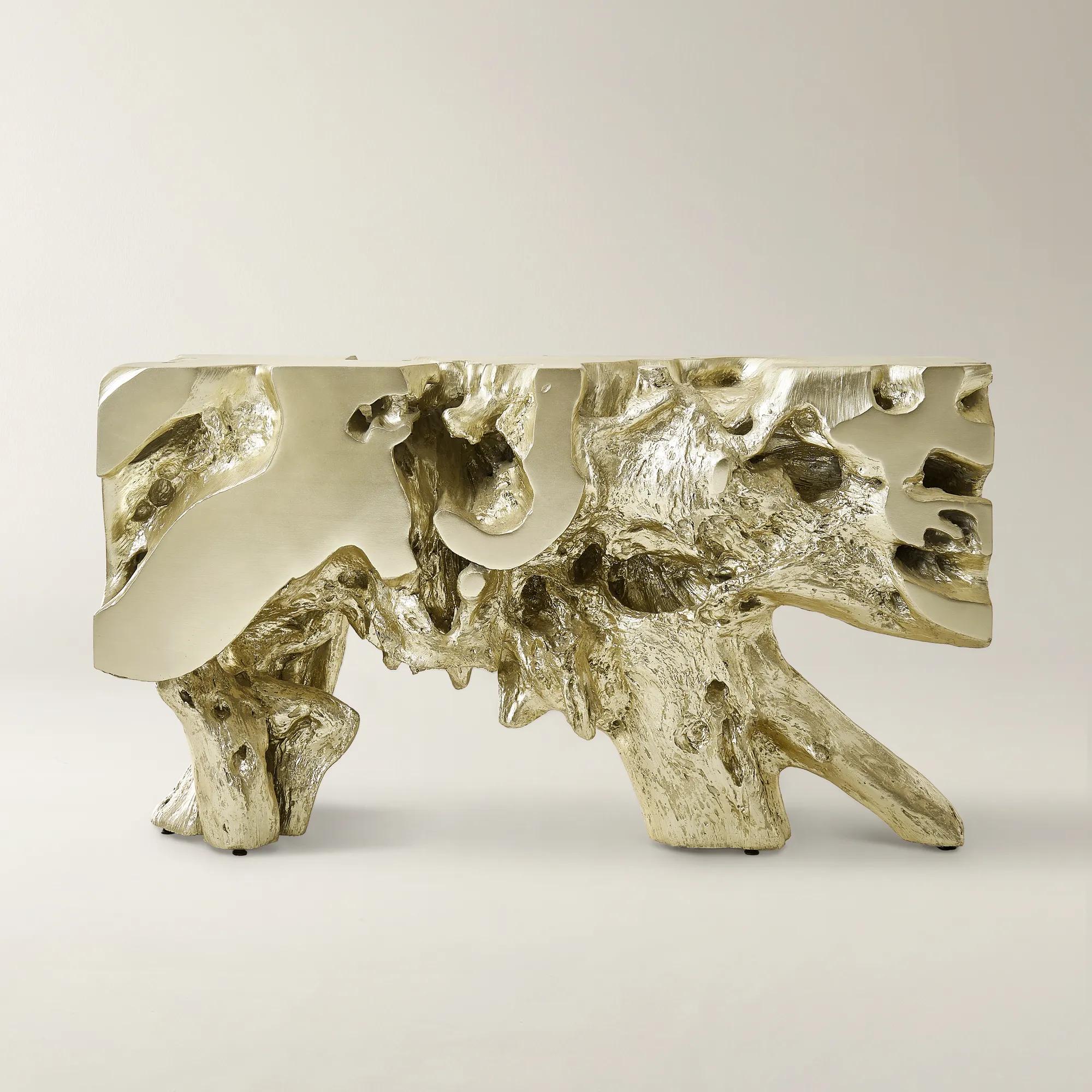
Sculptural Living Room Tables
Sculptural Living Room Tables
-
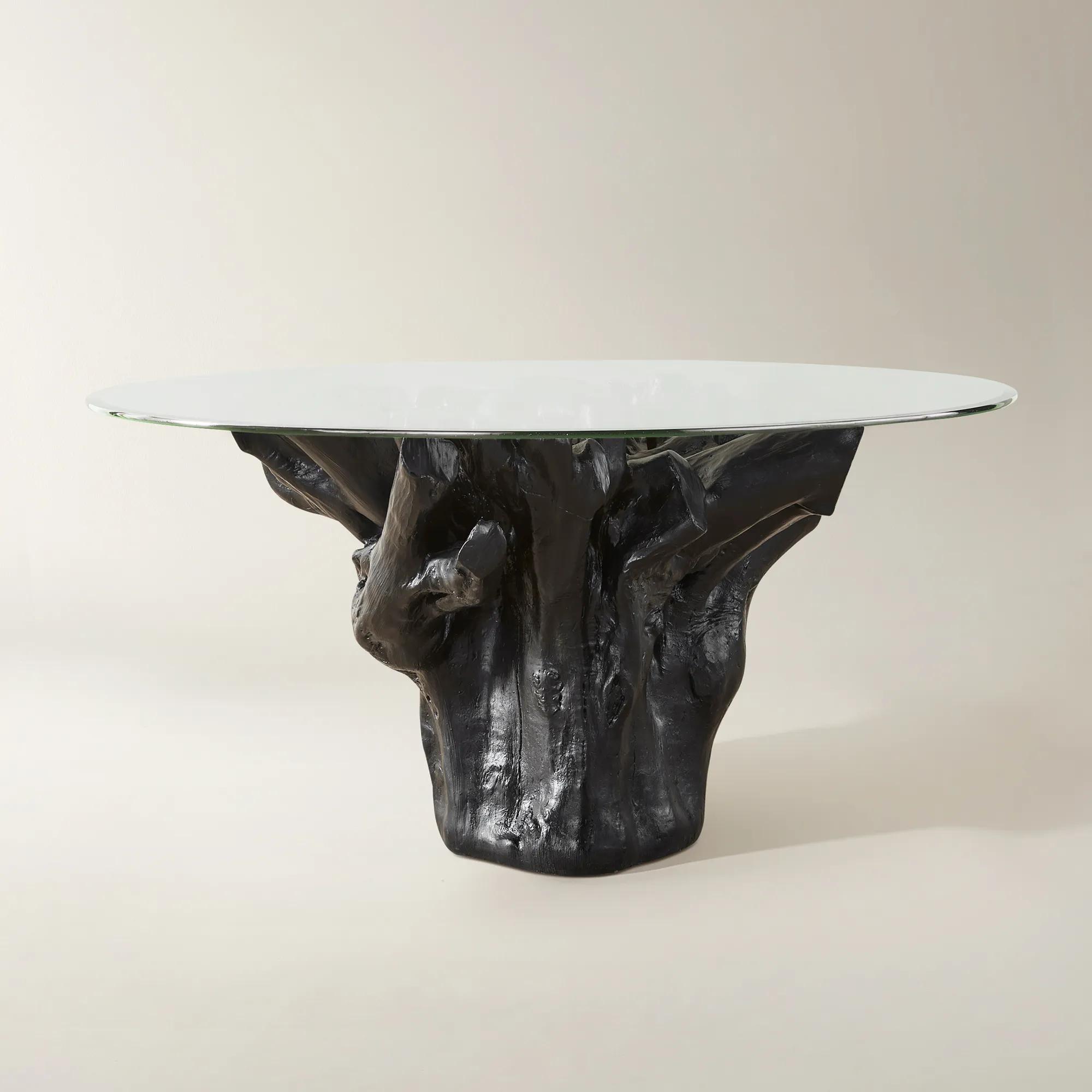 Sequoia Black Resin Dining Table With Glass Top (60")$2299
A sculptural black resin base with real stone fragments supports a round tempered glass top for organic elegance.
Add To Cart -
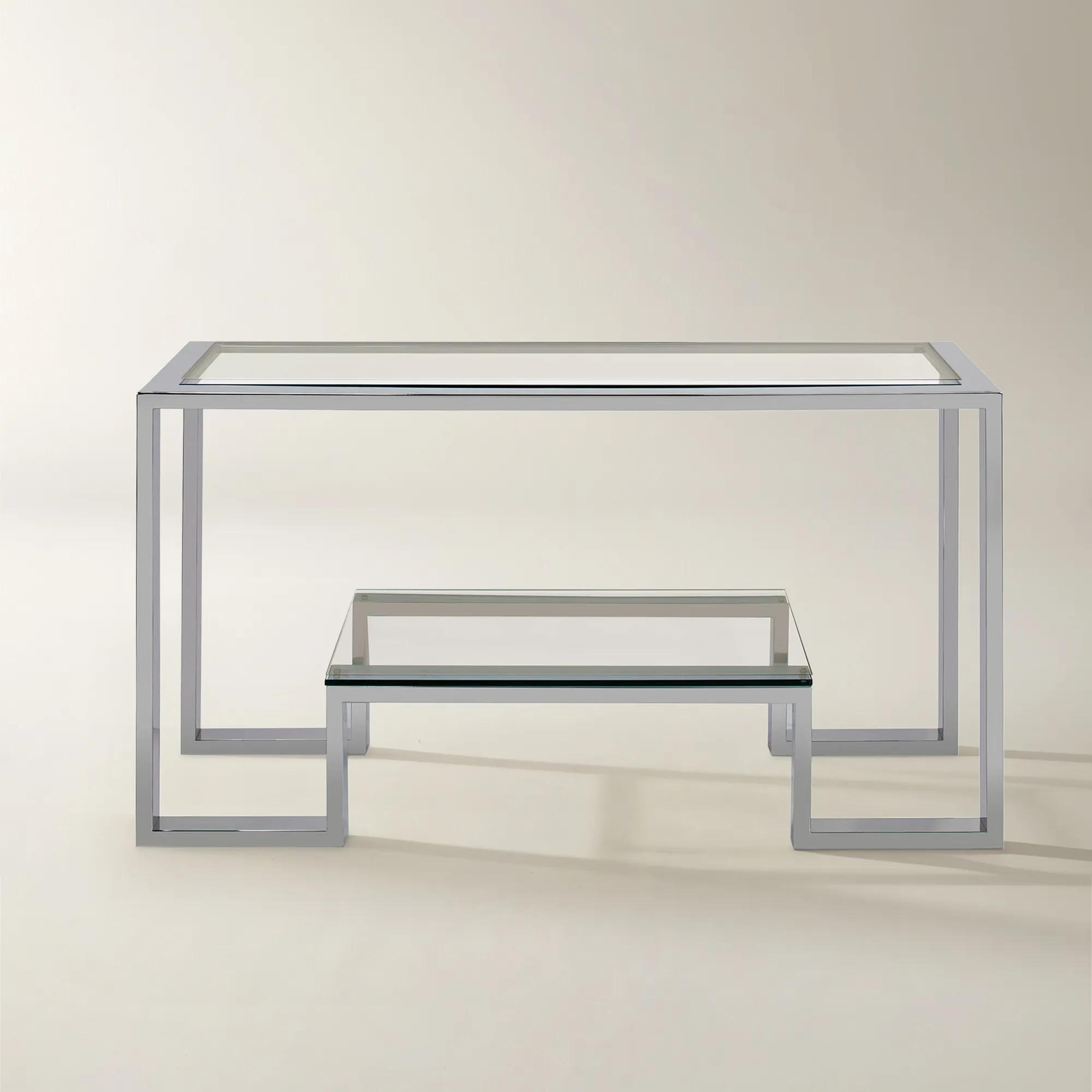
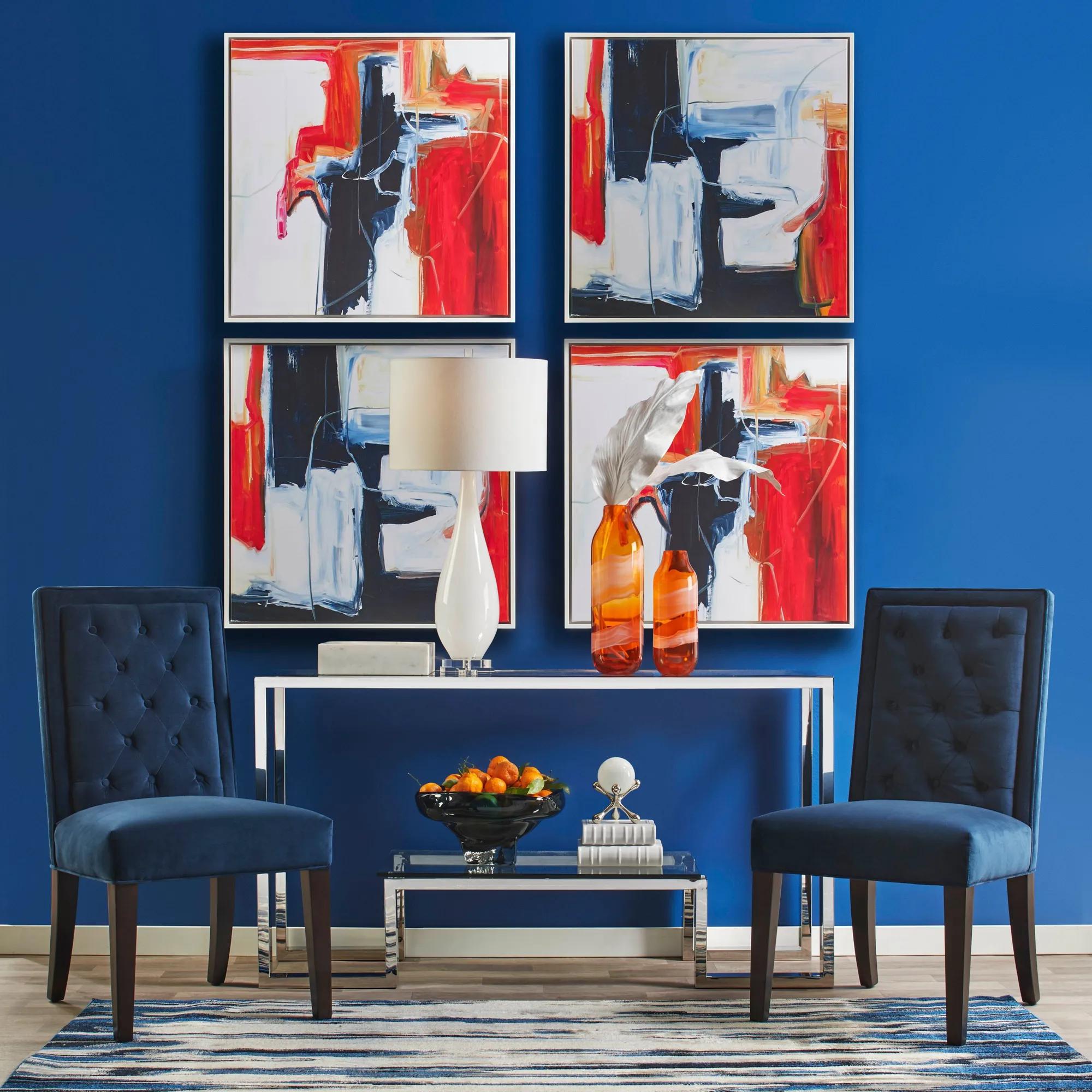 Duplicity Rectangular Silver Stainless Steel Console Table With Glass Top (59")$1399
A modern console table crafted from stainless steel and tempered glass with a floating bottom shelf.
Add To Cart -
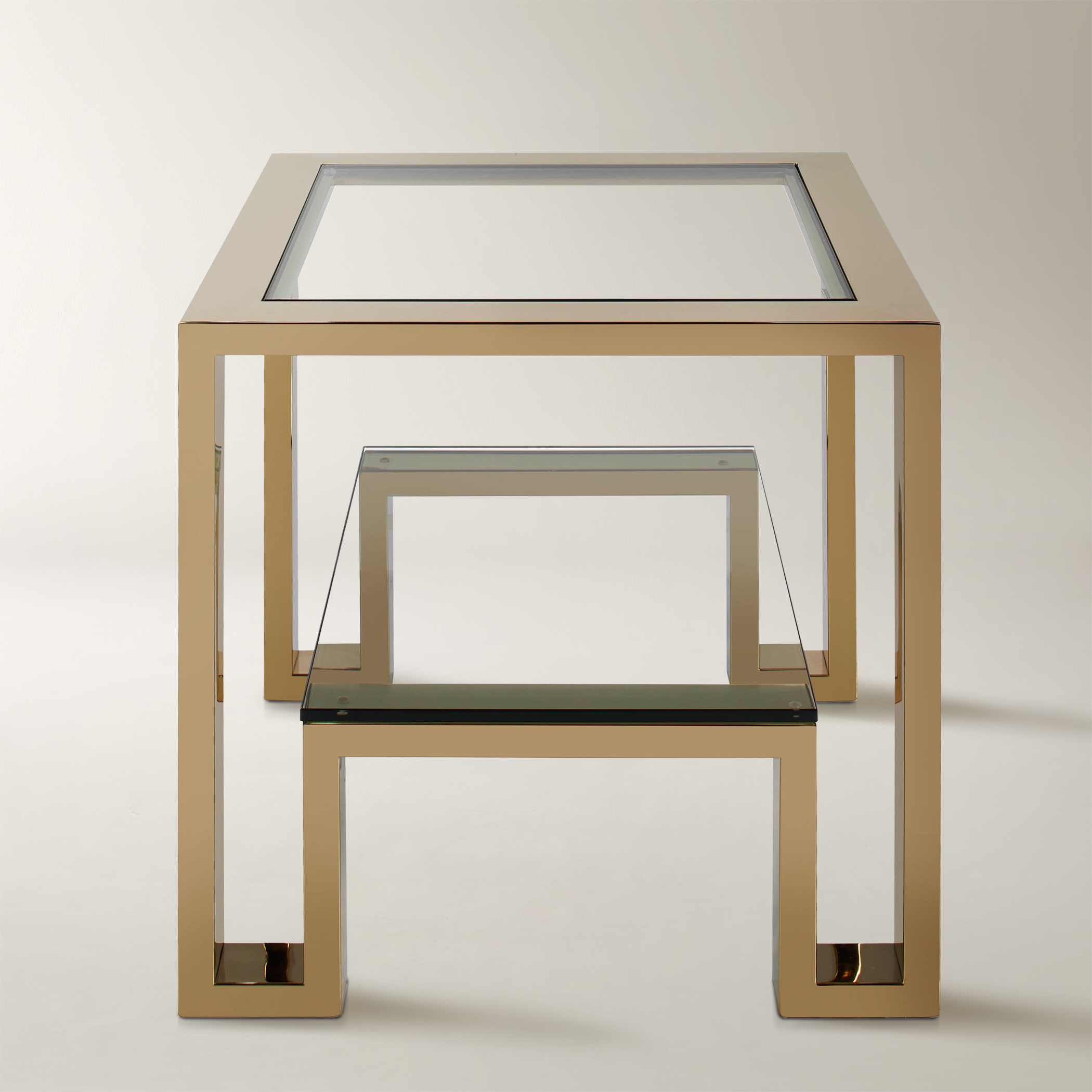 Duplicity Square Gold Stainless Steel End Table With Glass Top (24")$749
A modern end table crafted from stainless steel and tempered glass with a floating bottom shelf.
Add To Cart -
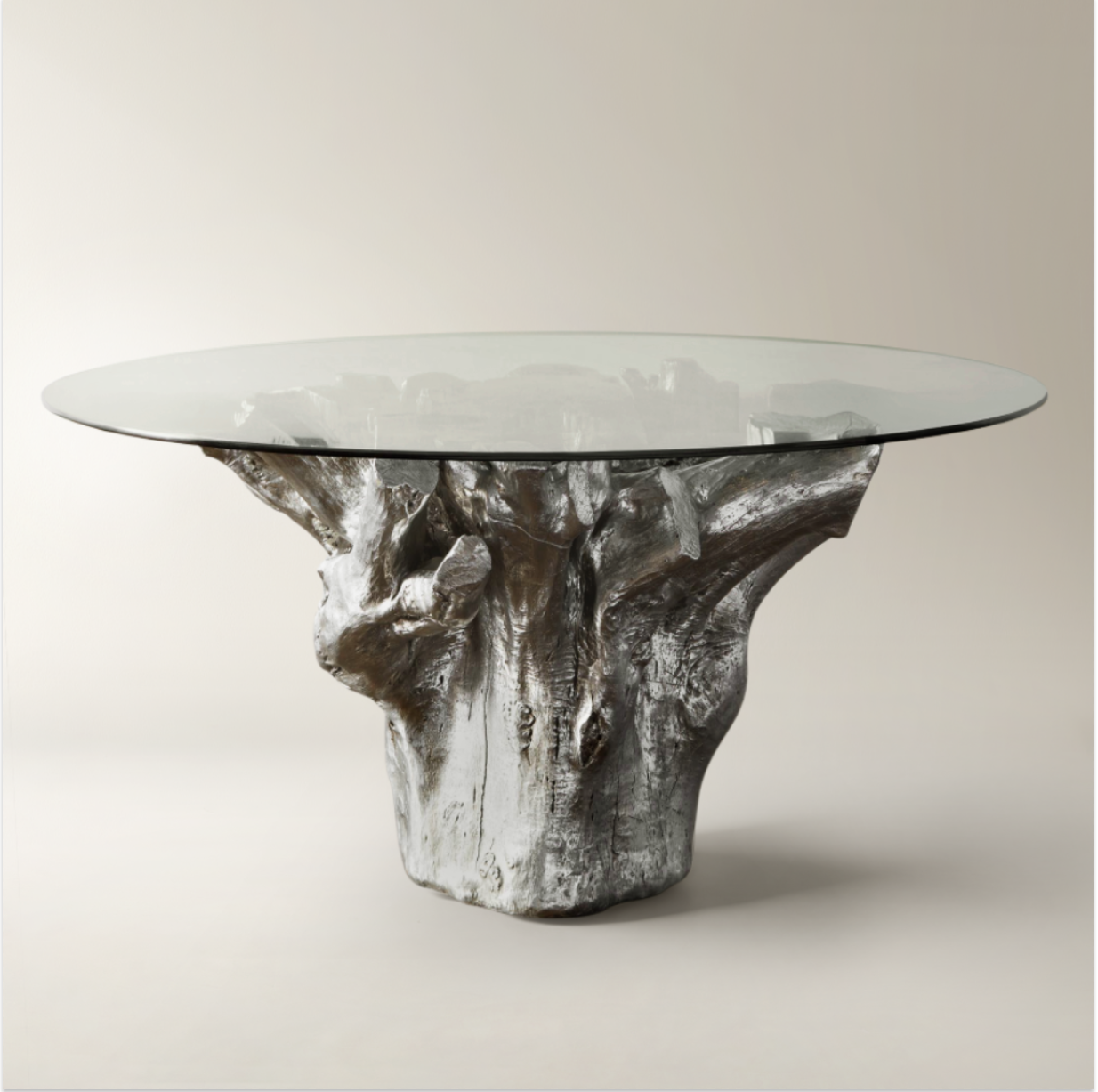 Sequoia Silver Resin Dining Table With Glass Top (60")$2199
A sculptural resin base with hand-applied silver leaf supports a round tempered glass top for modern elegance.
Add To Cart -
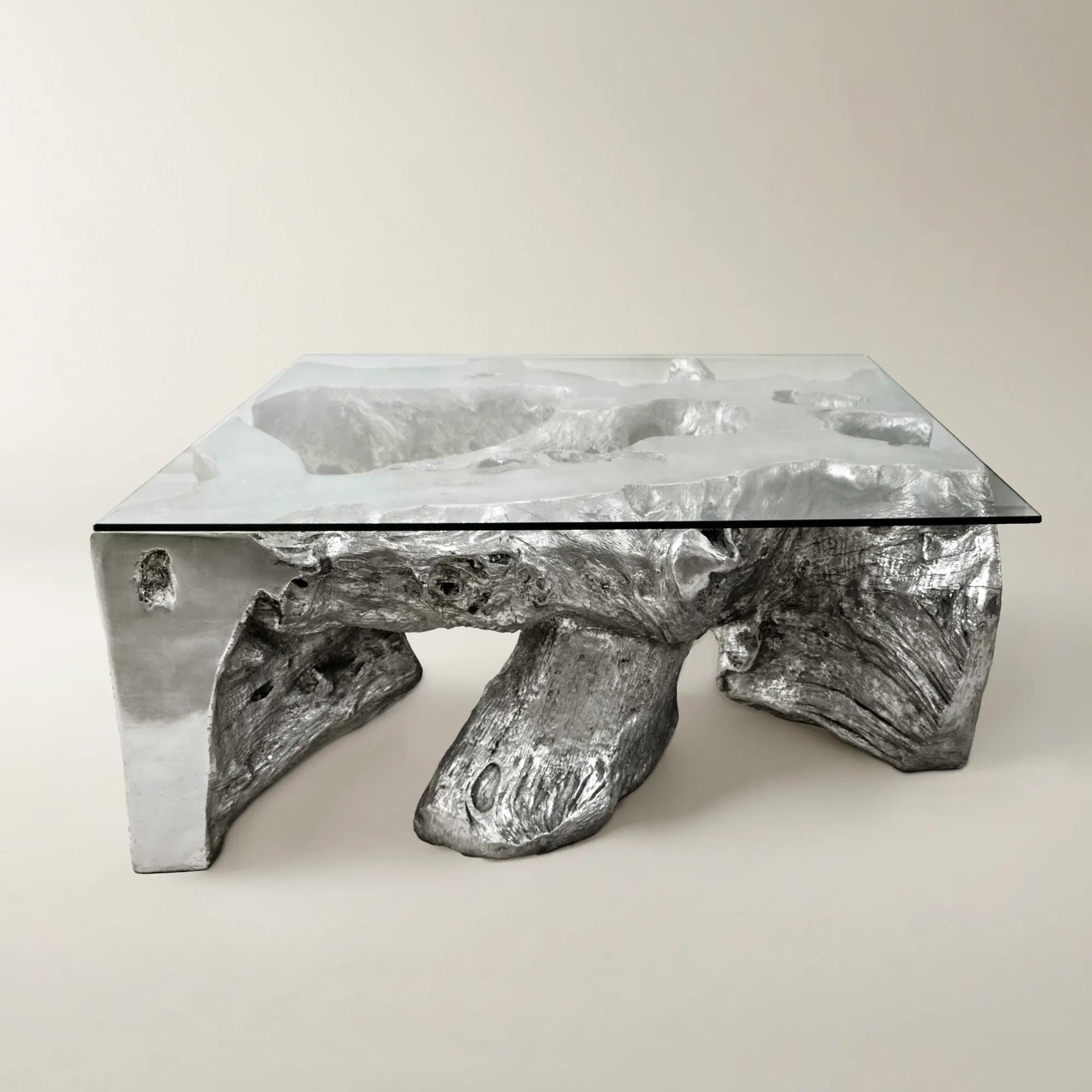 Sequoia Silver Resin Coffee Table With Glass Top (44")$2299
A sculptural coffee table featuring a hand-applied silver leaf resin base and a tempered glass top.
Add To Cart -
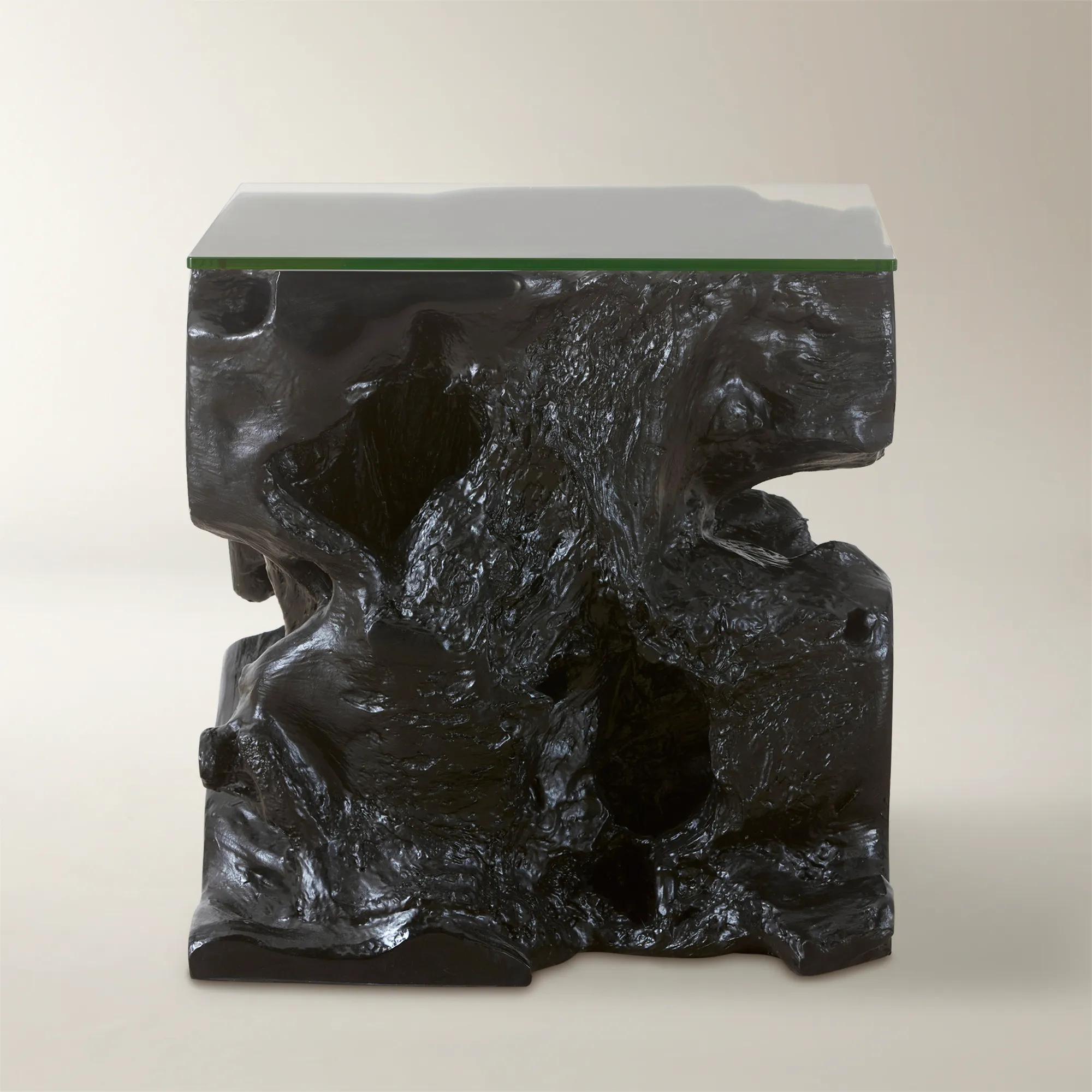 Sequoia Black Resin End Table With Glass Top (22")$999
A sculptural black resin and stone end table inspired by Acacia roots, suitable for indoor or outdoor use.
Add To Cart -
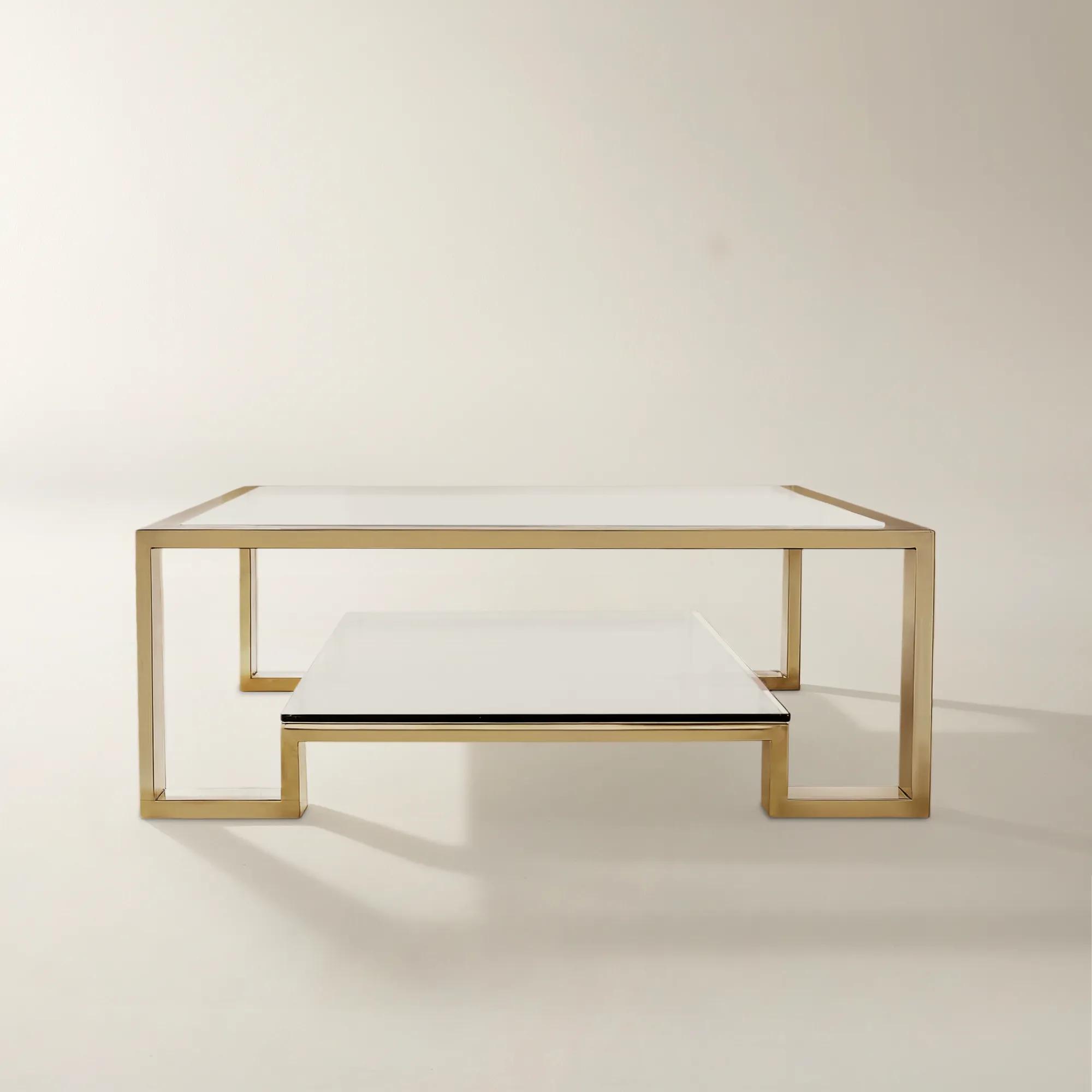 Duplicity Rectangular Gold Stainless Steel Coffee Table With Glass Top (50")$1399
A modern coffee table featuring a stainless steel frame, tempered glass top, and floating storage shelf.
Add To Cart -
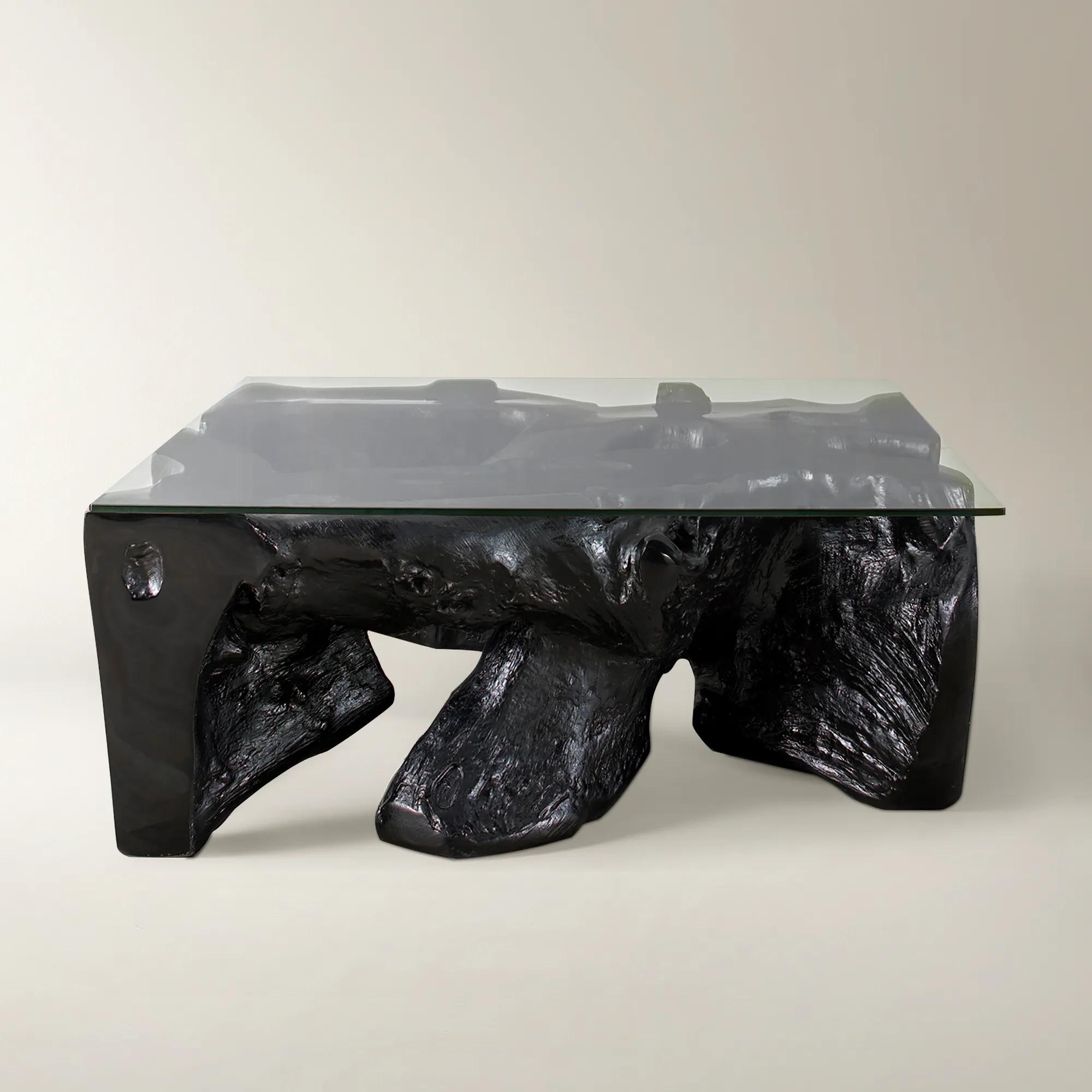
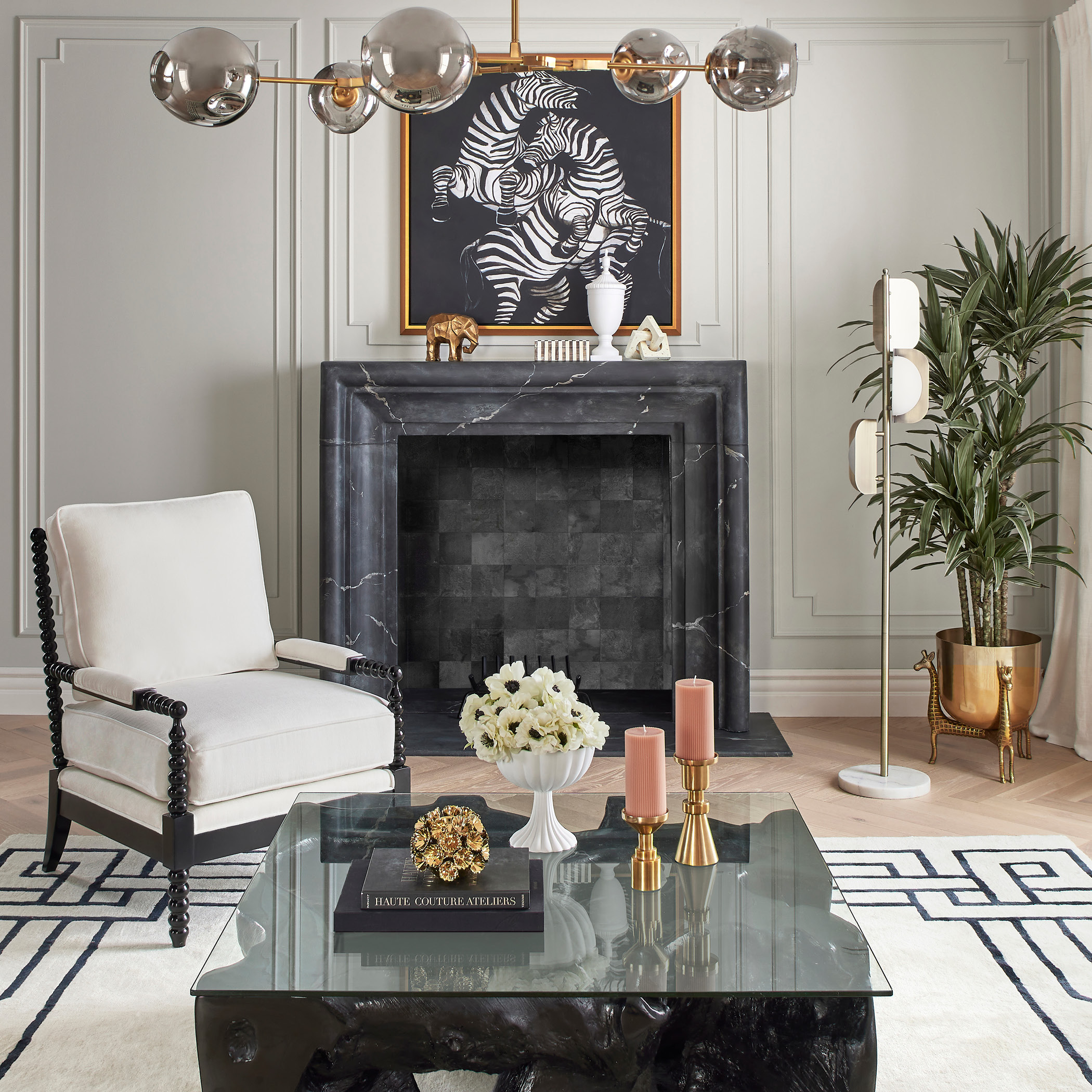 Sequoia Black Resin Coffee Table With Glass Top (44")$2299
A sculptural black coffee table crafted from resin and polished stone fragments for indoor or outdoor use.
Add To Cart -
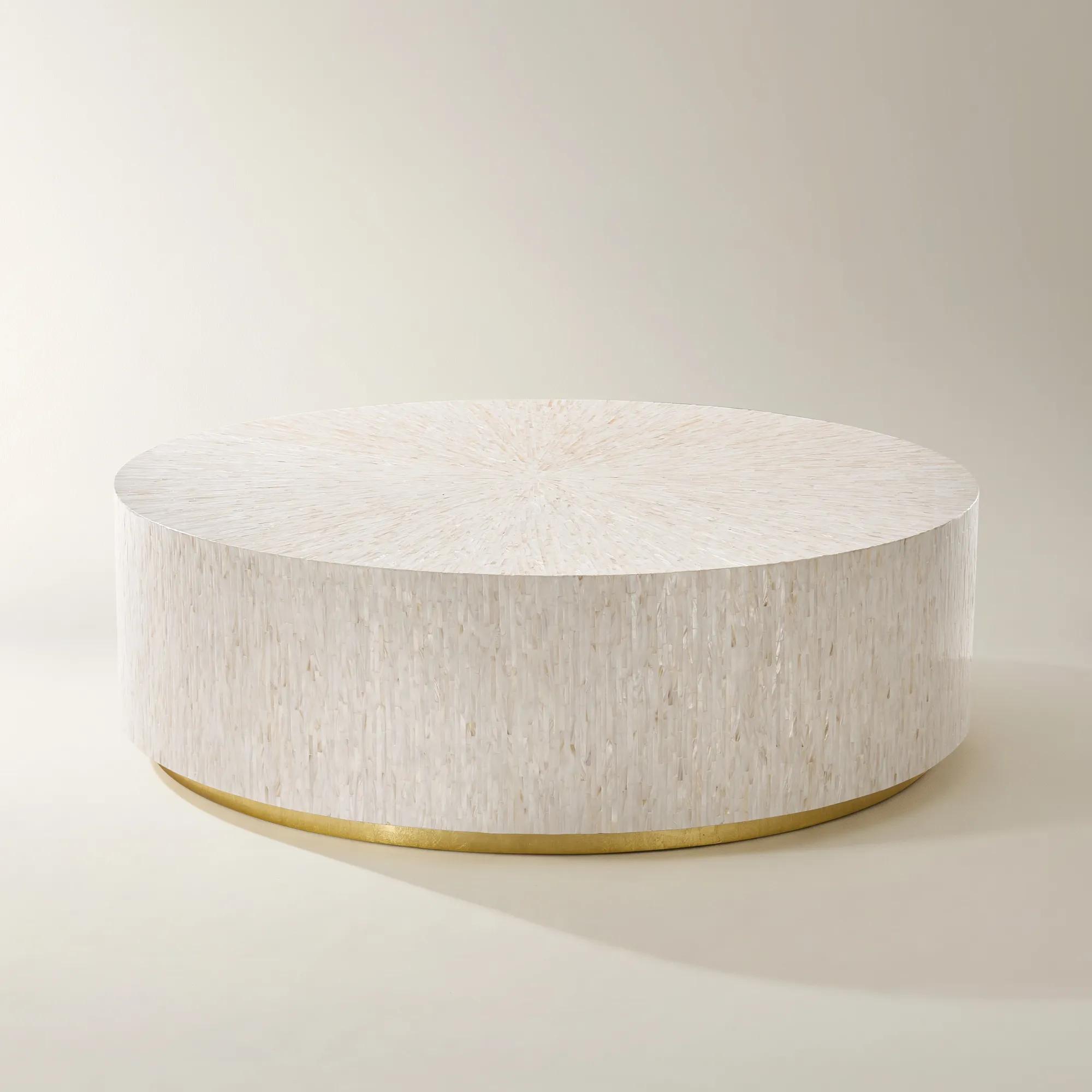 Alexandria Round Mosaic Platinum Coffee Table (52")$1299
A luminous mother-of-pearl mosaic coffee table with a sculptural round form and gold leaf–accented base.
Add To Cart -
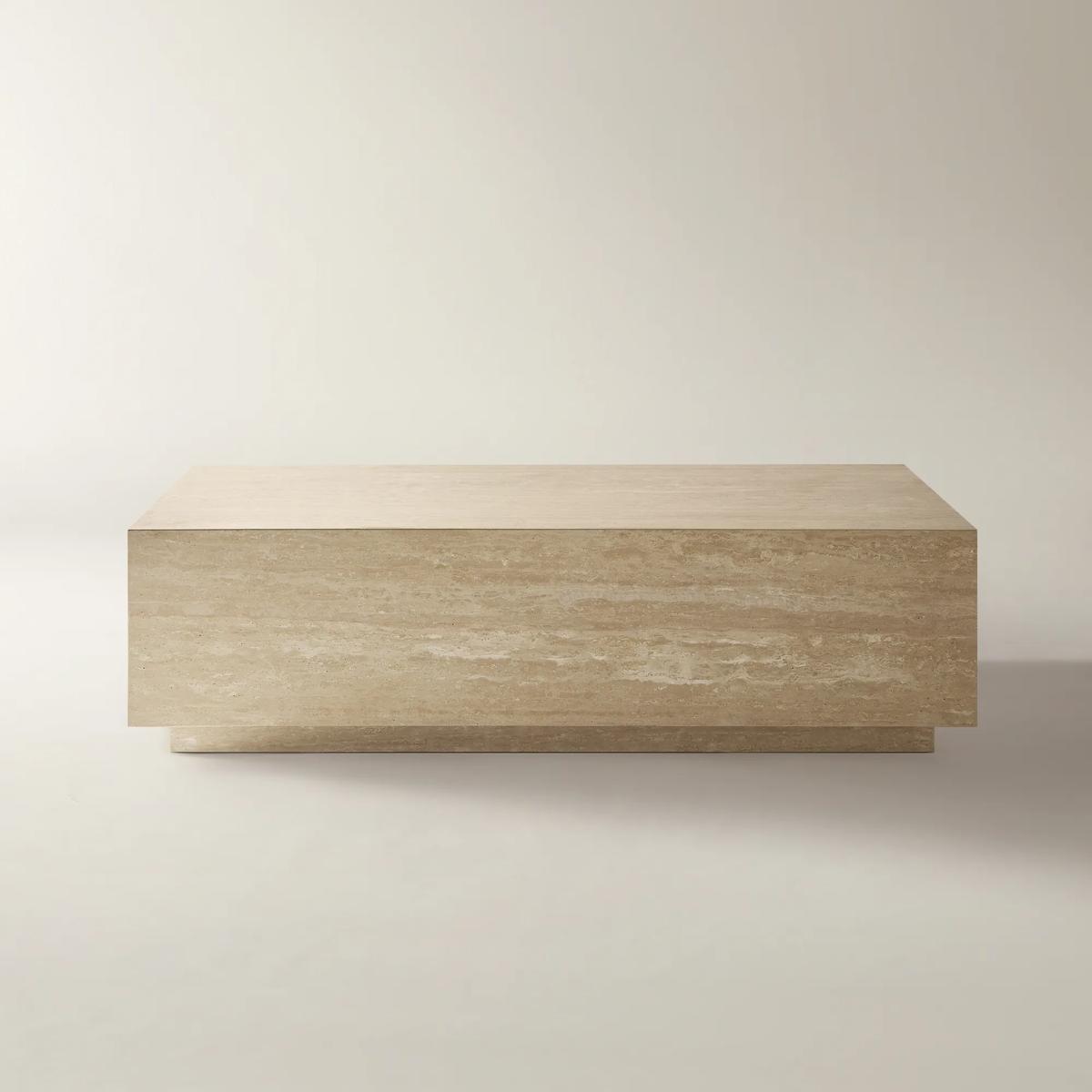
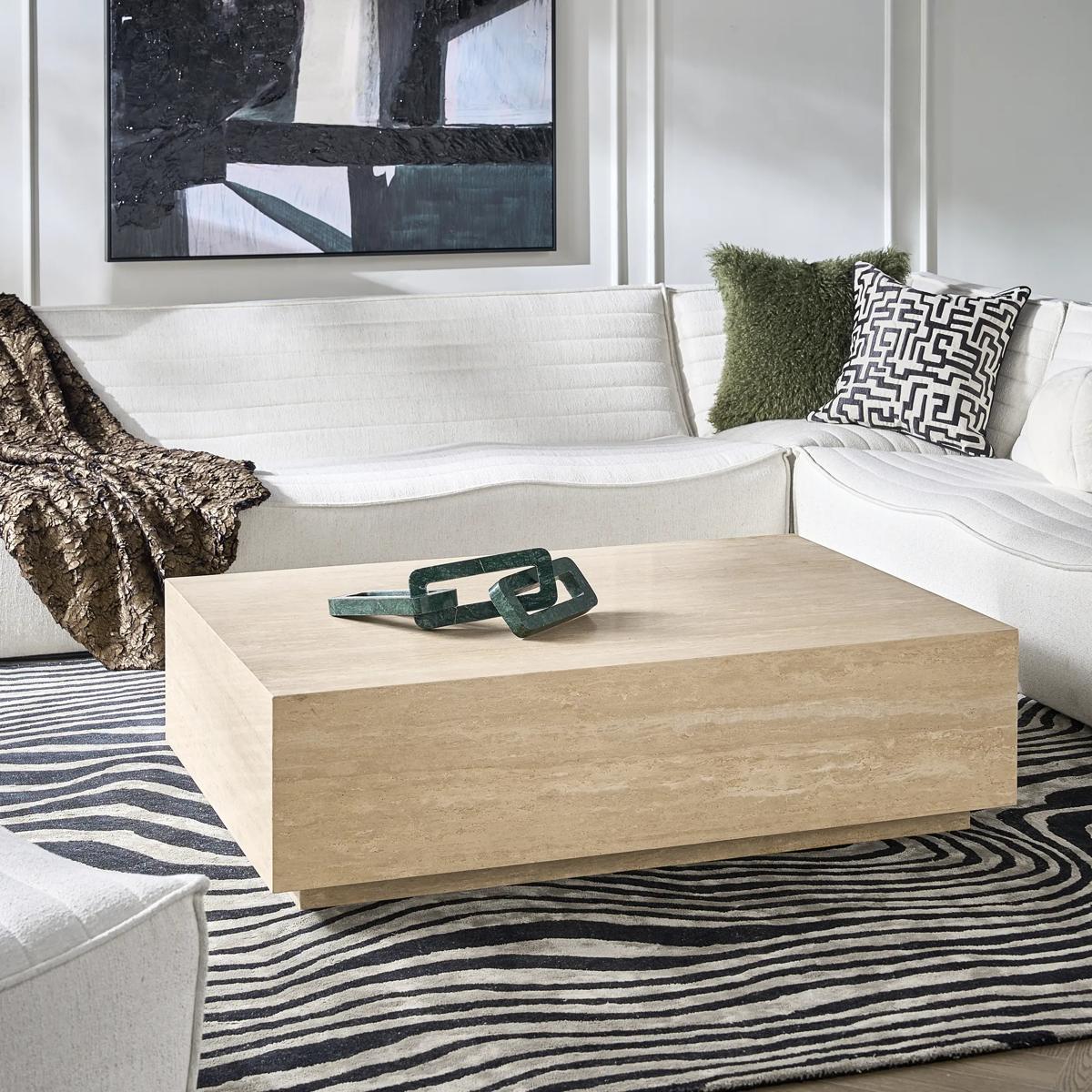 Vanta Rectangular Travertine Coffee Table (54")$2599
A seamless genuine travertine coffee table featuring ivory-gold tones and an ultra-light aluminum honeycomb core.
Add To Cart -
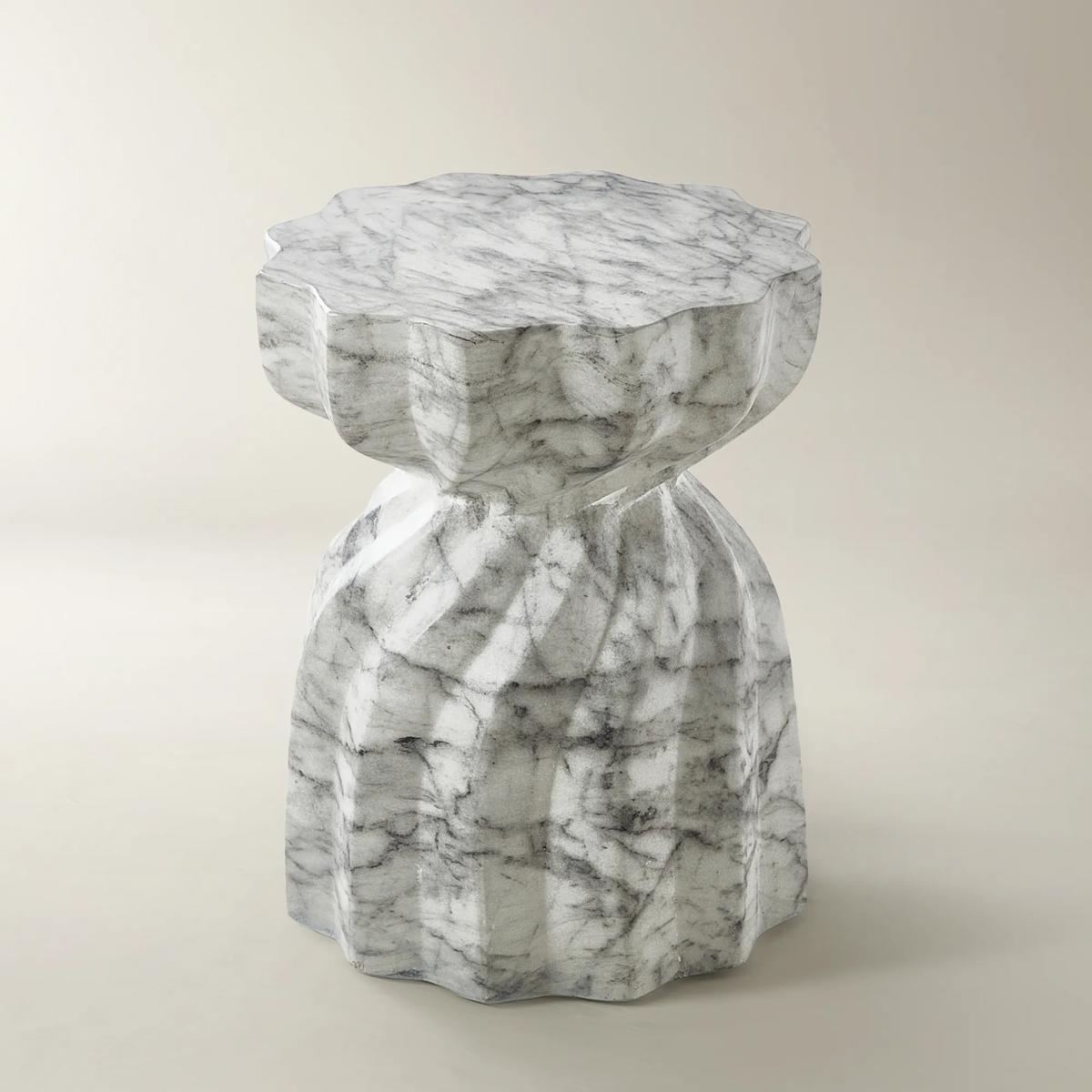
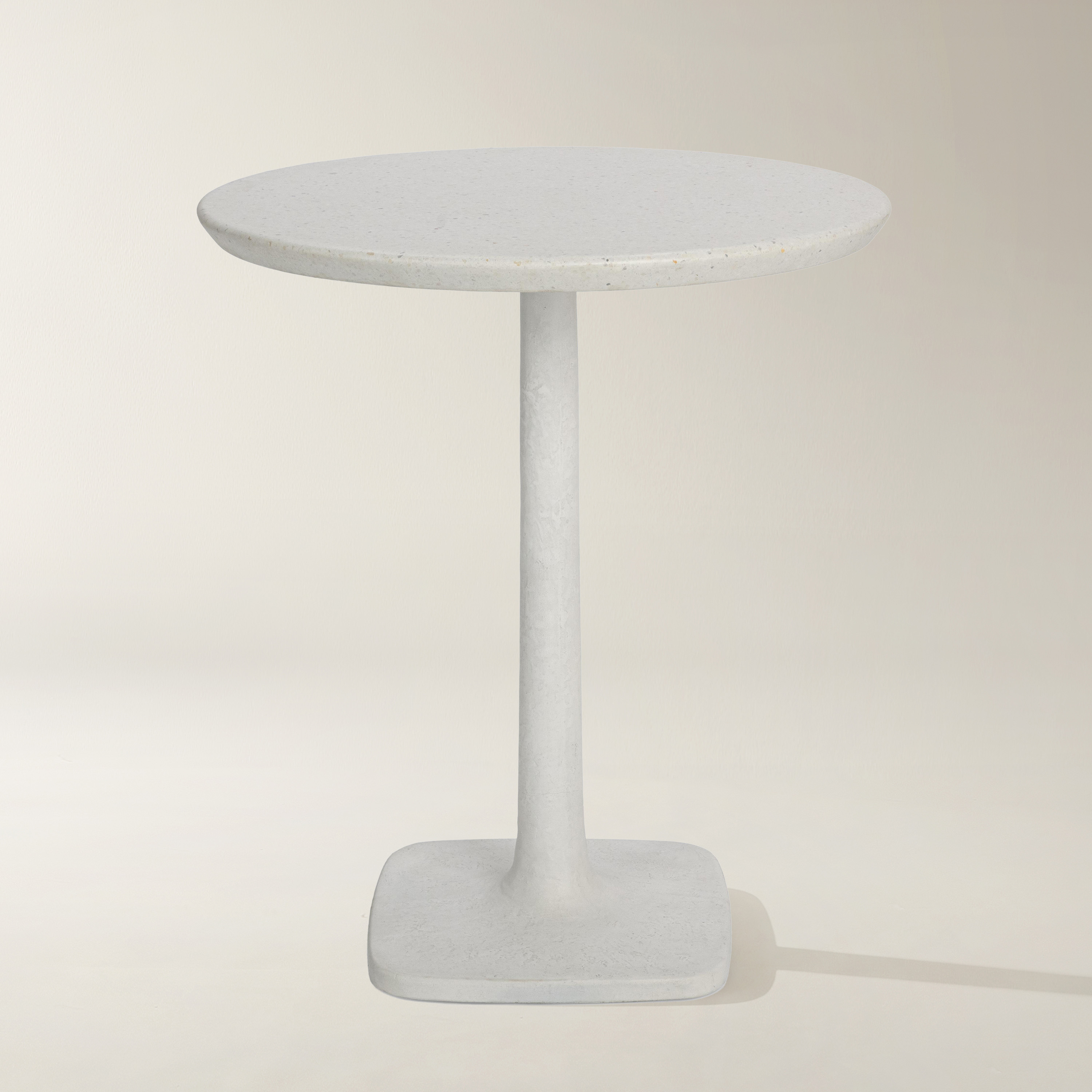
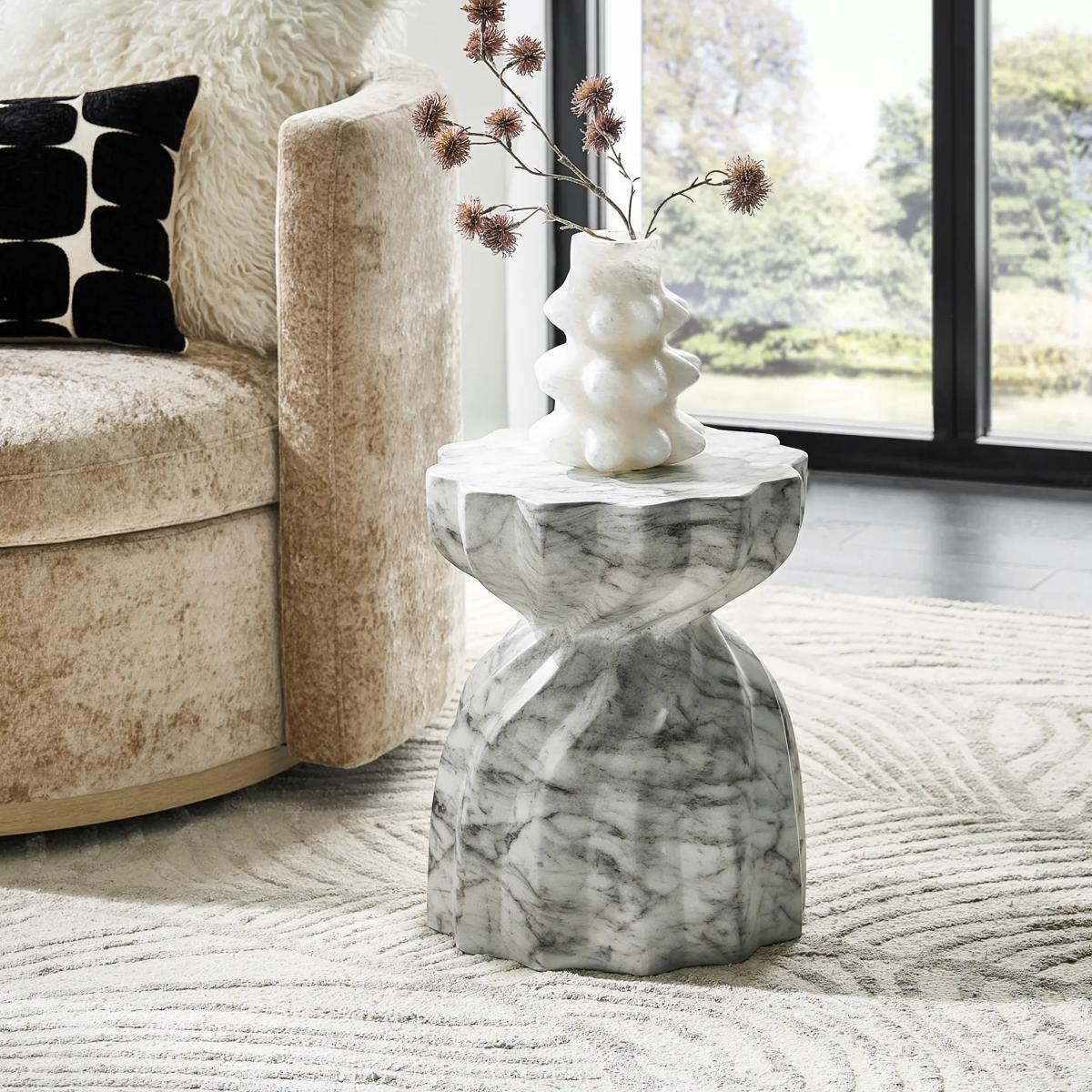 Lithia Scalloped White Concrete Side Table (15")$299
A sculptural white marble-look side table crafted from durable, lightweight fiber concrete for indoor or outdoor use.
Add To Cart -
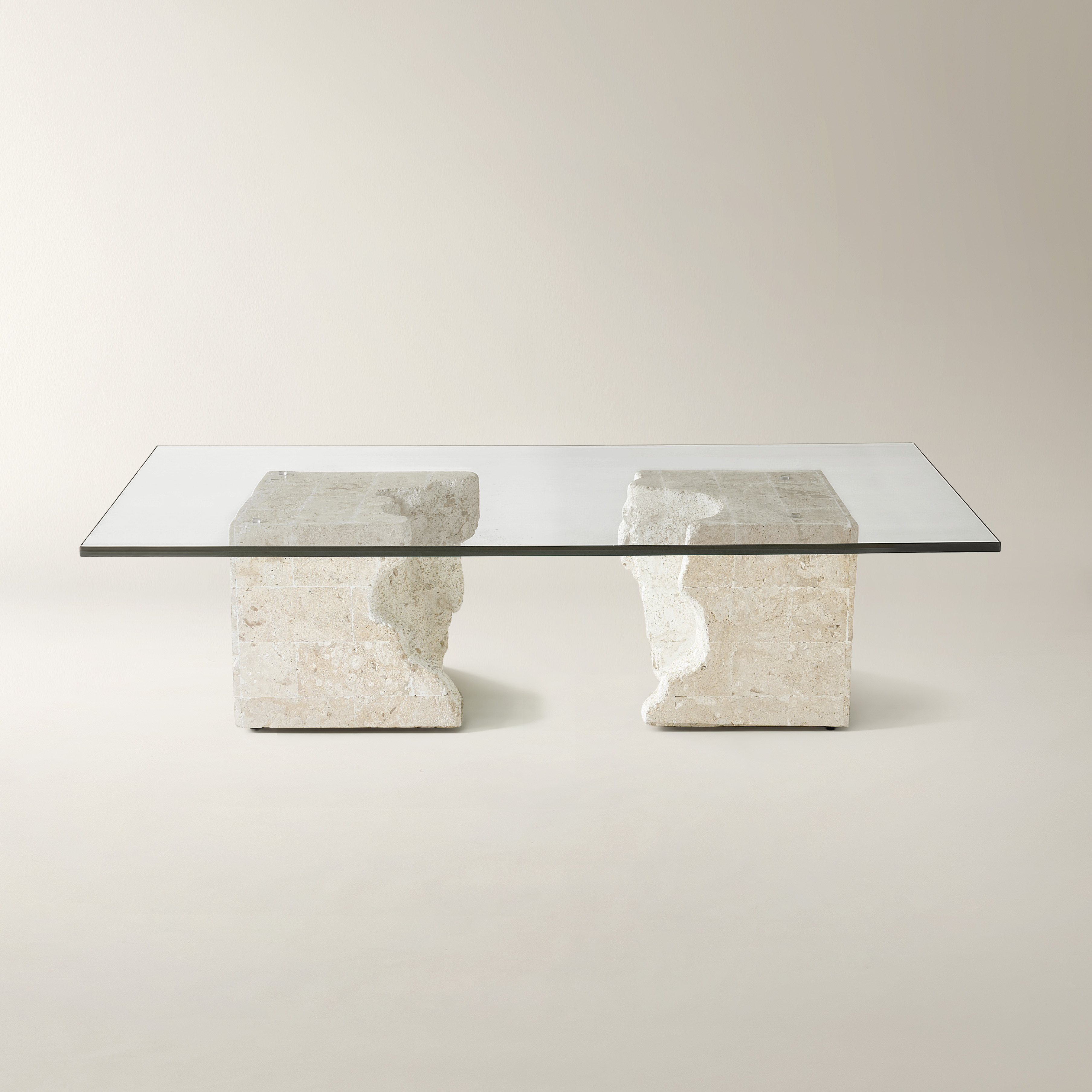 Cairo Rectangular Mactan Stone Coffee Table With Glass Top (63")$1899
A contemporary coffee table featuring a clear tempered glass top floating above hand-carved Mactan stone bases.
Add To Cart -
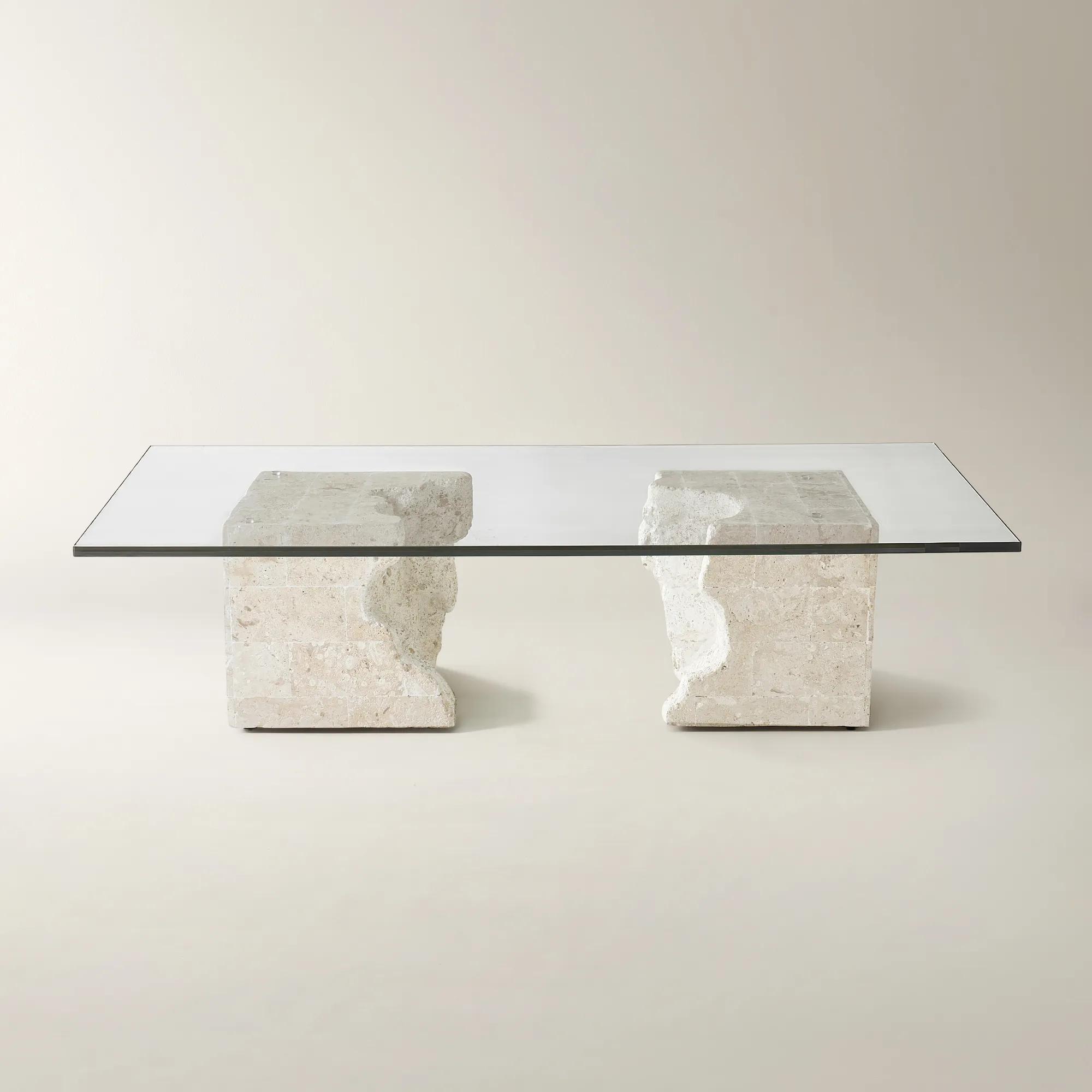 Cairo Rectangular Mactan Stone Coffee Table With Glass Top (70.87")$1999
A contemporary coffee table featuring a clear tempered glass top floating above hand-carved Mactan stone bases.
Add To Cart -
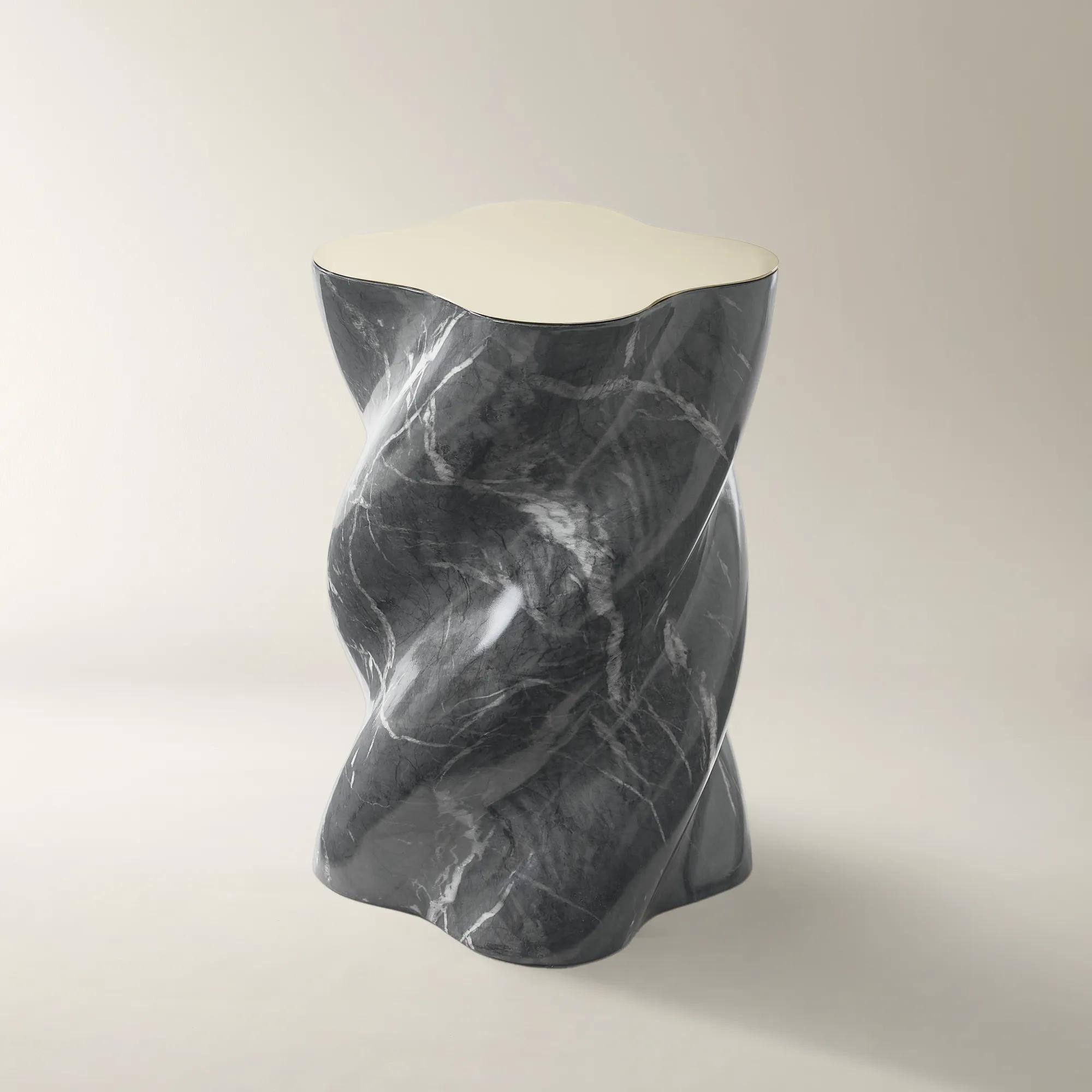 Vega Bvlgary Black Concrete Side Table With Stainless Steel Top (13.8")$459
A sculptural black side table featuring a marble-inspired fiber-concrete base and removable stainless steel top.
Add To Cart -
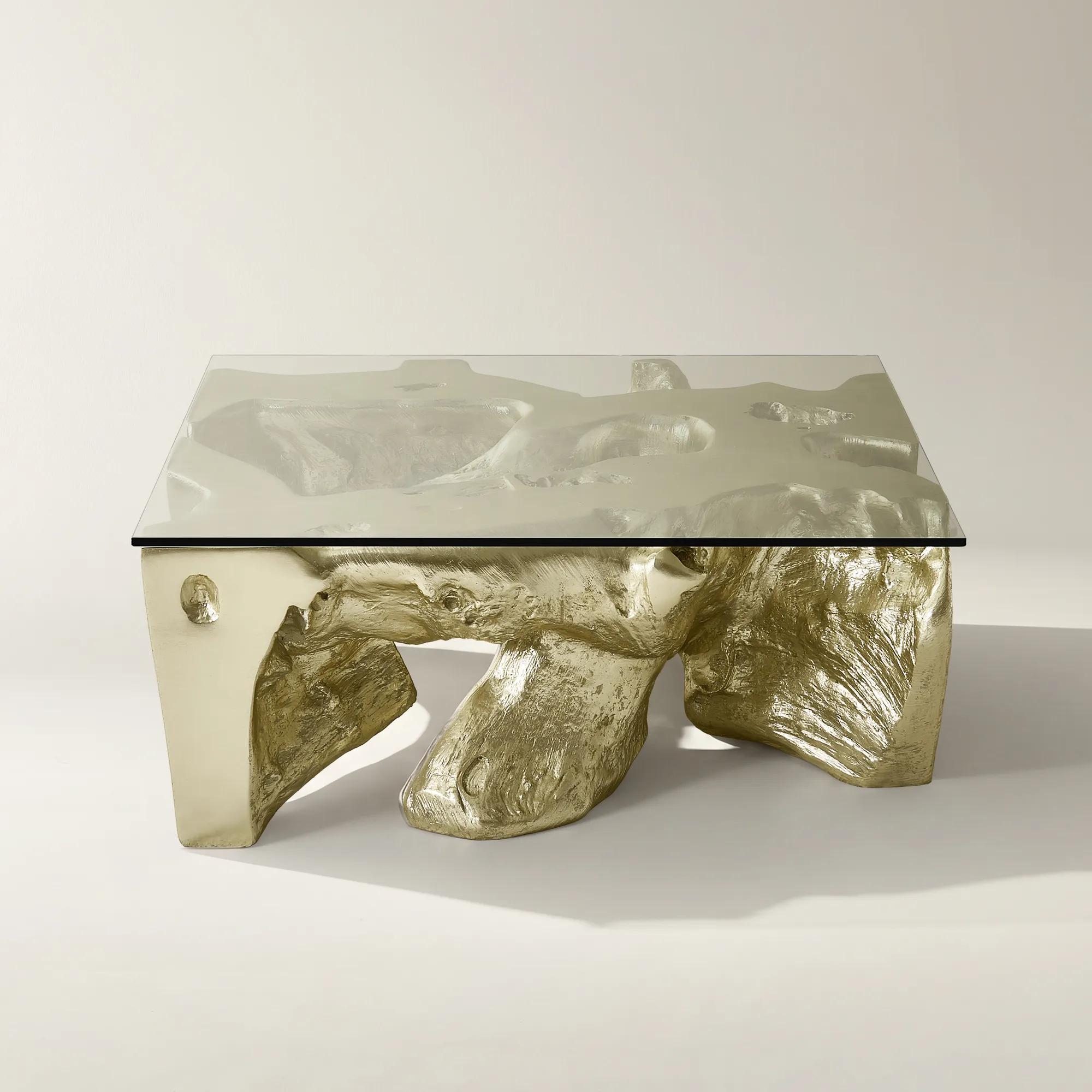 Sequoia Champagne Gold Resin Coffee Table With Glass Top (44")$2299
A sculptural resin coffee table with a champagne gold leaf finish and a clear tempered glass top.
Add To Cart -
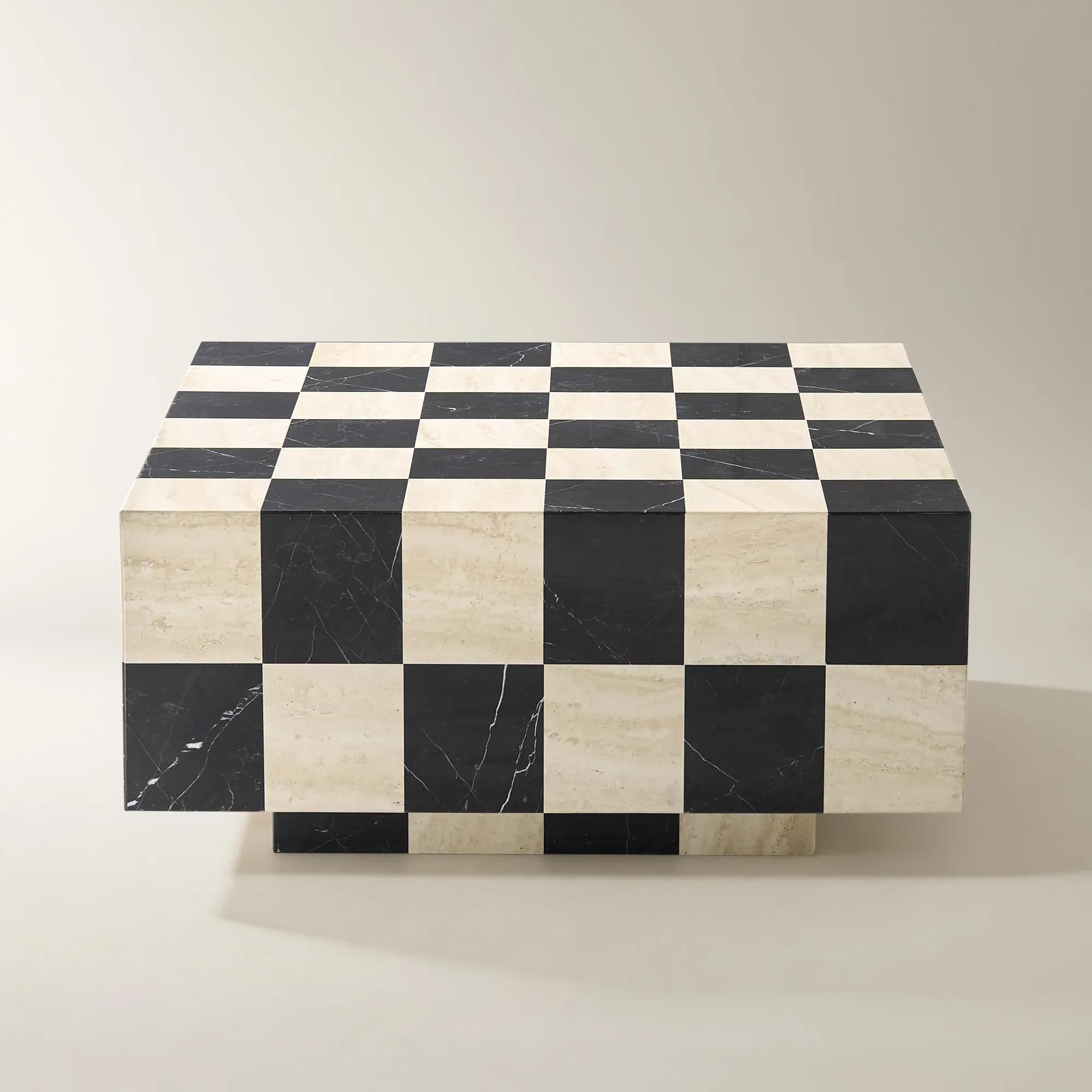
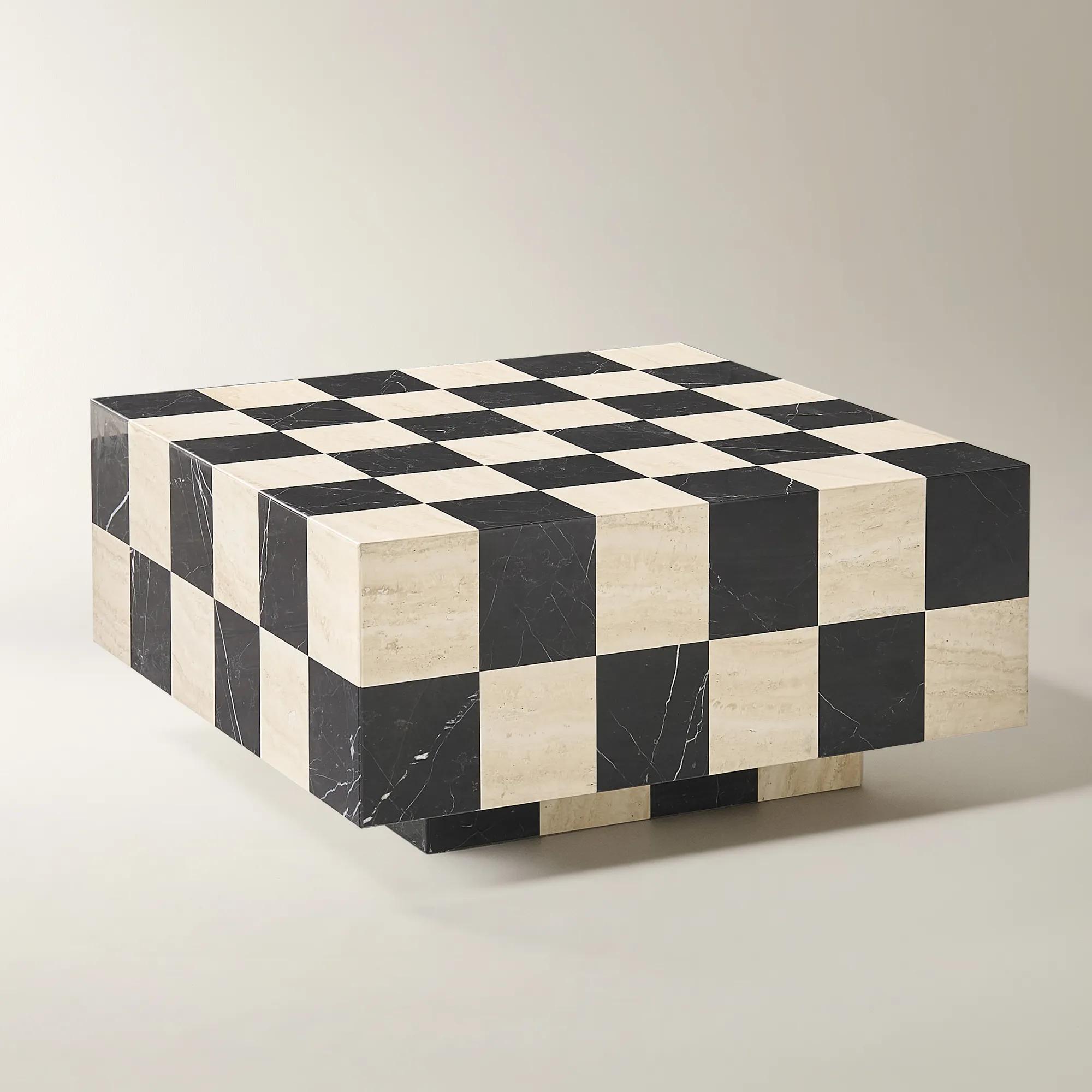 Chessa Square Chequered Marble Coffee Table (31.9")$1599
A striking coffee table featuring a dimensional black marble and travertine checkerboard mosaic with polished finish.
Add To Cart -
.jpg?w=1200&h=1200)
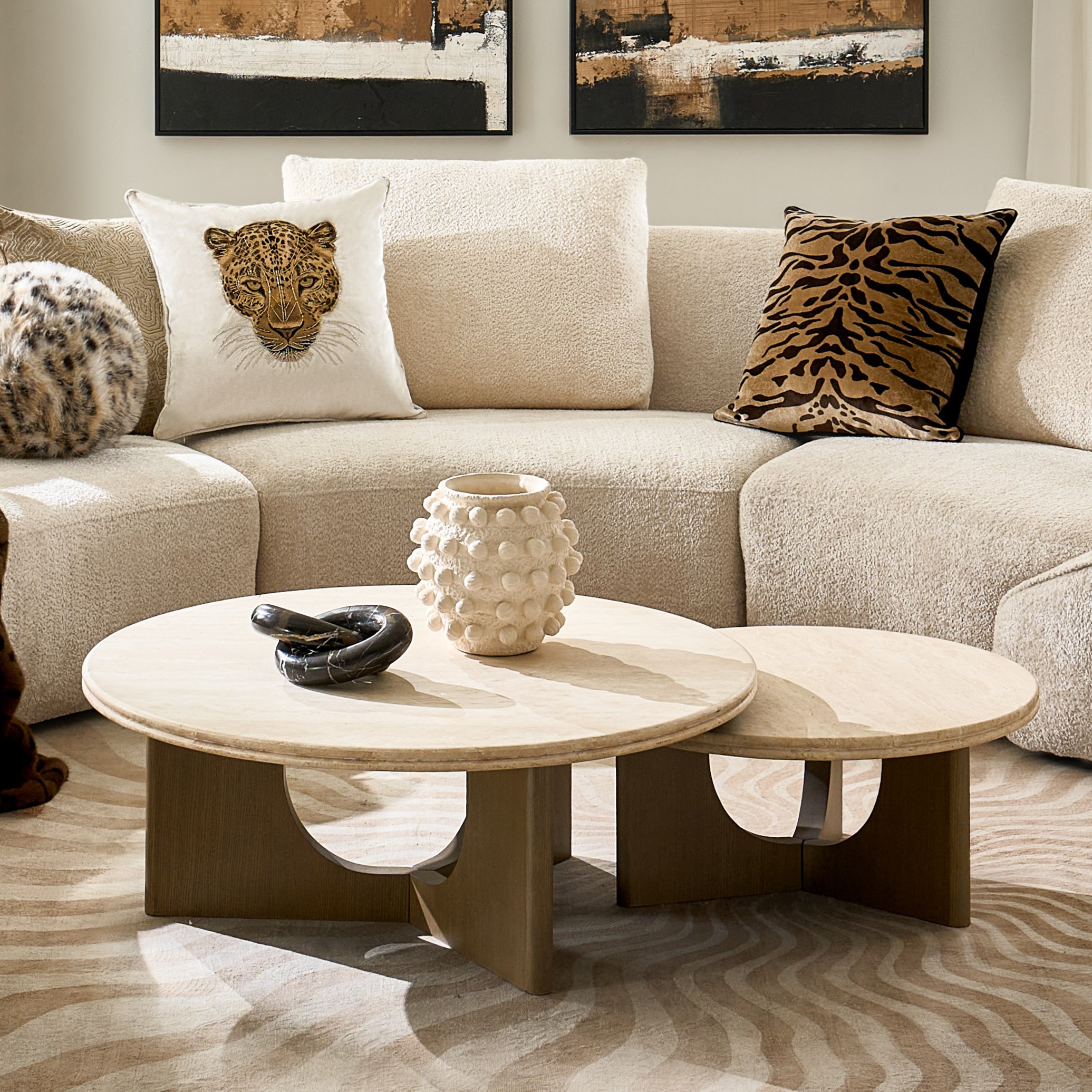 Bond Round Travertine and Wood Coffee Table (29.25")$699
A genuine travertine stone coffee table with warm ivory-gold tones atop a solid natural ash base.
Add To Cart -
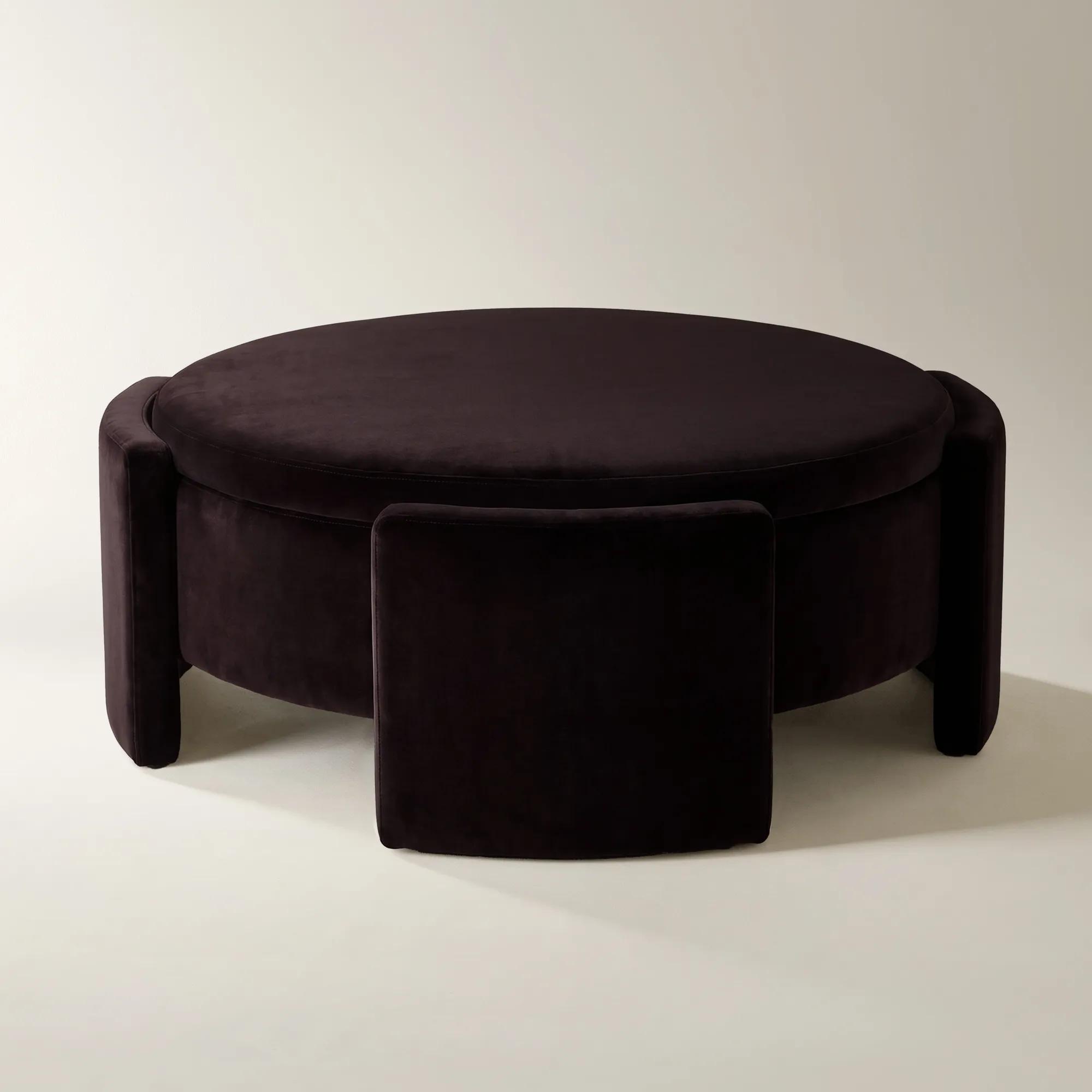
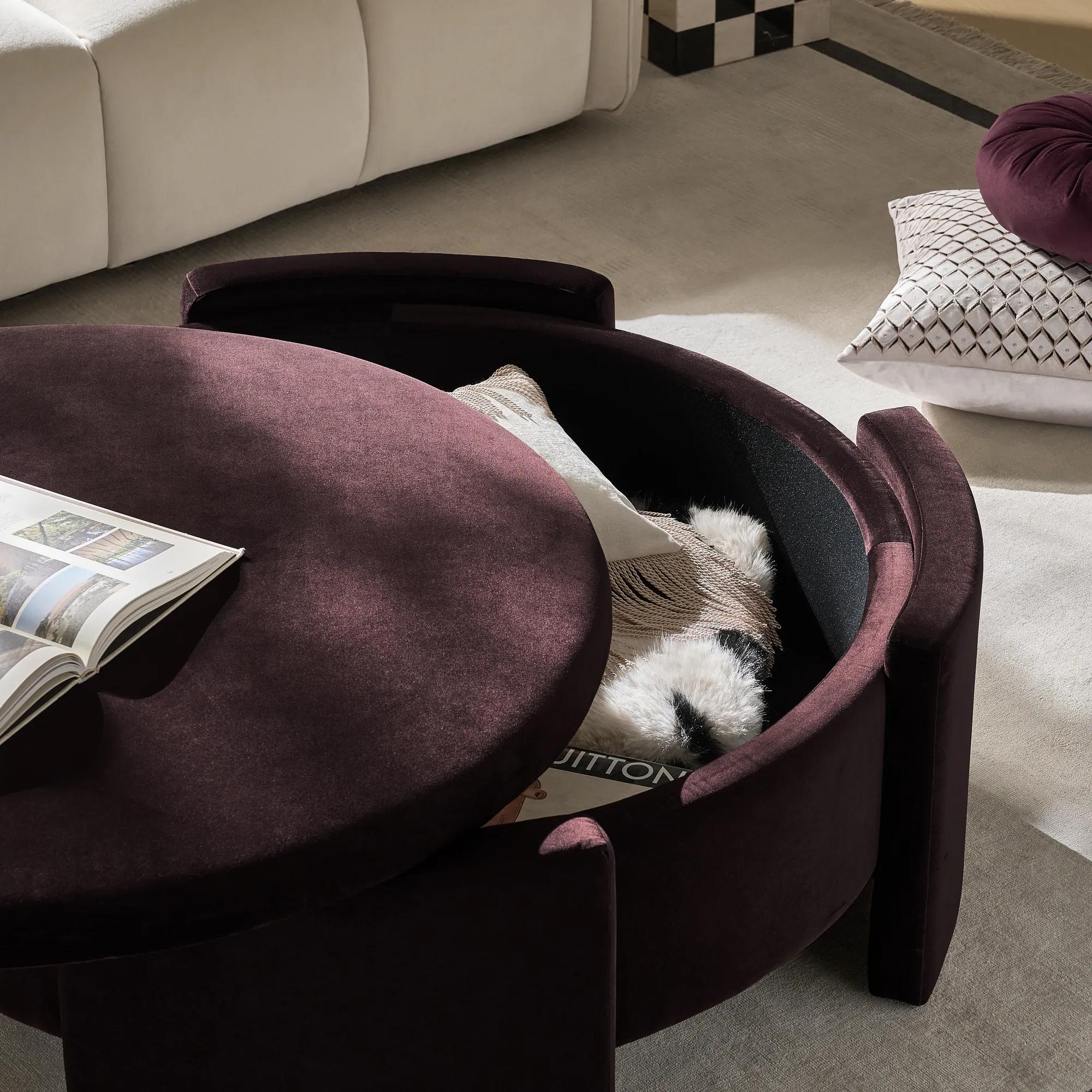 Jora Round Fig Velvet Storage Coffee Table With Reversible Tabletop (47.7")$799
A round fig velvet coffee table featuring a reversible wood tabletop and hidden interior storage.
Add To Cart -
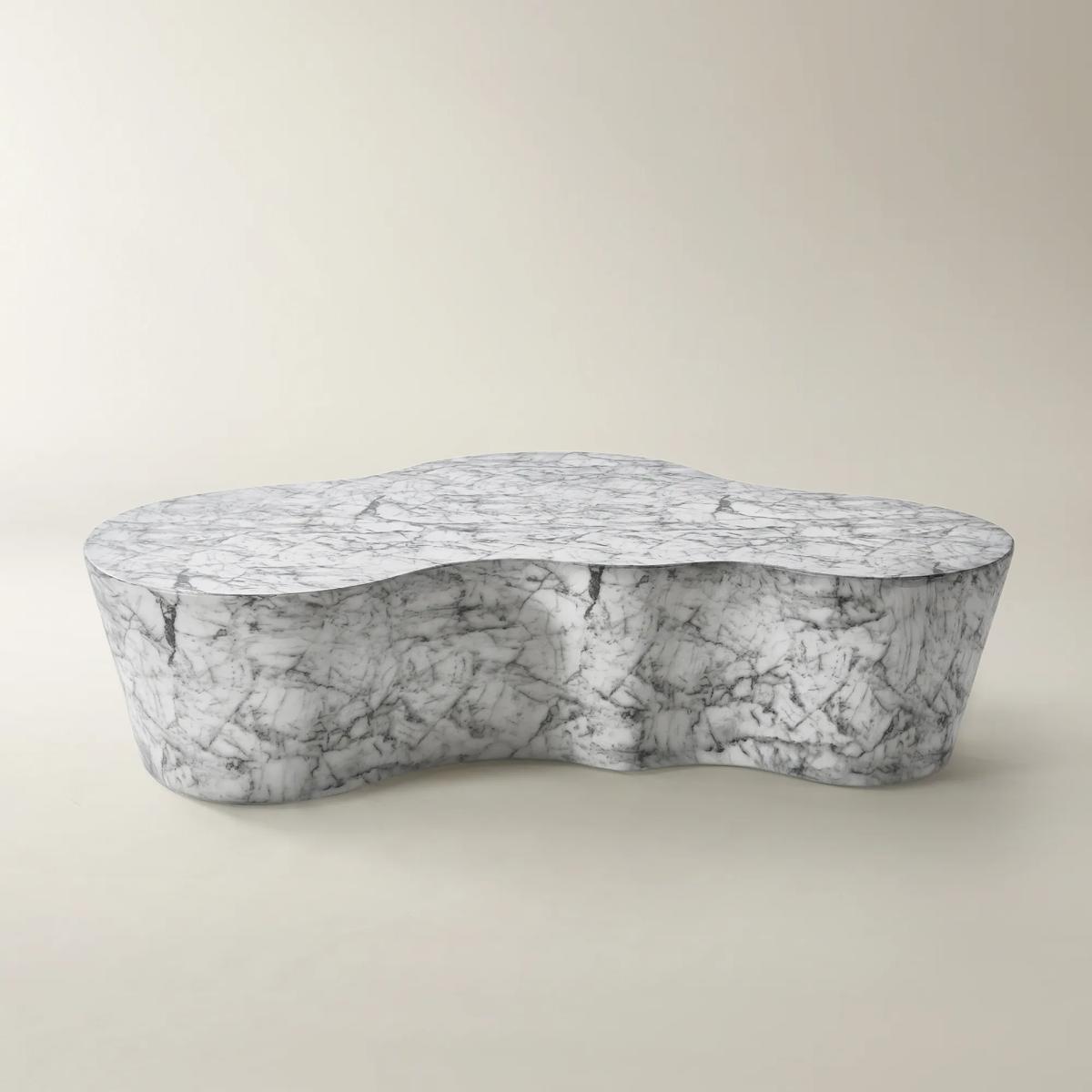
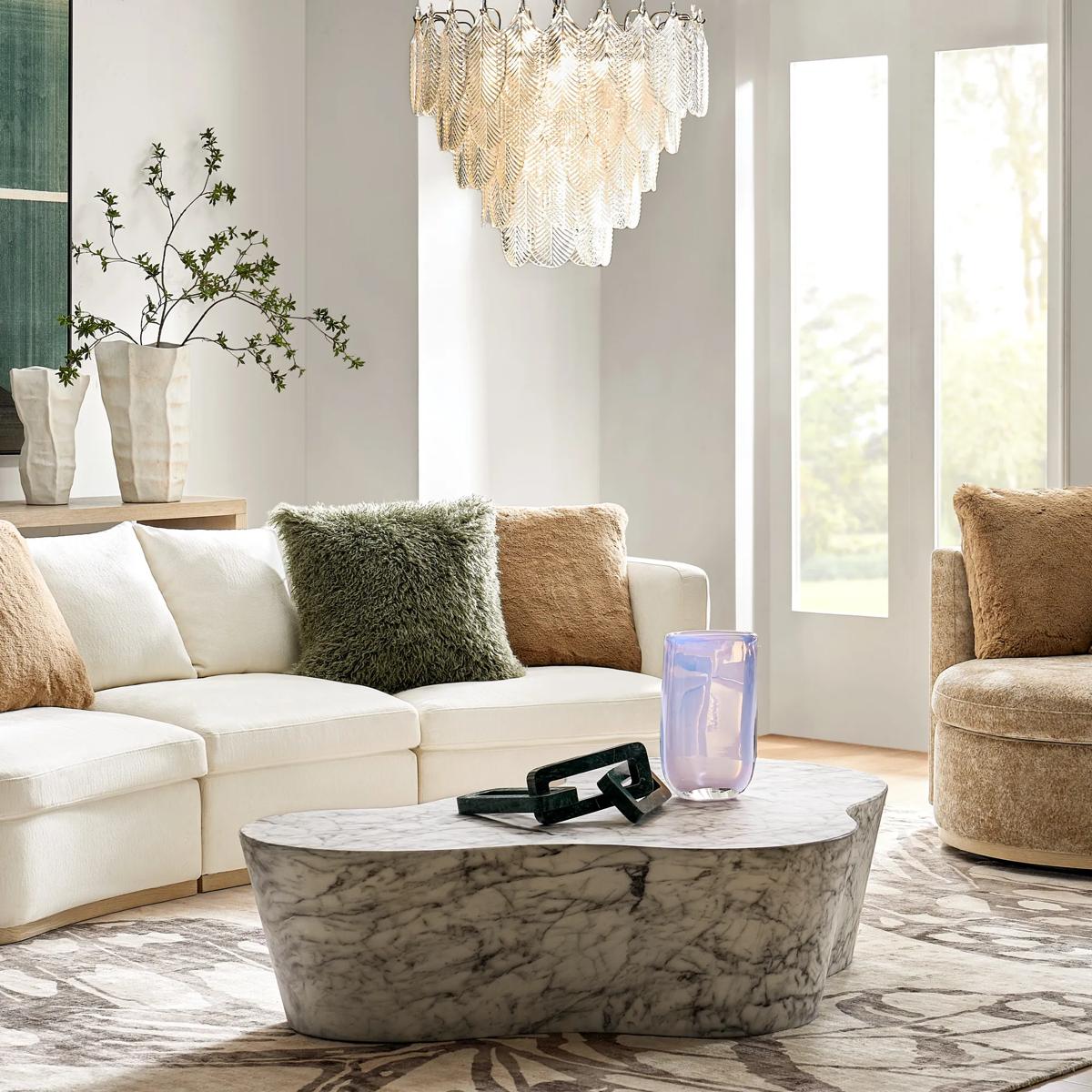 Petra White Concrete Indoor/outdoor Coffee Table (59.4")$1099
A cloud-inspired coffee table in lightweight fiber concrete with a hyper-realistic white marble finish.
Add To Cart -
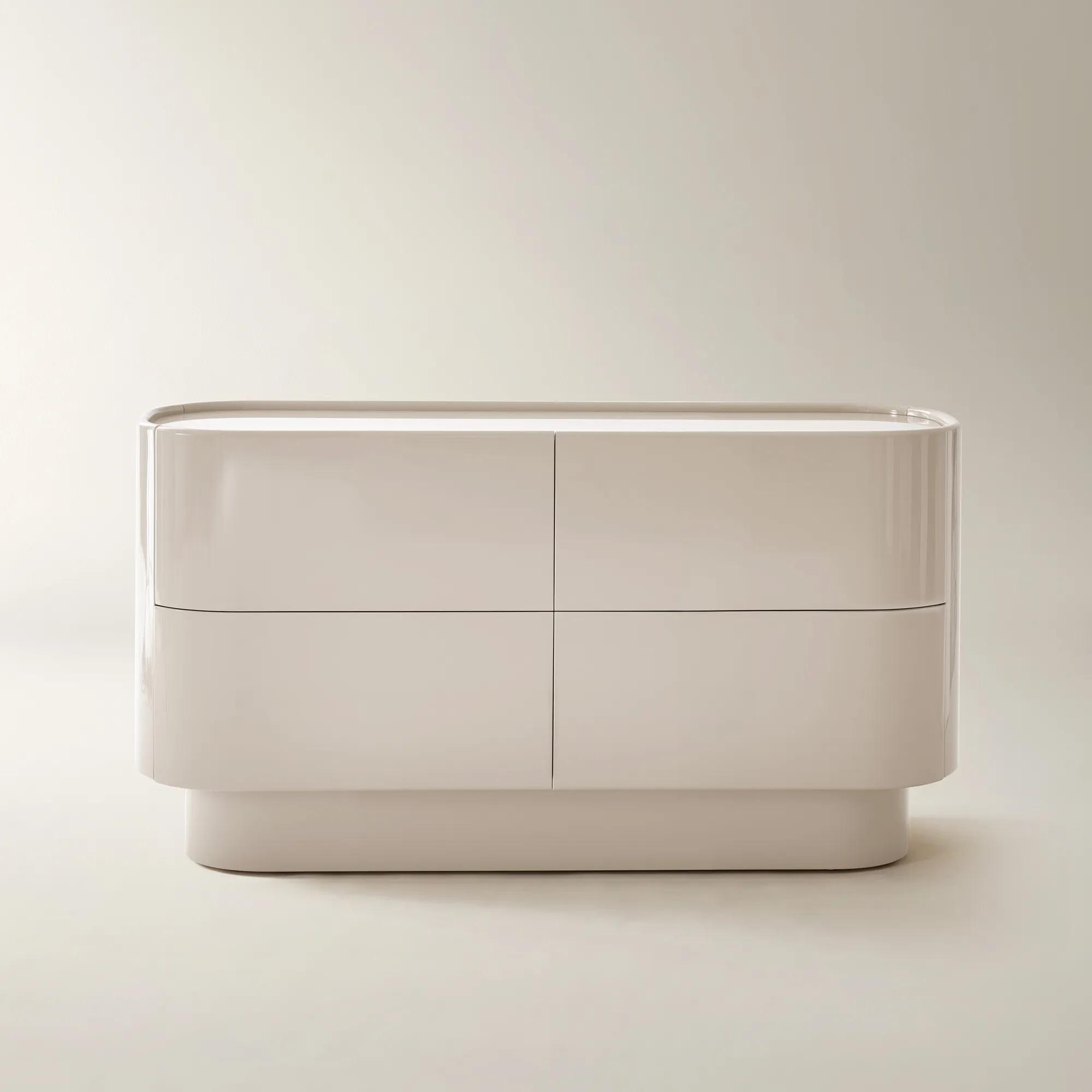 Velar Lacquered Turtle Dove 4-Drawer Dresser With Glass Top (66")$1899
A sculptural dresser in turtle dove lacquer with a back-painted glass top and soft-close velvet-lined drawers.
Add To Cart -
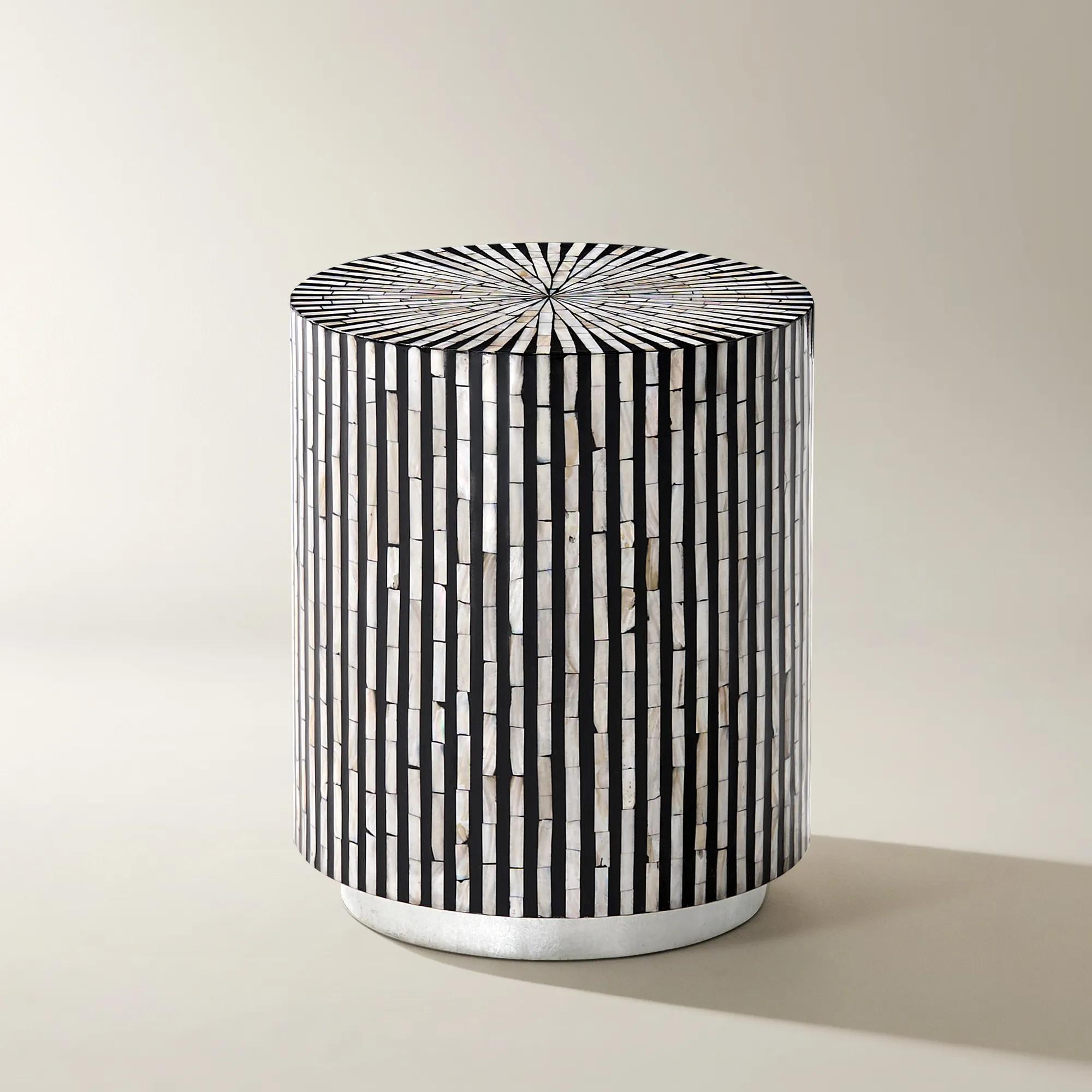
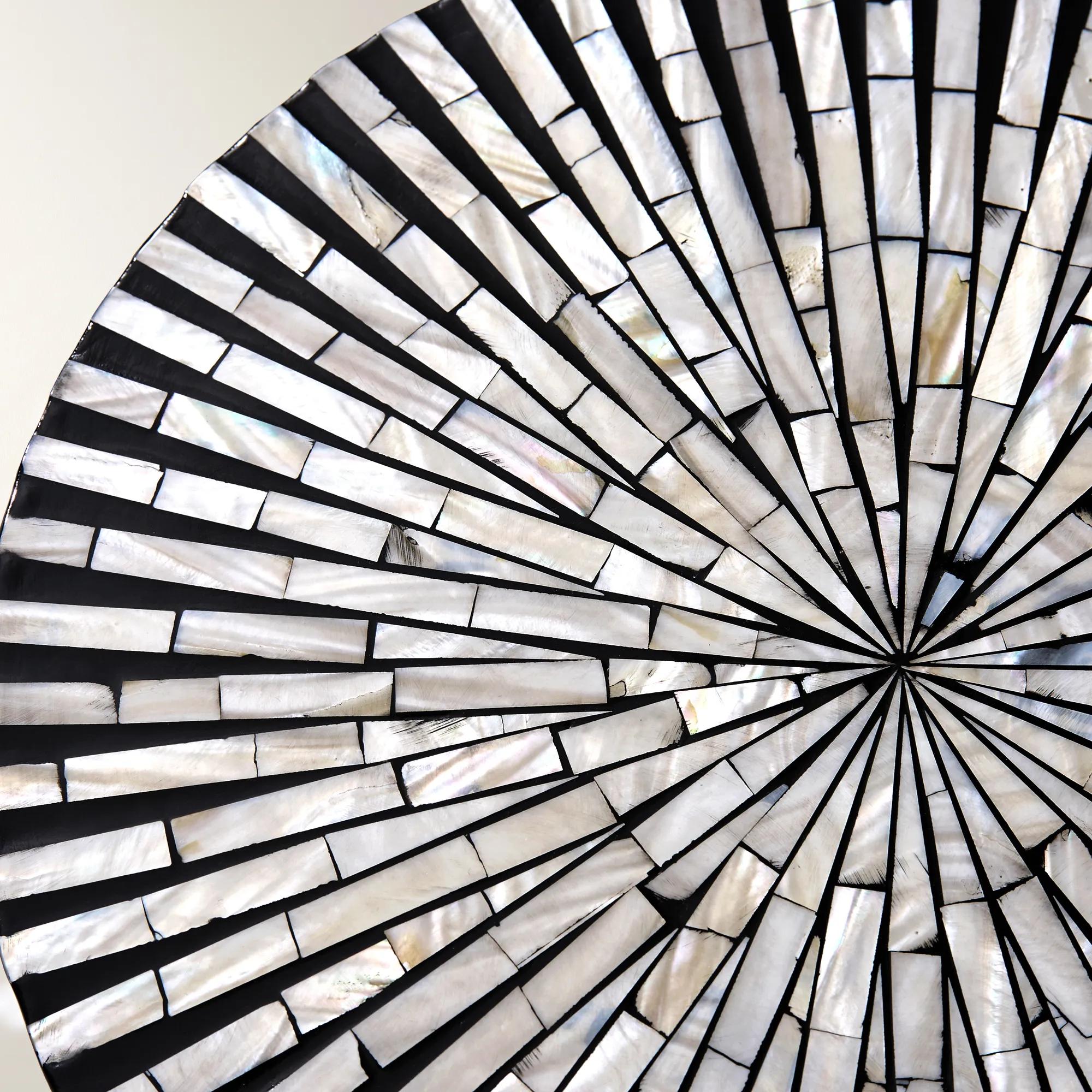 Marina Round Mosaic Black End Table (13.75")$299
A sculptural black end table featuring hand-applied mother-of-pearl mosaic and a silver leaf–accented base.
Add To Cart -
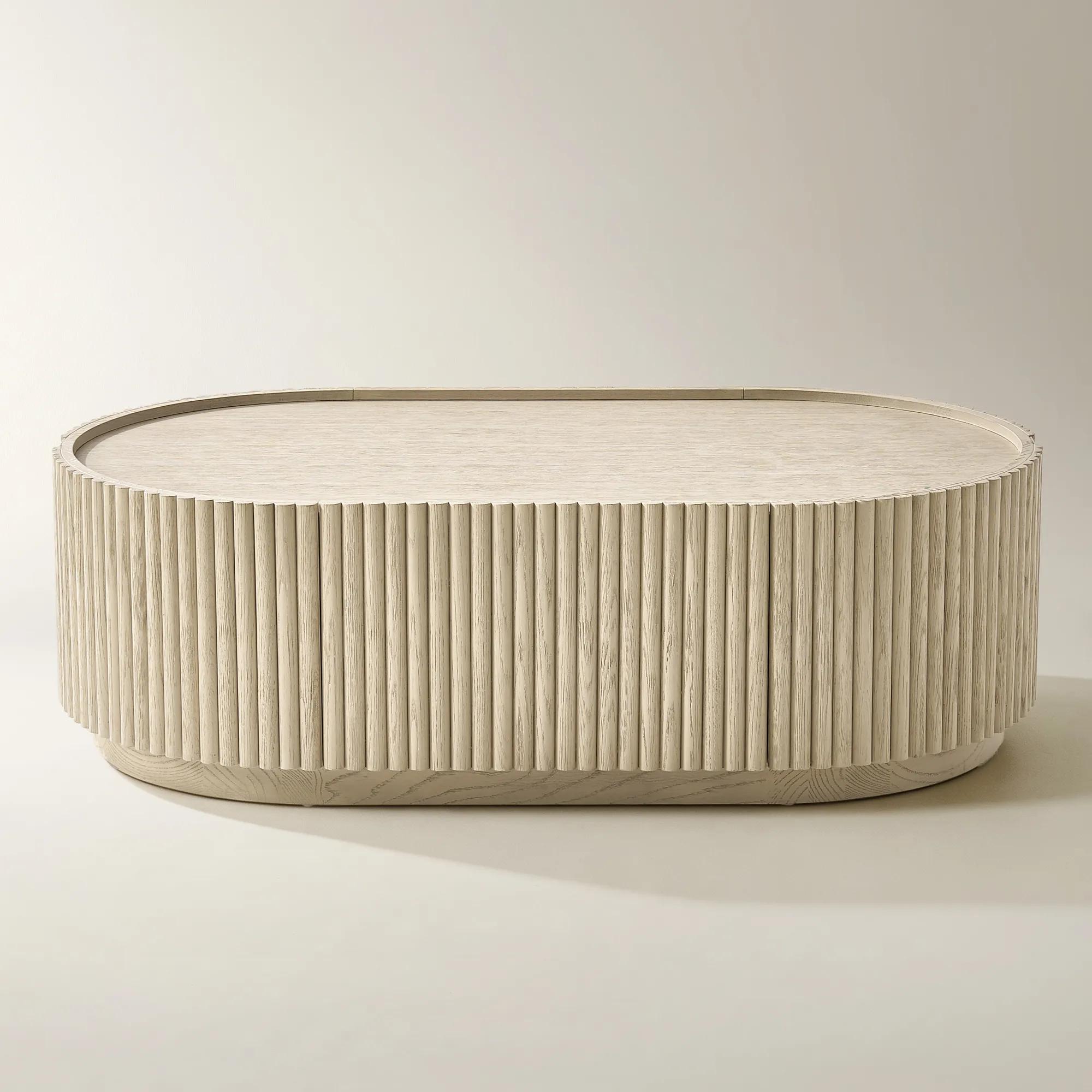
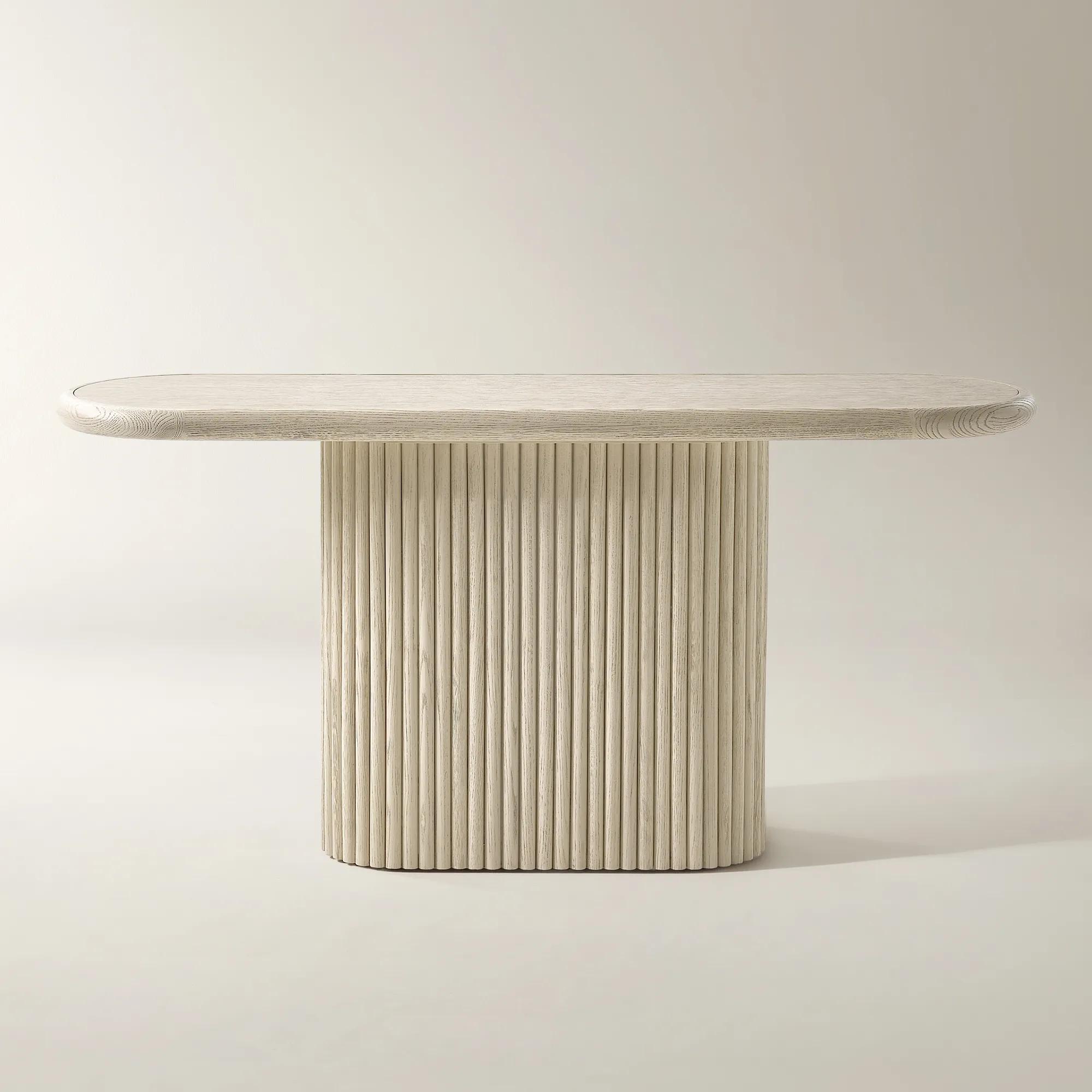
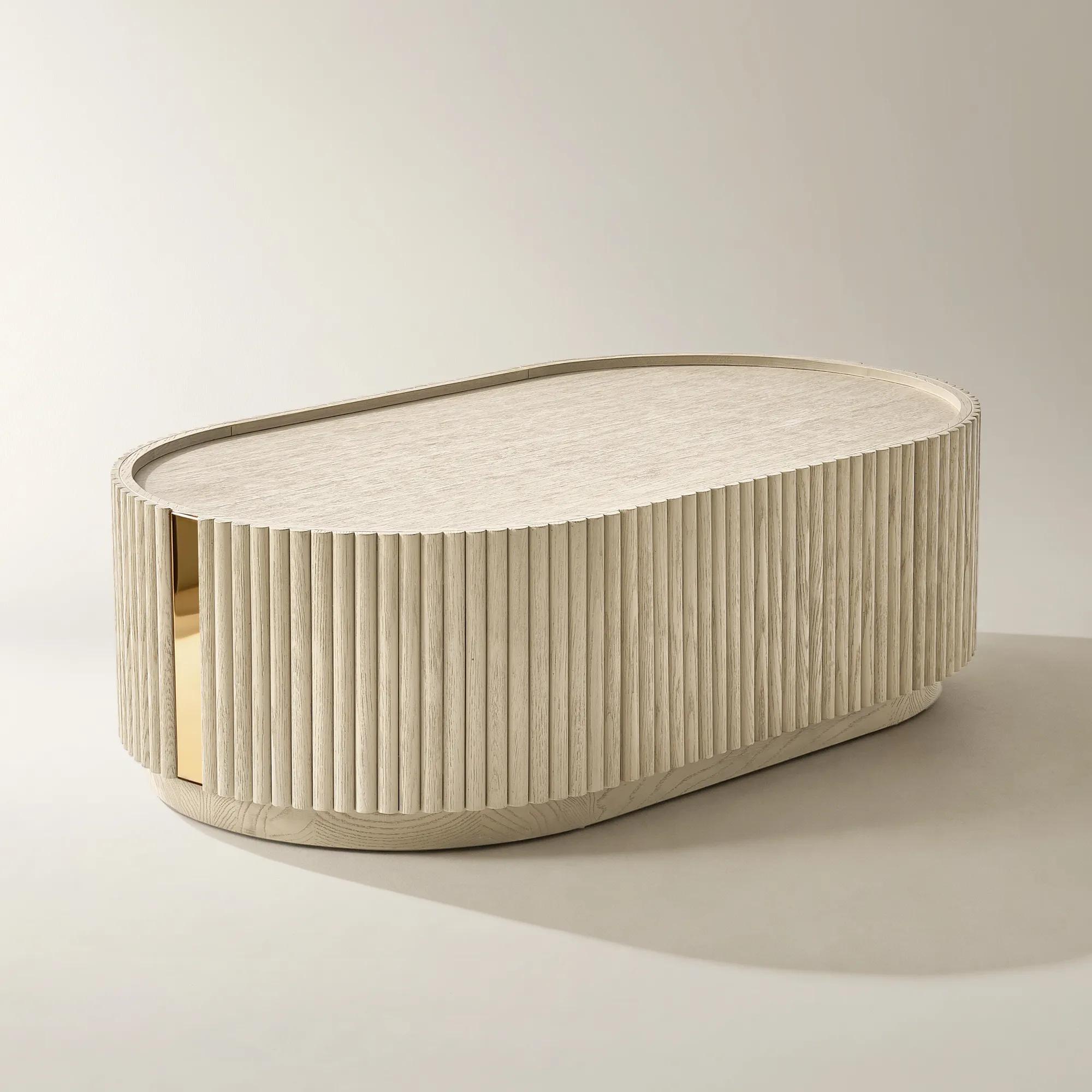 Stria Oval Reeded White Oak Coffee Table with Drawer (52")$1299
A reeded white oak coffee table with soft gold accents, recessed tabletop, and concealed soft-close drawer.
Add To Cart -
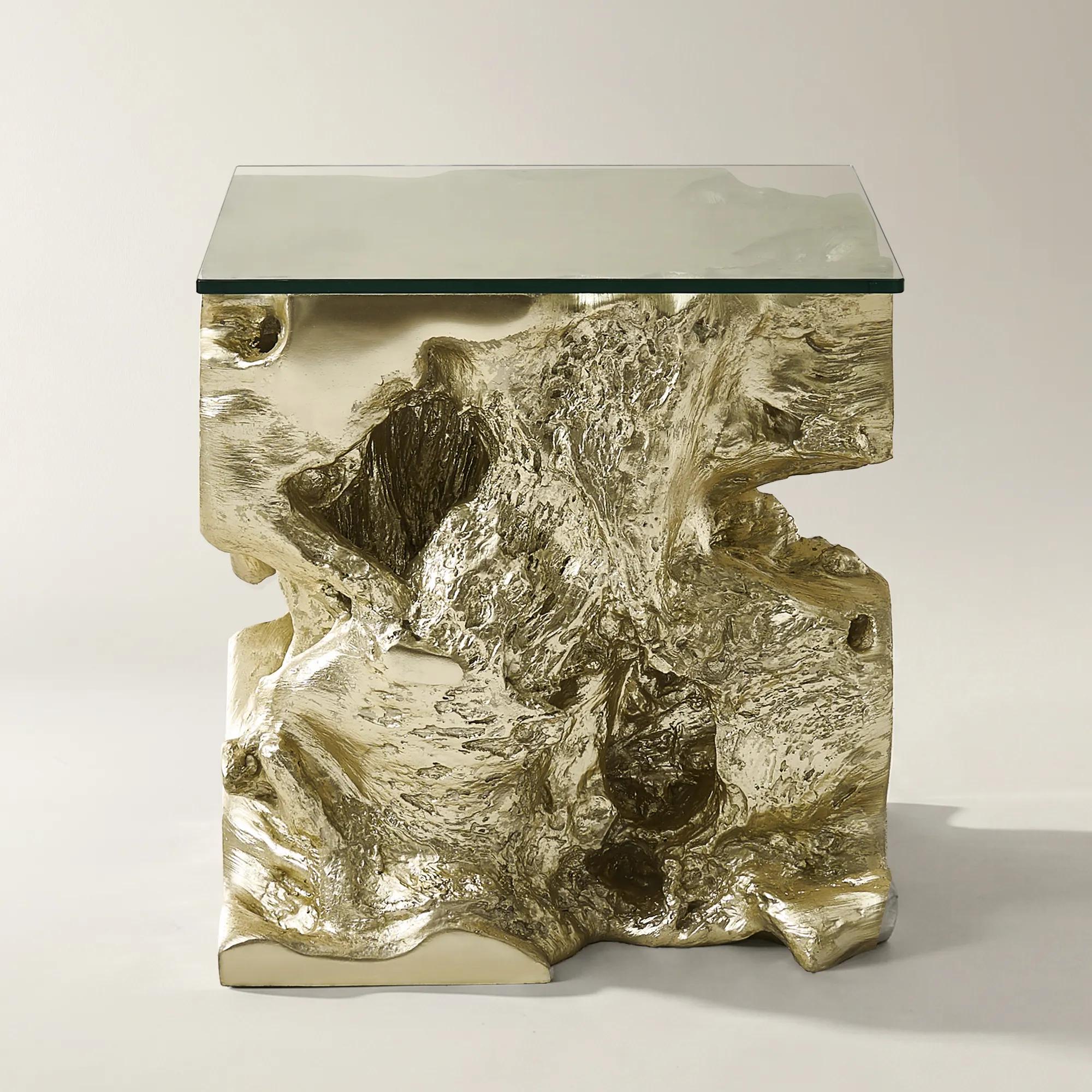 Sequoia Champagne Gold Resin End Table With Glass Top (22")$999
A sculptural resin end table with a champagne gold leaf finish and a clear tempered glass top.
Add To Cart -
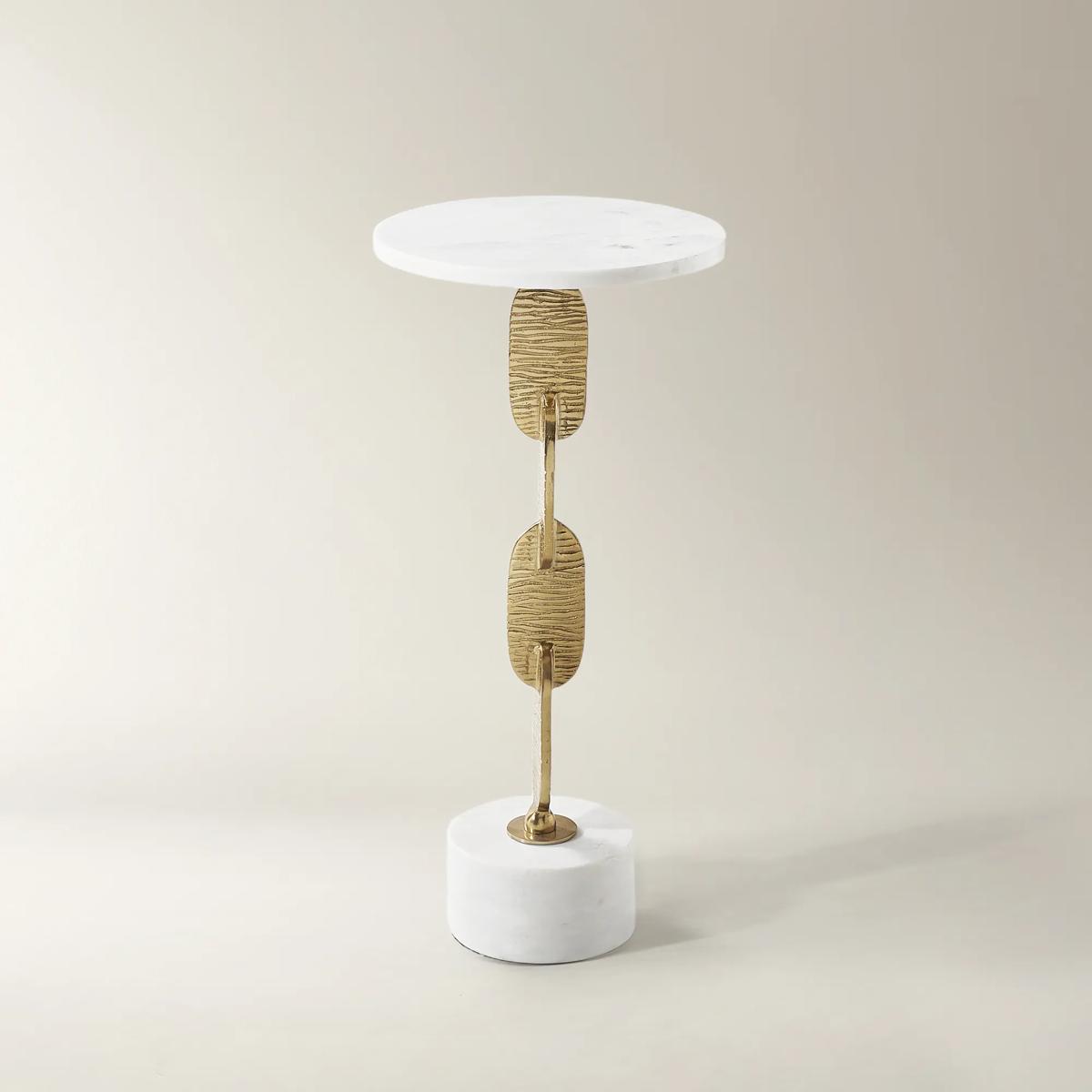
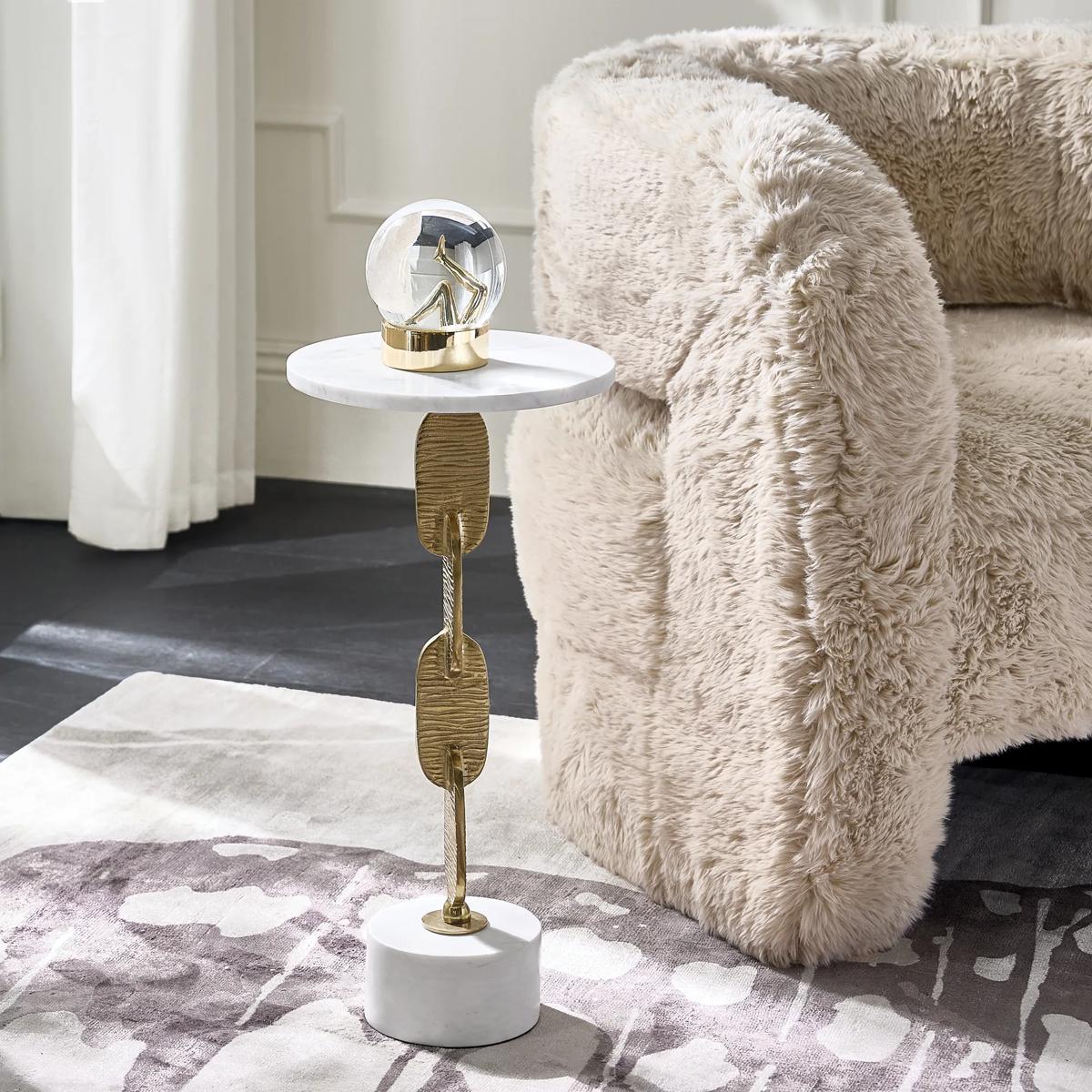 Luna Round White Marble Side Table (11.25")$199
A sculptural side table featuring a genuine white marble top and an open gold-finished metal frame.
Add To Cart

Sculptural Living Room Tables
Sculptural living room tables are more than functional surfaces—they are artful statements, daring the ordinary and demanding attention at every angle. Each piece is a celebration of form and imagination, transforming your living space into a gallery of modern elegance. With dramatic silhouettes and unexpected contours, these tables invite conversation and admiration, anchoring the room with a sense of curated wonder. Let your home become a canvas for creativity, where sculptural living room tables set the stage for luxe gatherings and everyday moments alike.
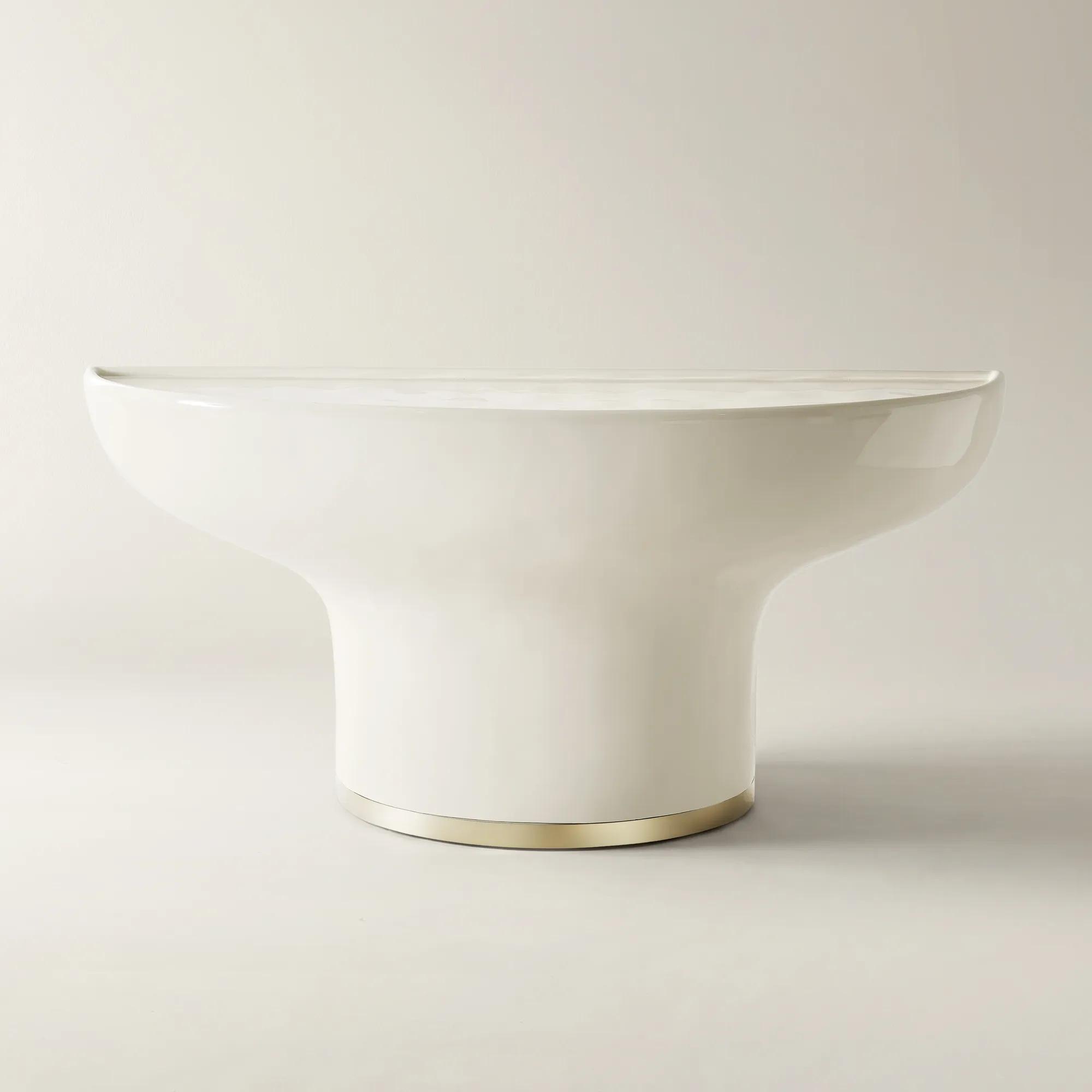
Sculptural living room tables turn a functional surface into a moment of design drama. Rather than blending quietly into the room, these expressive pieces bring shape, proportion, texture, and artistry to the center of your seating arrangement. A sculptural coffee table can anchor a conversation area with an organic cloud or bean-shaped silhouette, while a sculptural accent table can introduce a smaller burst of personality beside a sofa, lounge chair, or upholstered bench. Look for forms that feel architectural yet inviting: rounded edges that soften a tailored room, curved bases that create a sense of movement, or pedestal profiles that read like modern art. Glass and wood combinations are especially effective when you want visual impact without making a smaller living room feel crowded. A transparent glass top keeps sightlines open and allows an artistic base to remain on full display, while walnut, oak, or other solid hardwoods add warmth through natural grain and tonal variation. Layered or parametric wood designs, shaped with flowing contours, can echo the movement of water, folded fabric, or sculpted timber, giving the room a sense of motion even when every other element is still. For a more grounded statement, solid marble, travertine, and other stone tables offer monolithic presence, with honed surfaces and organic veining that make each piece feel inherently one of a kind. Stone brings a cool, collected note to rooms filled with velvet, brass, or richly colored upholstery, and its substantial weight creates a lasting sense of permanence. Mushroom and pedestal-inspired accent tables, often defined by a single bold column or rounded pillar, deliver concentrated impact in a compact footprint. They are striking beside a low-profile sofa, useful as a perch for a drink or book, and dramatic enough to stand alone in an open corner. Across every silhouette, the most compelling sculptural living room tables balance artistic expression with everyday ease, allowing the table to become a focal point without sacrificing the comfort and flow of the space.
When choosing among sculptural living room tables, begin with scale, circulation, and the visual rhythm already established by your furnishings. A coffee table should feel connected to the seating around it, leaving enough room for people to move comfortably while keeping essentials within easy reach. Consider the height in relation to the sofa seat, the overall width of the room, and whether the shape will soften or reinforce the lines of nearby furniture. Round and irregular forms can make a square arrangement feel more fluid, while a long, architectural table can give a generous sectional a composed, gallery-like finish. In a compact room, a glass surface or open base can preserve an airy impression; in a larger space, a carved wood or stone form can provide the visual weight needed to keep the seating area from feeling scattered. Material matters as much as silhouette. Honed stone offers tactile depth and a matte, quietly luxurious finish, while polished marble reflects light with heightened glamour. Wood introduces warmth and variation, and glass creates a luminous counterpoint to boucle, leather, velvet, and textured rugs. It is also worth considering how a finish will live with your routines: smooth surfaces are easy to style, natural stone may benefit from thoughtful care, and delicate decorative objects should be placed where they will not interfere with daily use. These tables make memorable gifts for design-minded hosts, newlyweds, first-home owners, and anyone beginning to shape a more expressive interior, particularly when the recipient appreciates pieces that feel both useful and artful. They can define a newly arranged room during the cooler months, create a polished setting for leisurely gatherings, or bring a sense of occasion to an everyday cup of coffee and a stack of beautifully bound books. Complete the vignette with sculptural accessories, a low arrangement, or a luminous Sculptural Table Lamps for Living Rooms placed nearby to bathe the composition in a warm glow. Whether your style leans toward organic curves, layered wood, gleaming glass, or the grounded grandeur of marble and travertine, the right table gives the living room a point of view. It transforms an open area into a destination, balances practical living with artistic confidence, and lets every surrounding detail—rug, upholstery, lighting, and collected objects—take its place in a beautifully composed story.
FAQs
A sculptural living room table is designed as a statement piece, blending functional surfaces with artistic forms that elevate the visual impact of your space. Unlike traditional tables, these pieces often feature bold lines, unique materials, and creative shapes, turning everyday furniture into a focal point that sparks conversation and adds a sense of luxury to your home.
Styling a sculptural side table is all about balance and intention. Pair it with minimal accessories such as a single dramatic vase, a stack of art books, or a striking lamp to let the table’s design shine. Allow negative space to emphasize its silhouette, and consider placing it where natural light can highlight its textures and finishes.
A sculptural accent home decor table makes a memorable gift for design enthusiasts, new homeowners, newlyweds, or anyone who delights in bold, expressive interiors. It’s an ideal choice for those who see their home as a canvas and appreciate pieces that combine artistry with everyday utility.
Absolutely. Sculptural tables adapt beautifully to a range of styles. In modern spaces, they add artistic flair and break up minimalism with dramatic form. In eclectic interiors, they serve as a cohesive anchor, uniting diverse elements through their eye-catching design and rich materials.
Sculptural tables often feature luxurious materials such as polished metals, gleaming glass, solid woods, marble, or mirror-finish surfaces. The interplay of texture and reflectivity is key—think of the organic grain of a z gallerie timber coffee table paired with the smooth sheen of metal or the luminous quality of glass for maximum visual intrigue.
-compressed.jpg?w=3614&h=3614)
.jpeg?w=3000&h=3000)
-compressed.jpg?w=3614&h=3614)
-compressed.jpg?w=3614&h=3614)