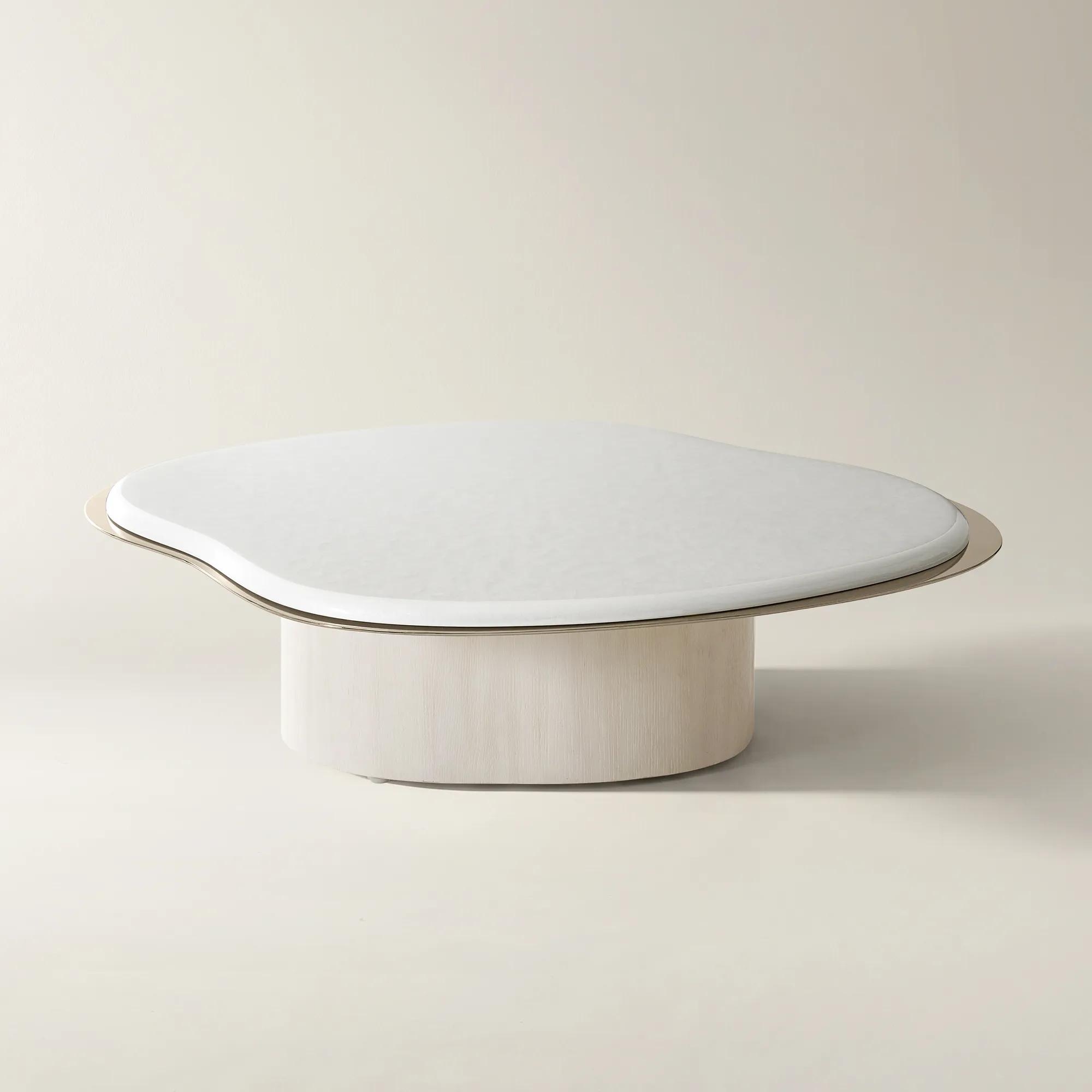
Decorative Living Room Tables
Decorative Living Room Tables
-
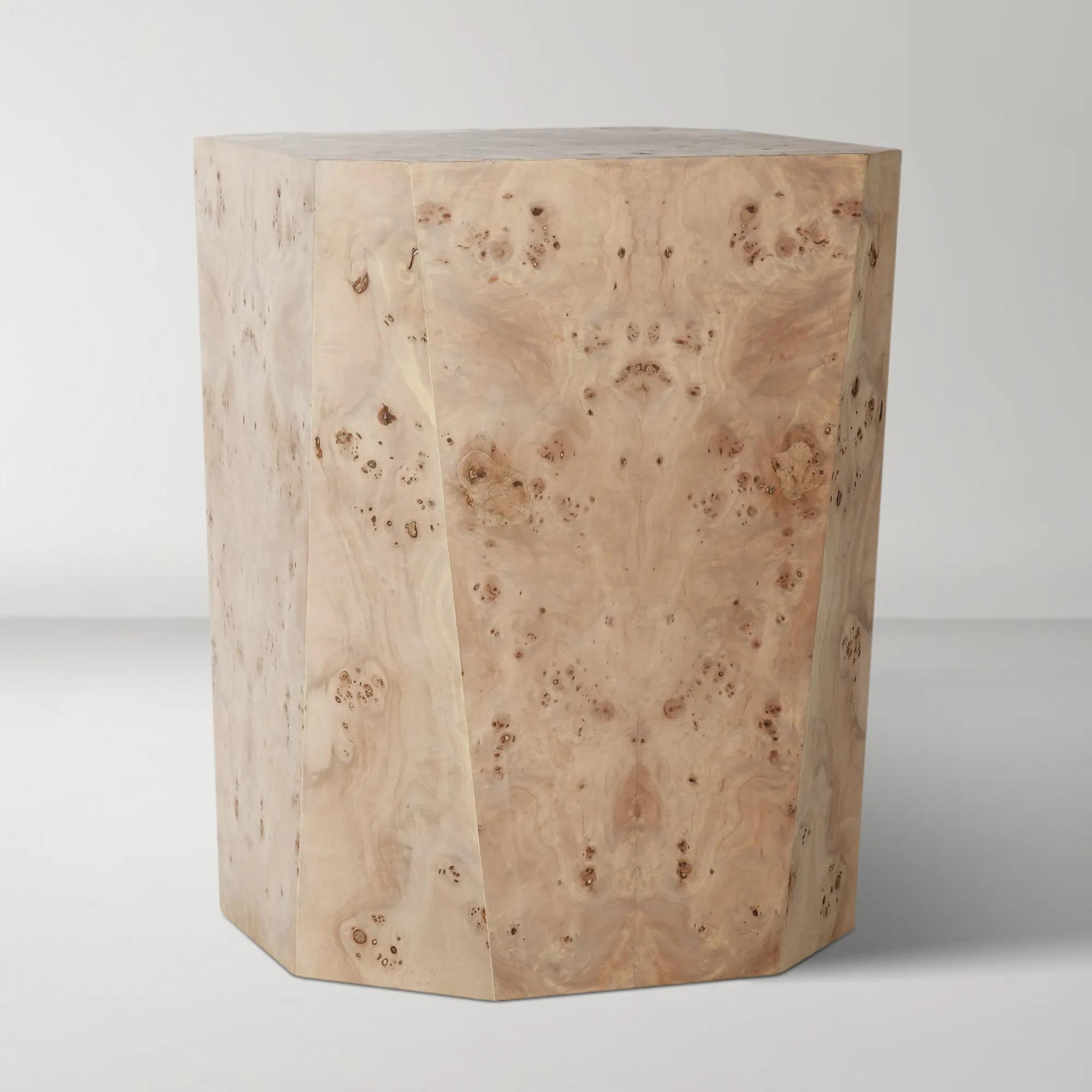
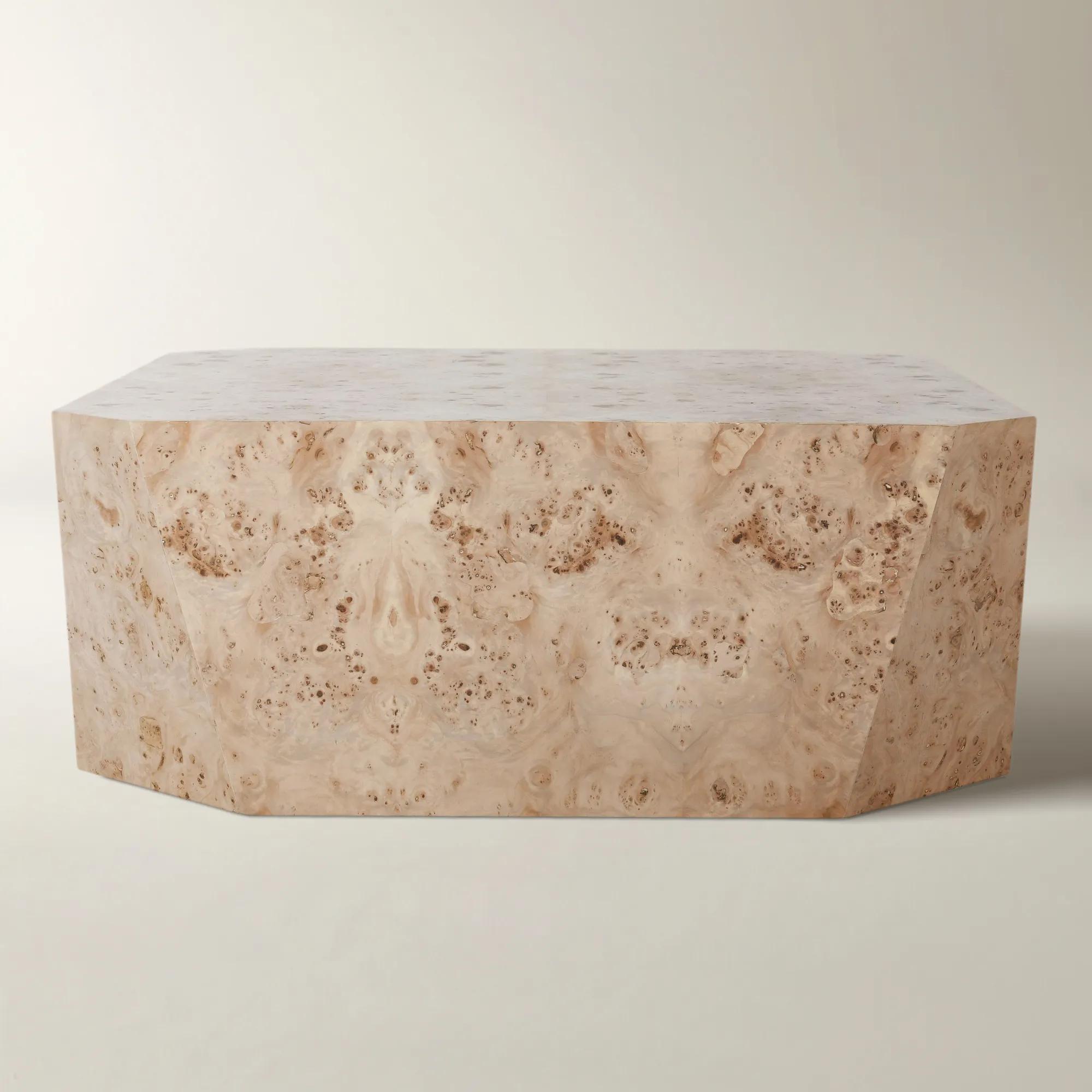
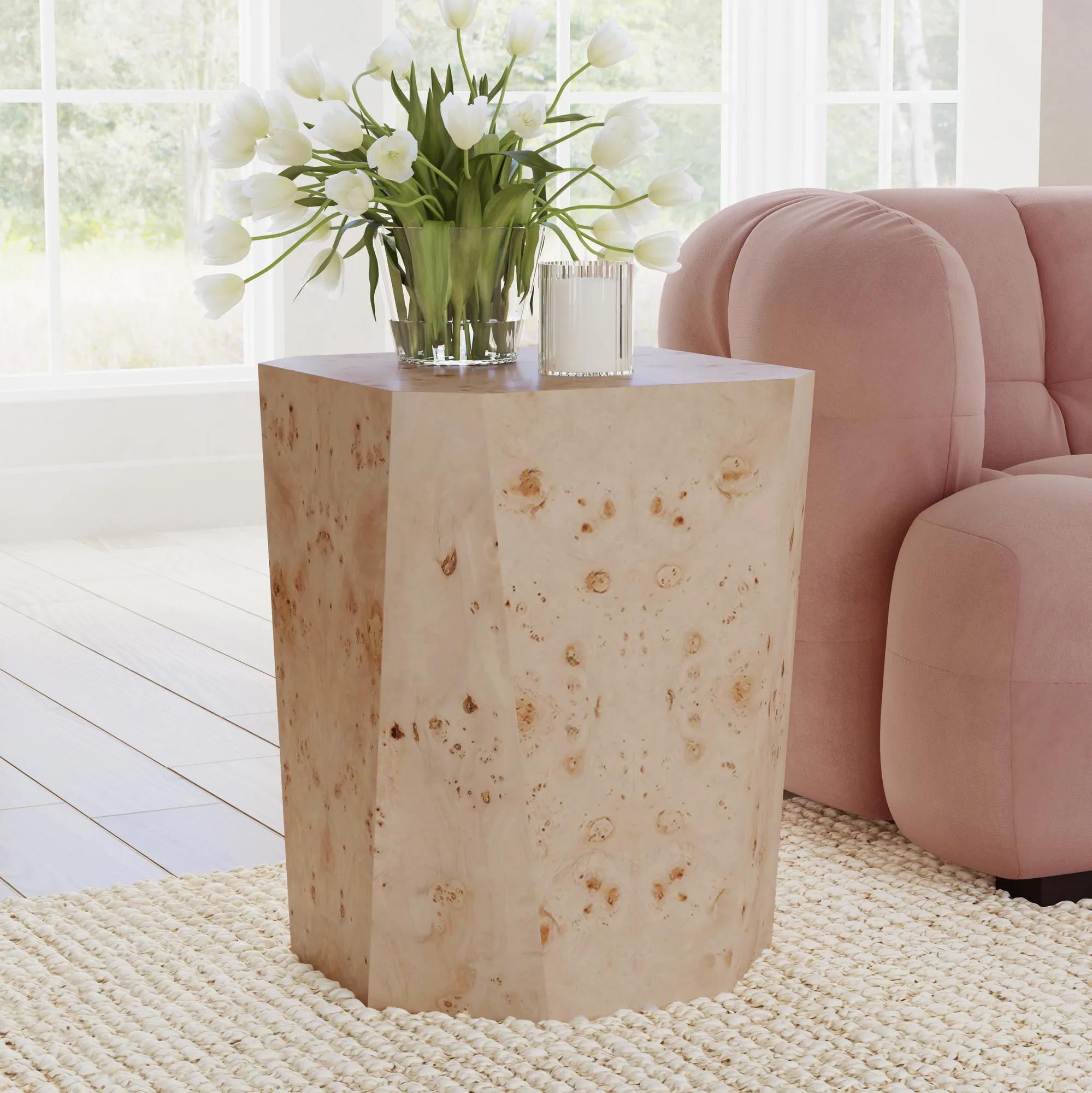 Avena Square Natural Burl Wood End Table (17.75")$699
A striking end table featuring natural burl wood veneer with unique swirling grain and warm, organic tones.
Add To Cart -
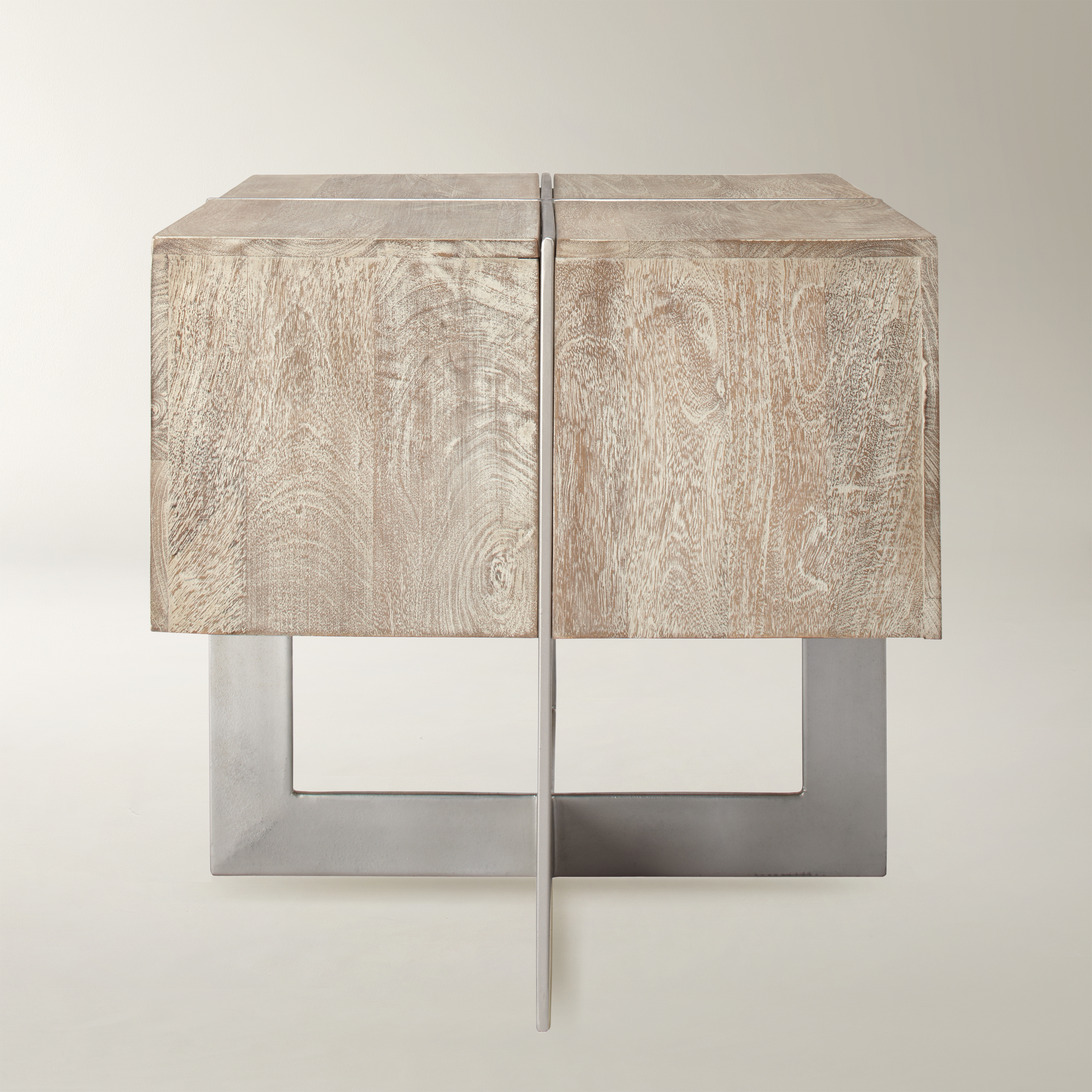
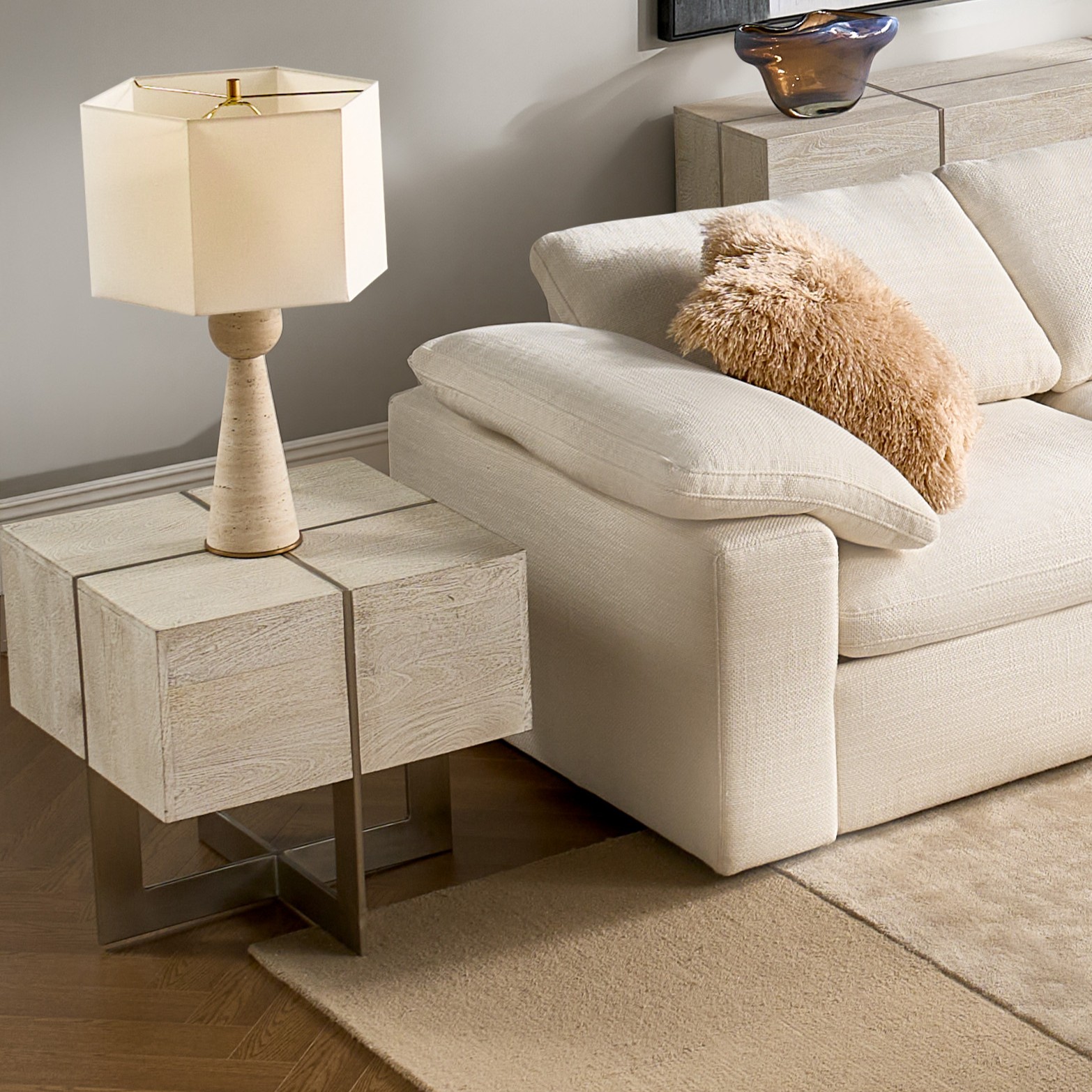 Clifton Square Natural Mango Wood End Table (24")$599
A handcrafted mango wood end table with a whitewashed finish and antiqued silver iron legs.
Add To Cart -
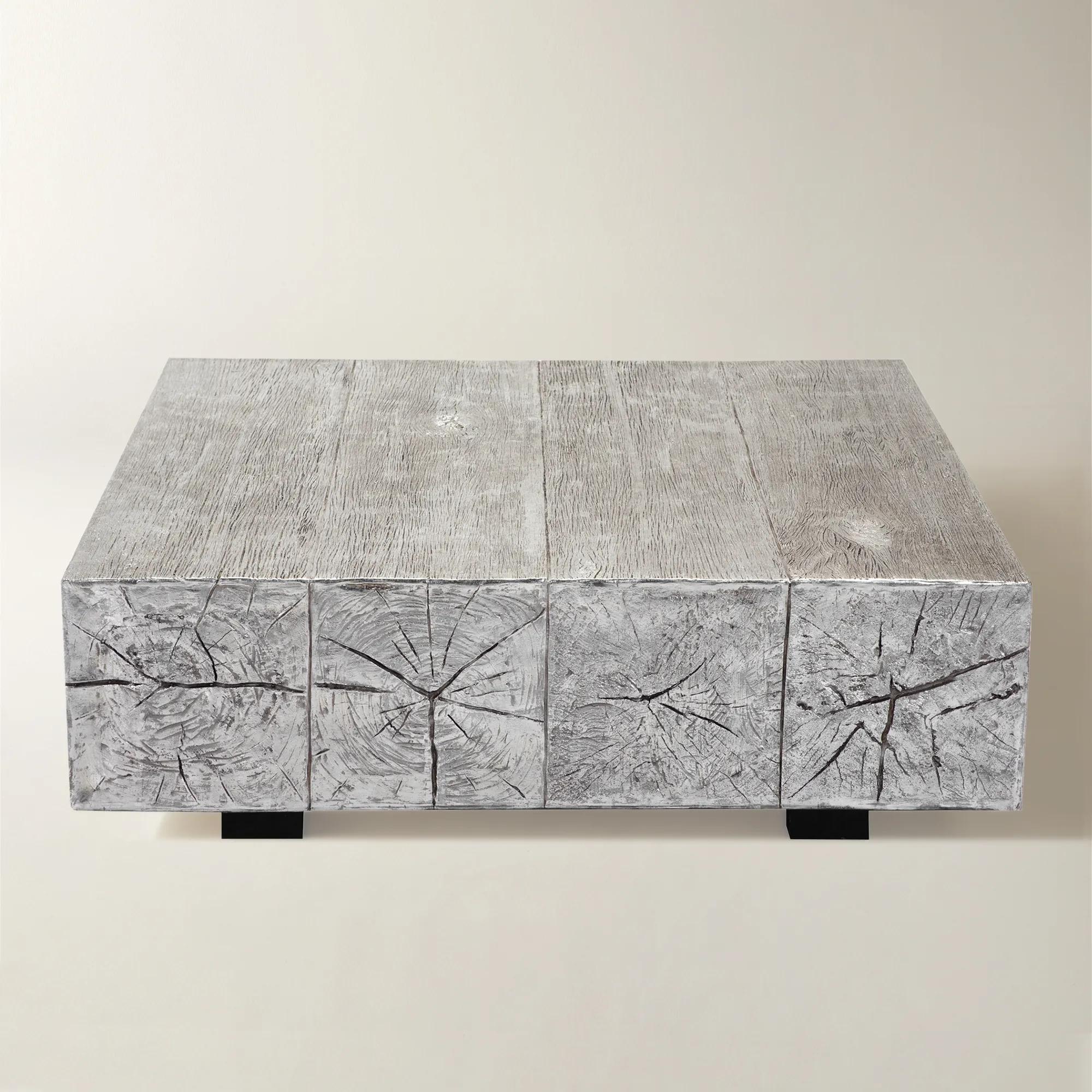
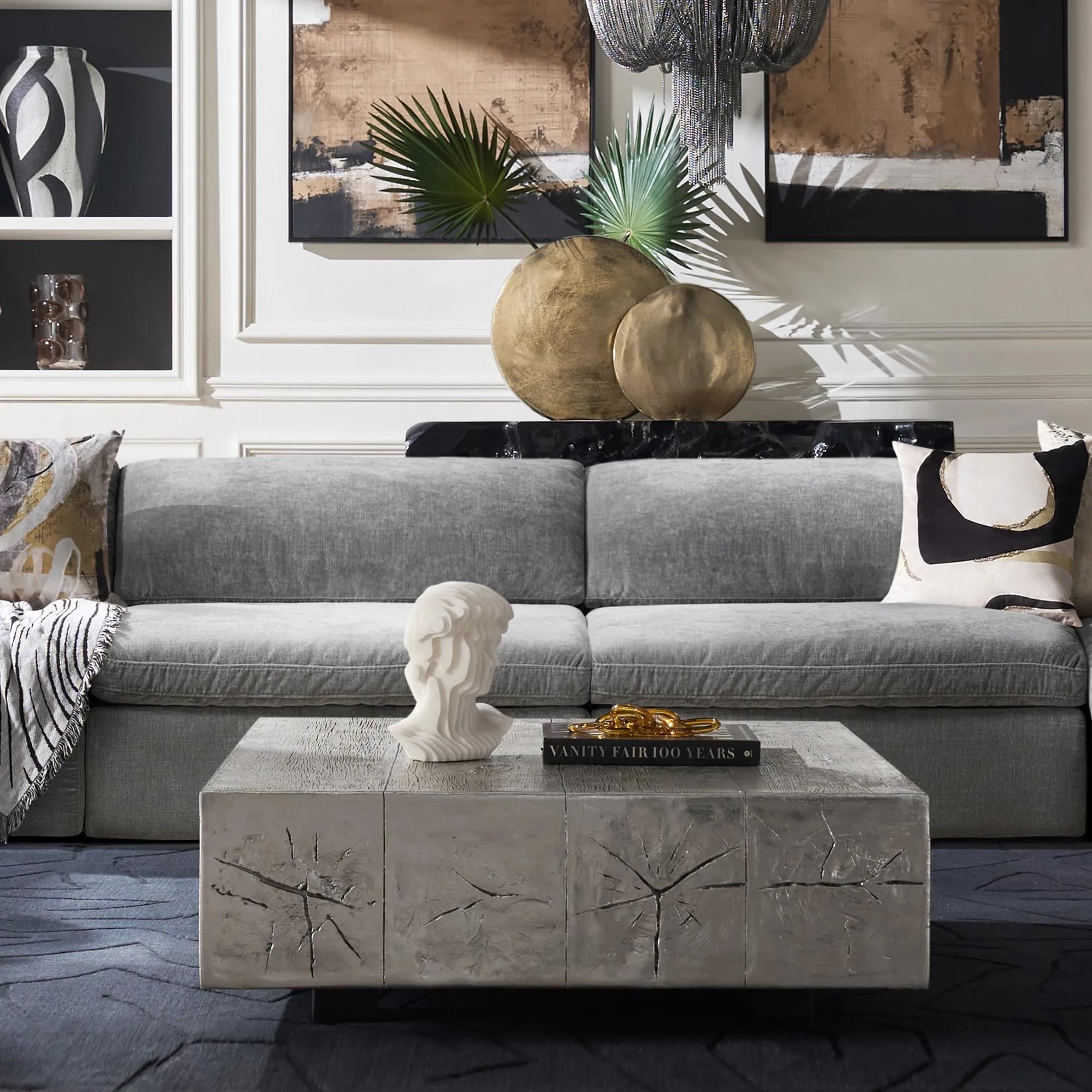 Timber Square Silver Resin Coffee Table (44")$1299
A hand-painted silver resin coffee table featuring authentic silver leaf and an antiqued, hand-rubbed oil finish.
Add To Cart -
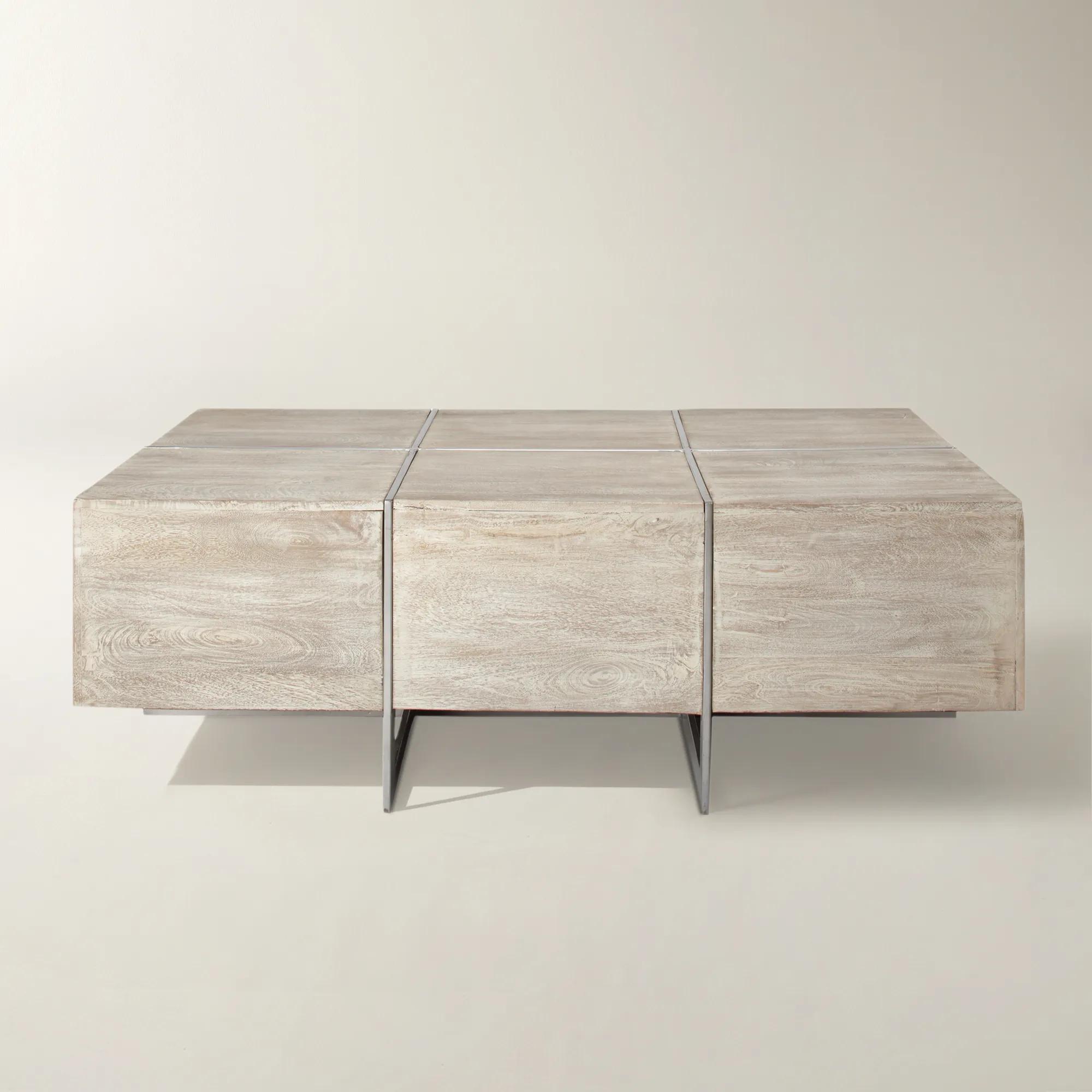
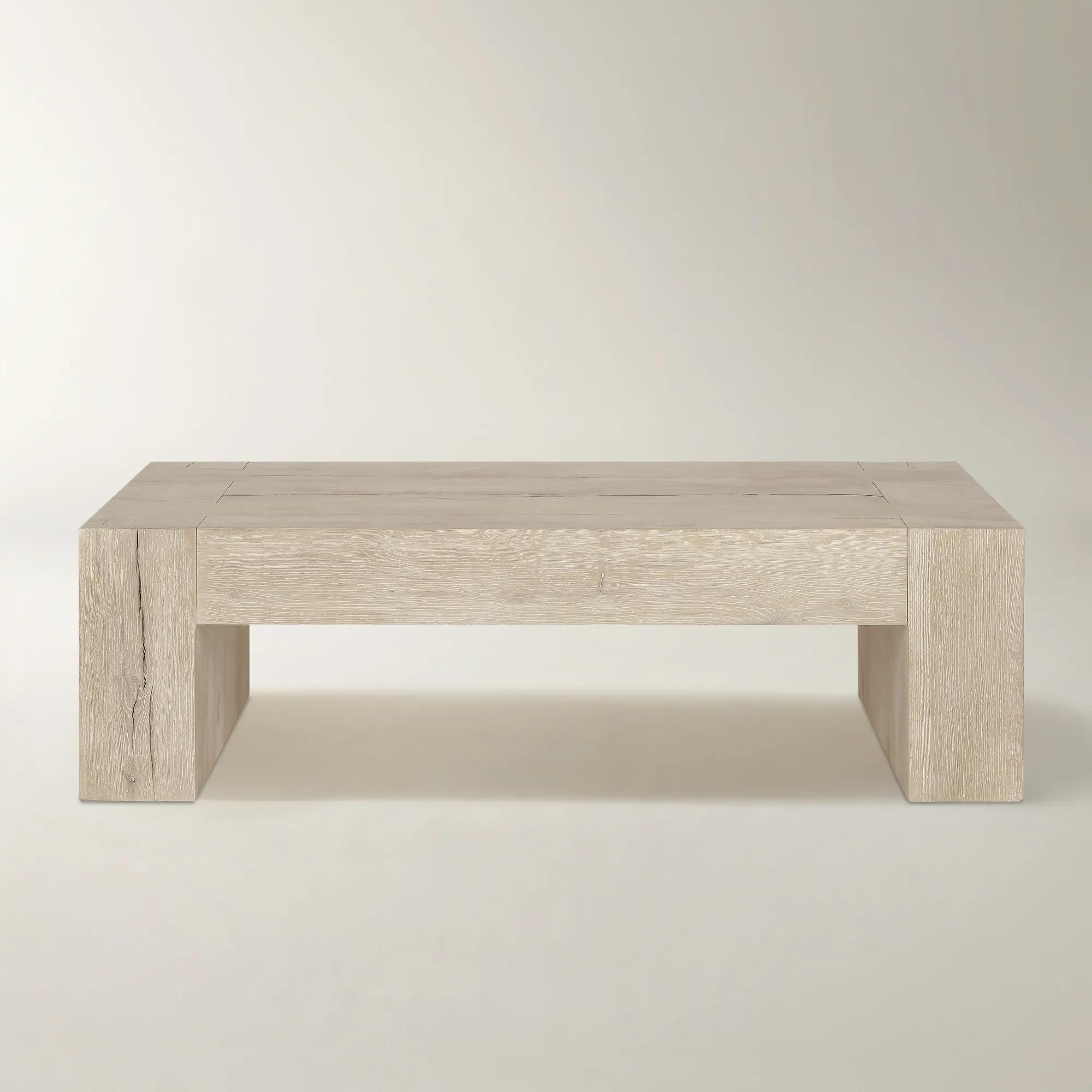
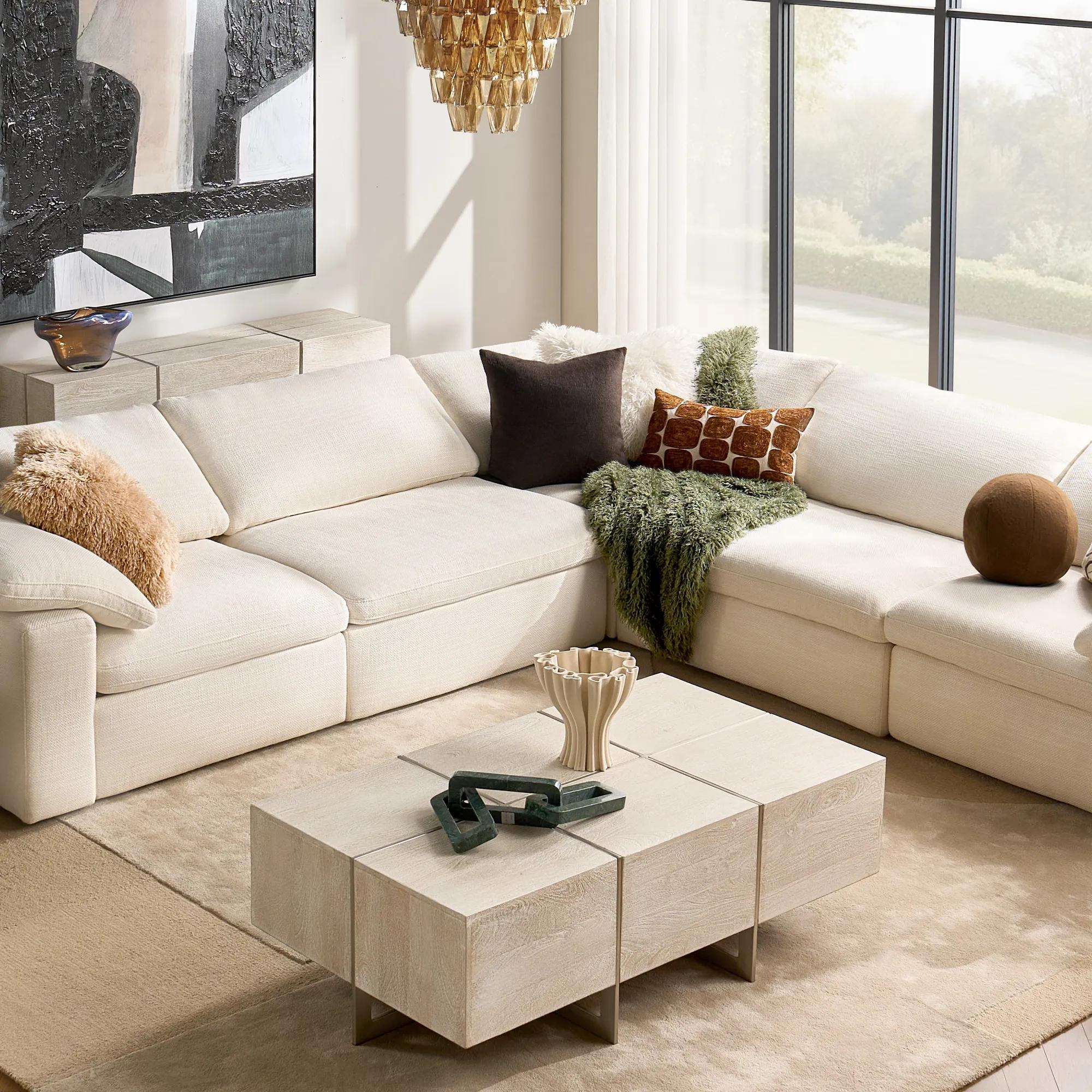 Clifton Rectangular Natural Mango Wood Coffee Table (54")$1299
A handcrafted mango wood table with a whitewashed finish and antiqued silver iron legs for organic appeal.
Add To Cart -
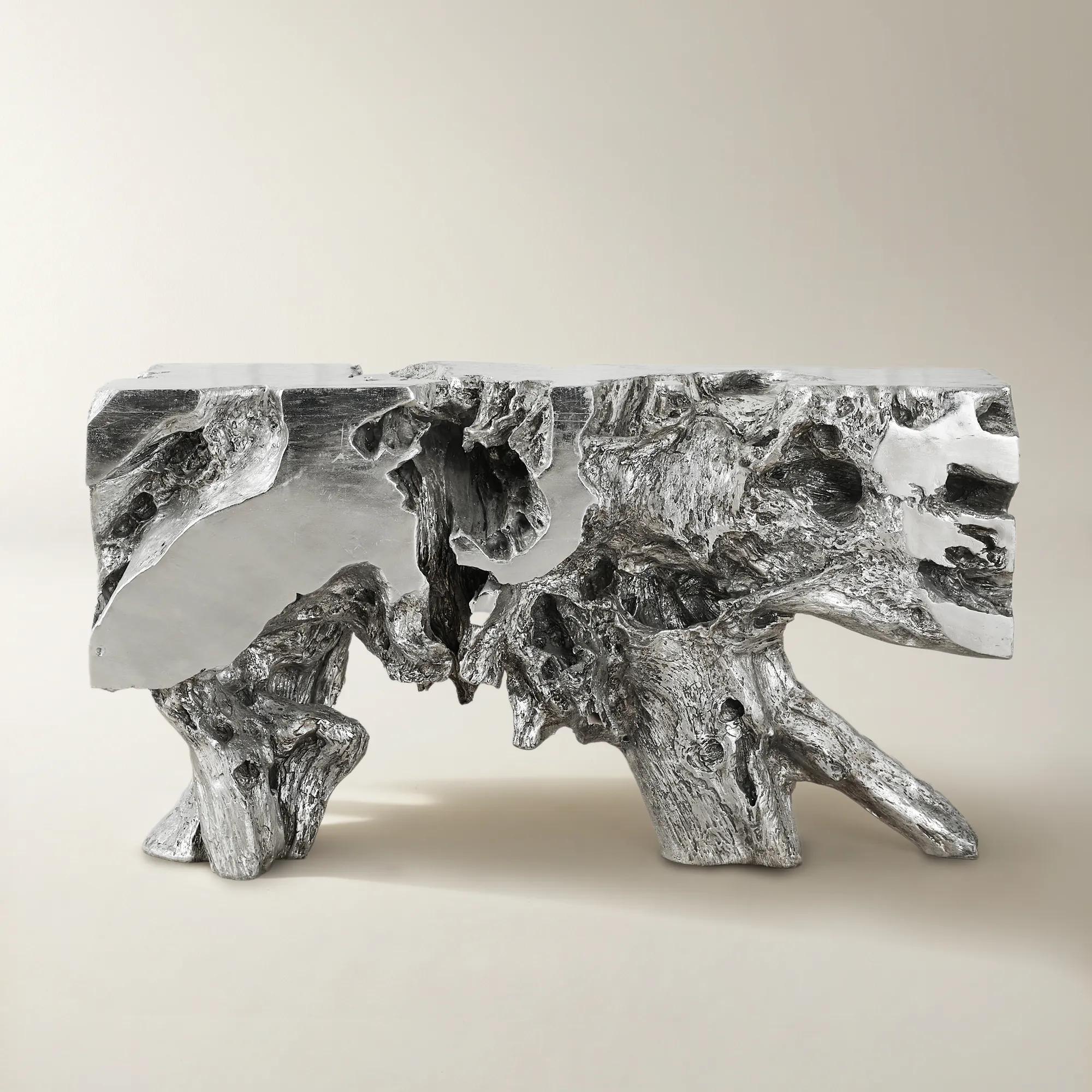
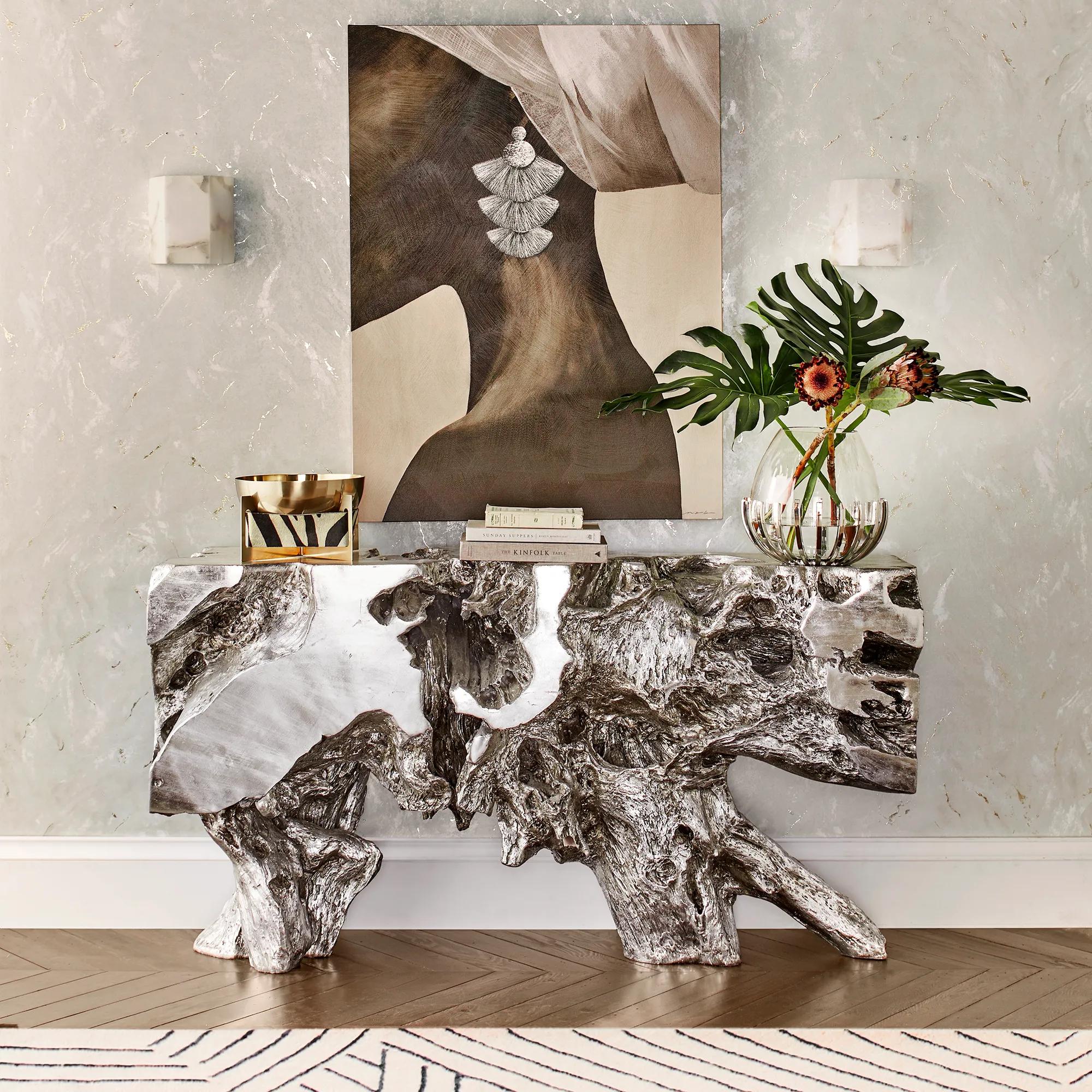 Sequoia Silver Resin Console Table (58")$1999
A sculptural console table featuring hand-applied silver leaf over resin and fiberglass with an iron core.
Add To Cart -
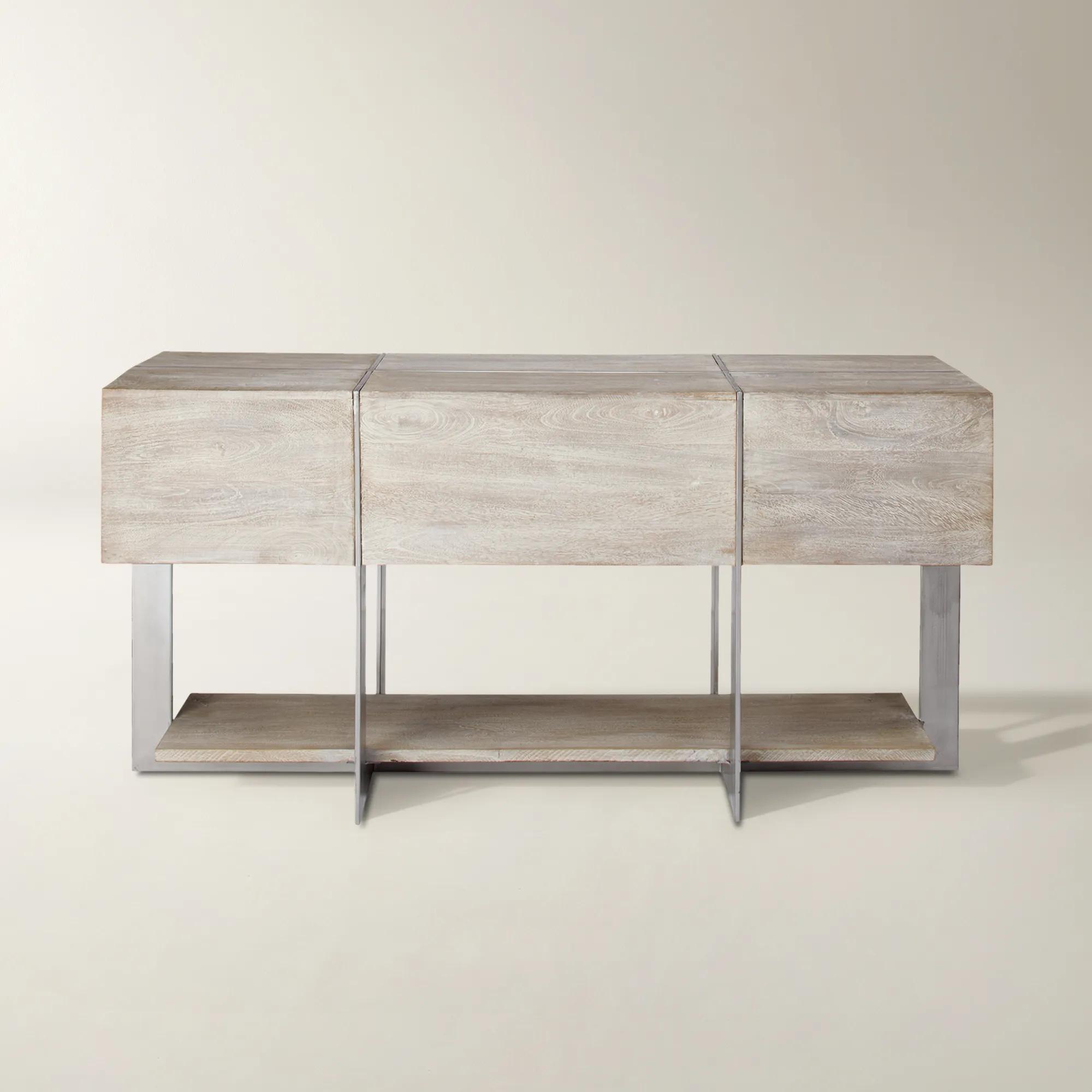
.jpg?w=1200&h=1200) Clifton Rectangular Natural Mango Wood Console Table (60")$1399
Clifton Rectangular Natural Mango Wood Console Table (60")$1399A handcrafted mango wood console table with a whitewashed finish and antiqued silver iron legs.
Add To Cart -
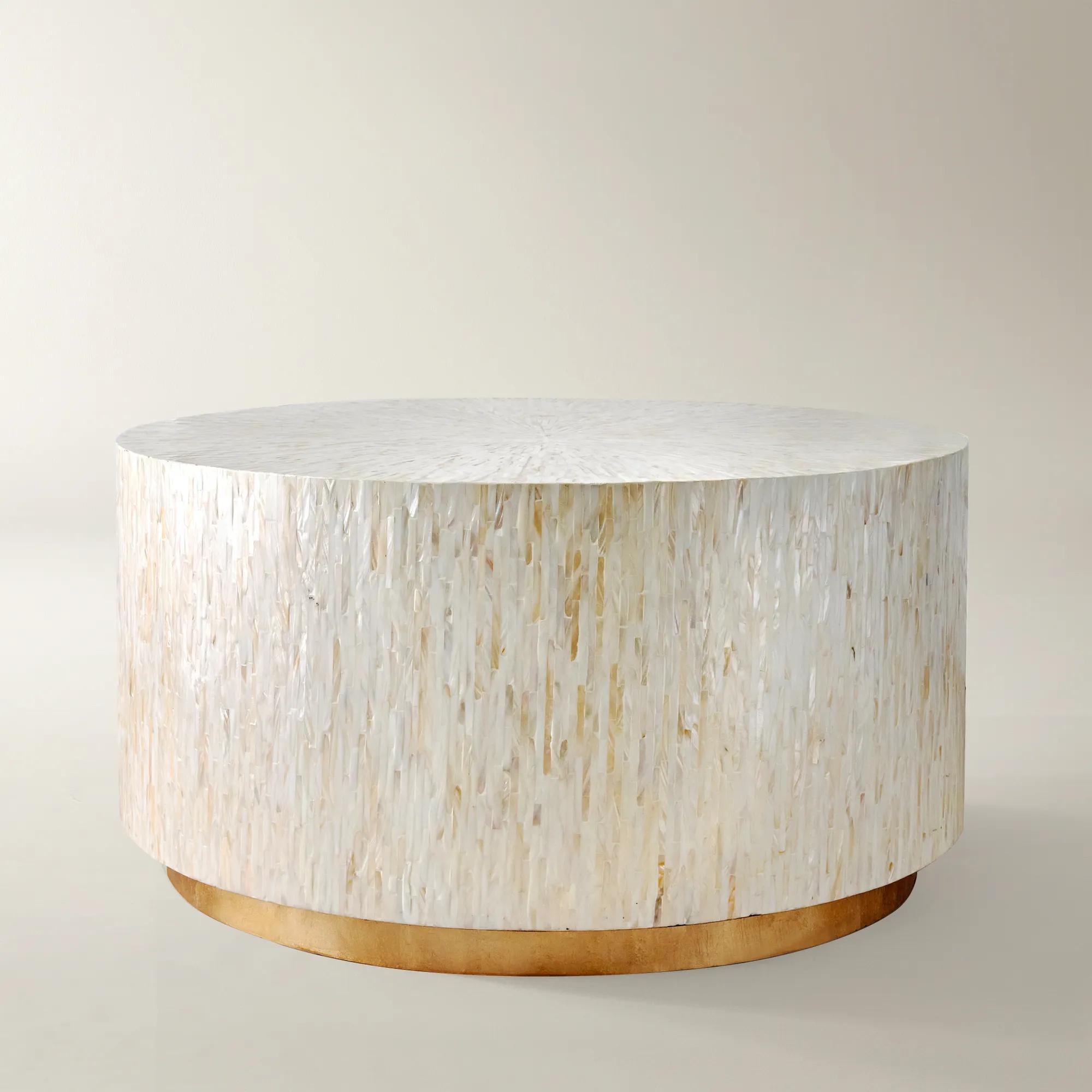
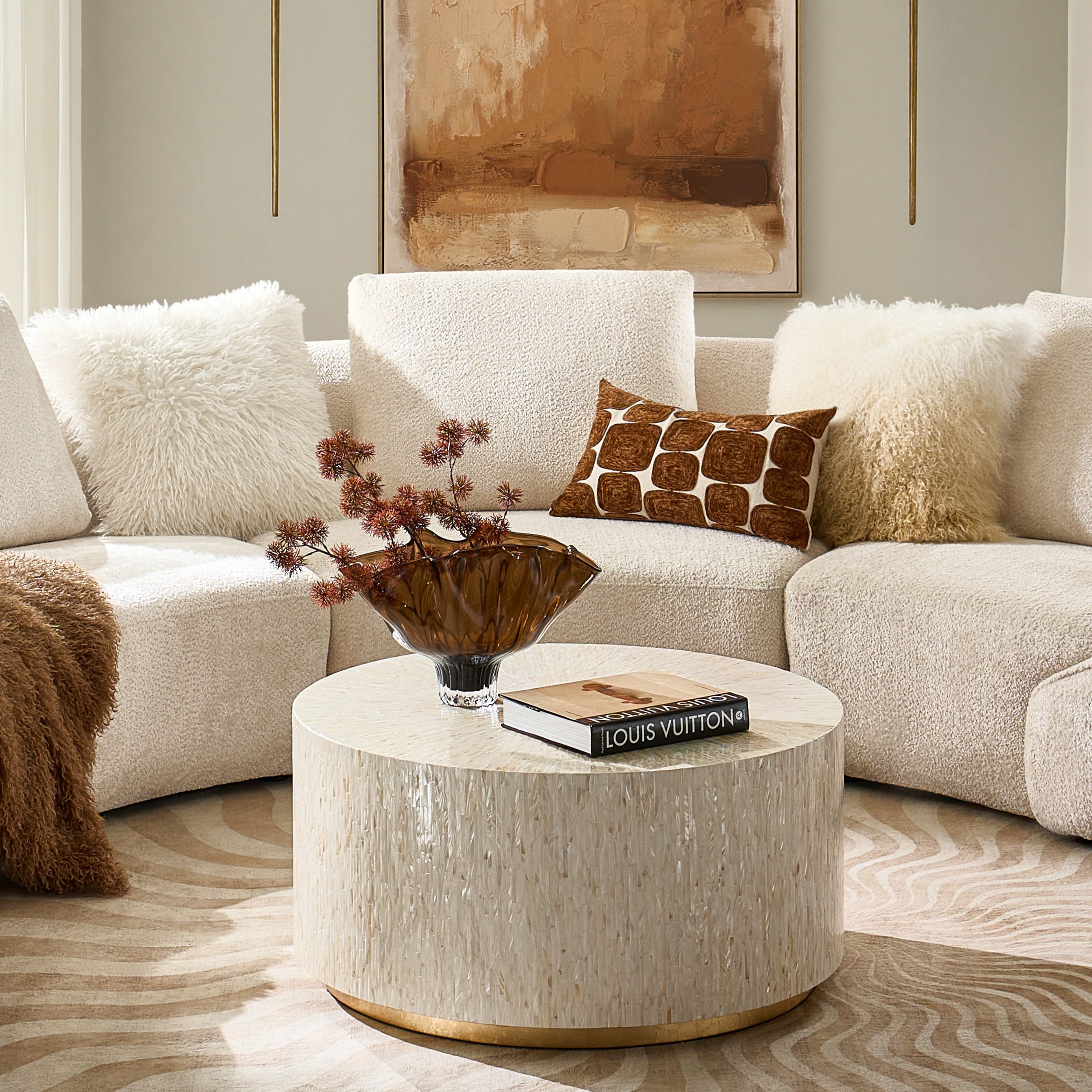 Alexandria Round Mosaic Platinum Coffee Table (36")$799
A luminous ivory coffee table featuring hand-applied mother-of-pearl mosaic and a gold leaf-accented base.
Add To Cart -
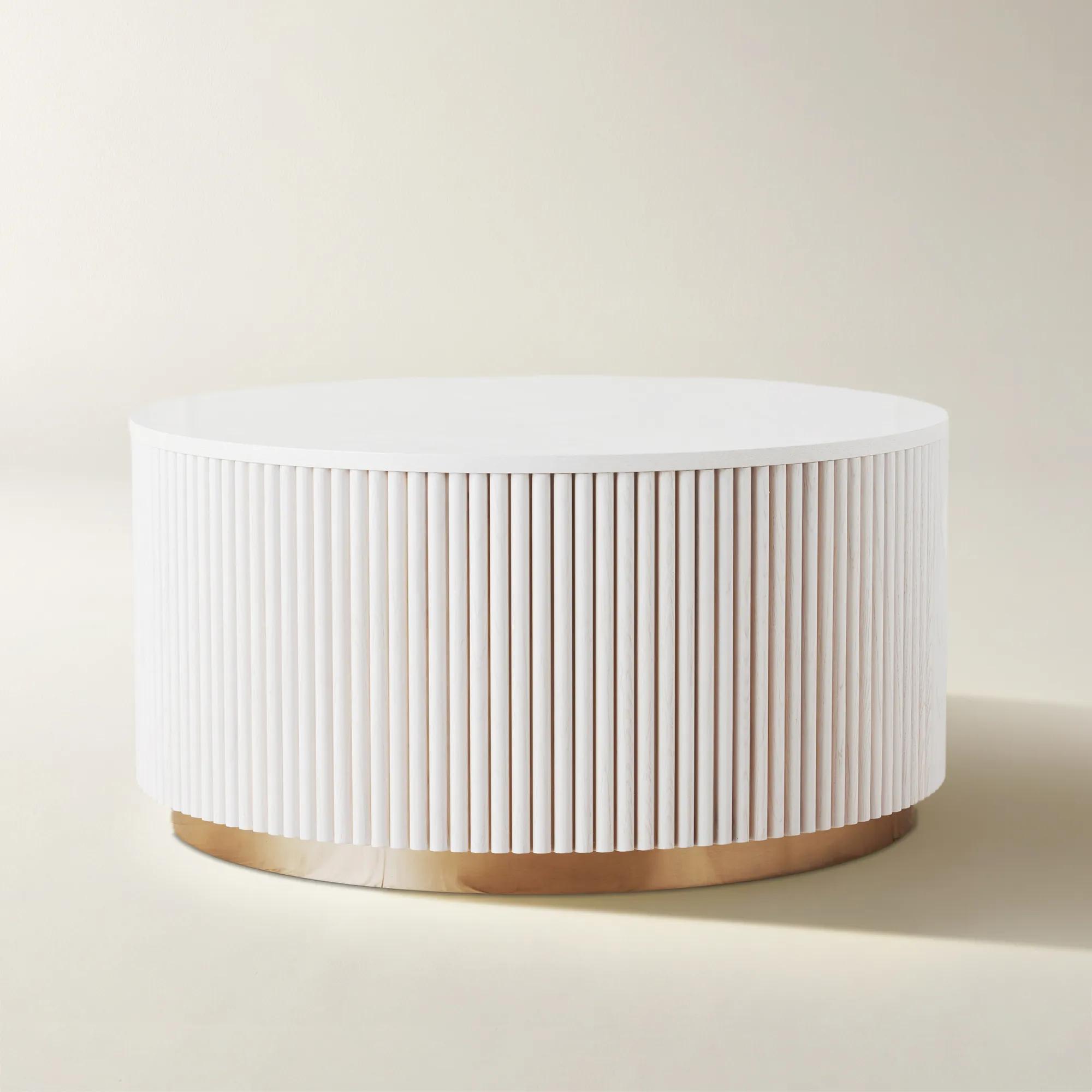
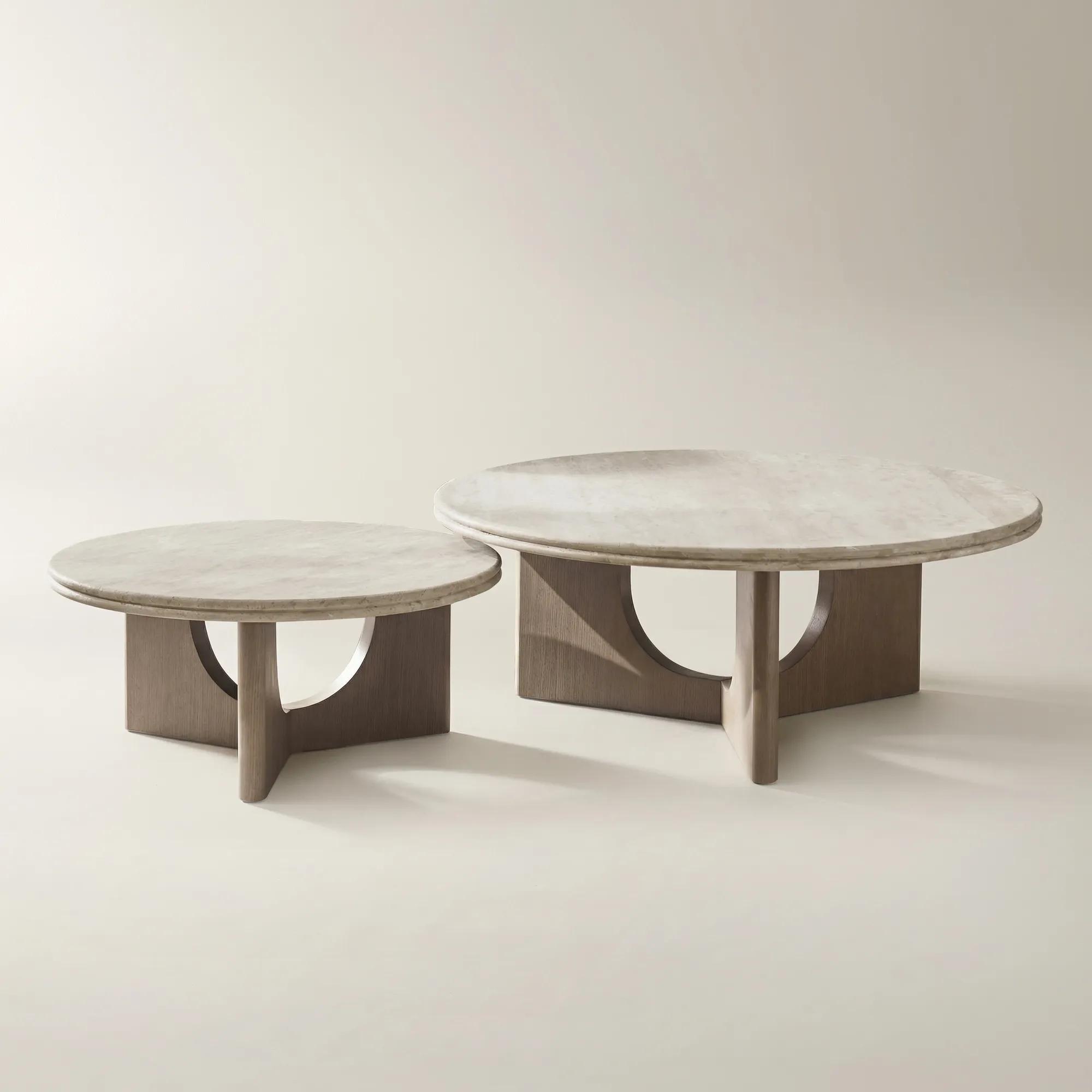
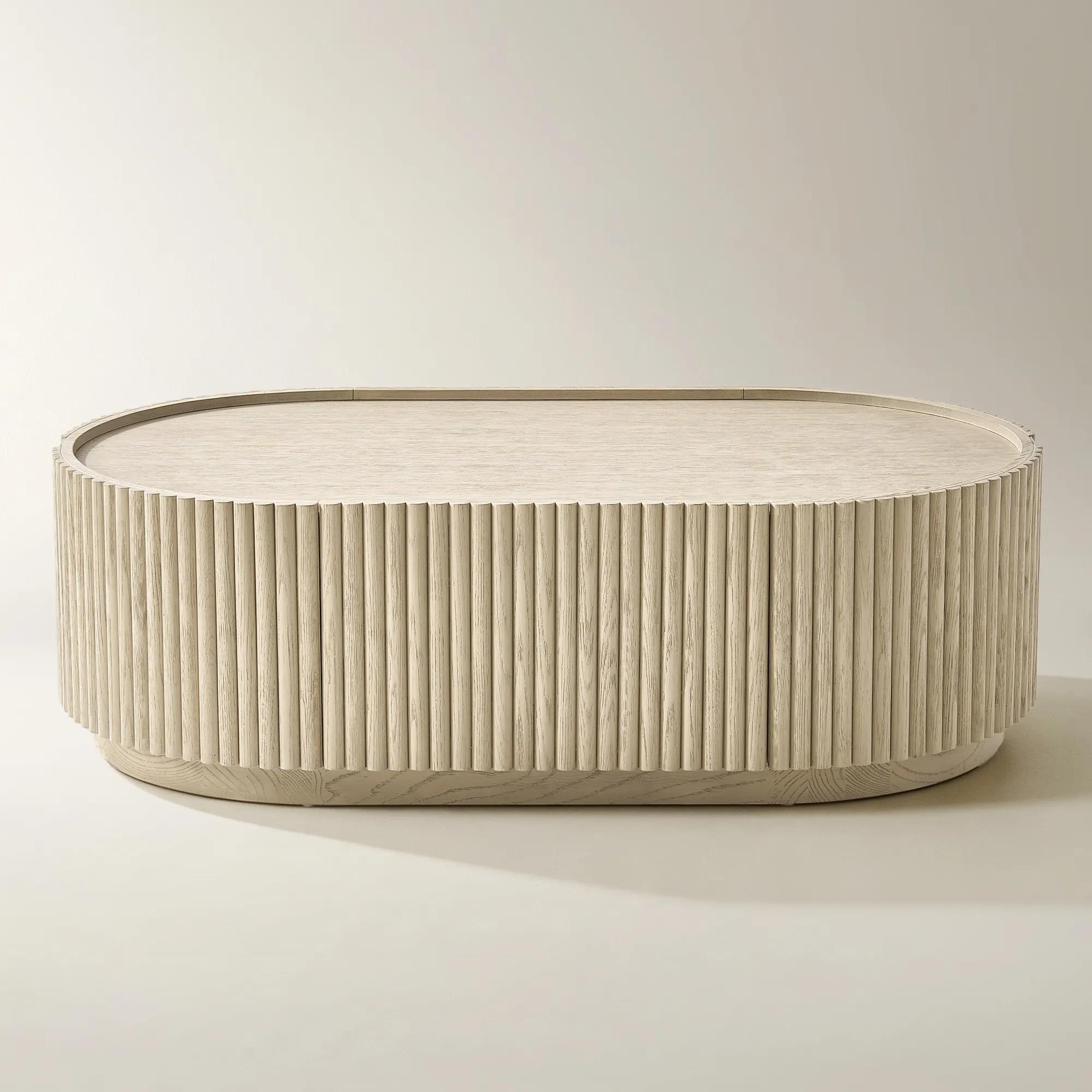
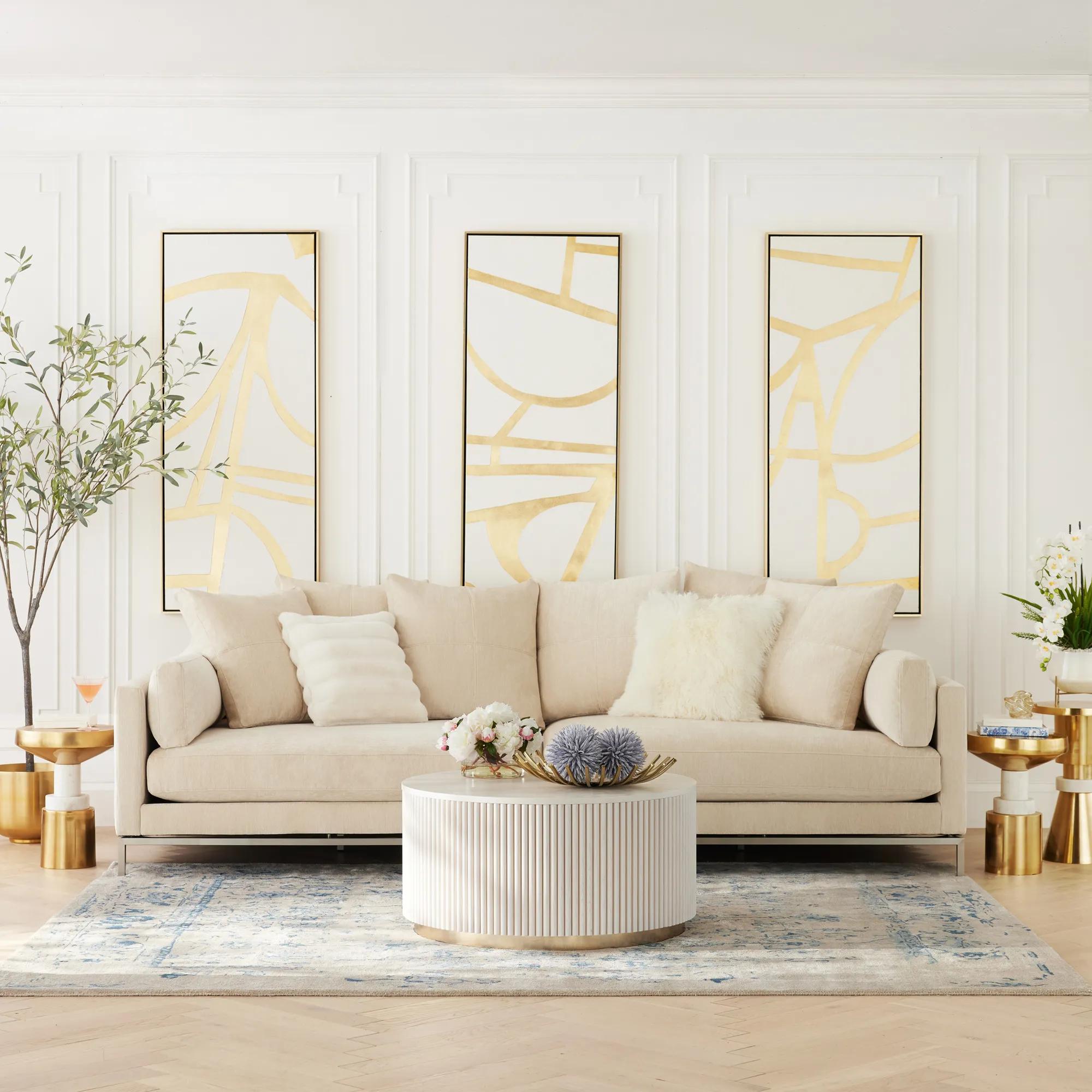 Natalia Round Reeded Whitewashed Ash Wood Coffee Table (36")$1299
A striking coffee table featuring reeded ash wood sides, a smooth top, and a whitewashed finish.
Add To Cart -
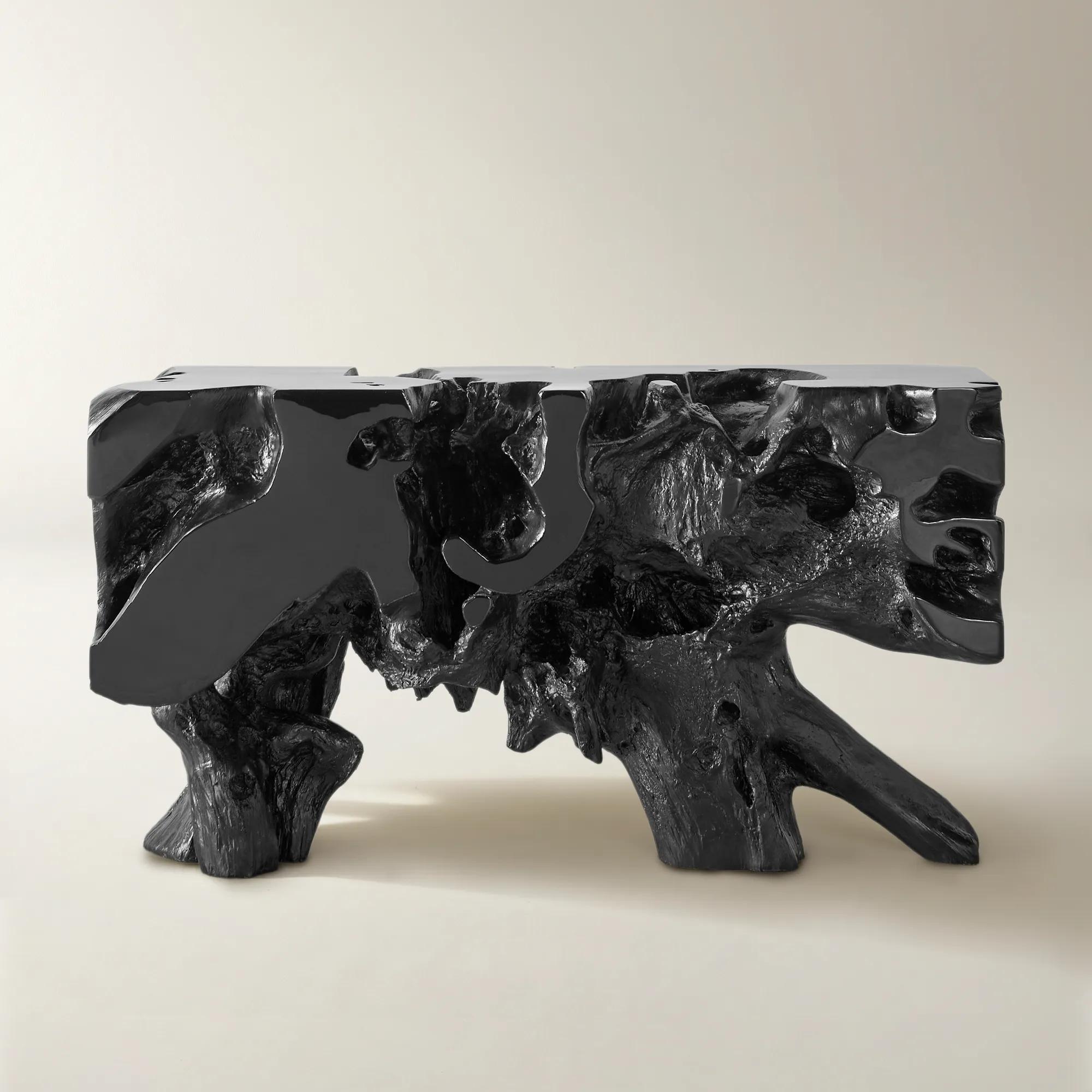 Sequoia Black Resin Console Table (58")$1999
A sculptural black console table crafted from resin, fiberglass, and polished stone for indoor or outdoor use.
Add To Cart -
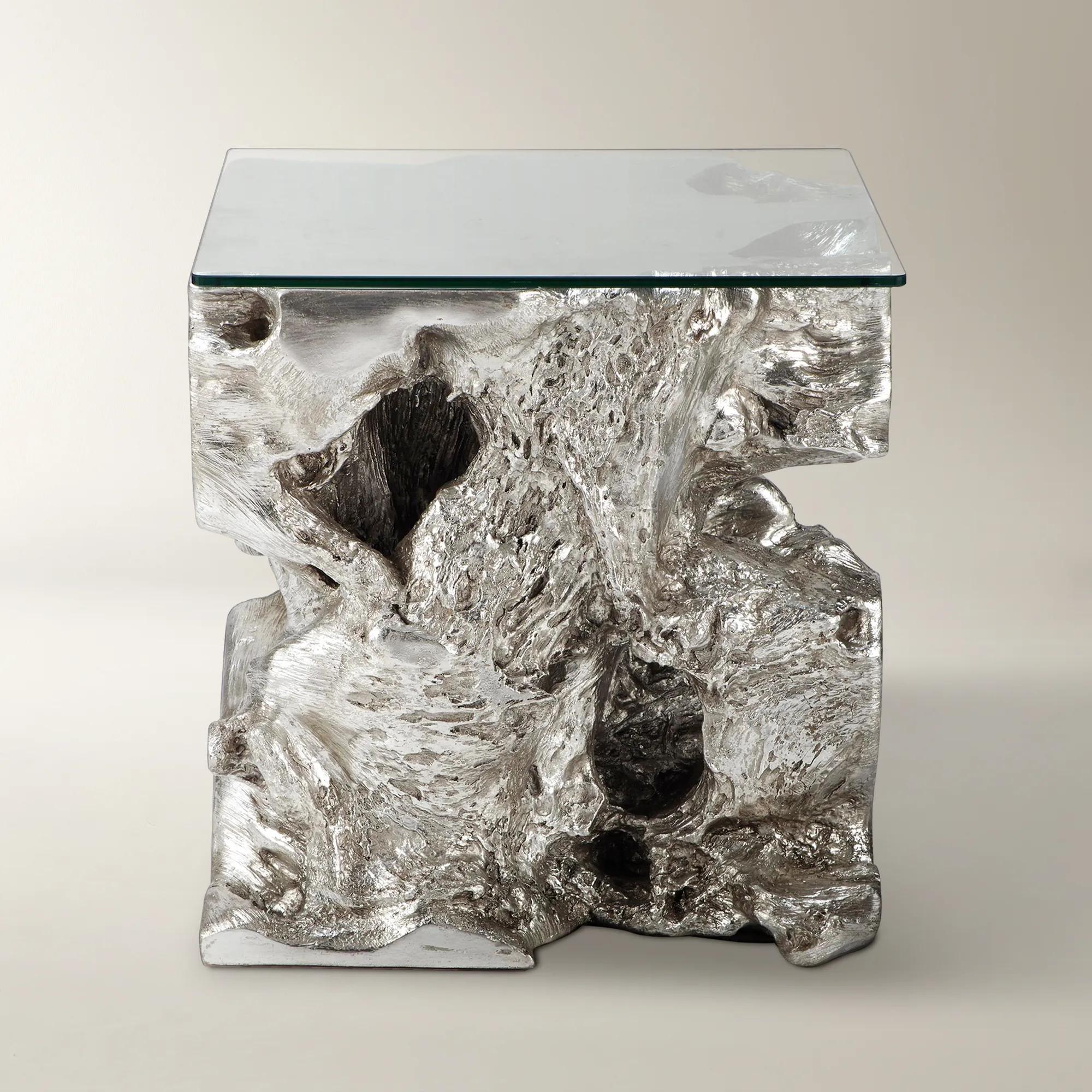 Sequoia Silver Resin End Table With Glass Top (22")$999
A sculptural end table featuring a silver leaf resin base and tempered glass top for modern elegance.
Add To Cart -
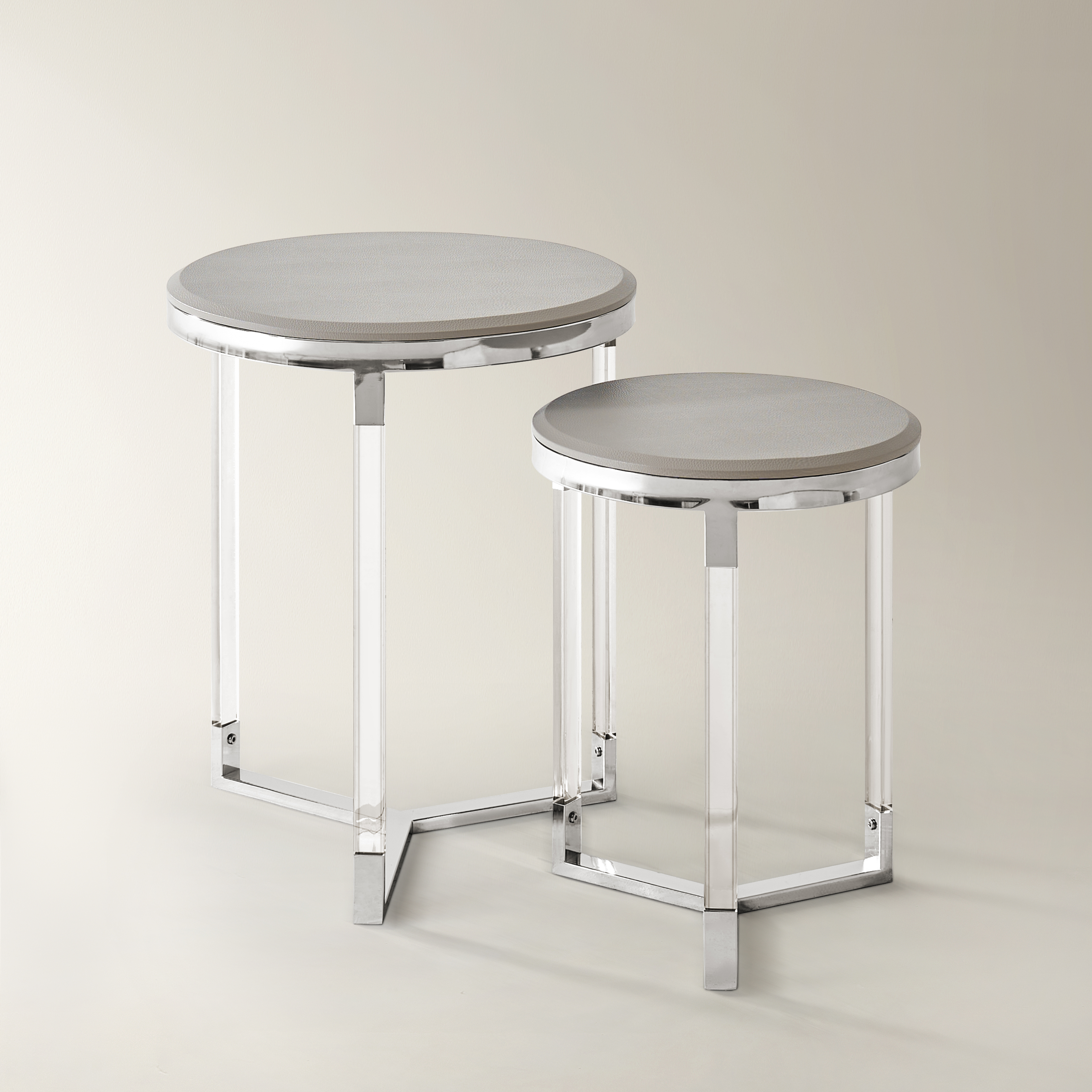
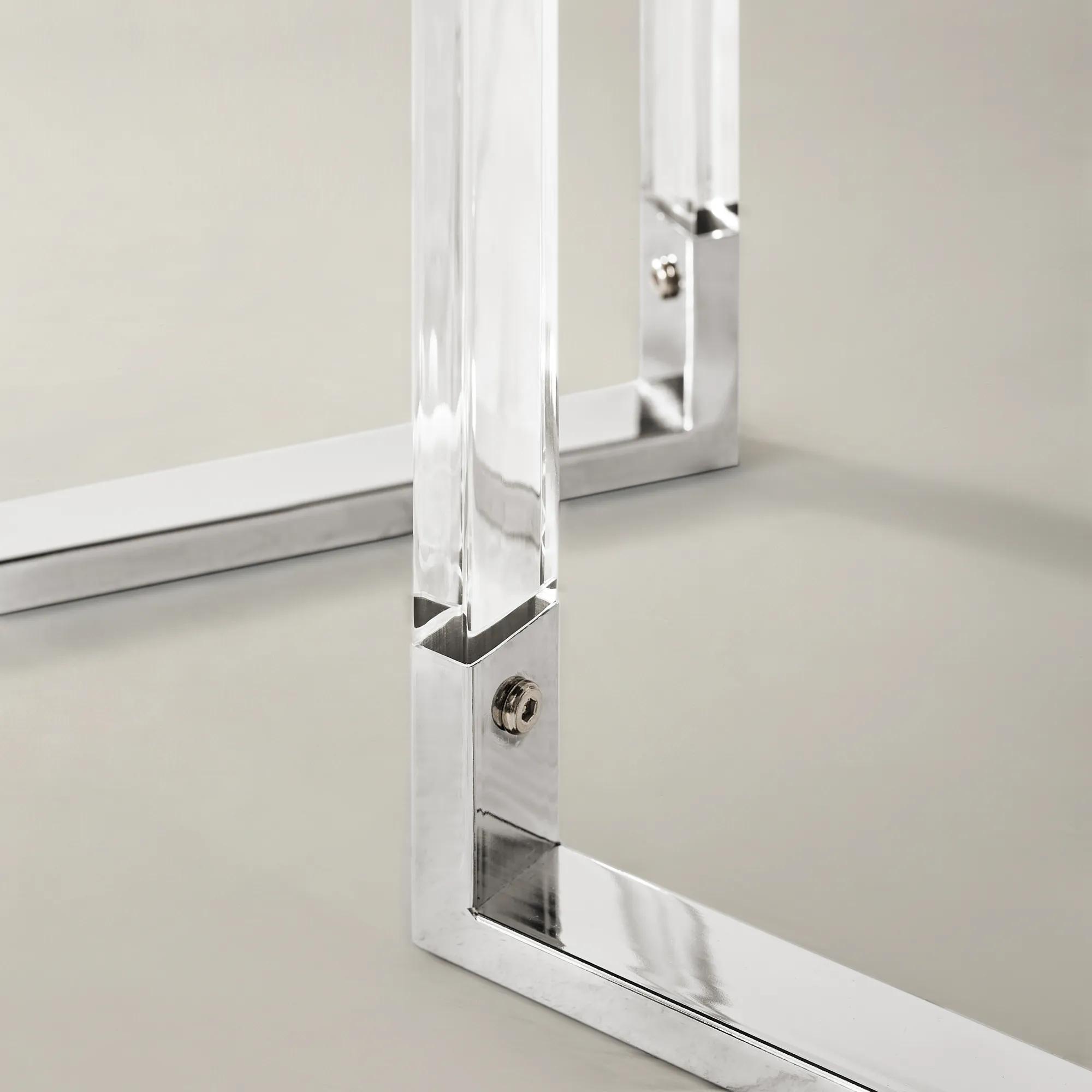 Murano Round Grey Accent Table With Faux Leather Top Set Of 2 (14.5"-18.5")$399
A bold set of two accent tables featuring mixed woods, acrylic legs, and faux leather tops.
Add To Cart -
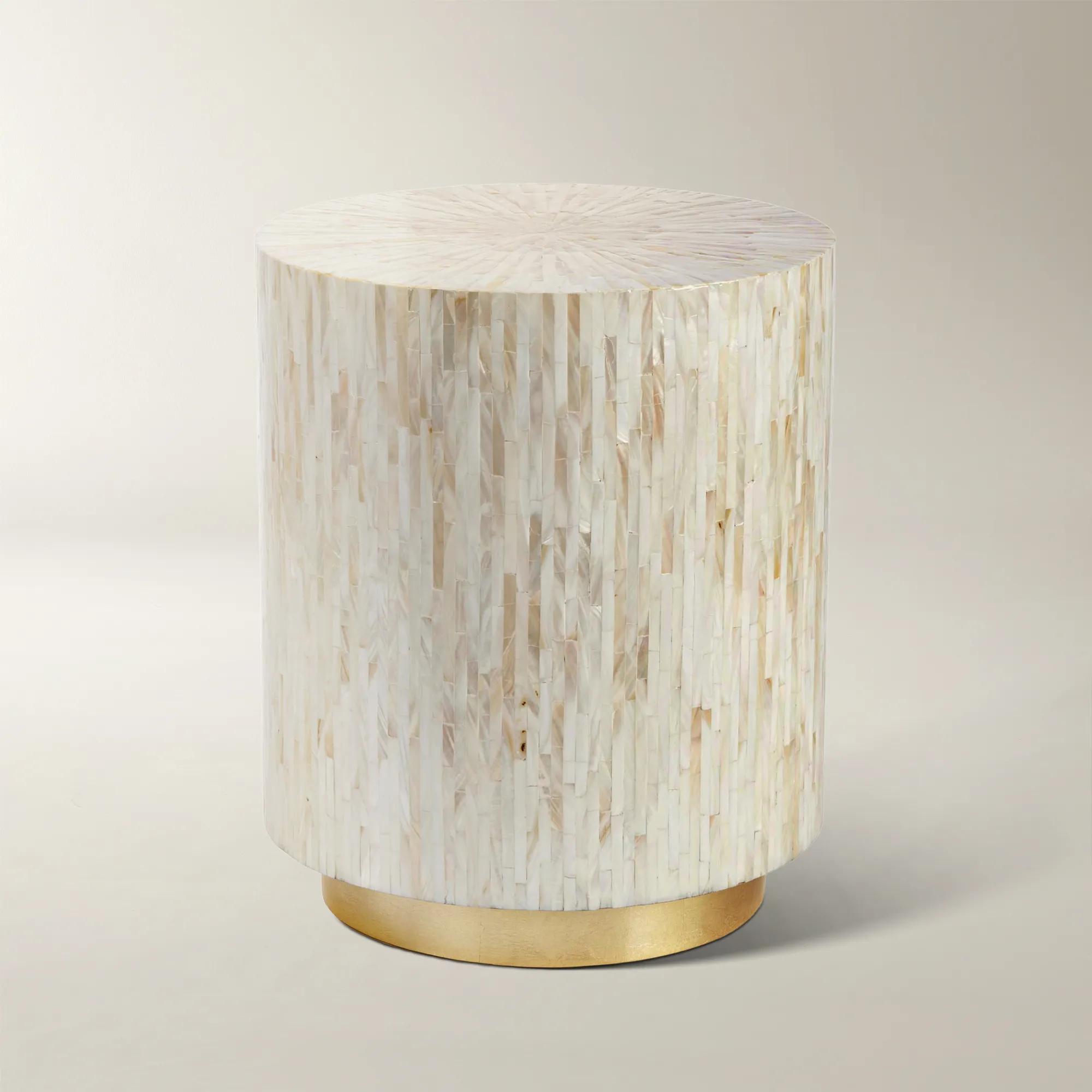 Alexandria Round Mosaic Platinum End Table (13.75")$299
A glamorous accent table featuring hand-applied mother-of-pearl mosaic and a gold leaf-accented base.
Add To Cart -
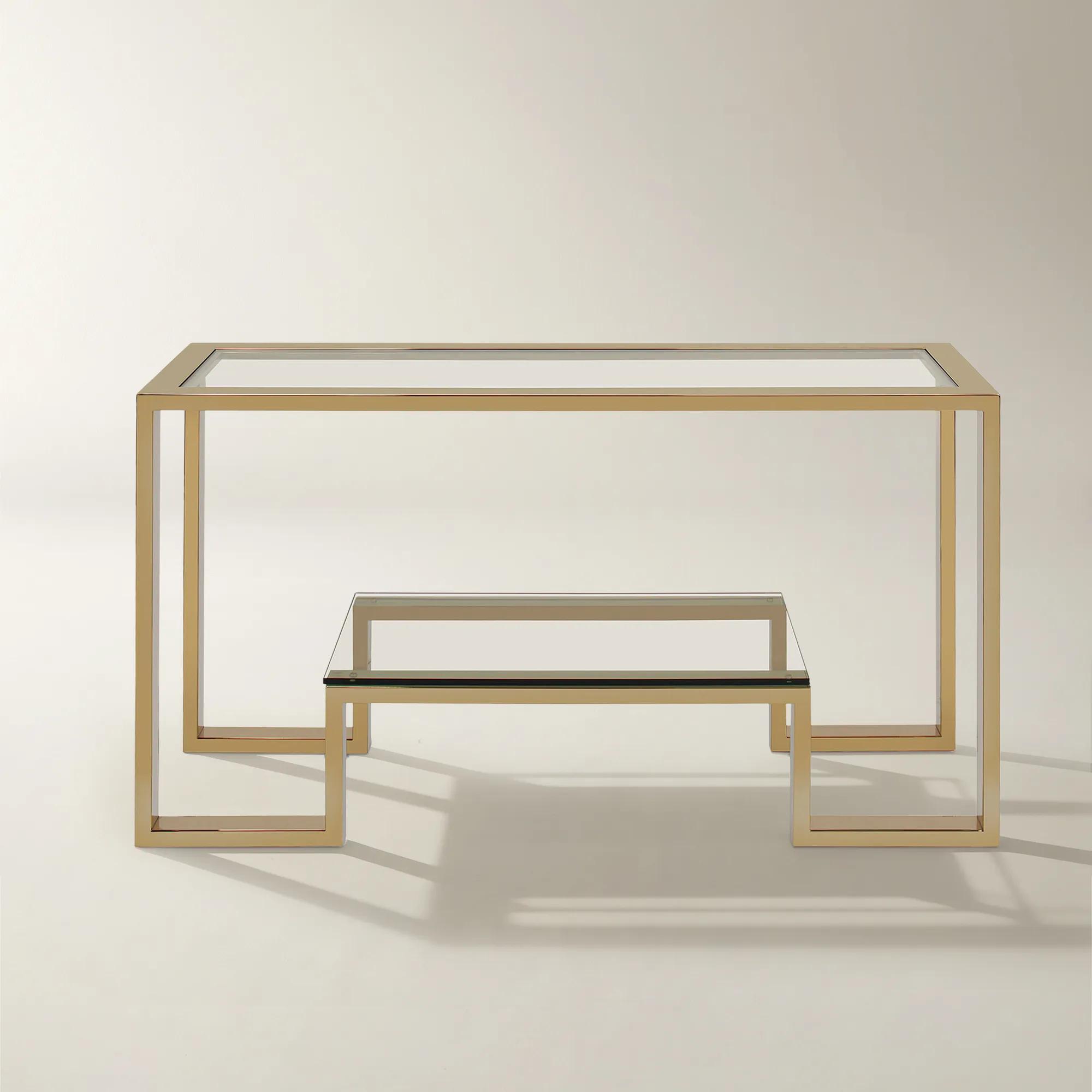
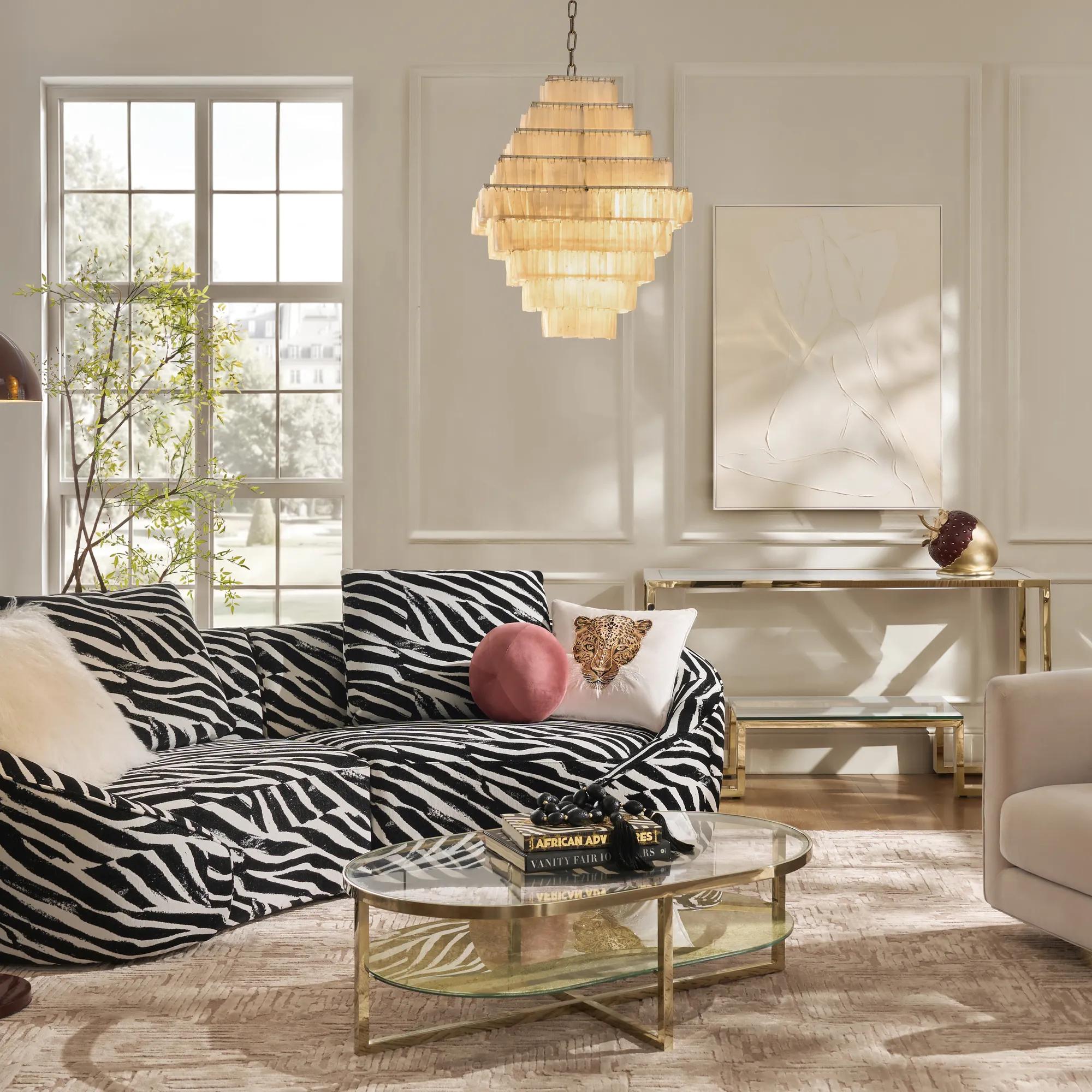 Duplicity Rectangular Gold Stainless Steel Console Table With Glass Top (59")$1399
A modern console table crafted from stainless steel and tempered glass with a floating bottom shelf.
Add To Cart -
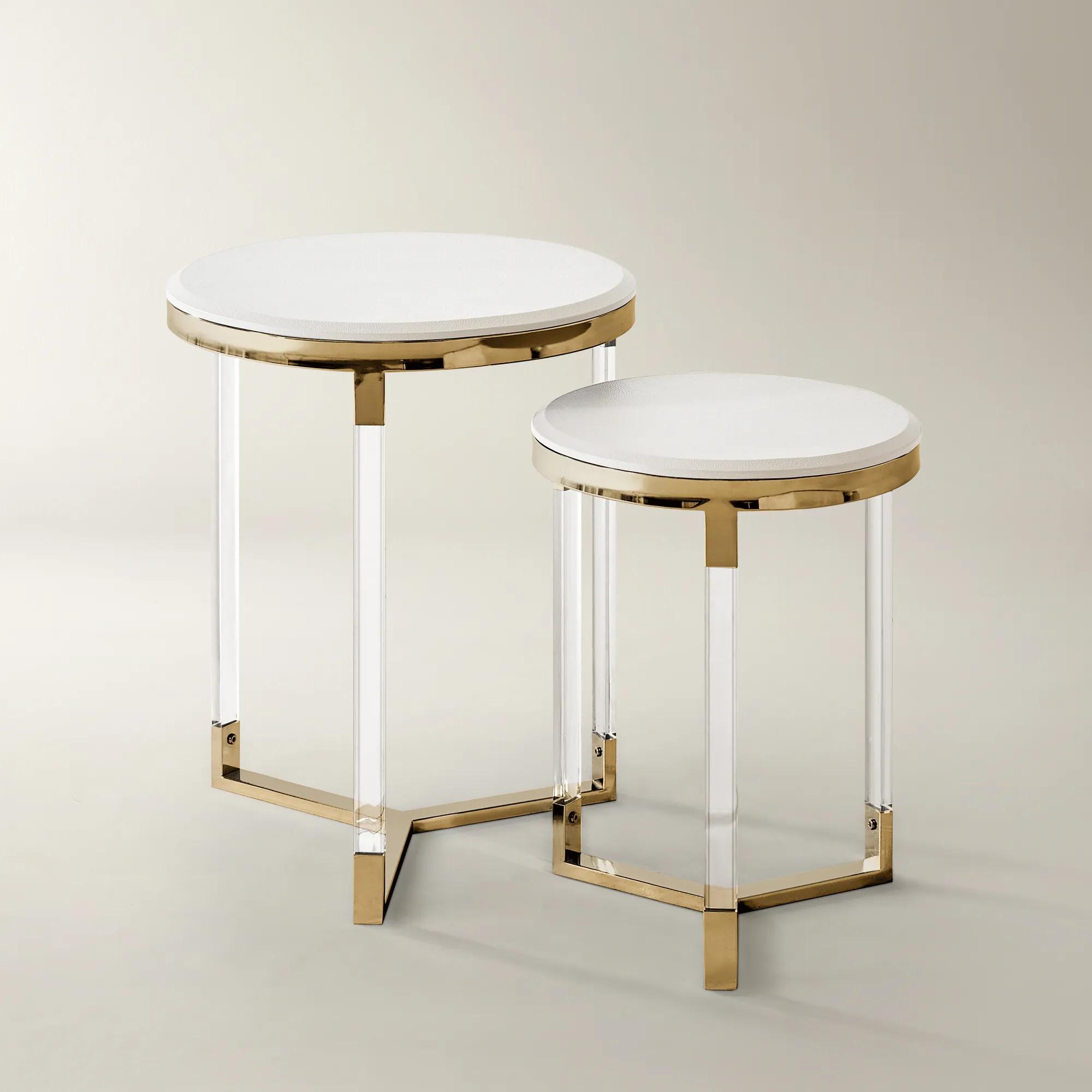
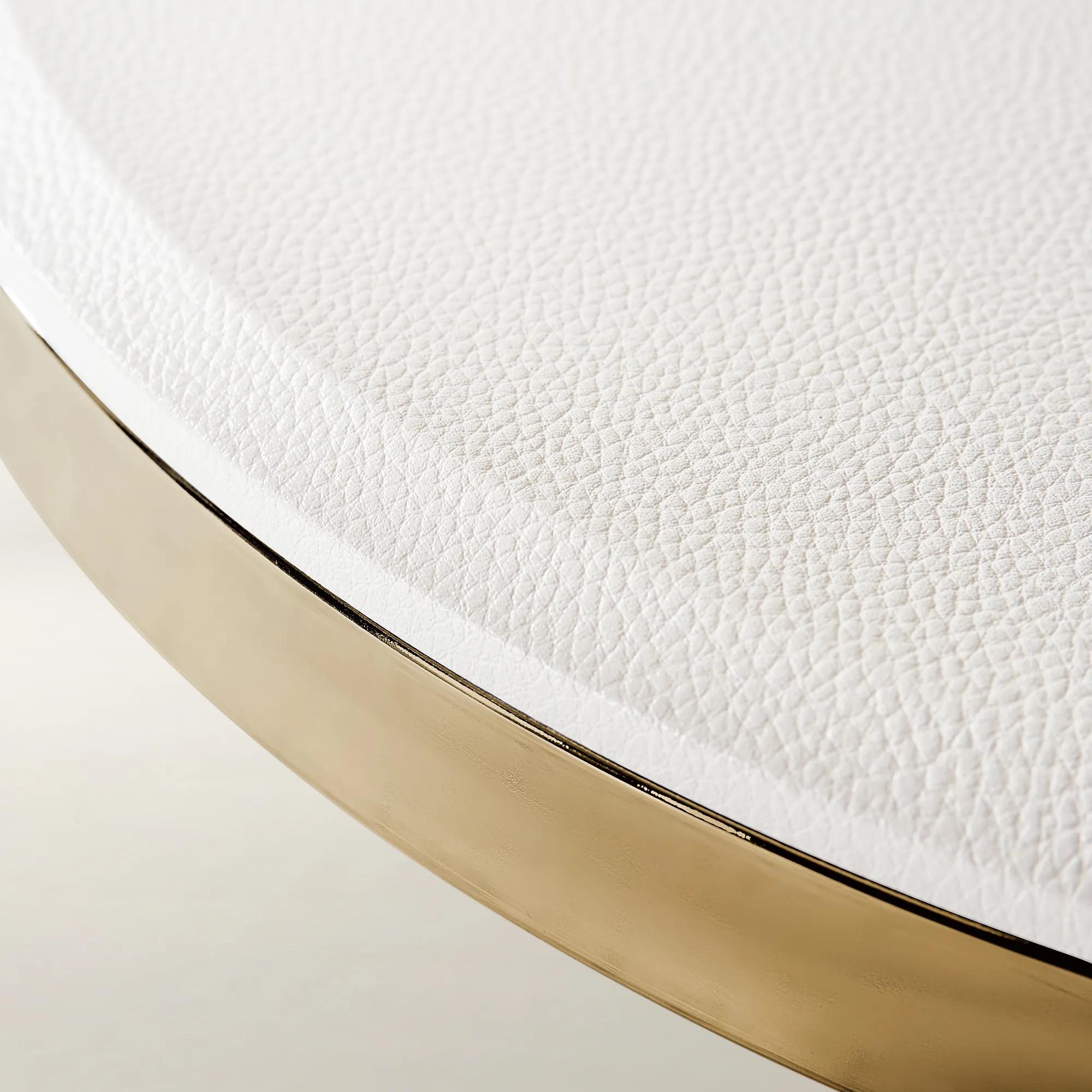 Murano Round White Accent Table With Faux Leather Top Set Of 2 (14.5"-18.5")$399
A set of two accent tables featuring mixed woods, faux leather tops, and acrylic legs with metallic finishes.
Add To Cart -
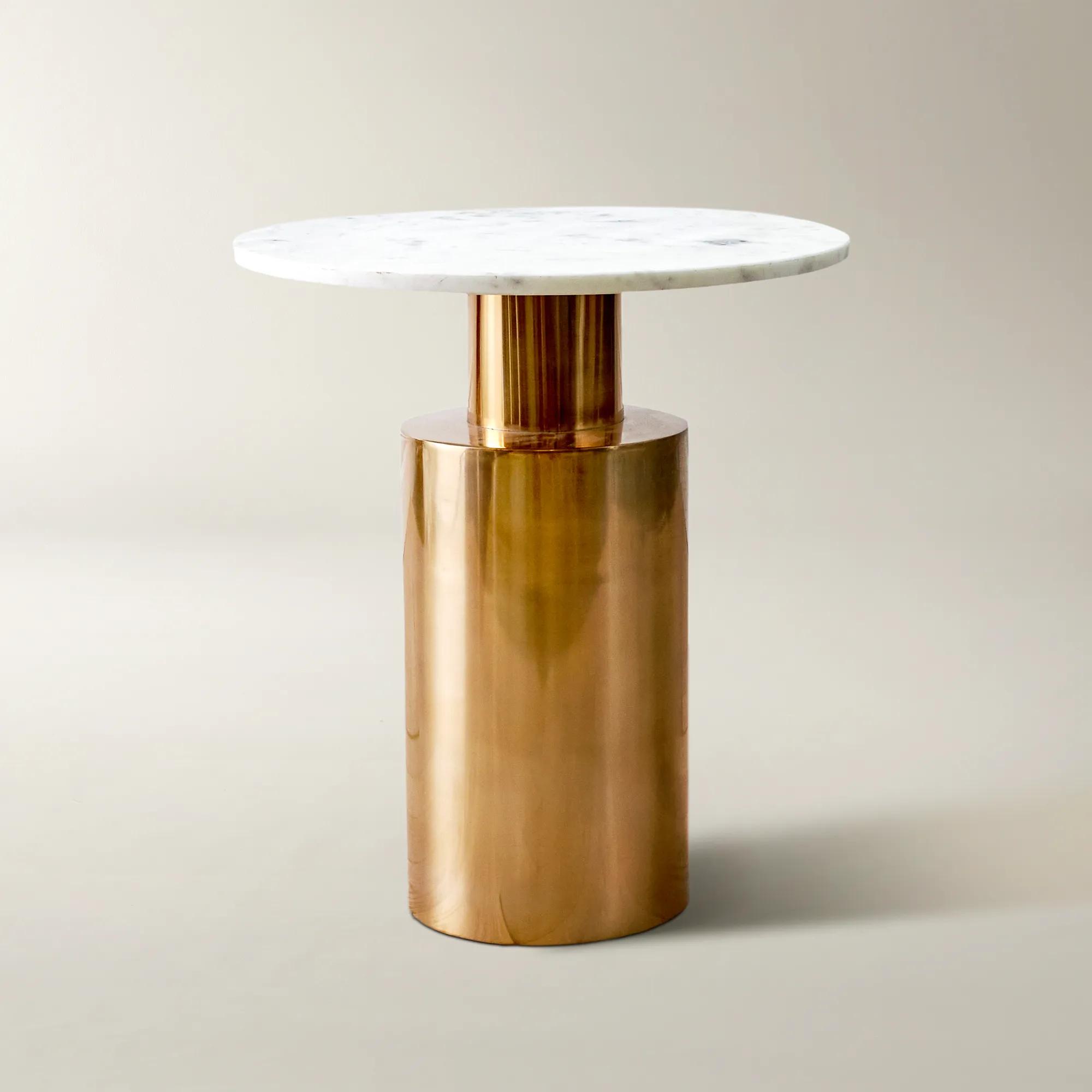 Capri Round White Marble Accent Table (16")$299
A striking accent table featuring a white marble top and gold-finished stainless steel base.
Add To Cart -
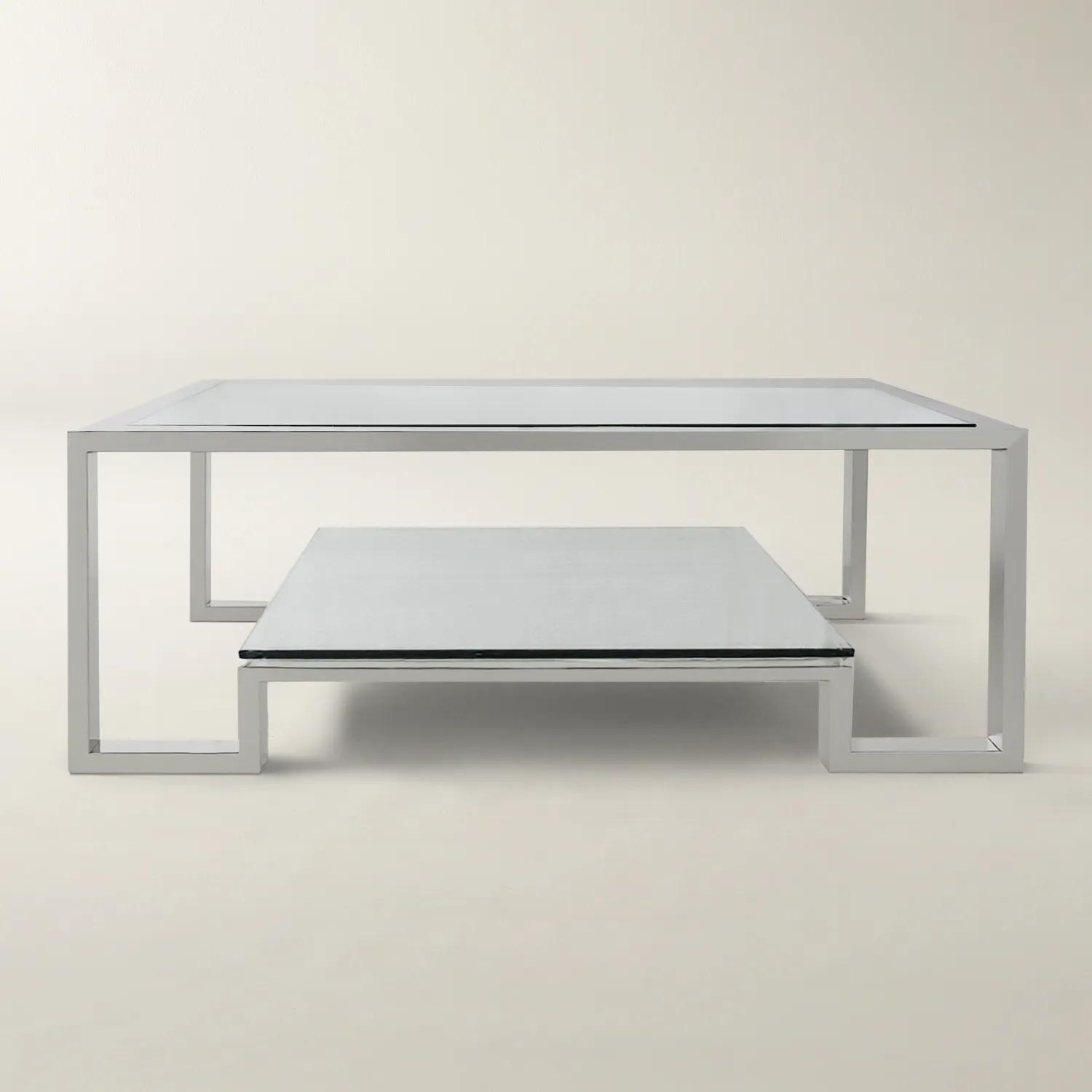
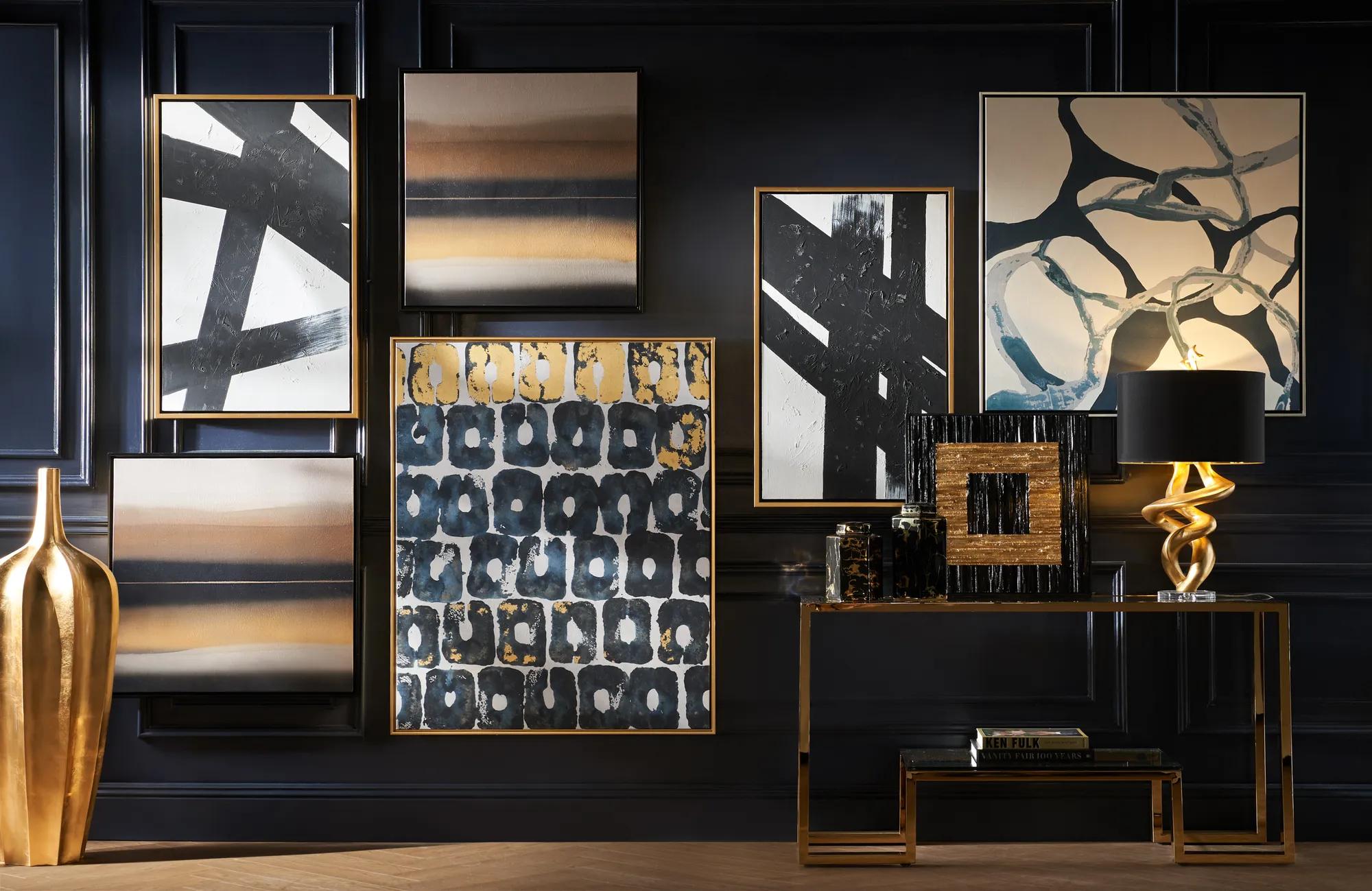 Duplicity Rectangular Silver Stainless Steel Coffee Table With Glass Top (50")$1399
A modern coffee table featuring a stainless steel frame, tempered glass top, and floating bottom shelf.
Add To Cart -
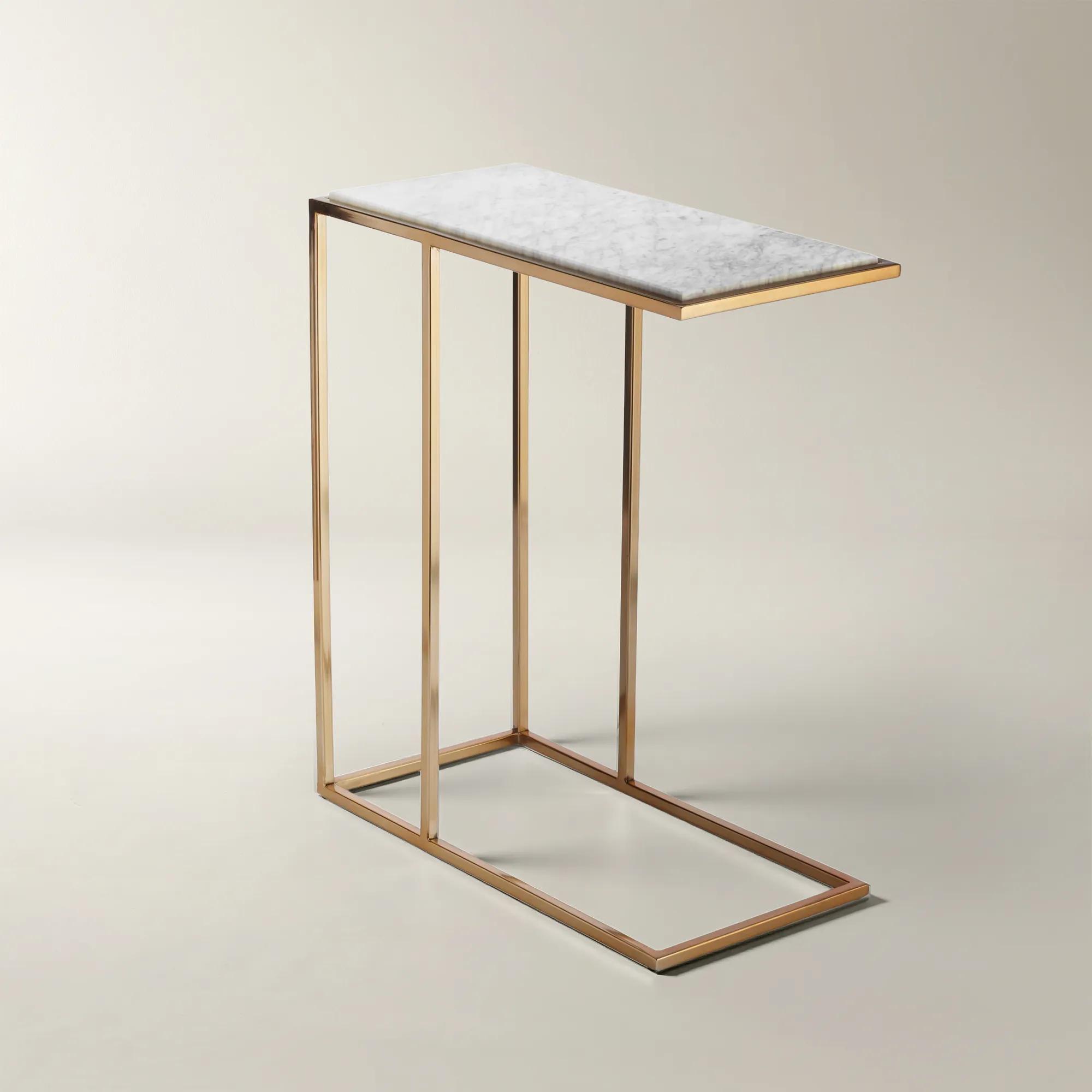
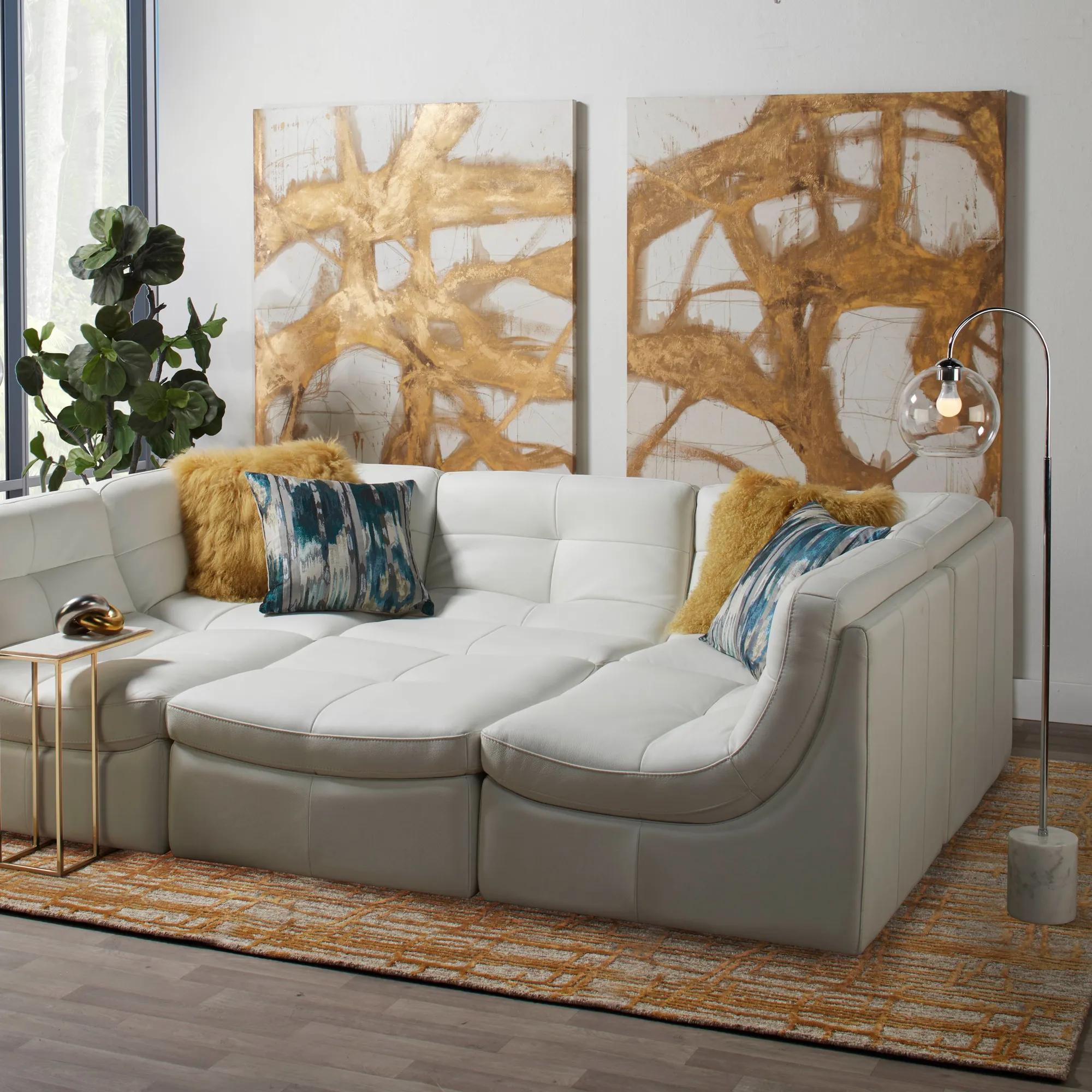 Lawton Rectangular Gold Stainless steel Accent Table With Marble Top (19.75")$259
A space-saving table featuring a white marble top and gold-finished stainless steel base.
Add To Cart -
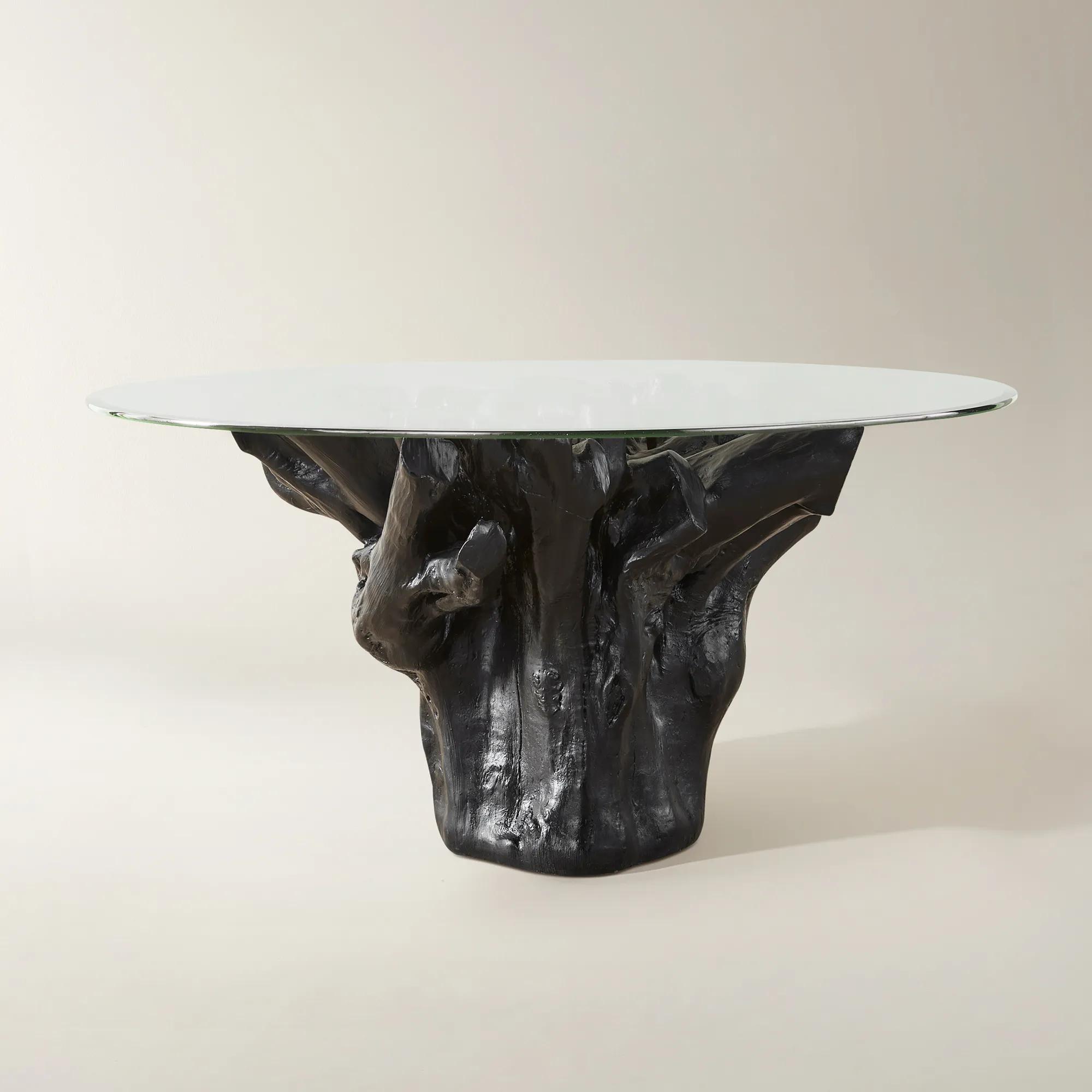 Sequoia Black Resin Dining Table With Glass Top (60")$2299
A sculptural black resin base with real stone fragments supports a round tempered glass top for organic elegance.
Add To Cart -
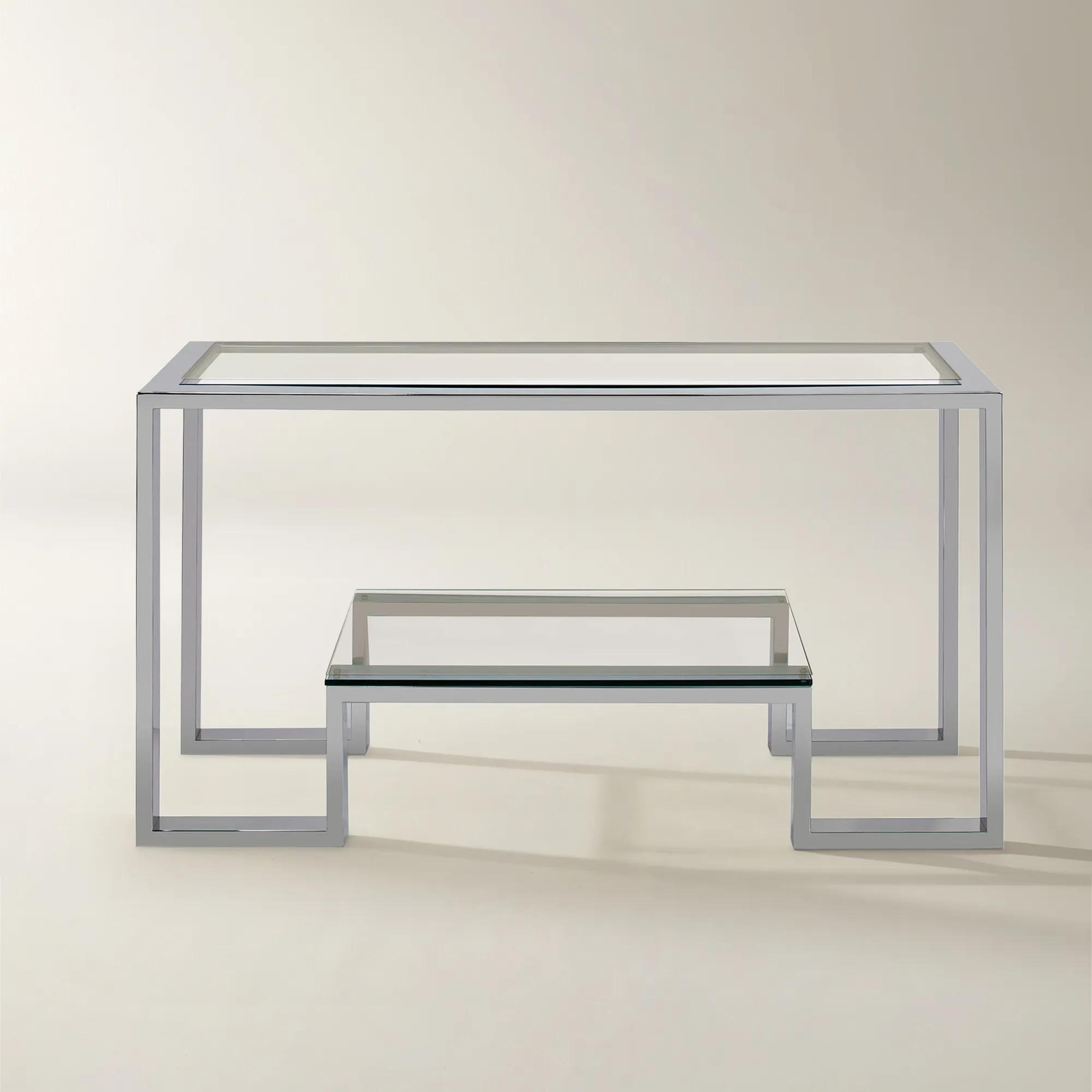
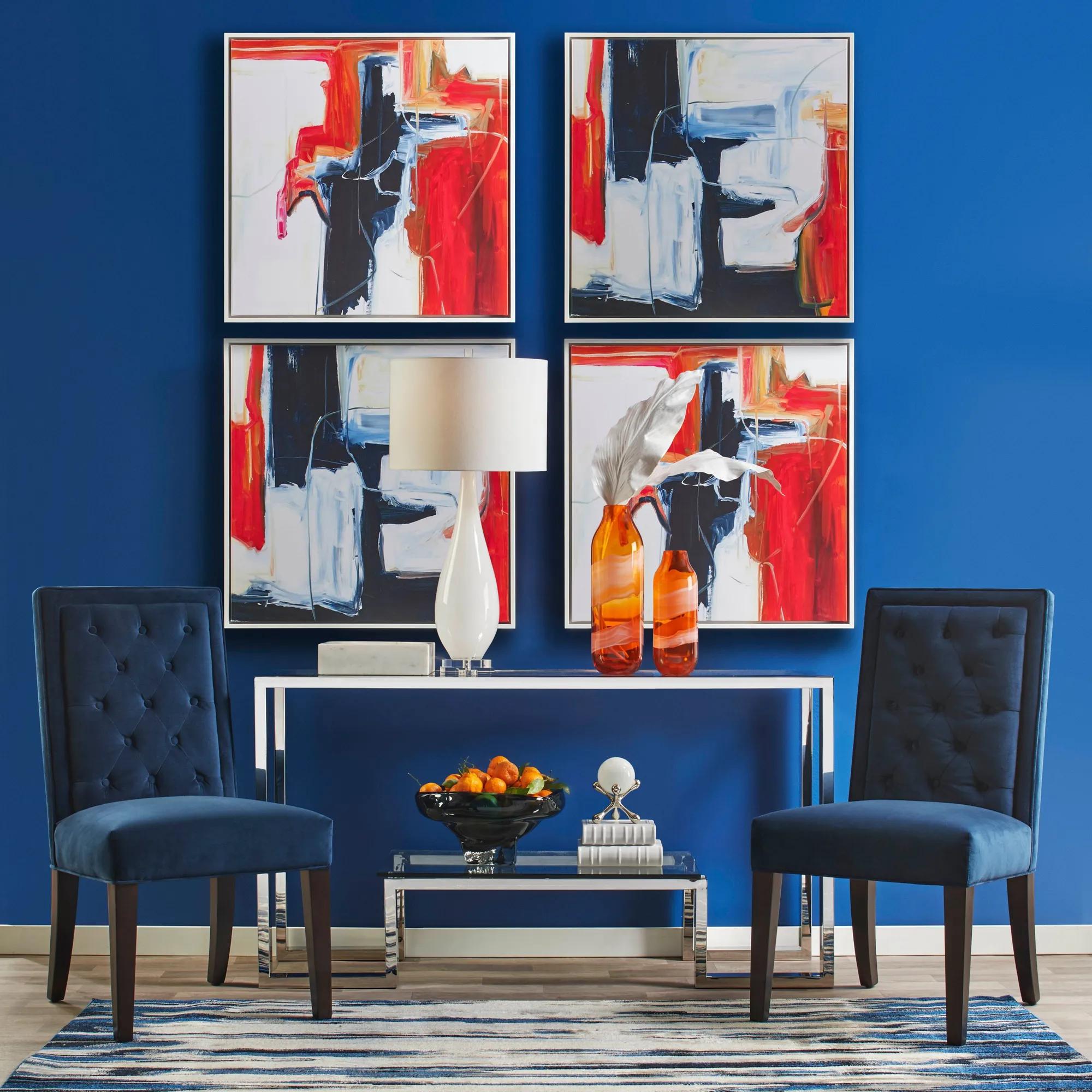 Duplicity Rectangular Silver Stainless Steel Console Table With Glass Top (59")$1399
A modern console table crafted from stainless steel and tempered glass with a floating bottom shelf.
Add To Cart -
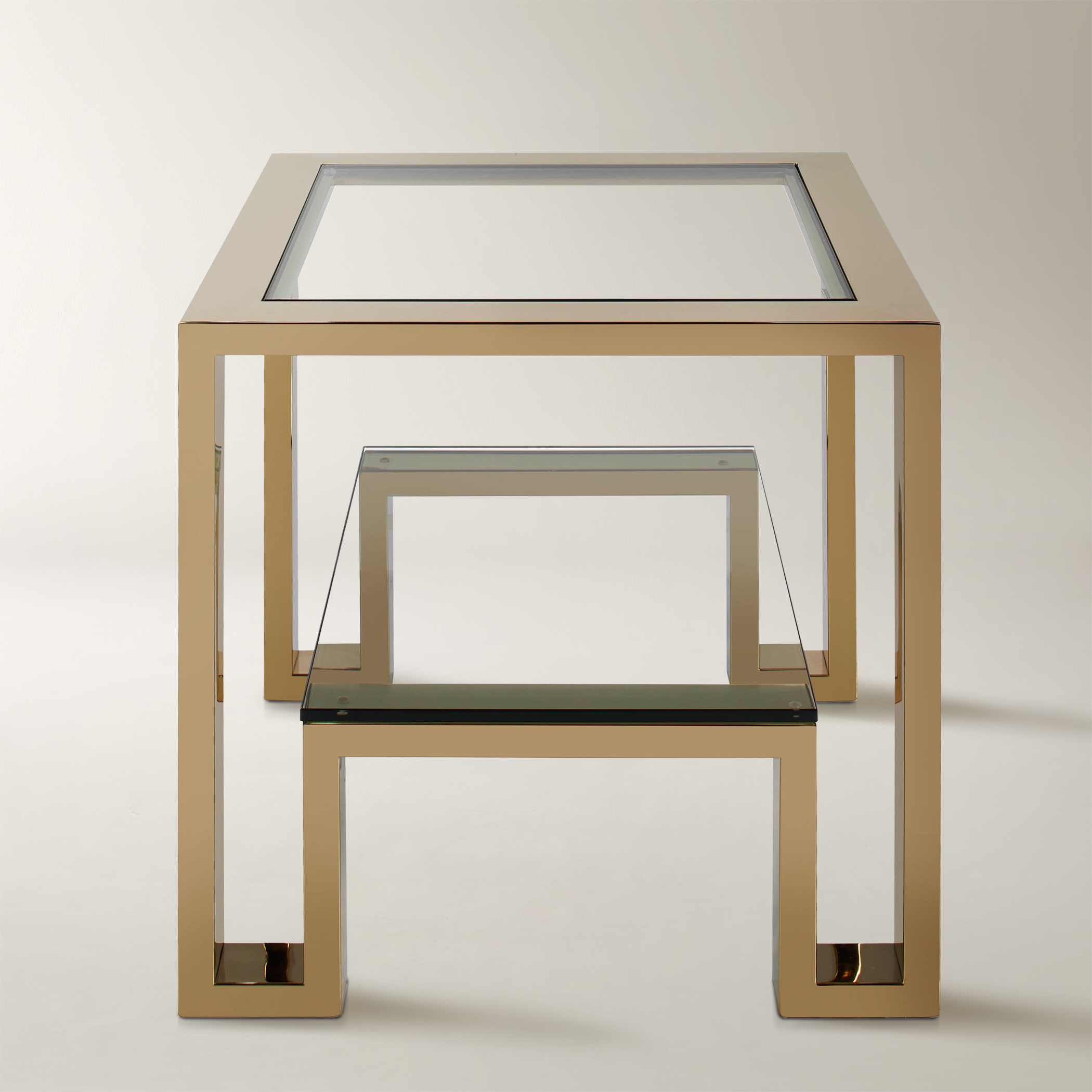 Duplicity Square Gold Stainless Steel End Table With Glass Top (24")$749
A modern end table crafted from stainless steel and tempered glass with a floating bottom shelf.
Add To Cart -
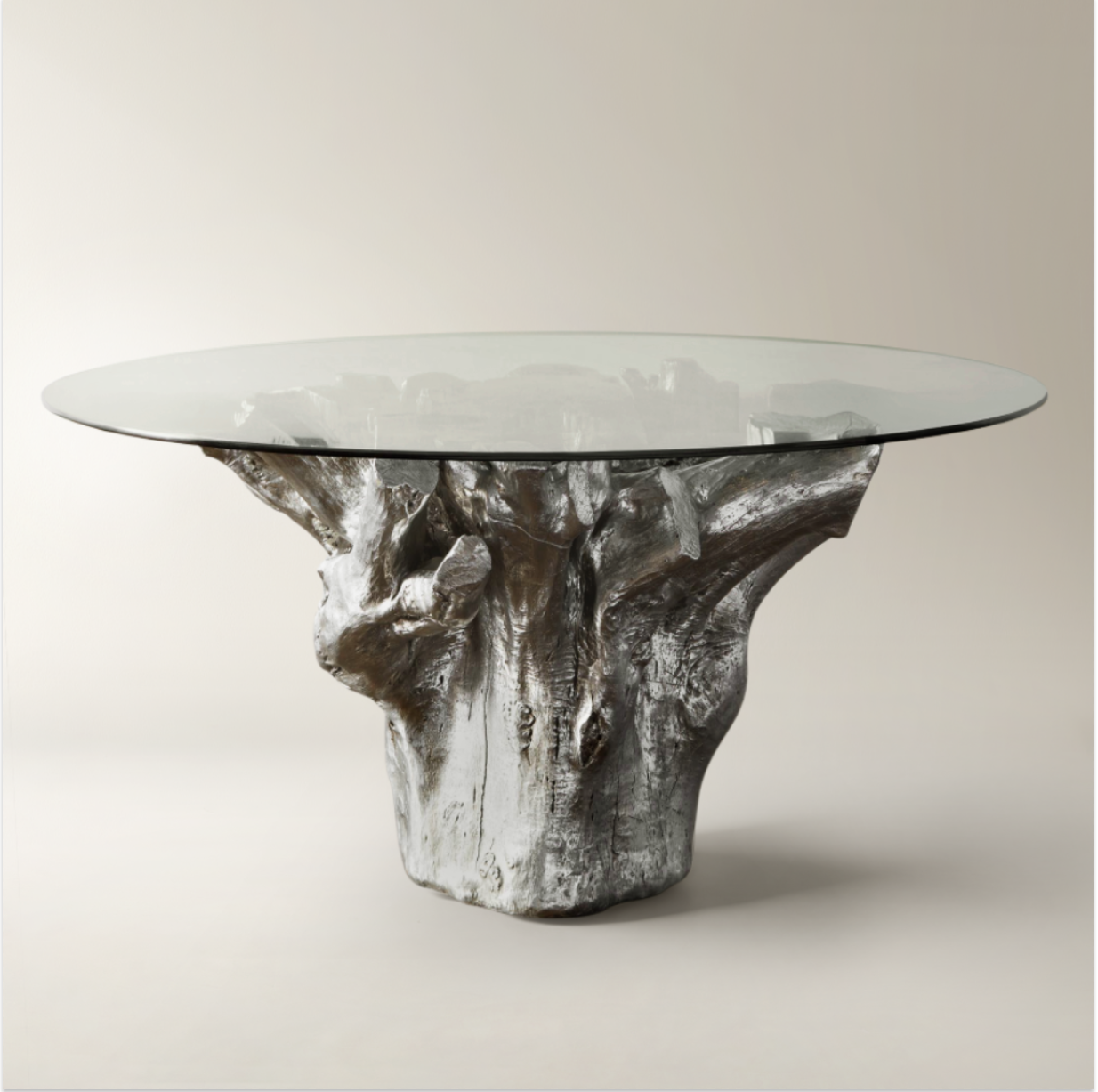 Sequoia Silver Resin Dining Table With Glass Top (60")$2199
A sculptural resin base with hand-applied silver leaf supports a round tempered glass top for modern elegance.
Add To Cart -
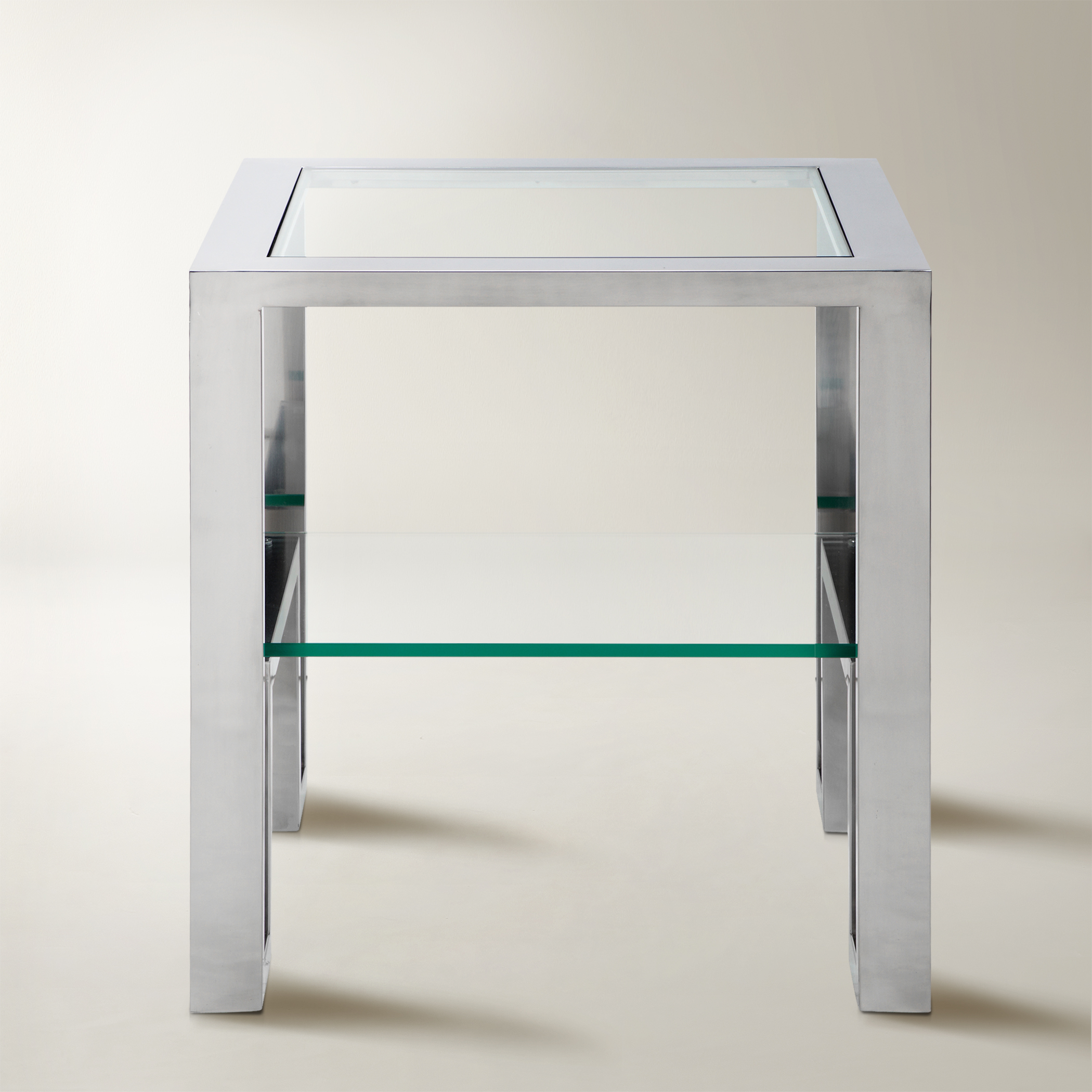
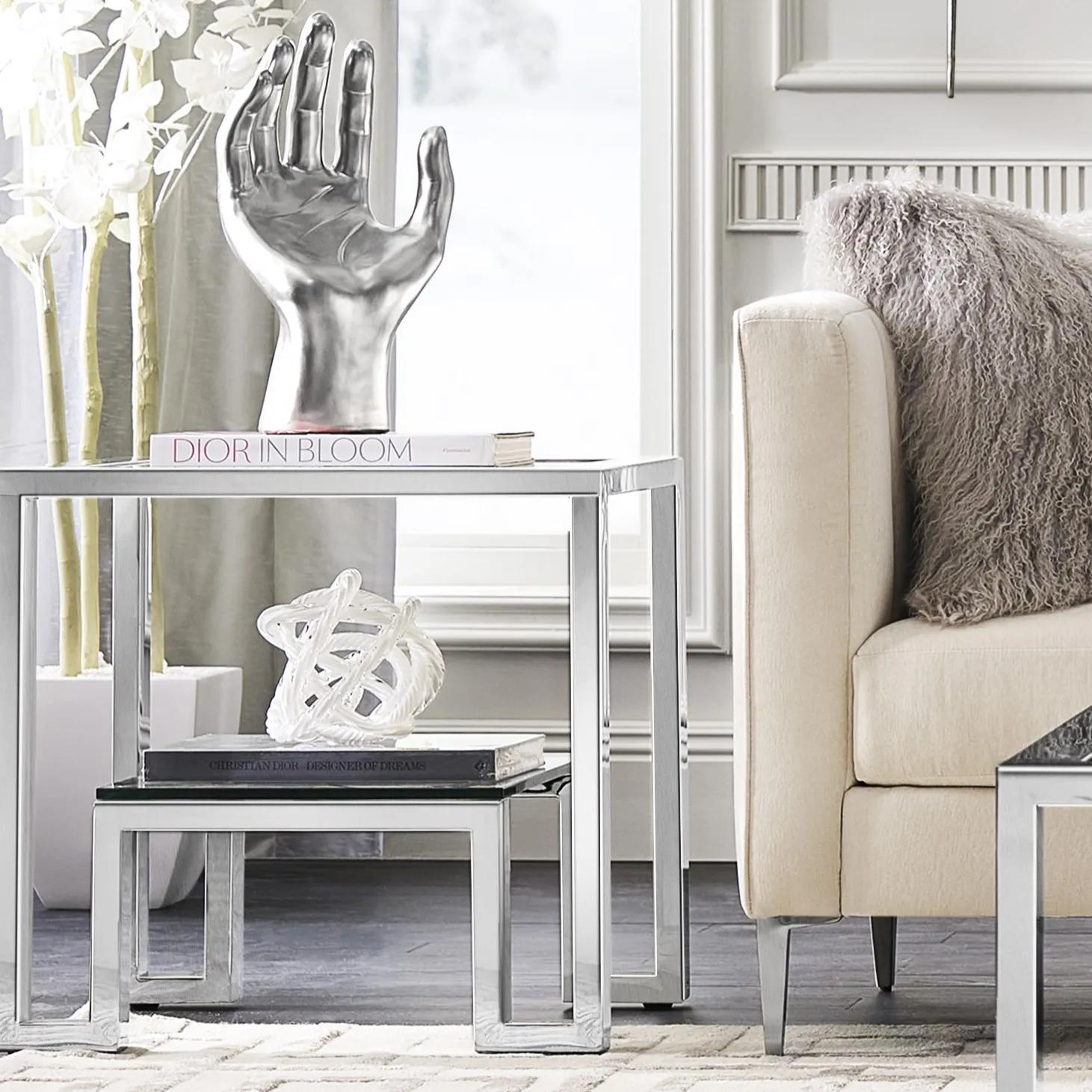 Duplicity Square Silver Stainless Steel End Table With Glass Top (24")$749
A modern end table featuring a stainless steel frame, tempered glass top, and floating bottom shelf.
Add To Cart -
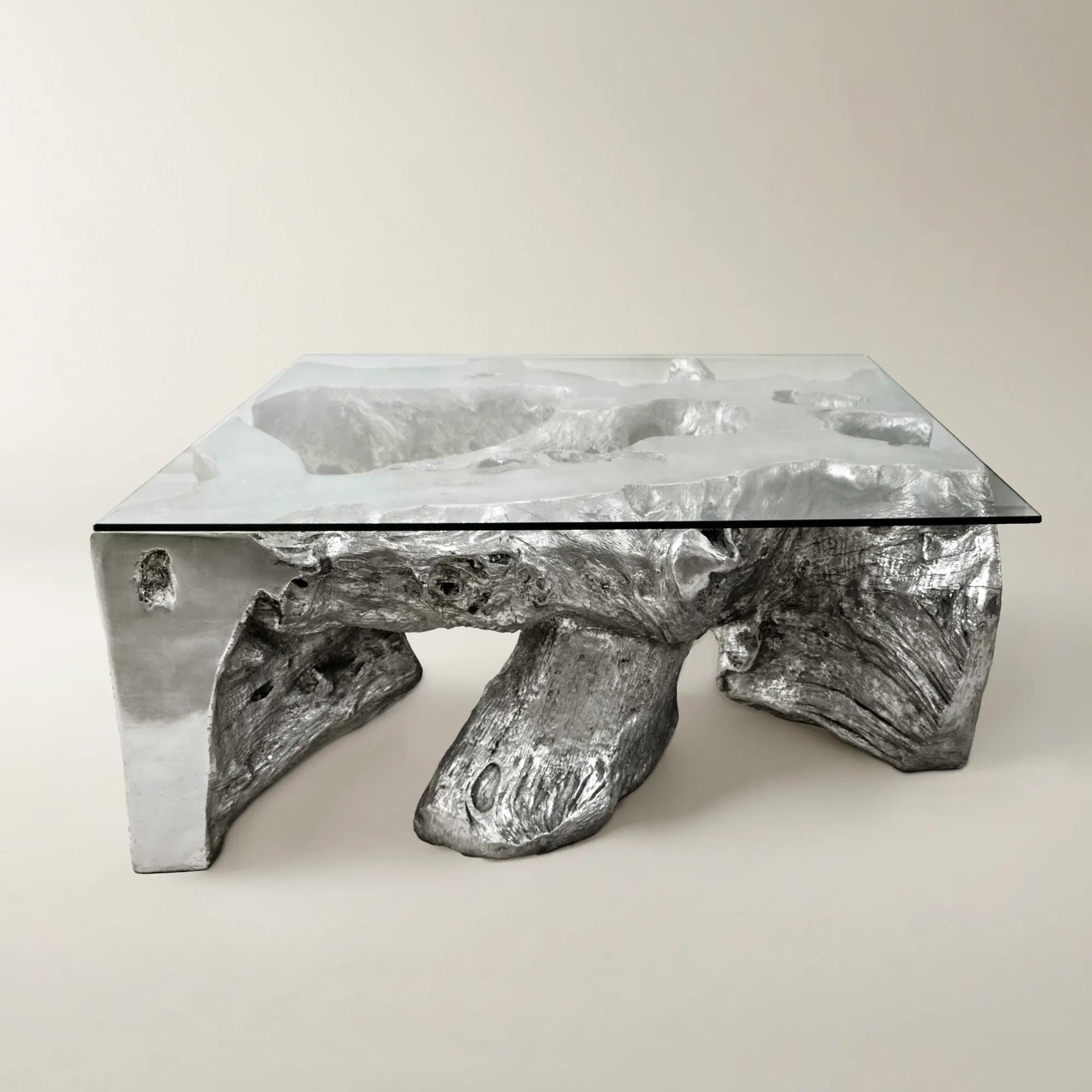 Sequoia Silver Resin Coffee Table With Glass Top (44")$2299
A sculptural coffee table featuring a hand-applied silver leaf resin base and a tempered glass top.
Add To Cart -
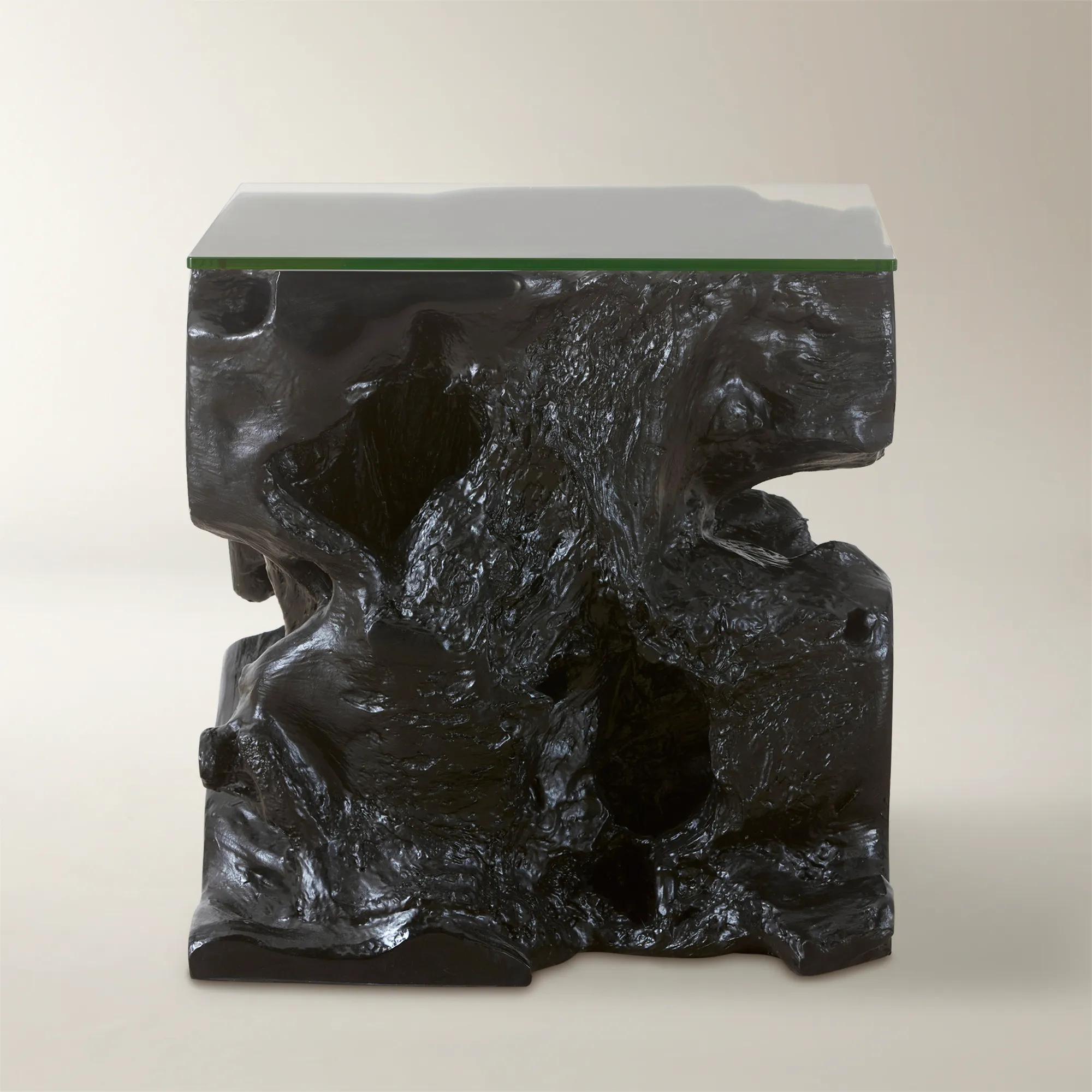 Sequoia Black Resin End Table With Glass Top (22")$999
A sculptural black resin and stone end table inspired by Acacia roots, suitable for indoor or outdoor use.
Add To Cart

Decorative Living Room Tables
Decorative Living Room Tables are the unsung artists of interior design, shaping every gathering with sculptural silhouettes and curated allure. Each piece is an invitation to indulge in beauty—whether casting a glimmering reflection beneath your favorite vase or anchoring a daring vignette with architectural poise. In the world of Z Gallerie, these tables are more than functional—they’re statements of style, ready to transform your living space into a gallery of self-expression. Discover how form meets fantasy, and let your living room become the stage for everyday grandeur.
Decorative living room tables bring together expressive design and everyday function, creating surfaces for lighting, conversation, display, and the small rituals that make a room feel personal. Coffee tables anchor the main seating arrangement, side and end tables place essentials within reach of a sofa or chair, and console tables add a slender display surface along a wall or behind seating. Accent tables offer another layer of personality, with sculptural silhouettes that can lend an otherwise quiet corner a distinct presence. Each type plays a different role, but the most compelling arrangements give function and artistry equal attention. A generous coffee table can hold an oversized art book, a low floral arrangement, and a tray for drinks without feeling crowded. An end table beside a reading chair gives a lamp a proper stage while leaving room for a cup and an open book. Behind a floating sofa, a console creates a graceful transition between living and dining areas, especially when its proportions complement the sofa rather than compete with it. Shape contributes just as much to the atmosphere as placement. Round tables soften the geometry of tailored upholstery, oval designs introduce an elongated curve, and square or rectangular tables echo the architectural lines of a room. A pedestal base can create a striking central silhouette, while an open frame allows more of the surrounding furnishings to remain visible. Nesting tables bring layered heights and flexible surfaces to seating areas used for both intimate evenings and larger gatherings, provided the smaller tables can be moved and positioned comfortably. For those who love to entertain, a well-placed side table gives guests somewhere to set a glass without interrupting conversation. For collectors, a console becomes an elevated backdrop for ceramics, framed photography, or an arresting piece of sculpture. Decorative tables are not simply finishing touches; they help establish how a living room looks, feels, and welcomes people into it.
Materials give decorative living room tables their visual character, from the gleam of metal to the depth of richly grained wood. Glass tabletops reveal the artistry of the base beneath them and preserve sightlines through a seating arrangement, making an elaborate silhouette feel less visually dense. Clear glass has a different effect from smoked or tinted glass, which adds a moodier layer of color and reflection. Mirrored surfaces catch nearby light and repeat glimpses of upholstery, artwork, and decorative objects, bringing a jewel-like quality to a room. Polished metal creates crisp highlights, while brushed finishes offer a more diffused sheen; warm metallic tones can enrich creamy upholstery, and cooler finishes can sharpen a palette of charcoal, ivory, and blue. Wood brings grain, tonal variation, and a sense of substance that balances luminous accents beautifully. Solid wood and wood veneer have different construction characteristics, and neither appearance nor weight alone establishes quality. Joinery, surface finish, edge detailing, and a stable base all contribute to how a table performs over time. Marble and other natural stones offer distinctive veining, with variations that make each surface visually individual. Their substantial appearance can lend a seating area an architectural focal point, though stone composition, sealing requirements, and resistance to staining vary. Lacquered surfaces deliver saturated color or a sleek reflective finish, but their care needs depend on the coating. Across materials, durability is best considered in relation to the household: frequent entertaining, children, pets, and daily use place different demands on edges, finishes, and stability. Tempered glass may be specified for some designs, but glass is not immune to scratches or breakage. Stone can be heavy and susceptible to chips or marks, and metal finishes may scratch or react to unsuitable cleaners. A thoughtfully chosen table balances the desired drama with realistic expectations, allowing the surface, structure, and intended use to work together rather than asking a delicate display piece to perform like a heavily used family coffee table.
Proportion gives even the boldest table its poise. As a general starting point, a coffee table around two-thirds the length of the sofa often feels balanced, with a top close to the seat height or slightly lower for comfortable reach. Approximately 14 to 18 inches between the sofa and coffee table can provide legroom while keeping the surface accessible, although deep seating, reclining mechanisms, and individual mobility needs may require different spacing. Main walkways need more room than the gap used to reach a tabletop, so the full furniture arrangement matters as much as the table’s dimensions. Side tables generally feel most natural when their tops sit near the height of the adjacent sofa or chair arm; a towering tabletop can make reaching awkward, while one that sits too low can leave a lamp poorly positioned. Console depth deserves particular attention behind a sofa or along a passage, where an elegant profile should not constrict movement. Rugs help define these relationships, and Decorative Living Room Rugs can ground the arrangement with pattern, texture, and a visual boundary beneath the seating group. A richly patterned rug can lend depth beneath a transparent table, while a quieter rug allows a veined stone top or sculptural base to command attention. Styling feels more considered when there is room between objects: a tall vase, a low bowl, and a small stack of books create variation without occupying every inch. Everyday care protects that composition as well as the table itself. Coasters, suitable trivets, and protective pads beneath decorative objects help limit moisture rings, heat damage, and scratches. Spills should be blotted promptly, and cleaning products should follow the manufacturer’s guidance for the particular material and finish; acidic cleaners can damage calcareous stone such as marble, while abrasive products can mar glass, lacquer, and plated surfaces. Respecting weight limits, keeping heavy objects balanced, and using any supplied anchoring hardware as directed help preserve stability. With scale, materials, and care considered together, a decorative table becomes an enduring part of the room’s expression: a gleaming accent beside a sumptuous chair, a confident centerpiece for conversation, or a beautifully composed surface that turns treasured objects into a personal statement.
FAQs
Decorative living room tables are celebrated for their variety of luxurious materials, each offering a distinct mood and visual impact. Glass tops create an airy, light-filled ambiance, while marble or stone surfaces evoke timeless elegance and grandeur. Mirrored finishes add a touch of glamour, reflecting light and expanding the sense of space. For those who appreciate warmth and organic beauty, richly grained woods or mixed-media designs provide sophisticated texture and depth.
Styling a decorative living room table for the holidays is an opportunity to showcase your creativity and set a festive tone. Layering metallic trays, sculptural candleholders, and seasonal botanicals like evergreen sprigs or deep red berries instantly elevates the look. Consider adding a stack of art books, a dramatic floral arrangement, or a bowl filled with ornaments for added texture and color. The key is to balance visual interest with open space, allowing each piece to shine.
Absolutely—a decorative living room table makes a memorable and thoughtful gift, especially for those who cherish interior design or are celebrating a new home. These tables are not just functional; they serve as artistic centerpieces and conversation starters, making them a meaningful gesture for weddings, housewarmings, or milestone celebrations during the holiday season.
To choose a decorative table that harmonizes with your existing decor, consider the overall mood and color palette of your space. Reflect on the materials and finishes already present—whether you favor cool metallics, warm woods, or bold lacquer. Select a table that either echoes these elements for a cohesive look or introduces a striking contrast for added drama. Sculptural bases or unique shapes can also serve as a bold focal point, enhancing the artistry of your living room.
Decorative living room tables offer endless possibilities beyond traditional use. They can showcase curated collections of art books, display treasured keepsakes, or serve as a platform for ever-changing vignettes of candles, flowers, and objets d’art. Some even use them as a stage for seasonal décor, a spot for board games during gatherings, or a statement piece that draws the eye and invites conversation, infusing your living room with personality and flair.
.jpeg?w=2999&h=3000)
.jpg?w=3951&h=3951)