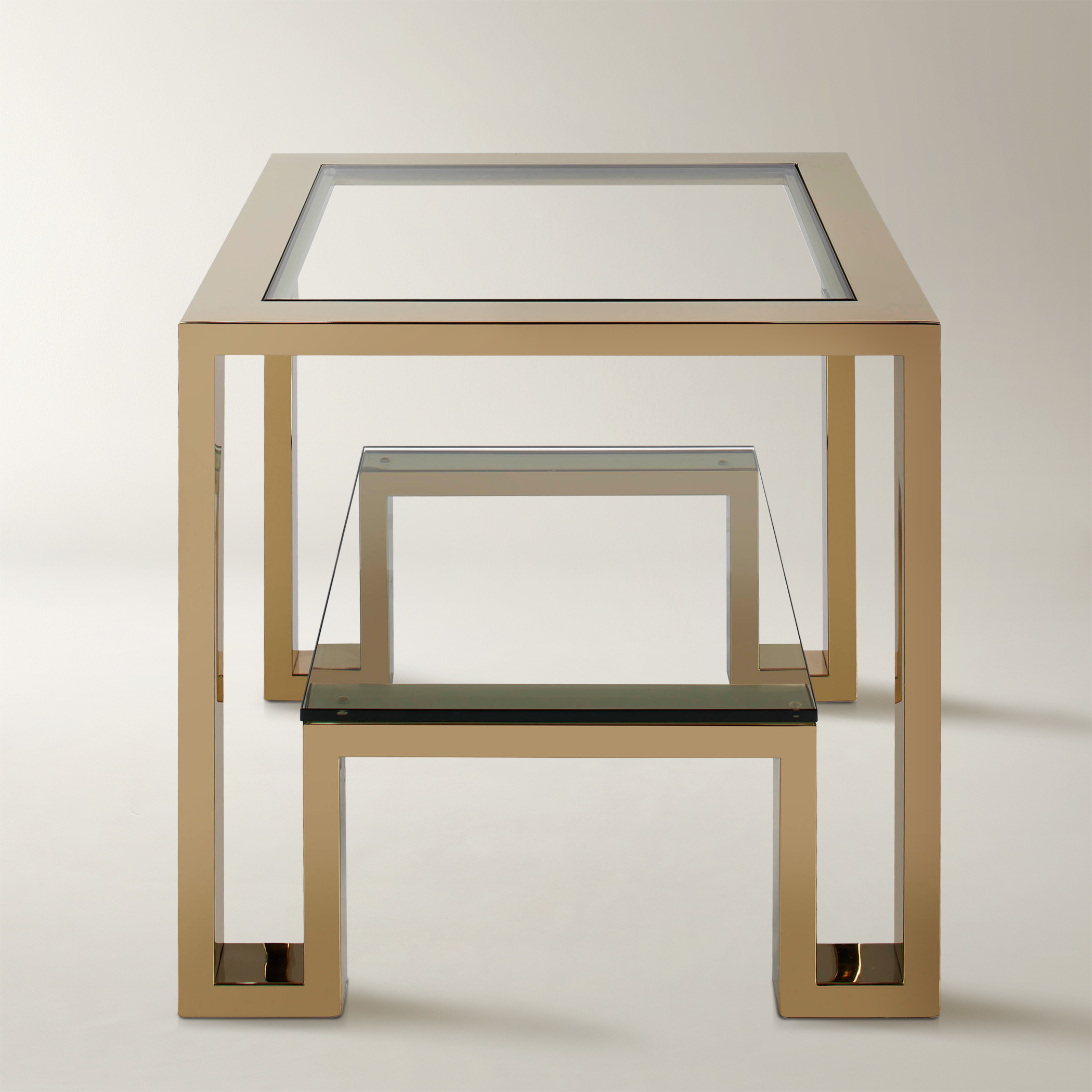
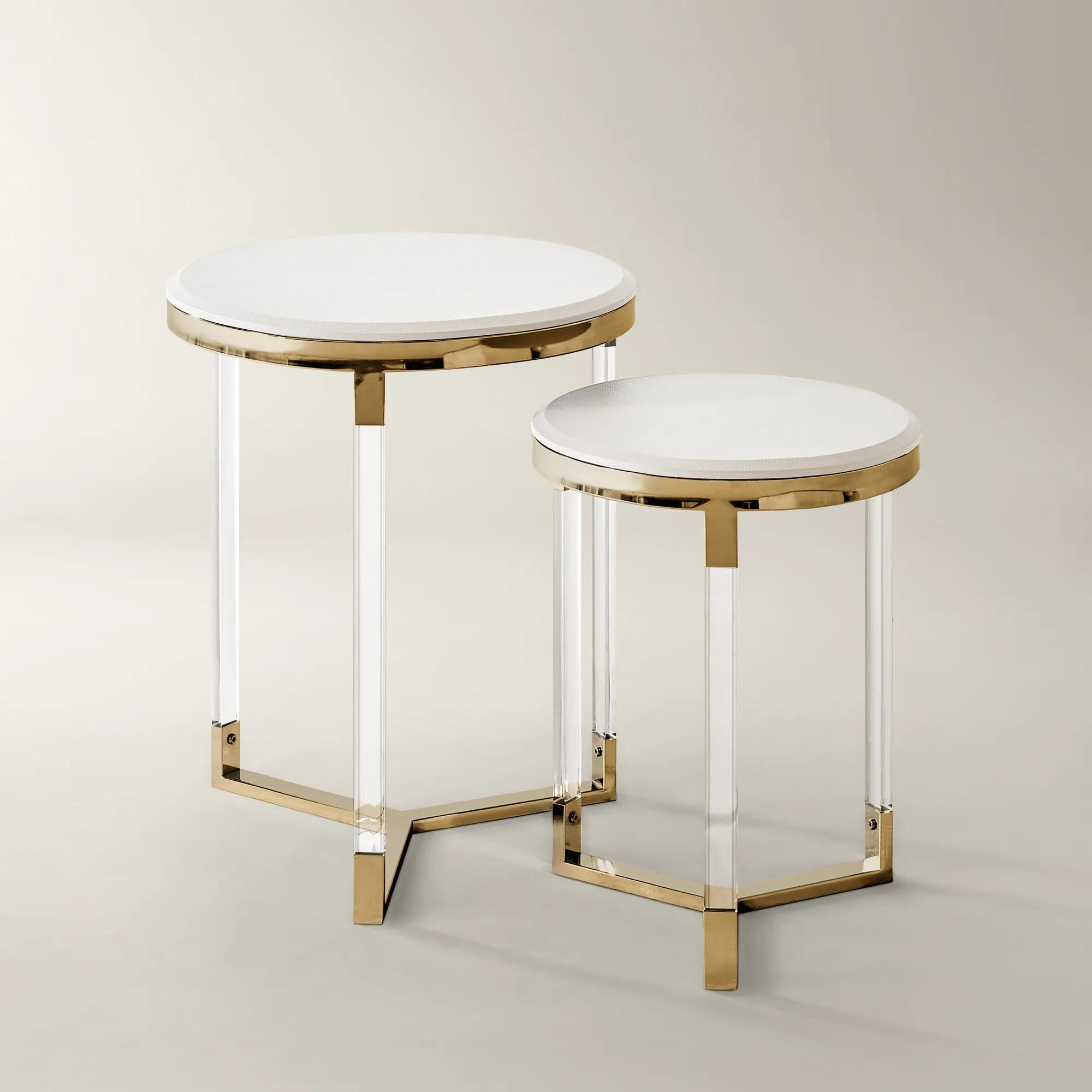
Decorative Side Tables For Living Room
Decorative Side Tables For Living Room
-
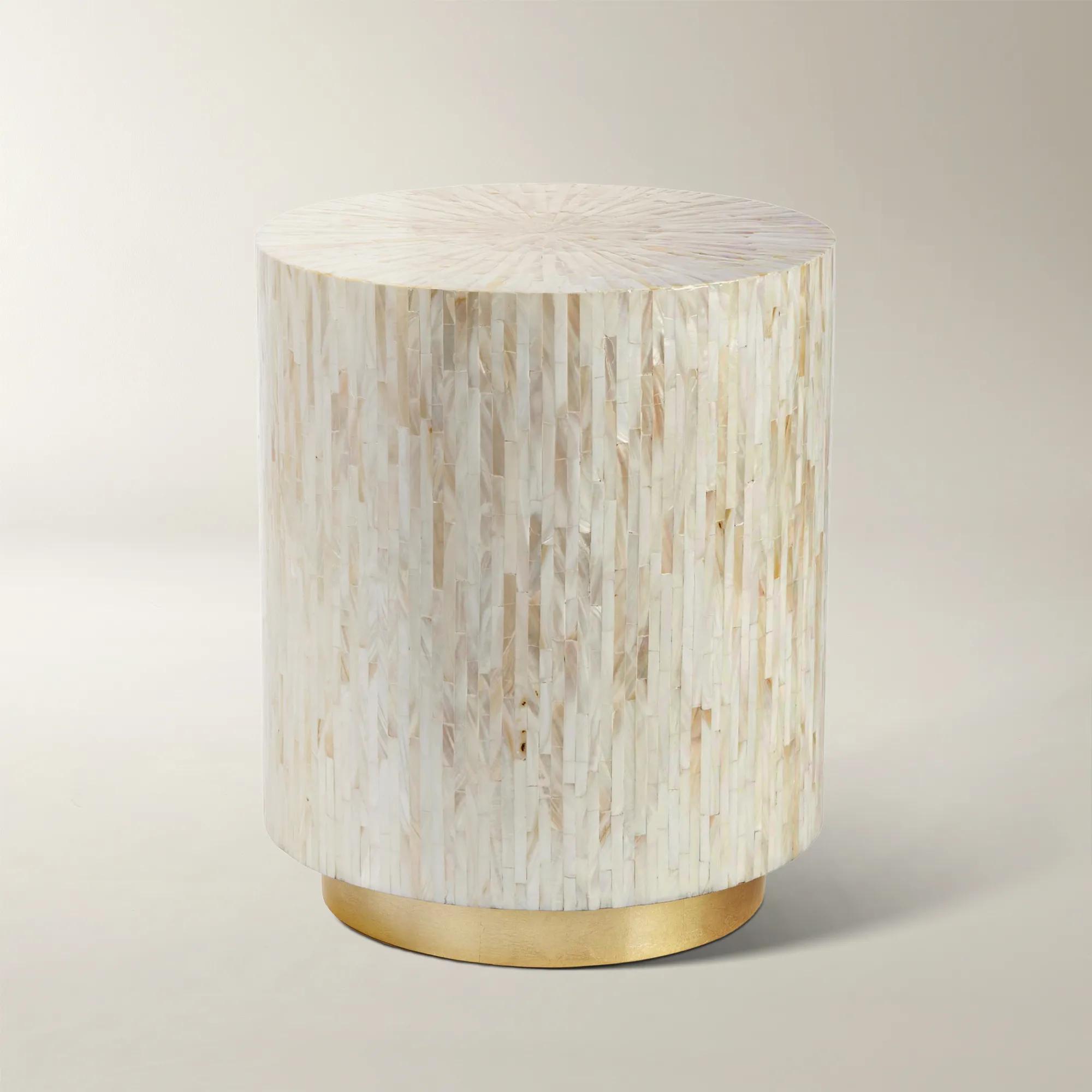 Alexandria Round Mosaic Platinum End Table (13.75")$299
A glamorous accent table featuring hand-applied mother-of-pearl mosaic and a gold leaf-accented base.
Add To Cart -
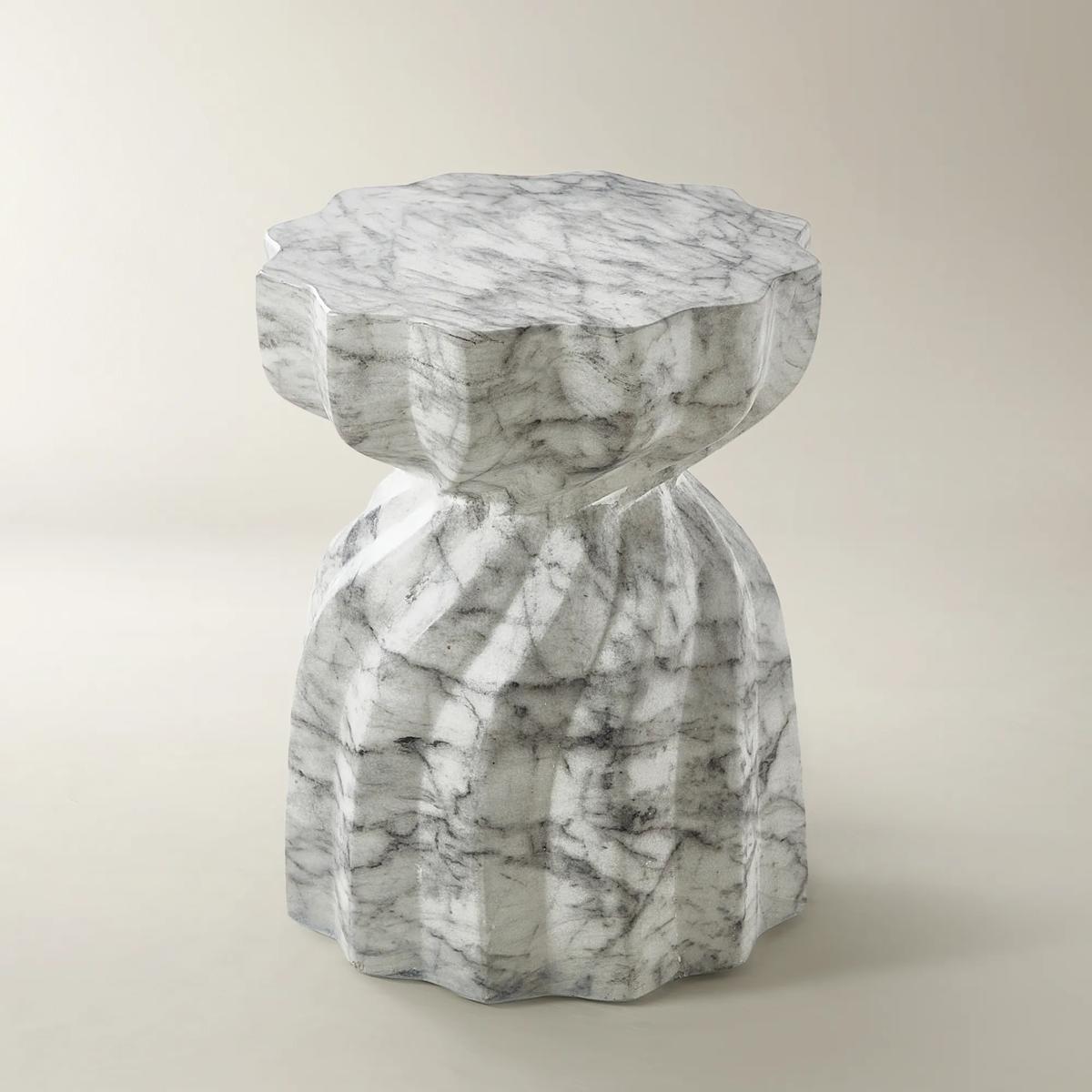
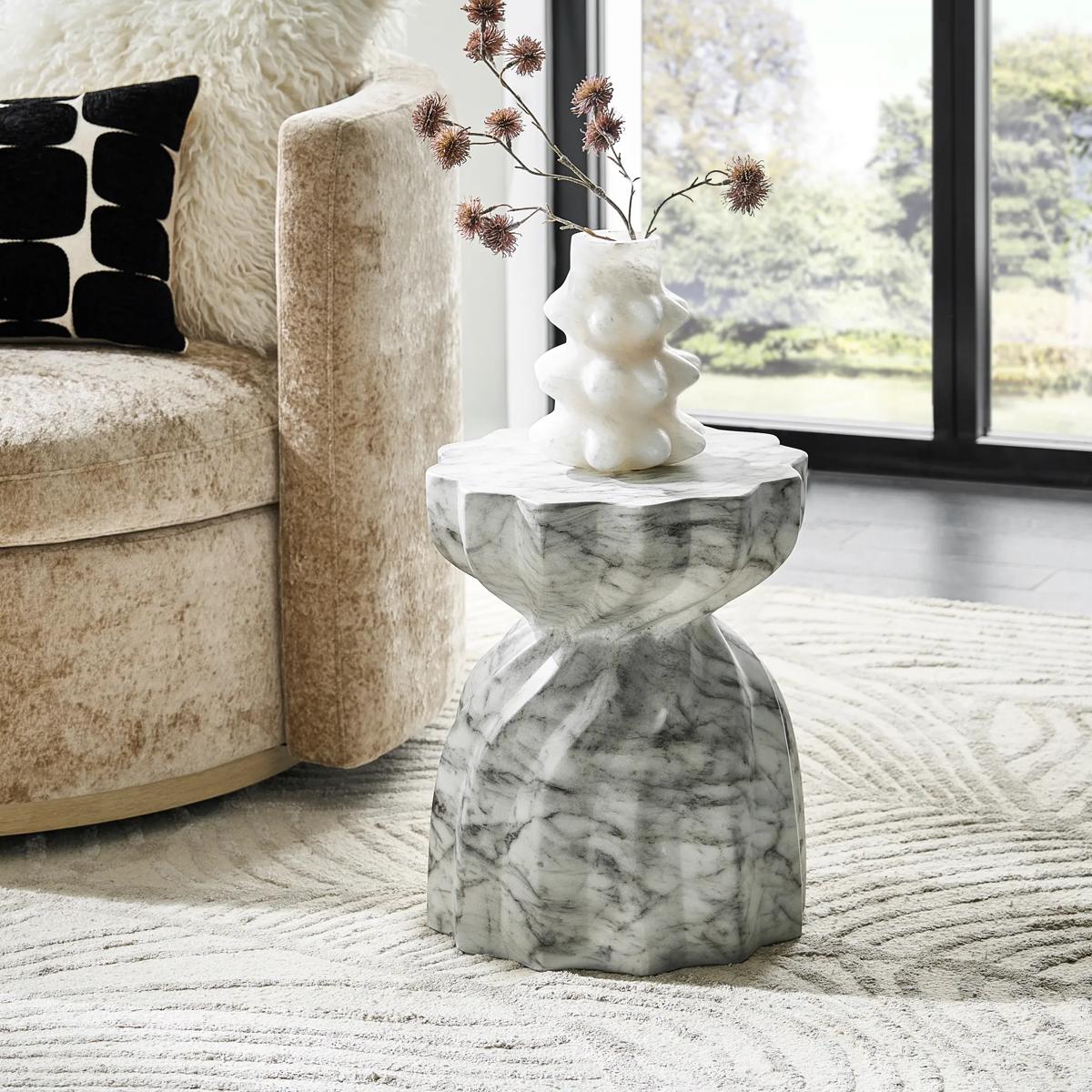 Lithia Scalloped White Concrete Indoor/Outdoor Side Table (15")$349
A white concrete side table with a scalloped silhouette and marble-look finish for indoor-outdoor living.
Add To Cart -
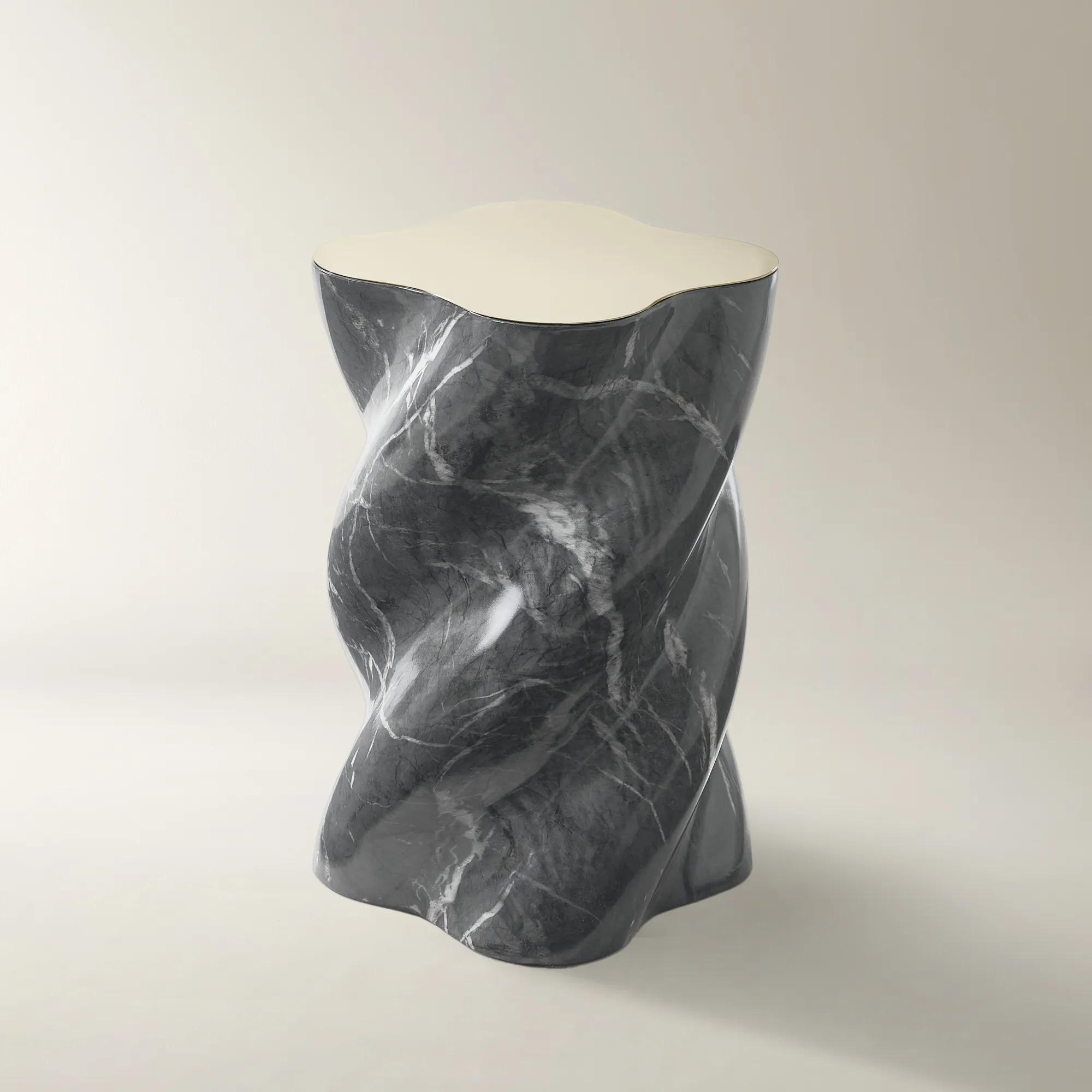 Vega Bvlgary Black Concrete Indoor/Outdoor Side Table With Stainless Steel Top (13.8")$459
A black concrete side table with a sculptural pedestal, removable stainless-steel top, and marble-inspired finish.
Add To Cart -
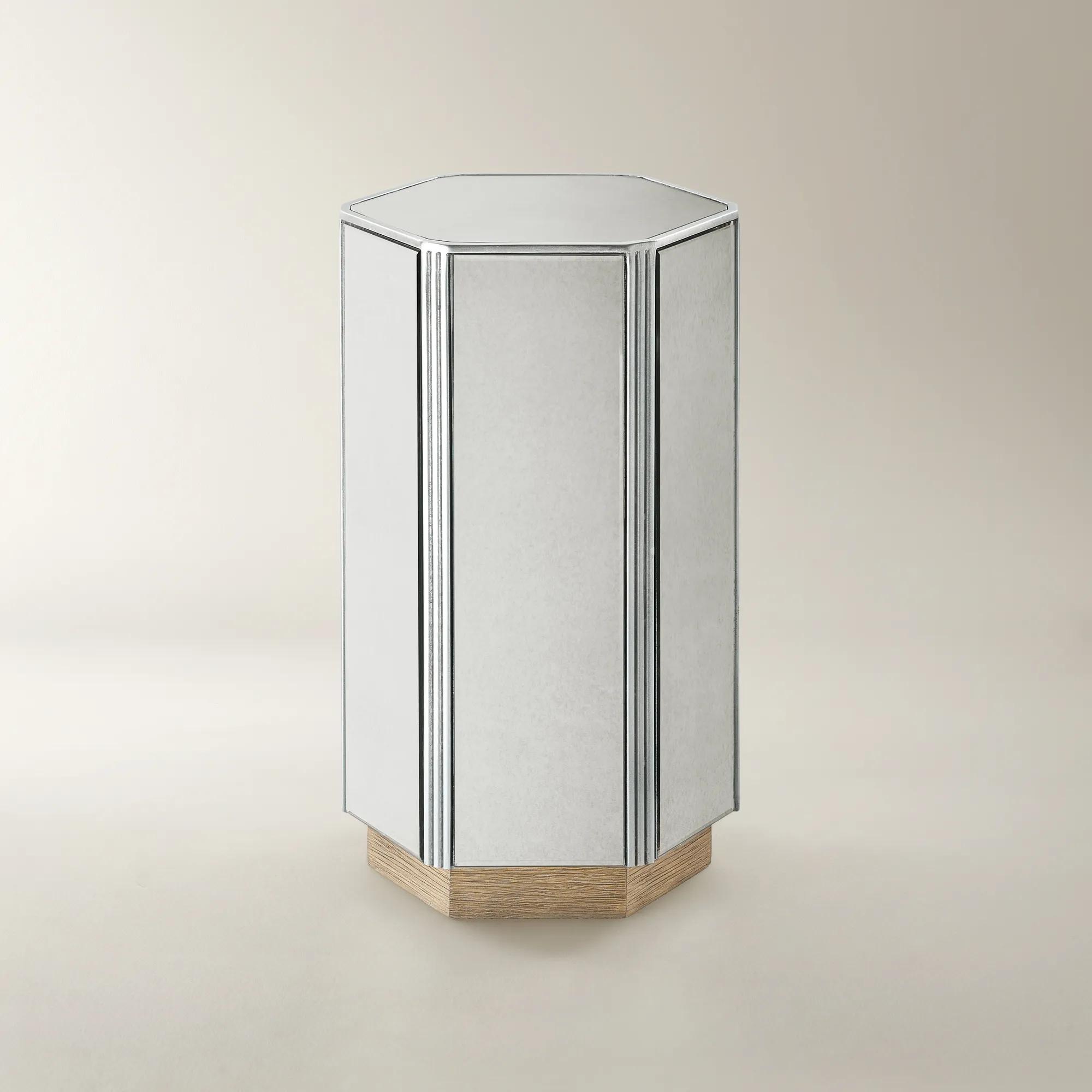 Glimmer Silver Mirrored End Table (12")$399
A chic side table featuring an antique silver mirror top and warm oak veneer base with handcrafted details.
Add To Cart -
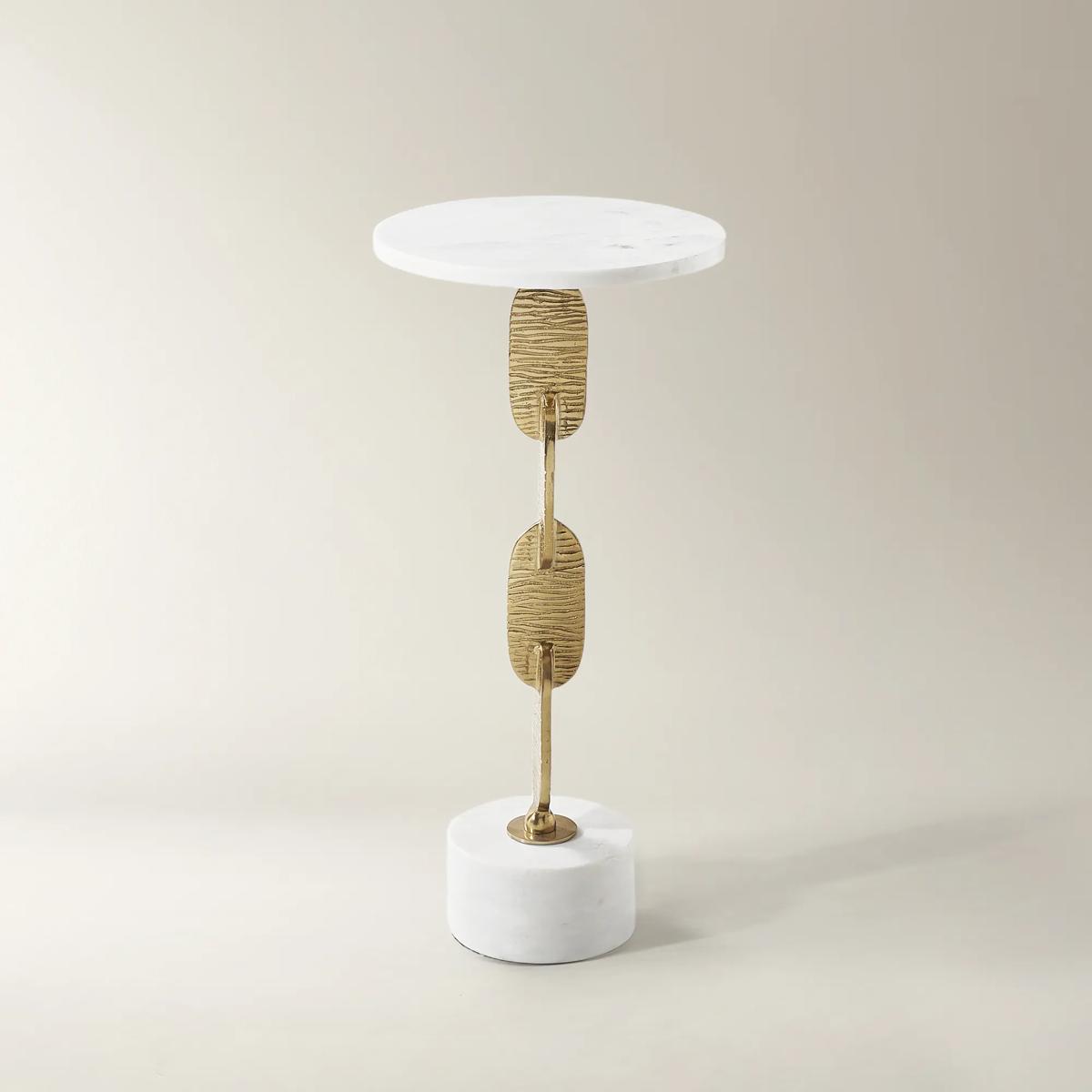
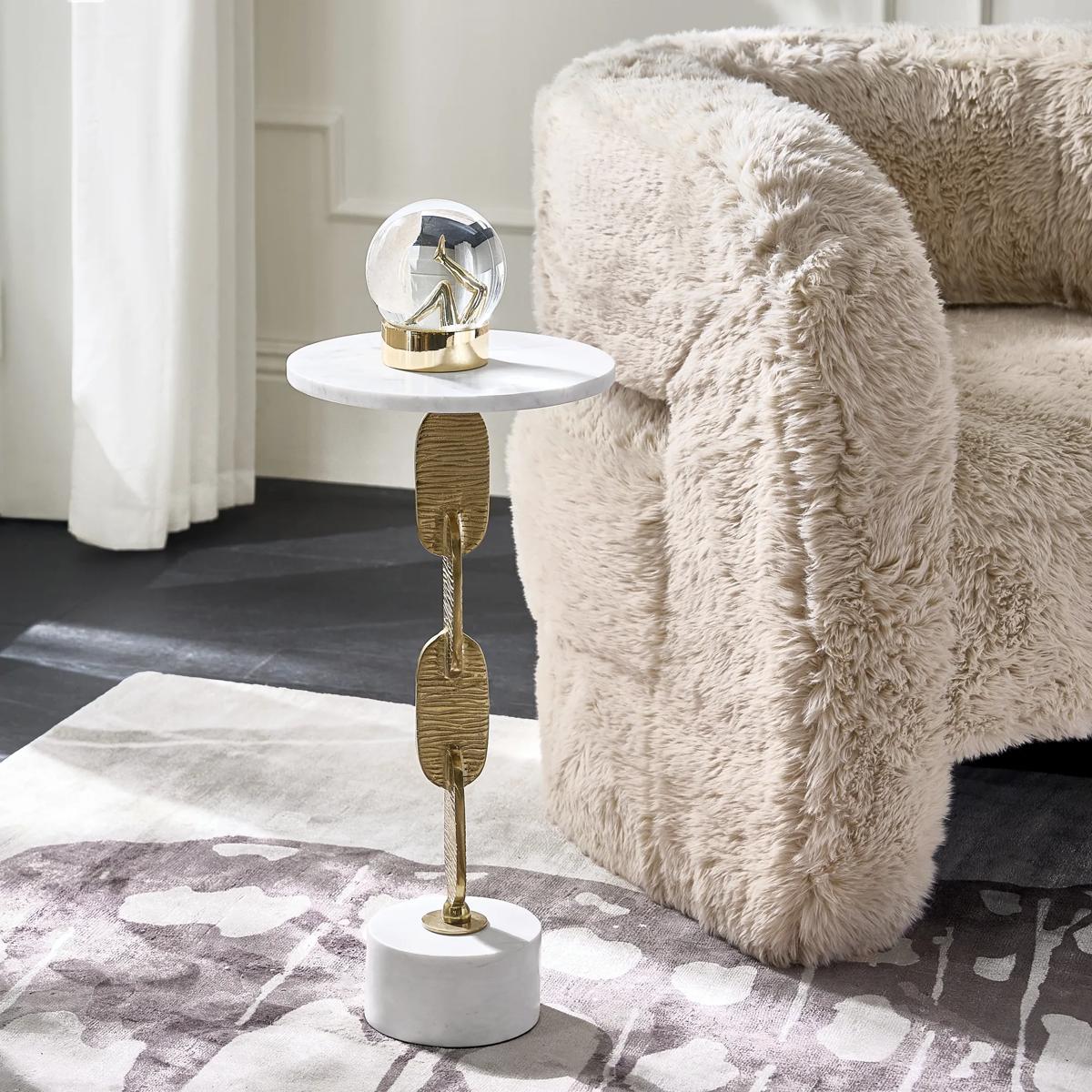 Luna Round White Marble Side Table (11.25")$199
A sculptural side table featuring a genuine white marble top and an open gold-finished metal frame.
Add To Cart -
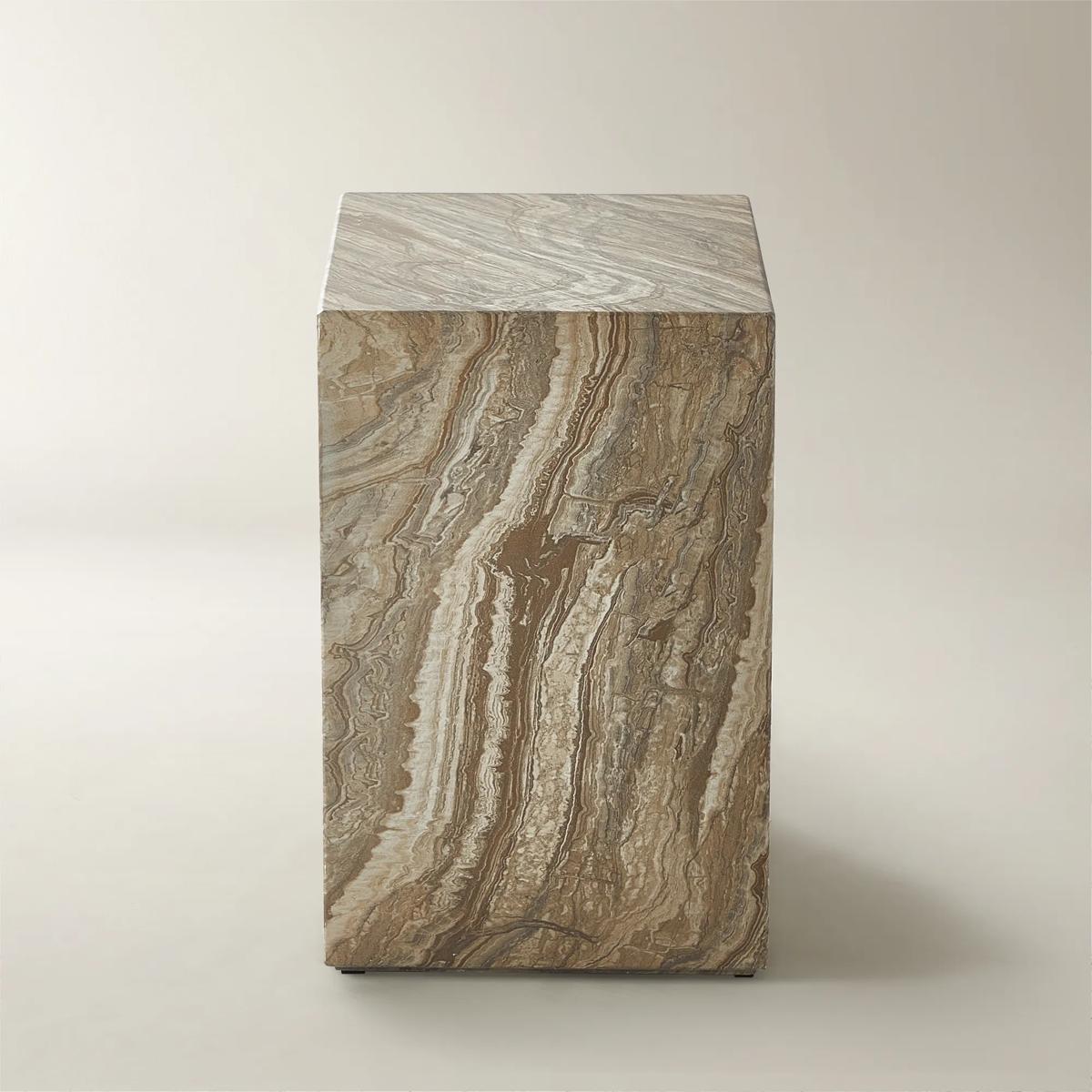
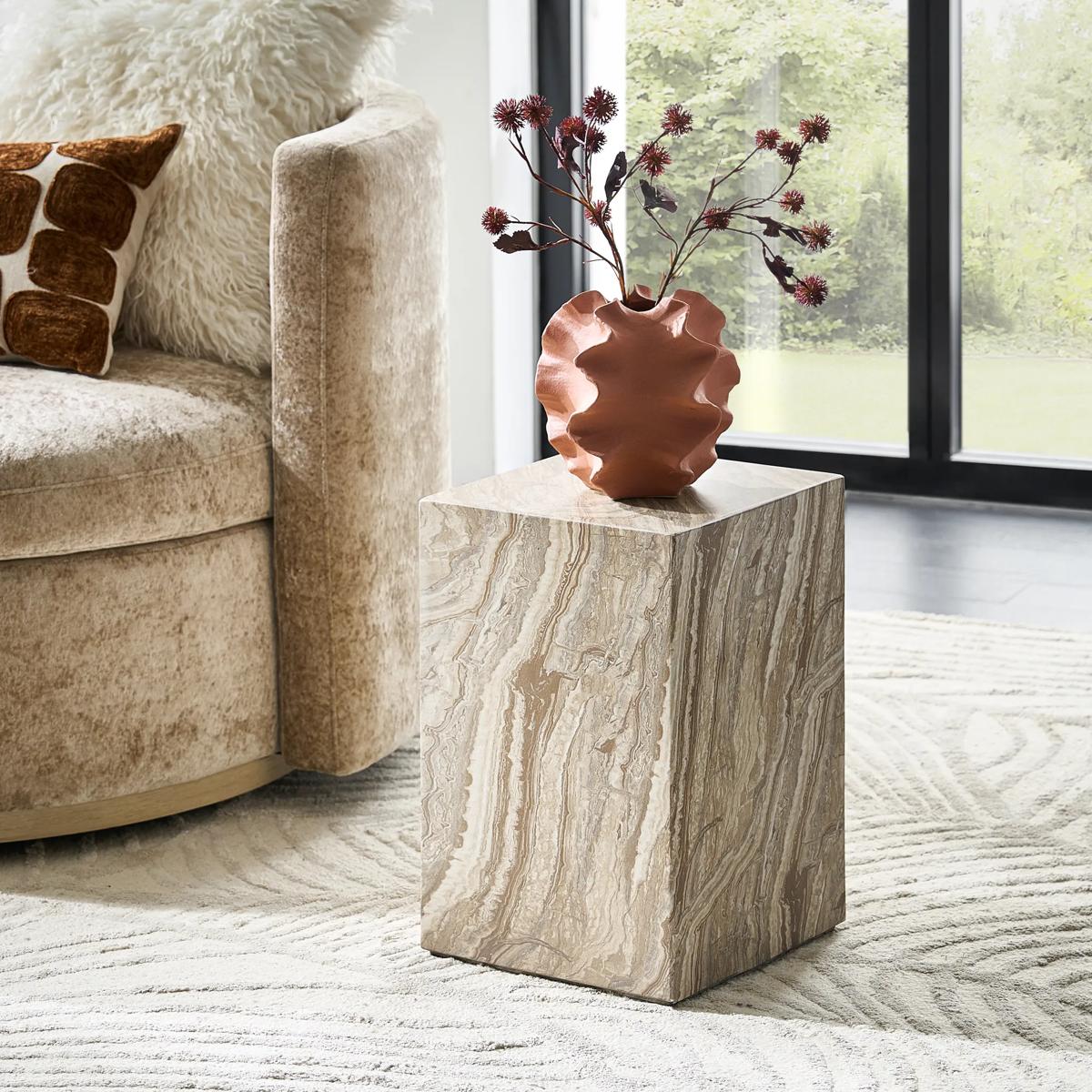 Strata Square Brown Concrete Indoor/Outdoor Side Table (11.8")$299
A brown concrete side table with a sculptural cuboid profile and marble-look finish, indoors or outdoors.
Add To Cart -
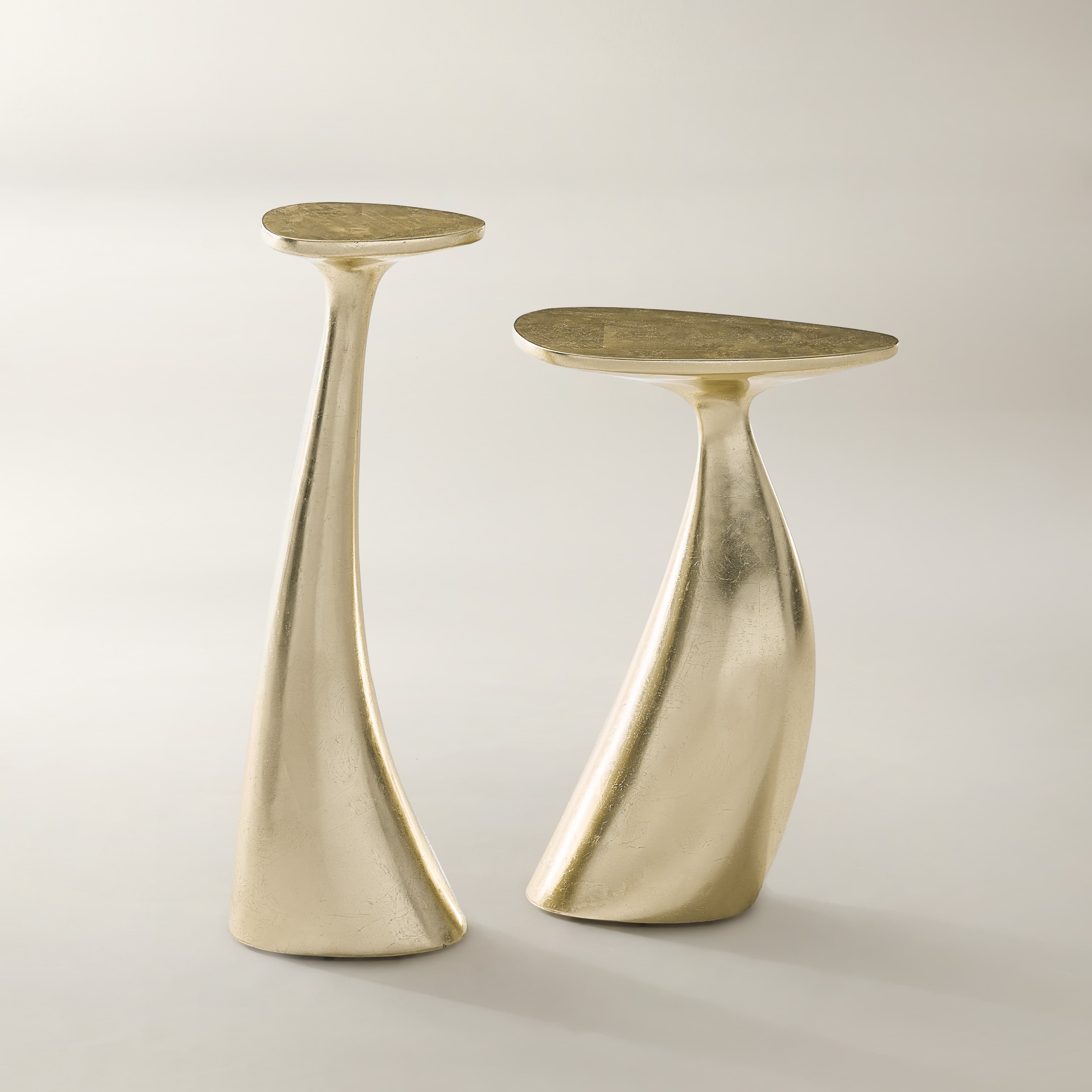 Thalia Soft Gold Side Table Set Of 2 (8"-12.5")$699
A sculptural duo of gold leaf fiberglass tables with fluid lines and a warm, luminous finish.
Add To Cart -
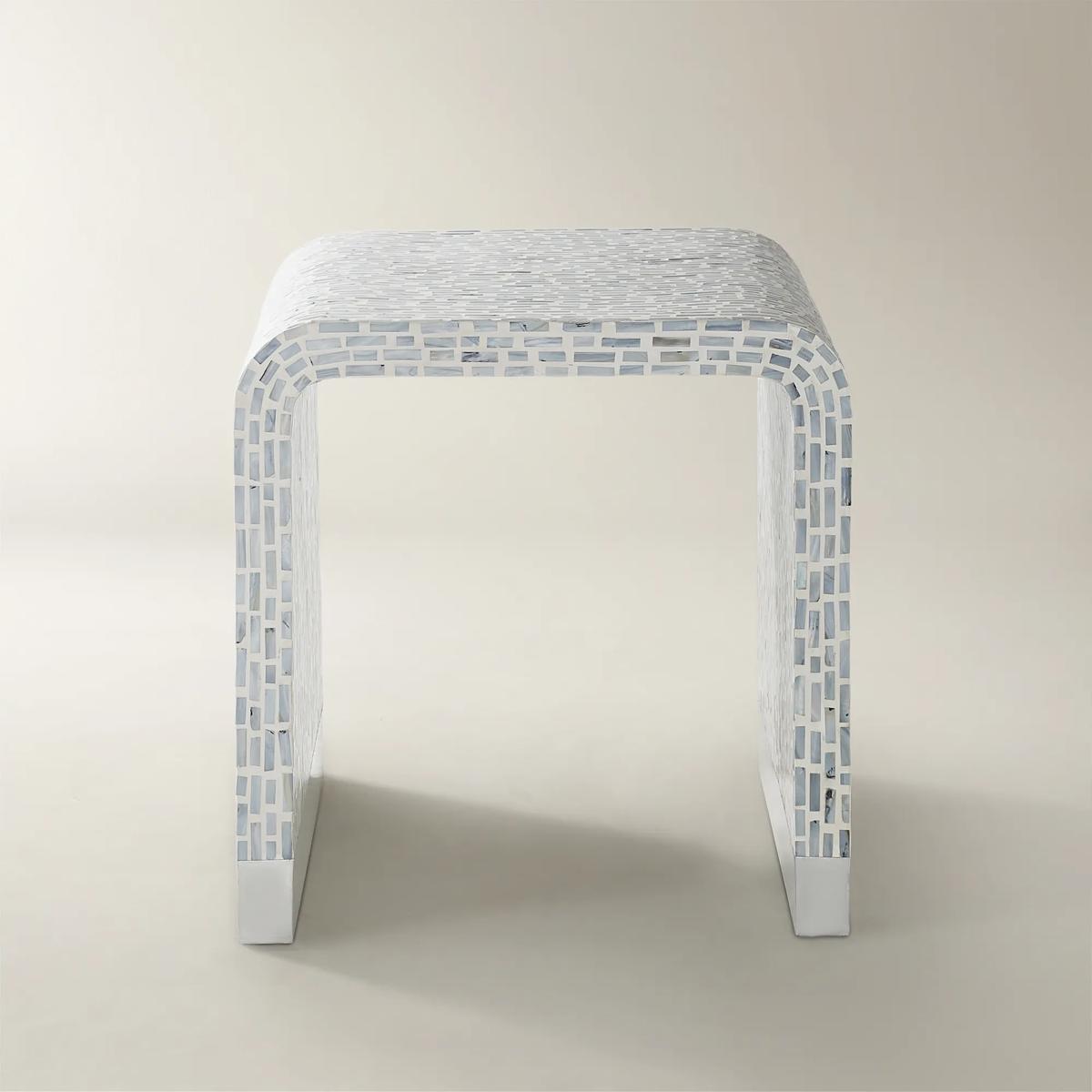
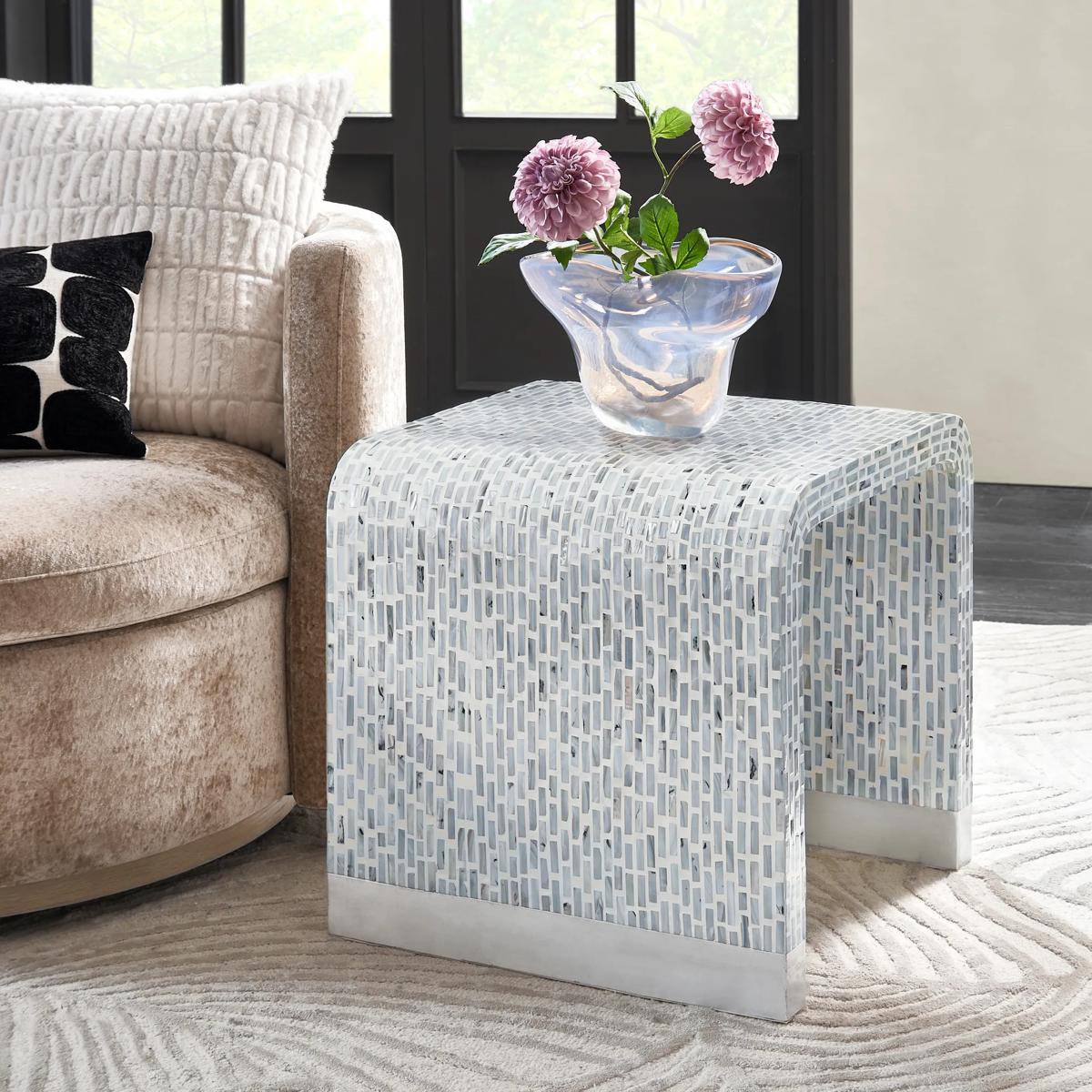 Iridia Blue Side Table (21.6")$399
A handcrafted end table featuring iridescent blue mother-of-pearl inlay and a silver leaf base.
Add To Cart -
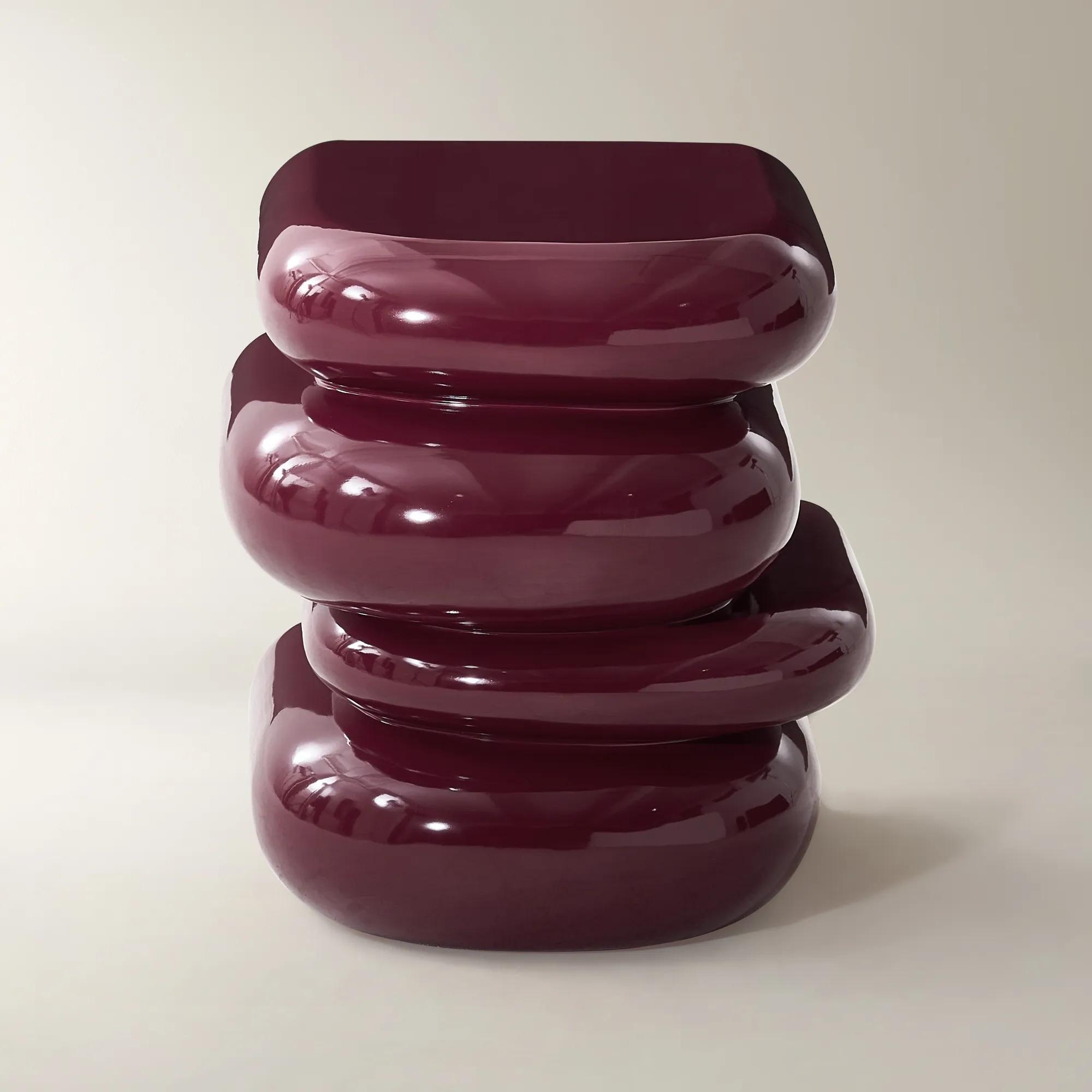 Forma Stacked Ox Blood Side Table (19.9")$499
A sculptural accent table crafted from high-gloss ox blood fiberglass with softly stacked, rounded tiers.
Add To Cart -
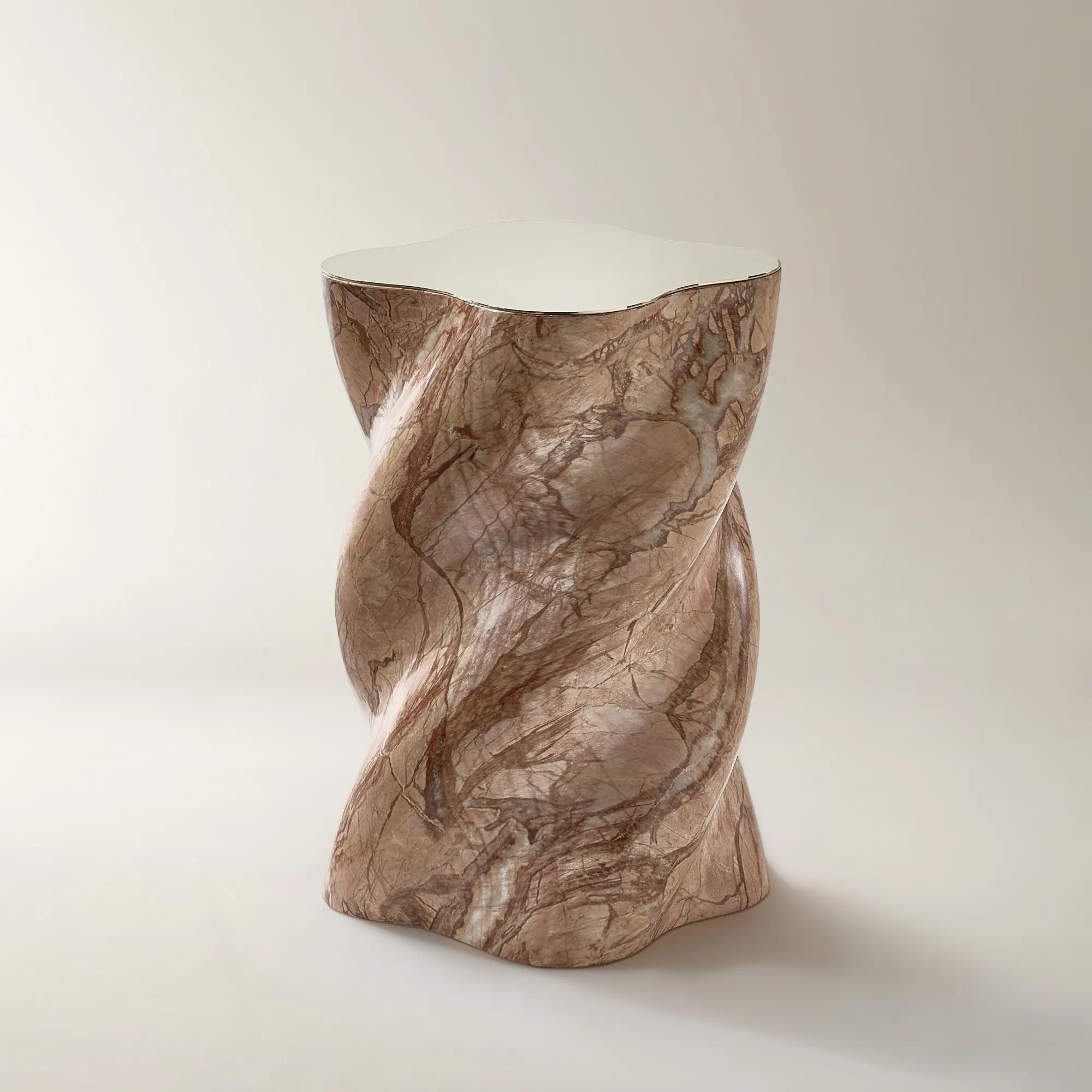
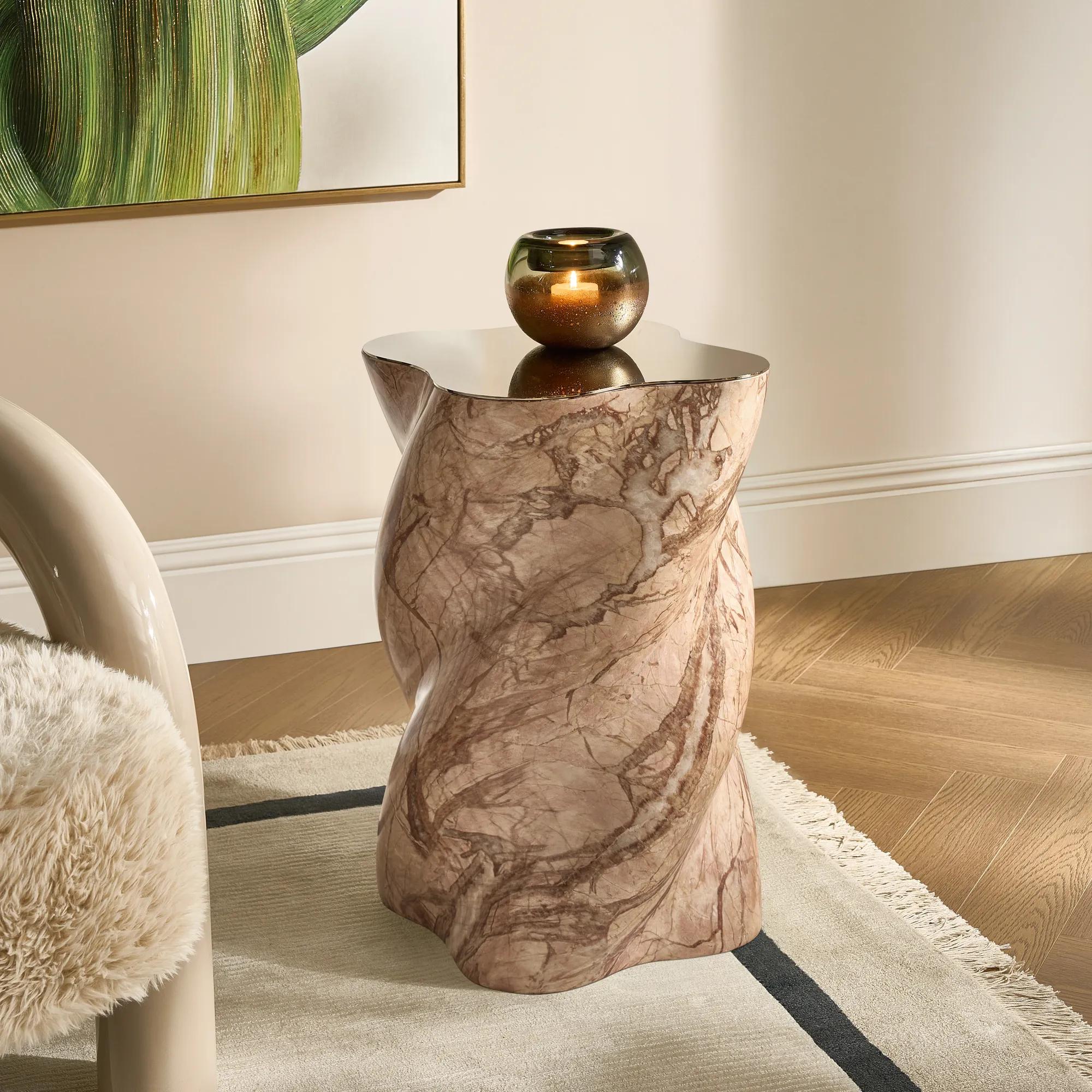 Vega Concrete Indoor/Outdoor Side Table With Stainless Steel Top (13.8")$459
A black, orange, or green concrete side table with removable stainless-steel top and marble-inspired veining.
Add To Cart -
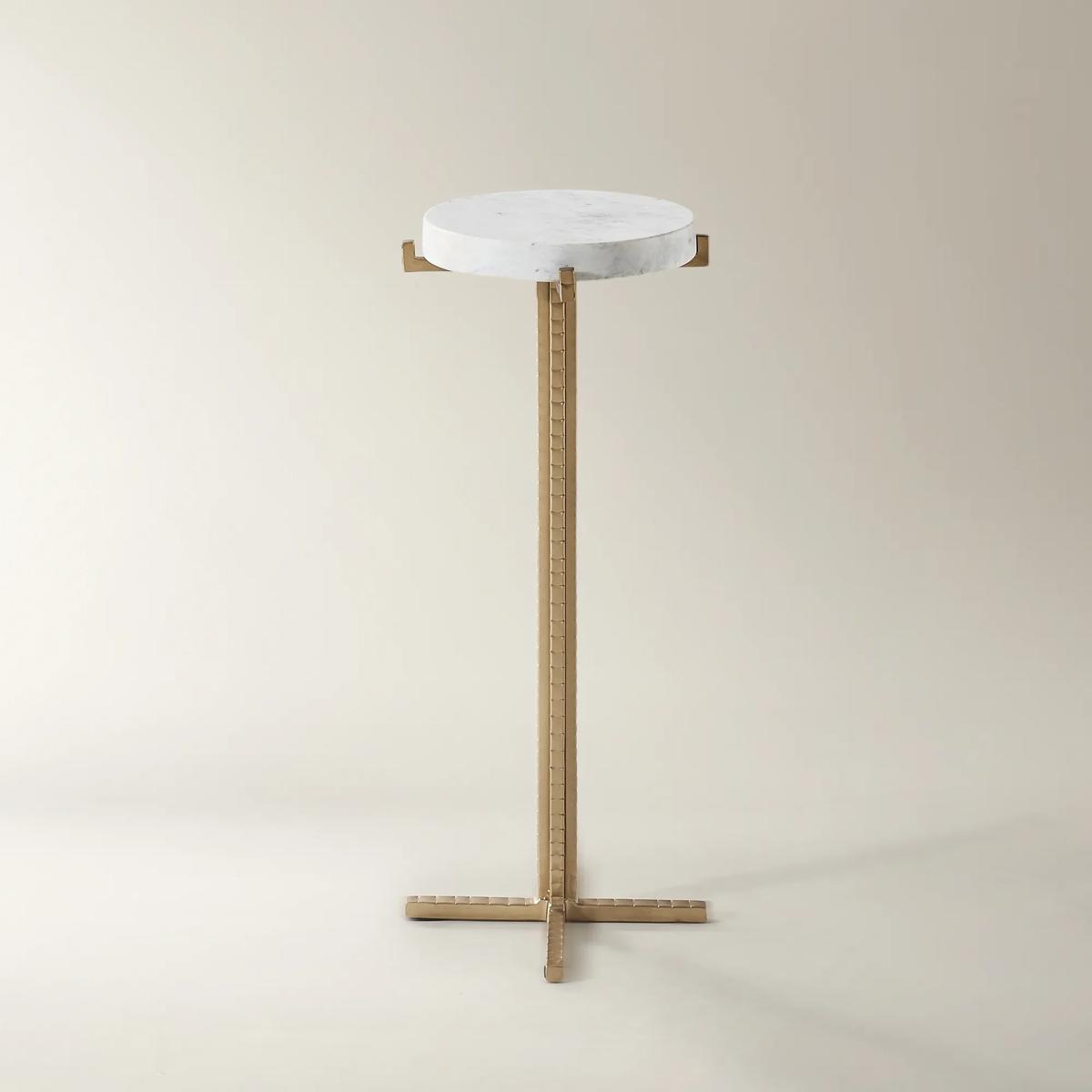 Anya Round White Marble Side Table (10")$199
A sculptural side table featuring a genuine white marble top and gold-finished metal pedestal base.
Add To Cart -

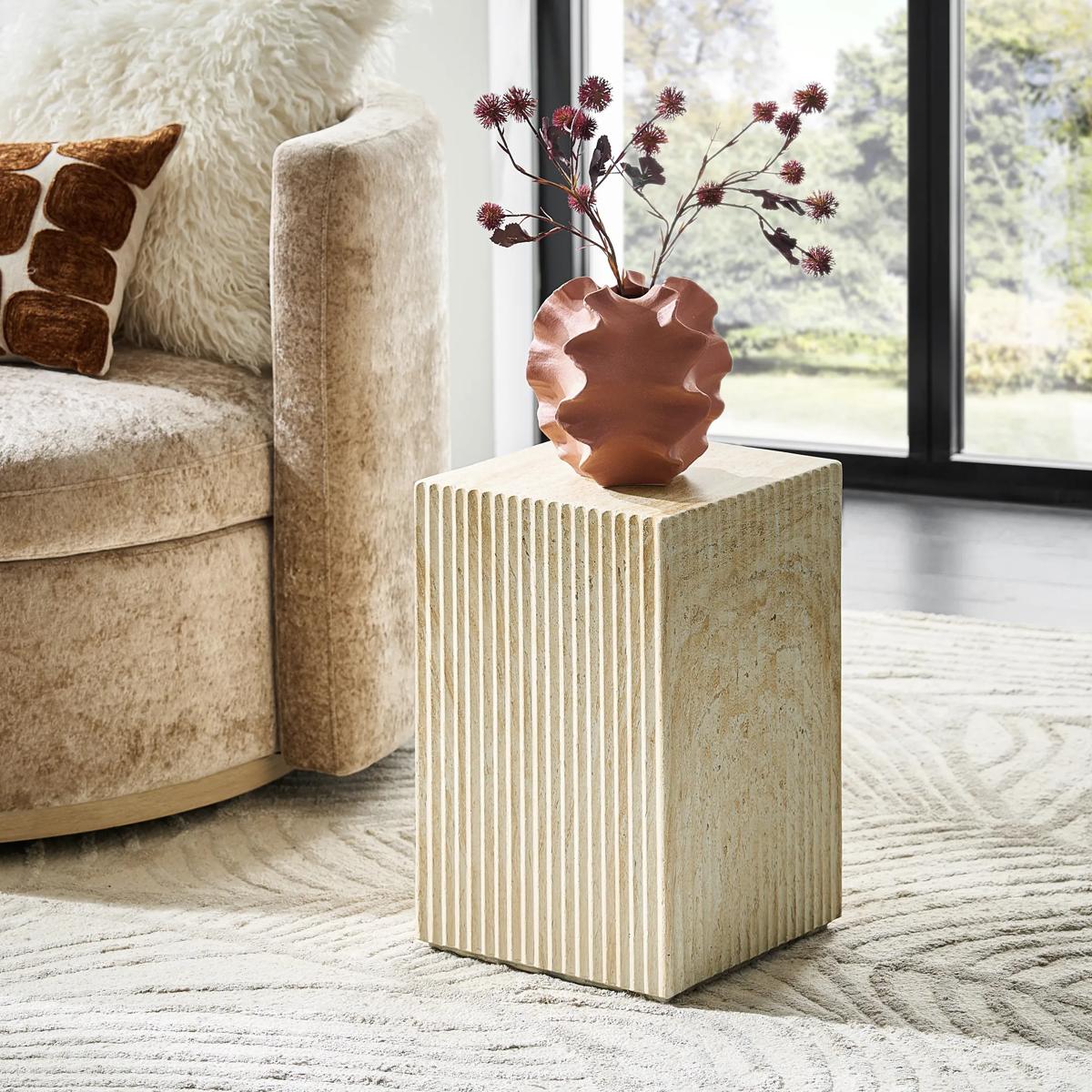 Strata Square Travertine Concrete Indoor/Outdoor Side Table (11.8")$299
A natural travertine-look concrete side table with sculptural cuboid geometry for indoor or covered outdoor spaces.
Add To Cart -
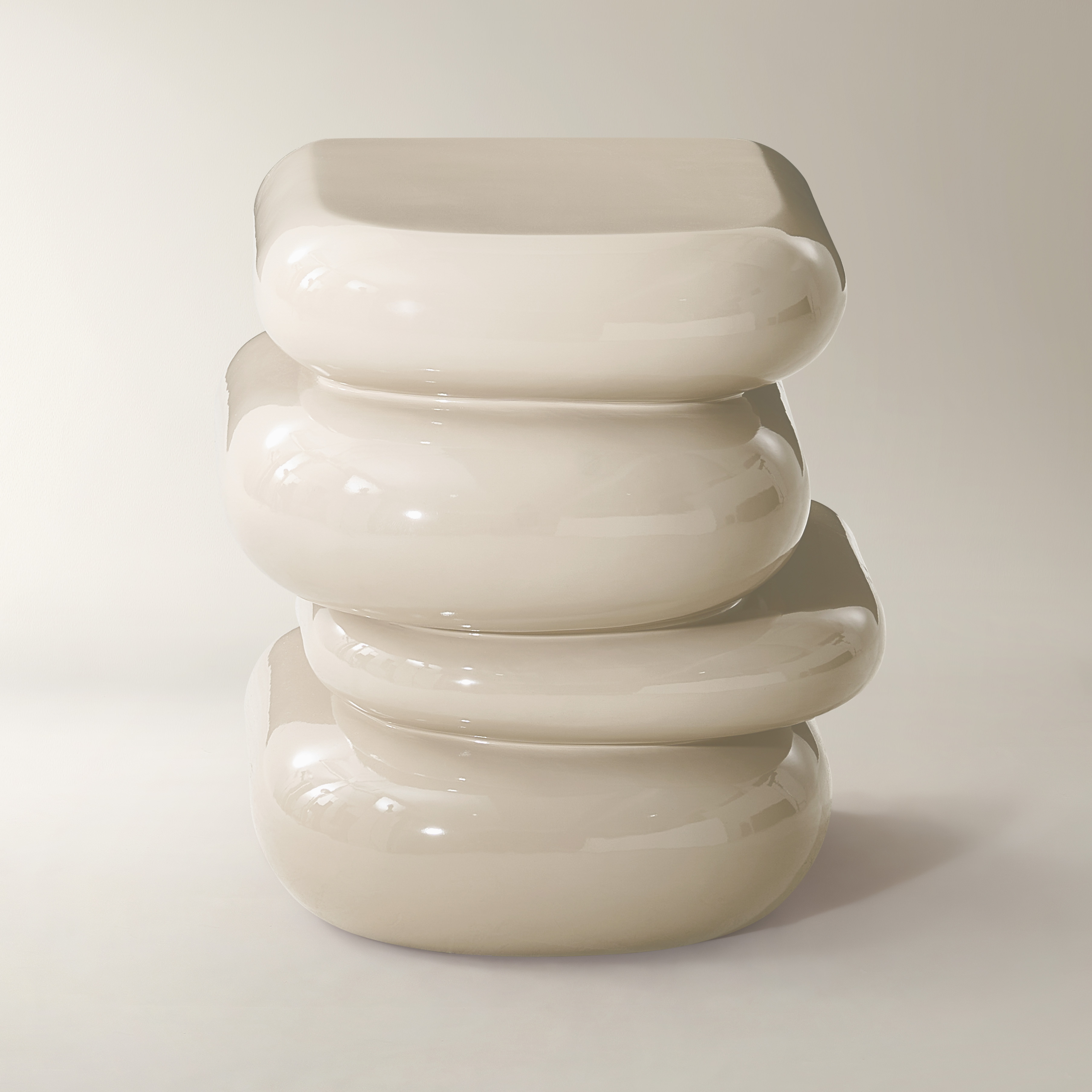
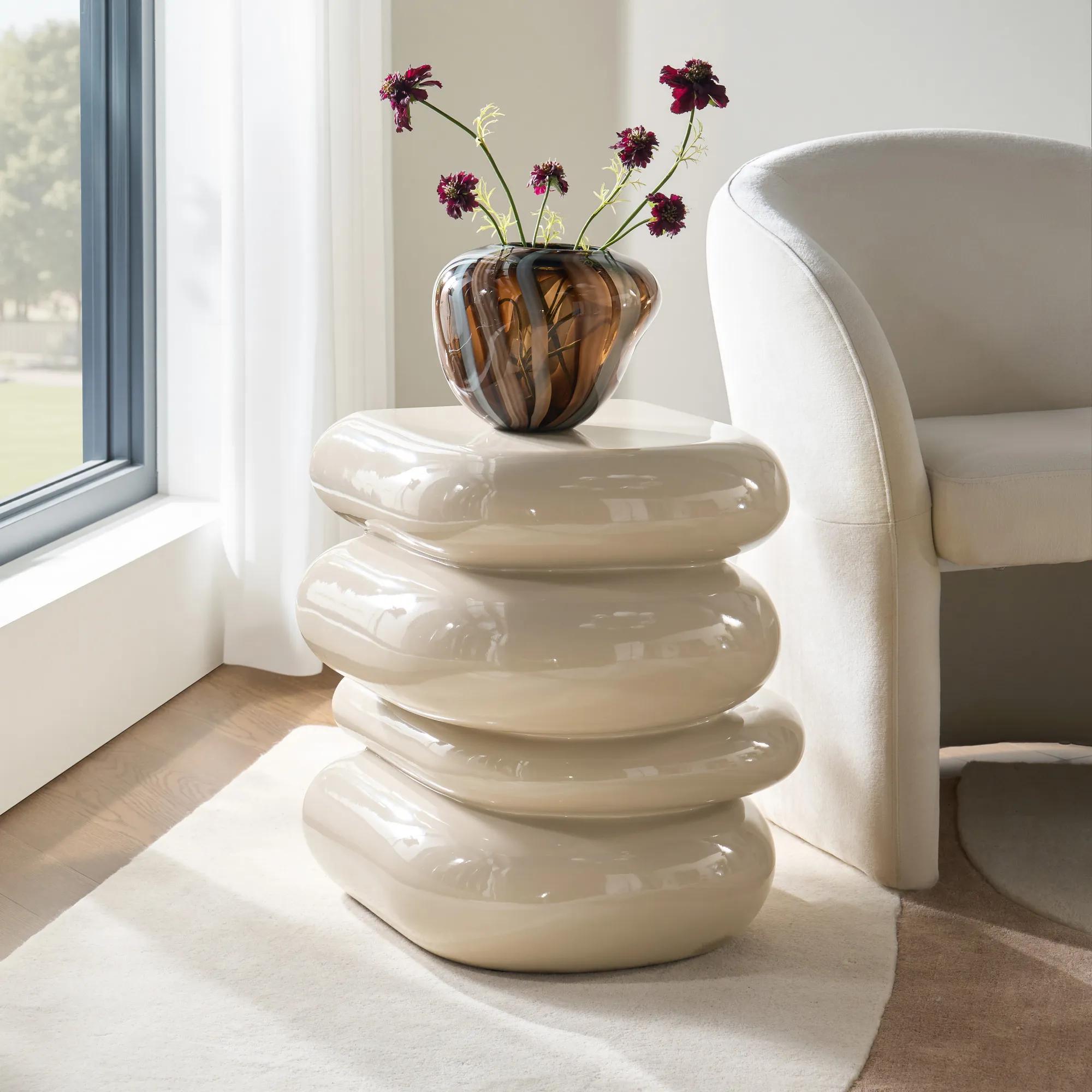 Forma Stacked Turtle Dove Side Table (19.9")$499
A sculptural accent table crafted from high-gloss turtle dove fiberglass with softly stacked, rounded tiers.
Add To Cart -
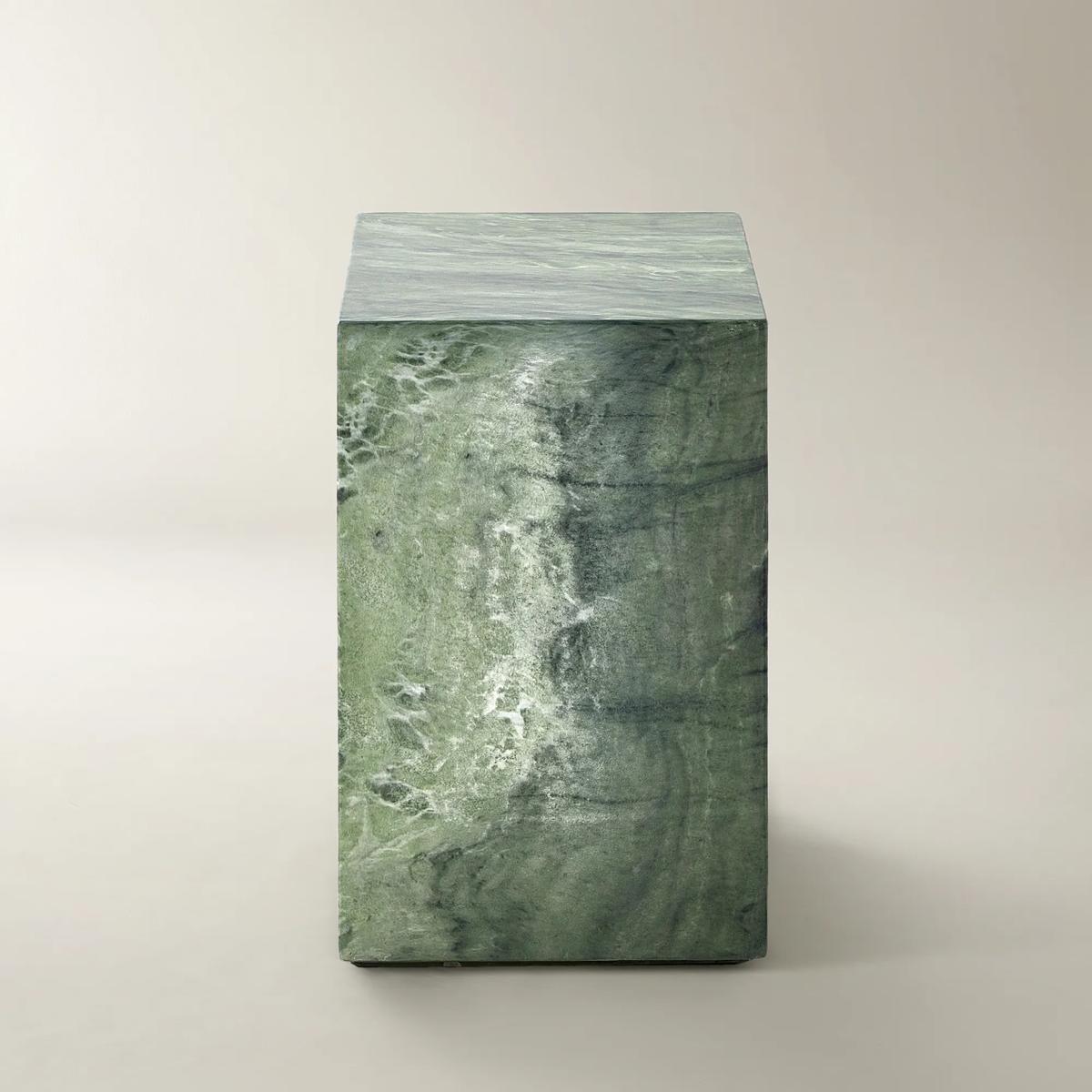
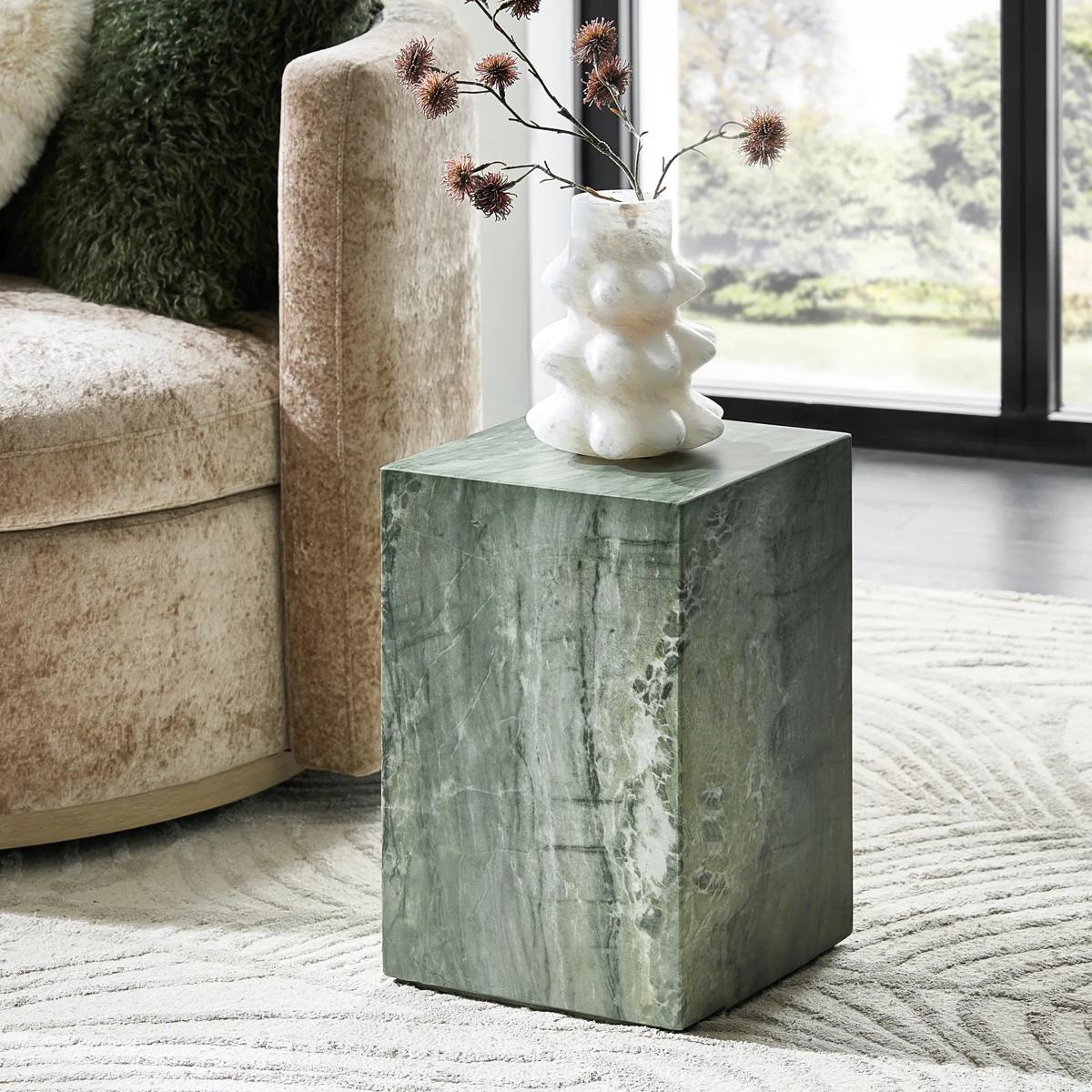 Strata Square Green Concrete Indoor/Outdoor Side Table (11.8")$299
A green concrete side table with marble-look veining and a sculptural cuboid form for indoor use.
Add To Cart -
 Strata Round Green Concrete Indoor/Outdoor Side Table (15")$349
A green concrete side table with rounded geometry and a marble-look finish for indoor-outdoor use.
Add To Cart -
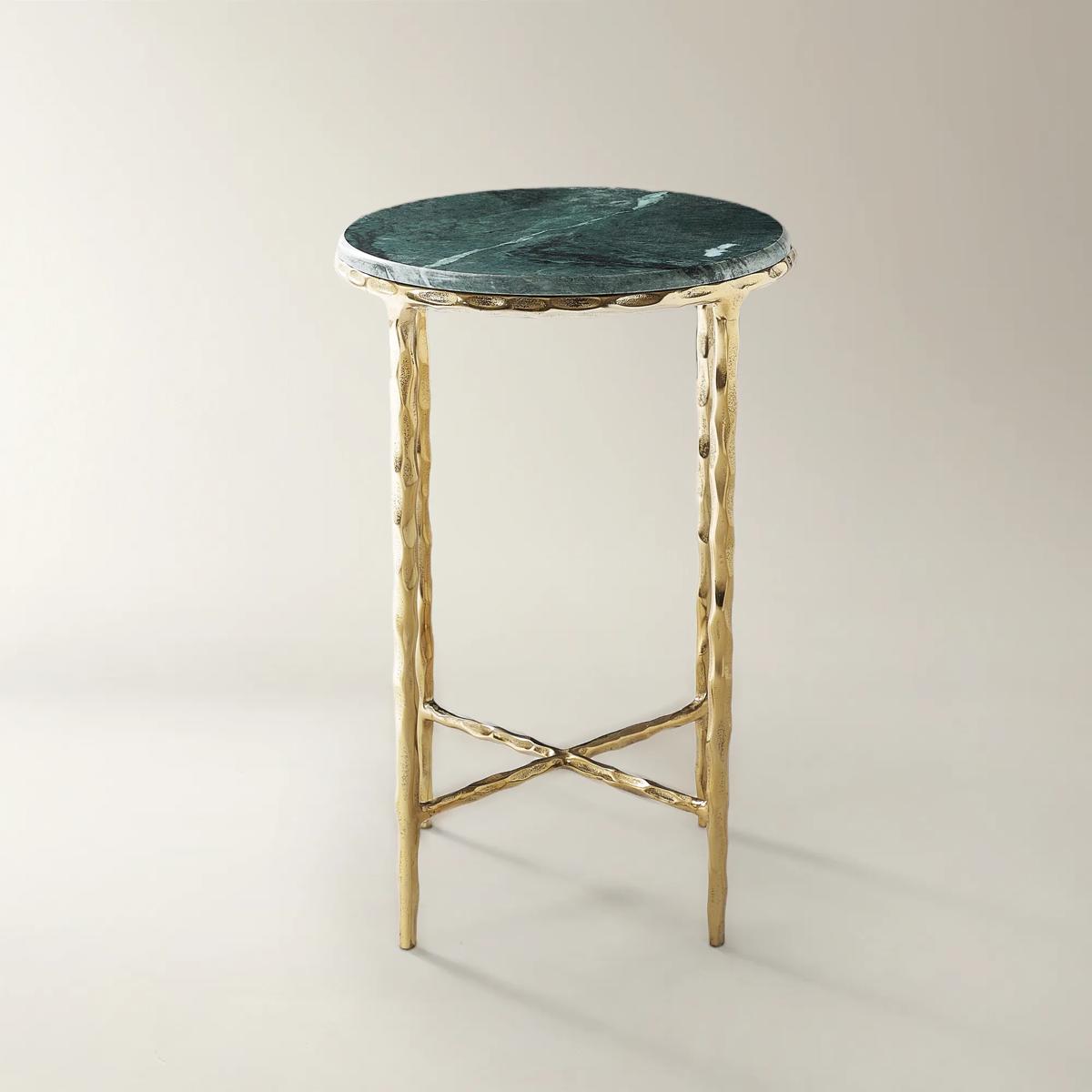
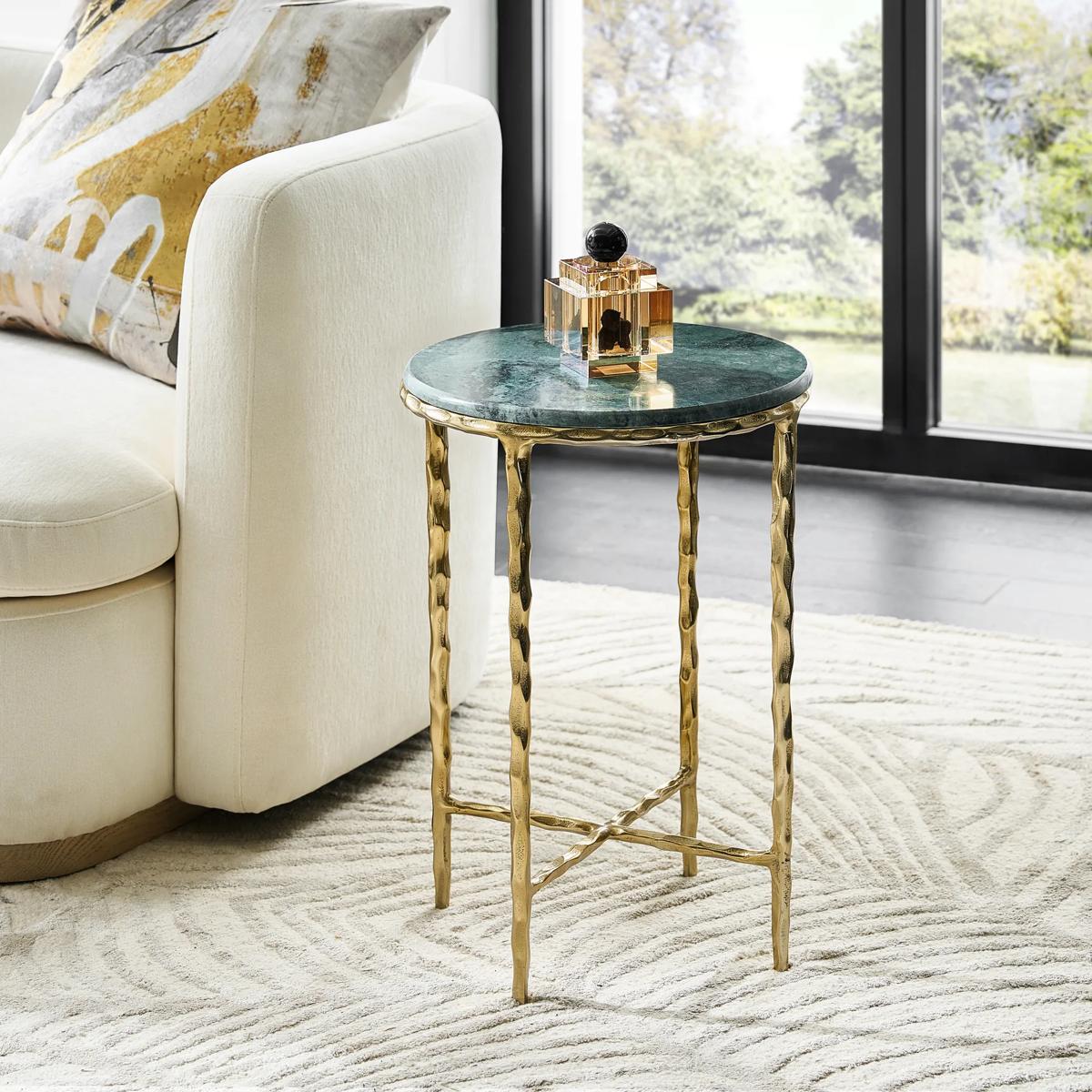 Juliet Round Green Marble Side Table (15")$269
A striking side table featuring a deep green Indian marble top and a hand-hammered metal base.
Add To Cart -
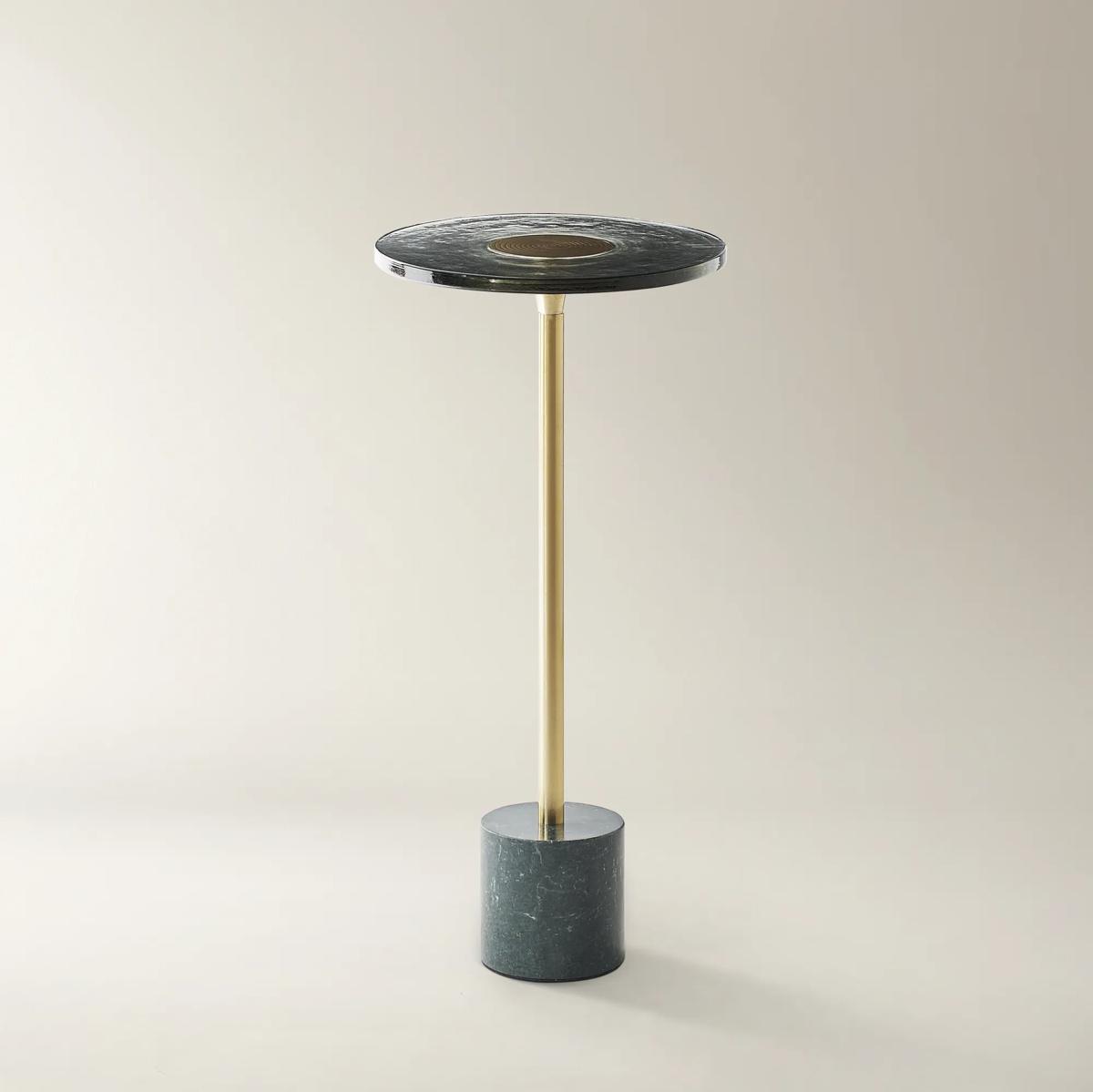
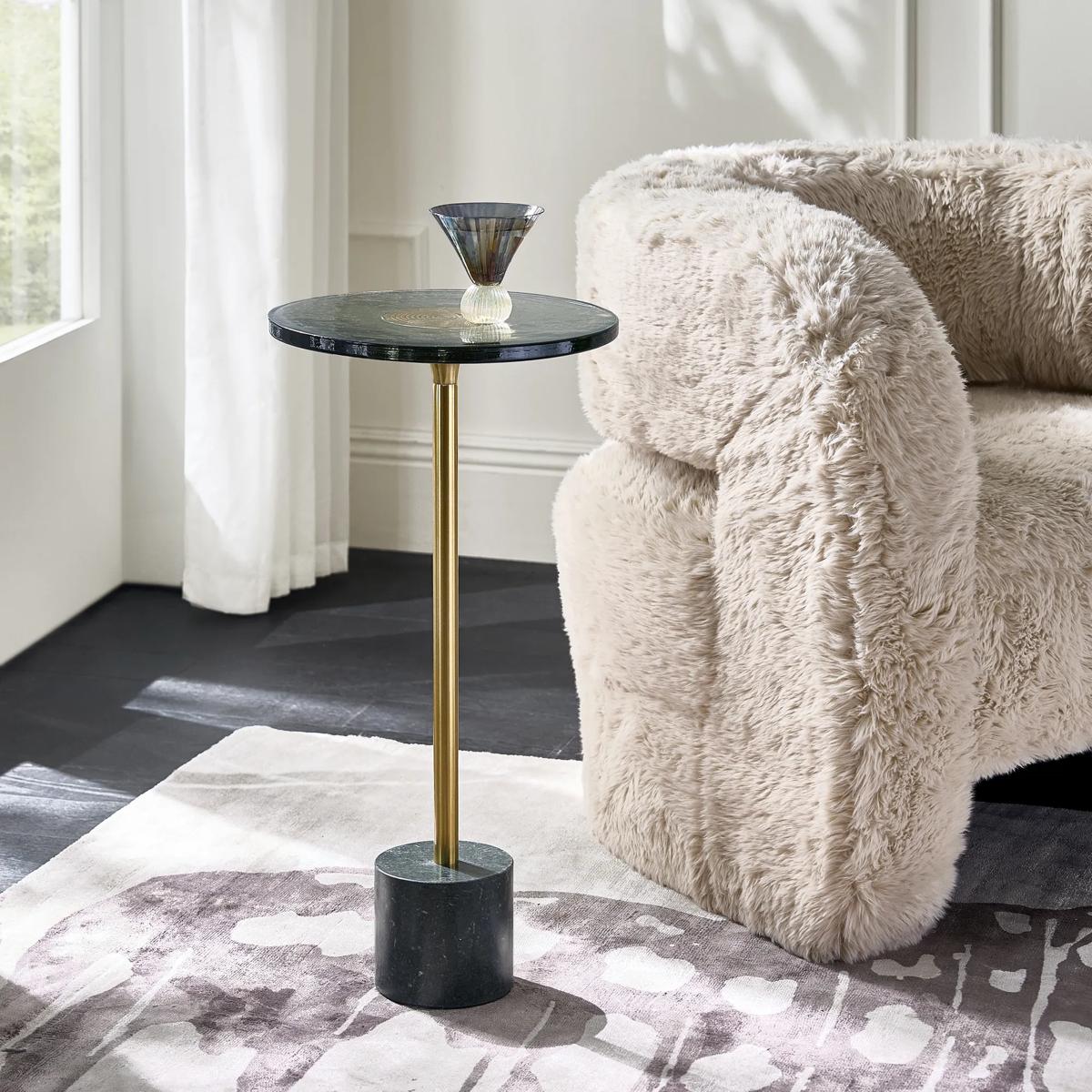 Seraphy Round Green Metal Side Table With Glass Top (13.75")$179
A modern side table featuring a green cast glass top, brass-finished post, and Indian green marble base.
Add To Cart -
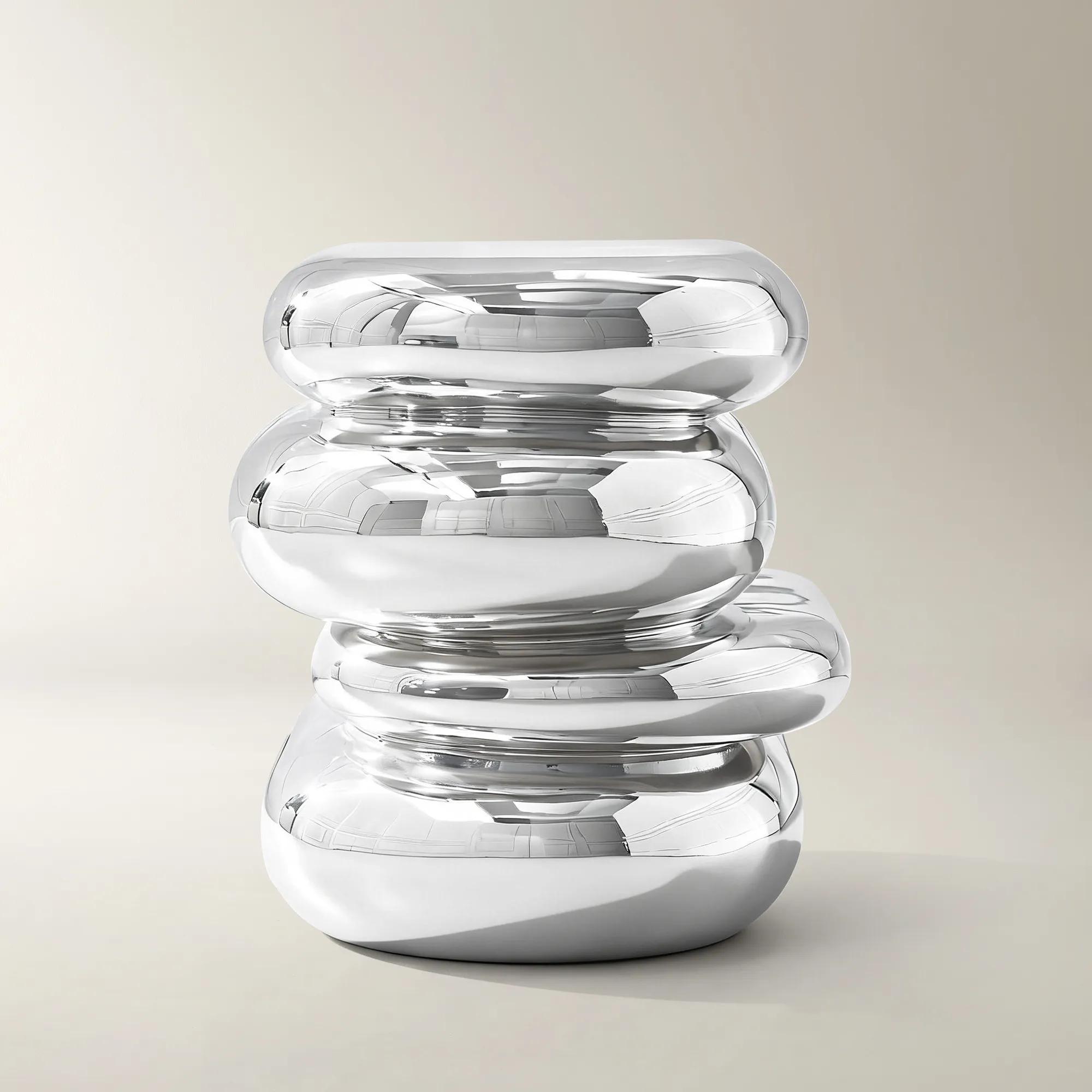 Forma Stacked Chrome Side Table (19.9")$699
A sculptural accent table crafted from seamless fiberglass with a reflective chrome finish and rounded tiers.
Add To Cart -
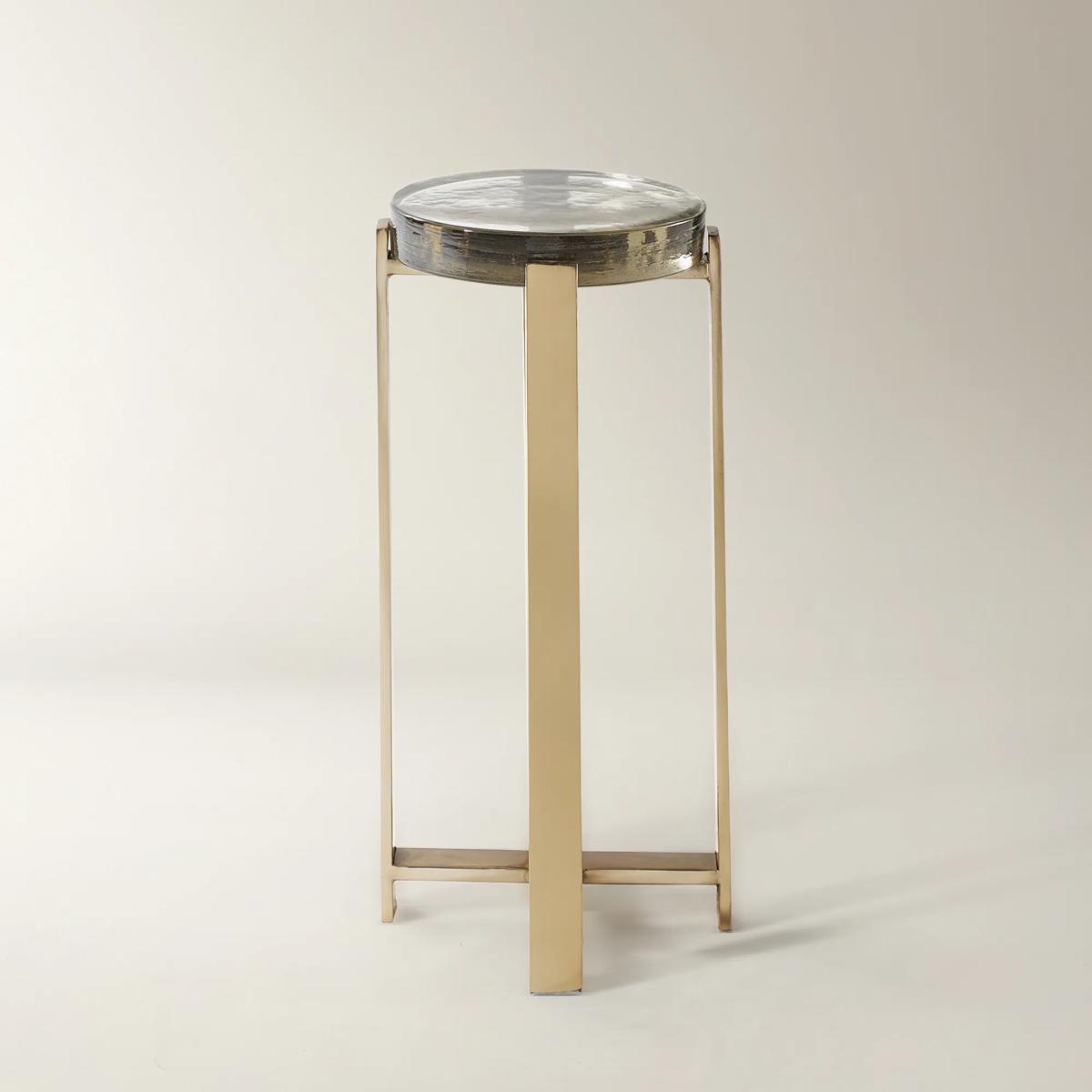
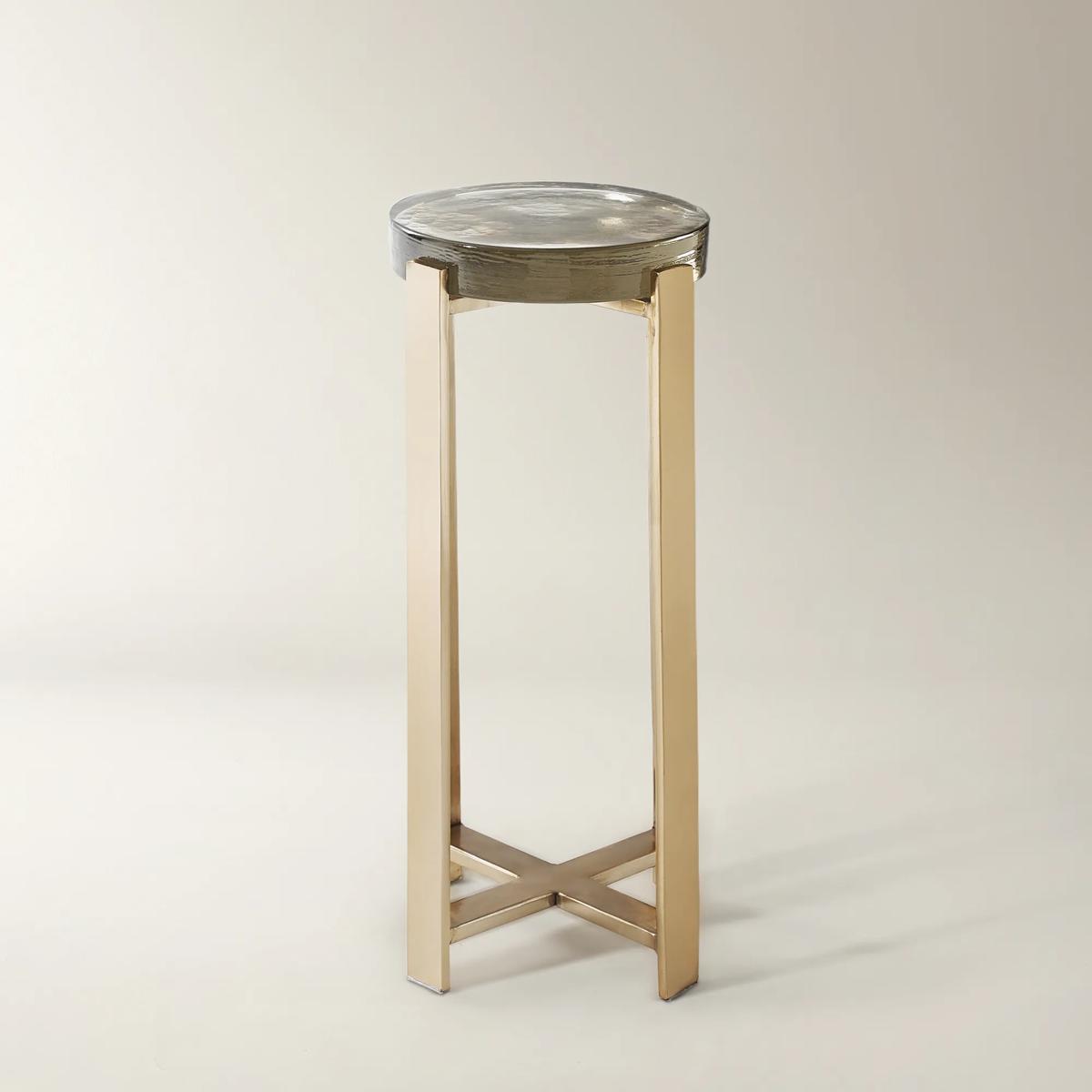 Lyra Round Brass Metal Side Table With Glass Top (10.75")$259
A sculptural side table featuring a thick cast glass top and lustrous brass-finished metal base.
Add To Cart -
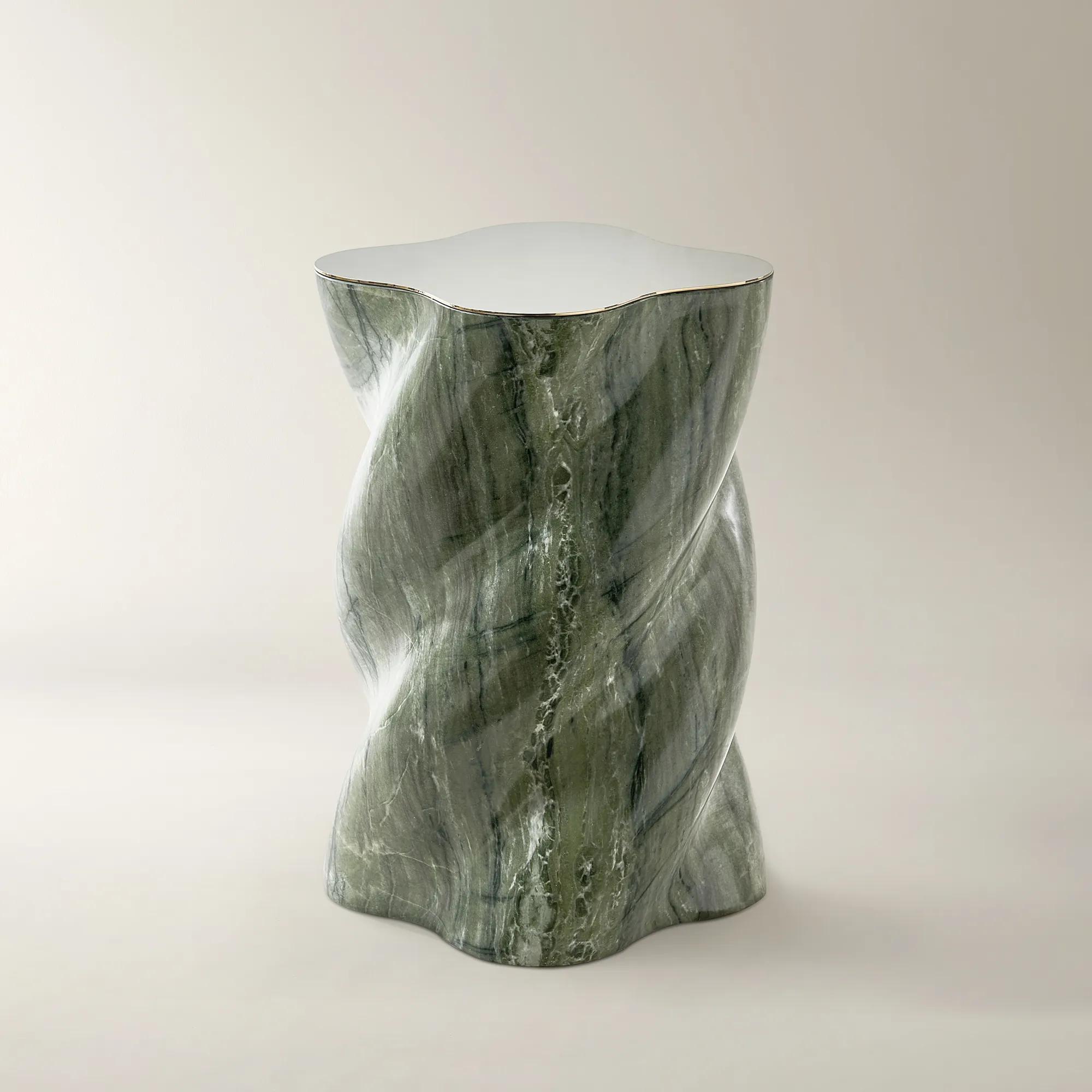 Vega Malachite Green Concrete Indoor/Outdoor Side Table With Stainless Steel Top (13.8")$459
A green concrete side table with a sculptural pedestal, marble-inspired finish, and removable stainless-steel top.
Add To Cart -
 Thalia Glossy Black Side Table Set Of 2 (8"-12.5")$599
A sculptural duo of glossy black fiberglass tables with fluid lines and mirror-like lacquered finish.
Add To Cart -
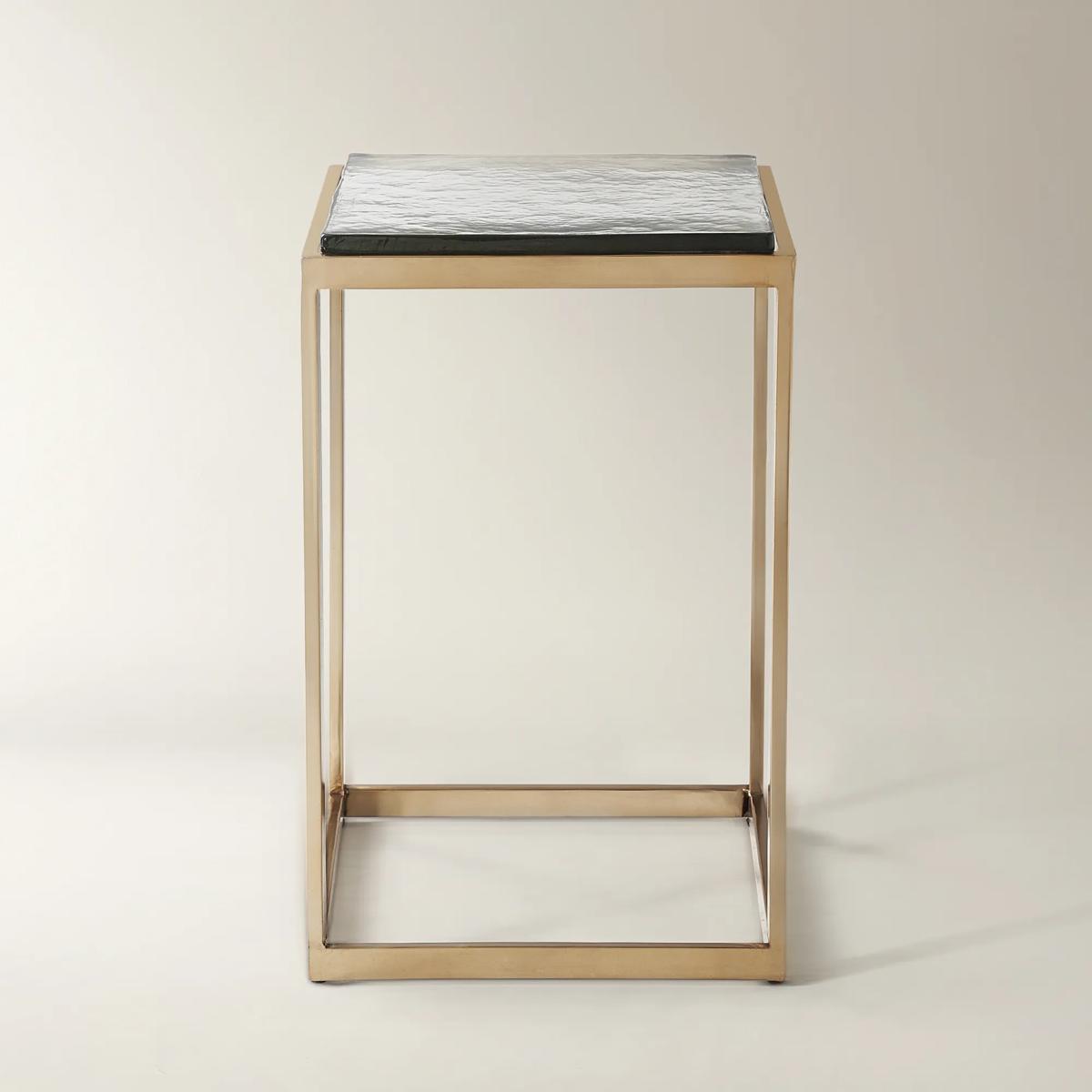
 Lyra Square Brass Metal Side Table With Glass Top (13.8")$239
A sculptural side table featuring a thick cast glass top and a lustrous brass-finished metal base.
Add To Cart -
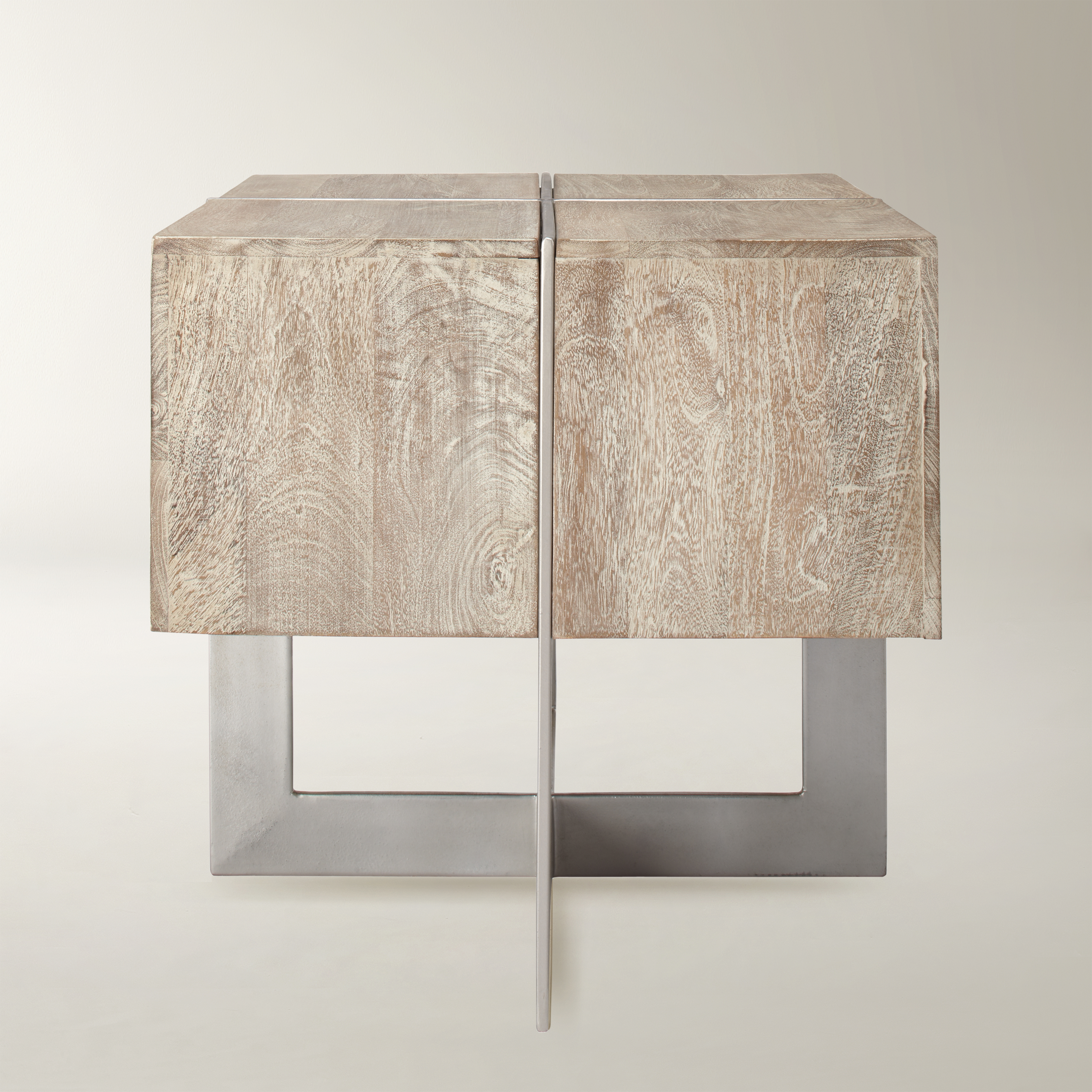
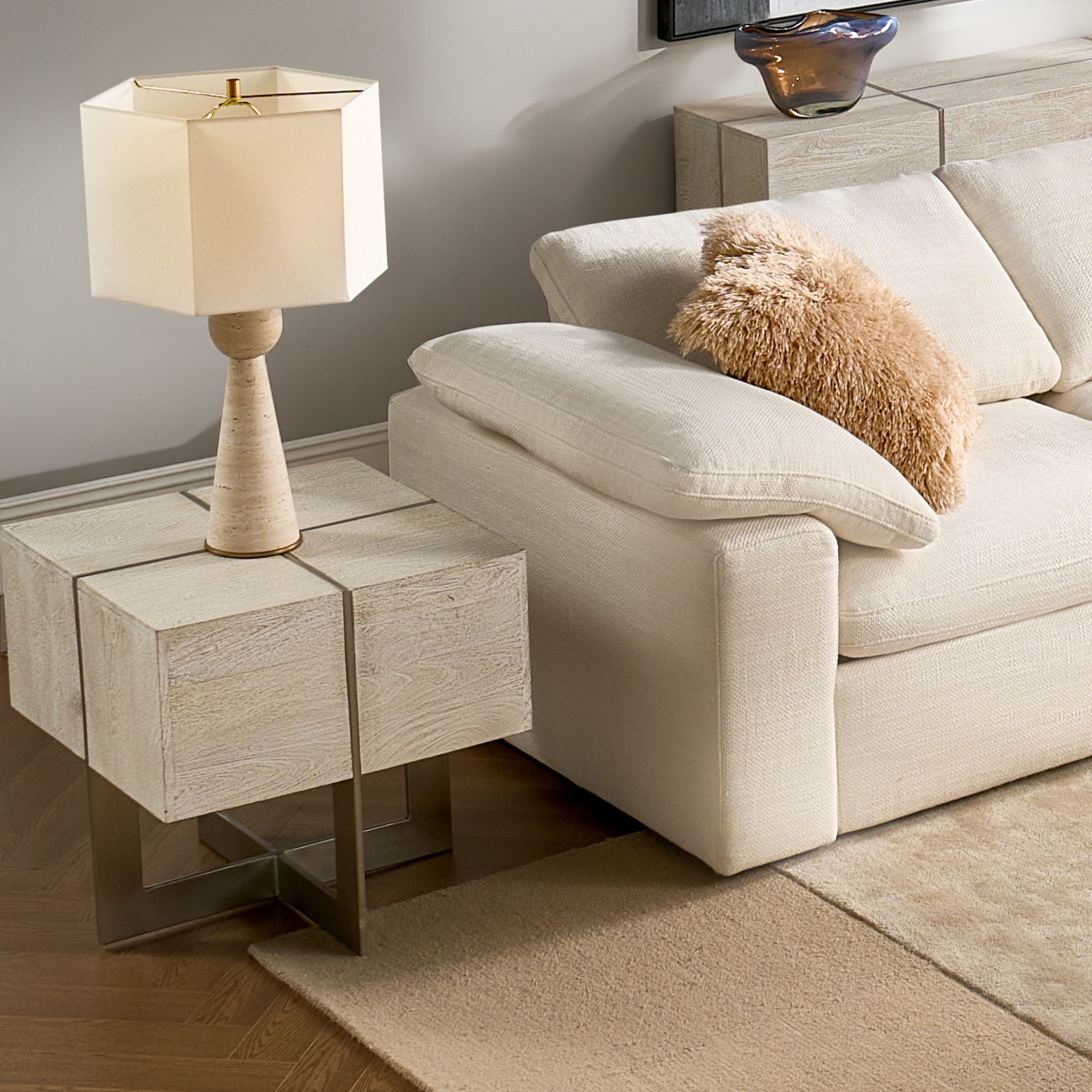 Clifton Square Natural Mango Wood End Table (24")$599
A handcrafted mango wood end table with a whitewashed finish and antiqued silver iron legs.
Add To Cart -
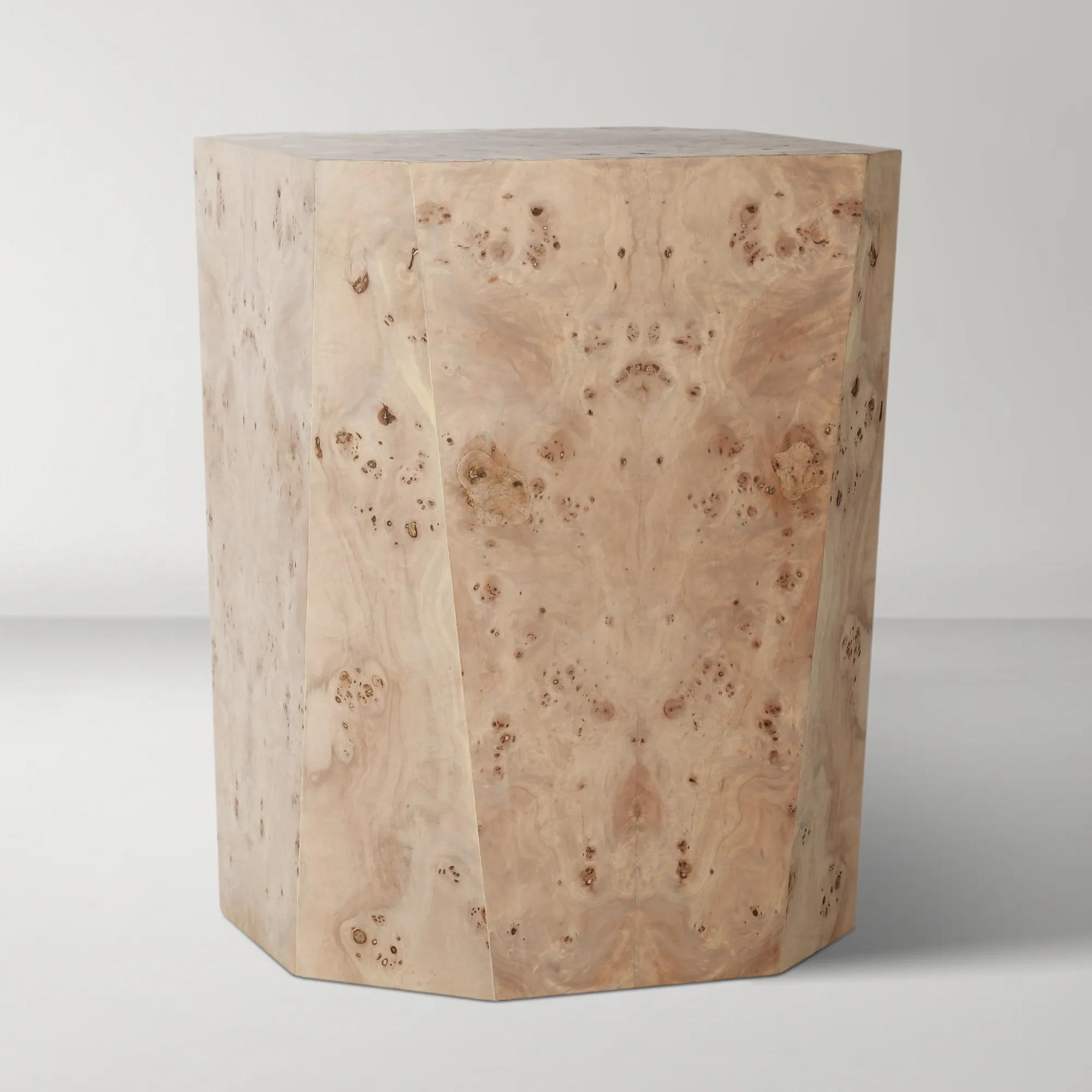
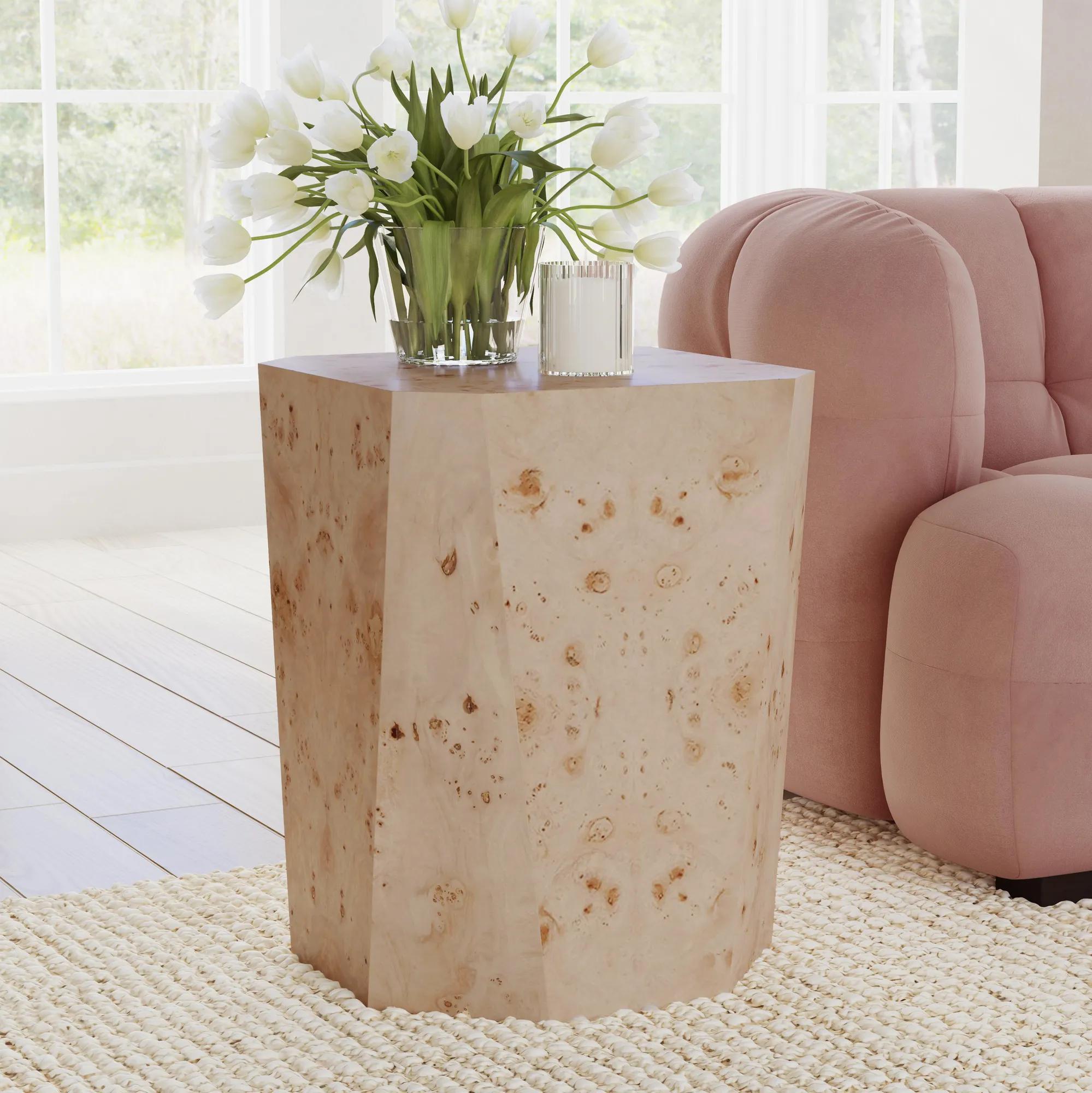 Avena Square Natural Burl Wood End Table (17.75")$699
A striking end table featuring natural burl wood veneer with unique swirling grain and warm, organic tones.
Add To Cart

Decorative Side Tables For Living Room
Explore decorative side tables for your living room that balance expressive design with a convenient surface beside a sofa or accent chair. These accent tables bring a finishing touch to your seating arrangement while keeping essentials within reach. Consider height, surface area, and silhouette to find a piece that complements your furniture and gives the room a distinctive point of view.
Decorative side tables for the living room bring artistry to the places where daily life settles: beside a favorite armchair, at the end of a generous sofa, or between two seats arranged for conversation. Their scale may be intimate, but their influence on a room is unmistakable. A gleaming metal base can introduce a flash of brilliance against sumptuous upholstery, while a richly grained wood surface adds depth to a palette of ivory, charcoal, and gold. A sculptural pedestal gives an otherwise quiet corner a sense of intention; a translucent silhouette lets the surrounding furnishings remain visually prominent. These tables serve a practical purpose without retreating into the background, keeping a drink, a book, or a table lamp within comfortable reach. The most compelling designs establish a relationship with the seating around them, echoing a curve, contrasting a texture, or repeating a finish in a more unexpected form. Alongside a deeply tufted sofa, a clean-lined table offers definition without competing with the upholstery. Beside a tailored chair, a more expressive base can become the detail that gives the whole arrangement its personality. Round tops soften the geometry of rectangular seating and rugs, while square and rectangular profiles create a crisp rhythm along a sofa’s edge. For spaces that benefit from a gentler contour, decorative round side tables introduce curvature without requiring a large footprint. The tabletop itself becomes a small stage for personal expression: a luminous lamp, a ceramic vessel, or a favorite art book can be enough to make the setting feel complete. Leaving a little open surface preserves that composition while making room for the ordinary pleasures of a living room. Rather than matching every piece precisely, repeating one material or tone allows different silhouettes to feel connected. A brass-toned accent in the table base, for example, can converse with a frame or lighting fixture across the room, creating continuity without sacrificing individuality.
Materials shape both the visual character of a decorative side table and the way it lives in a home. Glass offers clarity and reflected light, making it particularly effective beside substantial seating or within an arrangement that already includes richly patterned textiles. Clear glass reveals the structure beneath it, turning an architectural base into part of the display, while mirrored surfaces reflect nearby colors and movement for a more theatrical effect. Both reward regular attention to fingerprints and benefit from soft, nonabrasive cleaning materials appropriate to their finishes. Natural stone brings weight, cool texture, and distinctive markings; its veining can be the focal point even when the tabletop holds very little. Because some stones are porous or sensitive to acids, coasters, prompt attention to spills, and care suited to the particular stone help protect the surface. Stone-look materials can create a similarly expressive appearance, although their composition and care requirements may differ. Wood introduces warmth through grain and tone, ranging from finely detailed veneers to solid construction. Neither appearance alone nor material thickness tells the entire story of durability: well-made joints, balanced proportions, and a finish suited to everyday contact all matter. Wood and lacquered surfaces generally benefit from protection against standing moisture, excessive heat, and abrasive objects, with cleaning methods guided by the material’s care instructions. Metal can lend a table delicacy or substantial sculptural presence, depending on the thickness and shape of its frame. Polished, brushed, and coated finishes each interact differently with light and should be cleaned according to their specific requirements rather than treated as interchangeable. Acrylic offers a transparent effect with a different visual softness from glass, but abrasive cleaners can compromise its clarity. For a table that will hold drinks every evening or support a frequently used lamp, surface resilience and stability deserve as much attention as ornament. A decorative tray can organize small essentials, but it does not replace appropriate protection beneath hot or damp objects. Thoughtful care preserves the finish that first gave the piece its allure.
Fit is where a beautiful side table becomes an effortless part of the room. A top close to the height of the adjacent sofa or chair arm usually makes reaching for a glass more comfortable, while the depth of the seating influences how far forward the table needs to sit. A low lounge chair and a tall, upright sofa may call for different proportions, even when their tables share a similar finish. Width matters just as much: a petite surface may be ideal for a drink and a small vessel, whereas a lamp requires enough room for its base without crowding the remaining tabletop. The full footprint includes projecting legs and decorative details, not only the top. In a compact living room, an open base can preserve a sense of airiness, though the table still needs sufficient clearance for people to move past it comfortably. A drum or pedestal design offers a more grounded presence and can balance the visual weight of an expansive sofa. Nesting designs provide flexibility when their construction allows a smaller table to move easily into another position, and lower shelves or drawers can keep reading material and everyday accessories from interrupting the surface arrangement. Storage also changes the visual effect: an open shelf invites a considered display, while a drawer creates a quieter composition. When a lamp is part of the setting, its cord needs a discreet route that does not cross a walkway or pull against the table. Homes with children or pets may place greater emphasis on stable construction, smoother edges, and securely positioned accessories; curved silhouettes alone do not guarantee safety. Decorative side tables also make considered housewarming or wedding gifts when the recipient’s space, dimensions, and design preferences are understood. For someone furnishing a first home or refining a long-loved living room, a beautifully proportioned accent can feel deeply personal without requiring a complete redesign. Whether framing a pair of chairs or giving a favorite seat its own elegant companion, the right table brings practical comfort and expressive detail into the same gesture.
FAQs
Decorative side tables bring an artful finishing touch to a living room, creating moments of expression beside sofas and accent chairs. A sculptural silhouette can introduce drama, while a luminous finish adds visual intrigue. Choose a design that echoes your room’s mood or offers a deliberate contrast for a more expressive composition.
Side tables and coffee tables do not need to match to create a polished living room. Instead, connect them through a shared detail, such as curved lines, a complementary color palette, or a similar finish. Mixing distinct silhouettes gives the room a collected feel, with each piece contributing its own character.
Style a decorative side table as a thoughtfully edited vignette. Pair a favorite book with an artful object, or let a distinctive vase become the focal point. Vary shapes and textures while leaving some of the tabletop visible so the table’s design remains part of the story.
For a glamorous living room, look for decorative side tables with expressive curves, geometric forms, or reflective details. Fluid silhouettes lend softness to richly layered interiors, while angular designs create a more architectural mood. Let one defining feature command attention, then echo it subtly elsewhere in the room.
Mixing decorative side tables can give a living room a distinctive, collected point of view. Create cohesion with a recurring finish, color, or shape, then introduce contrast through the other details. A rounded table paired with a more angular design, for example, creates a lively interplay without requiring a matching set.