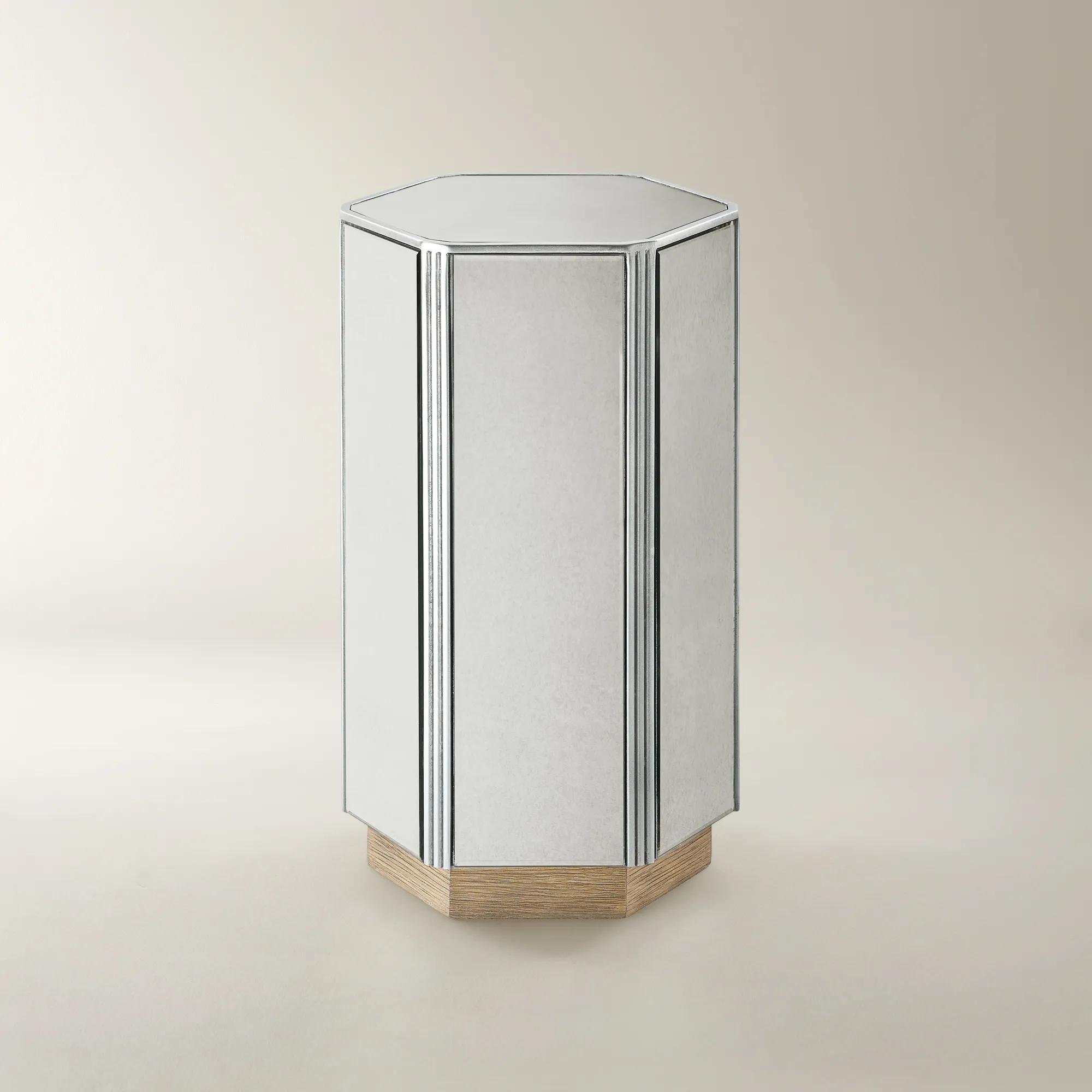
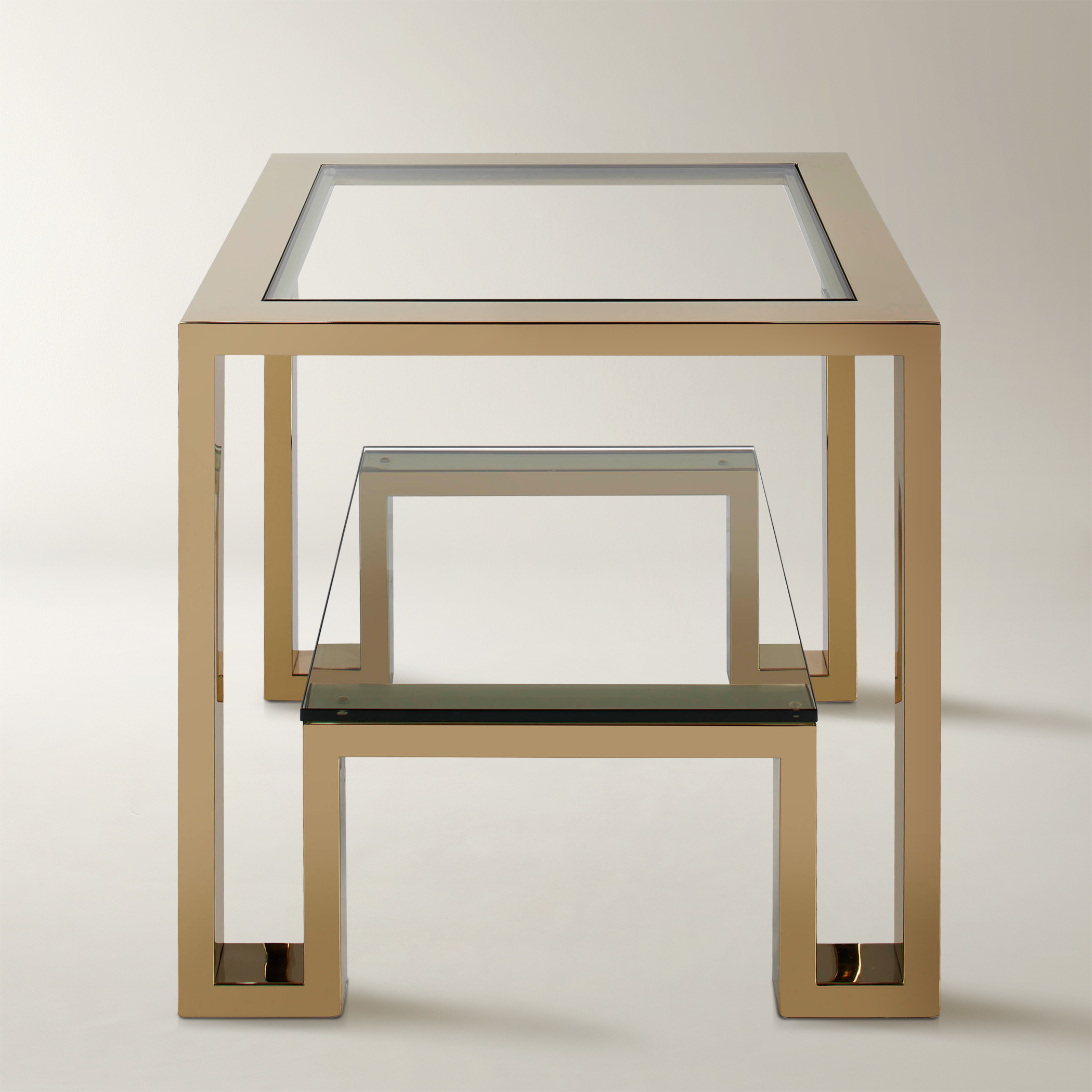
Side Tables For Living Room
Side Tables For Living Room
-
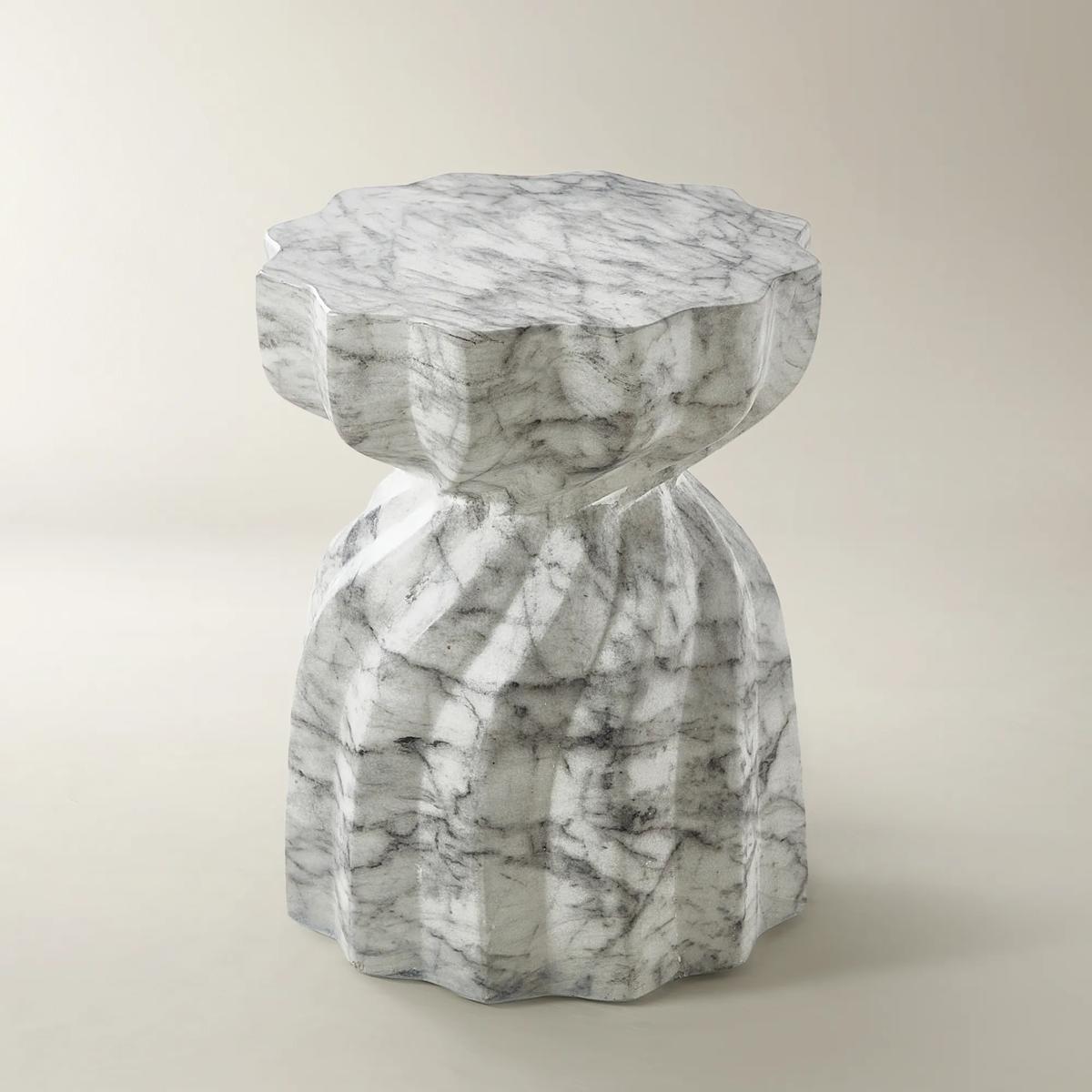
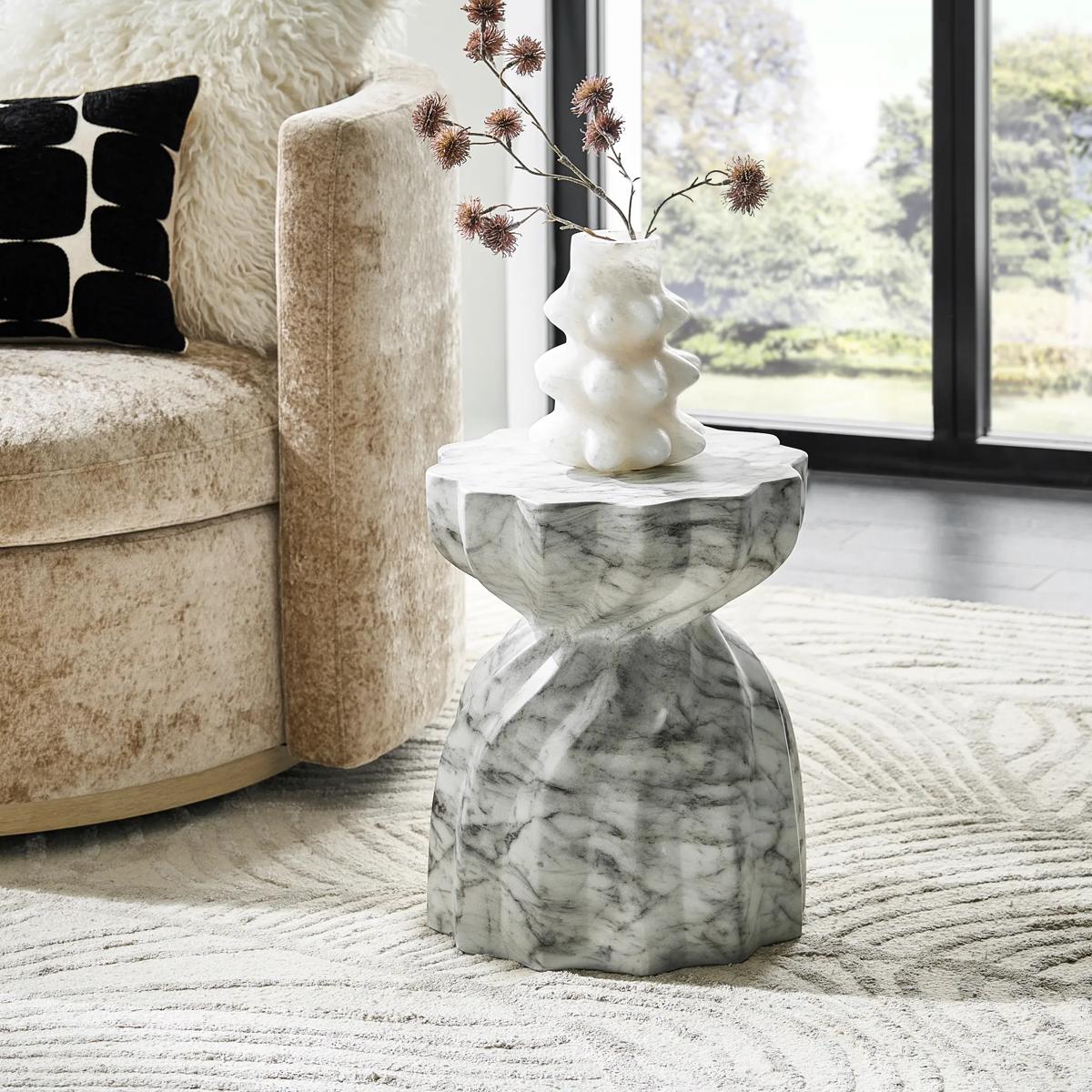 Lithia Scalloped White Concrete Indoor/Outdoor Side Table (15")$349
A white concrete side table with a scalloped silhouette and marble-look finish for indoor-outdoor living.
Add To Cart -
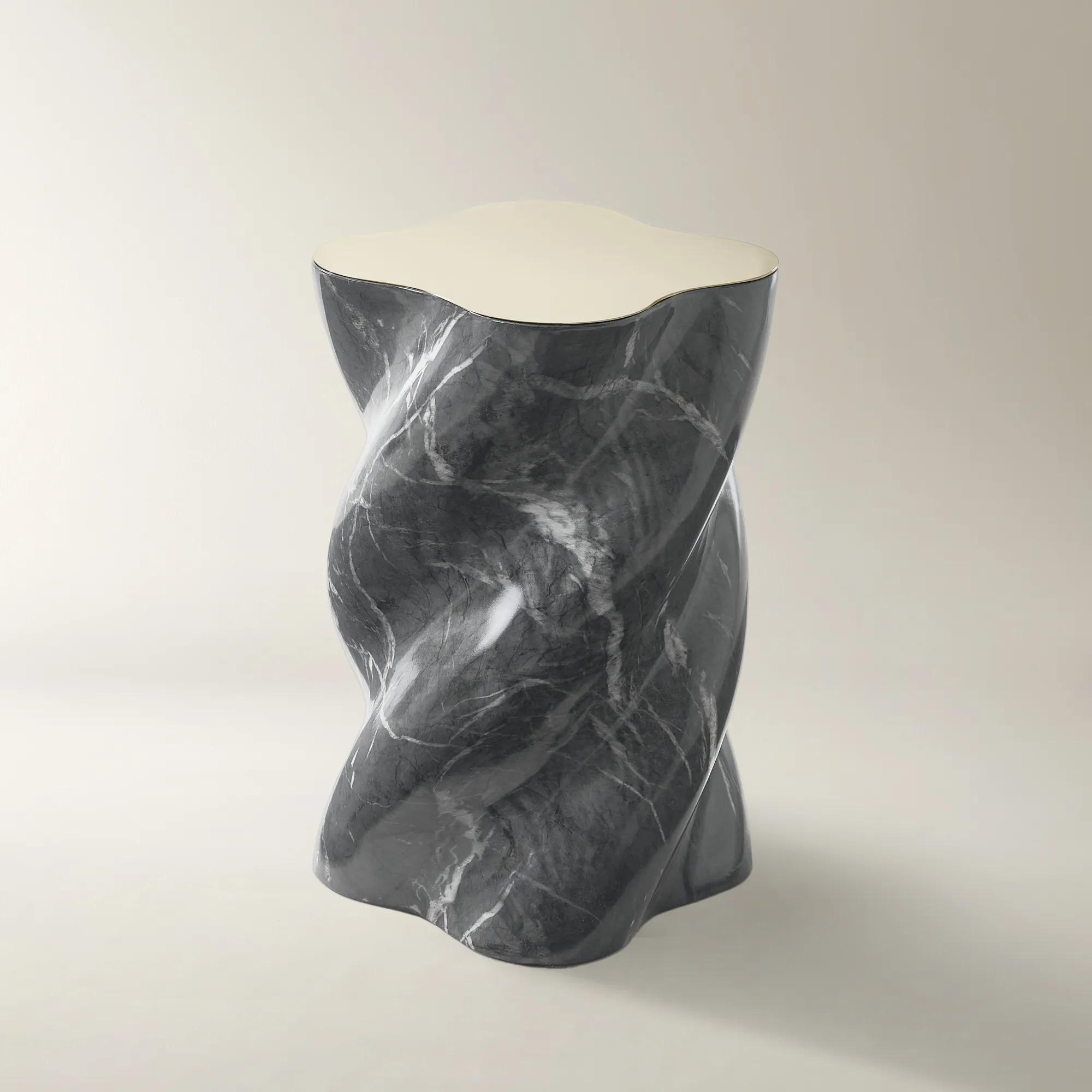 Vega Bvlgary Black Concrete Indoor/Outdoor Side Table With Stainless Steel Top (13.8")$459
A black concrete side table with a sculptural pedestal, removable stainless-steel top, and marble-inspired finish.
Add To Cart -
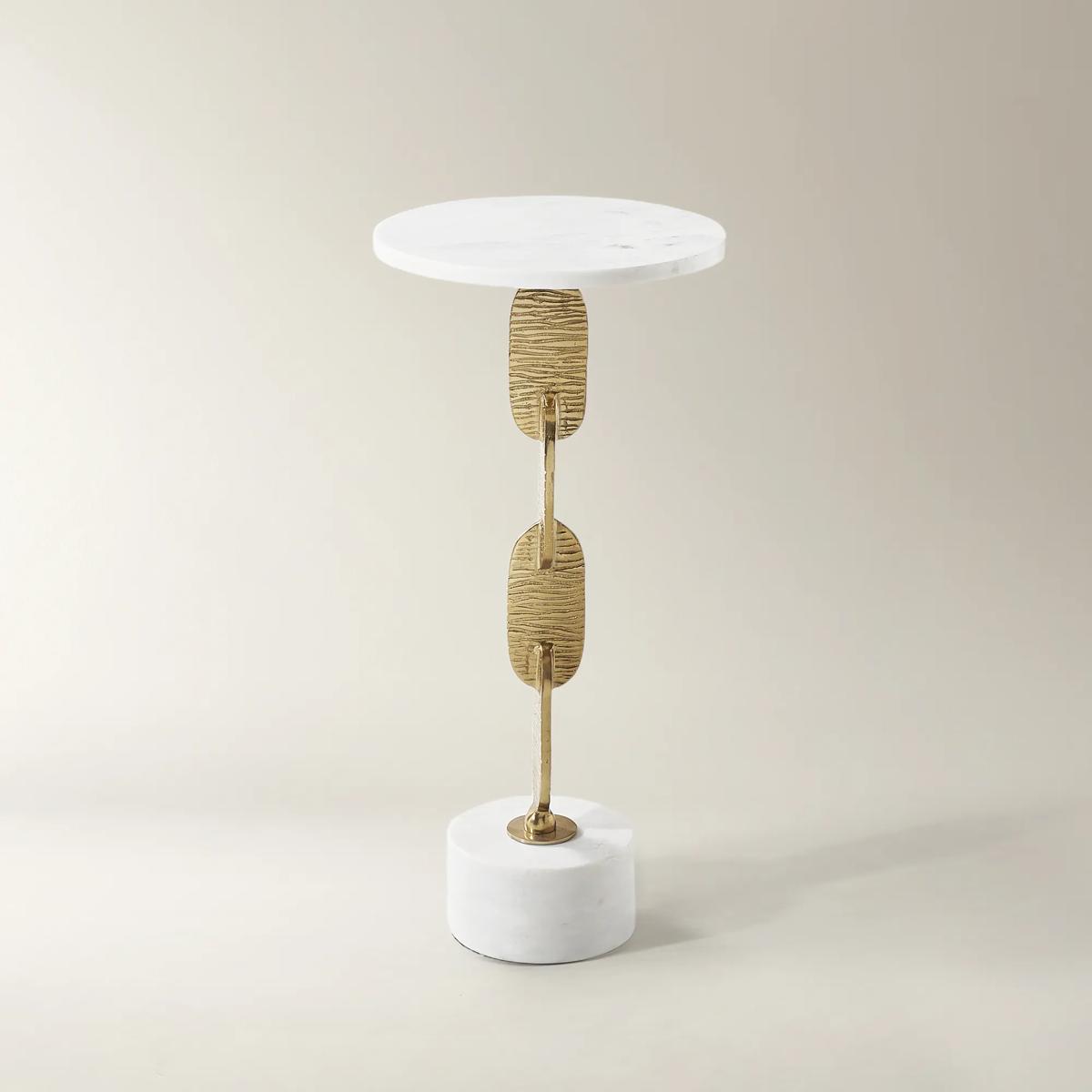
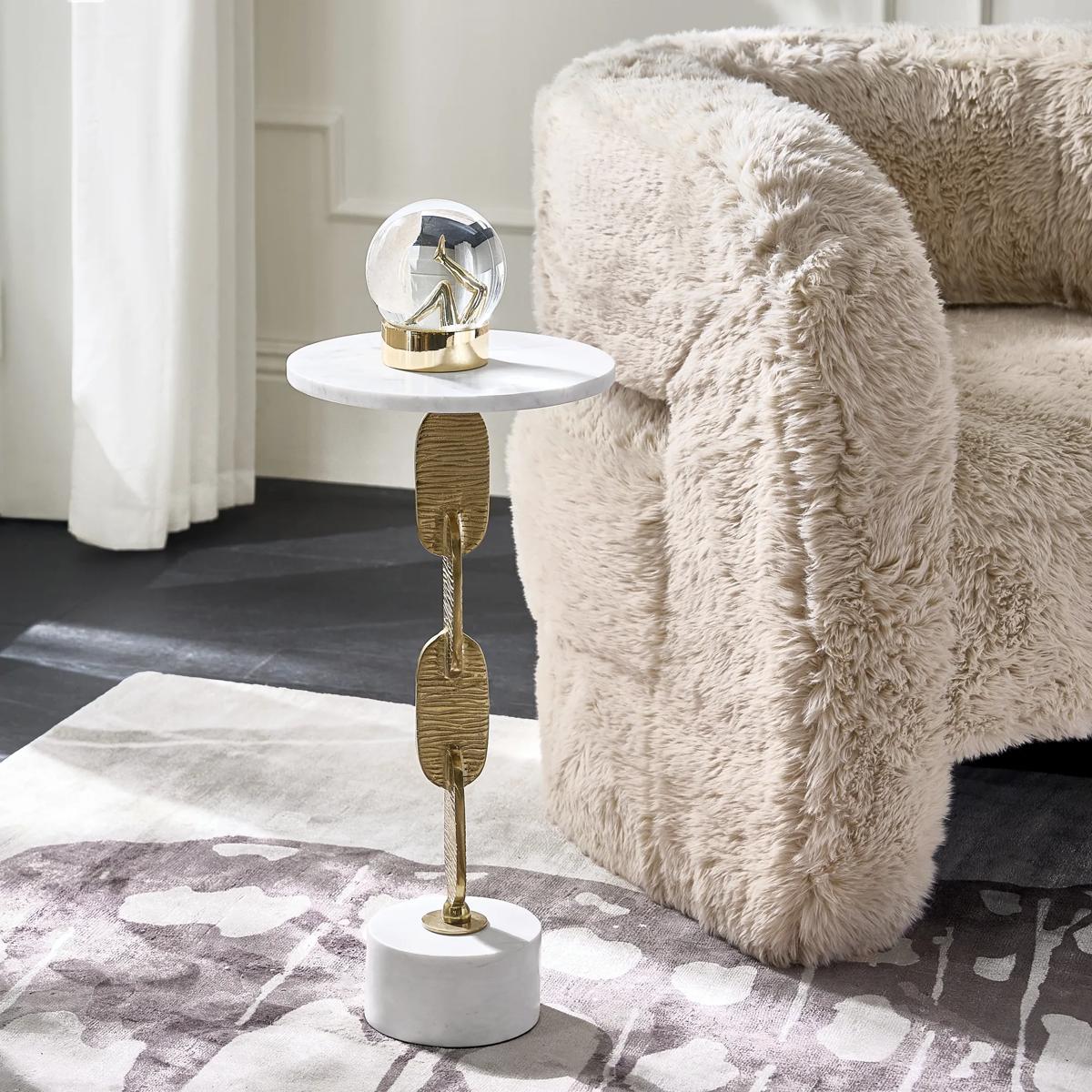 Luna Round White Marble Side Table (11.25")$199
A sculptural side table featuring a genuine white marble top and an open gold-finished metal frame.
Add To Cart -
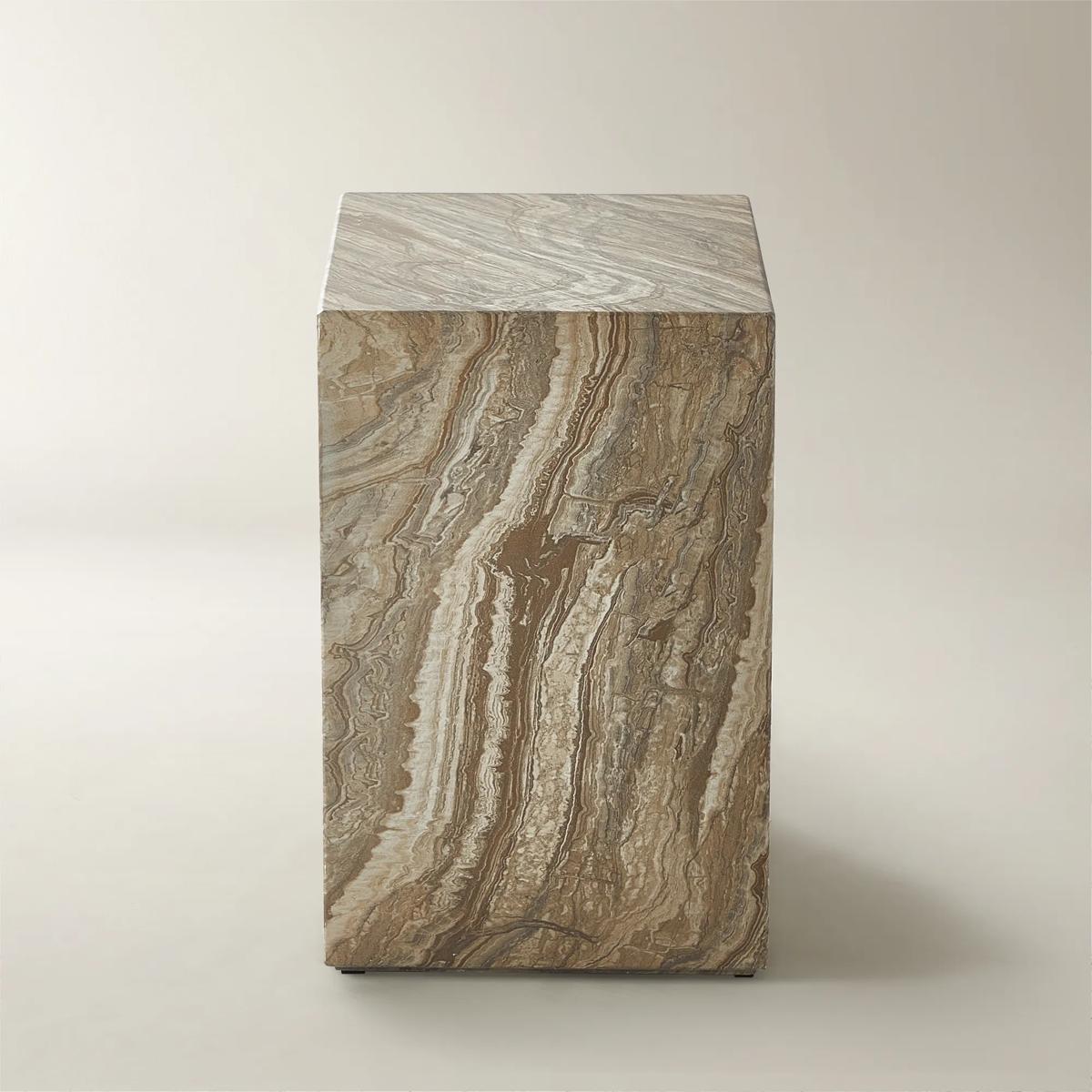
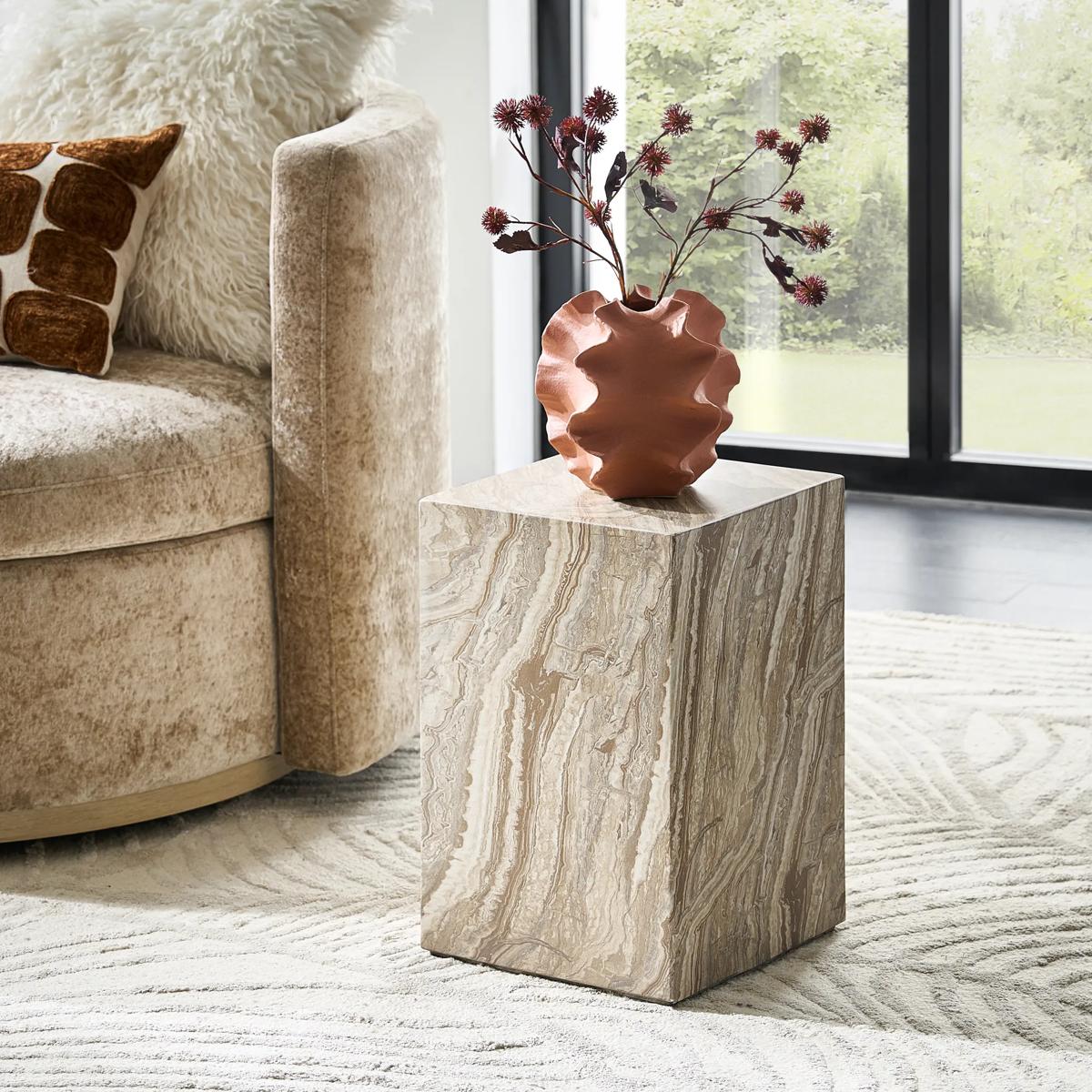 Strata Square Brown Concrete Indoor/Outdoor Side Table (11.8")$299
A brown concrete side table with a sculptural cuboid profile and marble-look finish, indoors or outdoors.
Add To Cart -
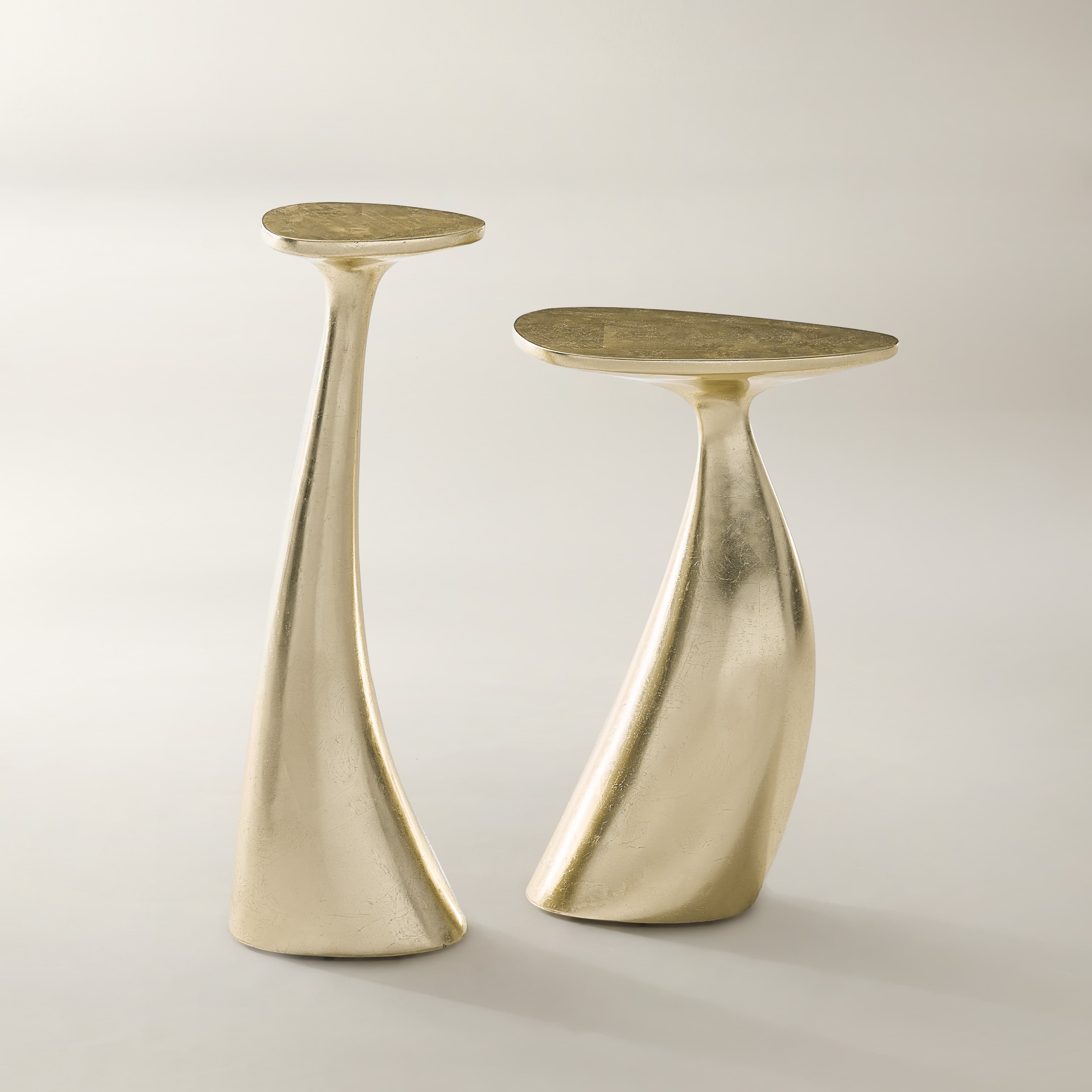 Thalia Soft Gold Side Table Set Of 2 (8"-12.5")$699
A sculptural duo of gold leaf fiberglass tables with fluid lines and a warm, luminous finish.
Add To Cart -
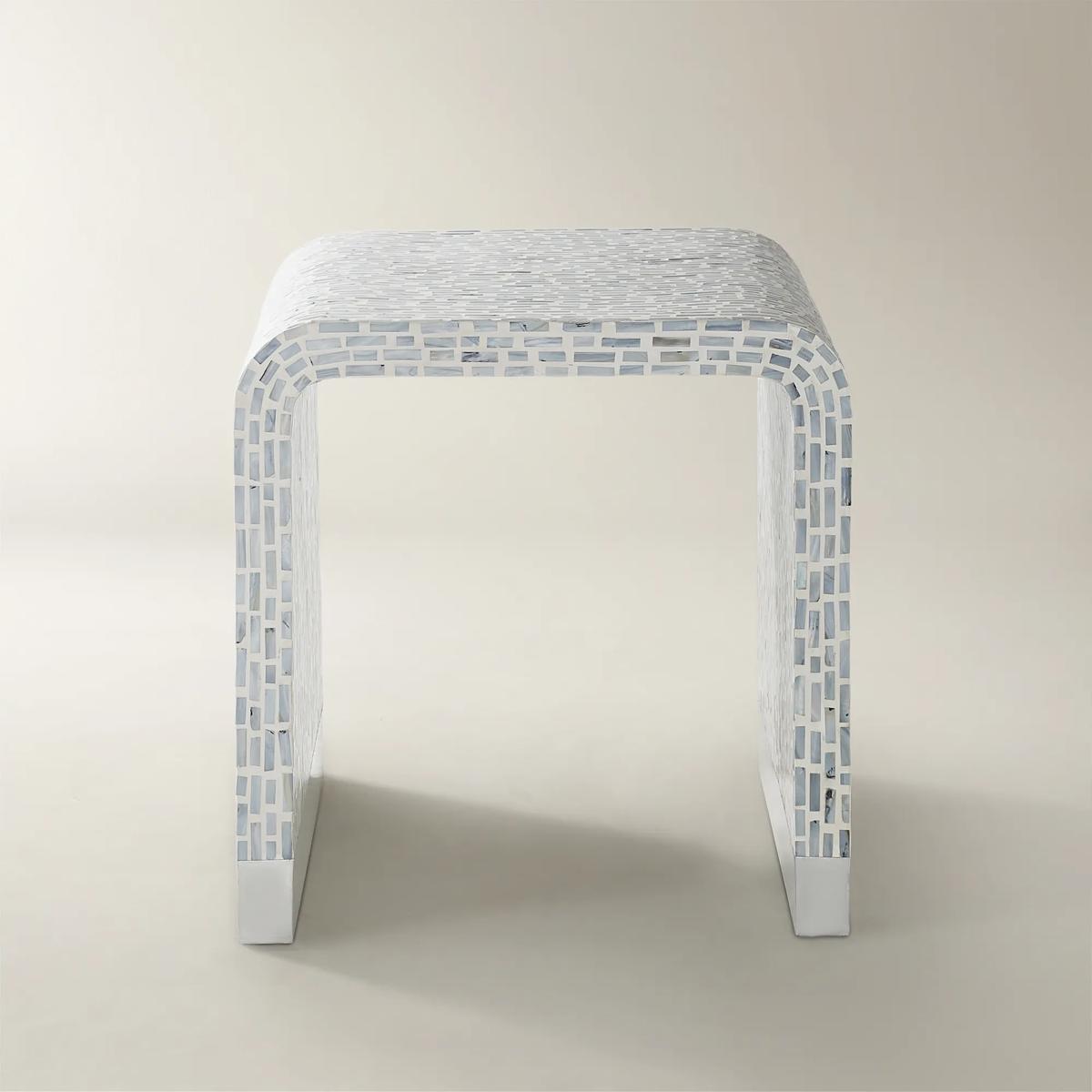
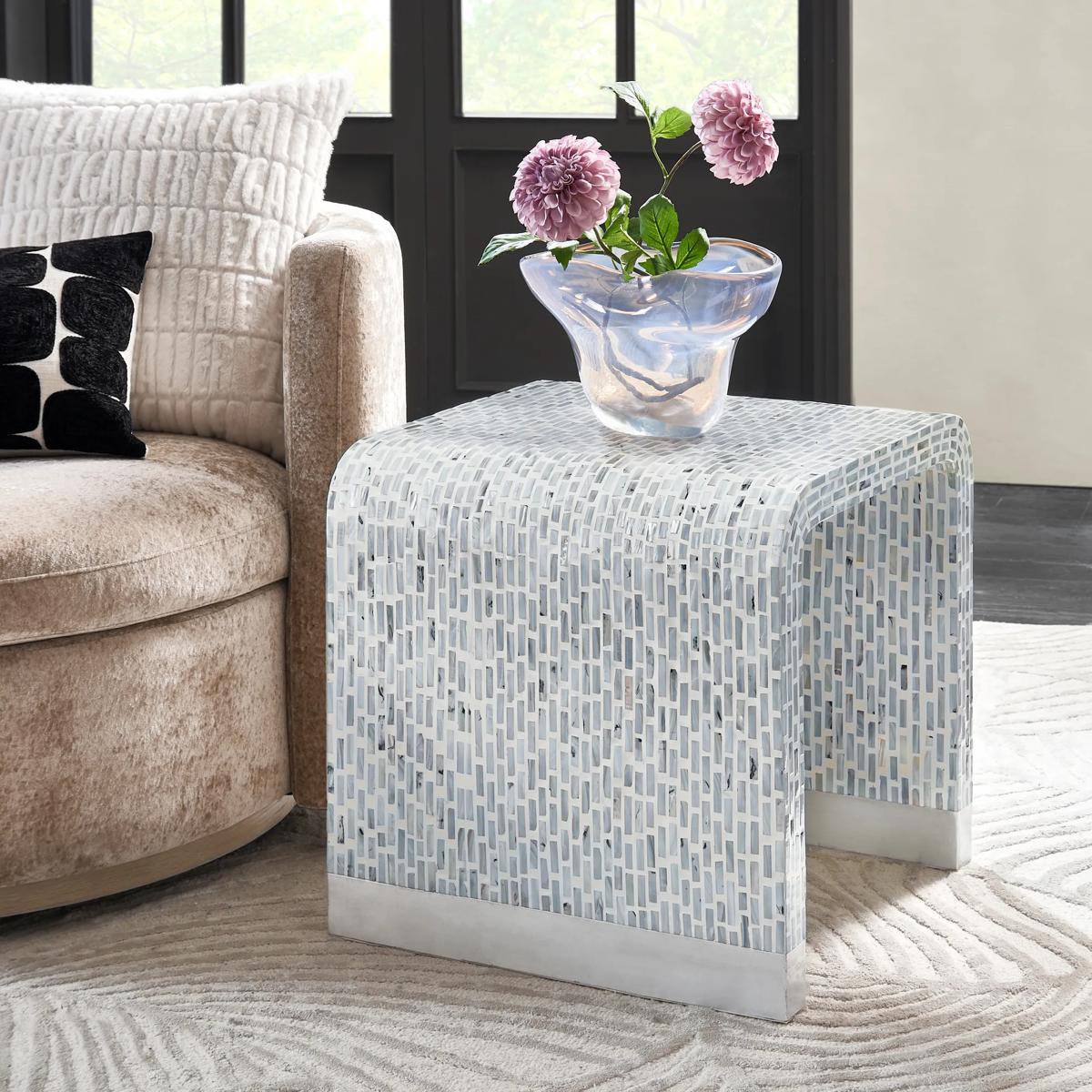 Iridia Blue Side Table (21.6")$399
A handcrafted end table featuring iridescent blue mother-of-pearl inlay and a silver leaf base.
Add To Cart -
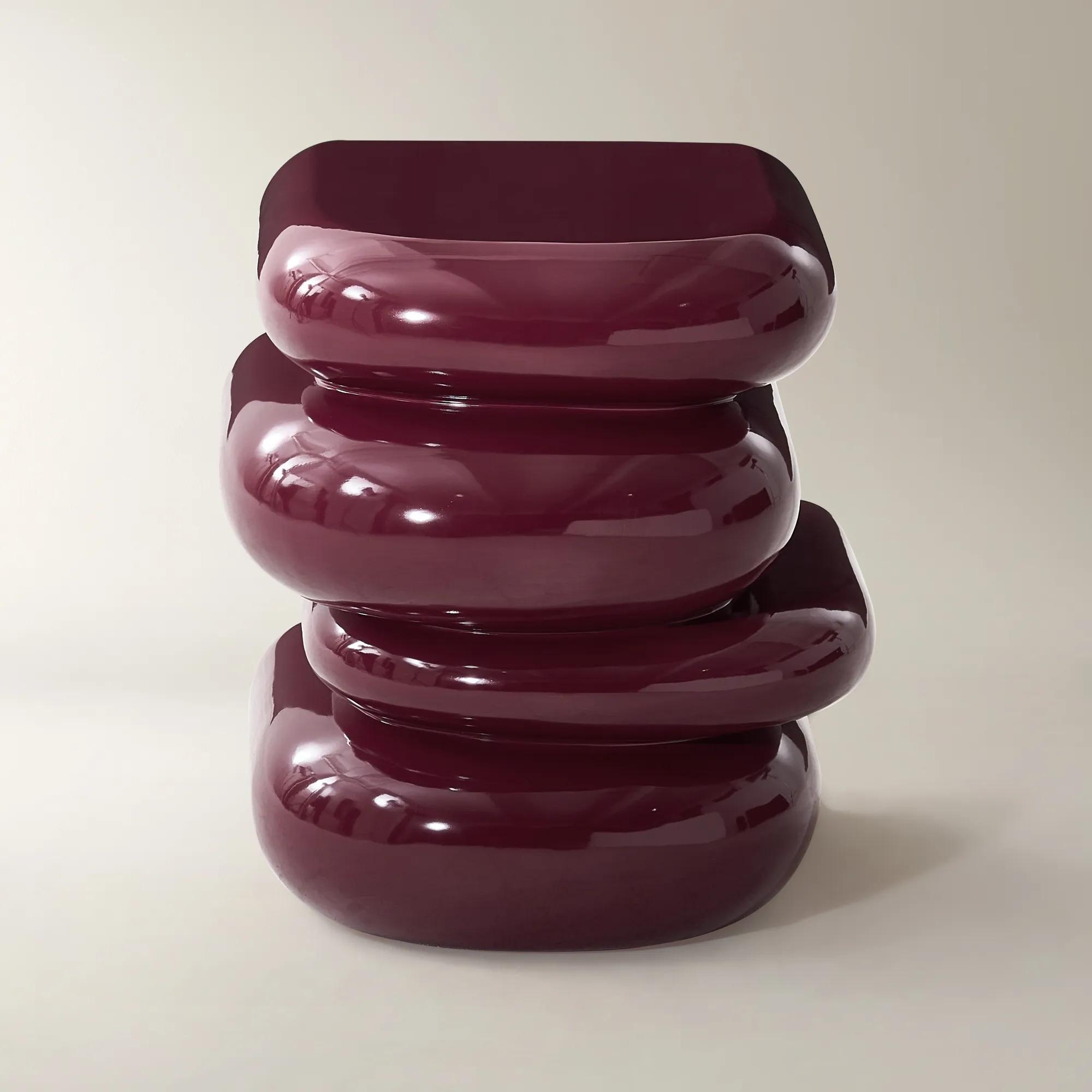 Forma Stacked Ox Blood Side Table (19.9")$499
A sculptural accent table crafted from high-gloss ox blood fiberglass with softly stacked, rounded tiers.
Add To Cart -
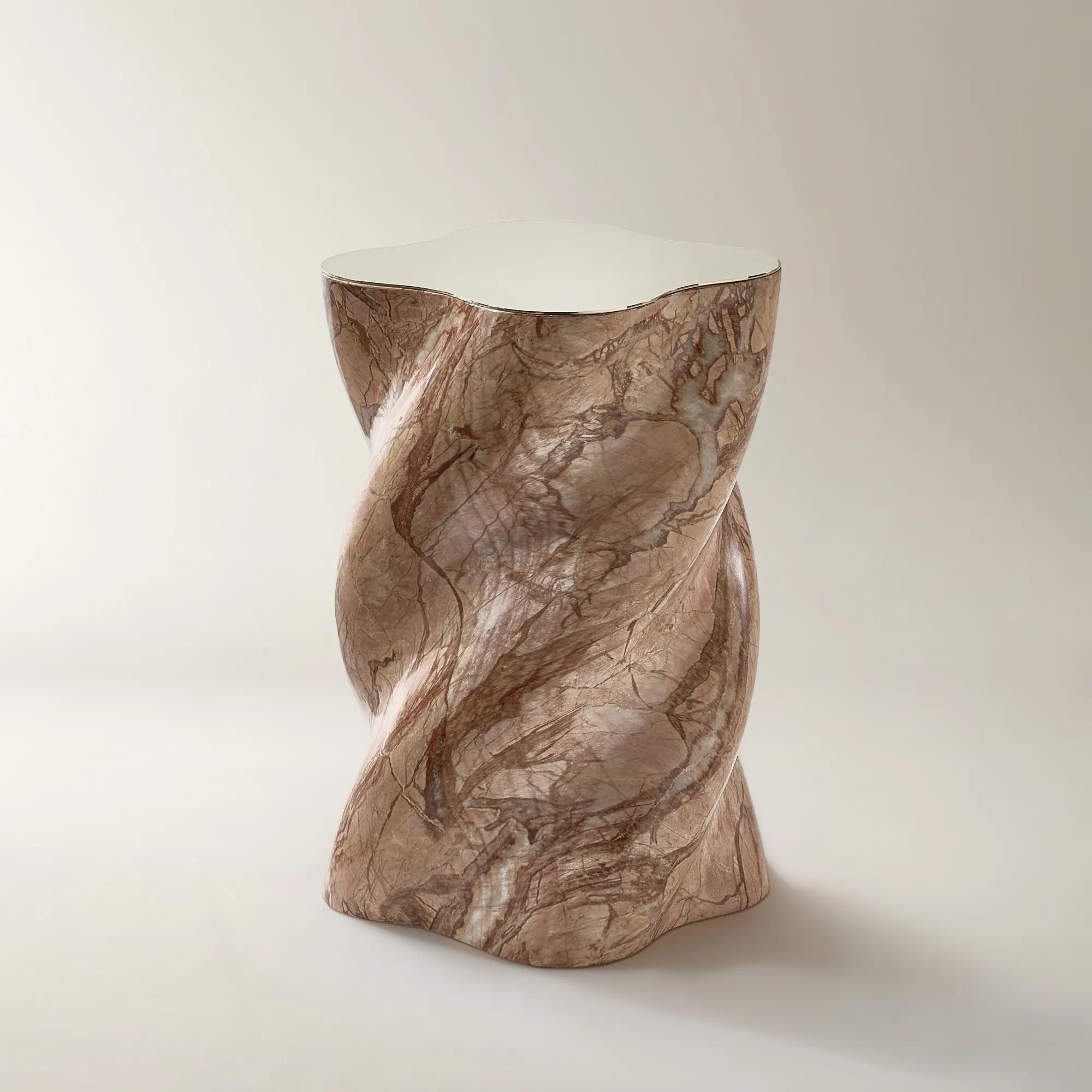
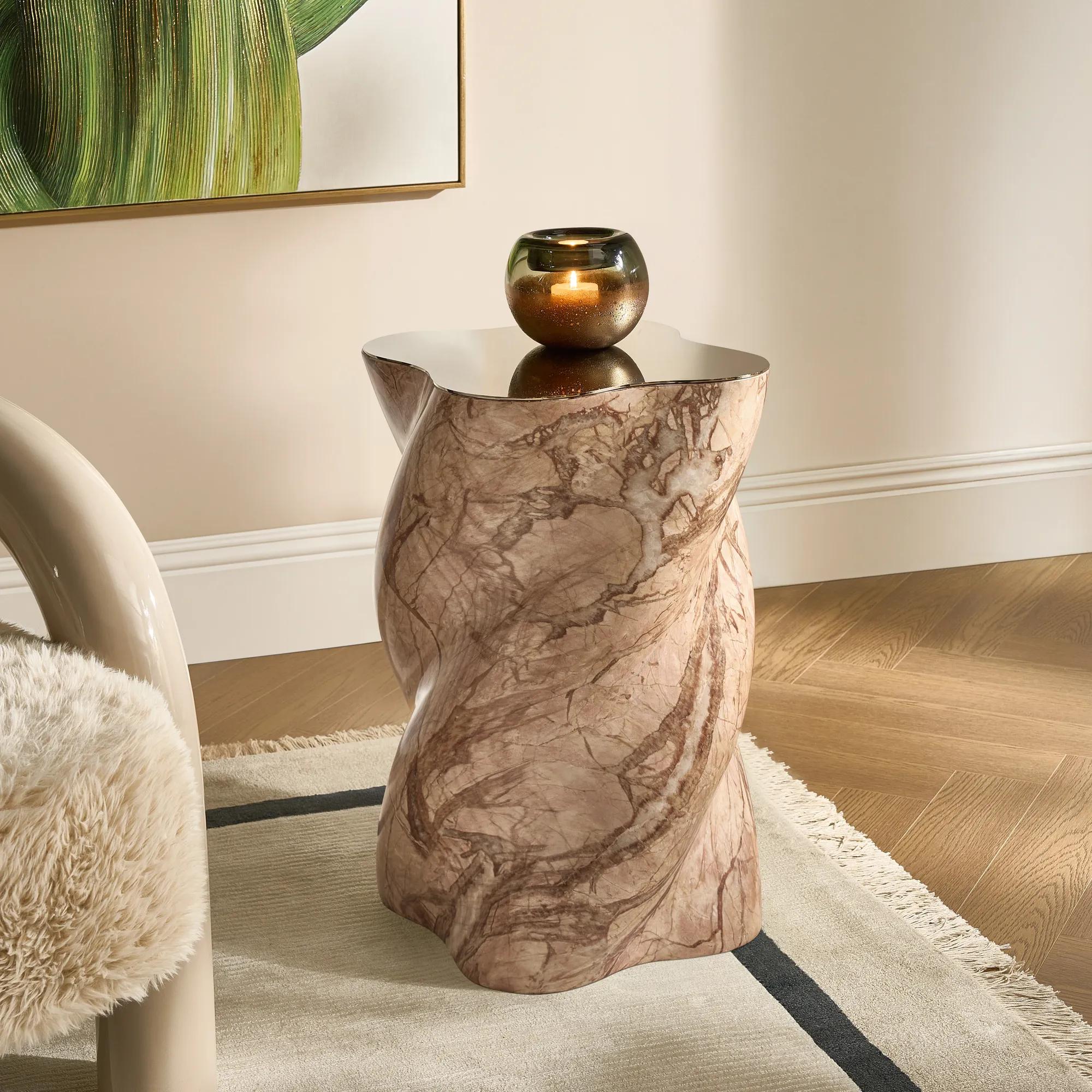 Vega Concrete Indoor/Outdoor Side Table With Stainless Steel Top (13.8")$459
A black, orange, or green concrete side table with removable stainless-steel top and marble-inspired veining.
Add To Cart -
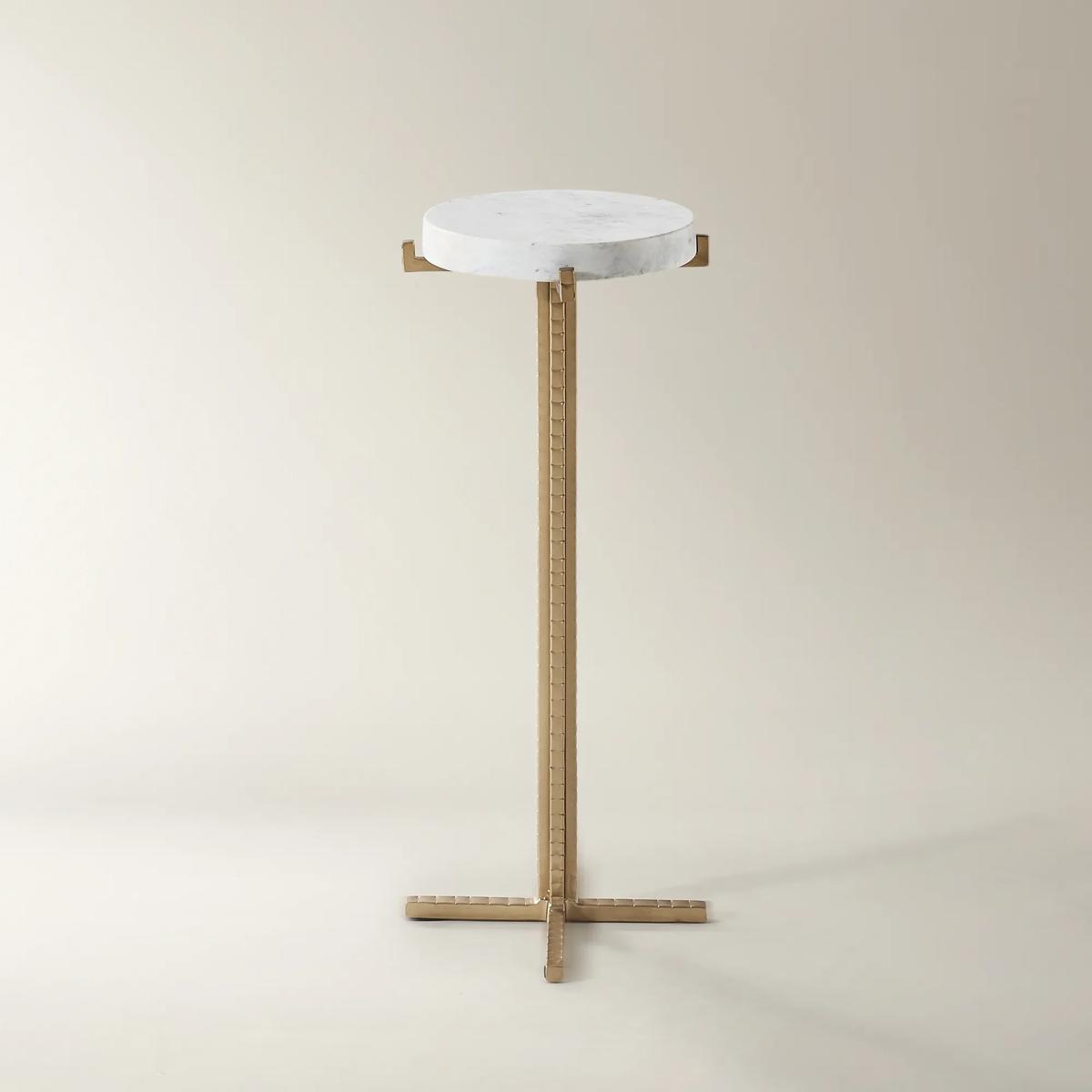 Anya Round White Marble Side Table (10")$199
A sculptural side table featuring a genuine white marble top and gold-finished metal pedestal base.
Add To Cart -

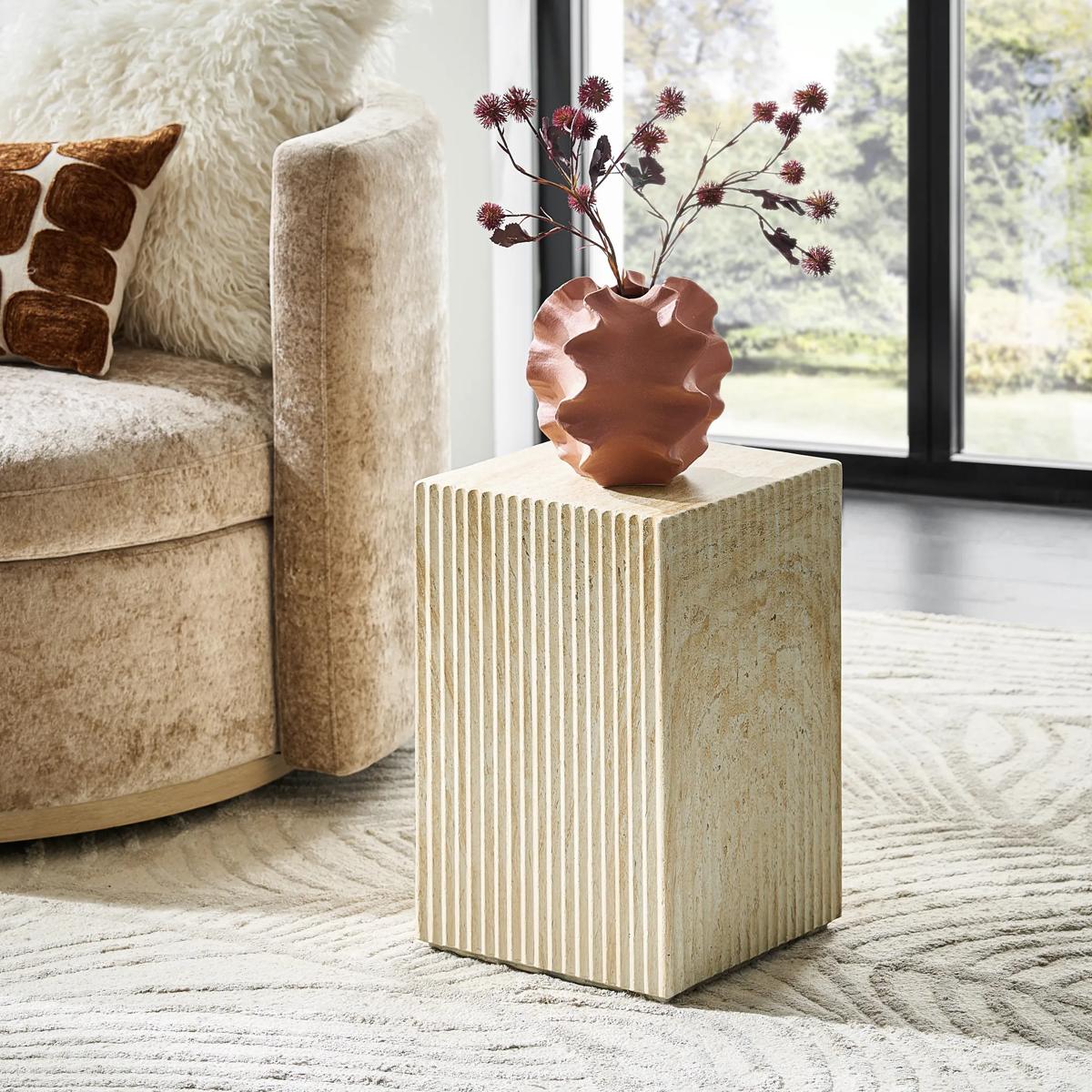 Strata Square Travertine Concrete Indoor/Outdoor Side Table (11.8")$299
A natural travertine-look concrete side table with sculptural cuboid geometry for indoor or covered outdoor spaces.
Add To Cart -
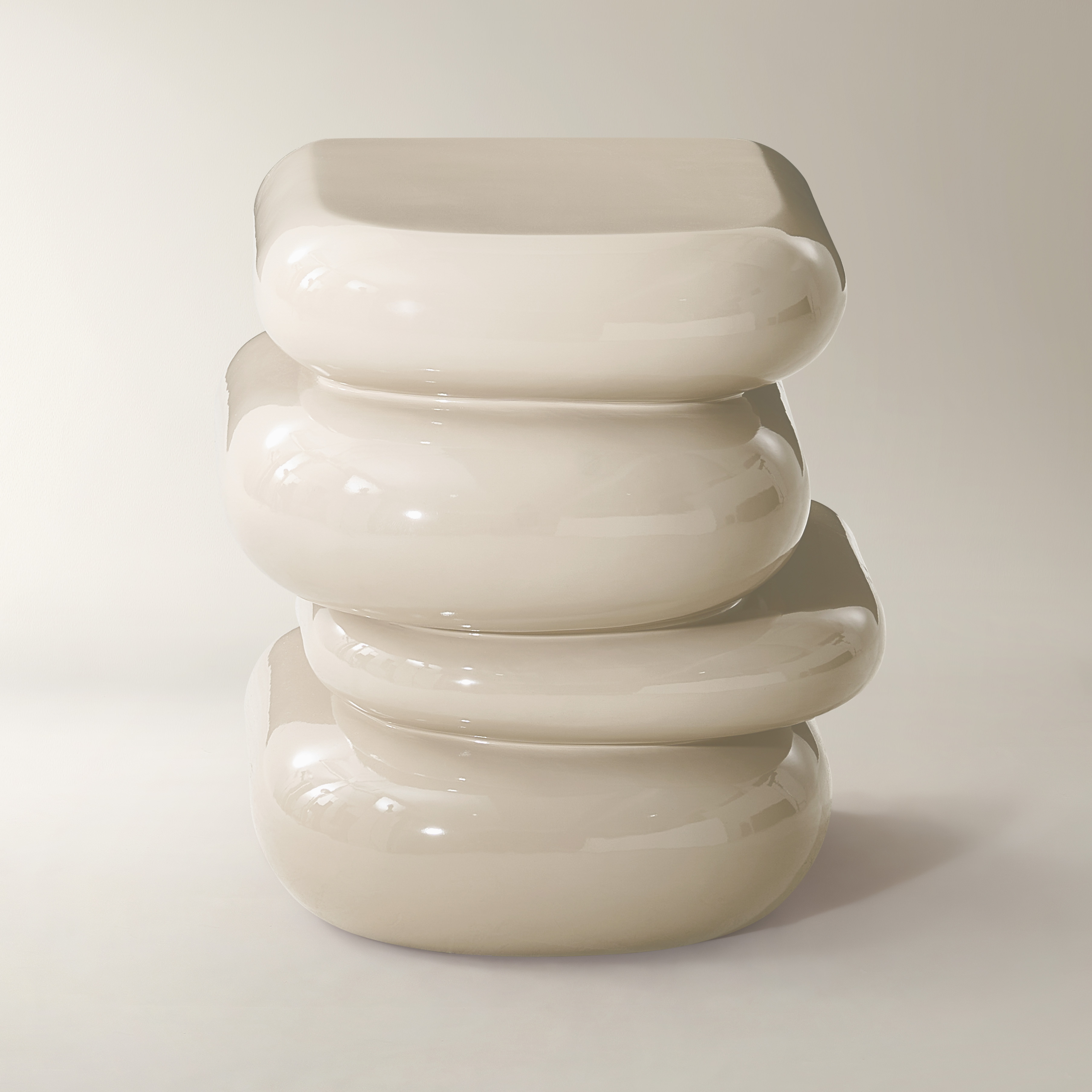
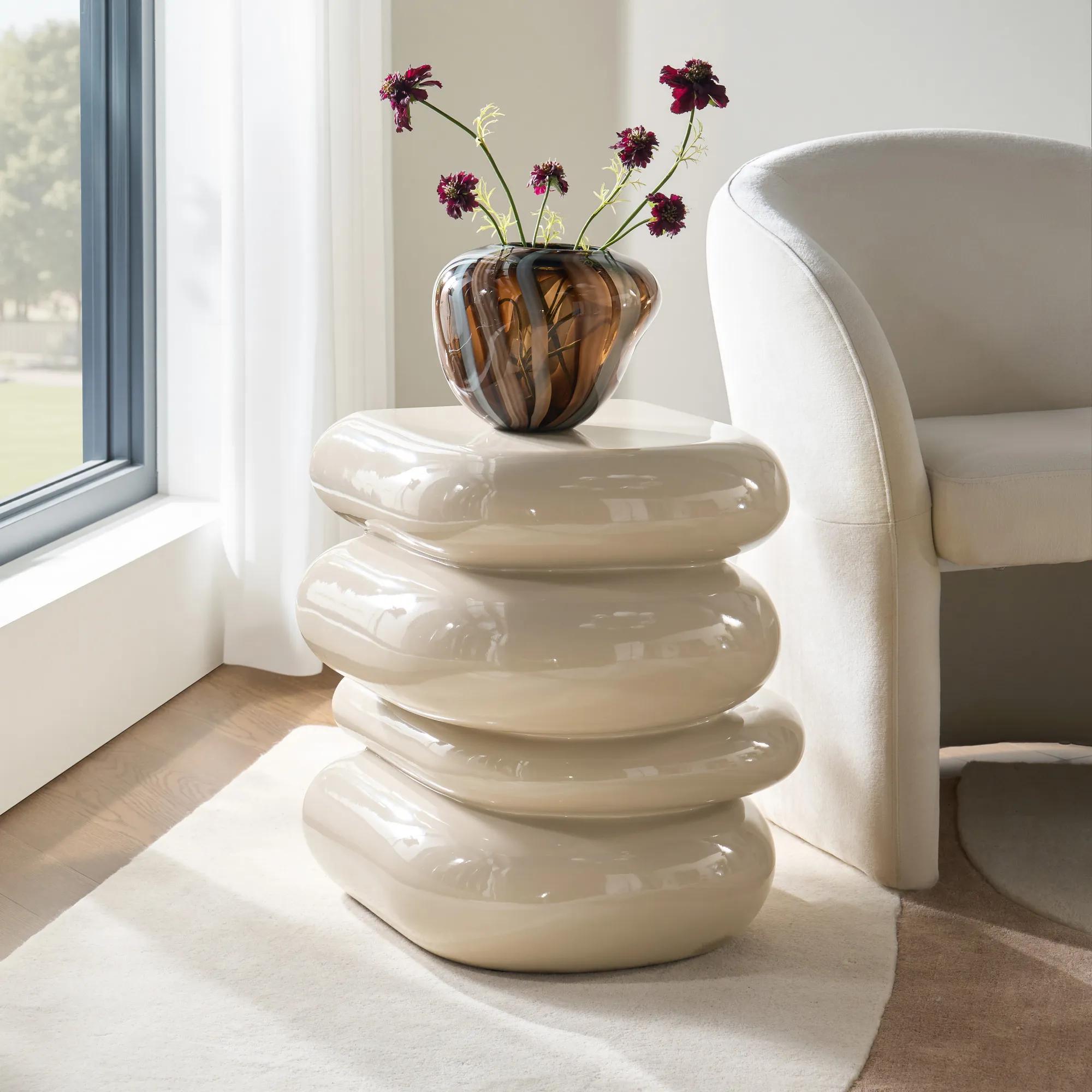 Forma Stacked Turtle Dove Side Table (19.9")$499
A sculptural accent table crafted from high-gloss turtle dove fiberglass with softly stacked, rounded tiers.
Add To Cart -
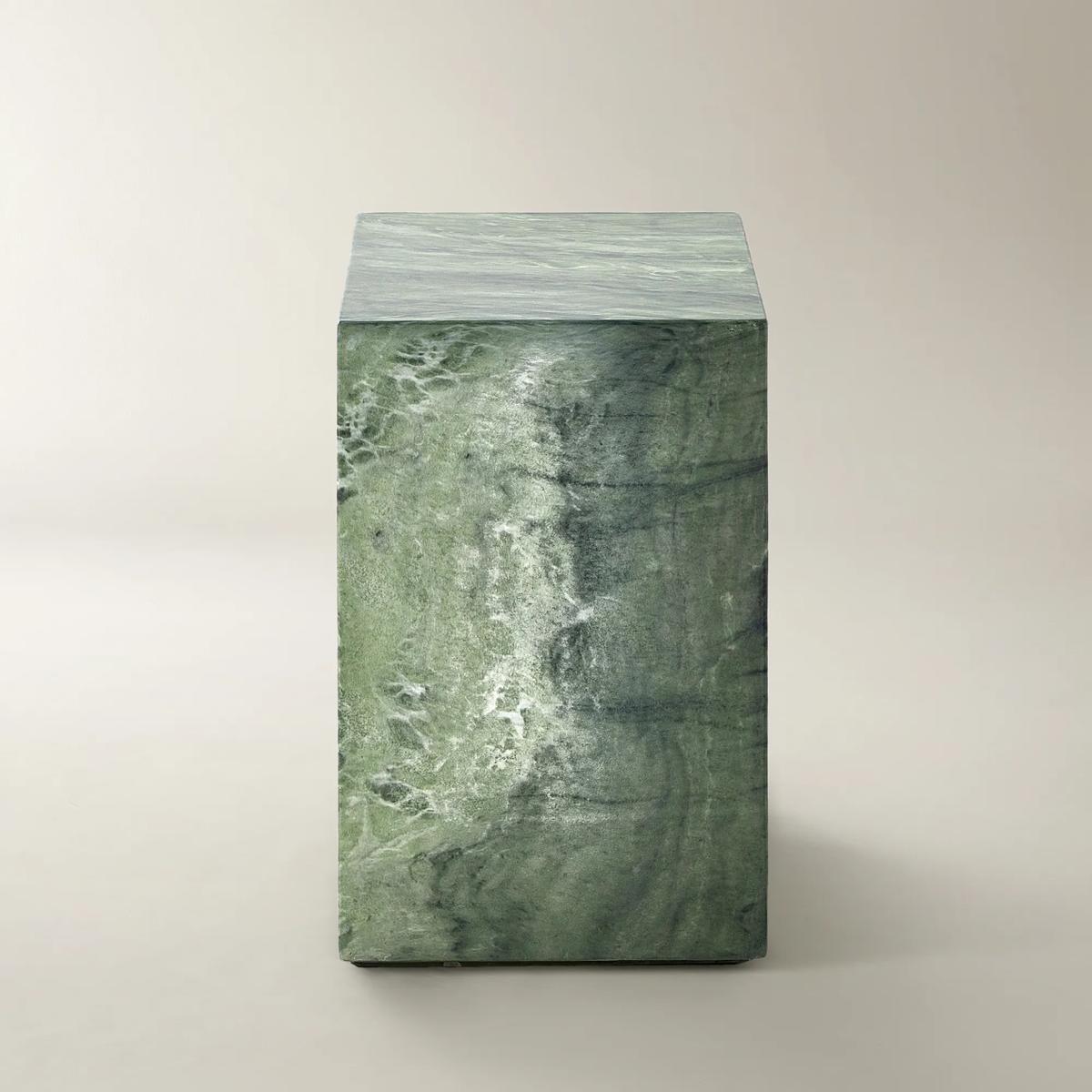
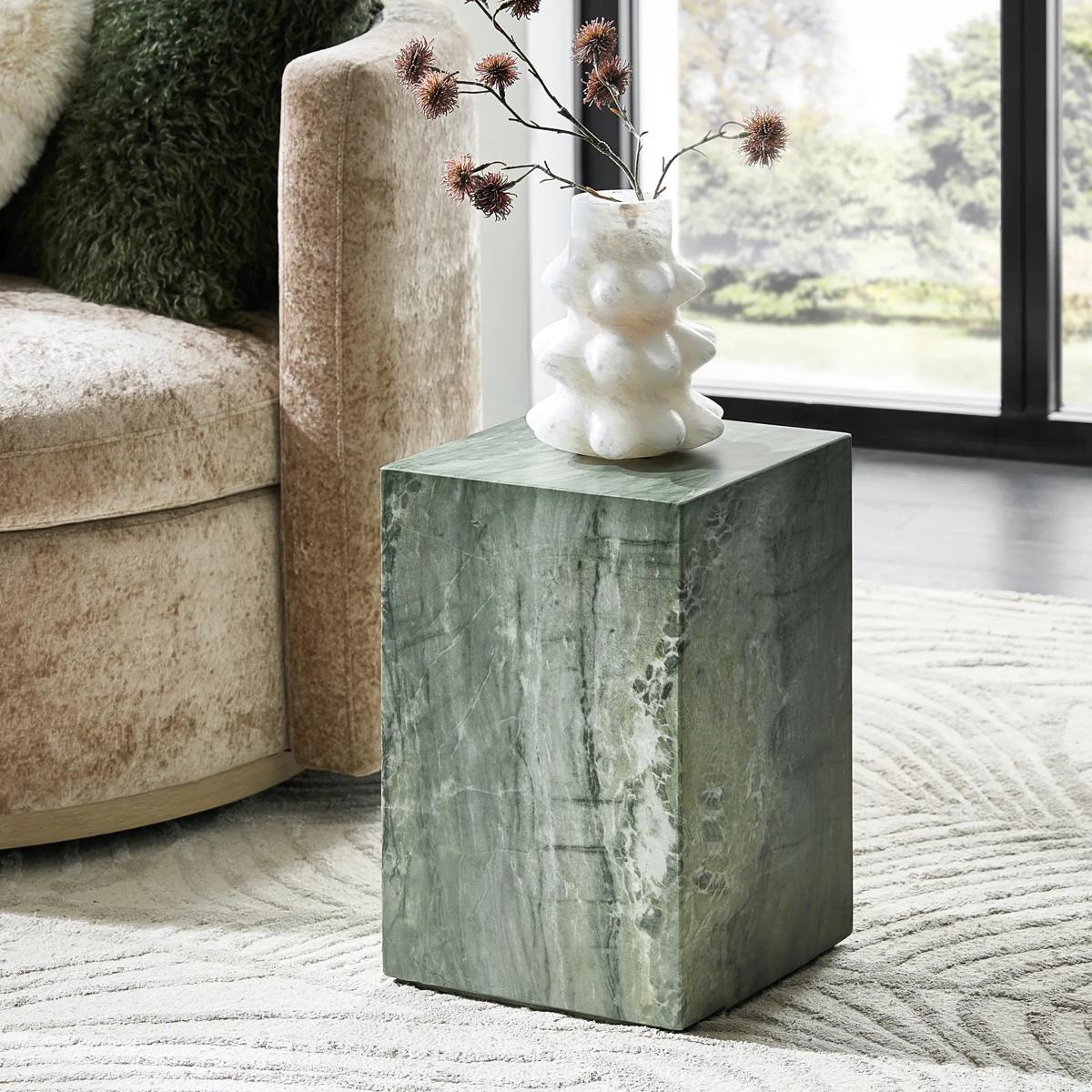 Strata Square Green Concrete Indoor/Outdoor Side Table (11.8")$299
A green concrete side table with marble-look veining and a sculptural cuboid form for indoor use.
Add To Cart -
 Strata Round Green Concrete Indoor/Outdoor Side Table (15")$349
A green concrete side table with rounded geometry and a marble-look finish for indoor-outdoor use.
Add To Cart -
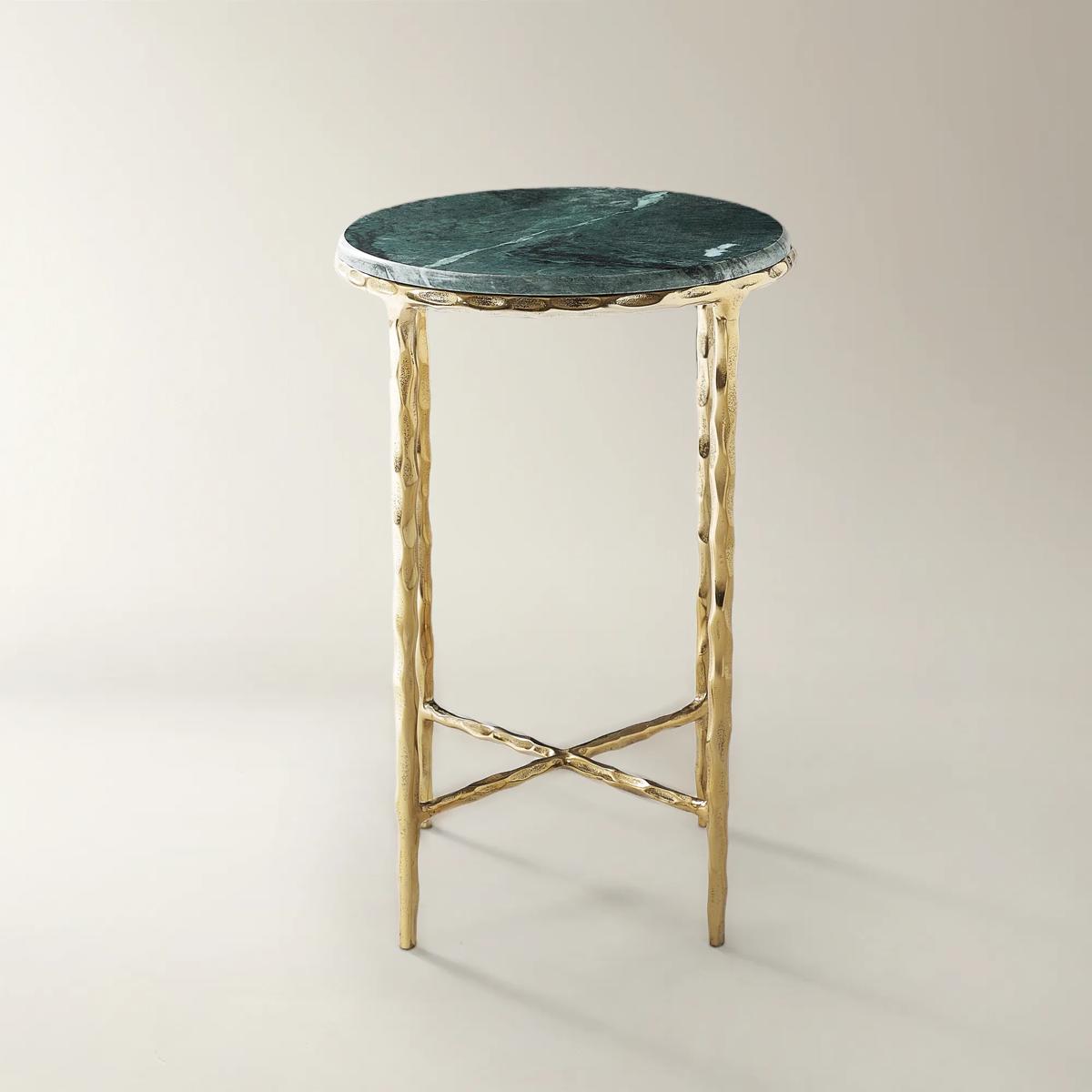
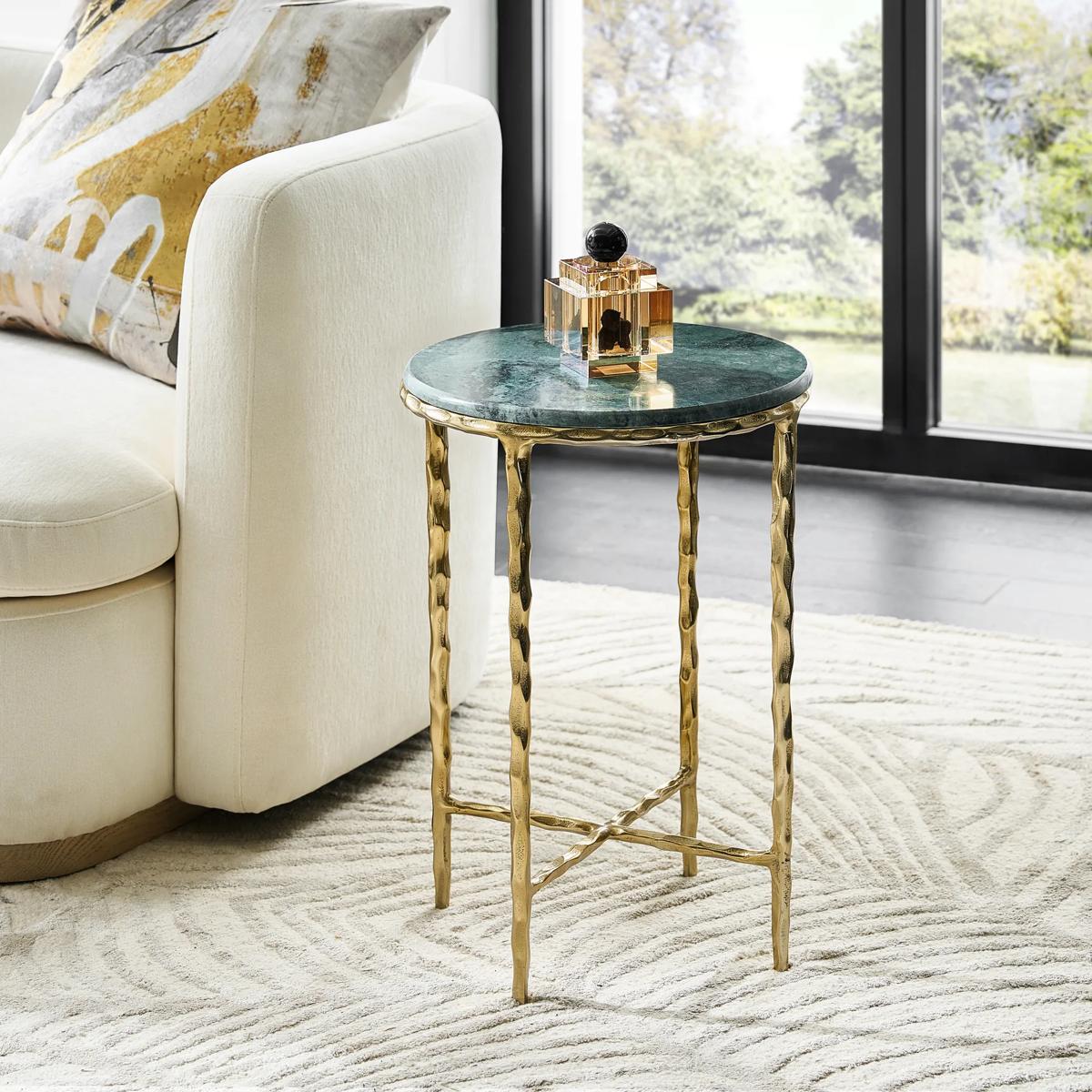 Juliet Round Green Marble Side Table (15")$269
A striking side table featuring a deep green Indian marble top and a hand-hammered metal base.
Add To Cart -
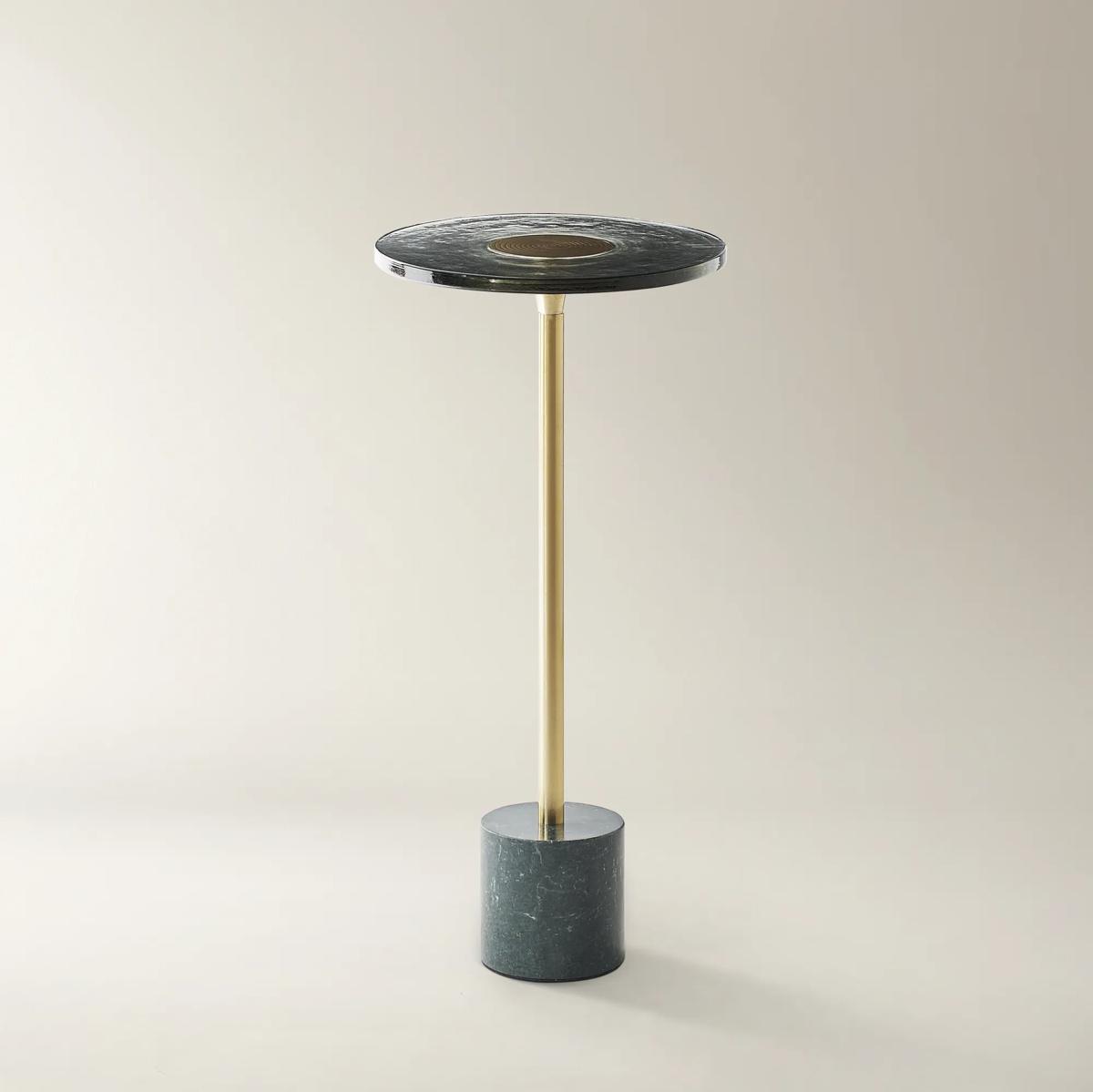
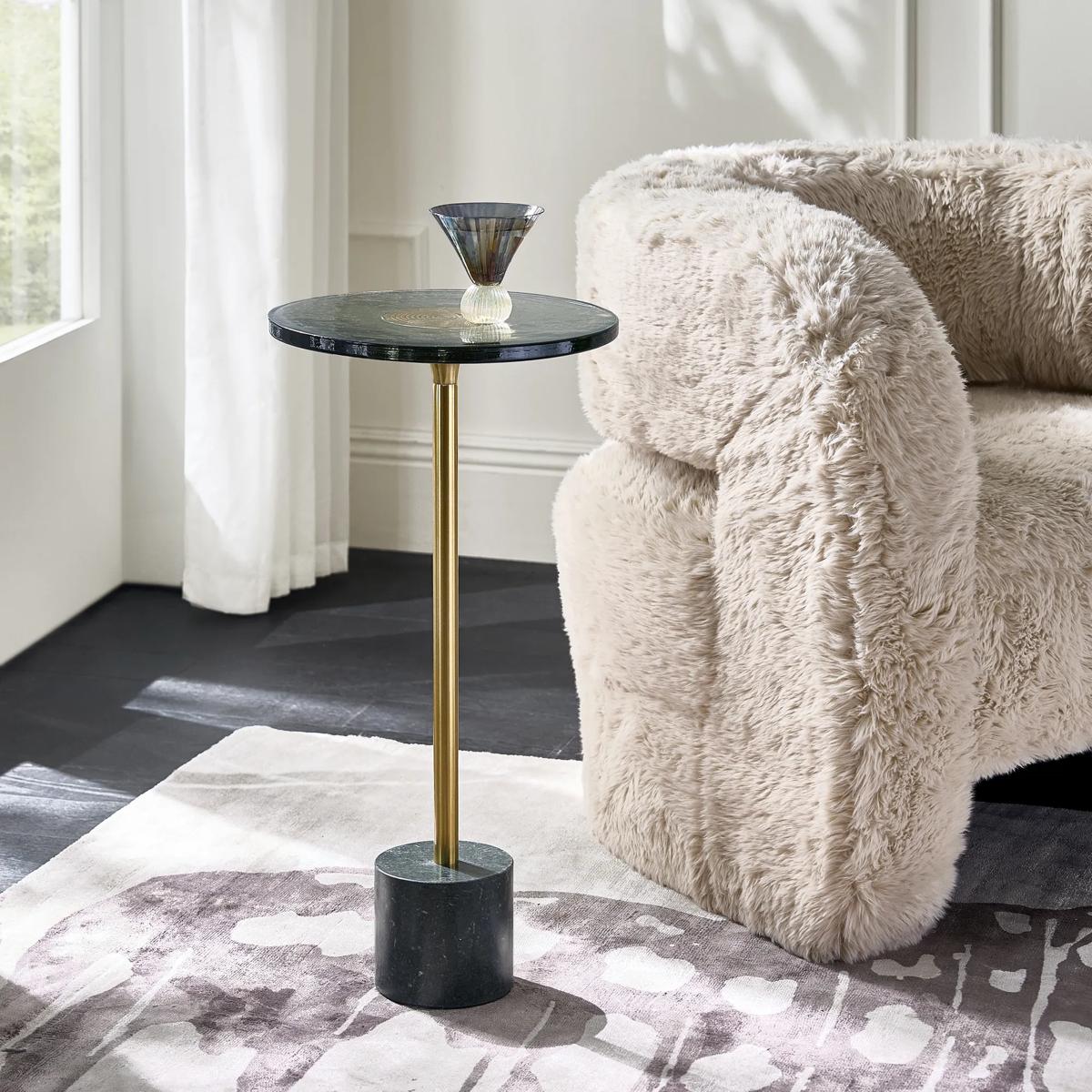 Seraphy Round Green Metal Side Table With Glass Top (13.75")$179
A modern side table featuring a green cast glass top, brass-finished post, and Indian green marble base.
Add To Cart -
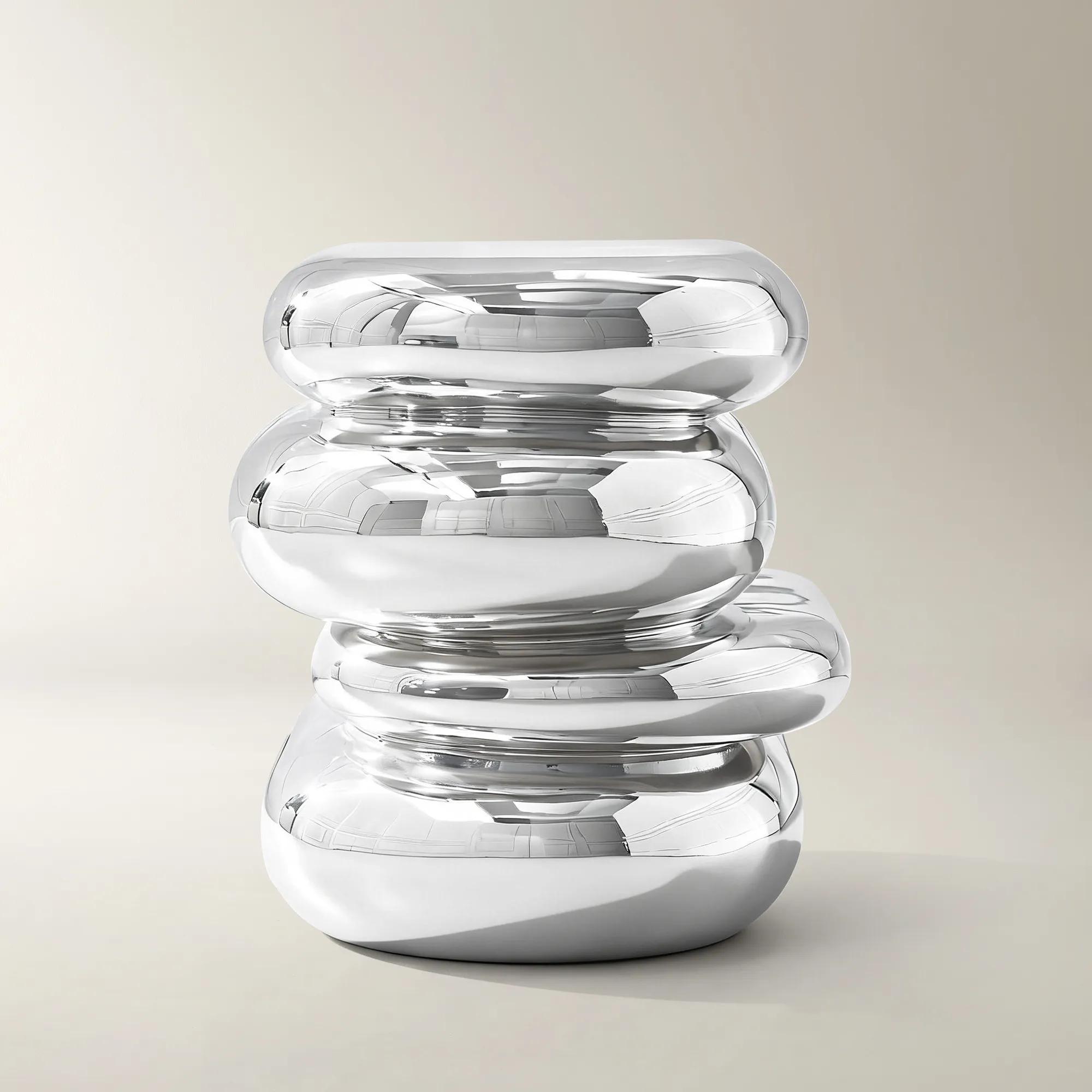 Forma Stacked Chrome Side Table (19.9")$699
A sculptural accent table crafted from seamless fiberglass with a reflective chrome finish and rounded tiers.
Add To Cart -
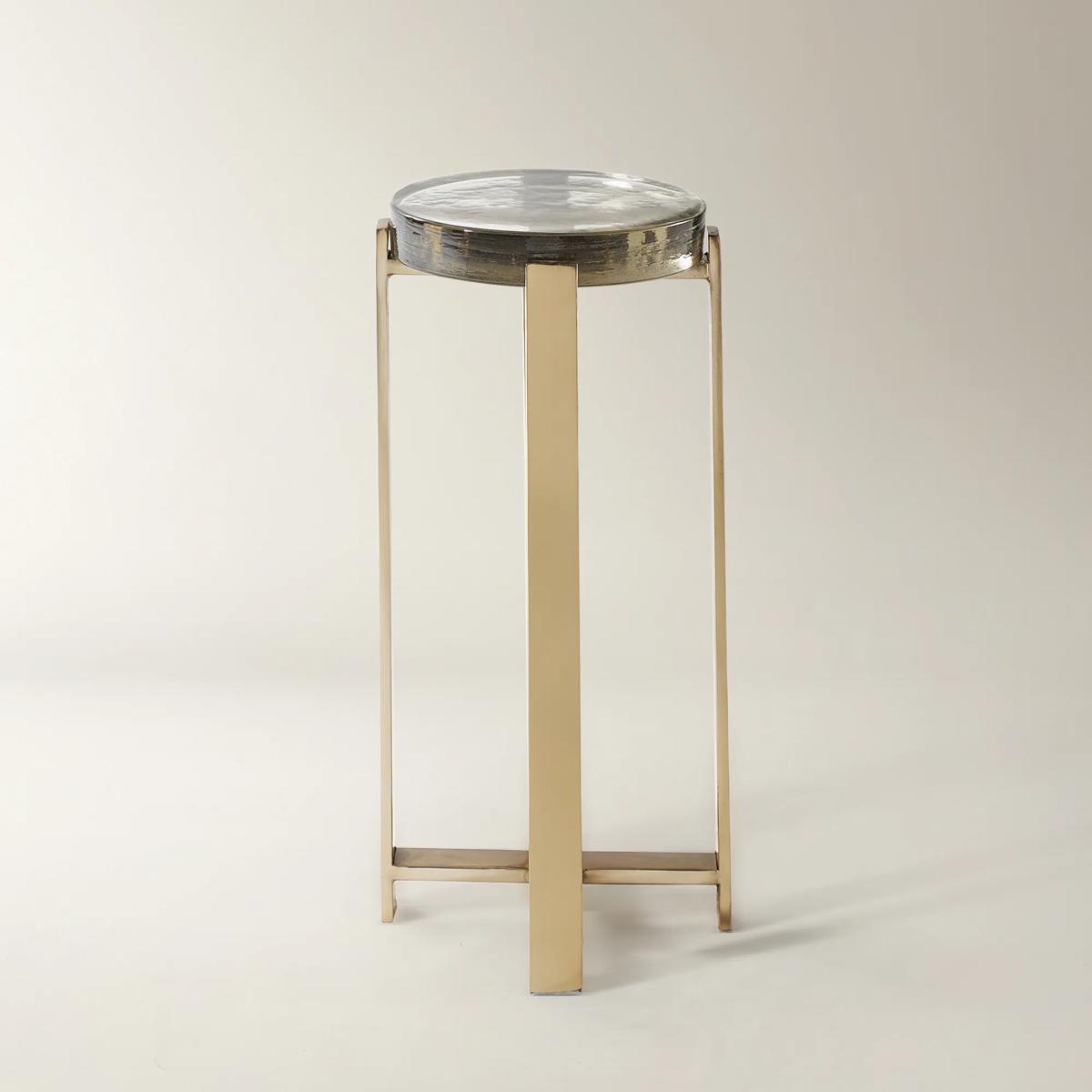
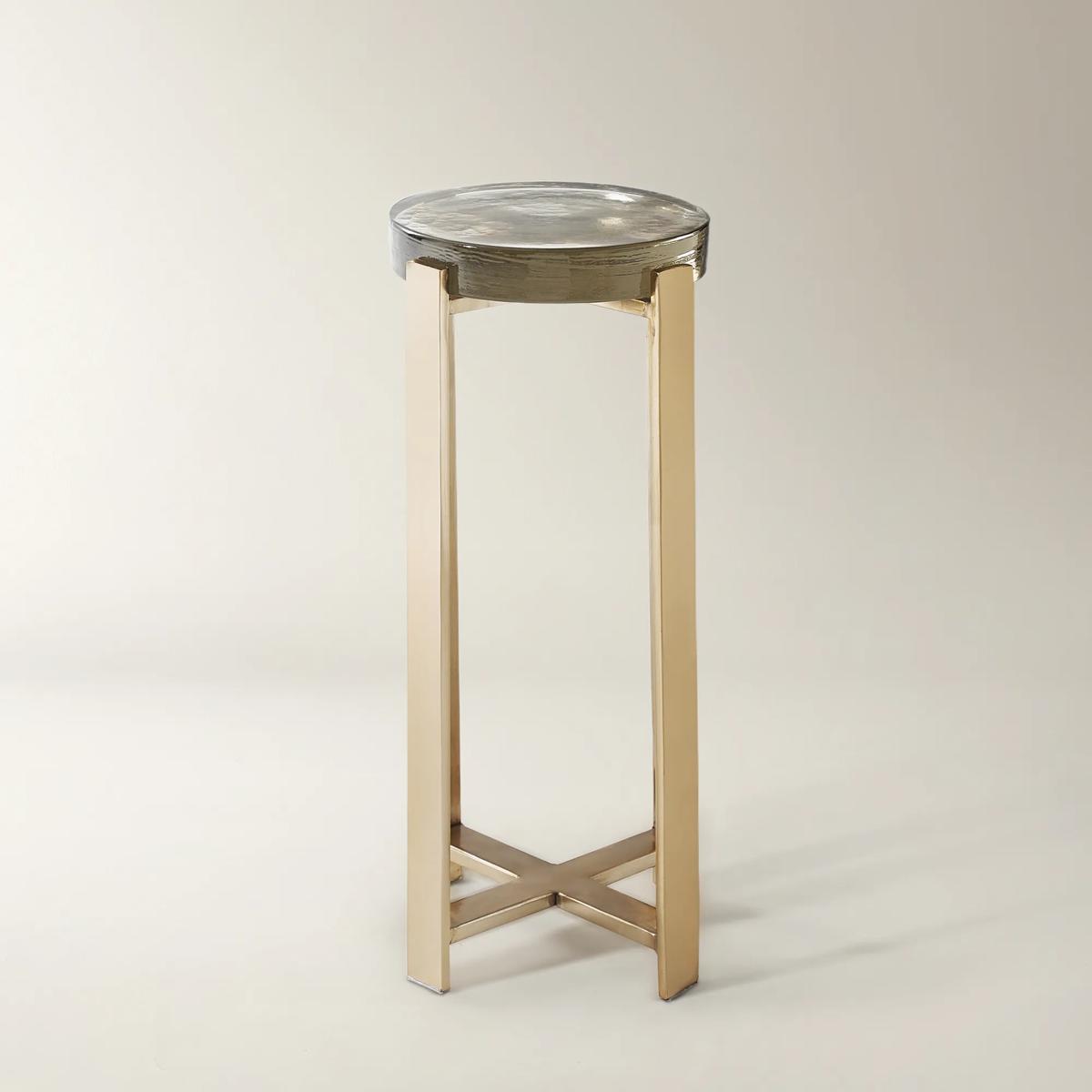 Lyra Round Brass Metal Side Table With Glass Top (10.75")$259
A sculptural side table featuring a thick cast glass top and lustrous brass-finished metal base.
Add To Cart -
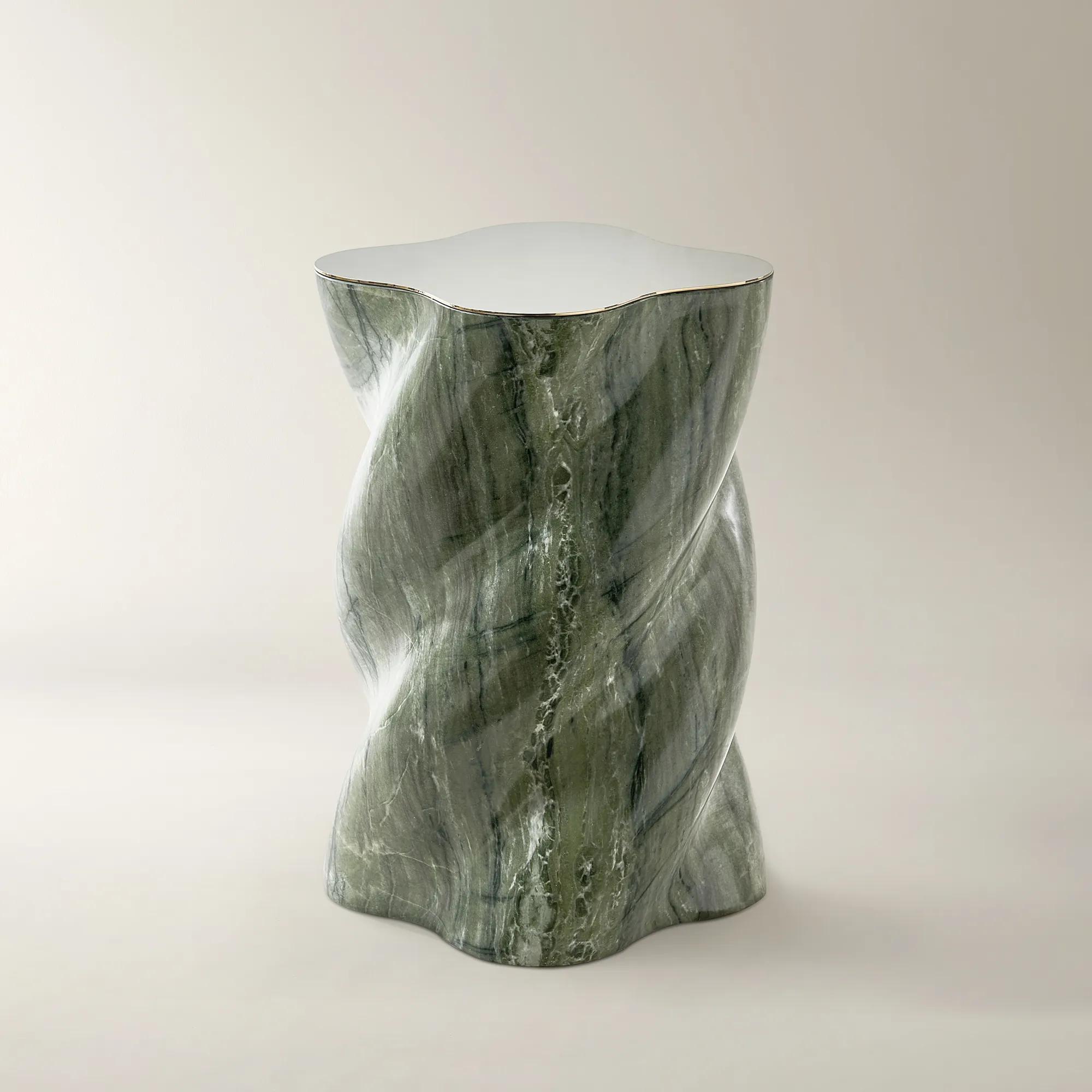 Vega Malachite Green Concrete Indoor/Outdoor Side Table With Stainless Steel Top (13.8")$459
A green concrete side table with a sculptural pedestal, marble-inspired finish, and removable stainless-steel top.
Add To Cart -
 Thalia Glossy Black Side Table Set Of 2 (8"-12.5")$599
A sculptural duo of glossy black fiberglass tables with fluid lines and mirror-like lacquered finish.
Add To Cart -
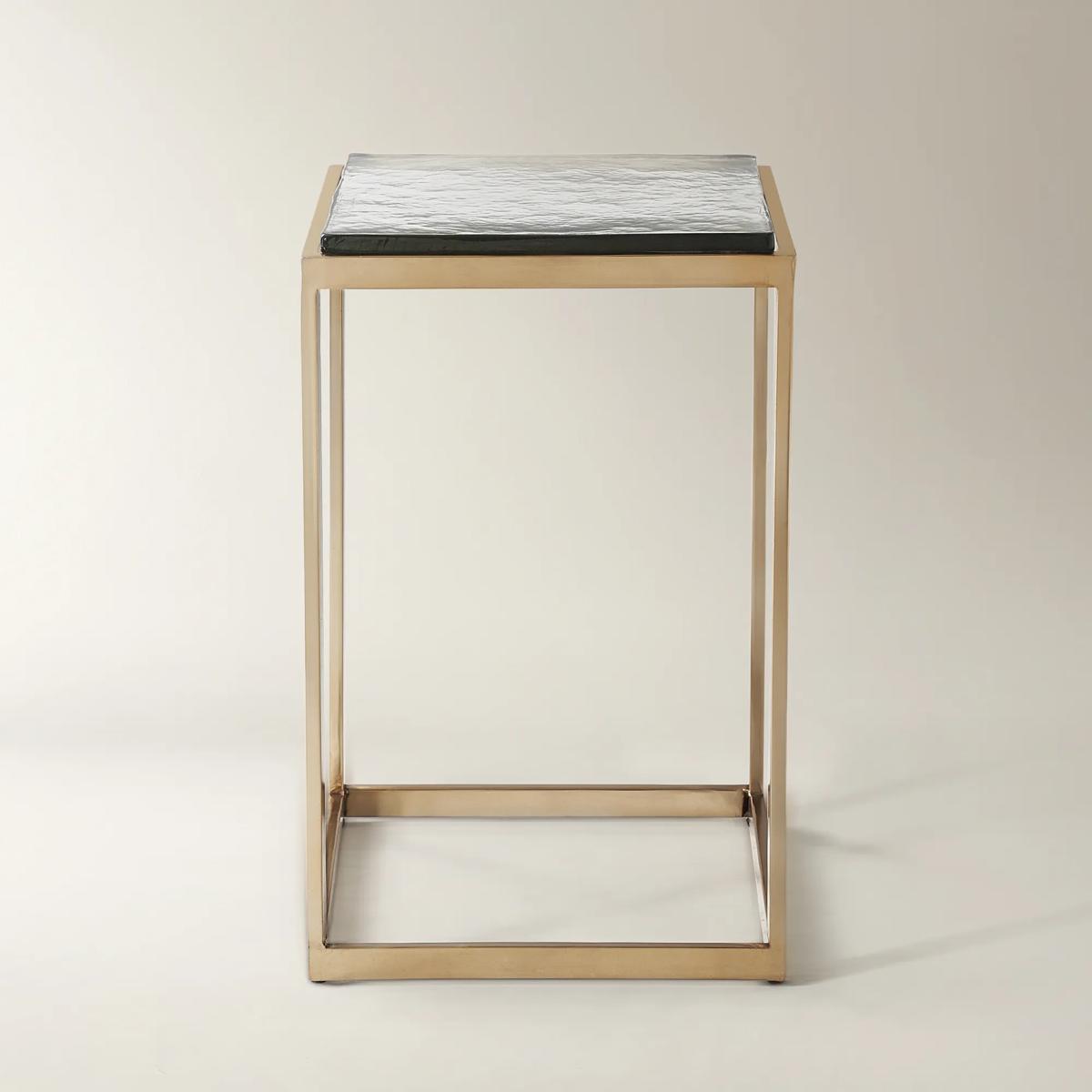
 Lyra Square Brass Metal Side Table With Glass Top (13.8")$239
A sculptural side table featuring a thick cast glass top and a lustrous brass-finished metal base.
Add To Cart -
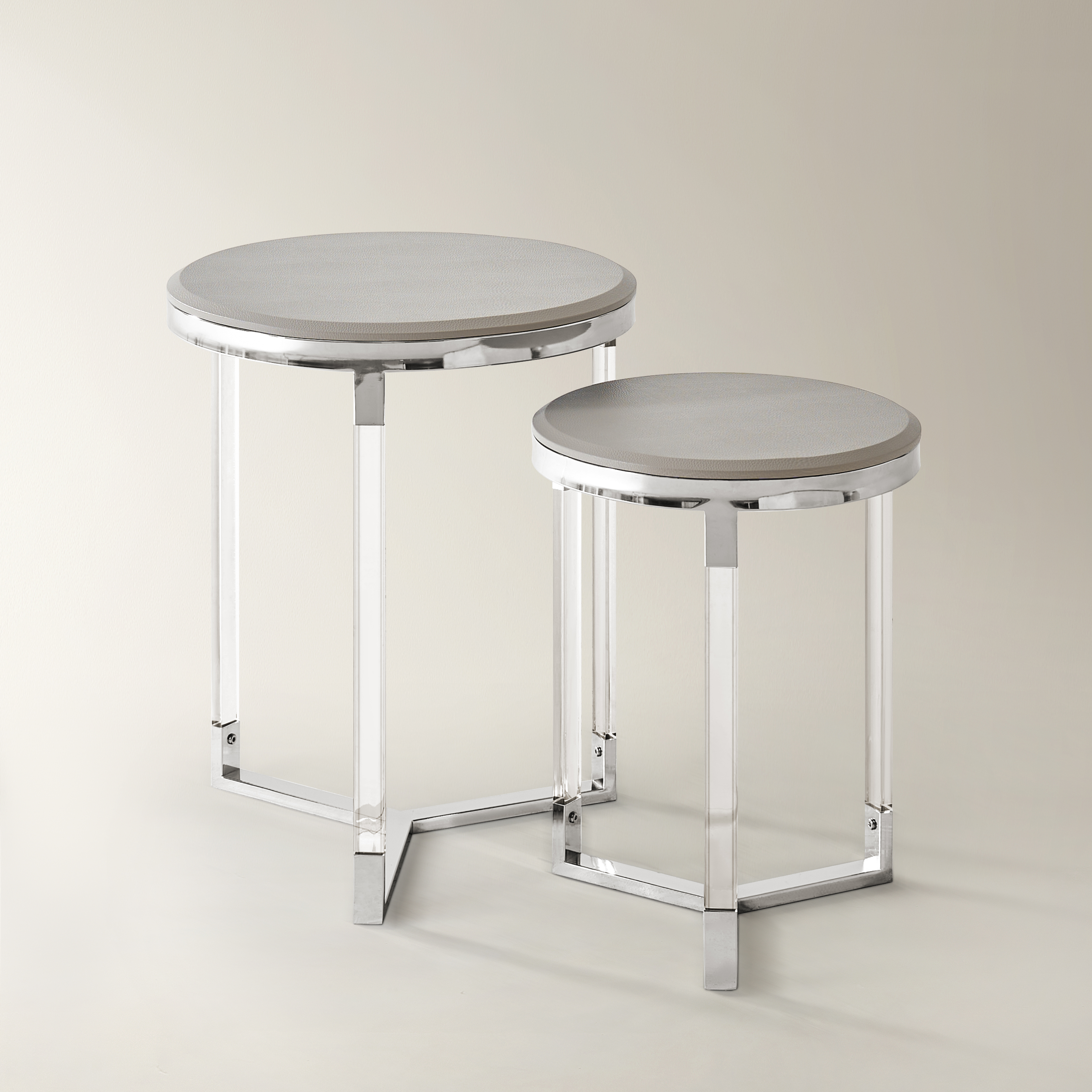
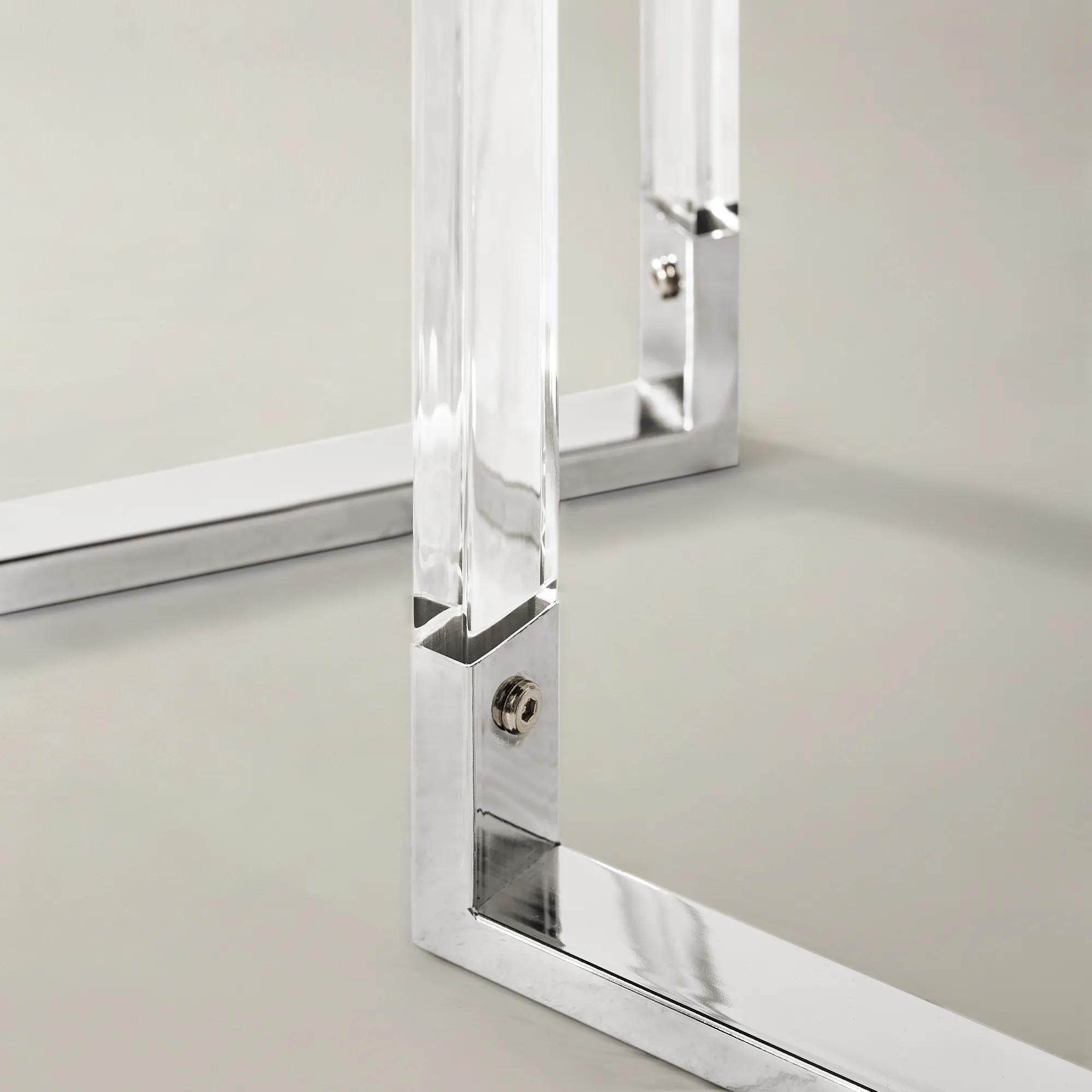 Murano Round Grey Accent Table With Faux Leather Top Set Of 2 (14.5"-18.5")$399
A bold set of two accent tables featuring mixed woods, acrylic legs, and faux leather tops.
Add To Cart -
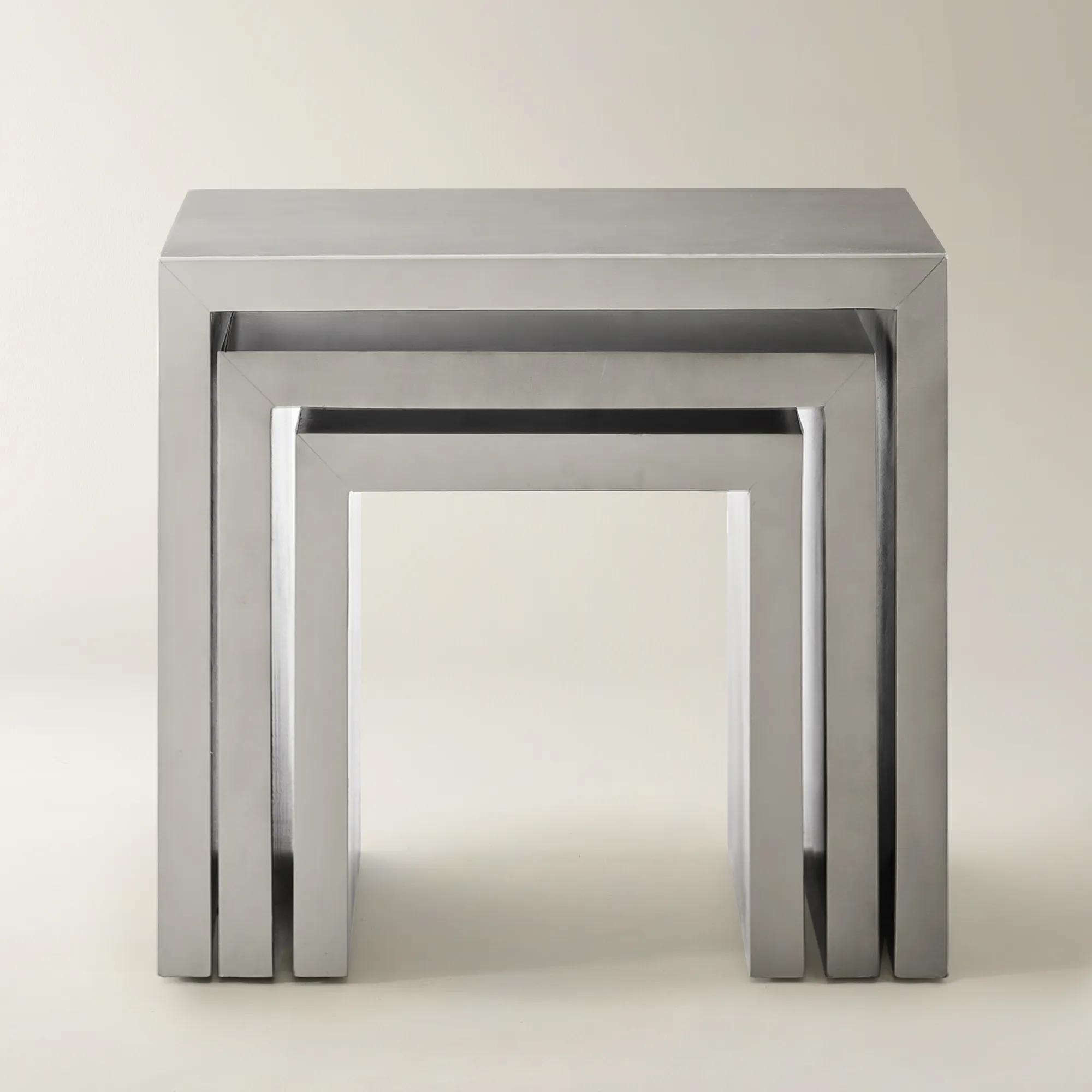
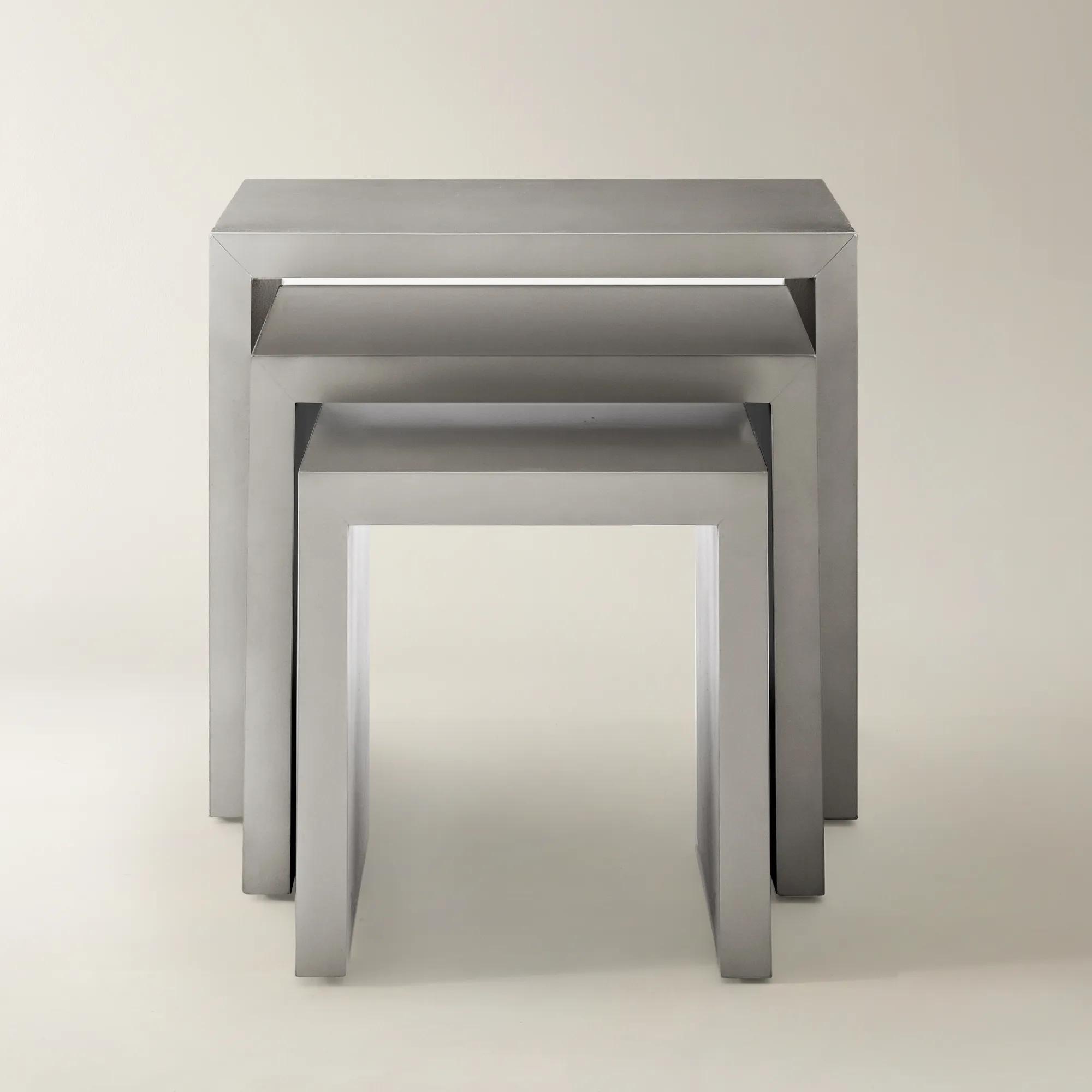 Astair Silver Nesting Accent Table Set Of 3 (16.25"-25.5")$349
A trio of engineered wood nesting tables with a sleek silver metallic finish and minimalist block silhouette.
Add To Cart -
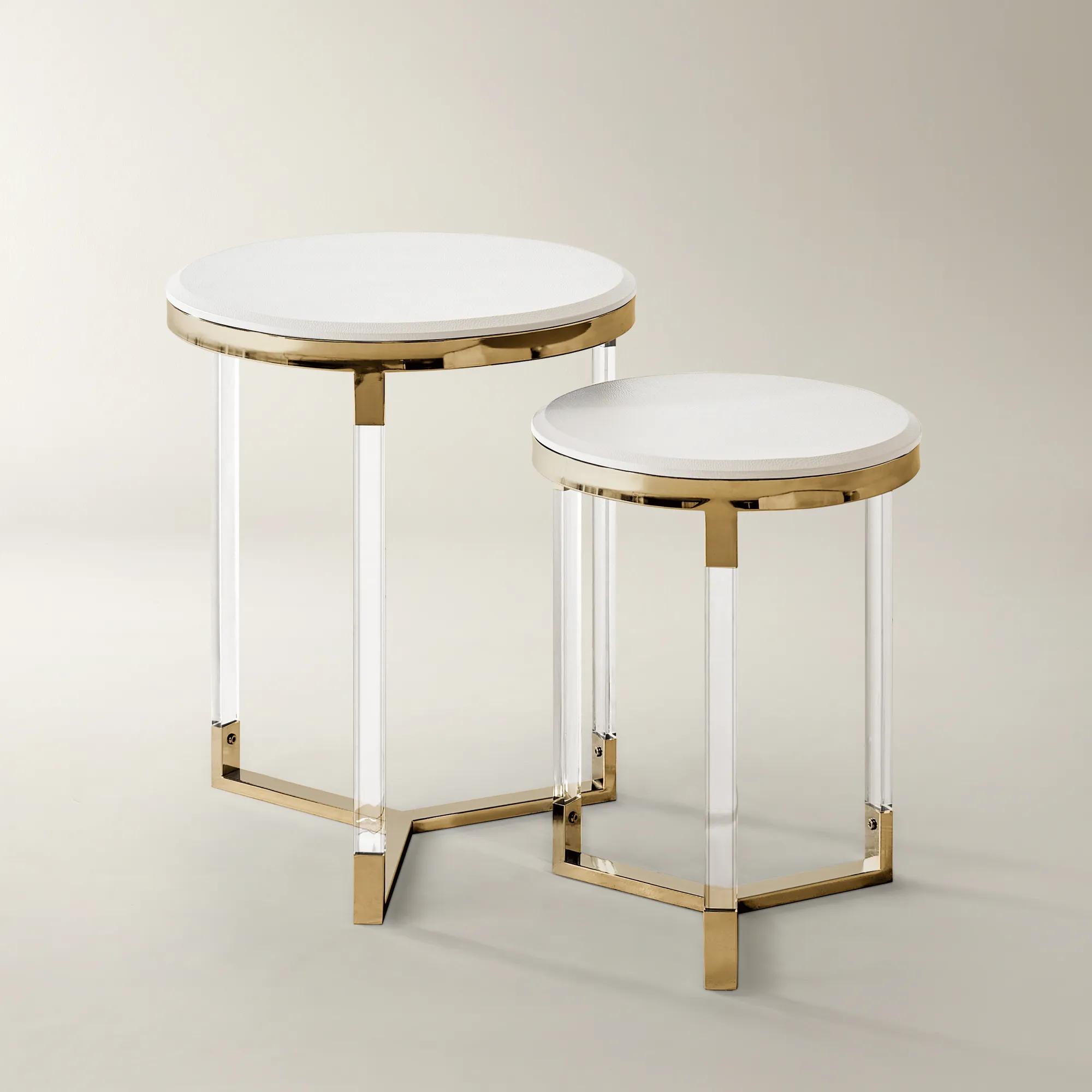
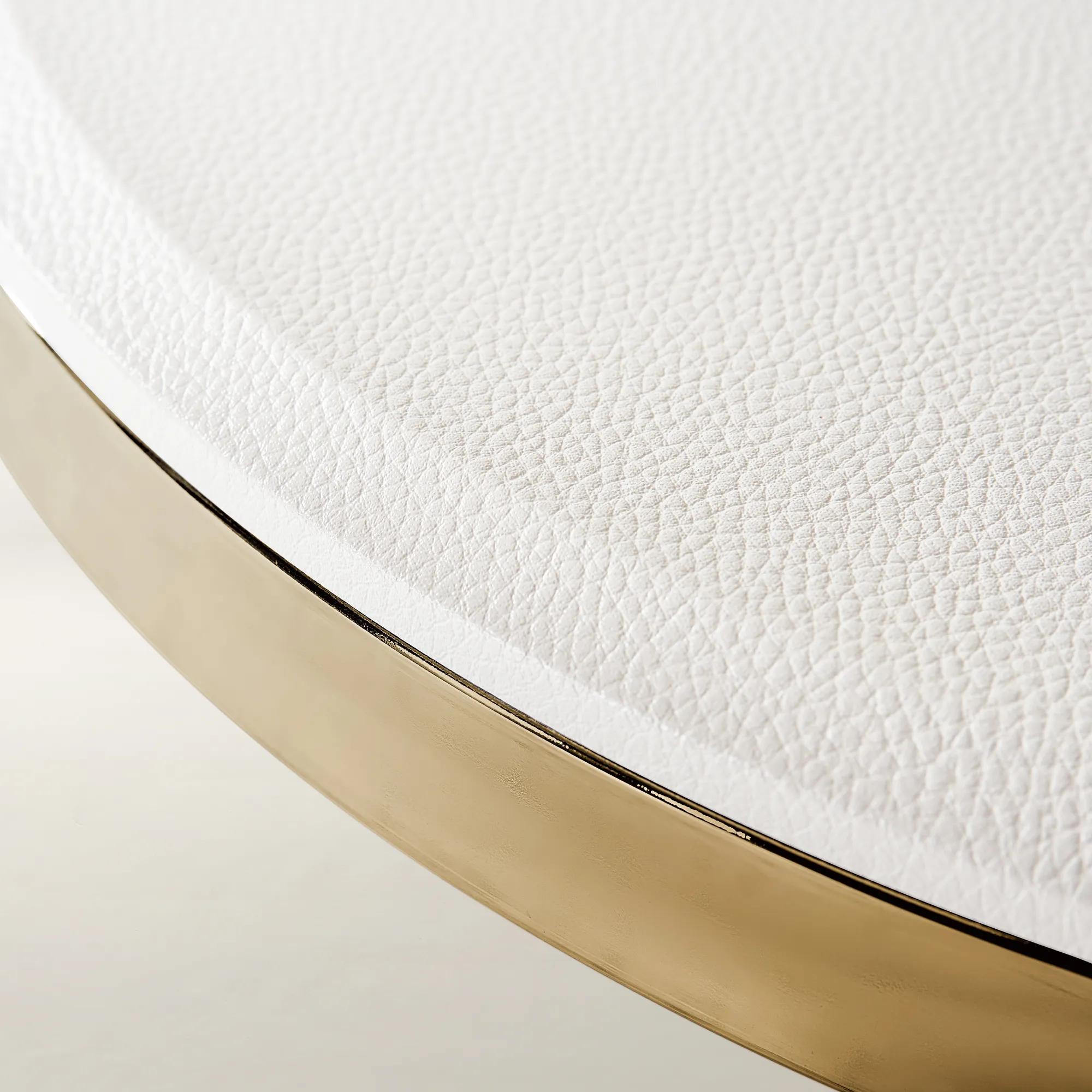 Murano Round White Accent Table With Faux Leather Top Set Of 2 (14.5"-18.5")$399
A set of two accent tables featuring mixed woods, faux leather tops, and acrylic legs with metallic finishes.
Add To Cart -
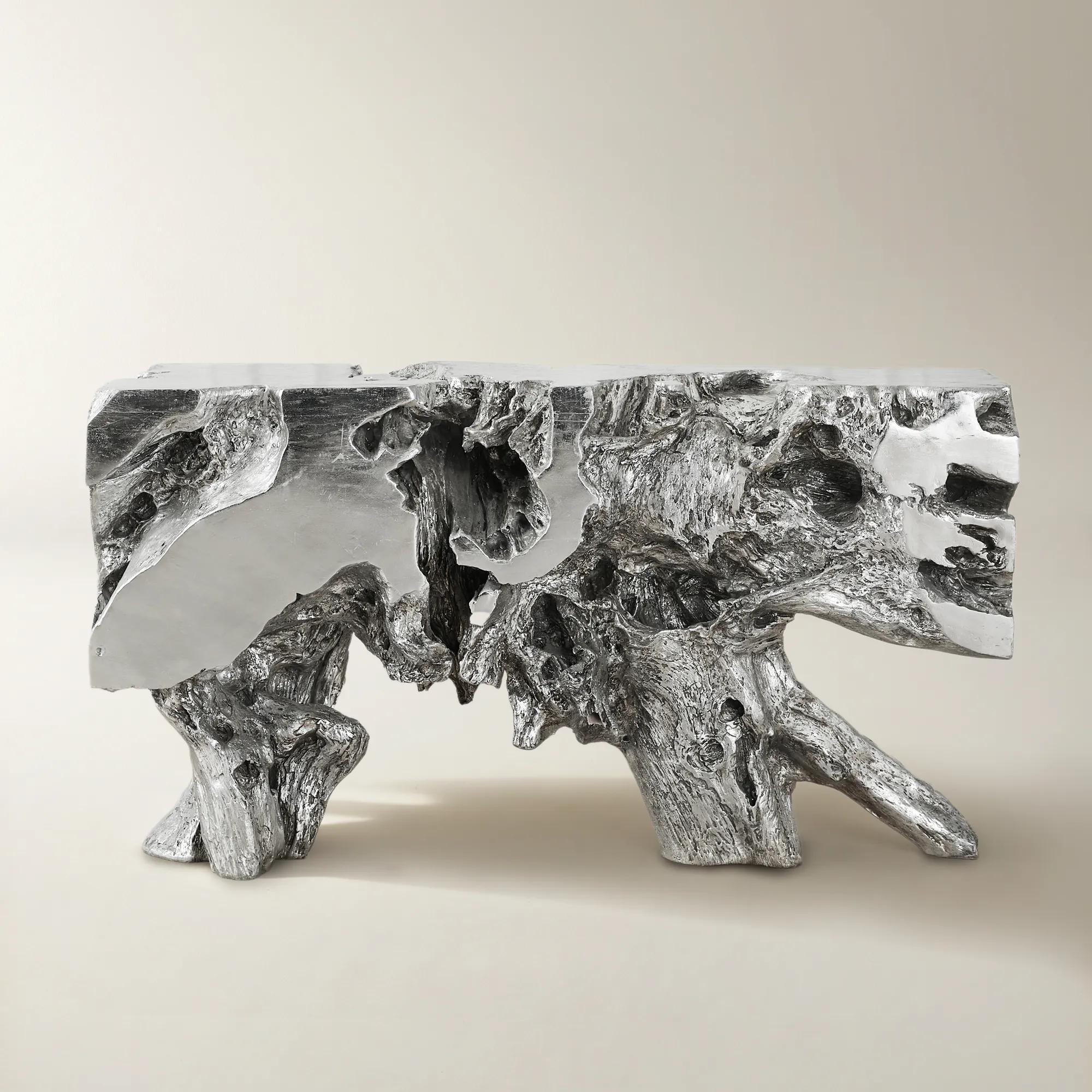
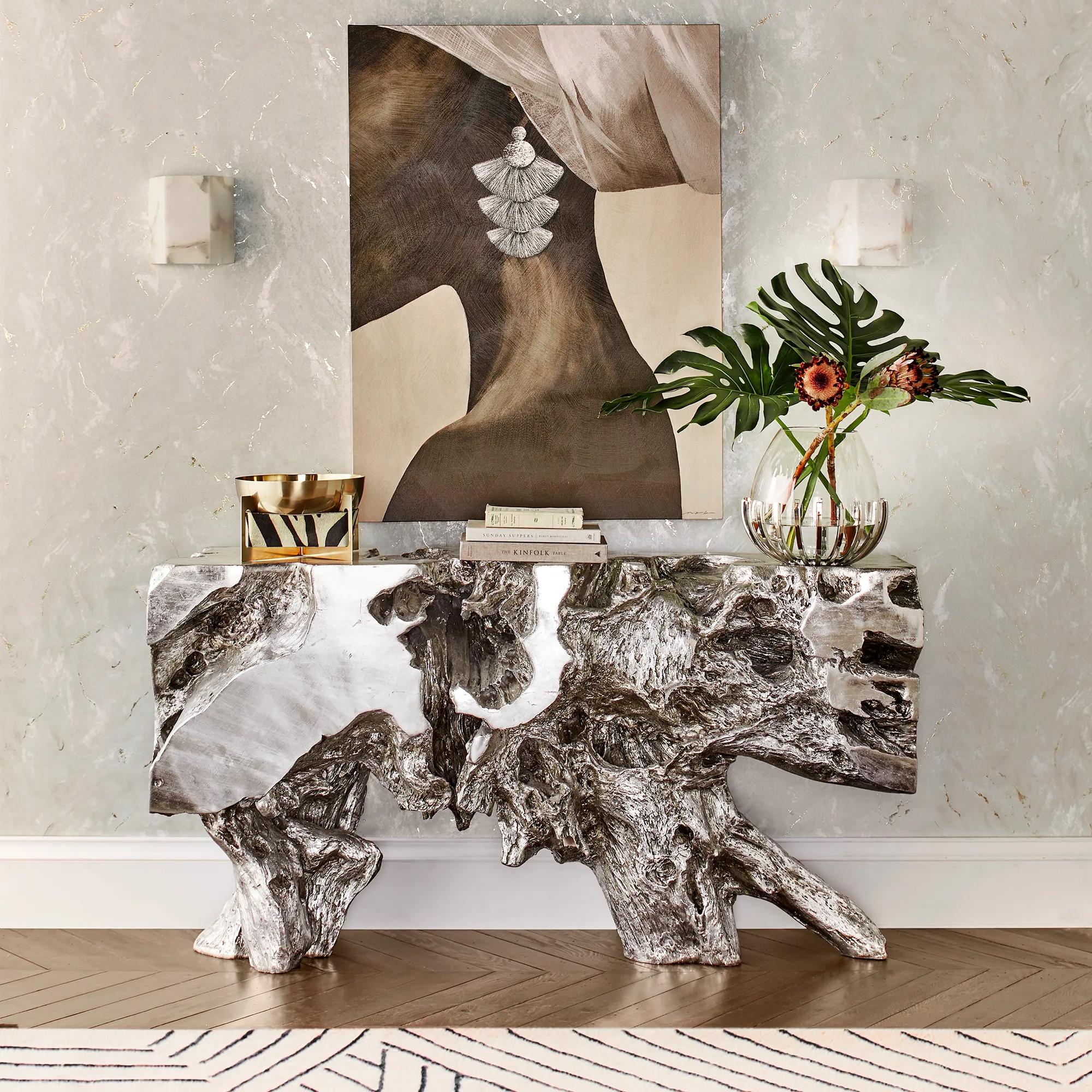 Sequoia Silver Resin Console Table (58")$1999
A sculptural console table featuring hand-applied silver leaf over resin and fiberglass with an iron core.
Add To Cart

Side Tables For Living Room
Explore side tables for your living room that bring expressive style and a surface for essentials beside a sofa or accent chair. Discover accent tables that can frame a seating arrangement, showcase a favorite decorative object, or keep a drink within reach. Consider tabletop space, height, and proportions to find a piece that complements your furniture while adding its own note of drama.
Side tables for living rooms are accent tables placed beside sofas, sectionals, or chairs to keep essentials within reach while adding shape, texture, and visual presence to the seating area. Often called end tables, they provide a surface for a lamp, a drink, a book, or a carefully chosen decorative object without taking on the scale of a coffee table. Their smaller footprint makes them especially expressive: a gleaming metal base can sharpen the outline of a sumptuous sofa, while a richly grained wood top adds depth beside pale upholstery. Shape influences both the atmosphere and the fit. Round side tables soften arrangements dominated by rectangular seating and bring a graceful curve to a conversation area; their lack of corners can also make navigating a compact layout more comfortable, provided there is still adequate walking space. Square and rectangular tables offer straight edges that align neatly beside sofa arms or along walls, often leaving more usable surface for a lamp and everyday essentials. C-shaped tables have an open-sided profile that can extend over a seat when the base fits beneath the furniture, making them useful for a drink or a small work surface. Compatibility depends on the clearance beneath the sofa, the thickness of the cushion, and the table’s stated size and weight capacity. Tiered tables add shelves for books or decorative boxes without requiring a larger floor footprint, while drawers can keep remotes and charging cables out of sight. For comfortable everyday use, a tabletop near the height of the adjacent sofa or chair arm is usually easier to reach than one sitting noticeably higher or lower. Width and depth deserve equal attention: a generous table may anchor a spacious sectional beautifully but crowd a narrow passage beside an accent chair. Two matching end tables create a composed frame around a sofa, especially with paired lamps. Different silhouettes can feel equally intentional when they share a finish, a curve, or a similar visual weight, giving the room a collected character rather than a strictly symmetrical arrangement.
Materials give living room side tables much of their personality, and each brings different considerations for daily use. Wood offers grain, tonal variation, and a substantial presence that balances plush textiles and polished accessories. Solid wood and veneered construction can both create richly finished surfaces, though their performance depends on the underlying construction, protective finish, and care. Natural movement and grain variation are part of wood’s character; prolonged moisture and direct heat are not. Metal introduces crisp lines and luminous contrast, from slender frames that leave sightlines open to sculptural bases that hold their own beside oversized seating. A gold-toned finish lends warmth, while silver-toned or dark metal can create a sharper contrast against richly colored upholstery. The finish matters as much as the metal beneath it, particularly where rings, scratches, or abrasive cleaners could interrupt a smooth surface. Glass tabletops allow a base or nearby rug to remain visible, helping a furnished room feel less visually crowded. Clear glass offers an airy effect, while tinted glass creates a moodier accent. Tempered glass, when specified, has different breakage characteristics from ordinary glass, but either still requires careful handling and protection from sharp impacts. Mirrored surfaces bring a more theatrical quality, reflecting lamplight and neighboring textures; they also make fingerprints and dust more noticeable. Stone tops offer distinctive veining and a grounded, architectural presence. Natural marble and other porous stones may require sealing or special care, while engineered stone and stone-look surfaces have their own maintenance requirements. Material names alone do not establish durability, so construction details, care instructions, and stated load limits remain important. A stable base, secure connections, and a level placement matter whether the table holds a substantial lamp or just a glass and a book. Heavy tops also affect how easily a table can be repositioned. Side tables are intended as supporting surfaces, not seating or steps, unless the manufacturer explicitly identifies another use. The most successful choice balances visual drama with the demands of the room, from frequent entertaining to a quiet corner used for reading every evening.
A well-placed side table gives the living room a more personal rhythm. Beside a reading chair, it can hold a shaded lamp, a favorite hardcover, and a cup within comfortable reach. At the end of a sectional, it offers guests somewhere to set a glass without leaning across the conversation. In a compact apartment, a narrow profile or open base can provide that same convenience while preserving the view across the room. Households that need room for everyday essentials may appreciate a lower shelf or drawer, allowing the tabletop to remain deliberately styled rather than crowded. A single sculptural vase can be more compelling than several small accessories, particularly when the table itself has a distinctive base or richly patterned top. Leave enough clear surface for its intended use, and consider the proportions of anything placed on it: a tall, weighty lamp needs a sufficiently broad, stable foundation, while a petite table may suit a smaller light or a low decorative arrangement. For interiors that favor expressive design, Unique Living Room Side Tables can introduce an unexpected silhouette or an artful contrast of materials alongside upholstered seating. Protecting those finishes preserves their appeal. Coasters help guard against condensation and drink marks, and felt pads beneath decorative objects can reduce scratching. Dust with a soft cloth, address spills promptly, and follow the manufacturer’s instructions before using any cleaner. Glass cleaner is best applied to a cloth rather than sprayed across mixed-material surfaces, where it may reach wood finishes, metal coatings, or mirrored seams. Acidic cleaners can damage certain stones, and abrasive products can dull polished or plated finishes. Placement also matters: strong direct sunlight may alter some wood tones, while dragging a heavy table can strain connections and damage flooring. For a housewarming or a thoughtfully chosen furnishing gift, a side table offers both daily usefulness and lasting decorative presence, especially when its dimensions and finish suit the recipient’s existing seating. Whether the setting is intimate or expansive, these accent tables make room for the details that turn a seating arrangement into somewhere people genuinely want to linger.
FAQs
Sculptural side tables, polished metal silhouettes, and designs with glass or marble tops bring expressive elegance to a modern living room. Choose clean lines to frame a dramatic sofa, or introduce an artful pedestal base for a striking counterpoint. Echo a finish from your lighting or decorative accents to create a considered composition.
Marble, glass, metal, and wood each bring a distinct mood to living room side tables. Marble lends natural veining and visual richness, while glass creates an airy contrast to sumptuous upholstery. Polished metal introduces luminous glamour, and richly finished wood adds warmth and depth. Mixed-material designs layer these qualities into one expressive accent.
Side tables do not need to match the coffee table to create a cohesive living room. A shared detail—such as a metallic finish, curved silhouette, or tonal palette—can connect contrasting pieces beautifully. Pair a wood coffee table with gleaming metal side tables for warmth and shimmer, or combine marble and glass for a layered, gallery-inspired look.
Style a living room side table as a small, deliberate composition. Begin with a distinctive lamp or sculptural vase, then add a stack of art books or a decorative box for another layer of texture. Leave some of the tabletop visible so its finish becomes part of the display. The result should feel personal and artfully edited, with each detail earning its place.
Side tables bring glamour through reflective finishes, expressive forms, and richly textured materials. A mirrored surface catches surrounding color and light, while a gold-toned base adds a warm metallic note. Set these luminous details against velvet upholstery or a textured rug to create contrast and give the room a more dimensional, luxurious mood.