Minimalist End Tables For Living Room
Minimalist End Tables For Living Room
-
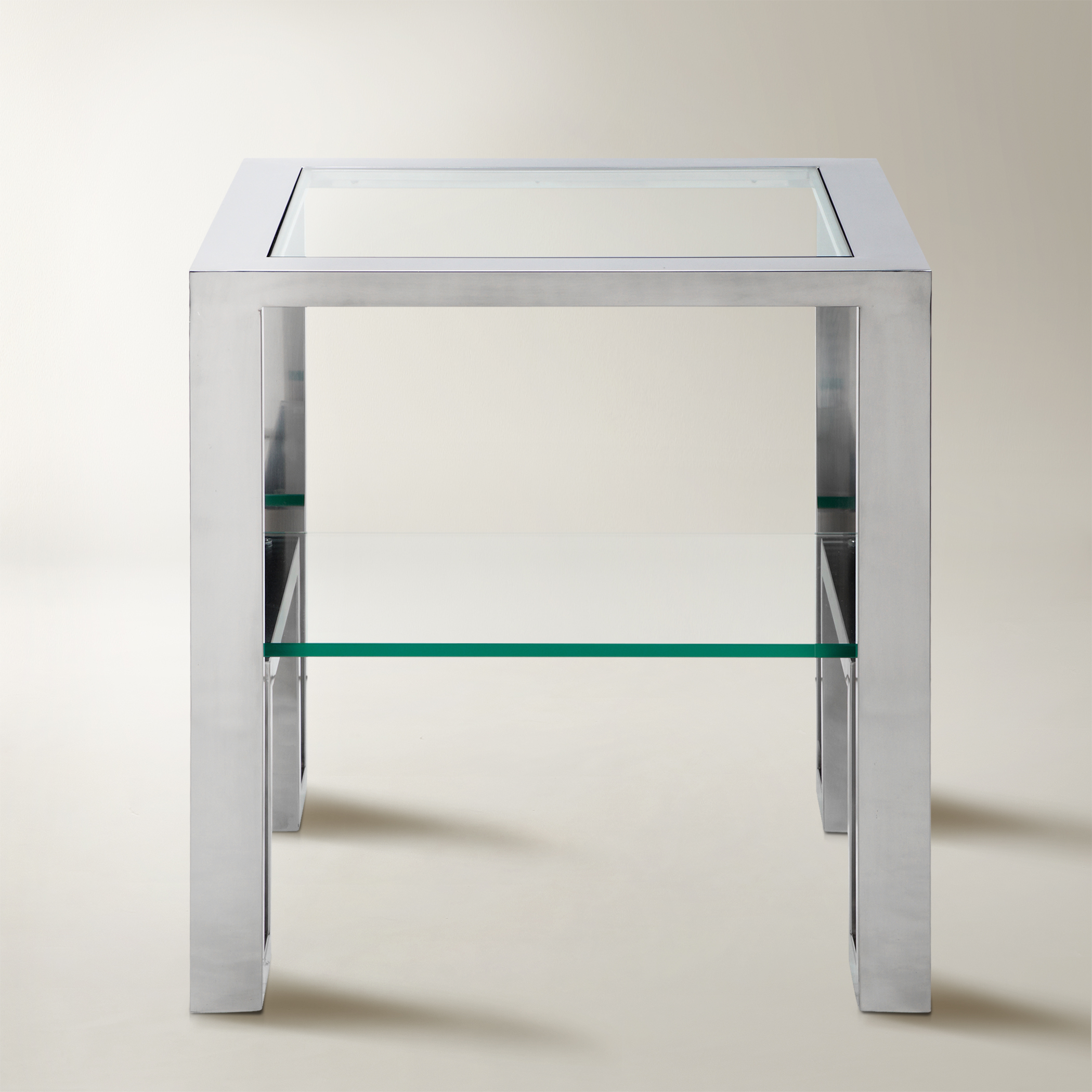
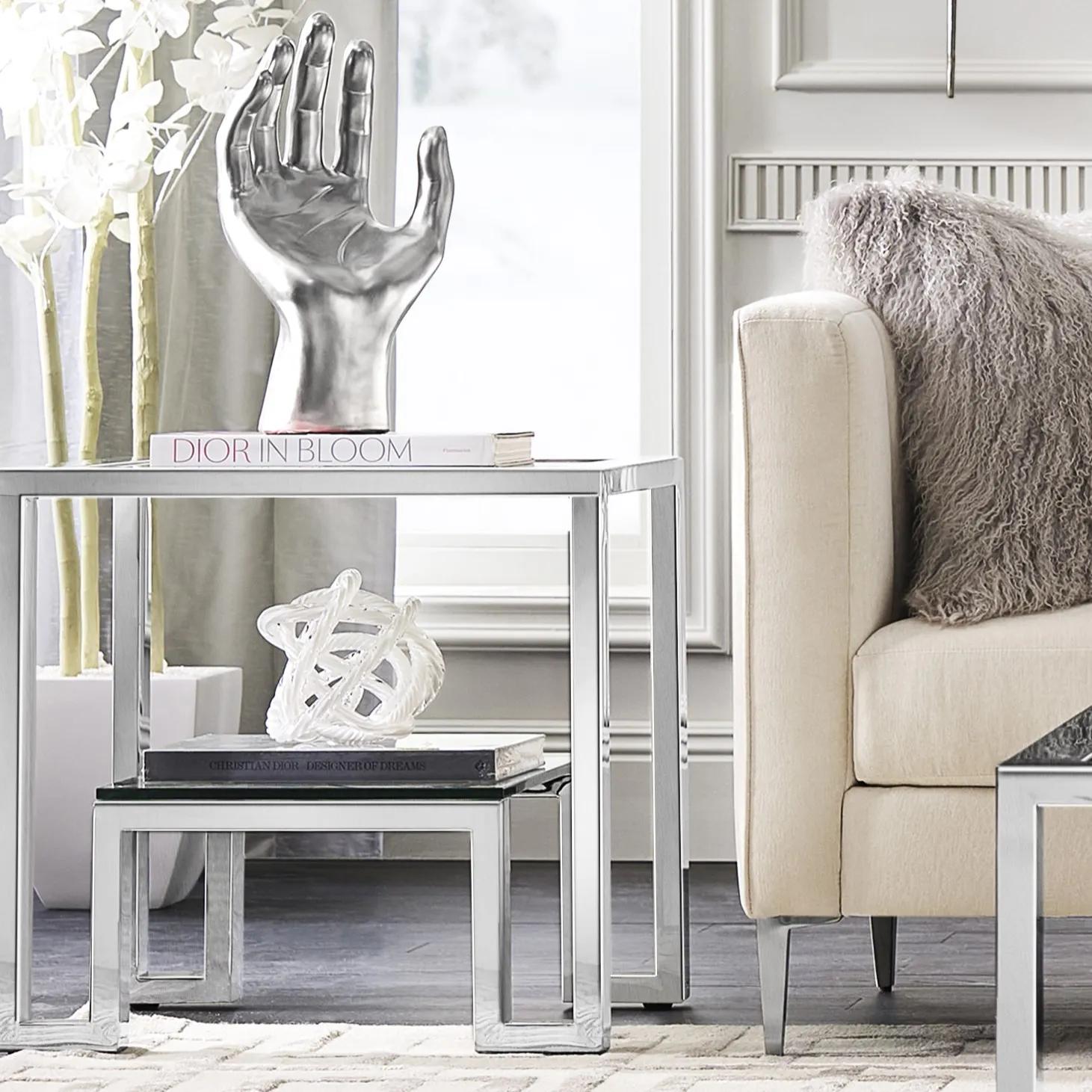 Duplicity Square Silver Stainless Steel End Table With Glass Top (24")$749
A modern end table featuring a stainless steel frame, tempered glass top, and floating bottom shelf.
Add To Cart -
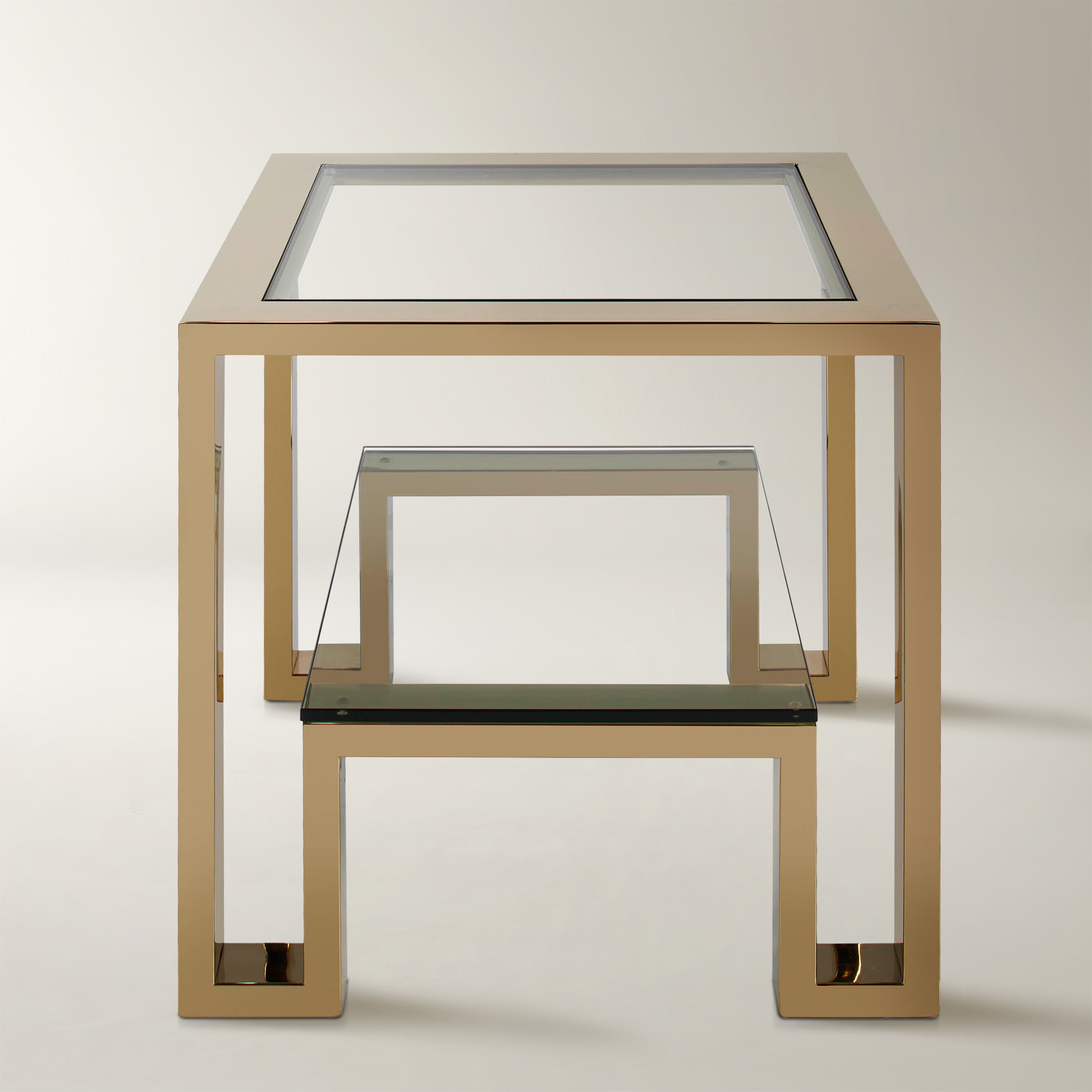 Duplicity Square Gold Stainless Steel End Table With Glass Top (24")$749
A modern end table crafted from stainless steel and tempered glass with a floating bottom shelf.
Add To Cart -
 Thalia Glossy Black Side Table Set Of 2 (8"-12.5")$599
A sculptural duo of glossy black fiberglass tables with fluid lines and mirror-like lacquered finish.
Add To Cart -
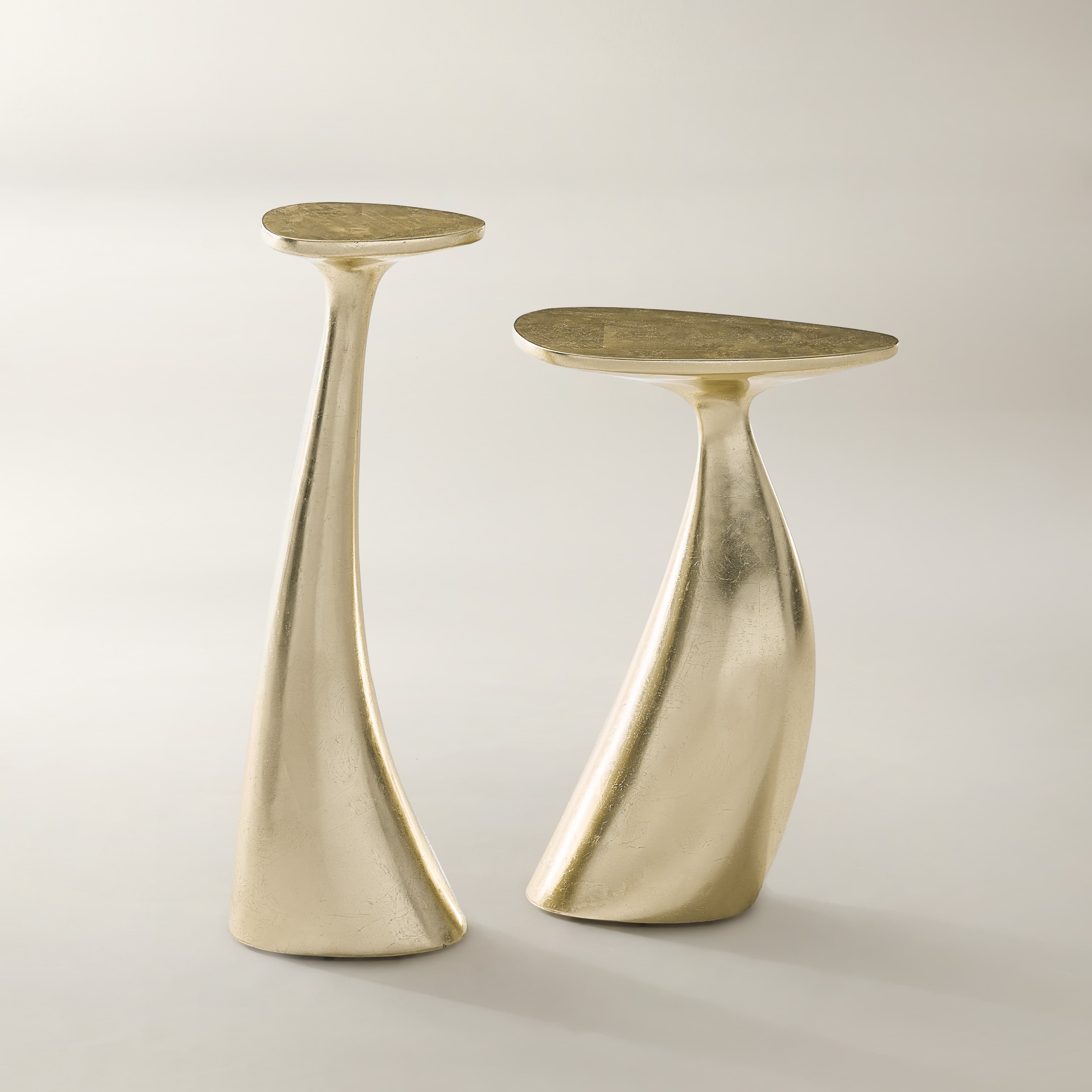 Thalia Soft Gold Side Table Set Of 2 (8"-12.5")$699
A sculptural duo of gold leaf fiberglass tables with fluid lines and a warm, luminous finish.
Add To Cart -
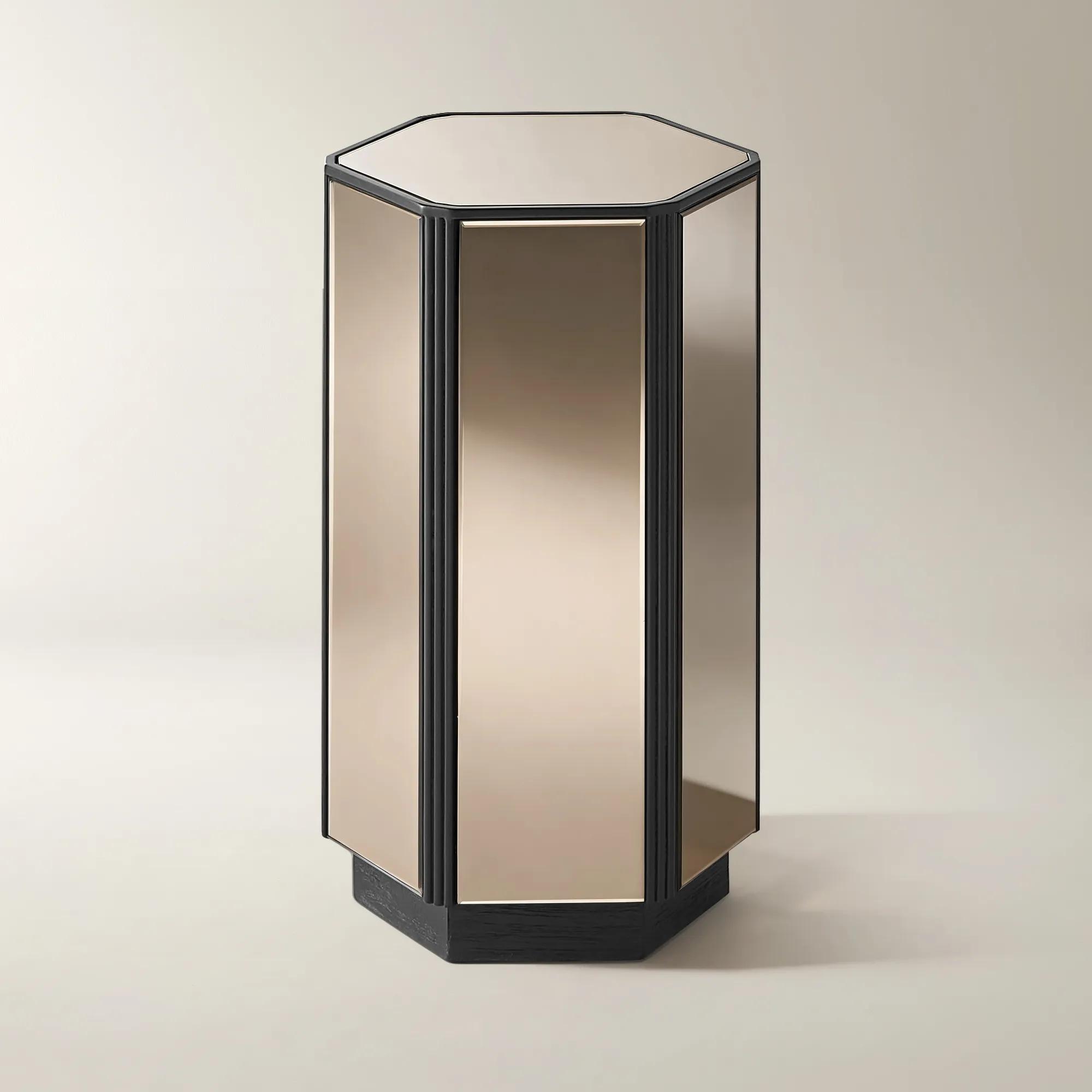 Glimmer Bronze Mirrored End Table (12")$399
A sculptural end table featuring bronze mirror panels and a black oak base for modern elegance.
Add To Cart -

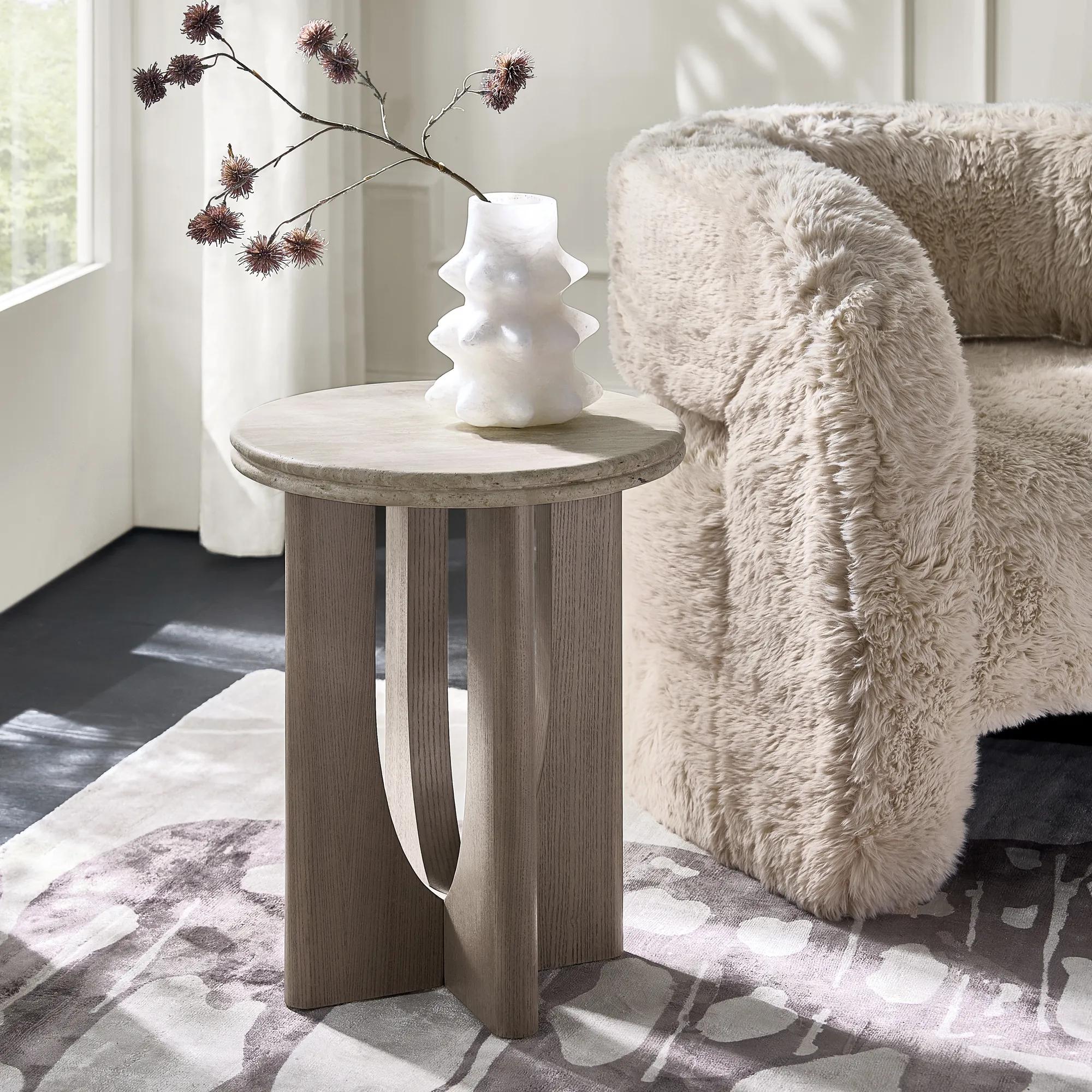 Bond Round Travertine and Wood End Table (17.25")$459
A sculptural end table featuring a genuine ivory travertine top and a solid ash wood base.
Add To Cart -
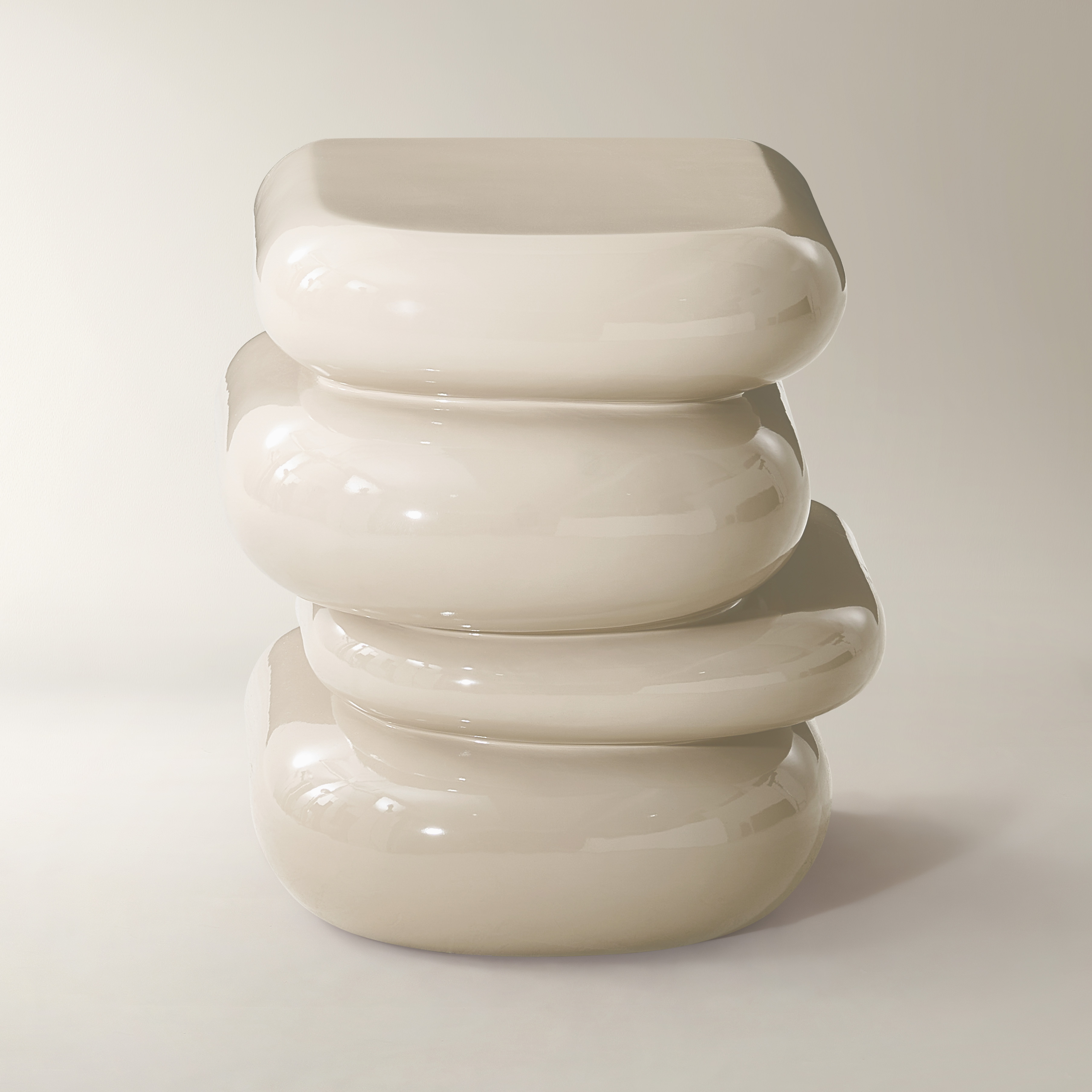
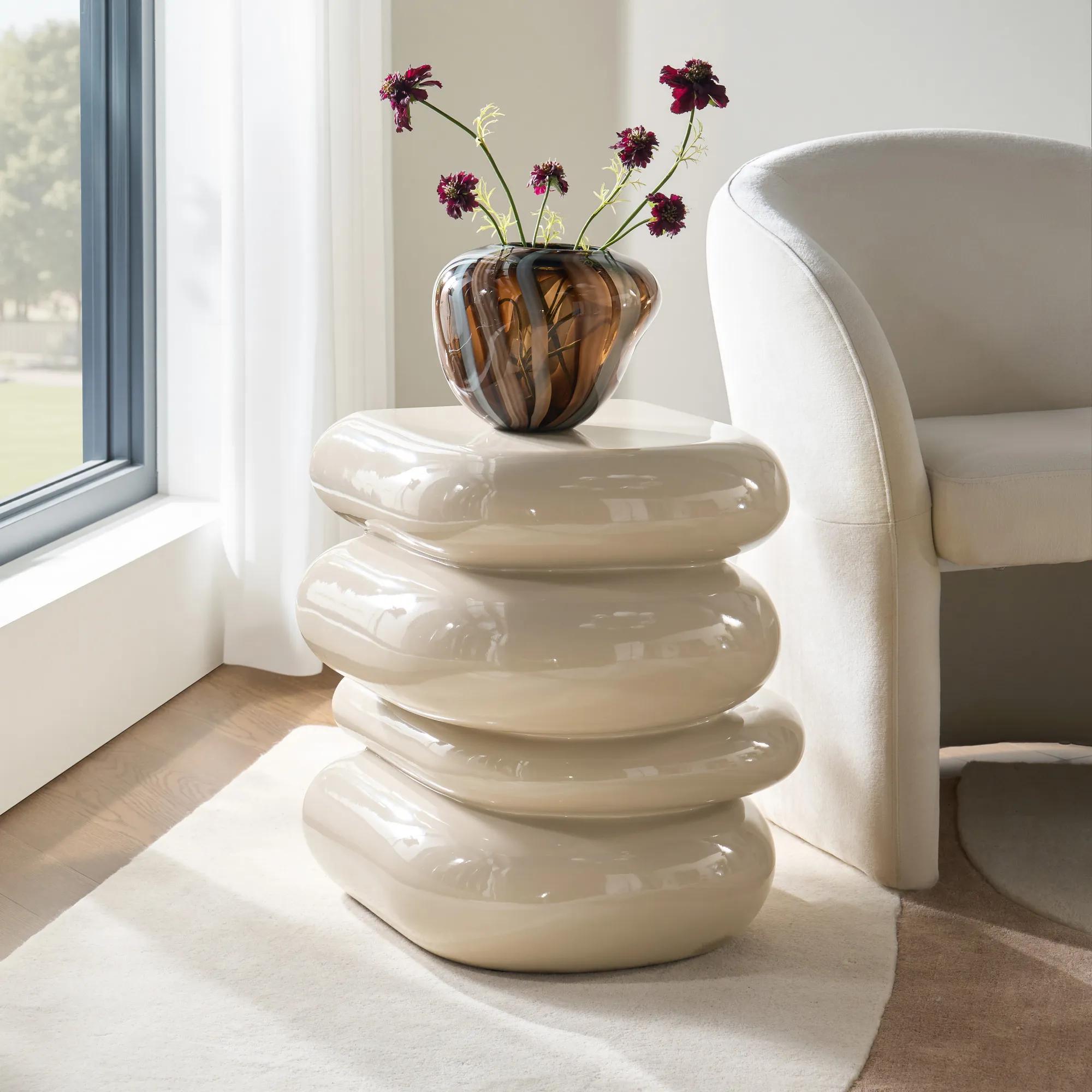 Forma Stacked Turtle Dove Side Table (19.9")$499
A sculptural accent table crafted from high-gloss turtle dove fiberglass with softly stacked, rounded tiers.
Add To Cart -
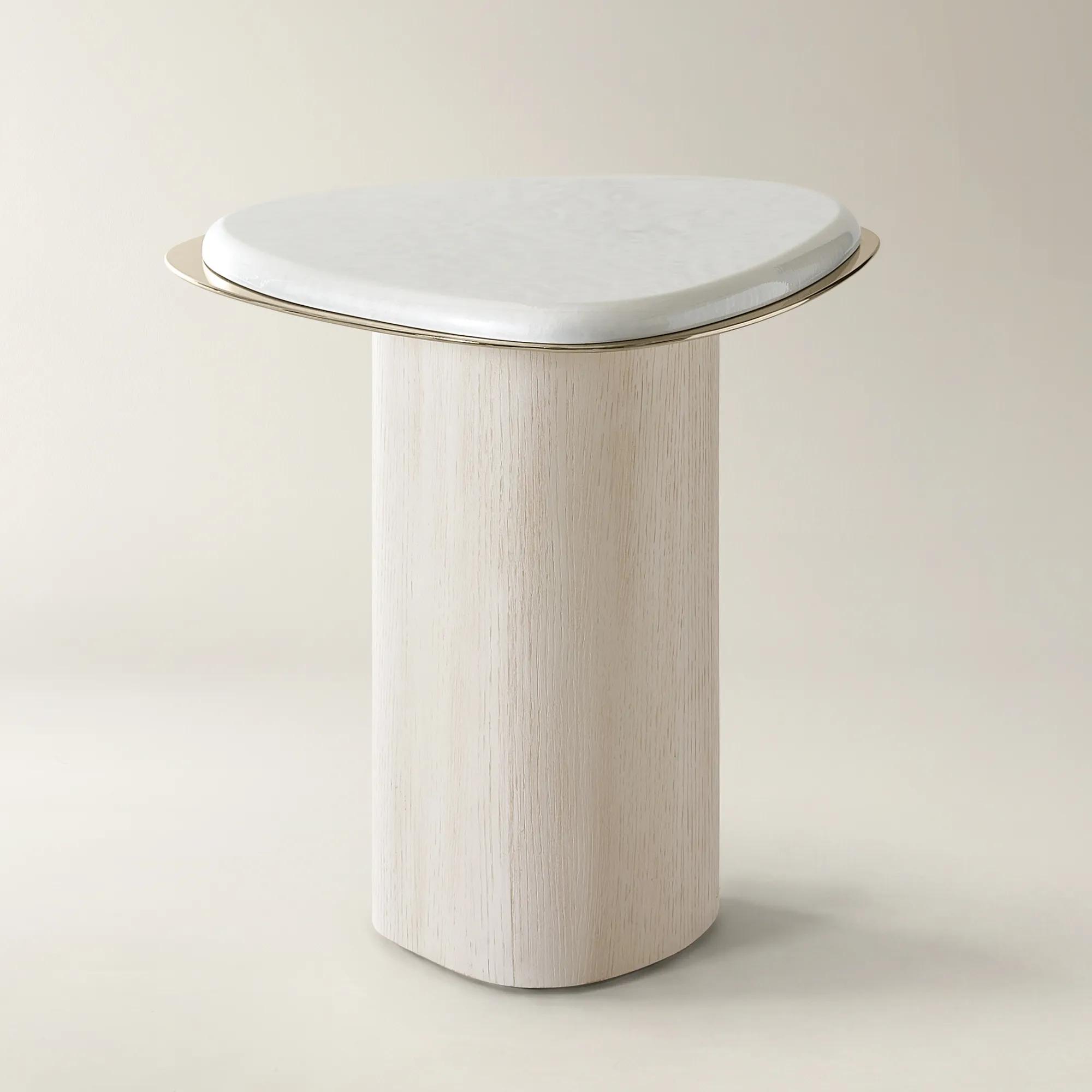
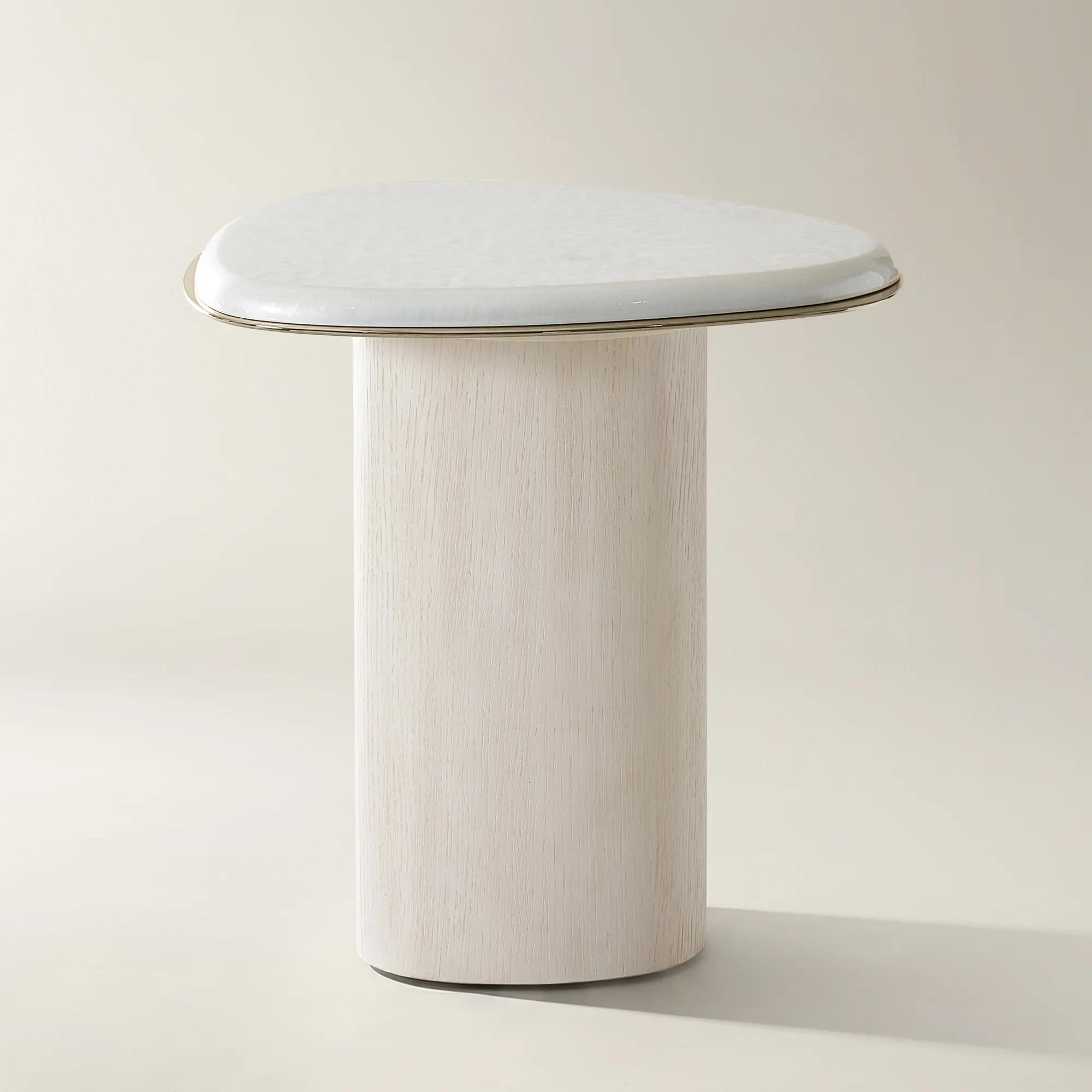 Lumina Bleached Oak End Table With Pearl Lacquered Top (18")$499
A sculptural end table featuring a pearl lacquered top, bleached oak base, and champagne gold trim.
Add To Cart -

 Flare Round White Marble End Table (21.5")$799
A sophisticated end table featuring a natural white marble top and polished stainless steel base.
Add To Cart -
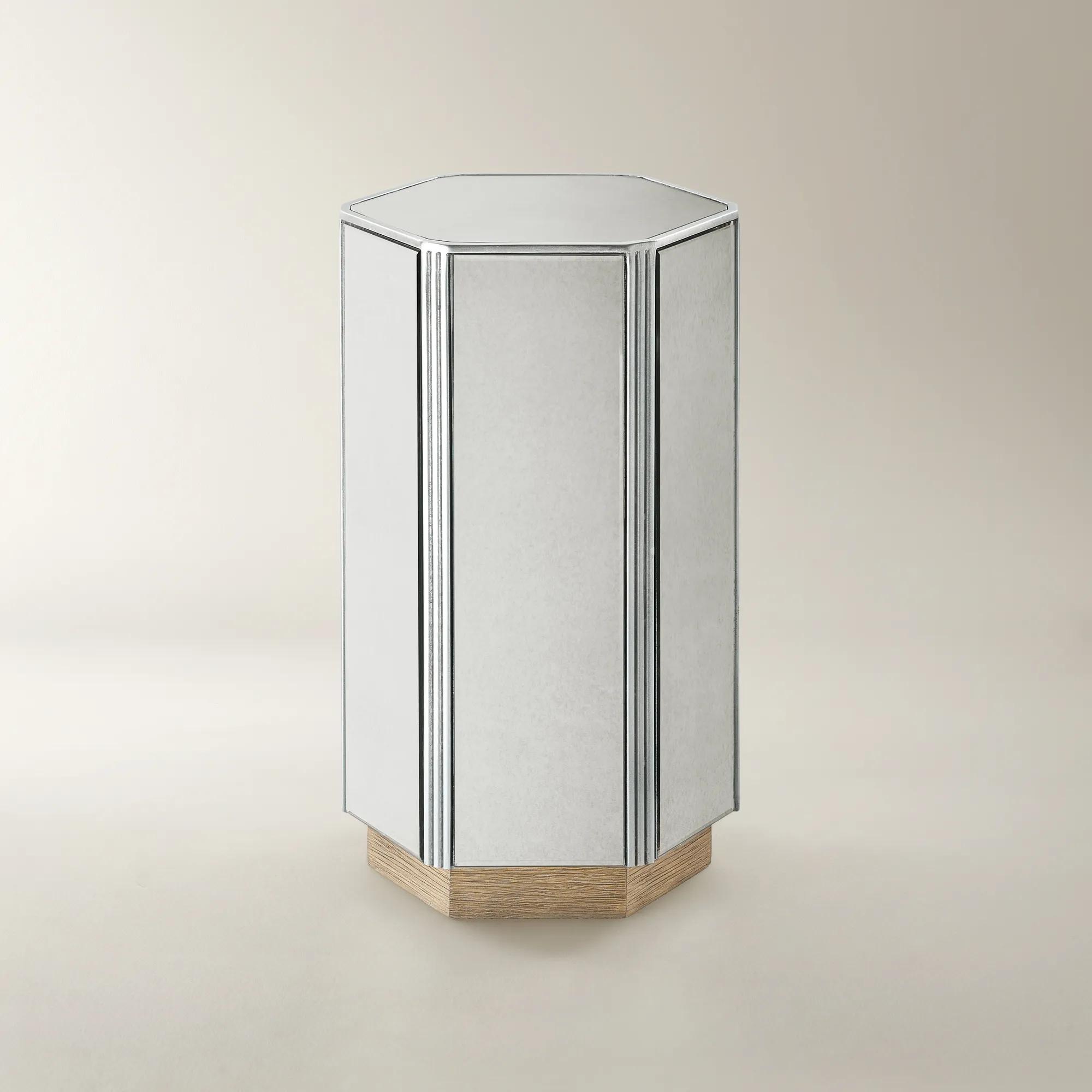 Glimmer Silver Mirrored End Table (12")$399
A chic side table featuring an antique silver mirror top and warm oak veneer base with handcrafted details.
Add To Cart -
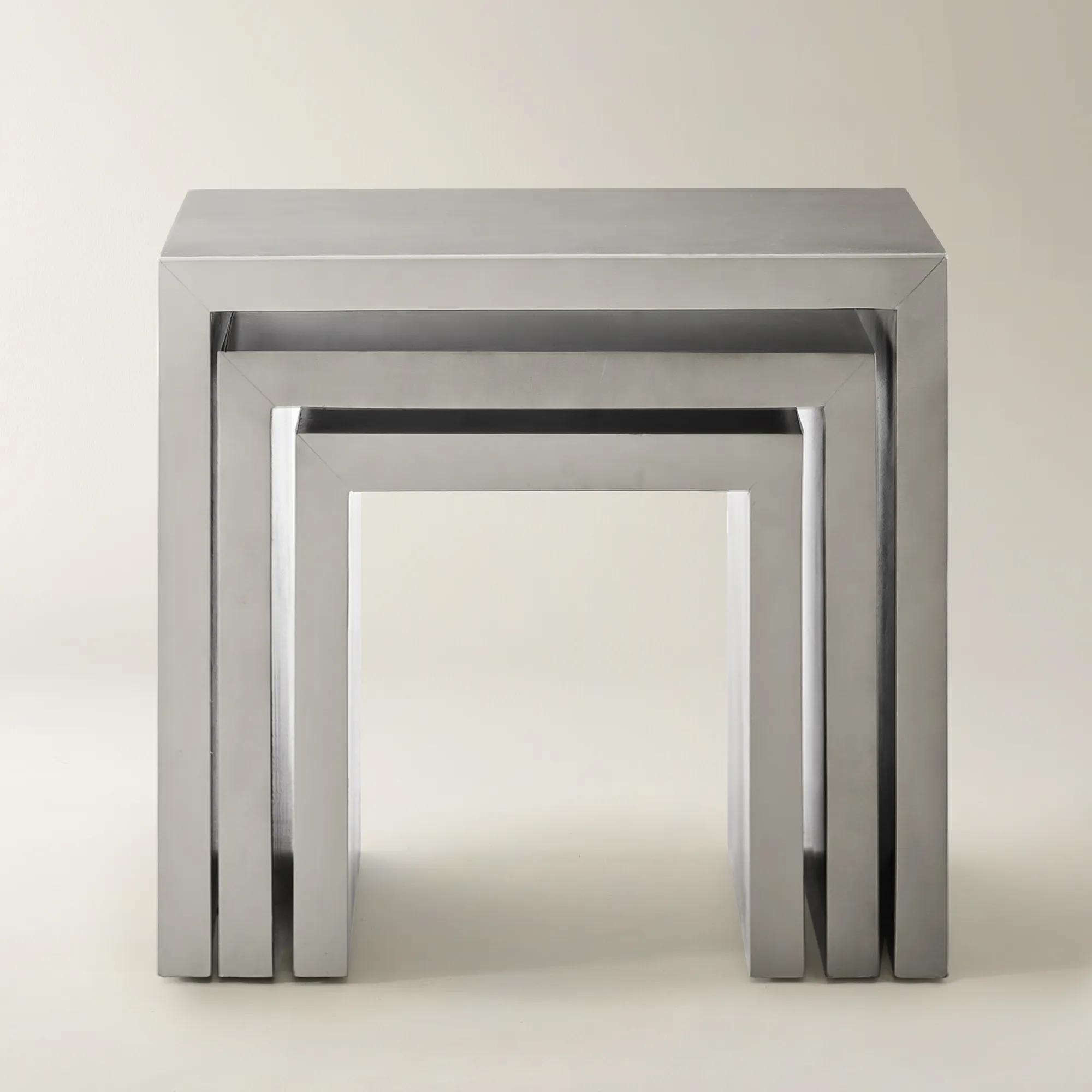
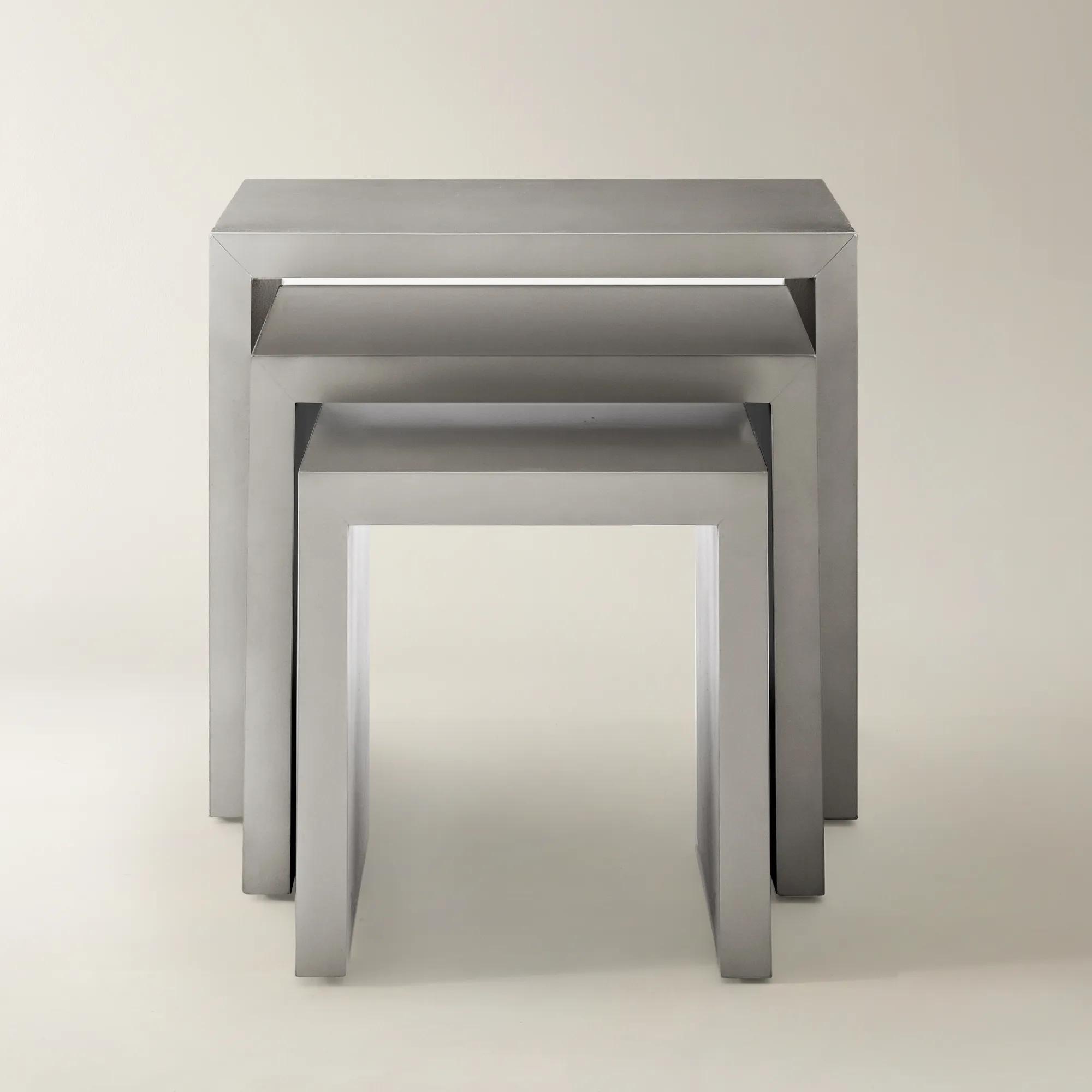 Astair Silver Nesting Accent Table Set Of 3 (16.25"-25.5")$349
A trio of engineered wood nesting tables with a sleek silver metallic finish and minimalist block silhouette.
Add To Cart -
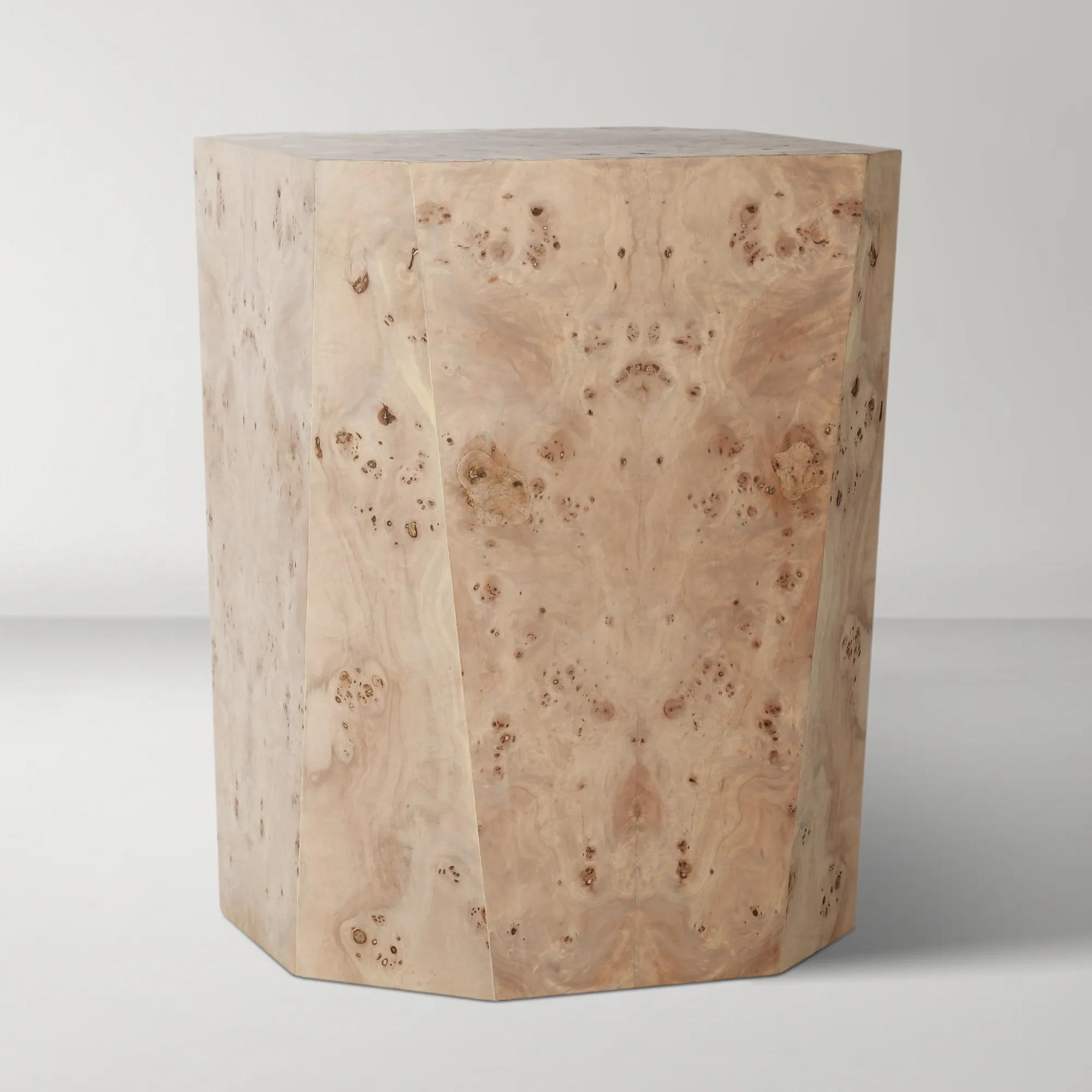
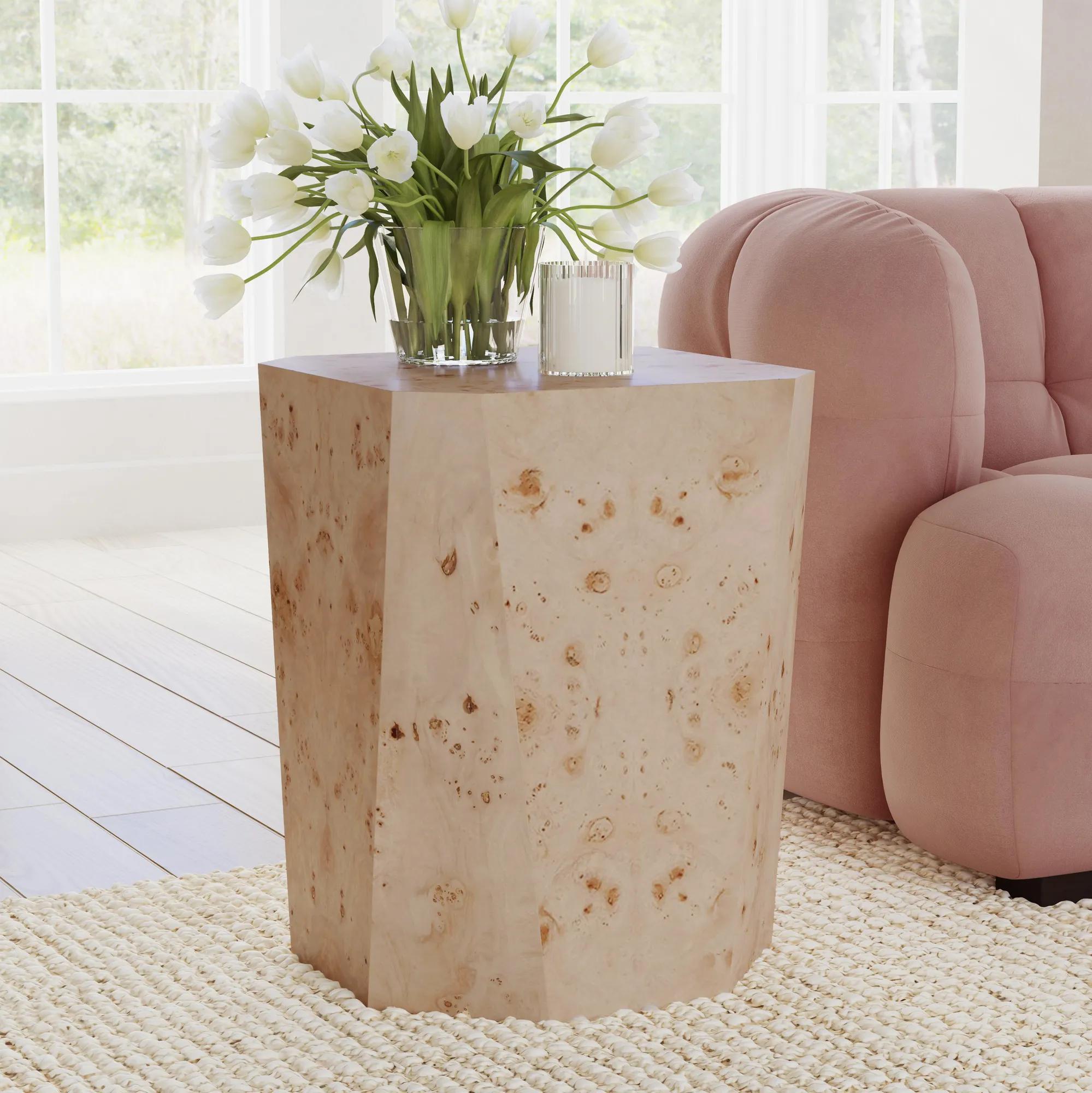 Avena Square Natural Burl Wood End Table (17.75")$699
A striking end table featuring natural burl wood veneer with unique swirling grain and warm, organic tones.
Add To Cart -
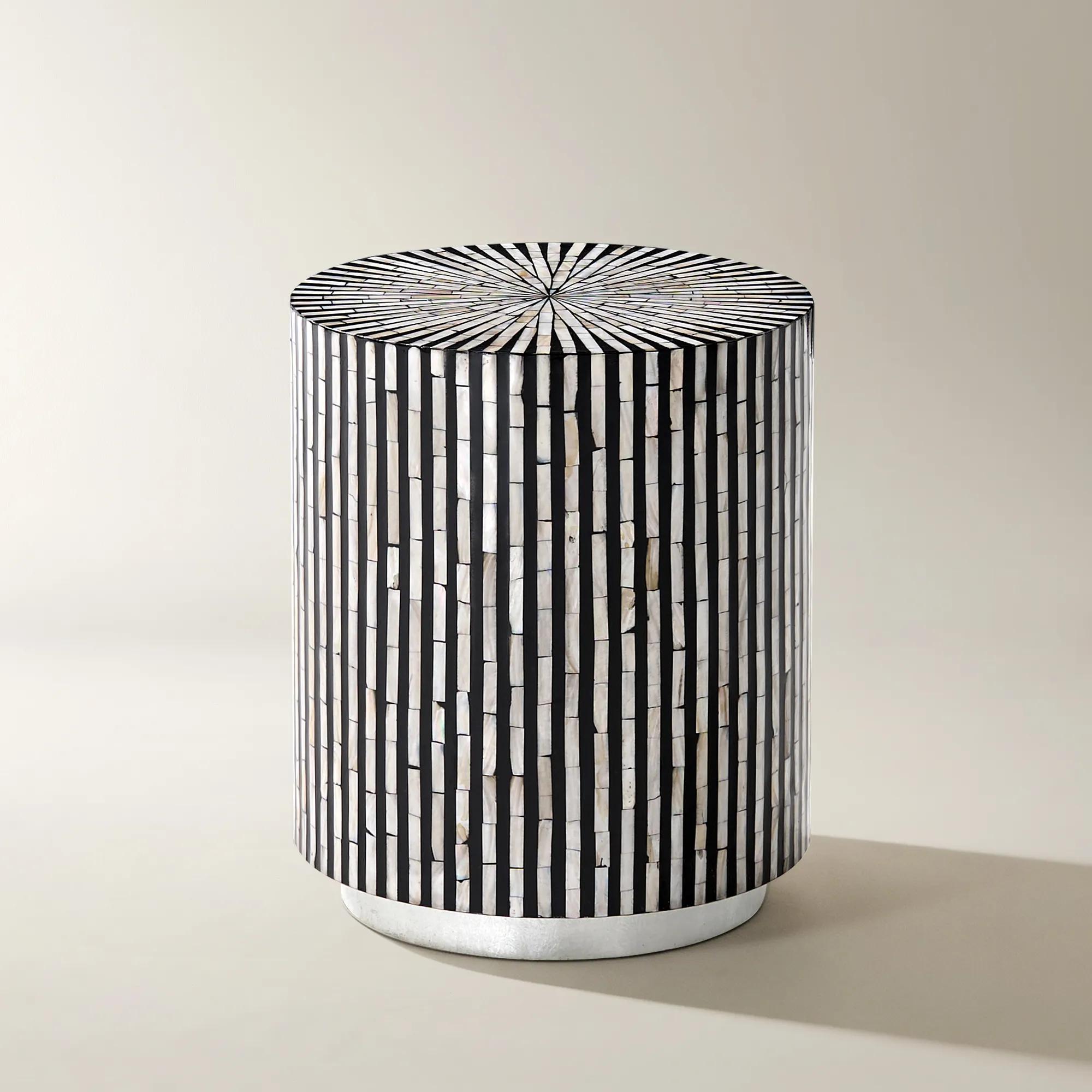
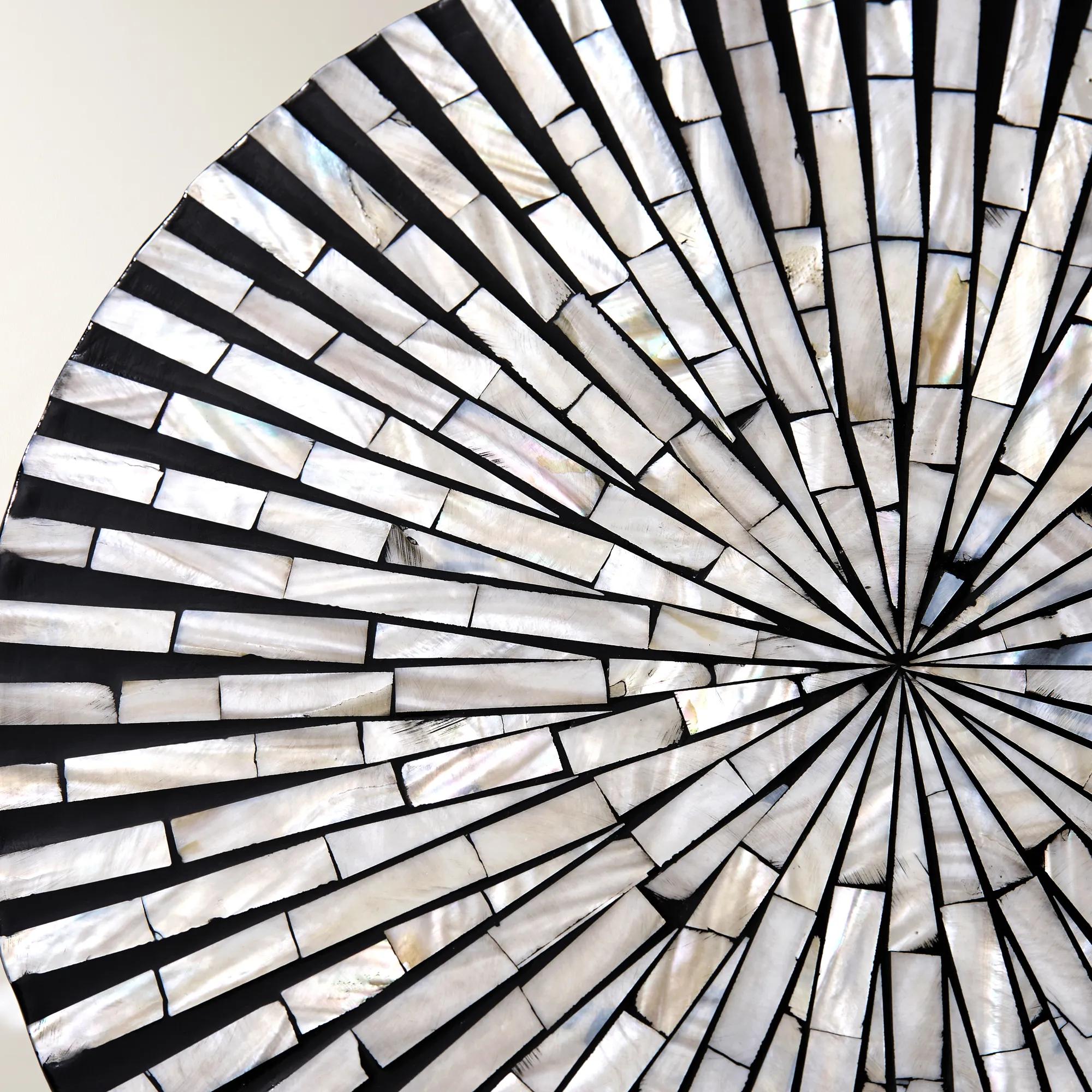 Marina Round Mosaic Black End Table (13.75")$299
A sculptural black end table featuring hand-applied mother-of-pearl mosaic and a silver leaf–accented base.
Add To Cart -
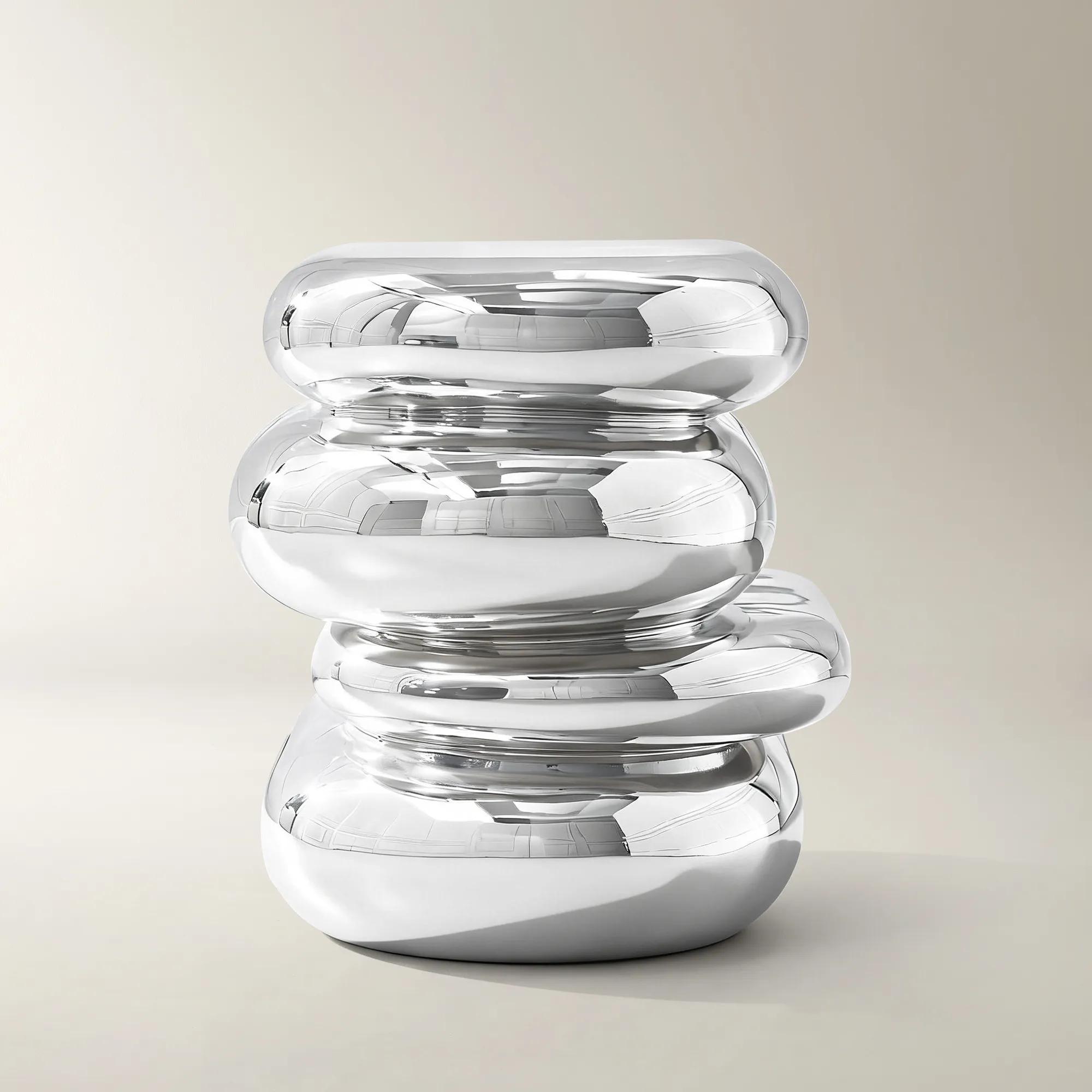 Forma Stacked Chrome Side Table (19.9")$699
A sculptural accent table crafted from seamless fiberglass with a reflective chrome finish and rounded tiers.
Add To Cart -
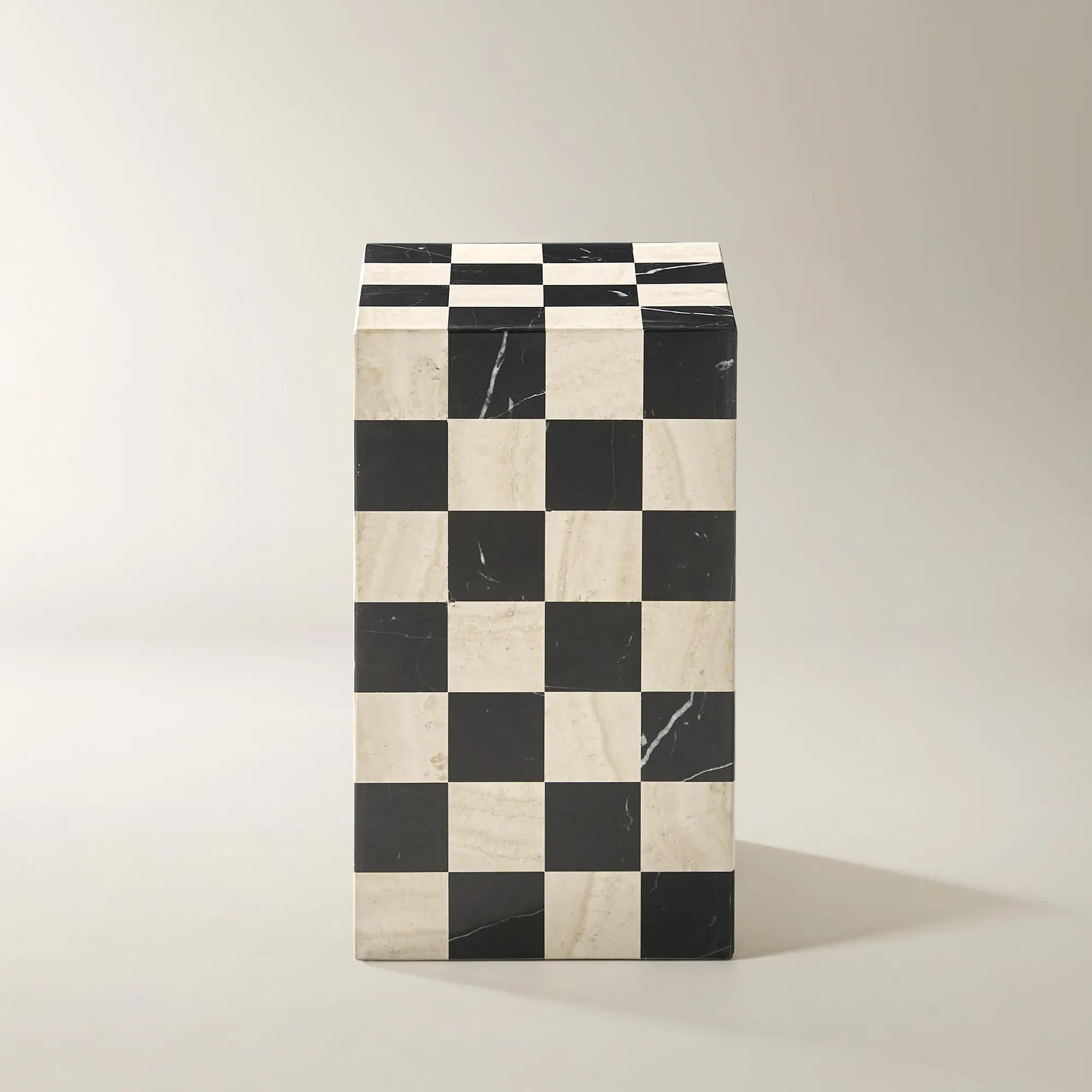 Chessa Square Chequered Marble End Table (12")$999
A sculptural end table featuring a bold black marble and travertine checkerboard mosaic design.
Add To Cart -
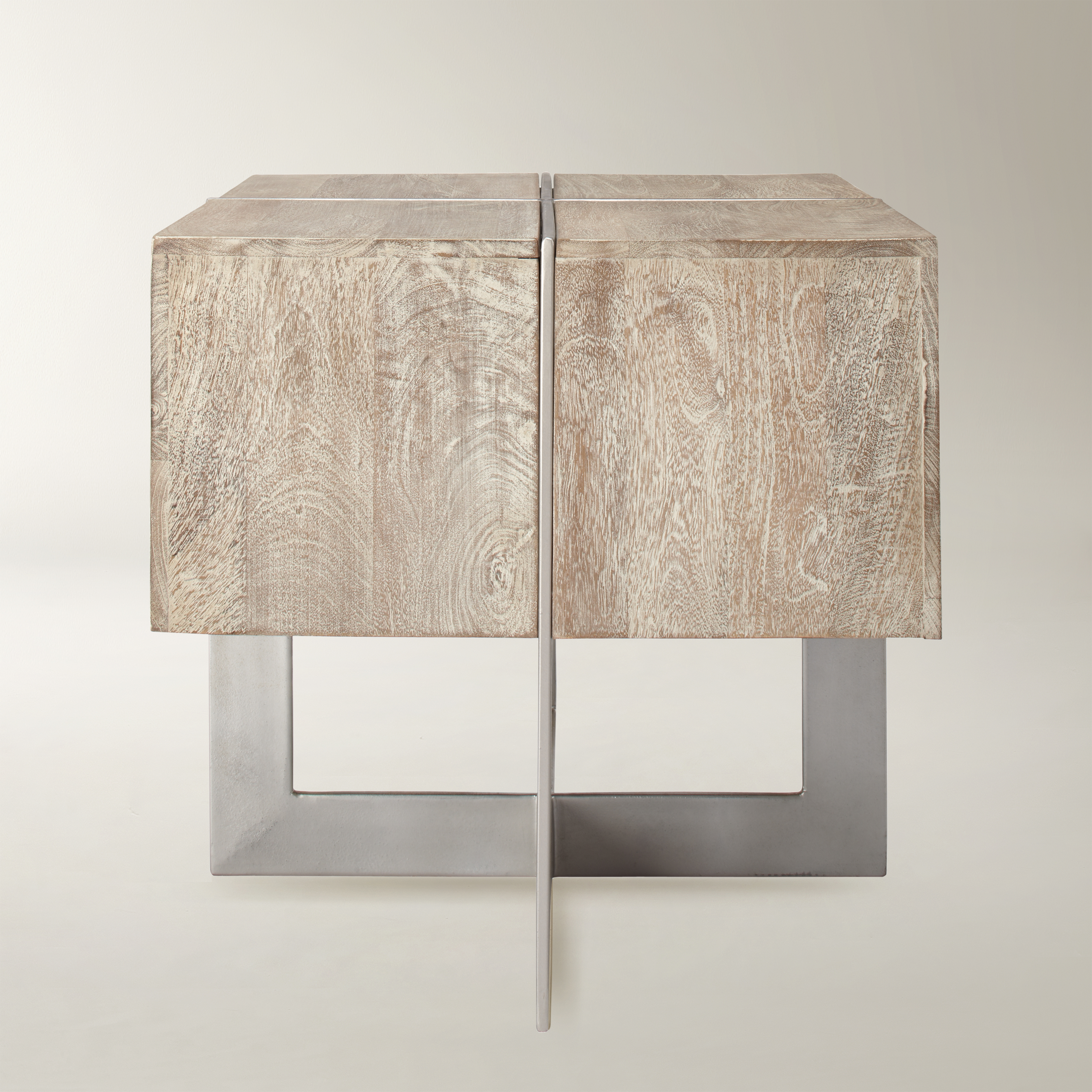
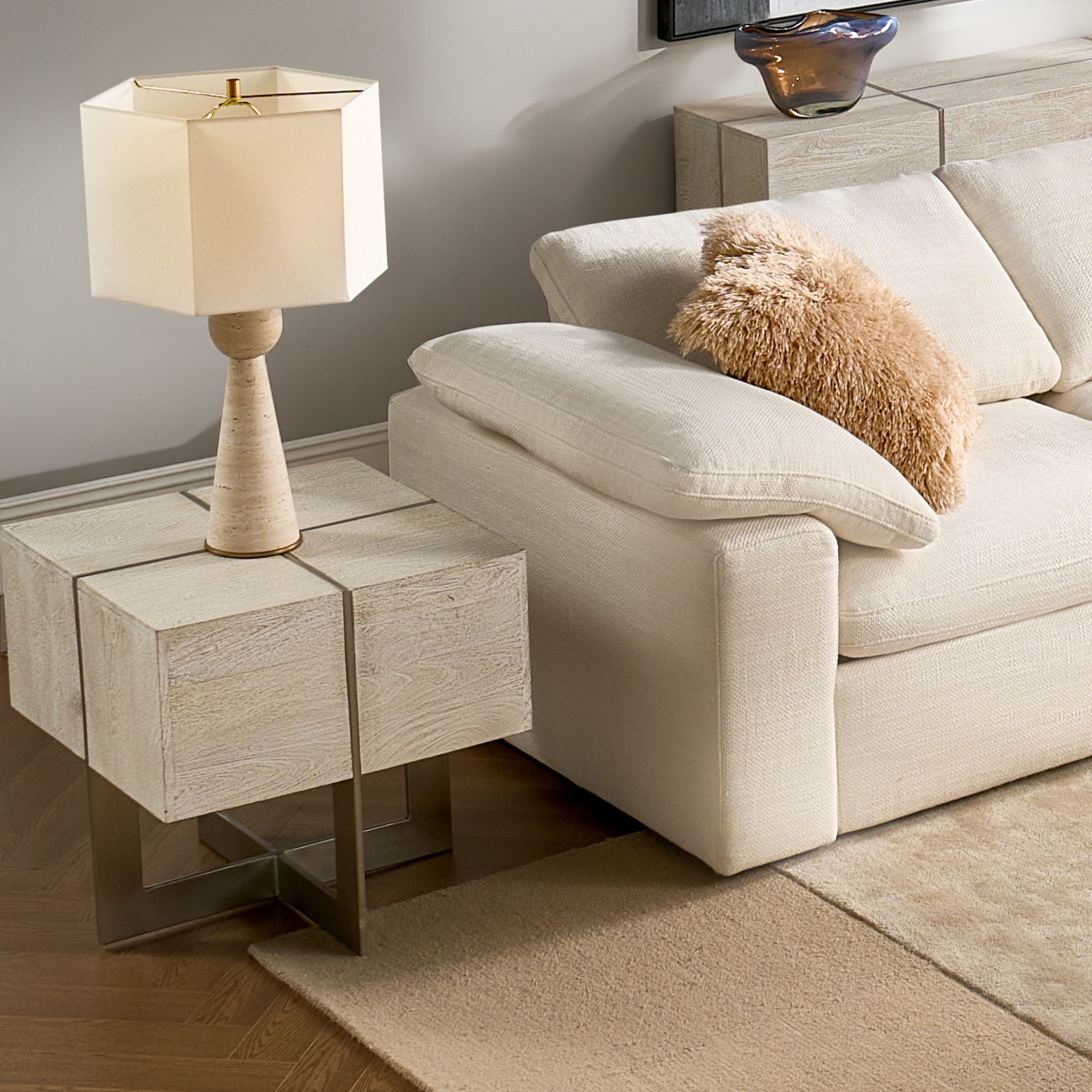 Clifton Square Natural Mango Wood End Table (24")$599
A handcrafted mango wood end table with a whitewashed finish and antiqued silver iron legs.
Add To Cart -
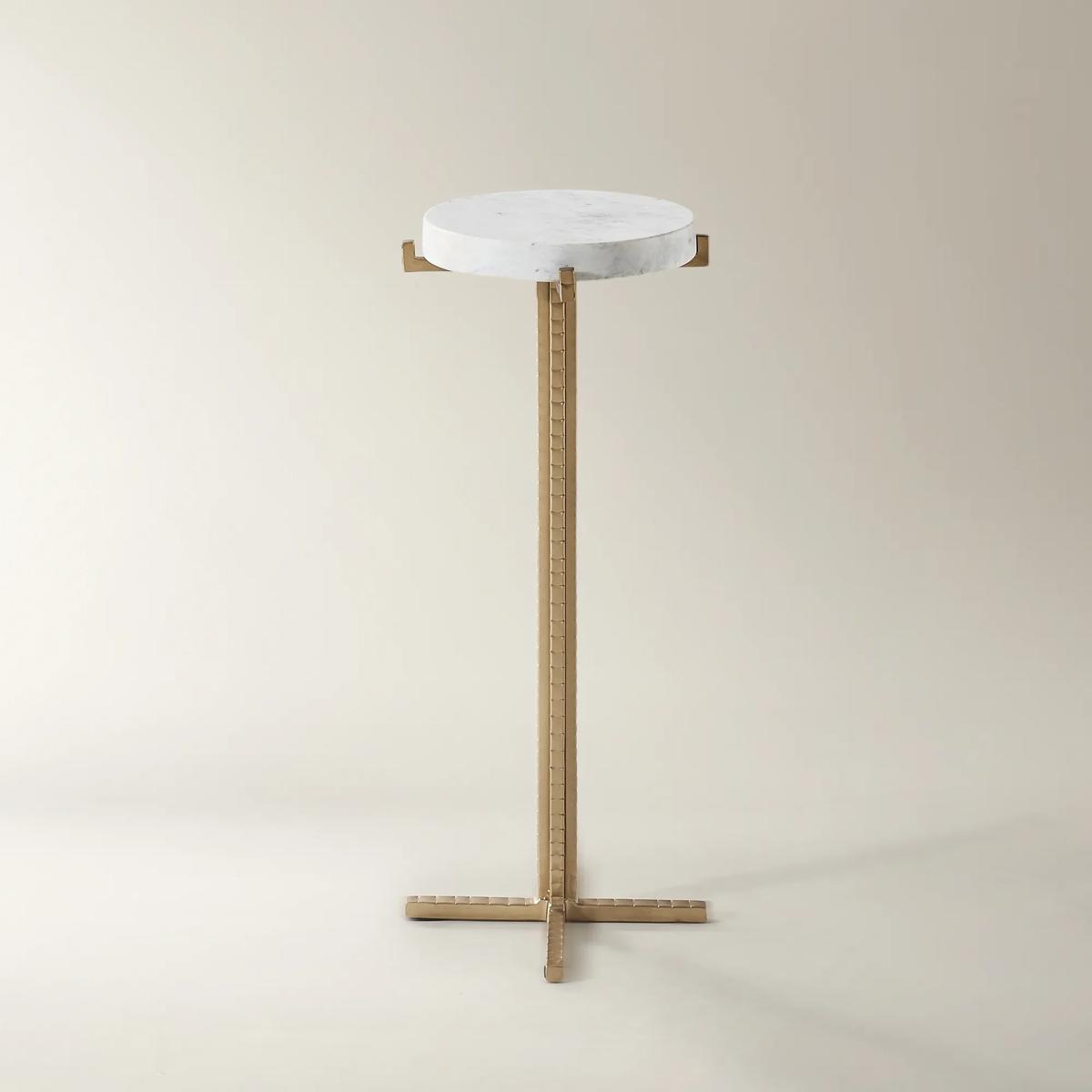 Anya Round White Marble Side Table (10")$199
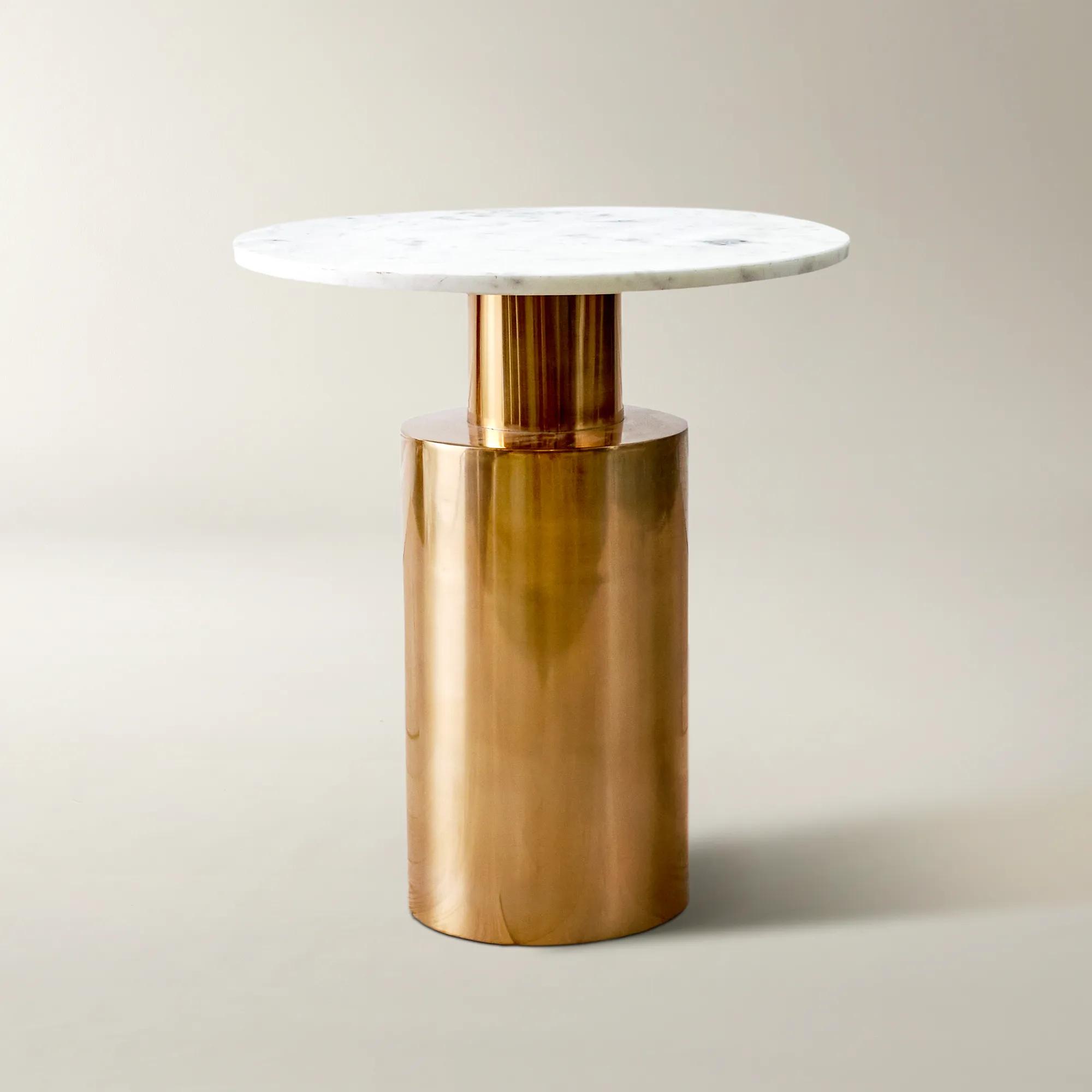
A sculptural side table featuring a genuine white marble top and gold-finished metal pedestal base.
Add To Cart -
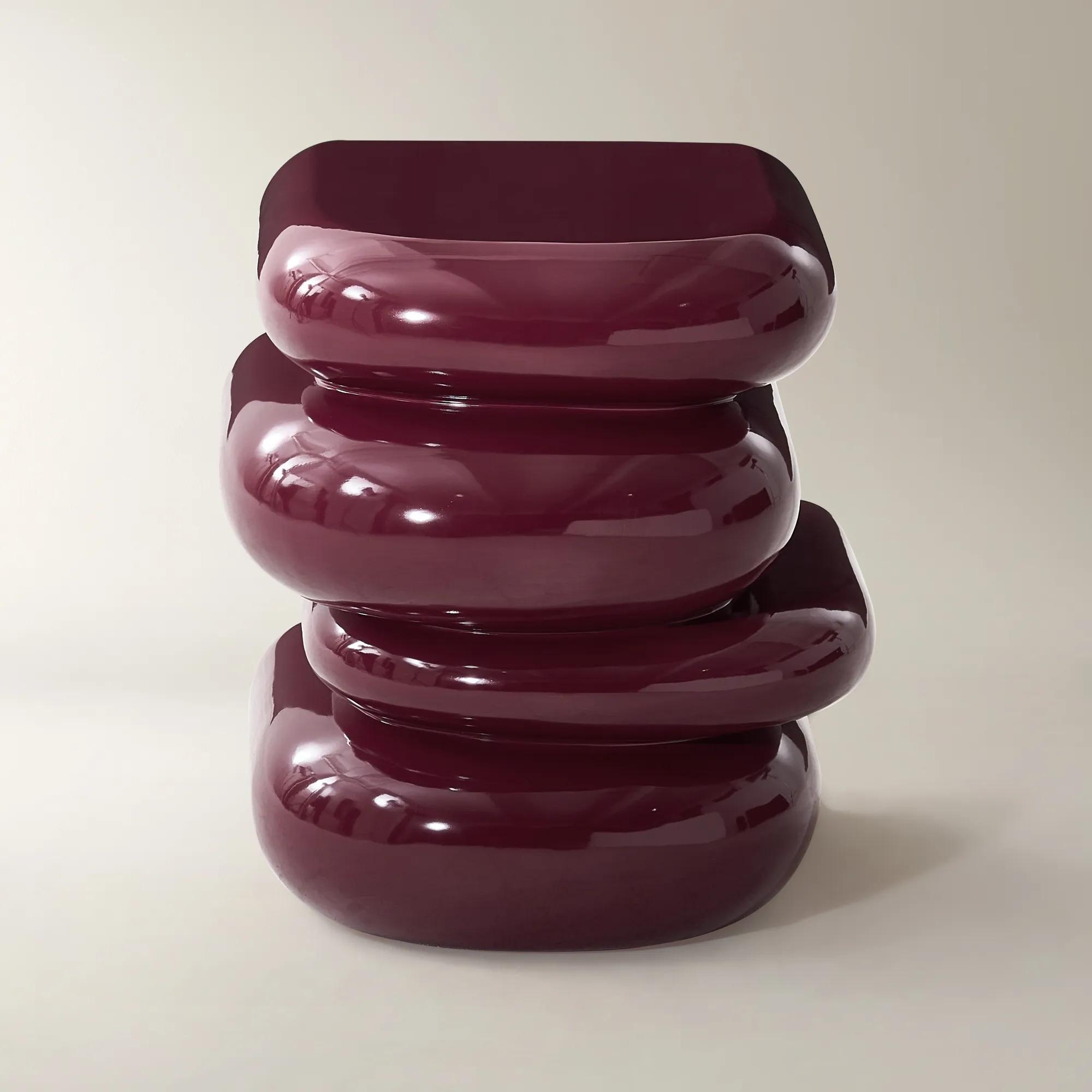 Forma Stacked Ox Blood Side Table (19.9")$499
A sculptural accent table crafted from high-gloss ox blood fiberglass with softly stacked, rounded tiers.
Add To Cart -
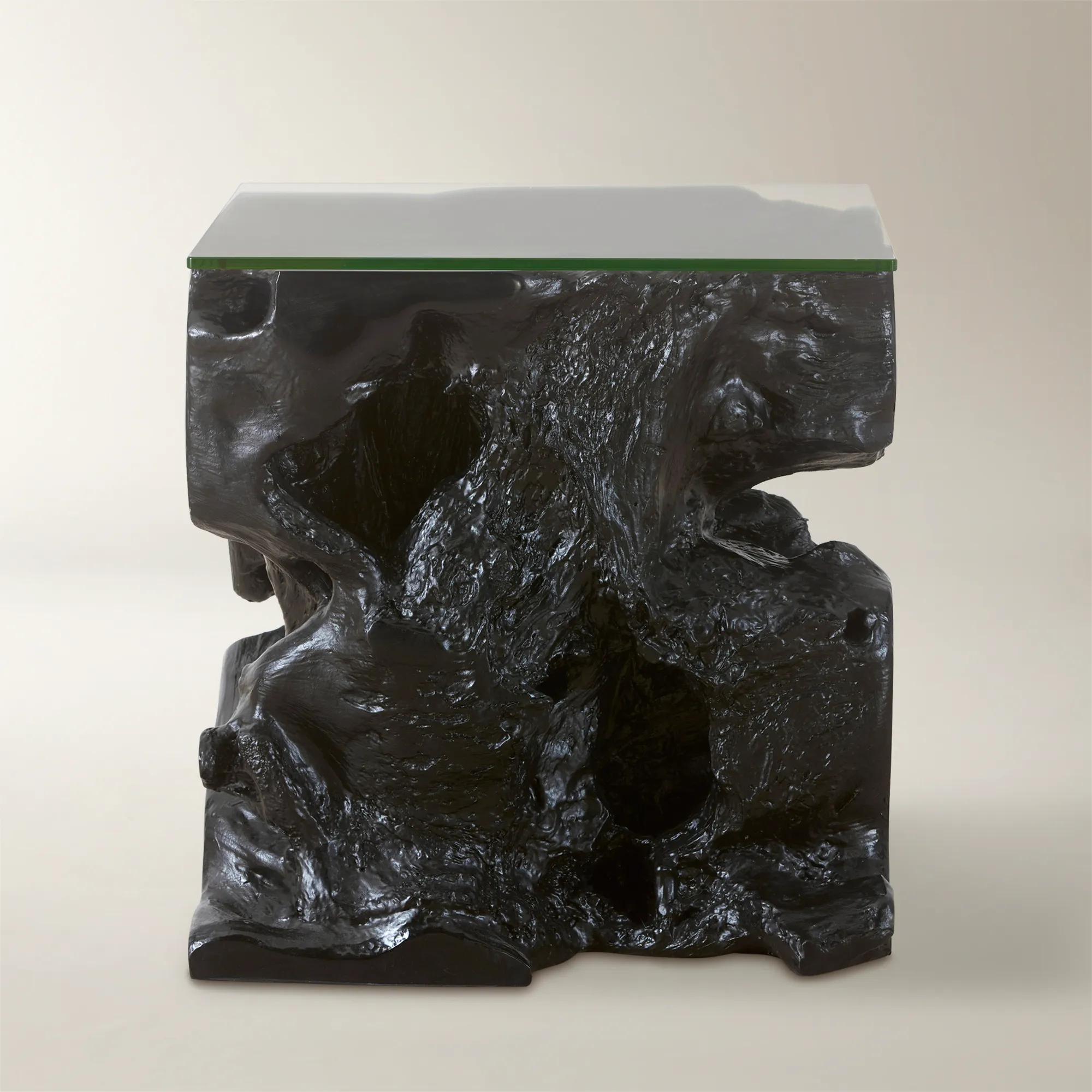 Sequoia Black Resin End Table With Glass Top (22")$999
A sculptural black resin and stone end table inspired by Acacia roots, suitable for indoor or outdoor use.
Add To Cart -
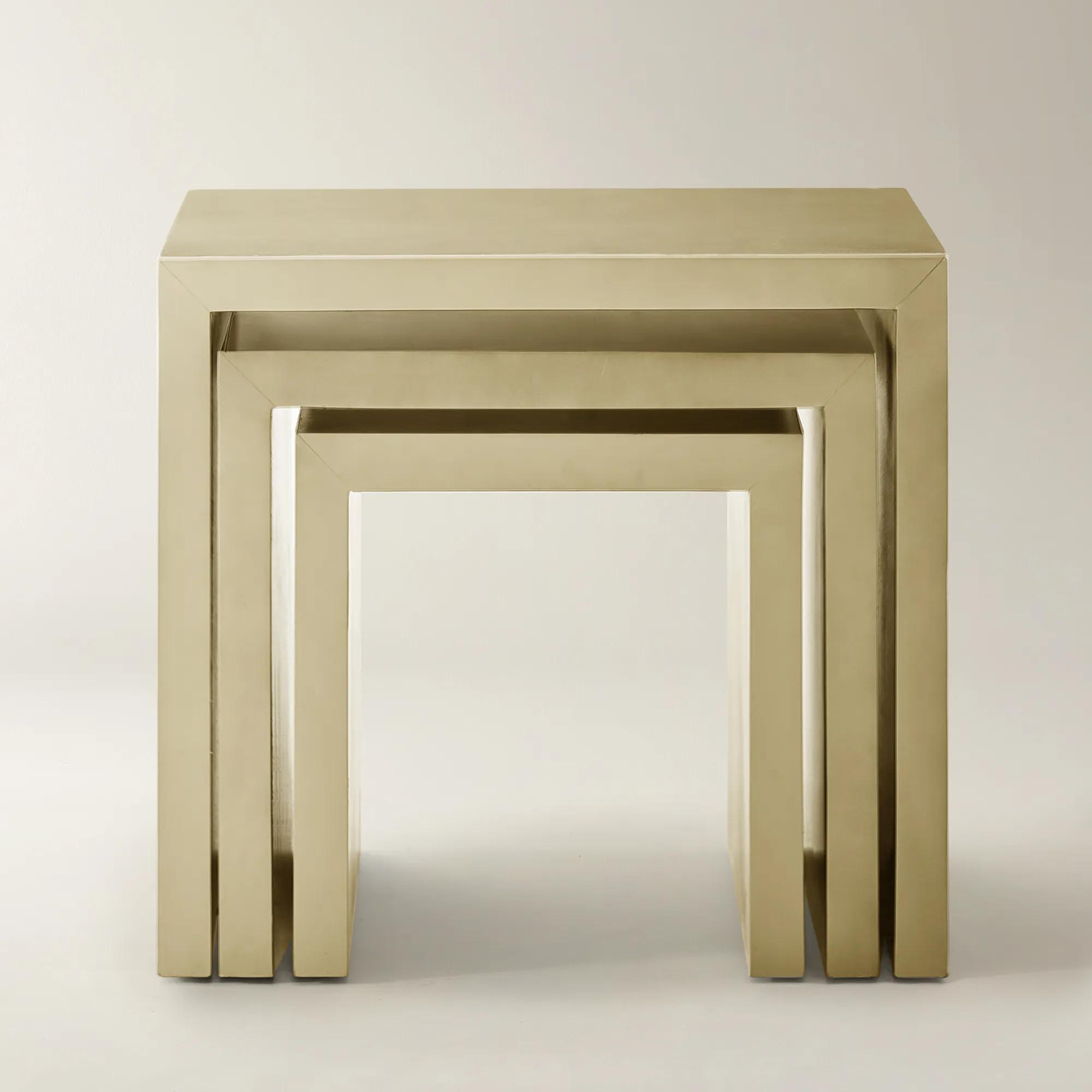
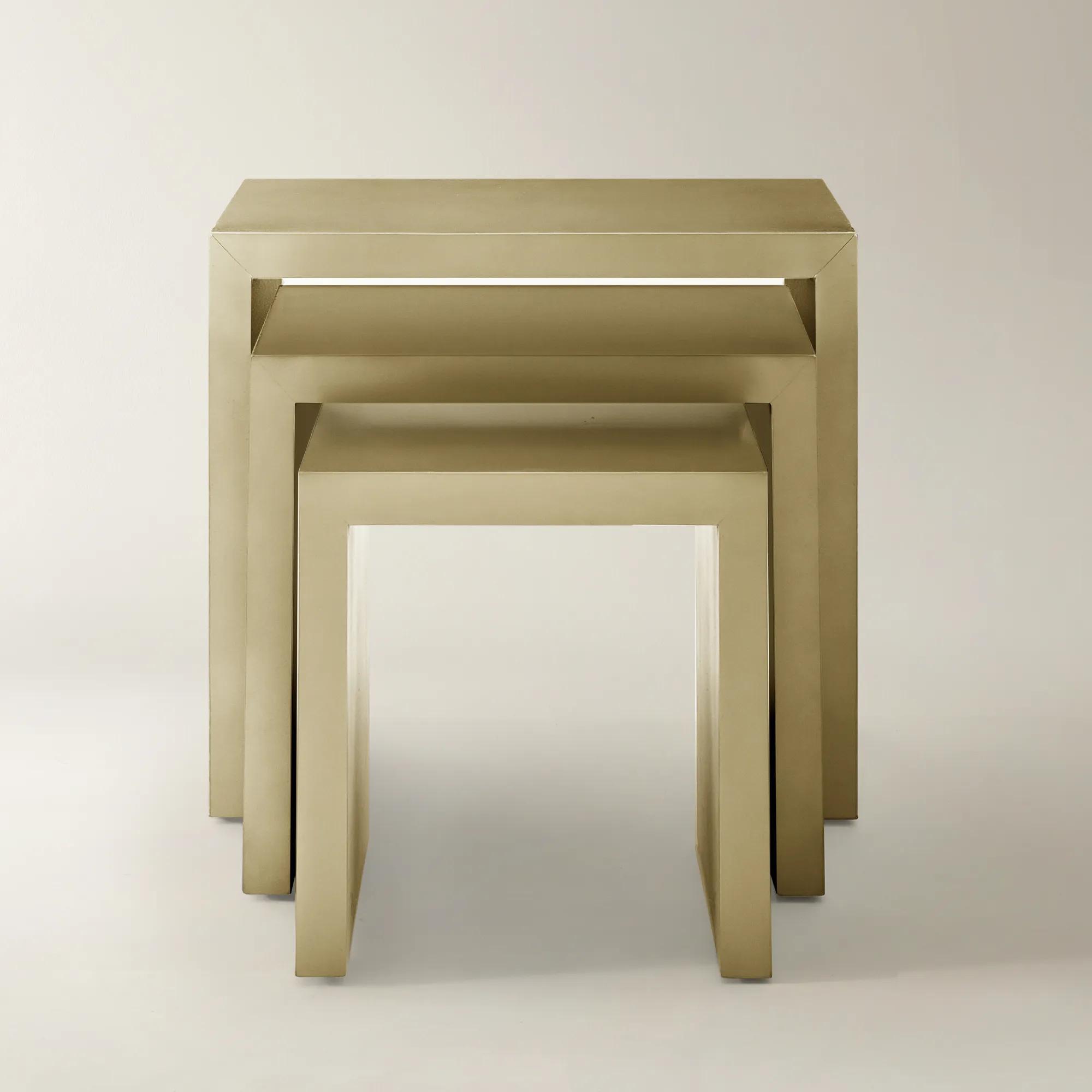 Astair Gold Nesting Accent Table Set Of 3 (16.25"-25.5")$349
A trio of gold-painted engineered wood tables with minimalist block silhouettes and versatile nesting design.
Add To Cart -

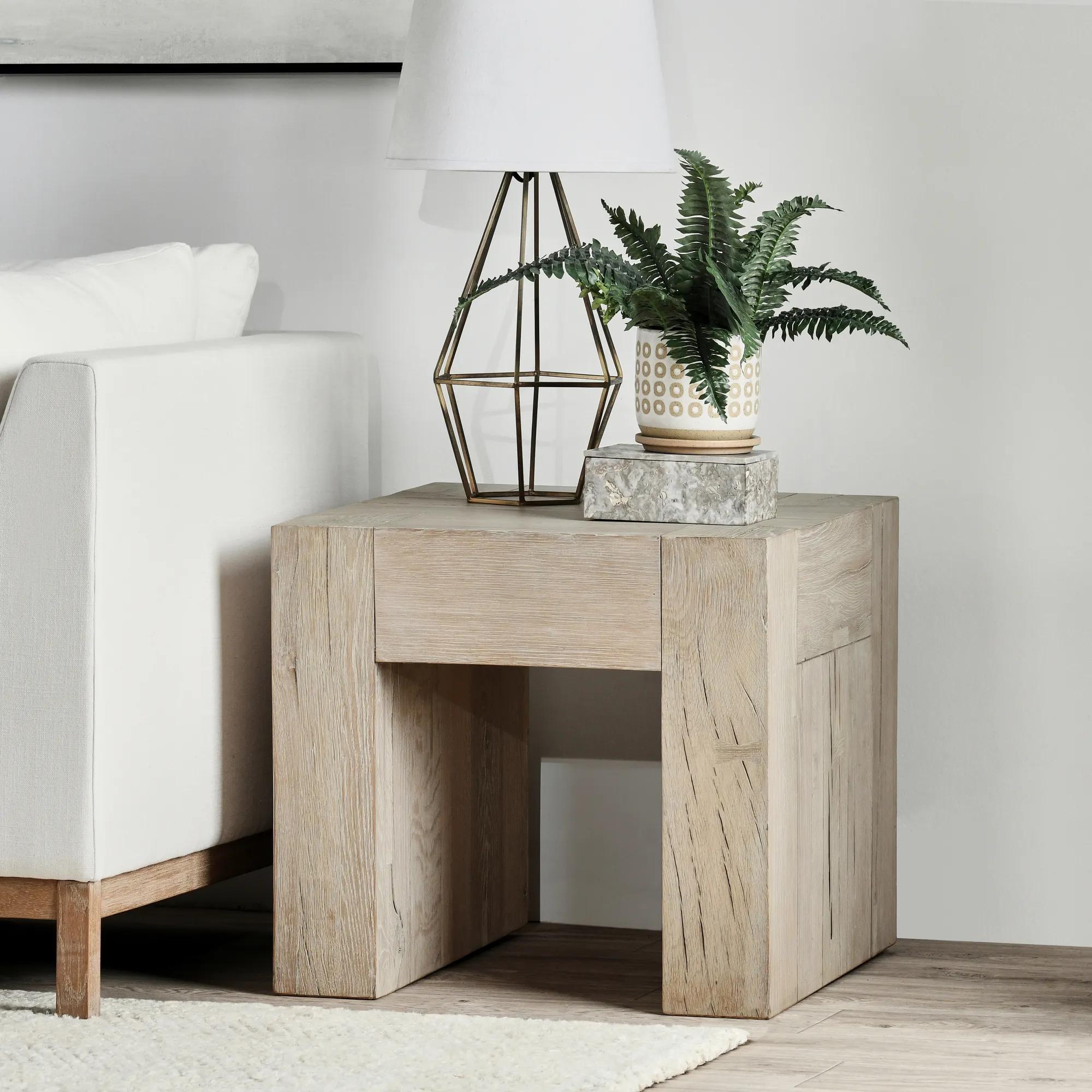 Bristol Square Cream Oak End Table (24")$999
A handcrafted end table featuring cracked reclaimed oak in an aged cream finish with modern dovetail detailing.
Add To Cart -
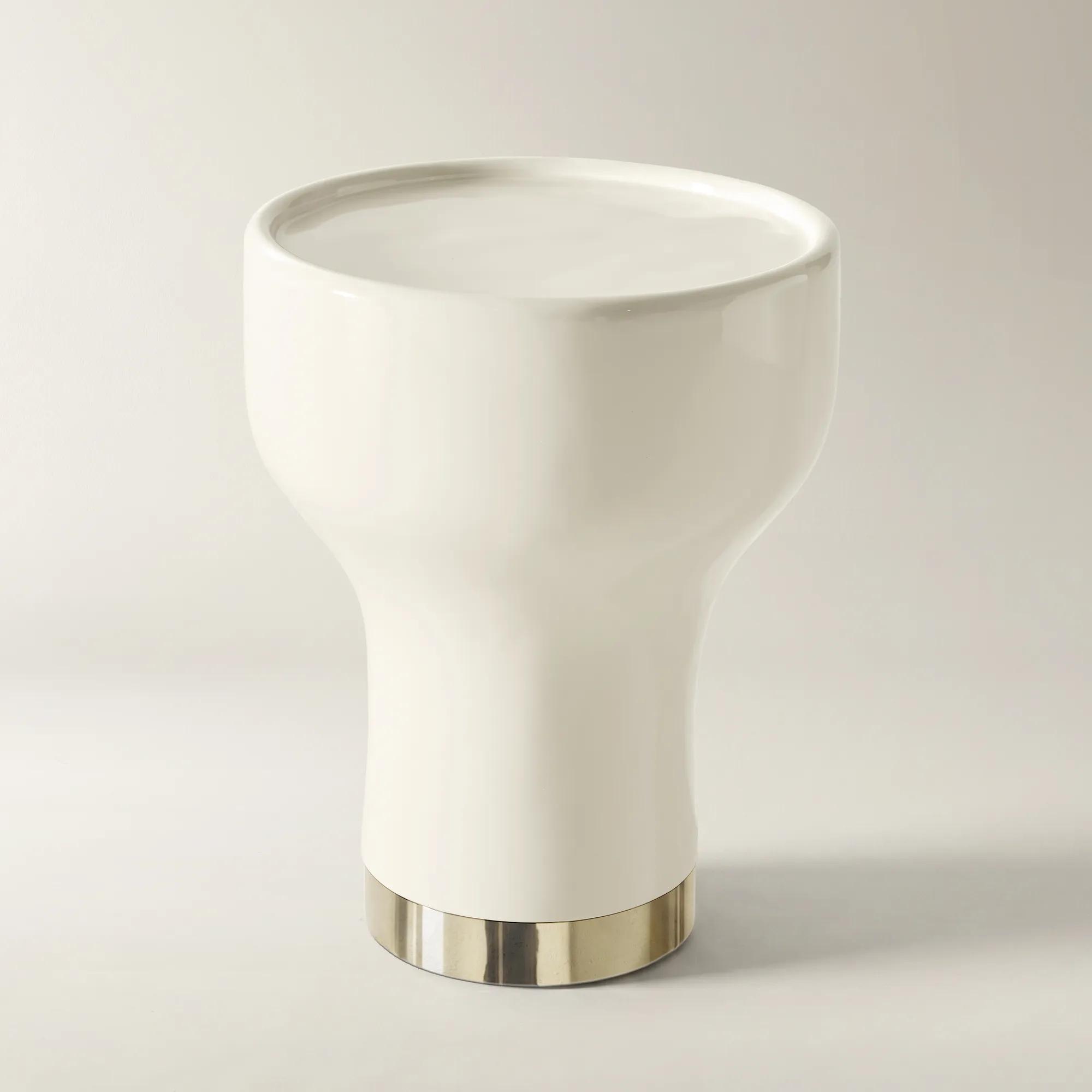
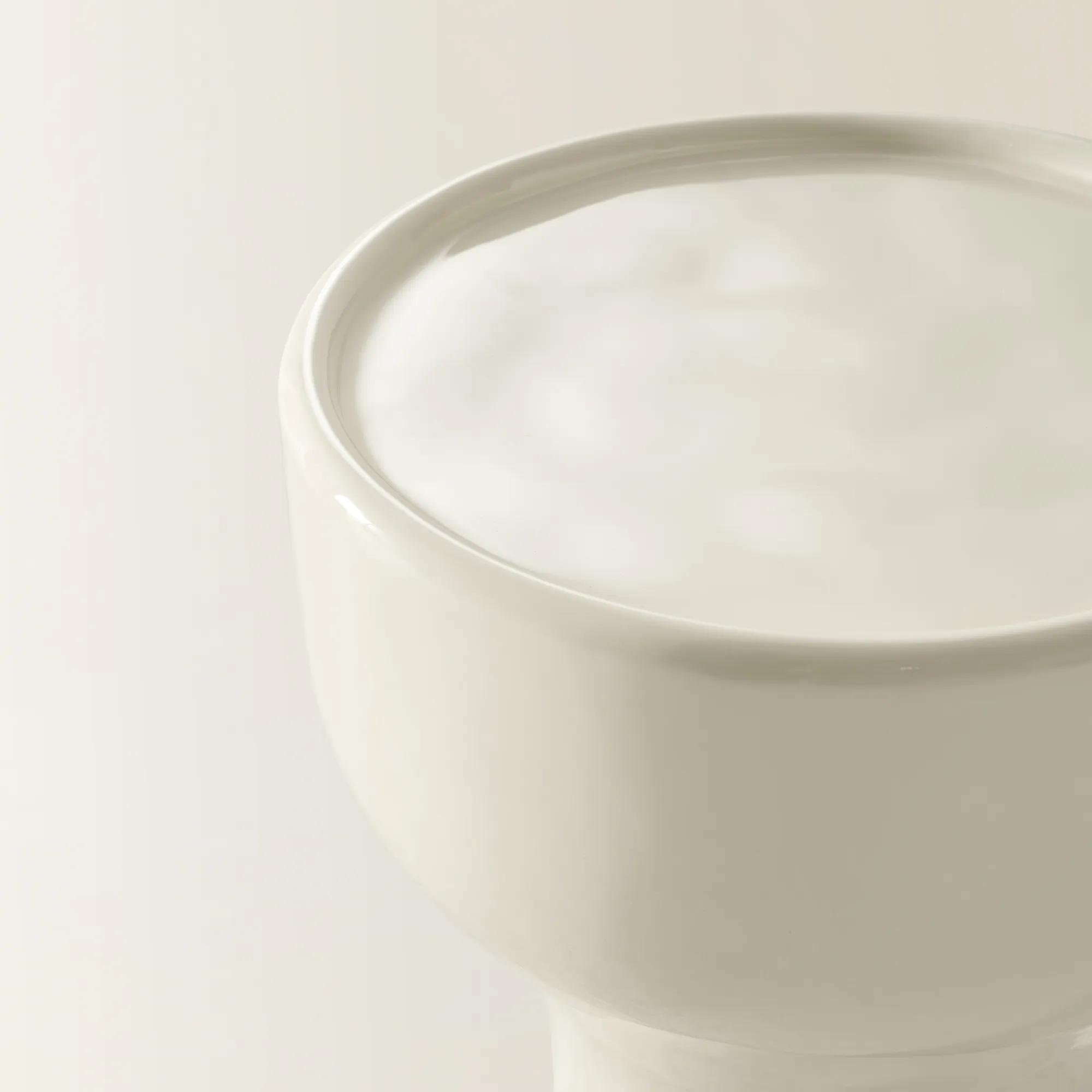 Celia Lacquered Cloud Resin Indoor/Outdoor End Table (16")$399
A sculptural one-piece resin end table with a warm high-gloss finish and gold stainless steel base.
Add To Cart -
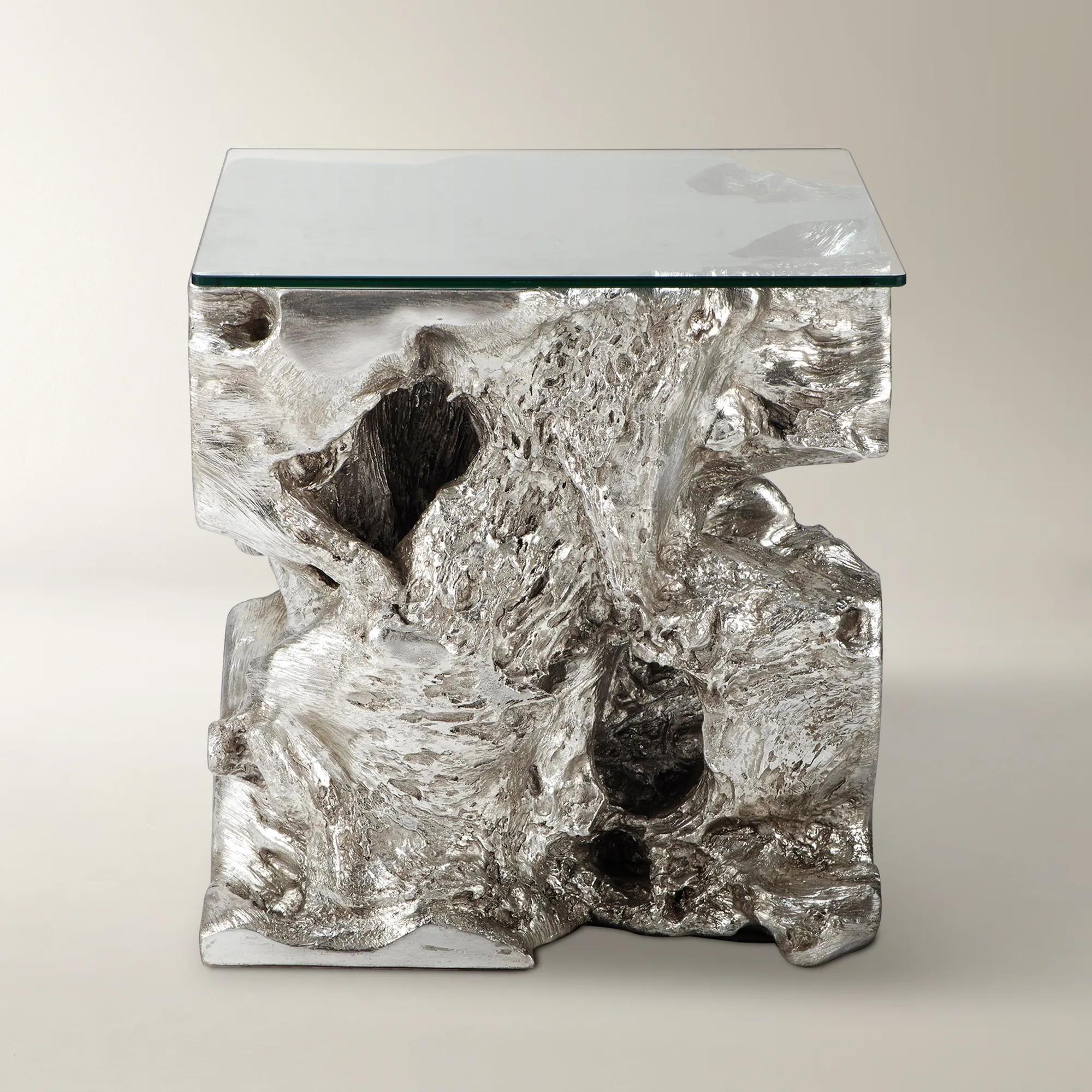 Sequoia Silver Resin End Table With Glass Top (22")$999
A sculptural end table featuring a silver leaf resin base and tempered glass top for modern elegance.
Add To Cart -
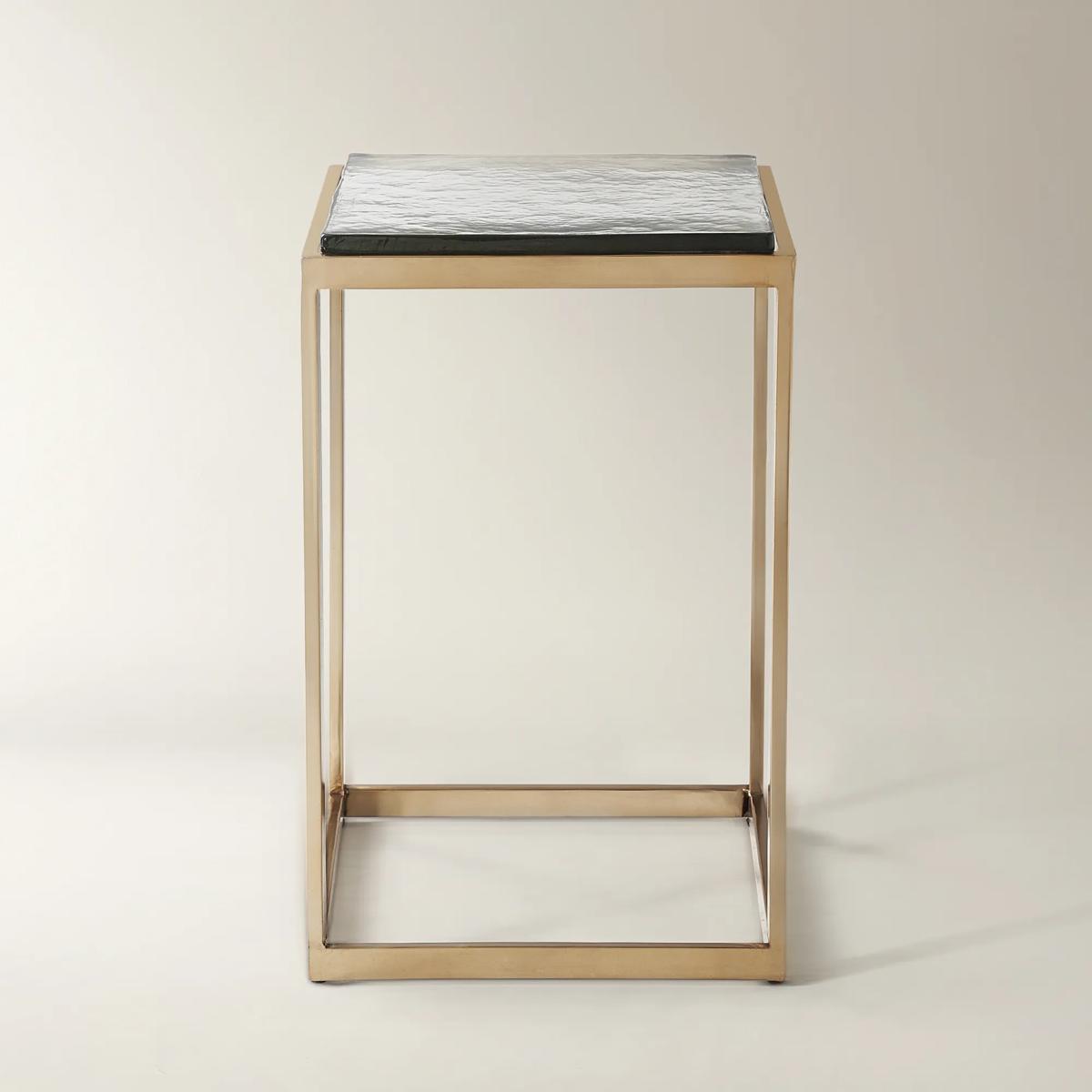
 Lyra Square Brass Metal Side Table With Glass Top (13.8")$239
A sculptural side table featuring a thick cast glass top and a lustrous brass-finished metal base.
Add To Cart

Minimalist End Tables For Living Room
Minimalist End Tables for Living Room invite a sense of refined simplicity, transforming everyday moments into curated experiences. Each piece is a masterclass in restraint, where sculptural silhouettes and clean lines become the backdrop for your most inspired living spaces. These end tables don’t just support your décor—they elevate it, offering a quiet confidence that lets your boldest accents shine. Discover how the art of understatement can anchor your living room in modern elegance, allowing every detail to breathe with intention and style.
Minimalist end tables for living rooms pair clean lines and simple geometric shapes with materials such as metal, wood, glass, or stone. Their distinction comes from proportion, texture, and finish rather than elaborate ornament, giving a seating arrangement a polished presence without competing with its larger pieces. Beside a sumptuous sofa or a sculptural accent chair, a streamlined table creates a deliberate pause: a surface for a glowing lamp, a favorite book, or a beautifully cut glass. Minimalist design does not have to feel austere. A slender metallic frame can introduce a gleam of glamour, while a richly grained wood top brings depth to a room layered with velvet, woven upholstery, or a textured rug. Glass offers a different effect, allowing the lines of a distinctive base to remain visible and preserving sightlines across the seating area. Stone lends visual weight and expressive natural pattern, turning a restrained silhouette into an architectural accent. Each material changes the atmosphere, even when the overall shape remains simple. Round end tables soften the edges of angular seating, square profiles echo tailored upholstery, and rectangular surfaces can sit comfortably alongside a deeper sofa. An open base leaves more of the floor visible, while a solid pedestal gives a small footprint a commanding presence. The most compelling combinations balance these qualities rather than repeating every finish in the room. A warm wood table can temper the brilliance of metallic accessories; a polished metal accent can sharpen the contrast against a matte wall. Repeated undertones, compatible proportions, or a shared curved detail can create cohesion without requiring an exact match. For interiors with expressive artwork, dramatic lighting, or richly patterned textiles, minimalist living room end tables offer structure and breathing room. They provide everyday utility while allowing the room’s more theatrical elements to remain in focus, proving that a restrained form can still carry extraordinary presence.
Scale determines whether an end table feels integrated into the room or interrupts its flow. A tabletop close to the height of the adjacent sofa arm generally makes a drink or remote easier to reach; a surface several inches higher or lower can feel awkward, even when its proportions look appealing in isolation. With low-profile or armless seating, the seat height and a comfortable seated reach become more useful references. Width and depth deserve equal attention. A table intended for a lamp needs enough surface for the lamp’s base, plus comfortable space for a coaster or small personal essentials. A narrow accent beside an occasional chair may need to hold only a beverage and a book. Measuring the full footprint, including projecting legs or an overhanging top, helps preserve passage between seating and nearby furniture. Main walking routes benefit from generous clearance, particularly in homes where children, pets, or frequent guests move through the conversation area. In tighter arrangements, end tables for small living rooms can provide a proportionate finishing touch without overwhelming the seating group. Slender frames, transparent tops, and open bases can make a compact arrangement feel less visually dense, although their actual dimensions still matter. A round profile removes projecting corners from a narrow passage, but its widest point still needs adequate clearance. Nesting forms can offer additional serving space when needed, provided there is room to separate them comfortably. A C-shaped table may bring a surface closer to a seat when its base fits beneath the sofa frame. Storage also changes the experience: a drawer can conceal remotes, while a lower shelf keeps reading material accessible. For a more sculptural arrangement, different tables on either side of a sofa can feel intentional when their heights and visual weight are compatible. The result is a living room shaped around real routines, from an evening of reading to conversation with guests, with every surface positioned to support the moment.
Durability depends on construction, finish, and how the table will be used, not simply on whether its silhouette appears substantial. A slender table should feel stable on the floor, with secure connections and a base suited to the weight of its top. Glass surfaces bring luminous clarity, but edges remain vulnerable to hard impacts; tempered glass, where specified, has different breakage characteristics from ordinary glass and should still receive careful handling. Wood offers warmth and distinctive grain, though its finish may show rings, scratches, or discoloration without protection. Solid wood can respond to changes in indoor humidity, while veneered surfaces require particular care around edges and spills. Metal finishes range from brushed to highly polished, with reflective surfaces often revealing fingerprints more readily. Natural stone has individual variations in veining and color, and some stones can absorb liquids or react to acidic substances. These qualities make material-specific care essential. Coasters and felt pads help protect a tabletop from drinks, decorative vessels, and the undersides of lamps. Spills are best blotted promptly rather than left to settle, and cleaning should follow the manufacturer’s instructions for the exact surface and finish. A soft cloth is often appropriate for routine dusting, while abrasive scrubbers, harsh cleaners, and unapproved polishes can damage protective coatings. Glass cleaner should not be assumed suitable for surrounding metal, wood, or stone. Styling deserves the same consideration as care. A single sculptural lamp and a shallow dish can create a complete composition while leaving useful surface exposed. Where the tabletop has striking grain or veining, fewer accessories allow the material itself to become the focal point. Households that entertain often may value a generous, easily maintained surface; an avid reader may prefer space for a lamp and a small stack of books. Whether beside a sweeping sectional or a single lounge chair, a thoughtfully proportioned minimalist end table gives daily rituals an elegant setting, bringing practical comfort and a distinctive finishing gesture to the living room.
FAQs
Minimalist end tables are remarkably versatile and complement a range of design styles, from contemporary and Scandinavian to transitional and even eclectic spaces. Their clean lines and understated elegance allow them to balance bolder furnishings or enhance a serene, monochromatic palette. Pair them with plush velvet seating for a touch of contrast, or let them accentuate the crisp geometry of modern sofas and accent chairs.
To preserve the table’s minimalist appeal, opt for a restrained approach to styling. Select one or two carefully chosen objects—such as a sculptural vase, a single art book, or a small tray in a complementary finish. Embrace negative space, allowing the table’s form and material to take center stage, and rotate decorative items seasonally for a fresh, curated look.
Absolutely. Minimalist end tables make thoughtful and sophisticated gifts for housewarmings, weddings, or milestone celebrations. Their timeless design and versatile function ensure they will be cherished and seamlessly integrated into a variety of interiors, making them a lasting symbol of style and practicality.
Materials play a pivotal role in defining the atmosphere of a minimalist end table. Glass and metal exude a modern, airy vibe, while natural woods introduce warmth and organic texture. Marble lends an air of luxury and permanence, and lacquered finishes add a touch of contemporary gloss. Choose materials that not only reflect your personal taste but also enhance the mood you wish to create in your living room.
Yes, the understated elegance of minimalist end tables allows them to transition effortlessly into bedrooms, home offices, or entryways. Use them as nightstands, side tables for reading nooks, or even as display pedestals for cherished art pieces. Their adaptability ensures they remain a versatile and stylish addition to any room.