
Minimalist Dining Room Tables
Minimalist Dining Room Tables
-
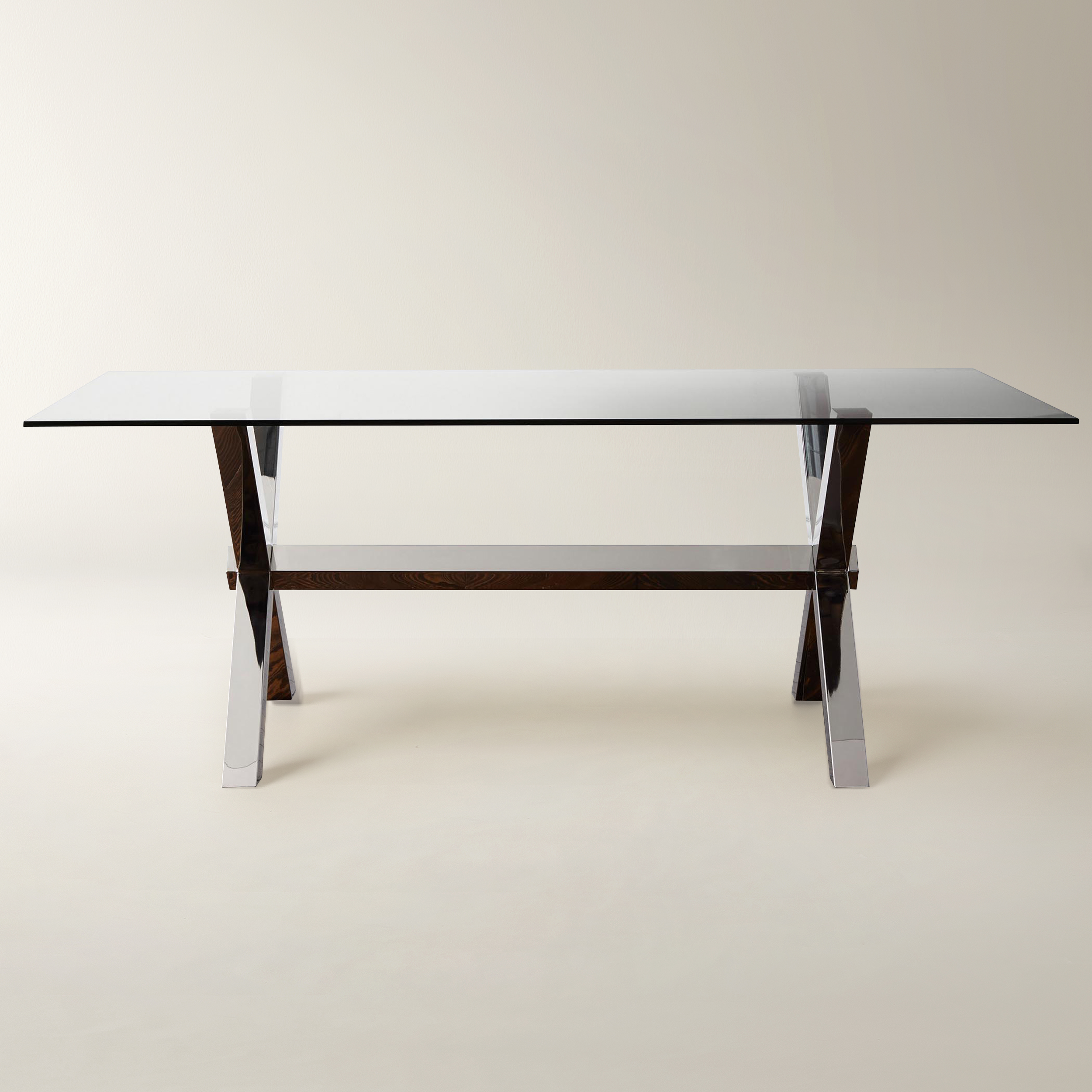
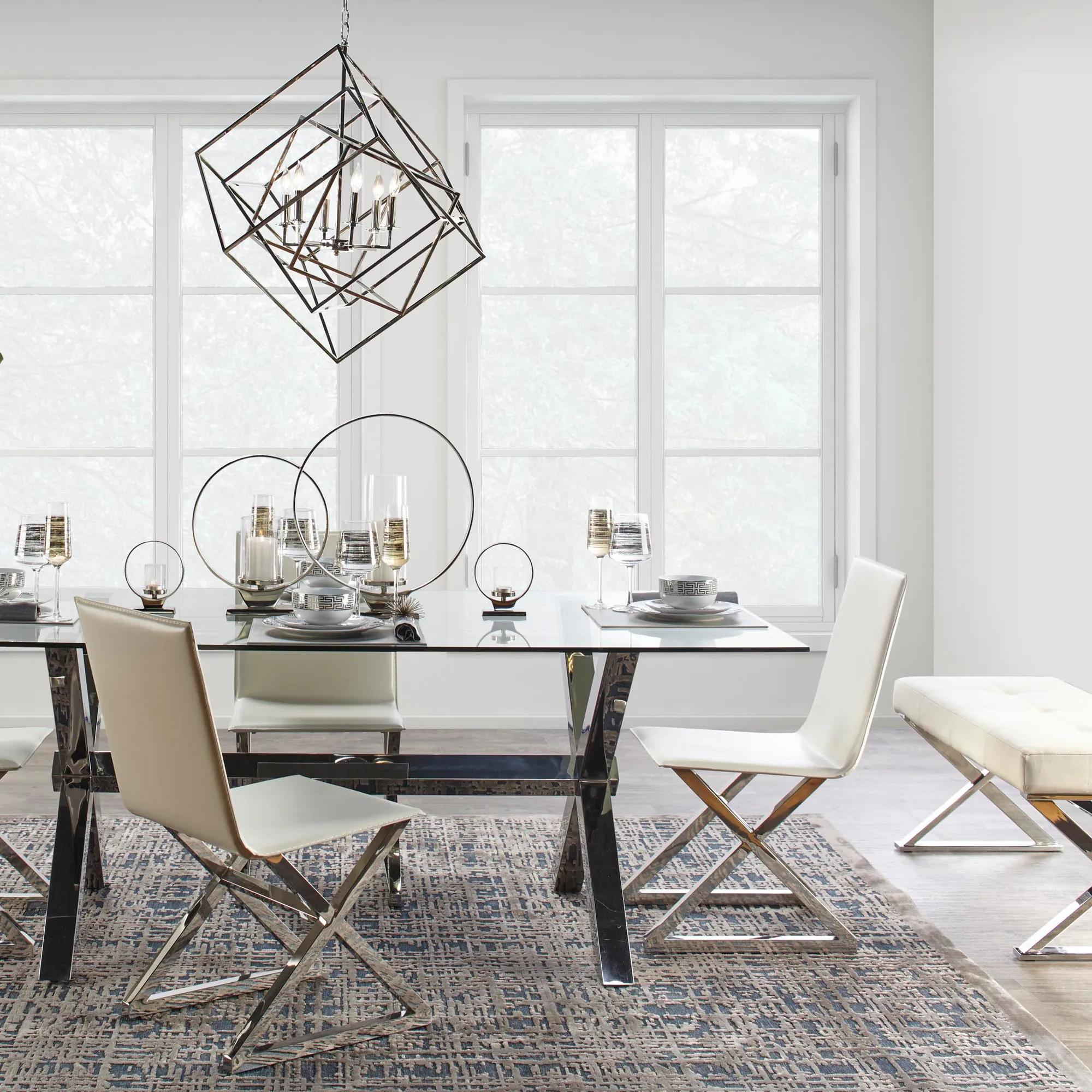 Axis Rectangular Silver Dining Table With Glass Top (78")$1199
A contemporary dining table featuring a polished stainless steel base and durable tempered glass top.
Add To Cart -
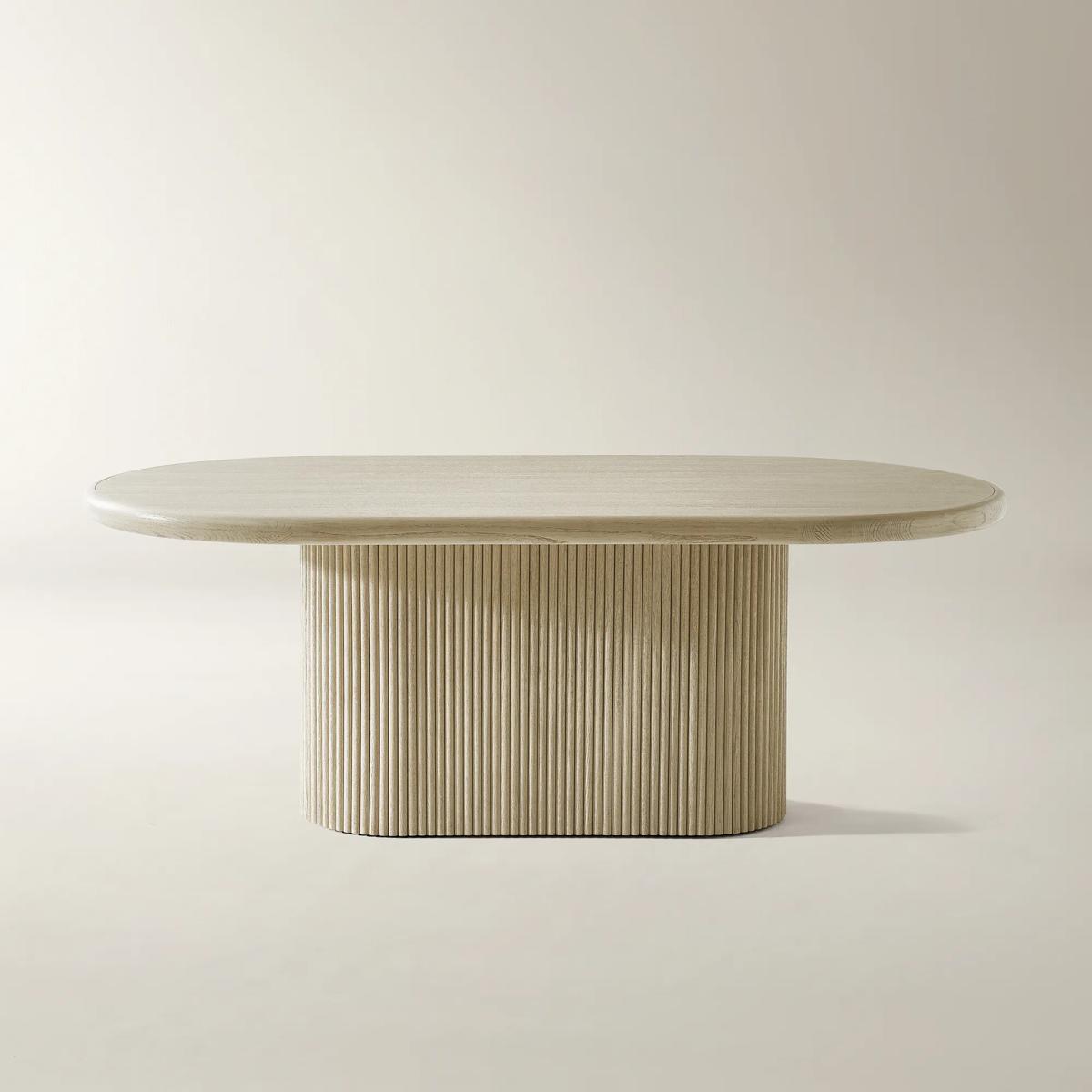
.jpg?w=1200&h=1200) Stria Oval Reeded White Oak Dining Table (82")$1999
Stria Oval Reeded White Oak Dining Table (82")$1999A sculptural oval dining table featuring reeded oak, a single pedestal base, and gold-plated steel trim.
Add To Cart -
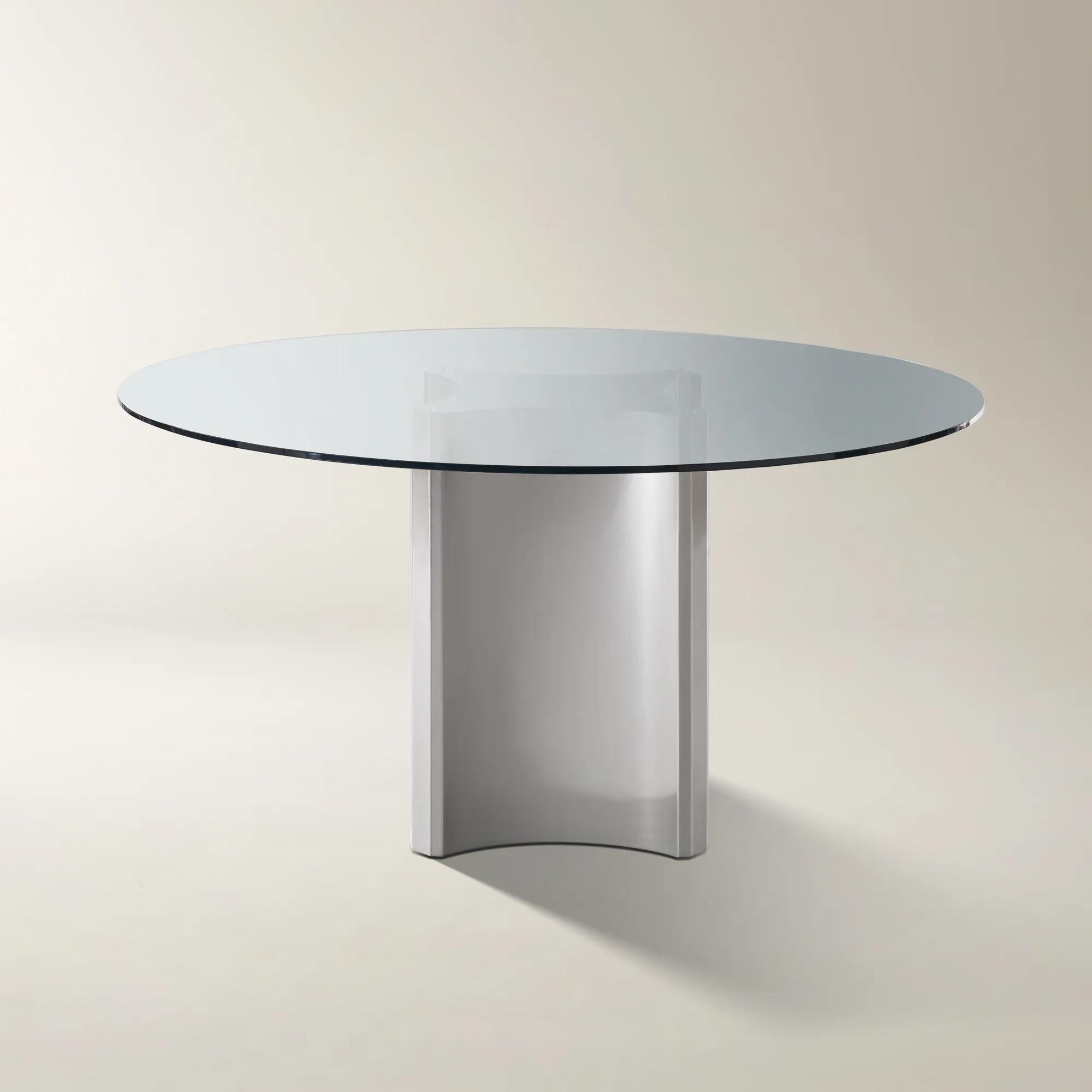 Ventane Round Clear Glass and Stainless steel Dining Table (58")$1499
A modern dining table featuring a clear tempered glass top and polished stainless steel base with anti-fingerprint finish.
Add To Cart -
.jpeg?w=1200&h=1200)
.jpg?w=1200&h=1200) Matera Rectangular White Marble Dining Table With Stainless Steel Base (86.61")$2499
Matera Rectangular White Marble Dining Table With Stainless Steel Base (86.61")$2499A modern dining table featuring a white marble top and polished stainless steel base for timeless elegance.
Add To Cart -
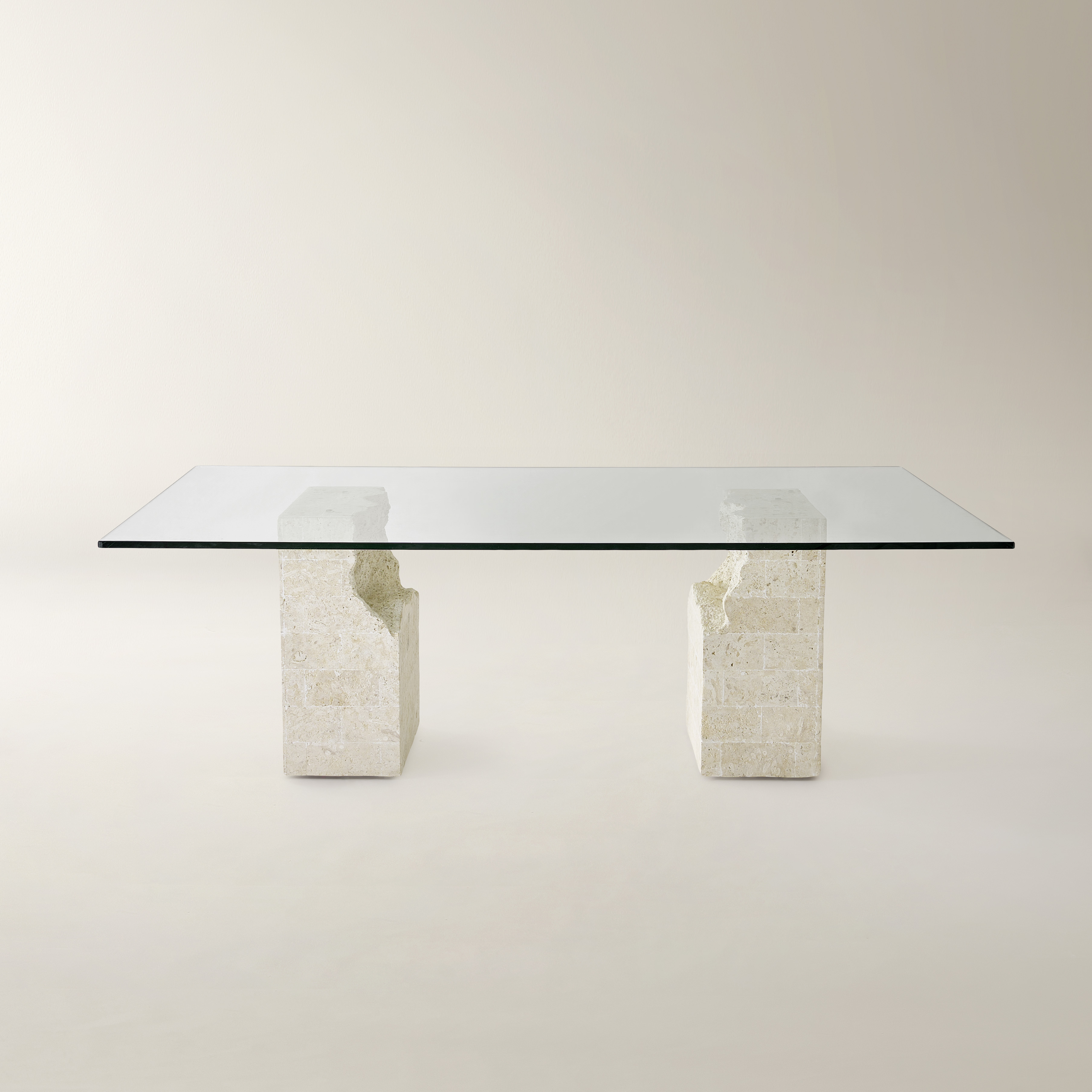 Cairo Rectangular Mactan Stone Dining Table With Glass Top (86.6")$2399
A contemporary dining table featuring a clear tempered glass top over hand-carved Mactan stone bases.
Add To Cart -
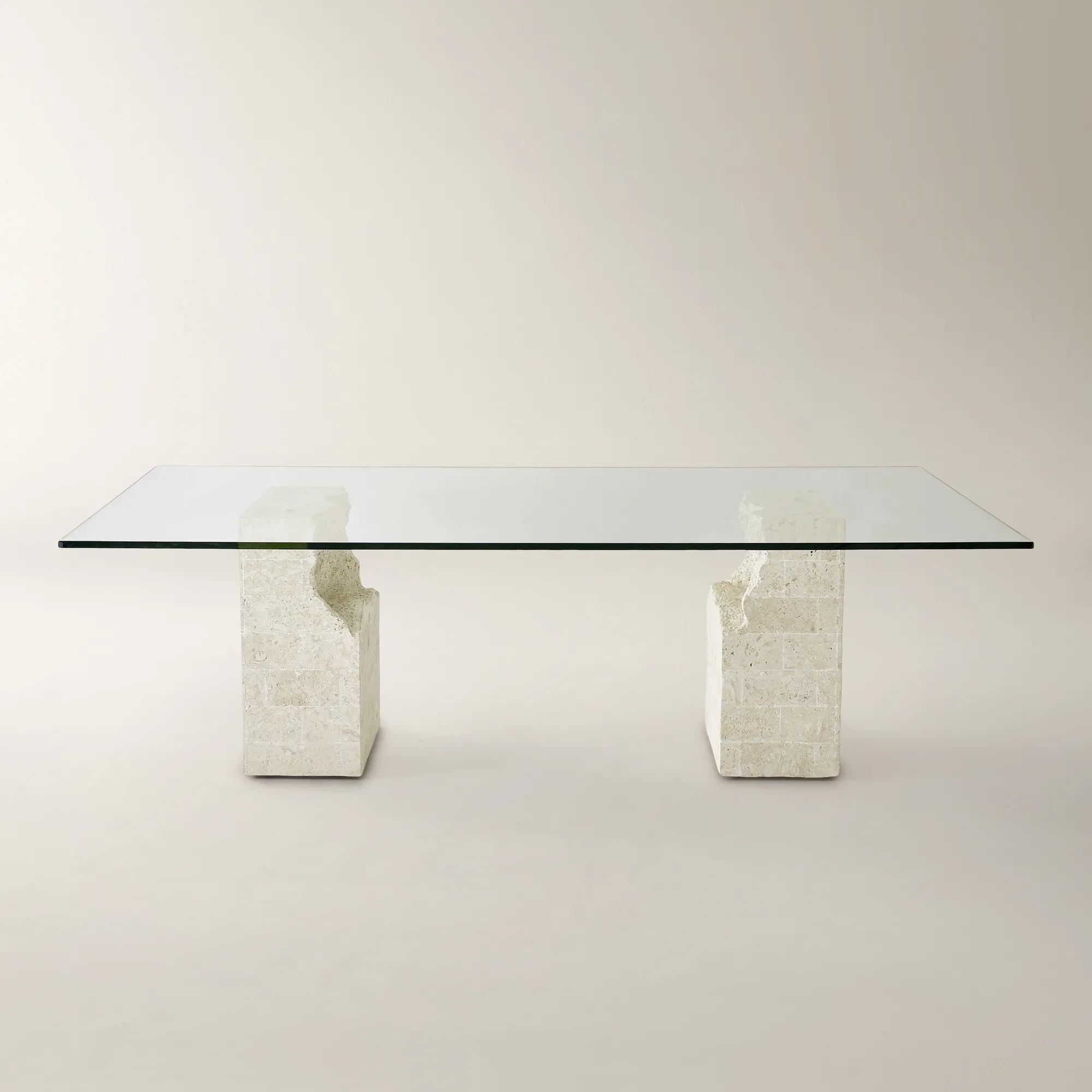 Cairo Rectangular Mactan Stone Dining Table With Glass Top (96")$2599
A contemporary dining table featuring a clear tempered glass top over hand-carved Mactan stone bases.
Add To Cart -
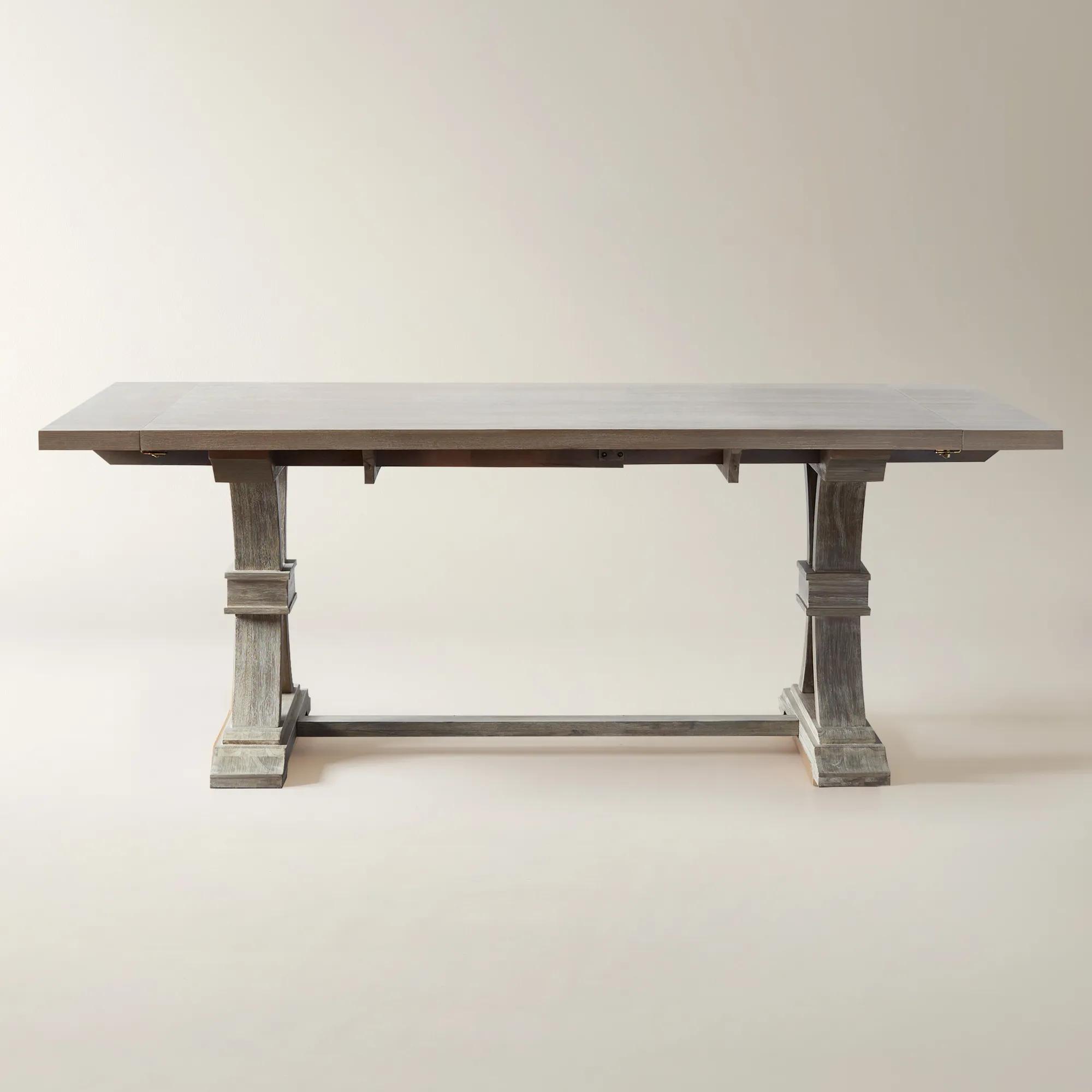 Archer Rectangular Grey Acacia Wood Extending Dining Table (78" - 110")$2499
A weathered grey acacia wood dining table with removable leaves and a kiln-dried hardwood frame.
Add To Cart -
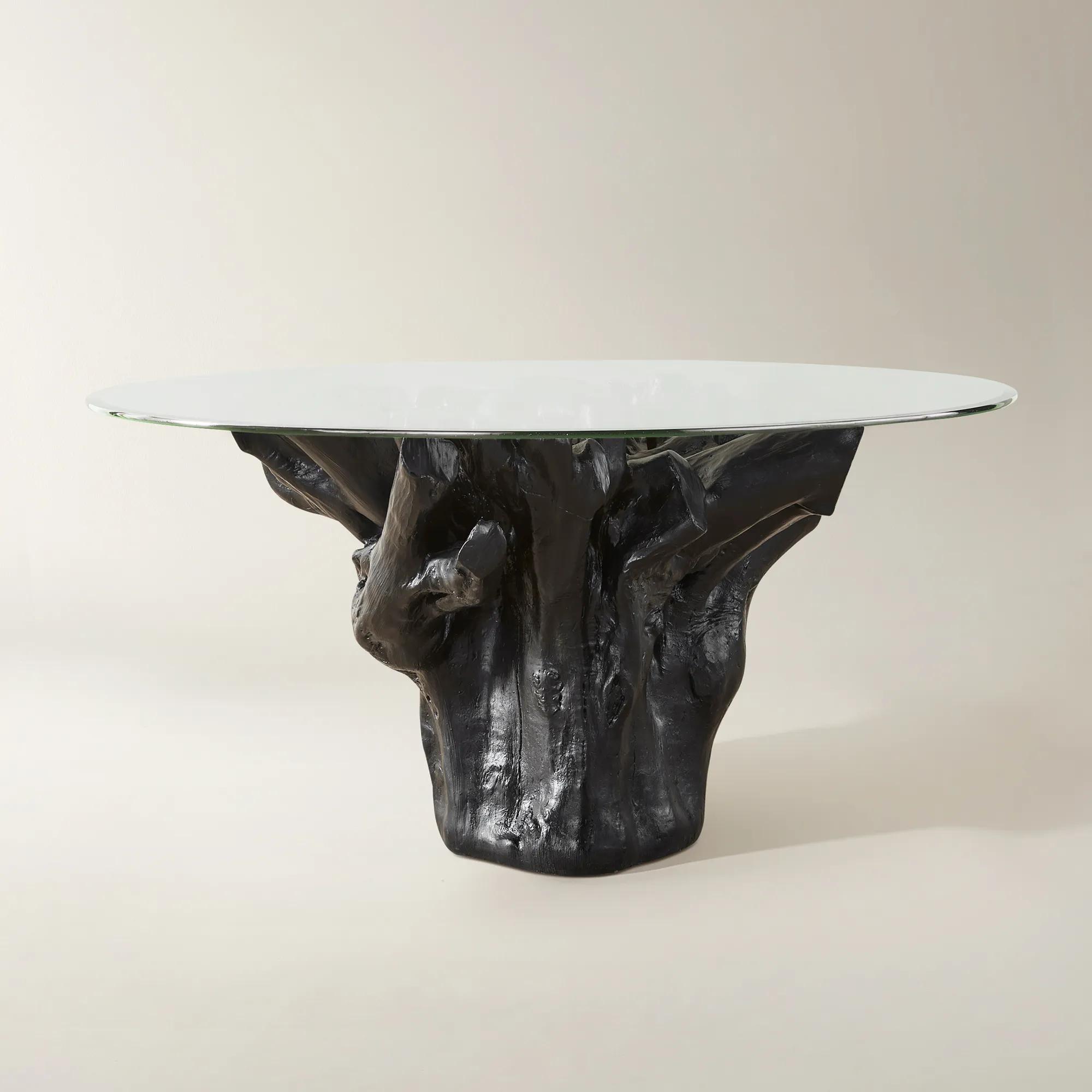 Sequoia Black Resin Dining Table With Glass Top (60")$2299
A sculptural black resin base with real stone fragments supports a round tempered glass top for organic elegance.
Add To Cart -
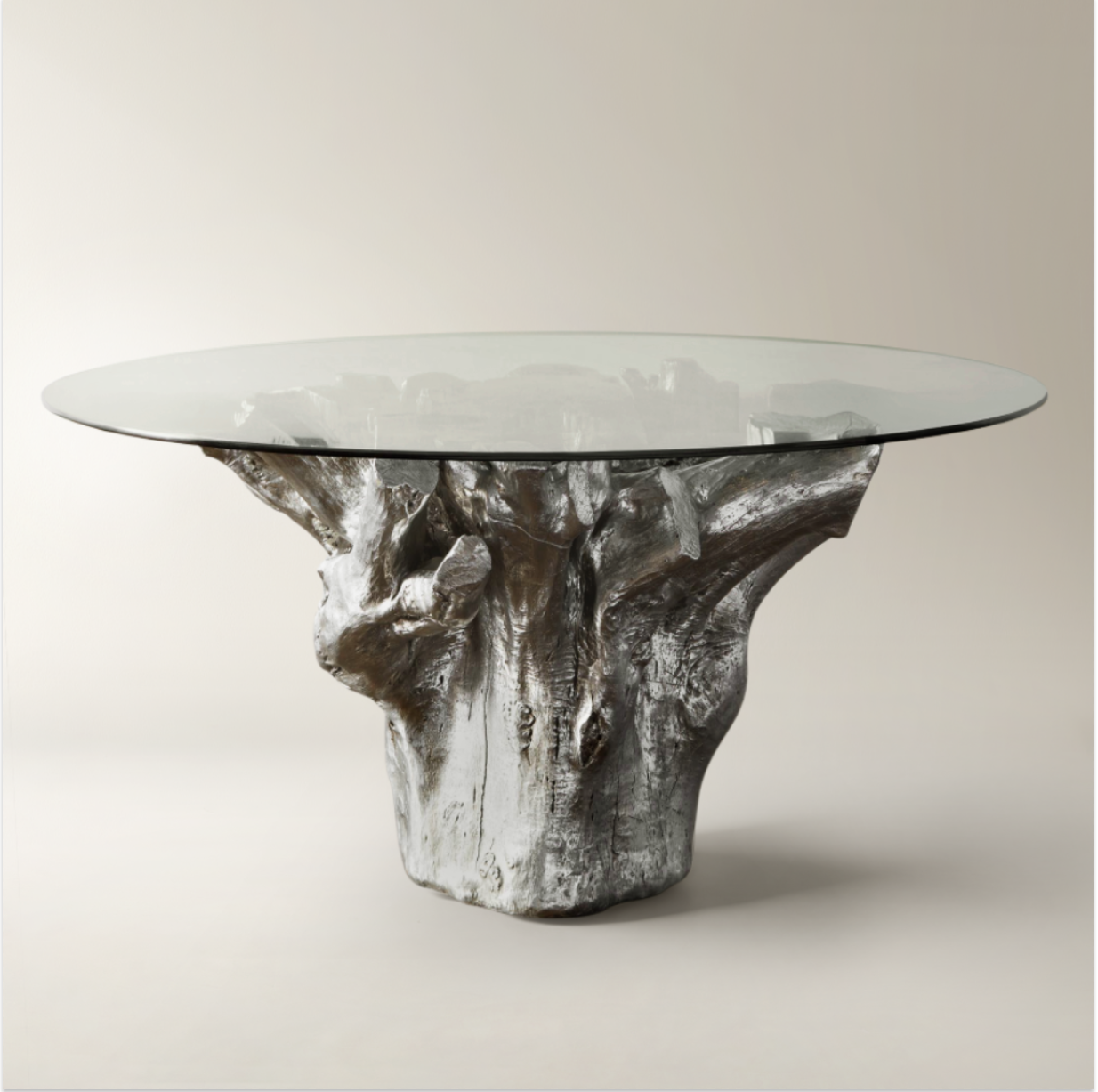 Sequoia Silver Resin Dining Table With Glass Top (60")$2199
A sculptural resin base with hand-applied silver leaf supports a round tempered glass top for modern elegance.
Add To Cart -
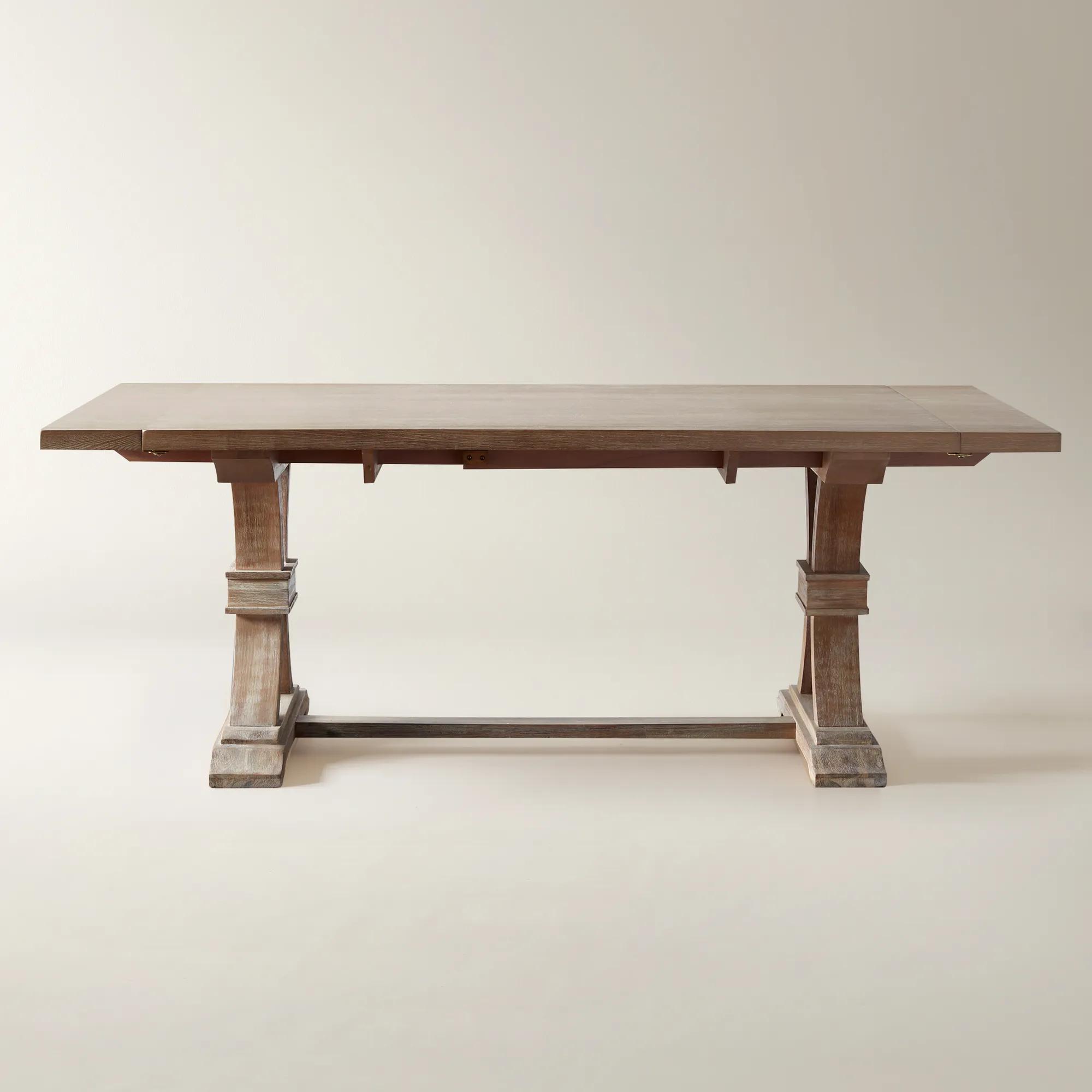 Archer Rectangular Whitewashed Acacia Wood Extending Dining Table (78" - 110")$2499
An extending dining table crafted from kiln-dried hardwood with a whitewashed oak finish and acacia veneer.
Add To Cart -
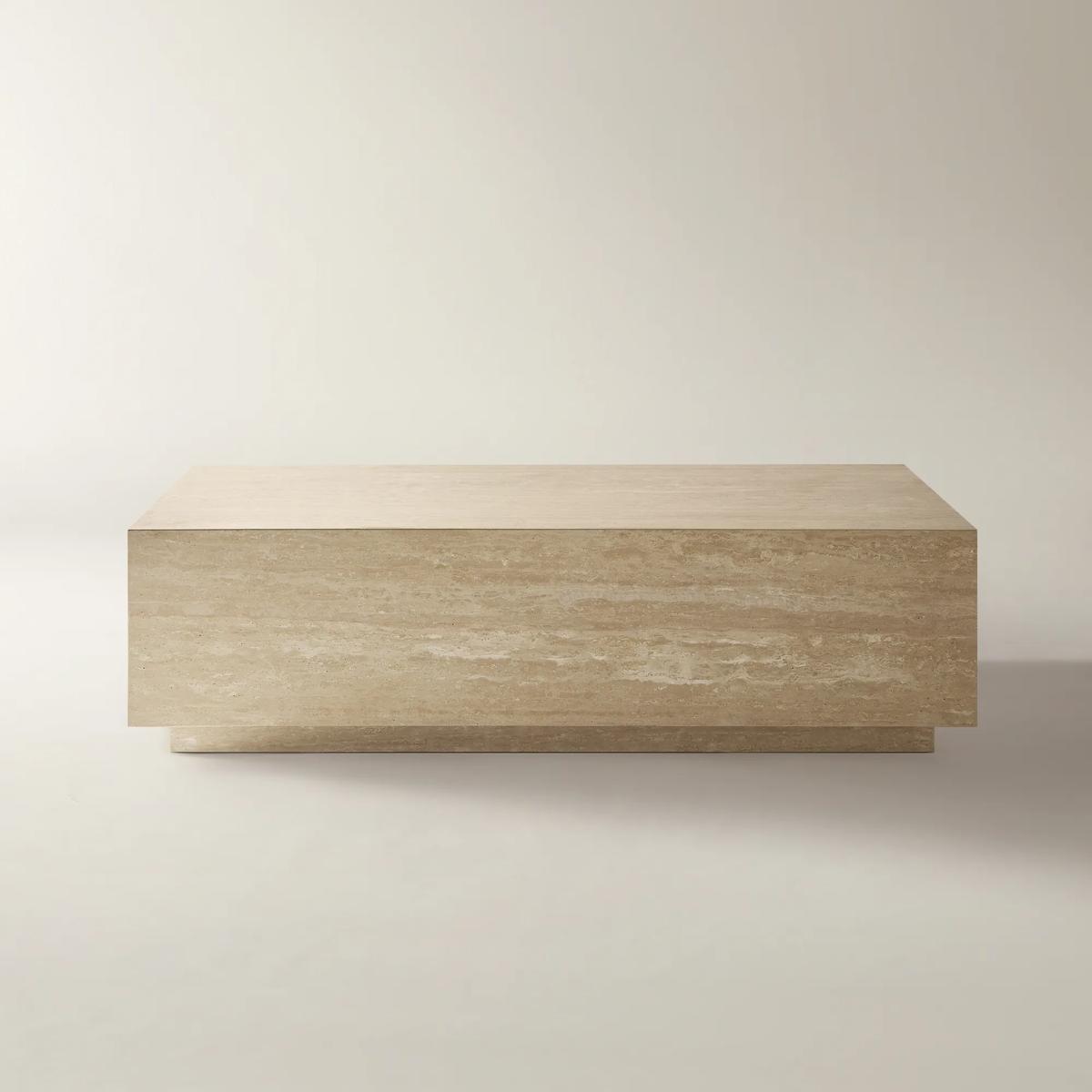
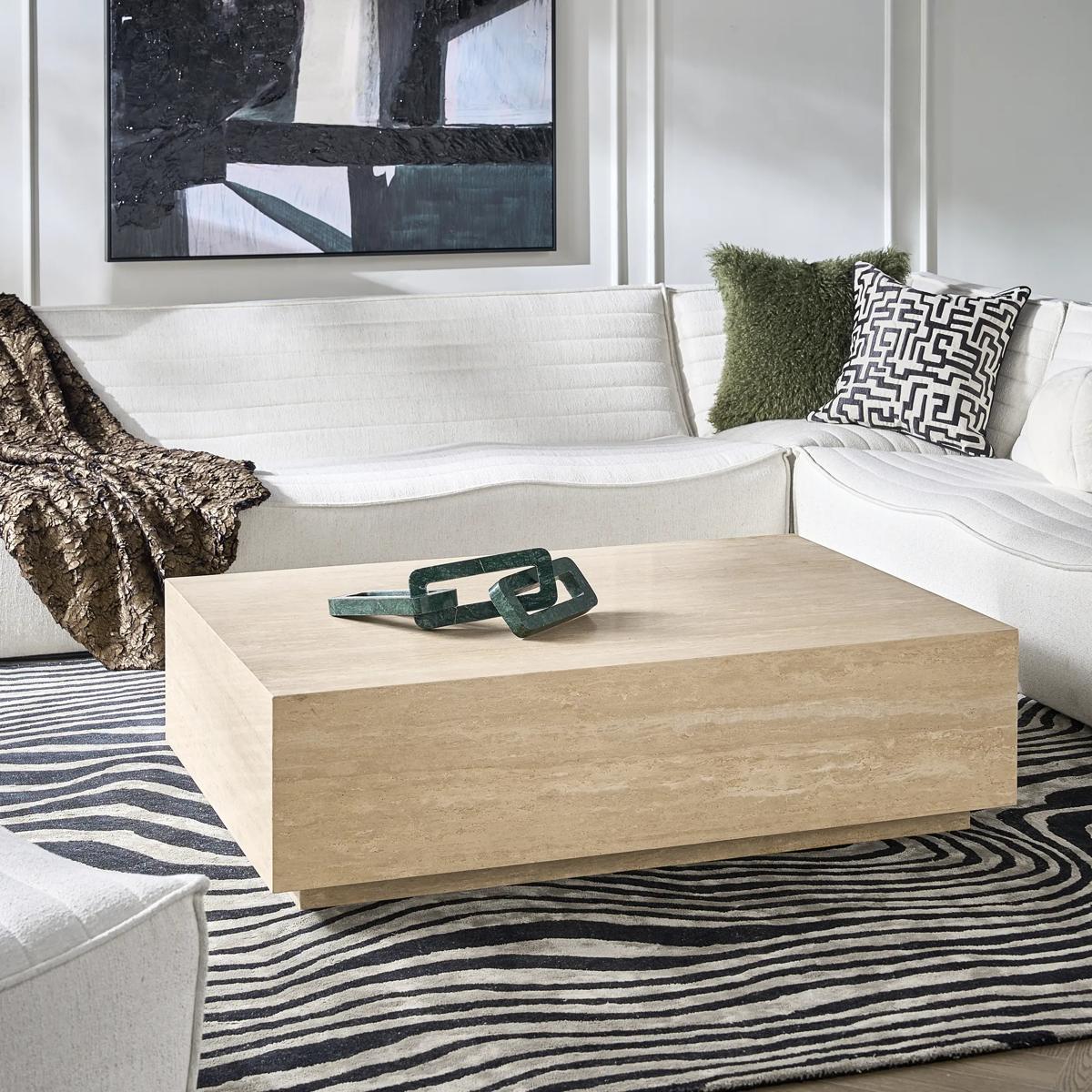 Vanta Rectangular Travertine Coffee Table (54")$2599
A seamless genuine travertine coffee table featuring ivory-gold tones and an ultra-light aluminum honeycomb core.
Add To Cart -
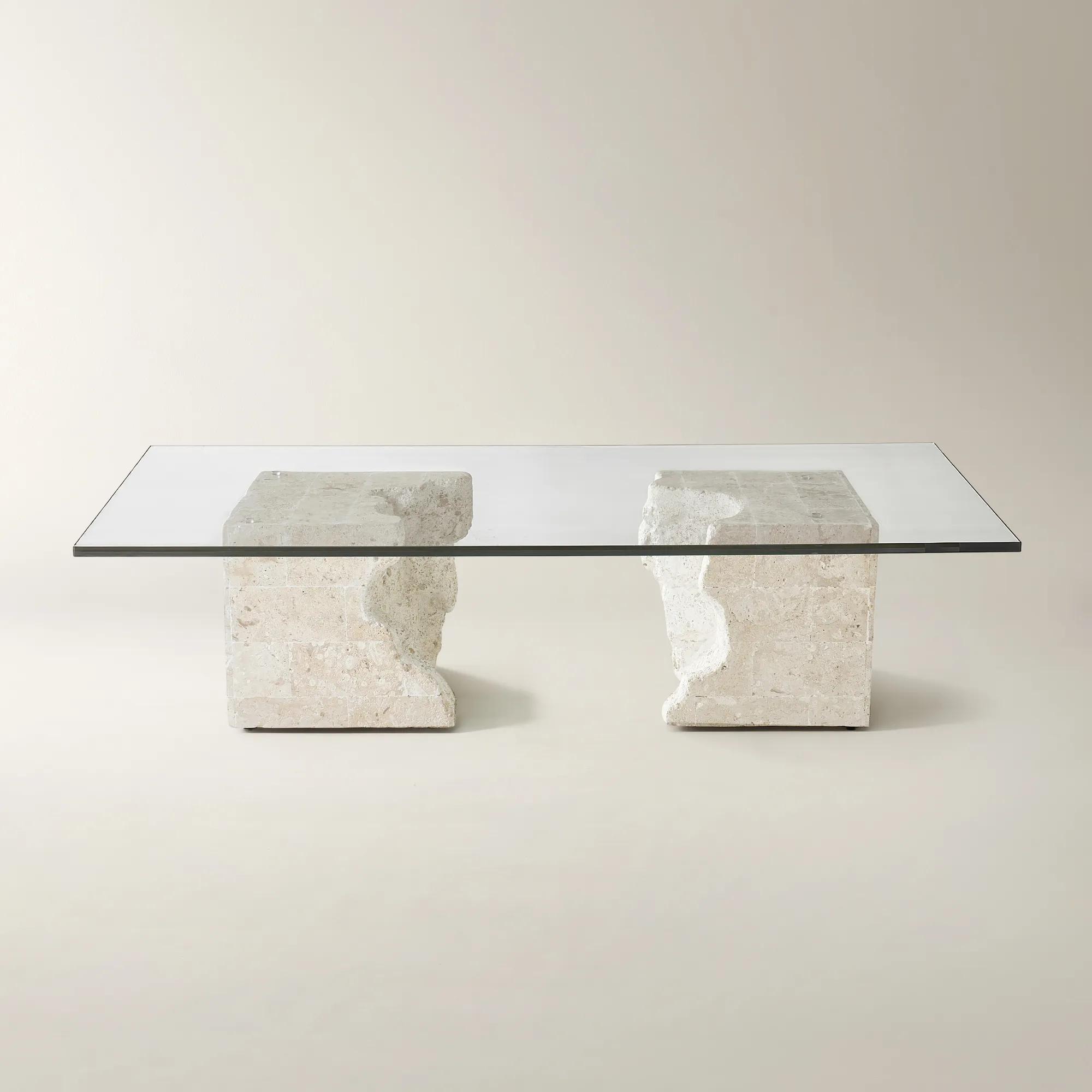 Cairo Rectangular Mactan Stone Coffee Table With Glass Top (70.87")$1999
A contemporary coffee table featuring a clear tempered glass top floating above hand-carved Mactan stone bases.
Add To Cart -
.jpg?w=1200&h=1200)
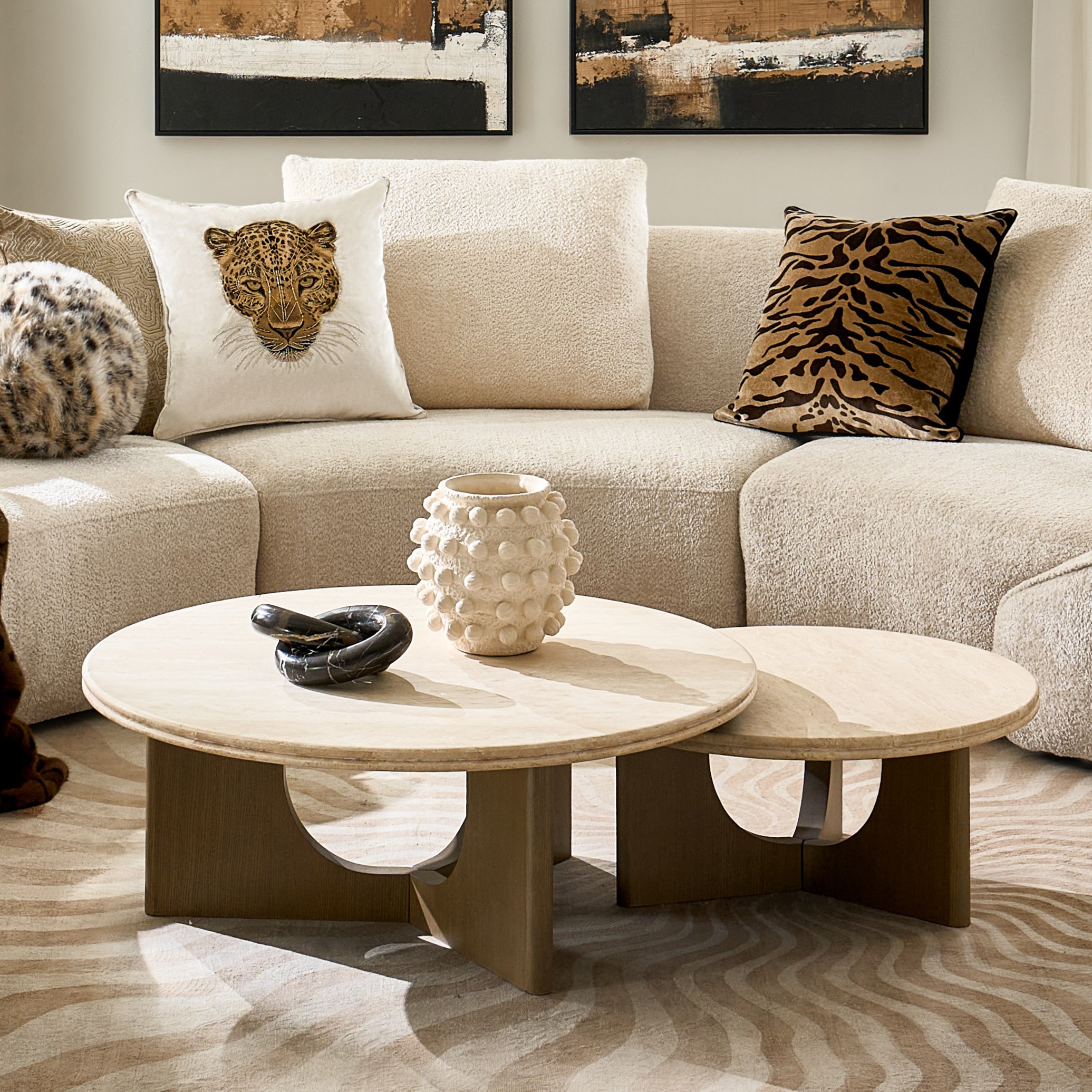 Bond Round Travertine and Wood Coffee Table (29.25")$699
A genuine travertine stone coffee table with warm ivory-gold tones atop a solid natural ash base.
Add To Cart -
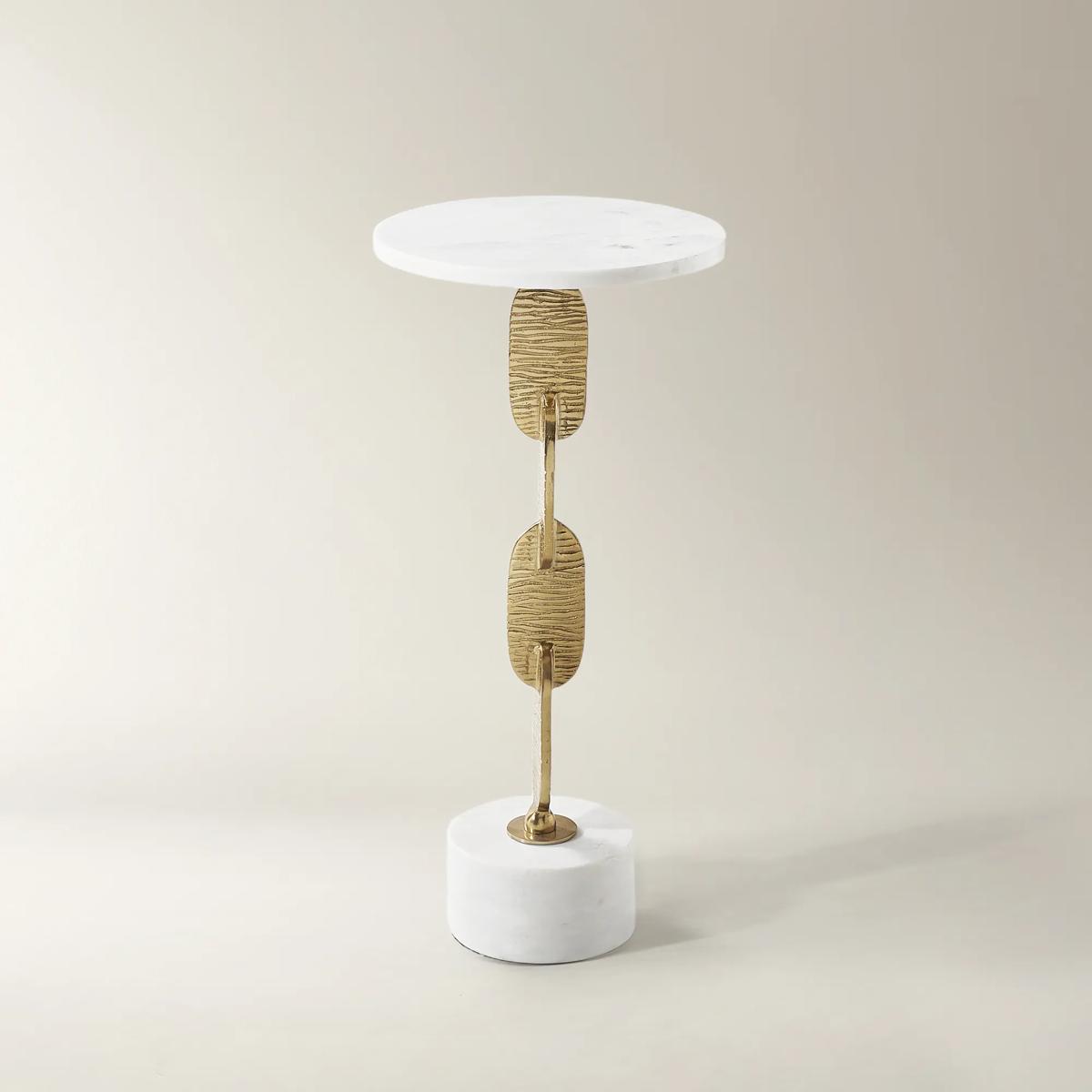
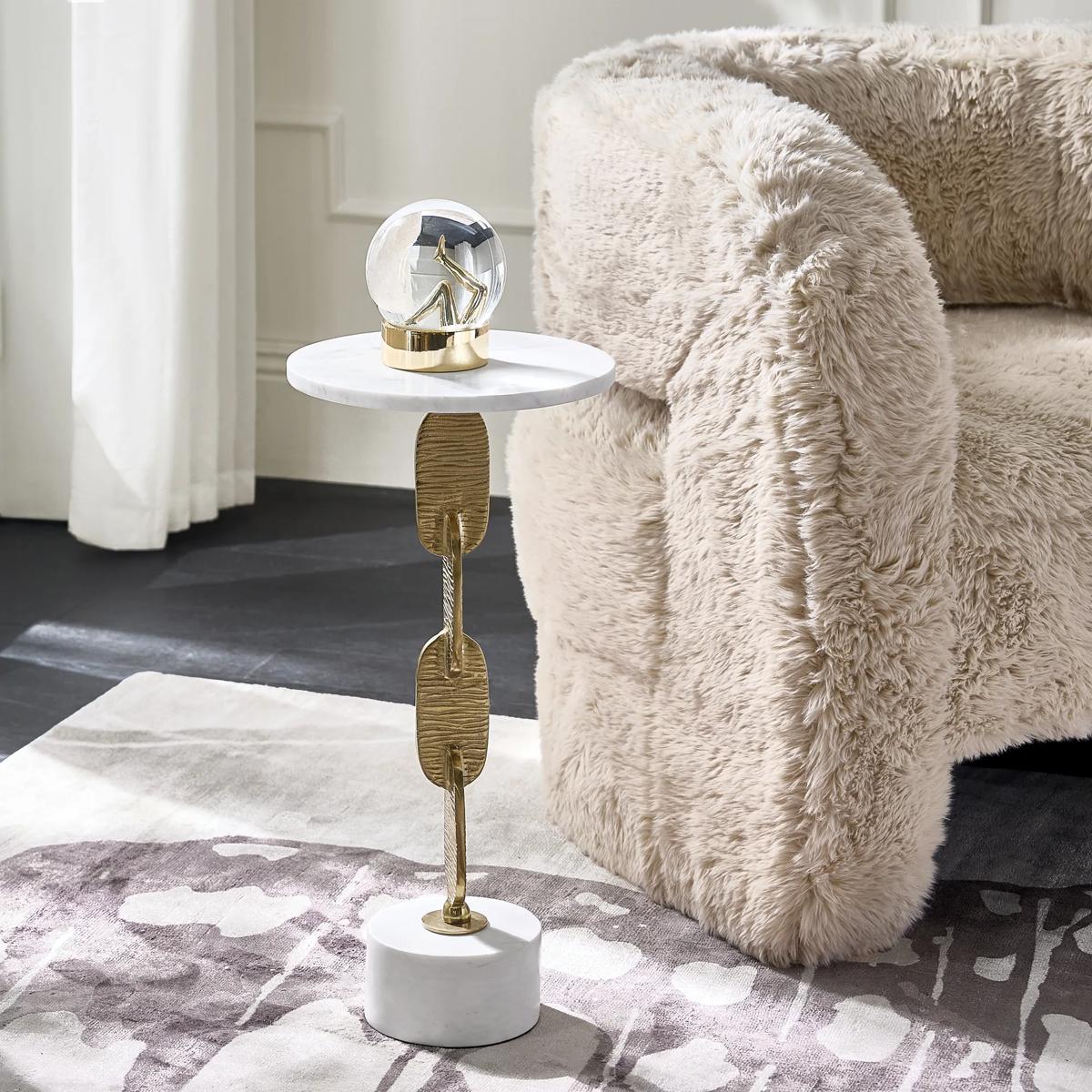 Luna Round White Marble Side Table (11.25")$199
A sculptural side table featuring a genuine white marble top and an open gold-finished metal frame.
Add To Cart -
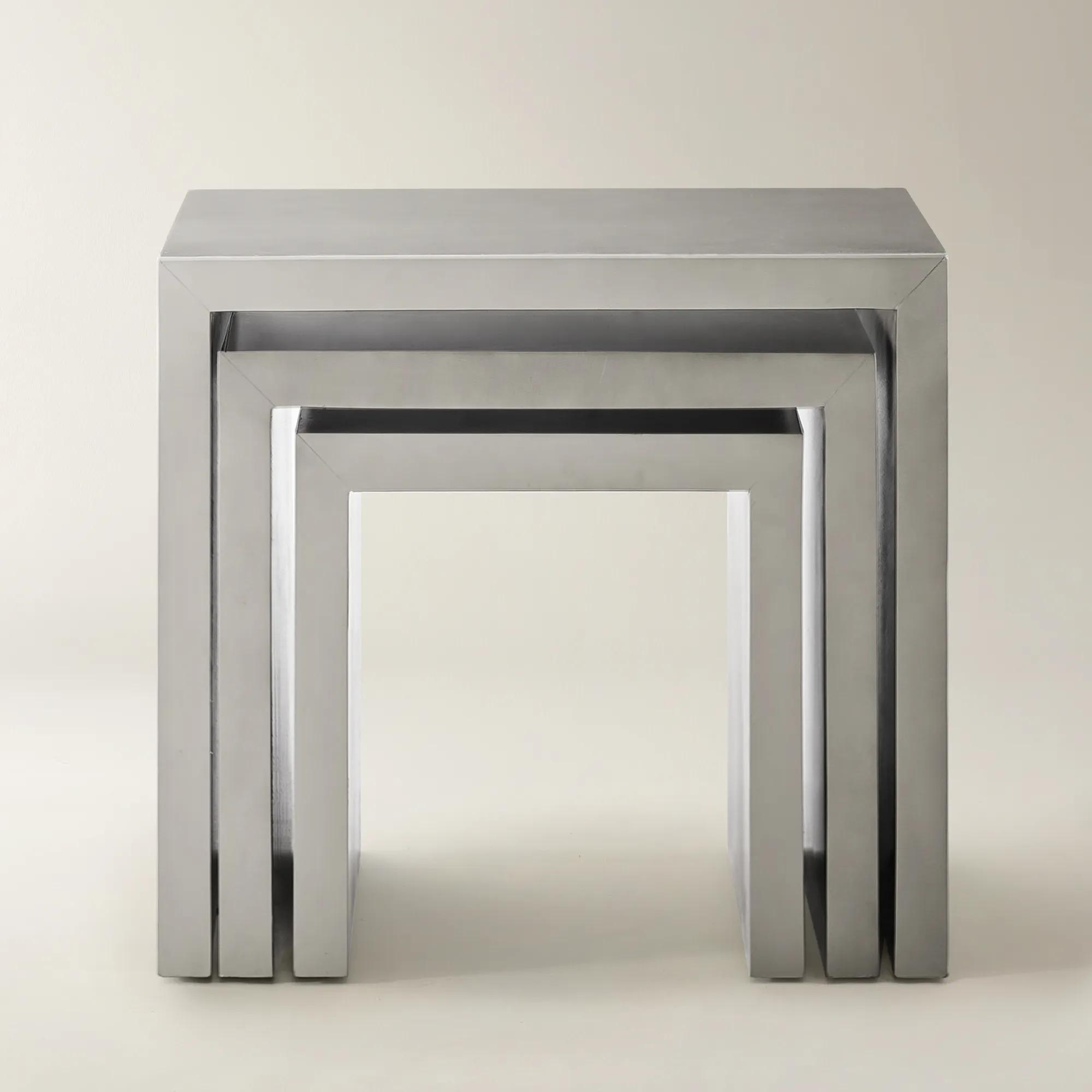
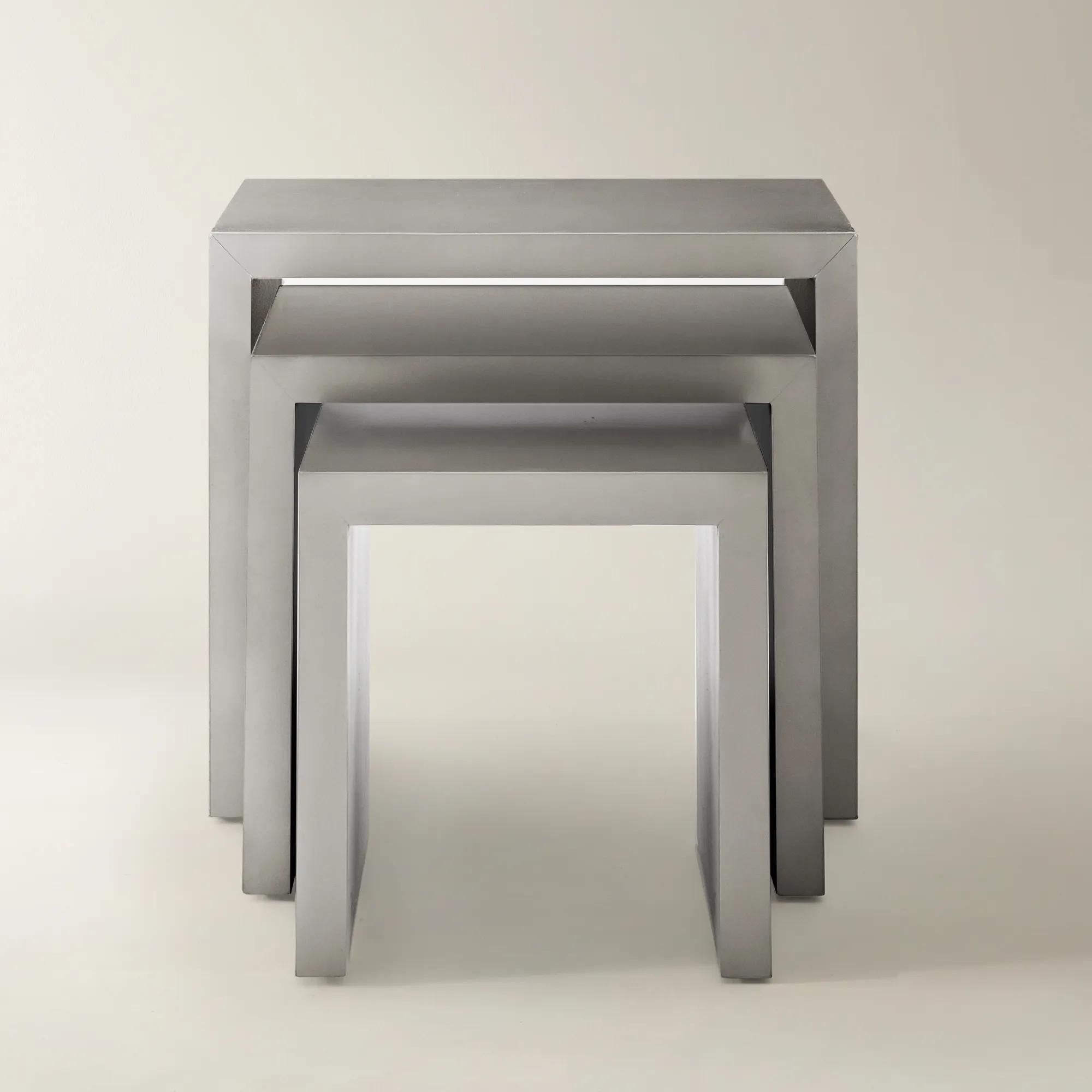 Astair Silver Nesting Accent Table Set Of 3 (16.25"-25.5")$299
A trio of engineered wood nesting tables with a sleek silver metallic finish and minimalist block silhouette.
Add To Cart -
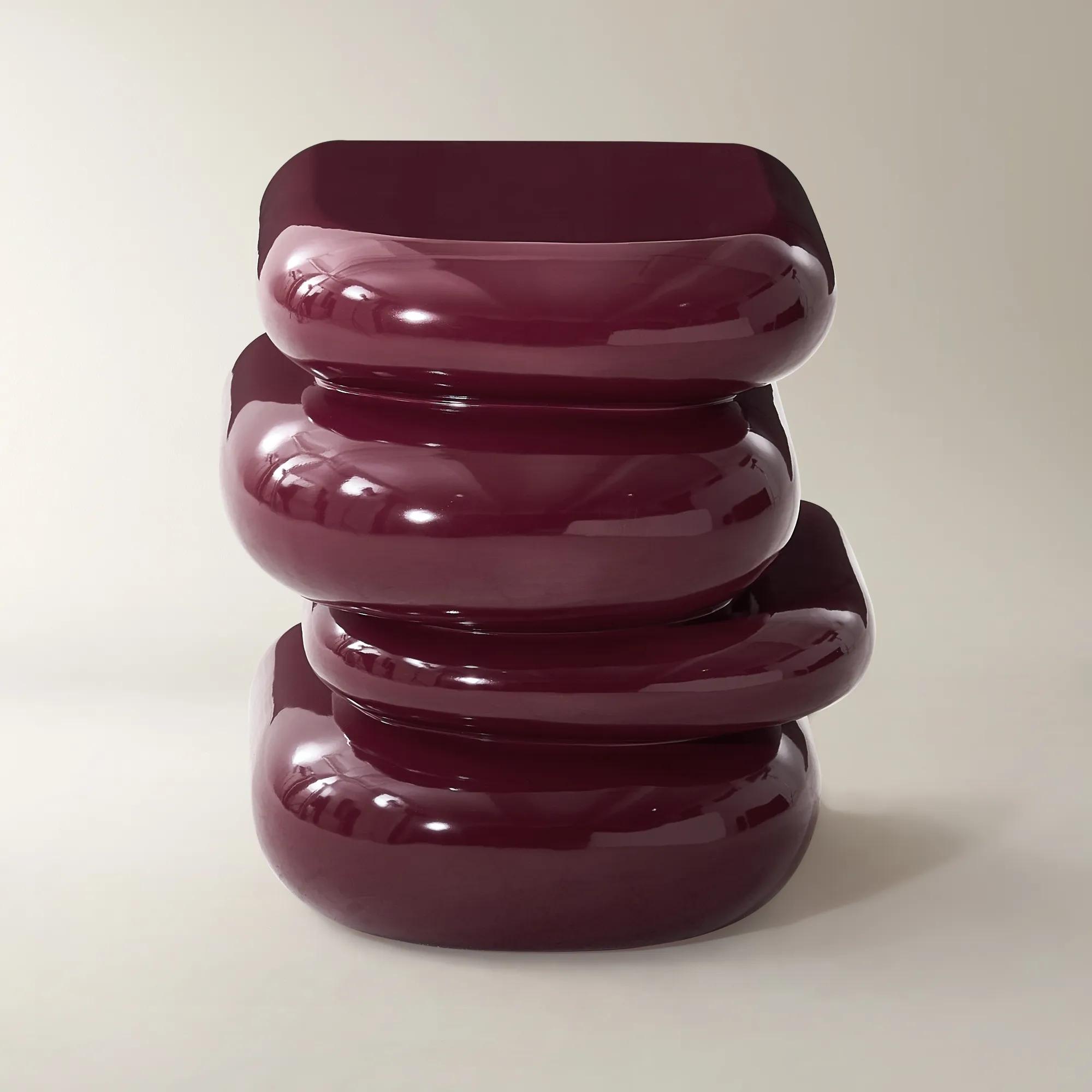 Forma Stacked Ox Blood Side Table (19.9")$459
A sculptural accent table crafted from high-gloss ox blood fiberglass with softly stacked, rounded tiers.
Add To Cart -
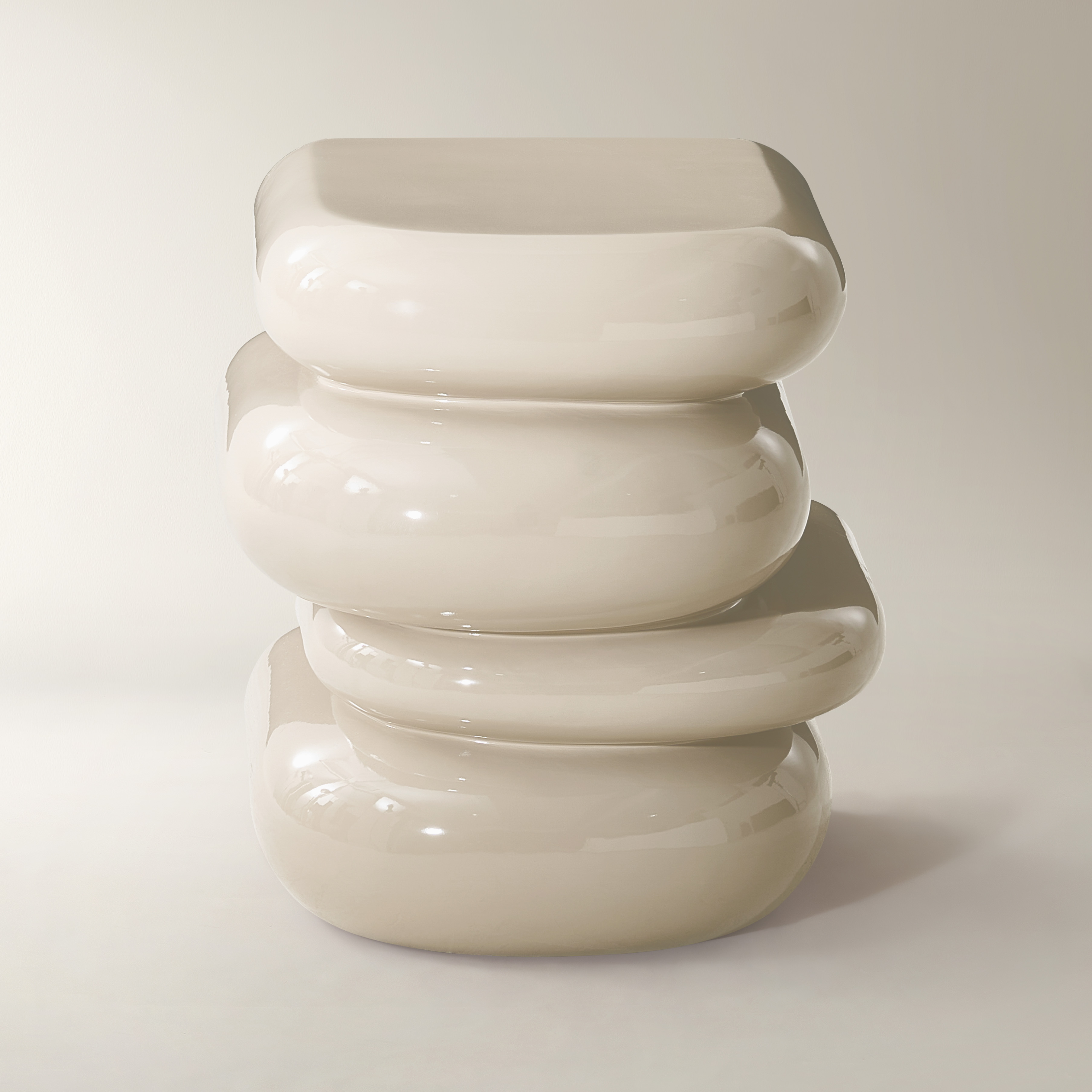
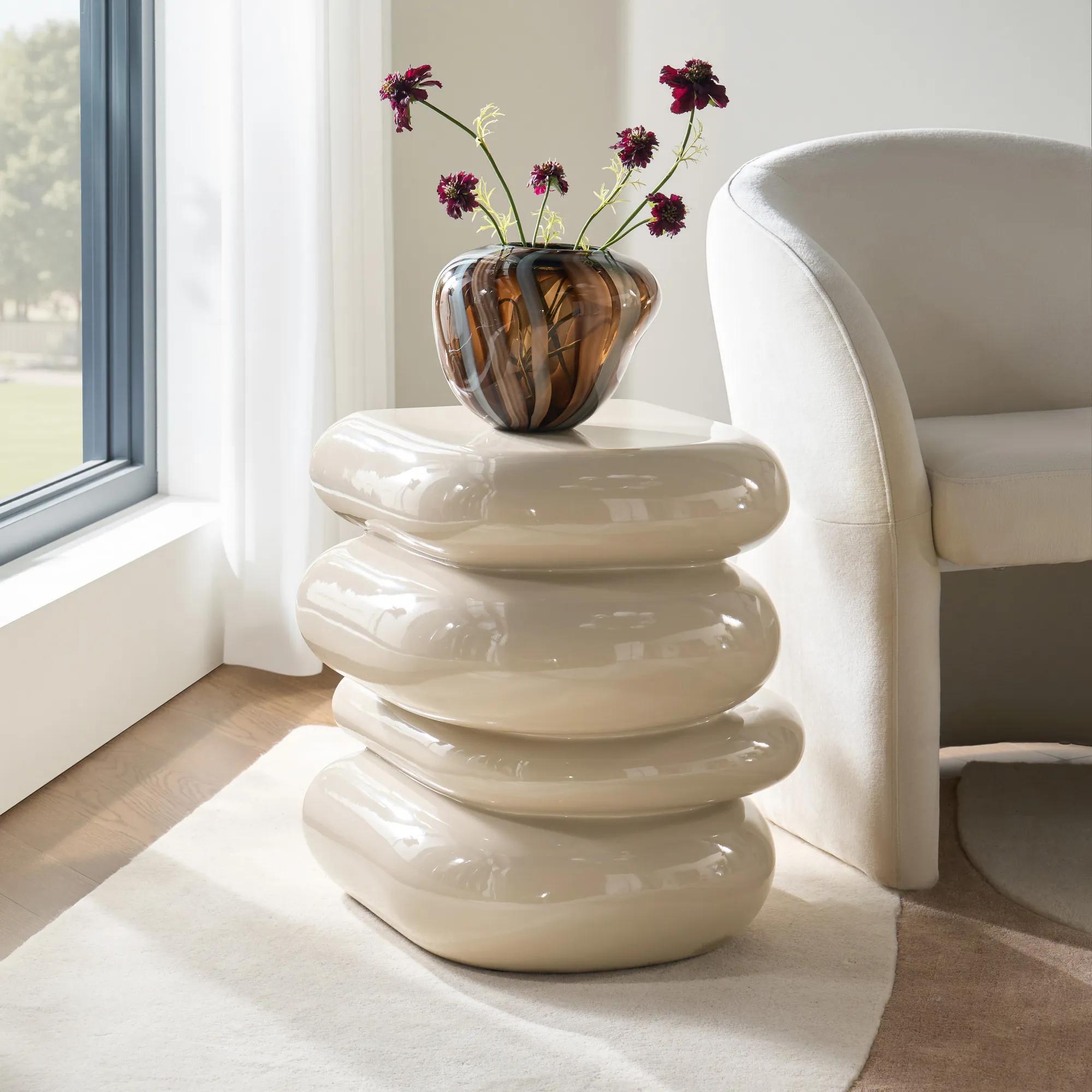 Forma Stacked Turtle Dove Side Table (19.9")$459
A sculptural accent table crafted from high-gloss turtle dove fiberglass with softly stacked, rounded tiers.
Add To Cart -
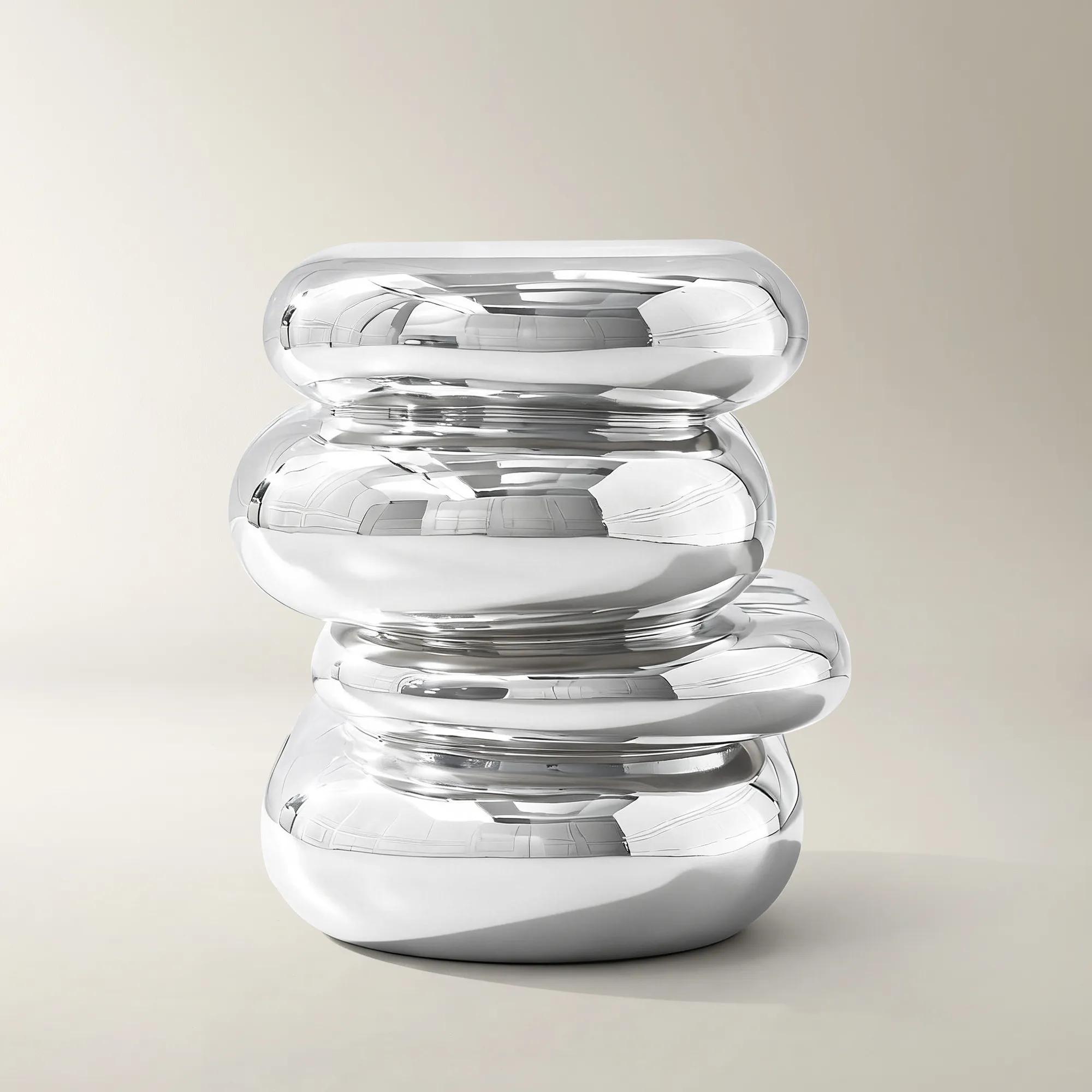 Forma Stacked Chrome Side Table (19.9")$599
A sculptural accent table crafted from seamless fiberglass with a reflective chrome finish and rounded tiers.
Add To Cart -
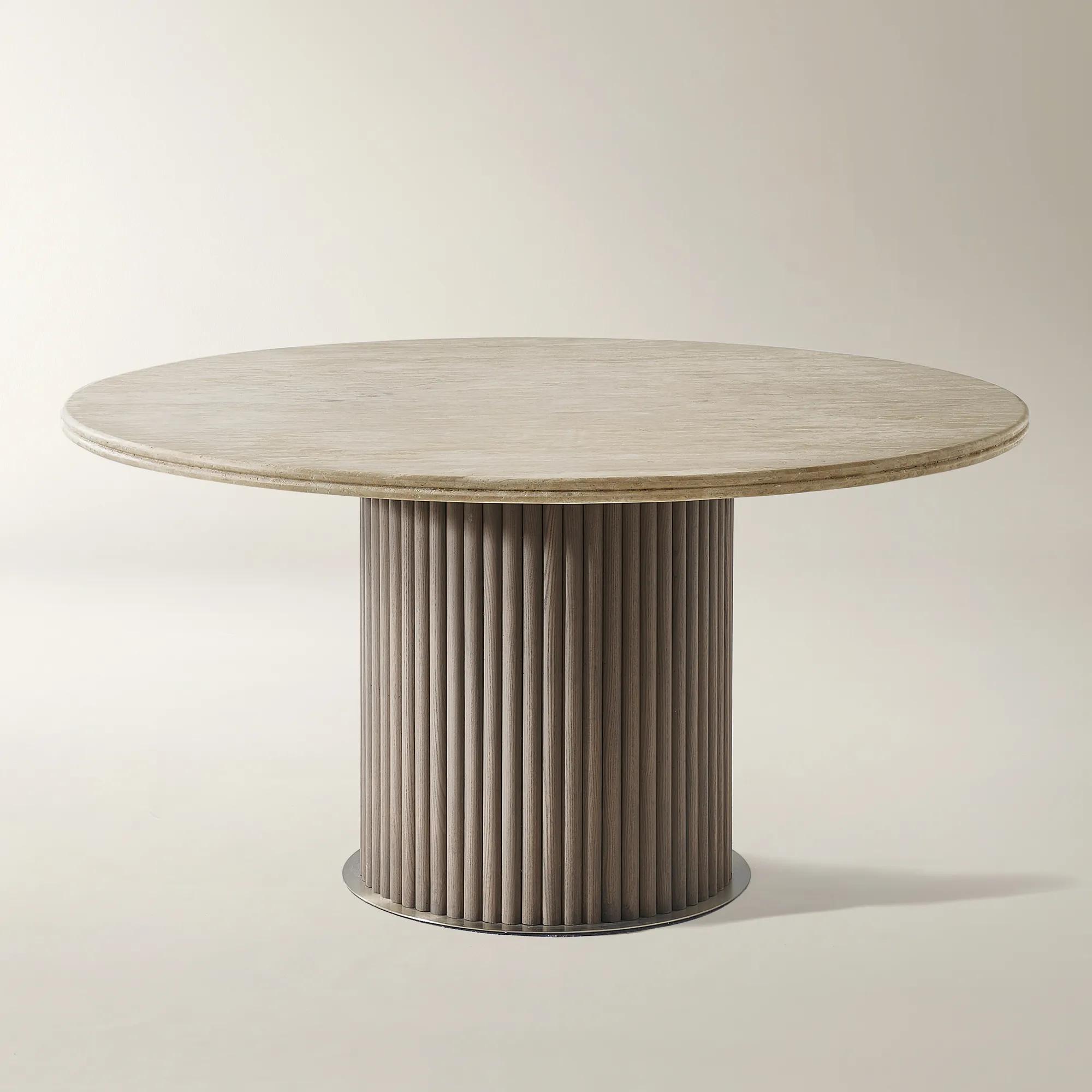 Bond Round Reeded Travertine and Wood Dining Table (59")$3499
A round dining table featuring a genuine natural travertine stone top and a fluted solid ash base.
Add To Cart -
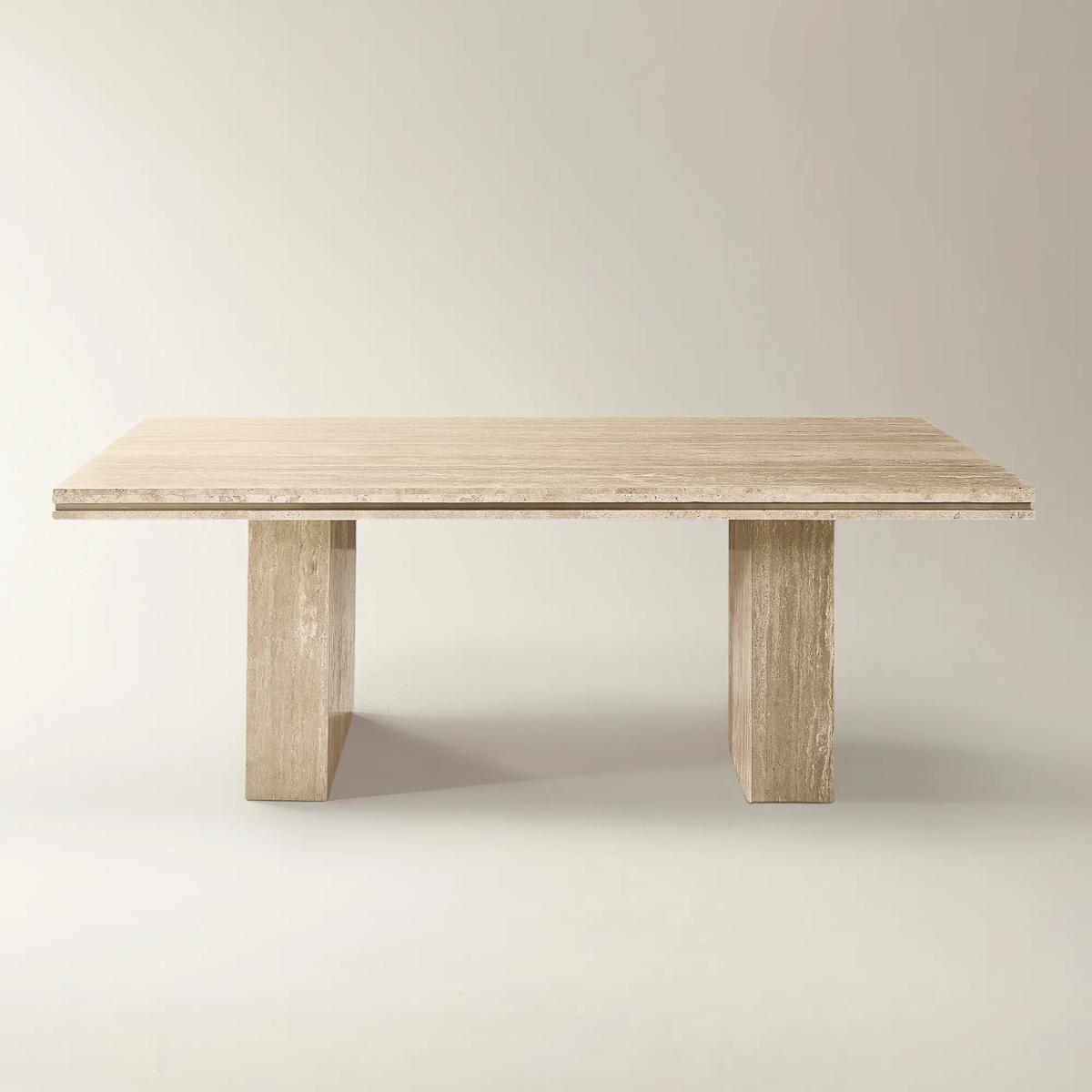 Vanta Rectangular Travertine Dining Table (84")$4199
A genuine travertine dining table with ivory-gold hues and a shimmering gold stainless steel inlay.
Add To Cart -
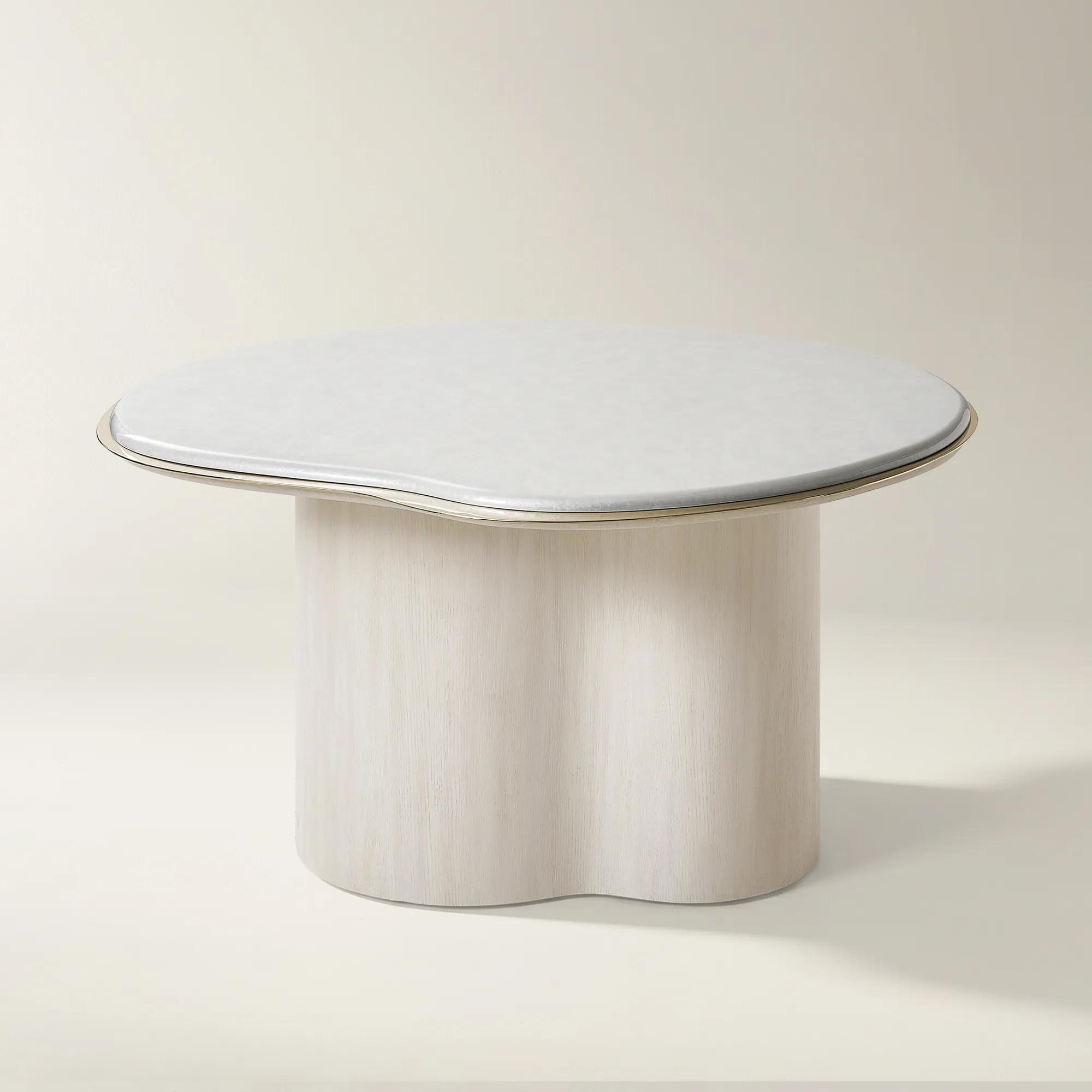 Lumina Bleached Oak Dining Table With Pearl Lacquered Top (58")$2599
A sculptural dining table featuring a pearl lacquered top, bleached oak base, and champagne gold trim.
Add To Cart -
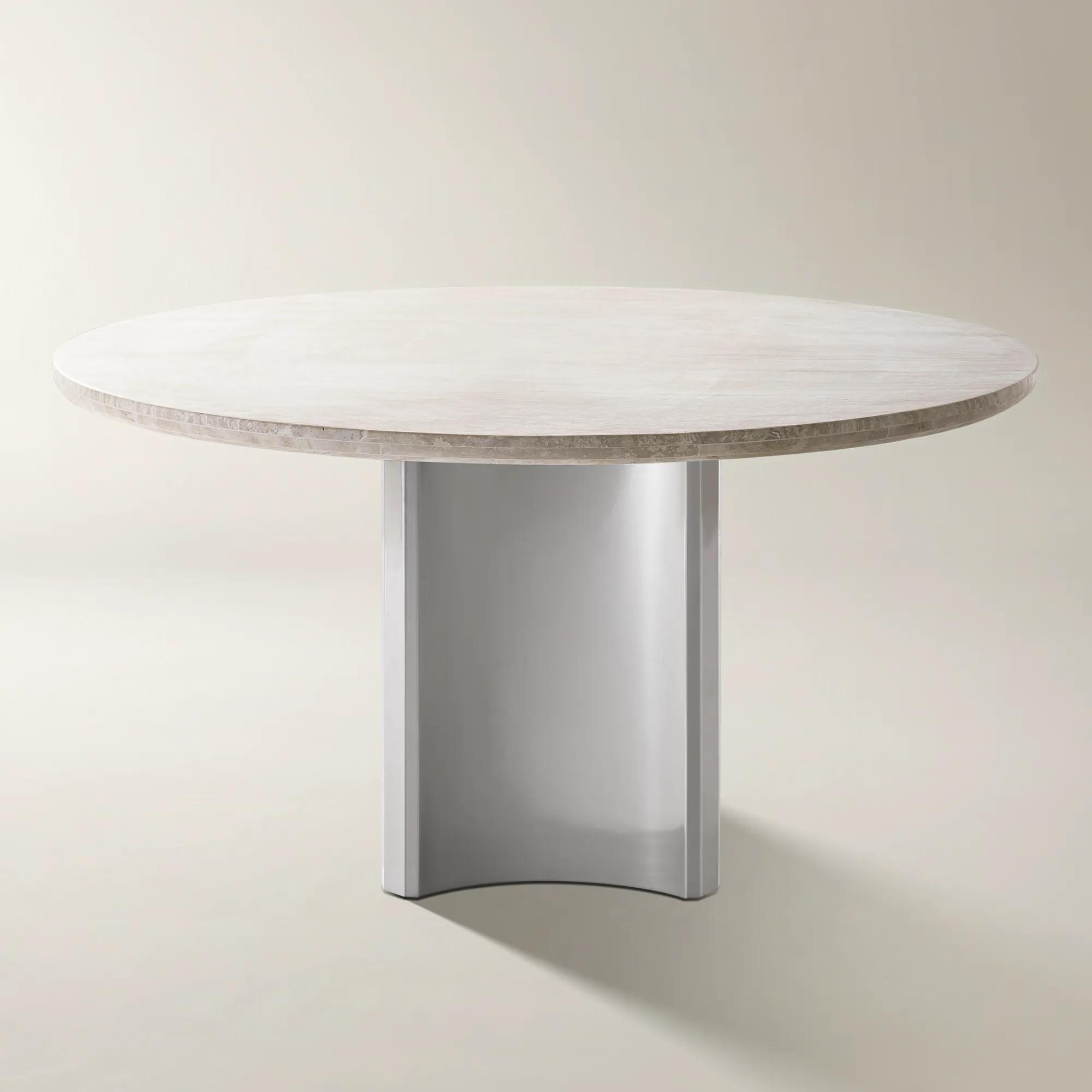 Ventane Round Tan Marble and Stainless steel Dining Table (58")$2999
A round tan travertine marble table with a polished stainless steel base for modern, elegant dining spaces.
Add To Cart -
.jpeg?w=1200&h=1200)
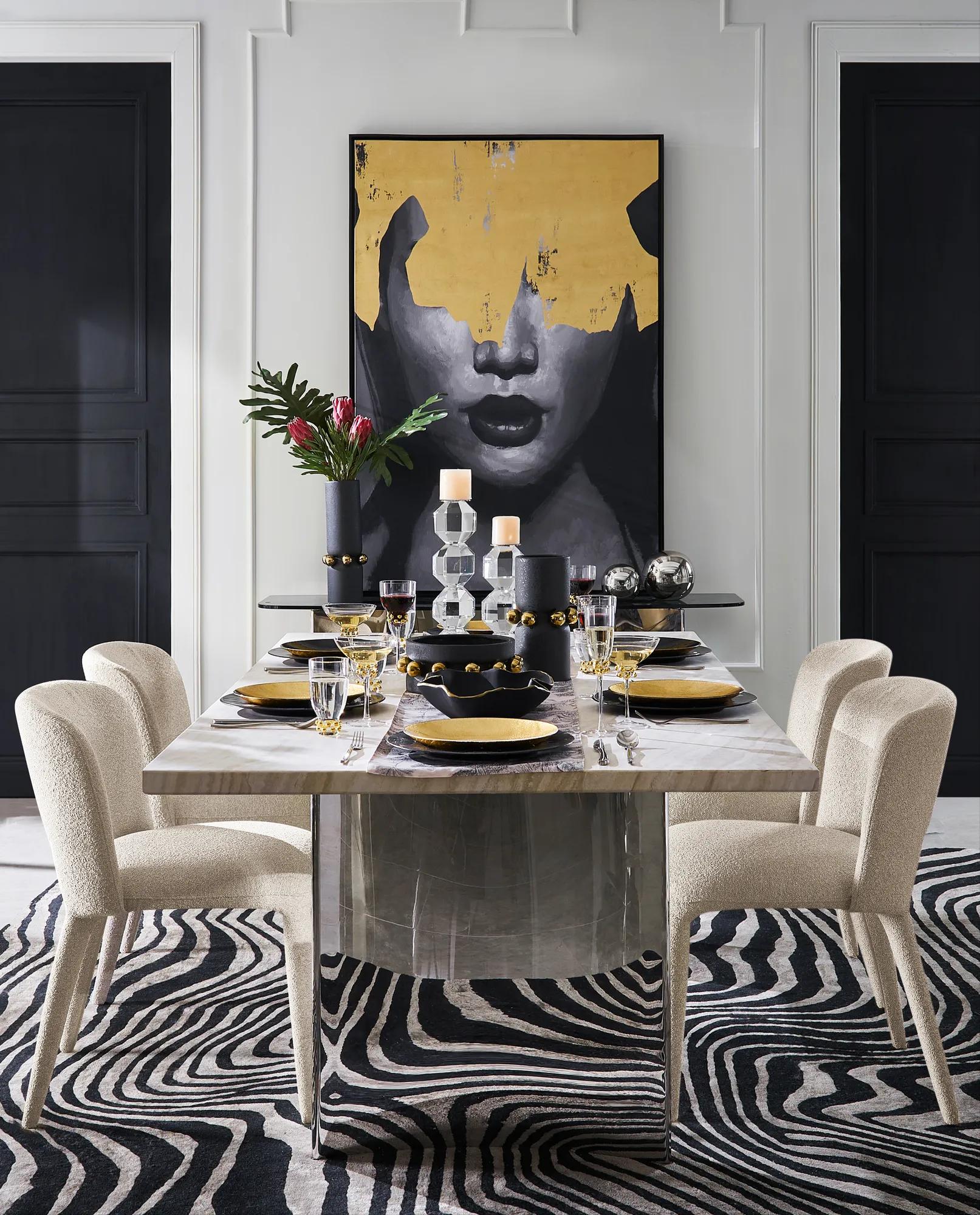 Muscat Rectangular Tan Marble Dining Table With Stainless Steel Base (84")$3099
A sophisticated dining table featuring a tan travertine marble top and polished stainless steel base.
Add To Cart -
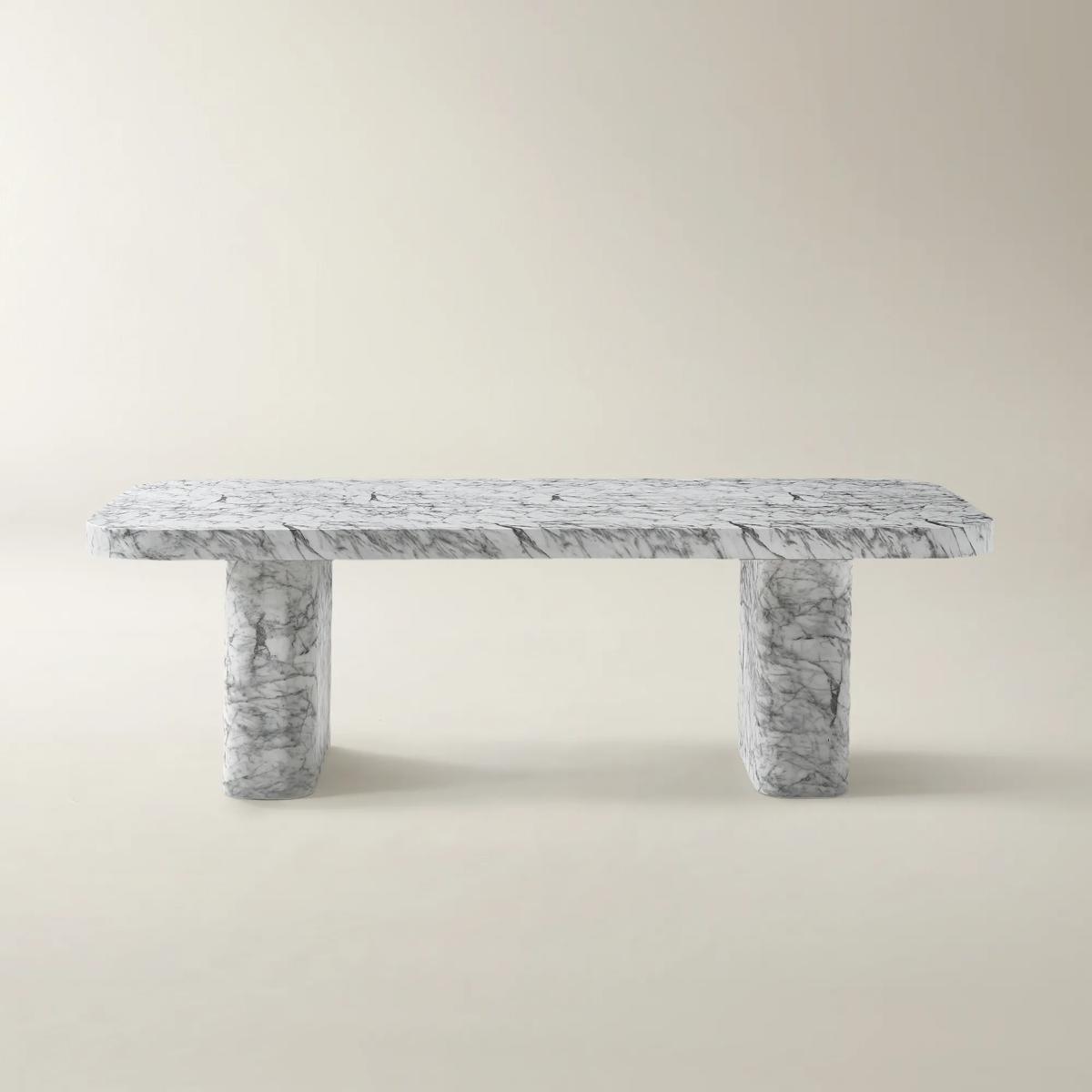
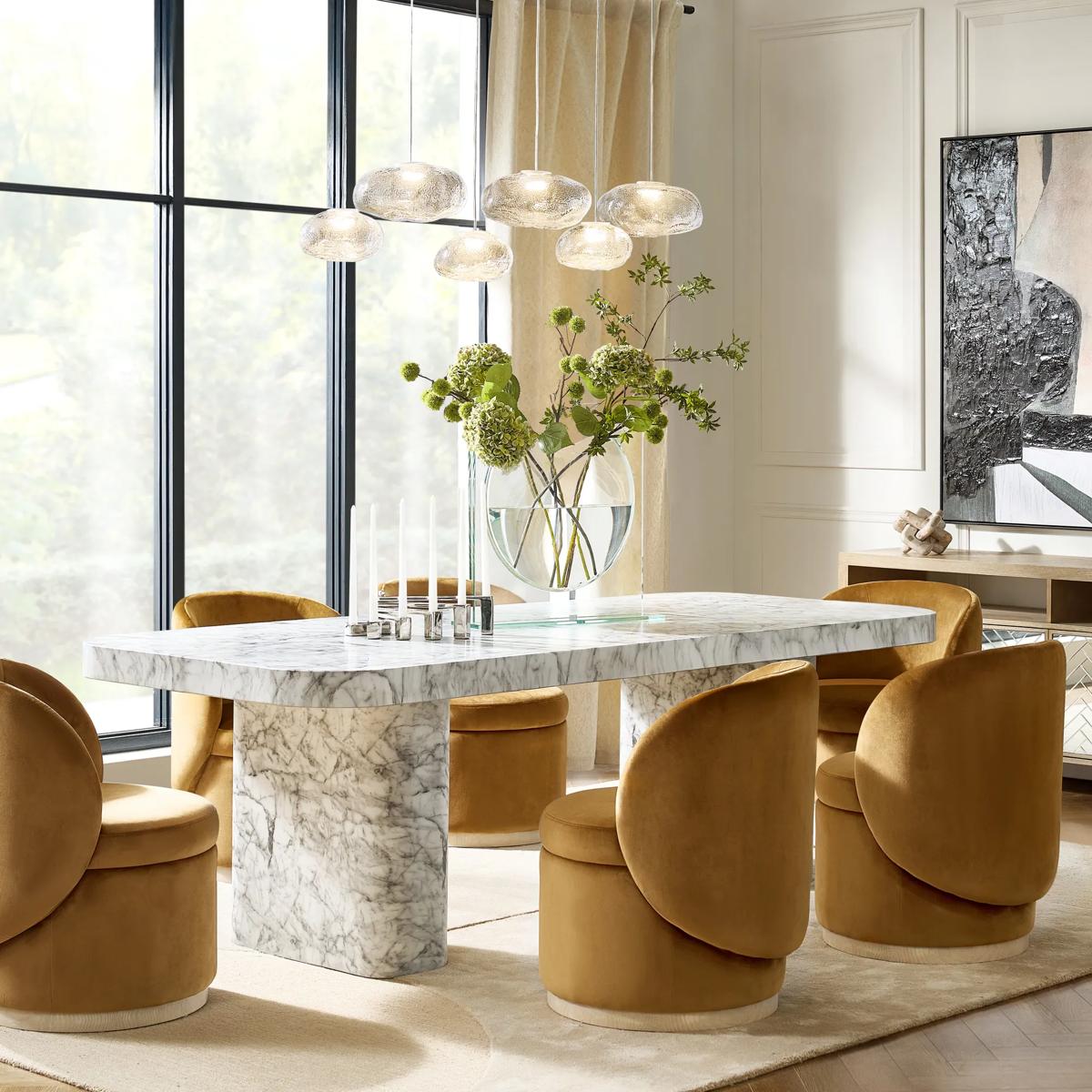 Silex Rectangular White Concrete Indoor/Out Door Dining Table (94.5")$1999
A white marble-look dining table crafted from ultra-rigid, lightweight fiber concrete for indoor or outdoor use.
Add To Cart

Minimalist Dining Room Tables
Minimalist Dining Room Tables embody the art of restraint, transforming everyday dining into an exercise in refined simplicity. Each piece is a study in elegant form and purposeful design—where clean lines, sculptural silhouettes, and subtle finishes create a canvas for culinary moments and meaningful conversation. In these serene settings, every meal becomes an occasion, every gathering a celebration of clarity and intention. Let your dining room speak volumes with less, where the beauty of Minimalist Dining Room Tables lies not in excess, but in the quiet drama of thoughtful craftsmanship and timeless allure.
Minimalist dining room tables bring clean lines, considered proportions, and uncluttered silhouettes to the room where everyday rituals become shared occasions. Their defining feature is restraint in ornament, not a lack of character: a sweeping oval top, an architectural pedestal, or the expressive grain of wood can give a dining space extraordinary presence. With fewer decorative details competing for attention, material and form become the focal point. A pale wood table lends warmth to upholstered seating and sculptural ceramics, while a dark finish creates a dramatic outline against light walls. Glass introduces transparency, allowing a distinctive base or richly textured rug to remain part of the composition. Stone offers a different kind of impact, with subtle tonal movement or pronounced veining that makes the tabletop feel like a piece of art. Within this category, Scandinavian-inspired designs often feature light woods and tapered or splayed legs; modern pedestal tables emphasize a central support and an uninterrupted silhouette; industrial interpretations pair wood or concrete with slender metal frames. Glass-and-metal dining tables balance an airy surface with a crisp, sometimes gleaming foundation. Each expression suits a different atmosphere, from an intimate breakfast corner to a formal dining room arranged for lingering conversation. These tables are especially compelling for people who prefer expressive interiors without an abundance of ornament, including apartment dwellers seeking visual openness and hosts who want beautiful dinnerware to command attention. A restrained tabletop leaves room for richly colored glassware, linen napkins, and a single sculptural centerpiece without making the setting feel crowded. In open-plan interiors, its silhouette can also establish a distinct dining area while preserving a visual connection to the living space. The result is not an empty room, but a deliberate composition: generous surface space, elegant geometry, and enough breathing room for the finishes, seating, and people around the table to shine.
Shape and scale determine how comfortably that composition works in daily life. Round minimalist dining tables encourage face-to-face conversation and can ease movement through compact or square dining areas because they have no projecting corners. Their footprint still matters, however; a broad circular top may require more room than a narrow rectangular design. Rectangular dining tables tend to suit elongated rooms and larger gatherings, offering a clear arrangement for place settings along both sides. Oval tables combine an extended serving surface with curved ends, bringing a softer outline to rooms filled with angular cabinetry or windows. Square tables create an intimate, balanced setting for smaller groups, while extendable designs accommodate households that alternate between quiet meals and fuller guest lists. Seating capacity depends on usable tabletop length, base placement, and chair width rather than shape alone. As a general planning allowance, about 24 inches of table edge per person supports comfortable everyday seating, while closer to 30 inches offers more room for generous chairs and layered place settings. Approximately 36 inches between the table edge and a wall or nearby furnishing usually allows chairs to pull back; frequently traveled paths benefit from roughly 42 to 48 inches where the room permits. Pedestal bases can reduce interference from corner legs, but their footprint may still affect foot space or how closely chairs tuck in. Trestle supports, deep aprons, and substantial legs deserve the same attention. Many standard dining tables stand around 28 to 30 inches high, and a seat-to-tabletop difference of roughly 10 to 12 inches is a useful starting point, with apron clearance checked separately. Alongside these practical proportions, minimalist dining chairs in grey introduce a nuanced neutral that complements pale wood, dark metal, glass, and stone. Upholstery can soften the architectural lines of the table, while a slim chair profile preserves visual space. For a dining area that also hosts handwritten notes, homework, or occasional laptop use, an unobstructed surface and comfortable seating make the room inviting beyond mealtimes.
Materials and construction shape both the visual experience and the demands of ownership. Solid wood brings natural variation, tactile warmth, and the potential for refinishing in some constructions, though its response to moisture and humidity makes attentive care important. Wood veneer offers the beauty of real wood over a supporting core; durability depends on the veneer, substrate, finish, and construction, and deep sanding is generally unsuitable for thin veneers. In either case, a smooth protective finish can make routine wiping easier, but spills should be removed promptly and hot serving dishes kept on trivets. Glass tops reveal fingerprints more readily than textured or patterned surfaces, yet their transparency can keep a substantial table from visually dominating a smaller room. Tempered glass is stronger than ordinary glass, but it is not scratchproof or immune to breakage, particularly if its edges are damaged. Natural marble and other stones bring distinctive mineral patterns, with care requirements that vary by stone and finish. Marble is vulnerable to acidic foods and drinks, and sealing may help resist staining without preventing etching. Sintered stone and ceramic surfaces often offer strong resistance to heat, scratches, and stains, though product-specific instructions remain essential and edges still need protection from hard impacts. Concrete creates a weighty, sculptural effect; its sealing and maintenance requirements depend on the surface treatment. Metal bases provide a crisp structural contrast, with plated, painted, and brushed finishes each requiring suitable nonabrasive cleaning. Across materials, secure joinery, a stable base, protected edges, and a finish suited to the intended use matter more than visual delicacy alone. A table used for daily family meals benefits from easy-to-clean surfaces and room for protective placemats; one reserved for entertaining may place greater emphasis on a striking profile or distinctive grain. Substantial stone and concrete designs also call for careful attention to delivery access and placement because of their weight. With thoughtful proportions and appropriate care, a minimalist dining table becomes a lasting architectural anchor, equally poised beneath an expressive chandelier or dressed with a low arrangement that leaves conversation beautifully uninterrupted.
FAQs
Minimalist dining room tables often feature materials that celebrate simplicity and craftsmanship. Expect to find solid or veneered woods with refined grains, tempered glass for an airy, light-reflective quality, and sleek metals like brushed stainless steel or matte black iron. Some designs incorporate stone or marble for a touch of organic luxury, always with a focus on clean lines and uncluttered elegance.
A minimalist dining table offers a versatile canvas for styling throughout the year. For a festive winter gathering, drape the table in a soft linen runner, add sculptural candleholders, and layer in metallic accents for a hint of glamour. Everyday meals can be elevated with a simple vase of fresh greenery or a curated arrangement of ceramics. Let the table’s form shine by keeping décor restrained and purposeful, allowing each element to make a statement.
A minimalist dining table is a thoughtful gift for anyone embracing a new living space, newlyweds curating their first home, or design enthusiasts who value timeless style. Its versatility suits a range of interiors, making it a cherished piece for those who appreciate both function and artistry in their everyday surroundings.
Minimalist dining tables are chameleons in the world of design. Their clean silhouettes and neutral finishes can anchor a contemporary loft, soften a modern farmhouse, or bring clarity to an eclectic space. They pair beautifully with bold statement art, dramatic lighting, or textural rugs—serving as an elegant foundation for any aesthetic vision.
To achieve a harmonious dining space, select chairs that echo the table’s materials or color palette. For an elevated monochrome look, consider pairing with <a href="https://zgallerie.com/o/minimalist-dining-chairs-grey">Minimalist Dining Chairs Grey</a>. Layer in subtle textures through textiles or add a sculptural centerpiece to bridge the elements. Consistency in tone and simplicity in form will create a dining room that feels intentional, inviting, and effortlessly chic.
.jpeg?w=3614&h=3614)
.jpeg?w=3009&h=3009)


