Minimalist Dining Chairs With Cutout Design
Minimalist Dining Chairs With Cutout Design
-
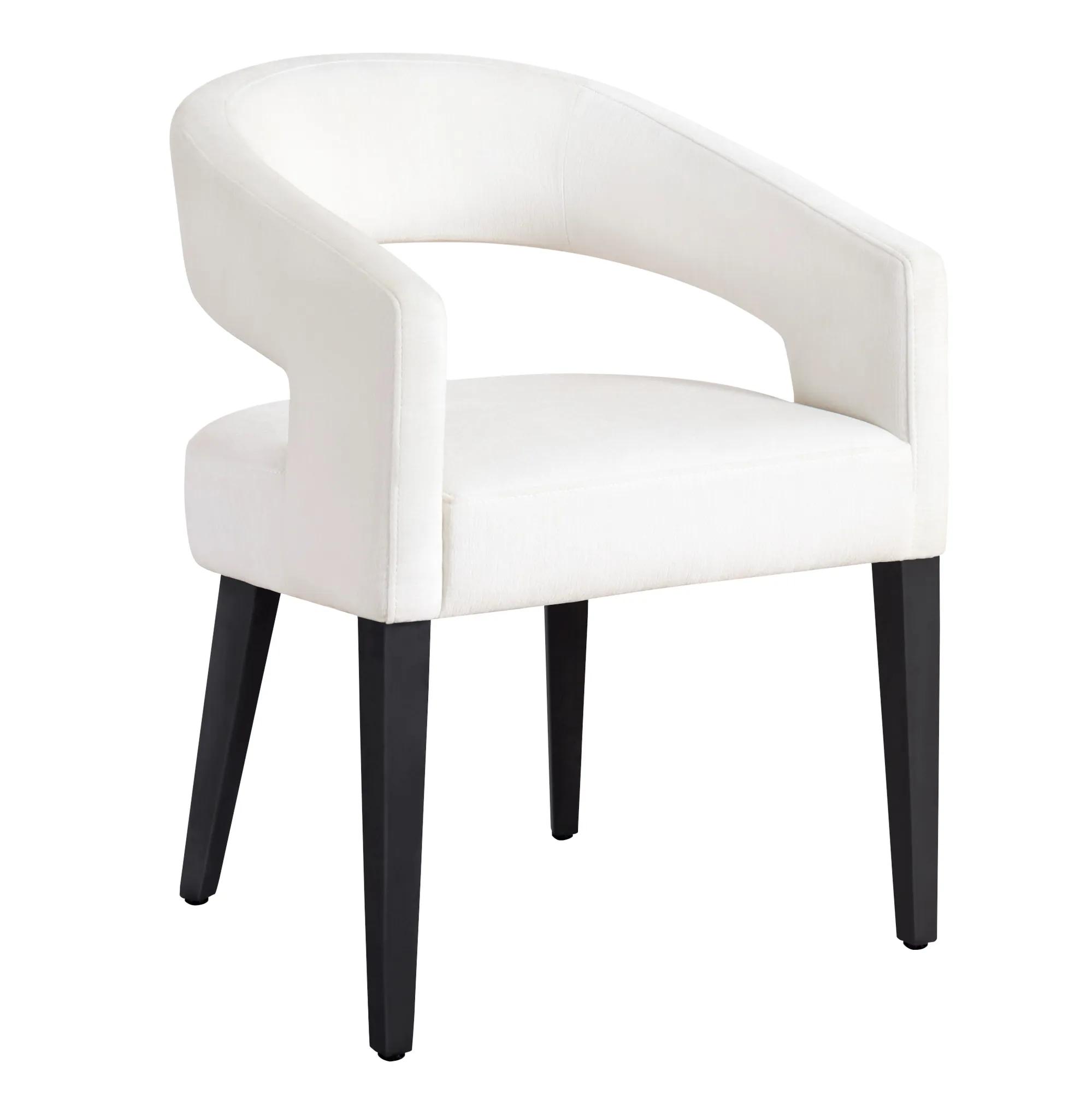
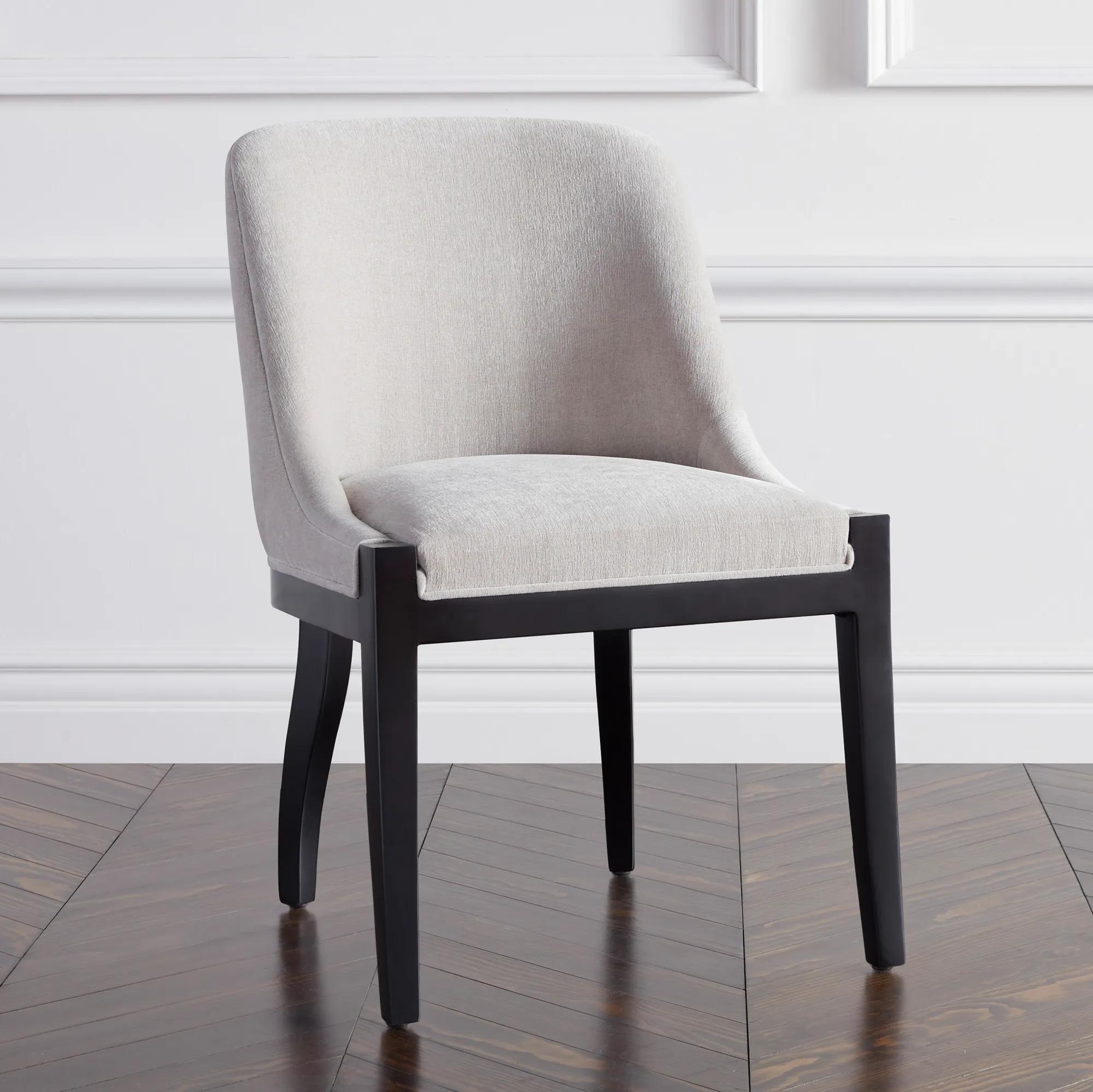
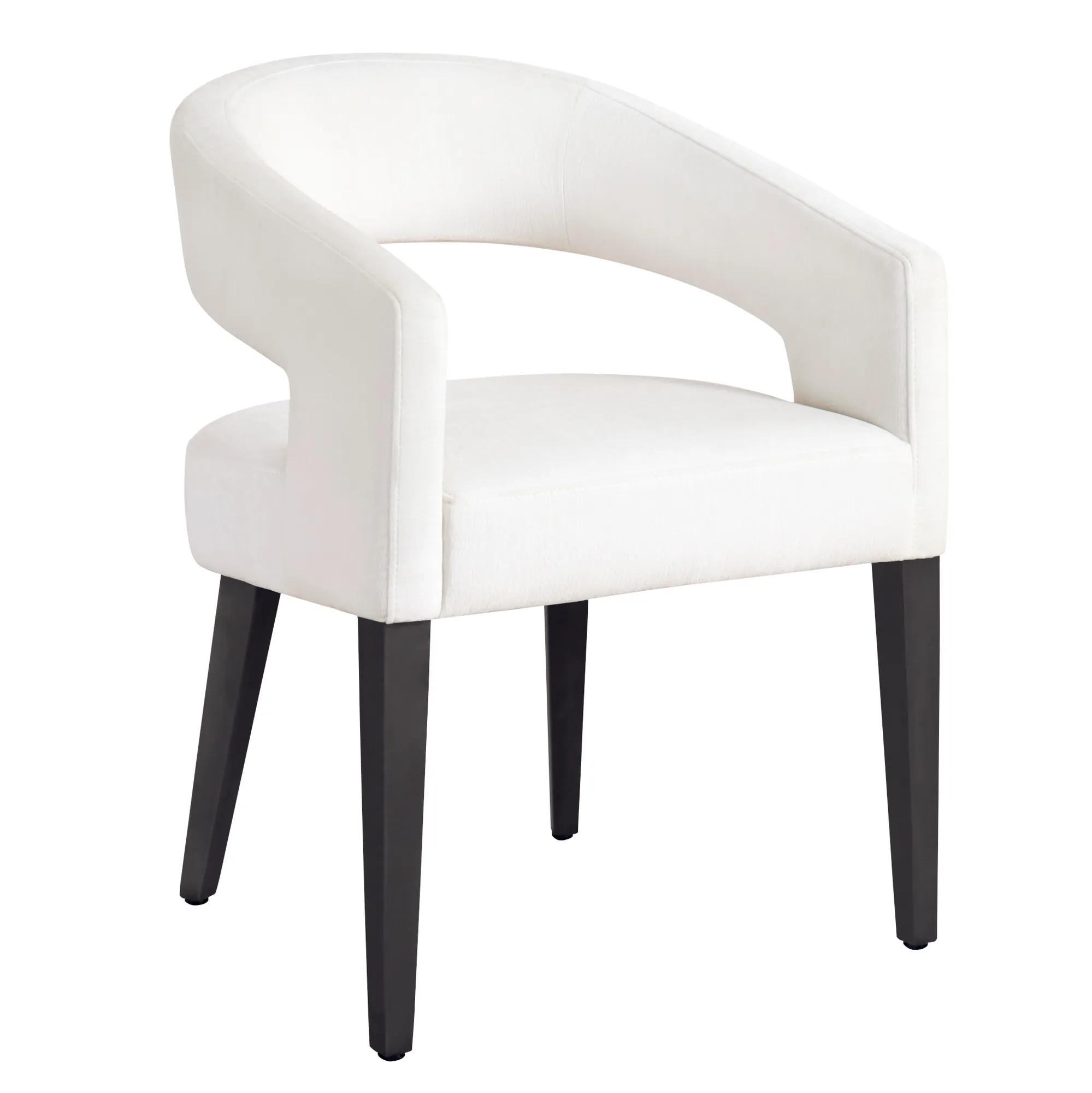
 Philippa Dining Chair - Matte Black$599
A modern dining chair featuring a curved silhouette, matte black legs, and neatly tailored upholstery.
Add To Cart -
 Philippa Dining Chair - Espresso$599
A modern dining chair featuring a curved silhouette, espresso legs, and neatly tailored chenille upholstery.
Add To Cart -
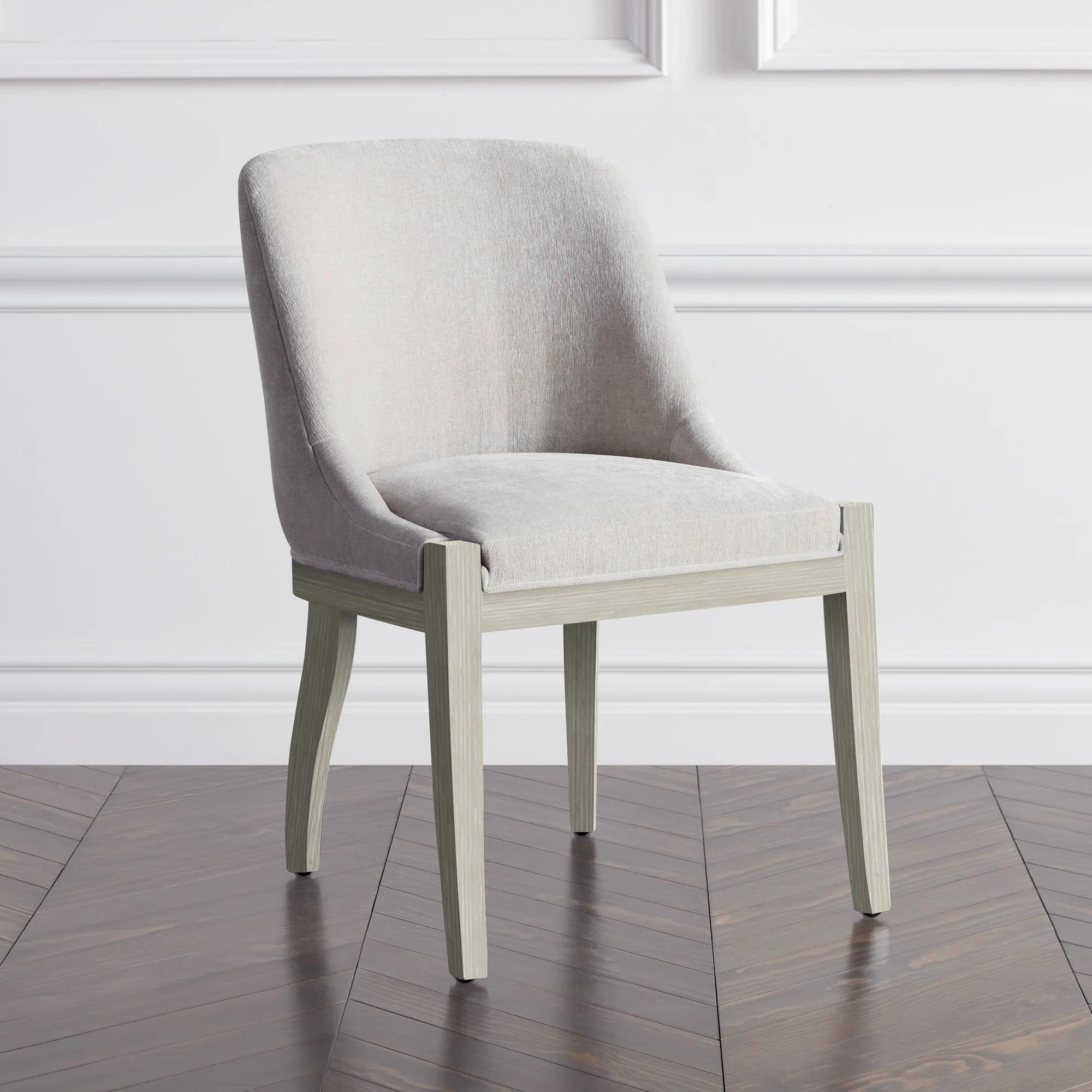
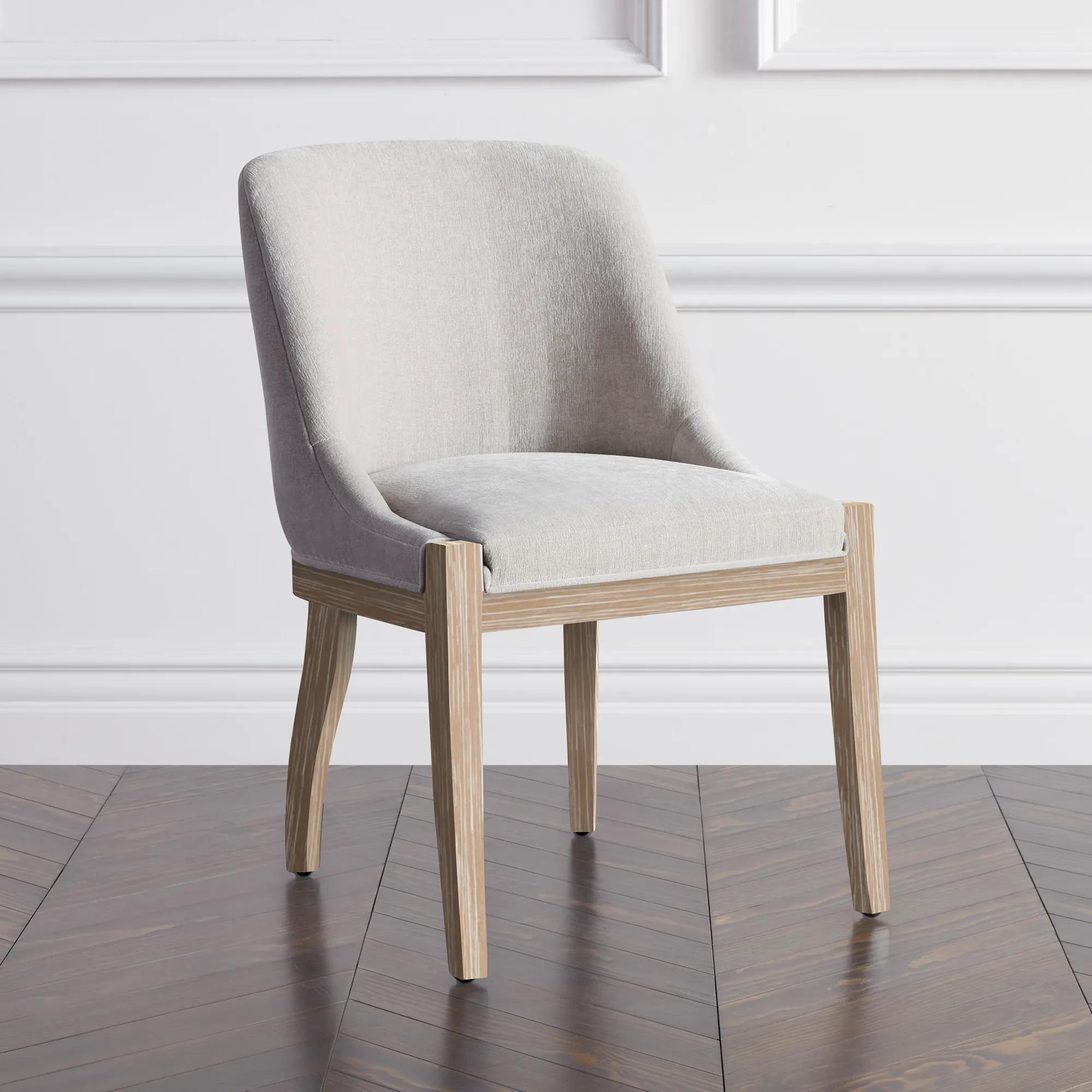
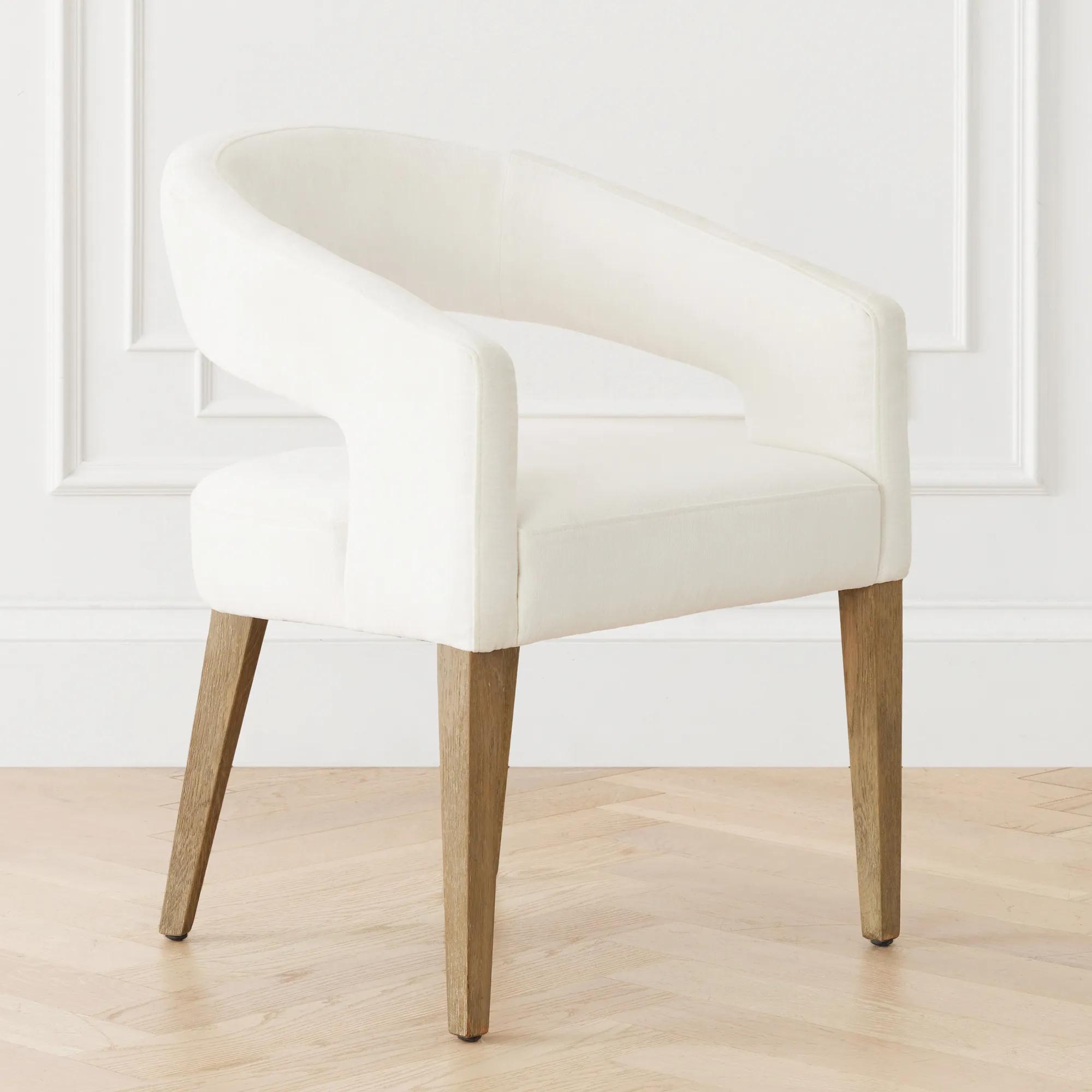 Philippa Dining Chair - Natural Grey$699
A curved grey dining chair featuring tailored chenille upholstery, a sleek back cutout, and sturdy hardwood frame.
Add To Cart -
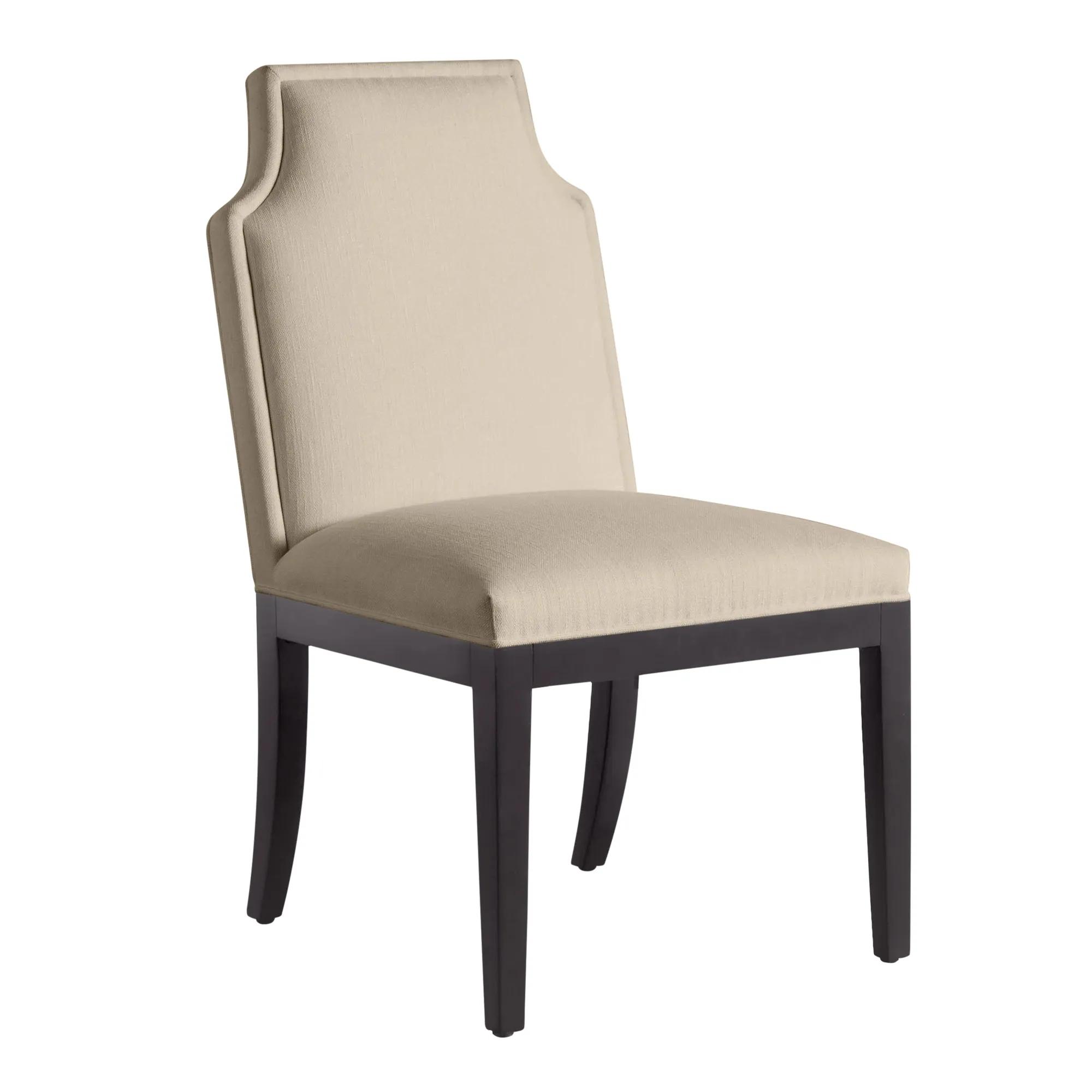
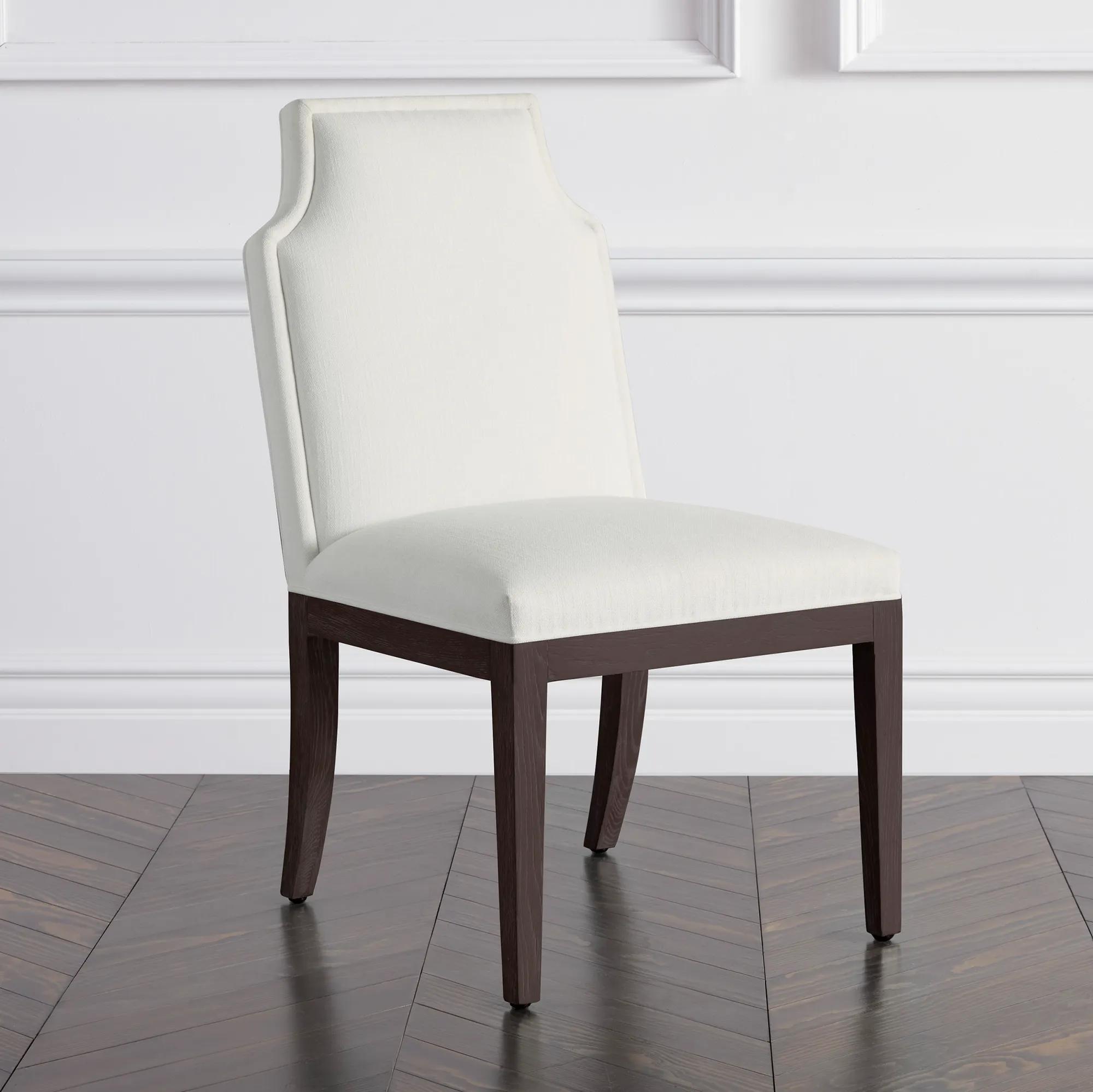 Jasmine Dining Chair - Espresso$649
A chic dining chair featuring a notched back, espresso legs, and plush upholstery for lasting comfort.
Add To Cart -
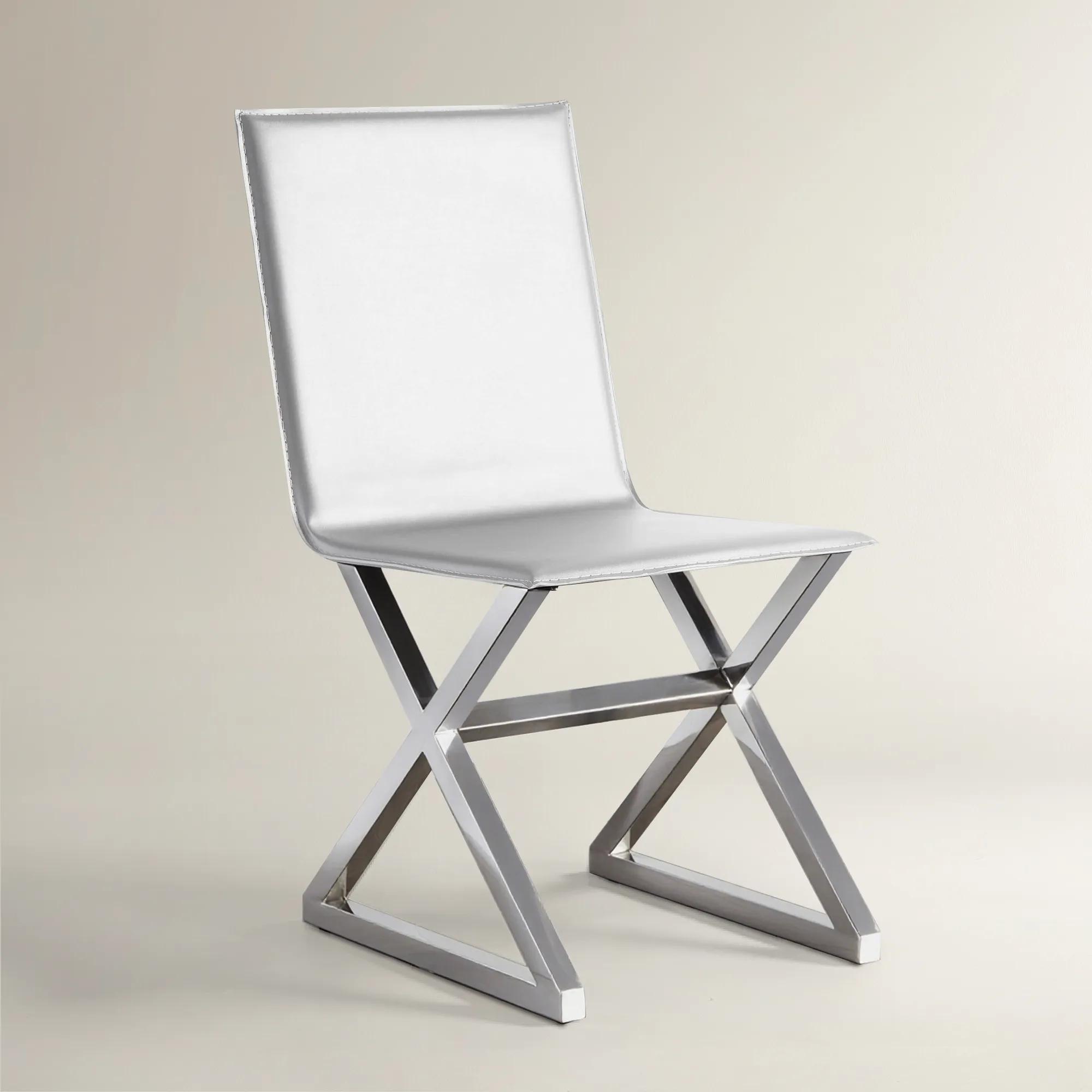
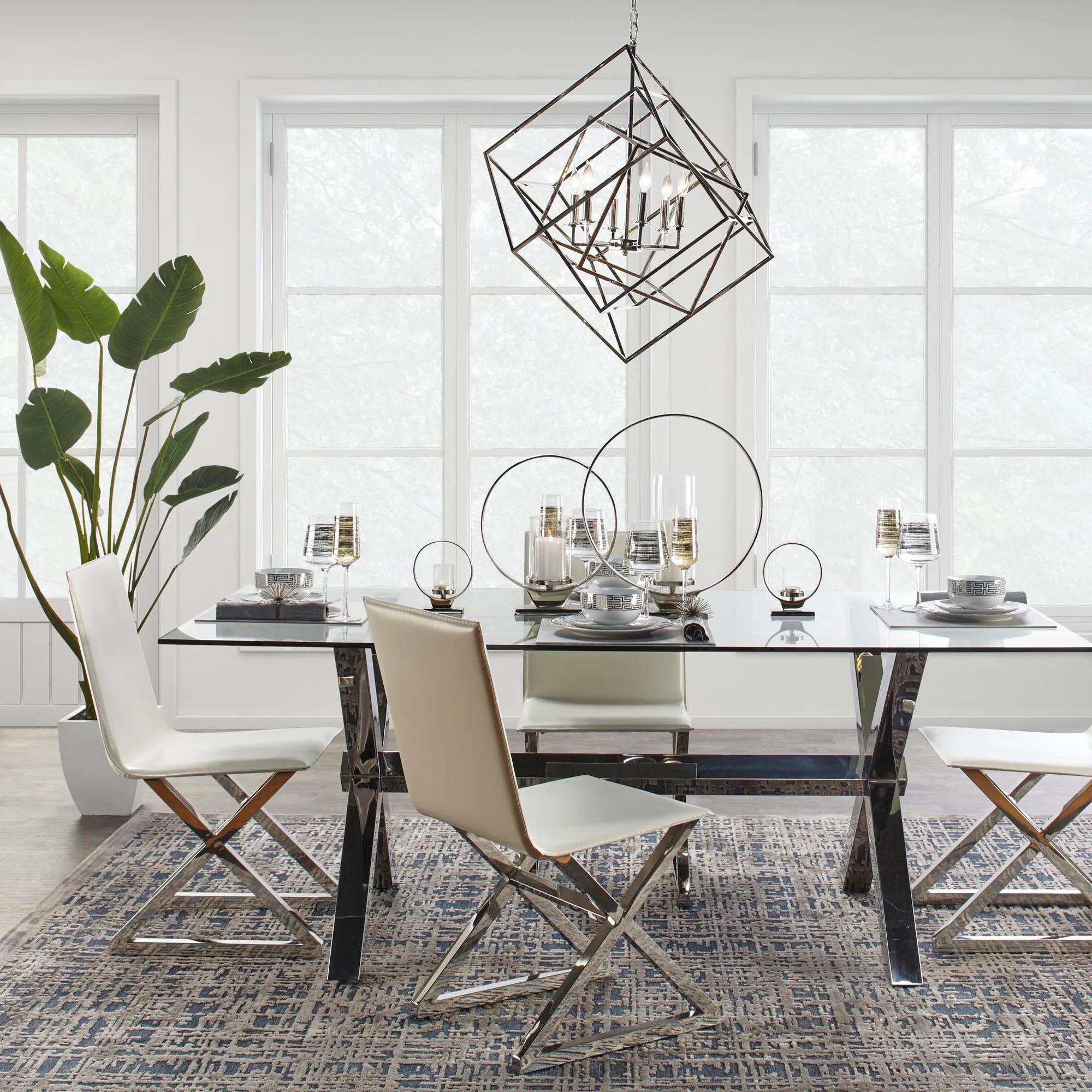 Axis Dining Chair - Set of 2$399
A contemporary dining chair set featuring white bonded leather upholstery and a polished stainless steel base.
Add To Cart -
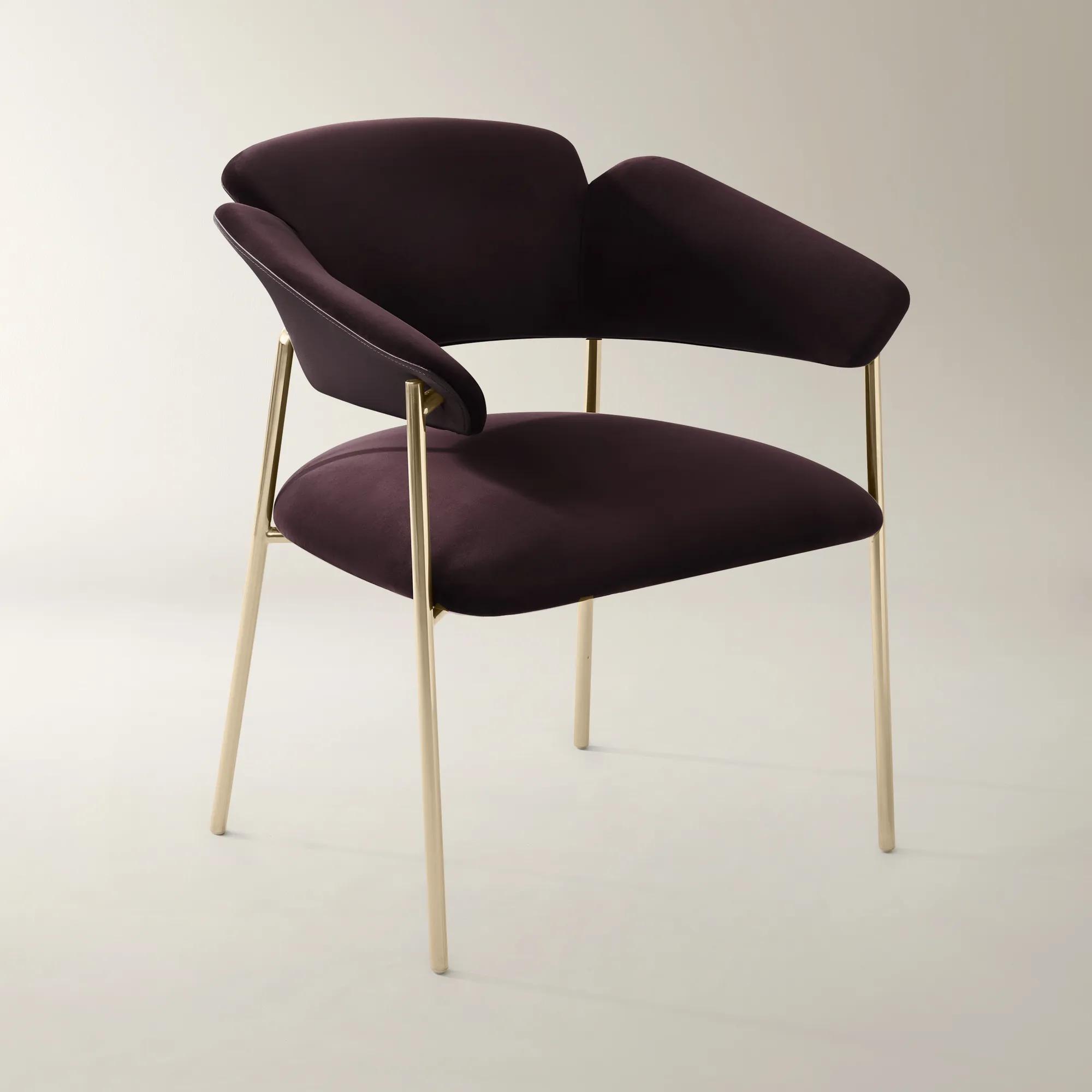 Odette Fig Velvet Dining Chair$499
A sculptural dining chair featuring fig velvet, tonal faux leather accents, and slender gold-finished metal legs.
Add To Cart -
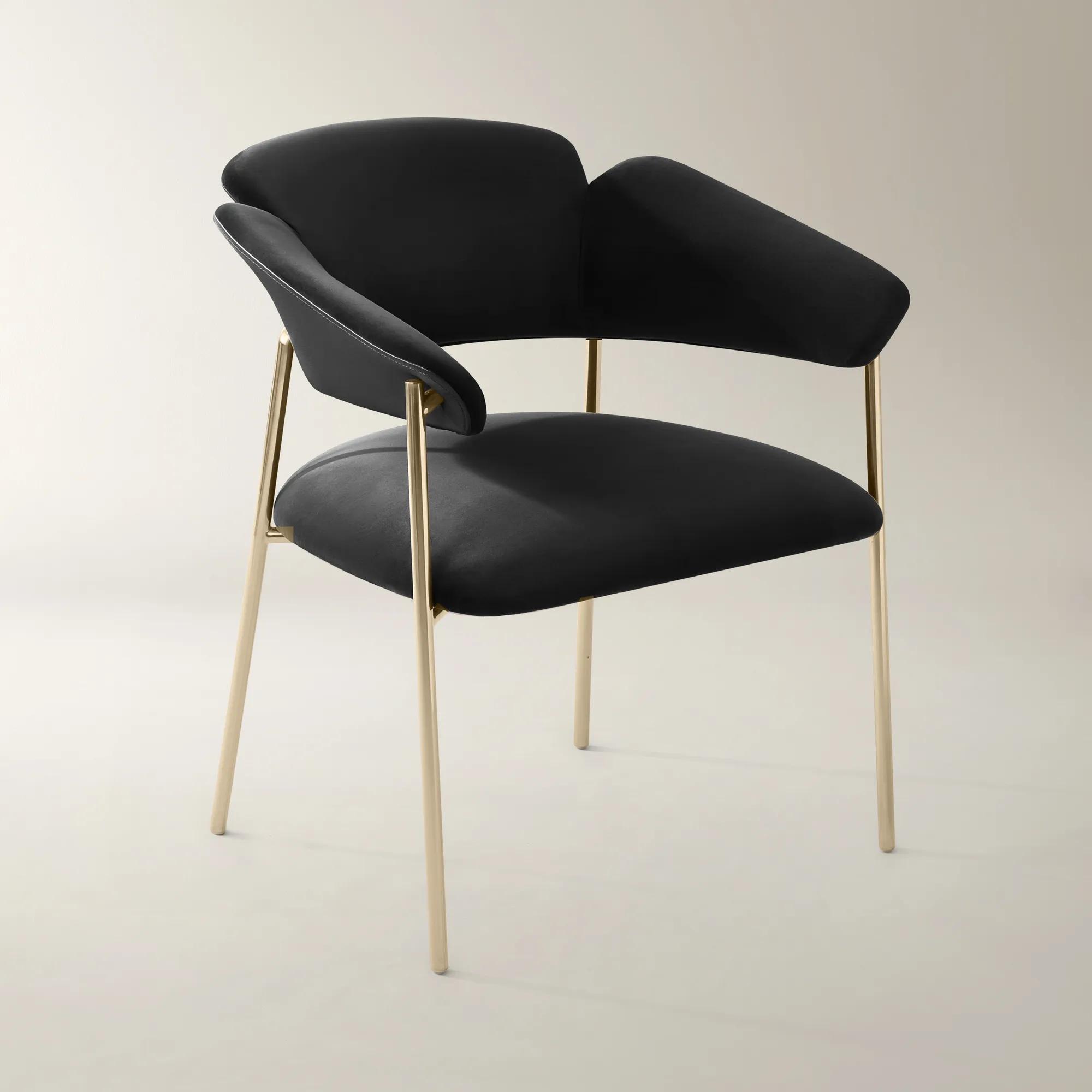 Odette Charcoal Velvet Dining Chair$499
A charcoal velvet chair featuring a wraparound open-back design, tonal faux leather accents, and gold metal legs.
Add To Cart -
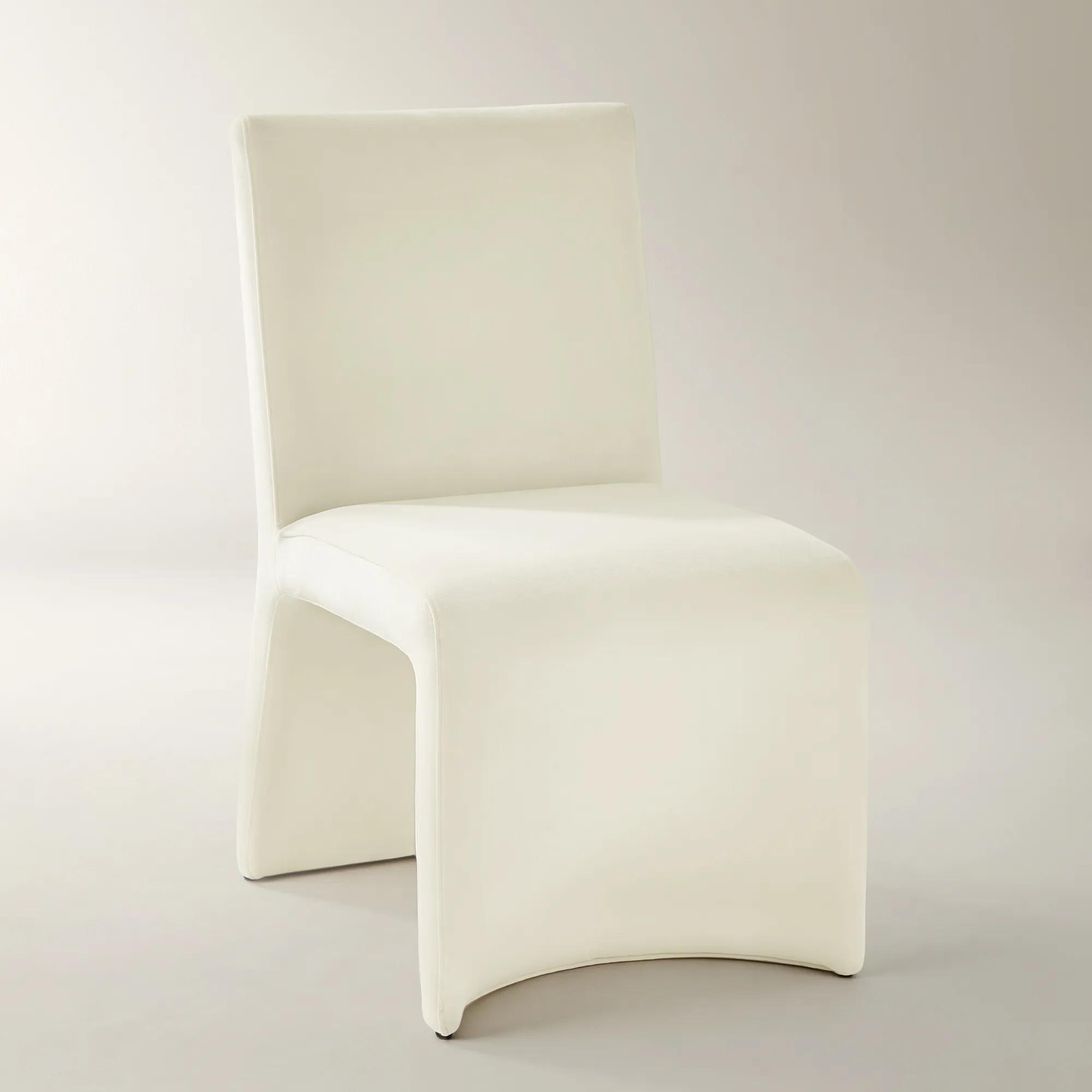 Elara Cloud Velvet Dining Chair Set Of 2$799
A set of two dining chairs featuring plush velvet upholstery, a seamless curved silhouette, and a sturdy steel frame.
Add To Cart -
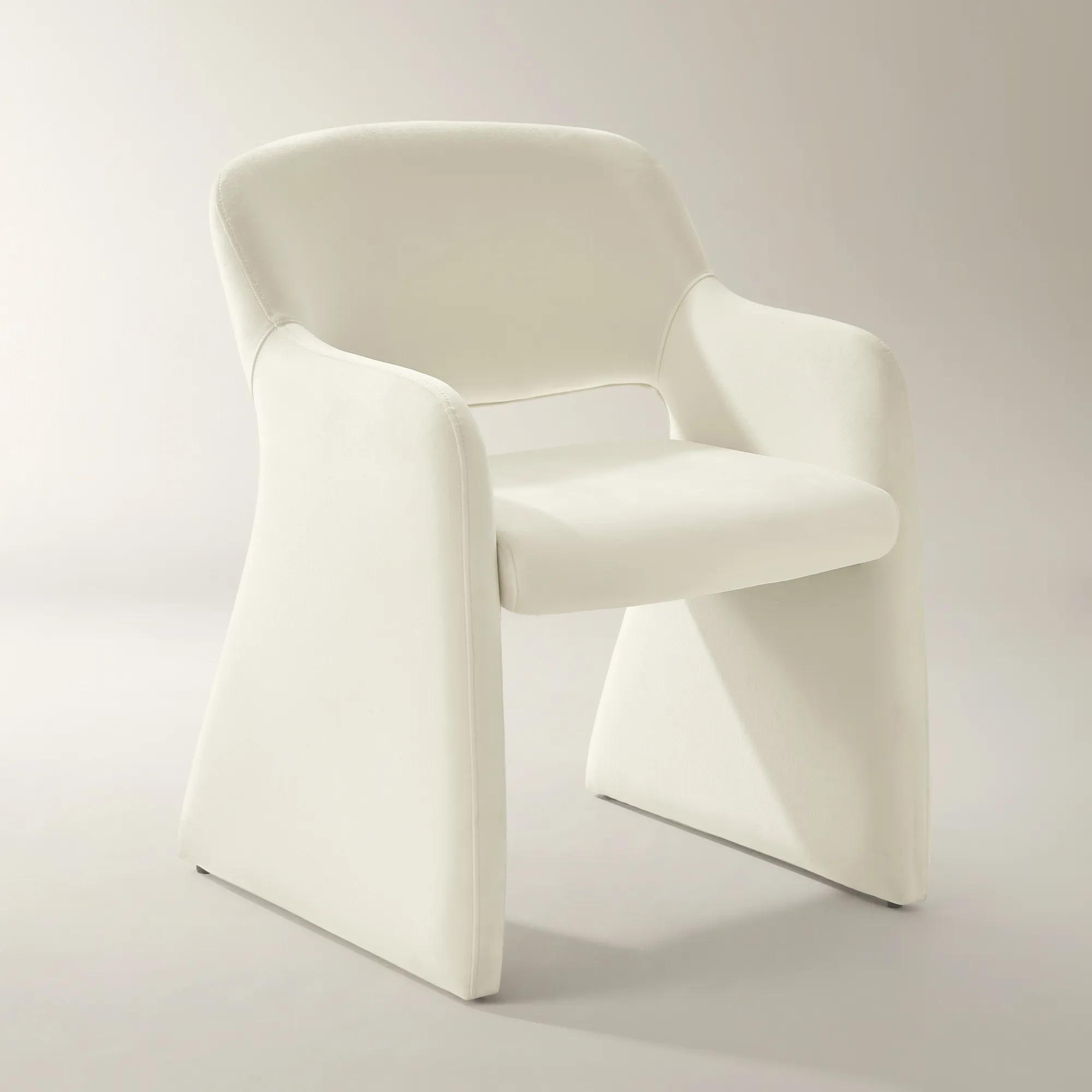 Elara Cloud Velvet Dining Chair$449
A plush velvet dining chair featuring a seamless wraparound silhouette and supportive carbon steel frame.
Add To Cart -
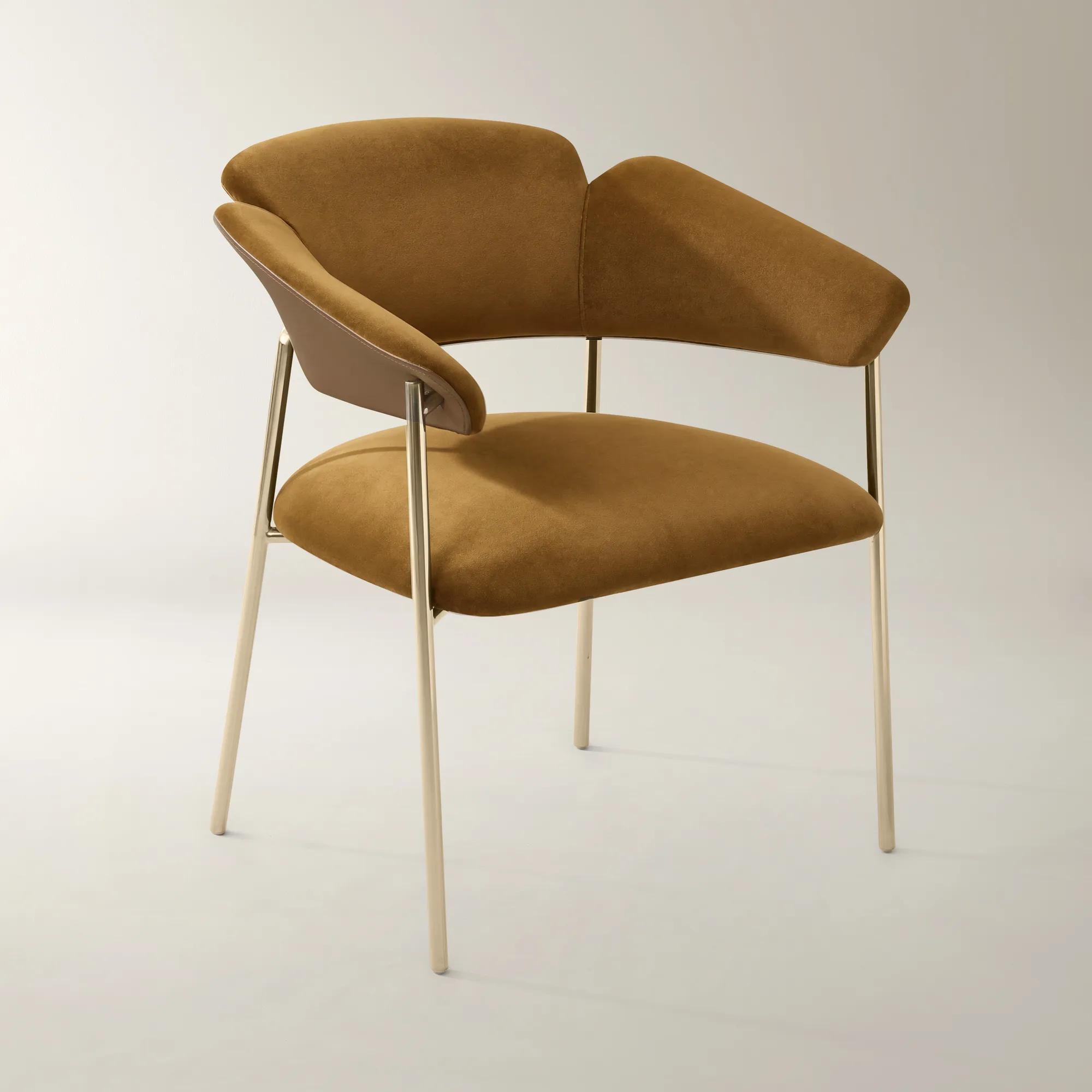 Odette Roasted Pecan Velvet Dining Chair$499
A sculptural dining chair featuring roasted pecan velvet, tonal faux leather accents, and gold stainless steel legs.
Add To Cart -
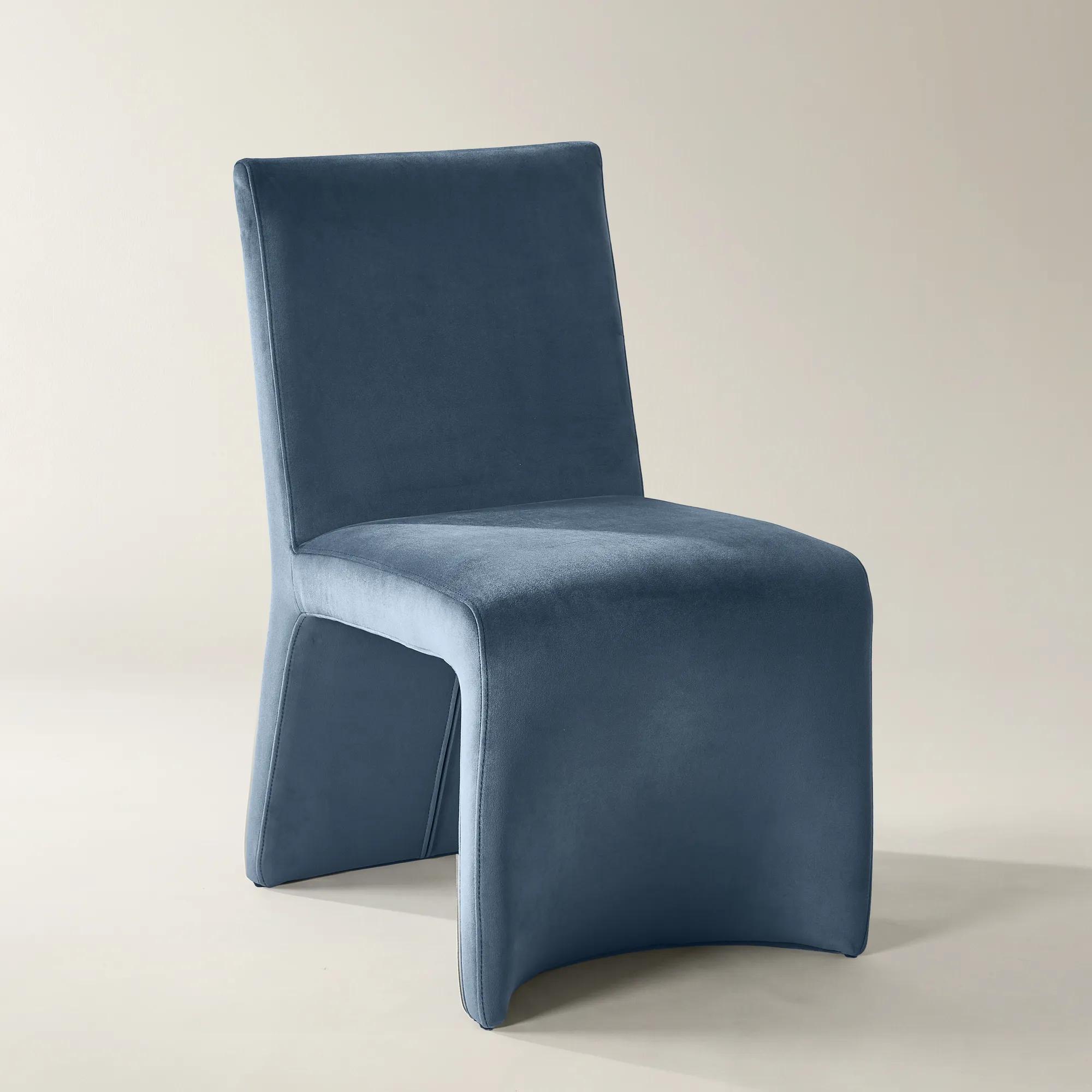 Elara Dusty Blue Velvet Dining Chair Set Of 2$799
A set of two dining chairs featuring plush dusty blue velvet upholstery and a seamless, artful silhouette.
Add To Cart -
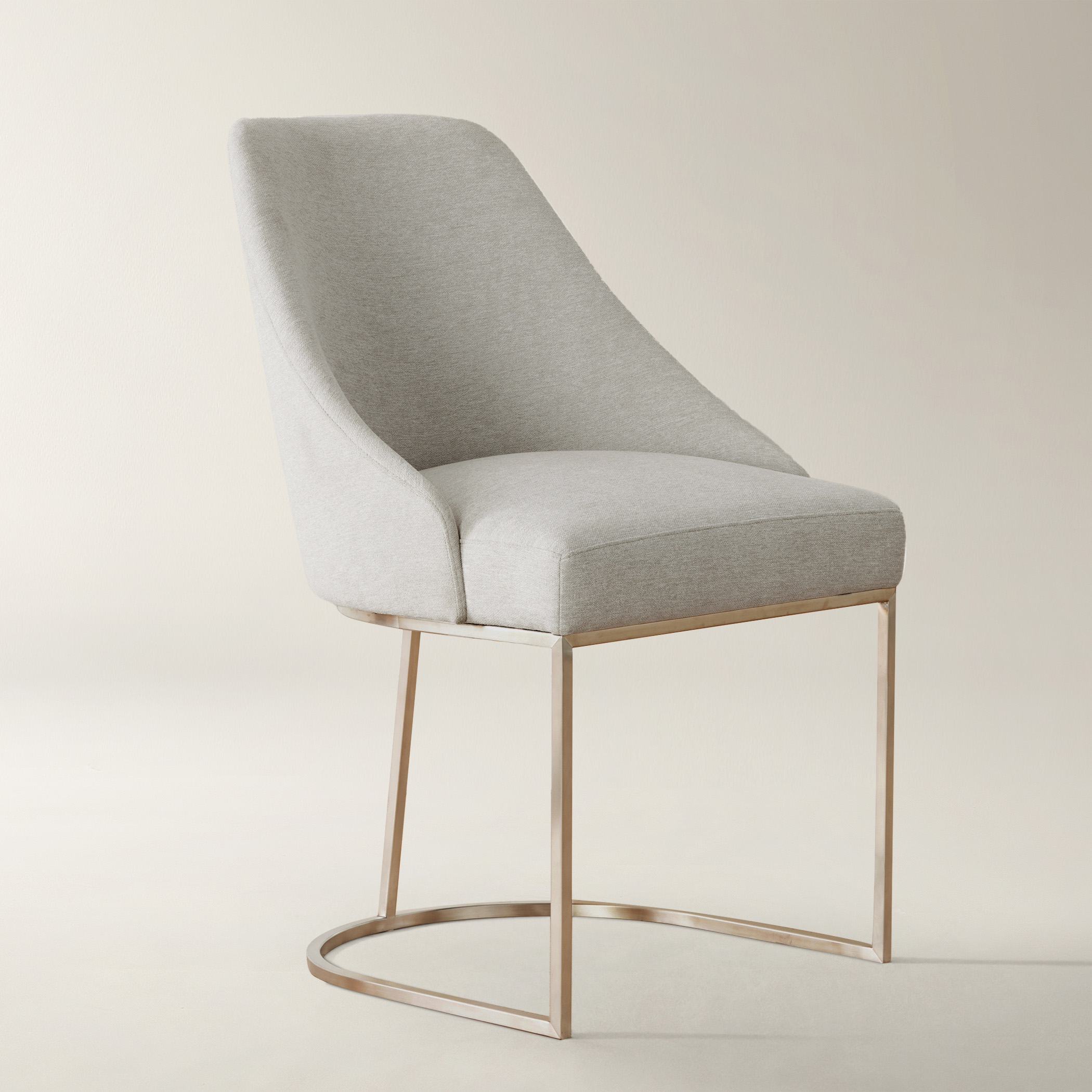
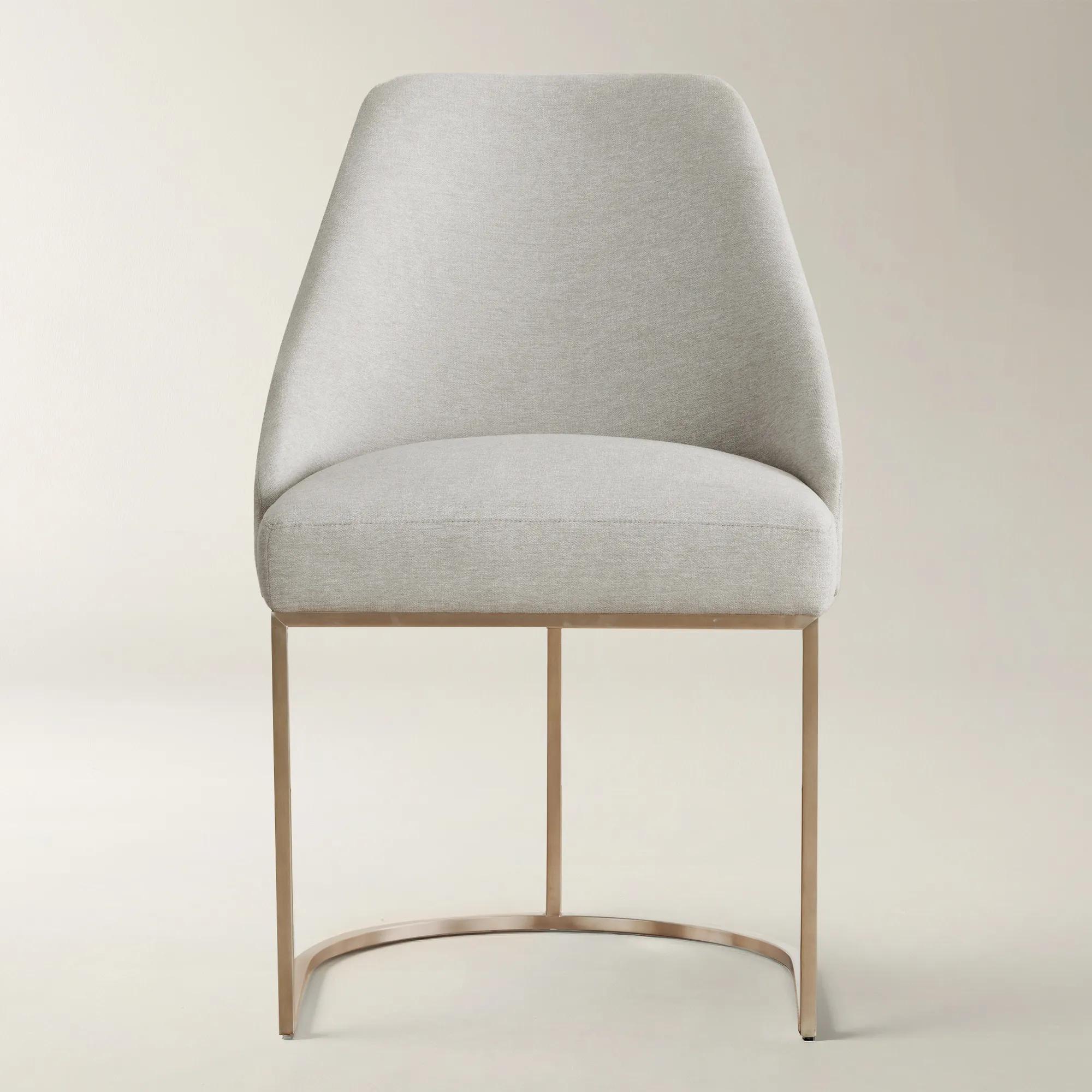 Rowan Ivory Fabric Dining Chair$599
A modern chair featuring brushed stainless steel legs and stain-resistant, water-repellent Roxboro Frost fabric.
Add To Cart -
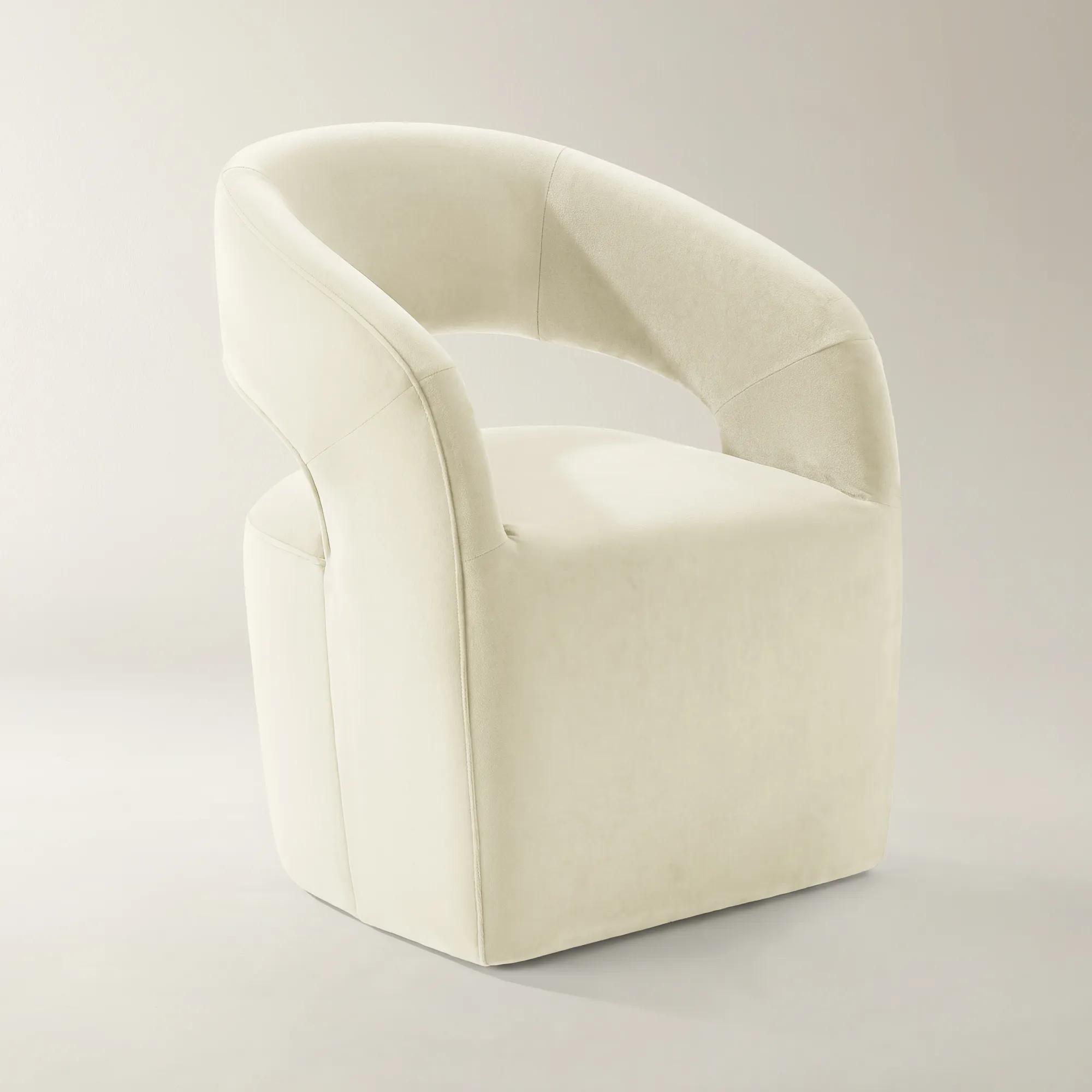 Harrison Cloud Velvet Dining Chair$449
A sculptural dining chair featuring cloud velvet upholstery, feather-blend cushioning, and a continuous curved back.
Add To Cart -
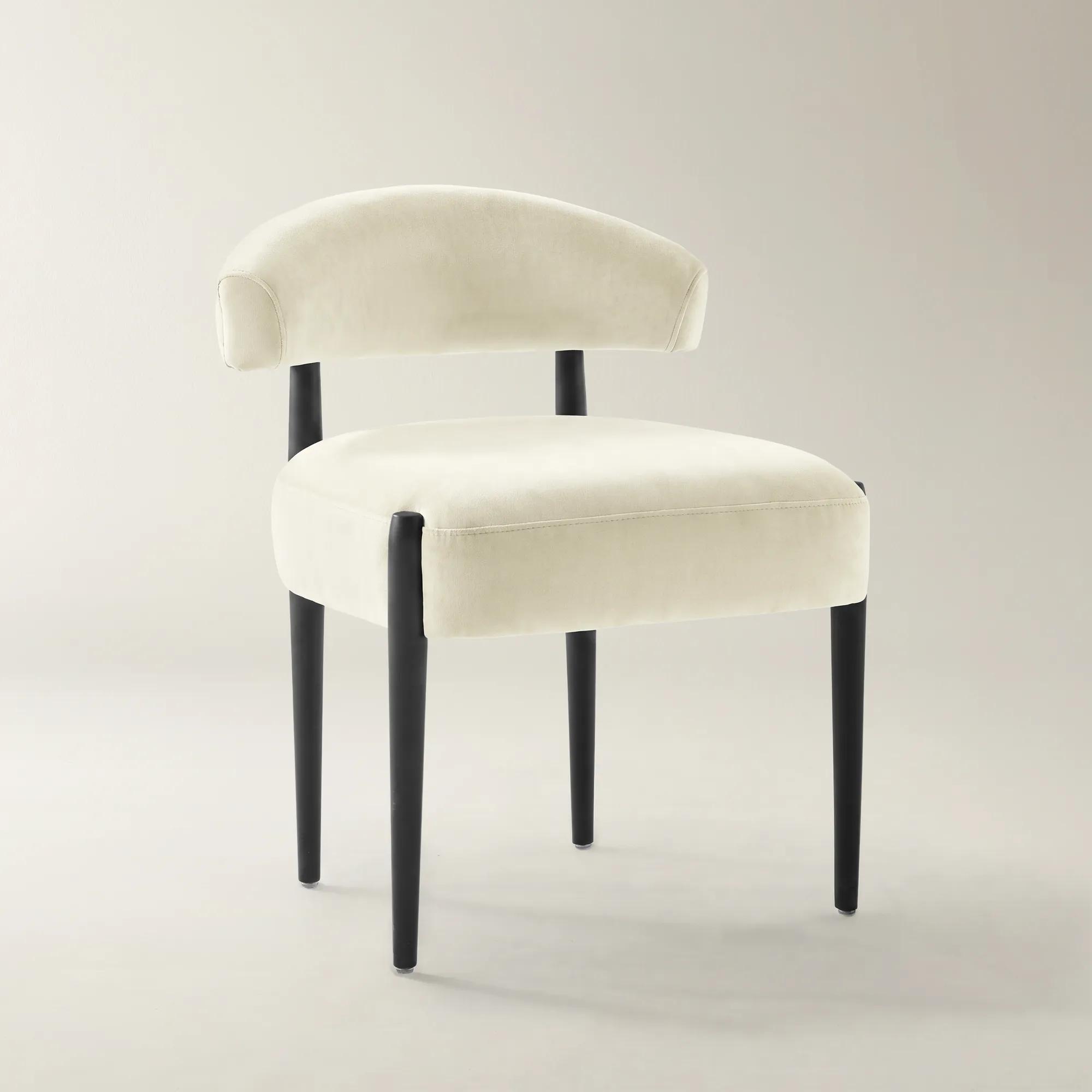
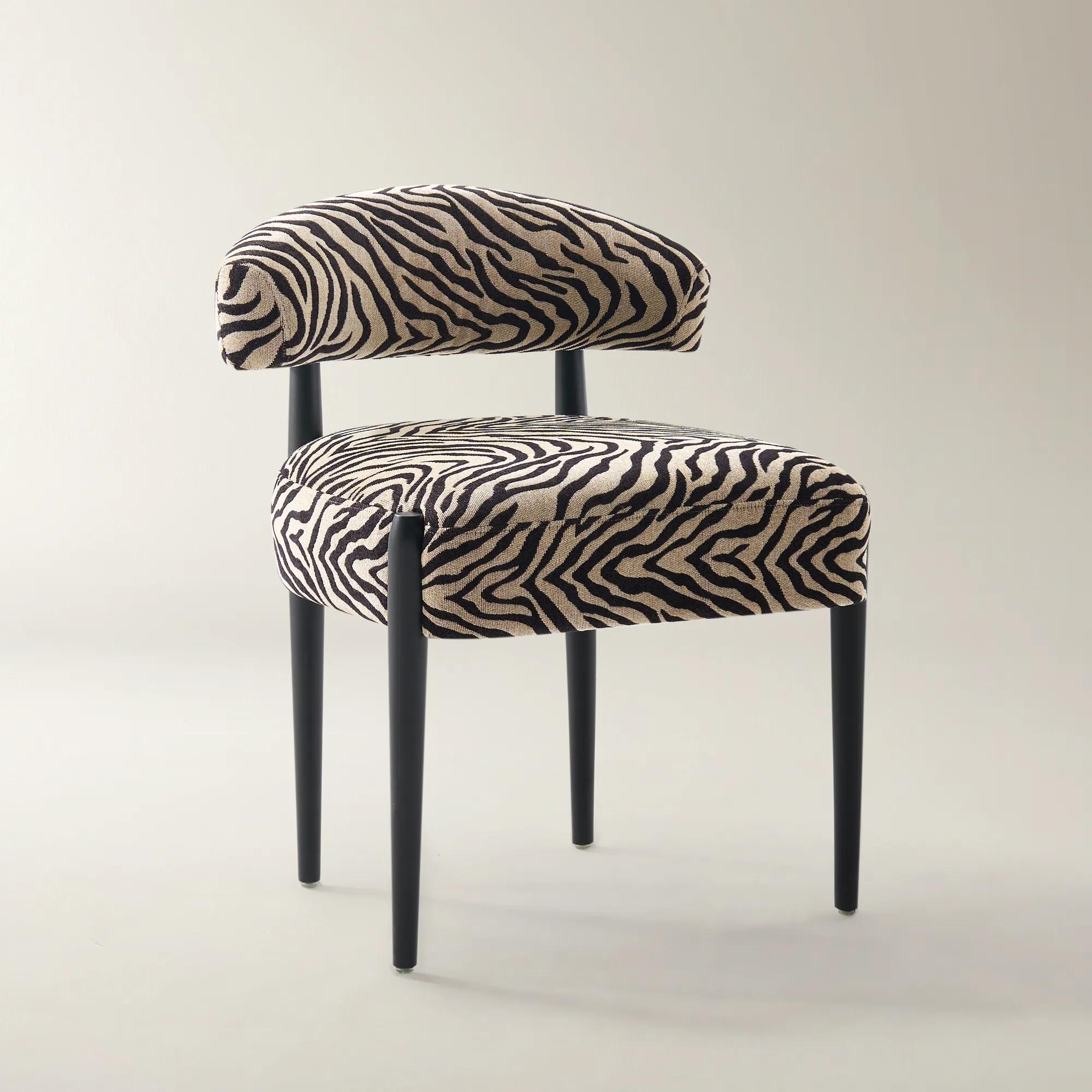 Anna Cloud Velvet Dining Chair Set of 2$599
A hand-upholstered Cloud velvet chair set featuring curved backs, high-density foam, and solid rubberwood legs.
Add To Cart -
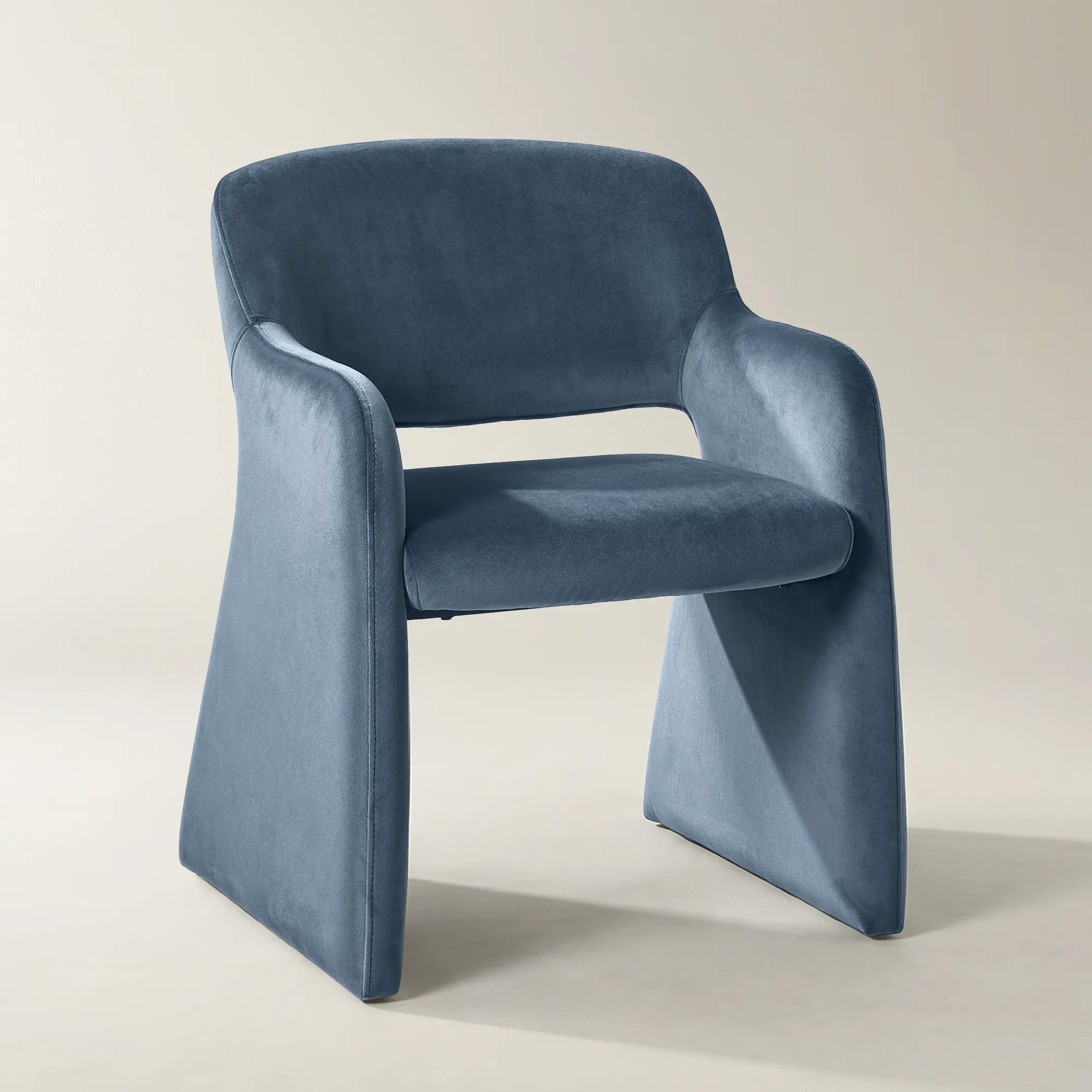 Elara Dusty Blue Velvet Dining Chair$449
A graceful dining chair featuring dusty blue velvet upholstery, integrated arms, and a seamless cantilevered silhouette.
Add To Cart -
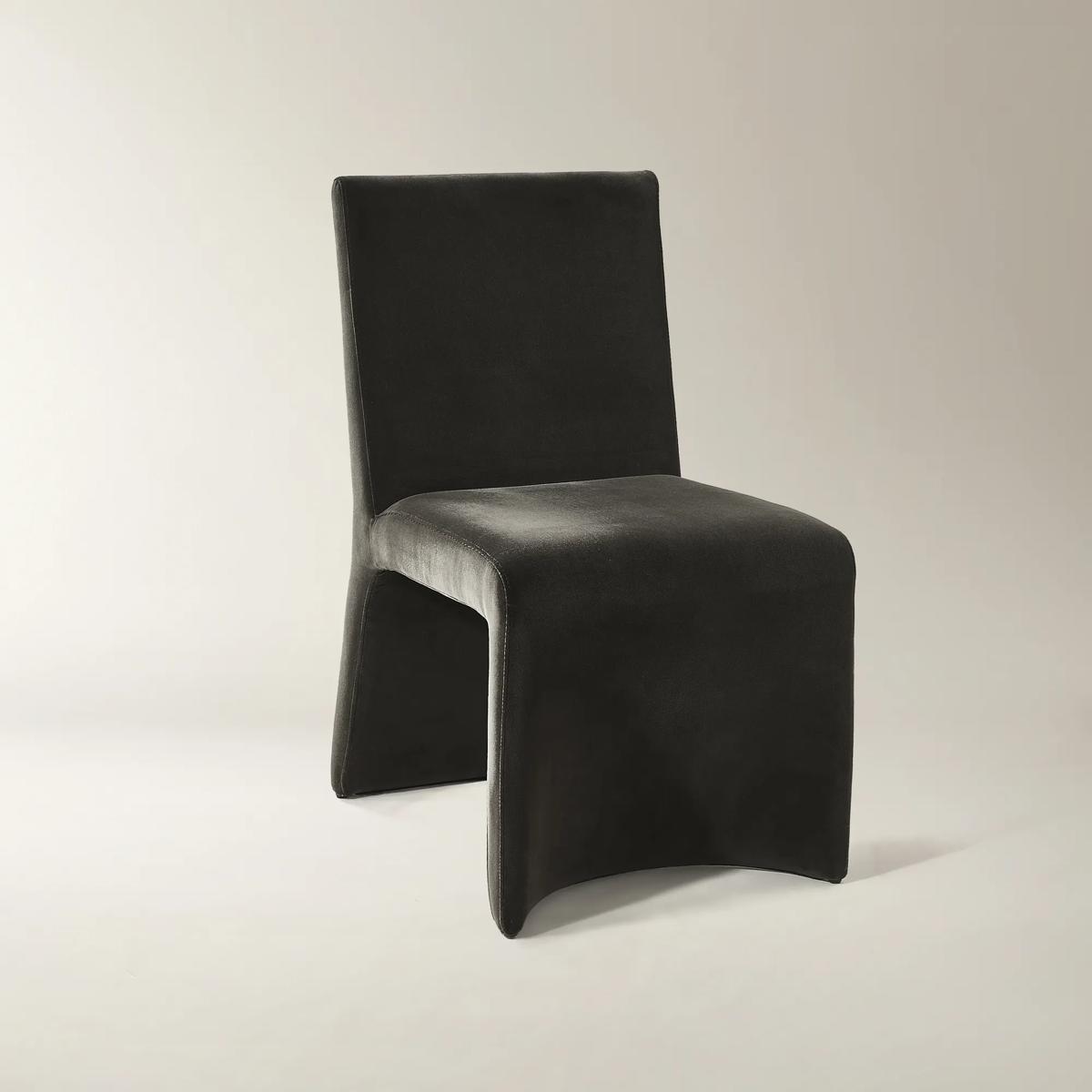
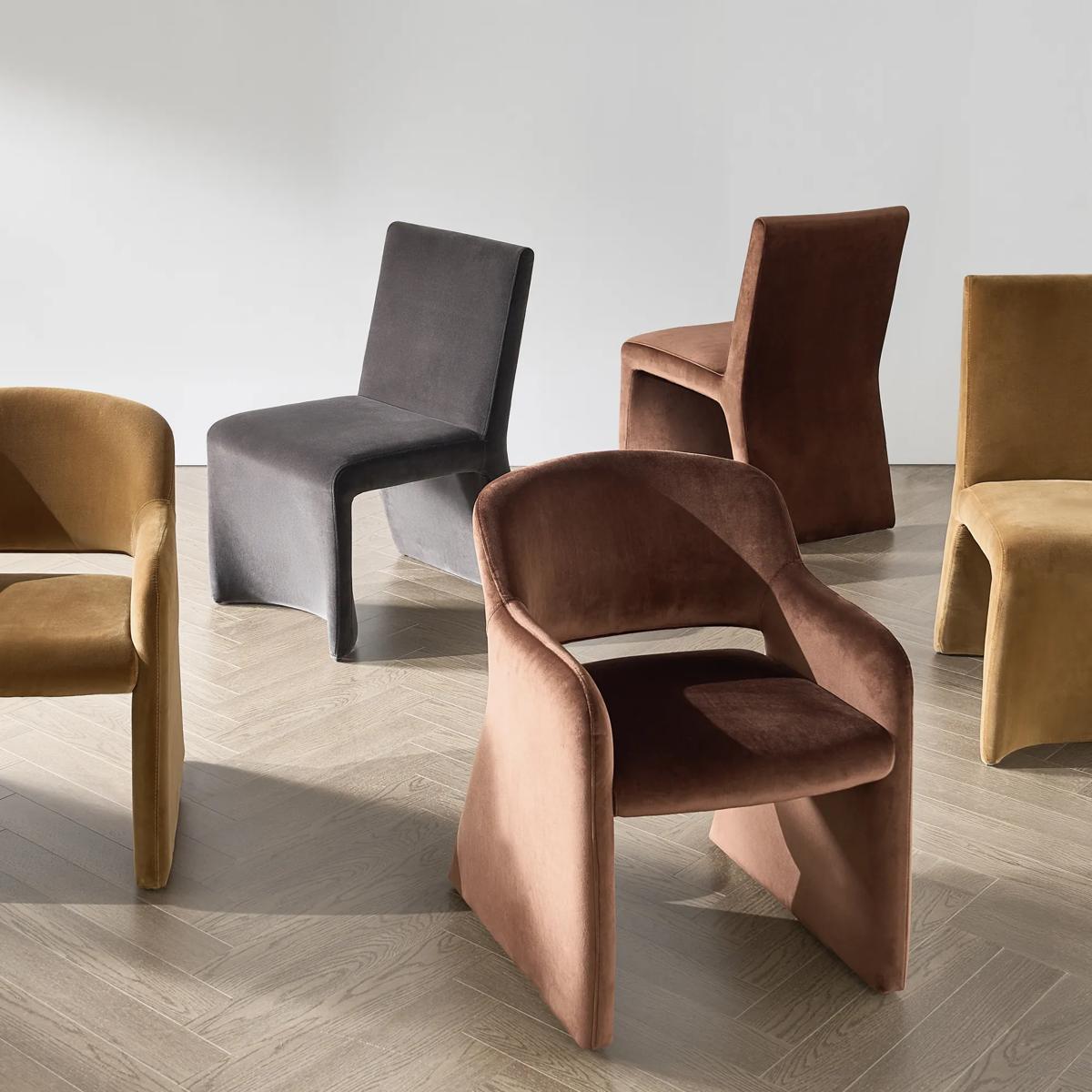 Elara Charcoal Velvet Dining Chair Set Of 2$799
A pair of charcoal velvet dining chairs featuring curved ergonomic silhouettes, plush upholstery, and hand-crafted details.
Add To Cart -
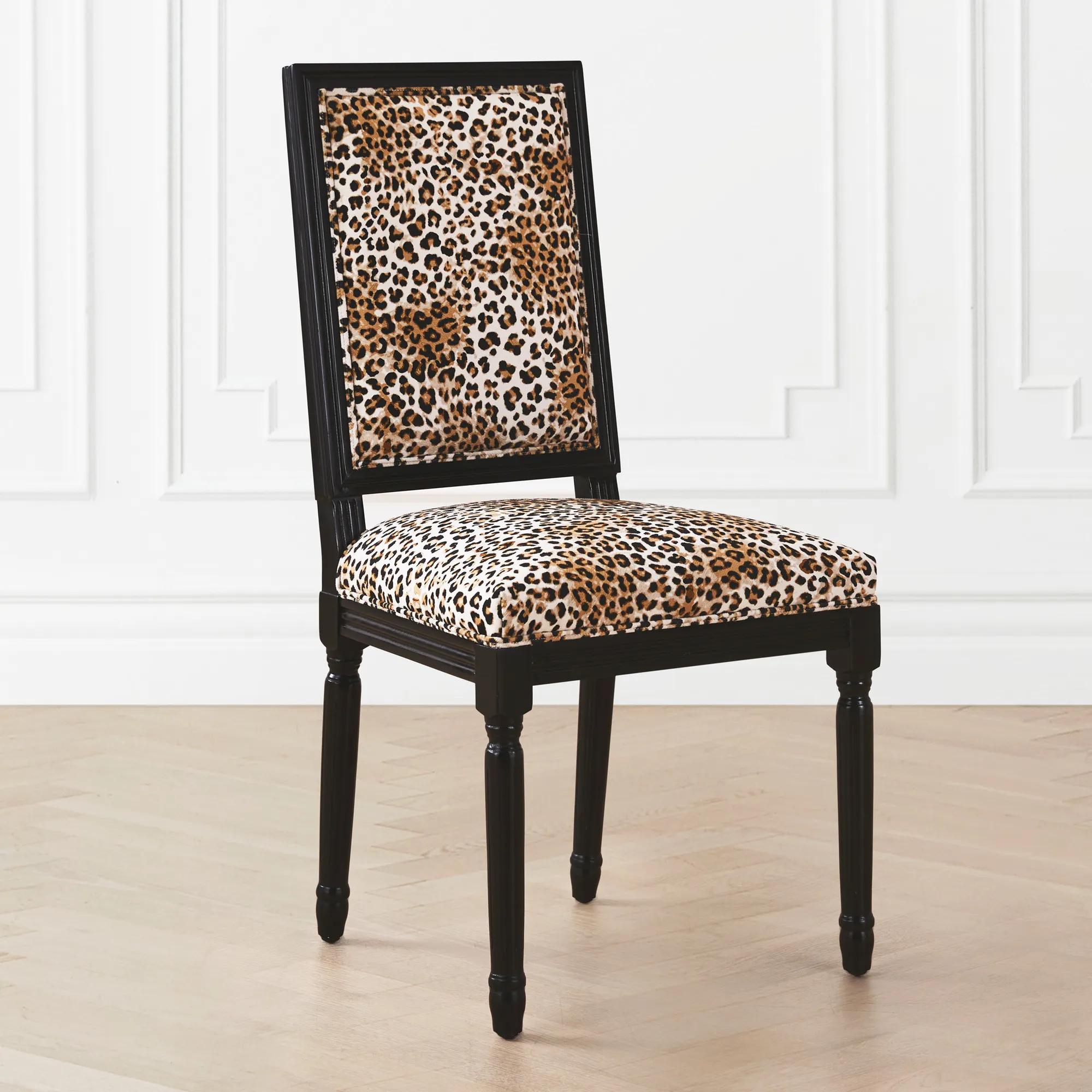
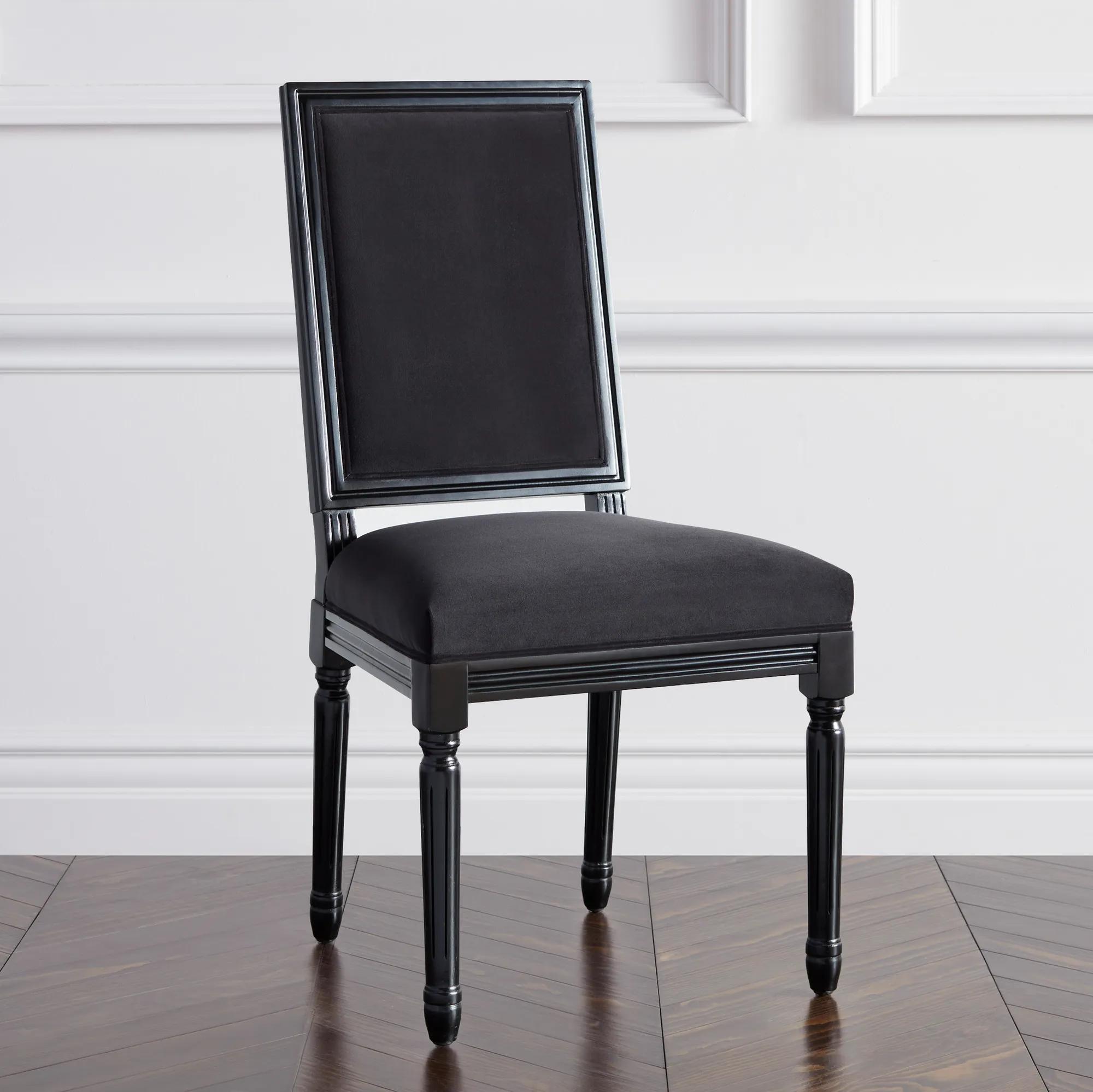
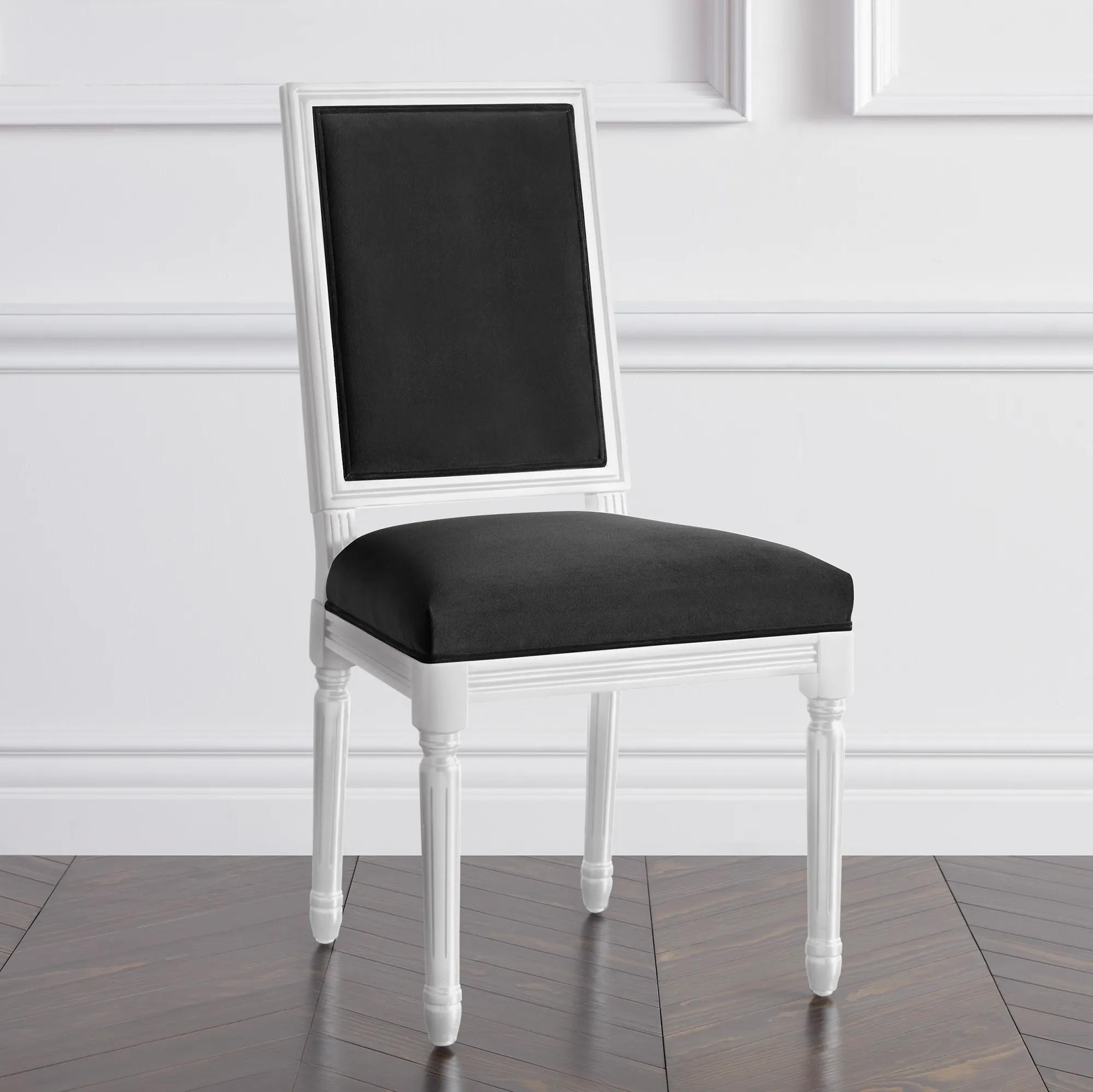
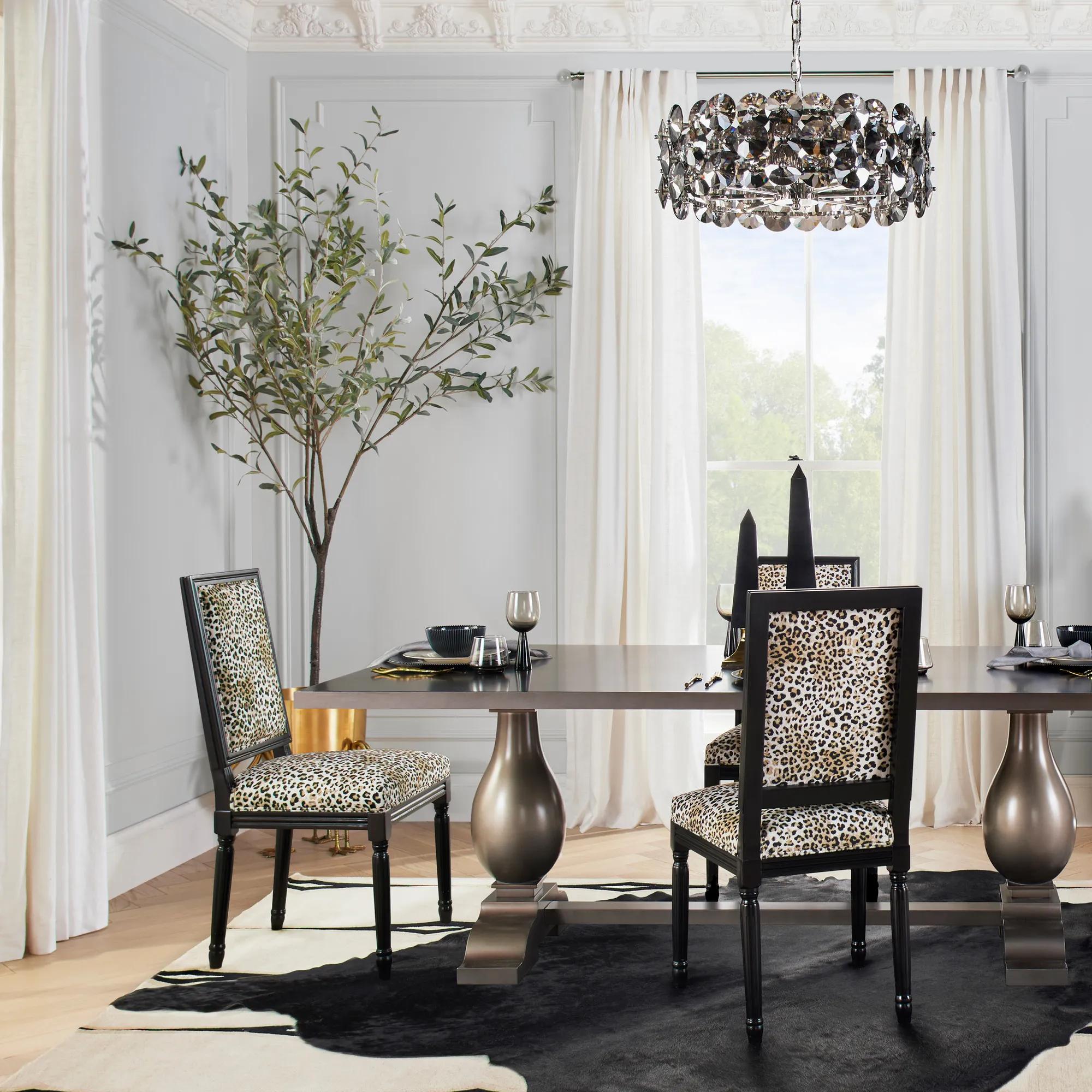 Callan Dining Chair$599
A handcrafted modern chair featuring classic upholstery, squared back, fluted legs, and high-gloss finish.
Add To Cart -
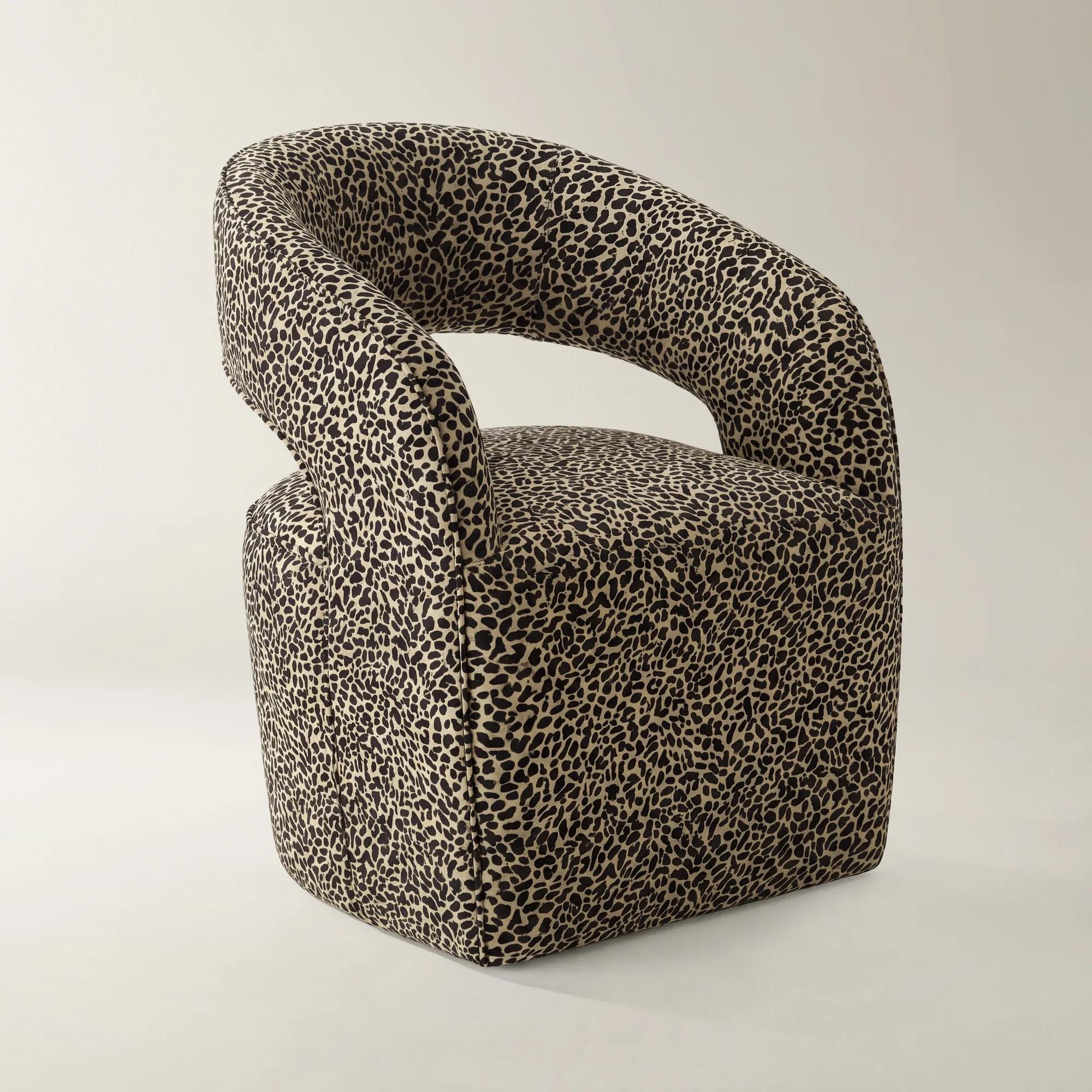
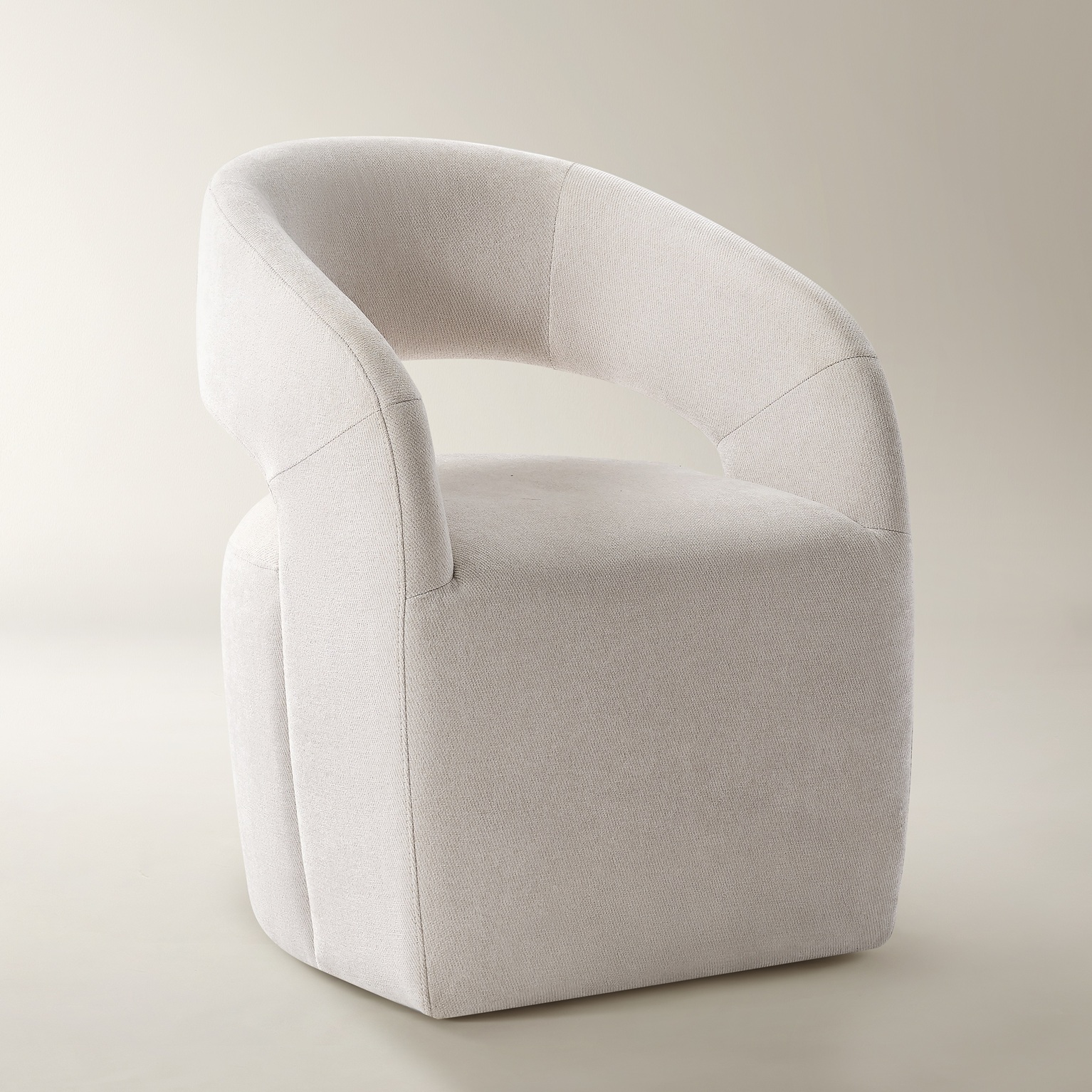 Harrison Leopard Performance Chenille Dining Chair$449
A sculptural dining chair featuring leopard performance chenille upholstery, feather-blend cushioning, and a curved silhouette.
Add To Cart -
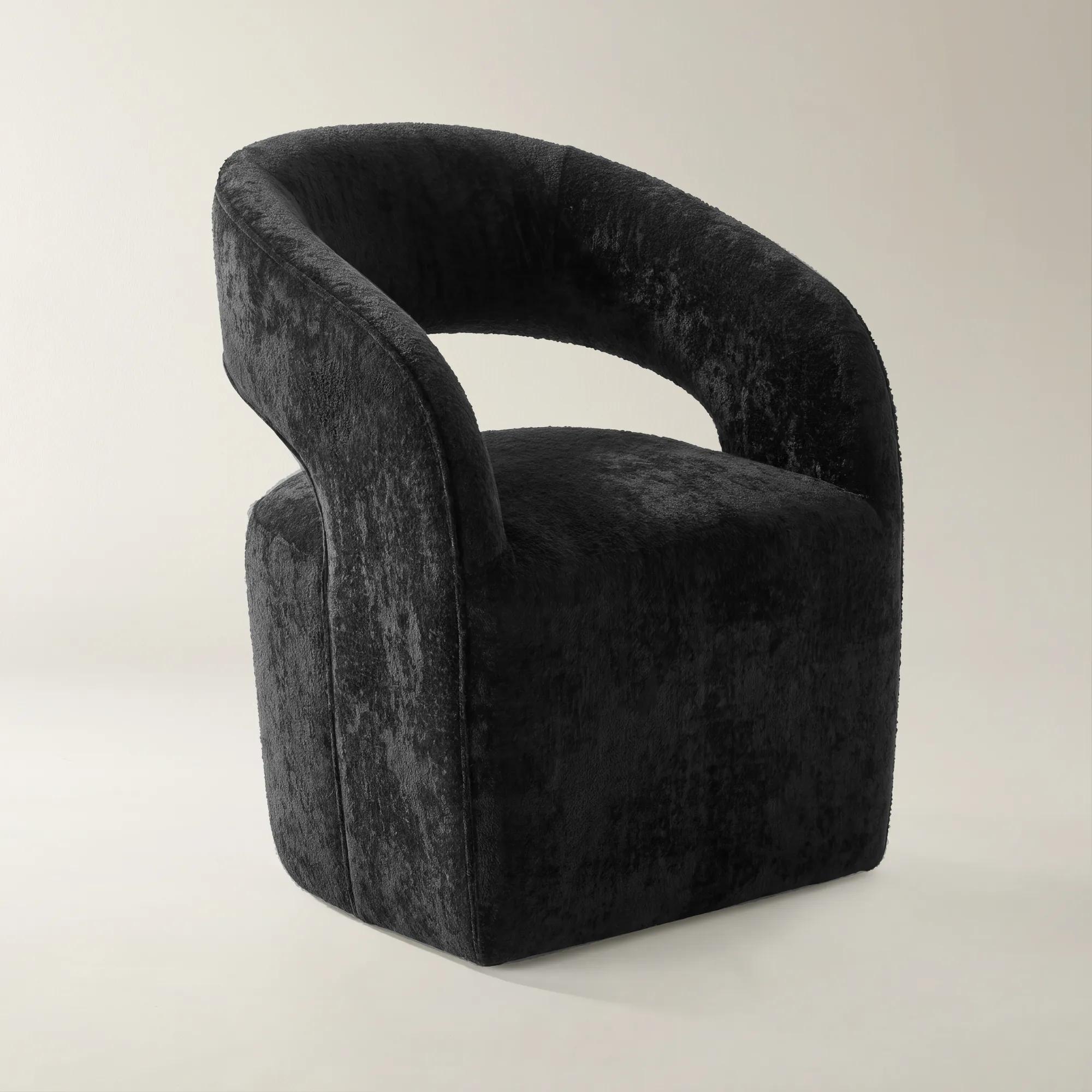 Harrison Black Chenille Dining Chair$449
A sculptural dining chair upholstered in charcoal chenille with a curved back, feather-blend seat, and integrated arms.
Add To Cart -
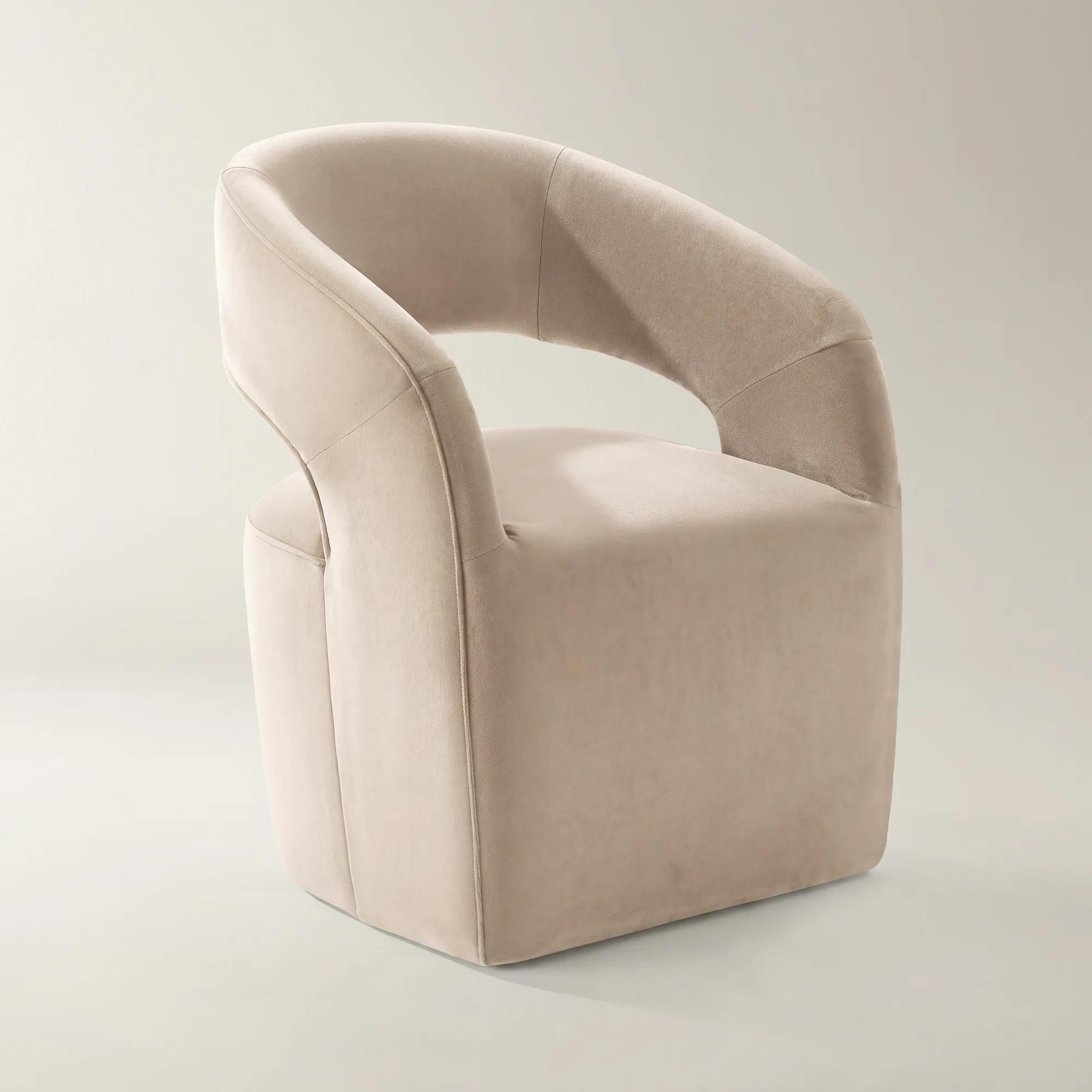 Harrison Simply Taupe Velvet Dining Chair$449
A sculptural dining chair in simply taupe velvet with a curved back, feather-blend seat, and modern elegance.
Add To Cart -
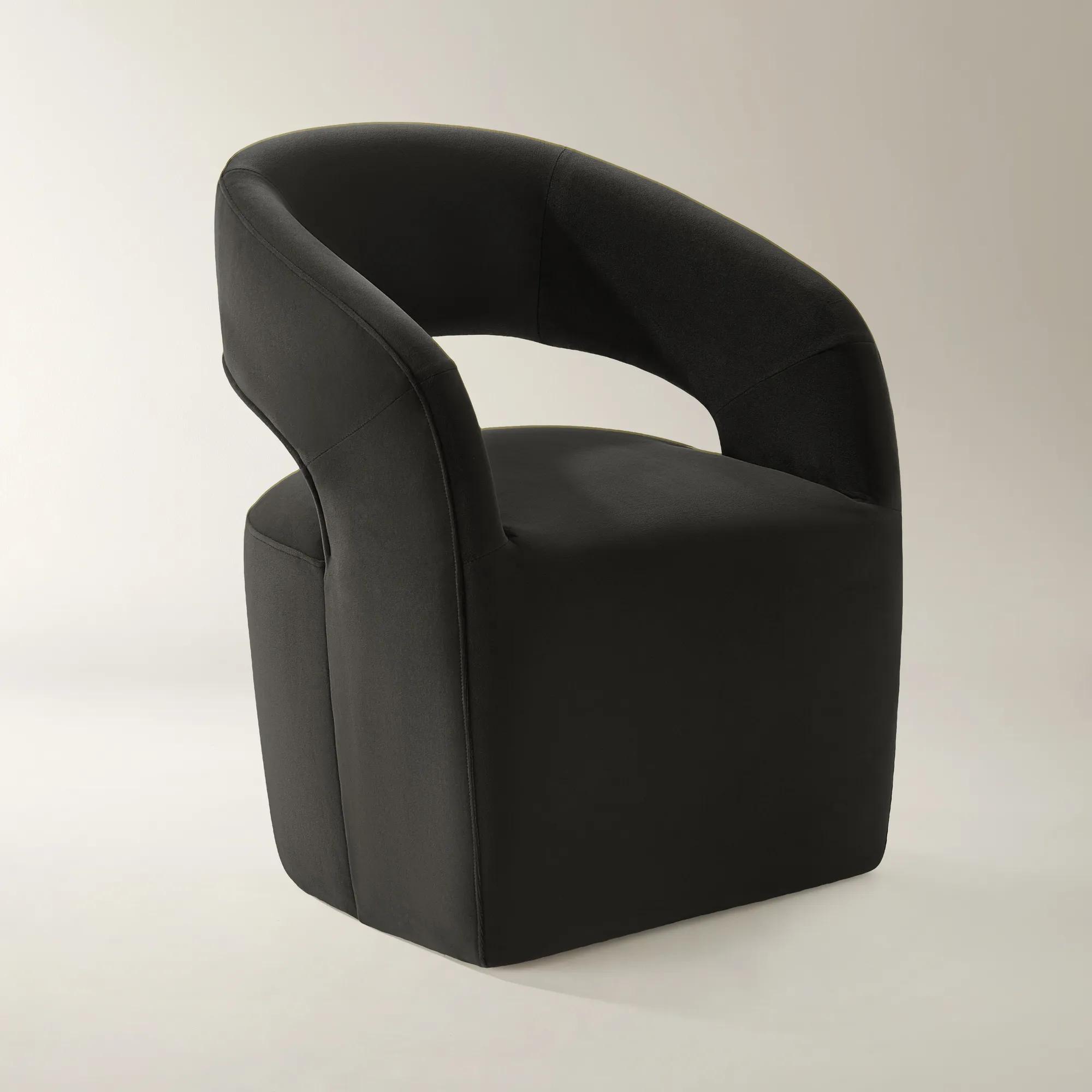 Harrison Charcoal Velvet Dining Chair$449
A sculptural dining chair upholstered in charcoal velvet with a continuous curved back and feather-blend comfort.
Add To Cart -
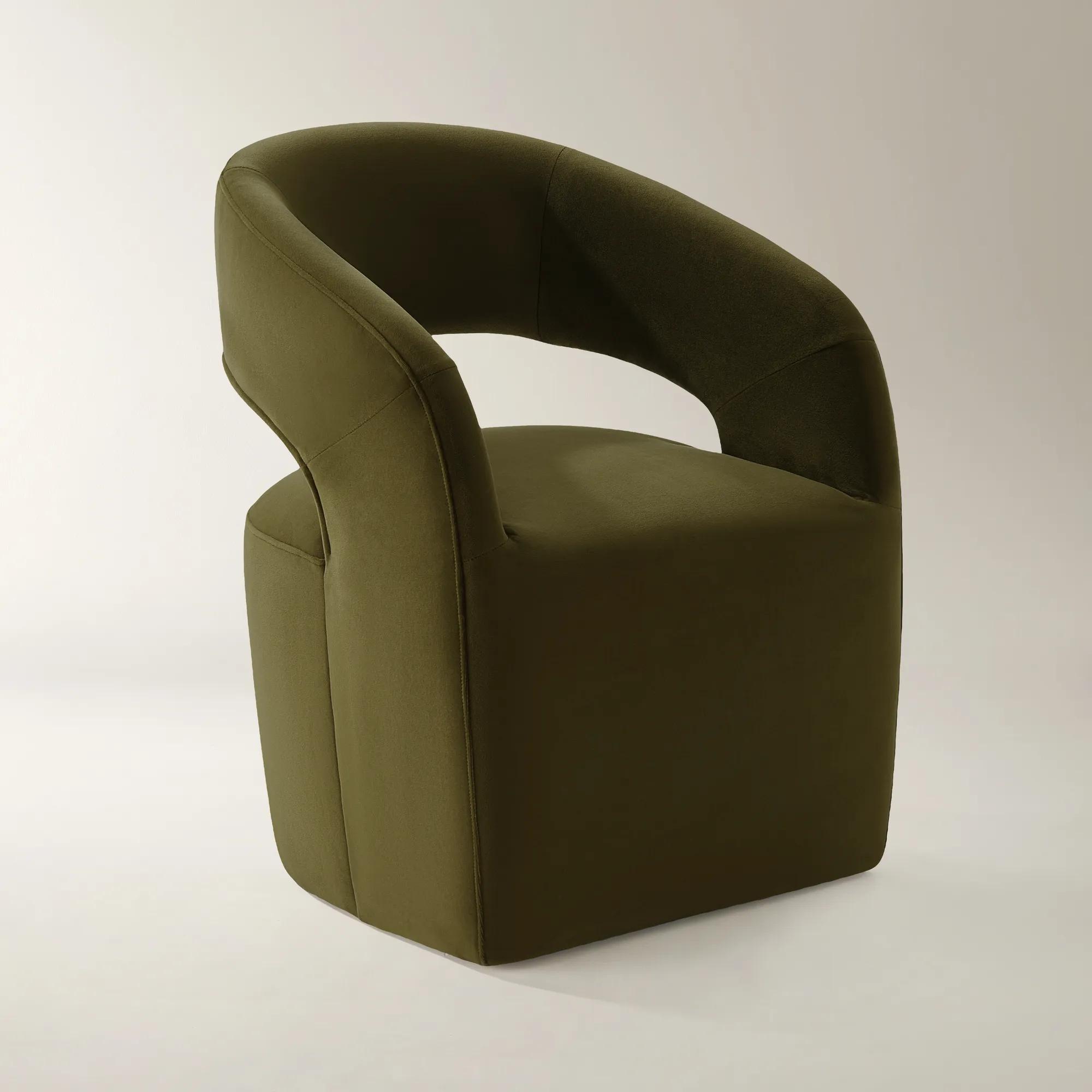 Harrison Deep Olive Velvet Dining Chair$499
A sculptural dining chair in deep olive velvet with a curved back, integrated arms, and plush feather-blend comfort.
Add To Cart -
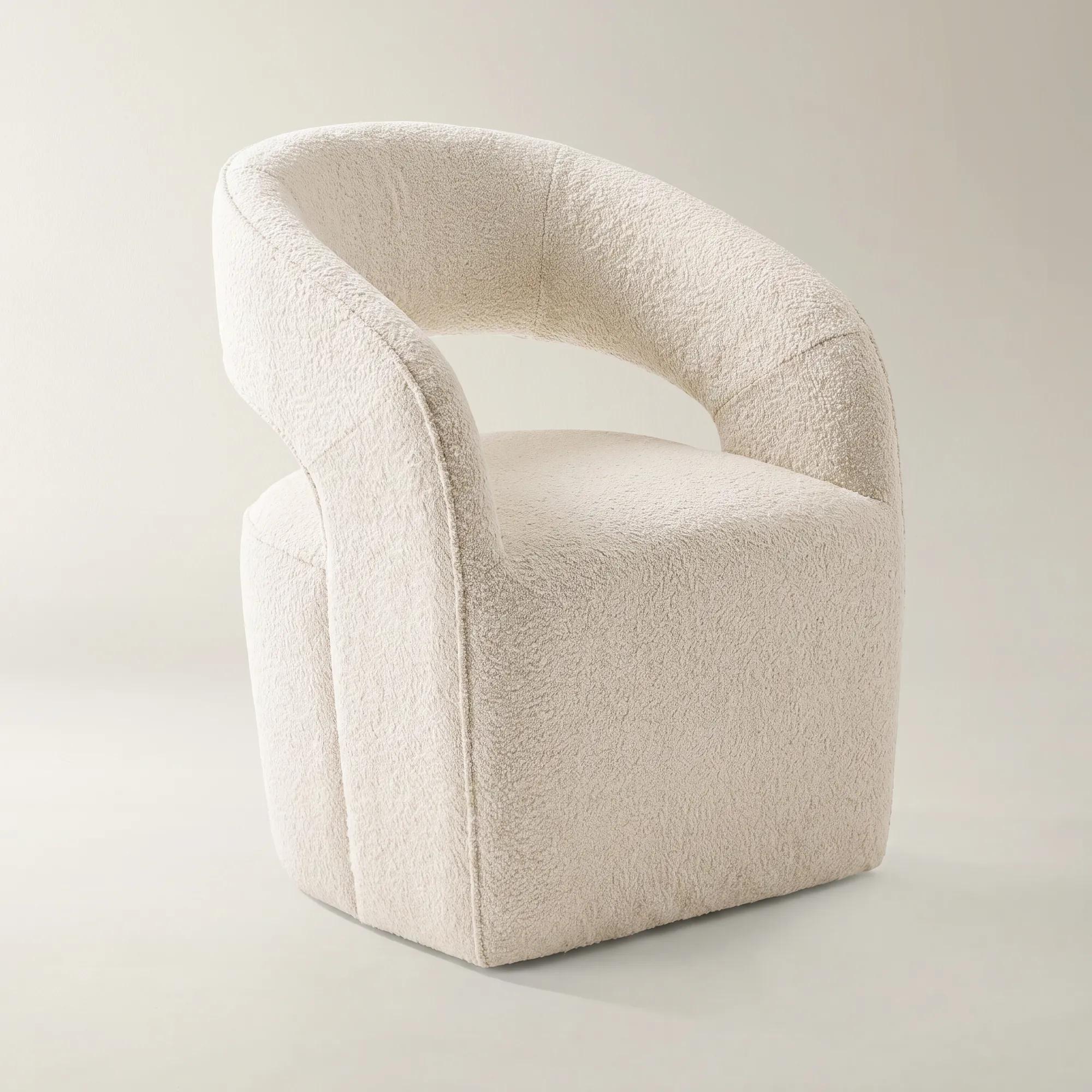 Harrison Utopia Sand Chenille Dining Chair$449
A sculptural dining chair upholstered in sand chenille with a curved back, feather-blend seat, and integrated arms.
Add To Cart -
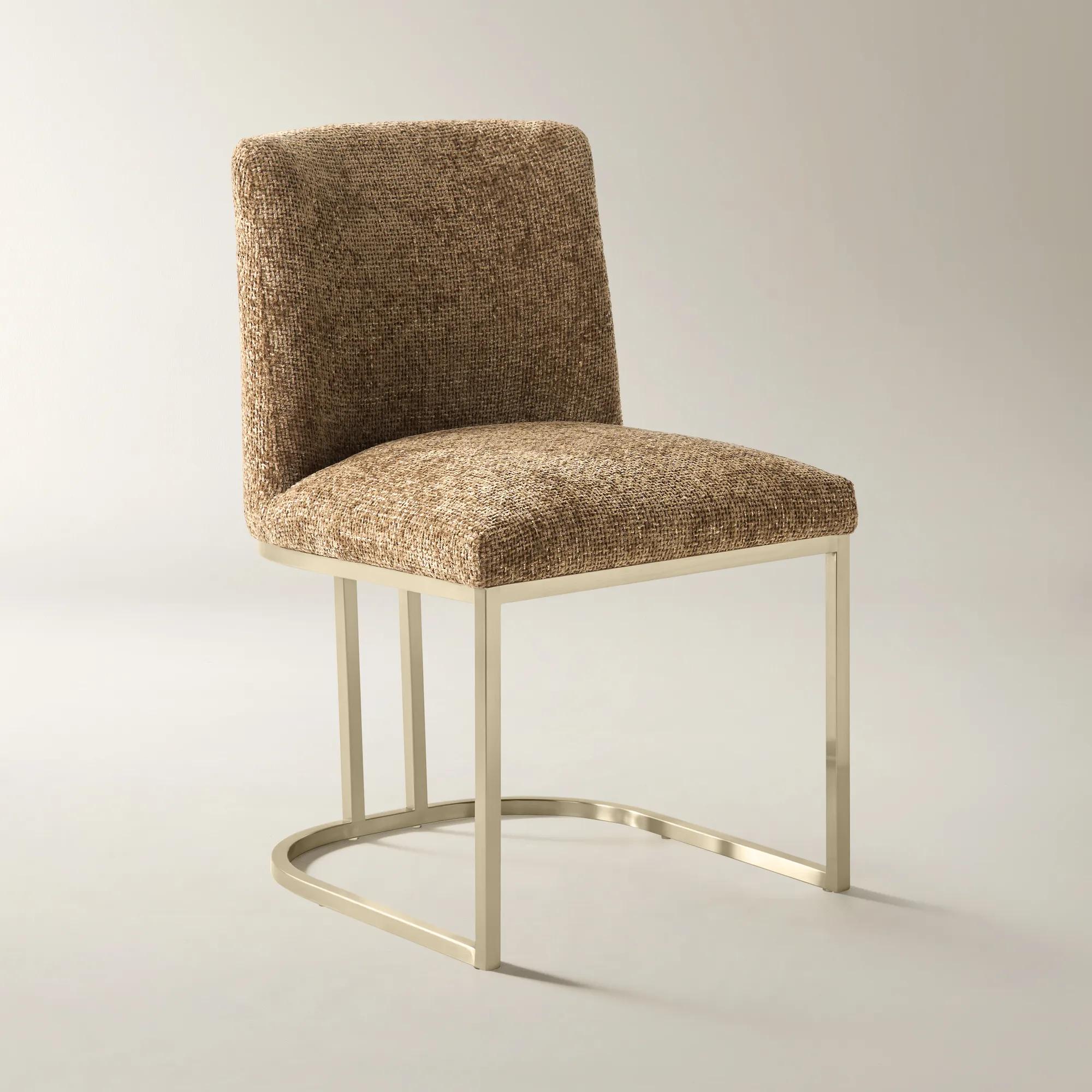 Bergen Bronze Chenille Dining Chair Set Of 2$549
A set of two dining chairs featuring bronze chenille upholstery and a sculptural brushed gold metal base.
Add To Cart

Minimalist Dining Chairs With Cutout Design
Minimalist dining chairs with cutout design invite a breath of modern artistry into your dining space, transforming every meal into a curated experience. These sculptural silhouettes capture the essence of refined restraint—where clean lines meet captivating negative space, and simplicity reveals unexpected drama. Each chair becomes a conversation piece, balancing airiness and intrigue to elevate your table with a gallery-worthy presence. For those who crave interiors that speak in statements, minimalist dining chairs with cutout design are the secret to a dining room that dazzles with subtle sophistication and bold intent.
Minimalist dining chairs with a cutout design feature an opening in the backrest that creates negative space, giving the chair a lighter visual presence and a sculptural profile. That opening might take the form of a slender oval, a generous arch, or a crisp geometric shape, with each silhouette bringing a different rhythm to the dining room. Rather than relying on elaborate ornament, these chairs draw attention through proportion, contour, and the interplay of solid surfaces and open space. The result is seating with a restrained outline and an unmistakably expressive character. Around a dining table, repeated cutouts create an architectural pattern, allowing glimpses of a richly textured rug, a dramatic table base, or the room beyond. This visual openness can be especially appealing in a compact dining area or an open-plan home, where tall, solid chair backs may interrupt sightlines. It does not reduce the chair’s actual footprint, but it can make the arrangement feel less visually crowded. Curved openings soften the presence of a rectangular table, while angular details introduce definition alongside rounded furnishings. Against a dark wall, a pale chair frame becomes a striking outline; beside a glass tabletop, an open back lets the entire composition feel almost suspended. These modern dining chairs suit people who appreciate deliberate design without wanting their dining space to disappear into the background. They can anchor everyday meals, intimate dinner parties, and long conversations with equal poise, provided their proportions and construction support the way the room is used. For another expression of this architectural approach, contemporary dining chairs with cutout offer a related design direction to explore. The distinction lies less in a rigid style label than in the balance of shape, finish, and upholstery: a spare frame can feel quietly refined, while the same open silhouette paired with plush fabric and gleaming accents brings a more glamorous presence.
Materials determine how cutout dining chairs look, feel, and perform beyond their sculptural first impression. Wood frames can introduce visible grain and tonal variation, lending warmth to an otherwise precise silhouette. A shaped wooden backrest may read as a continuous ribbon around its opening, making the quality of the contours and edges particularly noticeable. Metal frames can create slender, sharply defined lines, with polished finishes catching the light and matte finishes emphasizing form. Upholstered designs bring another dimension, wrapping the backrest or seat in fabric for a softer contrast to the opening. Velvet lends depth as its pile catches light from different angles, while textured woven upholstery introduces a more tactile surface. Leather and synthetic leather have distinct care requirements and aging characteristics, so the exact material matters more than a similar appearance. For a dining room used at every meal, cleanability deserves as much attention as color. Performance fabrics may offer specified resistance to stains or wear, but that label does not mean every spill can be ignored or every cleaning method is appropriate. Comfort, likewise, cannot be judged by the cutout alone. A curved back may support the body around the opening, yet the placement of that opening, the backrest angle, and the firmness of the seat all influence the experience. Someone who likes to linger over dinner may prefer a cushioned seat and a back that meets the body comfortably rather than an edge that presses across it. Seat depth should allow the sitter to rest against the back without uncomfortable pressure behind the knees. Arms can add a gracious, enveloping feel, although armless silhouettes often make it easier to move around a closely arranged table. In a home where the dining table also hosts occasional laptop sessions or creative projects, supportive proportions become especially valuable. For durability, look beyond the finish to frame construction, secure joints, upholstery attachment, and any stated weight capacity. A decorative opening is a design feature, not proof of strength or fragility; the surrounding structure and quality of construction are what matter.
Scale brings the entire dining arrangement into focus. Before selecting minimalist cutout dining chairs, compare seat height with the underside of the table, including any apron that extends below the top. Roughly 10 to 12 inches between the seat and tabletop is a common starting point, but a low apron can reduce usable thigh clearance. Arm height also needs a separate check if the chairs are meant to tuck neatly beneath the table. Allow approximately 24 inches of table edge per diner as an initial planning measure, then adjust for wider seats, arms, and the position of table legs or a pedestal base. A chair that looks slender from the front may have a deep seat or splayed legs, so overall dimensions are essential. Around 36 inches between the table edge and a wall or nearby furnishing is a useful starting point for pulling chairs out; a passage behind occupied seating generally needs more. These measurements help preserve the ease that the open-back design suggests visually. In a smaller apartment, an airy silhouette can keep a dining nook connected to the living area, while a larger room can carry a more substantial upholstered shape without losing that sense of openness. Protecting the finish keeps those clean outlines looking intentional. Dust frames with a soft cloth, vacuum upholstery with an appropriate attachment, and attend to spills promptly according to the material’s care instructions. Avoid saturating fabric, wood joints, or upholstered edges around the cutout, where moisture may be difficult to remove. Manufacturer-approved cleaners are preferable to improvised treatments, and abrasive tools can dull a polished surface or damage a protective coating. Suitable floor glides help reduce scuffing, while periodic checks for loose fasteners can support steady everyday use. Unless specifically rated otherwise, indoor dining chairs belong indoors. With thoughtful spacing and material-conscious care, the cutout becomes more than a striking detail: it gives the dining room a distinctive visual cadence, framing the table and the life gathered around it.
FAQs
Minimalist dining chairs with cutout designs harmonize beautifully with a range of interiors, from modern and contemporary to transitional and even eclectic spaces. Their sculptural silhouettes and airy profiles complement open-plan layouts, urban lofts, and dining rooms that embrace clean lines, bold accents, or artistic focal points. These chairs also effortlessly elevate spaces with metallic, glass, or marble elements, adding a touch of architectural elegance and visual intrigue.
Minimal dining chairs with cutout details provide a stunning backdrop for seasonal tablescapes. In winter, pair them with plush throws, gleaming candlelight, and rich textures for a cozy yet refined setting. Their openwork design allows decorative elements—like garlands or sculptural centerpieces—to shine, creating a balanced and cohesive look that feels both fresh and inviting.
Many minimalist dining chairs with cutout designs are thoughtfully crafted with ergonomics in mind, offering contoured backs and supportive seats that encourage guests to linger in comfort. For added luxury, consider styles with upholstered cushions or curved silhouettes, which blend visual lightness with sumptuous seating, perfect for leisurely dinners and spirited conversation.
Modern minimalist dining chairs make an inspired gift for newlyweds, first-time homeowners, or design enthusiasts who appreciate artful living. Their timeless appeal and versatile design ensure they become cherished additions to any home, serving as both functional seating and striking décor for years to come.
To create a dynamic dining environment, try mixing minimalist dining chairs with cutout designs alongside upholstered host chairs or pairing them with a statement table in a contrasting material. Layer in bold tableware, textured rugs, or dramatic lighting to amplify the artistic mood. Their open silhouettes also make them ideal for showcasing decorative flooring or statement rugs beneath the table.